Visual abstracts
New randomized trials and meta-analyses from leading journals at a glance: who was studied, what was compared, and what was found. Every paper is free to read in full.
All specialtiesCardiology 3591Oncology 3059Gastroenterology & Hepatology 1400Infectious Disease 2526Neurology 1442Psychiatry & Mental Health 1696Pulmonology 1531Critical Care 1026Endocrinology & Diabetes 1829Pediatrics 2173Surgery 1887Orthopedics & Sports Medicine 668Neurosurgery 419Cardiothoracic & Vascular Surgery 425Plastic & Reconstructive Surgery 496Nephrology 784Rheumatology 574Hematology 806Dermatology 443Ophthalmology 395Obstetrics & Gynecology 1225Public & Global Health 687Radiology & Imaging 499Anesthesiology 732Urology 589ENT (Otolaryngology) 393Emergency Medicine 383Allergy & Immunology 223Geriatrics 757Family Medicine & Primary Care 414Medical Genetics & Genomics 459Pathology & Laboratory Medicine 118Physical Medicine & Rehabilitation 557Palliative Care 331Nutrition 1085Digital Health & AI 1684General Medicine 257
Electroacupuncture for knee osteoarthritis: a multicentre randomised controlled trial assessing symptomatic and structural efficacy
Multicentre, randomised, parallel-group, sham-acupuncture-controlled trialBenefit found
Does electroacupuncture provide symptomatic and structural benefits for knee osteoarthritis?
Who
480
Participants with knee osteoarthritis · Six Shanghai hospitals
Compared
Electroacupuncture: adjusted mean change 65.35
Sham-acupuncture: adjusted mean change 24.76
Main outcome
Change in Western Ontario and McMaster Universities Osteoarthritis Index global score
Result: mean difference 40.56, 95% CI 36.35-44.77
Bottom line: A six-week course of electroacupuncture provided substantial symptomatic relief and potential structural benefits for knee osteoarthritis patients.
Limitation: Structural signals from exploratory magnetic resonance imaging require confirmation in trials designed for imaging endpoints.
Funded by: National Natural Science Foundation of China and Shanghai Municipal Health Commission
eClinicalMedicine · 2026-05-22Download image

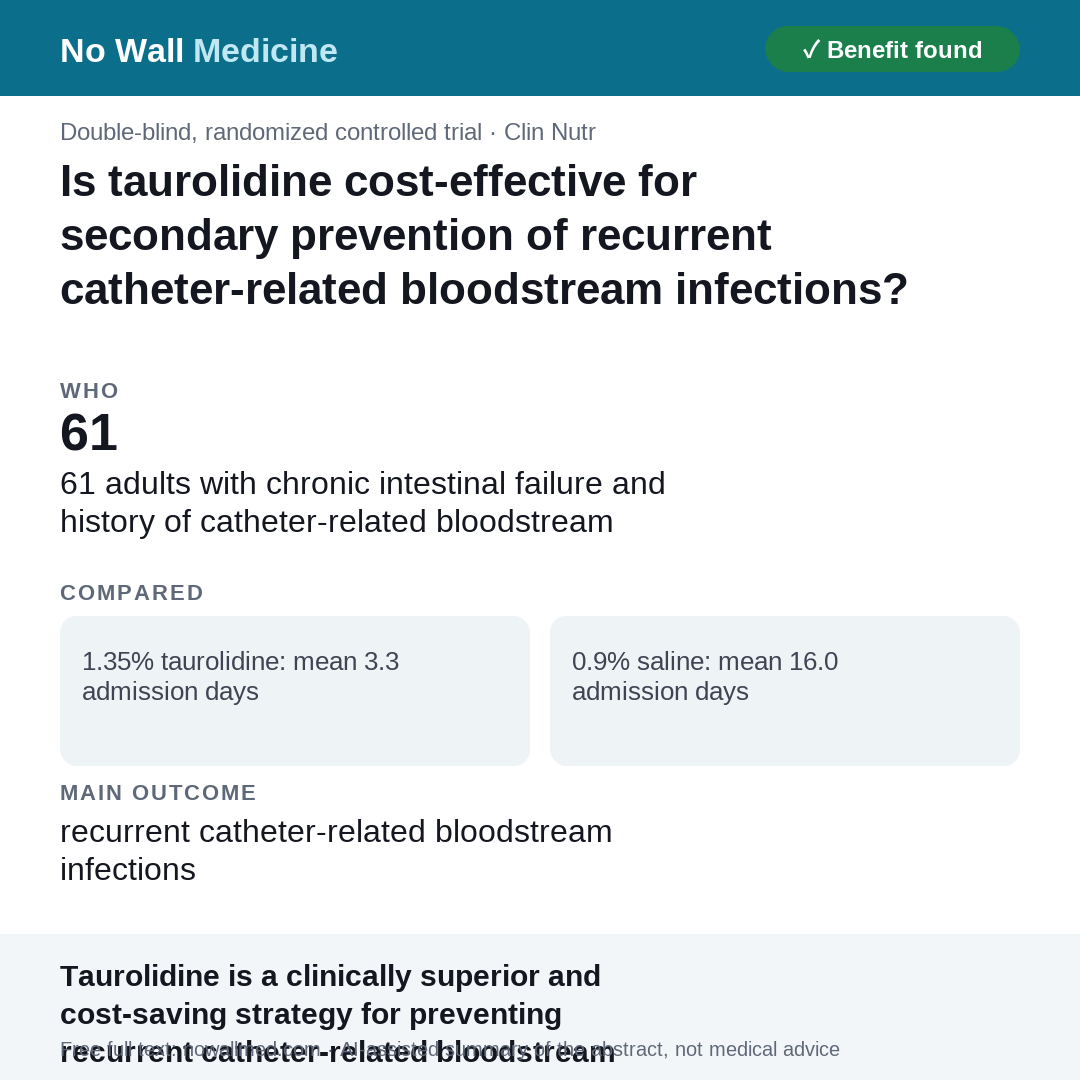
Cost-effectiveness of Taurolidine as secondary prevention of recurrent catheter-related bloodstream infections in patients with chronic intestinal failure: Findings from a randomized controlled trial
Double-blind, randomized controlled trialBenefit found
Is taurolidine cost-effective for secondary prevention of recurrent catheter-related bloodstream infections?
Who
61
61 adults with chronic intestinal failure and history of catheter-related bloodstream infections
Compared
1.35% taurolidine: mean 3.3 admission days
0.9% saline: mean 16.0 admission days
Main outcome
recurrent catheter-related bloodstream infections
Result: ratio: 0.23 (95% CI: 0.09-0.60)
Bottom line: Taurolidine is a clinically superior and cost-saving strategy for preventing recurrent catheter-related bloodstream infections in these patients.
Limitation: Need to evaluate taurolidine for primary prevention where early risk stratification remains challenging.
Clin Nutr · 2026-05-22Download image
Community health worker-led versus facility-based type 2 diabetes care in rural Lesotho: a cluster-randomized trial within the ComBaCaL cohort study
Cluster-randomised trialNo clear difference
Is community health worker-led care better than facility-based care for type 2 diabetes?
Who
103
Participants with uncomplicated and uncontrolled type 2 diabetes in rural Lesotho · 103 rural villages in Lesotho
Compared
Control arm: 7·1 ± 1·9%
Intervention arm: 6·5 ± 1·3%
Main outcome
Glycated haemoglobin at 12 months
Result: adjusted mean difference -0·46%, 95%CI -1·14 to 0·22
Bottom line: Community health worker-led care may improve engagement and glycaemic control, but findings require larger studies to confirm.
BMC Med · 2026-05-22Download image

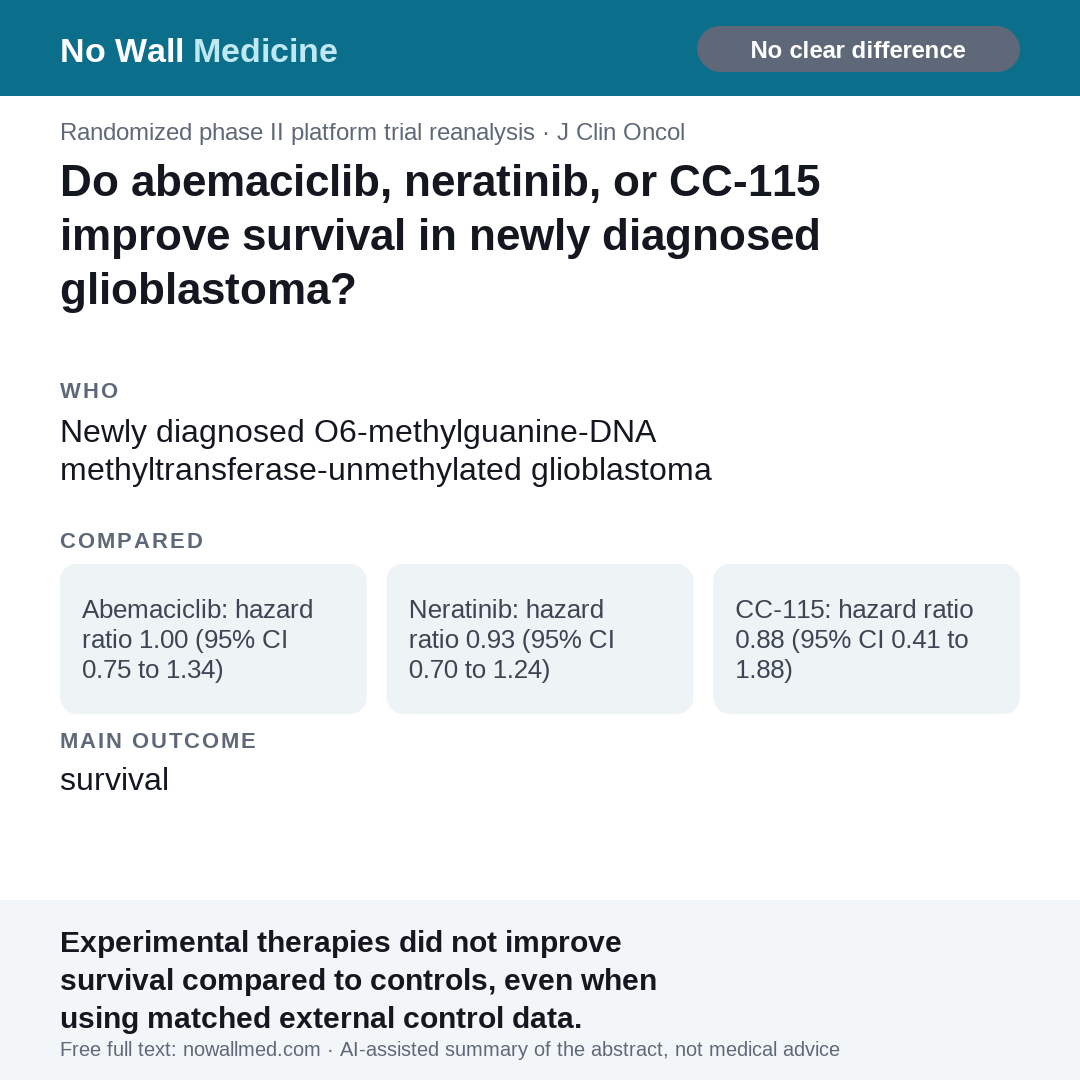
Treatment Effect Reanalysis of the Randomized Individual Screening Trial of Innovative Glioblastoma Therapy in Newly Diagnosed Glioblastoma With External Control Data
Randomized phase II platform trial reanalysisNo clear difference
Do abemaciclib, neratinib, or CC-115 improve survival in newly diagnosed glioblastoma?
Who
Newly diagnosed O6-methylguanine-DNA methyltransferase-unmethylated glioblastoma patients
Compared
Abemaciclib: hazard ratio 1.00 (95% CI 0.75 to 1.34)
Neratinib: hazard ratio 0.93 (95% CI 0.70 to 1.24)
CC-115: hazard ratio 0.88 (95% CI 0.41 to 1.88)
Main outcome
survival
Bottom line: Experimental therapies did not improve survival compared to controls, even when using matched external control data.
Limitation: Validity depends on availability of comprehensive and accurate data on all potential confounders.
J Clin Oncol · 2026-05-22Download image
Opioid-free Anesthesia in Cardiac Surgery: The OFACAR Randomized Clinical Trial
Randomized, controlled, blinded, multicenter superiority trialBenefit found
Does opioid-free anesthesia reduce postoperative complications in cardiac surgery?
Who
320
Adult patients undergoing elective cardiac surgery with cardiopulmonary bypass · Two tertiary university hospitals in France
Compared
75.4%Opioid-free anesthesia
84.5%Opioid anesthesia
Main outcome
Composite postoperative neurologic, respiratory, cardiovascular, renal complications, or death
Result: risk ratio 0.90 (95% CI 0.80 to 0.99)
Bottom line: Opioid-free anesthesia may reduce composite postoperative complications compared with opioid anesthesia in cardiac surgery patients.
Limitation: The primary endpoint composite fragility index indicates results should be considered hypothesis generating.
Anesthesiology · 2026-05-22Download image

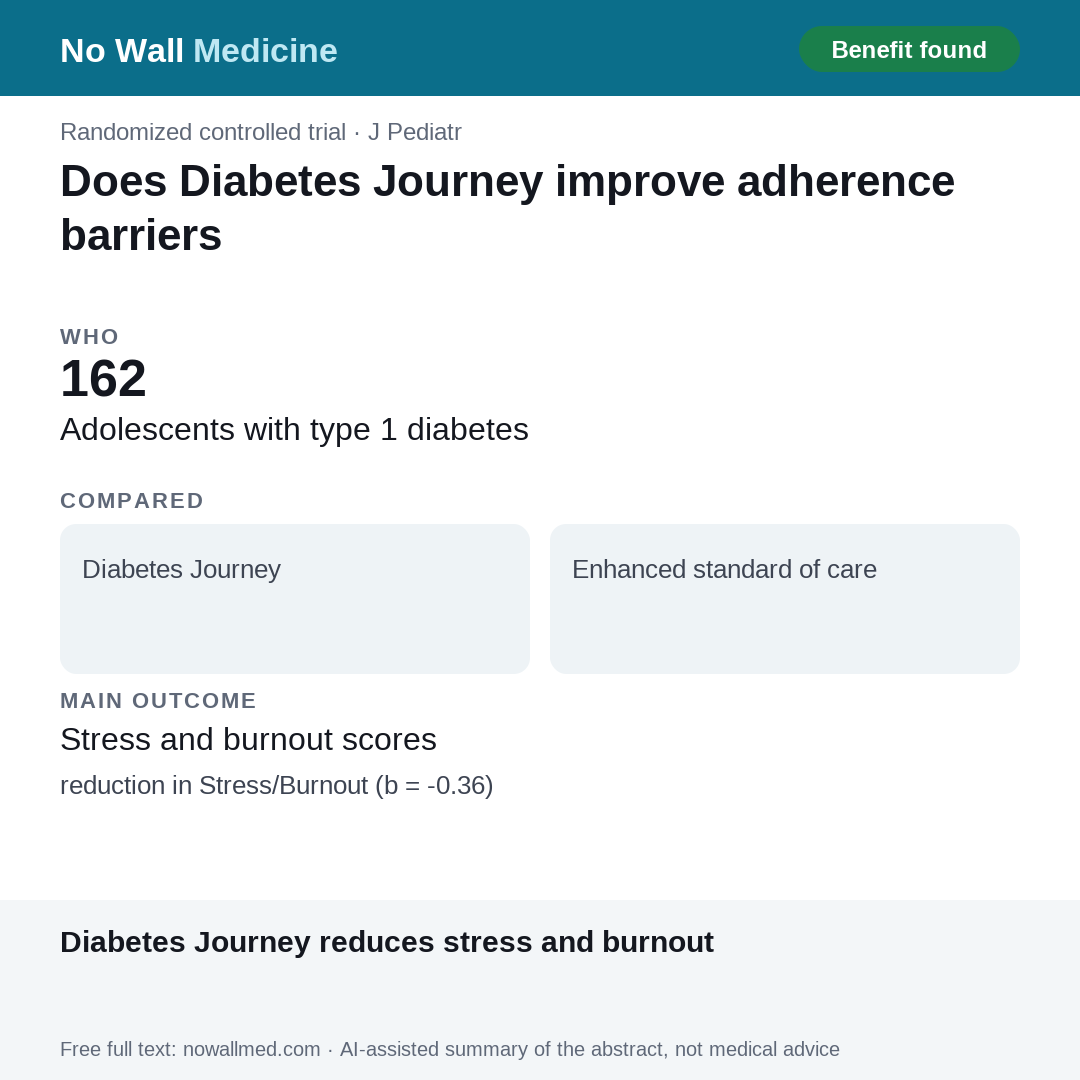
A Pilot Randomized Controlled Clinical Trial to Improve Adherence Barriers for Adolescents with Type 1 Diabetes
Randomized controlled trialBenefit found
Does Diabetes Journey improve adherence barriers
Who
162
Adolescents with type 1 diabetes
Compared
Diabetes Journey
Enhanced standard of care
Main outcome
Stress and burnout scores
Result: reduction in Stress/Burnout (b = -0.36, 95% CI -0.72 to -0.01)
Bottom line: Diabetes Journey reduces stress and burnout
J Pediatr · 2026-05-22Download image
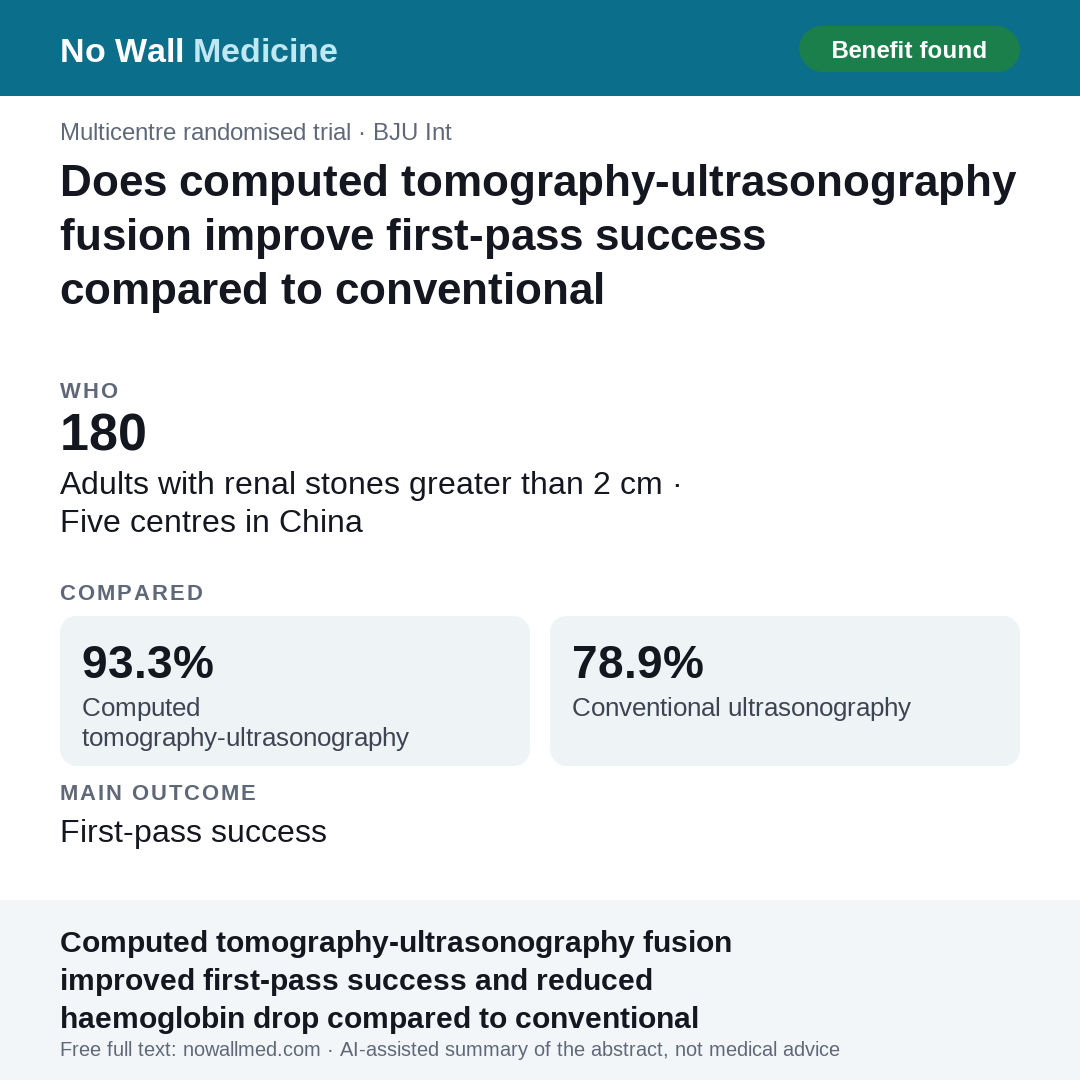
Computed tomography-ultrasonography (US) fusion for percutaneous nephrolithotomy access versus conventional US: A multicentre randomised trial
Multicentre randomised trialBenefit found
Does computed tomography-ultrasonography fusion improve first-pass success compared to conventional ultrasonography?
Who
180
Adults with renal stones greater than 2 cm · Five centres in China
Compared
93.3%Computed tomography-ultrasonography fusion
78.9%Conventional ultrasonography
Main outcome
First-pass success
Result: risk ratio 1.18 (95% CI 1.05-1.33)
Bottom line: Computed tomography-ultrasonography fusion improved first-pass success and reduced haemoglobin drop compared to conventional ultrasonography guidance.
BJU Int · 2026-05-22Download image
Estimated efficacy of the adjuvanted RSVPreF3 vaccine against diverse and worldwide predominant RSV strains, irrespective of RSV F protein variation: results of a post-hoc analysis from the AReSVi-006 trial
Post-hoc analysis of a phase 3 efficacy trialBenefit found
What is the efficacy of adjuvanted RSVPreF3 vaccine against diverse worldwide RSV strains?
Who
Adults aged 60 years or older · Not specified
Compared
Vaccinated
Placebo
Main outcome
Respiratory syncytial virus lower respiratory tract disease and acute respiratory illnesses
Bottom line: Adjuvanted RSVPreF3 vaccine efficacy is maintained across a broad set of globally circulating respiratory syncytial virus strains.
Funded by: GSK
eBioMedicine · 2026-05-22Download image

Enhancing parental health knowledge through digital knowledge mobilisation tools: a randomised controlled trial and qualitative study
Randomised controlled trial and qualitative studyBenefit found
Do blogshots increase parental knowledge regarding common childhood conditions?
Who
167
Parents or legal guardians of children under 5 years · Online questionnaires across Canada
Compared
Group A: significantly higher (p<0.001, d=0.30) at follow-up 1
Group B
Main outcome
change in knowledge
Result: d=0.30
Bottom line: Blogshots can be an effective tool to increase parental knowledge about common childhood conditions.
BMJ Paediatr Open · 2026-05-22Download image

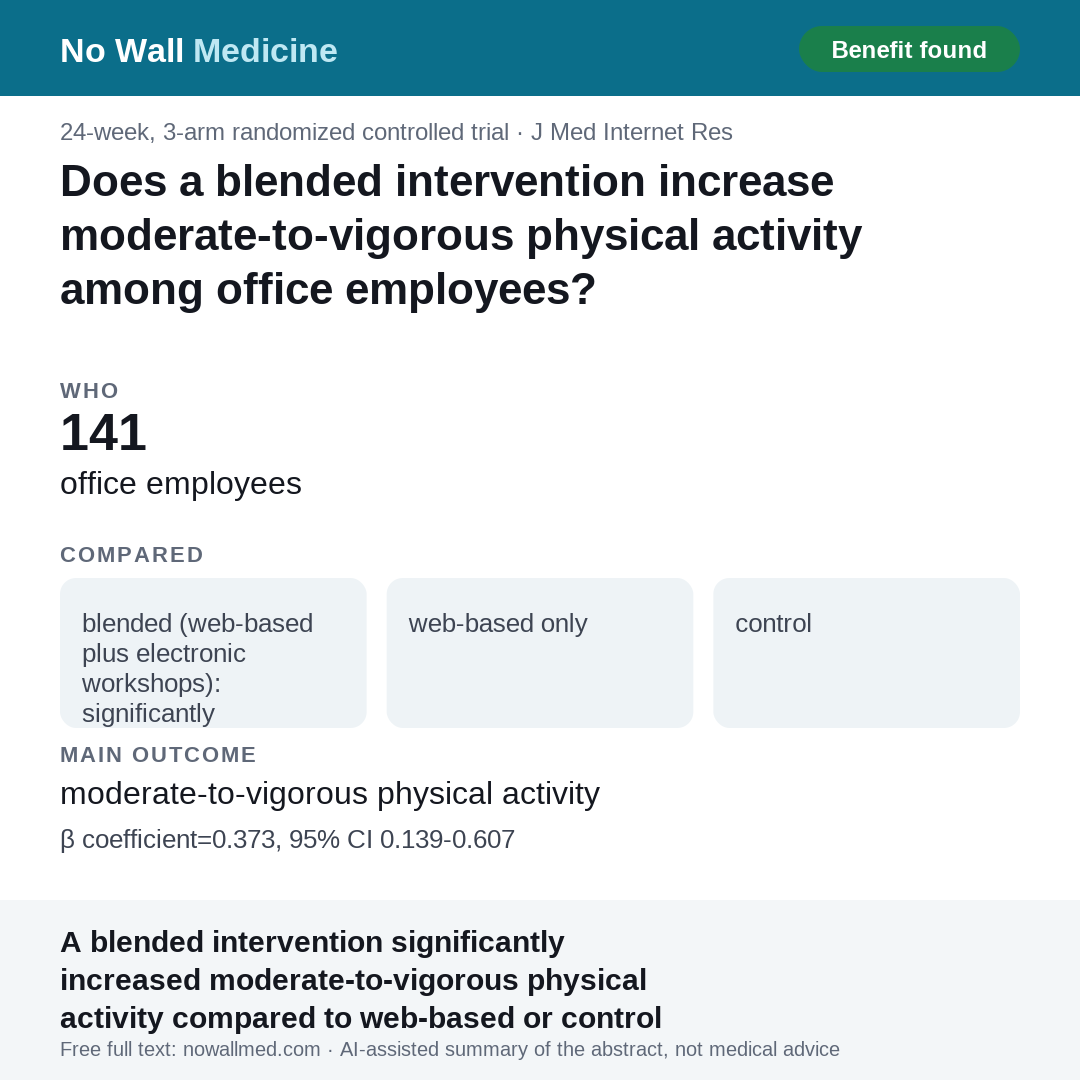
Effectiveness of a Blended Intervention to Promote Physical Activity Among Office Employees: Randomized Controlled Trial
24-week, 3-arm randomized controlled trialBenefit found
Does a blended intervention increase moderate-to-vigorous physical activity among office employees?
Who
141
office employees
Compared
blended (web-based plus electronic workshops): significantly greater MVPA increases
web-based only
control
Main outcome
moderate-to-vigorous physical activity
Result: β coefficient=0.373, 95% CI 0.139-0.607
Bottom line: A blended intervention significantly increased moderate-to-vigorous physical activity compared to web-based or control groups at 12 and 24 weeks.
J Med Internet Res · 2026-05-22Download image
Cost-effectiveness of prehabilitation for elderly (pre-)frail patients prior to elective surgery compared to standard care - an economic evaluation from a societal perspective
Multicentre randomised controlled outcome assessor-blinded trialMixed results
Is prehabilitation cost-effective for elderly (pre-)frail patients undergoing elective surgery?
Who
Elderly (pre-)frail patients undergoing elective surgery · Germany
Compared
Prehabilitation
Standard care
Main outcome
Quality-adjusted life years and deterioration in care dependency level
Result: ICER 45,547 EUR per QALY gained
Bottom line: Prehabilitation was more effective but more costly than standard care, showing potential cost-effectiveness in outpatient settings.
BMC Med · 2026-05-21Download image

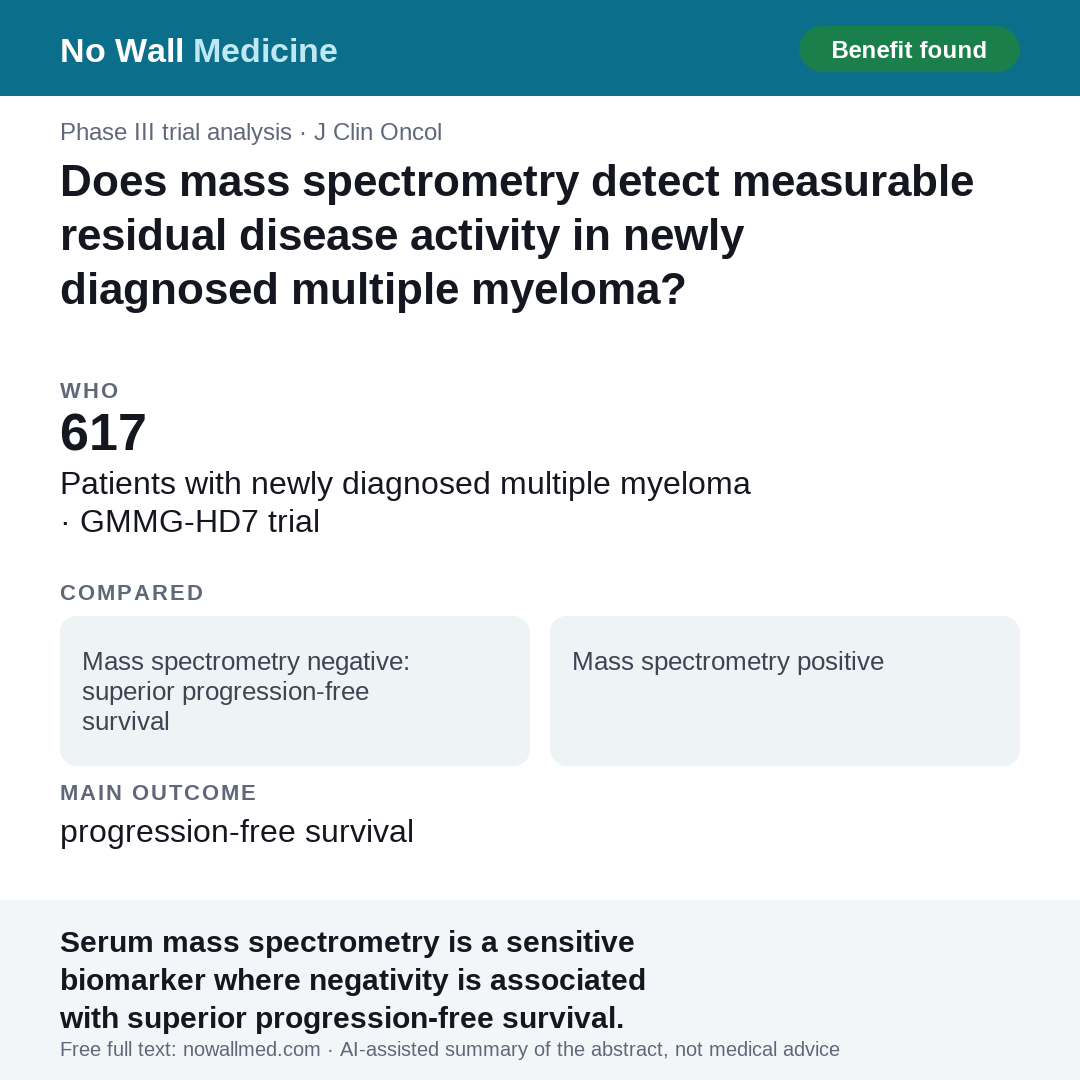
Peripheral Measurable Residual Disease Activity Assessment by MALDI-TOF Mass Spectrometry in Patients With Newly Diagnosed Multiple Myeloma in the Phase III GMMG-HD7 Trial
Phase III trial analysisBenefit found
Does mass spectrometry detect measurable residual disease activity in newly diagnosed multiple myeloma?
Who
617
Patients with newly diagnosed multiple myeloma · GMMG-HD7 trial
Compared
Mass spectrometry negative: superior progression-free survival
Mass spectrometry positive
Main outcome
progression-free survival
Result: hazard ratio 0.25 (95% CI 0.15 to 0.43)
Bottom line: Serum mass spectrometry is a sensitive biomarker where negativity is associated with superior progression-free survival.
J Clin Oncol · 2026-05-21Download image
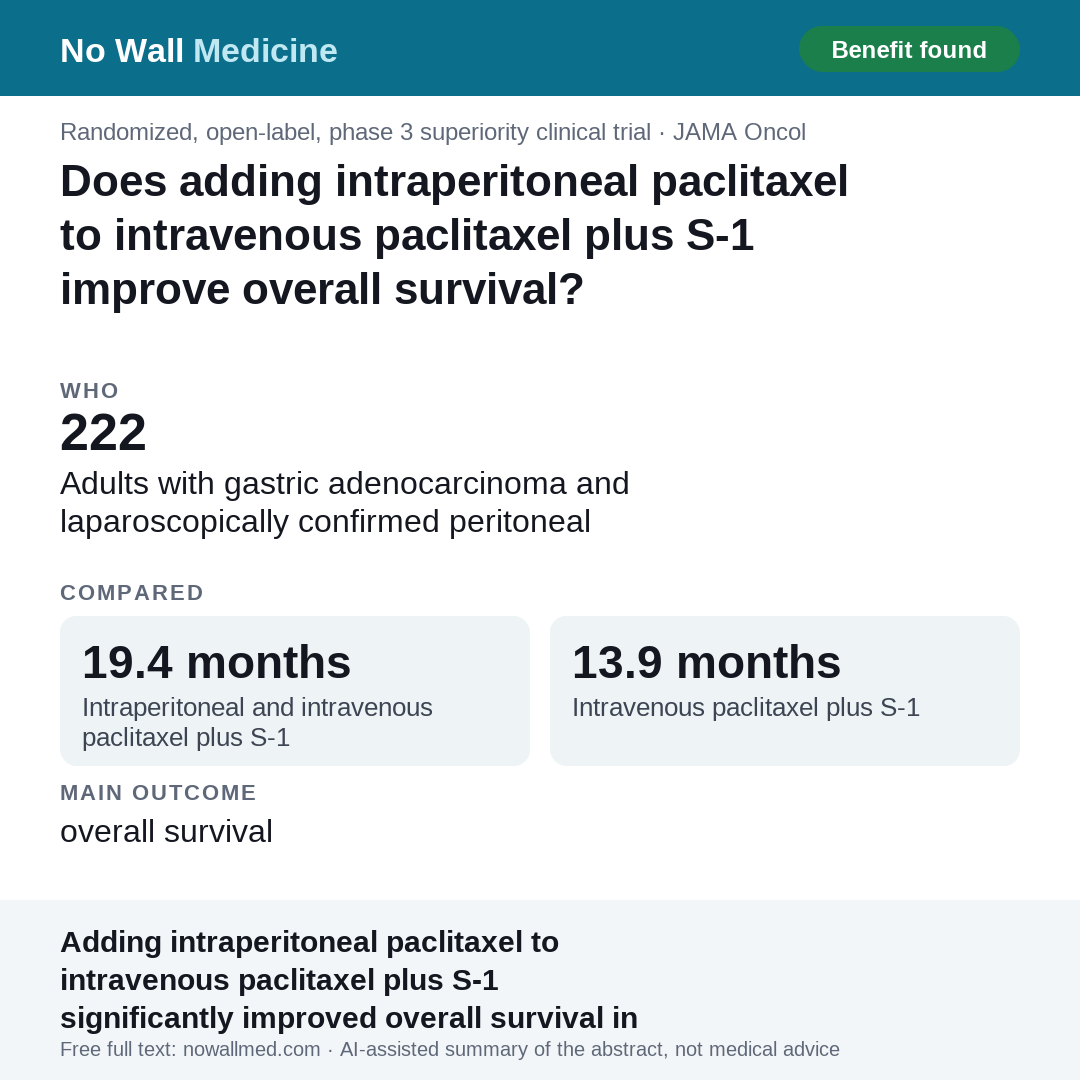
Intraperitoneal and Intravenous Paclitaxel Plus S-1 for Gastric Cancer With Peritoneal Metastasis: A Phase 3 Randomized Clinical Trial
Randomized, open-label, phase 3 superiority clinical trialBenefit found
Does adding intraperitoneal paclitaxel to intravenous paclitaxel plus S-1 improve overall survival?
Who
222
Adults with gastric adenocarcinoma and laparoscopically confirmed peritoneal metastasis · 9 hospitals in China
Compared
19.4 monthsIntraperitoneal and intravenous paclitaxel plus S-1 (95% CI, 17.1-22.9)
13.9 monthsIntravenous paclitaxel plus S-1 (95% CI, 10.3-16.1)
Main outcome
overall survival
Result: hazard ratio 0.67 (95% CI 0.50-0.90)
Bottom line: Adding intraperitoneal paclitaxel to intravenous paclitaxel plus S-1 significantly improved overall survival in gastric cancer with peritoneal metastasis.
JAMA Oncol · 2026-05-21Download image
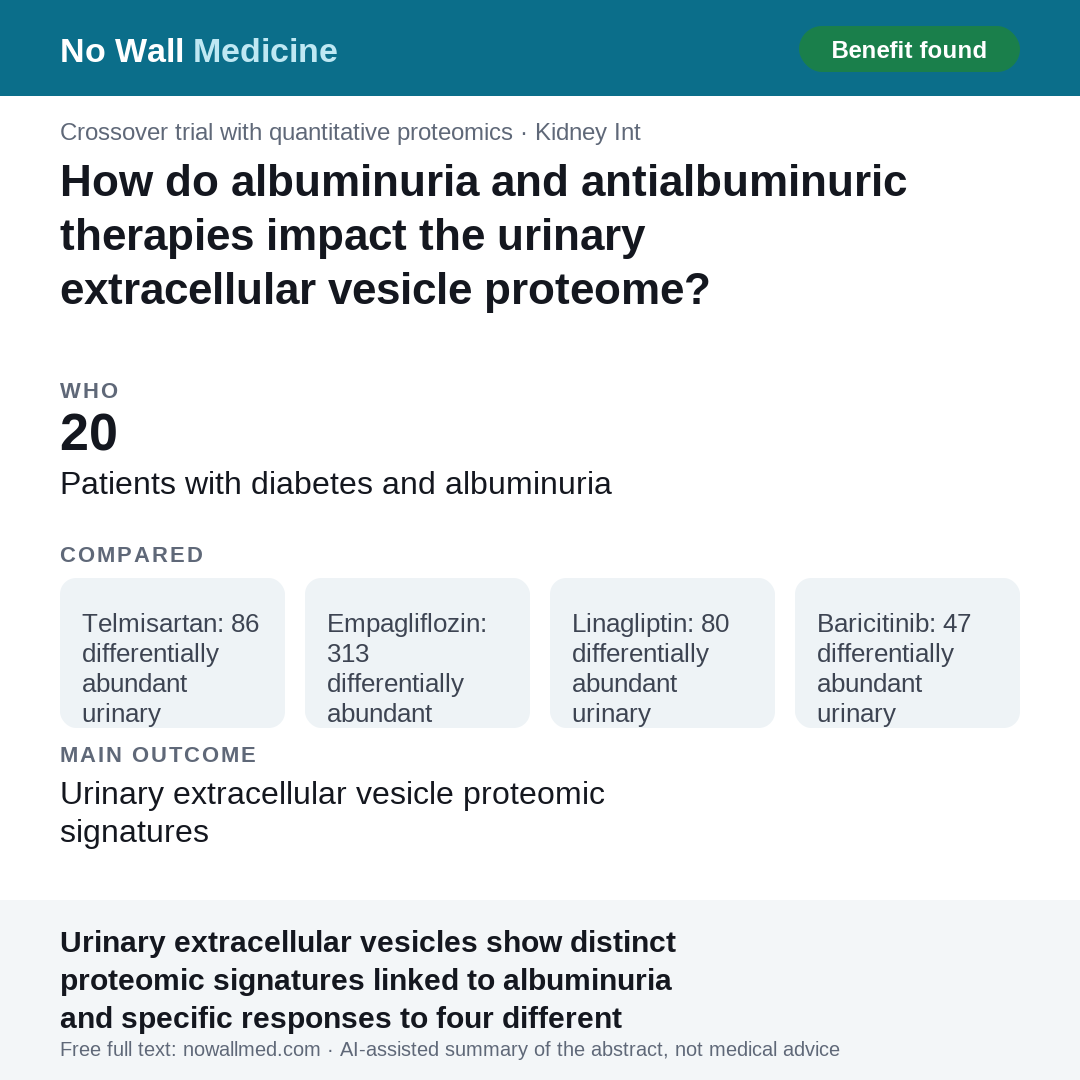
Distinct proteomic signatures of urinary extracellular vesicles link to albuminuria and treatment responses in diabetic kidney disease
Crossover trial with quantitative proteomicsBenefit found
How do albuminuria and antialbuminuric therapies impact the urinary extracellular vesicle proteome?
Who
20
Patients with diabetes and albuminuria
Compared
Telmisartan: 86 differentially abundant urinary extracellular vesicle proteins
Empagliflozin: 313 differentially abundant urinary extracellular vesicle proteins
Linagliptin: 80 differentially abundant urinary extracellular vesicle proteins
Baricitinib: 47 differentially abundant urinary extracellular vesicle proteins
Main outcome
Urinary extracellular vesicle proteomic signatures
Bottom line: Urinary extracellular vesicles show distinct proteomic signatures linked to albuminuria and specific responses to four different treatments.
Kidney Int · 2026-05-21Download image
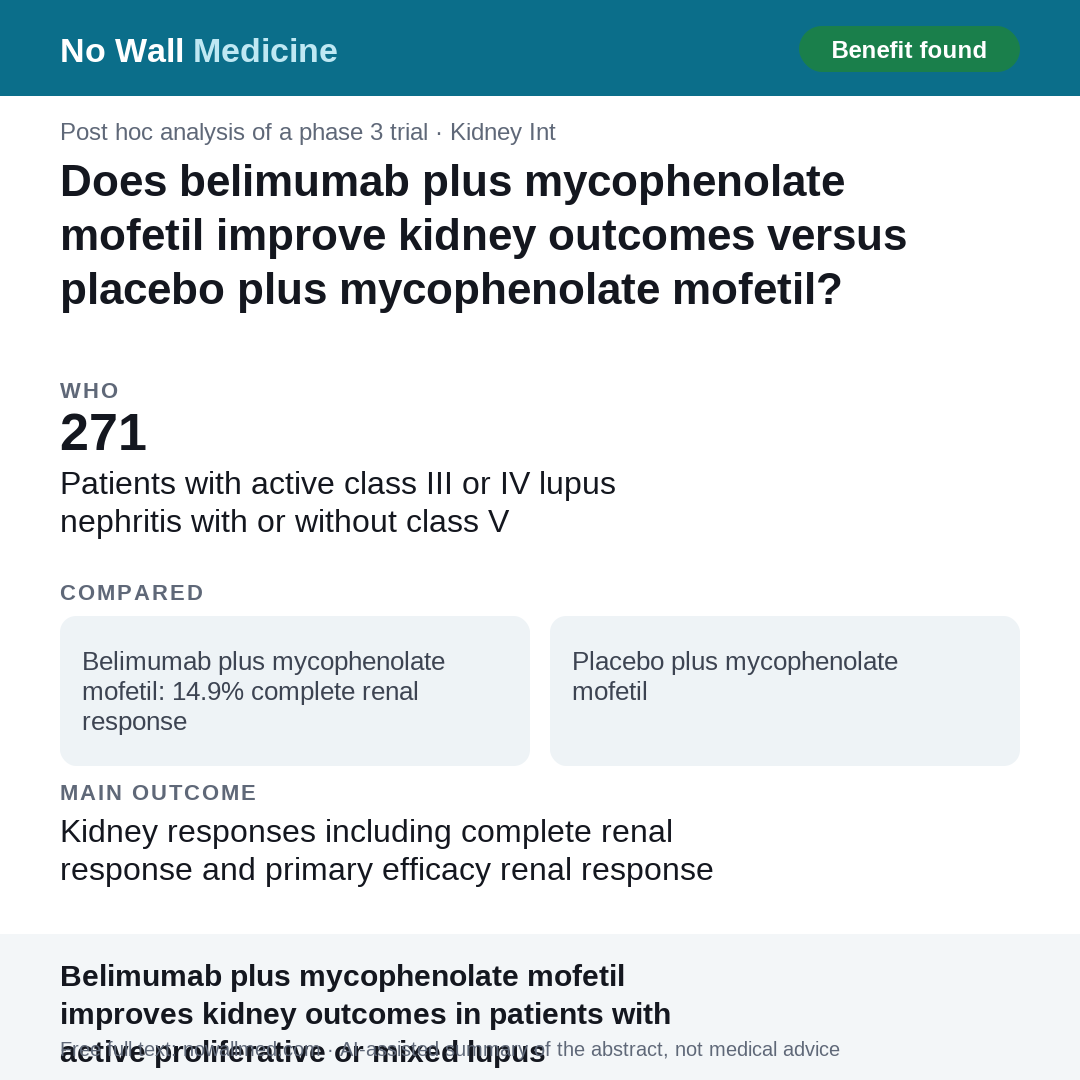
A post hoc analysis of BLISS-LN found Belimumab plus mycophenolate mofetil improves kidney outcomes versus placebo plus mycophenolate mofetil in active lupus nephritis
Post hoc analysis of a phase 3 trialBenefit found
Does belimumab plus mycophenolate mofetil improve kidney outcomes versus placebo plus mycophenolate mofetil?
Who
271
Patients with active class III or IV lupus nephritis with or without class V
Compared
Belimumab plus mycophenolate mofetil: 14.9% complete renal response
Placebo plus mycophenolate mofetil
Main outcome
Kidney responses including complete renal response and primary efficacy renal response
Bottom line: Belimumab plus mycophenolate mofetil improves kidney outcomes in patients with active proliferative or mixed lupus nephritis.
Kidney Int · 2026-05-21Download image
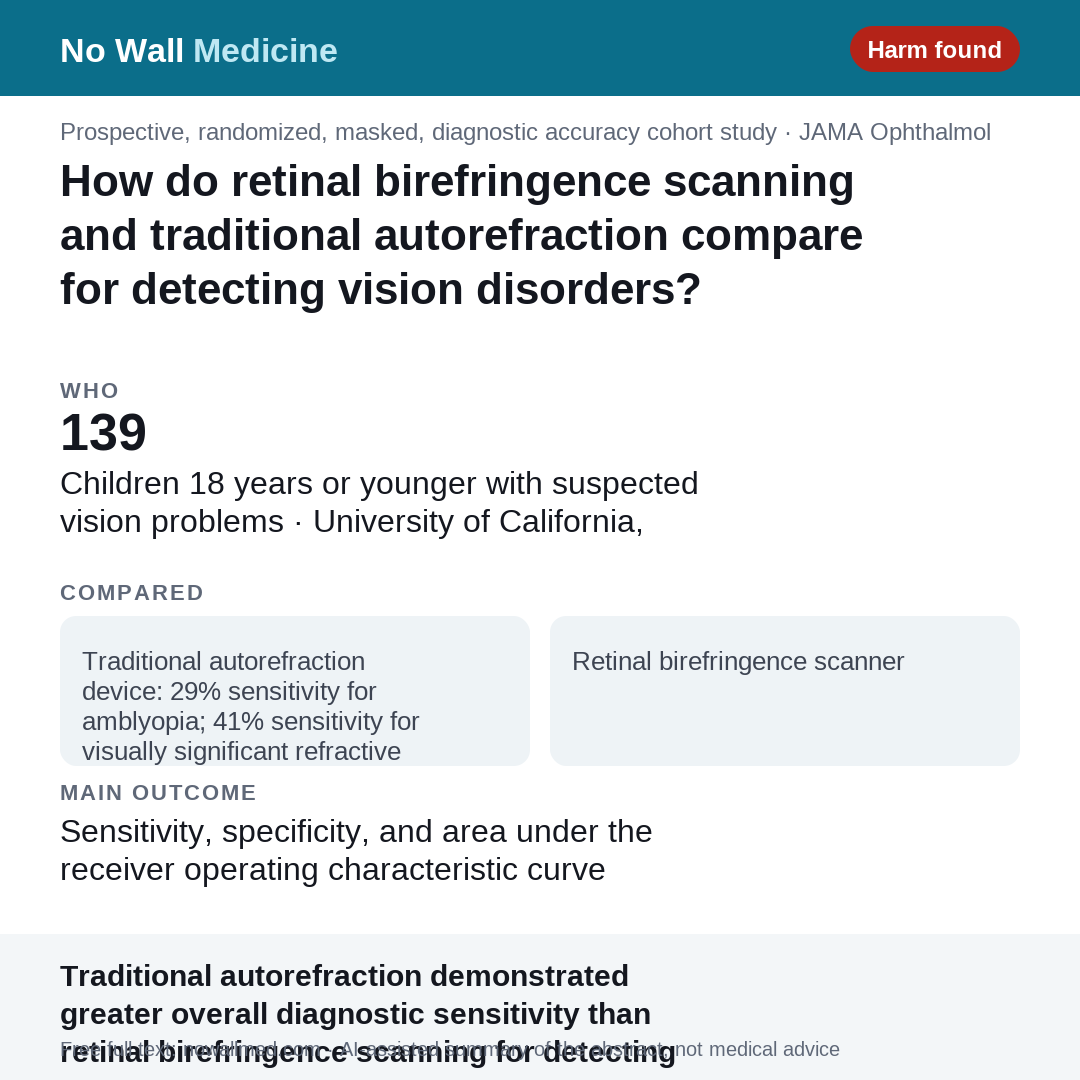
Diagnostic Accuracy of a Retinal Birefringence Scanning Device Compared With a Traditional Autorefraction Device
Prospective, randomized, masked, diagnostic accuracy cohort studyHarm found
How do retinal birefringence scanning and traditional autorefraction compare for detecting vision disorders?
Who
139
Children 18 years or younger with suspected vision problems · University of California, San Francisco, pediatric ophthalmology clinic
Compared
Traditional autorefraction device: 29% sensitivity for amblyopia; 41% sensitivity for visually significant refractive error
Retinal birefringence scanner
Main outcome
Sensitivity, specificity, and area under the receiver operating characteristic curve
Result: AUROC for retinal birefringence scanner was lower, particularly for amblyopia (-0.13; 95% CI, -0.23 to -0.03)
Bottom line: Traditional autorefraction demonstrated greater overall diagnostic sensitivity than retinal birefringence scanning for detecting amblyopia and refractive errors.
JAMA Ophthalmol · 2026-05-21Download image
Pelvic floor symptoms after second-degree tear or episiotomy and the consequences of healing complications: long-term follow-up after the REPAIR study
Long-term follow-up of a randomized trialHarm found
Do women with wound complications have more pelvic floor symptoms 9 to 12 months postpartum?
Who
442
Women with a second-degree perineal tear or episiotomy · Single-center university hospital in Denmark
Compared
51Women with wound complications (12%)
Women without wound complications
Main outcome
Pelvic floor symptoms and clinical examination findings
Bottom line: Women with postpartum wound complications reported more pelvic floor symptoms, particularly regarding sexual function, prolapse, and body image.
AJOG · 2026-05-21Download image

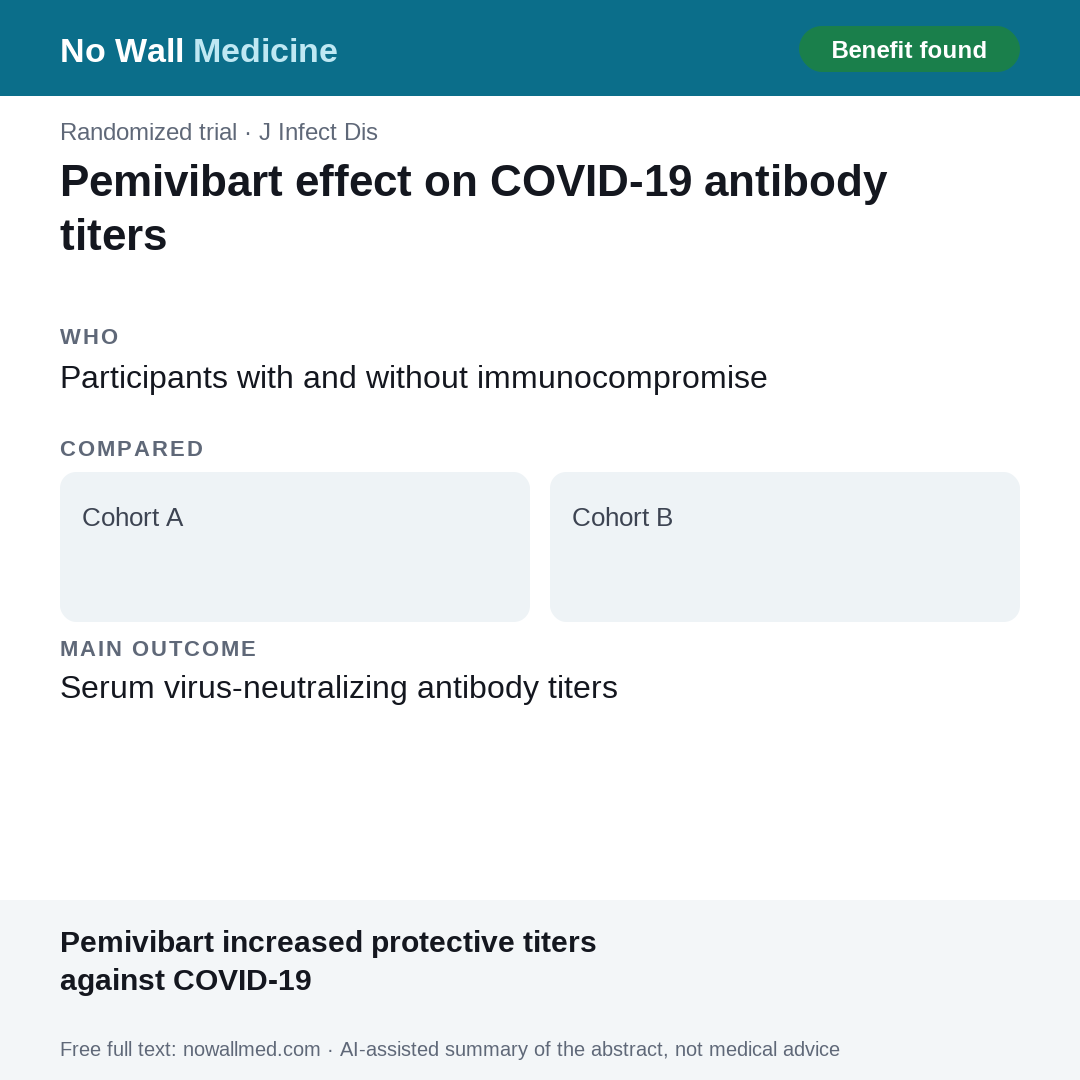
Serum Virus-Neutralizing Antibody Titers in Clinical Trial Participants With and Without Immunocompromise Receiving Pemivibart, a Long-Acting Monoclonal Antibody for COVID-19
Randomized trialBenefit found
Pemivibart effect on COVID-19 antibody titers
Who
Participants with and without immunocompromise
Compared
Cohort A
Cohort B
Main outcome
Serum virus-neutralizing antibody titers
Bottom line: Pemivibart increased protective titers against COVID-19
J Infect Dis · 2026-05-21Download image
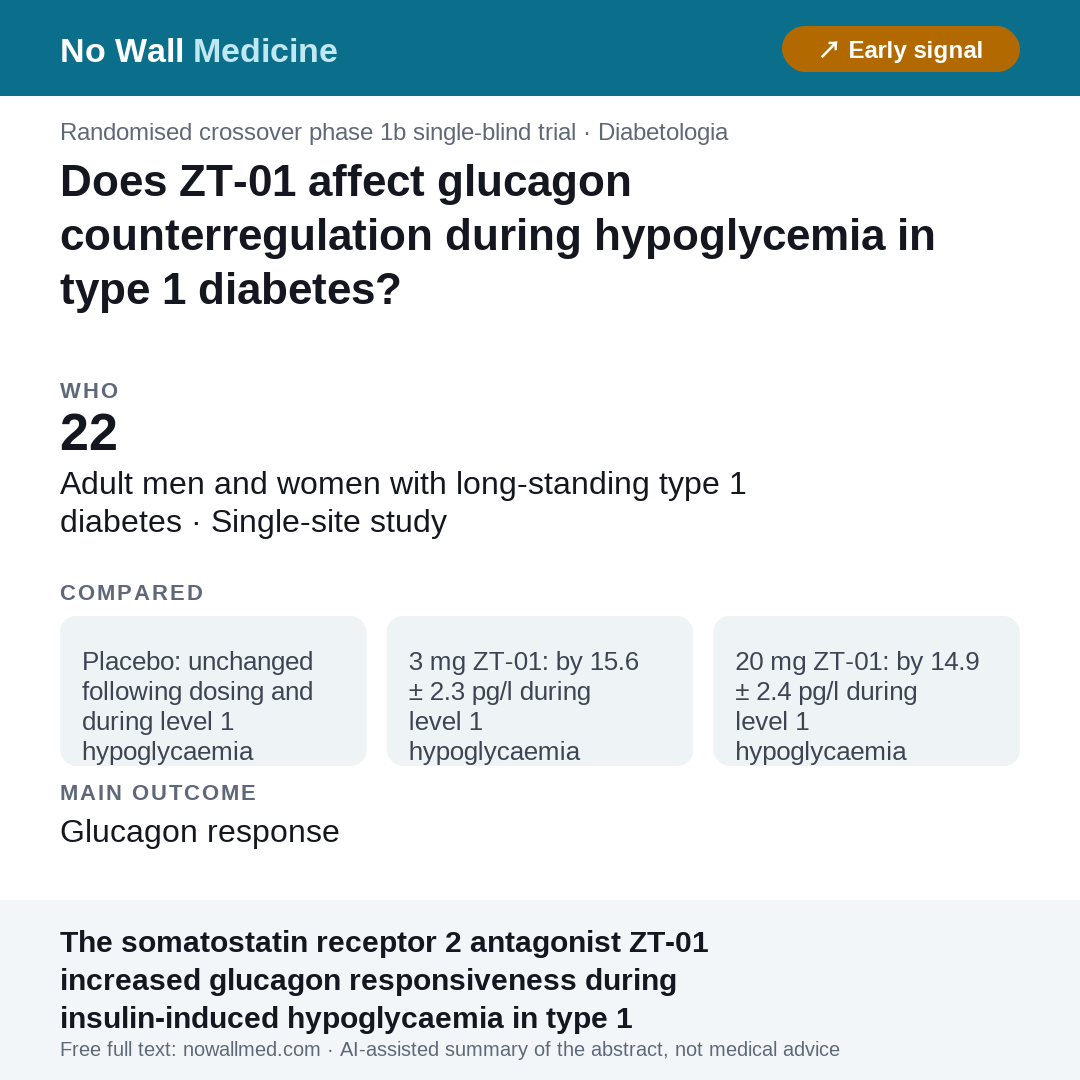
Effect of somatostatin receptor 2 antagonism on glucagon counterregulation during a hyperinsulinaemic euglycaemic-hypoglycaemic glucose clamp in adult men and women with long-standing type 1 diabetes: a randomised crossover phase 1 study
Randomised crossover phase 1b single-blind trialBenefit found
Does ZT-01 affect glucagon counterregulation during hypoglycemia in type 1 diabetes?
Who
22
Adult men and women with long-standing type 1 diabetes · Single-site study
Compared
Placebo: unchanged following dosing and during level 1 hypoglycaemia
3 mg ZT-01: by 15.6 ± 2.3 pg/l during level 1 hypoglycaemia
20 mg ZT-01: by 14.9 ± 2.4 pg/l during level 1 hypoglycaemia
Main outcome
Glucagon response
Bottom line: The somatostatin receptor 2 antagonist ZT-01 increased glucagon responsiveness during insulin-induced hypoglycaemia in type 1 diabetes.
Diabetologia · 2026-05-21Download image
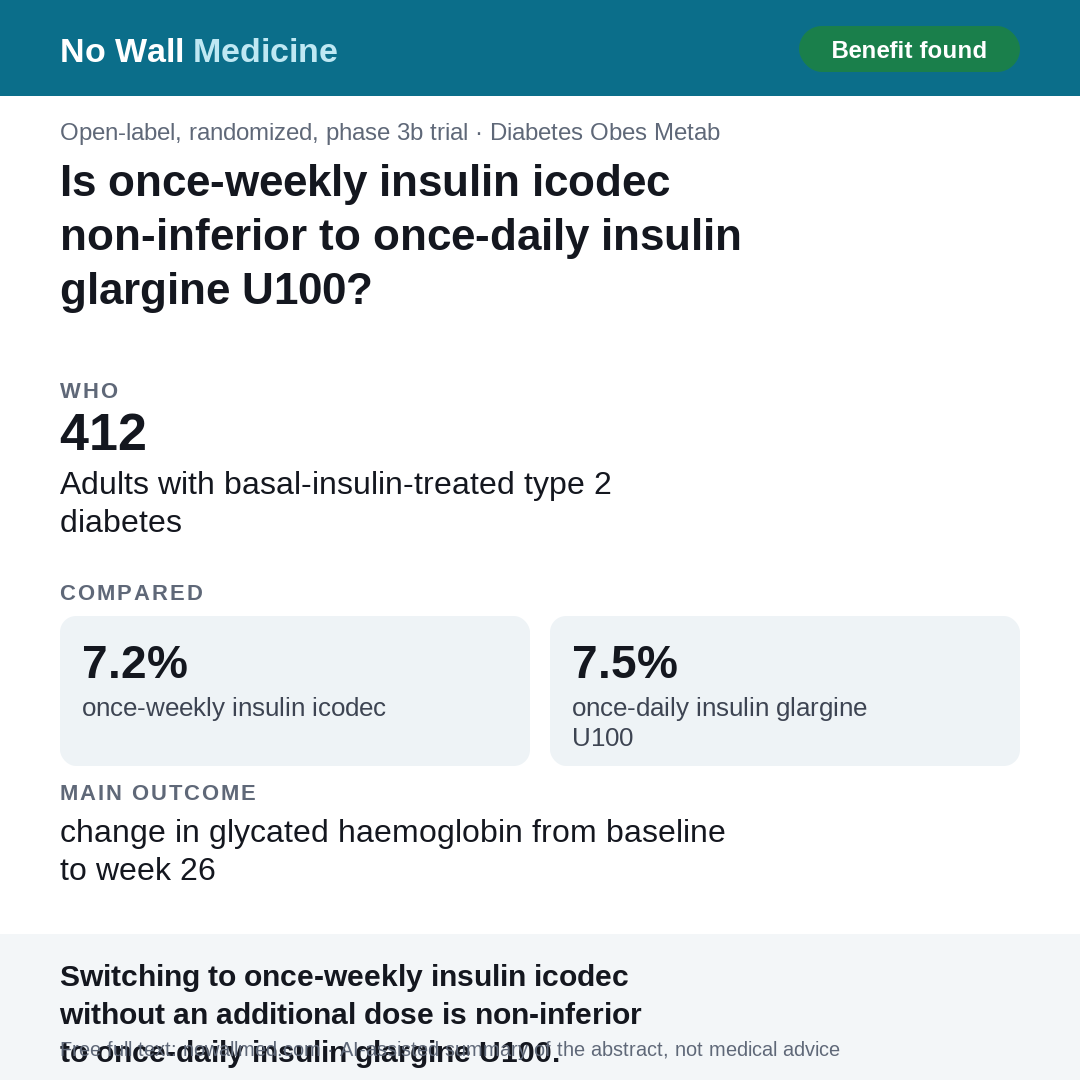
Simplified Switching to Once-Weekly Insulin Icodec Without an Initial One-Time Additional Dose Versus Once-Daily Insulin Glargine U100 in Basal Insulin-Treated Type 2 Diabetes (ONWARDS 10): A Randomised Controlled Trial
Open-label, randomized, phase 3b trialBenefit found
Is once-weekly insulin icodec non-inferior to once-daily insulin glargine U100?
Who
412
Adults with basal-insulin-treated type 2 diabetes
Compared
7.2%once-weekly insulin icodec
7.5%once-daily insulin glargine U100
Main outcome
change in glycated haemoglobin from baseline to week 26
Result: -0.2%-points (95% CI: -0.4, -0.1)
Bottom line: Once-weekly insulin icodec without an initial additional dose is non-inferior to once-daily insulin glargine U100 for glycemic control.
Diabetes Obes Metab · 2026-05-21Download image