Visual abstracts
New randomized trials and meta-analyses from leading journals at a glance: who was studied, what was compared, and what was found. Every paper is free to read in full.
All specialtiesCardiology 4877Oncology 4136Gastroenterology & Hepatology 1942Infectious Disease 3836Neurology 1904Psychiatry & Mental Health 2273Pulmonology 2143Critical Care 1364Endocrinology & Diabetes 2580Pediatrics 2980Surgery 2556Orthopedics & Sports Medicine 931Neurosurgery 537Cardiothoracic & Vascular Surgery 674Plastic & Reconstructive Surgery 591Nephrology 1133Rheumatology 823Hematology 1109Dermatology 621Ophthalmology 543Obstetrics & Gynecology 1686Public & Global Health 1058Radiology & Imaging 648Anesthesiology 986Urology 764ENT (Otolaryngology) 503Emergency Medicine 511Allergy & Immunology 313Geriatrics 979Family Medicine & Primary Care 562Medical Genetics & Genomics 676Pathology & Laboratory Medicine 159Physical Medicine & Rehabilitation 757Palliative Care 444Nutrition 1588Digital Health & AI 2197General Medicine 320
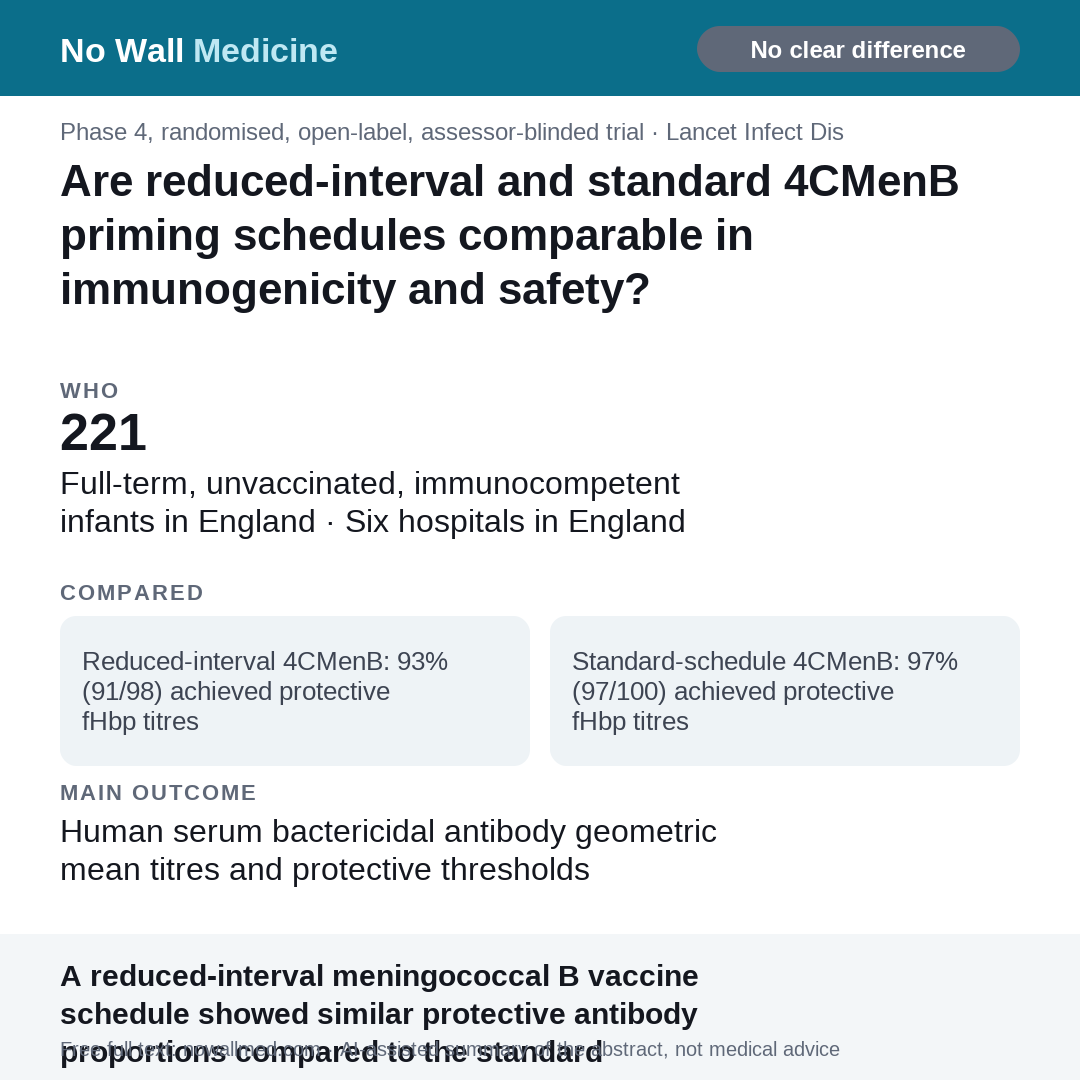
Immunogenicity, reactogenicity, and safety of a reduced-interval 4CMenB primary immunisation schedule in UK infants: a multicentre, open-label, assessor-blinded, phase 4 randomised controlled trial
Phase 4, randomised, open-label, assessor-blinded trialNo clear difference
Are reduced-interval and standard 4CMenB priming schedules comparable in immunogenicity and safety?
Who
221
Full-term, unvaccinated, immunocompetent infants in England · Six hospitals in England
Compared
Reduced-interval 4CMenB: 93% (91/98) achieved protective fHbp titres
Standard-schedule 4CMenB: 97% (97/100) achieved protective fHbp titres
Main outcome
Human serum bactericidal antibody geometric mean titres and protective thresholds
Result: risk difference -0·04 (95% CI -0·10 to 0·02) for fHbp protective titres
Bottom line: A reduced-interval meningococcal B vaccine schedule showed similar protective antibody proportions compared to the standard schedule.
Lancet Infect Dis · 2026-05-06Download image
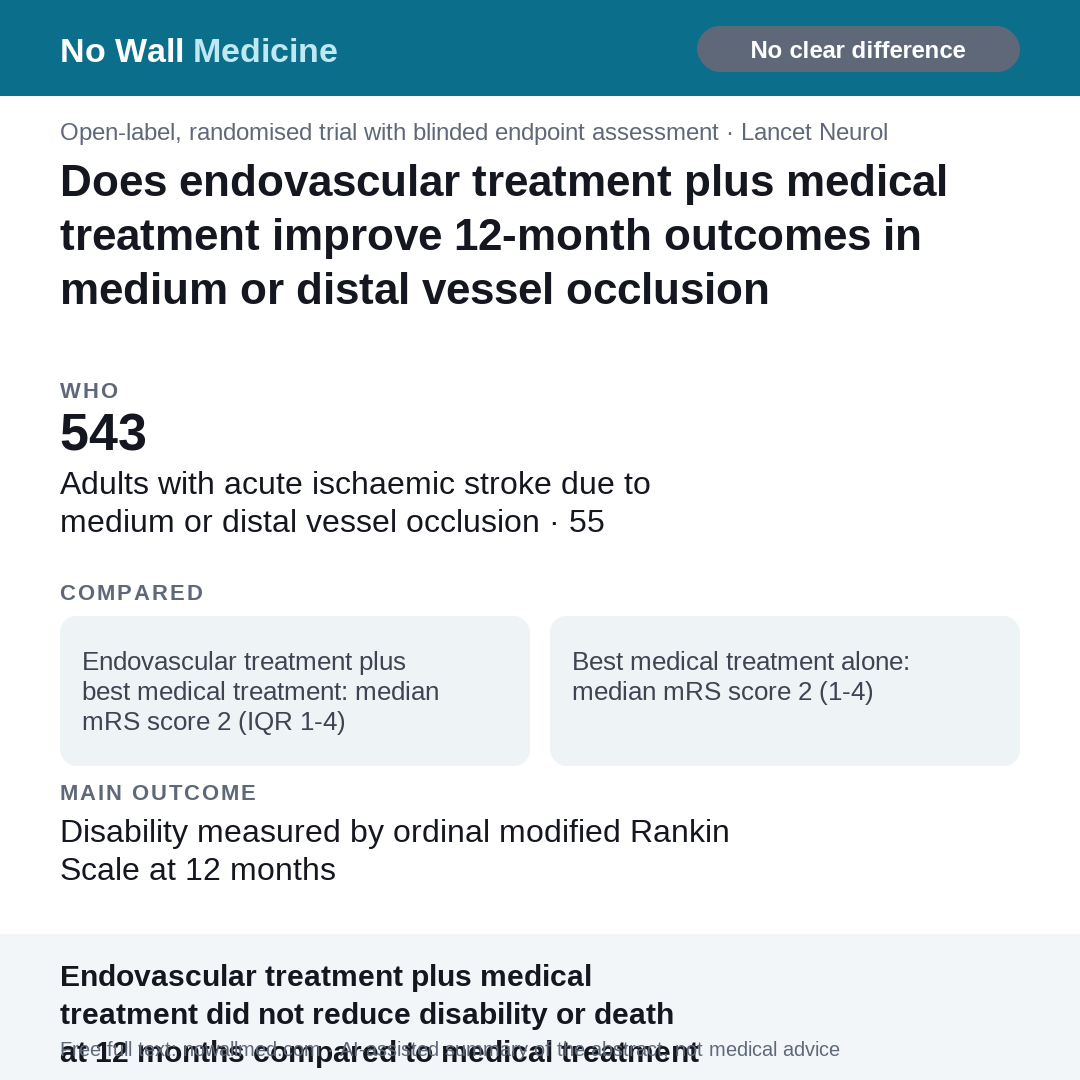
Endovascular treatment for medium or distal vessel occlusion stroke (DISTAL): 12-month outcomes of a multicentre, open-label, randomised trial
Open-label, randomised trial with blinded endpoint assessmentNo clear difference
Does endovascular treatment plus medical treatment improve 12-month outcomes in medium or distal vessel occlusion stroke?
Who
543
Adults with acute ischaemic stroke due to medium or distal vessel occlusion · 55 hospitals in Europe and the Middle East
Compared
Endovascular treatment plus best medical treatment: median mRS score 2 (IQR 1-4)
Best medical treatment alone: median mRS score 2 (1-4)
Main outcome
Disability measured by ordinal modified Rankin Scale at 12 months
Result: adjusted common odds ratio 0·81 (95% CI 0·59-1·12)
Bottom line: Endovascular treatment plus medical treatment did not reduce disability or death at 12 months compared to medical treatment alone.
Funded by: Swiss National Science Foundation and others
Lancet Neurol · 2026-05-06Download image
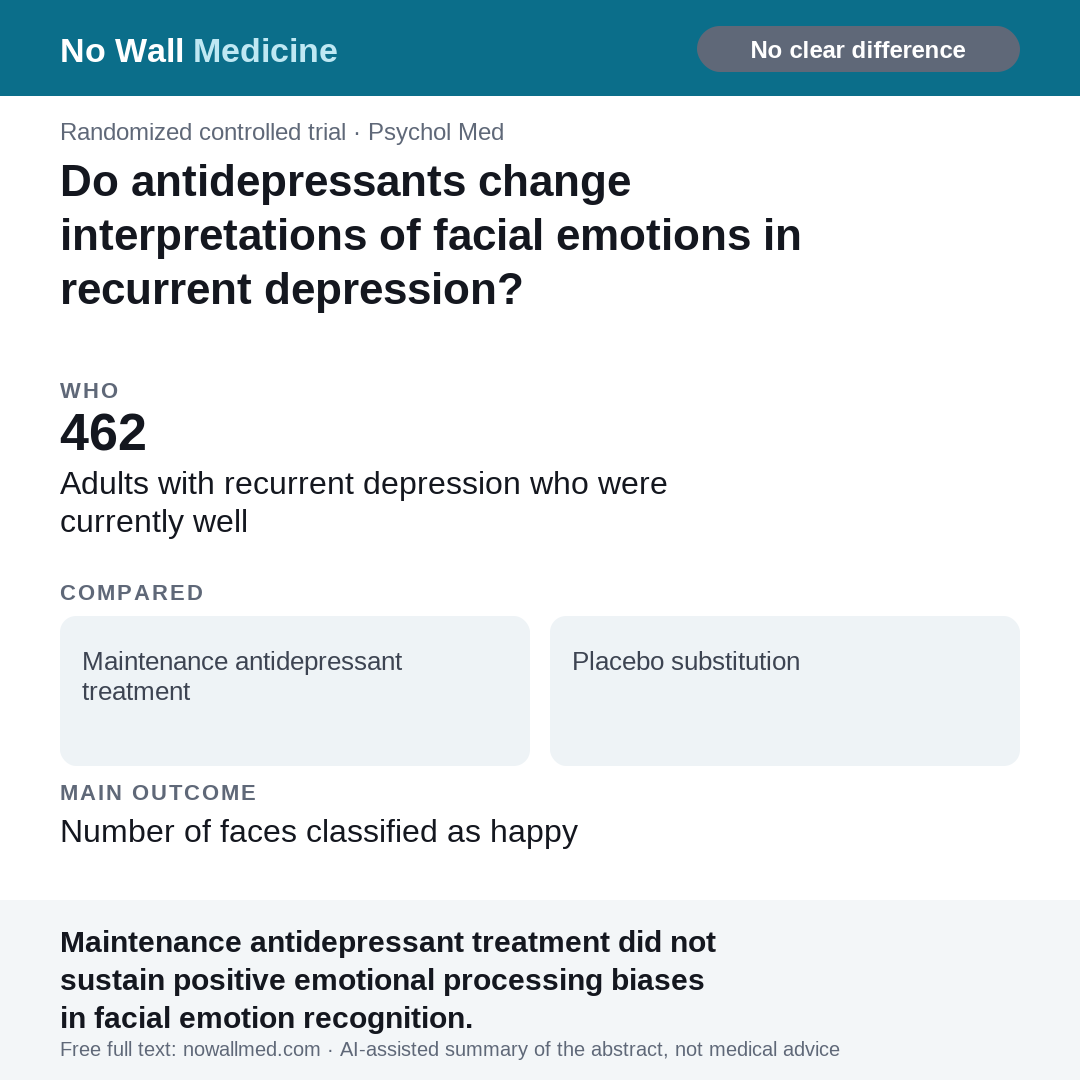
Do antidepressants change our interpretations of facial emotions?
Randomized controlled trialNo clear difference
Do antidepressants change interpretations of facial emotions in recurrent depression?
Who
462
Adults with recurrent depression who were currently well
Compared
Maintenance antidepressant treatment
Placebo substitution
Main outcome
Number of faces classified as happy
Result: adjusted mean difference 0.23 (95% CI -0.5 to 1.0) at 12 weeks
Bottom line: Maintenance antidepressant treatment did not sustain positive emotional processing biases in facial emotion recognition.
Limitation: Findings challenge the generalizability of laboratory evidence to long-term clinical treatment.
Psychol Med · 2026-05-06Download image
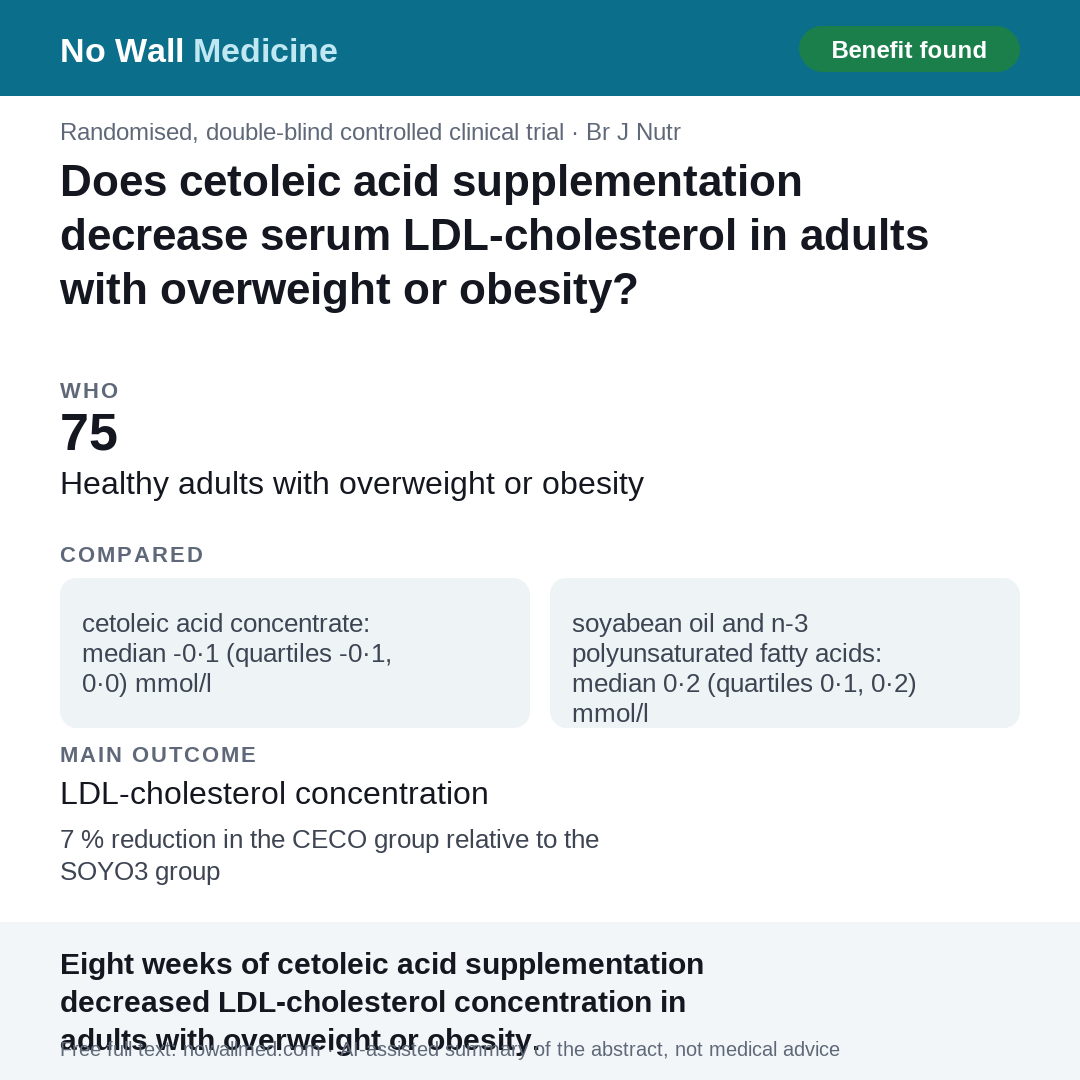
Supplementation with a cetoleic acid concentrate decreased the serum LDL-cholesterol concentration in healthy adults with overweight or obesity. A randomised double-blind controlled clinical trial
Randomised, double-blind controlled clinical trialBenefit found
Does cetoleic acid supplementation decrease serum LDL-cholesterol in adults with overweight or obesity?
Who
75
Healthy adults with overweight or obesity
Compared
cetoleic acid concentrate: median -0·1 (quartiles -0·1, 0·0) mmol/l
soyabean oil and n-3 polyunsaturated fatty acids: median 0·2 (quartiles 0·1, 0·2) mmol/l
Main outcome
LDL-cholesterol concentration
Result: 7 % reduction in the CECO group relative to the SOYO3 group
Bottom line: Eight weeks of cetoleic acid supplementation decreased LDL-cholesterol concentration in adults with overweight or obesity.
Br J Nutr · 2026-05-06Download image
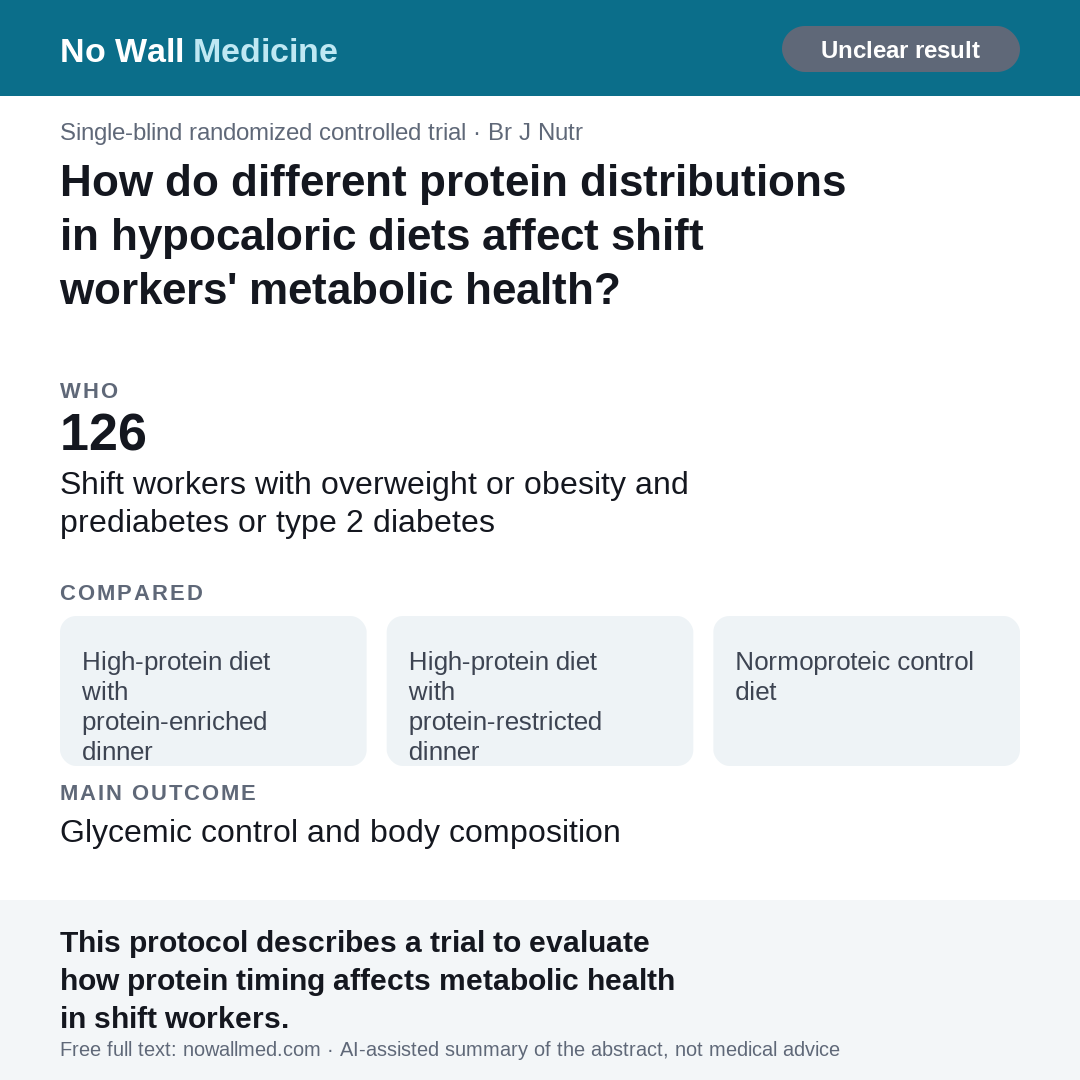
Chrononutrition-based hypocaloric diets with varying macronutrient and protein distribution in shift workers with prediabetes or type 2 diabetes: Protocol for a randomized controlled trial
Single-blind randomized controlled trialUnclear result
How do different protein distributions in hypocaloric diets affect shift workers' metabolic health?
Who
126
Shift workers with overweight or obesity and prediabetes or type 2 diabetes
Compared
High-protein diet with protein-enriched dinner
High-protein diet with protein-restricted dinner
Normoproteic control diet
Main outcome
Glycemic control and body composition
Bottom line: This protocol describes a trial to evaluate how protein timing affects metabolic health in shift workers.
Br J Nutr · 2026-05-06Download image
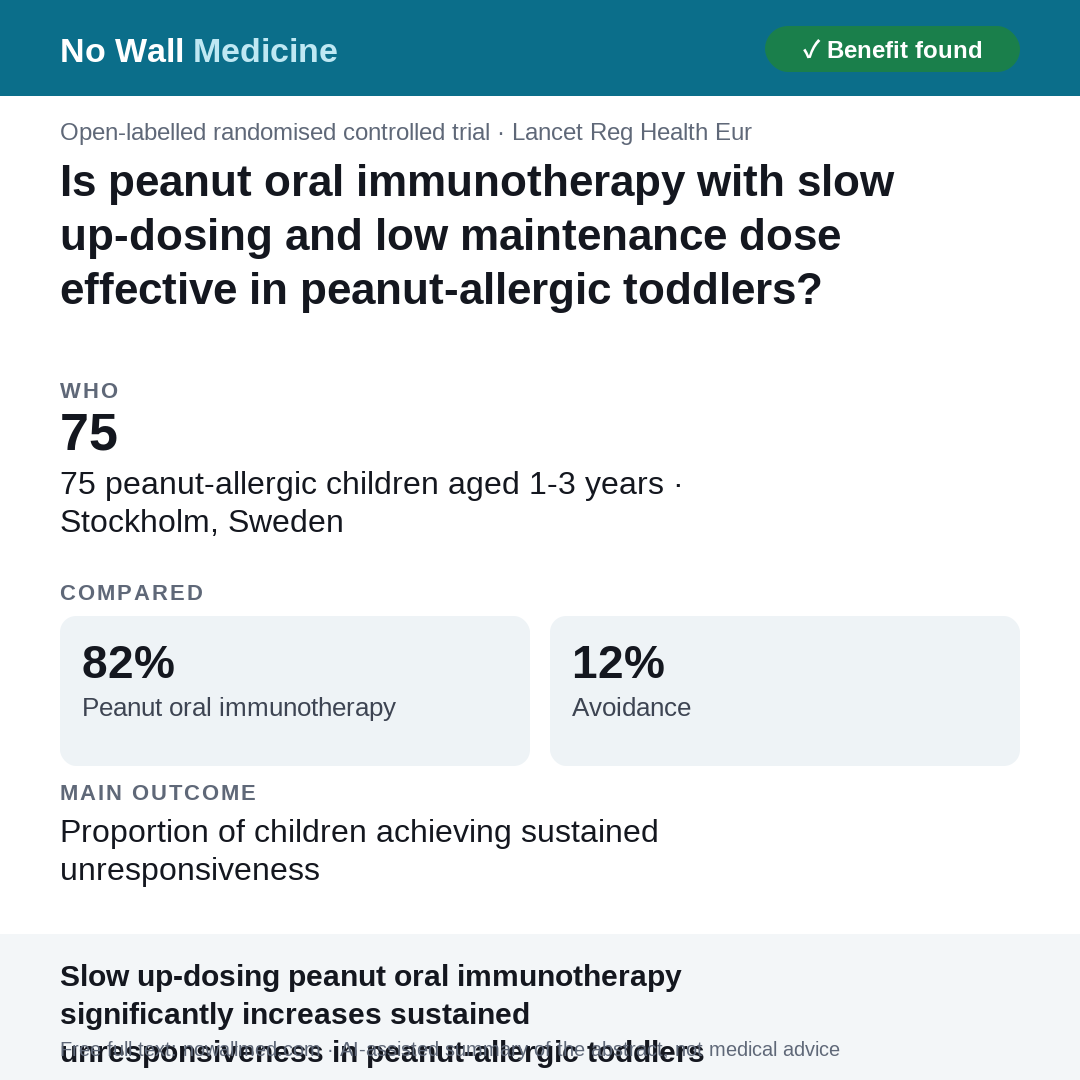
Safety and efficiency of peanut oral immunotherapy in preschool children with slow up-dosing and low maintenance dosing: a randomised controlled trial
Open-labelled randomised controlled trialBenefit found
Is peanut oral immunotherapy with slow up-dosing and low maintenance dose effective in peanut-allergic toddlers?
Who
75
75 peanut-allergic children aged 1-3 years · Stockholm, Sweden
Compared
82%Peanut oral immunotherapy (41 of 50)
12%Avoidance (3 of 25)
Main outcome
Proportion of children achieving sustained unresponsiveness
Result: difference 72% (95% CI 56-88)
Bottom line: Slow up-dosing peanut oral immunotherapy significantly increases sustained unresponsiveness in peanut-allergic toddlers compared to avoidance.
Funded by: Karolinska Institutet and various Swedish foundations and research councils
Lancet Reg Health Eur · 2026-05-06Download image
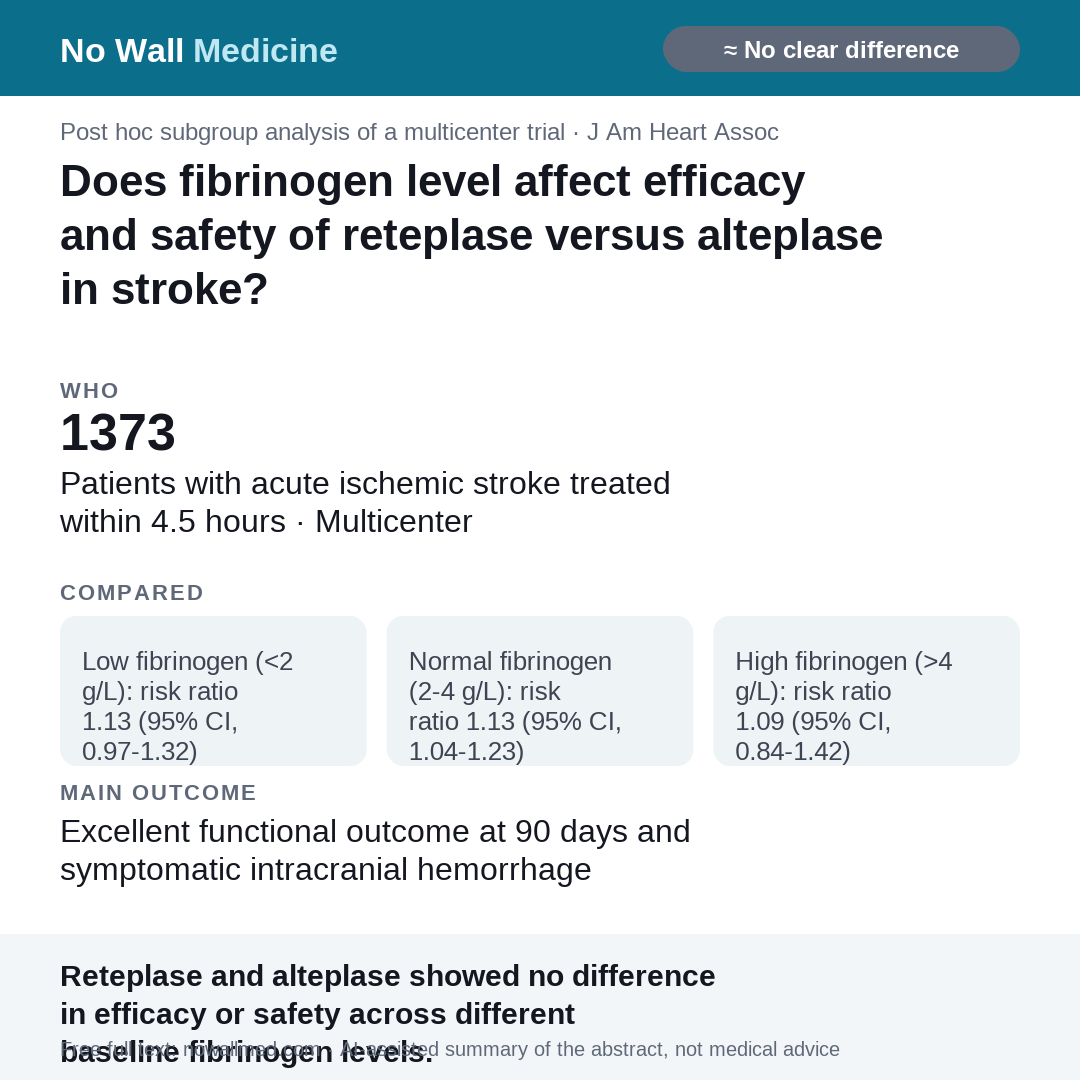
Efficacy and Safety of Reteplase Versus Alteplase in Acute Ischemic Stroke Based on Fibrinogen Levels: The RAISE Trial Subgroup
Post hoc subgroup analysis of a multicenter trialNo clear difference
Does fibrinogen level affect efficacy and safety of reteplase versus alteplase in stroke?
Who
1373
Patients with acute ischemic stroke treated within 4.5 hours · Multicenter
Compared
Low fibrinogen (<2 g/L): risk ratio 1.13 (95% CI, 0.97-1.32)
Normal fibrinogen (2-4 g/L): risk ratio 1.13 (95% CI, 1.04-1.23)
High fibrinogen (>4 g/L): risk ratio 1.09 (95% CI, 0.84-1.42)
Main outcome
Excellent functional outcome at 90 days and symptomatic intracranial hemorrhage
Bottom line: Reteplase and alteplase showed no difference in efficacy or safety across different baseline fibrinogen levels.
Limitation: Findings require validation in larger, adequately powered prospective studies.
J Am Heart Assoc · 2026-05-06Download image
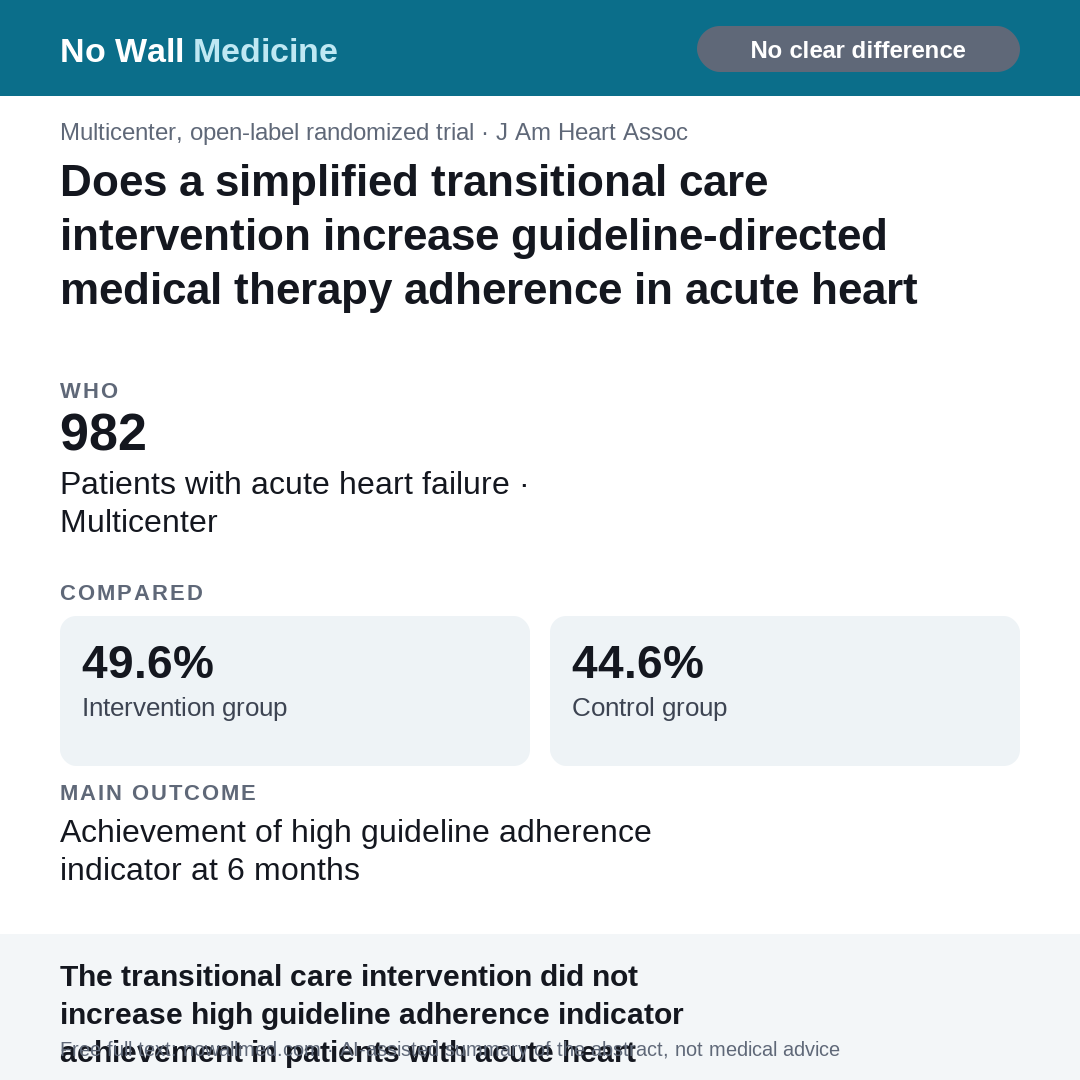
Effectiveness of an Intervention to Improve Guideline-Directed Medications for Patients With Acute Heart Failure: A Randomized Clinical Trial
Multicenter, open-label randomized trialNo clear difference
Does a simplified transitional care intervention increase guideline-directed medical therapy adherence in acute heart failure?
Who
982
Patients with acute heart failure · Multicenter
Compared
49.6%Intervention group
44.6%Control group
Main outcome
Achievement of high guideline adherence indicator at 6 months
Result: odds ratio 1.12 (95% CI, 0.86-1.45)
Bottom line: The transitional care intervention did not increase high guideline adherence indicator achievement in patients with acute heart failure.
J Am Heart Assoc · 2026-05-06Download image
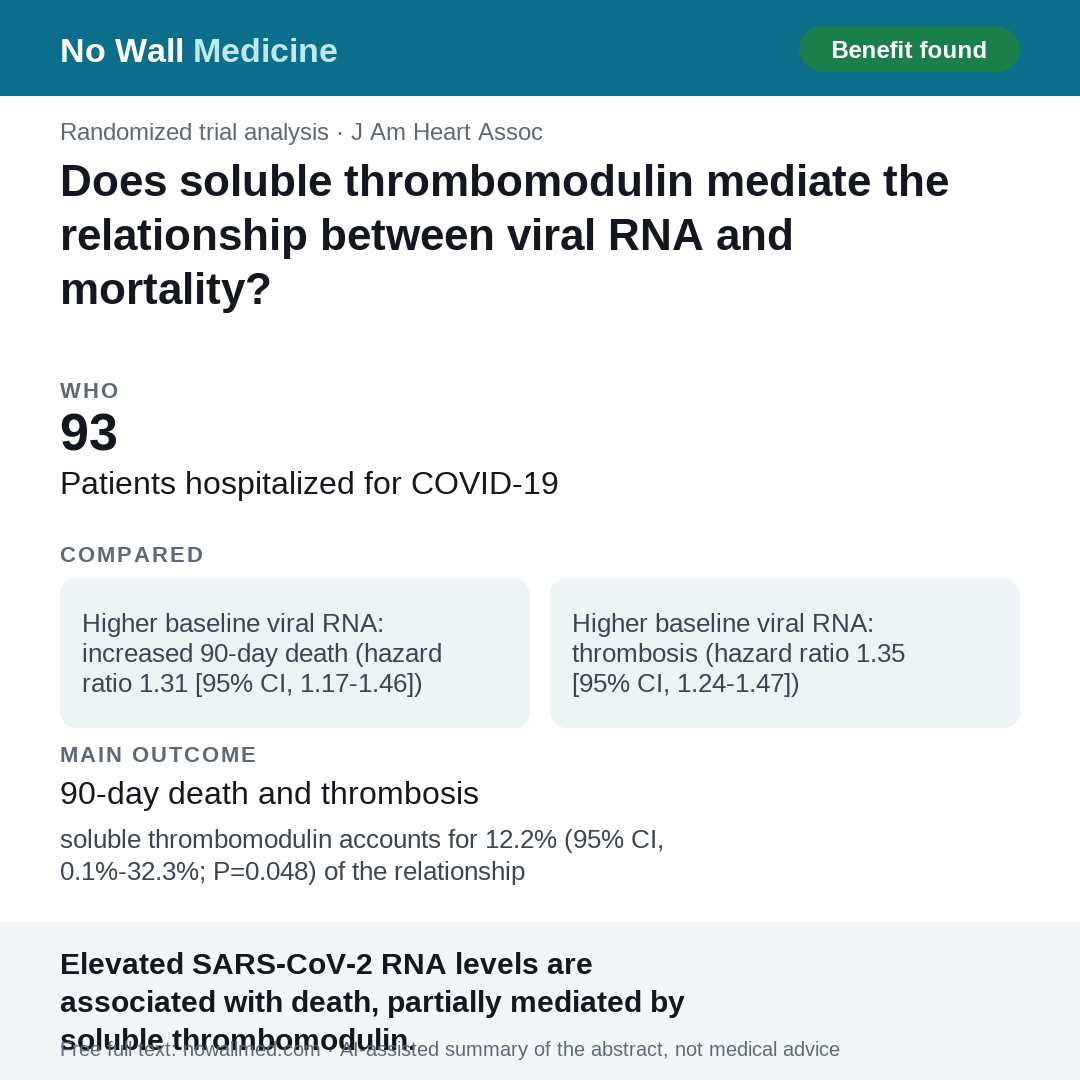
Soluble Thrombomodulin Links Viremia and Mortality During COVID-19: Results From the ACTIV-4a Trial
Randomized trial analysisBenefit found
Does soluble thrombomodulin mediate the relationship between viral RNA and mortality?
Who
93
Patients hospitalized for COVID-19
Compared
Higher baseline viral RNA: increased 90-day death (hazard ratio 1.31 [95% CI, 1.17-1.46])
Higher baseline viral RNA: thrombosis (hazard ratio 1.35 [95% CI, 1.24-1.47])
Main outcome
90-day death and thrombosis
Result: soluble thrombomodulin accounts for 12.2% (95% CI, 0.1%-32.3%; P=0.048) of the relationship
Bottom line: Elevated SARS-CoV-2 RNA levels are associated with death, partially mediated by soluble thrombomodulin.
J Am Heart Assoc · 2026-05-06Download image
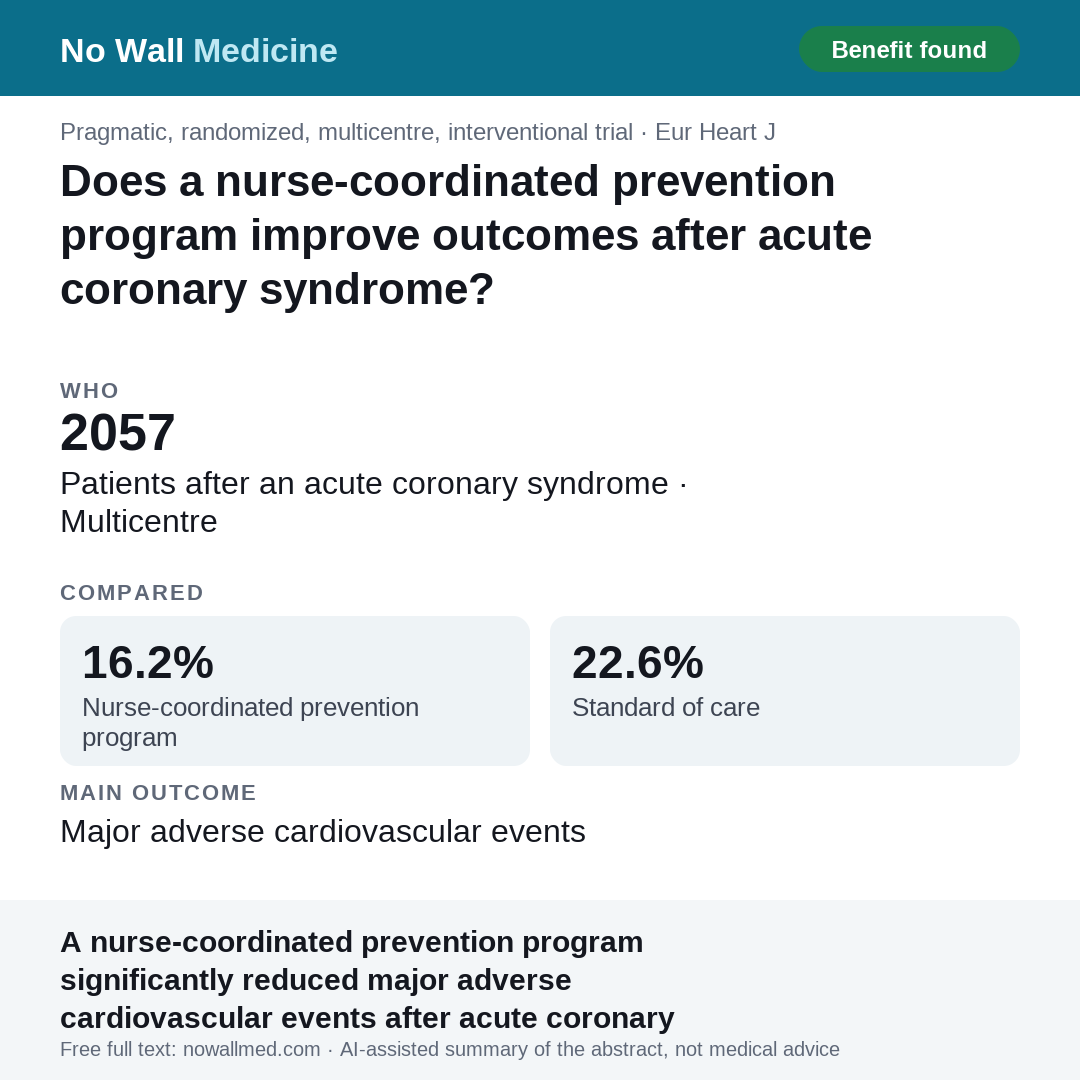
A nurse-coordinated intervention programme vs standard of care after an acute coronary syndrome: the ALLEPRE trial
Pragmatic, randomized, multicentre, interventional trialBenefit found
Does a nurse-coordinated prevention program improve outcomes after acute coronary syndrome?
Who
2057
Patients after an acute coronary syndrome · Multicentre
Compared
16.2%Nurse-coordinated prevention program
22.6%Standard of care
Main outcome
Major adverse cardiovascular events
Result: hazard ratio 0.70 (95% CI 0.57-0.85)
Bottom line: A nurse-coordinated prevention program significantly reduced major adverse cardiovascular events after acute coronary syndrome.
Eur Heart J · 2026-05-05Download image
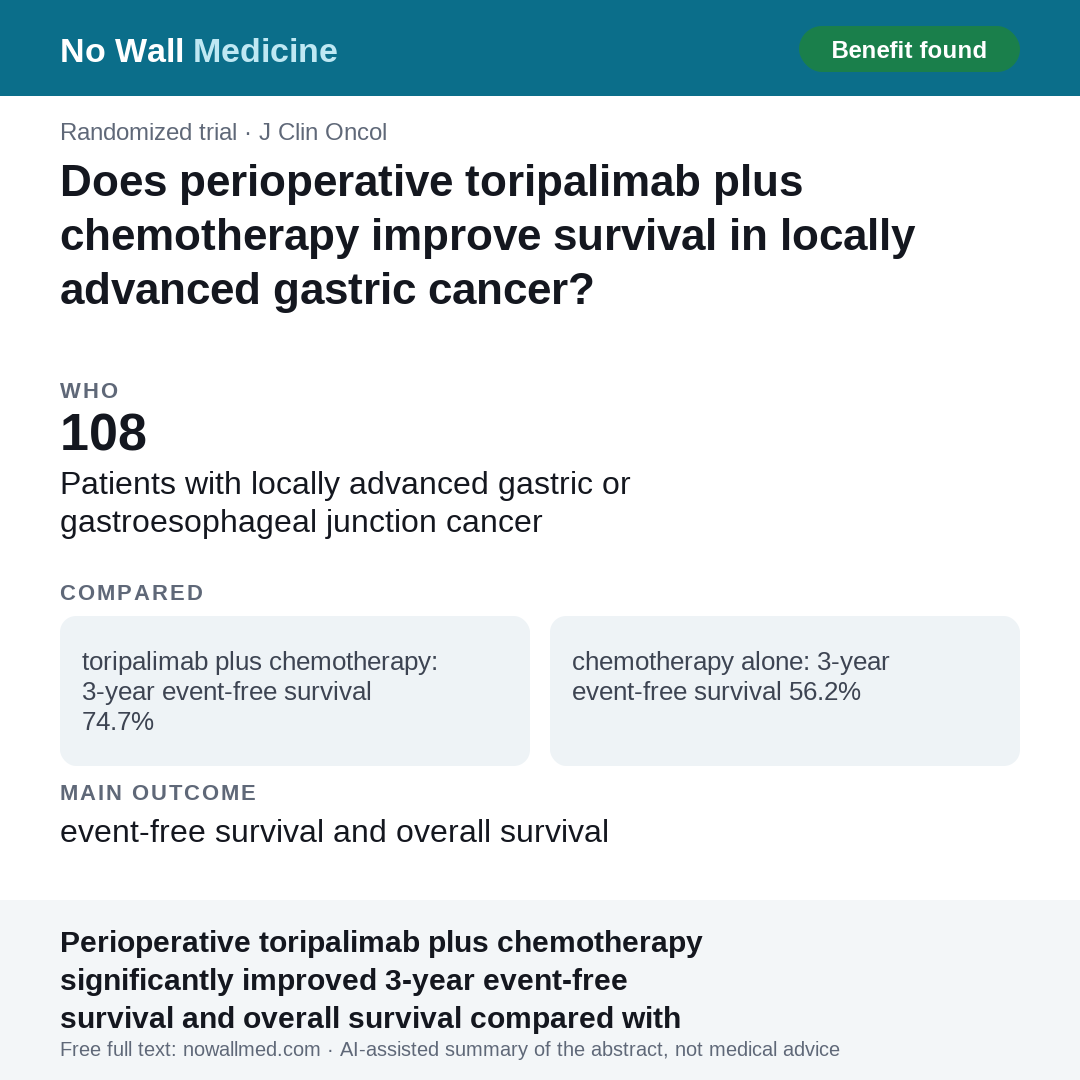
Perioperative Toripalimab Plus Chemotherapy Versus Chemotherapy Alone in Locally Advanced Gastric or Gastroesophageal Junction Cancer: 3-Year Follow-Up of NEOSUMMIT-01 Trial
Randomized trialBenefit found
Does perioperative toripalimab plus chemotherapy improve survival in locally advanced gastric cancer?
Who
108
Patients with locally advanced gastric or gastroesophageal junction cancer
Compared
toripalimab plus chemotherapy: 3-year event-free survival 74.7%
chemotherapy alone: 3-year event-free survival 56.2%
Main outcome
event-free survival and overall survival
Result: hazard ratio 0.51 (95% CI 0.27 to 0.98)
Bottom line: Perioperative toripalimab plus chemotherapy significantly improved 3-year event-free survival and overall survival compared with chemotherapy alone.
J Clin Oncol · 2026-05-05Download image
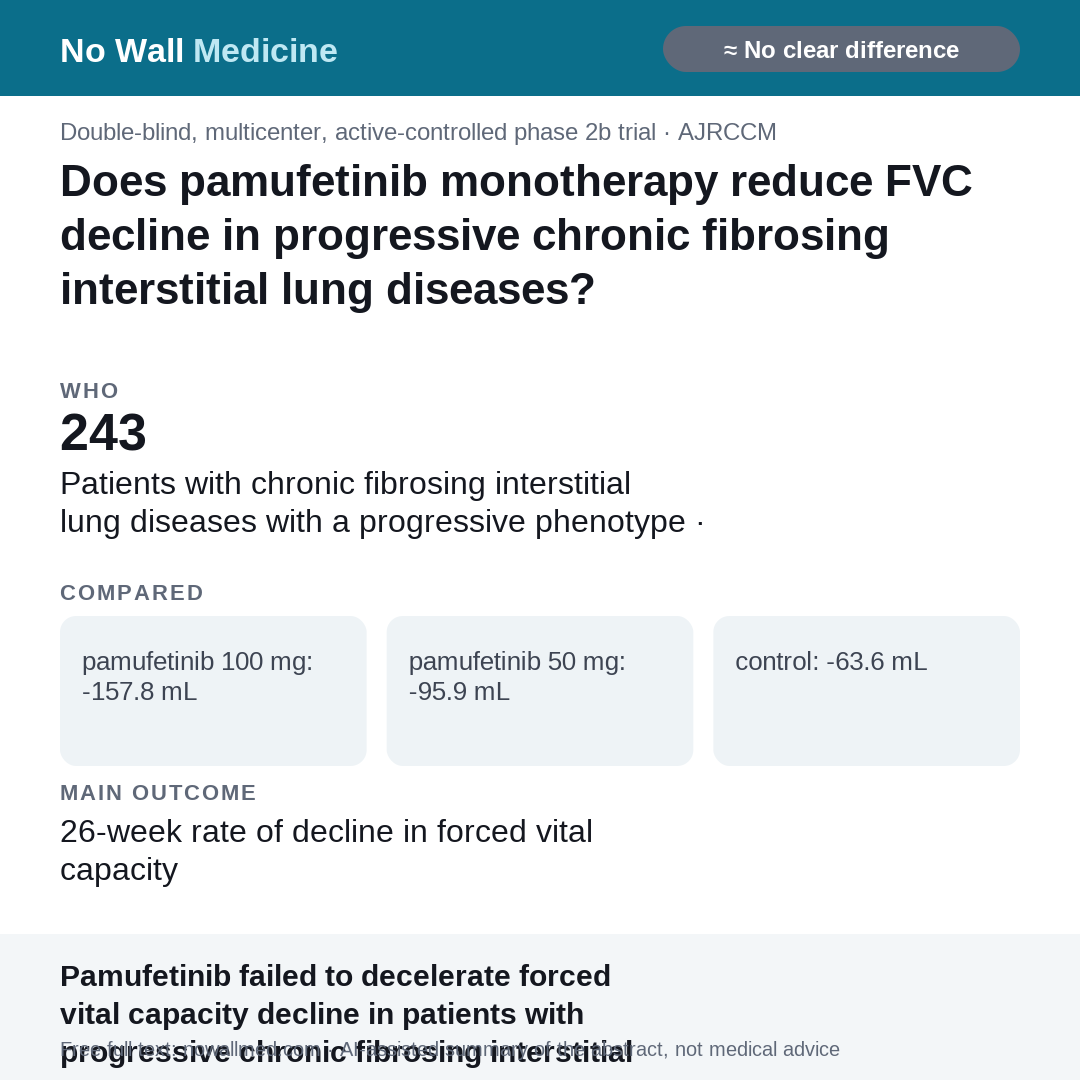
Pamufetinib (TAS-115) for chronic fibrosing interstitial lung diseases with a progressive phenotype: a double-blind, multicenter, phase 2b clinical trial
Double-blind, multicenter, active-controlled phase 2b trialNo clear difference
Does pamufetinib monotherapy reduce FVC decline in progressive chronic fibrosing interstitial lung diseases?
Who
243
Patients with chronic fibrosing interstitial lung diseases with a progressive phenotype · multicenter
Compared
pamufetinib 100 mg: -157.8 mL
pamufetinib 50 mg: -95.9 mL
control: -63.6 mL
Main outcome
26-week rate of decline in forced vital capacity
Bottom line: Pamufetinib failed to decelerate forced vital capacity decline in patients with progressive chronic fibrosing interstitial lung diseases.
AJRCCM · 2026-05-05Download image
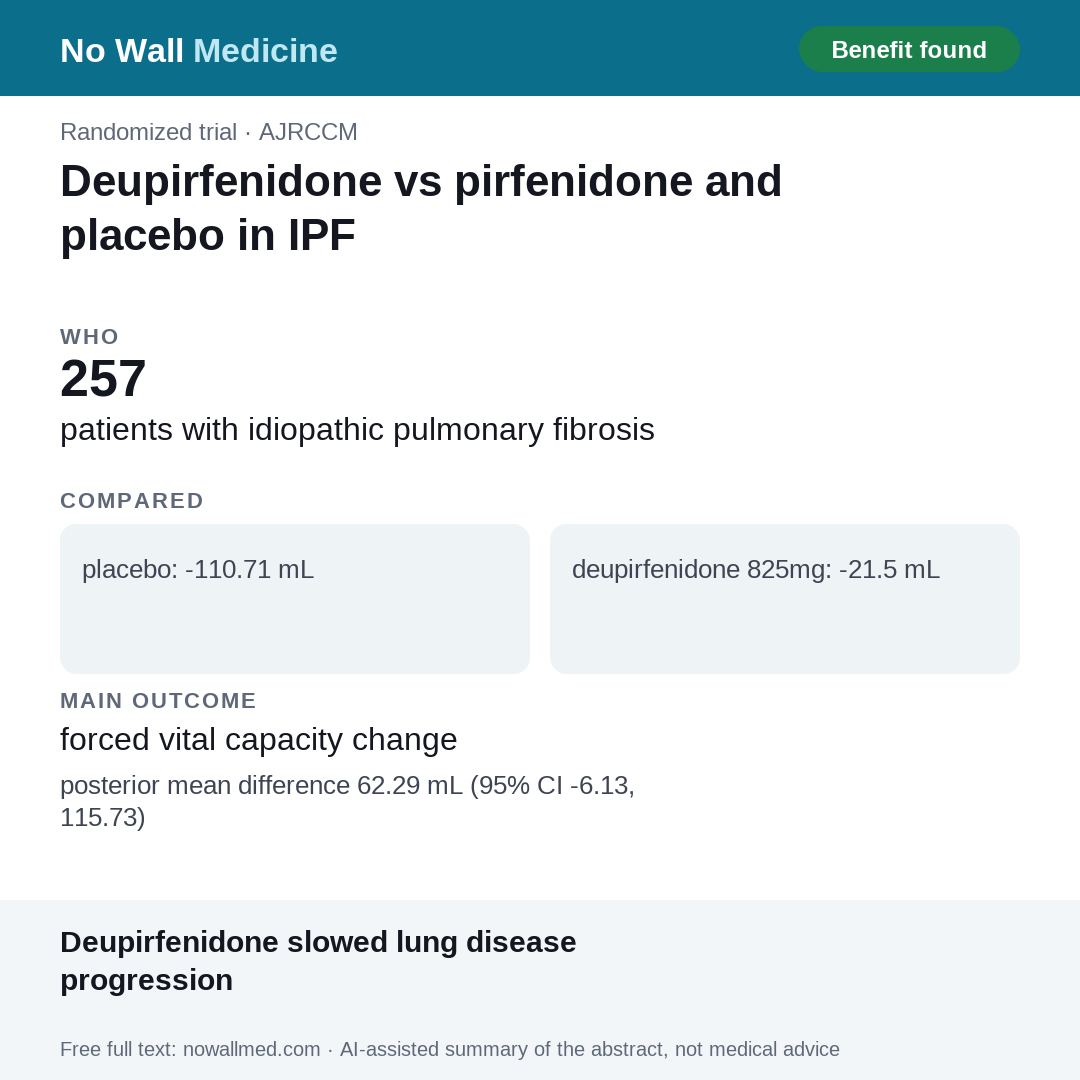
Deupirfenidone compared with pirfenidone and placebo in idiopathic pulmonary fibrosis (ELEVATE-IPF): a phase 2b randomized placebo-controlled trial
Randomized trialBenefit found
Deupirfenidone vs pirfenidone and placebo in IPF
Who
257
patients with idiopathic pulmonary fibrosis
Compared
placebo: -110.71 mL
deupirfenidone 825mg: -21.5 mL
Main outcome
forced vital capacity change
Result: posterior mean difference 62.29 mL (95% CI -6.13, 115.73)
Bottom line: Deupirfenidone slowed lung disease progression
AJRCCM · 2026-05-05Download image
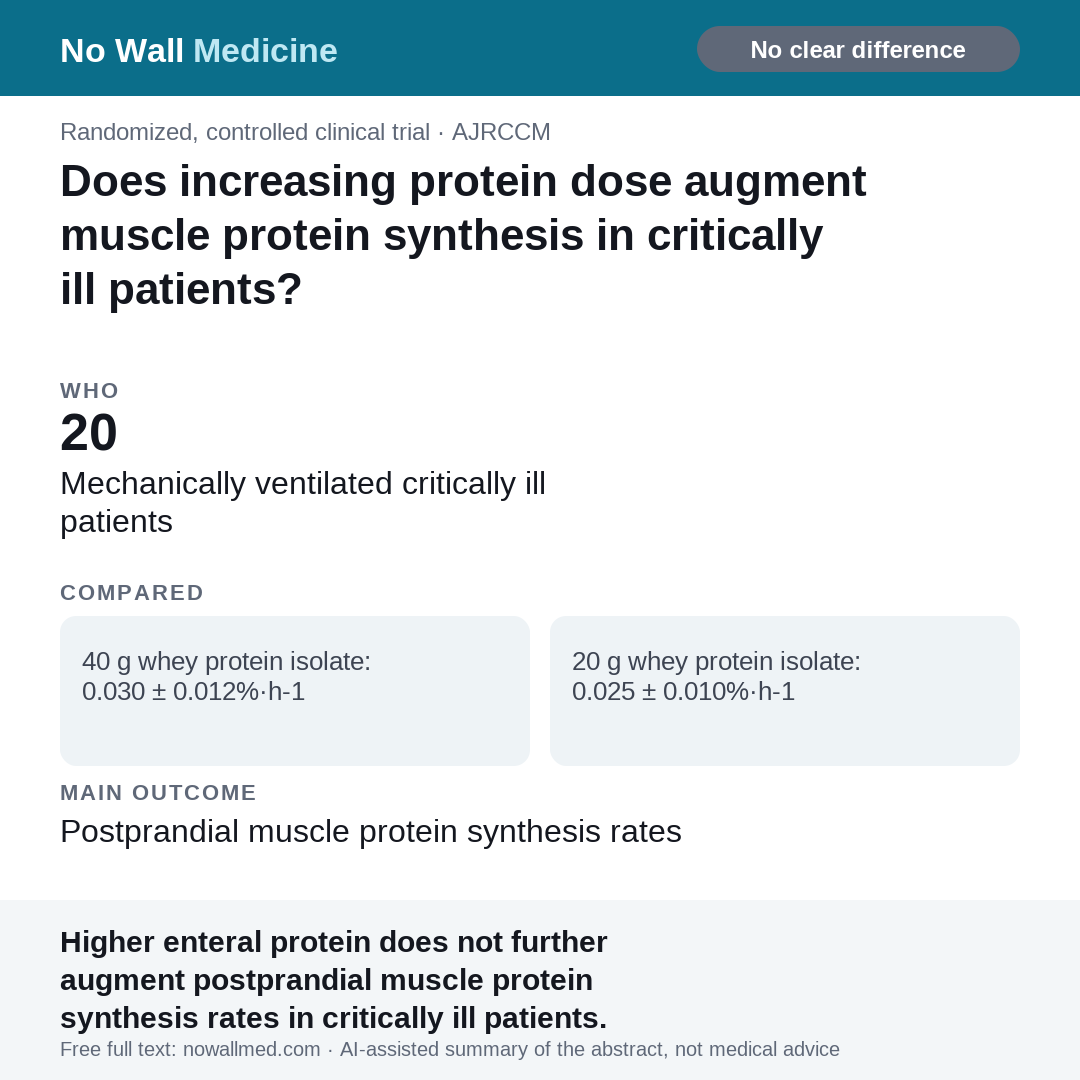
Increasing protein dose does not further augment muscle protein synthesis in critical illness: a randomized, controlled clinical trial
Randomized, controlled clinical trialNo clear difference
Does increasing protein dose augment muscle protein synthesis in critically ill patients?
Who
20
Mechanically ventilated critically ill patients
Compared
40 g whey protein isolate: 0.030 ± 0.012%·h-1
20 g whey protein isolate: 0.025 ± 0.010%·h-1
Main outcome
Postprandial muscle protein synthesis rates
Result: adjusted mean difference 0.007 (95% CI, -0.003 to 0.016) %·h-1
Bottom line: Higher enteral protein does not further augment postprandial muscle protein synthesis rates in critically ill patients.
AJRCCM · 2026-05-05Download image
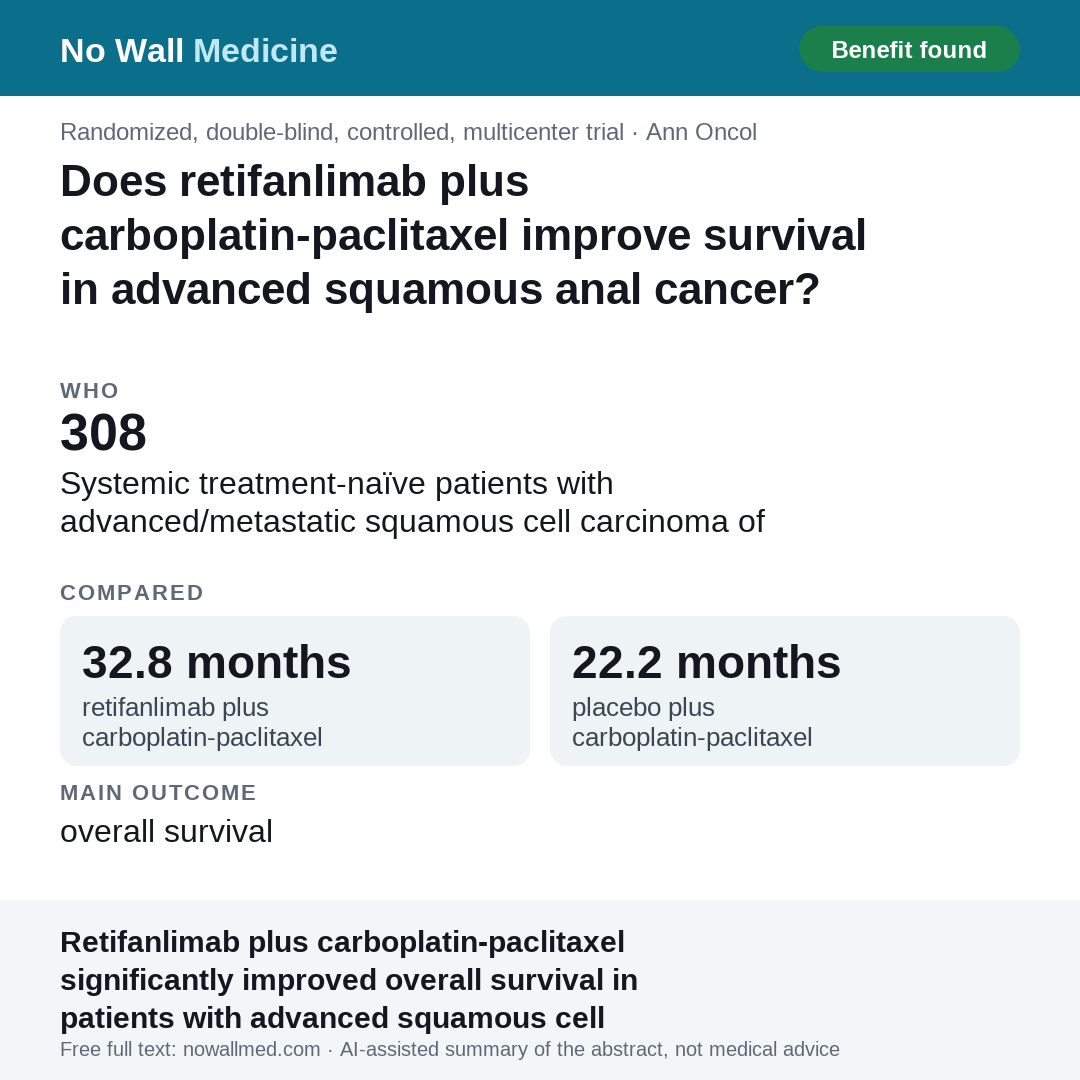
Survival outcomes in POD1UM-303/InterAACT-2: a phase III study of retifanlimab plus carboplatin-paclitaxel in first-line advanced squamous anal cancer
Randomized, double-blind, controlled, multicenter trialBenefit found
Does retifanlimab plus carboplatin-paclitaxel improve survival in advanced squamous anal cancer?
Who
308
Systemic treatment-naïve patients with advanced/metastatic squamous cell carcinoma of the anal canal · Europe, Australia, Japan, the UK, and the United States
Compared
32.8 monthsretifanlimab plus carboplatin-paclitaxel
22.2 monthsplacebo plus carboplatin-paclitaxel
Main outcome
overall survival
Result: hazard ratio 0.75 (95% CI 0.55-1.01)
Bottom line: Retifanlimab plus carboplatin-paclitaxel significantly improved overall survival in patients with advanced squamous cell carcinoma of the anal canal.
Ann Oncol · 2026-05-05Download image
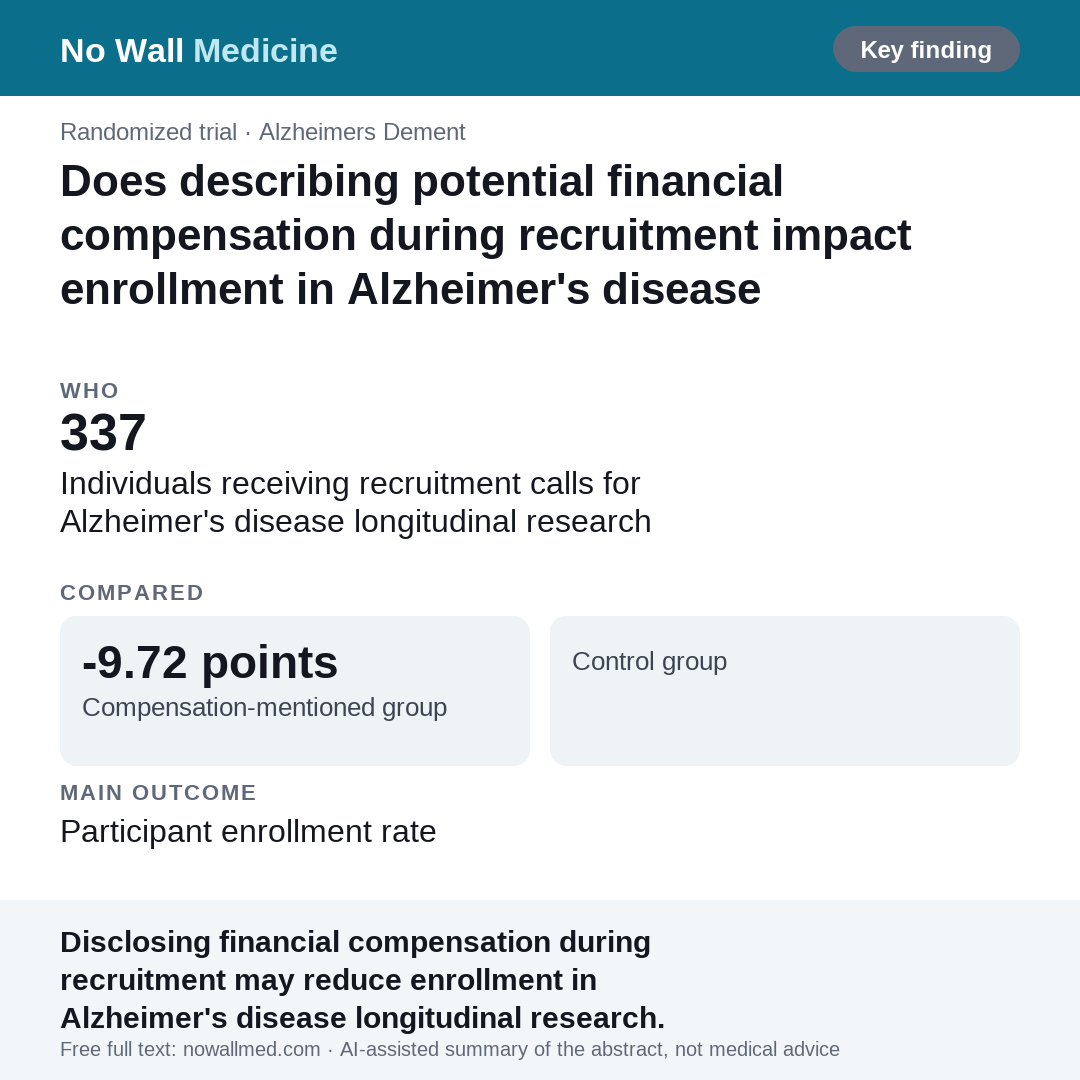
The impact of learning about financial compensation on enrollment in Alzheimer's disease longitudinal research
Randomized trialHarm found
Does describing potential financial compensation during recruitment impact enrollment in Alzheimer's disease research?
Who
337
Individuals receiving recruitment calls for Alzheimer's disease longitudinal research
Compared
-9.72 pointsCompensation-mentioned group
Control group
Main outcome
Participant enrollment rate
Result: -9.72 points (p = 0.074)
Bottom line: Disclosing financial compensation during recruitment may reduce enrollment in Alzheimer's disease longitudinal research.
Limitation: The study observed these results in a highly educated sample.
Alzheimers Dement · 2026-05-05Download image
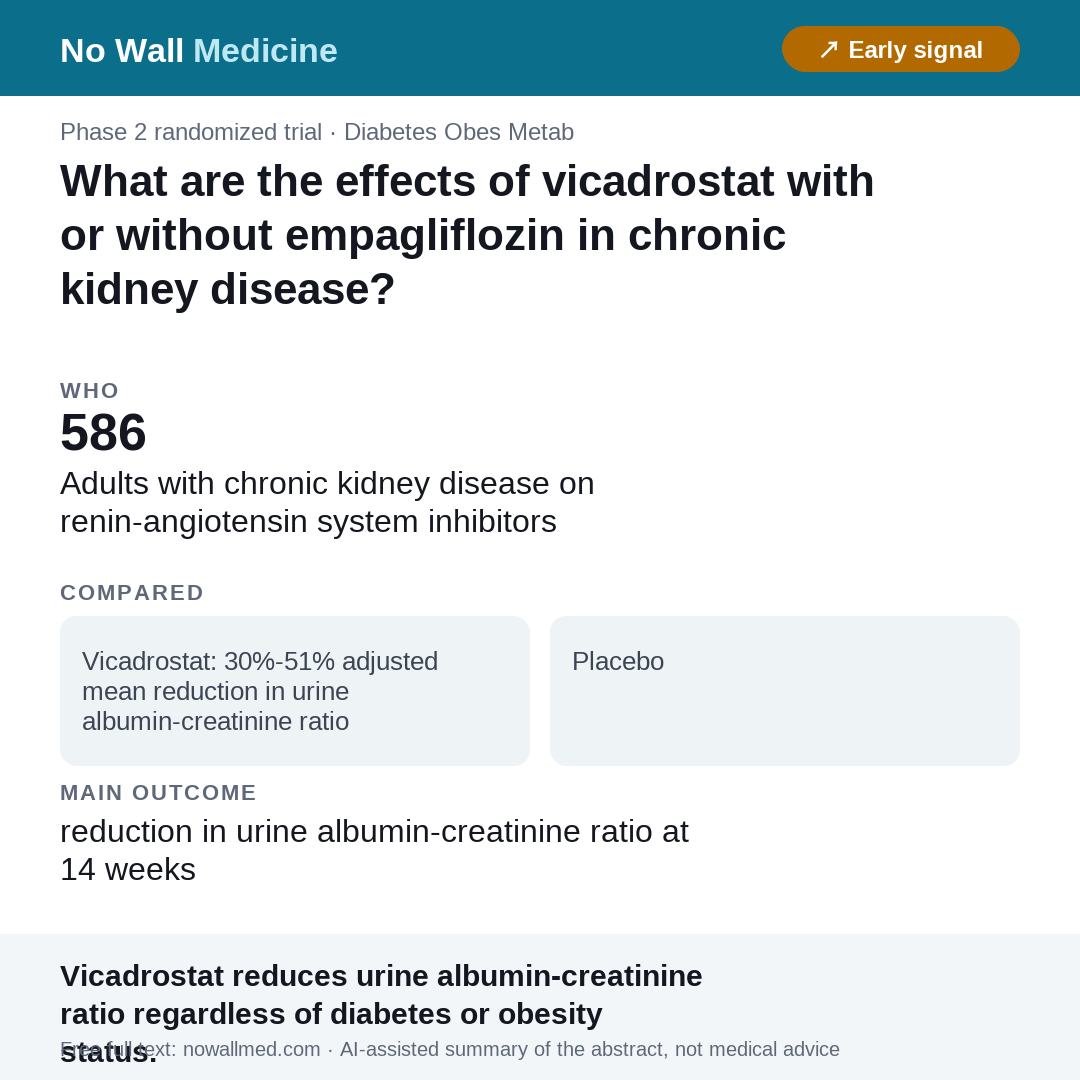
Effects of Vicadrostat/Empagliflozin in People With Chronic Kidney Disease: Metabolic Subgroup Analyses
Phase 2 randomized trialBenefit found
What are the effects of vicadrostat with or without empagliflozin in chronic kidney disease?
Who
586
Adults with chronic kidney disease on renin-angiotensin system inhibitors
Compared
Vicadrostat: 30%-51% adjusted mean reduction in urine albumin-creatinine ratio
Placebo
Main outcome
reduction in urine albumin-creatinine ratio at 14 weeks
Bottom line: Vicadrostat reduces urine albumin-creatinine ratio regardless of diabetes or obesity status.
Diabetes Obes Metab · 2026-05-05Download image
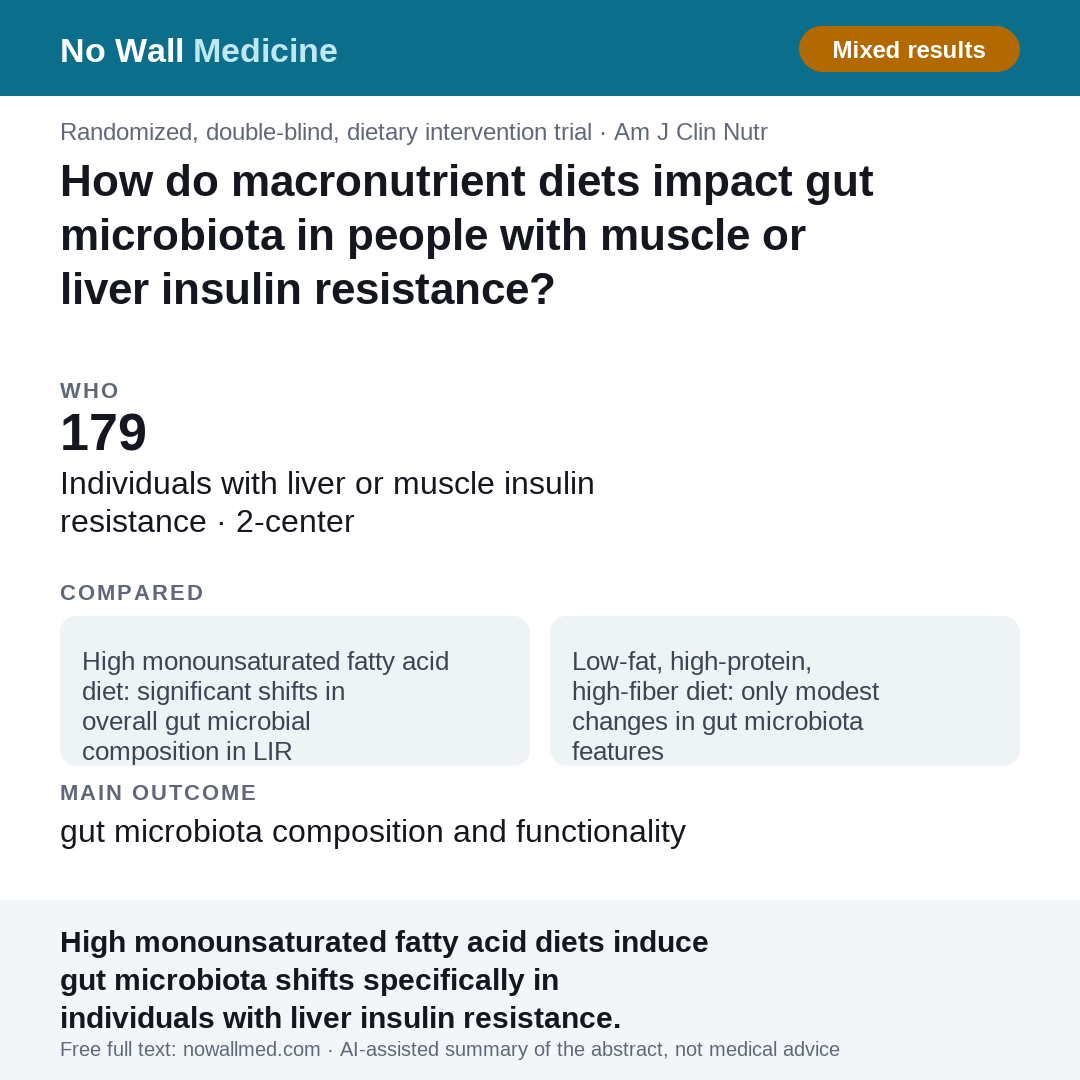
Gut microbiota responses to isocaloric macronutrient modulation in tissue-specific insulin resistance: a secondary analysis of the PERSonalized glucose Optimization through Nutritional intervention (PERSON) randomized trial
Randomized, double-blind, dietary intervention trialMixed results
How do macronutrient diets impact gut microbiota in people with muscle or liver insulin resistance?
Who
179
Individuals with liver or muscle insulin resistance · 2-center
Compared
High monounsaturated fatty acid diet: significant shifts in overall gut microbial composition in LIR
Low-fat, high-protein, high-fiber diet: only modest changes in gut microbiota features
Main outcome
gut microbiota composition and functionality
Bottom line: High monounsaturated fatty acid diets induce gut microbiota shifts specifically in individuals with liver insulin resistance.
Am J Clin Nutr · 2026-05-05Download image
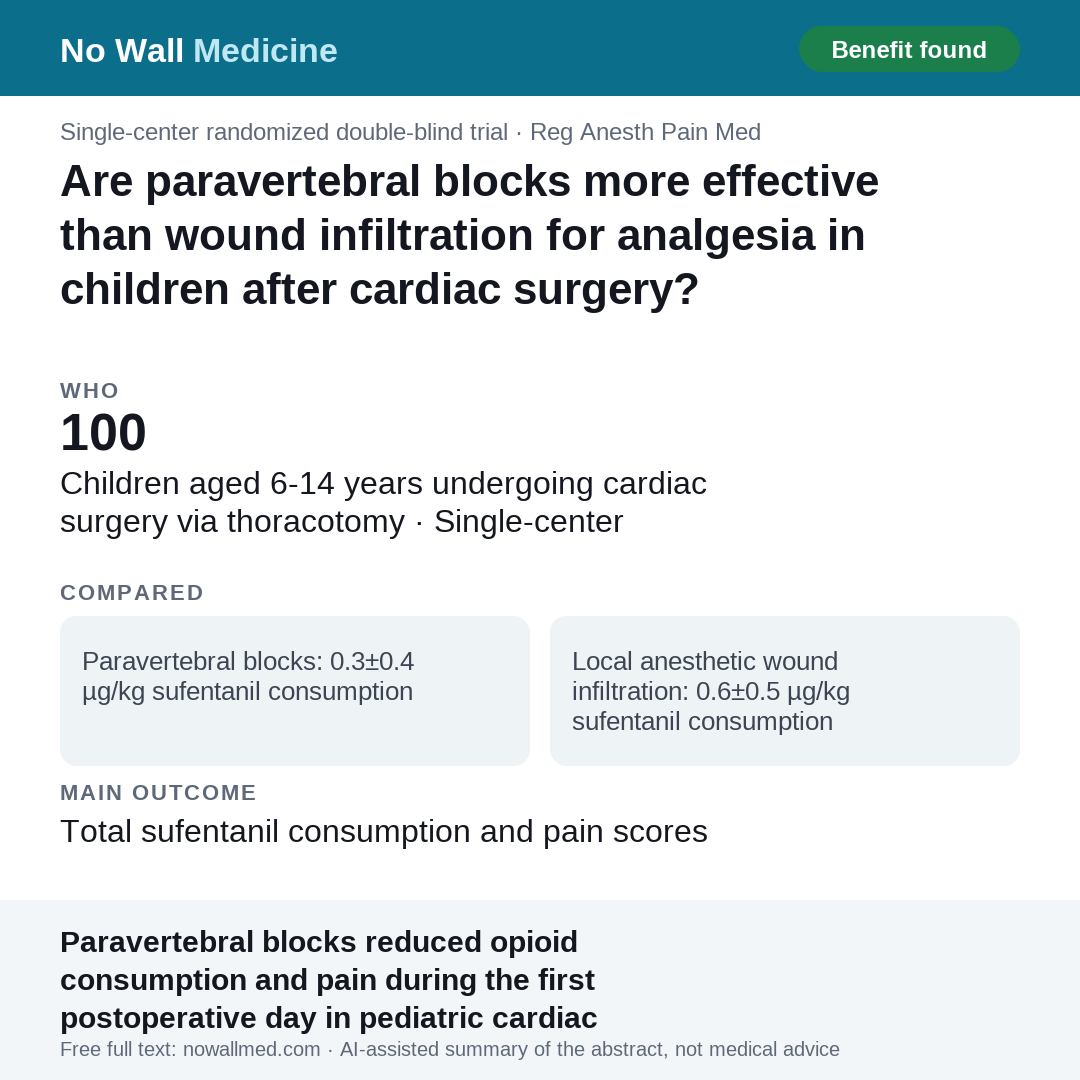
Paravertebral analgesia versus wound infiltration in children recovering from cardiac surgery: a randomized controlled trial
Single-center randomized double-blind trialBenefit found
Are paravertebral blocks more effective than wound infiltration for analgesia in children after cardiac surgery?
Who
100
Children aged 6-14 years undergoing cardiac surgery via thoracotomy · Single-center
Compared
Paravertebral blocks: 0.3±0.4 µg/kg sufentanil consumption
Local anesthetic wound infiltration: 0.6±0.5 µg/kg sufentanil consumption
Main outcome
Total sufentanil consumption and pain scores
Bottom line: Paravertebral blocks reduced opioid consumption and pain during the first postoperative day in pediatric cardiac thoracotomies.
Reg Anesth Pain Med · 2026-05-05Download image
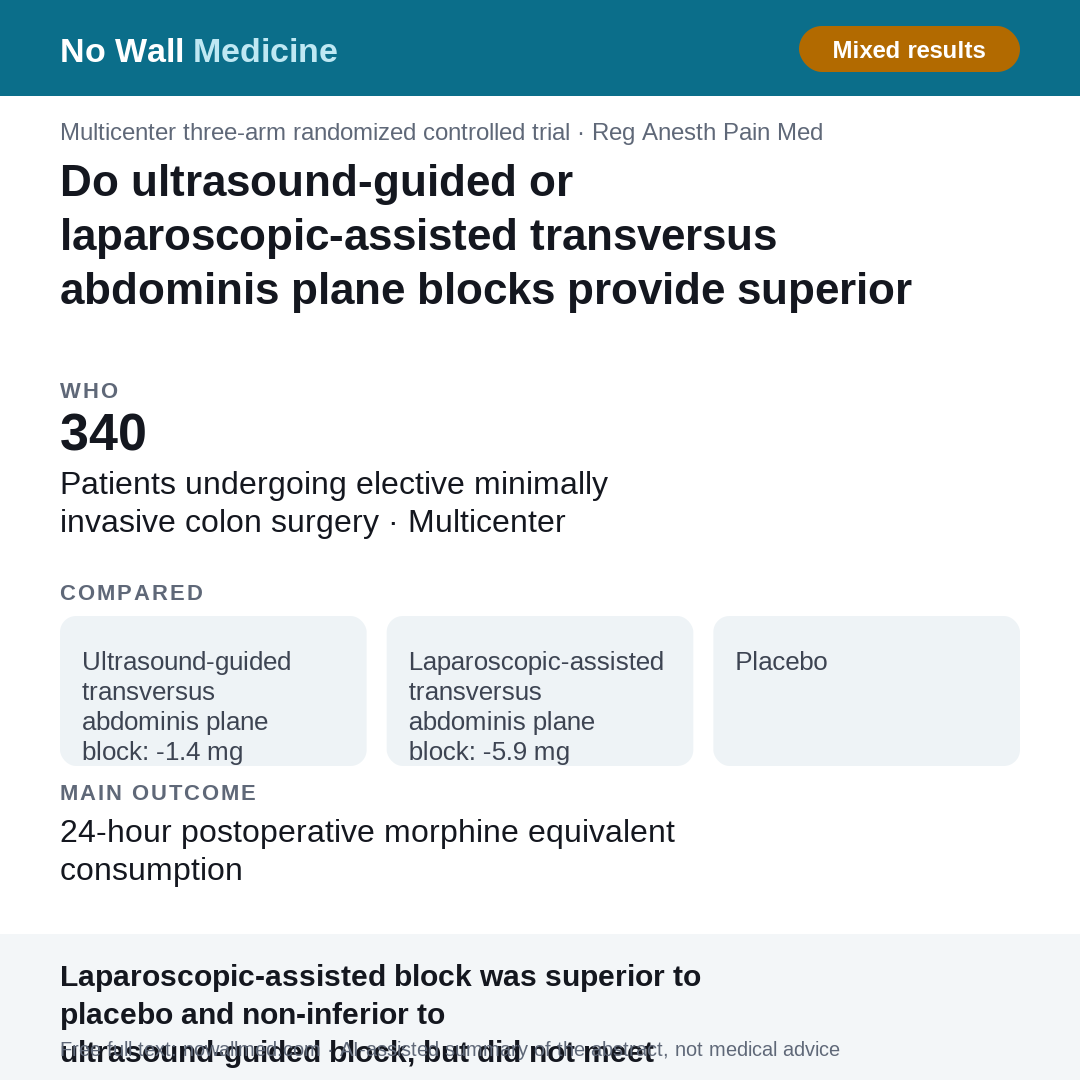
Transversus abdominis plane block in minimally invasive colon surgery: a multicenter three-arm randomized controlled superiority and non-inferiority clinical trial
Multicenter three-arm randomized controlled trialMixed results
Do ultrasound-guided or laparoscopic-assisted transversus abdominis plane blocks provide superior pain relief?
Who
340
Patients undergoing elective minimally invasive colon surgery · Multicenter
Compared
Ultrasound-guided transversus abdominis plane block: -1.4 mg morphine (97.5% CI -6.8 to 4.0 mg)
Laparoscopic-assisted transversus abdominis plane block: -5.9 mg morphine (97.5% CI -11.3 to -0.5 mg)
Placebo
Main outcome
24-hour postoperative morphine equivalent consumption
Bottom line: Laparoscopic-assisted block was superior to placebo and non-inferior to ultrasound-guided block, but did not meet minimal clinically important difference.
Limitation: Neither block met the predetermined minimal clinically important difference of 10 mg morphine.
Reg Anesth Pain Med · 2026-05-05Download image