Visual abstracts
New randomized trials and meta-analyses from leading journals at a glance: who was studied, what was compared, and what was found. Every paper is free to read in full.
All specialtiesCardiology 4800Oncology 4084Gastroenterology & Hepatology 1917Infectious Disease 3789Neurology 1886Psychiatry & Mental Health 2240Pulmonology 2061Critical Care 1335Endocrinology & Diabetes 2553Pediatrics 2914Surgery 2500Orthopedics & Sports Medicine 923Neurosurgery 532Cardiothoracic & Vascular Surgery 665Plastic & Reconstructive Surgery 585Nephrology 1115Rheumatology 815Hematology 1099Dermatology 619Ophthalmology 539Obstetrics & Gynecology 1661Public & Global Health 1044Radiology & Imaging 637Anesthesiology 959Urology 751ENT (Otolaryngology) 497Emergency Medicine 484Allergy & Immunology 310Geriatrics 974Family Medicine & Primary Care 538Medical Genetics & Genomics 662Pathology & Laboratory Medicine 156Physical Medicine & Rehabilitation 746Palliative Care 422Nutrition 1566Digital Health & AI 2191General Medicine 319
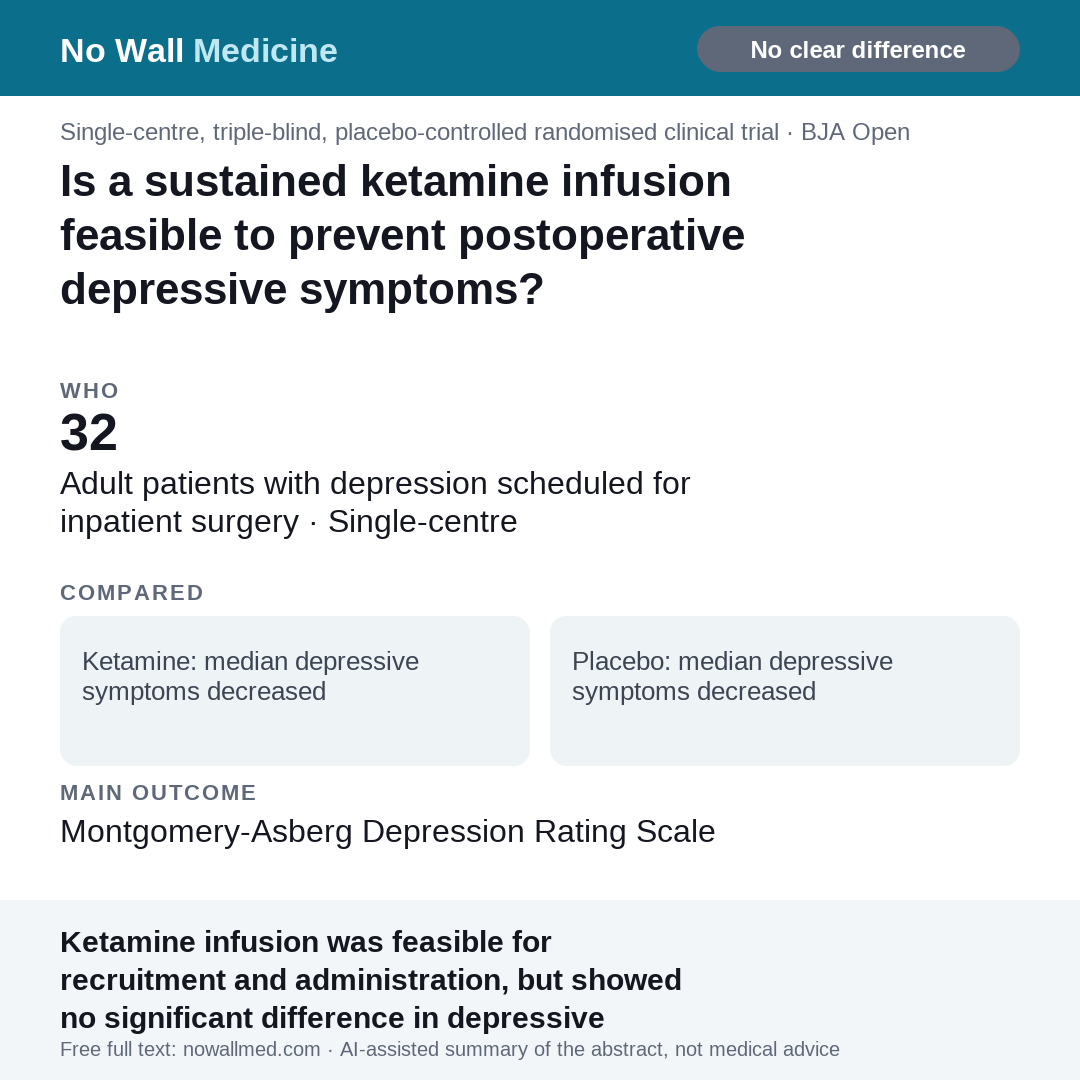
Ketamine for postoperative avoidance of depressive symptoms: the K-PASS feasibility randomised trial
Single-centre, triple-blind, placebo-controlled randomised clinical trialNo clear difference
Is a sustained ketamine infusion feasible to prevent postoperative depressive symptoms?
Who
32
Adult patients with depression scheduled for inpatient surgery · Single-centre
Compared
Ketamine: median depressive symptoms decreased
Placebo: median depressive symptoms decreased
Main outcome
Montgomery-Asberg Depression Rating Scale
Result: difference-in-differences of -1.00 point (95% confidence interval -3.23 to 1.73)
Bottom line: Ketamine infusion was feasible for recruitment and administration, but showed no significant difference in depressive symptoms compared to placebo.
Limitation: The study was a feasibility trial and may require a fully powered trial.
BJA Open · 2023-12-15Download image
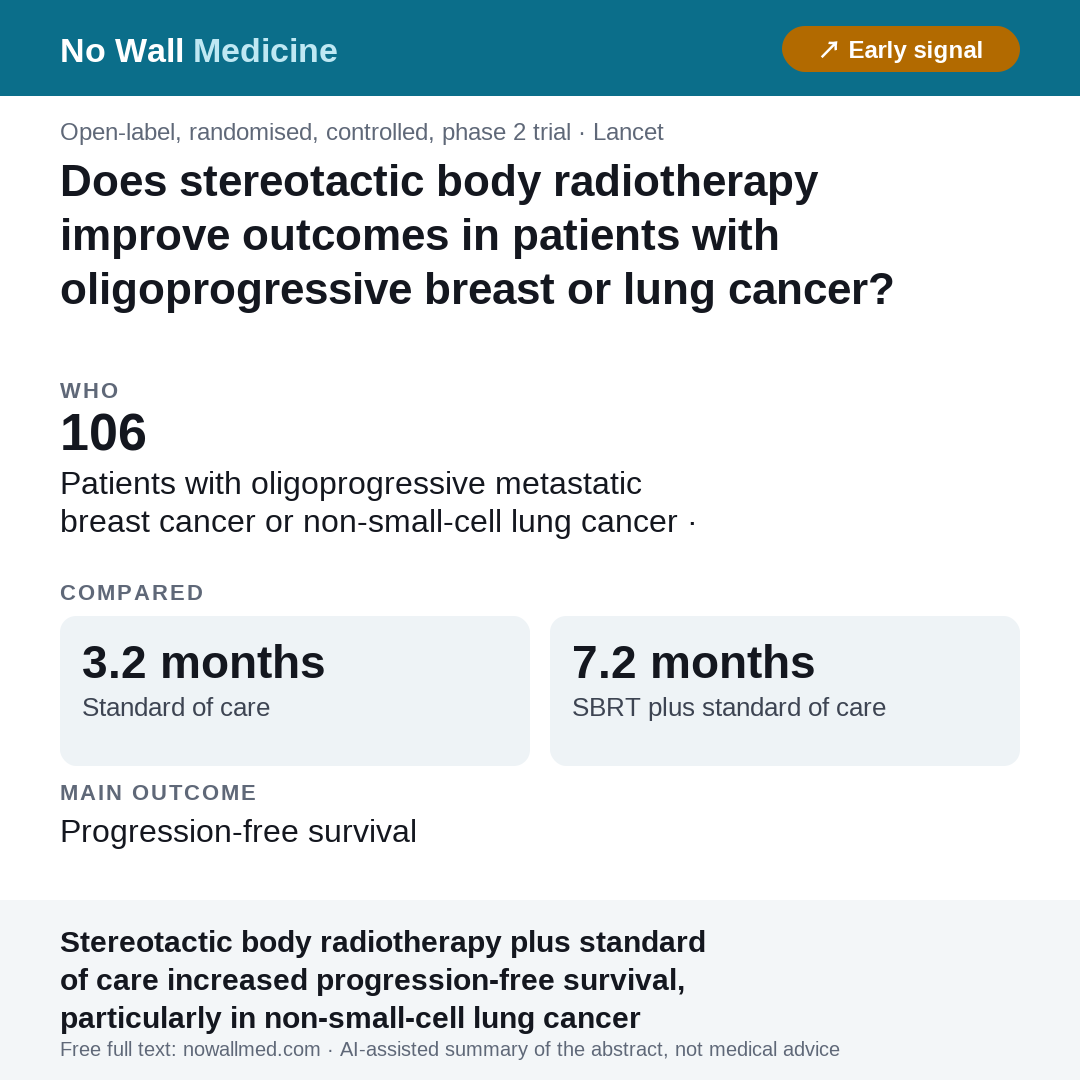
Standard-of-care systemic therapy with or without stereotactic body radiotherapy in patients with oligoprogressive breast cancer or non-small-cell lung cancer (Consolidative Use of Radiotherapy to Block [CURB] oligoprogression): an open-label, randomised, controlled, phase 2 study
Open-label, randomised, controlled, phase 2 trialEarly signal
Does stereotactic body radiotherapy improve outcomes in patients with oligoprogressive breast or lung cancer?
Who
106
Patients with oligoprogressive metastatic breast cancer or non-small-cell lung cancer · New York and New Jersey, USA
Compared
3.2 monthsStandard of care (95% CI 2.0-4.5)
7.2 monthsSBRT plus standard of care (4.5-10.0)
Main outcome
Progression-free survival
Result: hazard ratio 0.53 (95% CI 0.35-0.81)
Bottom line: Stereotactic body radiotherapy plus standard of care increased progression-free survival, particularly in non-small-cell lung cancer patients.
Limitation: The study was closed to accrual before reaching the targeted sample size.
Funded by: National Cancer Institute
Lancet · 2023-12-14Download image
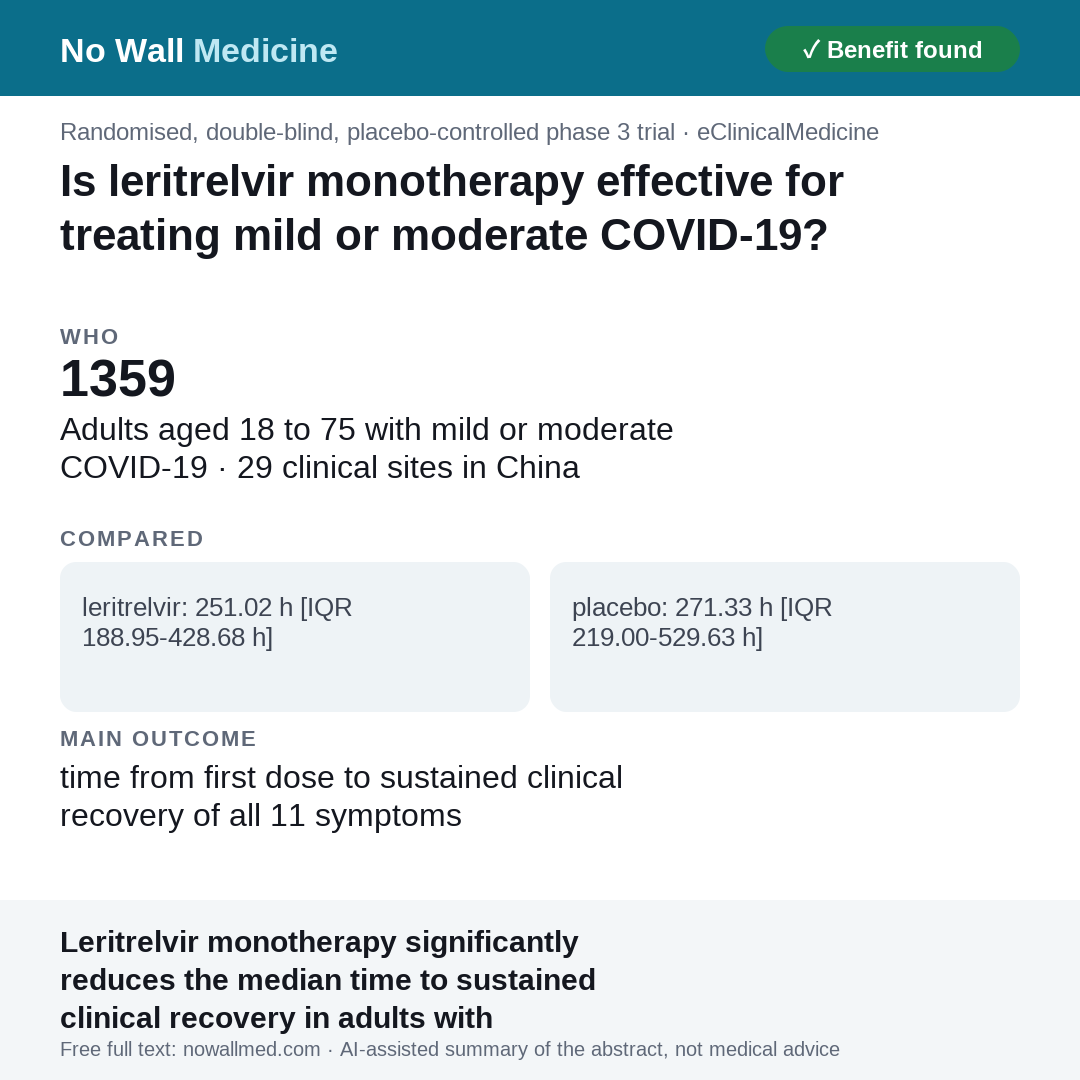
Leritrelvir for the treatment of mild or moderate COVID-19 without co-administered ritonavir: a multicentre randomised, double-blind, placebo-controlled phase 3 trial
Randomised, double-blind, placebo-controlled phase 3 trialBenefit found
Is leritrelvir monotherapy effective for treating mild or moderate COVID-19?
Who
1359
Adults aged 18 to 75 with mild or moderate COVID-19 · 29 clinical sites in China
Compared
leritrelvir: 251.02 h [IQR 188.95-428.68 h]
placebo: 271.33 h [IQR 219.00-529.63 h]
Main outcome
time from first dose to sustained clinical recovery of all 11 symptoms
Result: hazard ratio 1.20 (95% CI 1.07-1.35)
Bottom line: Leritrelvir monotherapy significantly reduces the median time to sustained clinical recovery in adults with mild-to-moderate COVID-19.
Funded by: National Multidisciplinary Innovation Team Project of Traditional Chinese Medicine
eClinicalMedicine · 2023-12-14Download image
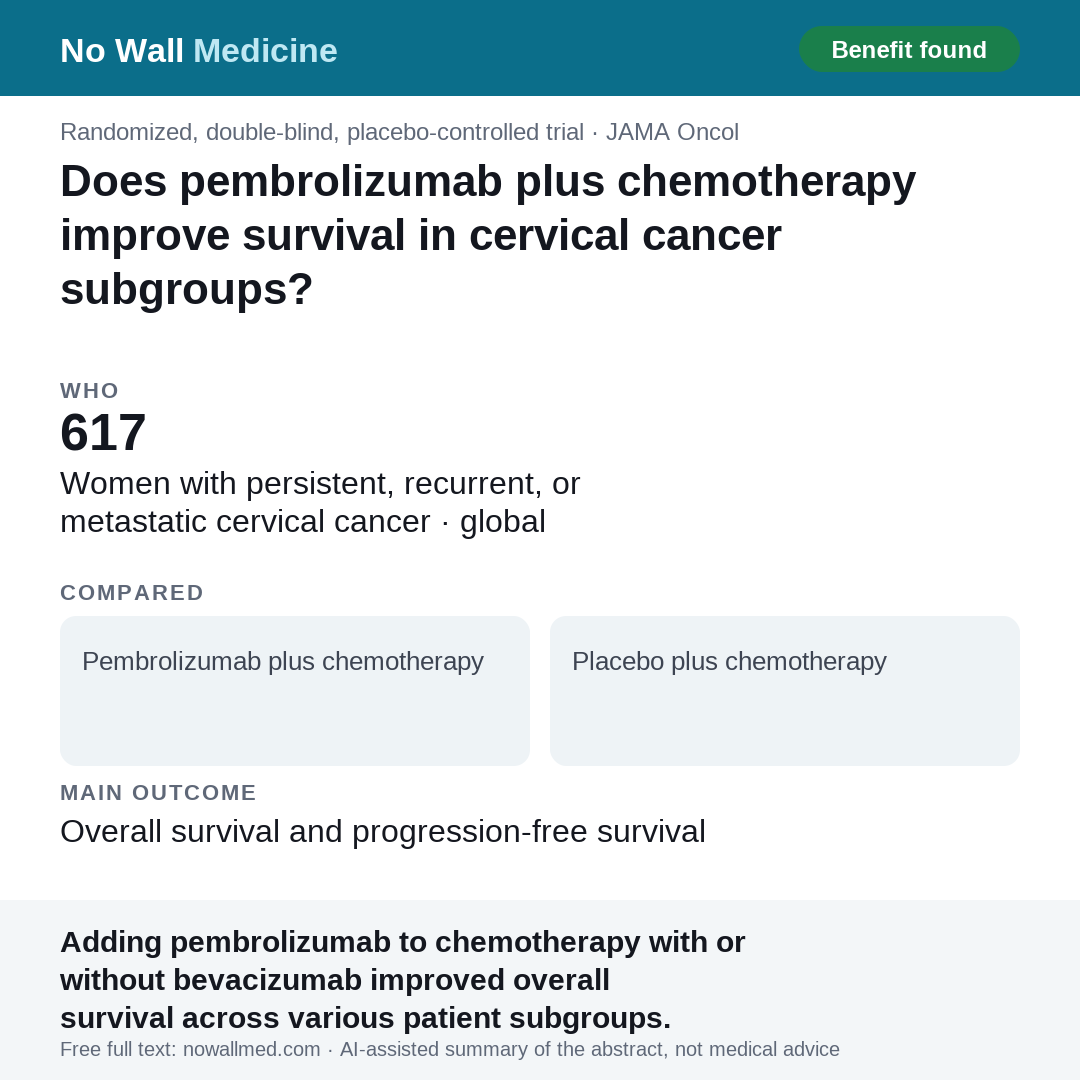
Pembrolizumab or Placebo Plus Chemotherapy With or Without Bevacizumab for Persistent, Recurrent, or Metastatic Cervical Cancer: Subgroup Analyses From the KEYNOTE-826 Randomized Clinical Trial
Randomized, double-blind, placebo-controlled trialBenefit found
Does pembrolizumab plus chemotherapy improve survival in cervical cancer subgroups?
Who
617
Women with persistent, recurrent, or metastatic cervical cancer · global
Compared
Pembrolizumab plus chemotherapy
Placebo plus chemotherapy
Main outcome
Overall survival and progression-free survival
Result: hazard ratios for OS favored the pembrolizumab group in all subgroups
Bottom line: Adding pembrolizumab to chemotherapy with or without bevacizumab improved overall survival across various patient subgroups.
JAMA Oncol · 2023-12-14Download image
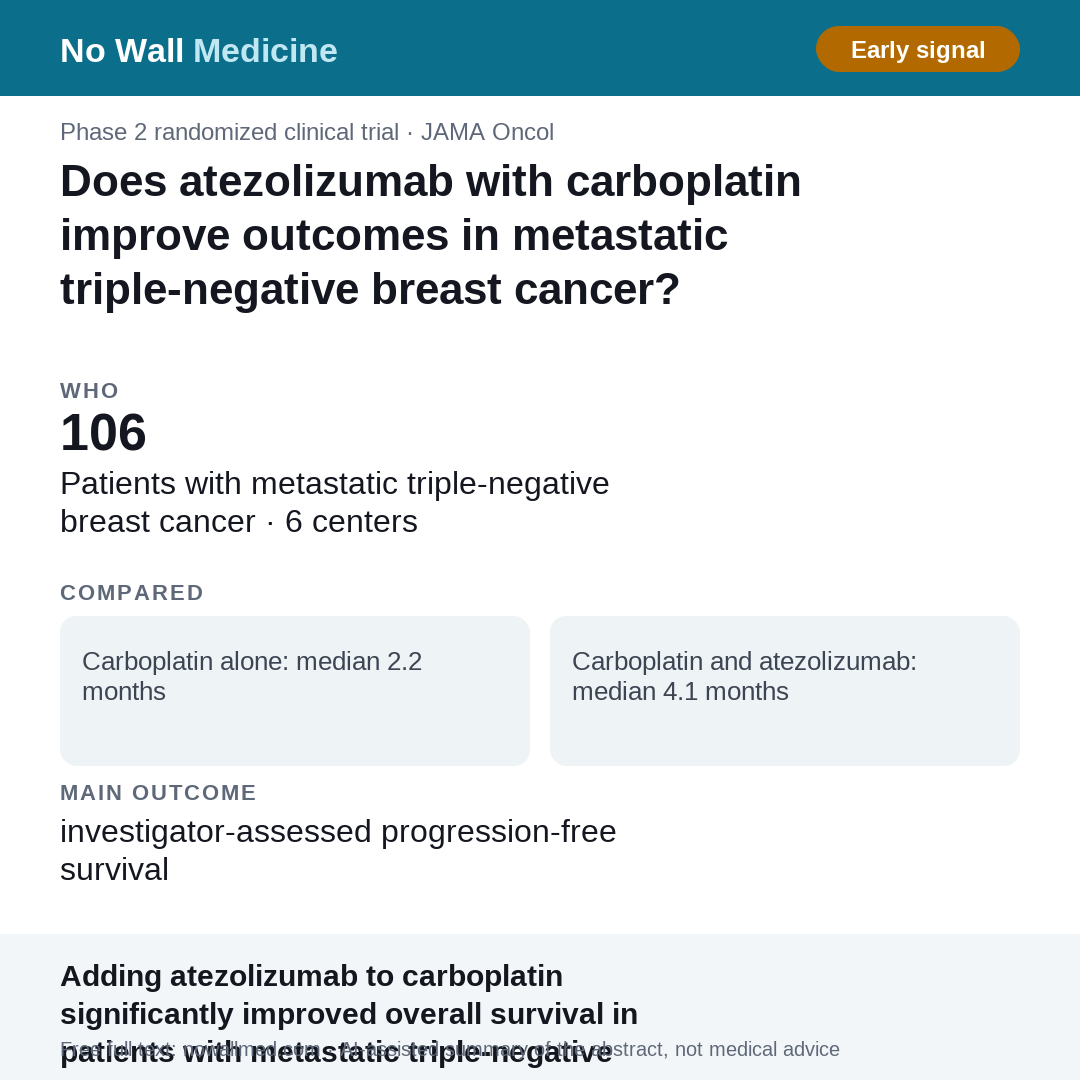
Atezolizumab in Combination With Carboplatin and Survival Outcomes in Patients With Metastatic Triple-Negative Breast Cancer: The TBCRC 043 Phase 2 Randomized Clinical Trial
Phase 2 randomized clinical trialEarly signal
Does atezolizumab with carboplatin improve outcomes in metastatic triple-negative breast cancer?
Who
106
Patients with metastatic triple-negative breast cancer · 6 centers
Compared
Carboplatin alone: median 2.2 months
Carboplatin and atezolizumab: median 4.1 months
Main outcome
investigator-assessed progression-free survival
Result: hazard ratio 0.66 (95% CI, 0.44-1.01)
Bottom line: Adding atezolizumab to carboplatin significantly improved overall survival in patients with metastatic triple-negative breast cancer.
JAMA Oncol · 2023-12-14Download image
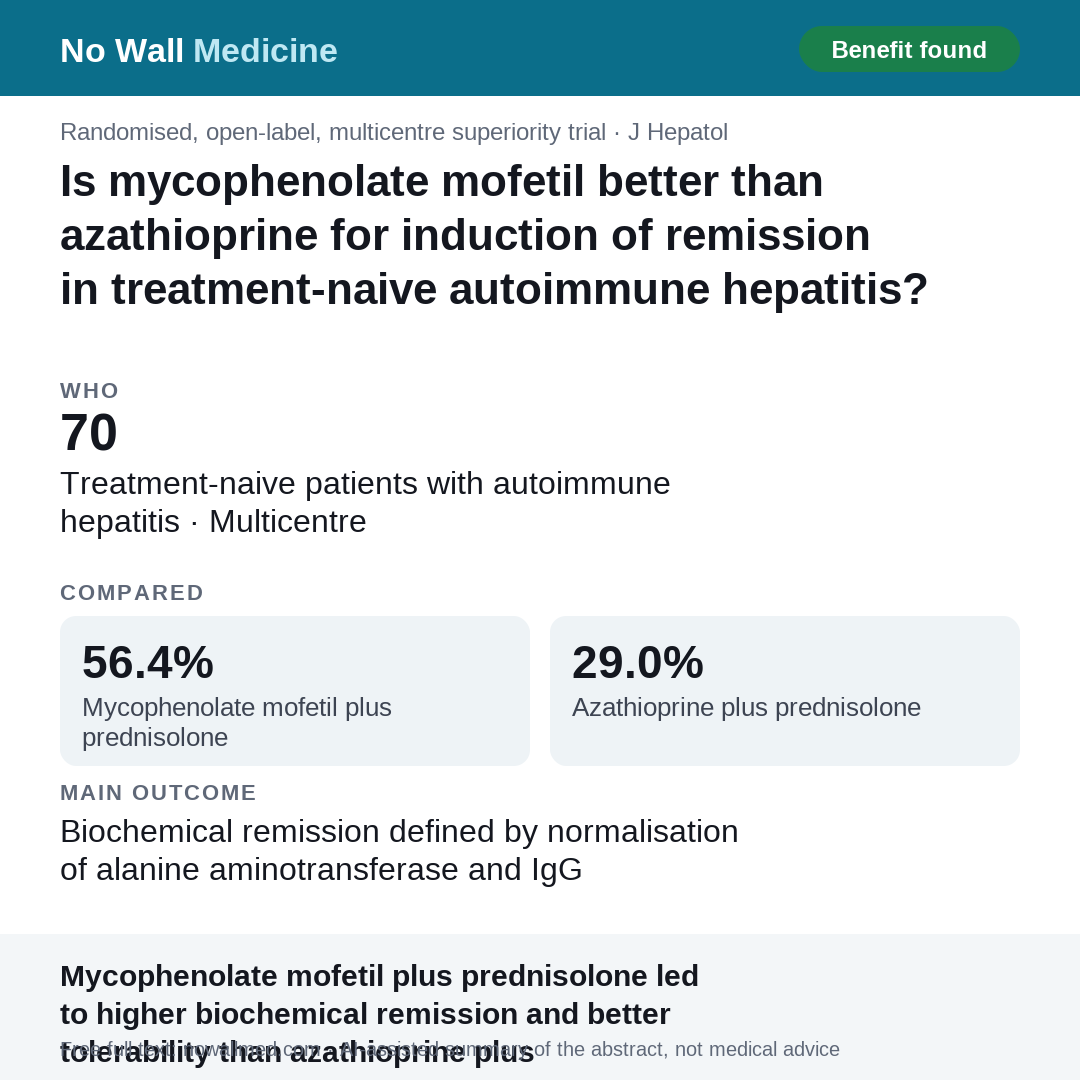
An open-label randomised-controlled trial of azathioprine vs. mycophenolate mofetil for the induction of remission in treatment-naive autoimmune hepatitis
Randomised, open-label, multicentre superiority trialBenefit found
Is mycophenolate mofetil better than azathioprine for induction of remission in treatment-naive autoimmune hepatitis?
Who
70
Treatment-naive patients with autoimmune hepatitis · Multicentre
Compared
56.4%Mycophenolate mofetil plus prednisolone
29.0%Azathioprine plus prednisolone
Main outcome
Biochemical remission defined by normalisation of alanine aminotransferase and IgG
Result: difference, 27.4 percentage points; 95% CI 4.0 to 46.7
Bottom line: Mycophenolate mofetil plus prednisolone led to higher biochemical remission and better tolerability than azathioprine plus prednisolone in treatment-naive autoimmune hepatitis.
J Hepatol · 2023-12-14Download image
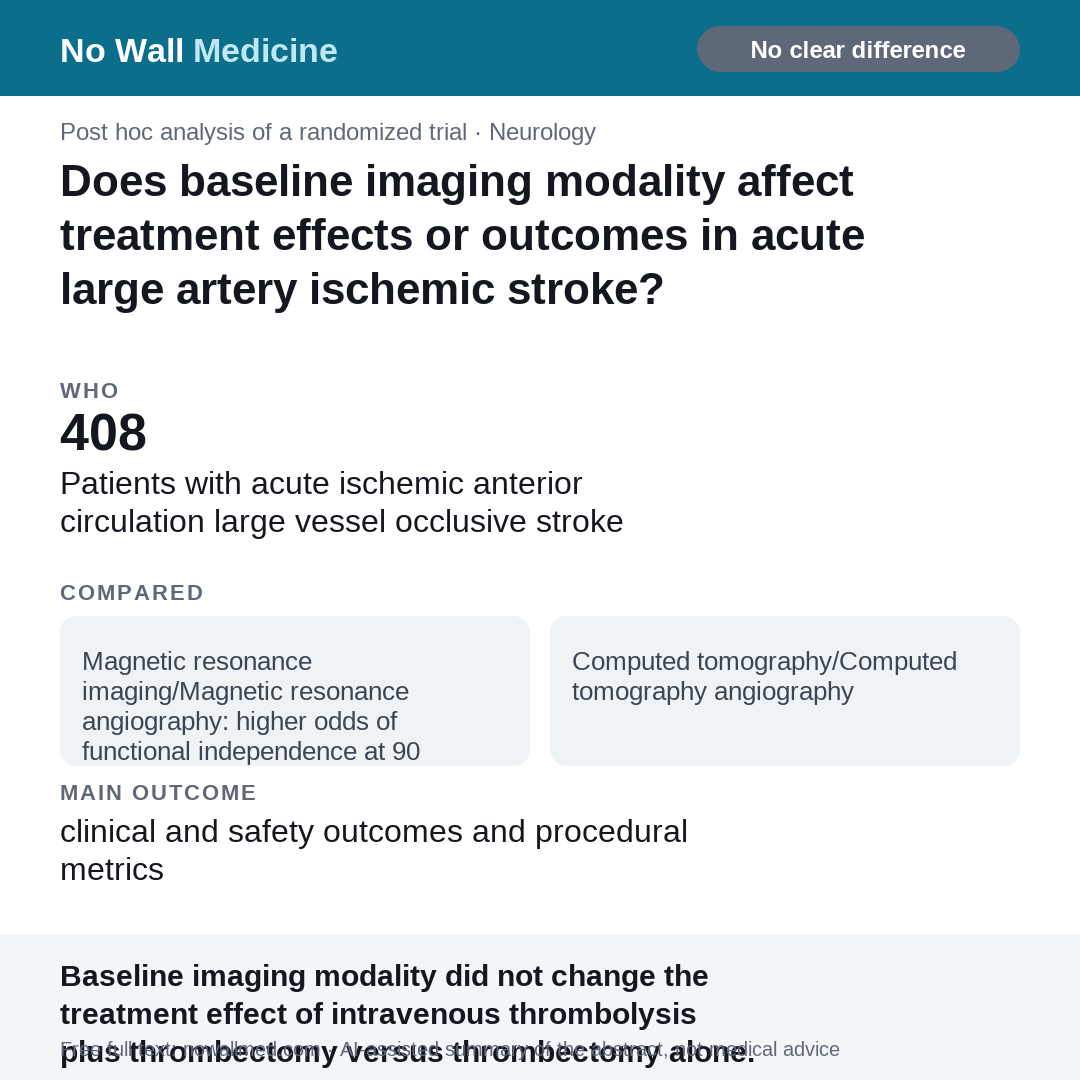
MRI vs CT for Baseline Imaging Evaluation in Acute Large Artery Ischemic Stroke: A Subanalysis of the SWIFT-DIRECT Trial
Post hoc analysis of a randomized trialNo clear difference
Does baseline imaging modality affect treatment effects or outcomes in acute large artery ischemic stroke?
Who
408
Patients with acute ischemic anterior circulation large vessel occlusive stroke
Compared
Magnetic resonance imaging/Magnetic resonance angiography: higher odds of functional independence at 90 days (adjusted odds ratio 1.65, 95% CI 1.07-2.56)
Computed tomography/Computed tomography angiography
Main outcome
clinical and safety outcomes and procedural metrics
Result: adjusted odds ratio 1.65 (95% CI 1.07-2.56)
Bottom line: Baseline imaging modality did not change the treatment effect of intravenous thrombolysis plus thrombectomy versus thrombectomy alone.
Neurology · 2023-12-14Download image
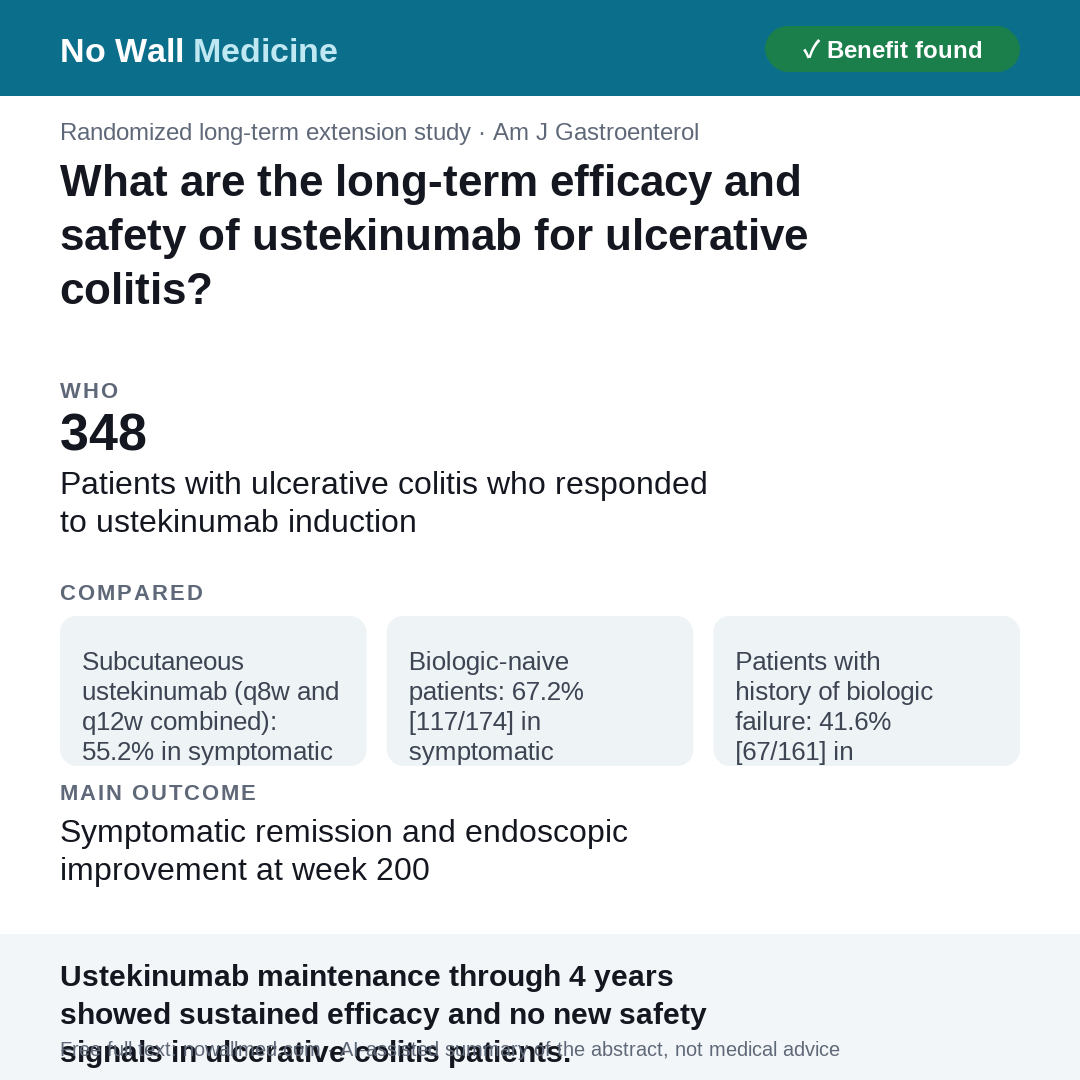
Efficacy and Safety of Ustekinumab for Ulcerative Colitis Through 4 Years: Final Results of the UNIFI Long-Term Maintenance Study
Randomized long-term extension studyBenefit found
What are the long-term efficacy and safety of ustekinumab for ulcerative colitis?
Who
348
Patients with ulcerative colitis who responded to ustekinumab induction
Compared
Subcutaneous ustekinumab (q8w and q12w combined): 55.2% in symptomatic remission at week 200
Biologic-naive patients: 67.2% [117/174] in symptomatic remission
Patients with history of biologic failure: 41.6% [67/161] in symptomatic remission
Main outcome
Symptomatic remission and endoscopic improvement at week 200
Bottom line: Ustekinumab maintenance through 4 years showed sustained efficacy and no new safety signals in ulcerative colitis patients.
Am J Gastroenterol · 2023-12-14Download image
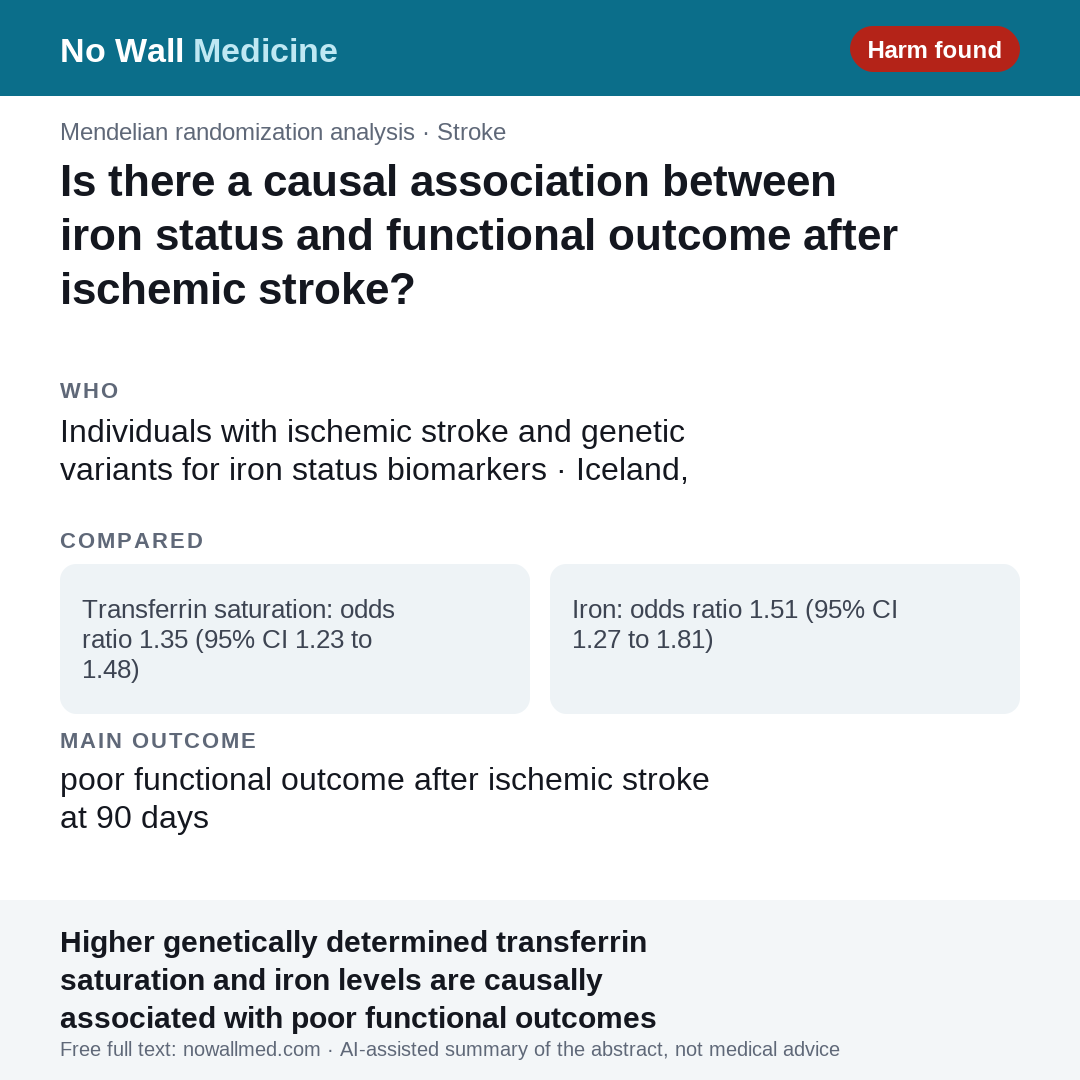
Causal Association of Iron Status With Functional Outcome After Ischemic Stroke
Mendelian randomization analysisHarm found
Is there a causal association between iron status and functional outcome after ischemic stroke?
Who
Individuals with ischemic stroke and genetic variants for iron status biomarkers · Iceland, the United Kingdom, and Denmark
Compared
Transferrin saturation: odds ratio 1.35 (95% CI 1.23 to 1.48)
Iron: odds ratio 1.51 (95% CI 1.27 to 1.81)
Main outcome
poor functional outcome after ischemic stroke at 90 days
Result: iron odds ratio 1.51 (95% CI 1.27 to 1.81)
Bottom line: Higher genetically determined transferrin saturation and iron levels are causally associated with poor functional outcomes after ischemic stroke.
Limitation: Future studies are required to illuminate the underlying mechanism.
Stroke · 2023-12-14Download image
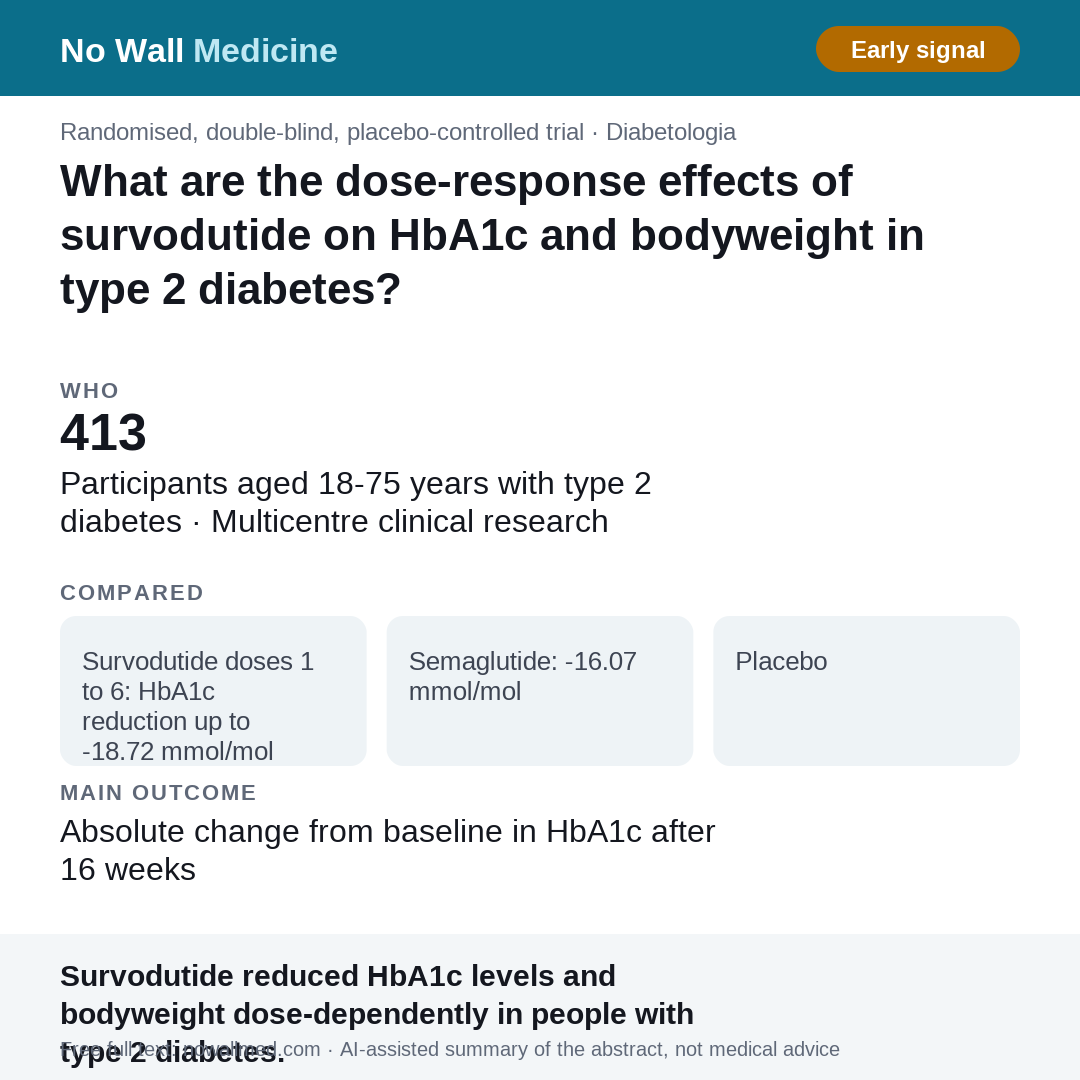
Dose-response effects on HbA1c and bodyweight reduction of survodutide, a dual glucagon/GLP-1 receptor agonist, compared with placebo and open-label semaglutide in people with type 2 diabetes: a randomised clinical trial
Randomised, double-blind, placebo-controlled trialEarly signal
What are the dose-response effects of survodutide on HbA1c and bodyweight in type 2 diabetes?
Who
413
Participants aged 18-75 years with type 2 diabetes · Multicentre clinical research centres
Compared
Survodutide doses 1 to 6: HbA1c reduction up to -18.72 mmol/mol
Semaglutide: -16.07 mmol/mol
Placebo
Main outcome
Absolute change from baseline in HbA1c after 16 weeks
Bottom line: Survodutide reduced HbA1c levels and bodyweight dose-dependently in people with type 2 diabetes.
Funded by: Boehringer Ingelheim Pharma GmbH & Co. KG
Diabetologia · 2023-12-14Download image
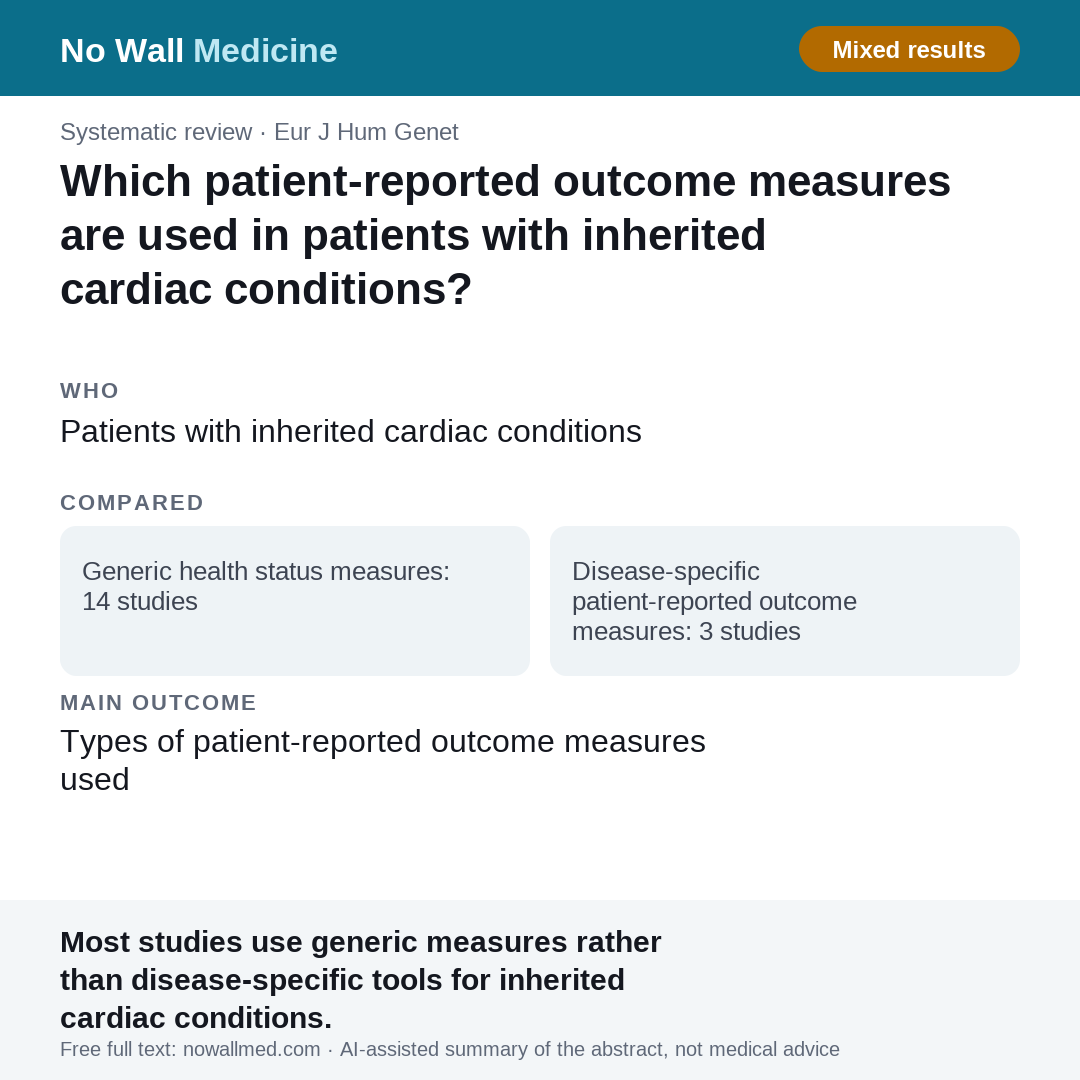
Are disease-specific patient-reported outcomes measures (PROMs) used in cardiogenetics? A systematic review
Systematic reviewMixed results
Which patient-reported outcome measures are used in patients with inherited cardiac conditions?
Who
Patients with inherited cardiac conditions
Compared
Generic health status measures: 14 studies
Disease-specific patient-reported outcome measures: 3 studies
Main outcome
Types of patient-reported outcome measures used
Bottom line: Most studies use generic measures rather than disease-specific tools for inherited cardiac conditions.
Limitation: Risk of bias was predominantly high (35%) or unclear (30%) in included studies.
Eur J Hum Genet · 2023-12-14Download image
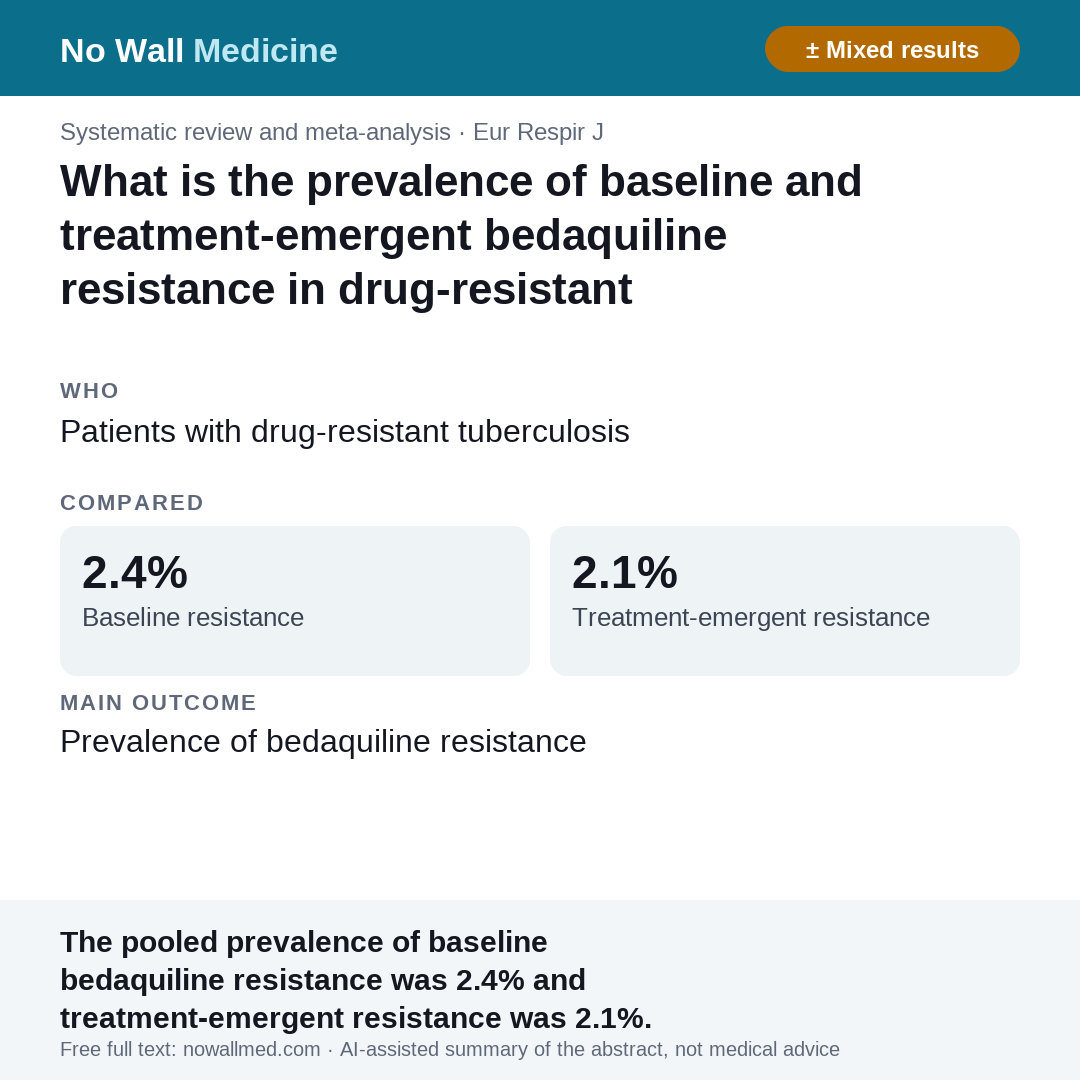
Baseline and treatment-emergent bedaquiline resistance in drug-resistant tuberculosis: a systematic review and meta-analysis
Systematic review and meta-analysisMixed results
What is the prevalence of baseline and treatment-emergent bedaquiline resistance in drug-resistant tuberculosis?
Who
Patients with drug-resistant tuberculosis
Compared
2.4%Baseline resistance
2.1%Treatment-emergent resistance
Main outcome
Prevalence of bedaquiline resistance
Bottom line: The pooled prevalence of baseline bedaquiline resistance was 2.4% and treatment-emergent resistance was 2.1%.
Eur Respir J · 2023-12-14Download image
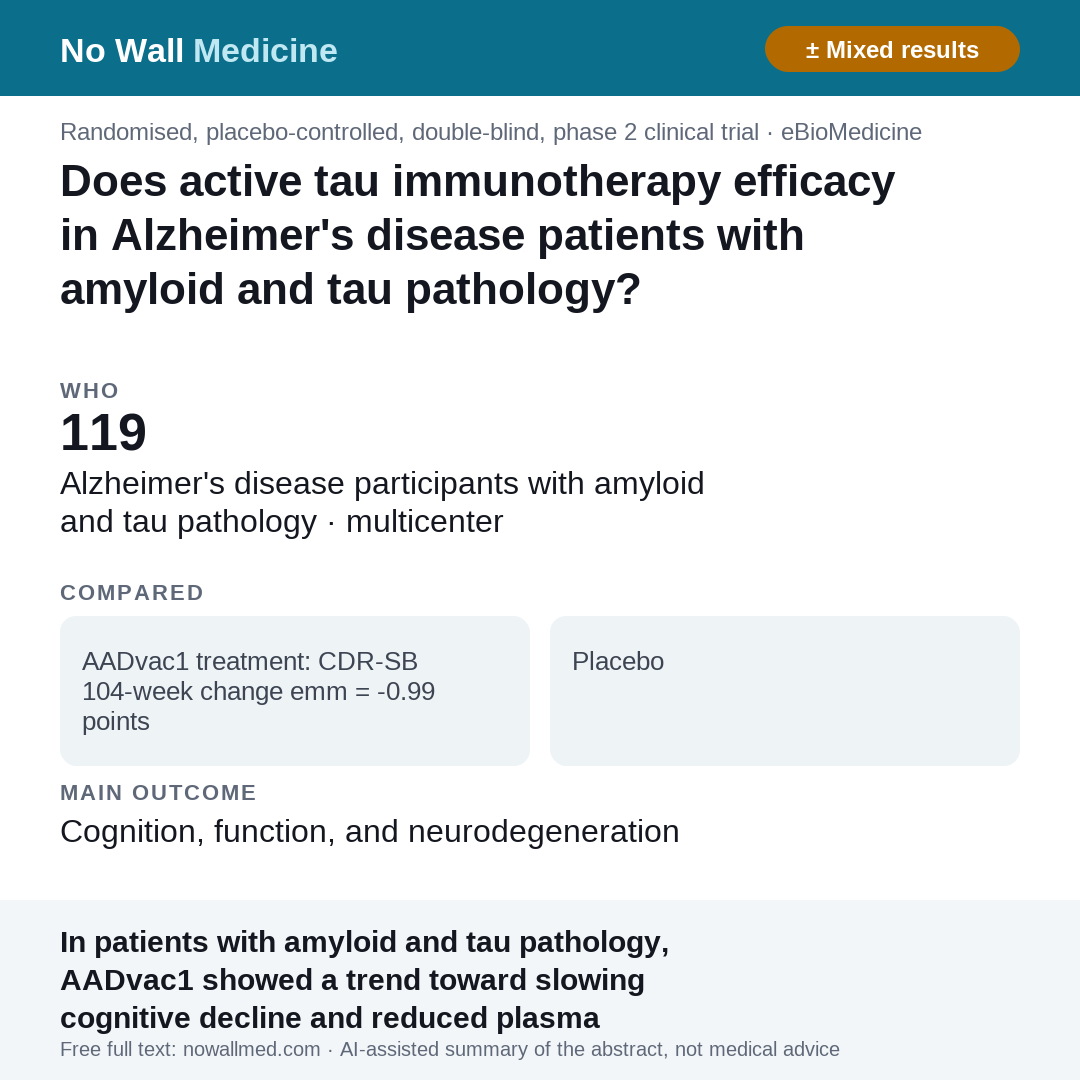
Efficacy assessment of an active tau immunotherapy in Alzheimer's disease patients with amyloid and tau pathology: a post hoc analysis of the "ADAMANT" randomised, placebo-controlled, double-blind, multi-centre, phase 2 clinical trial
Randomised, placebo-controlled, double-blind, phase 2 clinical trialMixed results
Does active tau immunotherapy efficacy in Alzheimer's disease patients with amyloid and tau pathology?
Who
119
Alzheimer's disease participants with amyloid and tau pathology · multicenter
Compared
AADvac1 treatment: CDR-SB 104-week change emm = -0.99 points
Placebo
Main outcome
Cognition, function, and neurodegeneration
Result: CDR-SB 104-week change emm = -0.99 points, 95% CI [-2.13, 0.13]
Bottom line: In patients with amyloid and tau pathology, AADvac1 showed a trend toward slowing cognitive decline and reduced plasma neurofilament light.
Funded by: AXON Neuroscience SE
eBioMedicine · 2023-12-14Download image
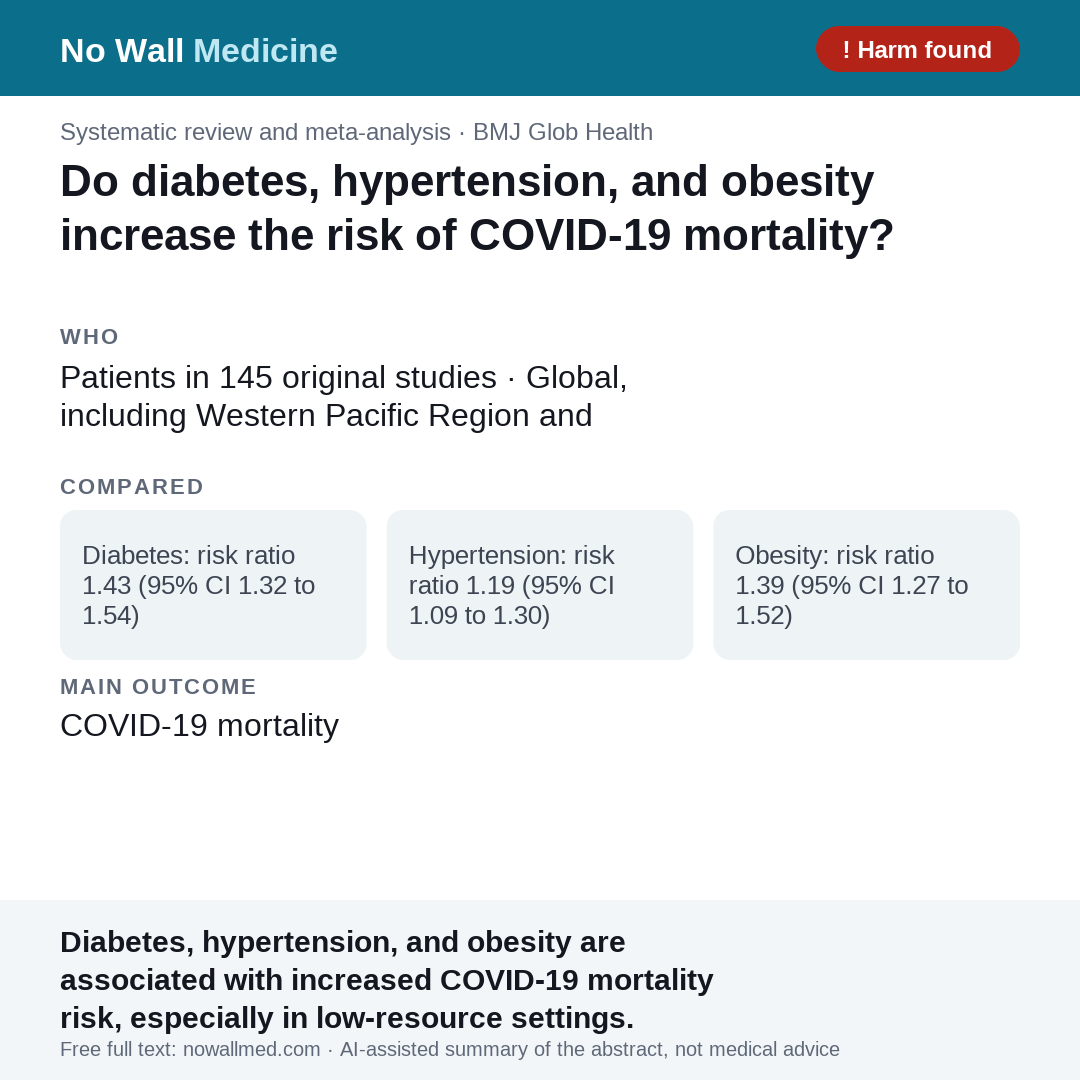
Associations of diabetes, hypertension and obesity with COVID-19 mortality: a systematic review and meta-analysis
Systematic review and meta-analysisHarm found
Do diabetes, hypertension, and obesity increase the risk of COVID-19 mortality?
Who
Patients in 145 original studies · Global, including Western Pacific Region and low-middle income countries
Compared
Diabetes: risk ratio 1.43 (95% CI 1.32 to 1.54)
Hypertension: risk ratio 1.19 (95% CI 1.09 to 1.30)
Obesity: risk ratio 1.39 (95% CI 1.27 to 1.52)
Main outcome
COVID-19 mortality
Bottom line: Diabetes, hypertension, and obesity are associated with increased COVID-19 mortality risk, especially in low-resource settings.
BMJ Glob Health · 2023-12-14Download image
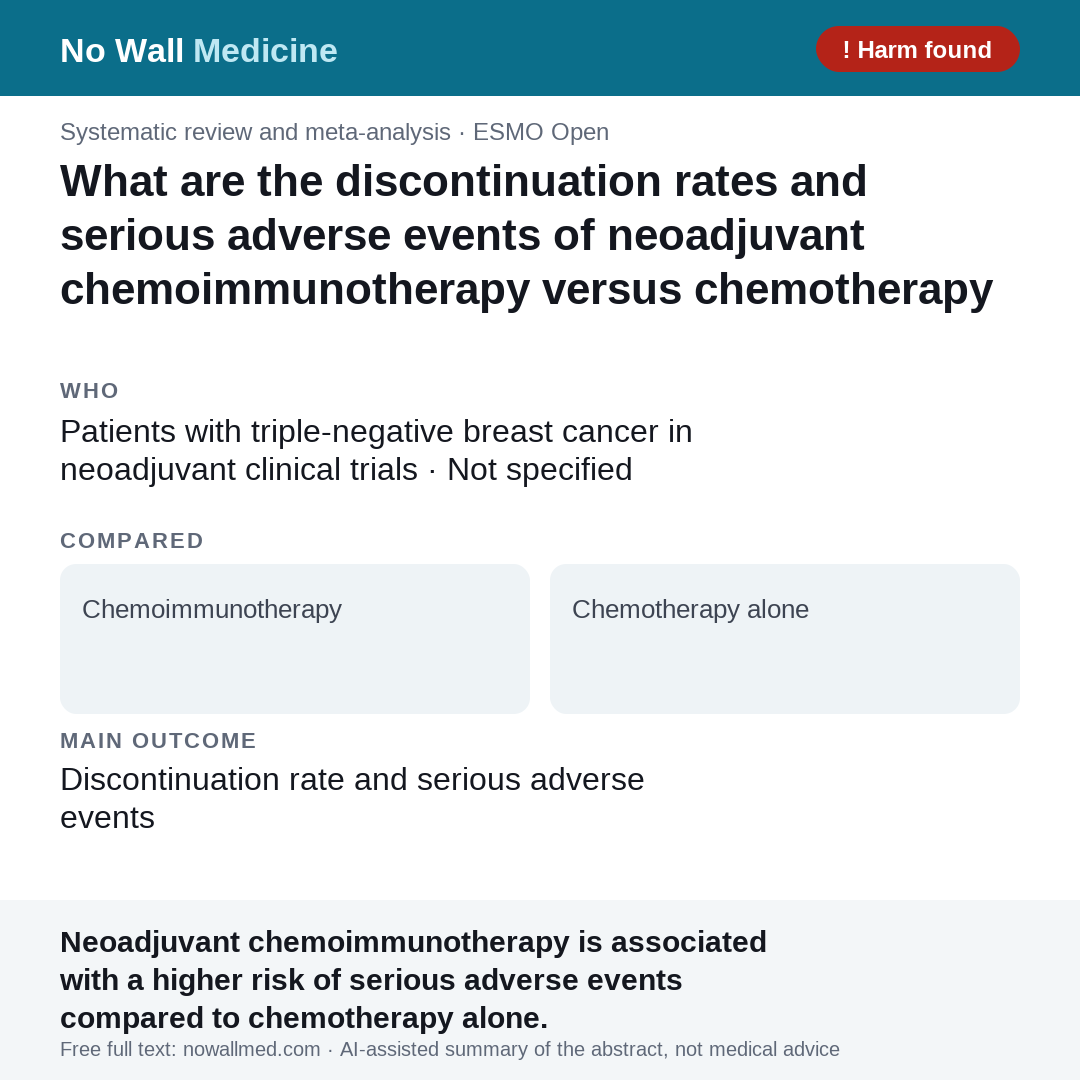
Discontinuation rate and serious adverse events of chemoimmunotherapy as neoadjuvant treatment for triple-negative breast cancer: a systematic review and meta-analysis
Systematic review and meta-analysisHarm found
What are the discontinuation rates and serious adverse events of neoadjuvant chemoimmunotherapy versus chemotherapy alone?
Who
Patients with triple-negative breast cancer in neoadjuvant clinical trials · Not specified
Compared
Chemoimmunotherapy
Chemotherapy alone
Main outcome
Discontinuation rate and serious adverse events
Result: serious adverse events odds ratio 1.79 (95% CI 1.4-2.28)
Bottom line: Neoadjuvant chemoimmunotherapy is associated with a higher risk of serious adverse events compared to chemotherapy alone.
Limitation: The analysis showed substantial heterogeneity and discontinuation risk was heavily influenced by the KEYNOTE-522 trial.
ESMO Open · 2023-12-14Download image
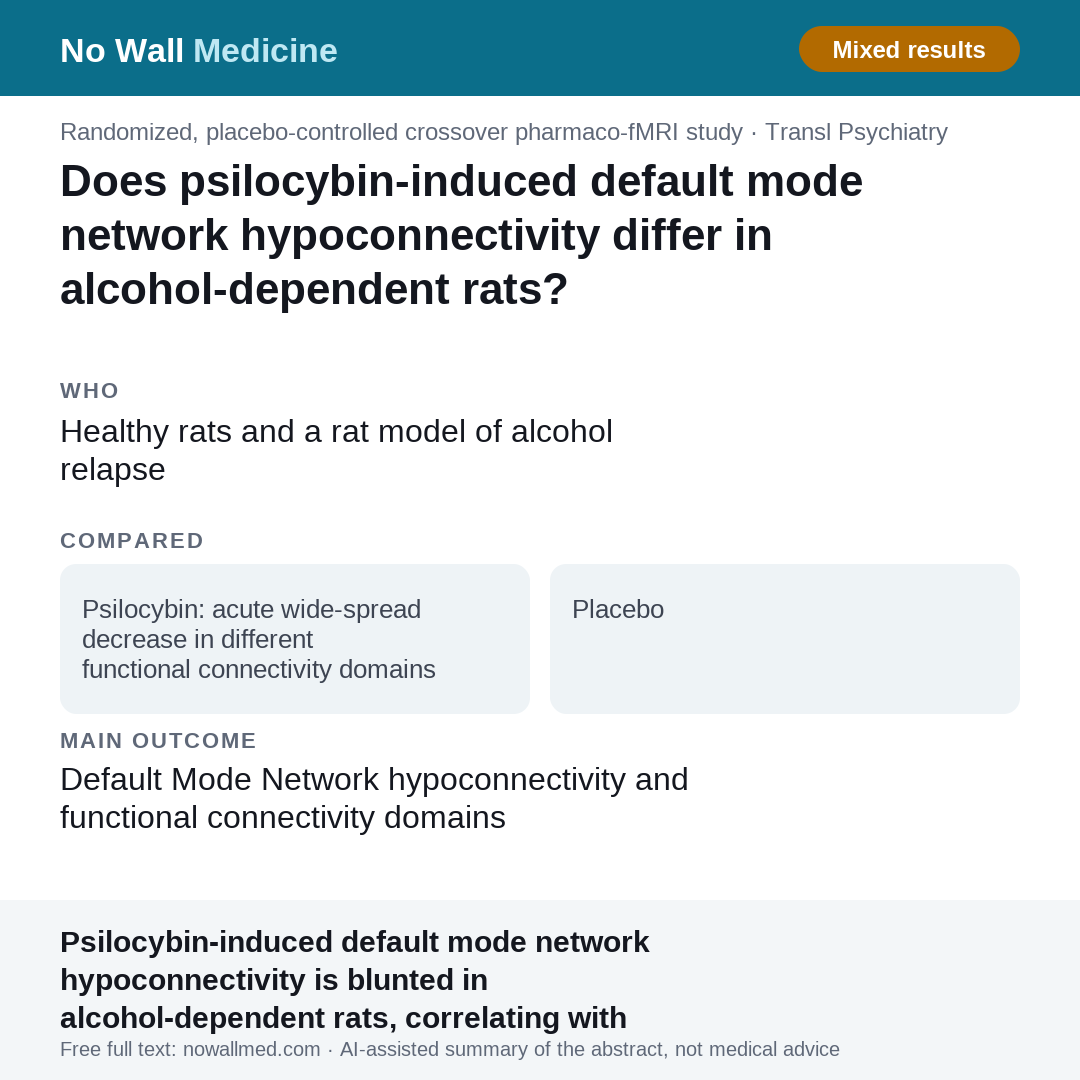
Psilocybin-induced default mode network hypoconnectivity is blunted in alcohol-dependent rats
Randomized, placebo-controlled crossover pharmaco-fMRI studyMixed results
Does psilocybin-induced default mode network hypoconnectivity differ in alcohol-dependent rats?
Who
Healthy rats and a rat model of alcohol relapse
Compared
Psilocybin: acute wide-spread decrease in different functional connectivity domains
Placebo
Main outcome
Default Mode Network hypoconnectivity and functional connectivity domains
Bottom line: Psilocybin-induced default mode network hypoconnectivity is blunted in alcohol-dependent rats, correlating with relapse intensity.
Limitation: A clinical standard dose of psilocybin may not be sufficient to treat severe alcohol use disorder cases.
Transl Psychiatry · 2023-12-14Download image
Resting-state EEG power differences in autism spectrum disorder: a systematic review and meta-analysis
Meta-analysis of 41 studiesMixed results
EEG power differences in autism spectrum disorder
Who
1246, 1455
autistic and neurotypical individuals
Compared
autistic individuals
neurotypical individuals
Main outcome
resting-state EEG power
Result: reduced relative alpha power (g = -0.35), increased gamma power (g = 0.37, g = 1.06)
Bottom line: Autism linked to altered EEG power patterns
Limitation: substantial heterogeneity in effect sizes
Transl Psychiatry · 2023-12-14Download image

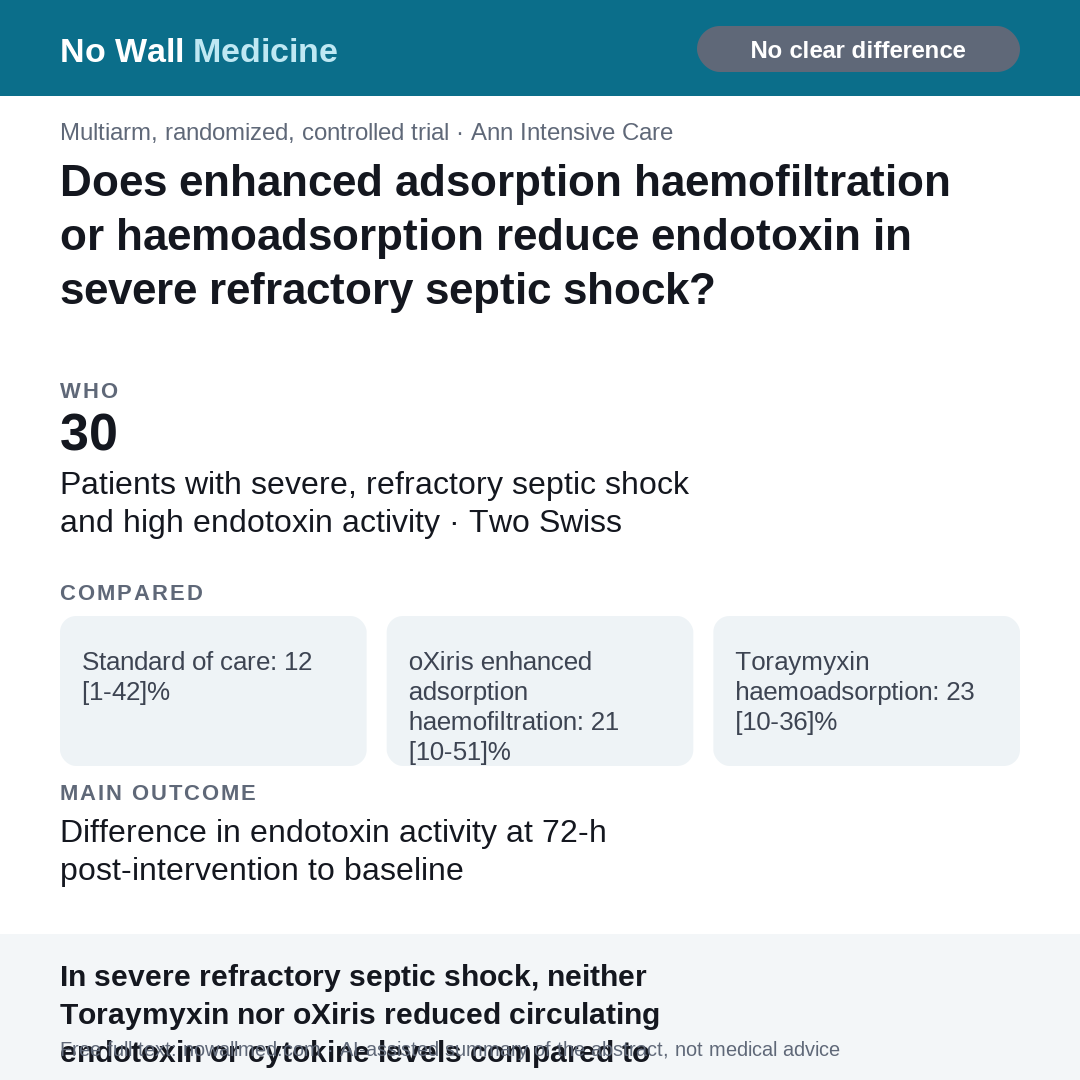
Effects of enhanced adsorption haemofiltration versus haemoadsorption in severe, refractory septic shock with high levels of endotoxemia: the ENDoX bicentric, randomized, controlled trial
Multiarm, randomized, controlled trialNo clear difference
Does enhanced adsorption haemofiltration or haemoadsorption reduce endotoxin in severe refractory septic shock?
Who
30
Patients with severe, refractory septic shock and high endotoxin activity · Two Swiss intensive care units
Compared
Standard of care: 12 [1-42]%
oXiris enhanced adsorption haemofiltration: 21 [10-51]%
Toraymyxin haemoadsorption: 23 [10-36]%
Main outcome
Difference in endotoxin activity at 72-h post-intervention to baseline
Bottom line: In severe refractory septic shock, neither Toraymyxin nor oXiris reduced circulating endotoxin or cytokine levels compared to standard care.
Ann Intensive Care · 2023-12-14Download image
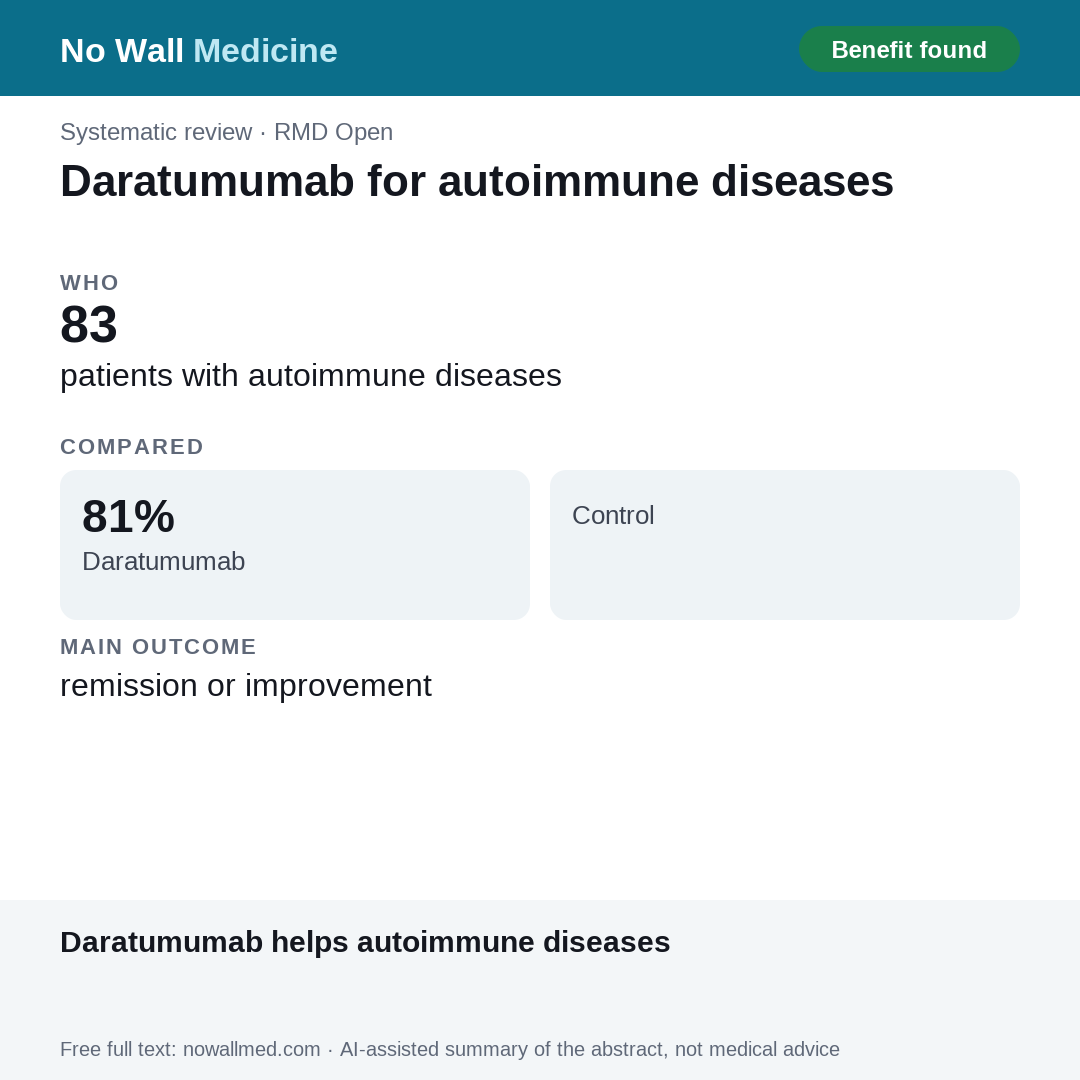
Daratumumab for autoimmune diseases: a systematic review
Systematic reviewBenefit found
Daratumumab for autoimmune diseases
Who
83
patients with autoimmune diseases
Compared
81%Daratumumab (remission or improvement)
Control
Main outcome
remission or improvement
Bottom line: Daratumumab helps autoimmune diseases
RMD Open · 2023-12-14Download image
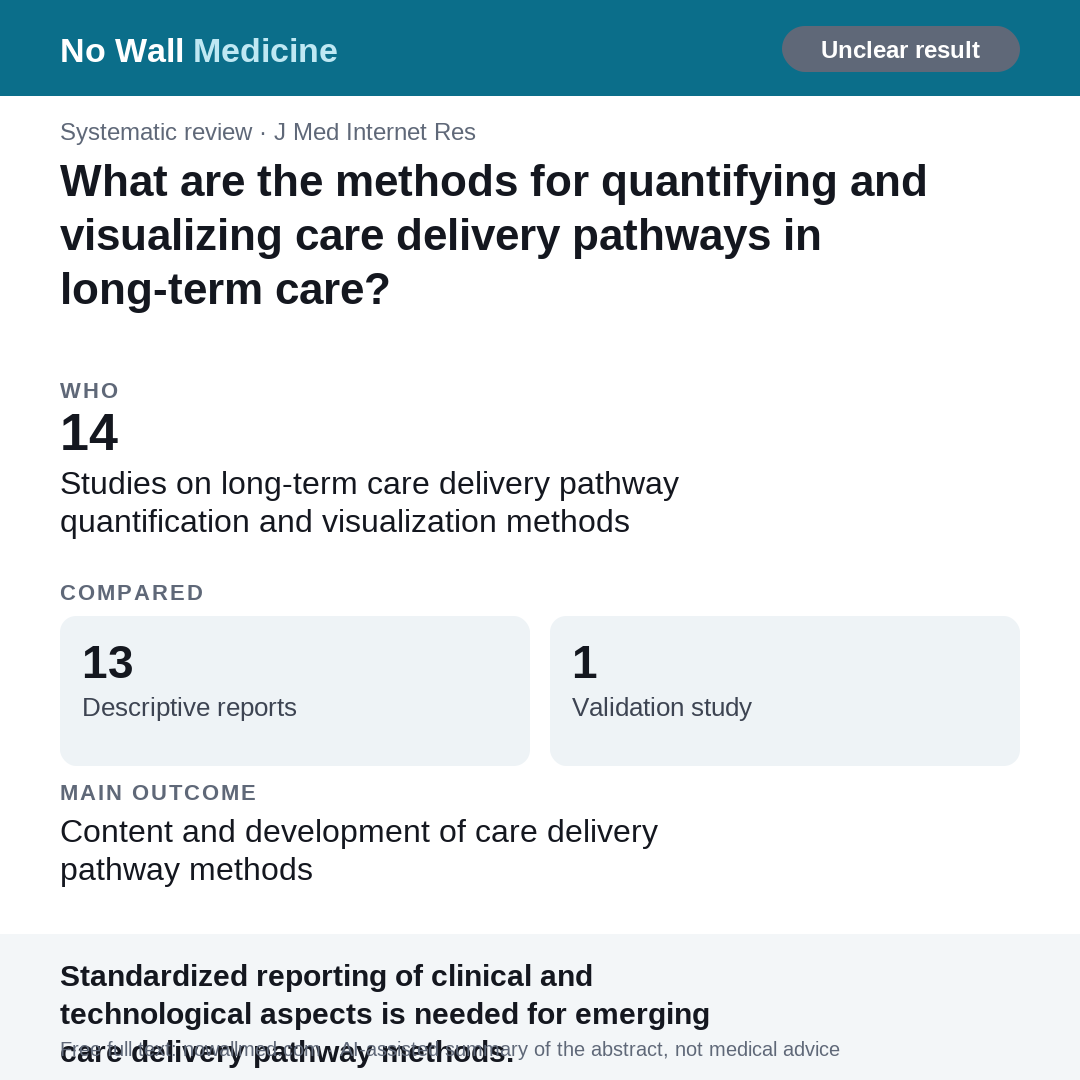
Toward an Interdisciplinary Approach to Constructing Care Delivery Pathways From Electronic Health Care Databases to Support Integrated Care in Chronic Conditions: Systematic Review of Quantification and Visualization Methods
Systematic reviewUnclear result
What are the methods for quantifying and visualizing care delivery pathways in long-term care?
Who
14
Studies on long-term care delivery pathway quantification and visualization methods
Compared
13Descriptive reports (93%)
1Validation study (7%)
Main outcome
Content and development of care delivery pathway methods
Bottom line: Standardized reporting of clinical and technological aspects is needed for emerging care delivery pathway methods.
J Med Internet Res · 2023-12-14Download image