Visual abstracts
New randomized trials and meta-analyses from leading journals at a glance: who was studied, what was compared, and what was found. Every paper is free to read in full.
All specialtiesCardiology 394Oncology 314Gastroenterology & Hepatology 158Infectious Disease 313Neurology 179Psychiatry & Mental Health 258Pulmonology 180Critical Care 125Endocrinology & Diabetes 236Pediatrics 188Surgery 128Orthopedics & Sports Medicine 75Neurosurgery 24Cardiothoracic & Vascular Surgery 47Plastic & Reconstructive Surgery 79Nephrology 77Rheumatology 81Hematology 92Dermatology 42Ophthalmology 64Obstetrics & Gynecology 120Public & Global Health 119Radiology & Imaging 36Anesthesiology 68Urology 91ENT (Otolaryngology) 48Emergency Medicine 41Allergy & Immunology 49Geriatrics 113Family Medicine & Primary Care 67Medical Genetics & Genomics 36Pathology & Laboratory Medicine 6Physical Medicine & Rehabilitation 96Palliative Care 60Nutrition 135Digital Health & AI 337General Medicine 46
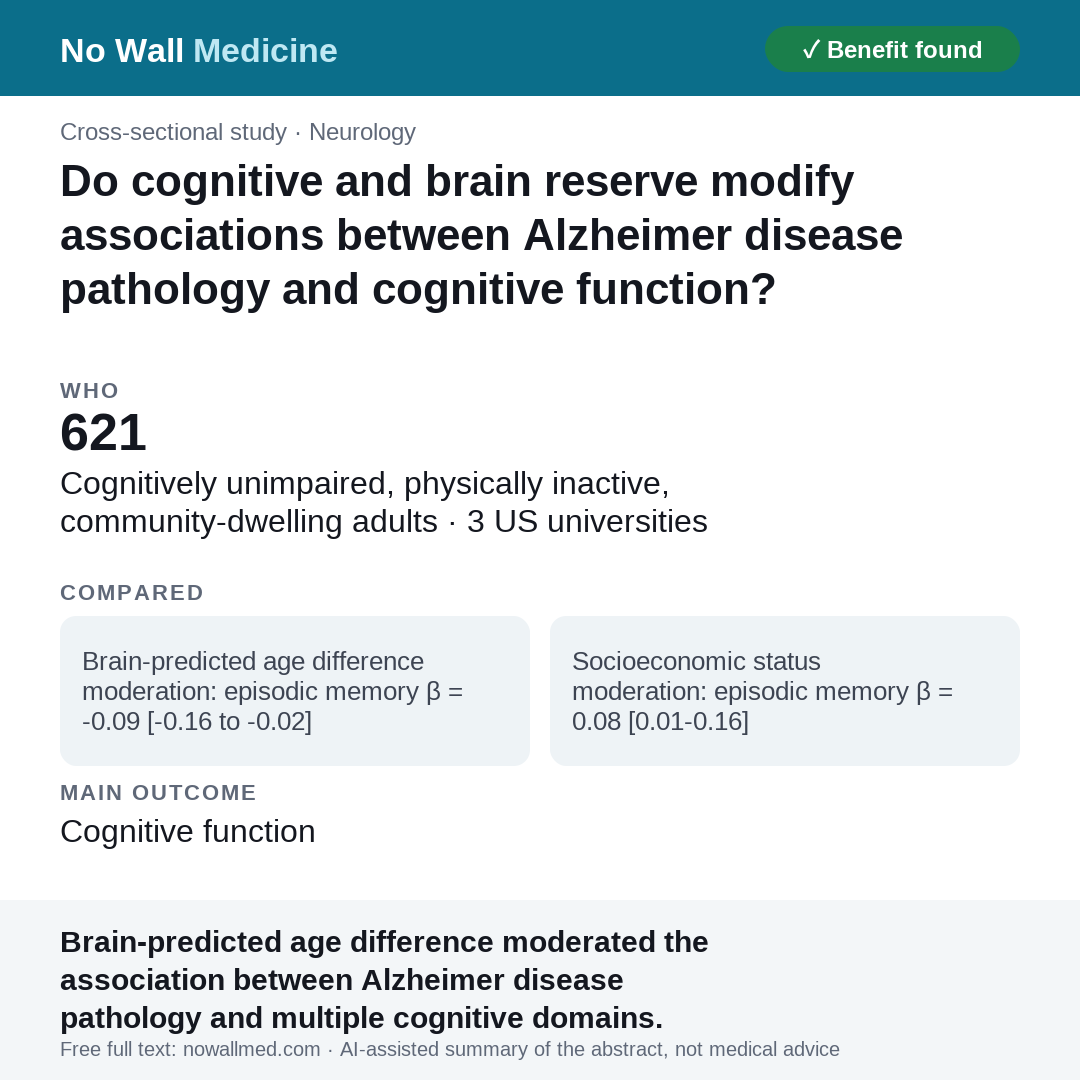
Cognitive and Brain Reserve as Modifiers of Early Alzheimer Disease-Related Cognitive Vulnerability
Cross-sectional studyBenefit found
Do cognitive and brain reserve modify associations between Alzheimer disease pathology and cognitive function?
Who
621
Cognitively unimpaired, physically inactive, community-dwelling adults · 3 US universities
Compared
Brain-predicted age difference moderation: episodic memory β = -0.09 [-0.16 to -0.02]
Socioeconomic status moderation: episodic memory β = 0.08 [0.01-0.16]
Main outcome
Cognitive function
Bottom line: Brain-predicted age difference moderated the association between Alzheimer disease pathology and multiple cognitive domains.
Limitation: Longitudinal studies are needed to confirm these conclusions.
Neurology · 2026-04-14Download image
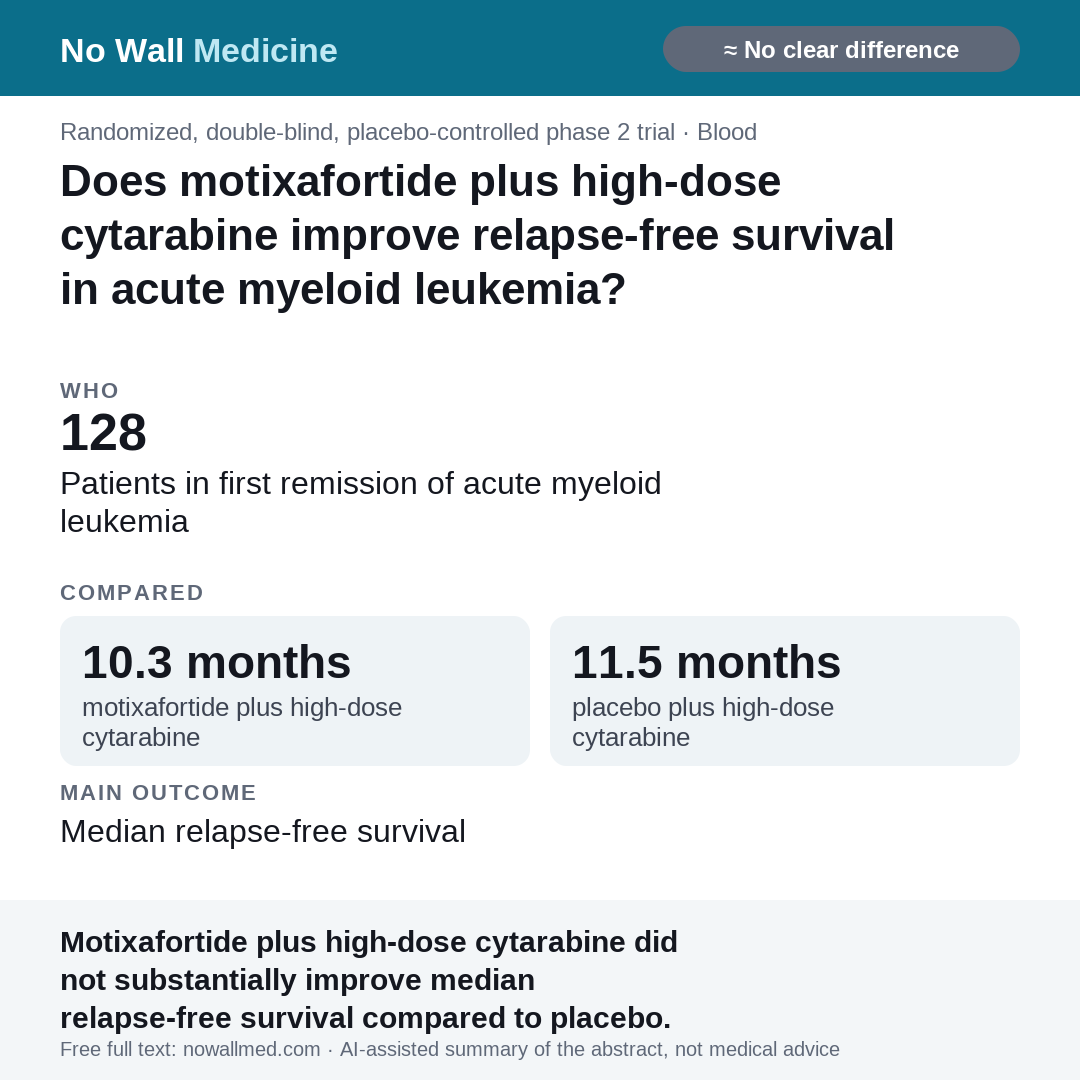
Inhibition of high CXCR4 with motixafortide and absence of single-cell MRD predict outcome after AML consolidation
Randomized, double-blind, placebo-controlled phase 2 trialNo clear difference
Does motixafortide plus high-dose cytarabine improve relapse-free survival in acute myeloid leukemia?
Who
128
Patients in first remission of acute myeloid leukemia
Compared
10.3 monthsmotixafortide plus high-dose cytarabine (95% confidence interval 8.0-12.0)
11.5 monthsplacebo plus high-dose cytarabine (95% confidence interval 8.6-24.1)
Main outcome
Median relapse-free survival
Bottom line: Motixafortide plus high-dose cytarabine did not substantially improve median relapse-free survival compared to placebo.
Blood · 2026-04-14Download image
The Association of Preoperative Cognitive Dysfunction to Common Intraoperative Electroencephalographic Parameters and Cerebral Hypoxia During Cardiac Surgery
Secondary analysis of a randomized trialMixed results
Does preoperative cognitive dysfunction associate with intraoperative electroencephalographic parameters and cerebral hypoxia?
Who
110
Patients 60 years or older undergoing cardiac surgery · Single academic center
Compared
Impaired cognition: 1.4 Hz lower spectral edge frequency
Normal cognition
Main outcome
Intraoperative burst suppression, spectral edge frequency, and cerebral desaturation
Result: 1.4 Hz lower spectral edge frequency (95% confidence interval 0.07-2.6)
Bottom line: Preoperative cognitive dysfunction was associated with lower spectral edge frequency but did not affect burst suppression or cerebral desaturation.
Limitation: This is a secondary analysis of an ongoing trial.
Anesth Analg · 2026-04-14Download image

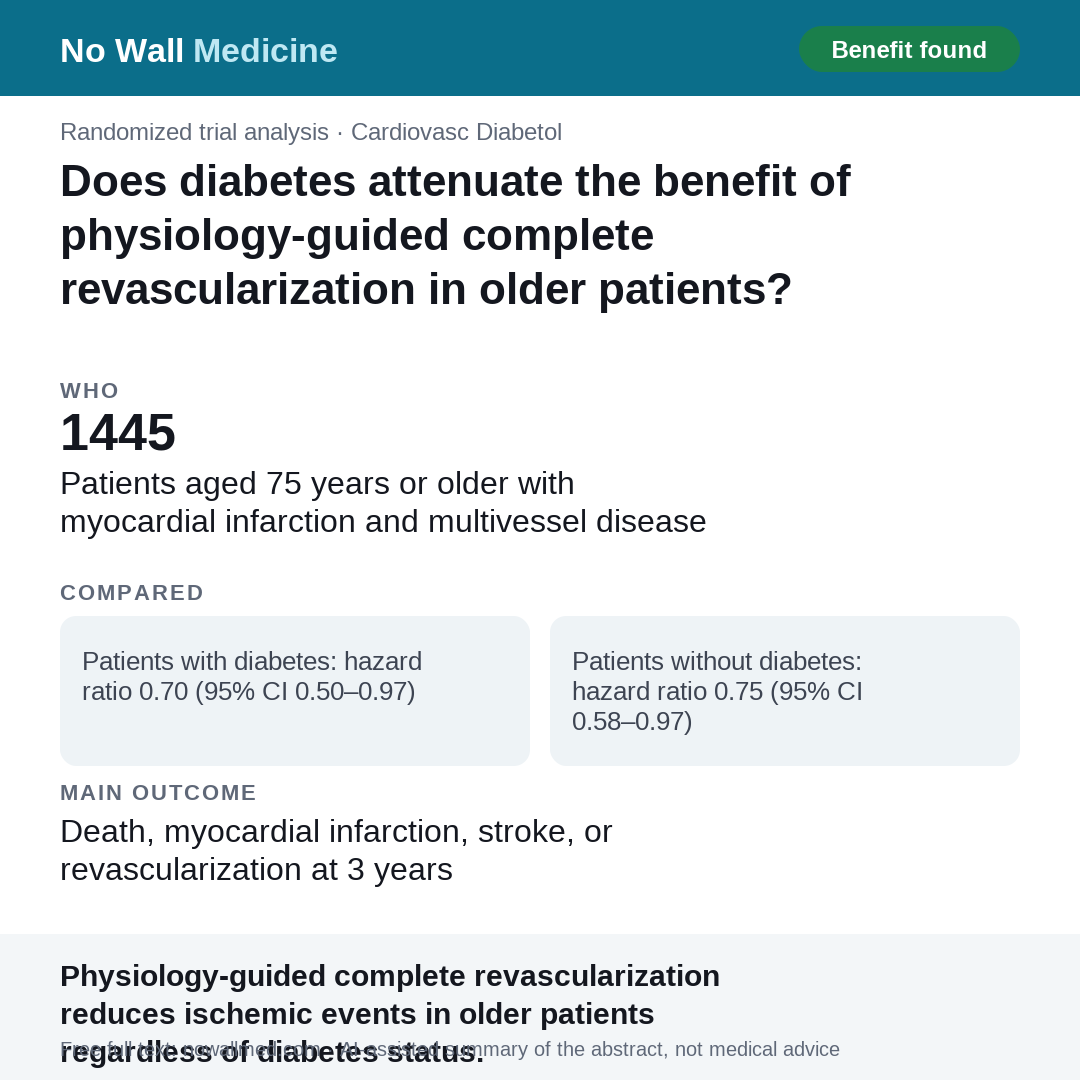
Diabetes does not attenuate the benefit of physiology-guided complete revascularization in older patients with myocardial infarction
Randomized trial analysisBenefit found
Does diabetes attenuate the benefit of physiology-guided complete revascularization in older patients?
Who
1445
Patients aged 75 years or older with myocardial infarction and multivessel disease
Compared
Patients with diabetes: hazard ratio 0.70 (95% CI 0.50–0.97)
Patients without diabetes: hazard ratio 0.75 (95% CI 0.58–0.97)
Main outcome
Death, myocardial infarction, stroke, or revascularization at 3 years
Result: hazard ratio 0.70 (95% CI 0.50–0.97) in diabetes
Bottom line: Physiology-guided complete revascularization reduces ischemic events in older patients regardless of diabetes status.
Cardiovasc Diabetol · 2026-04-14Download image
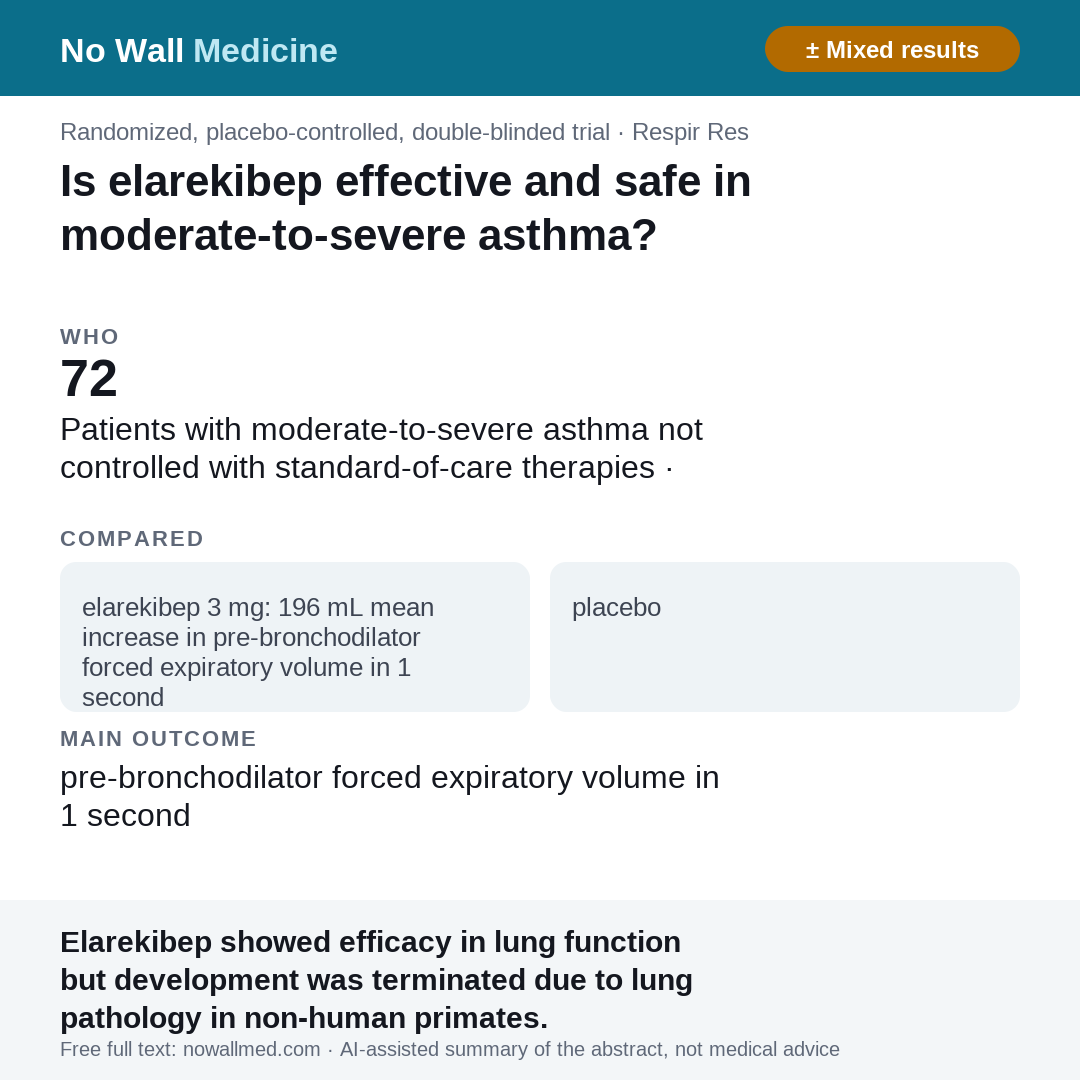
Elarekibep, an inhaled anti-IL-4 receptor alpha Anticalin, in moderate-to-severe asthma: a randomized, placebo-controlled phase 2a study (APATURA)
Randomized, placebo-controlled, double-blinded trialMixed results
Is elarekibep effective and safe in moderate-to-severe asthma?
Who
72
Patients with moderate-to-severe asthma not controlled with standard-of-care therapies · multicentre
Compared
elarekibep 3 mg: 196 mL mean increase in pre-bronchodilator forced expiratory volume in 1 second
placebo
Main outcome
pre-bronchodilator forced expiratory volume in 1 second
Result: 95% confidence interval: 14.3, 378
Bottom line: Elarekibep showed efficacy in lung function but development was terminated due to lung pathology in non-human primates.
Respir Res · 2026-04-14Download image
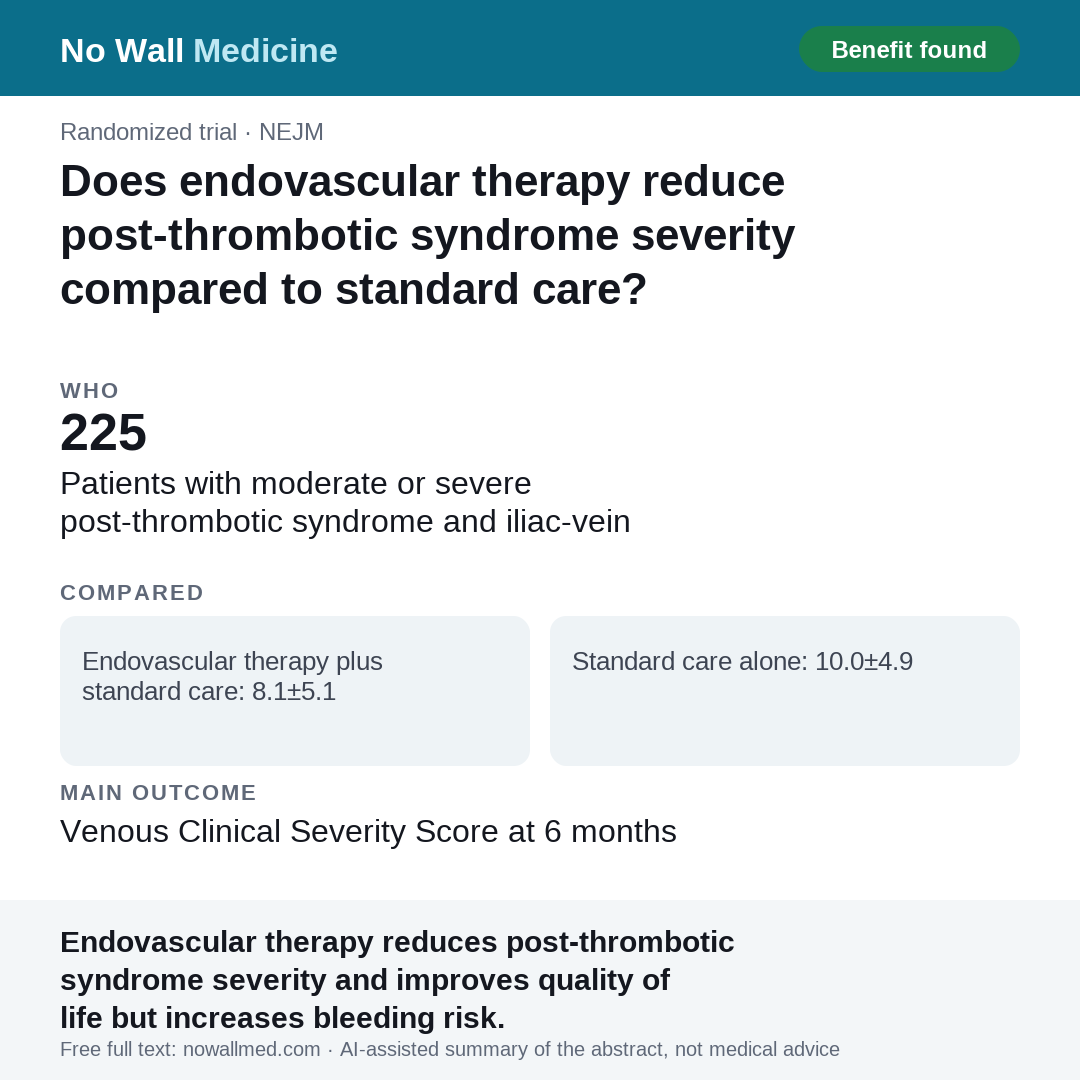
Endovascular Therapy for Post-Thrombotic Syndrome - A Randomized Trial
Randomized trialBenefit found
Does endovascular therapy reduce post-thrombotic syndrome severity compared to standard care?
Who
225
Patients with moderate or severe post-thrombotic syndrome and iliac-vein obstruction
Compared
Endovascular therapy plus standard care: 8.1±5.1
Standard care alone: 10.0±4.9
Main outcome
Venous Clinical Severity Score at 6 months
Result: adjusted difference, -2.0; P = 0.001
Bottom line: Endovascular therapy reduces post-thrombotic syndrome severity and improves quality of life but increases bleeding risk.
Funded by: National Heart, Lung, and Blood Institute and others
NEJM · 2026-04-13Download image
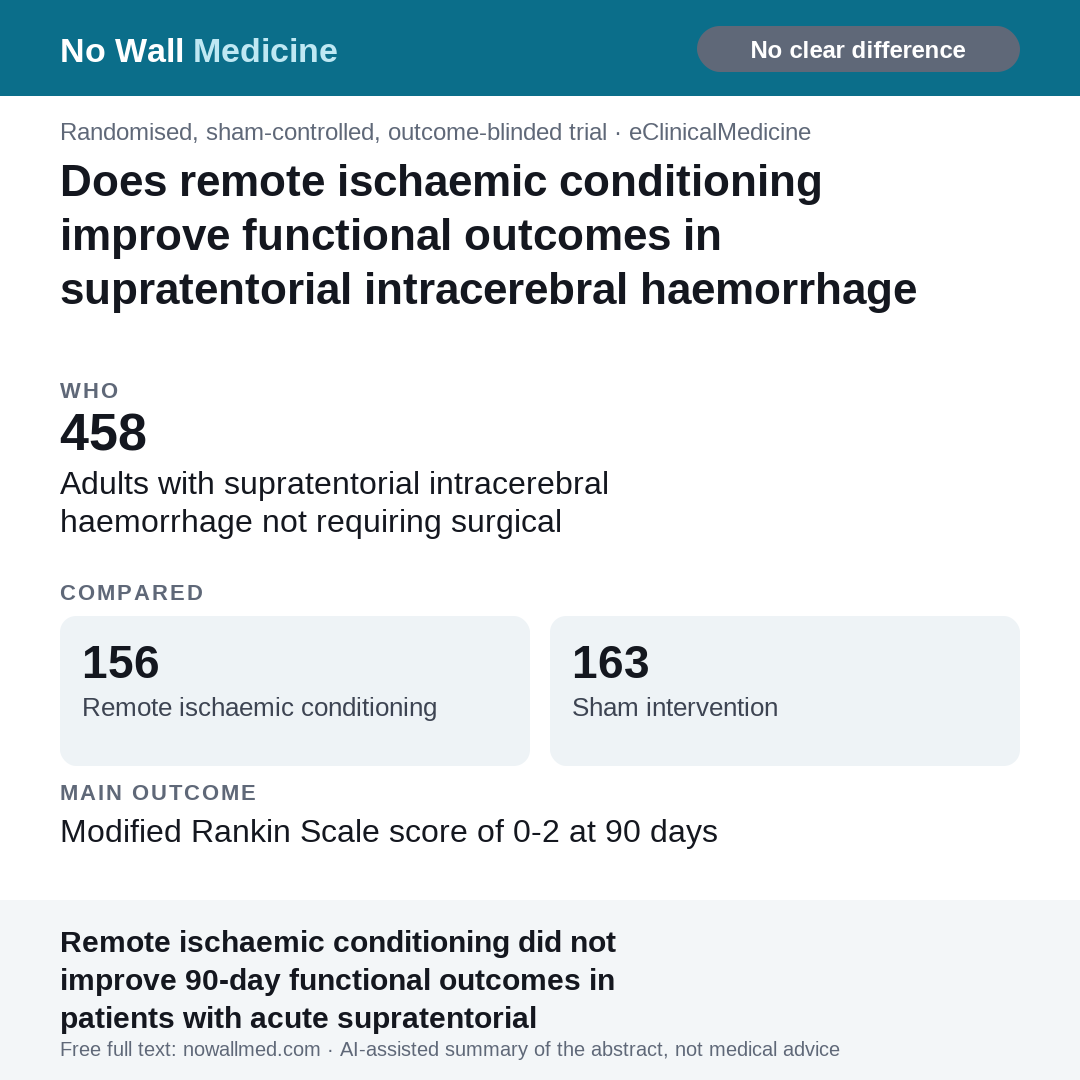
Remote ischaemic conditioning in patients with supratentorial intracerebral haemorrhage (RICH-2): a multicentre, randomised, sham-controlled phase 3 trial in China
Randomised, sham-controlled, outcome-blinded trialNo clear difference
Does remote ischaemic conditioning improve functional outcomes in supratentorial intracerebral haemorrhage patients?
Who
458
Adults with supratentorial intracerebral haemorrhage not requiring surgical intervention · 20 centres in China
Compared
156Remote ischaemic conditioning (68.1%)
163Sham intervention (71.2%)
Main outcome
Modified Rankin Scale score of 0-2 at 90 days
Result: adjusted risk ratio 0.97 (95% confidence interval 0.87-1.08)
Bottom line: Remote ischaemic conditioning did not improve 90-day functional outcomes in patients with acute supratentorial intracerebral haemorrhage.
eClinicalMedicine · 2026-04-13Download image
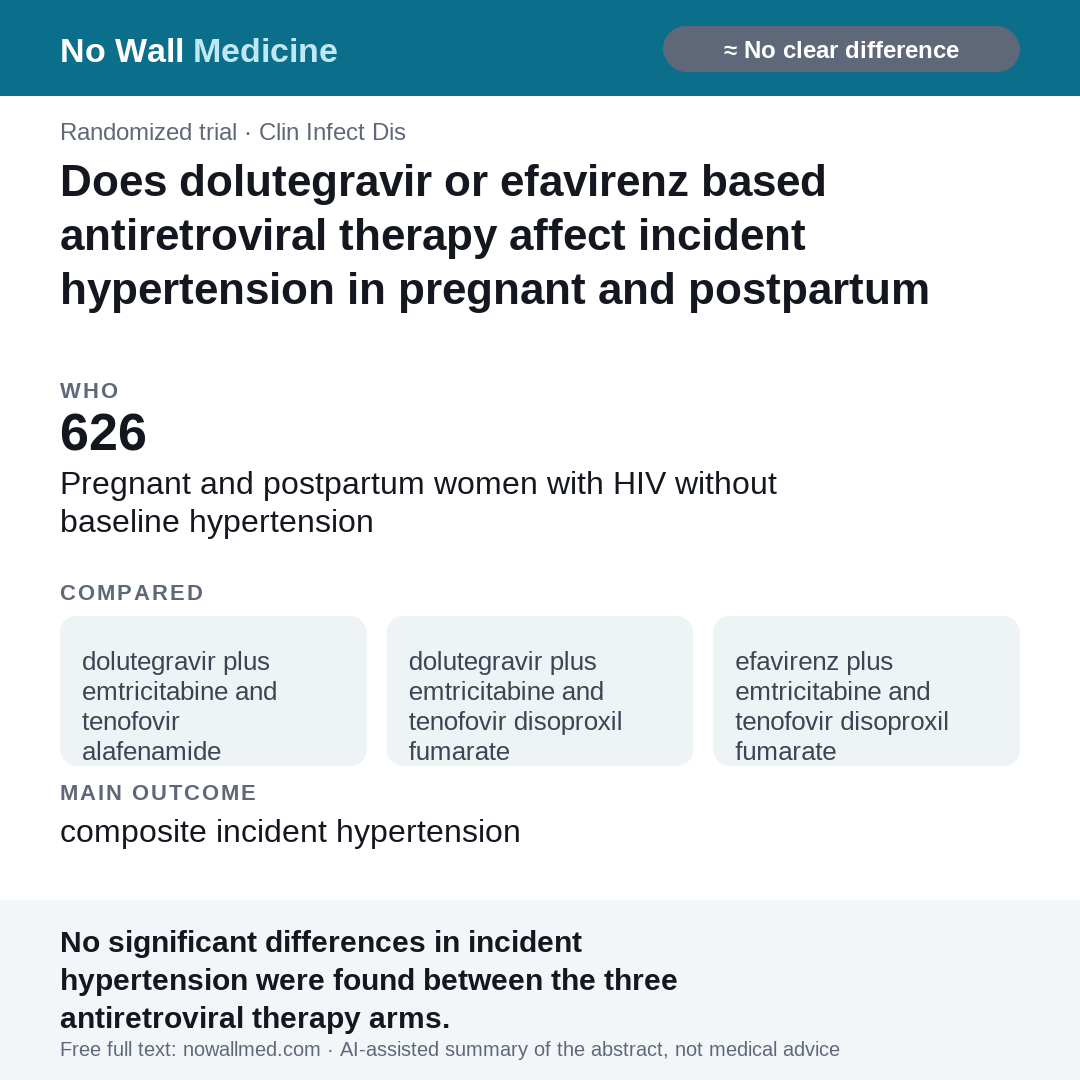
Hypertension in a Randomized Trial of Dolutegravir- Versus Efavirenz-Based Antiretroviral Therapy in Pregnant and Postpartum Women with HIV
Randomized trialNo clear difference
Does dolutegravir or efavirenz based antiretroviral therapy affect incident hypertension in pregnant and postpartum women?
Who
626
Pregnant and postpartum women with HIV without baseline hypertension
Compared
dolutegravir plus emtricitabine and tenofovir alafenamide
dolutegravir plus emtricitabine and tenofovir disoproxil fumarate
efavirenz plus emtricitabine and tenofovir disoproxil fumarate
Main outcome
composite incident hypertension
Bottom line: No significant differences in incident hypertension were found between the three antiretroviral therapy arms.
Clin Infect Dis · 2026-04-13Download image
Cost-utility and cost-effectiveness of SELFIE, a transdiagnostic ecological momentary intervention for improving self-esteem in youth aged 12-26 years exposed to childhood adversity: Findings from a multicenter randomized controlled trial
Randomized controlled trial based economic evaluationBenefit found
Is the SELFIE intervention cost-effective for improving self-esteem in youth?
Who
Youth aged 12-26 years with low self-esteem and childhood adversity · Specialized mental health services and general population
Compared
Control condition
CAU plus SELFIE
Main outcome
Incremental cost-effectiveness and cost-utility ratios
Result: ICUR €53,986 per QALY gained
Bottom line: The SELFIE intervention was cost-effective at a societal level, especially from a healthcare perspective.
Psychol Med · 2026-04-13Download image
Fall Injury Avoidance Strategy Scale (FIAS)-Validation of a Scale to Quantify Fall-Related Protective Movements
Validation studyBenefit found
Is the Fall Injury Avoidance Strategy Scale a valid tool to quantify protective movements?
Who
23
Twenty-three older adults at risk of injurious falls · Laboratory setting
Compared
Higher Fall Injury Avoidance Strategy Scale scores: lower odds of head impact (odds ratio, 0.22; 95% CI, 0.15-0.32)
Lower Fall Injury Avoidance Strategy Scale scores
Main outcome
Protective fall movements and injury risk
Result: odds ratio, 0.22 (95% CI, 0.15-0.32)
Bottom line: The Fall Injury Avoidance Strategy Scale is a reliable, valid, and responsive tool for assessing protective fall movements and injury risk.
Arch Phys Med Rehabil · 2026-04-13Download image
The cost-effectiveness of predictive algorithm guided primary antidepressant treatment: economic evaluation of the multinational PReDicT randomised controlled trial
Randomized controlled trial economic analysisMixed results
Is predictive algorithm-guided antidepressant treatment cost-effective compared to treatment as usual?
Who
913
Patients with depression · Five European countries
Compared
Predictive algorithm-guided treatment: EQ-5D-5L: +0.139
Treatment as usual: EQ-5D-5L: +0.140
Main outcome
Costs, quality-adjusted life-years, and capability-weighted life-years
Bottom line: The test showed potential health and economic benefits, but cost-effectiveness varied by country and remains uncertain.
Limitation: Great uncertainty and country-level variations in cost-effectiveness.
BJPsych Open · 2026-04-13Download image
Comparing the Antimicrobial Resistance Crisis to the COVID-19 Pandemic: A Randomized Public Health Messaging Experiment
Randomized online surveyNo clear difference
Does comparing antimicrobial resistance to COVID-19 reduce intentions to seek unnecessary antibiotics?
Who
972
United States adults · Online
Compared
Written message describing antimicrobial resistance crisis
Written message comparing antimicrobial resistance to COVID-19
Poster-like graphics comparing antimicrobial resistance to COVID-19
Main outcome
Intention to visit a clinician and desire to take antibiotics
Bottom line: Comparing the antimicrobial resistance threat to the COVID-19 pandemic did not reduce intentions to seek unnecessary antibiotics.
Clin Infect Dis · 2026-04-12Download image
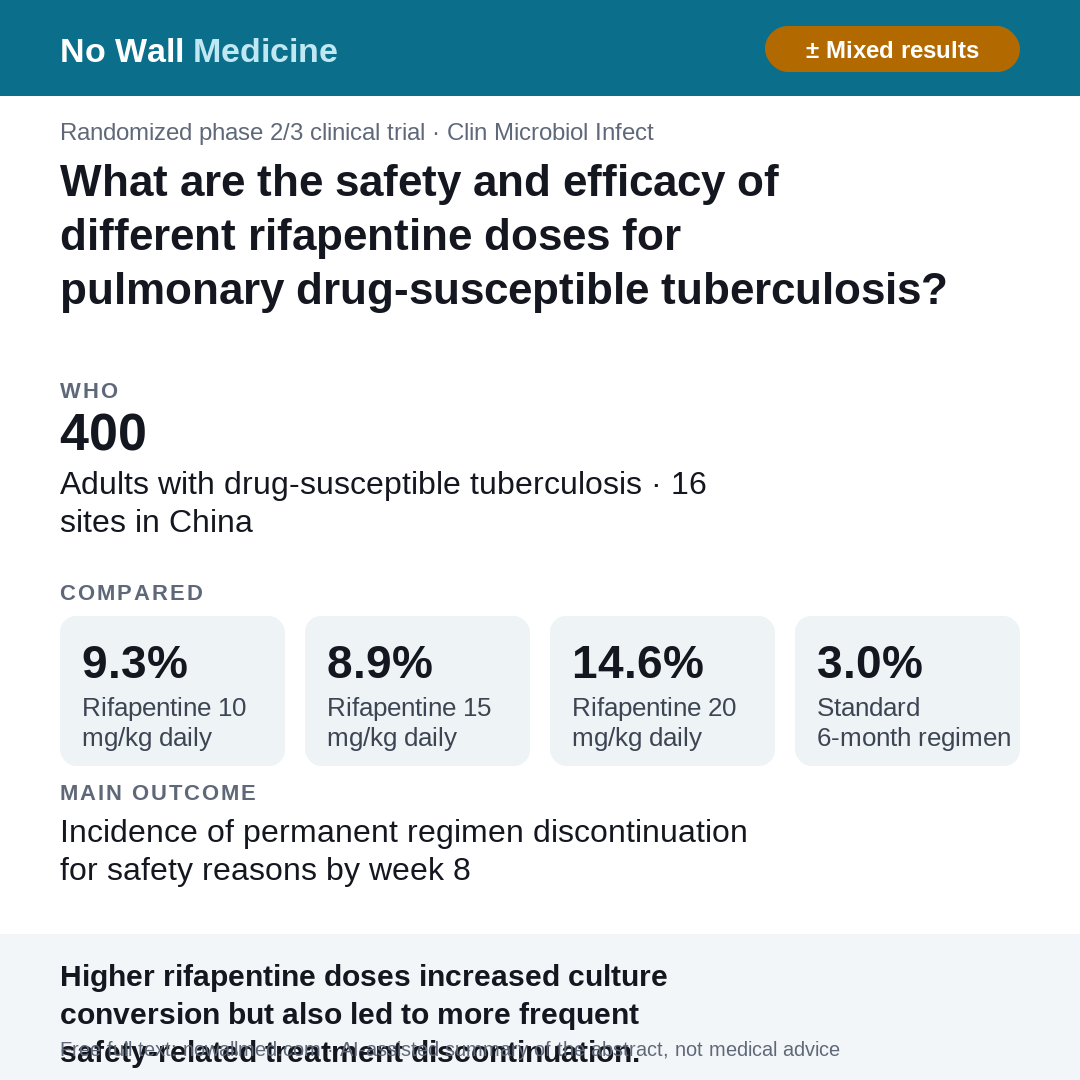
Rifapentine dosing for drug-susceptible tuberculosis: stage 1 of a seamless phase 2/3 randomized clinical trial
Randomized phase 2/3 clinical trialMixed results
What are the safety and efficacy of different rifapentine doses for pulmonary drug-susceptible tuberculosis?
Who
400
Adults with drug-susceptible tuberculosis · 16 sites in China
Compared
9.3%Rifapentine 10 mg/kg daily (9/97)
8.9%Rifapentine 15 mg/kg daily (9/101)
14.6%Rifapentine 20 mg/kg daily (14/96)
3.0%Standard 6-month regimen (3/99)
Main outcome
Incidence of permanent regimen discontinuation for safety reasons by week 8
Bottom line: Higher rifapentine doses increased culture conversion but also led to more frequent safety-related treatment discontinuation.
Clin Microbiol Infect · 2026-04-12Download image
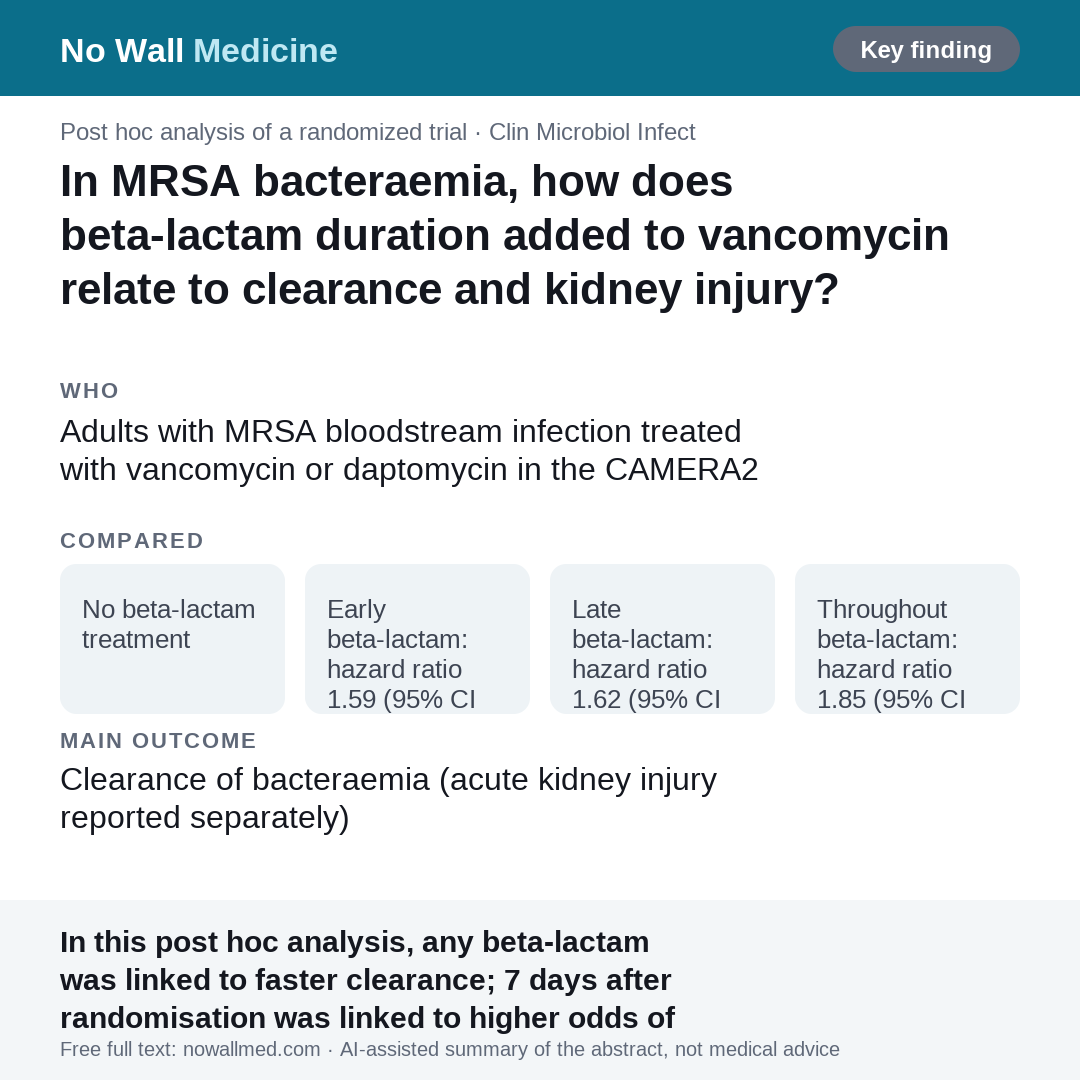
Association between β-lactam exposure and clearance of bacteraemia and acute kidney injury in patients with methicillin-resistant Staphylococcus aureus bloodstream infections-a post hoc analysis of the CAMERA2 trial
Post hoc analysis of a randomized trialMixed results
Does beta-lactam therapy duration impact bacteraemia clearance and acute kidney injury?
Who
Patients with methicillin-resistant Staphylococcus aureus bloodstream infections
Compared
No beta-lactam treatment
Early beta-lactam: hazard ratio 1.59 (95% CI 1.16-2.19)
Late beta-lactam: hazard ratio 1.62 (95% CI 1.14-2.31)
Throughout beta-lactam: hazard ratio 1.85 (95% CI 1.36-2.52)
Main outcome
clearance of bacteraemia and acute kidney injury
Result: hazard ratio 1.59 (95% CI 1.16-2.19) to 1.85 (95% CI 1.36-2.52)
Bottom line: Beta-lactam duration-dependent effects were seen for faster bacteraemia clearance and increased acute kidney injury risk.
Clin Microbiol Infect · 2026-04-12Download image
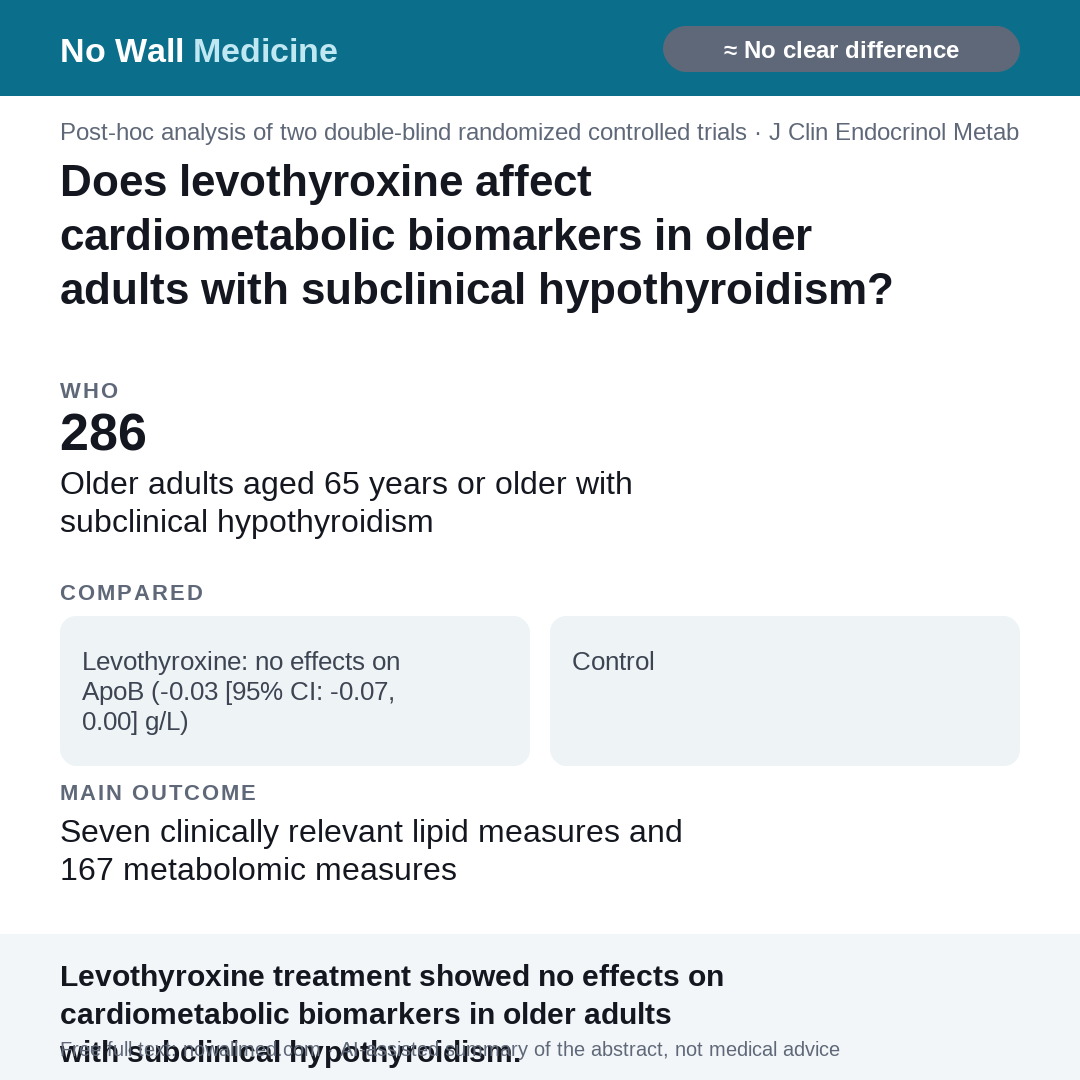
Levothyroxine treatment response of cardiometabolic biomarkers in older adults with subclinical hypothyroidism
Post-hoc analysis of two double-blind randomized controlled trialsNo clear difference
Does levothyroxine affect cardiometabolic biomarkers in older adults with subclinical hypothyroidism?
Who
286
Older adults aged 65 years or older with subclinical hypothyroidism
Compared
Levothyroxine: no effects on ApoB (-0.03 [95% CI: -0.07, 0.00] g/L)
Control
Main outcome
Seven clinically relevant lipid measures and 167 metabolomic measures
Bottom line: Levothyroxine treatment showed no effects on cardiometabolic biomarkers in older adults with subclinical hypothyroidism.
J Clin Endocrinol Metab · 2026-04-12Download image
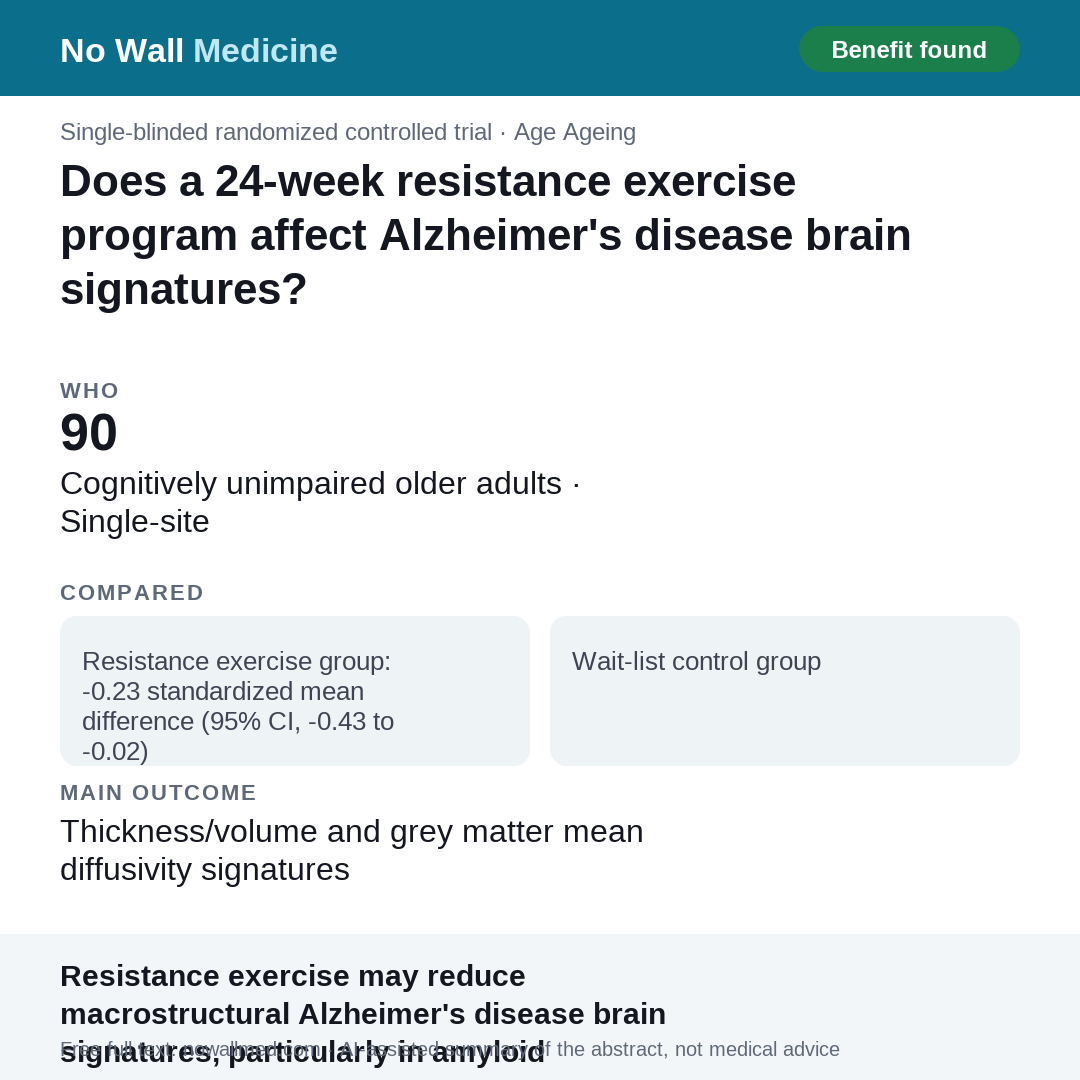
Effects of a 24-week resistance exercise program on Alzheimer's disease brain signatures in cognitively unimpaired older adults: a secondary analysis of the AGUEDA randomized controlled trial
Single-blinded randomized controlled trialBenefit found
Does a 24-week resistance exercise program affect Alzheimer's disease brain signatures?
Who
90
Cognitively unimpaired older adults · Single-site
Compared
Resistance exercise group: -0.23 standardized mean difference (95% CI, -0.43 to -0.02)
Wait-list control group
Main outcome
Thickness/volume and grey matter mean diffusivity signatures
Result: -0.23 standardized mean difference (95% CI, -0.43 to -0.02)
Bottom line: Resistance exercise may reduce macrostructural Alzheimer's disease brain signatures, particularly in amyloid beta-positive older adults.
Age Ageing · 2026-04-12Download image
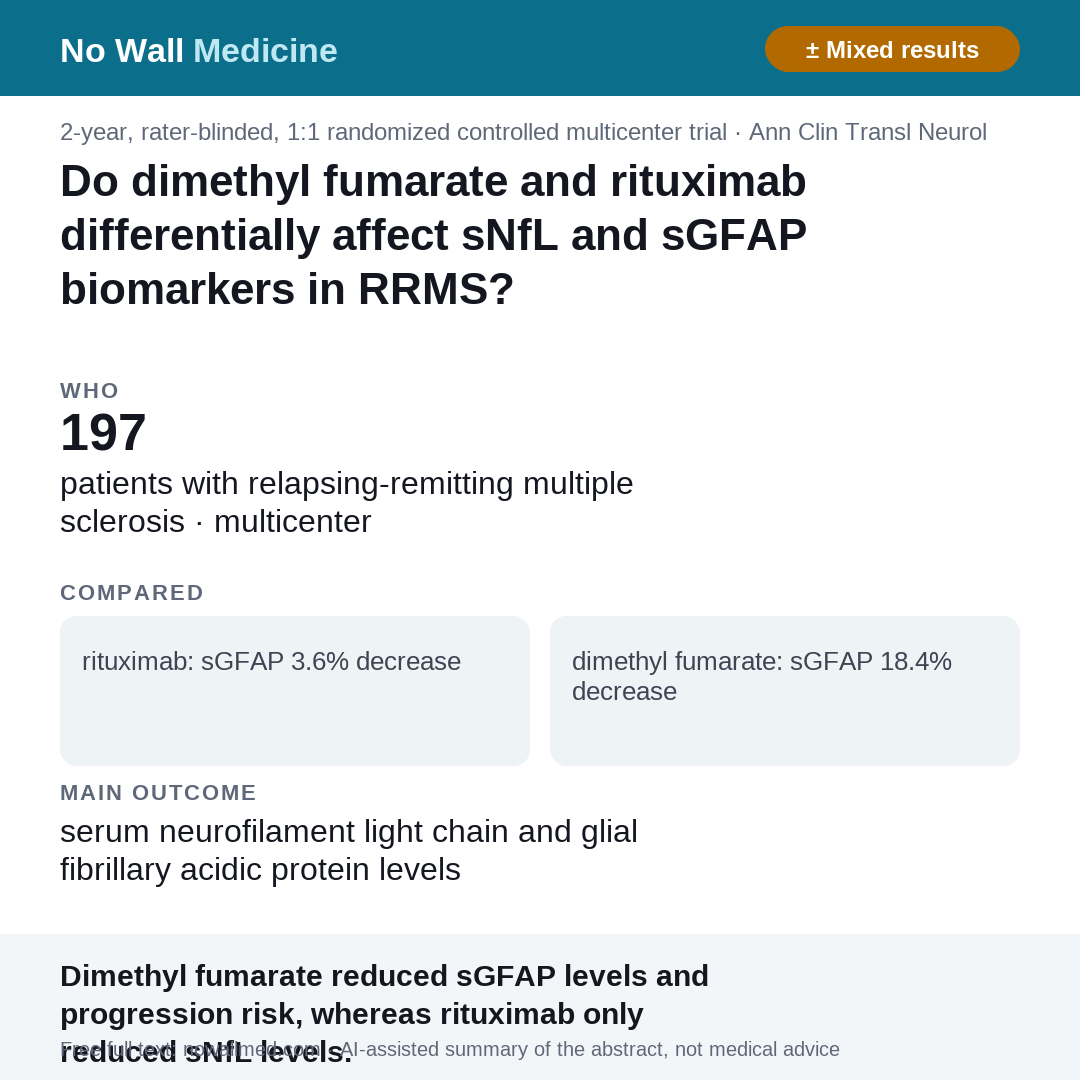
Dimethyl Fumarate, But Not Rituximab, Reduces Serum GFAP Levels and PIRMA in Relapsing-Remitting MS
2-year, rater-blinded, 1:1 randomized controlled multicenter trialMixed results
Do dimethyl fumarate and rituximab differentially affect sNfL and sGFAP biomarkers in RRMS?
Who
197
patients with relapsing-remitting multiple sclerosis · multicenter
Compared
rituximab: sGFAP 3.6% decrease
dimethyl fumarate: sGFAP 18.4% decrease
Main outcome
serum neurofilament light chain and glial fibrillary acidic protein levels
Result: hazard ratio 3.3 (CI 1.1-10) for progression with rituximab
Bottom line: Dimethyl fumarate reduced sGFAP levels and progression risk, whereas rituximab only reduced sNfL levels.
Ann Clin Transl Neurol · 2026-04-12Download image
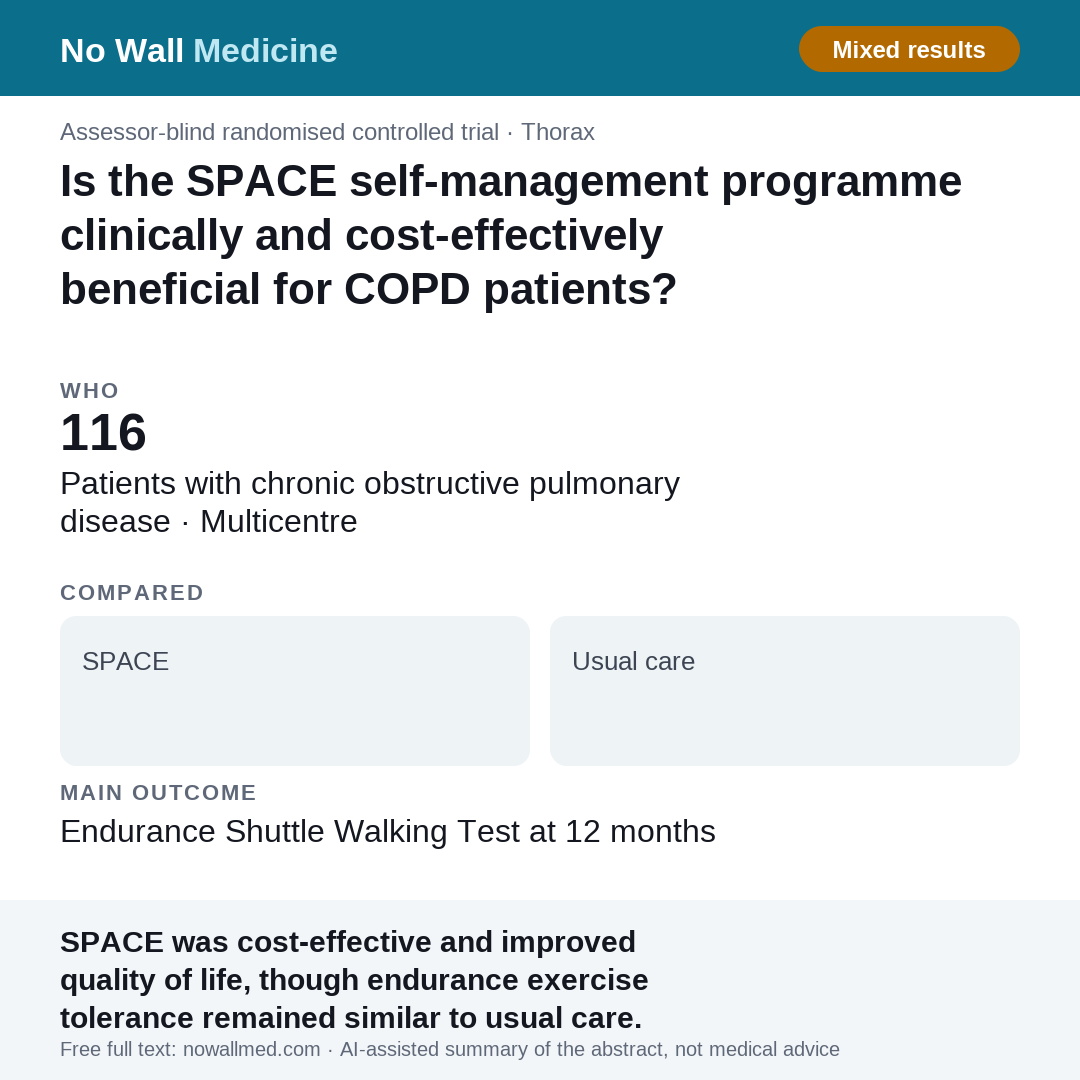
Clinical and cost-effectiveness of SPACE for COPD delivered as a pulmonary rehabilitation maintenance programme: a randomised controlled trial
Assessor-blind randomised controlled trialMixed results
Is the SPACE self-management programme clinically and cost-effectively beneficial for COPD patients?
Who
116
Patients with chronic obstructive pulmonary disease · Multicentre
Compared
SPACE
Usual care
Main outcome
Endurance Shuttle Walking Test at 12 months
Bottom line: SPACE was cost-effective and improved quality of life, though endurance exercise tolerance remained similar to usual care.
Thorax · 2026-04-11Download image
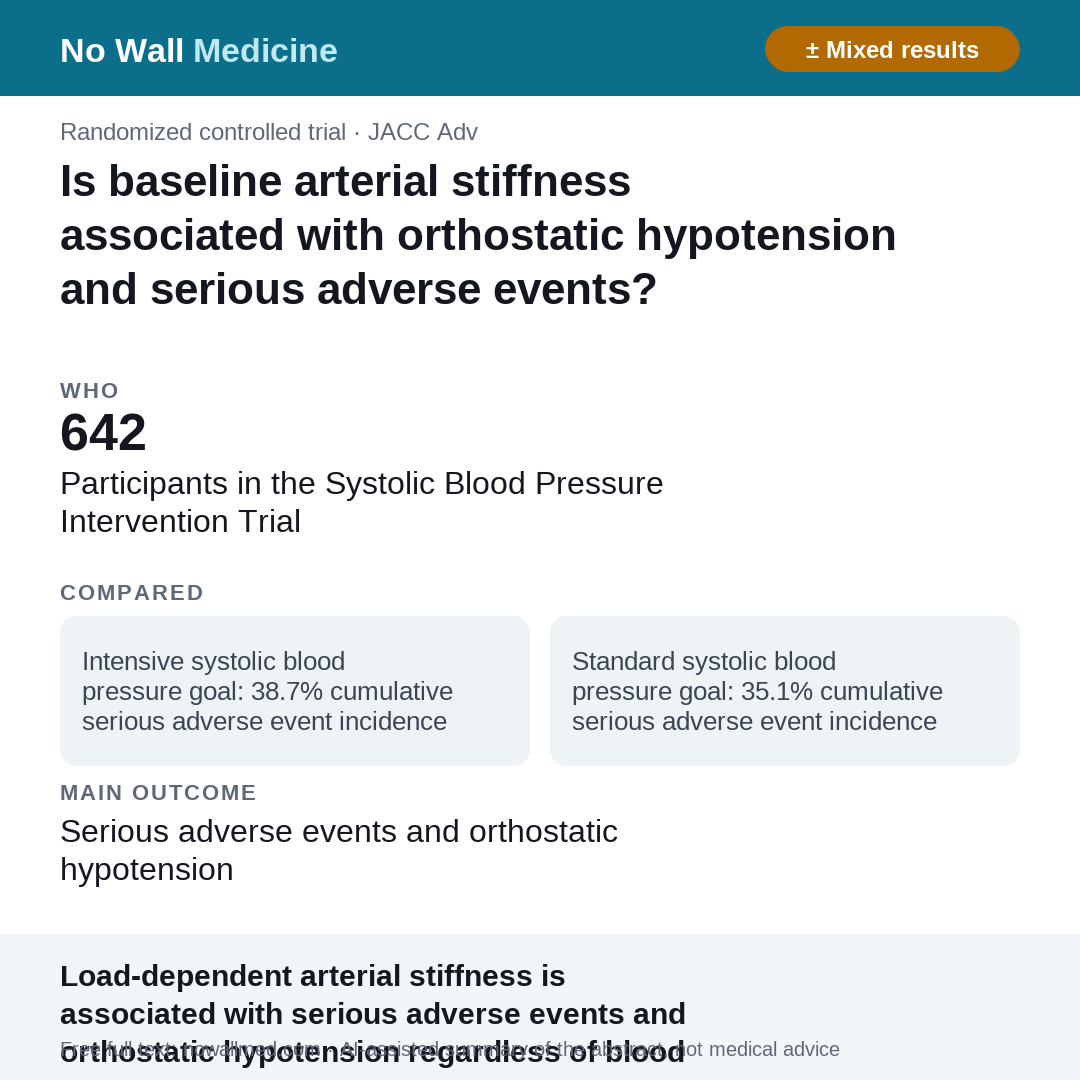
Arterial Stiffness Mechanisms and Orthostatic Hypotension in SPRINT: A Randomized Controlled Trial
Randomized controlled trialMixed results
Is baseline arterial stiffness associated with orthostatic hypotension and serious adverse events?
Who
642
Participants in the Systolic Blood Pressure Intervention Trial
Compared
Intensive systolic blood pressure goal: 38.7% cumulative serious adverse event incidence
Standard systolic blood pressure goal: 35.1% cumulative serious adverse event incidence
Main outcome
Serious adverse events and orthostatic hypotension
Bottom line: Load-dependent arterial stiffness is associated with serious adverse events and orthostatic hypotension regardless of blood pressure treatment intensity.
JACC Adv · 2026-04-11Download image
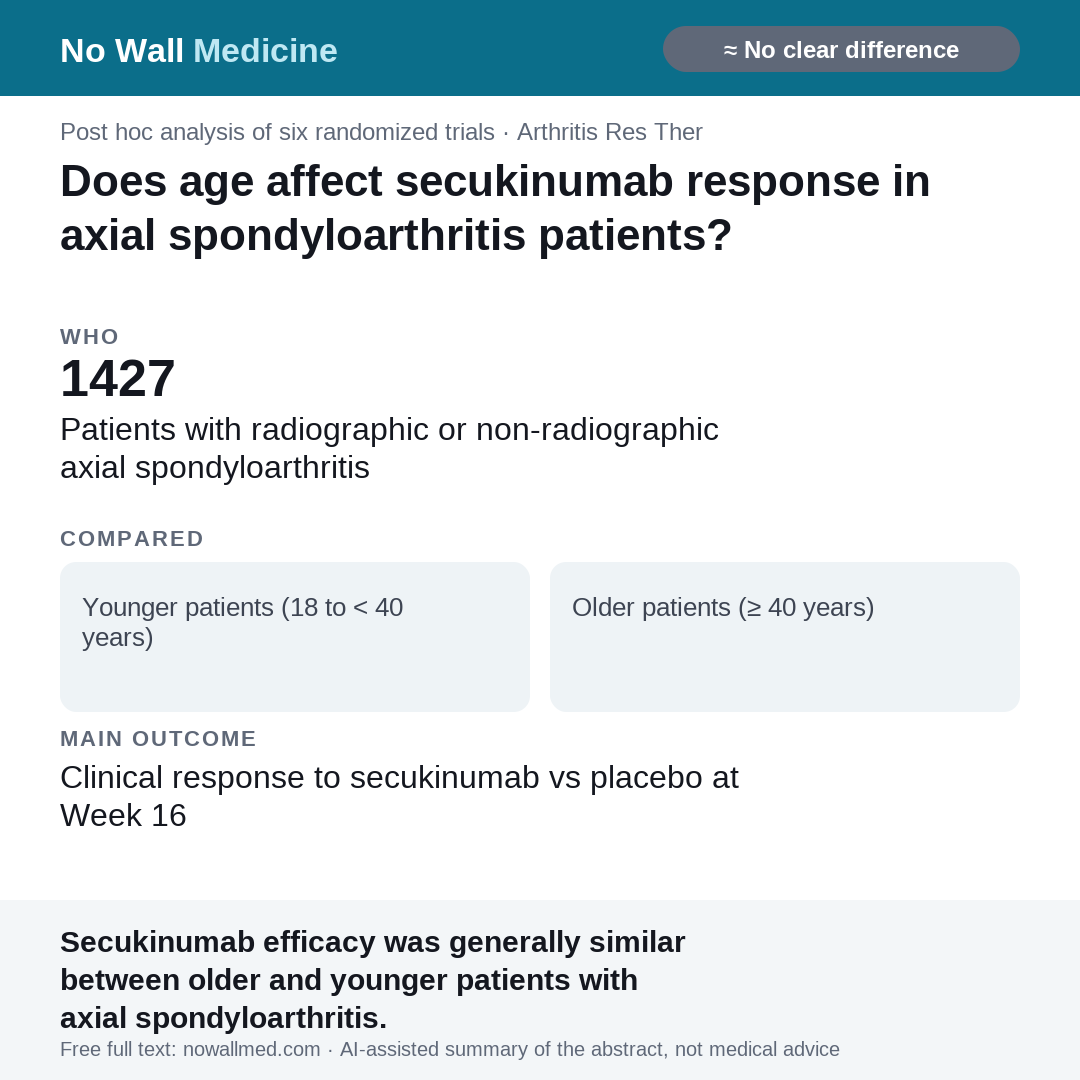
No major effect of age (< 40 vs. ≥ 40 years) on response to secukinumab in patients with axSpA: a post hoc analysis of six phase 3 trials
Post hoc analysis of six phase 3 trialsNo clear difference
Does age affect clinical response to secukinumab in axial spondyloarthritis patients?
Who
1427
Patients with radiographic or non-radiographic axial spondyloarthritis
Compared
Secukinumab 150 mg or 300 mg
Placebo
Main outcome
Clinical response at Week 16
Bottom line: Secukinumab efficacy was generally similar between younger and older patients with axial spondyloarthritis.
Arthritis Res Ther · 2026-04-11Download image