Visual abstracts
New randomized trials and meta-analyses from leading journals at a glance: who was studied, what was compared, and what was found. Every paper is free to read in full.
All specialtiesCardiology 4763Oncology 4042Gastroenterology & Hepatology 1902Infectious Disease 3756Neurology 1872Psychiatry & Mental Health 2214Pulmonology 2042Critical Care 1319Endocrinology & Diabetes 2544Pediatrics 2889Surgery 2479Orthopedics & Sports Medicine 917Neurosurgery 525Cardiothoracic & Vascular Surgery 656Plastic & Reconstructive Surgery 574Nephrology 1107Rheumatology 810Hematology 1090Dermatology 611Ophthalmology 532Obstetrics & Gynecology 1645Public & Global Health 1037Radiology & Imaging 617Anesthesiology 957Urology 745ENT (Otolaryngology) 494Emergency Medicine 481Allergy & Immunology 309Geriatrics 972Family Medicine & Primary Care 533Medical Genetics & Genomics 659Pathology & Laboratory Medicine 156Physical Medicine & Rehabilitation 734Palliative Care 421Nutrition 1560Digital Health & AI 2133General Medicine 318
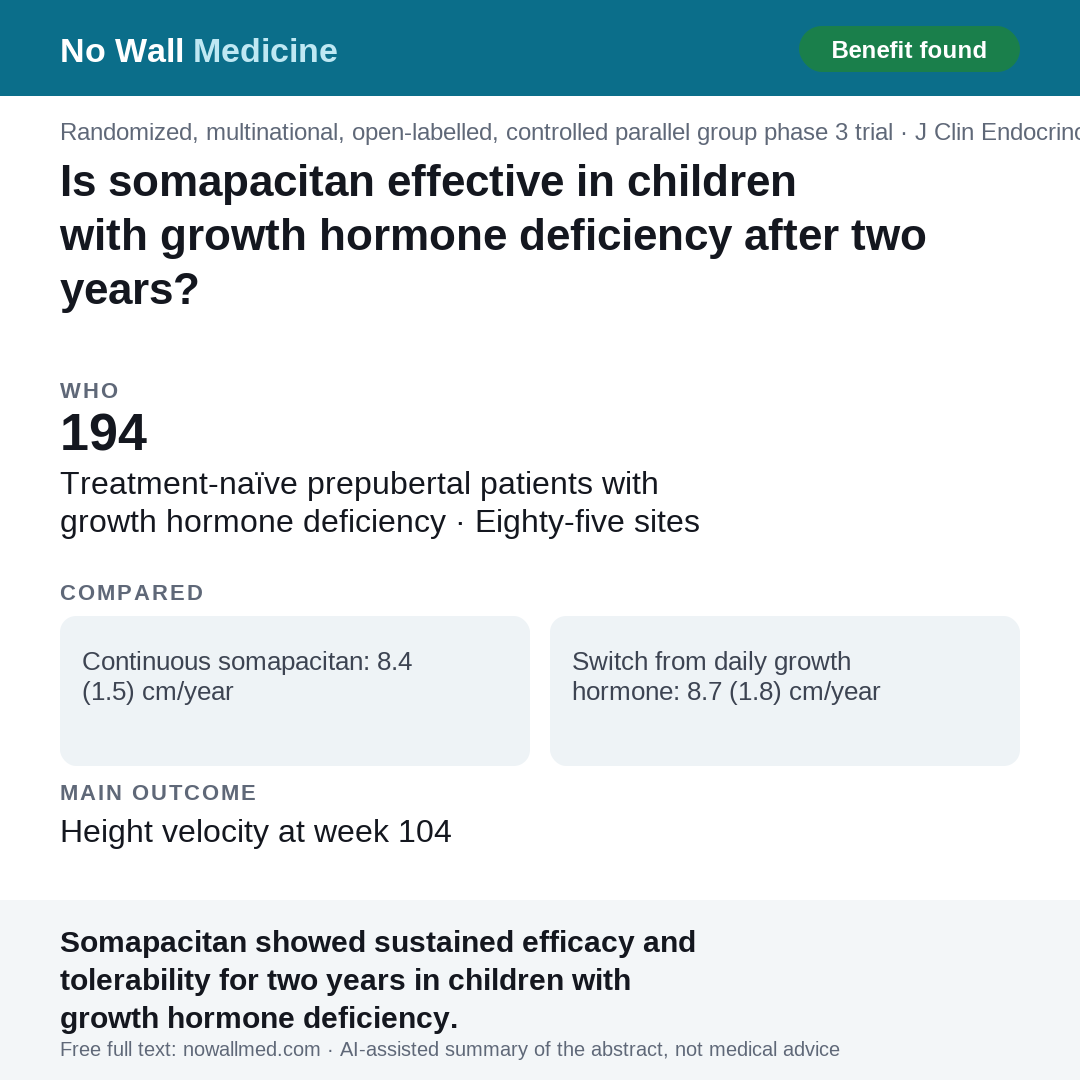
Effective GH Replacement With Somapacitan in Children With GHD: REAL4 2-year Results and After Switch From Daily GH
Randomized, multinational, open-labelled, controlled parallel group phase 3 trialBenefit found
Is somapacitan effective in children with growth hormone deficiency after two years?
Who
194
Treatment-naïve prepubertal patients with growth hormone deficiency · Eighty-five sites across 20 countries
Compared
Continuous somapacitan: 8.4 (1.5) cm/year
Switch from daily growth hormone: 8.7 (1.8) cm/year
Main outcome
Height velocity at week 104
Bottom line: Somapacitan showed sustained efficacy and tolerability for two years in children with growth hormone deficiency.
J Clin Endocrinol Metab · 2023-07-05Download image
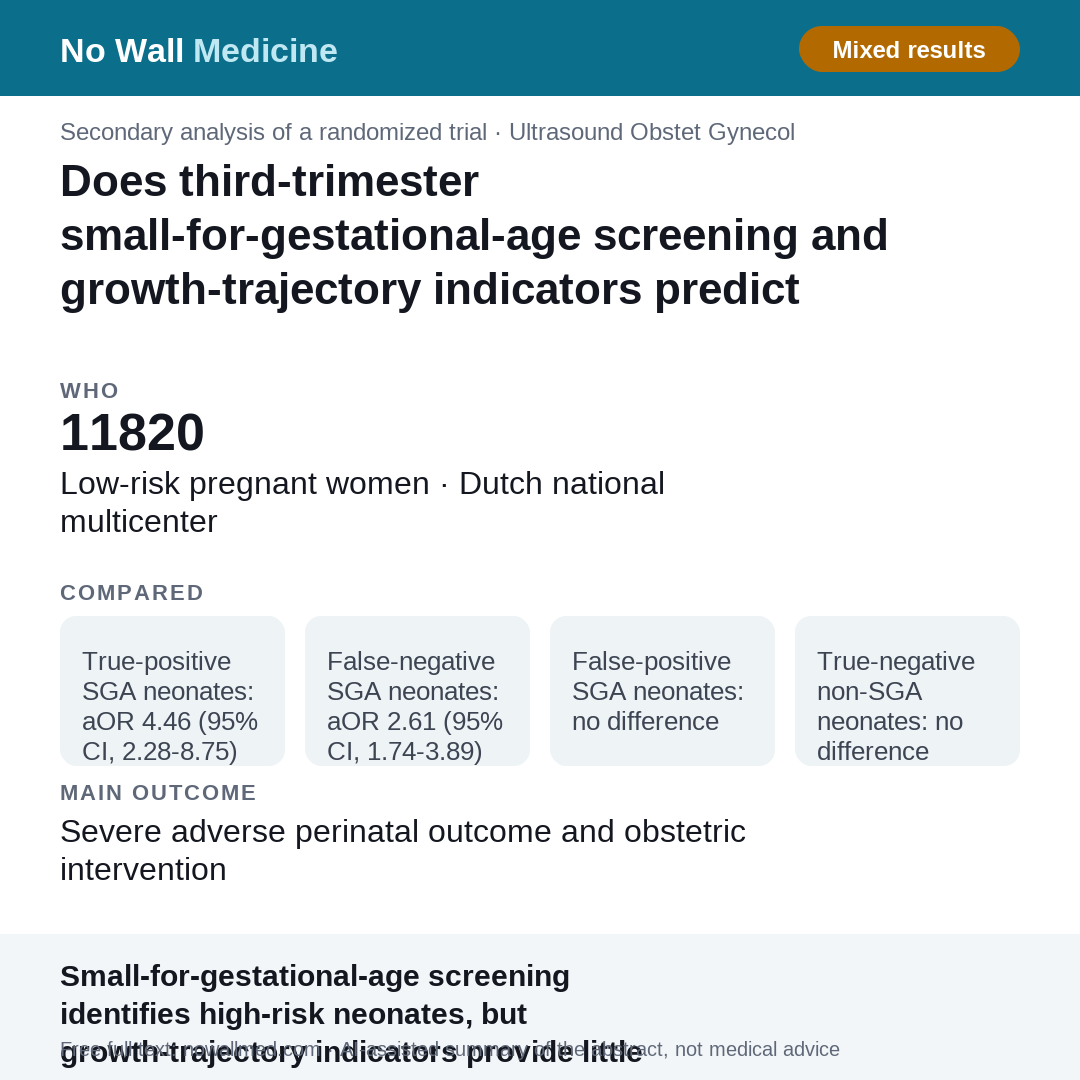
Implication of third-trimester screening accuracy for small-for-gestational age and additive value of third-trimester growth-trajectory indicators in predicting severe adverse perinatal outcome in low-risk population: pragmatic secondary analysis of IRIS study
Secondary analysis of a randomized trialMixed results
Does third-trimester small-for-gestational-age screening and growth-trajectory indicators predict severe adverse perinatal outcomes?
Who
11820
Low-risk pregnant women · Dutch national multicenter
Compared
True-positive SGA neonates: aOR 4.46 (95% CI, 2.28-8.75)
False-negative SGA neonates: aOR 2.61 (95% CI, 1.74-3.89)
False-positive SGA neonates: no difference
True-negative non-SGA neonates: no difference
Main outcome
Severe adverse perinatal outcome and obstetric intervention
Result: aOR 4.46 (95% CI, 2.28-8.75) for true-positive SGA
Bottom line: Small-for-gestational-age screening identifies high-risk neonates, but growth-trajectory indicators provide little additive value for predicting severe adverse perinatal outcomes.
Ultrasound Obstet Gynecol · 2023-07-05Download image
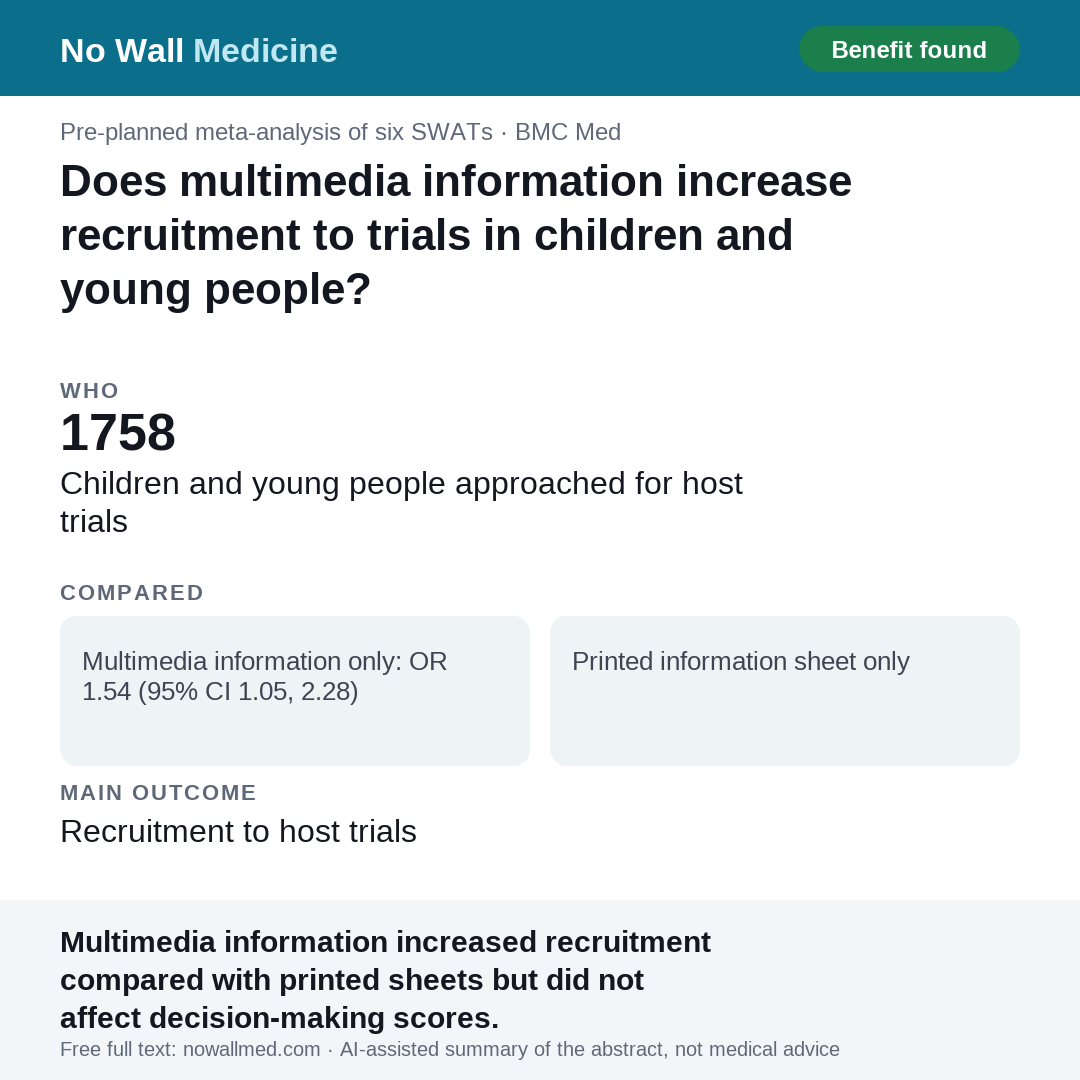
Providing multimedia information to children and young people increases recruitment to trials: pre-planned meta-analysis of SWATs
Pre-planned meta-analysis of six SWATsBenefit found
Does multimedia information increase recruitment to trials in children and young people?
Who
1758
Children and young people approached for host trials
Compared
Multimedia information only: OR 1.54 (95% CI 1.05, 2.28)
Printed information sheet only
Main outcome
Recruitment to host trials
Result: OR 1.54 (95% CI 1.05, 2.28)
Bottom line: Multimedia information increased recruitment compared with printed sheets but did not affect decision-making scores.
BMC Med · 2023-07-04Download image
Urological complications in women undergoing Cesarean section for placenta accreta spectrum disorders: systematic review and meta-analysis
Systematic review and meta-analysisHarm found
What is the occurrence of urological complications in women undergoing Cesarean section for placenta accreta spectrum disorders?
Who
Women undergoing Cesarean section for placenta accreta spectrum disorders
Compared
15.2%Overall population (95% CI, 12.9-17.7%)
19.4%Hysterectomy (95% CI, 16.3-22.7%)
12.2%Conservative treatment (95% CI, 7.5-17.8%)
Main outcome
overall occurrence of urological complications
Bottom line: Women undergoing surgery for placenta accreta spectrum disorders face a high risk of urological complications, especially during emergency interventions.
Limitation: High heterogeneity between the included studies highlights the need for standardized diagnosis protocols.
Ultrasound Obstet Gynecol · 2023-07-04Download image

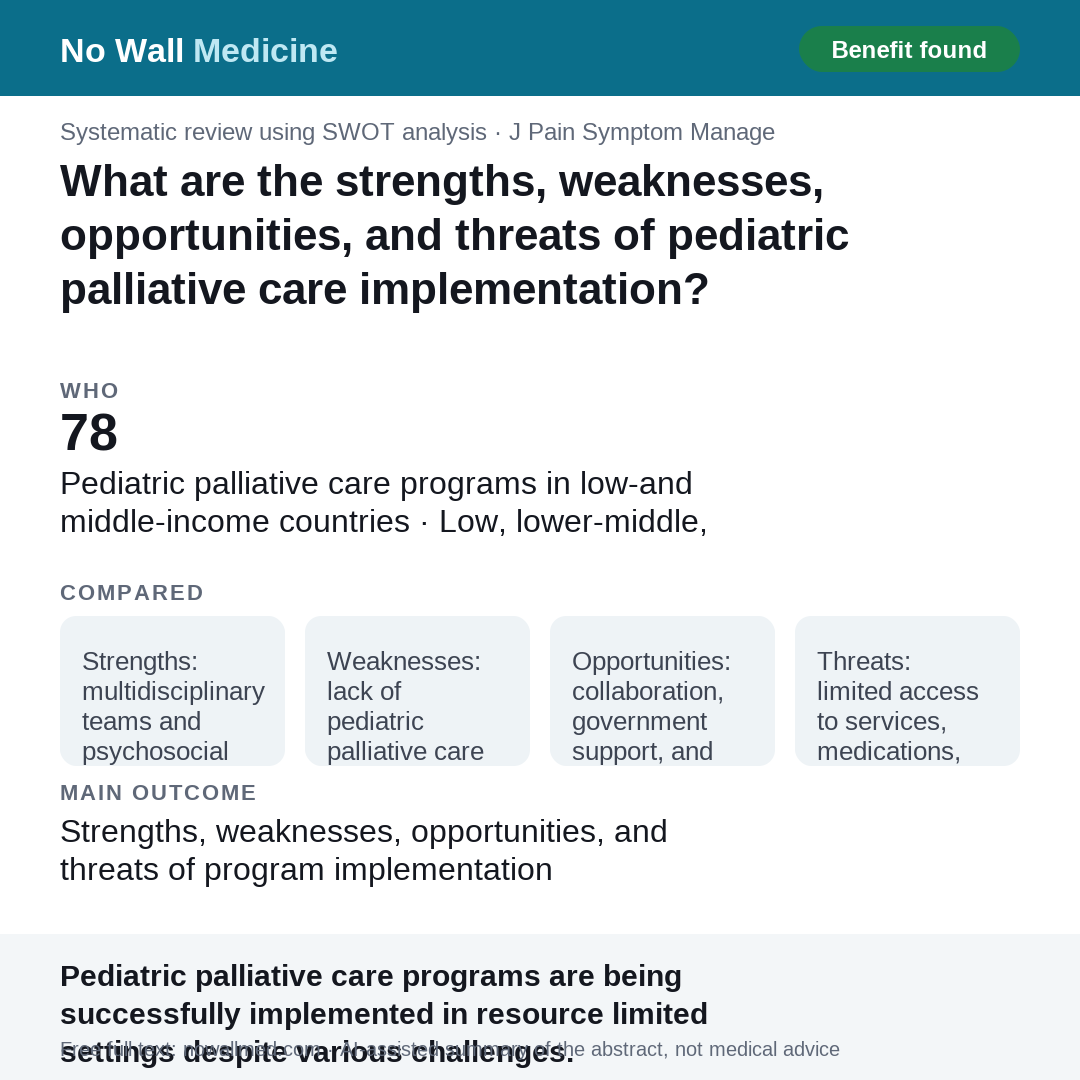
Pediatric Palliative Care Program Implementation in LMICs: A Systematic Review using SWOT Analysis
Systematic review using SWOT analysisBenefit found
What are the strengths, weaknesses, opportunities, and threats of pediatric palliative care implementation?
Who
78
Pediatric palliative care programs in low-and middle-income countries · Low, lower-middle, and upper-middle income countries
Compared
Strengths: multidisciplinary teams and psychosocial care
Weaknesses: lack of pediatric palliative care training and research infrastructure
Opportunities: collaboration, government support, and growth of education
Threats: limited access to services, medications, and other resources
Main outcome
Strengths, weaknesses, opportunities, and threats of program implementation
Bottom line: Pediatric palliative care programs are being successfully implemented in resource limited settings despite various challenges.
J Pain Symptom Manage · 2023-07-04Download image
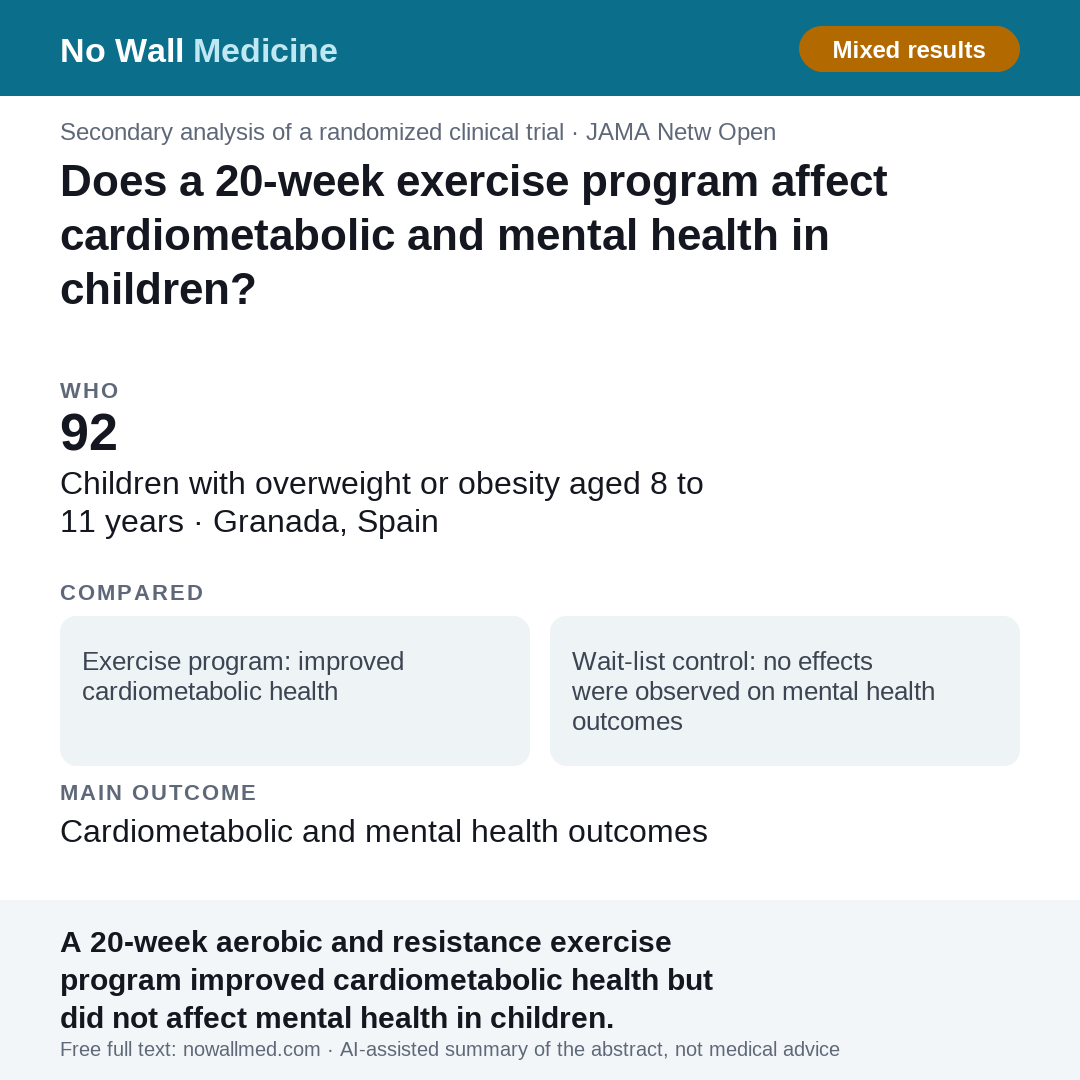
Effects of an Exercise Program on Cardiometabolic and Mental Health in Children With Overweight or Obesity: A Secondary Analysis of a Randomized Clinical Trial
Secondary analysis of a randomized clinical trialMixed results
Does a 20-week exercise program affect cardiometabolic and mental health in children?
Who
92
Children with overweight or obesity aged 8 to 11 years · Granada, Spain
Compared
Exercise program: improved cardiometabolic health
Wait-list control: no effects were observed on mental health outcomes
Main outcome
Cardiometabolic and mental health outcomes
Bottom line: A 20-week aerobic and resistance exercise program improved cardiometabolic health but did not affect mental health in children.
JAMA Netw Open · 2023-07-03Download image
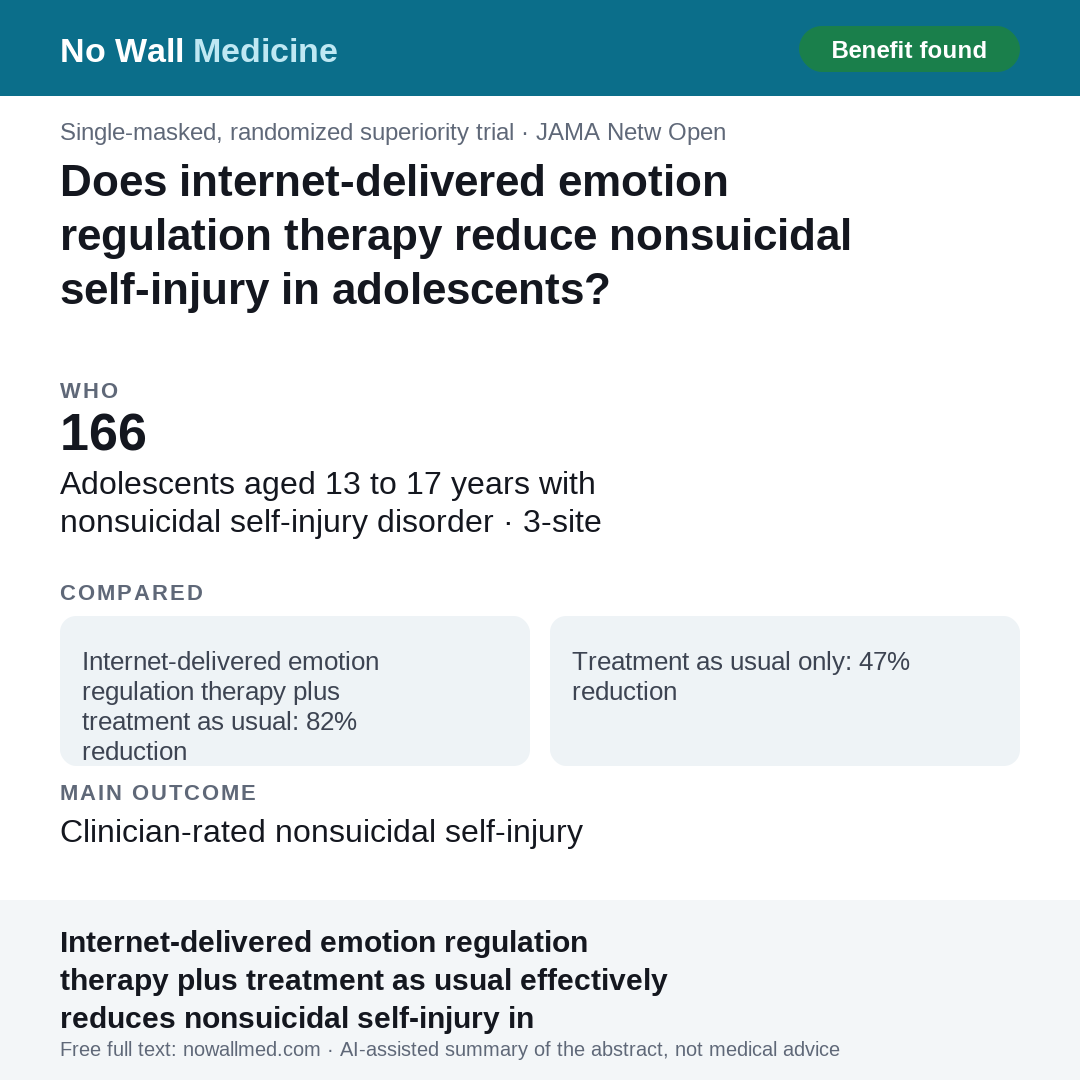
Effect of Internet-Delivered Emotion Regulation Individual Therapy for Adolescents With Nonsuicidal Self-Injury Disorder: A Randomized Clinical Trial
Single-masked, randomized superiority trialBenefit found
Does internet-delivered emotion regulation therapy reduce nonsuicidal self-injury in adolescents?
Who
166
Adolescents aged 13 to 17 years with nonsuicidal self-injury disorder · 3-site
Compared
Internet-delivered emotion regulation therapy plus treatment as usual: 82% reduction
Treatment as usual only: 47% reduction
Main outcome
Clinician-rated nonsuicidal self-injury
Result: incidence rate ratio 0.34 (95% CI 0.20-0.57)
Bottom line: Internet-delivered emotion regulation therapy plus treatment as usual effectively reduces nonsuicidal self-injury in adolescents compared to treatment as usual alone.
JAMA Netw Open · 2023-07-03Download image
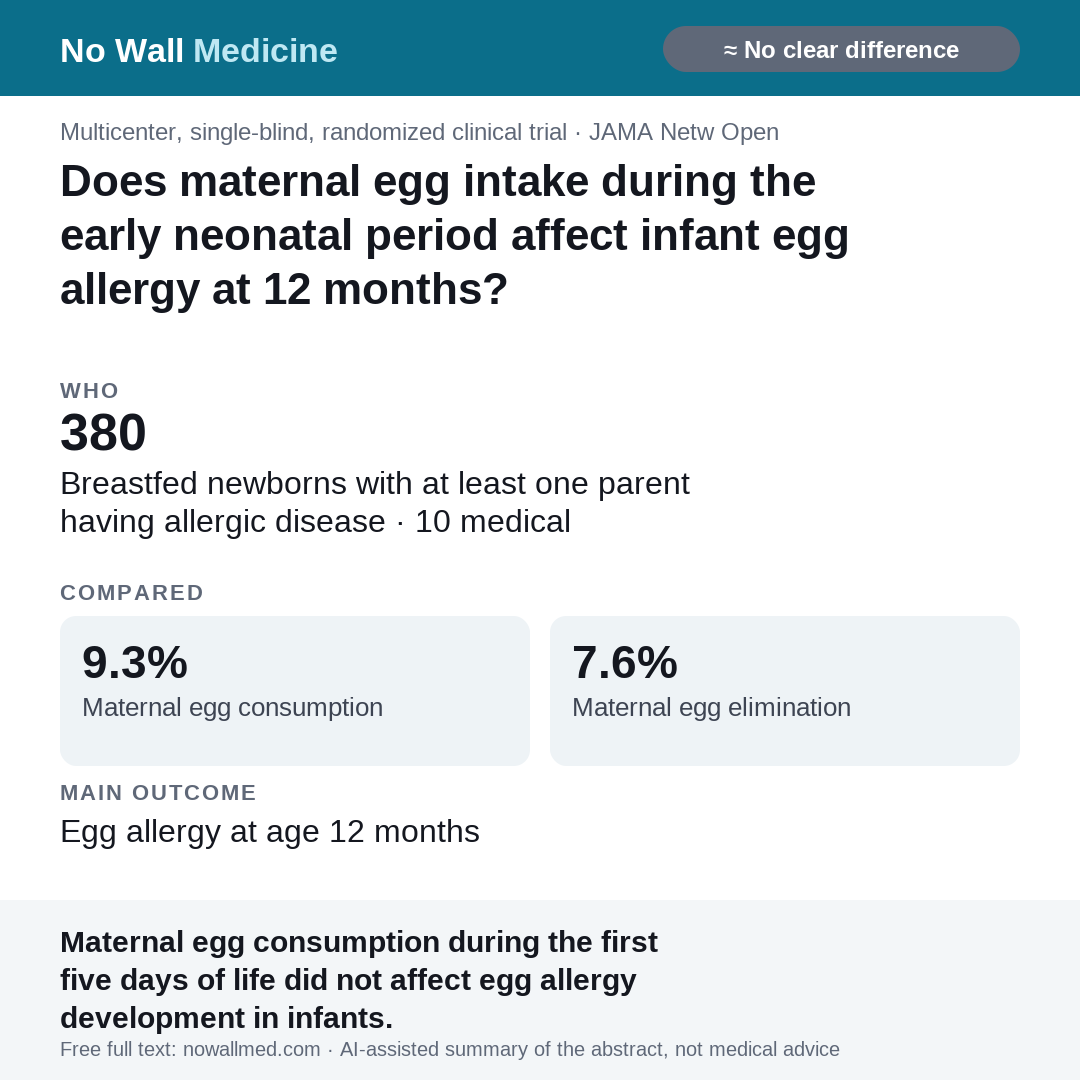
Effect of Maternal Egg Intake During the Early Neonatal Period and Risk of Infant Egg Allergy at 12 Months Among Breastfeeding Mothers: A Randomized Clinical Trial
Multicenter, single-blind, randomized clinical trialNo clear difference
Does maternal egg intake during the early neonatal period affect infant egg allergy at 12 months?
Who
380
Breastfed newborns with at least one parent having allergic disease · 10 medical facilities in Japan
Compared
9.3%Maternal egg consumption
7.6%Maternal egg elimination
Main outcome
Egg allergy at age 12 months
Result: risk ratio 1.22 (95% CI 0.62 to 2.40)
Bottom line: Maternal egg consumption during the first five days of life did not affect egg allergy development in infants.
JAMA Netw Open · 2023-07-03Download image
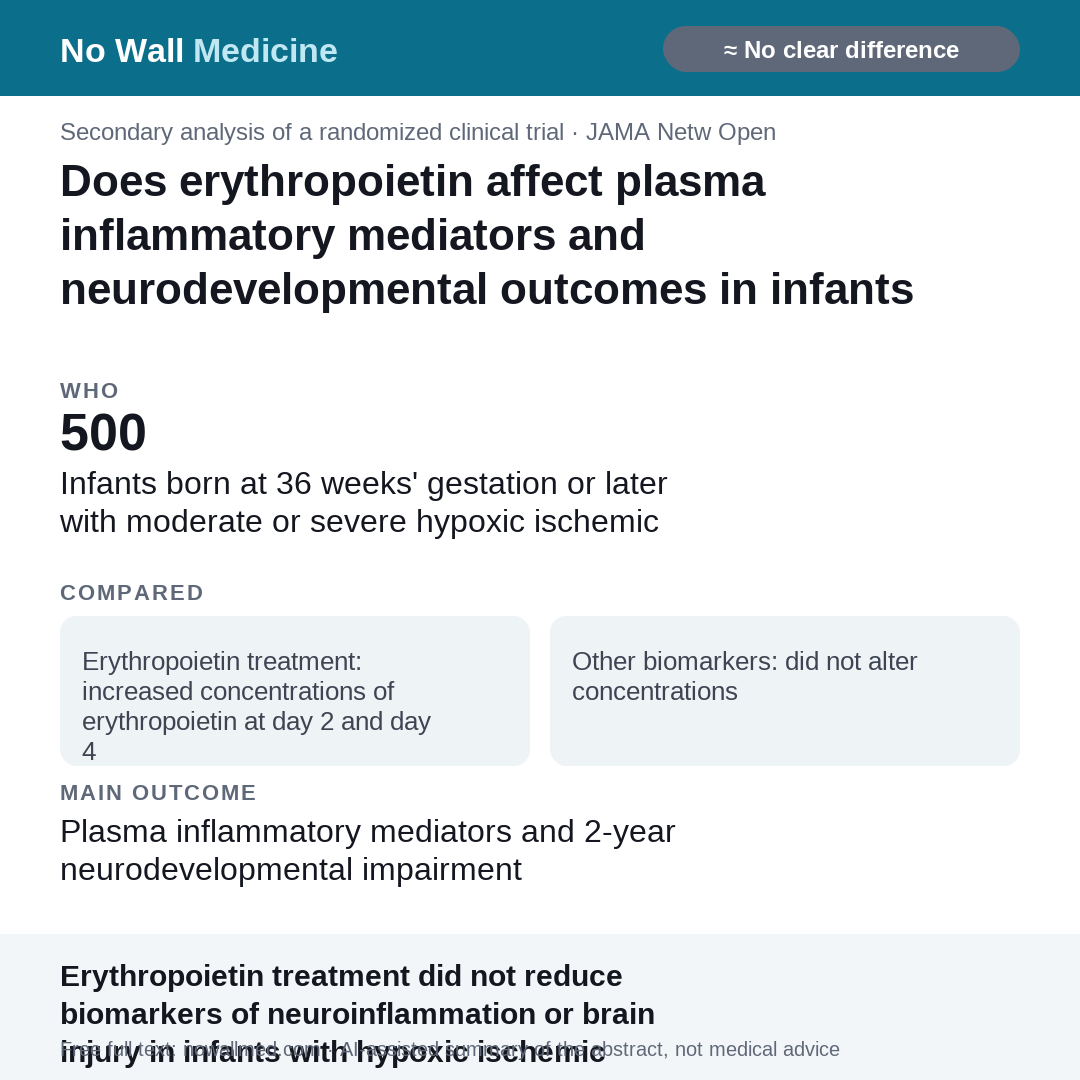
Association of High-Dose Erythropoietin With Circulating Biomarkers and Neurodevelopmental Outcomes Among Neonates With Hypoxic Ischemic Encephalopathy: A Secondary Analysis of the HEAL Randomized Clinical Trial
Secondary analysis of a randomized clinical trialNo clear difference
Does erythropoietin affect plasma inflammatory mediators and neurodevelopmental outcomes in infants with hypoxic ischemic encephalopathy?
Who
500
Infants born at 36 weeks' gestation or later with moderate or severe hypoxic ischemic encephalopathy · 17 academic sites in the United States
Compared
Erythropoietin treatment: increased concentrations of erythropoietin at day 2 and day 4
Other biomarkers: did not alter concentrations
Main outcome
Plasma inflammatory mediators and 2-year neurodevelopmental impairment
Result: AUC 0.79 (95% CI, 0.77-0.81) for death or neurodevelopmental impairment
Bottom line: Erythropoietin treatment did not reduce biomarkers of neuroinflammation or brain injury in infants with hypoxic ischemic encephalopathy.
Limitation: The improvement in predicting 2-year outcomes using biomarkers was only modest.
JAMA Netw Open · 2023-07-03Download image
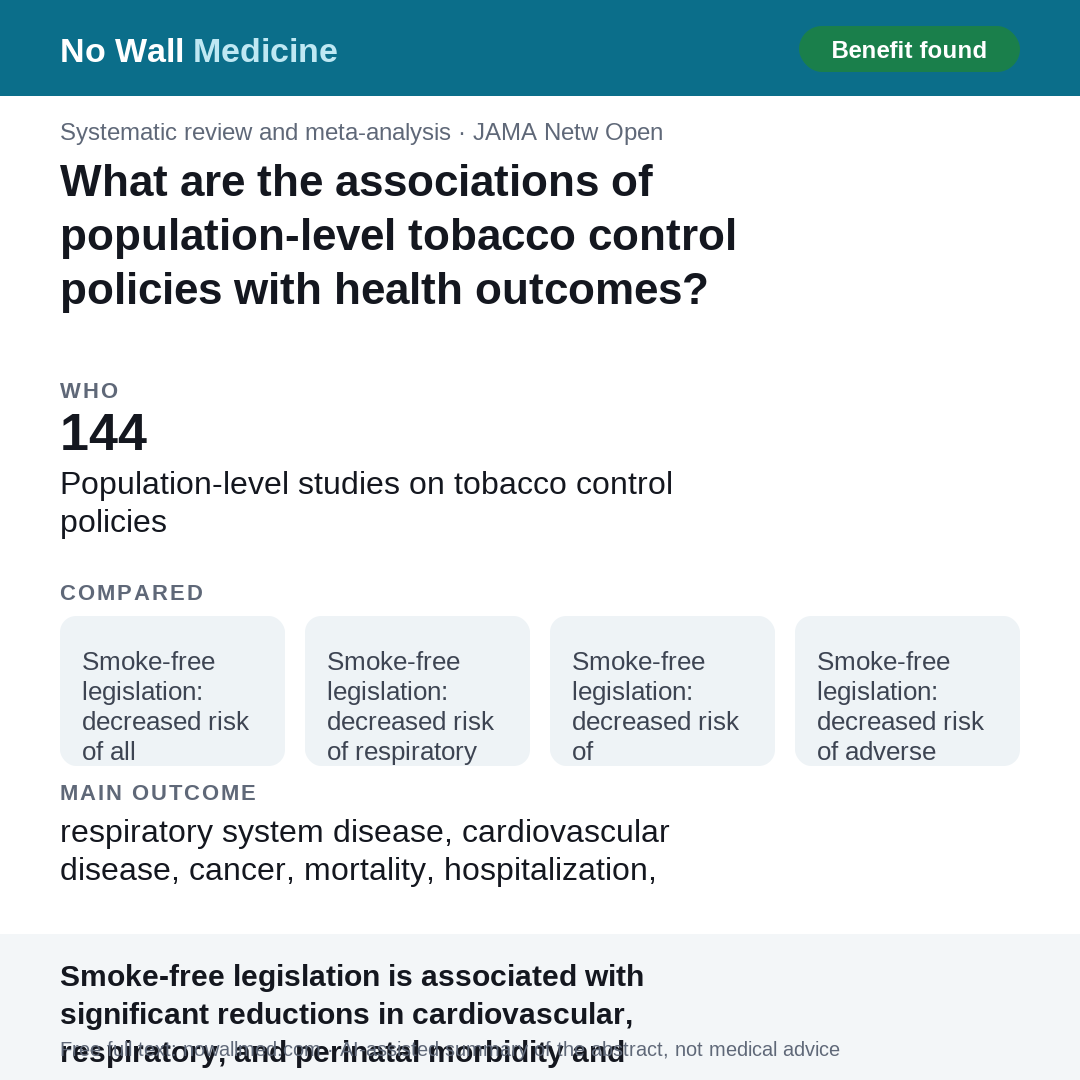
Evaluation of Population-Level Tobacco Control Interventions and Health Outcomes: A Systematic Review and Meta-Analysis
Systematic review and meta-analysisBenefit found
What are the associations of population-level tobacco control policies with health outcomes?
Who
Population-level studies on tobacco control policies
Compared
Smoke-free legislation: decreased risk of all cardiovascular disease events
Smoke-free legislation: decreased risk of respiratory system disease events
Smoke-free legislation: decreased risk of hospitalization due to cardiovascular or respiratory disease
Smoke-free legislation: decreased risk of adverse birth outcomes
Main outcome
respiratory system disease, cardiovascular disease, cancer, mortality, hospitalization, and health care utilization
Result: OR, 0.90 (95% CI, 0.86-0.94) for cardiovascular disease events
Bottom line: Smoke-free legislation is associated with significant reductions in cardiovascular, respiratory, and perinatal morbidity and mortality.
Limitation: Significant reduction for smoke-free legislation was only observed in high-income countries for the country income category.
JAMA Netw Open · 2023-07-03Download image
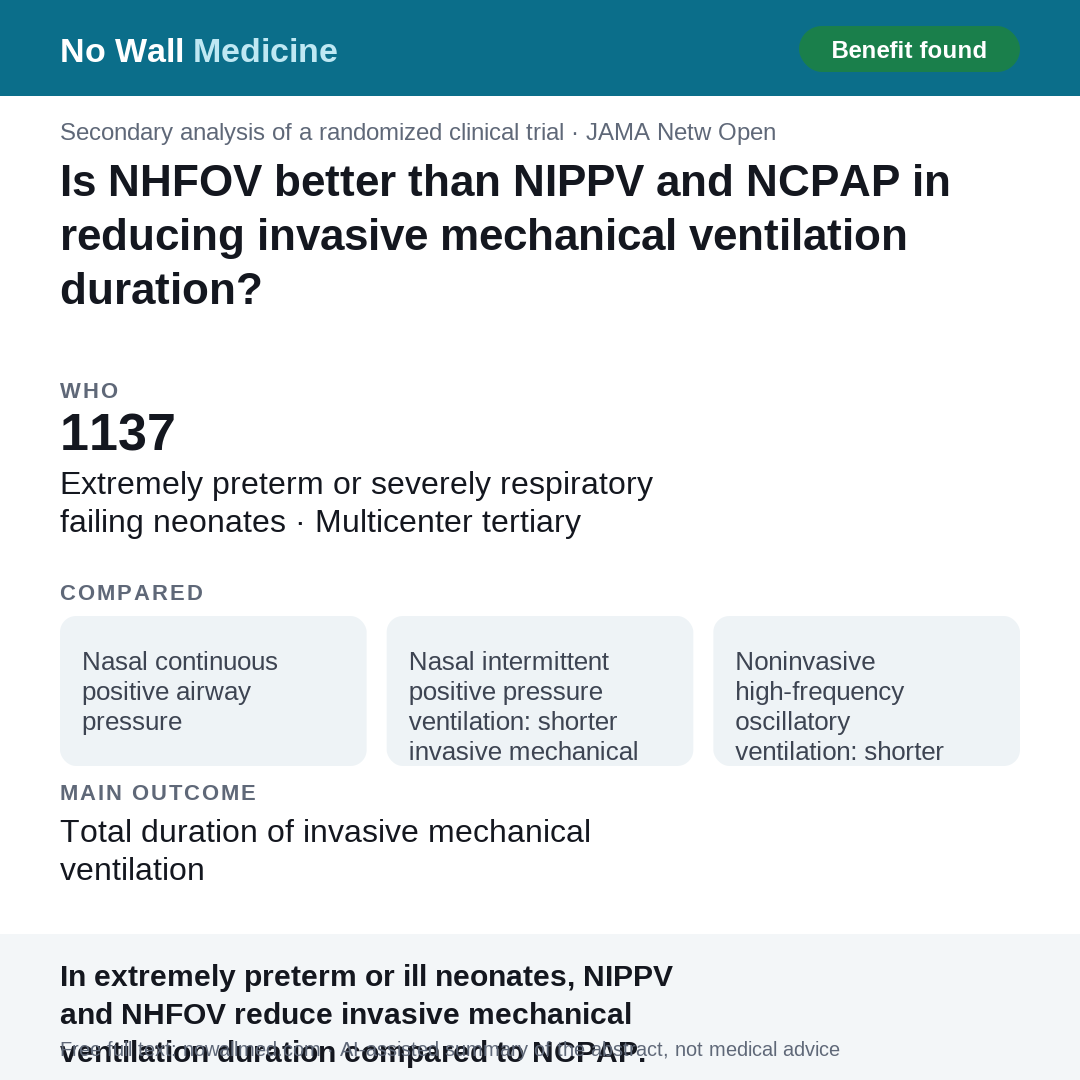
Effectiveness of Nasal Continuous Positive Airway Pressure vs Nasal Intermittent Positive Pressure Ventilation vs Noninvasive High-Frequency Oscillatory Ventilation as Support After Extubation of Neonates Born Extremely Preterm or With More Severe Respiratory Failure: A Secondary Analysis of a Randomized Clinical Trial
Secondary analysis of a randomized clinical trialBenefit found
Is NHFOV better than NIPPV and NCPAP in reducing invasive mechanical ventilation duration?
Who
1137
Extremely preterm or severely respiratory failing neonates · Multicenter tertiary academic neonatal intensive care units in China
Compared
Nasal continuous positive airway pressure
Nasal intermittent positive pressure ventilation: shorter invasive mechanical ventilation
Noninvasive high-frequency oscillatory ventilation: shorter invasive mechanical ventilation
Main outcome
Total duration of invasive mechanical ventilation
Result: mean difference range, -5.0 days [95% CI, -6.8 to -3.1 days] to -2.3 days [95% CI, -4.1 to -0.4 days]
Bottom line: In extremely preterm or ill neonates, NIPPV and NHFOV reduce invasive mechanical ventilation duration compared to NCPAP.
JAMA Netw Open · 2023-07-03Download image
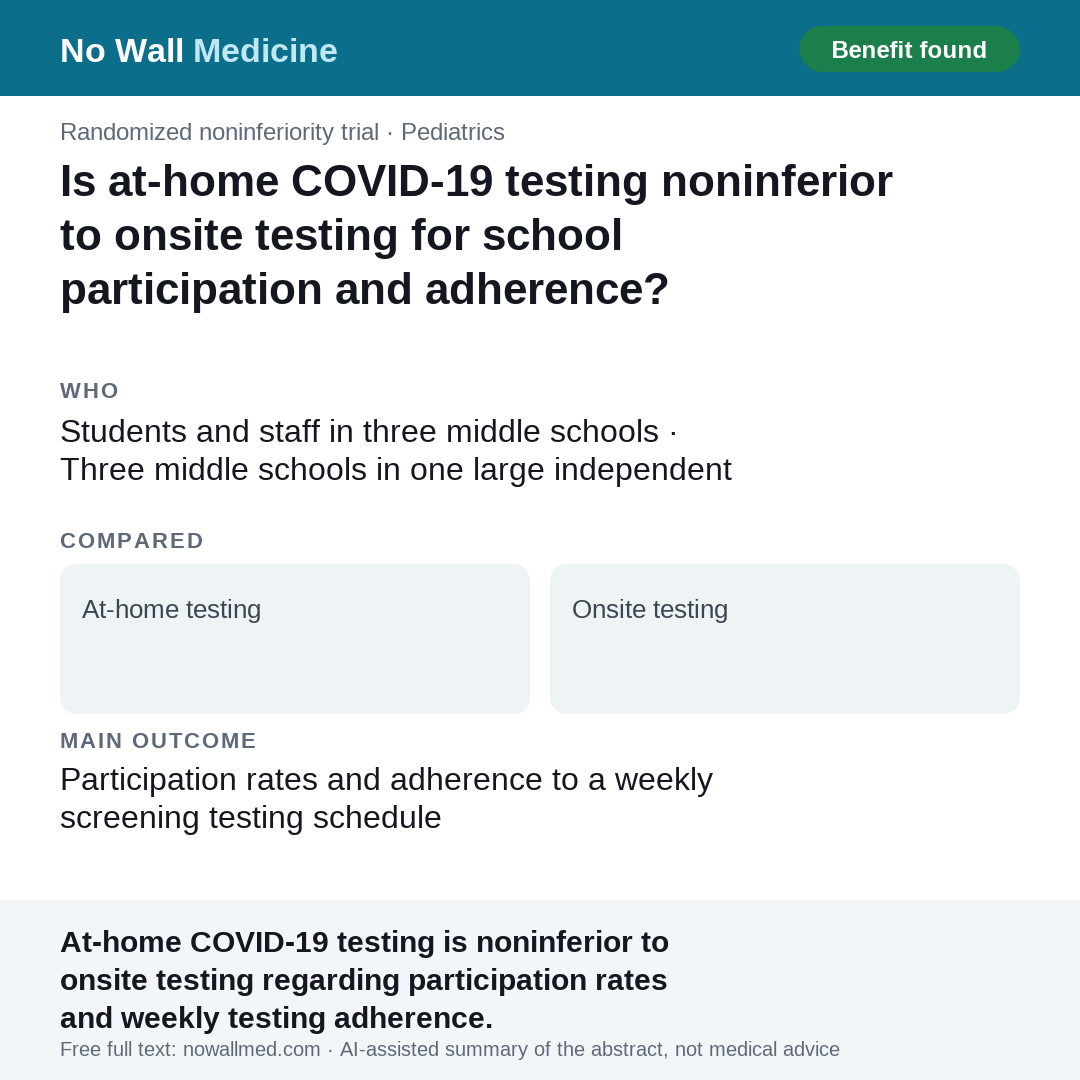
At-Home Versus Onsite COVID-19 School-based Testing: A Randomized Noninferiority Trial
Randomized noninferiority trialBenefit found
Is at-home COVID-19 testing noninferior to onsite testing for school participation and adherence?
Who
Students and staff in three middle schools · Three middle schools in one large independent school district
Compared
At-home testing
Onsite testing
Main outcome
Participation rates and adherence to a weekly screening testing schedule
Bottom line: At-home COVID-19 testing is noninferior to onsite testing regarding participation rates and weekly testing adherence.
Pediatrics · 2023-07-03Download image
A COVID-19 Testing Preference Study in Schools
Randomized, crossover studyMixed results
What is the preferred self-collected COVID-19 testing method among students and staff?
Who
135
Kindergarten through 12th grade students and staff · Schools
Compared
Nasal swab preference: 83% (80/96) for staff, middle, and high school
Saliva preference: 51% (20/39) for elementary students
Main outcome
Preference for self-collected nasal or saliva testing
Bottom line: Nasal swabs were generally preferred, though preference varied by age group among students and staff.
Pediatrics · 2023-07-03Download image

Preliminary Reach of an Information Technology Approach to Support COVID-19 Testing in Schools
Randomized trialBenefit found
Can information technology approaches support COVID-19 testing in kindergarten through 12th-grade schools?
Who
2323
Parents or guardians of kindergarten through 12th-grade students · 6 participating schools
Compared
Text messaging: 19.1% (n = 354) engaged
Text messaging plus health navigation
Usual care
Main outcome
Engagement with text messaging
Bottom line: Text messaging and health navigation are feasible ways to reach parents for COVID-19 screening messages.
Pediatrics · 2023-07-03Download image

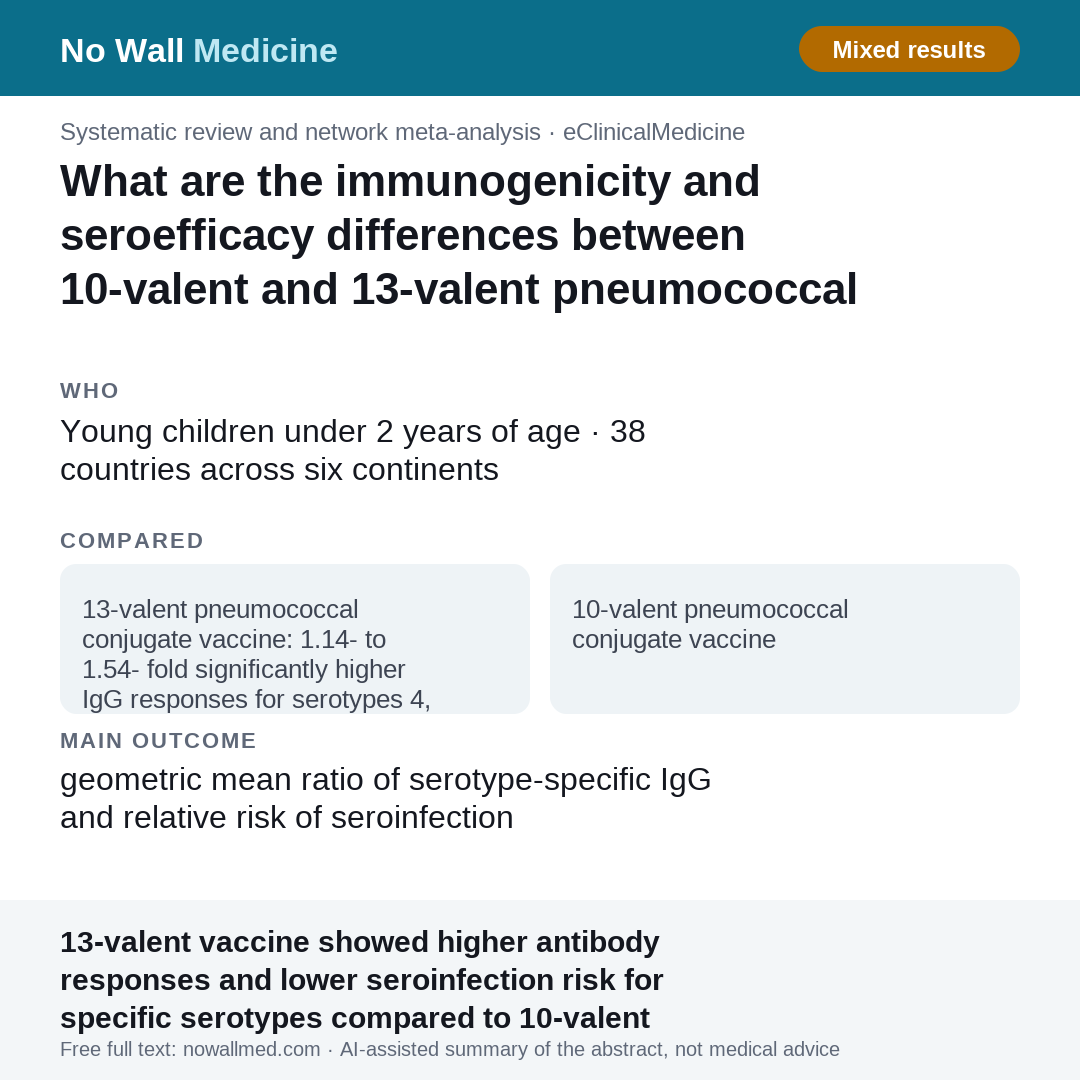
Immunogenicity and seroefficacy of 10-valent and 13-valent pneumococcal conjugate vaccines: a systematic review and network meta-analysis of individual participant data
Systematic review and network meta-analysisMixed results
What are the immunogenicity and seroefficacy differences between 10-valent and 13-valent pneumococcal conjugate vaccines?
Who
Young children under 2 years of age · 38 countries across six continents
Compared
13-valent pneumococcal conjugate vaccine: 1.14- to 1.54- fold significantly higher IgG responses for serotypes 4, 9V, and 23F
10-valent pneumococcal conjugate vaccine
Main outcome
geometric mean ratio of serotype-specific IgG and relative risk of seroinfection
Bottom line: 13-valent vaccine showed higher antibody responses and lower seroinfection risk for specific serotypes compared to 10-valent vaccine.
Limitation: Significant heterogeneity and inconsistency were present for most serotypes and for both outcomes.
Funded by: NIHR Health Technology Assessment Programme
eClinicalMedicine · 2023-07-01Download image
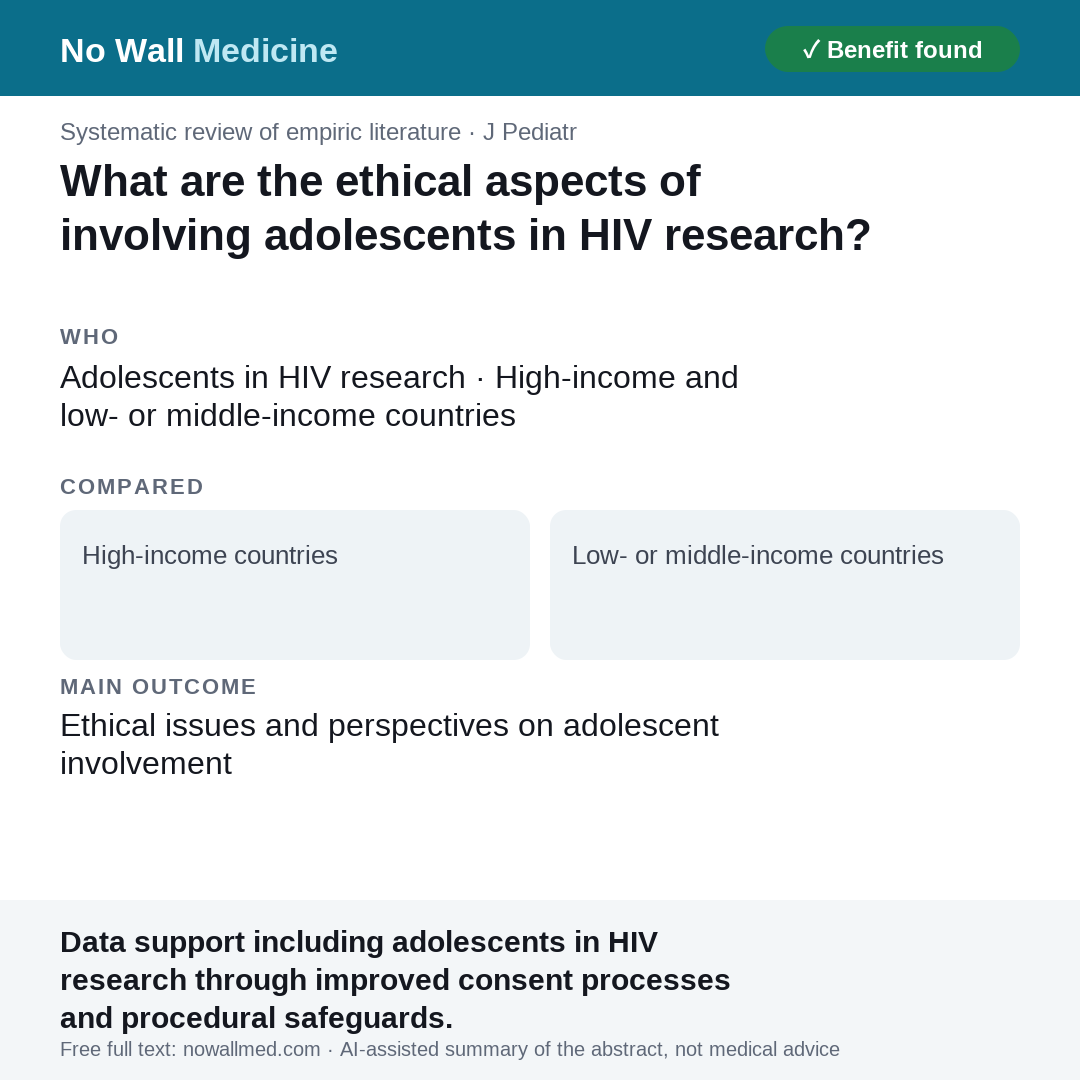
Ethical Aspects of Involving Adolescents in HIV Research: A Systematic Review of the Empiric Literature
Systematic review of empiric literatureBenefit found
What are the ethical aspects of involving adolescents in HIV research?
Who
Adolescents in HIV research · High-income and low- or middle-income countries
Compared
High-income countries
Low- or middle-income countries
Main outcome
Ethical issues and perspectives on adolescent involvement
Bottom line: Data support including adolescents in HIV research through improved consent processes and procedural safeguards.
J Pediatr · 2023-07-01Download image
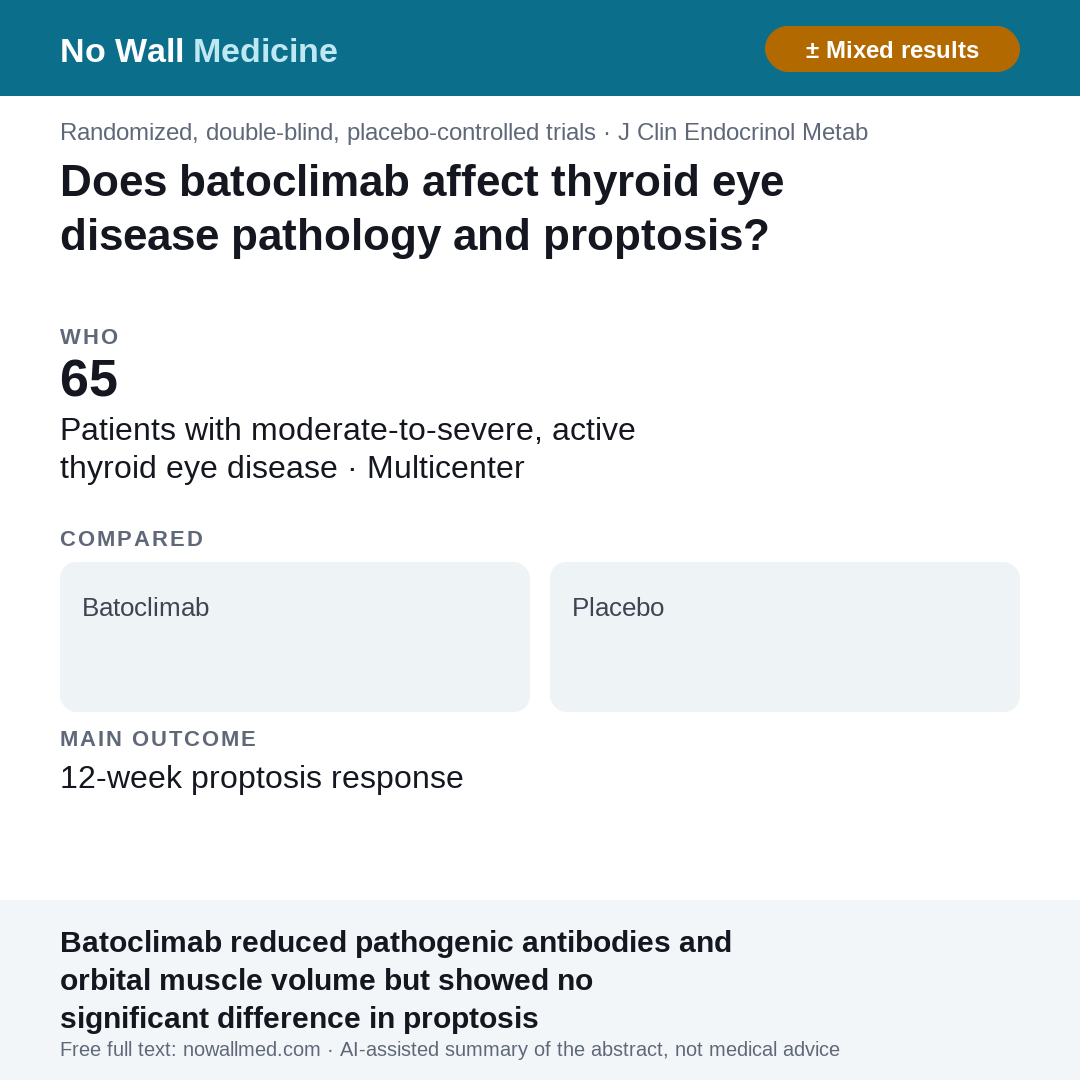
Proof-of-concept and Randomized, Placebo-controlled Trials of an FcRn Inhibitor, Batoclimab, for Thyroid Eye Disease
Randomized, double-blind, placebo-controlled trialsMixed results
Does batoclimab affect thyroid eye disease pathology and proptosis?
Who
65
Patients with moderate-to-severe, active thyroid eye disease · Multicenter
Compared
Batoclimab
Placebo
Main outcome
12-week proptosis response
Bottom line: Batoclimab reduced pathogenic antibodies and orbital muscle volume but showed no significant difference in proptosis response.
J Clin Endocrinol Metab · 2023-06-30Download image
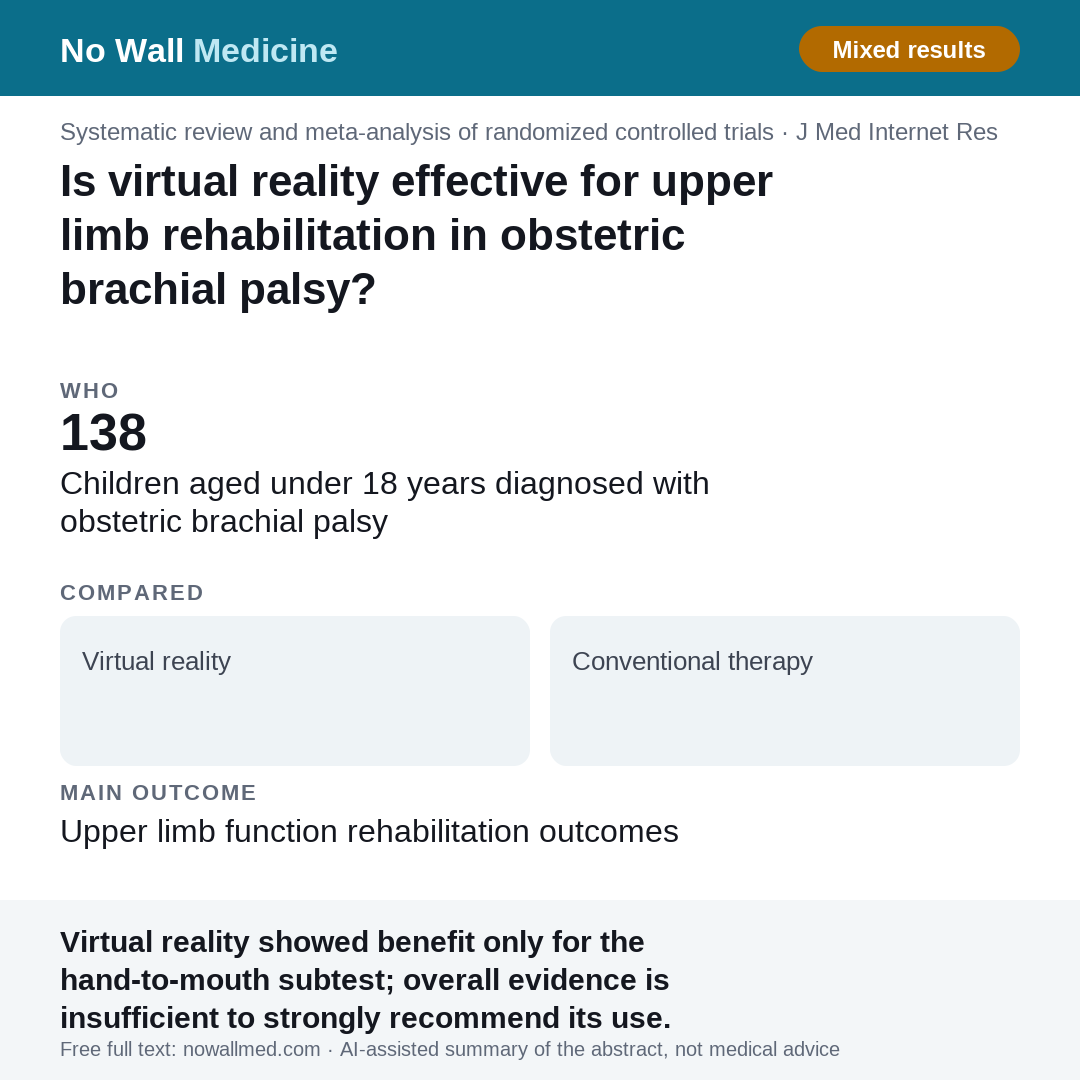
Virtual Reality for Upper Limb Rehabilitation in Patients With Obstetric Brachial Palsy: Systematic Review and Meta-Analysis of Randomized Controlled Trials
Systematic review and meta-analysis of randomized controlled trialsMixed results
Is virtual reality effective for upper limb rehabilitation in obstetric brachial palsy?
Who
138
Children aged under 18 years diagnosed with obstetric brachial palsy
Compared
Virtual reality
Conventional therapy
Main outcome
Upper limb function rehabilitation outcomes
Result: standardized mean difference -0.97 (95% CI -1.67 to -0.27) for hand-to-mouth subtest
Bottom line: Virtual reality showed benefit only for the hand-to-mouth subtest; overall evidence is insufficient to strongly recommend its use.
Limitation: Small sample sizes, limited long-term analysis, lack of dose testing, and absence of International Classification of Functioning outcomes.
J Med Internet Res · 2023-06-30Download image
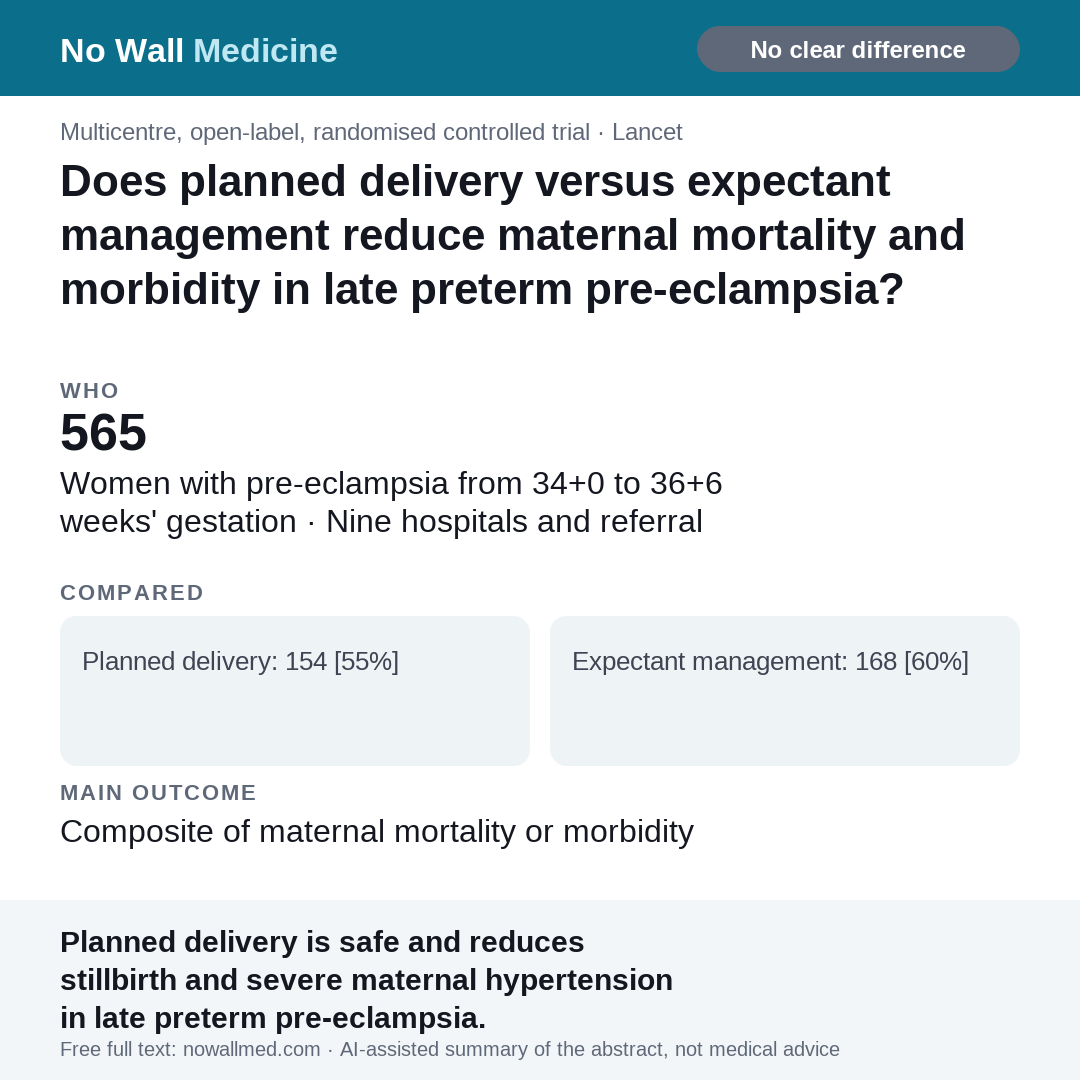
Planned delivery or expectant management for late preterm pre-eclampsia in low-income and middle-income countries (CRADLE-4): a multicentre, open-label, randomised controlled trial
Multicentre, open-label, randomised controlled trialNo clear difference
Does planned delivery versus expectant management reduce maternal mortality and morbidity in late preterm pre-eclampsia?
Who
565
Women with pre-eclampsia from 34+0 to 36+6 weeks' gestation · Nine hospitals and referral facilities in India and Zambia
Compared
Planned delivery: 154 [55%]
Expectant management: 168 [60%]
Main outcome
Composite of maternal mortality or morbidity
Result: adjusted risk ratio 0·91, 95% CI 0·79 to 1·05
Bottom line: Planned delivery is safe and reduces stillbirth and severe maternal hypertension in late preterm pre-eclampsia.
Funded by: UK Medical Research Council and Indian Department of Biotechnology
Lancet · 2023-06-29Download image
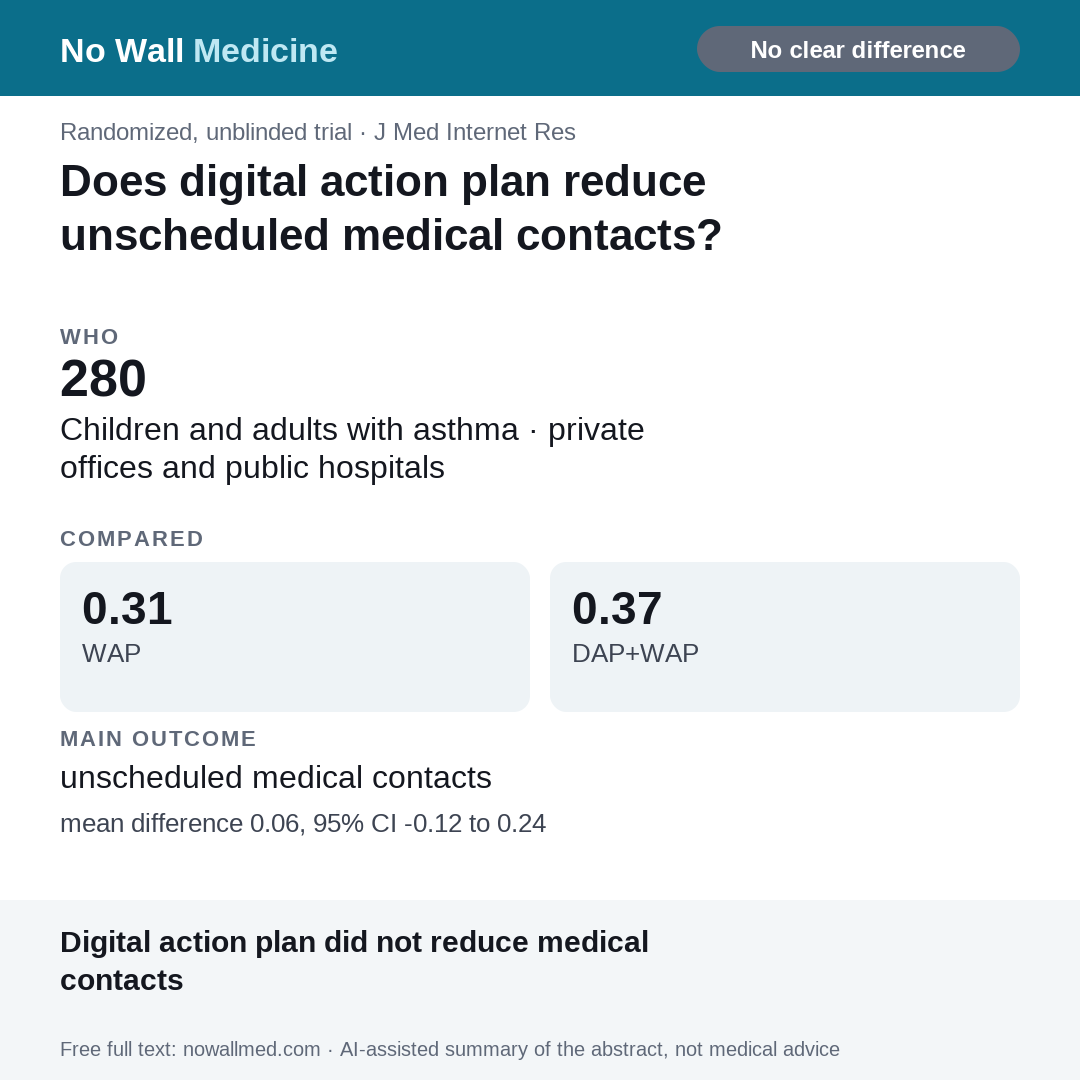
Digital Action Plan (Web App) for Managing Asthma Exacerbations: Randomized Controlled Trial
Randomized, unblinded trialNo clear difference
Does digital action plan reduce unscheduled medical contacts?
Who
280
Children and adults with asthma · private offices and public hospitals
Compared
0.31WAP
0.37DAP+WAP
Main outcome
unscheduled medical contacts
Result: mean difference 0.06, 95% CI -0.12 to 0.24
Bottom line: Digital action plan did not reduce medical contacts
J Med Internet Res · 2023-06-29Download image