Visual abstracts
New randomized trials and meta-analyses from leading journals at a glance: who was studied, what was compared, and what was found. Every paper is free to read in full.
All specialtiesCardiology 975Oncology 867Gastroenterology & Hepatology 354Infectious Disease 670Neurology 408Psychiatry & Mental Health 495Pulmonology 429Critical Care 292Endocrinology & Diabetes 546Pediatrics 610Surgery 414Orthopedics & Sports Medicine 187Neurosurgery 142Cardiothoracic & Vascular Surgery 101Plastic & Reconstructive Surgery 159Nephrology 219Rheumatology 127Hematology 208Dermatology 91Ophthalmology 117Obstetrics & Gynecology 298Public & Global Health 187Radiology & Imaging 120Anesthesiology 164Urology 186ENT (Otolaryngology) 133Emergency Medicine 110Allergy & Immunology 67Geriatrics 189Family Medicine & Primary Care 131Medical Genetics & Genomics 99Pathology & Laboratory Medicine 30Physical Medicine & Rehabilitation 171Palliative Care 91Nutrition 247Digital Health & AI 509General Medicine 105
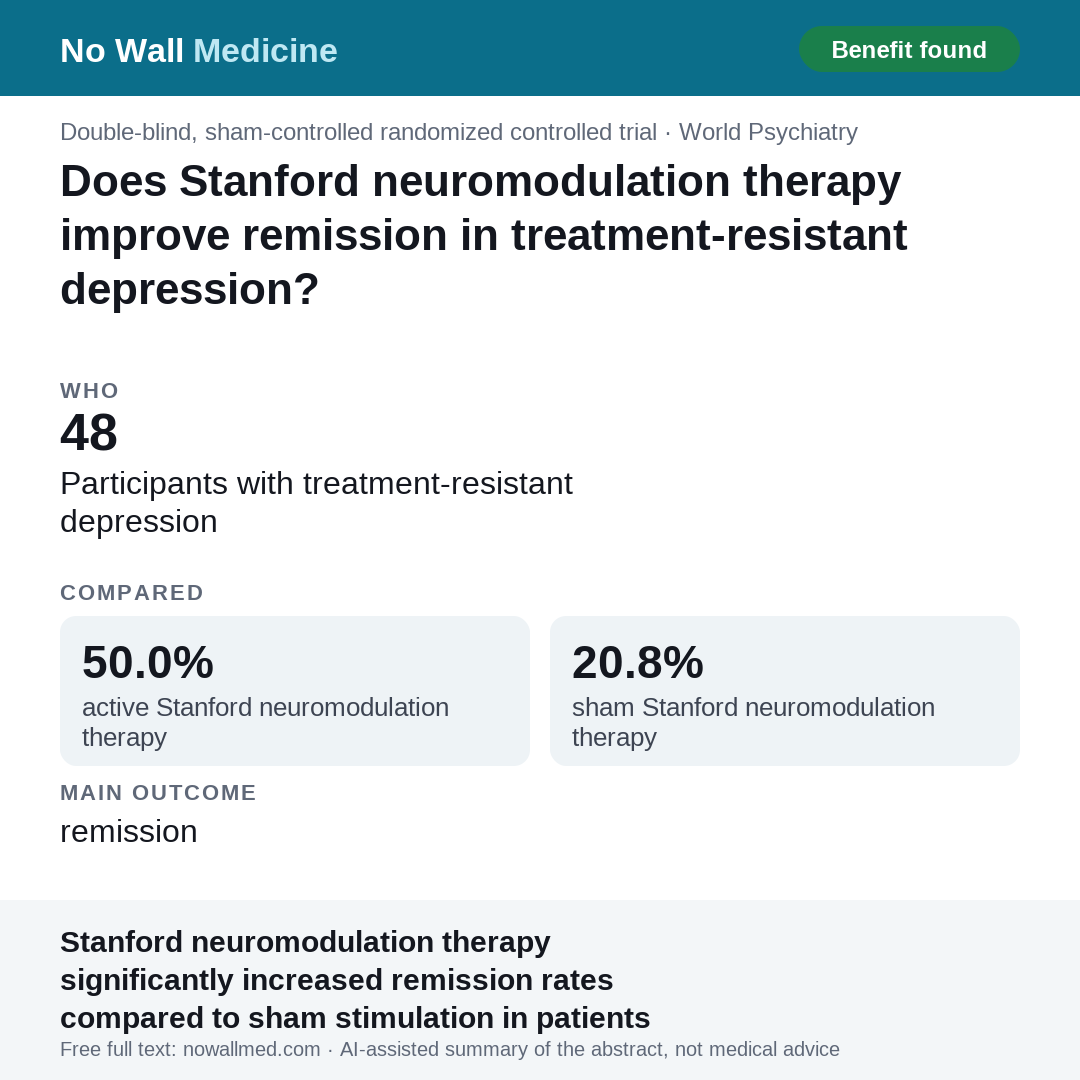
Stanford neuromodulation therapy for treatment-resistant depression: a randomized controlled trial confirming efficacy, and an EEG study providing insight into mechanism of action and a potentially predictive biomarker of efficacy
Double-blind, sham-controlled randomized controlled trialBenefit found
Does Stanford neuromodulation therapy improve remission in treatment-resistant depression?
Who
48
Participants with treatment-resistant depression
Compared
50.0%active Stanford neuromodulation therapy
20.8%sham Stanford neuromodulation therapy
Main outcome
remission
Bottom line: Stanford neuromodulation therapy significantly increased remission rates compared to sham stimulation in patients with treatment-resistant depression.
World Psychiatry · 2026-01-15Download image
Do early intervention services for psychosis maintain their effects after transition to usual/modular care? A systematic review and meta-analysis
Systematic review and meta-analysis of six randomized controlled trialsMixed results
Do early intervention services for psychosis maintain effects after transition to usual care?
Who
1,416
Patients with early-phase psychosis
Compared
Early intervention services
Usual care or modular care
Main outcome
Psychiatric hospitalization, duration of hospitalization, and drop-out
Result: standardized mean difference 0.128 (95% CI 0.019 to 0.237)
Bottom line: Early intervention services only maintained superiority regarding duration of hospitalizations two to three years after cessation of care.
World Psychiatry · 2026-01-15Download image

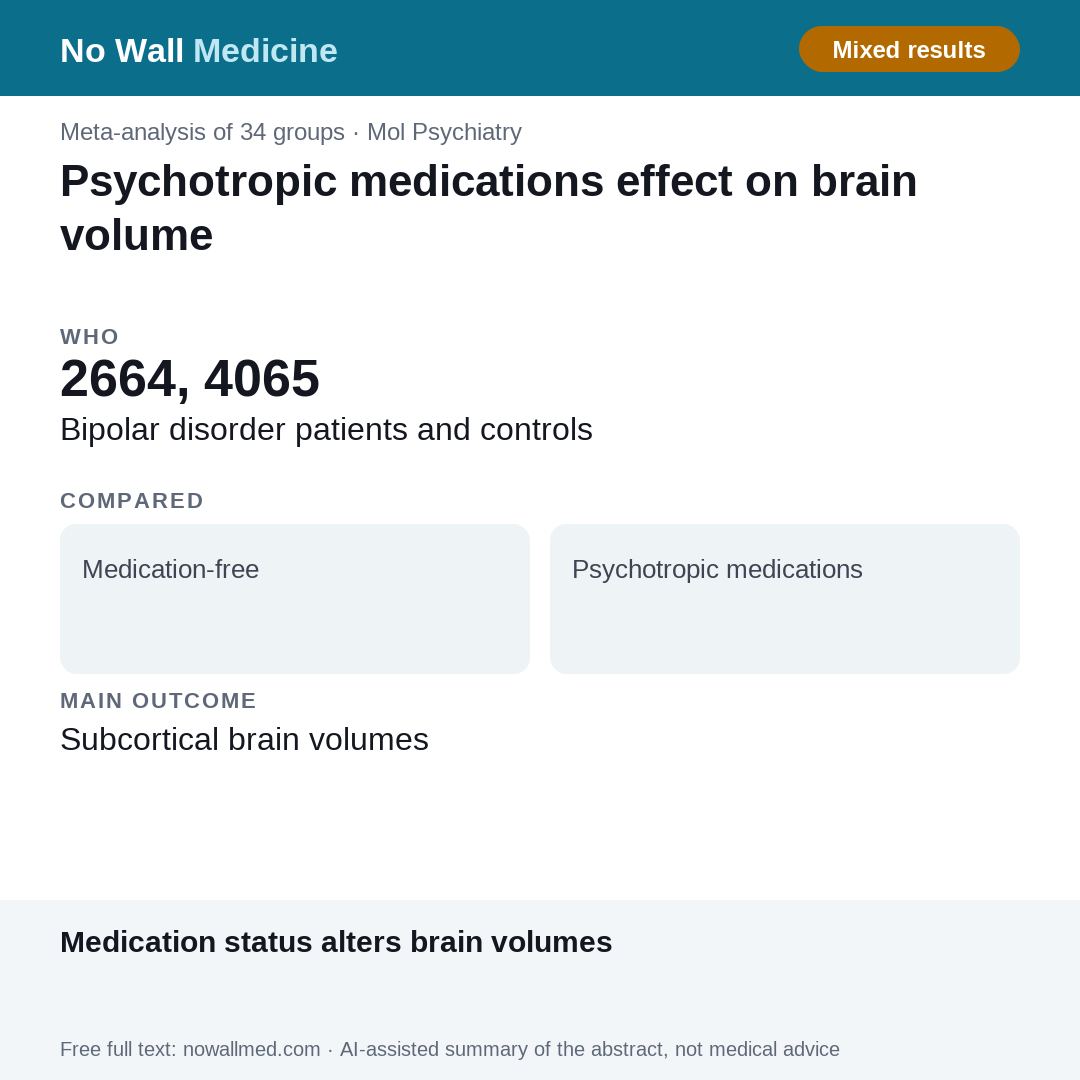
Psychotropic medications and their interactions with subcortical brain volume in bipolar disorder: An ENIGMA mega-analysis
Meta-analysis of 34 groupsMixed results
Psychotropic medications effect on brain volume
Who
2664, 4065
Bipolar disorder patients and controls
Compared
Medication-free
Psychotropic medications
Main outcome
Subcortical brain volumes
Bottom line: Medication status alters brain volumes
Mol Psychiatry · 2026-01-15Download image
The Relationship Between Family History of Depression and Brain Structure and Function: A Systematic Review of Large Cohorts
Systematic review of longitudinal cohortsMixed results
How does family history of major depression relate to brain structure and function?
Who
Symptom free individuals at high familial risk · 13 countries
Compared
Family history of depression
No family history
Main outcome
Brain structure and function alterations
Bottom line: Family history is associated with alterations in subcortical and cortical brain regions, but predictive value remains unclear.
Limitation: Current evidence for whether these brain regions predict psychopathology is limited.
Biol Psychiatry · 2026-01-15Download image

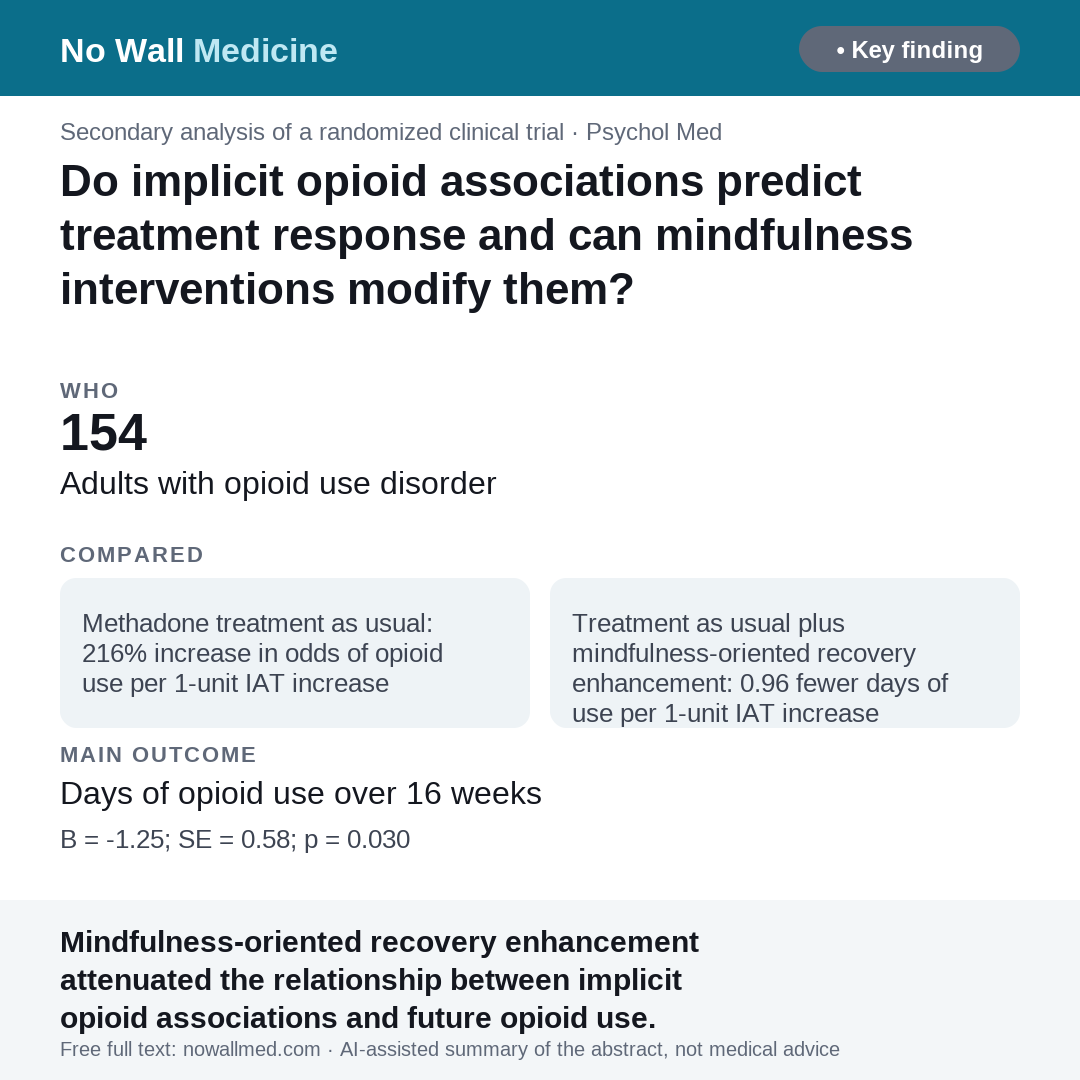
Implicit opioid associations in OUD treatment: prediction of treatment response and moderation by mindfulness-oriented recovery enhancement
Secondary analysis of a randomized clinical trialBenefit found
Do implicit opioid associations predict treatment response and can mindfulness interventions modify them?
Who
154
Adults with opioid use disorder
Compared
Methadone treatment as usual: 216% increase in odds of opioid use per 1-unit IAT increase
Treatment as usual plus mindfulness-oriented recovery enhancement: 0.96 fewer days of use per 1-unit IAT increase
Main outcome
Days of opioid use over 16 weeks
Result: B = -1.25; SE = 0.58; p = 0.030
Bottom line: Mindfulness-oriented recovery enhancement attenuated the relationship between implicit opioid associations and future opioid use.
Psychol Med · 2026-01-15Download image
Retinal Neurovascular and Mitochondrial Function Signatures in Response to a 24-Week Yoga Intervention in Healthy Adults
Randomized trialBenefit found
How does a 24-week yoga intervention affect retinal neurovascular and mitochondrial function?
Who
30
Healthy older adults
Compared
Cue-based yoga program
Traditional Hatha yoga
Main outcome
Retinal neurovascular and mitochondrial function
Bottom line: A 24-week yoga intervention improved retinal blood flow, capillary efficiency, tissue perfusion, and mitochondrial function.
Invest Ophthalmol Vis Sci · 2026-01-15Download image

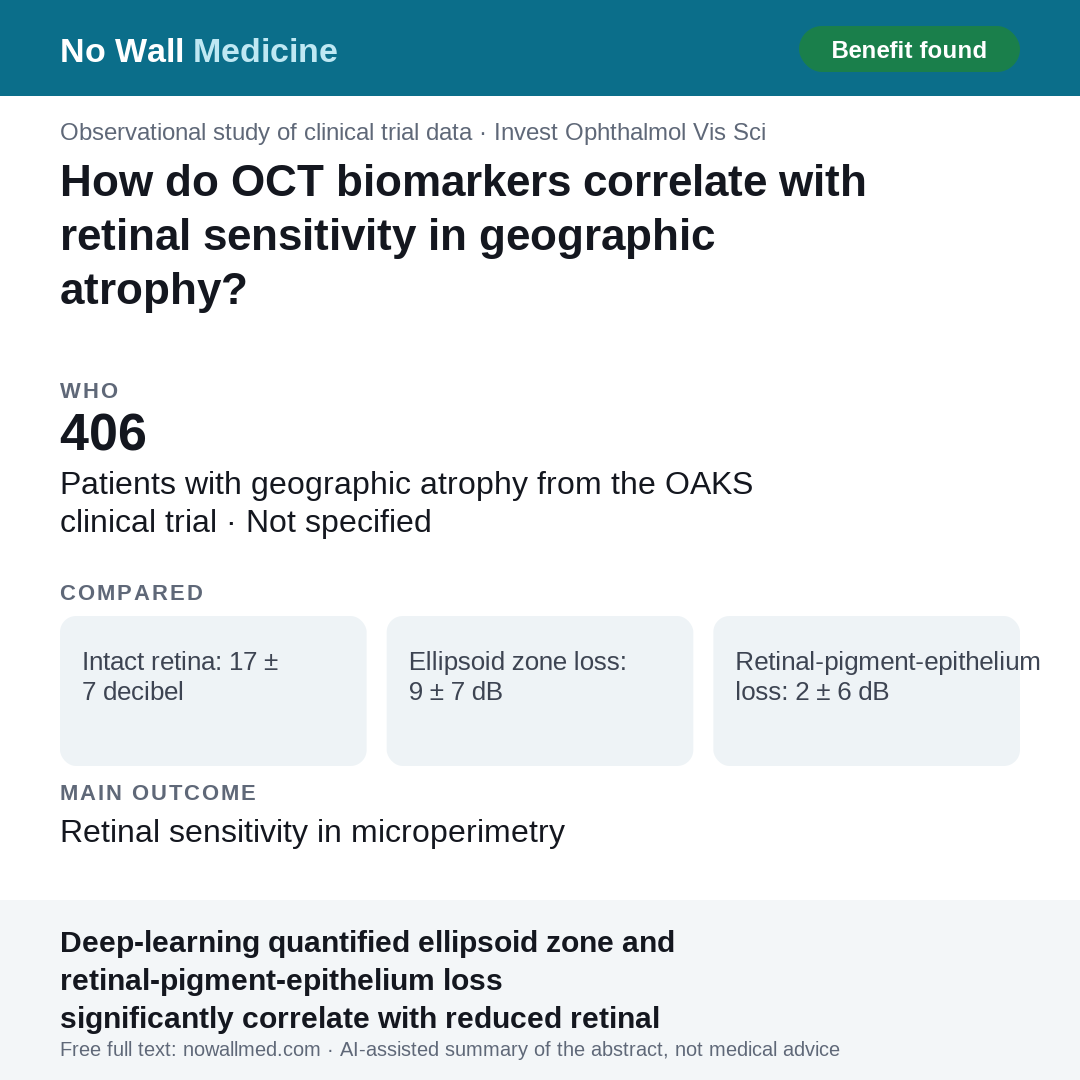
Exploring Trial Endpoints in Geographic Atrophy Based on Localized Functional Changes in Microperimetry and AI-Quantified OCT Biomarkers
Observational study of clinical trial dataBenefit found
How do OCT biomarkers correlate with retinal sensitivity in geographic atrophy?
Who
406
Patients with geographic atrophy from the OAKS clinical trial · Not specified
Compared
Intact retina: 17 ± 7 decibel
Ellipsoid zone loss: 9 ± 7 dB
Retinal-pigment-epithelium loss: 2 ± 6 dB
Main outcome
Retinal sensitivity in microperimetry
Result: RPE loss decreased retinal sensitivity by -14 dB (95% CI -15 to -14)
Bottom line: Deep-learning quantified ellipsoid zone and retinal-pigment-epithelium loss significantly correlate with reduced retinal sensitivity.
Invest Ophthalmol Vis Sci · 2026-01-15Download image
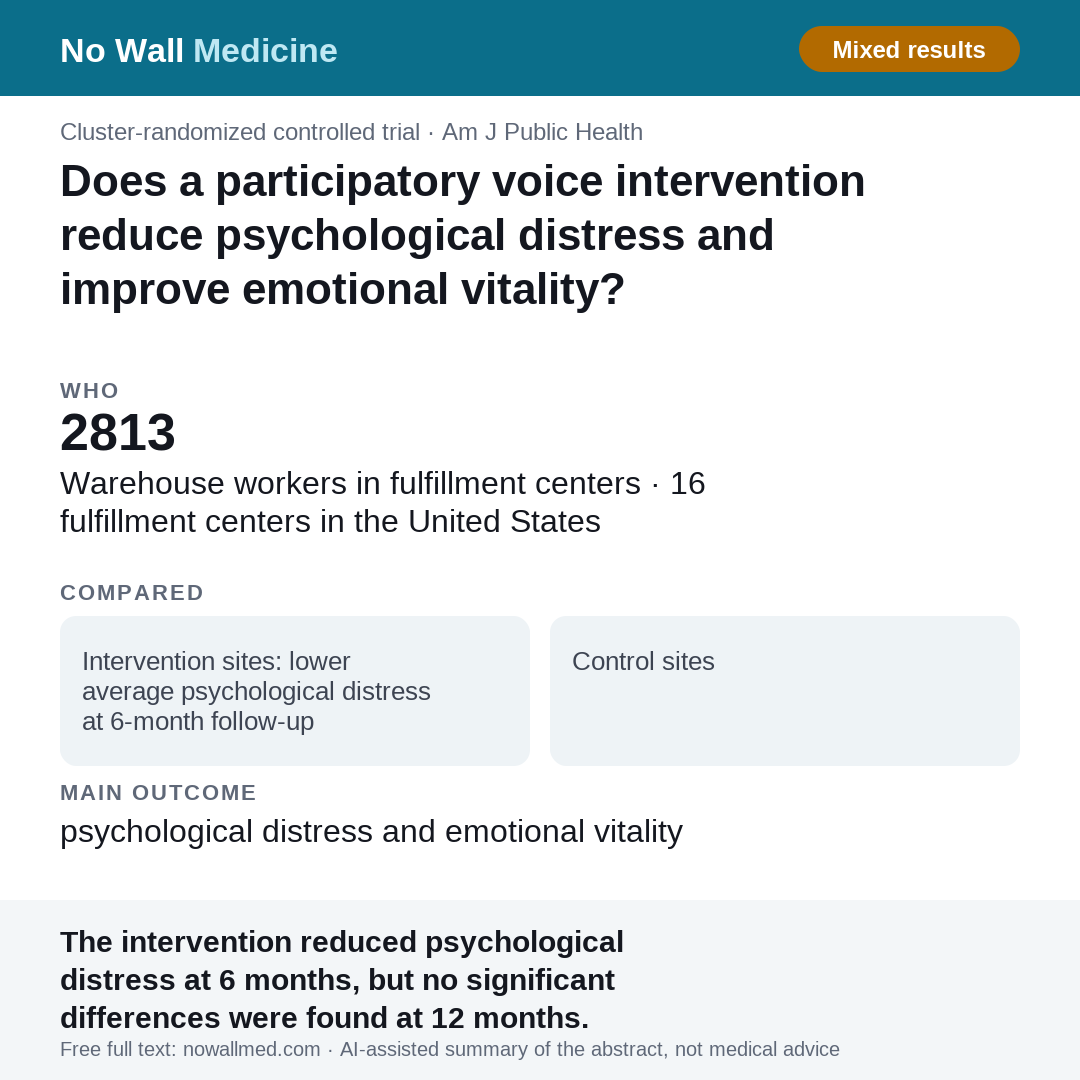
Effectiveness of a Participatory Voice Intervention on Psychological Well-Being Among Warehouse Workers: Results From the Fulfillment Center Intervention Study, United States, 2021‒2023
Cluster-randomized controlled trialMixed results
Does a participatory voice intervention reduce psychological distress and improve emotional vitality?
Who
2813
Warehouse workers in fulfillment centers · 16 fulfillment centers in the United States
Compared
Intervention sites: lower average psychological distress at 6-month follow-up
Control sites
Main outcome
psychological distress and emotional vitality
Bottom line: The intervention reduced psychological distress at 6 months, but no significant differences were found at 12 months.
Am J Public Health · 2026-01-15Download image
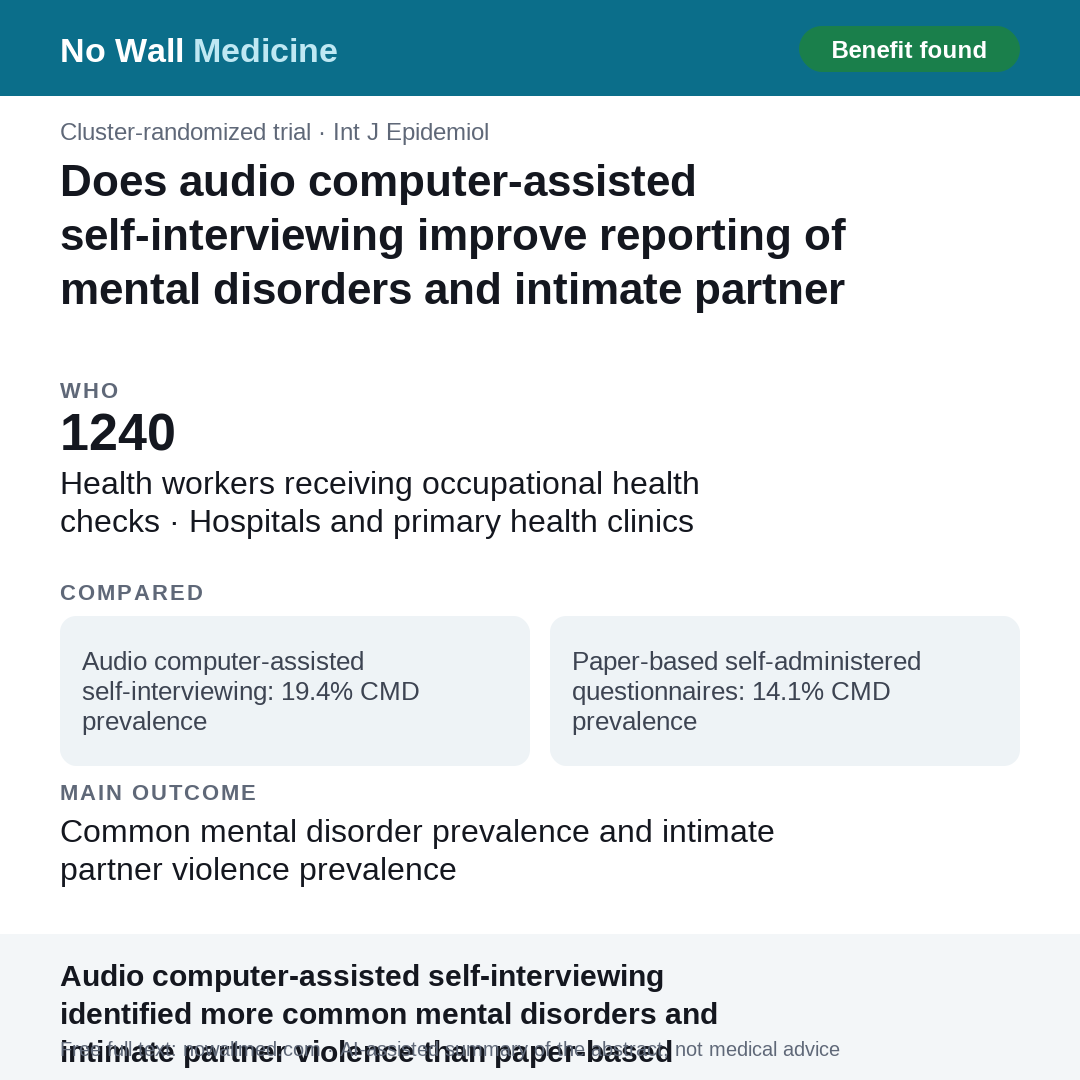
Effect of data-collection method on reporting of common mental disorder symptoms and intimate partner violence in Zimbabwe: a cluster-randomized trial
Cluster-randomized trialBenefit found
Does audio computer-assisted self-interviewing improve reporting of mental disorders and intimate partner violence?
Who
1240
Health workers receiving occupational health checks · Hospitals and primary health clinics in Zimbabwe
Compared
Audio computer-assisted self-interviewing: 19.4% CMD prevalence
Paper-based self-administered questionnaires: 14.1% CMD prevalence
Main outcome
Common mental disorder prevalence and intimate partner violence prevalence
Result: adjusted risk ratio 1.37 (95% CI 0.99, 1.89) for CMD; adjusted risk ratio 1.81 (95% CI 1.40, 2.35) for IPV
Bottom line: Audio computer-assisted self-interviewing identified more common mental disorders and intimate partner violence than paper-based questionnaires.
Int J Epidemiol · 2026-01-15Download image
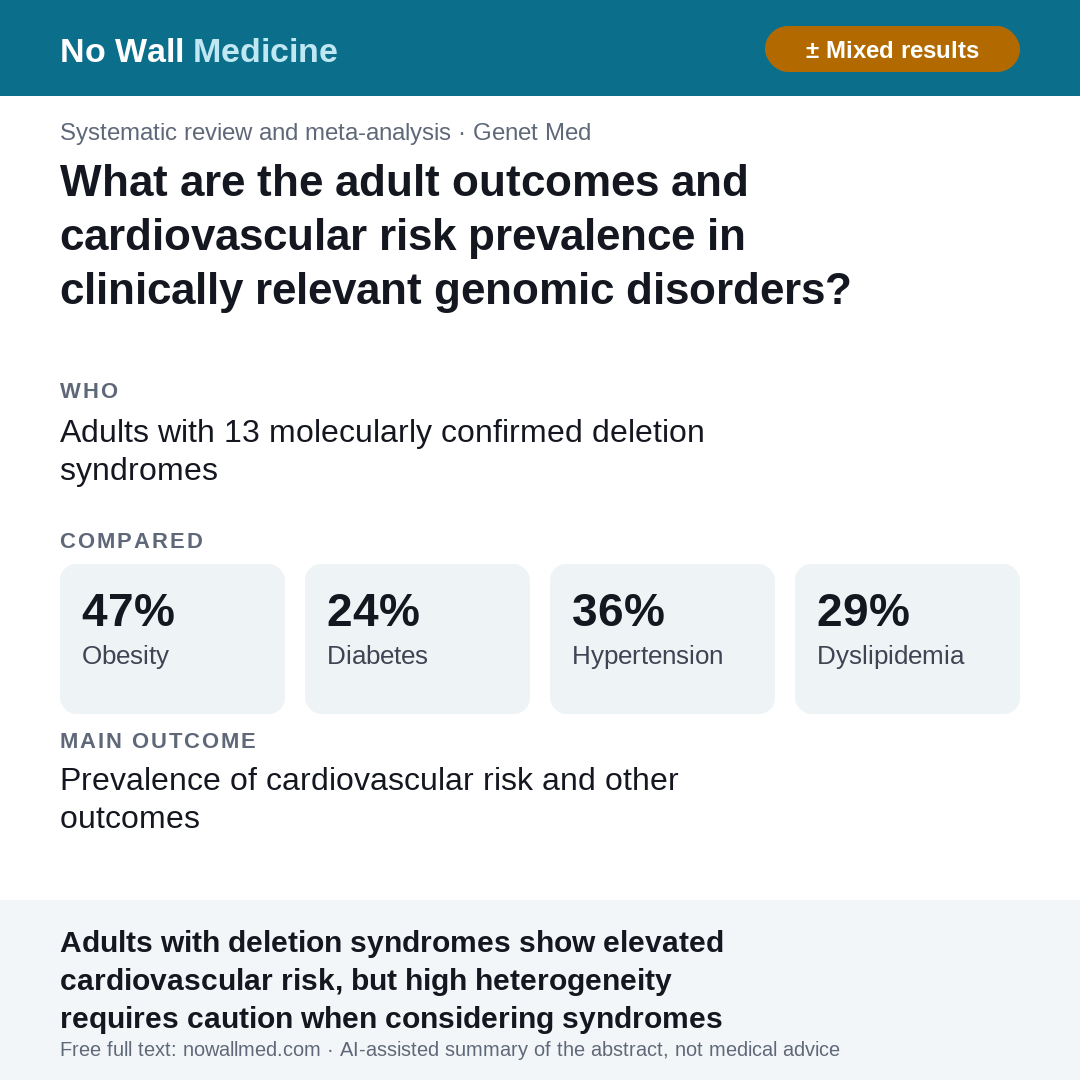
Adult outcomes of clinically relevant genomic disorders: A systematic review and meta-analysis
Systematic review and meta-analysisMixed results
What are the adult outcomes and cardiovascular risk prevalence in clinically relevant genomic disorders?
Who
Adults with 13 molecularly confirmed deletion syndromes
Compared
47%Obesity (95% CI 33-57%)
24%Diabetes (95% CI 17-33%)
36%Hypertension (95% CI 28-33%)
29%Dyslipidemia (95% CI 22-36%)
Main outcome
Prevalence of cardiovascular risk and other outcomes
Bottom line: Adults with deletion syndromes show elevated cardiovascular risk, but high heterogeneity requires caution when considering syndromes collectively.
Limitation: Paucity of data extending into later adulthood and lack of age-matched control comparisons.
Genet Med · 2026-01-15Download image
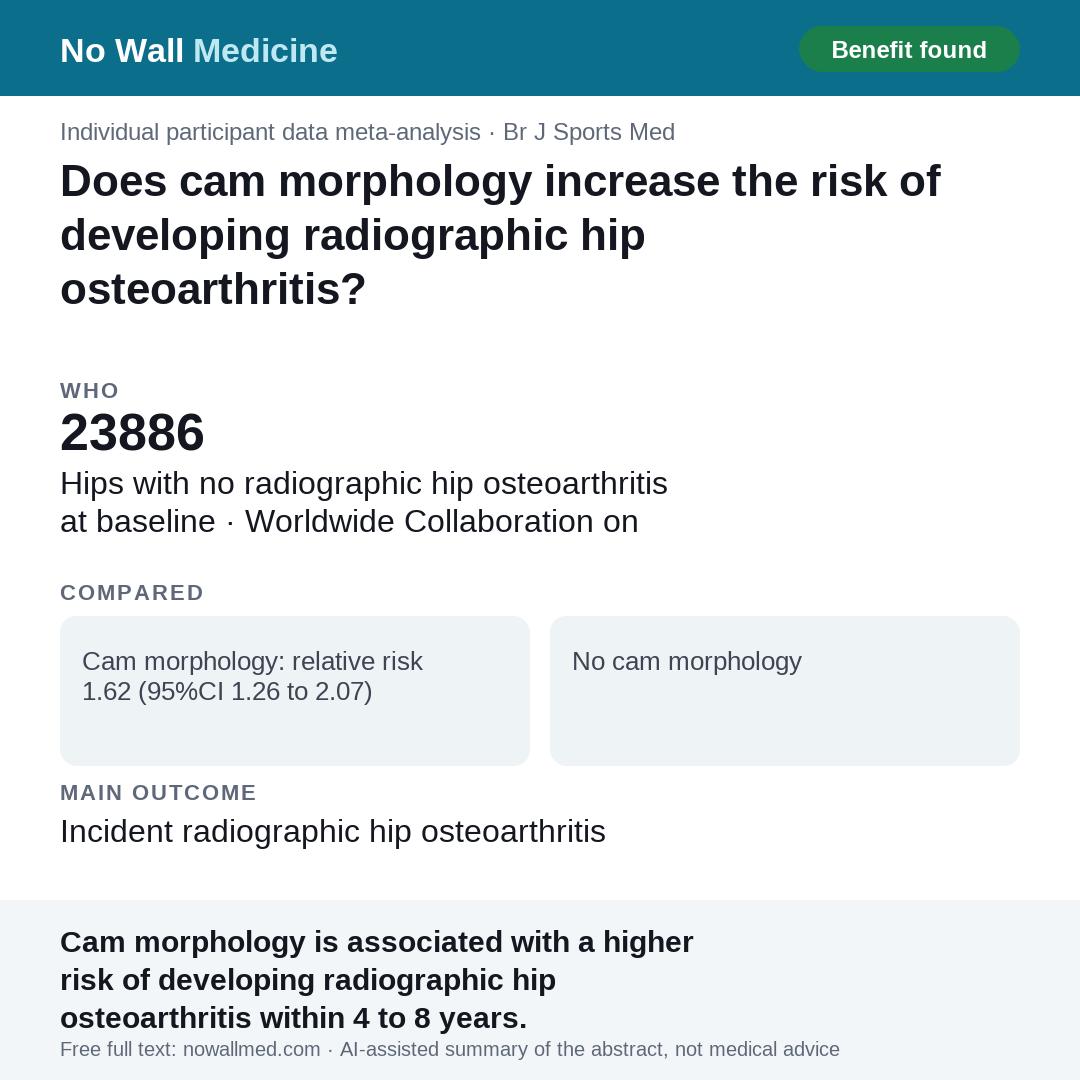
Cam morphology and the risk of developing radiographic hip osteoarthritis within 8 years: an individual participant data meta-analysis of 23 886 hips from the world COACH consortium
Individual participant data meta-analysisBenefit found
Does cam morphology increase the risk of developing radiographic hip osteoarthritis?
Who
23886
Hips with no radiographic hip osteoarthritis at baseline · Worldwide Collaboration on Osteoarthritis PrediCtion for the Hip consortium
Compared
Cam morphology: relative risk 1.62 (95%CI 1.26 to 2.07)
No cam morphology
Main outcome
Incident radiographic hip osteoarthritis
Result: odds ratio 1.87 (95% CI 1.36 to 2.59)
Bottom line: Cam morphology is associated with a higher risk of developing radiographic hip osteoarthritis within 4 to 8 years.
Br J Sports Med · 2026-01-15Download image
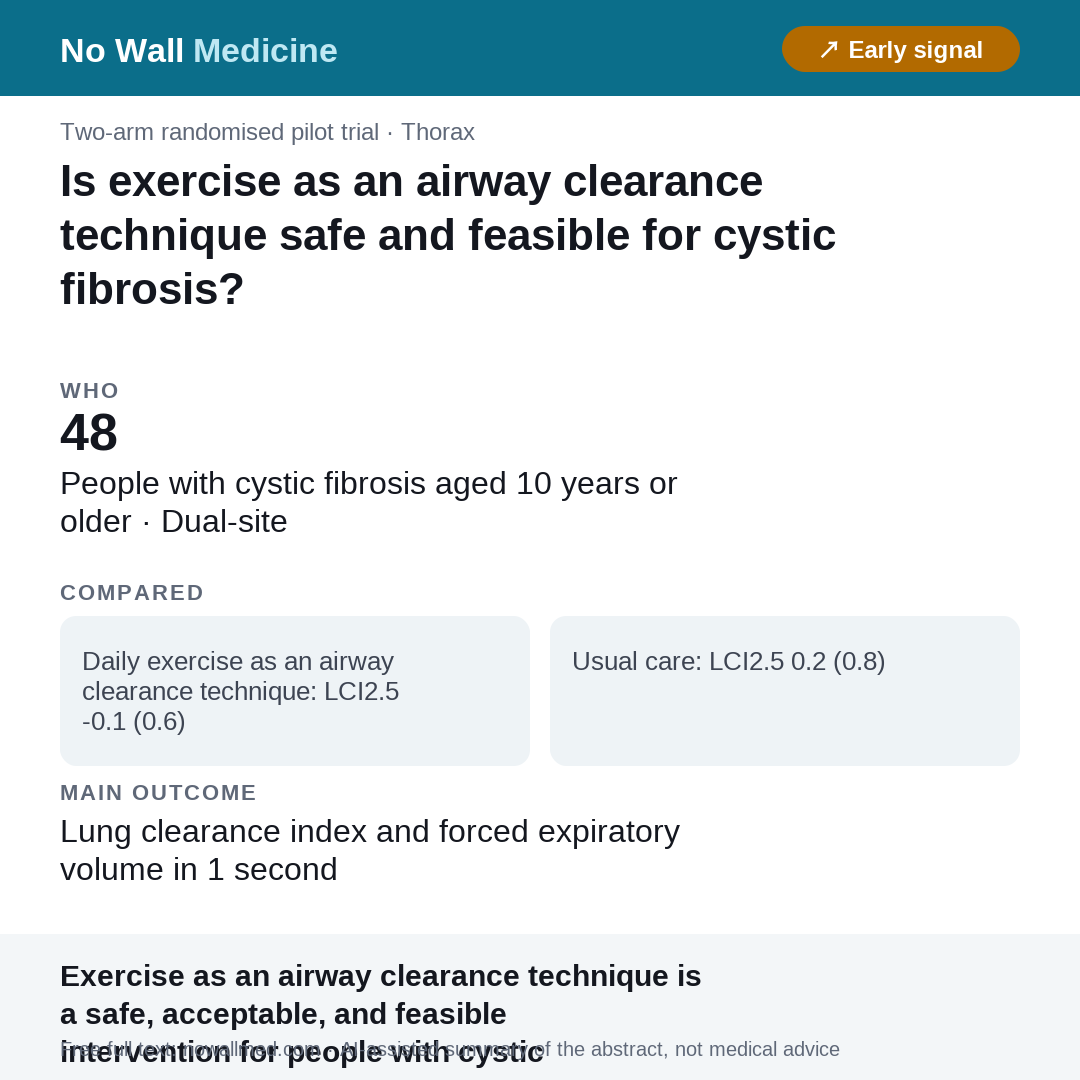
Safety, feasibility and efficacy of exercise as an airway clearance technique in cystic fibrosis: a randomised pilot feasibility trial
Two-arm randomised pilot trialBenefit found
Is exercise as an airway clearance technique safe and feasible for cystic fibrosis?
Who
48
People with cystic fibrosis aged 10 years or older · Dual-site
Compared
Daily exercise as an airway clearance technique: LCI2.5 -0.1 (0.6)
Usual care: LCI2.5 0.2 (0.8)
Main outcome
Lung clearance index and forced expiratory volume in 1 second
Result: relative differences of 0.97 (0.92, 1.02) for LCI2.5
Bottom line: Exercise as an airway clearance technique is a safe, acceptable, and feasible intervention for people with cystic fibrosis.
Thorax · 2026-01-15Download image
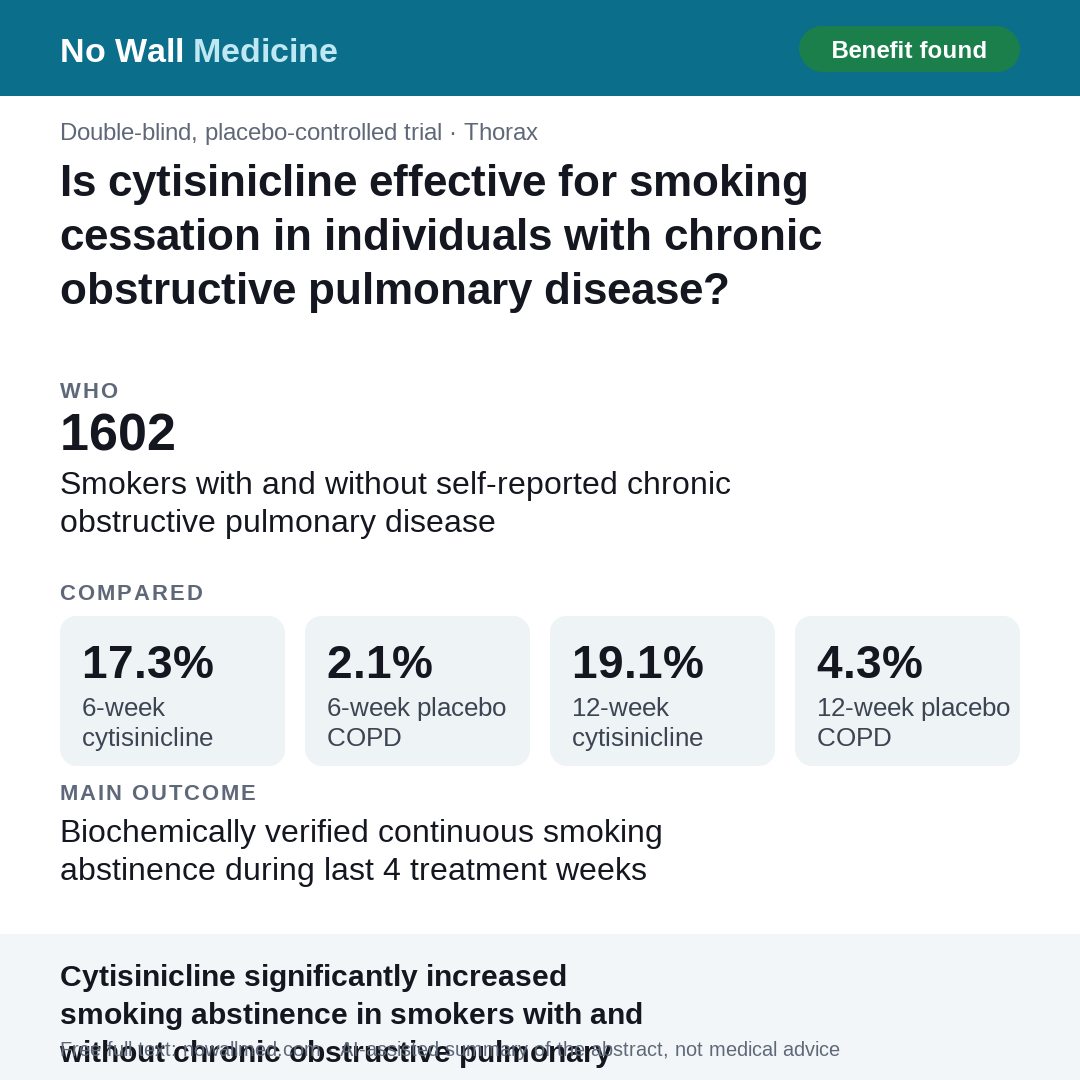
Cytisinicline for smoking cessation in individuals with self-reported COPD: a post hoc analysis of the ORCA-2 and ORCA-3 trials
Double-blind, placebo-controlled trialBenefit found
Is cytisinicline effective for smoking cessation in individuals with chronic obstructive pulmonary disease?
Who
1602
Smokers with and without self-reported chronic obstructive pulmonary disease
Compared
17.3%6-week cytisinicline COPD
2.1%6-week placebo COPD
19.1%12-week cytisinicline COPD
4.3%12-week placebo COPD
Main outcome
Biochemically verified continuous smoking abstinence during last 4 treatment weeks
Bottom line: Cytisinicline significantly increased smoking abstinence in smokers with and without chronic obstructive pulmonary disease.
Thorax · 2026-01-15Download image
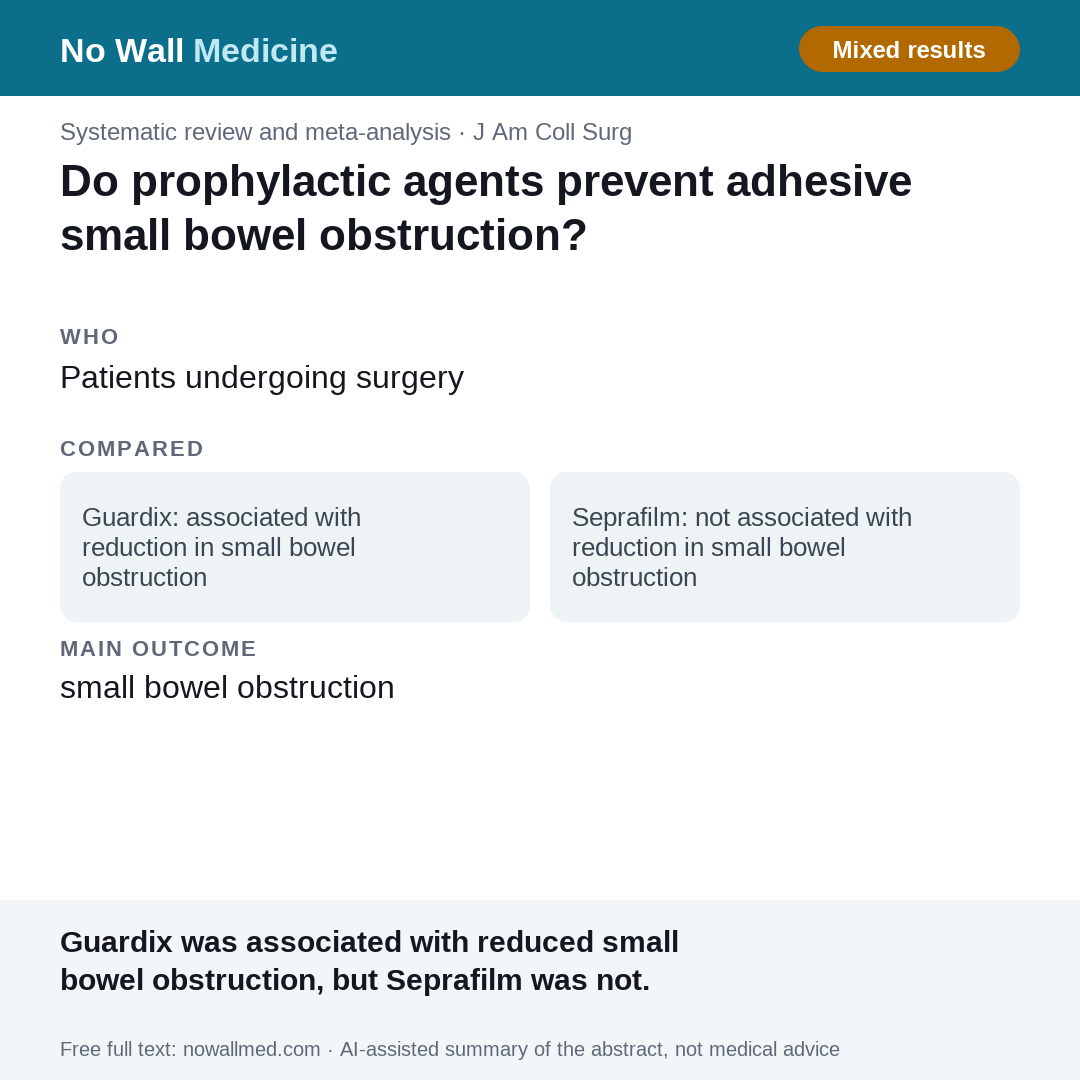
Efficacy of Prophylactic Agents in Preventing Adhesive Small Bowel Obstruction: A Systematic Review and Meta-Analysis
Systematic review and meta-analysisMixed results
Do prophylactic agents prevent adhesive small bowel obstruction?
Who
Patients undergoing surgery
Compared
Guardix: associated with reduction in small bowel obstruction
Seprafilm: not associated with reduction in small bowel obstruction
Main outcome
small bowel obstruction
Bottom line: Guardix was associated with reduced small bowel obstruction, but Seprafilm was not.
J Am Coll Surg · 2026-01-15Download image
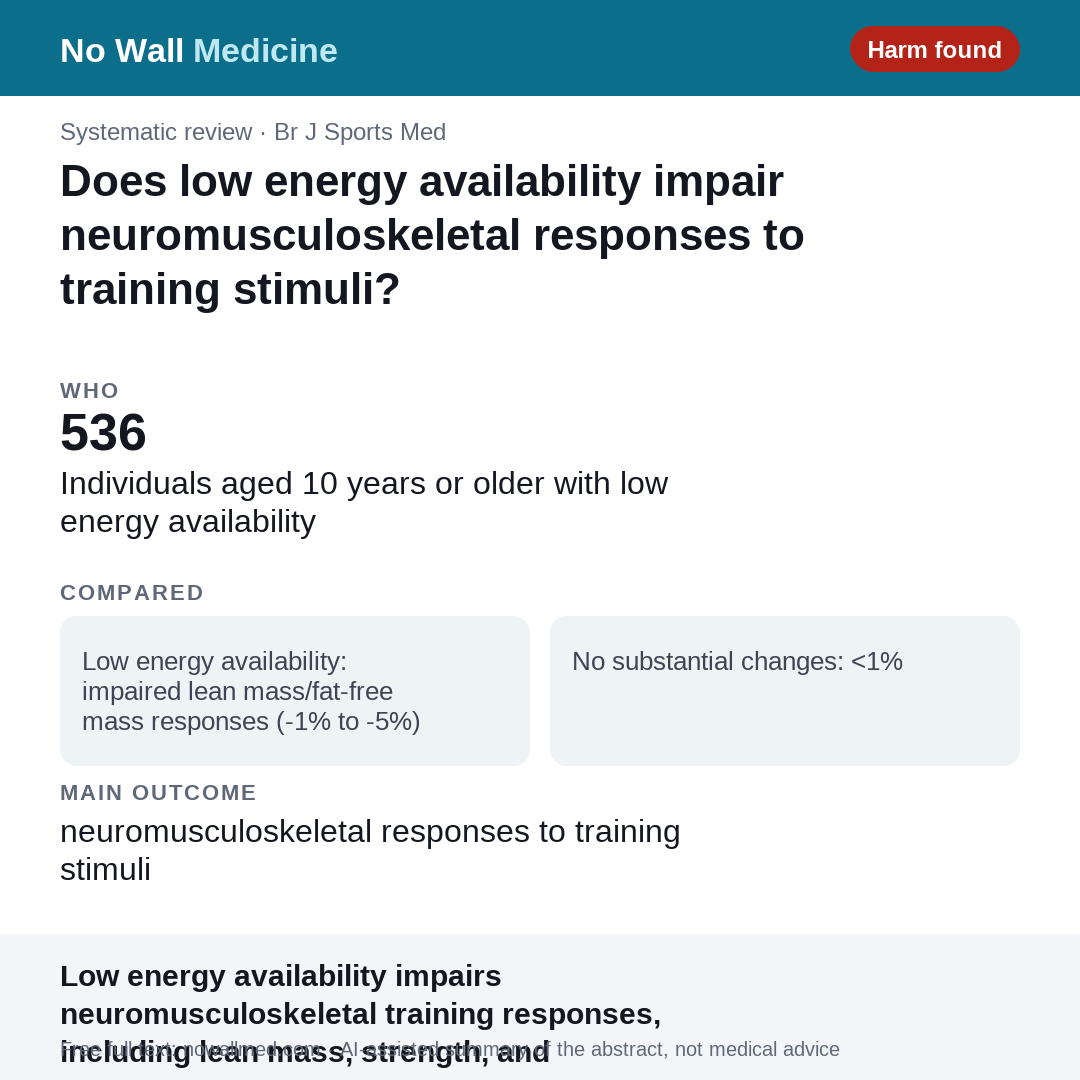
Impaired neuromusculoskeletal response to training stimuli associated with low energy availability: a systematic review
Systematic reviewHarm found
Does low energy availability impair neuromusculoskeletal responses to training stimuli?
Who
536
Individuals aged 10 years or older with low energy availability
Compared
Low energy availability: impaired lean mass/fat-free mass responses (-1% to -5%)
No substantial changes: <1%
Main outcome
neuromusculoskeletal responses to training stimuli
Bottom line: Low energy availability impairs neuromusculoskeletal training responses, including lean mass, strength, and functional performance.
Br J Sports Med · 2026-01-15Download image
Antileukemic therapies for older adults with AML ineligible for conventional therapy: systematic review and meta-analysis
Systematic review and meta-analysisBenefit found
What are the best antileukemic therapies for older adults with acute myeloid leukemia?
Who
Adults aged 55 years or older with acute myeloid leukemia
Compared
Azacitidine or low-dose cytarabine combined with venetoclax: probably reduces mortality and improves remission and quality of life
Decitabine alone
Main outcome
mortality, remission, quality of life, functional status, and severe toxicity
Bottom line: Hypomethylating agents or low-dose cytarabine combined with venetoclax likely improve survival and remission outcomes.
Blood Adv · 2026-01-15Download image

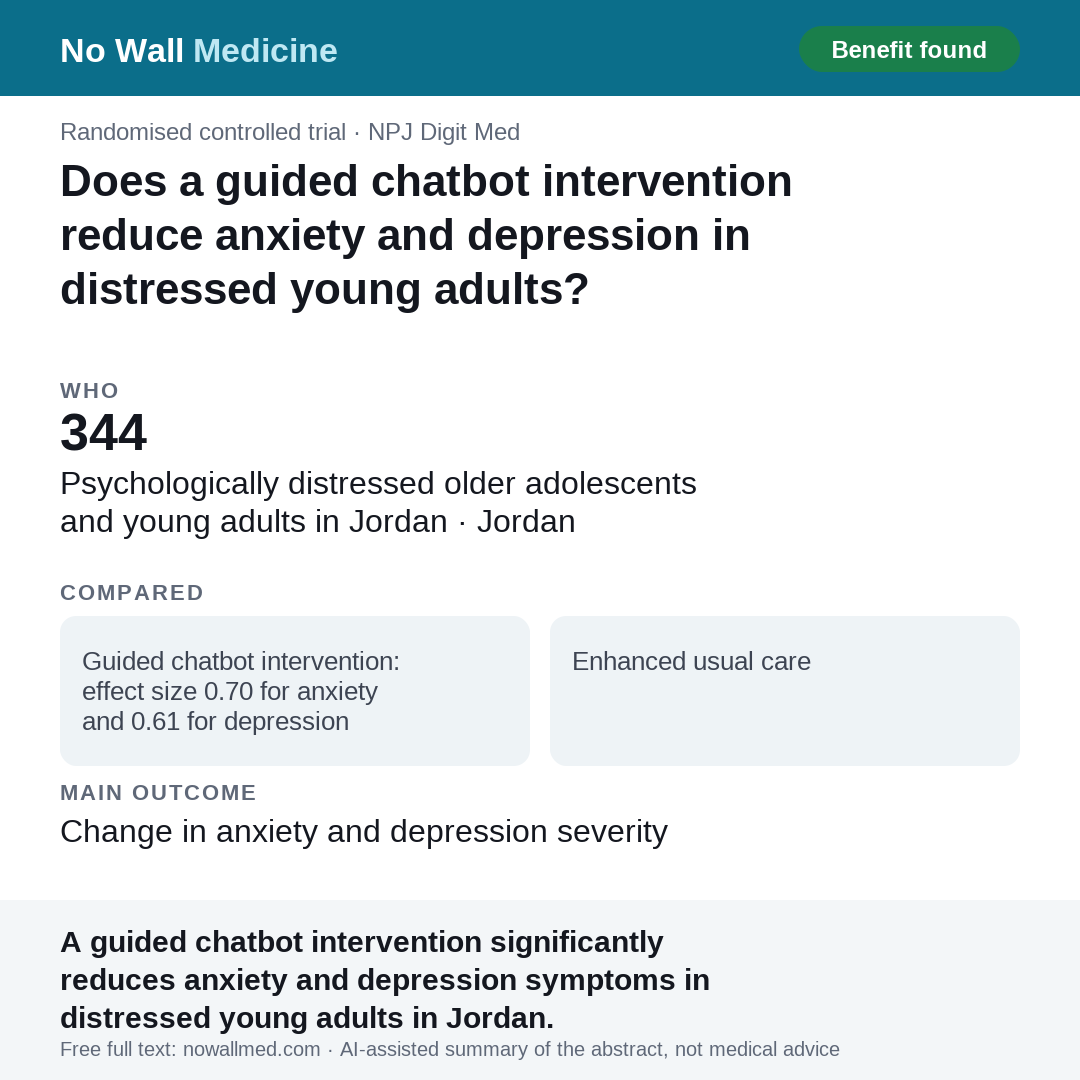
A guided chatbot-based psychological intervention for psychologically distressed older adolescents and young adults: a randomised clinical trial in Jordan
Randomised controlled trialBenefit found
Does a guided chatbot intervention reduce anxiety and depression in distressed young adults?
Who
344
Psychologically distressed older adolescents and young adults in Jordan · Jordan
Compared
Guided chatbot intervention: effect size 0.70 for anxiety and 0.61 for depression
Enhanced usual care
Main outcome
Change in anxiety and depression severity
Bottom line: A guided chatbot intervention significantly reduces anxiety and depression symptoms in distressed young adults in Jordan.
NPJ Digit Med · 2026-01-15Download image
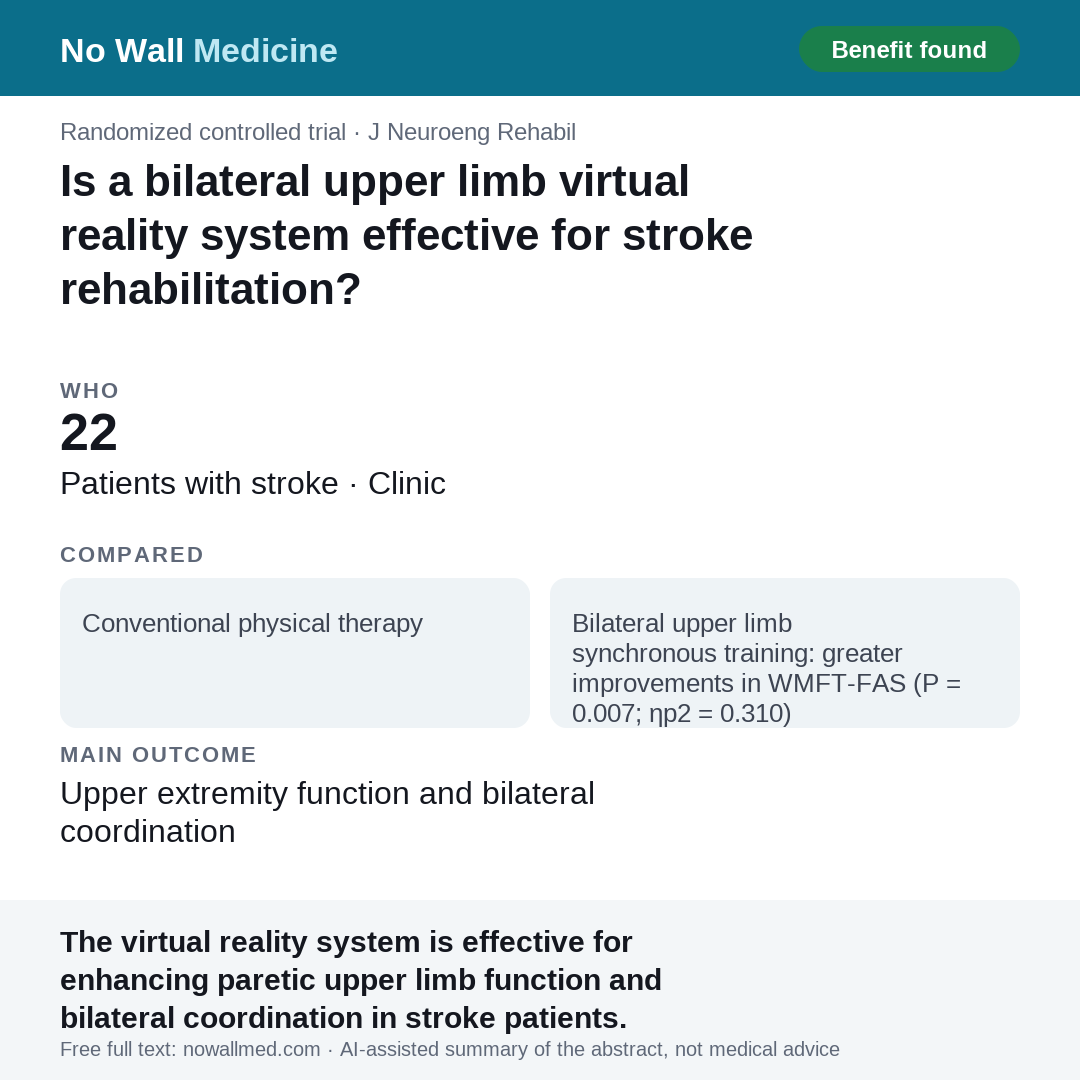
A bilateral upper limb interactive game-based virtual reality rehabilitation system for stroke patients: a usability and clinical study
Randomized controlled trialBenefit found
Is a bilateral upper limb virtual reality system effective for stroke rehabilitation?
Who
22
Patients with stroke · Clinic
Compared
Conventional physical therapy
Bilateral upper limb synchronous training: greater improvements in WMFT-FAS (P = 0.007; ηp2 = 0.310)
Main outcome
Upper extremity function and bilateral coordination
Bottom line: The virtual reality system is effective for enhancing paretic upper limb function and bilateral coordination in stroke patients.
J Neuroeng Rehabil · 2026-01-15Download image
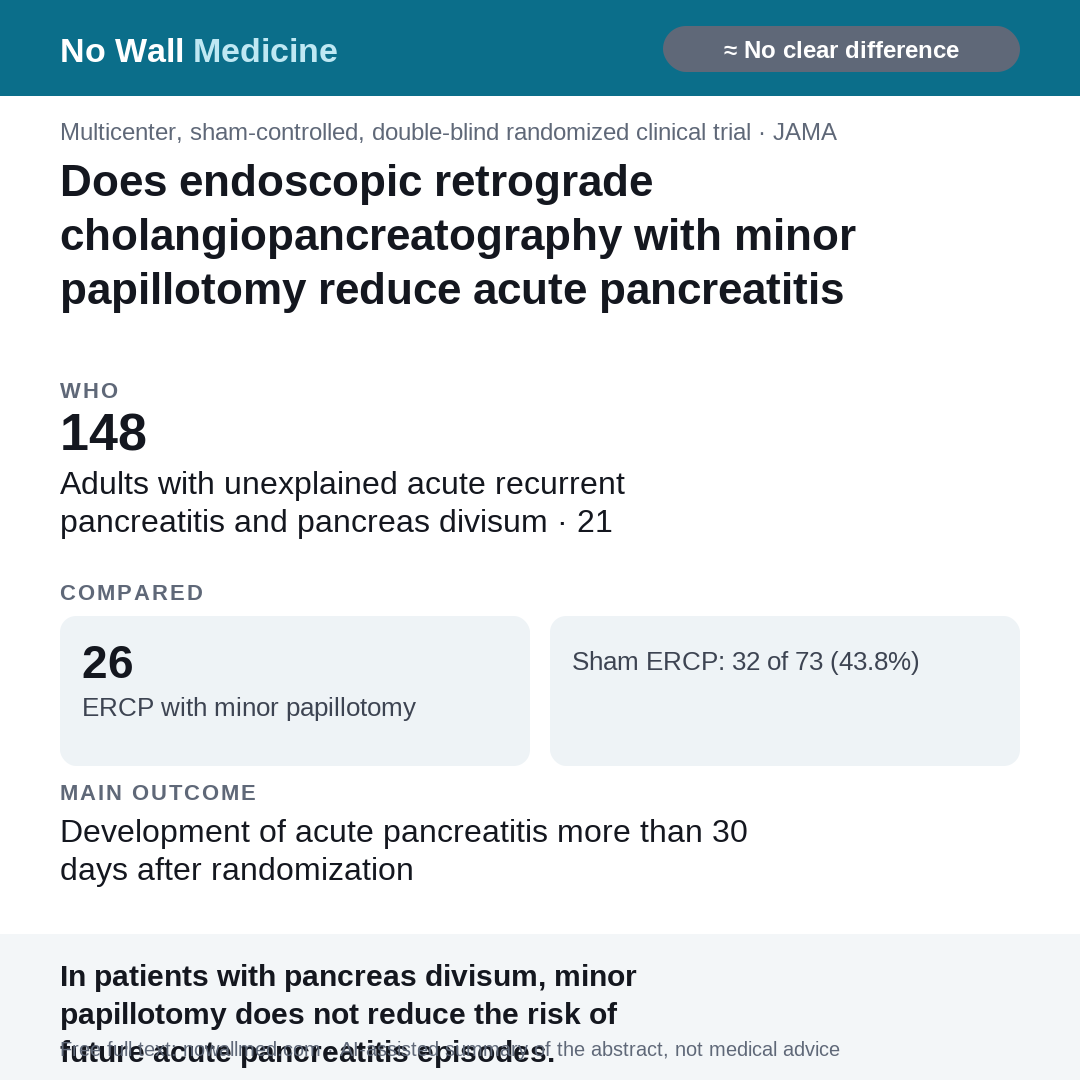
Minor Papillotomy for Treatment of Idiopathic Acute Pancreatitis With Pancreas Divisum: A Randomized Clinical Trial
Multicenter, sham-controlled, double-blind randomized clinical trialNo clear difference
Does endoscopic retrograde cholangiopancreatography with minor papillotomy reduce acute pancreatitis risk in pancreas divisum?
Who
148
Adults with unexplained acute recurrent pancreatitis and pancreas divisum · 21 referral centers in the US and Canada
Compared
26ERCP with minor papillotomy (34.7%)
Sham ERCP: 32 of 73 (43.8%)
Main outcome
Development of acute pancreatitis more than 30 days after randomization
Result: adjusted hazard ratio 0.83 (95% CI 0.49 to 1.41)
Bottom line: In patients with pancreas divisum, minor papillotomy does not reduce the risk of future acute pancreatitis episodes.
JAMA · 2026-01-14Download image
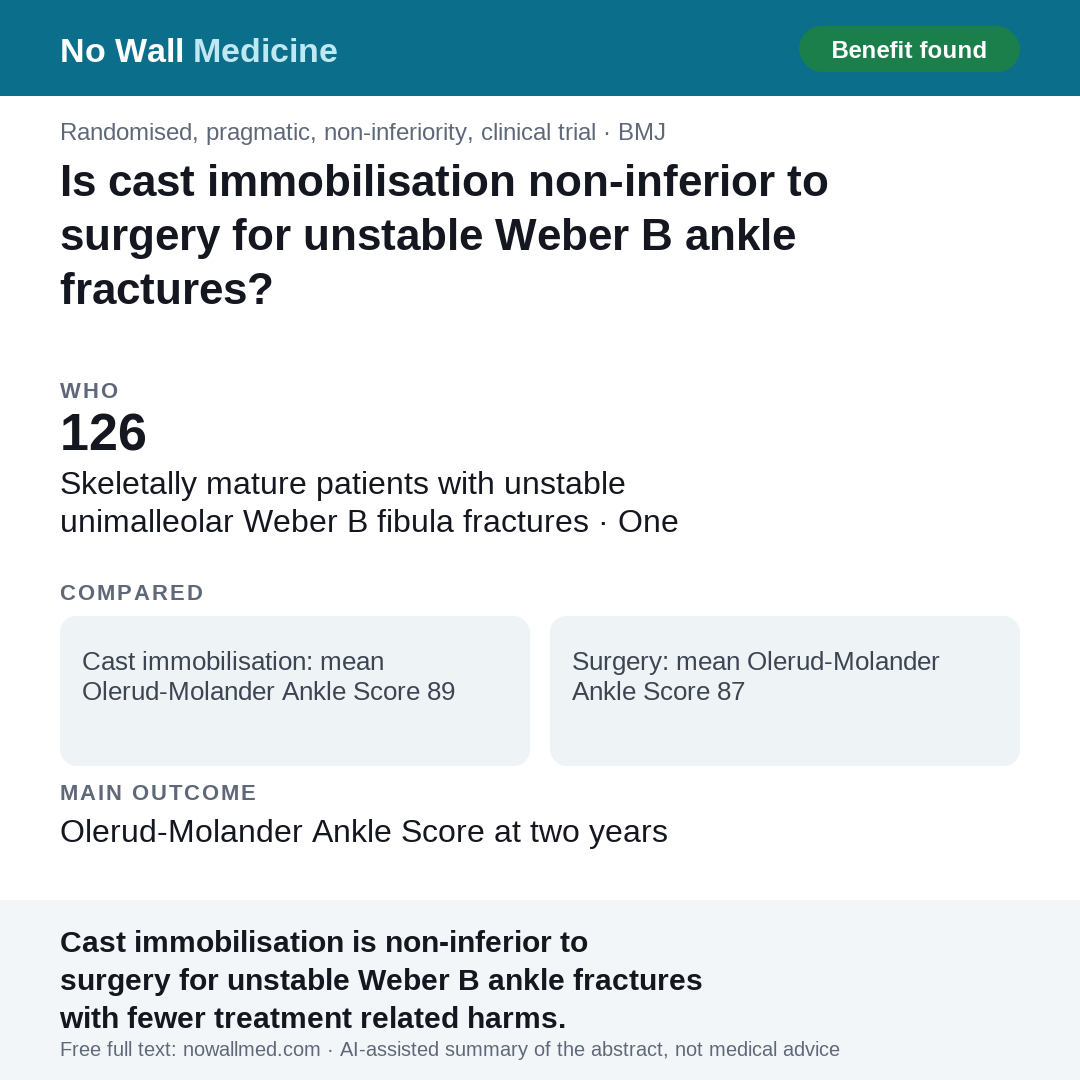
Cast immobilisation versus surgery for unstable lateral malleolus fractures (SUPER-FIN): randomised non-inferiority clinical trial
Randomised, pragmatic, non-inferiority, clinical trialBenefit found
Is cast immobilisation non-inferior to surgery for unstable Weber B ankle fractures?
Who
126
Skeletally mature patients with unstable unimalleolar Weber B fibula fractures · One specialist university hospital trauma centre in Finland
Compared
Cast immobilisation: mean Olerud-Molander Ankle Score 89
Surgery: mean Olerud-Molander Ankle Score 87
Main outcome
Olerud-Molander Ankle Score at two years
Result: between group mean difference 1.3 (95% confidence interval -4.8 to 7.3)
Bottom line: Cast immobilisation is non-inferior to surgery for unstable Weber B ankle fractures with fewer treatment related harms.
BMJ · 2026-01-14Download image