Visual abstracts
New randomized trials and meta-analyses from leading journals at a glance: who was studied, what was compared, and what was found. Every paper is free to read in full.
All specialtiesCardiology 4832Oncology 4114Gastroenterology & Hepatology 1934Infectious Disease 3824Neurology 1899Psychiatry & Mental Health 2256Pulmonology 2082Critical Care 1345Endocrinology & Diabetes 2572Pediatrics 2940Surgery 2525Orthopedics & Sports Medicine 926Neurosurgery 534Cardiothoracic & Vascular Surgery 671Plastic & Reconstructive Surgery 591Nephrology 1124Rheumatology 823Hematology 1104Dermatology 620Ophthalmology 543Obstetrics & Gynecology 1684Public & Global Health 1056Radiology & Imaging 641Anesthesiology 962Urology 754ENT (Otolaryngology) 503Emergency Medicine 489Allergy & Immunology 313Geriatrics 981Family Medicine & Primary Care 541Medical Genetics & Genomics 675Pathology & Laboratory Medicine 157Physical Medicine & Rehabilitation 751Palliative Care 424Nutrition 1580Digital Health & AI 2195General Medicine 321
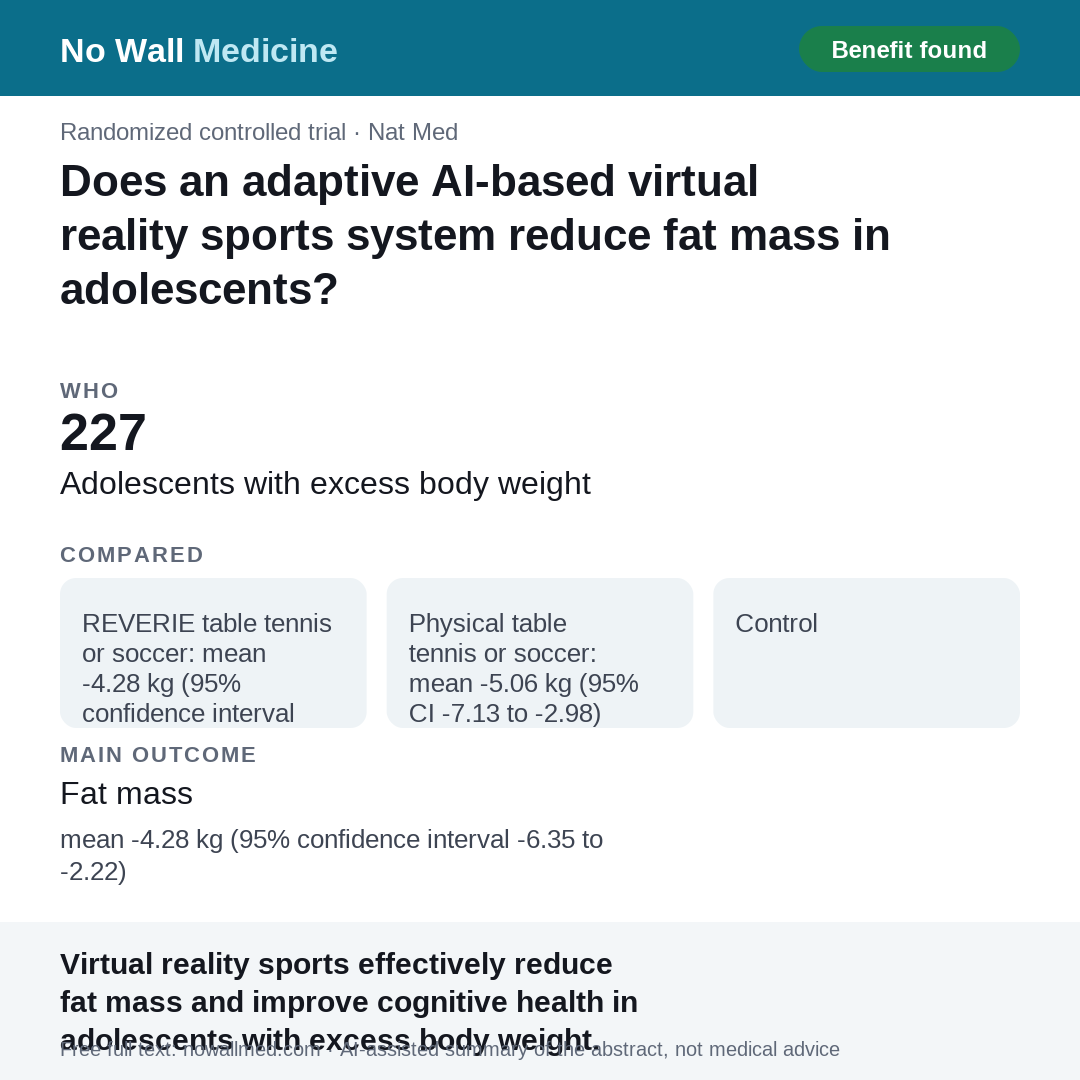
An adaptive AI-based virtual reality sports system for adolescents with excess body weight: a randomized controlled trial
Randomized controlled trialBenefit found
Does an adaptive AI-based virtual reality sports system reduce fat mass in adolescents?
Who
227
Adolescents with excess body weight
Compared
REVERIE table tennis or soccer: mean -4.28 kg (95% confidence interval -6.35 to -2.22)
Physical table tennis or soccer: mean -5.06 kg (95% CI -7.13 to -2.98)
Control
Main outcome
Fat mass
Result: mean -4.28 kg (95% confidence interval -6.35 to -2.22)
Bottom line: Virtual reality sports effectively reduce fat mass and improve cognitive health in adolescents with excess body weight.
Nat Med · 2025-06-23Download image
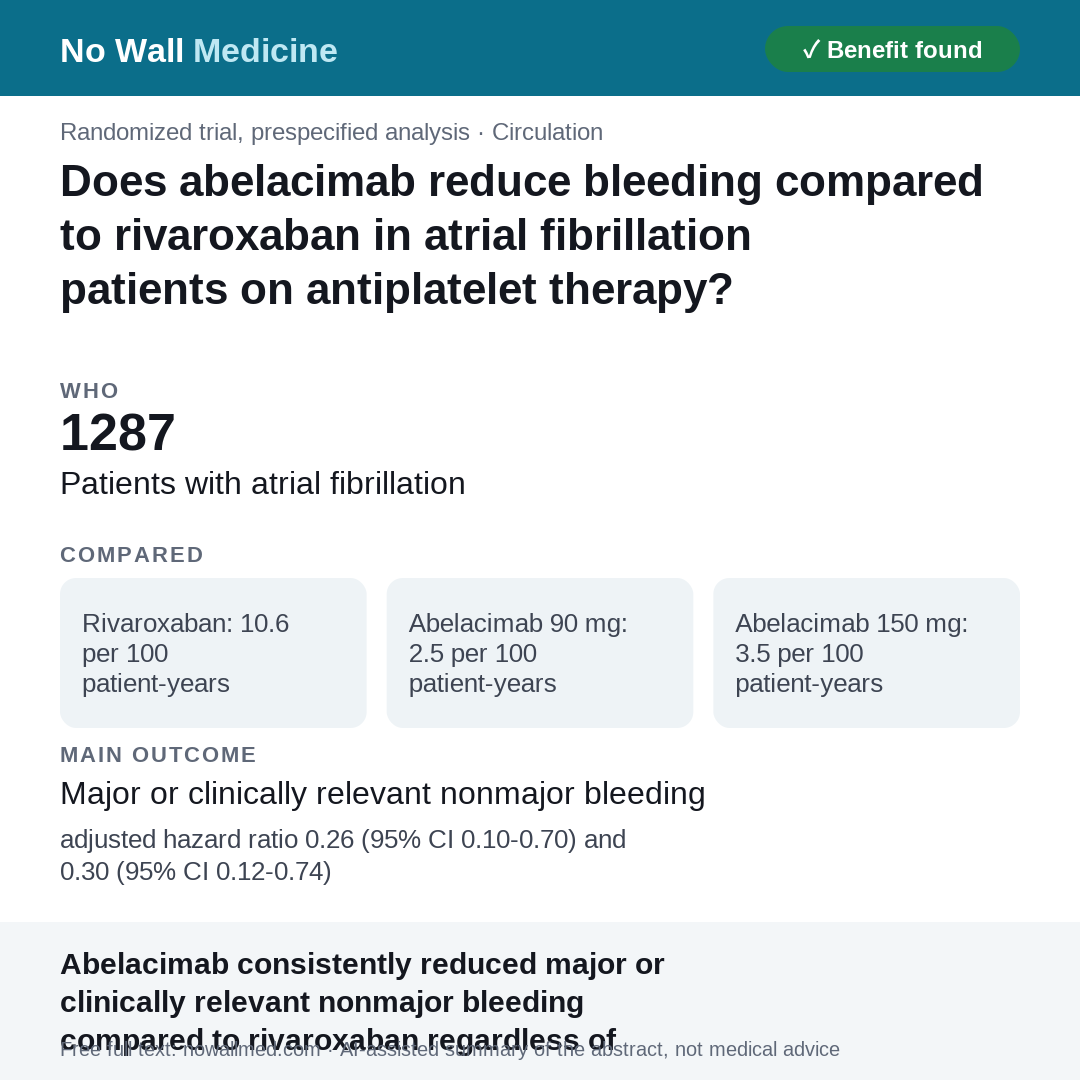
Abelacimab Versus Rivaroxaban in Patients With Atrial Fibrillation on Antiplatelet Therapy: A Prespecified Analysis of the AZALEA-TIMI 71 Trial
Randomized trial, prespecified analysisBenefit found
Does abelacimab reduce bleeding compared to rivaroxaban in atrial fibrillation patients on antiplatelet therapy?
Who
1287
Patients with atrial fibrillation
Compared
Rivaroxaban: 10.6 per 100 patient-years
Abelacimab 90 mg: 2.5 per 100 patient-years
Abelacimab 150 mg: 3.5 per 100 patient-years
Main outcome
Major or clinically relevant nonmajor bleeding
Result: adjusted hazard ratio 0.26 (95% CI 0.10-0.70) and 0.30 (95% CI 0.12-0.74)
Bottom line: Abelacimab consistently reduced major or clinically relevant nonmajor bleeding compared to rivaroxaban regardless of concomitant antiplatelet therapy use.
Circulation · 2025-06-23Download image
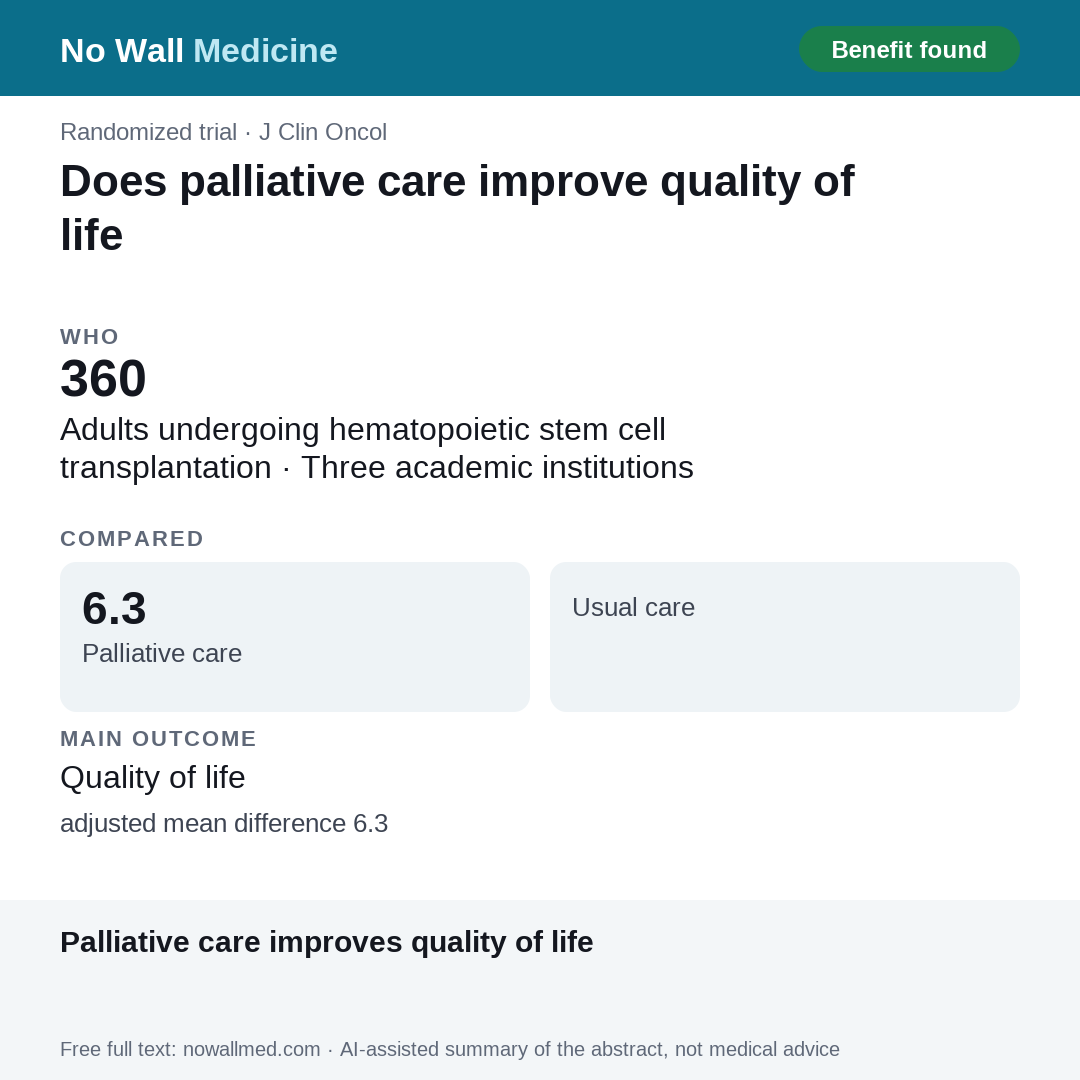
Multisite Randomized Trial of Inpatient Palliative Care Intervention for Patients Undergoing Hematopoietic Stem Cell Transplantation
Randomized trialBenefit found
Does palliative care improve quality of life
Who
360
Adults undergoing hematopoietic stem cell transplantation · Three academic institutions
Compared
6.3Palliative care
Usual care
Main outcome
Quality of life
Result: adjusted mean difference 6.3
Bottom line: Palliative care improves quality of life
J Clin Oncol · 2025-06-23Download image
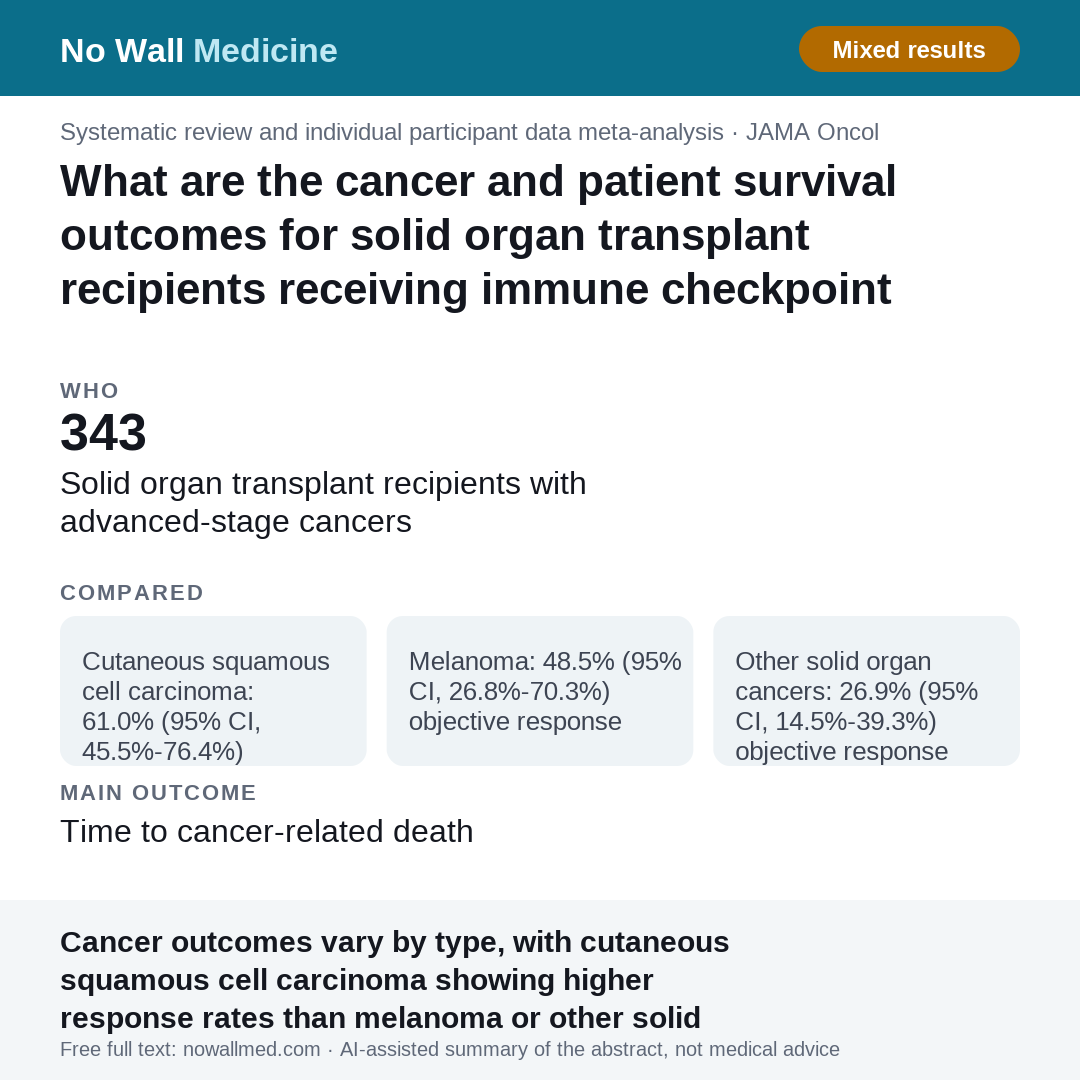
Outcomes of Solid Organ Transplant Recipients With Advanced Cancers Receiving Immune Checkpoint Inhibitors: A Systematic Review and Individual Participant Data Meta-Analysis
Systematic review and individual participant data meta-analysisMixed results
What are the cancer and patient survival outcomes for solid organ transplant recipients receiving immune checkpoint inhibitors?
Who
343
Solid organ transplant recipients with advanced-stage cancers
Compared
Cutaneous squamous cell carcinoma: 61.0% (95% CI, 45.5%-76.4%) objective response
Melanoma: 48.5% (95% CI, 26.8%-70.3%) objective response
Other solid organ cancers: 26.9% (95% CI, 14.5%-39.3%) objective response
Main outcome
Time to cancer-related death
Result: 52.8% (95% CI, 43.9%-61.6%) died of cancers within 3 years
Bottom line: Cancer outcomes vary by type, with cutaneous squamous cell carcinoma showing higher response rates than melanoma or other solid organ cancers.
JAMA Oncol · 2025-06-23Download image
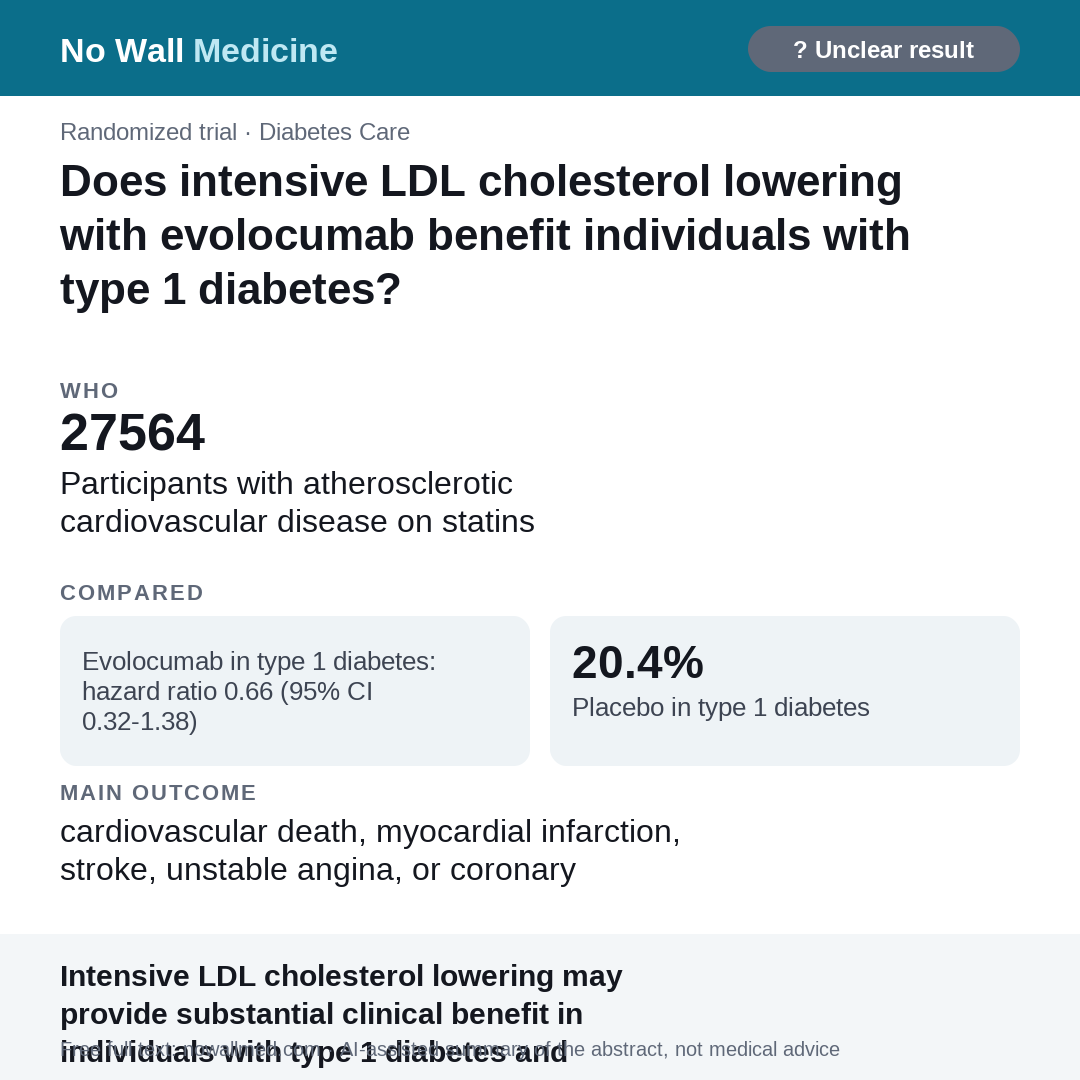
Cardiovascular Outcomes and Efficacy of the PCSK9 Inhibitor Evolocumab in Individuals With Type 1 Diabetes: Insights From the FOURIER Trial
Randomized trialUnclear result
Does intensive LDL cholesterol lowering with evolocumab benefit individuals with type 1 diabetes?
Who
27564
Participants with atherosclerotic cardiovascular disease on statins
Compared
Evolocumab in type 1 diabetes: hazard ratio 0.66 (95% CI 0.32-1.38)
20.4%Placebo in type 1 diabetes
Main outcome
cardiovascular death, myocardial infarction, stroke, unstable angina, or coronary revascularization
Result: hazard ratio 0.66 (95% CI 0.32-1.38)
Bottom line: Intensive LDL cholesterol lowering may provide substantial clinical benefit in individuals with type 1 diabetes and atherosclerotic cardiovascular disease.
Diabetes Care · 2025-06-23Download image
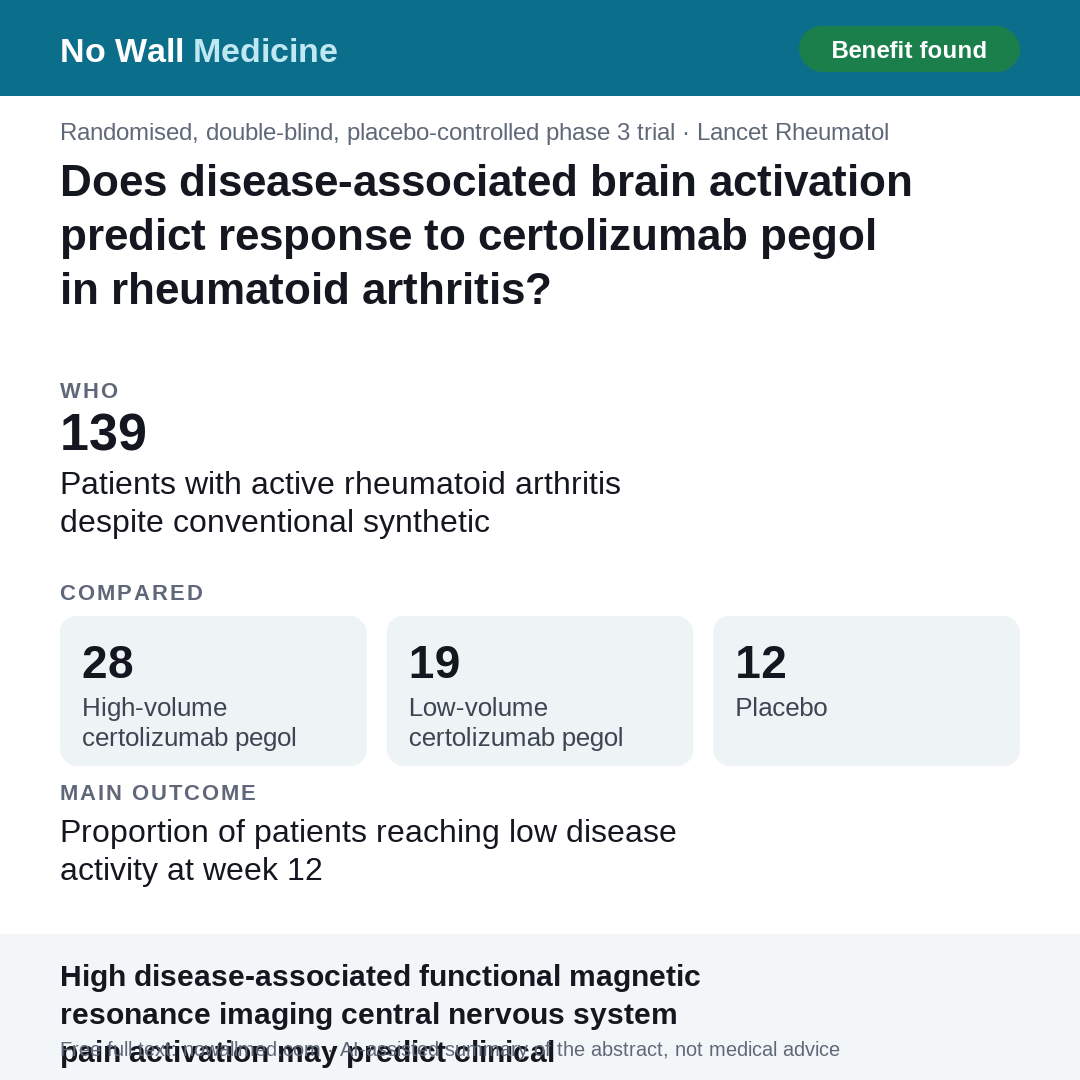
Disease-associated brain activation predicts clinical response to TNF inhibition in rheumatoid arthritis (PreCePra): a randomised, multicentre, double-blind, placebo-controlled phase 3 study
Randomised, double-blind, placebo-controlled phase 3 trialBenefit found
Does disease-associated brain activation predict response to certolizumab pegol in rheumatoid arthritis?
Who
139
Patients with active rheumatoid arthritis despite conventional synthetic disease-modifying antirheumatic drug use · Six rheumatology centres in Germany, Portugal, and Serbia
Compared
28High-volume certolizumab pegol (57%)
19Low-volume certolizumab pegol (44%)
12Placebo (26%)
Main outcome
Proportion of patients reaching low disease activity at week 12
Bottom line: High disease-associated functional magnetic resonance imaging central nervous system pain activation may predict clinical response to certolizumab pegol.
Funded by: UCB Biopharma
Lancet Rheumatol · 2025-06-23Download image
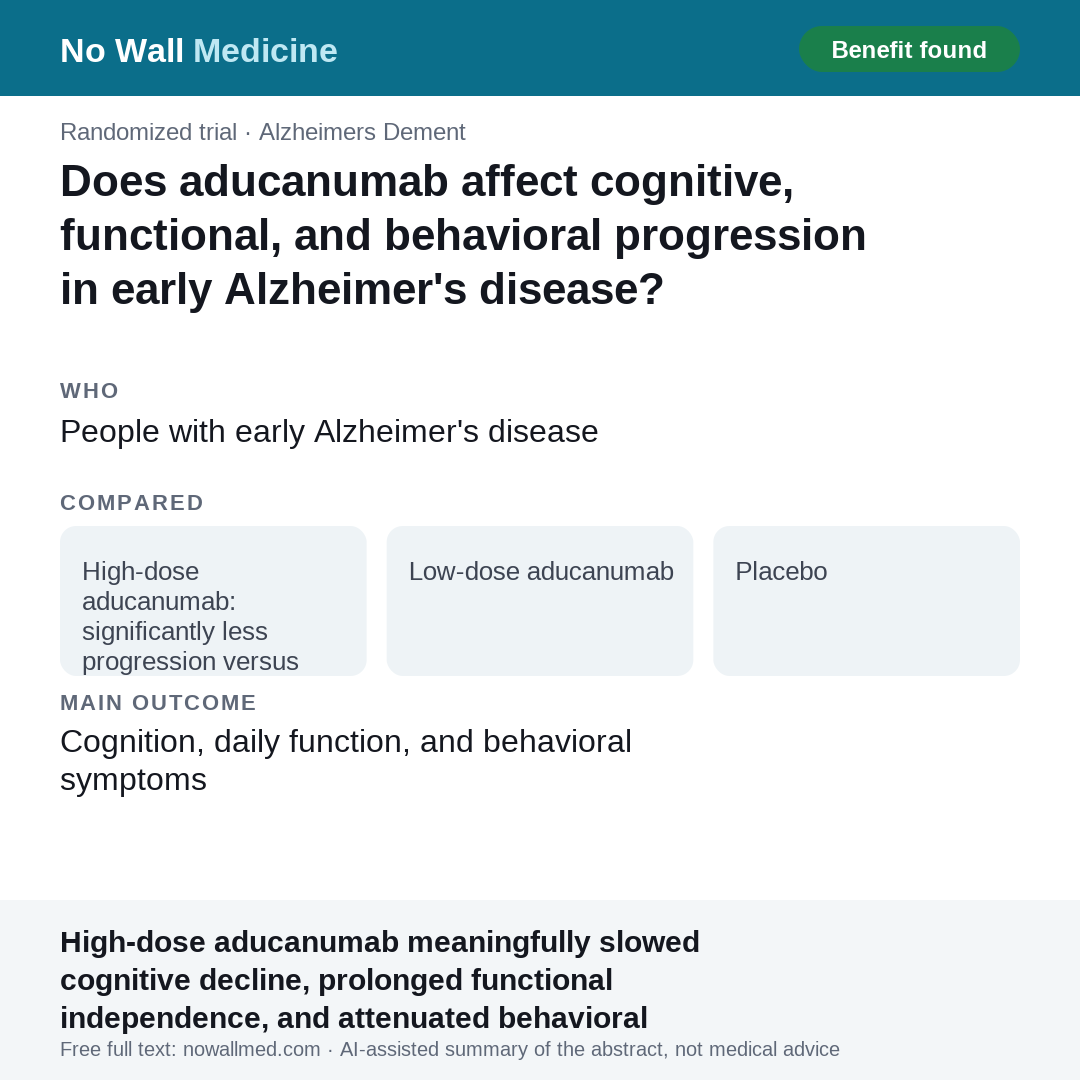
Evaluation of cognitive, functional, and behavioral effects observed in EMERGE, a phase 3 trial of aducanumab in people with early Alzheimer's disease
Randomized trialBenefit found
Does aducanumab affect cognitive, functional, and behavioral progression in early Alzheimer's disease?
Who
People with early Alzheimer's disease
Compared
High-dose aducanumab: significantly less progression versus placebo on all prespecified clinical endpoints
Low-dose aducanumab
Placebo
Main outcome
Cognition, daily function, and behavioral symptoms
Bottom line: High-dose aducanumab meaningfully slowed cognitive decline, prolonged functional independence, and attenuated behavioral symptoms in early Alzheimer's disease.
Alzheimers Dement · 2025-06-23Download image
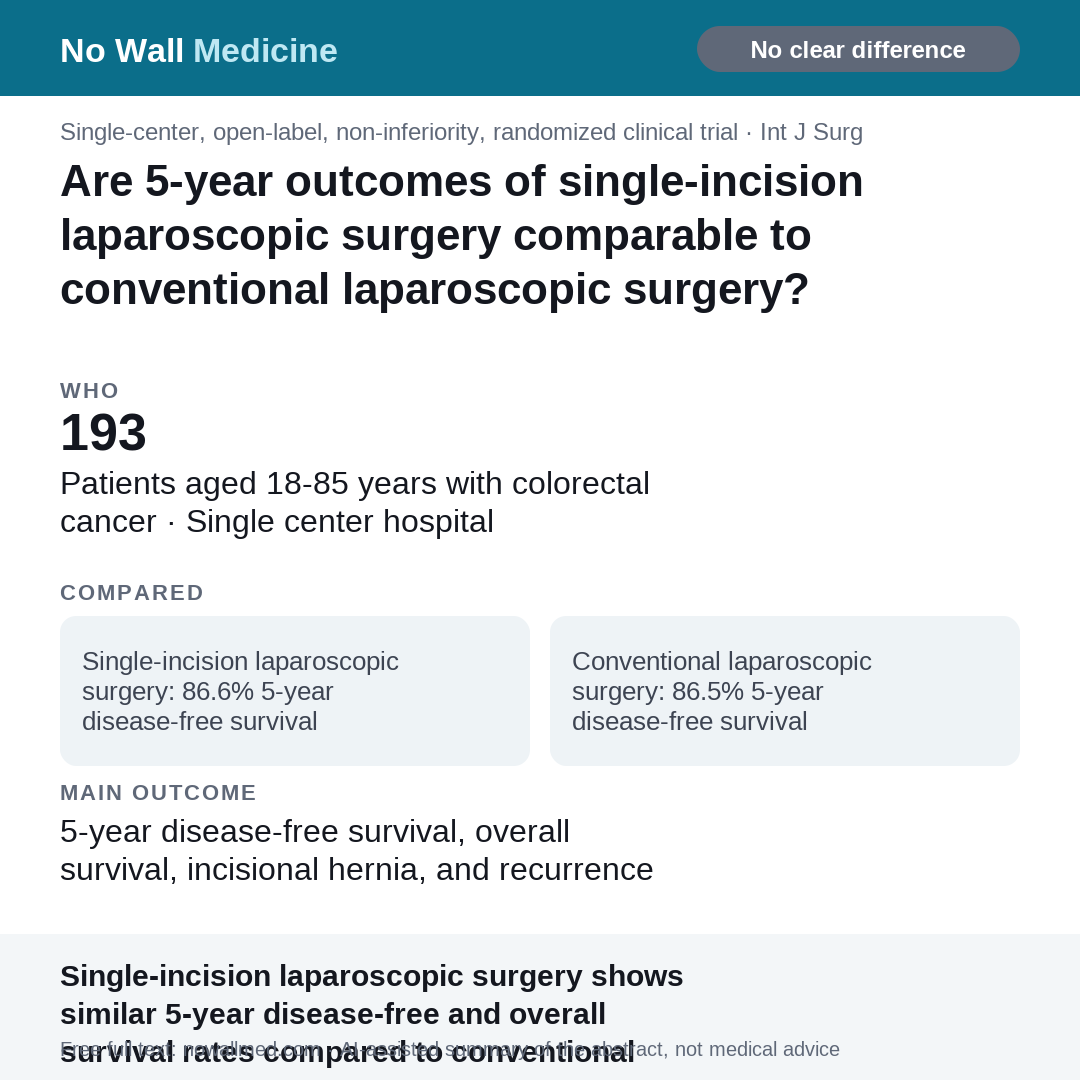
Long-term outcomes of single-incision laparoscopic surgery for colorectal cancer, a single-center, open-label, randomized controlled trial
Single-center, open-label, non-inferiority, randomized clinical trialNo clear difference
Are 5-year outcomes of single-incision laparoscopic surgery comparable to conventional laparoscopic surgery?
Who
193
Patients aged 18-85 years with colorectal cancer · Single center hospital
Compared
Single-incision laparoscopic surgery: 86.6% 5-year disease-free survival
Conventional laparoscopic surgery: 86.5% 5-year disease-free survival
Main outcome
5-year disease-free survival, overall survival, incisional hernia, and recurrence patterns
Result: hazard ratio 1.03 (95% CI 0.47-2.21)
Bottom line: Single-incision laparoscopic surgery shows similar 5-year disease-free and overall survival rates compared to conventional laparoscopic surgery.
Int J Surg · 2025-06-23Download image
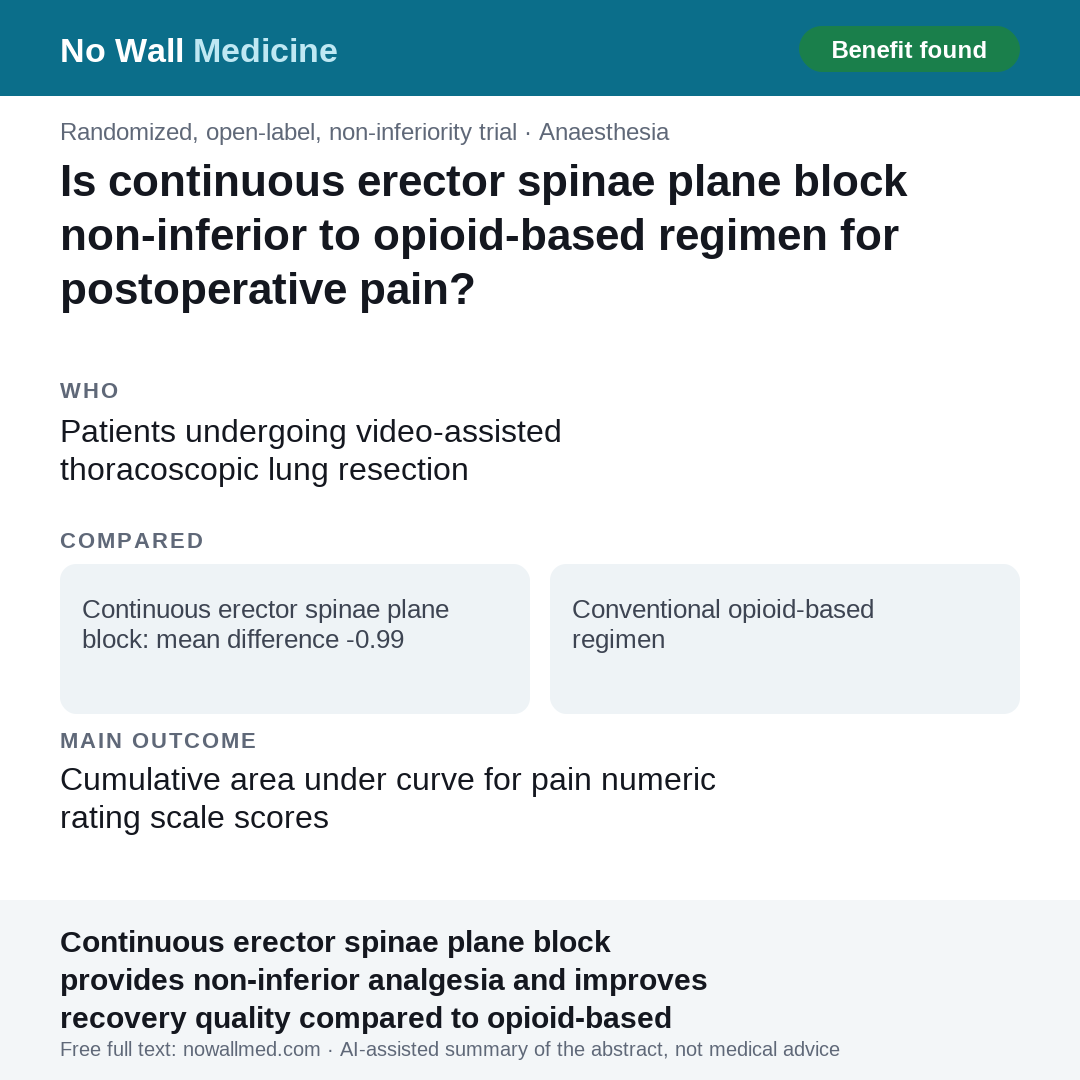
Analgesic efficacy of continuous erector spinae plane block vs. opioid-based regimen for postoperative pain management following video-assisted thoracoscopic lung resection: a prospective, randomised, open-label, non-inferiority trial
Randomized, open-label, non-inferiority trialBenefit found
Is continuous erector spinae plane block non-inferior to opioid-based regimen for postoperative pain?
Who
Patients undergoing video-assisted thoracoscopic lung resection
Compared
Continuous erector spinae plane block: mean difference -0.99
Conventional opioid-based regimen
Main outcome
Cumulative area under curve for pain numeric rating scale scores
Result: mean difference -0.99 (95%CI -11.97 to 9.98)
Bottom line: Continuous erector spinae plane block provides non-inferior analgesia and improves recovery quality compared to opioid-based regimens.
Anaesthesia · 2025-06-23Download image
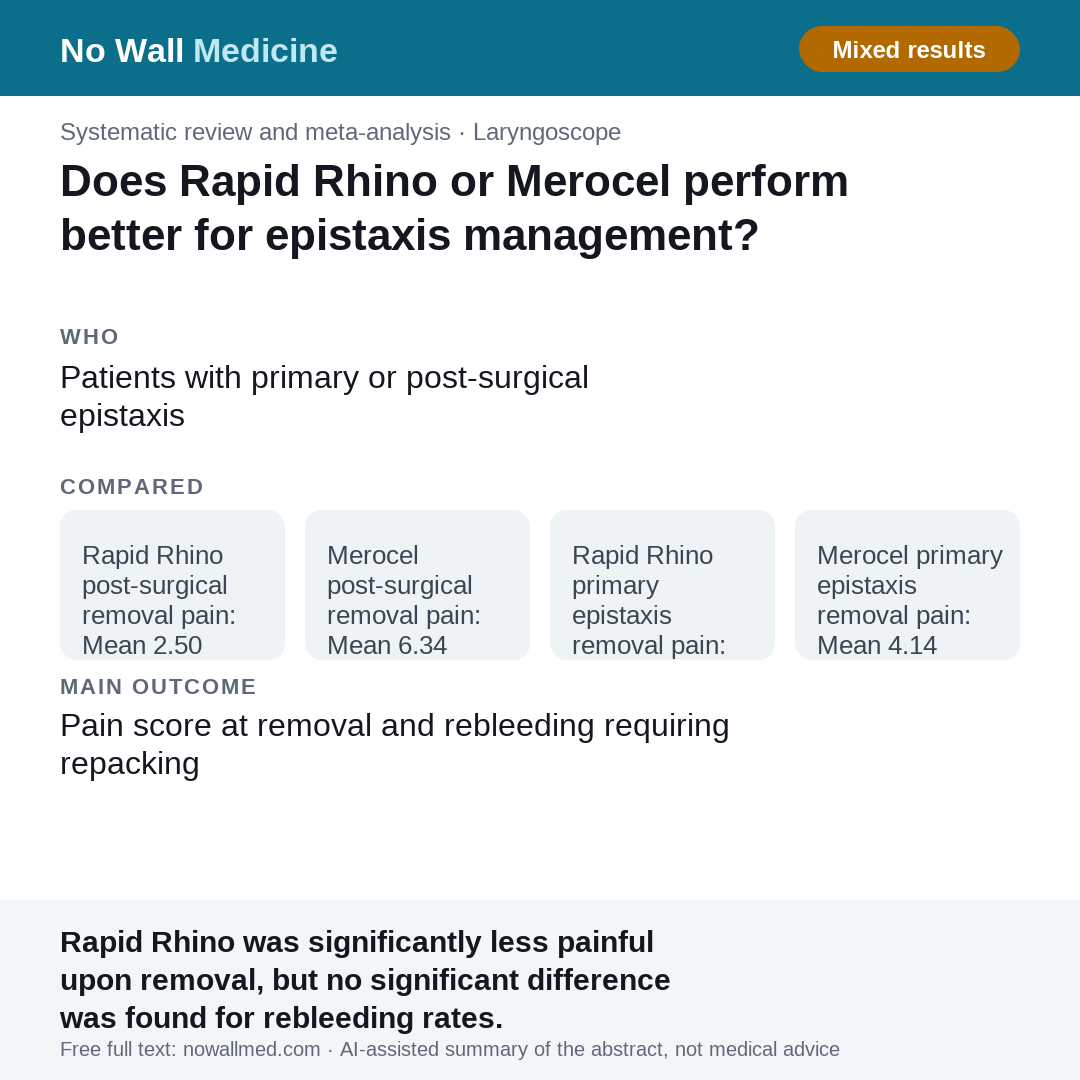
Does Choice of Nasal Pack Matter? A Systematic Review and Meta-Analysis of Merocel and Rapid Rhino
Systematic review and meta-analysisMixed results
Does Rapid Rhino or Merocel perform better for epistaxis management?
Who
Patients with primary or post-surgical epistaxis
Compared
Rapid Rhino post-surgical removal pain: Mean 2.50 [1.72, 3.28]
Merocel post-surgical removal pain: Mean 6.34 [5.58, 7.10]
Rapid Rhino primary epistaxis removal pain: Mean 2.28 [0.95, 3.61]
Merocel primary epistaxis removal pain: Mean 4.14 [3.31, 4.97]
Main outcome
Pain score at removal and rebleeding requiring repacking
Bottom line: Rapid Rhino was significantly less painful upon removal, but no significant difference was found for rebleeding rates.
Laryngoscope · 2025-06-23Download image
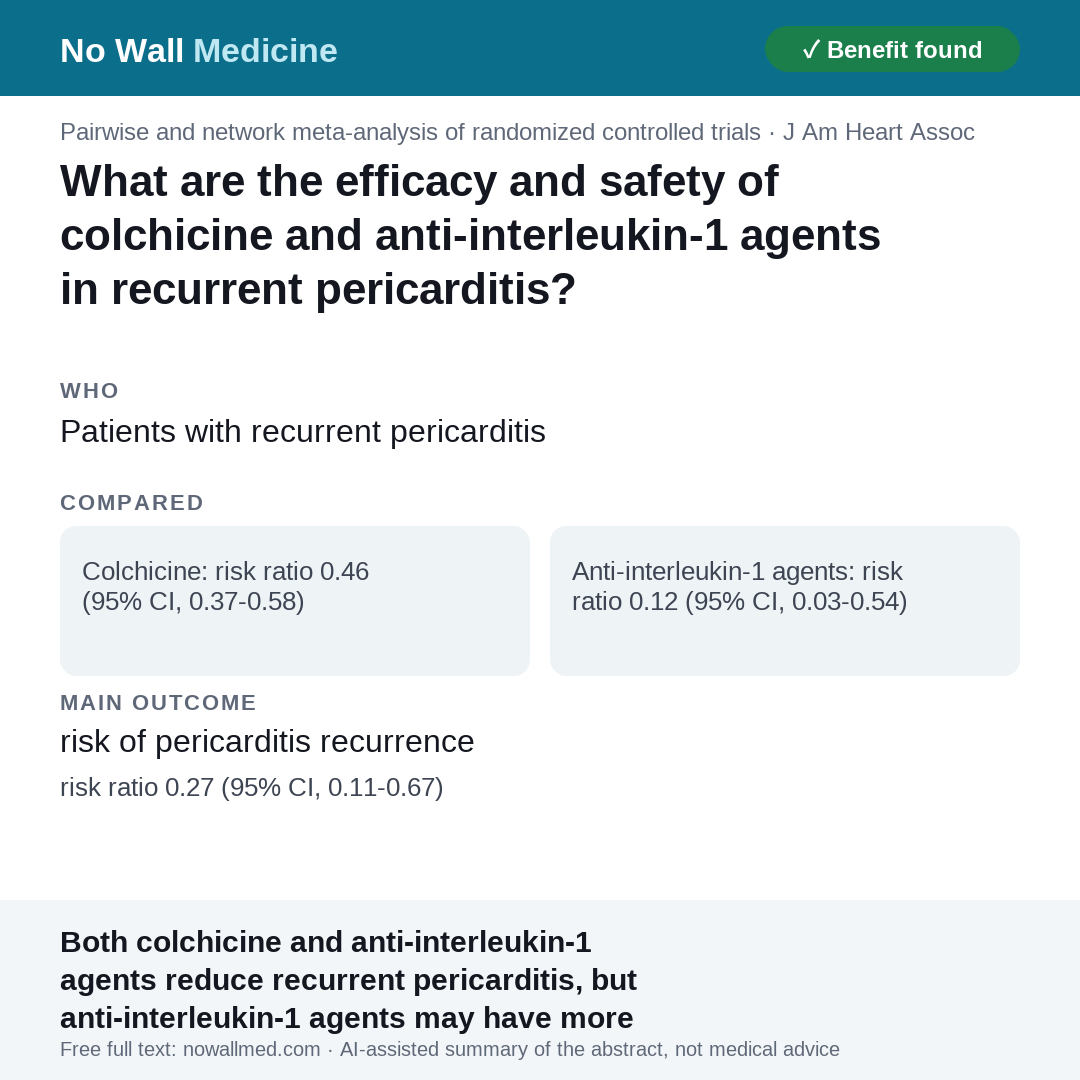
Comparative Efficacy and Safety of Colchicine and Anti-Interleukin-1 Agents in Recurrent Pericarditis: A Pairwise and Network Meta-Analysis of Randomized Controlled Trials
Pairwise and network meta-analysis of randomized controlled trialsBenefit found
What are the efficacy and safety of colchicine and anti-interleukin-1 agents in recurrent pericarditis?
Who
6
Patients with recurrent pericarditis
Compared
Colchicine: risk ratio 0.46 (95% CI, 0.37-0.58)
Anti-interleukin-1 agents: risk ratio 0.12 (95% CI, 0.03-0.54)
Main outcome
risk of pericarditis recurrence
Result: risk ratio 0.27 (95% CI, 0.11-0.67)
Bottom line: Both colchicine and anti-interleukin-1 agents reduce recurrent pericarditis, but anti-interleukin-1 agents may have more frequent adverse events.
Limitation: evidence on serious adverse events remains inconclusive
J Am Heart Assoc · 2025-06-23Download image
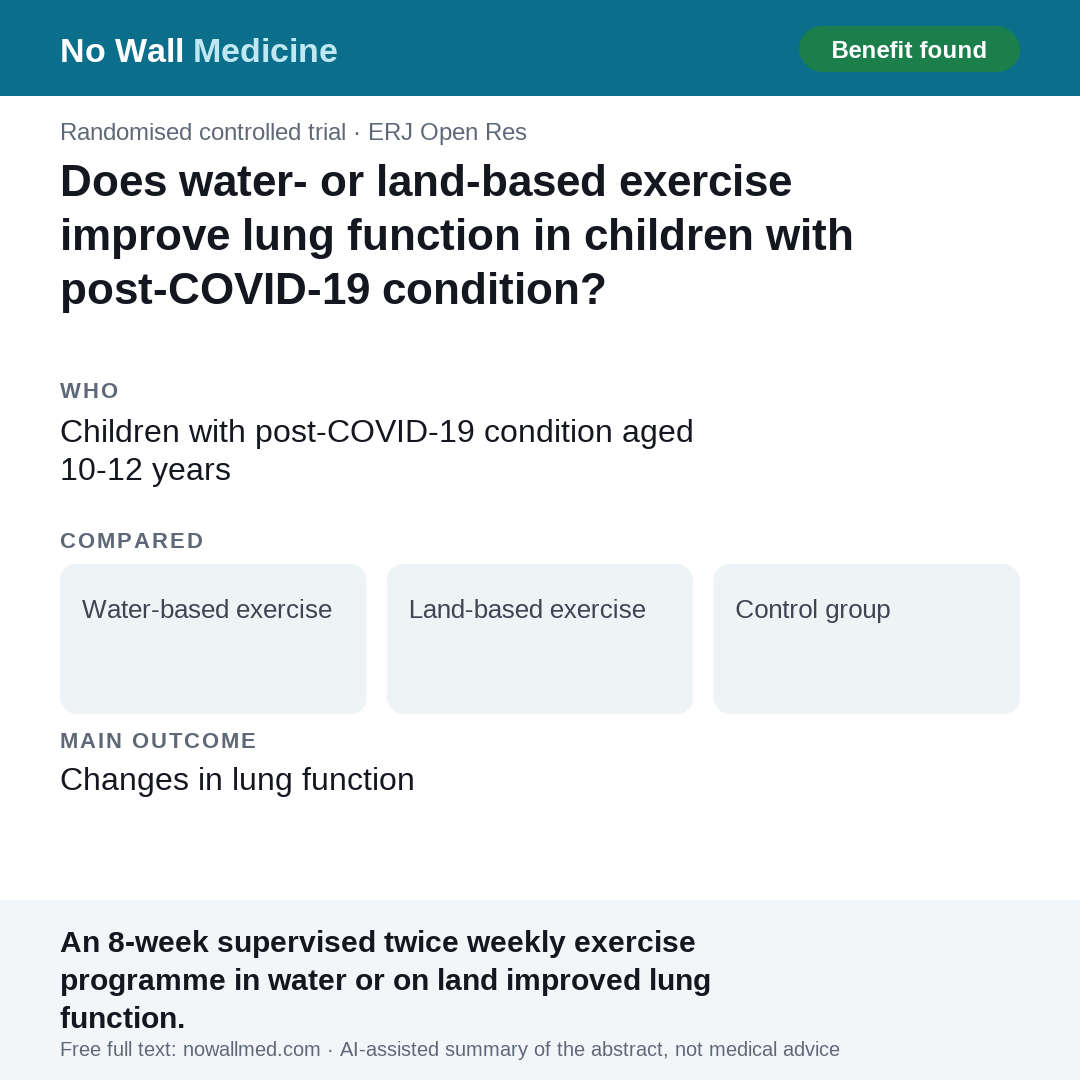
Effect of water- and land-based exercise on lung function in children with post-COVID-19 condition: secondary results from a randomised controlled trial
Randomised controlled trialBenefit found
Does water- or land-based exercise improve lung function in children with post-COVID-19 condition?
Who
Children with post-COVID-19 condition aged 10-12 years
Compared
Water-based exercise
Land-based exercise
Control group
Main outcome
Changes in lung function
Bottom line: An 8-week supervised twice weekly exercise programme in water or on land improved lung function.
ERJ Open Res · 2025-06-23Download image
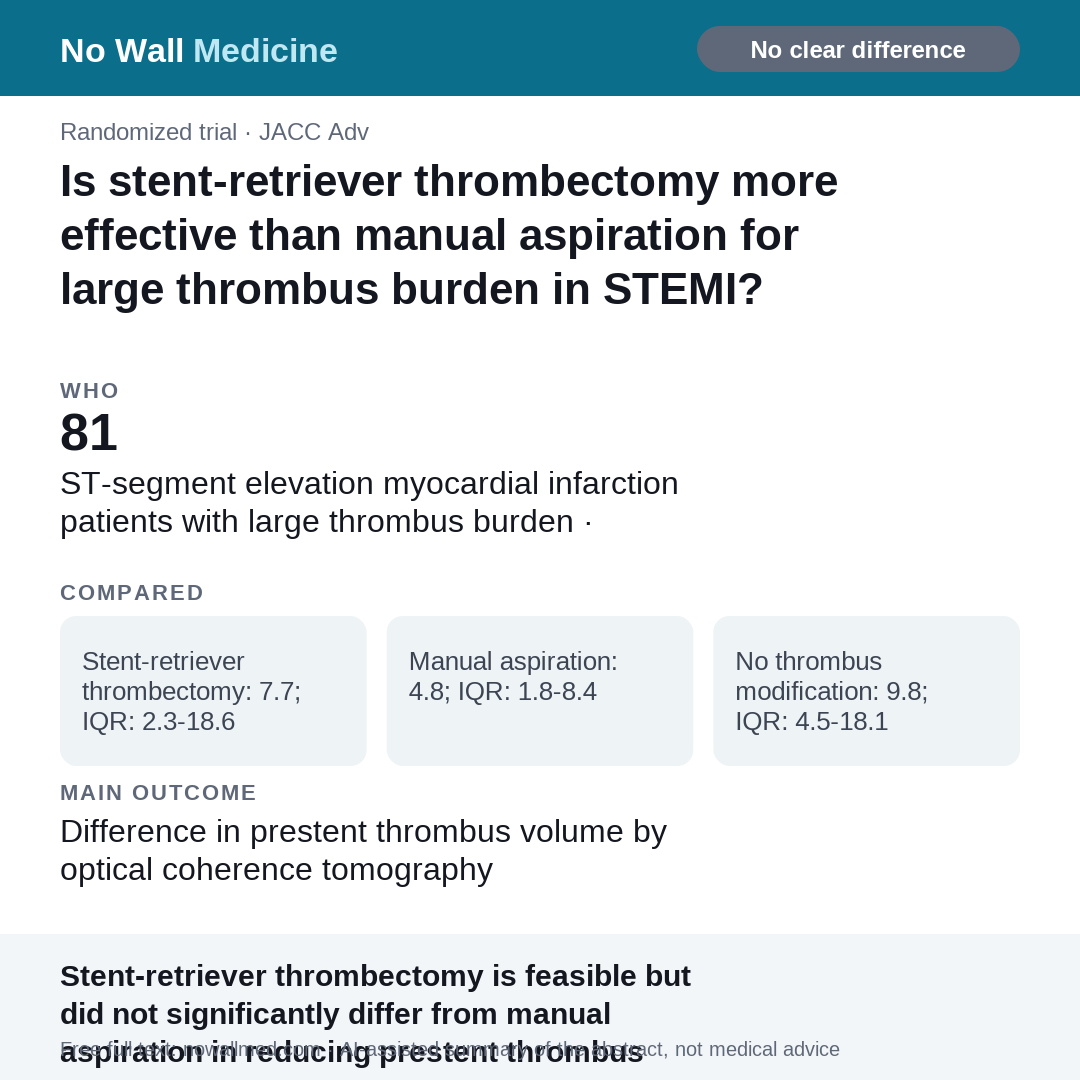
Stent-Retriever Thrombectomy in STEMI With Large Thrombus Burden: The RETRIEVE AMI Randomized Trial
Randomized trialNo clear difference
Is stent-retriever thrombectomy more effective than manual aspiration for large thrombus burden in STEMI?
Who
81
ST-segment elevation myocardial infarction patients with large thrombus burden · Single-center study
Compared
Stent-retriever thrombectomy: 7.7; IQR: 2.3-18.6
Manual aspiration: 4.8; IQR: 1.8-8.4
No thrombus modification: 9.8; IQR: 4.5-18.1
Main outcome
Difference in prestent thrombus volume by optical coherence tomography
Bottom line: Stent-retriever thrombectomy is feasible but did not significantly differ from manual aspiration in reducing prestent thrombus volume.
Limitation: Larger multicenter studies using optical coherence tomography-based criteria are needed to minimize variability.
JACC Adv · 2025-06-23Download image
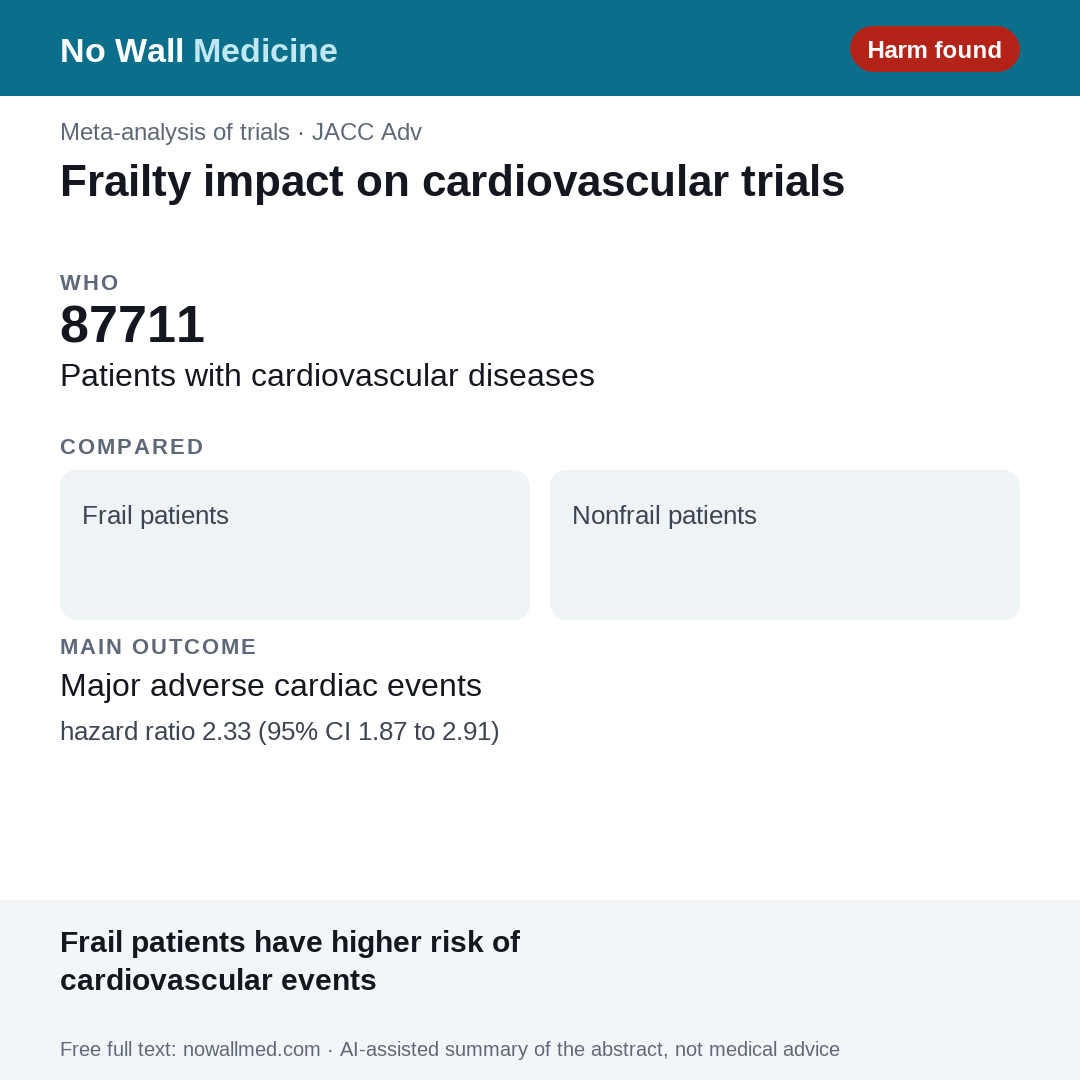
Effect of Frailty on Cardiovascular Clinical Trials: A Systematic Review and Meta-Analysis
Meta-analysis of trialsHarm found
Frailty impact on cardiovascular trials
Who
87711
Patients with cardiovascular diseases
Compared
Frail patients
Nonfrail patients
Main outcome
Major adverse cardiac events
Result: hazard ratio 2.33 (95% CI 1.87 to 2.91)
Bottom line: Frail patients have higher risk of cardiovascular events
JACC Adv · 2025-06-23Download image
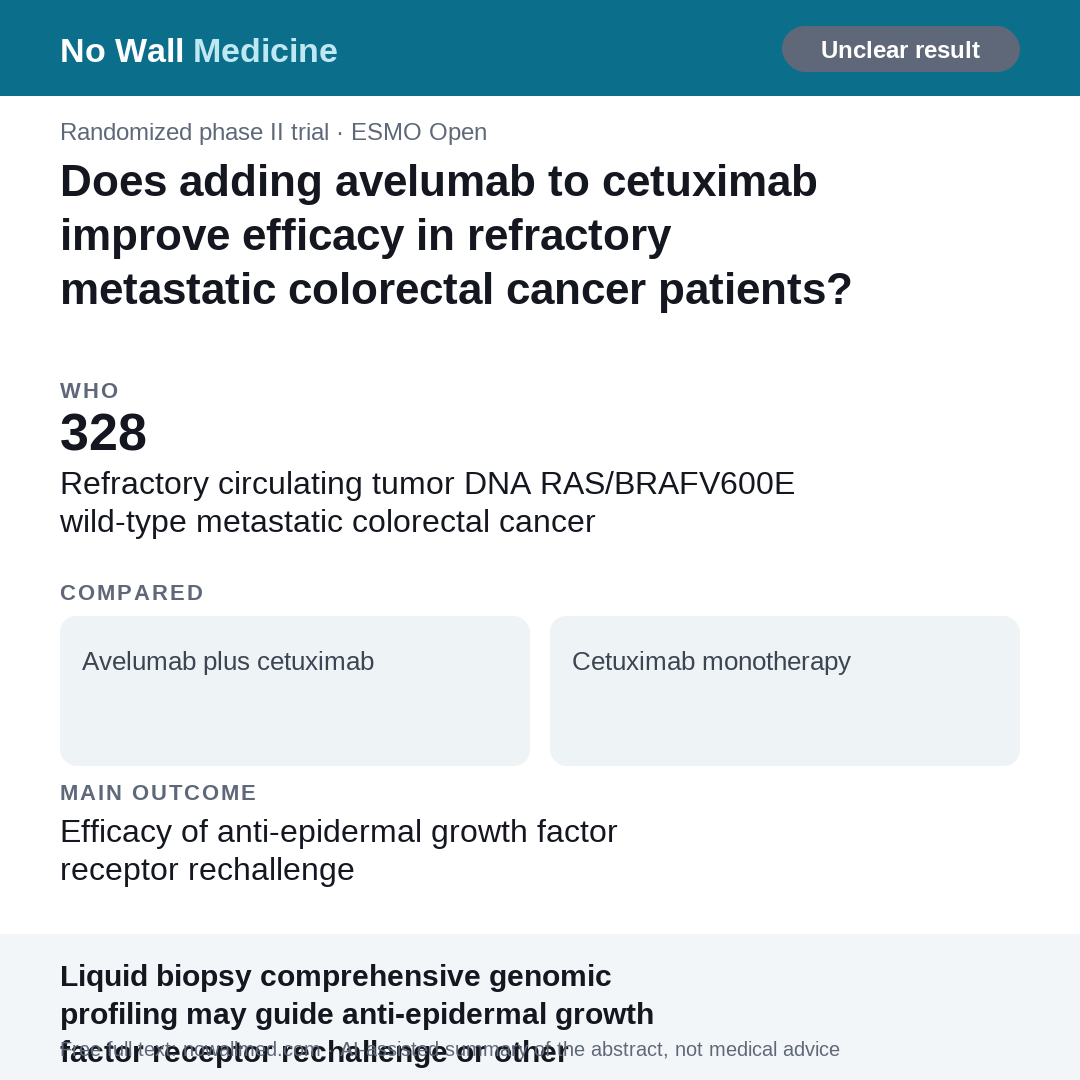
Comprehensive genomic profiling by liquid biopsy in refractory metastatic colorectal cancer patients who are candidate for anti-EGFR rechallenge therapy: findings from the CAVE-2 GOIM trial
Randomized phase II trialUnclear result
Does adding avelumab to cetuximab improve efficacy in refractory metastatic colorectal cancer patients?
Who
328
Refractory circulating tumor DNA RAS/BRAFV600E wild-type metastatic colorectal cancer patients
Compared
Avelumab plus cetuximab
Cetuximab monotherapy
Main outcome
Efficacy of anti-epidermal growth factor receptor rechallenge
Bottom line: Liquid biopsy comprehensive genomic profiling may guide anti-epidermal growth factor receptor rechallenge or other actionable therapies.
ESMO Open · 2025-06-23Download image
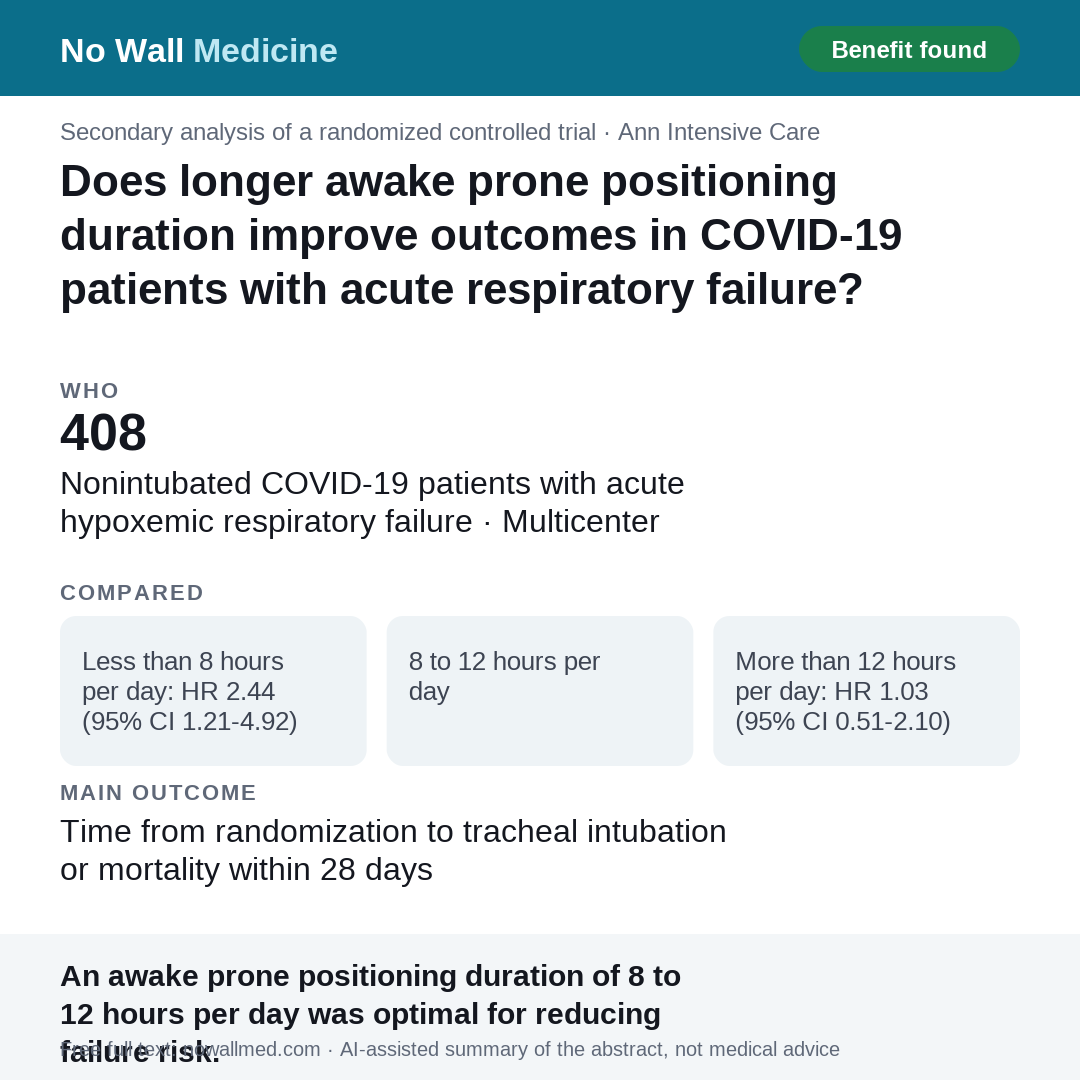
Impact of awake prone positioning duration on intubation or mortality in COVID-19 patients with acute respiratory failure: secondary analysis of a randomized clinical trial
Secondary analysis of a randomized controlled trialBenefit found
Does longer awake prone positioning duration improve outcomes in COVID-19 patients with acute respiratory failure?
Who
408
Nonintubated COVID-19 patients with acute hypoxemic respiratory failure · Multicenter
Compared
Less than 8 hours per day: HR 2.44 (95% CI 1.21-4.92)
8 to 12 hours per day
More than 12 hours per day: HR 1.03 (95% CI 0.51-2.10)
Main outcome
Time from randomization to tracheal intubation or mortality within 28 days
Result: hazard ratio 0.93 (95% CI 0.88-0.98)
Bottom line: An awake prone positioning duration of 8 to 12 hours per day was optimal for reducing failure risk.
Ann Intensive Care · 2025-06-23Download image
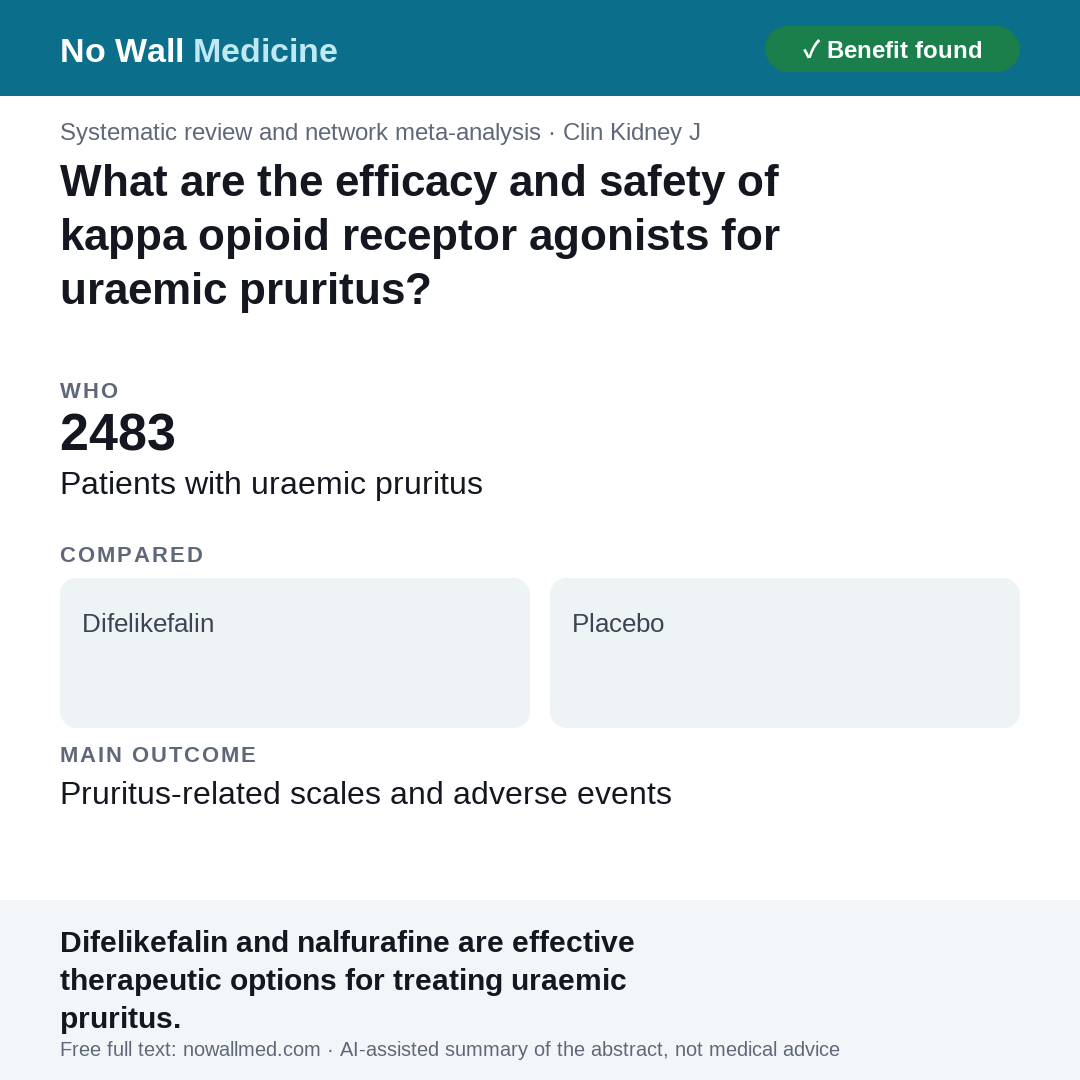
The efficacy and safety of kappa opioid receptor (KOR) agonists in patients with uraemic pruritus: a systematic review and network meta-analysis
Systematic review and network meta-analysisBenefit found
What are the efficacy and safety of kappa opioid receptor agonists for uraemic pruritus?
Who
2483
Patients with uraemic pruritus
Compared
Difelikefalin
Placebo
Main outcome
Pruritus-related scales and adverse events
Bottom line: Difelikefalin and nalfurafine are effective therapeutic options for treating uraemic pruritus.
Clin Kidney J · 2025-06-23Download image
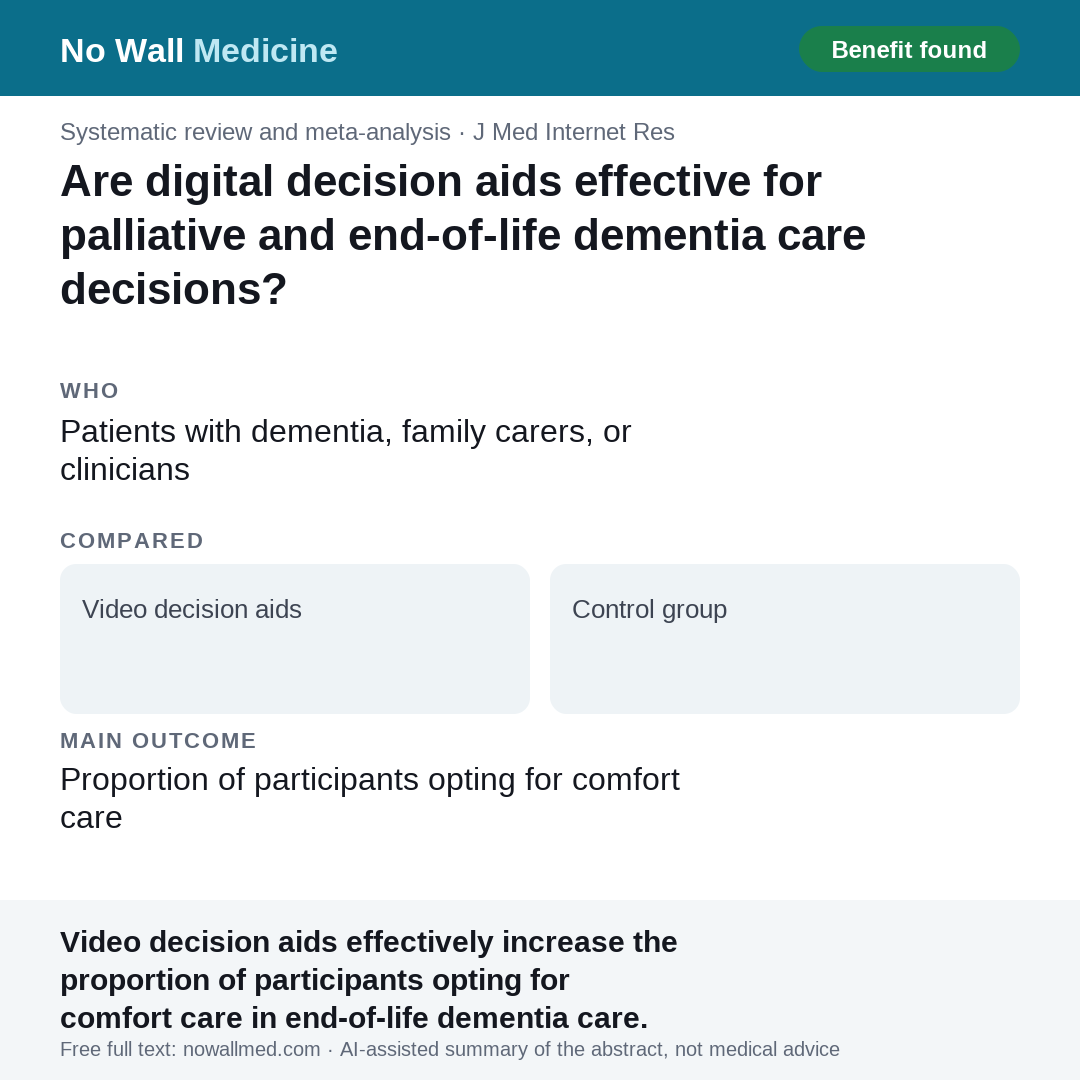
Digital Decision Aids to Support Decision-Making in Palliative and End-of-Life Dementia Care: Systematic Review and Meta-Analysis
Systematic review and meta-analysisBenefit found
Are digital decision aids effective for palliative and end-of-life dementia care decisions?
Who
Patients with dementia, family carers, or clinicians
Compared
Video decision aids
Control group
Main outcome
Proportion of participants opting for comfort care
Result: odds ratio 3.81, 95% CI 1.92-7.56
Bottom line: Video decision aids effectively increase the proportion of participants opting for comfort care in end-of-life dementia care.
Limitation: More large-scale randomized controlled trials and consistent outcome measures are needed.
J Med Internet Res · 2025-06-23Download image
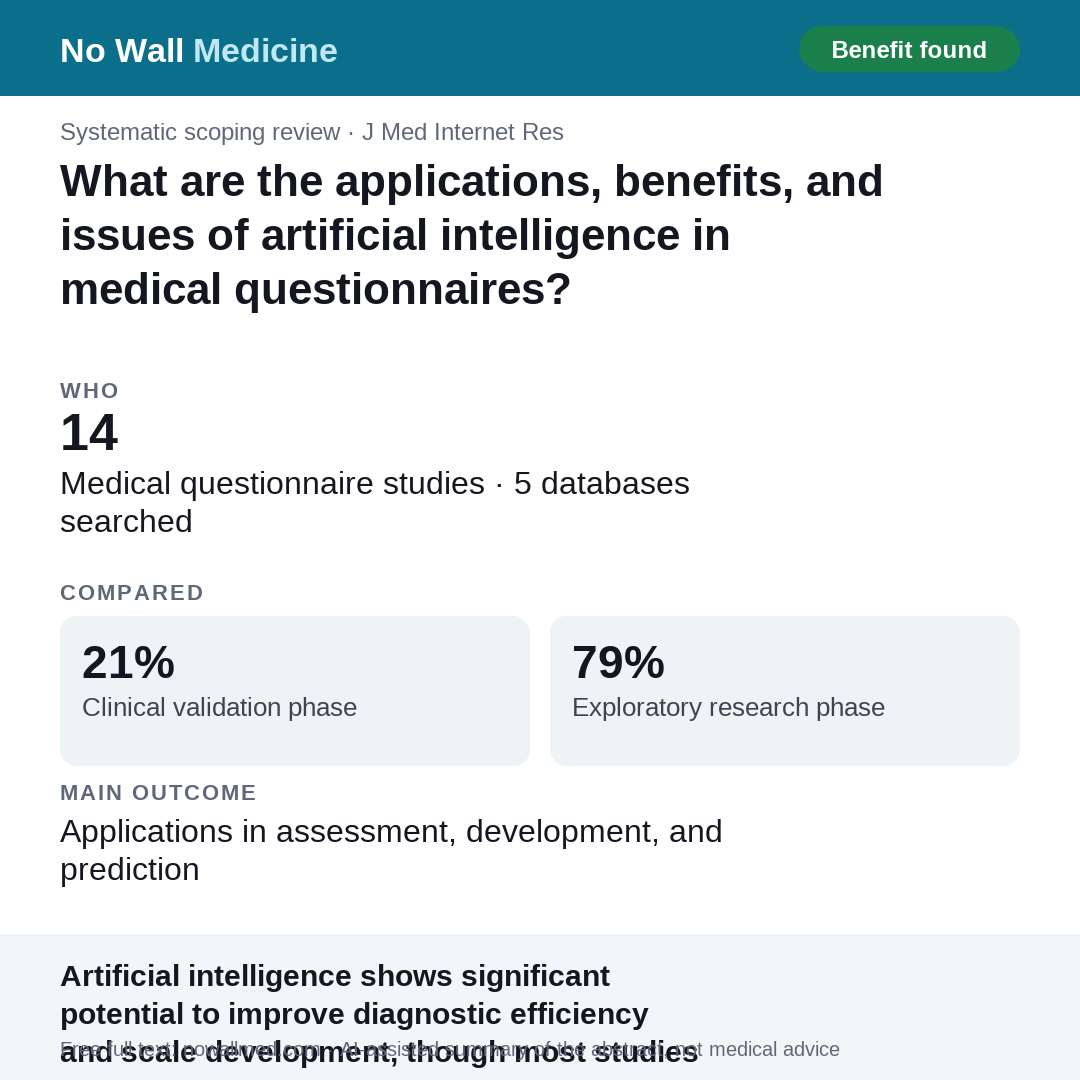
AI in Medical Questionnaires: Scoping Review
Systematic scoping reviewBenefit found
What are the applications, benefits, and issues of artificial intelligence in medical questionnaires?
Who
14
Medical questionnaire studies · 5 databases searched
Compared
21%Clinical validation phase (3/14)
79%Exploratory research phase (11/14)
Main outcome
Applications in assessment, development, and prediction
Bottom line: Artificial intelligence shows significant potential to improve diagnostic efficiency and scale development, though most studies remain in the exploratory phase.
Limitation: Lack of control groups, incomplete follow-up data, and inadequate validation systems.
J Med Internet Res · 2025-06-23Download image
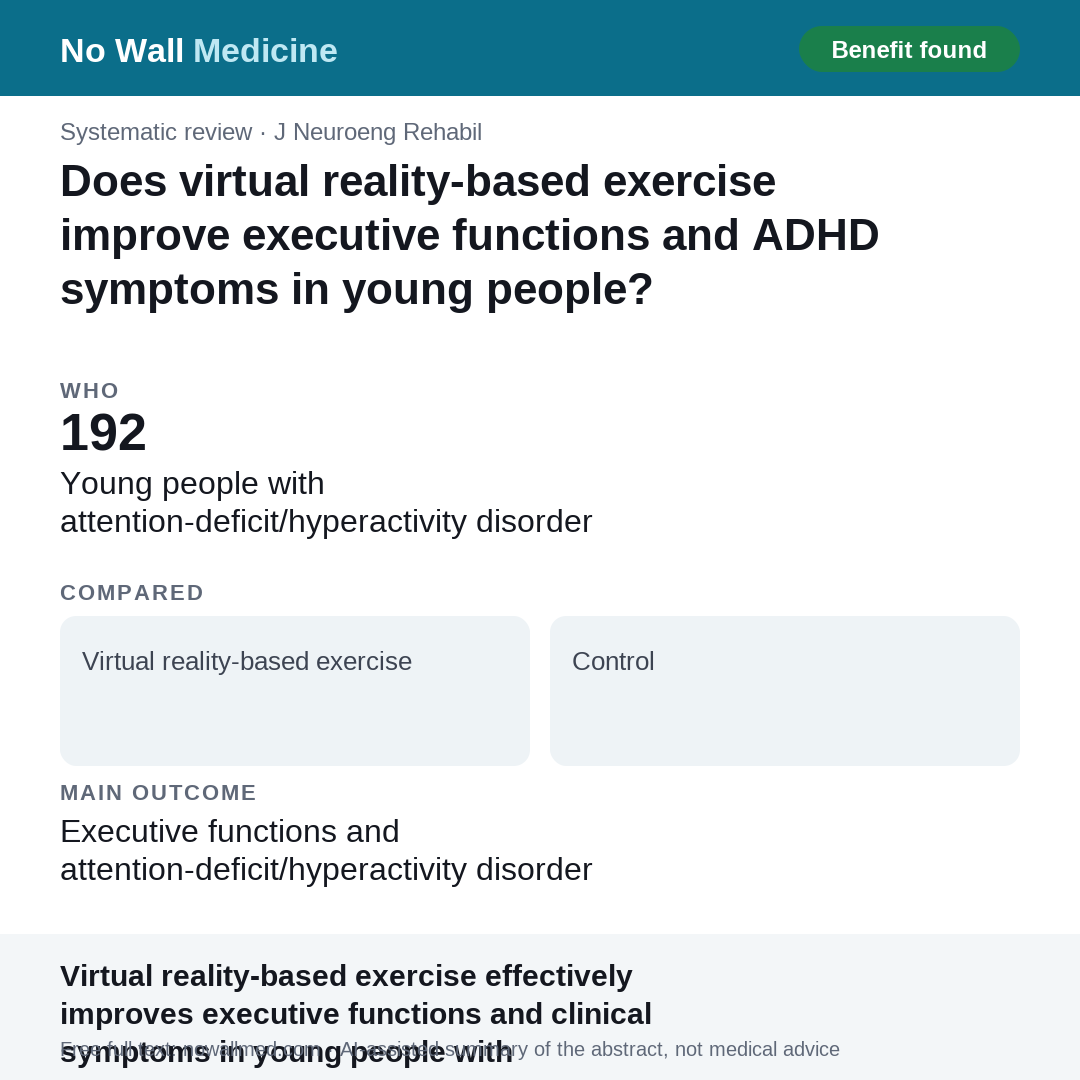
Effects of virtual reality-based exercise intervention in young people with attention-deficit/ hyperactivity disorder: a systematic review
Systematic reviewBenefit found
Does virtual reality-based exercise improve executive functions and ADHD symptoms in young people?
Who
192
Young people with attention-deficit/hyperactivity disorder
Compared
Virtual reality-based exercise
Control
Main outcome
Executive functions and attention-deficit/hyperactivity disorder symptoms
Bottom line: Virtual reality-based exercise effectively improves executive functions and clinical symptoms in young people with attention-deficit/hyperactivity disorder.
Limitation: More evidence is essential comparing effects to other intervention types and more rigorous experimental designs.
Funded by: National Science and Technology Council, R.O.C.
J Neuroeng Rehabil · 2025-06-23Download image