Visual abstracts
New randomized trials and meta-analyses from leading journals at a glance: who was studied, what was compared, and what was found. Every paper is free to read in full.
All specialtiesCardiology 4800Oncology 4084Gastroenterology & Hepatology 1917Infectious Disease 3789Neurology 1886Psychiatry & Mental Health 2240Pulmonology 2061Critical Care 1335Endocrinology & Diabetes 2553Pediatrics 2914Surgery 2500Orthopedics & Sports Medicine 923Neurosurgery 532Cardiothoracic & Vascular Surgery 665Plastic & Reconstructive Surgery 585Nephrology 1115Rheumatology 815Hematology 1099Dermatology 619Ophthalmology 539Obstetrics & Gynecology 1661Public & Global Health 1044Radiology & Imaging 637Anesthesiology 959Urology 751ENT (Otolaryngology) 497Emergency Medicine 484Allergy & Immunology 310Geriatrics 974Family Medicine & Primary Care 538Medical Genetics & Genomics 662Pathology & Laboratory Medicine 156Physical Medicine & Rehabilitation 746Palliative Care 422Nutrition 1566Digital Health & AI 2191General Medicine 319
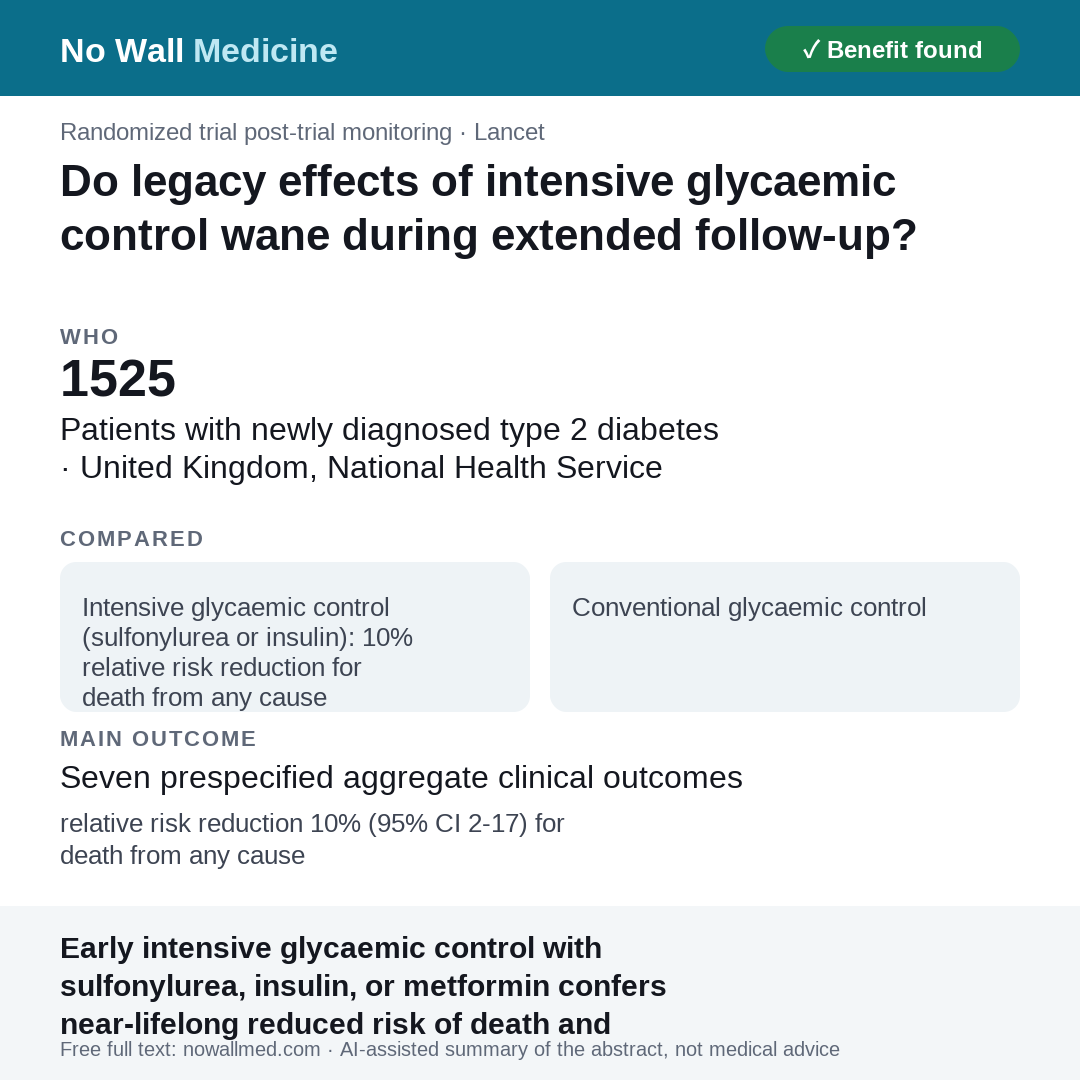
Post-trial monitoring of a randomised controlled trial of intensive glycaemic control in type 2 diabetes extended from 10 years to 24 years (UKPDS 91)
Randomized trial post-trial monitoringBenefit found
Do legacy effects of intensive glycaemic control wane during extended follow-up?
Who
1525
Patients with newly diagnosed type 2 diabetes · United Kingdom, National Health Service
Compared
Intensive glycaemic control (sulfonylurea or insulin): 10% relative risk reduction for death from any cause
Conventional glycaemic control
Main outcome
Seven prespecified aggregate clinical outcomes
Result: relative risk reduction 10% (95% CI 2-17) for death from any cause
Bottom line: Early intensive glycaemic control with sulfonylurea, insulin, or metformin confers near-lifelong reduced risk of death and myocardial infarction.
Funded by: University of Oxford Nuffield Department of Population Health
Lancet · 2024-05-18Download image
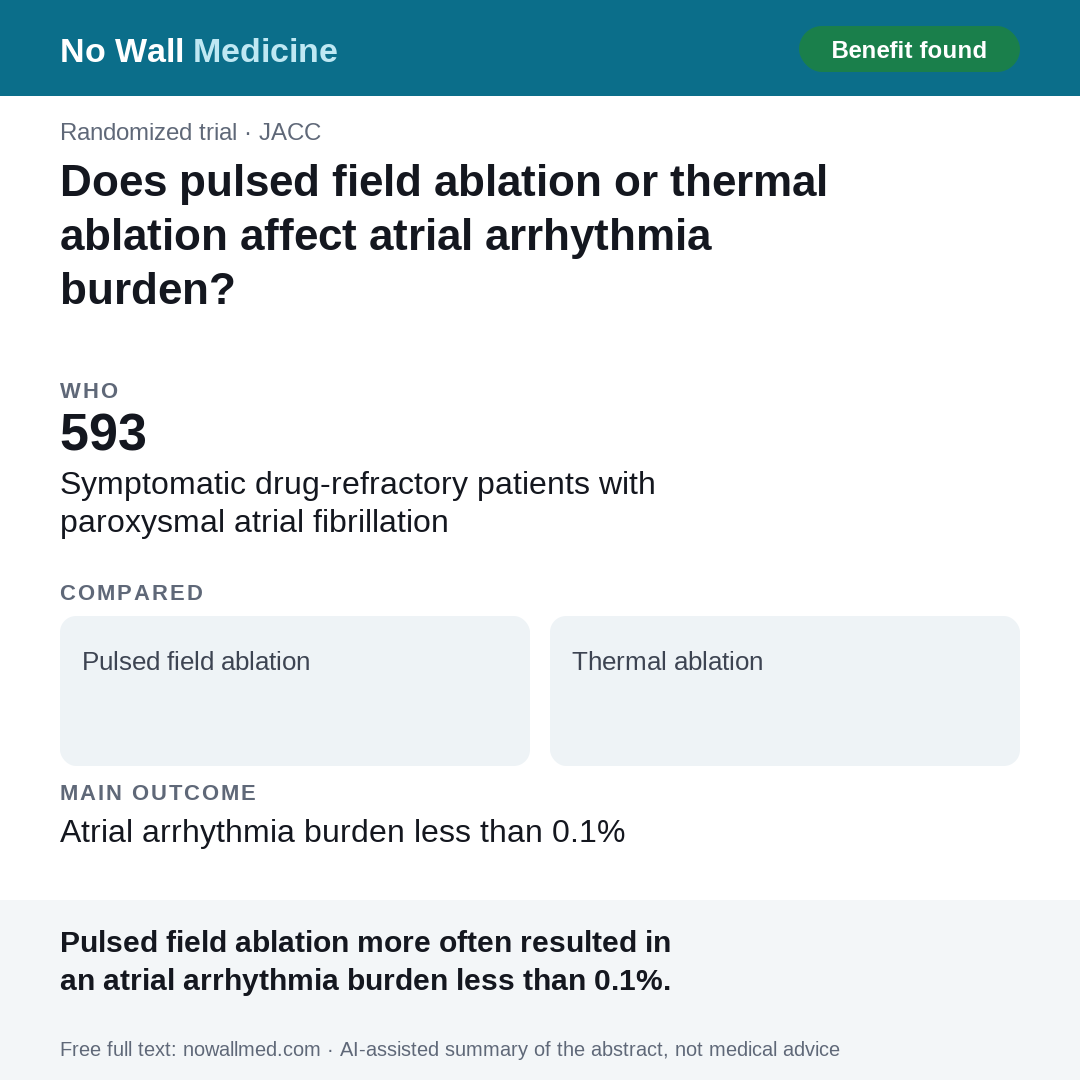
Pulsed Field vs Conventional Thermal Ablation for Paroxysmal Atrial Fibrillation: Recurrent Atrial Arrhythmia Burden
Randomized trialBenefit found
Does pulsed field ablation or thermal ablation affect atrial arrhythmia burden?
Who
593
Symptomatic drug-refractory patients with paroxysmal atrial fibrillation
Compared
Pulsed field ablation
Thermal ablation
Main outcome
Atrial arrhythmia burden less than 0.1%
Result: odds ratio 1.5 (95% CI 1.0-2.3)
Bottom line: Pulsed field ablation more often resulted in an atrial arrhythmia burden less than 0.1%.
JACC · 2024-05-18Download image
Genetic Study of Psoriasis Highlights its Close Link with Socioeconomic Status and Affective Symptoms
Genome-wide association study and meta-analysisMixed results
What are the genetic risk factors and cross-trait correlations for psoriasis?
Who
925649
Individuals from FinnGen, Estonian Biobank, and UK Biobank · Finland, Estonia, and United Kingdom
Compared
22,659Psoriasis cases
902,990Controls
Main outcome
Genetic risk loci and cross-trait genetic correlations
Bottom line: Psoriasis is genetically linked to smoking, higher body weight, lower education, and mood symptoms.
J Invest Dermatol · 2024-05-18Download image

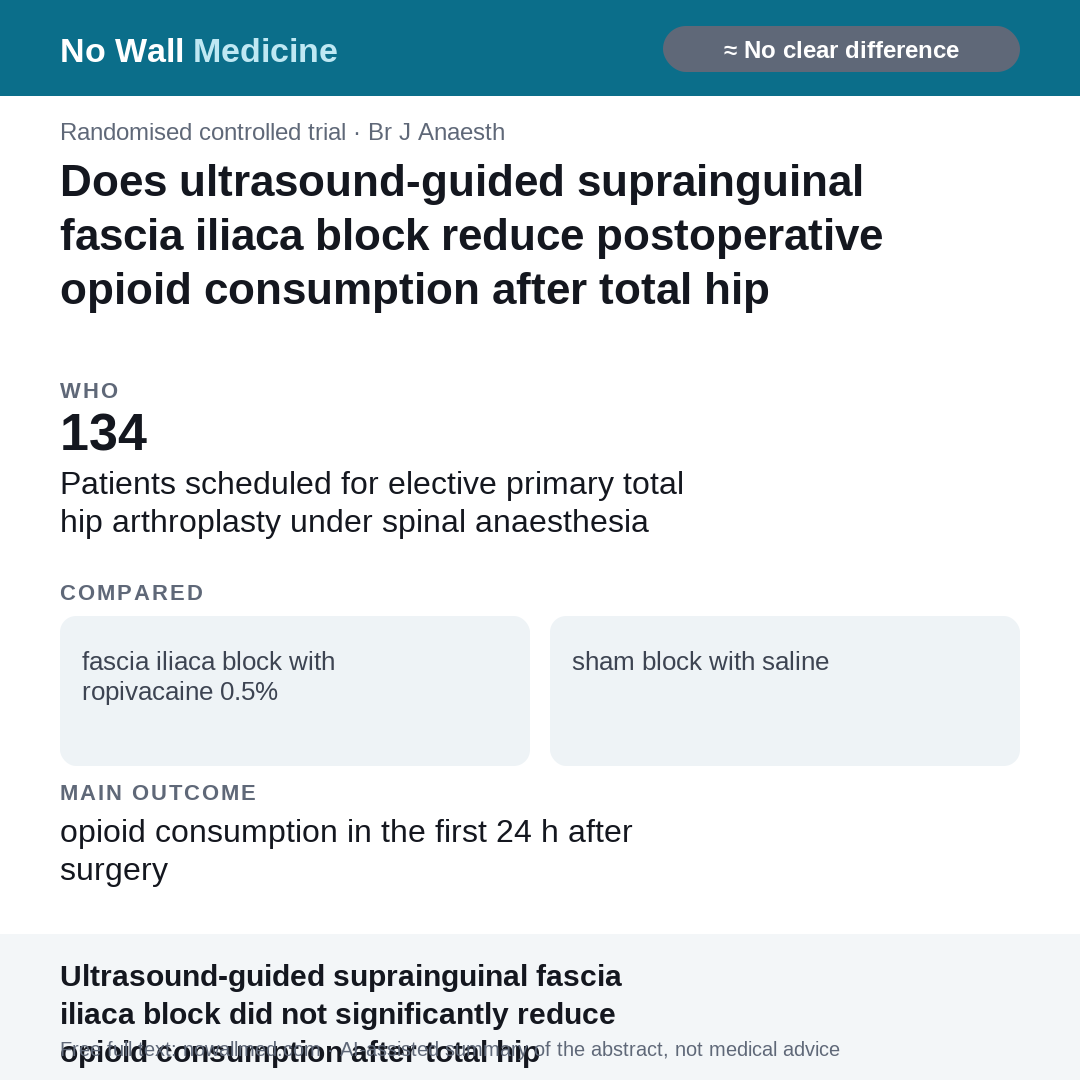
Ultrasound-guided suprainguinal fascia iliaca compartment block and early postoperative analgesia after total hip arthroplasty: a randomised controlled trial
Randomised controlled trialNo clear difference
Does ultrasound-guided suprainguinal fascia iliaca block reduce postoperative opioid consumption after total hip arthroplasty?
Who
134
Patients scheduled for elective primary total hip arthroplasty under spinal anaesthesia
Compared
fascia iliaca block with ropivacaine 0.5%
sham block with saline
Main outcome
opioid consumption in the first 24 h after surgery
Result: mean difference -3.2 mg oral morphine equivalent (95% CI -15.3 to 8.1 mg oral morphine equivalent)
Bottom line: Ultrasound-guided suprainguinal fascia iliaca block did not significantly reduce opioid consumption after total hip arthroplasty.
Br J Anaesth · 2024-05-18Download image
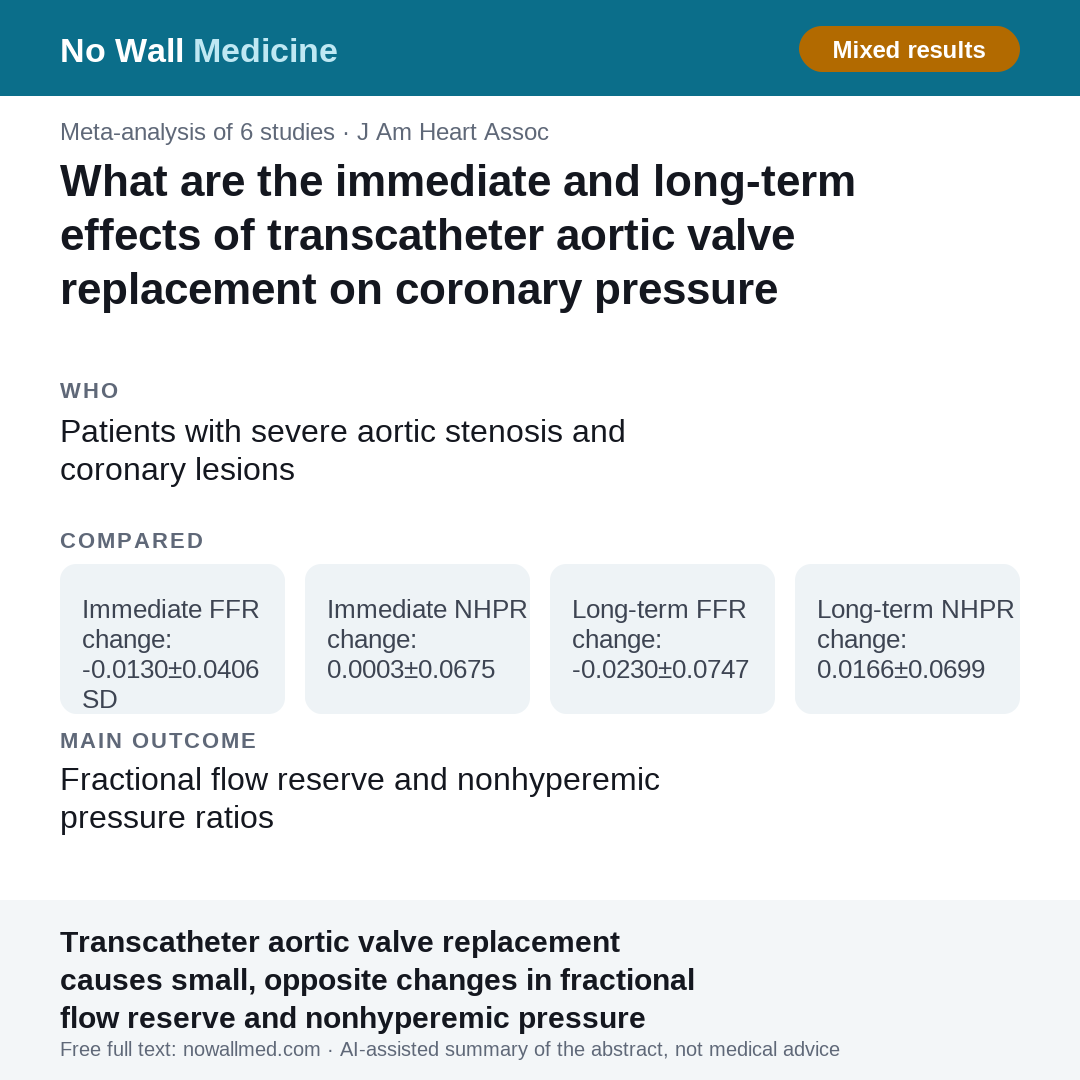
Differential Effect of Aortic Valve Replacement for Severe Aortic Stenosis on Hyperemic and Resting Epicardial Coronary Pressure Indices
Meta-analysis of 6 studiesMixed results
What are the immediate and long-term effects of transcatheter aortic valve replacement on coronary pressure indices?
Who
Patients with severe aortic stenosis and coronary lesions
Compared
Immediate FFR change: -0.0130±0.0406 SD
Immediate NHPR change: 0.0003±0.0675
Long-term FFR change: -0.0230±0.0747
Long-term NHPR change: 0.0166±0.0699
Main outcome
Fractional flow reserve and nonhyperemic pressure ratios
Bottom line: Transcatheter aortic valve replacement causes small, opposite changes in fractional flow reserve and nonhyperemic pressure ratios.
J Am Heart Assoc · 2024-05-18Download image
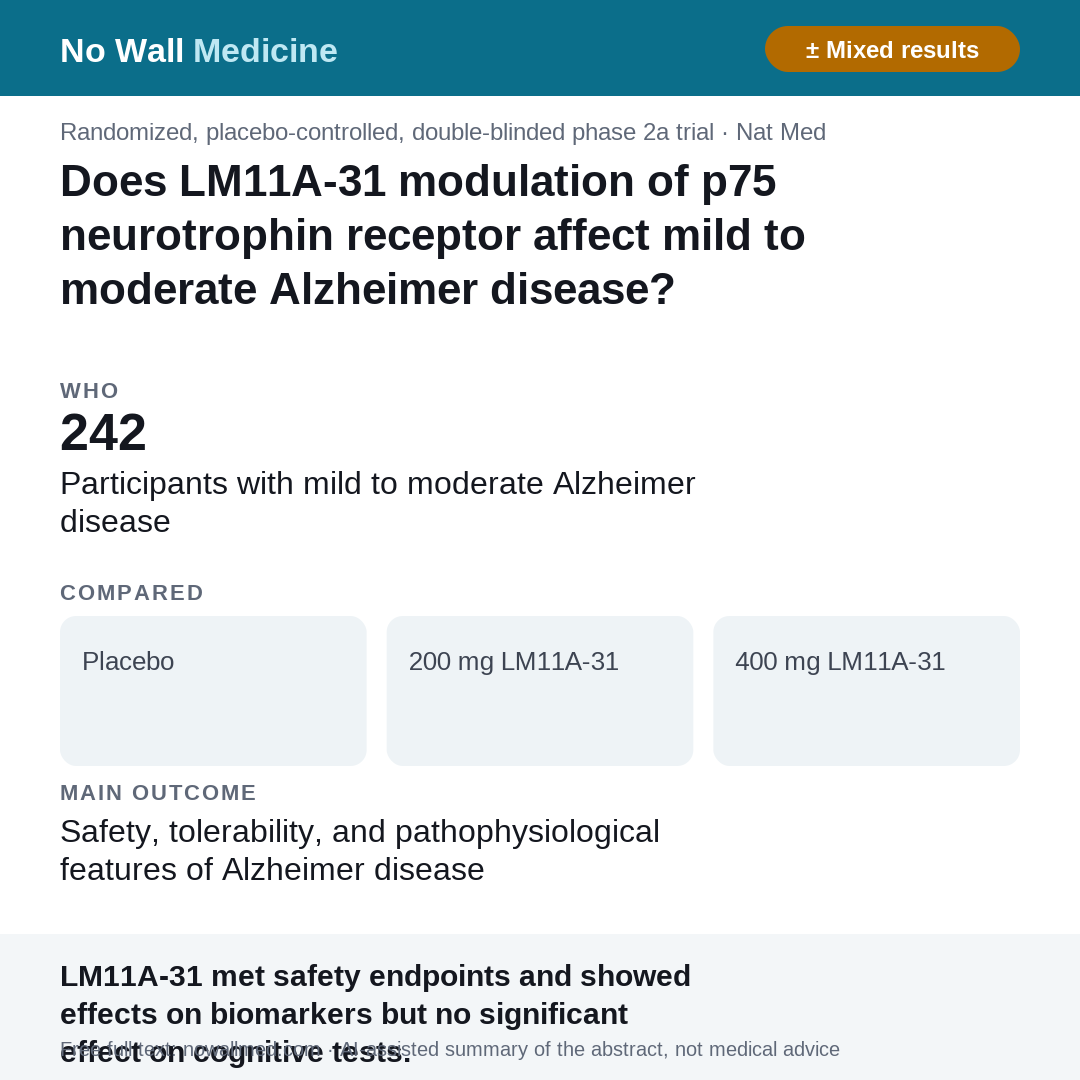
p75 neurotrophin receptor modulation in mild to moderate Alzheimer disease: a randomized, placebo-controlled phase 2a trial
Randomized, placebo-controlled, double-blinded phase 2a trialMixed results
Does LM11A-31 modulation of p75 neurotrophin receptor affect mild to moderate Alzheimer disease?
Who
242
Participants with mild to moderate Alzheimer disease
Compared
Placebo
200 mg LM11A-31
400 mg LM11A-31
Main outcome
Safety, tolerability, and pathophysiological features of Alzheimer disease
Bottom line: LM11A-31 met safety endpoints and showed effects on biomarkers but no significant effect on cognitive tests.
Nat Med · 2024-05-17Download image
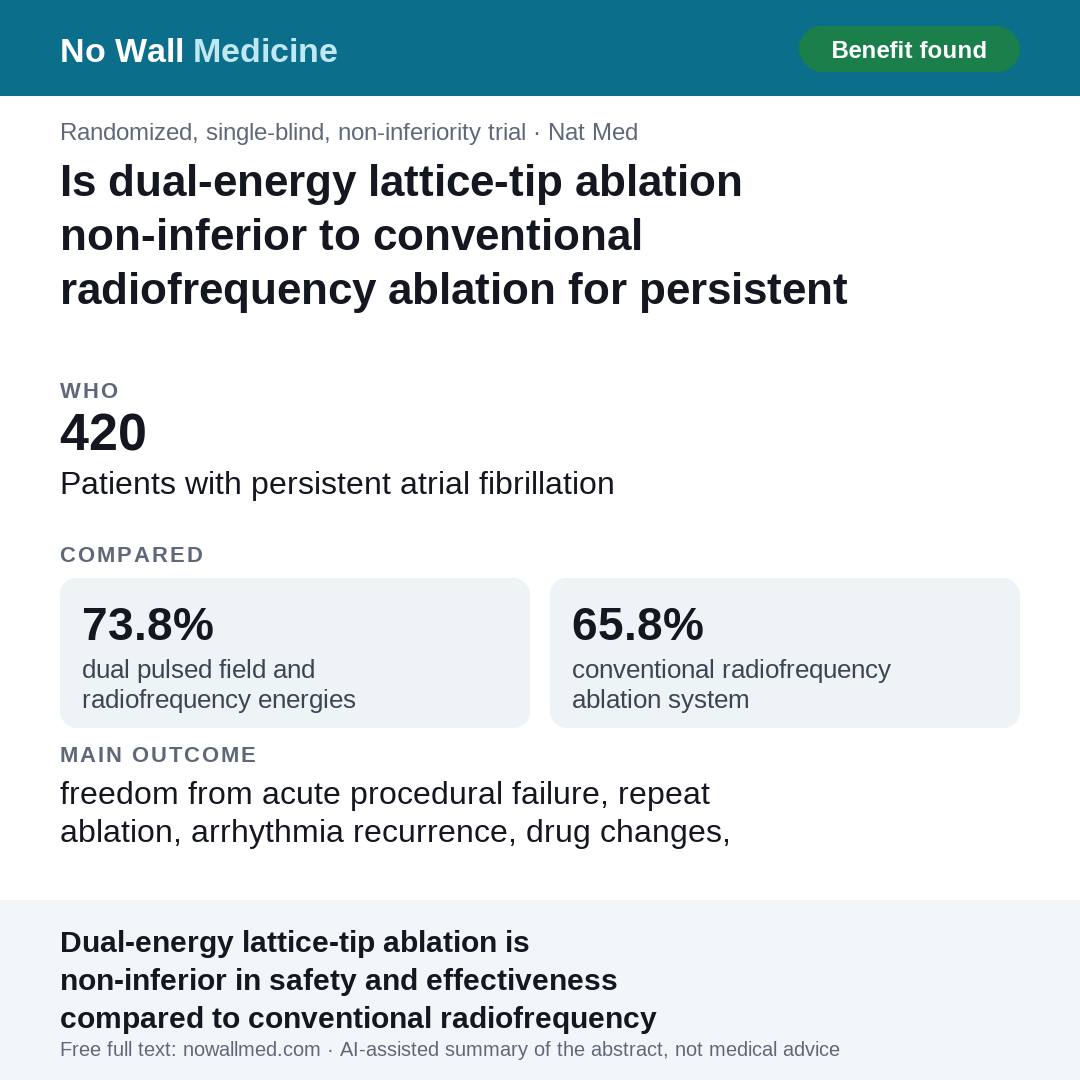
Dual-energy lattice-tip ablation system for persistent atrial fibrillation: a randomized trial
Randomized, single-blind, non-inferiority trialBenefit found
Is dual-energy lattice-tip ablation non-inferior to conventional radiofrequency ablation for persistent atrial fibrillation?
Who
420
Patients with persistent atrial fibrillation
Compared
73.8%dual pulsed field and radiofrequency energies
65.8%conventional radiofrequency ablation system
Main outcome
freedom from acute procedural failure, repeat ablation, arrhythmia recurrence, drug changes, or cardioversion
Result: P < 0.0001 for non-inferiority
Bottom line: Dual-energy lattice-tip ablation is non-inferior in safety and effectiveness compared to conventional radiofrequency ablation for persistent atrial fibrillation.
Nat Med · 2024-05-17Download image
Assessing safety and efficacy of a novel glucose-free amino acid oral rehydration solution for watery diarrhea management in children: a randomized, controlled, phase III trial
Triple-blind, randomized trialNo clear difference
Is VS002A safe and effective compared to WHO-ORS for acute watery diarrhoea?
Who
310
Male infants and children aged 6-36 months
Compared
VS002A: 65.4 h
WHO-ORS: 72.6 h
Main outcome
duration of diarrhoea
Bottom line: VS002A is a safe and effective glucose-free alternative to standard WHO-ORS for treating acute watery diarrhoea in children.
Funded by: Entrinsic Bioscience, LLC.
eClinicalMedicine · 2024-05-17Download image

Restarting pre-exposure prophylaxis (PrEP) for HIV: a systematic review and meta-analysis
Systematic review and meta-analysisMixed results
What proportion of individuals who stopped HIV pre-exposure prophylaxis restart it?
Who
85,683
People who stopped HIV pre-exposure prophylaxis · High-income countries and the USA
Compared
23.8%Overall proportion restarting (95% CI: 15.9-32.7)
Middle-income countries vs high-income: aOR 0.6 (95% CI: 0.50-0.73)
Africa vs USA: aOR 1.55 (95% CI: 1.30-1.86)
Main outcome
Proportion of people who stopped and then restarted pre-exposure prophylaxis
Result: 23.8% (95% CI: 15.9-32.7)
Bottom line: About a quarter of people who stopped pre-exposure prophylaxis restart it, with significant variation across different populations and countries.
Limitation: Observational studies had potential risk of bias regarding confounders and incomplete follow-up.
Funded by: Australian National Health and Medical Research Council
eClinicalMedicine · 2024-05-17Download image

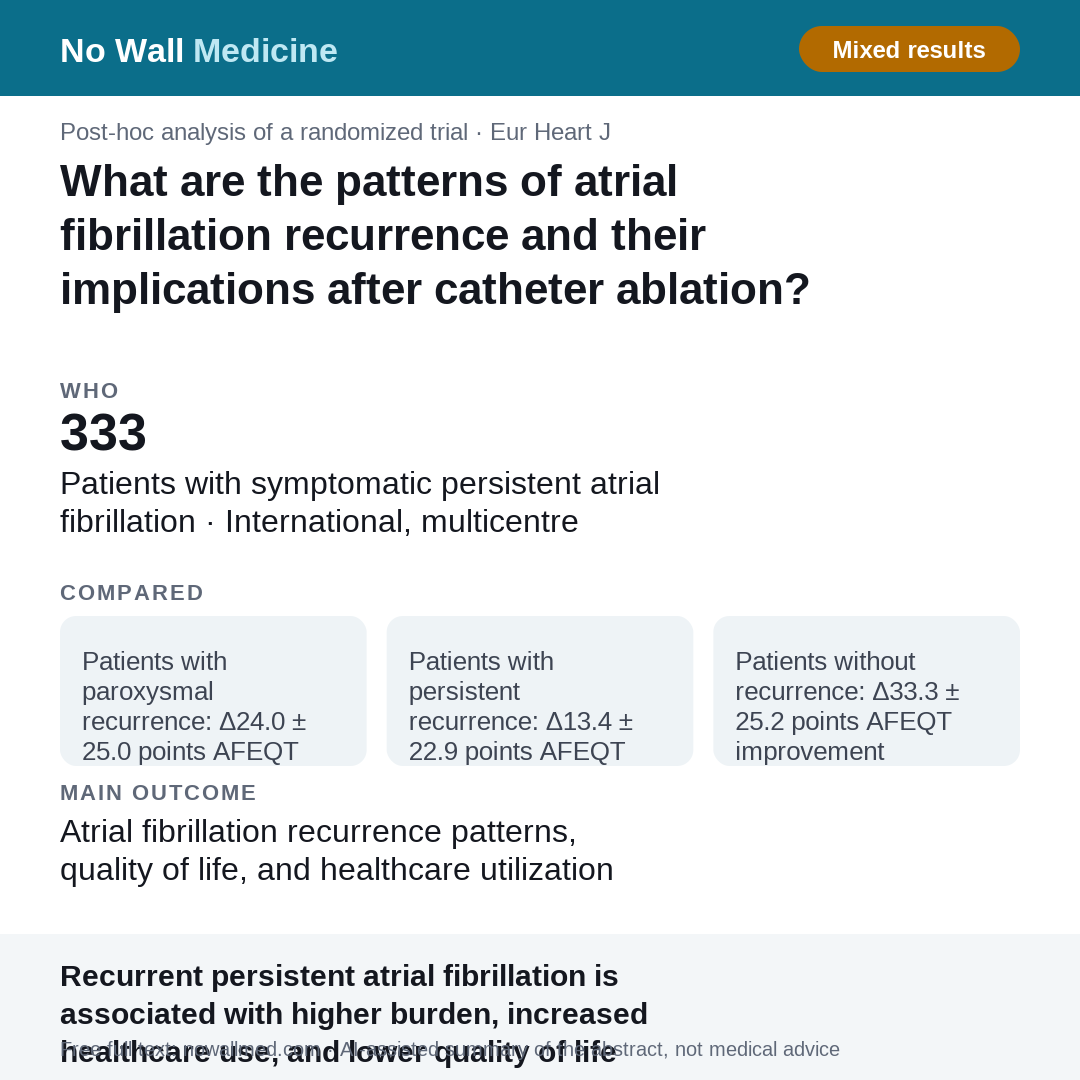
Catheter ablation for persistent atrial fibrillation: patterns of recurrence and impact on quality of life and health care utilization
Post-hoc analysis of a randomized trialMixed results
What are the patterns of atrial fibrillation recurrence and their implications after catheter ablation?
Who
333
Patients with symptomatic persistent atrial fibrillation · International, multicentre study
Compared
Patients with paroxysmal recurrence: Δ24.0 ± 25.0 points AFEQT improvement
Patients with persistent recurrence: Δ13.4 ± 22.9 points AFEQT improvement
Patients without recurrence: Δ33.3 ± 25.2 points AFEQT improvement
Main outcome
Atrial fibrillation recurrence patterns, quality of life, and healthcare utilization
Bottom line: Recurrent persistent atrial fibrillation is associated with higher burden, increased healthcare use, and lower quality of life improvements.
Eur Heart J · 2024-05-17Download image
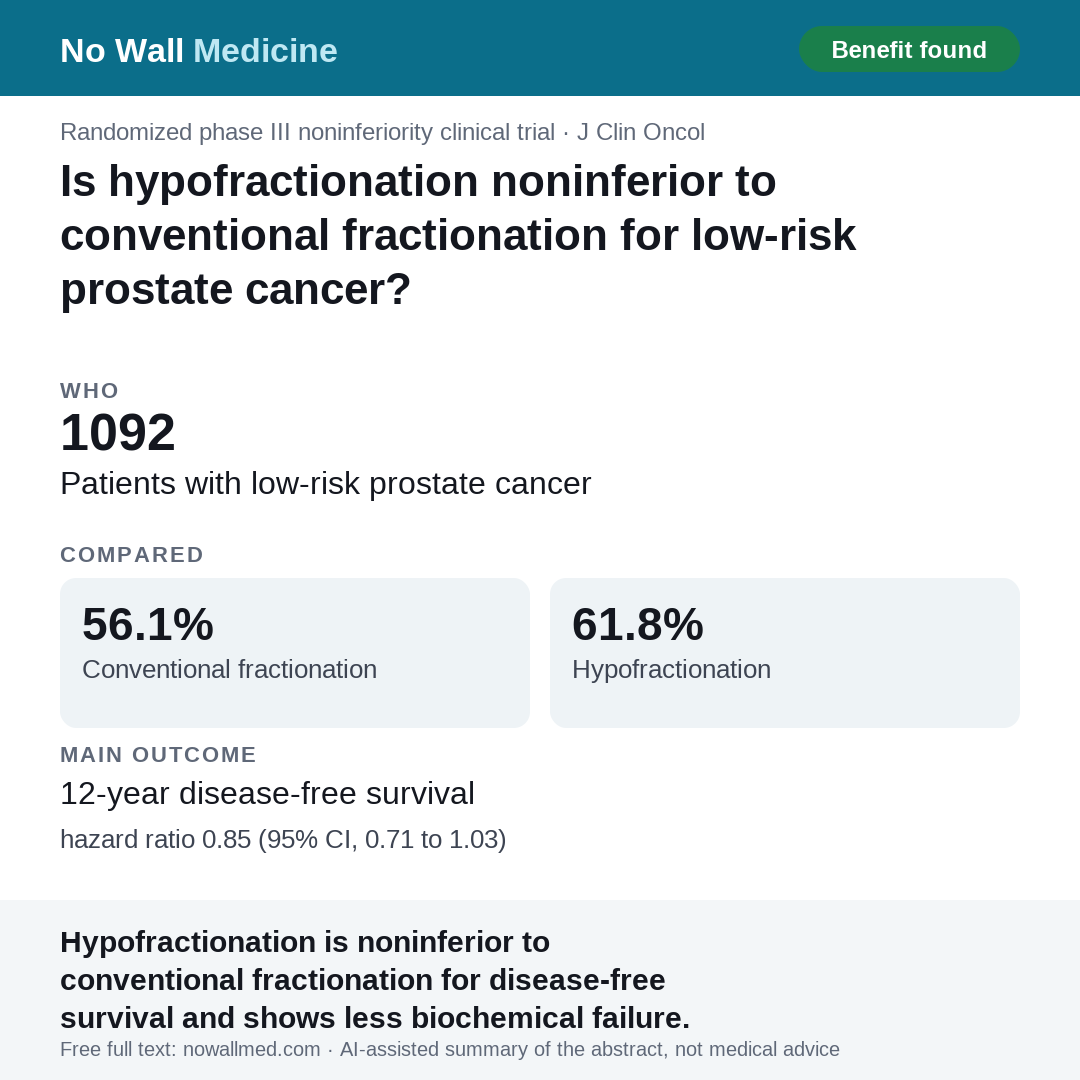
Long-Term Analysis of NRG Oncology RTOG 0415: A Randomized Phase III Noninferiority Study Comparing Two Fractionation Schedules in Patients With Low-Risk Prostate Cancer
Randomized phase III noninferiority clinical trialBenefit found
Is hypofractionation noninferior to conventional fractionation for low-risk prostate cancer?
Who
1092
Patients with low-risk prostate cancer
Compared
56.1%Conventional fractionation (95% CI, 51.5 to 60.5)
61.8%Hypofractionation (95% CI, 57.2 to 66.0)
Main outcome
12-year disease-free survival
Result: hazard ratio 0.85 (95% CI, 0.71 to 1.03)
Bottom line: Hypofractionation is noninferior to conventional fractionation for disease-free survival and shows less biochemical failure.
J Clin Oncol · 2024-05-17Download image
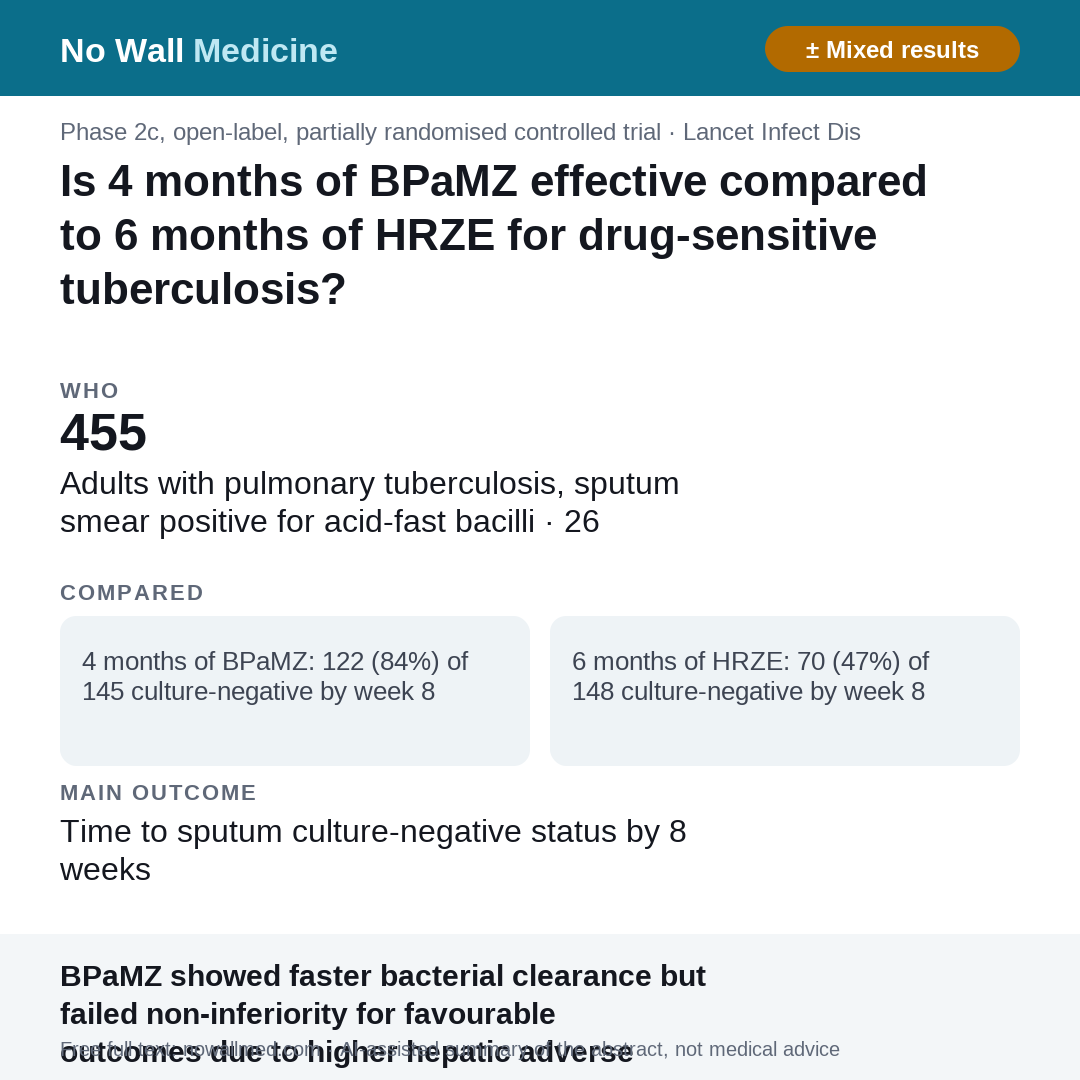
Bedaquiline-pretomanid-moxifloxacin-pyrazinamide for drug-sensitive and drug-resistant pulmonary tuberculosis treatment: a phase 2c, open-label, multicentre, partially randomised controlled trial
Phase 2c, open-label, partially randomised controlled trialMixed results
Is 4 months of BPaMZ effective compared to 6 months of HRZE for drug-sensitive tuberculosis?
Who
455
Adults with pulmonary tuberculosis, sputum smear positive for acid-fast bacilli · 26 sites in eight countries
Compared
4 months of BPaMZ: 122 (84%) of 145 culture-negative by week 8
6 months of HRZE: 70 (47%) of 148 culture-negative by week 8
Main outcome
Time to sputum culture-negative status by 8 weeks
Result: hazard ratio 2.93 (95% CI 2.17 to 3.96)
Bottom line: BPaMZ showed faster bacterial clearance but failed non-inferiority for favourable outcomes due to higher hepatic adverse events.
Limitation: Higher withdrawal rates for adverse hepatic events prevented meeting the non-inferiority margin for the key secondary endpoint.
Lancet Infect Dis · 2024-05-17Download image
Specialist physiotherapy for functional motor disorder in England and Scotland (Physio4FMD): a pragmatic, multicentre, phase 3 randomised controlled trial
Pragmatic, multicentre, phase 3 randomised controlled trialNo clear difference
Is specialist physiotherapy effective for functional motor disorder compared to treatment as usual?
Who
355
Adults with a clinically definite diagnosis of functional motor disorder · 11 hospitals in England and Scotland
Compared
Specialist physiotherapy
Treatment as usual
Main outcome
Physical functioning domain of the 36-item short form health questionnaire
Result: adjusted mean difference 3·5, 95% CI -2·3 to 9·3
Bottom line: Specialist physiotherapy did not result in better self-reported physical functioning at 12 months compared to treatment as usual.
Funded by: National Institute for Health and Care Research and Health Technology Assessment Programme
Lancet Neurol · 2024-05-17Download image

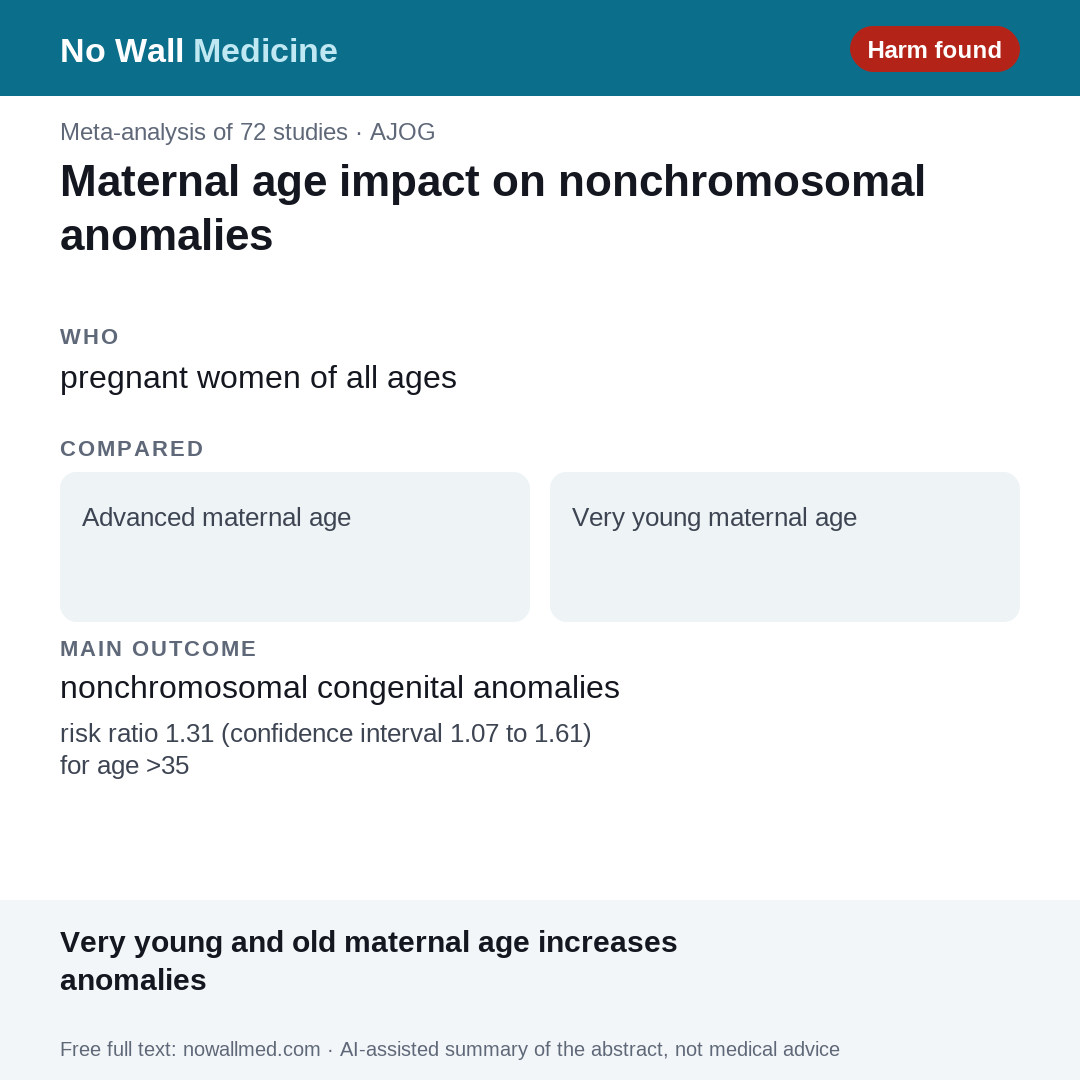
Very young and advanced maternal age strongly elevates the occurrence of nonchromosomal congenital anomalies: a systematic review and meta-analysis of population-based studies
Systematic review and meta-analysis of population-based studiesHarm found
How does maternal age affect the incidence of nonchromosomal congenital anomalies?
Who
Pregnant women in population-based studies assessing maternal age impact
Compared
Maternal age >35: RR: 1.31, CI: 1.07 -1.61
Maternal age >40: RR: 1.44, CI: 1.25 -1.66
Mothers <20: RR: 3.08, CI: 2.74 -3.47
Main outcome
Incidence of nonchromosomal congenital anomalies
Result: RR: 1.31, CI: 1.07 -1.61 for age >35
Bottom line: Both very young and advanced maternal ages were linked to increased nonchromosomal congenital anomalies.
AJOG · 2024-05-17Download image
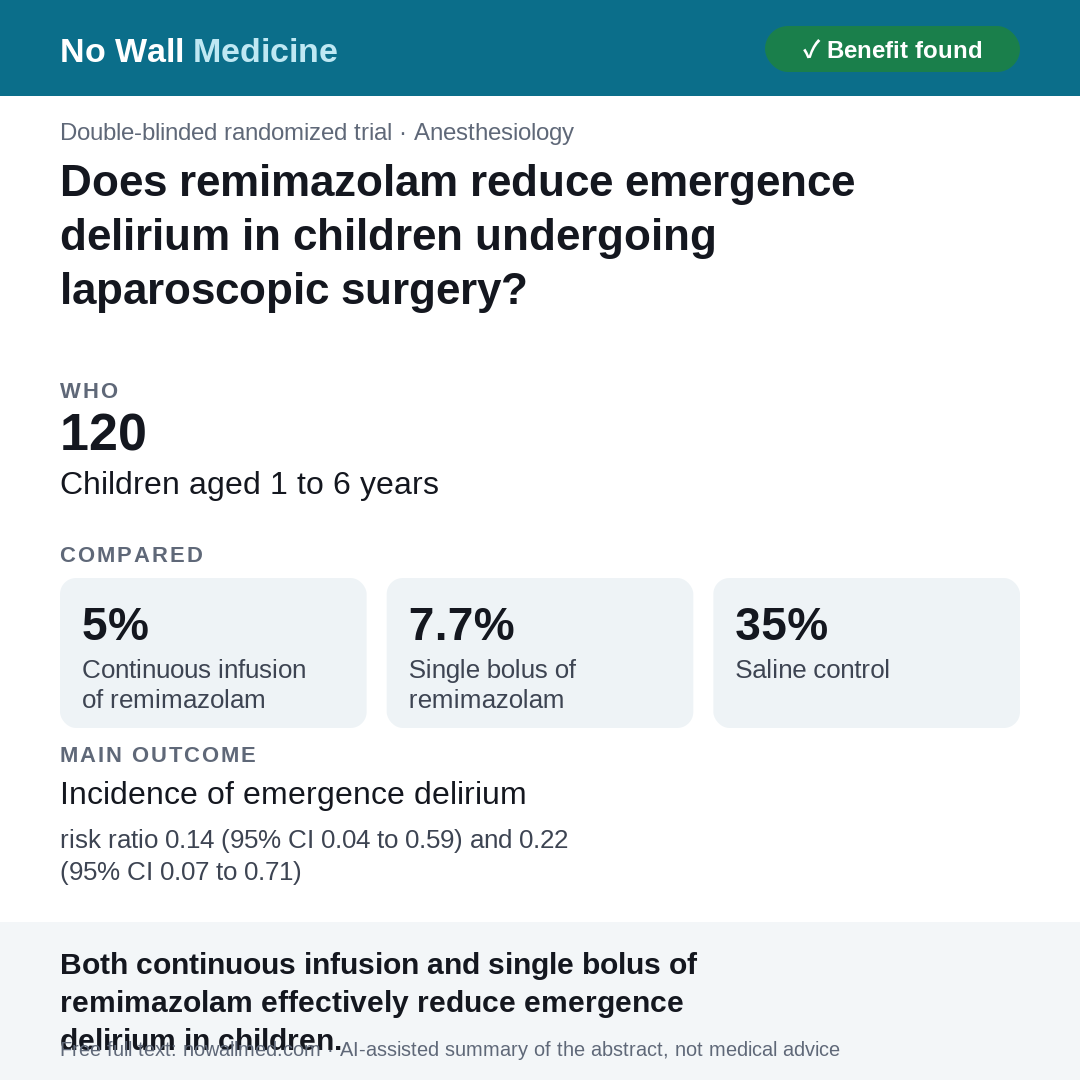
Effect of Remimazolam on Emergence Delirium in Children Undergoing Laparoscopic Surgery: A Double-blinded Randomized Trial
Double-blinded randomized trialBenefit found
Does remimazolam reduce emergence delirium in children undergoing laparoscopic surgery?
Who
120
Children aged 1 to 6 years
Compared
5%Continuous infusion of remimazolam (2/40)
7.7%Single bolus of remimazolam (3/39)
35%Saline control (14/40)
Main outcome
Incidence of emergence delirium
Result: risk ratio 0.14 (95% CI 0.04 to 0.59) and 0.22 (95% CI 0.07 to 0.71)
Bottom line: Both continuous infusion and single bolus of remimazolam effectively reduce emergence delirium in children.
Anesthesiology · 2024-05-17Download image
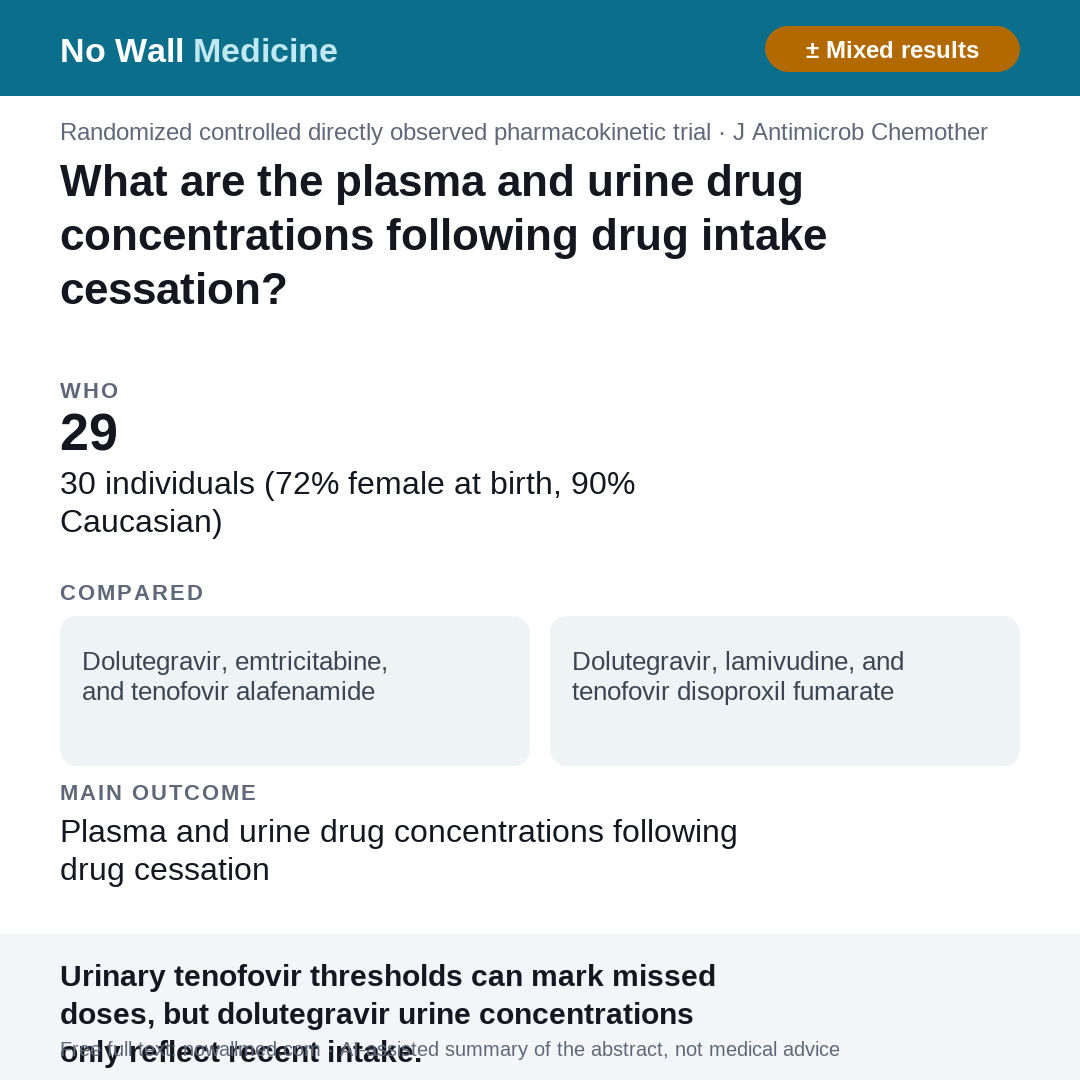
Tenofovir, emtricitabine, lamivudine and dolutegravir concentrations in plasma and urine following drug intake cessation in a randomized controlled directly observed pharmacokinetic trial to aid point-of-care testing
Randomized controlled directly observed pharmacokinetic trialMixed results
What are the plasma and urine drug concentrations following drug intake cessation?
Who
29
30 individuals (72% female at birth, 90% Caucasian)
Compared
Dolutegravir, emtricitabine, and tenofovir alafenamide
Dolutegravir, lamivudine, and tenofovir disoproxil fumarate
Main outcome
Plasma and urine drug concentrations following drug cessation
Bottom line: Urinary tenofovir thresholds can mark missed doses, but dolutegravir urine concentrations only reflect recent intake.
Limitation: Low dolutegravir concentrations in urine limit point-of-care testing to recent intake.
J Antimicrob Chemother · 2024-05-17Download image
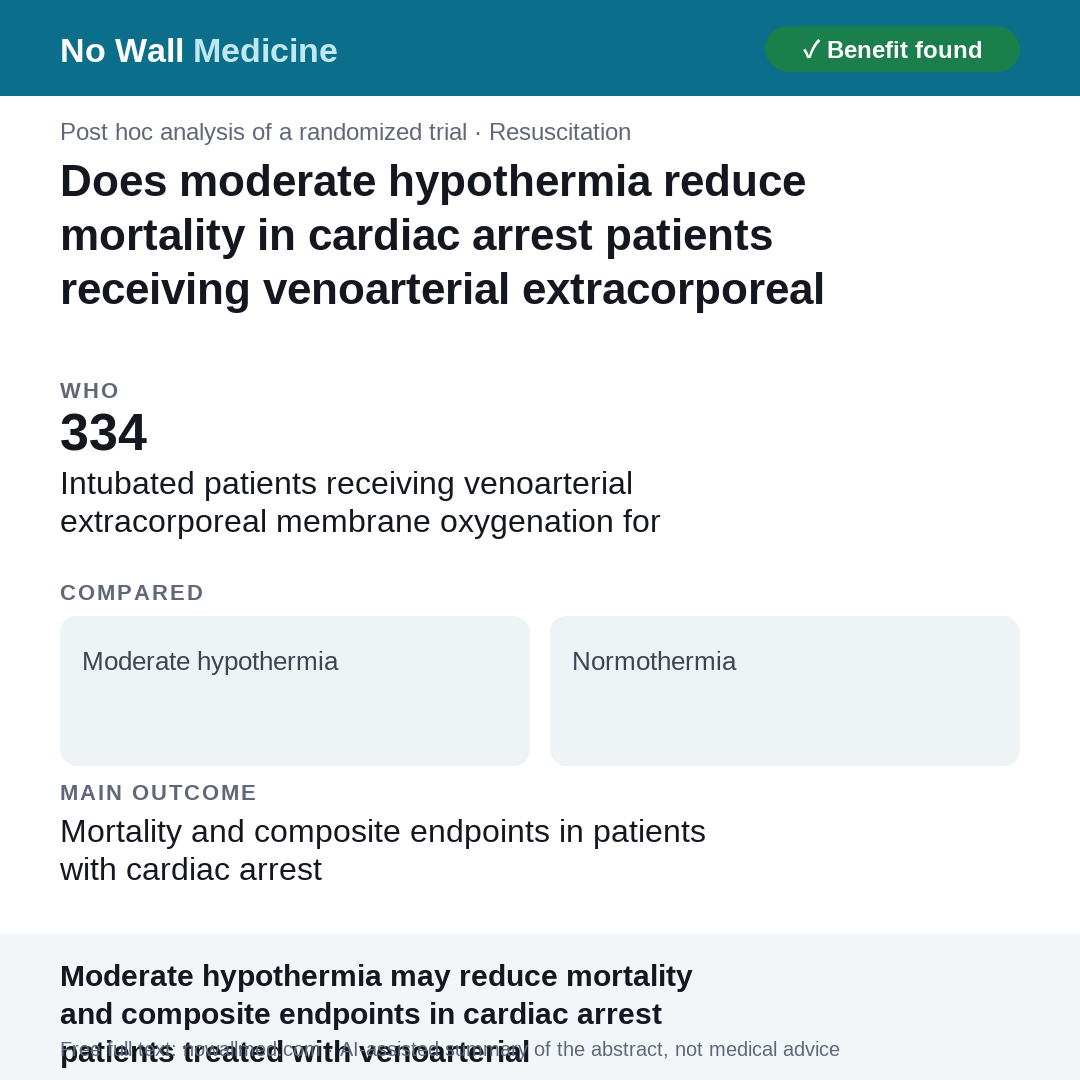
Hypothermia in patients with cardiac arrest prior to ECMO-VA: Insight from the HYPO-ECMO trial
Post hoc analysis of a randomized trialBenefit found
Does moderate hypothermia reduce mortality in cardiac arrest patients receiving venoarterial extracorporeal membrane oxygenation?
Who
334
Intubated patients receiving venoarterial extracorporeal membrane oxygenation for cardiogenic shock · 20 French cardiac shock care centers
Compared
Moderate hypothermia
Normothermia
Main outcome
Mortality and composite endpoints in patients with cardiac arrest
Result: risk difference -13.3% [-16.3 to -0.3%]
Bottom line: Moderate hypothermia may reduce mortality and composite endpoints in cardiac arrest patients treated with venoarterial extracorporeal membrane oxygenation.
Resuscitation · 2024-05-17Download image
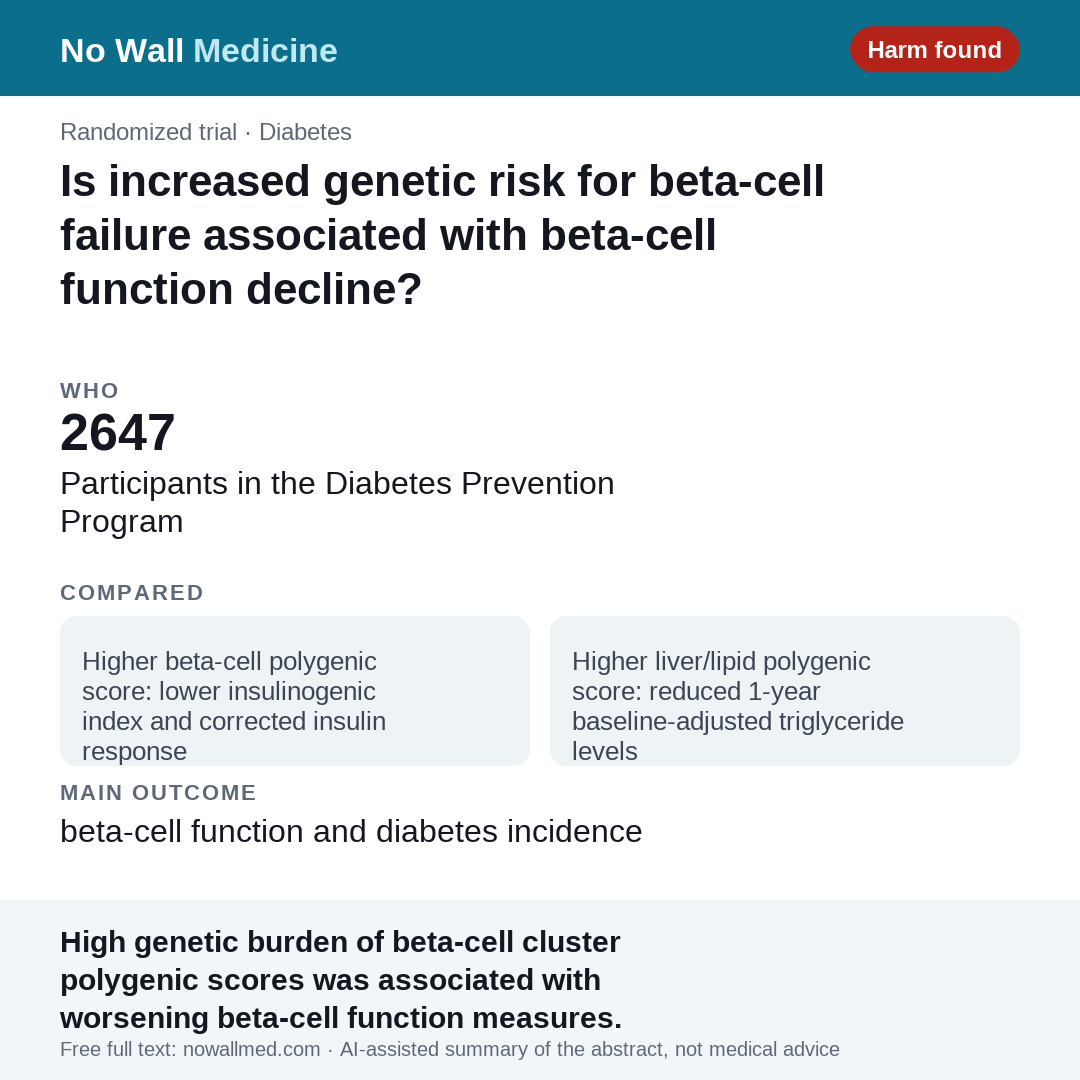
Increased Genetic Risk for β-Cell Failure Is Associated With β-Cell Function Decline in People With Prediabetes
Randomized trialHarm found
Is increased genetic risk for beta-cell failure associated with beta-cell function decline?
Who
2647
Participants in the Diabetes Prevention Program
Compared
Higher beta-cell polygenic score: lower insulinogenic index and corrected insulin response
Higher liver/lipid polygenic score: reduced 1-year baseline-adjusted triglyceride levels
Main outcome
beta-cell function and diabetes incidence
Result: hazard ratio 1.10 per SD (P = 0.035)
Bottom line: High genetic burden of beta-cell cluster polygenic scores was associated with worsening beta-cell function measures.
Diabetes · 2024-05-17Download image
Social media for palliative and end-of-life care research: a systematic review
Systematic review and narrative synthesisMixed results
What are the uses, ethical considerations, and data collection approaches of social media in palliative care research?
Who
21
Palliative and end-of-life care research studies
Compared
16Secondary analysis studies
5Information sharing studies
Main outcome
Uses, ethical considerations, and data collection approaches
Bottom line: Social media is a promising research tool, but lacks standardized ethical handling and data collection approaches.
Limitation: Absence of standardised ethical handling and data collection approaches.
BMJ Support Palliat Care · 2024-05-17Download image

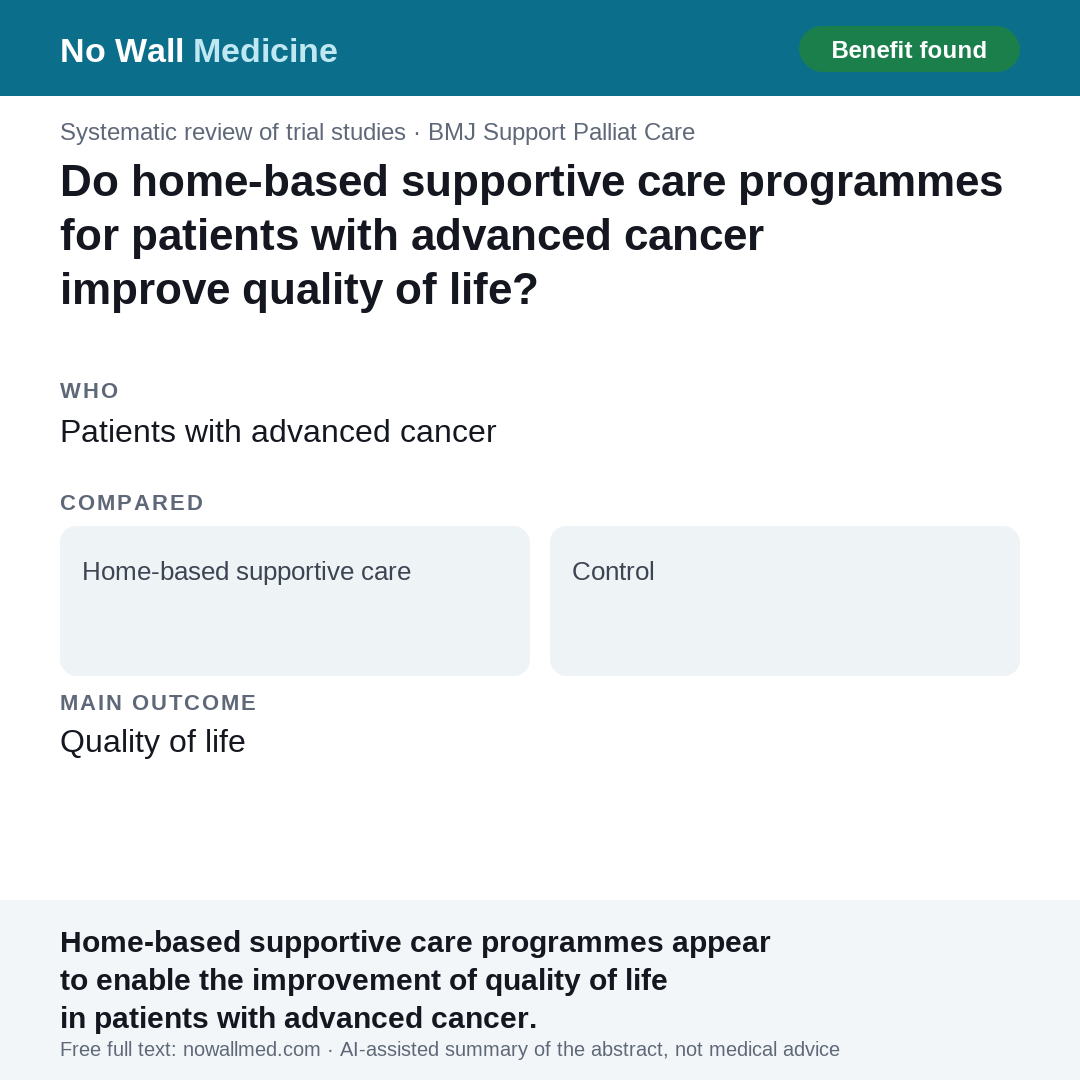
Home-based supportive care in advanced cancer: systematic review
Systematic review of trial studiesBenefit found
Do home-based supportive care programmes for patients with advanced cancer improve quality of life?
Who
Patients with advanced cancer
Compared
Home-based supportive care
Control
Main outcome
Quality of life
Bottom line: Home-based supportive care programmes appear to enable the improvement of quality of life in patients with advanced cancer.
BMJ Support Palliat Care · 2024-05-17Download image