Visual abstracts
New randomized trials and meta-analyses from leading journals at a glance: who was studied, what was compared, and what was found. Every paper is free to read in full.
All specialtiesCardiology 4763Oncology 4043Gastroenterology & Hepatology 1903Infectious Disease 3756Neurology 1872Psychiatry & Mental Health 2216Pulmonology 2044Critical Care 1319Endocrinology & Diabetes 2544Pediatrics 2889Surgery 2480Orthopedics & Sports Medicine 917Neurosurgery 525Cardiothoracic & Vascular Surgery 656Plastic & Reconstructive Surgery 574Nephrology 1107Rheumatology 810Hematology 1090Dermatology 611Ophthalmology 532Obstetrics & Gynecology 1645Public & Global Health 1037Radiology & Imaging 619Anesthesiology 958Urology 745ENT (Otolaryngology) 494Emergency Medicine 481Allergy & Immunology 309Geriatrics 972Family Medicine & Primary Care 534Medical Genetics & Genomics 659Pathology & Laboratory Medicine 156Physical Medicine & Rehabilitation 734Palliative Care 421Nutrition 1560Digital Health & AI 2137General Medicine 318
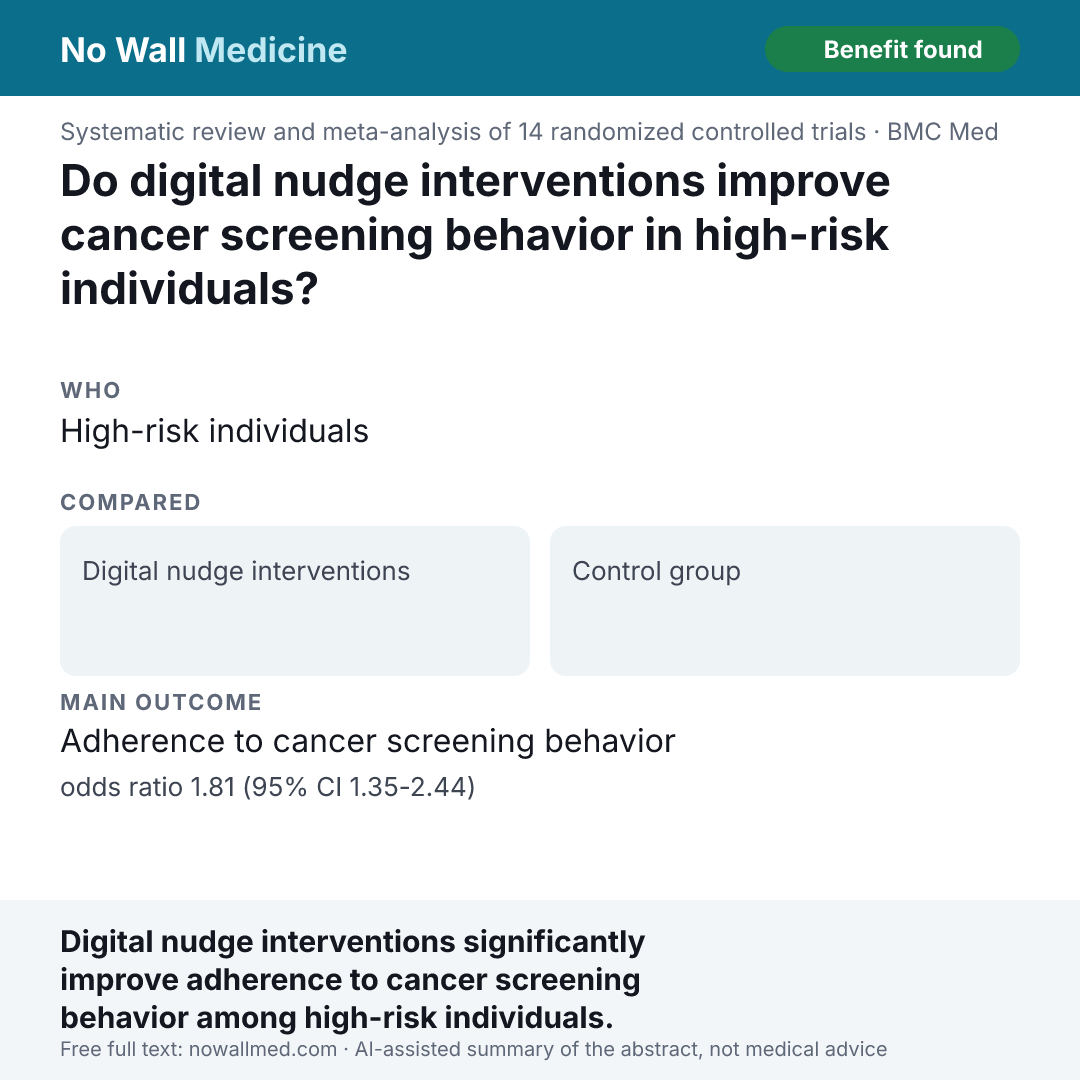
Evaluating digital nudge interventions for the promotion of cancer screening behavior: a systematic review and meta-analysis
Systematic review and meta-analysis of 14 randomized controlled trialsBenefit found
Do digital nudge interventions improve cancer screening behavior in high-risk individuals?
Who
High-risk individuals
Compared
Digital nudge interventions
Control group
Main outcome
Adherence to cancer screening behavior
Result: odds ratio 1.81 (95% CI 1.35-2.44)
Bottom line: Digital nudge interventions significantly improve adherence to cancer screening behavior among high-risk individuals.
Limitation: More robust research is needed to address methodological limitations.
BMC Med · 2025-04-14 · Save PNG
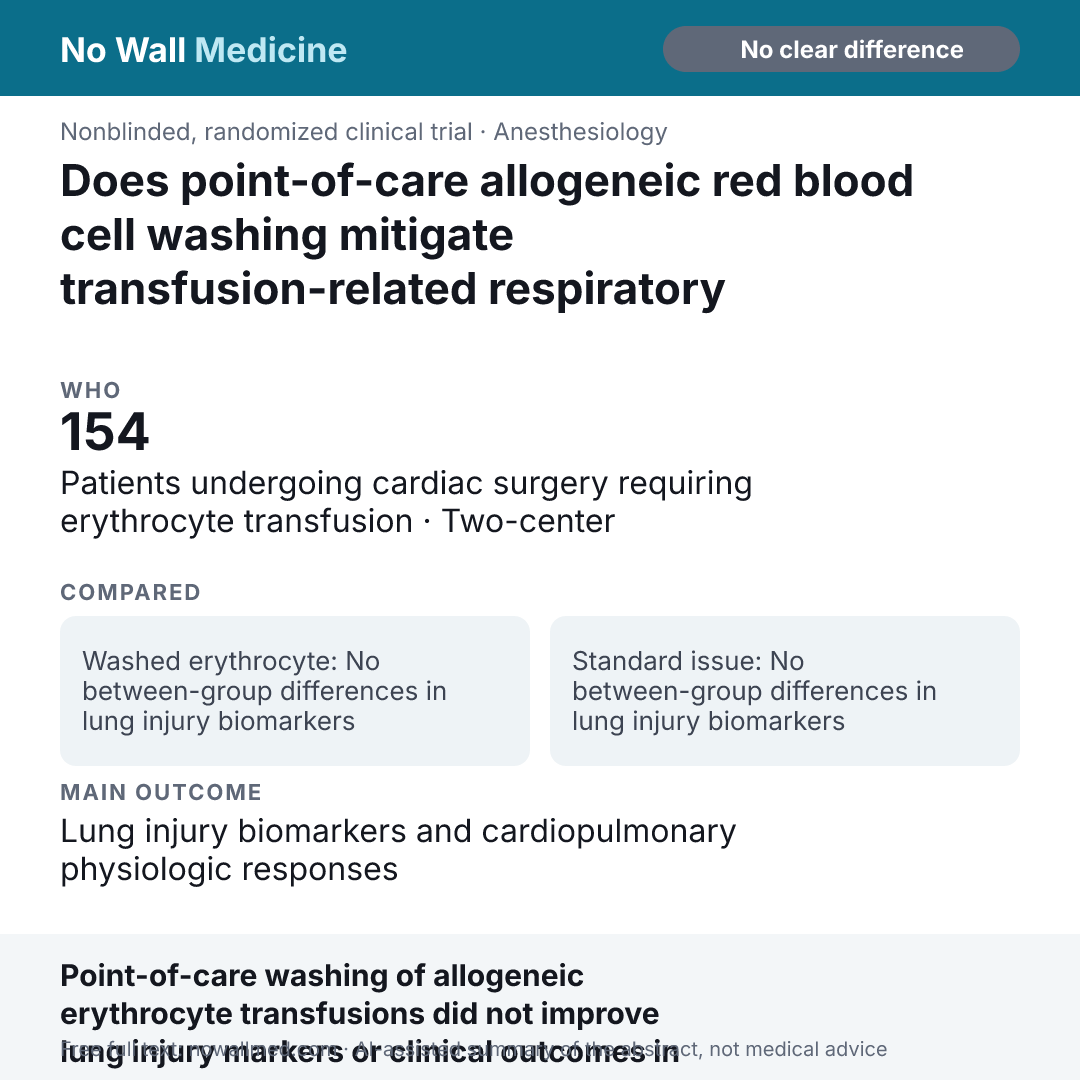
Impact of Point-of-care Allogeneic Red Blood Cell Washing on Markers of Transfusion-related Respiratory Complications: A Phase II Randomized Clinical Trial
Nonblinded, randomized clinical trialNo clear difference
Does point-of-care allogeneic red blood cell washing mitigate transfusion-related respiratory complications?
Who
154
Patients undergoing cardiac surgery requiring erythrocyte transfusion · Two-center
Compared
Washed erythrocyte: No between-group differences in lung injury biomarkers
Standard issue: No between-group differences in lung injury biomarkers
Main outcome
Lung injury biomarkers and cardiopulmonary physiologic responses
Bottom line: Point-of-care washing of allogeneic erythrocyte transfusions did not improve lung injury markers or clinical outcomes in cardiac surgery patients.
Anesthesiology · 2025-04-14 · Save PNG
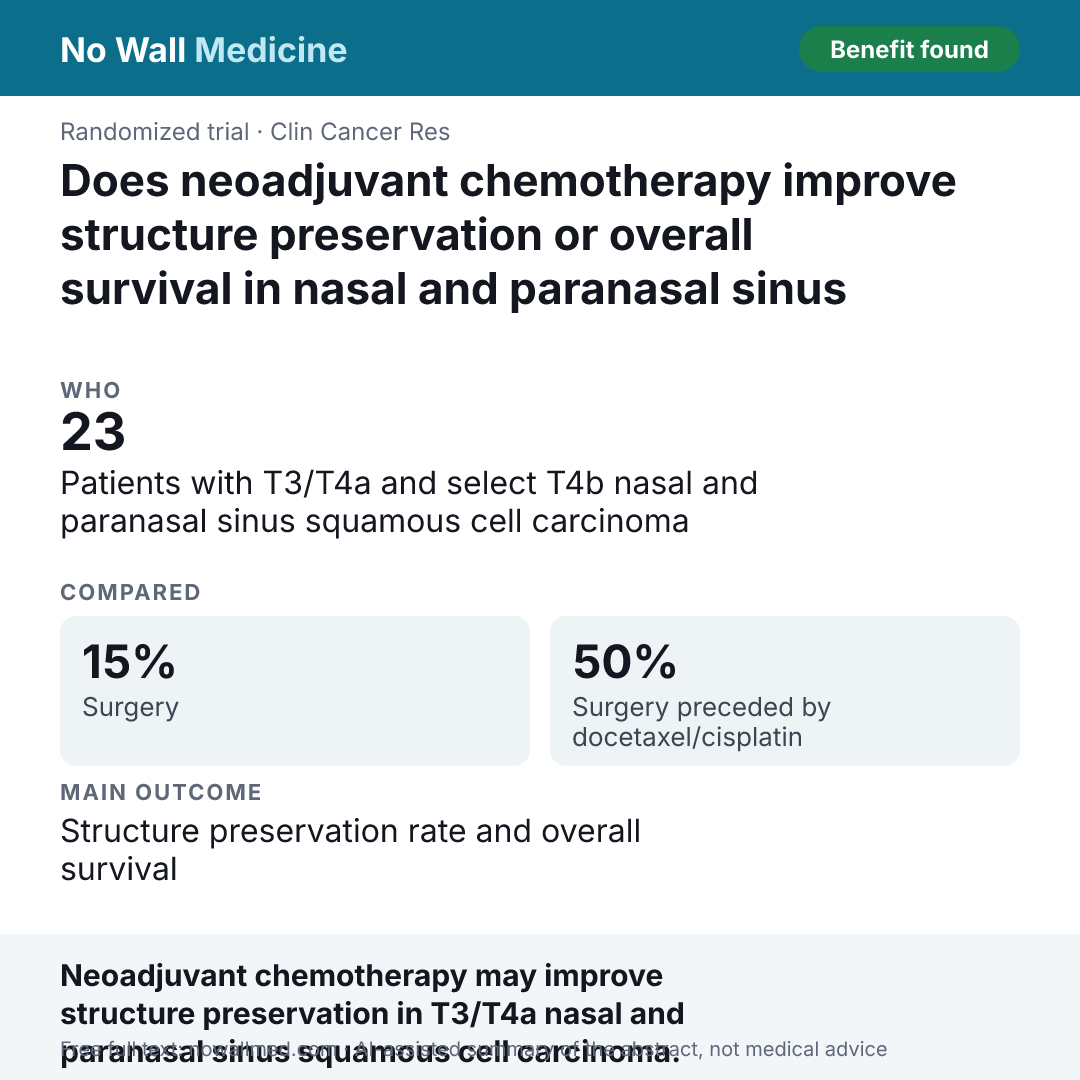
Neoadjuvant Chemotherapy and Surgery versus Surgery for Organ Preservation of T3 and T4a Nasal and Paranasal Sinus Squamous Cell Carcinoma: ECOG-ACRIN EA3163
Randomized trialBenefit found
Does neoadjuvant chemotherapy improve structure preservation or overall survival in nasal and paranasal sinus squamous cell carcinoma?
Who
23
Patients with T3/T4a and select T4b nasal and paranasal sinus squamous cell carcinoma
Compared
15%Surgery (2/13)
50%Surgery preceded by docetaxel/cisplatin (5/10)
Main outcome
Structure preservation rate and overall survival
Bottom line: Neoadjuvant chemotherapy may improve structure preservation in T3/T4a nasal and paranasal sinus squamous cell carcinoma.
Clin Cancer Res · 2025-04-14 · Save PNG
The association between relapse and the outcome of schizophrenia and recurrent psychotic disorders
Randomised controlled trialNo clear difference
Does relapse affect social and clinical outcomes in schizophrenia or recurrent psychosis?
Who
253
People with schizophrenia or recurrent, non-affective psychosis
Compared
Relapsed: no change in social functioning or quality of life
Did not relapse
Main outcome
social functioning, quality of life, symptom scores, and employment
Bottom line: Relapse did not have a detrimental effect on long-term social or clinical outcomes in these patients.
Br J Psychiatry · 2025-04-14 · Save PNG

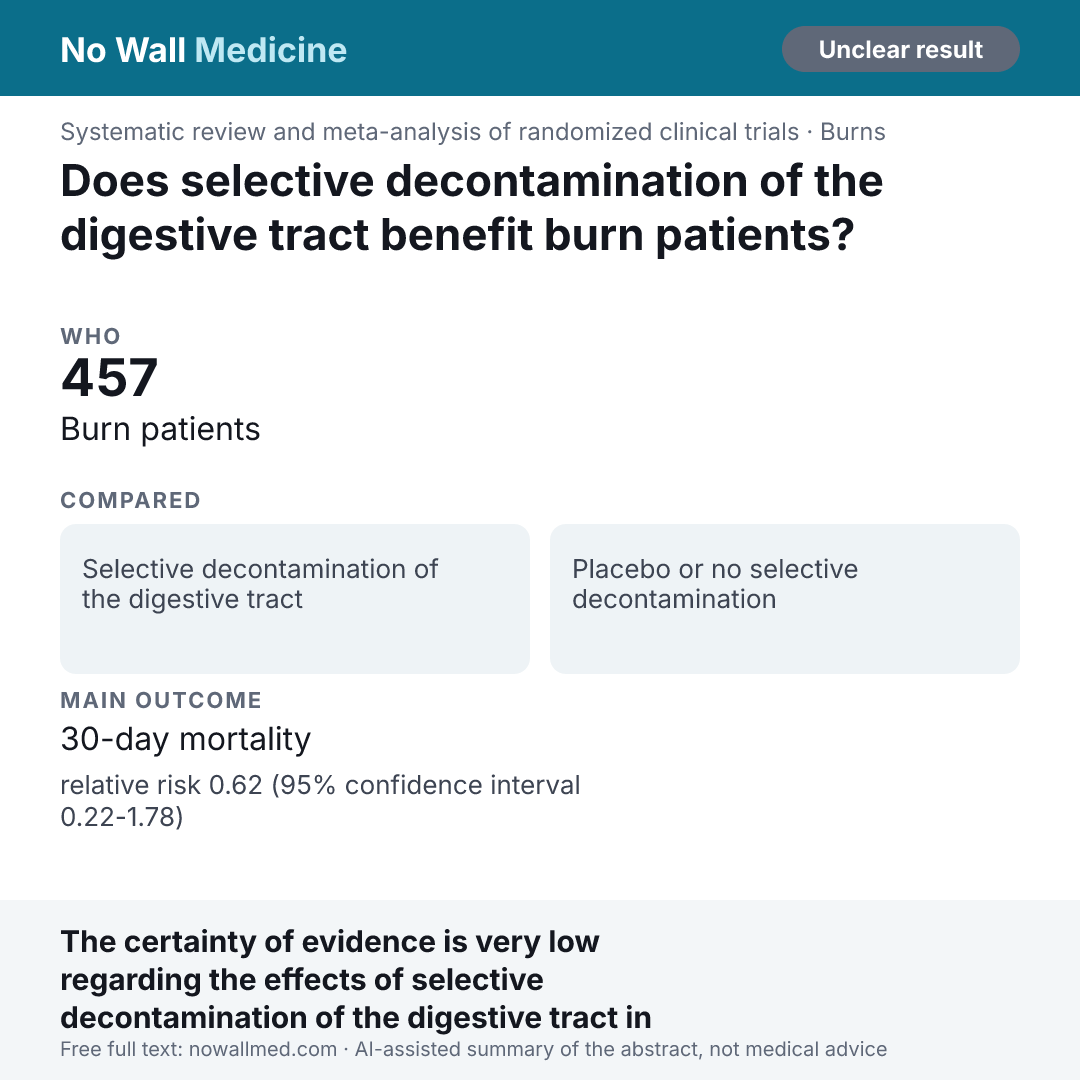
Selective decontamination of the digestive tract in burn patients: A systematic review with meta-analysis
Systematic review and meta-analysis of randomized clinical trialsUnclear result
Does selective decontamination of the digestive tract benefit burn patients?
Who
457
Burn patients
Compared
Selective decontamination of the digestive tract
Placebo or no selective decontamination
Main outcome
30-day mortality
Result: relative risk 0.62 (95% confidence interval 0.22-1.78)
Bottom line: The certainty of evidence is very low regarding the effects of selective decontamination of the digestive tract in burn patients.
Limitation: All trials were assessed as having either some concerns or high risk of bias.
Burns · 2025-04-14 · Save PNG
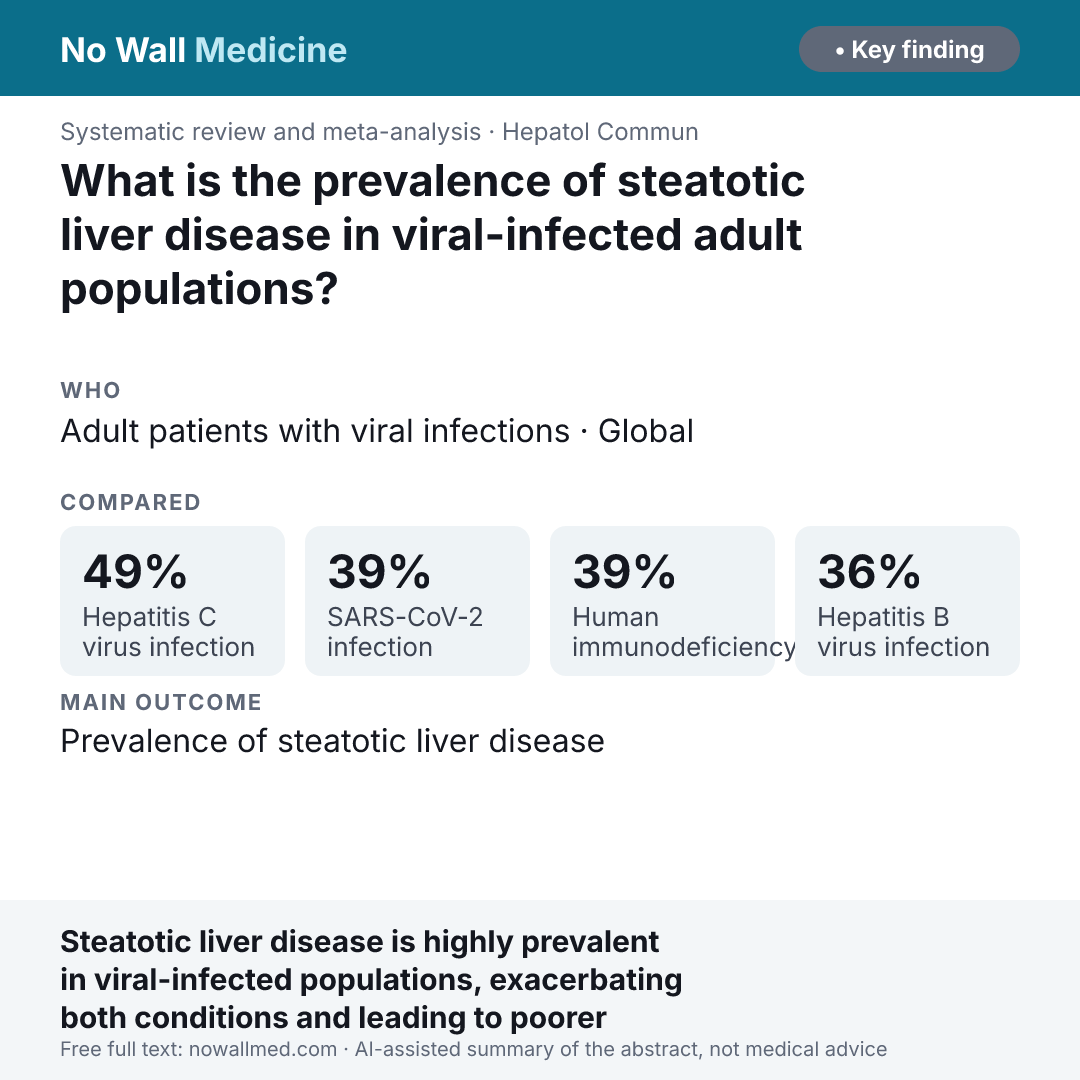
The global prevalence and impact of steatotic liver disease and viral infections: A systematic review and meta-analysis
Systematic review and meta-analysisKey finding
What is the prevalence of steatotic liver disease in viral-infected adult populations?
Who
Adult patients with viral infections · Global
Compared
49%Hepatitis C virus infection (95% CI: 47%-51%)
39%SARS-CoV-2 infection (95% CI [34%-44%])
39%Human immunodeficiency virus infection (95% CI [33%-44%])
36%Hepatitis B virus infection (95% CI [32%-40%])
Main outcome
Prevalence of steatotic liver disease
Bottom line: Steatotic liver disease is highly prevalent in viral-infected populations, exacerbating both conditions and leading to poorer patient outcomes.
Hepatol Commun · 2025-04-14 · Save PNG
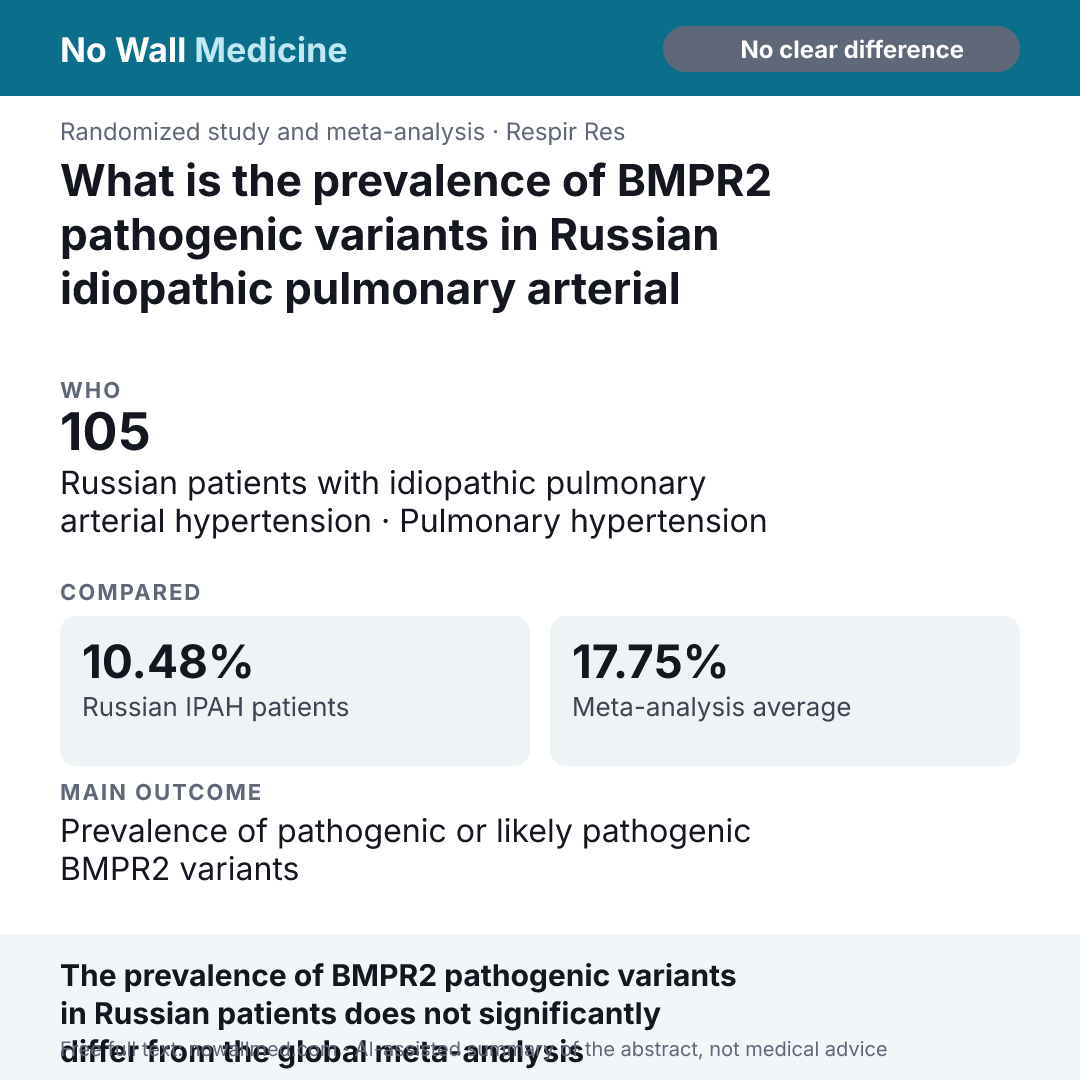
The prevalence of pathogenic variants in the BMPR2 gene in patients with the idiopathic pulmonary arterial hypertension in the Russian population: sequencing data and meta-analysis
Randomized study and meta-analysisNo clear difference
What is the prevalence of BMPR2 pathogenic variants in Russian idiopathic pulmonary arterial hypertension patients?
Who
105
Russian patients with idiopathic pulmonary arterial hypertension · Pulmonary hypertension care center in Moscow, Russia
Compared
10.48%Russian IPAH patients
17.75%Meta-analysis average
Main outcome
Prevalence of pathogenic or likely pathogenic BMPR2 variants
Result: p = 0.062
Bottom line: The prevalence of BMPR2 pathogenic variants in Russian patients does not significantly differ from the global meta-analysis average.
Limitation: Considerable heterogeneity in the world-wide data
Respir Res · 2025-04-14 · Save PNG
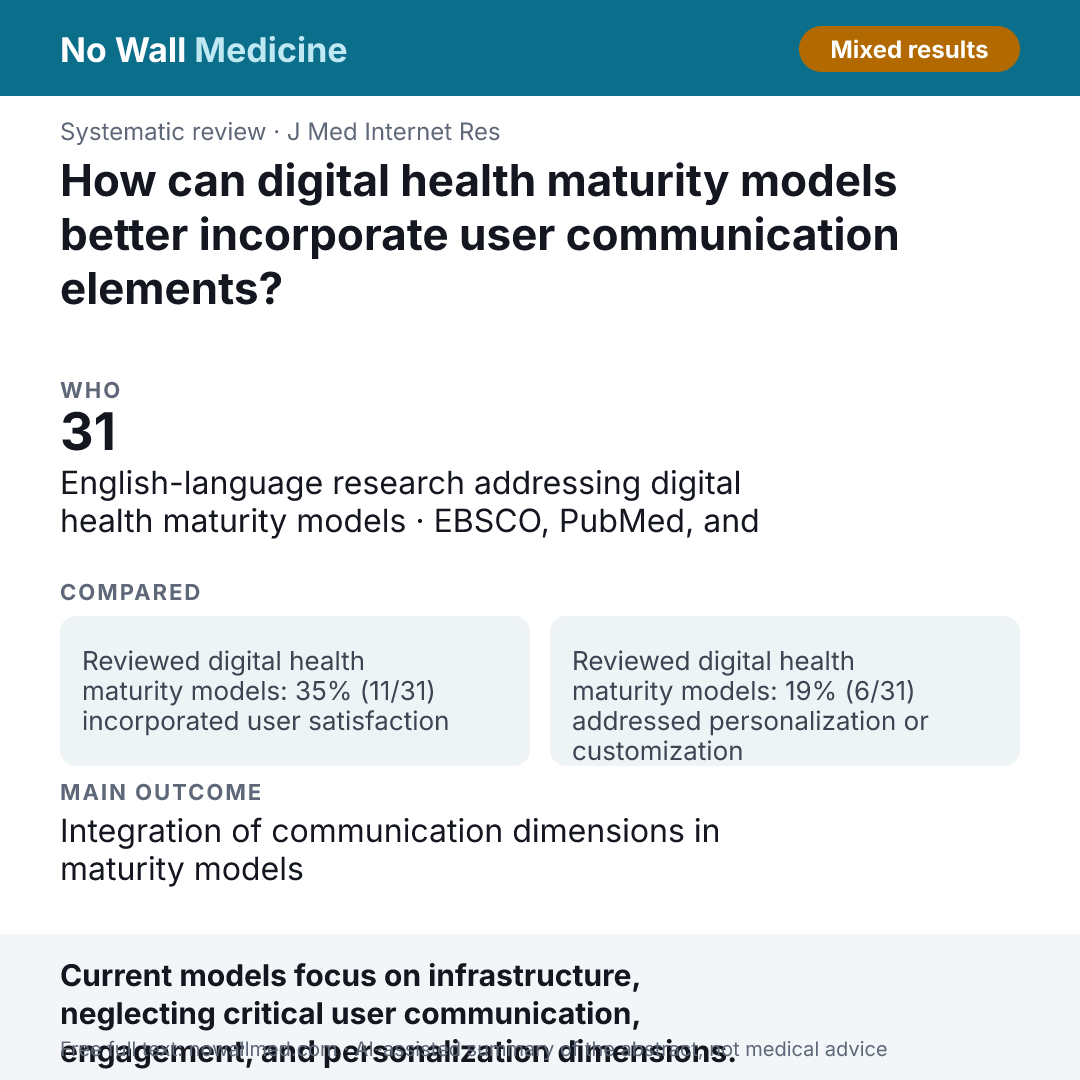
Developing the Digital Health Communication Maturity Model: Systematic Review
Systematic reviewMixed results
How can digital health maturity models better incorporate user communication elements?
Who
31
English-language research addressing digital health maturity models · EBSCO, PubMed, and ProQuest databases
Compared
Reviewed digital health maturity models: 35% (11/31) incorporated user satisfaction
Reviewed digital health maturity models: 19% (6/31) addressed personalization or customization
Main outcome
Integration of communication dimensions in maturity models
Bottom line: Current models focus on infrastructure, neglecting critical user communication, engagement, and personalization dimensions.
Limitation: The review was limited to English-language research.
J Med Internet Res · 2025-04-14 · Save PNG
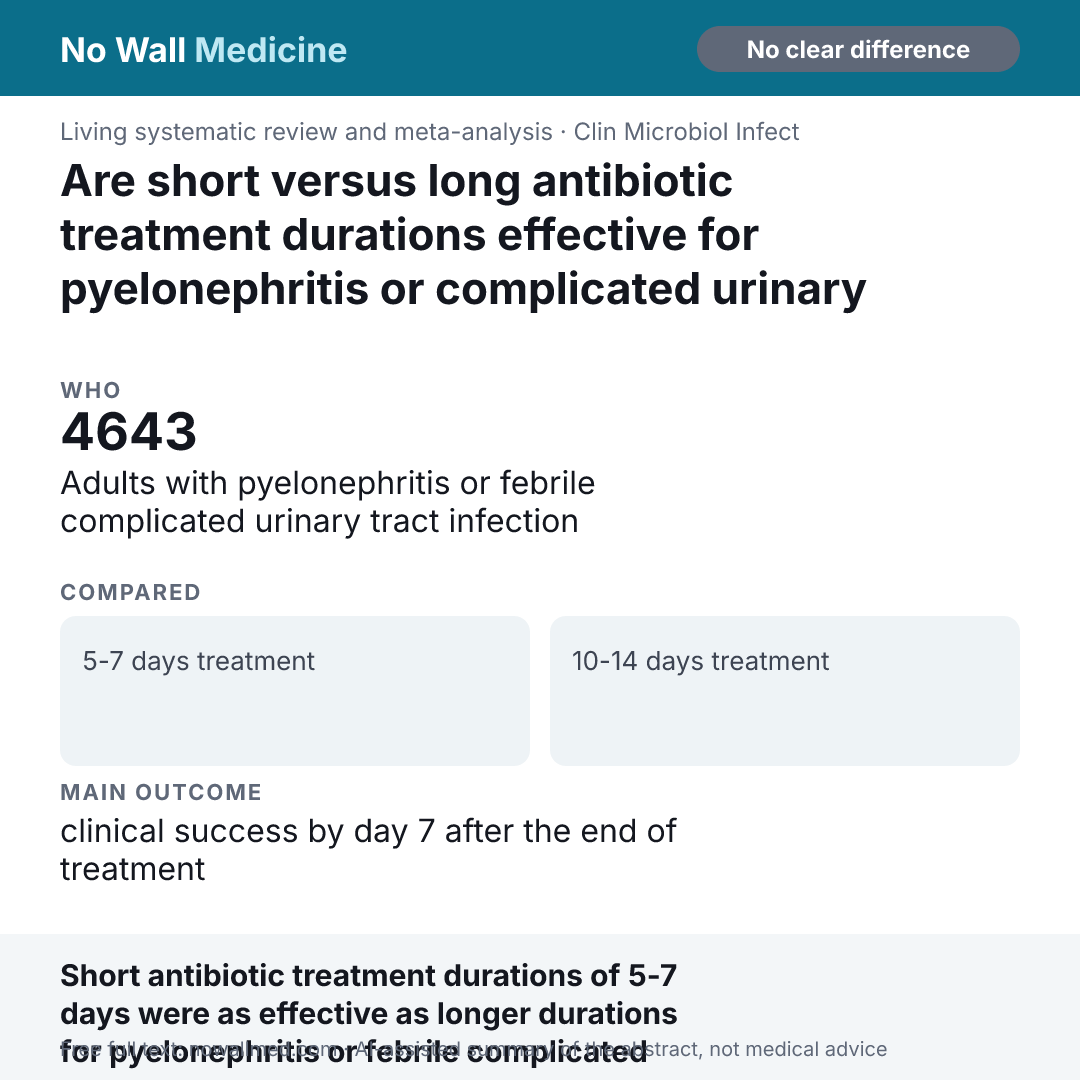
Epigenetic timing effects on child developmental outcomes: a longitudinal meta-regression of findings from the Pregnancy And Childhood Epigenetics Consortium
Longitudinal meta-regressionMixed results
Do DNA methylation effect sizes differ between birth and childhood timepoints for child outcomes?
Who
Children from the Pregnancy And Childhood Epigenetics Consortium meta-analyses
Compared
Prospective analyses at birth
Cross-sectional analyses in childhood: consistently larger effect sizes
Main outcome
Child developmental outcomes including ADHD, psychopathology, sleep, BMI, and asthma
Bottom line: DNA methylation effect sizes are larger in childhood but associations become noisier compared to prospective analyses at birth.
Limitation: Observations could not be explained by sample size differences and only partly by differential study-heterogeneity.
Genome Med · 2025-04-14 · Save PNG
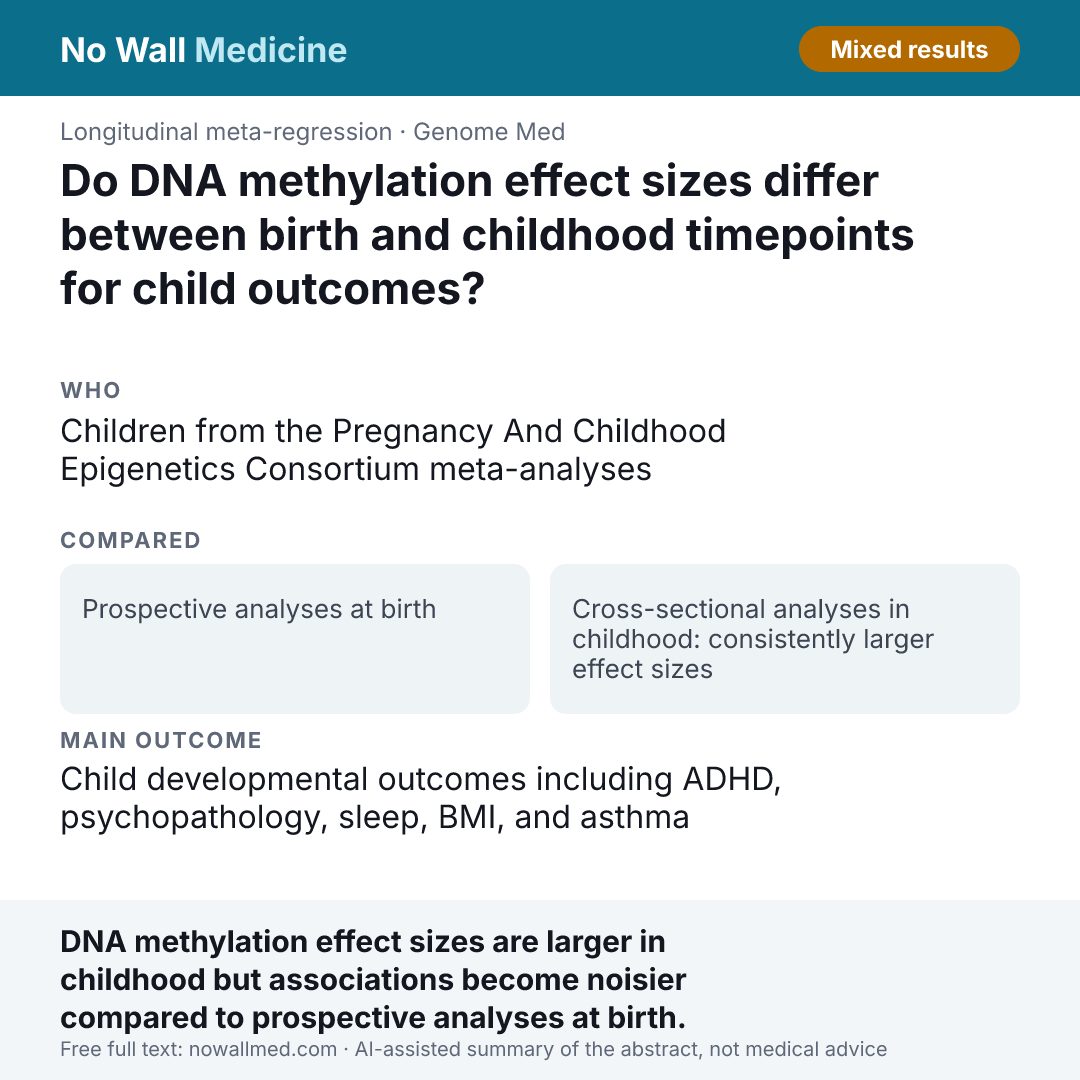
Finerenone, chronic obstructive pulmonary disease, and heart failure with mildly reduced or preserved ejection fraction: A prespecified analysis of the FINEARTS-HF trial
Prespecified analysis of a randomized trialBenefit found
Does finerenone benefit patients with heart failure regardless of chronic obstructive pulmonary disease status?
Who
6001
Patients with heart failure with mildly reduced or preserved ejection fraction
Compared
Patients without chronic obstructive pulmonary disease: RR 0.84 (95% CI 0.73-0.97)
Patients with chronic obstructive pulmonary disease: RR 0.84 (95% CI 0.61-1.16)
Main outcome
Composite of cardiovascular death and total worsening heart failure events
Result: RR 0.84 (95% CI 0.73-0.97) for no COPD; RR 0.84 (95% CI 0.61-1.16) for COPD
Bottom line: Finerenone's beneficial effects on clinical events and symptoms were consistent regardless of chronic obstructive pulmonary disease status.
Eur J Heart Fail · 2025-04-13 · Save PNG
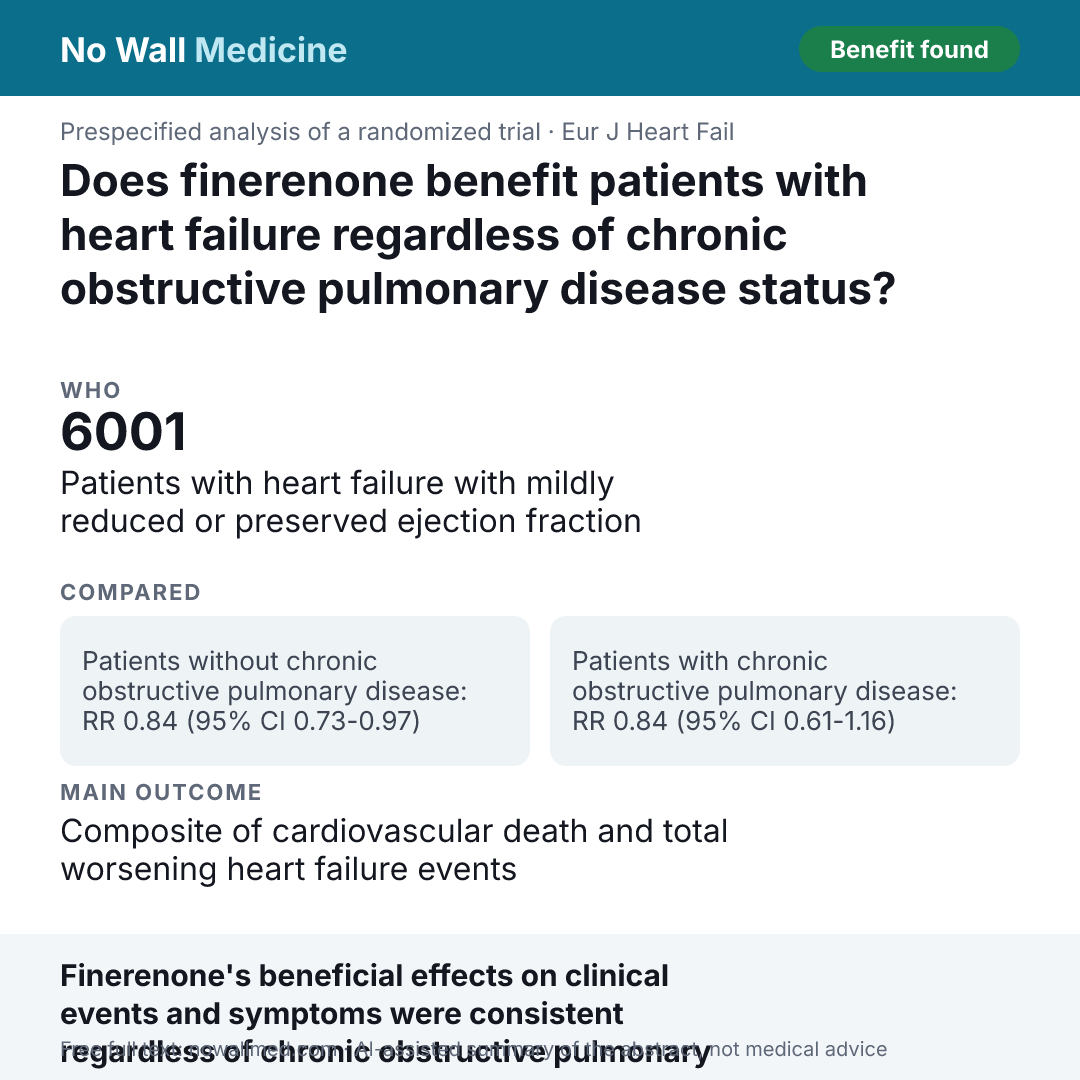
Effectiveness of inhaled methoxyflurane in acute pain in an emergency department - A systematic review of randomized controlled trials
Systematic review of randomized controlled trialsBenefit found
Is inhaled methoxyflurane effective for acute traumatic pain in emergency departments?
Who
Patients with acute traumatic pain in the emergency department · Emergency department
Compared
Methoxyflurane: pain reduction of up to -30.392 mm on a 100 mm VAS scale and -5.75 on an NRS 0-10 point scale
Placebo or standard analgesics
Main outcome
Effectiveness of analgesia
Bottom line: Inhaled methoxyflurane provides rapid, effective pain relief and higher satisfaction compared to placebo or standard treatments.
Am J Emerg Med · 2025-04-13 · Save PNG
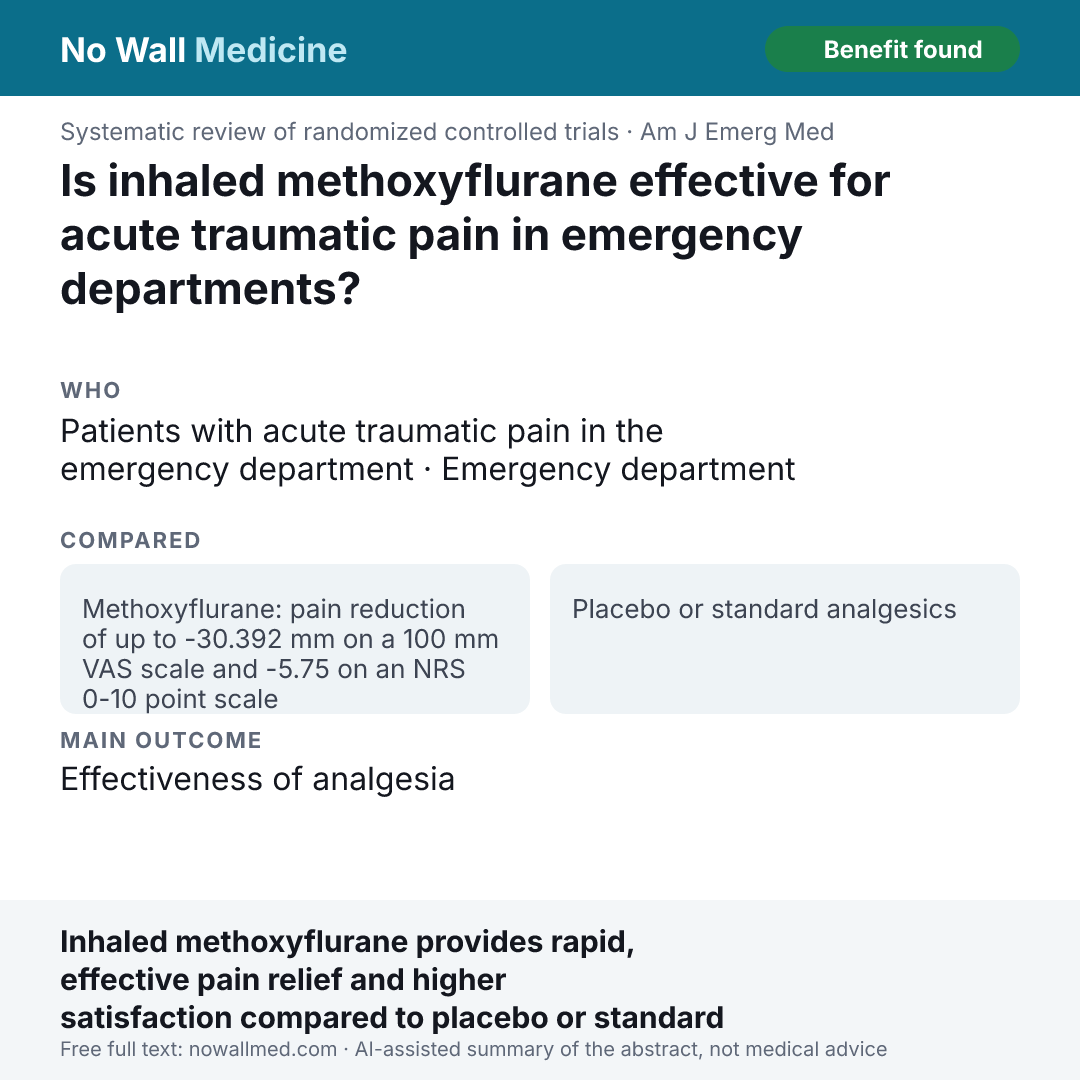
Short vs. long antibiotic treatment for pyelonephritis and complicated urinary tract infections: a living systematic review and meta-analysis of randomized controlled trials
Living systematic review and meta-analysisNo clear difference
Are short versus long antibiotic treatment durations effective for pyelonephritis or complicated urinary tract infections?
Who
4643
Adults with pyelonephritis or febrile complicated urinary tract infection
Compared
5-7 days treatment
10-14 days treatment
Main outcome
clinical success by day 7 after the end of treatment
Result: risk ratio 1.01 (95% CI 0.98-1.04)
Bottom line: Short antibiotic treatment durations of 5-7 days were as effective as longer durations for pyelonephritis or febrile complicated urinary tract infections.
Limitation: Risk-of-bias concern in most trials due to dropouts and lack of blinding.
Clin Microbiol Infect · 2025-04-12 · Save PNG
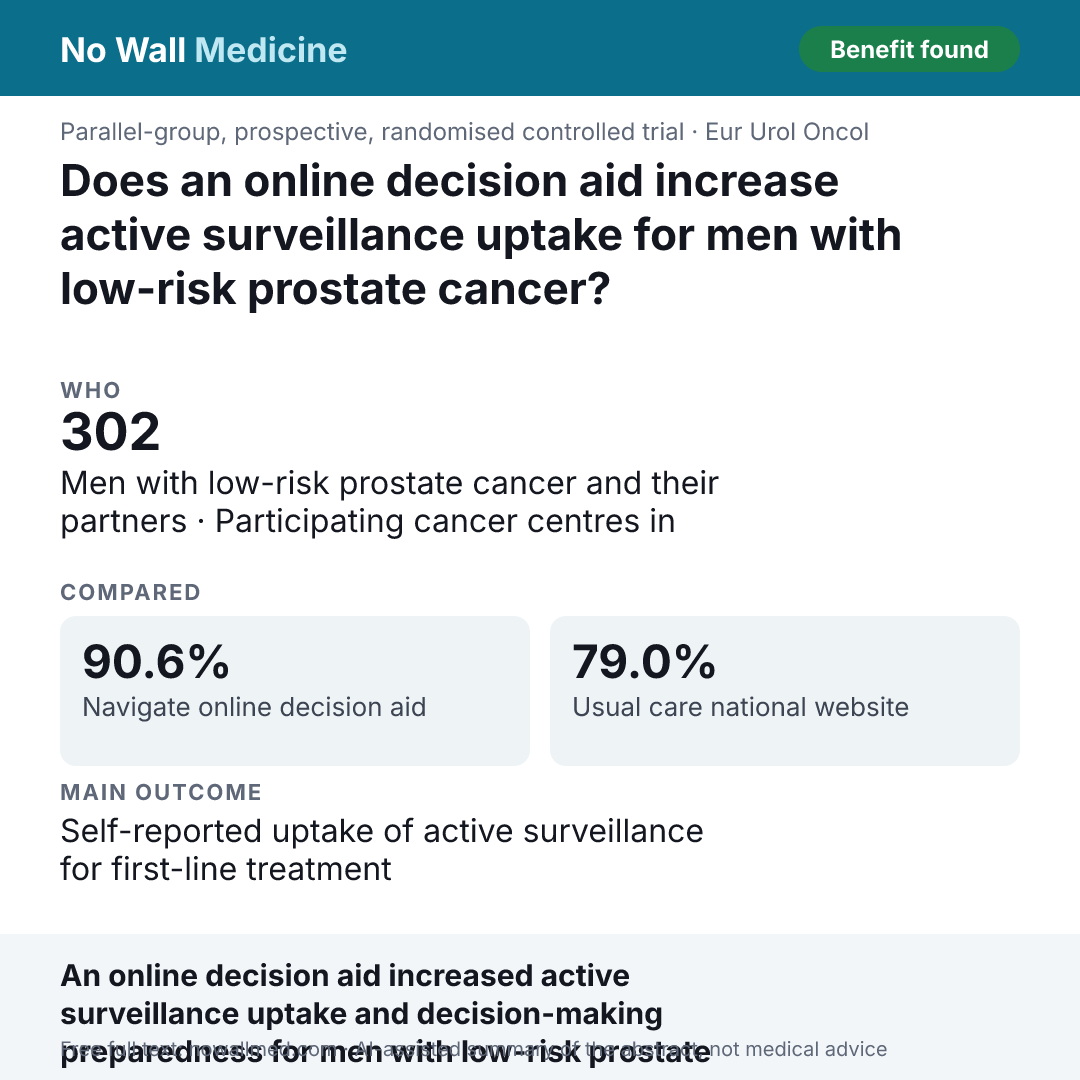
An Online Treatment Decision Aid for Men with Low-risk Prostate Cancer Eligible for Active Surveillance and Their Partners Increases the Uptake of Active Surveillance: The Navigate Randomised Controlled Trial
Parallel-group, prospective, randomised controlled trialBenefit found
Does an online decision aid increase active surveillance uptake for men with low-risk prostate cancer?
Who
302
Men with low-risk prostate cancer and their partners · Participating cancer centres in Australia
Compared
90.6%Navigate online decision aid
79.0%Usual care national website
Main outcome
Self-reported uptake of active surveillance for first-line treatment
Bottom line: An online decision aid increased active surveillance uptake and decision-making preparedness for men with low-risk prostate cancer.
Limitation: Longer-term outcomes were not measured.
Eur Urol Oncol · 2025-04-12 · Save PNG
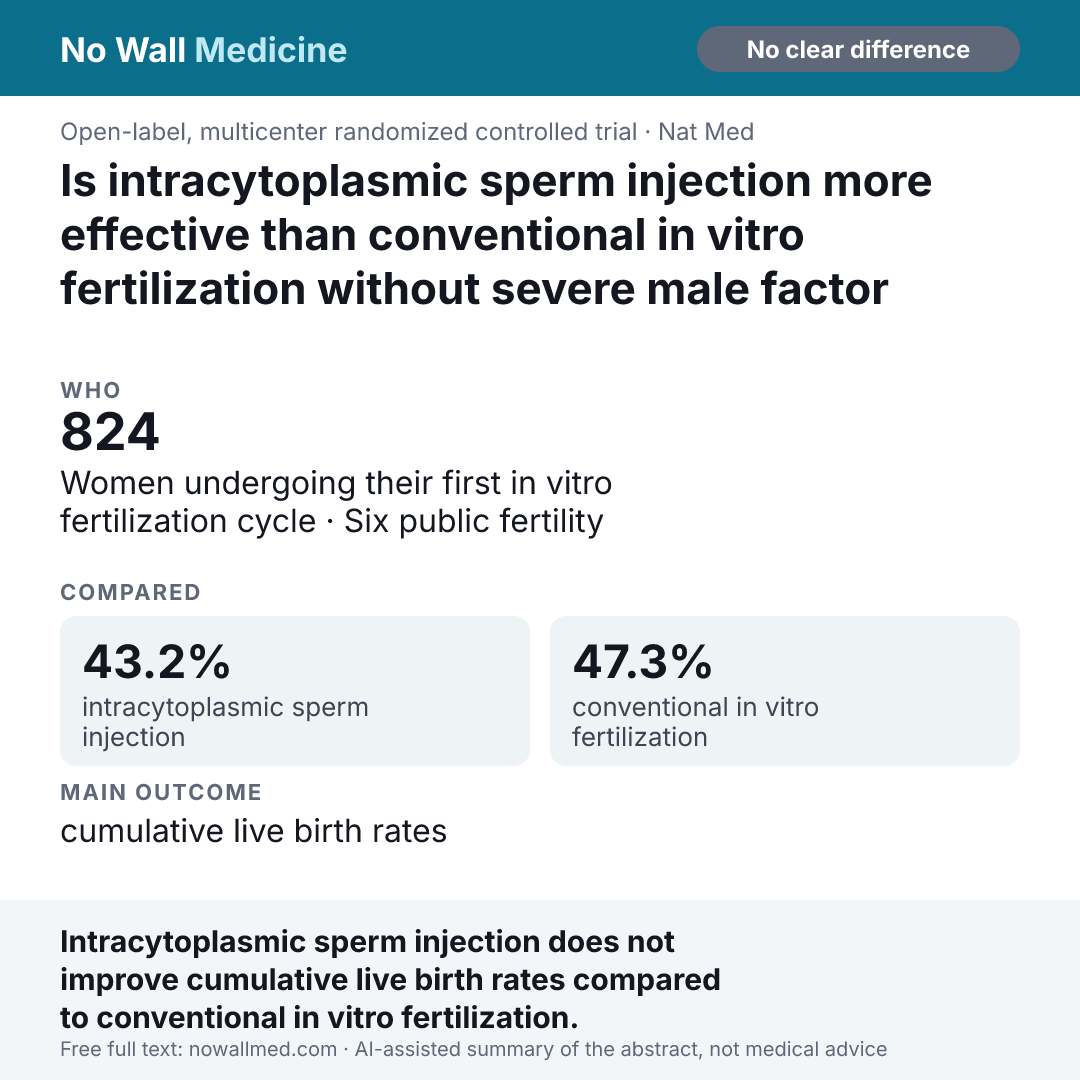
IVF versus ICSI in patients without severe male factor infertility: a randomized clinical trial
Open-label, multicenter randomized controlled trialNo clear difference
Is intracytoplasmic sperm injection more effective than conventional in vitro fertilization without severe male factor infertility?
Who
824
Women undergoing their first in vitro fertilization cycle · Six public fertility clinics in Denmark
Compared
43.2%intracytoplasmic sperm injection (179/414)
47.3%conventional in vitro fertilization (193/408)
Main outcome
cumulative live birth rates
Result: risk ratio 0.91 (95% confidence interval, 0.79-1.06)
Bottom line: Intracytoplasmic sperm injection does not improve cumulative live birth rates compared to conventional in vitro fertilization.
Nat Med · 2025-04-11 · Save PNG
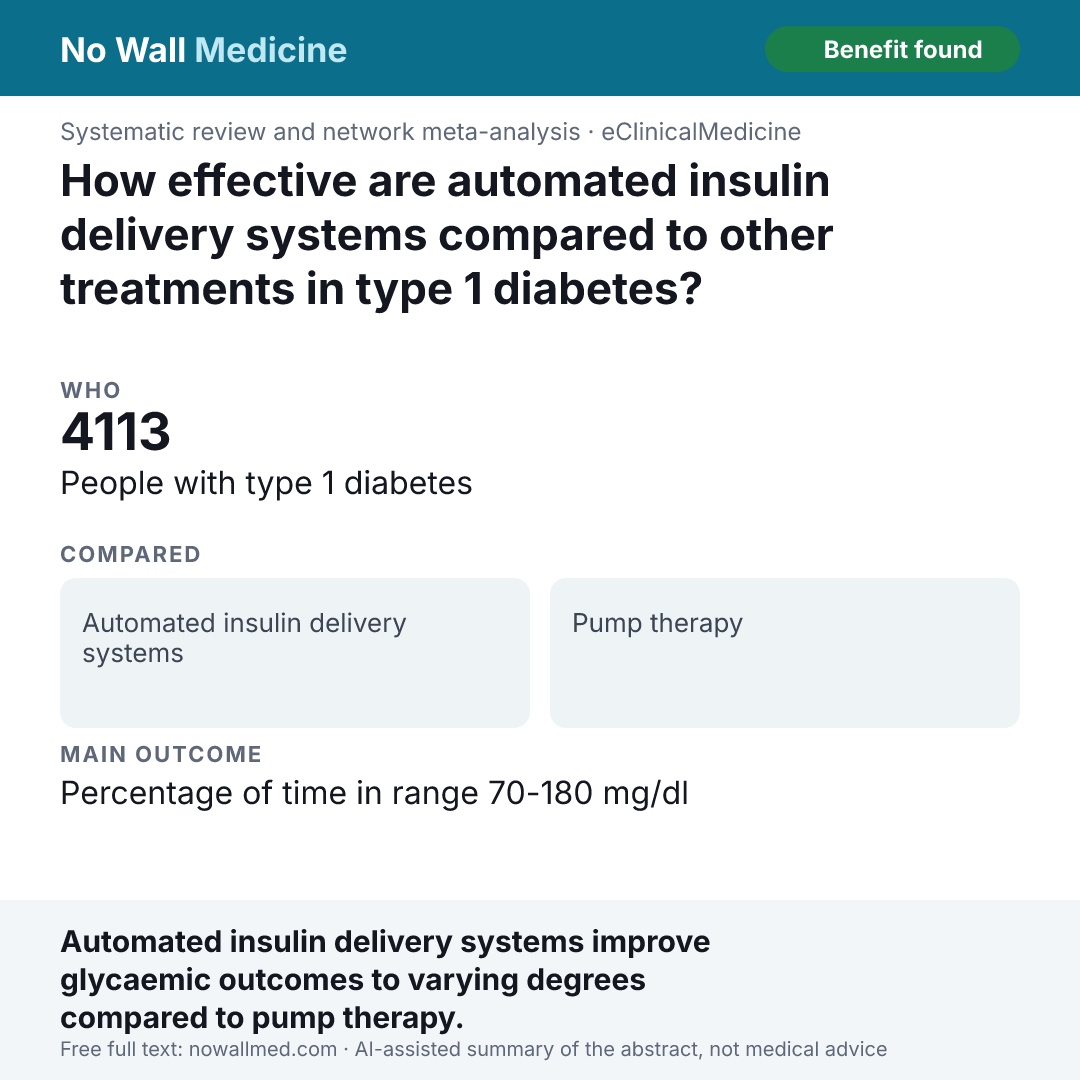
Efficacy of automated insulin delivery systems in people with type 1 diabetes: a systematic review and network meta-analysis of outpatient randomised controlled trials
Systematic review and network meta-analysisBenefit found
How effective are automated insulin delivery systems compared to other treatments in type 1 diabetes?
Who
4113
People with type 1 diabetes
Compared
Automated insulin delivery systems
Pump therapy
Main outcome
Percentage of time in range 70-180 mg/dl
Bottom line: Automated insulin delivery systems improve glycaemic outcomes to varying degrees compared to pump therapy.
Limitation: Global publication bias for all glycaemic outcomes was indicated.
Funded by: German Federal Ministry of Education and Research
eClinicalMedicine · 2025-04-11 · Save PNG
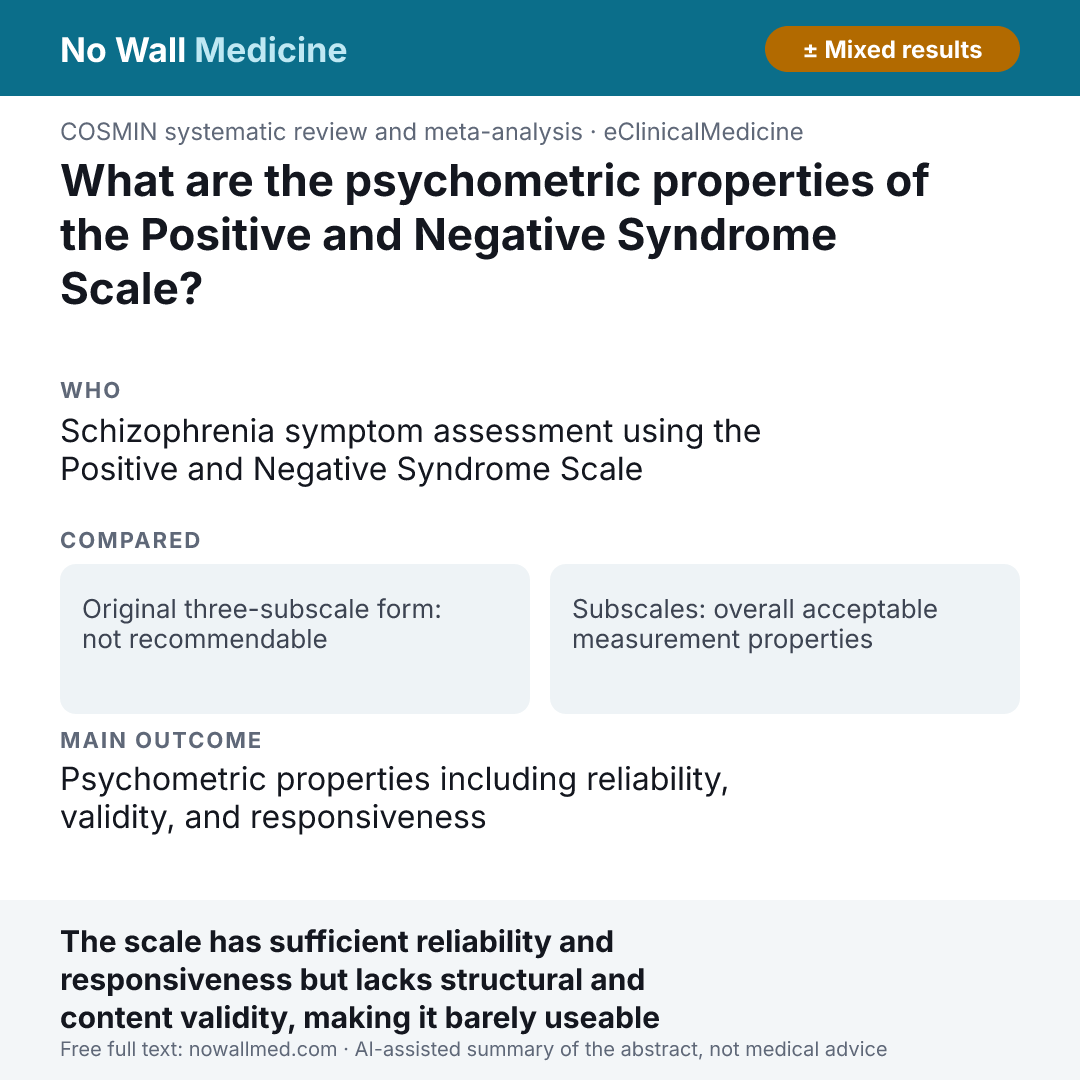
COSMIN systematic review and meta-analysis of the measurement properties of the Positive and Negative Syndrome Scale (PANSS)
COSMIN systematic review and meta-analysisMixed results
What are the psychometric properties of the Positive and Negative Syndrome Scale?
Who
Schizophrenia symptom assessment using the Positive and Negative Syndrome Scale
Compared
Original three-subscale form: not recommendable
Subscales: overall acceptable measurement properties
Main outcome
Psychometric properties including reliability, validity, and responsiveness
Bottom line: The scale has sufficient reliability and responsiveness but lacks structural and content validity, making it barely useable in clinical practice.
Limitation: The instrument length of 30-50 minutes makes it barely useable in clinical practice.
eClinicalMedicine · 2025-04-11 · Save PNG
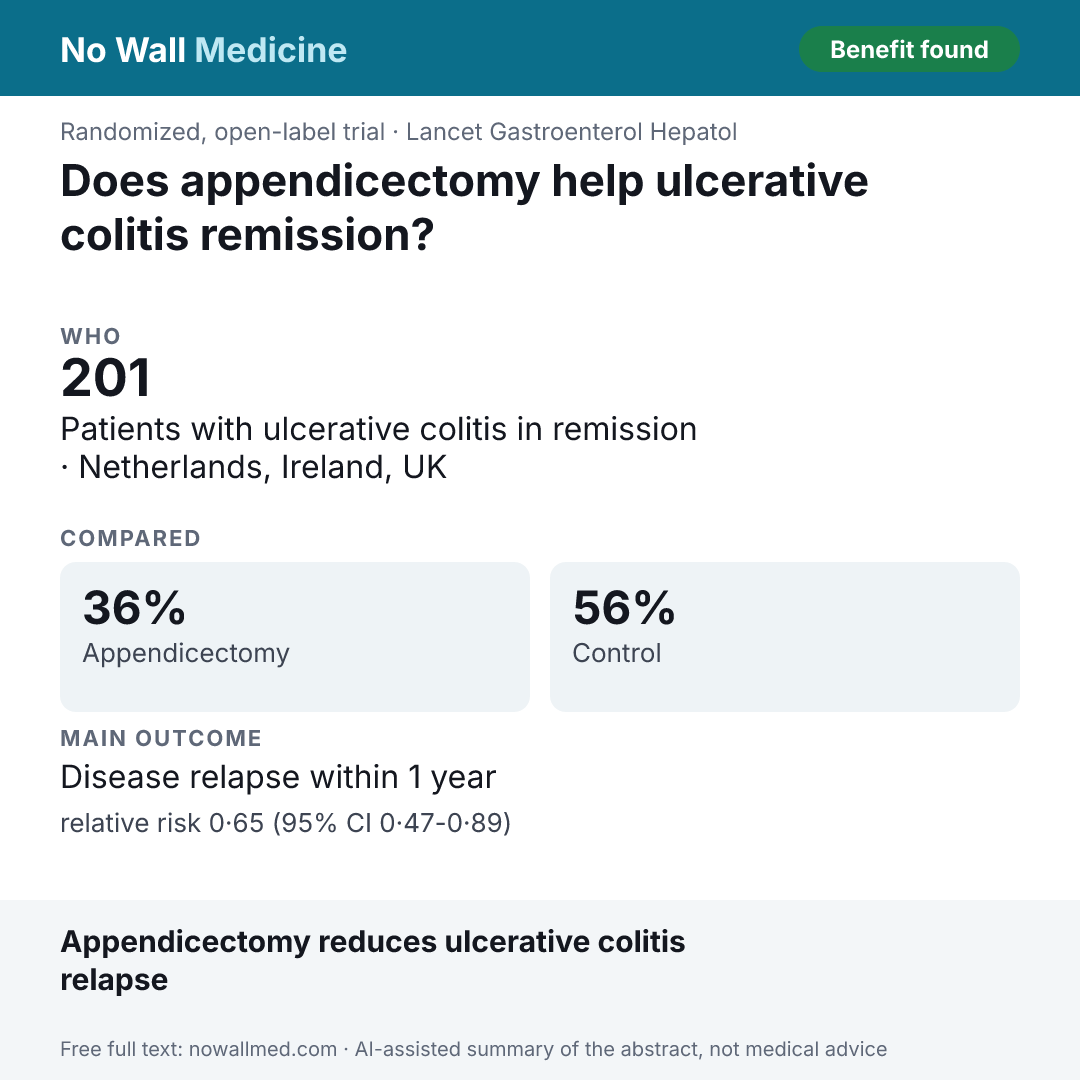
Appendicectomy plus standard medical therapy versus standard medical therapy alone for maintenance of remission in ulcerative colitis (ACCURE): a pragmatic, open-label, international, randomised trial
Randomized, open-label trialBenefit found
Does appendicectomy help ulcerative colitis remission?
Who
201
Patients with ulcerative colitis in remission · Netherlands, Ireland, UK
Compared
36%Appendicectomy (36/99)
56%Control (55/98)
Main outcome
Disease relapse within 1 year
Result: relative risk 0·65 (95% CI 0·47-0·89)
Bottom line: Appendicectomy reduces ulcerative colitis relapse
Funded by: Fonds Nuts-Ohra and National Institute
Lancet Gastroenterol Hepatol · 2025-04-11 · Save PNG
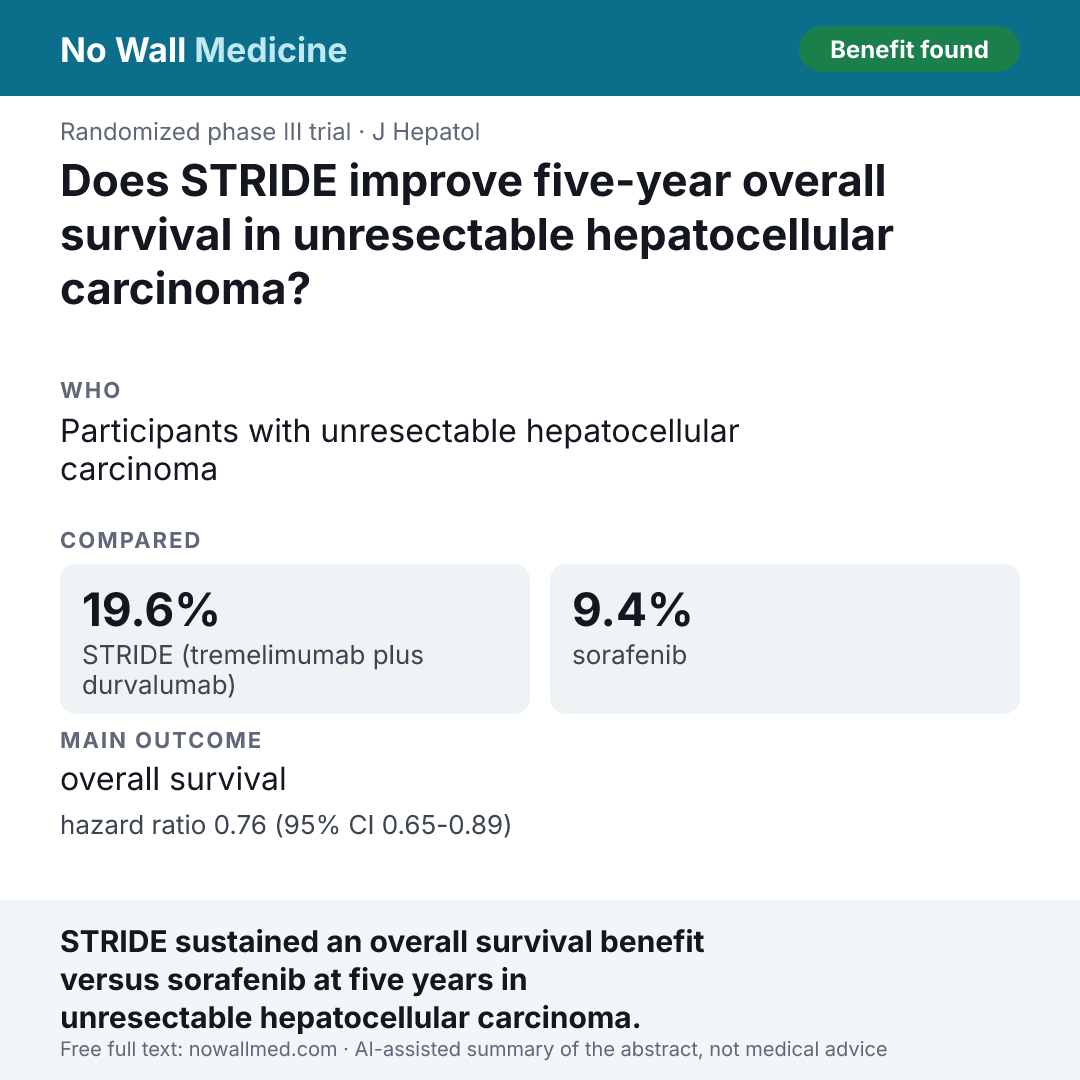
Five-year overall survival update from the HIMALAYA study of tremelimumab plus durvalumab in unresectable HCC
Randomized phase III trialBenefit found
Does STRIDE improve five-year overall survival in unresectable hepatocellular carcinoma?
Who
Participants with unresectable hepatocellular carcinoma
Compared
19.6%STRIDE (tremelimumab plus durvalumab)
9.4%sorafenib
Main outcome
overall survival
Result: hazard ratio 0.76 (95% CI 0.65-0.89)
Bottom line: STRIDE sustained an overall survival benefit versus sorafenib at five years in unresectable hepatocellular carcinoma.
J Hepatol · 2025-04-11 · Save PNG
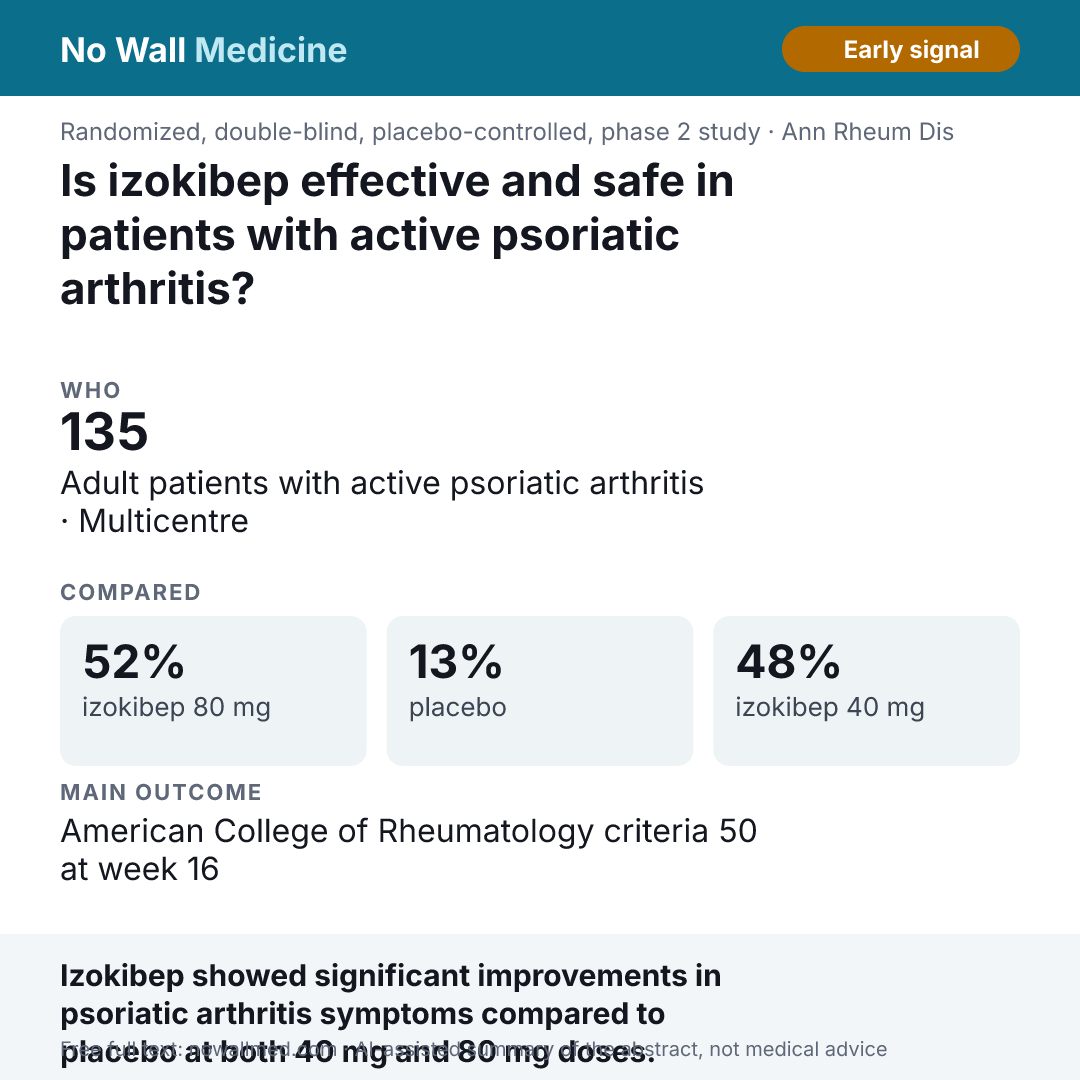
Efficacy and safety of izokibep in patients with active psoriatic arthritis: a randomised, double-blind, placebo-controlled, phase 2 study
Randomized, double-blind, placebo-controlled, phase 2 studyEarly signal
Is izokibep effective and safe in patients with active psoriatic arthritis?
Who
135
Adult patients with active psoriatic arthritis · Multicentre
Compared
52%izokibep 80 mg (ACR50 at week 16)
13%placebo (ACR50 at week 16)
48%izokibep 40 mg (ACR50 at week 16)
Main outcome
American College of Rheumatology criteria 50 at week 16
Bottom line: Izokibep showed significant improvements in psoriatic arthritis symptoms compared to placebo at both 40 mg and 80 mg doses.
Ann Rheum Dis · 2025-04-11 · Save PNG
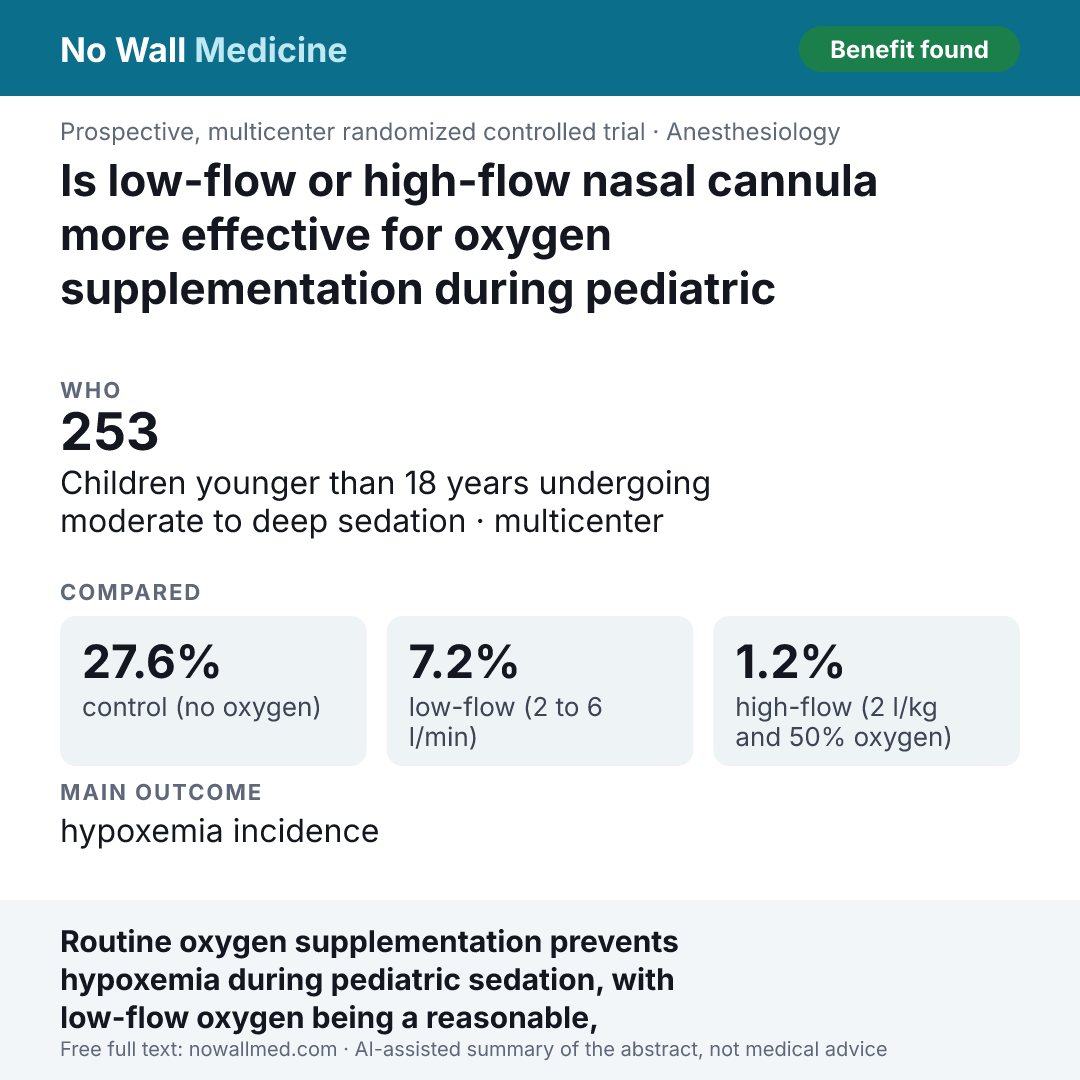
Oxygen Supplementation in Pediatric Sedation: Prospective, Multicenter, Randomized Controlled Trial
Prospective, multicenter randomized controlled trialBenefit found
Is low-flow or high-flow nasal cannula more effective for oxygen supplementation during pediatric sedation?
Who
253
Children younger than 18 years undergoing moderate to deep sedation · multicenter
Compared
27.6%control (no oxygen)
7.2%low-flow (2 to 6 l/min)
1.2%high-flow (2 l/kg and 50% oxygen)
Main outcome
hypoxemia incidence
Result: OR 0.184 (95% CI 0.067 to 0.503) for low-flow; OR 0.026 (95% CI 0.003 to 0.207) for high-flow
Bottom line: Routine oxygen supplementation prevents hypoxemia during pediatric sedation, with low-flow oxygen being a reasonable, cost-effective choice.
Anesthesiology · 2025-04-11 · Save PNG