Visual abstracts
New randomized trials and meta-analyses from leading journals at a glance: who was studied, what was compared, and what was found. Every paper is free to read in full.
All specialtiesCardiology 2300Oncology 1960Gastroenterology & Hepatology 862Infectious Disease 1425Neurology 921Psychiatry & Mental Health 1093Pulmonology 962Critical Care 638Endocrinology & Diabetes 1203Pediatrics 1340Surgery 1161Orthopedics & Sports Medicine 419Neurosurgery 283Cardiothoracic & Vascular Surgery 248Plastic & Reconstructive Surgery 348Nephrology 483Rheumatology 320Hematology 493Dermatology 268Ophthalmology 270Obstetrics & Gynecology 755Public & Global Health 426Radiology & Imaging 317Anesthesiology 458Urology 388ENT (Otolaryngology) 295Emergency Medicine 262Allergy & Immunology 141Geriatrics 490Family Medicine & Primary Care 269Medical Genetics & Genomics 244Pathology & Laboratory Medicine 75Physical Medicine & Rehabilitation 392Palliative Care 195Nutrition 602Digital Health & AI 1150General Medicine 171
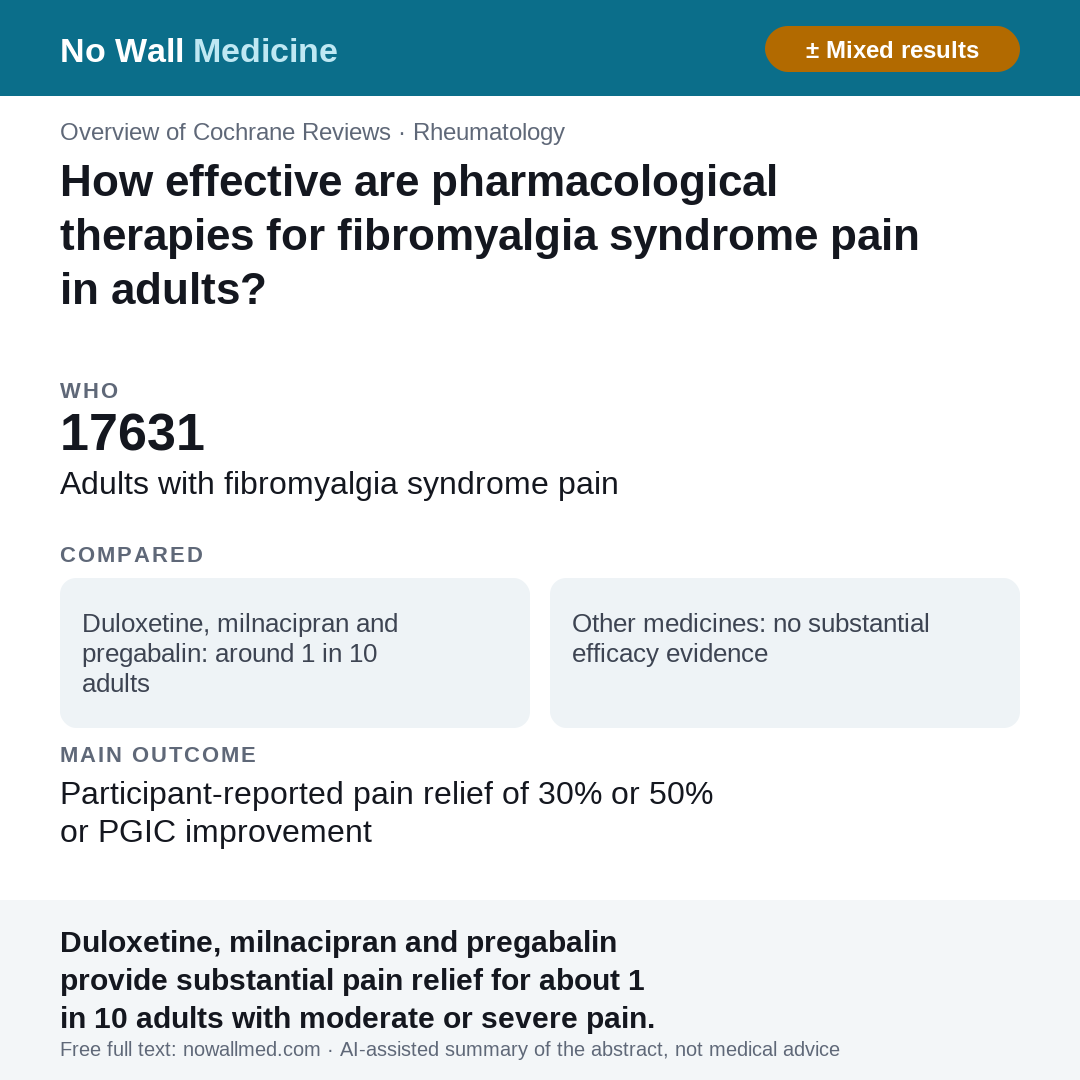
Effectiveness of pharmacological therapies for fibromyalgia syndrome in adults: an overview of Cochrane Reviews
Overview of Cochrane ReviewsMixed results
How effective are pharmacological therapies for fibromyalgia syndrome pain in adults?
Who
17631
Adults with fibromyalgia syndrome pain
Compared
Duloxetine, milnacipran and pregabalin: around 1 in 10 adults
Other medicines: no substantial efficacy evidence
Main outcome
Participant-reported pain relief of 30% or 50% or PGIC improvement
Bottom line: Duloxetine, milnacipran and pregabalin provide substantial pain relief for about 1 in 10 adults with moderate or severe pain.
Limitation: No evidence about who might benefit or experience adverse events.
Rheumatology · 2024-12-20Download image
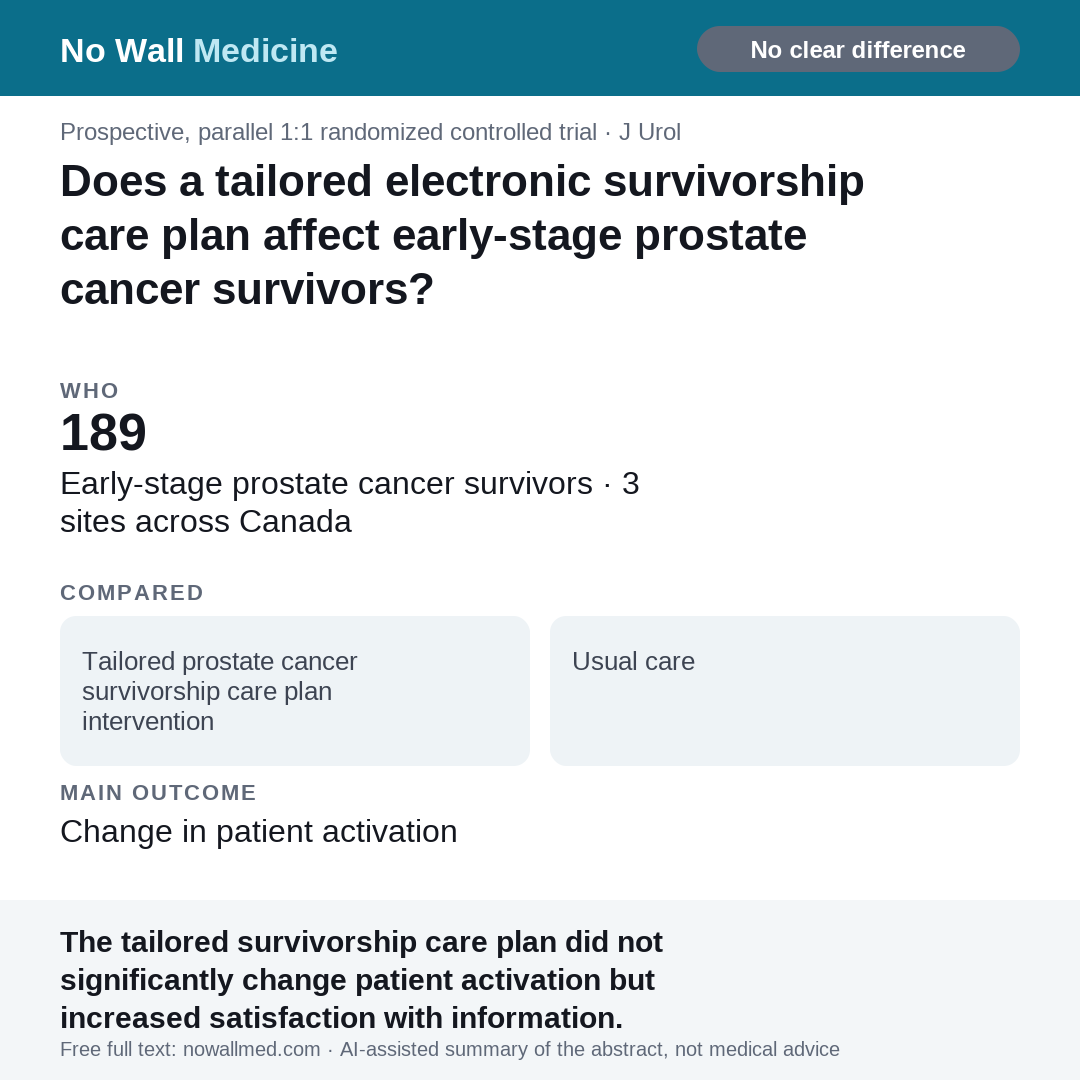
A Tailored Electronic Survivorship Care Plan for Prostate Cancer Survivors: A Multicenter Randomized Controlled Trial
Prospective, parallel 1:1 randomized controlled trialNo clear difference
Does a tailored electronic survivorship care plan affect early-stage prostate cancer survivors?
Who
189
Early-stage prostate cancer survivors · 3 sites across Canada
Compared
Tailored prostate cancer survivorship care plan intervention
Usual care
Main outcome
Change in patient activation
Bottom line: The tailored survivorship care plan did not significantly change patient activation but increased satisfaction with information.
J Urol · 2024-12-20Download image
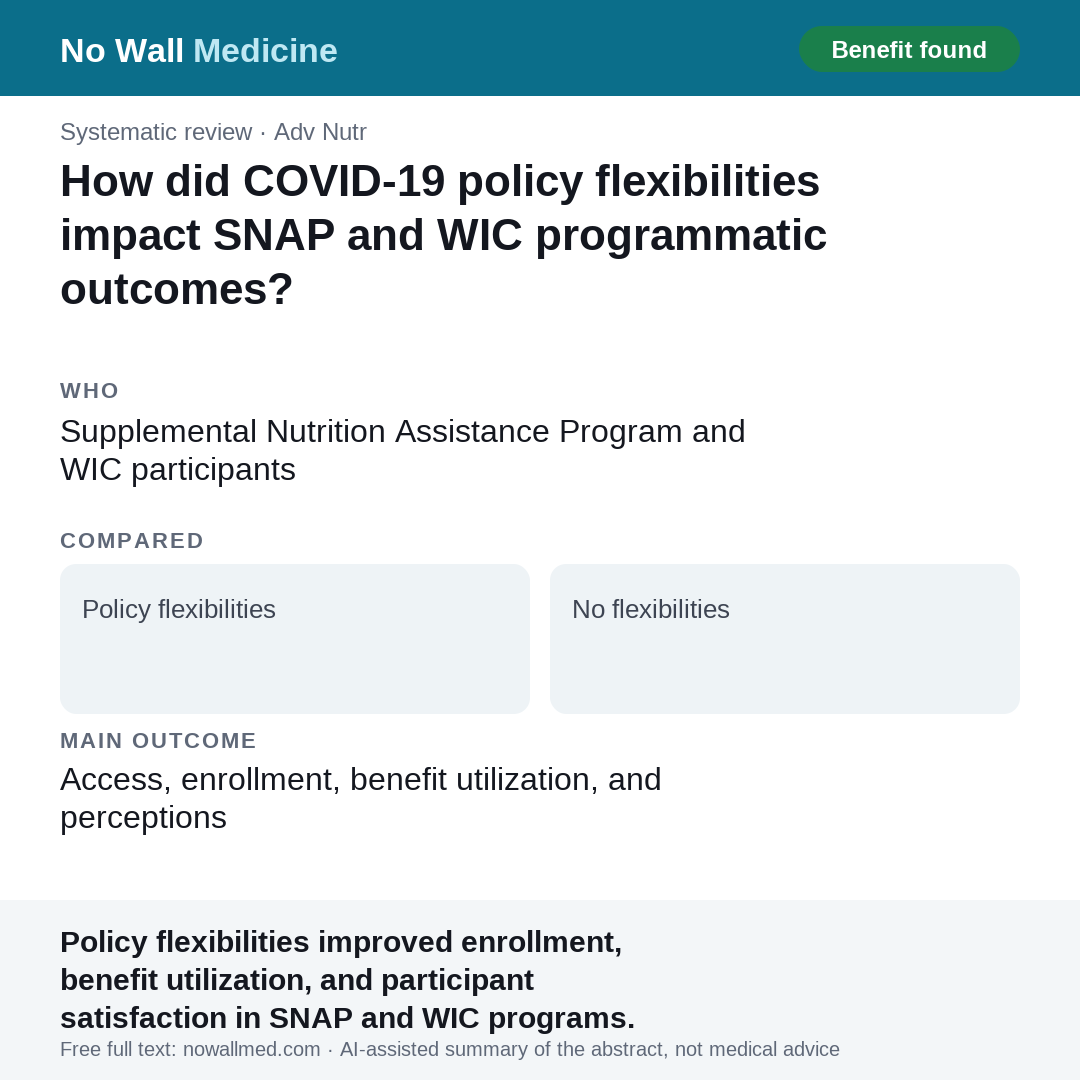
A Systematic Review: The Impact of COVID-19 Policy Flexibilities on SNAP and WIC Programmatic Outcomes
Systematic reviewBenefit found
How did COVID-19 policy flexibilities impact SNAP and WIC programmatic outcomes?
Who
37
Supplemental Nutrition Assistance Program and WIC participants
Compared
Policy flexibilities
No flexibilities
Main outcome
Access, enrollment, benefit utilization, and perceptions
Bottom line: Policy flexibilities improved enrollment, benefit utilization, and participant satisfaction in SNAP and WIC programs.
Limitation: Potential risks of bias including selection bias and confounding bias.
Adv Nutr · 2024-12-20Download image
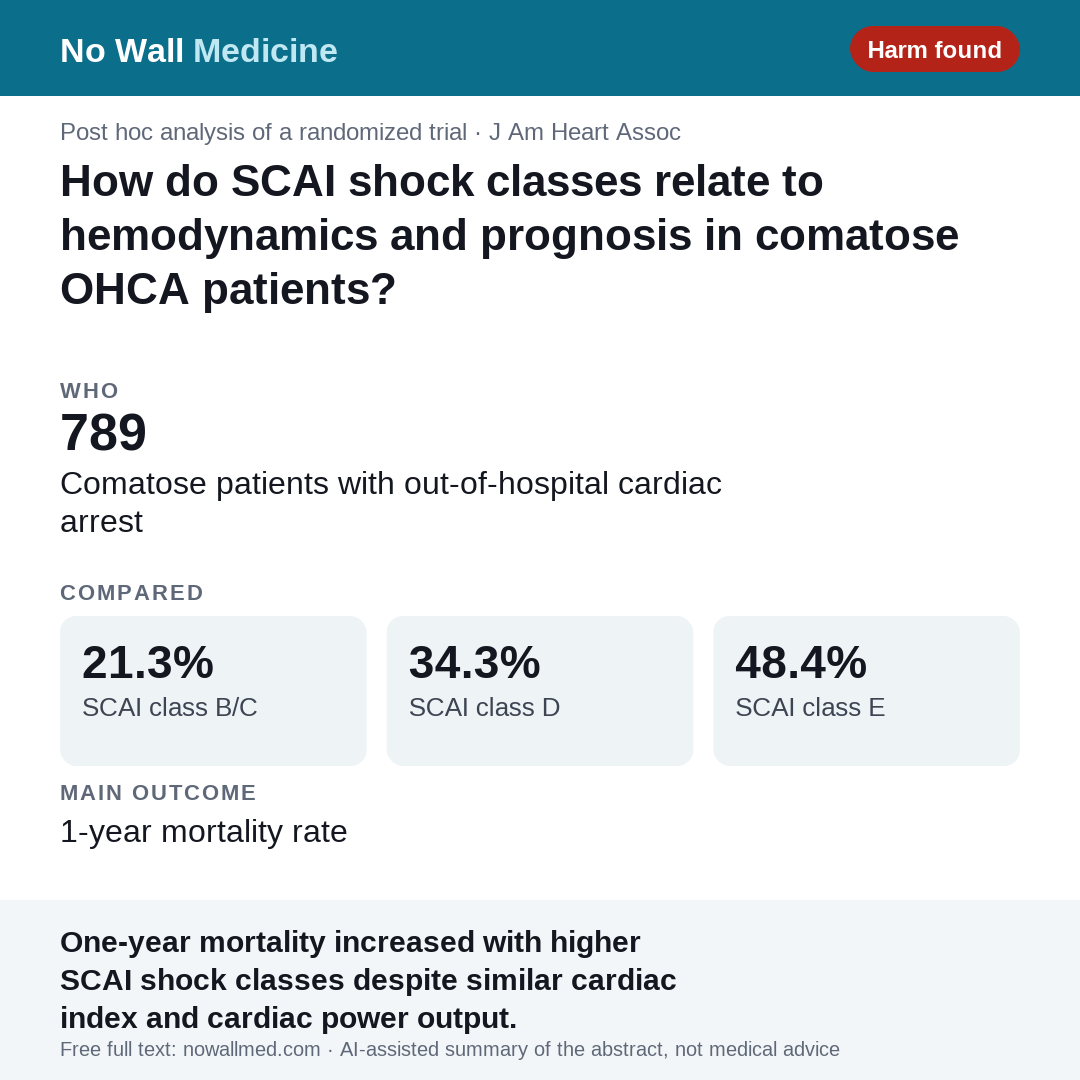
Hemodynamic Characteristics and Prognostic Implication of Modified Society for Cardiovascular Angiography and Interventions Shock Classification in Comatose Patients With Out-of-Hospital Cardiac Arrest
Post hoc analysis of a randomized trialHarm found
How do SCAI shock classes relate to hemodynamics and prognosis in comatose OHCA patients?
Who
789
Comatose patients with out-of-hospital cardiac arrest
Compared
21.3%SCAI class B/C
34.3%SCAI class D
48.4%SCAI class E
Main outcome
1-year mortality rate
Bottom line: One-year mortality increased with higher SCAI shock classes despite similar cardiac index and cardiac power output.
J Am Heart Assoc · 2024-12-20Download image
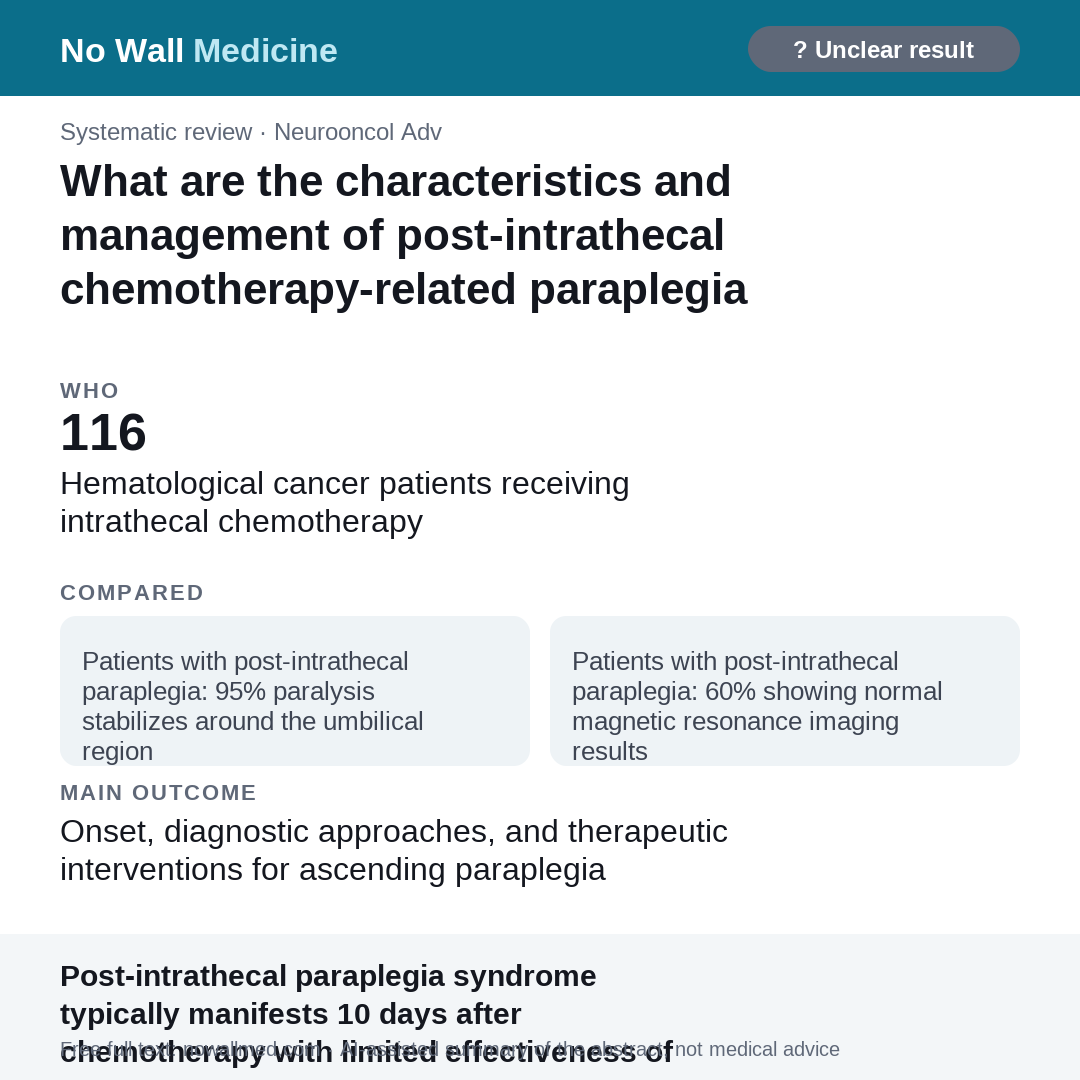
Post-intrathecal chemotherapy-related paraplegia syndrome in hematological cancer patients: A systematic review
Systematic reviewUnclear result
What are the characteristics and management of post-intrathecal chemotherapy-related paraplegia syndrome?
Who
116
Hematological cancer patients receiving intrathecal chemotherapy
Compared
Patients with post-intrathecal paraplegia: 95% paralysis stabilizes around the umbilical region
Patients with post-intrathecal paraplegia: 60% showing normal magnetic resonance imaging results
Main outcome
Onset, diagnostic approaches, and therapeutic interventions for ascending paraplegia
Bottom line: Post-intrathecal paraplegia syndrome typically manifests 10 days after chemotherapy with limited effectiveness of common treatments.
Neurooncol Adv · 2024-12-20Download image
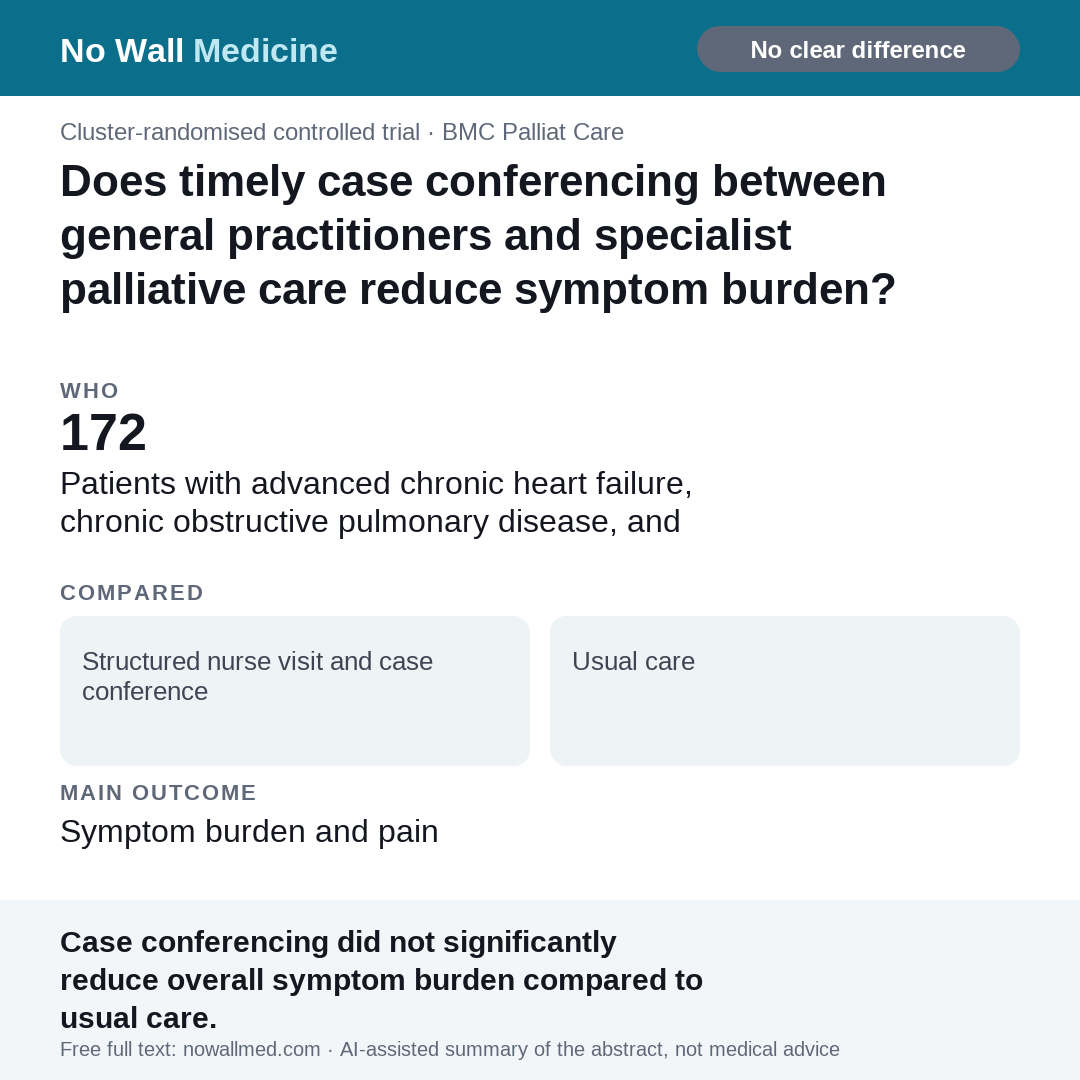
Effects of timely case conferencing between general practitioners and specialist palliative care services on symptom burden in patients with advanced chronic disease: results of the cluster-randomised controlled KOPAL trial
Cluster-randomised controlled trialNo clear difference
Does timely case conferencing between general practitioners and specialist palliative care reduce symptom burden?
Who
172
Patients with advanced chronic heart failure, chronic obstructive pulmonary disease, and dementia · 49 German general practitioner practices
Compared
Structured nurse visit and case conference
Usual care
Main outcome
Symptom burden and pain
Result: -0.561 (95% CI -3.201 to 2.079)
Bottom line: Case conferencing did not significantly reduce overall symptom burden compared to usual care.
Limitation: Further studies are needed to address symptom burden and pain in other patient groups.
BMC Palliat Care · 2024-12-20Download image
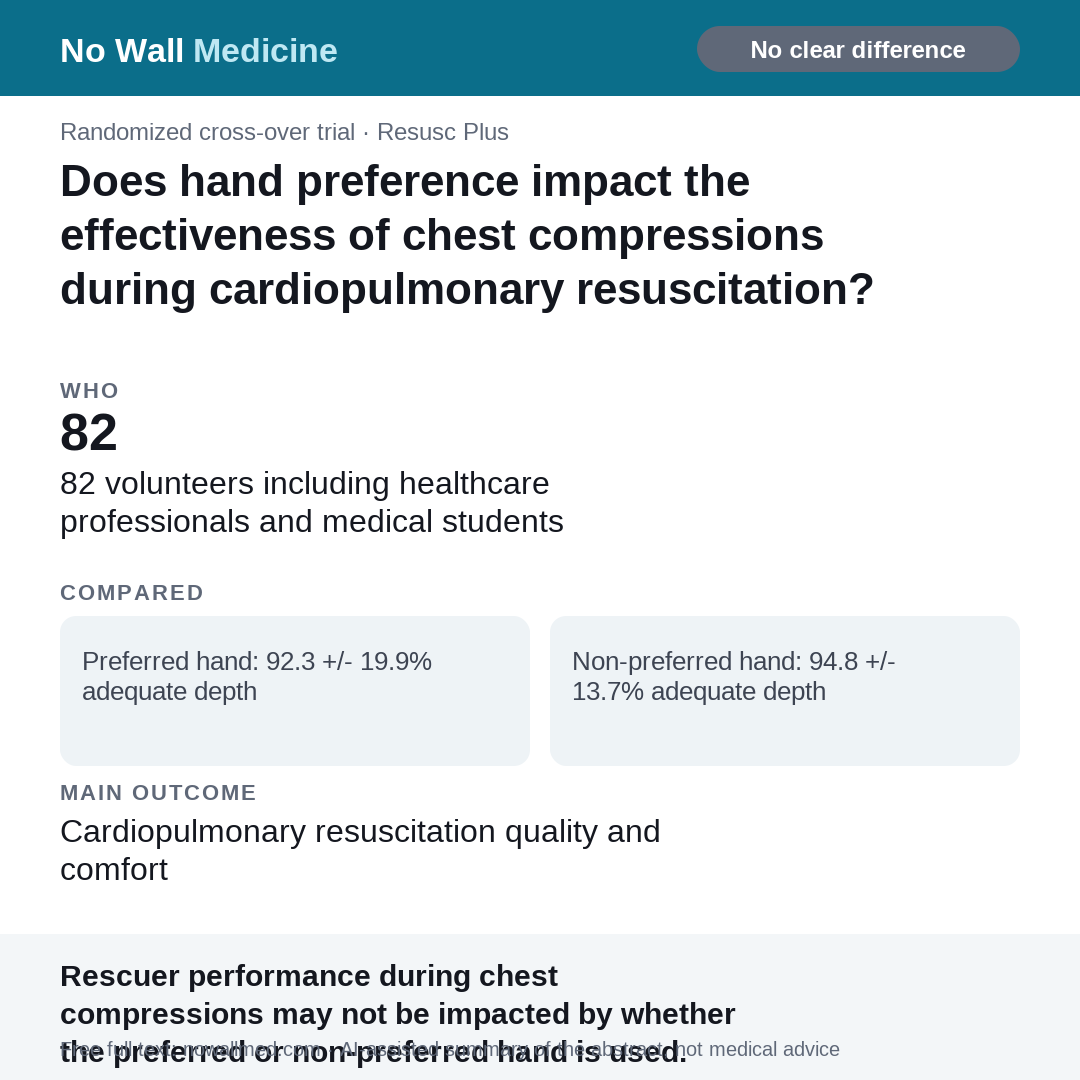
Hands at work: A randomised cross-over mannequin-based trial exploring the impact of hand preference of health care professionals on effectiveness of chest compressions
Randomized cross-over trialNo clear difference
Does hand preference impact the effectiveness of chest compressions during cardiopulmonary resuscitation?
Who
82
82 volunteers including healthcare professionals and medical students
Compared
Preferred hand: 92.3 +/- 19.9% adequate depth
Non-preferred hand: 94.8 +/- 13.7% adequate depth
Main outcome
Cardiopulmonary resuscitation quality and comfort
Bottom line: Rescuer performance during chest compressions may not be impacted by whether the preferred or non-preferred hand is used.
Resusc Plus · 2024-12-20Download image
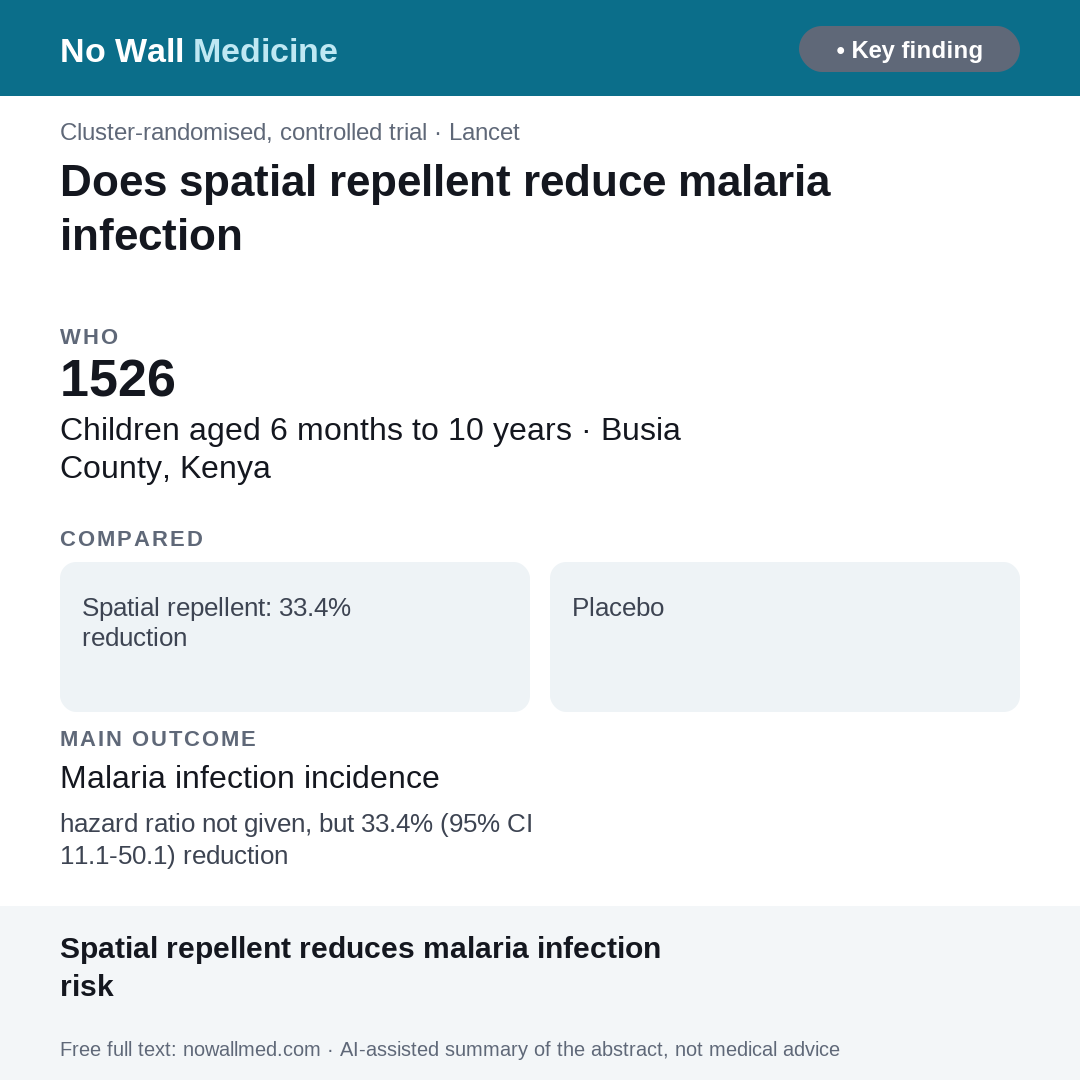
Effect of a spatial repellent on malaria incidence in an area of western Kenya characterised by high malaria transmission, insecticide resistance, and universal coverage of insecticide treated nets (part of the AEGIS Consortium): a cluster-randomised, controlled trial
Cluster-randomised, controlled trialBenefit found
Does spatial repellent reduce malaria infection
Who
1526
Children aged 6 months to 10 years · Busia County, Kenya
Compared
Spatial repellent: 33.4% reduction
Placebo
Main outcome
Malaria infection incidence
Result: hazard ratio not given, but 33.4% (95% CI 11.1-50.1) reduction
Bottom line: Spatial repellent reduces malaria infection risk
Funded by: Unitaid to University of Notre Dame
Lancet · 2024-12-19Download image
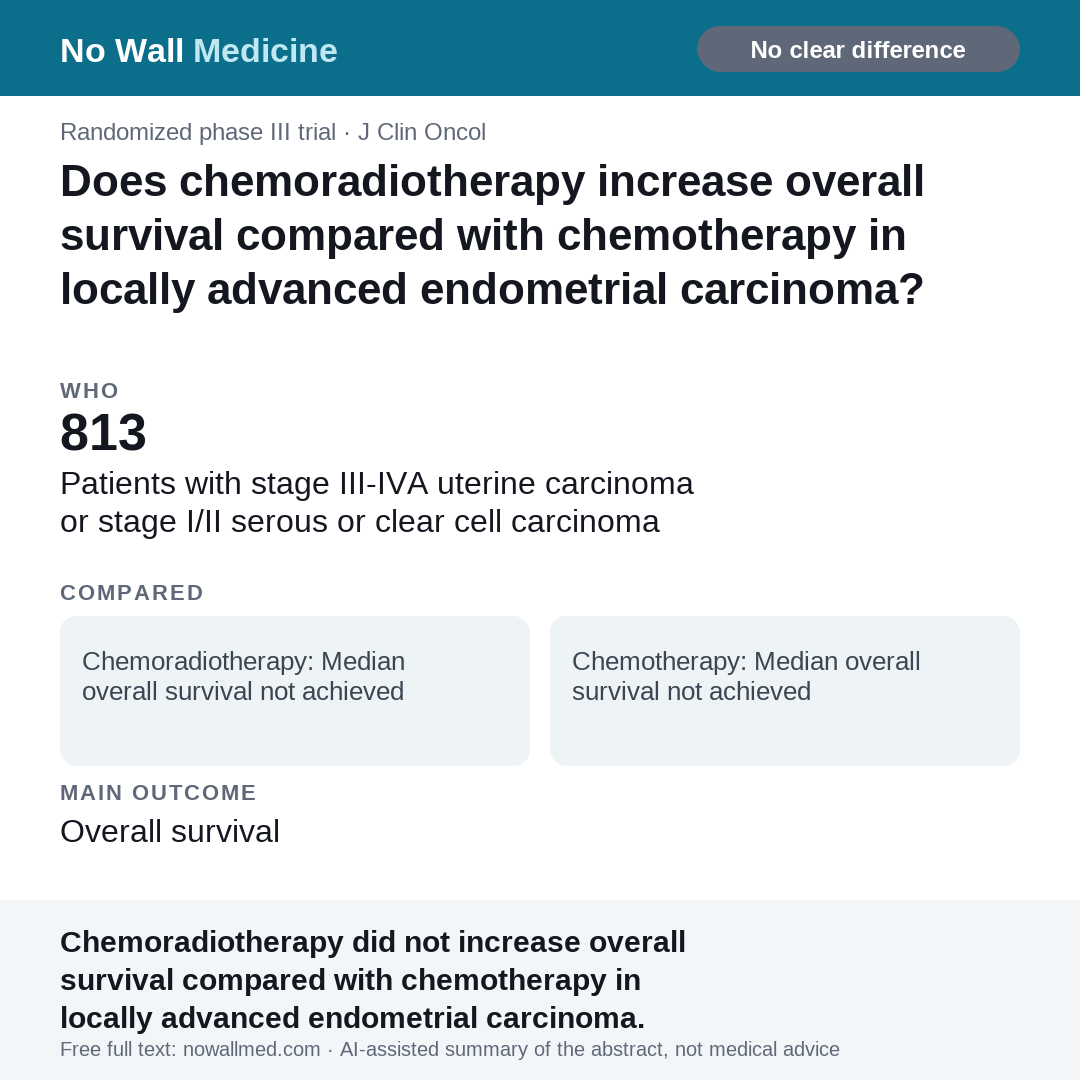
Long-Term Follow-Up and Overall Survival in NRG258, a Randomized Phase III Trial of Chemoradiation Versus Chemotherapy for Locally Advanced Endometrial Carcinoma
Randomized phase III trialNo clear difference
Does chemoradiotherapy increase overall survival compared with chemotherapy in locally advanced endometrial carcinoma?
Who
813
Patients with stage III-IVA uterine carcinoma or stage I/II serous or clear cell carcinoma
Compared
Chemoradiotherapy: Median overall survival not achieved
Chemotherapy: Median overall survival not achieved
Main outcome
Overall survival
Result: hazard ratio 1.05 (95% CI 0.82 to 1.34)
Bottom line: Chemoradiotherapy did not increase overall survival compared with chemotherapy in locally advanced endometrial carcinoma.
J Clin Oncol · 2024-12-19Download image
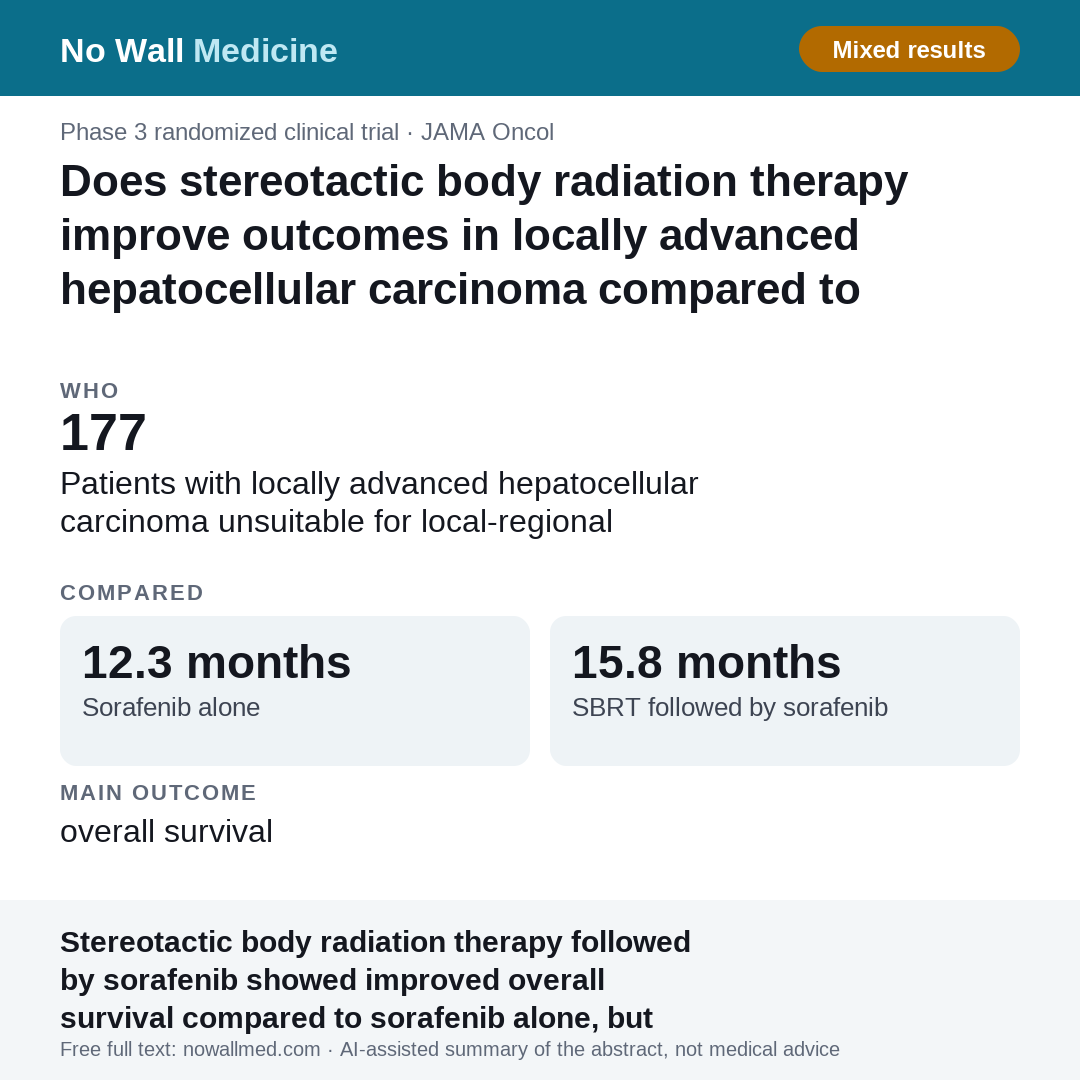
Stereotactic Body Radiotherapy vs Sorafenib Alone in Hepatocellular Carcinoma: The NRG Oncology/RTOG 1112 Phase 3 Randomized Clinical Trial
Phase 3 randomized clinical trialMixed results
Does stereotactic body radiation therapy improve outcomes in locally advanced hepatocellular carcinoma compared to sorafenib alone?
Who
177
Patients with locally advanced hepatocellular carcinoma unsuitable for local-regional therapies · Multicenter
Compared
12.3 monthsSorafenib alone
15.8 monthsSBRT followed by sorafenib
Main outcome
overall survival
Result: hazard ratio 0.77 (90% CI, 0.59-1.01)
Bottom line: Stereotactic body radiation therapy followed by sorafenib showed improved overall survival compared to sorafenib alone, but not statistically significantly.
JAMA Oncol · 2024-12-19Download image
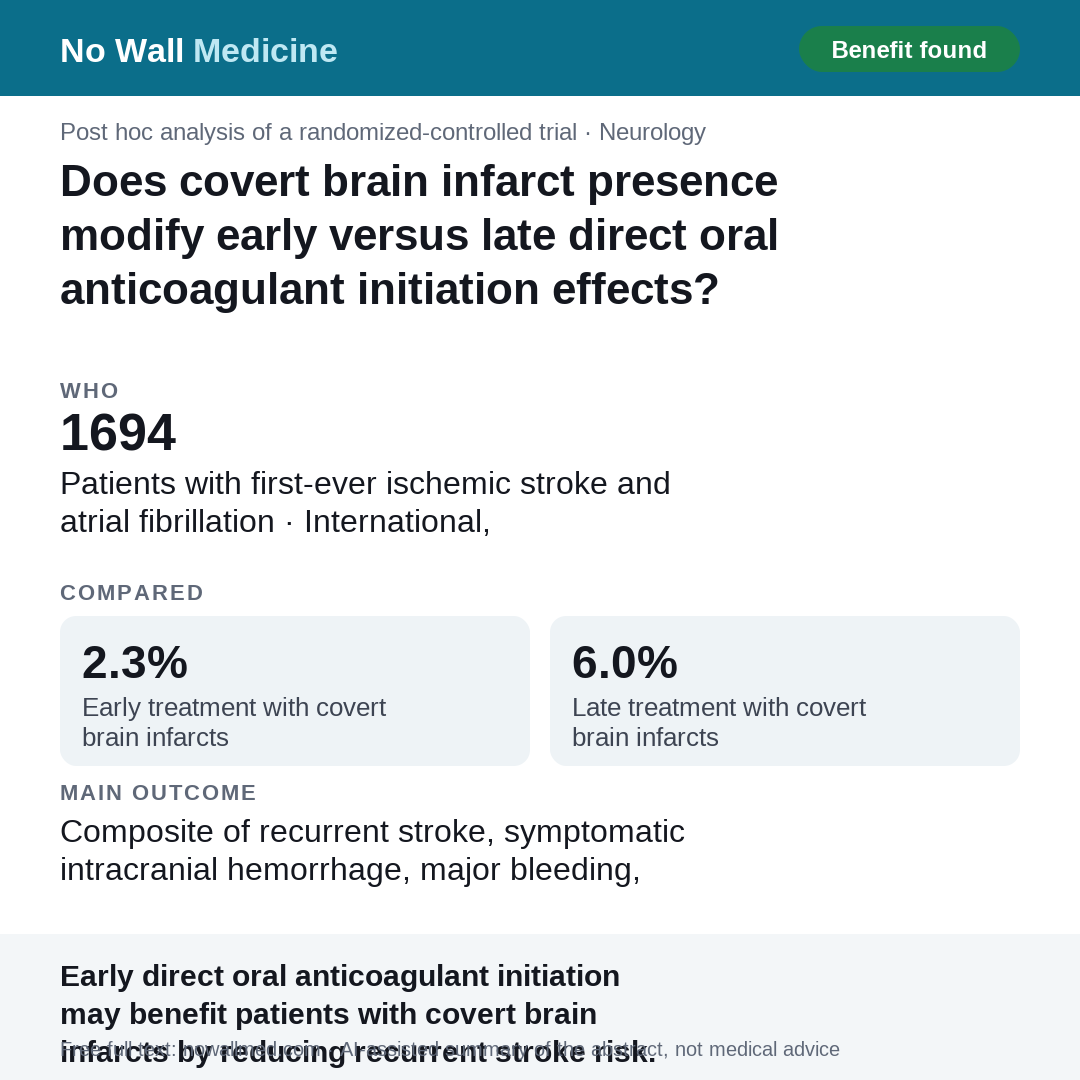
Early vs Late Anticoagulation After Ischemic Stroke in Patients With Atrial Fibrillation and Covert Brain Infarcts
Post hoc analysis of a randomized-controlled trialBenefit found
Does covert brain infarct presence modify early versus late direct oral anticoagulant initiation effects?
Who
1694
Patients with first-ever ischemic stroke and atrial fibrillation · International, multicenter
Compared
2.3%Early treatment with covert brain infarcts
6.0%Late treatment with covert brain infarcts
Main outcome
Composite of recurrent stroke, symptomatic intracranial hemorrhage, major bleeding, embolism, or vascular death
Result: adjusted risk difference -3.6%, 95% CI -6.6 to -0.6
Bottom line: Early direct oral anticoagulant initiation may benefit patients with covert brain infarcts by reducing recurrent stroke risk.
Neurology · 2024-12-19Download image
The global epidemiology and health burden of the autism spectrum: findings from the Global Burden of Disease Study 2021
Meta-regression analysisUnclear result
What is the global prevalence and health burden of autism spectrum disorder in 2021?
Who
Global population · Global
Compared
Global prevalence: 61·8 million (95% uncertainty interval 52·1-72·7)
Global disability-adjusted life-years: 11·5 million (7·8-16·3)
Main outcome
Prevalence and disability-adjusted life-years
Result: 788·3 (663·8-927·2) age-standardised prevalence per 100 000 people
Bottom line: Autism spectrum disorder affects 61.8 million people globally, representing a significant non-fatal health burden for those under 20.
Funded by: Queensland Health and the Bill & Melinda Gates Foundation
Lancet Psychiatry · 2024-12-19Download image

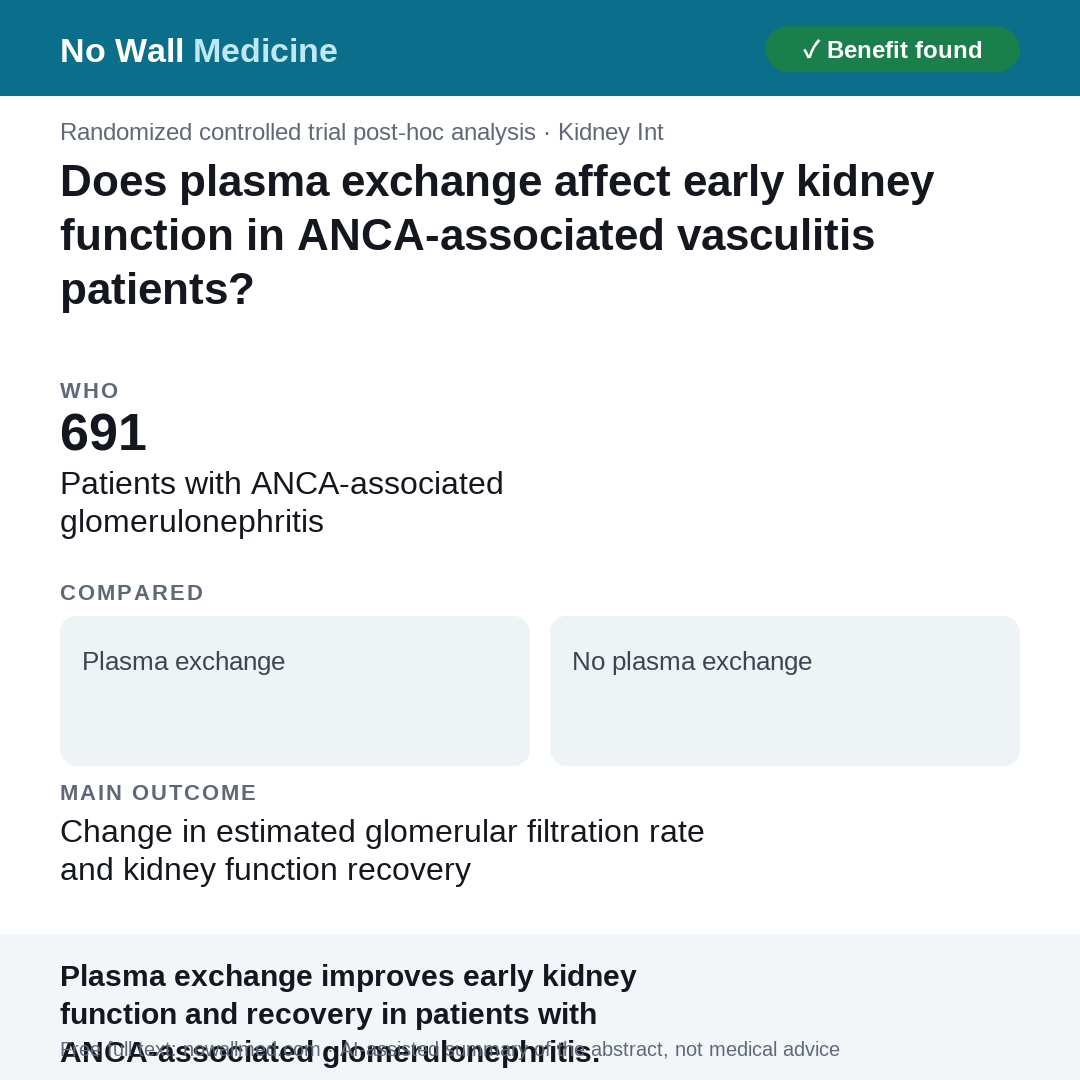
The effects of plasma exchange and glucocorticoids on early kidney function among patients with ANCA-associated vasculitis in the PEXIVAS trial
Randomized controlled trial post-hoc analysisBenefit found
Does plasma exchange affect early kidney function in ANCA-associated vasculitis patients?
Who
691
Patients with ANCA-associated glomerulonephritis
Compared
Plasma exchange
No plasma exchange
Main outcome
Change in estimated glomerular filtration rate and kidney function recovery
Result: relative risk 1.41 (95% confidence interval 1.09-1.82)
Bottom line: Plasma exchange improves early kidney function and recovery in patients with ANCA-associated glomerulonephritis.
Kidney Int · 2024-12-19Download image
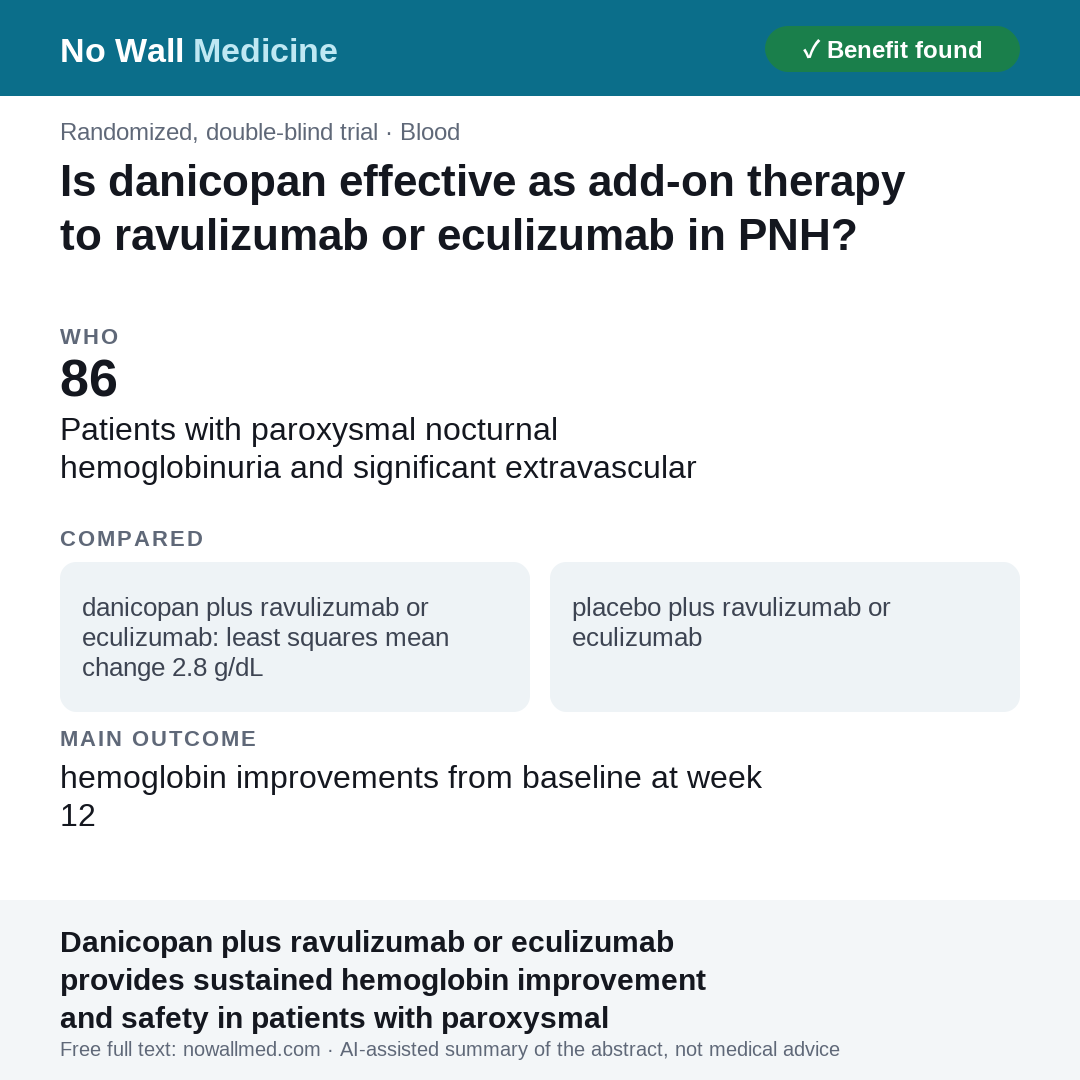
Long-term efficacy and safety of danicopan as add-on therapy to ravulizumab or eculizumab in PNH with significant EVH
Randomized, double-blind trialBenefit found
Is danicopan effective as add-on therapy to ravulizumab or eculizumab in PNH?
Who
86
Patients with paroxysmal nocturnal hemoglobinuria and significant extravascular hemolysis
Compared
danicopan plus ravulizumab or eculizumab: least squares mean change 2.8 g/dL
placebo plus ravulizumab or eculizumab
Main outcome
hemoglobin improvements from baseline at week 12
Bottom line: Danicopan plus ravulizumab or eculizumab provides sustained hemoglobin improvement and safety in patients with paroxysmal nocturnal hemoglobinuria.
Blood · 2024-12-19Download image
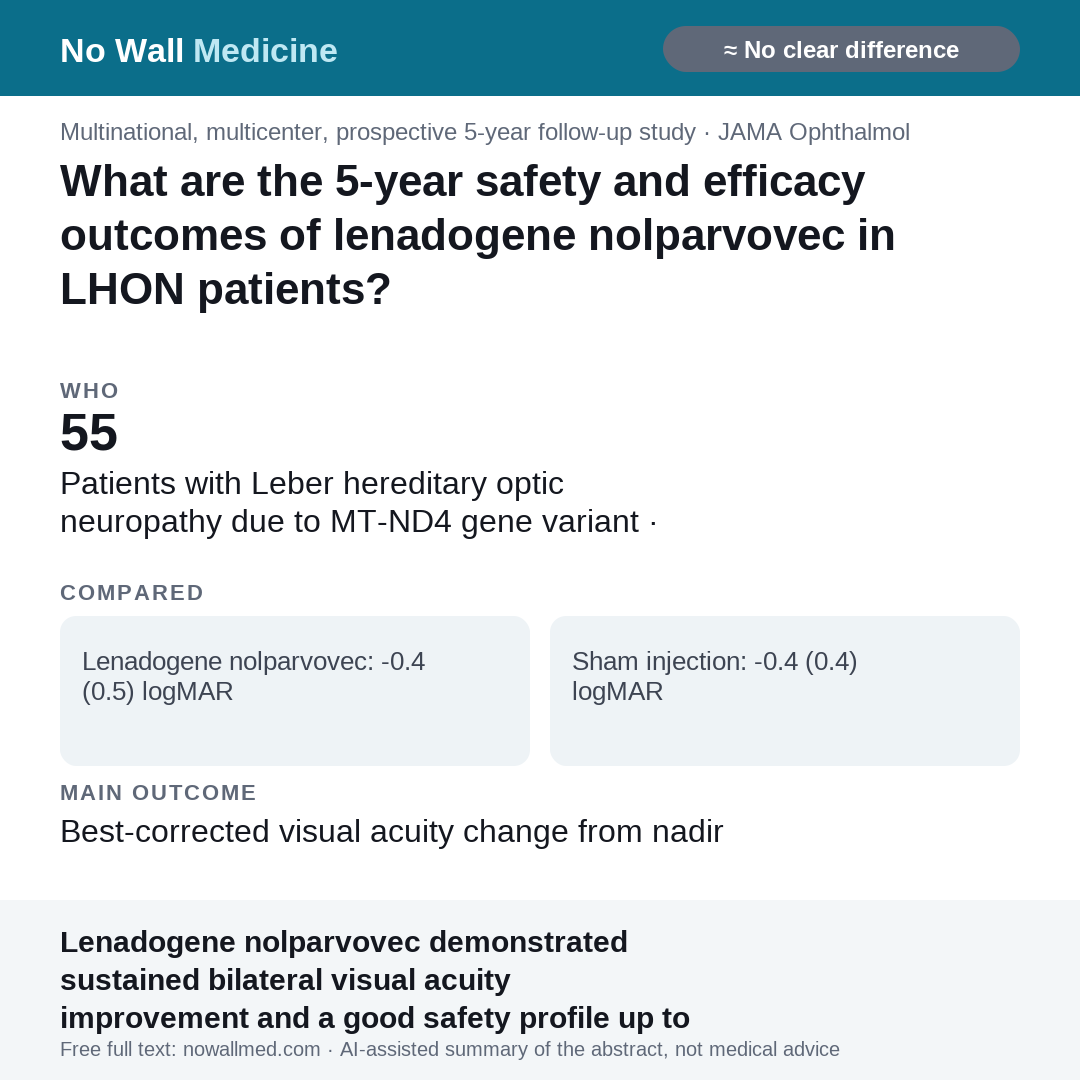
Five-Year Outcomes of Lenadogene Nolparvovec Gene Therapy in Leber Hereditary Optic Neuropathy
Multinational, multicenter, prospective 5-year follow-up studyNo clear difference
What are the 5-year safety and efficacy outcomes of lenadogene nolparvovec in LHON patients?
Who
55
Patients with Leber hereditary optic neuropathy due to MT-ND4 gene variant · Multinational, multicenter
Compared
Lenadogene nolparvovec: -0.4 (0.5) logMAR
Sham injection: -0.4 (0.4) logMAR
Main outcome
Best-corrected visual acuity change from nadir
Result: difference, -0.05 (95% CI, -0.15 to 0.04)
Bottom line: Lenadogene nolparvovec demonstrated sustained bilateral visual acuity improvement and a good safety profile up to 5 years.
JAMA Ophthalmol · 2024-12-19Download image
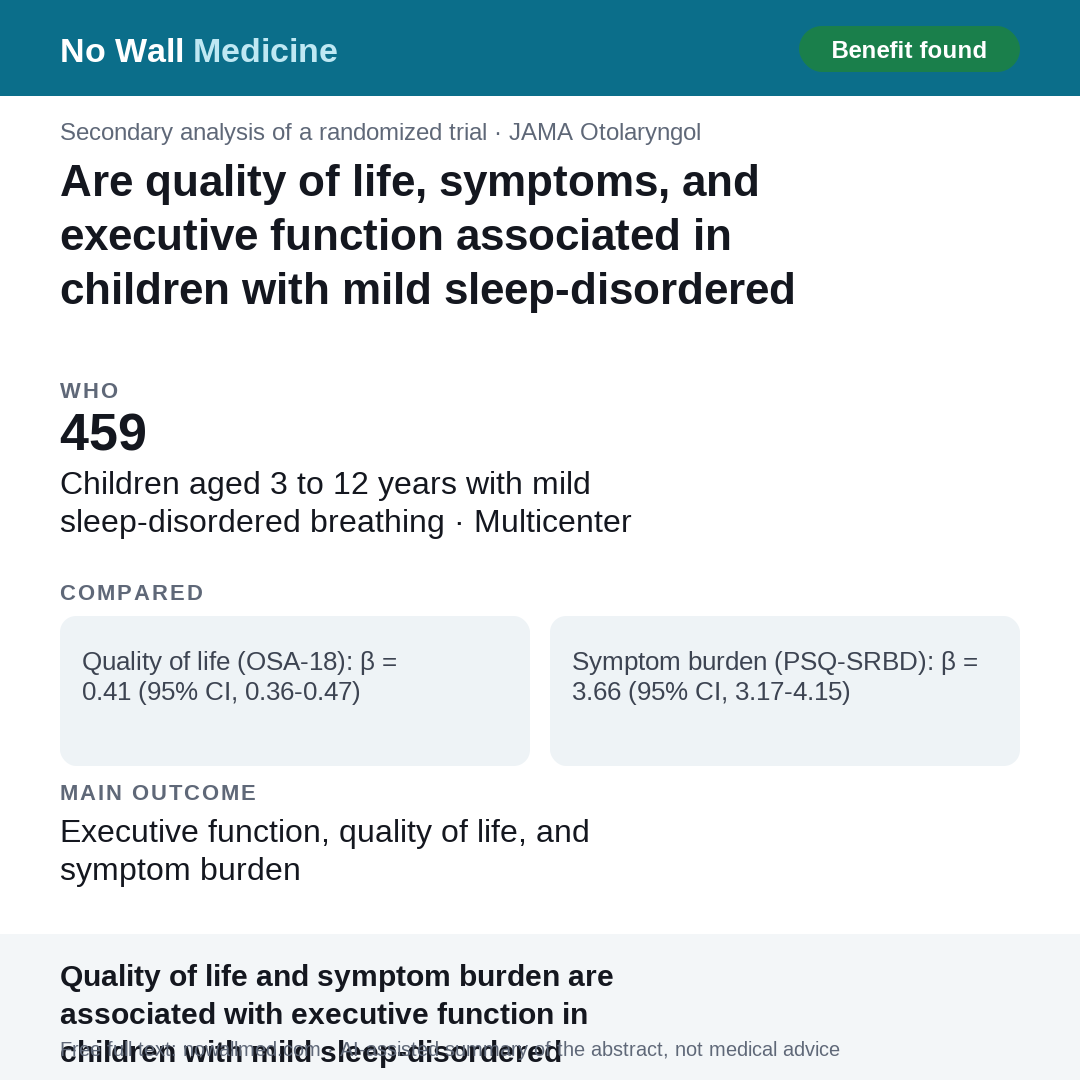
Symptoms, Quality of Life, and Executive Function in Children Who Snore
Secondary analysis of a randomized trialBenefit found
Are quality of life, symptoms, and executive function associated in children with mild sleep-disordered breathing?
Who
459
Children aged 3 to 12 years with mild sleep-disordered breathing · Multicenter
Compared
Quality of life (OSA-18): β = 0.41 (95% CI, 0.36-0.47)
Symptom burden (PSQ-SRBD): β = 3.66 (95% CI, 3.17-4.15)
Main outcome
Executive function, quality of life, and symptom burden
Bottom line: Quality of life and symptom burden are associated with executive function in children with mild sleep-disordered breathing.
JAMA Otolaryngol · 2024-12-19Download image
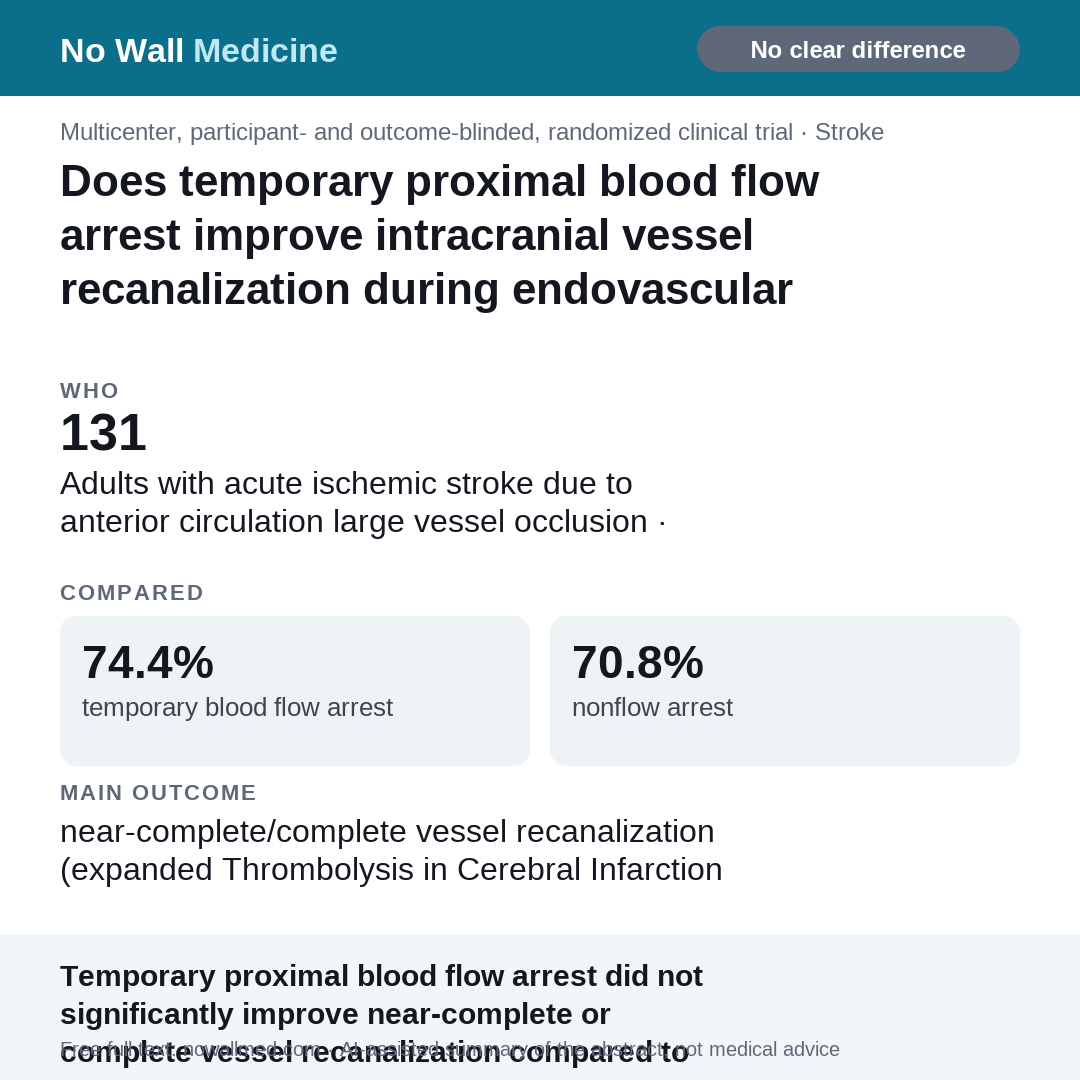
Effect of Proximal Blood Flow Arrest During Endovascular Thrombectomy (ProFATE): A Multicenter, Blinded-End Point, Randomized Clinical Trial
Multicenter, participant- and outcome-blinded, randomized clinical trialNo clear difference
Does temporary proximal blood flow arrest improve intracranial vessel recanalization during endovascular thrombectomy?
Who
131
Adults with acute ischemic stroke due to anterior circulation large vessel occlusion · 4 thrombectomy centers in the United Kingdom
Compared
74.4%temporary blood flow arrest (49/66)
70.8%nonflow arrest (46/65)
Main outcome
near-complete/complete vessel recanalization (expanded Thrombolysis in Cerebral Infarction score 2c or 3)
Result: adjusted odds ratio, 1.07 (95% CI, 0.45-2.55)
Bottom line: Temporary proximal blood flow arrest did not significantly improve near-complete or complete vessel recanalization compared to nonflow arrest.
Stroke · 2024-12-19Download image
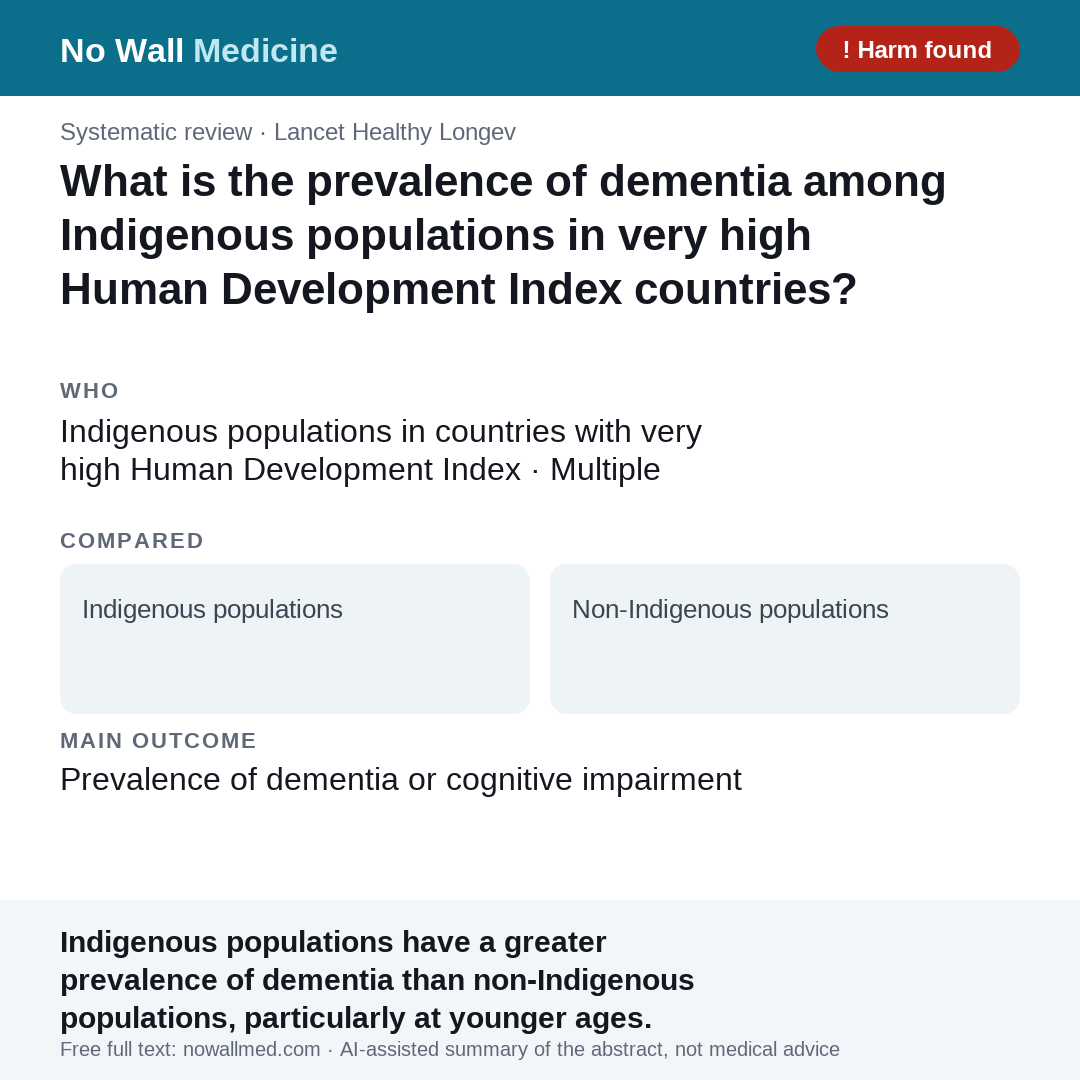
Prevalence of dementia among Indigenous populations of countries with a very high Human Development Index: a systematic review
Systematic reviewHarm found
What is the prevalence of dementia among Indigenous populations in very high Human Development Index countries?
Who
Indigenous populations in countries with very high Human Development Index · Multiple countries with very high Human Development Index
Compared
Indigenous populations
Non-Indigenous populations
Main outcome
Prevalence of dementia or cognitive impairment
Bottom line: Indigenous populations have a greater prevalence of dementia than non-Indigenous populations, particularly at younger ages.
Limitation: Fourteen studies presented a moderate risk of bias and few studies reported Indigenous involvement.
Lancet Healthy Longev · 2024-12-19Download image
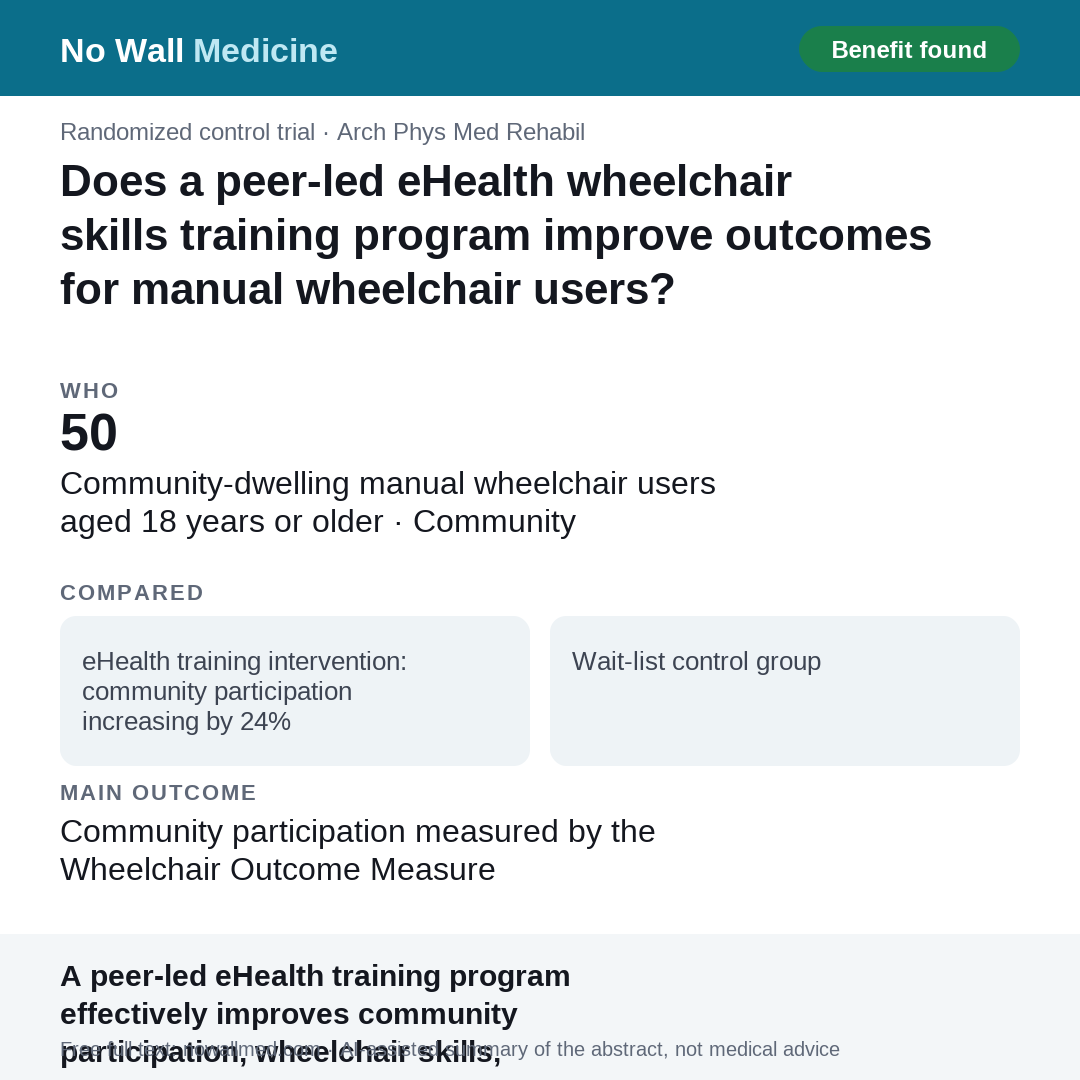
Effect of a Community-Based Peer-Led eHealth Wheelchair Skills Training Program: A Randomized Control Trial
Randomized control trialBenefit found
Does a peer-led eHealth wheelchair skills training program improve outcomes for manual wheelchair users?
Who
50
Community-dwelling manual wheelchair users aged 18 years or older · Community
Compared
eHealth training intervention: community participation increasing by 24%
Wait-list control group
Main outcome
Community participation measured by the Wheelchair Outcome Measure
Bottom line: A peer-led eHealth training program effectively improves community participation, wheelchair skills, self-efficacy, and quality of life.
Arch Phys Med Rehabil · 2024-12-19Download image
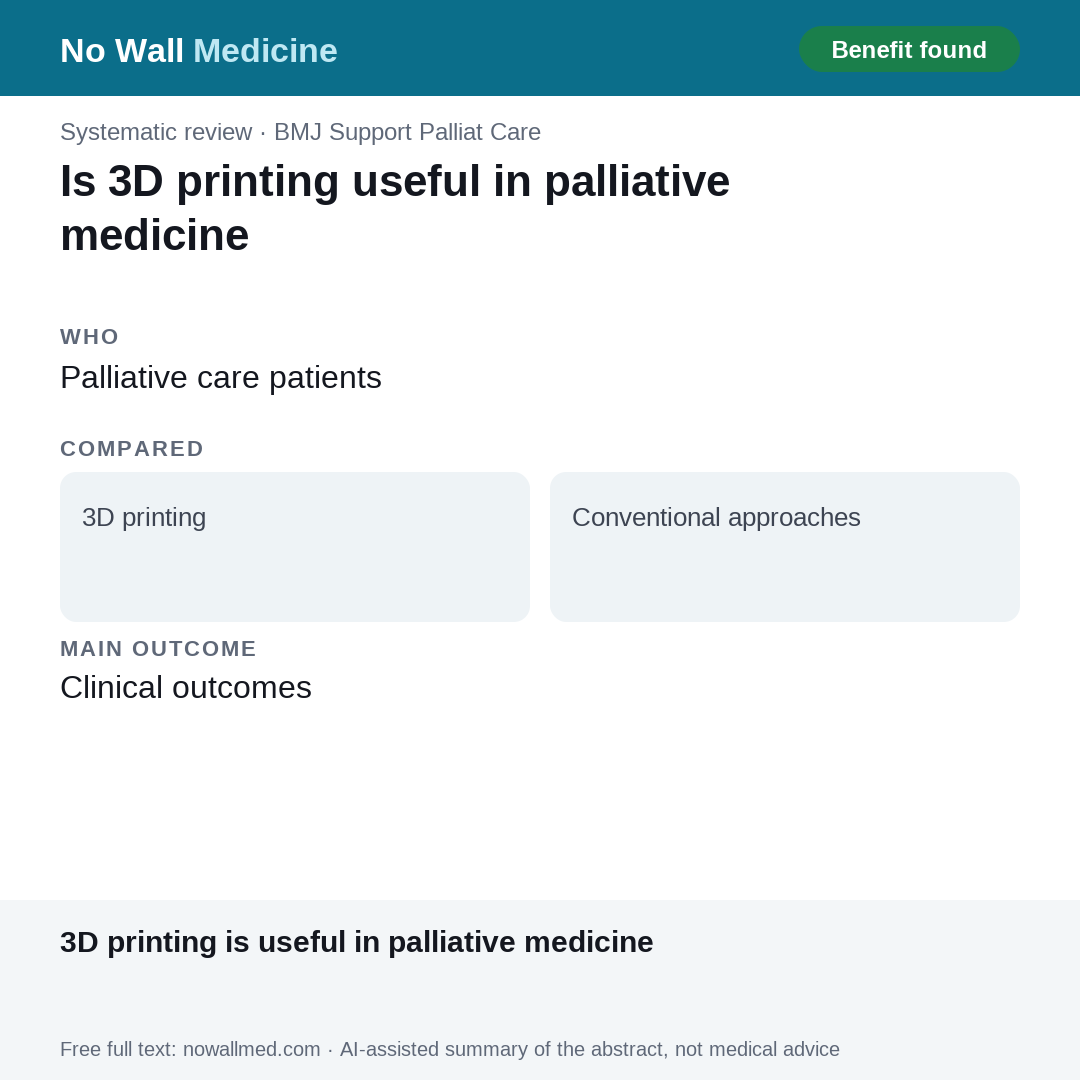
3D printing in palliative medicine: systematic review
Systematic reviewBenefit found
Is 3D printing useful in palliative medicine
Who
Palliative care patients
Compared
3D printing
Conventional approaches
Main outcome
Clinical outcomes
Bottom line: 3D printing is useful in palliative medicine
BMJ Support Palliat Care · 2024-12-19Download image