Visual abstracts
New randomized trials and meta-analyses from leading journals at a glance: who was studied, what was compared, and what was found. Every paper is free to read in full.
All specialtiesCardiology 840Oncology 760Gastroenterology & Hepatology 306Infectious Disease 626Neurology 350Psychiatry & Mental Health 430Pulmonology 365Critical Care 243Endocrinology & Diabetes 480Pediatrics 534Surgery 319Orthopedics & Sports Medicine 161Neurosurgery 89Cardiothoracic & Vascular Surgery 87Plastic & Reconstructive Surgery 118Nephrology 197Rheumatology 108Hematology 181Dermatology 78Ophthalmology 97Obstetrics & Gynecology 261Public & Global Health 167Radiology & Imaging 96Anesthesiology 107Urology 162ENT (Otolaryngology) 86Emergency Medicine 68Allergy & Immunology 58Geriatrics 160Family Medicine & Primary Care 111Medical Genetics & Genomics 91Pathology & Laboratory Medicine 24Physical Medicine & Rehabilitation 148Palliative Care 81Nutrition 223Digital Health & AI 460General Medicine 101
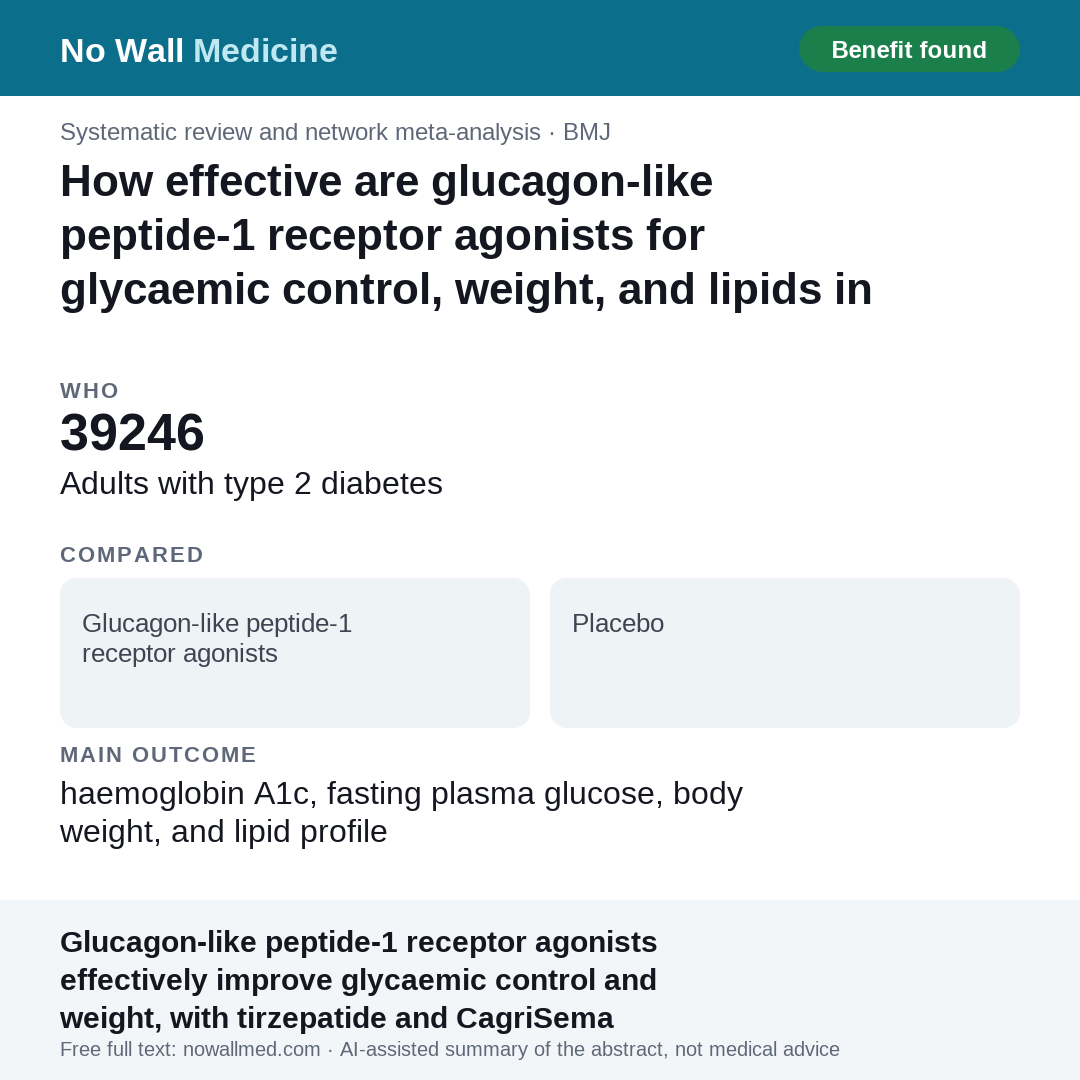
Comparative effectiveness of GLP-1 receptor agonists on glycaemic control, body weight, and lipid profile for type 2 diabetes: systematic review and network meta-analysis
Systematic review and network meta-analysisBenefit found
How effective are glucagon-like peptide-1 receptor agonists for glycaemic control, weight, and lipids in type 2 diabetes?
Who
39246
Adults with type 2 diabetes
Compared
Glucagon-like peptide-1 receptor agonists
Placebo
Main outcome
haemoglobin A1c, fasting plasma glucose, body weight, and lipid profile
Result: Tirzepatide haemoglobin A1c mean difference -2.10% (95% confidence interval -2.47% to -1.74%)
Bottom line: Glucagon-like peptide-1 receptor agonists effectively improve glycaemic control and weight, with tirzepatide and CagriSema showing superior results.
BMJ · 2024-01-29Download image
Undervaccination and severe COVID-19 outcomes: meta-analysis of national cohort studies in England, Northern Ireland, Scotland, and Wales
Meta-analysis of cohort studiesHarm found
Undervaccination risk for severe COVID-19
Who
people at least five years old in UK · England, Northern Ireland, Scotland, Wales
Compared
Fully vaccinated
Undervaccinated
Main outcome
severe COVID-19 outcomes
Result: hazard ratio 2.70 (95% CI 2.61 to 2.78) for one dose fewer
Bottom line: Undervaccination increases severe COVID-19 risk
Funded by: UK Research and Innovation
Lancet · 2024-01-15Download image

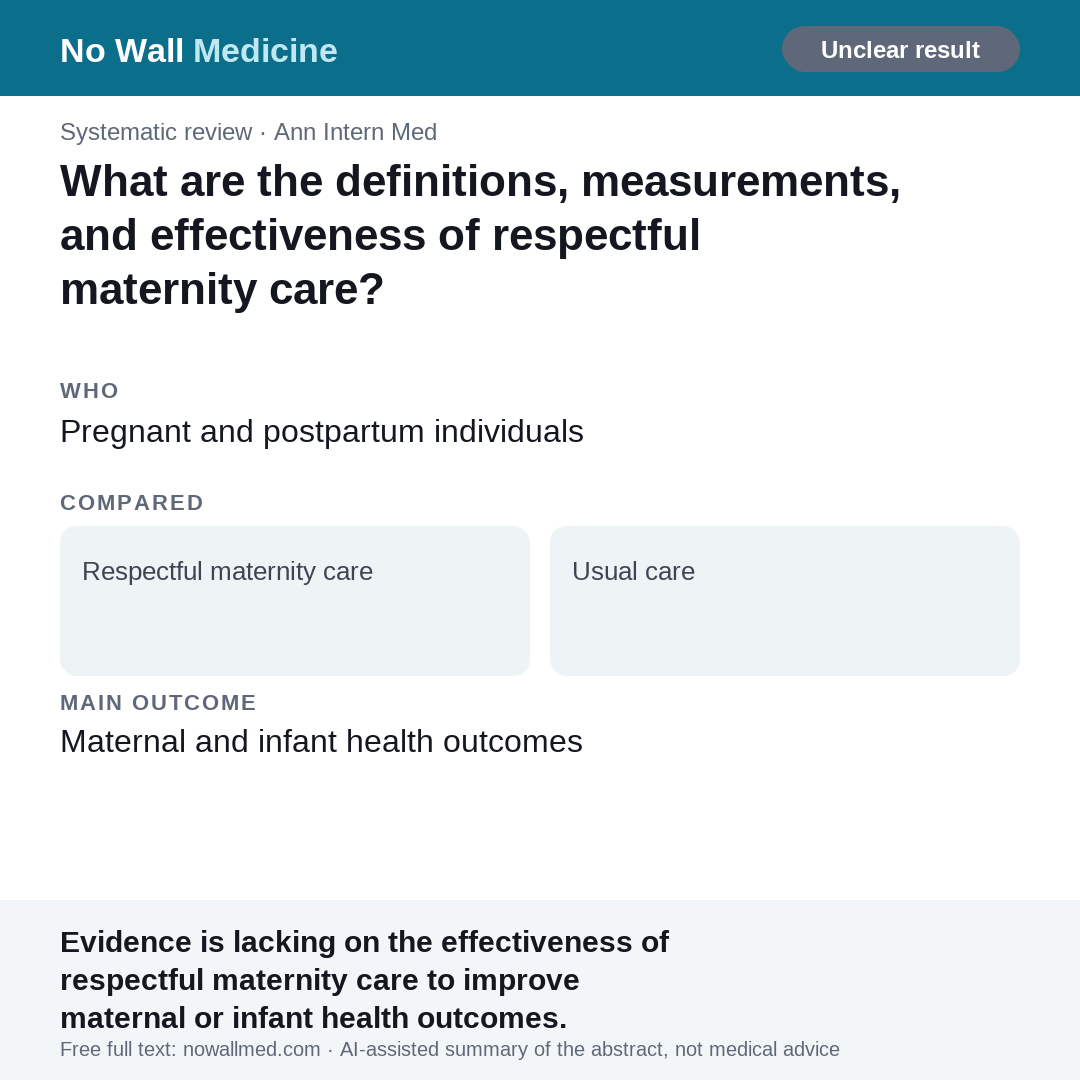
Respectful Maternity Care : A Systematic Review
Systematic reviewUnclear result
What are the definitions, measurements, and effectiveness of respectful maternity care?
Who
Pregnant and postpartum individuals
Compared
Respectful maternity care
Usual care
Main outcome
Maternal and infant health outcomes
Bottom line: Evidence is lacking on the effectiveness of respectful maternity care to improve maternal or infant health outcomes.
Limitation: Lack of definition and gold standard limit evaluation of respectful maternity care tools.
Funded by: Agency for Healthcare Research and Quality
Ann Intern Med · 2024-01-02Download image
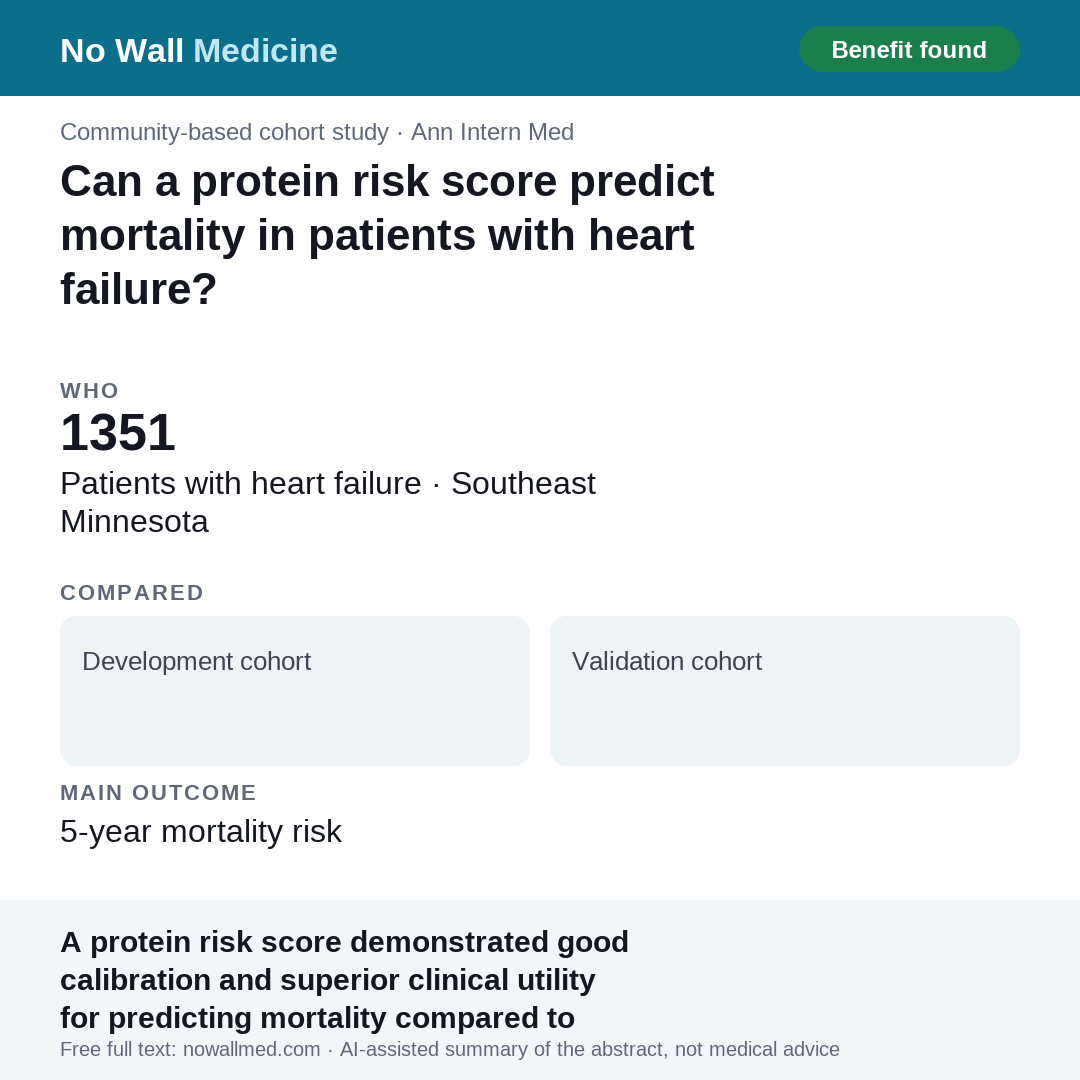
Development and Validation of a Protein Risk Score for Mortality in Heart Failure : A Community Cohort Study
Community-based cohort studyBenefit found
Can a protein risk score predict mortality in patients with heart failure?
Who
1351
Patients with heart failure · Southeast Minnesota
Compared
Development cohort
Validation cohort
Main outcome
5-year mortality risk
Bottom line: A protein risk score demonstrated good calibration and superior clinical utility for predicting mortality compared to clinical models.
Limitation: Participants were predominantly of European ancestry, potentially limiting generalizability to different populations.
Funded by: National Heart, Lung, and Blood Institute
Ann Intern Med · 2024-01-02Download image
Association of health benefits and harms of Christmas dessert ingredients in recipes from The Great British Bake Off: umbrella review of umbrella reviews of meta-analyses of observational studies
Umbrella review of umbrella reviews of meta-analysesBenefit found
What are the health benefits and harms of Christmas dessert ingredients?
Who
17 overarching ingredient groups from 48 Christmas dessert recipes
Compared
110Protective associations (74%)
39Harmful associations (26%)
Main outcome
Risk of death or disease
Bottom line: Christmas dessert ingredients are often associated with reductions rather than increases in death or disease risk.
Limitation: limitations of observational nutrition research
BMJ · 2023-12-20Download image

Health effects associated with exposure to intimate partner violence against women and childhood sexual abuse: a burden of proof study
Systematic reviewMixed results
What are the health effects of intimate partner violence and childhood sexual abuse?
Who
Women exposed to intimate partner violence or childhood sexual abuse
Compared
Intimate partner violence: 63% increased risk for major depressive disorder
Intimate partner violence: 35% increased risk for maternal abortion and miscarriage
Childhood sexual abuse: 45% increased risk for alcohol use disorders
Childhood sexual abuse: 35% increased risk for self-harm
Main outcome
Health outcomes associated with violence exposure
Bottom line: Intimate partner violence and childhood sexual abuse are associated with increased risks for various mental and physical health outcomes.
Limitation: Understanding remains limited by data scarcity.
Nat Med · 2023-12-11Download image

Multi-ancestry study of the genetics of problematic alcohol use in over 1 million individuals
Meta-analysis of geneticsUnclear result
Genetics of problematic alcohol use
Who
1079947
Over one million individuals
Compared
European ancestry
African ancestry
Main outcome
Problematic alcohol use
Bottom line: Genetic variants linked to alcohol use
Nat Med · 2023-12-07Download image

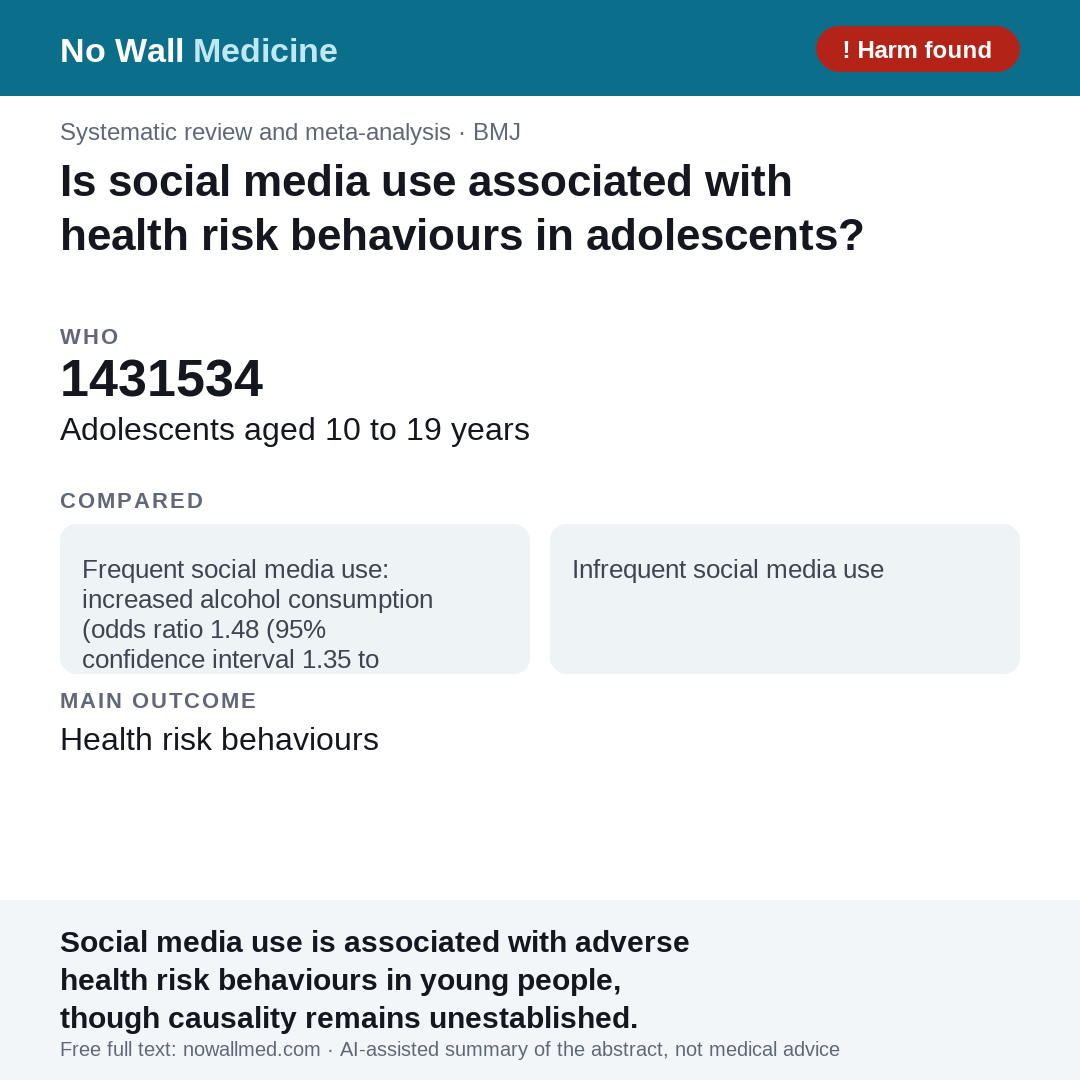
Social media use and health risk behaviours in young people: systematic review and meta-analysis
Systematic review and meta-analysisHarm found
Is social media use associated with health risk behaviours in adolescents?
Who
1431534
Adolescents aged 10 to 19 years
Compared
Frequent social media use: increased alcohol consumption (odds ratio 1.48 (95% confidence interval 1.35 to 1.62))
Infrequent social media use
Main outcome
Health risk behaviours
Bottom line: Social media use is associated with adverse health risk behaviours in young people, though causality remains unestablished.
Limitation: Further high quality research is needed to establish causality and understand effects on health inequalities.
BMJ · 2023-11-29Download image
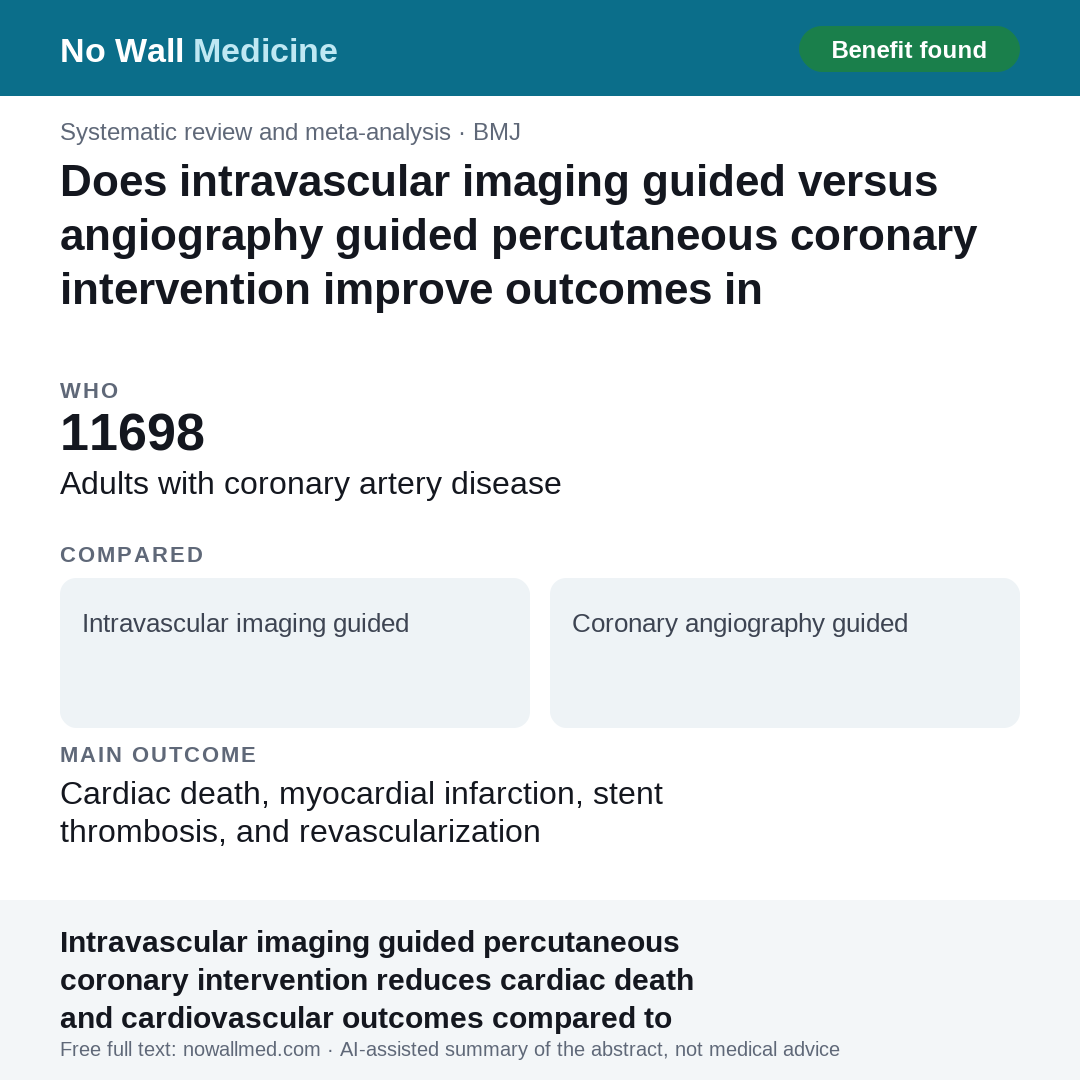
Intravascular imaging guided versus coronary angiography guided percutaneous coronary intervention: systematic review and meta-analysis
Systematic review and meta-analysisBenefit found
Does intravascular imaging guided versus angiography guided percutaneous coronary intervention improve outcomes in coronary artery disease?
Who
11698
Adults with coronary artery disease
Compared
Intravascular imaging guided
Coronary angiography guided
Main outcome
Cardiac death, myocardial infarction, stent thrombosis, and revascularization
Result: rate ratio 0.53 (95% confidence interval 0.39 to 0.72) for cardiac death
Bottom line: Intravascular imaging guided percutaneous coronary intervention reduces cardiac death and cardiovascular outcomes compared to angiography guided intervention.
BMJ · 2023-11-16Download image
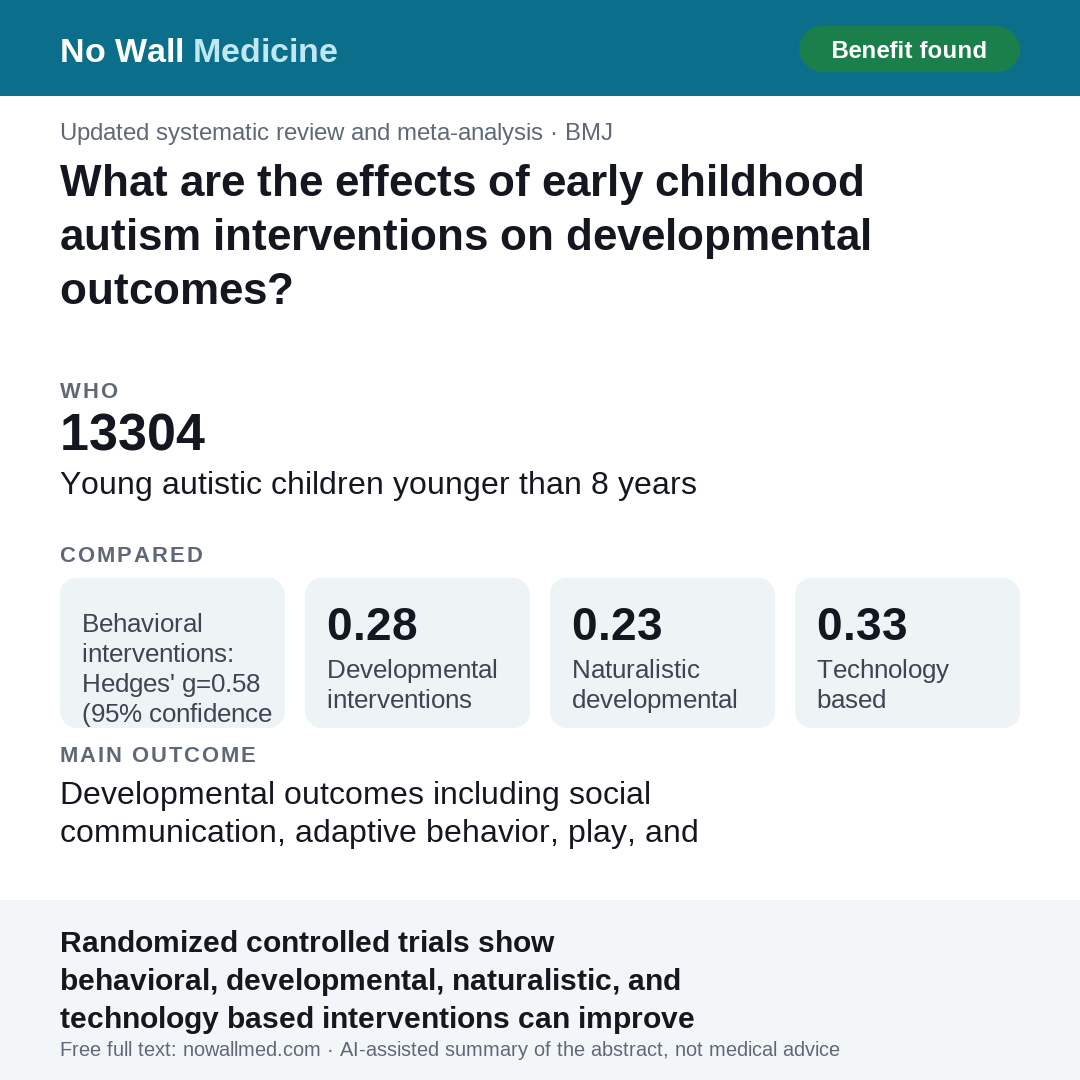
Autism intervention meta-analysis of early childhood studies (Project AIM): updated systematic review and secondary analysis
Updated systematic review and meta-analysisBenefit found
What are the effects of early childhood autism interventions on developmental outcomes?
Who
13304
Young autistic children younger than 8 years
Compared
Behavioral interventions: Hedges' g=0.58 (95% confidence interval 0.11 to 1.06)
0.28Developmental interventions (95% confidence interval 0.12 to 0.44)
0.23Naturalistic developmental behavioral interventions (95% confidence interval 0.02 to 0.43)
0.33Technology based interventions (95% confidence interval 0.02 to 0.64)
Main outcome
Developmental outcomes including social communication, adaptive behavior, play, and language
Bottom line: Randomized controlled trials show behavioral, developmental, naturalistic, and technology based interventions can improve various developmental outcomes in young autistic children.
Limitation: Adverse events were poorly monitored, but possibly common.
BMJ · 2023-11-14Download image
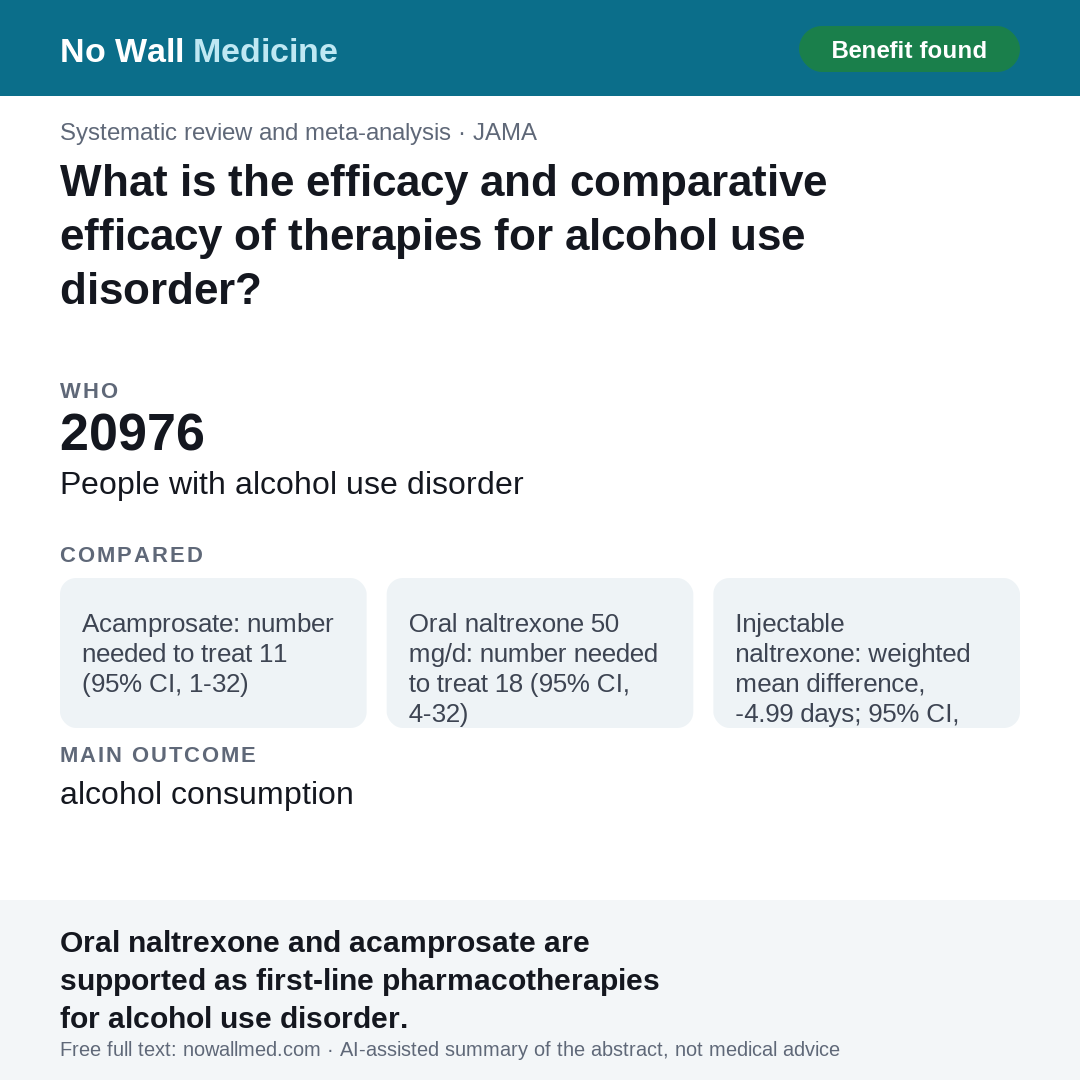
Pharmacotherapy for Alcohol Use Disorder: A Systematic Review and Meta-Analysis
Systematic review and meta-analysisBenefit found
What is the efficacy and comparative efficacy of therapies for alcohol use disorder?
Who
20976
People with alcohol use disorder
Compared
Acamprosate: number needed to treat 11 (95% CI, 1-32)
Oral naltrexone 50 mg/d: number needed to treat 18 (95% CI, 4-32)
Injectable naltrexone: weighted mean difference, -4.99 days; 95% CI, -9.49 to -0.49 days
Main outcome
alcohol consumption
Bottom line: Oral naltrexone and acamprosate are supported as first-line pharmacotherapies for alcohol use disorder.
JAMA · 2023-11-07Download image
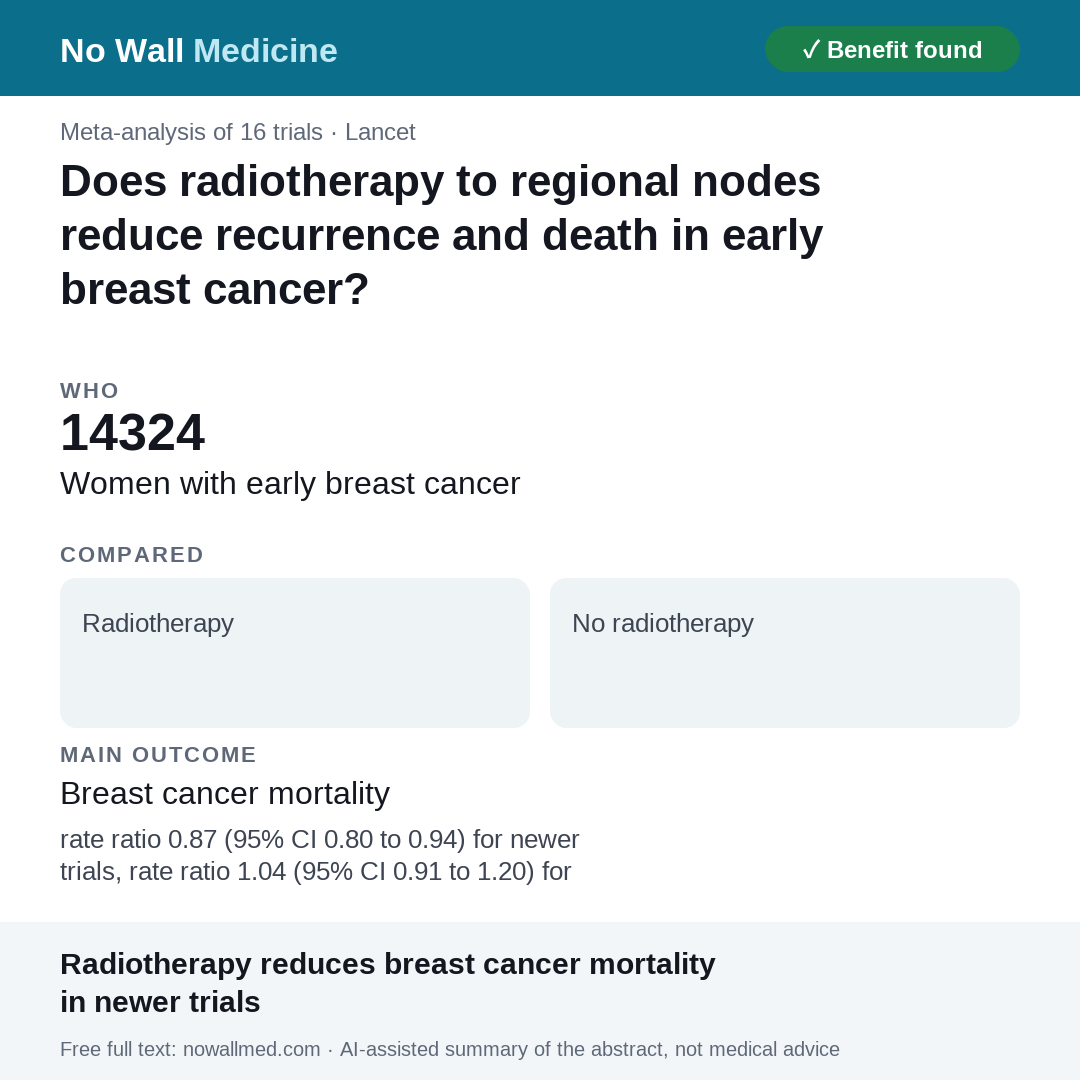
Radiotherapy to regional nodes in early breast cancer: an individual patient data meta-analysis of 14 324 women in 16 trials
Meta-analysis of 16 trialsBenefit found
Does radiotherapy to regional nodes reduce recurrence and death in early breast cancer?
Who
14324
Women with early breast cancer
Compared
Radiotherapy
No radiotherapy
Main outcome
Breast cancer mortality
Result: rate ratio 0.87 (95% CI 0.80 to 0.94) for newer trials, rate ratio 1.04 (95% CI 0.91 to 1.20) for older trials
Bottom line: Radiotherapy reduces breast cancer mortality in newer trials
Funded by: Cancer Research UK, Medical Research Council
Lancet · 2023-11-03Download image
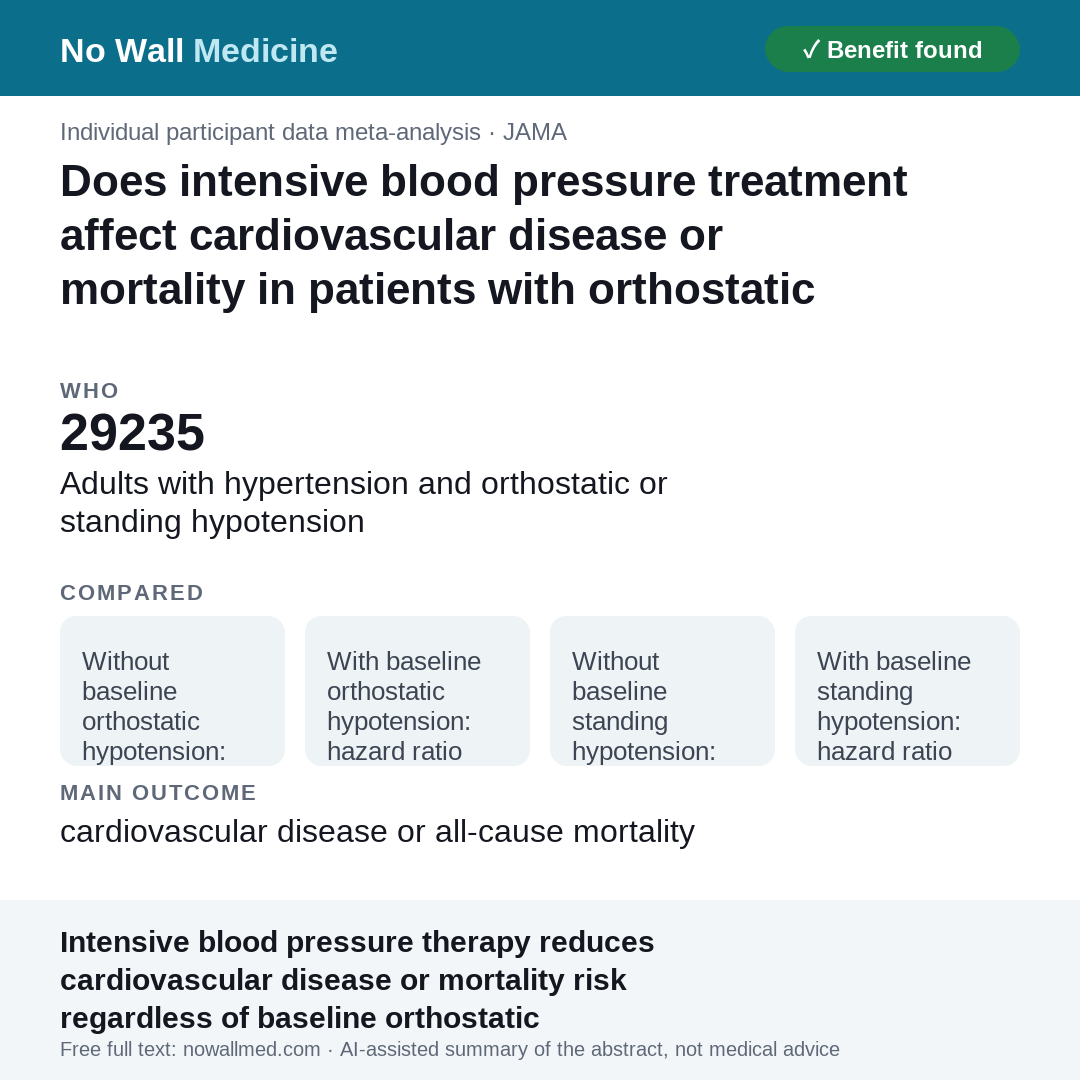
Orthostatic Hypotension, Hypertension Treatment, and Cardiovascular Disease: An Individual Participant Meta-Analysis
Individual participant data meta-analysisBenefit found
Does intensive blood pressure treatment affect cardiovascular disease or mortality in patients with orthostatic hypotension?
Who
29235
Adults with hypertension and orthostatic or standing hypotension
Compared
Without baseline orthostatic hypotension: hazard ratio 0.81 (95% CI, 0.76-0.86)
With baseline orthostatic hypotension: hazard ratio 0.83 (95% CI, 0.70-1.00)
Without baseline standing hypotension: hazard ratio 0.80 (95% CI, 0.75-0.85)
With baseline standing hypotension: hazard ratio 0.94 (95% CI, 0.75-1.18)
Main outcome
cardiovascular disease or all-cause mortality
Result: hazard ratio 0.81 (95% CI, 0.76-0.86) for those without orthostatic hypotension
Bottom line: Intensive blood pressure therapy reduces cardiovascular disease or mortality risk regardless of baseline orthostatic hypotension status.
JAMA · 2023-10-17Download image
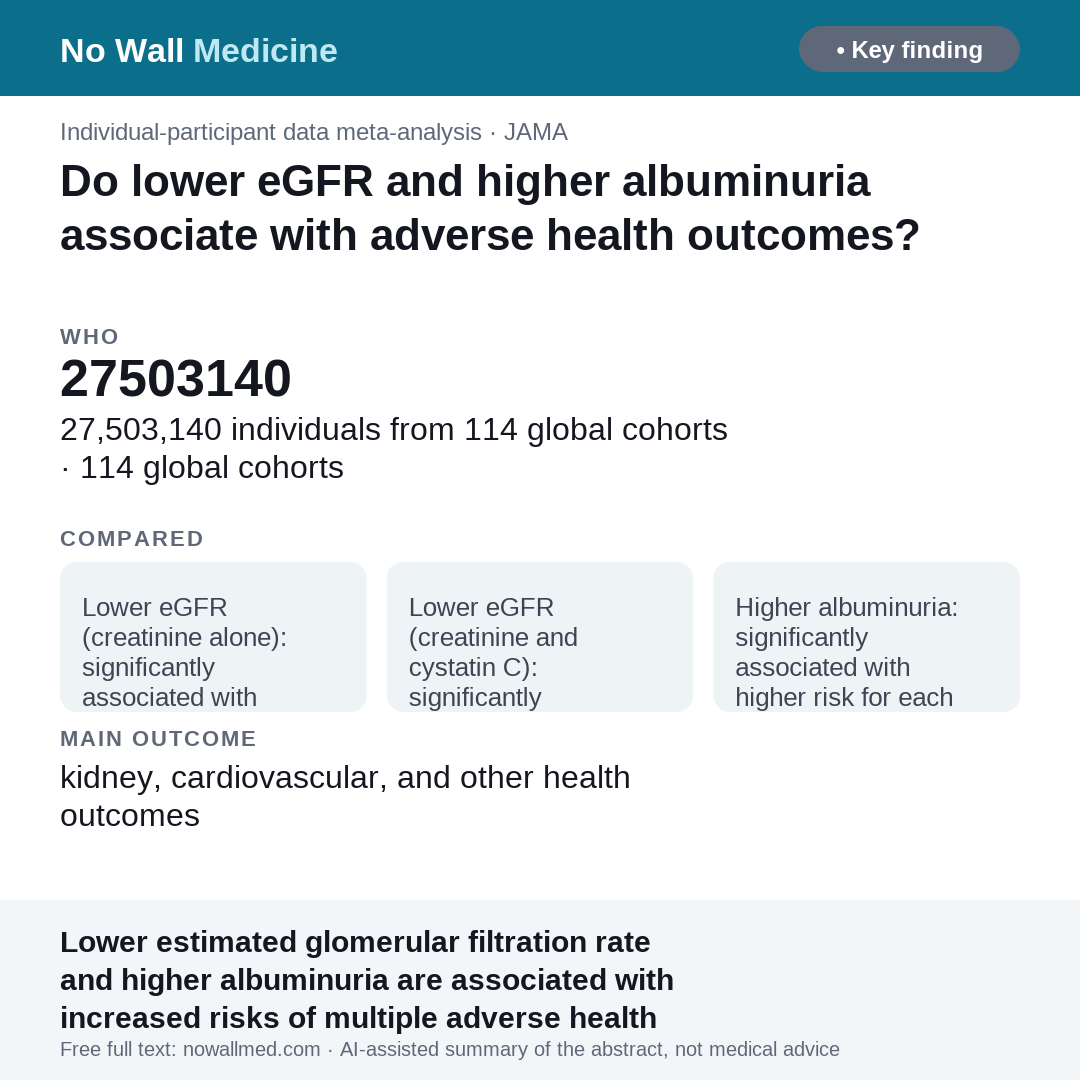
Estimated Glomerular Filtration Rate, Albuminuria, and Adverse Outcomes: An Individual-Participant Data Meta-Analysis
Individual-participant data meta-analysisHarm found
Do lower eGFR and higher albuminuria associate with adverse health outcomes?
Who
27503140
27,503,140 individuals from 114 global cohorts · 114 global cohorts
Compared
Lower eGFR (creatinine alone): significantly associated with higher risk for each of the 10 adverse outcomes
Lower eGFR (creatinine and cystatin C): significantly associated with higher risk for each of the 10 adverse outcomes
Higher albuminuria: significantly associated with higher risk for each of the 10 adverse outcomes
Main outcome
kidney, cardiovascular, and other health outcomes
Bottom line: Lower estimated glomerular filtration rate and higher albuminuria are associated with increased risks of multiple adverse health outcomes.
JAMA · 2023-10-03Download image
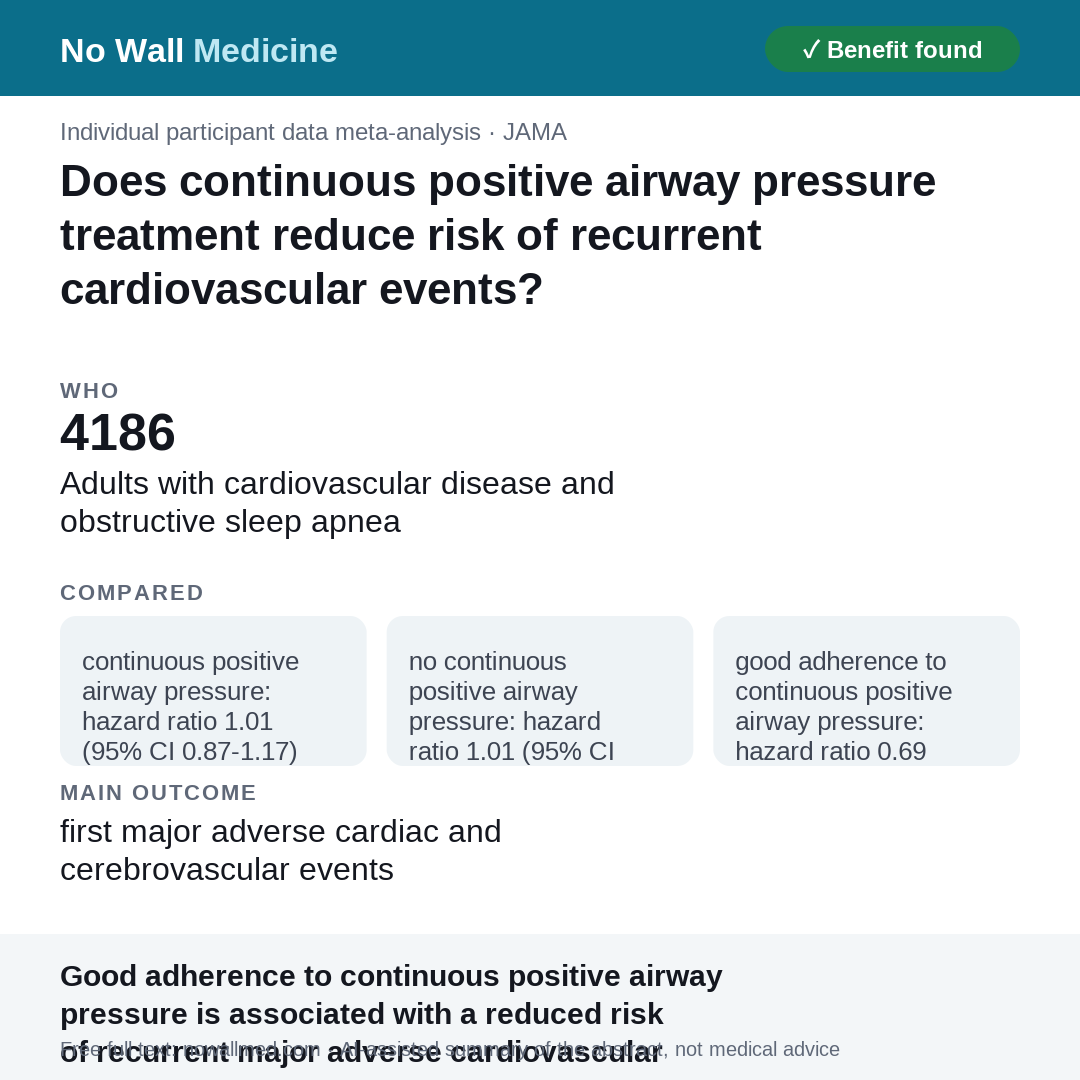
Adherence to CPAP Treatment and the Risk of Recurrent Cardiovascular Events: A Meta-Analysis
Individual participant data meta-analysisBenefit found
Does continuous positive airway pressure treatment reduce risk of recurrent cardiovascular events?
Who
4186
Adults with cardiovascular disease and obstructive sleep apnea
Compared
continuous positive airway pressure: hazard ratio 1.01 (95% CI 0.87-1.17)
no continuous positive airway pressure: hazard ratio 1.01 (95% CI 0.87-1.17)
good adherence to continuous positive airway pressure: hazard ratio 0.69 (95% CI 0.52-0.92)
Main outcome
first major adverse cardiac and cerebrovascular events
Result: hazard ratio 0.69 (95% CI 0.52-0.92) for good adherence
Bottom line: Good adherence to continuous positive airway pressure is associated with a reduced risk of recurrent major adverse cardiovascular events.
JAMA · 2023-10-03Download image
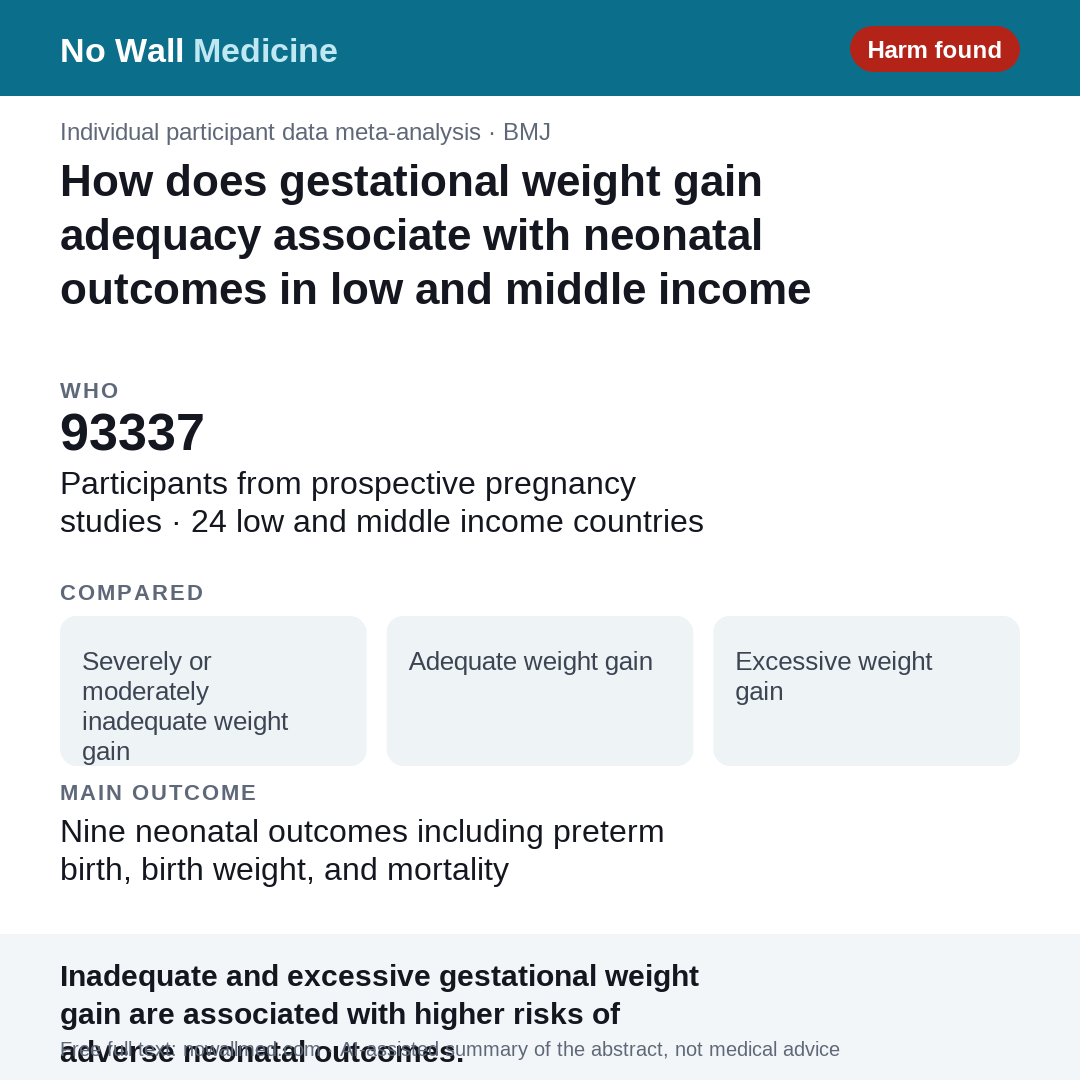
Suboptimal gestational weight gain and neonatal outcomes in low and middle income countries: individual participant data meta-analysis
Individual participant data meta-analysisHarm found
How does gestational weight gain adequacy associate with neonatal outcomes in low and middle income countries?
Who
93337
Participants from prospective pregnancy studies · 24 low and middle income countries
Compared
Severely or moderately inadequate weight gain
Adequate weight gain
Excessive weight gain
Main outcome
Nine neonatal outcomes including preterm birth, birth weight, and mortality
Bottom line: Inadequate and excessive gestational weight gain are associated with higher risks of adverse neonatal outcomes.
Limitation: Further research is needed to assess optimal weight gain ranges for low and middle income countries.
BMJ · 2023-09-21Download image
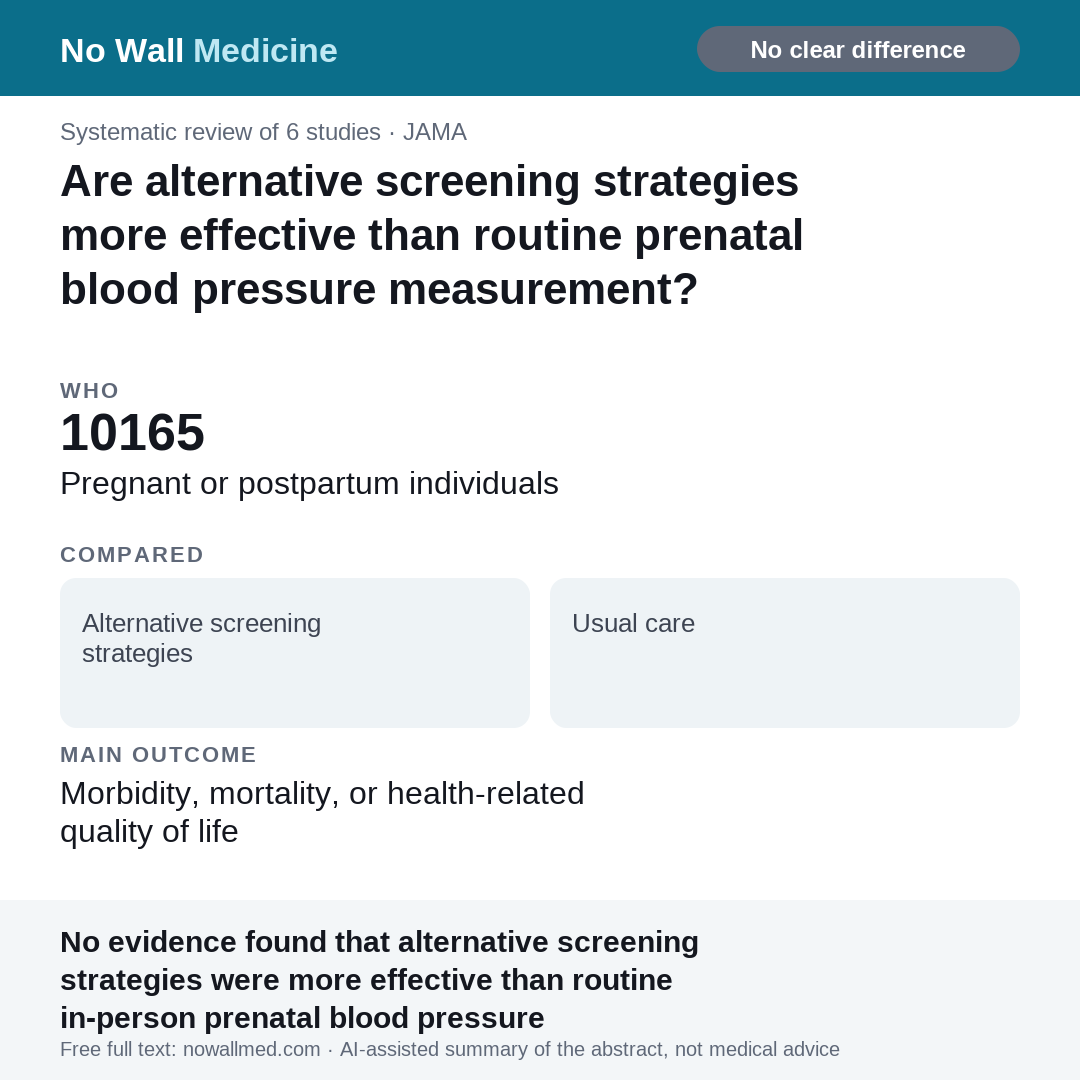
Screening for Hypertensive Disorders of Pregnancy: Updated Evidence Report and Systematic Review for the US Preventive Services Task Force
Systematic review of 6 studiesNo clear difference
Are alternative screening strategies more effective than routine prenatal blood pressure measurement?
Who
10165
Pregnant or postpartum individuals
Compared
Alternative screening strategies
Usual care
Main outcome
Morbidity, mortality, or health-related quality of life
Bottom line: No evidence found that alternative screening strategies were more effective than routine in-person prenatal blood pressure measurement.
Limitation: Estimates were imprecise for serious, rare health outcomes.
JAMA · 2023-09-18Download image
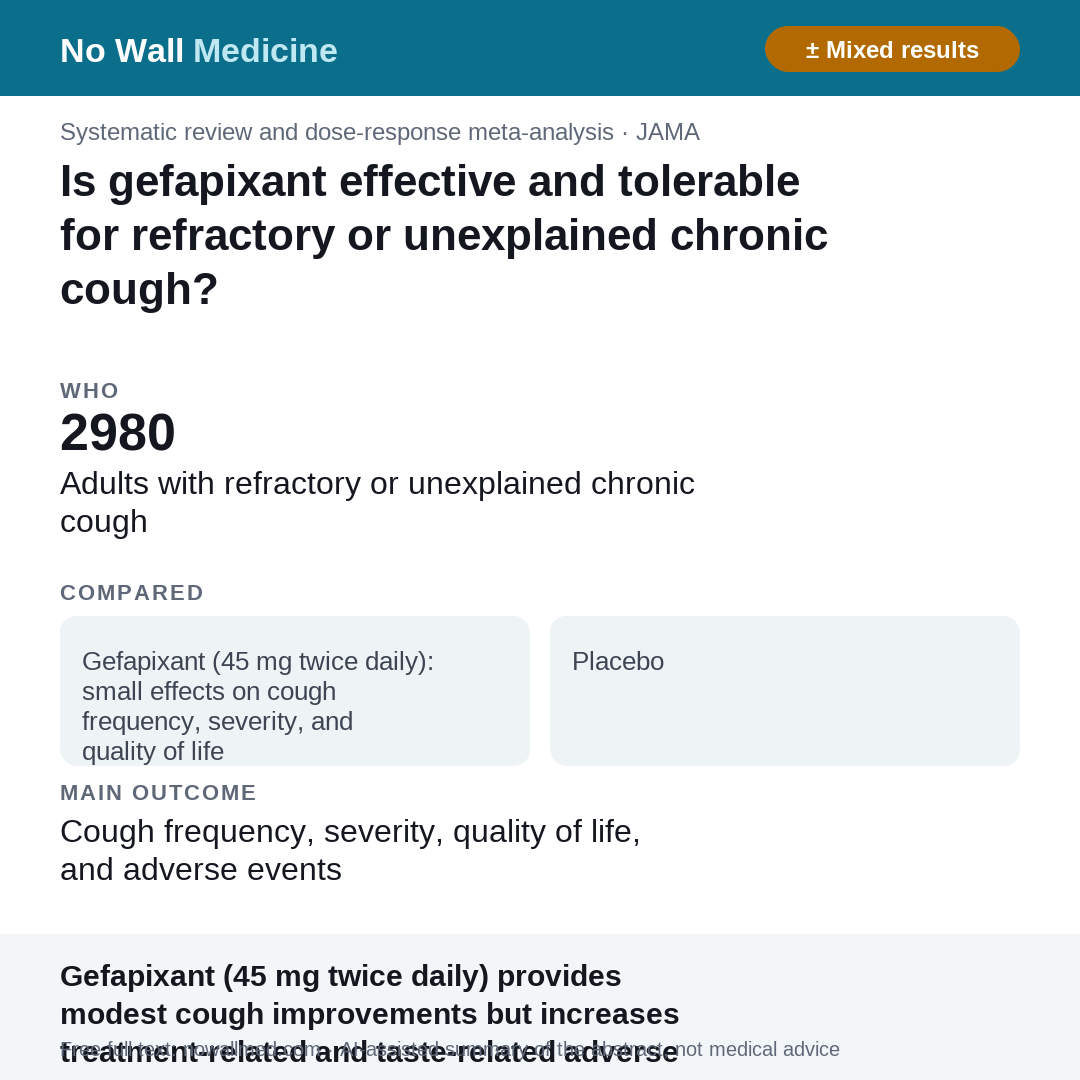
Efficacy and Tolerability of Gefapixant for Treatment of Refractory or Unexplained Chronic Cough: A Systematic Review and Dose-Response Meta-Analysis
Systematic review and dose-response meta-analysisMixed results
Is gefapixant effective and tolerable for refractory or unexplained chronic cough?
Who
2980
Adults with refractory or unexplained chronic cough
Compared
Gefapixant (45 mg twice daily): small effects on cough frequency, severity, and quality of life
Placebo
Main outcome
Cough frequency, severity, quality of life, and adverse events
Result: mean difference, -6.2 mm [95% CI, -4.1 to -8.4] for cough severity
Bottom line: Gefapixant (45 mg twice daily) provides modest cough improvements but increases treatment-related and taste-related adverse events.
JAMA · 2023-09-11Download image
Balancing risks and benefits of cannabis use: umbrella review of meta-analyses of randomised controlled trials and observational studies
Umbrella review of meta-analysesMixed results
What are the risks and benefits of cannabis, cannabinoids, and cannabis based medicines?
Who
People with various conditions, healthy people, pregnant women, and drivers
Compared
Cannabis based medicines: increased adverse events related to the central nervous system 2.84 (95% confidence interval 2.16 to 3.73)
Cannabidiol: 50% reduction of seizures 0.59 (0.38 to 0.92)
Cannabis in general population: worsened positive psychotic symptoms 5.21 (3.36 to 8.01)
Main outcome
efficacy and safety of cannabis, cannabinoids, or cannabis based medicines
Bottom line: Cannabis based medicines show benefits for epilepsy, chronic pain, and multiple sclerosis, but carry significant psychiatric and physical risks.
BMJ · 2023-08-30Download image

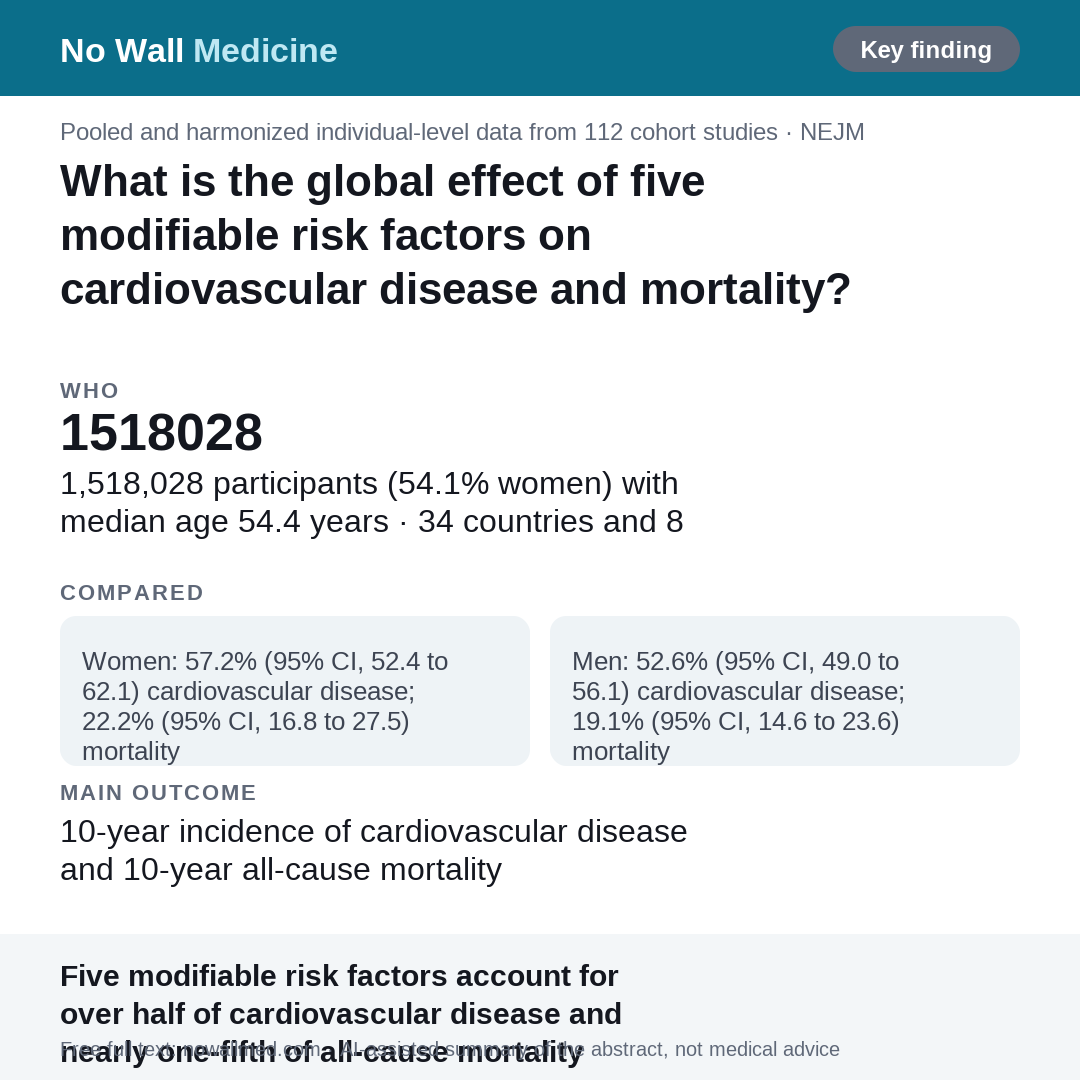
Global Effect of Modifiable Risk Factors on Cardiovascular Disease and Mortality
Pooled and harmonized individual-level data from 112 cohort studiesBenefit found
What is the global effect of five modifiable risk factors on cardiovascular disease and mortality?
Who
1518028
1,518,028 participants (54.1% women) with median age 54.4 years · 34 countries and 8 geographic regions
Compared
Women: 57.2% (95% CI, 52.4 to 62.1) cardiovascular disease; 22.2% (95% CI, 16.8 to 27.5) mortality
Men: 52.6% (95% CI, 49.0 to 56.1) cardiovascular disease; 19.1% (95% CI, 14.6 to 23.6) mortality
Main outcome
10-year incidence of cardiovascular disease and 10-year all-cause mortality
Bottom line: Five modifiable risk factors account for over half of cardiovascular disease and nearly one-fifth of all-cause mortality globally.
Funded by: German Center for Cardiovascular Research (DZHK)
NEJM · 2023-08-26Download image