Visual abstracts
New randomized trials and meta-analyses from leading journals at a glance: who was studied, what was compared, and what was found. Every paper is free to read in full.
All specialtiesCardiology 4877Oncology 4138Gastroenterology & Hepatology 1942Infectious Disease 3837Neurology 1905Psychiatry & Mental Health 2273Pulmonology 2143Critical Care 1365Endocrinology & Diabetes 2580Pediatrics 2980Surgery 2559Orthopedics & Sports Medicine 931Neurosurgery 537Cardiothoracic & Vascular Surgery 674Plastic & Reconstructive Surgery 591Nephrology 1133Rheumatology 823Hematology 1109Dermatology 621Ophthalmology 543Obstetrics & Gynecology 1686Public & Global Health 1058Radiology & Imaging 648Anesthesiology 986Urology 764ENT (Otolaryngology) 503Emergency Medicine 511Allergy & Immunology 313Geriatrics 981Family Medicine & Primary Care 562Medical Genetics & Genomics 676Pathology & Laboratory Medicine 159Physical Medicine & Rehabilitation 757Palliative Care 444Nutrition 1588Digital Health & AI 2201General Medicine 321
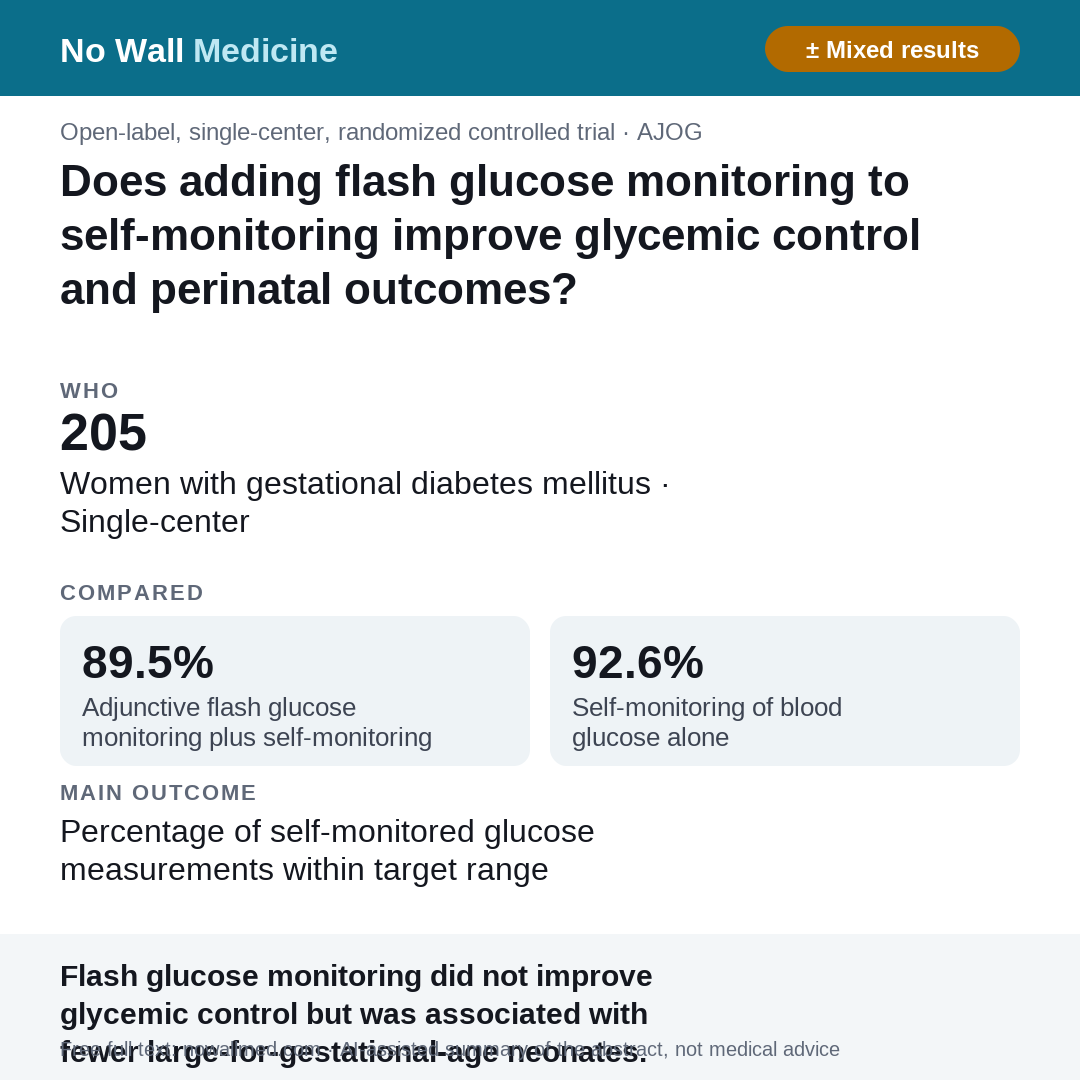
Flash glucose monitoring addition to self-monitoring of blood glucose and perinatal outcomes in gestational diabetes: a randomized controlled trial
Open-label, single-center, randomized controlled trialMixed results
Does adding flash glucose monitoring to self-monitoring improve glycemic control and perinatal outcomes?
Who
205
Women with gestational diabetes mellitus · Single-center
Compared
89.5%Adjunctive flash glucose monitoring plus self-monitoring
92.6%Self-monitoring of blood glucose alone
Main outcome
Percentage of self-monitored glucose measurements within target range
Result: odds ratio 0.27 (95% confidence interval 0.07-0.99)
Bottom line: Flash glucose monitoring did not improve glycemic control but was associated with fewer large-for-gestational-age neonates.
Limitation: Small sample size and number of events for secondary outcomes.
AJOG · 2026-04-02Download image
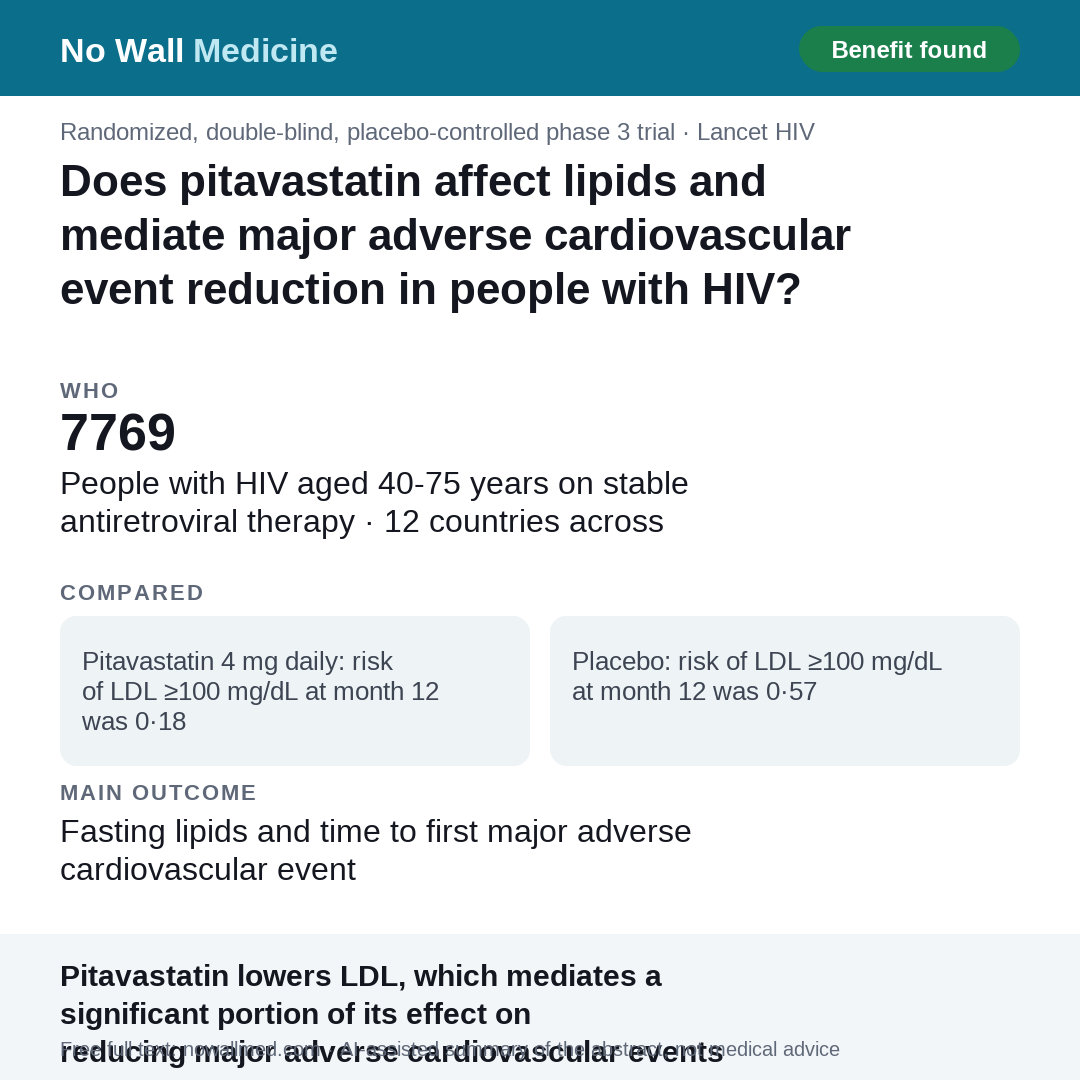
Pitavastatin effects on lipids in relation to major adverse cardiovascular events: a REPRIEVE secondary analysis
Randomized, double-blind, placebo-controlled phase 3 trialBenefit found
Does pitavastatin affect lipids and mediate major adverse cardiovascular event reduction in people with HIV?
Who
7769
People with HIV aged 40-75 years on stable antiretroviral therapy · 12 countries across five Global Burden of Diseases super-regions
Compared
Pitavastatin 4 mg daily: risk of LDL ≥100 mg/dL at month 12 was 0·18
Placebo: risk of LDL ≥100 mg/dL at month 12 was 0·57
Main outcome
Fasting lipids and time to first major adverse cardiovascular event
Result: hazard ratio 0·80 (95% CI 0·68-0·94) for 30% lower average LDL
Bottom line: Pitavastatin lowers LDL, which mediates a significant portion of its effect on reducing major adverse cardiovascular events in people with HIV.
Funded by: US National Institutes of Health, Kowa Pharmaceuticals America, Gilead Sciences, and ViiV Healthcare
Lancet HIV · 2026-04-02Download image
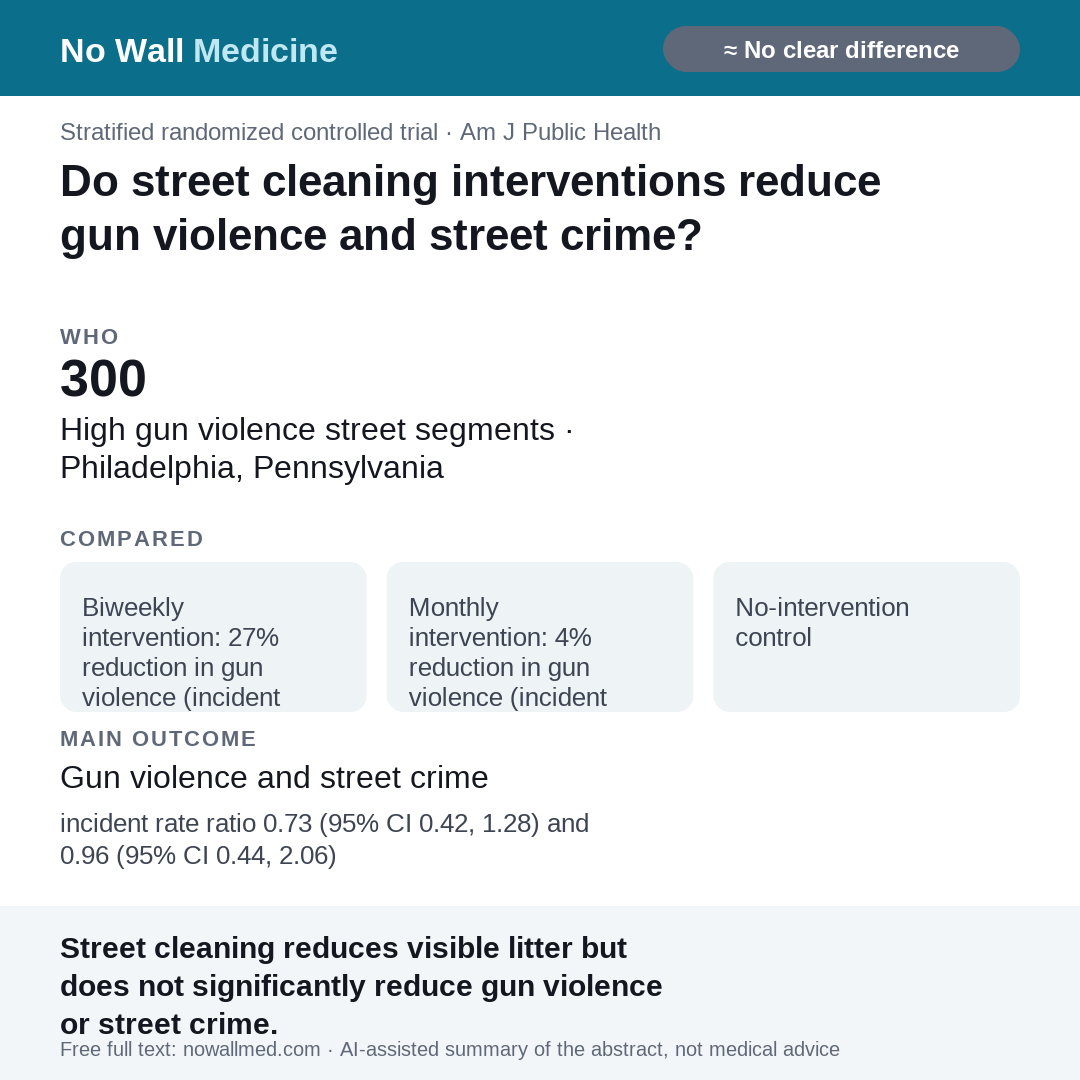
The Effects of Street Cleaning on Serious Crime and Gun Violence in Philadelphia, 2023-2024: A Stratified Randomized Controlled Trial
Stratified randomized controlled trialNo clear difference
Do street cleaning interventions reduce gun violence and street crime?
Who
300
High gun violence street segments · Philadelphia, Pennsylvania
Compared
Biweekly intervention: 27% reduction in gun violence (incident rate ratio 0.73)
Monthly intervention: 4% reduction in gun violence (incident rate ratio 0.96)
No-intervention control
Main outcome
Gun violence and street crime
Result: incident rate ratio 0.73 (95% CI 0.42, 1.28) and 0.96 (95% CI 0.44, 2.06)
Bottom line: Street cleaning reduces visible litter but does not significantly reduce gun violence or street crime.
Am J Public Health · 2026-04-02Download image
Unveiling the Clinical Potential of Prostate Cancer Three-dimensional Models: A Systematic Review
Systematic literature reviewBenefit found
What are the feasibility, molecular fidelity, and translational applications of prostate cancer 3D models?
Who
Human-derived prostate cancer three-dimensional models · PubMed, EMBASE, and Web of Science
Compared
Patient-derived organoids: high genomic, transcriptomic, and epigenetic concordance
Organotypic slice tissues
Main outcome
feasibility, molecular fidelity, and translational applications
Bottom line: Prostate cancer 3D models effectively recapitulate tumor biology, predict drug responses, and identify novel biomarkers for precision oncology.
Limitation: Lack of microenvironment components and time-intensive nature of organoid establishment.
Eur Urol Oncol · 2026-04-02Download image

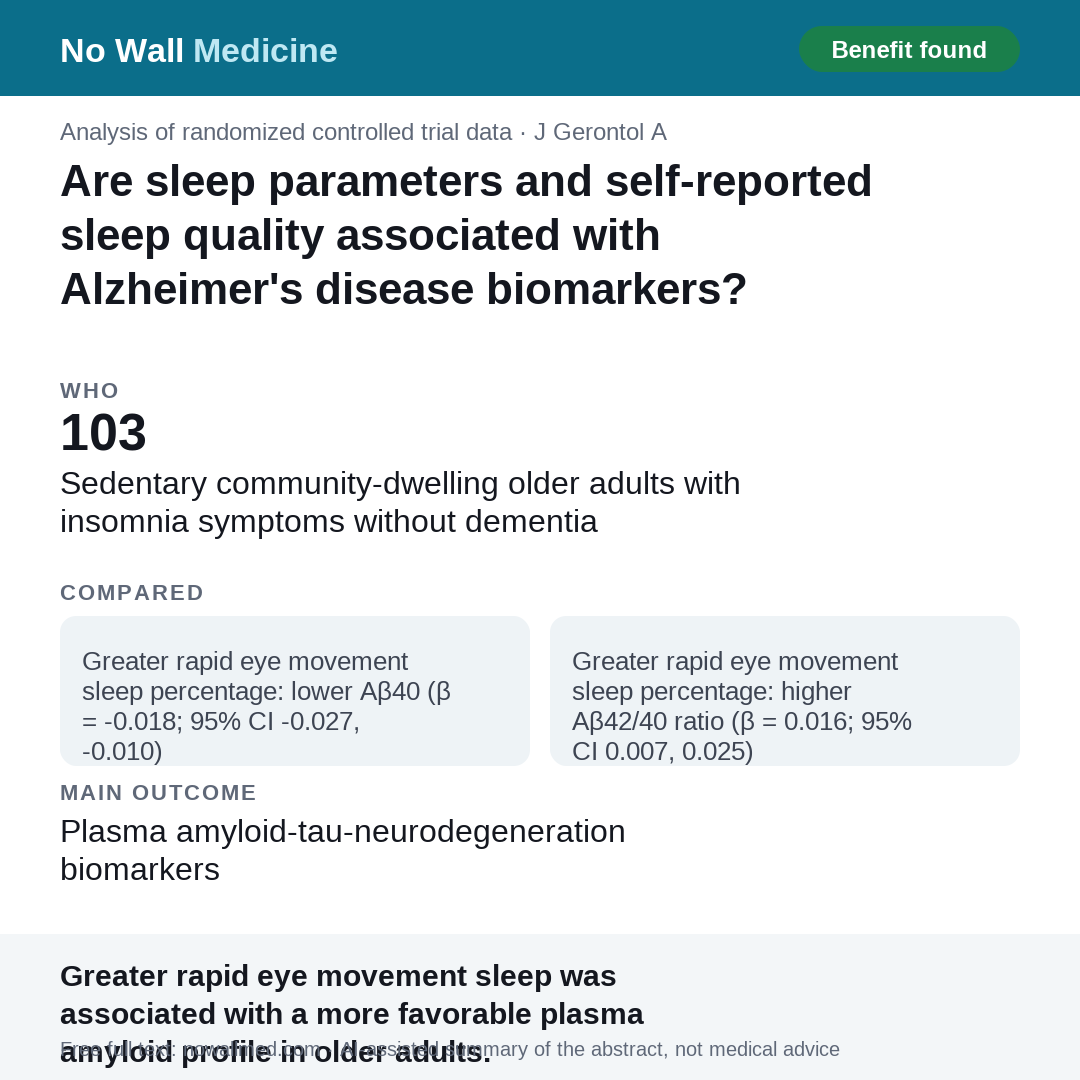
Sleep architecture and self-reported sleep quality are associated with Alzheimer's disease biomarkers in older adults without dementia
Analysis of randomized controlled trial dataBenefit found
Are sleep parameters and self-reported sleep quality associated with Alzheimer's disease biomarkers?
Who
103
Sedentary community-dwelling older adults with insomnia symptoms without dementia
Compared
Greater rapid eye movement sleep percentage: lower Aβ40 (β = -0.018; 95% CI -0.027, -0.010)
Greater rapid eye movement sleep percentage: higher Aβ42/40 ratio (β = 0.016; 95% CI 0.007, 0.025)
Main outcome
Plasma amyloid-tau-neurodegeneration biomarkers
Bottom line: Greater rapid eye movement sleep was associated with a more favorable plasma amyloid profile in older adults.
J Gerontol A · 2026-04-02Download image
Risk Factors for Infection After Ankle, Knee, Hip, Shoulder, or Elbow Arthroscopy: A Systematic Review and Meta-analysis
Systematic review and meta-analysisMixed results
What are the predictive risk factors for infection after arthroscopy?
Who
Patients undergoing ankle, knee, hip, shoulder, or elbow arthroscopy
Compared
Intraoperative corticosteroid injection: OR 5.97 (95% CI 2.66-13.39)
Steroid use within 2 weeks: OR 3.36 (95% CI 2.43-4.65)
Steroid use 2 to 4 weeks before: OR 1.89 (95% CI 1.48-2.42)
Diabetes mellitus: OR 1.49 (95% CI 1.24-1.79)
Main outcome
Postarthroscopic infection risk
Bottom line: Infection risk increases with steroid use, diabetes, high body mass index, and tobacco smoking after arthroscopy.
Am J Sports Med · 2026-04-02Download image

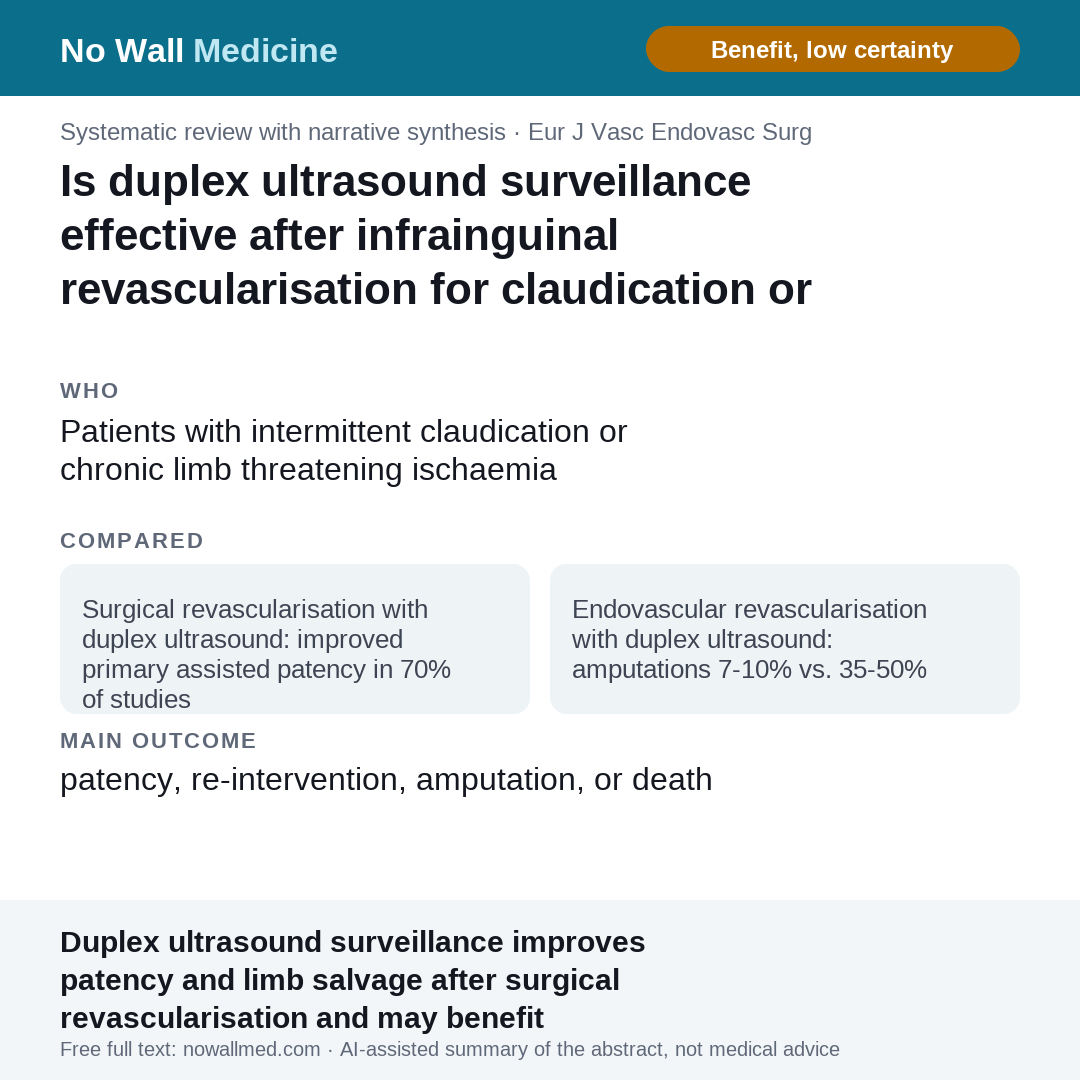
Editor's Choice - Duplex Ultrasound Surveillance after Infrainguinal Peripheral Artery Revascularisation: A Systematic Review with Narrative Synthesis
Systematic review with narrative synthesisBenefit found
Is duplex ultrasound surveillance effective after infrainguinal revascularisation for claudication or limb threatening ischaemia?
Who
Patients with intermittent claudication or chronic limb threatening ischaemia
Compared
Surgical revascularisation with duplex ultrasound: improved primary assisted patency in 70% of studies
Endovascular revascularisation with duplex ultrasound: amputations 7-10% vs. 35-50%
Main outcome
patency, re-intervention, amputation, or death
Bottom line: Duplex ultrasound surveillance improves patency and limb salvage after surgical revascularisation and may benefit endovascular cases.
Limitation: Most studies were observational with moderate to high risk of bias and varied protocols.
Eur J Vasc Endovasc Surg · 2026-04-02Download image
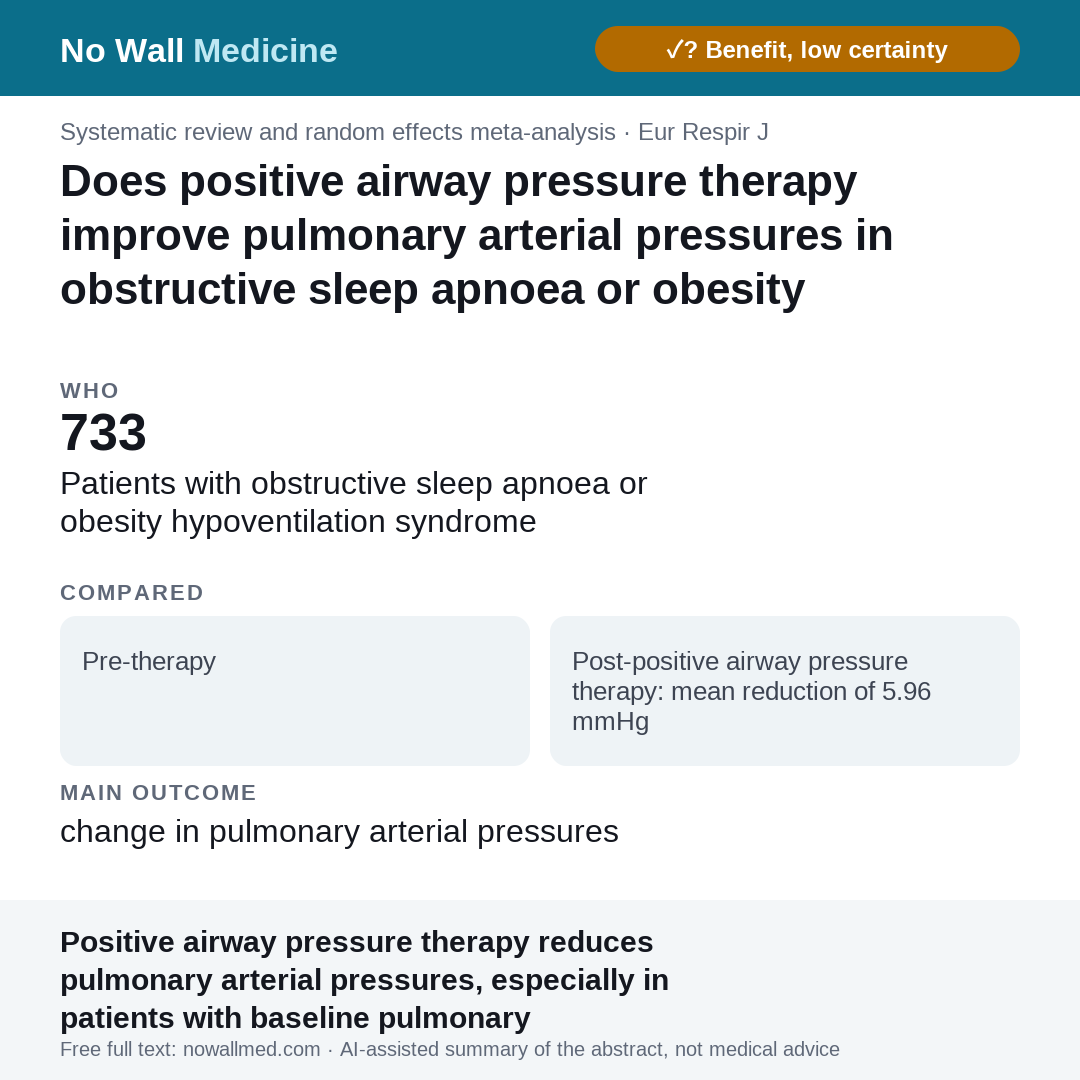
Impact of positive airway pressure therapy on pulmonary arterial pressures in obstructive sleep apnoea or obesity hypoventilation syndrome: a systematic review and meta-analysis
Systematic review and random effects meta-analysisBenefit found
Does positive airway pressure therapy improve pulmonary arterial pressures in obstructive sleep apnoea or obesity hypoventilation syndrome?
Who
733
Patients with obstructive sleep apnoea or obesity hypoventilation syndrome
Compared
Pre-therapy
Post-positive airway pressure therapy: mean reduction of 5.96 mmHg
Main outcome
change in pulmonary arterial pressures
Result: mean reduction of 5.96 (95% CI 3.20-8.73) mmHg
Bottom line: Positive airway pressure therapy reduces pulmonary arterial pressures, especially in patients with baseline pulmonary hypertension.
Limitation: High heterogeneity across studies and low certainty of findings.
Eur Respir J · 2026-04-02Download image
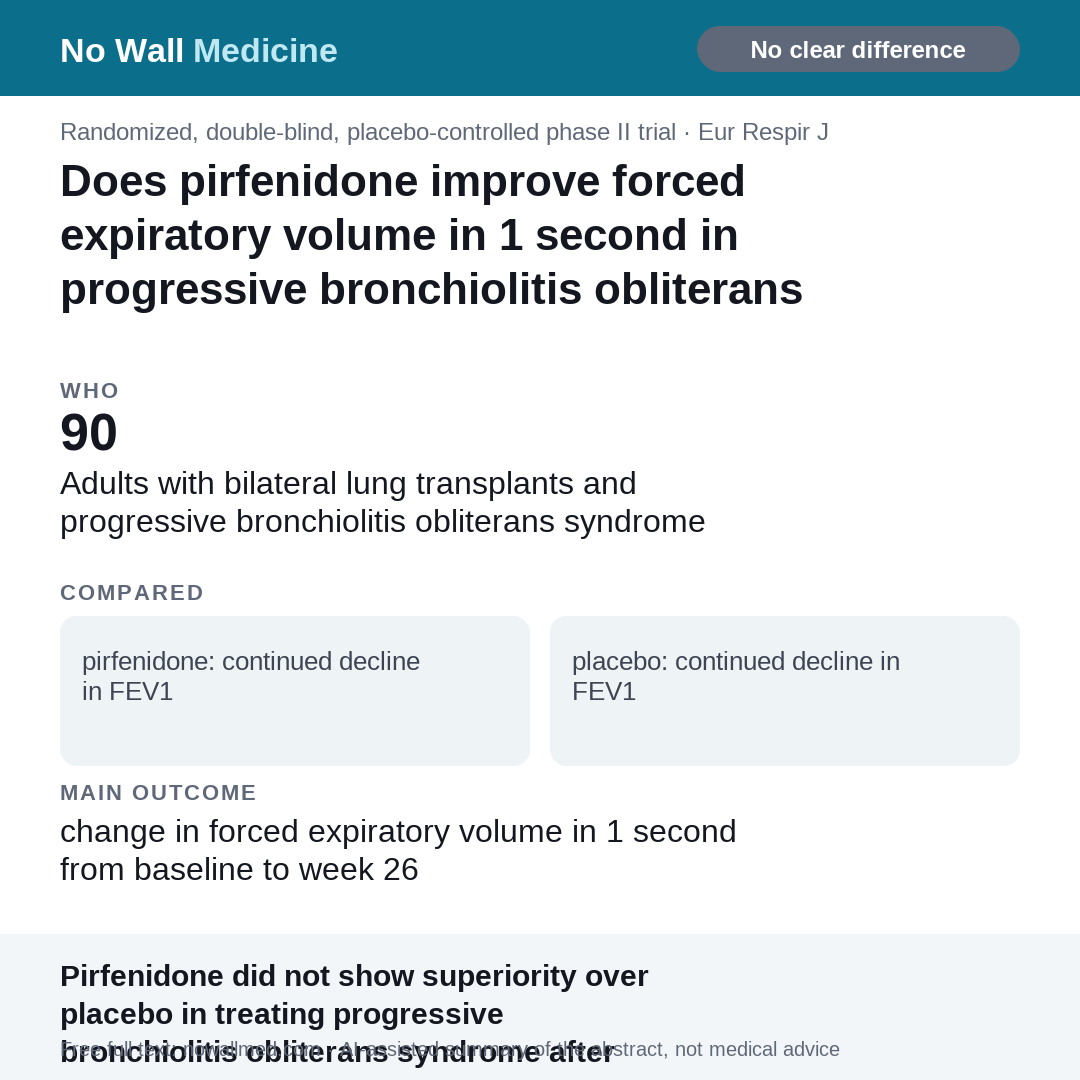
A European multicentre, randomised controlled trial of pirfenidone in bronchiolitis obliterans syndrome after bilateral lung transplantation
Randomized, double-blind, placebo-controlled phase II trialNo clear difference
Does pirfenidone improve forced expiratory volume in 1 second in progressive bronchiolitis obliterans syndrome?
Who
90
Adults with bilateral lung transplants and progressive bronchiolitis obliterans syndrome · Nine European lung transplant centres
Compared
pirfenidone: continued decline in FEV1
placebo: continued decline in FEV1
Main outcome
change in forced expiratory volume in 1 second from baseline to week 26
Bottom line: Pirfenidone did not show superiority over placebo in treating progressive bronchiolitis obliterans syndrome after bilateral lung transplantation.
Eur Respir J · 2026-04-02Download image
Mepolizumab for the treatment of refractory chronic cough in patients with eosinophilic airways disease (MUCOSA): a randomised, double-blind, parallel-group, placebo-controlled trial
Randomised, double-blind, placebo-controlled trialNo clear difference
Does mepolizumab reduce cough in patients with refractory chronic cough and eosinophilic airways disease?
Who
30
Patients with refractory chronic cough and eosinophilic airways disease · Single-centre
Compared
Mepolizumab
Placebo
Main outcome
Change from baseline in 24-h cough frequency at 14 weeks
Result: percentage change relative to placebo +18.0%, 95% CI -46.4-160.1%
Bottom line: Mepolizumab did not improve cough despite reducing blood and sputum eosinophils in patients with refractory chronic cough.
Eur Respir J · 2026-04-02Download image

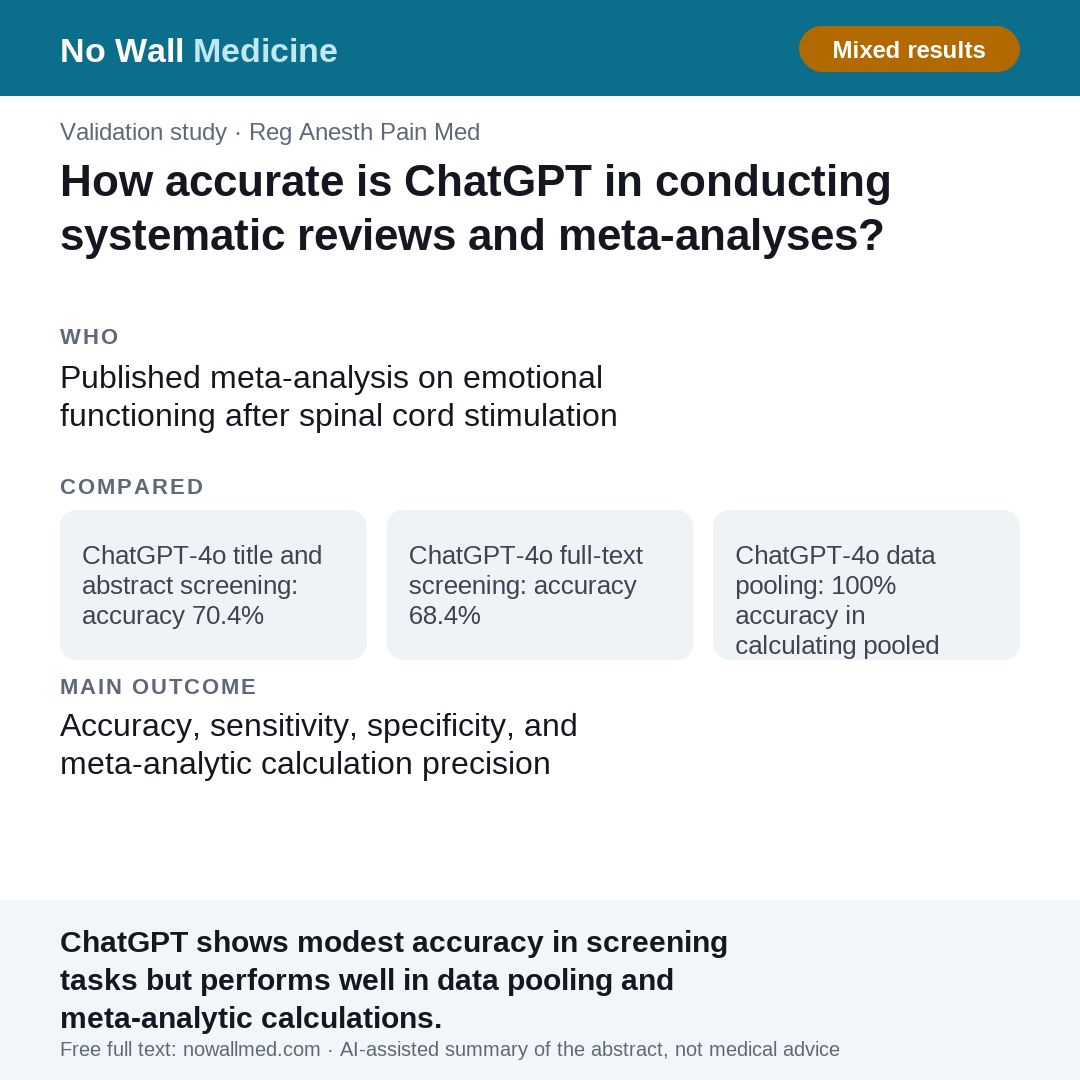
Human versus artificial intelligence: evaluating ChatGPT's performance in conducting published systematic reviews with meta-analysis in chronic pain research
Validation studyMixed results
How accurate is ChatGPT in conducting systematic reviews and meta-analyses?
Who
Published meta-analysis on emotional functioning after spinal cord stimulation
Compared
ChatGPT-4o title and abstract screening: accuracy 70.4%
ChatGPT-4o full-text screening: accuracy 68.4%
ChatGPT-4o data pooling: 100% accuracy in calculating pooled mean differences
Main outcome
Accuracy, sensitivity, specificity, and meta-analytic calculation precision
Bottom line: ChatGPT shows modest accuracy in screening tasks but performs well in data pooling and meta-analytic calculations.
Reg Anesth Pain Med · 2026-04-02Download image
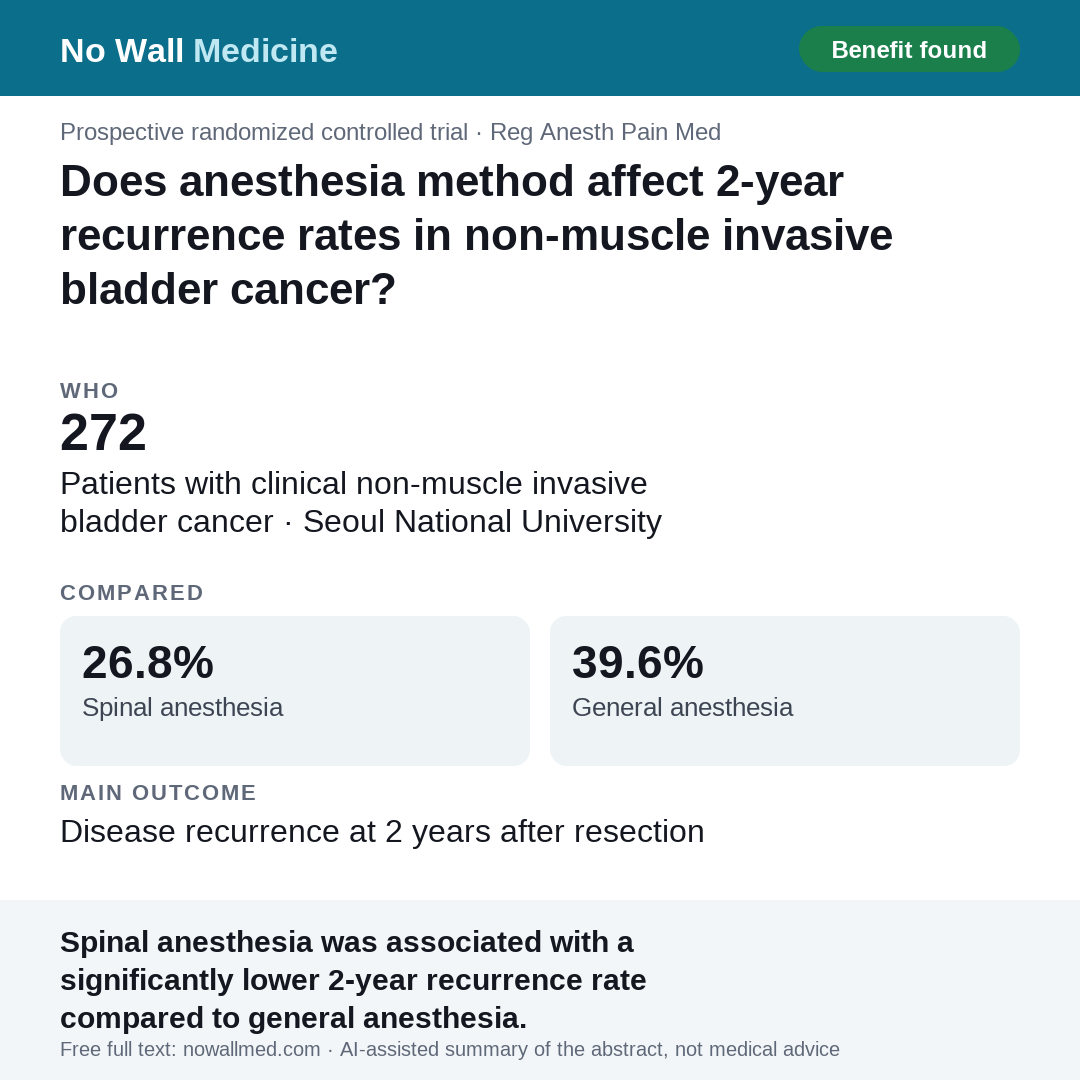
Anesthetic approaches and 2-year recurrence rates in non-muscle invasive bladder cancer: a randomized clinical trial
Prospective randomized controlled trialBenefit found
Does anesthesia method affect 2-year recurrence rates in non-muscle invasive bladder cancer?
Who
272
Patients with clinical non-muscle invasive bladder cancer · Seoul National University Hospital
Compared
26.8%Spinal anesthesia
39.6%General anesthesia
Main outcome
Disease recurrence at 2 years after resection
Bottom line: Spinal anesthesia was associated with a significantly lower 2-year recurrence rate compared to general anesthesia.
Reg Anesth Pain Med · 2026-04-02Download image
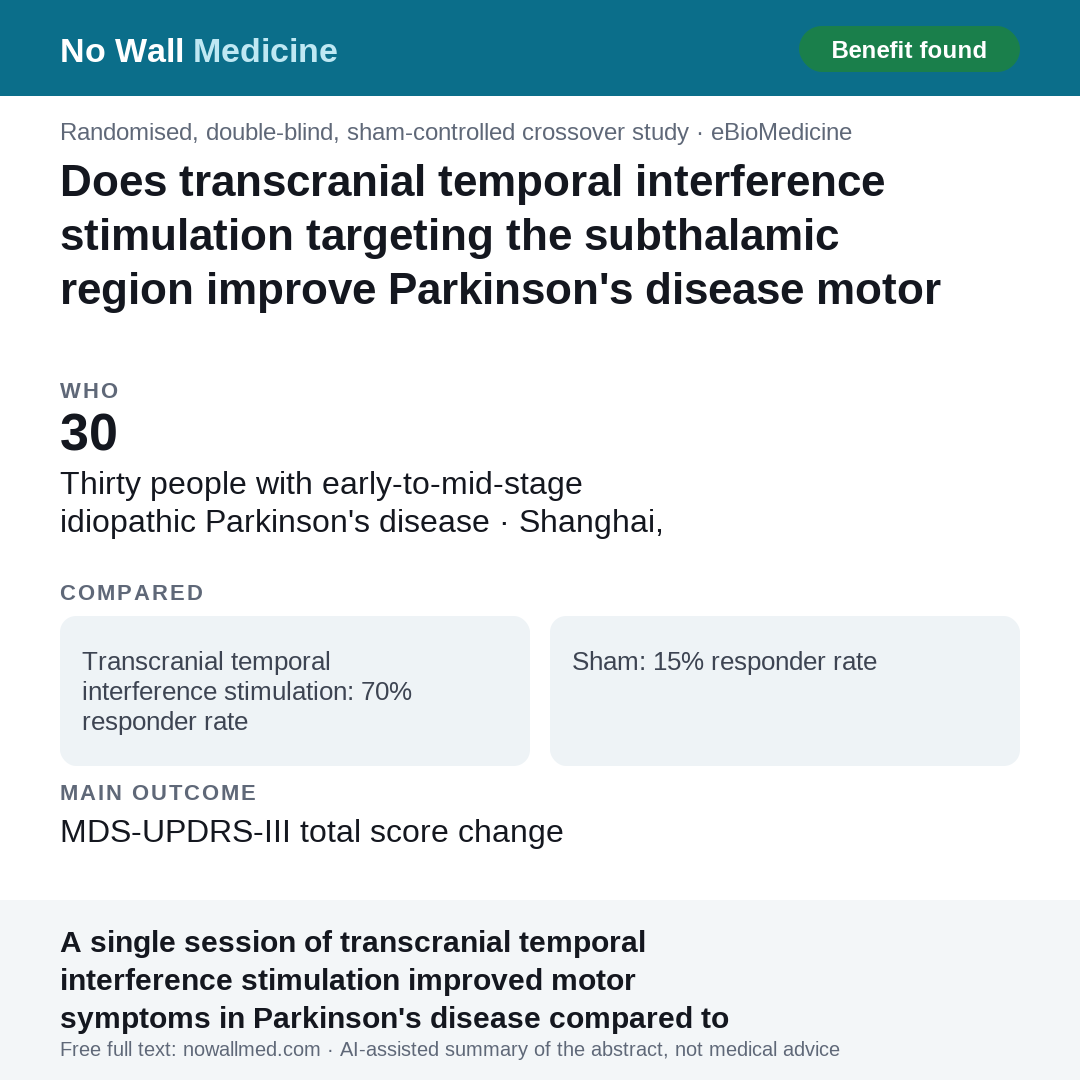
Transcranial temporal interference stimulation targeting the subthalamic region for motor symptoms in Parkinson's disease: a pilot, randomised, double-blind, sham-controlled crossover study
Randomised, double-blind, sham-controlled crossover studyBenefit found
Does transcranial temporal interference stimulation targeting the subthalamic region improve Parkinson's disease motor symptoms?
Who
30
Thirty people with early-to-mid-stage idiopathic Parkinson's disease · Shanghai, China
Compared
Transcranial temporal interference stimulation: 70% responder rate
Sham: 15% responder rate
Main outcome
MDS-UPDRS-III total score change
Result: risk difference 56.3%, 95% CI 38.3-74.4
Bottom line: A single session of transcranial temporal interference stimulation improved motor symptoms in Parkinson's disease compared to sham.
Funded by: National Natural Science Foundation of China
eBioMedicine · 2026-04-02Download image
The effects of antenatal interventions on gestational weight gain in low and middle-income countries: a systematic review
Systematic review of randomized controlled trialsBenefit found
Do antenatal interventions affect gestational weight gain in low and middle-income countries?
Who
Pregnant women in low and middle-income countries · Low and middle-income countries
Compared
Nutritional interventions
Behavioural interventions
Main outcome
Gestational weight gain
Bottom line: Antenatal interventions like nutritional, behavioural, and physical activity can help pregnant women achieve optimal gestational weight gain.
BMJ Glob Health · 2026-04-02Download image

Impacts of rising food prices on nutritional outcomes and mortality of children in low and middle-income countries: a systematic review
Systematic review of longitudinal studiesHarm found
How do rising food prices impact nutritional outcomes and mortality of children in low and middle-income countries?
Who
Children in 104 low and middle-income countries · 104 low and middle-income countries
Compared
Higher food costs: adverse nutritional outcomes
Lower food costs
Main outcome
nutritional outcomes and mortality
Bottom line: Rising food prices are associated with adverse nutritional outcomes and mortality in children in low and middle-income countries.
Limitation: Subgroup analyses were limited
BMJ Glob Health · 2026-04-02Download image

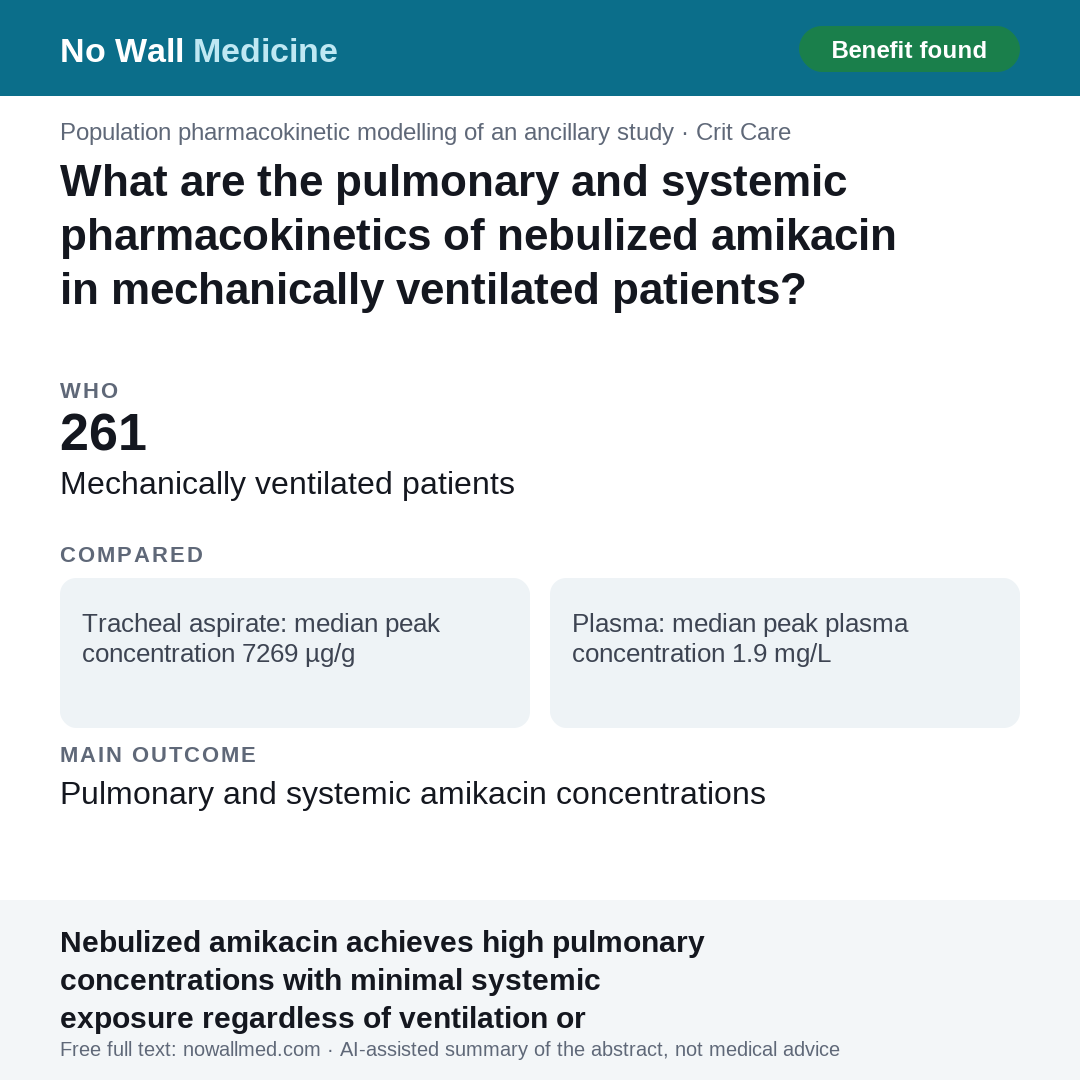
Amikacin pharmacokinetics after nebulization among intubated patients
Population pharmacokinetic modelling of an ancillary studyBenefit found
What are the pulmonary and systemic pharmacokinetics of nebulized amikacin in mechanically ventilated patients?
Who
261
Mechanically ventilated patients
Compared
Tracheal aspirate: median peak concentration 7269 µg/g
Plasma: median peak plasma concentration 1.9 mg/L
Main outcome
Pulmonary and systemic amikacin concentrations
Bottom line: Nebulized amikacin achieves high pulmonary concentrations with minimal systemic exposure regardless of ventilation or nebulization conditions.
Crit Care · 2026-04-02Download image
Advancing neonatal jaundice screening with mHealth: a mixed-methods randomised controlled feasibility study in a resource-limited setting in Mexico
Mixed-methods randomized controlled feasibility studyBenefit found
Is Picterus Jaundice Pro feasible for neonatal jaundice screening in Mexico?
Who
542
Newborns in a resource-limited Mexican healthcare setting · Mexico
Compared
Visual assessment alone
Visual assessment plus Picterus Jaundice Pro
Main outcome
Feasibility of implementing a smartphone-based detection tool
Result: proportional difference [95% CI 0.230 to 0.362] for positive screenings
Bottom line: Picterus Jaundice Pro improved positive screenings, successful referrals, and jaundice management in a resource-limited setting.
Limitation: Incomplete referrals occurred due to logistical barriers and low perceived risk by parents.
BMJ Paediatr Open · 2026-04-02Download image

Supportive care interventions in hematopoietic stem cell transplantation: a systematic review and meta-analysis
Systematic review and meta-analysisMixed results
What are the effects of supportive care interventions on patient-reported outcomes?
Who
Patients receiving transplantation and cellular therapies
Compared
Exercise interventions: nonsignificant trends toward improving quality of life
Music/art interventions: nonsignificant trends toward reducing acute depressive symptoms
Main outcome
Patient-reported outcomes
Result: SMD 0.09 for quality of life; SMD -0.26 for depressive symptoms
Bottom line: Supportive care interventions show feasibility and promise for improving patient-reported outcomes in transplantation recipients.
Limitation: Larger, rigorously designed randomized controlled trials using standardized measures are needed.
Blood Adv · 2026-04-02Download image

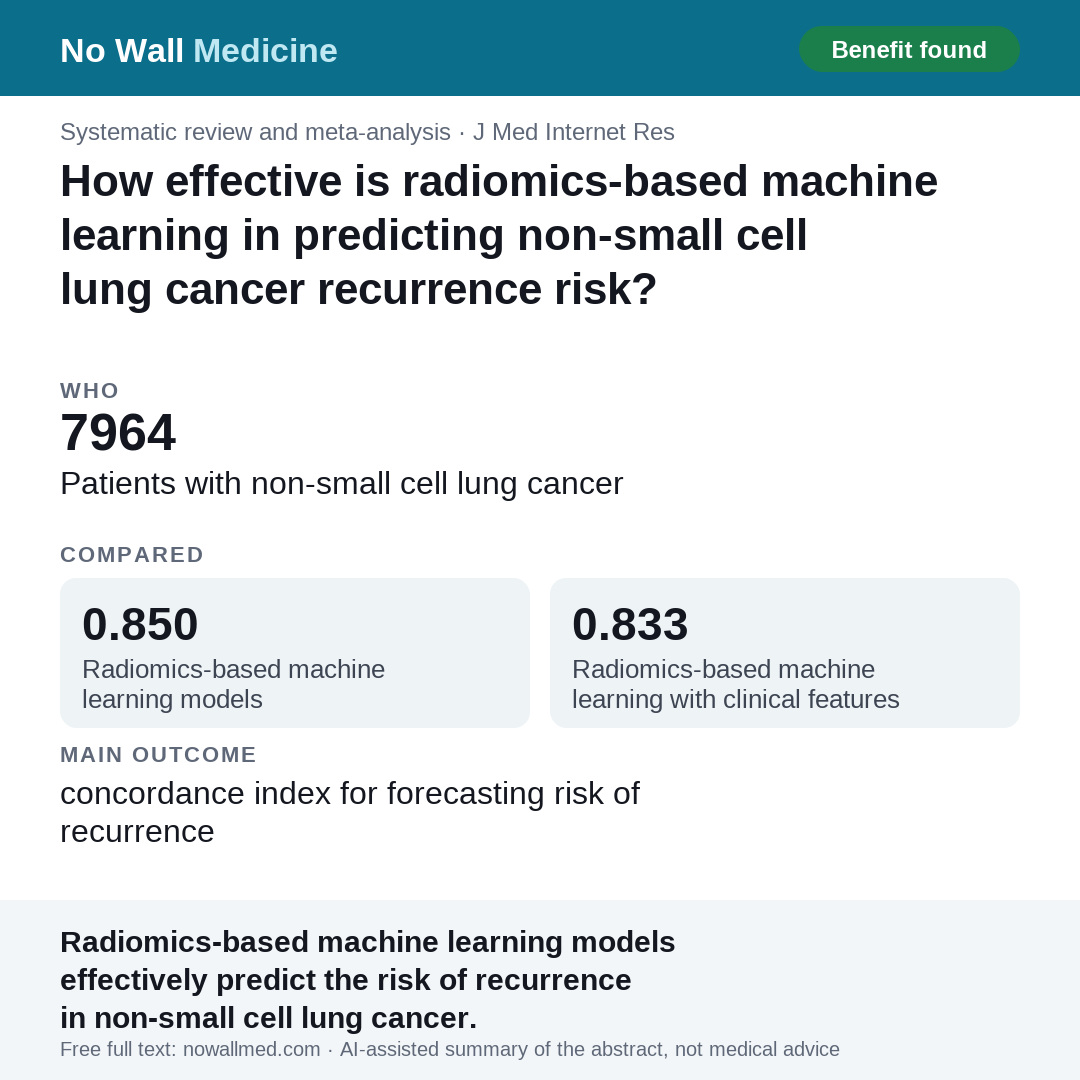
Accuracy of Radiomics-Based Machine Learning for Predicting Risk of Recurrence in Non-Small Cell Lung Cancer: Systematic Review and Meta-Analysis
Systematic review and meta-analysisBenefit found
How effective is radiomics-based machine learning in predicting non-small cell lung cancer recurrence risk?
Who
7964
Patients with non-small cell lung cancer
Compared
0.850Radiomics-based machine learning models (95% CI 0.834-0.866, 95% prediction interval 0.623-1.004)
0.833Radiomics-based machine learning with clinical features (95% CI 0.822-0.854, 95% prediction interval 0.717-0.945)
Main outcome
concordance index for forecasting risk of recurrence
Result: c-index 0.850 (95% CI 0.834-0.866)
Bottom line: Radiomics-based machine learning models effectively predict the risk of recurrence in non-small cell lung cancer.
Limitation: Methodological limitations and an absence of standardization were revealed by the average Radiomics Quality Score.
J Med Internet Res · 2026-04-02Download image
Effectiveness of the Components of a Digital Multiple Health Behavior Change Intervention Among Individuals Seeking Help Online (Coach): Factorial Randomized Trial
Double-blind randomized factorial trialBenefit found
How do individual components of a digital health behavior change intervention affect health outcomes?
Who
5419
Adults in Sweden seeking help to change unhealthy behaviors · Sweden
Compared
Screening/feedback component: mean difference 0.17 (CoI 0.09-0.25) for fruit and vegetable consumption at 2 months
Screening/feedback and motivation combination: mean difference 0.20 (CoI 0.09-0.30) for fruit and vegetable consumption at 2 months
Main outcome
Alcohol, diet, physical activity, and smoking outcomes
Result: incidence rate ratio 0.91 (CoI 0.81-1.03) for heavy episodic drinking at 4 months
Bottom line: Screening, feedback, goal-setting, and motivation are effective components for improving various health behaviors in a digital intervention.
J Med Internet Res · 2026-04-02Download image