Visual abstracts
New randomized trials and meta-analyses from leading journals at a glance: who was studied, what was compared, and what was found. Every paper is free to read in full.
All specialtiesCardiology 4763Oncology 4043Gastroenterology & Hepatology 1903Infectious Disease 3756Neurology 1872Psychiatry & Mental Health 2216Pulmonology 2044Critical Care 1319Endocrinology & Diabetes 2544Pediatrics 2889Surgery 2480Orthopedics & Sports Medicine 917Neurosurgery 525Cardiothoracic & Vascular Surgery 656Plastic & Reconstructive Surgery 574Nephrology 1107Rheumatology 810Hematology 1090Dermatology 611Ophthalmology 532Obstetrics & Gynecology 1645Public & Global Health 1037Radiology & Imaging 619Anesthesiology 958Urology 745ENT (Otolaryngology) 494Emergency Medicine 481Allergy & Immunology 309Geriatrics 972Family Medicine & Primary Care 534Medical Genetics & Genomics 659Pathology & Laboratory Medicine 156Physical Medicine & Rehabilitation 734Palliative Care 421Nutrition 1560Digital Health & AI 2137General Medicine 318
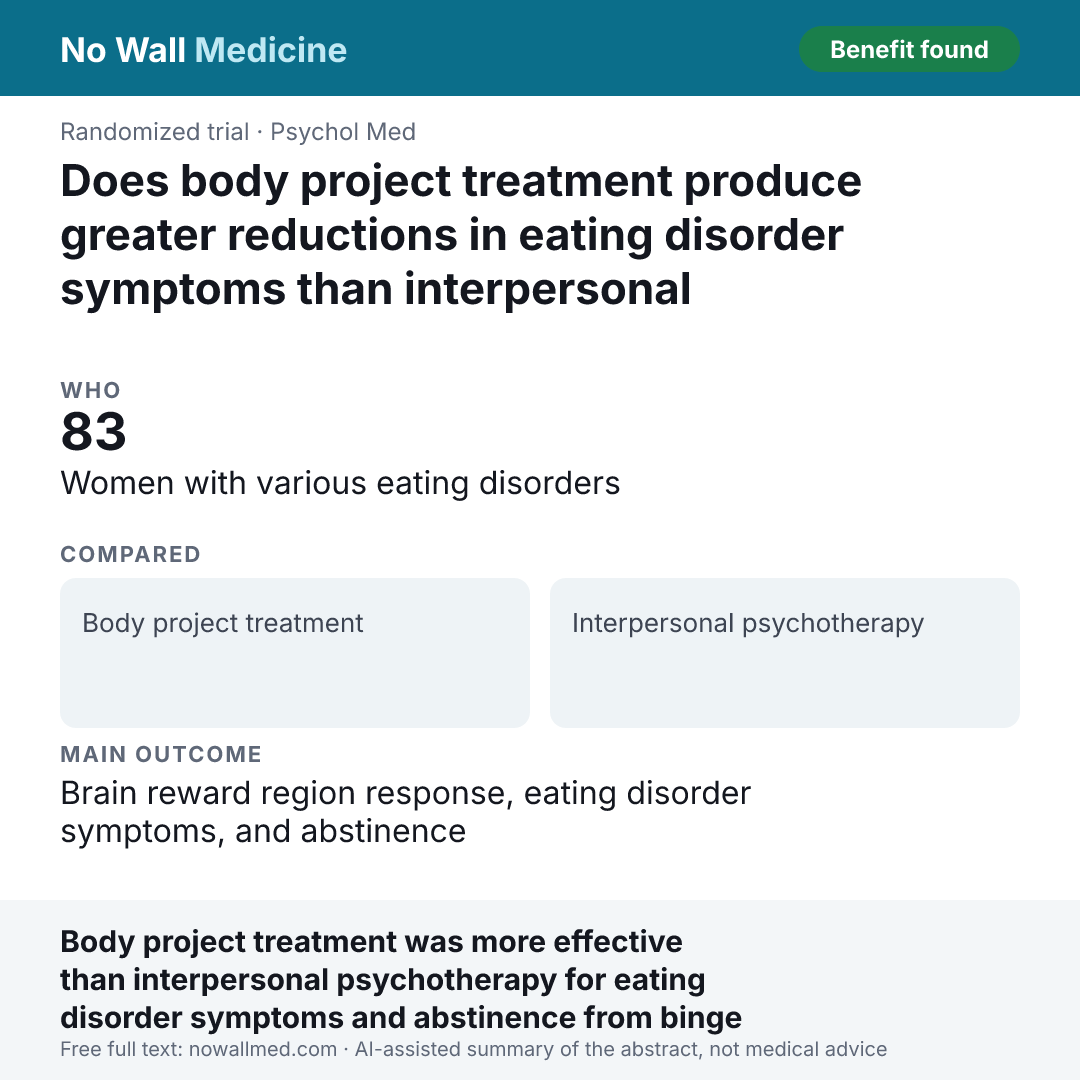
Randomized target engagement trial of a dissonance-based transdiagnostic eating disorder treatment versus transdiagnostic interpersonal psychotherapy
Randomized trialBenefit found
Does body project treatment produce greater reductions in eating disorder symptoms than interpersonal psychotherapy?
Who
83
Women with various eating disorders
Compared
Body project treatment
Interpersonal psychotherapy
Main outcome
Brain reward region response, eating disorder symptoms, and abstinence
Bottom line: Body project treatment was more effective than interpersonal psychotherapy for eating disorder symptoms and abstinence from binge eating and purging.
Psychol Med · 2025-11-06 · Save PNG
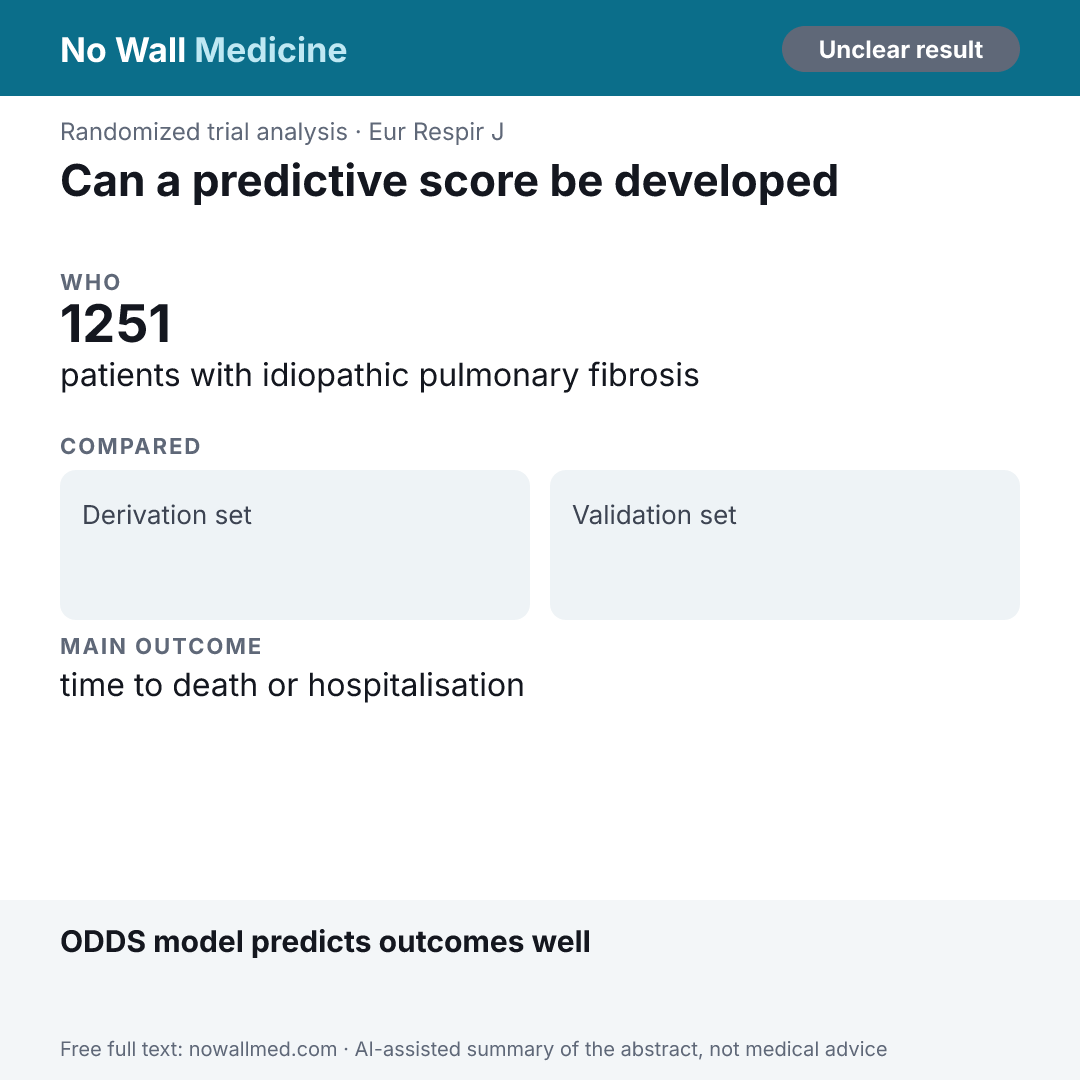
Development and validation of a predictive 6-min walk score in patients with idiopathic pulmonary fibrosis
Randomized trial analysisUnclear result
Can a predictive score be developed
Who
1251
patients with idiopathic pulmonary fibrosis
Compared
Derivation set
Validation set
Main outcome
time to death or hospitalisation
Bottom line: ODDS model predicts outcomes well
Eur Respir J · 2025-11-06 · Save PNG
Sex differences in inappropriate imaging requests: insights from the Medical Imaging Decision And Support (MIDAS) study
Multi-center cluster-randomized trialHarm found
Do inappropriate imaging requests differ between women and men?
Who
61220
Patients receiving diagnostic imaging requests · Three academic hospitals in Germany
Compared
7.32%Women
6.08%Men
Main outcome
Proportion of inappropriate imaging requests
Result: odds ratio 1.22 (99% CI 1.12-1.33)
Bottom line: Women were significantly more likely than men to receive inappropriate imaging requests.
Eur Radiol · 2025-11-06 · Save PNG

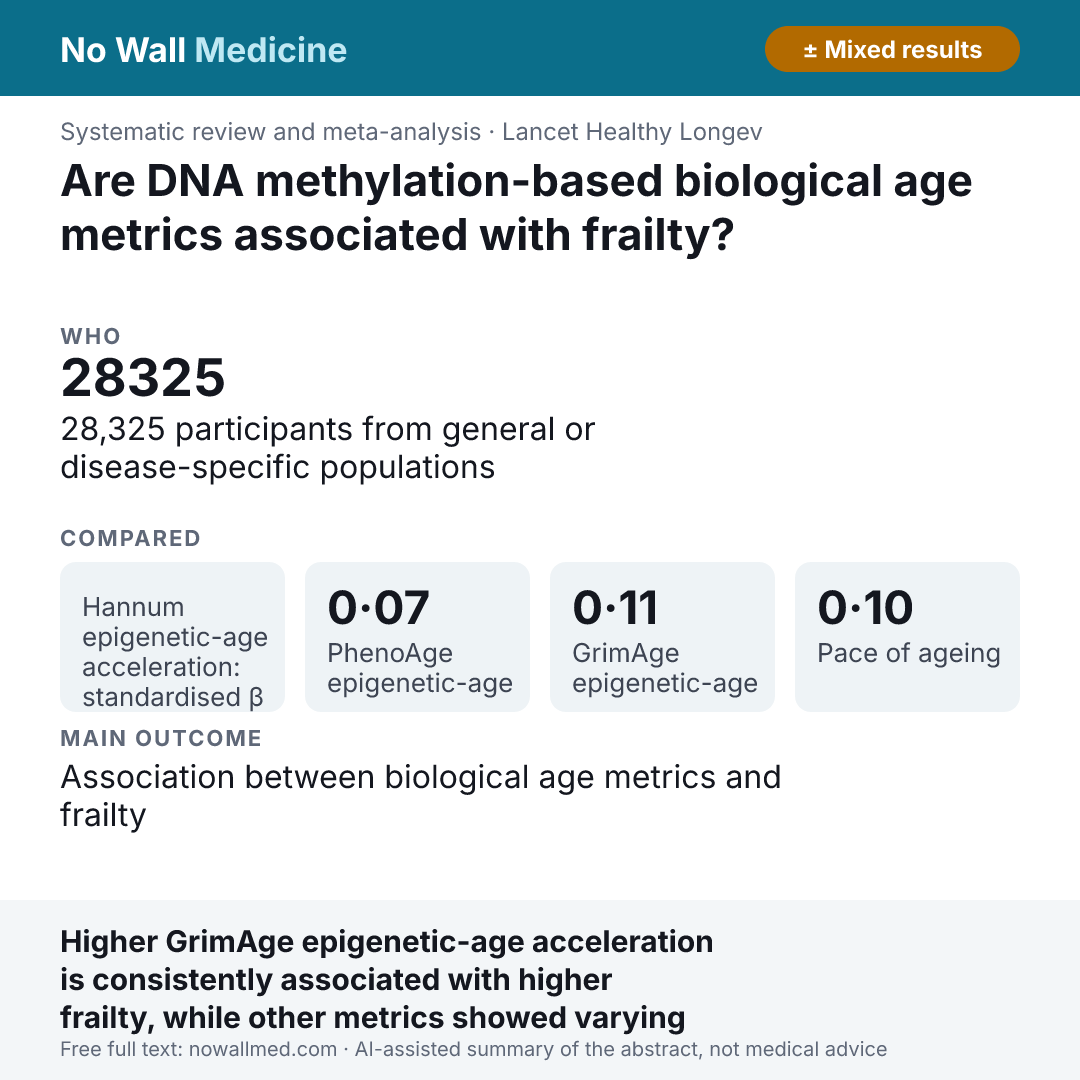
Biological age measured by DNA methylation clocks and frailty: a systematic review and meta-analysis
Systematic review and meta-analysisMixed results
Are DNA methylation-based biological age metrics associated with frailty?
Who
28325
28,325 participants from general or disease-specific populations
Compared
Hannum epigenetic-age acceleration: standardised β coefficient 0·06 (95% CI 0·02-0·09)
0·07PhenoAge epigenetic-age acceleration (95% CI 0·03-0·11)
0·11GrimAge epigenetic-age acceleration (95% CI 0·06-0·15)
0·10Pace of ageing (95% CI 0·01-0·19)
Main outcome
Association between biological age metrics and frailty
Result: GrimAge epigenetic-age acceleration longitudinal standardised β coefficient 0·02 (95% CI 0·00-0·05)
Bottom line: Higher GrimAge epigenetic-age acceleration is consistently associated with higher frailty, while other metrics showed varying associations.
Funded by: National University of Singapore
Lancet Healthy Longev · 2025-11-06 · Save PNG
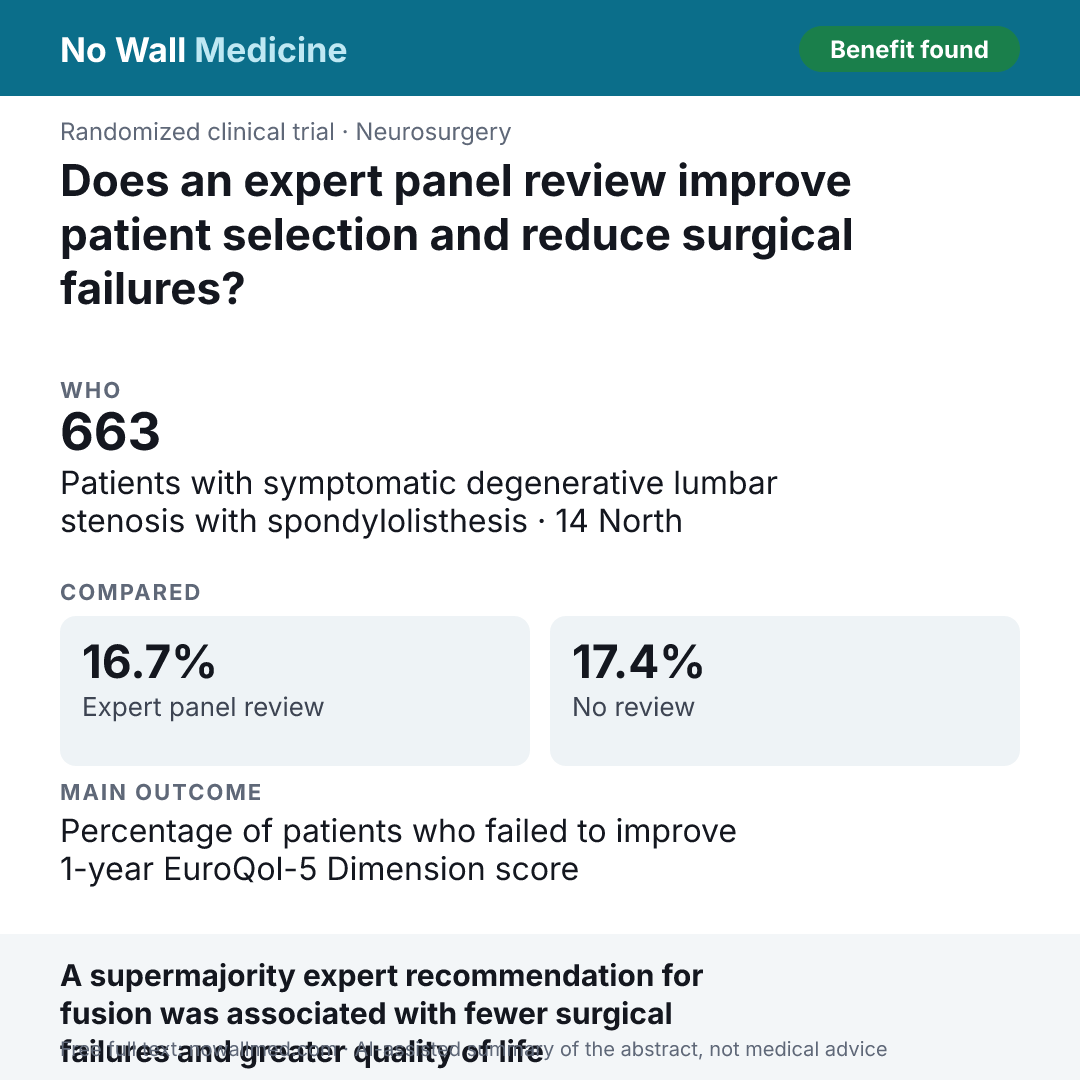
Use of an Expert Panel for Symptomatic Patients With Grade I Degenerative Lumbar Spondylolisthesis: A Randomized Clinical Trial
Randomized clinical trialBenefit found
Does an expert panel review improve patient selection and reduce surgical failures?
Who
663
Patients with symptomatic degenerative lumbar stenosis with spondylolisthesis · 14 North American hospitals
Compared
16.7%Expert panel review
17.4%No review
Main outcome
Percentage of patients who failed to improve 1-year EuroQol-5 Dimension score
Result: difference 0.7%; 95% CI, -8% to 6%
Bottom line: A supermajority expert recommendation for fusion was associated with fewer surgical failures and greater quality of life improvement.
Neurosurgery · 2025-11-06 · Save PNG
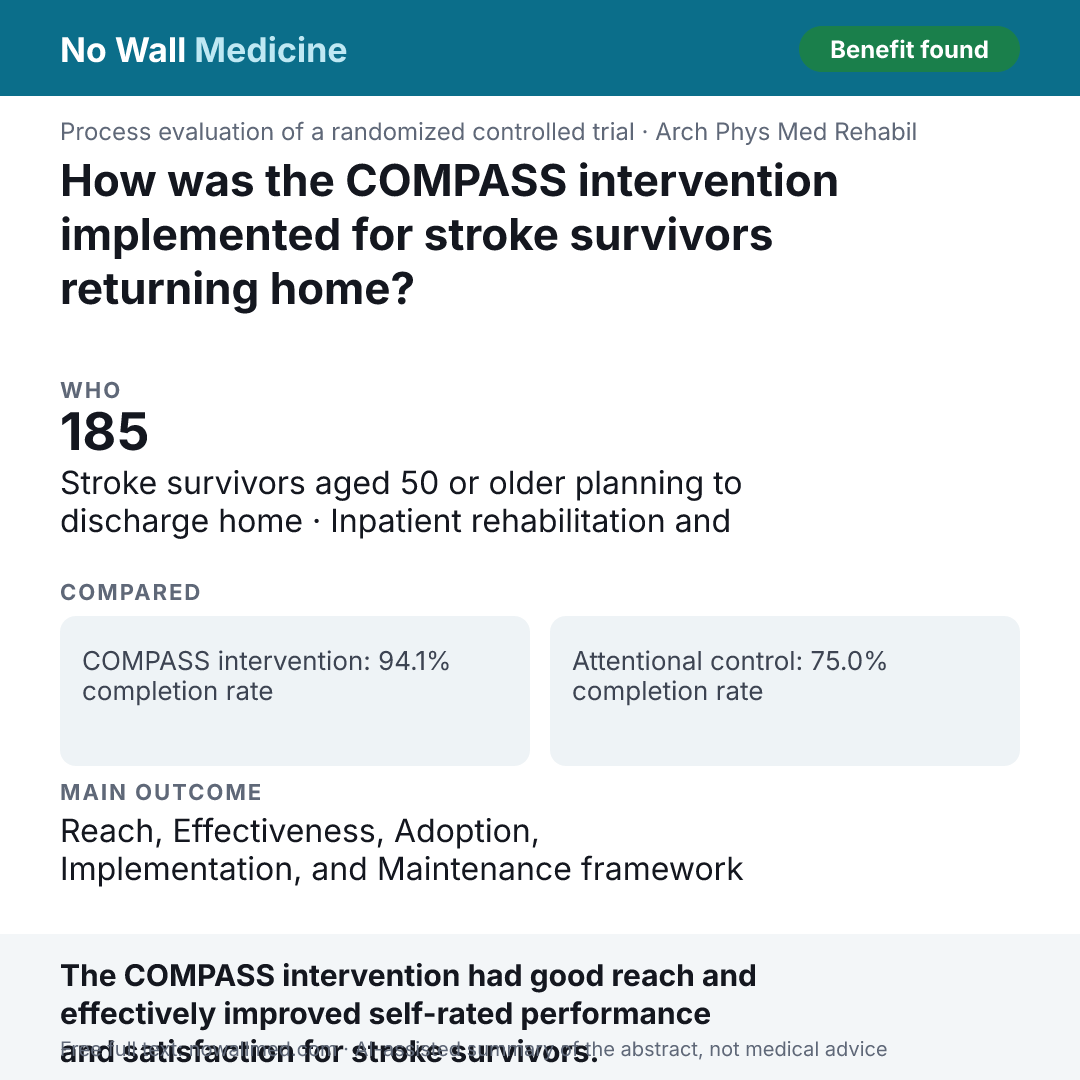
Process Evaluation of a Randomized Controlled Trial of an Enhanced Rehabilitation Transition Program for Stroke Survivors
Process evaluation of a randomized controlled trialBenefit found
How was the COMPASS intervention implemented for stroke survivors returning home?
Who
185
Stroke survivors aged 50 or older planning to discharge home · Inpatient rehabilitation and participants' homes
Compared
COMPASS intervention: 94.1% completion rate
Attentional control: 75.0% completion rate
Main outcome
Reach, Effectiveness, Adoption, Implementation, and Maintenance framework components
Bottom line: The COMPASS intervention had good reach and effectively improved self-rated performance and satisfaction for stroke survivors.
Arch Phys Med Rehabil · 2025-11-06 · Save PNG
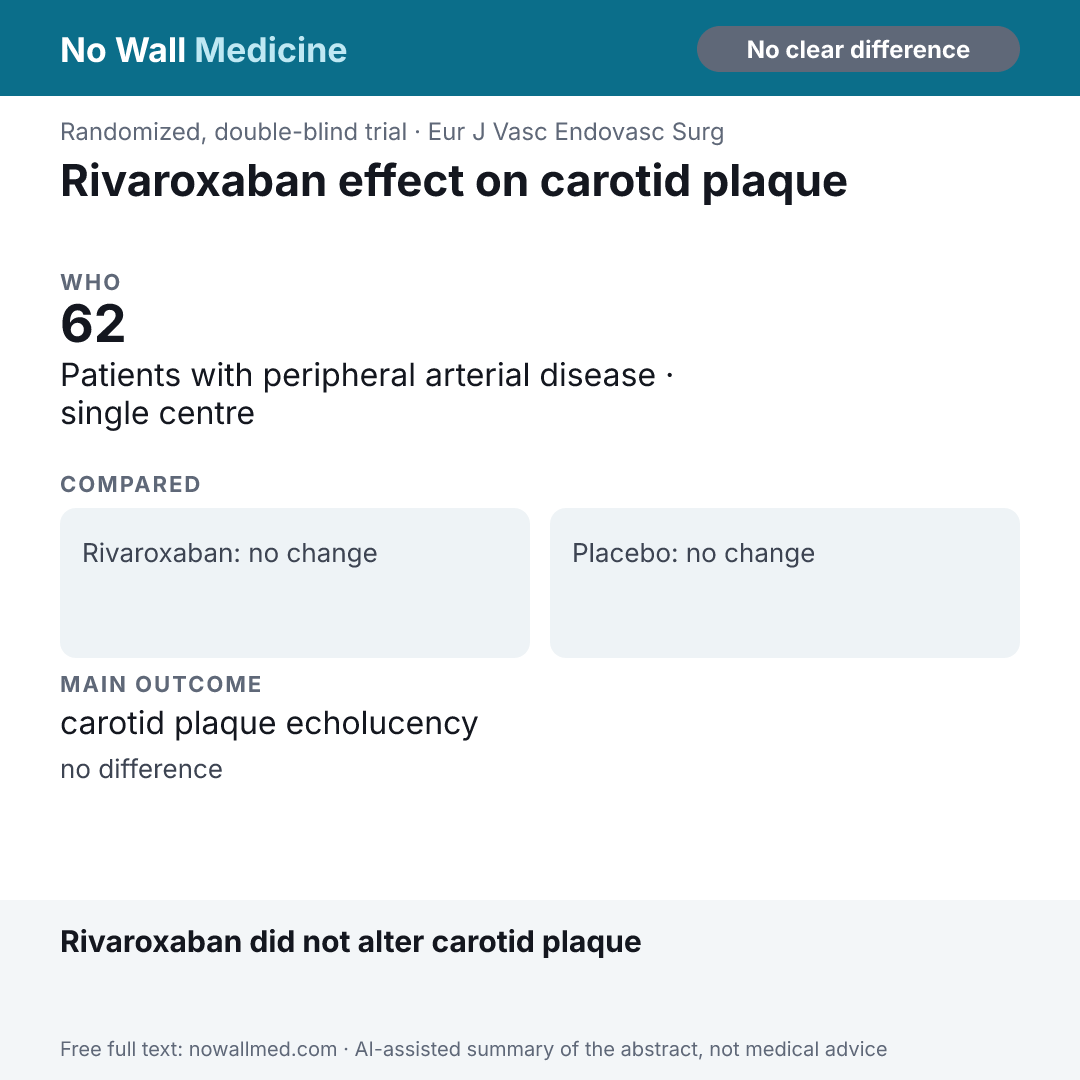
Rivaroxaban Does Not Alter Carotid Plaque Echolucency, Volume, or Neovascularisation
Randomized, double-blind trialNo clear difference
Rivaroxaban effect on carotid plaque
Who
62
Patients with peripheral arterial disease · single centre
Compared
Rivaroxaban: no change
Placebo: no change
Main outcome
carotid plaque echolucency
Result: no difference
Bottom line: Rivaroxaban did not alter carotid plaque
Eur J Vasc Endovasc Surg · 2025-11-06 · Save PNG
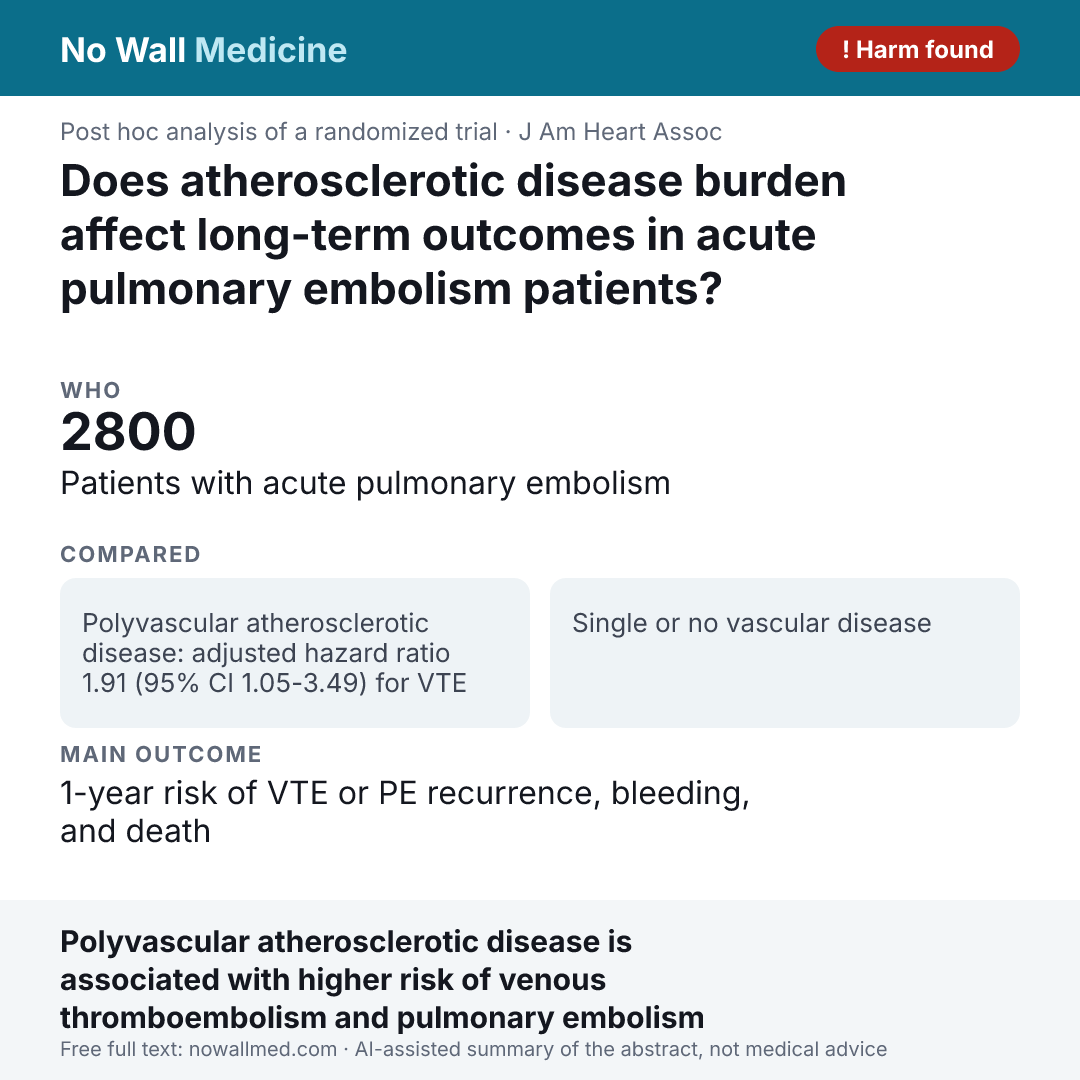
Burden of Atherosclerosis and Outcomes of Acute Pulmonary Embolism: A Post Hoc Analysis of the Hokusai-VTE Trial
Post hoc analysis of a randomized trialHarm found
Does atherosclerotic disease burden affect long-term outcomes in acute pulmonary embolism patients?
Who
2800
Patients with acute pulmonary embolism
Compared
Polyvascular atherosclerotic disease: adjusted hazard ratio 1.91 (95% CI 1.05-3.49) for VTE
Single or no vascular disease
Main outcome
1-year risk of VTE or PE recurrence, bleeding, and death
Result: adjusted hazard ratio 1.91 (95% CI 1.05-3.49) for VTE
Bottom line: Polyvascular atherosclerotic disease is associated with higher risk of venous thromboembolism and pulmonary embolism recurrence.
J Am Heart Assoc · 2025-11-06 · Save PNG
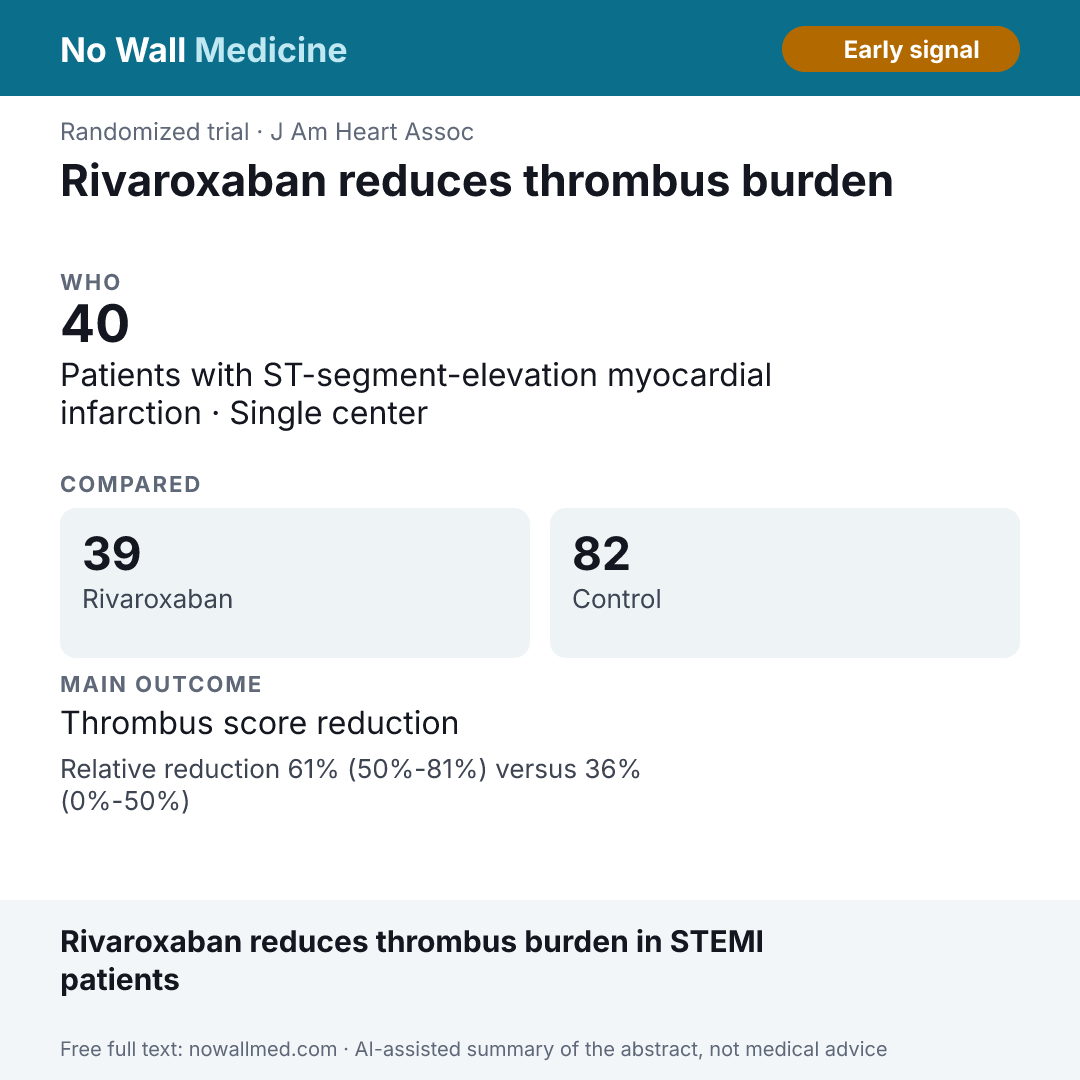
Reduction of Thrombus Burden With Short-Term, Low-Dose Rivaroxaban Use in Acute Myocardial Infarction: The ARISE-ARMYDA 7 Randomized Trial
Randomized trialEarly signal
Rivaroxaban reduces thrombus burden
Who
40
Patients with ST-segment-elevation myocardial infarction · Single center
Compared
39Rivaroxaban (27-52)
82Control (50-111)
Main outcome
Thrombus score reduction
Result: Relative reduction 61% (50%-81%) versus 36% (0%-50%)
Bottom line: Rivaroxaban reduces thrombus burden in STEMI patients
J Am Heart Assoc · 2025-11-06 · Save PNG
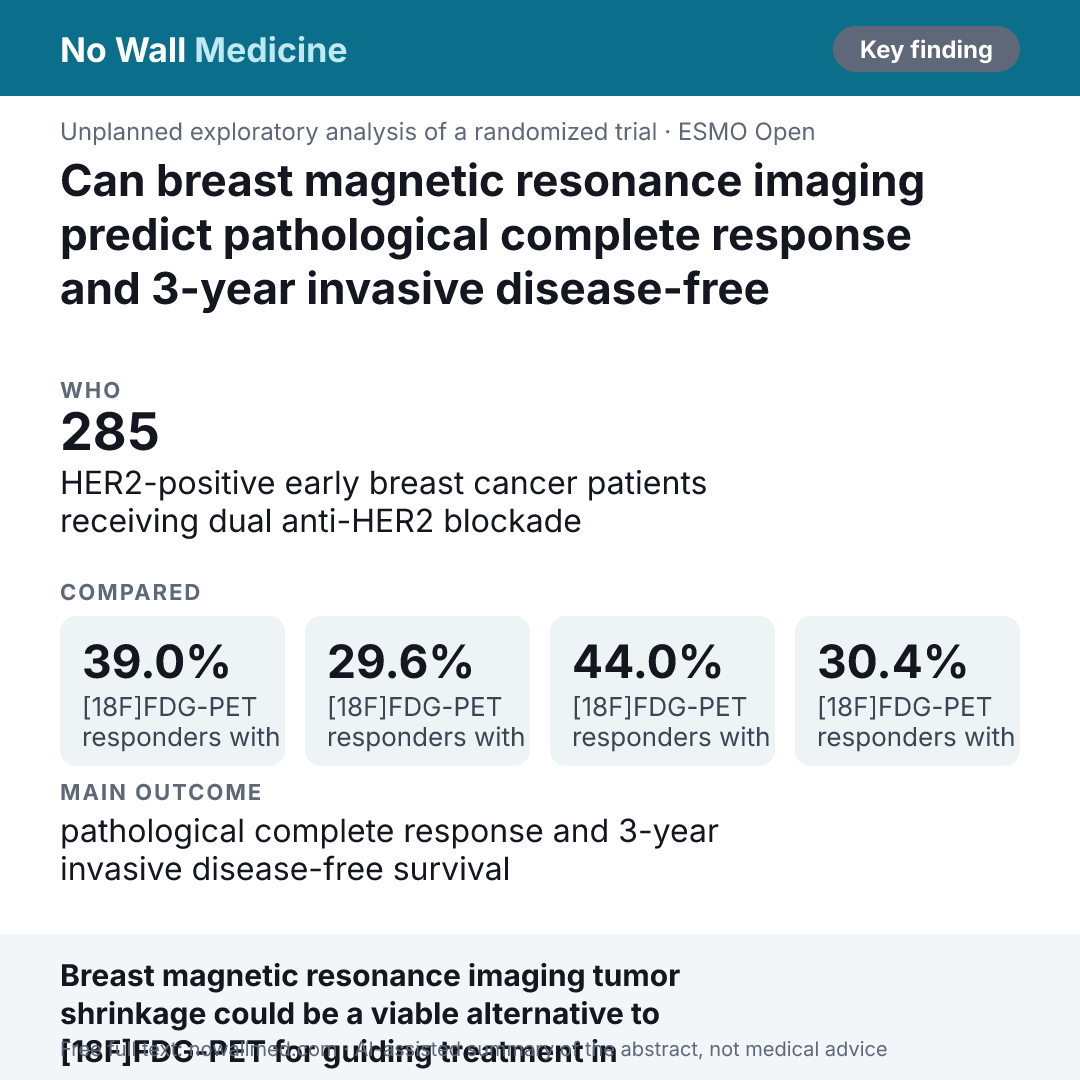
Comparing [18F]FDG-positron emission tomography and breast magnetic resonance imaging to predict pathological complete response and 3-year invasive disease-free survival in HER2-positive early breast cancer patients: an unplanned exploratory analysis of the PHERGain trial
Unplanned exploratory analysis of a randomized trialKey finding
Can breast magnetic resonance imaging predict pathological complete response and 3-year invasive disease-free survival?
Who
285
HER2-positive early breast cancer patients receiving dual anti-HER2 blockade
Compared
39.0%[18F]FDG-PET responders with early MRI reduction
29.6%[18F]FDG-PET responders with no early MRI reduction
44.0%[18F]FDG-PET responders with early MRI response
30.4%[18F]FDG-PET responders with no early MRI response
Main outcome
pathological complete response and 3-year invasive disease-free survival
Bottom line: Breast magnetic resonance imaging tumor shrinkage could be a viable alternative to [18F]FDG-PET for guiding treatment in HER2-positive early breast cancer.
Limitation: This was an unplanned exploratory analysis
ESMO Open · 2025-11-06 · Save PNG
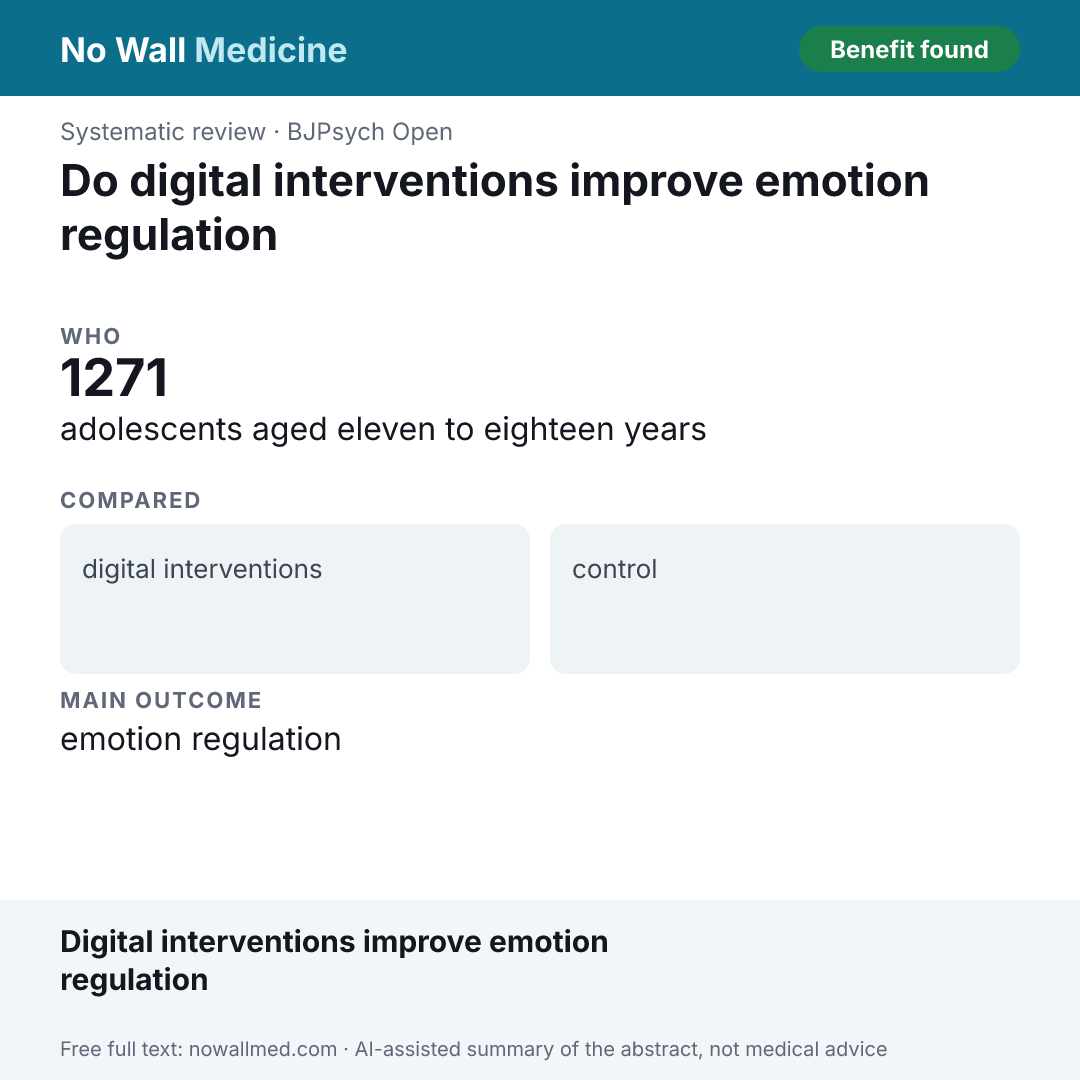
Self-directed digital interventions for the improvement of emotion regulation - acceptability and feasibility for adolescents: systematic review
Systematic reviewBenefit found
Do digital interventions improve emotion regulation
Who
1271
adolescents aged eleven to eighteen years
Compared
digital interventions
control
Main outcome
emotion regulation
Bottom line: Digital interventions improve emotion regulation
Limitation: small evidence base
BJPsych Open · 2025-11-06 · Save PNG
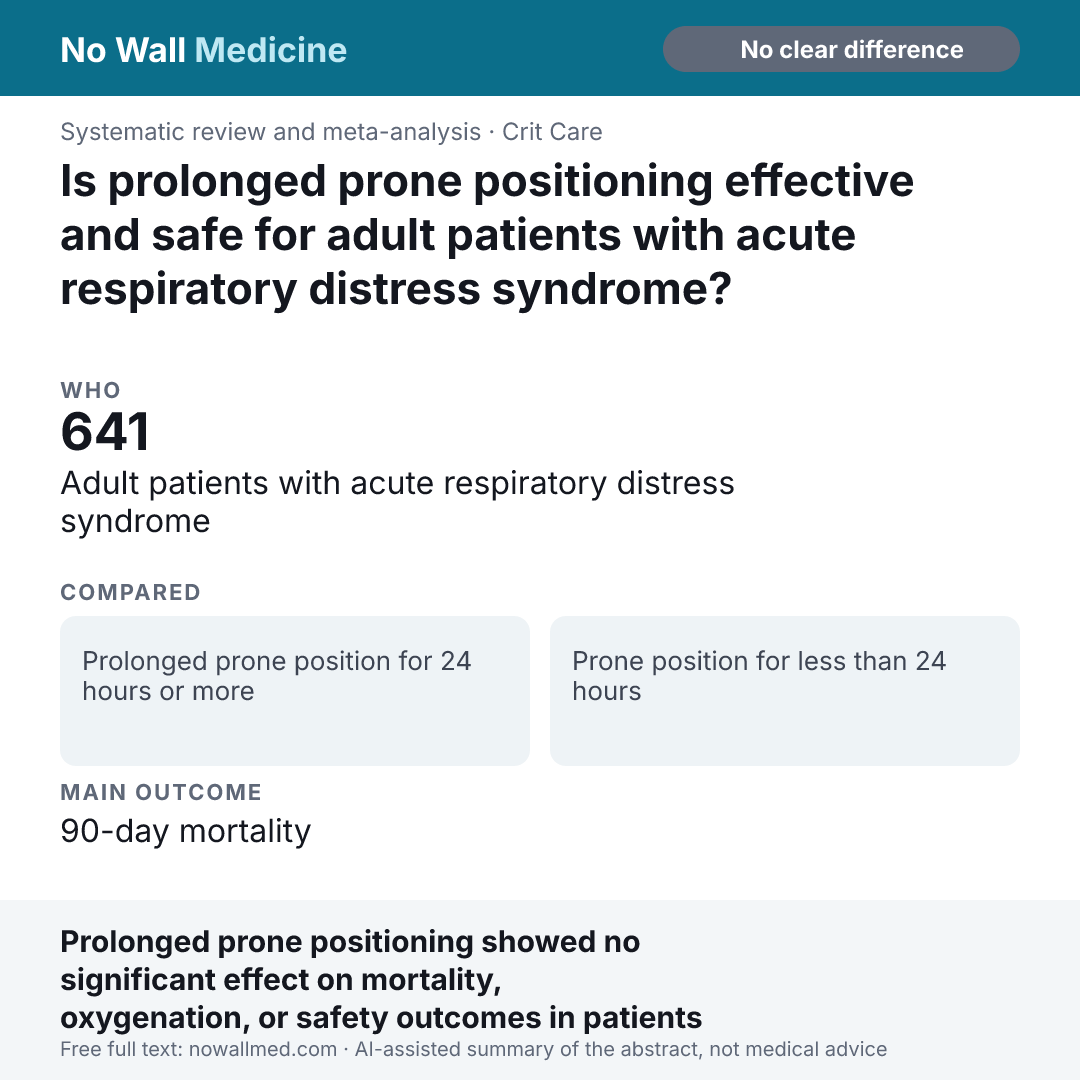
Effectiveness and safety of prolonged prone positioning in adult patients with acute respiratory distress syndrome (ARDS): a systematic review and meta-analysis
Systematic review and meta-analysisNo clear difference
Is prolonged prone positioning effective and safe for adult patients with acute respiratory distress syndrome?
Who
641
Adult patients with acute respiratory distress syndrome
Compared
Prolonged prone position for 24 hours or more
Prone position for less than 24 hours
Main outcome
90-day mortality
Result: hazard ratio 0.72 (95% CI 0.41-1.25)
Bottom line: Prolonged prone positioning showed no significant effect on mortality, oxygenation, or safety outcomes in patients with acute respiratory distress syndrome.
Limitation: Evidence is of low to very low certainty, limited by inconsistency and imprecision.
Crit Care · 2025-11-06 · Save PNG
Objective Measurement of Skin Color Matching in Flap Reconstructive Surgery: A Systematic Review
Systematic reviewMixed results
How is skin color matching measured in flap reconstructive surgery across different regions?
Who
Patients undergoing flap reconstruction in head, neck, breast, and extremities · MEDLINE and Embase databases
Compared
Head and neck radial forearm flaps: superior color matching
Anterolateral thigh and fibula flaps: greater mismatches
Main outcome
Skin color matching in flap reconstructive surgery
Bottom line: Color matching varies by flap type and region, with head and neck research being more prevalent than others.
Limitation: Color match in breast and extremity reconstructions has been less explored.
Plast Reconstr Surg Glob Open · 2025-11-06 · Save PNG

Safety and Immunogenicity of an rVSV Lassa Fever Vaccine Candidate
Phase 1, double-blind trialEarly signal
What are the safety and immunogenicity of the rVSV Lassa Fever vaccine candidate?
Who
114
Healthy adults aged 18 to 50 years · United States and Liberia
Compared
rVSVΔG-LASV-GPC vaccine: No serious vaccine-related adverse events
Placebo
Main outcome
Incidence of solicited and unsolicited adverse events
Bottom line: The vaccine candidate was safe and induced robust long-lasting immune responses in healthy adults.
Funded by: Coalition for Epidemic Preparedness Innovations and National Institute of Allergy and Infectious Diseases
NEJM · 2025-11-05 · Save PNG

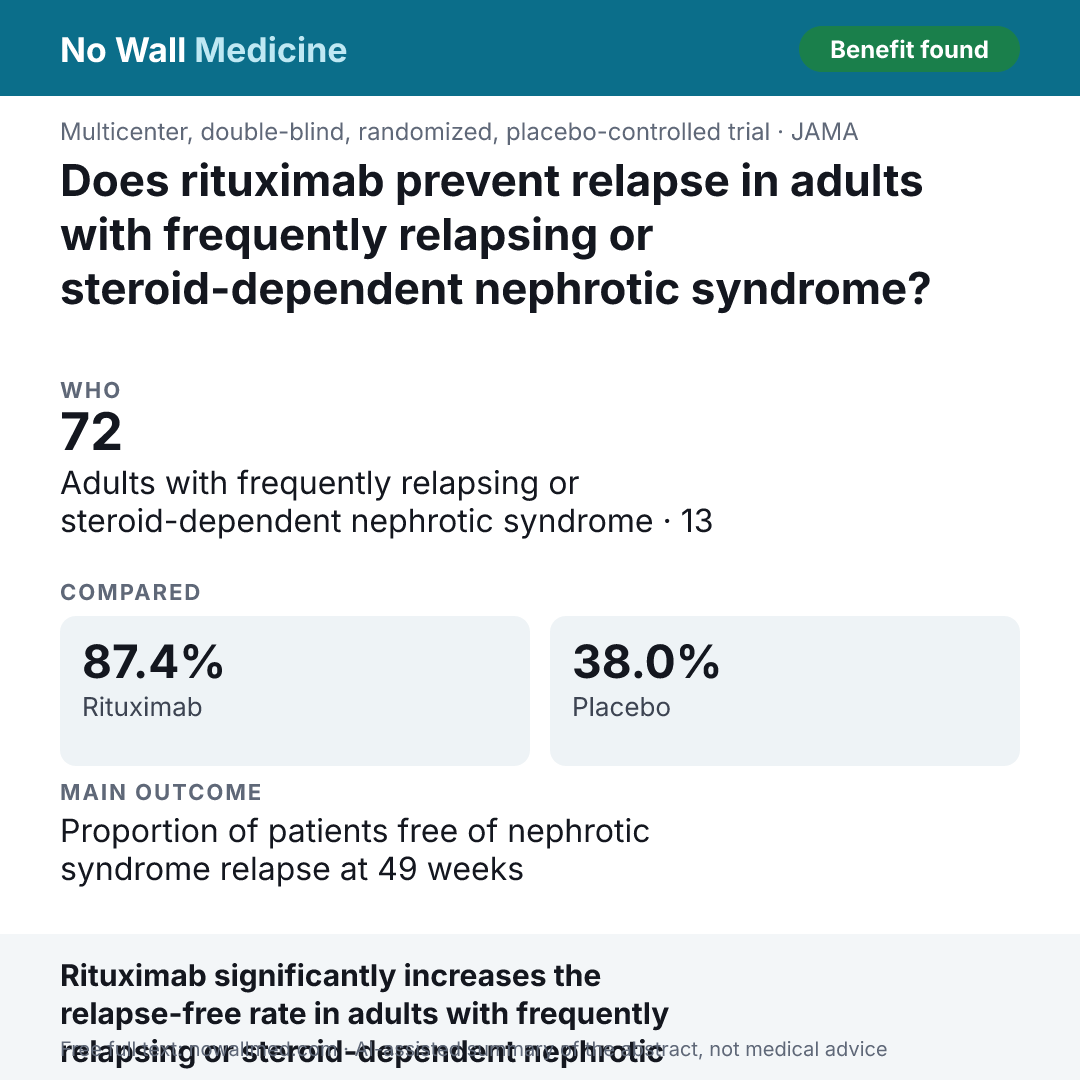
Rituximab for Relapsing Nephrotic Syndrome in Adults: A Randomized Clinical Trial
Multicenter, double-blind, randomized, placebo-controlled trialBenefit found
Does rituximab prevent relapse in adults with frequently relapsing or steroid-dependent nephrotic syndrome?
Who
72
Adults with frequently relapsing or steroid-dependent nephrotic syndrome · 13 centers in Japan
Compared
87.4%Rituximab (95% CI, 69.8%-95.1%)
38.0%Placebo (95% CI, 22.1%-53.8%)
Main outcome
Proportion of patients free of nephrotic syndrome relapse at 49 weeks
Result: hazard ratio 0.16 (95% CI, 0.05-0.46)
Bottom line: Rituximab significantly increases the relapse-free rate in adults with frequently relapsing or steroid-dependent nephrotic syndrome.
JAMA · 2025-11-05 · Save PNG
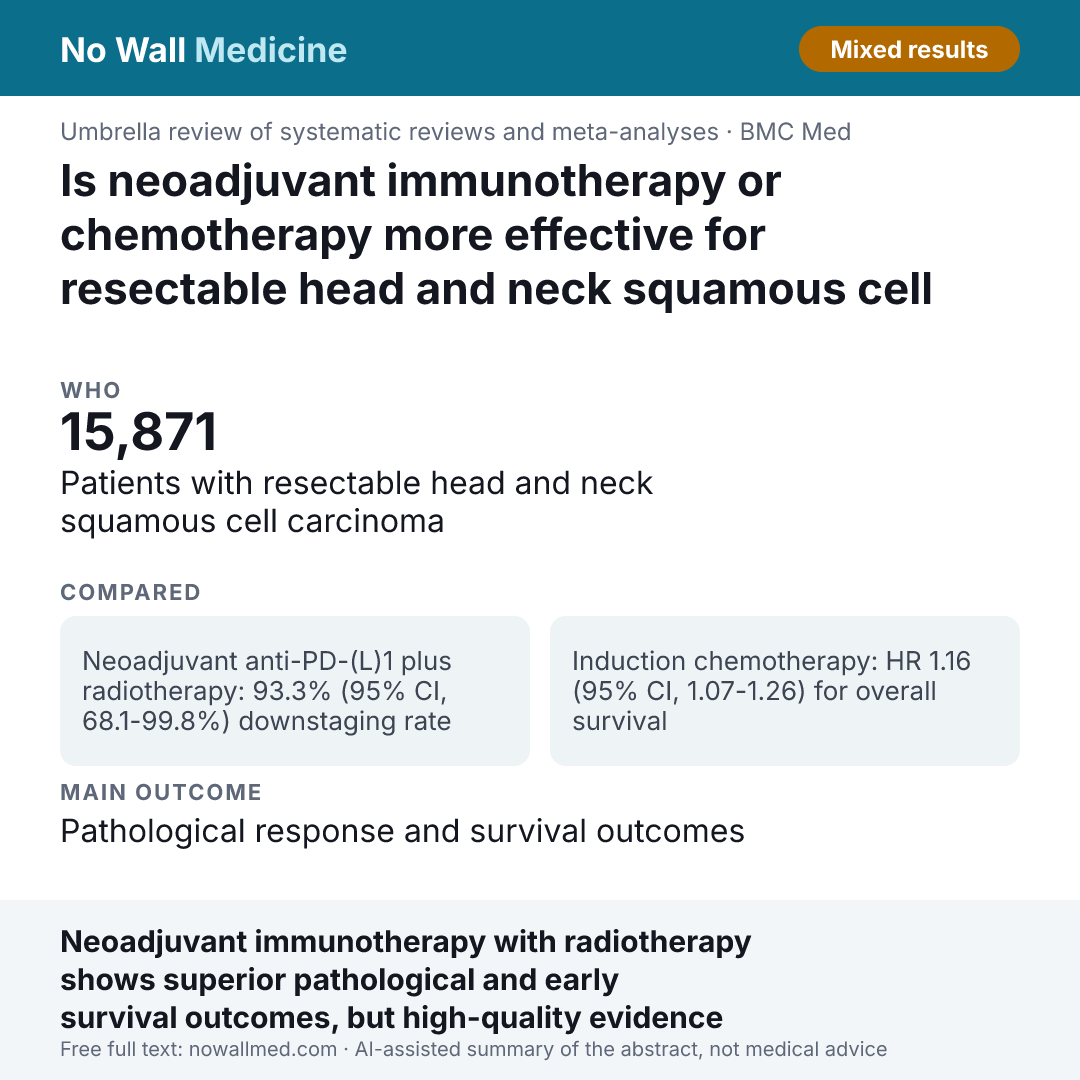
Comparative efficacy and safety of neoadjuvant immunotherapy vs chemotherapy in resectable head and neck squamous cell carcinoma: an umbrella review of randomized controlled trials and single-arm studies
Umbrella review of systematic reviews and meta-analysesMixed results
Is neoadjuvant immunotherapy or chemotherapy more effective for resectable head and neck squamous cell carcinoma?
Who
15,871
Patients with resectable head and neck squamous cell carcinoma
Compared
Neoadjuvant anti-PD-(L)1 plus radiotherapy: 93.3% (95% CI, 68.1-99.8%) downstaging rate
Induction chemotherapy: HR 1.16 (95% CI, 1.07-1.26) for overall survival
Main outcome
Pathological response and survival outcomes
Bottom line: Neoadjuvant immunotherapy with radiotherapy shows superior pathological and early survival outcomes, but high-quality evidence is lacking.
Limitation: Lack of high-quality evidence regarding this treatment limits definitive conclusions.
BMC Med · 2025-11-05 · Save PNG
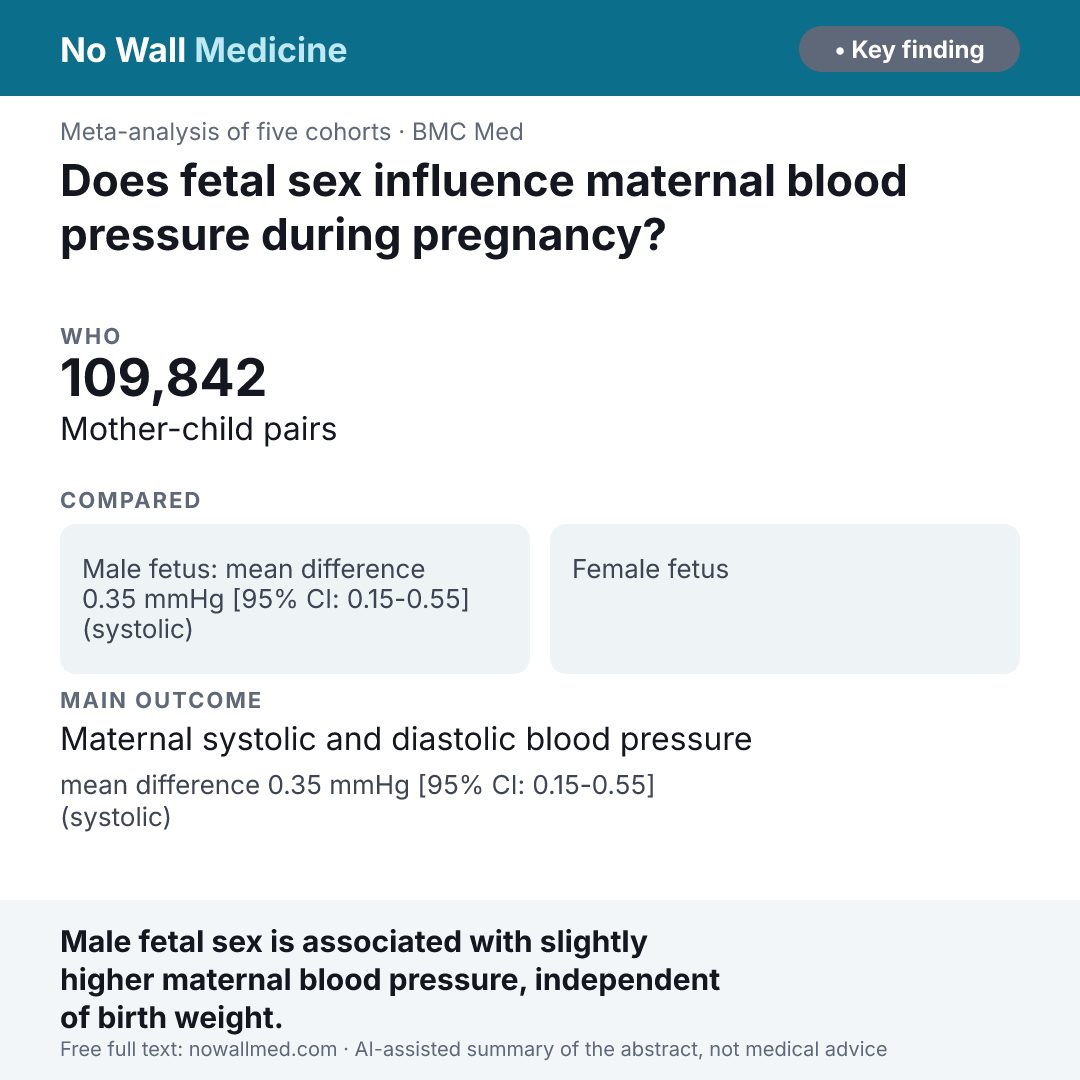
The influence of fetal sex on maternal blood pressure in pregnancy
Meta-analysis of five cohortsKey finding
Does fetal sex influence maternal blood pressure during pregnancy?
Who
109,842
Mother-child pairs
Compared
Male fetus: mean difference 0.35 mmHg [95% CI: 0.15-0.55] (systolic)
Female fetus
Main outcome
Maternal systolic and diastolic blood pressure
Result: mean difference 0.35 mmHg [95% CI: 0.15-0.55] (systolic)
Bottom line: Male fetal sex is associated with slightly higher maternal blood pressure, independent of birth weight.
BMC Med · 2025-11-05 · Save PNG
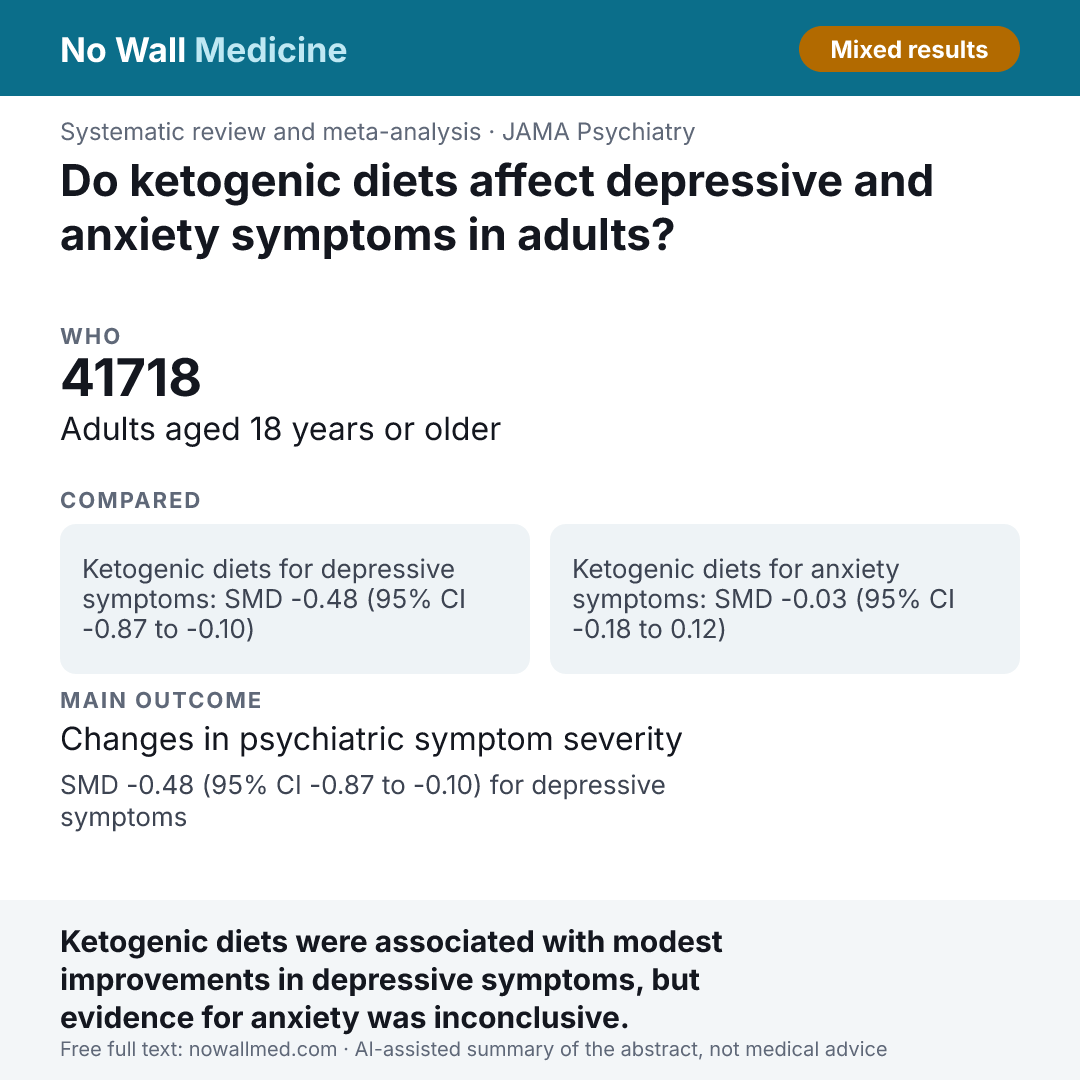
Ketogenic Diets and Depression and Anxiety: A Systematic Review and Meta-Analysis
Systematic review and meta-analysisMixed results
Do ketogenic diets affect depressive and anxiety symptoms in adults?
Who
41718
Adults aged 18 years or older
Compared
Ketogenic diets for depressive symptoms: SMD -0.48 (95% CI -0.87 to -0.10)
Ketogenic diets for anxiety symptoms: SMD -0.03 (95% CI -0.18 to 0.12)
Main outcome
Changes in psychiatric symptom severity
Result: SMD -0.48 (95% CI -0.87 to -0.10) for depressive symptoms
Bottom line: Ketogenic diets were associated with modest improvements in depressive symptoms, but evidence for anxiety was inconclusive.
Limitation: Heterogeneity, comparators, and short follow-up.
JAMA Psychiatry · 2025-11-05 · Save PNG
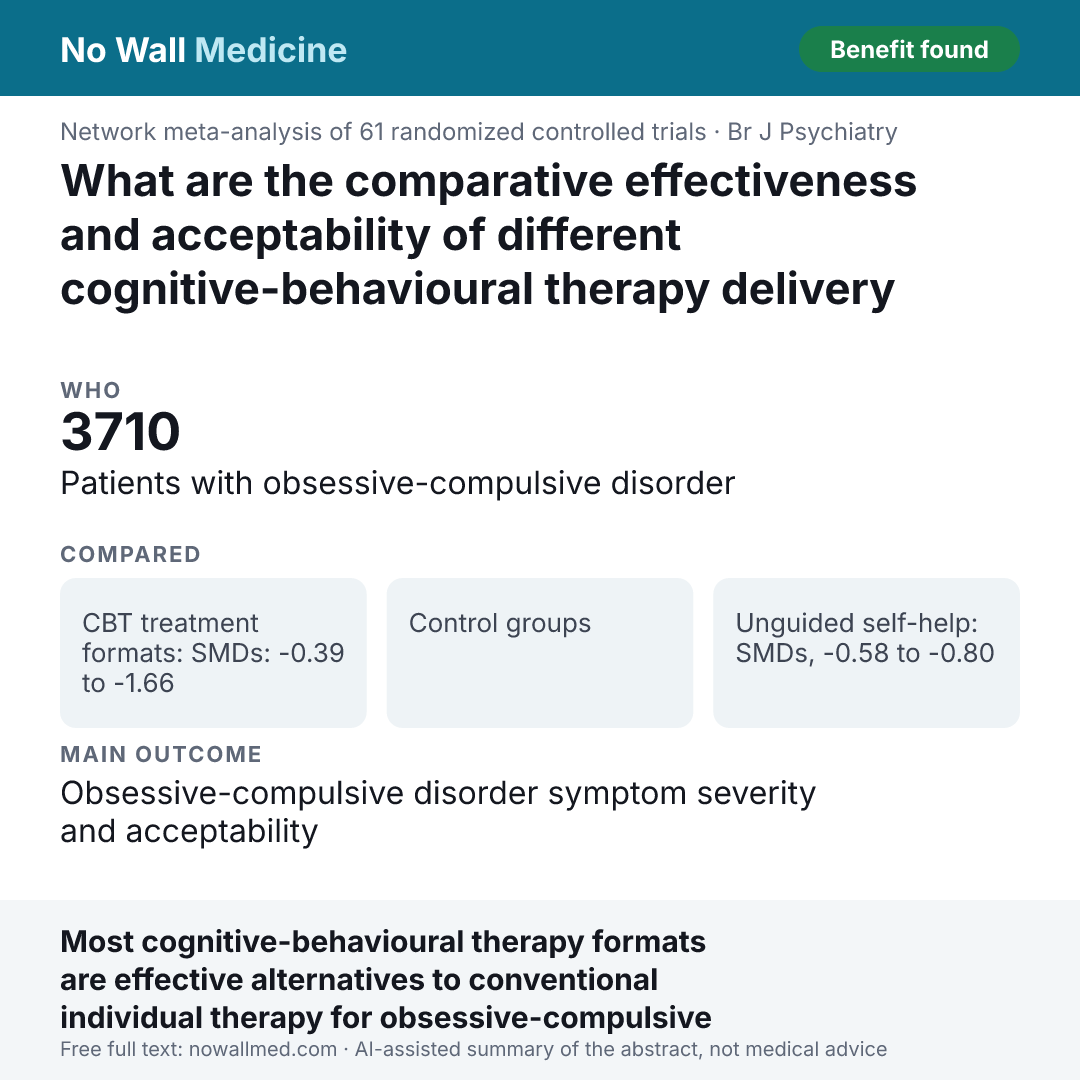
Effectiveness and acceptability of cognitive-behavioural therapy delivery formats for obsessive-compulsive disorder: network meta-analysis
Network meta-analysis of 61 randomized controlled trialsBenefit found
What are the comparative effectiveness and acceptability of different cognitive-behavioural therapy delivery formats for obsessive-compulsive disorder?
Who
3710
Patients with obsessive-compulsive disorder
Compared
CBT treatment formats: SMDs: -0.39 to -1.66
Control groups
Unguided self-help: SMDs, -0.58 to -0.80
Main outcome
Obsessive-compulsive disorder symptom severity and acceptability
Bottom line: Most cognitive-behavioural therapy formats are effective alternatives to conventional individual therapy for obsessive-compulsive disorder.
Br J Psychiatry · 2025-11-05 · Save PNG
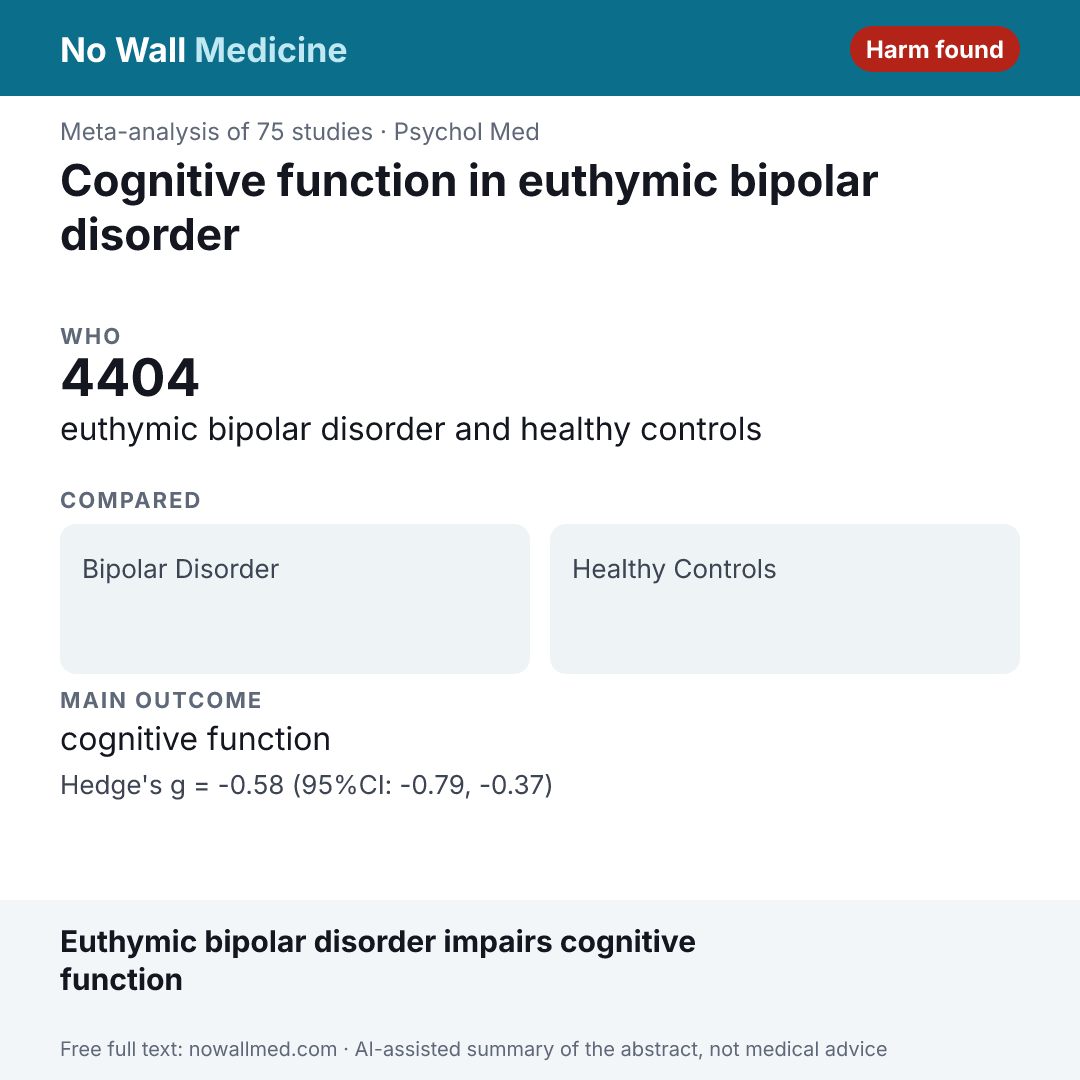
Domain-specific cognitive function in euthymic bipolar disorder: a systematic review and meta-analysis
Meta-analysis of 75 studiesHarm found
Cognitive function in euthymic bipolar disorder
Who
4404
euthymic bipolar disorder and healthy controls
Compared
Bipolar Disorder
Healthy Controls
Main outcome
cognitive function
Result: Hedge's g = -0.58 (95%CI: -0.79, -0.37)
Bottom line: Euthymic bipolar disorder impairs cognitive function
Limitation: substantial variance unexplained
Psychol Med · 2025-11-05 · Save PNG