Visual abstracts
New randomized trials and meta-analyses from leading journals at a glance: who was studied, what was compared, and what was found. Every paper is free to read in full.
All specialtiesCardiology 3642Oncology 3117Gastroenterology & Hepatology 1431Infectious Disease 2596Neurology 1465Psychiatry & Mental Health 1726Pulmonology 1558Critical Care 1038Endocrinology & Diabetes 1864Pediatrics 2209Surgery 1922Orthopedics & Sports Medicine 683Neurosurgery 430Cardiothoracic & Vascular Surgery 439Plastic & Reconstructive Surgery 498Nephrology 797Rheumatology 588Hematology 818Dermatology 452Ophthalmology 402Obstetrics & Gynecology 1248Public & Global Health 698Radiology & Imaging 504Anesthesiology 746Urology 594ENT (Otolaryngology) 400Emergency Medicine 392Allergy & Immunology 224Geriatrics 767Family Medicine & Primary Care 423Medical Genetics & Genomics 475Pathology & Laboratory Medicine 121Physical Medicine & Rehabilitation 564Palliative Care 335Nutrition 1095Digital Health & AI 1705General Medicine 260
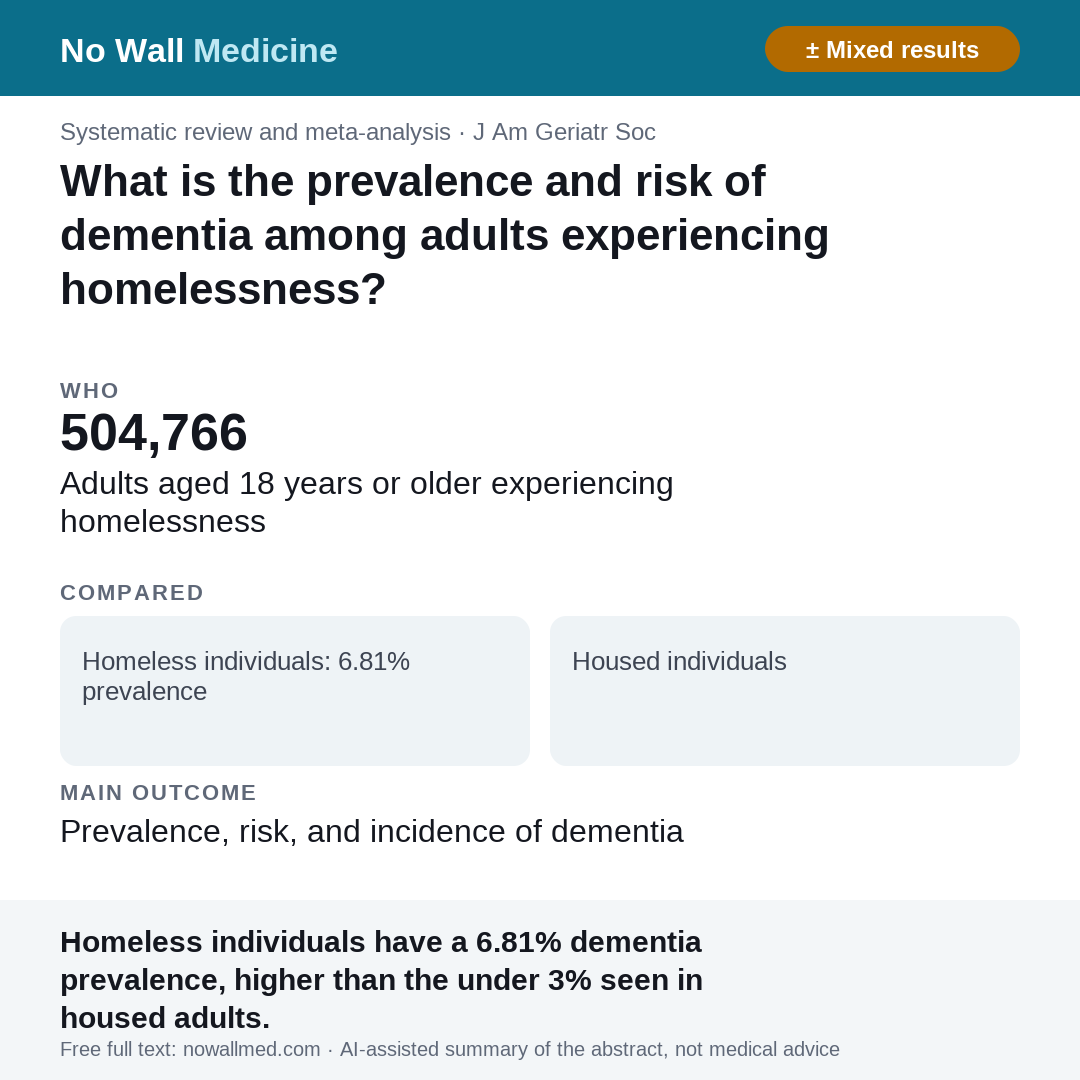
Prevalence and Risk of Dementia Among Adults Who Have Experienced Homelessness, a Meta-Analysis
Systematic review and meta-analysisMixed results
What is the prevalence and risk of dementia among adults experiencing homelessness?
Who
504,766
Adults aged 18 years or older experiencing homelessness
Compared
Homeless individuals: 6.81% prevalence
Housed individuals
Main outcome
Prevalence, risk, and incidence of dementia
Result: risk ratio 1.03 (95% CI 0.52, 2.03)
Bottom line: Homeless individuals have a 6.81% dementia prevalence, higher than the under 3% seen in housed adults.
J Am Geriatr Soc · 2025-08-28Download image
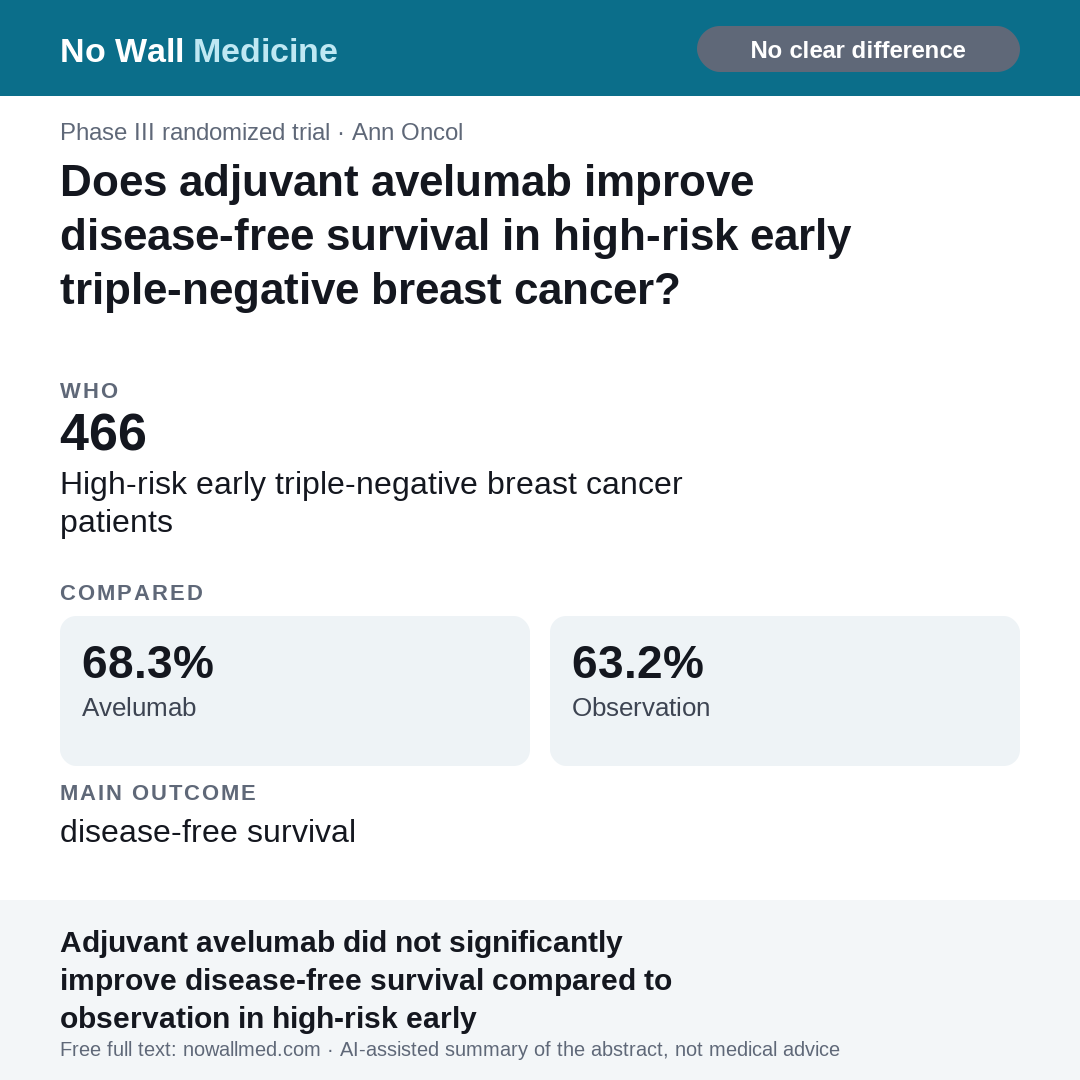
A-BRAVE trial: a phase III randomized trial with anti-PD-L1 avelumab in high-risk triple-negative early breast cancer patients
Phase III randomized trialNo clear difference
Does adjuvant avelumab improve disease-free survival in high-risk early triple-negative breast cancer?
Who
466
High-risk early triple-negative breast cancer patients
Compared
68.3%Avelumab
63.2%Observation
Main outcome
disease-free survival
Result: hazard ratio 0.81 (95% CI 0.61-1.09)
Bottom line: Adjuvant avelumab did not significantly improve disease-free survival compared to observation in high-risk early triple-negative breast cancer.
Limitation: A descriptive analysis suggests a potential favorable impact on overall survival.
Ann Oncol · 2025-08-28Download image
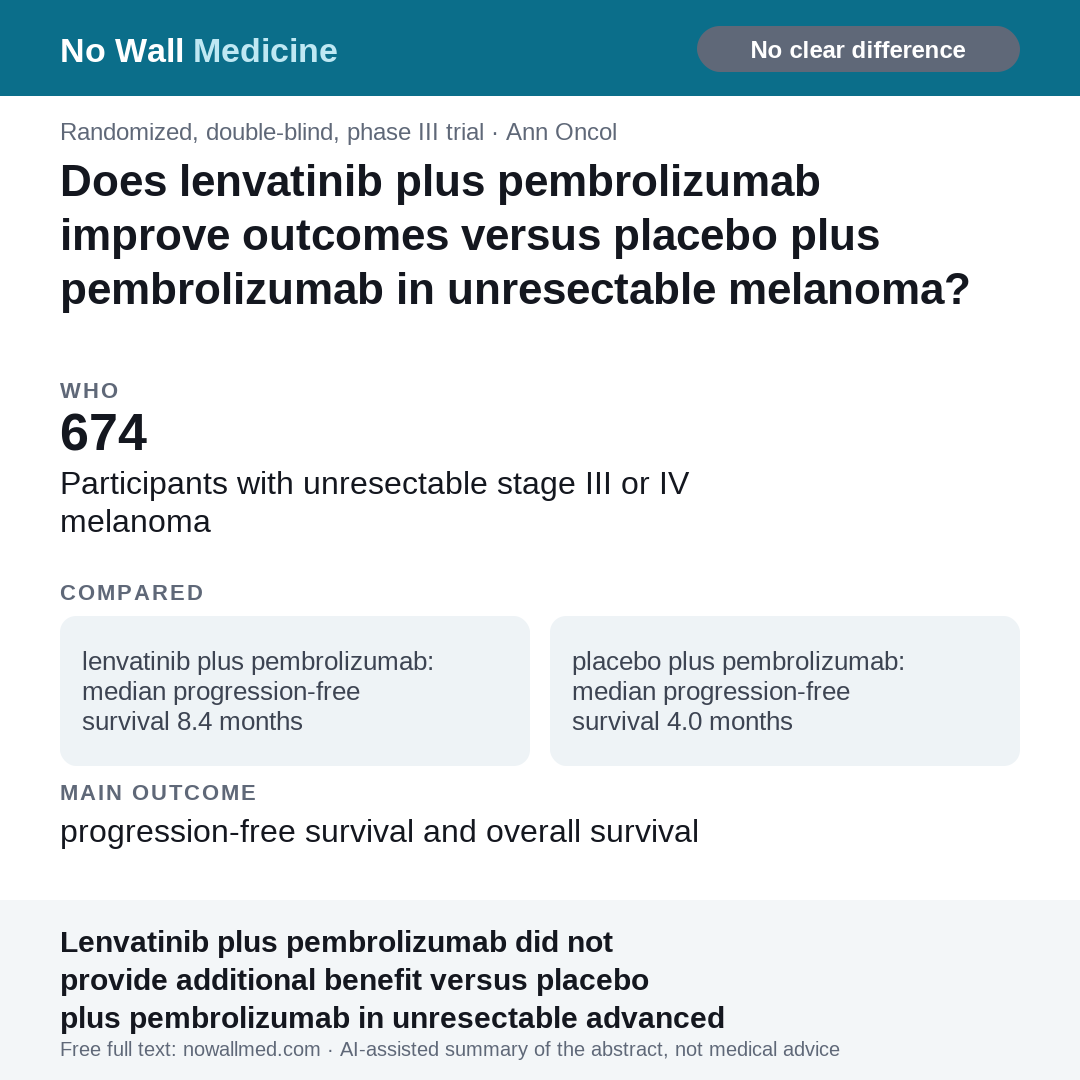
Randomized, double-blind, phase III LEAP-003 study of first-line lenvatinib plus pembrolizumab versus placebo plus pembrolizumab for unresectable or metastatic melanoma
Randomized, double-blind, phase III trialNo clear difference
Does lenvatinib plus pembrolizumab improve outcomes versus placebo plus pembrolizumab in unresectable melanoma?
Who
674
Participants with unresectable stage III or IV melanoma
Compared
lenvatinib plus pembrolizumab: median progression-free survival 8.4 months
placebo plus pembrolizumab: median progression-free survival 4.0 months
Main outcome
progression-free survival and overall survival
Result: hazard ratio 0.83 (95% CI 0.69-1.00)
Bottom line: Lenvatinib plus pembrolizumab did not provide additional benefit versus placebo plus pembrolizumab in unresectable advanced melanoma.
Ann Oncol · 2025-08-28Download image
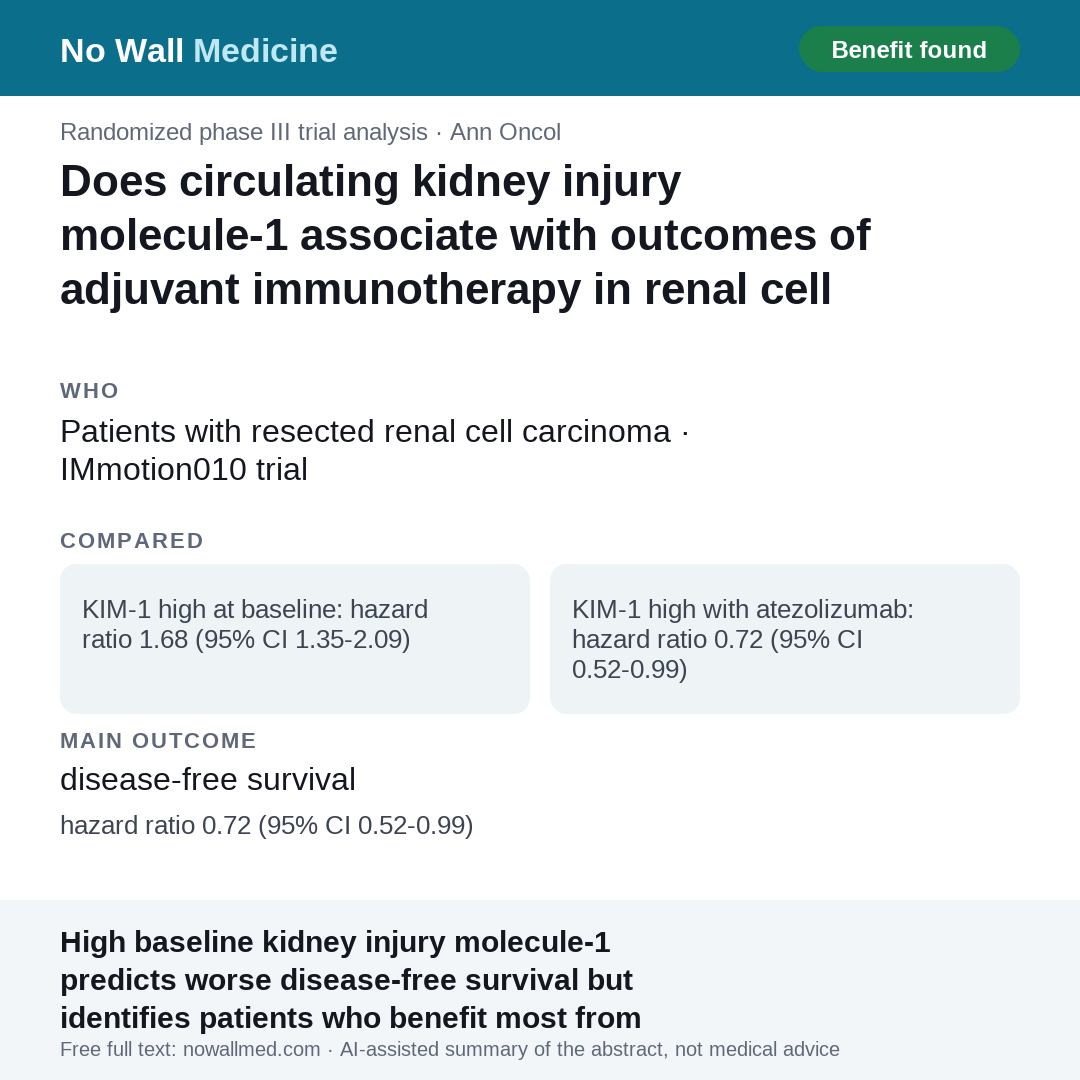
Circulating kidney injury molecule-1 (KIM-1) and association with outcome to adjuvant immunotherapy in renal cell carcinoma
Randomized phase III trial analysisBenefit found
Does circulating kidney injury molecule-1 associate with outcomes of adjuvant immunotherapy in renal cell carcinoma?
Who
Patients with resected renal cell carcinoma · IMmotion010 trial
Compared
KIM-1 high at baseline: hazard ratio 1.68 (95% CI 1.35-2.09)
KIM-1 high with atezolizumab: hazard ratio 0.72 (95% CI 0.52-0.99)
Main outcome
disease-free survival
Result: hazard ratio 0.72 (95% CI 0.52-0.99)
Bottom line: High baseline kidney injury molecule-1 predicts worse disease-free survival but identifies patients who benefit most from adjuvant atezolizumab.
Ann Oncol · 2025-08-28Download image
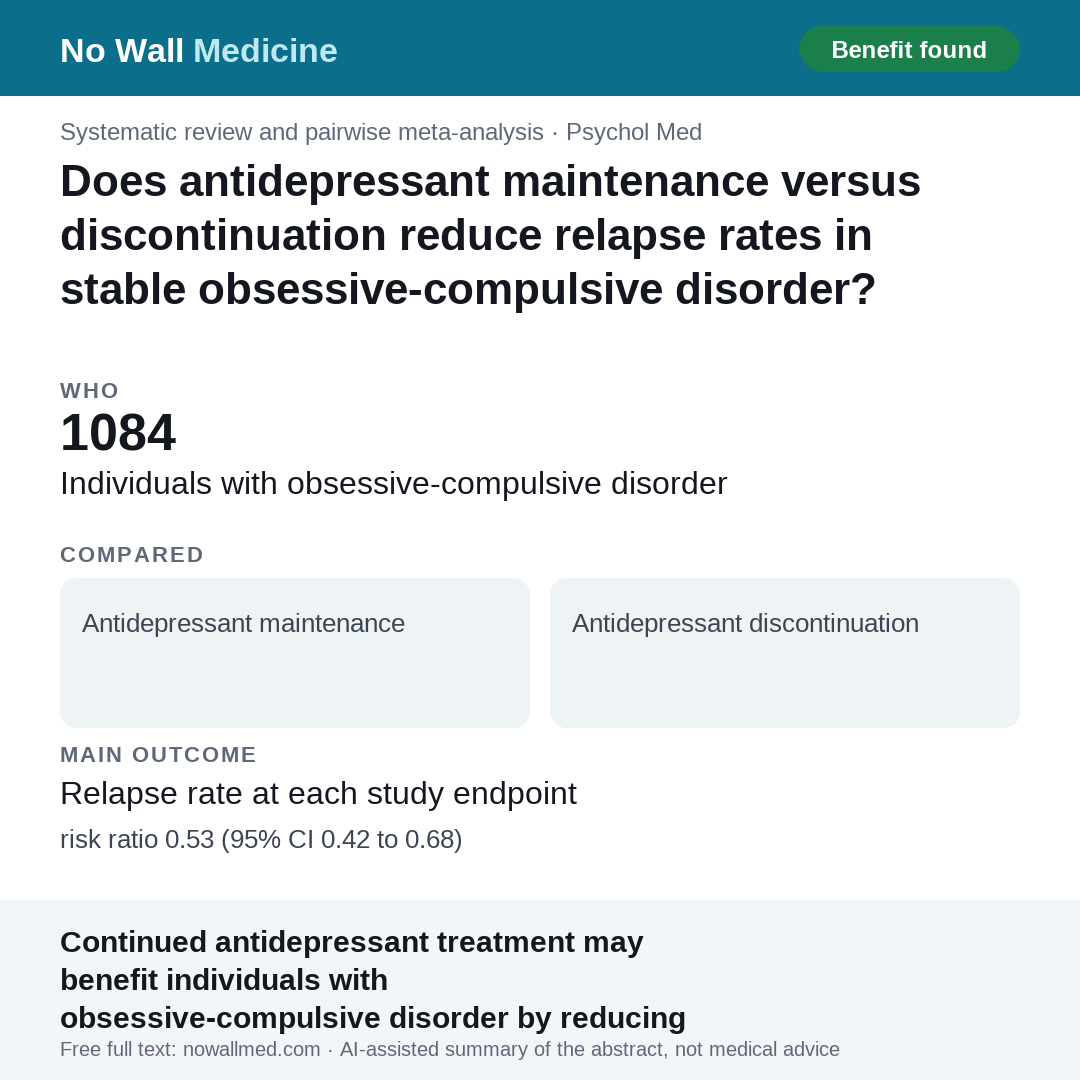
Relapse rates in stable obsessive-compulsive disorder after antidepressant discontinuation versus maintenance: A systematic review and meta-analysis
Systematic review and pairwise meta-analysisBenefit found
Does antidepressant maintenance versus discontinuation reduce relapse rates in stable obsessive-compulsive disorder?
Who
1084
Individuals with obsessive-compulsive disorder
Compared
Antidepressant maintenance
Antidepressant discontinuation
Main outcome
Relapse rate at each study endpoint
Result: risk ratio 0.53 (95% CI 0.42 to 0.68)
Bottom line: Continued antidepressant treatment may benefit individuals with obsessive-compulsive disorder by reducing relapse rates.
Psychol Med · 2025-08-28Download image
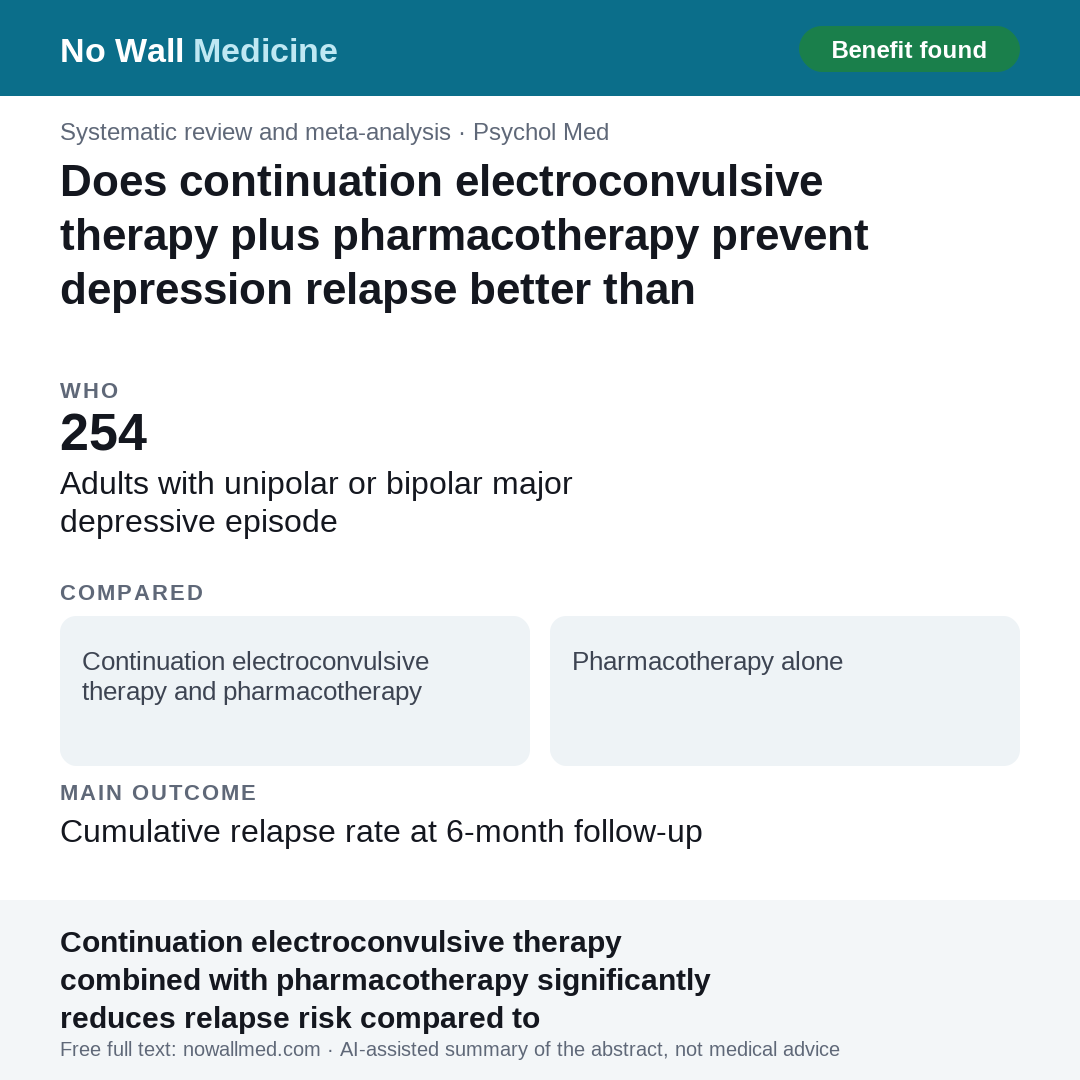
Continuation electroconvulsive therapy combined with pharmacotherapy for depression relapse prevention: A systematic review and meta-analysis
Systematic review and meta-analysisBenefit found
Does continuation electroconvulsive therapy plus pharmacotherapy prevent depression relapse better than pharmacotherapy alone?
Who
254
Adults with unipolar or bipolar major depressive episode
Compared
Continuation electroconvulsive therapy and pharmacotherapy
Pharmacotherapy alone
Main outcome
Cumulative relapse rate at 6-month follow-up
Result: relative risk 0.57 (95% CI 0.37-0.88)
Bottom line: Continuation electroconvulsive therapy combined with pharmacotherapy significantly reduces relapse risk compared to pharmacotherapy alone.
Psychol Med · 2025-08-28Download image
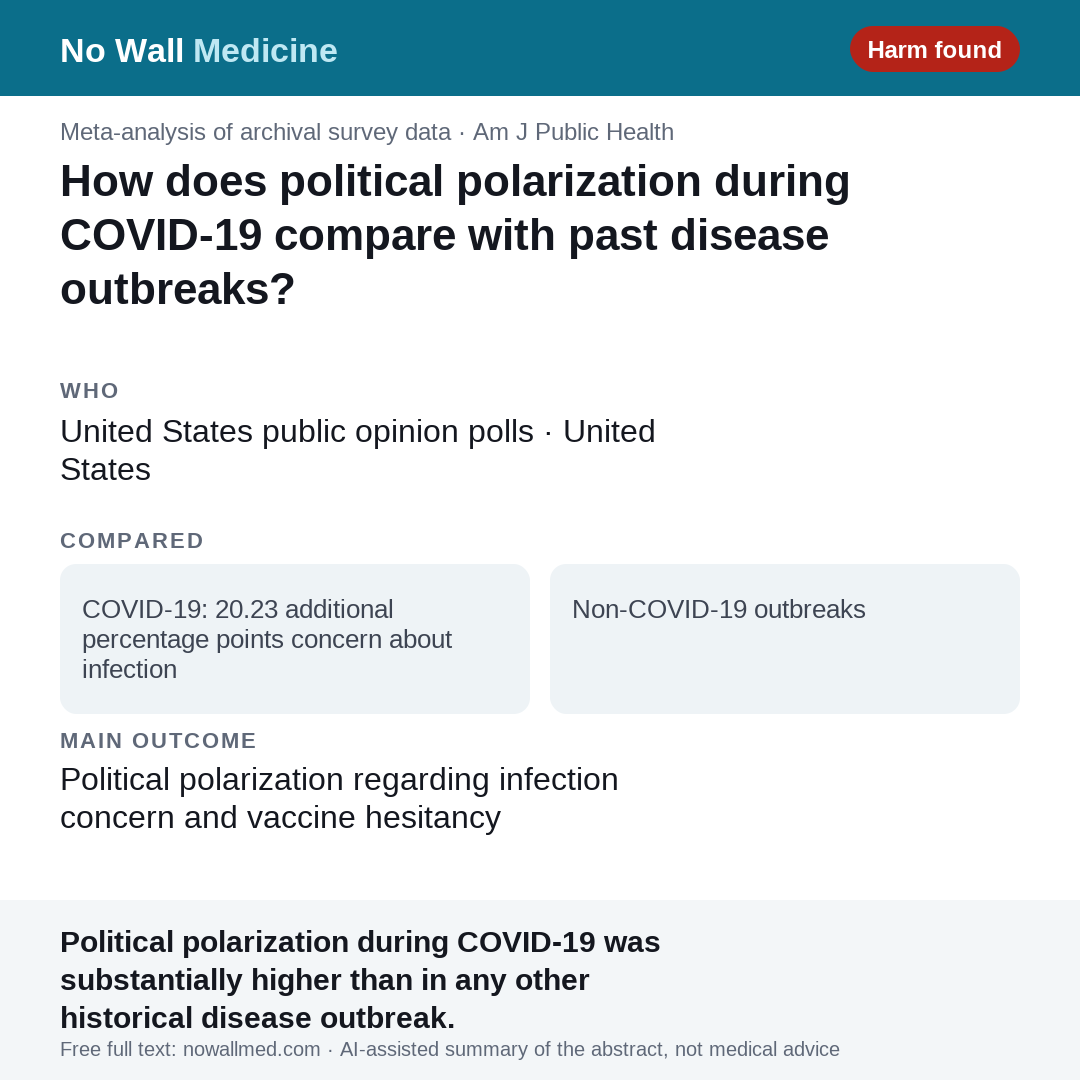
Political Polarization During Disease Outbreaks: A Meta-Analysis of Archival Survey Data From Polio to COVID-19
Meta-analysis of archival survey dataHarm found
How does political polarization during COVID-19 compare with past disease outbreaks?
Who
United States public opinion polls · United States
Compared
COVID-19: 20.23 additional percentage points concern about infection
Non-COVID-19 outbreaks
Main outcome
Political polarization regarding infection concern and vaccine hesitancy
Result: 20.23 (95% CI 12.30, 28.17) and 25.89 (95% CI 6.63, 45.16) additional percentage points
Bottom line: Political polarization during COVID-19 was substantially higher than in any other historical disease outbreak.
Am J Public Health · 2025-08-28Download image
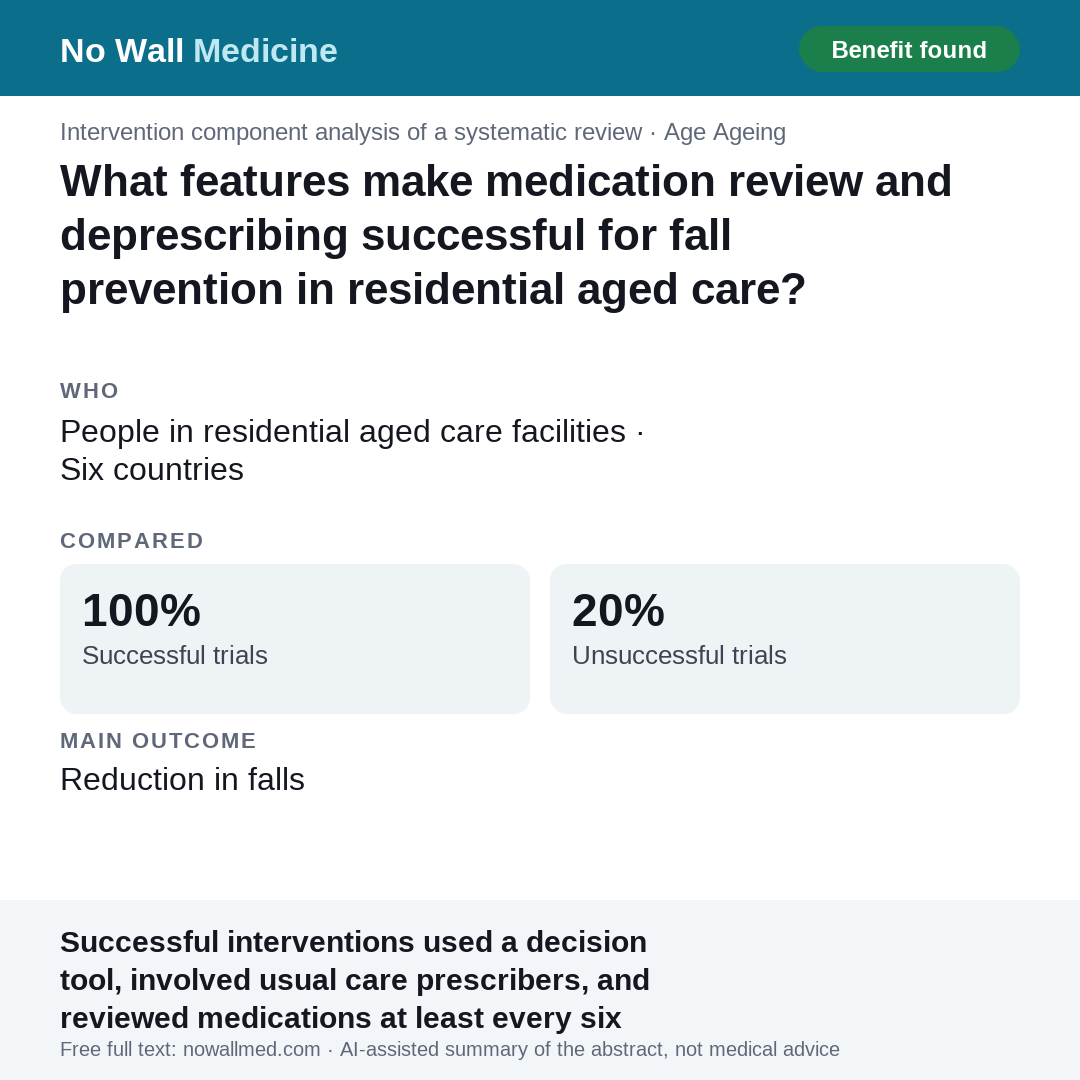
Features of successful medication review and deprescribing interventions for fall prevention in residential aged care facilities: an intervention component analysis of an updated systematic review
Intervention component analysis of a systematic reviewBenefit found
What features make medication review and deprescribing successful for fall prevention in residential aged care?
Who
People in residential aged care facilities · Six countries
Compared
100%Successful trials (3/3)
20%Unsuccessful trials (2/10)
Main outcome
Reduction in falls
Bottom line: Successful interventions used a decision tool, involved usual care prescribers, and reviewed medications at least every six months.
Age Ageing · 2025-08-28Download image
Understanding access to sexual and reproductive health in general practice using an adapted Candidacy Framework: a systematic review and qualitative evidence synthesis
Systematic reviewMixed results
Access to sexual health in general practice
Who
42
individuals in countries with universal health care · countries with universal health care
Compared
lower socioeconomic communities
minoritised ethnic groups
Main outcome
access to sexual and reproductive health care
Result: multiple barriers
Bottom line: Barriers to access exist for vulnerable groups
Limitation: limited inclusion of demographics
Br J Gen Pract · 2025-08-28Download image

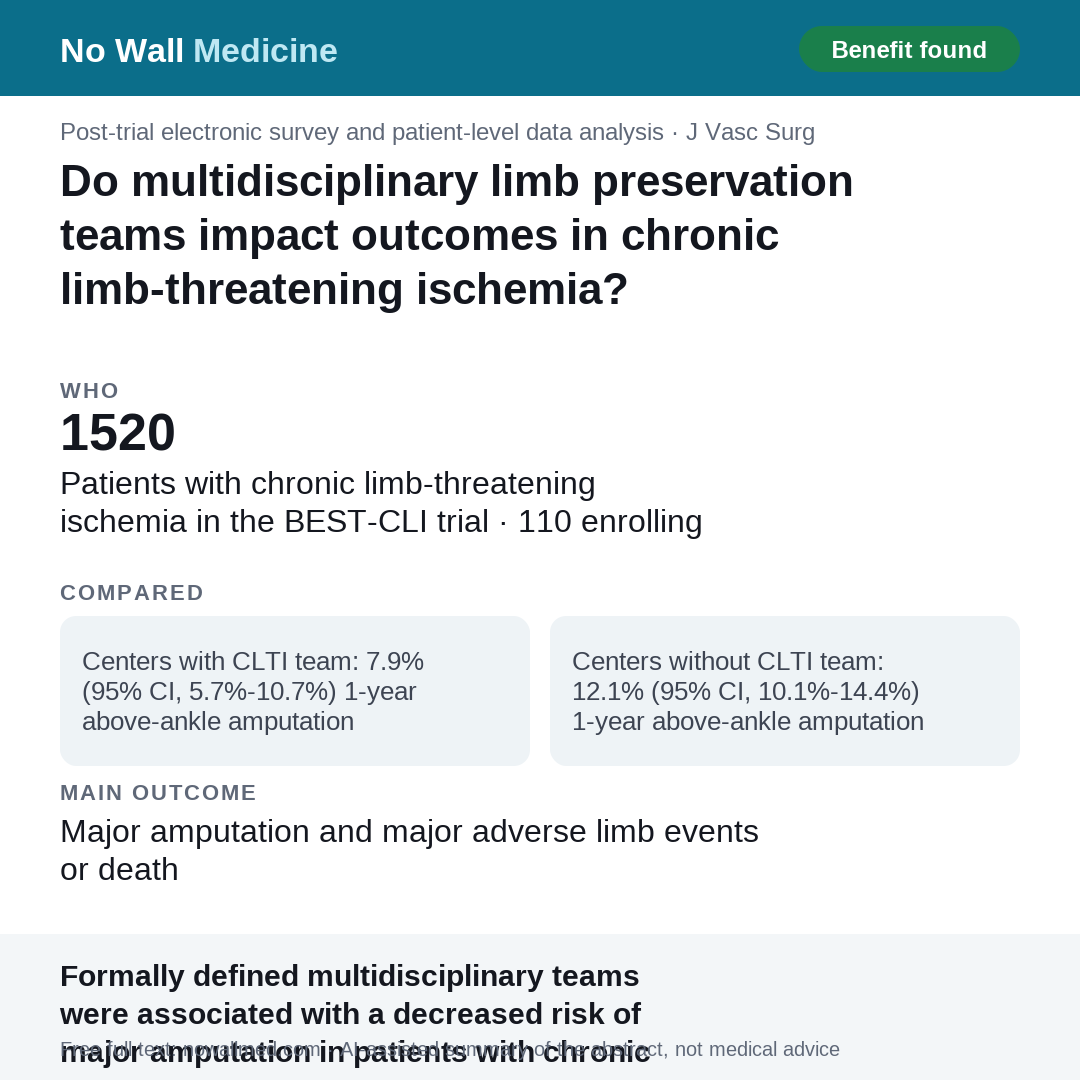
Characteristics of multidisciplinary limb preservation teams and their impact on outcomes in the BEST-CLI trial
Post-trial electronic survey and patient-level data analysisBenefit found
Do multidisciplinary limb preservation teams impact outcomes in chronic limb-threatening ischemia?
Who
1520
Patients with chronic limb-threatening ischemia in the BEST-CLI trial · 110 enrolling sites
Compared
Centers with CLTI team: 7.9% (95% CI, 5.7%-10.7%) 1-year above-ankle amputation
Centers without CLTI team: 12.1% (95% CI, 10.1%-14.4%) 1-year above-ankle amputation
Main outcome
Major amputation and major adverse limb events or death
Result: hazard ratio 0.60 (95% CI, 0.42-0.86) for major amputation
Bottom line: Formally defined multidisciplinary teams were associated with a decreased risk of major amputation in patients with chronic limb-threatening ischemia.
J Vasc Surg · 2025-08-28Download image
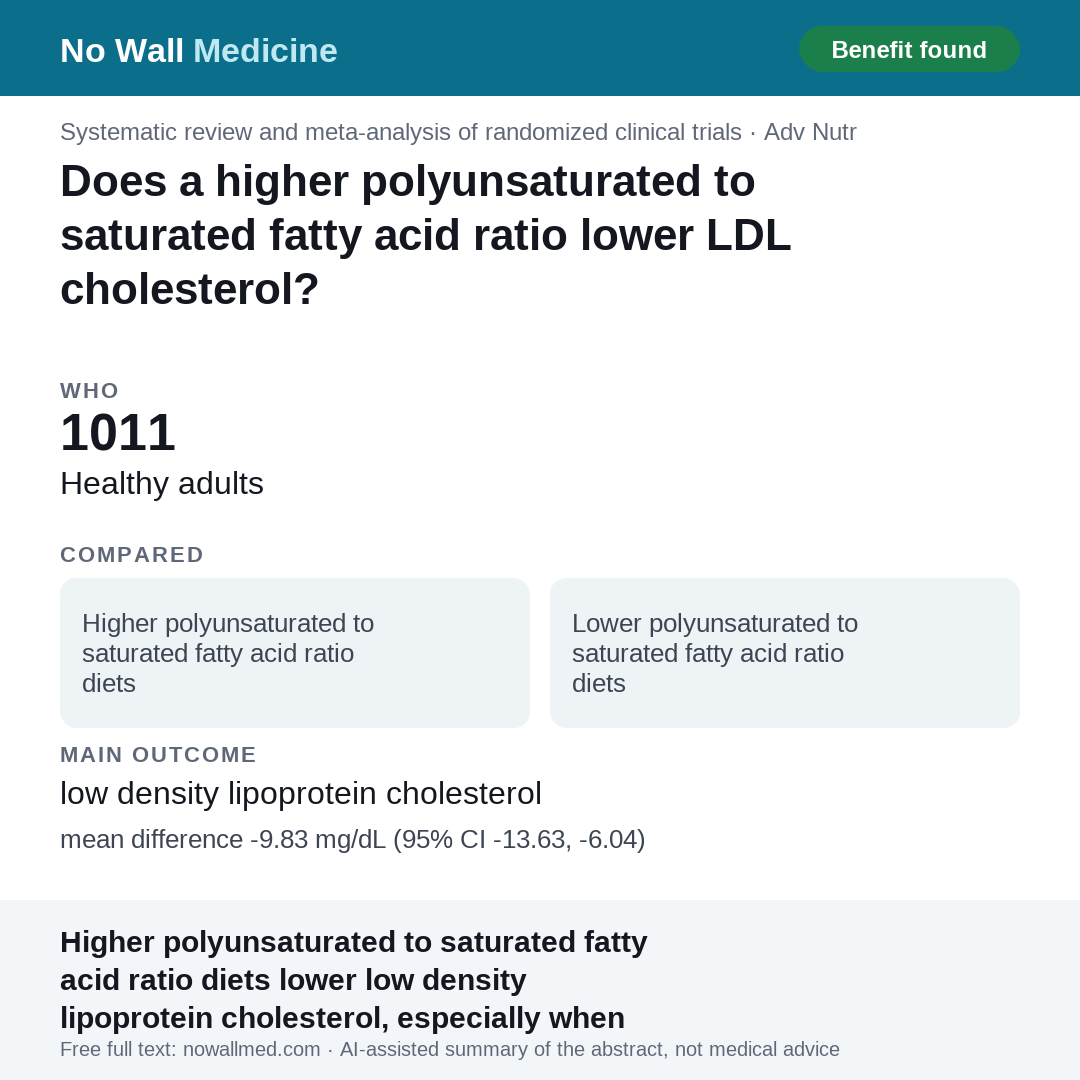
Dietary Polyunsaturated to Saturated Fatty Acid Ratio as an Indicator for LDL Cholesterol Response: A Systematic Review and Meta-Analysis of Randomized Clinical Trials
Systematic review and meta-analysis of randomized clinical trialsBenefit found
Does a higher polyunsaturated to saturated fatty acid ratio lower LDL cholesterol?
Who
1011
Healthy adults
Compared
Higher polyunsaturated to saturated fatty acid ratio diets
Lower polyunsaturated to saturated fatty acid ratio diets
Main outcome
low density lipoprotein cholesterol
Result: mean difference -9.83 mg/dL (95% CI -13.63, -6.04)
Bottom line: Higher polyunsaturated to saturated fatty acid ratio diets lower low density lipoprotein cholesterol, especially when polyunsaturated fatty acids replace saturated fatty acids.
Adv Nutr · 2025-08-28Download image
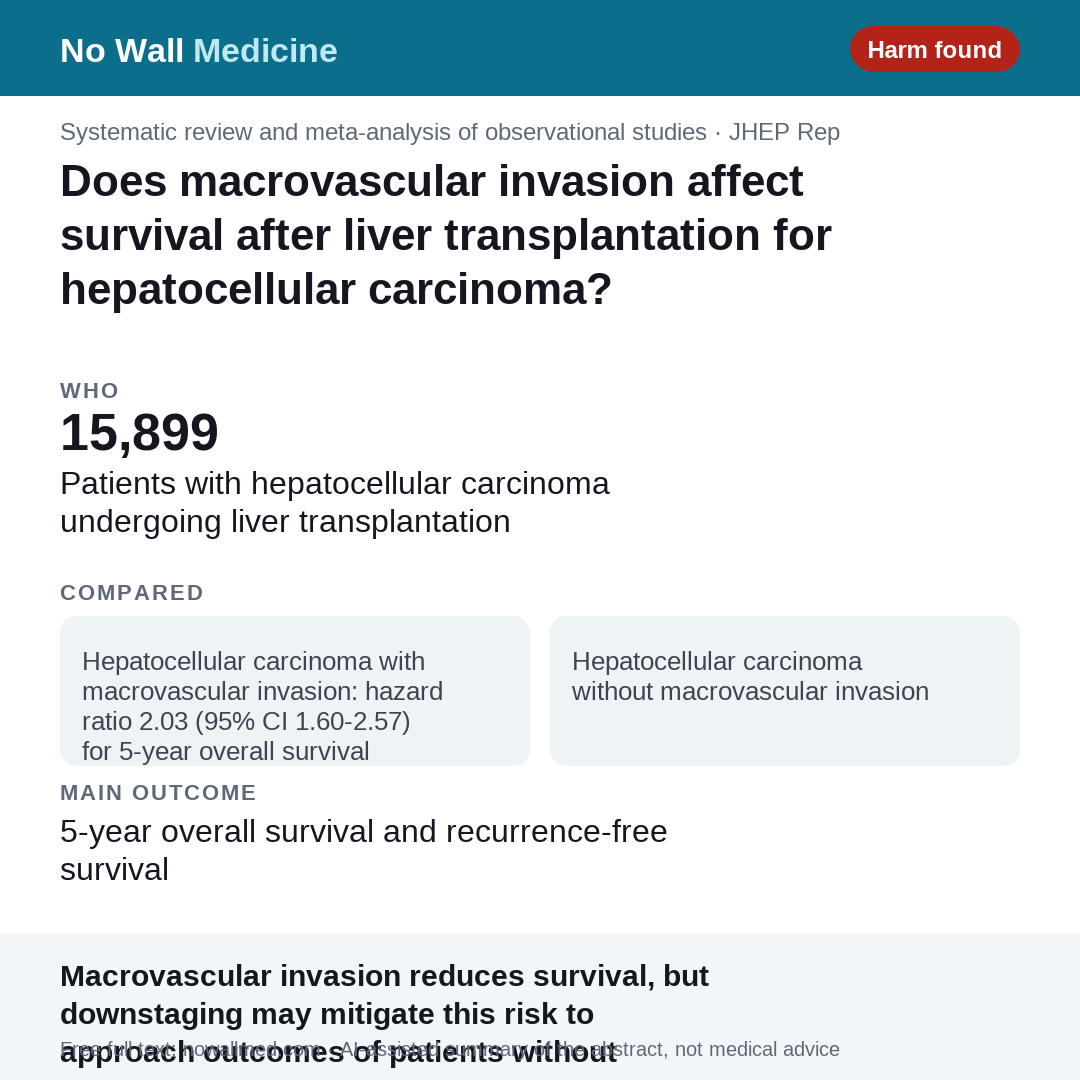
Liver transplantation for HCC with macrovascular invasion: A systematic review and meta-analysis of observational studies
Systematic review and meta-analysis of observational studiesHarm found
Does macrovascular invasion affect survival after liver transplantation for hepatocellular carcinoma?
Who
15,899
Patients with hepatocellular carcinoma undergoing liver transplantation
Compared
Hepatocellular carcinoma with macrovascular invasion: hazard ratio 2.03 (95% CI 1.60-2.57) for 5-year overall survival
Hepatocellular carcinoma without macrovascular invasion
Main outcome
5-year overall survival and recurrence-free survival
Result: hazard ratio 2.03 (95% CI 1.60-2.57) for 5-year overall survival
Bottom line: Macrovascular invasion reduces survival, but downstaging may mitigate this risk to approach outcomes of patients without invasion.
Limitation: Further studies are essential to validate findings and clarify which downstaging approaches confer benefit.
JHEP Rep · 2025-08-28Download image
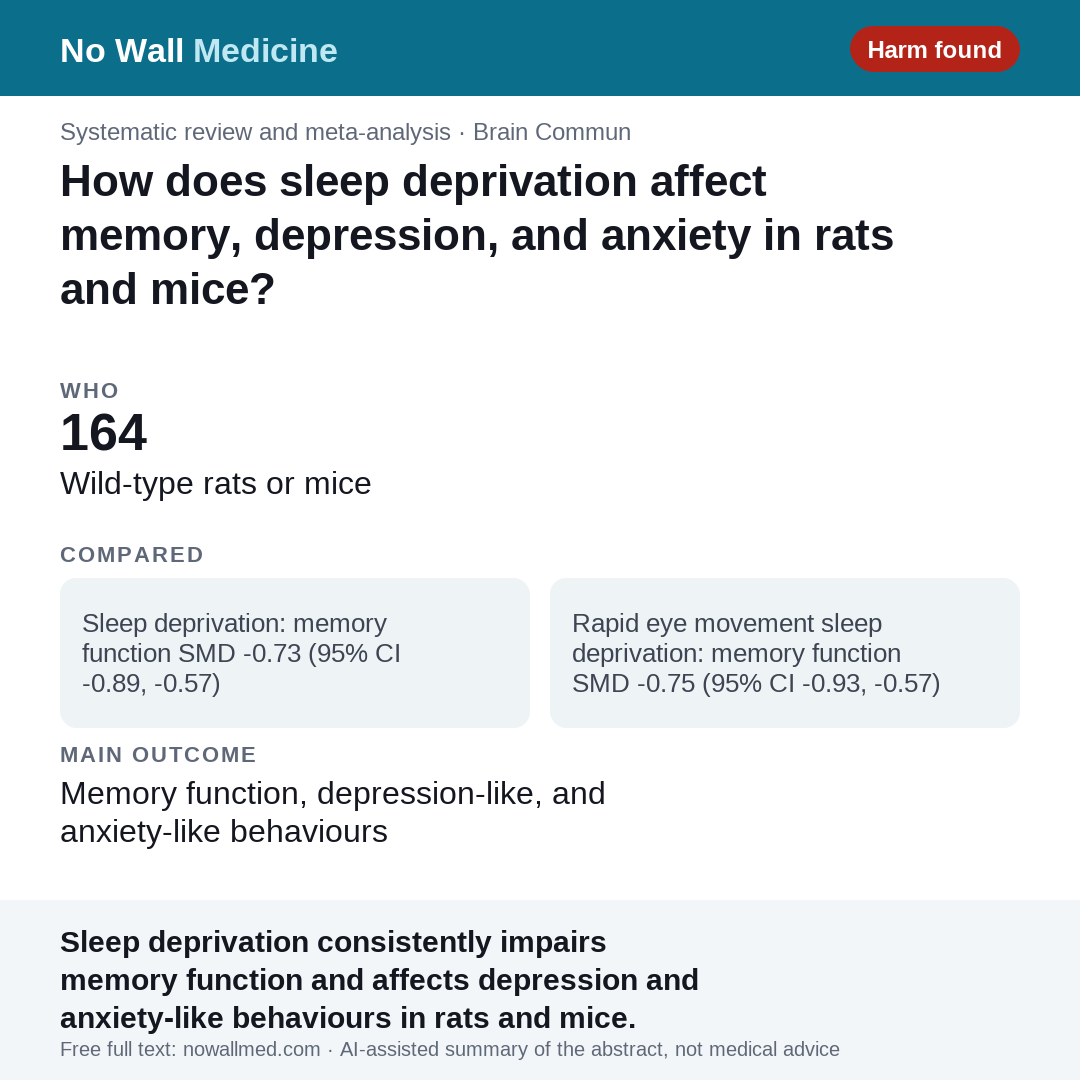
Sleep deprivation affects memory function, depression and anxiety-like behaviours in rats and mice: a systematic review and meta-analysis
Systematic review and meta-analysisHarm found
How does sleep deprivation affect memory, depression, and anxiety in rats and mice?
Who
164
Wild-type rats or mice
Compared
Sleep deprivation: memory function SMD -0.73 (95% CI -0.89, -0.57)
Rapid eye movement sleep deprivation: memory function SMD -0.75 (95% CI -0.93, -0.57)
Main outcome
Memory function, depression-like, and anxiety-like behaviours
Result: SMD -0.73 (95% CI -0.89, -0.57) for memory function
Bottom line: Sleep deprivation consistently impairs memory function and affects depression and anxiety-like behaviours in rats and mice.
Limitation: Impact on anxiety-like behaviours was more variable depending on species and duration.
Brain Commun · 2025-08-28Download image
Mapping the brain's fatigue network: a transdiagnostic systematic review and meta-analysis on functional correlates of mental fatigue
Activation likelihood estimation meta-analysisBenefit found
What is the transdiagnostic functional brain network associated with mental fatigue?
Who
2603
Individuals with medical conditions exhibiting higher fatigue than healthy controls
Compared
Patients with medical conditions
Healthy controls
Main outcome
Functional brain network correlates of mental fatigue
Bottom line: Mental fatigue is associated with a widespread cortical-subcortical network involving frontal, limbic, basal ganglia and parietal structures.
Limitation: Quality analysis indicated a moderate risk of bias in the majority of included studies.
Brain Commun · 2025-08-28Download image
Criminal minds in dementia: A systematic review and quantitative meta-analysis
Systematic review and quantitative meta-analysisMixed results
What is the prevalence of criminal risk behavior across different neurodegenerative syndromes?
Who
236,360
Persons with various neurodegenerative syndromes · Multiple countries including U.S.A., Sweden, Finland, Germany, and Japan
Compared
behavioral variant frontotemporal dementia: >50%
40%semantic variant primary progressive aphasia
15%vascular dementia and Huntington's disease
10%Alzheimer's disease
Main outcome
Prevalence of criminal risk behavior
Bottom line: Criminal risk behavior prevalence varies significantly by dementia type, being highest in behavioral variant frontotemporal dementia.
Transl Psychiatry · 2025-08-28Download image

Efficacy and safety of luspatercept in non-transfusion-dependent β-thalassemia: long-term results from the BEYOND study
Randomized, double-blind, placebo-controlled trialBenefit found
Is luspatercept effective and safe for non-transfusion-dependent beta-thalassemia long-term?
Who
Patients with non-transfusion-dependent beta-thalassemia
Compared
luspatercept: 94.8% achieved mean hemoglobin increase ≥1.0 g/dL
placebo: 22.4% achieved mean hemoglobin increase ≥1.0 g/dL
Main outcome
mean hemoglobin increase from baseline ≥1.0 g/dL
Bottom line: Luspatercept led to sustained hemoglobin increases and improved tiredness in patients with non-transfusion-dependent beta-thalassemia.
Blood Adv · 2025-08-28Download image
Comparative effectiveness of remote perioperative telemonitoring in cancer surgery: a randomized trial
Randomized trialBenefit found
Is remote perioperative telemonitoring more effective than surgeon only care in cancer surgery patients?
Who
293
Patients with gastrointestinal, genitourinary, or gynecological cancers
Compared
remote perioperative telemonitoring care: 6% greater functional recovery rate
surgeon only care
Main outcome
functional recovery rate and major postoperative complications
Bottom line: Remote perioperative telemonitoring improves functional recovery, reduces major postoperative complications, and improves symptom management in cancer surgery patients.
NPJ Digit Med · 2025-08-28Download image
Digital therapeutics for insomnia: an umbrella review and meta-meta-analysis
Umbrella review and meta-meta-analysisBenefit found
Are digital therapeutics effective for treating insomnia?
Who
118,970
Participants in systematic reviews and meta-analyses
Compared
Digital therapeutics: SMD = -0.42
Control
Main outcome
Insomnia Severity Index
Result: SMD = -0.42, p < 0.01
Bottom line: Digital therapeutics significantly improve insomnia severity, especially when used under therapist guidance and during follow-up.
NPJ Digit Med · 2025-08-28Download image
Integrating breast cancer polygenic risk scores at scale in the WISDOM Study: a national randomized personalized screening trial
Randomized trialBenefit found
Does polygenic risk score change screening recommendations?
Who
21631
Women aged 40-74 without prior breast cancer · USA
Compared
BCSC model
BCSC-PRS model
Main outcome
Change in screening recommendation
Result: 14% change for women aged 40-49, 10% for women aged 50-74
Bottom line: Polygenic risk score changes screening for some women
Genome Med · 2025-08-28Download image

Soft robotic gloves versus mirror therapy: a long-term comparative study on hand function and motor recovery in post-stroke rehabilitation
Single-blinded, randomized controlled comparative studyBenefit found
Do soft robotic gloves or mirror therapy improve long-term hand function in stroke patients?
Who
49
Patients with chronic stroke
Compared
Soft robotic gloves: significantly greater improvements in all outcome measures
Mirror therapy: no significant changes between post-intervention and follow-up
Main outcome
Hand function and motor recovery
Bottom line: Soft robotic gloves provide superior and sustained improvements in hand function and motor recovery compared to mirror therapy.
J Rehabil Med · 2025-08-28Download image