Visual abstracts
New randomized trials and meta-analyses from leading journals at a glance: who was studied, what was compared, and what was found. Every paper is free to read in full.
All specialtiesCardiology 4877Oncology 4138Gastroenterology & Hepatology 1942Infectious Disease 3837Neurology 1905Psychiatry & Mental Health 2273Pulmonology 2143Critical Care 1365Endocrinology & Diabetes 2580Pediatrics 2980Surgery 2558Orthopedics & Sports Medicine 931Neurosurgery 537Cardiothoracic & Vascular Surgery 674Plastic & Reconstructive Surgery 591Nephrology 1133Rheumatology 823Hematology 1109Dermatology 621Ophthalmology 543Obstetrics & Gynecology 1686Public & Global Health 1058Radiology & Imaging 648Anesthesiology 986Urology 764ENT (Otolaryngology) 503Emergency Medicine 511Allergy & Immunology 313Geriatrics 981Family Medicine & Primary Care 562Medical Genetics & Genomics 676Pathology & Laboratory Medicine 159Physical Medicine & Rehabilitation 757Palliative Care 444Nutrition 1588Digital Health & AI 2201General Medicine 321
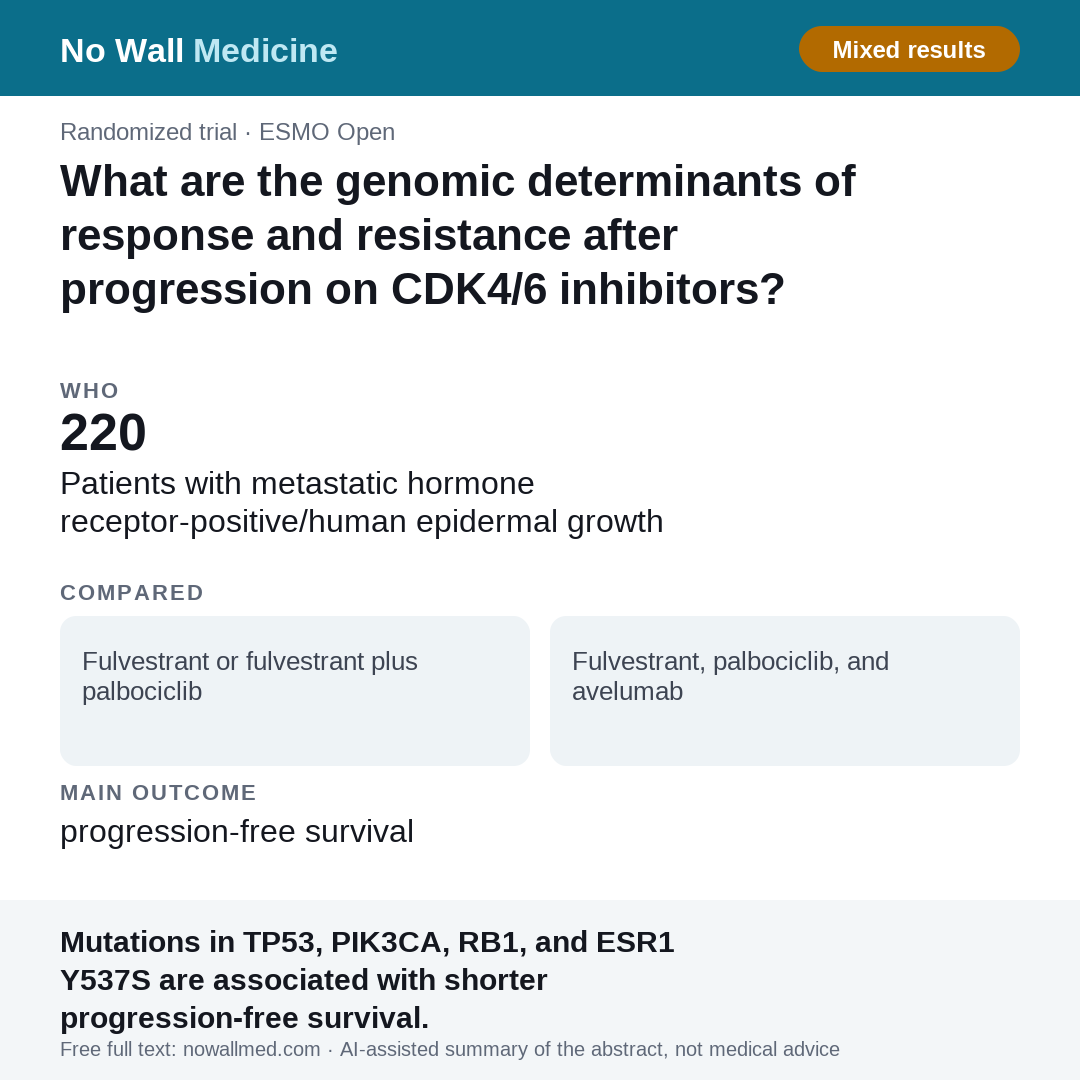
Circulating tumor DNA mutational landscape and dynamics after progression on a CDK4/6 inhibitor in the PACE phase II trial for metastatic HR-positive/HER2-negative breast cancer
Randomized trialMixed results
What are the genomic determinants of response and resistance after progression on CDK4/6 inhibitors?
Who
220
Patients with metastatic hormone receptor-positive/human epidermal growth factor receptor 2-negative breast cancer
Compared
Fulvestrant or fulvestrant plus palbociclib
Fulvestrant, palbociclib, and avelumab
Main outcome
progression-free survival
Bottom line: Mutations in TP53, PIK3CA, RB1, and ESR1 Y537S are associated with shorter progression-free survival.
ESMO Open · 2025-07-25Download image
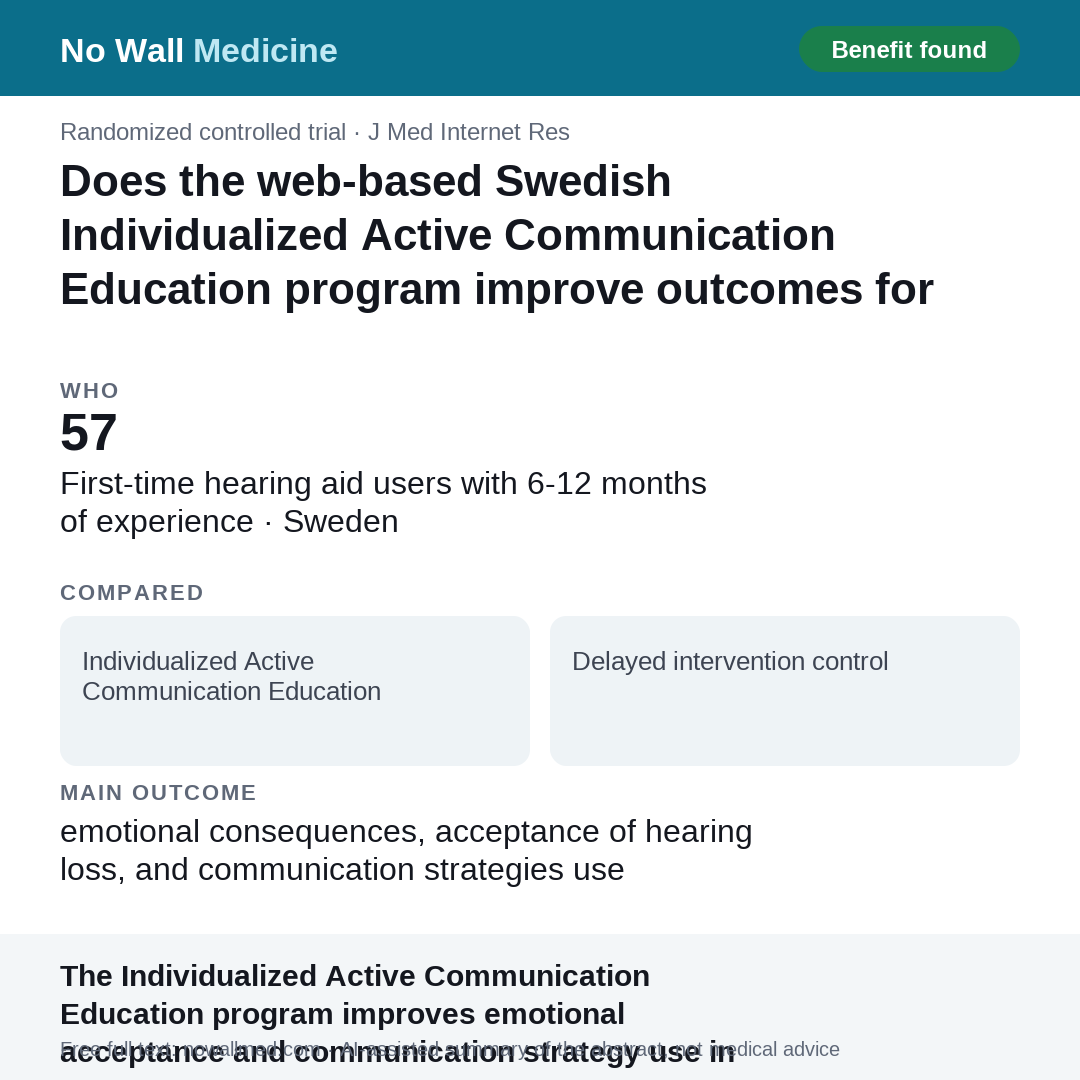
Efficacy of the Web-Based Swedish Individualized Active Communication Education (I-ACE) Program in First-Time Hearing Aid Users: Randomized Controlled Trial
Randomized controlled trialBenefit found
Does the web-based Swedish Individualized Active Communication Education program improve outcomes for first-time hearing aid users?
Who
57
First-time hearing aid users with 6-12 months of experience · Sweden
Compared
Individualized Active Communication Education
Delayed intervention control
Main outcome
emotional consequences, acceptance of hearing loss, and communication strategies use
Bottom line: The Individualized Active Communication Education program improves emotional acceptance and communication strategy use in first-time hearing aid users.
J Med Internet Res · 2025-07-25Download image
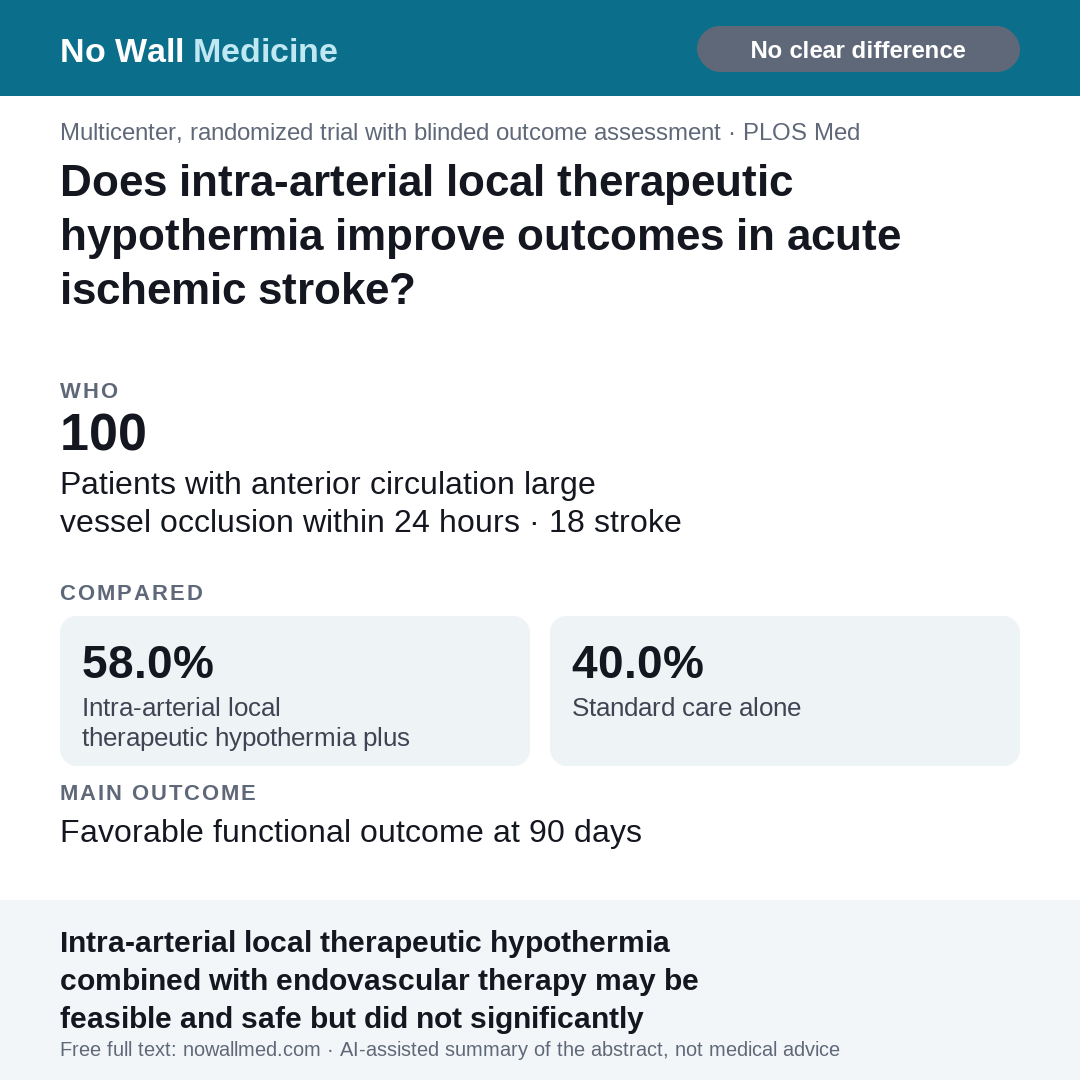
Intra-arterial selective hypothermia for acute ischemic stroke neuroprotection: A multicenter pilot trial in China
Multicenter, randomized trial with blinded outcome assessmentNo clear difference
Does intra-arterial local therapeutic hypothermia improve outcomes in acute ischemic stroke?
Who
100
Patients with anterior circulation large vessel occlusion within 24 hours · 18 stroke centers in China
Compared
58.0%Intra-arterial local therapeutic hypothermia plus standard care (29/50)
40.0%Standard care alone (20/50)
Main outcome
Favorable functional outcome at 90 days
Result: adjusted relative risk 1.47 (95% CI 0.99 to 2.16)
Bottom line: Intra-arterial local therapeutic hypothermia combined with endovascular therapy may be feasible and safe but did not significantly improve outcomes.
Limitation: Insufficient sample size limited statistical power and the ability to adjust for important confounders.
PLOS Med · 2025-07-24Download image
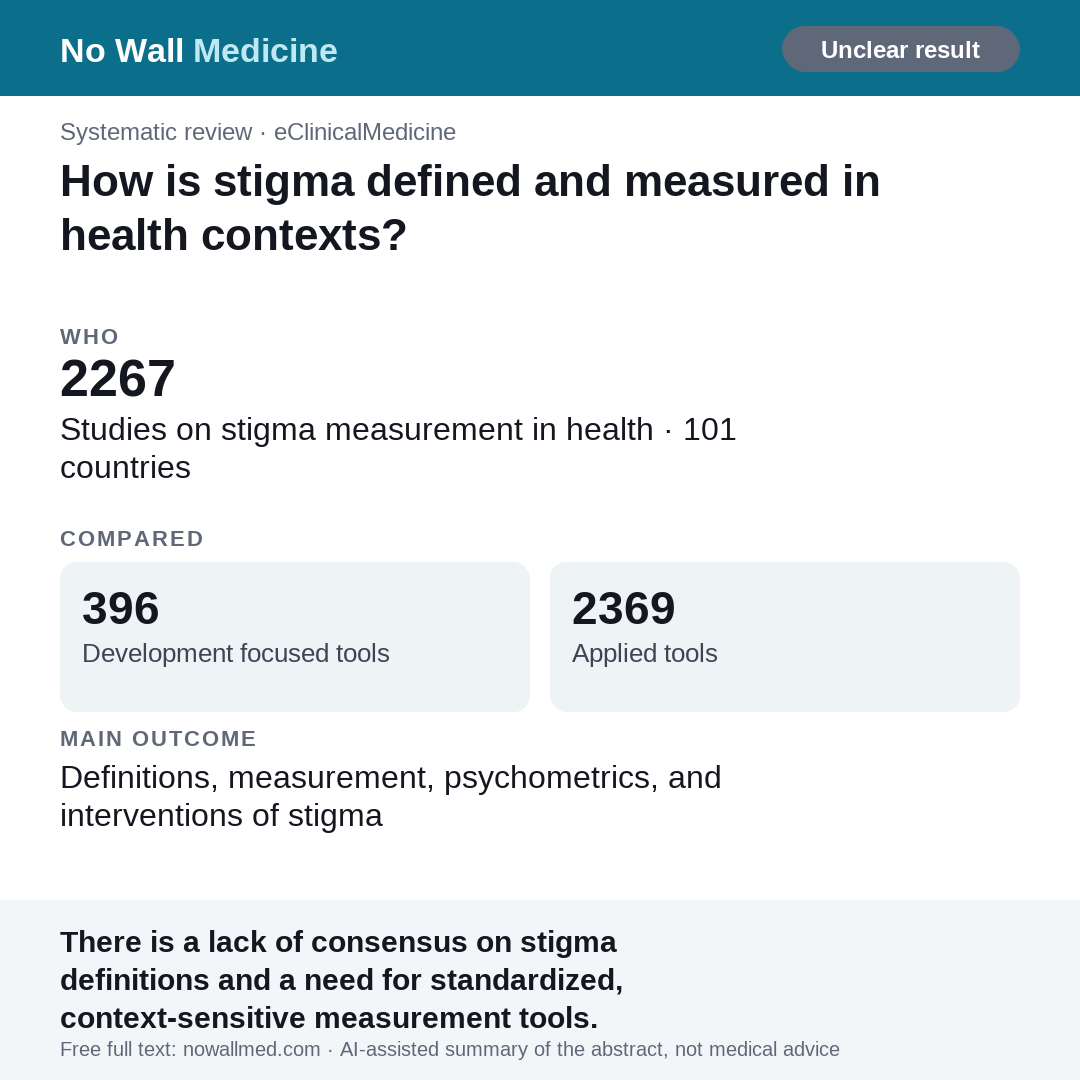
Stigma measurement in health: a systematic review
Systematic reviewUnclear result
How is stigma defined and measured in health contexts?
Who
2267
Studies on stigma measurement in health · 101 countries
Compared
396Development focused tools (15.2%)
2369Applied tools (91.0%)
Main outcome
Definitions, measurement, psychometrics, and interventions of stigma
Bottom line: There is a lack of consensus on stigma definitions and a need for standardized, context-sensitive measurement tools.
Limitation: Lack of consensus on definitions, limited pediatric research, and insufficient attention to structural drivers.
Funded by: St. Jude Children's Research Hospital, National Cancer Institute, ALSA, Siteman Cancer Center
eClinicalMedicine · 2025-07-24Download image
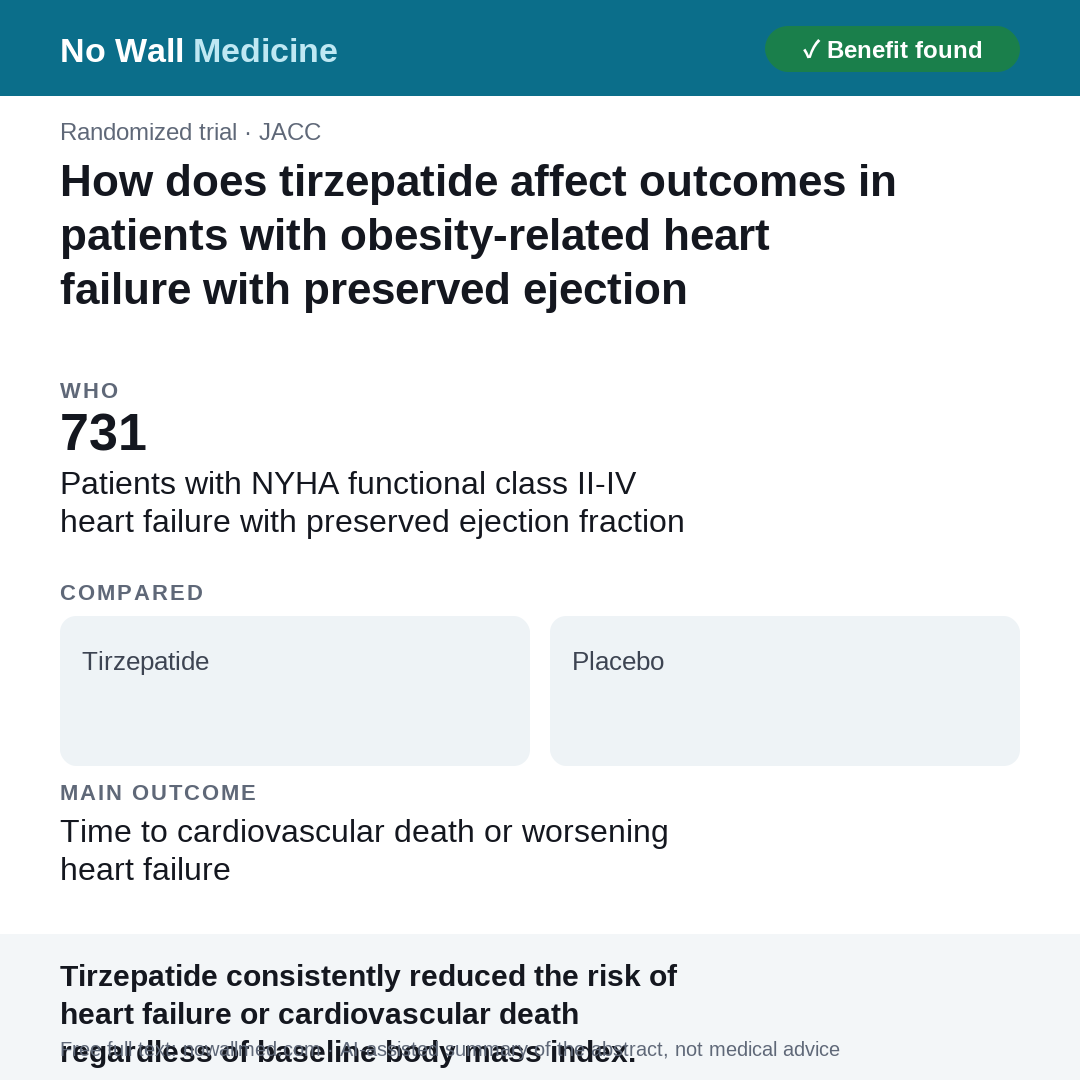
Impact of Body Mass Index, Central Adiposity, and Weight Loss on the Benefits of Tirzepatide in HFpEF: The SUMMIT Trial
Randomized trialBenefit found
How does tirzepatide affect outcomes in patients with obesity-related heart failure with preserved ejection fraction?
Who
731
Patients with NYHA functional class II-IV heart failure with preserved ejection fraction and body mass index ≥30 kg/m2
Compared
Tirzepatide
Placebo
Main outcome
Time to cardiovascular death or worsening heart failure
Bottom line: Tirzepatide consistently reduced the risk of heart failure or cardiovascular death regardless of baseline body mass index.
JACC · 2025-07-24Download image
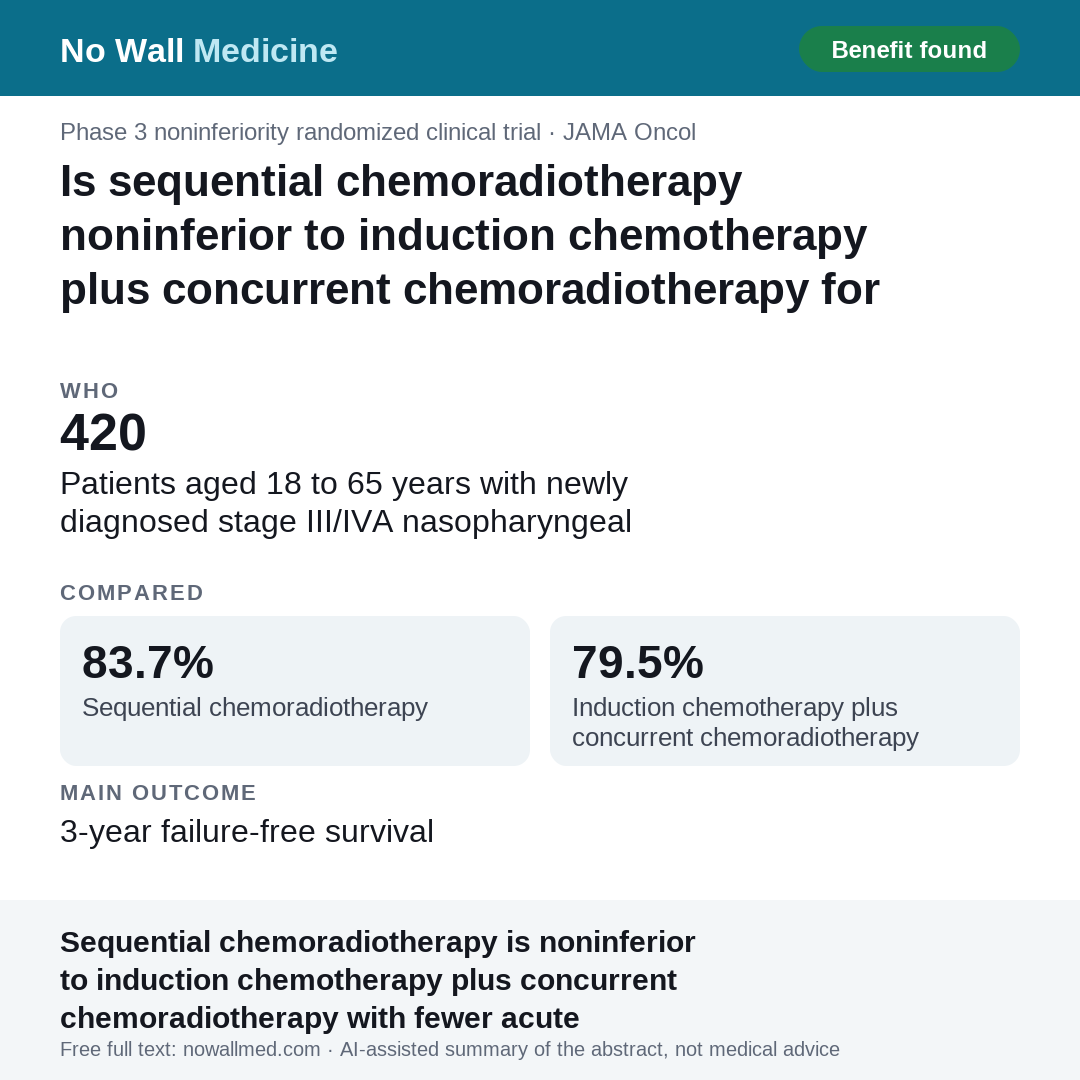
Sequential vs Induction Plus Concurrent Chemoradiotherapy in Nasopharyngeal Carcinoma: A Randomized Clinical Trial
Phase 3 noninferiority randomized clinical trialBenefit found
Is sequential chemoradiotherapy noninferior to induction chemotherapy plus concurrent chemoradiotherapy for nasopharyngeal carcinoma?
Who
420
Patients aged 18 to 65 years with newly diagnosed stage III/IVA nasopharyngeal carcinoma · 6 centers in China
Compared
83.7%Sequential chemoradiotherapy (95% CI, 78.6-88.8)
79.5%Induction chemotherapy plus concurrent chemoradiotherapy (95% CI, 74.0-85.0)
Main outcome
3-year failure-free survival
Result: hazard ratio 0.77 (95% CI 0.50-1.19)
Bottom line: Sequential chemoradiotherapy is noninferior to induction chemotherapy plus concurrent chemoradiotherapy with fewer acute nonhematological toxic effects.
JAMA Oncol · 2025-07-24Download image
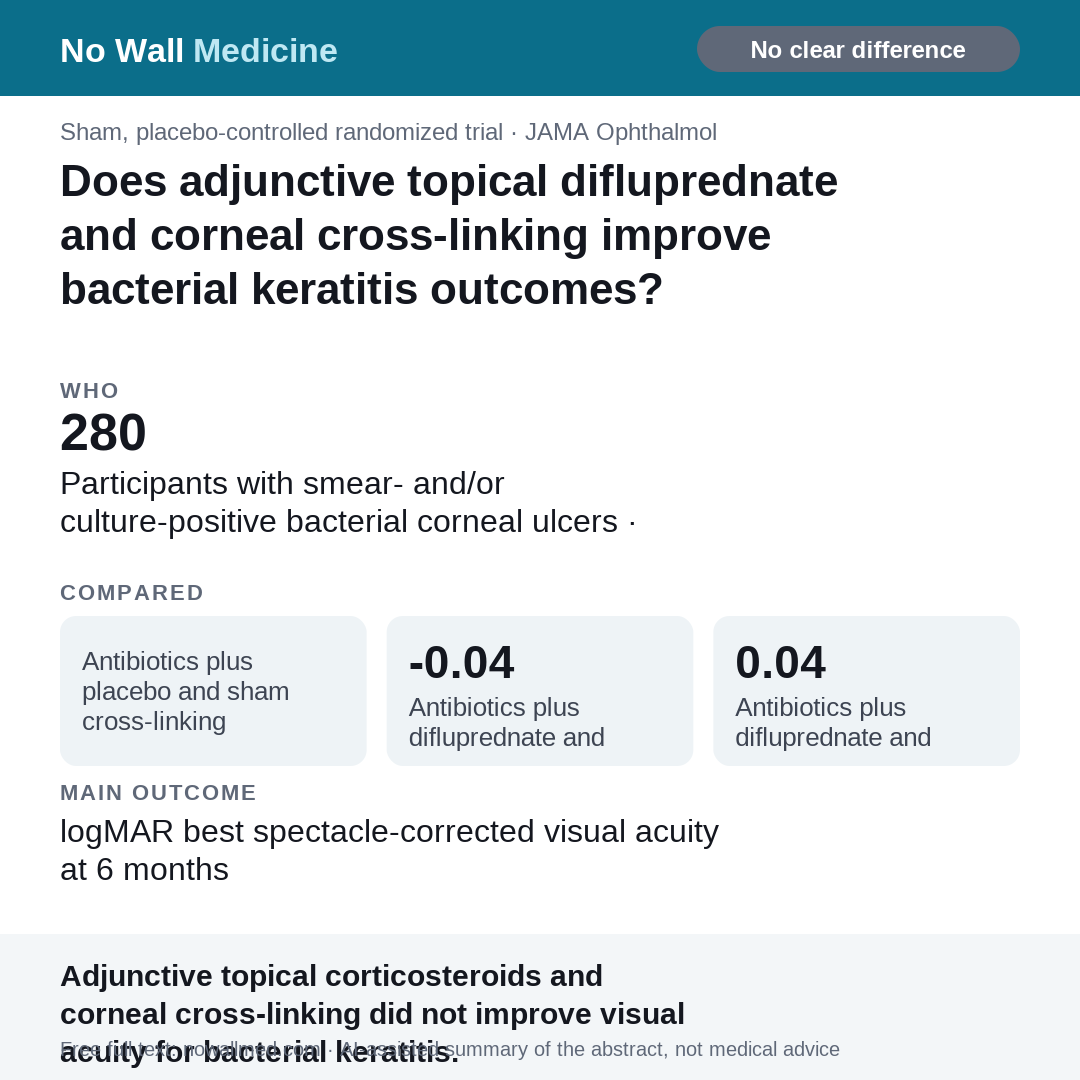
Steroids and Cross-Linking for Ulcer Treatment: The SCUT II Randomized Clinical Trial
Sham, placebo-controlled randomized trialNo clear difference
Does adjunctive topical difluprednate and corneal cross-linking improve bacterial keratitis outcomes?
Who
280
Participants with smear- and/or culture-positive bacterial corneal ulcers · Clinics in India and Miami, Florida
Compared
Antibiotics plus placebo and sham cross-linking
-0.04Antibiotics plus difluprednate and sham cross-linking (95% CI, -0.18 to 0.09)
0.04Antibiotics plus difluprednate and corneal cross-linking (95% CI, -0.09 to 0.17)
Main outcome
logMAR best spectacle-corrected visual acuity at 6 months
Bottom line: Adjunctive topical corticosteroids and corneal cross-linking did not improve visual acuity for bacterial keratitis.
Funded by: National Institutes of Health
JAMA Ophthalmol · 2025-07-24Download image
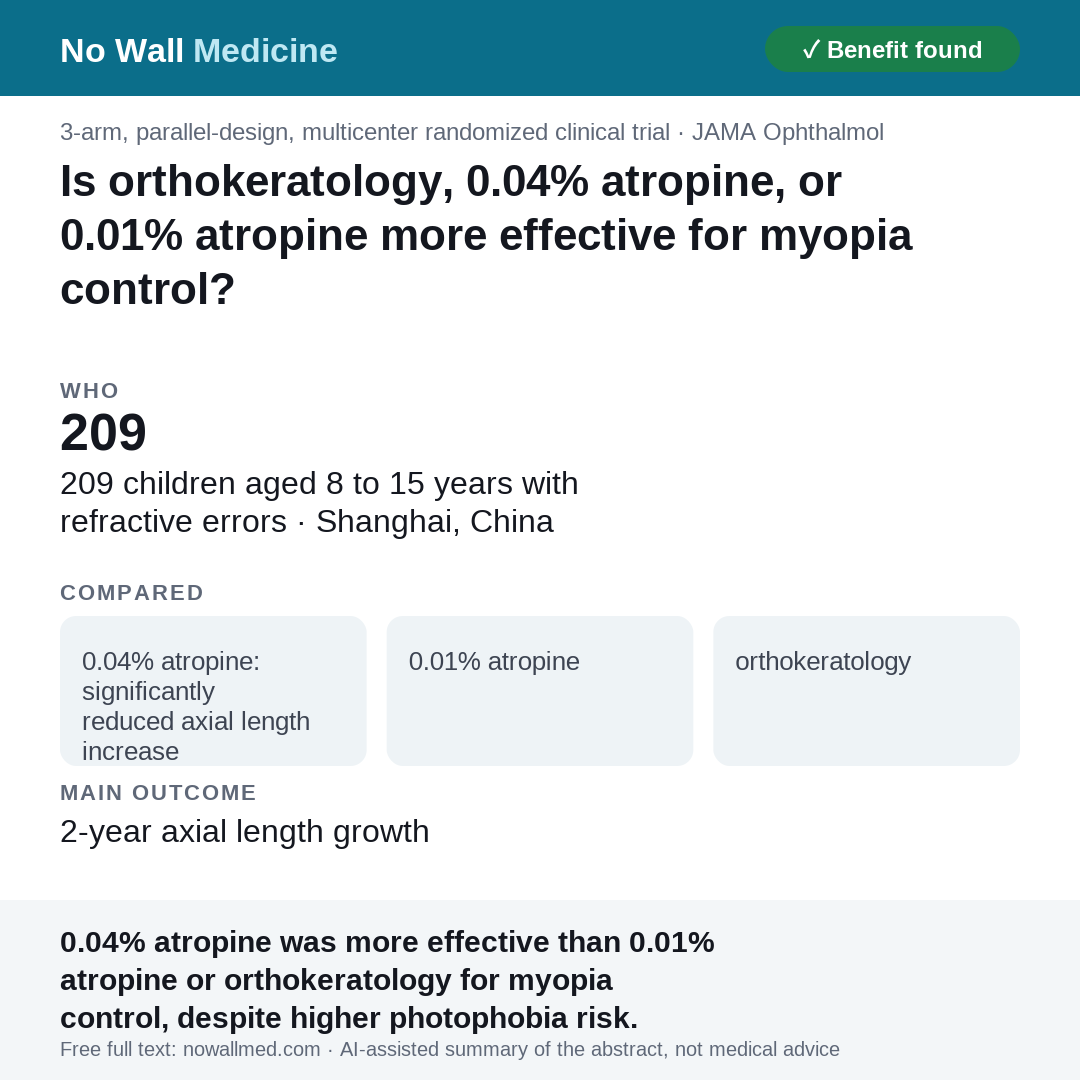
Orthokeratology, 0.04% Atropine, and 0.01% Atropine for Myopia Control: A Randomized Clinical Trial
3-arm, parallel-design, multicenter randomized clinical trialBenefit found
Is orthokeratology, 0.04% atropine, or 0.01% atropine more effective for myopia control?
Who
209
209 children aged 8 to 15 years with refractive errors · Shanghai, China
Compared
0.04% atropine: significantly reduced axial length increase
0.01% atropine
orthokeratology
Main outcome
2-year axial length growth
Result: difference 0.18 mm (95% CI, 0.11-0.26) between 0.04% and 0.01% atropine
Bottom line: 0.04% atropine was more effective than 0.01% atropine or orthokeratology for myopia control, despite higher photophobia risk.
JAMA Ophthalmol · 2025-07-24Download image
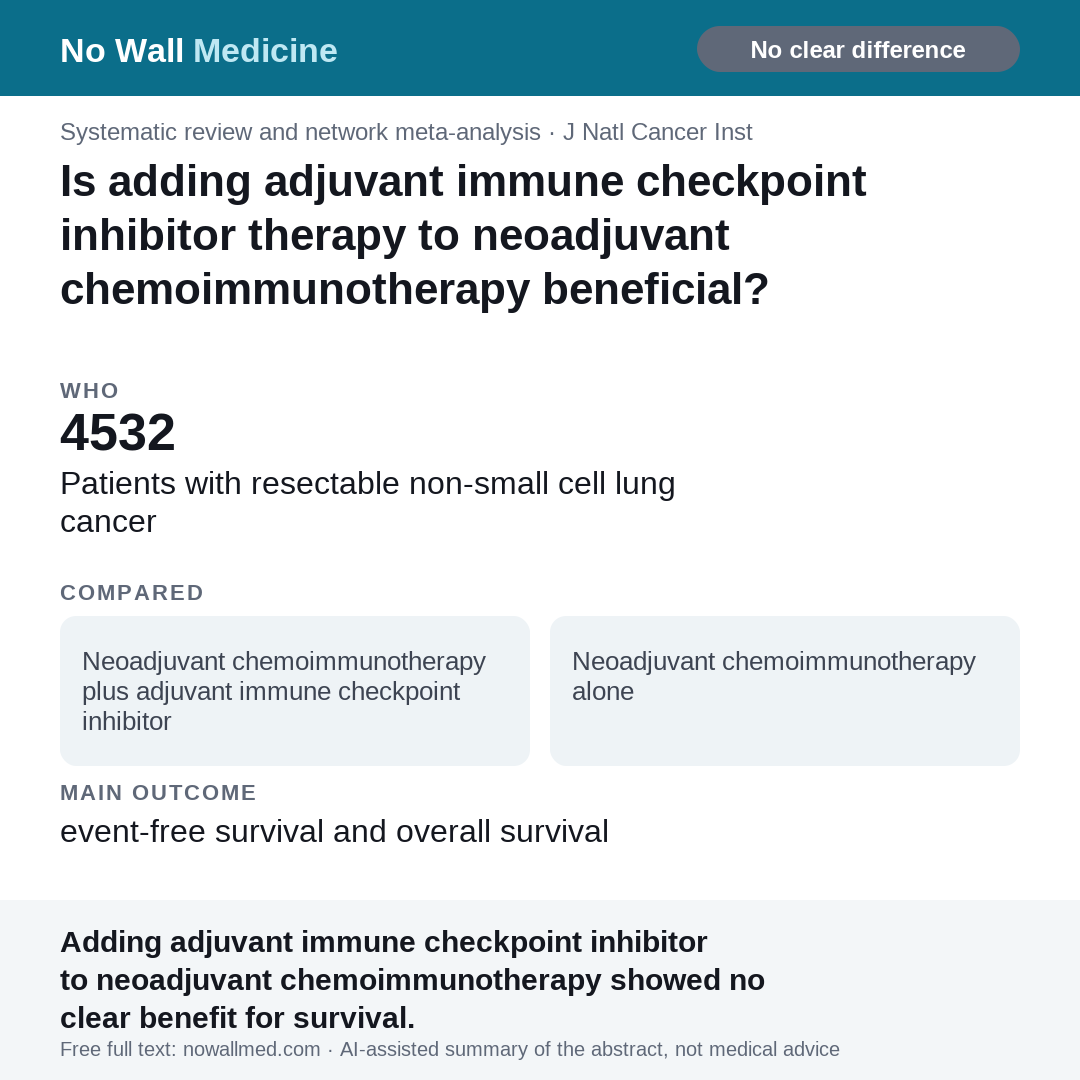
Immune checkpoint inhibitors as neoadjuvant therapy for resectable non-small cell lung cancer: a systematic review and network meta-analysis
Systematic review and network meta-analysisNo clear difference
Is adding adjuvant immune checkpoint inhibitor therapy to neoadjuvant chemoimmunotherapy beneficial?
Who
4532
Patients with resectable non-small cell lung cancer
Compared
Neoadjuvant chemoimmunotherapy plus adjuvant immune checkpoint inhibitor
Neoadjuvant chemoimmunotherapy alone
Main outcome
event-free survival and overall survival
Result: hazard ratio 0.97 (95% CI 0.67 to 1.41)
Bottom line: Adding adjuvant immune checkpoint inhibitor to neoadjuvant chemoimmunotherapy showed no clear benefit for survival.
Limitation: Further research is needed to directly compare neoadjuvant-only versus perioperative chemoimmunotherapy.
J Natl Cancer Inst · 2025-07-24Download image
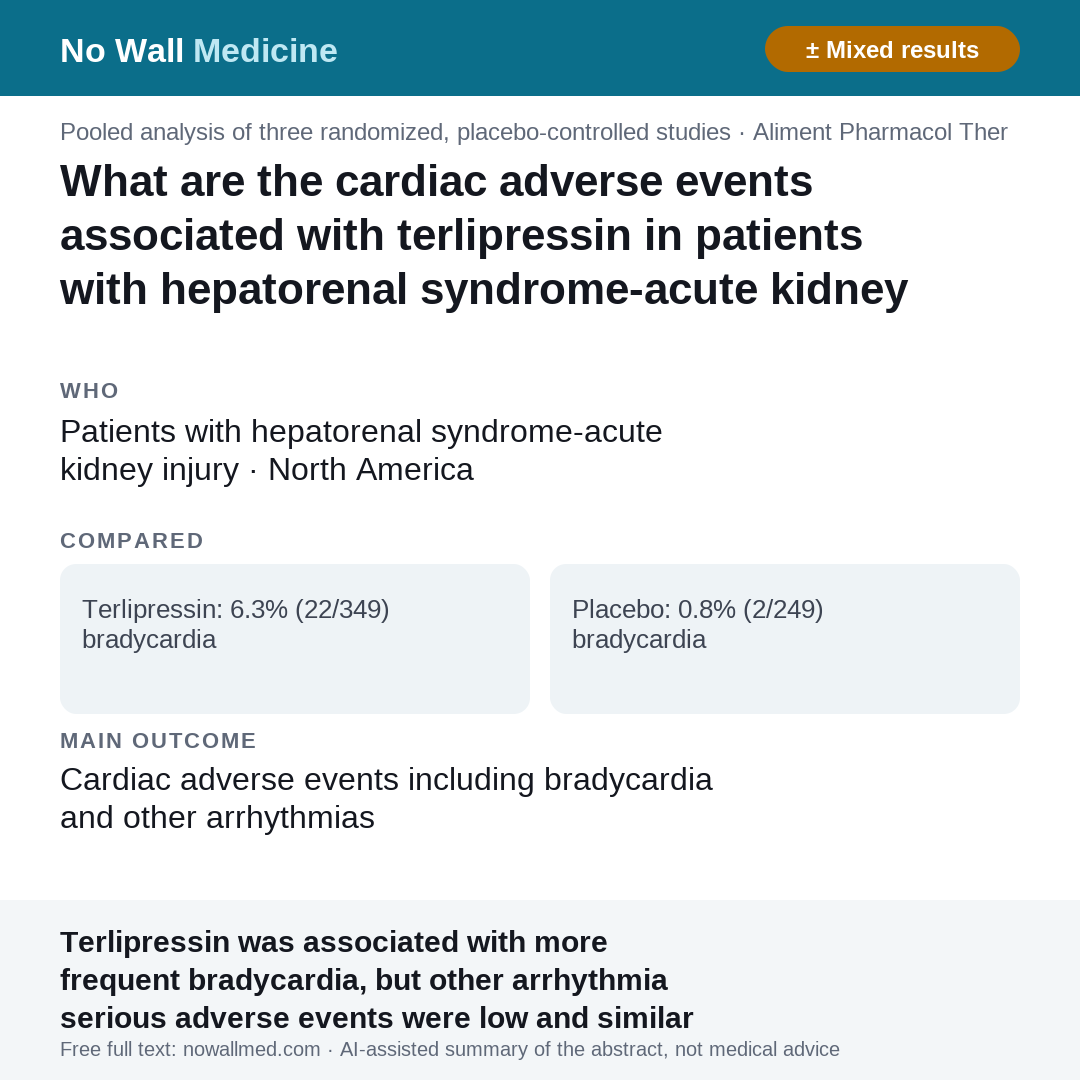
Bradycardia and Other Arrhythmias in Patients With Hepatorenal Syndrome-Acute Kidney Injury Following Terlipressin Treatment: A Pooled Analysis of Three North American Phase III Clinical Studies
Pooled analysis of three randomized, placebo-controlled studiesMixed results
What are the cardiac adverse events associated with terlipressin in patients with hepatorenal syndrome-acute kidney injury?
Who
Patients with hepatorenal syndrome-acute kidney injury · North America
Compared
Terlipressin: 6.3% (22/349) bradycardia
Placebo: 0.8% (2/249) bradycardia
Main outcome
Cardiac adverse events including bradycardia and other arrhythmias
Bottom line: Terlipressin was associated with more frequent bradycardia, but other arrhythmia serious adverse events were low and similar to placebo.
Aliment Pharmacol Ther · 2025-07-24Download image
Identifying genomic surveillance gaps in Africa for the global public health response to West Nile virus: a systematic review
Systematic reviewUnclear result
What is the status of West Nile virus molecular testing and genomic sequencing in Africa?
Who
West Nile virus in Africa · Africa, Canary Islands, and Réunion Island
Compared
24Countries with publications
16Countries with genomic sequences
Main outcome
Status of molecular testing and genomic sequencing
Bottom line: Substantial knowledge gaps exist regarding West Nile virus disease burden and molecular epidemiology in Africa.
Lancet Microbe · 2025-07-24Download image

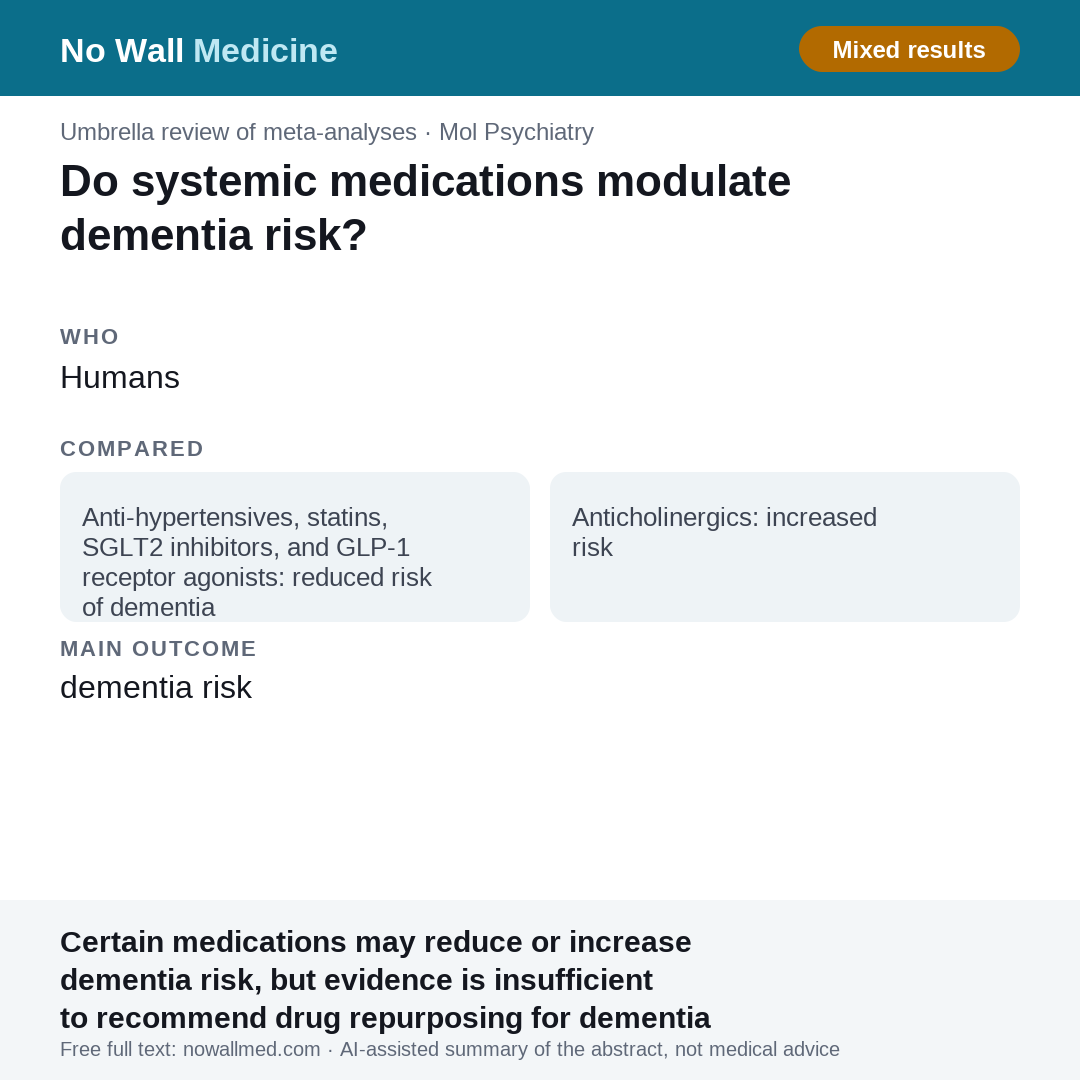
Systemic medications and dementia risk: a systematic umbrella review
Umbrella review of meta-analysesMixed results
Do systemic medications modulate dementia risk?
Who
Humans
Compared
Anti-hypertensives, statins, SGLT2 inhibitors, and GLP-1 receptor agonists: reduced risk of dementia
Anticholinergics: increased risk
Main outcome
dementia risk
Bottom line: Certain medications may reduce or increase dementia risk, but evidence is insufficient to recommend drug repurposing for dementia prevention.
Limitation: Confounding by indication and potential reverse causality were important limitations.
Mol Psychiatry · 2025-07-24Download image
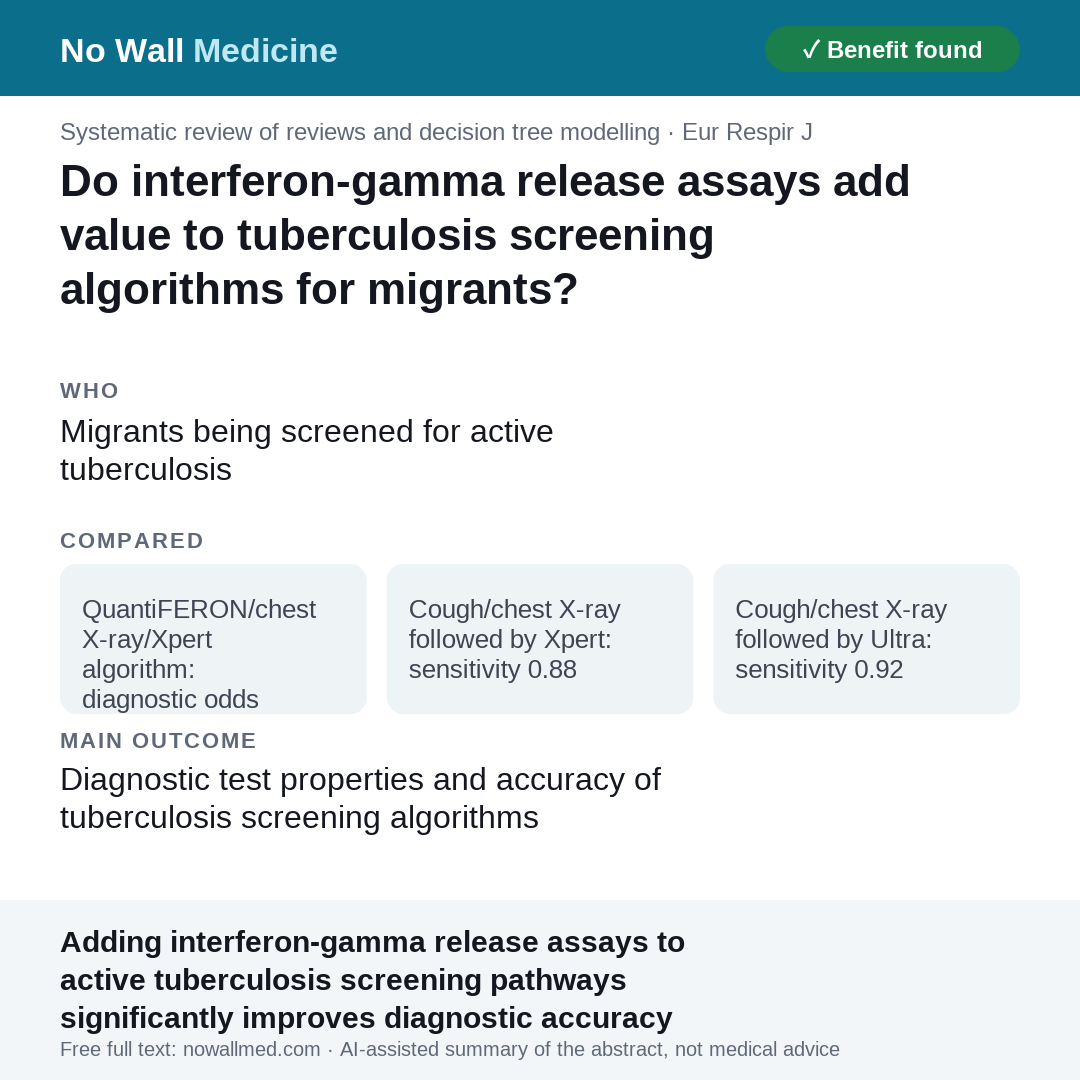
How to diagnose TB in migrants? A systematic review of reviews and decision tree analytical modelling exercise to evaluate properties for single and combined tuberculosis screening tests
Systematic review of reviews and decision tree modellingBenefit found
Do interferon-gamma release assays add value to tuberculosis screening algorithms for migrants?
Who
Migrants being screened for active tuberculosis
Compared
QuantiFERON/chest X-ray/Xpert algorithm: diagnostic odds ratio 24 670
Cough/chest X-ray followed by Xpert: sensitivity 0.88
Cough/chest X-ray followed by Ultra: sensitivity 0.92
Main outcome
Diagnostic test properties and accuracy of tuberculosis screening algorithms
Result: diagnostic odds ratio 24 670 (95% CI 11 630-52 328)
Bottom line: Adding interferon-gamma release assays to active tuberculosis screening pathways significantly improves diagnostic accuracy for migrants.
Eur Respir J · 2025-07-24Download image
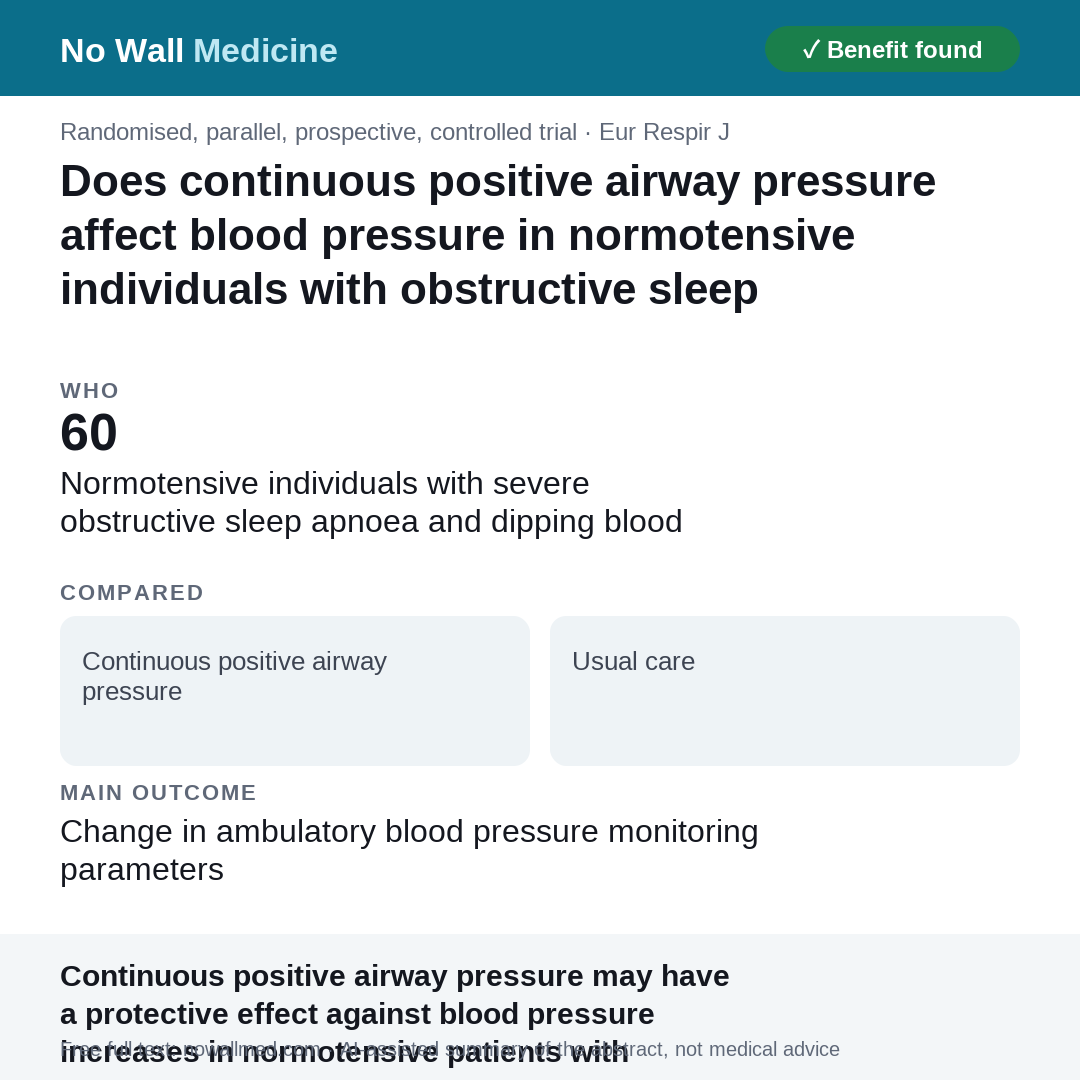
Effect of continuous positive airway pressure on blood pressure in normotensive individuals with obstructive sleep apnoea: a randomised trial
Randomised, parallel, prospective, controlled trialBenefit found
Does continuous positive airway pressure affect blood pressure in normotensive individuals with obstructive sleep apnoea?
Who
60
Normotensive individuals with severe obstructive sleep apnoea and dipping blood pressure
Compared
Continuous positive airway pressure
Usual care
Main outcome
Change in ambulatory blood pressure monitoring parameters
Result: mean difference in night-time diastolic blood pressure -3.4 mmHg (95% CI -6.124 to -0.676)
Bottom line: Continuous positive airway pressure may have a protective effect against blood pressure increases in normotensive patients with obstructive sleep apnoea.
Eur Respir J · 2025-07-24Download image
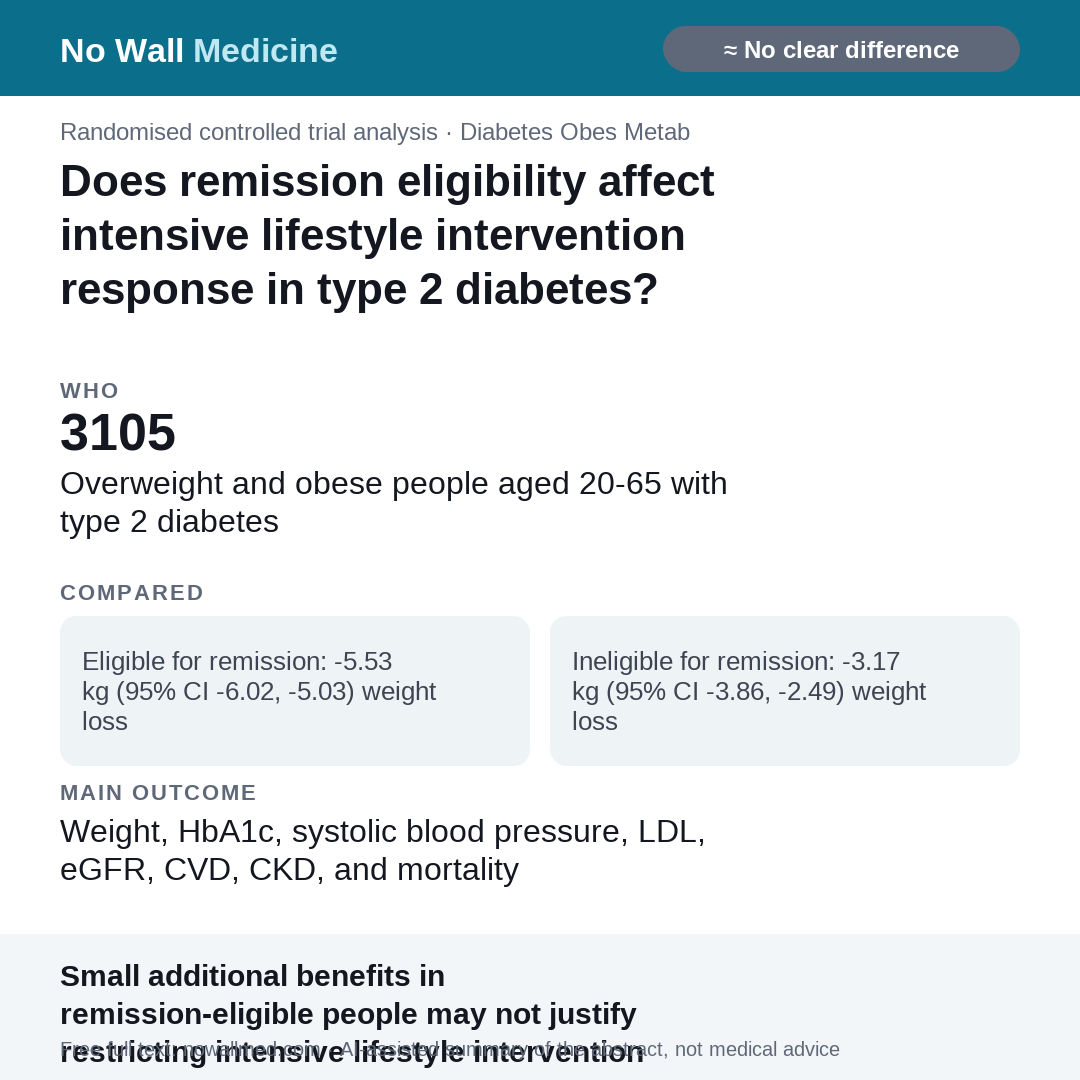
Impact of eligibility for diabetes remission on response to intensive lifestyle intervention in overweight and obese people with type 2 diabetes: The Look AHEAD trial
Randomised controlled trial analysisNo clear difference
Does remission eligibility affect intensive lifestyle intervention response in type 2 diabetes?
Who
3105
Overweight and obese people aged 20-65 with type 2 diabetes
Compared
Eligible for remission: -5.53 kg (95% CI -6.02, -5.03) weight loss
Ineligible for remission: -3.17 kg (95% CI -3.86, -2.49) weight loss
Main outcome
Weight, HbA1c, systolic blood pressure, LDL, eGFR, CVD, CKD, and mortality
Bottom line: Small additional benefits in remission-eligible people may not justify restricting intensive lifestyle intervention resources to them.
Diabetes Obes Metab · 2025-07-24Download image
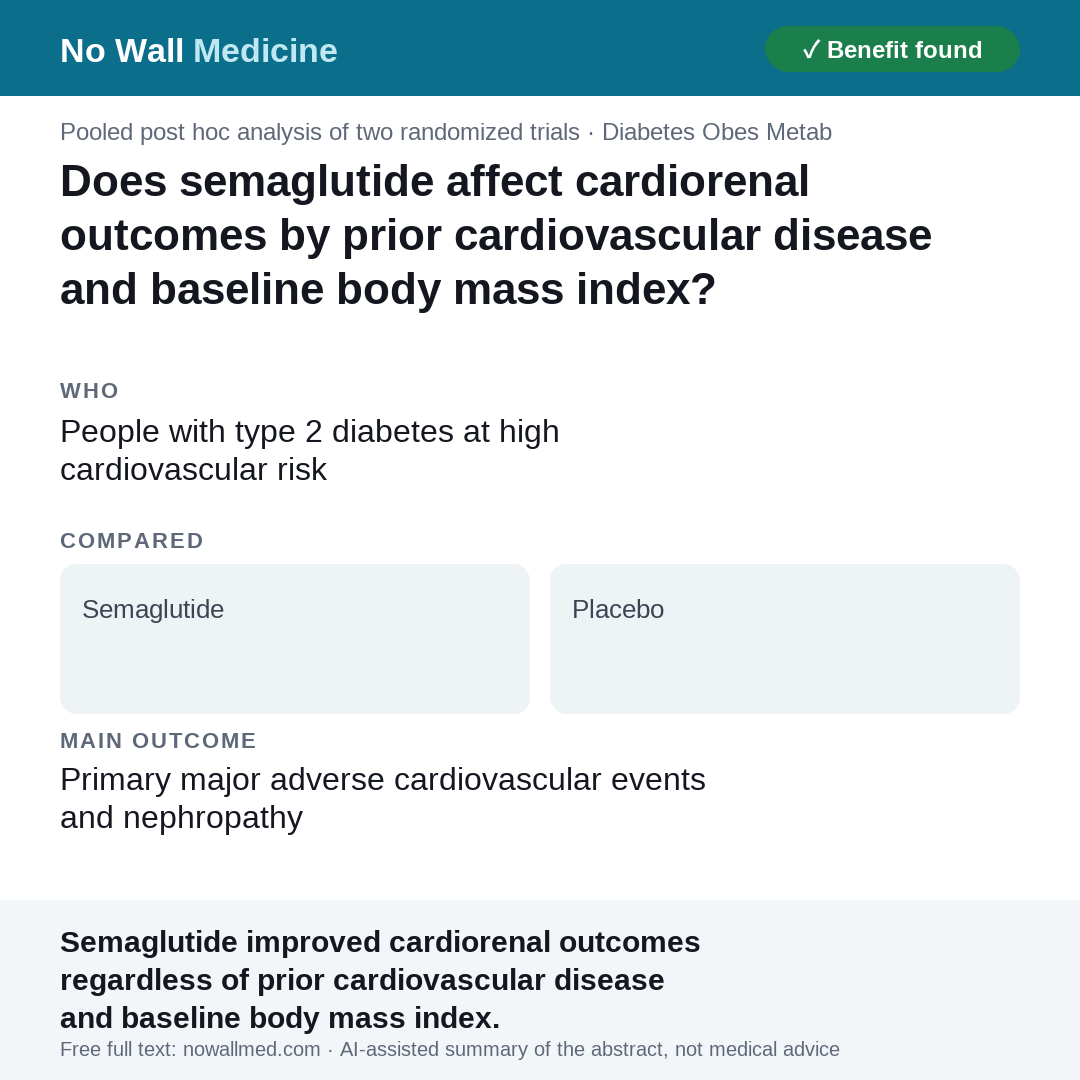
Effect of semaglutide versus placebo on cardiorenal outcomes by prior cardiovascular disease and baseline body mass index: Pooled post hoc analysis of SUSTAIN 6 and PIONEER 6
Pooled post hoc analysis of two randomized trialsBenefit found
Does semaglutide affect cardiorenal outcomes by prior cardiovascular disease and baseline body mass index?
Who
People with type 2 diabetes at high cardiovascular risk
Compared
Semaglutide
Placebo
Main outcome
Primary major adverse cardiovascular events and nephropathy
Bottom line: Semaglutide improved cardiorenal outcomes regardless of prior cardiovascular disease and baseline body mass index.
Diabetes Obes Metab · 2025-07-24Download image
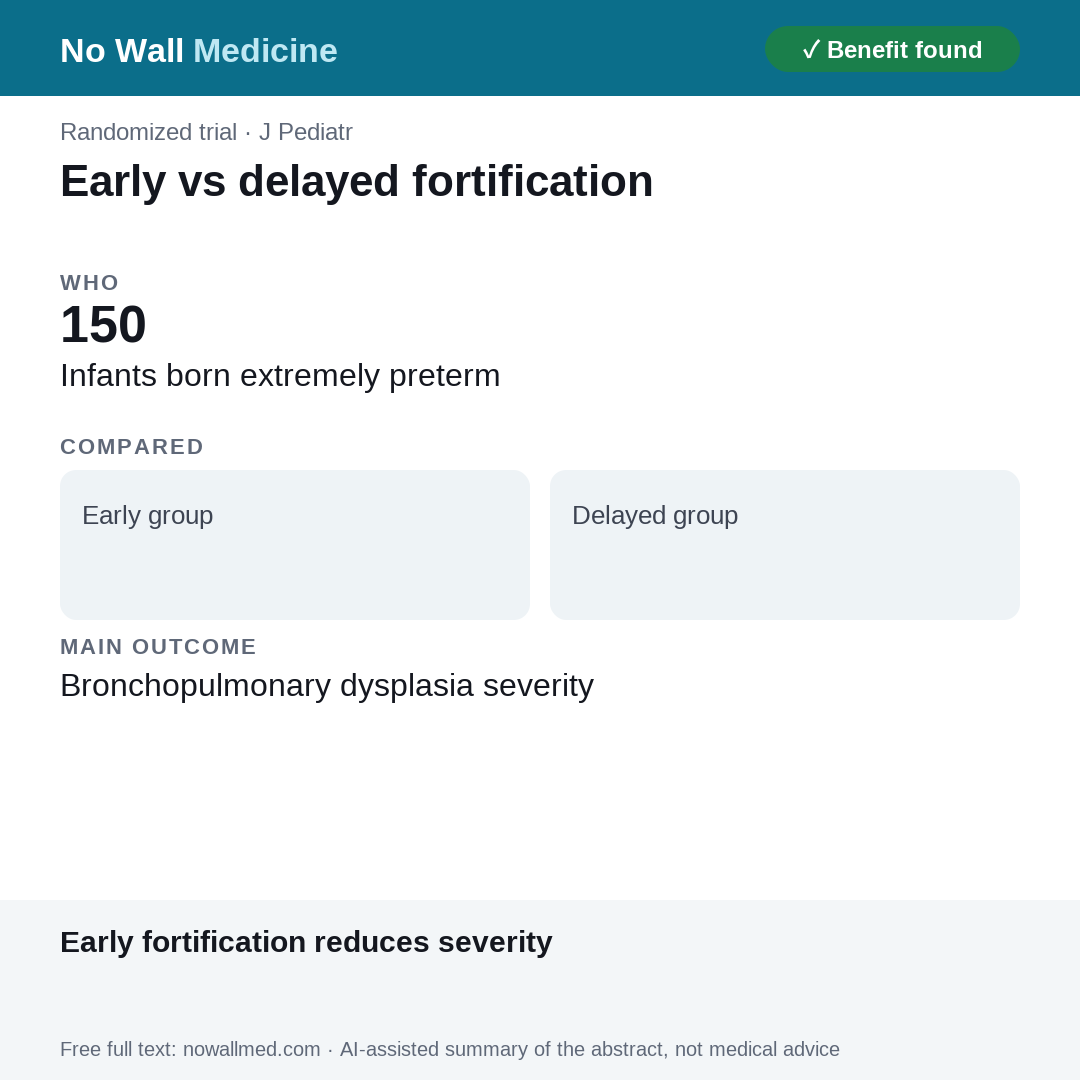
Severity of Bronchopulmonary Dysplasia in Infants Born Extremely Preterm and Randomized to Early Human Milk Fortification with a Donor Milk-Derived Fortifier for 2 Weeks
Randomized trialBenefit found
Early vs delayed fortification
Who
150
Infants born extremely preterm
Compared
Early group
Delayed group
Main outcome
Bronchopulmonary dysplasia severity
Bottom line: Early fortification reduces severity
J Pediatr · 2025-07-24Download image
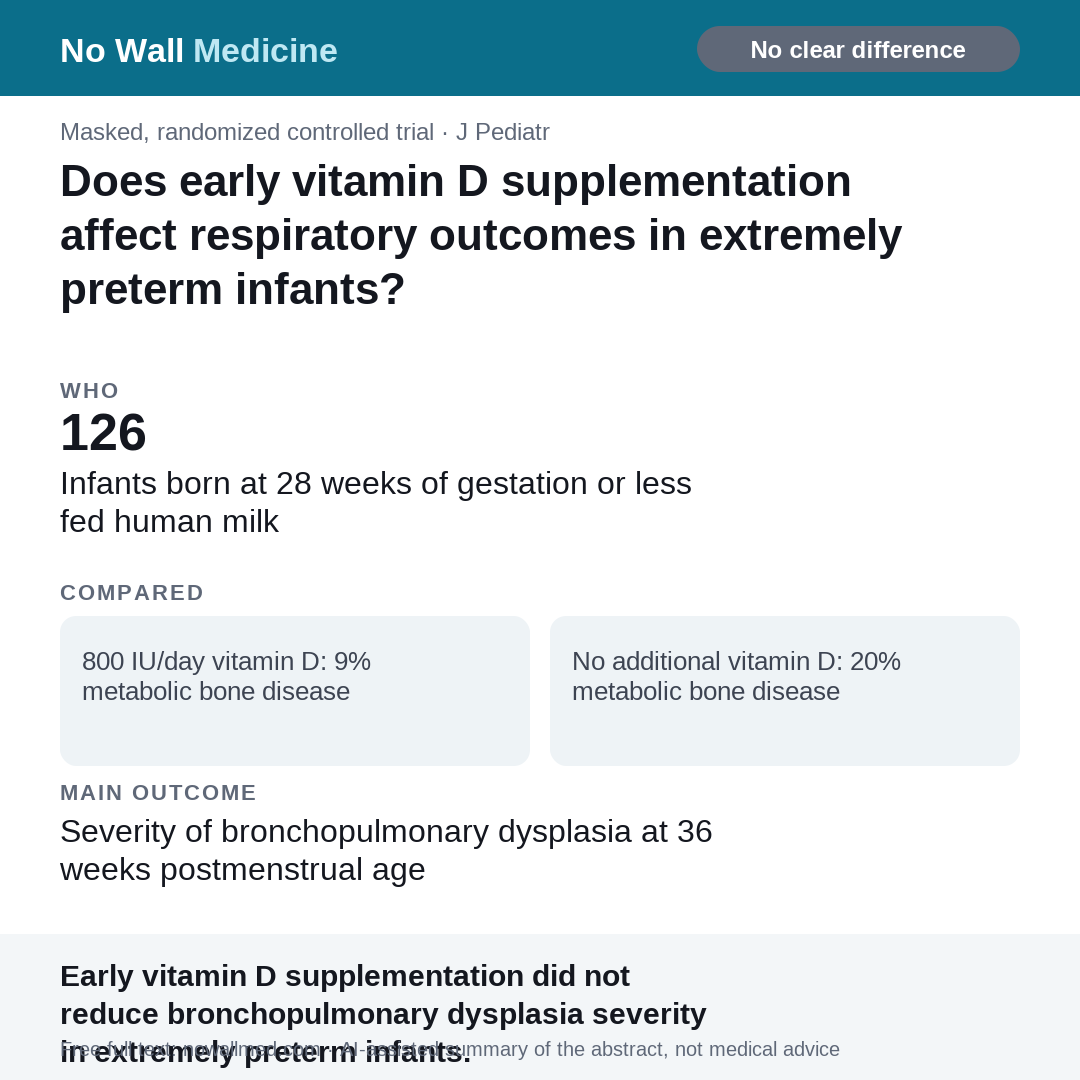
Early Vitamin D Supplementation in Infants Born Extremely Preterm and Fed Human Milk: A Randomized Controlled Trial
Masked, randomized controlled trialNo clear difference
Does early vitamin D supplementation affect respiratory outcomes in extremely preterm infants?
Who
126
Infants born at 28 weeks of gestation or less fed human milk
Compared
800 IU/day vitamin D: 9% metabolic bone disease
No additional vitamin D: 20% metabolic bone disease
Main outcome
Severity of bronchopulmonary dysplasia at 36 weeks postmenstrual age
Result: relative risk 0.43 (95% CI 0.16, 1.15)
Bottom line: Early vitamin D supplementation did not reduce bronchopulmonary dysplasia severity in extremely preterm infants.
J Pediatr · 2025-07-24Download image
Inadvertent placement of thoracic stent grafts in false lumen during aortic dissection surgery - unicentric analysis and systematic review
Retrospective study and systematic reviewHarm found
What are the causes, management, and outcomes of thoracic endovascular aortic repair stent graft misplacement?
Who
35
Patients with aortic dissection undergoing thoracic endovascular aortic repair · China Medical University Hospital and published studies
Compared
Endovascular retrograde stent extension: improved survival
Overall cases: 28.6% mortality
Main outcome
Clinical outcomes and mortality
Bottom line: Accidental stent graft placement in the false lumen markedly increases mortality, primarily due to multiorgan failure.
Limitation: Potential for publication bias may lead to misleading conclusions.
Int J Surg · 2025-07-24Download image

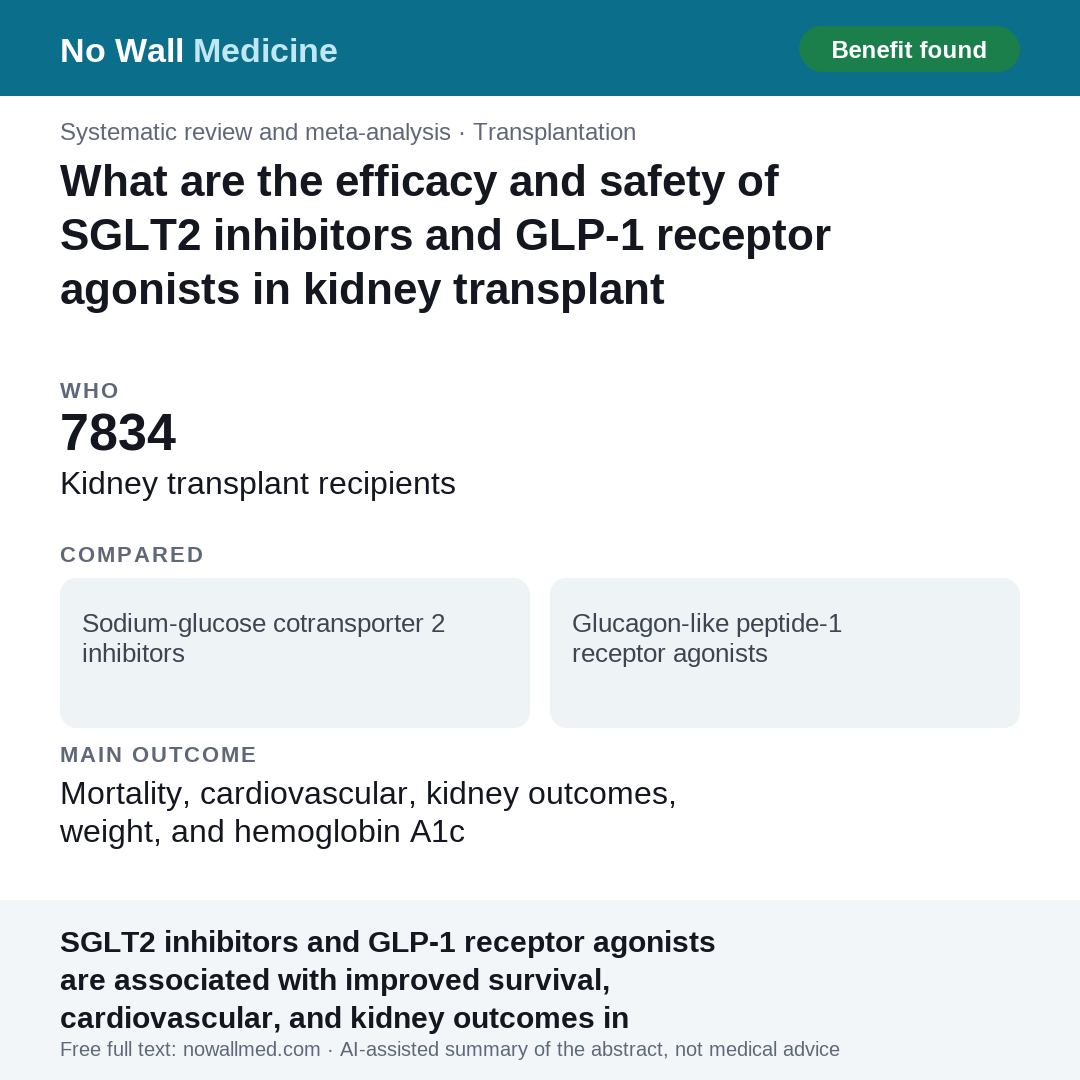
SGLT2 Inhibitors and GLP-1 Receptor Agonists in Kidney Transplantation: A Systematic Review and Meta-Analysis
Systematic review and meta-analysisBenefit found
What are the efficacy and safety of SGLT2 inhibitors and GLP-1 receptor agonists in kidney transplant recipients?
Who
7834
Kidney transplant recipients
Compared
Sodium-glucose cotransporter 2 inhibitors
Glucagon-like peptide-1 receptor agonists
Main outcome
Mortality, cardiovascular, kidney outcomes, weight, and hemoglobin A1c
Bottom line: SGLT2 inhibitors and GLP-1 receptor agonists are associated with improved survival, cardiovascular, and kidney outcomes in kidney transplant recipients.
Limitation: Future randomized controlled trials are necessary to confirm the efficacy and safety.
Transplantation · 2025-07-24Download image