Visual abstracts
New randomized trials and meta-analyses from leading journals at a glance: who was studied, what was compared, and what was found. Every paper is free to read in full.
All specialtiesCardiology 4877Oncology 4138Gastroenterology & Hepatology 1942Infectious Disease 3837Neurology 1905Psychiatry & Mental Health 2273Pulmonology 2143Critical Care 1365Endocrinology & Diabetes 2580Pediatrics 2980Surgery 2559Orthopedics & Sports Medicine 931Neurosurgery 537Cardiothoracic & Vascular Surgery 674Plastic & Reconstructive Surgery 591Nephrology 1133Rheumatology 823Hematology 1109Dermatology 621Ophthalmology 543Obstetrics & Gynecology 1686Public & Global Health 1058Radiology & Imaging 648Anesthesiology 986Urology 764ENT (Otolaryngology) 503Emergency Medicine 511Allergy & Immunology 313Geriatrics 981Family Medicine & Primary Care 562Medical Genetics & Genomics 676Pathology & Laboratory Medicine 159Physical Medicine & Rehabilitation 757Palliative Care 444Nutrition 1588Digital Health & AI 2201General Medicine 321
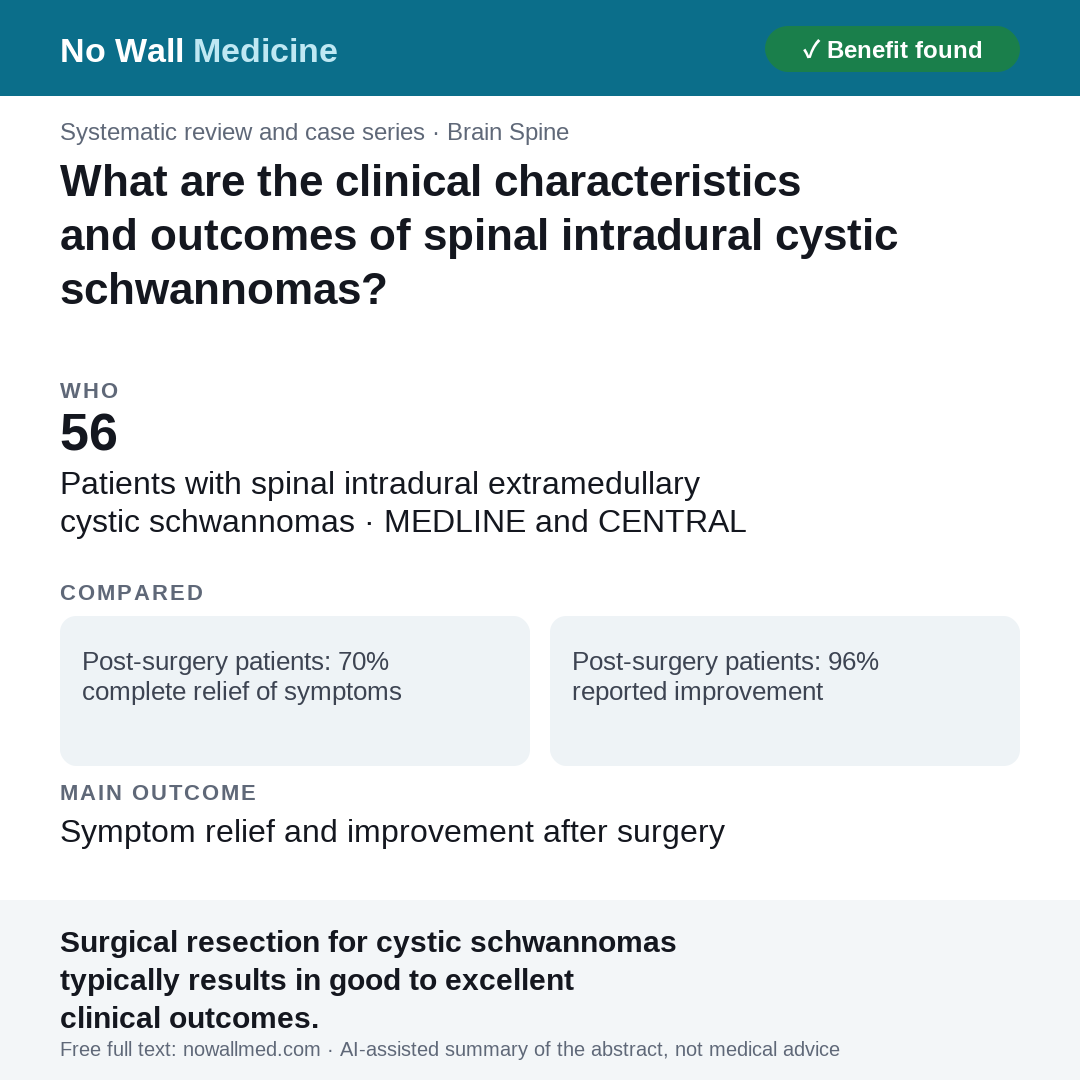
Intradural cystic schwannomas of the spine: A case-based systematic review of an unusual tumor
Systematic review and case seriesBenefit found
What are the clinical characteristics and outcomes of spinal intradural cystic schwannomas?
Who
56
Patients with spinal intradural extramedullary cystic schwannomas · MEDLINE and CENTRAL databases
Compared
Post-surgery patients: 70% complete relief of symptoms
Post-surgery patients: 96% reported improvement
Main outcome
Symptom relief and improvement after surgery
Bottom line: Surgical resection for cystic schwannomas typically results in good to excellent clinical outcomes.
Brain Spine · 2024-05-28Download image
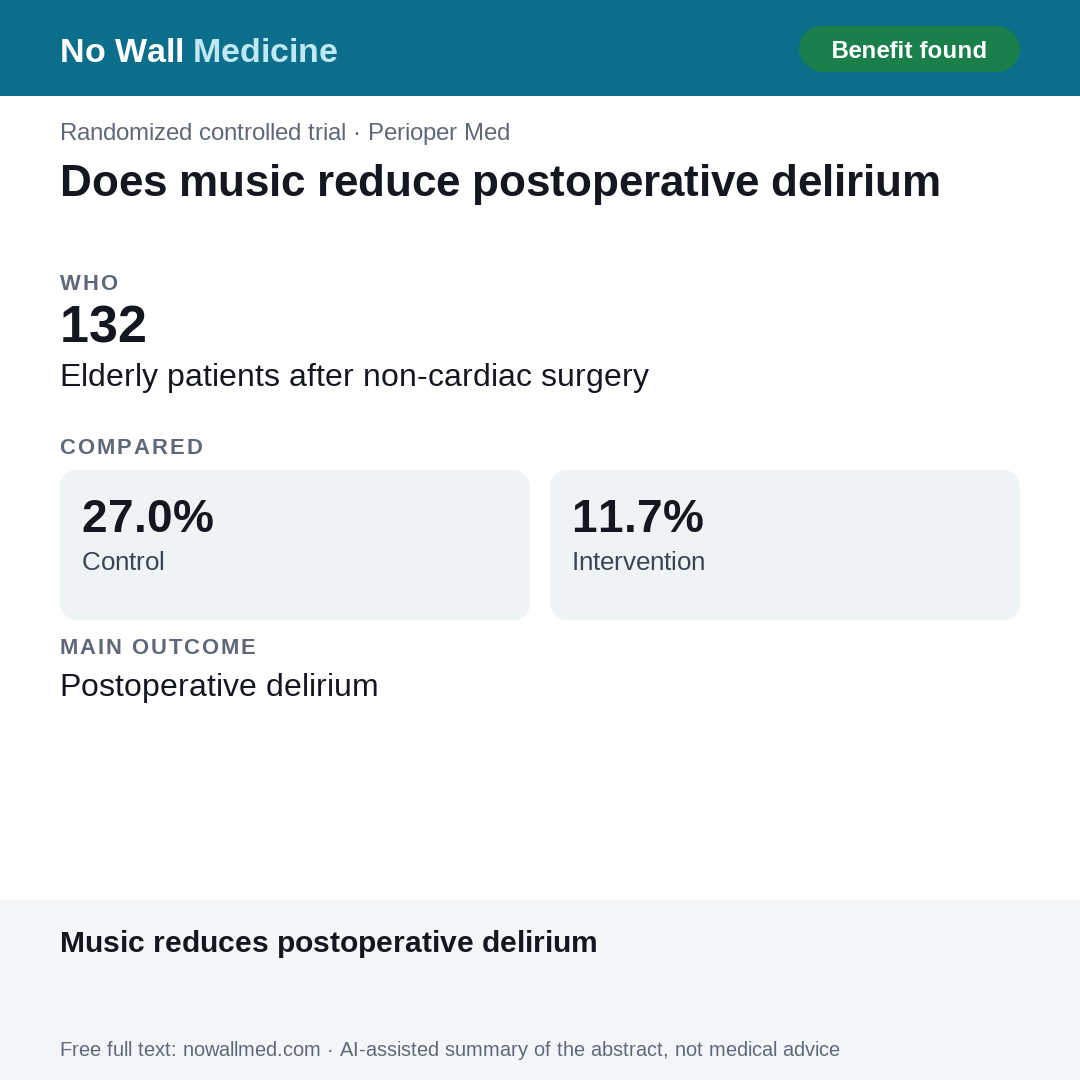
Effects of Chinese traditional five-element music intervention on postoperative delirium and sleep quality in elderly patients after non-cardiac surgery: a randomized controlled trial
Randomized controlled trialBenefit found
Does music reduce postoperative delirium
Who
132
Elderly patients after non-cardiac surgery
Compared
27.0%Control
11.7%Intervention
Main outcome
Postoperative delirium
Bottom line: Music reduces postoperative delirium
Perioper Med · 2024-05-28Download image
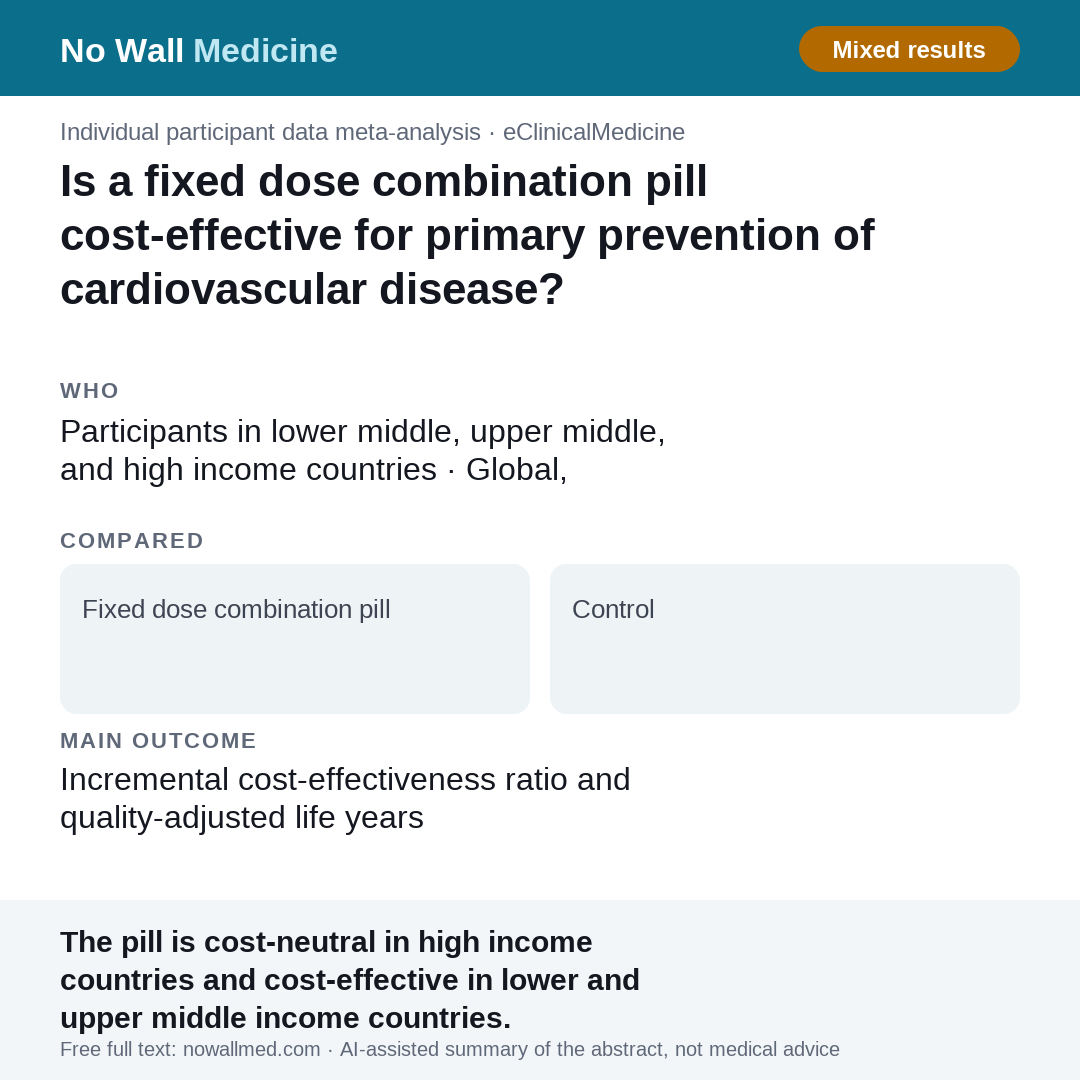
Cost effectiveness analysis of a fixed dose combination pill for primary prevention of cardiovascular disease from an individual participant data meta-analysis
Individual participant data meta-analysisMixed results
Is a fixed dose combination pill cost-effective for primary prevention of cardiovascular disease?
Who
Participants in lower middle, upper middle, and high income countries · Global, categorized by World Bank economic groups
Compared
Fixed dose combination pill
Control
Main outcome
Incremental cost-effectiveness ratio and quality-adjusted life years
Bottom line: The pill is cost-neutral in high income countries and cost-effective in lower and upper middle income countries.
Funded by: Population Health Research Institute
eClinicalMedicine · 2024-05-27Download image
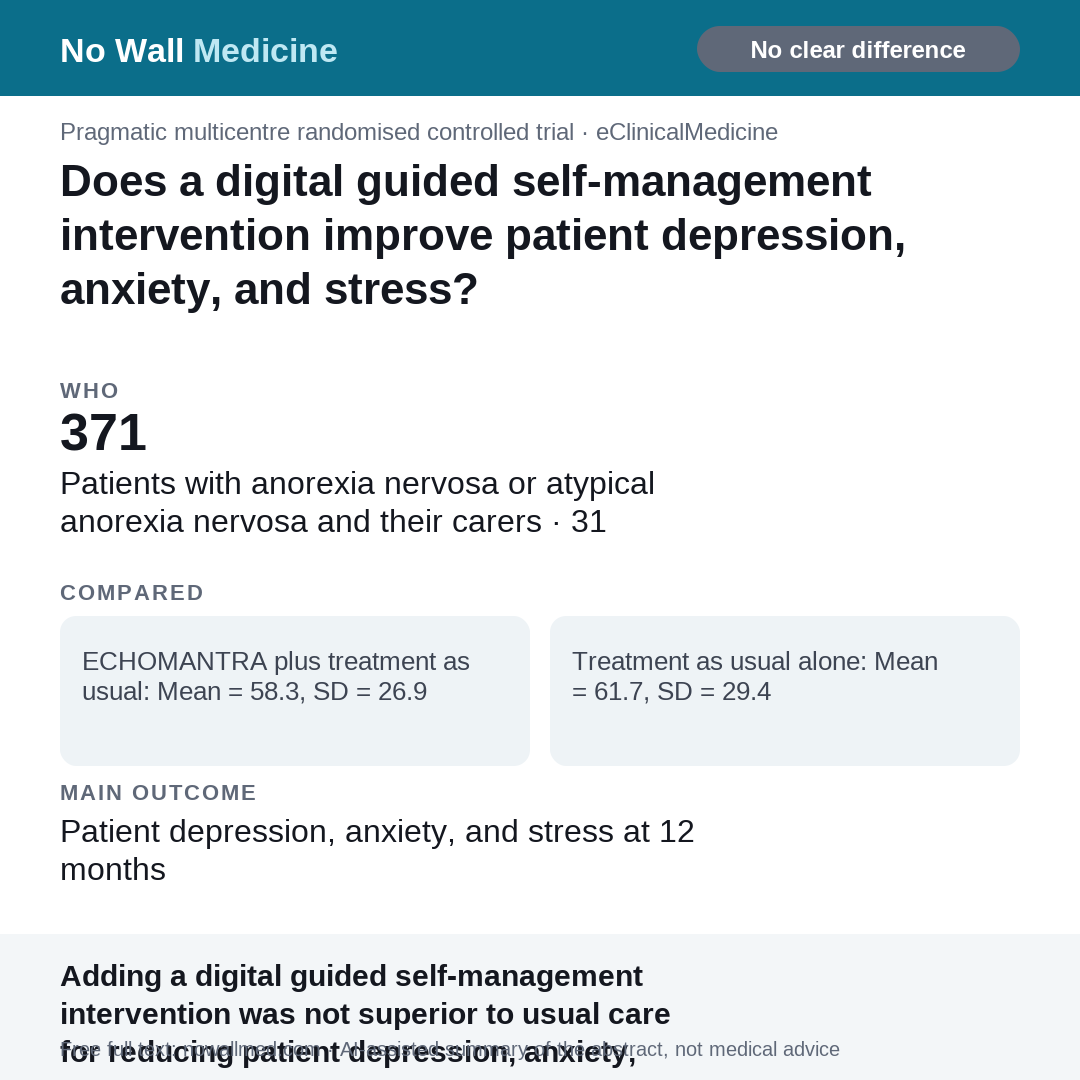
Efficacy and cost-effectiveness of a digital guided self-management intervention to support transition from intensive care to community care in anorexia nervosa (TRIANGLE): pragmatic multicentre randomised controlled trial and economic evaluation
Pragmatic multicentre randomised controlled trialNo clear difference
Does a digital guided self-management intervention improve patient depression, anxiety, and stress?
Who
371
Patients with anorexia nervosa or atypical anorexia nervosa and their carers · 31 inpatient or day-patient services in the UK
Compared
ECHOMANTRA plus treatment as usual: Mean = 58.3, SD = 26.9
Treatment as usual alone: Mean = 61.7, SD = 29.4
Main outcome
Patient depression, anxiety, and stress at 12 months
Result: estimated mean difference 0.48 points; 95% CI -5.36 to 6.33
Bottom line: Adding a digital guided self-management intervention was not superior to usual care for reducing patient depression, anxiety, and stress.
Limitation: Limited engagement with intervention materials and changes in usual care practices.
Funded by: National Institute for Health Research
eClinicalMedicine · 2024-05-27Download image
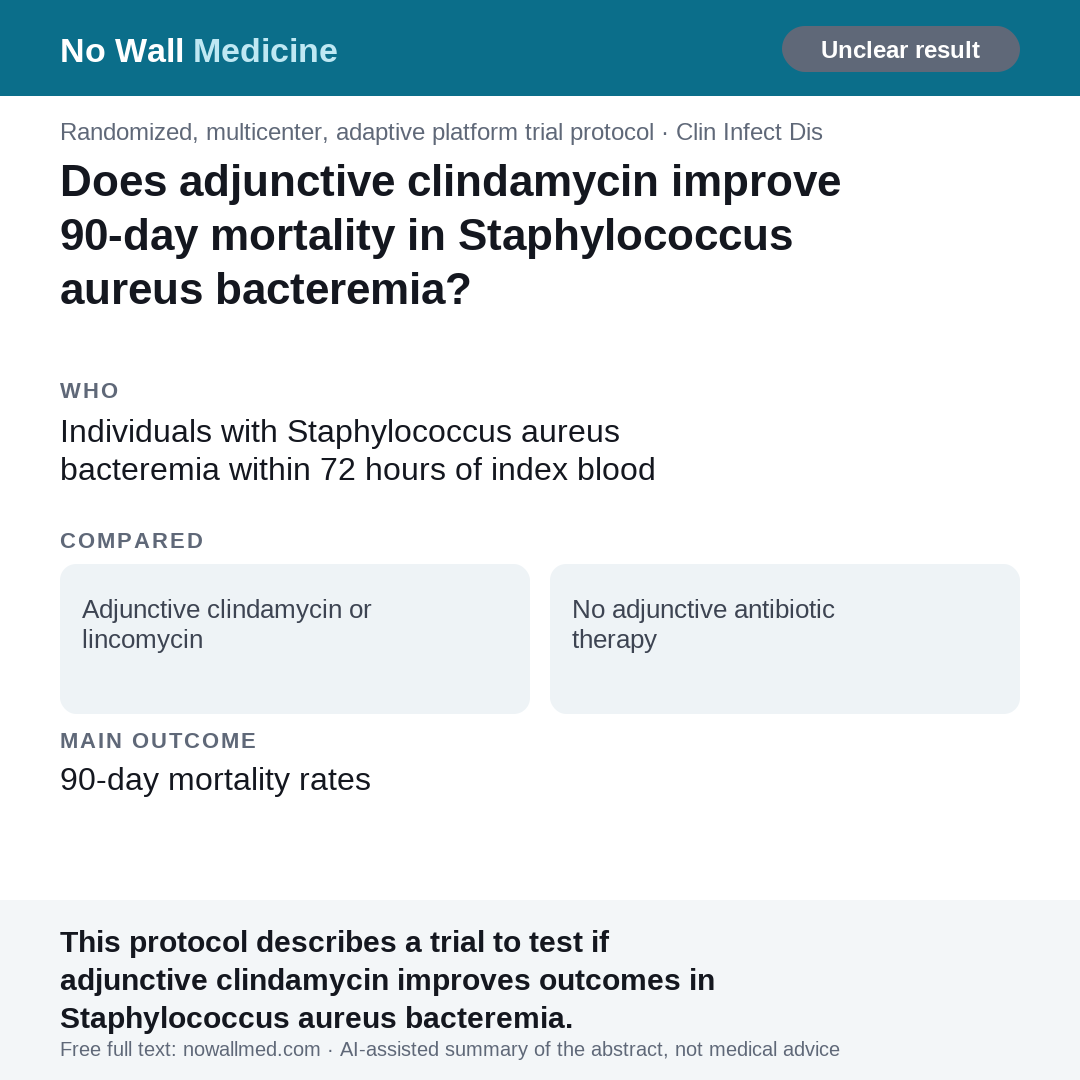
Does Adjunctive Clindamycin Have a Role in Staphylococcus aureus Bacteremia? A Protocol for the Adjunctive Treatment Domain of the Staphylococcus aureus Network Adaptive Platform (SNAP) Randomized Controlled Trial
Randomized, multicenter, adaptive platform trial protocolUnclear result
Does adjunctive clindamycin improve 90-day mortality in Staphylococcus aureus bacteremia?
Who
Individuals with Staphylococcus aureus bacteremia within 72 hours of index blood culture · Multicenter
Compared
Adjunctive clindamycin or lincomycin
No adjunctive antibiotic therapy
Main outcome
90-day mortality rates
Bottom line: This protocol describes a trial to test if adjunctive clindamycin improves outcomes in Staphylococcus aureus bacteremia.
Clin Infect Dis · 2024-05-27Download image
A Randomized Controlled Trial of the Implementation of BREASTChoice , a Multilevel Breast Reconstruction Decision Support Tool With Personalized Risk Prediction
Multisite randomized controlled trialMixed results
Does the BREASTChoice decision support tool improve breast reconstruction decision outcomes?
Who
369
Adult women with stage 0 to III breast malignancy undergoing mastectomy · Multisite
Compared
BREASTChoice: mean 71.4 (per-protocol knowledge)
Control website: mean 67.4 (per-protocol knowledge)
Main outcome
Knowledge, preferences, decisional conflict, shared decision-making, and preferred treatment
Bottom line: BREASTChoice increased patient knowledge, but did not improve decisional conflict, shared decision-making, or preference matching.
Ann Surg · 2024-05-27Download image

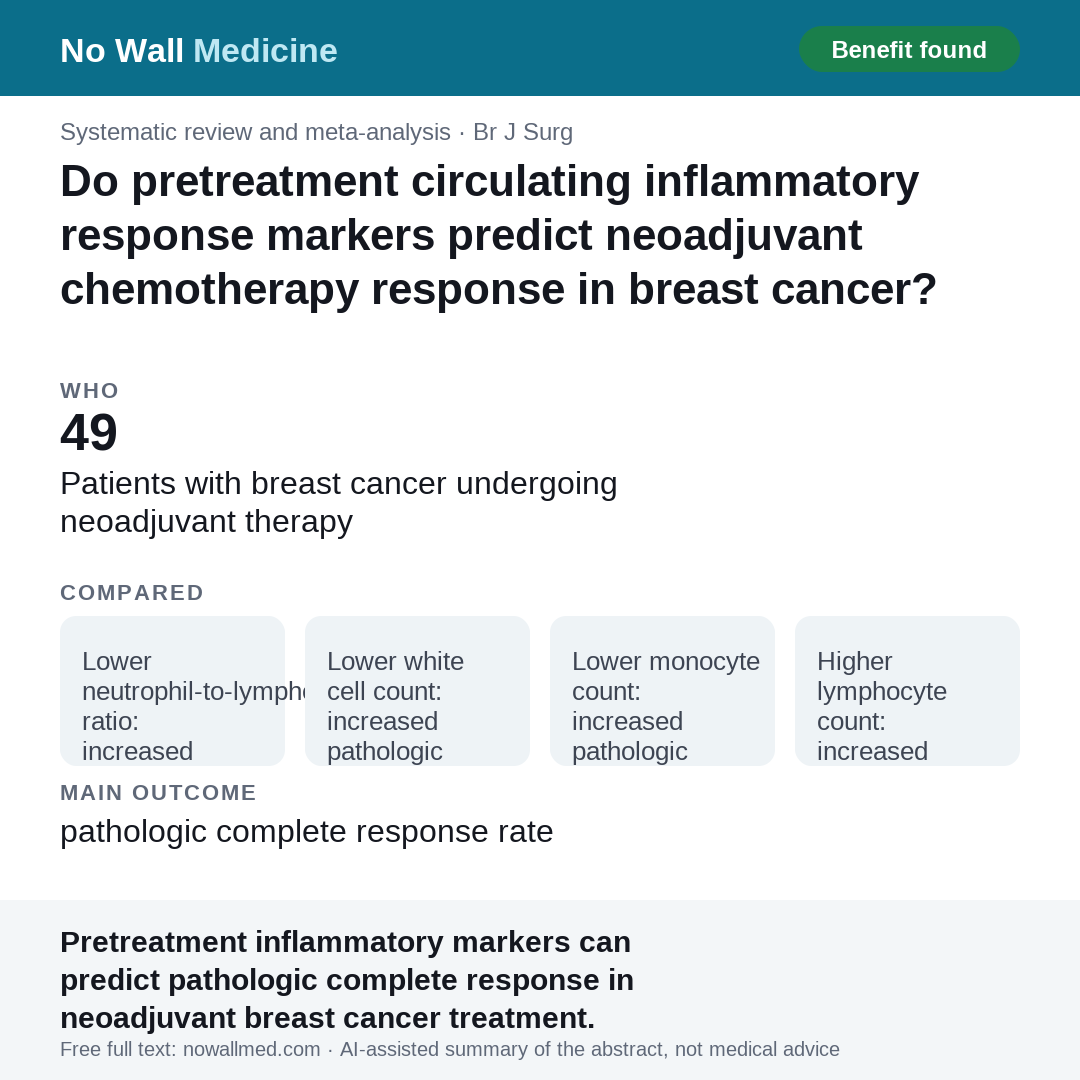
Predictive value of pretreatment circulating inflammatory response markers in the neoadjuvant treatment of breast cancer: meta-analysis
Systematic review and meta-analysisBenefit found
Do pretreatment circulating inflammatory response markers predict neoadjuvant chemotherapy response in breast cancer?
Who
49
Patients with breast cancer undergoing neoadjuvant therapy
Compared
Lower neutrophil-to-lymphocyte ratio: increased pathologic complete response rate
Lower white cell count: increased pathologic complete response rate
Lower monocyte count: increased pathologic complete response rate
Higher lymphocyte count: increased pathologic complete response rate
Main outcome
pathologic complete response rate
Result: pooled odds ratio 1.66 (95% c.i. 1.32 to 2.09)
Bottom line: Pretreatment inflammatory markers can predict pathologic complete response in neoadjuvant breast cancer treatment.
Br J Surg · 2024-05-27Download image
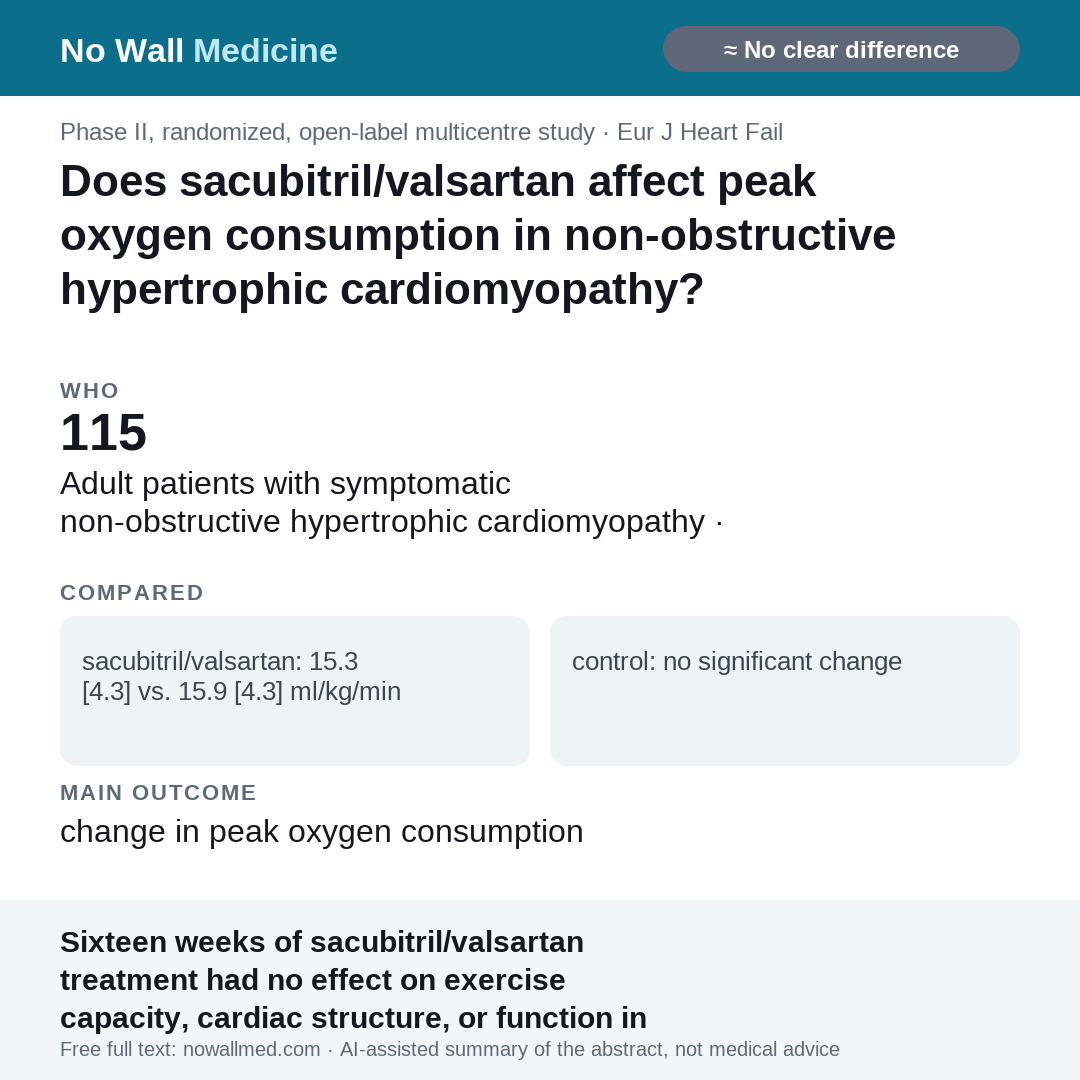
Sacubitril/valsartan for the treatment of non-obstructive hypertrophic cardiomyopathy: An open label randomized controlled trial (SILICOFCM)
Phase II, randomized, open-label multicentre studyNo clear difference
Does sacubitril/valsartan affect peak oxygen consumption in non-obstructive hypertrophic cardiomyopathy?
Who
115
Adult patients with symptomatic non-obstructive hypertrophic cardiomyopathy · multicentre
Compared
sacubitril/valsartan: 15.3 [4.3] vs. 15.9 [4.3] ml/kg/min
control: no significant change
Main outcome
change in peak oxygen consumption
Bottom line: Sixteen weeks of sacubitril/valsartan treatment had no effect on exercise capacity, cardiac structure, or function in patients with hypertrophic cardiomyopathy.
Eur J Heart Fail · 2024-05-27Download image
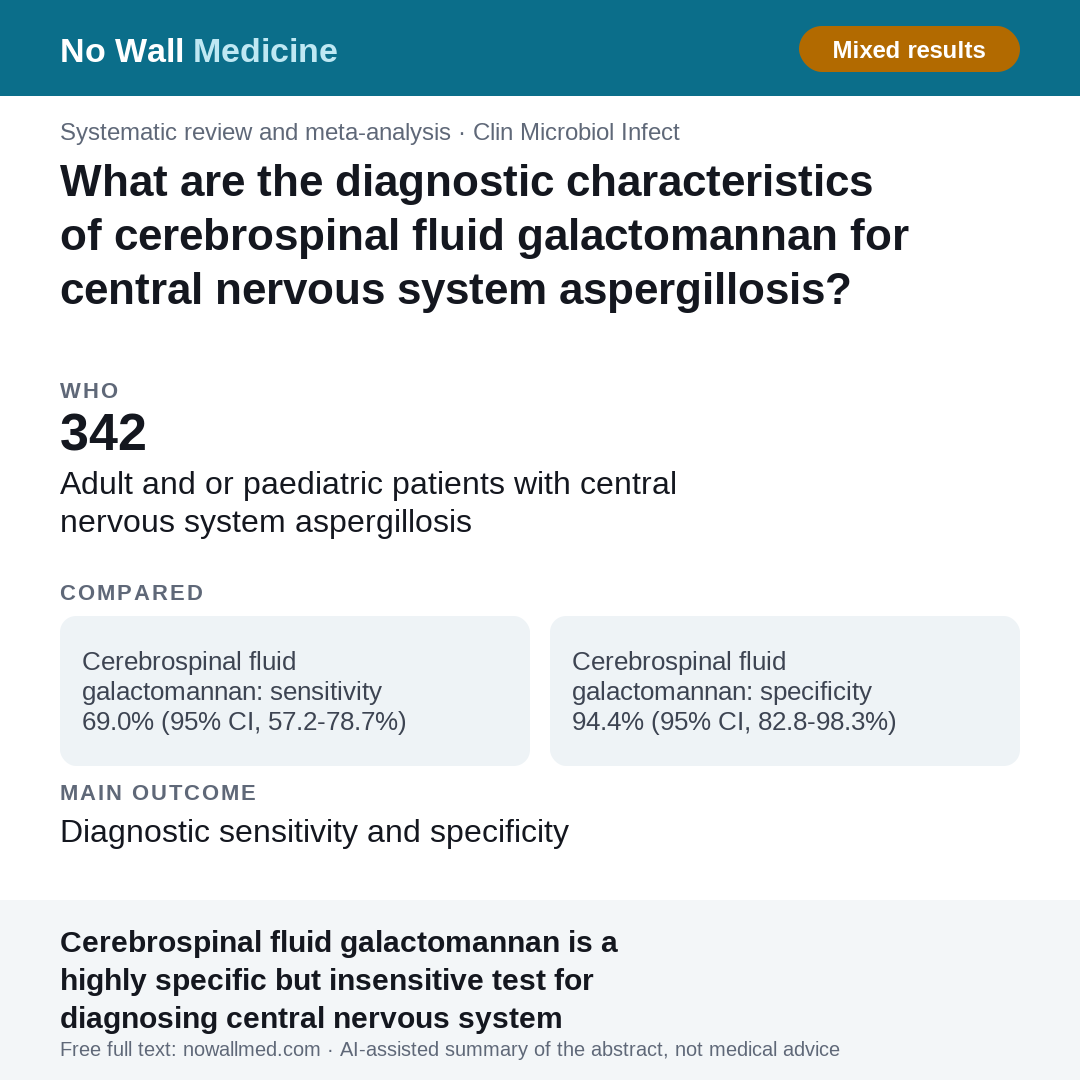
Cerebrospinal fluid galactomannan detection for the diagnosis of central nervous system aspergillosis: a diagnostic test accuracy systematic review and meta-analysis
Systematic review and meta-analysisMixed results
What are the diagnostic characteristics of cerebrospinal fluid galactomannan for central nervous system aspergillosis?
Who
342
Adult and or paediatric patients with central nervous system aspergillosis
Compared
Cerebrospinal fluid galactomannan: sensitivity 69.0% (95% CI, 57.2-78.7%)
Cerebrospinal fluid galactomannan: specificity 94.4% (95% CI, 82.8-98.3%)
Main outcome
Diagnostic sensitivity and specificity
Bottom line: Cerebrospinal fluid galactomannan is a highly specific but insensitive test for diagnosing central nervous system aspergillosis.
Limitation: Few included studies, no prospective studies, and a high risk of bias.
Clin Microbiol Infect · 2024-05-27Download image
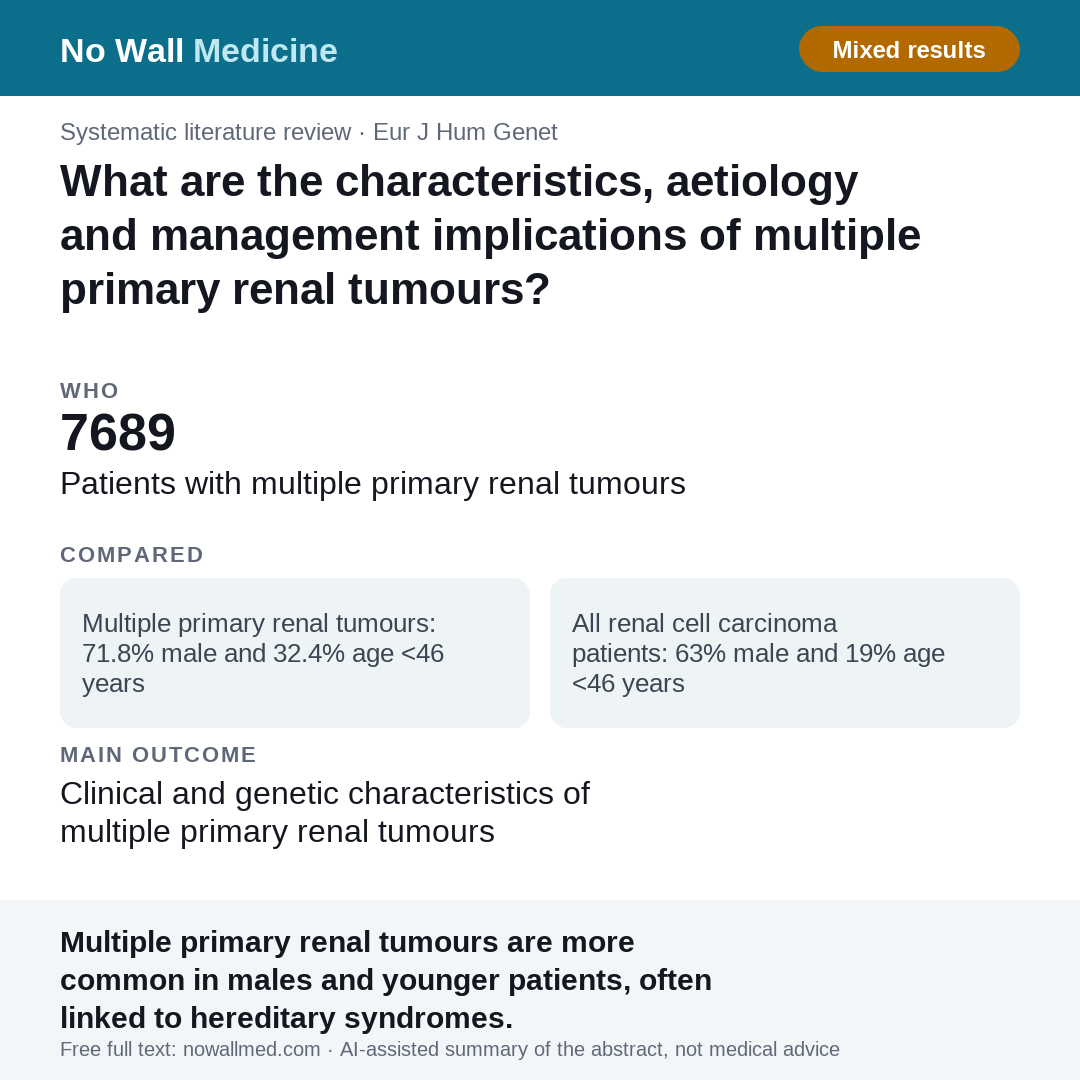
Characteristics, aetiology and implications for management of multiple primary renal tumours: a systematic review
Systematic literature reviewMixed results
What are the characteristics, aetiology and management implications of multiple primary renal tumours?
Who
7689
Patients with multiple primary renal tumours
Compared
Multiple primary renal tumours: 71.8% male and 32.4% age <46 years
All renal cell carcinoma patients: 63% male and 19% age <46 years
Main outcome
Clinical and genetic characteristics of multiple primary renal tumours
Bottom line: Multiple primary renal tumours are more common in males and younger patients, often linked to hereditary syndromes.
Eur J Hum Genet · 2024-05-27Download image
Feasibility, safety, and efficacy of dietary or lifestyle interventions for hypothalamic obesity: A systematic review
Systematic reviewMixed results
Are dietary or lifestyle interventions feasible, safe, and effective for hypothalamic obesity?
Who
118
Children and adults with hypothalamic overweight or obesity
Compared
Dietary intervention: effective in terms of weight stabilization or decrease
Combined dietary and lifestyle intervention: decreased BMI, although BMI returned to baseline values on long-term
Main outcome
feasibility, safety, or efficacy of dietary or lifestyle interventions
Bottom line: Hypocaloric or restrictive macronutrient diets appear effective for weight stabilization, but lifestyle interventions only show short-term BMI decreases.
Limitation: High risk of bias, small cohorts without control groups, and limited generalizability.
Clin Nutr · 2024-05-27Download image

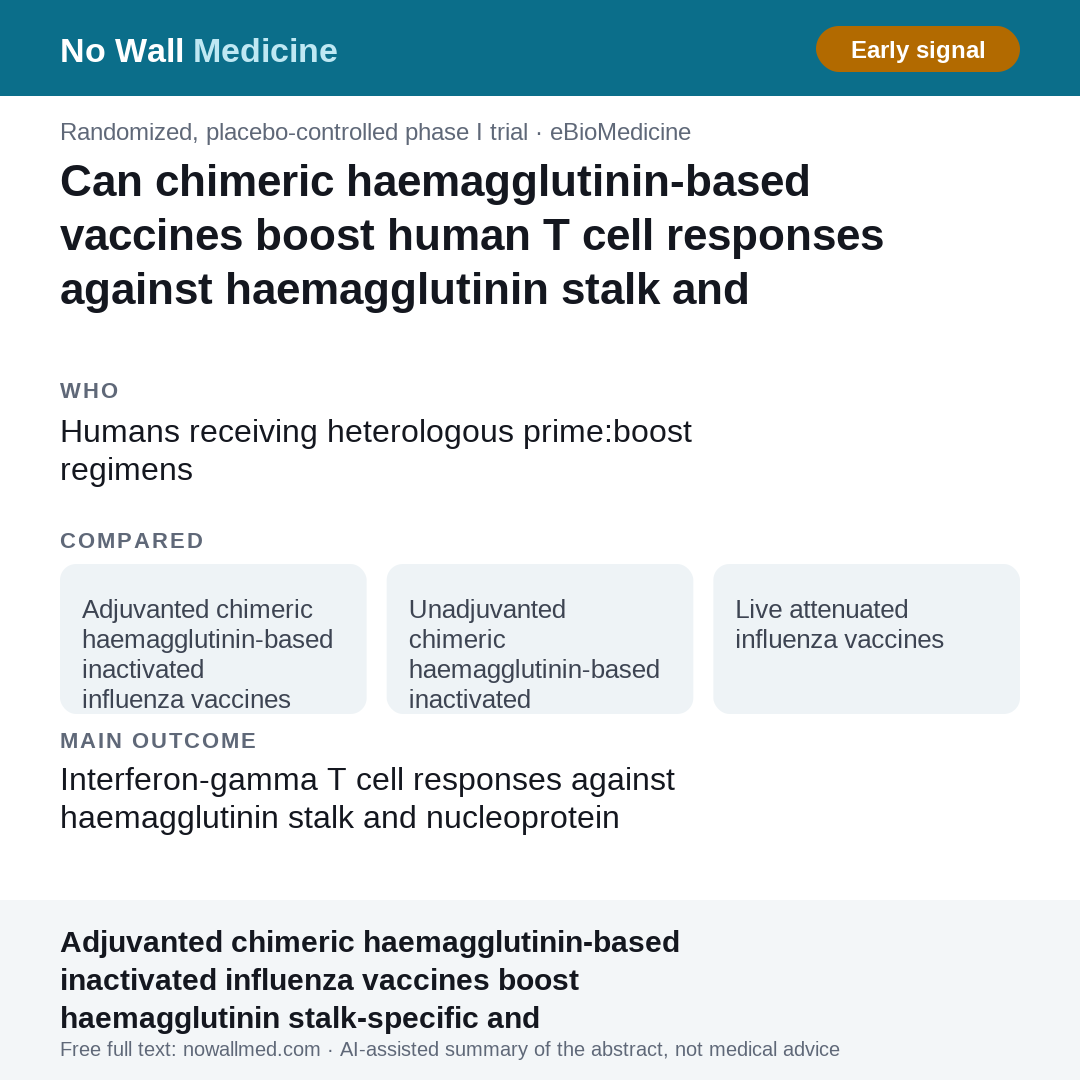
A chimeric haemagglutinin-based universal influenza virus vaccine boosts human cellular immune responses directed towards the conserved haemagglutinin stalk domain and the viral nucleoprotein
Randomized, placebo-controlled phase I trialBenefit found
Can chimeric haemagglutinin-based vaccines boost human T cell responses against haemagglutinin stalk and nucleoprotein?
Who
Humans receiving heterologous prime:boost regimens
Compared
Adjuvanted chimeric haemagglutinin-based inactivated influenza vaccines
Unadjuvanted chimeric haemagglutinin-based inactivated influenza vaccines
Live attenuated influenza vaccines
Main outcome
Interferon-gamma T cell responses against haemagglutinin stalk and nucleoprotein
Bottom line: Adjuvanted chimeric haemagglutinin-based inactivated influenza vaccines boost haemagglutinin stalk-specific and nucleoprotein-specific T cell responses in humans.
Funded by: Bill and Melinda Gates Foundation
eBioMedicine · 2024-05-27Download image
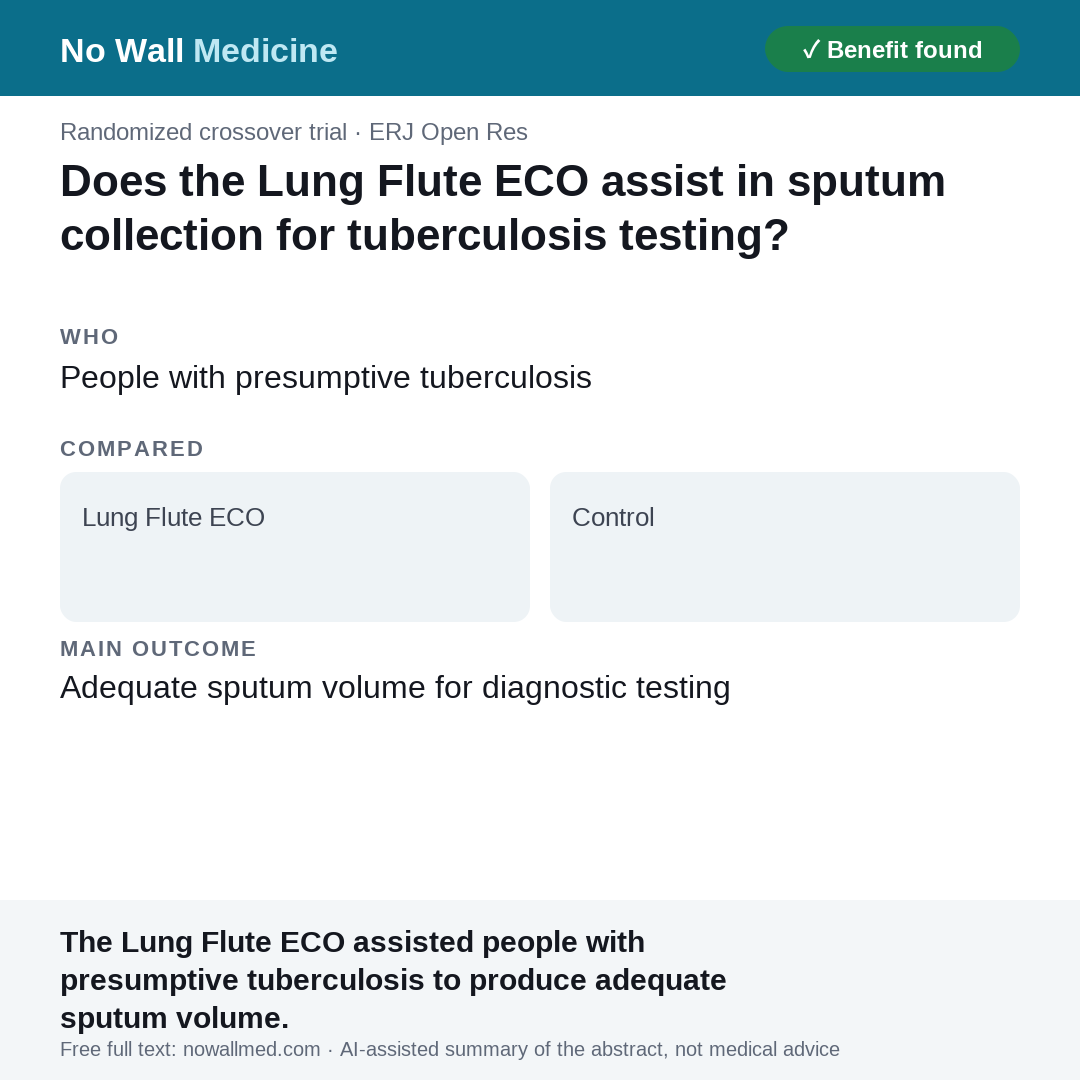
Use of the Lung Flute ECO to assist in sputum collection for tuberculosis testing: a randomised crossover trial
Randomized crossover trialBenefit found
Does the Lung Flute ECO assist in sputum collection for tuberculosis testing?
Who
People with presumptive tuberculosis
Compared
Lung Flute ECO
Control
Main outcome
Adequate sputum volume for diagnostic testing
Bottom line: The Lung Flute ECO assisted people with presumptive tuberculosis to produce adequate sputum volume.
ERJ Open Res · 2024-05-27Download image
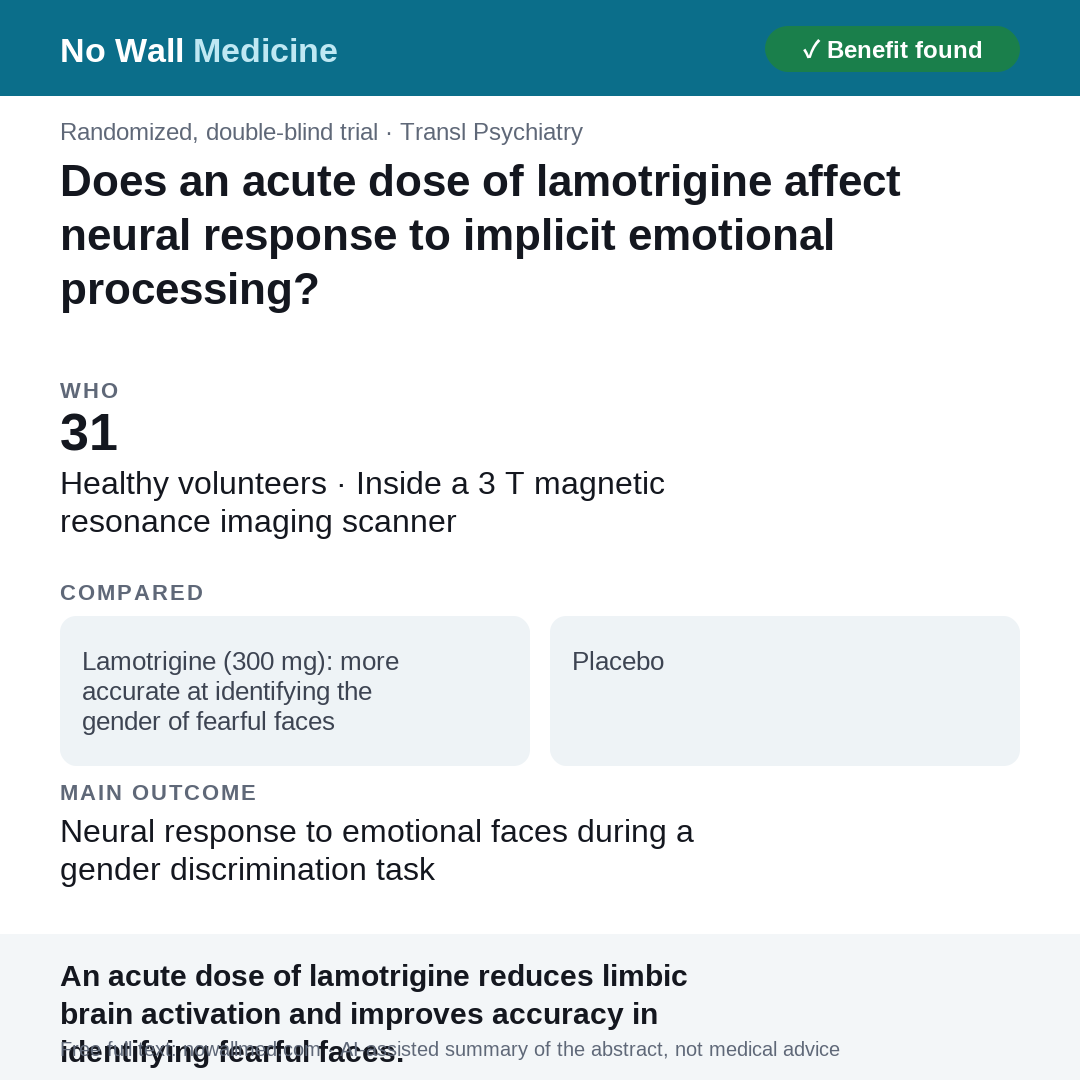
Acute neural effects of the mood stabiliser lamotrigine on emotional processing in healthy volunteers: a randomised control trial
Randomized, double-blind trialBenefit found
Does an acute dose of lamotrigine affect neural response to implicit emotional processing?
Who
31
Healthy volunteers · Inside a 3 T magnetic resonance imaging scanner
Compared
Lamotrigine (300 mg): more accurate at identifying the gender of fearful faces
Placebo
Main outcome
Neural response to emotional faces during a gender discrimination task
Bottom line: An acute dose of lamotrigine reduces limbic brain activation and improves accuracy in identifying fearful faces.
Transl Psychiatry · 2024-05-27Download image
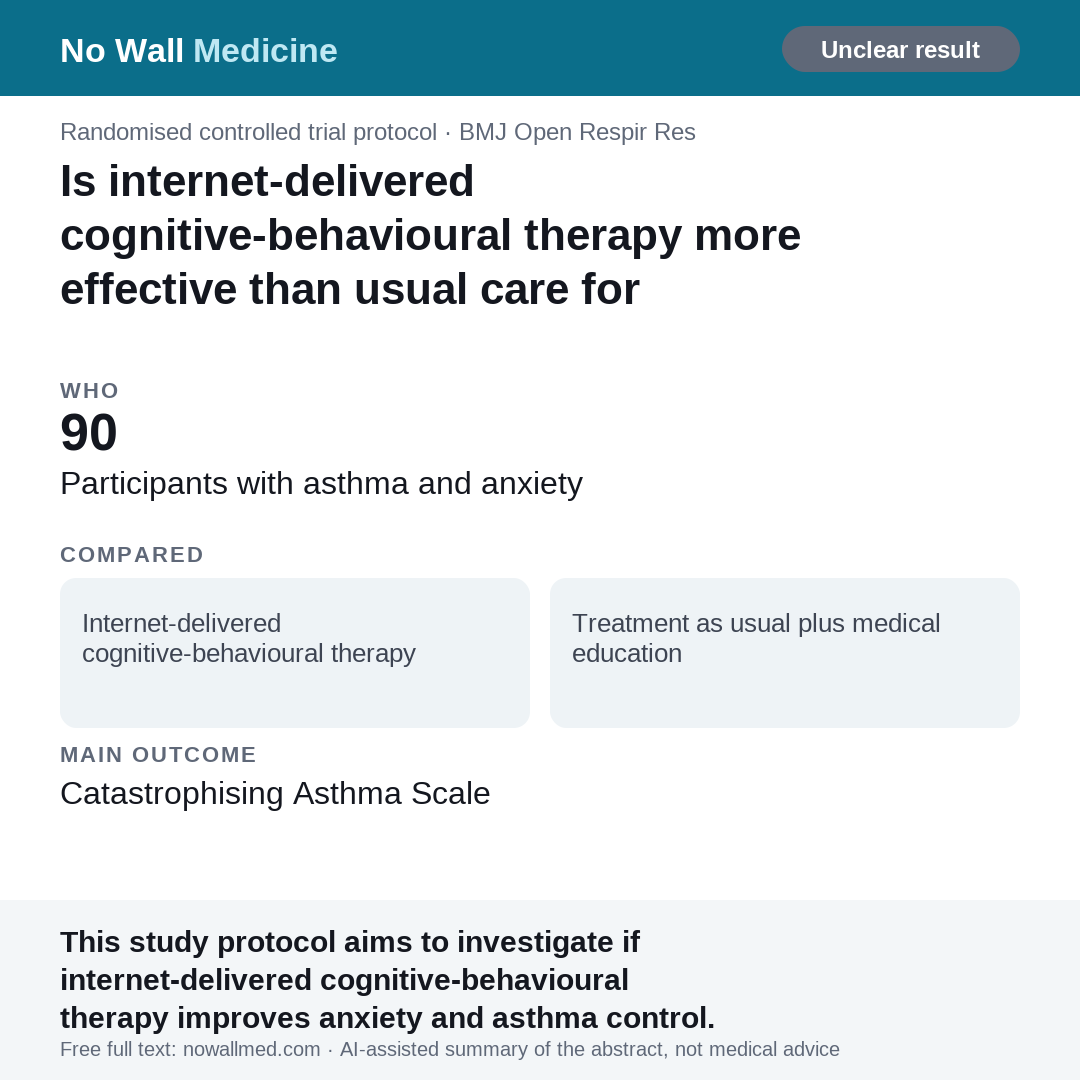
Internet-delivered cognitive-behaviour therapy for anxiety related to asthma: study protocol for a randomised controlled trial
Randomised controlled trial protocolUnclear result
Is internet-delivered cognitive-behavioural therapy more effective than usual care for asthma-related anxiety?
Who
90
Participants with asthma and anxiety
Compared
Internet-delivered cognitive-behavioural therapy
Treatment as usual plus medical education
Main outcome
Catastrophising Asthma Scale
Bottom line: This study protocol aims to investigate if internet-delivered cognitive-behavioural therapy improves anxiety and asthma control.
BMJ Open Respir Res · 2024-05-27Download image
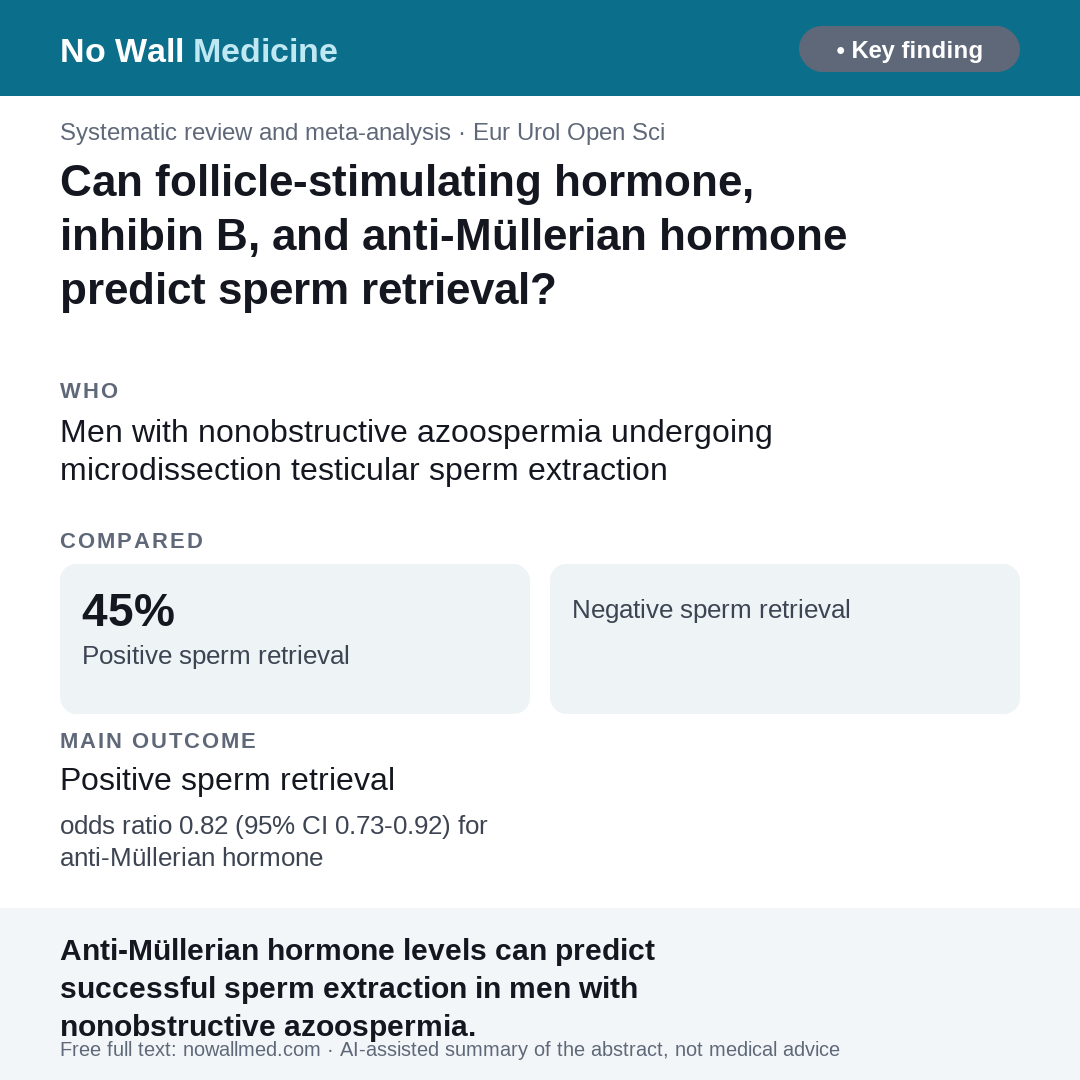
Role of Follicle-stimulating Hormone, Inhibin B, and Anti-Müllerian Hormone in Predicting Sperm Retrieval from Men with Nonobstructive Azoospermia Undergoing Microdissection Testicular Sperm Extraction: A Systematic Review and Meta-analysis
Systematic review and meta-analysisBenefit found
Can follicle-stimulating hormone, inhibin B, and anti-Müllerian hormone predict sperm retrieval?
Who
Men with nonobstructive azoospermia undergoing microdissection testicular sperm extraction
Compared
45%Positive sperm retrieval
Negative sperm retrieval
Main outcome
Positive sperm retrieval
Result: odds ratio 0.82 (95% CI 0.73-0.92) for anti-Müllerian hormone
Bottom line: Anti-Müllerian hormone levels can predict successful sperm extraction in men with nonobstructive azoospermia.
Limitation: study heterogeneity
Eur Urol Open Sci · 2024-05-27Download image
Assessing the Content and Effect of Web-Based Decision Aids for Postmastectomy Breast Reconstruction: Systematic Review and Meta-Analysis of Randomized Controlled Trials
Systematic review and meta-analysis of randomized controlled trialsMixed results
Do web-based decision aids affect decision-making and psychological outcomes in postmastectomy breast reconstruction?
Who
579
women facing postmastectomy breast reconstruction
Compared
Web-based decision aids
Control
Main outcome
decision-related, psychological-related, and surgical decision-making outcomes
Result: decisional conflict mean difference -5.43 (95% CI -8.87 to -1.99)
Bottom line: Web-based decision aids improve knowledge, decisional conflict, and satisfaction, but do not affect informed choice, regret, or anxiety.
Limitation: The overall Grading of Recommendations, Assessment, Development, and Evaluation quality of the evidence was low.
J Med Internet Res · 2024-05-27Download image

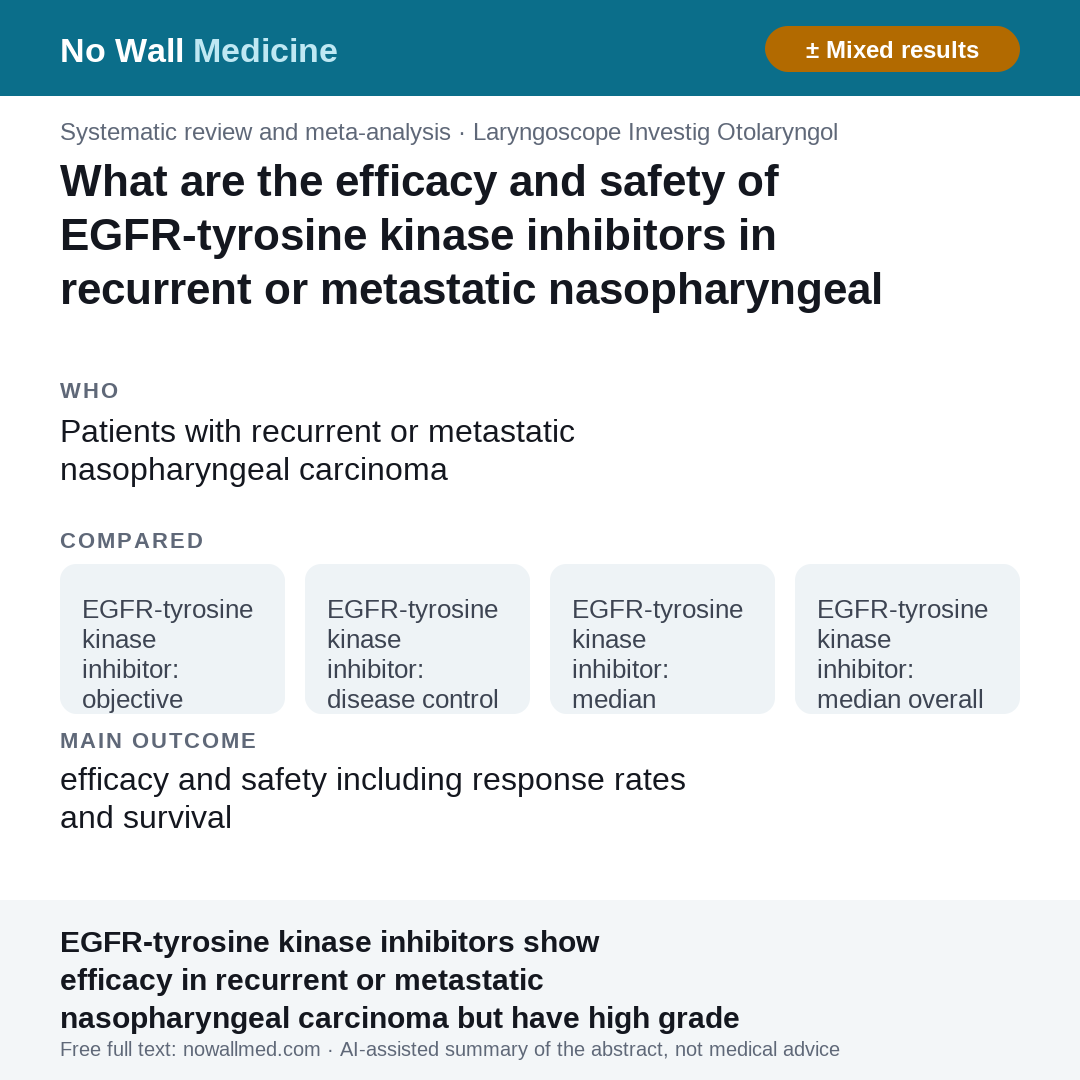
The efficacy and safety of EGFR-TKI in recurrent/metastatic nasopharyngeal carcinoma patients: A systematic review and meta-analysis
Systematic review and meta-analysisMixed results
What are the efficacy and safety of EGFR-tyrosine kinase inhibitors in recurrent or metastatic nasopharyngeal carcinoma?
Who
Patients with recurrent or metastatic nasopharyngeal carcinoma
Compared
EGFR-tyrosine kinase inhibitor: objective response rate 38% (95% CI 27%-49%)
EGFR-tyrosine kinase inhibitor: disease control rate 71% (95% CI 61%-80%)
EGFR-tyrosine kinase inhibitor: median progression-free survival 6.29 months (95% CI 5.22-7.35)
EGFR-tyrosine kinase inhibitor: median overall survival 15.94 months (95% CI 14.68-17.20)
Main outcome
efficacy and safety including response rates and survival
Result: grade 3-4 adverse events incidence rate 49% (95% CI 38%-61%)
Bottom line: EGFR-tyrosine kinase inhibitors show efficacy in recurrent or metastatic nasopharyngeal carcinoma but have high grade 3-4 adverse event rates.
Laryngoscope Investig Otolaryngol · 2024-05-27Download image
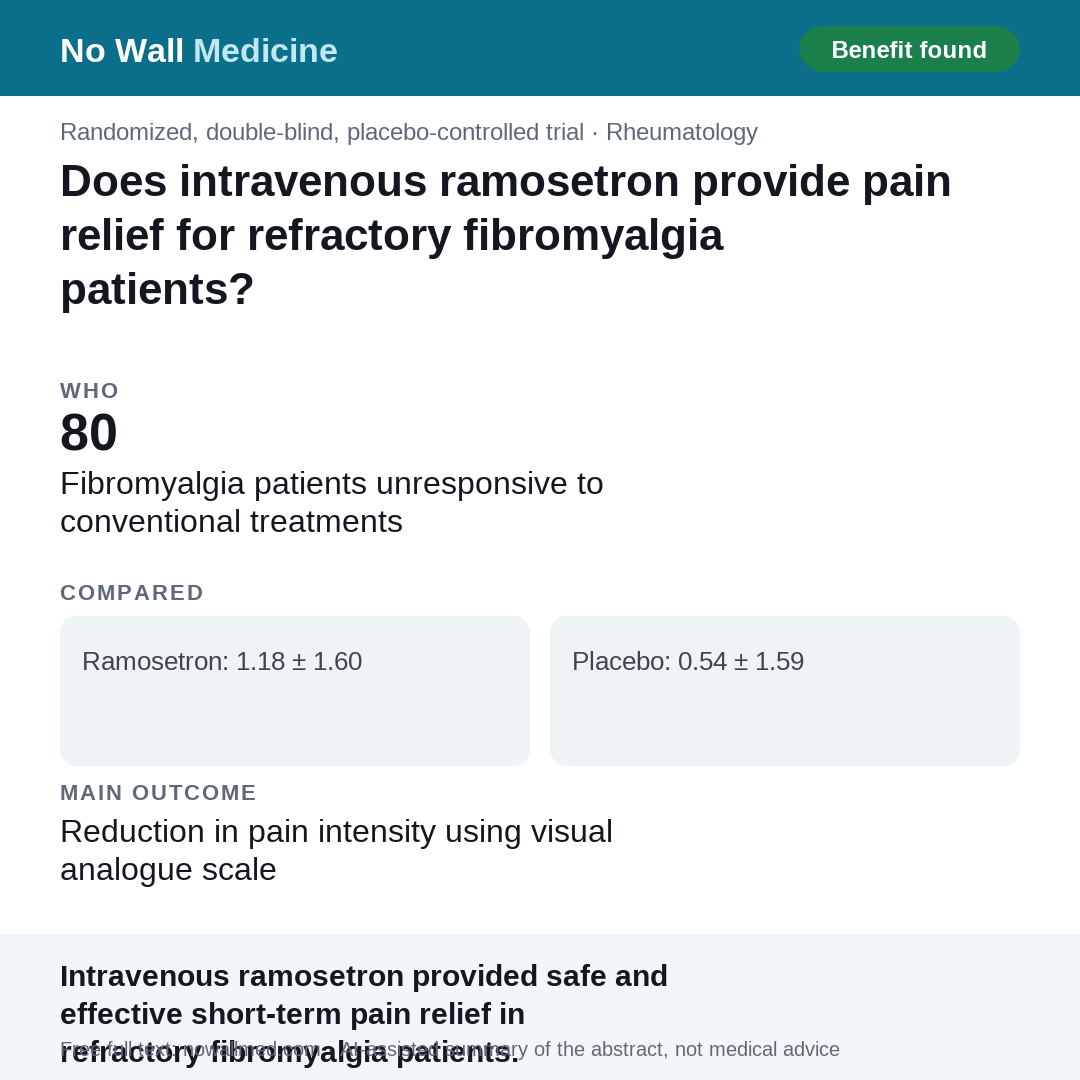
Ramosetron as an add-on therapy for refractory fibromyalgia: a randomized, double-blind, placebo-controlled trial
Randomized, double-blind, placebo-controlled trialBenefit found
Does intravenous ramosetron provide pain relief for refractory fibromyalgia patients?
Who
80
Fibromyalgia patients unresponsive to conventional treatments
Compared
Ramosetron: 1.18 ± 1.60
Placebo: 0.54 ± 1.59
Main outcome
Reduction in pain intensity using visual analogue scale
Bottom line: Intravenous ramosetron provided safe and effective short-term pain relief in refractory fibromyalgia patients.
Limitation: Improvements in pain and depression scores were not sustained through day 28.
Rheumatology · 2024-05-26Download image
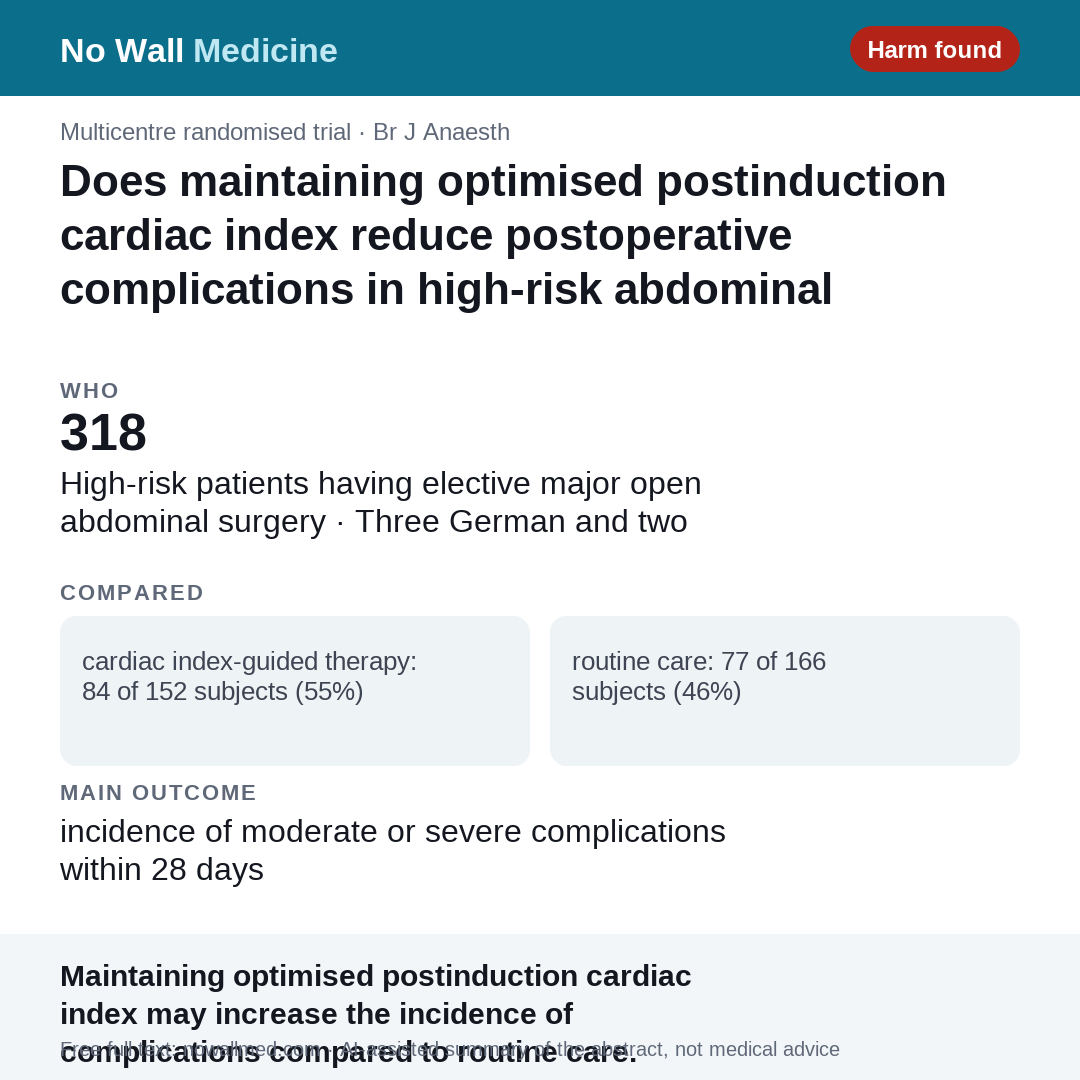
Cardiac index-guided therapy to maintain optimised postinduction cardiac index in high-risk patients having major open abdominal surgery: the multicentre randomised iPEGASUS trial
Multicentre randomised trialHarm found
Does maintaining optimised postinduction cardiac index reduce postoperative complications in high-risk abdominal surgery patients?
Who
318
High-risk patients having elective major open abdominal surgery · Three German and two Spanish centres
Compared
cardiac index-guided therapy: 84 of 152 subjects (55%)
routine care: 77 of 166 subjects (46%)
Main outcome
incidence of moderate or severe complications within 28 days
Result: odds ratio 1.87 (95% confidence interval 1.03-3.39)
Bottom line: Maintaining optimised postinduction cardiac index may increase the incidence of complications compared to routine care.
Br J Anaesth · 2024-05-26Download image