Visual abstracts
New randomized trials and meta-analyses from leading journals at a glance: who was studied, what was compared, and what was found. Every paper is free to read in full.
All specialtiesCardiology 1219Oncology 1064Gastroenterology & Hepatology 428Infectious Disease 802Neurology 504Psychiatry & Mental Health 617Pulmonology 515Critical Care 355Endocrinology & Diabetes 679Pediatrics 725Surgery 542Orthopedics & Sports Medicine 230Neurosurgery 164Cardiothoracic & Vascular Surgery 135Plastic & Reconstructive Surgery 188Nephrology 255Rheumatology 161Hematology 252Dermatology 120Ophthalmology 137Obstetrics & Gynecology 381Public & Global Health 241Radiology & Imaging 159Anesthesiology 219Urology 219ENT (Otolaryngology) 168Emergency Medicine 131Allergy & Immunology 84Geriatrics 250Family Medicine & Primary Care 150Medical Genetics & Genomics 126Pathology & Laboratory Medicine 37Physical Medicine & Rehabilitation 209Palliative Care 109Nutrition 315Digital Health & AI 612General Medicine 114
Reflectance confocal microscopy and line-field confocal optical coherence tomography in hair loss: A systematic review and a glossary of nomenclature
Systematic reviewBenefit found
Do RCM and LC-OCT aid hair loss diagnosis
Who
517
patients with hair loss
Compared
cicatricial alopecias
noncicatricial alopecias
Main outcome
hair loss diagnosis
Bottom line: RCM and LC-OCT aid hair loss diagnosis
Limitation: low number of included studies
JAAD Int · 2026-10-06Download image

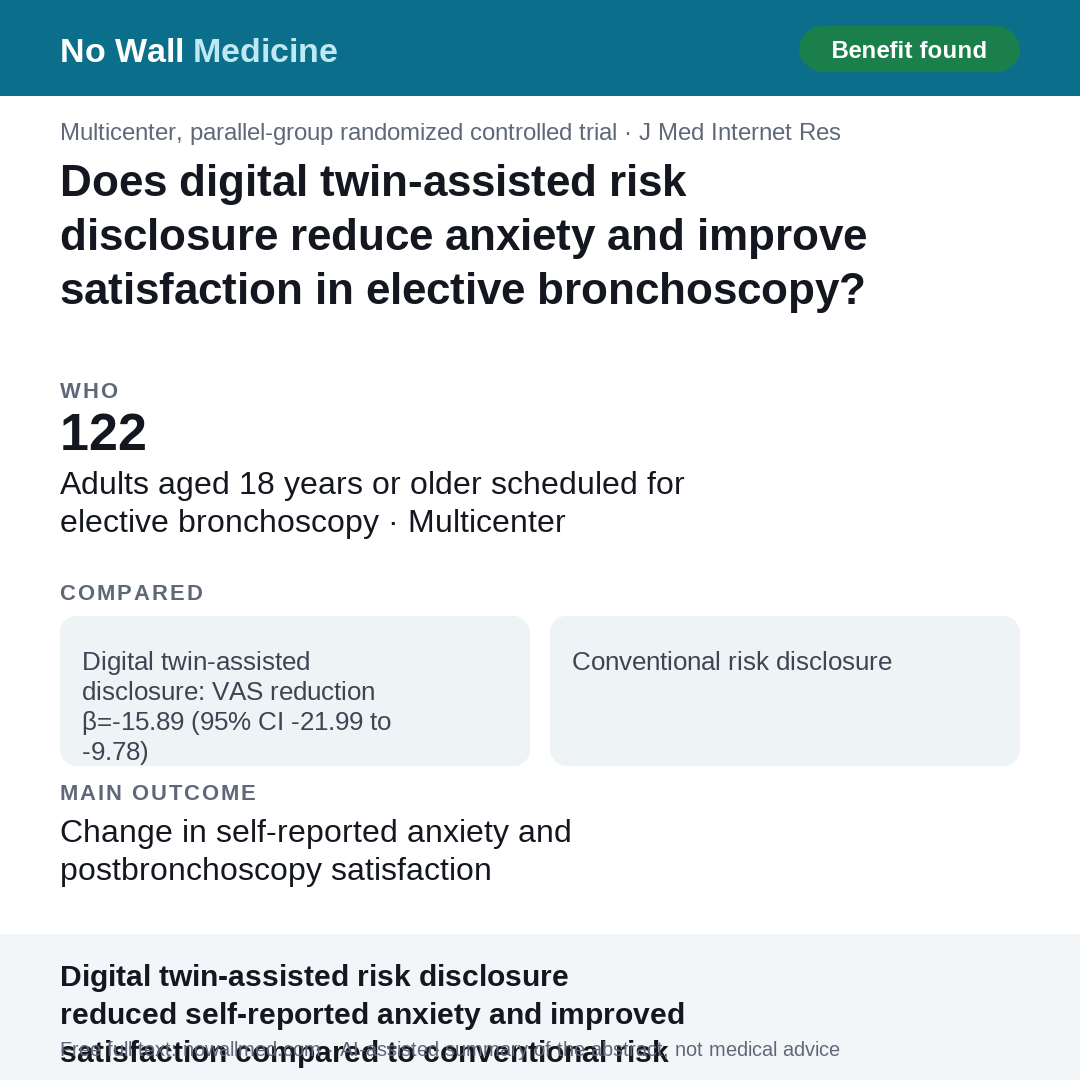
Digital Twin-Assisted Risk Disclosure in Adults Undergoing Elective Bronchoscopy: Multicenter Randomized Controlled Trial
Multicenter, parallel-group randomized controlled trialBenefit found
Does digital twin-assisted risk disclosure reduce anxiety and improve satisfaction in elective bronchoscopy?
Who
122
Adults aged 18 years or older scheduled for elective bronchoscopy · Multicenter
Compared
Digital twin-assisted disclosure: VAS reduction β=-15.89 (95% CI -21.99 to -9.78)
Conventional risk disclosure
Main outcome
Change in self-reported anxiety and postbronchoscopy satisfaction
Result: β=-15.89 (95% CI -21.99 to -9.78) for VAS anxiety reduction
Bottom line: Digital twin-assisted risk disclosure reduced self-reported anxiety and improved satisfaction compared to conventional risk disclosure in adults undergoing bronchoscopy.
Limitation: Time-matched studies are needed to establish workflow burden, cost-effectiveness, and applicability to resource-limited populations.
J Med Internet Res · 2026-10-06Download image
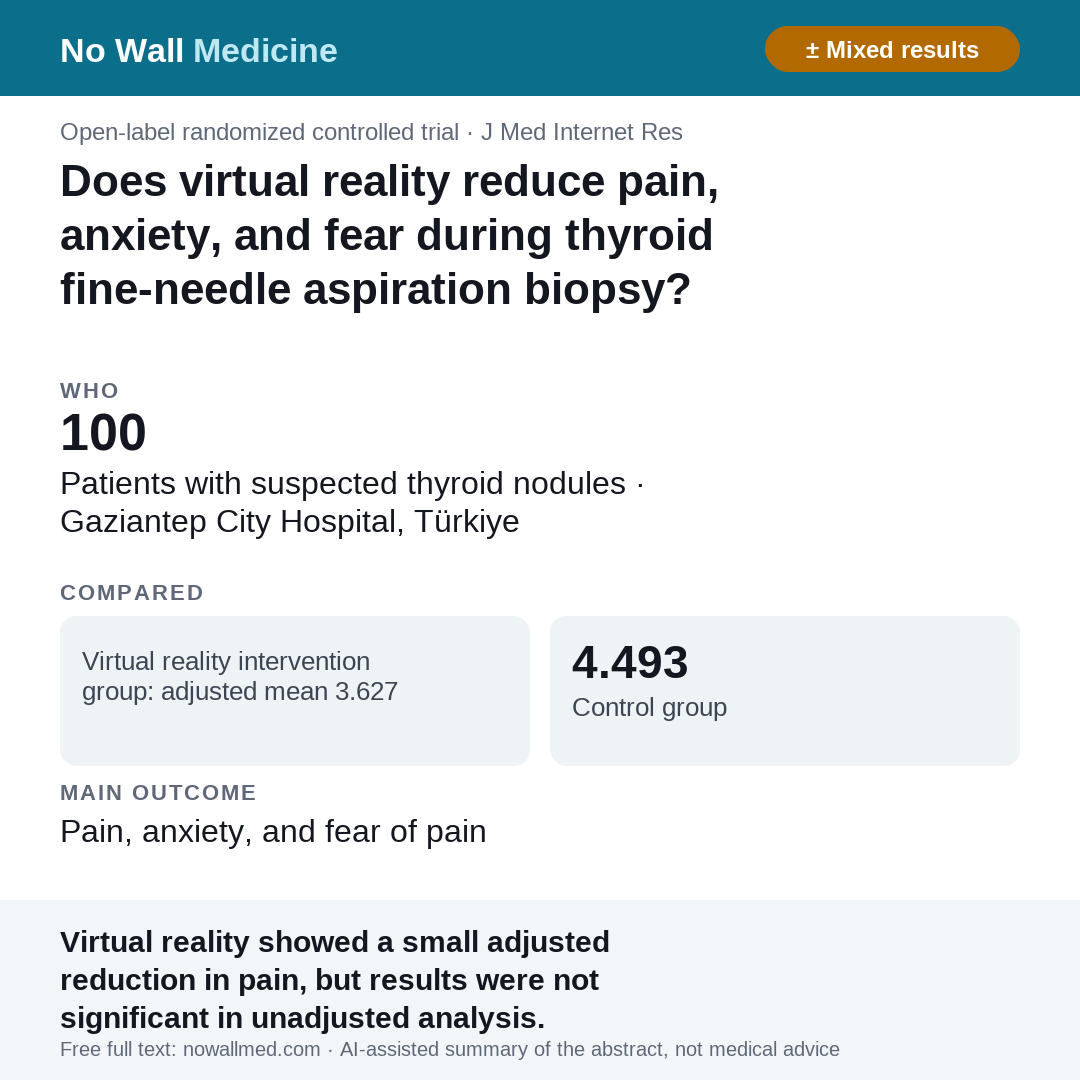
Effects of Virtual Reality on Pain, Anxiety, and Fear During Thyroid Fine-Needle Aspiration Biopsy: Open-Label Randomized Controlled Trial
Open-label randomized controlled trialMixed results
Does virtual reality reduce pain, anxiety, and fear during thyroid fine-needle aspiration biopsy?
Who
100
Patients with suspected thyroid nodules · Gaziantep City Hospital, Türkiye
Compared
Virtual reality intervention group: adjusted mean 3.627
4.493Control group
Main outcome
Pain, anxiety, and fear of pain
Result: Cohen d=-0.33, 95% CI -0.72 to 0.07
Bottom line: Virtual reality showed a small adjusted reduction in pain, but results were not significant in unadjusted analysis.
Limitation: The observed adjusted effect was smaller than the minimum effect size the trial was powered to detect.
J Med Internet Res · 2026-10-06Download image
Efficacy of Manual Lymphatic Drainage in Reducing Postoperative Complications After Cosmetic Plastic Surgery: A Systematic Review
Systematic reviewMixed results
Does manual lymphatic drainage reduce postoperative complications after cosmetic plastic surgery?
Who
Adults undergoing cosmetic surgery
Compared
Manual lymphatic drainage: reduced swelling
Standard care
Main outcome
Postoperative swelling, pain, fibrosis, seromas, and recovery time
Bottom line: Manual lymphatic drainage provides moderate benefits for swelling reduction but has inconsistent effects on pain and fibrosis.
Limitation: High-quality randomized controlled trials are needed to refine protocols and confirm long-term efficacy.
Plast Reconstr Surg Glob Open · 2026-10-06Download image

Outcomes of Modified Sistrunk Procedure for Pediatric Thyroglossal Duct Cyst Removal: Systematic Review and Meta-Analysis
Meta-analysis of 5 studiesBenefit found
What are the safety and efficacy of the modified Sistrunk procedure in pediatric patients?
Who
937
Pediatric patients with thyroglossal duct cyst
Compared
Modified Sistrunk procedure: 4% recurrence rate
Modified Sistrunk procedure: 12% complication rate
Main outcome
recurrence, complications, infection, postoperative drainage and operative time
Result: recurrence rate 4% (95% CI: 0.02, 0.07)
Bottom line: The modified Sistrunk procedure is a safe approach for managing thyroglossal duct cysts in pediatric patients.
Limitation: Heterogeneity in technique highlights the need for standardized definitions and high-quality studies.
OTO Open · 2026-10-06Download image

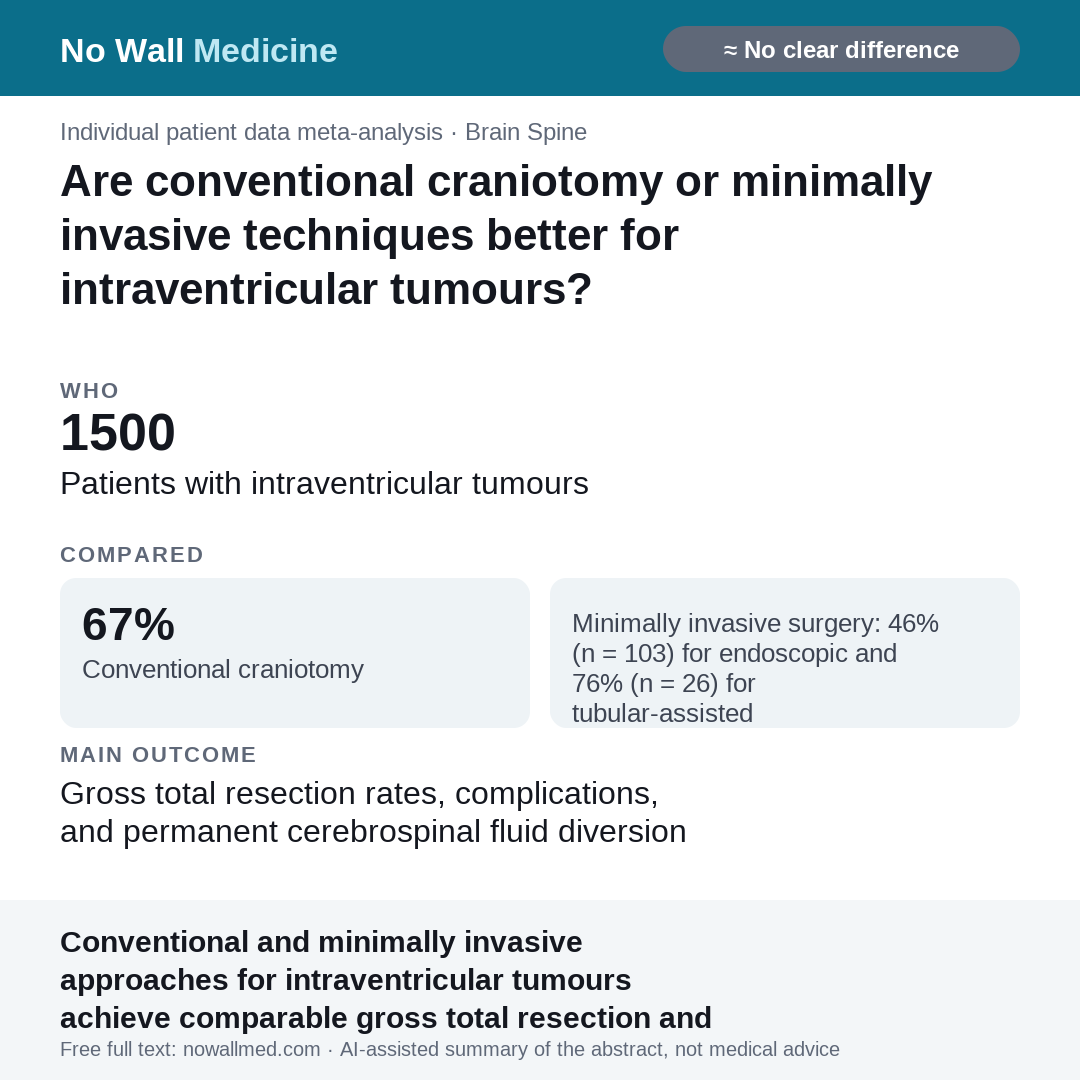
Intraventricular tumours: An individual patient data meta-analysis of conventional craniotomy versus minimally invasive techniques
Individual patient data meta-analysisNo clear difference
Are conventional craniotomy or minimally invasive techniques better for intraventricular tumours?
Who
1500
Patients with intraventricular tumours
Compared
67%Conventional craniotomy (n = 830)
Minimally invasive surgery: 46% (n = 103) for endoscopic and 76% (n = 26) for tubular-assisted
Main outcome
Gross total resection rates, complications, and permanent cerebrospinal fluid diversion
Result: OR 0.38, 95% CrI 0.13-1.13
Bottom line: Conventional and minimally invasive approaches for intraventricular tumours achieve comparable gross total resection and permanent cerebrospinal fluid diversion rates.
Brain Spine · 2026-10-06Download image
Strategies for defibrillation during out-of-hospital cardiac arrest - protocol for a randomised clinical trial
Randomized, 3-group clinical trialUnclear result
Which defibrillation strategy is most effective for 30-day survival in out-of-hospital cardiac arrest?
Who
909
Adults with out-of-hospital cardiac arrest and a shockable rhythm · Denmark, Finland, Belgium, and Ireland
Compared
Anterior-lateral defibrillation
Anterior-posterior defibrillation
Double sequential defibrillation
Main outcome
30-day survival
Bottom line: This protocol describes a planned trial to compare three defibrillation strategies for survival.
Resusc Plus · 2026-10-06Download image

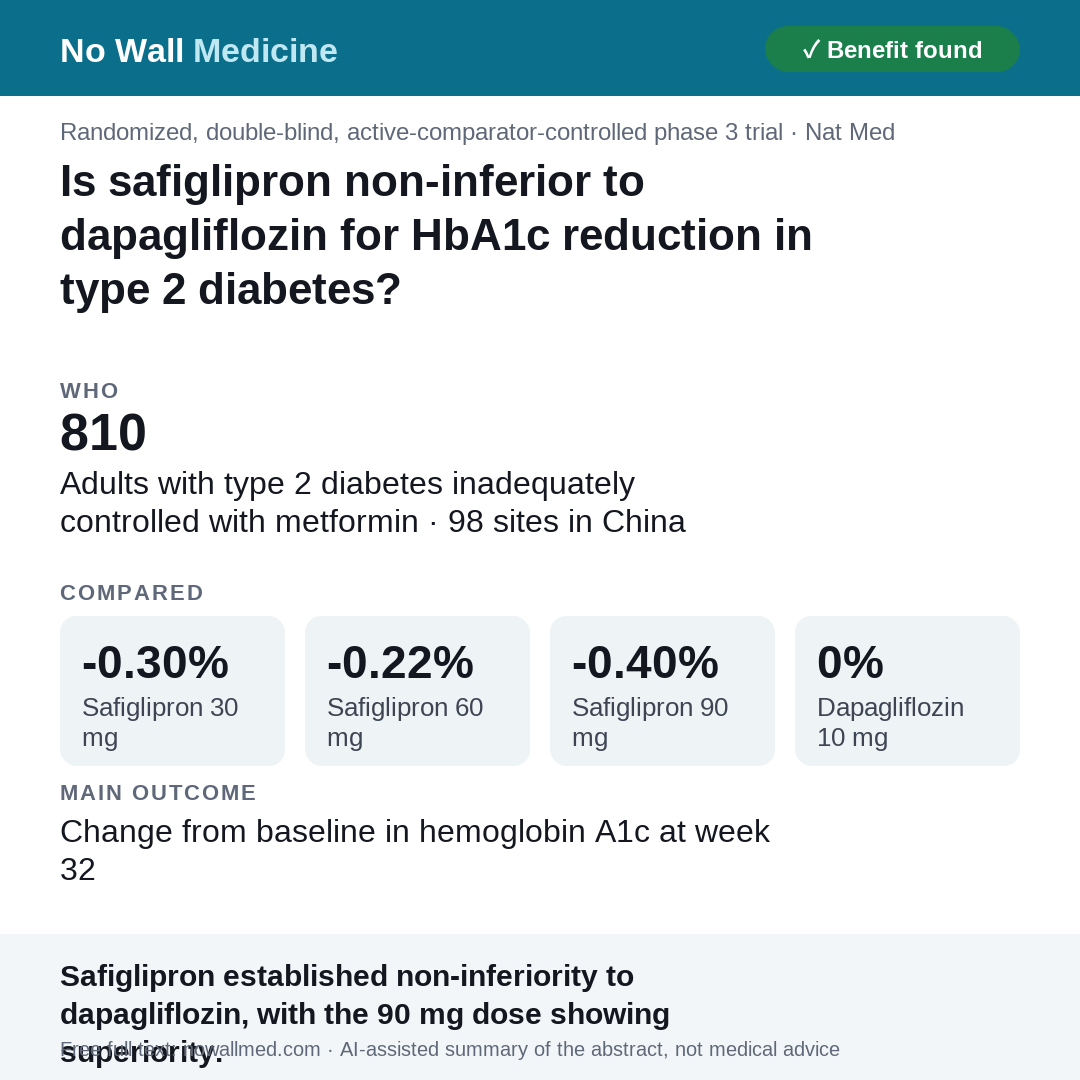
Oral small-molecule GLP-1RA safiglipron versus dapagliflozin in type 2 diabetes: a randomized, double-blind, active-comparator-controlled phase 3 trial
Randomized, double-blind trialBenefit found
Safiglipron versus dapagliflozin in type 2 diabetes
Who
810
Adults with type 2 diabetes · China, 98 sites
Compared
54.9%Safiglipron 30mg
63.5%Safiglipron 60mg
63.5%Safiglipron 90mg
36.5%Dapagliflozin 10mg
Main outcome
Hemoglobin A1C change
Result: hazard ratio not reported, treatment differences -0.30% to -0.40%
Bottom line: Safiglipron is non-inferior to dapagliflozin
Nat Med · 2026-10-05Download image
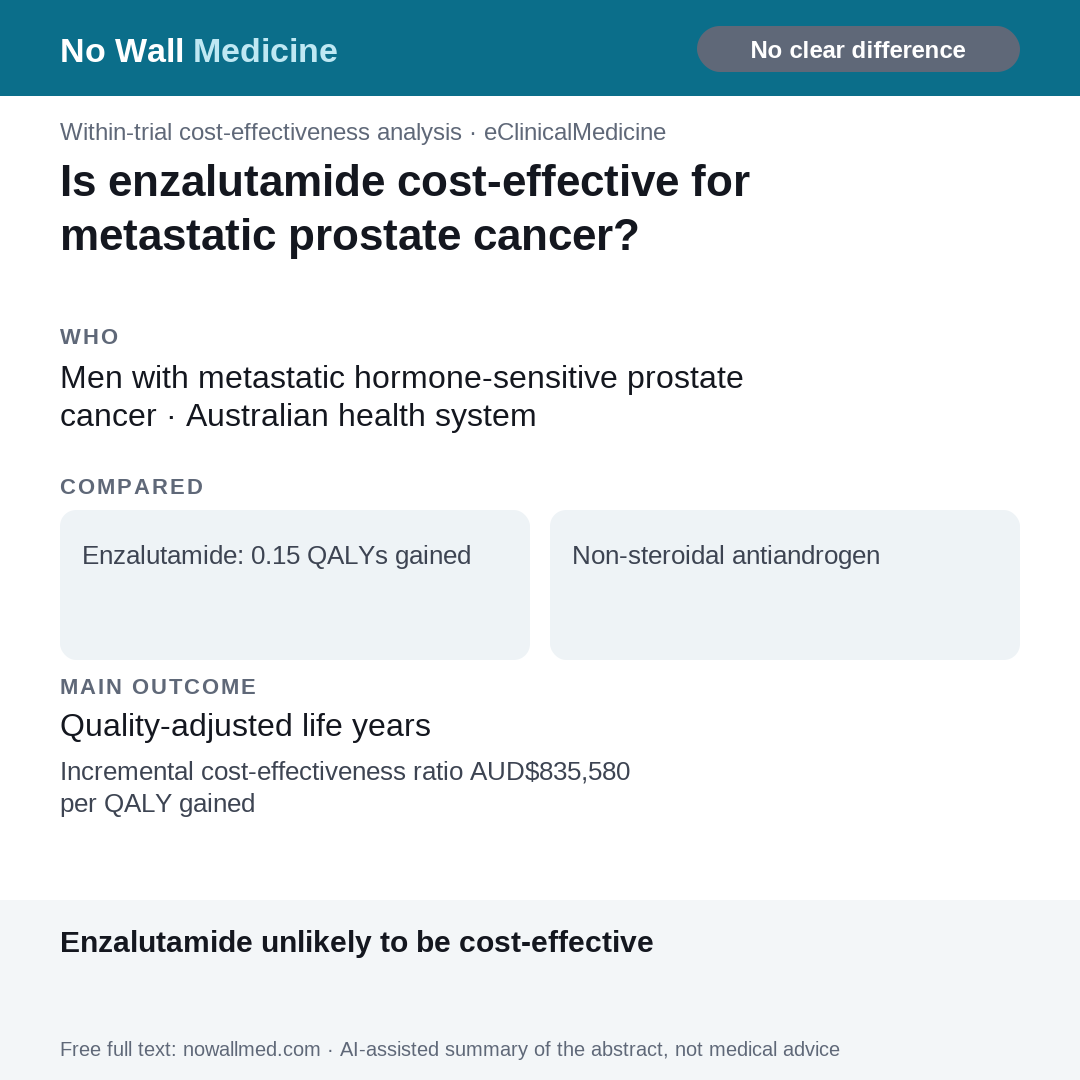
Cost-effectiveness of adding enzalutamide vs standard non-steroidal antiandrogen drugs for patients with metastatic hormone-sensitive prostate cancer undergoing standard first-line therapy: a within-trial, secondary end-point analysis of the ENZAMET phase 3, international randomized trial (ANZUP 1304)
Within-trial cost-effectiveness analysisNo clear difference
Is enzalutamide cost-effective for metastatic prostate cancer?
Who
Men with metastatic hormone-sensitive prostate cancer · Australian health system
Compared
Enzalutamide: 0.15 QALYs gained
Non-steroidal antiandrogen
Main outcome
Quality-adjusted life years
Result: Incremental cost-effectiveness ratio AUD$835,580 per QALY gained
Bottom line: Enzalutamide unlikely to be cost-effective
Funded by: Astellas Pharma and Australian National Health
eClinicalMedicine · 2026-10-05Download image
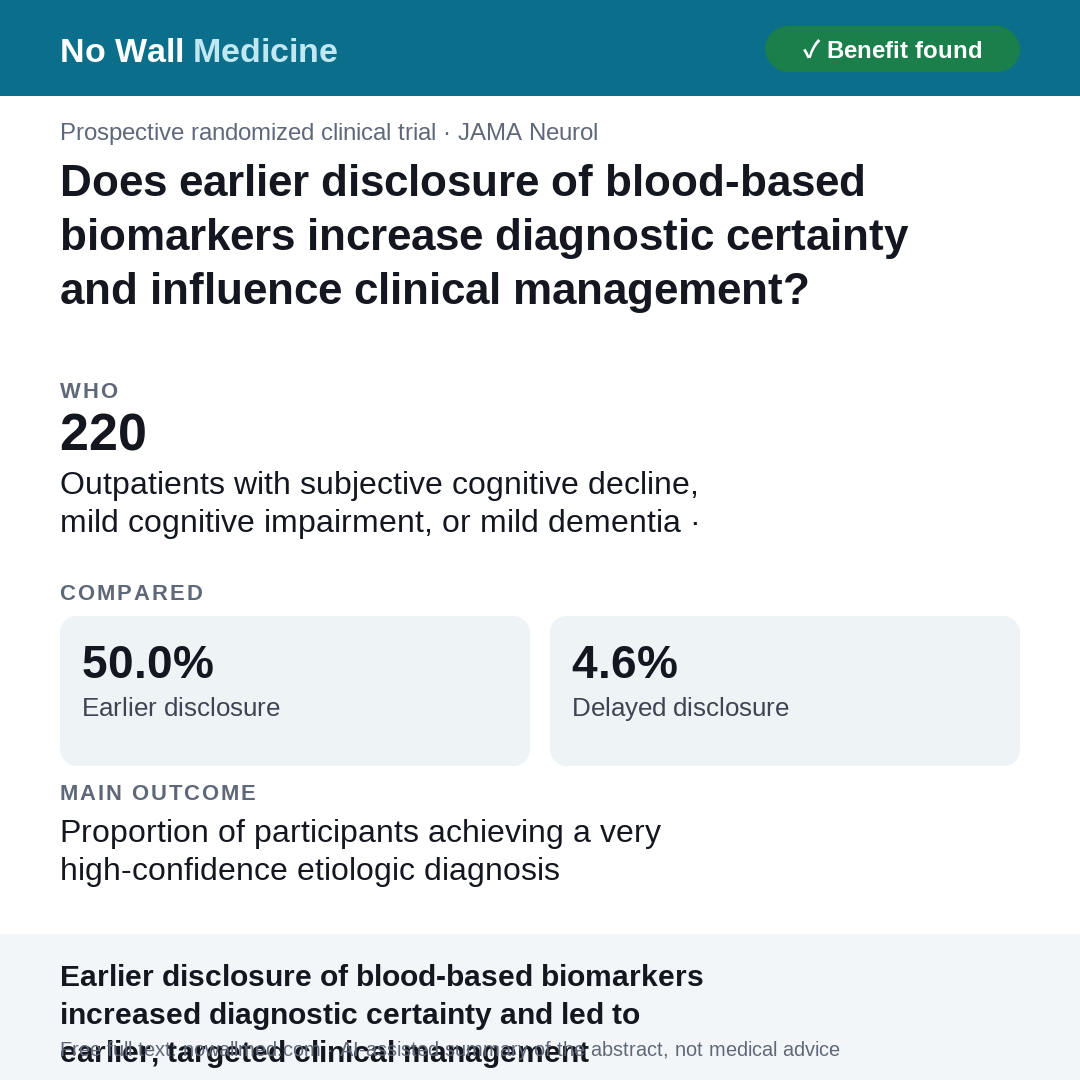
Earlier Disclosure of Blood-Based Biomarkers, Diagnostic Certainty, and Clinical Management: A Randomized Clinical Trial
Prospective randomized clinical trialBenefit found
Does earlier disclosure of blood-based biomarkers increase diagnostic certainty and influence clinical management?
Who
220
Outpatients with subjective cognitive decline, mild cognitive impairment, or mild dementia · Single memory clinic in Spain
Compared
50.0%Earlier disclosure
4.6%Delayed disclosure
Main outcome
Proportion of participants achieving a very high-confidence etiologic diagnosis
Result: difference, 9.7; 95% CI, 1.8 to 17.8
Bottom line: Earlier disclosure of blood-based biomarkers increased diagnostic certainty and led to earlier, targeted clinical management without increasing emotional distress.
JAMA Neurol · 2026-10-05Download image
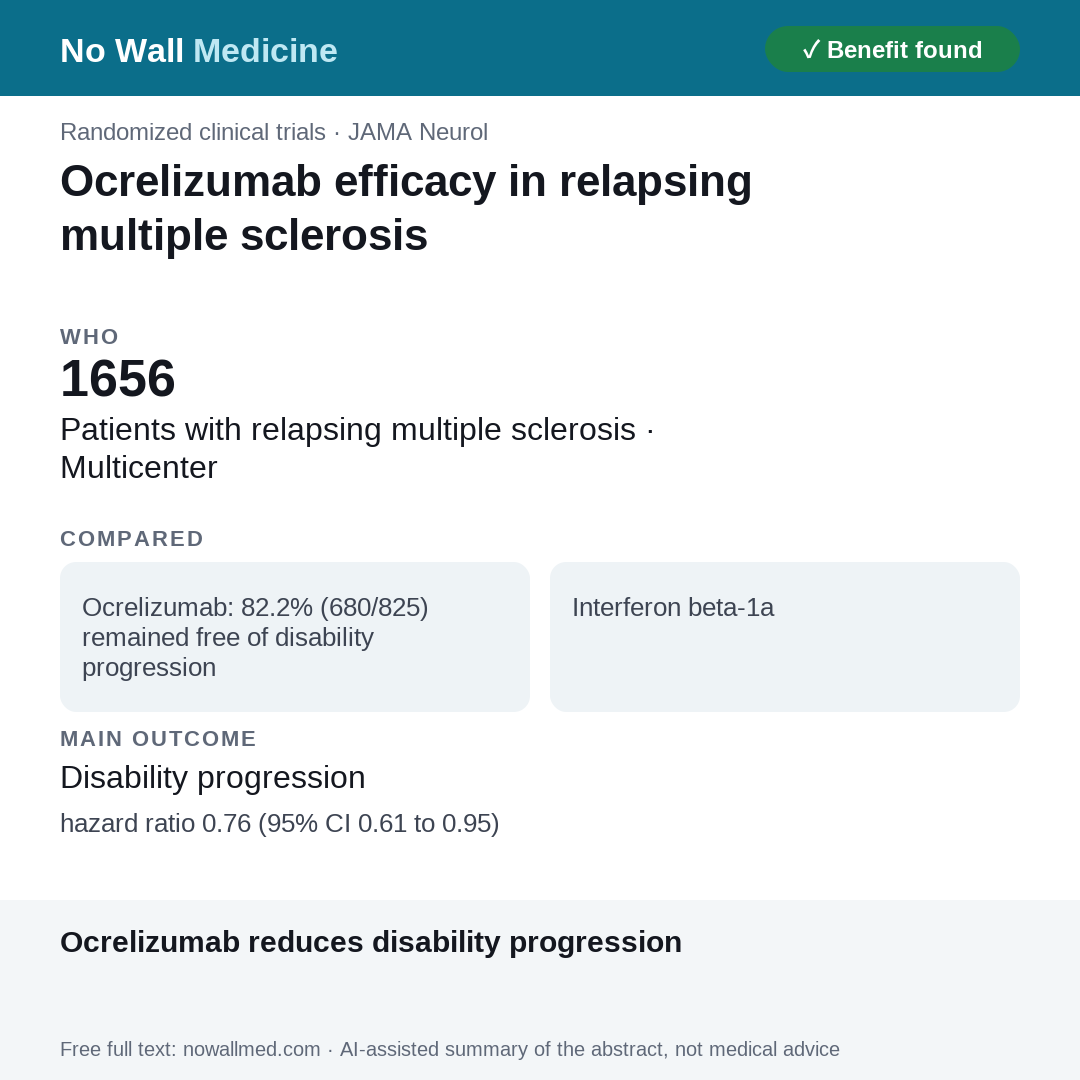
Ten Years of Ocrelizumab in Relapsing Multiple Sclerosis: The OPERA I and II Randomized Clinical Trials
Randomized clinical trialsBenefit found
Ocrelizumab efficacy in relapsing multiple sclerosis
Who
1656
Patients with relapsing multiple sclerosis · Multicenter
Compared
Ocrelizumab: 82.2% (680/825) remained free of disability progression
Interferon beta-1a
Main outcome
Disability progression
Result: hazard ratio 0.76 (95% CI 0.61 to 0.95)
Bottom line: Ocrelizumab reduces disability progression
JAMA Neurol · 2026-10-05Download image
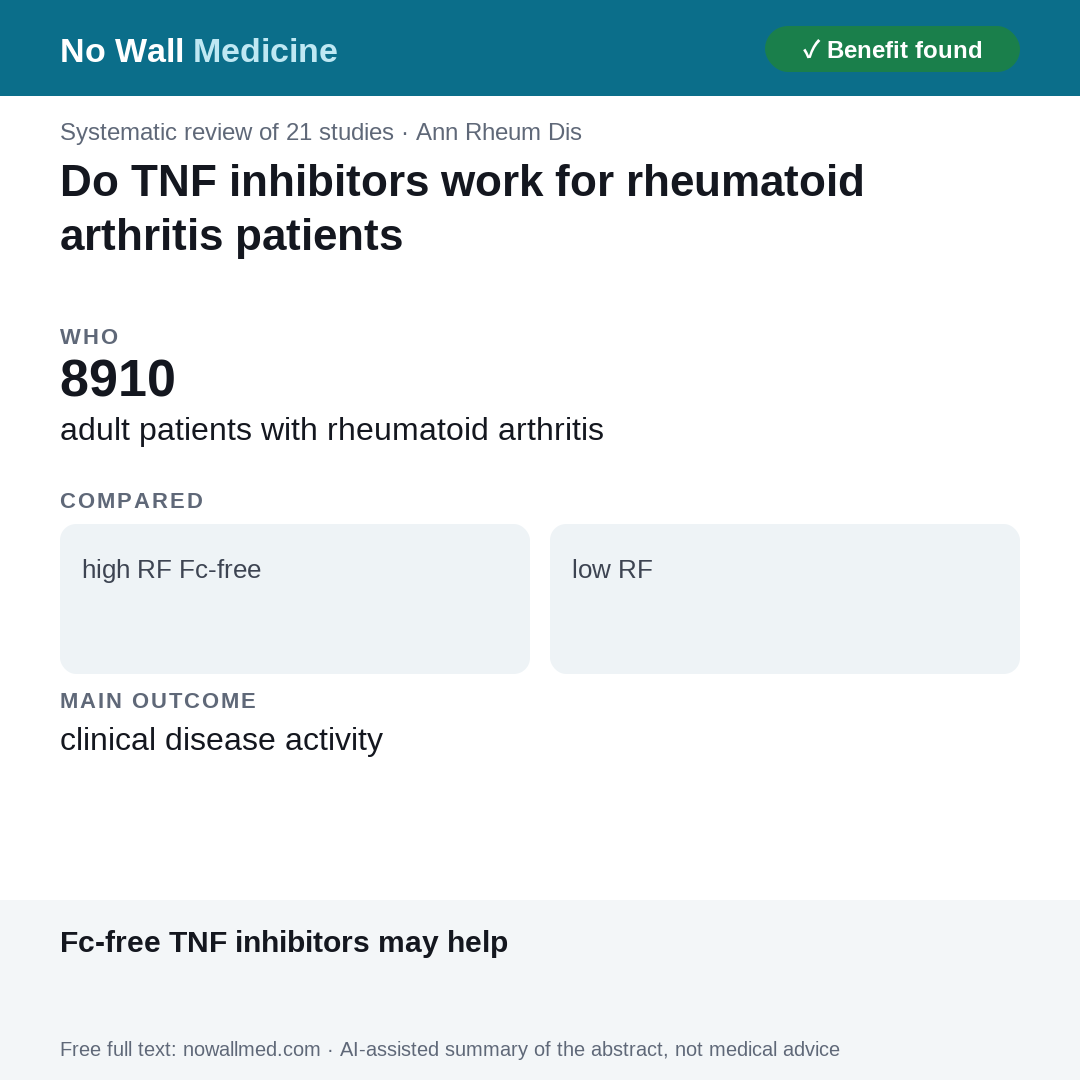
Preclinical and clinical outcomes in patients with high rheumatoid factor levels treated with TNF inhibitors:a systematic review
Systematic review of 21 studiesBenefit found
Do TNF inhibitors work for rheumatoid arthritis patients
Who
8910
adult patients with rheumatoid arthritis
Compared
high RF Fc-free
low RF
Main outcome
clinical disease activity
Bottom line: Fc-free TNF inhibitors may help
Ann Rheum Dis · 2026-10-05Download image
A 52-Week Efficacy and Safety Study of Teneligliptin, as an Add-On to Empagliflozin and Metformin in Patients With Type 2 Diabetes Mellitus: A Randomised, Double-Blind, Placebo-Controlled Phase 3 Trial (TERA305 Study)
Randomised, double-blind, placebo-controlled phase 3 trialBenefit found
Does adding teneligliptin to metformin and empagliflozin improve glycaemic control in type 2 diabetes?
Who
214
Patients with type 2 diabetes mellitus inadequately controlled with metformin and empagliflozin
Compared
Teneligliptin 20 mg: -0.70% ± 0.06%
Placebo: -0.03% ± 0.06%
Main outcome
HbA1c change from baseline to week 24
Result: -0.67% (95% CI, -0.84 to -0.49)
Bottom line: Adding teneligliptin to metformin and empagliflozin significantly improved glycaemic control and beta-cell function over 24 weeks.
Diabetes Obes Metab · 2026-10-05Download image

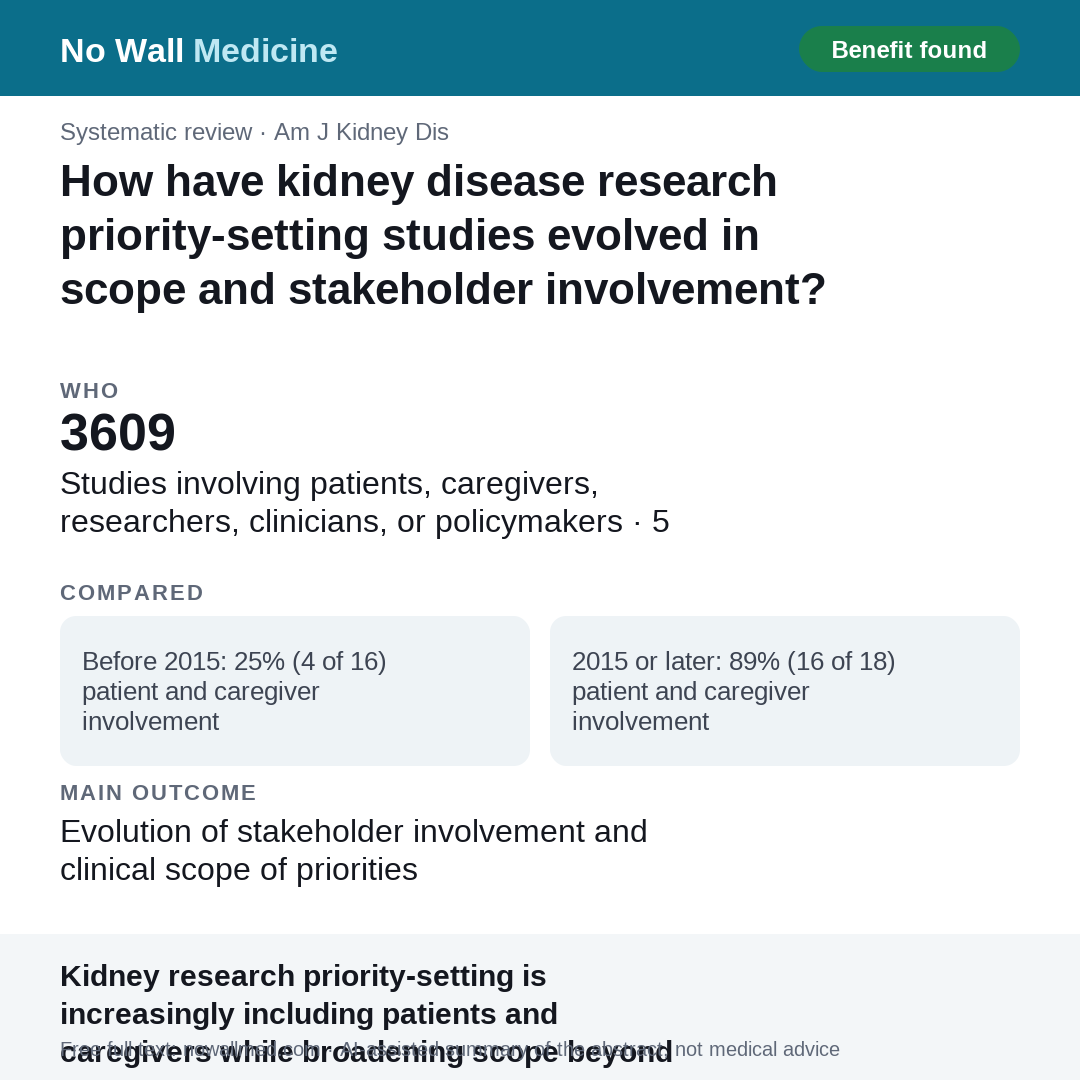
Evolution of Stakeholder Involvement and Scope of Research Priority-Setting Studies in Kidney Disease: A Systematic Review
Systematic reviewBenefit found
How have kidney disease research priority-setting studies evolved in scope and stakeholder involvement?
Who
3609
Studies involving patients, caregivers, researchers, clinicians, or policymakers · 5 high income countries
Compared
Before 2015: 25% (4 of 16) patient and caregiver involvement
2015 or later: 89% (16 of 18) patient and caregiver involvement
Main outcome
Evolution of stakeholder involvement and clinical scope of priorities
Bottom line: Kidney research priority-setting is increasingly including patients and caregivers while broadening scope beyond medical treatments.
Limitation: Restricted to peer-reviewed, English-language publications and lacks data from low- and middle-income settings.
Am J Kidney Dis · 2026-10-05Download image
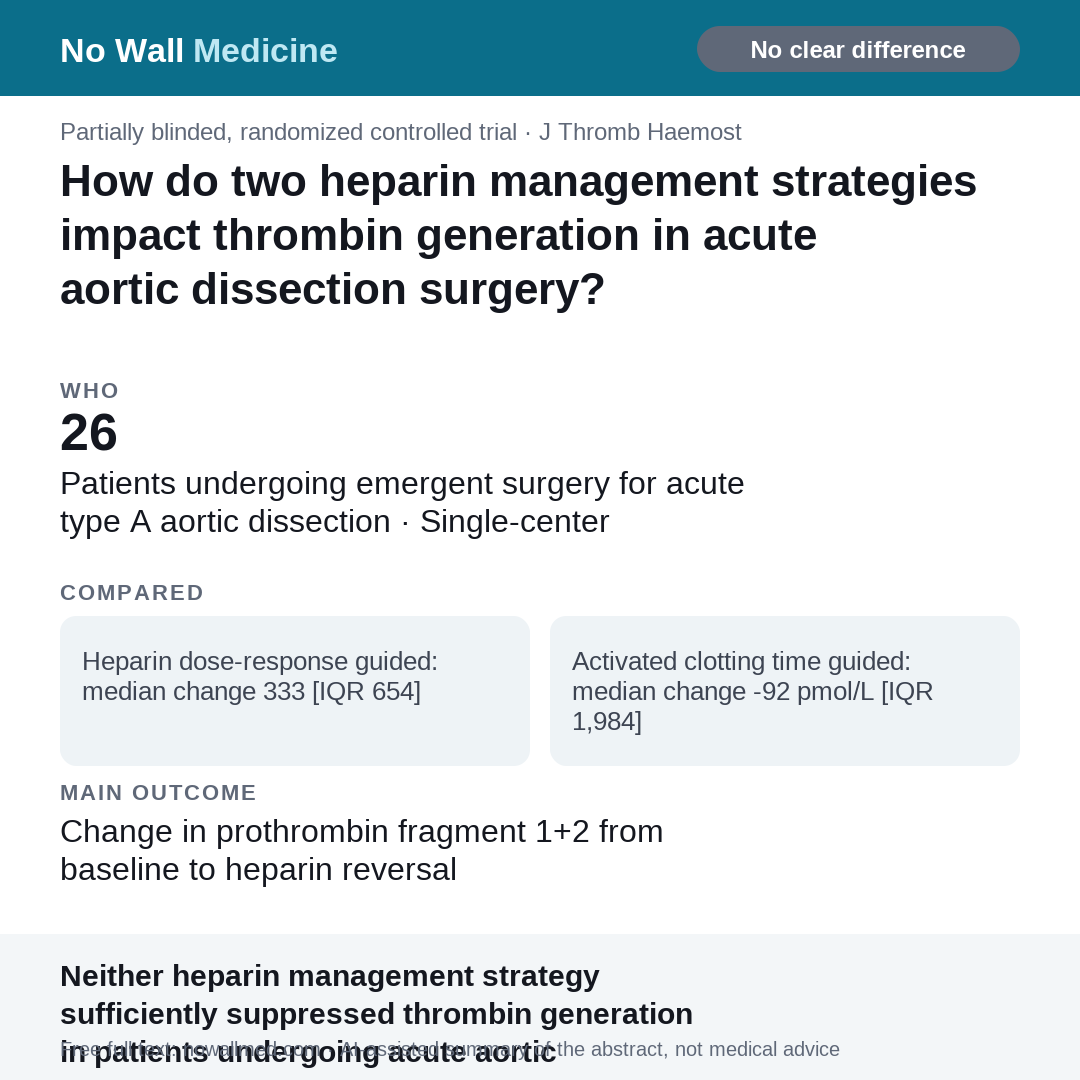
Heparin management and coagulation in acute aortic dissection surgery: a randomized controlled trial
Partially blinded, randomized controlled trialNo clear difference
How do two heparin management strategies impact thrombin generation in acute aortic dissection surgery?
Who
26
Patients undergoing emergent surgery for acute type A aortic dissection · Single-center
Compared
Heparin dose-response guided: median change 333 [IQR 654]
Activated clotting time guided: median change -92 pmol/L [IQR 1,984]
Main outcome
Change in prothrombin fragment 1+2 from baseline to heparin reversal
Result: HDR/ACT ratio 0.86, 95% CI 0.63-1.17
Bottom line: Neither heparin management strategy sufficiently suppressed thrombin generation in patients undergoing acute aortic dissection surgery.
J Thromb Haemost · 2026-10-05Download image
Circulating levels of glucoselysine, a fructose-specific glycation product, are modulated by dietary fructose: post hoc analysis of a case-control study and a randomized controlled trial
Case-control study and randomized controlled trialBenefit found
Does dietary fructose intake affect circulating levels of glucoselysine?
Who
Patients with hereditary fructose intolerance and adults with overweight and hepatic steatosis
Compared
Hereditary fructose intolerance: 35.1 nmol/L
Healthy controls: 45.8 nmol/L
Overweight/hepatic steatosis preintervention: 38.8 nmol/L
Overweight/hepatic steatosis postintervention: 31.2 nmol/L
Main outcome
Total serum glucoselysine concentrations
Bottom line: Glucoselysine formation is significantly influenced by dietary fructose intake in both studied populations.
Am J Clin Nutr · 2026-10-05Download image

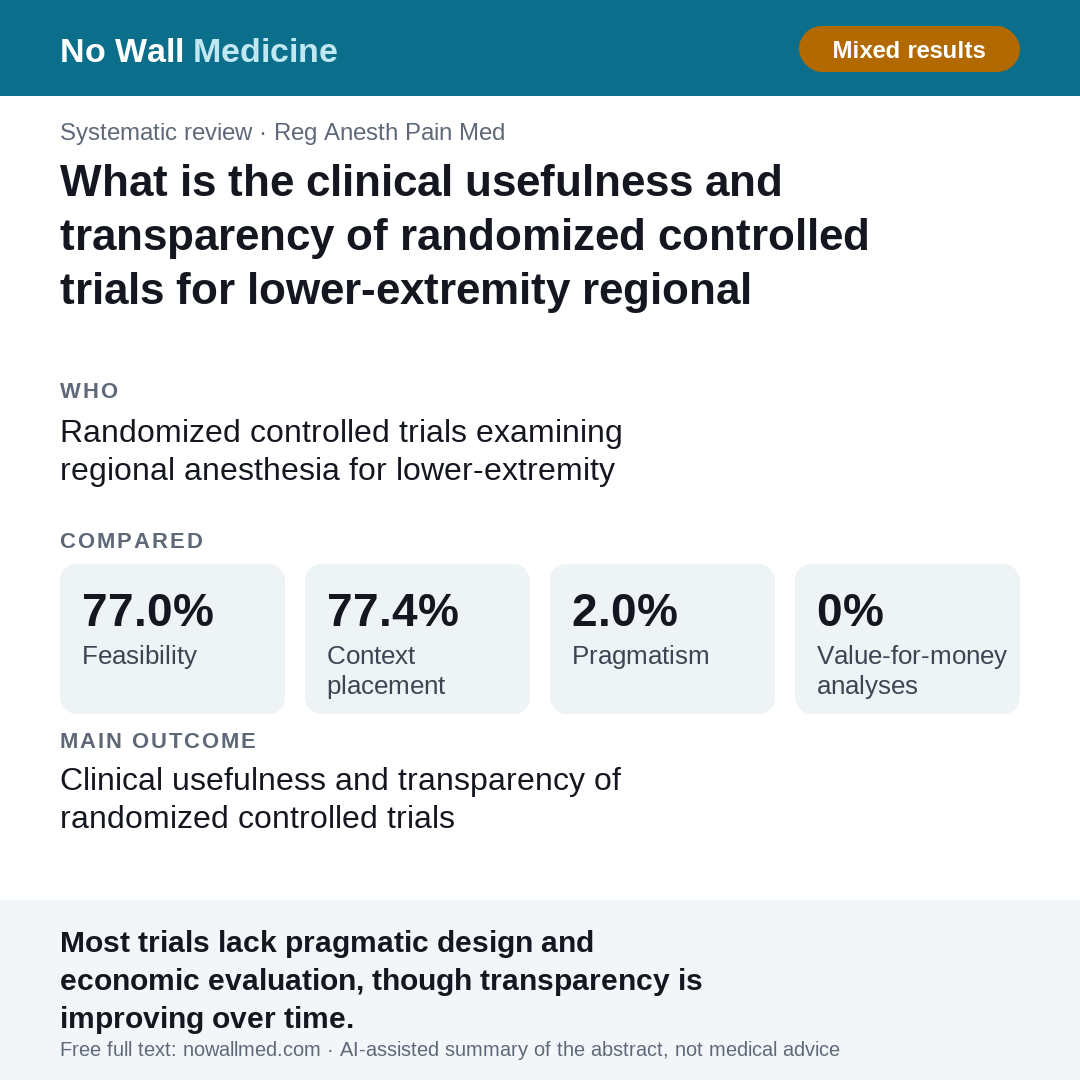
Clinical utility of randomized controlled trials of regional anesthesia for lower-extremity surgery: a systematic review
Systematic reviewMixed results
What is the clinical usefulness and transparency of randomized controlled trials for lower-extremity regional anesthesia?
Who
248
Randomized controlled trials examining regional anesthesia for lower-extremity surgery · Embase and MEDLINE databases
Compared
77.0%Feasibility
77.4%Context placement
2.0%Pragmatism
0%Value-for-money analyses
Main outcome
Clinical usefulness and transparency of randomized controlled trials
Bottom line: Most trials lack pragmatic design and economic evaluation, though transparency is improving over time.
Limitation: Usefulness scoring involves subjective judgment and non-English trials were excluded.
Reg Anesth Pain Med · 2026-10-05Download image
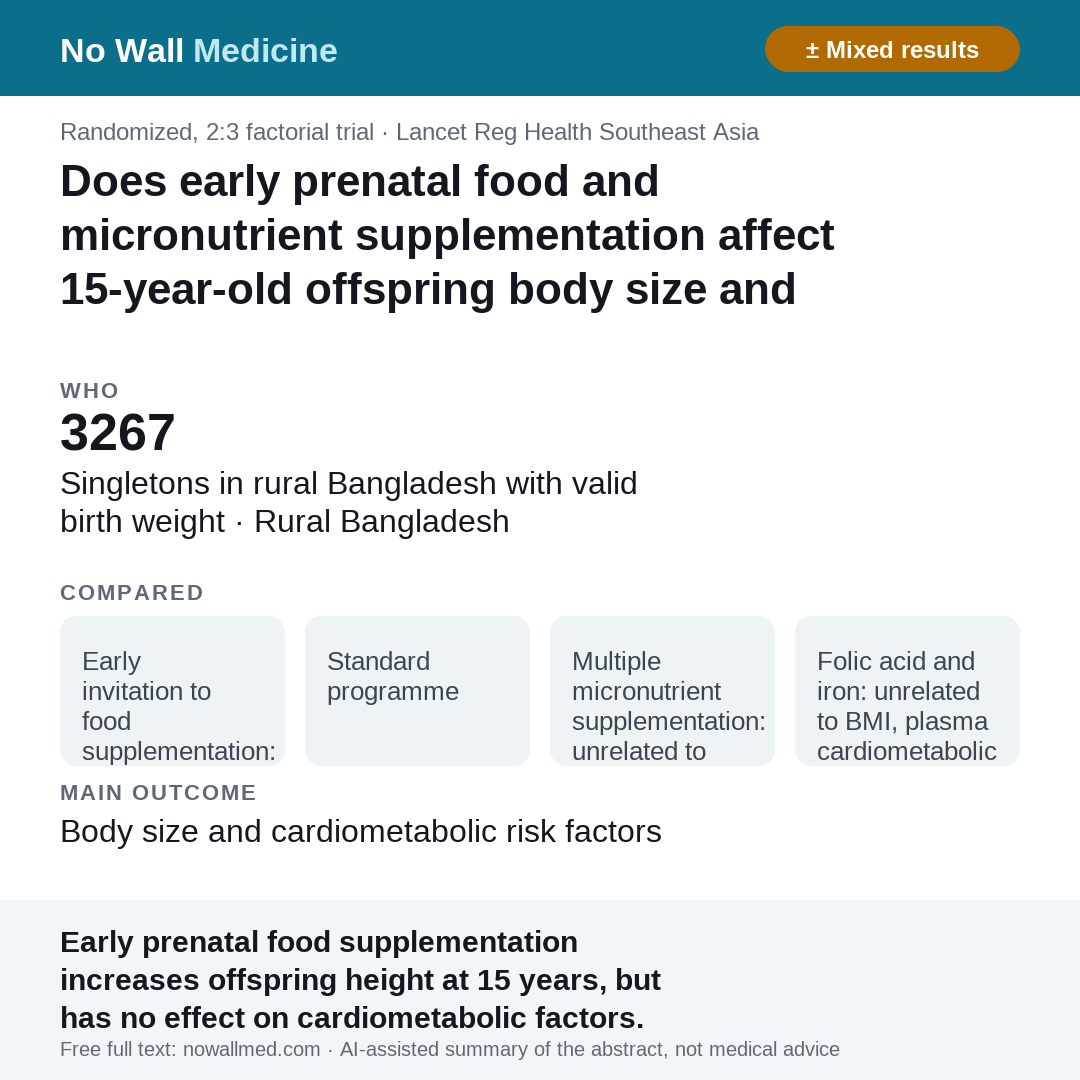
Effects of prenatal early food and micronutrient supplementations on body size and cardiometabolic risk factors in the 15-year-old offspring - the MINIMat randomised trial
Randomized, 2:3 factorial trialMixed results
Does early prenatal food and micronutrient supplementation affect 15-year-old offspring body size and cardiometabolic risk?
Who
3267
Singletons in rural Bangladesh with valid birth weight · Rural Bangladesh
Compared
Early invitation to food supplementation: 0.08 units higher height z score (95% CI 0.01, 0.16)
Standard programme
Multiple micronutrient supplementation: unrelated to BMI, plasma cardiometabolic biomarkers or blood pressure
Folic acid and iron: unrelated to BMI, plasma cardiometabolic biomarkers or blood pressure
Main outcome
Body size and cardiometabolic risk factors
Result: risk difference 4.1% (95% CI 0.8%, 7.3%) for stunting
Bottom line: Early prenatal food supplementation increases offspring height at 15 years, but has no effect on cardiometabolic factors.
Funded by: Swedish, Finnish, and Novo Nordisk foundations
Lancet Reg Health Southeast Asia · 2026-10-05Download image
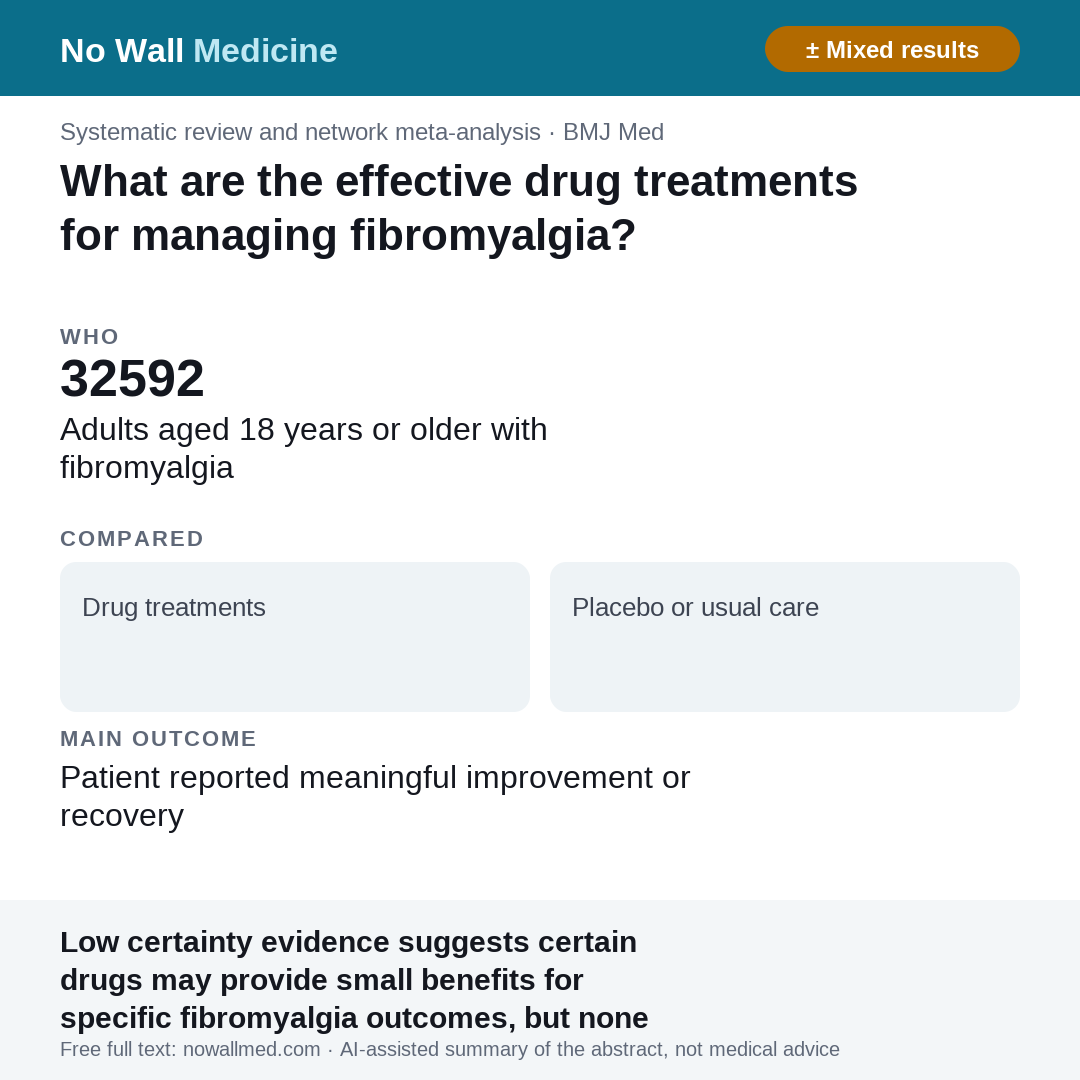
Drug treatments for fibromyalgia: systematic review and network meta-analysis of randomised trials
Systematic review and network meta-analysisMixed results
What are the effective drug treatments for managing fibromyalgia?
Who
32592
Adults aged 18 years or older with fibromyalgia
Compared
Drug treatments
Placebo or usual care
Main outcome
Patient reported meaningful improvement or recovery
Result: risk difference 105 to 283 more per 1000 patients
Bottom line: Low certainty evidence suggests certain drugs may provide small benefits for specific fibromyalgia outcomes, but none exceeded clinical importance thresholds.
BMJ Med · 2026-10-05Download image
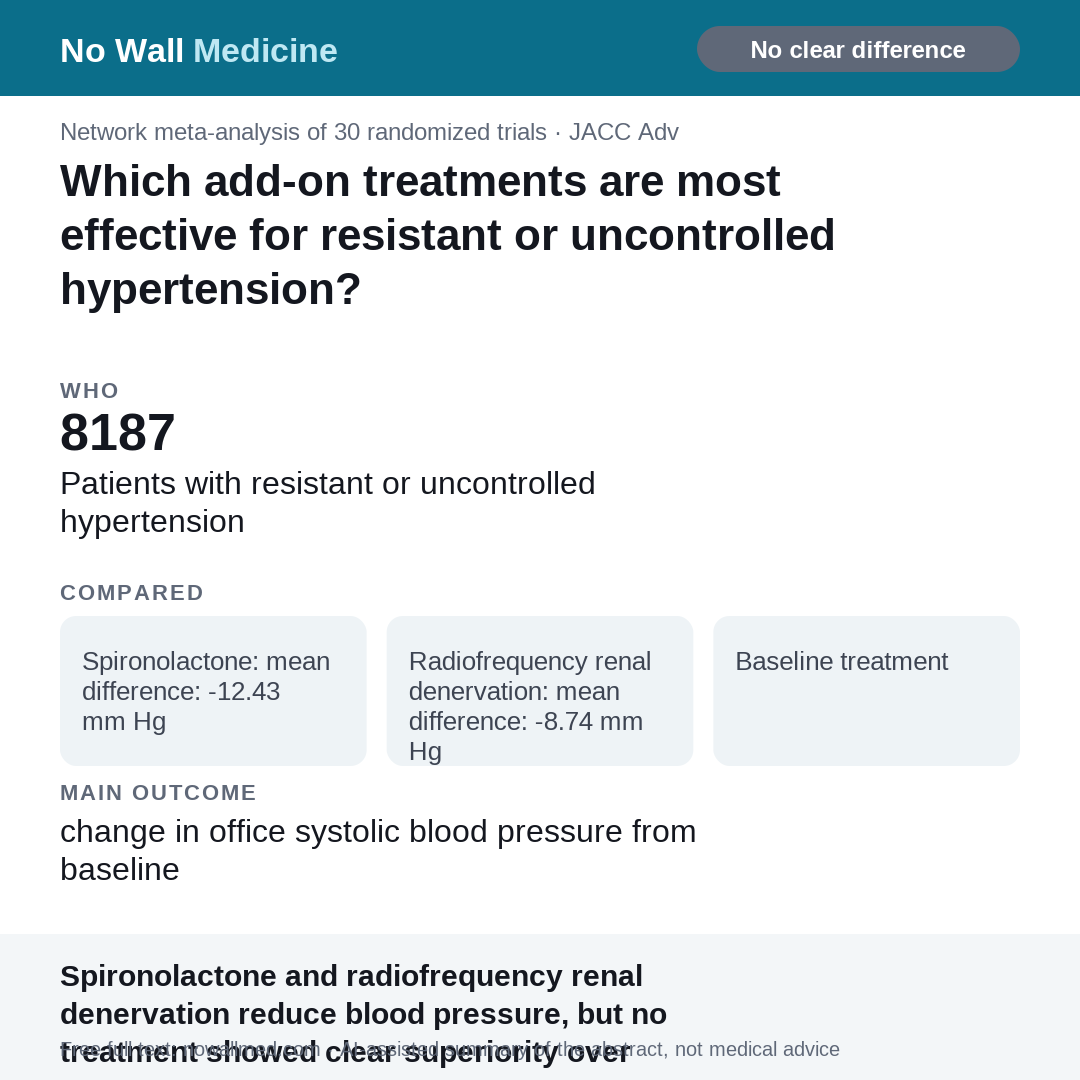
Comparative Efficacy of Treatments for Resistant or Uncontrolled Hypertension: A Network Meta-Analysis of Randomized Trials
Network meta-analysis of 30 randomized trialsNo clear difference
Which add-on treatments are most effective for resistant or uncontrolled hypertension?
Who
8187
Patients with resistant or uncontrolled hypertension
Compared
Spironolactone: mean difference: -12.43 mm Hg
Radiofrequency renal denervation: mean difference: -8.74 mm Hg
Baseline treatment
Main outcome
change in office systolic blood pressure from baseline
Result: no significant differences were observed between add-on treatments
Bottom line: Spironolactone and radiofrequency renal denervation reduce blood pressure, but no treatment showed clear superiority over another.
JACC Adv · 2026-10-05Download image