Visual abstracts
New randomized trials and meta-analyses from leading journals at a glance: who was studied, what was compared, and what was found. Every paper is free to read in full.
All specialtiesCardiology 4832Oncology 4114Gastroenterology & Hepatology 1934Infectious Disease 3824Neurology 1899Psychiatry & Mental Health 2256Pulmonology 2082Critical Care 1345Endocrinology & Diabetes 2572Pediatrics 2940Surgery 2525Orthopedics & Sports Medicine 926Neurosurgery 534Cardiothoracic & Vascular Surgery 671Plastic & Reconstructive Surgery 591Nephrology 1124Rheumatology 823Hematology 1104Dermatology 620Ophthalmology 543Obstetrics & Gynecology 1684Public & Global Health 1056Radiology & Imaging 641Anesthesiology 962Urology 754ENT (Otolaryngology) 503Emergency Medicine 489Allergy & Immunology 313Geriatrics 981Family Medicine & Primary Care 541Medical Genetics & Genomics 675Pathology & Laboratory Medicine 157Physical Medicine & Rehabilitation 751Palliative Care 424Nutrition 1580Digital Health & AI 2195General Medicine 321
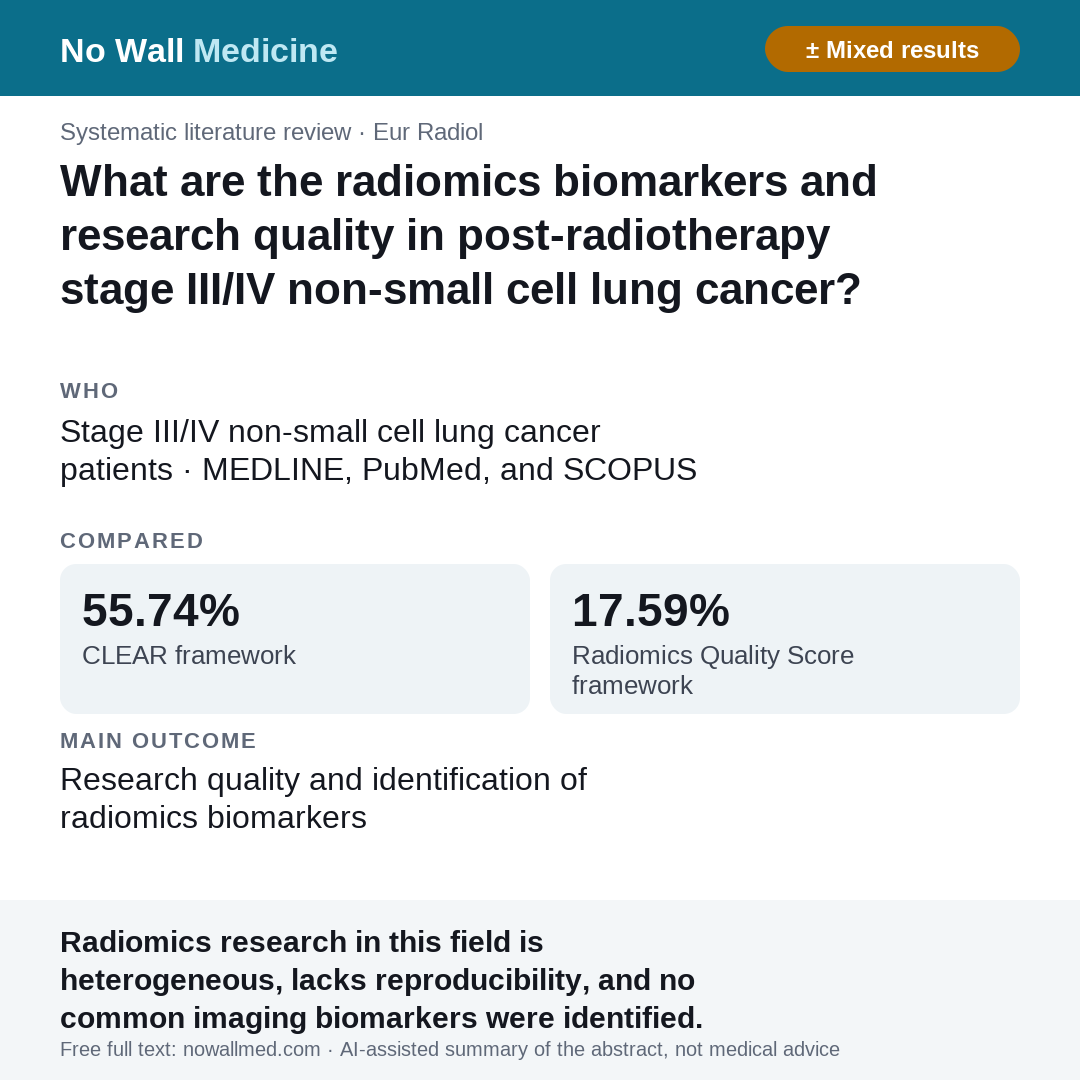
Post-radiotherapy stage III/IV non-small cell lung cancer radiomics research: a systematic review and comparison of CLEAR and RQS frameworks
Systematic literature reviewMixed results
What are the radiomics biomarkers and research quality in post-radiotherapy stage III/IV non-small cell lung cancer?
Who
Stage III/IV non-small cell lung cancer patients · MEDLINE, PubMed, and SCOPUS
Compared
55.74%CLEAR framework (32.33/58 points)
17.59%Radiomics Quality Score framework (6.3/36 points)
Main outcome
Research quality and identification of radiomics biomarkers
Bottom line: Radiomics research in this field is heterogeneous, lacks reproducibility, and no common imaging biomarkers were identified.
Limitation: Small cohort sizes, nonvalidated studies, and missing technical parameters were identified as barriers to reproducibility.
Eur Radiol · 2024-04-16Download image
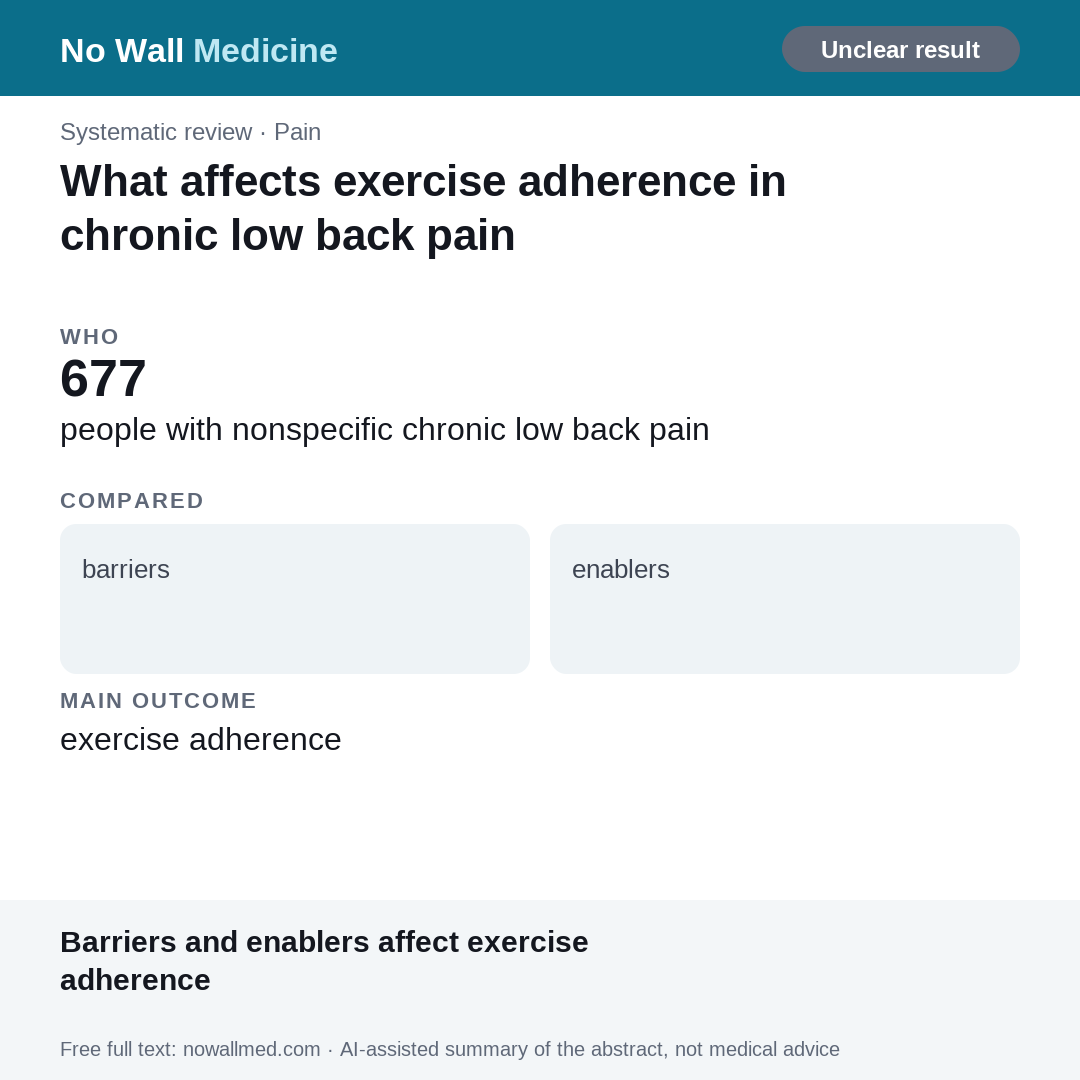
Barriers and enablers to exercise adherence in people with nonspecific chronic low back pain: a systematic review of qualitative evidence
Systematic reviewUnclear result
What affects exercise adherence in chronic low back pain
Who
677
people with nonspecific chronic low back pain
Compared
barriers
enablers
Main outcome
exercise adherence
Bottom line: Barriers and enablers affect exercise adherence
Pain · 2024-04-16Download image
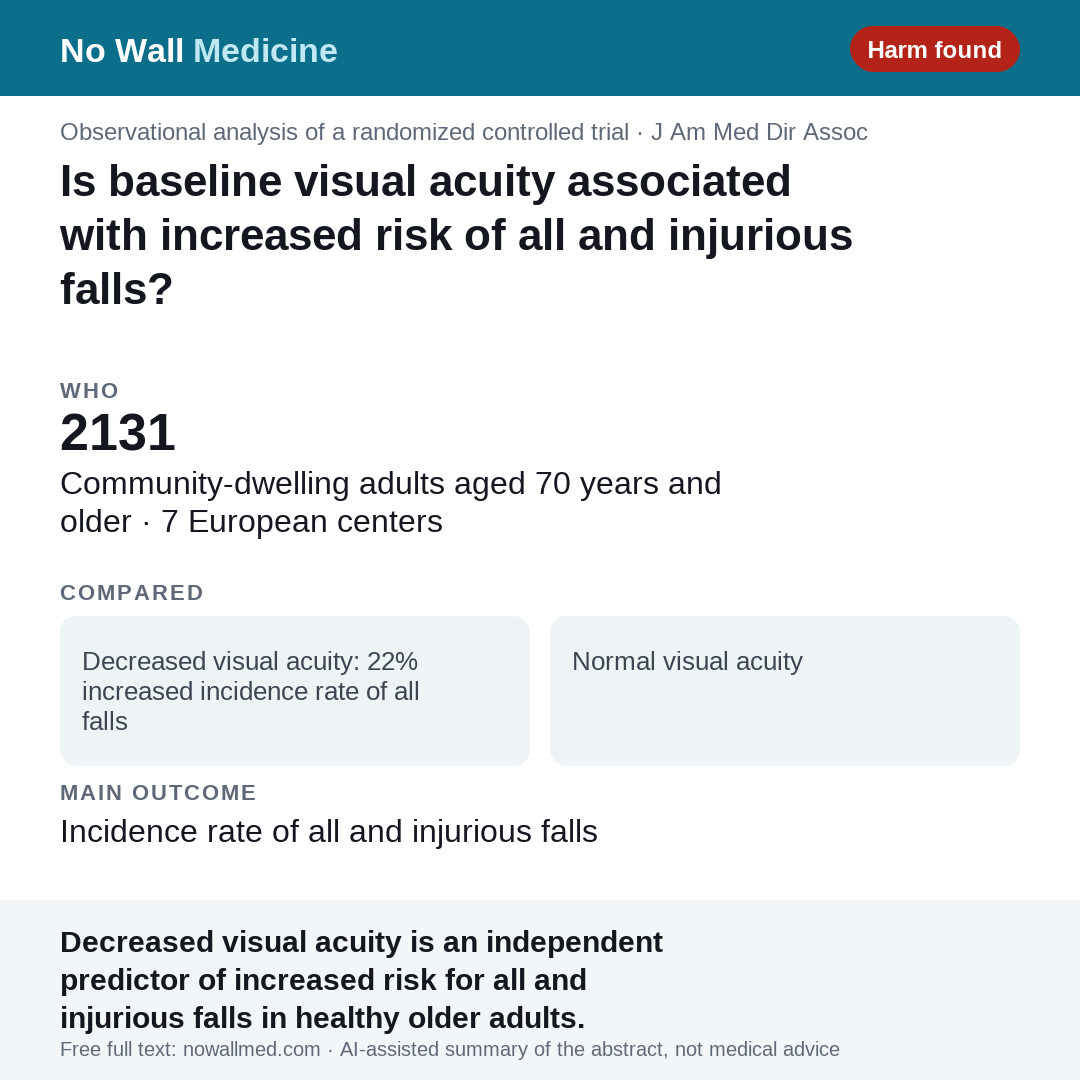
Association Between Visual Acuity and Prospective Fall Risk in Generally Healthy and Active Older Adults: The 3-Year DO-HEALTH Study
Observational analysis of a randomized controlled trialHarm found
Is baseline visual acuity associated with increased risk of all and injurious falls?
Who
2131
Community-dwelling adults aged 70 years and older · 7 European centers
Compared
Decreased visual acuity: 22% increased incidence rate of all falls
Normal visual acuity
Main outcome
Incidence rate of all and injurious falls
Result: adjusted incidence rate ratio 1.22 (95% CI 1.07, 1.38)
Bottom line: Decreased visual acuity is an independent predictor of increased risk for all and injurious falls in healthy older adults.
J Am Med Dir Assoc · 2024-04-16Download image
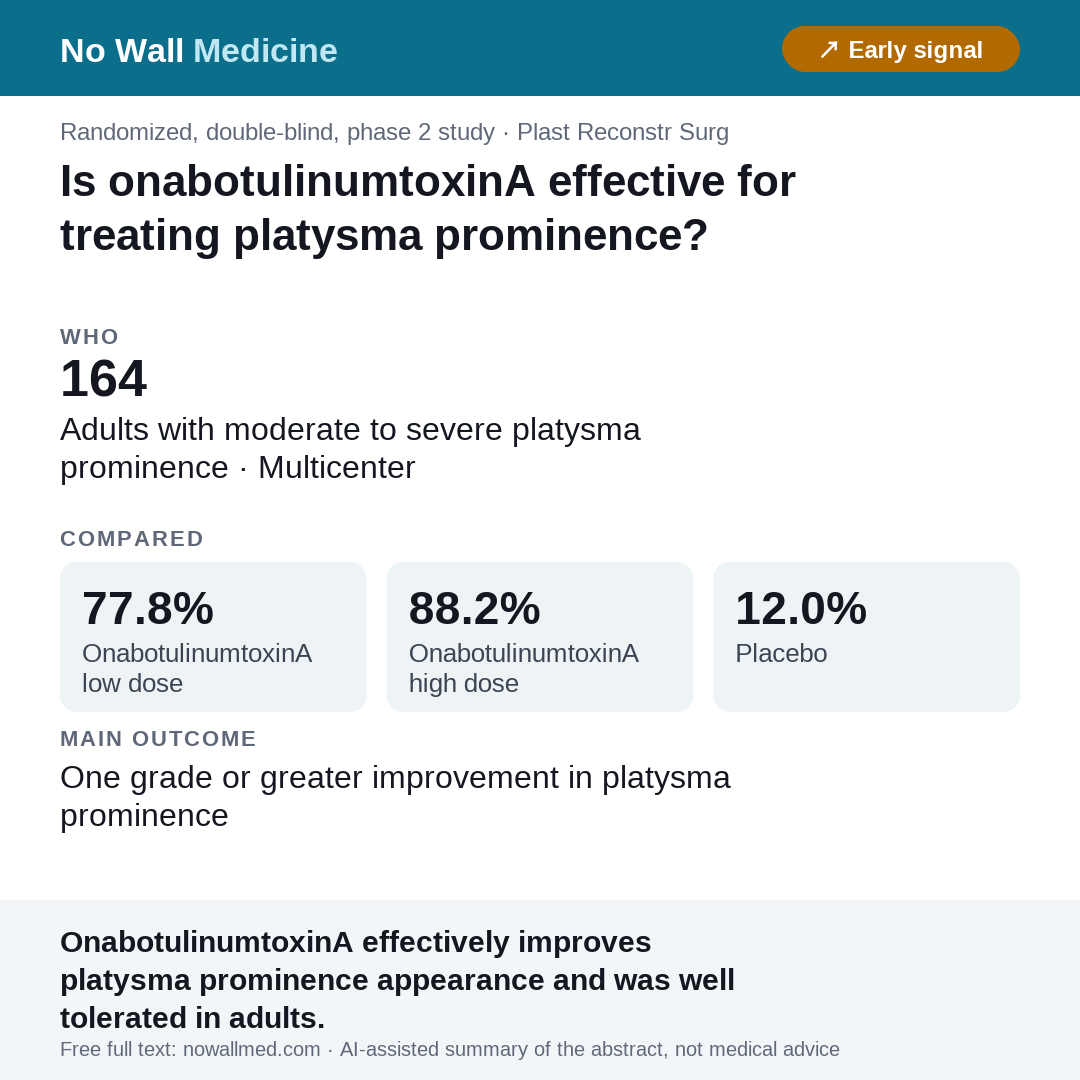
Efficacy and Safety of OnabotulinumtoxinA for the Treatment of Platysma Prominence: A Randomized Phase 2 Dose-Ranging Study
Randomized, double-blind, phase 2 studyEarly signal
Is onabotulinumtoxinA effective for treating platysma prominence?
Who
164
Adults with moderate to severe platysma prominence · Multicenter
Compared
77.8%OnabotulinumtoxinA low dose (investigator-assessed improvement)
88.2%OnabotulinumtoxinA high dose (investigator-assessed improvement)
12.0%Placebo (investigator-assessed improvement)
Main outcome
One grade or greater improvement in platysma prominence
Bottom line: OnabotulinumtoxinA effectively improves platysma prominence appearance and was well tolerated in adults.
Plast Reconstr Surg · 2024-04-16Download image
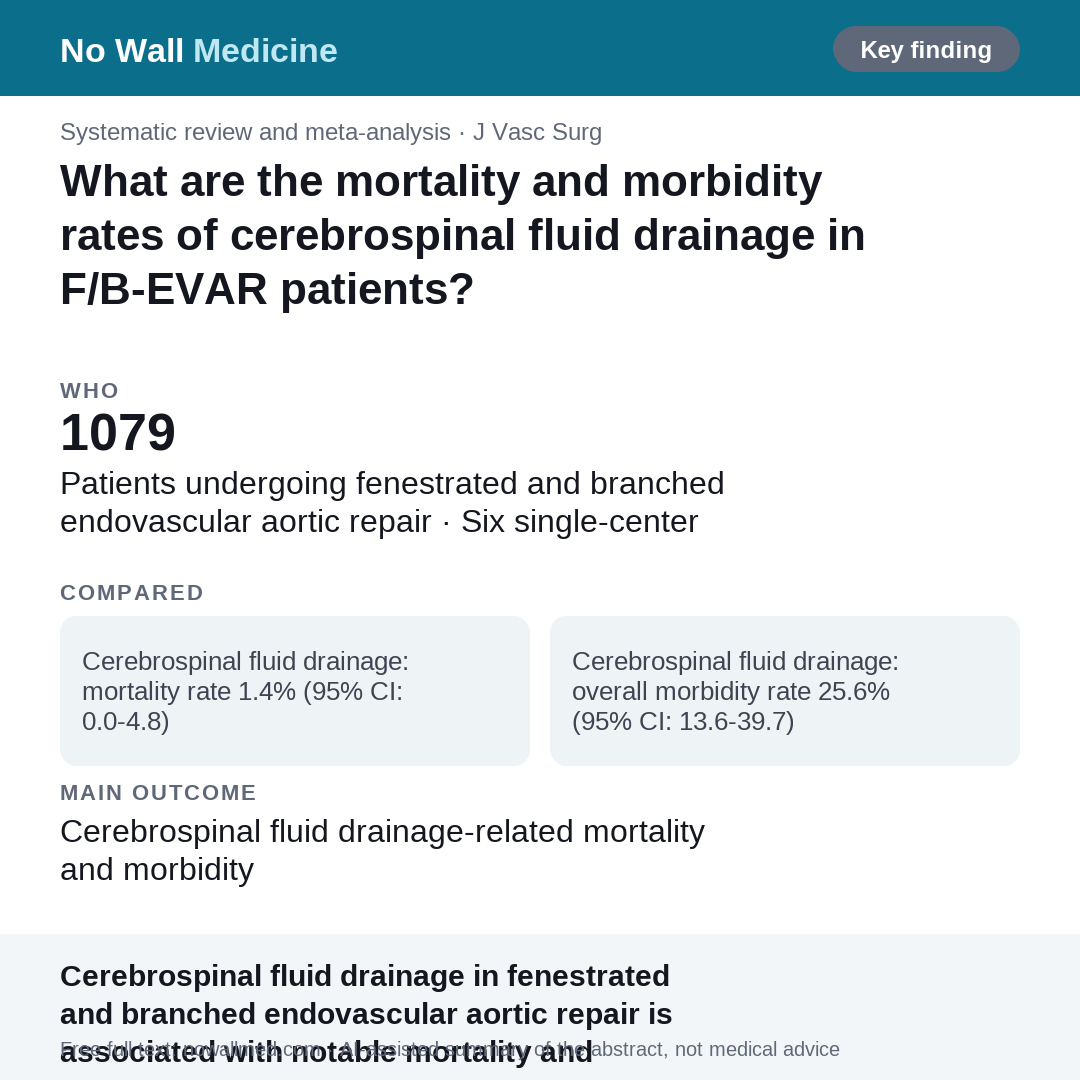
Systematic review and meta-analysis of cerebrospinal fluid drain-related mortality and morbidity after fenestrated-branched endovascular aortic repair
Systematic review and meta-analysisHarm found
What are the mortality and morbidity rates of cerebrospinal fluid drainage in F/B-EVAR patients?
Who
1079
Patients undergoing fenestrated and branched endovascular aortic repair · Six single-center studies
Compared
Cerebrospinal fluid drainage: mortality rate 1.4% (95% CI: 0.0-4.8)
Cerebrospinal fluid drainage: overall morbidity rate 25.6% (95% CI: 13.6-39.7)
Main outcome
Cerebrospinal fluid drainage-related mortality and morbidity
Result: mortality rate 1.4% (95% CI: 0.0-4.8); morbidity rate 25.6% (95% CI: 13.6-39.7)
Bottom line: Cerebrospinal fluid drainage in fenestrated and branched endovascular aortic repair is associated with notable mortality and substantial morbidity.
Limitation: High to moderate risk of bias in included retrospective, observational studies.
J Vasc Surg · 2024-04-16Download image
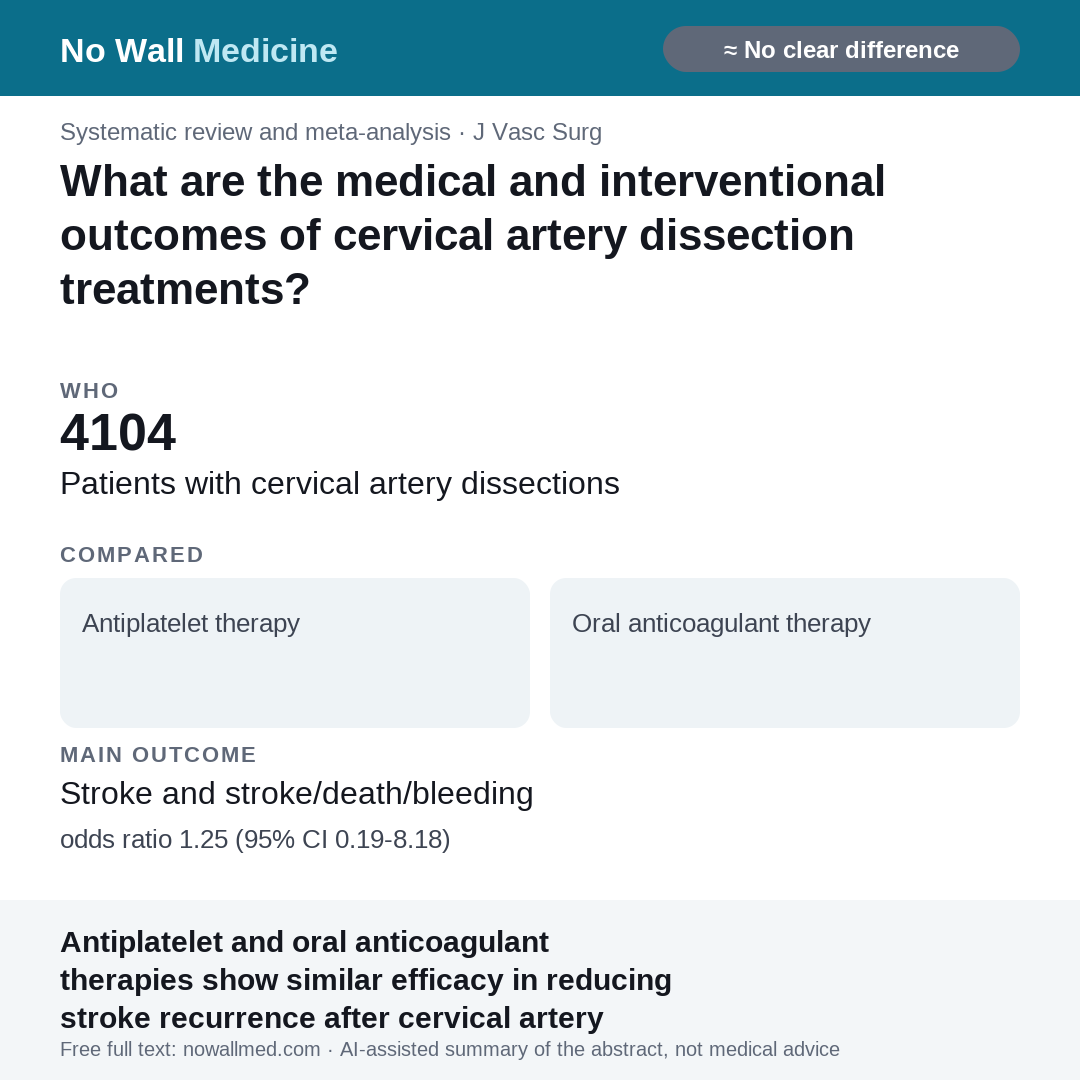
Medical and interventional outcome of dissection of the cervical arteries: Systematic review and meta-analysis
Systematic review and meta-analysisNo clear difference
What are the medical and interventional outcomes of cervical artery dissection treatments?
Who
4104
Patients with cervical artery dissections
Compared
Antiplatelet therapy
Oral anticoagulant therapy
Main outcome
Stroke and stroke/death/bleeding
Result: odds ratio 1.25 (95% CI 0.19-8.18)
Bottom line: Antiplatelet and oral anticoagulant therapies show similar efficacy in reducing stroke recurrence after cervical artery dissection.
Limitation: Overall risk of bias was considered serious and few prospective studies are available.
J Vasc Surg · 2024-04-16Download image
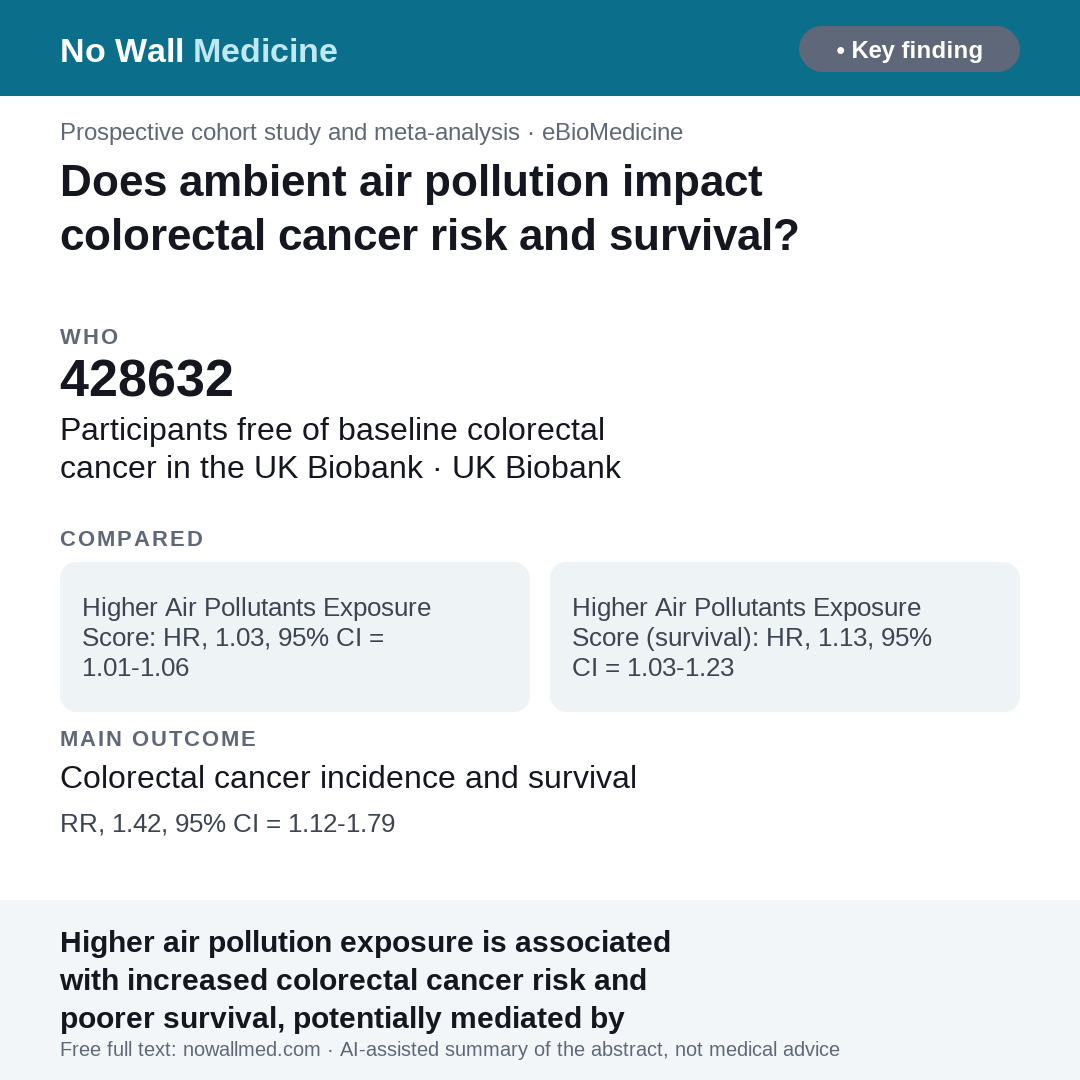
Impact of ambient air pollution on colorectal cancer risk and survival: insights from a prospective cohort and epigenetic Mendelian randomization study
Prospective cohort study and meta-analysisHarm found
Does ambient air pollution impact colorectal cancer risk and survival?
Who
428632
Participants free of baseline colorectal cancer in the UK Biobank · UK Biobank
Compared
Higher Air Pollutants Exposure Score: HR, 1.03, 95% CI = 1.01-1.06
Higher Air Pollutants Exposure Score (survival): HR, 1.13, 95% CI = 1.03-1.23
Main outcome
Colorectal cancer incidence and survival
Result: RR, 1.42, 95% CI = 1.12-1.79
Bottom line: Higher air pollution exposure is associated with increased colorectal cancer risk and poorer survival, potentially mediated by epigenetic modifications.
eBioMedicine · 2024-04-16Download image
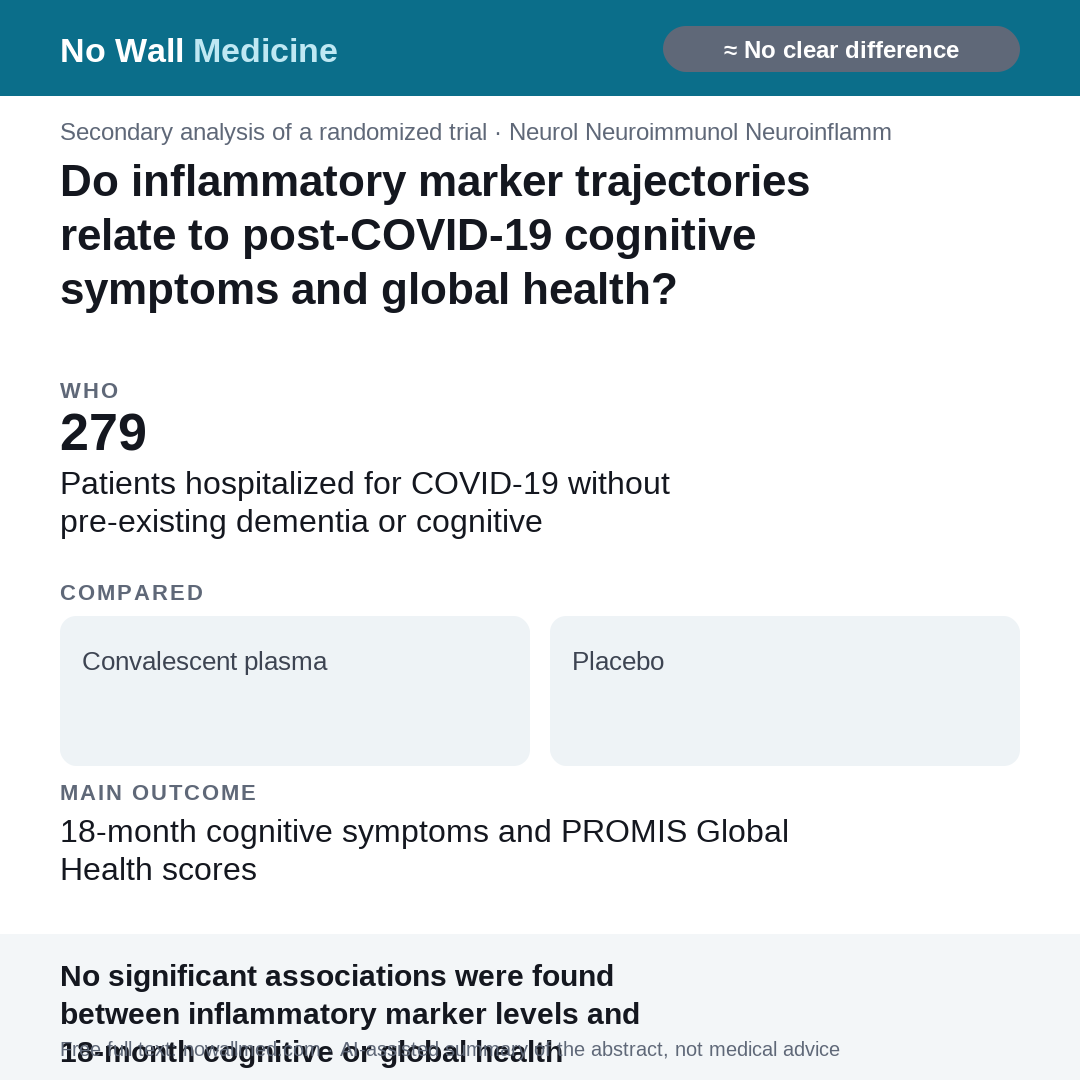
Trajectories of Inflammatory Markers and Post-COVID-19 Cognitive Symptoms: A Secondary Analysis of the CONTAIN COVID-19 Randomized Trial
Secondary analysis of a randomized trialNo clear difference
Do inflammatory marker trajectories relate to post-COVID-19 cognitive symptoms and global health?
Who
279
Patients hospitalized for COVID-19 without pre-existing dementia or cognitive abnormalities
Compared
Convalescent plasma
Placebo
Main outcome
18-month cognitive symptoms and PROMIS Global Health scores
Bottom line: No significant associations were found between inflammatory marker levels and 18-month cognitive or global health outcomes.
Neurol Neuroimmunol Neuroinflamm · 2024-04-16Download image
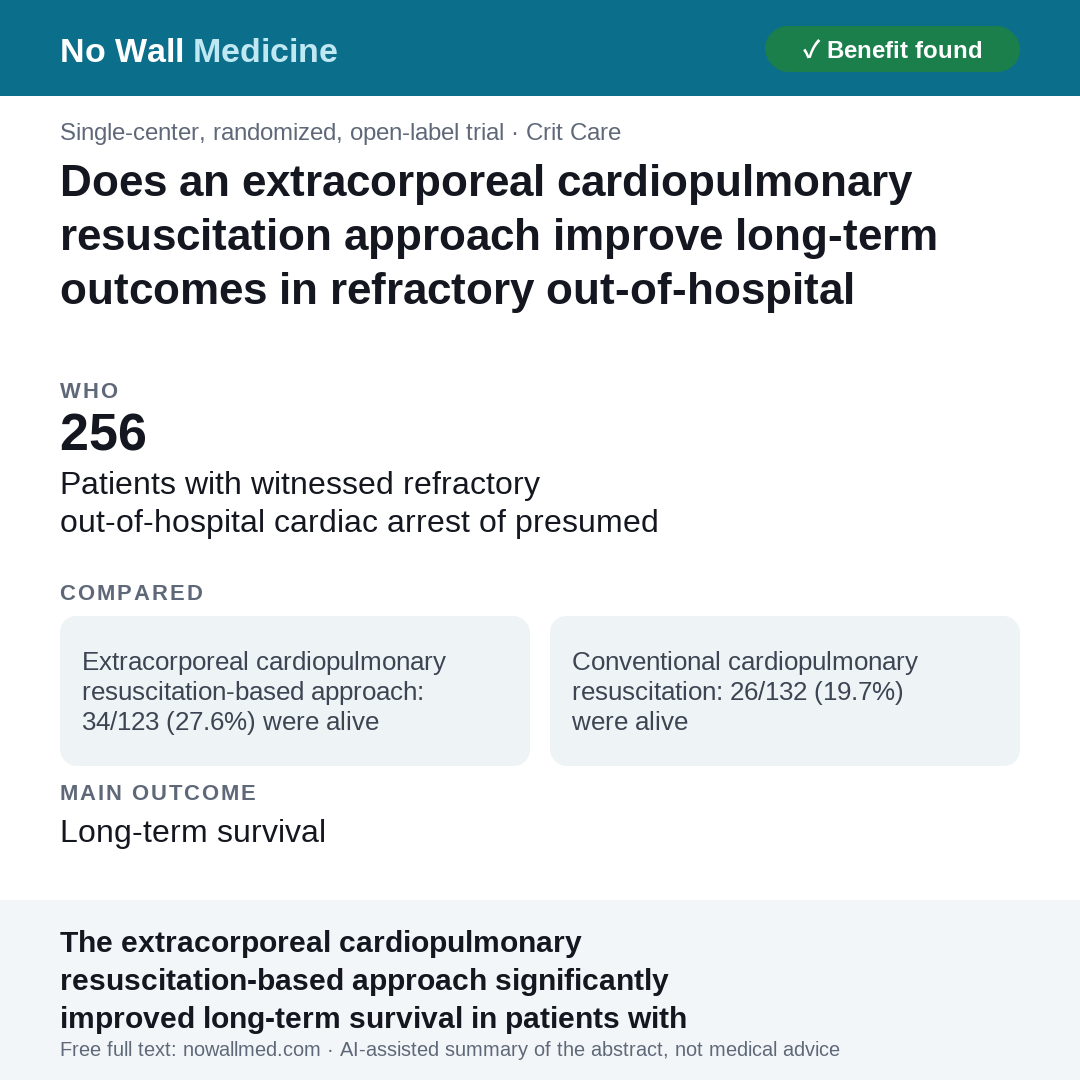
Effect of intra-arrest transport, extracorporeal cardiopulmonary resuscitation and immediate invasive assessment in refractory out-of-hospital cardiac arrest: a long-term follow-up of the Prague OHCA trial
Single-center, randomized, open-label trialBenefit found
Does an extracorporeal cardiopulmonary resuscitation approach improve long-term outcomes in refractory out-of-hospital cardiac arrest?
Who
256
Patients with witnessed refractory out-of-hospital cardiac arrest of presumed cardiac origin · Single-center
Compared
Extracorporeal cardiopulmonary resuscitation-based approach: 34/123 (27.6%) were alive
Conventional cardiopulmonary resuscitation: 26/132 (19.7%) were alive
Main outcome
Long-term survival
Bottom line: The extracorporeal cardiopulmonary resuscitation-based approach significantly improved long-term survival in patients with refractory out-of-hospital cardiac arrest.
Crit Care · 2024-04-16Download image
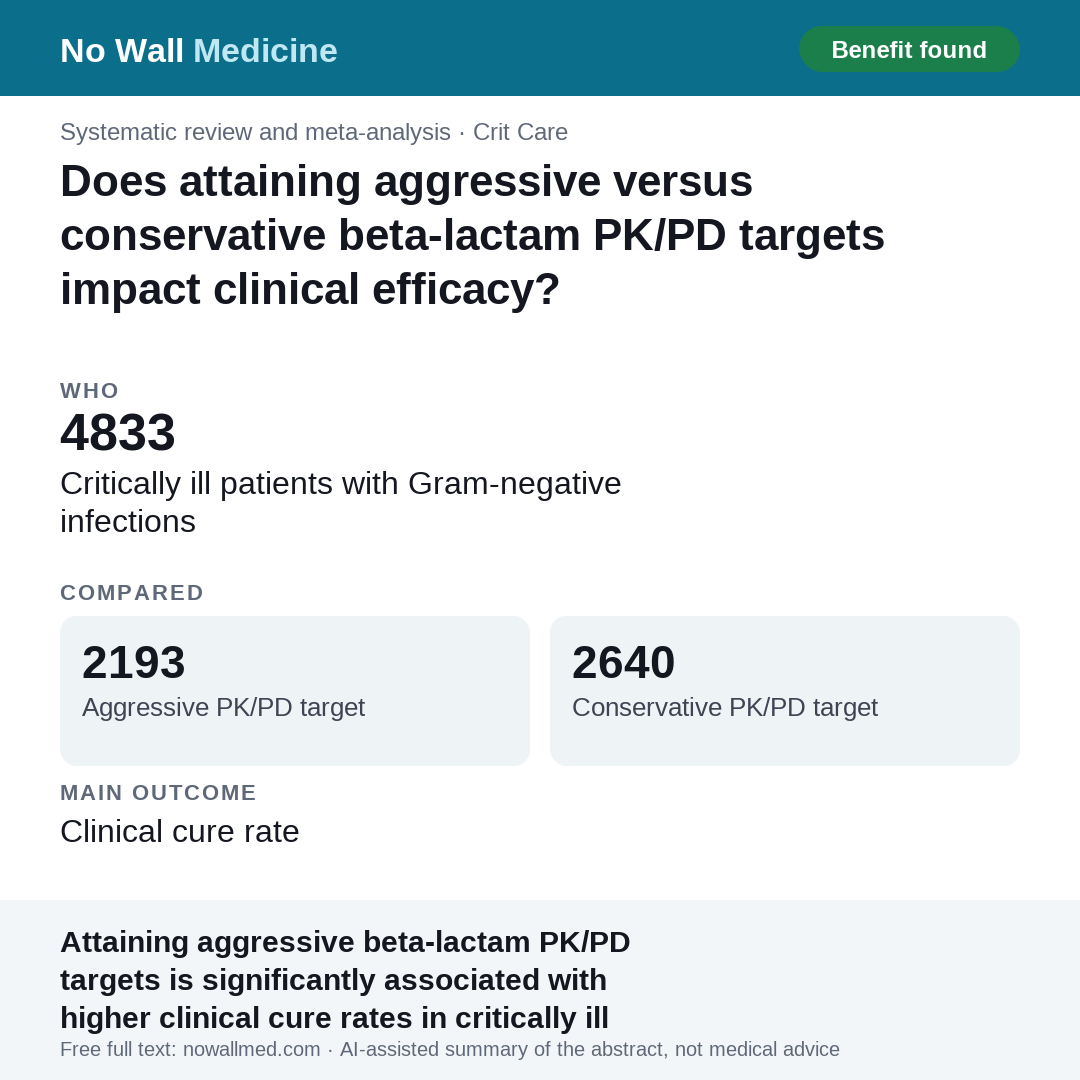
Impact of attaining aggressive vs. conservative PK/PD target on the clinical efficacy of beta-lactams for the treatment of Gram-negative infections in the critically ill patients: a systematic review and meta-analysis
Systematic review and meta-analysisBenefit found
Does attaining aggressive versus conservative beta-lactam PK/PD targets impact clinical efficacy?
Who
4833
Critically ill patients with Gram-negative infections
Compared
2193Aggressive PK/PD target
2640Conservative PK/PD target
Main outcome
Clinical cure rate
Result: odds ratio 1.69 (95% CI 1.15-2.49)
Bottom line: Attaining aggressive beta-lactam PK/PD targets is significantly associated with higher clinical cure rates in critically ill patients.
Limitation: The risk of bias was moderate in 19 studies and severe in 2 studies.
Crit Care · 2024-04-16Download image
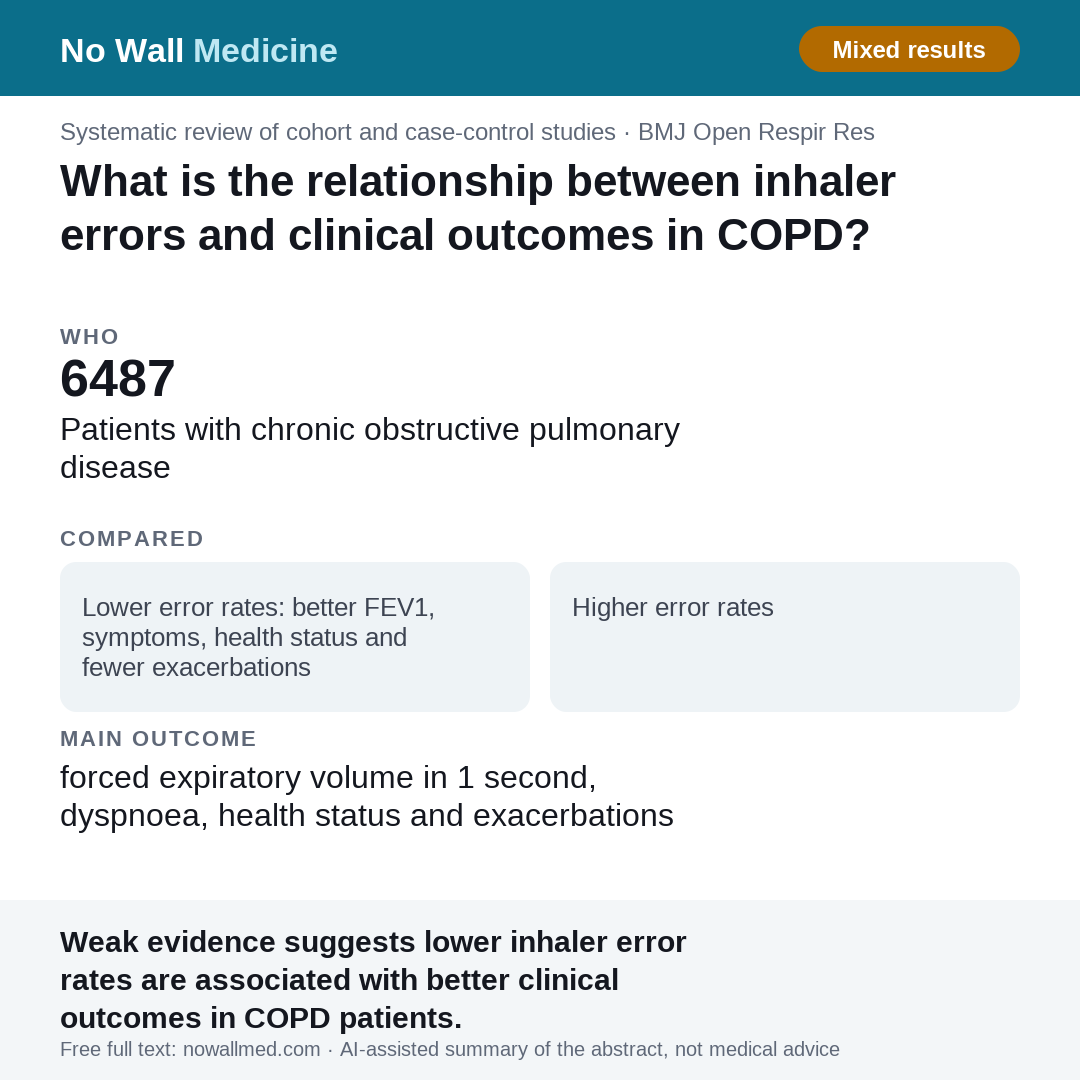
Systematic review of the effects of patient errors using inhaled delivery systems on clinical outcomes in COPD
Systematic review of cohort and case-control studiesMixed results
What is the relationship between inhaler errors and clinical outcomes in COPD?
Who
6487
Patients with chronic obstructive pulmonary disease
Compared
Lower error rates: better FEV1, symptoms, health status and fewer exacerbations
Higher error rates
Main outcome
forced expiratory volume in 1 second, dyspnoea, health status and exacerbations
Bottom line: Weak evidence suggests lower inhaler error rates are associated with better clinical outcomes in COPD patients.
Limitation: Most studies were low quality and confounded by the absence of adherence data.
BMJ Open Respir Res · 2024-04-16Download image
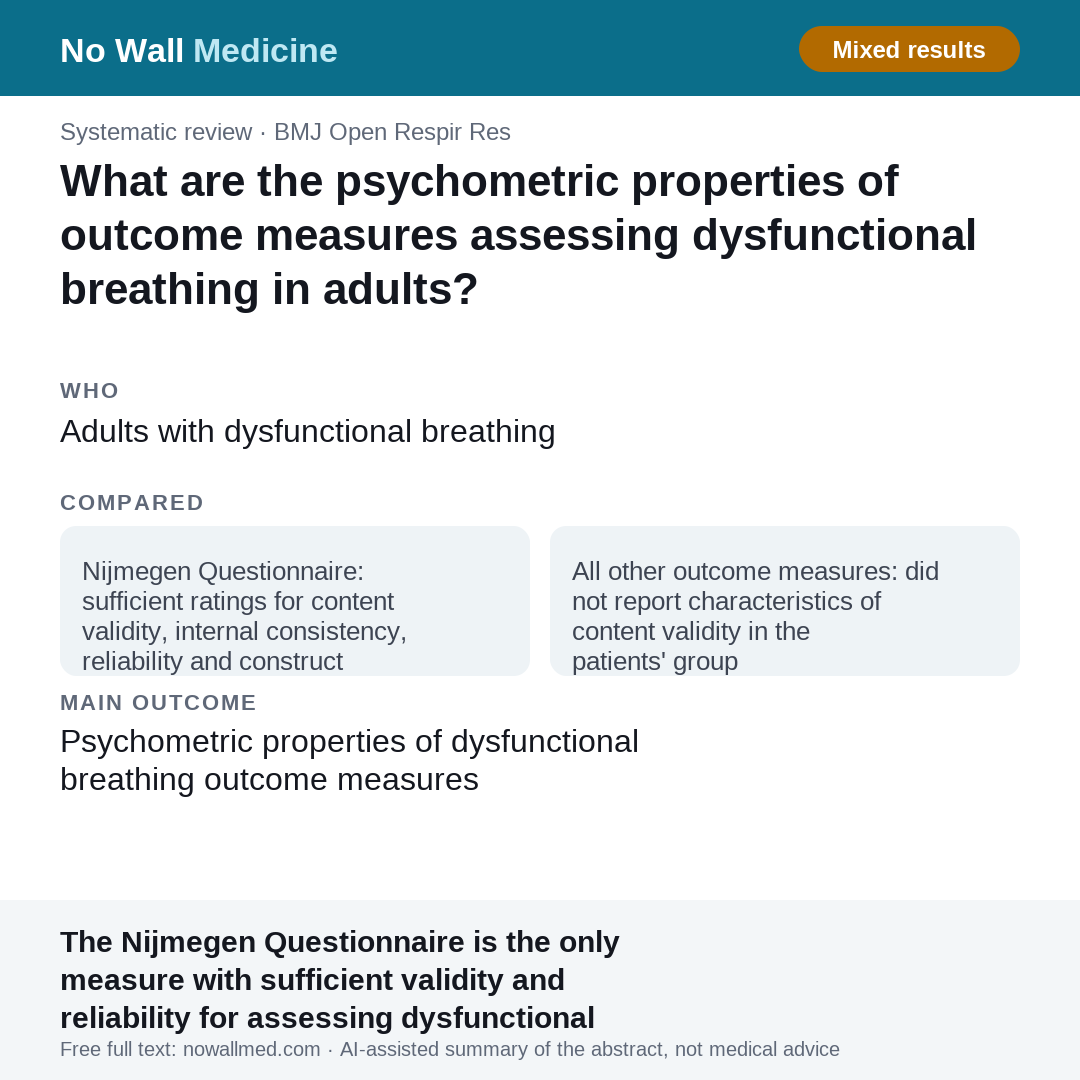
Validity and reliability of outcome measures to assess dysfunctional breathing: a systematic review
Systematic reviewMixed results
What are the psychometric properties of outcome measures assessing dysfunctional breathing in adults?
Who
Adults with dysfunctional breathing
Compared
Nijmegen Questionnaire: sufficient ratings for content validity, internal consistency, reliability and construct validity
All other outcome measures: did not report characteristics of content validity in the patients' group
Main outcome
Psychometric properties of dysfunctional breathing outcome measures
Bottom line: The Nijmegen Questionnaire is the only measure with sufficient validity and reliability for assessing dysfunctional breathing.
Limitation: Further evaluation of the psychometric properties is needed for the remaining outcome measures.
BMJ Open Respir Res · 2024-04-16Download image
Challenging assumptions about the demographics of eosinophilic gastrointestinal diseases: A systematic review
Systematic reviewUnclear result
What are the demographic characteristics of patients with eosinophilic gastrointestinal diseases?
Who
50
Patients with eosinophilic gastrointestinal diseases
Compared
Esophageal eosinophilia: higher proportion of male subjects
Other eosinophilic gastrointestinal diseases: no difference in gender or sex distribution
Main outcome
Demographic distribution and reporting of patient characteristics
Bottom line: Current data only support a male predominance for esophageal eosinophilia, with insufficient evidence for other demographic enrichments.
Limitation: Demographics were rarely described and reporting of race and ethnicity was inconsistent with guidelines.
JACI Glob · 2024-04-16Download image

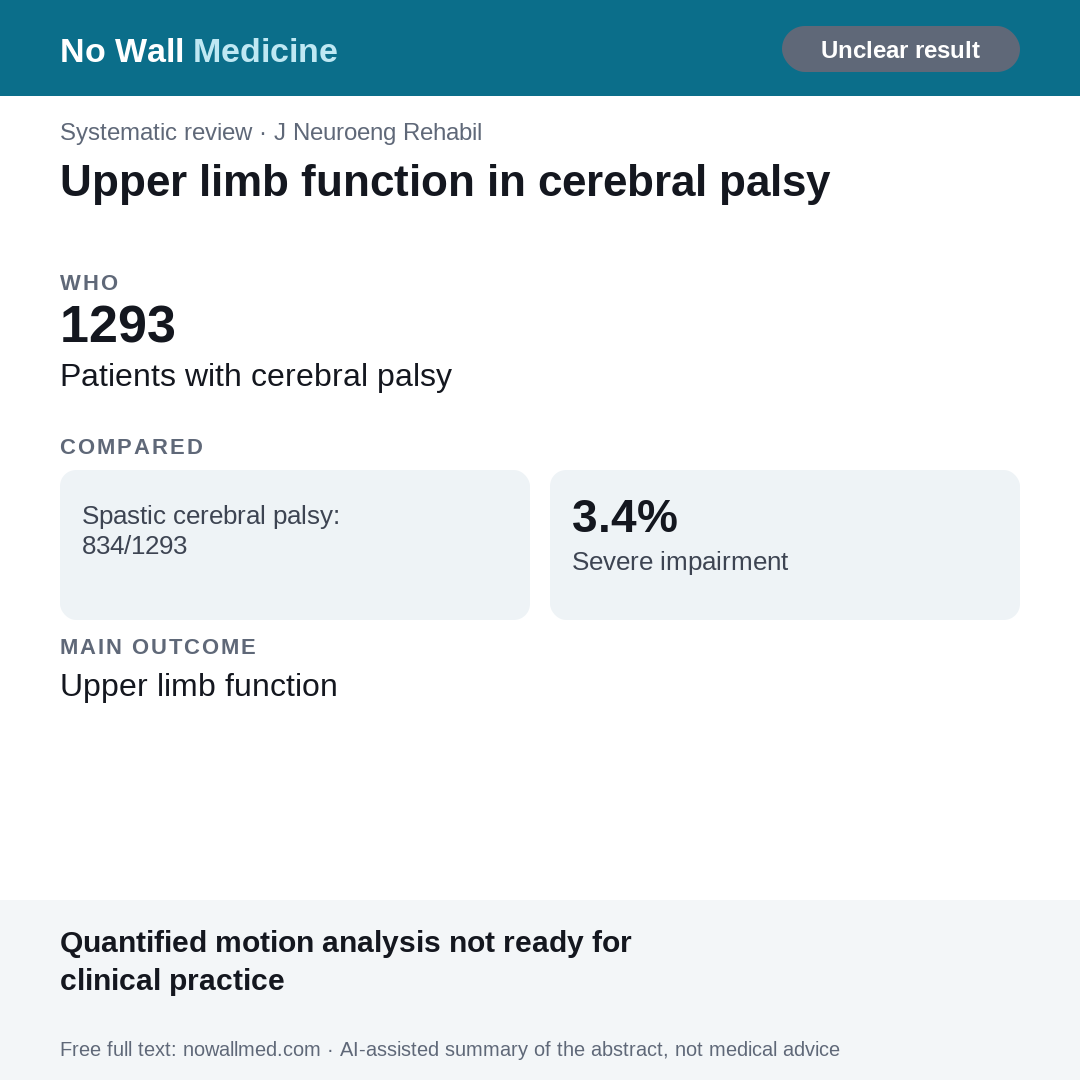
A systematic review of instrumented assessments for upper limb function in cerebral palsy: current limitations and future directions
Systematic reviewUnclear result
Upper limb function in cerebral palsy
Who
1293
Patients with cerebral palsy
Compared
Spastic cerebral palsy: 834/1293
3.4%Severe impairment
Main outcome
Upper limb function
Bottom line: Quantified motion analysis not ready for clinical practice
Limitation: Lack of standardization and costly equipment
J Neuroeng Rehabil · 2024-04-16Download image
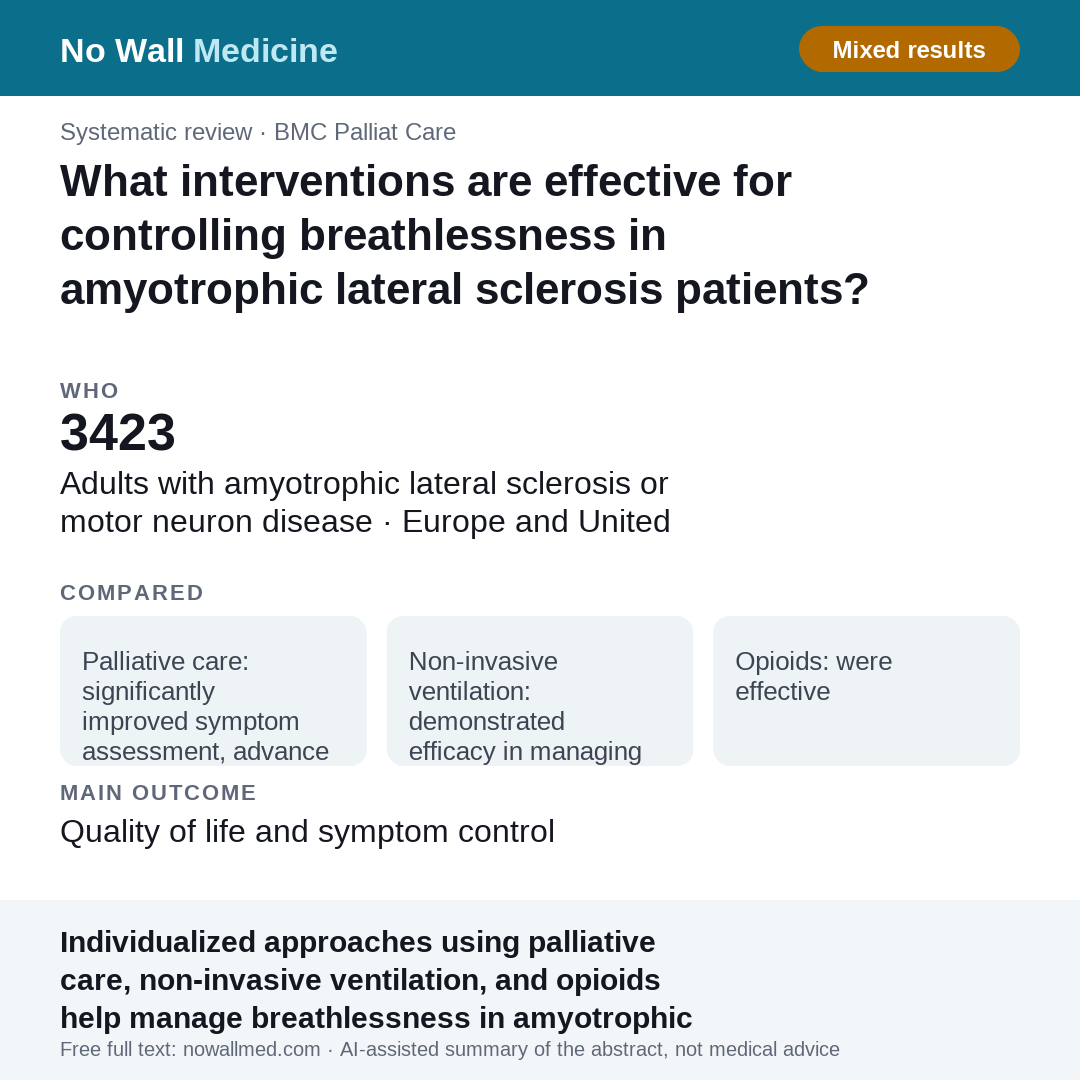
Optimizing breathlessness management in amyotrophic lateral sclerosis: insights from a comprehensive systematic review
Systematic reviewMixed results
What interventions are effective for controlling breathlessness in amyotrophic lateral sclerosis patients?
Who
3423
Adults with amyotrophic lateral sclerosis or motor neuron disease · Europe and United States of America
Compared
Palliative care: significantly improved symptom assessment, advance care planning, and goals of care
Non-invasive ventilation: demonstrated efficacy in managing breathlessness
Opioids: were effective
Main outcome
Quality of life and symptom control
Bottom line: Individualized approaches using palliative care, non-invasive ventilation, and opioids help manage breathlessness in amyotrophic lateral sclerosis.
Limitation: Further research, especially amyotrophic lateral sclerosis-specific self-management studies, is warranted.
BMC Palliat Care · 2024-04-16Download image
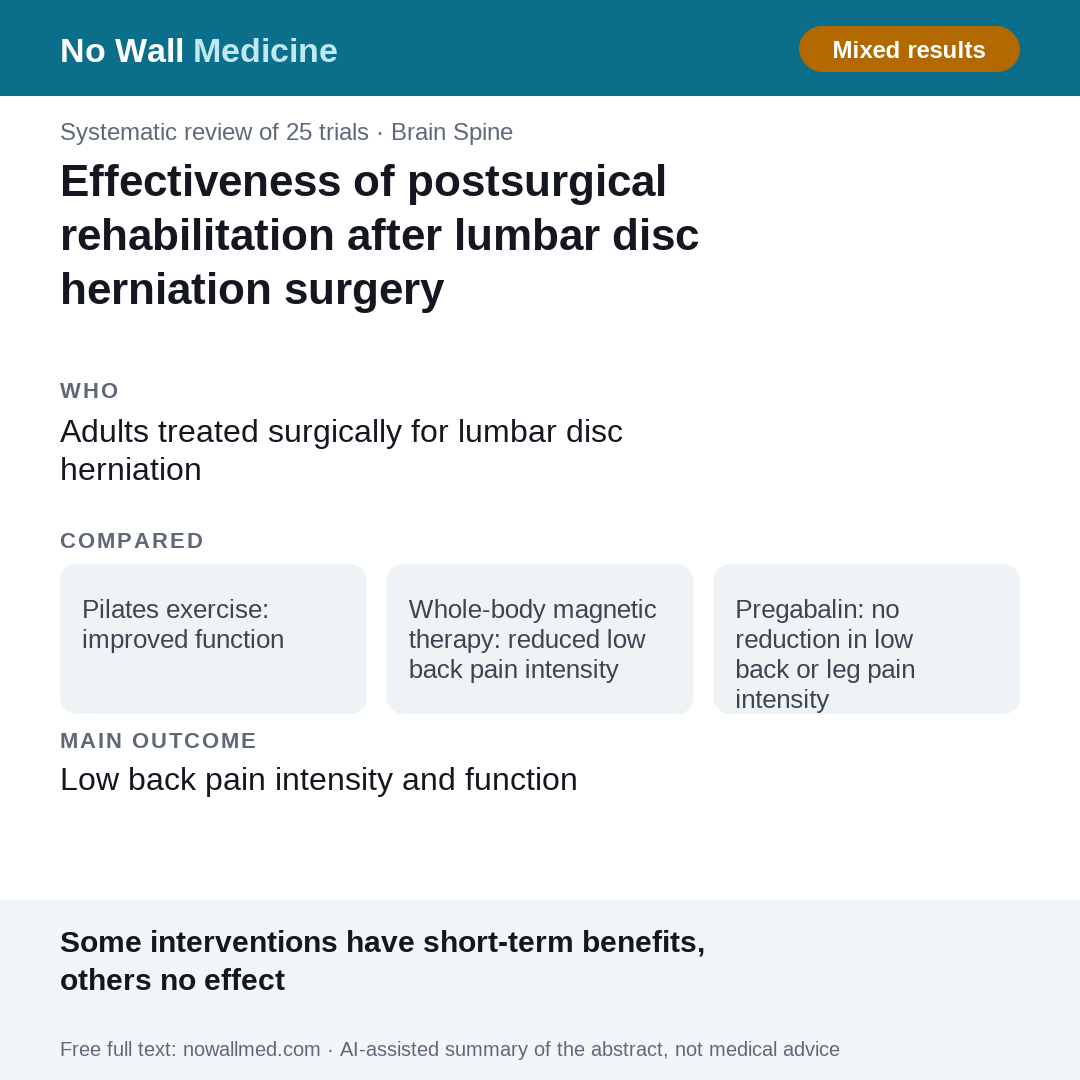
Effectiveness of postsurgical rehabilitation following lumbar disc herniation surgery: A systematic review
Systematic review of 25 trialsMixed results
Effectiveness of postsurgical rehabilitation after lumbar disc herniation surgery
Who
Adults treated surgically for lumbar disc herniation
Compared
Pilates exercise: improved function
Whole-body magnetic therapy: reduced low back pain intensity
Pregabalin: no reduction in low back or leg pain intensity
Main outcome
Low back pain intensity and function
Bottom line: Some interventions have short-term benefits, others no effect
Brain Spine · 2024-04-16Download image
Global, regional, and national incidence and mortality burden of non-COVID-19 lower respiratory infections and aetiologies, 1990-2021: a systematic analysis from the Global Burden of Disease Study 2021
Systematic analysisMixed results
What was the global burden of non-COVID-19 lower respiratory infections and aetiologies from 1990 to 2021?
Who
Global population across 204 countries and territories · Global, 204 countries and territories
Compared
Global LRI incidence (2021): 344 million (95% uncertainty interval 325-364)
Global LRI mortality (2021): 2.18 million (1.98-2.36)
Streptococcus pneumoniae episodes (2021): 97.9 million (92.1-104.0)
505,000Streptococcus pneumoniae deaths (2021) (454,000-555,000)
Main outcome
Incidence, mortality, and aetiology of non-COVID-19 lower respiratory infections
Bottom line: Global non-COVID-19 lower respiratory infection mortality declined significantly, though the burden remains high, especially in low-income countries.
Lancet Infect Dis · 2024-04-15Download image

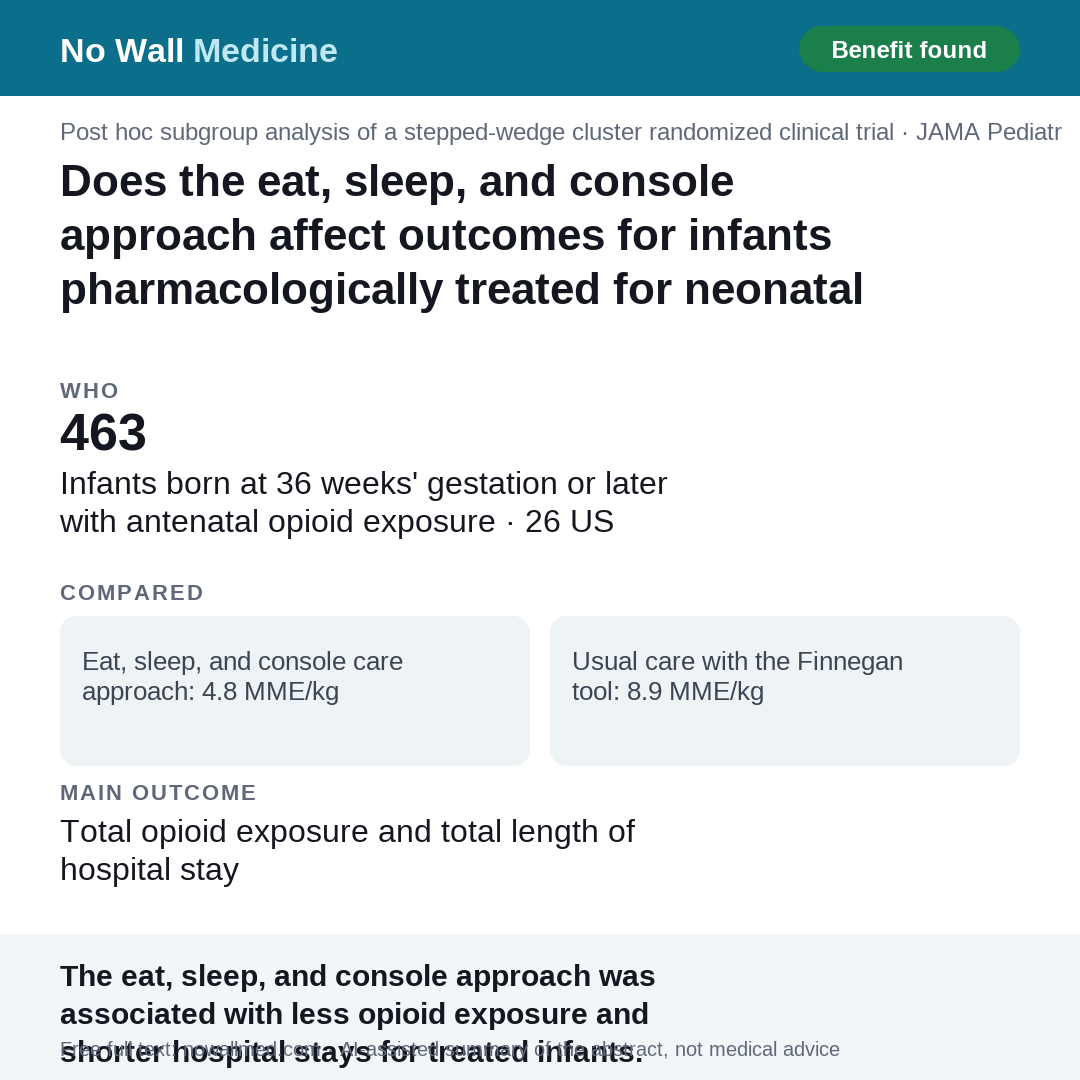
Influence of Eat, Sleep, and Console on Infants Pharmacologically Treated for Opioid Withdrawal: A Post Hoc Subgroup Analysis of the ESC-NOW Randomized Clinical Trial
Post hoc subgroup analysis of a stepped-wedge cluster randomized clinical trialBenefit found
Does the eat, sleep, and console approach affect outcomes for infants pharmacologically treated for neonatal opioid withdrawal syndrome?
Who
463
Infants born at 36 weeks' gestation or later with antenatal opioid exposure · 26 US hospitals
Compared
Eat, sleep, and console care approach: 4.8 MME/kg
Usual care with the Finnegan tool: 8.9 MME/kg
Main outcome
Total opioid exposure and total length of hospital stay
Result: absolute difference of 4.1 morphine milligram equivalents per kilogram (95% CI, 1.3-7.0)
Bottom line: The eat, sleep, and console approach was associated with less opioid exposure and shorter hospital stays for treated infants.
JAMA Pediatr · 2024-04-15Download image
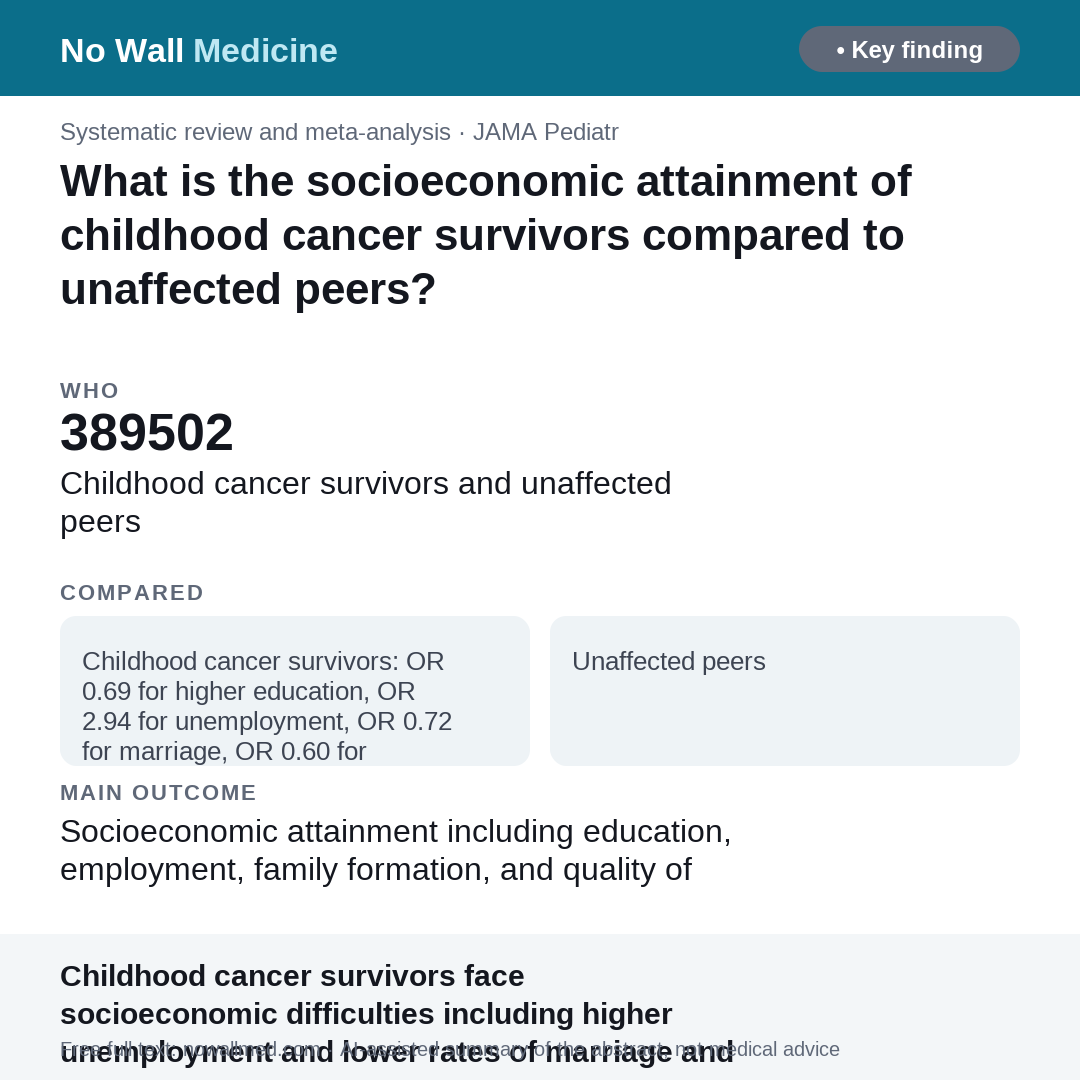
Burden of Childhood Cancer and the Social and Economic Challenges in Adulthood: A Systematic Review and Meta-Analysis
Systematic review and meta-analysisHarm found
What is the socioeconomic attainment of childhood cancer survivors compared to unaffected peers?
Who
389502
Childhood cancer survivors and unaffected peers
Compared
Childhood cancer survivors: OR 0.69 for higher education, OR 2.94 for unemployment, OR 0.72 for marriage, OR 0.60 for parenthood
Unaffected peers
Main outcome
Socioeconomic attainment including education, employment, family formation, and quality of life
Bottom line: Childhood cancer survivors face socioeconomic difficulties including higher unemployment and lower rates of marriage and parenthood.
JAMA Pediatr · 2024-04-15Download image
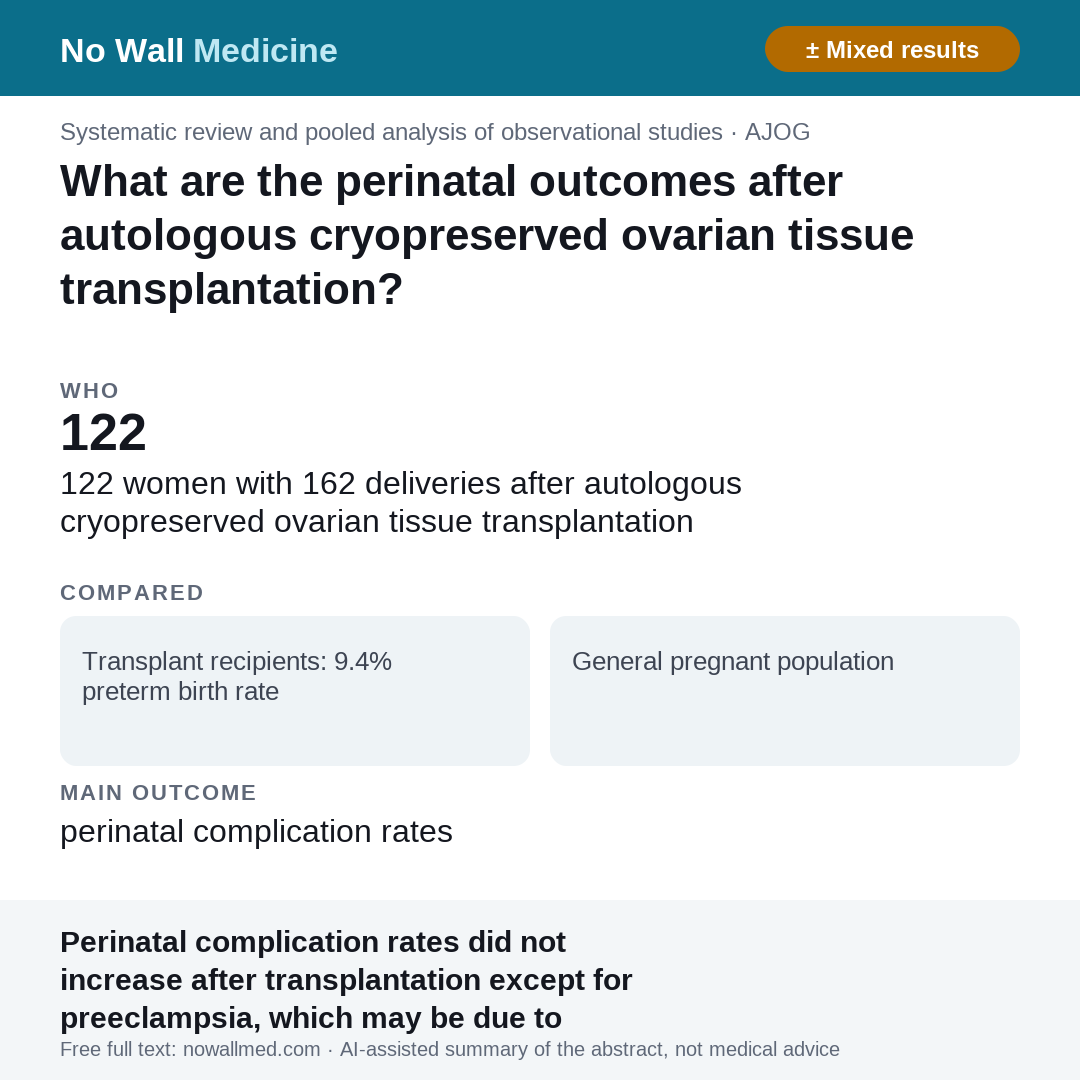
Perinatal outcomes of pregnancies following autologous cryopreserved ovarian tissue transplantation: a systematic review with pooled analysis
Systematic review and pooled analysis of observational studiesMixed results
What are the perinatal outcomes after autologous cryopreserved ovarian tissue transplantation?
Who
122
122 women with 162 deliveries after autologous cryopreserved ovarian tissue transplantation
Compared
Transplant recipients: 9.4% preterm birth rate
General pregnant population
Main outcome
perinatal complication rates
Bottom line: Perinatal complication rates did not increase after transplantation except for preeclampsia, which may be due to chemotherapy or medical conditions.
Limitation: Low certainty evidence from observational studies
AJOG · 2024-04-15Download image