Visual abstracts
New randomized trials and meta-analyses from leading journals at a glance: who was studied, what was compared, and what was found. Every paper is free to read in full.
All specialtiesCardiology 3112Oncology 2636Gastroenterology & Hepatology 1199Infectious Disease 2052Neurology 1238Psychiatry & Mental Health 1457Pulmonology 1301Critical Care 877Endocrinology & Diabetes 1562Pediatrics 1851Surgery 1631Orthopedics & Sports Medicine 553Neurosurgery 368Cardiothoracic & Vascular Surgery 359Plastic & Reconstructive Surgery 446Nephrology 653Rheumatology 483Hematology 689Dermatology 371Ophthalmology 344Obstetrics & Gynecology 1031Public & Global Health 580Radiology & Imaging 435Anesthesiology 636Urology 520ENT (Otolaryngology) 341Emergency Medicine 342Allergy & Immunology 197Geriatrics 653Family Medicine & Primary Care 353Medical Genetics & Genomics 372Pathology & Laboratory Medicine 103Physical Medicine & Rehabilitation 489Palliative Care 268Nutrition 863Digital Health & AI 1473General Medicine 218
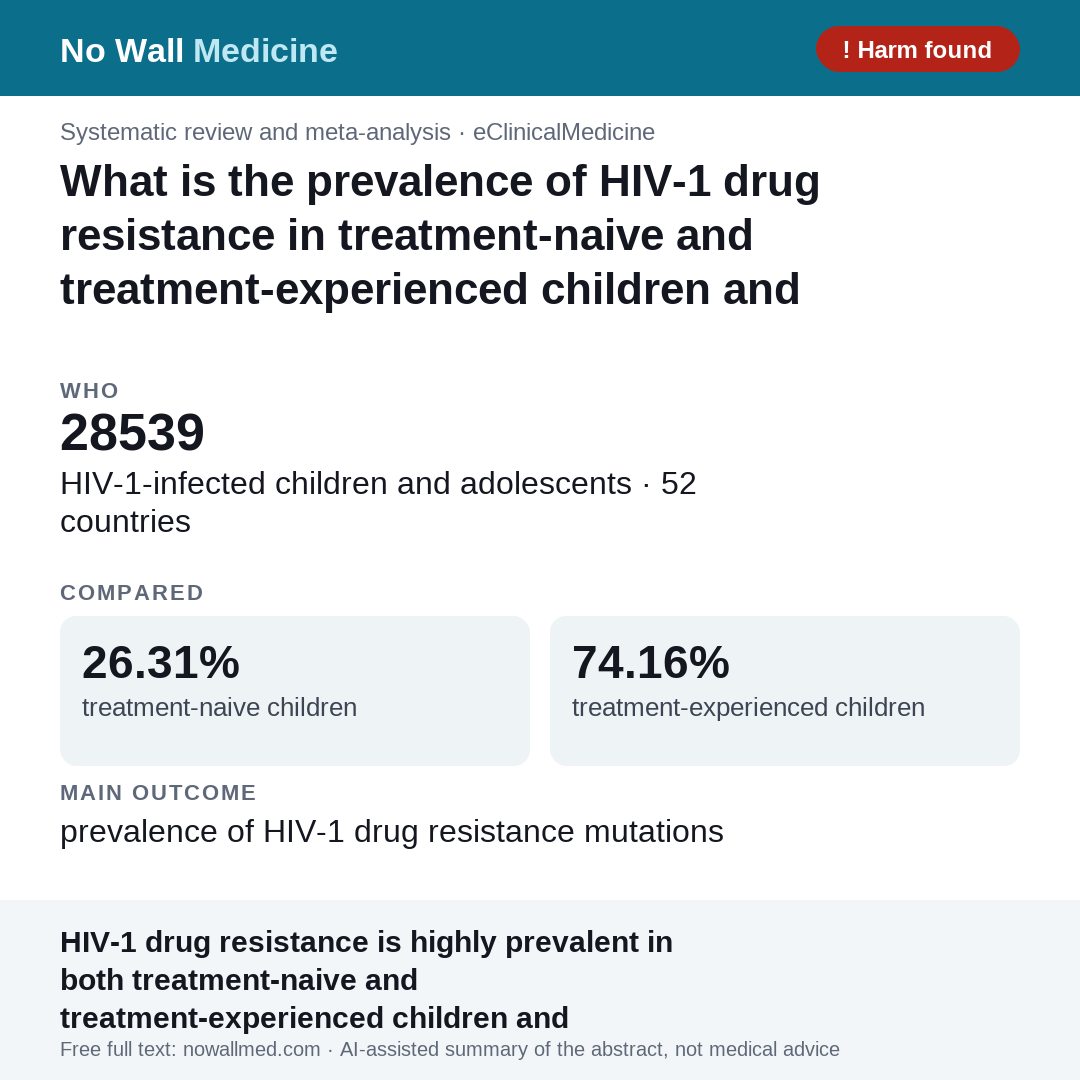
Global, regional, and national prevalence of HIV-1 drug resistance in treatment-naive and treatment-experienced children and adolescents: a systematic review and meta-analysis
Systematic review and meta-analysisHarm found
What is the prevalence of HIV-1 drug resistance in treatment-naive and treatment-experienced children and adolescents?
Who
28539
HIV-1-infected children and adolescents · 52 countries
Compared
26.31%treatment-naive children (95% CI, 20.76-32.25)
74.16%treatment-experienced children (95% CI, 67.74-80.13)
Main outcome
prevalence of HIV-1 drug resistance mutations
Bottom line: HIV-1 drug resistance is highly prevalent in both treatment-naive and treatment-experienced children and adolescents globally.
Funded by: Science and Technology Innovation Committee of Shenzhen Municipality; Natural Science Foundation of Guangdong Province
eClinicalMedicine · 2024-10-04Download image
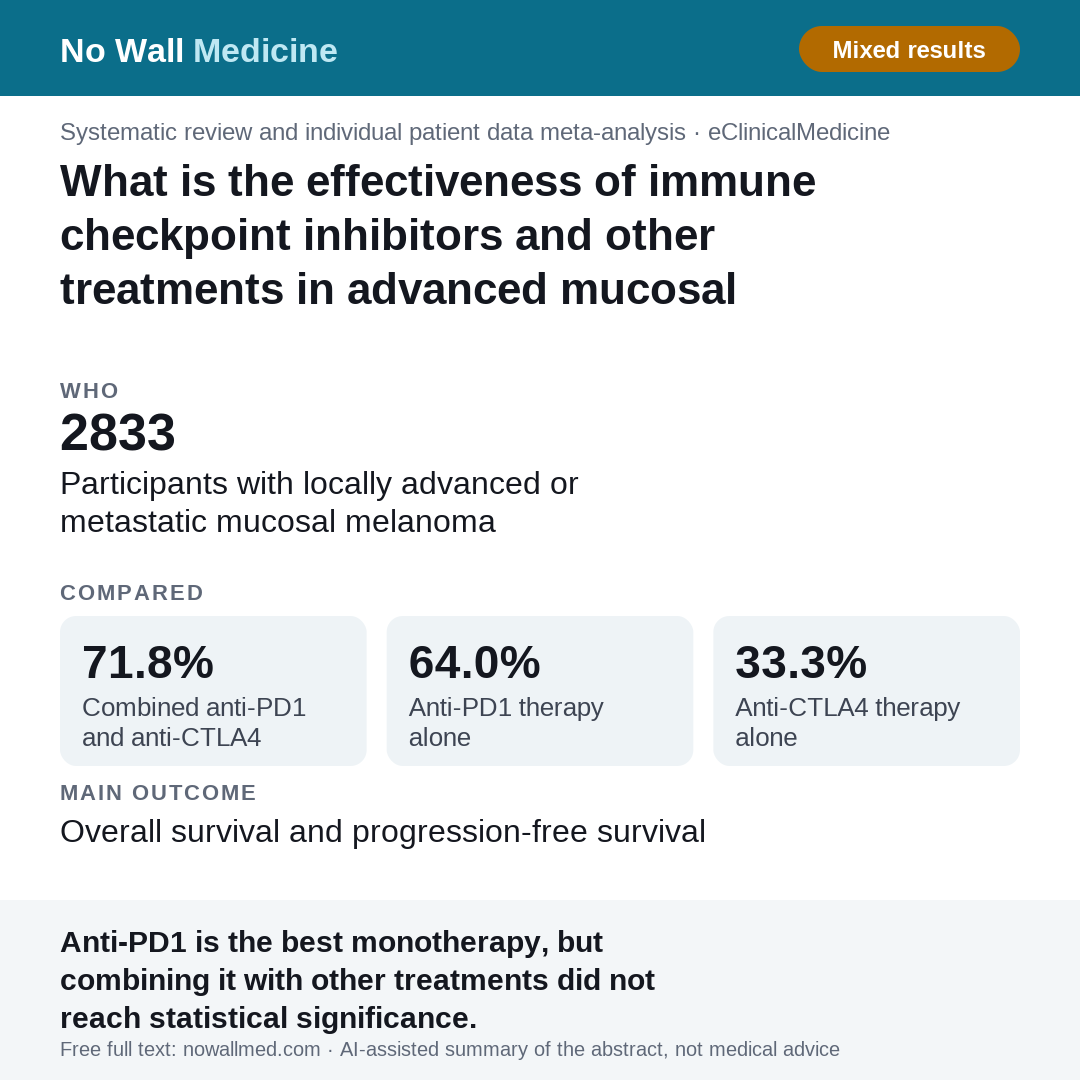
Effectiveness of immune checkpoint inhibitors and other treatment modalities in patients with advanced mucosal melanomas: a systematic review and individual patient data meta-analysis
Systematic review and individual patient data meta-analysisMixed results
What is the effectiveness of immune checkpoint inhibitors and other treatments in advanced mucosal melanomas?
Who
2833
Participants with locally advanced or metastatic mucosal melanoma
Compared
71.8%Combined anti-PD1 and anti-CTLA4 therapy (95% CI: 67.6%, 76.2%)
64.0%Anti-PD1 therapy alone (95% CI: 61.4%, 66.7%)
33.3%Anti-CTLA4 therapy alone (95% CI: 28.4%, 39.1%)
Main outcome
Overall survival and progression-free survival
Result: hazard ratio 0.856 (95% CI 0.704, 1.04) for OS
Bottom line: Anti-PD1 is the best monotherapy, but combining it with other treatments did not reach statistical significance.
Limitation: The rarity of mucosal melanoma makes conducting clinical trials challenging.
Funded by: National Medical Research Council
eClinicalMedicine · 2024-10-04Download image
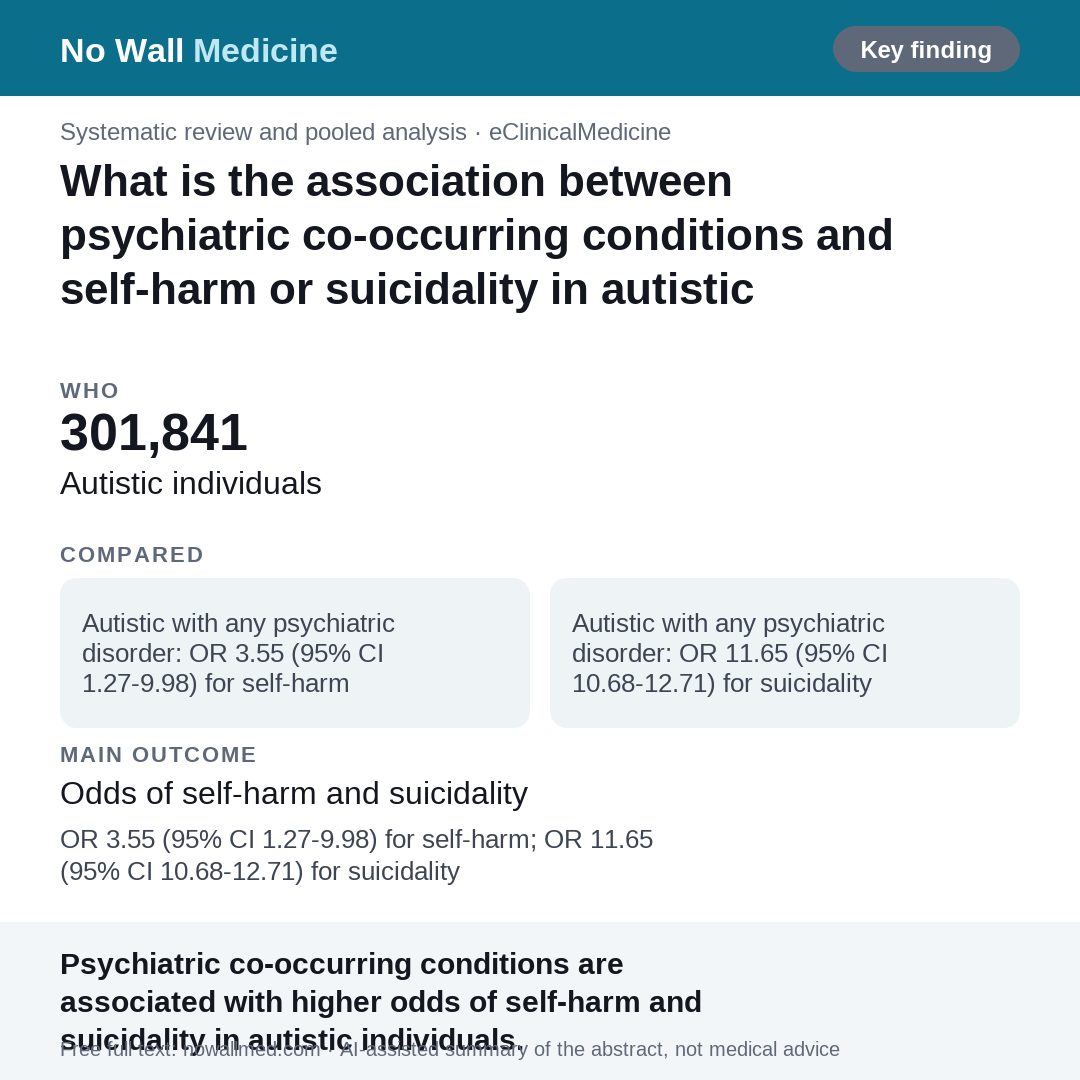
Association of self-harm and suicidality with psychiatric co-occurring conditions in autistic individuals: a systematic review and pooled analysis
Systematic review and pooled analysisBenefit found
What is the association between psychiatric co-occurring conditions and self-harm or suicidality in autistic individuals?
Who
301,841
Autistic individuals
Compared
Autistic with any psychiatric disorder: OR 3.55 (95% CI 1.27-9.98) for self-harm
Autistic with any psychiatric disorder: OR 11.65 (95% CI 10.68-12.71) for suicidality
Main outcome
Odds of self-harm and suicidality
Result: OR 3.55 (95% CI 1.27-9.98) for self-harm; OR 11.65 (95% CI 10.68-12.71) for suicidality
Bottom line: Psychiatric co-occurring conditions are associated with higher odds of self-harm and suicidality in autistic individuals.
Limitation: Findings should be interpreted with caution considering the limited number of included studies.
Funded by: National Center for Mental Health
eClinicalMedicine · 2024-10-04Download image
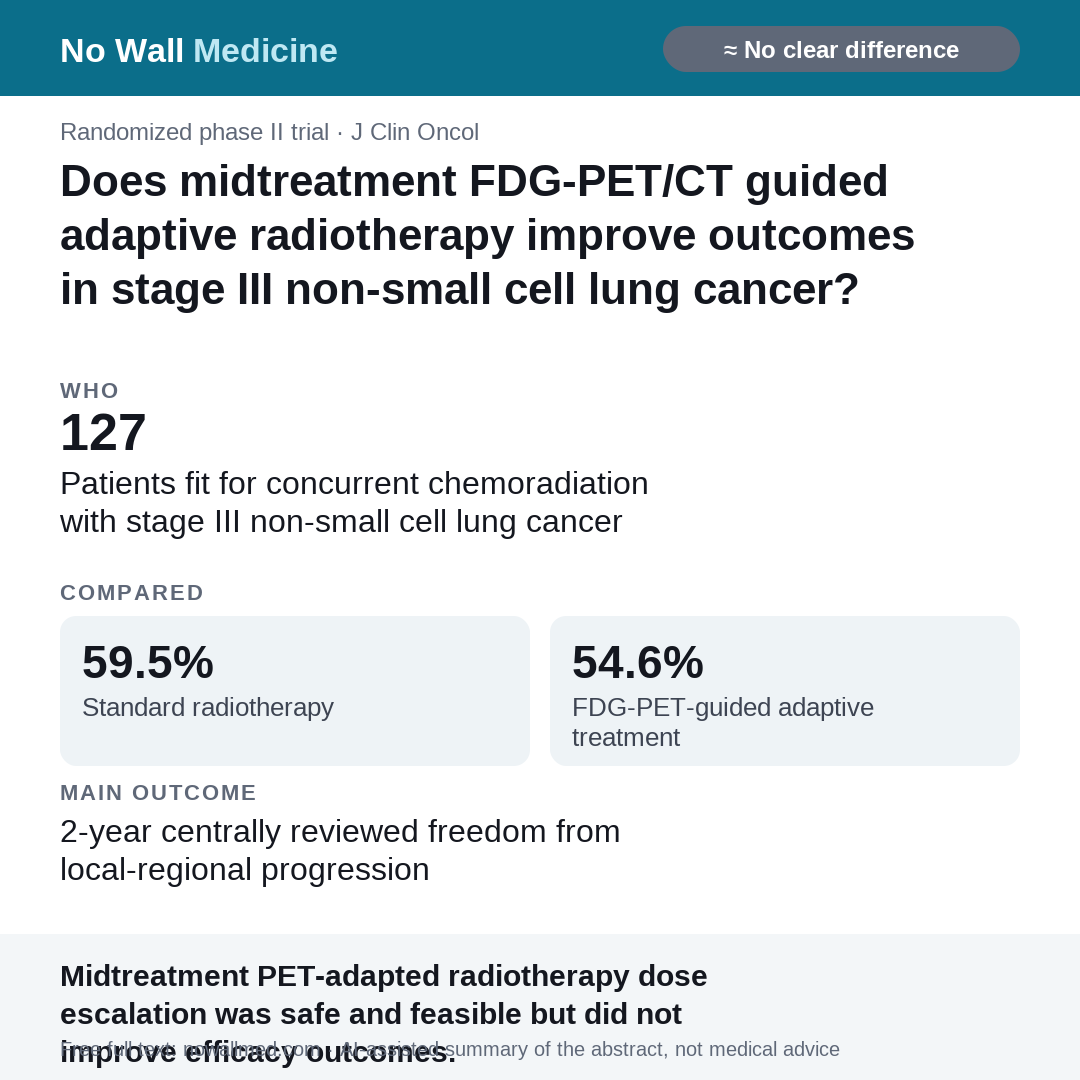
Primary Results of NRG-RTOG1106/ECOG-ACRIN 6697: A Randomized Phase II Trial of Individualized Adaptive (chemo)Radiotherapy Using Midtreatment 18F-Fluorodeoxyglucose Positron Emission Tomography/Computed Tomography in Stage III Non-Small Cell Lung Cancer
Randomized phase II trialNo clear difference
Does midtreatment FDG-PET/CT guided adaptive radiotherapy improve outcomes in stage III non-small cell lung cancer?
Who
127
Patients fit for concurrent chemoradiation with stage III non-small cell lung cancer
Compared
59.5%Standard radiotherapy
54.6%FDG-PET-guided adaptive treatment
Main outcome
2-year centrally reviewed freedom from local-regional progression
Bottom line: Midtreatment PET-adapted radiotherapy dose escalation was safe and feasible but did not improve efficacy outcomes.
J Clin Oncol · 2024-10-04Download image
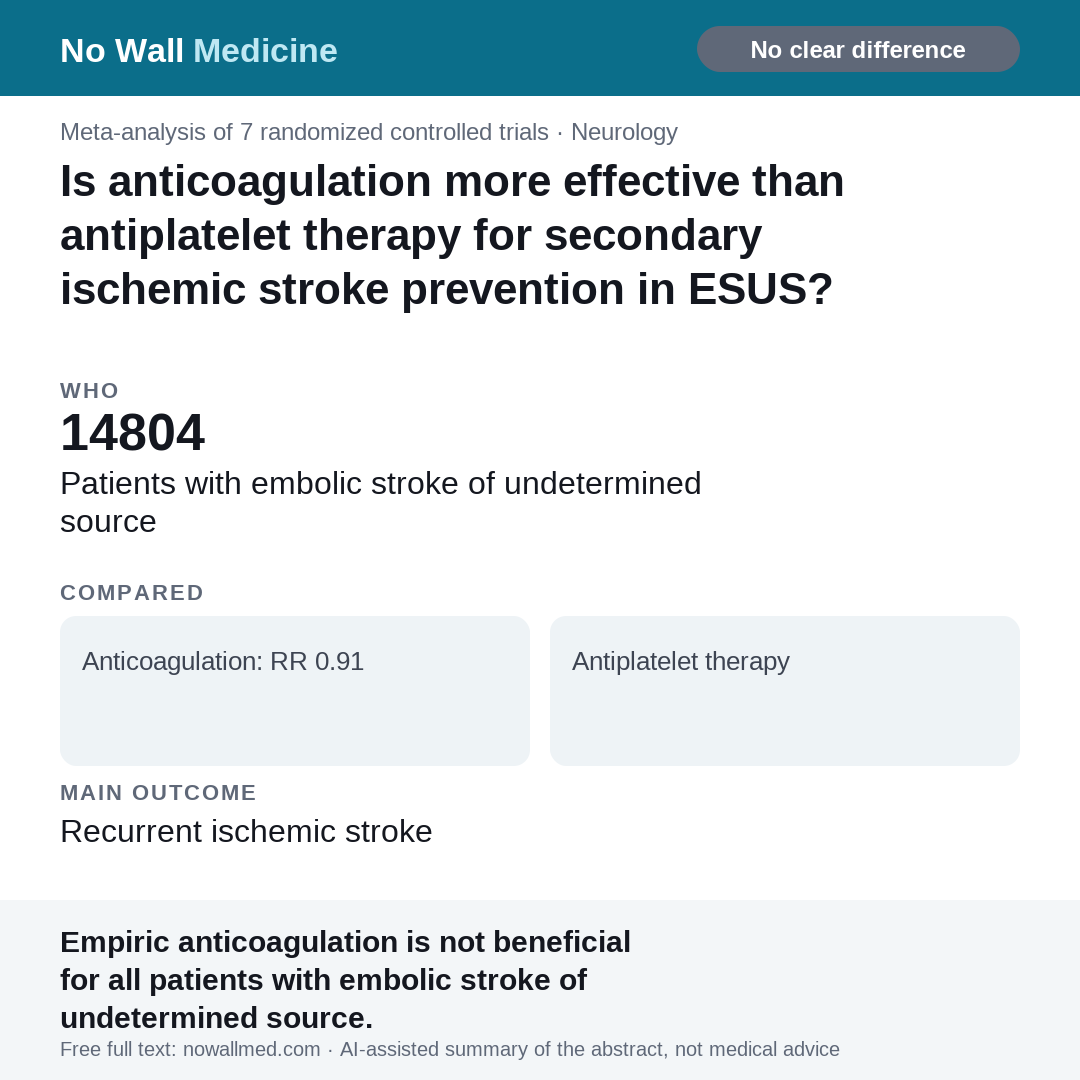
Anticoagulation vs Antiplatelets Across Subgroups of Embolic Stroke of Undetermined Source: A Meta-Analysis of Randomized Controlled Trials
Meta-analysis of 7 randomized controlled trialsNo clear difference
Is anticoagulation more effective than antiplatelet therapy for secondary ischemic stroke prevention in ESUS?
Who
14804
Patients with embolic stroke of undetermined source
Compared
Anticoagulation: RR 0.91
Antiplatelet therapy
Main outcome
Recurrent ischemic stroke
Result: RR 0.91 (95% CI 0.80-1.05)
Bottom line: Empiric anticoagulation is not beneficial for all patients with embolic stroke of undetermined source.
Limitation: Large prospective studies within subgroups are needed to validate findings.
Neurology · 2024-10-04Download image
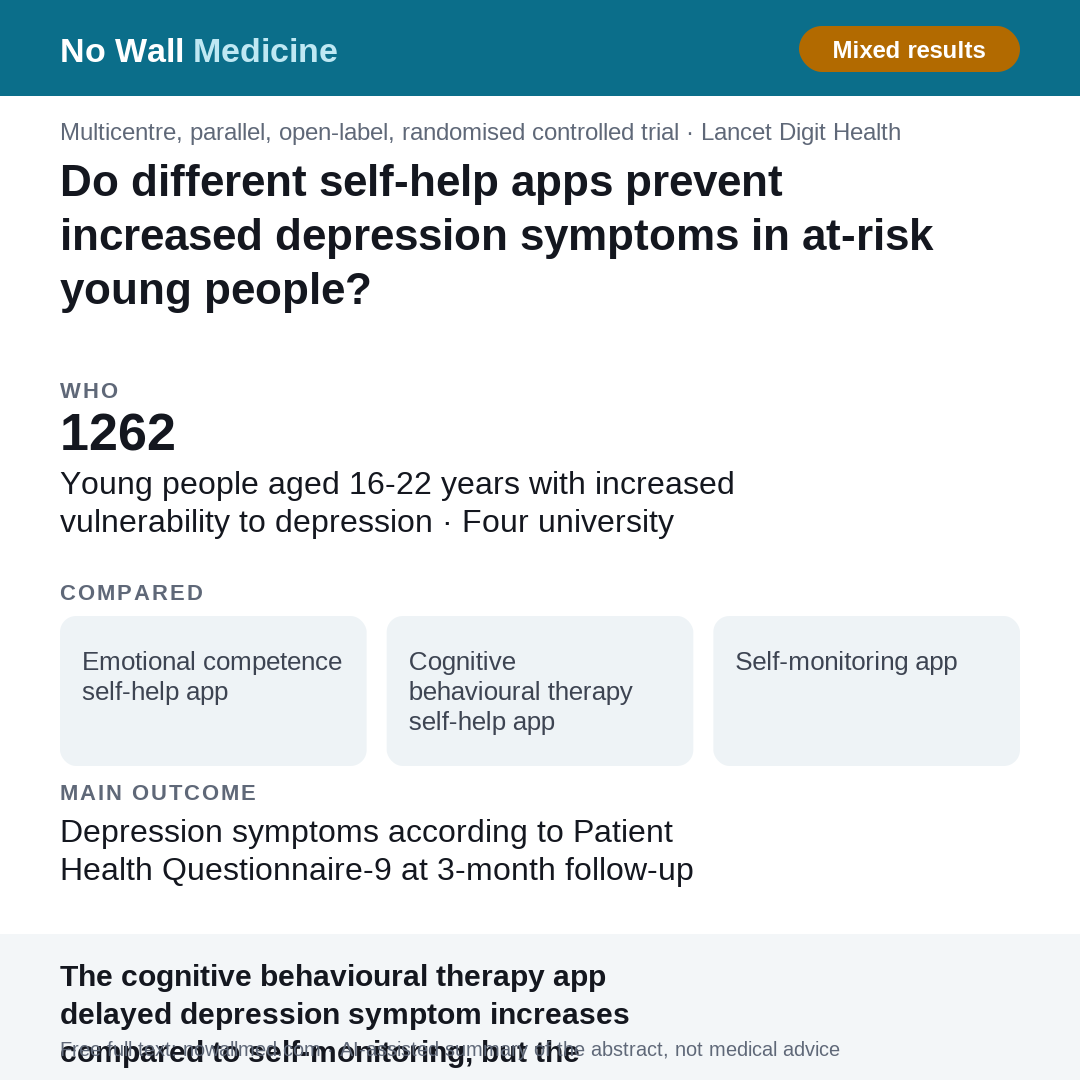
Emotional competence self-help app versus cognitive behavioural self-help app versus self-monitoring app to prevent depression in young adults with elevated risk (ECoWeB PREVENT): an international, multicentre, parallel, open-label, randomised controlled trial
Multicentre, parallel, open-label, randomised controlled trialMixed results
Do different self-help apps prevent increased depression symptoms in at-risk young people?
Who
1262
Young people aged 16-22 years with increased vulnerability to depression · Four university trial sites in UK, Germany, Spain, and Belgium
Compared
Emotional competence self-help app
Cognitive behavioural therapy self-help app
Self-monitoring app
Main outcome
Depression symptoms according to Patient Health Questionnaire-9 at 3-month follow-up
Result: mean difference in PHQ-9 -1·18 (95% CI -2·01 to -0·34) for CBT vs self-monitoring
Bottom line: The cognitive behavioural therapy app delayed depression symptom increases compared to self-monitoring, but the emotional competence app was not superior.
Funded by: European Commission
Lancet Digit Health · 2024-10-04Download image
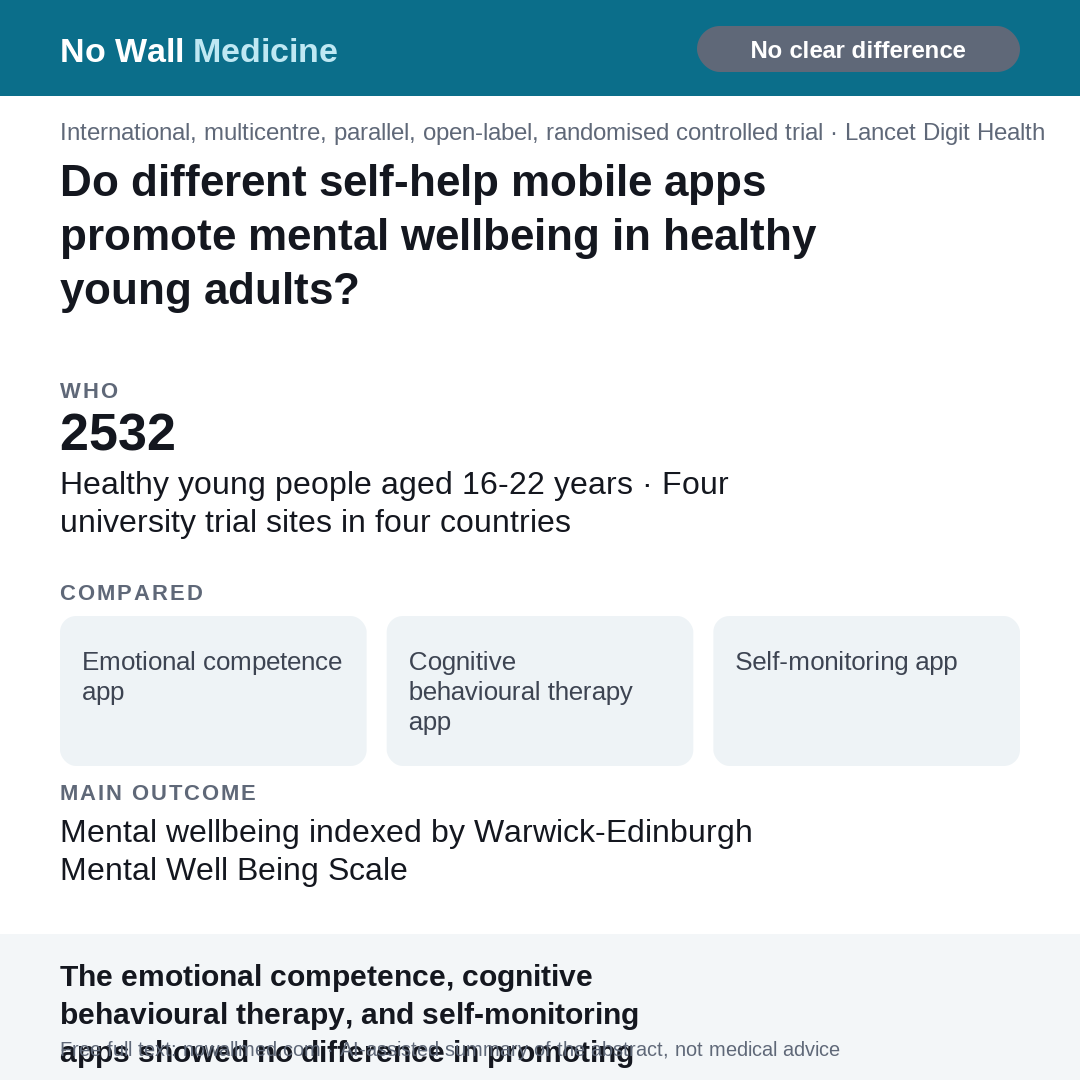
Emotional competence self-help mobile phone app versus cognitive behavioural self-help app versus self-monitoring app to promote mental wellbeing in healthy young adults (ECoWeB PROMOTE): an international, multicentre, parallel, open-label, randomised controlled trial
International, multicentre, parallel, open-label, randomised controlled trialNo clear difference
Do different self-help mobile apps promote mental wellbeing in healthy young adults?
Who
2532
Healthy young people aged 16-22 years · Four university trial sites in four countries
Compared
Emotional competence app
Cognitive behavioural therapy app
Self-monitoring app
Main outcome
Mental wellbeing indexed by Warwick-Edinburgh Mental Well Being Scale
Result: no difference (global p=0·47)
Bottom line: The emotional competence, cognitive behavioural therapy, and self-monitoring apps showed no difference in promoting mental wellbeing.
Limitation: Low intensity of interventions and difficulty improving wellbeing in low-risk populations.
Funded by: European Commission
Lancet Digit Health · 2024-10-04Download image
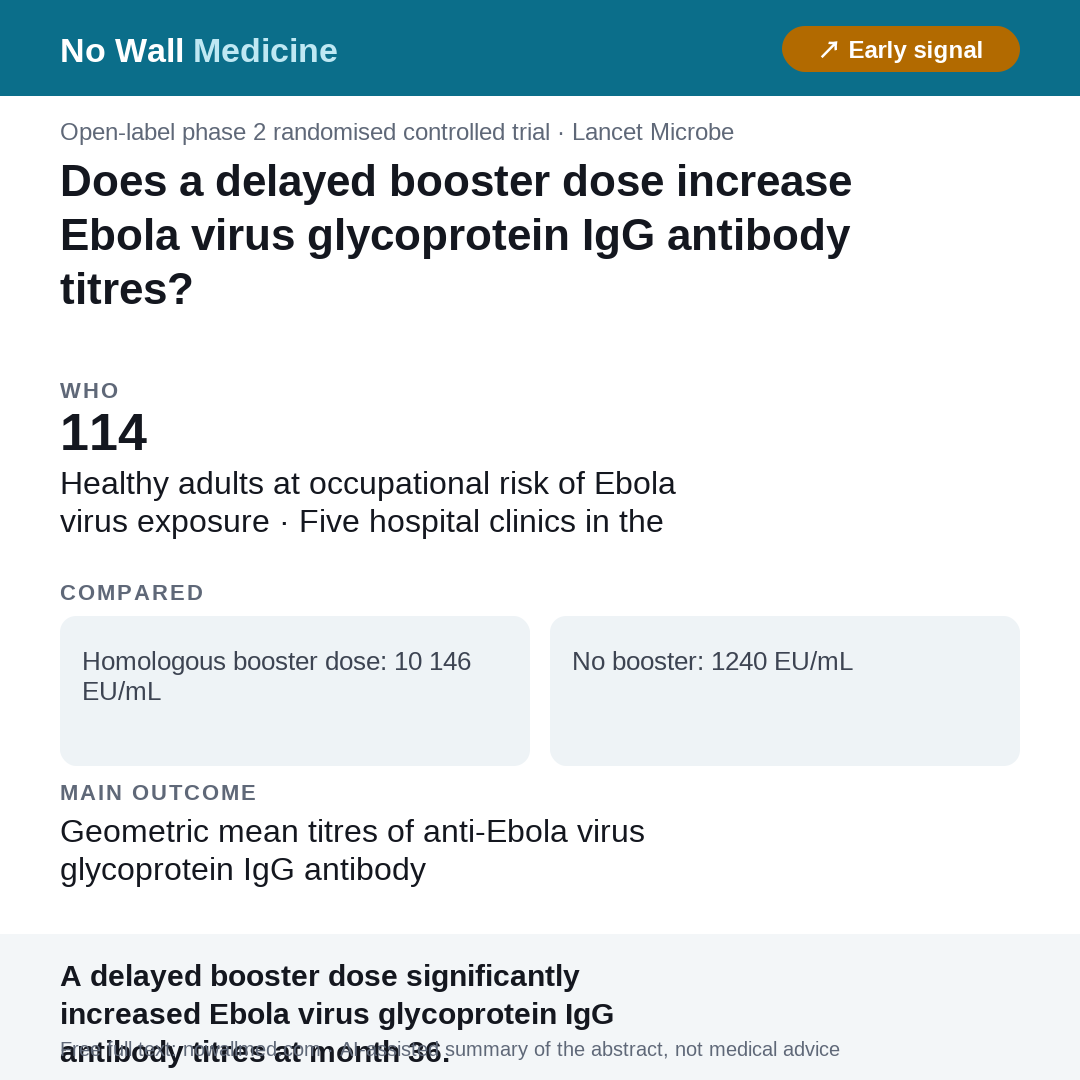
Safety and immunogenicity of a delayed booster dose of the rVSVΔG-ZEBOV-GP vaccine for prevention of Ebola virus disease: a multicentre, open-label, phase 2 randomised controlled trial
Open-label phase 2 randomised controlled trialBenefit found
Does a delayed booster dose increase Ebola virus glycoprotein IgG antibody titres?
Who
114
Healthy adults at occupational risk of Ebola virus exposure · Five hospital clinics in the USA and Canada
Compared
Homologous booster dose: 10 146 EU/mL
No booster: 1240 EU/mL
Main outcome
Geometric mean titres of anti-Ebola virus glycoprotein IgG antibody
Result: GMR 7.8 (95% CI 5.5 to 10.2)
Bottom line: A delayed booster dose significantly increased Ebola virus glycoprotein IgG antibody titres at month 36.
Lancet Microbe · 2024-10-04Download image
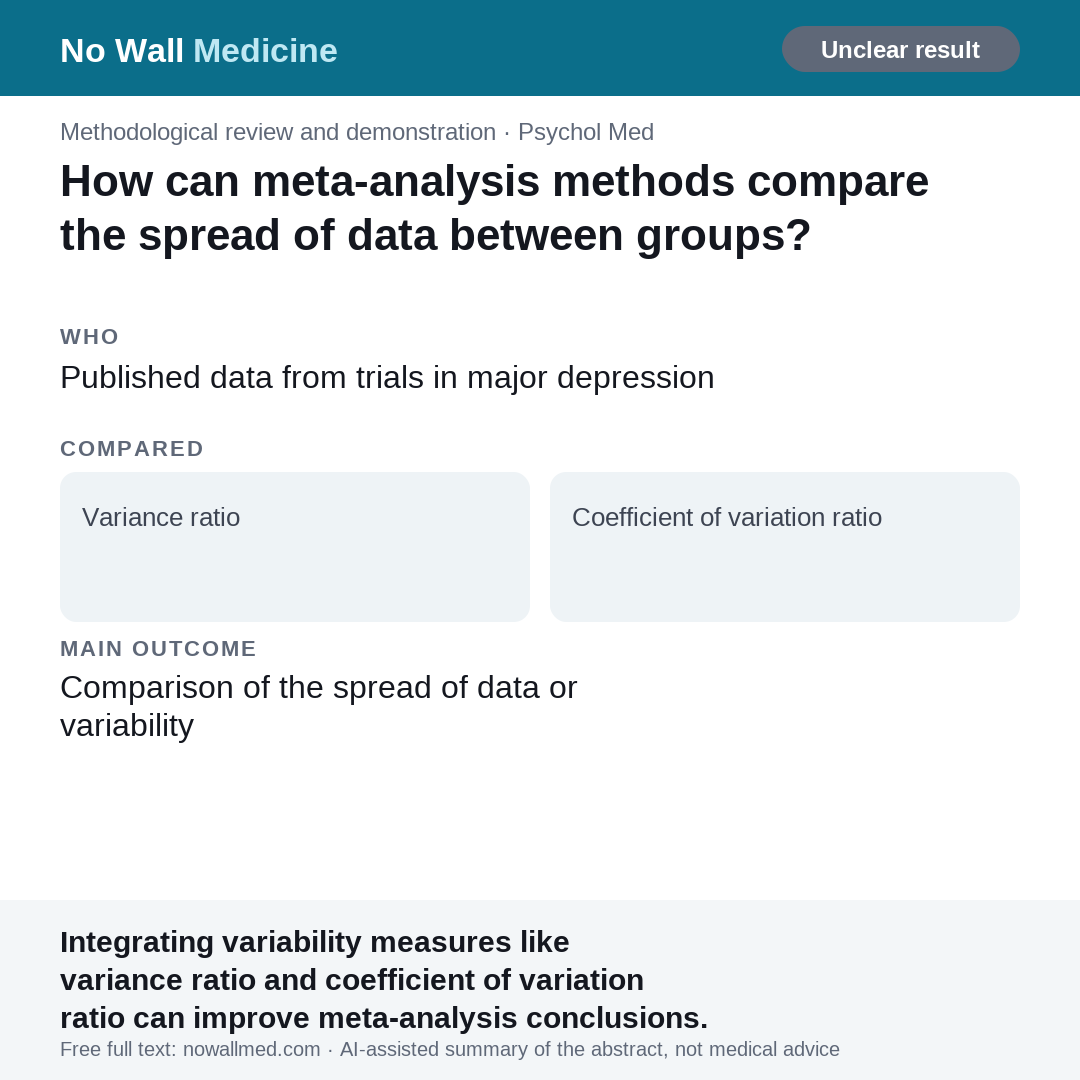
Understanding variability: the role of meta-analysis of variance
Methodological review and demonstrationUnclear result
How can meta-analysis methods compare the spread of data between groups?
Who
Published data from trials in major depression
Compared
Variance ratio
Coefficient of variation ratio
Main outcome
Comparison of the spread of data or variability
Bottom line: Integrating variability measures like variance ratio and coefficient of variation ratio can improve meta-analysis conclusions.
Psychol Med · 2024-10-04Download image
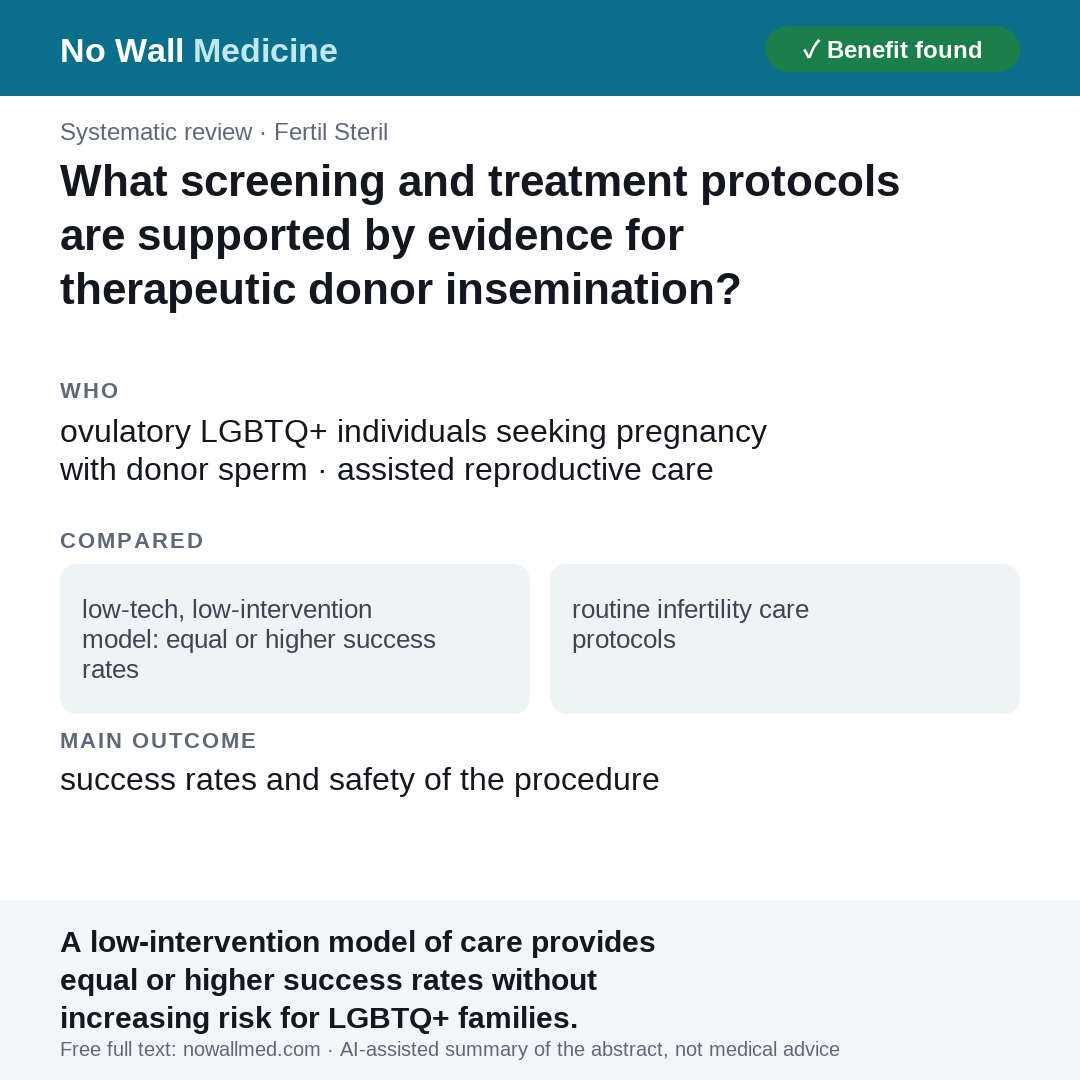
Therapeutic donor insemination for LGBTQ+ families: a systematic review
Systematic reviewBenefit found
What screening and treatment protocols are supported by evidence for therapeutic donor insemination?
Who
ovulatory LGBTQ+ individuals seeking pregnancy with donor sperm · assisted reproductive care contexts
Compared
low-tech, low-intervention model: equal or higher success rates
routine infertility care protocols
Main outcome
success rates and safety of the procedure
Bottom line: A low-intervention model of care provides equal or higher success rates without increasing risk for LGBTQ+ families.
Limitation: High quality, prospective studies specific to this patient population are limited
Fertil Steril · 2024-10-04Download image
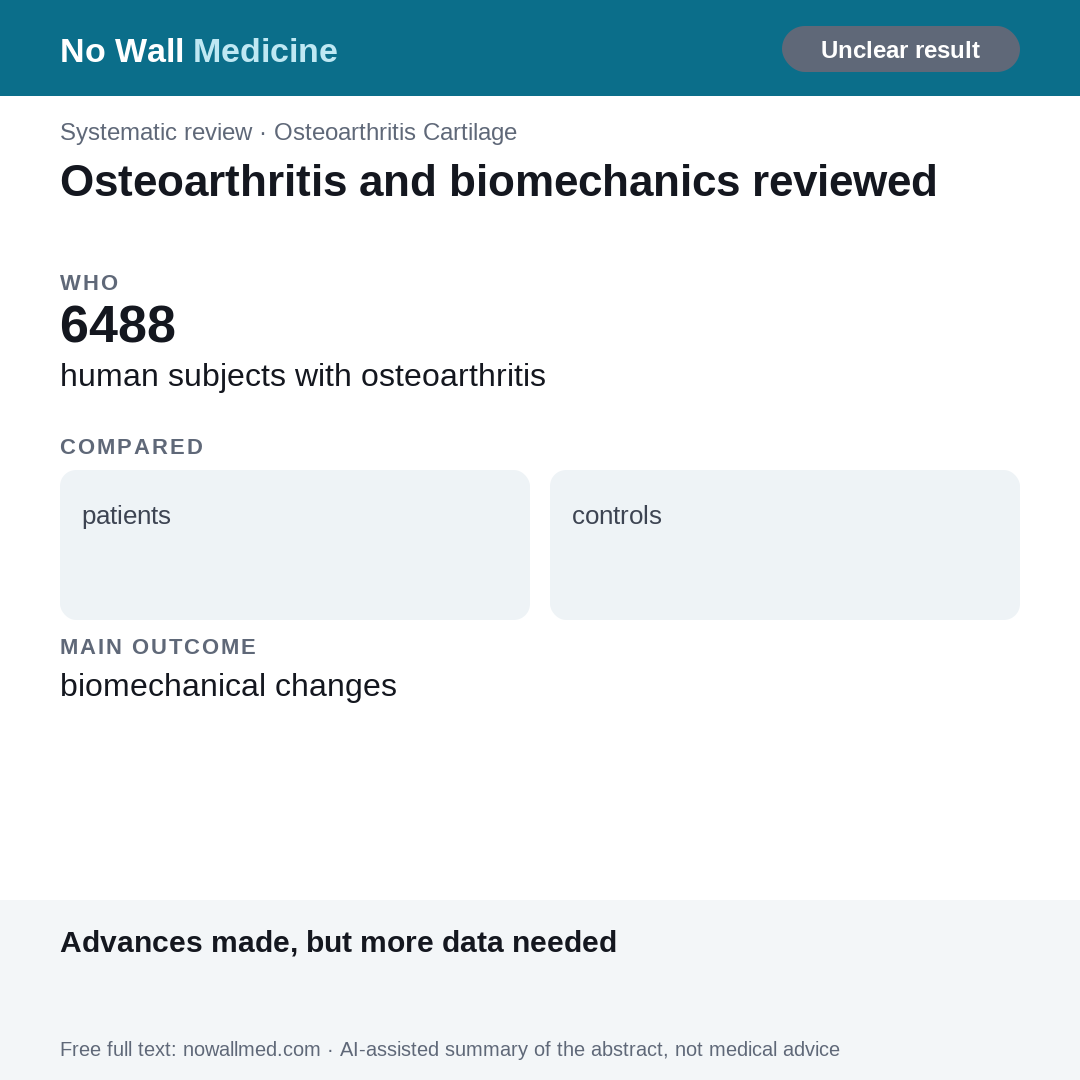
Osteoarthritis year in review 2024: Biomechanics
Systematic reviewUnclear result
Osteoarthritis and biomechanics reviewed
Who
6488
human subjects with osteoarthritis
Compared
patients
controls
Main outcome
biomechanical changes
Bottom line: Advances made, but more data needed
Osteoarthritis Cartilage · 2024-10-04Download image
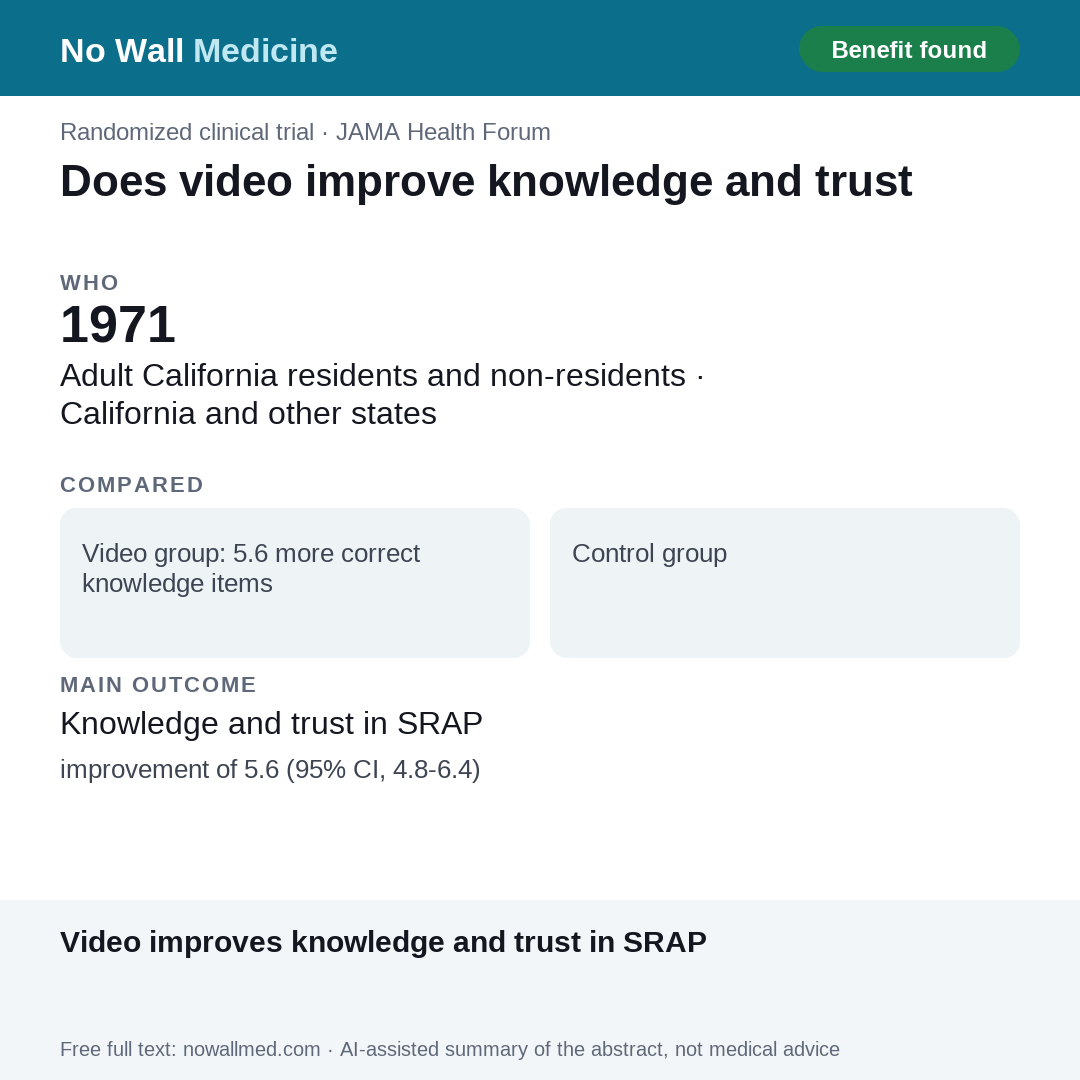
Promotion of Knowledge and Trust Surrounding Scarce Resource Allocation Policies: A Randomized Clinical Trial
Randomized clinical trialBenefit found
Does video improve knowledge and trust
Who
1971
Adult California residents and non-residents · California and other states
Compared
Video group: 5.6 more correct knowledge items
Control group
Main outcome
Knowledge and trust in SRAP
Result: improvement of 5.6 (95% CI, 4.8-6.4)
Bottom line: Video improves knowledge and trust in SRAP
JAMA Health Forum · 2024-10-04Download image
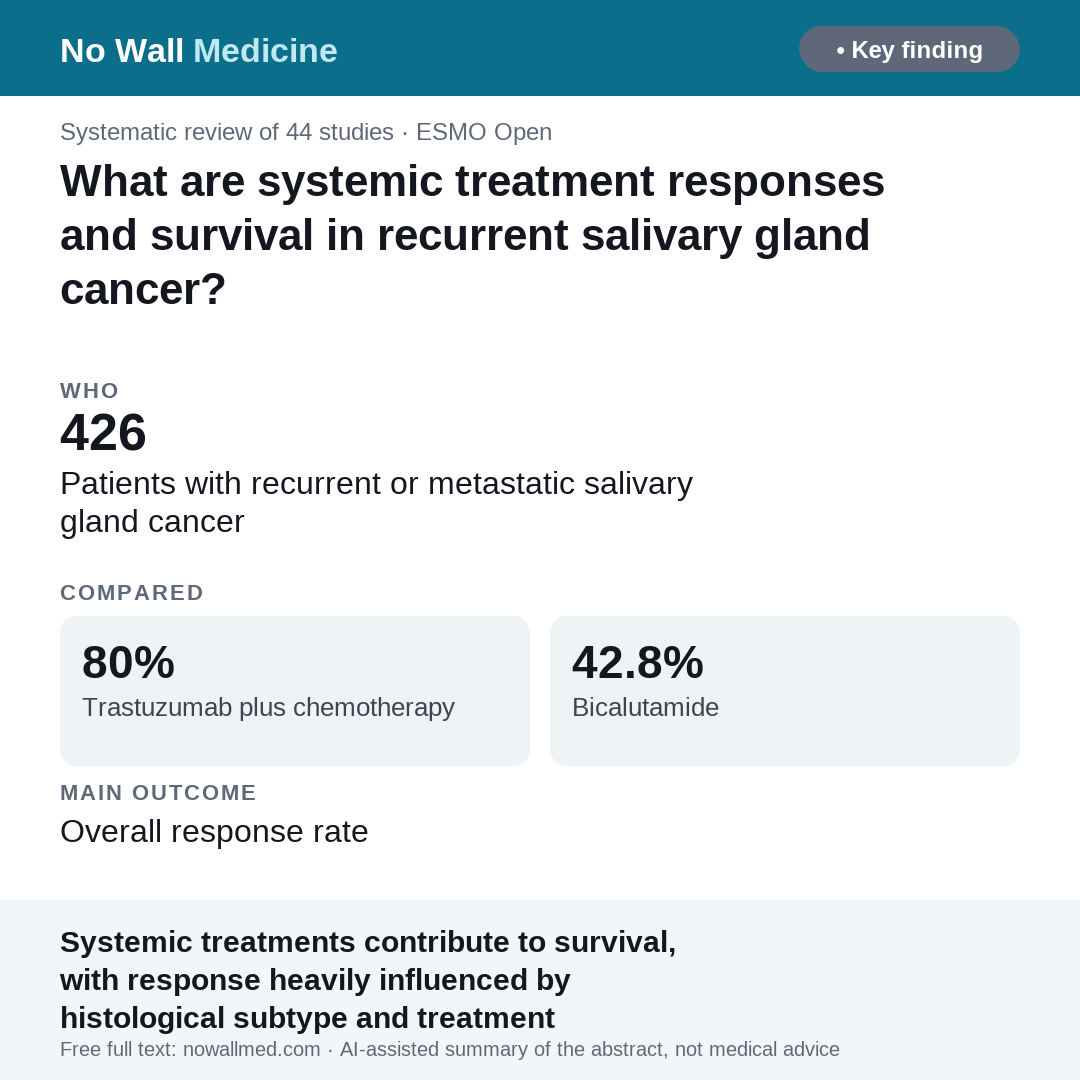
Systemic treatments in recurrent or metastatic salivary gland cancer: a systematic review
Systematic reviewBenefit found
What are the systemic treatment outcomes for recurrent or metastatic salivary gland cancer?
Who
426
Patients with recurrent or metastatic salivary gland cancer
Compared
Trastuzumab plus chemotherapy: 80% overall response rate
Bicalutamide: 42.8% overall response rate
Main outcome
Overall survival and systemic treatment response rates
Bottom line: Systemic treatments improve survival, with effectiveness depending on histological subtype and specific receptor blockage.
ESMO Open · 2024-10-04Download image
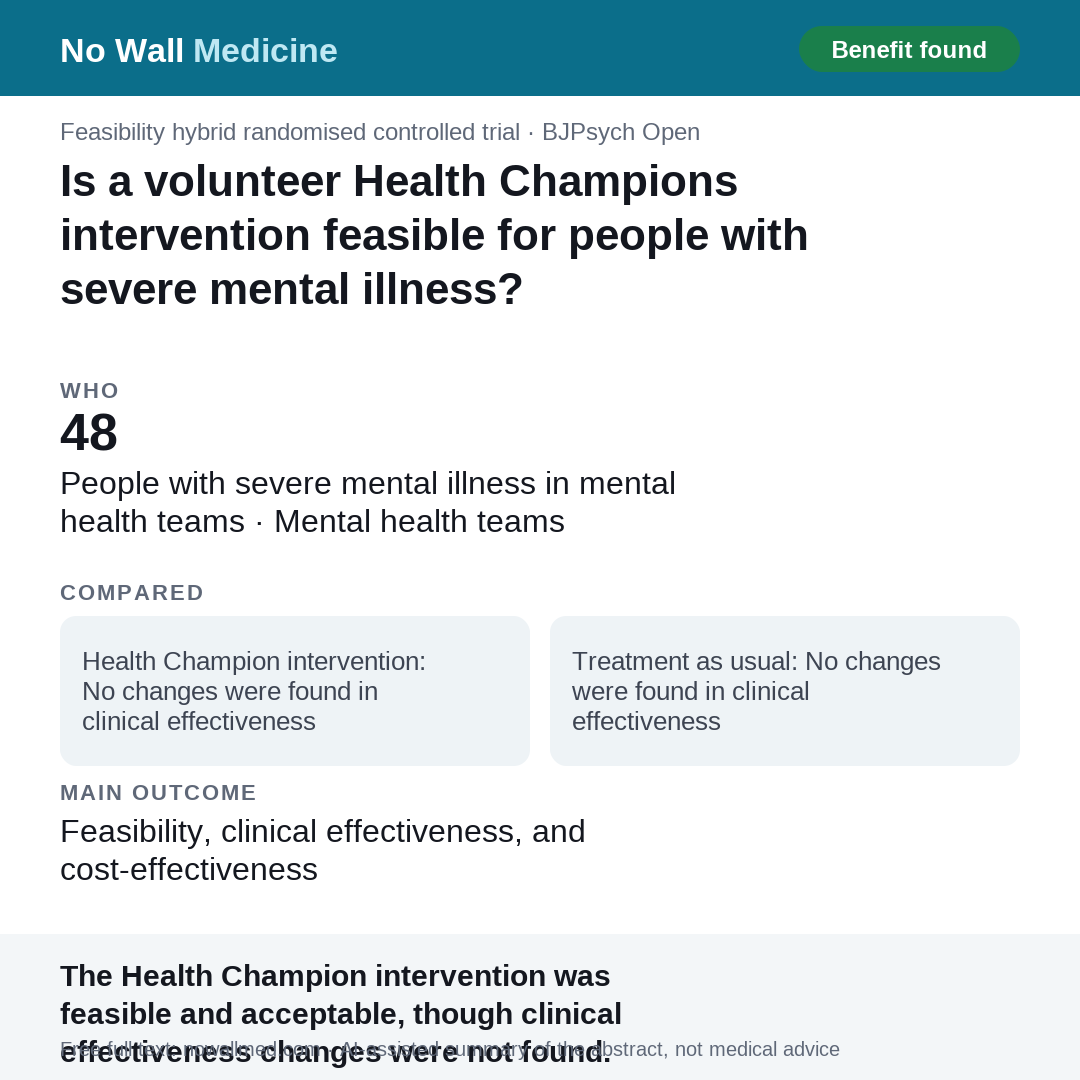
Evaluating a volunteer 'Health Champions' intervention supporting people with severe mental illness to manage their physical health: feasibility hybrid randomised controlled trial
Feasibility hybrid randomised controlled trialBenefit found
Is a volunteer Health Champions intervention feasible for people with severe mental illness?
Who
48
People with severe mental illness in mental health teams · Mental health teams
Compared
Health Champion intervention: No changes were found in clinical effectiveness
Treatment as usual: No changes were found in clinical effectiveness
Main outcome
Feasibility, clinical effectiveness, and cost-effectiveness
Bottom line: The Health Champion intervention was feasible and acceptable, though clinical effectiveness changes were not found.
BJPsych Open · 2024-10-04Download image
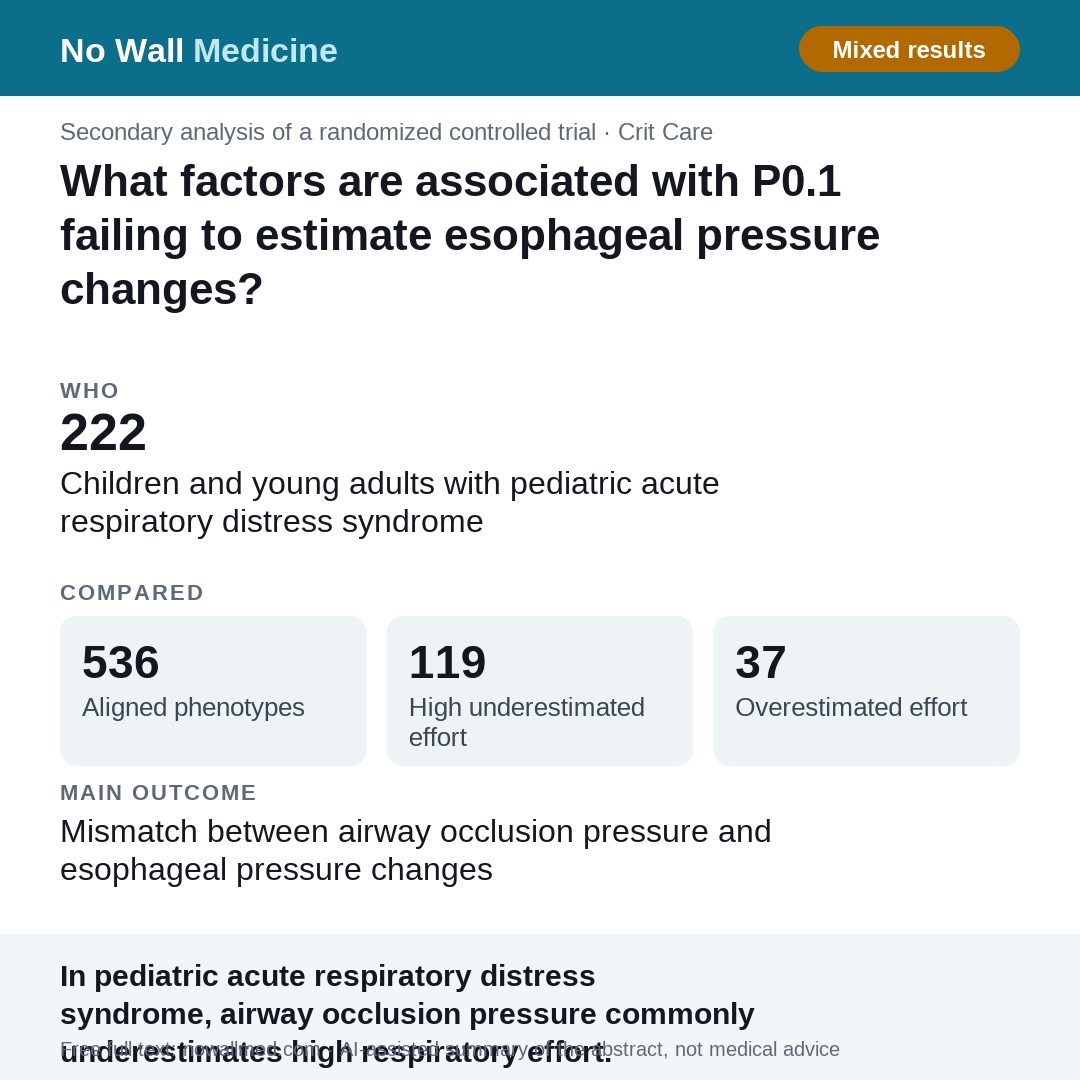
Phenotypes based on respiratory drive and effort to identify the risk factors when P0.1 fails to estimate ∆PES in ventilated children
Secondary analysis of a randomized controlled trialMixed results
What factors are associated with P0.1 failing to estimate esophageal pressure changes?
Who
222
Children and young adults with pediatric acute respiratory distress syndrome
Compared
536Aligned phenotypes (77%)
119High underestimated effort (12%)
37Overestimated effort (4%)
Main outcome
Mismatch between airway occlusion pressure and esophageal pressure changes
Bottom line: In pediatric acute respiratory distress syndrome, airway occlusion pressure commonly underestimates high respiratory effort.
Crit Care · 2024-10-04Download image
Utility of respiratory viral testing in the risk stratification of young febrile infants presenting to emergency care settings: a protocol for systematic review and meta-analysis
Protocol for systematic review and meta-analysisUnclear result
Does positive respiratory viral testing add value to invasive bacterial infection risk stratification?
Who
Young febrile infants under 3 months of age · Emergency care settings
Compared
Positive respiratory viral test
Negative respiratory viral test
Main outcome
Ability of a positive respiratory viral test to identify invasive bacterial infection risk
Bottom line: This is a study protocol to evaluate if respiratory viral testing aids risk stratification.
BMJ Paediatr Open · 2024-10-04Download image

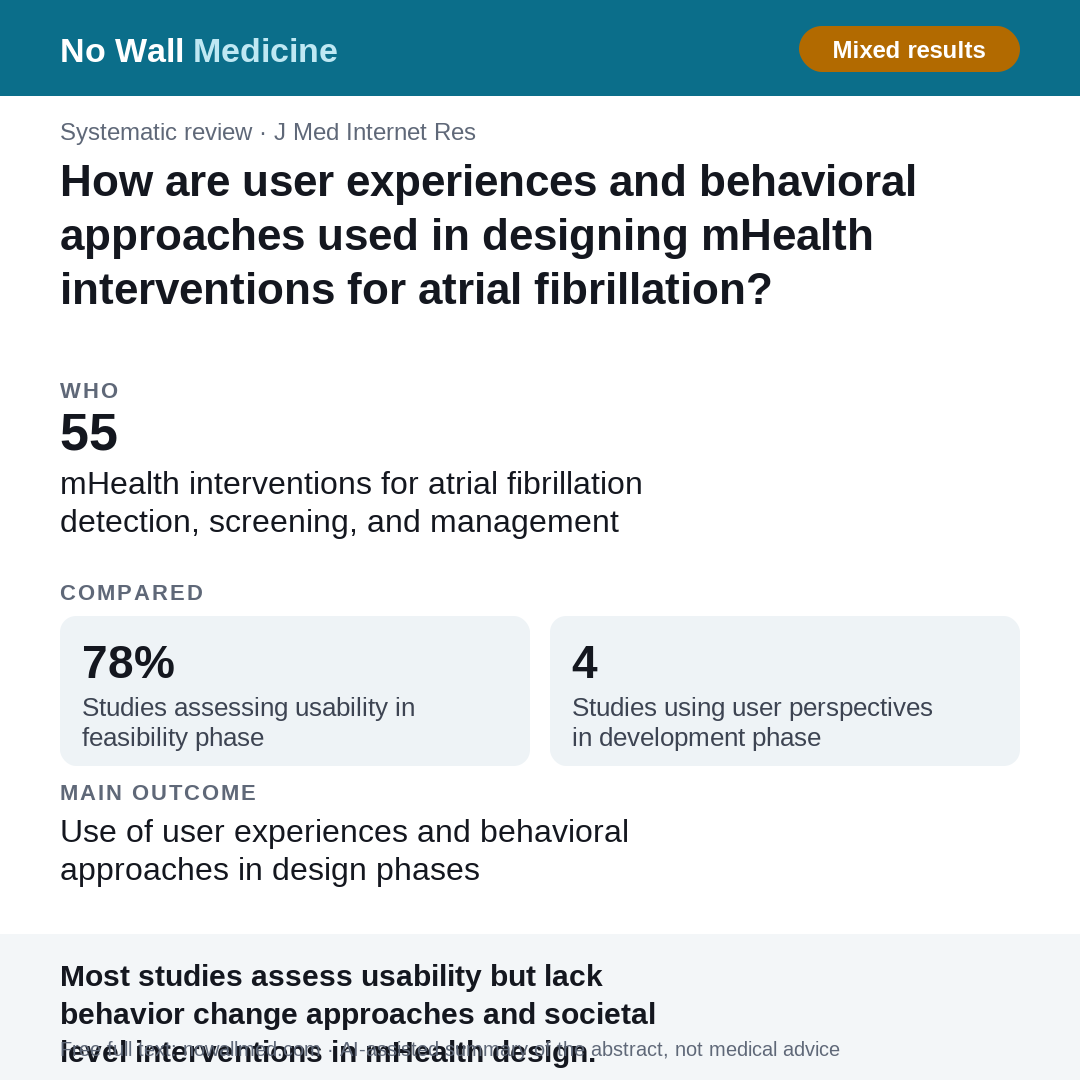
Considering User Experience and Behavioral Approaches in the Design of mHealth Interventions for Atrial Fibrillation: Systematic Review
Systematic reviewMixed results
How are user experiences and behavioral approaches used in designing mHealth interventions for atrial fibrillation?
Who
55
mHealth interventions for atrial fibrillation detection, screening, and management
Compared
78%Studies assessing usability in feasibility phase (43/55)
4Studies using user perspectives in development phase
Main outcome
Use of user experiences and behavioral approaches in design phases
Bottom line: Most studies assess usability but lack behavior change approaches and societal level interventions in mHealth design.
J Med Internet Res · 2024-10-04Download image
Is pericapsular nerve group block superior to other regional analgesia techniques following total hip arthroplasty? a systematic review and network meta-analysis
Network meta-analysisBenefit found
Is pericapsular nerve group block superior
Who
766
patients undergoing total hip arthroplasty
Compared
PENGB + PLAI
other treatments
Main outcome
postoperative resting pain scores
Bottom line: PENGB reduces quadriceps motor block and PONV
Perioper Med · 2024-10-04Download image

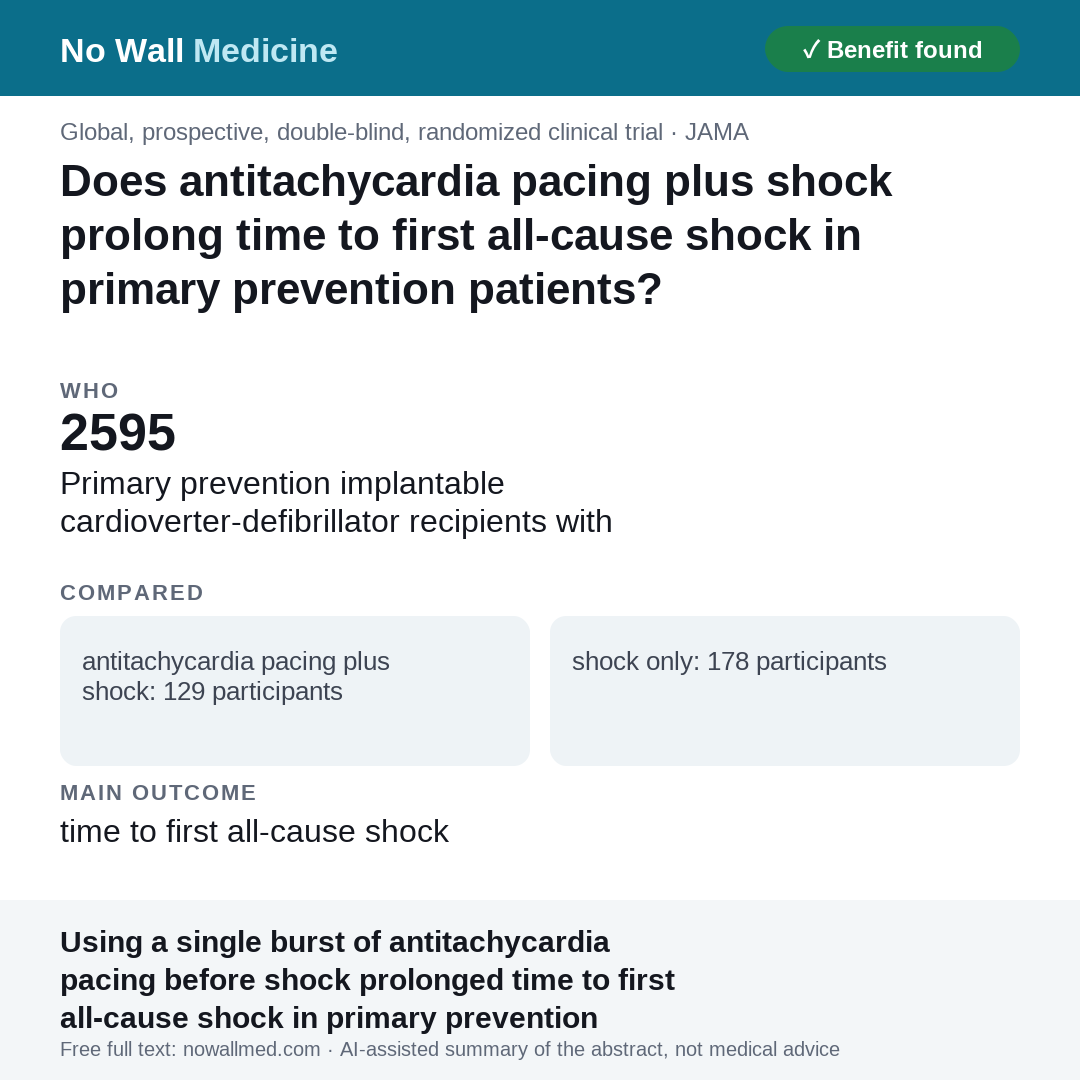
Assessment of Antitachycardia Pacing in Primary Prevention Patients: The APPRAISE ATP Randomized Clinical Trial
Global, prospective, double-blind, randomized clinical trialBenefit found
Does antitachycardia pacing plus shock prolong time to first all-cause shock in primary prevention patients?
Who
2595
Primary prevention implantable cardioverter-defibrillator recipients with left ventricular ejection fraction ≤35% · 134 sites in 8 countries
Compared
antitachycardia pacing plus shock: 129 participants
shock only: 178 participants
Main outcome
time to first all-cause shock
Result: hazard ratio 0.72 (95.9% CI, 0.57-0.92)
Bottom line: Using a single burst of antitachycardia pacing before shock prolonged time to first all-cause shock in primary prevention patients.
JAMA · 2024-10-03Download image
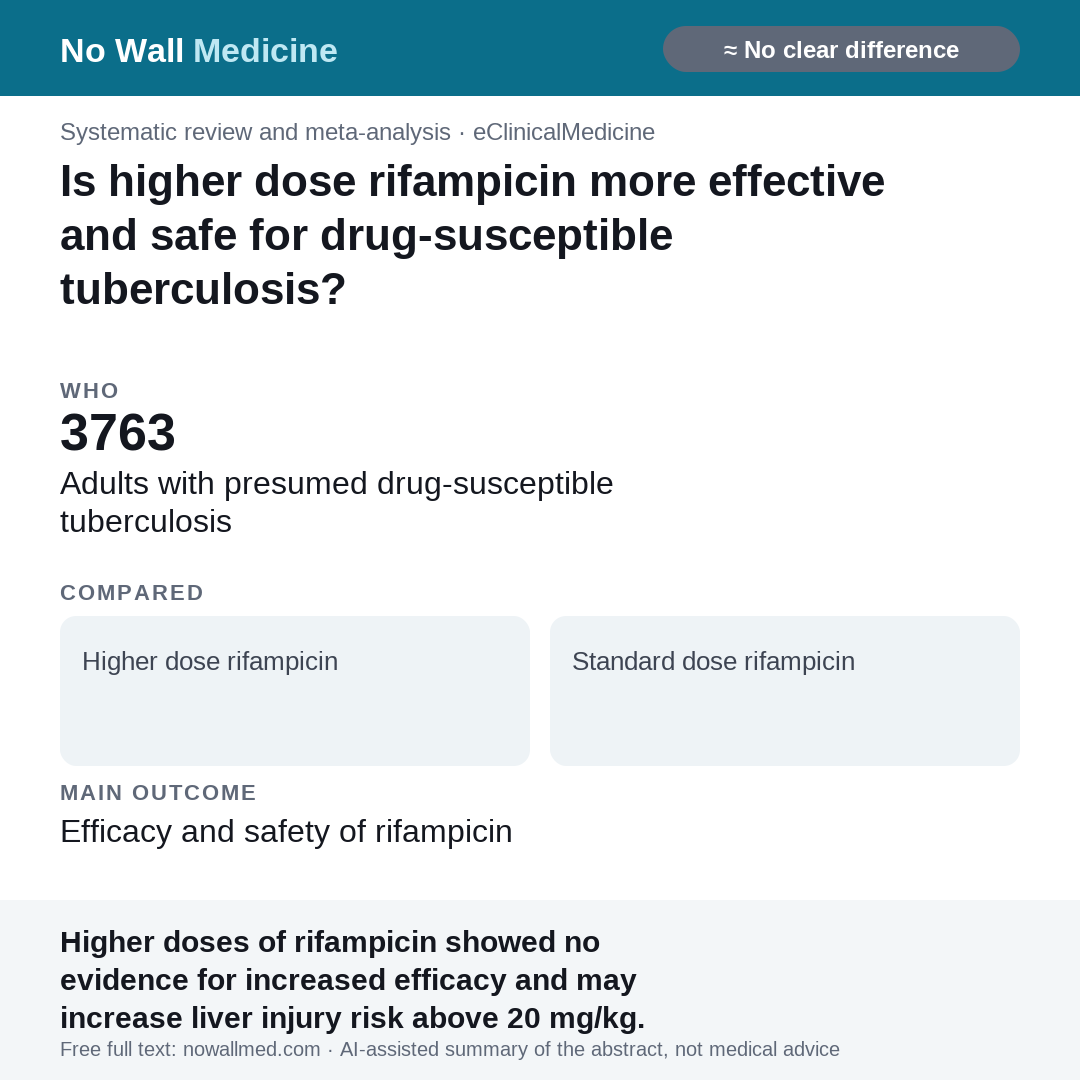
Efficacy and safety of higher dose rifampicin in adults with presumed drug-susceptible tuberculosis: an updated systematic review and meta-analysis
Systematic review and meta-analysisNo clear difference
Is higher dose rifampicin more effective and safe for drug-susceptible tuberculosis?
Who
3763
Adults with presumed drug-susceptible tuberculosis
Compared
Higher dose rifampicin
Standard dose rifampicin
Main outcome
Efficacy and safety of rifampicin
Bottom line: Higher doses of rifampicin showed no evidence for increased efficacy and may increase liver injury risk above 20 mg/kg.
Limitation: Evidence on the efficacy of higher doses remains incomplete.
Funded by: World Health Organization, Wellcome Trust
eClinicalMedicine · 2024-10-03Download image