Visual abstracts
New randomized trials and meta-analyses from leading journals at a glance: who was studied, what was compared, and what was found. Every paper is free to read in full.
All specialtiesCardiology 3472Oncology 2989Gastroenterology & Hepatology 1365Infectious Disease 2414Neurology 1404Psychiatry & Mental Health 1646Pulmonology 1484Critical Care 998Endocrinology & Diabetes 1764Pediatrics 2112Surgery 1845Orthopedics & Sports Medicine 645Neurosurgery 414Cardiothoracic & Vascular Surgery 411Plastic & Reconstructive Surgery 487Nephrology 751Rheumatology 556Hematology 783Dermatology 429Ophthalmology 384Obstetrics & Gynecology 1193Public & Global Health 665Radiology & Imaging 490Anesthesiology 710Urology 578ENT (Otolaryngology) 380Emergency Medicine 377Allergy & Immunology 215Geriatrics 732Family Medicine & Primary Care 405Medical Genetics & Genomics 441Pathology & Laboratory Medicine 112Physical Medicine & Rehabilitation 544Palliative Care 320Nutrition 1040Digital Health & AI 1637General Medicine 250
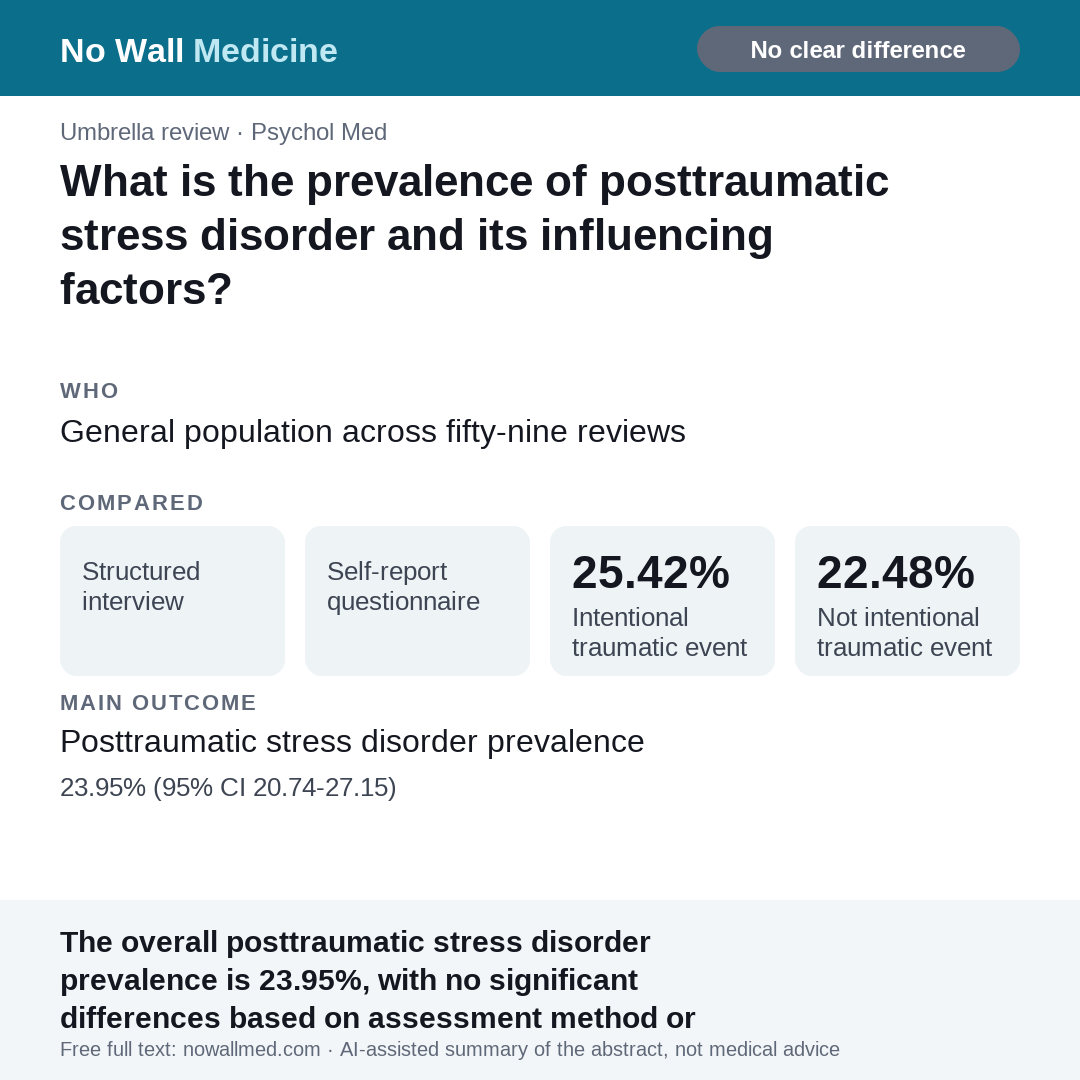
Posttraumatic stress disorder (PTSD) prevalence: an umbrella review
Umbrella reviewNo clear difference
What is the prevalence of posttraumatic stress disorder and its influencing factors?
Who
General population across fifty-nine reviews
Compared
Structured interview
Self-report questionnaire
25.42%Intentional traumatic event (95% CI 19.76-31.09)
22.48%Not intentional traumatic event (95% CI 17.22-27.73)
Main outcome
Posttraumatic stress disorder prevalence
Result: 23.95% (95% CI 20.74-27.15)
Bottom line: The overall posttraumatic stress disorder prevalence is 23.95%, with no significant differences based on assessment method or event nature.
Limitation: A high level of heterogeneity between meta-analyses.
Psychol Med · 2024-09-26Download image
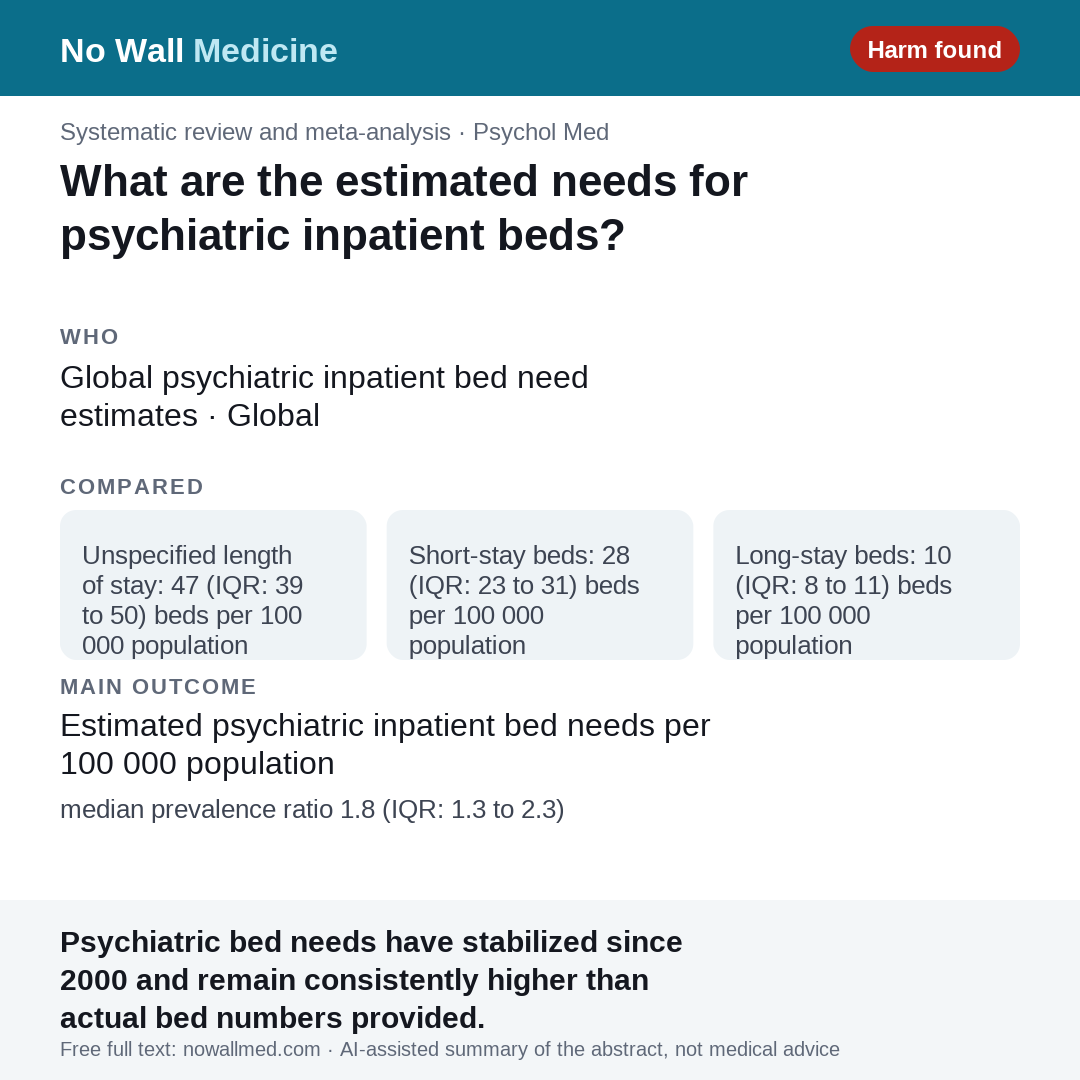
Need estimates of psychiatric beds: a systematic review and meta-analysis
Systematic review and meta-analysisHarm found
What are the estimated needs for psychiatric inpatient beds?
Who
Global psychiatric inpatient bed need estimates · Global
Compared
Unspecified length of stay: 47 (IQR: 39 to 50) beds per 100 000 population
Short-stay beds: 28 (IQR: 23 to 31) beds per 100 000 population
Long-stay beds: 10 (IQR: 8 to 11) beds per 100 000 population
Main outcome
Estimated psychiatric inpatient bed needs per 100 000 population
Result: median prevalence ratio 1.8 (IQR: 1.3 to 2.3)
Bottom line: Psychiatric bed needs have stabilized since 2000 and remain consistently higher than actual bed numbers provided.
Psychol Med · 2024-09-26Download image
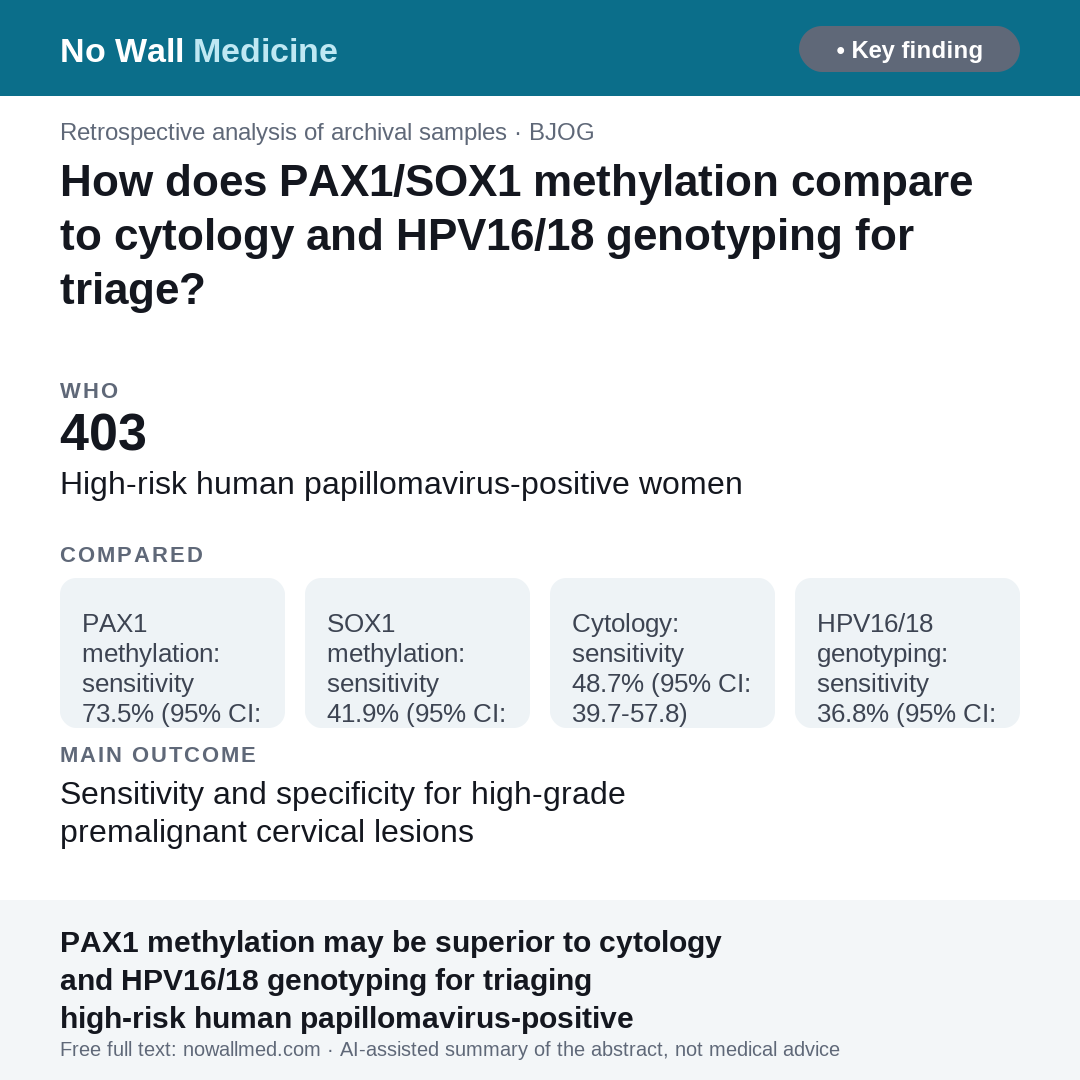
PAX1/SOX1 DNA Methylation Versus Cytology and HPV16/18 Genotyping for the Triage of High-Risk HPV-Positive Women in Cervical Cancer Screening: Retrospective Analysis of Archival Samples
Retrospective analysis of archival samplesBenefit found
How does PAX1/SOX1 methylation compare to cytology and HPV16/18 genotyping for triage?
Who
403
High-risk human papillomavirus-positive women
Compared
PAX1 methylation: sensitivity 73.5% (95% CI: 65.5-81.5)
SOX1 methylation: sensitivity 41.9% (95% CI: 32.9-50.8)
Cytology: sensitivity 48.7% (95% CI: 39.7-57.8)
HPV16/18 genotyping: sensitivity 36.8% (95% CI: 28.0-45.5)
Main outcome
Sensitivity and specificity for high-grade premalignant cervical lesions
Result: PAX1 AUC 0.72
Bottom line: PAX1 methylation may be superior to cytology and HPV16/18 genotyping for triaging high-risk human papillomavirus-positive women.
BJOG · 2024-09-26Download image
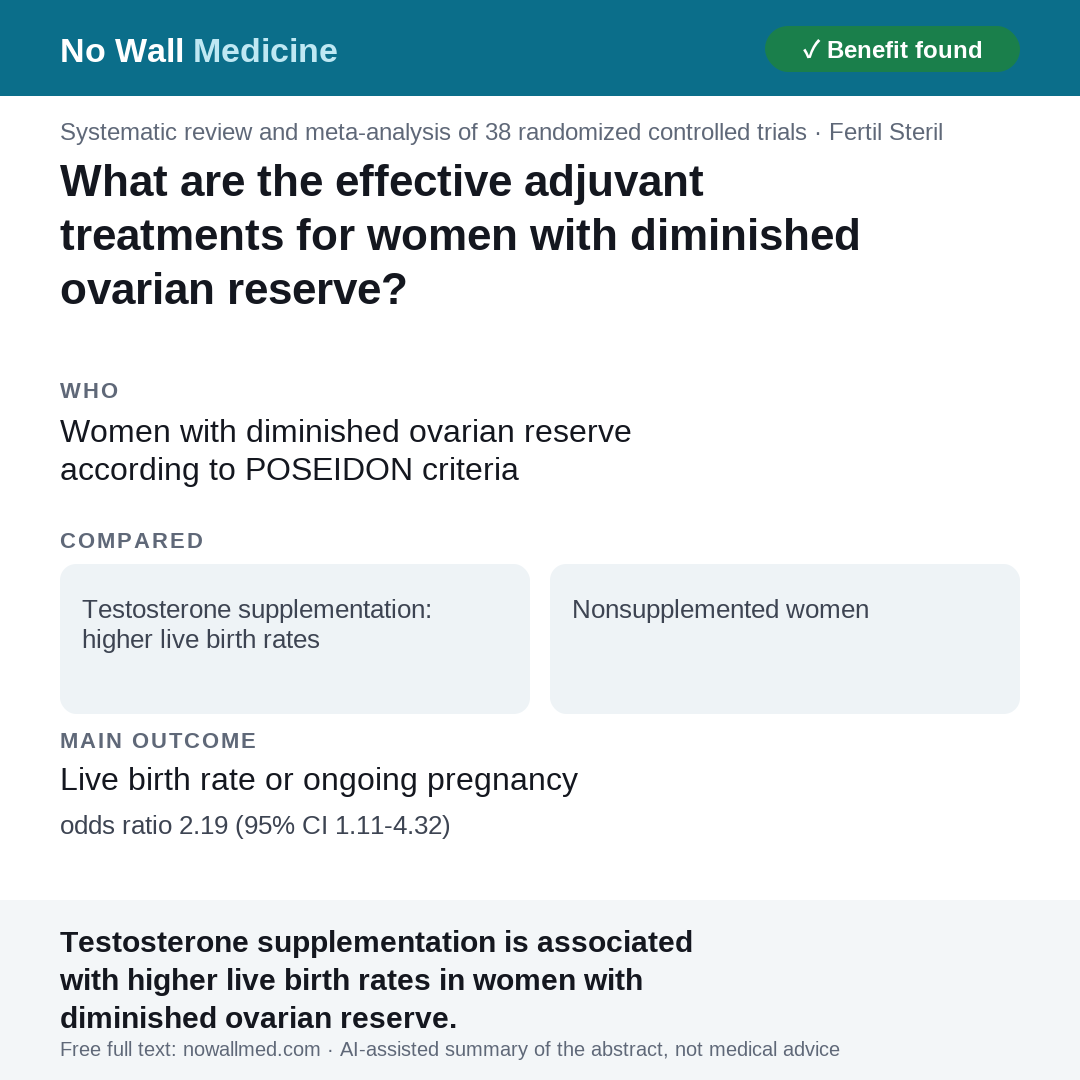
Therapeutic management in women with a diminished ovarian reserve: a systematic review and meta-analysis of randomized controlled trials
Systematic review and meta-analysis of 38 randomized controlled trialsBenefit found
What are the effective adjuvant treatments for women with diminished ovarian reserve?
Who
Women with diminished ovarian reserve according to POSEIDON criteria
Compared
Testosterone supplementation: higher live birth rates
Nonsupplemented women
Main outcome
Live birth rate or ongoing pregnancy
Result: odds ratio 2.19 (95% CI 1.11-4.32)
Bottom line: Testosterone supplementation is associated with higher live birth rates in women with diminished ovarian reserve.
Fertil Steril · 2024-09-26Download image
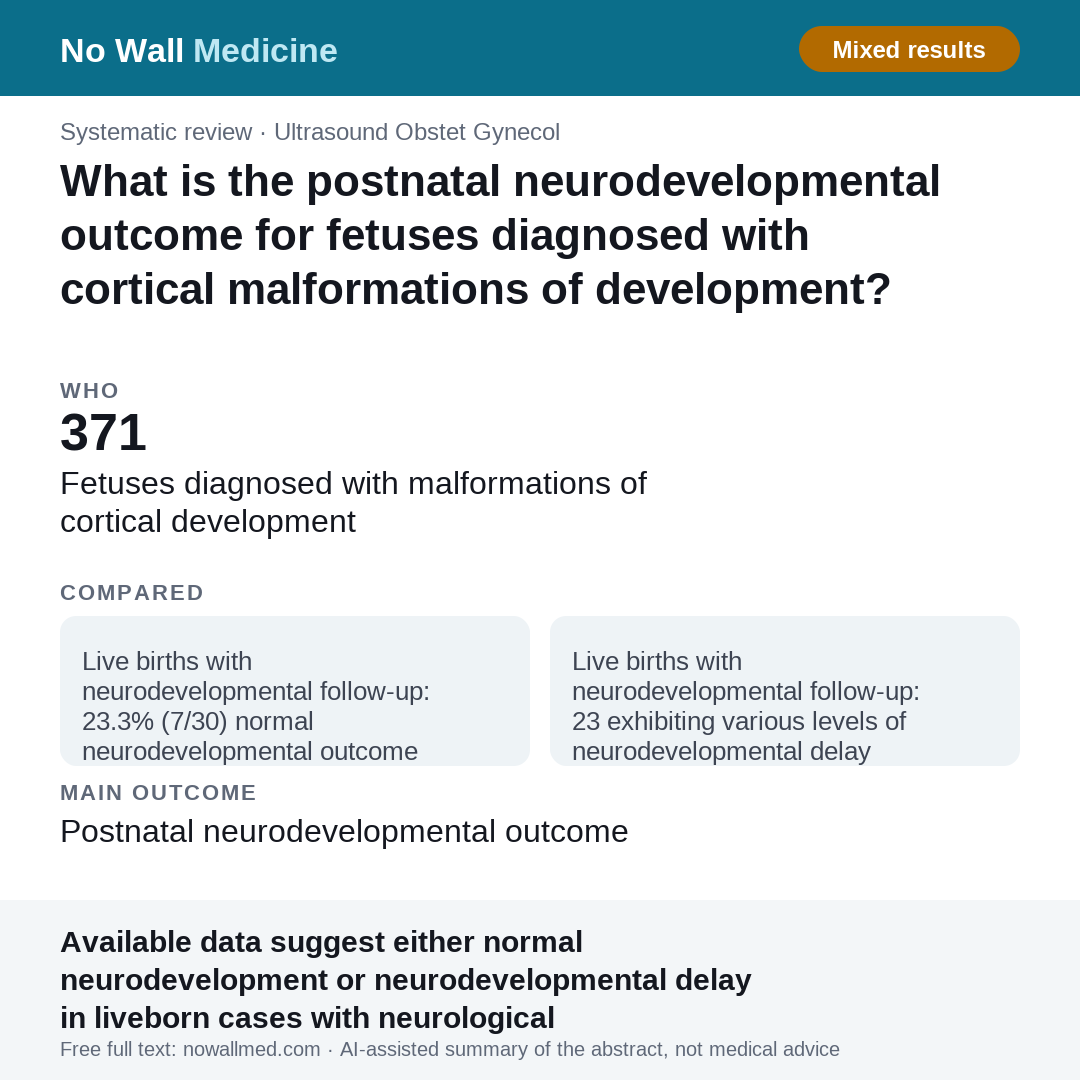
Postnatal outcome of fetal cortical malformations: systematic review
Systematic reviewMixed results
What is the postnatal neurodevelopmental outcome for fetuses diagnosed with cortical malformations of development?
Who
371
Fetuses diagnosed with malformations of cortical development
Compared
Live births with neurodevelopmental follow-up: 23.3% (7/30) normal neurodevelopmental outcome
Live births with neurodevelopmental follow-up: 23 exhibiting various levels of neurodevelopmental delay
Main outcome
Postnatal neurodevelopmental outcome
Bottom line: Available data suggest either normal neurodevelopment or neurodevelopmental delay in liveborn cases with neurological follow-up.
Limitation: There is a paucity of data on postnatal neurological development in fetuses diagnosed with malformations of cortical development.
Ultrasound Obstet Gynecol · 2024-09-26Download image
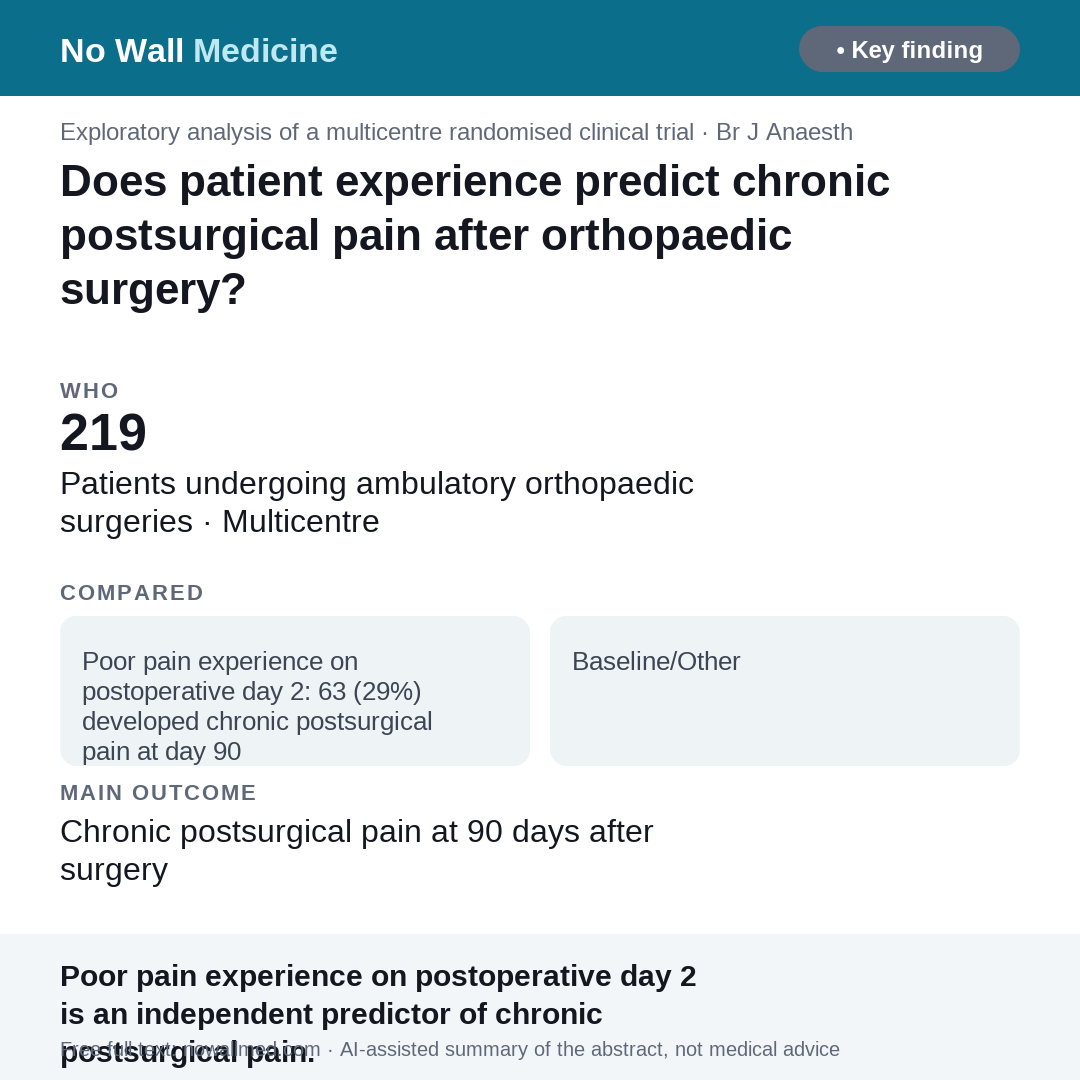
From pain level to pain experience: redefining acute pain assessment to enhance understanding of chronic postsurgical pain
Exploratory analysis of a multicentre randomised clinical trialBenefit found
Does patient experience predict chronic postsurgical pain after orthopaedic surgery?
Who
219
Patients undergoing ambulatory orthopaedic surgeries · Multicentre
Compared
Poor pain experience on postoperative day 2: 63 (29%) developed chronic postsurgical pain at day 90
Baseline/Other
Main outcome
Chronic postsurgical pain at 90 days after surgery
Result: odds ratio 6.45 (95% confidence interval 1.65-25.26)
Bottom line: Poor pain experience on postoperative day 2 is an independent predictor of chronic postsurgical pain.
Br J Anaesth · 2024-09-26Download image
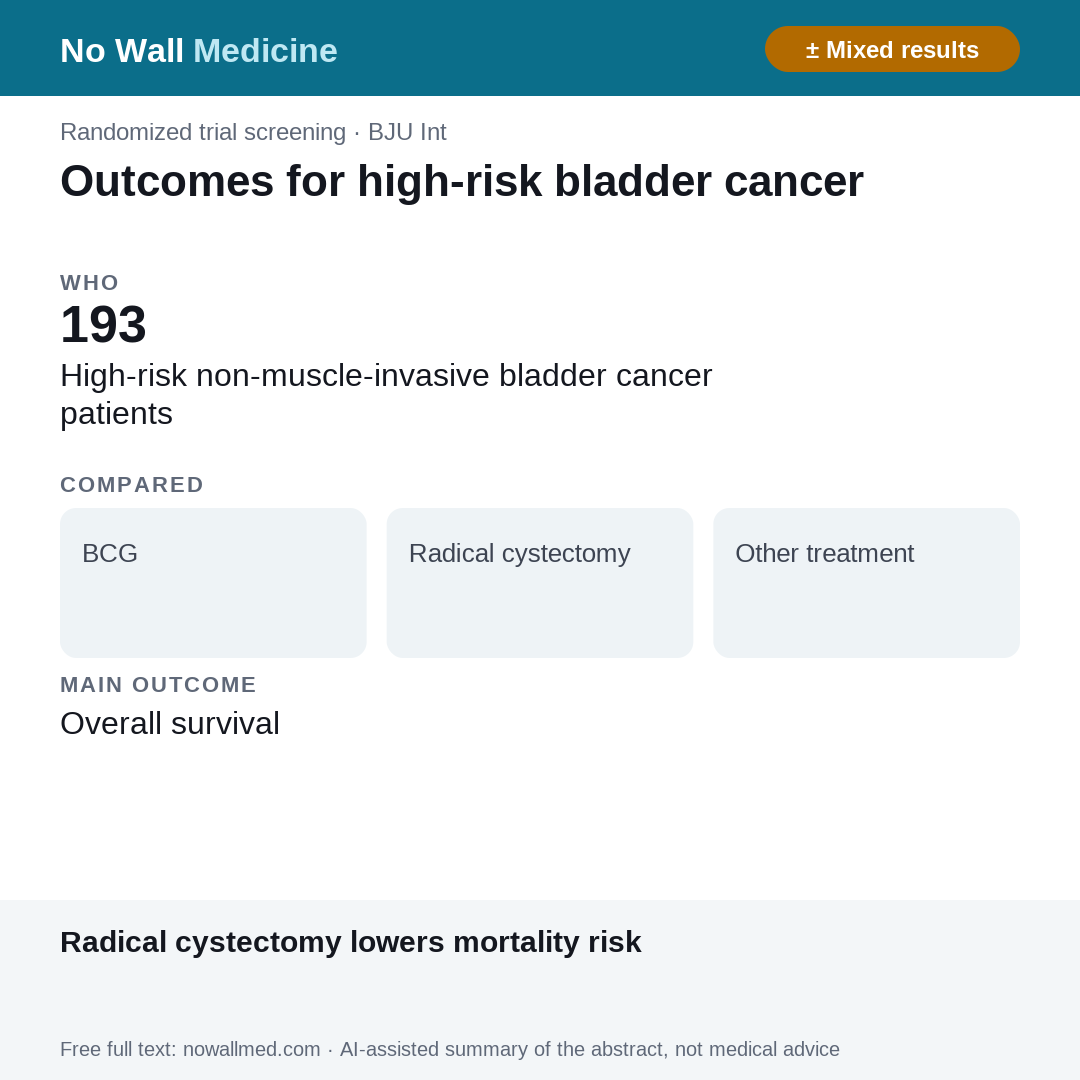
Real-world outcomes for high-risk non-muscle-invasive bladder cancer: screened patients for the BRAVO trial
Randomized trial screeningMixed results
Outcomes for high-risk bladder cancer
Who
193
High-risk non-muscle-invasive bladder cancer patients
Compared
BCG
Radical cystectomy
Other treatment
Main outcome
Overall survival
Bottom line: Radical cystectomy lowers mortality risk
Limitation: Reflects fitness and selection
BJU Int · 2024-09-26Download image
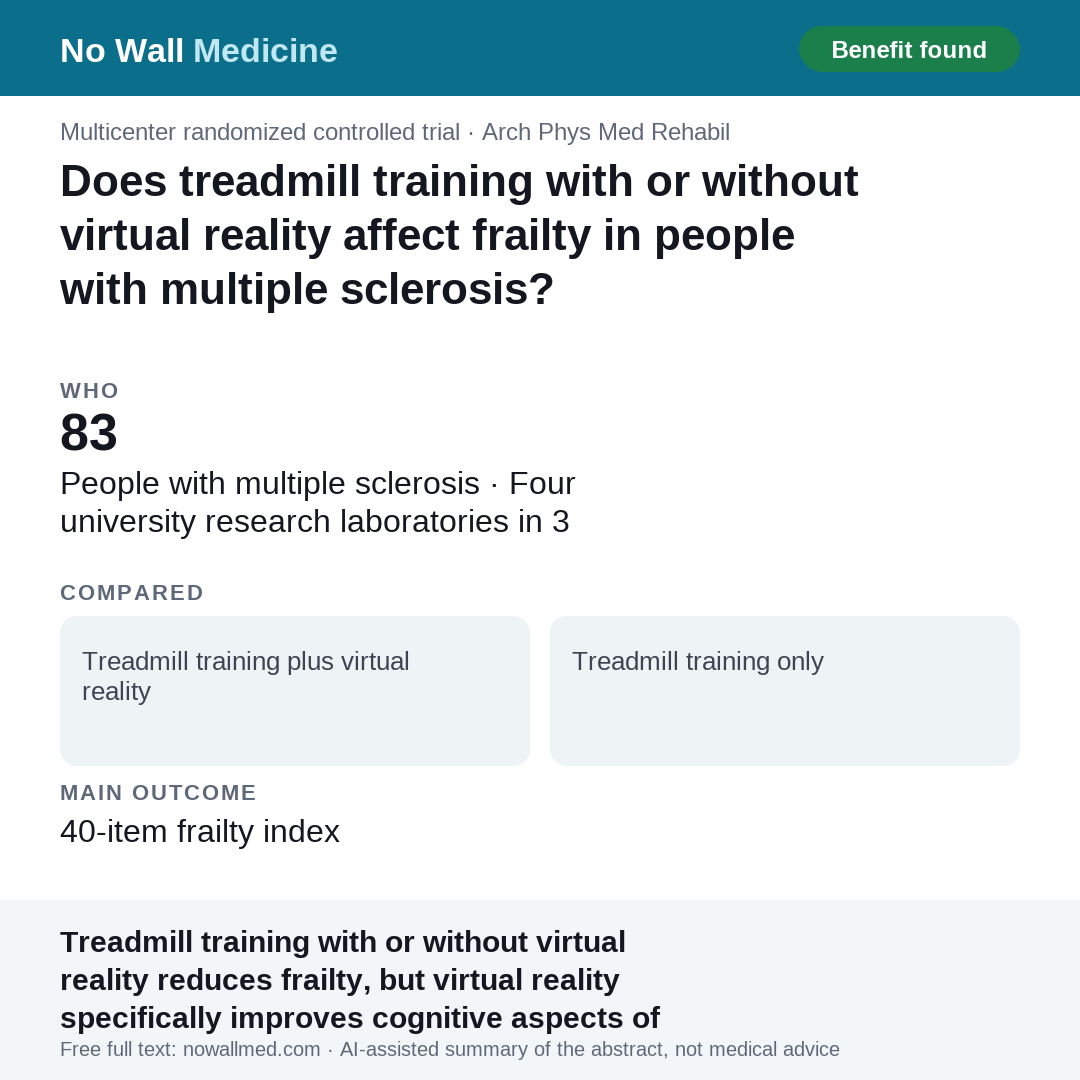
Effects of a 6-Week Treadmill Training With and Without Virtual Reality on Frailty in People With Multiple Sclerosis
Multicenter randomized controlled trialBenefit found
Does treadmill training with or without virtual reality affect frailty in people with multiple sclerosis?
Who
83
People with multiple sclerosis · Four university research laboratories in 3 countries
Compared
Treadmill training plus virtual reality
Treadmill training only
Main outcome
40-item frailty index
Result: pooled mean ΔFI, 0.024; 95% CI, 0.010-0.038
Bottom line: Treadmill training with or without virtual reality reduces frailty, but virtual reality specifically improves cognitive aspects of frailty.
Limitation: This was a secondary analysis of a subset of participants from a parent trial.
Arch Phys Med Rehabil · 2024-09-26Download image
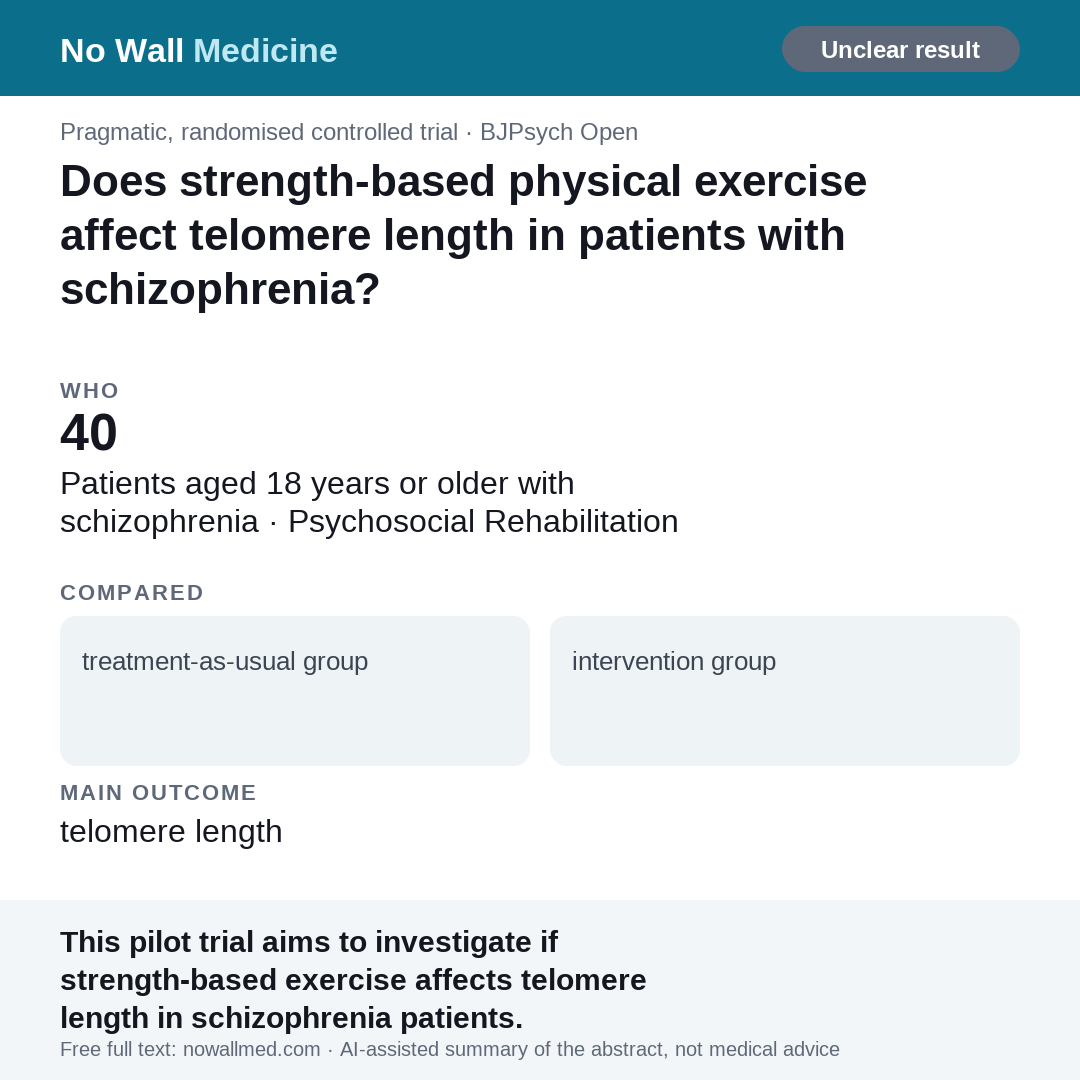
Effect of strength-based physical exercise on telomere length as a marker of premature ageing in patients with schizophrenia: study protocol for a pilot randomised controlled trial
Pragmatic, randomised controlled trialUnclear result
Does strength-based physical exercise affect telomere length in patients with schizophrenia?
Who
40
Patients aged 18 years or older with schizophrenia · Psychosocial Rehabilitation Centre in Salamanca, Spain
Compared
treatment-as-usual group
intervention group
Main outcome
telomere length
Bottom line: This pilot trial aims to investigate if strength-based exercise affects telomere length in schizophrenia patients.
BJPsych Open · 2024-09-26Download image
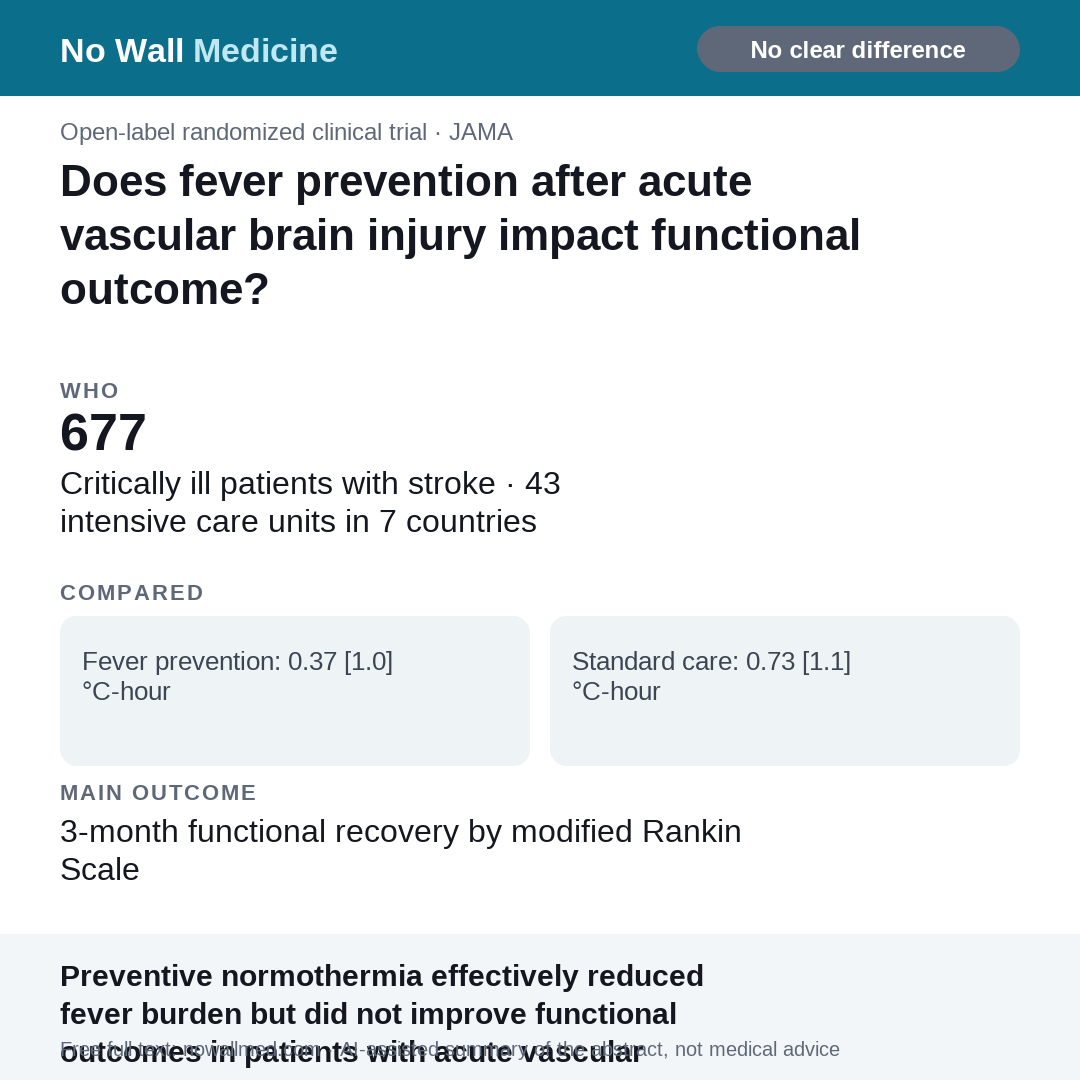
Fever Prevention in Patients With Acute Vascular Brain Injury: The INTREPID Randomized Clinical Trial
Open-label randomized clinical trialNo clear difference
Does fever prevention after acute vascular brain injury impact functional outcome?
Who
677
Critically ill patients with stroke · 43 intensive care units in 7 countries
Compared
Fever prevention: 0.37 [1.0] °C-hour
Standard care: 0.73 [1.1] °C-hour
Main outcome
3-month functional recovery by modified Rankin Scale
Result: odds ratio 1.09 (95% CI 0.81 to 1.46)
Bottom line: Preventive normothermia effectively reduced fever burden but did not improve functional outcomes in patients with acute vascular brain injury.
JAMA · 2024-09-25Download image
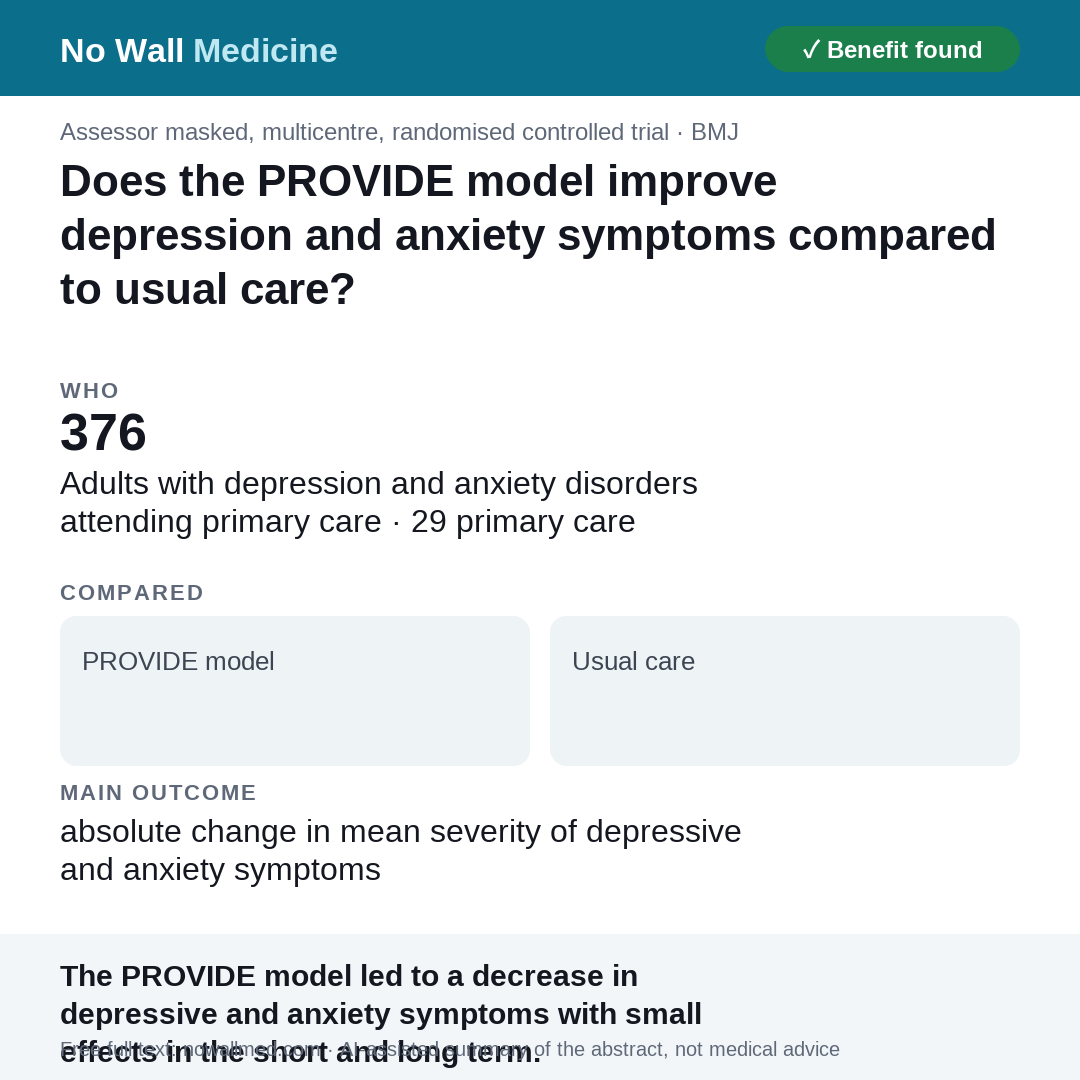
Model of integrated mental health video consultations for people with depression or anxiety in primary care (PROVIDE-C): assessor masked, multicentre, randomised controlled trial
Assessor masked, multicentre, randomised controlled trialBenefit found
Does the PROVIDE model improve depression and anxiety symptoms compared to usual care?
Who
376
Adults with depression and anxiety disorders attending primary care · 29 primary care practices in Germany
Compared
PROVIDE model
Usual care
Main outcome
absolute change in mean severity of depressive and anxiety symptoms
Result: adjusted mean change difference in the PHQ-ADS score -2.4 points (95% confidence interval -4.5 to -0.4)
Bottom line: The PROVIDE model led to a decrease in depressive and anxiety symptoms with small effects in the short and long term.
BMJ · 2024-09-25Download image
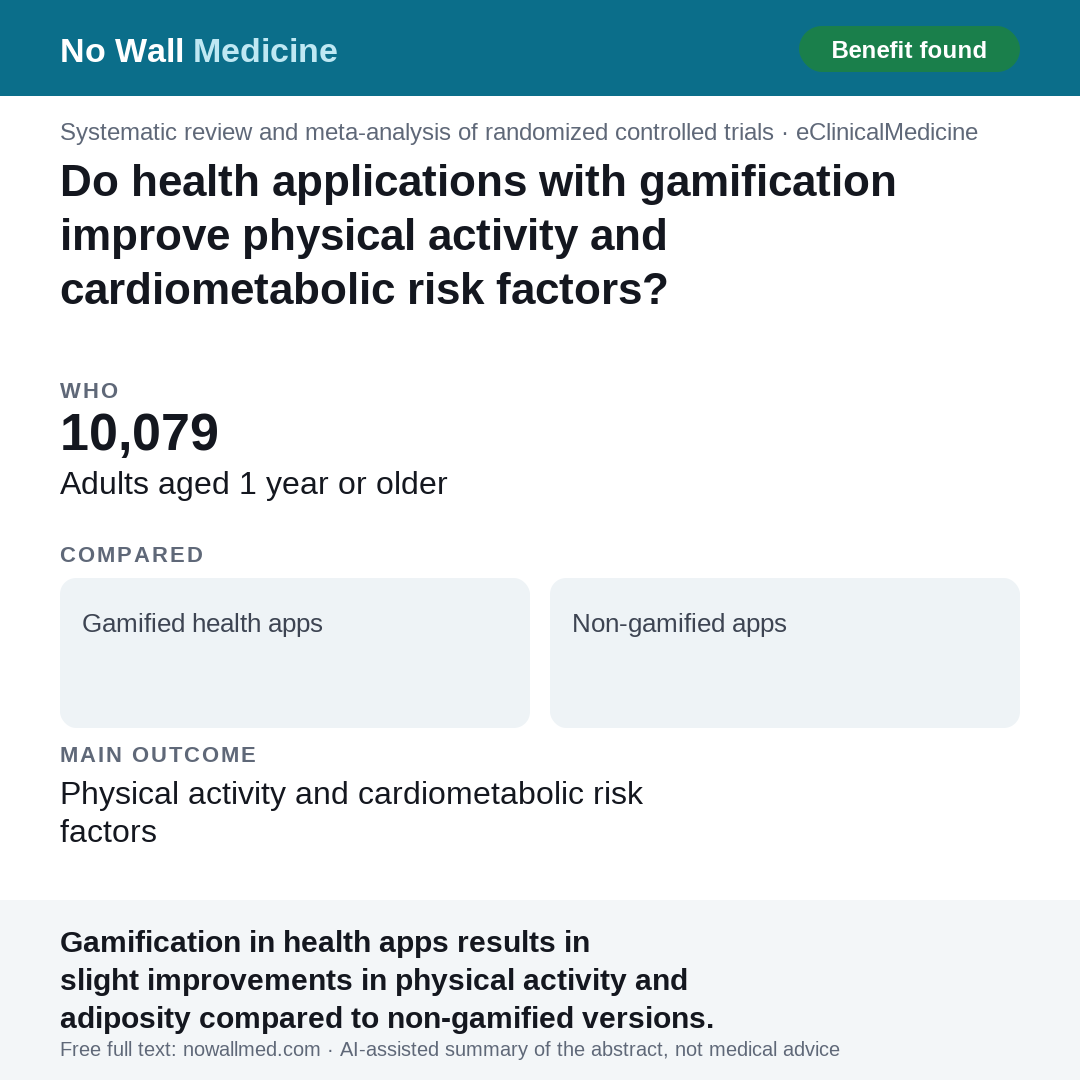
Effect of digital health applications with or without gamification on physical activity and cardiometabolic risk factors: a systematic review and meta-analysis of randomized controlled trials
Systematic review and meta-analysis of randomized controlled trialsBenefit found
Do health applications with gamification improve physical activity and cardiometabolic risk factors?
Who
10,079
Adults aged 1 year or older
Compared
Gamified health apps
Non-gamified apps
Main outcome
Physical activity and cardiometabolic risk factors
Result: steps 489 steps/day (95% CI 64 to 914); body mass index -0.28 kg/m2 (95% CI -0.44 to -0.12); body weight -0.70 kg (95% CI -1.18 to -0.22); body fat -1.92% (95% CI -2.71 to -1.14); waist circumference -1.16 cm (95% CI -1.93 to -0.39)
Bottom line: Gamification in health apps results in slight improvements in physical activity and adiposity compared to non-gamified versions.
Limitation: Certainty of evidence for some outcomes was very low to high.
eClinicalMedicine · 2024-09-25Download image
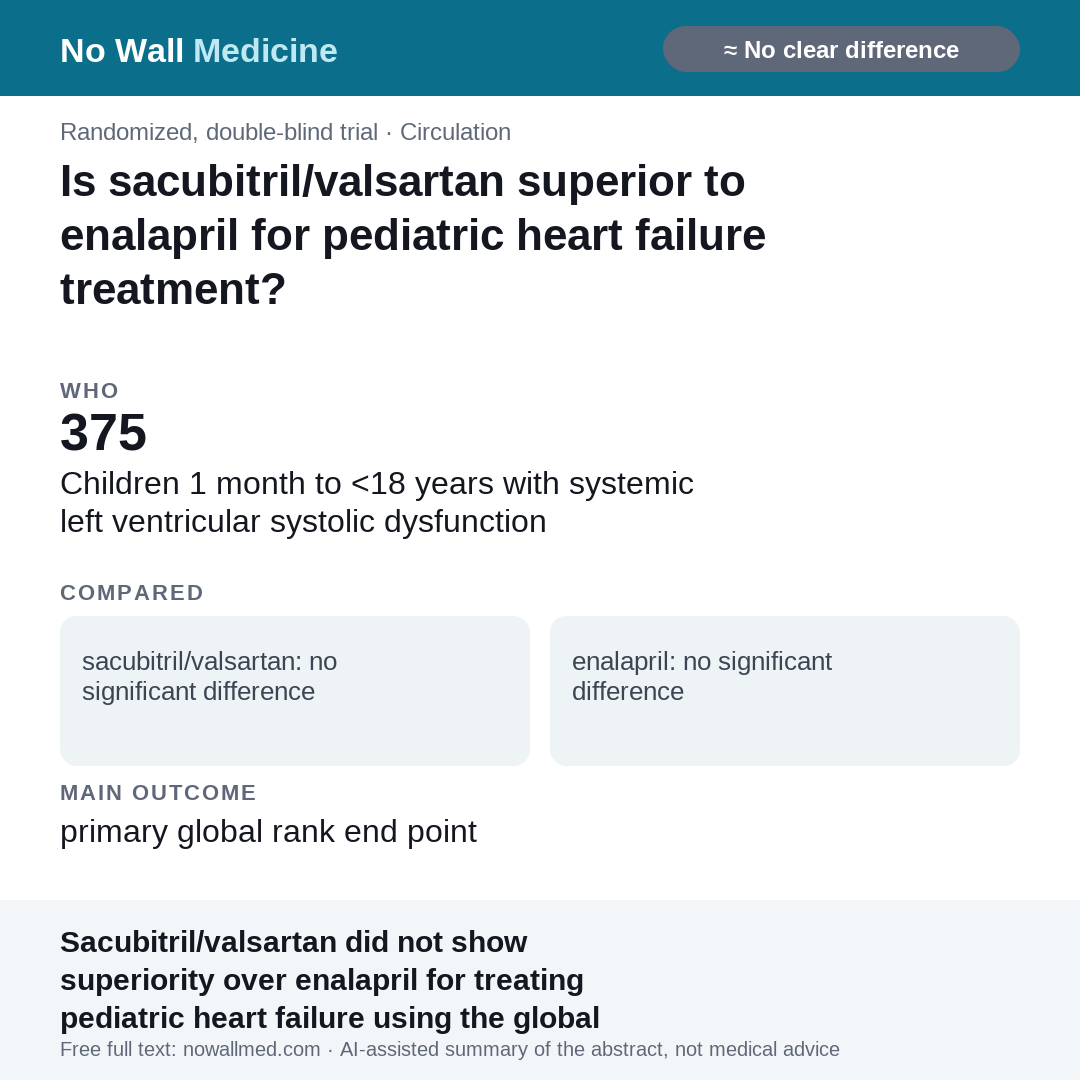
Sacubitril/Valsartan in Pediatric Heart Failure (PANORAMA-HF): A Randomized, Multicenter, Double-Blind Trial
Randomized, double-blind trialNo clear difference
Is sacubitril/valsartan superior to enalapril for pediatric heart failure treatment?
Who
375
Children 1 month to <18 years with systemic left ventricular systolic dysfunction
Compared
sacubitril/valsartan: no significant difference
enalapril: no significant difference
Main outcome
primary global rank end point
Result: Mann-Whitney odds, 0.91 (95% CI 0.72 to 1.14)
Bottom line: Sacubitril/valsartan did not show superiority over enalapril for treating pediatric heart failure using the global rank end point.
Circulation · 2024-09-25Download image
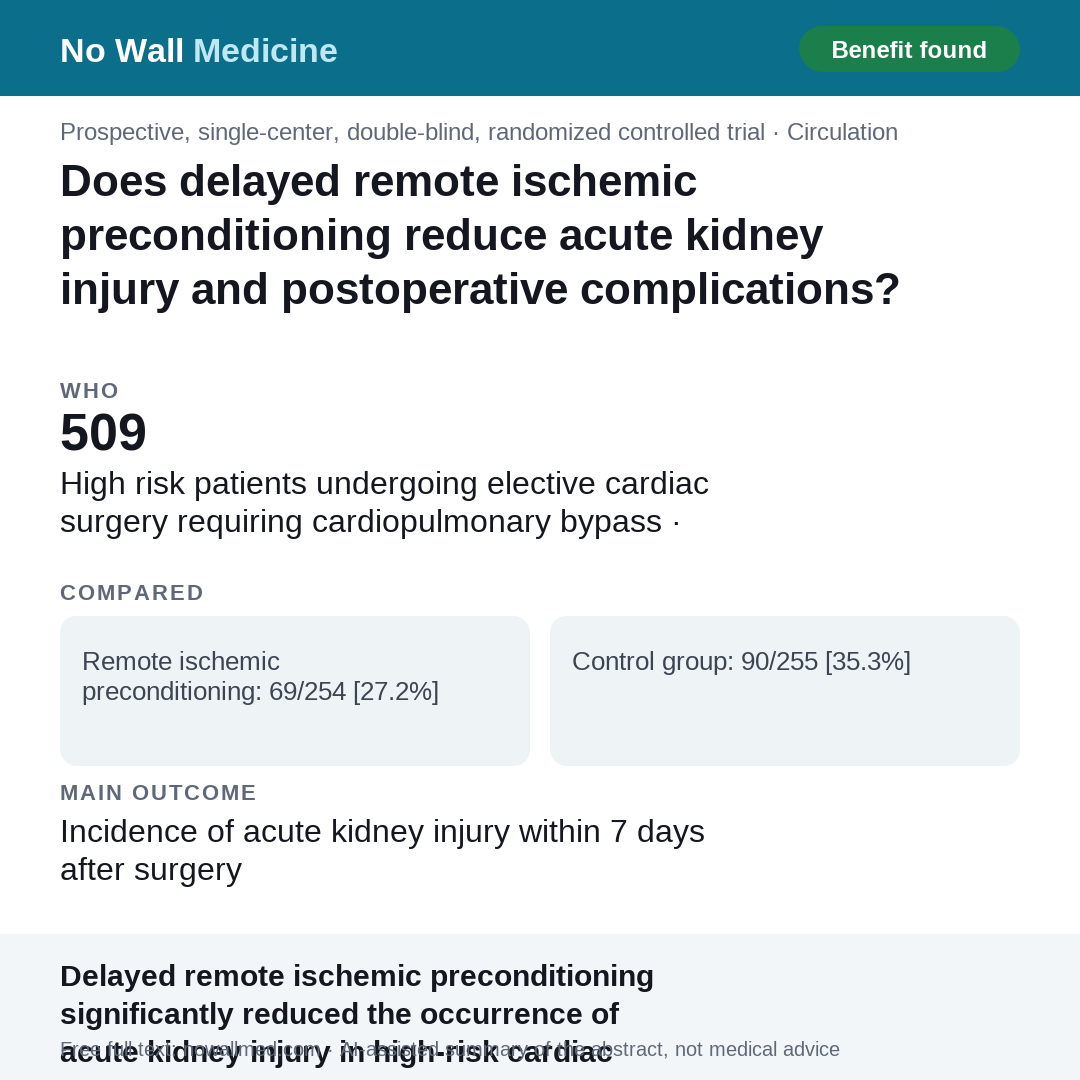
Effect of Delayed Remote Ischemic Preconditioning on Acute Kidney Injury and Outcomes in Patients Undergoing Cardiac Surgery: A Randomized Clinical Trial
Prospective, single-center, double-blind, randomized controlled trialBenefit found
Does delayed remote ischemic preconditioning reduce acute kidney injury and postoperative complications?
Who
509
High risk patients undergoing elective cardiac surgery requiring cardiopulmonary bypass · Single-center
Compared
Remote ischemic preconditioning: 69/254 [27.2%]
Control group: 90/255 [35.3%]
Main outcome
Incidence of acute kidney injury within 7 days after surgery
Result: odds ratio 0.68 (95% CI 0.47-1.00)
Bottom line: Delayed remote ischemic preconditioning significantly reduced the occurrence of acute kidney injury in high-risk cardiac surgery patients.
Circulation · 2024-09-25Download image
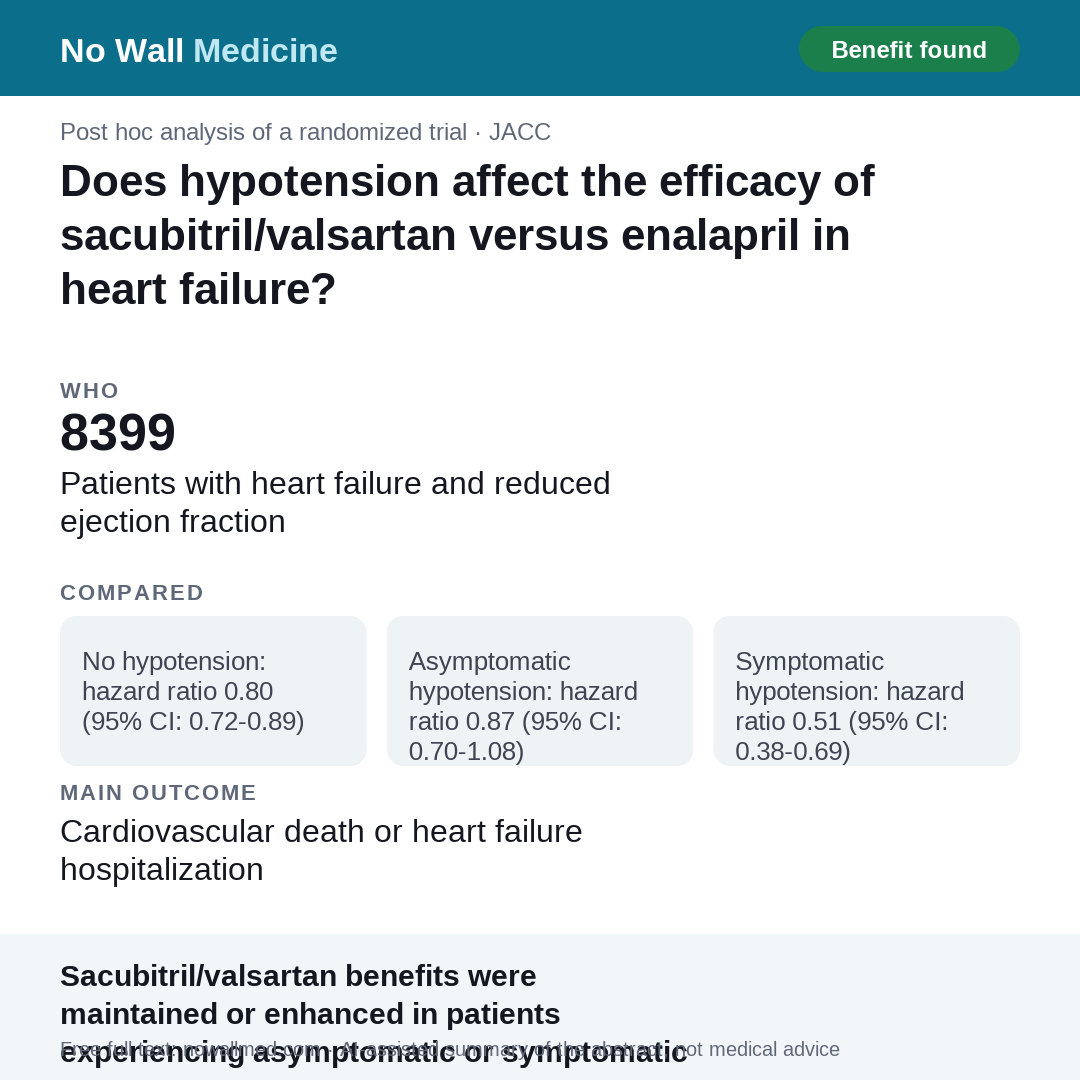
Asymptomatic vs Symptomatic Hypotension With Sacubitril/Valsartan in Heart Failure and Reduced Ejection Fraction in PARADIGM-HF
Post hoc analysis of a randomized trialBenefit found
Does hypotension affect the efficacy of sacubitril/valsartan versus enalapril in heart failure?
Who
8399
Patients with heart failure and reduced ejection fraction
Compared
No hypotension: hazard ratio 0.80 (95% CI: 0.72-0.89)
Asymptomatic hypotension: hazard ratio 0.87 (95% CI: 0.70-1.08)
Symptomatic hypotension: hazard ratio 0.51 (95% CI: 0.38-0.69)
Main outcome
Cardiovascular death or heart failure hospitalization
Result: hazard ratio 0.80 (95% CI: 0.72-0.89) for no hypotension
Bottom line: Sacubitril/valsartan benefits were maintained or enhanced in patients experiencing asymptomatic or symptomatic hypotension.
Limitation: This was a post hoc analysis of the PARADIGM-HF trial.
JACC · 2024-09-25Download image
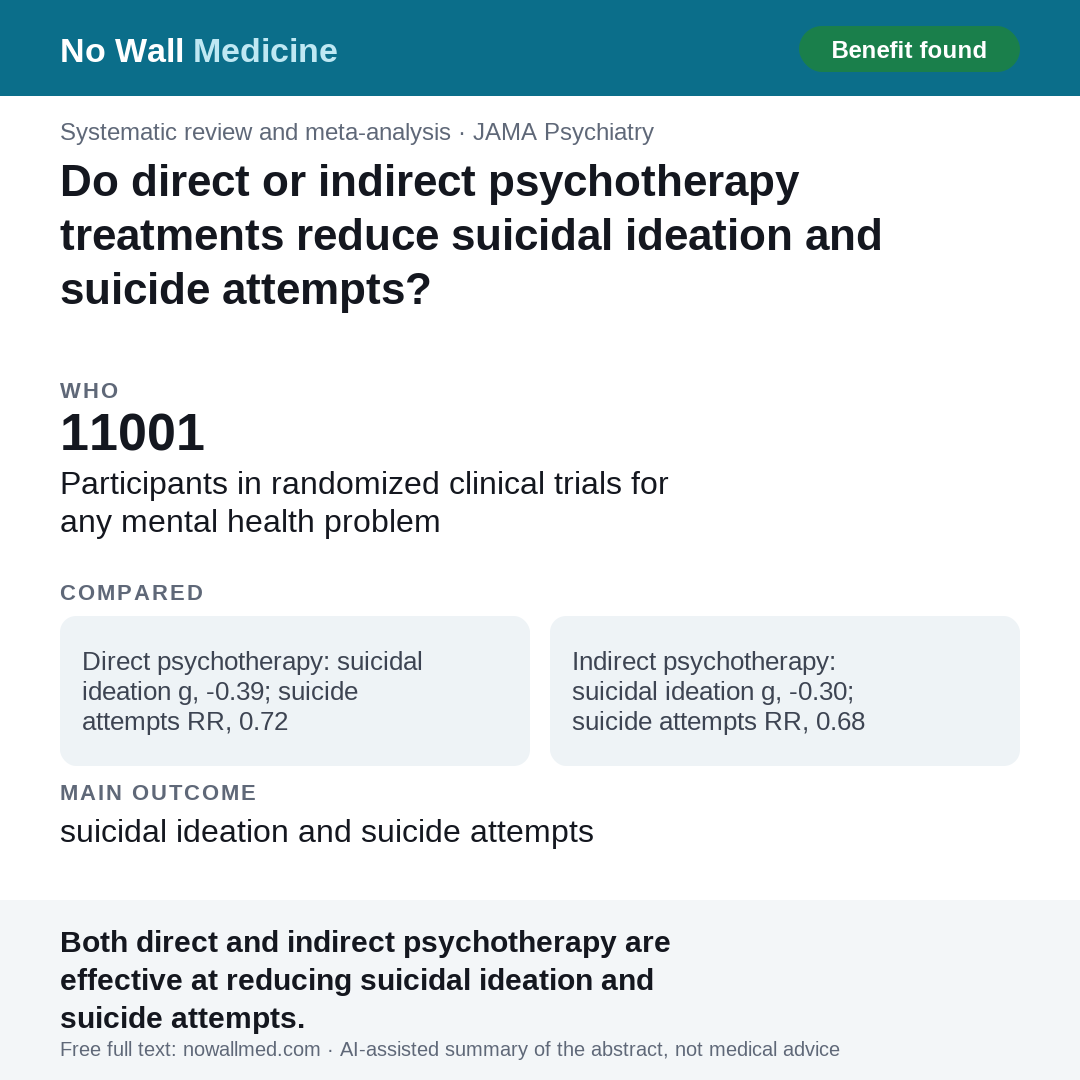
Suicidal Ideation and Suicide Attempts After Direct or Indirect Psychotherapy: A Systematic Review and Meta-Analysis
Systematic review and meta-analysisBenefit found
Do direct or indirect psychotherapy treatments reduce suicidal ideation and suicide attempts?
Who
11001
Participants in randomized clinical trials for any mental health problem
Compared
Direct psychotherapy: suicidal ideation g, -0.39; suicide attempts RR, 0.72
Indirect psychotherapy: suicidal ideation g, -0.30; suicide attempts RR, 0.68
Main outcome
suicidal ideation and suicide attempts
Bottom line: Both direct and indirect psychotherapy are effective at reducing suicidal ideation and suicide attempts.
JAMA Psychiatry · 2024-09-25Download image
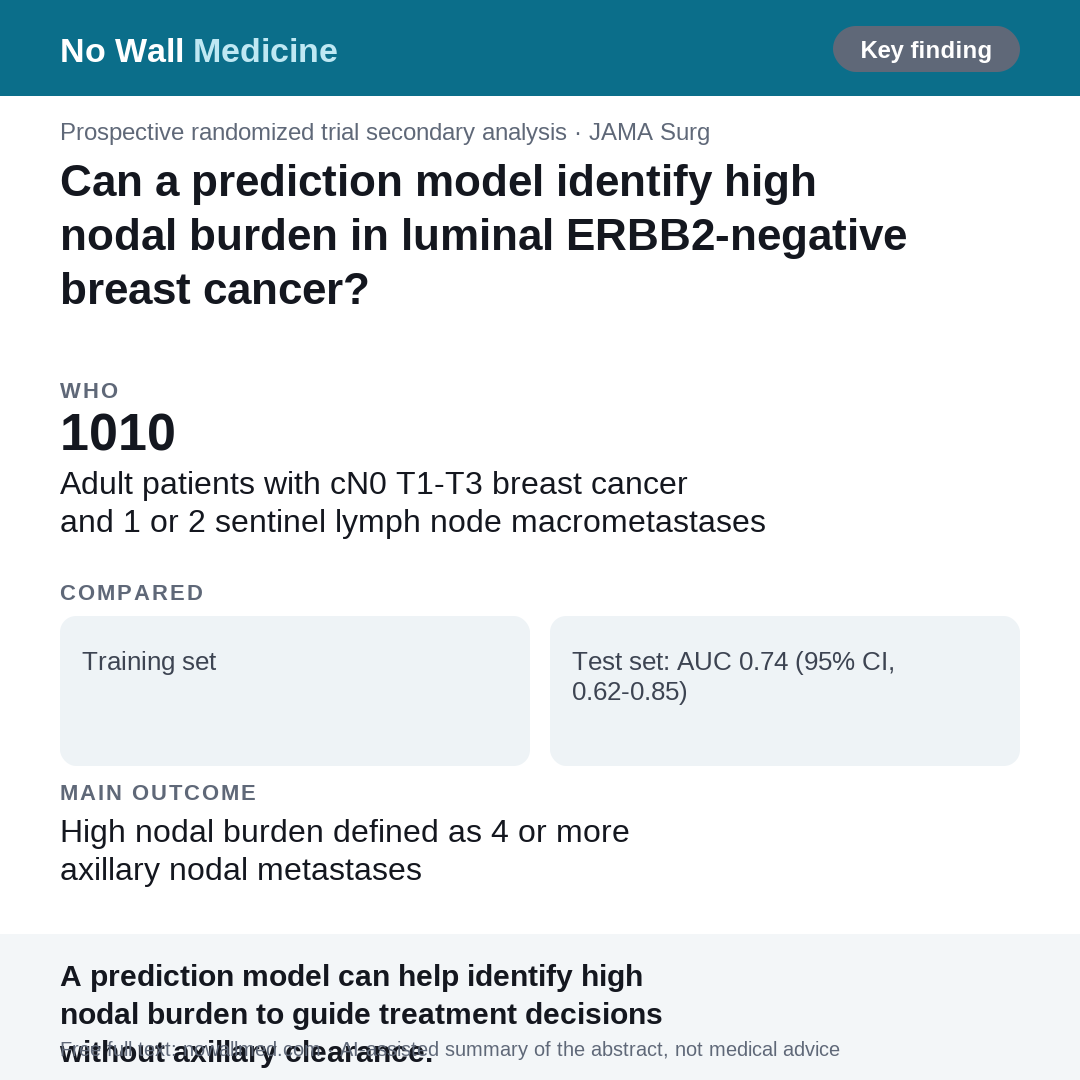
Prediction of High Nodal Burden in Patients With Sentinel Node-Positive Luminal ERBB2-Negative Breast Cancer
Prospective randomized trial secondary analysisBenefit found
Can a prediction model identify high nodal burden in luminal ERBB2-negative breast cancer?
Who
1010
Adult patients with cN0 T1-T3 breast cancer and 1 or 2 sentinel lymph node macrometastases · 5 European countries
Compared
Training set
Test set: AUC 0.74 (95% CI, 0.62-0.85)
Main outcome
High nodal burden defined as 4 or more axillary nodal metastases
Result: AUC 0.74 (95% CI, 0.62-0.85)
Bottom line: A prediction model can help identify high nodal burden to guide treatment decisions without axillary clearance.
JAMA Surg · 2024-09-25Download image
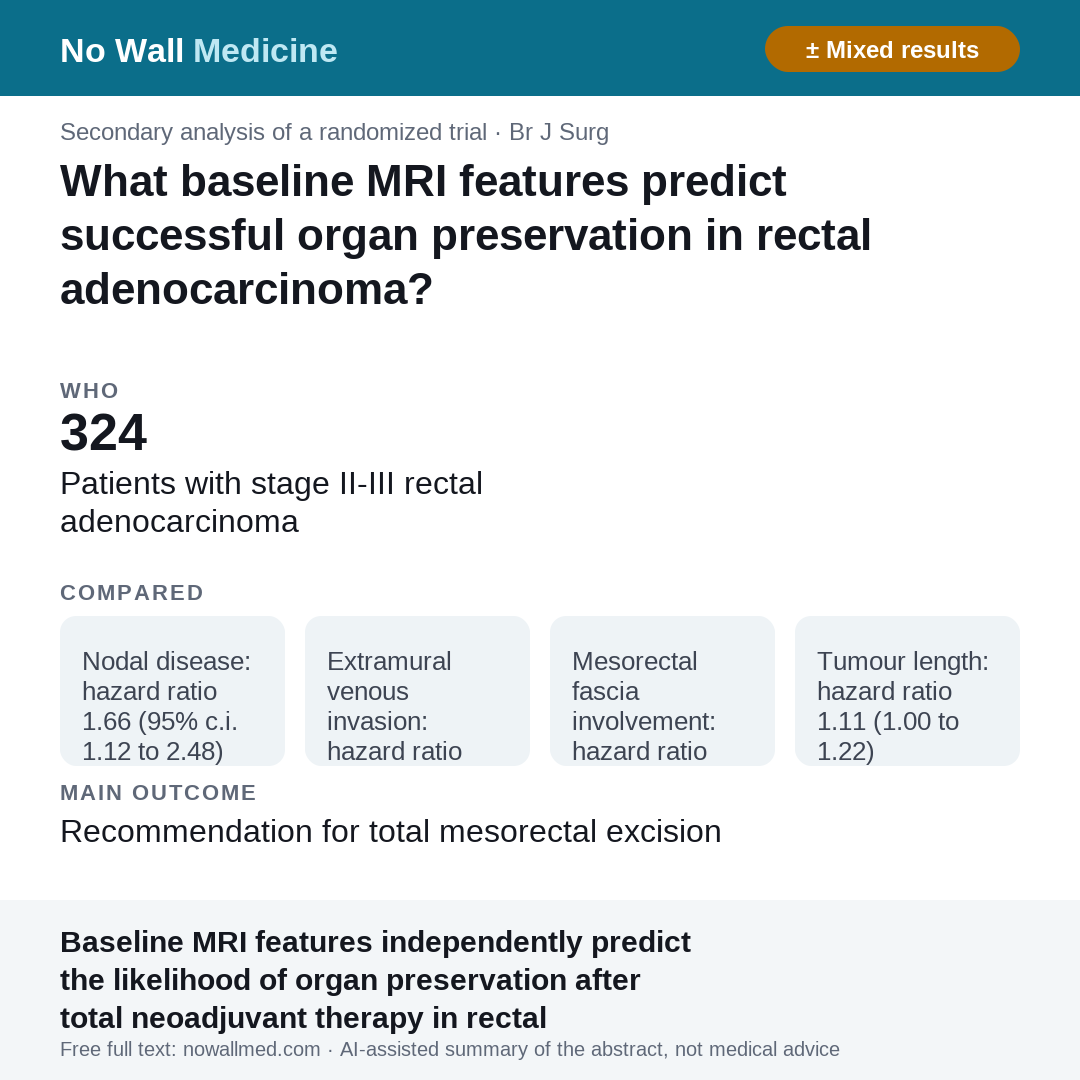
Baseline MRI predictors of successful organ preservation in the Organ Preservation in Rectal Adenocarcinoma (OPRA) trial
Secondary analysis of a randomized trialMixed results
What baseline MRI features predict successful organ preservation in rectal adenocarcinoma?
Who
324
Patients with stage II-III rectal adenocarcinoma
Compared
Nodal disease: hazard ratio 1.66 (95% c.i. 1.12 to 2.48)
Extramural venous invasion: hazard ratio 1.57 (1.07 to 2.29)
Mesorectal fascia involvement: hazard ratio 1.45 (1.01 to 2.09)
Tumour length: hazard ratio 1.11 (1.00 to 1.22)
Main outcome
Recommendation for total mesorectal excision
Bottom line: Baseline MRI features independently predict the likelihood of organ preservation after total neoadjuvant therapy in rectal adenocarcinoma.
Br J Surg · 2024-09-25Download image
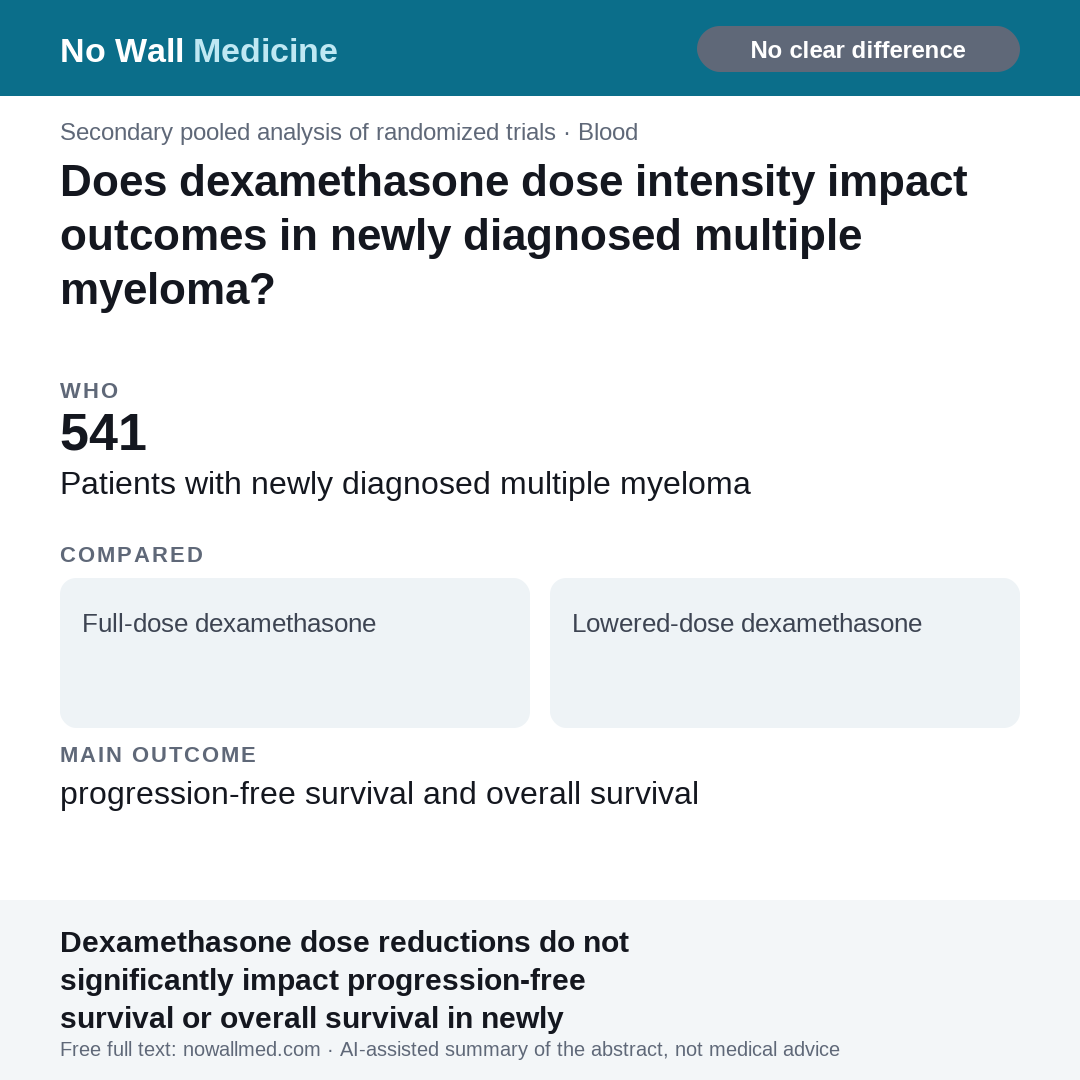
Dexamethasone dose intensity does not impact outcomes in newly diagnosed multiple myeloma: a secondary SWOG analysis
Secondary pooled analysis of randomized trialsNo clear difference
Does dexamethasone dose intensity impact outcomes in newly diagnosed multiple myeloma?
Who
541
Patients with newly diagnosed multiple myeloma
Compared
Full-dose dexamethasone
Lowered-dose dexamethasone
Main outcome
progression-free survival and overall survival
Bottom line: Dexamethasone dose reductions do not significantly impact progression-free survival or overall survival in newly diagnosed multiple myeloma.
Limitation: The study was a secondary pooled analysis of existing trials.
Blood · 2024-09-25Download image
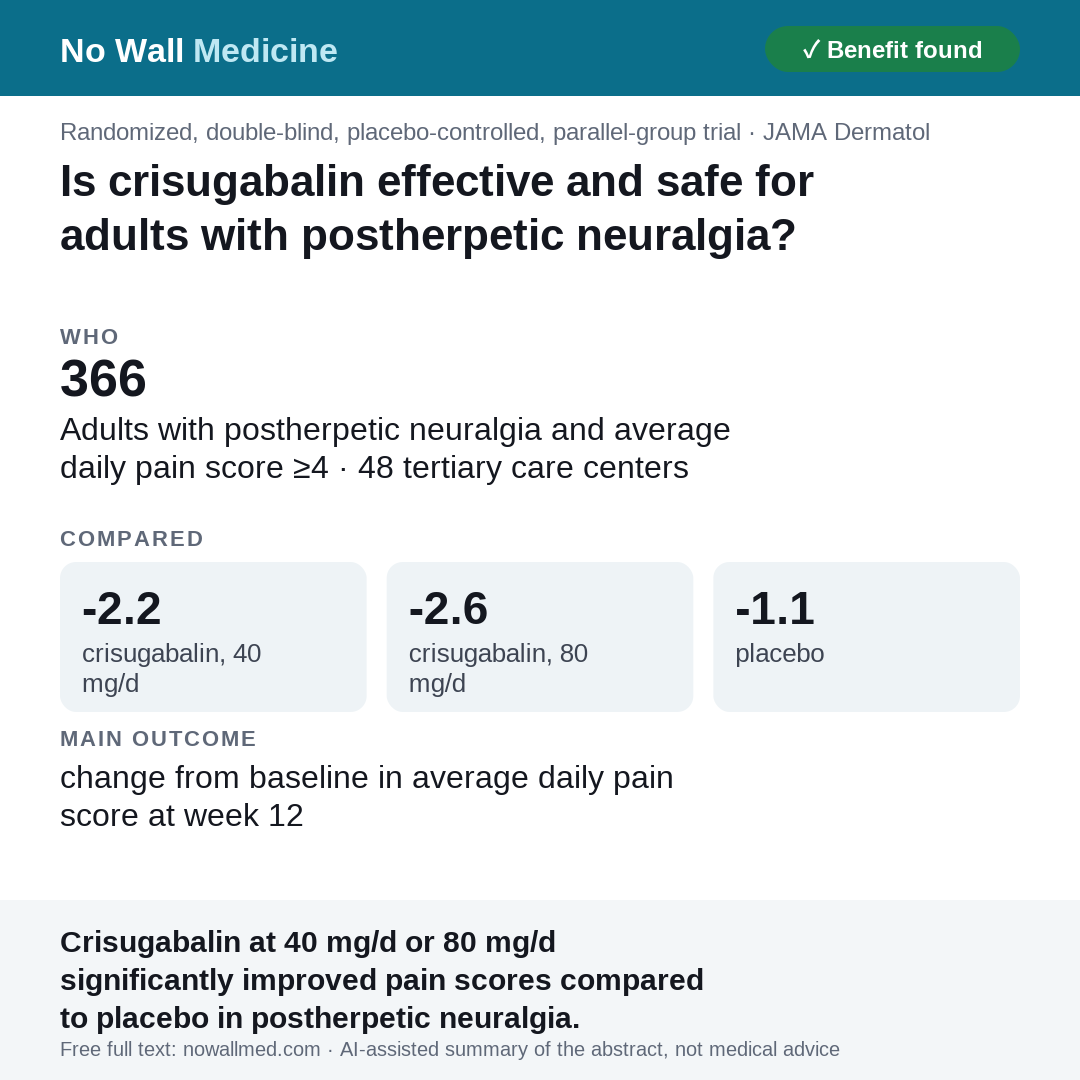
Efficacy and Safety of Crisugabalin (HSK16149) in Adults with Postherpetic Neuralgia: A Phase 3 Randomized Clinical Trial
Randomized, double-blind, placebo-controlled, parallel-group trialBenefit found
Is crisugabalin effective and safe for adults with postherpetic neuralgia?
Who
366
Adults with postherpetic neuralgia and average daily pain score ≥4 · 48 tertiary care centers across China
Compared
-2.2crisugabalin, 40 mg/d (0.2)
-2.6crisugabalin, 80 mg/d (0.2)
-1.1placebo (0.2)
Main outcome
change from baseline in average daily pain score at week 12
Result: least squares mean difference -1.1 (95% CI, -1.6 to -0.7) and -1.5 (-95% CI, -2.0 to -1.0)
Bottom line: Crisugabalin at 40 mg/d or 80 mg/d significantly improved pain scores compared to placebo in postherpetic neuralgia.
JAMA Dermatol · 2024-09-25Download image