Visual abstracts
New randomized trials and meta-analyses from leading journals at a glance: who was studied, what was compared, and what was found. Every paper is free to read in full.
All specialtiesCardiology 3990Oncology 3398Gastroenterology & Hepatology 1577Infectious Disease 2943Neurology 1572Psychiatry & Mental Health 1872Pulmonology 1712Critical Care 1119Endocrinology & Diabetes 2054Pediatrics 2393Surgery 2109Orthopedics & Sports Medicine 756Neurosurgery 457Cardiothoracic & Vascular Surgery 497Plastic & Reconstructive Surgery 534Nephrology 883Rheumatology 656Hematology 891Dermatology 504Ophthalmology 434Obstetrics & Gynecology 1390Public & Global Health 787Radiology & Imaging 543Anesthesiology 802Urology 642ENT (Otolaryngology) 432Emergency Medicine 426Allergy & Immunology 250Geriatrics 828Family Medicine & Primary Care 475Medical Genetics & Genomics 543Pathology & Laboratory Medicine 138Physical Medicine & Rehabilitation 609Palliative Care 357Nutrition 1208Digital Health & AI 1845General Medicine 277
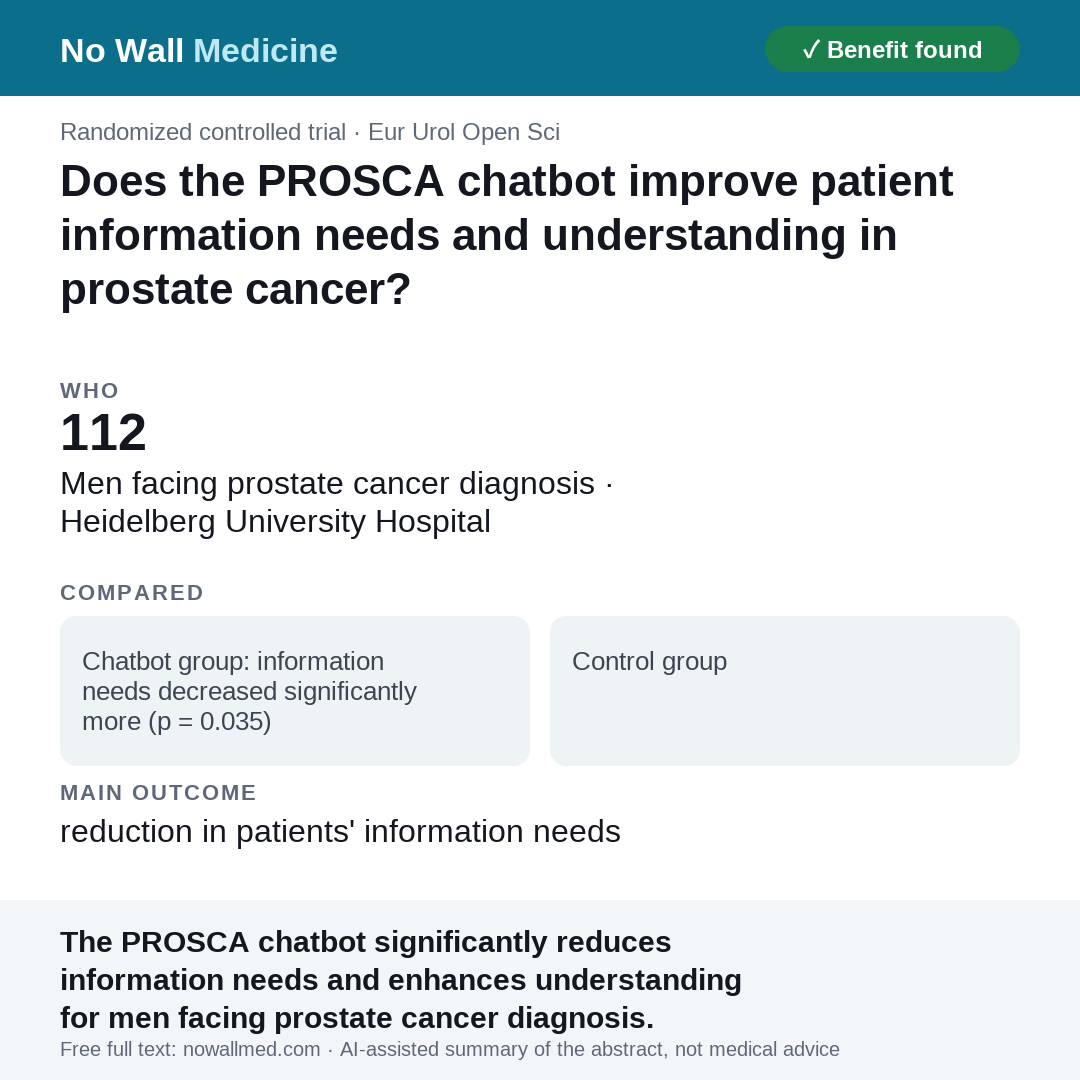
Effectiveness of the Medical Chatbot PROSCA to Inform Patients About Prostate Cancer: Results of a Randomized Controlled Trial
Randomized controlled trialBenefit found
Does the PROSCA chatbot improve patient information needs and understanding in prostate cancer?
Who
112
Men facing prostate cancer diagnosis · Heidelberg University Hospital
Compared
Chatbot group: information needs decreased significantly more (p = 0.035)
Control group
Main outcome
reduction in patients' information needs
Bottom line: The PROSCA chatbot significantly reduces information needs and enhances understanding for men facing prostate cancer diagnosis.
Limitation: Small study sample size, single-center design, and specific clinical application.
Eur Urol Open Sci · 2024-09-17Download image
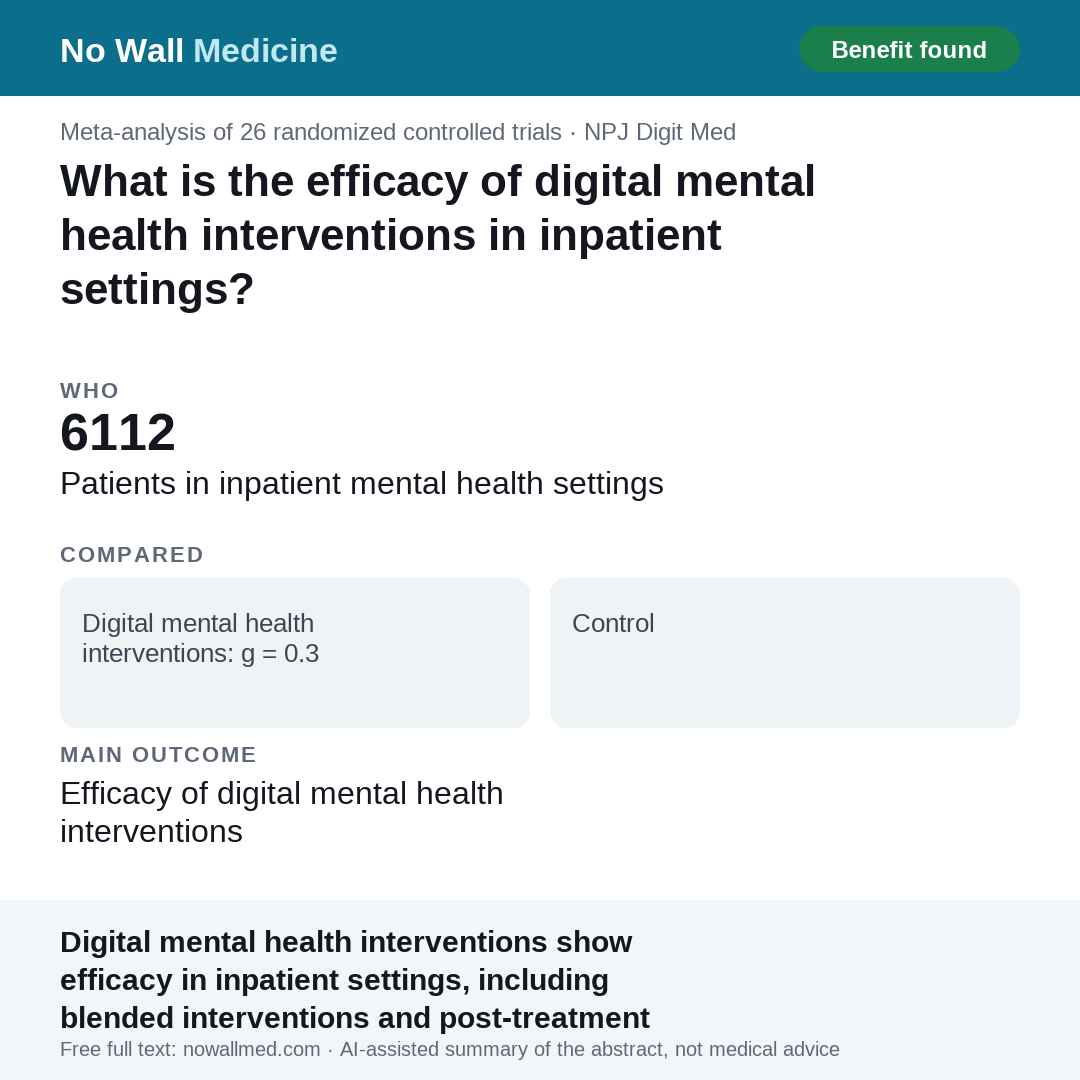
A systematic review and meta analysis on digital mental health interventions in inpatient settings
Meta-analysis of 26 randomized controlled trialsBenefit found
What is the efficacy of digital mental health interventions in inpatient settings?
Who
6112
Patients in inpatient mental health settings
Compared
Digital mental health interventions: g = 0.3
Control
Main outcome
Efficacy of digital mental health interventions
Result: g = 0.3
Bottom line: Digital mental health interventions show efficacy in inpatient settings, including blended interventions and post-treatment aftercare.
Limitation: The meta-analysis is limited by the small number of included studies.
NPJ Digit Med · 2024-09-17Download image
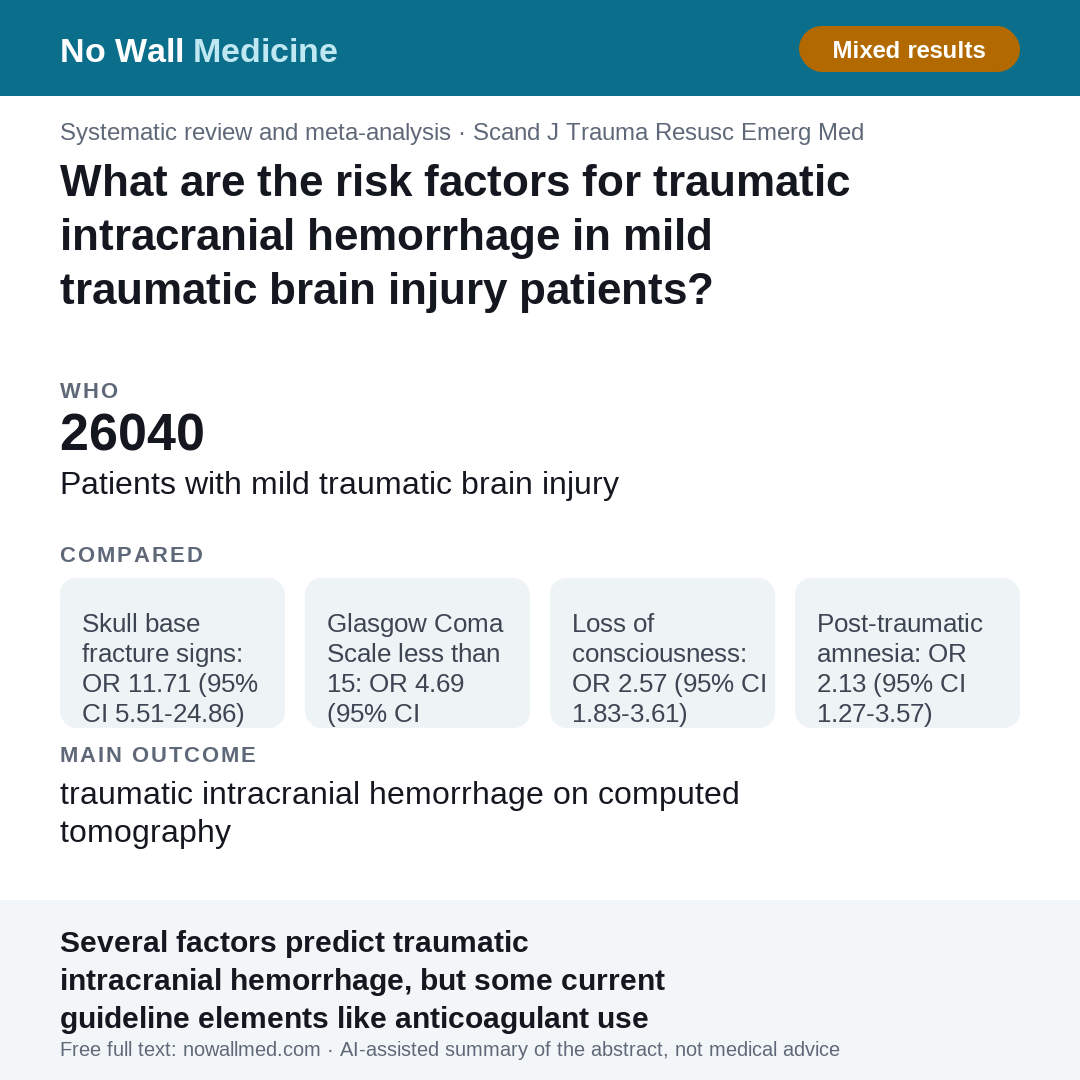
Risk factors for traumatic intracranial hemorrhage in mild traumatic brain injury patients at the emergency department: a systematic review and meta-analysis
Systematic review and meta-analysisMixed results
What are the risk factors for traumatic intracranial hemorrhage in mild traumatic brain injury patients?
Who
26040
Patients with mild traumatic brain injury
Compared
Skull base fracture signs: OR 11.71 (95% CI 5.51-24.86)
Glasgow Coma Scale less than 15: OR 4.69 (95% CI 2.76-7.98)
Loss of consciousness: OR 2.57 (95% CI 1.83-3.61)
Post-traumatic amnesia: OR 2.13 (95% CI 1.27-3.57)
Main outcome
traumatic intracranial hemorrhage on computed tomography
Bottom line: Several factors predict traumatic intracranial hemorrhage, but some current guideline elements like anticoagulant use were not predictive.
Limitation: There were multiple sources of heterogeneity across studies.
Scand J Trauma Resusc Emerg Med · 2024-09-17Download image
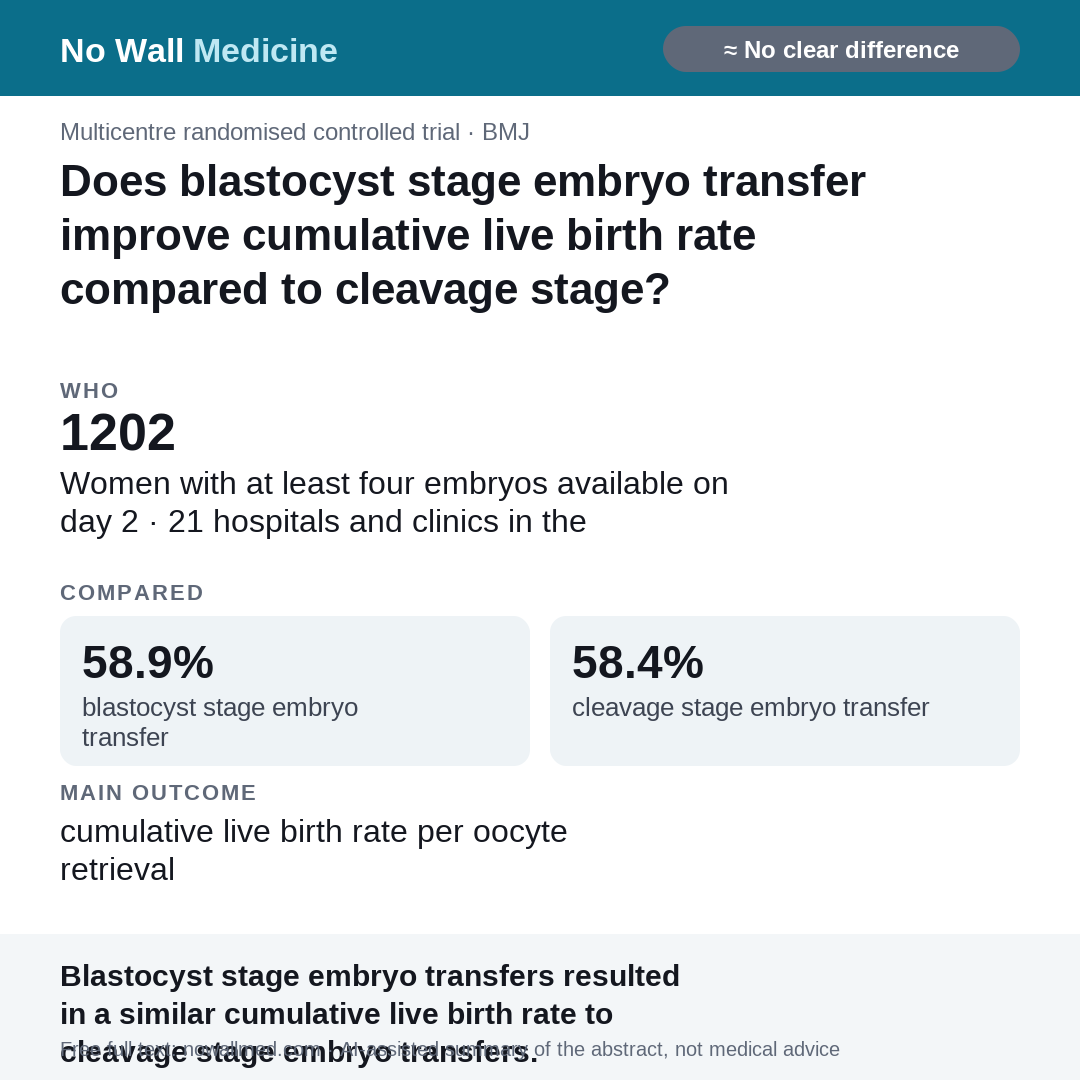
Cumulative live birth rate of a blastocyst versus cleavage stage embryo transfer policy during in vitro fertilisation in women with a good prognosis: multicentre randomised controlled trial
Multicentre randomised controlled trialNo clear difference
Does blastocyst stage embryo transfer improve cumulative live birth rate compared to cleavage stage?
Who
1202
Women with at least four embryos available on day 2 · 21 hospitals and clinics in the Netherlands
Compared
58.9%blastocyst stage embryo transfer (355 of 603)
58.4%cleavage stage embryo transfer (350 of 599)
Main outcome
cumulative live birth rate per oocyte retrieval
Result: risk ratio 1.01, 95% confidence interval (CI) 0.84 to 1.22
Bottom line: Blastocyst stage embryo transfers resulted in a similar cumulative live birth rate to cleavage stage embryo transfers.
BMJ · 2024-09-16Download image
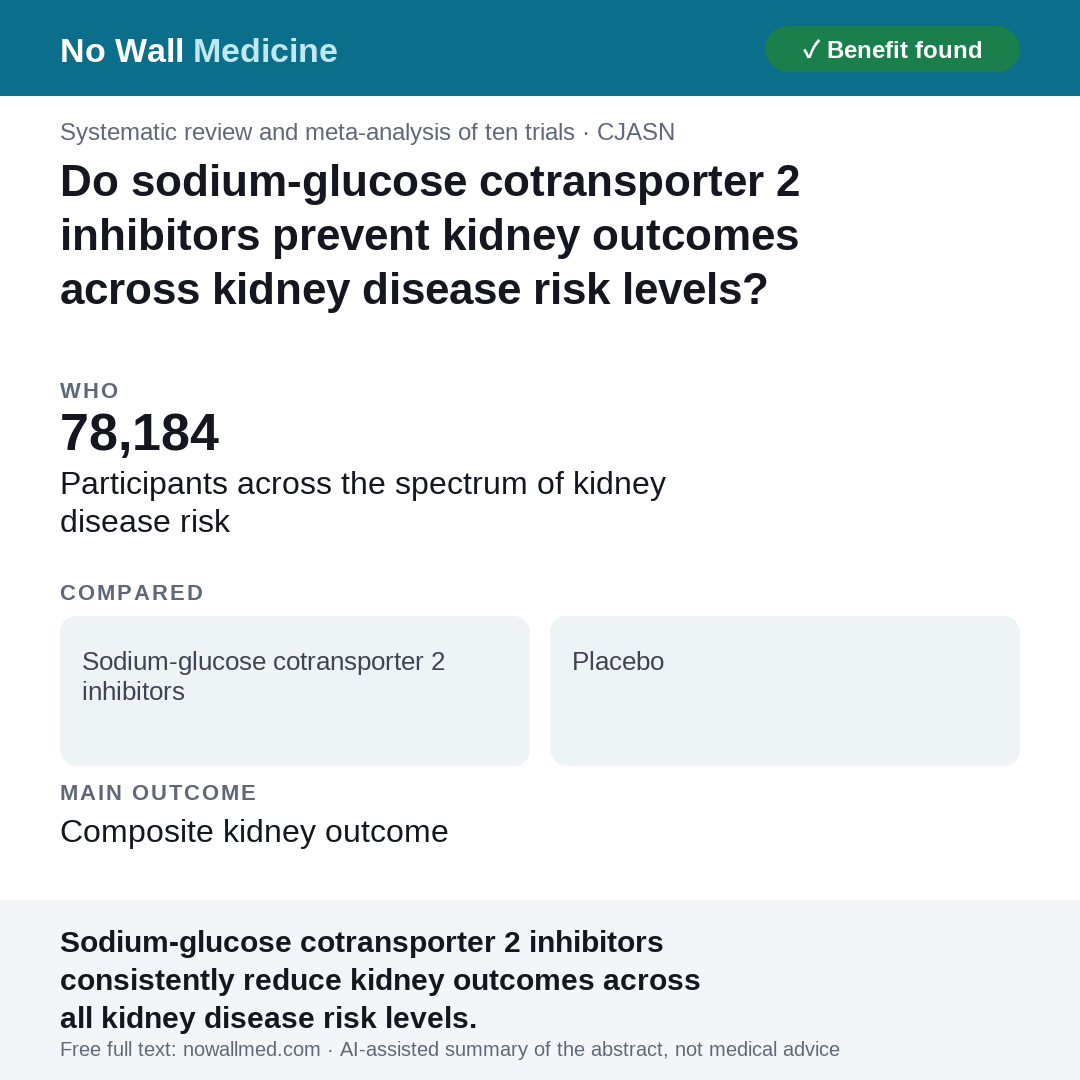
Sodium-Glucose Cotransporter 2 Inhibitors and Kidney Outcomes across the Spectrum of Kidney Disease: A Systematic Review and Meta-Analysis
Systematic review and meta-analysis of ten trialsBenefit found
Do sodium-glucose cotransporter 2 inhibitors prevent kidney outcomes across kidney disease risk levels?
Who
78,184
Participants across the spectrum of kidney disease risk
Compared
Sodium-glucose cotransporter 2 inhibitors
Placebo
Main outcome
Composite kidney outcome
Result: hazard ratio 0.48 to 0.62 (95% CI not pooled for all)
Bottom line: Sodium-glucose cotransporter 2 inhibitors consistently reduce kidney outcomes across all kidney disease risk levels.
Limitation: Lack of standardization of composite outcomes.
CJASN · 2024-09-16Download image
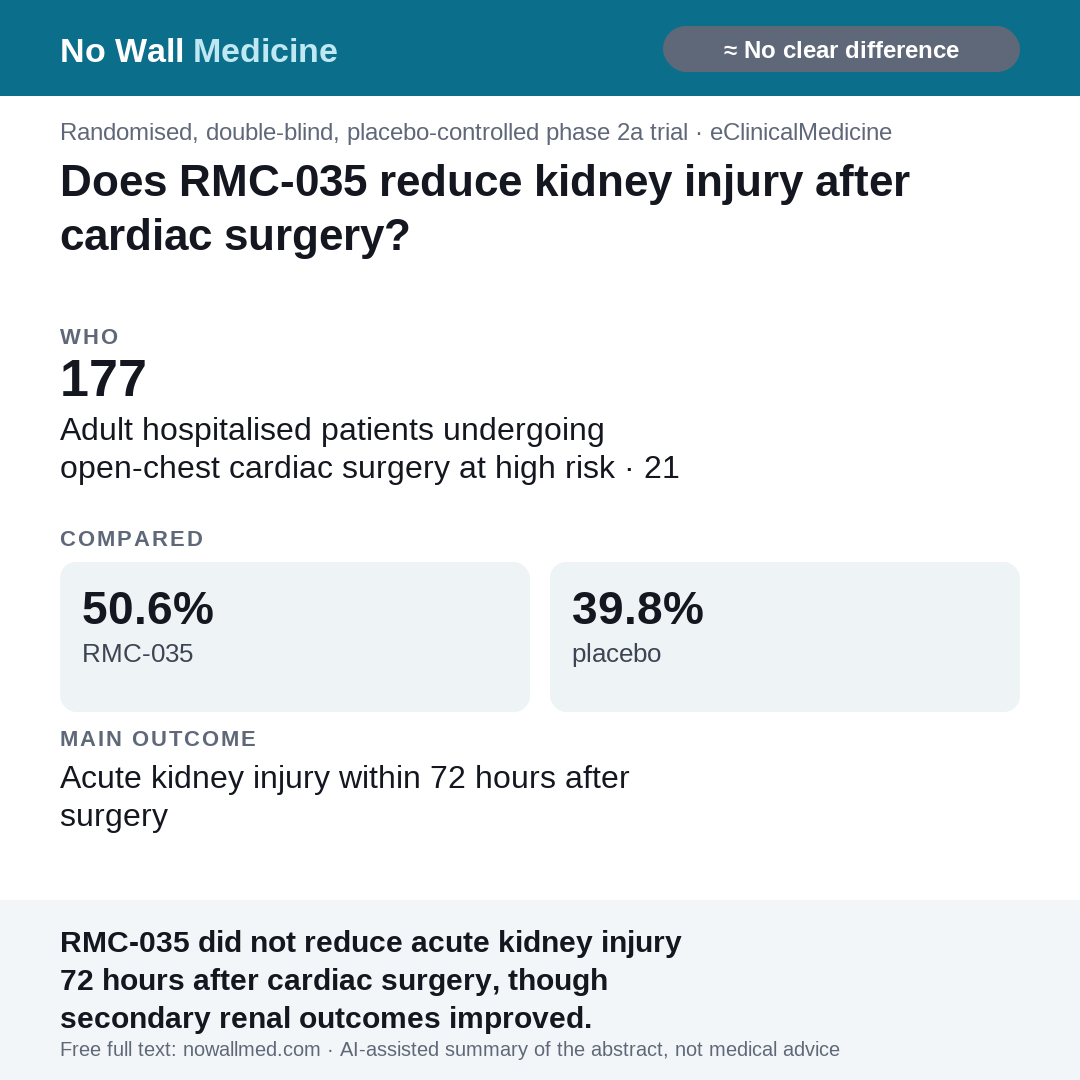
Efficacy and safety of therapeutic alpha-1-microglobulin RMC-035 in reducing kidney injury after cardiac surgery: a multicentre, randomised, double-blind, parallel group, phase 2a trial
Randomised, double-blind, placebo-controlled phase 2a trialNo clear difference
Does RMC-035 reduce kidney injury after cardiac surgery?
Who
177
Adult hospitalised patients undergoing open-chest cardiac surgery at high risk · 21 sites in North America and Europe
Compared
50.6%RMC-035 (n = 45)
39.8%placebo (n = 35)
Main outcome
Acute kidney injury within 72 hours after surgery
Result: relative risk 1.30 (90% confidence interval 0.99, 1.71)
Bottom line: RMC-035 did not reduce acute kidney injury 72 hours after cardiac surgery, though secondary renal outcomes improved.
Limitation: Study was not powered for secondary outcomes and evaluations may have been confounded by transient creatinine increase.
Funded by: Guard Therapeutics
eClinicalMedicine · 2024-09-16Download image
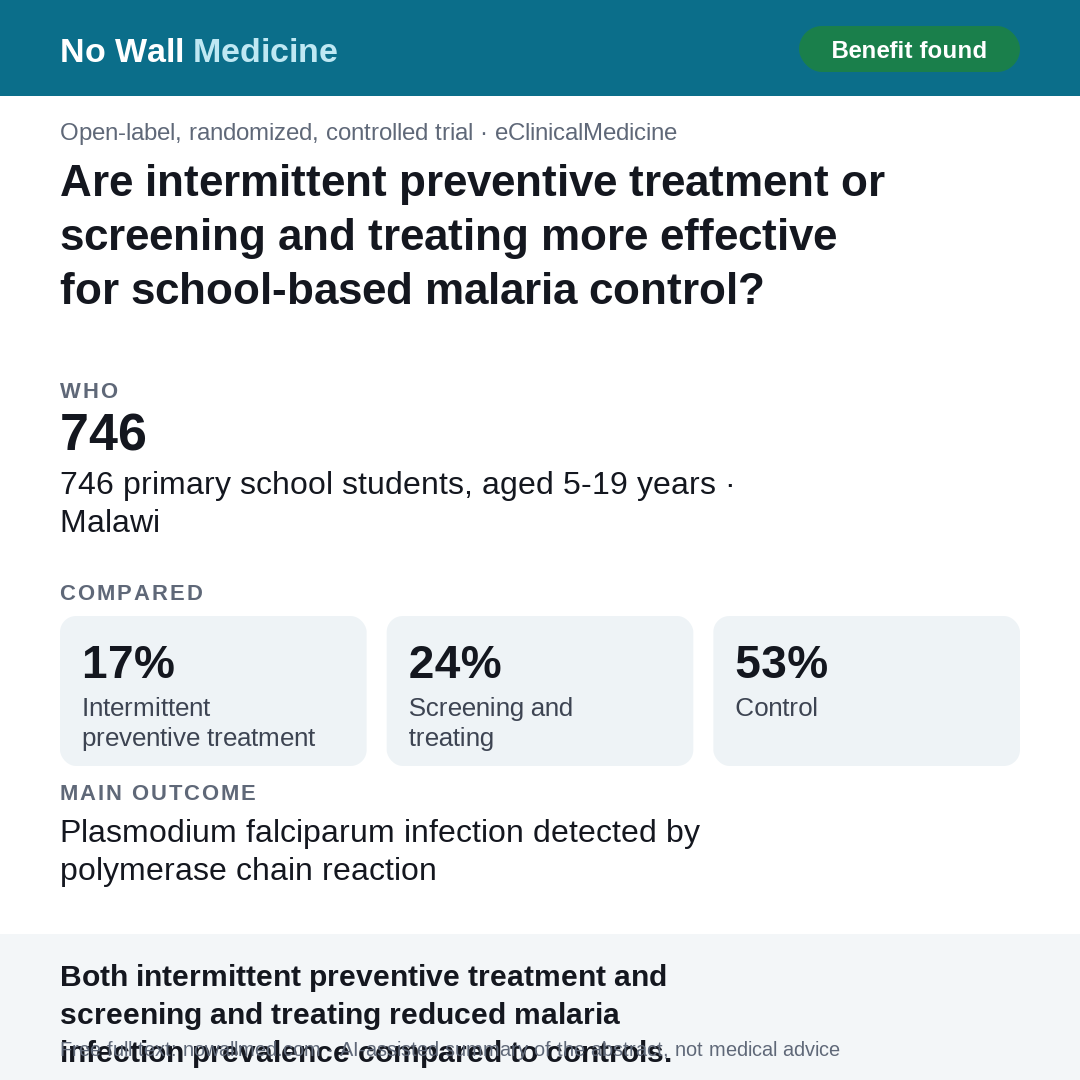
Comparing approaches for chemoprevention for school-based malaria control in Malawi: an open label, randomized, controlled clinical trial
Open-label, randomized, controlled trialBenefit found
Are intermittent preventive treatment or screening and treating more effective for school-based malaria control?
Who
746
746 primary school students, aged 5-19 years · Malawi
Compared
17%Intermittent preventive treatment (41/243)
24%Screening and treating (58/244)
53%Control (127/240)
Main outcome
Plasmodium falciparum infection detected by polymerase chain reaction
Result: IPT adjusted odds ratio 0.18 (95% CI: 0.11, 0.27)
Bottom line: Both intermittent preventive treatment and screening and treating reduced malaria infection prevalence compared to controls.
Funded by: Doris Duke Charitable Foundation and U.S. NIH
eClinicalMedicine · 2024-09-16Download image
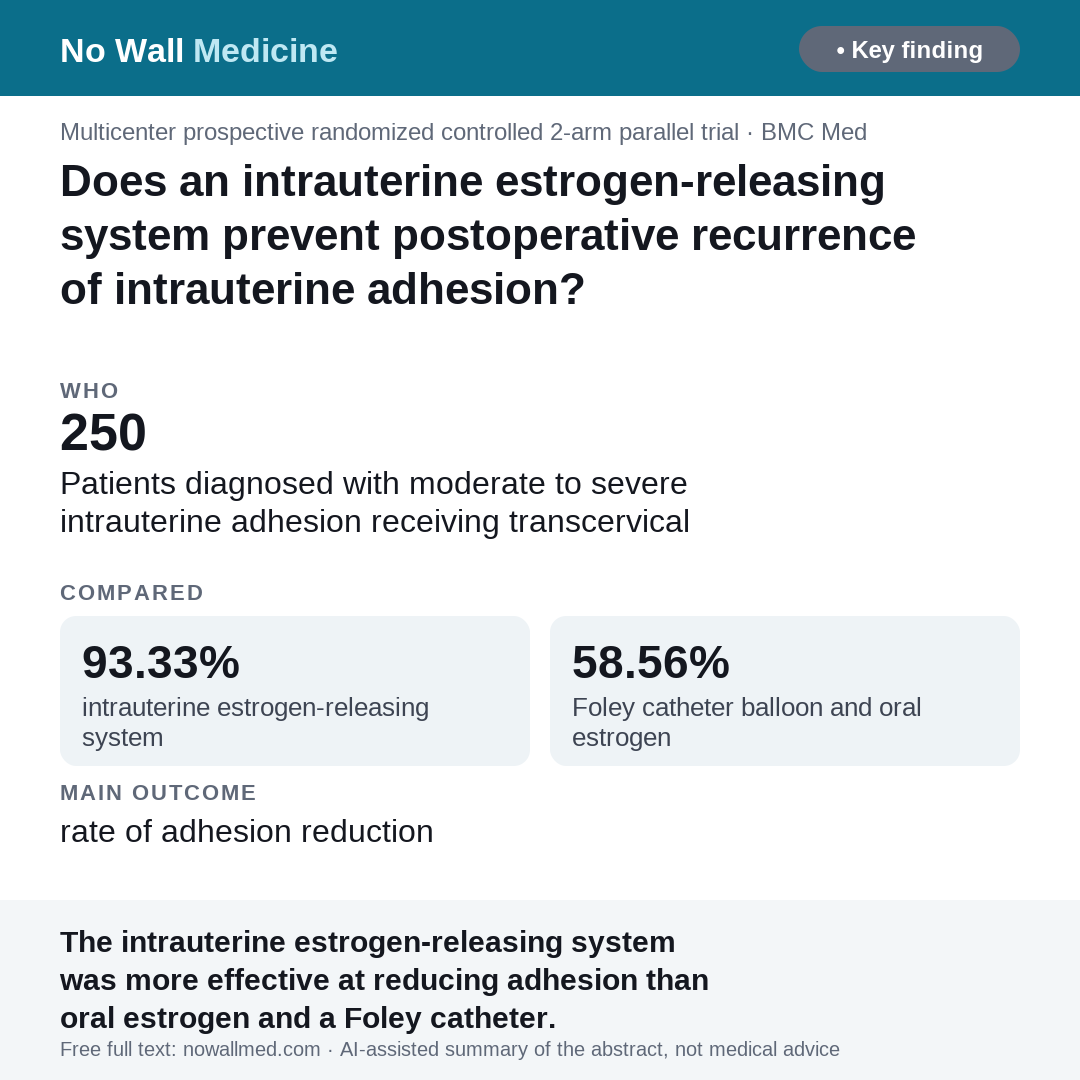
A novel intrauterine estrogen-releasing system for preventing the postoperative recurrence of intrauterine adhesion: a multicenter randomized controlled study
Multicenter prospective randomized controlled 2-arm parallel trialBenefit found
Does an intrauterine estrogen-releasing system prevent postoperative recurrence of intrauterine adhesion?
Who
250
Patients diagnosed with moderate to severe intrauterine adhesion receiving transcervical resection of adhesions · Multicenter
Compared
93.33%intrauterine estrogen-releasing system
58.56%Foley catheter balloon and oral estrogen
Main outcome
rate of adhesion reduction
Bottom line: The intrauterine estrogen-releasing system was more effective at reducing adhesion than oral estrogen and a Foley catheter.
BMC Med · 2024-09-16Download image
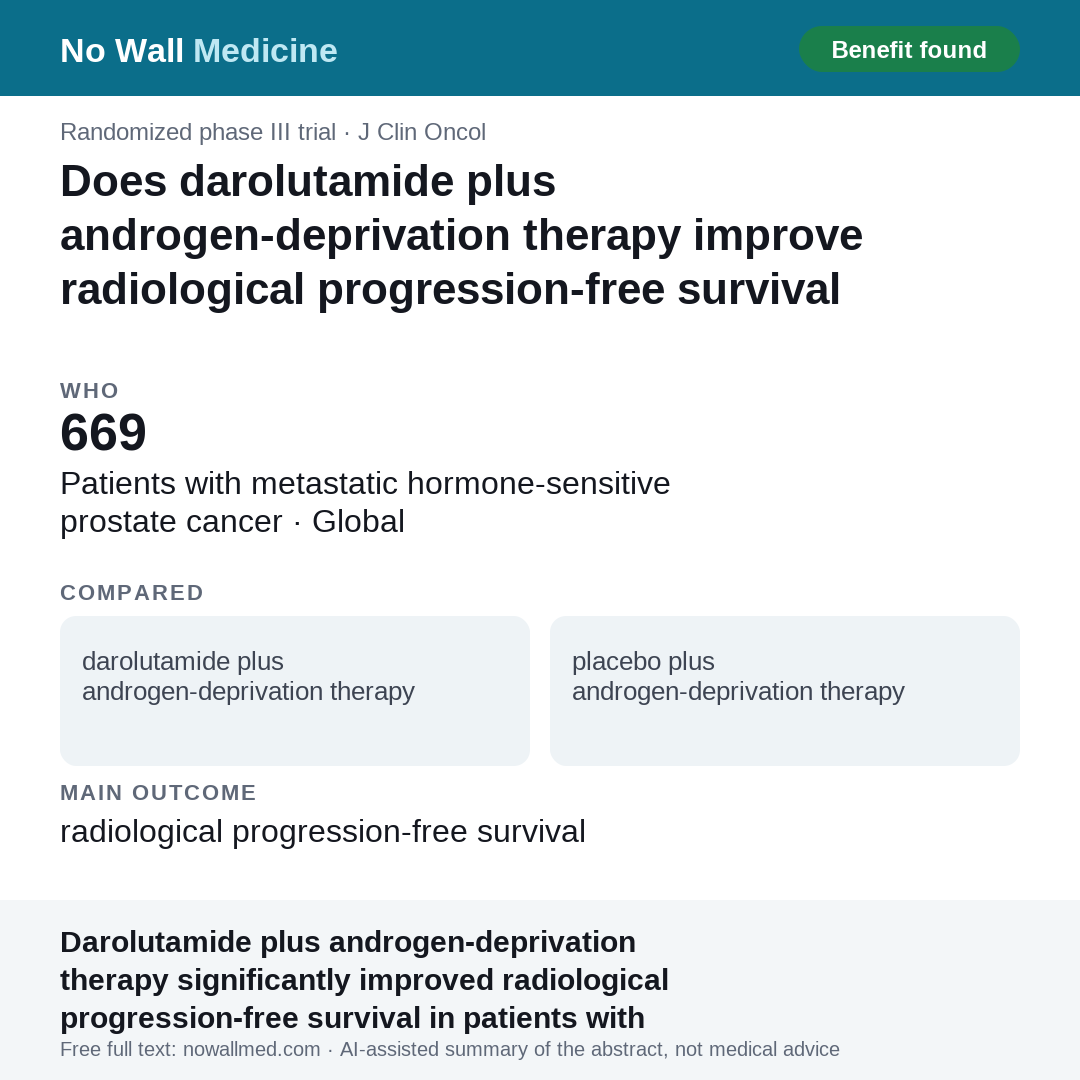
Darolutamide in Combination With Androgen-Deprivation Therapy in Patients With Metastatic Hormone-Sensitive Prostate Cancer From the Phase III ARANOTE Trial
Randomized phase III trialBenefit found
Does darolutamide plus androgen-deprivation therapy improve radiological progression-free survival in mHSPC?
Who
669
Patients with metastatic hormone-sensitive prostate cancer · Global
Compared
darolutamide plus androgen-deprivation therapy
placebo plus androgen-deprivation therapy
Main outcome
radiological progression-free survival
Result: hazard ratio 0.54 (95% CI 0.41 to 0.71)
Bottom line: Darolutamide plus androgen-deprivation therapy significantly improved radiological progression-free survival in patients with metastatic hormone-sensitive prostate cancer.
J Clin Oncol · 2024-09-16Download image
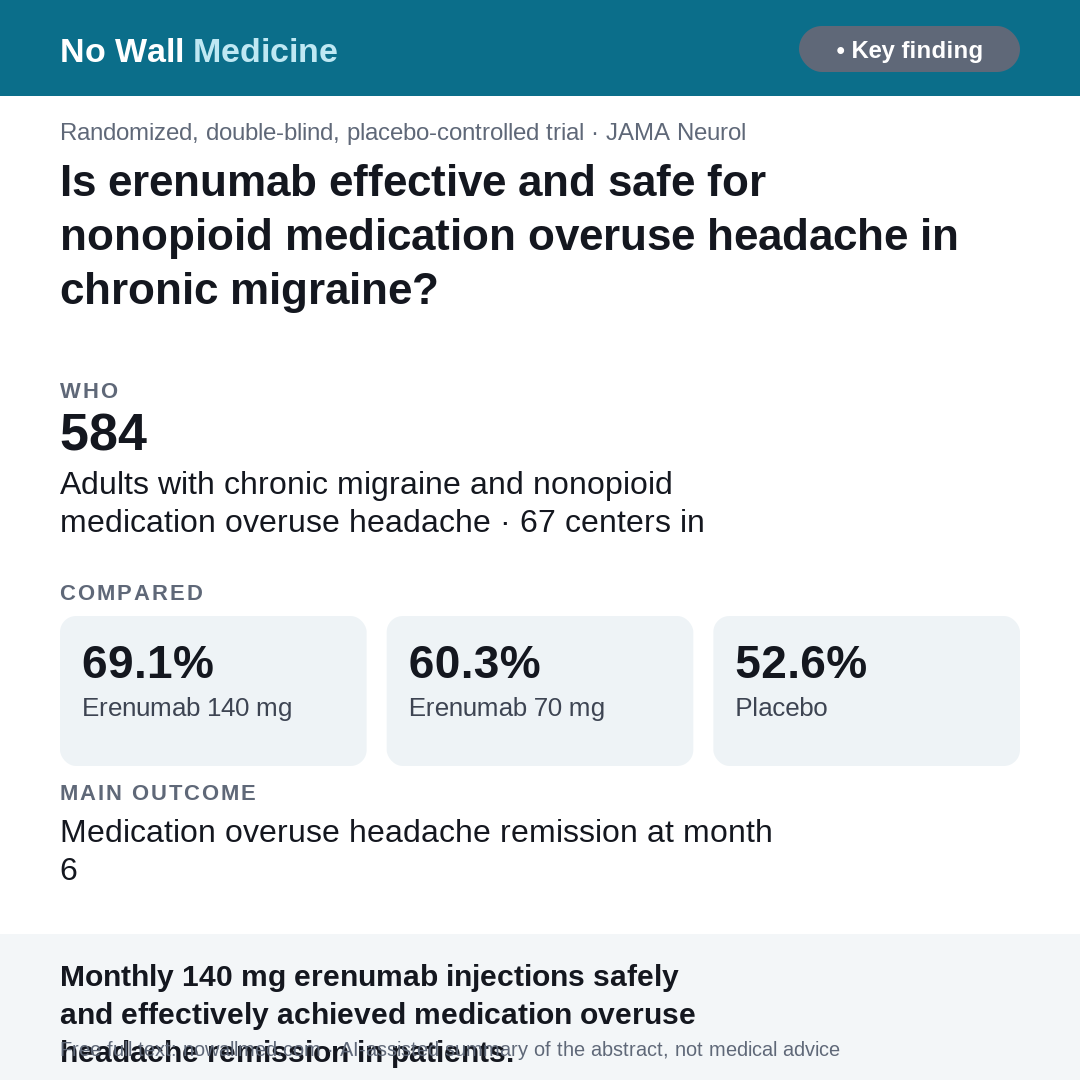
Efficacy and Safety of Erenumab for Nonopioid Medication Overuse Headache in Chronic Migraine: A Phase 4, Randomized, Placebo-Controlled Trial
Randomized, double-blind, placebo-controlled trialBenefit found
Is erenumab effective and safe for nonopioid medication overuse headache in chronic migraine?
Who
584
Adults with chronic migraine and nonopioid medication overuse headache · 67 centers in North America, Europe, and Australia
Compared
69.1%Erenumab 140 mg
60.3%Erenumab 70 mg
52.6%Placebo
Main outcome
Medication overuse headache remission at month 6
Result: odds ratio 2.01 (95% CI, 1.33-3.05)
Bottom line: Monthly 140 mg erenumab injections safely and effectively achieved medication overuse headache remission in patients.
JAMA Neurol · 2024-09-16Download image
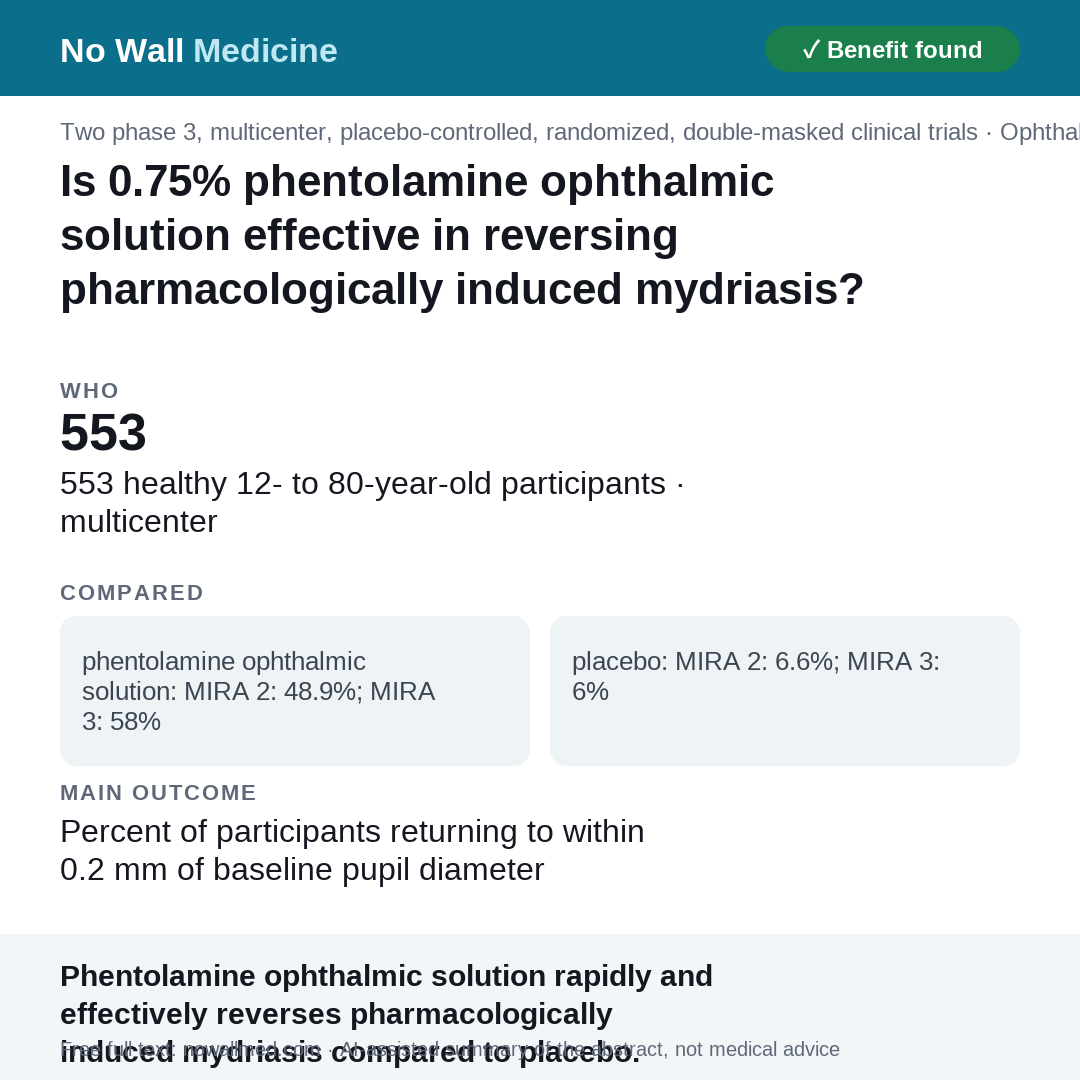
Reversal of Pharmacologically Induced Mydriasis with Phentolamine Ophthalmic Solution
Two phase 3, multicenter, placebo-controlled, randomized, double-masked clinical trialsBenefit found
Is 0.75% phentolamine ophthalmic solution effective in reversing pharmacologically induced mydriasis?
Who
553
553 healthy 12- to 80-year-old participants · multicenter
Compared
phentolamine ophthalmic solution: MIRA 2: 48.9%; MIRA 3: 58%
placebo: MIRA 2: 6.6%; MIRA 3: 6%
Main outcome
Percent of participants returning to within 0.2 mm of baseline pupil diameter
Bottom line: Phentolamine ophthalmic solution rapidly and effectively reverses pharmacologically induced mydriasis compared to placebo.
Ophthalmology · 2024-09-16Download image
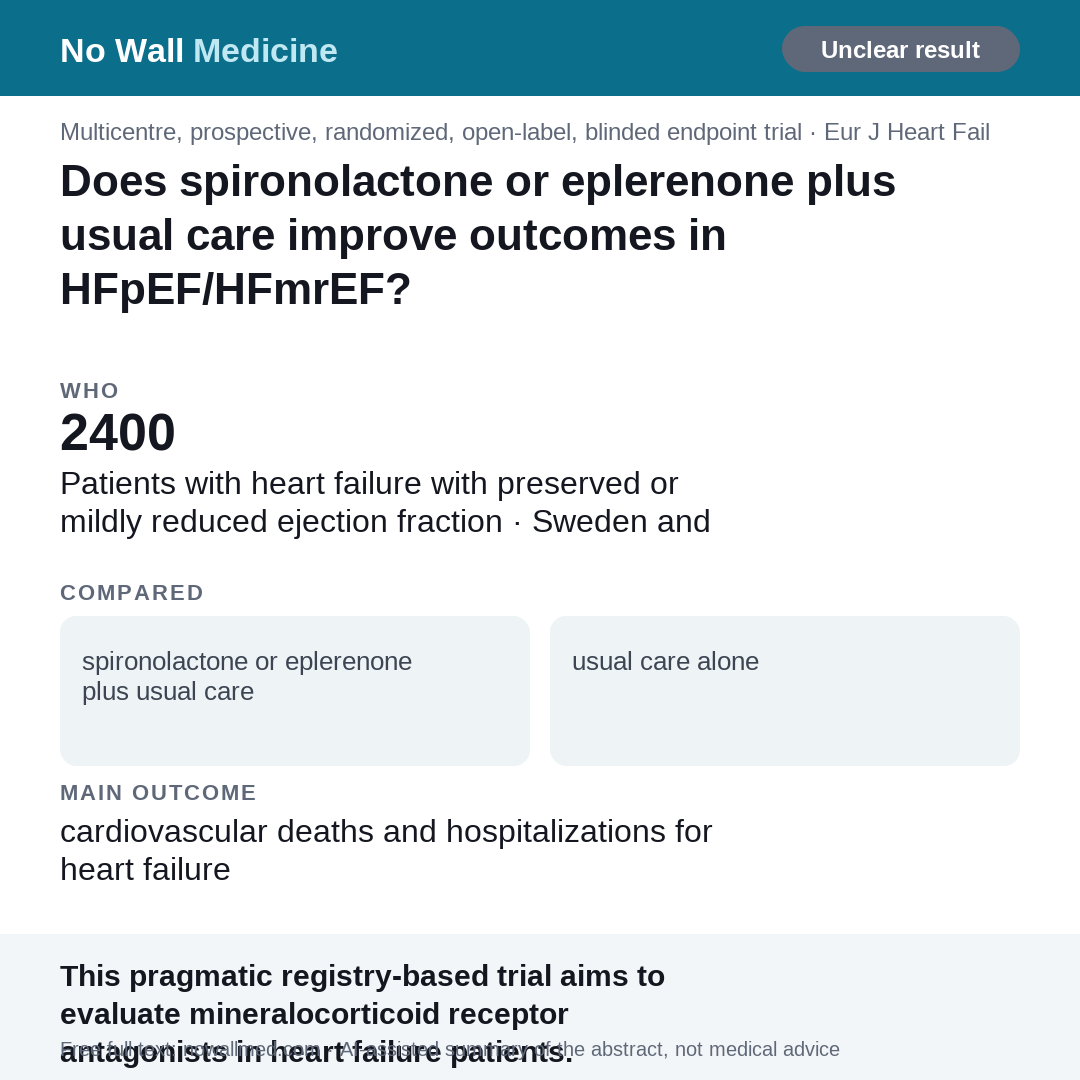
The Spironolactone Initiation Registry Randomized Interventional Trial in Heart Failure with Preserved Ejection Fraction (SPIRRIT-HFpEF): Rationale and design
Multicentre, prospective, randomized, open-label, blinded endpoint trialUnclear result
Does spironolactone or eplerenone plus usual care improve outcomes in HFpEF/HFmrEF?
Who
2400
Patients with heart failure with preserved or mildly reduced ejection fraction · Sweden and United States
Compared
spironolactone or eplerenone plus usual care
usual care alone
Main outcome
cardiovascular deaths and hospitalizations for heart failure
Bottom line: This pragmatic registry-based trial aims to evaluate mineralocorticoid receptor antagonists in heart failure patients.
Eur J Heart Fail · 2024-09-16Download image
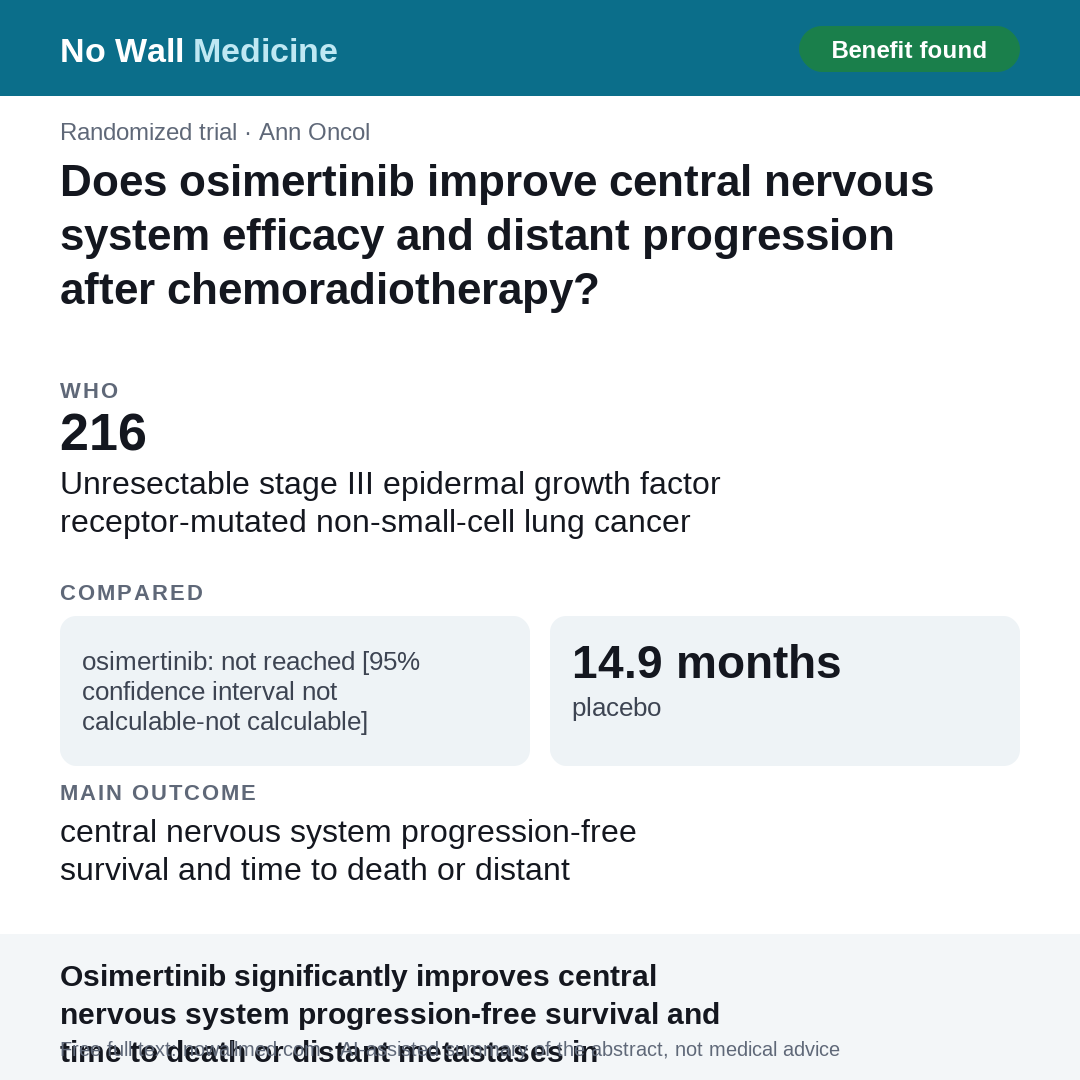
Osimertinib after definitive chemoradiotherapy in unresectable stage III epidermal growth factor receptor-mutated non-small-cell lung cancer: analyses of central nervous system efficacy and distant progression from the phase III LAURA study
Randomized trialBenefit found
Does osimertinib improve central nervous system efficacy and distant progression after chemoradiotherapy?
Who
216
Unresectable stage III epidermal growth factor receptor-mutated non-small-cell lung cancer
Compared
osimertinib: not reached [95% confidence interval not calculable-not calculable]
14.9 monthsplacebo (95% CI 7.4 months-NC)
Main outcome
central nervous system progression-free survival and time to death or distant metastases
Result: hazard ratio 0.17 (95% CI 0.09-0.32)
Bottom line: Osimertinib significantly improves central nervous system progression-free survival and time to death or distant metastases in unresectable stage III lung cancer.
Ann Oncol · 2024-09-16Download image
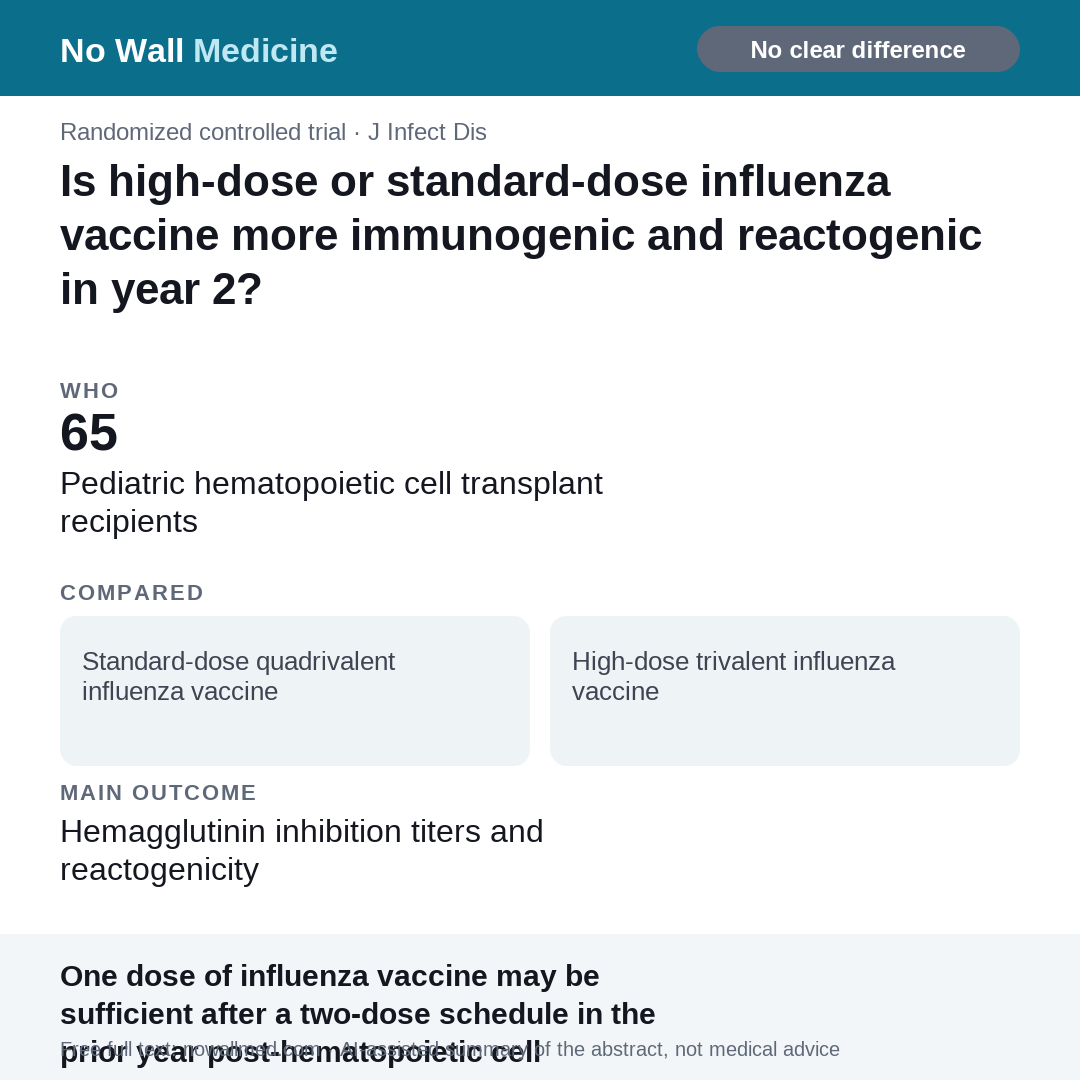
Immunogenicity and Reactogenicity of High- or Standard-Dose Influenza Vaccine in a Second Consecutive Influenza Season
Randomized controlled trialNo clear difference
Is high-dose or standard-dose influenza vaccine more immunogenic and reactogenic in year 2?
Who
65
Pediatric hematopoietic cell transplant recipients
Compared
Standard-dose quadrivalent influenza vaccine
High-dose trivalent influenza vaccine
Main outcome
Hemagglutinin inhibition titers and reactogenicity
Bottom line: One dose of influenza vaccine may be sufficient after a two-dose schedule in the prior year post-hematopoietic cell transplant.
J Infect Dis · 2024-09-16Download image
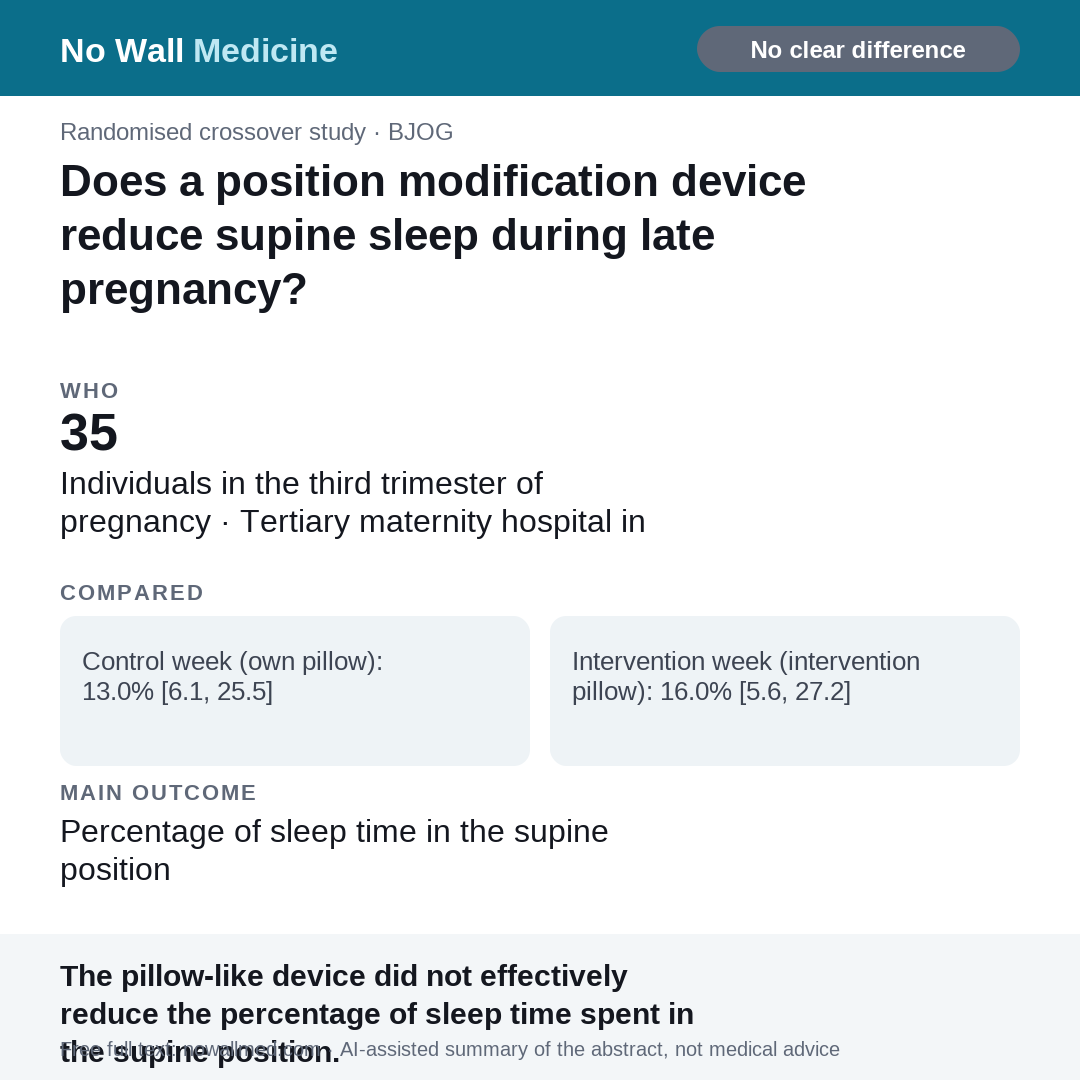
A Position Modification Device for the Prevention of Supine Sleep During Pregnancy: A Randomised Crossover Trial
Randomised crossover studyNo clear difference
Does a position modification device reduce supine sleep during late pregnancy?
Who
35
Individuals in the third trimester of pregnancy · Tertiary maternity hospital in Australia
Compared
Control week (own pillow): 13.0% [6.1, 25.5]
Intervention week (intervention pillow): 16.0% [5.6, 27.2]
Main outcome
Percentage of sleep time in the supine position
Result: mean difference of 2.5% [95% CI -0.7, 5.6, p = 0.12]
Bottom line: The pillow-like device did not effectively reduce the percentage of sleep time spent in the supine position.
Limitation: The proportion of supine sleep each night varied widely within and across participants.
BJOG · 2024-09-16Download image
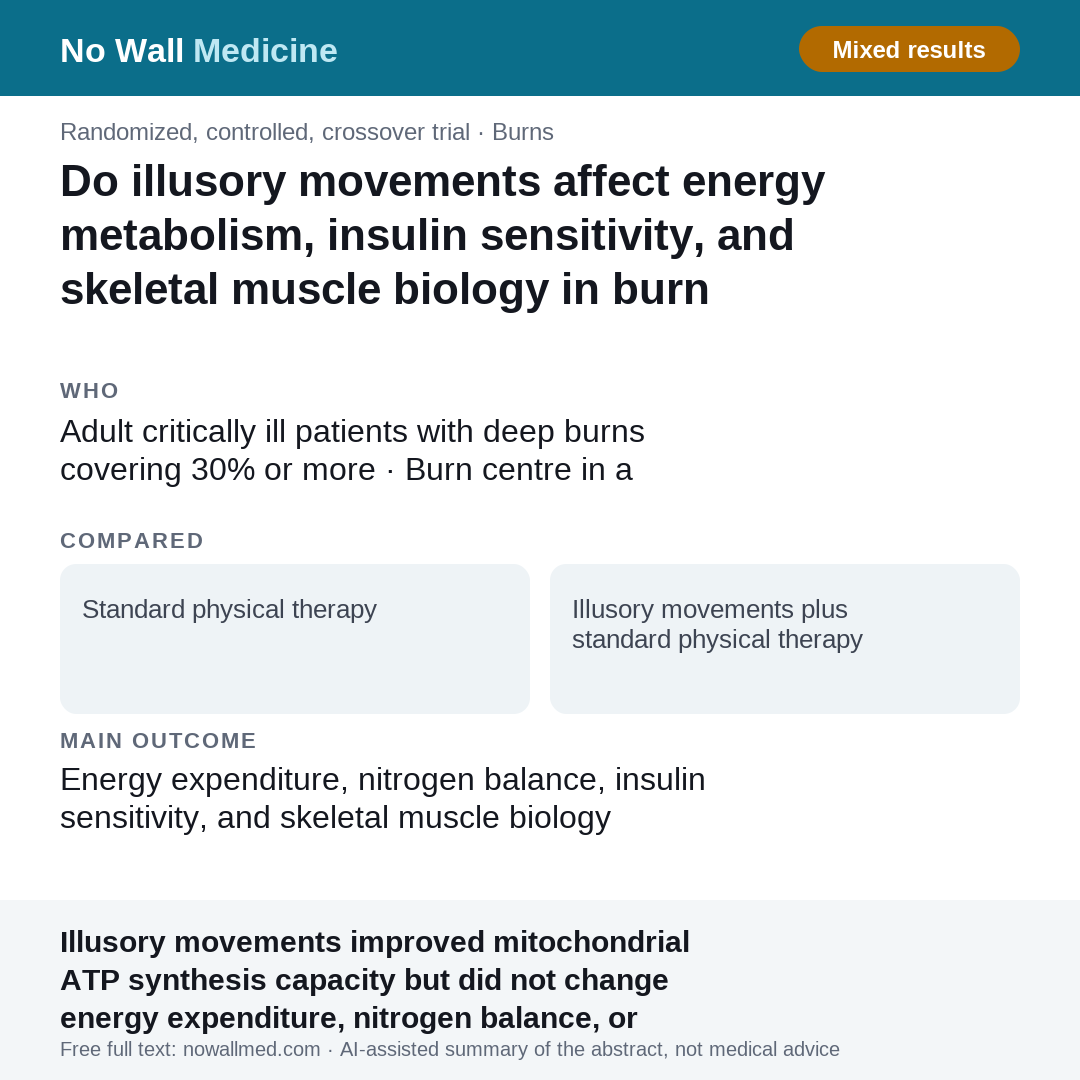
Illusory movements for immobile patients with extensive burns (IMMOBILE): A randomized, controlled, cross-over trial
Randomized, controlled, crossover trialMixed results
Do illusory movements affect energy metabolism, insulin sensitivity, and skeletal muscle biology in burn patients?
Who
Adult critically ill patients with deep burns covering 30% or more · Burn centre in a tertiary teaching hospital
Compared
Standard physical therapy
Illusory movements plus standard physical therapy
Main outcome
Energy expenditure, nitrogen balance, insulin sensitivity, and skeletal muscle biology
Bottom line: Illusory movements improved mitochondrial ATP synthesis capacity but did not change energy expenditure, nitrogen balance, or insulin sensitivity.
Limitation: Clinical effects remain to be demonstrated in adequately powered trials.
Burns · 2024-09-16Download image
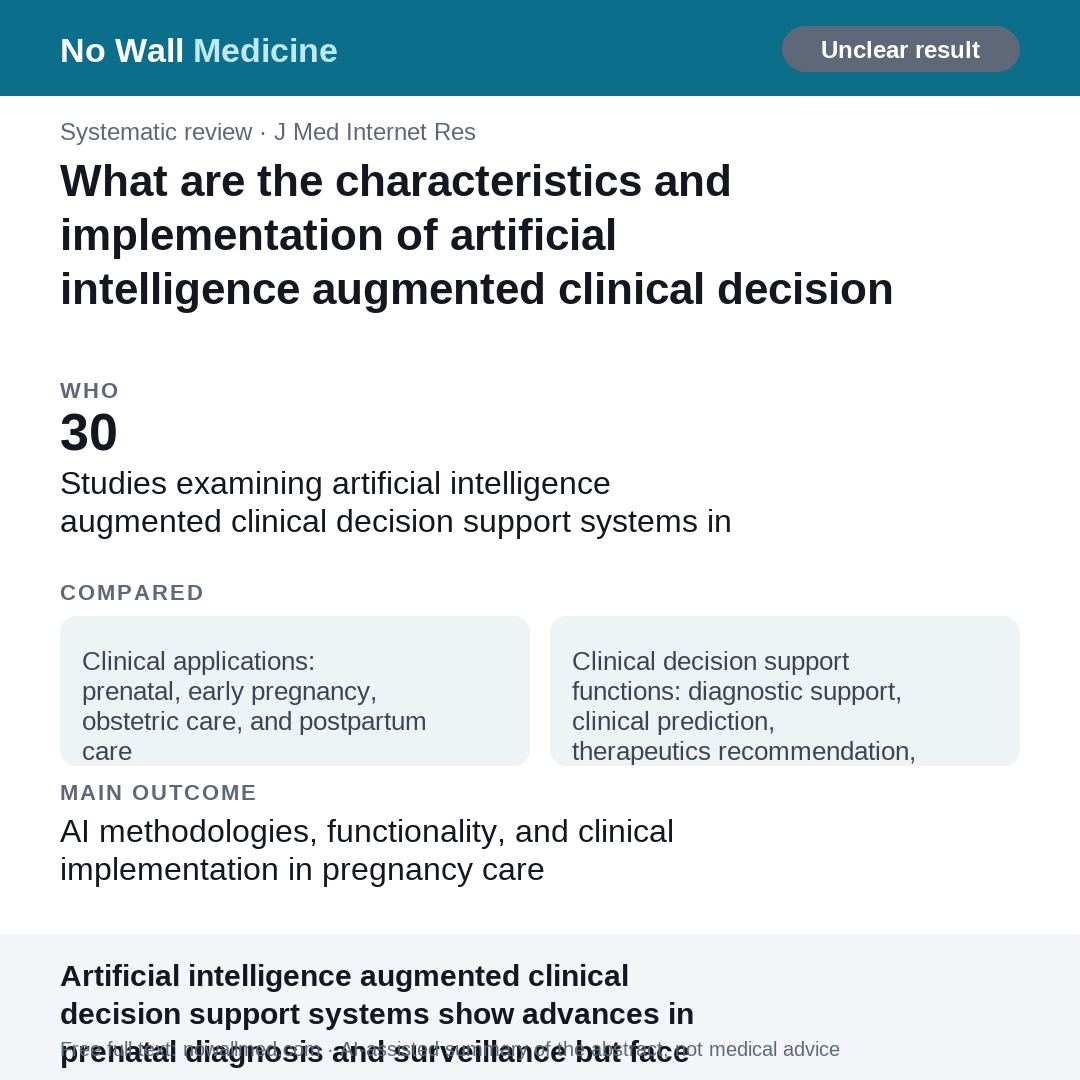
Artificial Intelligence-Augmented Clinical Decision Support Systems for Pregnancy Care: Systematic Review
Systematic reviewUnclear result
What are the characteristics and implementation of artificial intelligence augmented clinical decision support systems in pregnancy care?
Who
30
Studies examining artificial intelligence augmented clinical decision support systems in pregnancy care
Compared
Clinical applications: prenatal, early pregnancy, obstetric care, and postpartum care
Clinical decision support functions: diagnostic support, clinical prediction, therapeutics recommendation, and knowledge base
Main outcome
AI methodologies, functionality, and clinical implementation in pregnancy care
Bottom line: Artificial intelligence augmented clinical decision support systems show advances in prenatal diagnosis and surveillance but face implementation and bias challenges.
Limitation: Gaps include lack of observational data on outcomes, scarcity of bias identification, and limited external validity.
J Med Internet Res · 2024-09-16Download image
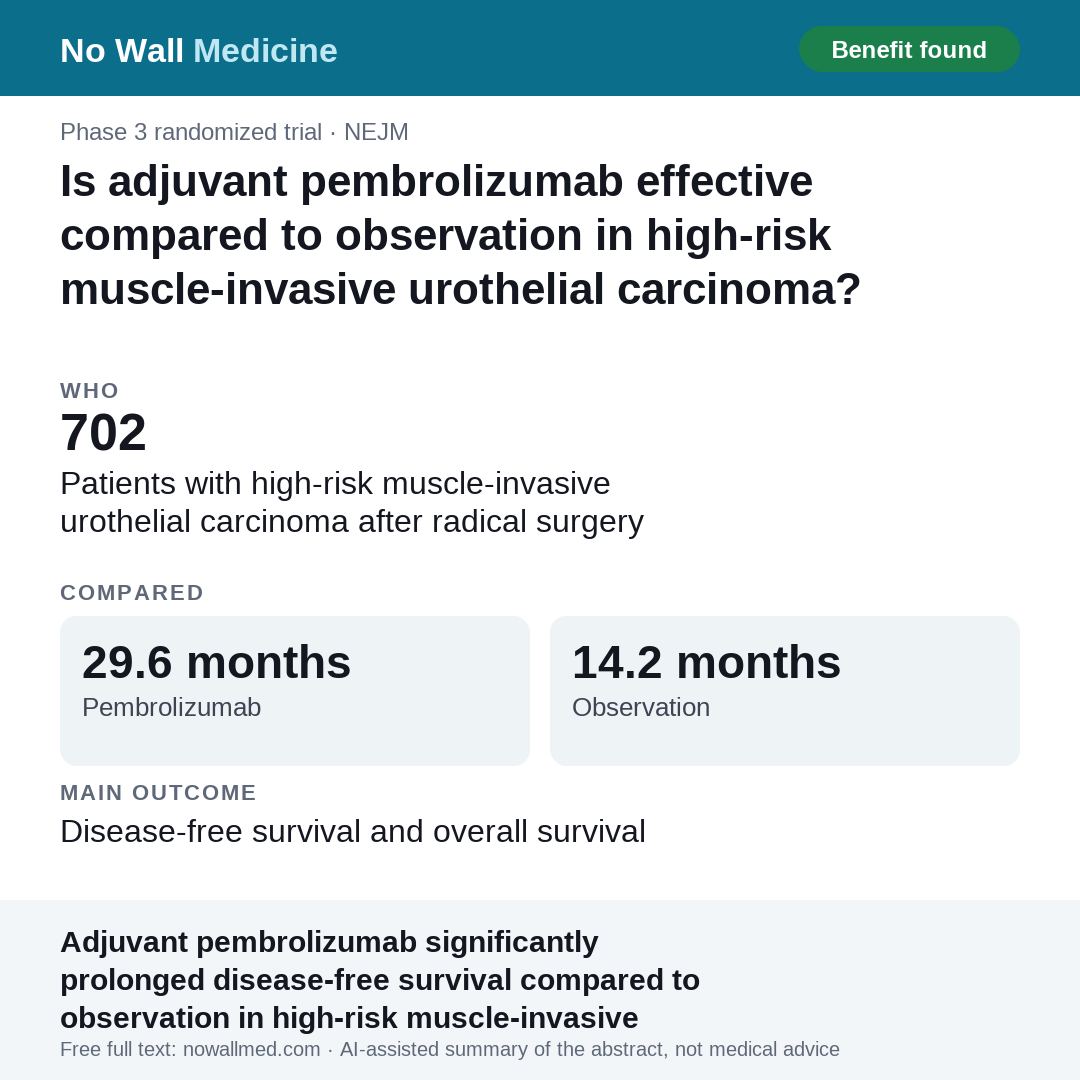
Adjuvant Pembrolizumab versus Observation in Muscle-Invasive Urothelial Carcinoma
Phase 3 randomized trialBenefit found
Is adjuvant pembrolizumab effective compared to observation in high-risk muscle-invasive urothelial carcinoma?
Who
702
Patients with high-risk muscle-invasive urothelial carcinoma after radical surgery
Compared
29.6 monthsPembrolizumab (95% CI, 20.0 to 40.7)
14.2 monthsObservation (95% CI, 11.0 to 20.2)
Main outcome
Disease-free survival and overall survival
Result: hazard ratio 0.73 (95% CI 0.59 to 0.90)
Bottom line: Adjuvant pembrolizumab significantly prolonged disease-free survival compared to observation in high-risk muscle-invasive urothelial carcinoma.
Funded by: National Cancer Institute of the National Institutes of Health
NEJM · 2024-09-15Download image
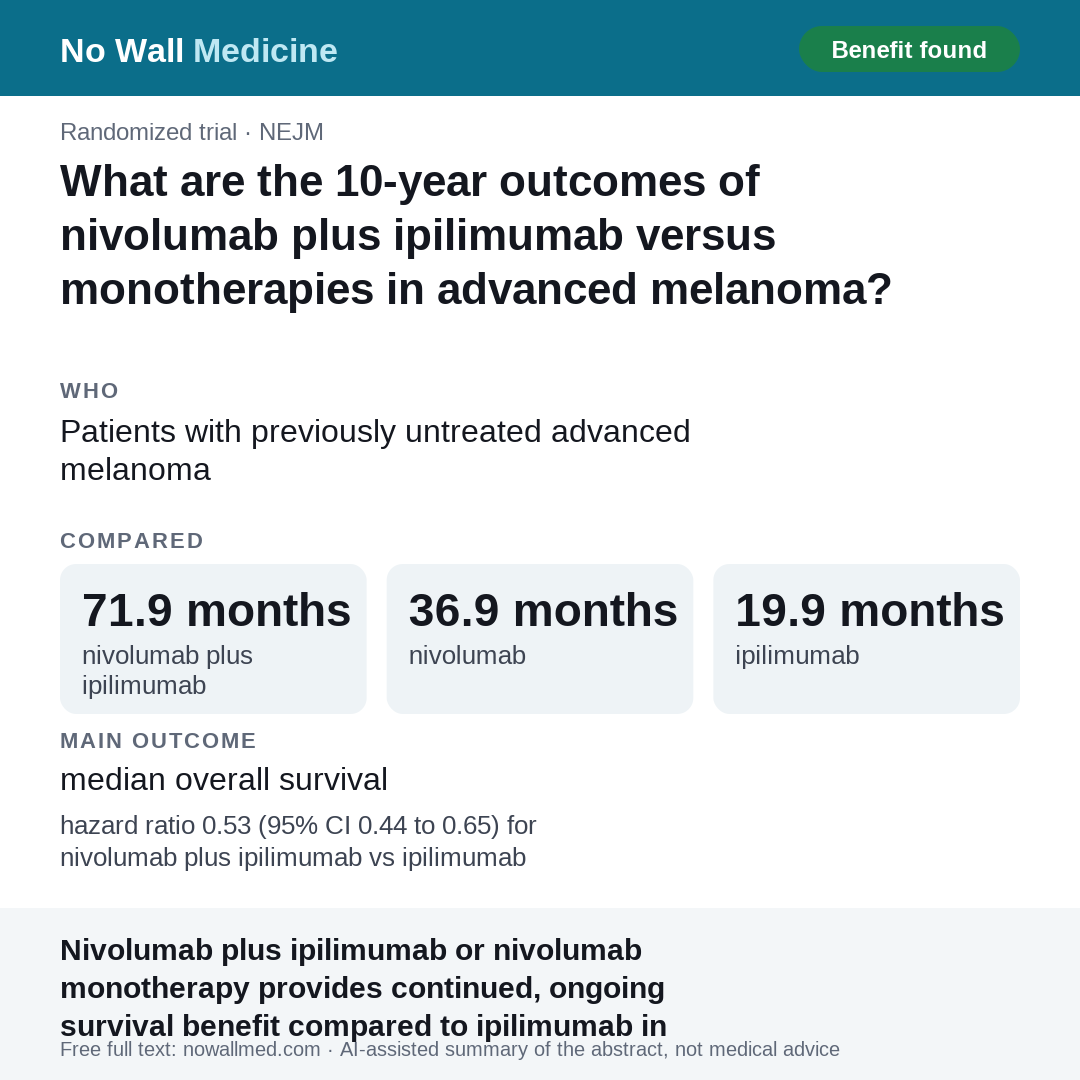
Final, 10-Year Outcomes with Nivolumab plus Ipilimumab in Advanced Melanoma
Randomized trialBenefit found
What are the 10-year outcomes of nivolumab plus ipilimumab versus monotherapies in advanced melanoma?
Who
Patients with previously untreated advanced melanoma
Compared
71.9 monthsnivolumab plus ipilimumab
36.9 monthsnivolumab
19.9 monthsipilimumab
Main outcome
median overall survival
Result: hazard ratio 0.53 (95% CI 0.44 to 0.65) for nivolumab plus ipilimumab vs ipilimumab
Bottom line: Nivolumab plus ipilimumab or nivolumab monotherapy provides continued, ongoing survival benefit compared to ipilimumab in advanced melanoma.
Funded by: Bristol Myers Squibb and others
NEJM · 2024-09-15Download image
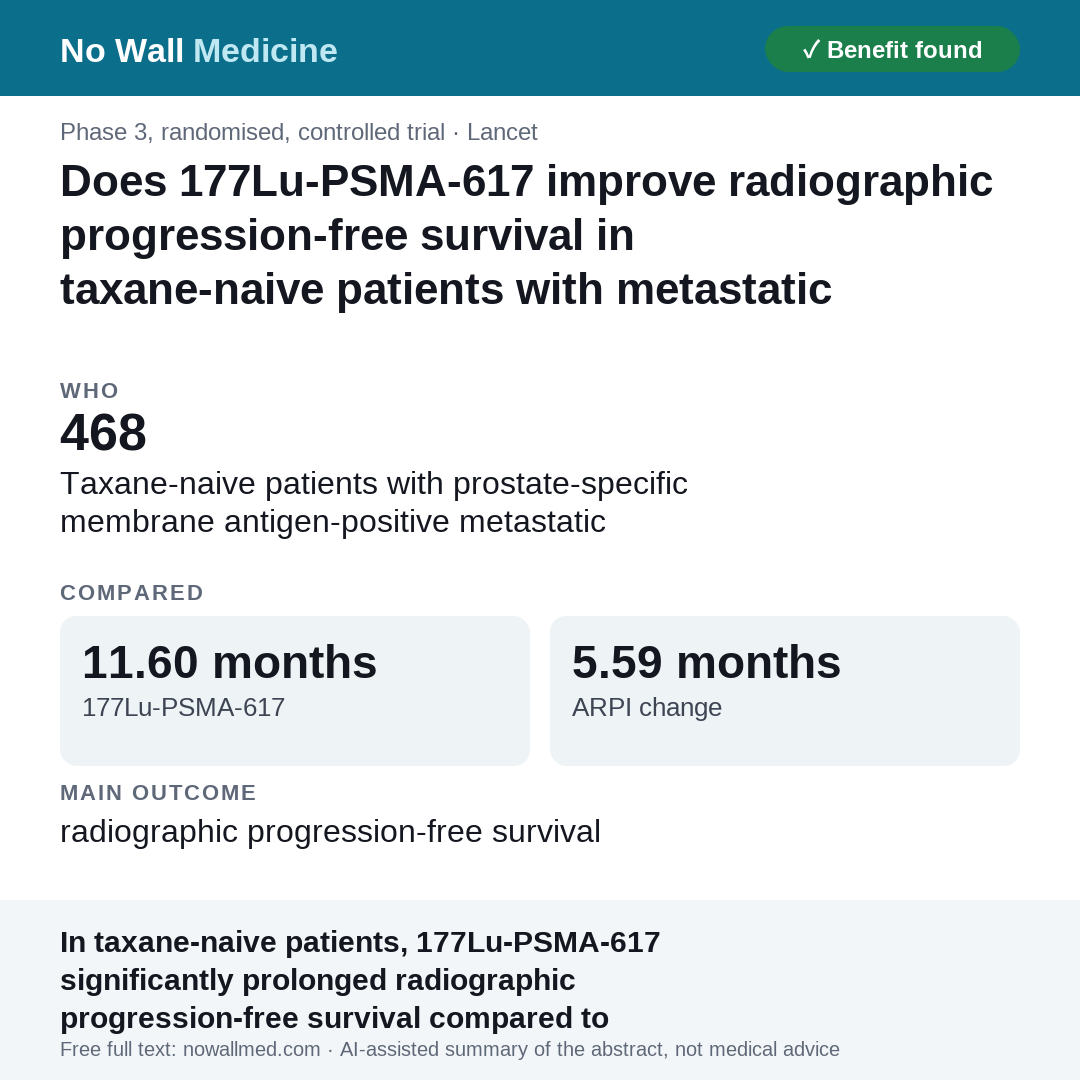
177Lu-PSMA-617 versus a change of androgen receptor pathway inhibitor therapy for taxane-naive patients with progressive metastatic castration-resistant prostate cancer (PSMAfore): a phase 3, randomised, controlled trial
Phase 3, randomised, controlled trialBenefit found
Does 177Lu-PSMA-617 improve radiographic progression-free survival in taxane-naive patients with metastatic castration-resistant prostate cancer?
Who
468
Taxane-naive patients with prostate-specific membrane antigen-positive metastatic castration-resistant prostate cancer · 74 sites across Europe and North America
Compared
11.60 months177Lu-PSMA-617 (95% CI 9.30-14.19)
5.59 monthsARPI change (4.21-5.95)
Main outcome
radiographic progression-free survival
Result: hazard ratio 0.49 (95% CI 0.39 to 0.61)
Bottom line: In taxane-naive patients, 177Lu-PSMA-617 significantly prolonged radiographic progression-free survival compared to changing androgen receptor pathway inhibitor therapy.
Funded by: Novartis
Lancet · 2024-09-15Download image