Visual abstracts
New randomized trials and meta-analyses from leading journals at a glance: who was studied, what was compared, and what was found. Every paper is free to read in full.
All specialtiesCardiology 4477Oncology 3797Gastroenterology & Hepatology 1791Infectious Disease 3470Neurology 1758Psychiatry & Mental Health 2090Pulmonology 1973Critical Care 1262Endocrinology & Diabetes 2335Pediatrics 2726Surgery 2356Orthopedics & Sports Medicine 841Neurosurgery 496Cardiothoracic & Vascular Surgery 591Plastic & Reconstructive Surgery 571Nephrology 1006Rheumatology 737Hematology 1019Dermatology 574Ophthalmology 487Obstetrics & Gynecology 1546Public & Global Health 938Radiology & Imaging 594Anesthesiology 914Urology 703ENT (Otolaryngology) 472Emergency Medicine 471Allergy & Immunology 283Geriatrics 911Family Medicine & Primary Care 520Medical Genetics & Genomics 621Pathology & Laboratory Medicine 147Physical Medicine & Rehabilitation 672Palliative Care 402Nutrition 1404Digital Health & AI 2051General Medicine 297
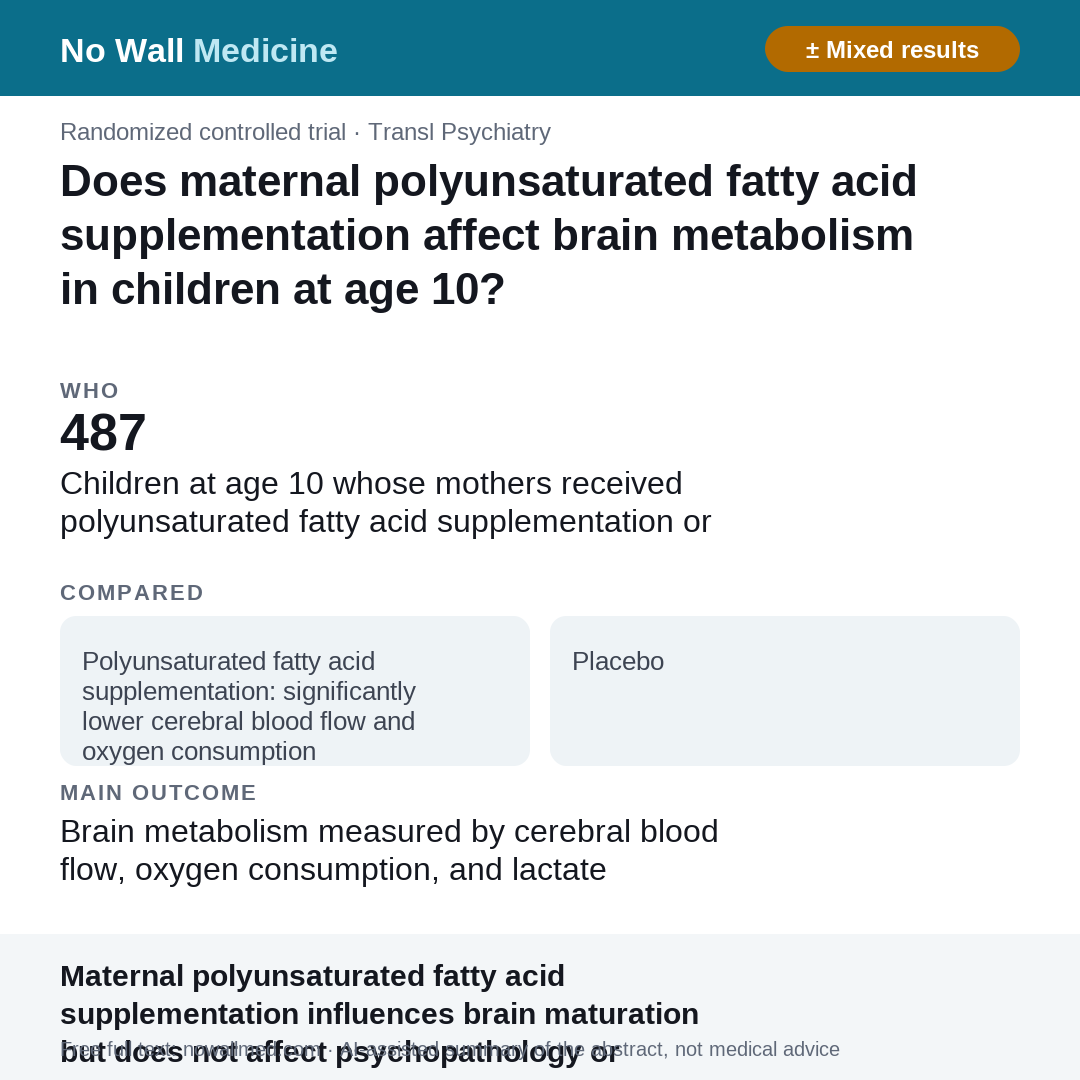
Fish oil-derived fatty acids in pregnancy and brain metabolism in middle childhood: results from a randomized controlled trial
Randomized controlled trialMixed results
Does maternal polyunsaturated fatty acid supplementation affect brain metabolism in children at age 10?
Who
487
Children at age 10 whose mothers received polyunsaturated fatty acid supplementation or placebo
Compared
Polyunsaturated fatty acid supplementation: significantly lower cerebral blood flow and oxygen consumption
Placebo
Main outcome
Brain metabolism measured by cerebral blood flow, oxygen consumption, and lactate
Bottom line: Maternal polyunsaturated fatty acid supplementation influences brain maturation but does not affect psychopathology or cognitive performance.
Limitation: further large-scale studies on maternal nutrition and brain development are needed
Transl Psychiatry · 2026-07-16Download image
Hospital factors associated with failure to rescue after surgery: meta-analysis
Systematic review and meta-analysis of observational studiesMixed results
What hospital-level factors are associated with failure to rescue after surgery?
Who
137
Surgical patients across various populations and health systems · Not specified
Compared
Larger hospitals
Greater intensive care unit capacity
Teaching hospitals
Safety-net hospital status
Main outcome
Failure to rescue after postoperative complications
Result: odds ratio 0.85 (95% confidence interval 0.74 to 0.97) for larger hospitals
Bottom line: Hospital structural, staffing, and system characteristics are associated with variation in failure to rescue rates.
BJS Open · 2026-07-16Download image

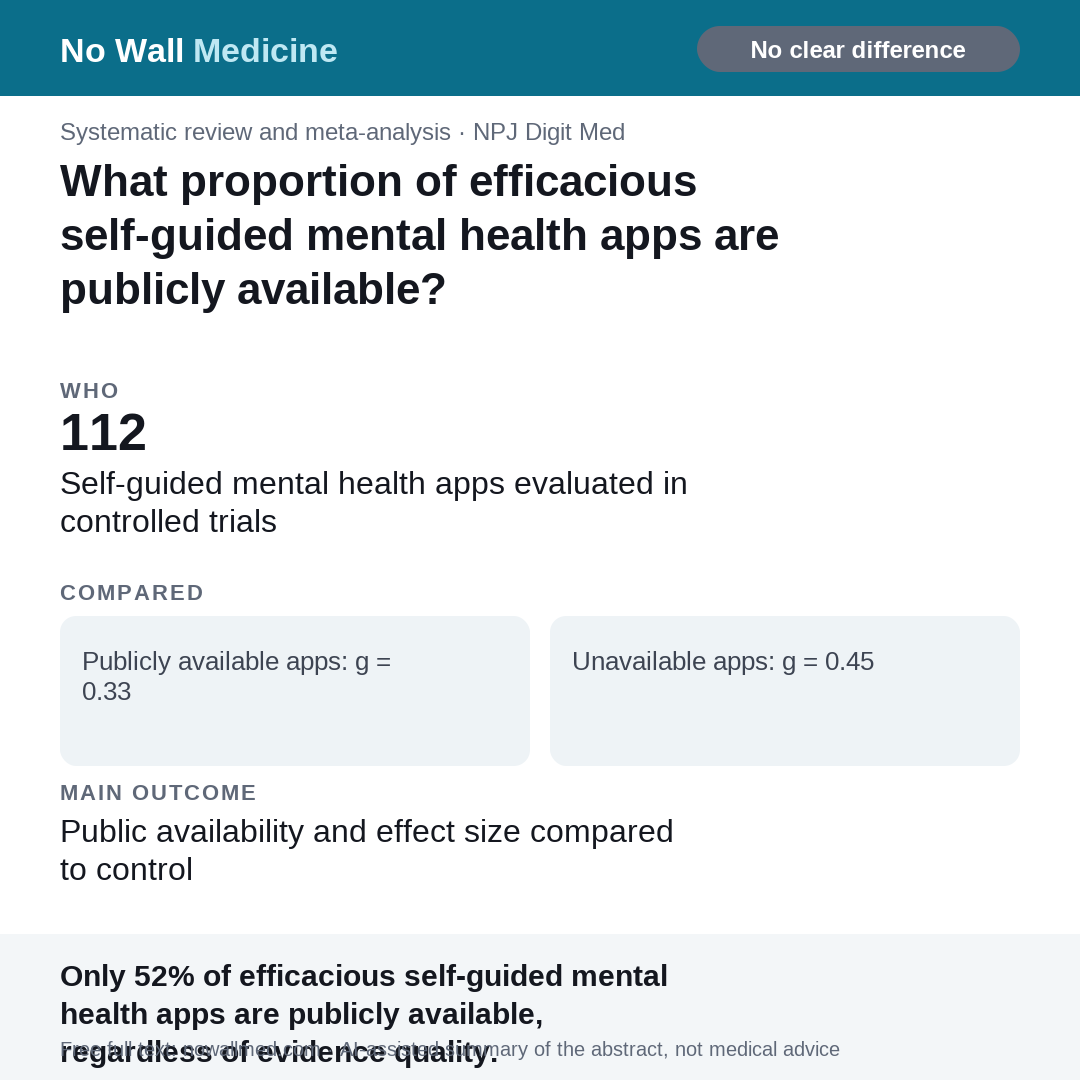
Public availability of evidence-based mental health apps: a systematic review and meta-analysis of self-guided apps
Systematic review and meta-analysisNo clear difference
What proportion of efficacious self-guided mental health apps are publicly available?
Who
112
Self-guided mental health apps evaluated in controlled trials
Compared
Publicly available apps: g = 0.33
Unavailable apps: g = 0.45
Main outcome
Public availability and effect size compared to control
Result: no significant difference (p = 0.228) in effect size (g = 0.33 vs g = 0.45)
Bottom line: Only 52% of efficacious self-guided mental health apps are publicly available, regardless of evidence quality.
NPJ Digit Med · 2026-07-16Download image
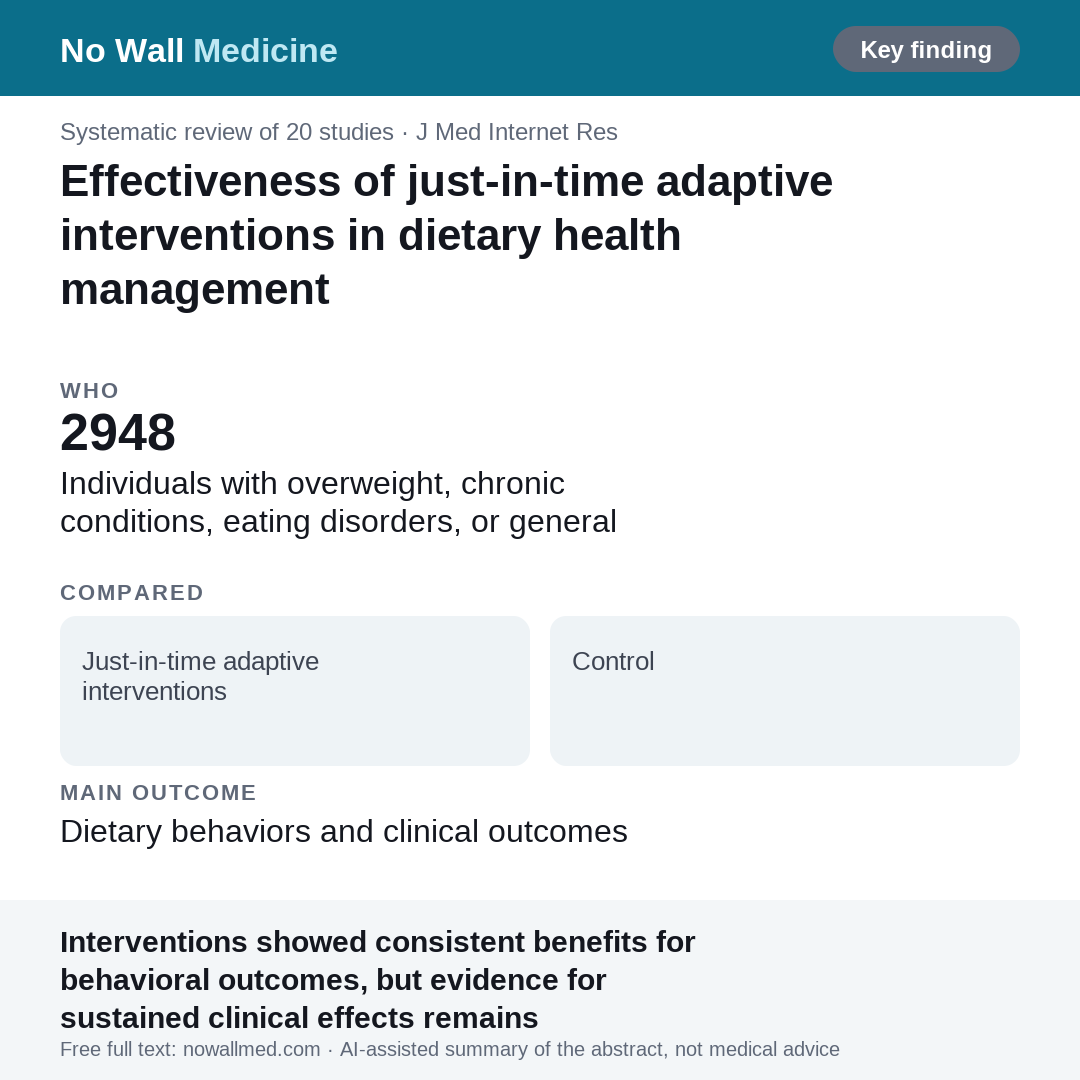
Application of Just-in-Time Adaptive Interventions in Dietary Health Management: Systematic Review
Systematic reviewMixed results
What is the effectiveness of just-in-time adaptive interventions in dietary health management?
Who
2948
Individuals with overweight, obesity, chronic conditions, eating disorders, or general population
Compared
Just-in-time adaptive interventions
Control
Main outcome
Behavioral, engagement, physiological, or clinical outcomes
Bottom line: Just-in-time adaptive interventions show promise for proximal behavioral outcomes, but evidence for sustained clinical effects remains inconsistent.
Limitation: Substantial heterogeneity prevented quantitative synthesis, requiring narrative findings.
J Med Internet Res · 2026-07-16Download image
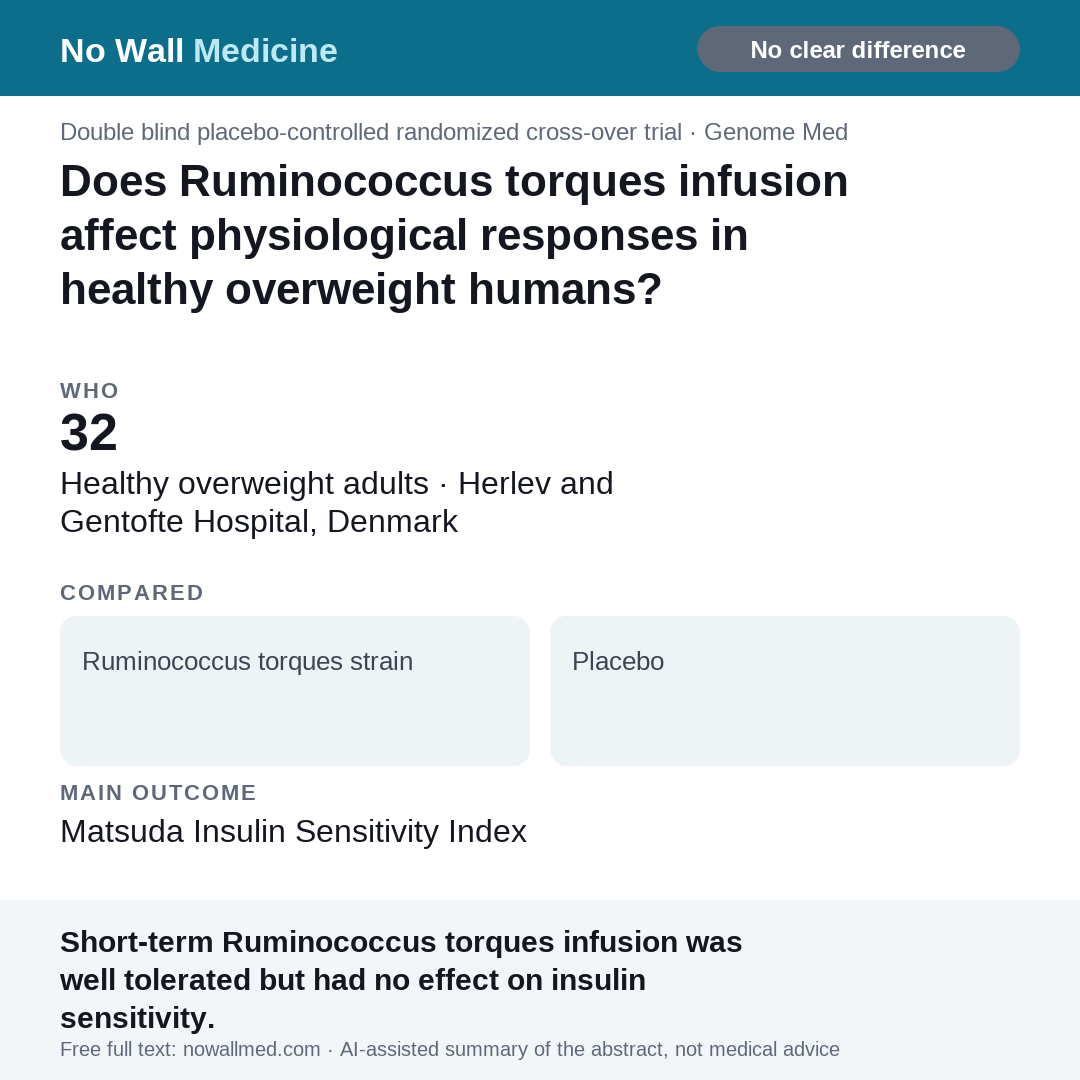
A short-term randomized clinical trial testing feasibility of and physiological responses to a Ruminococcus torques strain in healthy overweight humans
Double blind placebo-controlled randomized cross-over trialNo clear difference
Does Ruminococcus torques infusion affect physiological responses in healthy overweight humans?
Who
32
Healthy overweight adults · Herlev and Gentofte Hospital, Denmark
Compared
Ruminococcus torques strain
Placebo
Main outcome
Matsuda Insulin Sensitivity Index
Bottom line: Short-term Ruminococcus torques infusion was well tolerated but had no effect on insulin sensitivity.
Genome Med · 2026-07-16Download image
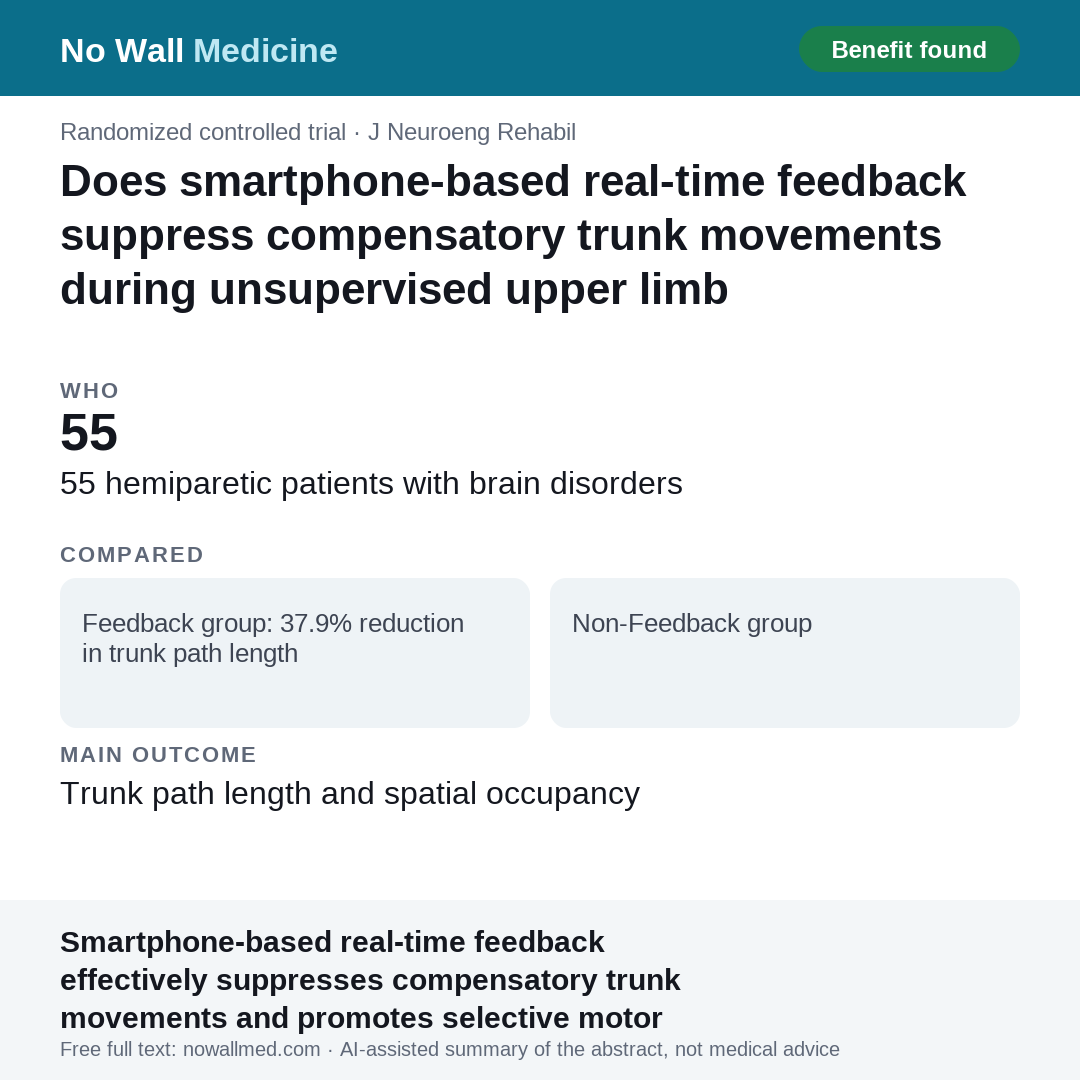
Smartphone-based real-time feedback to suppress trunk compensation for unsupervised upper limb rehabilitation in patients with brain disorders
Randomized controlled trialBenefit found
Does smartphone-based real-time feedback suppress compensatory trunk movements during unsupervised upper limb rehabilitation?
Who
55
55 hemiparetic patients with brain disorders
Compared
Feedback group: 37.9% reduction in trunk path length
Non-Feedback group
Main outcome
Trunk path length and spatial occupancy
Bottom line: Smartphone-based real-time feedback effectively suppresses compensatory trunk movements and promotes selective motor control during rehabilitation.
J Neuroeng Rehabil · 2026-07-16Download image
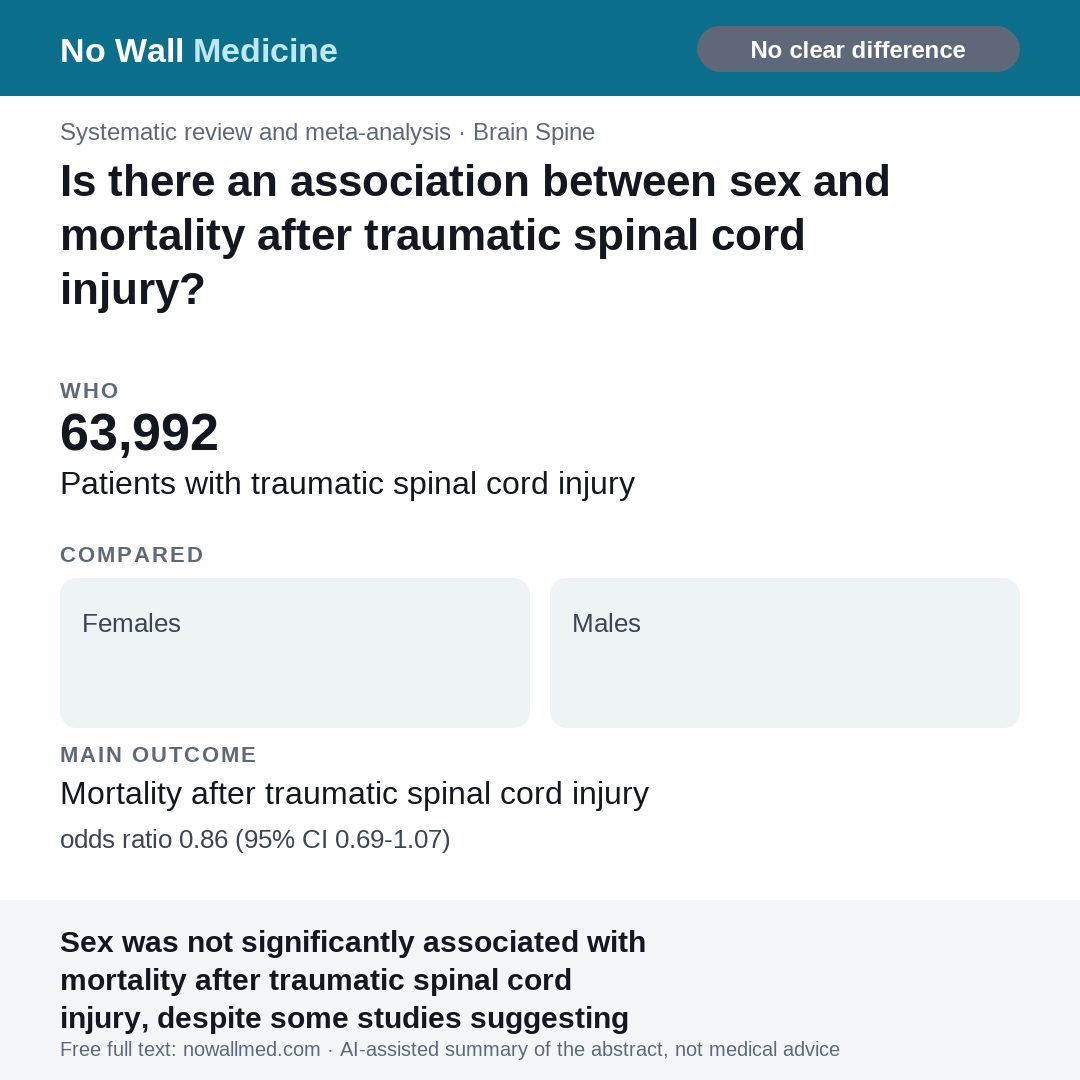
Sex differences in patient mortality after traumatic spinal cord injury: A systematic review and meta-analysis
Systematic review and meta-analysisNo clear difference
Is there an association between sex and mortality after traumatic spinal cord injury?
Who
63,992
Patients with traumatic spinal cord injury
Compared
Females
Males
Main outcome
Mortality after traumatic spinal cord injury
Result: odds ratio 0.86 (95% CI 0.69-1.07)
Bottom line: Sex was not significantly associated with mortality after traumatic spinal cord injury, despite some studies suggesting lower female mortality.
Limitation: Substantial heterogeneity was observed (I2 79.8%).
Brain Spine · 2026-07-16Download image
Continuous or Fixed-Duration Maintenance Therapy in Multiple Myeloma
Phase 3 randomized trialNo clear difference
Is indefinite or fixed-duration lenalidomide maintenance therapy better for multiple myeloma?
Who
516
Standard-risk newly diagnosed multiple myeloma patients not undergoing autologous stem-cell transplantation
Compared
Indefinite-duration lenalidomide: 68.6% overall survival at 7 years
Fixed-duration lenalidomide: 69.0% overall survival at 7 years
Main outcome
overall survival
Result: difference, -0.4 percentage points; 95% confidence interval [-9.0 to 8.3]
Bottom line: Indefinite-duration lenalidomide maintenance therapy did not significantly improve overall survival compared to fixed-duration therapy.
Funded by: National Cancer Institute of the National Institutes of Health and Amgen
NEJM · 2026-07-15Download image

The effectiveness of glucagon-like peptide-1 receptor agonists (GLP-1RAs) on binge eating in patients with obesity: a systematic review and meta-analysis
Systematic review and meta-analysis of randomized controlled trialsBenefit found
Do glucagon-like peptide-1 receptor agonists reduce binge eating in patients with obesity?
Who
8069
Patients with obesity
Compared
Glucagon-like peptide-1 receptor agonists
Placebo or active comparators
Main outcome
Binge eating severity and related eating behaviours
Result: g = -0.23 (95% CI -0.36 to -0.10) for binge eating
Bottom line: Glucagon-like peptide-1 receptor agonists reduced binge eating, loss of control eating, and emotional eating while increasing dietary restraint.
Limitation: High risk of bias and substantial heterogeneity across studies.
Funded by: Wellcome Trust and Medical Research Foundation
eClinicalMedicine · 2026-07-15Download image

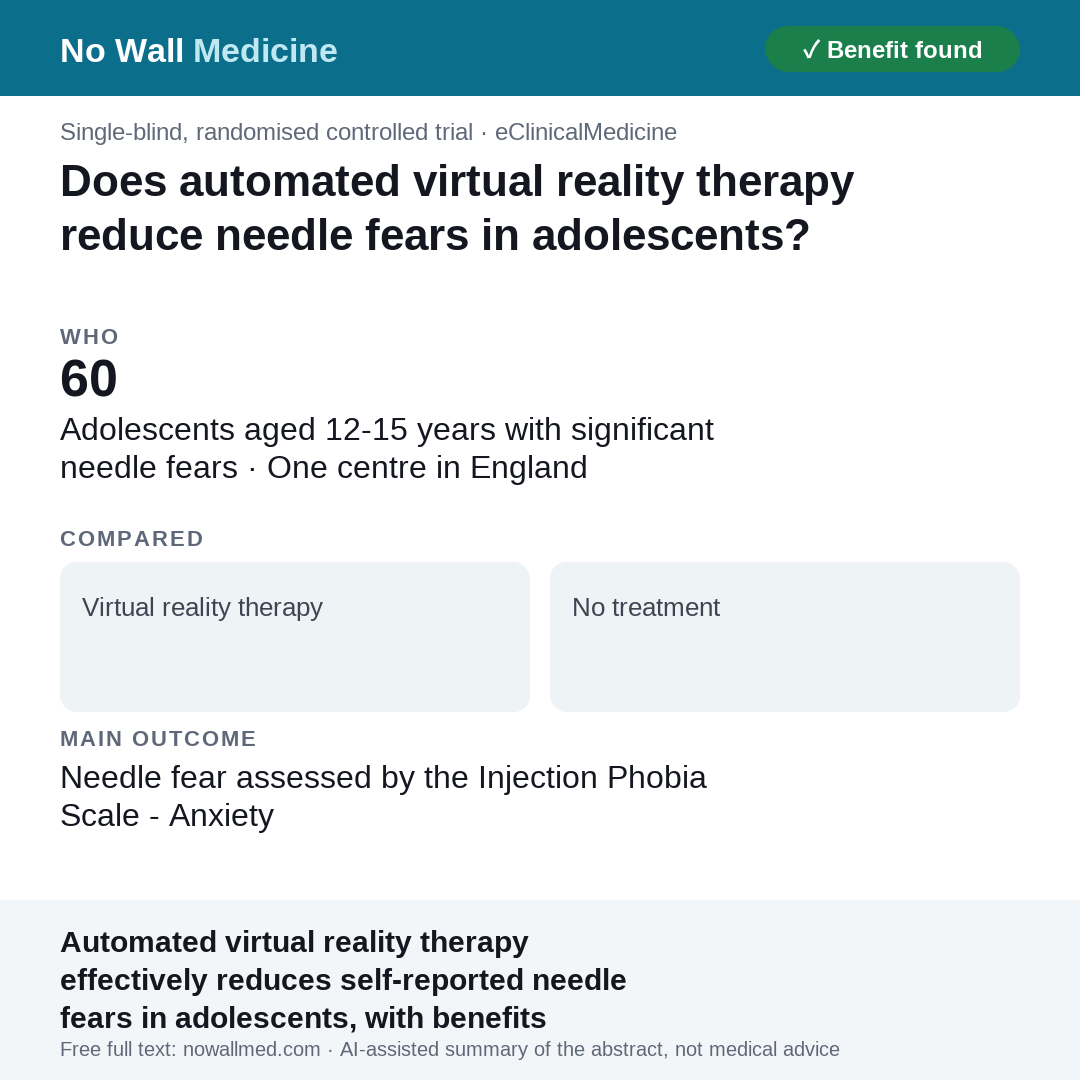
Automated virtual reality therapy to treat needle fears (trypanophobia) in adolescents in England: a proof-of-concept cohort study and a Phase II randomised controlled trial
Single-blind, randomised controlled trialBenefit found
Does automated virtual reality therapy reduce needle fears in adolescents?
Who
60
Adolescents aged 12-15 years with significant needle fears · One centre in England
Compared
Virtual reality therapy
No treatment
Main outcome
Needle fear assessed by the Injection Phobia Scale - Anxiety
Result: adjusted mean difference = -14.07, 95% C.I. -17.40, -10.73
Bottom line: Automated virtual reality therapy effectively reduces self-reported needle fears in adolescents, with benefits maintained at six weeks.
Funded by: Beryl Alexander Charity, NIHR Oxford Health, NIHR Oxford Biomedical Research Centre
eClinicalMedicine · 2026-07-15Download image
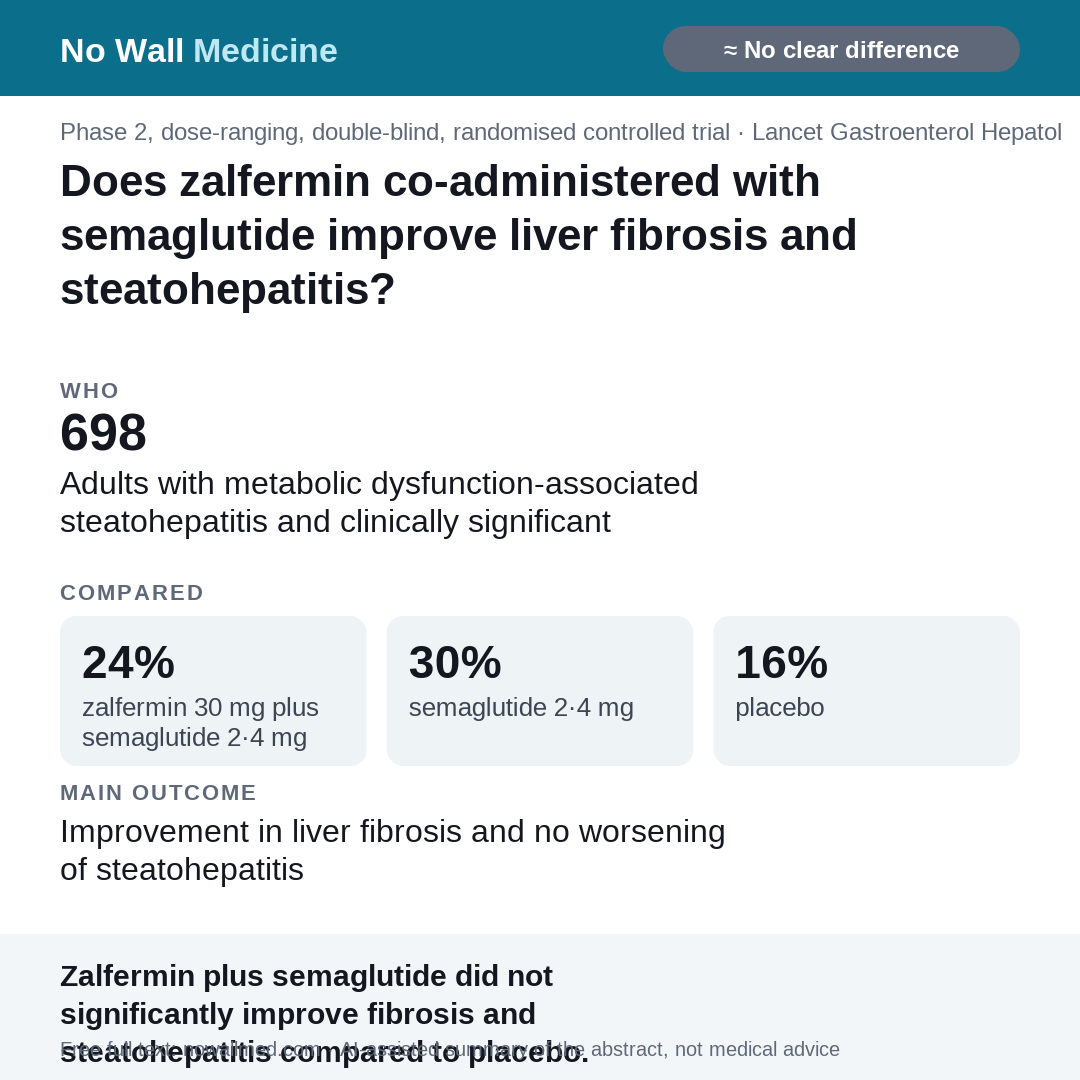
Efficacy and safety of zalfermin co-administered with semaglutide in participants with fibrosis and cirrhosis due to metabolic dysfunction-associated steatohepatitis: a phase 2, dose-ranging, double-blind, randomised controlled trial
Phase 2, dose-ranging, double-blind, randomised controlled trialNo clear difference
Does zalfermin co-administered with semaglutide improve liver fibrosis and steatohepatitis?
Who
698
Adults with metabolic dysfunction-associated steatohepatitis and clinically significant fibrosis · 187 clinical trial sites in 22 countries
Compared
24%zalfermin 30 mg plus semaglutide 2·4 mg (24/99)
30%semaglutide 2·4 mg (30/100)
16%placebo (16/100)
Main outcome
Improvement in liver fibrosis and no worsening of steatohepatitis
Result: estimated difference in responder proportions 7·98, 95% CI -3·82 to 19·79
Bottom line: Zalfermin plus semaglutide did not significantly improve fibrosis and steatohepatitis compared to placebo.
Lancet Gastroenterol Hepatol · 2026-07-15Download image
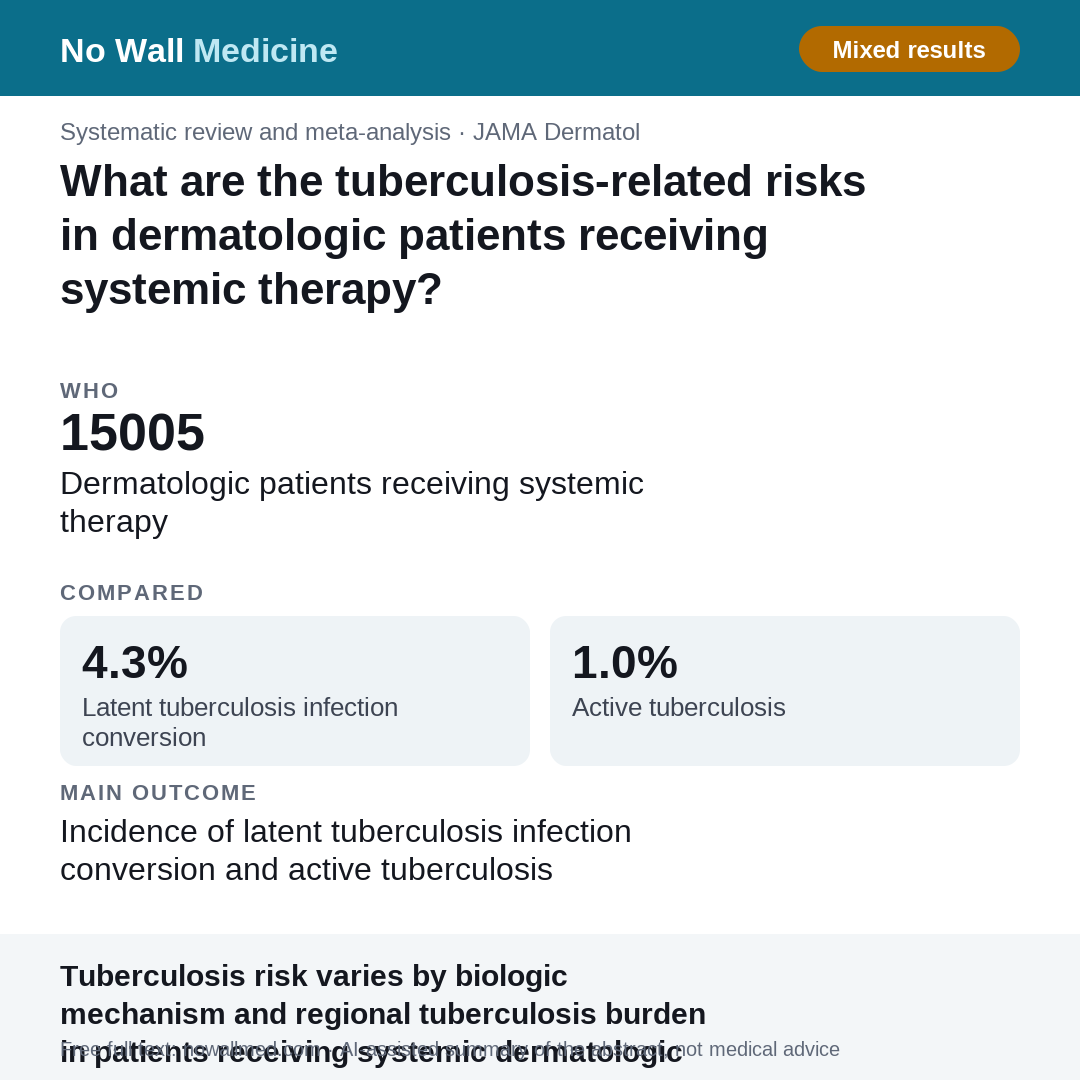
Tuberculosis-Related Outcomes in Dermatologic Patients Receiving Systemic Therapy: A Systematic Review and Meta-Analysis
Systematic review and meta-analysisMixed results
What are the tuberculosis-related risks in dermatologic patients receiving systemic therapy?
Who
15005
Dermatologic patients receiving systemic therapy
Compared
4.3%Latent tuberculosis infection conversion
1.0%Active tuberculosis
Main outcome
Incidence of latent tuberculosis infection conversion and active tuberculosis
Bottom line: Tuberculosis risk varies by biologic mechanism and regional tuberculosis burden in patients receiving systemic dermatologic therapy.
JAMA Dermatol · 2026-07-15Download image
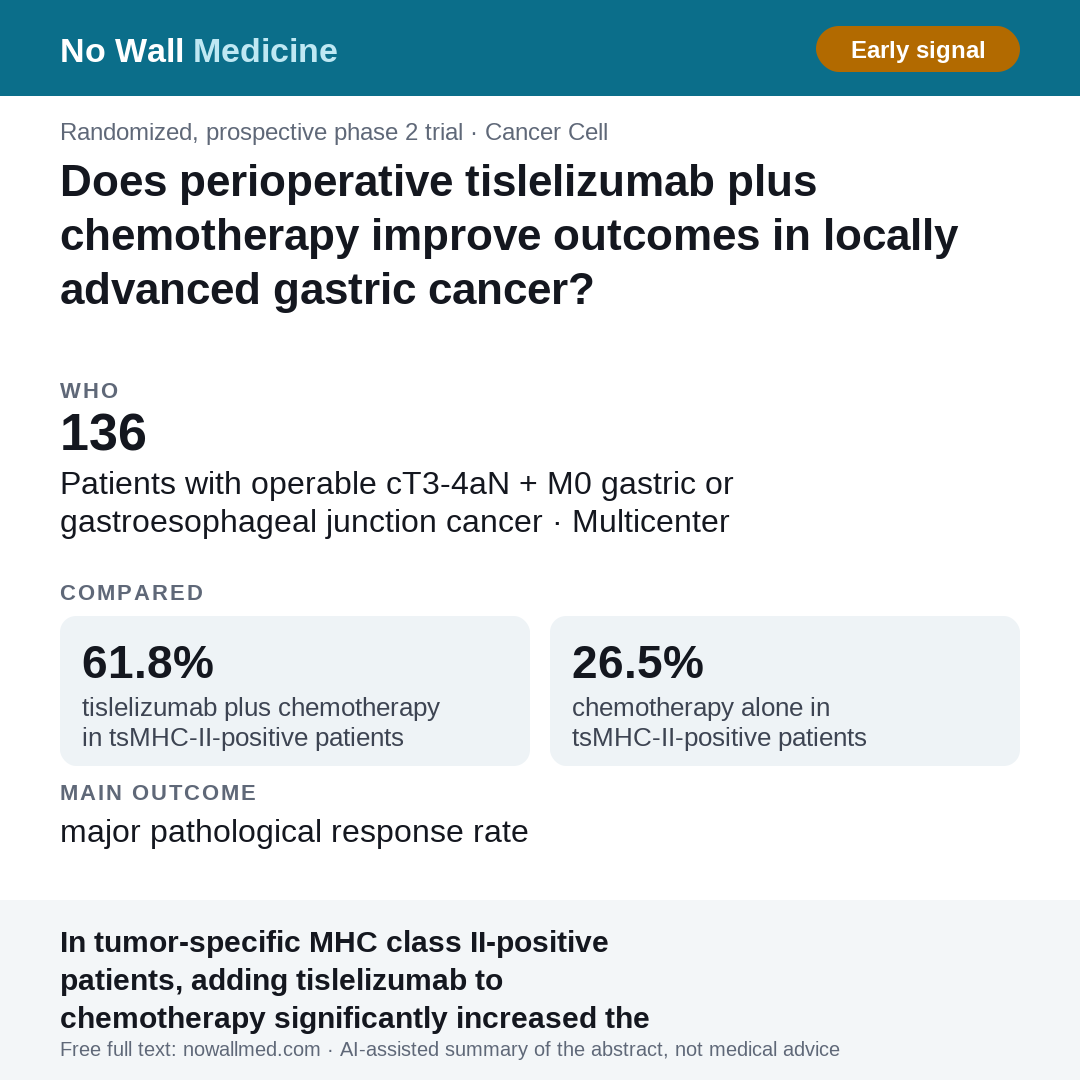
Perioperative tislelizumab plus chemotherapy for locally advanced gastric cancer: A randomized, prospective phase 2 trial
Randomized, prospective phase 2 trialBenefit found
Does perioperative tislelizumab plus chemotherapy improve outcomes in locally advanced gastric cancer?
Who
136
Patients with operable cT3-4aN + M0 gastric or gastroesophageal junction cancer · Multicenter
Compared
61.8%tislelizumab plus chemotherapy in tsMHC-II-positive patients
26.5%chemotherapy alone in tsMHC-II-positive patients
Main outcome
major pathological response rate
Bottom line: In tumor-specific MHC class II-positive patients, adding tislelizumab to chemotherapy significantly increased the major pathological response rate.
Cancer Cell · 2026-07-15Download image
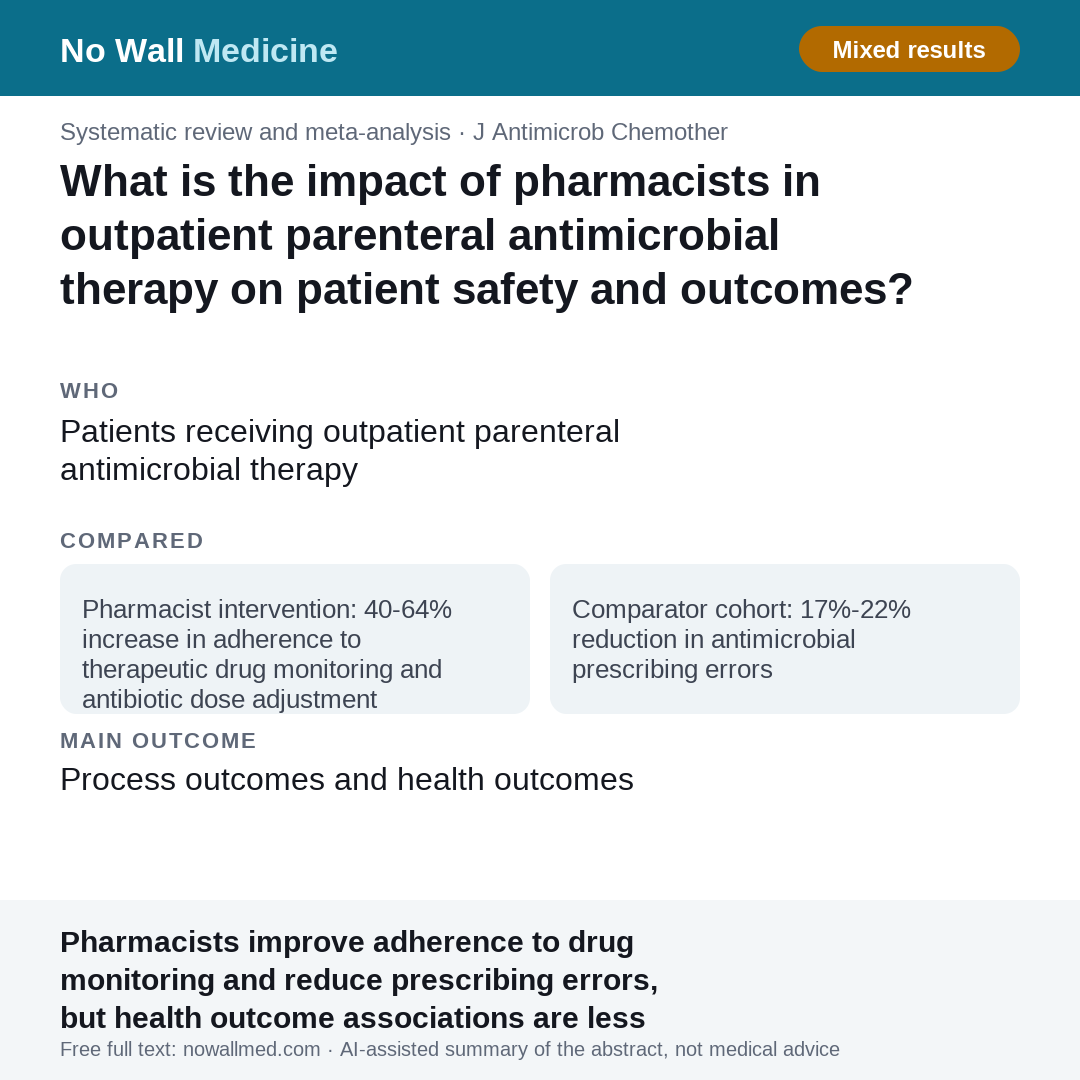
Pharmacists in OPAT: a systematic review and meta-analysis
Systematic review and meta-analysisMixed results
What is the impact of pharmacists in outpatient parenteral antimicrobial therapy on patient safety and outcomes?
Who
Patients receiving outpatient parenteral antimicrobial therapy
Compared
Pharmacist intervention: 40-64% increase in adherence to therapeutic drug monitoring and antibiotic dose adjustment
Comparator cohort: 17%-22% reduction in antimicrobial prescribing errors
Main outcome
Process outcomes and health outcomes
Bottom line: Pharmacists improve adherence to drug monitoring and reduce prescribing errors, but health outcome associations are less consistent.
Limitation: All included studies demonstrated a high risk of bias.
J Antimicrob Chemother · 2026-07-15Download image
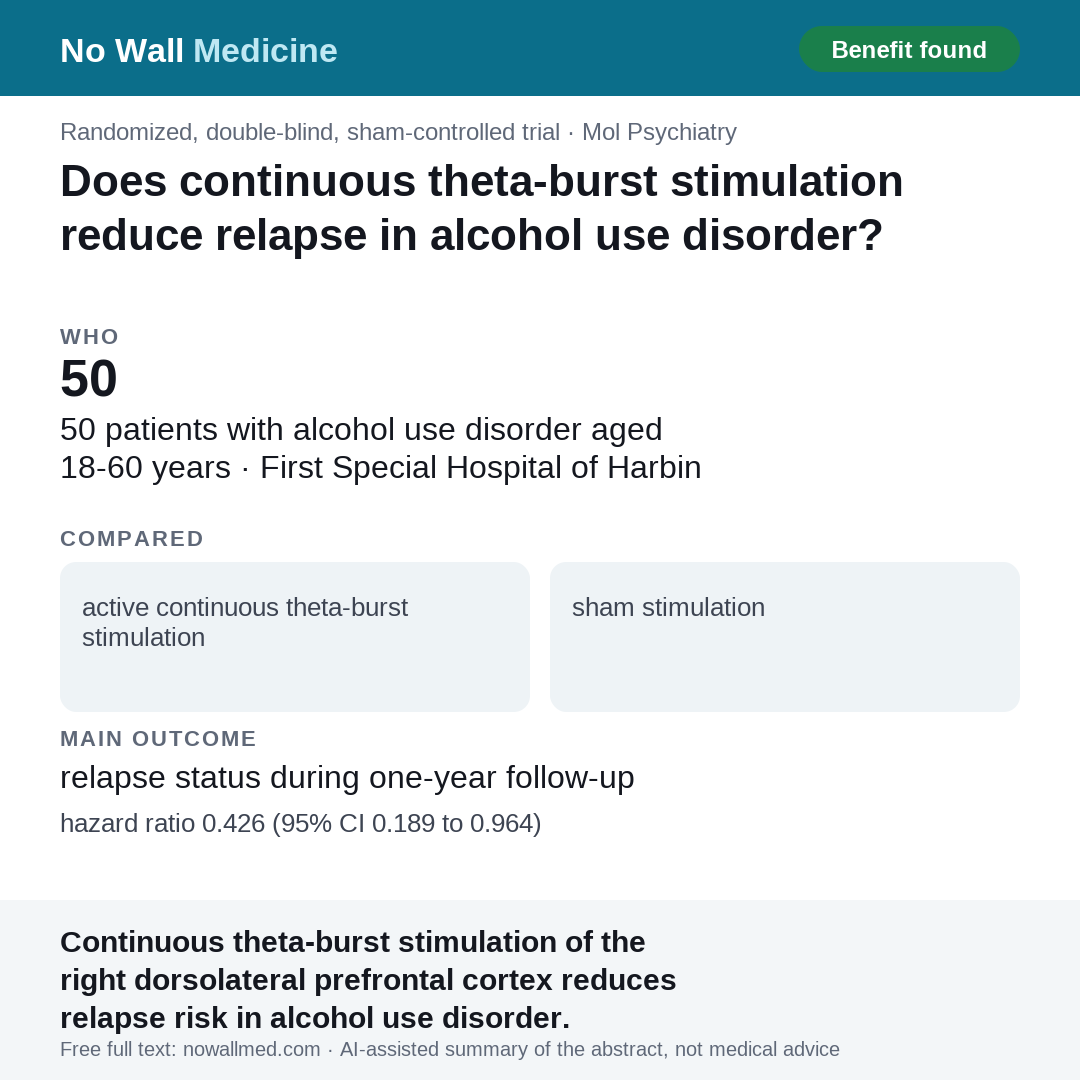
Optimizing brain functional-structural architecture with cTBS to reduce relapse in alcohol use disorder: a randomized controlled trial
Randomized, double-blind, sham-controlled trialBenefit found
Does continuous theta-burst stimulation reduce relapse in alcohol use disorder?
Who
50
50 patients with alcohol use disorder aged 18-60 years · First Special Hospital of Harbin
Compared
active continuous theta-burst stimulation
sham stimulation
Main outcome
relapse status during one-year follow-up
Result: hazard ratio 0.426 (95% CI 0.189 to 0.964)
Bottom line: Continuous theta-burst stimulation of the right dorsolateral prefrontal cortex reduces relapse risk in alcohol use disorder.
Mol Psychiatry · 2026-07-15Download image
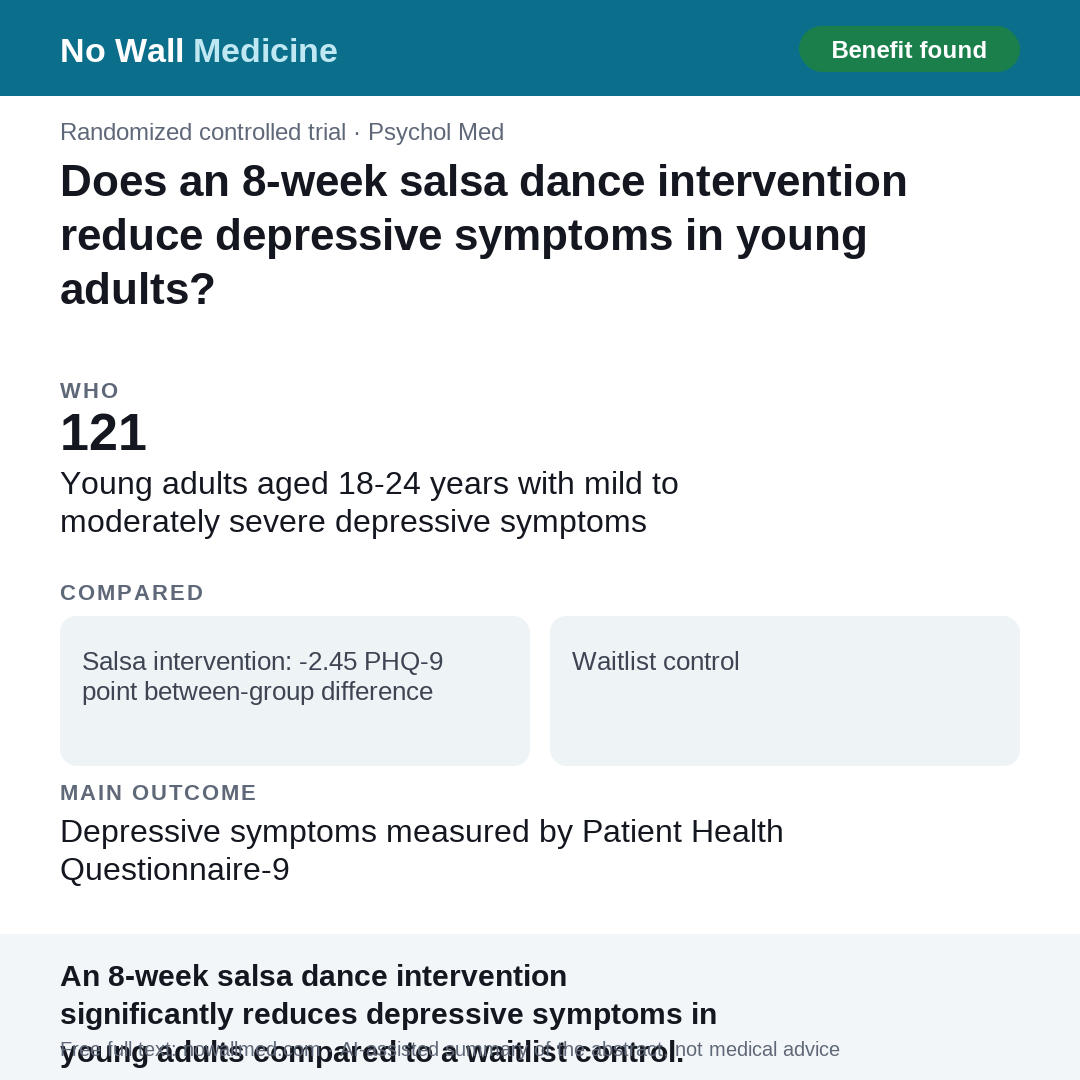
The effects of a salsa dance intervention in young people with mild to moderately severe depressive symptoms
Randomized controlled trialBenefit found
Does an 8-week salsa dance intervention reduce depressive symptoms in young adults?
Who
121
Young adults aged 18-24 years with mild to moderately severe depressive symptoms
Compared
Salsa intervention: -2.45 PHQ-9 point between-group difference
Waitlist control
Main outcome
Depressive symptoms measured by Patient Health Questionnaire-9
Bottom line: An 8-week salsa dance intervention significantly reduces depressive symptoms in young adults compared to a waitlist control.
Psychol Med · 2026-07-15Download image
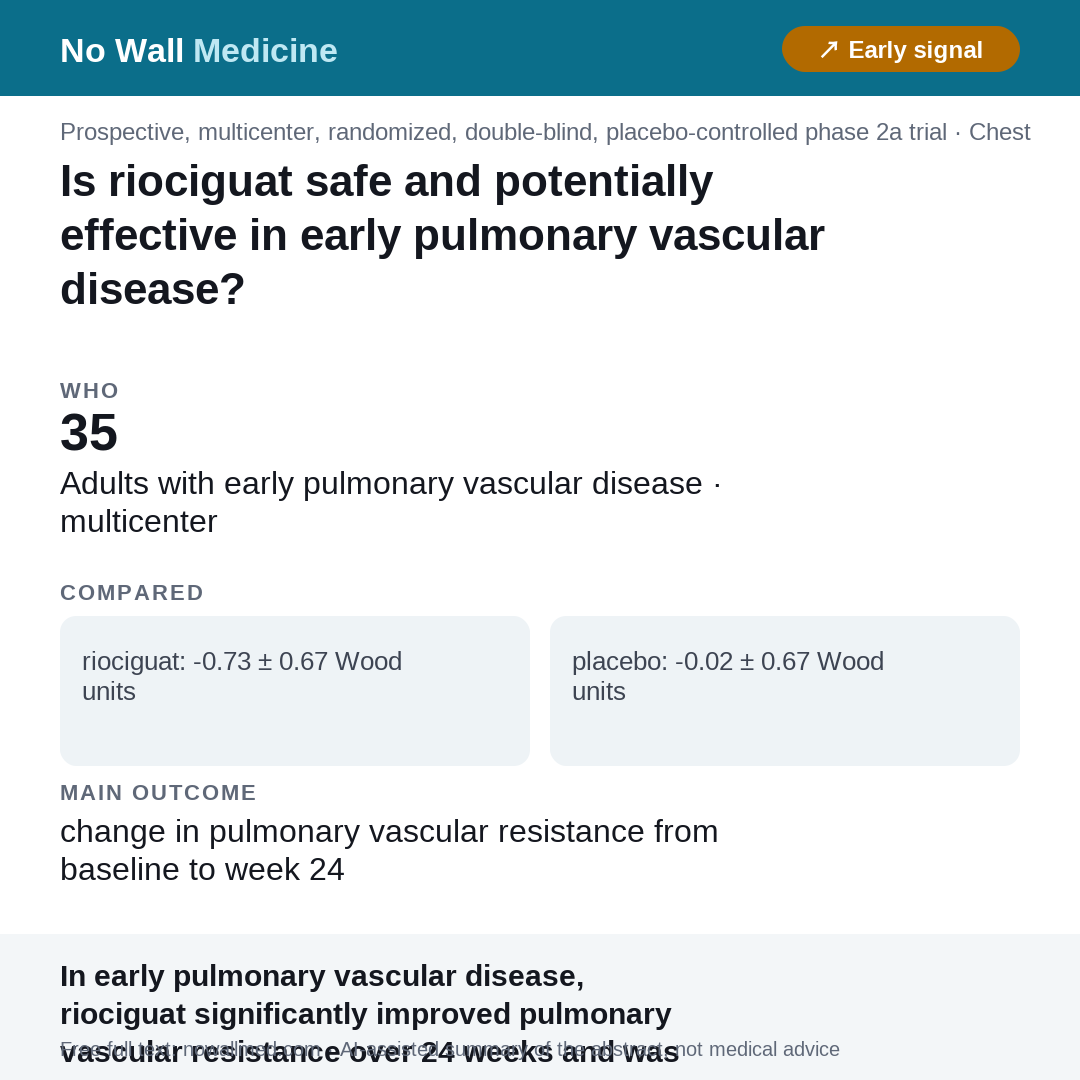
Efficacy and Safety of Riociguat in Early Pulmonary Vascular Disease: A Prospective, Multicenter, Randomized, Double-Blind, Placebo-Controlled Phase 2a Trial
Prospective, multicenter, randomized, double-blind, placebo-controlled phase 2a trialBenefit found
Is riociguat safe and potentially effective in early pulmonary vascular disease?
Who
35
Adults with early pulmonary vascular disease · multicenter
Compared
riociguat: -0.73 ± 0.67 Wood units
placebo: -0.02 ± 0.67 Wood units
Main outcome
change in pulmonary vascular resistance from baseline to week 24
Result: 27% placebo-adjusted reduction
Bottom line: In early pulmonary vascular disease, riociguat significantly improved pulmonary vascular resistance over 24 weeks and was safe.
Limitation: limited number of participants
Chest · 2026-07-15Download image
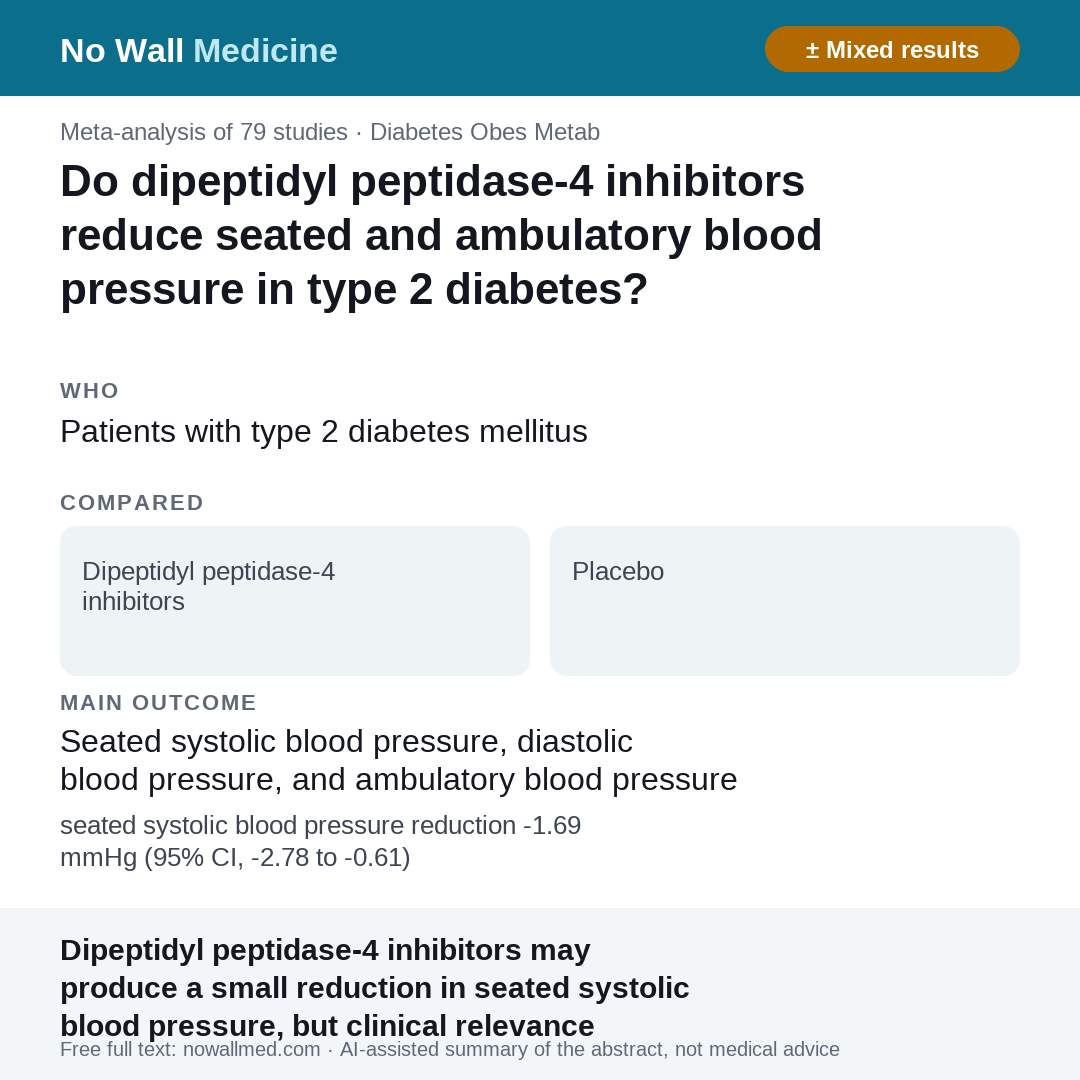
Efficacy of DPP-4 Inhibitors on Seated and Ambulatory Blood Pressure in Type 2 Diabetes Mellitus
Meta-analysis of 79 studiesMixed results
Do dipeptidyl peptidase-4 inhibitors reduce seated and ambulatory blood pressure in type 2 diabetes?
Who
Patients with type 2 diabetes mellitus
Compared
Dipeptidyl peptidase-4 inhibitors
Placebo
Main outcome
Seated systolic blood pressure, diastolic blood pressure, and ambulatory blood pressure
Result: seated systolic blood pressure reduction -1.69 mmHg (95% CI, -2.78 to -0.61)
Bottom line: Dipeptidyl peptidase-4 inhibitors may produce a small reduction in seated systolic blood pressure, but clinical relevance remains uncertain.
Limitation: High-quality studies showed no detectable changes and ambulatory blood pressure analyses were underpowered.
Diabetes Obes Metab · 2026-07-15Download image
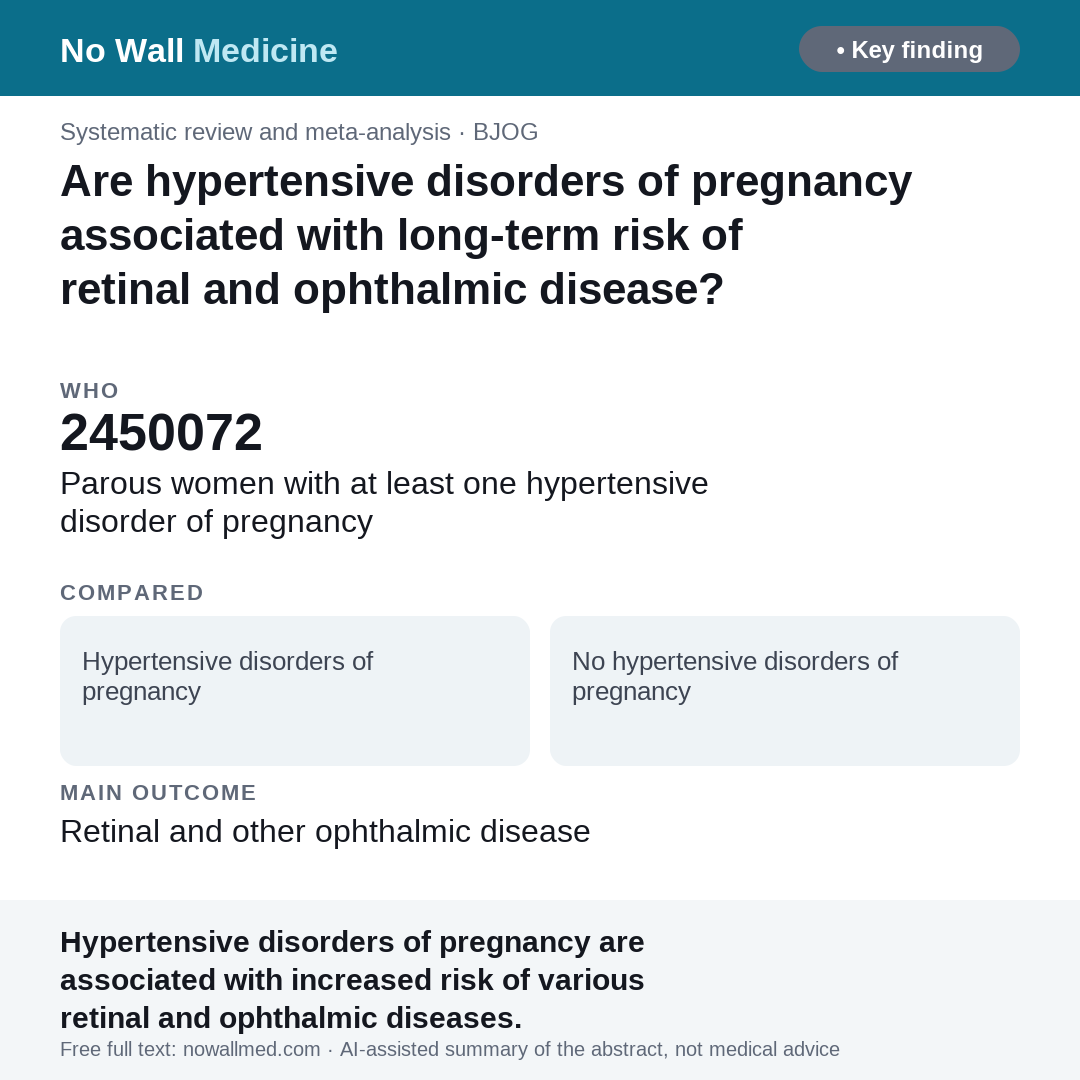
Hypertensive Disorders of Pregnancy and the Long-Term Risk of Maternal Retinal and Ophthalmic Disease: A Systematic Review and Meta-Analysis
Systematic review and meta-analysisHarm found
Are hypertensive disorders of pregnancy associated with long-term risk of retinal and ophthalmic disease?
Who
2450072
Parous women with at least one hypertensive disorder of pregnancy
Compared
Hypertensive disorders of pregnancy
No hypertensive disorders of pregnancy
Main outcome
Retinal and other ophthalmic disease
Result: diabetic retinopathy aRR 3.54 (95% CI 2.19-5.74)
Bottom line: Hypertensive disorders of pregnancy are associated with increased risk of various retinal and ophthalmic diseases.
Limitation: Further observational research is required to confirm these associations.
BJOG · 2026-07-15Download image
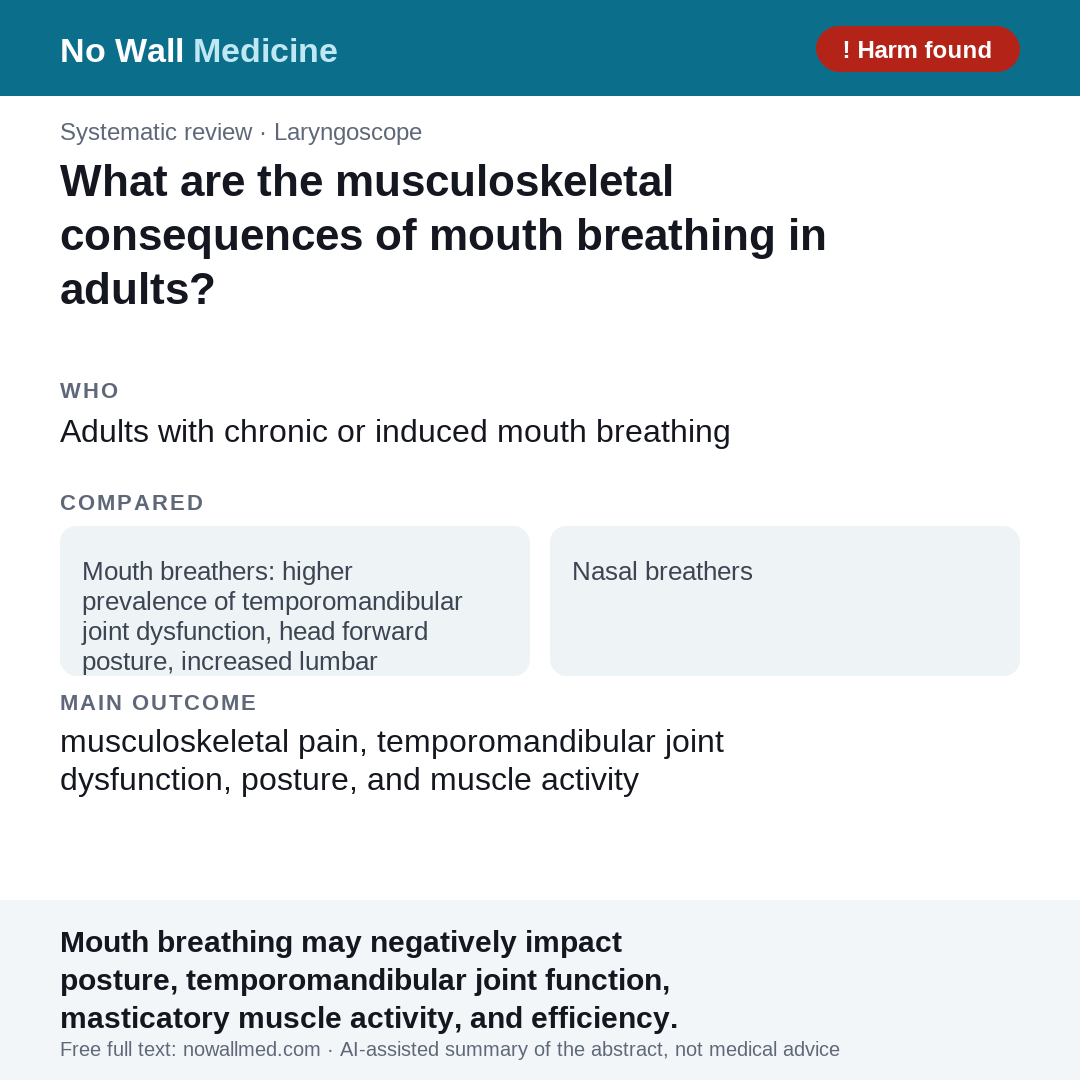
The Musculoskeletal Consequences of Mouth Breathing in Adults: A Systematic Review
Systematic reviewHarm found
What are the musculoskeletal consequences of mouth breathing in adults?
Who
Adults with chronic or induced mouth breathing
Compared
Mouth breathers: higher prevalence of temporomandibular joint dysfunction, head forward posture, increased lumbar lordosis, reduced chewing efficiency, reduced masseter and temporalis, and increased suprahyoid electromyography activity
Nasal breathers
Main outcome
musculoskeletal pain, temporomandibular joint dysfunction, posture, and muscle activity
Bottom line: Mouth breathing may negatively impact posture, temporomandibular joint function, masticatory muscle activity, and efficiency.
Limitation: The certainty of evidence was very low and no study evaluated direct relationship with pain.
Laryngoscope · 2026-07-15Download image