Visual abstracts
New randomized trials and meta-analyses from leading journals at a glance: who was studied, what was compared, and what was found. Every paper is free to read in full.
All specialtiesCardiology 4877Oncology 4138Gastroenterology & Hepatology 1942Infectious Disease 3837Neurology 1905Psychiatry & Mental Health 2273Pulmonology 2143Critical Care 1365Endocrinology & Diabetes 2580Pediatrics 2980Surgery 2559Orthopedics & Sports Medicine 931Neurosurgery 537Cardiothoracic & Vascular Surgery 674Plastic & Reconstructive Surgery 591Nephrology 1133Rheumatology 823Hematology 1109Dermatology 621Ophthalmology 543Obstetrics & Gynecology 1686Public & Global Health 1058Radiology & Imaging 648Anesthesiology 986Urology 764ENT (Otolaryngology) 503Emergency Medicine 511Allergy & Immunology 313Geriatrics 981Family Medicine & Primary Care 562Medical Genetics & Genomics 676Pathology & Laboratory Medicine 159Physical Medicine & Rehabilitation 757Palliative Care 444Nutrition 1588Digital Health & AI 2201General Medicine 321
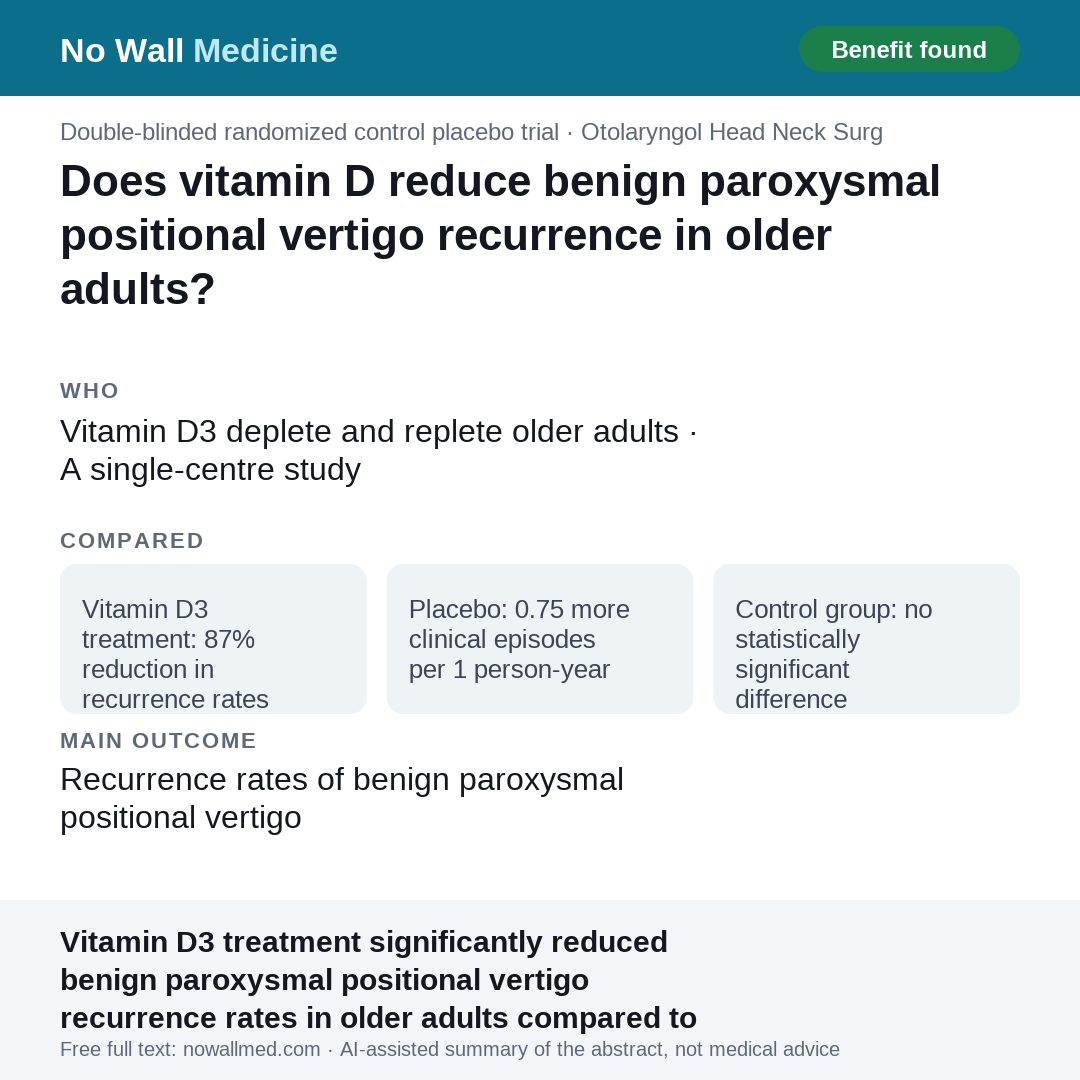
Randomized Controlled Trial Assessing Vitamin D's Role in Reducing BPPV Recurrence in Older Adults
Double-blinded randomized control placebo trialBenefit found
Does vitamin D reduce benign paroxysmal positional vertigo recurrence in older adults?
Who
Vitamin D3 deplete and replete older adults · A single-centre study
Compared
Vitamin D3 treatment: 87% reduction in recurrence rates
Placebo: 0.75 more clinical episodes per 1 person-year
Control group: no statistically significant difference
Main outcome
Recurrence rates of benign paroxysmal positional vertigo
Bottom line: Vitamin D3 treatment significantly reduced benign paroxysmal positional vertigo recurrence rates in older adults compared to placebo.
Otolaryngol Head Neck Surg · 2024-08-28Download image
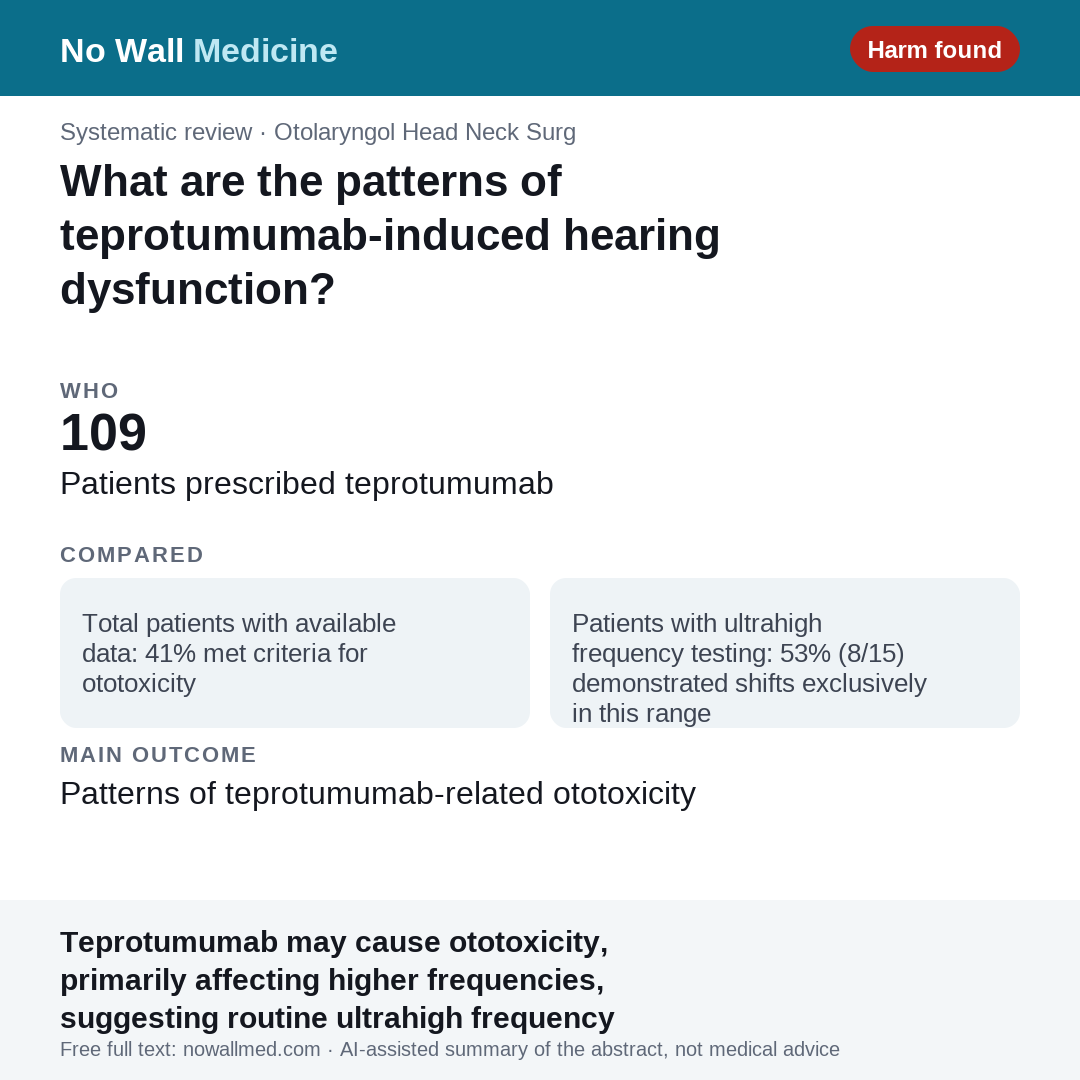
Patterns of Teprotumumab-Induced Hearing Dysfunction: A Systematic Review
Systematic reviewHarm found
What are the patterns of teprotumumab-induced hearing dysfunction?
Who
109
Patients prescribed teprotumumab
Compared
Total patients with available data: 41% met criteria for ototoxicity
Patients with ultrahigh frequency testing: 53% (8/15) demonstrated shifts exclusively in this range
Main outcome
Patterns of teprotumumab-related ototoxicity
Bottom line: Teprotumumab may cause ototoxicity, primarily affecting higher frequencies, suggesting routine ultrahigh frequency hearing screening may be warranted.
Limitation: The true incidence of ototoxicity remains unknown and more data is needed.
Otolaryngol Head Neck Surg · 2024-08-28Download image
Dupilumab Efficacy in Children With Type 2 Asthma Receiving High- to Medium-Dose Inhaled Corticosteroids (VOYAGE)
Phase 3 randomized trialBenefit found
Does dupilumab efficacy differ in children with type 2 asthma based on inhaled corticosteroid dose?
Who
Children aged 6 to 11 years with uncontrolled moderate to severe type 2 asthma
Compared
Dupilumab
Placebo
Main outcome
Annualized severe exacerbation rate, lung function, and asthma control
Bottom line: Dupilumab reduced severe exacerbation rates and improved lung function and asthma control regardless of inhaled corticosteroid dose.
J Allergy Clin Immunol Pract · 2024-08-28Download image

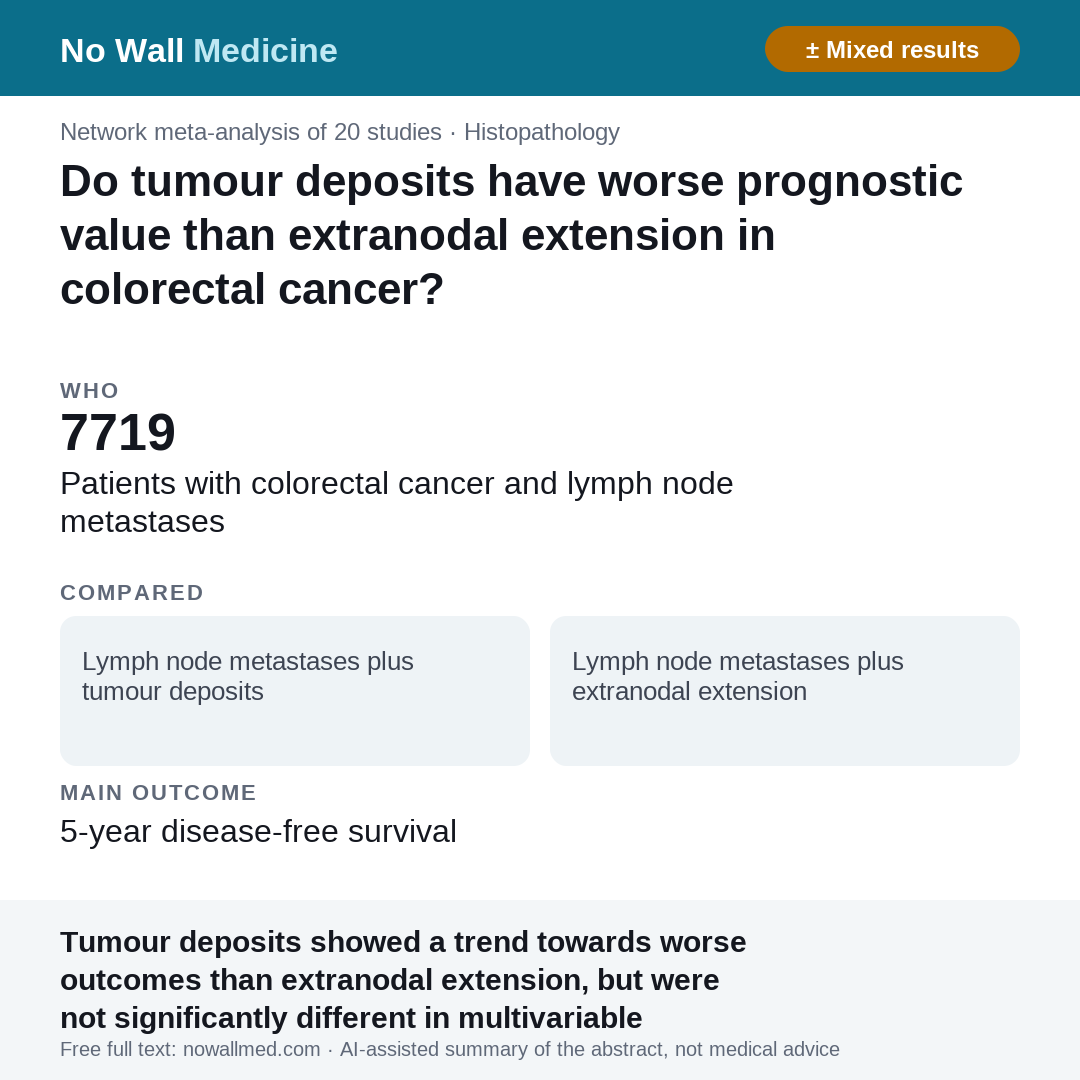
Tumour deposits are associated with worse survival than extranodal extension; a network meta-analysis on tumour nodules in colorectal cancer
Network meta-analysis of 20 studiesMixed results
Do tumour deposits have worse prognostic value than extranodal extension in colorectal cancer?
Who
7719
Patients with colorectal cancer and lymph node metastases
Compared
Lymph node metastases plus tumour deposits
Lymph node metastases plus extranodal extension
Main outcome
5-year disease-free survival
Result: hazard ratio 1.27 (95% CI 1.06-1.53)
Bottom line: Tumour deposits showed a trend towards worse outcomes than extranodal extension, but were not significantly different in multivariable disease-free survival analysis.
Histopathology · 2024-08-28Download image
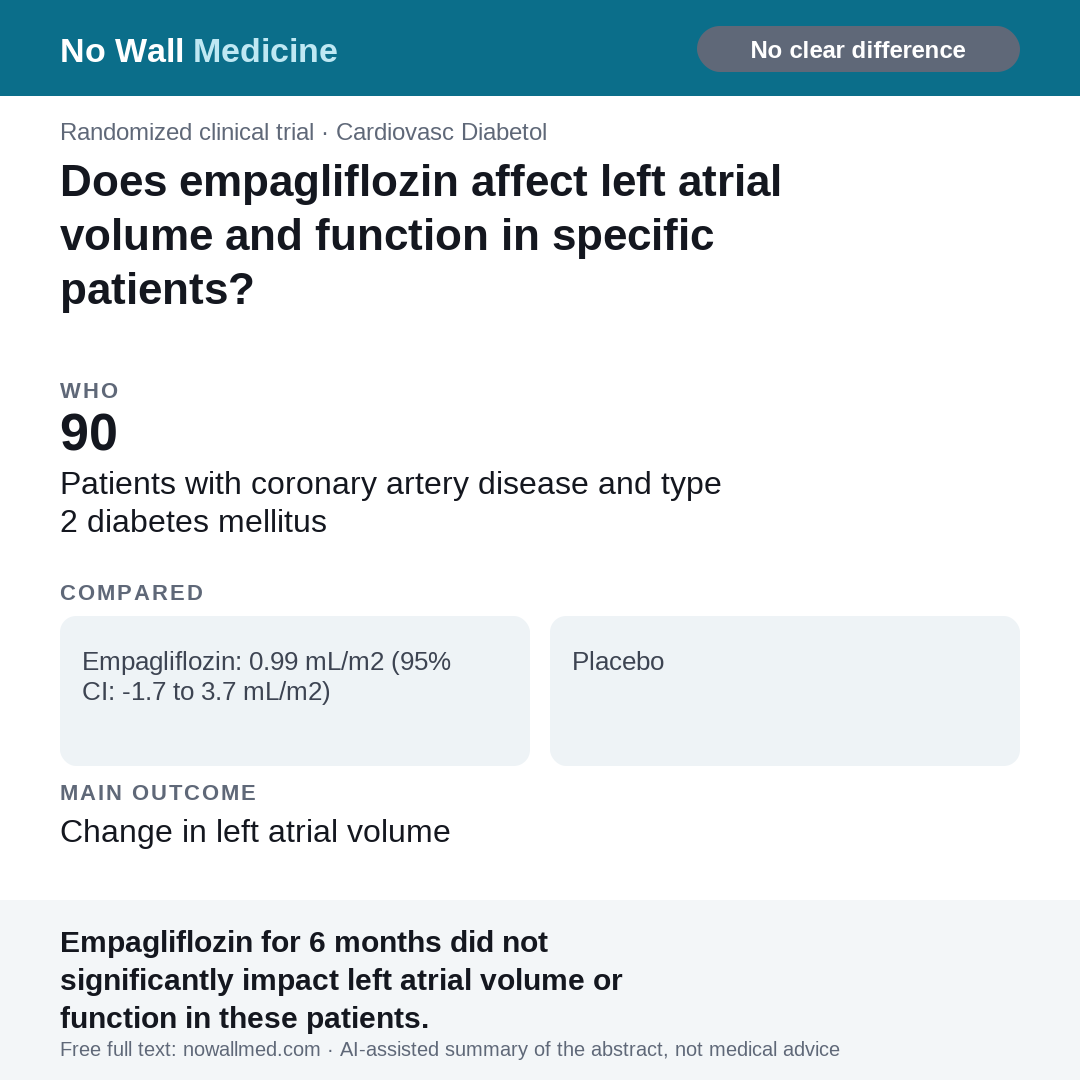
Empagliflozin and left atrial function in patients with type 2 diabetes mellitus and coronary artery disease: insight from the EMPA-HEART CardioLink-6 randomized clinical trial
Randomized clinical trialNo clear difference
Does empagliflozin affect left atrial volume and function in specific patients?
Who
90
Patients with coronary artery disease and type 2 diabetes mellitus
Compared
Empagliflozin: 0.99 mL/m2 (95% CI: -1.7 to 3.7 mL/m2)
Placebo
Main outcome
Change in left atrial volume
Result: adjusted difference 0.99 mL/m2 (95% CI: -1.7 to 3.7 mL/m2)
Bottom line: Empagliflozin for 6 months did not significantly impact left atrial volume or function in these patients.
Cardiovasc Diabetol · 2024-08-28Download image
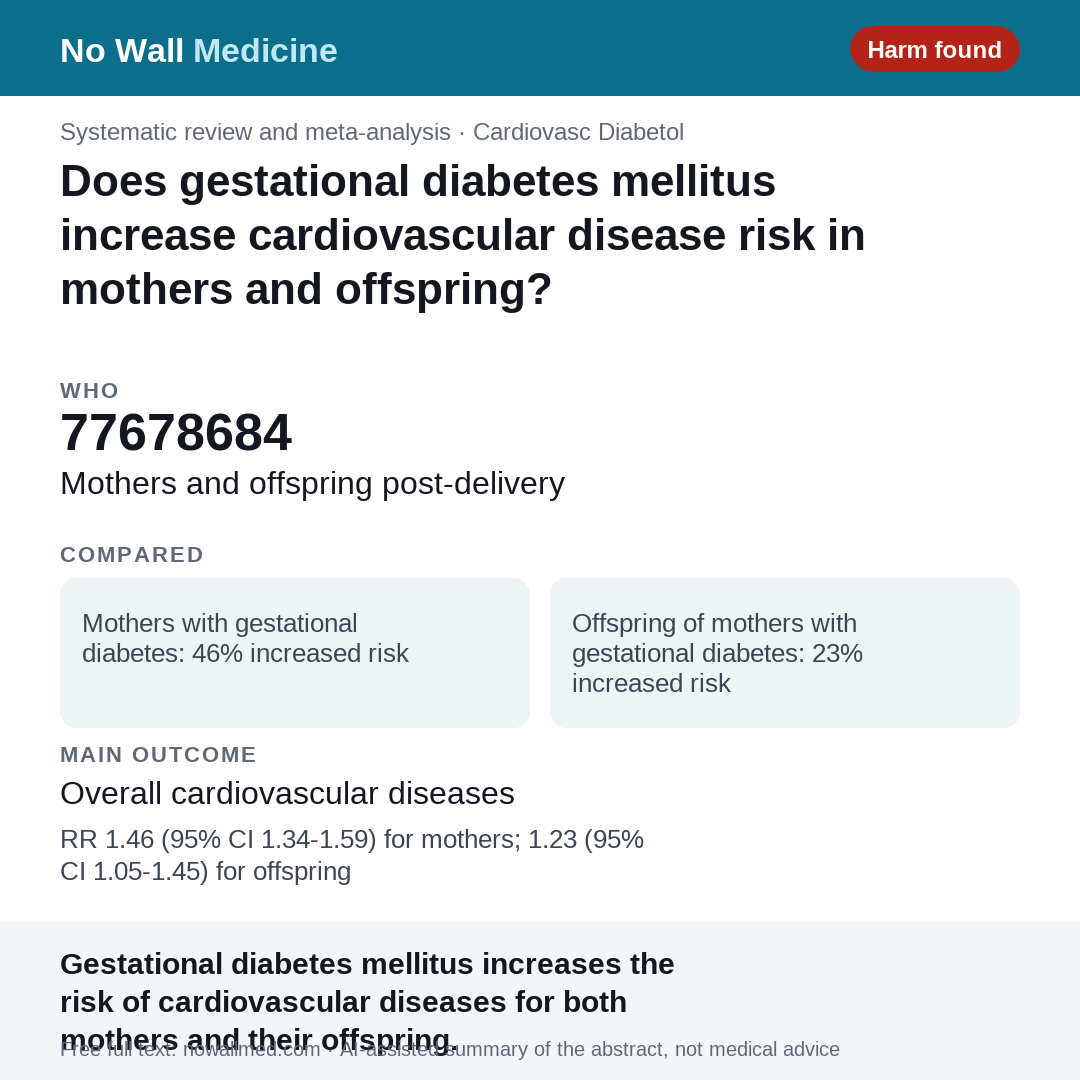
Gestational diabetes mellitus and development of intergenerational overall and subtypes of cardiovascular diseases: a systematic review and meta-analysis
Systematic review and meta-analysisHarm found
Does gestational diabetes mellitus increase cardiovascular disease risk in mothers and offspring?
Who
77678684
Mothers and offspring post-delivery
Compared
Mothers with gestational diabetes: 46% increased risk
Offspring of mothers with gestational diabetes: 23% increased risk
Main outcome
Overall cardiovascular diseases
Result: RR 1.46 (95% CI 1.34-1.59) for mothers; 1.23 (95% CI 1.05-1.45) for offspring
Bottom line: Gestational diabetes mellitus increases the risk of cardiovascular diseases for both mothers and their offspring.
Cardiovasc Diabetol · 2024-08-28Download image
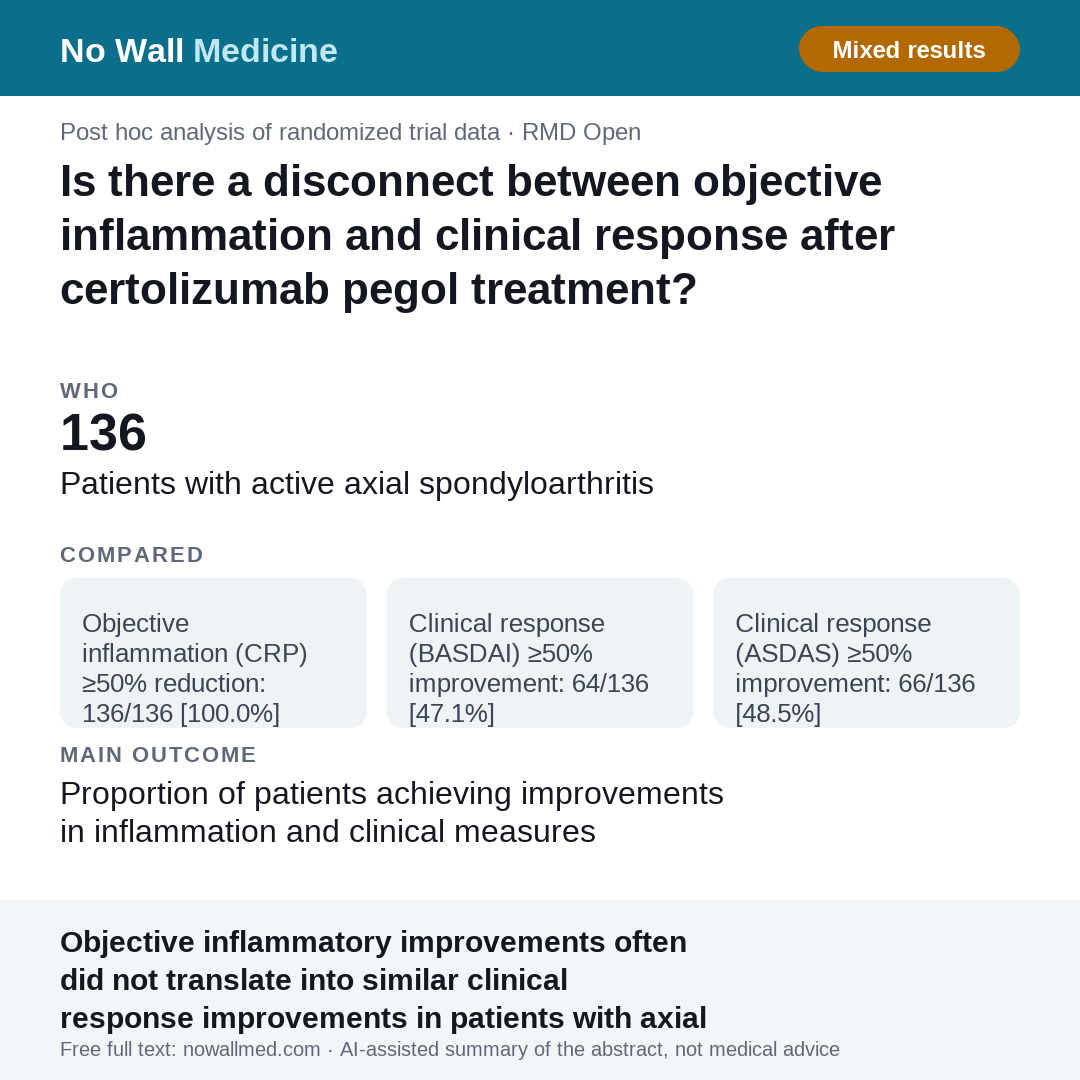
Exploratory analysis of the potential disconnect between objective inflammatory response and clinical response following certolizumab pegol treatment in patients with active axial spondyloarthritis
Post hoc analysis of randomized trial dataMixed results
Is there a disconnect between objective inflammation and clinical response after certolizumab pegol treatment?
Who
136
Patients with active axial spondyloarthritis
Compared
Objective inflammation (CRP) ≥50% reduction: 136/136 [100.0%]
Clinical response (BASDAI) ≥50% improvement: 64/136 [47.1%]
Clinical response (ASDAS) ≥50% improvement: 66/136 [48.5%]
Main outcome
Proportion of patients achieving improvements in inflammation and clinical measures
Bottom line: Objective inflammatory improvements often did not translate into similar clinical response improvements in patients with axial spondyloarthritis.
RMD Open · 2024-08-28Download image
Sociodemographic, Health, and Lifestyle-Related Characteristics Associated With the Commencement and Completion of a Web-Based Lifestyle Educational Program for People With Multiple Sclerosis: Randomized Controlled Trial
Randomized controlled trialMixed results
What factors associate with commencement and completion of a web-based lifestyle program for multiple sclerosis?
Who
1893
People living with multiple sclerosis
Compared
Intervention course: 49.1% (218/444) completed
Standard care course: 54.2% (224/413) completed
Main outcome
Commencement and completion of the Multiple Sclerosis Online Course
Bottom line: Sociodemographic, health, and lifestyle factors influence how people with multiple sclerosis start and finish web-based educational programs.
J Med Internet Res · 2024-08-28Download image

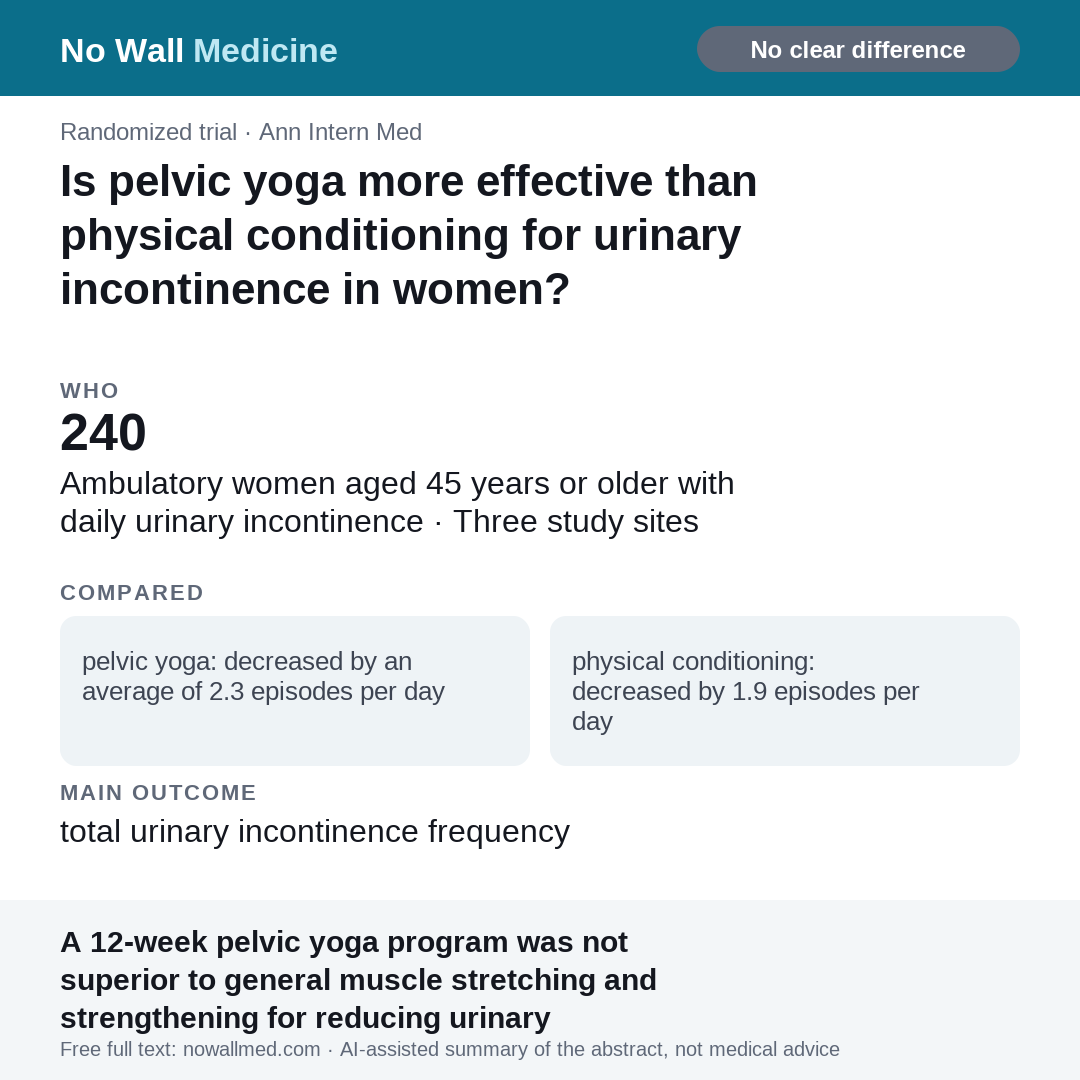
Efficacy of a Therapeutic Pelvic Yoga Program Versus a Physical Conditioning Program on Urinary Incontinence in Women : A Randomized Trial
Randomized trialNo clear difference
Is pelvic yoga more effective than physical conditioning for urinary incontinence in women?
Who
240
Ambulatory women aged 45 years or older with daily urinary incontinence · Three study sites in California, United States
Compared
pelvic yoga: decreased by an average of 2.3 episodes per day
physical conditioning: decreased by 1.9 episodes per day
Main outcome
total urinary incontinence frequency
Result: between-group difference of -0.3 episodes per day (95% CI, -0.7 to 0.0)
Bottom line: A 12-week pelvic yoga program was not superior to general muscle stretching and strengthening for reducing urinary incontinence.
Limitation: No comparison to no treatment or other clinical treatments; conversion to videoconference-based instruction during COVID-19.
Funded by: National Institutes of Health
Ann Intern Med · 2024-08-27Download image
Effectiveness of Multilevel and Multidomain Interventions to Improve Glycemic Control in U.S. Racial and Ethnic Minority Populations: A Systematic Review and Meta-analysis
Systematic review and meta-analysis of 106 trialsBenefit found
Do multilevel and multidomain interventions improve glycemic control in U.S. minority populations?
Who
106
United States adults with type 2 diabetes from racial and ethnic minority populations
Compared
Individual-behavioral: -0.34 percentage points (95% CI -0.46, -0.22)
Multilevel: -0.40 percentage points (95% CI -0.51, -0.29)
Multidomain: -0.39 percentage points (95% CI -0.49, -0.29)
Both multilevel and multidomain: -0.43 percentage points (95% CI -0.55, -0.31)
Main outcome
percent hemoglobin A1c
Bottom line: Multilevel and multidomain diabetes self-management education interventions had a modest impact on reducing hemoglobin A1c.
Limitation: The analyses were restricted to randomized controlled trials.
Diabetes Care · 2024-08-27Download image

Systematic literature review to inform the EULAR recommendations for the use of imaging in crystal-induced arthropathies in clinical practice
Systematic literature reviewBenefit found
What is the role of imaging in crystal-induced arthropathies?
Who
Patients with gout, calcium pyrophosphate dihydrate, and basic calcium phosphate deposition
Compared
Gout imaging
Calcium pyrophosphate dihydrate imaging
Basic calcium phosphate imaging
Main outcome
Diagnosis, monitoring, prediction, guiding procedures, and patient education
Bottom line: Imaging plays a relevant and increasing role in managing crystal-induced arthropathies.
Ann Rheum Dis · 2024-08-27Download image

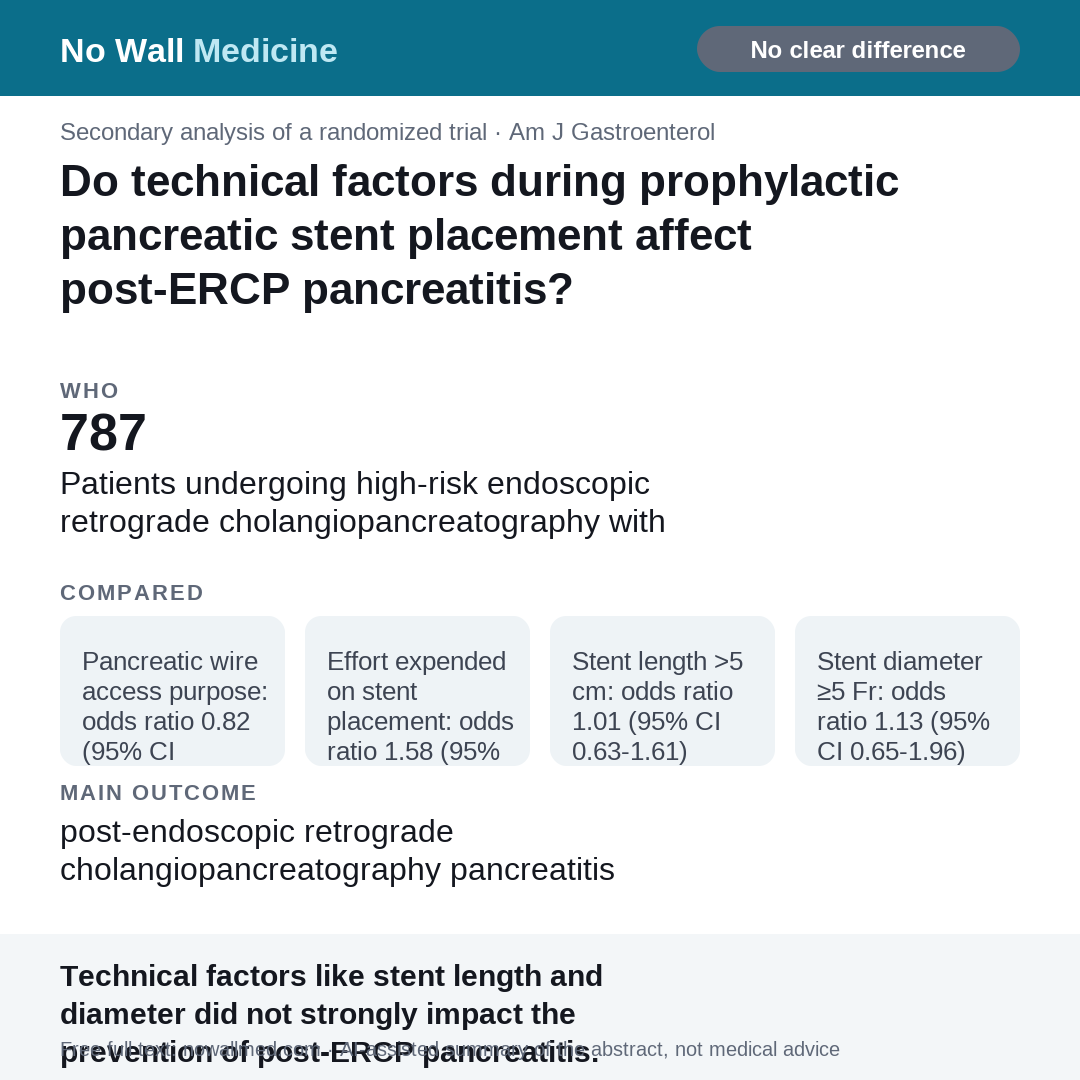
Technical Factors Associated With the Benefit of Prophylactic Pancreatic Stent Placement During High-Risk Endoscopic Retrograde Cholangiopancreatography: A Secondary Analysis of the SVI Trial Data Set
Secondary analysis of a randomized trialNo clear difference
Do technical factors during prophylactic pancreatic stent placement affect post-ERCP pancreatitis?
Who
787
Patients undergoing high-risk endoscopic retrograde cholangiopancreatography with successful stent placement
Compared
Pancreatic wire access purpose: odds ratio 0.82 (95% CI 0.37-1.84)
Effort expended on stent placement: odds ratio 1.58 (95% CI 0.73-3.45)
Stent length >5 cm: odds ratio 1.01 (95% CI 0.63-1.61)
Stent diameter ≥5 Fr: odds ratio 1.13 (95% CI 0.65-1.96)
Main outcome
post-endoscopic retrograde cholangiopancreatography pancreatitis
Bottom line: Technical factors like stent length and diameter did not strongly impact the prevention of post-ERCP pancreatitis.
Limitation: limitations of post hoc subgroup analysis
Am J Gastroenterol · 2024-08-27Download image
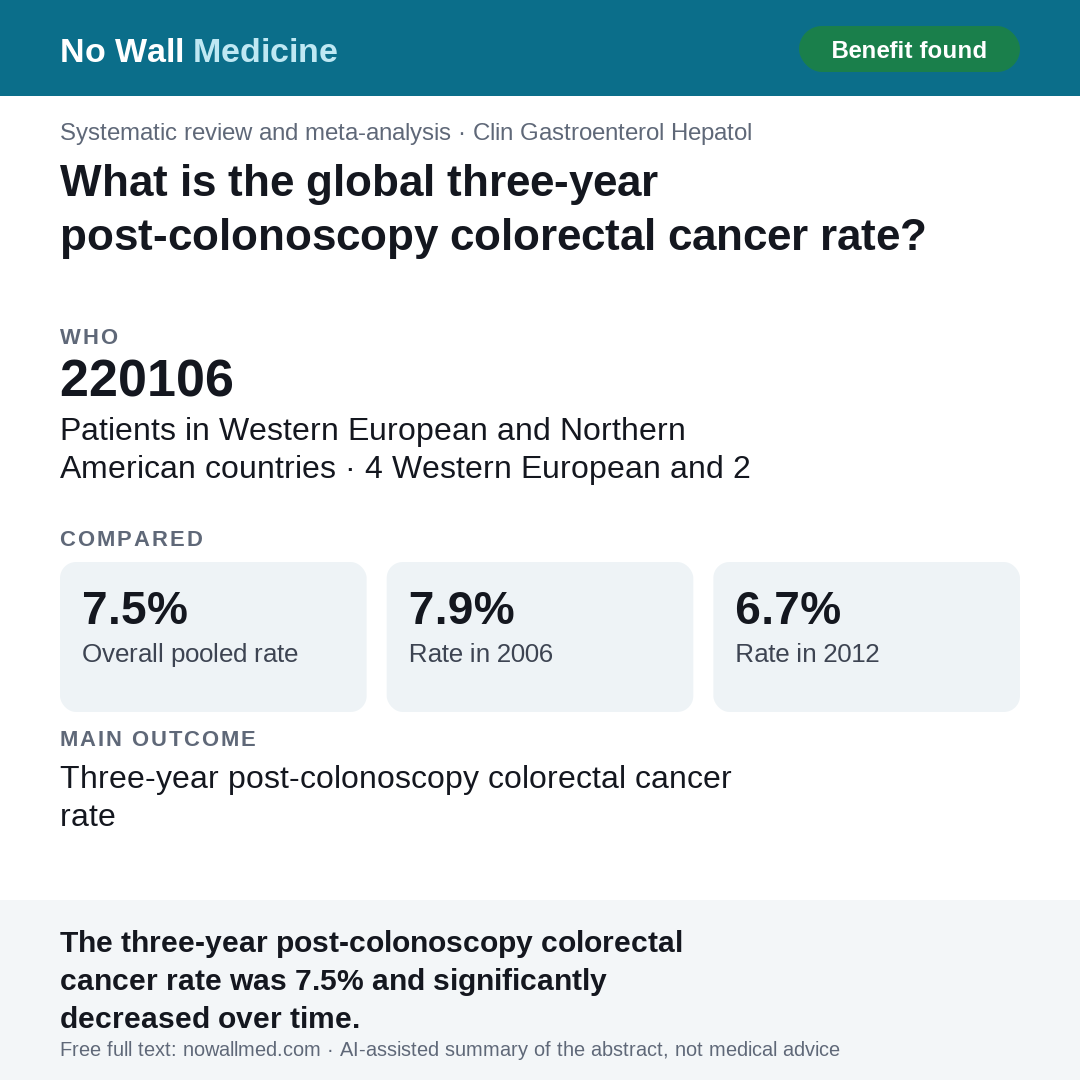
Systematic Review and Meta-analysis: The Three-year Post-colonoscopy Colorectal Cancer Rate as per the World Endoscopy Organization Methodology
Systematic review and meta-analysisBenefit found
What is the global three-year post-colonoscopy colorectal cancer rate?
Who
220106
Patients in Western European and Northern American countries · 4 Western European and 2 Northern American countries
Compared
7.5%Overall pooled rate (95% CI 6.4%-8.7%)
7.9%Rate in 2006 (95% CI 6.6%-9.4%)
6.7%Rate in 2012 (95% CI 6.1%-7.3%)
Main outcome
Three-year post-colonoscopy colorectal cancer rate
Result: OR 0.79 (95% CI 0.72-0.87) for decrease over time
Bottom line: The three-year post-colonoscopy colorectal cancer rate was 7.5% and significantly decreased over time.
Clin Gastroenterol Hepatol · 2024-08-27Download image
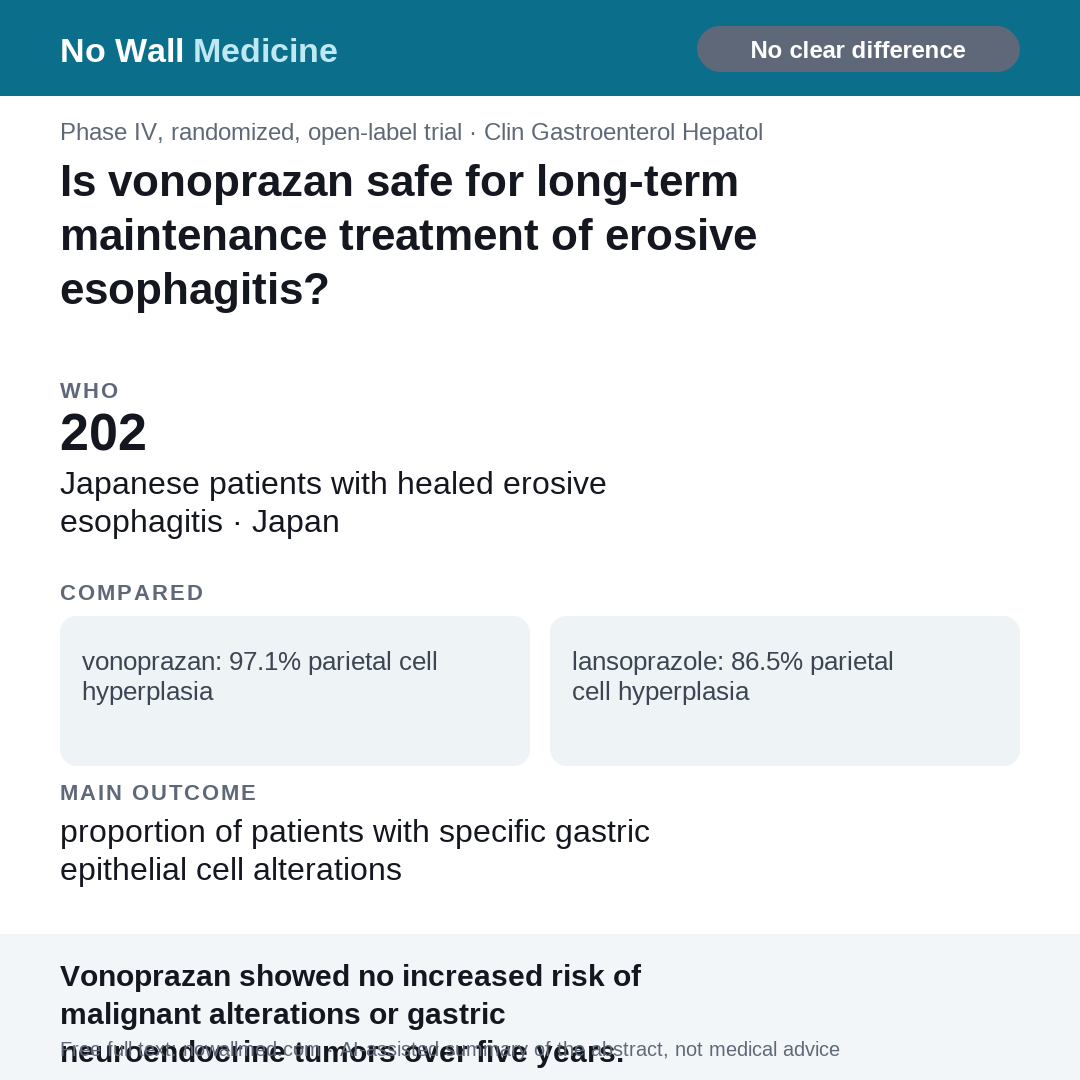
Vonoprazan as a Long-term Maintenance Treatment for Erosive Esophagitis: VISION, a 5-Year, Randomized, Open-label Study
Phase IV, randomized, open-label trialNo clear difference
Is vonoprazan safe for long-term maintenance treatment of erosive esophagitis?
Who
202
Japanese patients with healed erosive esophagitis · Japan
Compared
vonoprazan: 97.1% parietal cell hyperplasia
lansoprazole: 86.5% parietal cell hyperplasia
Main outcome
proportion of patients with specific gastric epithelial cell alterations
Bottom line: Vonoprazan showed no increased risk of malignant alterations or gastric neuroendocrine tumors over five years.
Clin Gastroenterol Hepatol · 2024-08-27Download image
Sharing health care wishes among older adults with cognitive impairment in primary care: Results from a randomized controlled trial
Randomized controlled trialBenefit found
Does the SHARE model improve advance care planning among older adults with cognitive impairment?
Who
273
Person-family dyads with cognitive impairment · Eight primary care practices
Compared
SHARE remote multicomponent model: increased completion of key aspects of advance care planning
Minimally enhanced usual care
Main outcome
Quality of communication and readiness for advance care planning
Bottom line: The SHARE model supported advance care planning processes and communication about end-of-life care in primary care.
Alzheimers Dement · 2024-08-27Download image

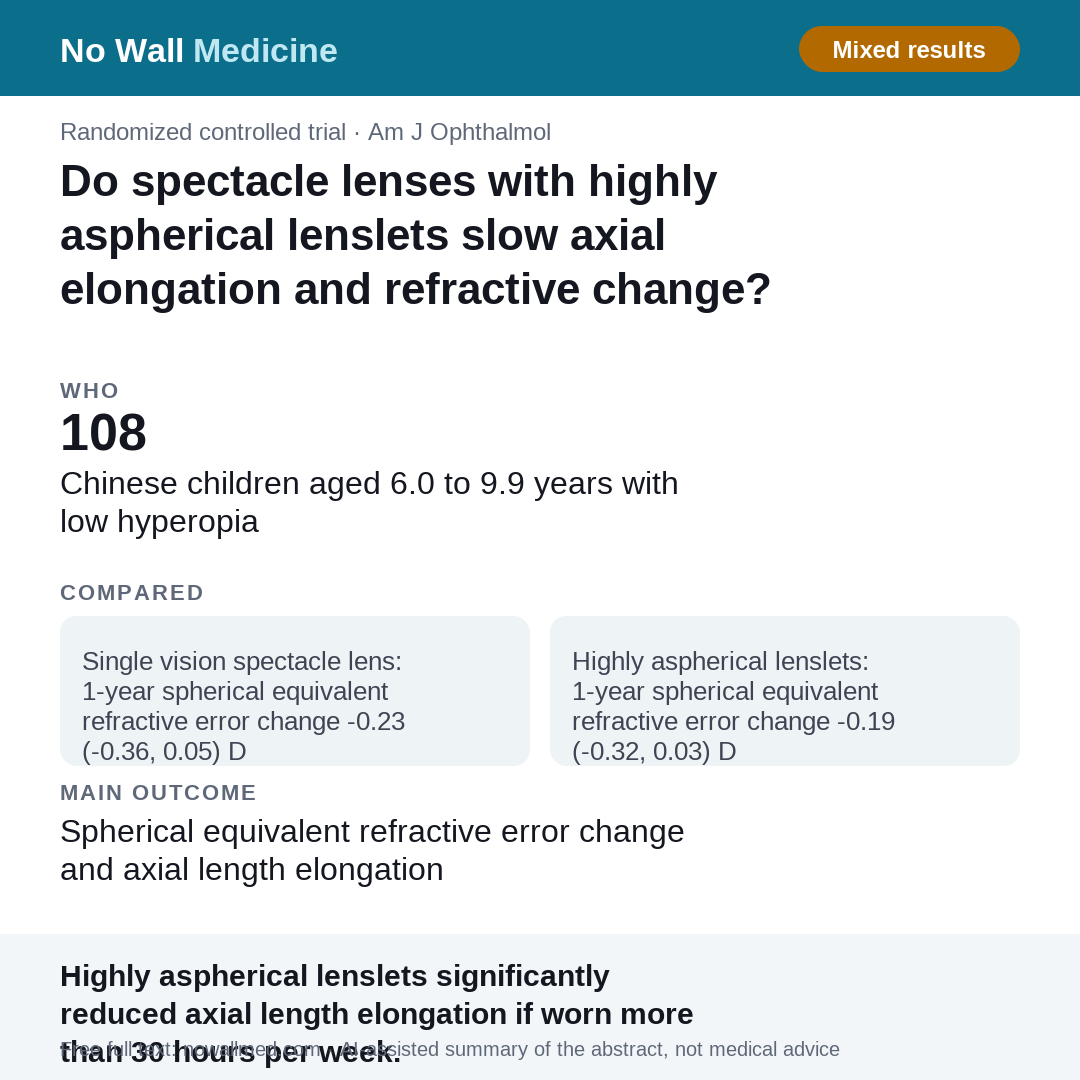
Spectacle Lenses With Highly Aspherical Lenslets for Slowing Axial Elongation and Refractive Change in Low-Hyperopic Chinese Children: A Randomized Controlled Trial
Randomized controlled trialMixed results
Do spectacle lenses with highly aspherical lenslets slow axial elongation and refractive change?
Who
108
Chinese children aged 6.0 to 9.9 years with low hyperopia
Compared
Single vision spectacle lens: 1-year spherical equivalent refractive error change -0.23 (-0.36, 0.05) D
Highly aspherical lenslets: 1-year spherical equivalent refractive error change -0.19 (-0.32, 0.03) D
Main outcome
Spherical equivalent refractive error change and axial length elongation
Bottom line: Highly aspherical lenslets significantly reduced axial length elongation if worn more than 30 hours per week.
Am J Ophthalmol · 2024-08-27Download image
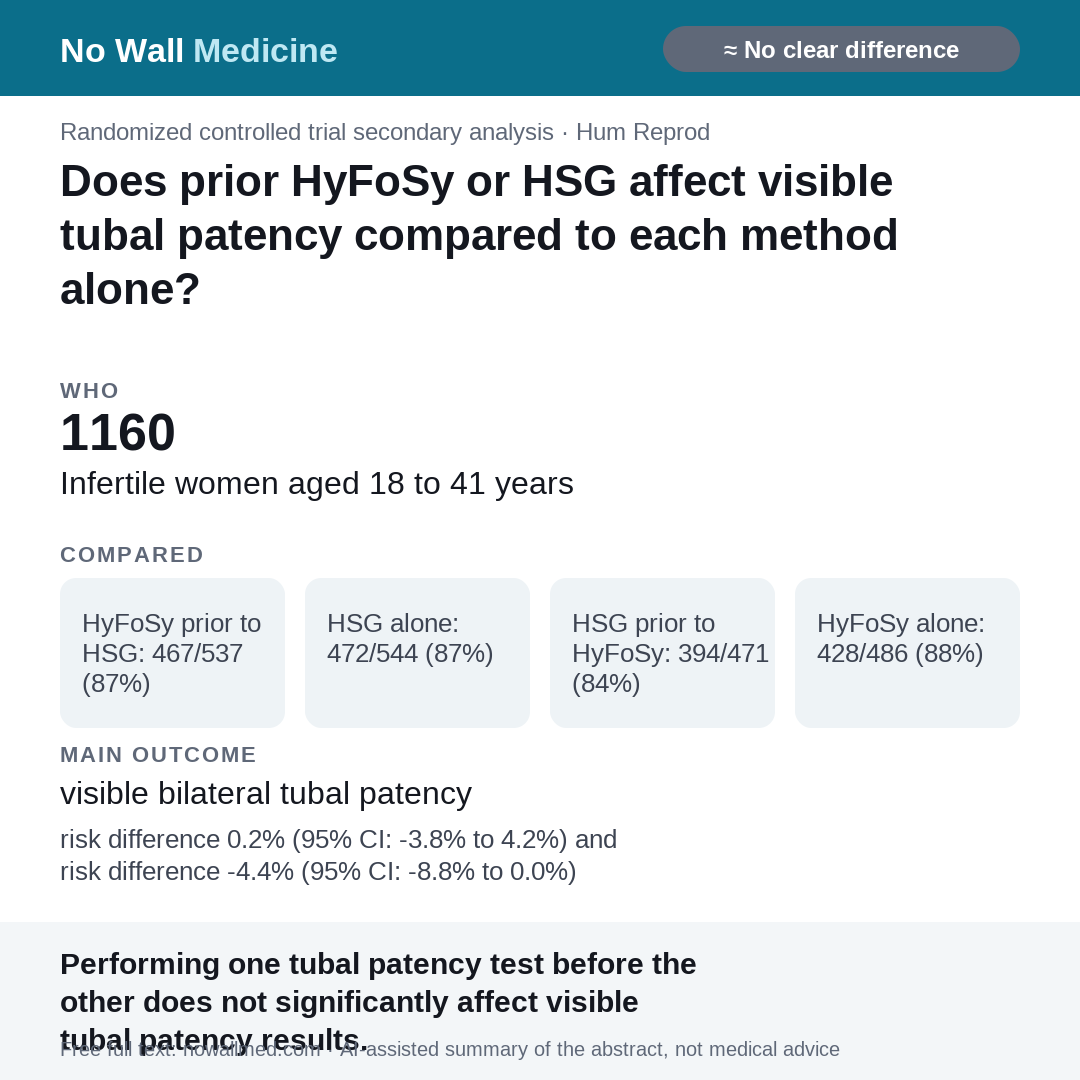
The effect of prior hysterosalpingo-foam sonography or hysterosalpingography on tubal patency: a secondary analysis of a randomized controlled trial
Randomized controlled trial secondary analysisNo clear difference
Does prior HyFoSy or HSG affect visible tubal patency compared to each method alone?
Who
1160
Infertile women aged 18 to 41 years
Compared
HyFoSy prior to HSG: 467/537 (87%)
HSG alone: 472/544 (87%)
HSG prior to HyFoSy: 394/471 (84%)
HyFoSy alone: 428/486 (88%)
Main outcome
visible bilateral tubal patency
Result: risk difference 0.2% (95% CI: -3.8% to 4.2%) and risk difference -4.4% (95% CI: -8.8% to 0.0%)
Bottom line: Performing one tubal patency test before the other does not significantly affect visible tubal patency results.
Limitation: This secondary analysis is exploratory and pregnancy outcomes were not considered.
Funded by: ZonMw
Hum Reprod · 2024-08-27Download image
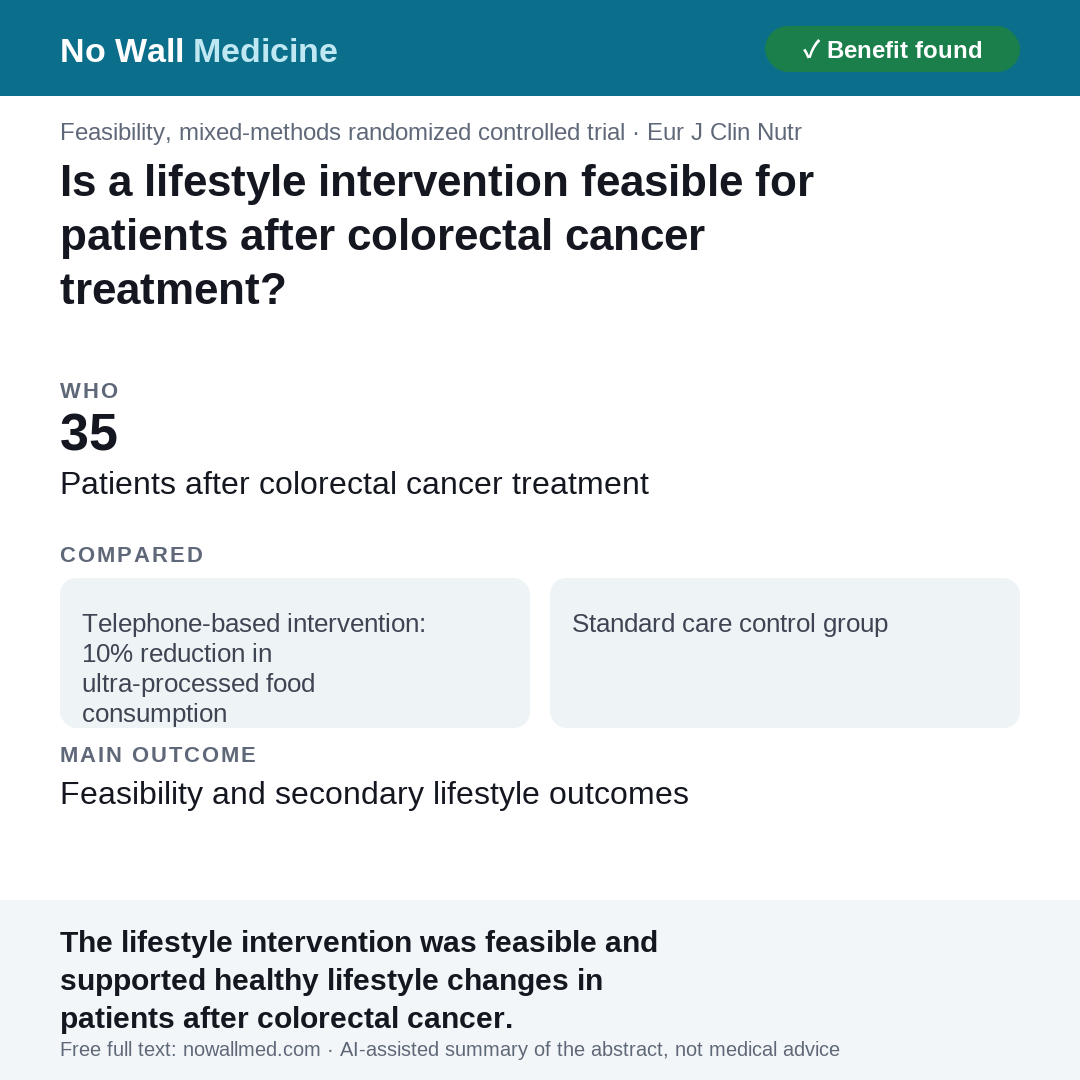
Healthy Eating and Active Lifestyle after Bowel Cancer (HEAL ABC)-feasibility randomised controlled trial
Feasibility, mixed-methods randomized controlled trialBenefit found
Is a lifestyle intervention feasible for patients after colorectal cancer treatment?
Who
35
Patients after colorectal cancer treatment
Compared
Telephone-based intervention: 10% reduction in ultra-processed food consumption
Standard care control group
Main outcome
Feasibility and secondary lifestyle outcomes
Bottom line: The lifestyle intervention was feasible and supported healthy lifestyle changes in patients after colorectal cancer.
Limitation: Recruitment was challenging and alternative strategies are needed for a fully powered trial.
Eur J Clin Nutr · 2024-08-27Download image
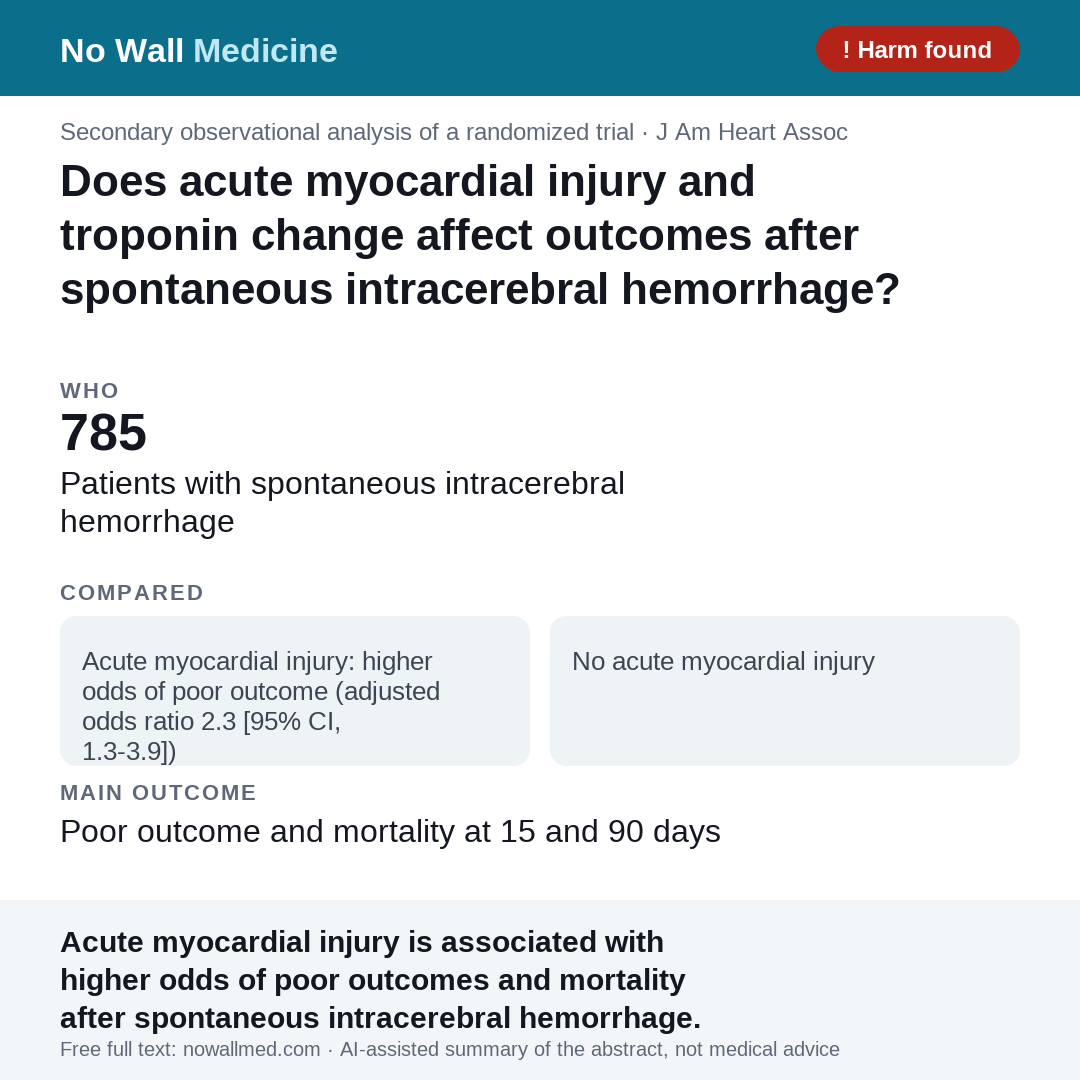
Acute Myocardial Injury in Spontaneous Intracerebral Hemorrhage: A Secondary Observational Analysis of the FAST Trial
Secondary observational analysis of a randomized trialHarm found
Does acute myocardial injury and troponin change affect outcomes after spontaneous intracerebral hemorrhage?
Who
785
Patients with spontaneous intracerebral hemorrhage
Compared
Acute myocardial injury: higher odds of poor outcome (adjusted odds ratio 2.3 [95% CI, 1.3-3.9])
No acute myocardial injury
Main outcome
Poor outcome and mortality at 15 and 90 days
Result: adjusted odds ratio 2.3 (95% CI, 1.3-3.9)
Bottom line: Acute myocardial injury is associated with higher odds of poor outcomes and mortality after spontaneous intracerebral hemorrhage.
J Am Heart Assoc · 2024-08-27Download image
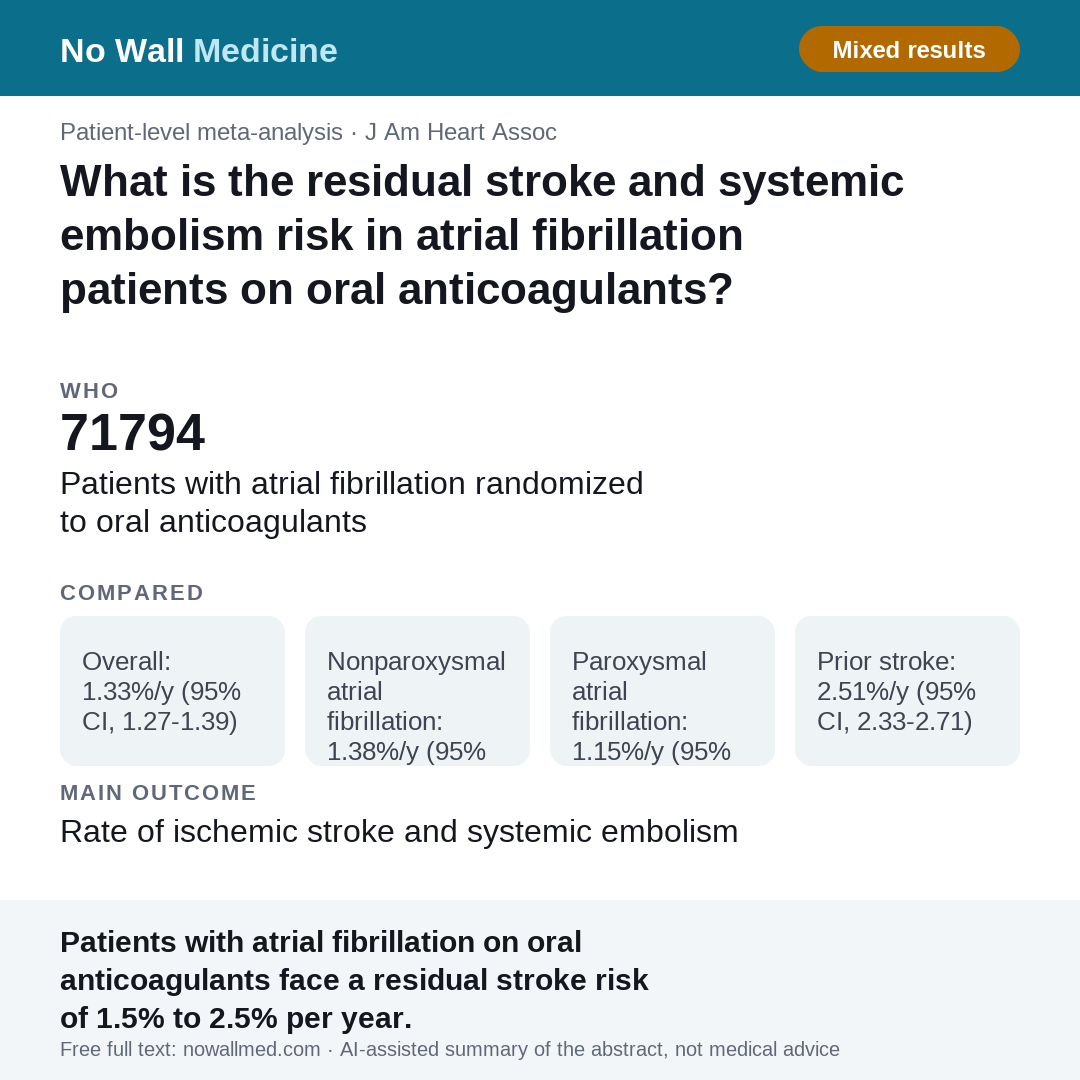
Residual Stroke Risk Among Patients With Atrial Fibrillation Prescribed Oral Anticoagulants: A Patient-Level Meta-Analysis From COMBINE AF
Patient-level meta-analysisMixed results
What is the residual stroke and systemic embolism risk in atrial fibrillation patients on oral anticoagulants?
Who
71794
Patients with atrial fibrillation randomized to oral anticoagulants
Compared
Overall: 1.33%/y (95% CI, 1.27-1.39)
Nonparoxysmal atrial fibrillation: 1.38%/y (95% CI, 1.31-1.45)
Paroxysmal atrial fibrillation: 1.15%/y (95% CI, 1.05-1.27)
Prior stroke: 2.51%/y (95% CI, 2.33-2.71)
Main outcome
Rate of ischemic stroke and systemic embolism
Result: rate ratio 1.36 (95% CI, 1.32-1.41) per 1-point CHA2DS2-VASc increase
Bottom line: Patients with atrial fibrillation on oral anticoagulants face a residual stroke risk of 1.5% to 2.5% per year.
J Am Heart Assoc · 2024-08-27Download image