Visual abstracts
New randomized trials and meta-analyses from leading journals at a glance: who was studied, what was compared, and what was found. Every paper is free to read in full.
All specialtiesCardiology 4763Oncology 4039Gastroenterology & Hepatology 1900Infectious Disease 3756Neurology 1872Psychiatry & Mental Health 2214Pulmonology 2042Critical Care 1319Endocrinology & Diabetes 2544Pediatrics 2889Surgery 2479Orthopedics & Sports Medicine 917Neurosurgery 525Cardiothoracic & Vascular Surgery 656Plastic & Reconstructive Surgery 574Nephrology 1107Rheumatology 810Hematology 1090Dermatology 611Ophthalmology 532Obstetrics & Gynecology 1644Public & Global Health 1036Radiology & Imaging 617Anesthesiology 957Urology 743ENT (Otolaryngology) 494Emergency Medicine 481Allergy & Immunology 309Geriatrics 972Family Medicine & Primary Care 533Medical Genetics & Genomics 659Pathology & Laboratory Medicine 155Physical Medicine & Rehabilitation 734Palliative Care 421Nutrition 1560Digital Health & AI 2132General Medicine 318
Association between antibiotic exposure and childhood atopic dermatitis: a systematic review and meta-analysis
Systematic review and meta-analysisHarm found
Is antibiotic exposure associated with the risk of childhood atopic dermatitis?
Who
7,487,925
Children
Compared
Antibiotic exposure
No antibiotic exposure
Main outcome
Risk of childhood atopic dermatitis
Result: odds ratio 1.22 (95% CI 1.17-1.28)
Bottom line: Antibiotic exposure during pregnancy and childhood is associated with an increased risk of childhood atopic dermatitis.
Funded by: Natural Science Foundation of Zhejiang and others
eClinicalMedicine · 2025-06-10Download image

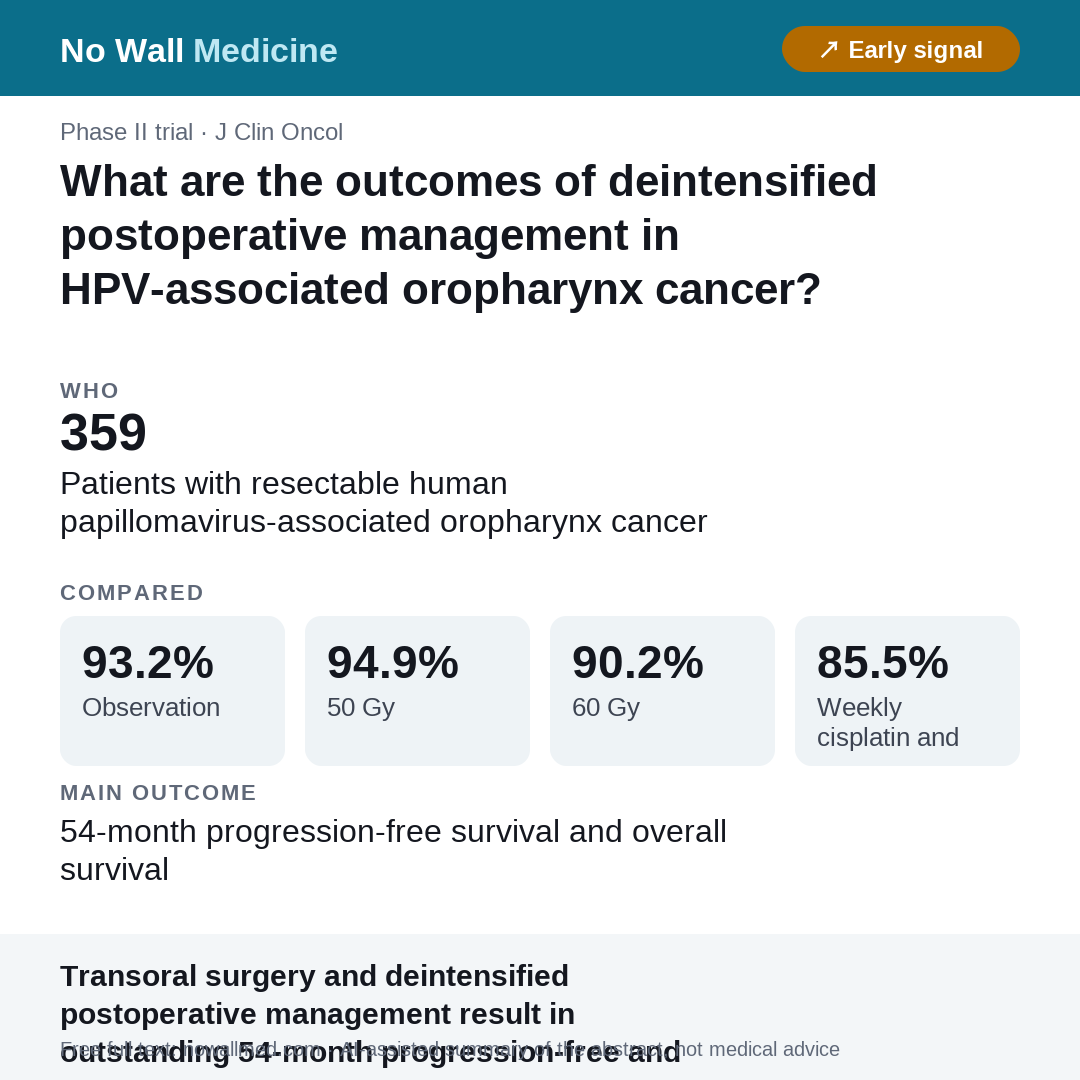
Long-Term Follow-Up of E3311, an ECOG-ACRIN Cancer Research Group Phase II Trial of Transoral Surgery and Risk-Based Adjuvant Treatment in Human Papillomavirus-Initiated Oropharynx Cancer
Phase II trialEarly signal
What are the outcomes of deintensified postoperative management in HPV-associated oropharynx cancer?
Who
359
Patients with resectable human papillomavirus-associated oropharynx cancer
Compared
93.2%Observation (79.6% to 97.8%)
94.9%50 Gy (89.7% to 97.5%)
90.2%60 Gy (82.7% to 94.6%)
85.5%Weekly cisplatin and 60-66 Gy (77.5% to 90.8%)
Main outcome
54-month progression-free survival and overall survival
Bottom line: Transoral surgery and deintensified postoperative management result in outstanding 54-month progression-free and overall survival.
J Clin Oncol · 2025-06-10Download image
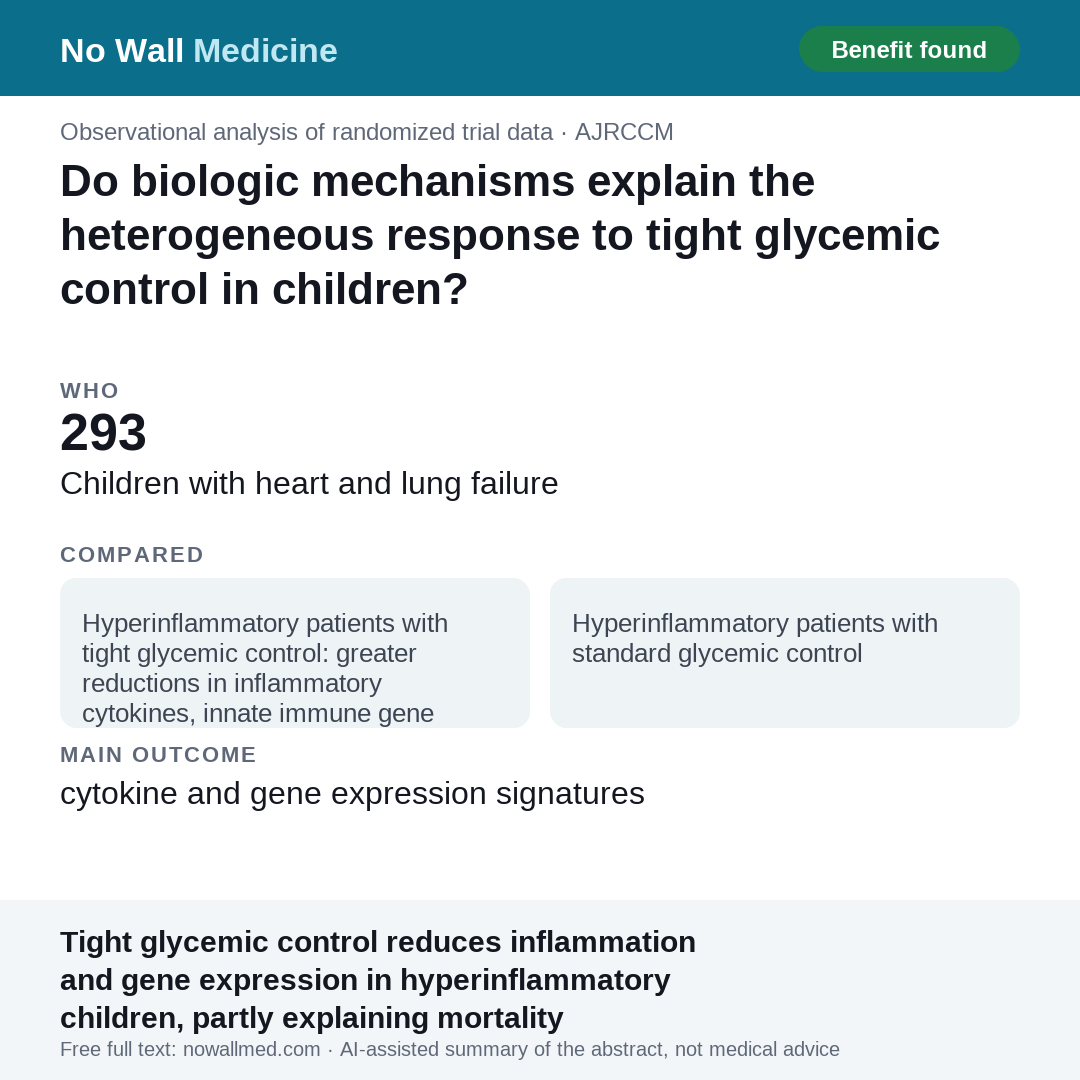
Biologic Mechanisms Underlying the Heterogeneous Response to Tight Glycemic Control among Differentially Inflamed Patients in the HALF-PINT Trial
Observational analysis of randomized trial dataBenefit found
Do biologic mechanisms explain the heterogeneous response to tight glycemic control in children?
Who
293
Children with heart and lung failure
Compared
Hyperinflammatory patients with tight glycemic control: greater reductions in inflammatory cytokines, innate immune gene expression, and heme metabolism gene expression
Hyperinflammatory patients with standard glycemic control
Main outcome
cytokine and gene expression signatures
Bottom line: Tight glycemic control reduces inflammation and gene expression in hyperinflammatory children, partly explaining mortality benefits.
AJRCCM · 2025-06-10Download image
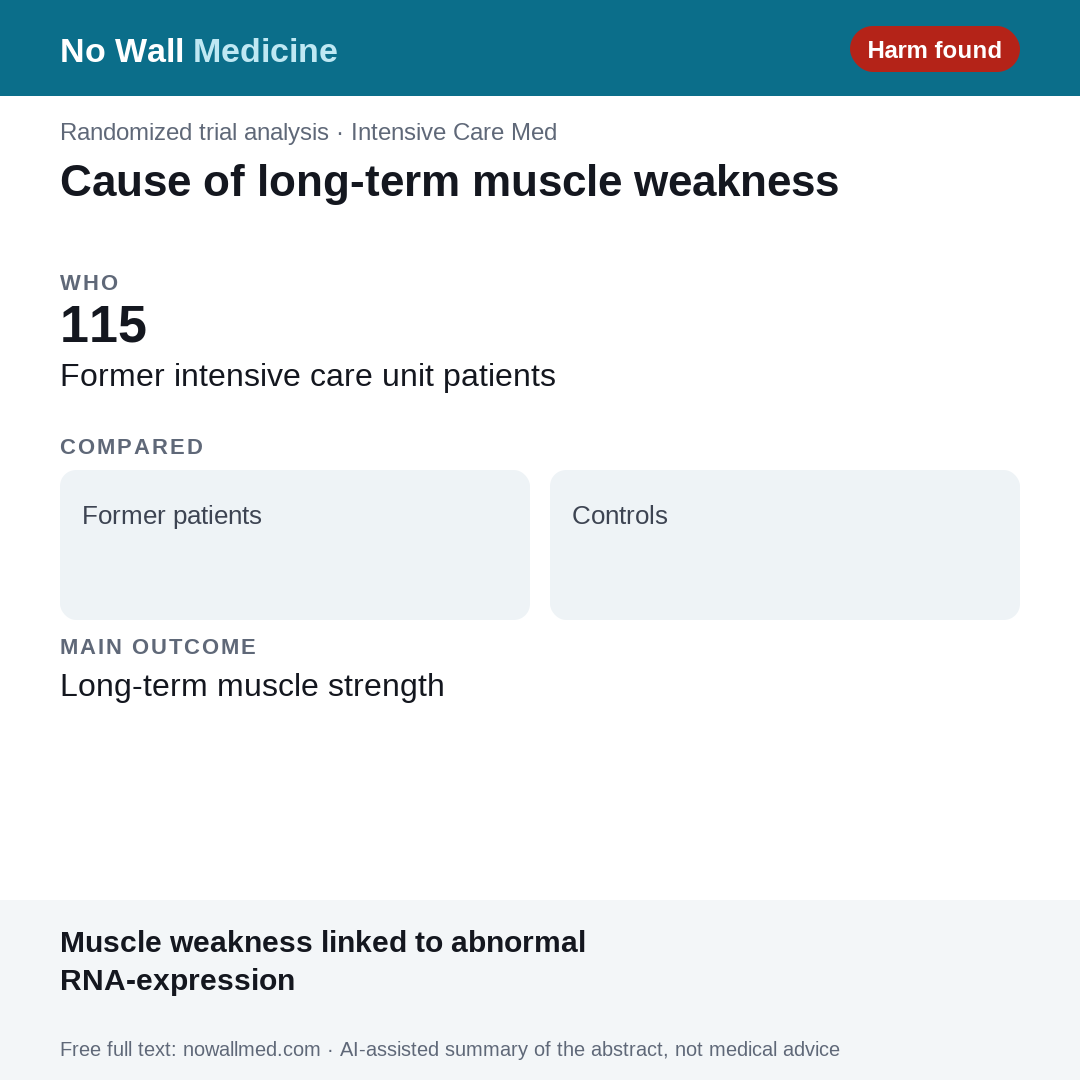
Altered muscle transcriptome as molecular basis of long-term muscle weakness in survivors from critical illness
Randomized trial analysisHarm found
Cause of long-term muscle weakness
Who
115
Former intensive care unit patients
Compared
Former patients
Controls
Main outcome
Long-term muscle strength
Bottom line: Muscle weakness linked to abnormal RNA-expression
Intensive Care Med · 2025-06-10Download image
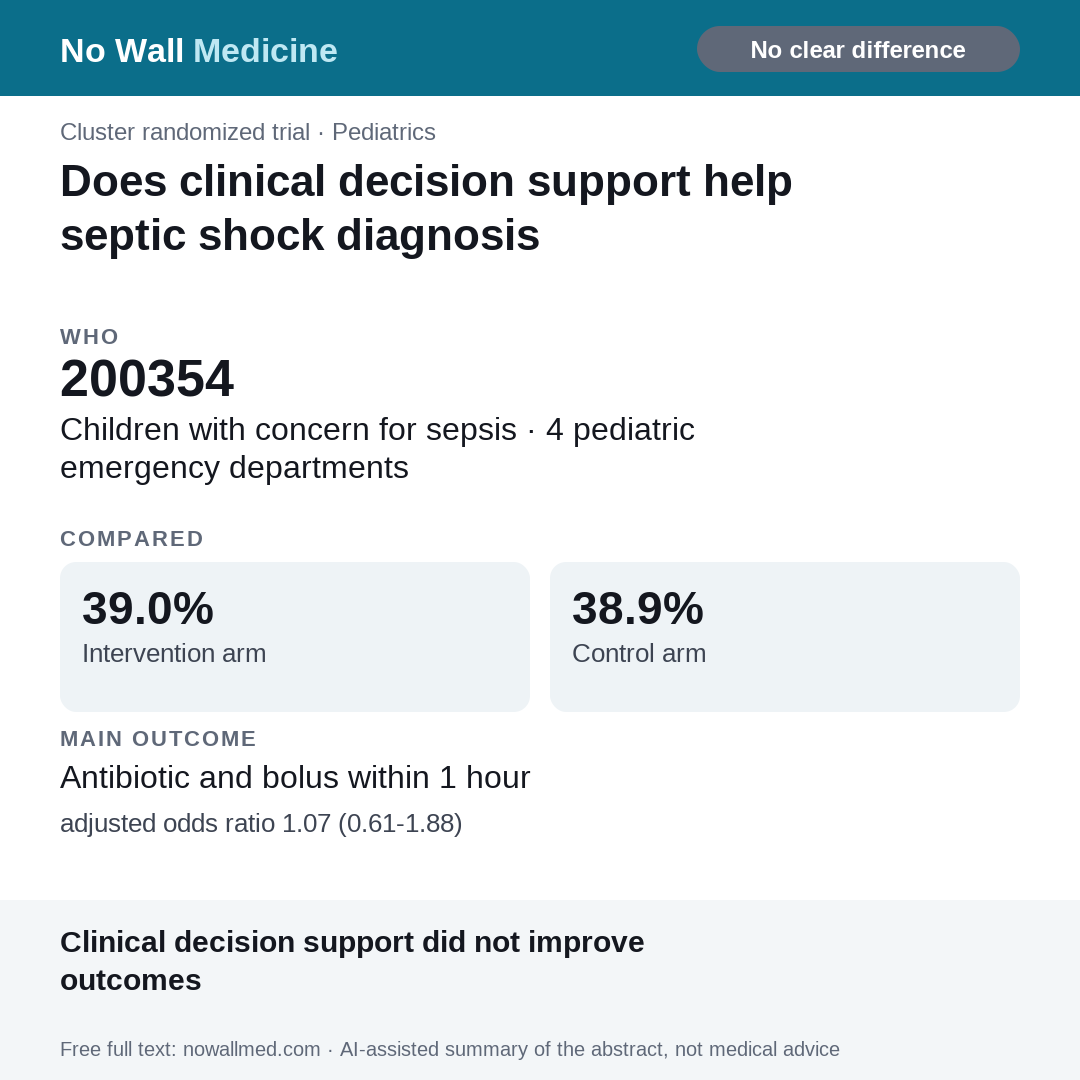
Clinical Decision Support for Septic Shock in the Emergency Department: A Cluster Randomized Trial
Cluster randomized trialNo clear difference
Does clinical decision support help septic shock diagnosis
Who
200354
Children with concern for sepsis · 4 pediatric emergency departments
Compared
39.0%Intervention arm
38.9%Control arm
Main outcome
Antibiotic and bolus within 1 hour
Result: adjusted odds ratio 1.07 (0.61-1.88)
Bottom line: Clinical decision support did not improve outcomes
Pediatrics · 2025-06-10Download image
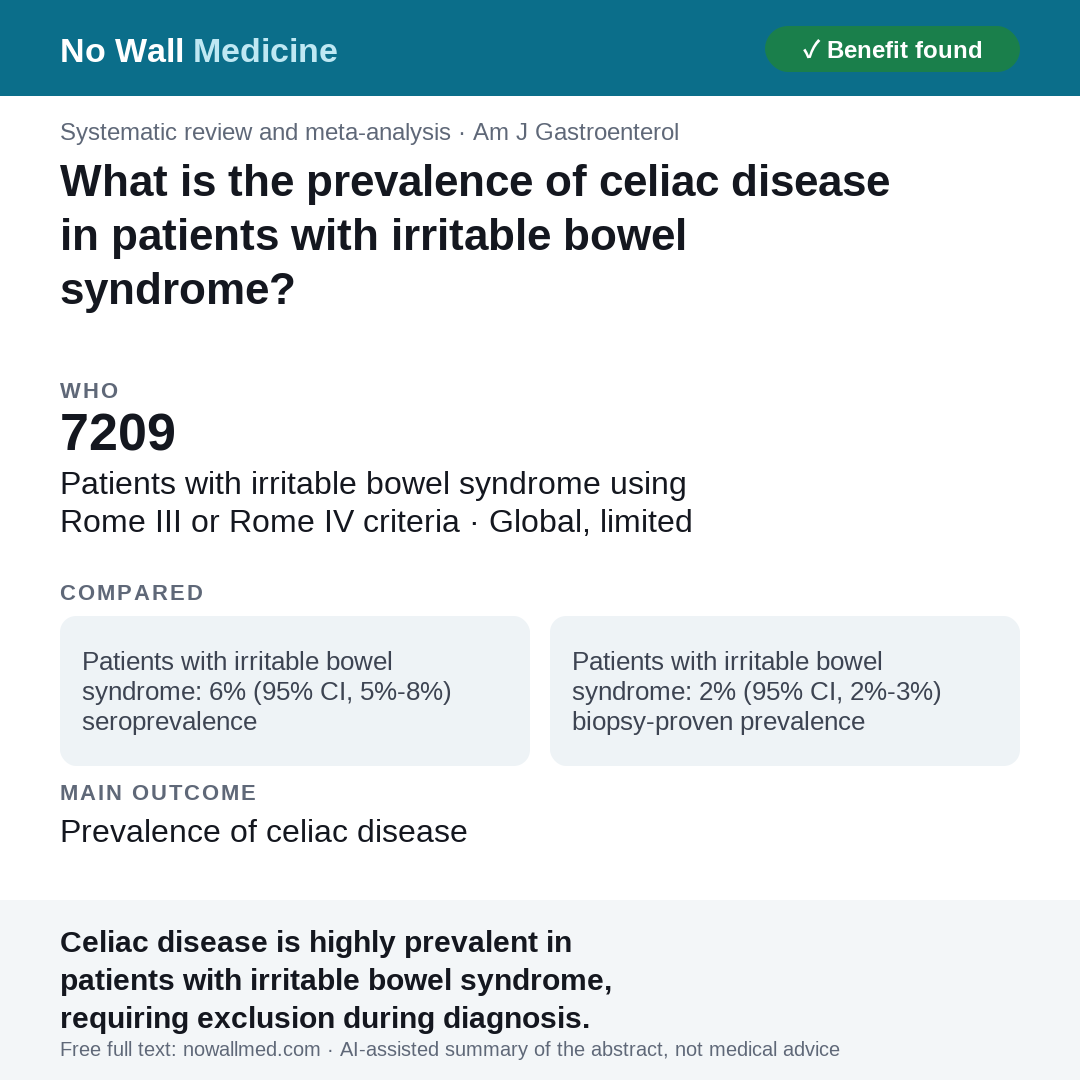
Global Prevalence of Celiac Disease in Patients With Rome III and Rome IV Irritable Bowel Syndrome: A Systematic Review and Meta-Analysis
Systematic review and meta-analysisBenefit found
What is the prevalence of celiac disease in patients with irritable bowel syndrome?
Who
7209
Patients with irritable bowel syndrome using Rome III or Rome IV criteria · Global, limited studies from Europe and no studies from United States
Compared
Patients with irritable bowel syndrome: 6% (95% CI, 5%-8%) seroprevalence
Patients with irritable bowel syndrome: 2% (95% CI, 2%-3%) biopsy-proven prevalence
Main outcome
Prevalence of celiac disease
Result: odds ratio 4.42 (95% CI, 2.82-6.92)
Bottom line: Celiac disease is highly prevalent in patients with irritable bowel syndrome, requiring exclusion during diagnosis.
Limitation: Limited number of studies from Europe and no studies from the United States.
Am J Gastroenterol · 2025-06-10Download image
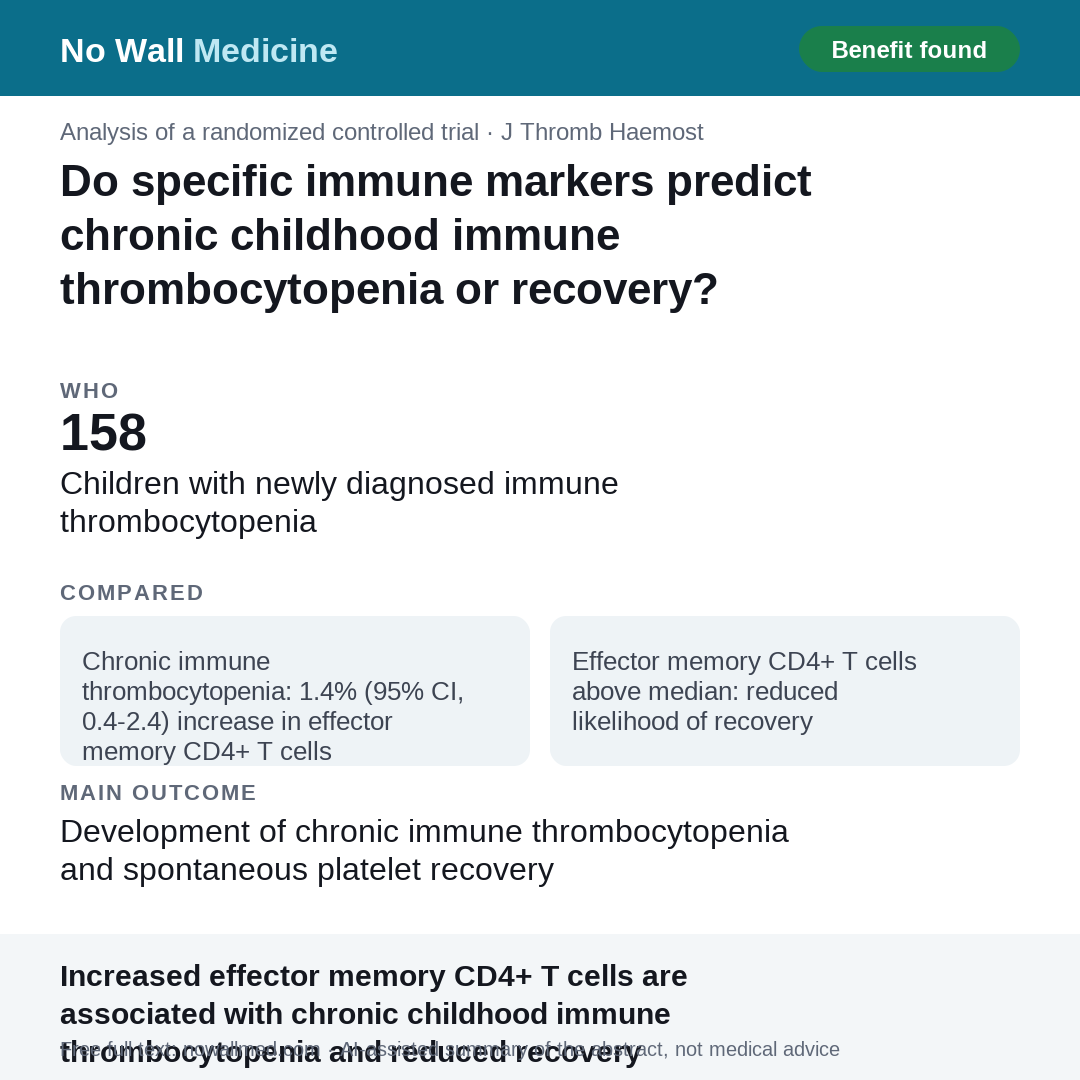
Increased effector memory CD4+ T cells are associated with chronic childhood immune thrombocytopenia
Analysis of a randomized controlled trialKey finding
Do specific immune markers predict chronic childhood immune thrombocytopenia or recovery?
Who
158
Children with newly diagnosed immune thrombocytopenia
Compared
Chronic immune thrombocytopenia: 1.4% (95% CI, 0.4-2.4) increase in effector memory CD4+ T cells
Effector memory CD4+ T cells above median: reduced likelihood of recovery
Main outcome
Development of chronic immune thrombocytopenia and spontaneous platelet recovery
Result: hazard ratio 0.55 (95% CI, 0.35-0.85)
Bottom line: Increased effector memory CD4+ T cells are associated with chronic childhood immune thrombocytopenia and reduced recovery likelihood.
Limitation: Single-cell RNA-sequencing was performed on only 6 children
J Thromb Haemost · 2025-06-10Download image
Dose Dependent Effects of Atropine on Static and Dynamic Pupil and Accommodation Metrics in Young Adults
Double blinded studyMixed results
What are the effects of low-dose atropine on pupil and accommodation metrics?
Who
20
20 healthy adults aged 18 to 35 years
Compared
Placebo
Atropine concentrations (0.01%, 0.025%, 0.05%, 0.1%): significant dose-response effects
Main outcome
static and dynamic pupil and accommodation metrics
Bottom line: Low-dose atropine induces dose-dependent changes in pupil and accommodation metrics in young adults.
Invest Ophthalmol Vis Sci · 2025-06-10Download image

Relationship of Choroidal Thickness With Age-Related Macular Degeneration in Asians: An Asian Eye Epidemiology Consortium Meta-Analysis
Meta-analysis of 8 population-based studiesMixed results
How does choroidal thickness relate to different stages of age-related macular degeneration in Asians?
Who
13,116
Asian participants with various stages of age-related macular degeneration · China, Iran, Japan, and Singapore
Compared
No age-related macular degeneration: 255.4 µm
Early age-related macular degeneration: 263.59 µm
Intermediate age-related macular degeneration: 270.64 µm
Neovascular age-related macular degeneration: 273.32 µm
Main outcome
Choroidal thickness
Result: β = 11.51; 95% confidence interval 4.10-18.92
Bottom line: Age-related macular degeneration is associated with a thicker choroid in early, intermediate, and neovascular stages, but not geographic atrophy.
Invest Ophthalmol Vis Sci · 2025-06-10Download image

Benefits and complications of fetal and postnatal surgery for open spina bifida: systematic review and proportional meta-analysis
Systematic review and proportional meta-analysisMixed results
What are the maternal, fetal, and pediatric outcomes of prenatal versus postnatal surgery for open spina bifida?
Who
Patients undergoing pre- or postnatal surgery for open spina bifida
Compared
Prenatal surgery (open classical hysterotomy): 72% walking at 30 months
Prenatal surgery (open minihysterotomy): 66% walking at 30 months
Prenatal surgery (percutaneous fetoscopy): 81% walking at 30 months
Postnatal surgery: 57% walking at 30 months
Main outcome
maternal, fetal and pediatric outcomes up to 30 months
Bottom line: Prenatal surgery approaches offer varying benefits and complications compared to postnatal surgery for open spina bifida repair.
Ultrasound Obstet Gynecol · 2025-06-10Download image

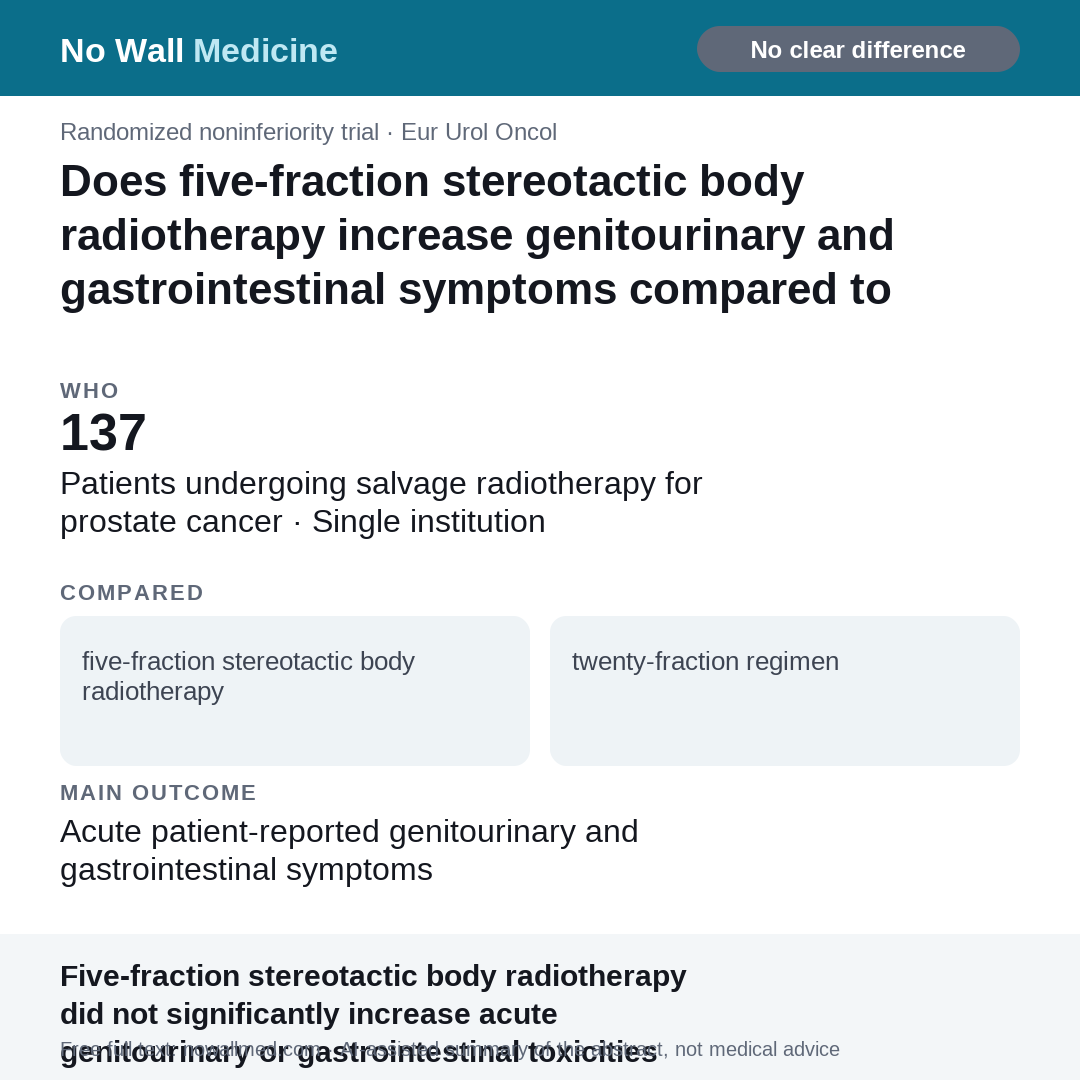
A Randomized Controlled Phase 2 Trial Comparing Salvage Radiotherapy for Prostate Cancer Delivered in 4 Versus 2 Weeks (SHORTER): Acute Genitourinary and Gastrointestinal Patient-reported Outcomes at a Single Institution
Randomized noninferiority trialNo clear difference
Does five-fraction stereotactic body radiotherapy increase genitourinary and gastrointestinal symptoms compared to twenty fractions?
Who
137
Patients undergoing salvage radiotherapy for prostate cancer · Single institution
Compared
five-fraction stereotactic body radiotherapy
twenty-fraction regimen
Main outcome
Acute patient-reported genitourinary and gastrointestinal symptoms
Result: EPIC GU difference 3.3 (95% CI -8.53, 1.93); EPIC GI difference 1.16 (95% CI -5.15, 7.46)
Bottom line: Five-fraction stereotactic body radiotherapy did not significantly increase acute genitourinary or gastrointestinal toxicities compared to twenty fractions.
Limitation: Further follow-up is necessary to monitor for potential differences in late toxicity.
Eur Urol Oncol · 2025-06-10Download image
Adverse Outcomes Associated With Short-Acting Beta-Agonist Overuse in Asthma: A Systematic Review and Meta-Analysis
Systematic review and meta-analysisHarm found
Are short-acting beta-agonist overuse and asthma associated with adverse outcomes?
Who
Patients with asthma
Compared
Short-acting beta-agonist overuse: 2743 of 130,629 mortality; 60,320 of 165,271 exacerbations
Controls: 3534 of 300,451 mortality; 84,439 of 376,845 exacerbations
Main outcome
All-cause mortality and acute exacerbations
Result: RR 2.04 (95% CI 1.37-3.04) for mortality; RR 1.93 (95% CI 1.24-3.03) for exacerbations
Bottom line: Short-acting beta-agonist overuse is associated with increased mortality and acute exacerbations in patients with asthma.
Allergy · 2025-06-10Download image

Neurophysiological outcomes that sustained clinically significant improvements over 3 years of physiologic ECAP-controlled closed-loop spinal cord stimulation for the treatment of chronic pain
Double-blind randomized controlled trialBenefit found
Does physiologic closed-loop spinal cord stimulation provide durable pain relief over 36 months?
Who
41
Patients with chronic back and leg pain
Compared
Closed-loop spinal cord stimulation: 83% with ≥50% pain reduction
Closed-loop spinal cord stimulation: 59% with ≥80% pain reduction
Main outcome
Proportion of patients with ≥50% and ≥80% pain reduction
Bottom line: Closed-loop spinal cord stimulation provides durable pain relief with no loss of therapeutic effect through 36 months.
Reg Anesth Pain Med · 2025-06-10Download image

FDA and EMA-approved noninvasive imaging techniques for basal cell carcinoma subtyping: A systematic review
Systematic reviewKey finding
What is the diagnostic accuracy of approved noninvasive imaging for basal cell carcinoma subtyping?
Who
2650
2650 basal cell carcinoma lesions
Compared
Dermoscopy: 81.9% sensitivity, 81.8% specificity for superficial basal cell carcinoma
Dermoscopy-guided high-frequency ultrasound: 82.4% sensitivity, 91.3% specificity
Line-field confocal optical coherence tomography: 100% sensitivity for infiltrative basal cell carcinoma
High-definition optical coherence tomography: 100% sensitivity for superficial basal cell carcinoma
Main outcome
Diagnostic accuracy of noninvasive imaging techniques
Bottom line: Line-field confocal optical coherence tomography and high-definition optical coherence tomography offer the highest accuracy for subtyping.
Limitation: Study heterogeneity and inconsistent protocols limit comparability.
JAAD Int · 2025-06-10Download image

Preoperative Risk Factors for Failure After Fixed Sling Implantation for Postprostatectomy Stress Urinary Incontinence (FORESEE): A Systematic Review and Meta-analysis
Systematic review and meta-analysisMixed results
What are the preoperative risk factors for failure after fixed sling implantation?
Who
5696
Patients undergoing fixed sling implantation for postprostatectomy stress urinary incontinence
Compared
High certainty risk factors: pelvic irradiation, 24-h pad use, and 24-h urine loss
Moderate certainty risk factors: urethral stricture, previous incontinence therapy, detrusor overactivity, higher Male Stress Incontinence Grading Scale score, and unfavourable repositioning test
Main outcome
failure after fixed sling implantation
Bottom line: Several preoperative risk factors, including pelvic irradiation and urine loss, are associated with fixed sling failure.
Limitation: Heterogeneity and suboptimal study quality are the main limitations.
Eur Urol Open Sci · 2025-06-10Download image

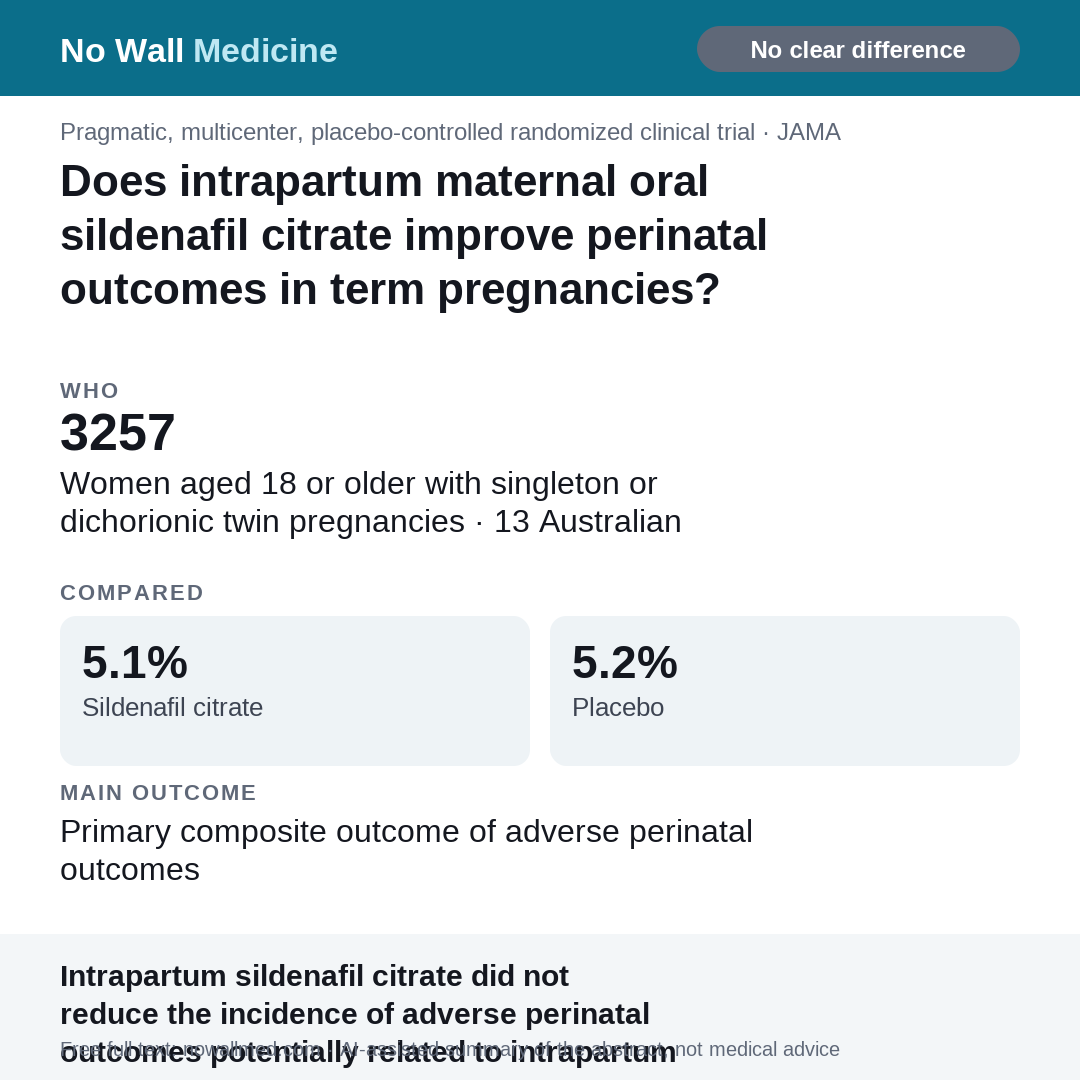
Intrapartum Sildenafil to Improve Perinatal Outcomes: A Randomized Clinical Trial
Pragmatic, multicenter, placebo-controlled randomized clinical trialNo clear difference
Does intrapartum maternal oral sildenafil citrate improve perinatal outcomes in term pregnancies?
Who
3257
Women aged 18 or older with singleton or dichorionic twin pregnancies · 13 Australian hospitals
Compared
5.1%Sildenafil citrate (83/1625)
5.2%Placebo (84/1625)
Main outcome
Primary composite outcome of adverse perinatal outcomes
Result: relative risk 1.02 (95% CI 0.75-1.37)
Bottom line: Intrapartum sildenafil citrate did not reduce the incidence of adverse perinatal outcomes potentially related to intrapartum hypoxia.
JAMA · 2025-06-09Download image
Music therapy for the treatment of anxiety: a systematic review with multilevel meta-analyses
Meta-analysis of 51 trialsBenefit found
Music therapy for anxiety treatment
Who
10210
patients with anxiety · multiple settings
Compared
Music therapy: g = 0.357
Control
Main outcome
anxiety symptoms
Result: g = 0.357 (0.201 to 0.514)
Bottom line: Music therapy reduces anxiety symptoms
Funded by: University of Melbourne and NHL Stenden
eClinicalMedicine · 2025-06-09Download image

Global HPV vaccination programs and coverage rates: a systematic review
Systematic reviewKey finding
What is the status of global human papillomavirus vaccination programs and coverage rates?
Who
Girls aged 9-14 years in 194 WHO member states · Global, 194 WHO member states
Compared
61.6%First dose coverage (95% CI: 50.9%-71.8%)
47.6%Full dose coverage (39.7%-57.4%)
Main outcome
Human papillomavirus vaccination coverage rates
Bottom line: Global human papillomavirus vaccination coverage remains significantly below the 90% target for both first and full doses.
Funded by: CAMS Innovation Fund; National High Level Hospital Clinical Research Funding; Sanming Project
eClinicalMedicine · 2025-06-09Download image

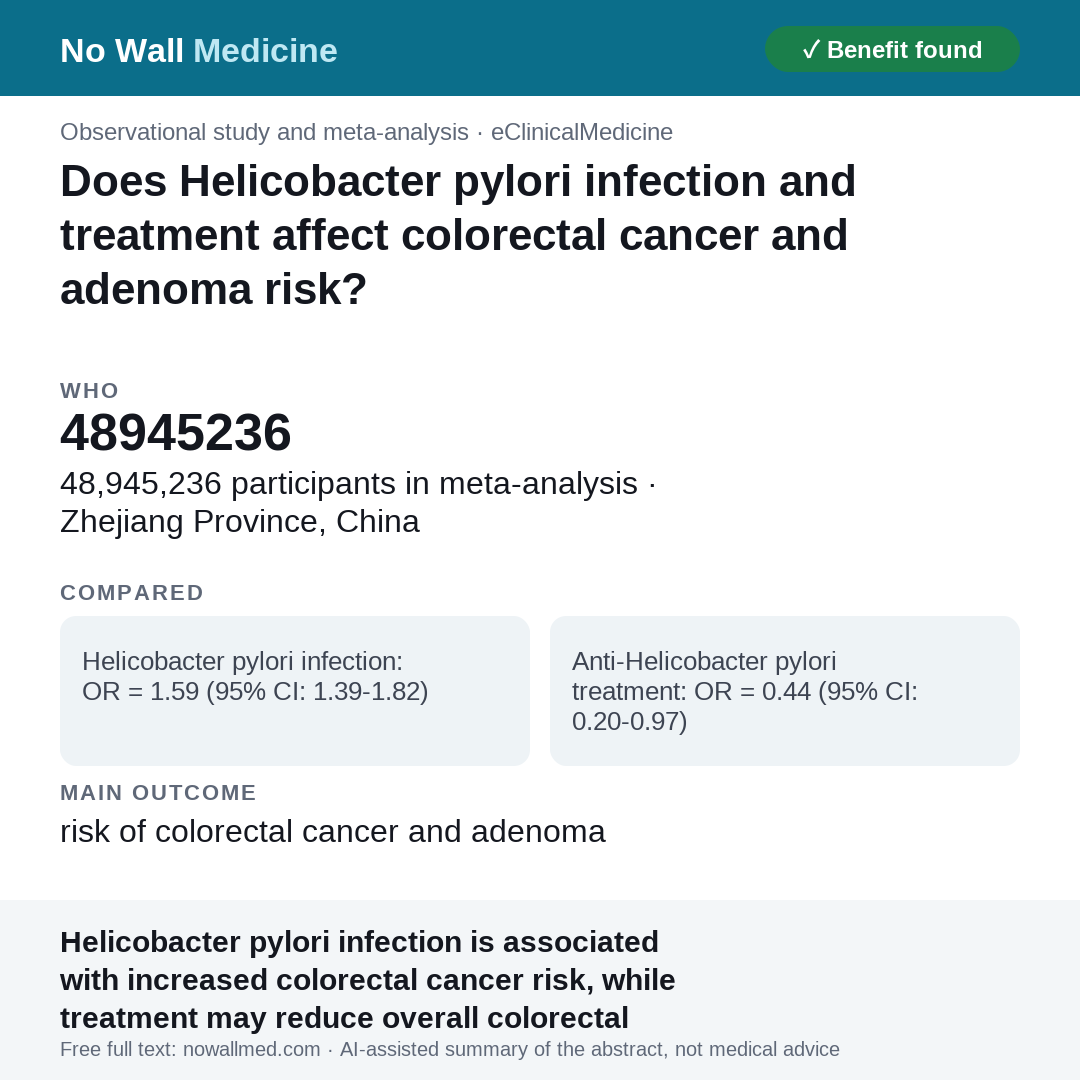
Helicobacter pylori infection, anti-Helicobacter pylori treatment and risk of colorectal cancer and adenoma: an observational study and a meta-analysis
Observational study and meta-analysisBenefit found
Does Helicobacter pylori infection and treatment affect colorectal cancer and adenoma risk?
Who
48945236
48,945,236 participants in meta-analysis · Zhejiang Province, China
Compared
Helicobacter pylori infection: OR = 1.59 (95% CI: 1.39-1.82)
Anti-Helicobacter pylori treatment: OR = 0.44 (95% CI: 0.20-0.97)
Main outcome
risk of colorectal cancer and adenoma
Result: OR = 1.49 (95% CI: 1.39-1.60) for overall colorectal neoplasia
Bottom line: Helicobacter pylori infection is associated with increased colorectal cancer risk, while treatment may reduce overall colorectal neoplasia risk.
Limitation: Effect of treatment necessitates further investigation through large-scale, randomized controlled trials with prolonged follow-up.
Funded by: National Natural Science Foundation of China and others
eClinicalMedicine · 2025-06-09Download image
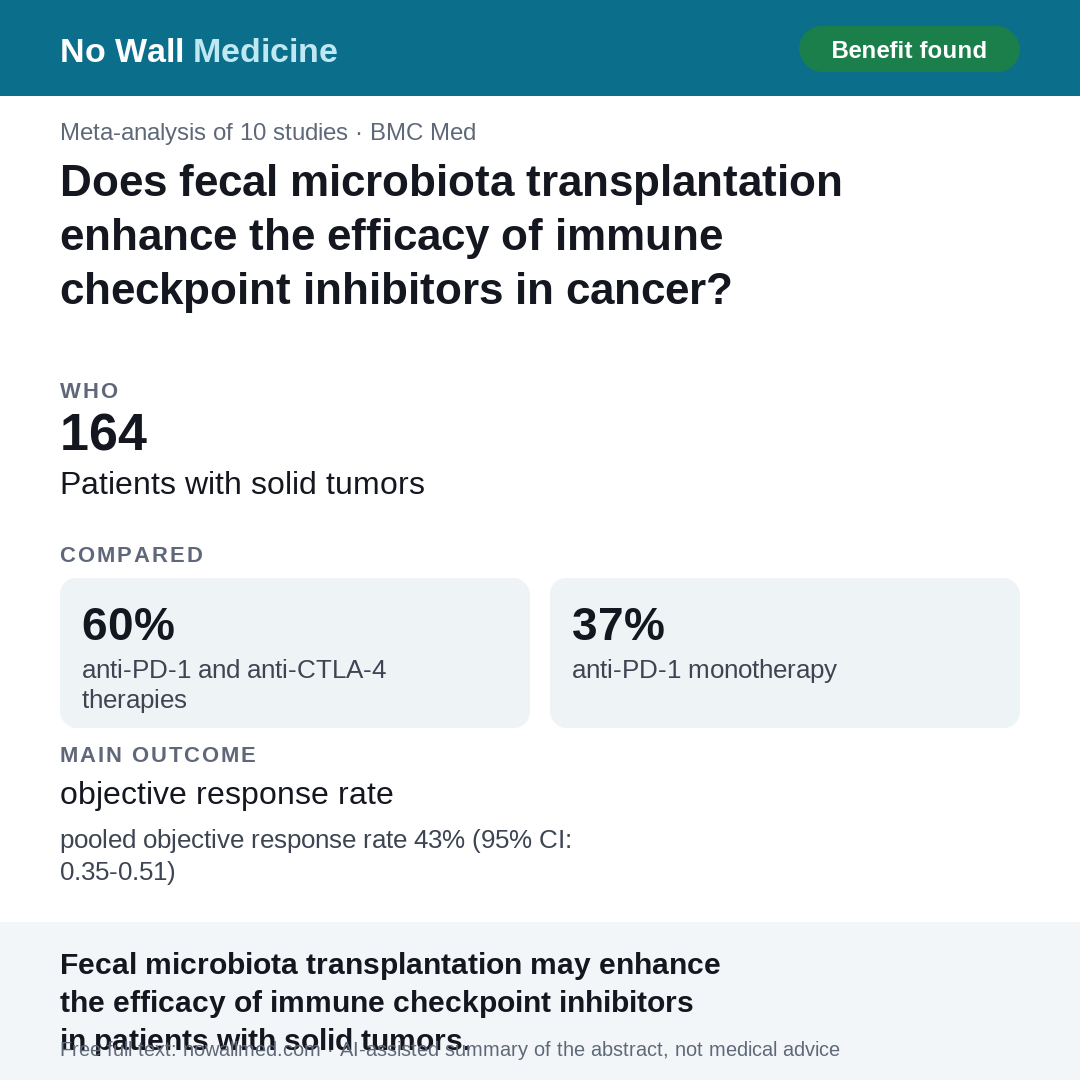
Microbiota boost immunotherapy? A meta-analysis dives into fecal microbiota transplantation and immune checkpoint inhibitors
Meta-analysis of 10 studiesBenefit found
Does fecal microbiota transplantation enhance the efficacy of immune checkpoint inhibitors in cancer?
Who
164
Patients with solid tumors
Compared
60%anti-PD-1 and anti-CTLA-4 therapies
37%anti-PD-1 monotherapy
Main outcome
objective response rate
Result: pooled objective response rate 43% (95% CI: 0.35-0.51)
Bottom line: Fecal microbiota transplantation may enhance the efficacy of immune checkpoint inhibitors in patients with solid tumors.
Limitation: larger-scale randomized controlled trials with long-term follow-up are required
BMC Med · 2025-06-09Download image