Visual abstracts
New randomized trials and meta-analyses from leading journals at a glance: who was studied, what was compared, and what was found. Every paper is free to read in full.
All specialtiesCardiology 1219Oncology 1062Gastroenterology & Hepatology 428Infectious Disease 802Neurology 504Psychiatry & Mental Health 616Pulmonology 514Critical Care 355Endocrinology & Diabetes 678Pediatrics 724Surgery 542Orthopedics & Sports Medicine 229Neurosurgery 164Cardiothoracic & Vascular Surgery 135Plastic & Reconstructive Surgery 188Nephrology 255Rheumatology 161Hematology 252Dermatology 120Ophthalmology 137Obstetrics & Gynecology 380Public & Global Health 241Radiology & Imaging 159Anesthesiology 219Urology 219ENT (Otolaryngology) 168Emergency Medicine 131Allergy & Immunology 84Geriatrics 250Family Medicine & Primary Care 150Medical Genetics & Genomics 126Pathology & Laboratory Medicine 37Physical Medicine & Rehabilitation 209Palliative Care 109Nutrition 314Digital Health & AI 612General Medicine 114
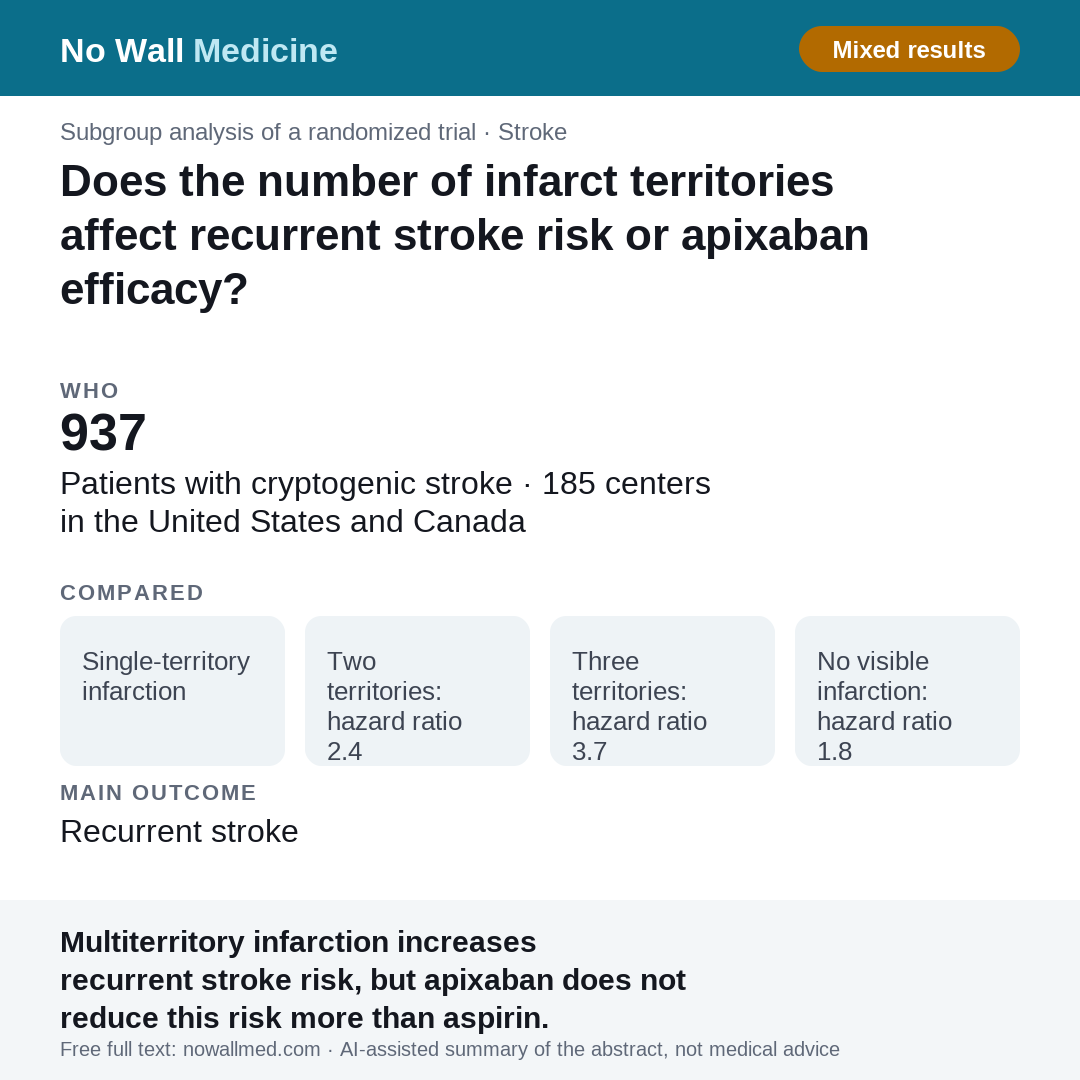
Multiterritory Brain Infarcts, Anticoagulation, and Recurrence After Cryptogenic Stroke: A Subgroup Analysis of the ARCADIA Trial
Subgroup analysis of a randomized trialMixed results
Does the number of infarct territories affect recurrent stroke risk or apixaban efficacy?
Who
937
Patients with cryptogenic stroke · 185 centers in the United States and Canada
Compared
Single-territory infarction
Two territories: hazard ratio 2.4
Three territories: hazard ratio 3.7
No visible infarction: hazard ratio 1.8
Main outcome
Recurrent stroke
Result: hazard ratio 2.4 (95% CI 1.3-4.2) for 2 territories; hazard ratio 3.7 (95% CI 1.5-9.3) for 3 territories
Bottom line: Multiterritory infarction increases recurrent stroke risk, but apixaban does not reduce this risk more than aspirin.
Stroke · 2025-12-05Download image
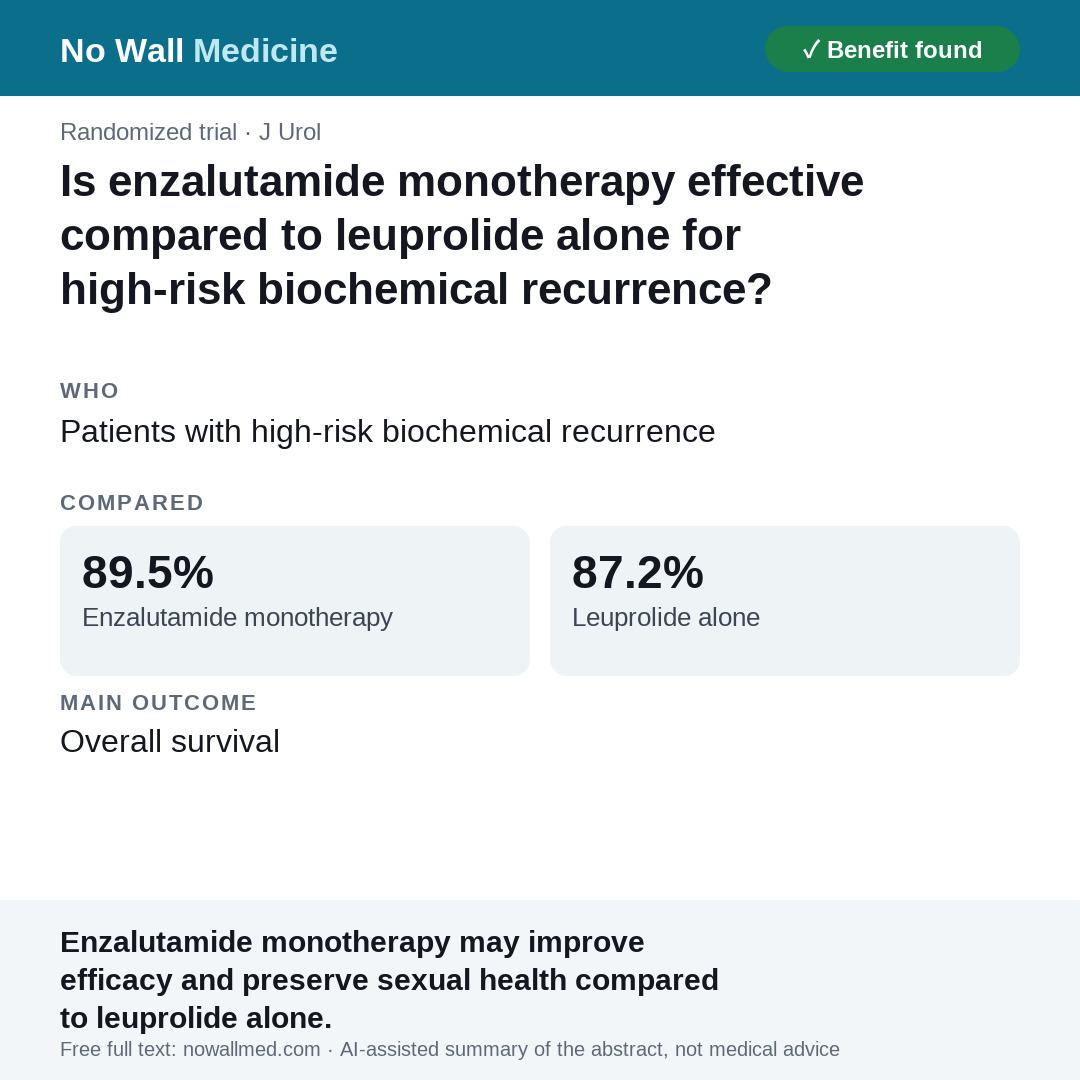
Enzalutamide Monotherapy for the Treatment of Prostate Cancer With High-Risk Biochemical Recurrence: EMBARK Secondary End Points
Randomized trialBenefit found
Is enzalutamide monotherapy effective compared to leuprolide alone for high-risk biochemical recurrence?
Who
Patients with high-risk biochemical recurrence
Compared
89.5%Enzalutamide monotherapy (85.6-92.4)
87.2%Leuprolide alone (83.0-90.4)
Main outcome
Overall survival
Bottom line: Enzalutamide monotherapy may improve efficacy and preserve sexual health compared to leuprolide alone.
J Urol · 2025-12-05Download image
Herbal galactagogues to improve breastmilk production and lactation in mothers of preterm babies: a systematic review of clinical trials
Systematic review of randomized controlled trialsBenefit found
Do herbal galactagogues safely and effectively increase lactation in mothers of preterm babies?
Who
Mothers who delivered prematurely
Compared
Herbal galactagogues: low certainty evidence of an increase in milk volumes
Control
Main outcome
breastmilk production
Bottom line: Low certainty evidence suggests certain herbal galactagogues increase breastmilk production in mothers of preterm infants.
Limitation: There is a lack of high-quality randomized controlled trials in this population.
Eur J Clin Nutr · 2025-12-05Download image

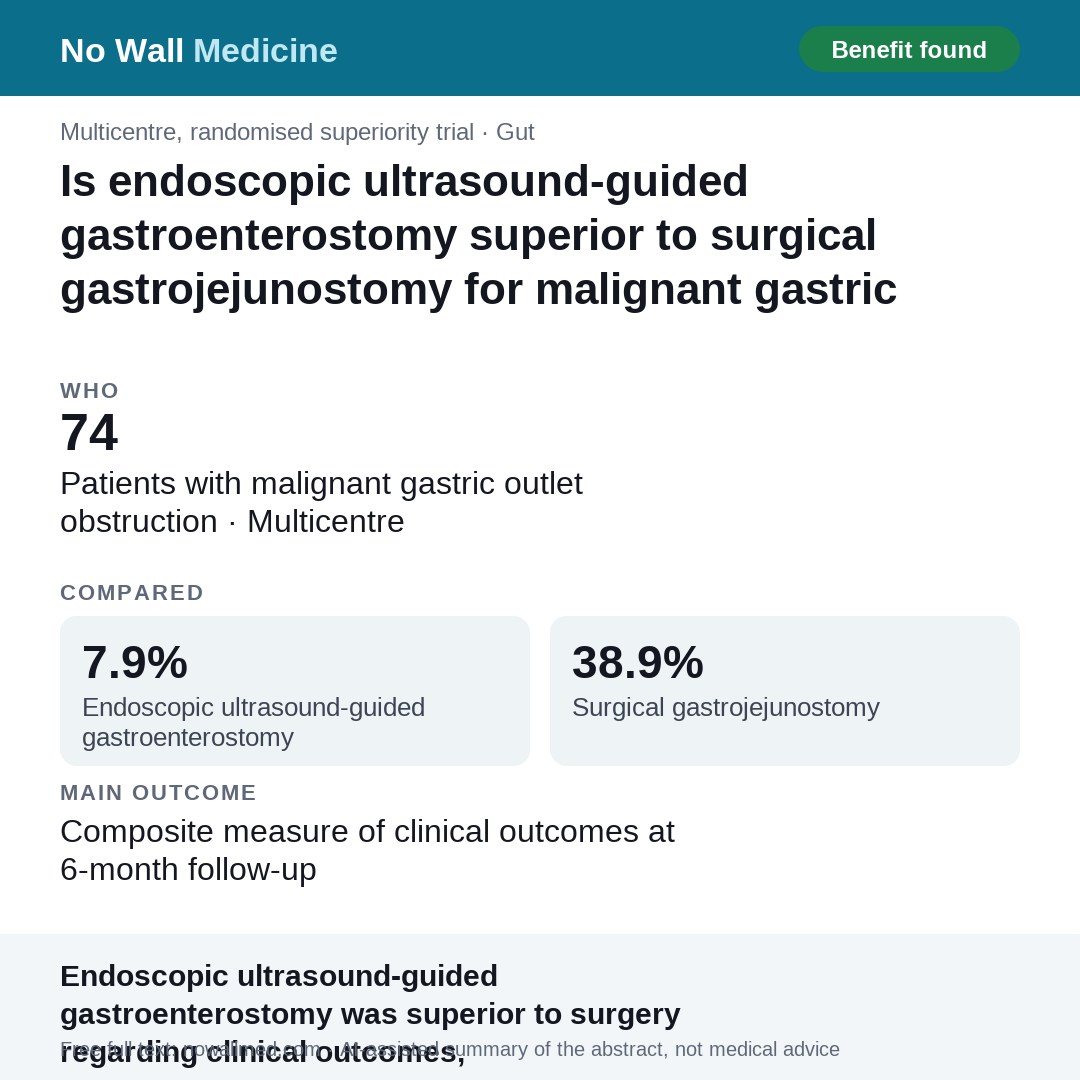
Endoscopic or surgical gastroenterostomy for malignant gastric outlet obstruction: a randomised trial
Multicentre, randomised superiority trialBenefit found
Is endoscopic ultrasound-guided gastroenterostomy superior to surgical gastrojejunostomy for malignant gastric outlet obstruction?
Who
74
Patients with malignant gastric outlet obstruction · Multicentre
Compared
7.9%Endoscopic ultrasound-guided gastroenterostomy
38.9%Surgical gastrojejunostomy
Main outcome
Composite measure of clinical outcomes at 6-month follow-up
Result: risk difference -31.0%, 95% CI -47.6% to -11.4%
Bottom line: Endoscopic ultrasound-guided gastroenterostomy was superior to surgery regarding clinical outcomes, hospitalisation, quality of life, and costs.
Gut · 2025-12-05Download image
Skeletal muscle relaxant for the treatment of fibromyalgia: a systematic review and meta-analysis of randomized controlled trials
Meta-analysis of 14 randomized controlled trialsBenefit found
Do skeletal muscle relaxants improve pain intensity in patients with fibromyalgia?
Who
1851
Patients with fibromyalgia
Compared
Muscle relaxants
Placebo or active treatment
Main outcome
Pain intensity measured by standardized mean difference
Result: standardized mean difference -0.24 (95% CI -0.32 to -0.15)
Bottom line: Muscle relaxants provide a small but statistically significant reduction in pain intensity for fibromyalgia patients.
Reg Anesth Pain Med · 2025-12-05Download image

Dexamethasone as a perineural adjuvant to a ropivacaine popliteal sciatic nerve block for pediatric foot surgery: a randomized, double-blind, placebo-controlled trial
Randomized, double-blind, placebo-controlled trialBenefit found
Does perineural dexamethasone affect block duration and opioid requirement in pediatric foot surgery?
Who
90
90 children aged 2-5 years undergoing foot or ankle surgery
Compared
0.5% ropivacaine with saline: 8.5 hours, SD 1.5 hours
0.5% ropivacaine plus dexamethasone 0.1 mg/kg: 18.4 hours, SD 2.6 hours
0.5% ropivacaine plus dexamethasone 0.05 mg/kg: 16 hours, SD 2.8 hours
Main outcome
time to first rescue opioid analgesia
Result: mean difference 2.2 hours (95% CI 0.7 to 3.6)
Bottom line: Perineural dexamethasone significantly prolonged motor block duration and time to first rescue opioid analgesia in children.
Reg Anesth Pain Med · 2025-12-05Download image

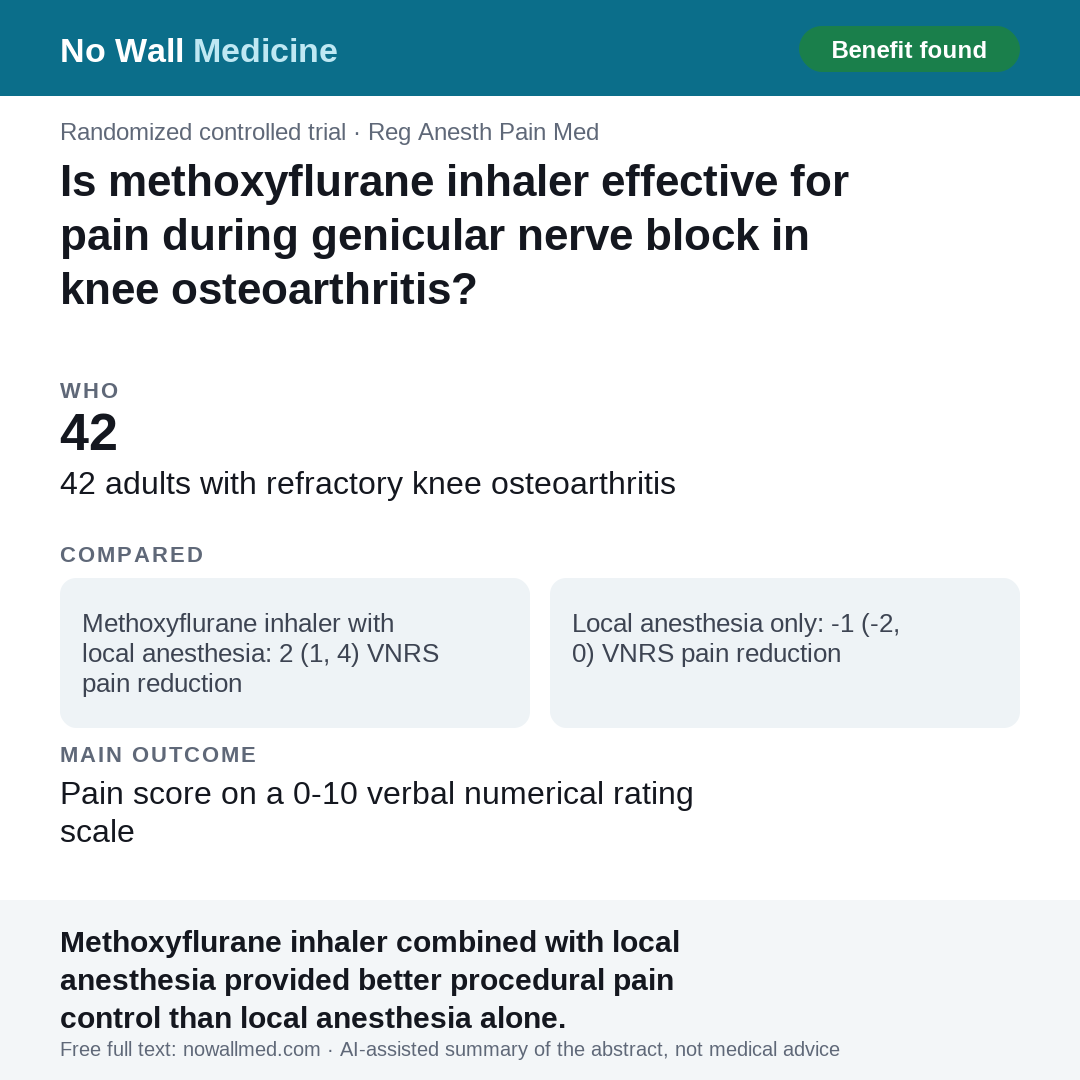
Analgesic effectiveness of methoxyflurane inhaler during genicular nerve block in knee osteoarthritis: a randomized controlled trial
Randomized controlled trialBenefit found
Is methoxyflurane inhaler effective for pain during genicular nerve block in knee osteoarthritis?
Who
42
42 adults with refractory knee osteoarthritis
Compared
Methoxyflurane inhaler with local anesthesia: 2 (1, 4) VNRS pain reduction
Local anesthesia only: -1 (-2, 0) VNRS pain reduction
Main outcome
Pain score on a 0-10 verbal numerical rating scale
Bottom line: Methoxyflurane inhaler combined with local anesthesia provided better procedural pain control than local anesthesia alone.
Reg Anesth Pain Med · 2025-12-05Download image
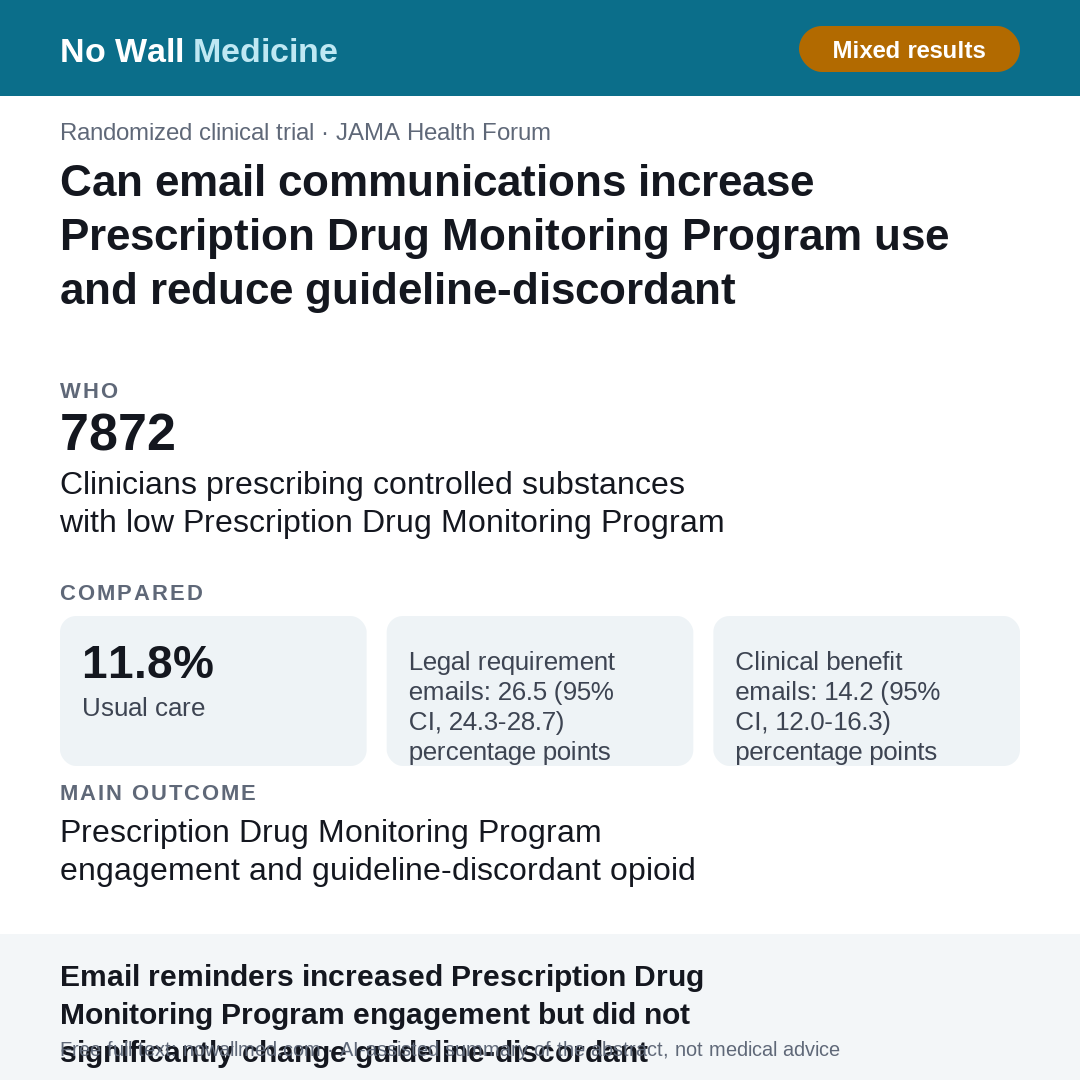
Prescription Drug Monitoring Program Reminder Emails, Program Use, and Prescribing: A Randomized Clinical Trial
Randomized clinical trialMixed results
Can email communications increase Prescription Drug Monitoring Program use and reduce guideline-discordant prescribing?
Who
7872
Clinicians prescribing controlled substances with low Prescription Drug Monitoring Program engagement · Minnesota, United States
Compared
11.8%Usual care (309 clinicians)
Legal requirement emails: 26.5 (95% CI, 24.3-28.7) percentage points
Clinical benefit emails: 14.2 (95% CI, 12.0-16.3) percentage points
Main outcome
Prescription Drug Monitoring Program engagement and guideline-discordant opioid prescribing
Bottom line: Email reminders increased Prescription Drug Monitoring Program engagement but did not significantly change guideline-discordant opioid prescribing.
Limitation: Emails did not trigger large-scale changes in prescribing.
JAMA Health Forum · 2025-12-05Download image
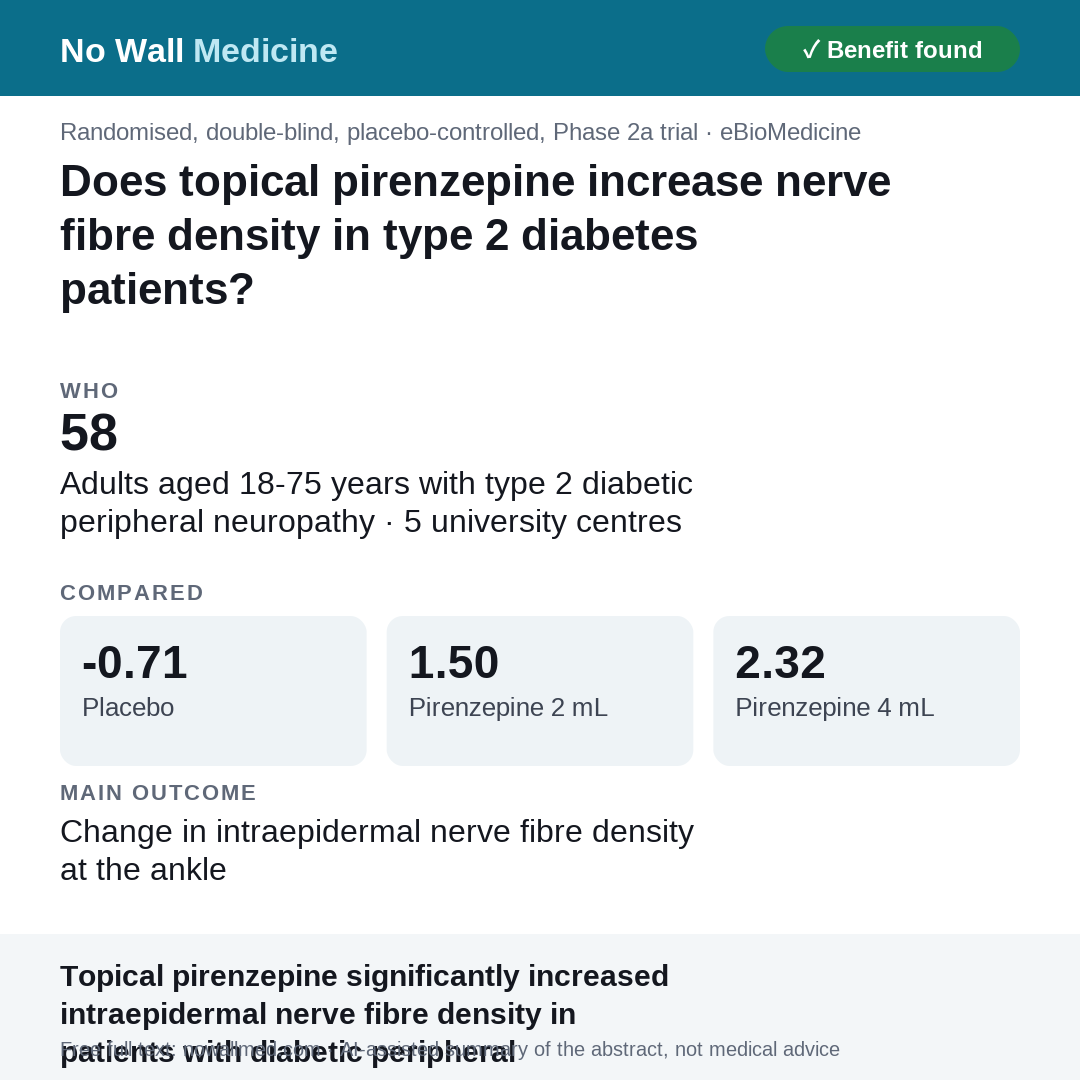
Topical application of the antimuscarinic pirenzepine increased lower limb nerve fibre density in a phase 2a study in type 2 patients with diabetes with peripheral neuropathy
Randomised, double-blind, placebo-controlled, Phase 2a trialBenefit found
Does topical pirenzepine increase nerve fibre density in type 2 diabetes patients?
Who
58
Adults aged 18-75 years with type 2 diabetic peripheral neuropathy · 5 university centres in Canada
Compared
-0.71Placebo (p = 0.39)
1.50Pirenzepine 2 mL (p = 0.048)
2.32Pirenzepine 4 mL (p = 0.006)
Main outcome
Change in intraepidermal nerve fibre density at the ankle
Bottom line: Topical pirenzepine significantly increased intraepidermal nerve fibre density in patients with diabetic peripheral neuropathy.
Limitation: Potential bias in per protocol analysis for quality of life scores.
eBioMedicine · 2025-12-05Download image
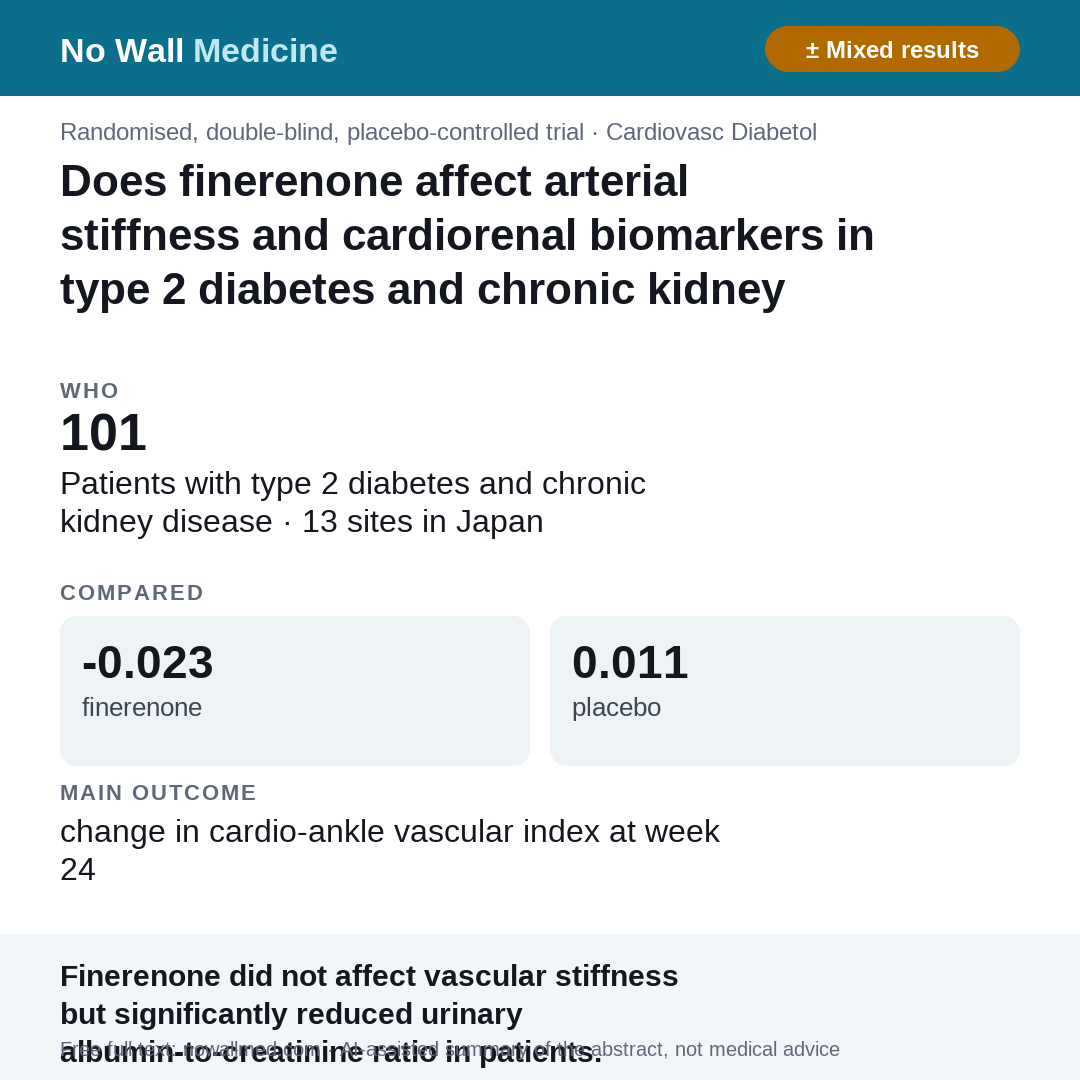
Effects of finerenone on arterial stiffness and cardiorenal biomarkers in patients with type 2 diabetes and chronic kidney disease: a randomised placebo-controlled mechanistic trial (FIVE-STAR)
Randomised, double-blind, placebo-controlled trialMixed results
Does finerenone affect arterial stiffness and cardiorenal biomarkers in type 2 diabetes and chronic kidney disease?
Who
101
Patients with type 2 diabetes and chronic kidney disease · 13 sites in Japan
Compared
-0.023finerenone (95% CI, -0.299 to 0.254)
0.011placebo (95% CI, -0.245 to 0.267)
Main outcome
change in cardio-ankle vascular index at week 24
Result: -0.057 (95% CI, -0.428 to 0.314)
Bottom line: Finerenone did not affect vascular stiffness but significantly reduced urinary albumin-to-creatinine ratio in patients.
Cardiovasc Diabetol · 2025-12-05Download image
Homologous recombination repair status in advanced endometrial cancer: an exploratory biomarker analysis from the randomized, phase II MITOEND 3 trial
Randomized, phase II trialUnclear result
What is the incidence of homologous recombination deficiency in advanced endometrial cancer?
Who
102
Patients with advanced endometrial cancer · Multicenter
Compared
5HRD signature positive
90HRD signature negative
Main outcome
Incidence of homologous recombination deficiency using genomic loss of heterozygosity and signature
Bottom line: A small subgroup of advanced endometrial cancer patients shows homologous recombination deficiency positivity.
ESMO Open · 2025-12-05Download image

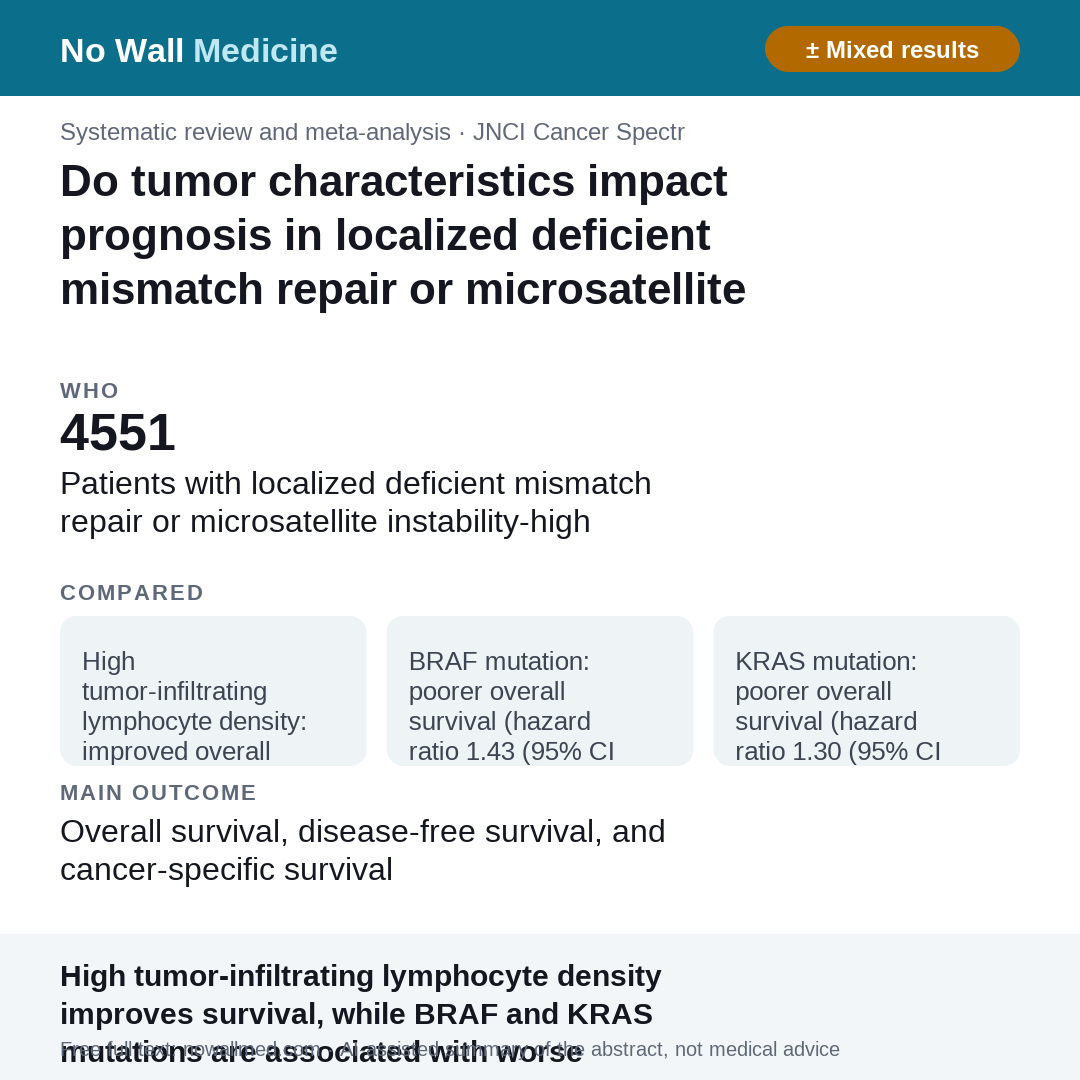
Tumor characteristics impact prognosis in deficient mismatch repair/microsatellite instability-high localized colorectal cancer-a systematic review and meta-analysis
Systematic review and meta-analysisMixed results
Do tumor characteristics impact prognosis in localized deficient mismatch repair or microsatellite instability-high colorectal cancer?
Who
4551
Patients with localized deficient mismatch repair or microsatellite instability-high colorectal cancer
Compared
High tumor-infiltrating lymphocyte density: improved overall survival (hazard ratio 0.39 (95% CI 0.17 to 0.89))
BRAF mutation: poorer overall survival (hazard ratio 1.43 (95% CI 1.13 to 1.80))
KRAS mutation: poorer overall survival (hazard ratio 1.30 (95% CI 1.09 to 1.54))
Main outcome
Overall survival, disease-free survival, and cancer-specific survival
Result: hazard ratio 0.39 (95% CI 0.17 to 0.89) for high lymphocyte density
Bottom line: High tumor-infiltrating lymphocyte density improves survival, while BRAF and KRAS mutations are associated with worse outcomes.
JNCI Cancer Spectr · 2025-12-05Download image
Effectiveness and Safety of Nusinersen and Risdiplam in Spinal Muscular Atrophy: A Systematic Review
Systematic reviewMixed results
What are the safety and effectiveness of nusinersen and risdiplam for treating spinal muscular atrophy?
Who
Patients with spinal muscular atrophy types 1 to 4
Compared
Nusinersen
Risdiplam
Main outcome
Motor function, milestones, survival, and safety
Bottom line: Nusinersen and risdiplam improve motor function and survival, but outcomes for respiratory function and safety vary.
Limitation: Variability in outcomes and limited comparative data introduce uncertainty.
Ann Clin Transl Neurol · 2025-12-05Download image

Influence of different airway devices on intra-arrest ventilation during bag-valve-device ventilation - a prospective randomized controlled cadaver study
Prospective randomized controlled cadaver studyBenefit found
How do different airway devices influence intra-arrest ventilation parameters?
Who
11
Thiel-embalmed human cadavers
Compared
Tracheal tube: ΔVt, 142.2 ± 125.5 ml
Supraglottic airway devices: ΔVt, 202.0 ± 153.1 ml
Main outcome
Difference between ideal and expiratory tidal volumes
Result: regression coefficient [RC] = -61.07 ml, 95% confidence interval [95% CI] = [-93.58;-28.55]
Bottom line: Tracheal tubes resulted in lower tidal volume differences and lower leakage compared to supraglottic airway devices.
Limitation: The study was conducted using human cadavers.
Crit Care · 2025-12-05Download image

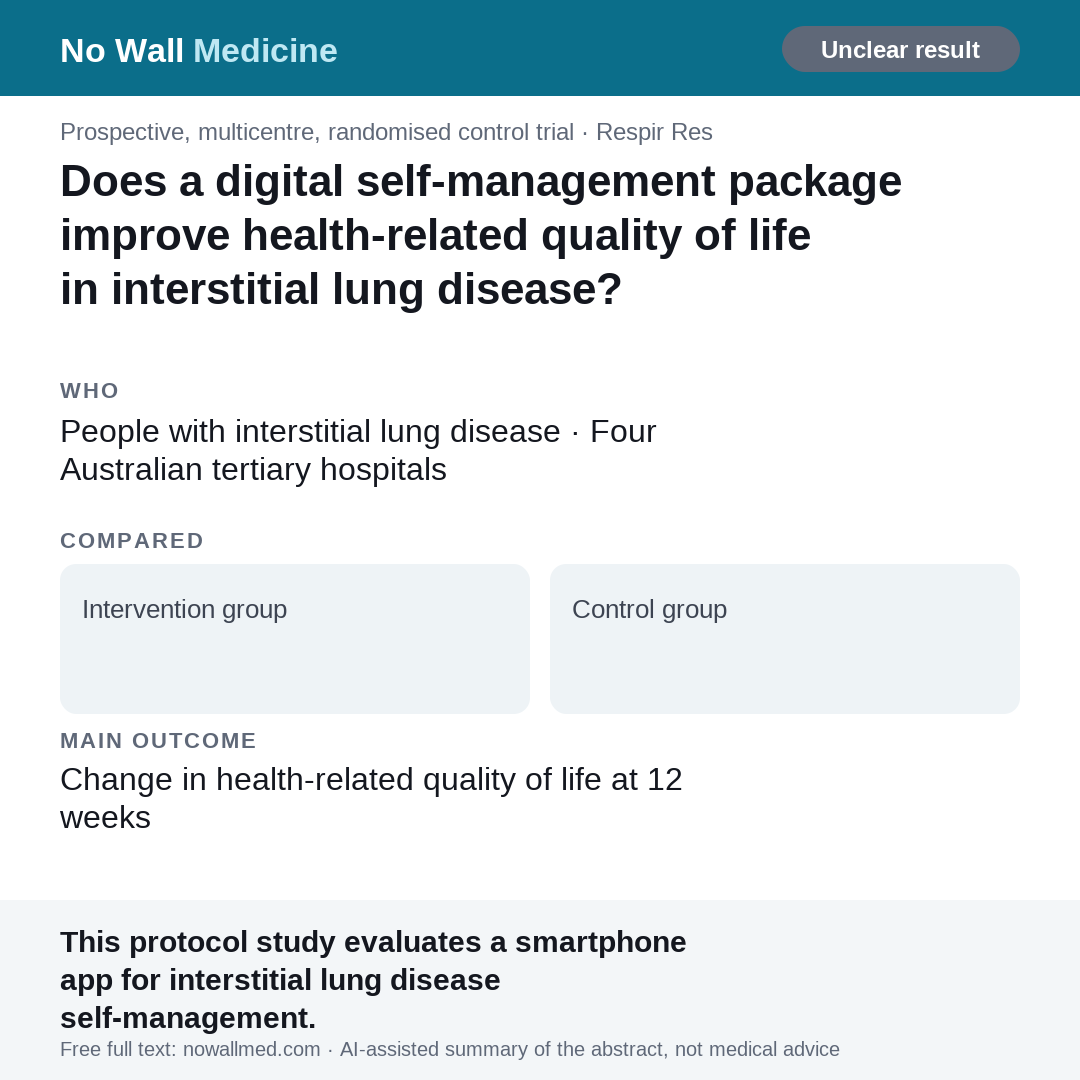
A randomised clinical trial of a digital self-management package for people with interstitial lung disease: the REBUILD-SM protocol
Prospective, multicentre, randomised control trialUnclear result
Does a digital self-management package improve health-related quality of life in interstitial lung disease?
Who
People with interstitial lung disease · Four Australian tertiary hospitals
Compared
Intervention group
Control group
Main outcome
Change in health-related quality of life at 12 weeks
Bottom line: This protocol study evaluates a smartphone app for interstitial lung disease self-management.
Respir Res · 2025-12-05Download image
Effectiveness of a Remote Intervention Program for Self-Management Behaviors in Adolescents and Young Adults With Inflammatory Bowel Disease Based on the Self-Determination Theory: Randomized Controlled Trial Across 2 Centers
Single-blind randomized controlled trialBenefit found
Does a remote multicomponent intervention improve self-management and mental health in young patients with inflammatory bowel disease?
Who
74
Adolescents and young adults aged 13-24 years with inflammatory bowel disease · 2 tertiary hospitals in Chongqing, China
Compared
Intervention group
Control group
Main outcome
Self-management behaviors, perceived social support, psychological needs, anxiety, depression, and disease activity
Result: mean difference -16.676 (95% CI -24.370 to -8.982) for self-management at T1
Bottom line: A remote multicomponent intervention improved self-management, social support, and psychological needs while reducing anxiety, depression, and disease activity.
J Med Internet Res · 2025-12-05Download image

Prediction models for functional outcomes in prolonged disorders of consciousness: a systematic review and meta-analysis
Systematic review and meta-analysisMixed results
How accurate are prediction models for functional outcomes in prolonged disorders of consciousness?
Who
Individuals with prolonged disorders of consciousness
Compared
All prognostic models: sensitivity 82% (95% CI: 75-87%)
All prognostic models: specificity 85% (95% CI: 80-89%)
Main outcome
Functional outcomes including consciousness recovery, improvement, and favorable prognosis
Result: area under the summary receiver operating characteristic curve 0.875 (95% CI 0.842-0.911)
Bottom line: Prognostic models show good accuracy, but clinical impact is limited without external validation and better clinical utility.
Limitation: None of the included studies were assessed as having a low risk of bias.
J Neuroeng Rehabil · 2025-12-05Download image

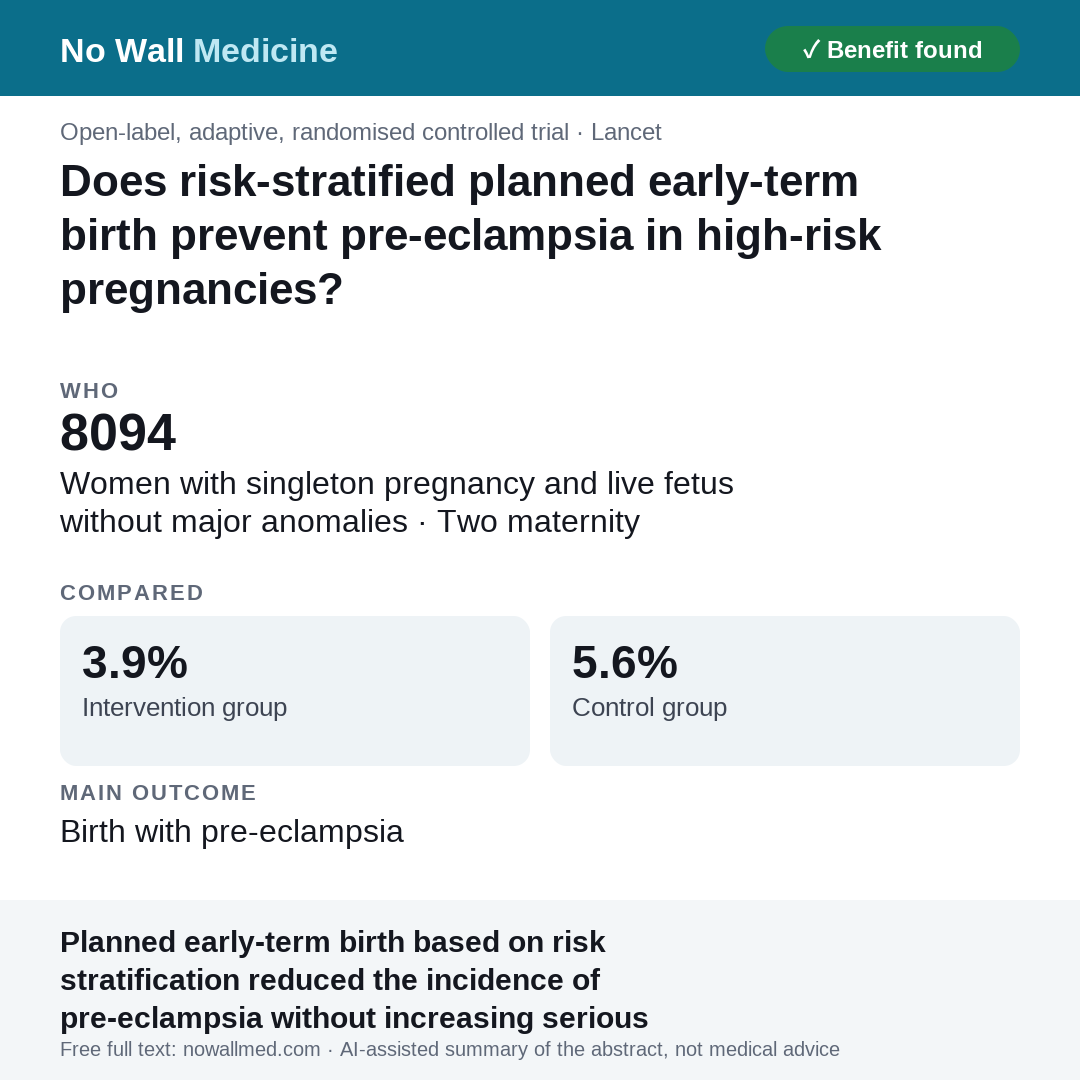
Scheduled birth at term for the prevention of pre-eclampsia (PREVENT-PE): an open-label randomised controlled trial
Open-label, adaptive, randomised controlled trialBenefit found
Does risk-stratified planned early-term birth prevent pre-eclampsia in high-risk pregnancies?
Who
8094
Women with singleton pregnancy and live fetus without major anomalies · Two maternity hospitals in the United Kingdom
Compared
3.9%Intervention group
5.6%Control group
Main outcome
Birth with pre-eclampsia
Result: adjusted risk ratio 0.70 (95% CI 0.58-0.86)
Bottom line: Planned early-term birth based on risk stratification reduced the incidence of pre-eclampsia without increasing serious adverse events.
Funded by: Fetal Medicine Foundation
Lancet · 2025-12-04Download image
Diet, body composition and metabolic and hormonal profile in women at high risk of breast cancer recurrence: A secondary mediation analysis of the DIANA-5 trial
Randomized controlled trial secondary mediation analysisBenefit found
Do dietary and body composition changes mediate lifestyle intervention benefits in breast cancer survivors?
Who
1542
Women with early-stage breast cancer and endocrine or metabolic risk factors
Compared
Intensive support
Standard healthy lifestyle recommendations
Main outcome
Anthropometric, metabolic, and hormonal measures
Bottom line: Lifestyle intervention benefits were mostly mediated by dietary adherence and reductions in waist circumference and fat mass/fat-free mass ratio.
Clin Nutr · 2025-12-04Download image

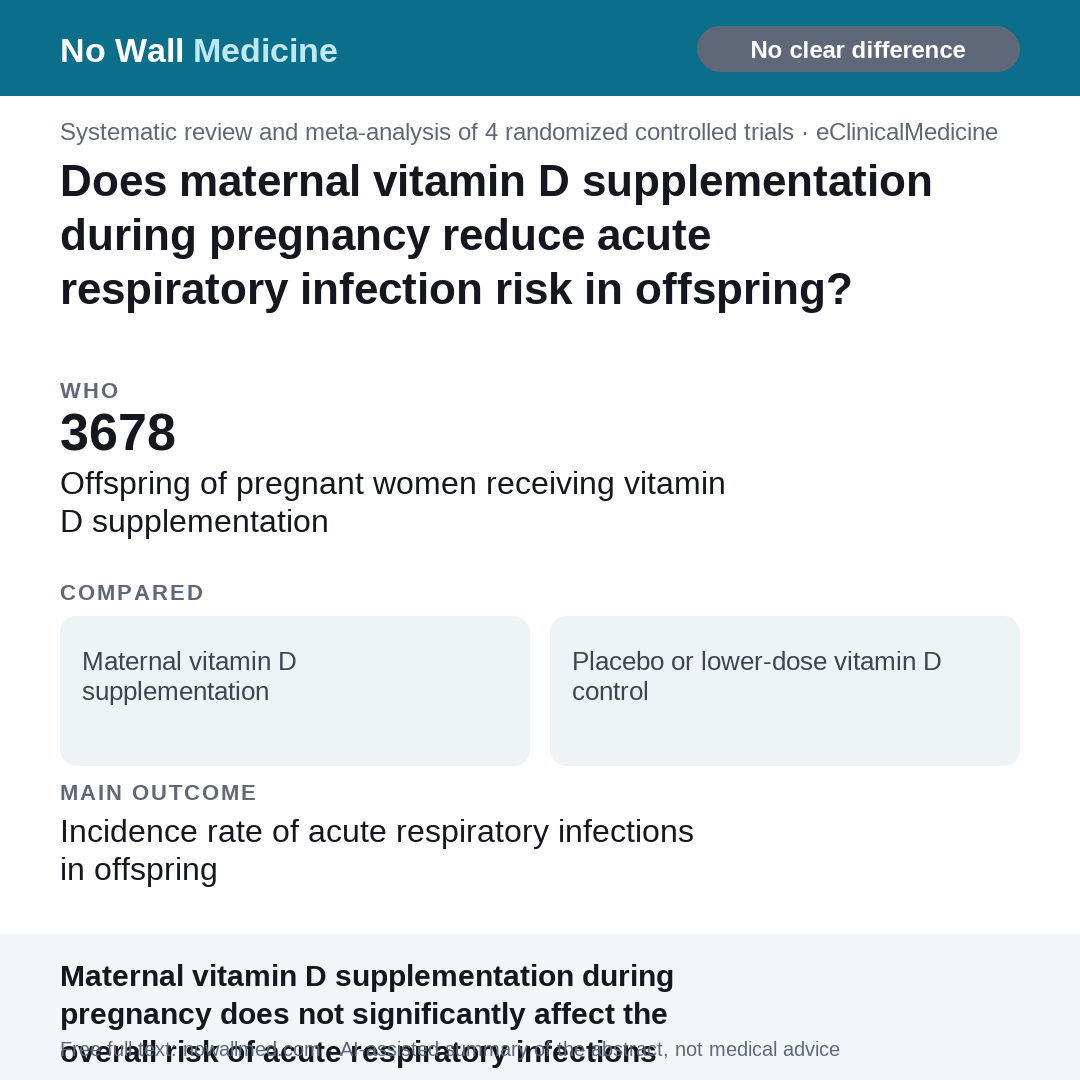
Association between maternal vitamin D supplementation during pregnancy and the risk of acute respiratory infections in offspring: a systematic review and meta-analysis
Systematic review and meta-analysis of 4 randomized controlled trialsNo clear difference
Does maternal vitamin D supplementation during pregnancy reduce acute respiratory infection risk in offspring?
Who
3678
Offspring of pregnant women receiving vitamin D supplementation
Compared
Maternal vitamin D supplementation
Placebo or lower-dose vitamin D control
Main outcome
Incidence rate of acute respiratory infections in offspring
Result: incidence rate ratio 1.01 (95% CI 0.98-1.03)
Bottom line: Maternal vitamin D supplementation during pregnancy does not significantly affect the overall risk of acute respiratory infections in offspring.
Limitation: Low dose vitamin D standard-of-care and heterogeneity in acute respiratory infection case definitions.
eClinicalMedicine · 2025-12-04Download image