Visual abstracts
New randomized trials and meta-analyses from leading journals at a glance: who was studied, what was compared, and what was found. Every paper is free to read in full.
All specialtiesCardiology 4763Oncology 4042Gastroenterology & Hepatology 1902Infectious Disease 3756Neurology 1872Psychiatry & Mental Health 2214Pulmonology 2042Critical Care 1319Endocrinology & Diabetes 2544Pediatrics 2889Surgery 2479Orthopedics & Sports Medicine 917Neurosurgery 525Cardiothoracic & Vascular Surgery 656Plastic & Reconstructive Surgery 574Nephrology 1107Rheumatology 810Hematology 1090Dermatology 611Ophthalmology 532Obstetrics & Gynecology 1645Public & Global Health 1037Radiology & Imaging 617Anesthesiology 957Urology 745ENT (Otolaryngology) 494Emergency Medicine 481Allergy & Immunology 309Geriatrics 972Family Medicine & Primary Care 533Medical Genetics & Genomics 659Pathology & Laboratory Medicine 156Physical Medicine & Rehabilitation 734Palliative Care 421Nutrition 1560Digital Health & AI 2133General Medicine 318
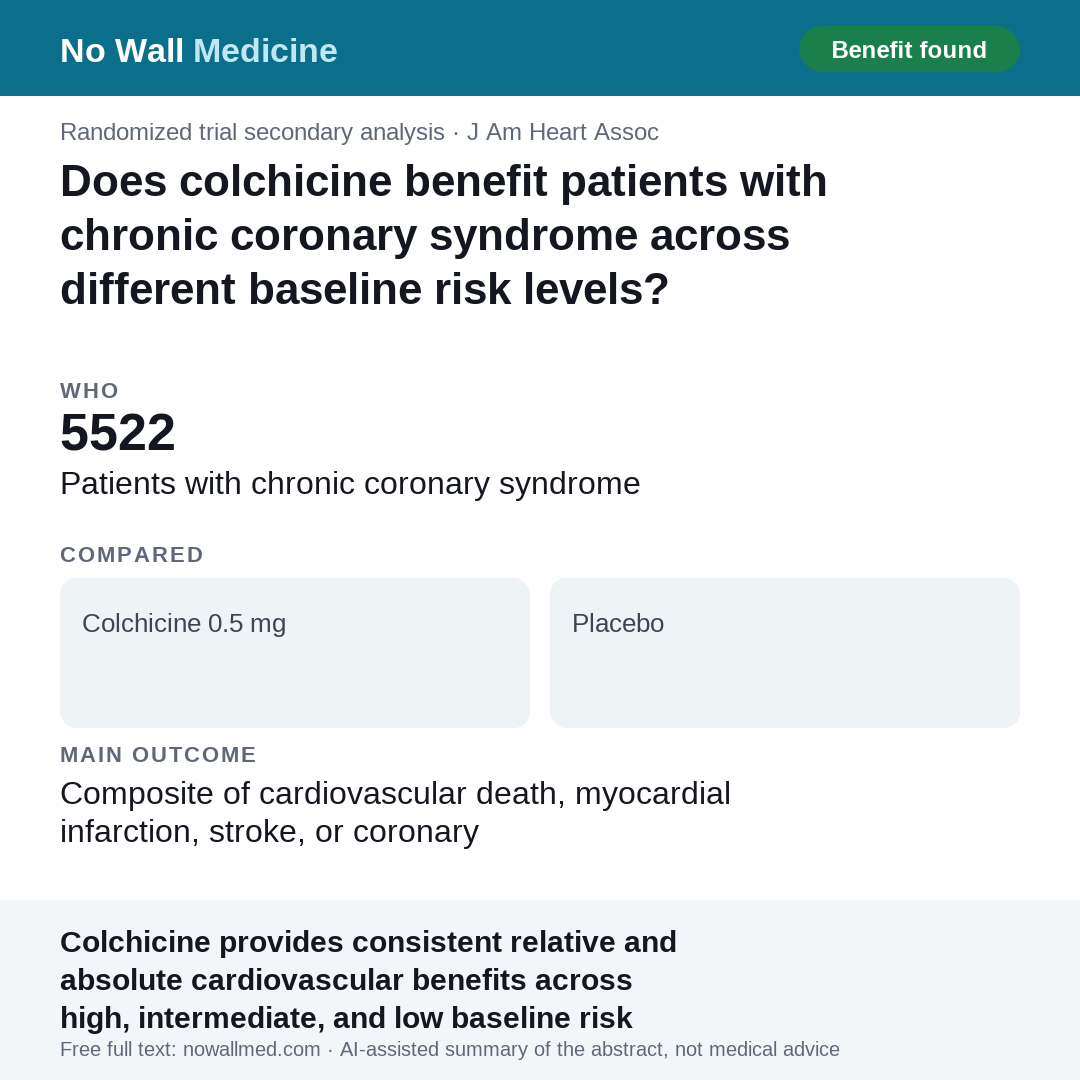
Cardiovascular Benefit of Colchicine in Relation to Baseline Risk: A Secondary Analysis of the LoDoCo2 Trial
Randomized trial secondary analysisBenefit found
Does colchicine benefit patients with chronic coronary syndrome across different baseline risk levels?
Who
5522
Patients with chronic coronary syndrome
Compared
Colchicine 0.5 mg
Placebo
Main outcome
Composite of cardiovascular death, myocardial infarction, stroke, or coronary revascularization
Result: hazard ratio 0.72 (95% CI 0.56-0.94) in high-risk patients
Bottom line: Colchicine provides consistent relative and absolute cardiovascular benefits across high, intermediate, and low baseline risk patients.
J Am Heart Assoc · 2025-05-15Download image
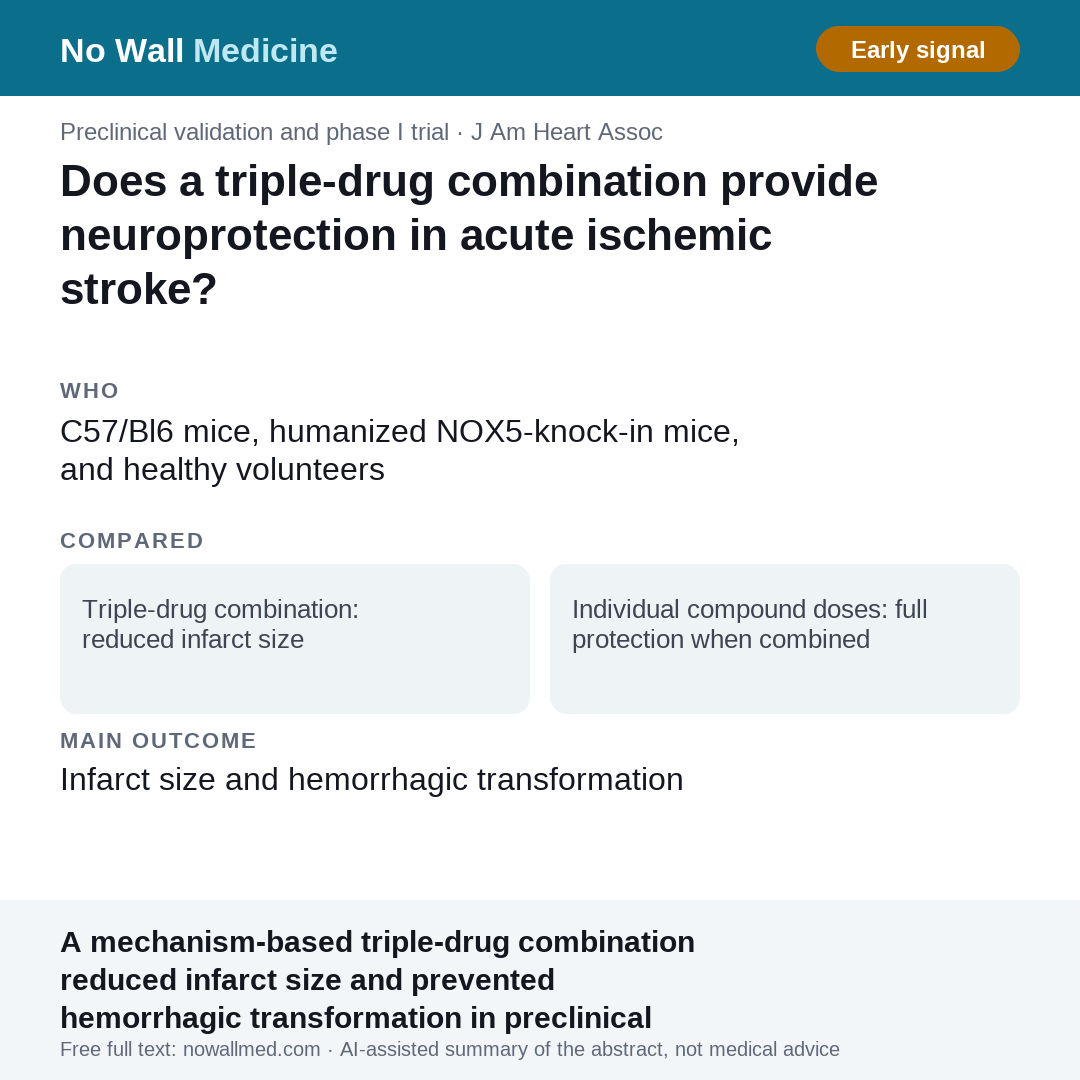
Synergistic Network Pharmacology: Preclinical Validation and Clinical Safety in Acute Ischemic Stroke
Preclinical validation and phase I trialEarly signal
Does a triple-drug combination provide neuroprotection in acute ischemic stroke?
Who
C57/Bl6 mice, humanized NOX5-knock-in mice, and healthy volunteers
Compared
Triple-drug combination: reduced infarct size
Individual compound doses: full protection when combined
Main outcome
Infarct size and hemorrhagic transformation
Bottom line: A mechanism-based triple-drug combination reduced infarct size and prevented hemorrhagic transformation in preclinical stroke models.
J Am Heart Assoc · 2025-05-15Download image
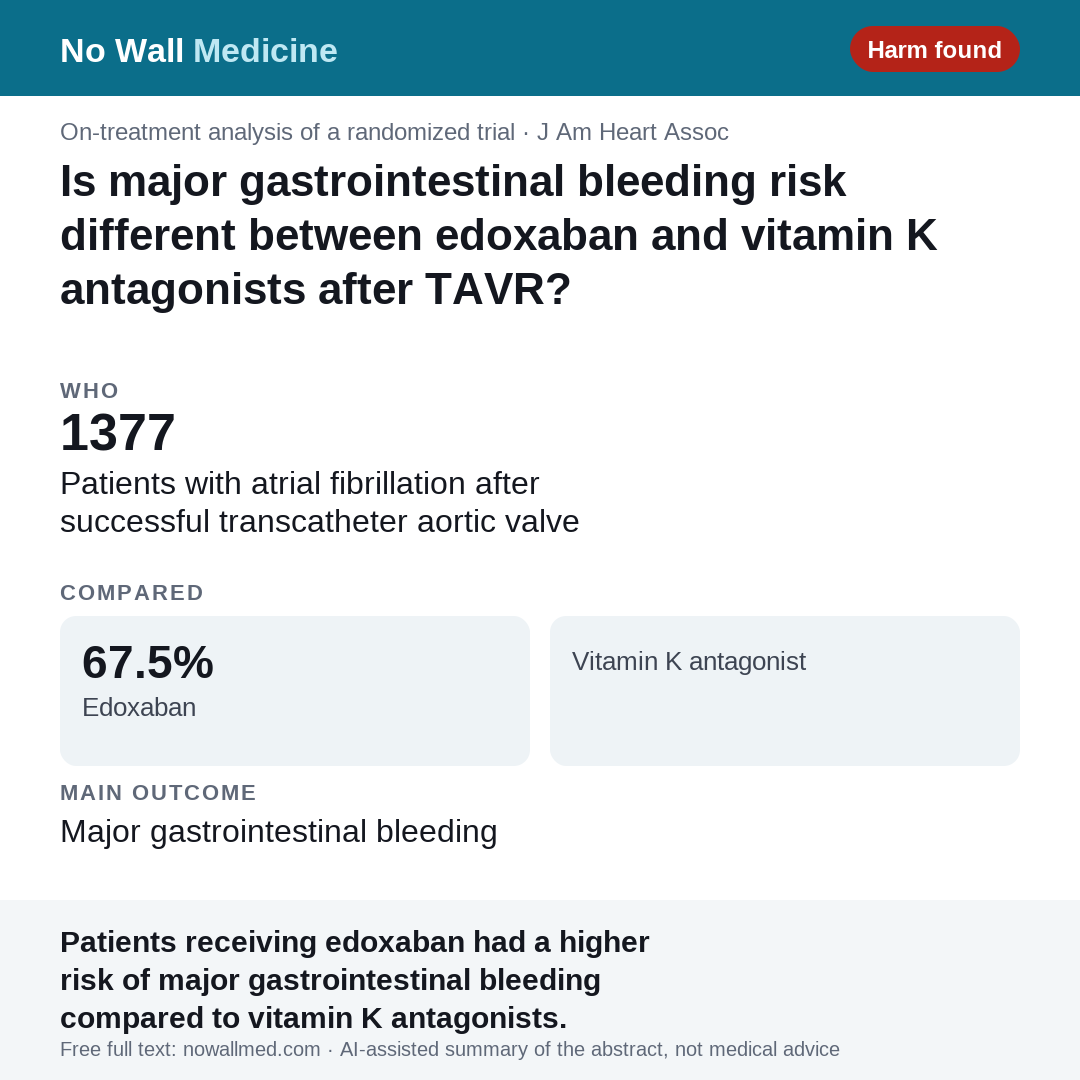
Comparing Major Gastrointestinal Bleeding in Patients Receiving Edoxaban Versus Warfarin After Transcatheter Aortic Valve Replacement: Results From the Randomized ENVISAGE-TAVI AF Trial
On-treatment analysis of a randomized trialHarm found
Is major gastrointestinal bleeding risk different between edoxaban and vitamin K antagonists after TAVR?
Who
1377
Patients with atrial fibrillation after successful transcatheter aortic valve replacement
Compared
67.5%Edoxaban
Vitamin K antagonist
Main outcome
Major gastrointestinal bleeding
Bottom line: Patients receiving edoxaban had a higher risk of major gastrointestinal bleeding compared to vitamin K antagonists.
J Am Heart Assoc · 2025-05-15Download image
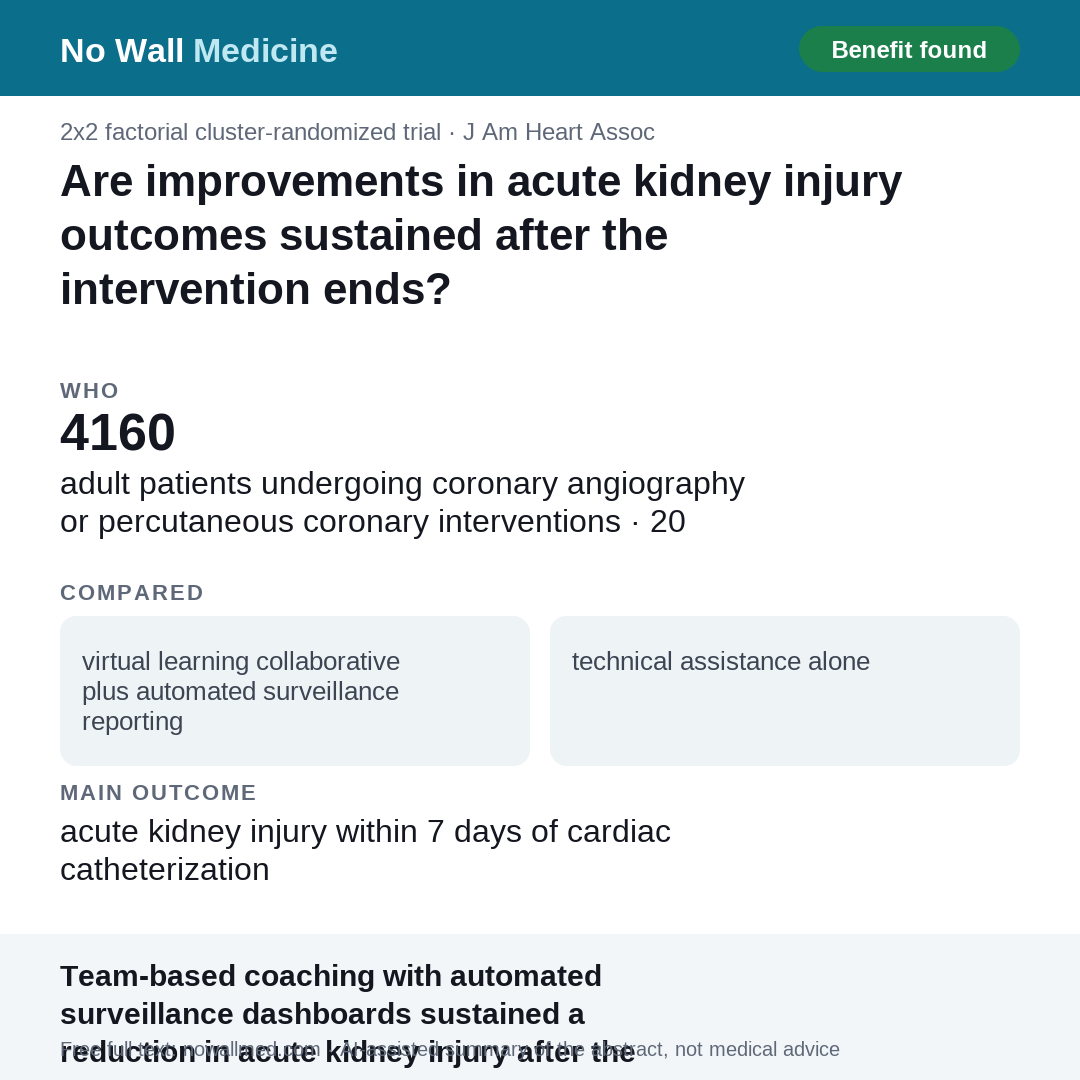
Sustained Improvements After Intervention to Prevent Contrast-Associated Acute Kidney Injury: A Randomized Controlled Trial
2x2 factorial cluster-randomized trialBenefit found
Are improvements in acute kidney injury outcomes sustained after the intervention ends?
Who
4160
adult patients undergoing coronary angiography or percutaneous coronary interventions · 20 Veterans Affairs sites
Compared
virtual learning collaborative plus automated surveillance reporting
technical assistance alone
Main outcome
acute kidney injury within 7 days of cardiac catheterization
Result: adjusted odds ratio 0.60 (95% CI 0.42-0.86)
Bottom line: Team-based coaching with automated surveillance dashboards sustained a reduction in acute kidney injury after the intervention ended.
J Am Heart Assoc · 2025-05-15Download image
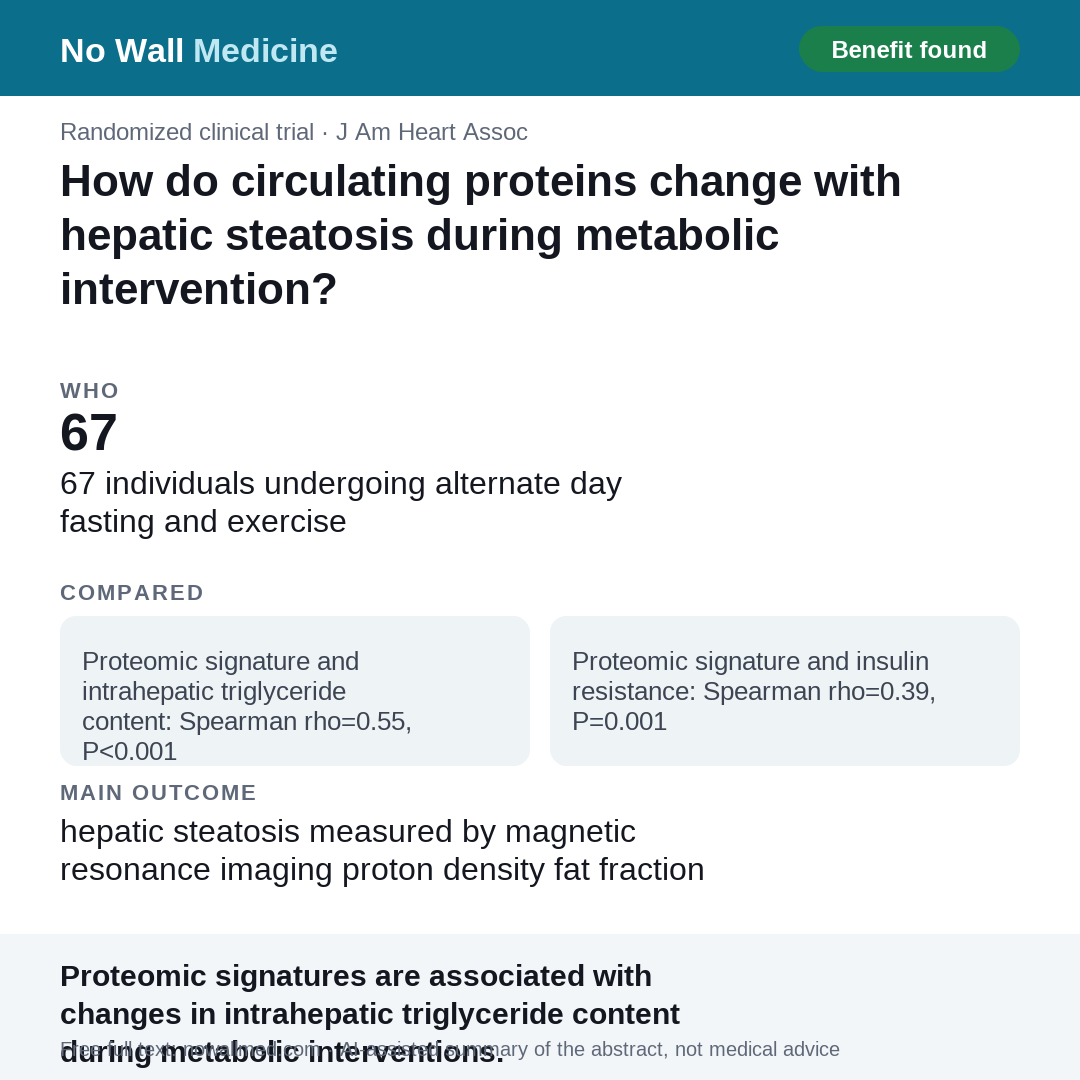
Circulating Proteomics Identifies a Dynamic Profile of Hepatic Steatosis During Metabolic Intervention
Randomized clinical trialBenefit found
How do circulating proteins change with hepatic steatosis during metabolic intervention?
Who
67
67 individuals undergoing alternate day fasting and exercise
Compared
Proteomic signature and intrahepatic triglyceride content: Spearman rho=0.55, P<0.001
Proteomic signature and insulin resistance: Spearman rho=0.39, P=0.001
Main outcome
hepatic steatosis measured by magnetic resonance imaging proton density fat fraction
Result: beta=0.12, P<0.001
Bottom line: Proteomic signatures are associated with changes in intrahepatic triglyceride content during metabolic interventions.
J Am Heart Assoc · 2025-05-15Download image
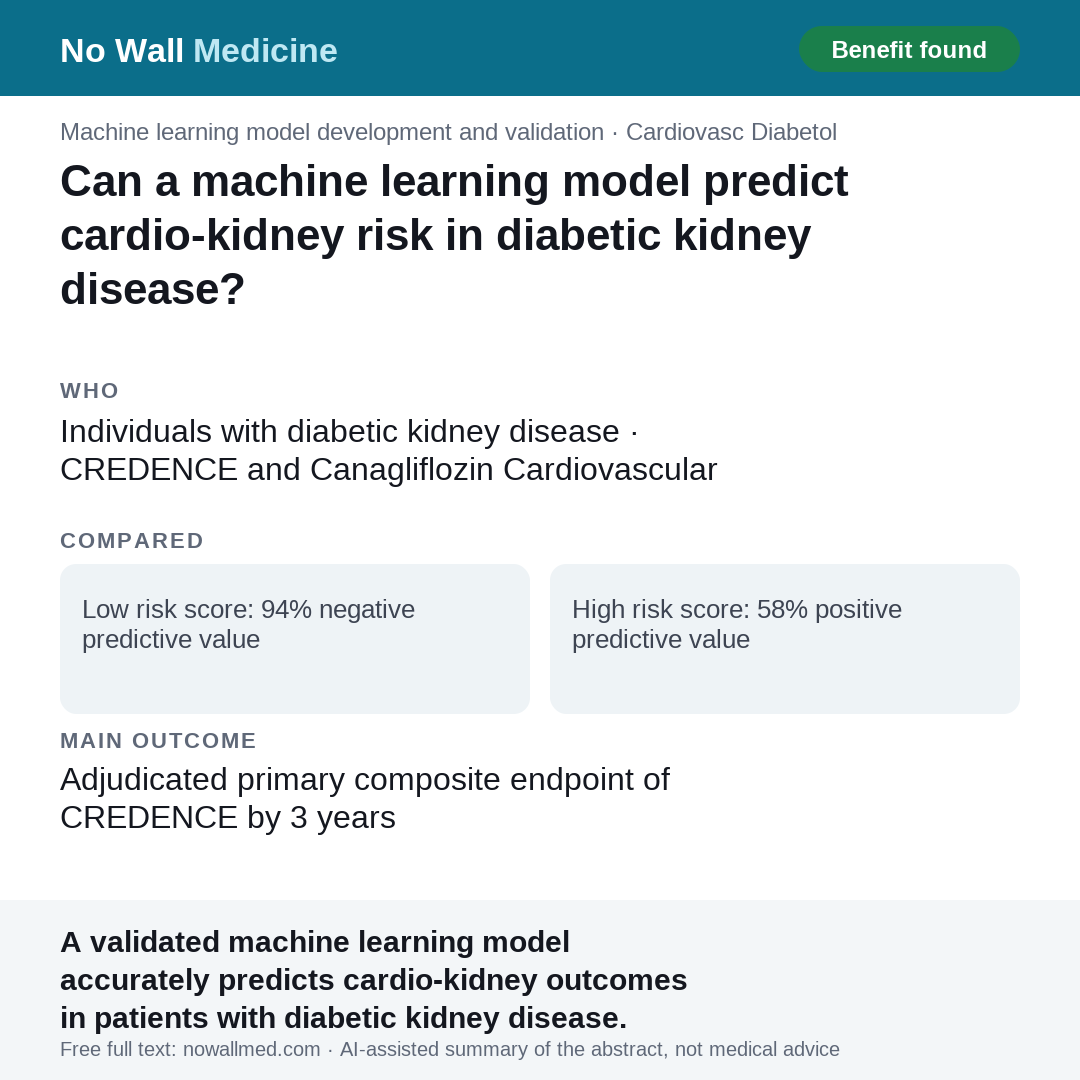
A validated multivariable machine learning model to predict cardio-kidney risk in diabetic kidney disease
Machine learning model development and validationKey finding
Can a machine learning model predict cardio-kidney risk in diabetic kidney disease?
Who
Individuals with diabetic kidney disease · CREDENCE and Canagliflozin Cardiovascular Assessment Study cohorts
Compared
Low risk score: 94% negative predictive value
High risk score: 58% positive predictive value
Main outcome
Adjudicated primary composite endpoint of CREDENCE by 3 years
Result: hazard ratio 3.43 (95% CI 2.72-4.32)
Bottom line: A validated machine learning model accurately predicts cardio-kidney outcomes in patients with diabetic kidney disease.
Cardiovasc Diabetol · 2025-05-15Download image
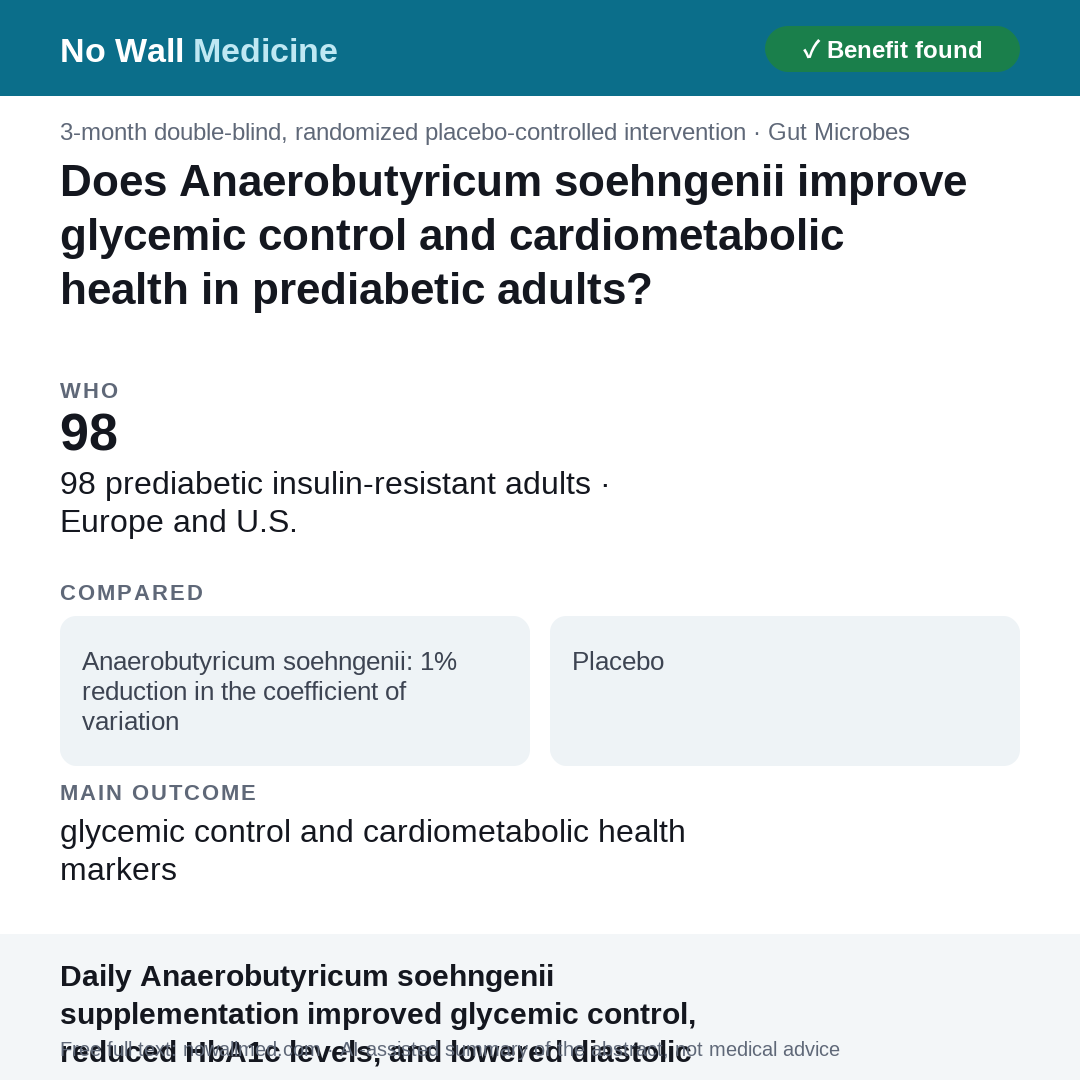
Anaerobutyricum soehngenii improves glycemic control and other markers of cardio-metabolic health in adults at risk of type 2 diabetes
3-month double-blind, randomized placebo-controlled interventionBenefit found
Does Anaerobutyricum soehngenii improve glycemic control and cardiometabolic health in prediabetic adults?
Who
98
98 prediabetic insulin-resistant adults · Europe and U.S.
Compared
Anaerobutyricum soehngenii: 1% reduction in the coefficient of variation
Placebo
Main outcome
glycemic control and cardiometabolic health markers
Bottom line: Daily Anaerobutyricum soehngenii supplementation improved glycemic control, reduced HbA1c levels, and lowered diastolic blood pressure in prediabetic adults.
Gut Microbes · 2025-05-15Download image
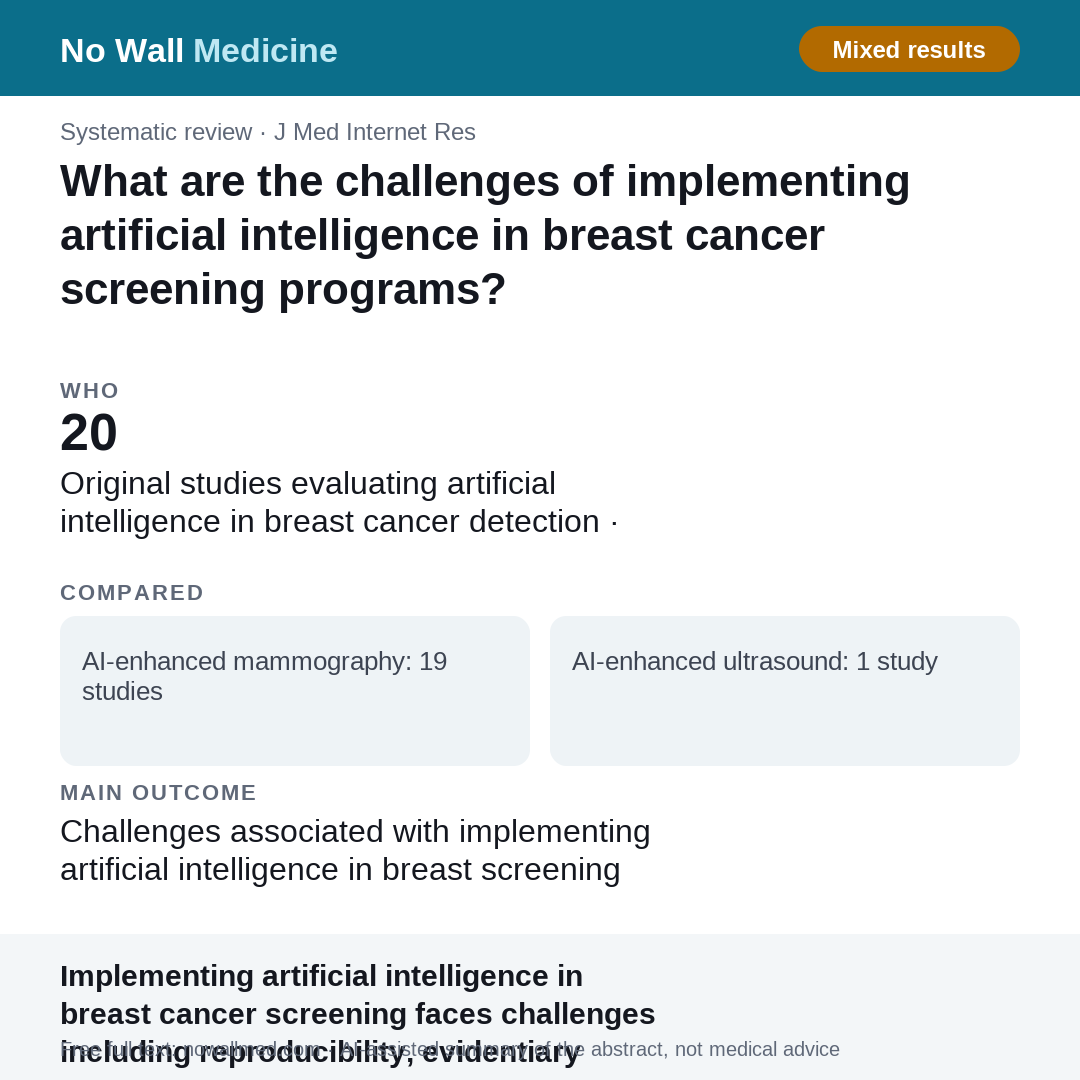
Challenges in Implementing Artificial Intelligence in Breast Cancer Screening Programs: Systematic Review and Framework for Safe Adoption
Systematic reviewMixed results
What are the challenges of implementing artificial intelligence in breast cancer screening programs?
Who
Original studies evaluating artificial intelligence in breast cancer detection · United States and United Kingdom
Compared
AI-enhanced mammography: 19 studies
AI-enhanced ultrasound: 1 study
Main outcome
Challenges associated with implementing artificial intelligence in breast screening
Bottom line: Implementing artificial intelligence in breast cancer screening faces challenges including reproducibility, evidentiary standards, technological concerns, trust, and ethical issues.
J Med Internet Res · 2025-05-15Download image
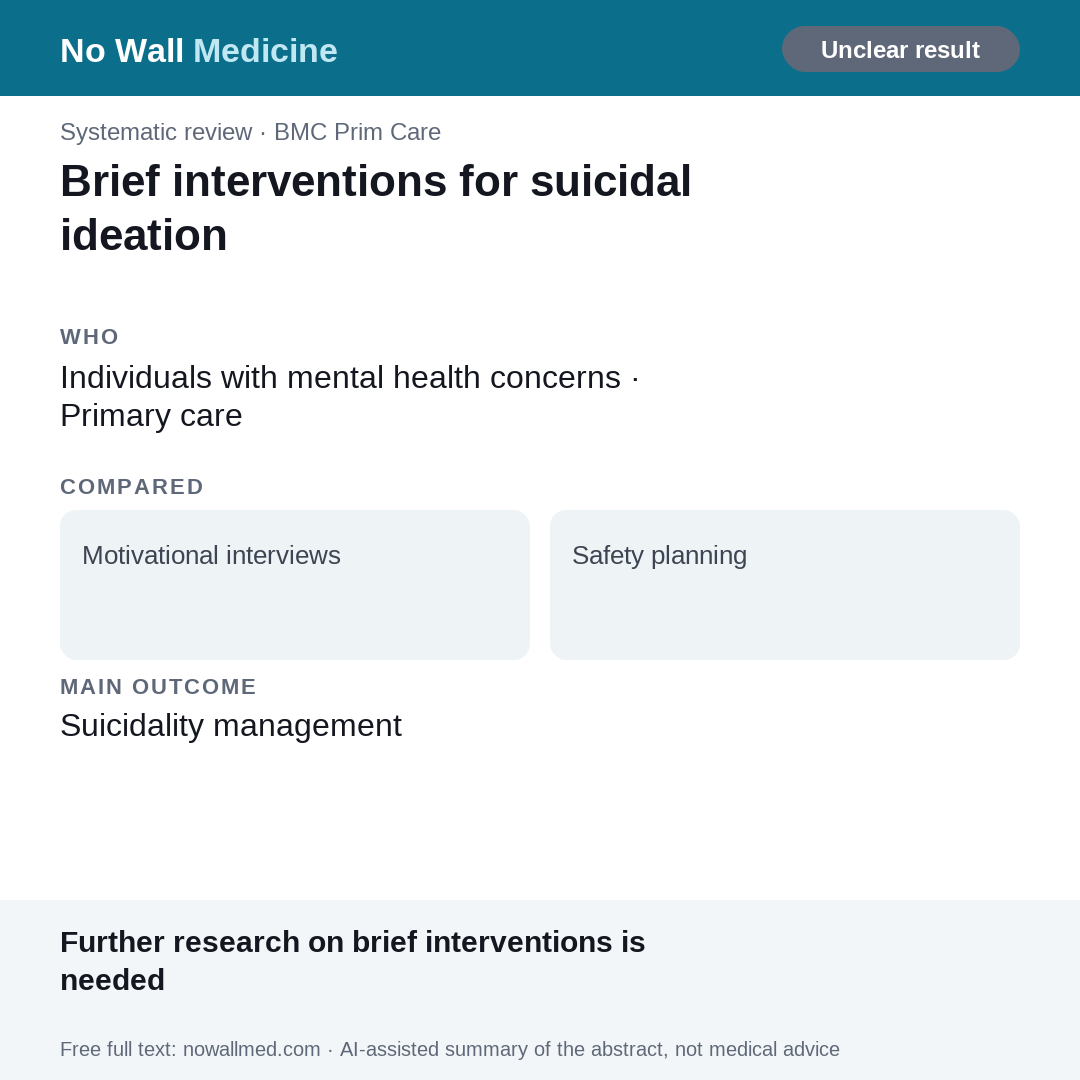
Brief interventions for suicidal ideation in primary care: a systematic review
Systematic reviewUnclear result
Brief interventions for suicidal ideation
Who
Individuals with mental health concerns · Primary care
Compared
Motivational interviews
Safety planning
Main outcome
Suicidality management
Bottom line: Further research on brief interventions is needed
BMC Prim Care · 2025-05-15Download image
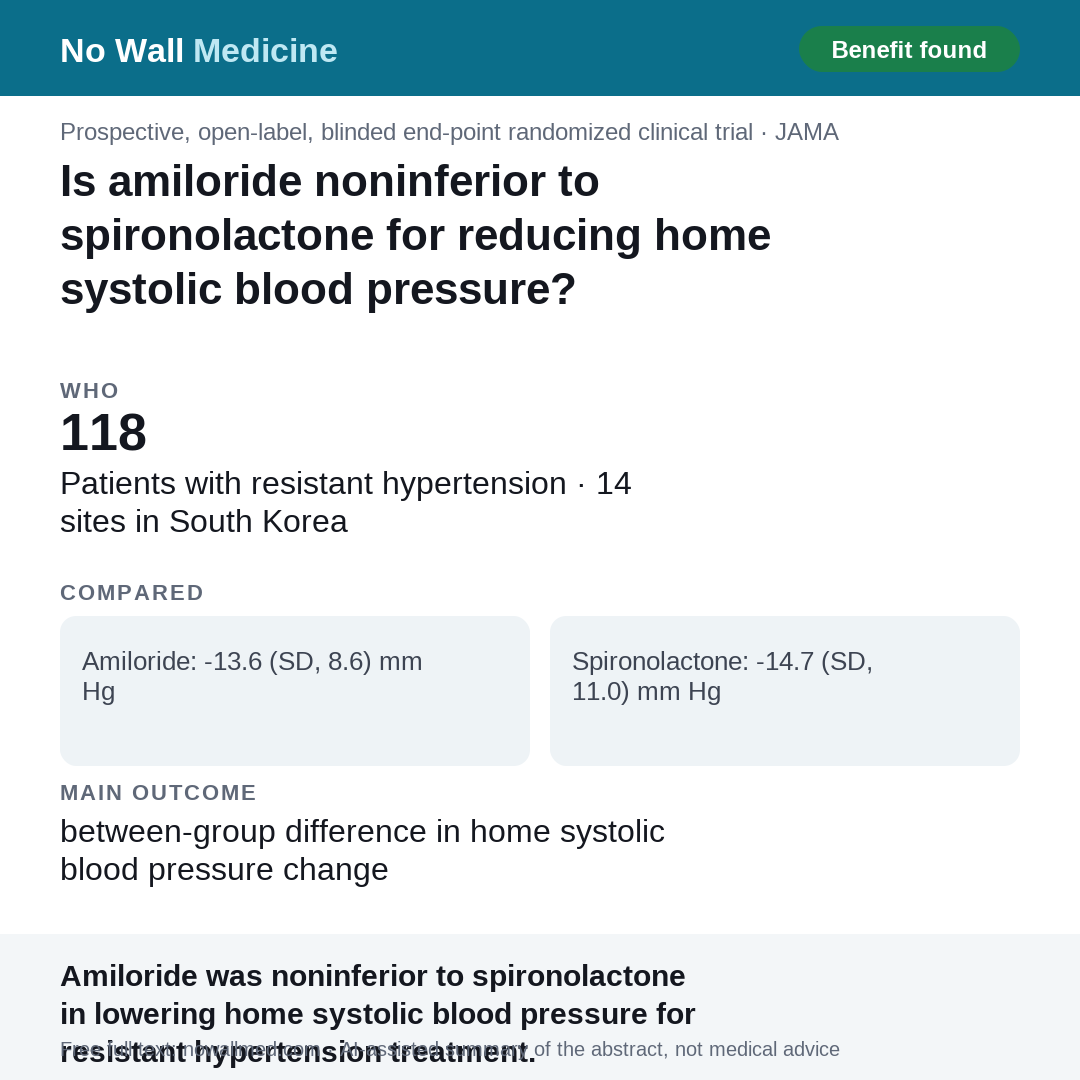
Spironolactone vs Amiloride for Resistant Hypertension: A Randomized Clinical Trial
Prospective, open-label, blinded end-point randomized clinical trialBenefit found
Is amiloride noninferior to spironolactone for reducing home systolic blood pressure?
Who
118
Patients with resistant hypertension · 14 sites in South Korea
Compared
Amiloride: -13.6 (SD, 8.6) mm Hg
Spironolactone: -14.7 (SD, 11.0) mm Hg
Main outcome
between-group difference in home systolic blood pressure change
Result: -0.68 mm Hg; 90% CI, -3.50 to 2.14 mm Hg
Bottom line: Amiloride was noninferior to spironolactone in lowering home systolic blood pressure for resistant hypertension treatment.
JAMA · 2025-05-14Download image
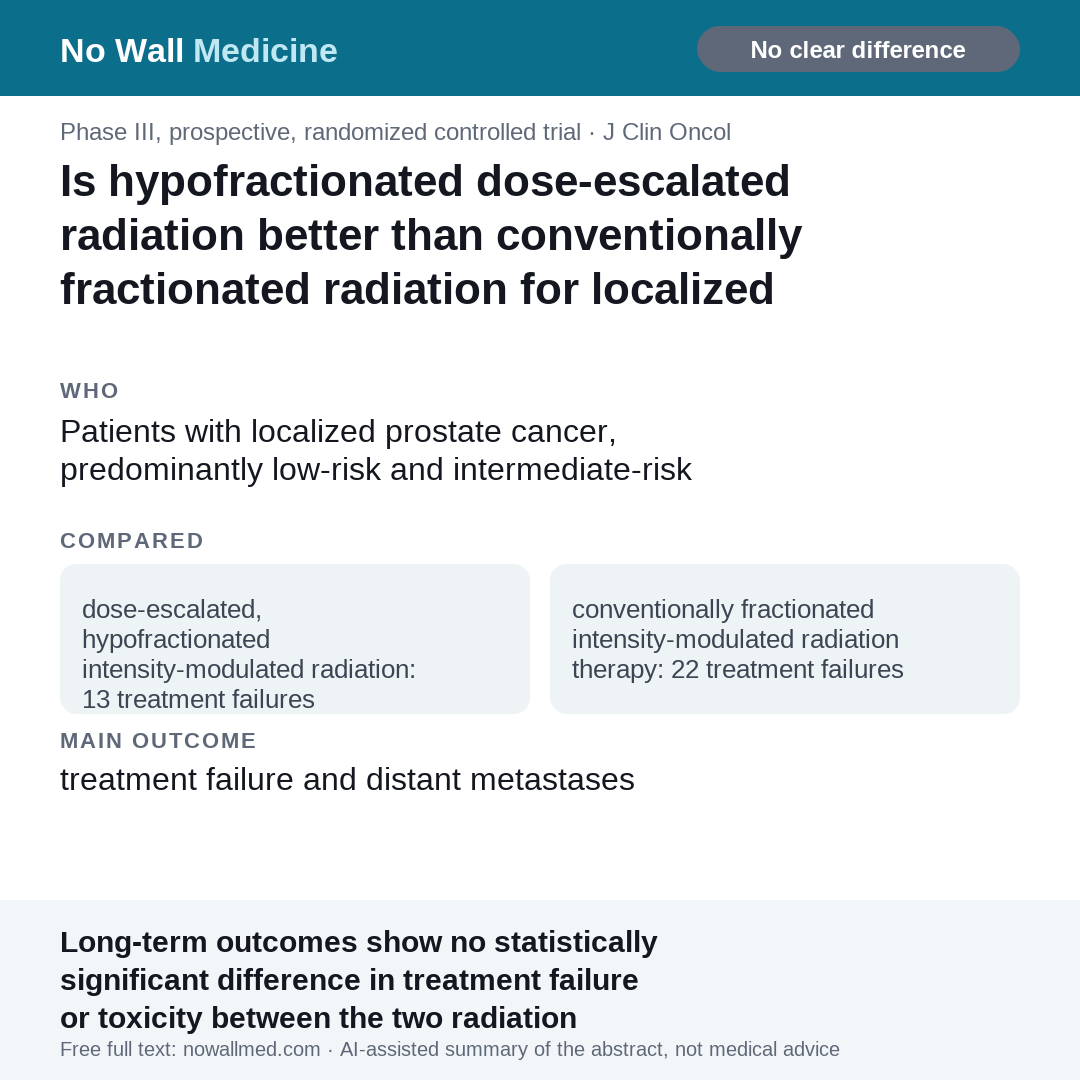
Hypofractionated, Dose-Escalated Radiation Versus Conventionally Fractionated Radiation for Localized Prostate Cancer: Long-Term Update of a Phase III, Prospective, Randomized Controlled Trial
Phase III, prospective, randomized controlled trialNo clear difference
Is hypofractionated dose-escalated radiation better than conventionally fractionated radiation for localized prostate cancer?
Who
Patients with localized prostate cancer, predominantly low-risk and intermediate-risk disease · MD Anderson
Compared
dose-escalated, hypofractionated intensity-modulated radiation: 13 treatment failures
conventionally fractionated intensity-modulated radiation therapy: 22 treatment failures
Main outcome
treatment failure and distant metastases
Bottom line: Long-term outcomes show no statistically significant difference in treatment failure or toxicity between the two radiation methods.
J Clin Oncol · 2025-05-14Download image
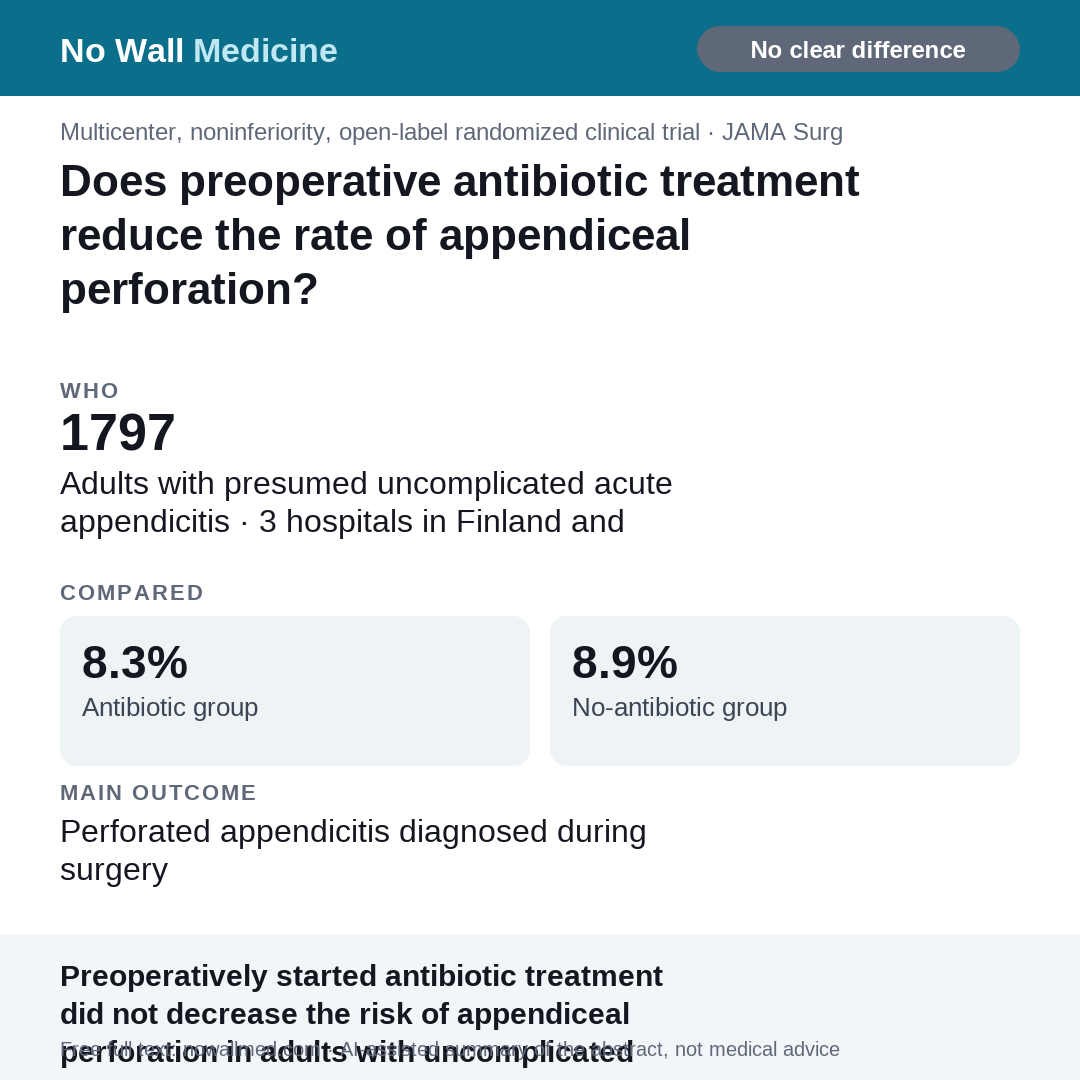
Role of Preoperative Antibiotic Treatment While Awaiting Appendectomy: The PERFECT-Antibiotics Randomized Clinical Trial
Multicenter, noninferiority, open-label randomized clinical trialNo clear difference
Does preoperative antibiotic treatment reduce the rate of appendiceal perforation?
Who
1797
Adults with presumed uncomplicated acute appendicitis · 3 hospitals in Finland and Norway
Compared
8.3%Antibiotic group
8.9%No-antibiotic group
Main outcome
Perforated appendicitis diagnosed during surgery
Result: risk ratio 1.07 (95% CI 0.79 to 1.45)
Bottom line: Preoperatively started antibiotic treatment did not decrease the risk of appendiceal perforation in adults with uncomplicated acute appendicitis.
JAMA Surg · 2025-05-14Download image
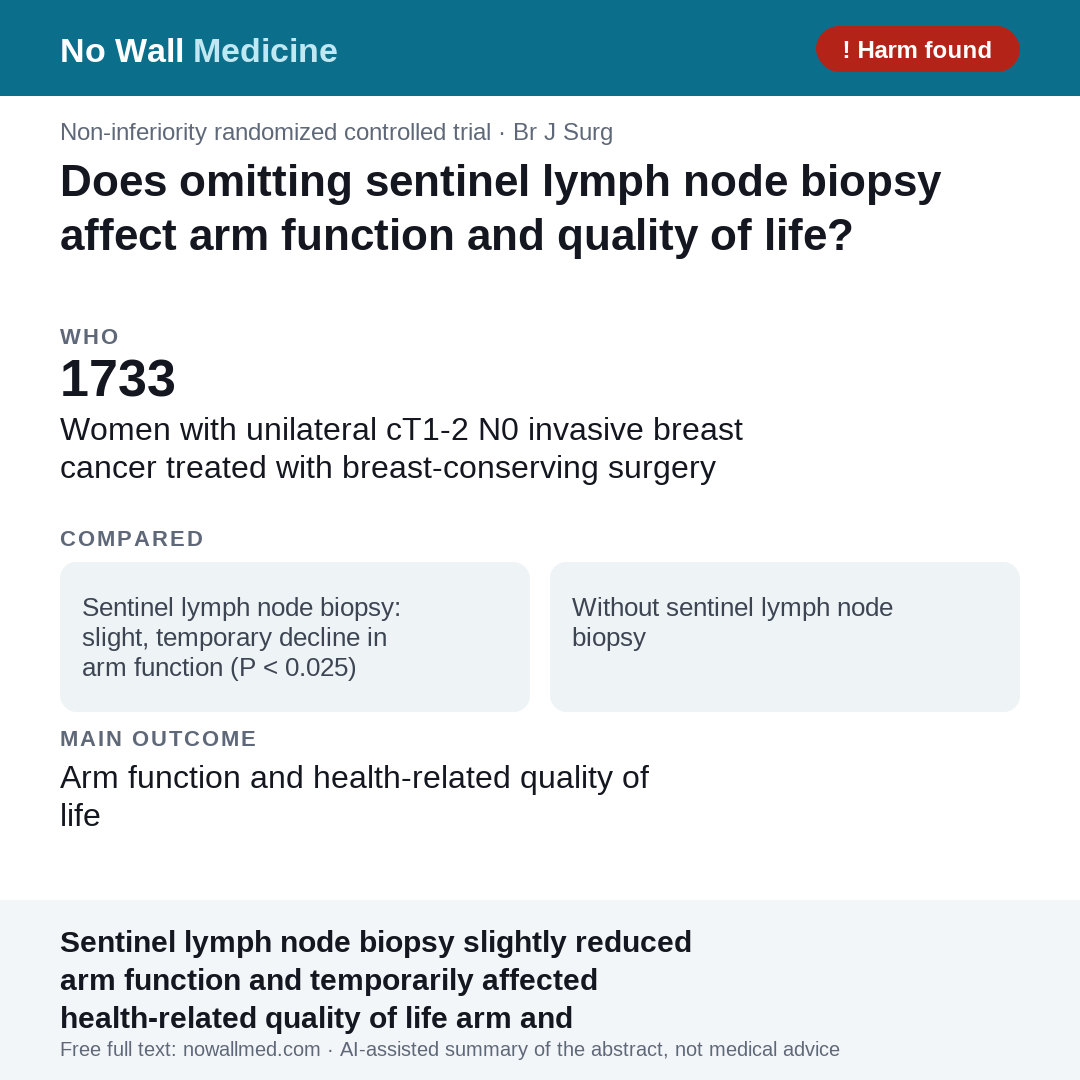
Three-year patient-reported outcomes of the BOOG 2013-08 RCT evaluating omission of sentinel lymph node biopsy in early-stage breast cancer patients treated with breast conserving surgery: Impact of personality traits on health-related quality of life
Non-inferiority randomized controlled trialHarm found
Does omitting sentinel lymph node biopsy affect arm function and quality of life?
Who
1733
Women with unilateral cT1-2 N0 invasive breast cancer treated with breast-conserving surgery
Compared
Sentinel lymph node biopsy: slight, temporary decline in arm function (P < 0.025)
Without sentinel lymph node biopsy
Main outcome
Arm function and health-related quality of life
Bottom line: Sentinel lymph node biopsy slightly reduced arm function and temporarily affected health-related quality of life arm and breast symptoms.
Br J Surg · 2025-05-14Download image
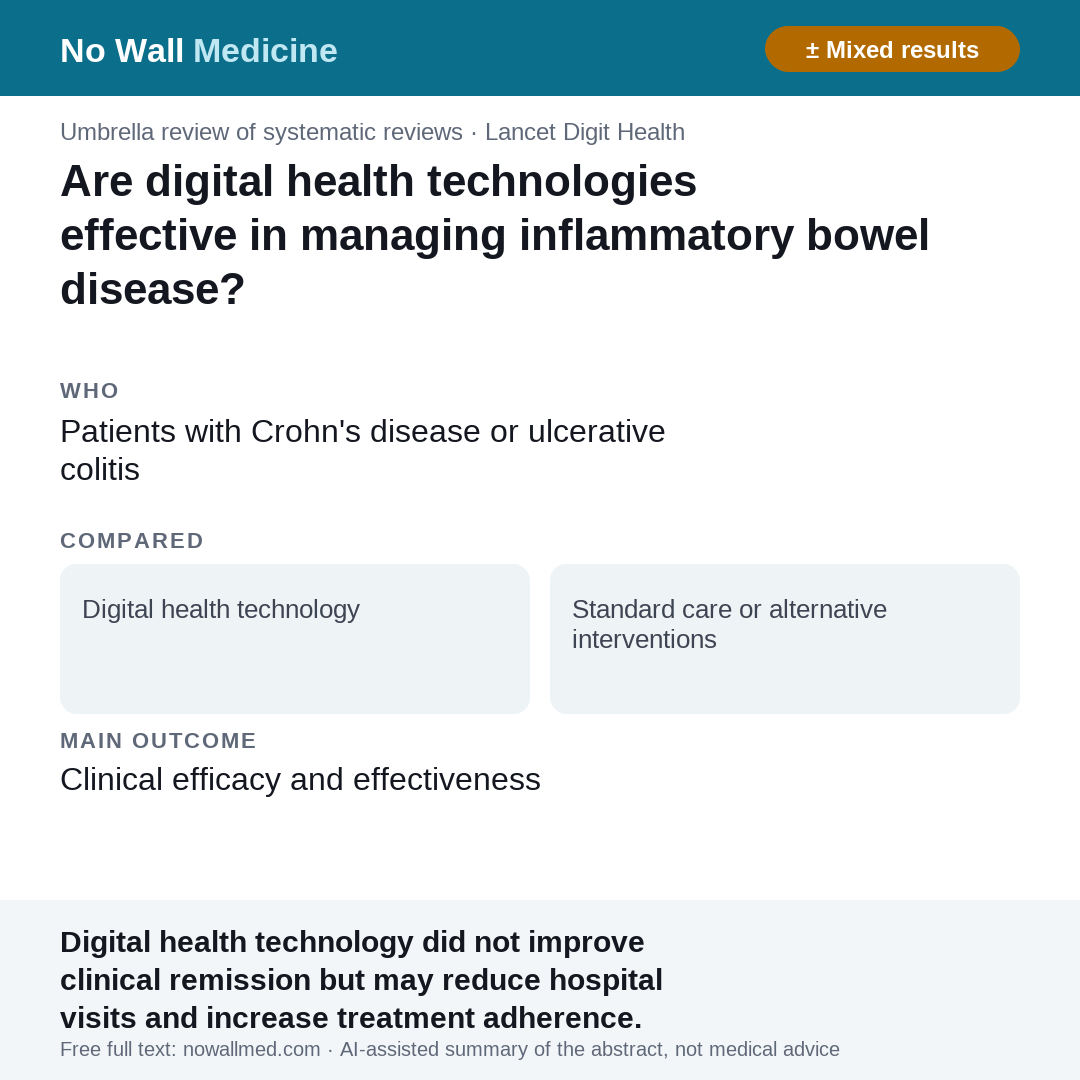
Efficacy of digital health technologies in the management of inflammatory bowel disease: an umbrella review
Umbrella review of systematic reviewsMixed results
Are digital health technologies effective in managing inflammatory bowel disease?
Who
Patients with Crohn's disease or ulcerative colitis
Compared
Digital health technology
Standard care or alternative interventions
Main outcome
Clinical efficacy and effectiveness
Bottom line: Digital health technology did not improve clinical remission but may reduce hospital visits and increase treatment adherence.
Limitation: Five of the nine included reviews were rated as critically low quality.
Lancet Digit Health · 2025-05-14Download image
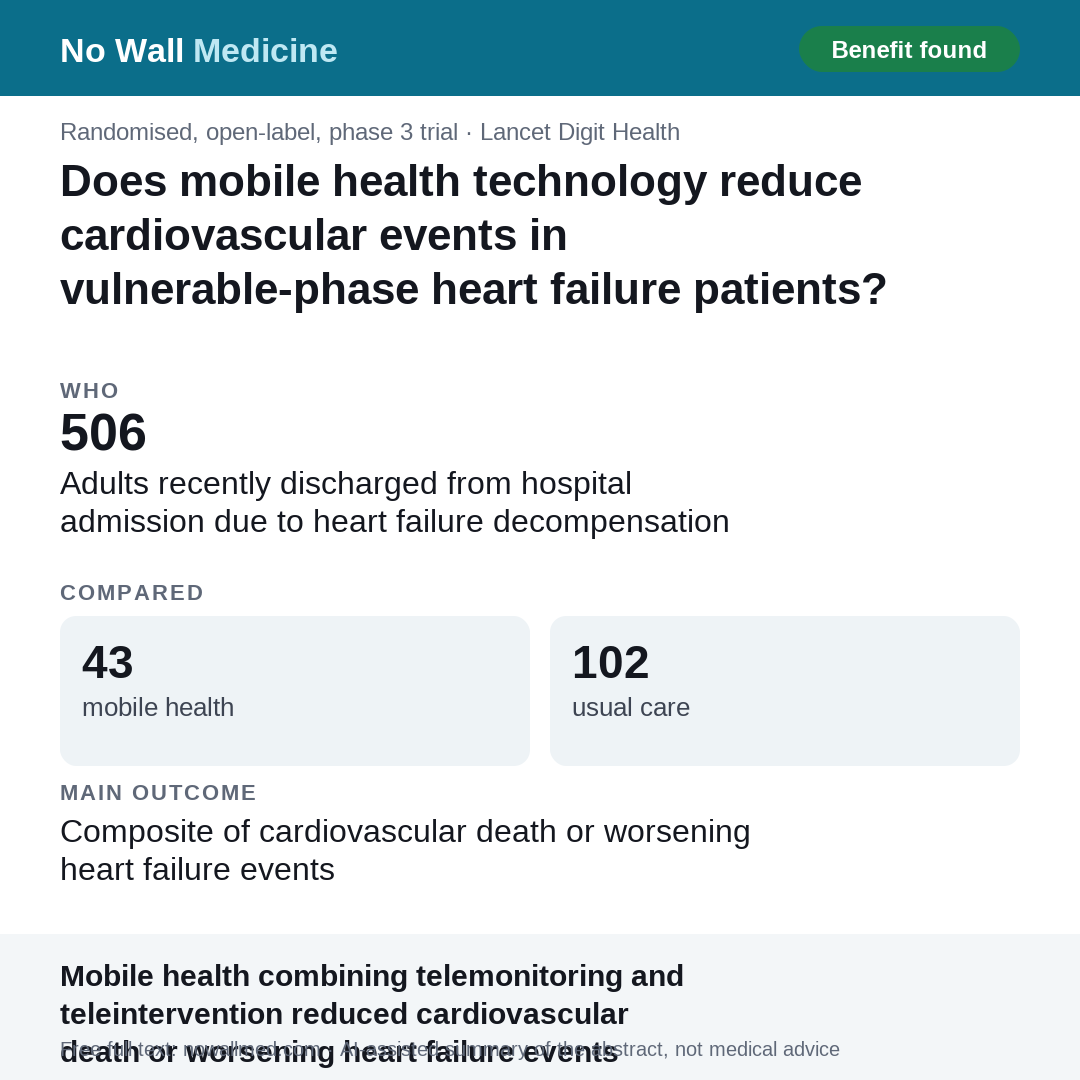
Evaluation of mobile health technology combining telemonitoring and teleintervention versus usual care in vulnerable-phase heart failure management (HERMeS): a multicentre, randomised controlled trial
Randomised, open-label, phase 3 trialBenefit found
Does mobile health technology reduce cardiovascular events in vulnerable-phase heart failure patients?
Who
506
Adults recently discharged from hospital admission due to heart failure decompensation · Ten centres in Spain
Compared
43mobile health (17%)
102usual care (41%)
Main outcome
Composite of cardiovascular death or worsening heart failure events
Result: hazard ratio 0·35 (95% CI 0·24-0·50)
Bottom line: Mobile health combining telemonitoring and teleintervention reduced cardiovascular death or worsening heart failure events compared to usual care.
Funded by: Novartis
Lancet Digit Health · 2025-05-14Download image
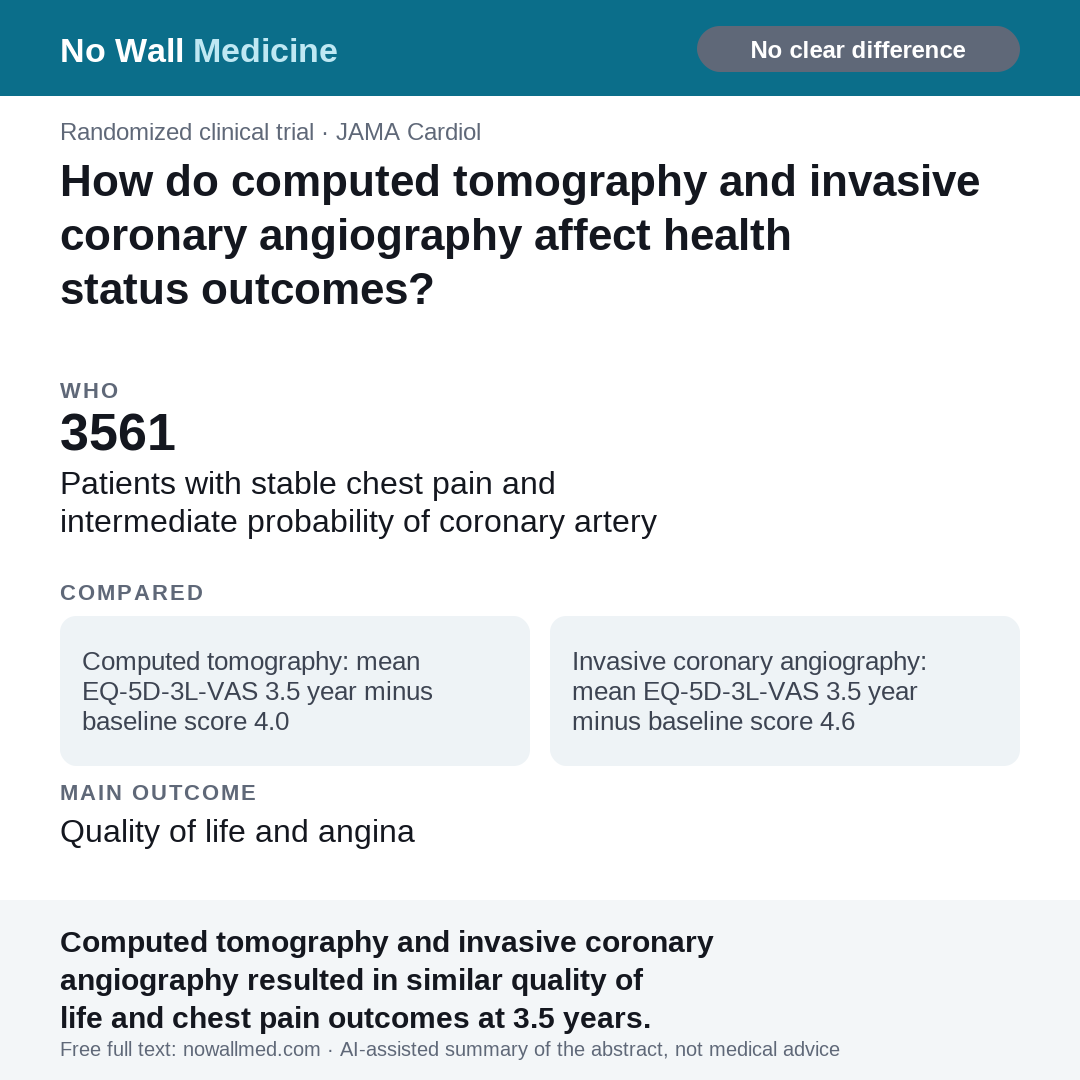
Health Status Outcomes After Computed Tomography or Invasive Coronary Angiography for Stable Chest Pain: A Prespecified Secondary Analysis of the DISCHARGE Randomized Clinical Trial
Randomized clinical trialNo clear difference
How do computed tomography and invasive coronary angiography affect health status outcomes?
Who
3561
Patients with stable chest pain and intermediate probability of coronary artery disease · 26 European centers
Compared
Computed tomography: mean EQ-5D-3L-VAS 3.5 year minus baseline score 4.0
Invasive coronary angiography: mean EQ-5D-3L-VAS 3.5 year minus baseline score 4.6
Main outcome
Quality of life and angina
Bottom line: Computed tomography and invasive coronary angiography resulted in similar quality of life and chest pain outcomes at 3.5 years.
JAMA Cardiol · 2025-05-14Download image
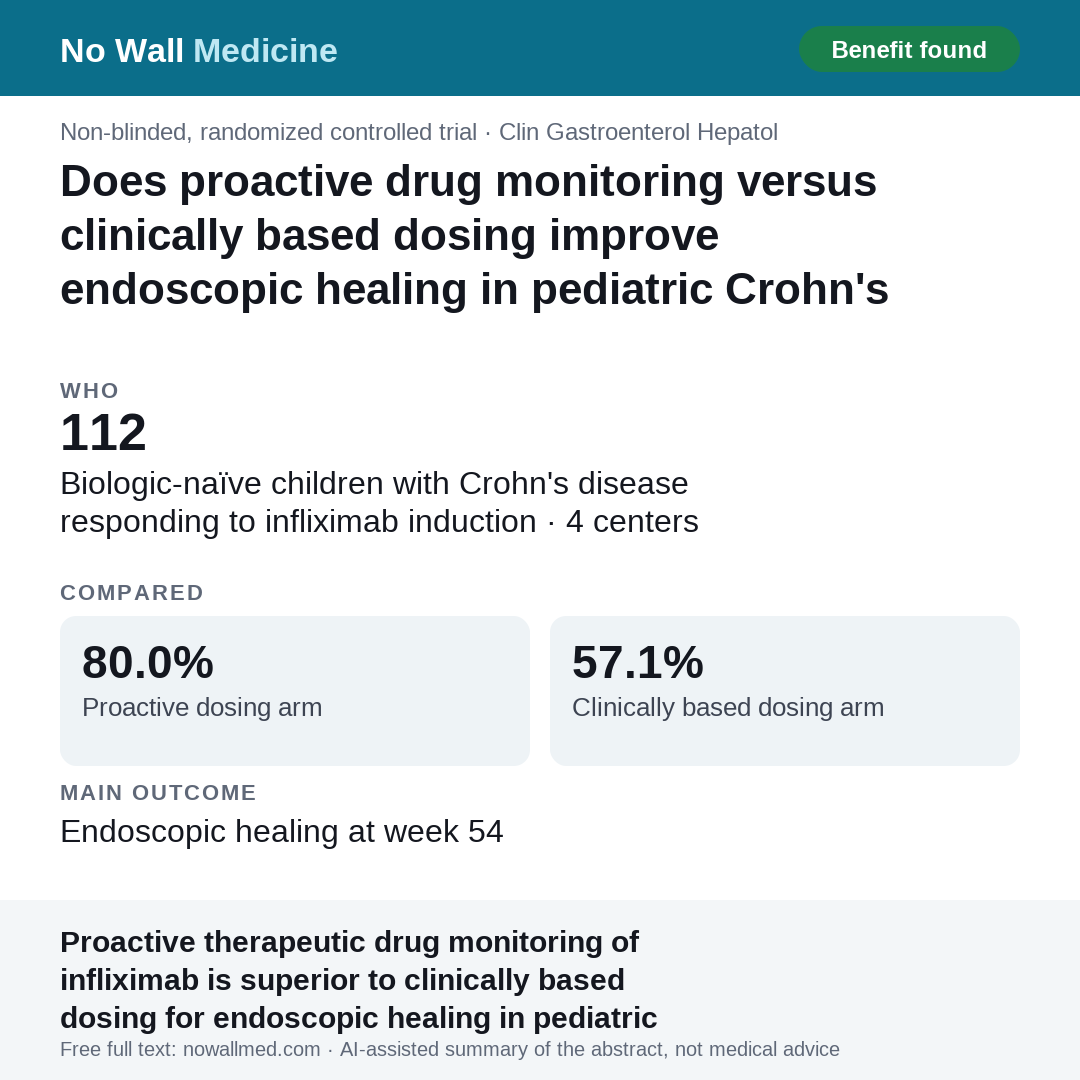
Proactive Drug Monitoring Versus Clinically Based Dosing for Endoscopic Healing in Pediatric Crohn's Disease Receiving Infliximab
Non-blinded, randomized controlled trialBenefit found
Does proactive drug monitoring versus clinically based dosing improve endoscopic healing in pediatric Crohn's disease?
Who
112
Biologic-naïve children with Crohn's disease responding to infliximab induction · 4 centers in South Korea
Compared
80.0%Proactive dosing arm (40/50)
57.1%Clinically based dosing arm (28/49)
Main outcome
Endoscopic healing at week 54
Result: odds ratio 3.48 (95% confidence interval 1.26-10.43)
Bottom line: Proactive therapeutic drug monitoring of infliximab is superior to clinically based dosing for endoscopic healing in pediatric Crohn's disease.
Clin Gastroenterol Hepatol · 2025-05-14Download image
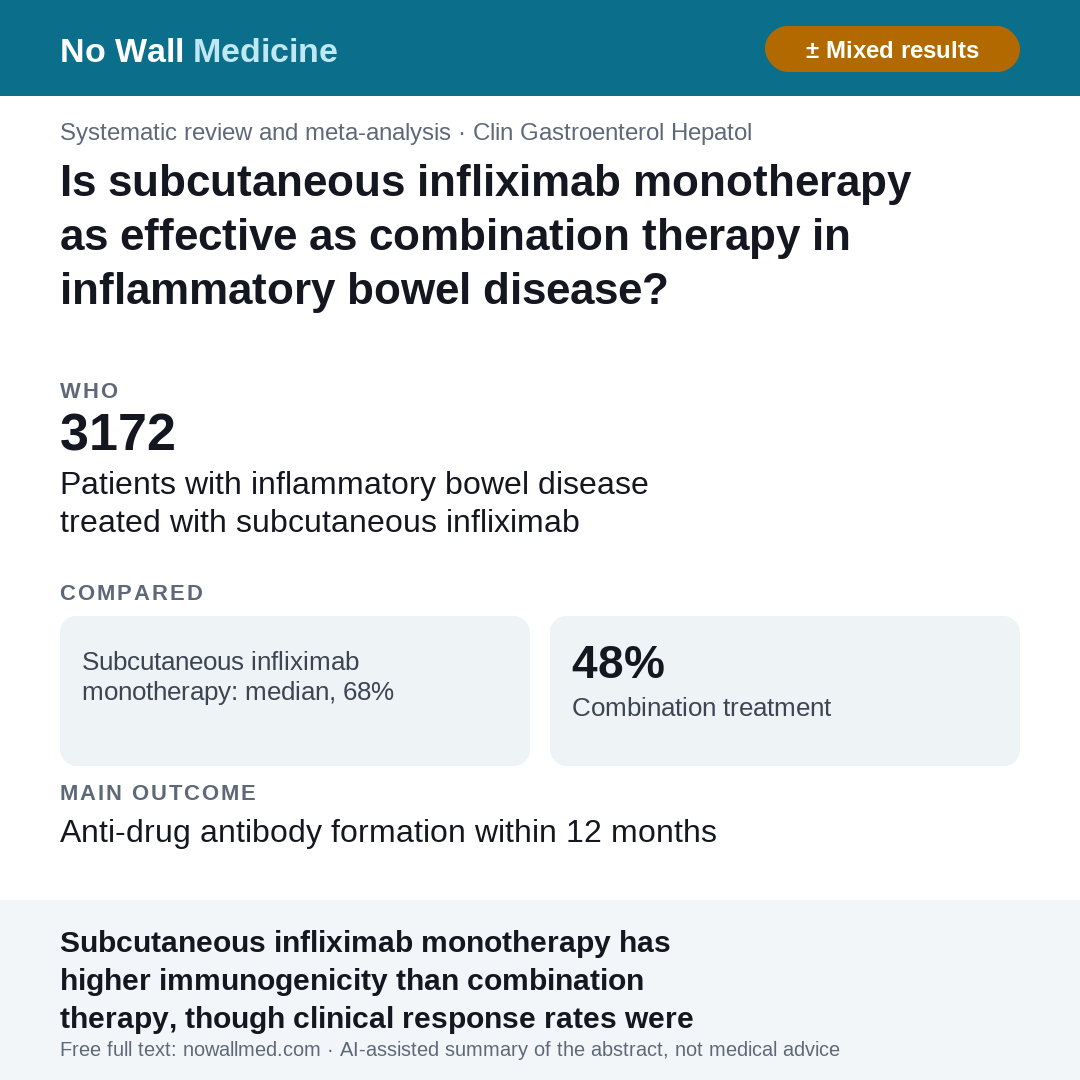
Immunogenicity and Efficacy of Subcutaneous Infliximab Monotherapy vs Combination Therapy in Inflammatory Bowel Disease: A Systematic Review and Meta-analysis
Systematic review and meta-analysisMixed results
Is subcutaneous infliximab monotherapy as effective as combination therapy in inflammatory bowel disease?
Who
3172
Patients with inflammatory bowel disease treated with subcutaneous infliximab
Compared
Subcutaneous infliximab monotherapy: median, 68%
48%Combination treatment
Main outcome
Anti-drug antibody formation within 12 months
Result: odds ratio 3.29 (95% CI 1.71-6.31)
Bottom line: Subcutaneous infliximab monotherapy has higher immunogenicity than combination therapy, though clinical response rates were comparable.
Clin Gastroenterol Hepatol · 2025-05-14Download image
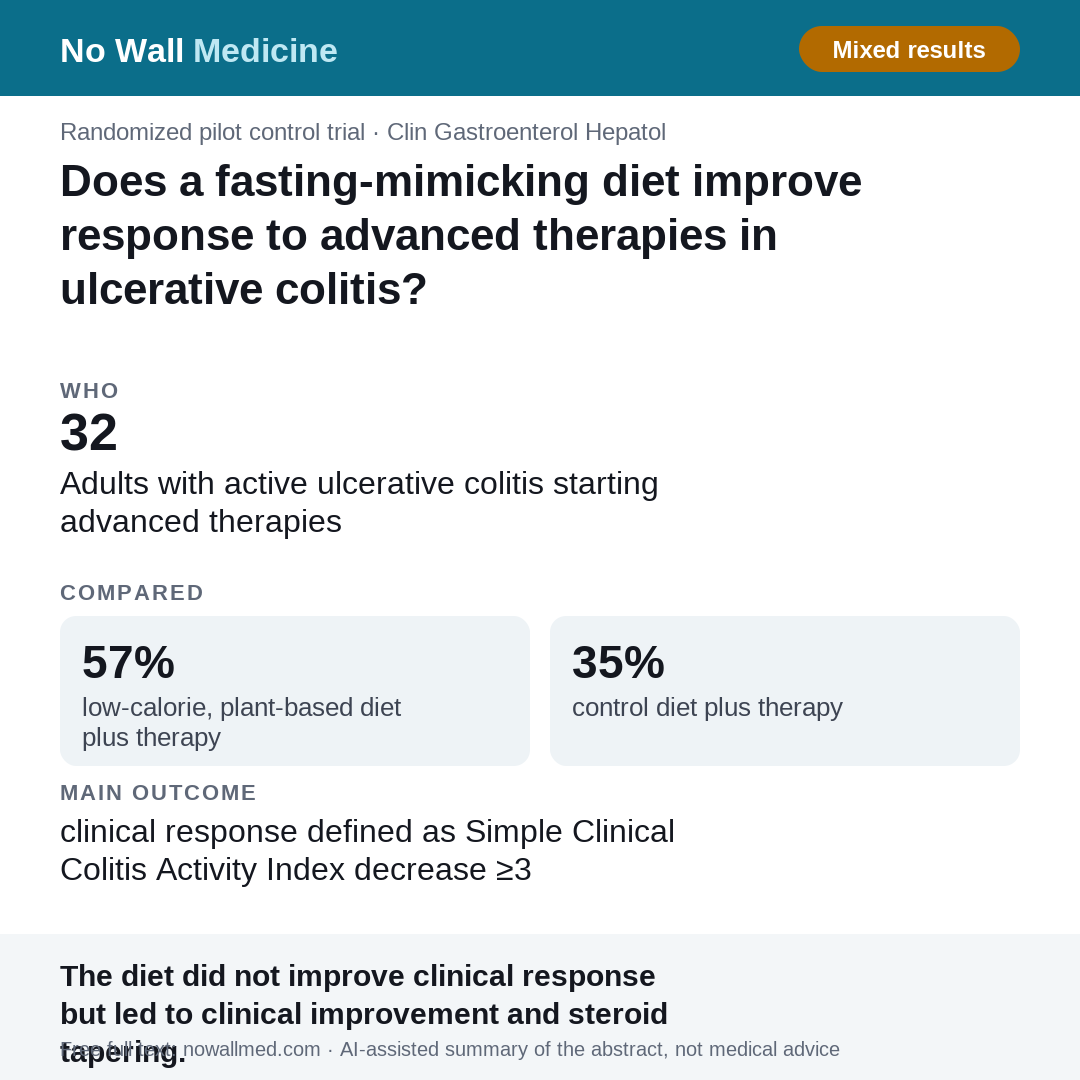
A Pilot Randomized Control Trial to Assess the Adjunctive Effect of Diet on Response to Advanced Therapies in Patients With Ulcerative Colitis
Randomized pilot control trialMixed results
Does a fasting-mimicking diet improve response to advanced therapies in ulcerative colitis?
Who
32
Adults with active ulcerative colitis starting advanced therapies
Compared
57%low-calorie, plant-based diet plus therapy (n = 8 of 14)
35%control diet plus therapy (n = 6 of 17)
Main outcome
clinical response defined as Simple Clinical Colitis Activity Index decrease ≥3
Bottom line: The diet did not improve clinical response but led to clinical improvement and steroid tapering.
Limitation: Results were limited by sample size due to early study end.
Clin Gastroenterol Hepatol · 2025-05-14Download image
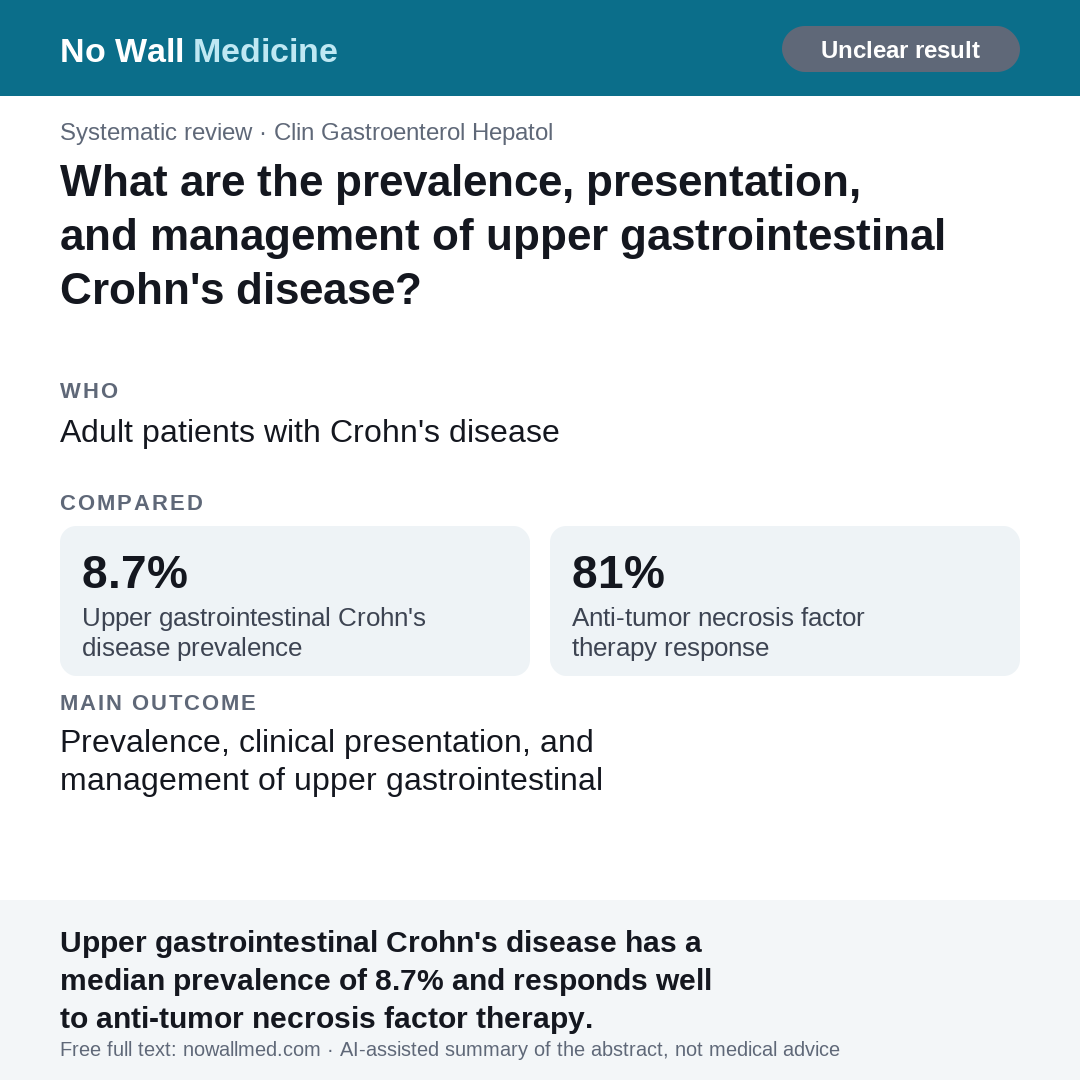
Diagnosis and Management of Upper Gastrointestinal Involvement in Adult Patients With Crohn's Disease: A Systematic Review
Systematic reviewUnclear result
What are the prevalence, presentation, and management of upper gastrointestinal Crohn's disease?
Who
Adult patients with Crohn's disease
Compared
8.7%Upper gastrointestinal Crohn's disease prevalence (interquartile range, 4.74%-24.36%)
81%Anti-tumor necrosis factor therapy response
Main outcome
Prevalence, clinical presentation, and management of upper gastrointestinal involvement
Bottom line: Upper gastrointestinal Crohn's disease has a median prevalence of 8.7% and responds well to anti-tumor necrosis factor therapy.
Limitation: Significant heterogeneity in study design, definitions, diagnosis, and outcome measures.
Clin Gastroenterol Hepatol · 2025-05-14Download image