Visual abstracts
New randomized trials and meta-analyses from leading journals at a glance: who was studied, what was compared, and what was found. Every paper is free to read in full.
All specialtiesCardiology 1367Oncology 1224Gastroenterology & Hepatology 493Infectious Disease 893Neurology 567Psychiatry & Mental Health 683Pulmonology 589Critical Care 404Endocrinology & Diabetes 754Pediatrics 819Surgery 648Orthopedics & Sports Medicine 261Neurosurgery 186Cardiothoracic & Vascular Surgery 155Plastic & Reconstructive Surgery 215Nephrology 289Rheumatology 183Hematology 286Dermatology 144Ophthalmology 156Obstetrics & Gynecology 433Public & Global Health 270Radiology & Imaging 176Anesthesiology 264Urology 255ENT (Otolaryngology) 187Emergency Medicine 152Allergy & Immunology 91Geriatrics 287Family Medicine & Primary Care 174Medical Genetics & Genomics 144Pathology & Laboratory Medicine 42Physical Medicine & Rehabilitation 242Palliative Care 123Nutrition 359Digital Health & AI 713General Medicine 123
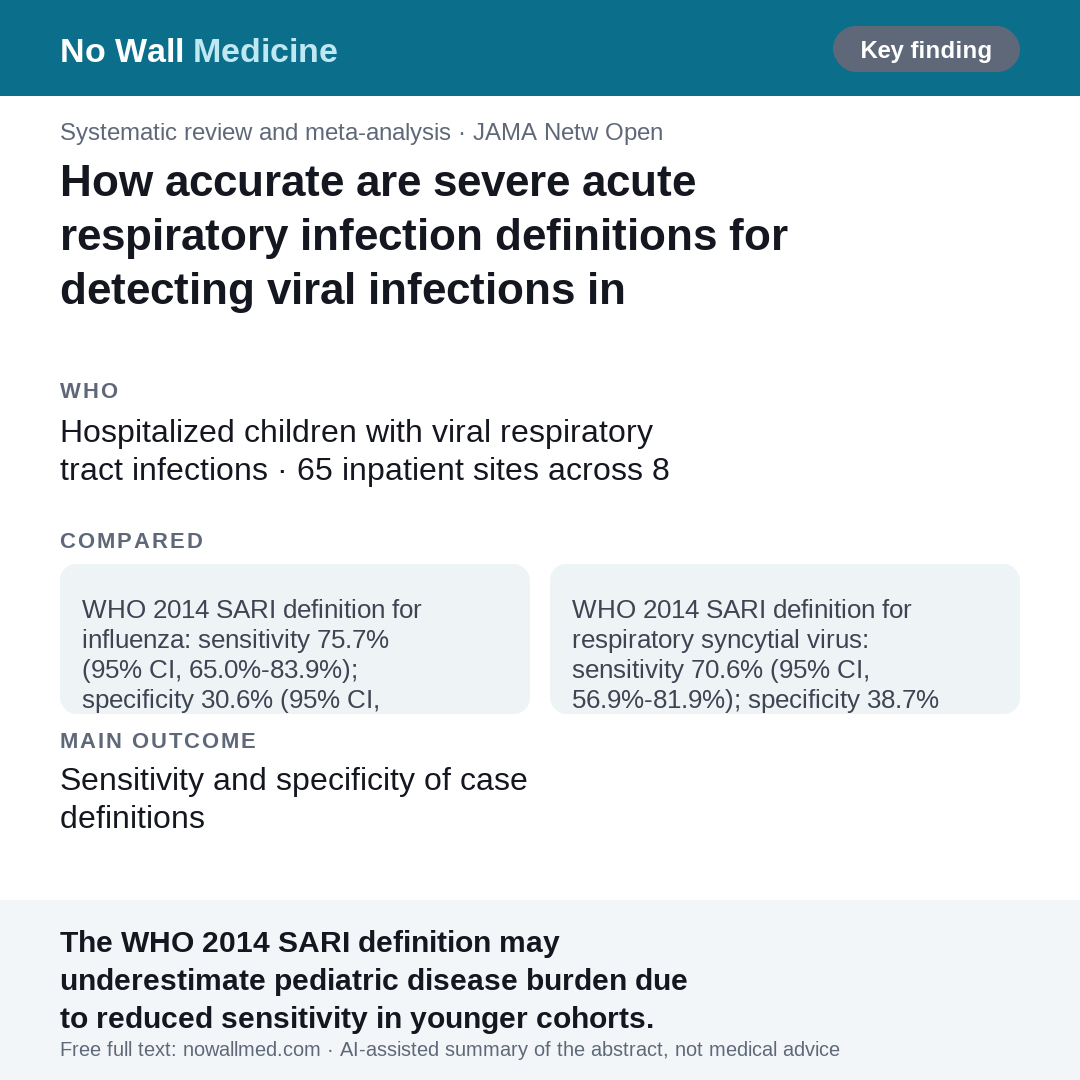
Diagnostic Accuracy of Severe Acute Respiratory Infection Definitions in Hospitalized Children: A Systematic Review and Meta-Analysis
Systematic review and meta-analysisHarm found
How accurate are severe acute respiratory infection definitions for detecting viral infections in hospitalized children?
Who
Hospitalized children with viral respiratory tract infections · 65 inpatient sites across 8 countries
Compared
WHO 2014 SARI definition for influenza: sensitivity 75.7% (95% CI, 65.0%-83.9%); specificity 30.6% (95% CI, 19.8%-44.0%)
WHO 2014 SARI definition for respiratory syncytial virus: sensitivity 70.6% (95% CI, 56.9%-81.9%); specificity 38.7% (95% CI, 25.7%-53.5%)
Main outcome
Sensitivity and specificity of case definitions
Bottom line: The WHO 2014 SARI definition may underestimate pediatric disease burden due to reduced sensitivity in younger cohorts.
JAMA Netw Open · 2025-12-01Download image
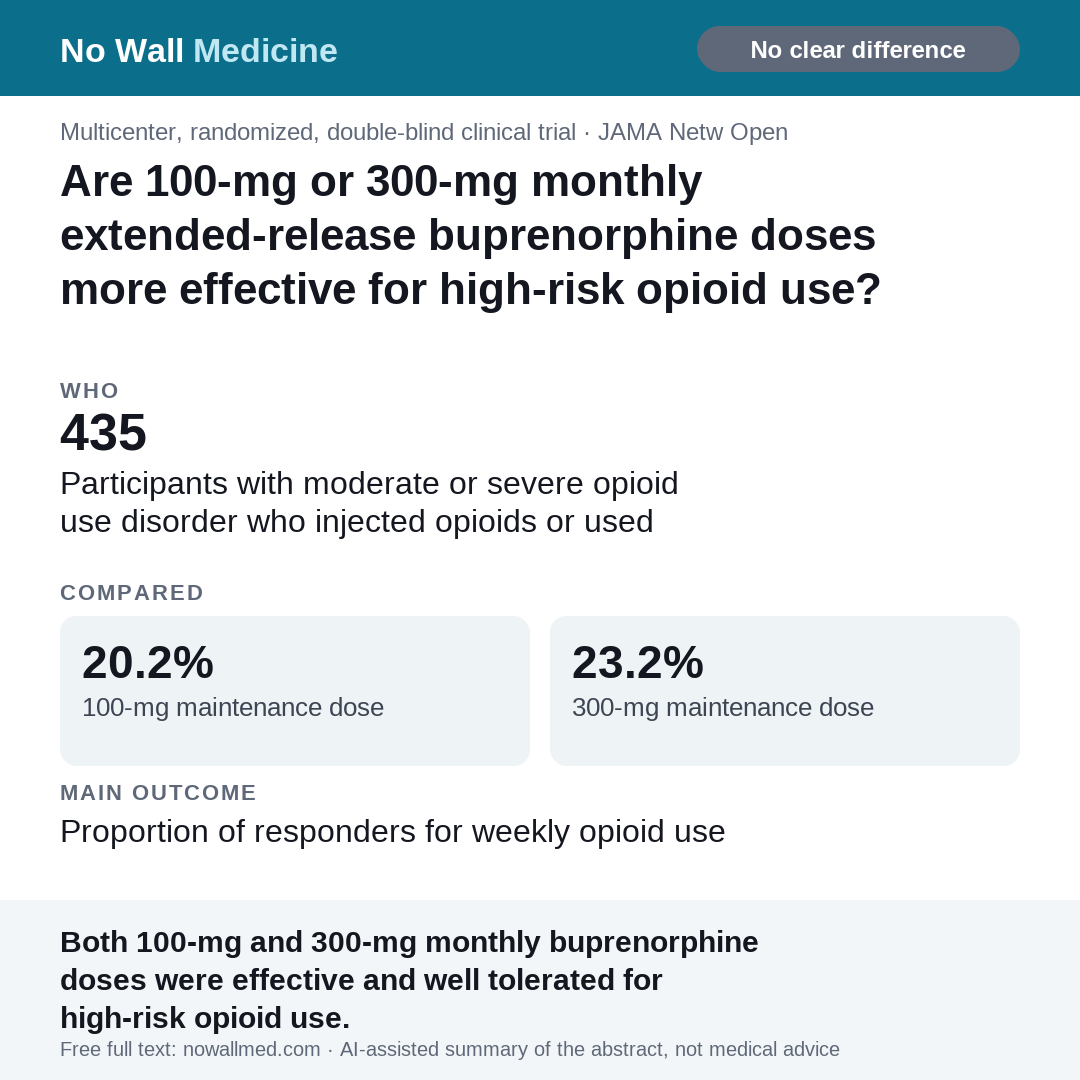
Comparison of Extended-Release Buprenorphine Doses for Treating High-Risk Opioid Use: A Randomized Clinical Trial
Multicenter, randomized, double-blind clinical trialNo clear difference
Are 100-mg or 300-mg monthly extended-release buprenorphine doses more effective for high-risk opioid use?
Who
435
Participants with moderate or severe opioid use disorder who injected opioids or used fentanyl · 28 outpatient treatment centers in the US and Canada
Compared
20.2%100-mg maintenance dose (44/218)
23.2%300-mg maintenance dose (50/216)
Main outcome
Proportion of responders for weekly opioid use
Result: Cochran-Mantel-Haenszel difference, 2.6%; 95% CI, -4.7% to 9.9%
Bottom line: Both 100-mg and 300-mg monthly buprenorphine doses were effective and well tolerated for high-risk opioid use.
JAMA Netw Open · 2025-12-01Download image
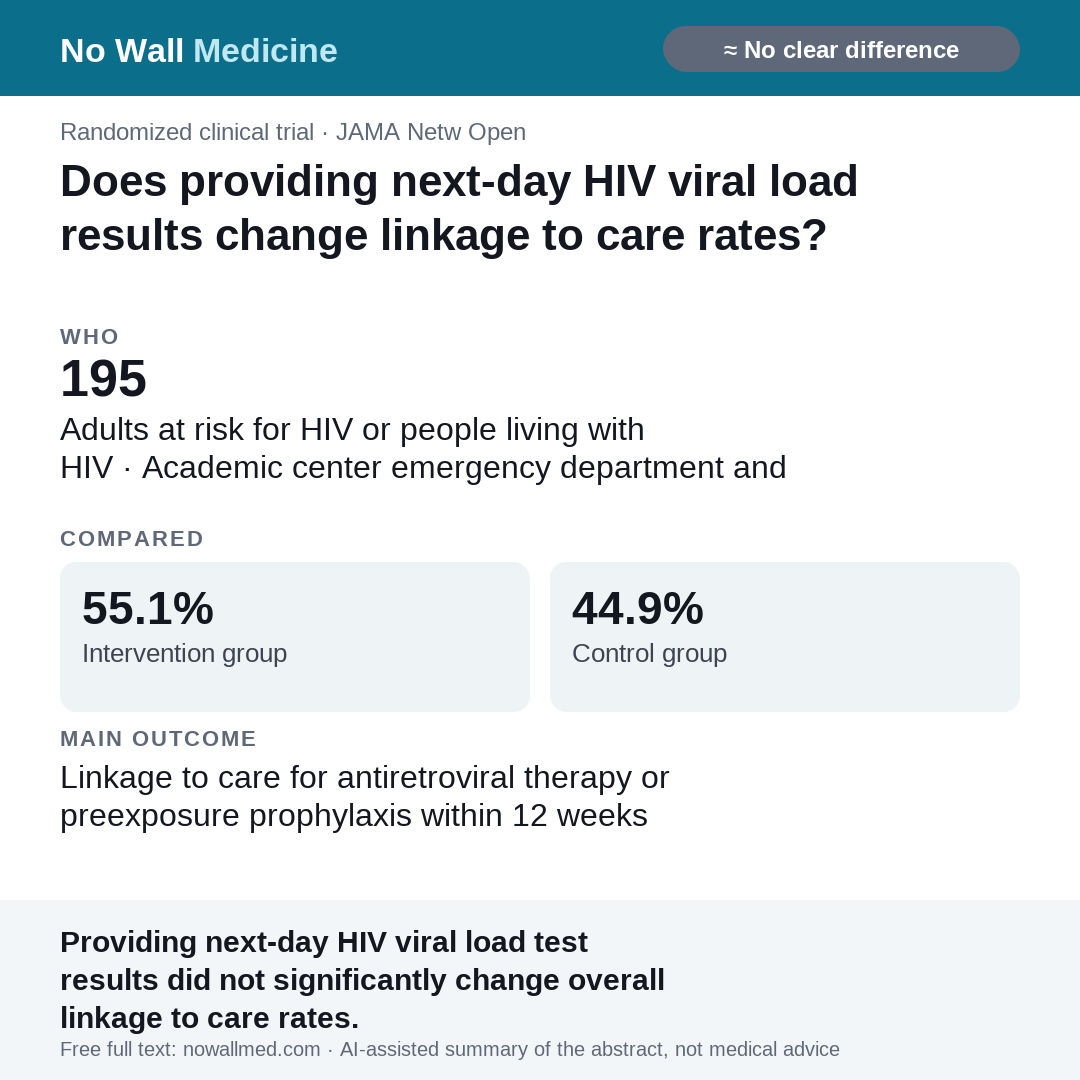
Next-Day HIV Viral Load Test Result and Linkage to Care Among Persons Living With or at Risk of HIV: A Randomized Clinical Trial
Randomized clinical trialNo clear difference
Does providing next-day HIV viral load results change linkage to care rates?
Who
195
Adults at risk for HIV or people living with HIV · Academic center emergency department and social media, Baltimore, Maryland
Compared
55.1%Intervention group (38/69)
44.9%Control group (31/69)
Main outcome
Linkage to care for antiretroviral therapy or preexposure prophylaxis within 12 weeks
Result: hazard ratio 1.28 (95% CI 0.80-2.05)
Bottom line: Providing next-day HIV viral load test results did not significantly change overall linkage to care rates.
JAMA Netw Open · 2025-12-01Download image
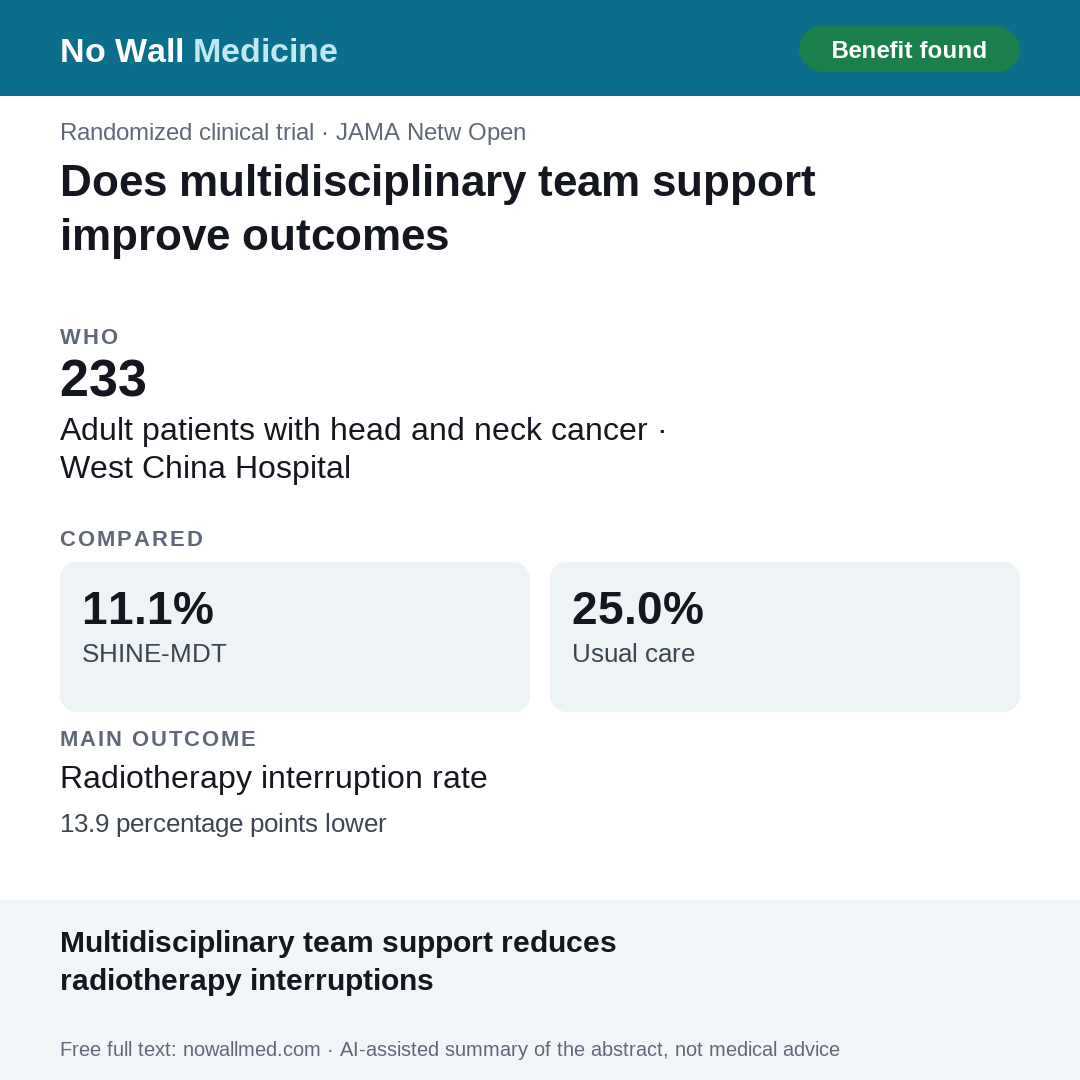
Multidisciplinary Team Support for Patients With Head and Neck Cancer Receiving Radiotherapy: A Randomized Clinical Trial
Randomized clinical trialBenefit found
Does multidisciplinary team support improve outcomes
Who
233
Adult patients with head and neck cancer · West China Hospital
Compared
11.1%SHINE-MDT
25.0%Usual care
Main outcome
Radiotherapy interruption rate
Result: 13.9 percentage points lower
Bottom line: Multidisciplinary team support reduces radiotherapy interruptions
JAMA Netw Open · 2025-12-01Download image
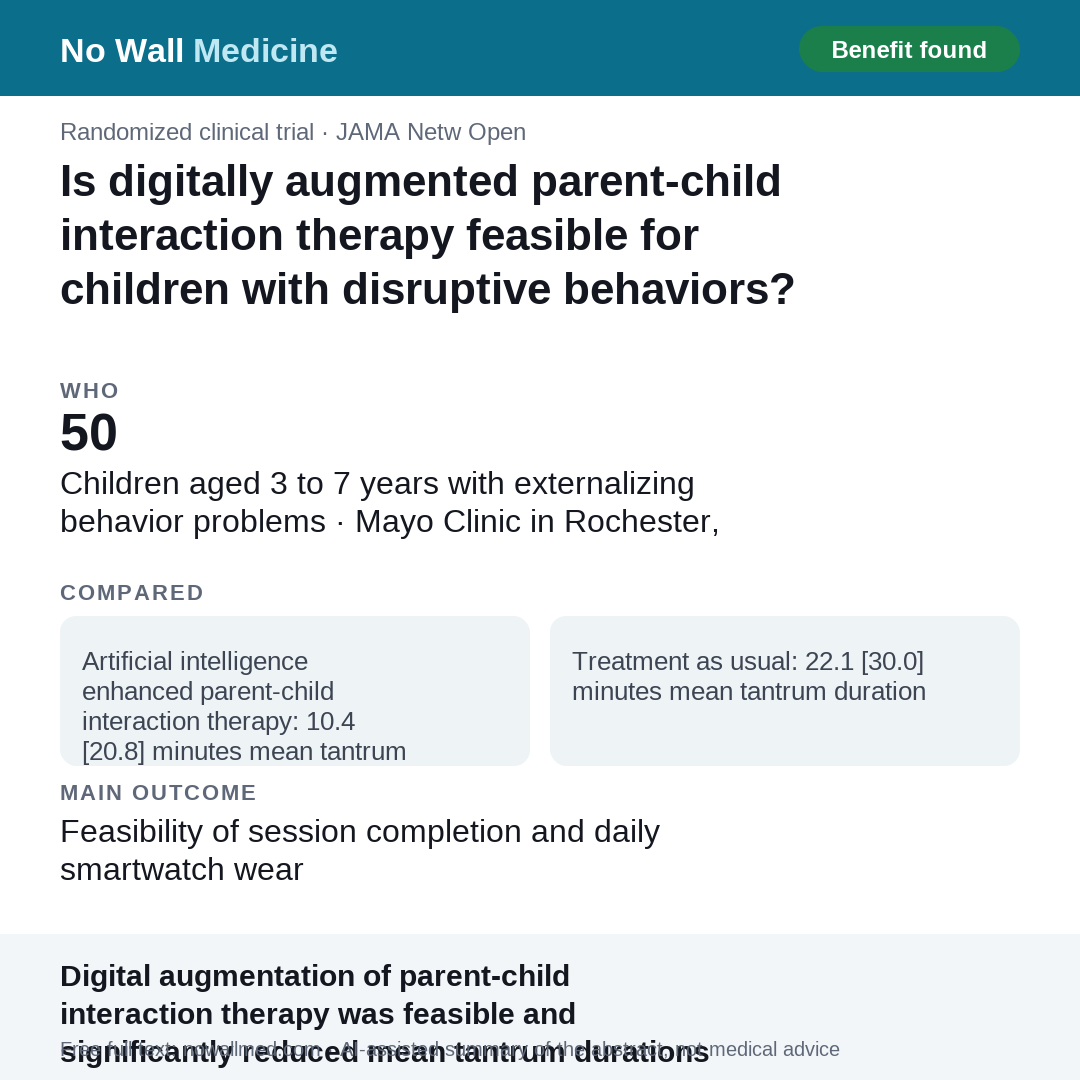
Feasibility of Digital Augmentation of Parent-Child Interaction Therapy: A Randomized Clinical Trial
Randomized clinical trialBenefit found
Is digitally augmented parent-child interaction therapy feasible for children with disruptive behaviors?
Who
50
Children aged 3 to 7 years with externalizing behavior problems · Mayo Clinic in Rochester, Minnesota
Compared
Artificial intelligence enhanced parent-child interaction therapy: 10.4 [20.8] minutes mean tantrum duration
Treatment as usual: 22.1 [30.0] minutes mean tantrum duration
Main outcome
Feasibility of session completion and daily smartwatch wear
Result: odds ratio 3.66 (95% CI 2.72-4.95) for tantrums lasting 15 minutes or more
Bottom line: Digital augmentation of parent-child interaction therapy was feasible and significantly reduced mean tantrum durations in children.
JAMA Netw Open · 2025-12-01Download image
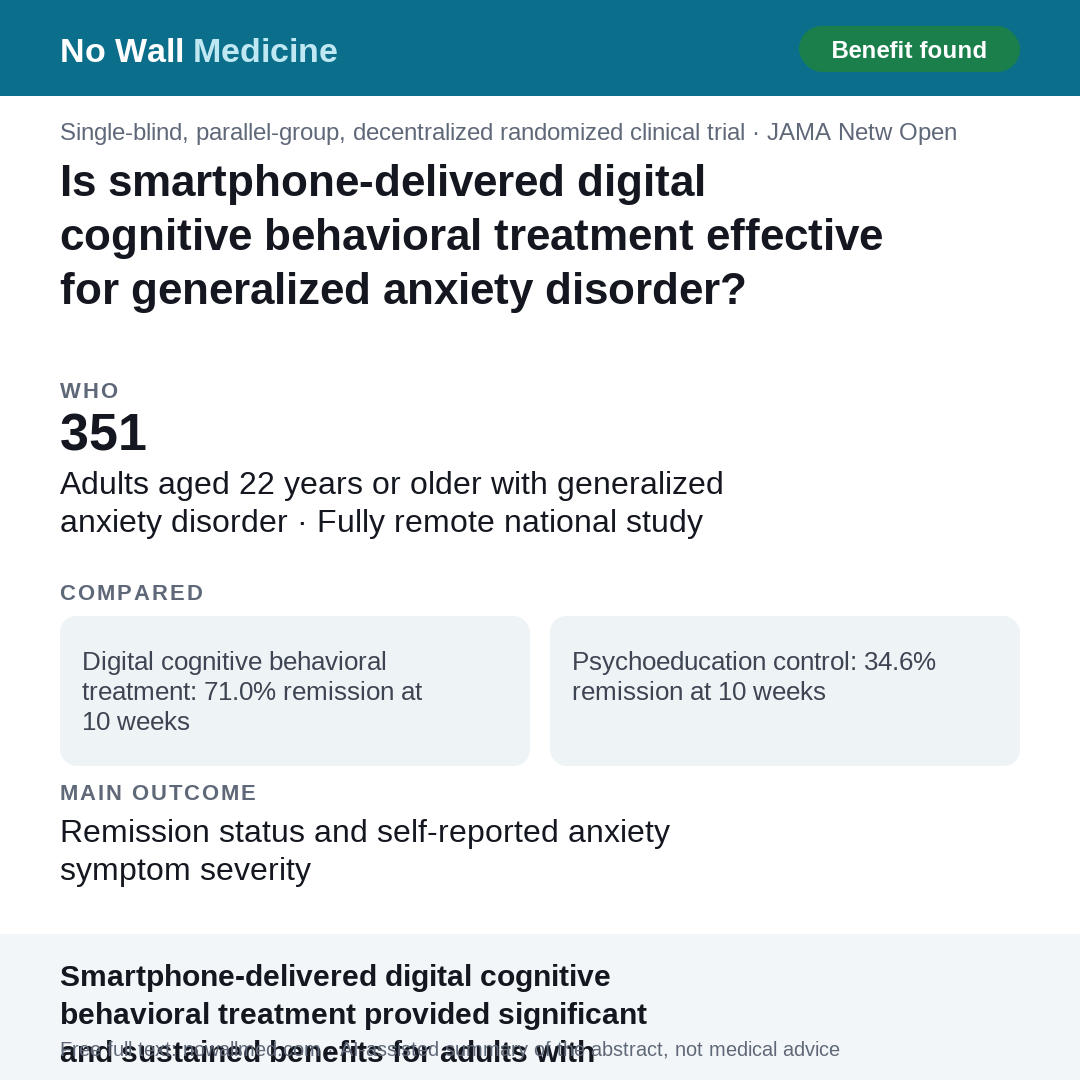
Digital Cognitive Behavioral Treatment for Generalized Anxiety Disorder: A Randomized Clinical Trial
Single-blind, parallel-group, decentralized randomized clinical trialBenefit found
Is smartphone-delivered digital cognitive behavioral treatment effective for generalized anxiety disorder?
Who
351
Adults aged 22 years or older with generalized anxiety disorder · Fully remote national study through Boston University
Compared
Digital cognitive behavioral treatment: 71.0% remission at 10 weeks
Psychoeducation control: 34.6% remission at 10 weeks
Main outcome
Remission status and self-reported anxiety symptom severity
Result: odds ratio 4.63 (95% CI, 2.85-7.54)
Bottom line: Smartphone-delivered digital cognitive behavioral treatment provided significant and sustained benefits for adults with generalized anxiety disorder.
JAMA Netw Open · 2025-12-01Download image
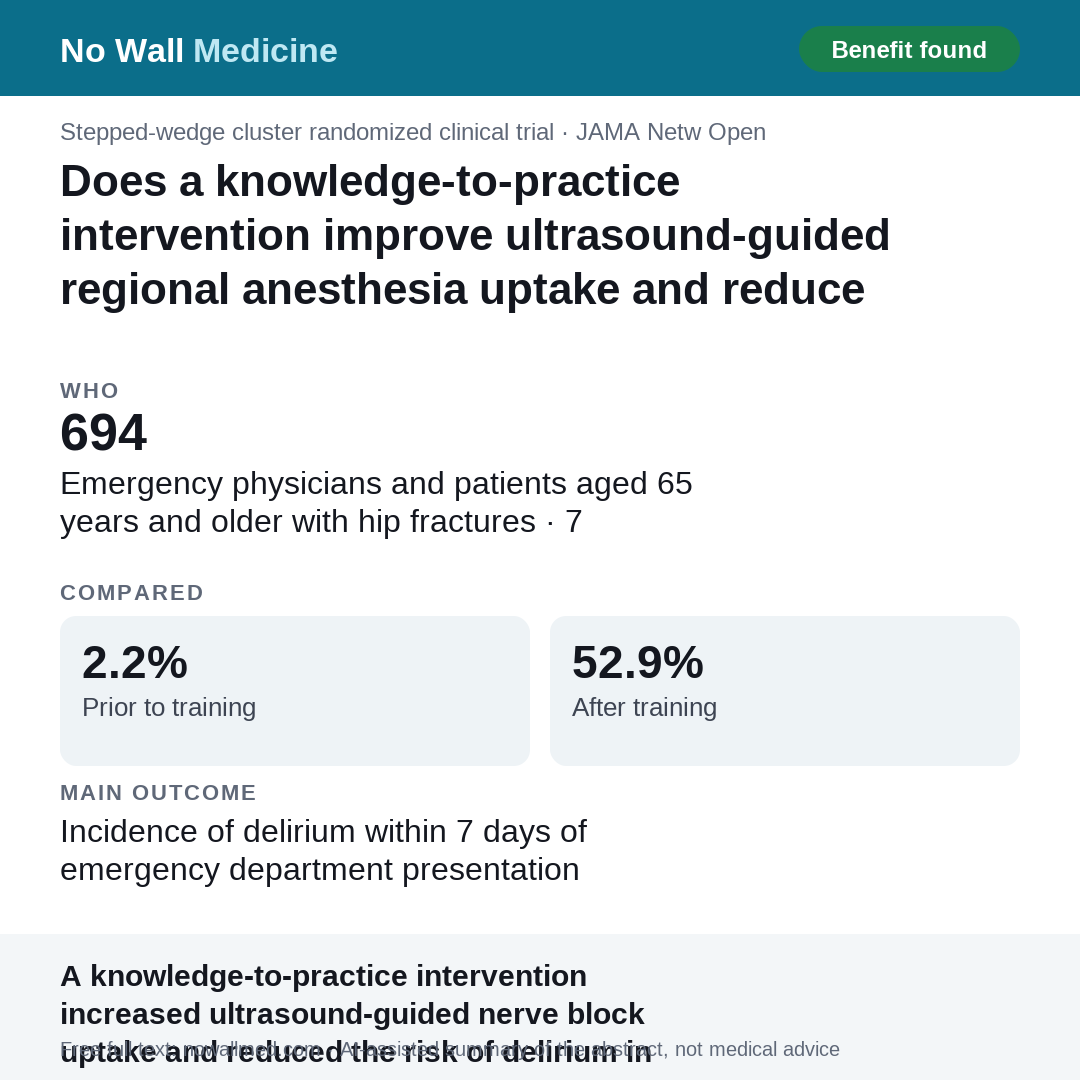
Ultrasound-Guided Regional Anesthesia by Emergency Physicians for Hip Fractures and Delirium: A Randomized Clinical Trial
Stepped-wedge cluster randomized clinical trialBenefit found
Does a knowledge-to-practice intervention improve ultrasound-guided regional anesthesia uptake and reduce delirium?
Who
694
Emergency physicians and patients aged 65 years and older with hip fractures · 7 academic emergency departments in 4 Canadian provinces
Compared
2.2%Prior to training
52.9%After training
Main outcome
Incidence of delirium within 7 days of emergency department presentation
Result: odds ratio 0.72 (95% CI 0.57-0.93)
Bottom line: A knowledge-to-practice intervention increased ultrasound-guided nerve block uptake and reduced the risk of delirium in hip fracture patients.
Limitation: Despite the intervention, uptake was suboptimal.
JAMA Netw Open · 2025-12-01Download image
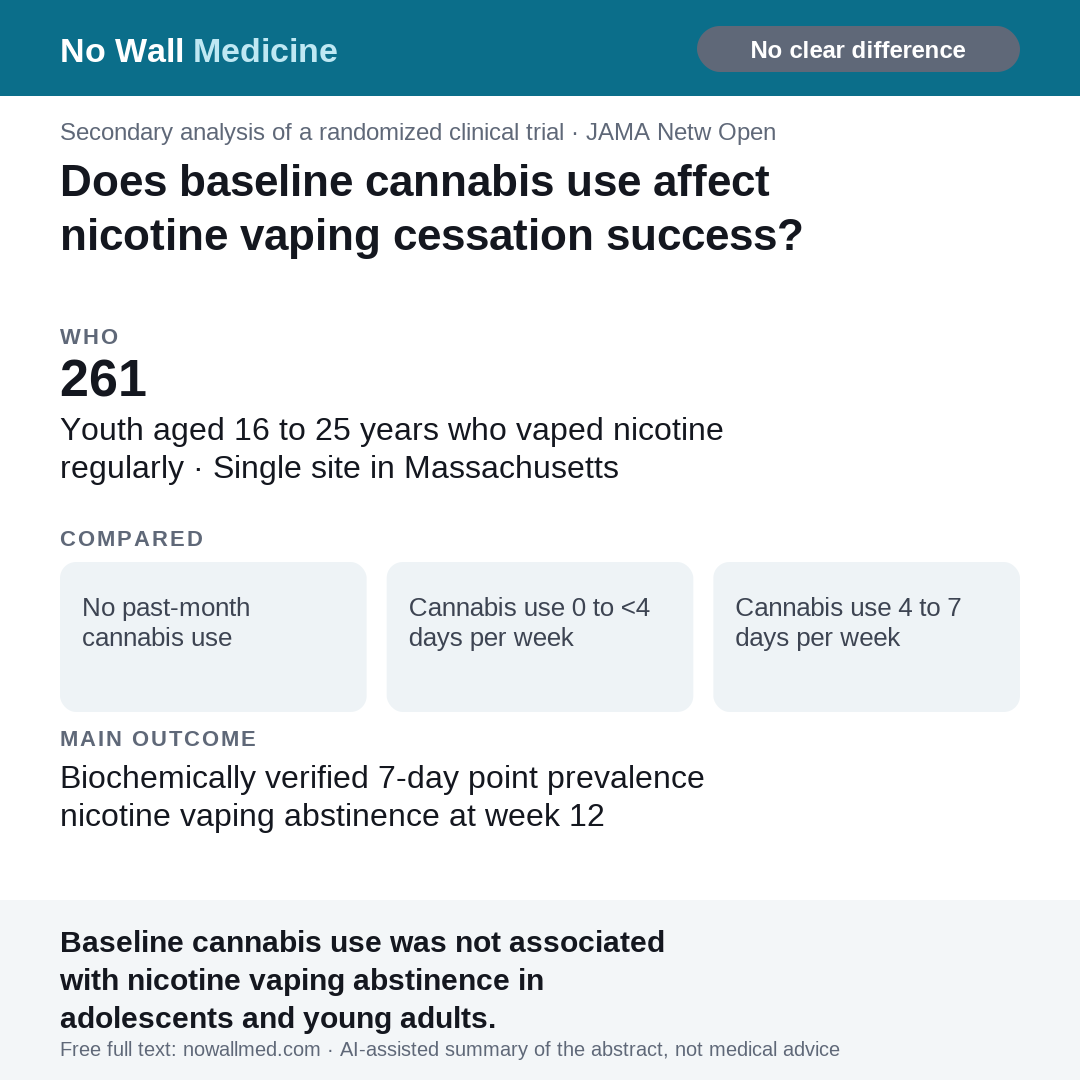
Cannabis Use and Nicotine Vaping Cessation Outcomes: A Secondary Analysis of a Randomized Clinical Trial
Secondary analysis of a randomized clinical trialNo clear difference
Does baseline cannabis use affect nicotine vaping cessation success?
Who
261
Youth aged 16 to 25 years who vaped nicotine regularly · Single site in Massachusetts
Compared
No past-month cannabis use
Cannabis use 0 to <4 days per week
Cannabis use 4 to 7 days per week
Main outcome
Biochemically verified 7-day point prevalence nicotine vaping abstinence at week 12
Result: adjusted odds ratio 1.14 (95% CI, 0.51-2.57)
Bottom line: Baseline cannabis use was not associated with nicotine vaping abstinence in adolescents and young adults.
JAMA Netw Open · 2025-12-01Download image
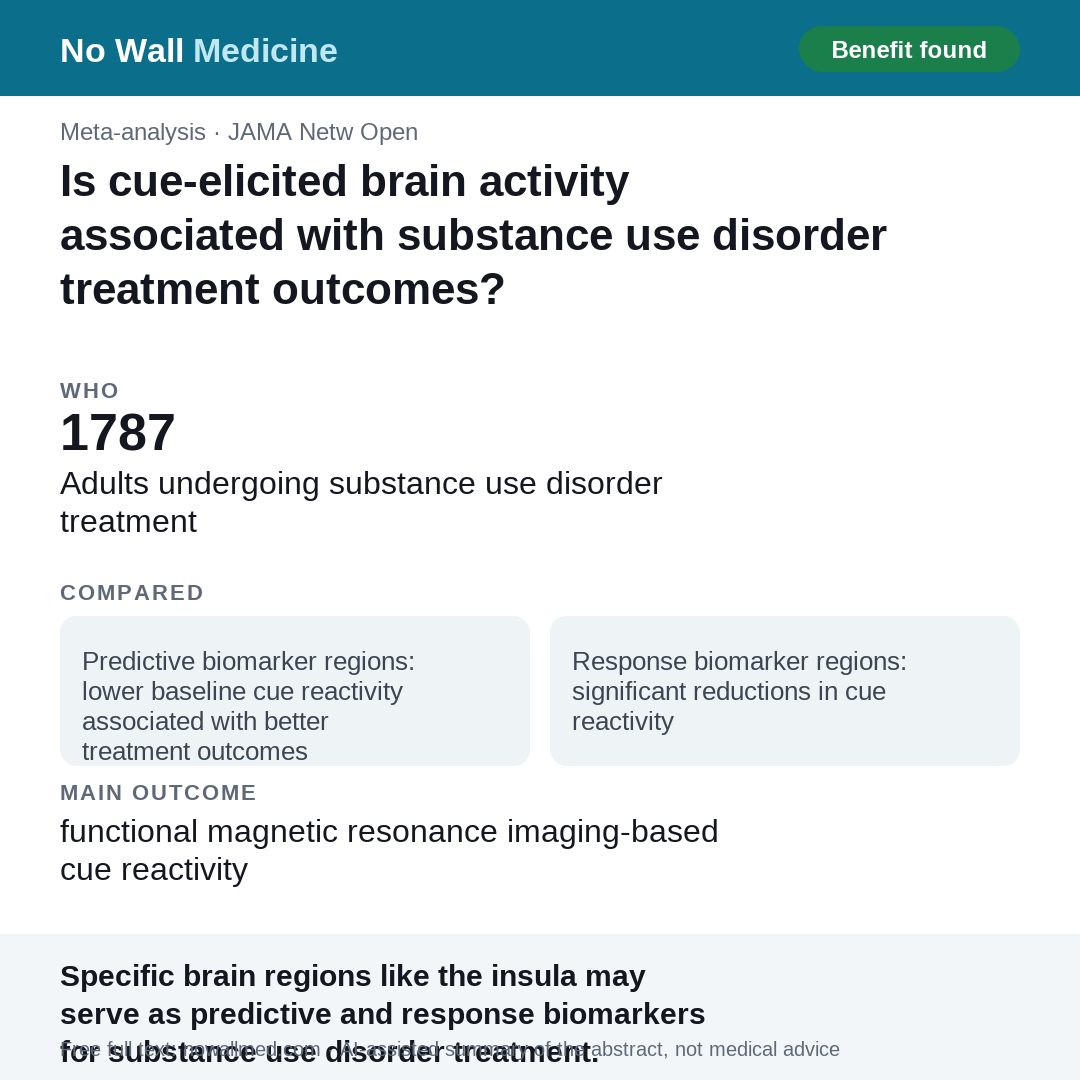
Cue-Elicited Brain Activity and Treatment Outcomes in Substance Use Disorders: A Meta-Analysis
Meta-analysisBenefit found
Is cue-elicited brain activity associated with substance use disorder treatment outcomes?
Who
1787
Adults undergoing substance use disorder treatment
Compared
Predictive biomarker regions: lower baseline cue reactivity associated with better treatment outcomes
Response biomarker regions: significant reductions in cue reactivity
Main outcome
functional magnetic resonance imaging-based cue reactivity
Bottom line: Specific brain regions like the insula may serve as predictive and response biomarkers for substance use disorder treatment.
JAMA Netw Open · 2025-12-01Download image
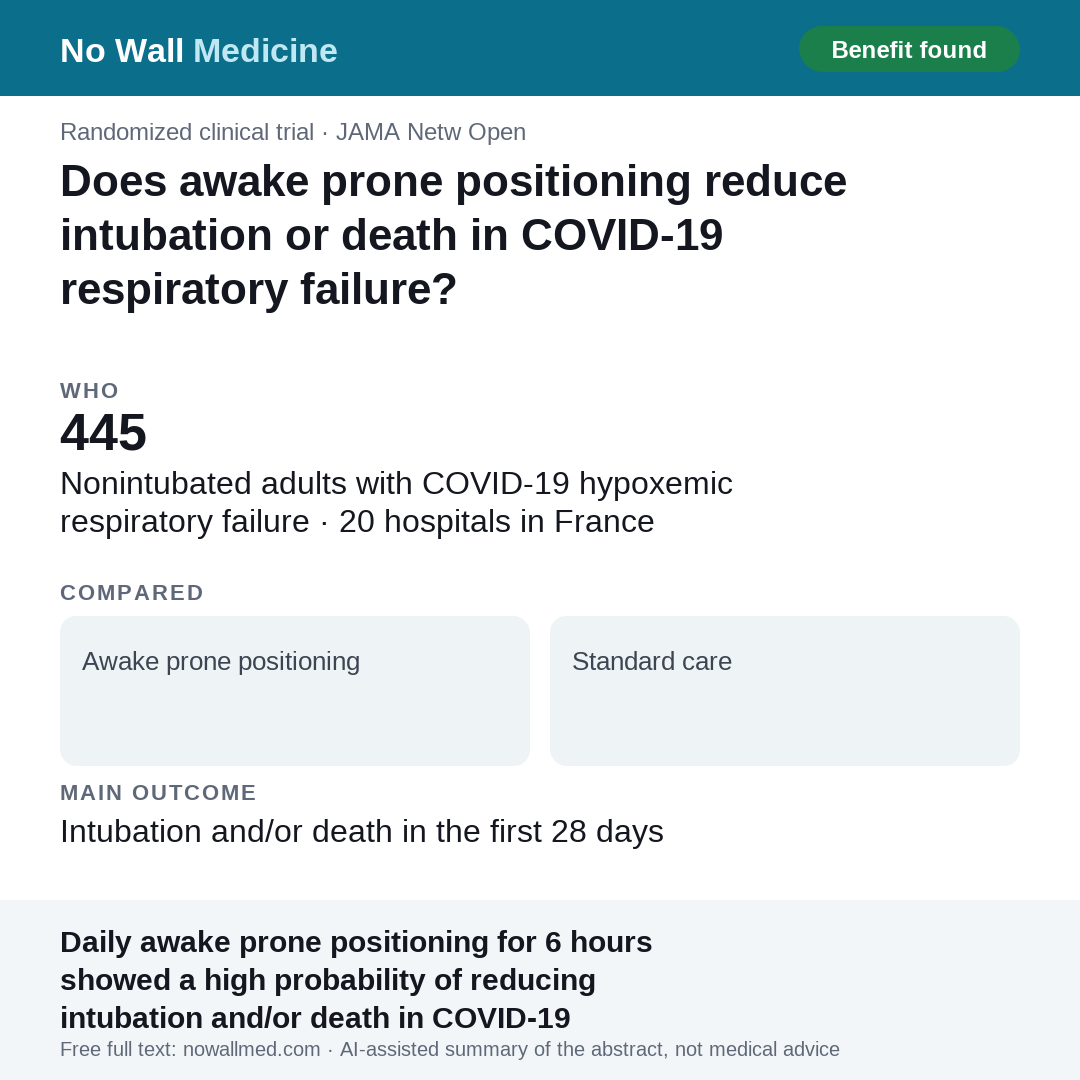
Awake Prone Positioning in Patients With COVID-19 Respiratory Failure: A Randomized Clinical Trial
Randomized clinical trialBenefit found
Does awake prone positioning reduce intubation or death in COVID-19 respiratory failure?
Who
445
Nonintubated adults with COVID-19 hypoxemic respiratory failure · 20 hospitals in France and 1 hospital in Mexico
Compared
Awake prone positioning
Standard care
Main outcome
Intubation and/or death in the first 28 days
Result: mean odds ratio 0.74 (95% credible interval 0.48-1.09)
Bottom line: Daily awake prone positioning for 6 hours showed a high probability of reducing intubation and/or death in COVID-19 patients.
JAMA Netw Open · 2025-12-01Download image
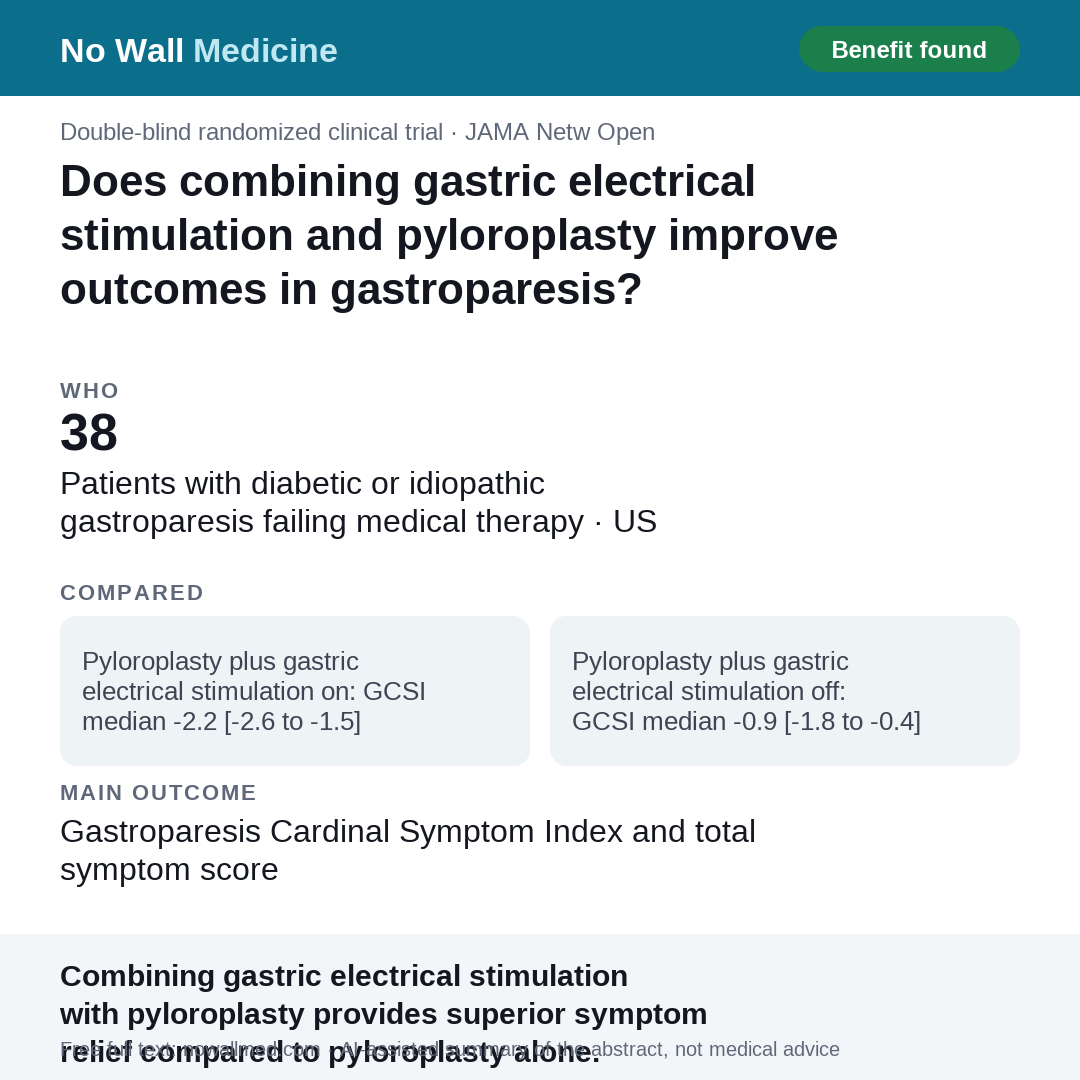
Combined Gastric Electrical Stimulation and Pyloroplasty in Gastroparesis: A Randomized Clinical Trial
Double-blind randomized clinical trialBenefit found
Does combining gastric electrical stimulation and pyloroplasty improve outcomes in gastroparesis?
Who
38
Patients with diabetic or idiopathic gastroparesis failing medical therapy · US academic gastrointestinal motility clinic
Compared
Pyloroplasty plus gastric electrical stimulation on: GCSI median -2.2 [-2.6 to -1.5]
Pyloroplasty plus gastric electrical stimulation off: GCSI median -0.9 [-1.8 to -0.4]
Main outcome
Gastroparesis Cardinal Symptom Index and total symptom score
Result: median difference GCSI -1.33 (95% CI -2.34 to -0.33)
Bottom line: Combining gastric electrical stimulation with pyloroplasty provides superior symptom relief compared to pyloroplasty alone.
JAMA Netw Open · 2025-12-01Download image
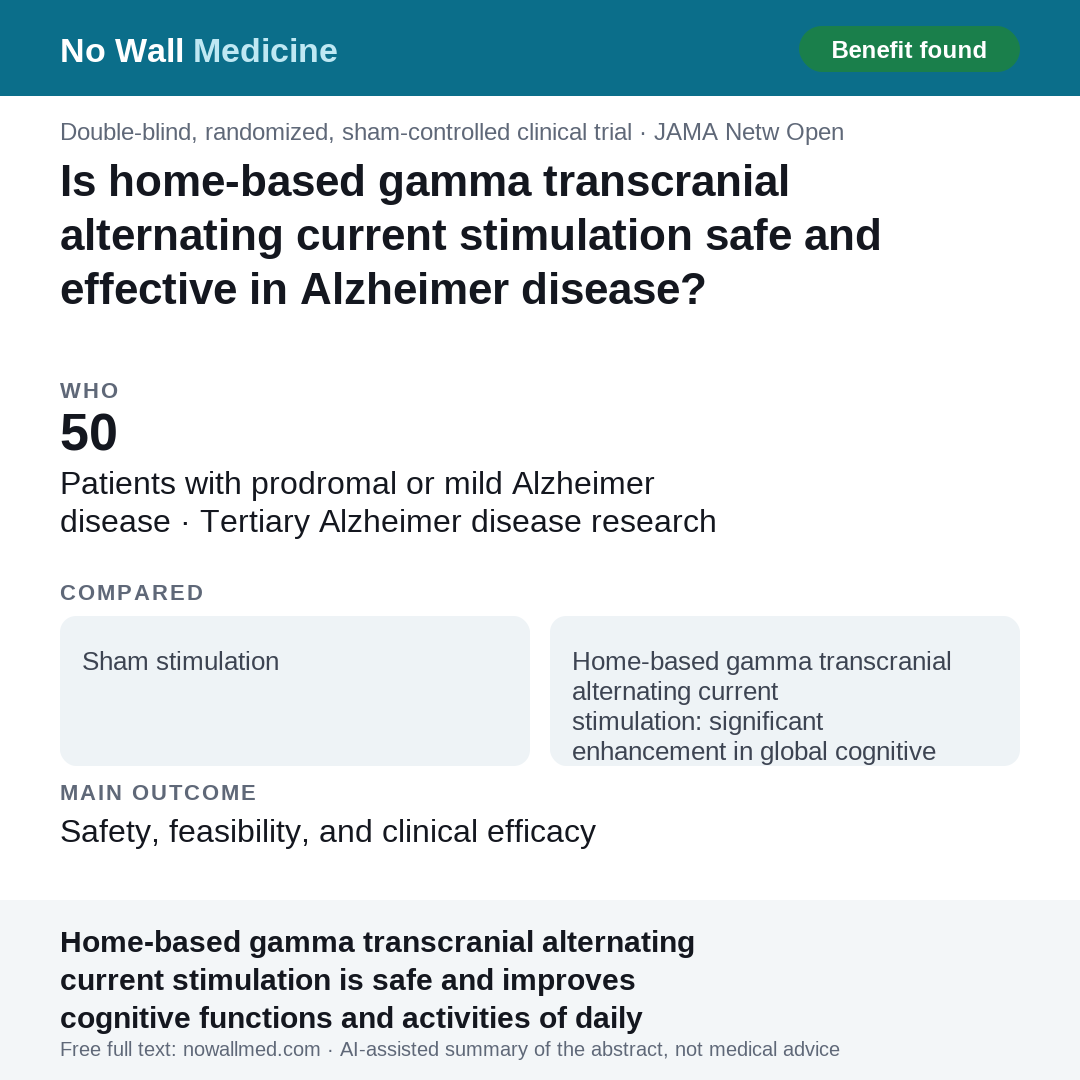
Obstructive Coronary Artery Disease and Health Status in Transcatheter Aortic Valve Replacement: A Post Hoc Analysis of the SCOPE I Randomized Clinical Trial
Post hoc analysis of a randomized clinical trialNo clear difference
Does obstructive coronary artery disease affect clinical outcomes and health status after transcatheter aortic valve replacement?
Who
732
Patients with symptomatic severe aortic stenosis undergoing transcatheter aortic valve replacement · 20 tertiary heart centers in Europe
Compared
With obstructive coronary artery disease: 79.7 [64.4-90.6] median KCCQ score at 3 years
Without obstructive coronary artery disease: 82.3 [68.2-91.7] median KCCQ score at 3 years
Main outcome
Patient-reported health status and clinical efficacy
Result: adjusted hazard ratio 0.97 (95% CI 0.66 to 1.43) for all-cause death
Bottom line: Obstructive coronary artery disease did not significantly impact survival, health status, or clinical efficacy after transcatheter aortic valve replacement.
JAMA Netw Open · 2025-12-01Download image
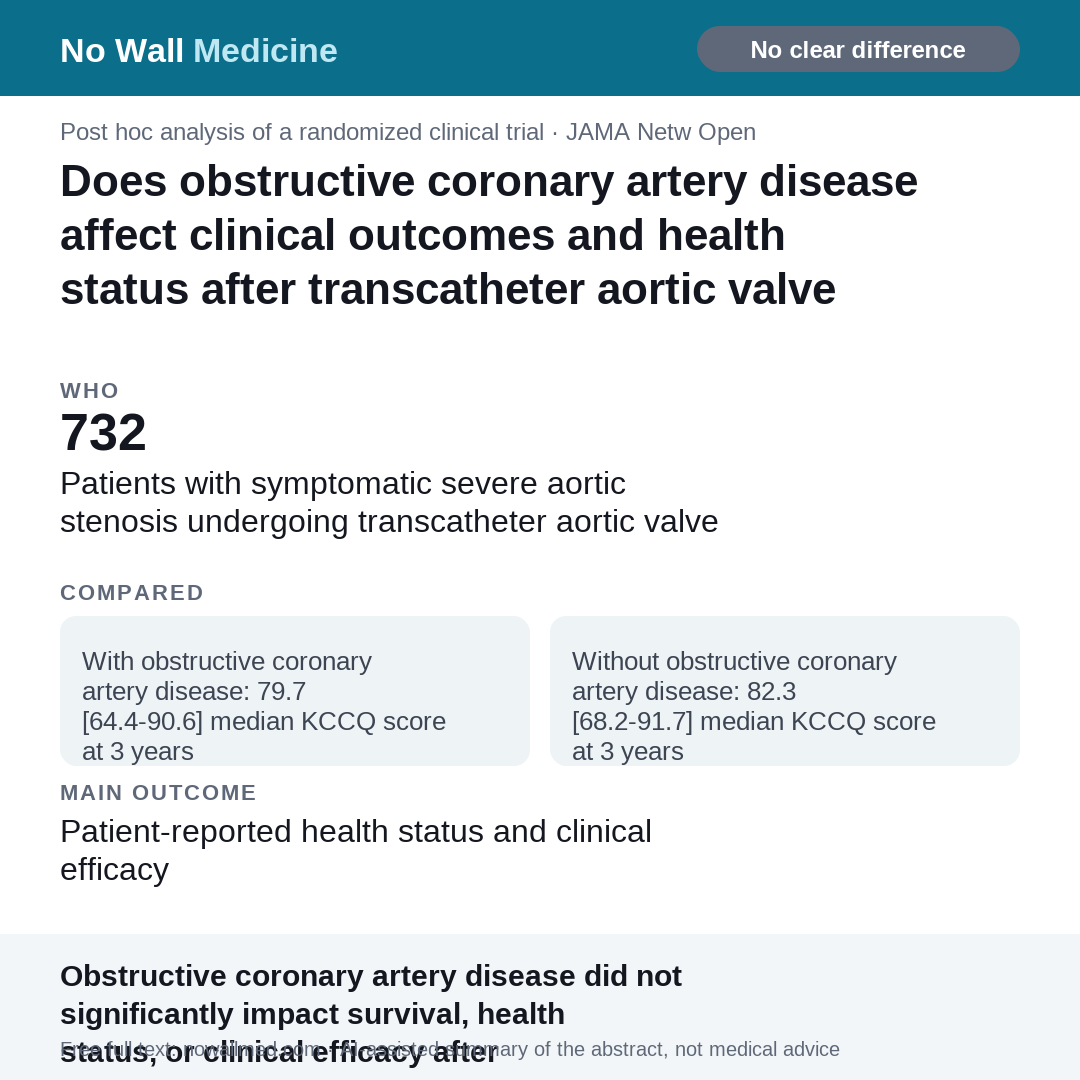
Cost-Effectiveness of Cryopreserved vs Liquid-Stored Platelets for Managing Surgical Bleeding
Economic evaluation alongside a randomized clinical trialHarm found
Is cryopreserved platelets cost-effective compared to liquid-stored platelets for managing surgical bleeding?
Who
202
Adult patients undergoing cardiac surgery · 11 Australian tertiary hospitals
Compared
Cryopreserved platelets: A$15 035 higher mean per-patient cost
Liquid-stored platelets
Main outcome
Cost-effectiveness and clinical outcomes
Result: mean difference in per-patient cost A$15 035 (95% CI, -A$1878 to A$31 949)
Bottom line: Cryopreserved platelets were dominated by liquid-stored platelets for managing bleeding in cardiac surgery.
Limitation: Further research is needed in broader populations like regional and remote hospitals.
Funded by: Australian government funder
JAMA Netw Open · 2025-12-01Download image
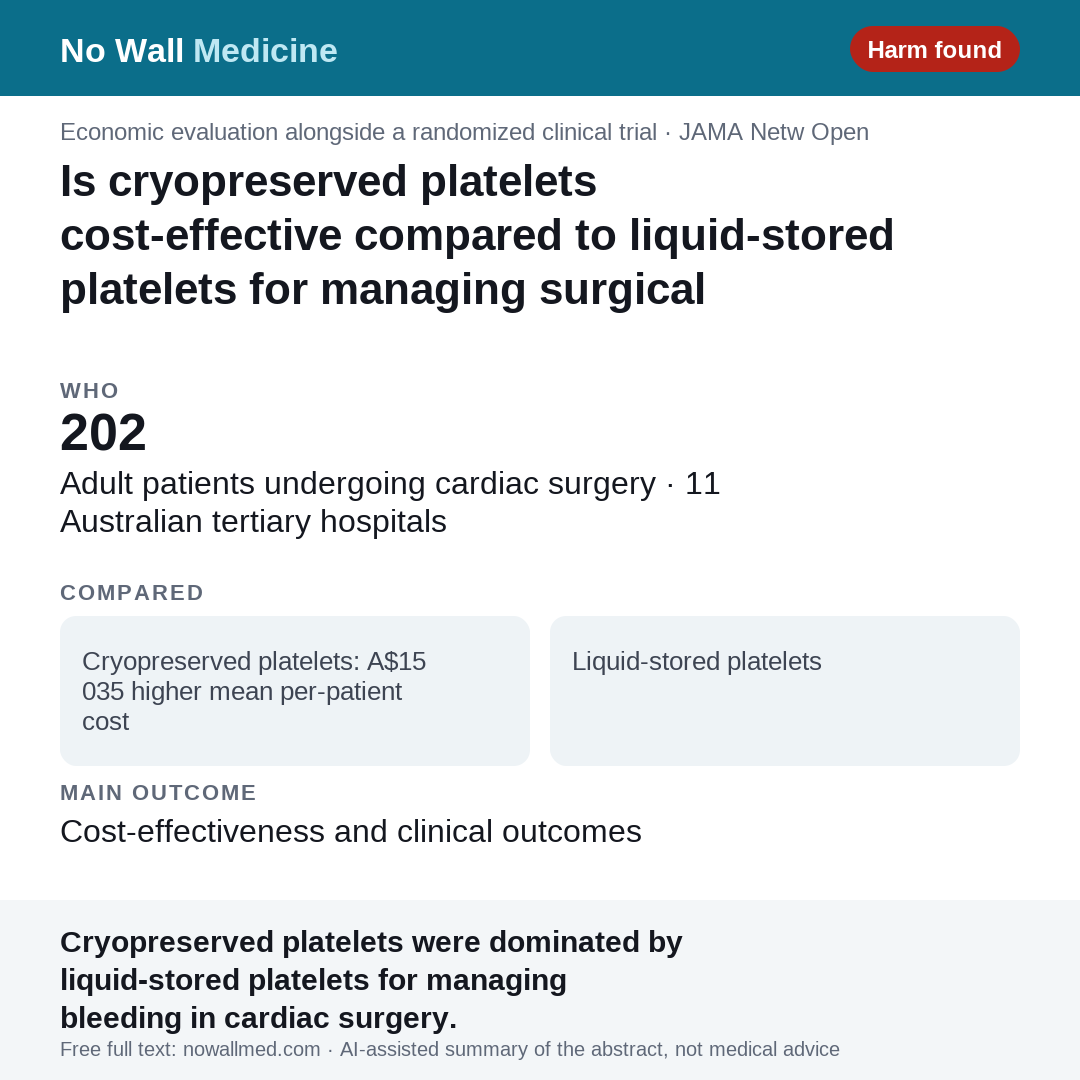
Effects of Hatha Yoga vs Physical Conditioning on Sleep in Women With Urinary Incontinence: A Secondary Analysis of a Randomized Clinical Trial
Investigator-blinded randomized clinical trialNo clear difference
Does hatha yoga improve sleep compared to physical conditioning in women with urinary incontinence?
Who
240
Women aged 45 to 90 years with daily incontinence · 3 sites in Northern California
Compared
0.37 pointsHatha yoga (95% CI, 0.78 to -0.04 points)
0.66 pointsPhysical conditioning (95% CI, 1.07 to 0.25 points)
Main outcome
Sleep quality and disruption
Result: between-group difference: 0.29 points [95% CI -0.28 to 0.86 points]
Bottom line: A 3-month yoga intervention did not yield superior sleep quality or disruption compared with general physical conditioning.
JAMA Netw Open · 2025-12-01Download image
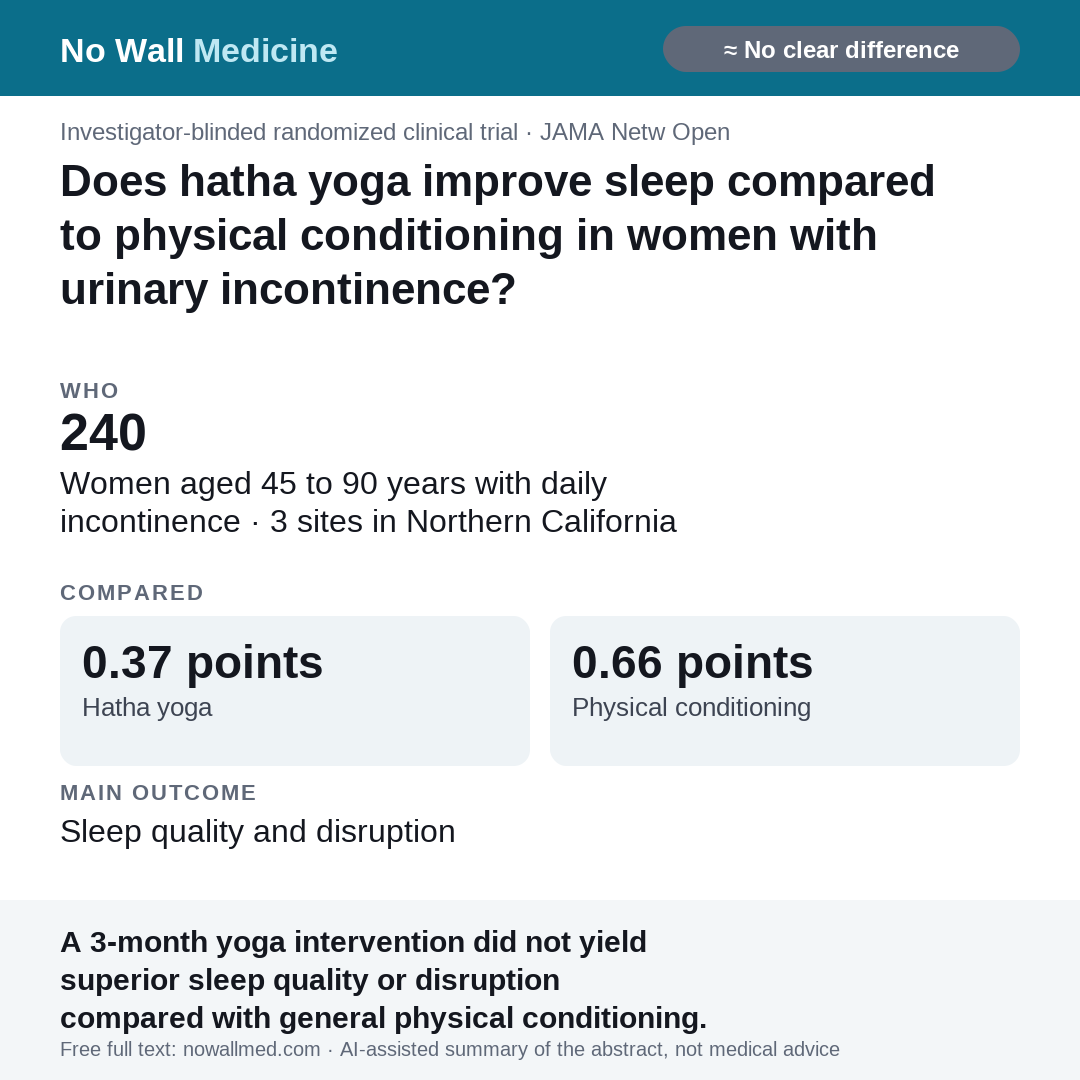
Home-Based Gamma Transcranial Alternating Current Stimulation in Patients With Alzheimer Disease: A Randomized Clinical Trial
Double-blind, randomized, sham-controlled clinical trialBenefit found
Is home-based gamma transcranial alternating current stimulation safe and effective in Alzheimer disease?
Who
50
Patients with prodromal or mild Alzheimer disease · Tertiary Alzheimer disease research clinic in Italy
Compared
Sham stimulation
Home-based gamma transcranial alternating current stimulation: significant enhancement in global cognitive functions
Main outcome
Safety, feasibility, and clinical efficacy
Result: Clinical Dementia Rating sum of boxes 0.35 (95% CI, 0.10-0.61)
Bottom line: Home-based gamma transcranial alternating current stimulation is safe and improves cognitive functions and activities of daily living in Alzheimer disease.
JAMA Netw Open · 2025-12-01Download image
Preoperative Weight Loss in Patients With Excess Weight and Colorectal Cancer: The CARE Feasibility Randomized Clinical Trial
Assessor-blinded randomized clinical trialBenefit found
Is a preoperative low-energy total diet replacement program feasible for patients with excess weight and colorectal cancer?
Who
71
Adults with body mass index of 28 or greater awaiting elective colorectal cancer resection · 8 hospitals across England
Compared
Intervention: 61% (22/36) lost 5% or more weight
Usual care: 9% (3/35) lost 5% or more weight
Main outcome
Feasibility criteria including recruitment, engagement, adherence, and retention
Result: odds ratio 16.8 (95% CI 4.3-65.3)
Bottom line: Preoperative low-energy total diet replacement was feasible, well tolerated, and likely cost-effective for colorectal cancer patients.
JAMA Netw Open · 2025-12-01Download image
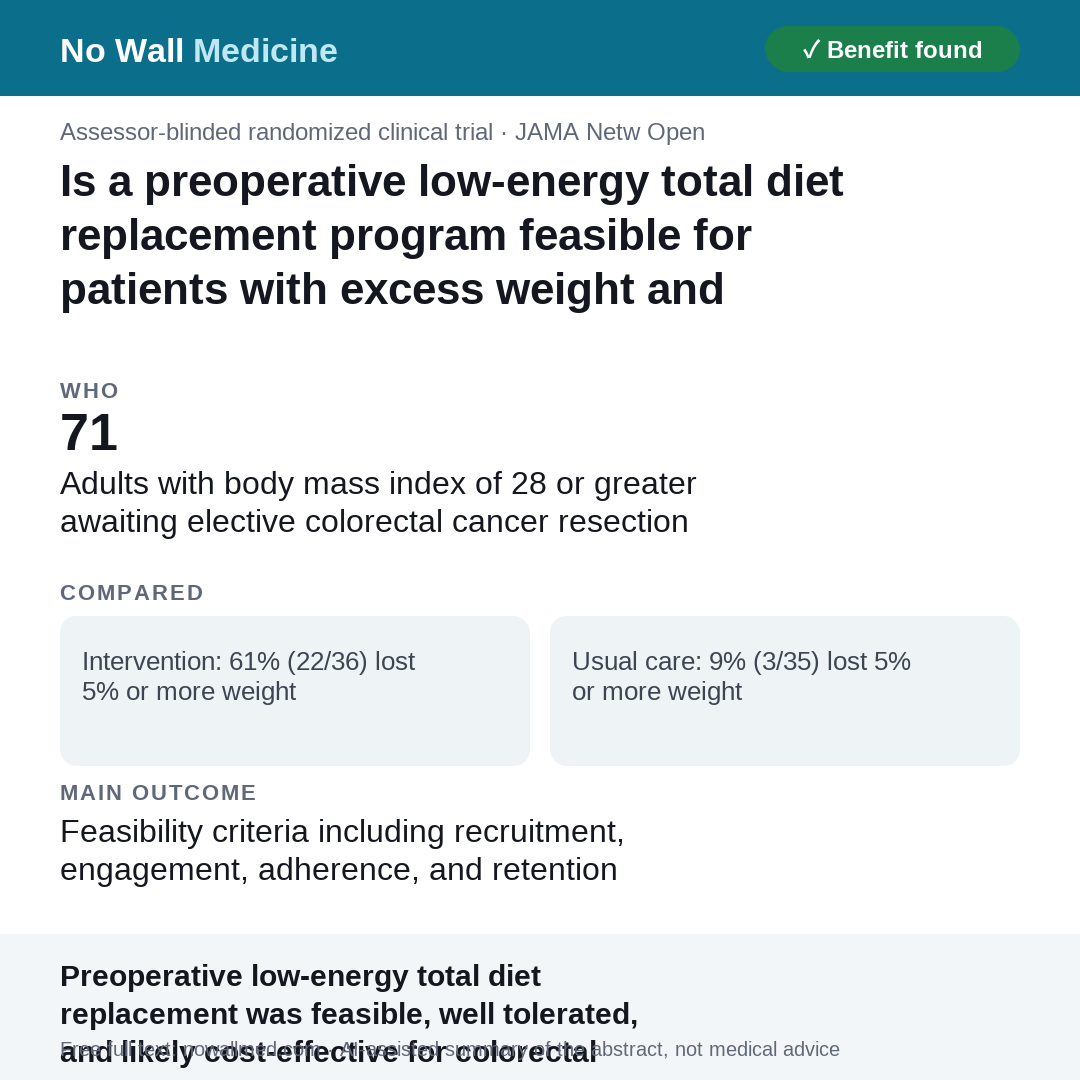
Food Compass Score vs FDA Healthy Labeling and Consumer Purchases: A Randomized Clinical Trial
Randomized clinical trialBenefit found
How do Food Compass Score and FDA healthy labels affect consumer snack food purchases?
Who
275
Adults recruited at supermarket locations · 6 locations of 3 supermarket chains in Massachusetts
Compared
Food Compass Score label: 11.2 (95% CI, 8.2 to 14.2) per 100 choices
FDA healthy label: 6.4 (95% CI, 3.4 to 9.4) per 100 choices
No label
Main outcome
Purchase choices of healthy products, unhealthy products, or no purchase
Result: 1.75-fold increase in healthy purchases for Food Compass Score vs FDA
Bottom line: Both labels increase healthy purchases, but the Food Compass Score has larger effects than the FDA healthy label.
JAMA Netw Open · 2025-12-01Download image
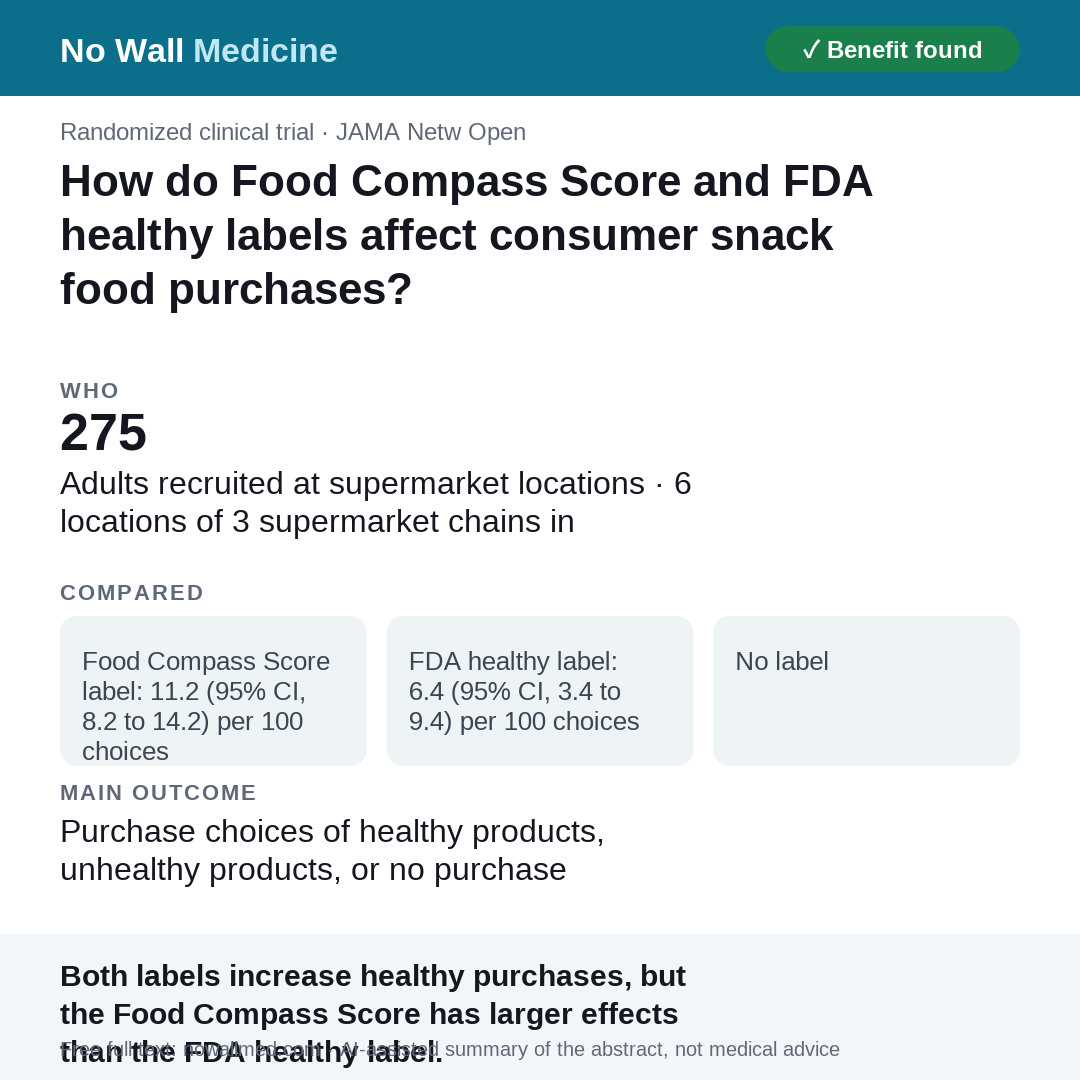
Biomarker-Guided Cardioprotection for Patients Treated With Anthracyclines: A Randomized Clinical Trial
Multicenter, randomized clinical trialBenefit found
Is an N-terminal pro-B-type natriuretic peptide-guided approach feasible and safe for cardioprotection?
Who
100
Patients with breast cancer or lymphoma initiating anthracyclines · Multicenter
Compared
N-terminal pro-B-type natriuretic peptide-guided arm: mean difference 2.0% [95% CI, 0.5%-3.5%]
Usual care arm
Main outcome
Left ventricular ejection fraction at 3 months
Result: mean difference 2.0% (95% CI 0.5%-3.5%)
Bottom line: A biomarker-guided approach is feasible, safe, and shows potential modest, early improvement in left ventricular ejection fraction.
JAMA Netw Open · 2025-12-01Download image
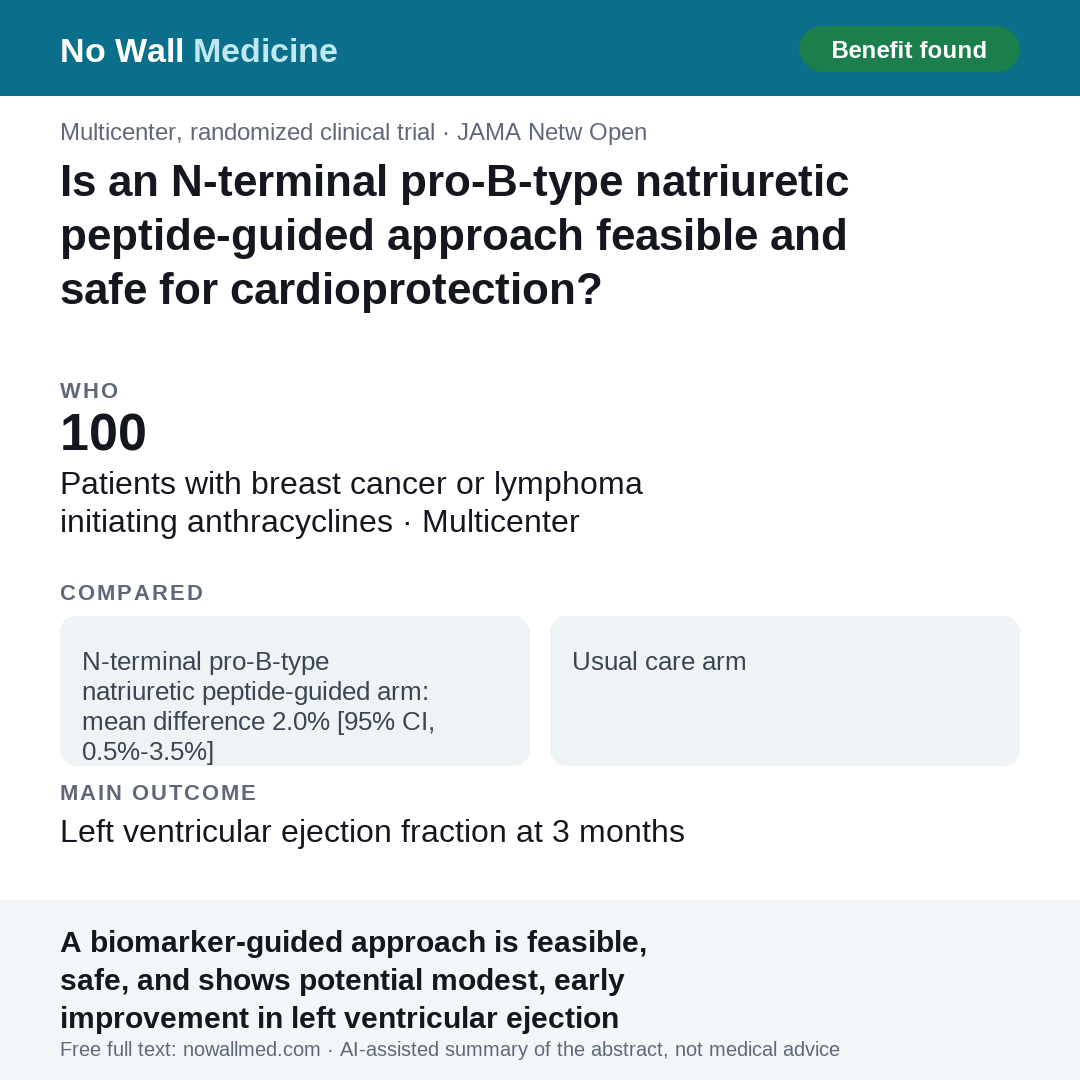
Seven-Day vs Four-Day Infusion Set Replacement Interval and Catheter-Related Infections
Decision-analytic modelingMixed results
What are the cost and health impacts of 7-day versus 4-day infusion set replacement?
Who
2941
Patients from the RSVP randomized clinical trial · 10 Australian hospitals
Compared
7-day replacement: 1.78% catheter-related bloodstream infection risk
4-day replacement: 1.46% catheter-related bloodstream infection risk
Main outcome
Total cost and health benefits
Bottom line: Extending replacement to 7 days offers large cost savings but causes substantial health losses at the population level.
Limitation: The study used decision-analytic modeling based on an arbitrary 2% equivalence margin.
JAMA Netw Open · 2025-12-01Download image
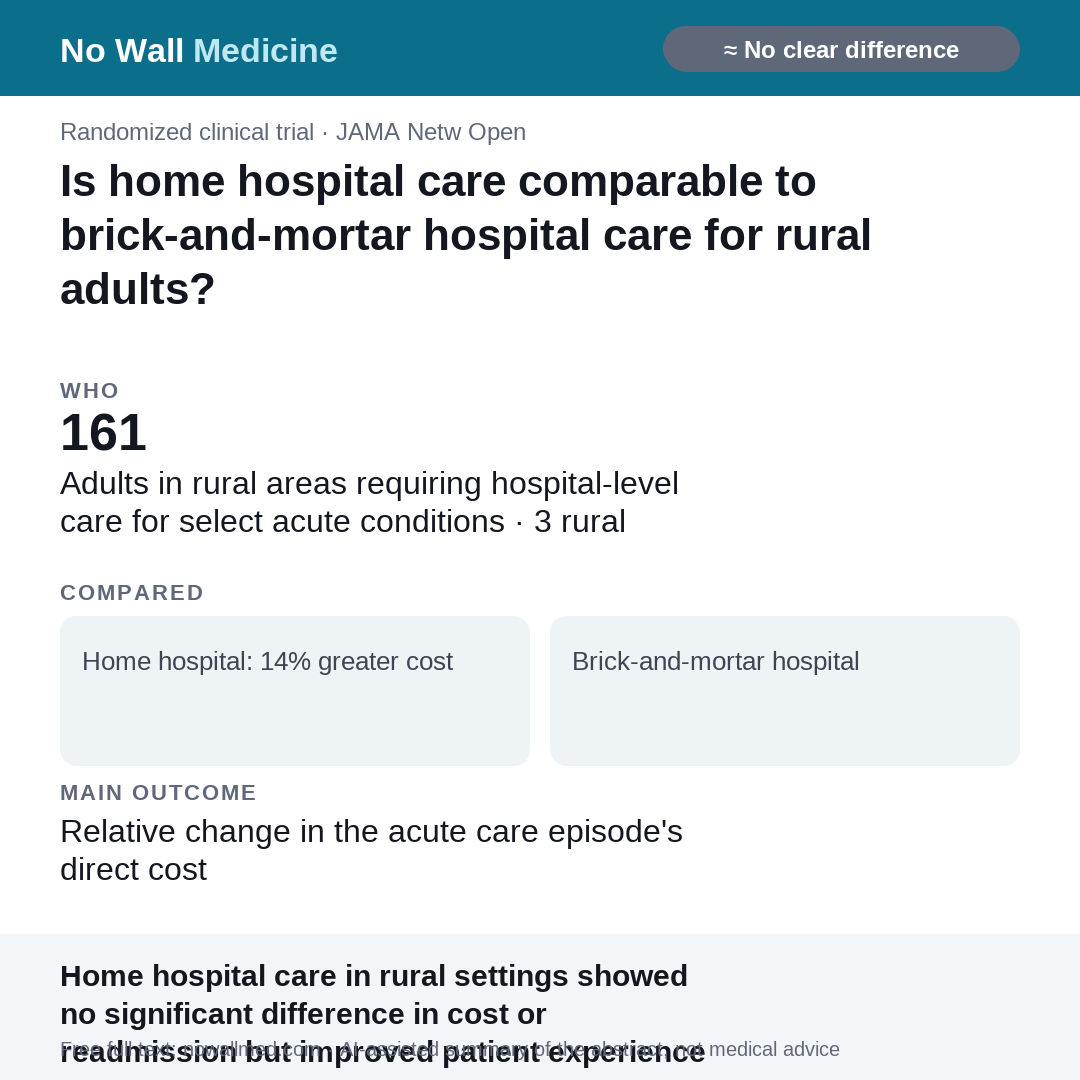
Hospital-Level Care at Home for Adults Living in Rural Settings: A Randomized Clinical Trial
Randomized clinical trialNo clear difference
Is home hospital care comparable to brick-and-mortar hospital care for rural adults?
Who
161
Adults in rural areas requiring hospital-level care for select acute conditions · 3 rural areas in the US and Canada
Compared
Home hospital: 14% greater cost
Brick-and-mortar hospital
Main outcome
Relative change in the acute care episode's direct cost
Result: 14% greater (95% CI, -6% to 39%)
Bottom line: Home hospital care in rural settings showed no significant difference in cost or readmission but improved patient experience and activity.
JAMA Netw Open · 2025-12-01Download image