Visual abstracts
New randomized trials and meta-analyses from leading journals at a glance: who was studied, what was compared, and what was found. Every paper is free to read in full.
All specialtiesCardiology 4877Oncology 4138Gastroenterology & Hepatology 1942Infectious Disease 3837Neurology 1905Psychiatry & Mental Health 2273Pulmonology 2143Critical Care 1365Endocrinology & Diabetes 2580Pediatrics 2980Surgery 2559Orthopedics & Sports Medicine 931Neurosurgery 537Cardiothoracic & Vascular Surgery 674Plastic & Reconstructive Surgery 591Nephrology 1133Rheumatology 823Hematology 1109Dermatology 621Ophthalmology 543Obstetrics & Gynecology 1686Public & Global Health 1058Radiology & Imaging 648Anesthesiology 986Urology 764ENT (Otolaryngology) 503Emergency Medicine 511Allergy & Immunology 313Geriatrics 981Family Medicine & Primary Care 562Medical Genetics & Genomics 676Pathology & Laboratory Medicine 159Physical Medicine & Rehabilitation 757Palliative Care 444Nutrition 1588Digital Health & AI 2201General Medicine 321
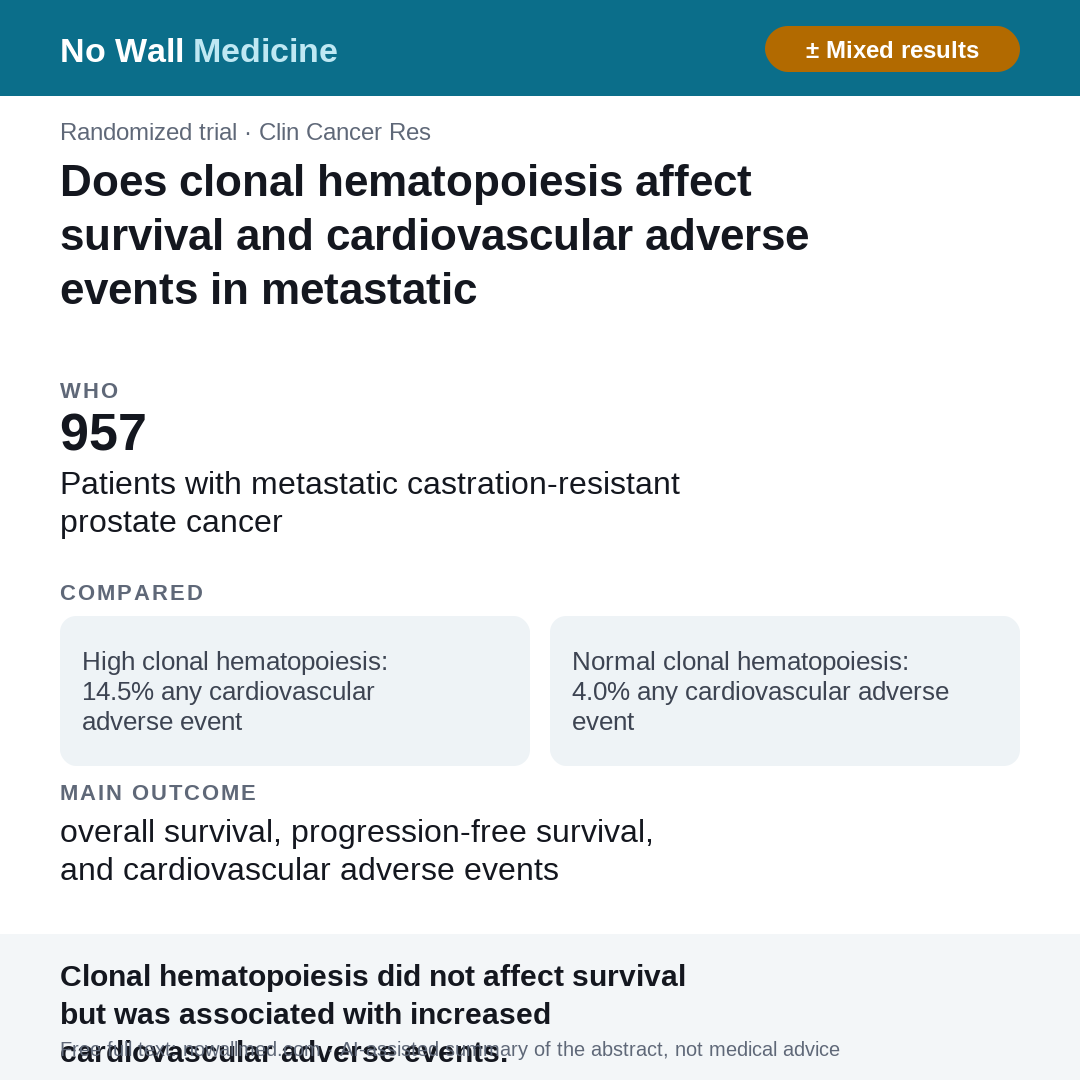
Clonal Hematopoiesis and Clinical Outcomes in Metastatic Castration-Resistant Prostate Cancer Patients Given Androgen Receptor Pathway Inhibitors (Alliance A031201)
Randomized trialMixed results
Does clonal hematopoiesis affect survival and cardiovascular adverse events in metastatic castration-resistant prostate cancer?
Who
957
Patients with metastatic castration-resistant prostate cancer
Compared
High clonal hematopoiesis: 14.5% any cardiovascular adverse event
Normal clonal hematopoiesis: 4.0% any cardiovascular adverse event
Main outcome
overall survival, progression-free survival, and cardiovascular adverse events
Bottom line: Clonal hematopoiesis did not affect survival but was associated with increased cardiovascular adverse events.
Clin Cancer Res · 2024-09-17Download image
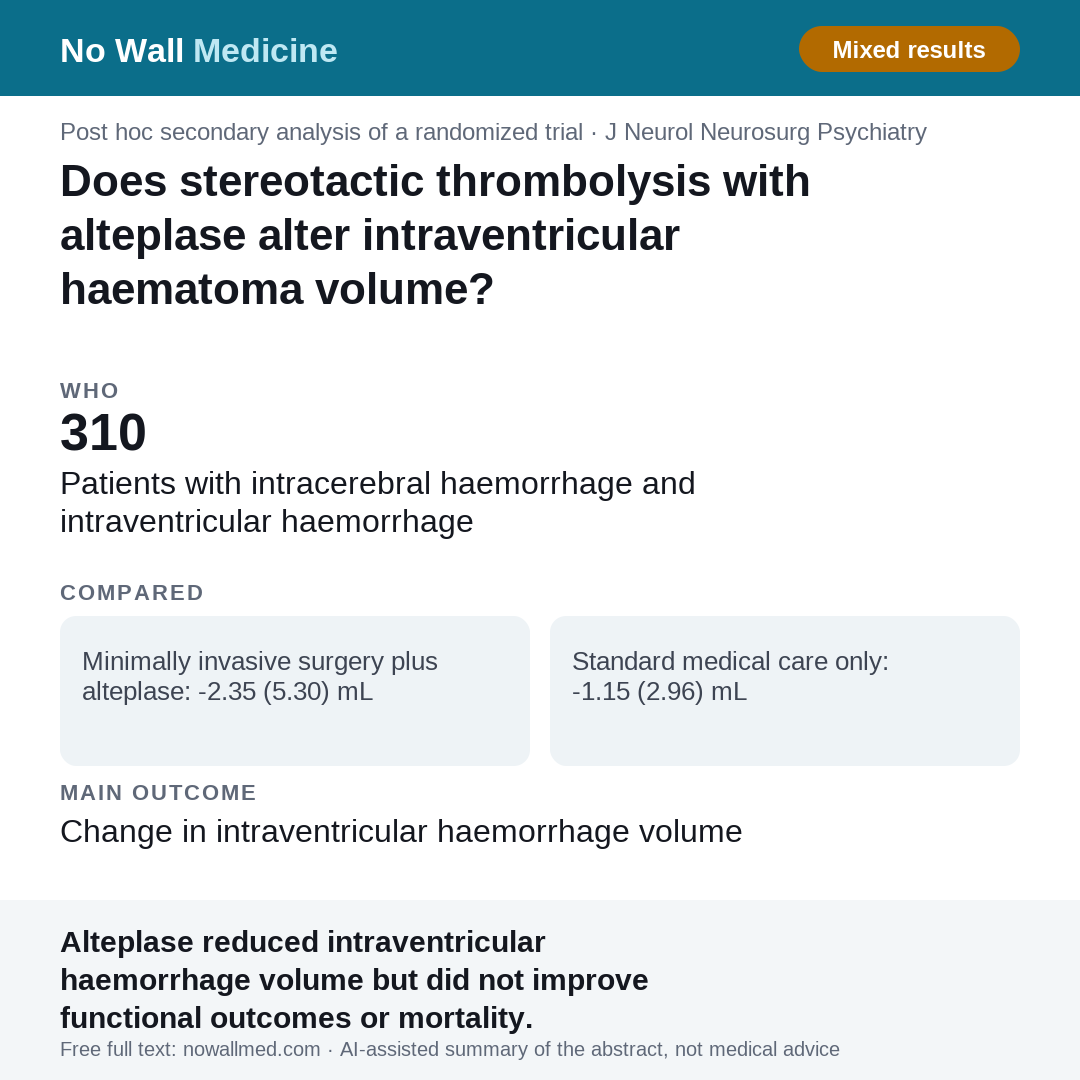
Does stereotactic thrombolysis with alteplase for intracerebral haemorrhage alter intraventricular haematoma volume? A secondary analysis of the MISTIE-III trial
Post hoc secondary analysis of a randomized trialMixed results
Does stereotactic thrombolysis with alteplase alter intraventricular haematoma volume?
Who
310
Patients with intracerebral haemorrhage and intraventricular haemorrhage
Compared
Minimally invasive surgery plus alteplase: -2.35 (5.30) mL
Standard medical care only: -1.15 (2.96) mL
Main outcome
Change in intraventricular haemorrhage volume
Result: beta -0.80 (95% CI -1.37 to -0.22)
Bottom line: Alteplase reduced intraventricular haemorrhage volume but did not improve functional outcomes or mortality.
J Neurol Neurosurg Psychiatry · 2024-09-17Download image
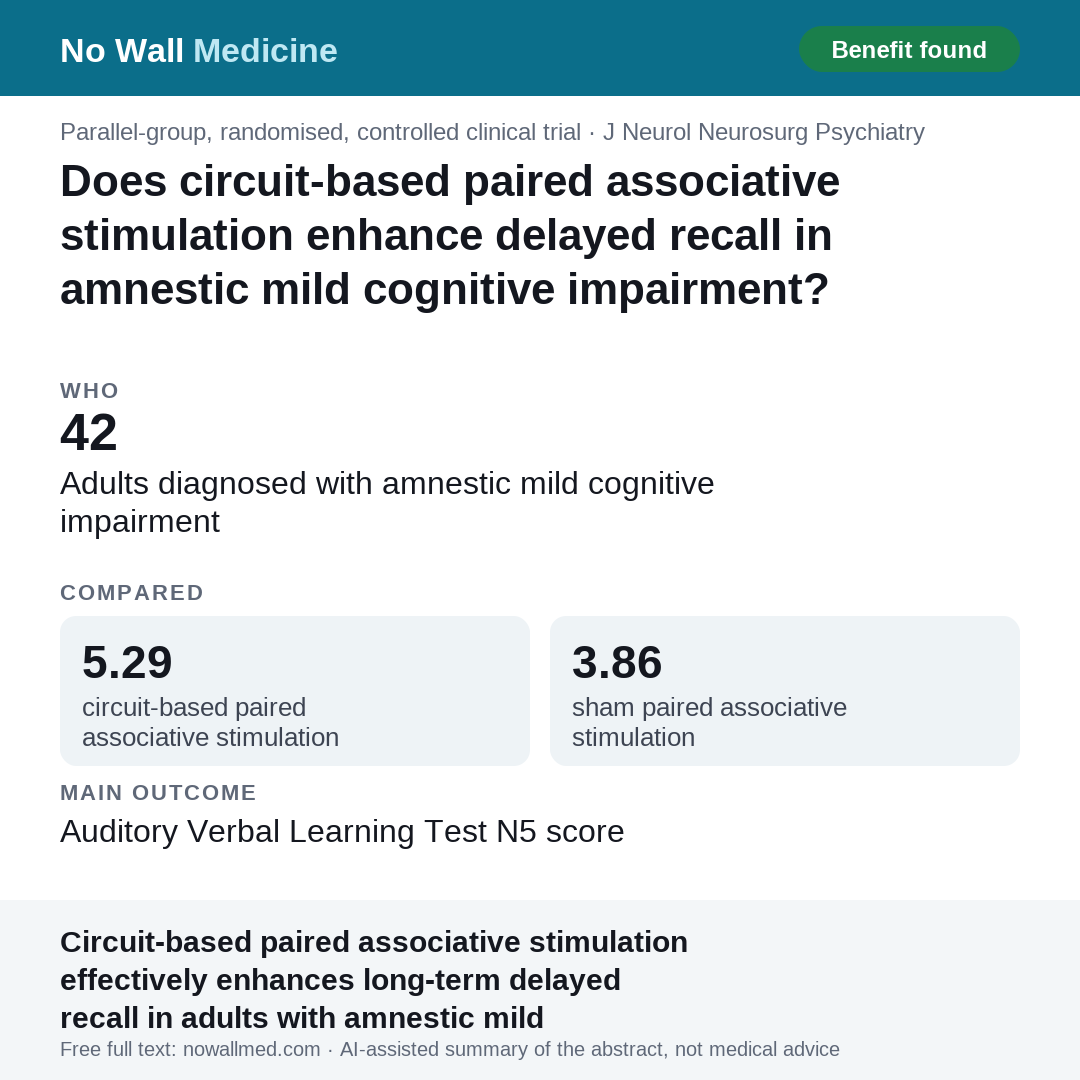
Circuit-based neuromodulation enhances delayed recall in amnestic mild cognitive impairment
Parallel-group, randomised, controlled clinical trialBenefit found
Does circuit-based paired associative stimulation enhance delayed recall in amnestic mild cognitive impairment?
Who
42
Adults diagnosed with amnestic mild cognitive impairment
Compared
5.29circuit-based paired associative stimulation (1.98)
3.86sham paired associative stimulation (2.39)
Main outcome
Auditory Verbal Learning Test N5 score
Result: Cohen's d=0.97
Bottom line: Circuit-based paired associative stimulation effectively enhances long-term delayed recall in adults with amnestic mild cognitive impairment.
J Neurol Neurosurg Psychiatry · 2024-09-17Download image
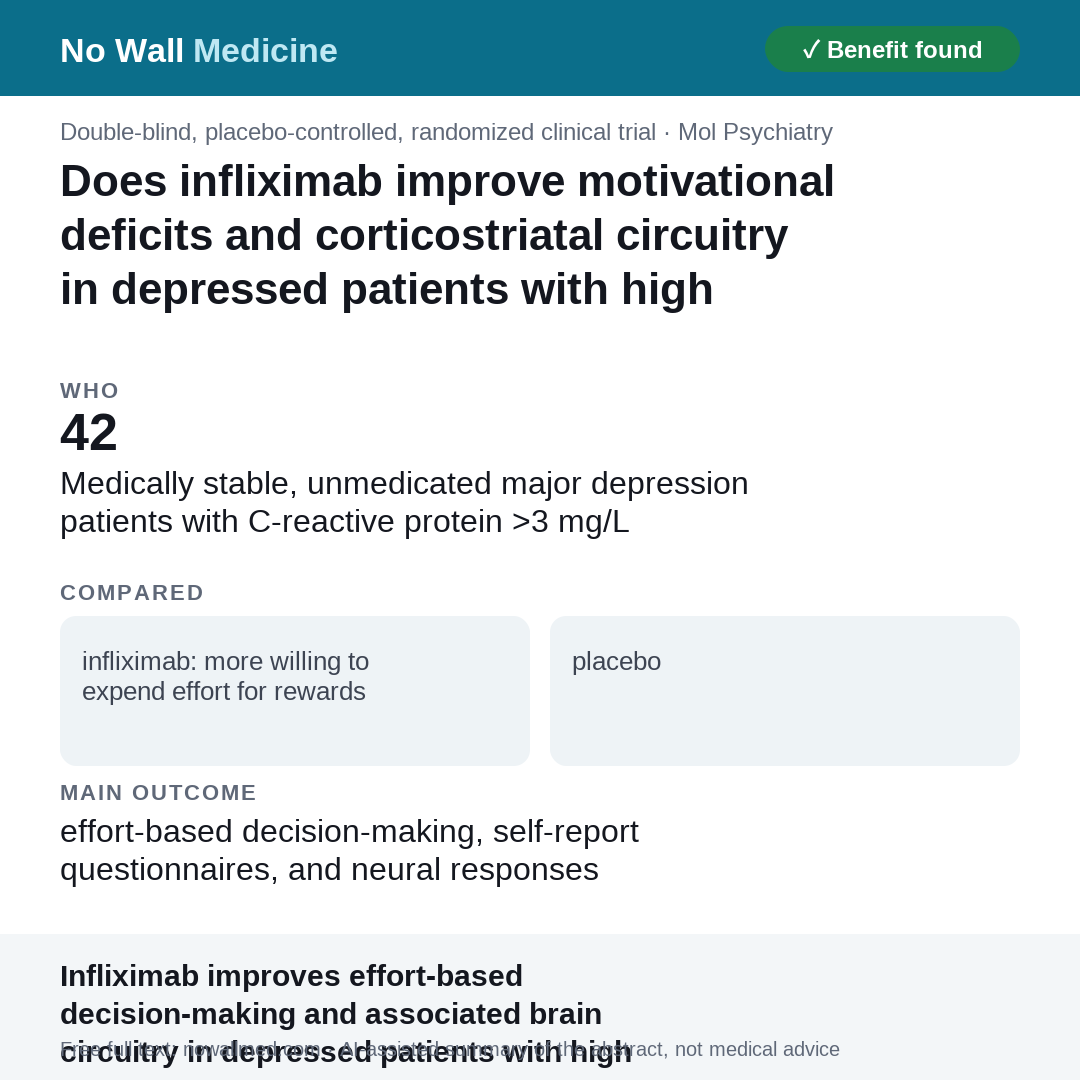
A randomized proof-of-mechanism trial of TNF antagonism for motivational deficits and related corticostriatal circuitry in depressed patients with high inflammation
Double-blind, placebo-controlled, randomized clinical trialBenefit found
Does infliximab improve motivational deficits and corticostriatal circuitry in depressed patients with high inflammation?
Who
42
Medically stable, unmedicated major depression patients with C-reactive protein >3 mg/L
Compared
infliximab: more willing to expend effort for rewards
placebo
Main outcome
effort-based decision-making, self-report questionnaires, and neural responses
Bottom line: Infliximab improves effort-based decision-making and associated brain circuitry in depressed patients with high inflammation.
Mol Psychiatry · 2024-09-17Download image
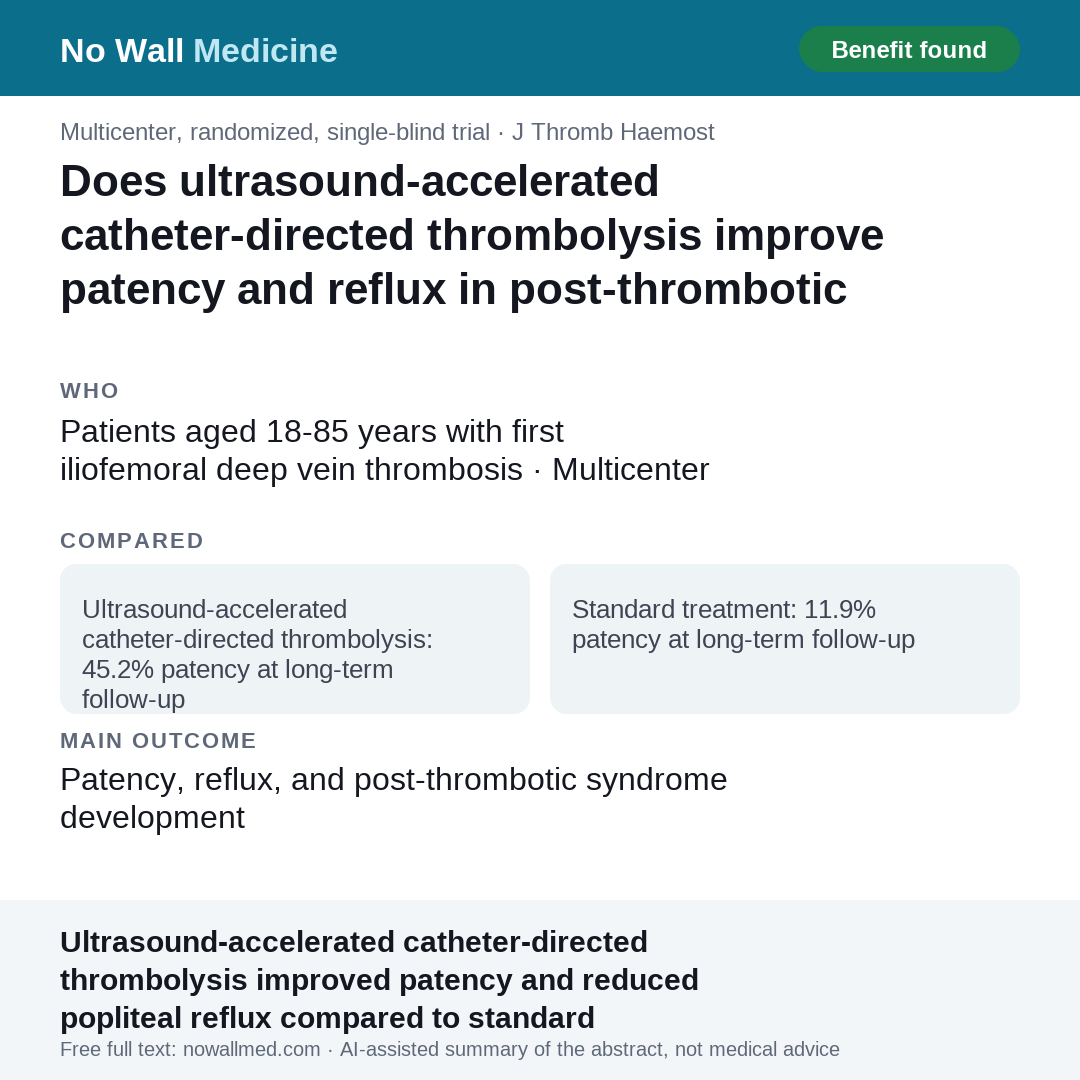
Patency and reflux in relation to postthrombotic syndrome: a subanalysis of the Ultrasound-Accelerated Catheter-Directed Thrombolysis Versus Anticoagulation for the Prevention of Post-Thrombotic Syndrome trial
Multicenter, randomized, single-blind trialBenefit found
Does ultrasound-accelerated catheter-directed thrombolysis improve patency and reflux in post-thrombotic syndrome prevention?
Who
Patients aged 18-85 years with first iliofemoral deep vein thrombosis · Multicenter
Compared
Ultrasound-accelerated catheter-directed thrombolysis: 45.2% patency at long-term follow-up
Standard treatment: 11.9% patency at long-term follow-up
Main outcome
Patency, reflux, and post-thrombotic syndrome development
Bottom line: Ultrasound-accelerated catheter-directed thrombolysis improved patency and reduced popliteal reflux compared to standard treatment.
Limitation: A proportion of moderate-to-severe post-thrombotic syndrome cases lacks an evident underlying cause.
J Thromb Haemost · 2024-09-17Download image
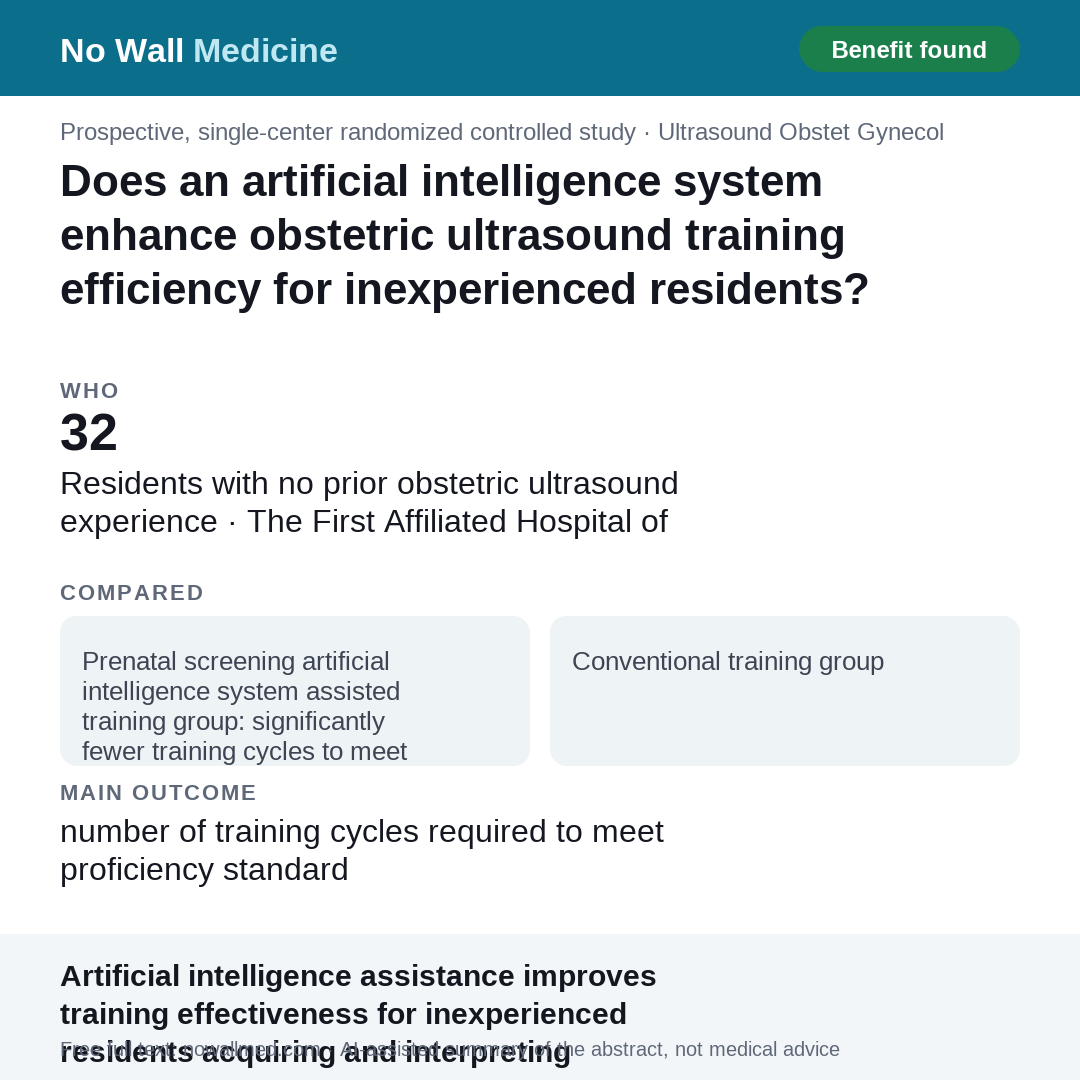
Enhancing trainee performance in obstetric ultrasound through an artificial intelligence system: randomized controlled trial
Prospective, single-center randomized controlled studyBenefit found
Does an artificial intelligence system enhance obstetric ultrasound training efficiency for inexperienced residents?
Who
32
Residents with no prior obstetric ultrasound experience · The First Affiliated Hospital of Sun Yat-sen University
Compared
Prenatal screening artificial intelligence system assisted training group: significantly fewer training cycles to meet quality requirements
Conventional training group
Main outcome
number of training cycles required to meet proficiency standard
Bottom line: Artificial intelligence assistance improves training effectiveness for inexperienced residents acquiring and interpreting standard obstetric ultrasound views.
Ultrasound Obstet Gynecol · 2024-09-17Download image
Self-management interventions for chronic widespread pain including fibromyalgia: a systematic review and qualitative evidence synthesis
Systematic reviewMixed results
Do self-management interventions help chronic pain
Who
people with chronic widespread pain
Compared
self-management
control
Main outcome
effectiveness of self-management
Bottom line: Self-management helps, but has limitations
Pain · 2024-09-17Download image
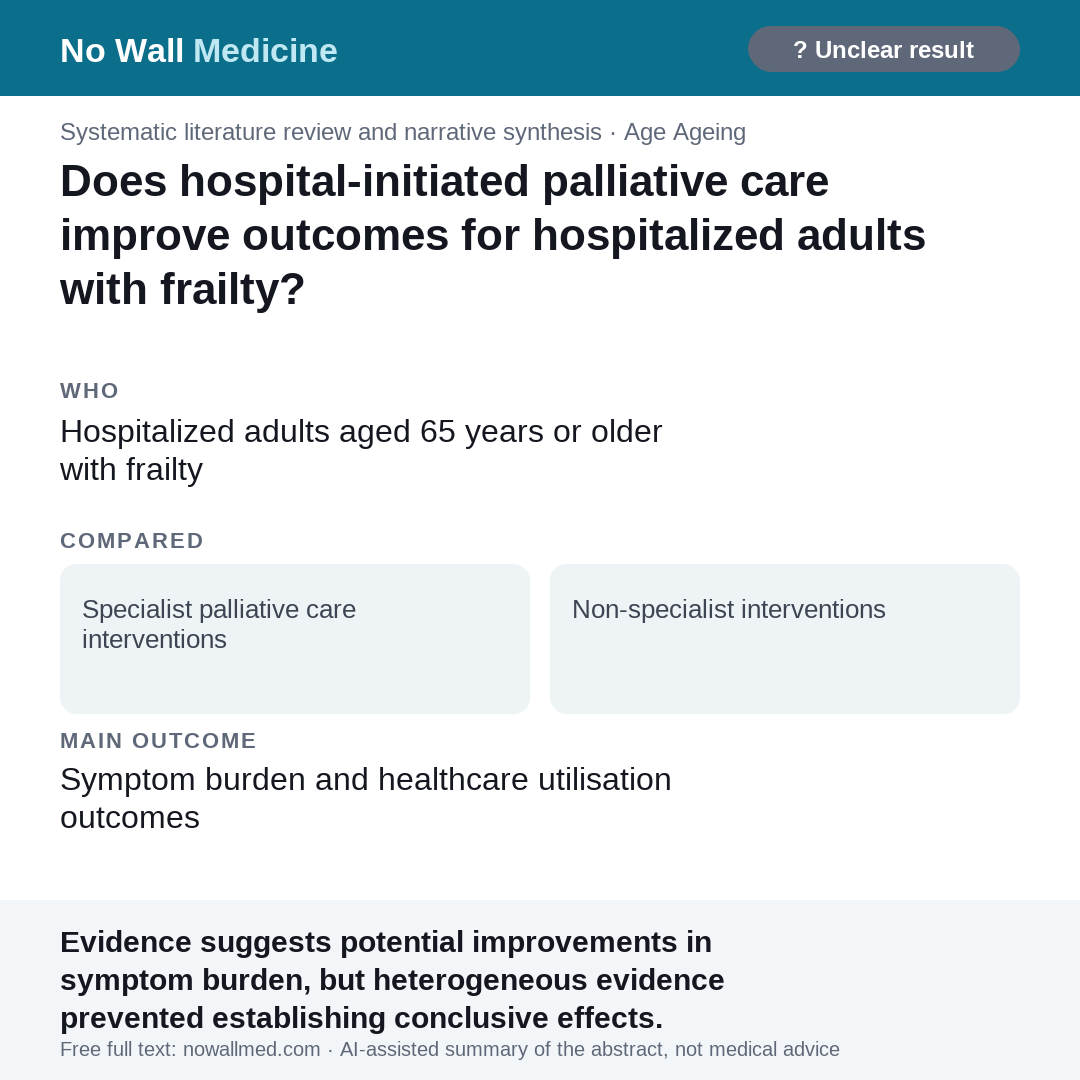
Hospital-initiated palliative care interventions for adults with frailty: findings from a systematic review and narrative synthesis
Systematic literature review and narrative synthesisUnclear result
Does hospital-initiated palliative care improve outcomes for hospitalized adults with frailty?
Who
Hospitalized adults aged 65 years or older with frailty
Compared
Specialist palliative care interventions
Non-specialist interventions
Main outcome
Symptom burden and healthcare utilisation outcomes
Bottom line: Evidence suggests potential improvements in symptom burden, but heterogeneous evidence prevented establishing conclusive effects.
Age Ageing · 2024-09-17Download image
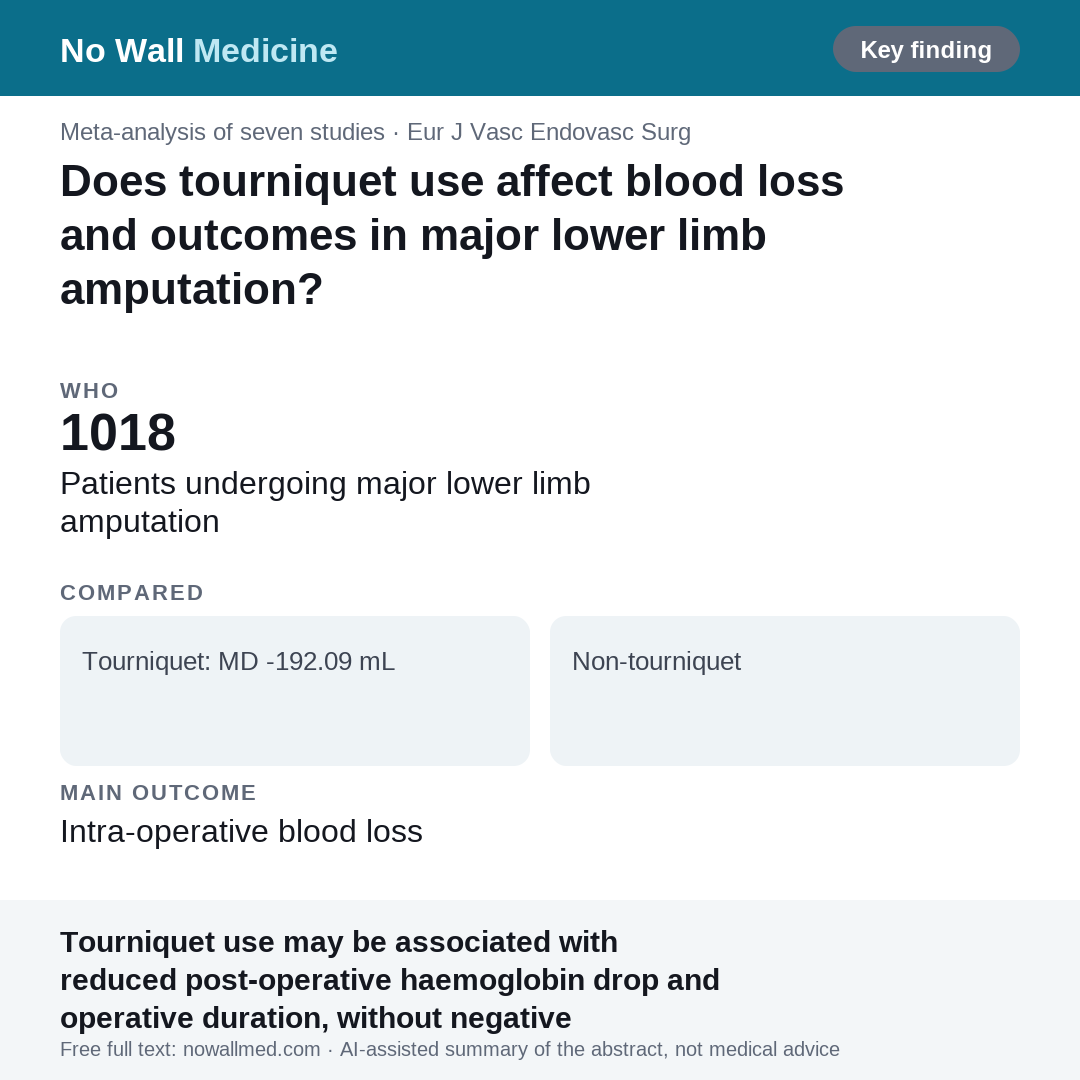
Impact of Tourniquet Use in Major Lower Limb Amputation: A Systematic Review and Meta-analysis
Systematic review and meta-analysisBenefit found
Does tourniquet use affect outcomes in major lower limb amputation?
Who
1018
Patients undergoing major lower limb amputation
Compared
Tourniquet use
Non-tourniquet use
Main outcome
Intra-operative blood loss and transfusion requirements
Result: mean difference -192.09 mL (95% CI -291.67 to -92.52)
Bottom line: Tourniquet use reduces intra-operative blood loss and operative duration without increasing infection, revision, or mortality.
Limitation: Most data are observational and GRADE certainty was low or very low.
Eur J Vasc Endovasc Surg · 2024-09-17Download image
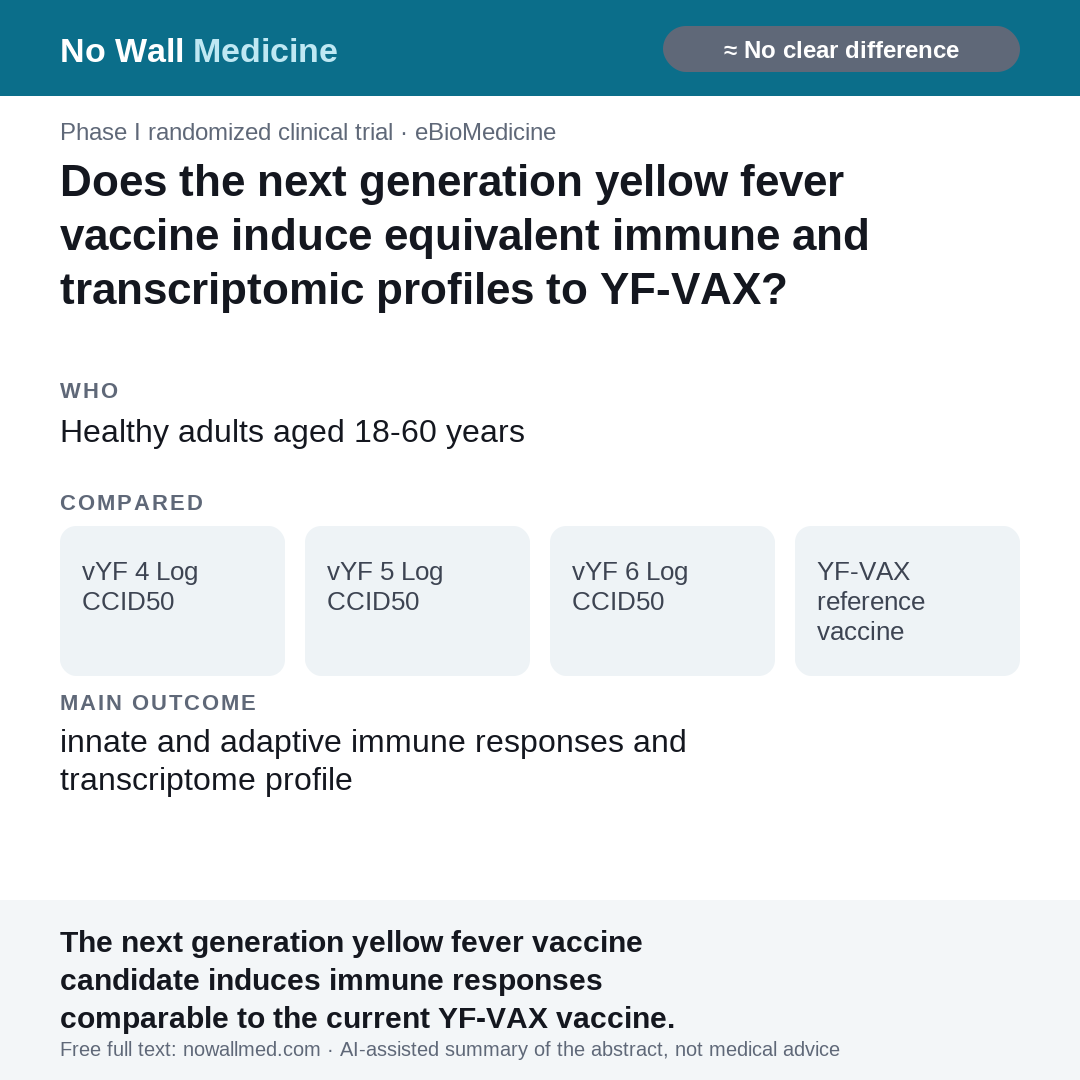
Next generation yellow fever vaccine induces an equivalent immune and transcriptomic profile to the current vaccine: observations from a phase I randomised clinical trial
Phase I randomized clinical trialNo clear difference
Does the next generation yellow fever vaccine induce equivalent immune and transcriptomic profiles to YF-VAX?
Who
Healthy adults aged 18-60 years
Compared
vYF 4 Log CCID50
vYF 5 Log CCID50
vYF 6 Log CCID50
YF-VAX reference vaccine
Main outcome
innate and adaptive immune responses and transcriptome profile
Bottom line: The next generation yellow fever vaccine candidate induces immune responses comparable to the current YF-VAX vaccine.
Funded by: Sanofi
eBioMedicine · 2024-09-17Download image
Endogenous mu-opioid modulation of social connection in humans: a systematic review and meta-analysis
Multilevel random-effects meta-analysisBenefit found
Does mu-opioid modulation affect social connectedness in healthy humans?
Who
455
Healthy humans
Compared
Naltrexone
Placebo
Main outcome
Social connectedness by self-report
Result: Hedges' g -0.20 (95% CI -0.32 to -0.07)
Bottom line: Opioid antagonism slightly reduced feelings of social connectedness, suggesting a modulatory role for mu-opioids in humans.
Limitation: Indication of bias in smaller studies and potential overestimation of the effect due to publication bias.
Transl Psychiatry · 2024-09-17Download image

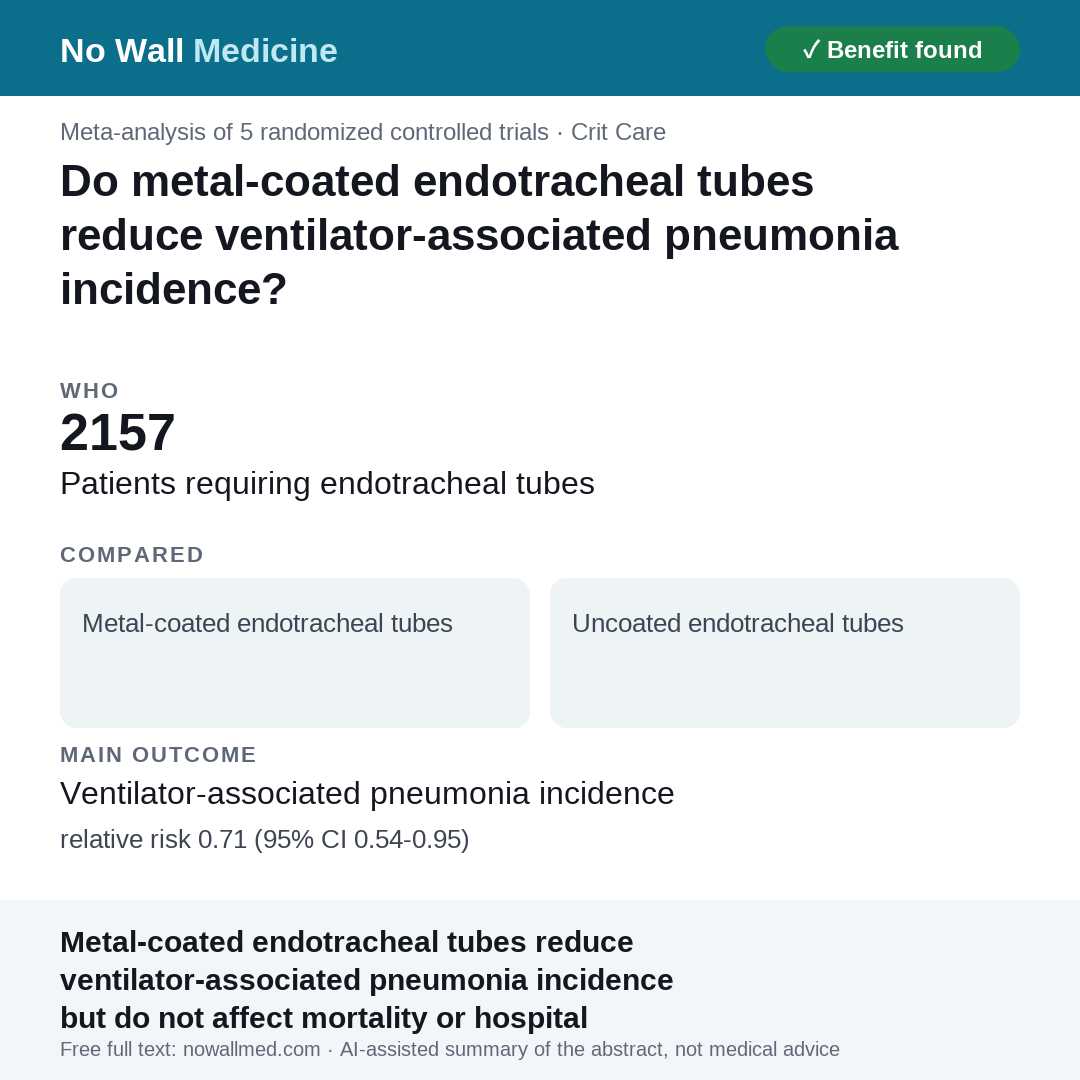
Prevention of ventilator-associated pneumonia by metal-coated endotracheal tubes: a meta-analysis
Meta-analysis of 5 randomized controlled trialsBenefit found
Do metal-coated endotracheal tubes reduce ventilator-associated pneumonia incidence?
Who
2157
Patients requiring endotracheal tubes
Compared
Metal-coated endotracheal tubes
Uncoated endotracheal tubes
Main outcome
Ventilator-associated pneumonia incidence
Result: relative risk 0.71 (95% CI 0.54-0.95)
Bottom line: Metal-coated endotracheal tubes reduce ventilator-associated pneumonia incidence but do not affect mortality or hospital stay.
Limitation: Marked heterogeneity in mechanical ventilation duration data.
Crit Care · 2024-09-17Download image
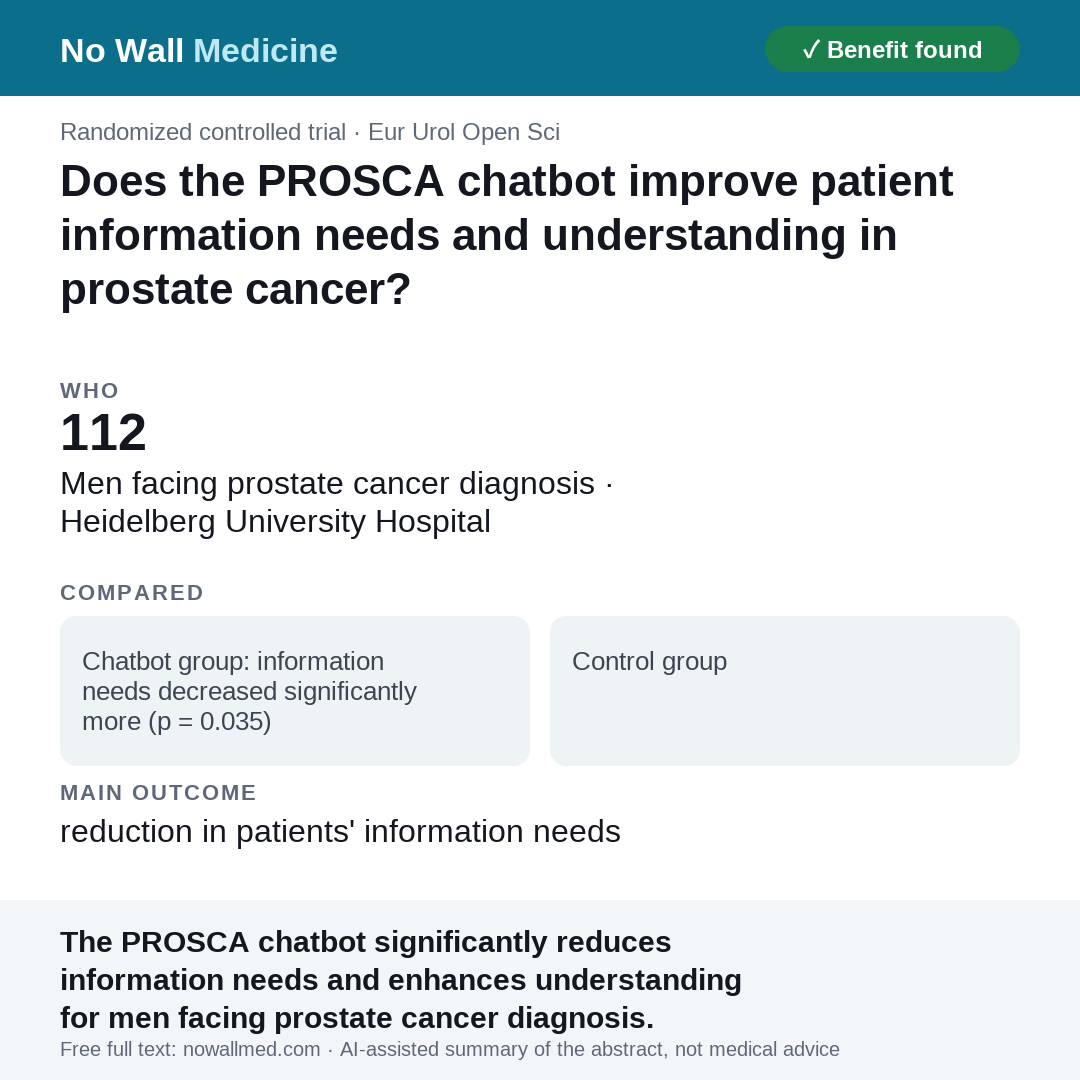
Effectiveness of the Medical Chatbot PROSCA to Inform Patients About Prostate Cancer: Results of a Randomized Controlled Trial
Randomized controlled trialBenefit found
Does the PROSCA chatbot improve patient information needs and understanding in prostate cancer?
Who
112
Men facing prostate cancer diagnosis · Heidelberg University Hospital
Compared
Chatbot group: information needs decreased significantly more (p = 0.035)
Control group
Main outcome
reduction in patients' information needs
Bottom line: The PROSCA chatbot significantly reduces information needs and enhances understanding for men facing prostate cancer diagnosis.
Limitation: Small study sample size, single-center design, and specific clinical application.
Eur Urol Open Sci · 2024-09-17Download image
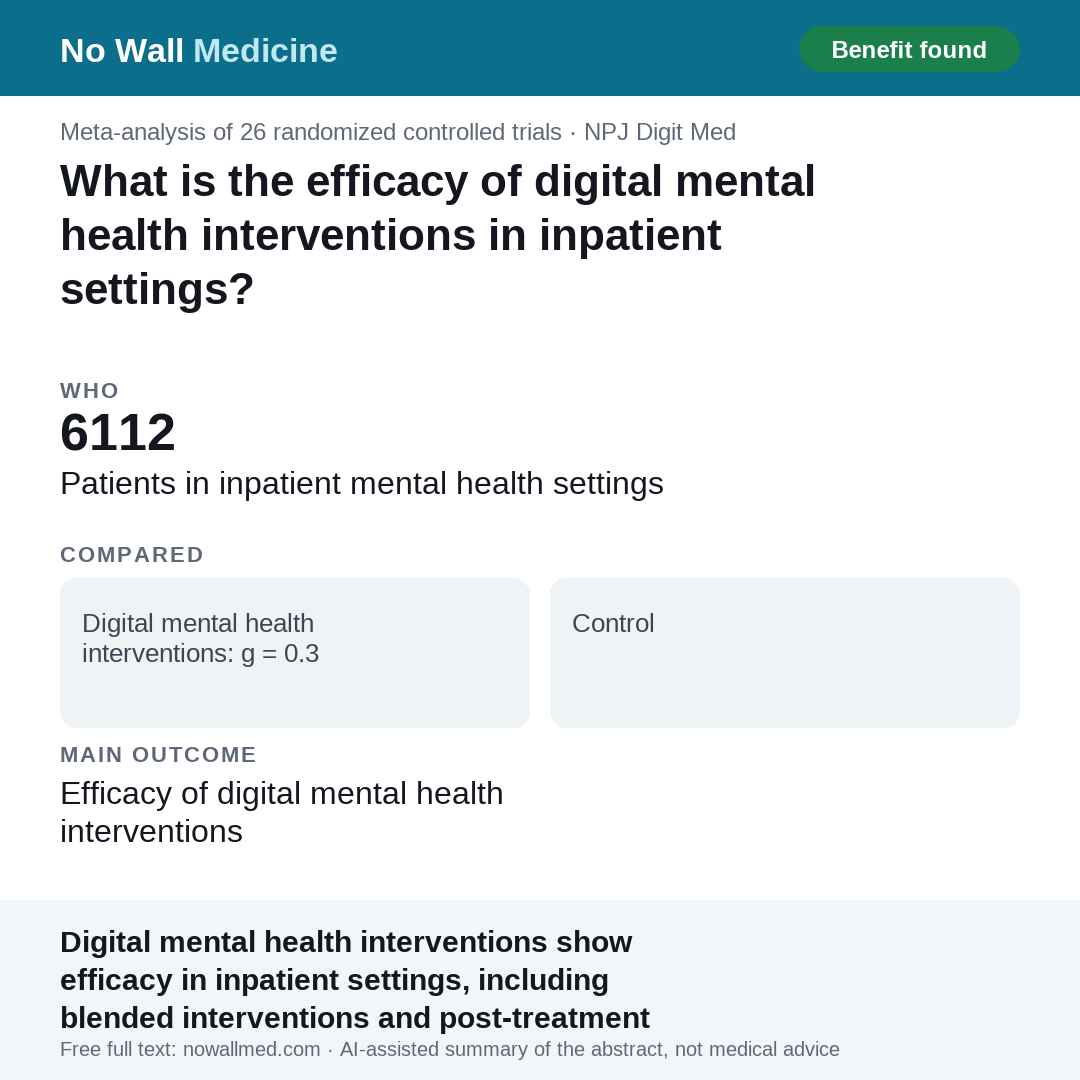
A systematic review and meta analysis on digital mental health interventions in inpatient settings
Meta-analysis of 26 randomized controlled trialsBenefit found
What is the efficacy of digital mental health interventions in inpatient settings?
Who
6112
Patients in inpatient mental health settings
Compared
Digital mental health interventions: g = 0.3
Control
Main outcome
Efficacy of digital mental health interventions
Result: g = 0.3
Bottom line: Digital mental health interventions show efficacy in inpatient settings, including blended interventions and post-treatment aftercare.
Limitation: The meta-analysis is limited by the small number of included studies.
NPJ Digit Med · 2024-09-17Download image
Risk factors for traumatic intracranial hemorrhage in mild traumatic brain injury patients at the emergency department: a systematic review and meta-analysis
Systematic review and meta-analysisMixed results
What are the risk factors for traumatic intracranial hemorrhage in mild traumatic brain injury patients?
Who
26040
Patients with mild traumatic brain injury
Compared
Skull base fracture signs: OR 11.71 (95% CI 5.51-24.86)
Glasgow Coma Scale less than 15: OR 4.69 (95% CI 2.76-7.98)
Loss of consciousness: OR 2.57 (95% CI 1.83-3.61)
Post-traumatic amnesia: OR 2.13 (95% CI 1.27-3.57)
Main outcome
traumatic intracranial hemorrhage on computed tomography
Bottom line: Several factors predict traumatic intracranial hemorrhage, but some current guideline elements like anticoagulant use were not predictive.
Limitation: There were multiple sources of heterogeneity across studies.
Scand J Trauma Resusc Emerg Med · 2024-09-17Download image

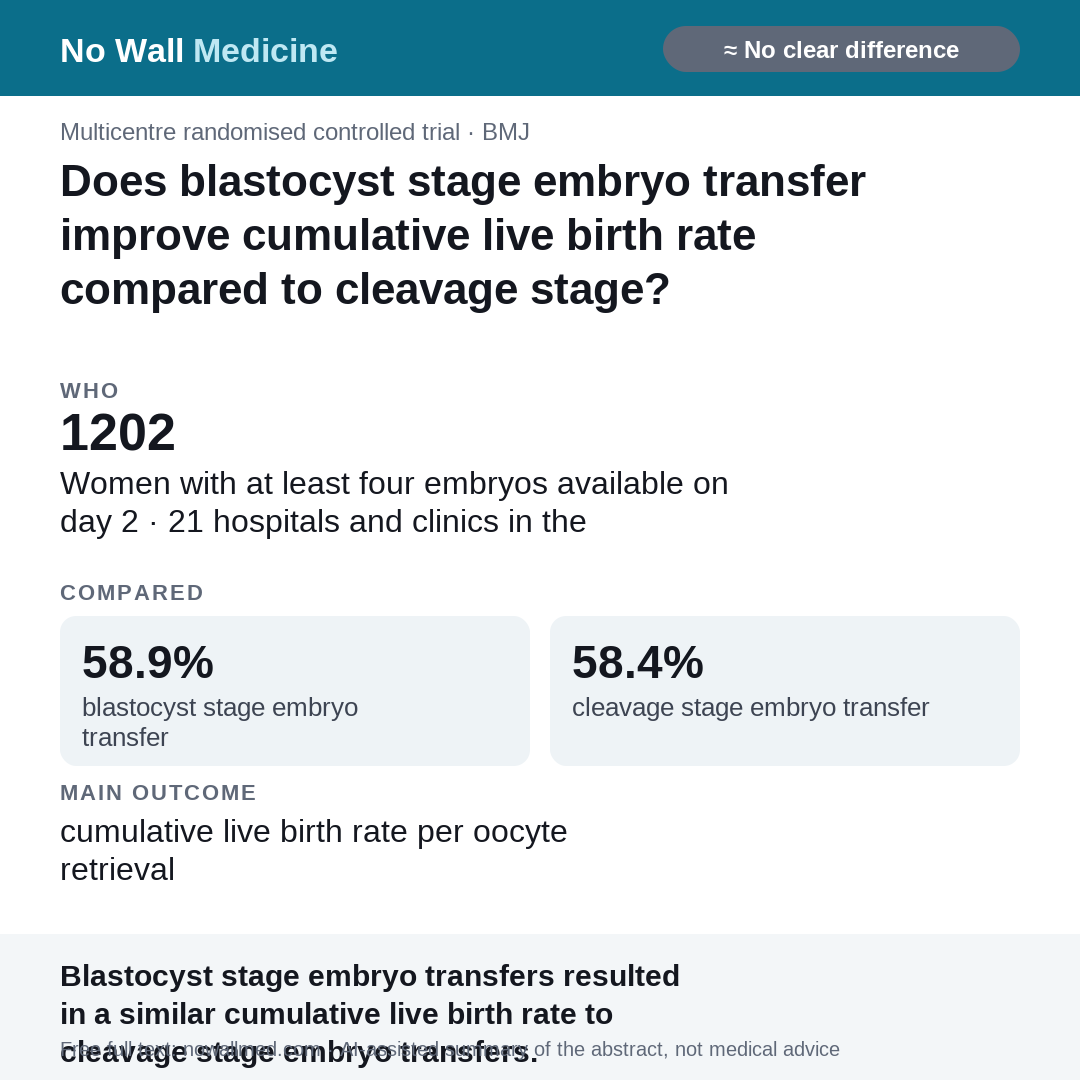
Cumulative live birth rate of a blastocyst versus cleavage stage embryo transfer policy during in vitro fertilisation in women with a good prognosis: multicentre randomised controlled trial
Multicentre randomised controlled trialNo clear difference
Does blastocyst stage embryo transfer improve cumulative live birth rate compared to cleavage stage?
Who
1202
Women with at least four embryos available on day 2 · 21 hospitals and clinics in the Netherlands
Compared
58.9%blastocyst stage embryo transfer (355 of 603)
58.4%cleavage stage embryo transfer (350 of 599)
Main outcome
cumulative live birth rate per oocyte retrieval
Result: risk ratio 1.01, 95% confidence interval (CI) 0.84 to 1.22
Bottom line: Blastocyst stage embryo transfers resulted in a similar cumulative live birth rate to cleavage stage embryo transfers.
BMJ · 2024-09-16Download image
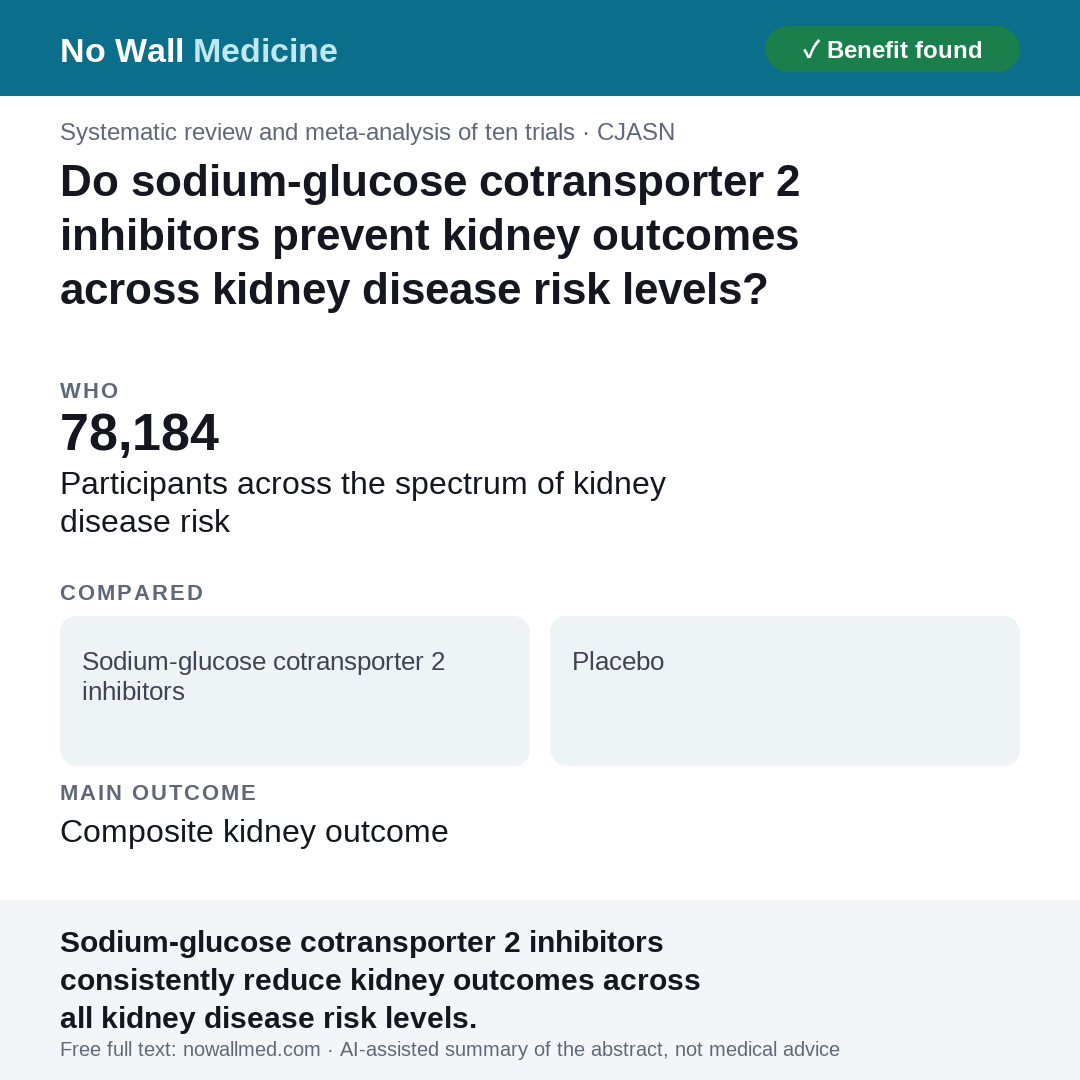
Sodium-Glucose Cotransporter 2 Inhibitors and Kidney Outcomes across the Spectrum of Kidney Disease: A Systematic Review and Meta-Analysis
Systematic review and meta-analysis of ten trialsBenefit found
Do sodium-glucose cotransporter 2 inhibitors prevent kidney outcomes across kidney disease risk levels?
Who
78,184
Participants across the spectrum of kidney disease risk
Compared
Sodium-glucose cotransporter 2 inhibitors
Placebo
Main outcome
Composite kidney outcome
Result: hazard ratio 0.48 to 0.62 (95% CI not pooled for all)
Bottom line: Sodium-glucose cotransporter 2 inhibitors consistently reduce kidney outcomes across all kidney disease risk levels.
Limitation: Lack of standardization of composite outcomes.
CJASN · 2024-09-16Download image
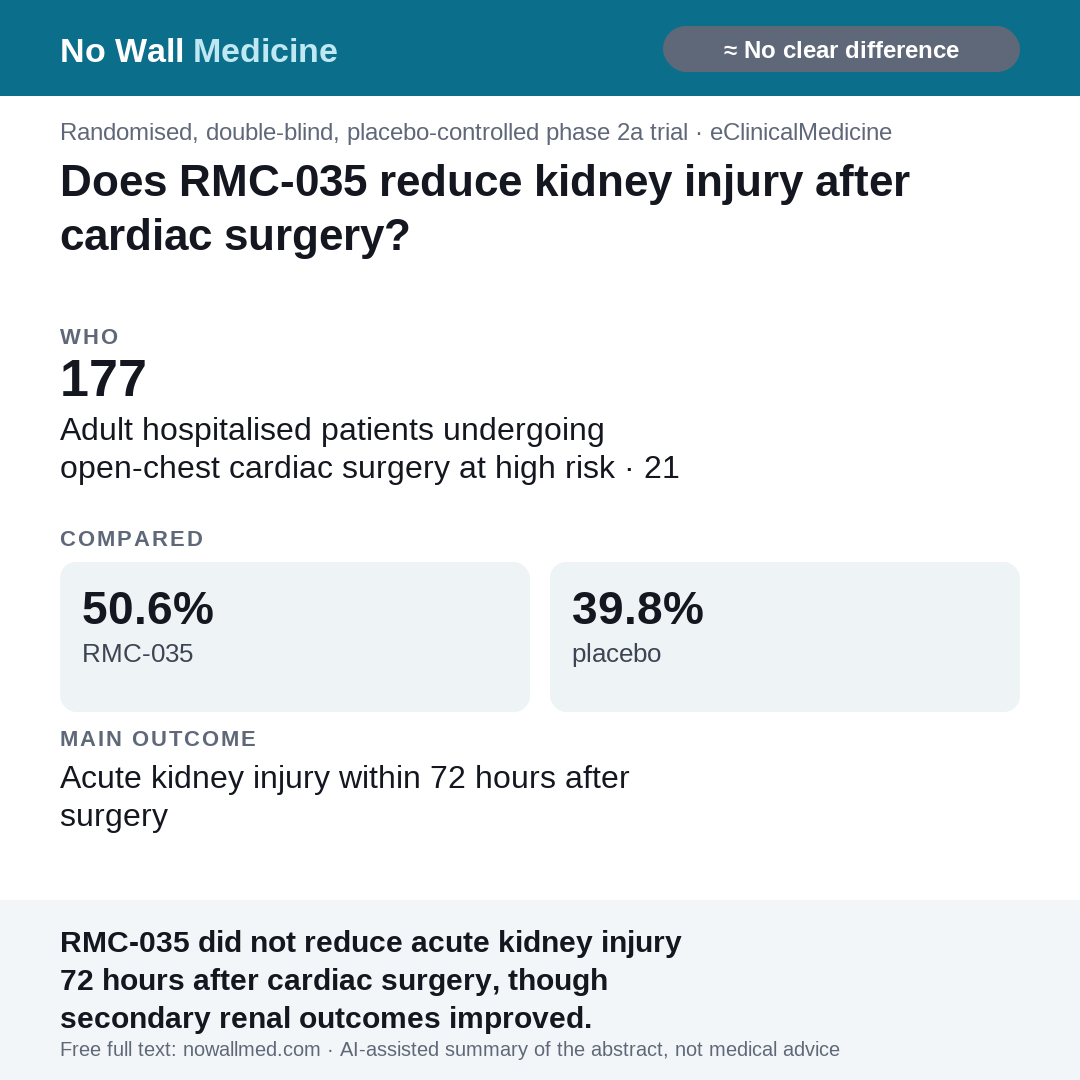
Efficacy and safety of therapeutic alpha-1-microglobulin RMC-035 in reducing kidney injury after cardiac surgery: a multicentre, randomised, double-blind, parallel group, phase 2a trial
Randomised, double-blind, placebo-controlled phase 2a trialNo clear difference
Does RMC-035 reduce kidney injury after cardiac surgery?
Who
177
Adult hospitalised patients undergoing open-chest cardiac surgery at high risk · 21 sites in North America and Europe
Compared
50.6%RMC-035 (n = 45)
39.8%placebo (n = 35)
Main outcome
Acute kidney injury within 72 hours after surgery
Result: relative risk 1.30 (90% confidence interval 0.99, 1.71)
Bottom line: RMC-035 did not reduce acute kidney injury 72 hours after cardiac surgery, though secondary renal outcomes improved.
Limitation: Study was not powered for secondary outcomes and evaluations may have been confounded by transient creatinine increase.
Funded by: Guard Therapeutics
eClinicalMedicine · 2024-09-16Download image
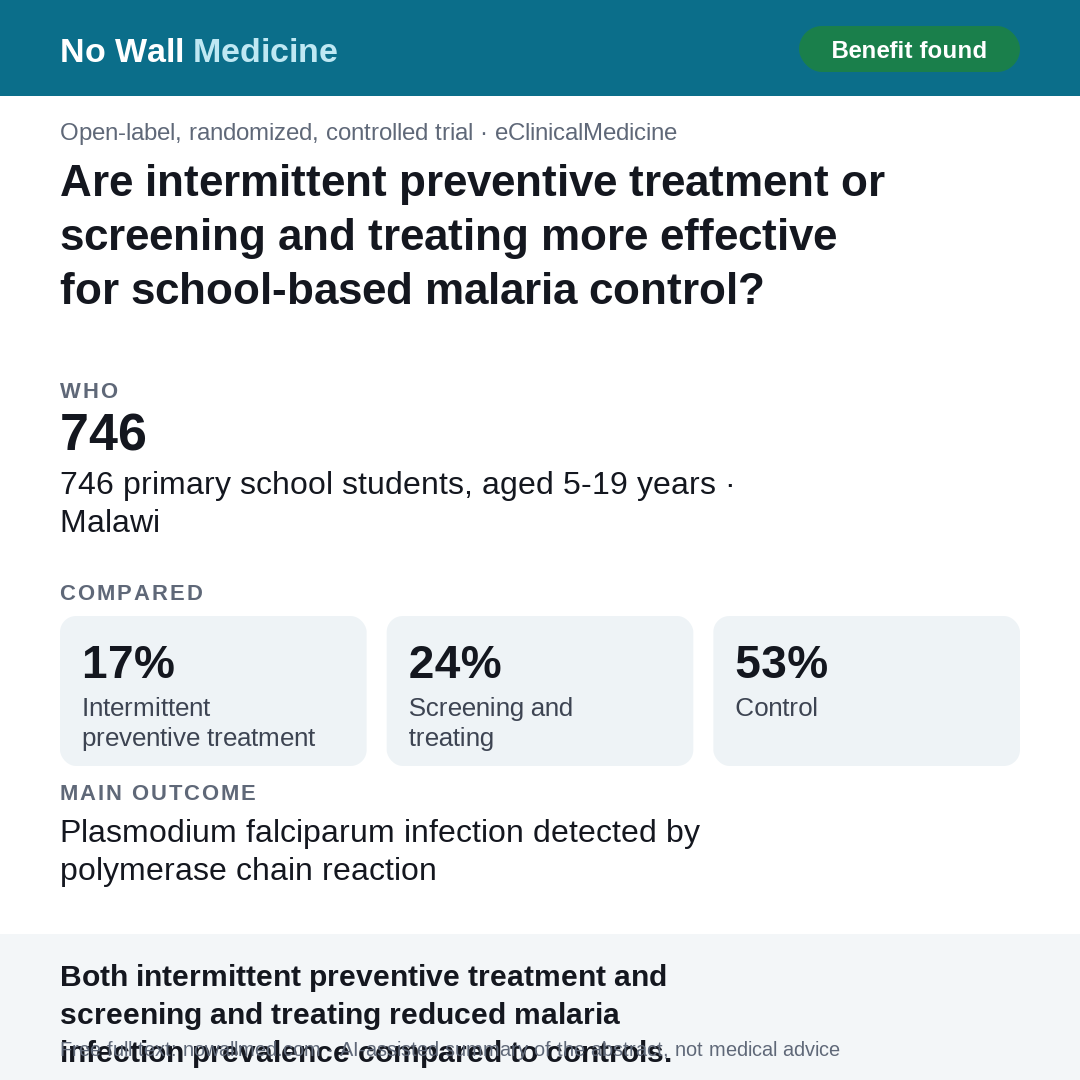
Comparing approaches for chemoprevention for school-based malaria control in Malawi: an open label, randomized, controlled clinical trial
Open-label, randomized, controlled trialBenefit found
Are intermittent preventive treatment or screening and treating more effective for school-based malaria control?
Who
746
746 primary school students, aged 5-19 years · Malawi
Compared
17%Intermittent preventive treatment (41/243)
24%Screening and treating (58/244)
53%Control (127/240)
Main outcome
Plasmodium falciparum infection detected by polymerase chain reaction
Result: IPT adjusted odds ratio 0.18 (95% CI: 0.11, 0.27)
Bottom line: Both intermittent preventive treatment and screening and treating reduced malaria infection prevalence compared to controls.
Funded by: Doris Duke Charitable Foundation and U.S. NIH
eClinicalMedicine · 2024-09-16Download image
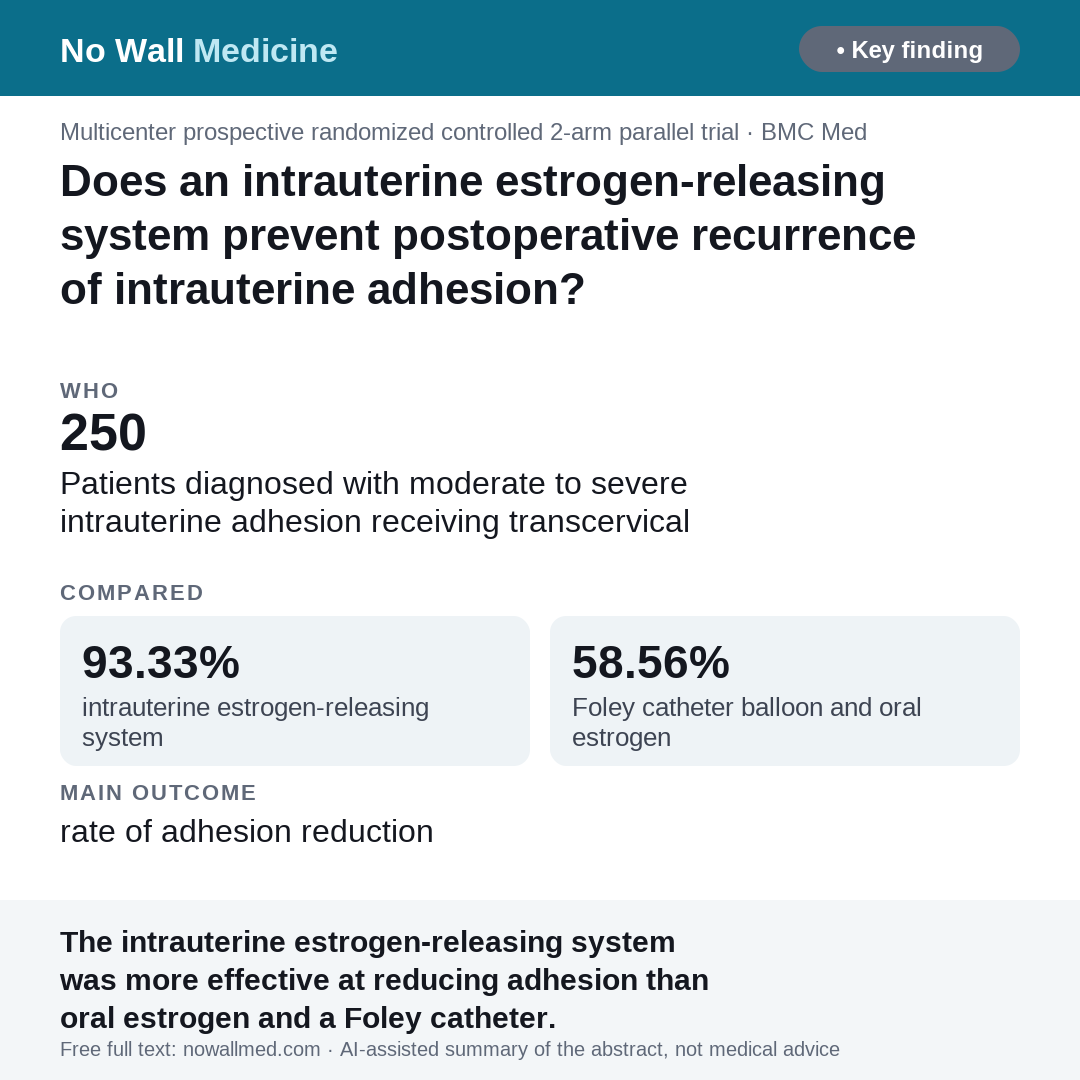
A novel intrauterine estrogen-releasing system for preventing the postoperative recurrence of intrauterine adhesion: a multicenter randomized controlled study
Multicenter prospective randomized controlled 2-arm parallel trialBenefit found
Does an intrauterine estrogen-releasing system prevent postoperative recurrence of intrauterine adhesion?
Who
250
Patients diagnosed with moderate to severe intrauterine adhesion receiving transcervical resection of adhesions · Multicenter
Compared
93.33%intrauterine estrogen-releasing system
58.56%Foley catheter balloon and oral estrogen
Main outcome
rate of adhesion reduction
Bottom line: The intrauterine estrogen-releasing system was more effective at reducing adhesion than oral estrogen and a Foley catheter.
BMC Med · 2024-09-16Download image