Visual abstracts
New randomized trials and meta-analyses from leading journals at a glance: who was studied, what was compared, and what was found. Every paper is free to read in full.
All specialtiesCardiology 4877Oncology 4138Gastroenterology & Hepatology 1942Infectious Disease 3837Neurology 1905Psychiatry & Mental Health 2273Pulmonology 2143Critical Care 1365Endocrinology & Diabetes 2580Pediatrics 2980Surgery 2559Orthopedics & Sports Medicine 931Neurosurgery 537Cardiothoracic & Vascular Surgery 674Plastic & Reconstructive Surgery 591Nephrology 1133Rheumatology 823Hematology 1109Dermatology 621Ophthalmology 543Obstetrics & Gynecology 1686Public & Global Health 1058Radiology & Imaging 648Anesthesiology 986Urology 764ENT (Otolaryngology) 503Emergency Medicine 511Allergy & Immunology 313Geriatrics 981Family Medicine & Primary Care 562Medical Genetics & Genomics 676Pathology & Laboratory Medicine 159Physical Medicine & Rehabilitation 757Palliative Care 444Nutrition 1588Digital Health & AI 2201General Medicine 321
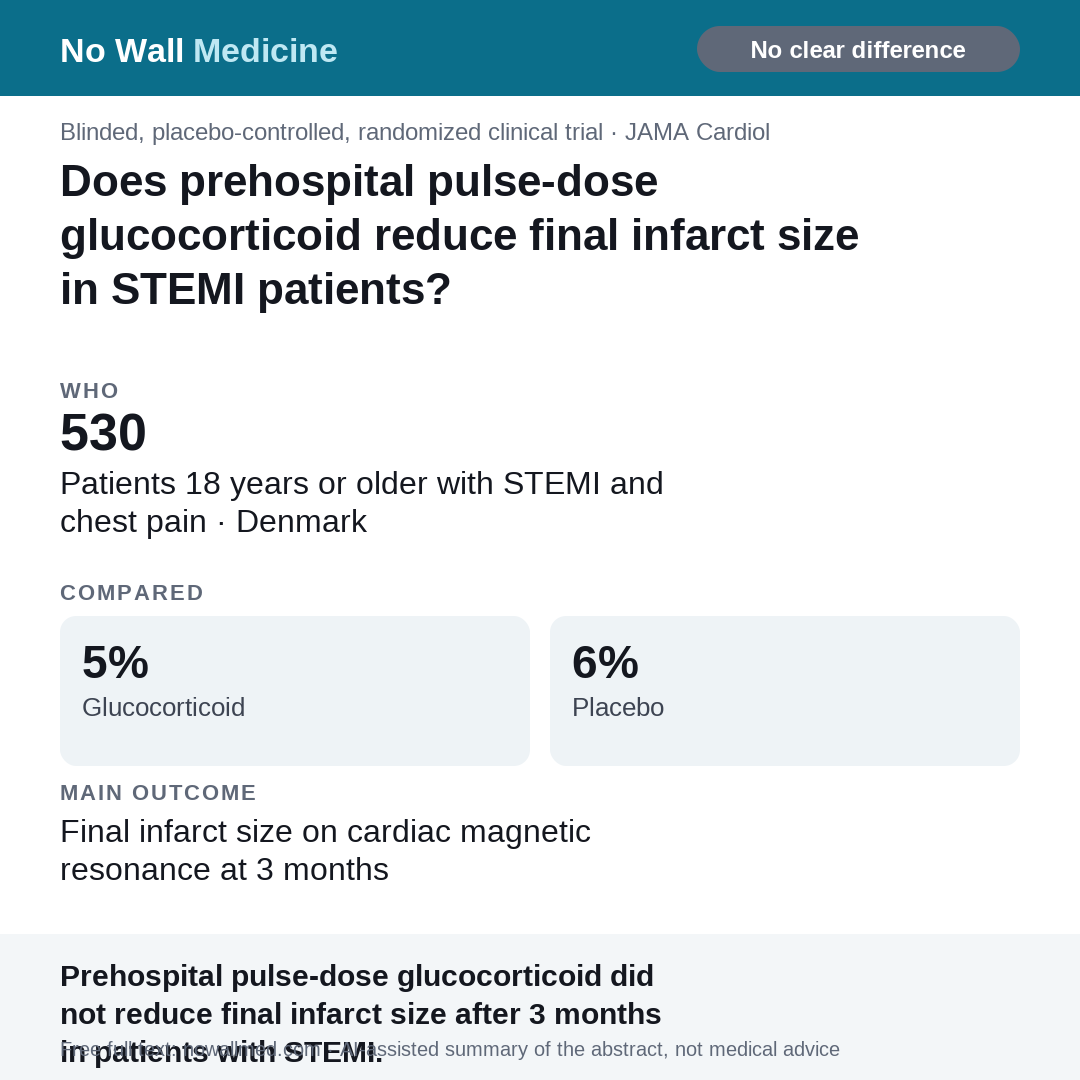
Prehospital Pulse-Dose Glucocorticoid in ST-Segment Elevation Myocardial Infarction: The PULSE-MI Randomized Clinical Trial
Blinded, placebo-controlled, randomized clinical trialNo clear difference
Does prehospital pulse-dose glucocorticoid reduce final infarct size in STEMI patients?
Who
530
Patients 18 years or older with STEMI and chest pain · Denmark
Compared
5%Glucocorticoid
6%Placebo
Main outcome
Final infarct size on cardiac magnetic resonance at 3 months
Bottom line: Prehospital pulse-dose glucocorticoid did not reduce final infarct size after 3 months in patients with STEMI.
Limitation: The trial was likely underpowered as the final infarct size was smaller than anticipated.
JAMA Cardiol · 2024-08-31Download image
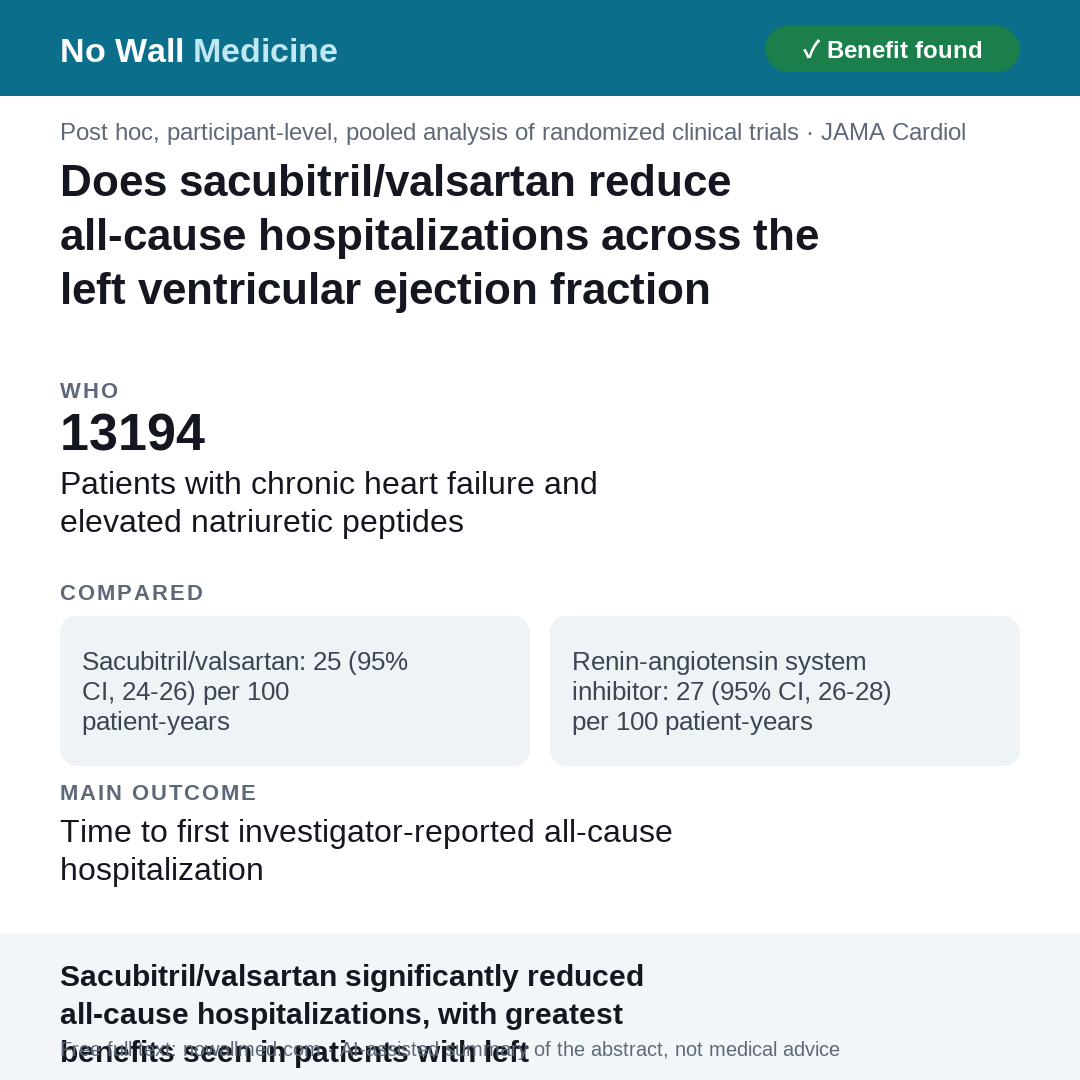
Effects of Sacubitril/Valsartan on All-Cause Hospitalizations in Heart Failure: Post Hoc Analysis of the PARADIGM-HF and PARAGON-HF Randomized Clinical Trials
Post hoc, participant-level, pooled analysis of randomized clinical trialsBenefit found
Does sacubitril/valsartan reduce all-cause hospitalizations across the left ventricular ejection fraction spectrum?
Who
13194
Patients with chronic heart failure and elevated natriuretic peptides
Compared
Sacubitril/valsartan: 25 (95% CI, 24-26) per 100 patient-years
Renin-angiotensin system inhibitor: 27 (95% CI, 26-28) per 100 patient-years
Main outcome
Time to first investigator-reported all-cause hospitalization
Result: hazard ratio 0.92 (95% CI, 0.88-0.97)
Bottom line: Sacubitril/valsartan significantly reduced all-cause hospitalizations, with greatest benefits seen in patients with left ventricular ejection fraction below 60%.
Limitation: This was a post hoc analysis of existing randomized clinical trials.
JAMA Cardiol · 2024-08-31Download image
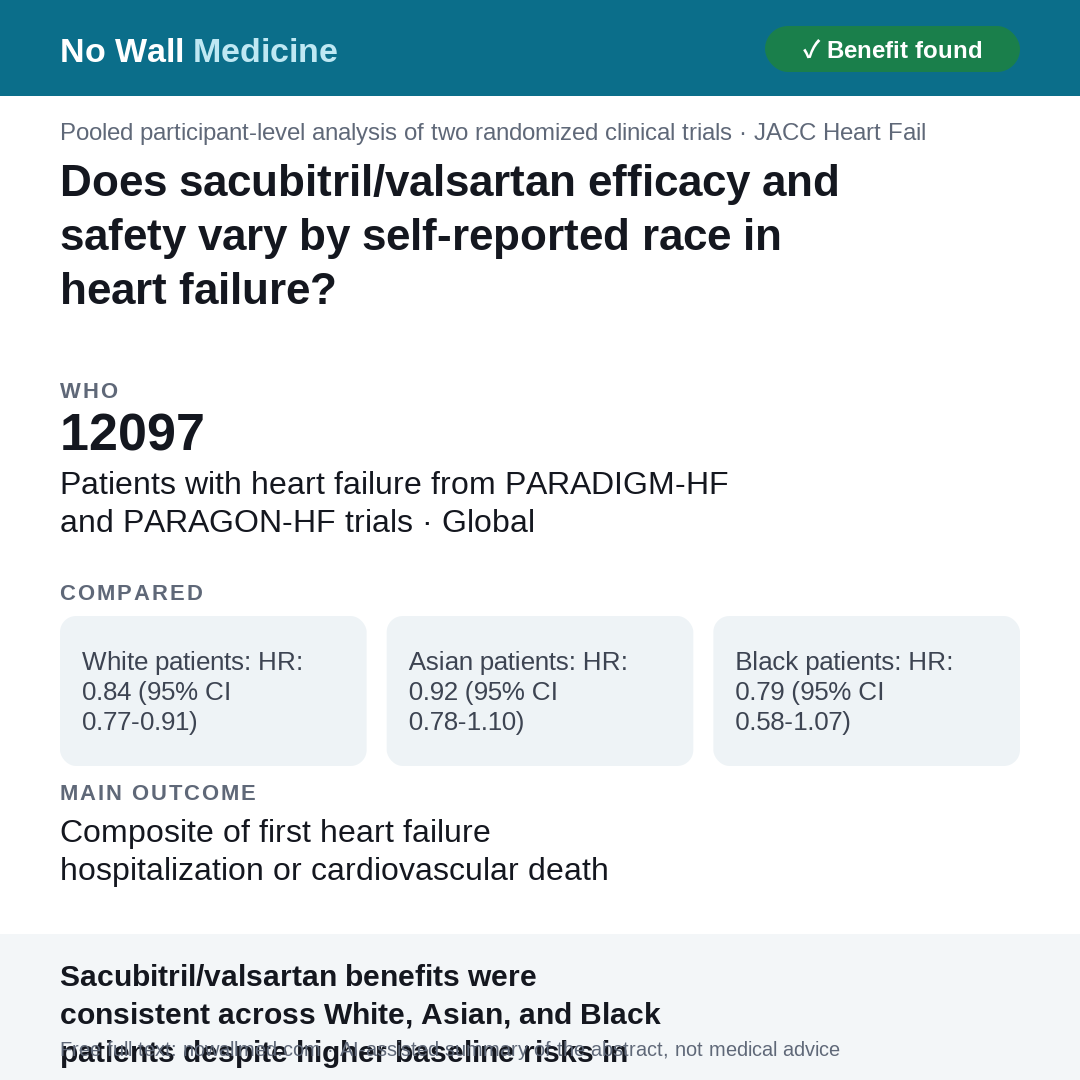
Race in Heart Failure: A Pooled Participant-Level Analysis of the Global PARADIGM-HF and PARAGON-HF Trials
Pooled participant-level analysis of two randomized clinical trialsBenefit found
Does sacubitril/valsartan efficacy and safety vary by self-reported race in heart failure?
Who
12097
Patients with heart failure from PARADIGM-HF and PARAGON-HF trials · Global
Compared
White patients: HR: 0.84 (95% CI 0.77-0.91)
Asian patients: HR: 0.92 (95% CI 0.78-1.10)
Black patients: HR: 0.79 (95% CI 0.58-1.07)
Main outcome
Composite of first heart failure hospitalization or cardiovascular death
Bottom line: Sacubitril/valsartan benefits were consistent across White, Asian, and Black patients despite higher baseline risks in Black and Asian populations.
JACC Heart Fail · 2024-08-31Download image
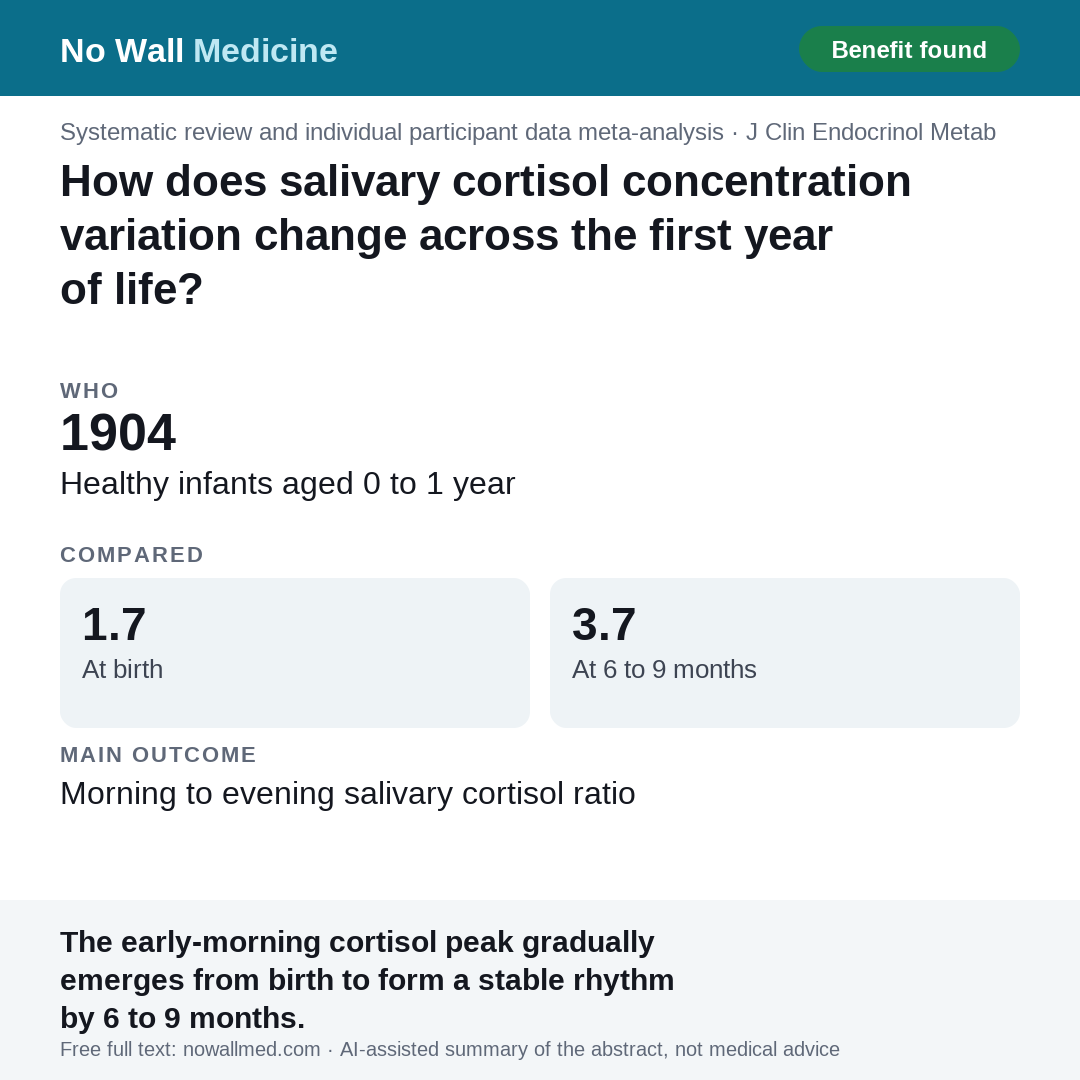
Population pharmacokinetics of oral fosfomycin calcium in healthy women
Randomized, open-label, bioavailability studyUnclear result
What is the population pharmacokinetic profile of oral fosfomycin calcium in healthy women?
Who
24
Healthy women volunteers · Araba University Hospital, Spain
Compared
Single and multiple doses of 1000 mg capsules
Single dose of 500 mg capsule
Single dose of 250 mg/5 mL suspension
Main outcome
Pharmacokinetics of fosfomycin in plasma
Bottom line: A population pharmacokinetic model was developed to characterize oral fosfomycin calcium in healthy women.
J Antimicrob Chemother · 2024-08-31Download image
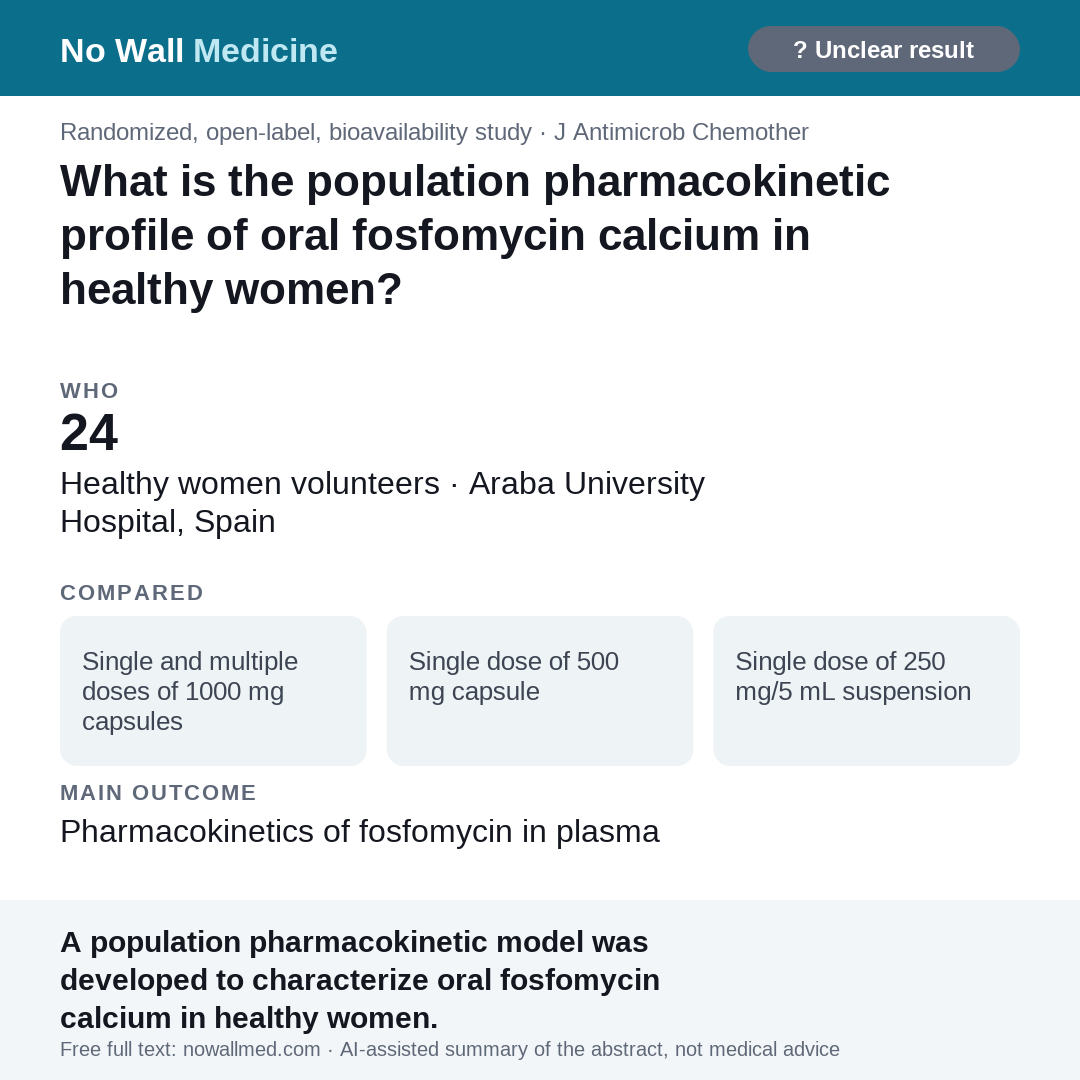
Metformin and small for gestational age babies: findings of a randomised placebo-controlled clinical trial of metformin in gestational diabetes (EMERGE)
Randomized, placebo-controlled clinical trialNo clear difference
Does metformin exposure increase the severity of small for gestational age phenotype?
Who
Women with gestational diabetes mellitus and live-born infants
Compared
Metformin: 20.0% preterm birth
Placebo: 14.3% preterm birth
Main outcome
Perinatal outcomes among small for gestational age infants
Bottom line: Metformin-exposed small for gestational age infants did not display a more severe phenotype than placebo infants.
Diabetologia · 2024-08-31Download image
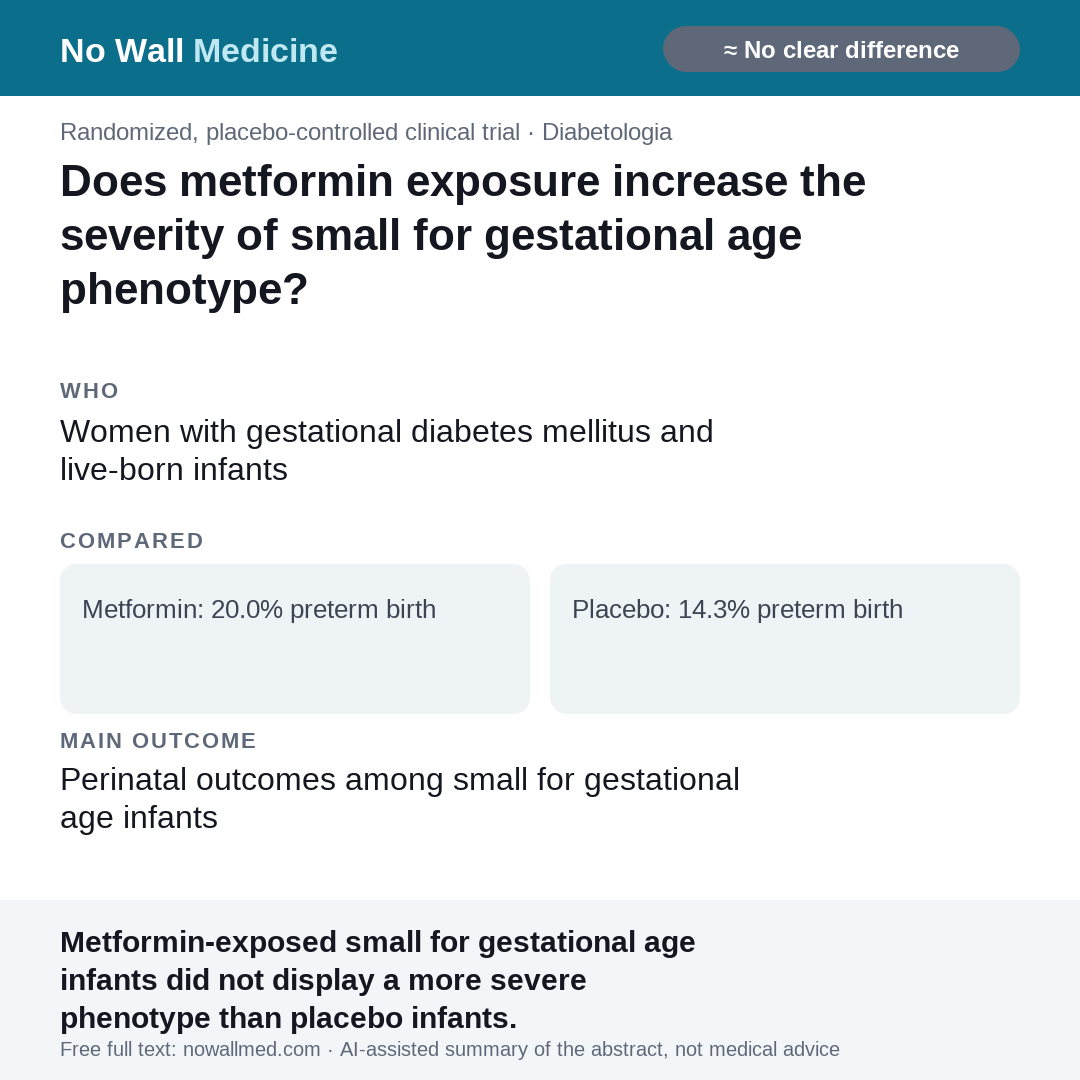
Low C-Reactive Protein Alleles in Hepatocyte Nuclear Factor 1A Are Associated With an Increased Risk of Cardiovascular Disease
Meta-analysisHarm found
Are low C-reactive protein alleles in HNF1A associated with cardiovascular disease risk?
Who
Individuals with common HNF1A coding variants
Compared
Low C-reactive protein alleles: increased risk of cardiovascular disease (OR 1.03; 95% CI, 1.03-1.04)
Control
Main outcome
Cardiovascular disease risk
Result: odds ratio 1.03 (95% CI 1.03-1.04)
Bottom line: Low C-reactive protein alleles in HNF1A are associated with an increased risk of cardiovascular disease.
J Clin Endocrinol Metab · 2024-08-31Download image
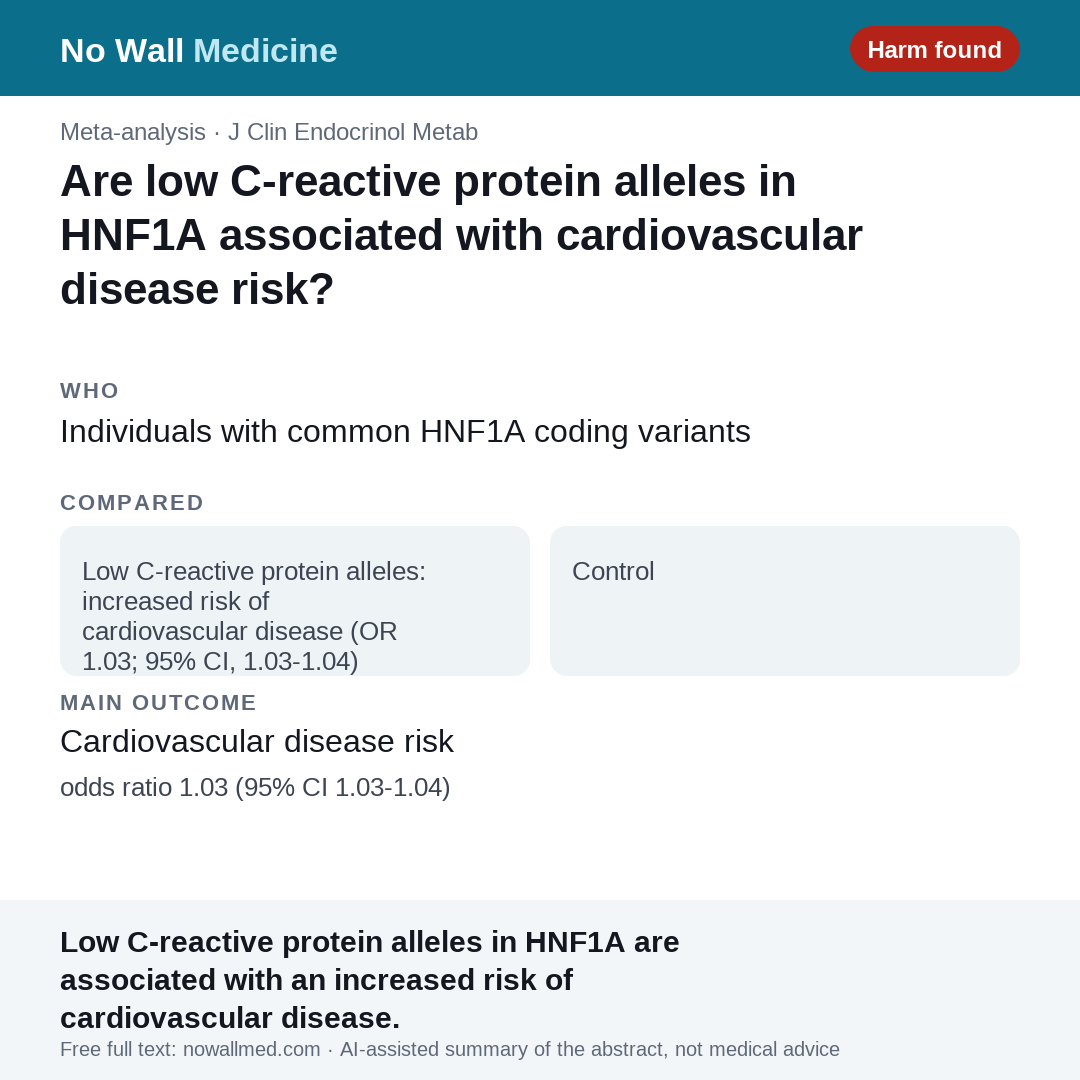
Development of 24-Hour Rhythms in Cortisol Secretion Across Infancy: A Systematic Review and Meta-Analysis of Individual Participant Data
Systematic review and individual participant data meta-analysisBenefit found
How does salivary cortisol concentration variation change across the first year of life?
Who
1904
Healthy infants aged 0 to 1 year
Compared
1.7At birth (95% CI: 1.3-2.1)
3.7At 6 to 9 months (95% CI: 3.0-4.5)
Main outcome
Morning to evening salivary cortisol ratio
Bottom line: The early-morning cortisol peak gradually emerges from birth to form a stable rhythm by 6 to 9 months.
J Clin Endocrinol Metab · 2024-08-31Download image
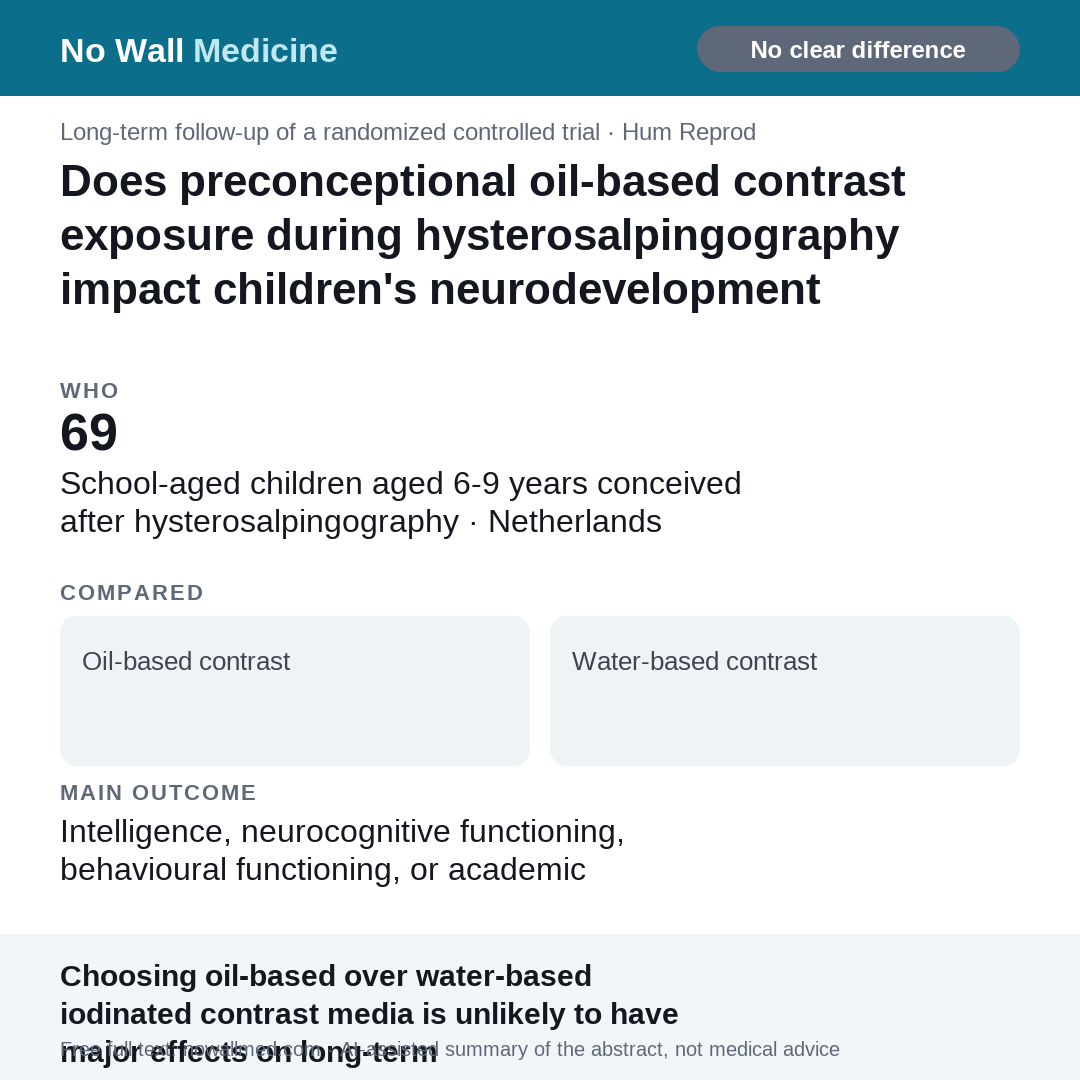
Neurodevelopmental outcomes of school-age children conceived after hysterosalpingography with oil-based or water-based iodinated contrast: long-term follow-up of a nationwide randomized controlled trial
Long-term follow-up of a randomized controlled trialNo clear difference
Does preconceptional oil-based contrast exposure during hysterosalpingography impact children's neurodevelopment compared to water-based alternatives?
Who
69
School-aged children aged 6-9 years conceived after hysterosalpingography · Netherlands
Compared
Oil-based contrast
Water-based contrast
Main outcome
Intelligence, neurocognitive functioning, behavioural functioning, or academic performance
Bottom line: Choosing oil-based over water-based iodinated contrast media is unlikely to have major effects on long-term neurodevelopmental outcomes.
Limitation: The small sample size of this follow-up study limited statistical power.
Funded by: Amsterdam University Medical Centre
Hum Reprod · 2024-08-31Download image
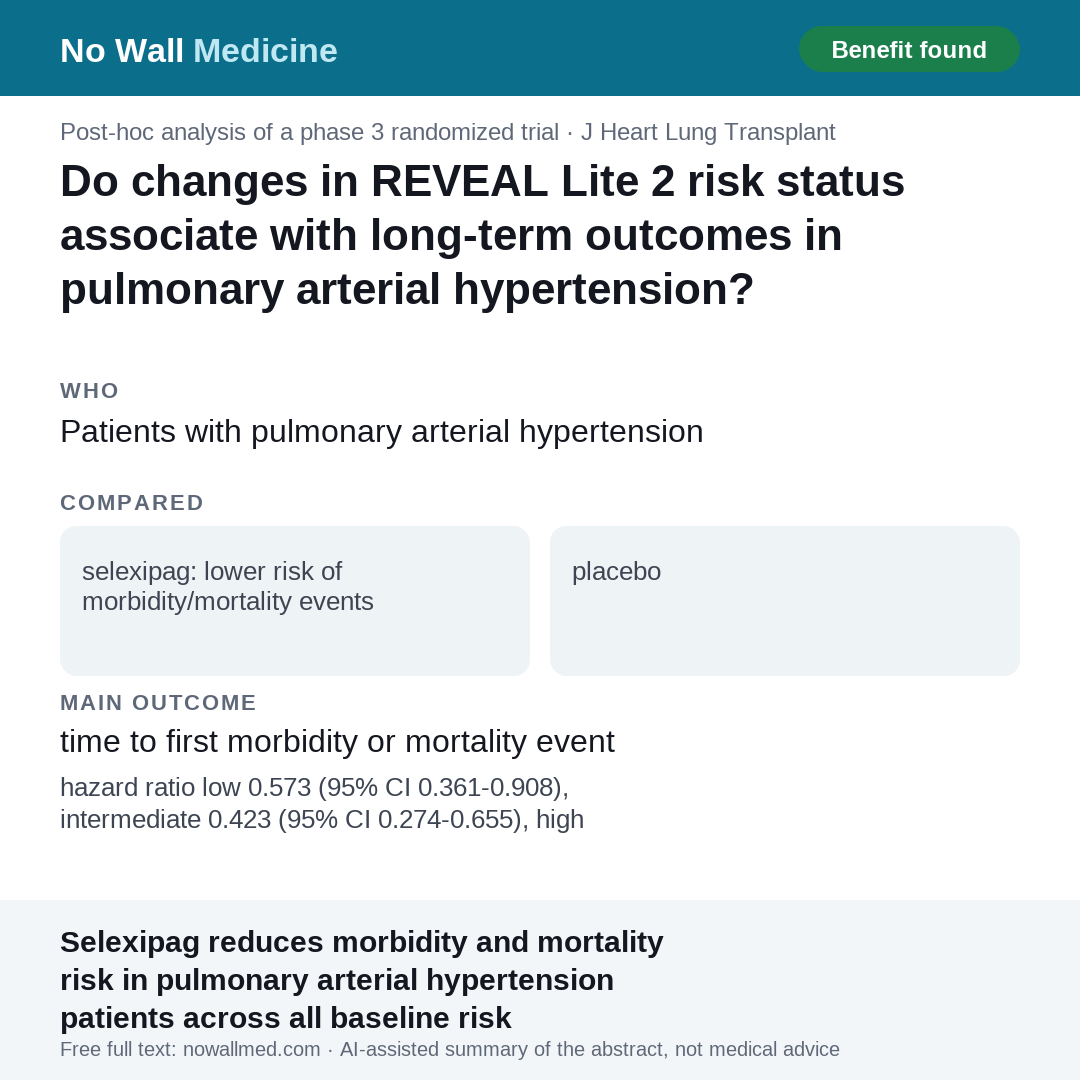
Changes in REVEAL Lite 2 risk status are associated with long-term outcomes in patients with pulmonary arterial hypertension: A post-hoc analysis of the GRIPHON study
Post-hoc analysis of a phase 3 randomized trialBenefit found
Do changes in REVEAL Lite 2 risk status associate with long-term outcomes in pulmonary arterial hypertension?
Who
Patients with pulmonary arterial hypertension
Compared
selexipag: lower risk of morbidity/mortality events
placebo
Main outcome
time to first morbidity or mortality event
Result: hazard ratio low 0.573 (95% CI 0.361-0.908), intermediate 0.423 (95% CI 0.274-0.655), high 0.711 (9% CI 0.520-0.972)
Bottom line: Selexipag reduces morbidity and mortality risk in pulmonary arterial hypertension patients across all baseline risk categories.
J Heart Lung Transplant · 2024-08-31Download image
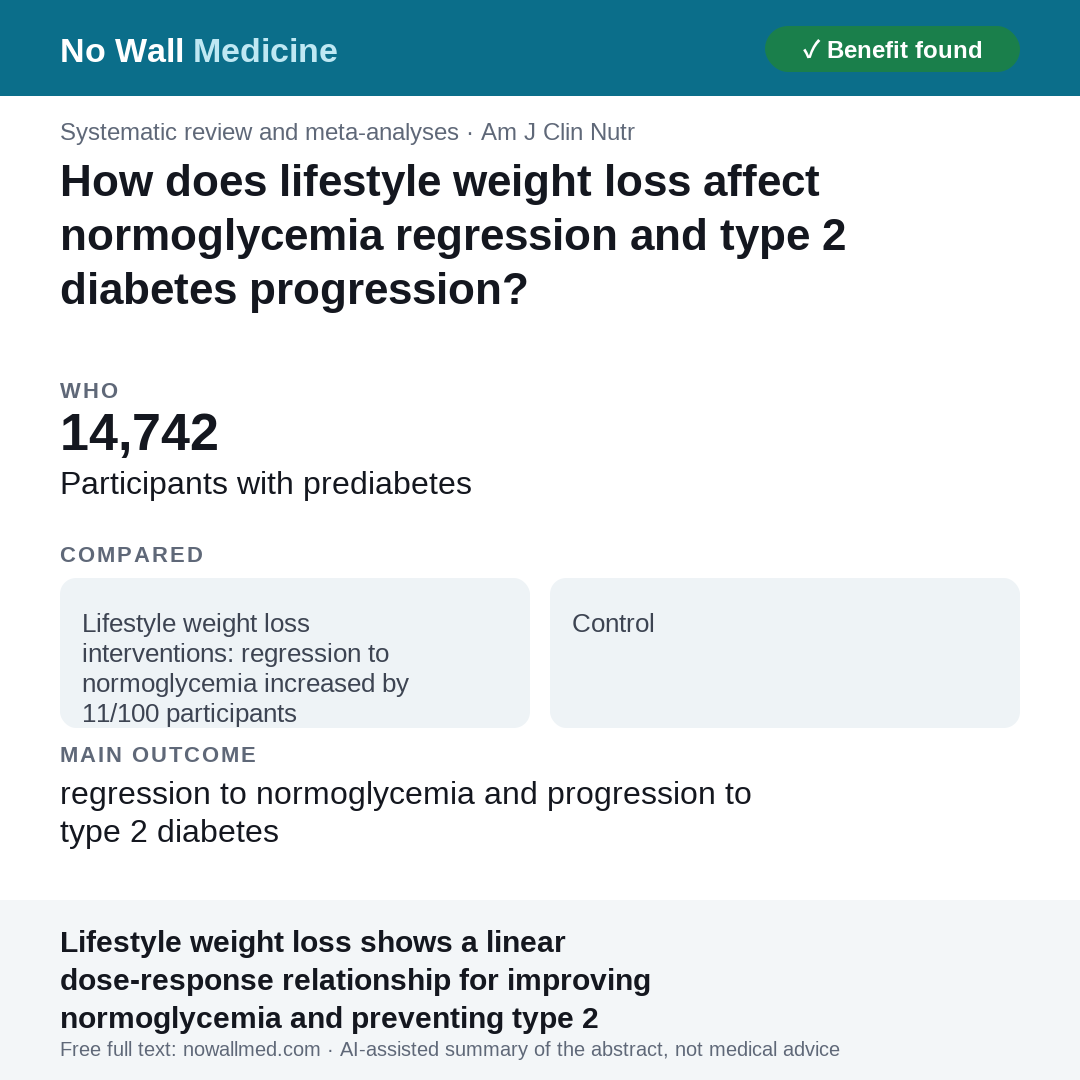
Efficacy of lifestyle weight loss interventions on regression to normoglycemia and progression to type 2 diabetes in individuals with prediabetes: a systematic review and pairwise and dose-response meta-analyses
Systematic review and meta-analysesBenefit found
How does lifestyle weight loss affect normoglycemia regression and type 2 diabetes progression?
Who
14,742
Participants with prediabetes
Compared
Lifestyle weight loss interventions: regression to normoglycemia increased by 11/100 participants
Control
Main outcome
regression to normoglycemia and progression to type 2 diabetes
Result: risk ratio 0.59 (95% CI 0.51, 0.67) for diabetes progression
Bottom line: Lifestyle weight loss shows a linear dose-response relationship for improving normoglycemia and preventing type 2 diabetes.
Am J Clin Nutr · 2024-08-31Download image
The anabolic response to a ground beef patty and soy-based meat alternative: a randomized controlled trial
Randomized controlled trialHarm found
Does soy-based meat alternative stimulate muscle protein synthesis similarly to beef?
Who
Healthy adults aged 18-40 years with body mass index 20 to 32
Compared
4 oz beef patty: 0.020 ± 0.016%/h
4 oz soy-based meat alternative: 0.003 ± 0.010%/h
8 oz soy-based meat alternative: 0.013 ± 0.016%/h
Main outcome
muscle protein fractional synthetic rate
Bottom line: A 4 oz beef patty stimulates more muscle protein synthesis than 4 oz or 8 oz of soy-based meat alternatives.
Am J Clin Nutr · 2024-08-31Download image

Antimicrobial susceptibility profiles of invasive bacterial infections among children from low- and middle-income countries in the Western Pacific Region (WPRO) - a systematic review and meta-analysis
Systematic review and meta-analysisHarm found
What are the antimicrobial susceptibility profiles of bacteria causing infections in children in the Western Pacific?
Who
18330
Children with invasive bacterial infections · Western Pacific Region
Compared
Escherichia coli: ampicillin 17% (95% CI 12-23%)
Klebsiella species: carbapenems 89% (95% CI 78-97%)
Streptococcus pneumoniae meningitis: ampicillin 26% (95% CI 11-44%)
Main outcome
Antimicrobial susceptibility to empiric antibiotics
Bottom line: Significant antimicrobial resistance exists, meaning currently recommended antibiotics may be inefficacious for common pediatric infections in this region.
Funded by: Australian Government and Wellcome Trust
Lancet Reg Health West Pac · 2024-08-31Download image

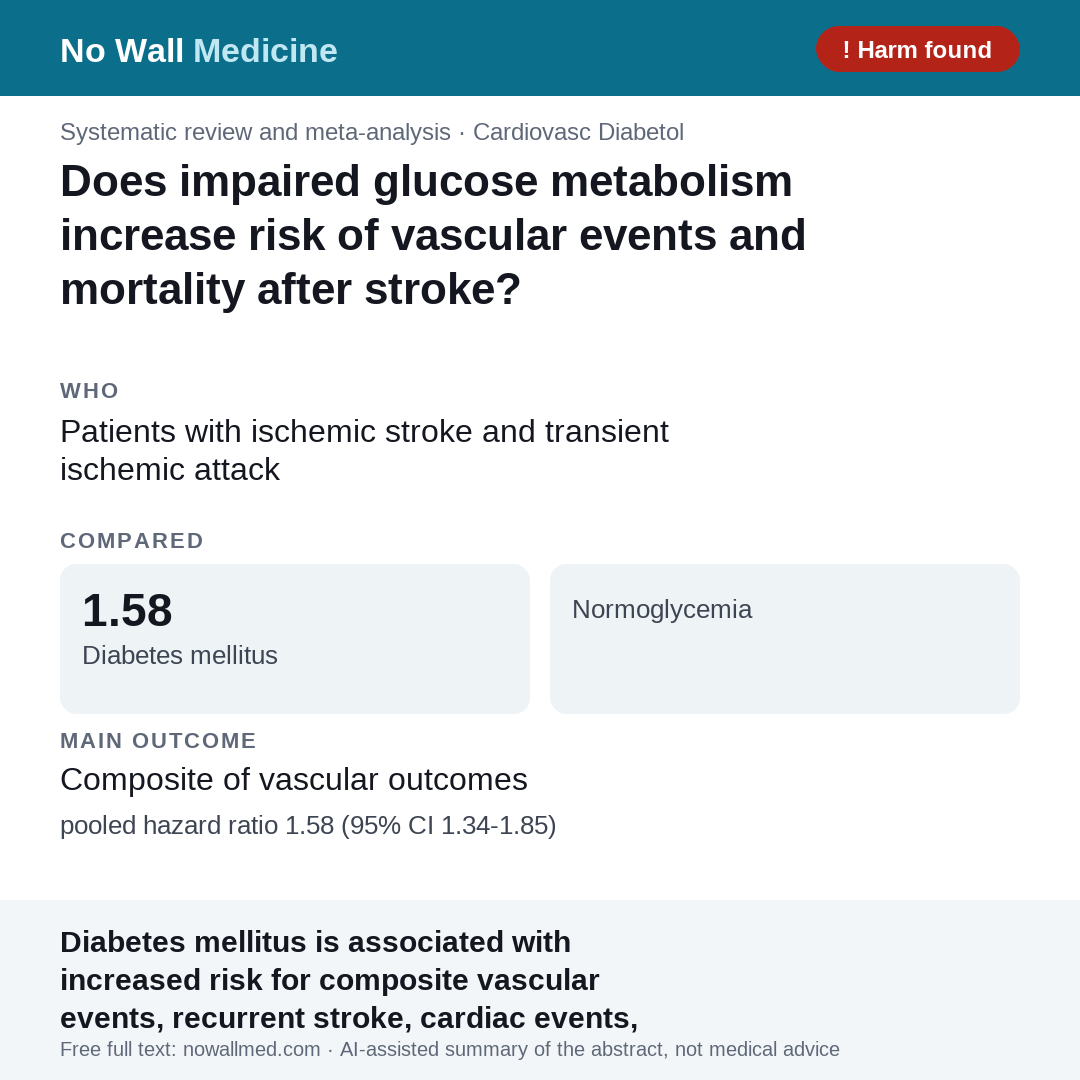
Impaired glucose metabolism and the risk of vascular events and mortality after ischemic stroke: A systematic review and meta-analysis
Systematic review and meta-analysisHarm found
Does impaired glucose metabolism increase risk of vascular events and mortality after stroke?
Who
Patients with ischemic stroke and transient ischemic attack
Compared
1.58Diabetes mellitus (95% CI 1.34-1.85)
Normoglycemia
Main outcome
Composite of vascular outcomes
Result: pooled hazard ratio 1.58 (95% CI 1.34-1.85)
Bottom line: Diabetes mellitus is associated with increased risk for composite vascular events, recurrent stroke, cardiac events, and all-cause mortality.
Limitation: There was a high heterogeneity across most outcomes.
Cardiovasc Diabetol · 2024-08-31Download image
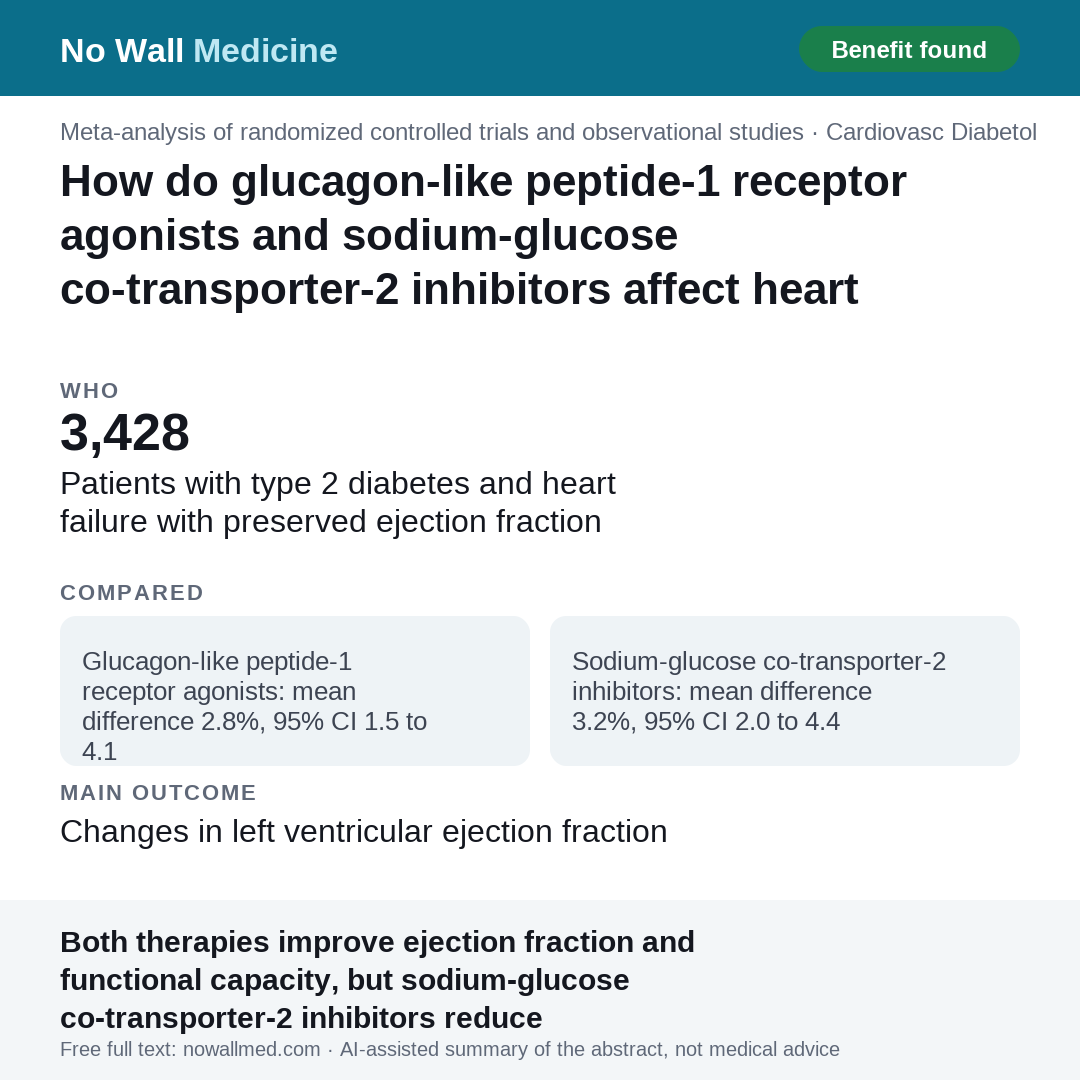
Comparative effects of glucagon-like peptide-1 receptor agonists and sodium-glucose co-transporter-2 inhibitors on heart failure with preserved ejection fraction in diabetic patients: a meta-analysis
Meta-analysis of randomized controlled trials and observational studiesBenefit found
How do glucagon-like peptide-1 receptor agonists and sodium-glucose co-transporter-2 inhibitors affect heart failure?
Who
3,428
Patients with type 2 diabetes and heart failure with preserved ejection fraction
Compared
Glucagon-like peptide-1 receptor agonists: mean difference 2.8%, 95% CI 1.5 to 4.1
Sodium-glucose co-transporter-2 inhibitors: mean difference 3.2%, 95% CI 2.0 to 4.4
Main outcome
Changes in left ventricular ejection fraction
Result: not explicitly pooled for a single effect estimate
Bottom line: Both therapies improve ejection fraction and functional capacity, but sodium-glucose co-transporter-2 inhibitors reduce myocardial fibrosis more effectively.
Limitation: Further research is needed on long-term outcomes and potential combined therapy effects.
Cardiovasc Diabetol · 2024-08-31Download image
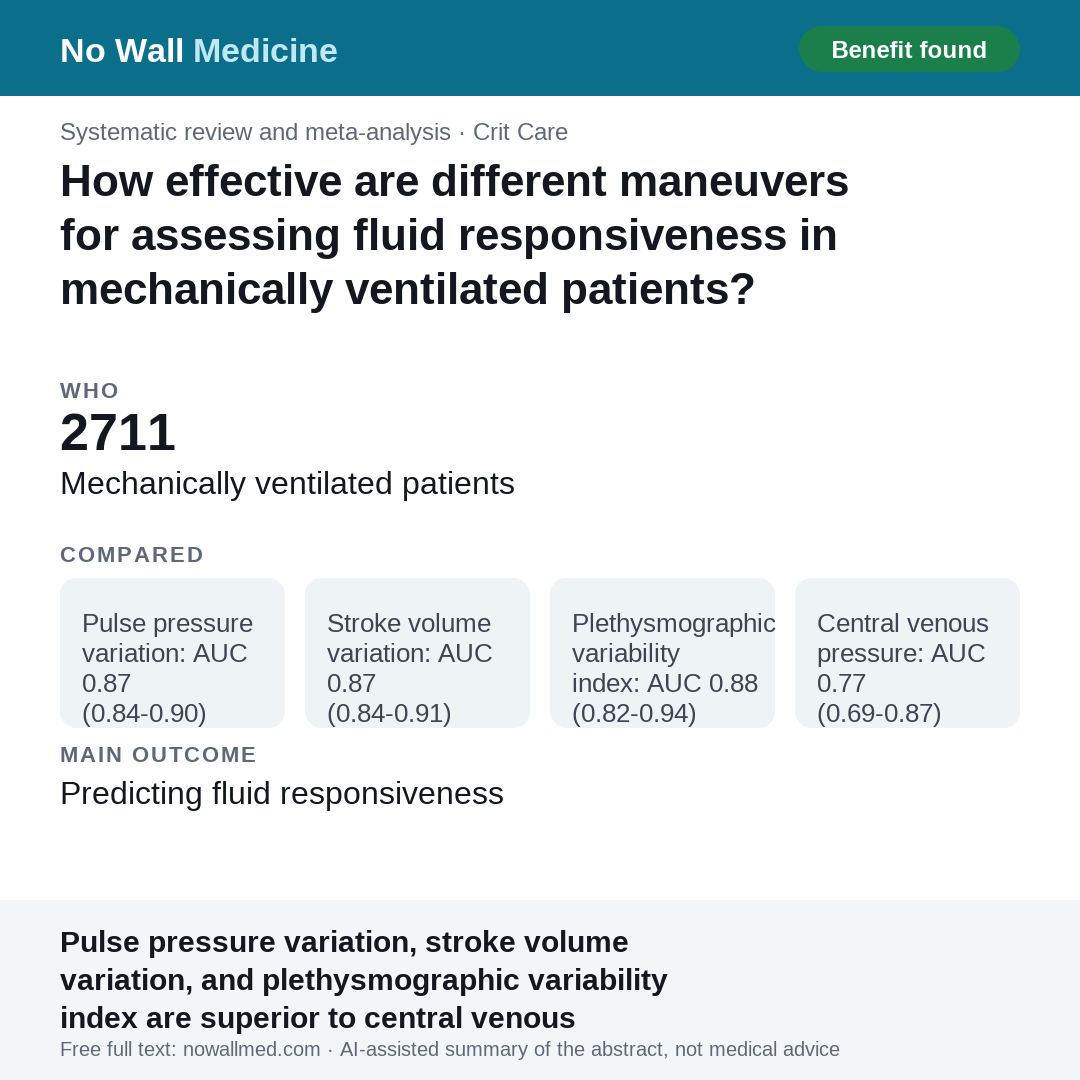
Assessment of fluid responsiveness using pulse pressure variation, stroke volume variation, plethysmographic variability index, central venous pressure, and inferior vena cava variation in patients undergoing mechanical ventilation: a systematic review and meta-analysis
Systematic review and meta-analysisBenefit found
How effective are different maneuvers for assessing fluid responsiveness in mechanically ventilated patients?
Who
2711
Mechanically ventilated patients
Compared
Pulse pressure variation: AUC 0.87 (0.84-0.90)
Stroke volume variation: AUC 0.87 (0.84-0.91)
Plethysmographic variability index: AUC 0.88 (0.82-0.94)
Central venous pressure: AUC 0.77 (0.69-0.87)
Main outcome
Predicting fluid responsiveness
Bottom line: Pulse pressure variation, stroke volume variation, and plethysmographic variability index are superior to central venous pressure and inferior vena cava variation.
Limitation: There is no data supporting any of the mentioned maneuvers as being the best.
Crit Care · 2024-08-31Download image
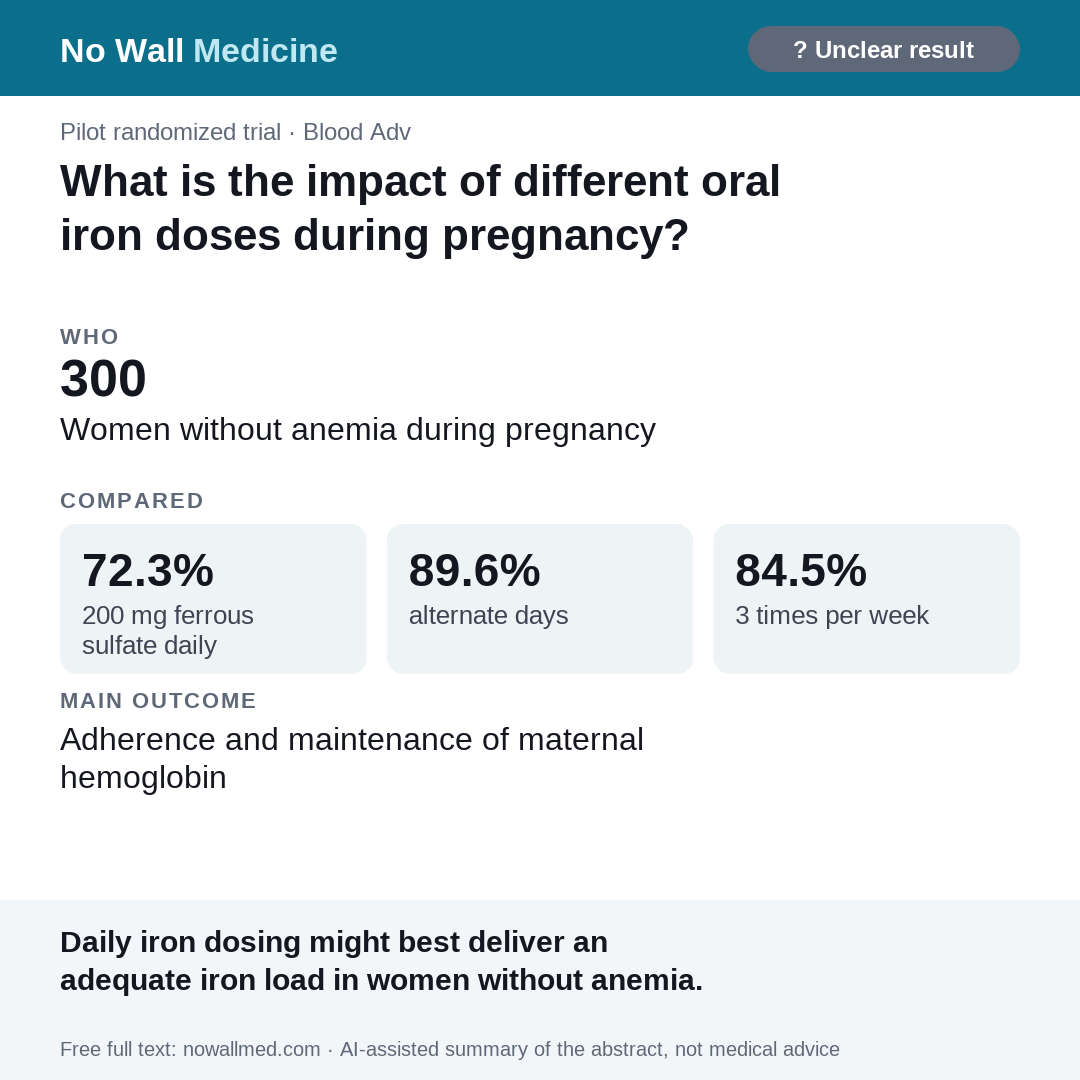
The impact of different doses of oral iron supplementation during pregnancy: a pilot randomized trial
Pilot randomized trialUnclear result
What is the impact of different oral iron doses during pregnancy?
Who
300
Women without anemia during pregnancy
Compared
72.3%200 mg ferrous sulfate daily
89.6%alternate days
84.5%3 times per week
Main outcome
Adherence and maintenance of maternal hemoglobin
Bottom line: Daily iron dosing might best deliver an adequate iron load in women without anemia.
Blood Adv · 2024-08-31Download image
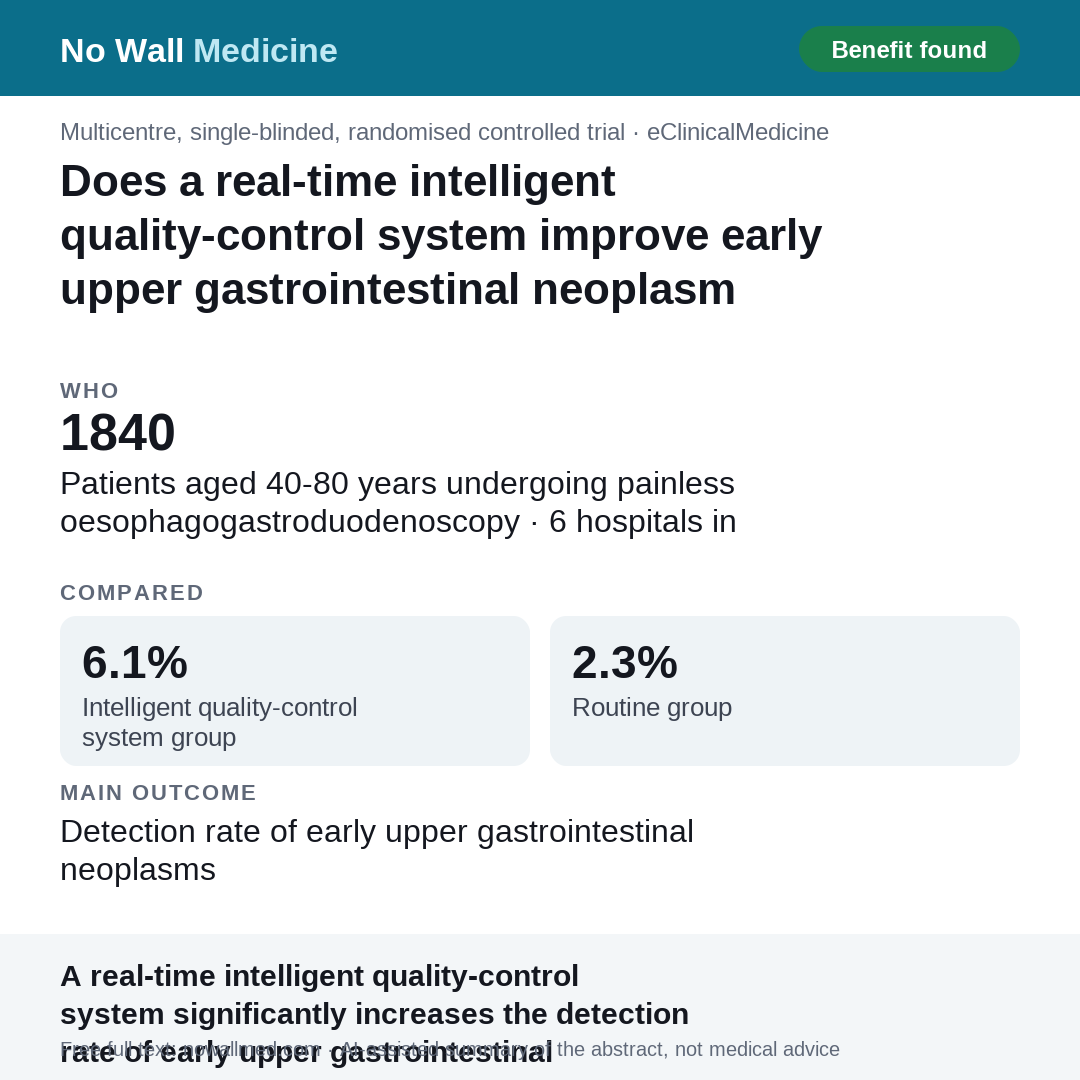
Efficacy of a real-time intelligent quality-control system for the detection of early upper gastrointestinal neoplasms: a multicentre, single-blinded, randomised controlled trial
Multicentre, single-blinded, randomised controlled trialBenefit found
Does a real-time intelligent quality-control system improve early upper gastrointestinal neoplasm detection?
Who
1840
Patients aged 40-80 years undergoing painless oesophagogastroduodenoscopy · 6 hospitals in China
Compared
6.1%Intelligent quality-control system group (56/914)
2.3%Routine group (21/915)
Main outcome
Detection rate of early upper gastrointestinal neoplasms
Result: not explicitly provided as a single pooled ratio for the primary outcome
Bottom line: A real-time intelligent quality-control system significantly increases the detection rate of early upper gastrointestinal neoplasms.
Limitation: The effectiveness in real-world clinical settings needs a larger population validation.
Funded by: National Natural Science Foundation of China and others
eClinicalMedicine · 2024-08-30Download image
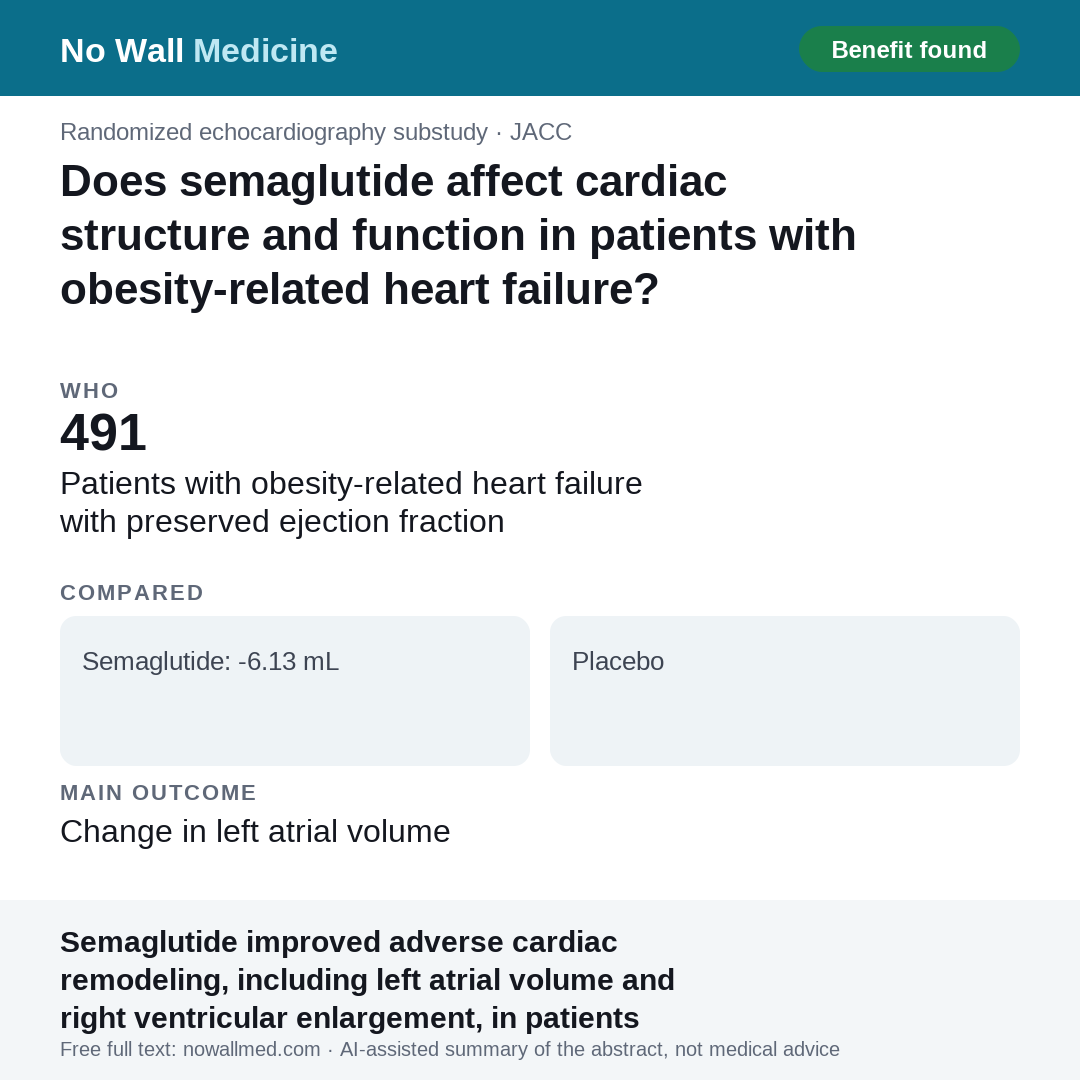
Effect of Semaglutide on Cardiac Structure and Function in Patients With Obesity-Related Heart Failure
Randomized echocardiography substudyBenefit found
Does semaglutide affect cardiac structure and function in patients with obesity-related heart failure?
Who
491
Patients with obesity-related heart failure with preserved ejection fraction
Compared
Semaglutide: -6.13 mL
Placebo
Main outcome
Change in left atrial volume
Result: estimated mean difference -6.13 mL (95% CI -9.85 to -2.41 mL)
Bottom line: Semaglutide improved adverse cardiac remodeling, including left atrial volume and right ventricular enlargement, in patients with obesity-related heart failure.
JACC · 2024-08-30Download image
Atrial Fibrillation and Semaglutide Effects in Obesity-Related Heart Failure With Preserved Ejection Fraction: STEP-HFpEF Program
Secondary analysis of randomized trialsBenefit found
Does semaglutide efficacy in obesity-related heart failure differ by atrial fibrillation history?
Who
1145
Patients with heart failure, ejection fraction ≥45%, and body mass index ≥30
Compared
With atrial fibrillation: 11.5 points KCCQ-CSS improvement
Without atrial fibrillation: 4.3 points KCCQ-CSS improvement
Main outcome
Kansas City Cardiomyopathy Questionnaire-Clinical Summary Score and hierarchical composite endpoint
Result: win ratio 2.25 (95% CI 1.79 to 2.83) vs 1.30 (95% CI 1.06 to 1.59)
Bottom line: Semaglutide improves heart failure symptoms and physical limitations in patients with and without atrial fibrillation.
JACC · 2024-08-30Download image

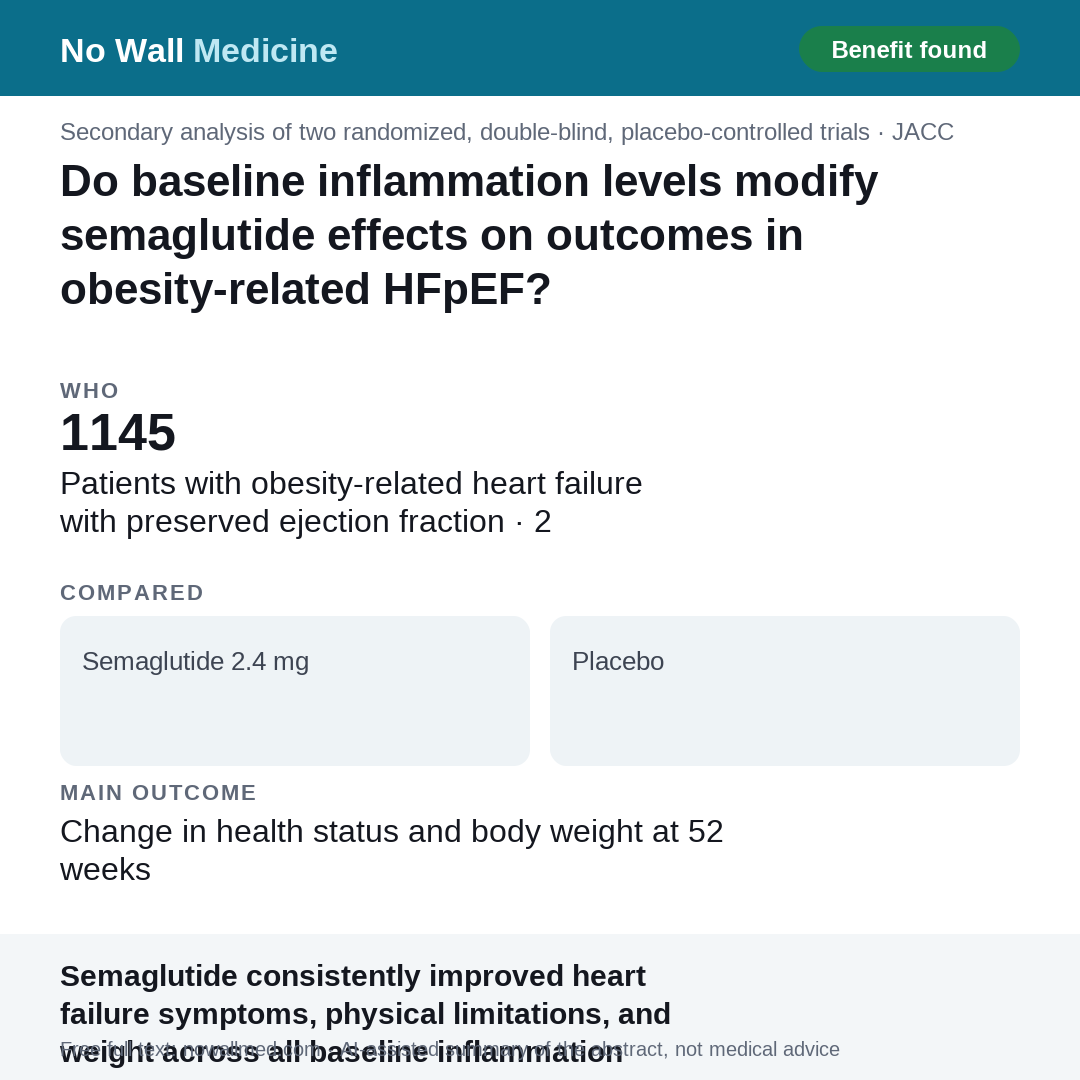
Inflammation in Obesity-Related HFpEF: The STEP-HFpEF Program
Secondary analysis of two randomized, double-blind, placebo-controlled trialsBenefit found
Do baseline inflammation levels modify semaglutide effects on outcomes in obesity-related HFpEF?
Who
1145
Patients with obesity-related heart failure with preserved ejection fraction · 2 international sites
Compared
Semaglutide 2.4 mg
Placebo
Main outcome
Change in health status and body weight at 52 weeks
Bottom line: Semaglutide consistently improved heart failure symptoms, physical limitations, and weight across all baseline inflammation levels.
JACC · 2024-08-30Download image