Visual abstracts
New randomized trials and meta-analyses from leading journals at a glance: who was studied, what was compared, and what was found. Every paper is free to read in full.
All specialtiesCardiology 4763Oncology 4043Gastroenterology & Hepatology 1903Infectious Disease 3756Neurology 1872Psychiatry & Mental Health 2216Pulmonology 2044Critical Care 1319Endocrinology & Diabetes 2544Pediatrics 2889Surgery 2480Orthopedics & Sports Medicine 917Neurosurgery 525Cardiothoracic & Vascular Surgery 656Plastic & Reconstructive Surgery 574Nephrology 1107Rheumatology 810Hematology 1090Dermatology 611Ophthalmology 532Obstetrics & Gynecology 1645Public & Global Health 1037Radiology & Imaging 619Anesthesiology 958Urology 745ENT (Otolaryngology) 494Emergency Medicine 481Allergy & Immunology 309Geriatrics 972Family Medicine & Primary Care 534Medical Genetics & Genomics 659Pathology & Laboratory Medicine 156Physical Medicine & Rehabilitation 734Palliative Care 421Nutrition 1560Digital Health & AI 2137General Medicine 318
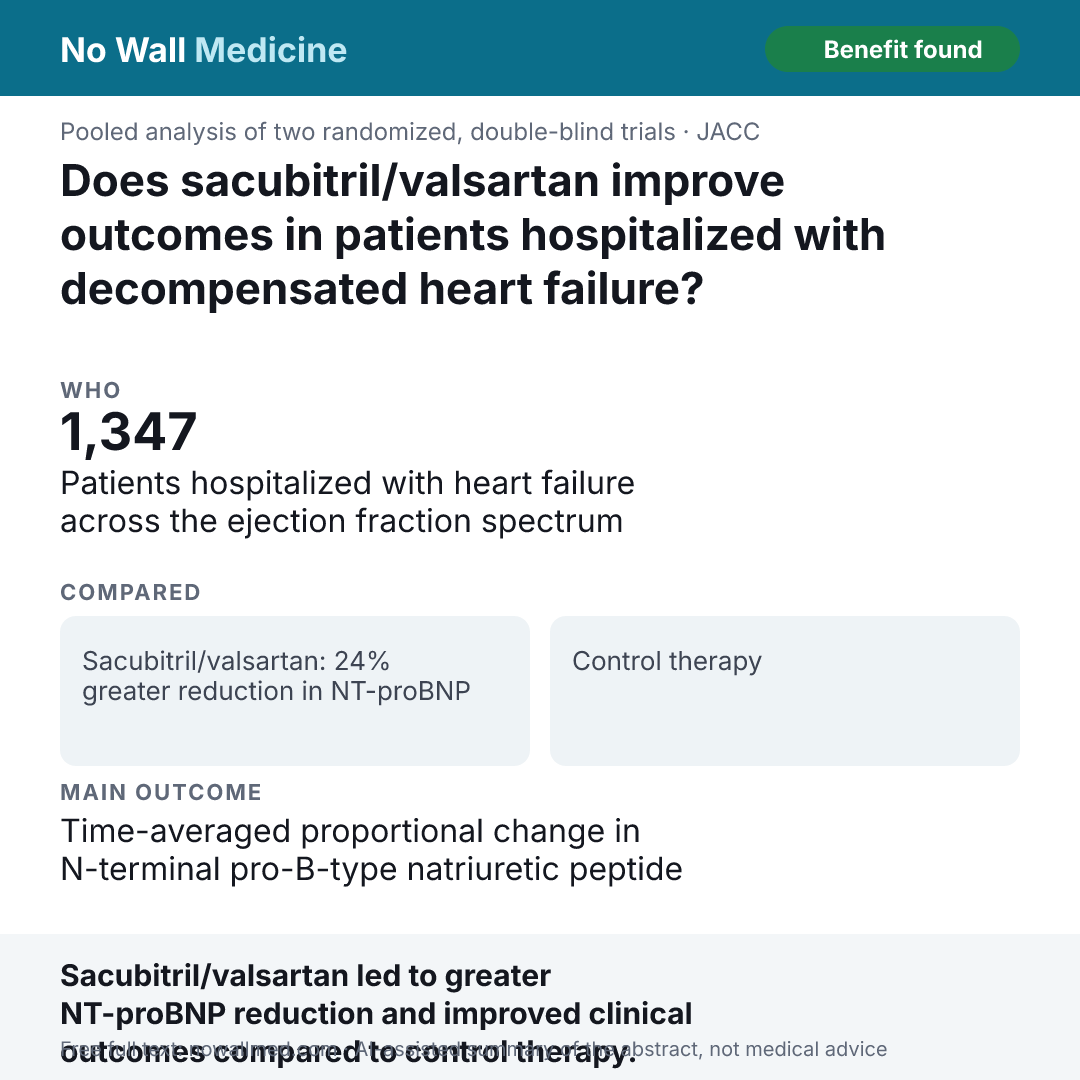
Sacubitril/Valsartan in Patients Hospitalized With Decompensated Heart Failure
Pooled analysis of two randomized, double-blind trialsBenefit found
Does sacubitril/valsartan improve outcomes in patients hospitalized with decompensated heart failure?
Who
1,347
Patients hospitalized with heart failure across the ejection fraction spectrum
Compared
Sacubitril/valsartan: 24% greater reduction in NT-proBNP
Control therapy
Main outcome
Time-averaged proportional change in N-terminal pro-B-type natriuretic peptide
Result: ratio of change = 0.76; 95% CI: 0.69-0.83
Bottom line: Sacubitril/valsartan led to greater NT-proBNP reduction and improved clinical outcomes compared to control therapy.
JACC · 2024-03-21 · Save PNG
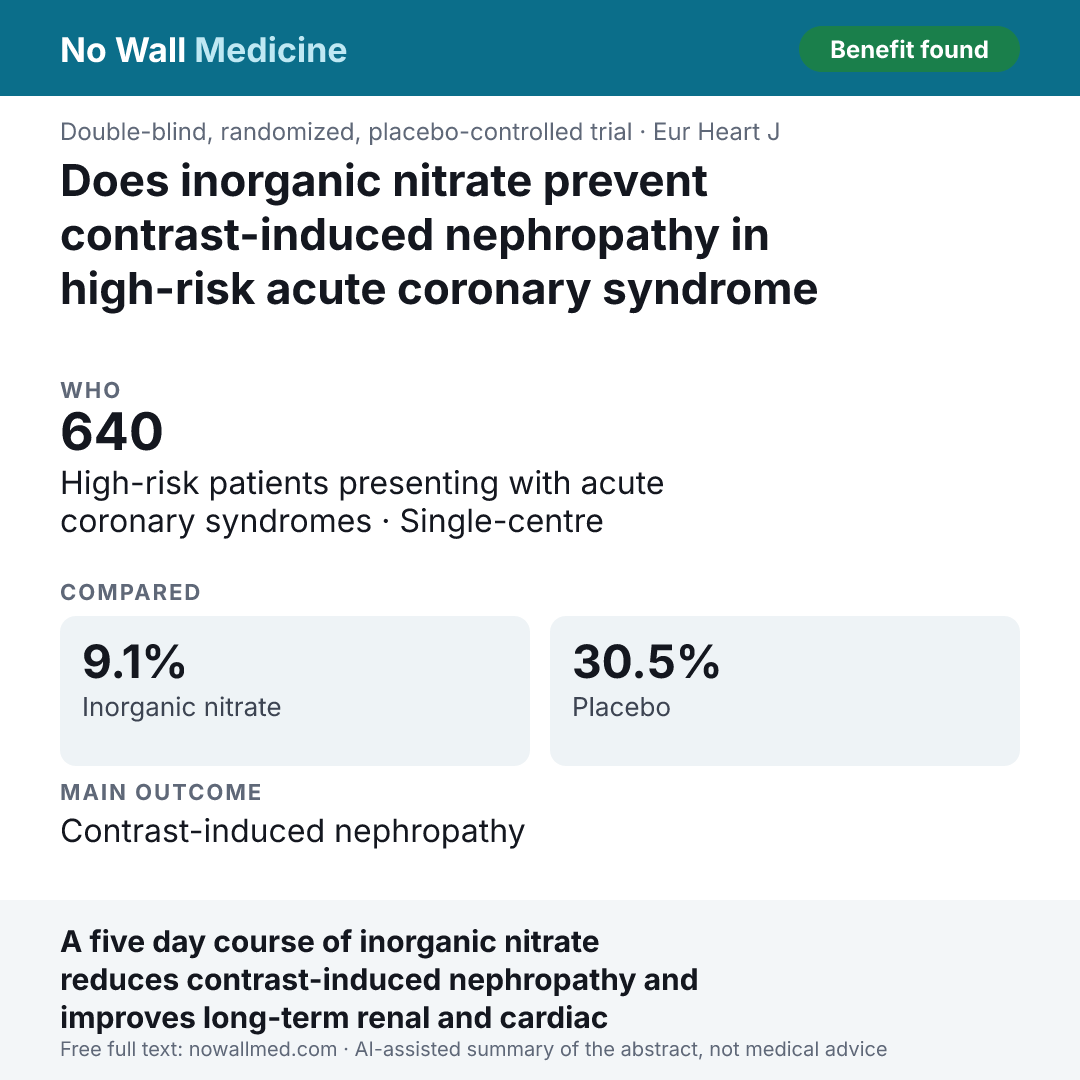
Inorganic nitrate benefits contrast-induced nephropathy after coronary angiography for acute coronary syndromes: the NITRATE-CIN trial
Double-blind, randomized, placebo-controlled trialBenefit found
Does inorganic nitrate prevent contrast-induced nephropathy in high-risk acute coronary syndrome patients?
Who
640
High-risk patients presenting with acute coronary syndromes · Single-centre
Compared
9.1%Inorganic nitrate
30.5%Placebo
Main outcome
Contrast-induced nephropathy
Result: odds ratio 0.21 (95% confidence interval 0.13-0.34)
Bottom line: A five day course of inorganic nitrate reduces contrast-induced nephropathy and improves long-term renal and cardiac outcomes.
Eur Heart J · 2024-03-21 · Save PNG
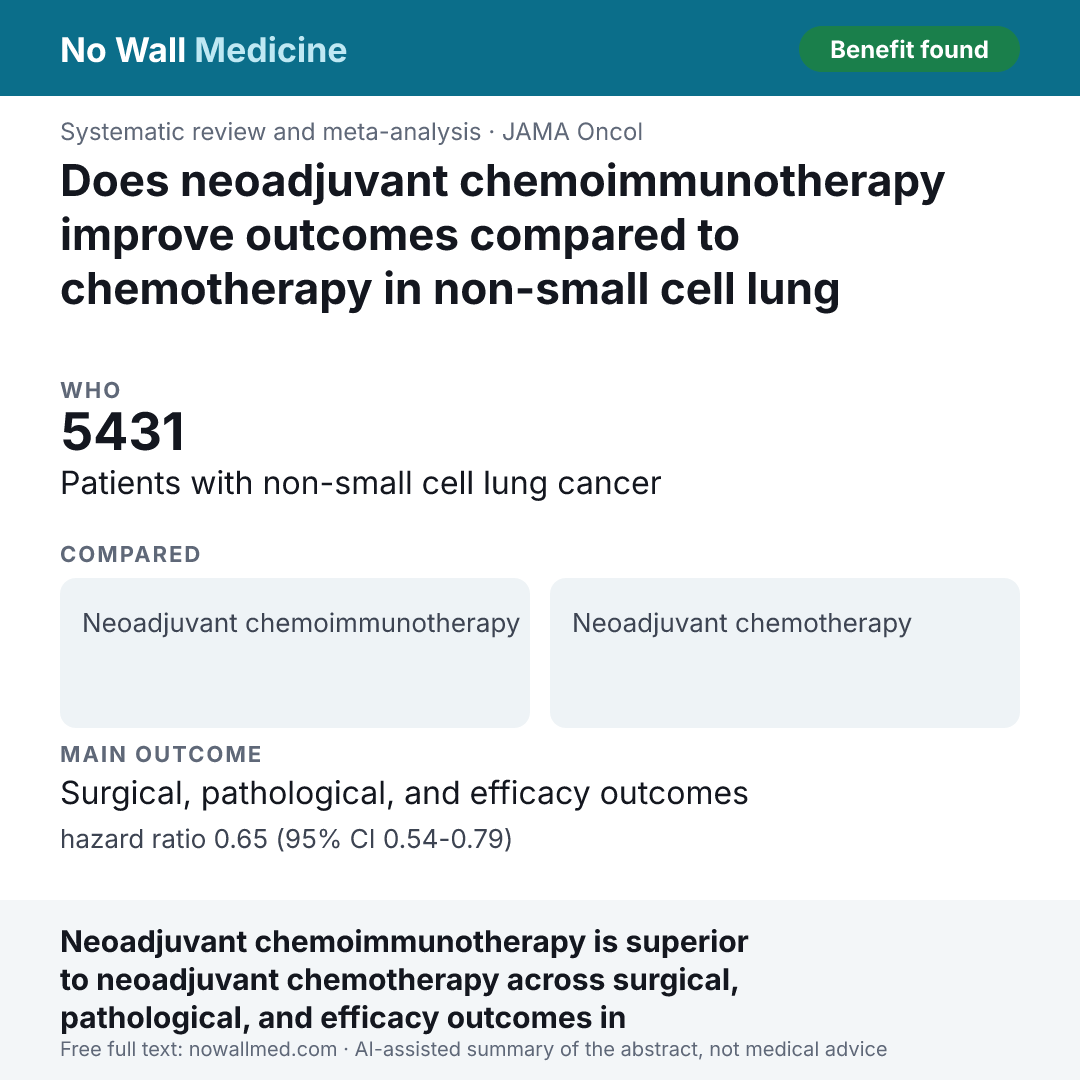
Neoadjuvant Chemoimmunotherapy for NSCLC: A Systematic Review and Meta-Analysis
Systematic review and meta-analysisBenefit found
Does neoadjuvant chemoimmunotherapy improve outcomes compared to chemotherapy in non-small cell lung cancer?
Who
5431
Patients with non-small cell lung cancer
Compared
Neoadjuvant chemoimmunotherapy
Neoadjuvant chemotherapy
Main outcome
Surgical, pathological, and efficacy outcomes
Result: hazard ratio 0.65 (95% CI 0.54-0.79)
Bottom line: Neoadjuvant chemoimmunotherapy is superior to neoadjuvant chemotherapy across surgical, pathological, and efficacy outcomes in non-small cell lung cancer.
JAMA Oncol · 2024-03-21 · Save PNG
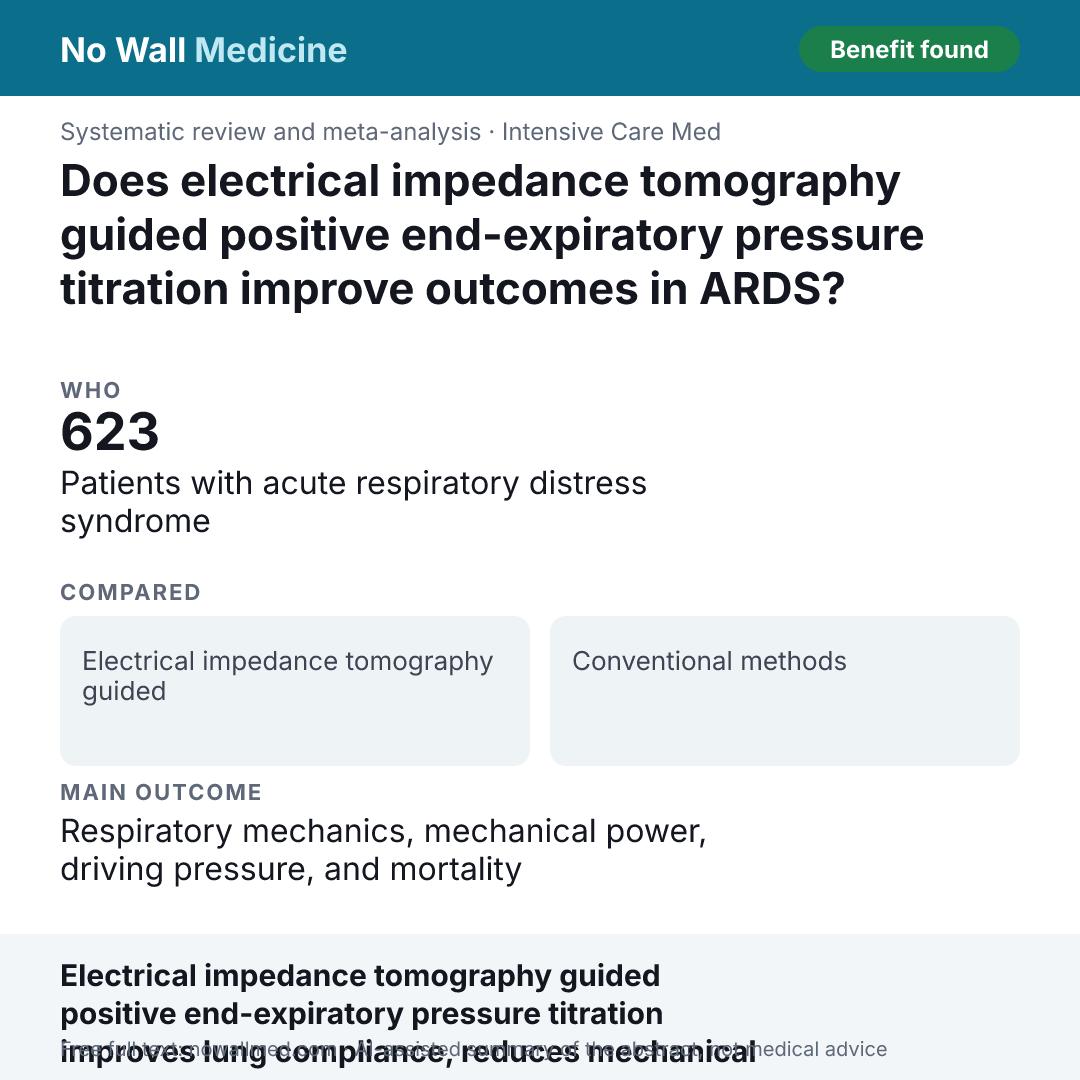
Electrical impedance tomography-guided positive end-expiratory pressure titration in ARDS: a systematic review and meta-analysis
Systematic review and meta-analysisBenefit found
Does electrical impedance tomography guided positive end-expiratory pressure titration improve outcomes in ARDS?
Who
623
Patients with acute respiratory distress syndrome
Compared
Electrical impedance tomography guided
Conventional methods
Main outcome
Respiratory mechanics, mechanical power, driving pressure, and mortality
Result: relative risk 0.64 (95% CI 0.45 to 0.91) for mortality
Bottom line: Electrical impedance tomography guided positive end-expiratory pressure titration improves lung compliance, reduces mechanical power, and lowers mortality in ARDS.
Intensive Care Med · 2024-03-21 · Save PNG
The Transatlantic Recommendations for Prostate Gland Evaluation with Magnetic Resonance Imaging After Focal Therapy (TARGET): A Systematic Review and International Consensus Recommendations
Systematic review and international consensus exerciseBenefit found
What are the consensus recommendations for MRI evaluation after prostate cancer focal therapy?
Who
23
Experts in urology, radiology, and pathology · Europe and North America
Compared
Round one consensus: 227 of 295 statements
Round two consensus: 270 of 329 statements
Main outcome
Consensus recommendations for MRI acquisition, interpretation, and reporting
Bottom line: New expert recommendations provide standards for MRI acquisition, interpretation, and reporting after prostate cancer focal therapy.
Eur Urol · 2024-03-21 · Save PNG

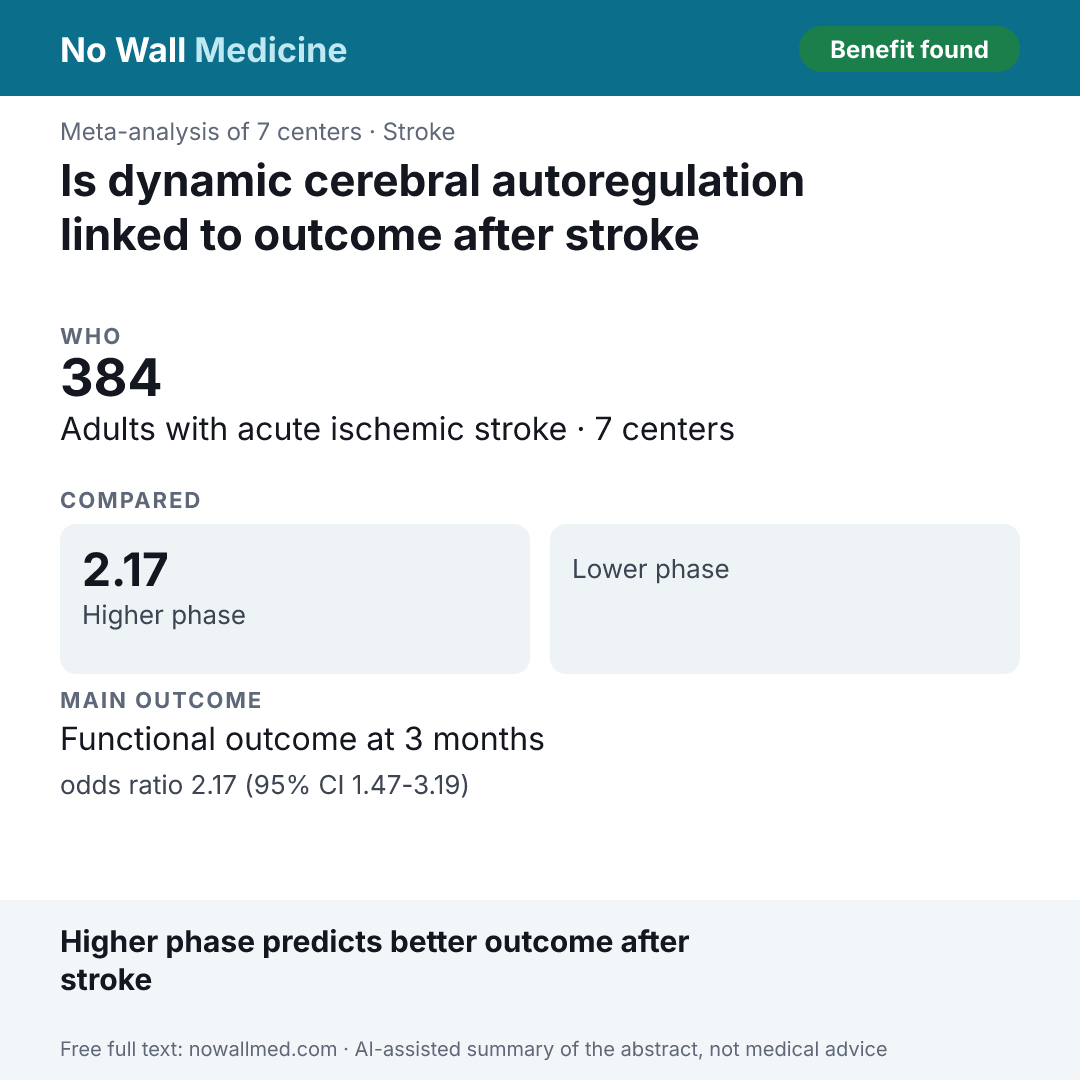
Individual Patient Data Meta-Analysis of Dynamic Cerebral Autoregulation and Functional Outcome After Ischemic Stroke
Meta-analysis of 7 centersBenefit found
Is dynamic cerebral autoregulation linked to outcome after stroke
Who
384
Adults with acute ischemic stroke · 7 centers
Compared
2.17Higher phase (95% CI 1.47-3.19)
Lower phase
Main outcome
Functional outcome at 3 months
Result: odds ratio 2.17 (95% CI 1.47-3.19)
Bottom line: Higher phase predicts better outcome after stroke
Limitation: small sample sizes and heterogeneity
Stroke · 2024-03-21 · Save PNG
Peripheral Vision in Patients Following Intraocular Lens Implantation: A Systematic Review and Meta-Analysis
Systematic review and meta-analysisMixed results
How do intraocular lenses influence peripheral vision and optical quality after cataract surgery?
Who
5963
Patients following intraocular lens implantation
Compared
Patients with intraocular lenses: mean deviation lower than healthy age-matched controls
Healthy age-matched controls
Main outcome
Peripheral visual function and peripheral optical quality
Bottom line: Peripheral image quality is degraded after cataract surgery, though visual function impairment requires further investigation.
Am J Ophthalmol · 2024-03-21 · Save PNG

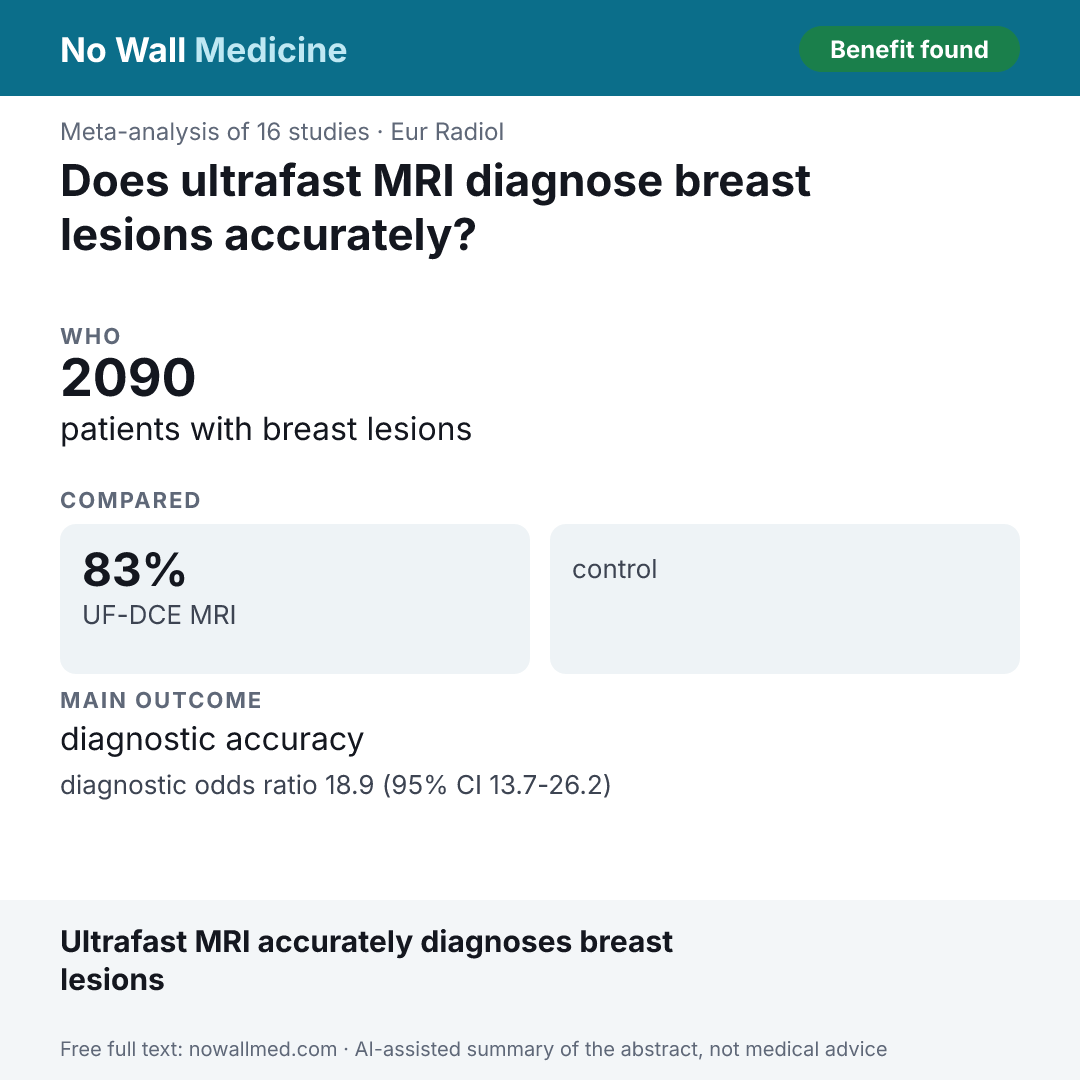
The diagnostic performance of ultrafast MRI to differentiate benign from malignant breast lesions: a systematic review and meta-analysis
Meta-analysis of 16 studiesBenefit found
Does ultrafast MRI diagnose breast lesions accurately?
Who
2090
patients with breast lesions
Compared
83%UF-DCE MRI (95% CI 79-88%)
control
Main outcome
diagnostic accuracy
Result: diagnostic odds ratio 18.9 (95% CI 13.7-26.2)
Bottom line: Ultrafast MRI accurately diagnoses breast lesions
Eur Radiol · 2024-03-21 · Save PNG
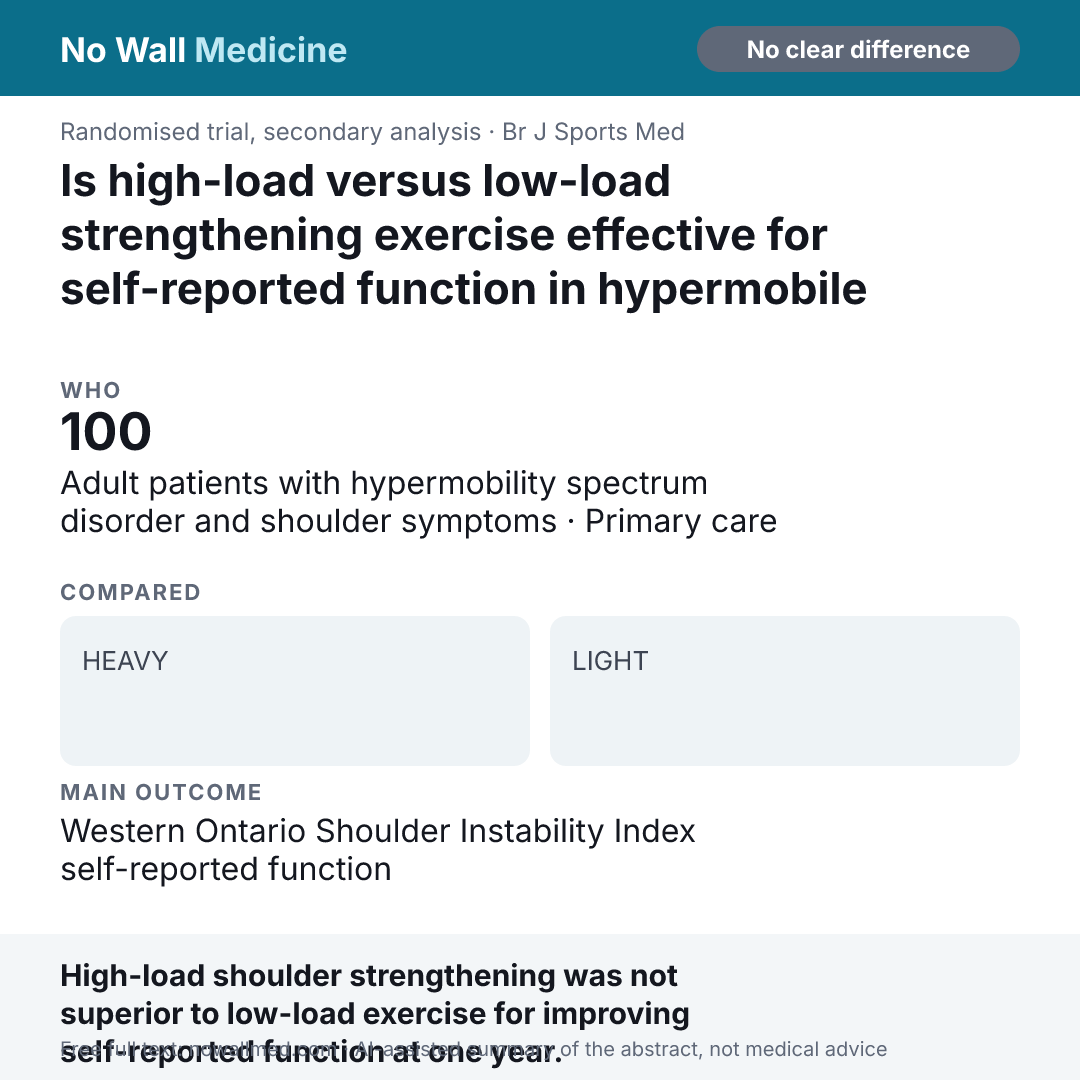
One-year effectiveness of high-load compared with low-load strengthening exercise on self-reported function in patients with hypermobile shoulders: a secondary analysis from a randomised controlled trial
Randomised trial, secondary analysisNo clear difference
Is high-load versus low-load strengthening exercise effective for self-reported function in hypermobile shoulders?
Who
100
Adult patients with hypermobility spectrum disorder and shoulder symptoms · Primary care
Compared
HEAVY
LIGHT
Main outcome
Western Ontario Shoulder Instability Index self-reported function
Result: -92.9 (95% CI -257.4 to 71.5)
Bottom line: High-load shoulder strengthening was not superior to low-load exercise for improving self-reported function at one year.
Br J Sports Med · 2024-03-21 · Save PNG
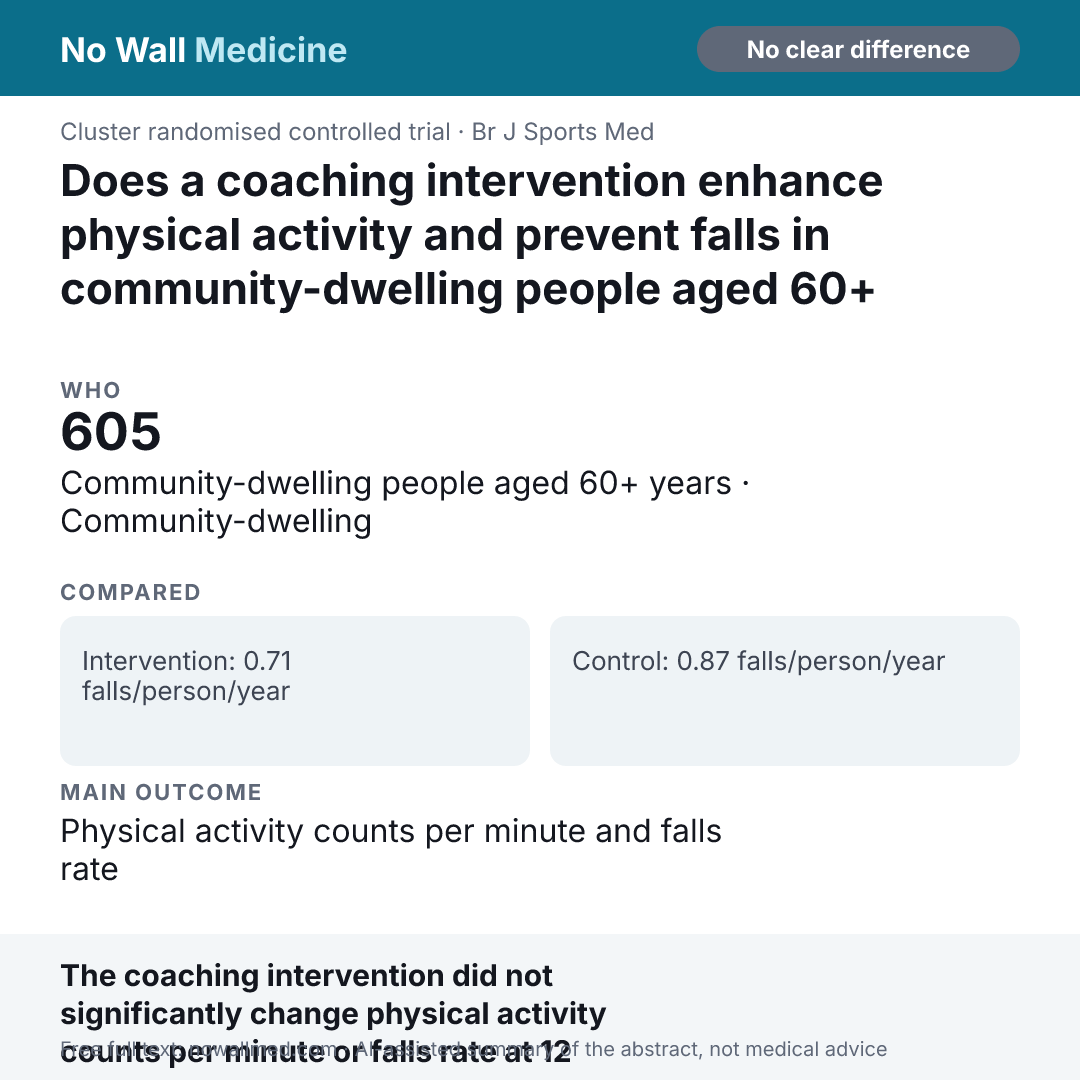
Effect of a coaching intervention to enhance physical activity and prevent falls in community-dwelling people aged 60+ years: a cluster randomised controlled trial
Cluster randomised controlled trialNo clear difference
Does a coaching intervention enhance physical activity and prevent falls in community-dwelling people aged 60+ years?
Who
605
Community-dwelling people aged 60+ years · Community-dwelling
Compared
Intervention: 0.71 falls/person/year
Control: 0.87 falls/person/year
Main outcome
Physical activity counts per minute and falls rate
Result: incidence rate ratio 0.86, 95% CI 0.65 to 1.14
Bottom line: The coaching intervention did not significantly change physical activity counts per minute or falls rate at 12 months.
Br J Sports Med · 2024-03-21 · Save PNG
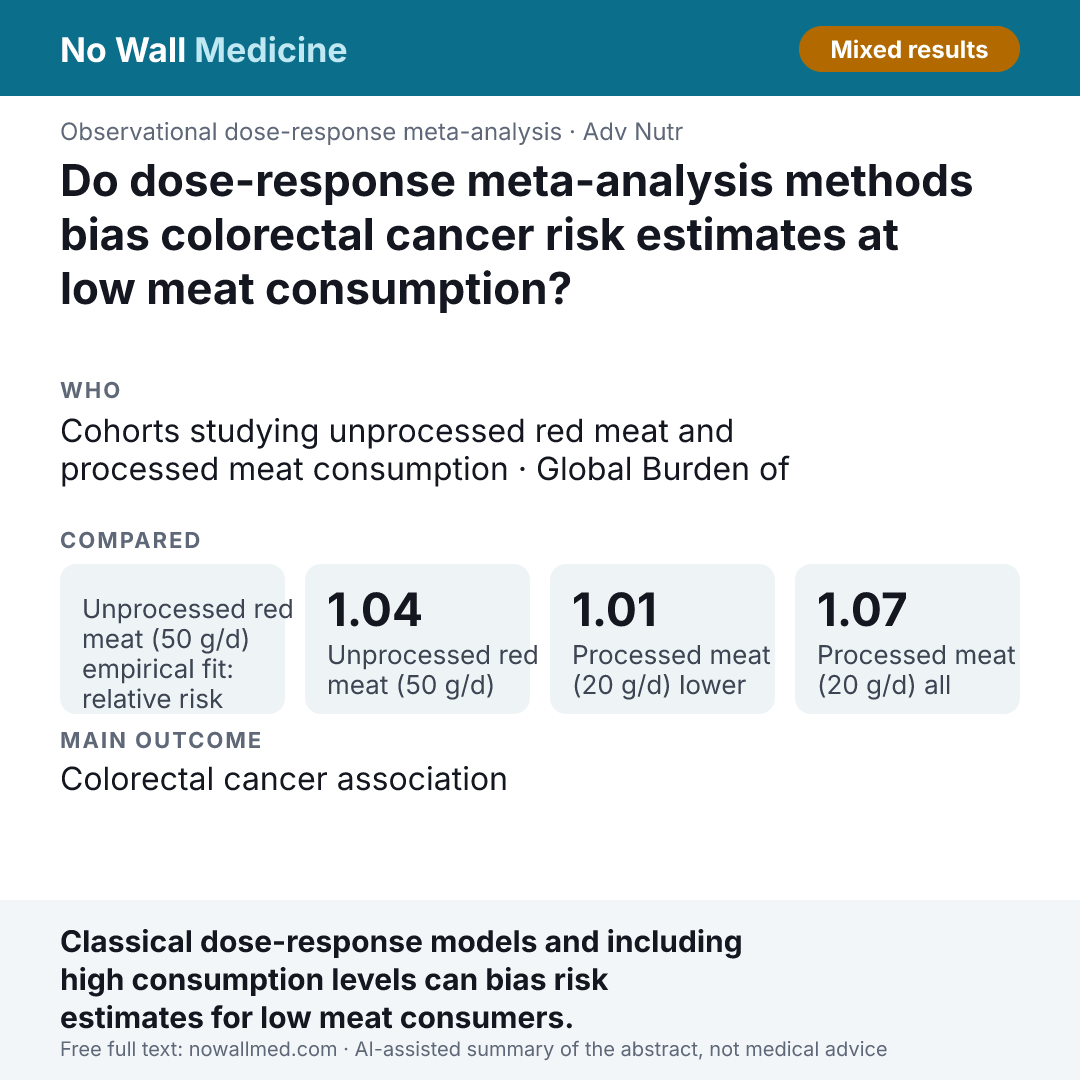
Observational Dose-Response Meta-Analysis Methods May Bias Risk Estimates at Low Consumption Levels: The Case of Meat and Colorectal Cancer
Observational dose-response meta-analysisMixed results
Do dose-response meta-analysis methods bias colorectal cancer risk estimates at low meat consumption?
Who
Cohorts studying unprocessed red meat and processed meat consumption · Global Burden of Disease project systematic reviews
Compared
Unprocessed red meat (50 g/d) empirical fit: relative risk 0.93 (0.8-1.02)
1.04Unprocessed red meat (50 g/d) all consumption (0.99-1.10)
1.01Processed meat (20 g/d) lower consumer data (0.87-1.18)
1.07Processed meat (20 g/d) all consumption empirical (1.02-1.12)
Main outcome
Colorectal cancer association
Bottom line: Classical dose-response models and including high consumption levels can bias risk estimates for low meat consumers.
Limitation: Observational studies are susceptible to bias from confounding between diet and lifestyle factors.
Adv Nutr · 2024-03-21 · Save PNG
Preliminary results of hypofractionated radiotherapy in breast cancer in Chandigarh, India: single-centre, non-inferiority, open-label, randomised, phase 3 trial
Open-label, randomised, phase 3 trialBenefit found
Is a 2-week hypofractionated radiotherapy schedule non-inferior to a 3-week schedule using 2-D technique?
Who
1121
Breast cancer patients, stage I-III, post mastectomy or breast conservative surgery · Chandigarh, India
Compared
2-week arm: 94% Excellent or Good cosmetic outcome
3-week arm: 89% Excellent or Good cosmetic outcome
Main outcome
Acute skin toxicity and cosmetic outcome
Bottom line: A 2-week radiotherapy schedule with 2-D technique showed better cosmetic outcomes than a 3-week schedule.
Limitation: Disease outcomes and late-term toxicities need to be further checked.
Funded by: Science and Engineering Research Board (SERB), India
Lancet Reg Health Southeast Asia · 2024-03-21 · Save PNG

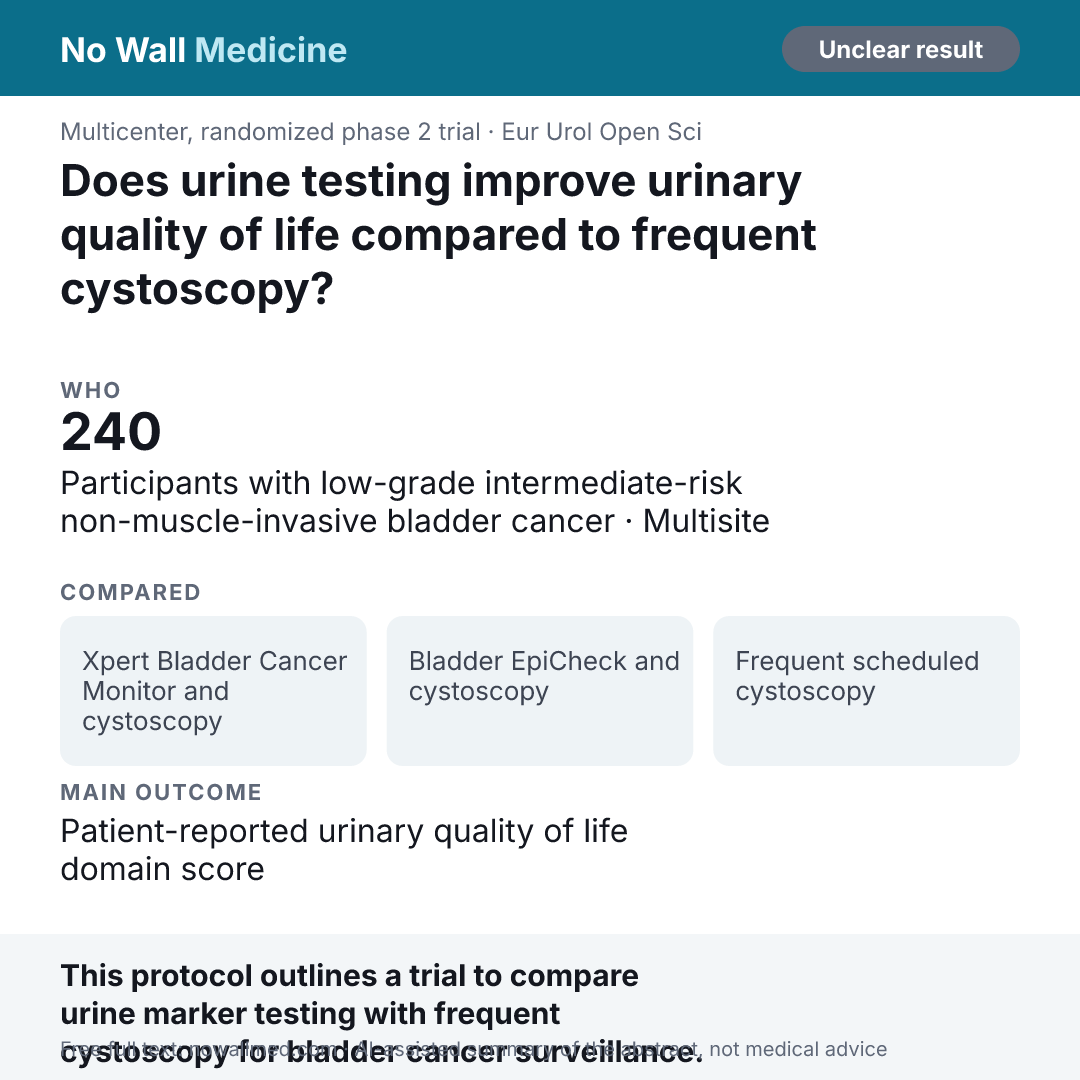
Clinical Trial Protocol for "Replace Cysto": Replacing Invasive Cystoscopy with Urine Testing for Non-muscle-invasive Bladder Cancer Surveillance-A Multicenter, Randomized, Phase 2 Healthcare Delivery Trial Comparing Quality of Life During Cancer Surveillance with Xpert Bladder Cancer Monitor or Bladder EpiCheck Urine Testing Versus Frequent Cystoscopy
Multicenter, randomized phase 2 trialUnclear result
Does urine testing improve urinary quality of life compared to frequent cystoscopy?
Who
240
Participants with low-grade intermediate-risk non-muscle-invasive bladder cancer · Multisite
Compared
Xpert Bladder Cancer Monitor and cystoscopy
Bladder EpiCheck and cystoscopy
Frequent scheduled cystoscopy
Main outcome
Patient-reported urinary quality of life domain score
Bottom line: This protocol outlines a trial to compare urine marker testing with frequent cystoscopy for bladder cancer surveillance.
Eur Urol Open Sci · 2024-03-21 · Save PNG
Measuring patients' medical treatment preferences in advance care planning: development and validation of the Treat-Me-ACP instrument - a secondary analysis of a cluster-randomized controlled trial
Randomized trialUnclear result
Does Treat-Me-ACP measure treatment preferences?
Who
80
care-dependent community-dwelling older persons
Compared
intervention
control
Main outcome
medical treatment preferences
Bottom line: Treat-Me-ACP validated for older persons
BMC Palliat Care · 2024-03-21 · Save PNG

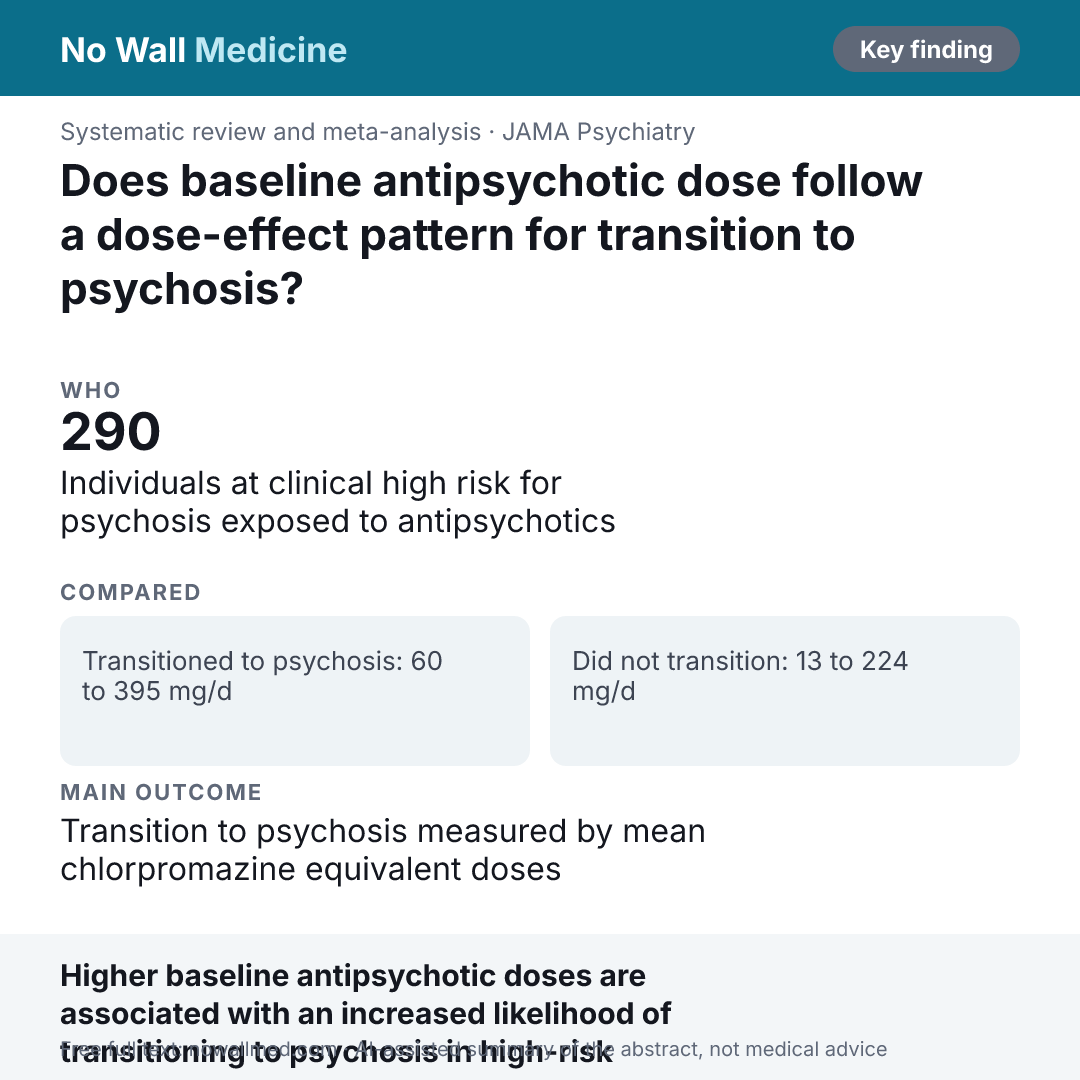
Baseline Antipsychotic Dose and Transition to Psychosis in Individuals at Clinical High Risk: A Systematic Review and Meta-Analysis
Systematic review and meta-analysisKey finding
Does baseline antipsychotic dose follow a dose-effect pattern for transition to psychosis?
Who
290
Individuals at clinical high risk for psychosis exposed to antipsychotics
Compared
Transitioned to psychosis: 60 to 395 mg/d
Did not transition: 13 to 224 mg/d
Main outcome
Transition to psychosis measured by mean chlorpromazine equivalent doses
Result: Hedges g, 0.41 (95% CI, 0.15 to 0.67)
Bottom line: Higher baseline antipsychotic doses are associated with an increased likelihood of transitioning to psychosis in high-risk individuals.
JAMA Psychiatry · 2024-03-20 · Save PNG
Morbidity After Mechanical Bowel Preparation and Oral Antibiotics Prior to Rectal Resection: The MOBILE2 Randomized Clinical Trial
Multicenter, double-blind, placebo-controlled randomized clinical trialBenefit found
Does mechanical bowel preparation and oral antibiotics reduce complications after elective rectal resection?
Who
565
Patients undergoing elective resection of a rectal tumor · 3 university hospitals in Finland
Compared
Mechanical bowel preparation and oral antibiotics: median Comprehensive Complication Index 0
Mechanical bowel preparation plus placebo: median Comprehensive Complication Index 8.66
Main outcome
overall cumulative postoperative complications
Result: odds ratio 0.45 (95% CI 0.27-0.77) for surgical site infections
Bottom line: Mechanical bowel preparation and oral antibiotics reduced overall complications, surgical site infections, and anastomotic dehiscences after elective rectal resection.
JAMA Surg · 2024-03-20 · Save PNG

Ticagrelor or Clopidogrel Monotherapy vs Dual Antiplatelet Therapy After Percutaneous Coronary Intervention: A Systematic Review and Patient-Level Meta-Analysis
Systematic review and patient-level meta-analysisMixed results
Is ticagrelor or clopidogrel monotherapy noninferior to dual antiplatelet therapy after PCI?
Who
25960
Patients undergoing percutaneous coronary intervention without indication to oral anticoagulation · Asia, Europe, and North America
Compared
Dual antiplatelet therapy
Ticagrelor monotherapy: HR, 0.89
Clopidogrel monotherapy: HR, 1.37
Main outcome
Composite of death, myocardial infarction, or stroke
Result: ticagrelor HR, 0.89 (95% CI, 0.74-1.06); clopidogrel HR, 1.37 (95% CI, 1.01-1.87)
Bottom line: Ticagrelor monotherapy was noninferior to dual antiplatelet therapy, while clopidogrel monotherapy was not noninferior for the primary composite endpoint.
JAMA Cardiol · 2024-03-20 · Save PNG

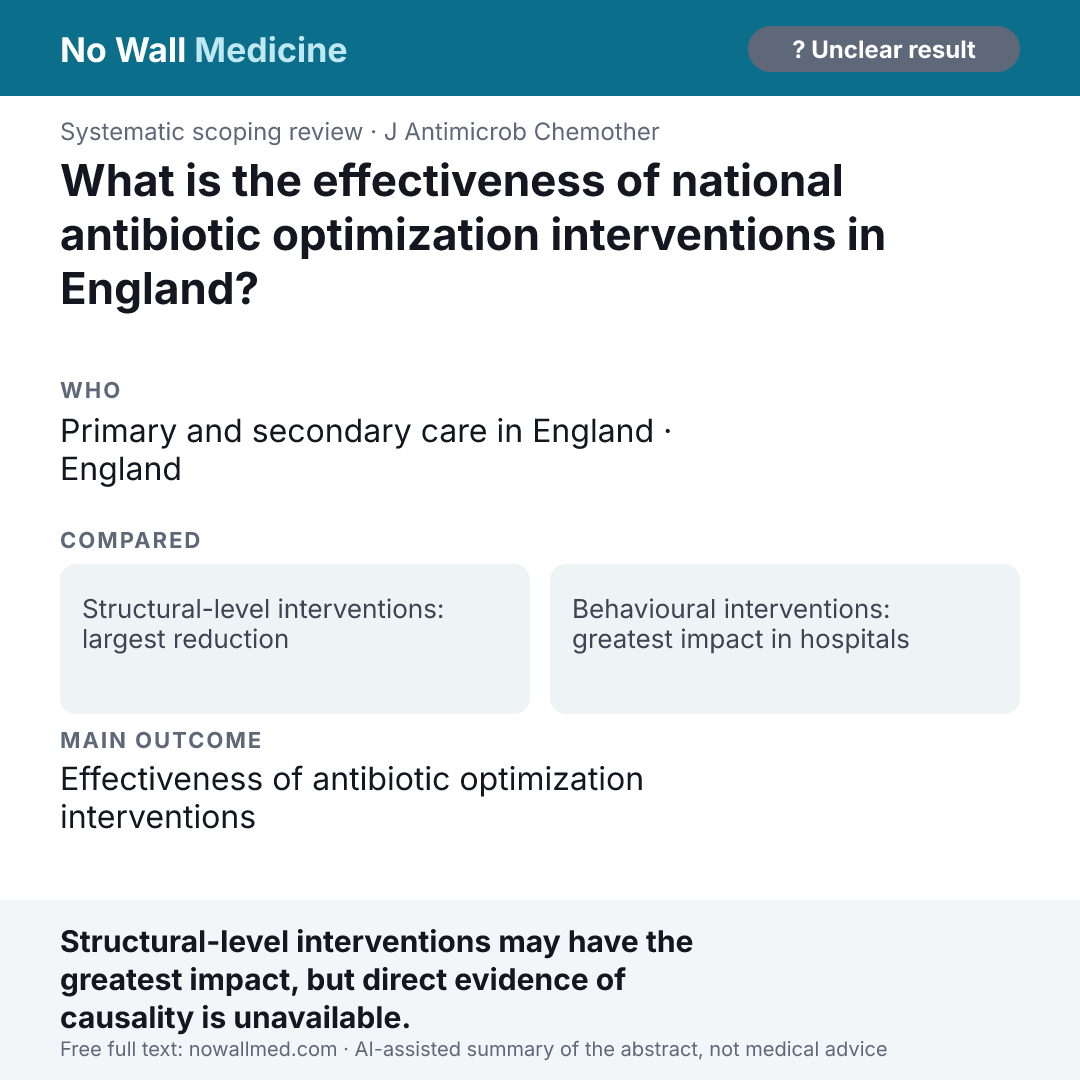
A systematic review of national interventions and policies to optimize antibiotic use in healthcare settings in England
Systematic scoping reviewUnclear result
What is the effectiveness of national antibiotic optimization interventions in England?
Who
Primary and secondary care in England · England
Compared
Structural-level interventions: largest reduction
Behavioural interventions: greatest impact in hospitals
Main outcome
Effectiveness of antibiotic optimization interventions
Bottom line: Structural-level interventions may have the greatest impact, but direct evidence of causality is unavailable.
J Antimicrob Chemother · 2024-03-20 · Save PNG
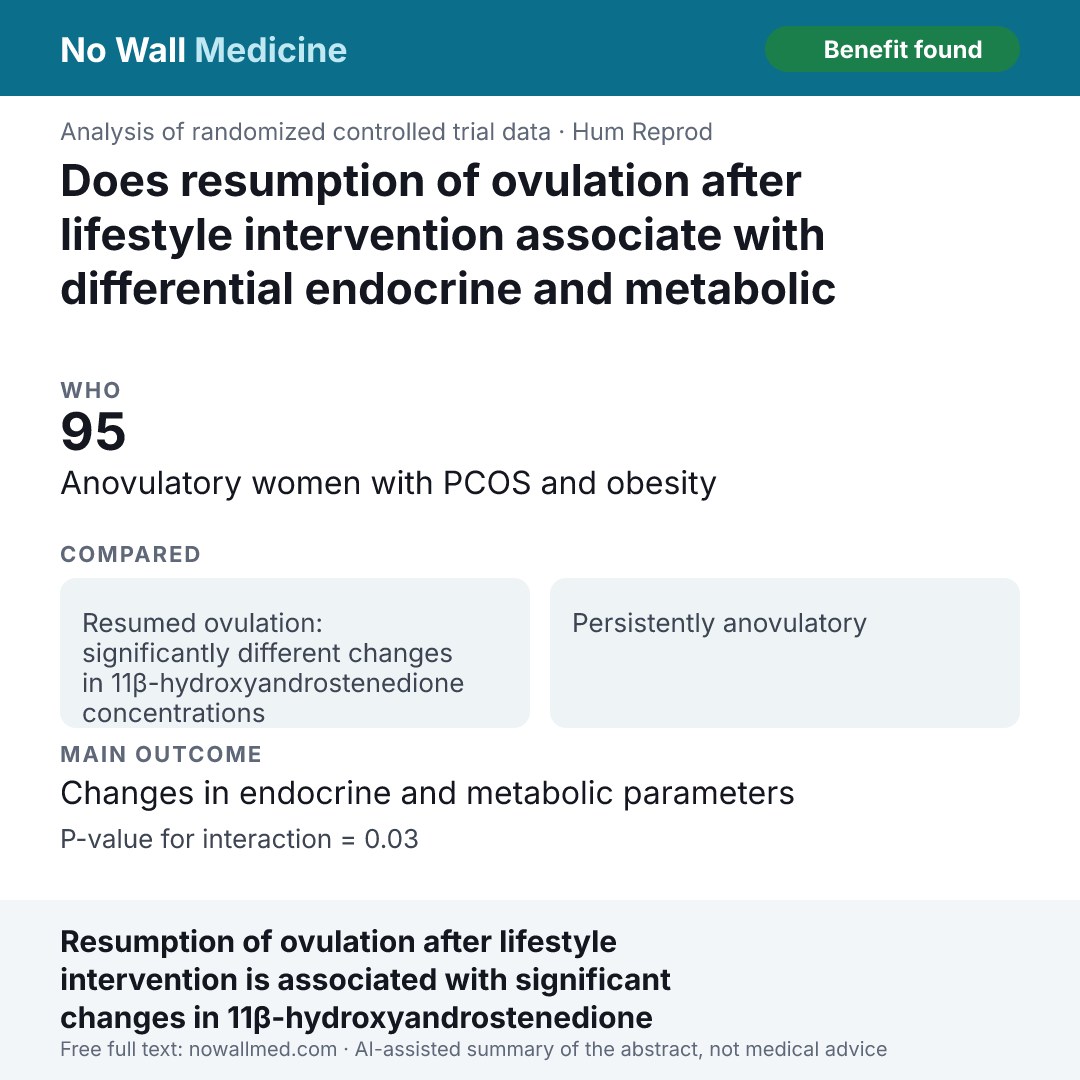
Resumption of ovulation in anovulatory women with PCOS and obesity is associated with reduction of 11β-hydroxyandrostenedione concentrations
Analysis of randomized controlled trial dataBenefit found
Does resumption of ovulation after lifestyle intervention associate with differential endocrine and metabolic changes?
Who
95
Anovulatory women with PCOS and obesity
Compared
Resumed ovulation: significantly different changes in 11β-hydroxyandrostenedione concentrations
Persistently anovulatory
Main outcome
Changes in endocrine and metabolic parameters
Result: P-value for interaction = 0.03
Bottom line: Resumption of ovulation after lifestyle intervention is associated with significant changes in 11β-hydroxyandrostenedione concentrations.
Limitation: No high-resolution transvaginal ultrasonography was used and the small sample size may limit robustness.
Funded by: ZonMw, the Dutch Organization for Health Research and Development
Hum Reprod · 2024-03-20 · Save PNG
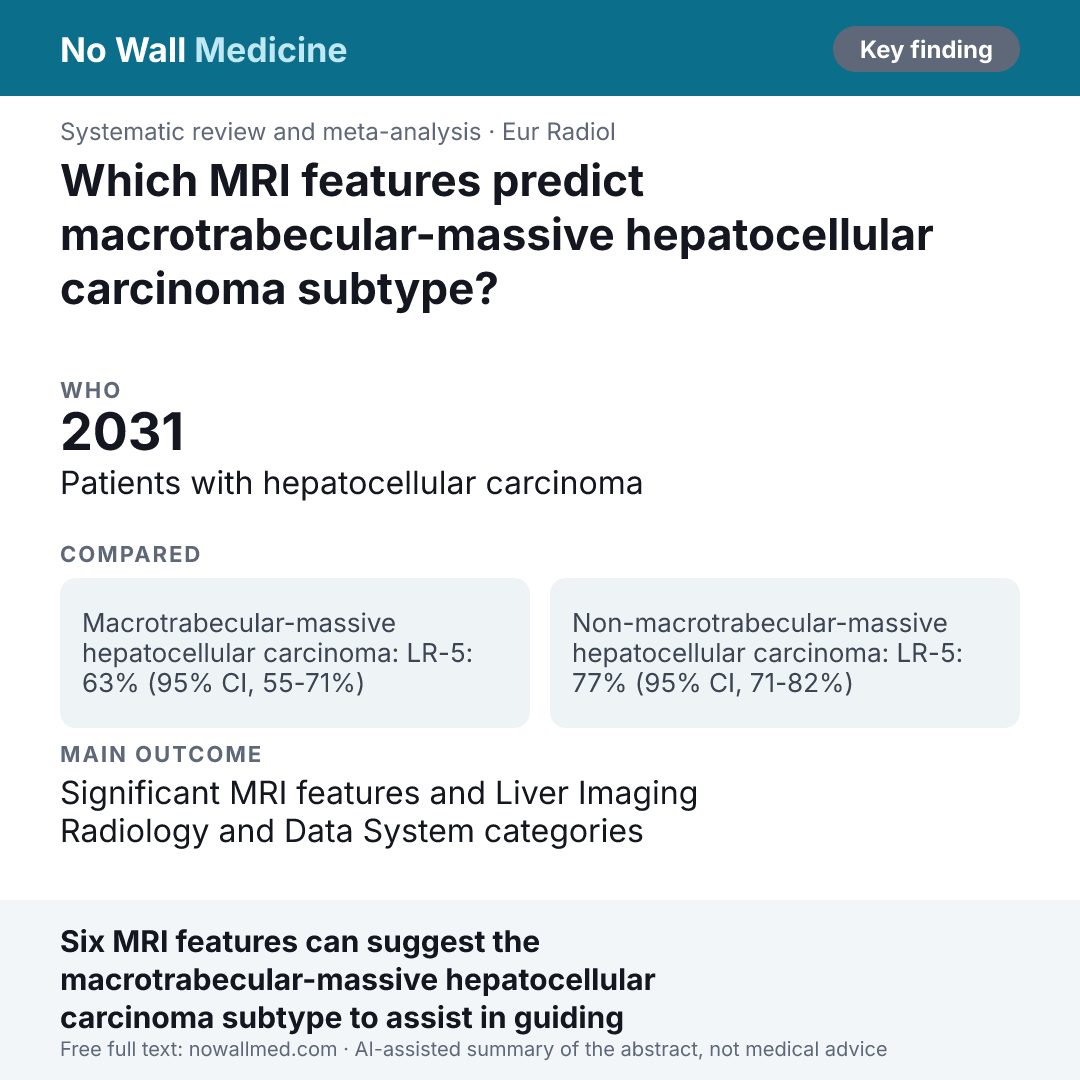
MRI imaging features for predicting macrotrabecular-massive subtype hepatocellular carcinoma: a systematic review and meta-analysis
Systematic review and meta-analysisKey finding
Which MRI features predict macrotrabecular-massive hepatocellular carcinoma subtype?
Who
2031
Patients with hepatocellular carcinoma
Compared
Macrotrabecular-massive hepatocellular carcinoma: LR-5: 63% (95% CI, 55-71%)
Non-macrotrabecular-massive hepatocellular carcinoma: LR-5: 77% (95% CI, 71-82%)
Main outcome
Significant MRI features and Liver Imaging Radiology and Data System categories
Result: necrosis DOR = 4.2 (95% CI, 2.0-8.5)
Bottom line: Six MRI features can suggest the macrotrabecular-massive hepatocellular carcinoma subtype to assist in guiding treatment plans.
Eur Radiol · 2024-03-20 · Save PNG