Visual abstracts
New randomized trials and meta-analyses from leading journals at a glance: who was studied, what was compared, and what was found. Every paper is free to read in full.
All specialtiesCardiology 2101Oncology 1784Gastroenterology & Hepatology 788Infectious Disease 1311Neurology 849Psychiatry & Mental Health 1019Pulmonology 880Critical Care 591Endocrinology & Diabetes 1113Pediatrics 1219Surgery 1055Orthopedics & Sports Medicine 386Neurosurgery 257Cardiothoracic & Vascular Surgery 224Plastic & Reconstructive Surgery 315Nephrology 441Rheumatology 290Hematology 460Dermatology 239Ophthalmology 238Obstetrics & Gynecology 679Public & Global Health 394Radiology & Imaging 288Anesthesiology 414Urology 367ENT (Otolaryngology) 273Emergency Medicine 229Allergy & Immunology 131Geriatrics 442Family Medicine & Primary Care 243Medical Genetics & Genomics 226Pathology & Laboratory Medicine 70Physical Medicine & Rehabilitation 361Palliative Care 179Nutrition 564Digital Health & AI 1068General Medicine 162
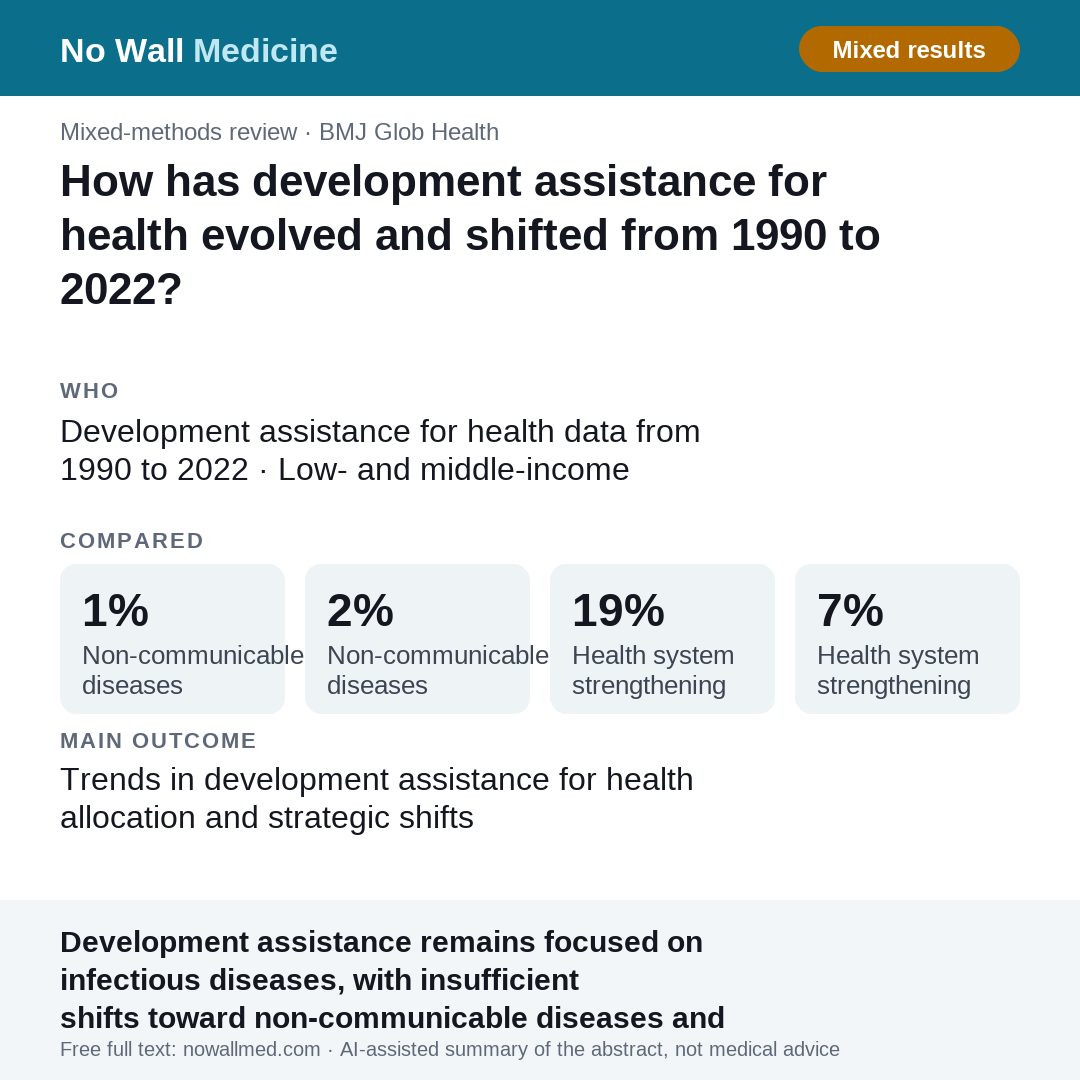
Evolution and effectiveness of bilateral and multilateral development assistance for health: a mixed-methods review of trends and strategic shifts (1990-2022)
Mixed-methods reviewMixed results
How has development assistance for health evolved and shifted from 1990 to 2022?
Who
Development assistance for health data from 1990 to 2022 · Low- and middle-income countries
Compared
1%Non-communicable diseases funding in 1990
2%Non-communicable diseases funding in 2022
19%Health system strengthening funding in 1990
7%Health system strengthening funding in 2022
Main outcome
Trends in development assistance for health allocation and strategic shifts
Bottom line: Development assistance remains focused on infectious diseases, with insufficient shifts toward non-communicable diseases and health system strengthening.
Limitation: Establishing causality is challenging due to multiple influencing factors.
BMJ Glob Health · 2025-01-11Download image
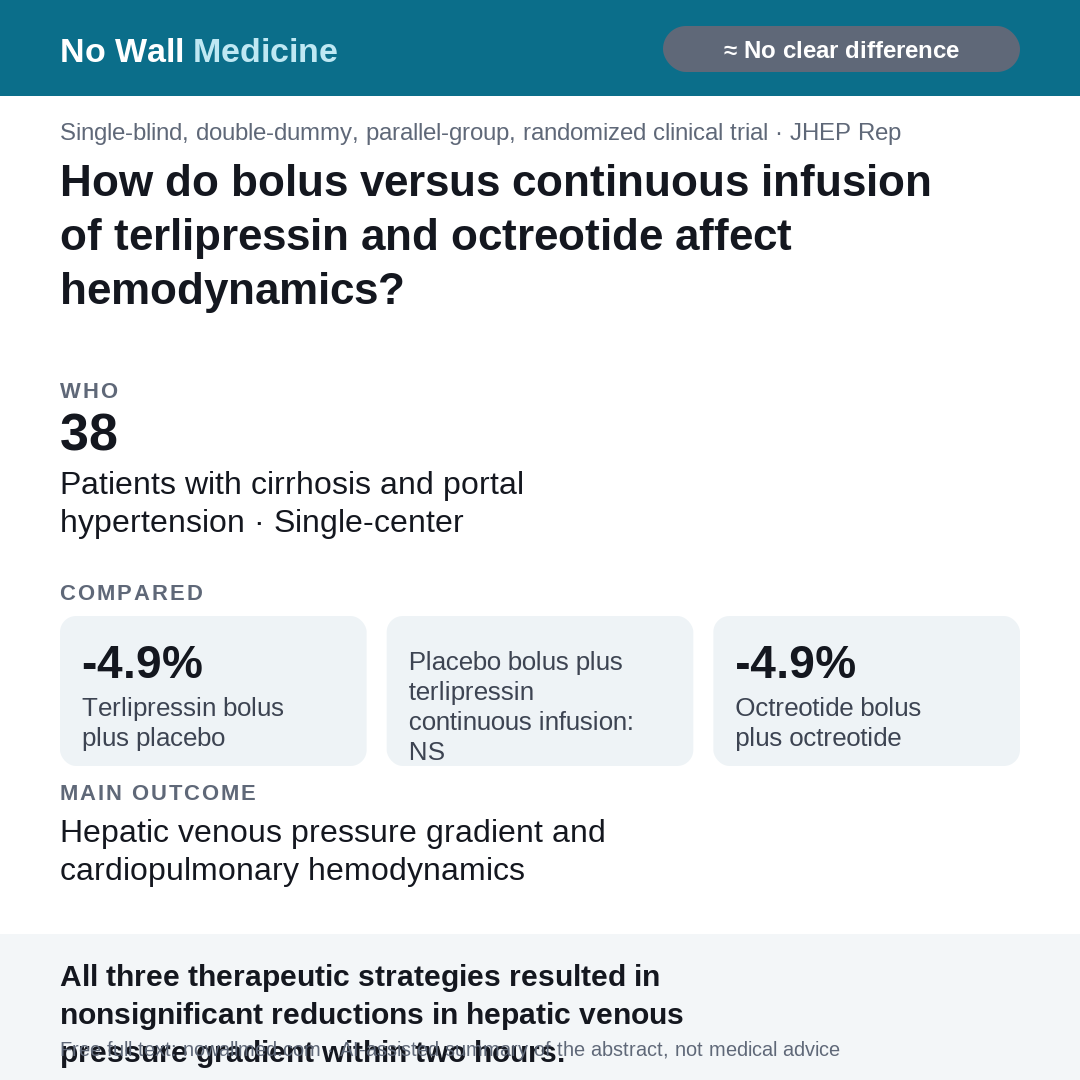
Hemodynamic profile of terlipressin and octreotide in patients with cirrhosis and portal hypertension: a randomized, single-blind clinical trial
Single-blind, double-dummy, parallel-group, randomized clinical trialNo clear difference
How do bolus versus continuous infusion of terlipressin and octreotide affect hemodynamics?
Who
38
Patients with cirrhosis and portal hypertension · Single-center
Compared
-4.9%Terlipressin bolus plus placebo infusion (at 120 min)
Placebo bolus plus terlipressin continuous infusion: NS
-4.9%Octreotide bolus plus octreotide continuous infusion (at 120 min)
Main outcome
Hepatic venous pressure gradient and cardiopulmonary hemodynamics
Bottom line: All three therapeutic strategies resulted in nonsignificant reductions in hepatic venous pressure gradient within two hours.
Limitation: The study was not performed in the setting of acute variceal bleeding.
JHEP Rep · 2025-01-11Download image
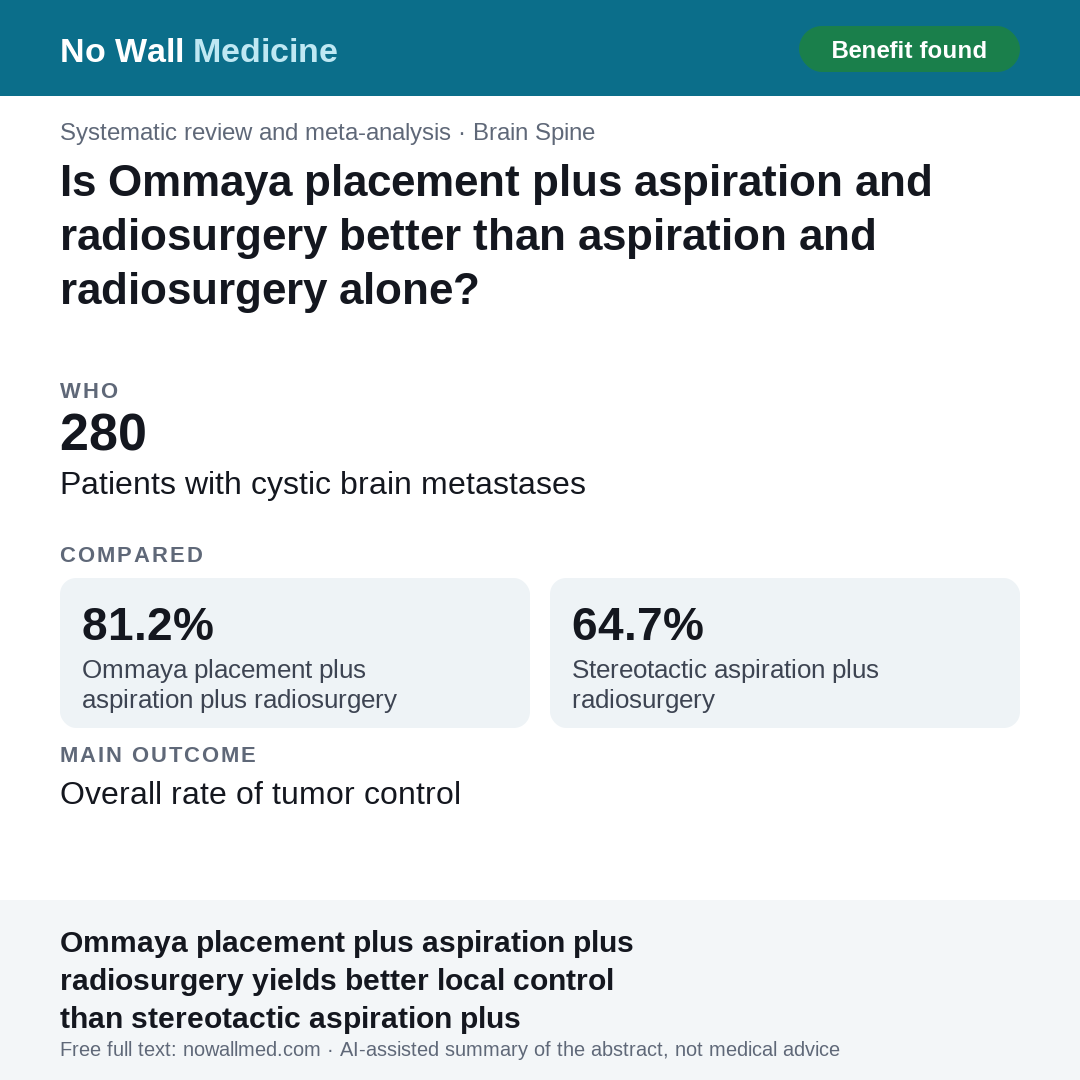
Stereotactic aspiration alone or Ommaya placement and aspiration followed by stereotactic radiosurgery for cystic brain metastasis: A systematic review and meta-analysis
Systematic review and meta-analysisBenefit found
Is Ommaya placement plus aspiration and radiosurgery better than aspiration and radiosurgery alone?
Who
280
Patients with cystic brain metastases
Compared
81.2%Ommaya placement plus aspiration plus radiosurgery (62.5-99.9%)
64.7%Stereotactic aspiration plus radiosurgery (46.1-83.3%)
Main outcome
Overall rate of tumor control
Bottom line: Ommaya placement plus aspiration plus radiosurgery yields better local control than stereotactic aspiration plus radiosurgery for cystic brain metastases.
Brain Spine · 2025-01-11Download image
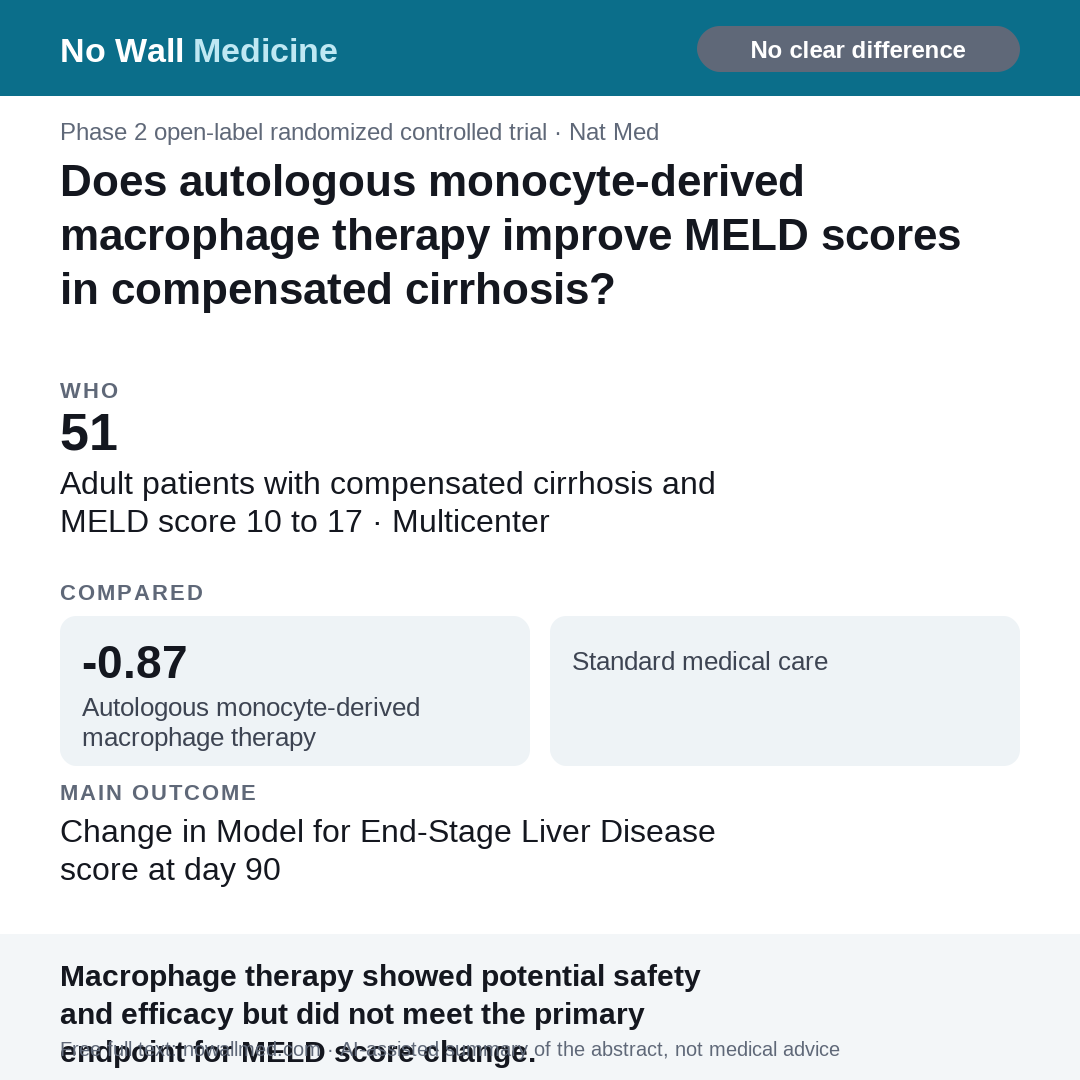
Autologous macrophage therapy for liver cirrhosis: a phase 2 open-label randomized controlled trial
Phase 2 open-label randomized controlled trialNo clear difference
Does autologous monocyte-derived macrophage therapy improve MELD scores in compensated cirrhosis?
Who
51
Adult patients with compensated cirrhosis and MELD score 10 to 17 · Multicenter
Compared
-0.87Autologous monocyte-derived macrophage therapy (95% confidence interval: -1.79, 0.0; P = 0.06)
Standard medical care
Main outcome
Change in Model for End-Stage Liver Disease score at day 90
Result: -0.87 (95% confidence interval: -1.79, 0.0; P = 0.06)
Bottom line: Macrophage therapy showed potential safety and efficacy but did not meet the primary endpoint for MELD score change.
Nat Med · 2025-01-10Download image
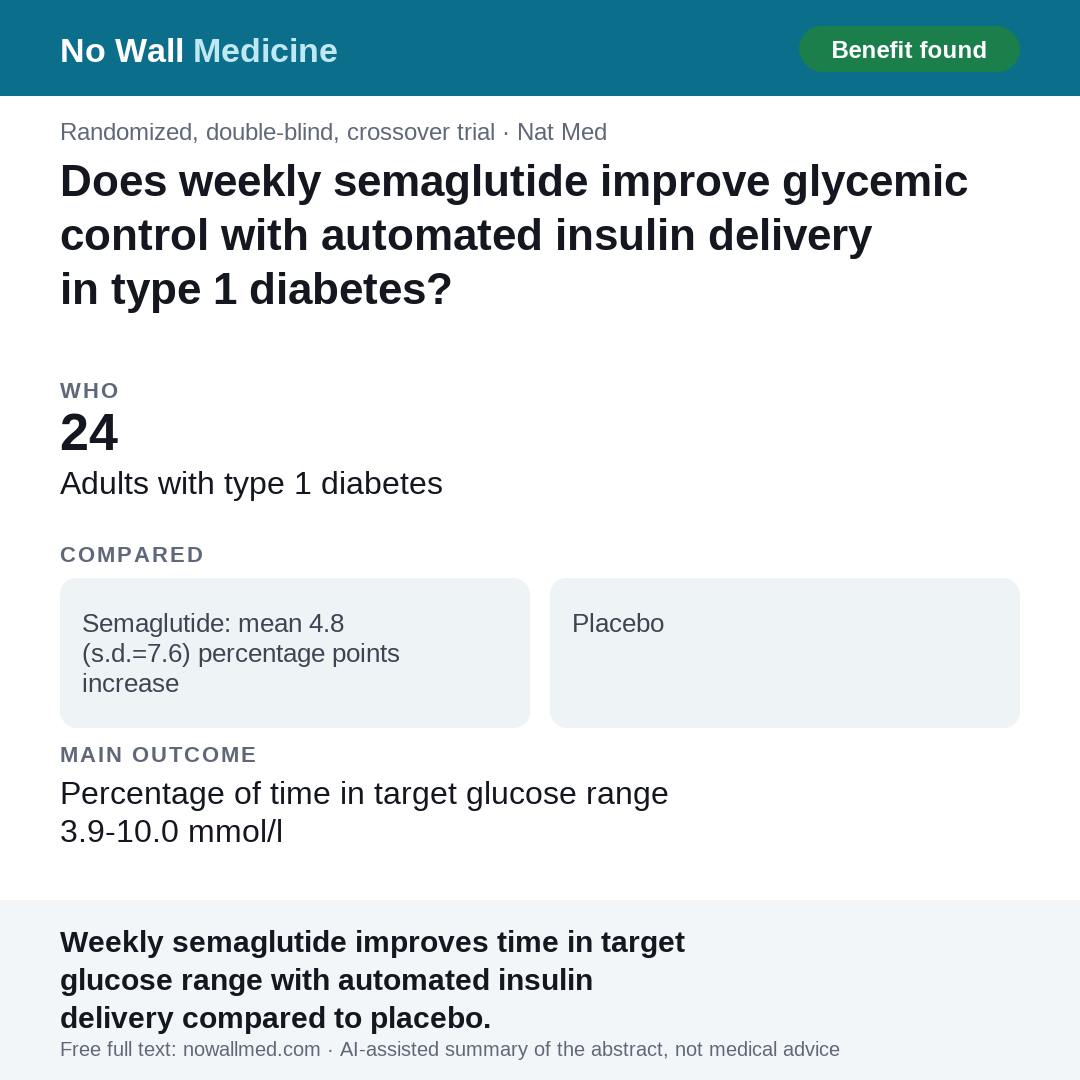
Subcutaneous weekly semaglutide with automated insulin delivery in type 1 diabetes: a double-blind, randomized, crossover trial
Randomized, double-blind, crossover trialBenefit found
Does weekly semaglutide improve glycemic control with automated insulin delivery in type 1 diabetes?
Who
24
Adults with type 1 diabetes
Compared
Semaglutide: mean 4.8 (s.d.=7.6) percentage points increase
Placebo
Main outcome
Percentage of time in target glucose range 3.9-10.0 mmol/l
Bottom line: Weekly semaglutide improves time in target glucose range with automated insulin delivery compared to placebo.
Nat Med · 2025-01-10Download image
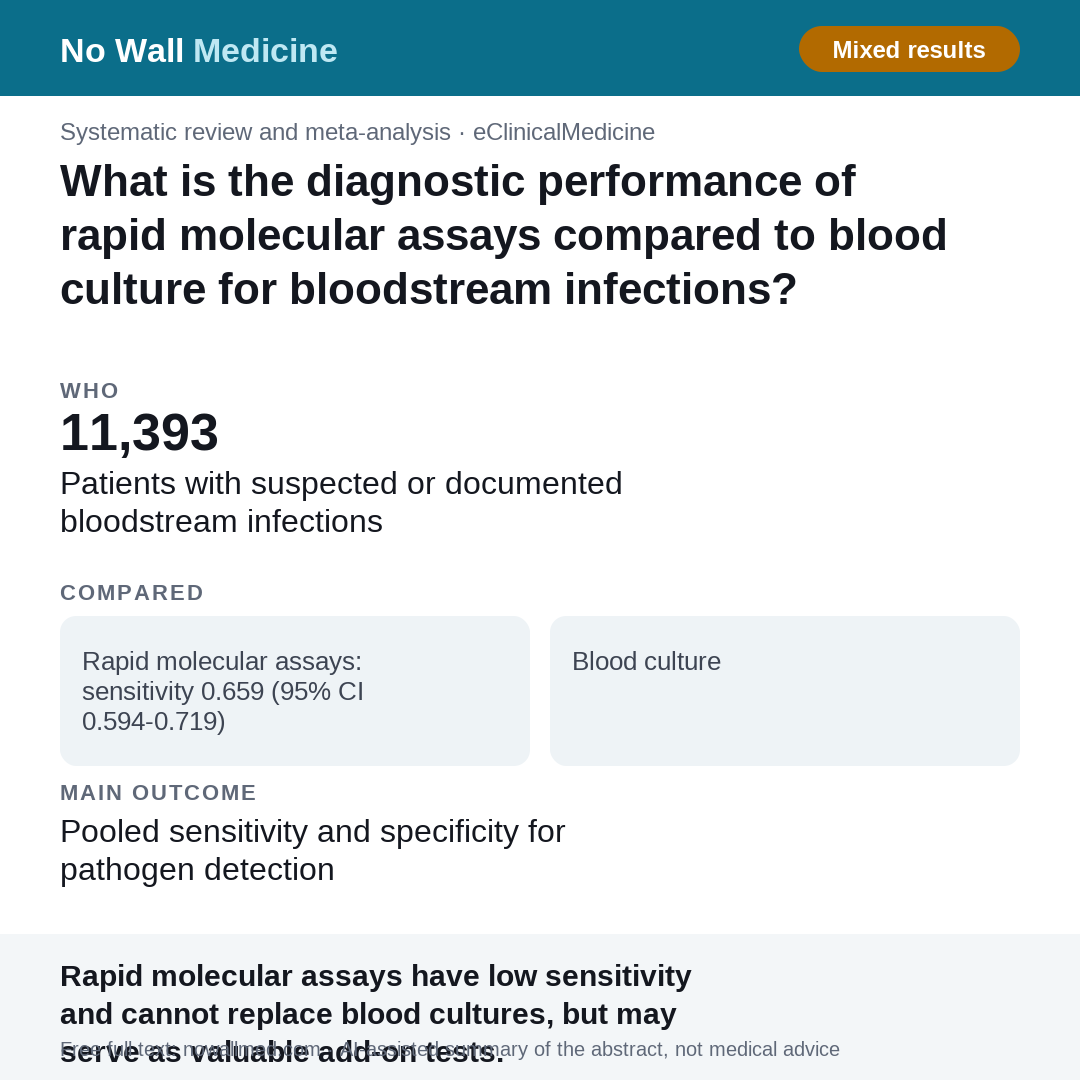
Rapid molecular assays versus blood culture for bloodstream infections: a systematic review and meta-analysis
Systematic review and meta-analysisMixed results
What is the diagnostic performance of rapid molecular assays compared to blood culture for bloodstream infections?
Who
11,393
Patients with suspected or documented bloodstream infections
Compared
Rapid molecular assays: sensitivity 0.659 (95% CI 0.594-0.719)
Blood culture
Main outcome
Pooled sensitivity and specificity for pathogen detection
Result: sensitivity 0.659 (95% CI 0.594-0.719); specificity 0.858 (95% CI 0.830-0.883)
Bottom line: Rapid molecular assays have low sensitivity and cannot replace blood cultures, but may serve as valuable add-on tests.
Limitation: Risk of bias was judged to be high in all included articles.
Funded by: Centre for Translational Medicine, Semmelweis University
eClinicalMedicine · 2025-01-10Download image
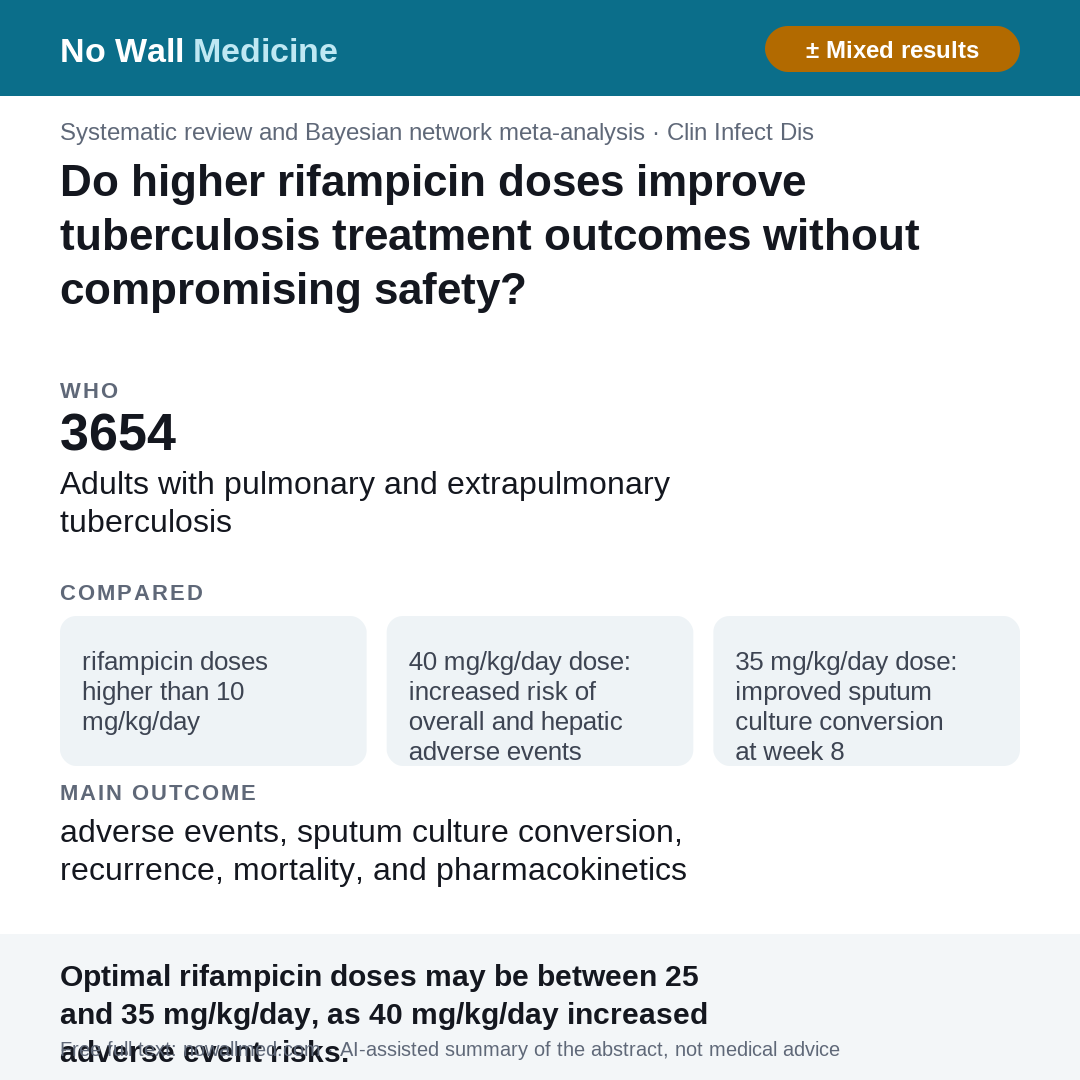
Safety, Efficacy, and Pharmacokinetics of Daily Optimized Doses of Rifampicin for the Treatment of Tuberculosis: A Systematic Review and Bayesian Network Meta-Analysis
Systematic review and Bayesian network meta-analysisMixed results
Do higher rifampicin doses improve tuberculosis treatment outcomes without compromising safety?
Who
3654
Adults with pulmonary and extrapulmonary tuberculosis
Compared
rifampicin doses higher than 10 mg/kg/day
40 mg/kg/day dose: increased risk of overall and hepatic adverse events
35 mg/kg/day dose: improved sputum culture conversion at week 8
Main outcome
adverse events, sputum culture conversion, recurrence, mortality, and pharmacokinetics
Result: risk ratio 1.3 (95% CrI: 1.1, 1.7 for sputum culture conversion with 35 mg/kg/day)
Bottom line: Optimal rifampicin doses may be between 25 and 35 mg/kg/day, as 40 mg/kg/day increased adverse event risks.
Clin Infect Dis · 2025-01-10Download image
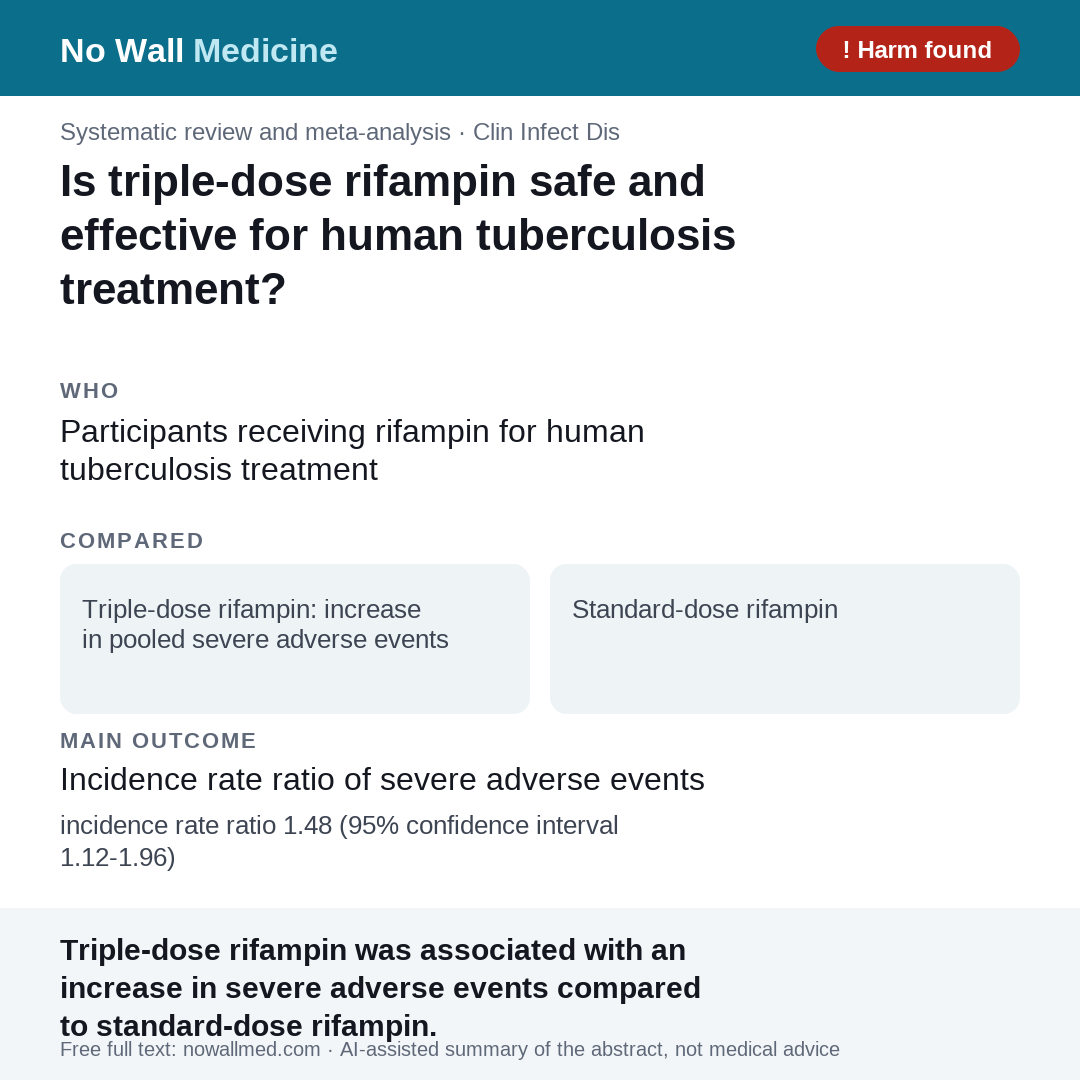
Safety of Triple-Dose Rifampin in Tuberculosis Treatment: A Systematic Review and Meta-Analysis
Systematic review and meta-analysisHarm found
Is triple-dose rifampin safe and effective for human tuberculosis treatment?
Who
Participants receiving rifampin for human tuberculosis treatment
Compared
Triple-dose rifampin: increase in pooled severe adverse events
Standard-dose rifampin
Main outcome
Incidence rate ratio of severe adverse events
Result: incidence rate ratio 1.48 (95% confidence interval 1.12-1.96)
Bottom line: Triple-dose rifampin was associated with an increase in severe adverse events compared to standard-dose rifampin.
Limitation: Only two included studies were blinded.
Clin Infect Dis · 2025-01-10Download image
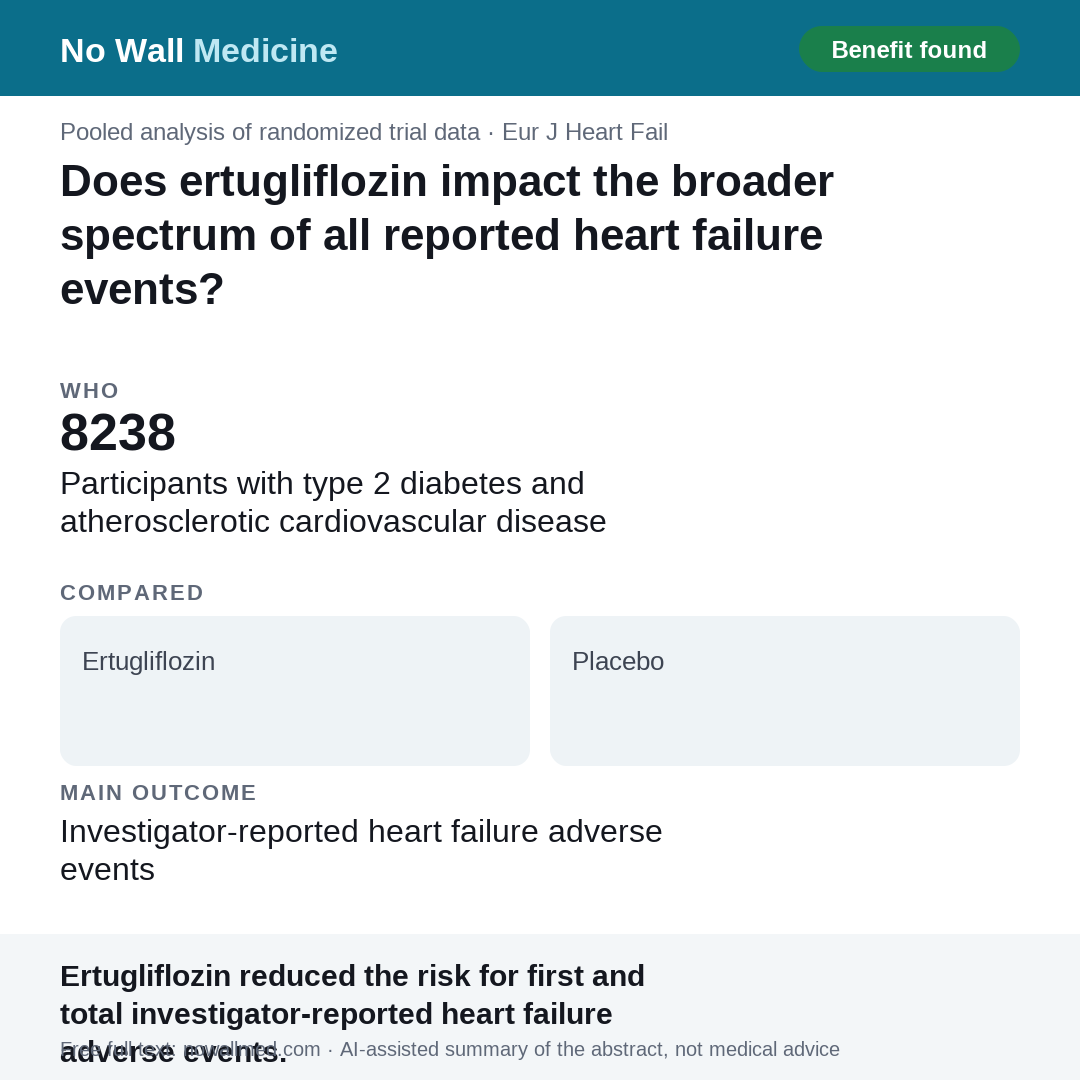
Heart failure outcomes captured by adverse event reporting in participants with type 2 diabetes and atherosclerotic cardiovascular disease: Observations from the VERTIS CV trial
Pooled analysis of randomized trial dataBenefit found
Does ertugliflozin impact the broader spectrum of all reported heart failure events?
Who
8238
Participants with type 2 diabetes and atherosclerotic cardiovascular disease
Compared
Ertugliflozin
Placebo
Main outcome
Investigator-reported heart failure adverse events
Result: hazard ratio 0.69 (95% CI 0.57-0.84) for first heart failure event
Bottom line: Ertugliflozin reduced the risk for first and total investigator-reported heart failure adverse events.
Eur J Heart Fail · 2025-01-10Download image
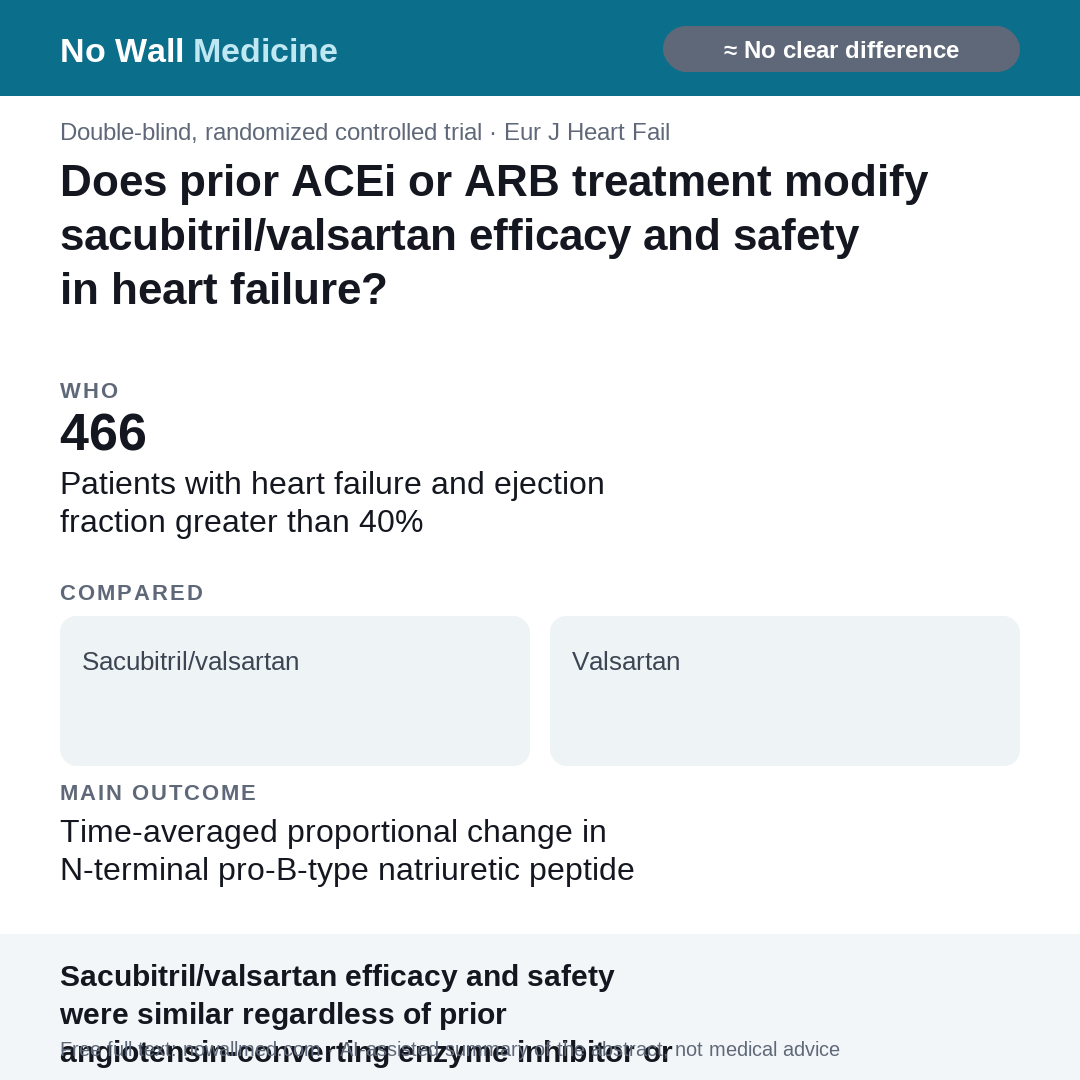
Sacubitril/valsartan versus valsartan initiation in patients naïve to renin-angiotensin system inhibitors: Insights from PARAGLIDE-HF
Double-blind, randomized controlled trialNo clear difference
Does prior ACEi or ARB treatment modify sacubitril/valsartan efficacy and safety in heart failure?
Who
466
Patients with heart failure and ejection fraction greater than 40%
Compared
Sacubitril/valsartan
Valsartan
Main outcome
Time-averaged proportional change in N-terminal pro-B-type natriuretic peptide
Result: 0.76 (95% confidence interval 0.51-1.13) for ACEi/ARB naïve
Bottom line: Sacubitril/valsartan efficacy and safety were similar regardless of prior angiotensin-converting enzyme inhibitor or angiotensin receptor blocker use.
Eur J Heart Fail · 2025-01-10Download image
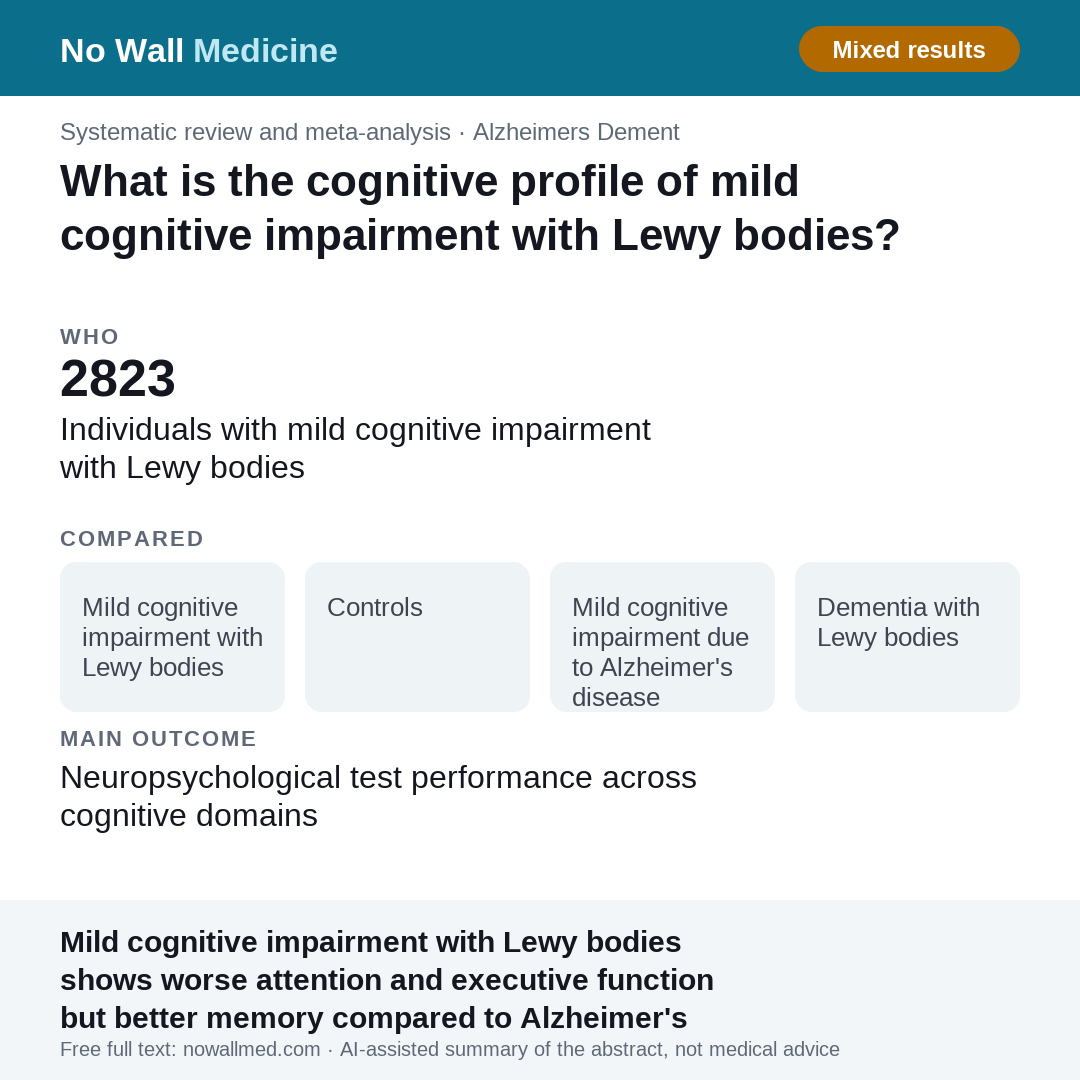
Neuropsychological test performance in mild cognitive impairment with Lewy bodies: A systematic review and meta-analysis
Systematic review and meta-analysisMixed results
What is the cognitive profile of mild cognitive impairment with Lewy bodies?
Who
2823
Individuals with mild cognitive impairment with Lewy bodies
Compared
Mild cognitive impairment with Lewy bodies
Controls
Mild cognitive impairment due to Alzheimer's disease
Dementia with Lewy bodies
Main outcome
Neuropsychological test performance across cognitive domains
Bottom line: Mild cognitive impairment with Lewy bodies shows worse attention and executive function but better memory compared to Alzheimer's disease.
Alzheimers Dement · 2025-01-10Download image
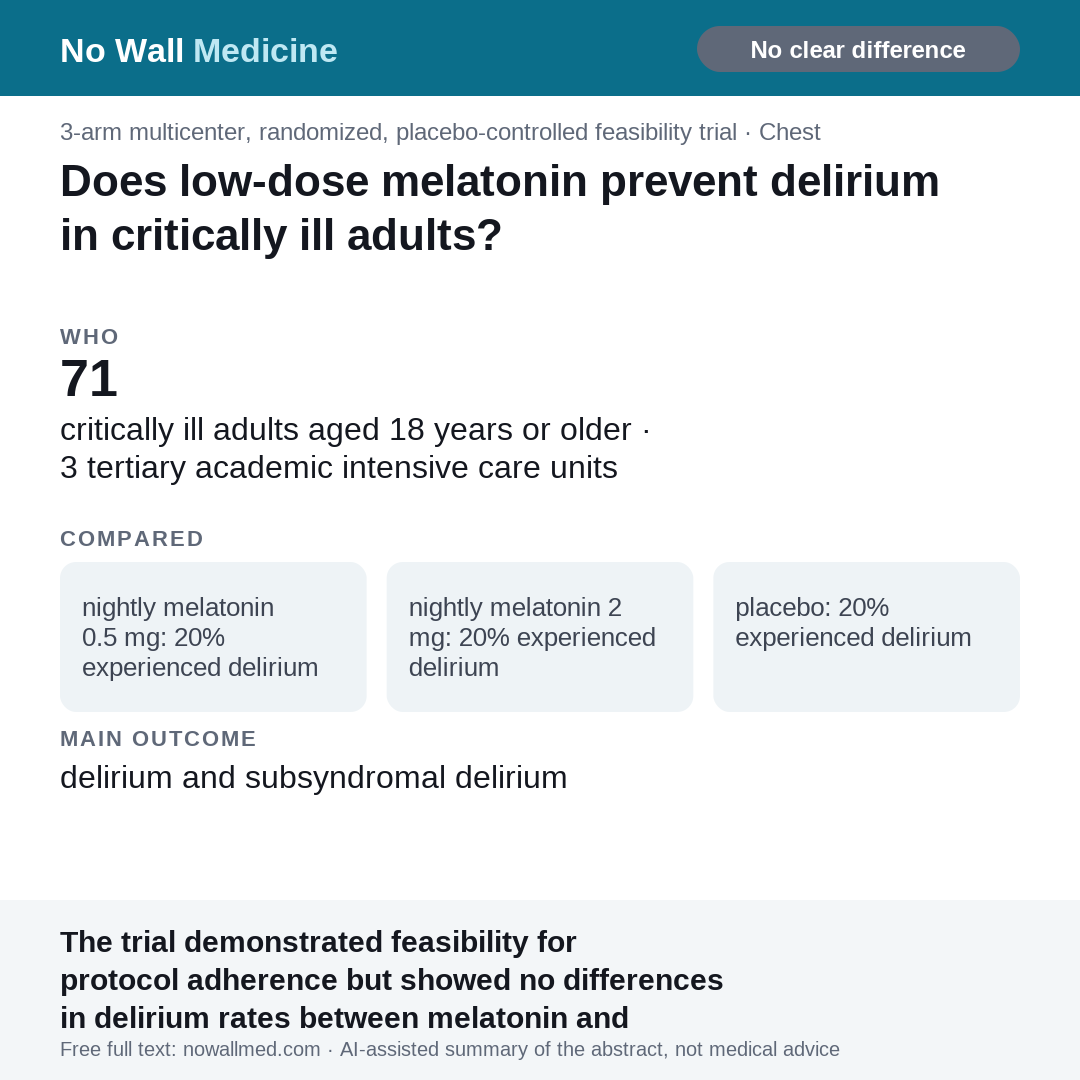
Low-Dose Melatonin for Prevention of Delirium in Critically Ill Patients: A Multicenter, Randomized, Placebo-Controlled Feasibility Trial
3-arm multicenter, randomized, placebo-controlled feasibility trialNo clear difference
Does low-dose melatonin prevent delirium in critically ill adults?
Who
71
critically ill adults aged 18 years or older · 3 tertiary academic intensive care units
Compared
nightly melatonin 0.5 mg: 20% experienced delirium
nightly melatonin 2 mg: 20% experienced delirium
placebo: 20% experienced delirium
Main outcome
delirium and subsyndromal delirium
Bottom line: The trial demonstrated feasibility for protocol adherence but showed no differences in delirium rates between melatonin and placebo groups.
Limitation: Trial eligibility and consent rates were low due to delirium presence or screening difficulties.
Chest · 2025-01-10Download image
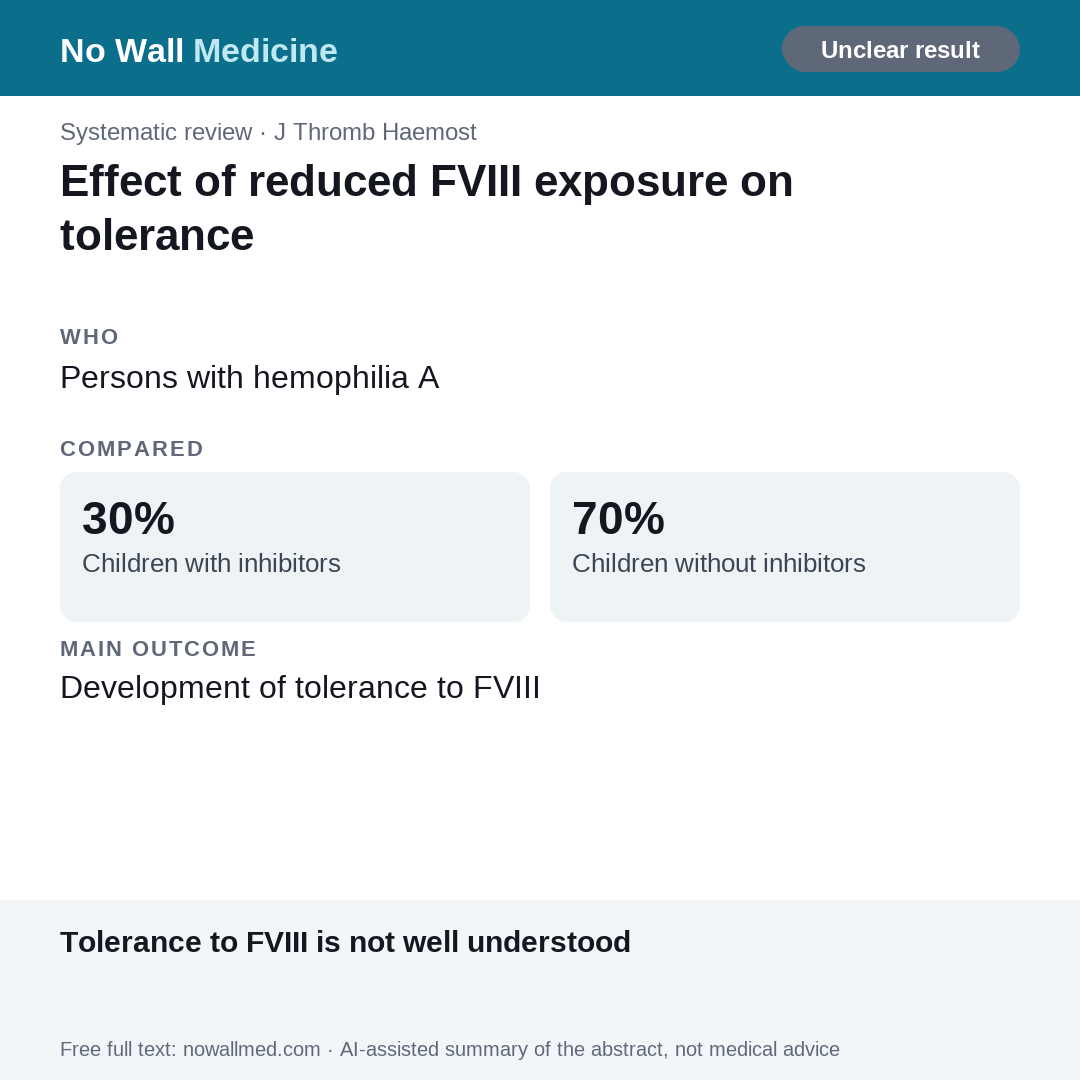
Tolerance to factor VIII in the era of nonfactor therapies: immunologic perspectives and a systematic review of the literature
Systematic reviewUnclear result
Effect of reduced FVIII exposure on tolerance
Who
Persons with hemophilia A
Compared
30%Children with inhibitors
70%Children without inhibitors
Main outcome
Development of tolerance to FVIII
Bottom line: Tolerance to FVIII is not well understood
J Thromb Haemost · 2025-01-10Download image
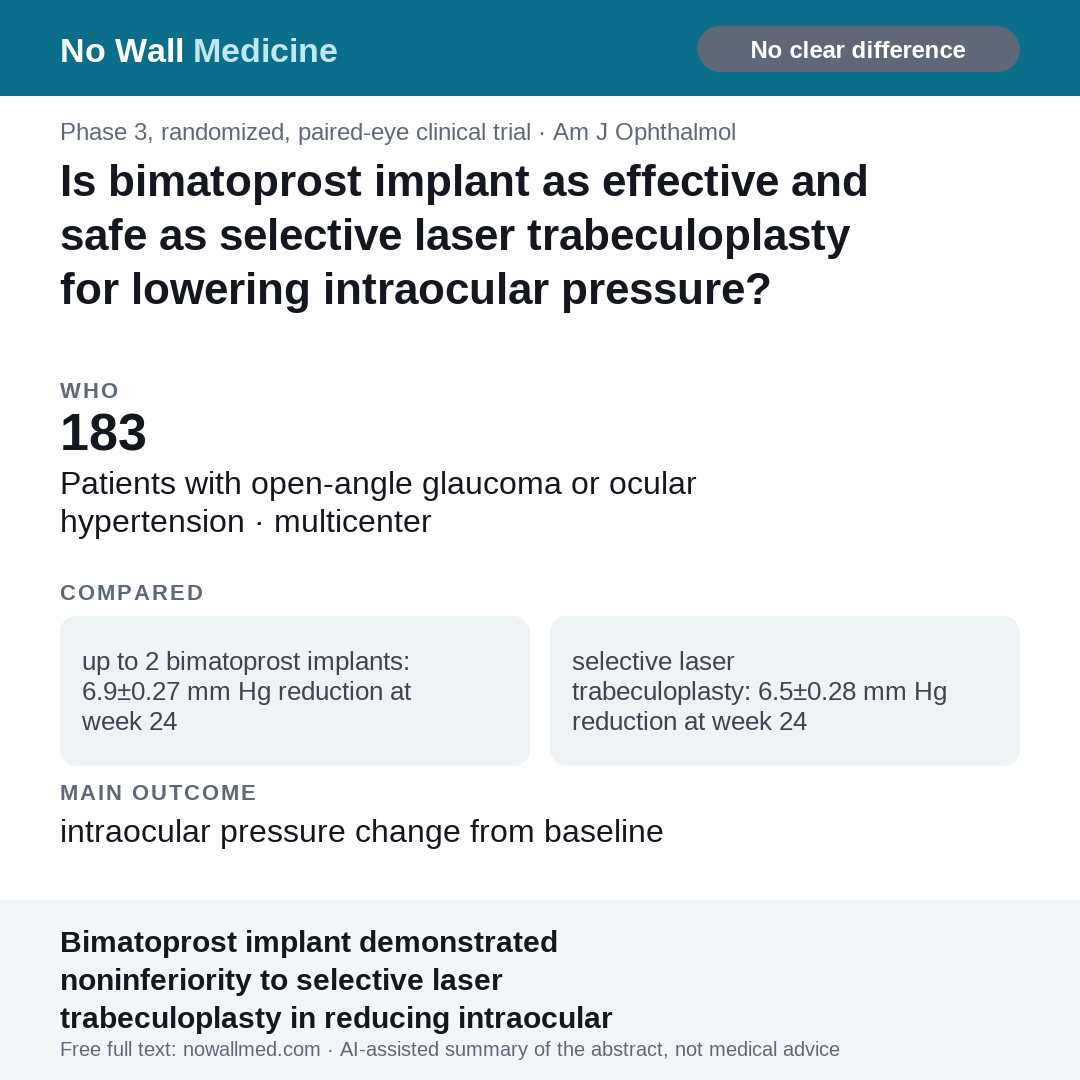
Phase 3, Randomized, Comparison Study of Intracameral Bimatoprost Implant 10 µg and Selective Laser Trabeculoplasty
Phase 3, randomized, paired-eye clinical trialNo clear difference
Is bimatoprost implant as effective and safe as selective laser trabeculoplasty for lowering intraocular pressure?
Who
183
Patients with open-angle glaucoma or ocular hypertension · multicenter
Compared
up to 2 bimatoprost implants: 6.9±0.27 mm Hg reduction at week 24
selective laser trabeculoplasty: 6.5±0.28 mm Hg reduction at week 24
Main outcome
intraocular pressure change from baseline
Bottom line: Bimatoprost implant demonstrated noninferiority to selective laser trabeculoplasty in reducing intraocular pressure over 24 weeks.
Am J Ophthalmol · 2025-01-10Download image
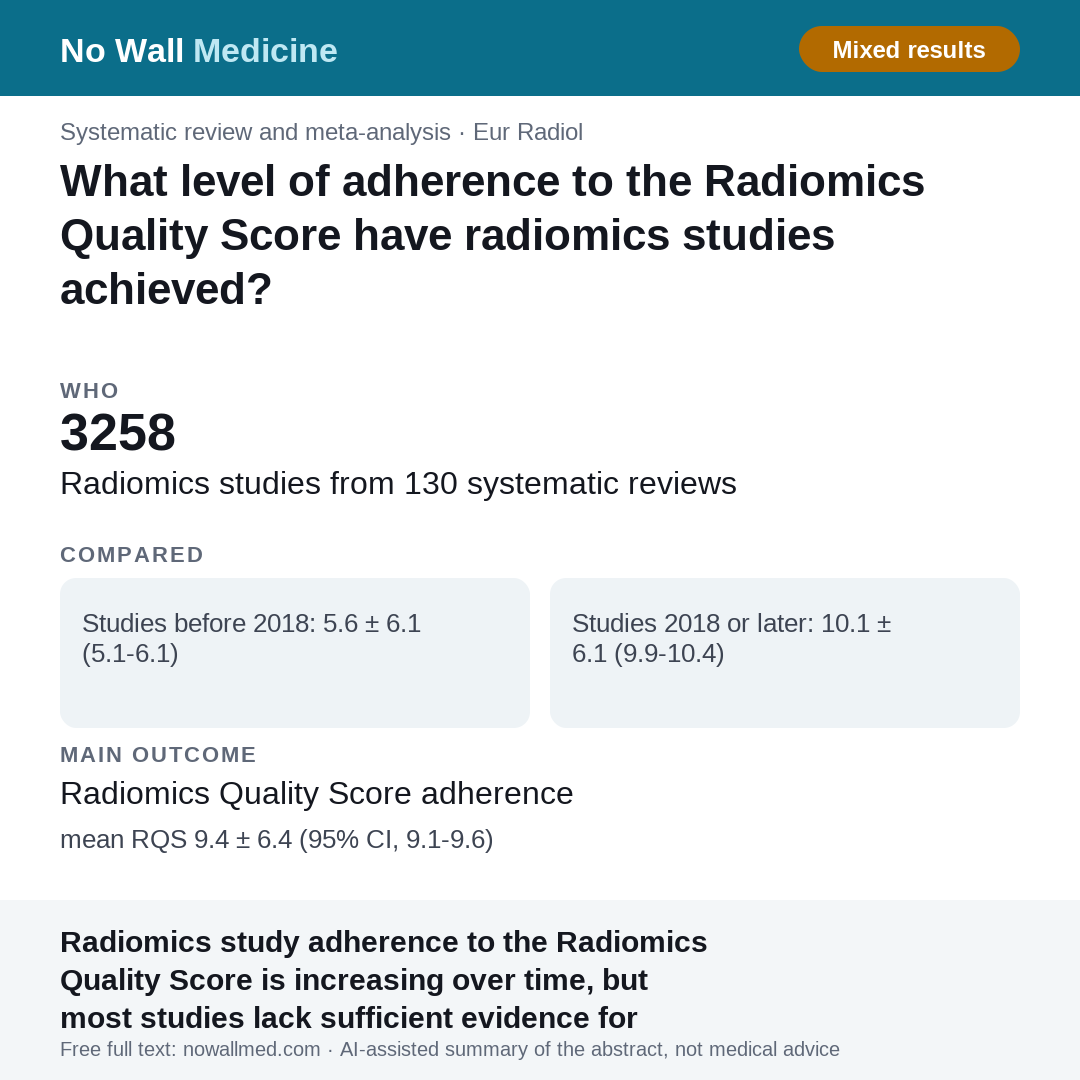
Evaluating the impact of the Radiomics Quality Score: a systematic review and meta-analysis
Systematic review and meta-analysisMixed results
What level of adherence to the Radiomics Quality Score have radiomics studies achieved?
Who
3258
Radiomics studies from 130 systematic reviews
Compared
Studies before 2018: 5.6 ± 6.1 (5.1-6.1)
Studies 2018 or later: 10.1 ± 6.1 (9.9-10.4)
Main outcome
Radiomics Quality Score adherence
Result: mean RQS 9.4 ± 6.4 (95% CI, 9.1-9.6)
Bottom line: Radiomics study adherence to the Radiomics Quality Score is increasing over time, but most studies lack sufficient evidence for clinical translation.
Eur Radiol · 2025-01-10Download image
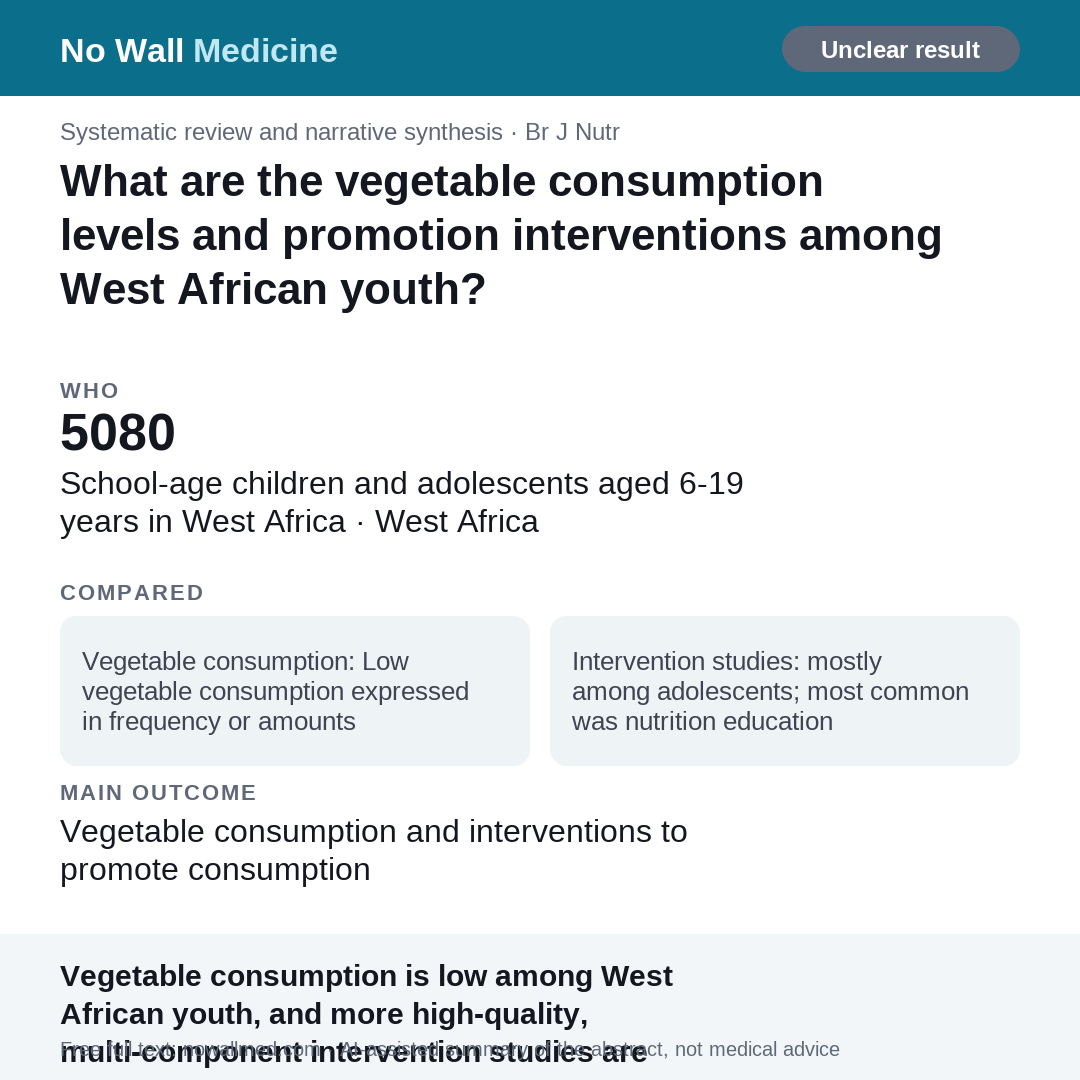
Vegetable consumption and promotion among school-age children and adolescents in West Africa: a systematic review and narrative synthesis
Systematic review and narrative synthesisUnclear result
What are the vegetable consumption levels and promotion interventions among West African youth?
Who
5080
School-age children and adolescents aged 6-19 years in West Africa · West Africa
Compared
Vegetable consumption: Low vegetable consumption expressed in frequency or amounts
Intervention studies: mostly among adolescents; most common was nutrition education
Main outcome
Vegetable consumption and interventions to promote consumption
Bottom line: Vegetable consumption is low among West African youth, and more high-quality, multi-component intervention studies are needed.
Br J Nutr · 2025-01-10Download image
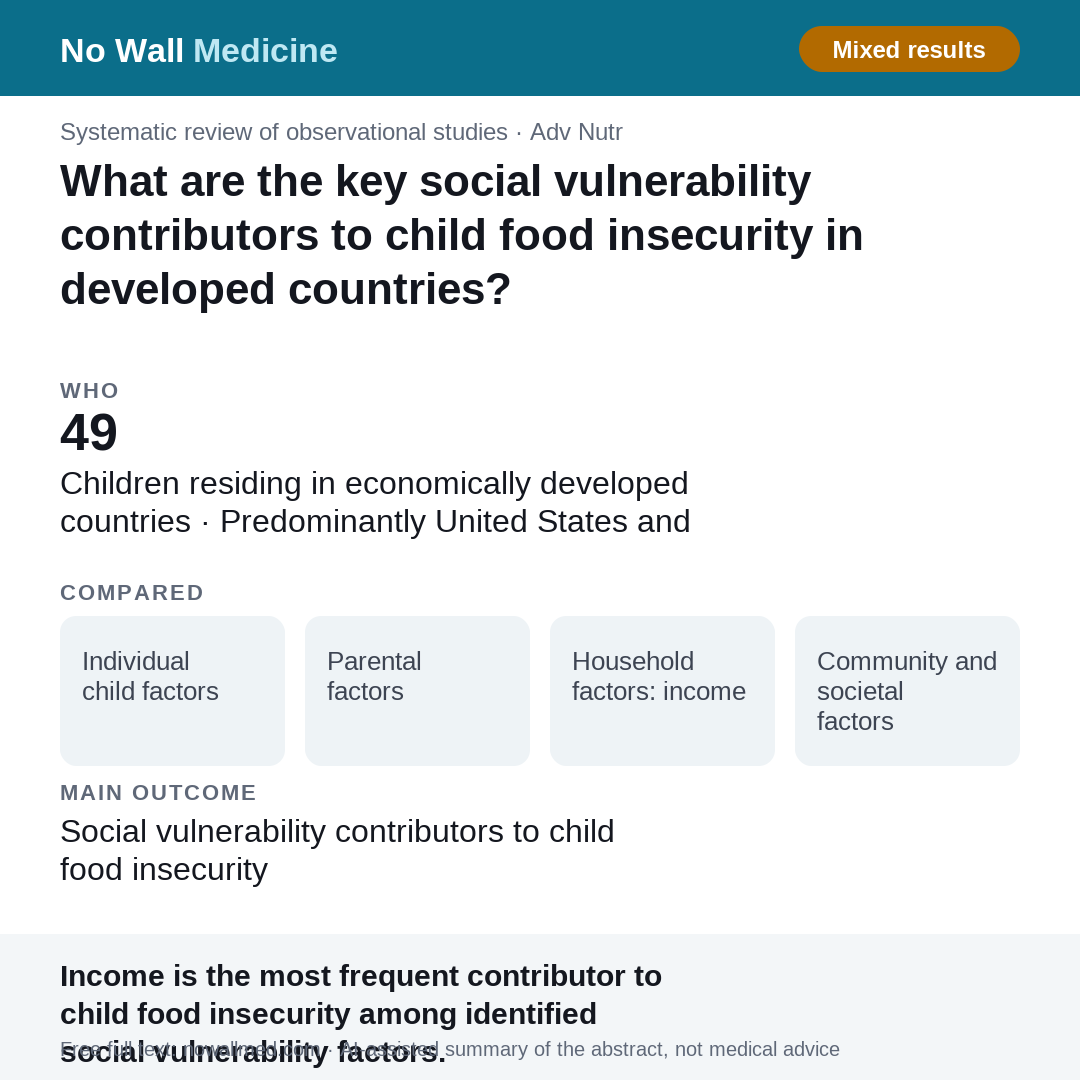
Social Vulnerability and Child Food Insecurity in Developed Countries: A Systematic Review
Systematic review of observational studiesMixed results
What are the key social vulnerability contributors to child food insecurity in developed countries?
Who
49
Children residing in economically developed countries · Predominantly United States and Canada
Compared
Individual child factors
Parental factors
Household factors: income
Community and societal factors
Main outcome
Social vulnerability contributors to child food insecurity
Bottom line: Income is the most frequent contributor to child food insecurity among identified social vulnerability factors.
Limitation: Lack of consistent measures to define social vulnerability and food insecurity impeded meaningful pooling.
Adv Nutr · 2025-01-10Download image
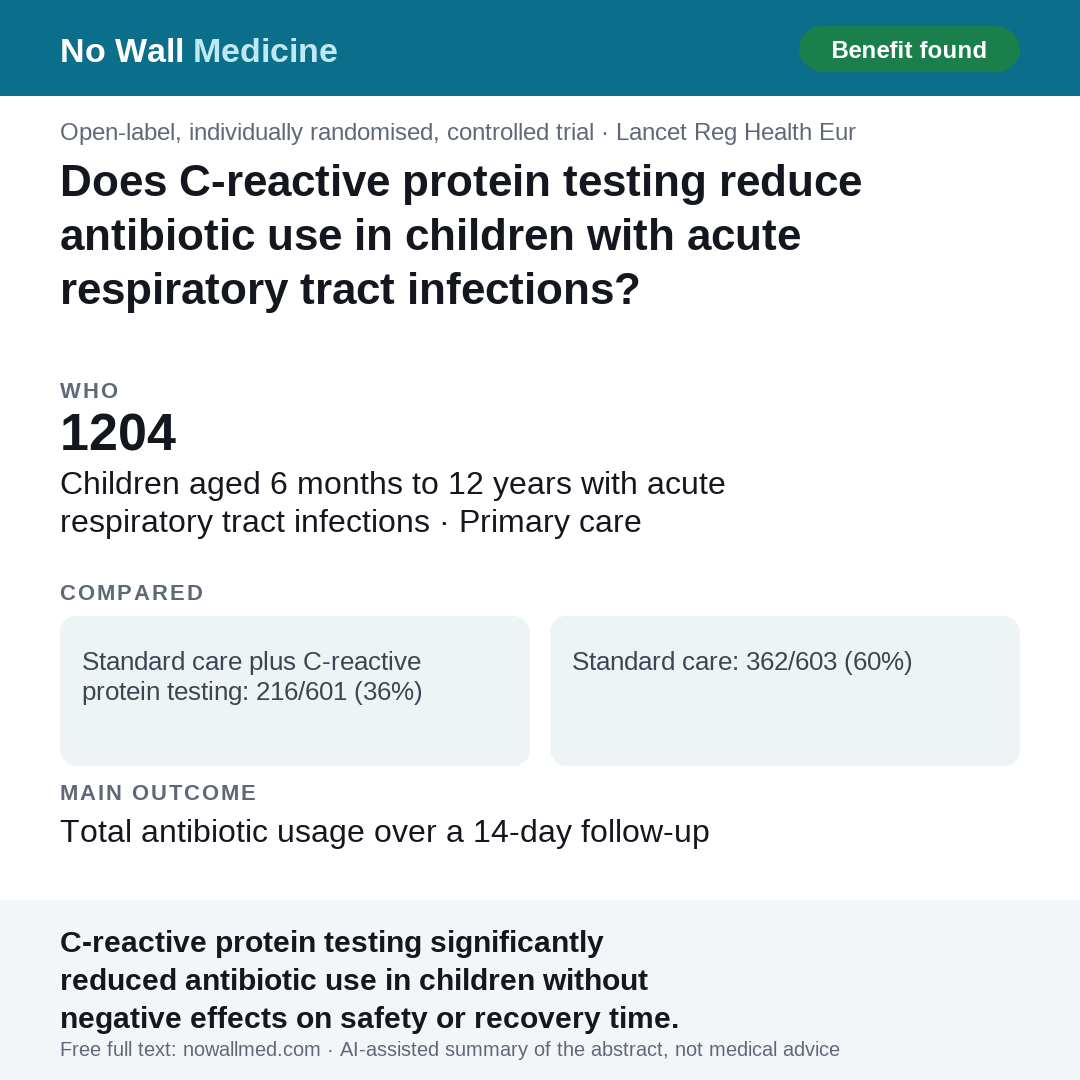
C-reactive protein testing in primary care and antibiotic use in children with acute respiratory tract infections in Kyrgyzstan: an open-label, individually randomised, controlled trial
Open-label, individually randomised, controlled trialBenefit found
Does C-reactive protein testing reduce antibiotic use in children with acute respiratory tract infections?
Who
1204
Children aged 6 months to 12 years with acute respiratory tract infections · Primary care settings in Kyrgyzstan
Compared
Standard care plus C-reactive protein testing: 216/601 (36%)
Standard care: 362/603 (60%)
Main outcome
Total antibiotic usage over a 14-day follow-up
Result: Risk difference: 24 percentage points (95% CI: 15-34)
Bottom line: C-reactive protein testing significantly reduced antibiotic use in children without negative effects on safety or recovery time.
Funded by: International Centre for Antimicrobial Resistance Solutions
Lancet Reg Health Eur · 2025-01-10Download image
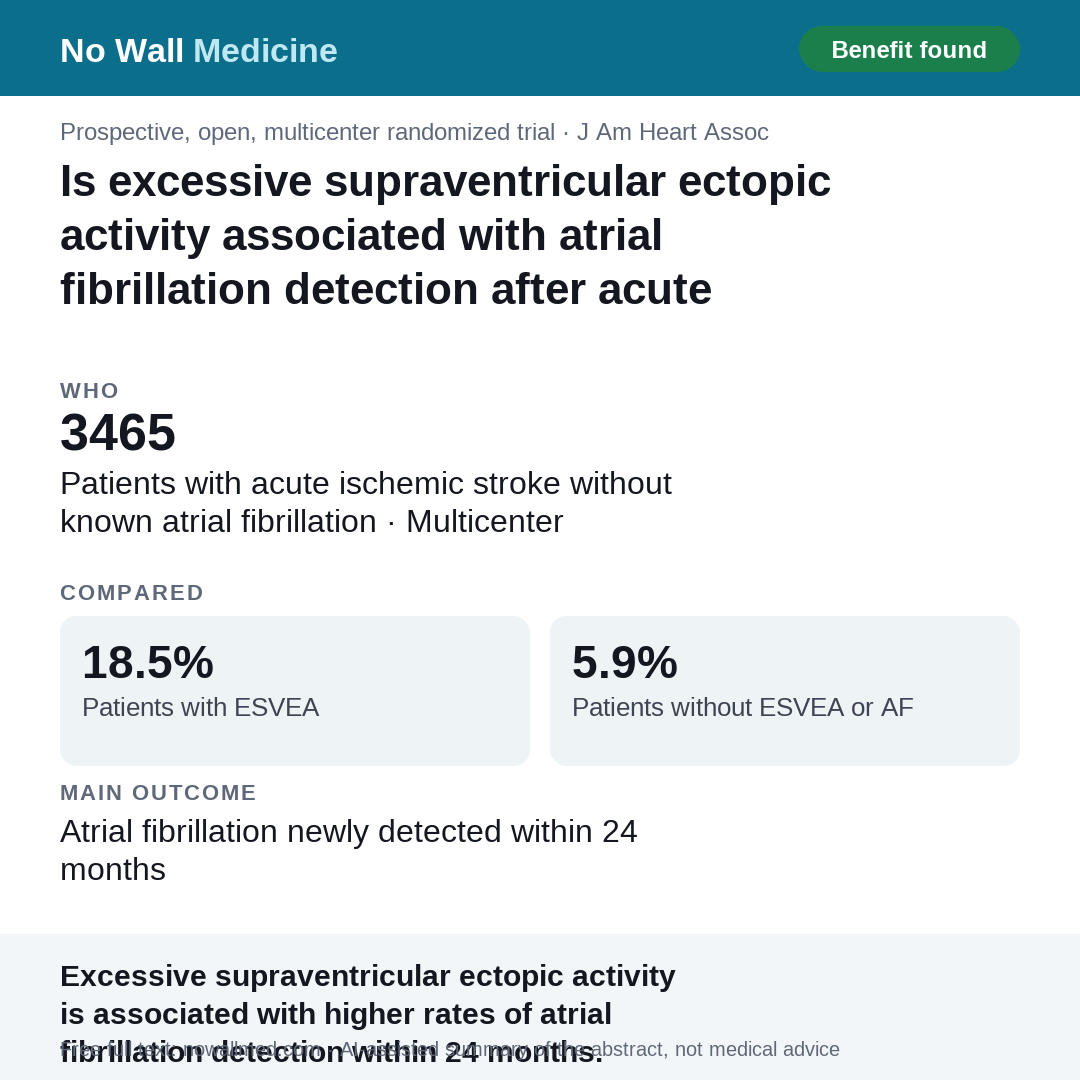
Excessive Supraventricular Ectopic Activity in Patients With Acute Ischemic Stroke Is Associated With Atrial Fibrillation Detection Within 24 Months After Stroke: A Predefined Analysis of the MonDAFIS Study
Prospective, open, multicenter randomized trialBenefit found
Is excessive supraventricular ectopic activity associated with atrial fibrillation detection after acute ischemic stroke?
Who
3465
Patients with acute ischemic stroke without known atrial fibrillation · Multicenter
Compared
18.5%Patients with ESVEA
5.9%Patients without ESVEA or AF
Main outcome
Atrial fibrillation newly detected within 24 months
Bottom line: Excessive supraventricular ectopic activity is associated with higher rates of atrial fibrillation detection within 24 months.
J Am Heart Assoc · 2025-01-10Download image
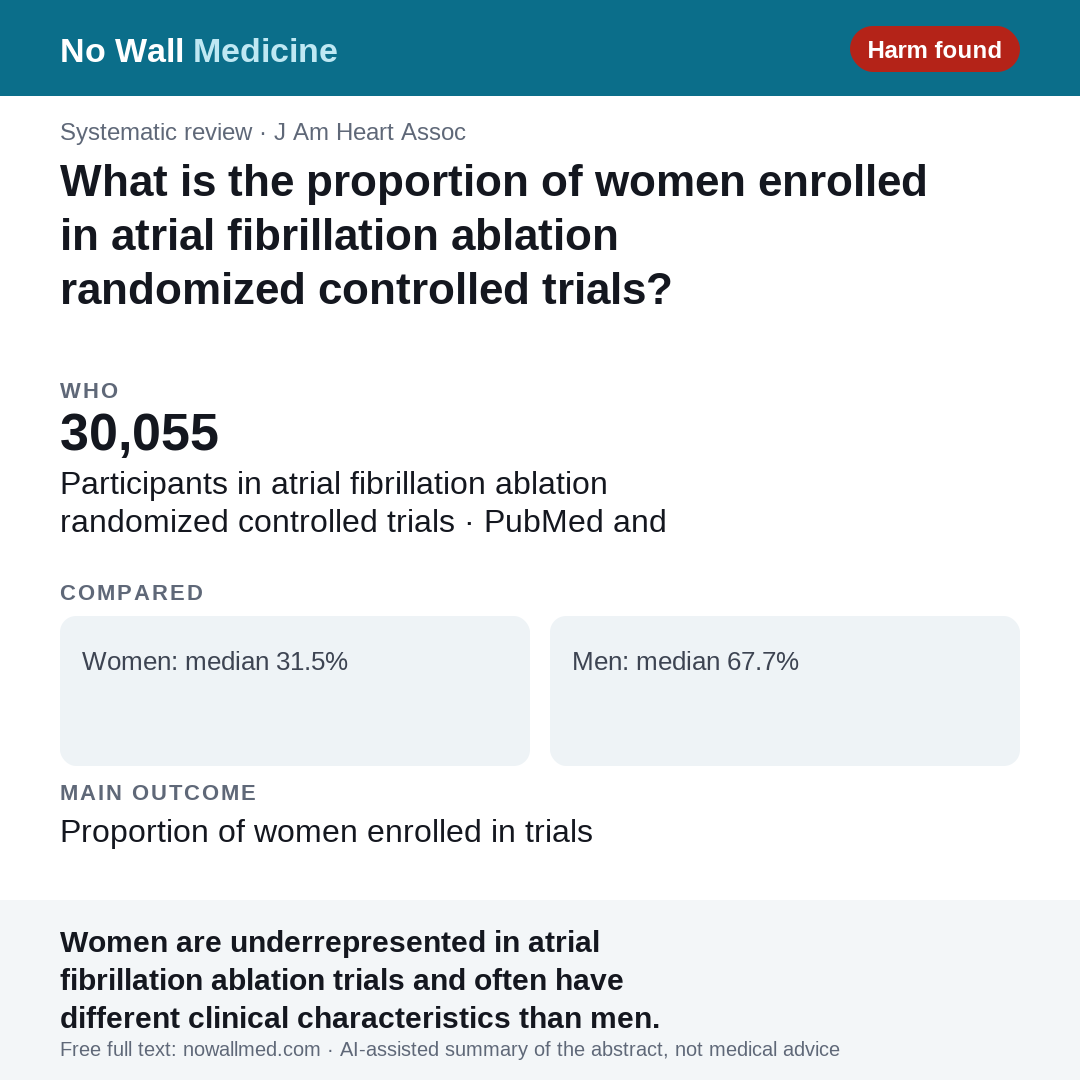
Representation of Women in Atrial Fibrillation Ablation Randomized Controlled Trials: Systematic Review
Systematic reviewHarm found
What is the proportion of women enrolled in atrial fibrillation ablation randomized controlled trials?
Who
30,055
Participants in atrial fibrillation ablation randomized controlled trials · PubMed and Embase
Compared
Women: median 31.5%
Men: median 67.7%
Main outcome
Proportion of women enrolled in trials
Bottom line: Women are underrepresented in atrial fibrillation ablation trials and often have different clinical characteristics than men.
J Am Heart Assoc · 2025-01-10Download image