Visual abstracts
New randomized trials and meta-analyses from leading journals at a glance: who was studied, what was compared, and what was found. Every paper is free to read in full.
All specialtiesCardiology 2361Oncology 2016Gastroenterology & Hepatology 889Infectious Disease 1462Neurology 944Psychiatry & Mental Health 1112Pulmonology 987Critical Care 652Endocrinology & Diabetes 1237Pediatrics 1378Surgery 1192Orthopedics & Sports Medicine 426Neurosurgery 294Cardiothoracic & Vascular Surgery 256Plastic & Reconstructive Surgery 361Nephrology 493Rheumatology 333Hematology 505Dermatology 273Ophthalmology 274Obstetrics & Gynecology 771Public & Global Health 433Radiology & Imaging 324Anesthesiology 475Urology 396ENT (Otolaryngology) 303Emergency Medicine 266Allergy & Immunology 146Geriatrics 502Family Medicine & Primary Care 276Medical Genetics & Genomics 254Pathology & Laboratory Medicine 75Physical Medicine & Rehabilitation 400Palliative Care 201Nutrition 620Digital Health & AI 1169General Medicine 173
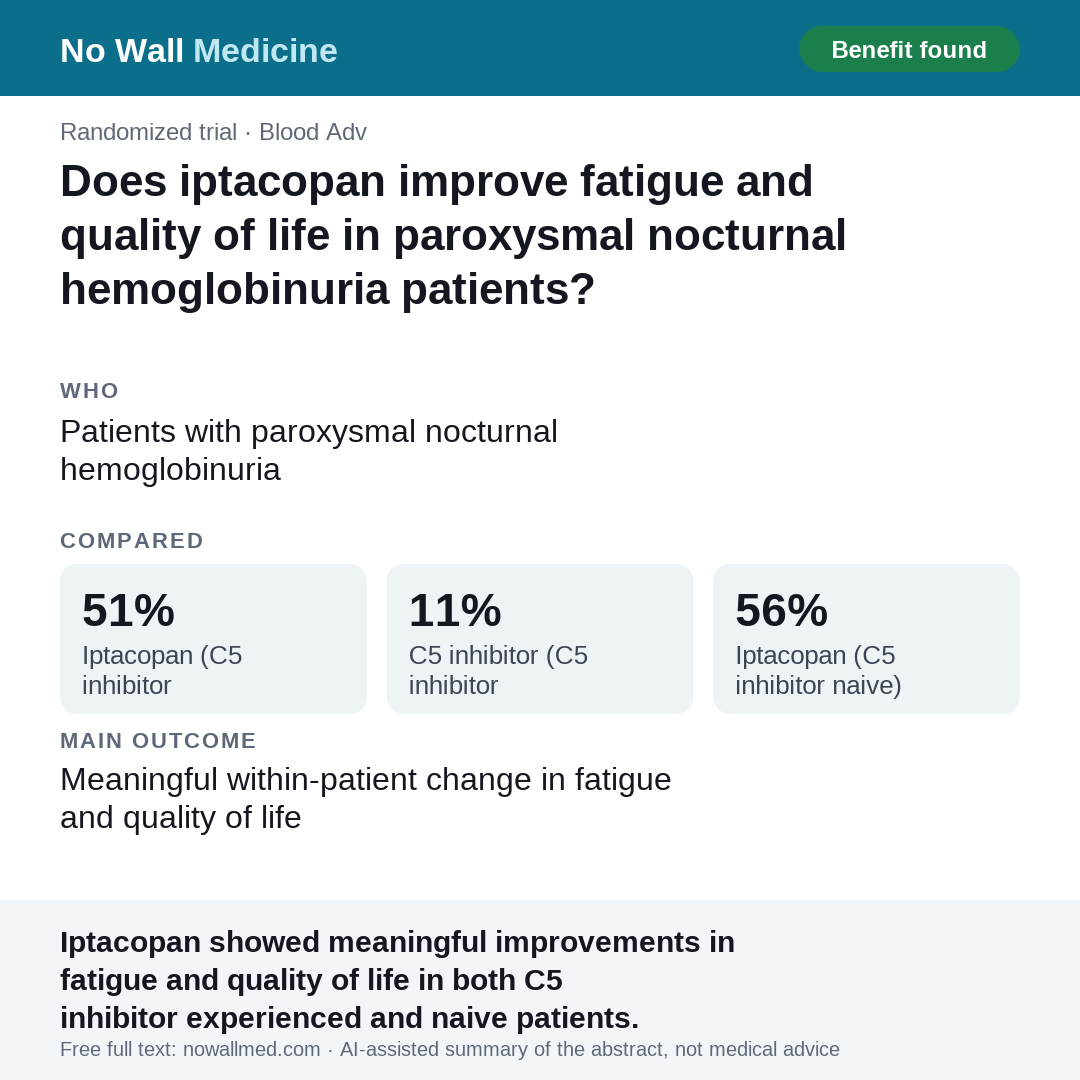
Patient-reported improvements in paroxysmal nocturnal hemoglobinuria treated with iptacopan from 2 phase 3 studies
Randomized trialBenefit found
Does iptacopan improve fatigue and quality of life in paroxysmal nocturnal hemoglobinuria patients?
Who
Patients with paroxysmal nocturnal hemoglobinuria
Compared
51%Iptacopan (C5 inhibitor experienced) (FACIT-Fatigue MWPC)
11%C5 inhibitor (C5 inhibitor experienced) (FACIT-Fatigue MWPC)
56%Iptacopan (C5 inhibitor naive) (FACIT-Fatigue MWPC)
Main outcome
Meaningful within-patient change in fatigue and quality of life
Bottom line: Iptacopan showed meaningful improvements in fatigue and quality of life in both C5 inhibitor experienced and naive patients.
Blood Adv · 2025-01-08Download image
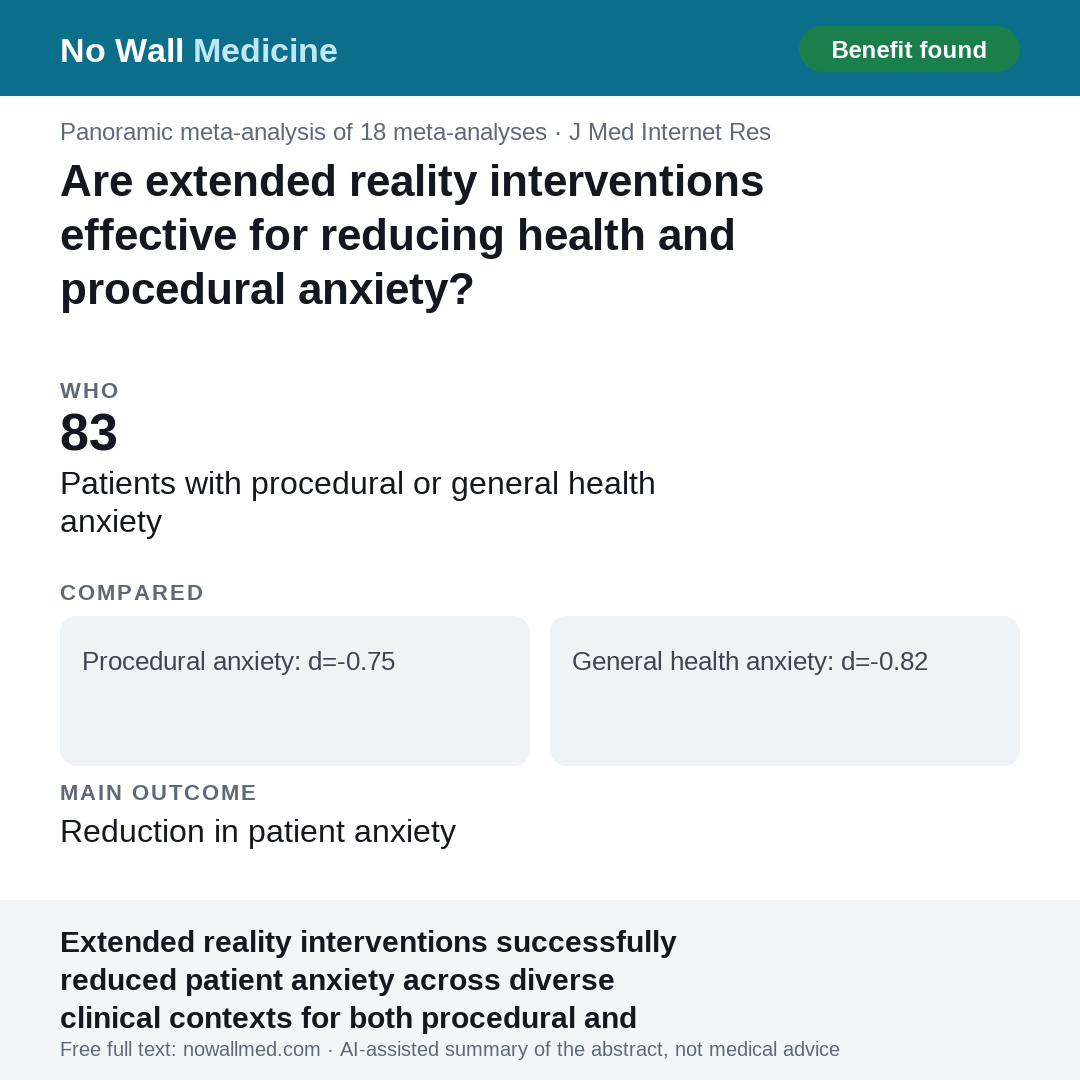
Extended Reality Interventions for Health and Procedural Anxiety: Panoramic Meta-Analysis Based on Overviews of Reviews
Panoramic meta-analysis of 18 meta-analysesBenefit found
Are extended reality interventions effective for reducing health and procedural anxiety?
Who
83
Patients with procedural or general health anxiety
Compared
Procedural anxiety: d=-0.75
General health anxiety: d=-0.82
Main outcome
Reduction in patient anxiety
Result: procedural d=-0.75 (95% CI -0.95 to -0.54), general health d=-0.82 (95% CI -1.20 to -0.45)
Bottom line: Extended reality interventions successfully reduced patient anxiety across diverse clinical contexts for both procedural and general health indications.
Limitation: Existing evidence is limited in methodological quality and generalizability remains uncertain.
J Med Internet Res · 2025-01-08Download image
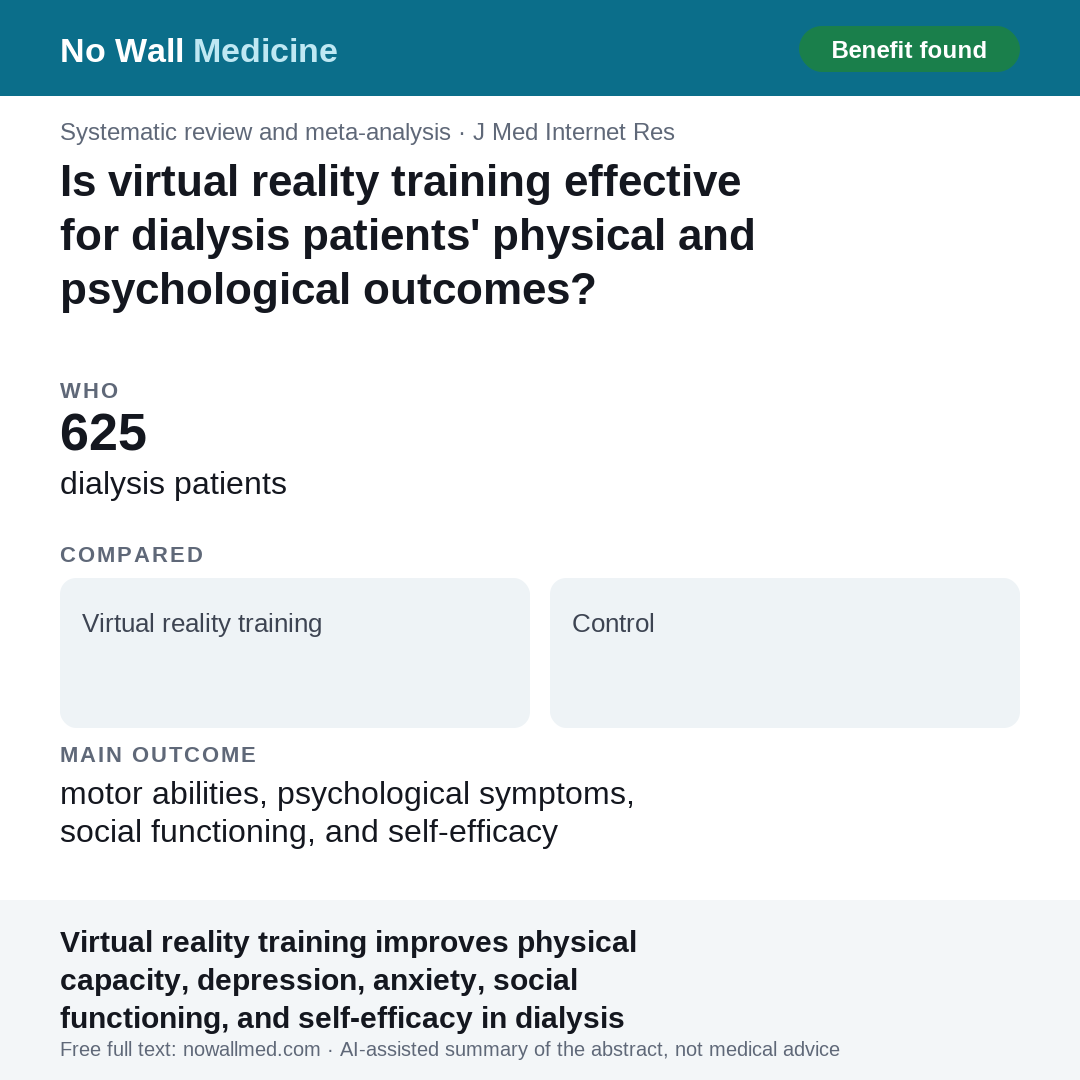
Effectiveness of Virtual Reality Training in Improving Outcomes for Dialysis Patients: Systematic Review and Meta-Analysis
Systematic review and meta-analysisBenefit found
Is virtual reality training effective for dialysis patients' physical and psychological outcomes?
Who
625
dialysis patients
Compared
Virtual reality training
Control
Main outcome
motor abilities, psychological symptoms, social functioning, and self-efficacy
Bottom line: Virtual reality training improves physical capacity, depression, anxiety, social functioning, and self-efficacy in dialysis patients.
Limitation: Further studies with larger sample sizes and more refined experimental designs are recommended.
J Med Internet Res · 2025-01-08Download image
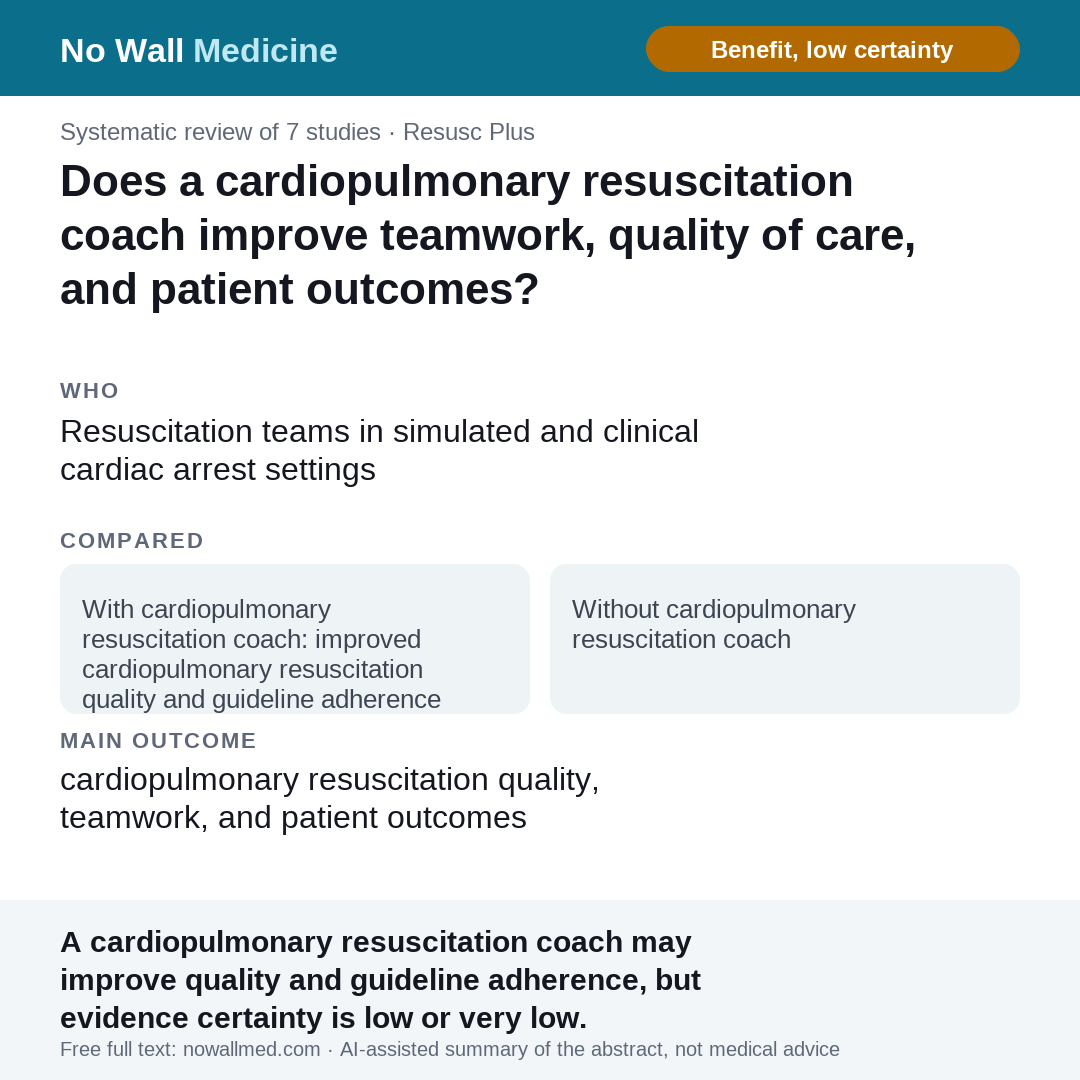
Cardiopulmonary resuscitation coaching for resuscitation teams: A systematic review
Systematic review of 7 studiesBenefit found
Does a cardiopulmonary resuscitation coach improve teamwork, quality of care, and patient outcomes?
Who
Resuscitation teams in simulated and clinical cardiac arrest settings
Compared
With cardiopulmonary resuscitation coach: improved cardiopulmonary resuscitation quality and guideline adherence
Without cardiopulmonary resuscitation coach
Main outcome
cardiopulmonary resuscitation quality, teamwork, and patient outcomes
Bottom line: A cardiopulmonary resuscitation coach may improve quality and guideline adherence, but evidence certainty is low or very low.
Limitation: The certainty of evidence across outcomes was low or very low.
Resusc Plus · 2025-01-08Download image
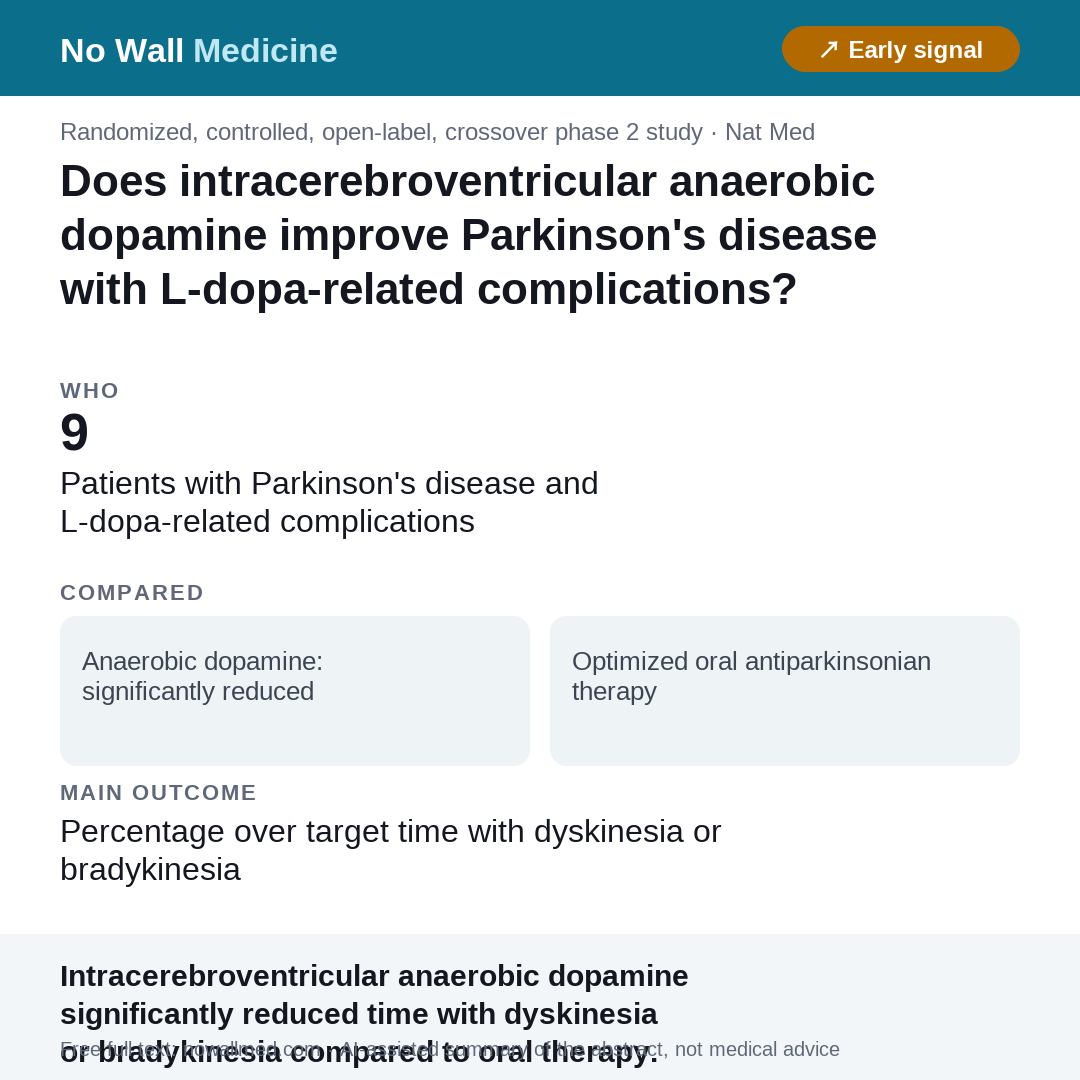
Intracerebroventricular anaerobic dopamine in Parkinson's disease with L-dopa-related complications: a phase 1/2 randomized-controlled trial
Randomized, controlled, open-label, crossover phase 2 studyBenefit found
Does intracerebroventricular anaerobic dopamine improve Parkinson's disease with L-dopa-related complications?
Who
9
Patients with Parkinson's disease and L-dopa-related complications
Compared
Anaerobic dopamine: significantly reduced
Optimized oral antiparkinsonian therapy
Main outcome
Percentage over target time with dyskinesia or bradykinesia
Result: Hedge g -0.62 (95% confidence interval: -1.43, -0.08)
Bottom line: Intracerebroventricular anaerobic dopamine significantly reduced time with dyskinesia or bradykinesia compared to oral therapy.
Nat Med · 2025-01-07Download image
Efficacy of brain stimulation therapies across psychiatric, movement, and cognitive disorders: an umbrella review synthesizing meta-analyses of randomized controlled trials
Umbrella review of meta-analysesBenefit found
What is the efficacy of brain stimulation therapies across psychiatric, movement, and cognitive disorders?
Who
108377
Patients with psychiatric, movement, and cognitive disorders
Compared
0.56Brain stimulation therapies (95% CI: 0.49, 0.64)
Sham controls
Main outcome
Improvements in core symptoms
Result: standardized mean difference 0.56 (95% CI: 0.49, 0.64)
Bottom line: Brain stimulation therapies show moderate efficacy in treating core symptoms of psychiatric, movement, and cognitive disorders.
Funded by: Anhui Natural Science Foundation, Anhui Province, National Natural Science Foundation of China
eClinicalMedicine · 2025-01-07Download image

Safety, reactogenicity, and immunogenicity of Ad26.COV2.S co-administered with a quadrivalent standard-dose or high-dose seasonal influenza vaccine: a non-inferiority randomised controlled trial
Non-inferiority, Phase 3, randomised, double-blind trialBenefit found
Is co-administration of Ad26.COV2.S and seasonal influenza vaccine safe and immunogenic?
Who
859
Healthy adults aged 18 to 64 and 65 years or older
Compared
Ad26.COV2.S with standard-dose influenza vaccine: SARS-CoV-2 Spike-specific antibodies ratio 1.11 (95% CI 0.97-1.26)
Ad26.COV2.S with placebo
Main outcome
SARS-CoV-2 Spike-specific antibodies and haemagglutinin inhibition titres
Result: ratio 1.11 (95% CI 0.97-1.26)
Bottom line: Co-administration of Ad26.COV2.S and seasonal influenza vaccine was immunogenic and well tolerated in adults.
Funded by: Janssen Vaccines & Prevention BV and Biomedical Advanced Research and Development Authority
eClinicalMedicine · 2025-01-07Download image

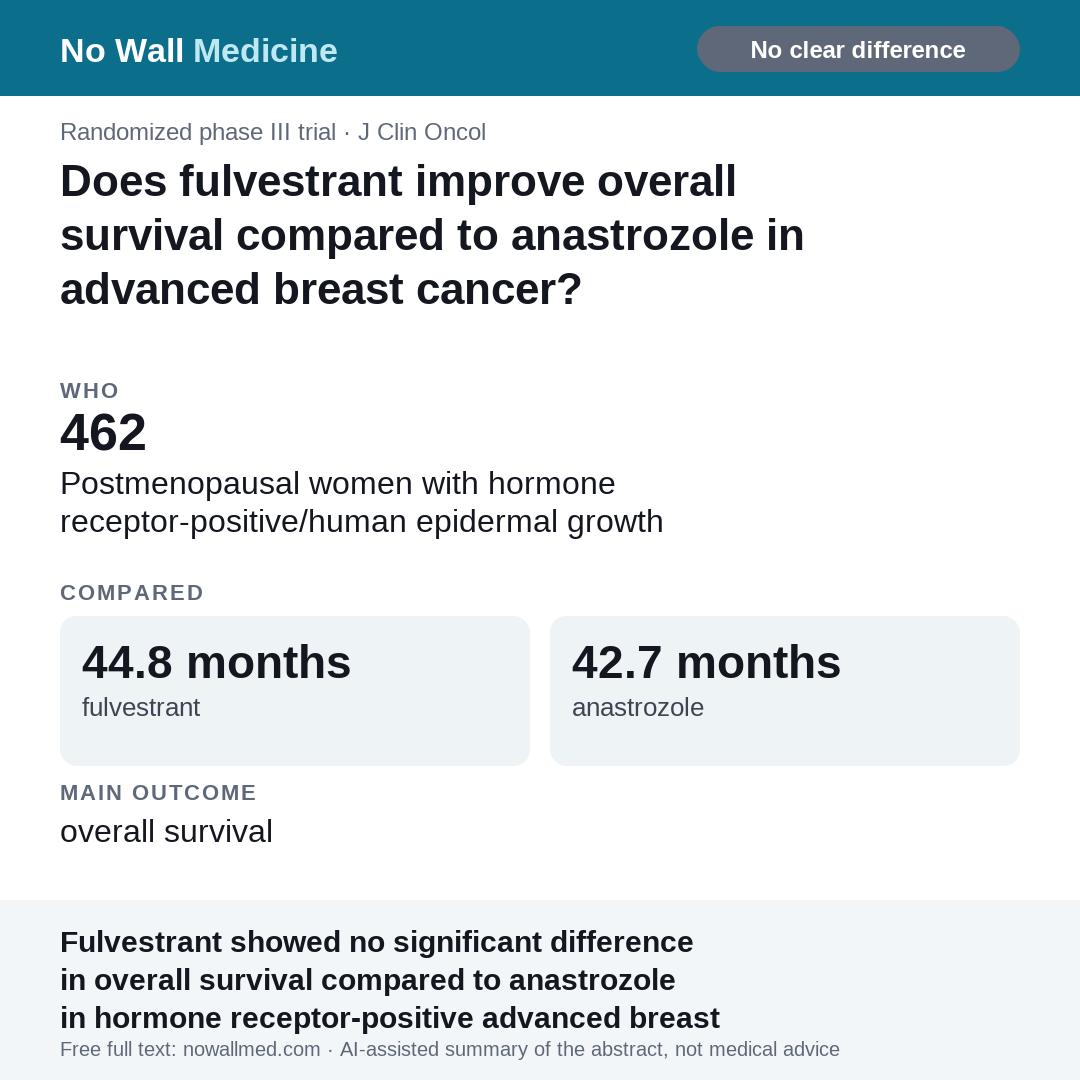
Fulvestrant Versus Anastrozole in Endocrine Therapy-Naïve Women With Hormone Receptor-Positive Advanced Breast Cancer: Final Overall Survival in the Phase III FALCON Trial
Randomized phase III trialNo clear difference
Does fulvestrant improve overall survival compared to anastrozole in advanced breast cancer?
Who
462
Postmenopausal women with hormone receptor-positive/human epidermal growth factor receptor 2-negative advanced breast cancer
Compared
44.8 monthsfulvestrant
42.7 monthsanastrozole
Main outcome
overall survival
Result: hazard ratio 0.97 (95% CI 0.77 to 1.21)
Bottom line: Fulvestrant showed no significant difference in overall survival compared to anastrozole in hormone receptor-positive advanced breast cancer.
J Clin Oncol · 2025-01-07Download image
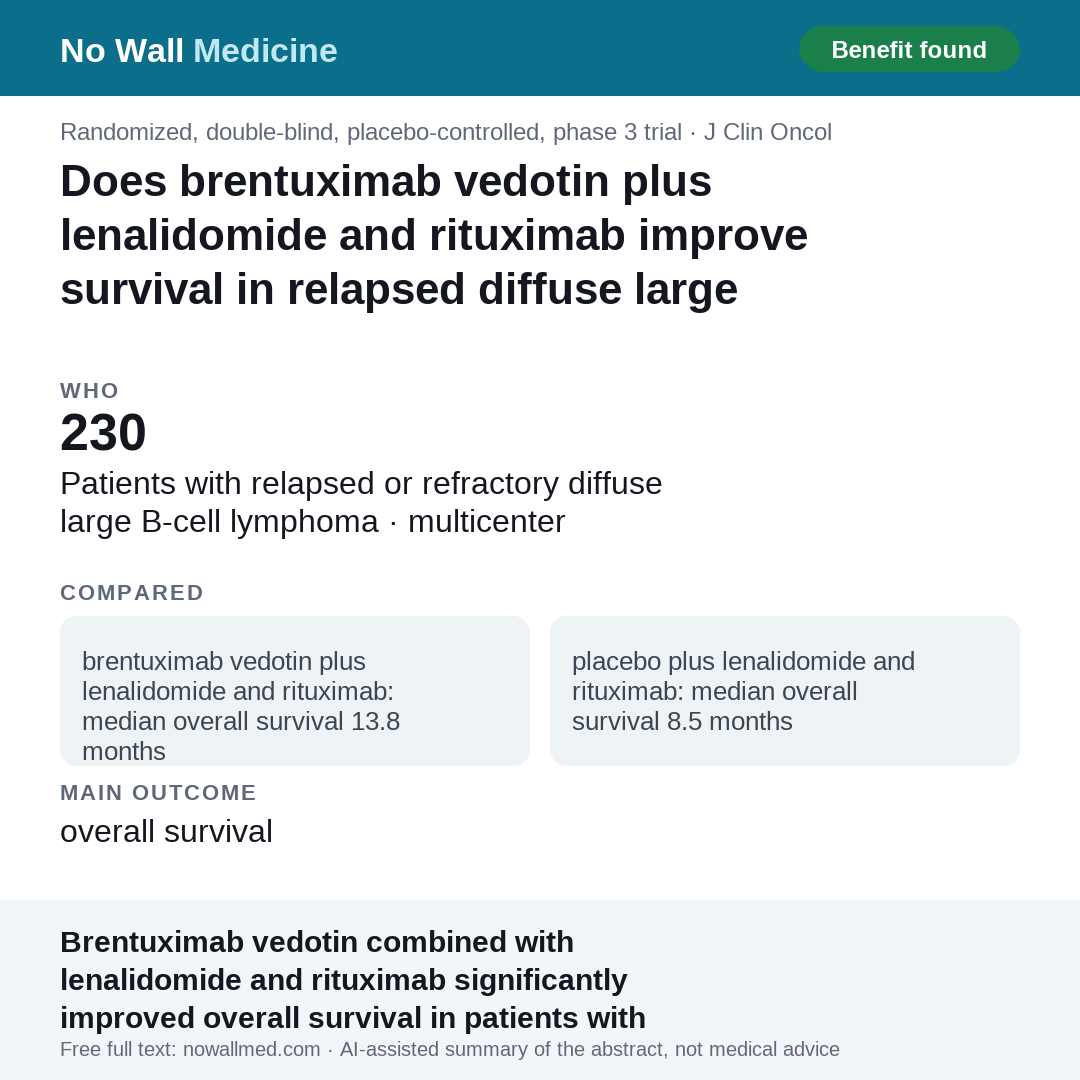
Brentuximab Vedotin Combination for Relapsed Diffuse Large B-Cell Lymphoma
Randomized, double-blind, placebo-controlled, phase 3 trialBenefit found
Does brentuximab vedotin plus lenalidomide and rituximab improve survival in relapsed diffuse large B-cell lymphoma?
Who
230
Patients with relapsed or refractory diffuse large B-cell lymphoma · multicenter
Compared
brentuximab vedotin plus lenalidomide and rituximab: median overall survival 13.8 months
placebo plus lenalidomide and rituximab: median overall survival 8.5 months
Main outcome
overall survival
Result: hazard ratio 0.63 (95% CI 0.45 to 0.89)
Bottom line: Brentuximab vedotin combined with lenalidomide and rituximab significantly improved overall survival in patients with relapsed or refractory diffuse large B-cell lymphoma.
J Clin Oncol · 2025-01-07Download image
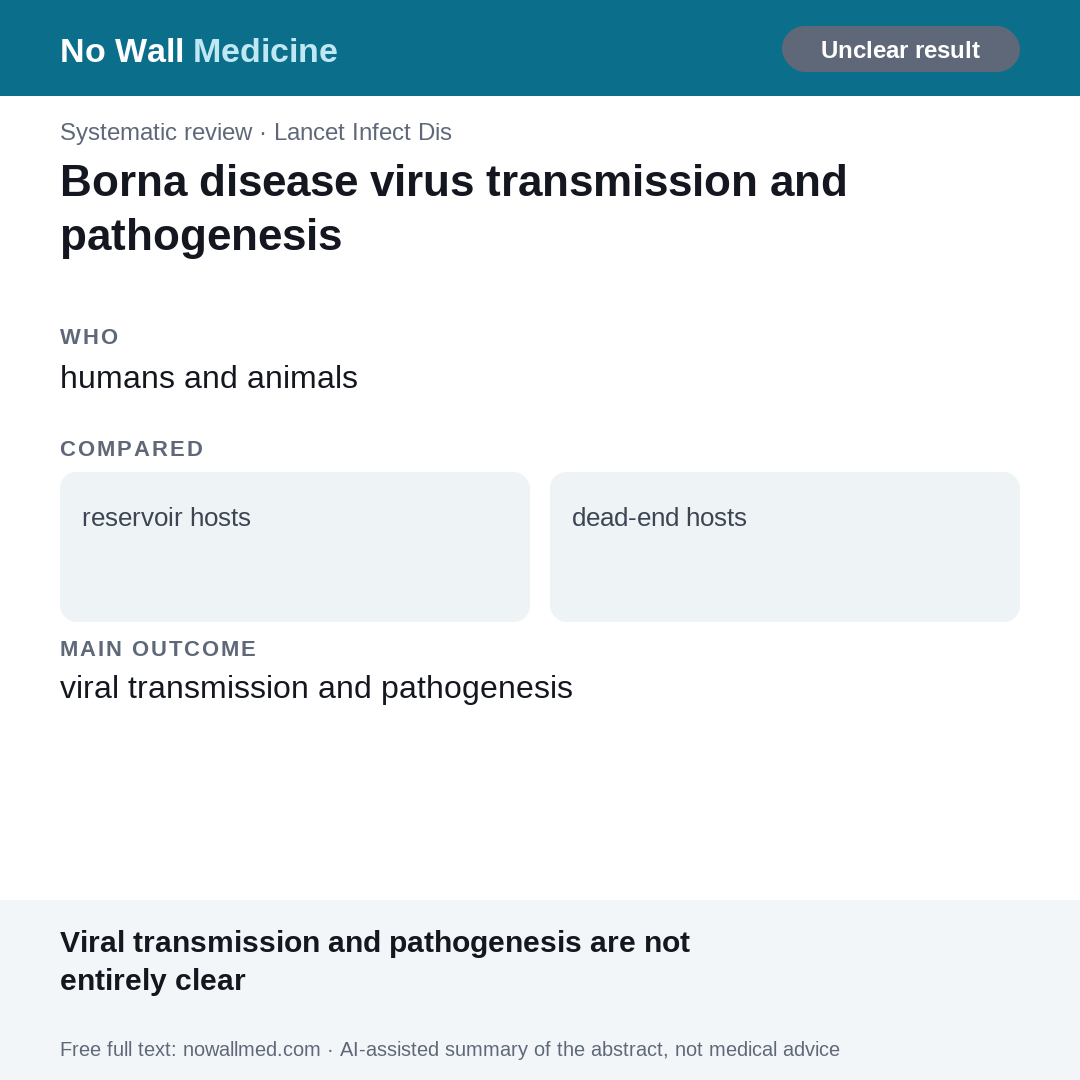
Neuropathology, pathomechanism, and transmission in zoonotic Borna disease virus 1 infection: a systematic review
Systematic reviewUnclear result
Borna disease virus transmission and pathogenesis
Who
humans and animals
Compared
reservoir hosts
dead-end hosts
Main outcome
viral transmission and pathogenesis
Bottom line: Viral transmission and pathogenesis are not entirely clear
Lancet Infect Dis · 2025-01-07Download image
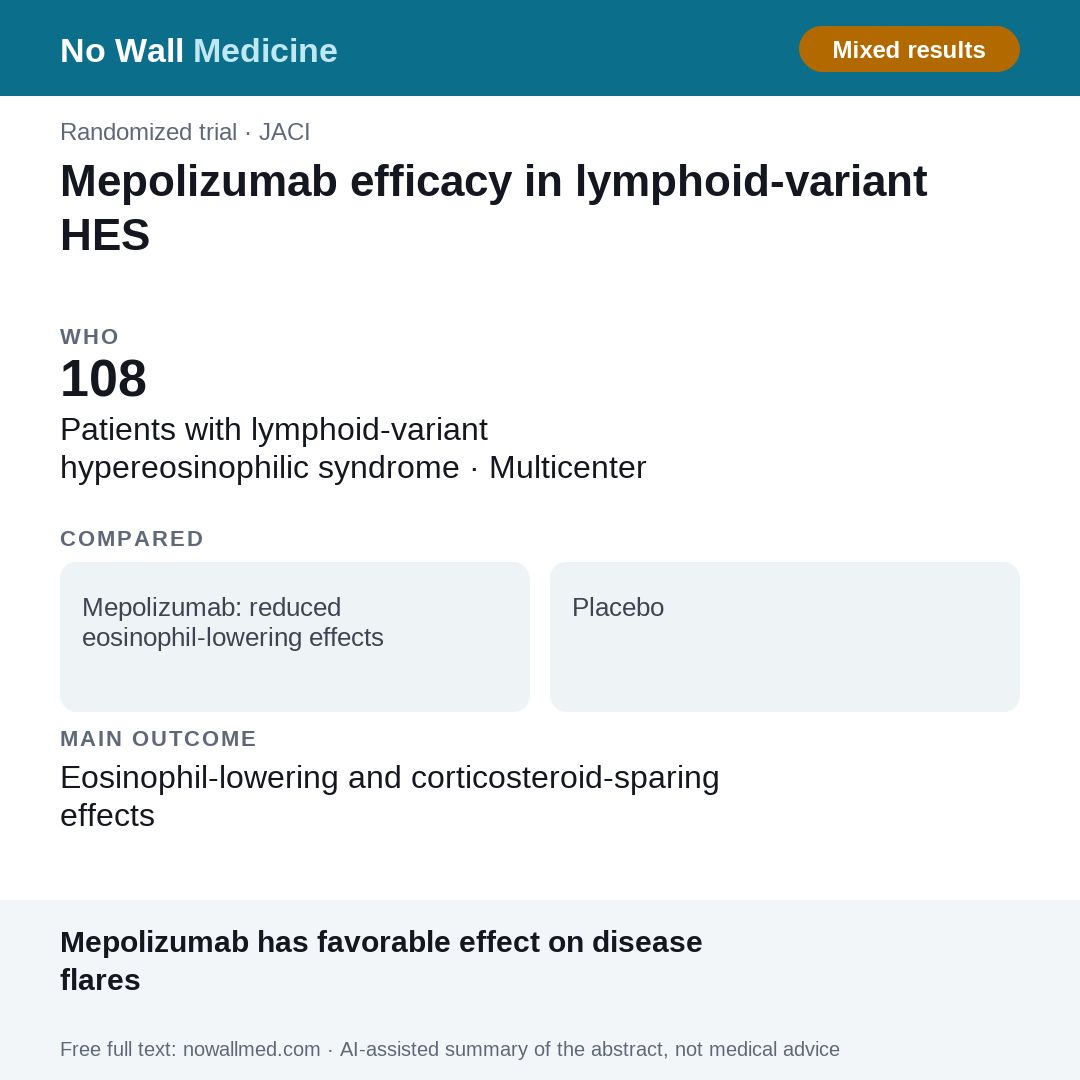
Mepolizumab in patients with lymphoid-variant hypereosinophilic syndrome: A multicenter prospective study
Randomized trialMixed results
Mepolizumab efficacy in lymphoid-variant HES
Who
108
Patients with lymphoid-variant hypereosinophilic syndrome · Multicenter
Compared
Mepolizumab: reduced eosinophil-lowering effects
Placebo
Main outcome
Eosinophil-lowering and corticosteroid-sparing effects
Bottom line: Mepolizumab has favorable effect on disease flares
JACI · 2025-01-07Download image
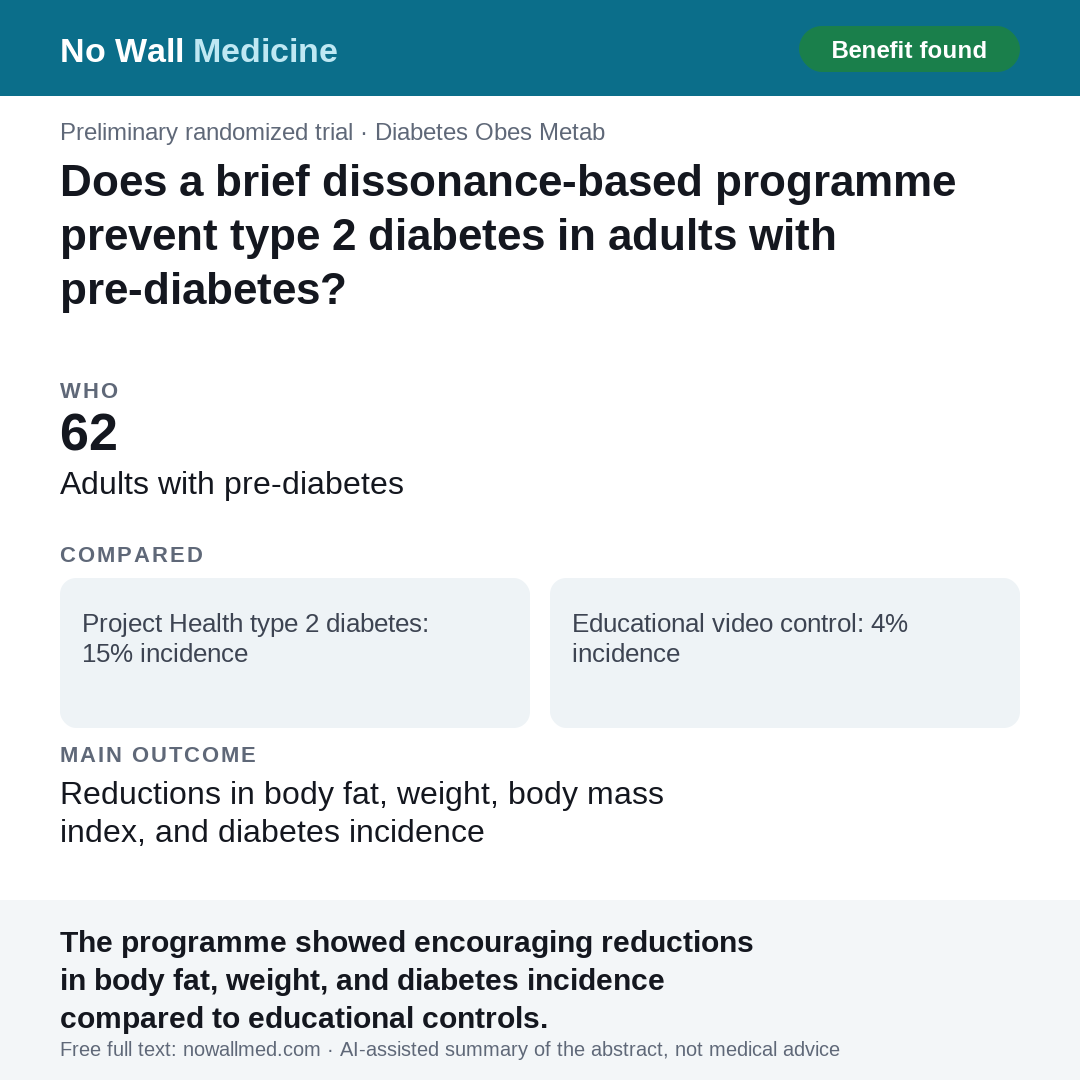
A preliminary randomized trial of a brief dissonance-based type 2 diabetes prevention programme for adults with pre-diabetes
Preliminary randomized trialBenefit found
Does a brief dissonance-based programme prevent type 2 diabetes in adults with pre-diabetes?
Who
62
Adults with pre-diabetes
Compared
Project Health type 2 diabetes: 15% incidence
Educational video control: 4% incidence
Main outcome
Reductions in body fat, weight, body mass index, and diabetes incidence
Result: odds ratio = 4.52, p = 0.096
Bottom line: The programme showed encouraging reductions in body fat, weight, and diabetes incidence compared to educational controls.
Diabetes Obes Metab · 2025-01-07Download image
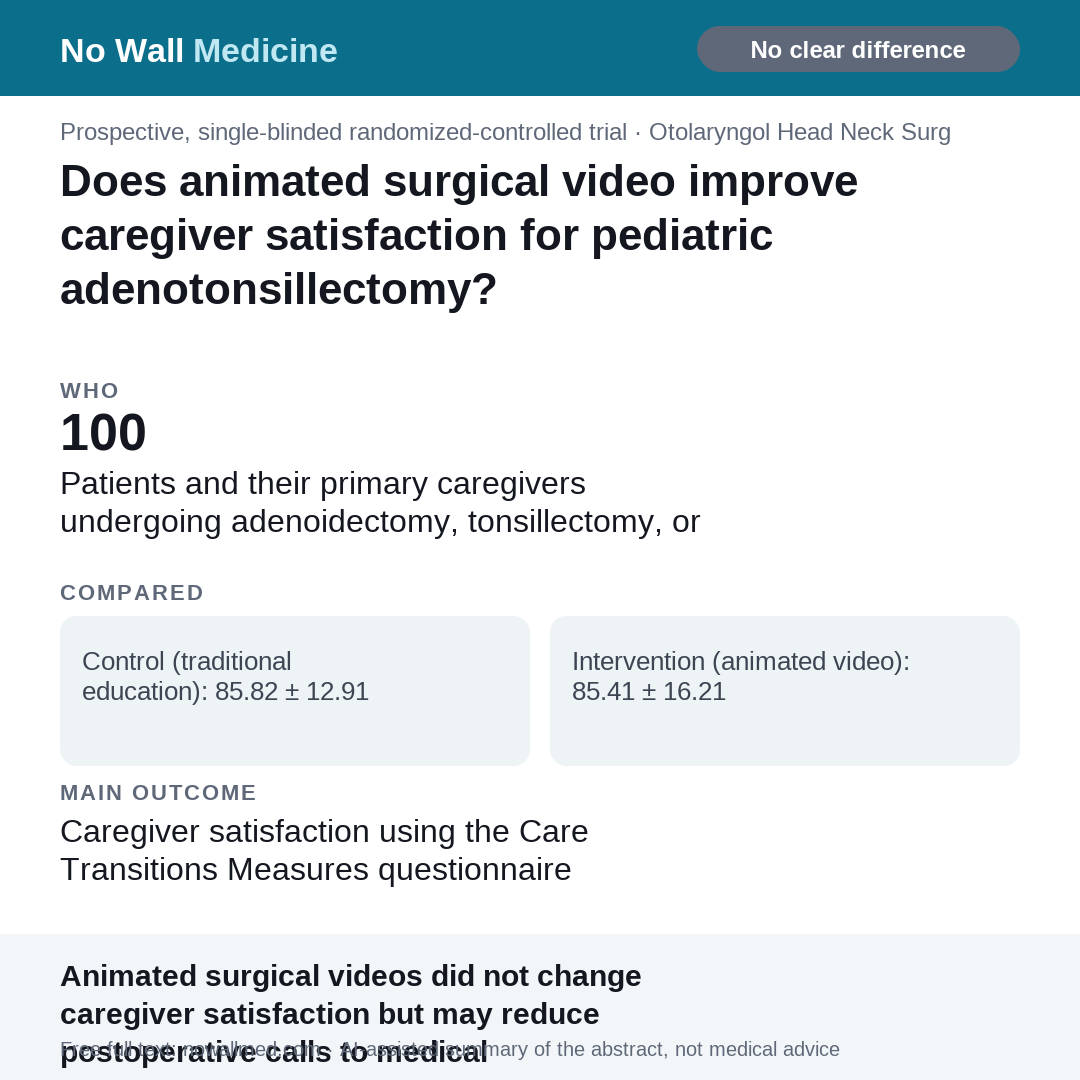
Perioperative Caregiver Education Using Animated Videos for Pediatric Tonsillectomy: A Randomized Controlled Study
Prospective, single-blinded randomized-controlled trialNo clear difference
Does animated surgical video improve caregiver satisfaction for pediatric adenotonsillectomy?
Who
100
Patients and their primary caregivers undergoing adenoidectomy, tonsillectomy, or both · Tertiary care academic pediatric hospital
Compared
Control (traditional education): 85.82 ± 12.91
Intervention (animated video): 85.41 ± 16.21
Main outcome
Caregiver satisfaction using the Care Transitions Measures questionnaire
Bottom line: Animated surgical videos did not change caregiver satisfaction but may reduce postoperative calls to medical professionals.
Otolaryngol Head Neck Surg · 2025-01-07Download image
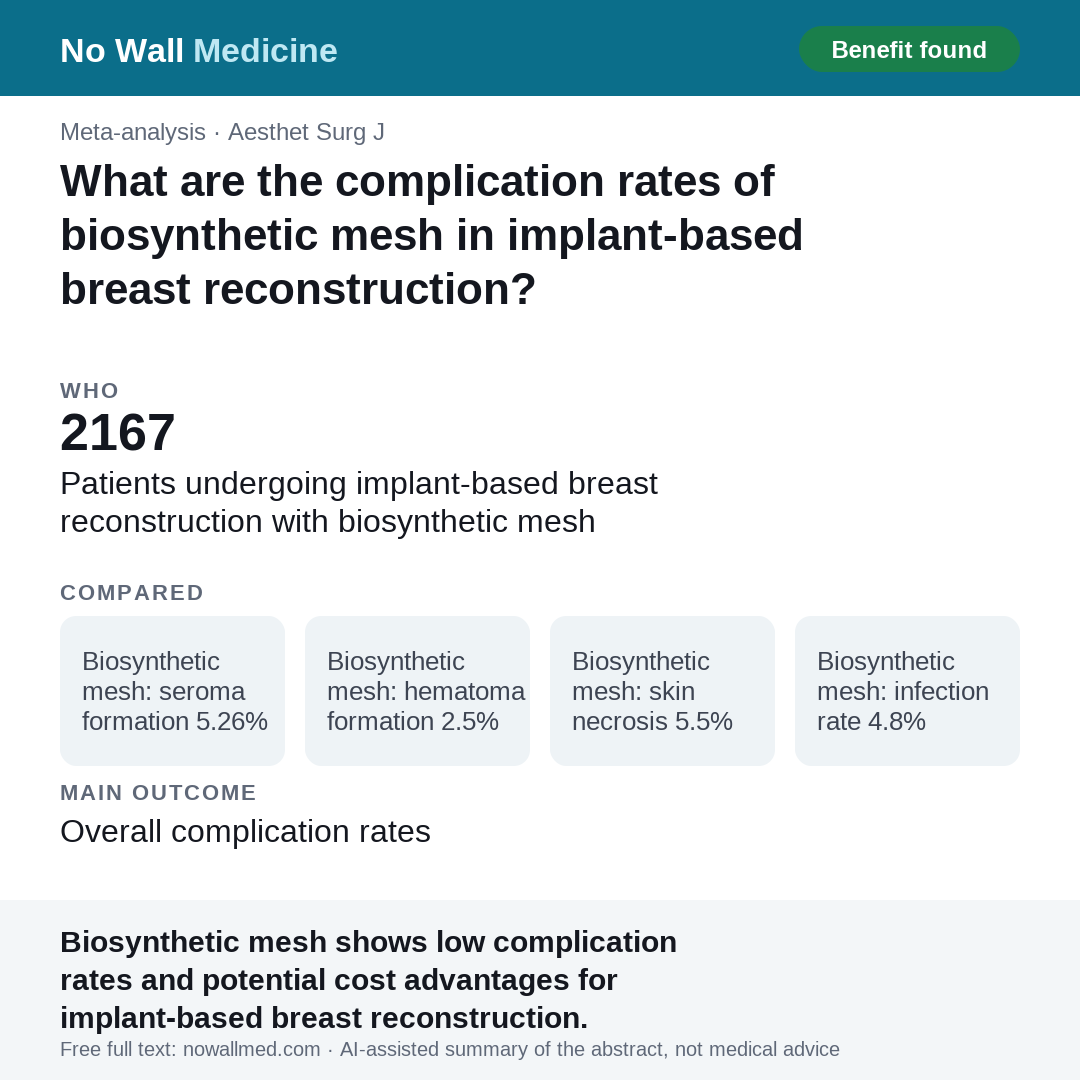
Outcomes in Implant-Based Breast Reconstruction Utilizing Biosynthetic Mesh: A Meta-Analysis
Meta-analysisBenefit found
What are the complication rates of biosynthetic mesh in implant-based breast reconstruction?
Who
2167
Patients undergoing implant-based breast reconstruction with biosynthetic mesh
Compared
Biosynthetic mesh: seroma formation 5.26%
Biosynthetic mesh: hematoma formation 2.5%
Biosynthetic mesh: skin necrosis 5.5%
Biosynthetic mesh: infection rate 4.8%
Main outcome
Overall complication rates
Bottom line: Biosynthetic mesh shows low complication rates and potential cost advantages for implant-based breast reconstruction.
Aesthet Surg J · 2025-01-07Download image
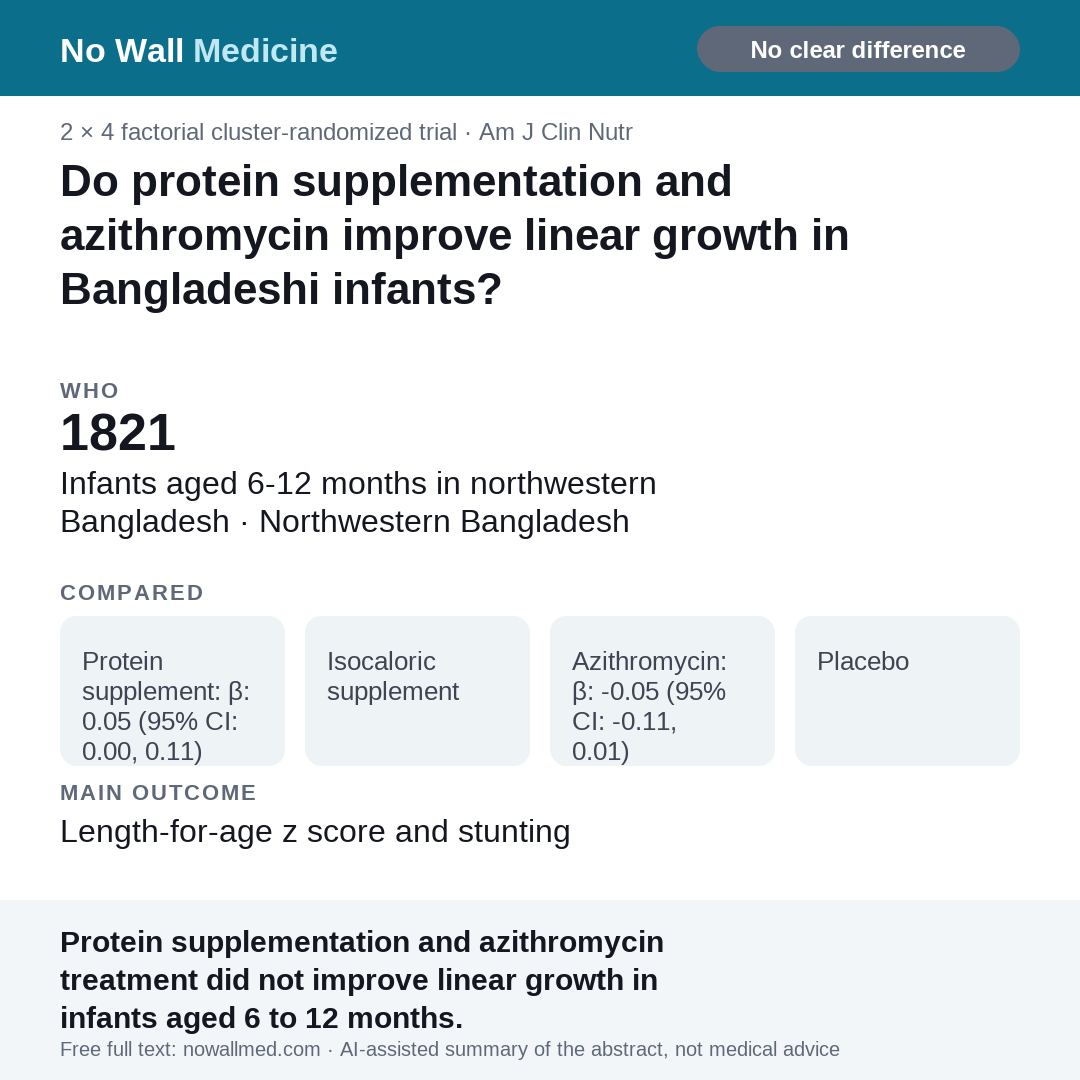
Protein supplementation delivered alone or in combination with presumptive azithromycin treatment for enteric pathogens did not improve linear growth in Bangladeshi infants: results of a cluster-randomized controlled trial
2 × 4 factorial cluster-randomized trialNo clear difference
Do protein supplementation and azithromycin improve linear growth in Bangladeshi infants?
Who
1821
Infants aged 6-12 months in northwestern Bangladesh · Northwestern Bangladesh
Compared
Protein supplement: β: 0.05 (95% CI: 0.00, 0.11)
Isocaloric supplement
Azithromycin: β: -0.05 (95% CI: -0.11, 0.01)
Placebo
Main outcome
Length-for-age z score and stunting
Bottom line: Protein supplementation and azithromycin treatment did not improve linear growth in infants aged 6 to 12 months.
Am J Clin Nutr · 2025-01-07Download image
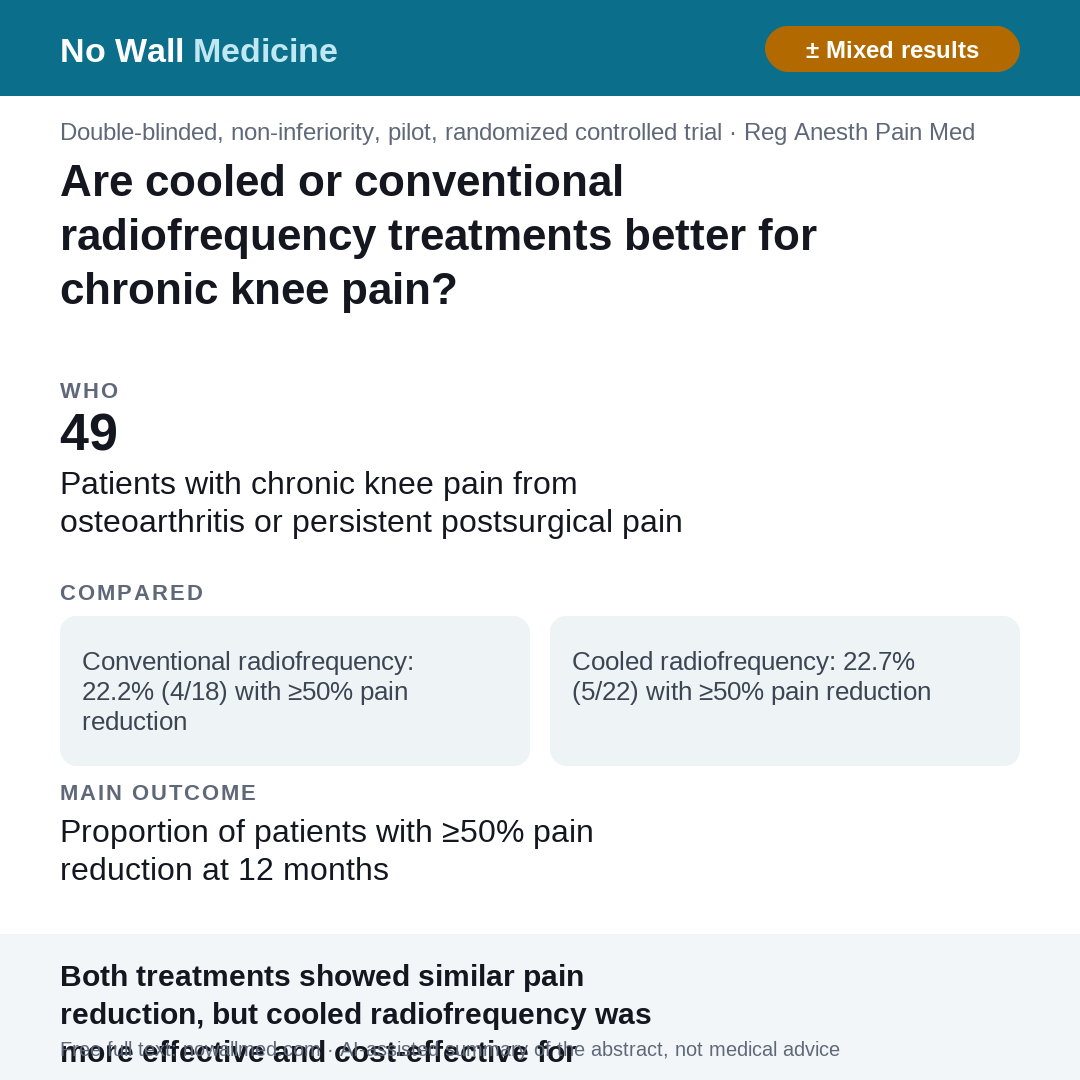
Cooled versus conventional radiofrequency treatment of the genicular nerves for chronic knee pain: 12-month and cost-effectiveness results from the multicenter COCOGEN trial
Double-blinded, non-inferiority, pilot, randomized controlled trialMixed results
Are cooled or conventional radiofrequency treatments better for chronic knee pain?
Who
49
Patients with chronic knee pain from osteoarthritis or persistent postsurgical pain · Multicenter
Compared
Conventional radiofrequency: 22.2% (4/18) with ≥50% pain reduction
Cooled radiofrequency: 22.7% (5/22) with ≥50% pain reduction
Main outcome
Proportion of patients with ≥50% pain reduction at 12 months
Bottom line: Both treatments showed similar pain reduction, but cooled radiofrequency was more effective and cost-effective for persistent postsurgical pain.
Reg Anesth Pain Med · 2025-01-07Download image
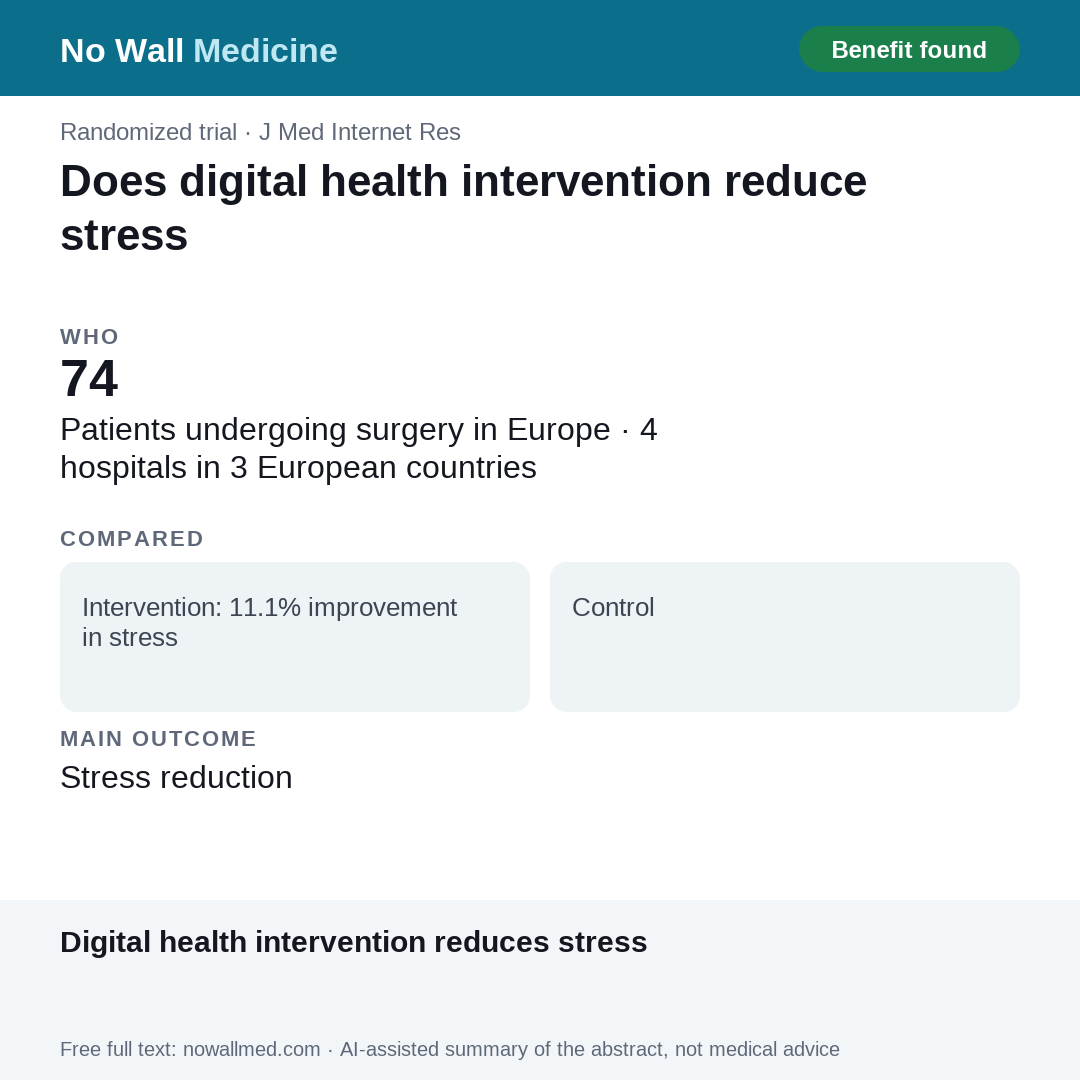
Stress Reduction in Perioperative Care: Feasibility Randomized Controlled Trial
Randomized trialBenefit found
Does digital health intervention reduce stress
Who
74
Patients undergoing surgery in Europe · 4 hospitals in 3 European countries
Compared
Intervention: 11.1% improvement in stress
Control
Main outcome
Stress reduction
Bottom line: Digital health intervention reduces stress
J Med Internet Res · 2025-01-07Download image
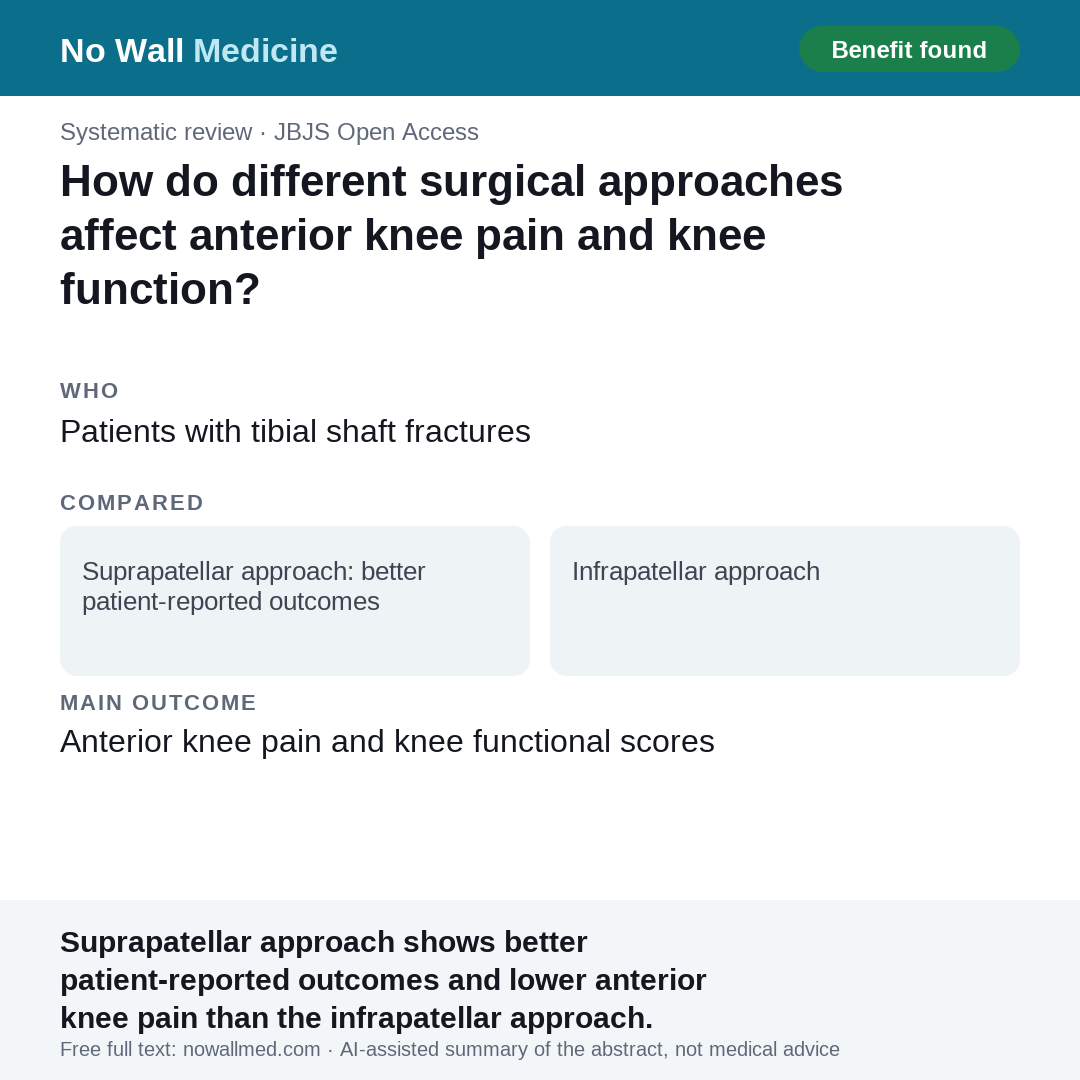
Anterior Knee Pain and Knee Functional Scores Following Common Approaches to Tibial Shaft Fractures: A Systematic Review
Systematic reviewBenefit found
How do different surgical approaches affect anterior knee pain and knee function?
Who
Patients with tibial shaft fractures
Compared
Suprapatellar approach: better patient-reported outcomes
Infrapatellar approach
Main outcome
Anterior knee pain and knee functional scores
Bottom line: Suprapatellar approach shows better patient-reported outcomes and lower anterior knee pain than the infrapatellar approach.
Limitation: Comparative data for medial parapatellar and lateral parapatellar approaches remain limited.
JBJS Open Access · 2025-01-07Download image
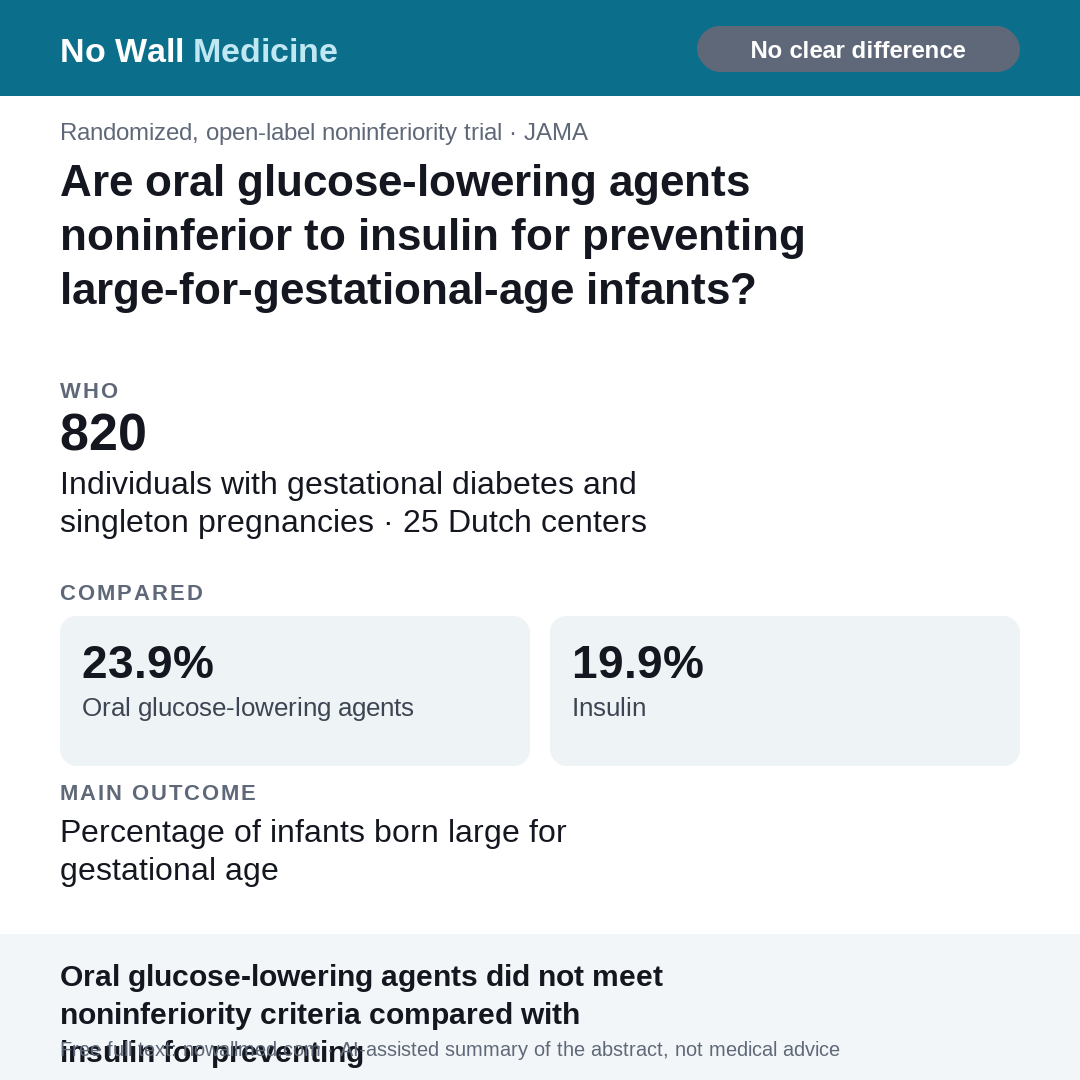
Oral Glucose-Lowering Agents vs Insulin for Gestational Diabetes: A Randomized Clinical Trial
Randomized, open-label noninferiority trialNo clear difference
Are oral glucose-lowering agents noninferior to insulin for preventing large-for-gestational-age infants?
Who
820
Individuals with gestational diabetes and singleton pregnancies · 25 Dutch centers
Compared
23.9%Oral glucose-lowering agents (n = 97)
19.9%Insulin (n = 79)
Main outcome
Percentage of infants born large for gestational age
Result: absolute risk difference, 4.0%; 95% CI, -1.7% to 9.8%
Bottom line: Oral glucose-lowering agents did not meet noninferiority criteria compared with insulin for preventing large-for-gestational-age infants.
JAMA · 2025-01-06Download image
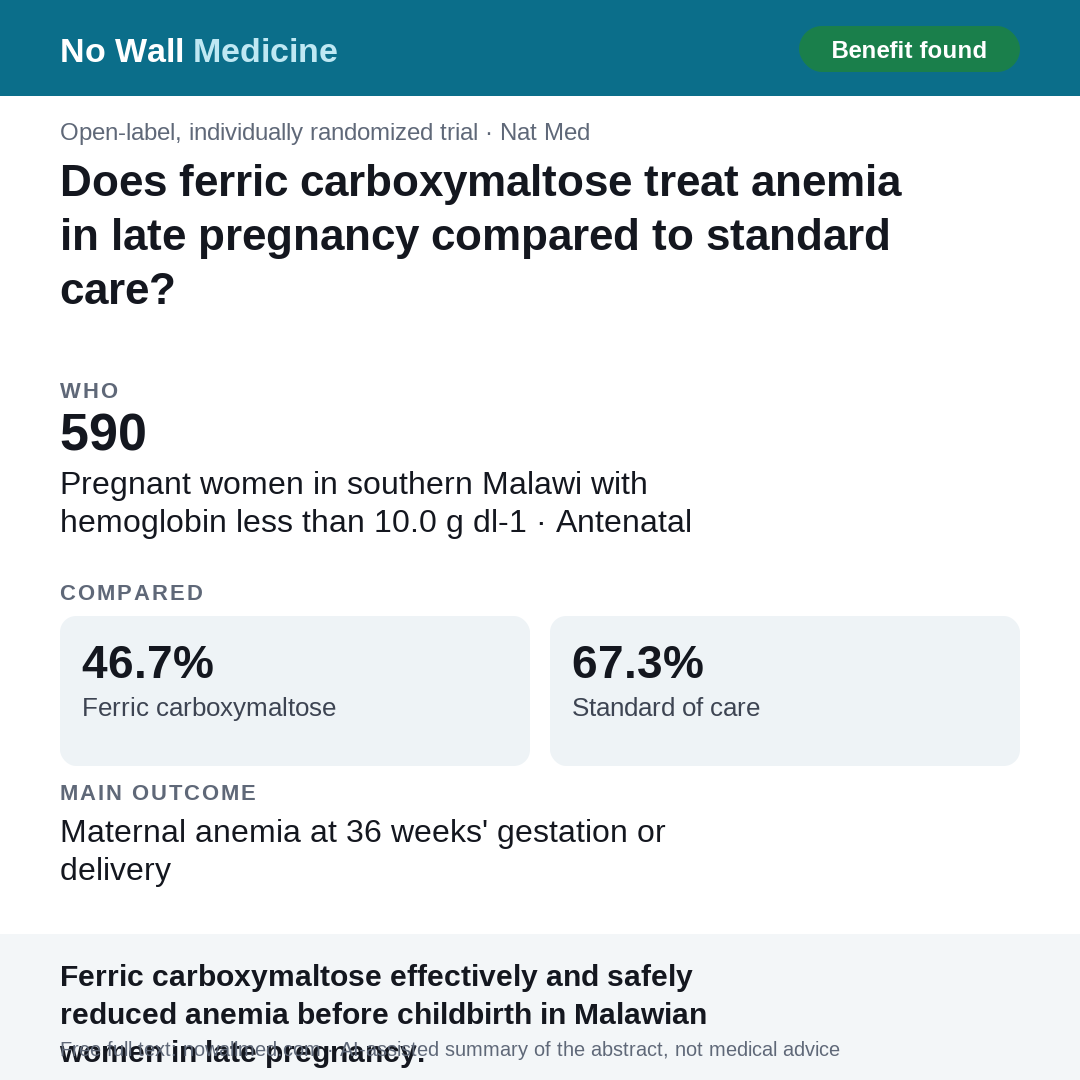
Ferric carboxymaltose for anemia in late pregnancy: a randomized controlled trial
Open-label, individually randomized trialBenefit found
Does ferric carboxymaltose treat anemia in late pregnancy compared to standard care?
Who
590
Pregnant women in southern Malawi with hemoglobin less than 10.0 g dl-1 · Antenatal clinics in southern Malawi
Compared
46.7%Ferric carboxymaltose (126/270)
67.3%Standard of care (170/271)
Main outcome
Maternal anemia at 36 weeks' gestation or delivery
Result: prevalence ratio 0.74 (95% CI 0.64, 0.87)
Bottom line: Ferric carboxymaltose effectively and safely reduced anemia before childbirth in Malawian women in late pregnancy.
Nat Med · 2025-01-06Download image