Visual abstracts
New randomized trials and meta-analyses from leading journals at a glance: who was studied, what was compared, and what was found. Every paper is free to read in full.
All specialtiesCardiology 847Oncology 766Gastroenterology & Hepatology 307Infectious Disease 626Neurology 353Psychiatry & Mental Health 430Pulmonology 368Critical Care 252Endocrinology & Diabetes 480Pediatrics 540Surgery 328Orthopedics & Sports Medicine 163Neurosurgery 100Cardiothoracic & Vascular Surgery 87Plastic & Reconstructive Surgery 132Nephrology 197Rheumatology 108Hematology 182Dermatology 80Ophthalmology 97Obstetrics & Gynecology 262Public & Global Health 167Radiology & Imaging 98Anesthesiology 117Urology 162ENT (Otolaryngology) 100Emergency Medicine 84Allergy & Immunology 58Geriatrics 160Family Medicine & Primary Care 111Medical Genetics & Genomics 91Pathology & Laboratory Medicine 24Physical Medicine & Rehabilitation 148Palliative Care 81Nutrition 223Digital Health & AI 460General Medicine 101
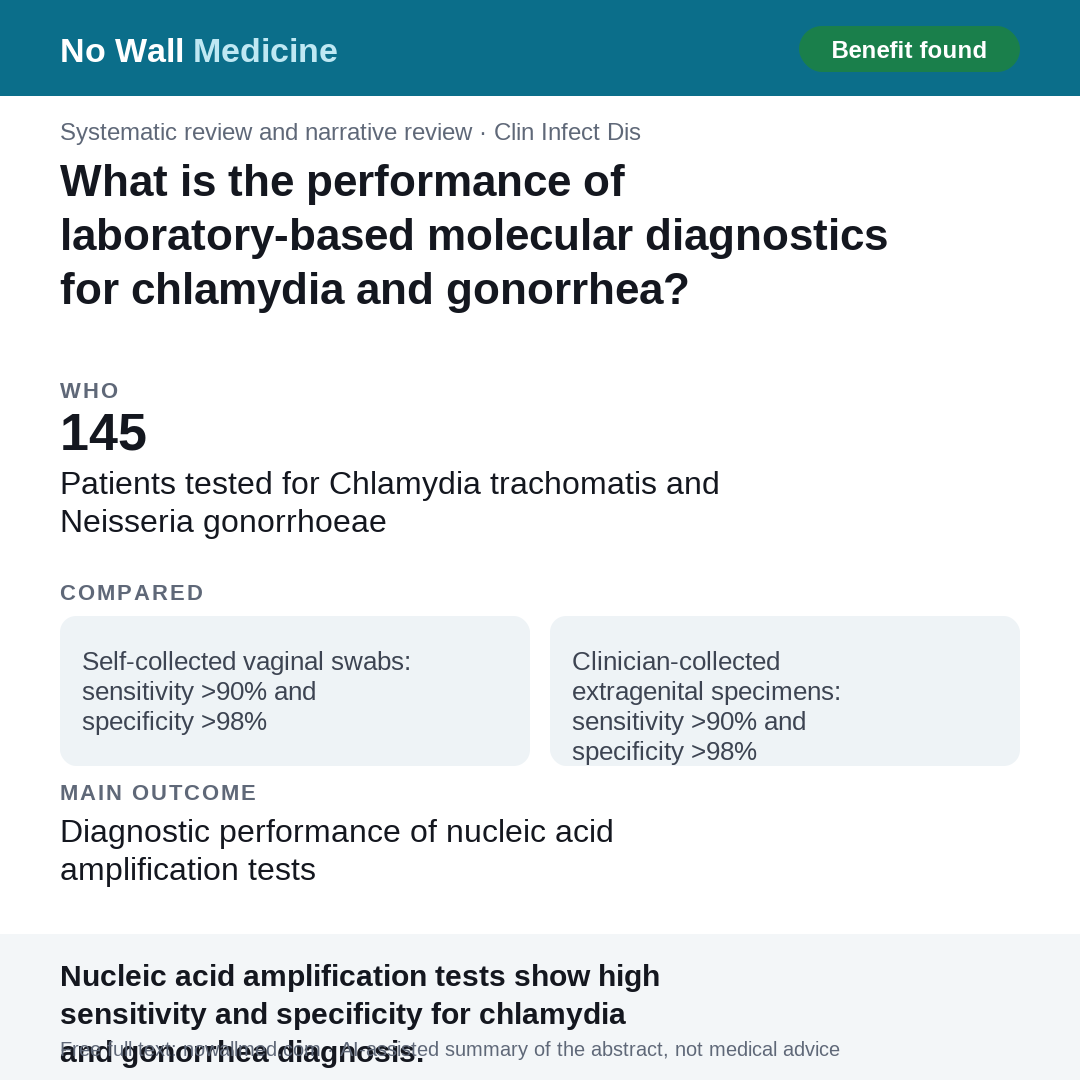
Review of the Performance of Laboratory-Based Molecular Diagnostics for Chlamydia trachomatis and Neisseria gonorrhoeae
Systematic review and narrative reviewBenefit found
What is the performance of laboratory-based molecular diagnostics for chlamydia and gonorrhea?
Who
145
Patients tested for Chlamydia trachomatis and Neisseria gonorrhoeae
Compared
Self-collected vaginal swabs: sensitivity >90% and specificity >98%
Clinician-collected extragenital specimens: sensitivity >90% and specificity >98%
Main outcome
Diagnostic performance of nucleic acid amplification tests
Bottom line: Nucleic acid amplification tests show high sensitivity and specificity for chlamydia and gonorrhea diagnosis.
Limitation: No nucleic acid amplification tests currently have claims for patient-collected extragenital specimens.
Clin Infect Dis · 2026-02-24Download image
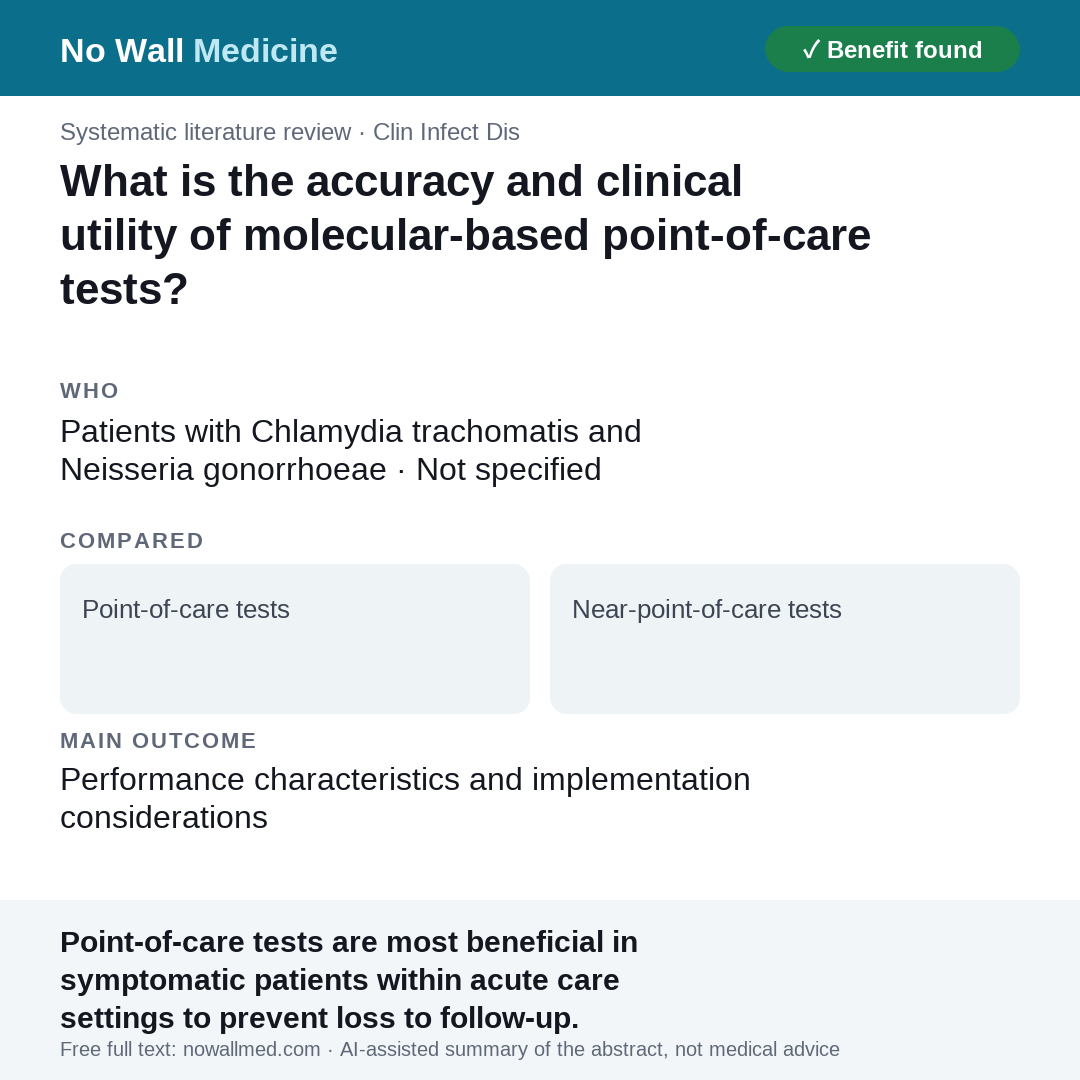
Point-of-care Tests for Chlamydia trachomatis and Neisseria gonorrhoeae: Review of the Literature
Systematic literature reviewBenefit found
What is the accuracy and clinical utility of molecular-based point-of-care tests?
Who
Patients with Chlamydia trachomatis and Neisseria gonorrhoeae · Not specified
Compared
Point-of-care tests
Near-point-of-care tests
Main outcome
Performance characteristics and implementation considerations
Bottom line: Point-of-care tests are most beneficial in symptomatic patients within acute care settings to prevent loss to follow-up.
Clin Infect Dis · 2026-02-24Download image
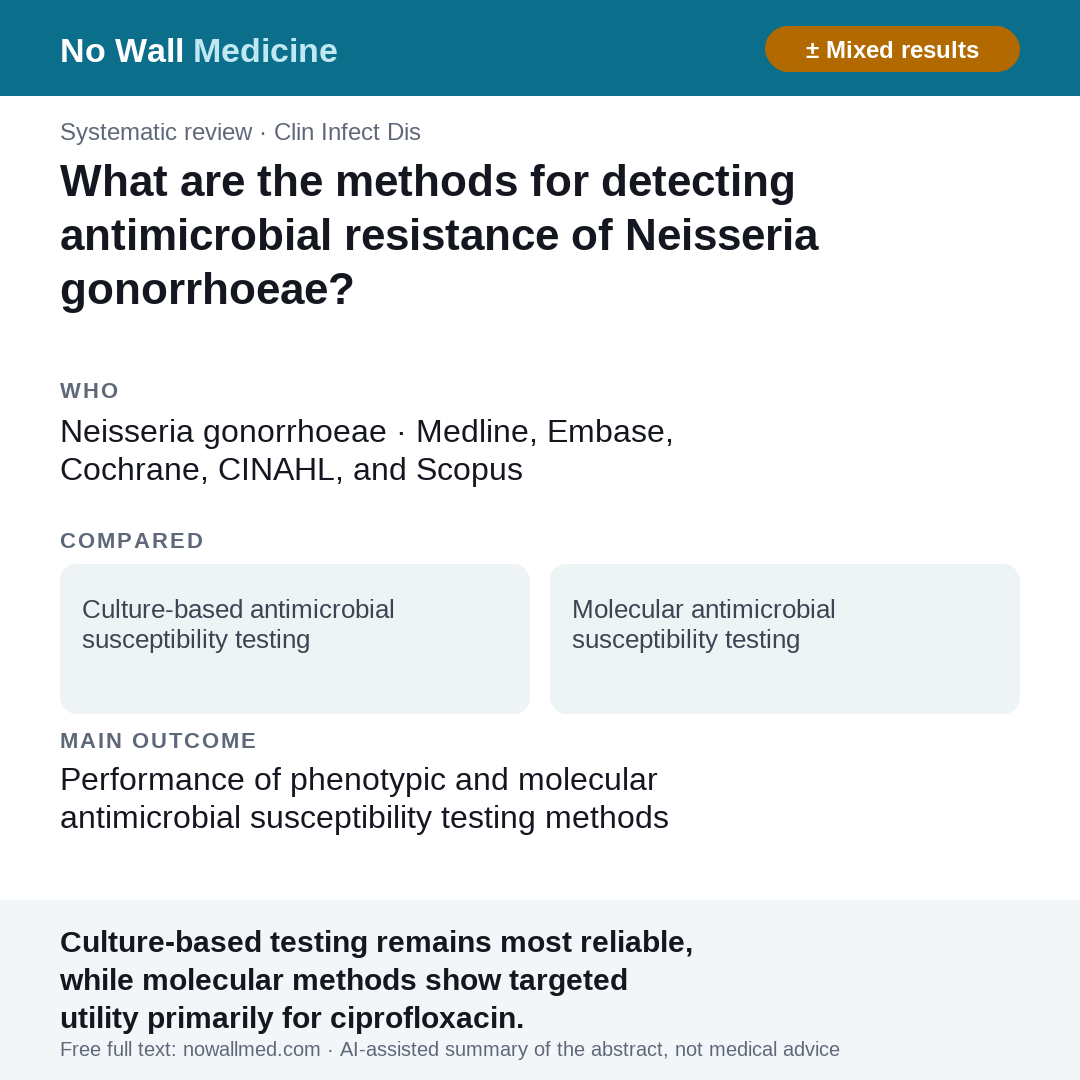
Review of Methods for Detecting Antimicrobial Resistance of Neisseria gonorrhoeae
Systematic reviewMixed results
What are the methods for detecting antimicrobial resistance of Neisseria gonorrhoeae?
Who
Neisseria gonorrhoeae · Medline, Embase, Cochrane, CINAHL, and Scopus
Compared
Culture-based antimicrobial susceptibility testing
Molecular antimicrobial susceptibility testing
Main outcome
Performance of phenotypic and molecular antimicrobial susceptibility testing methods
Bottom line: Culture-based testing remains most reliable, while molecular methods show targeted utility primarily for ciprofloxacin.
Limitation: Molecular predictive accuracy for other antibiotics is limited due to multigenic resistance mechanisms.
Clin Infect Dis · 2026-02-24Download image
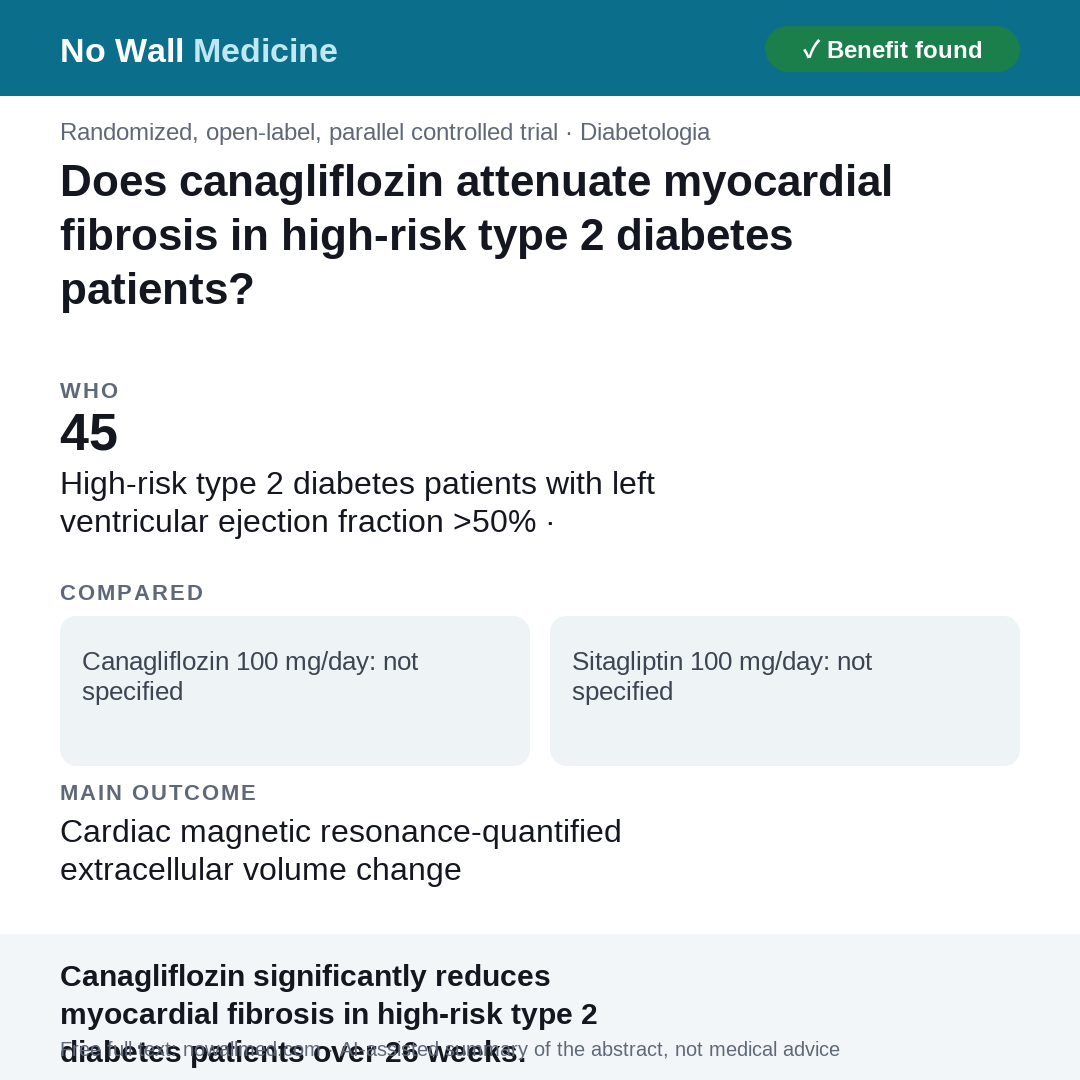
Canagliflozin attenuates CMR-quantified myocardial fibrosis in individuals with type 2 diabetes mellitus at high cardiovascular risk: a randomised open-label controlled trial
Randomized, open-label, parallel controlled trialBenefit found
Does canagliflozin attenuate myocardial fibrosis in high-risk type 2 diabetes patients?
Who
45
High-risk type 2 diabetes patients with left ventricular ejection fraction >50% · Endocrinology Outpatient Clinic of Zhongshan Hospital, China
Compared
Canagliflozin 100 mg/day: not specified
Sitagliptin 100 mg/day: not specified
Main outcome
Cardiac magnetic resonance-quantified extracellular volume change
Result: adjusted mean difference -3.67% (95% CI -5.33, -2.01)
Bottom line: Canagliflozin significantly reduces myocardial fibrosis in high-risk type 2 diabetes patients over 26 weeks.
Limitation: The study used an open-label design where participants and providers knew treatment assignments.
Funded by: National Key Research and Development programme and others
Diabetologia · 2026-02-24Download image
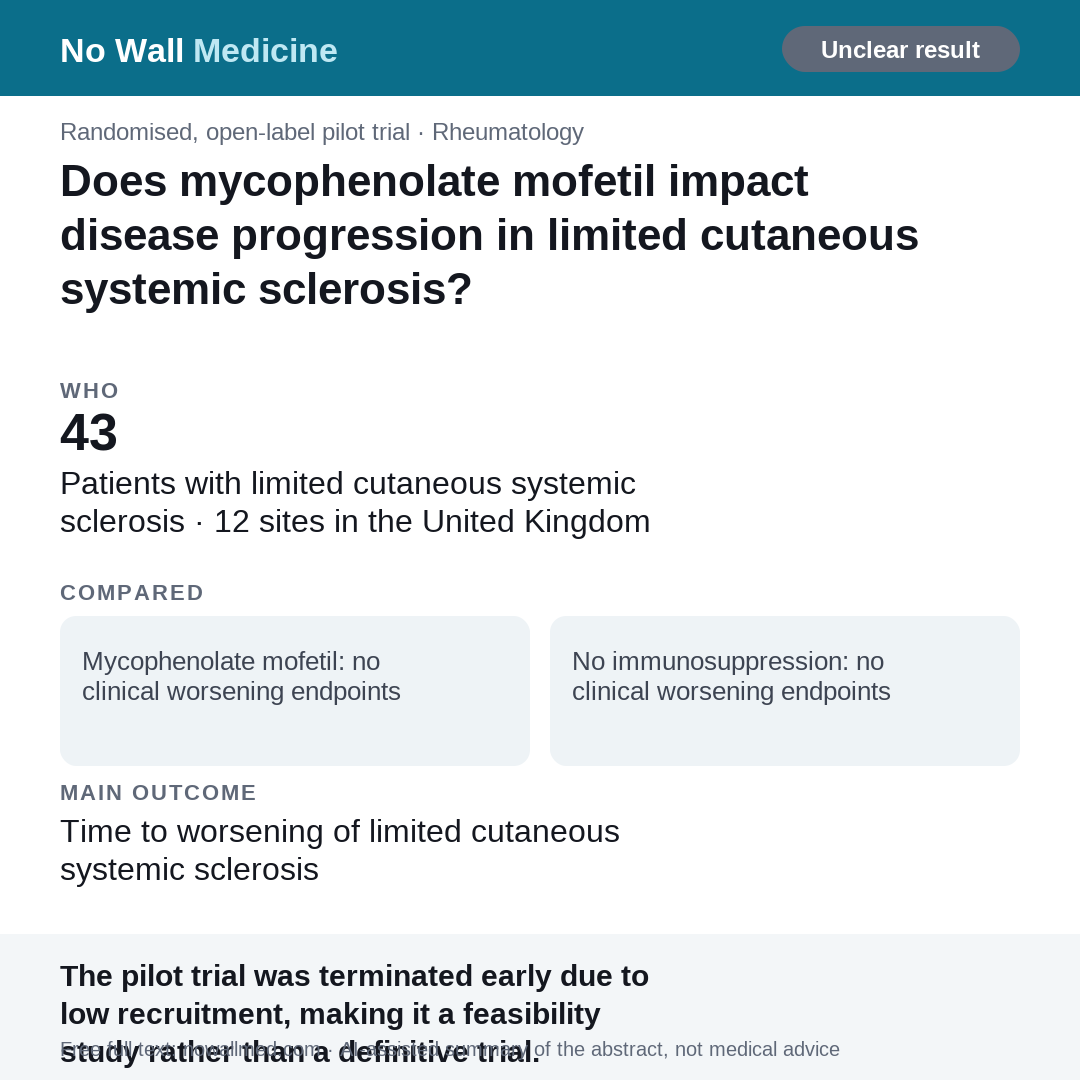
A randomised open-label pilot trial comparing mycophenolate mofetil with no immunosuppression in limited cutaneous systemic sclerosis (MINIMISE-Pilot)
Randomised, open-label pilot trialUnclear result
Does mycophenolate mofetil impact disease progression in limited cutaneous systemic sclerosis?
Who
43
Patients with limited cutaneous systemic sclerosis · 12 sites in the United Kingdom
Compared
Mycophenolate mofetil: no clinical worsening endpoints
No immunosuppression: no clinical worsening endpoints
Main outcome
Time to worsening of limited cutaneous systemic sclerosis
Bottom line: The pilot trial was terminated early due to low recruitment, making it a feasibility study rather than a definitive trial.
Limitation: The study was terminated early because recruitment was below the prespecified threshold.
Rheumatology · 2026-02-24Download image
Effectiveness of Virtual Reality for Pain Relief in Procedures Related to Obstetrics and Gynaecology: A Systematic Review and Meta-Analysis of Randomised Controlled Trials
Systematic review and meta-analysis of randomized controlled trialsBenefit found
Is immersive virtual reality effective for pain relief in obstetric and gynaecological procedures?
Who
5355
Women undergoing obstetric or gynaecological procedures
Compared
Virtual reality
Standard care
Main outcome
Pain perception and anxiety scores
Result: SMD -0.93 (95% CI -1.25 to -0.60) in labour
Bottom line: Immersive virtual reality effectively reduces pain and anxiety during obstetric and gynaecological procedures, especially during childbirth.
Limitation: High levels of heterogeneity and variability in procedural protocols.
BJOG · 2026-02-24Download image

Diagnosis and management of paediatric magnet ingestion: a systematic review of clinical practice guidelines
Systematic review of clinical practice guidelinesMixed results
What are the current clinical practice guidelines for diagnosing and managing paediatric magnet ingestion?
Who
Children who have ingested magnets
Compared
Asymptomatic single magnets: conservative management is recommended
Prepyloric asymptomatic multiple magnets: endoscopic removal is recommended
Symptomatic multiple magnets: surgery is recommended
Main outcome
Diagnosis and management recommendations for magnet ingestion
Bottom line: Guidelines show consensus on some management strategies but vary in others and rely on low-quality evidence.
Limitation: Existing guidelines are based on low-quality evidence or expert consensus.
Emerg Med J · 2026-02-24Download image

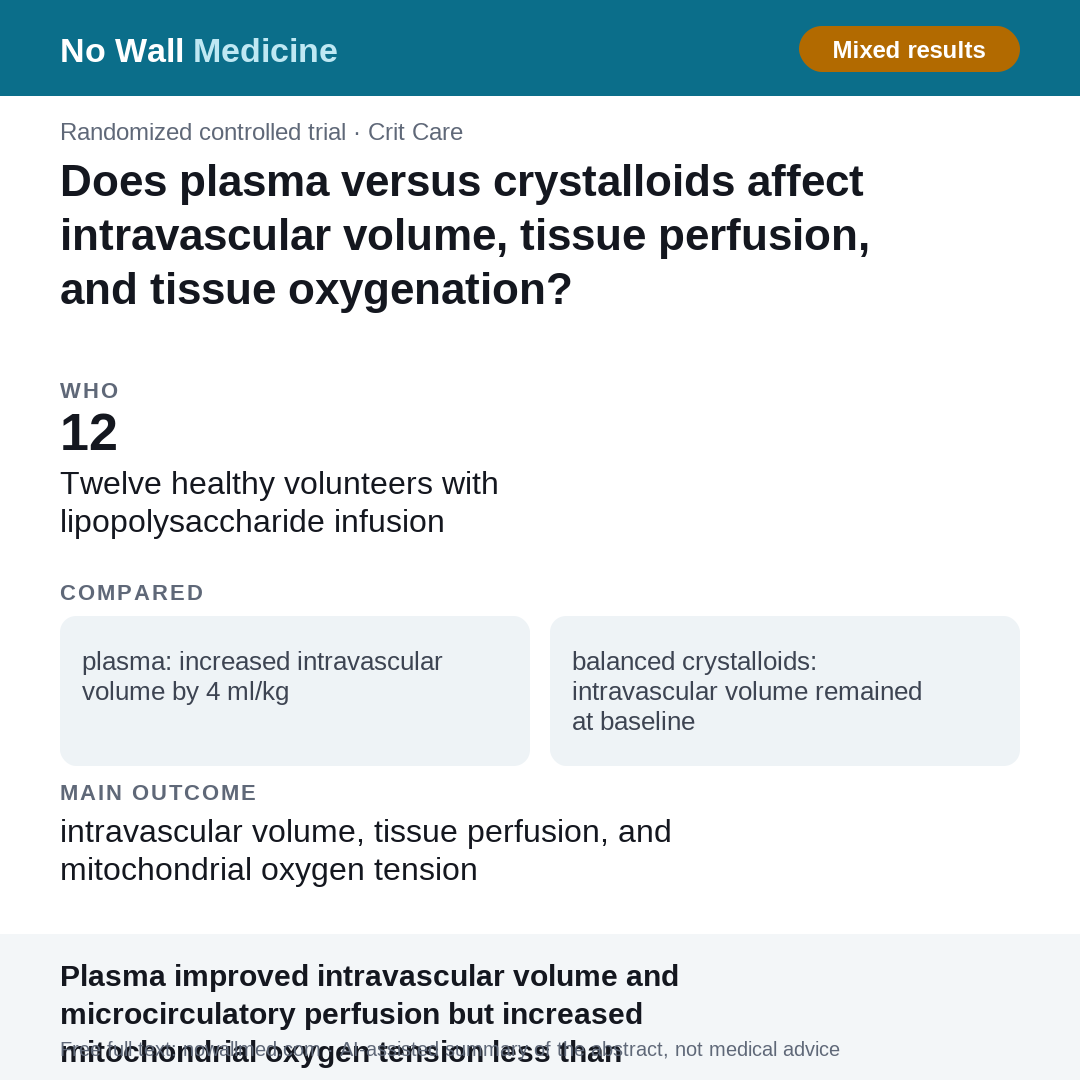
The effect of plasma versus crystalloids on intravascular volume, tissue perfusion and tissue oxygenation: a randomized controlled trial in a human endotoxemia model
Randomized controlled trialMixed results
Does plasma versus crystalloids affect intravascular volume, tissue perfusion, and tissue oxygenation?
Who
12
Twelve healthy volunteers with lipopolysaccharide infusion
Compared
plasma: increased intravascular volume by 4 ml/kg
balanced crystalloids: intravascular volume remained at baseline
Main outcome
intravascular volume, tissue perfusion, and mitochondrial oxygen tension
Bottom line: Plasma improved intravascular volume and microcirculatory perfusion but increased mitochondrial oxygen tension less than crystalloids.
Limitation: The study used a human endotoxemia model in healthy volunteers without shock.
Crit Care · 2026-02-24Download image
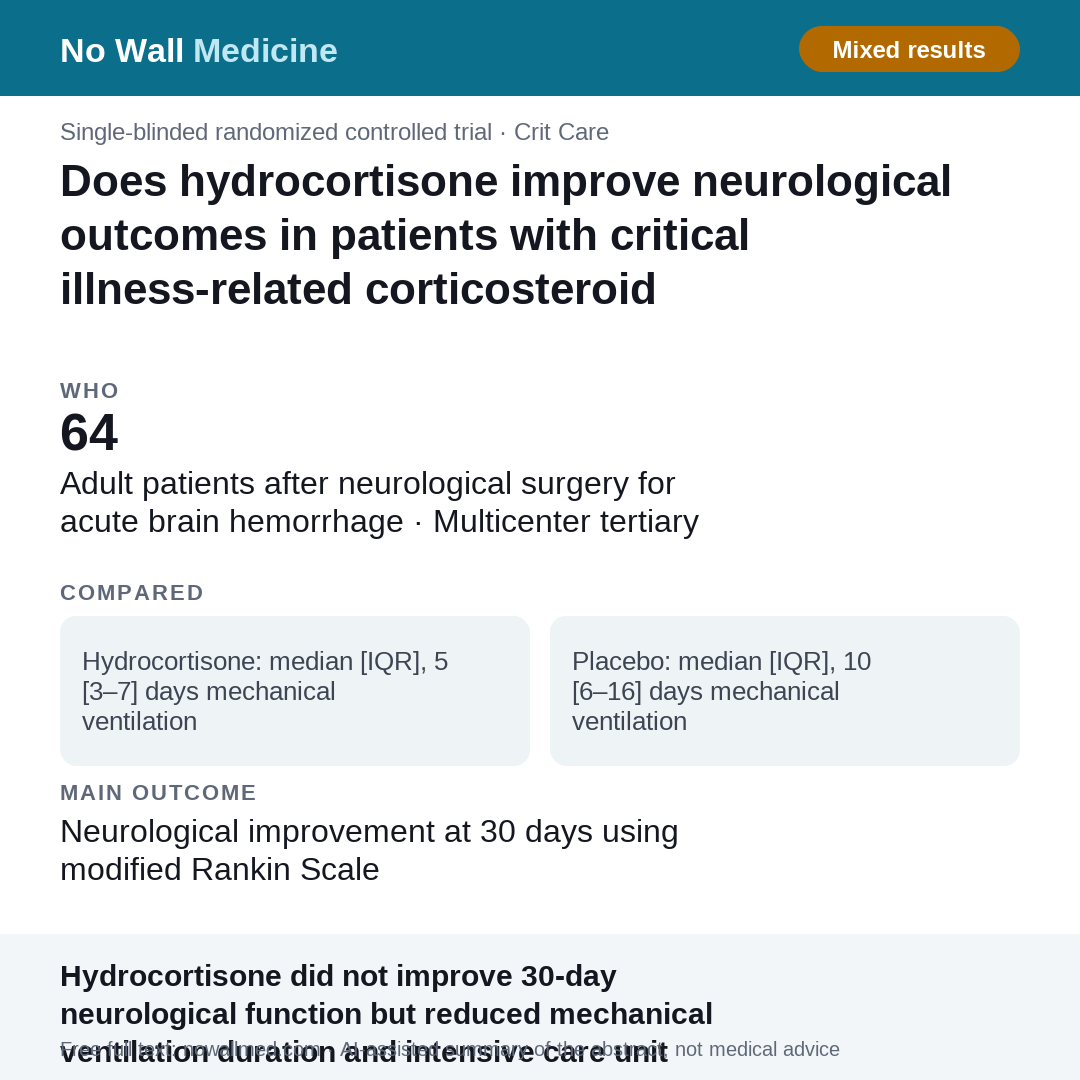
Critical illness-related corticosteroid insufficiency after acute brain hemorrhage surgery: a prospective cohort study with a randomized trial of hydrocortisone : HYdrocortisone theraPy in nEurocRitical illness; HYPER study
Single-blinded randomized controlled trialMixed results
Does hydrocortisone improve neurological outcomes in patients with critical illness-related corticosteroid insufficiency?
Who
64
Adult patients after neurological surgery for acute brain hemorrhage · Multicenter tertiary care hospitals
Compared
Hydrocortisone: median [IQR], 5 [3–7] days mechanical ventilation
Placebo: median [IQR], 10 [6–16] days mechanical ventilation
Main outcome
Neurological improvement at 30 days using modified Rankin Scale
Bottom line: Hydrocortisone did not improve 30-day neurological function but reduced mechanical ventilation duration and intensive care unit stay.
Crit Care · 2026-02-24Download image
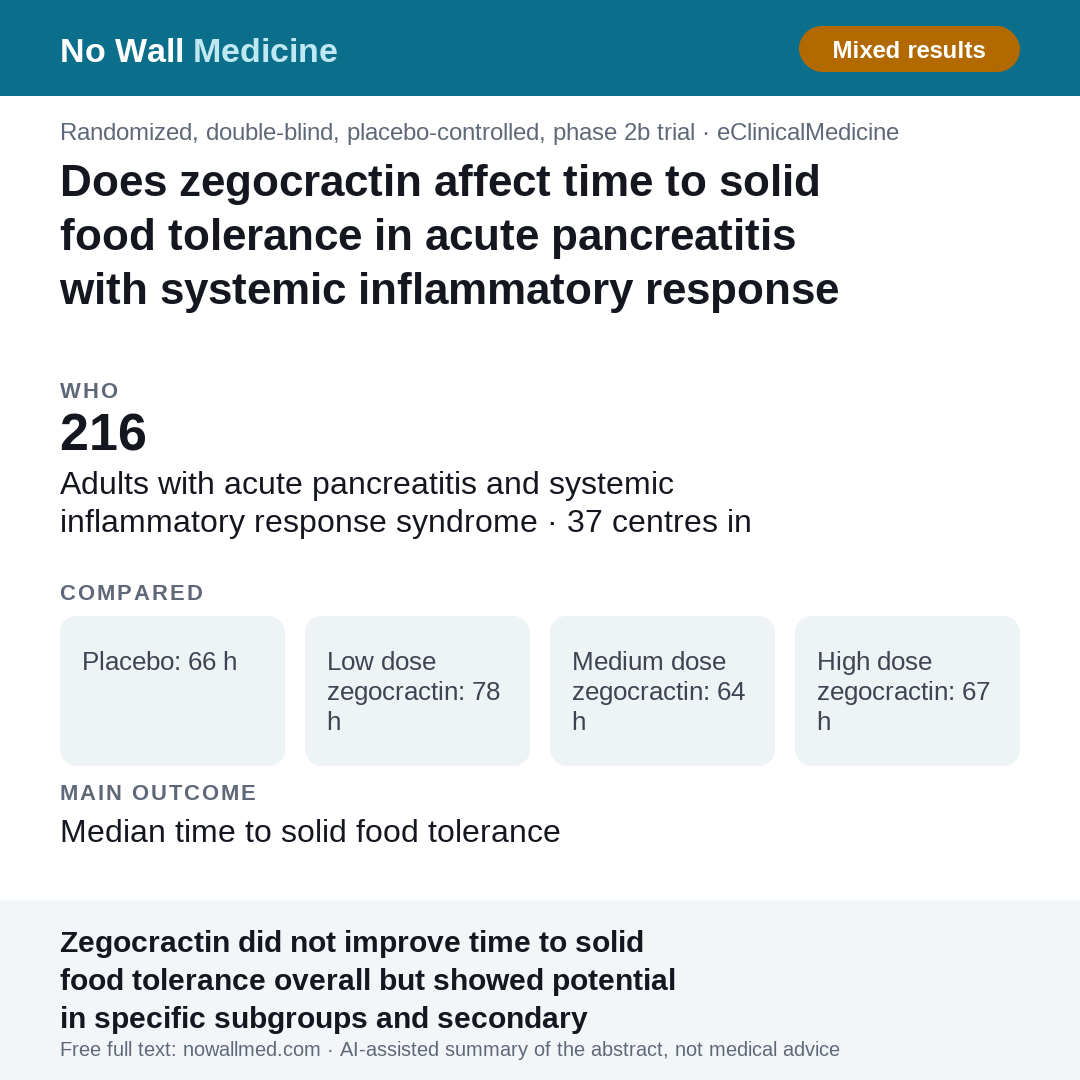
Zegocractin for acute pancreatitis with systemic inflammatory response syndrome: a randomized, controlled, dose-ranging, phase 2b trial
Randomized, double-blind, placebo-controlled, phase 2b trialMixed results
Does zegocractin affect time to solid food tolerance in acute pancreatitis with systemic inflammatory response syndrome?
Who
216
Adults with acute pancreatitis and systemic inflammatory response syndrome · 37 centres in the US and India
Compared
Placebo: 66 h
Low dose zegocractin: 78 h
Medium dose zegocractin: 64 h
High dose zegocractin: 67 h
Main outcome
Median time to solid food tolerance
Result: exploratory win ratio for high dose zegocractin compared to placebo 1.640 (95% CI 1.030-2.612)
Bottom line: Zegocractin did not improve time to solid food tolerance overall but showed potential in specific subgroups and secondary outcomes.
Funded by: CalciMedica
eClinicalMedicine · 2026-02-23Download image
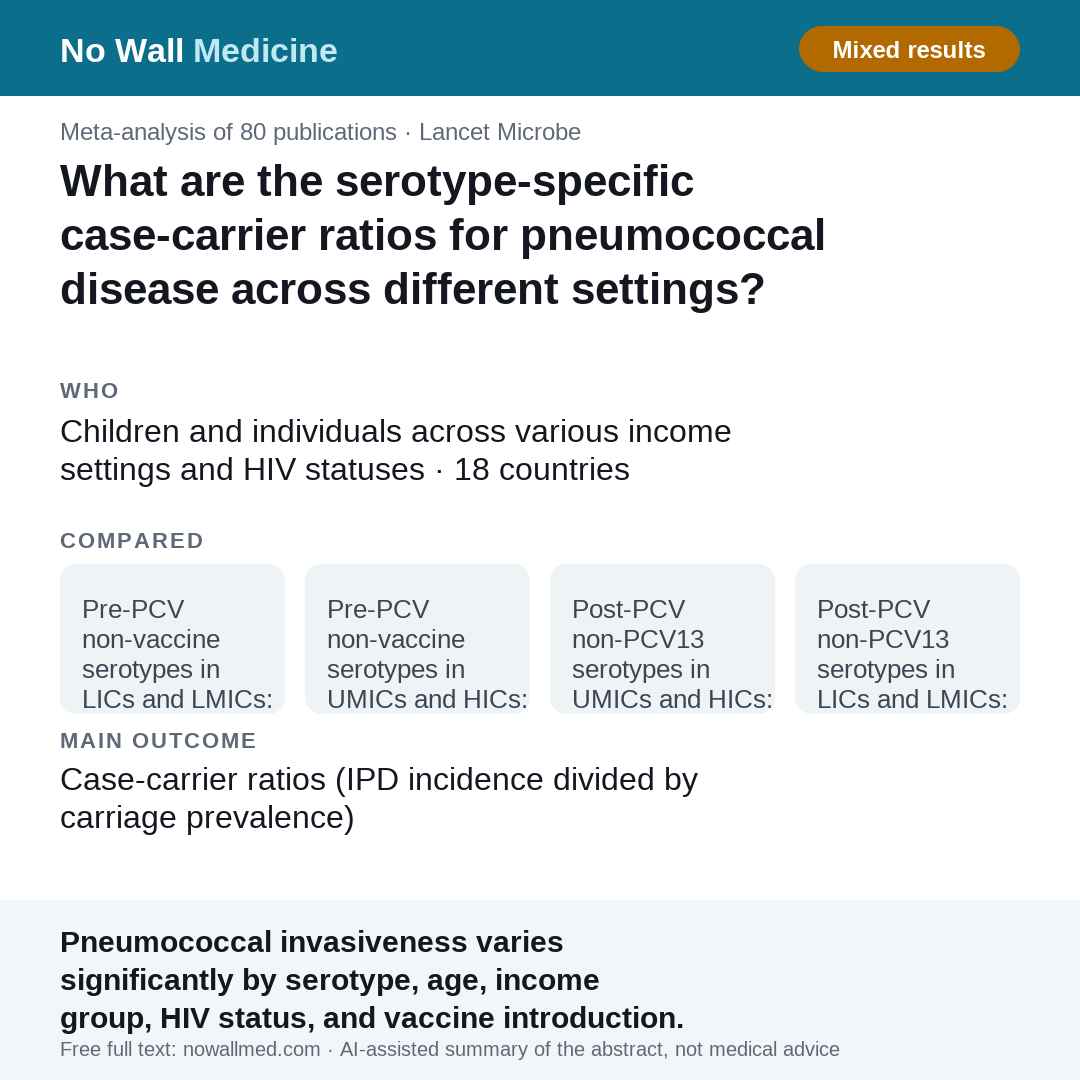
Serotype-specific pneumococcal invasiveness: a global meta-analysis of paired estimates of disease incidence and carriage prevalence
Meta-analysis of 80 publicationsMixed results
What are the serotype-specific case-carrier ratios for pneumococcal disease across different settings?
Who
Children and individuals across various income settings and HIV statuses · 18 countries
Compared
Pre-PCV non-vaccine serotypes in LICs and LMICs: 177 [95% CI 124-251]
Pre-PCV non-vaccine serotypes in UMICs and HICs: 103 [60-176]
Post-PCV non-PCV13 serotypes in UMICs and HICs: 26 [22-30]
Post-PCV non-PCV13 serotypes in LICs and LMICs: 173 [139-216]
Main outcome
Case-carrier ratios (IPD incidence divided by carriage prevalence)
Bottom line: Pneumococcal invasiveness varies significantly by serotype, age, income group, HIV status, and vaccine introduction.
Limitation: Substantial variation in pneumococcal invasiveness remains unexplained.
Funded by: Wellcome Trust
Lancet Microbe · 2026-02-23Download image
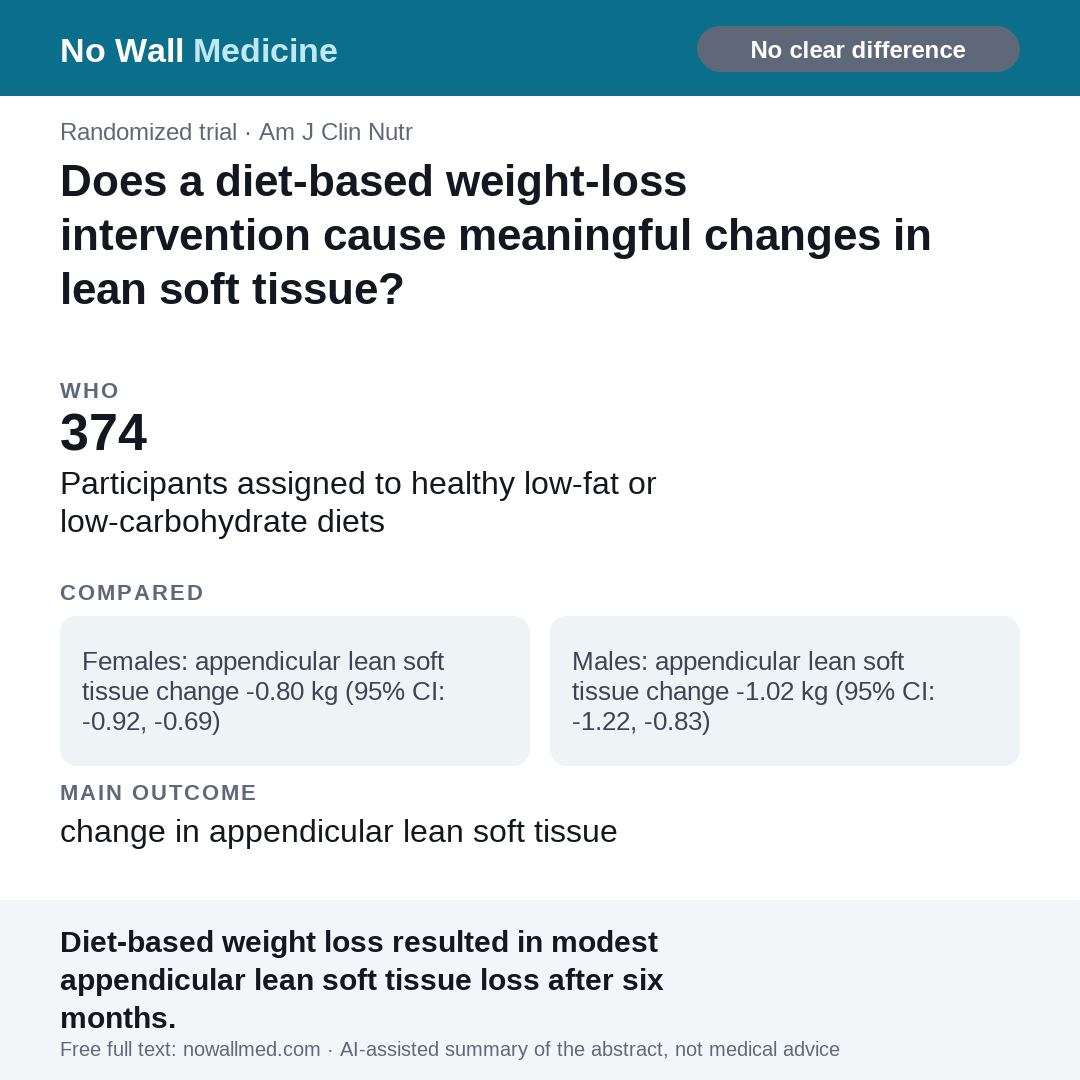
Diet-based weight-loss intervention is not associated with a meaningful change in lean soft tissue
Randomized trialNo clear difference
Does a diet-based weight-loss intervention cause meaningful changes in lean soft tissue?
Who
374
Participants assigned to healthy low-fat or low-carbohydrate diets
Compared
Females: appendicular lean soft tissue change -0.80 kg (95% CI: -0.92, -0.69)
Males: appendicular lean soft tissue change -1.02 kg (95% CI: -1.22, -0.83)
Main outcome
change in appendicular lean soft tissue
Bottom line: Diet-based weight loss resulted in modest appendicular lean soft tissue loss after six months.
Am J Clin Nutr · 2026-02-23Download image
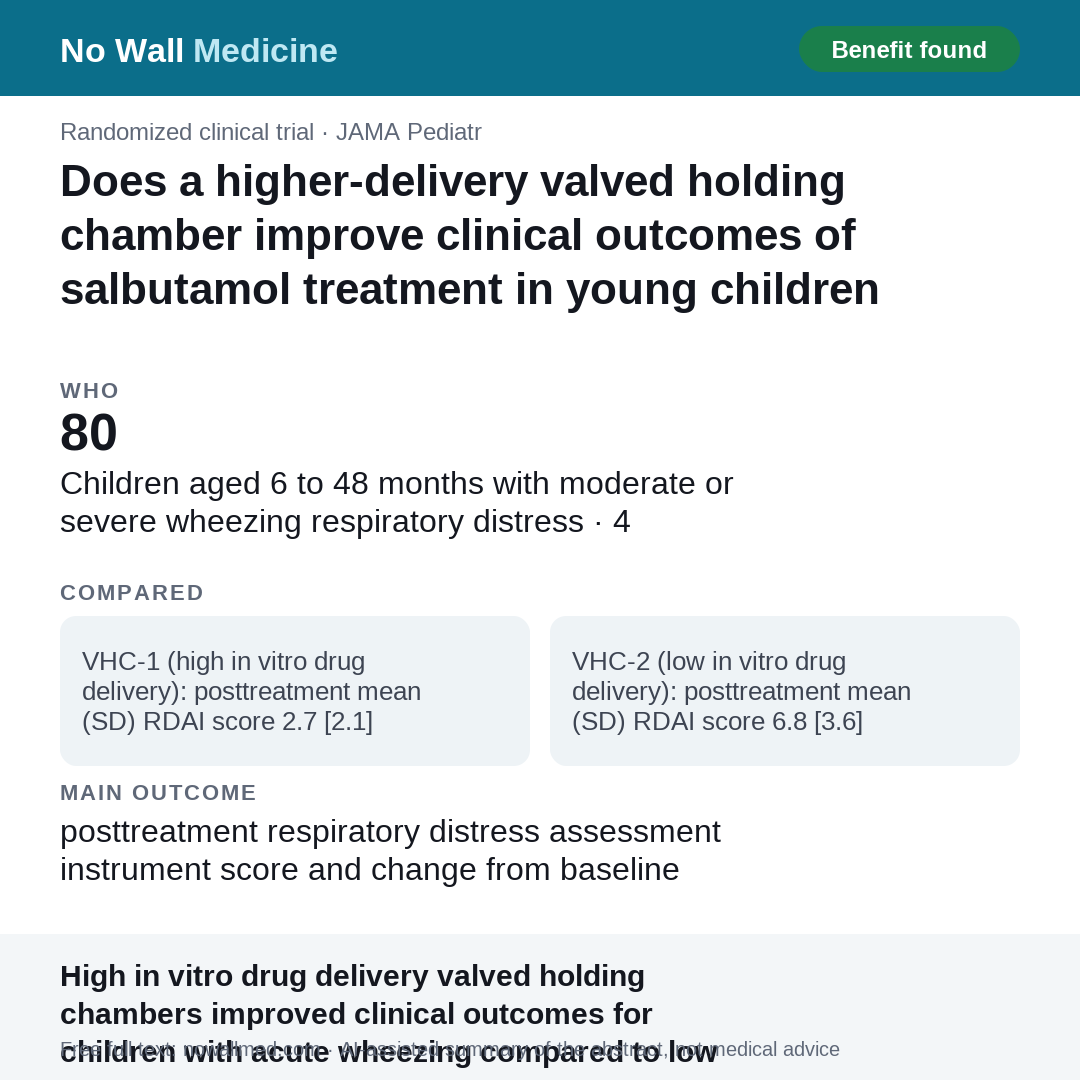
Valved Holding Chambers in Young Children With Acute Wheezing: A Randomized Clinical Trial
Randomized clinical trialBenefit found
Does a higher-delivery valved holding chamber improve clinical outcomes of salbutamol treatment in young children with acute wheezing?
Who
80
Children aged 6 to 48 months with moderate or severe wheezing respiratory distress · 4 pediatric emergency departments in Finland
Compared
VHC-1 (high in vitro drug delivery): posttreatment mean (SD) RDAI score 2.7 [2.1]
VHC-2 (low in vitro drug delivery): posttreatment mean (SD) RDAI score 6.8 [3.6]
Main outcome
posttreatment respiratory distress assessment instrument score and change from baseline
Result: mean difference -4.1 (95% CI, -5.4 to -2.7)
Bottom line: High in vitro drug delivery valved holding chambers improved clinical outcomes for children with acute wheezing compared to low delivery chambers.
JAMA Pediatr · 2026-02-23Download image
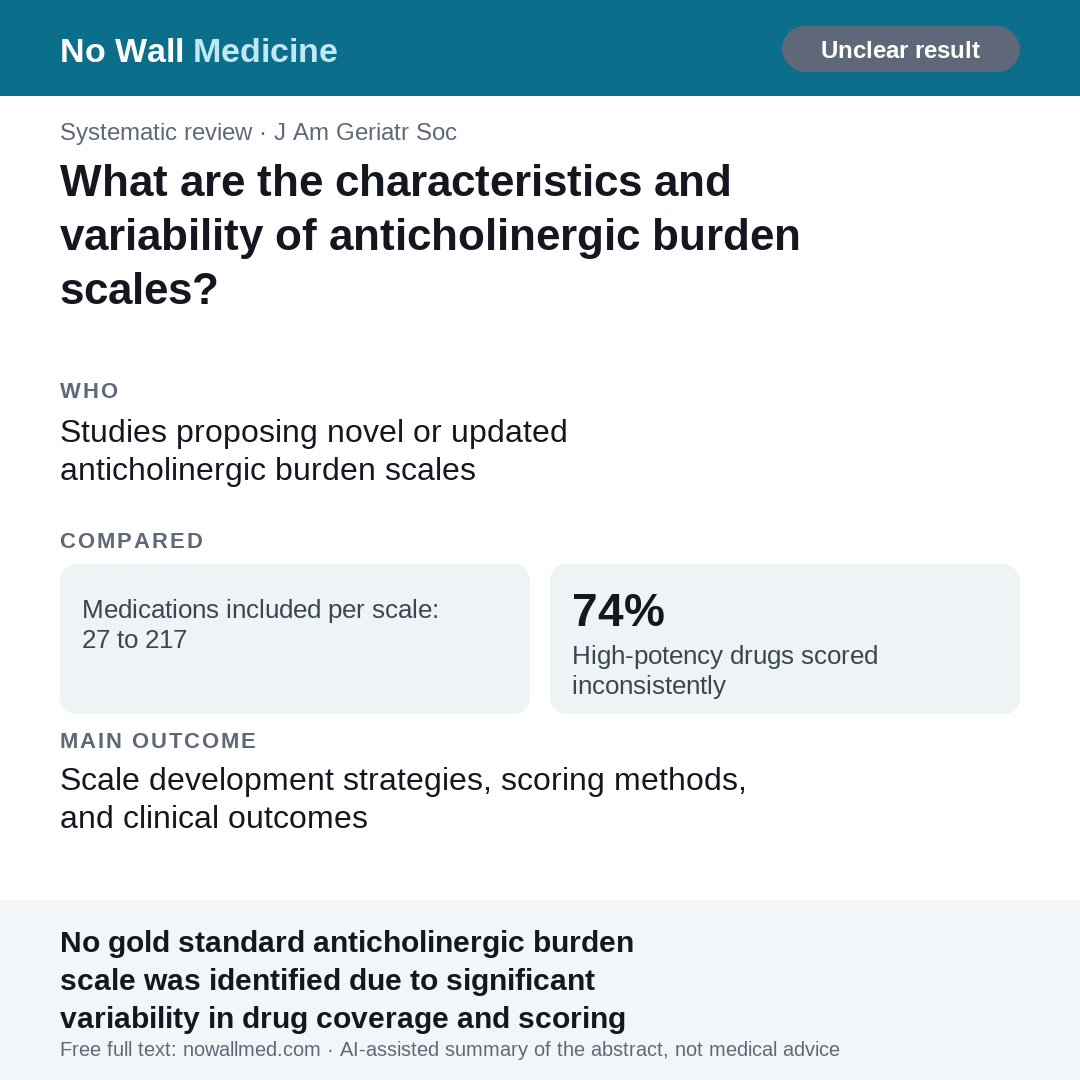
Anticholinergic Medication Burden Scales: A Systematic Review
Systematic reviewUnclear result
What are the characteristics and variability of anticholinergic burden scales?
Who
Studies proposing novel or updated anticholinergic burden scales
Compared
Medications included per scale: 27 to 217
74%High-potency drugs scored inconsistently
Main outcome
Scale development strategies, scoring methods, and clinical outcomes
Bottom line: No gold standard anticholinergic burden scale was identified due to significant variability in drug coverage and scoring methods.
J Am Geriatr Soc · 2026-02-23Download image
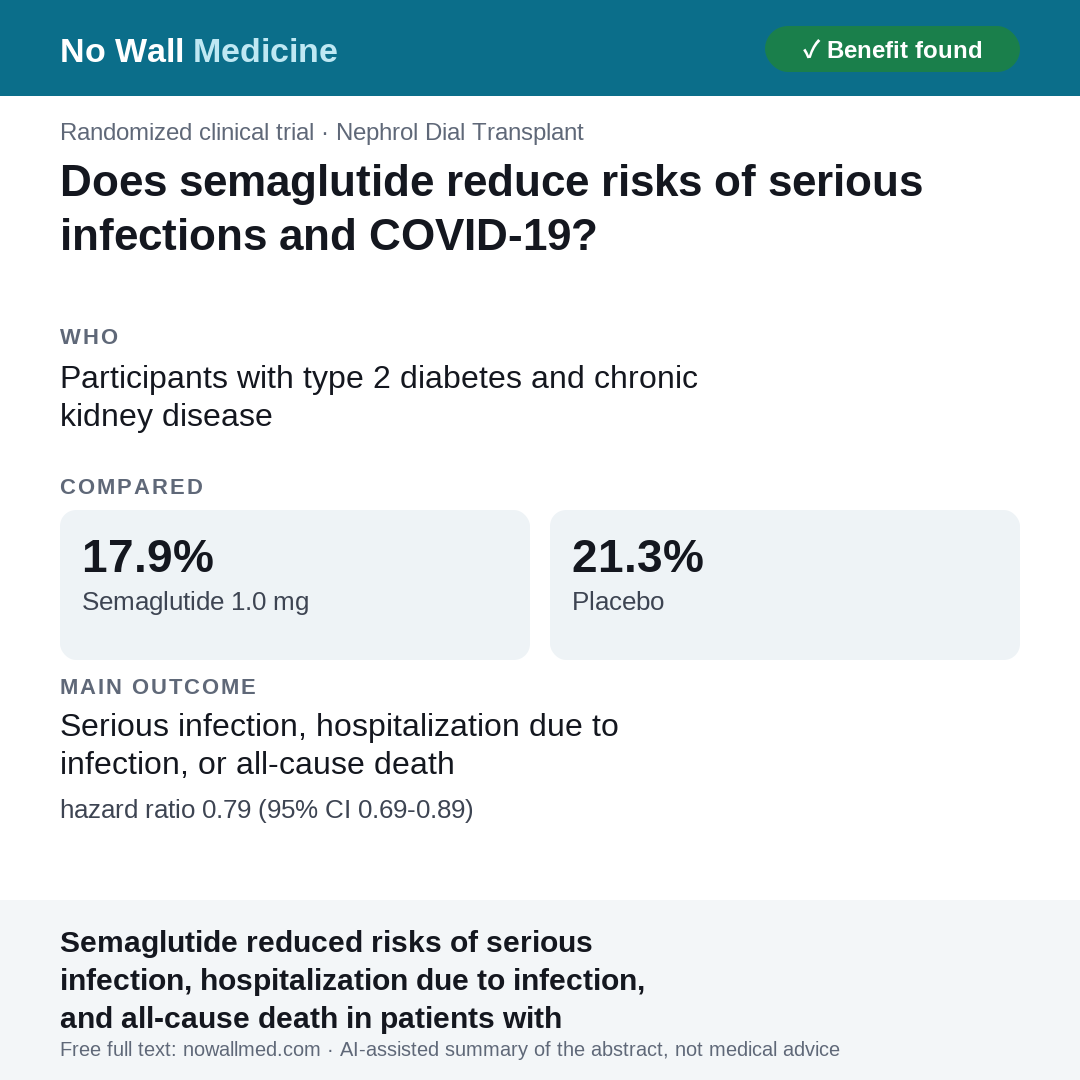
Effect of semaglutide on COVID-19 and other infections: an analysis from the FLOW randomized clinical trial
Randomized clinical trialBenefit found
Does semaglutide reduce risks of serious infections and COVID-19?
Who
Participants with type 2 diabetes and chronic kidney disease
Compared
17.9%Semaglutide 1.0 mg
21.3%Placebo
Main outcome
Serious infection, hospitalization due to infection, or all-cause death
Result: hazard ratio 0.79 (95% CI 0.69-0.89)
Bottom line: Semaglutide reduced risks of serious infection, hospitalization due to infection, and all-cause death in patients with diabetes and kidney disease.
Nephrol Dial Transplant · 2026-02-23Download image
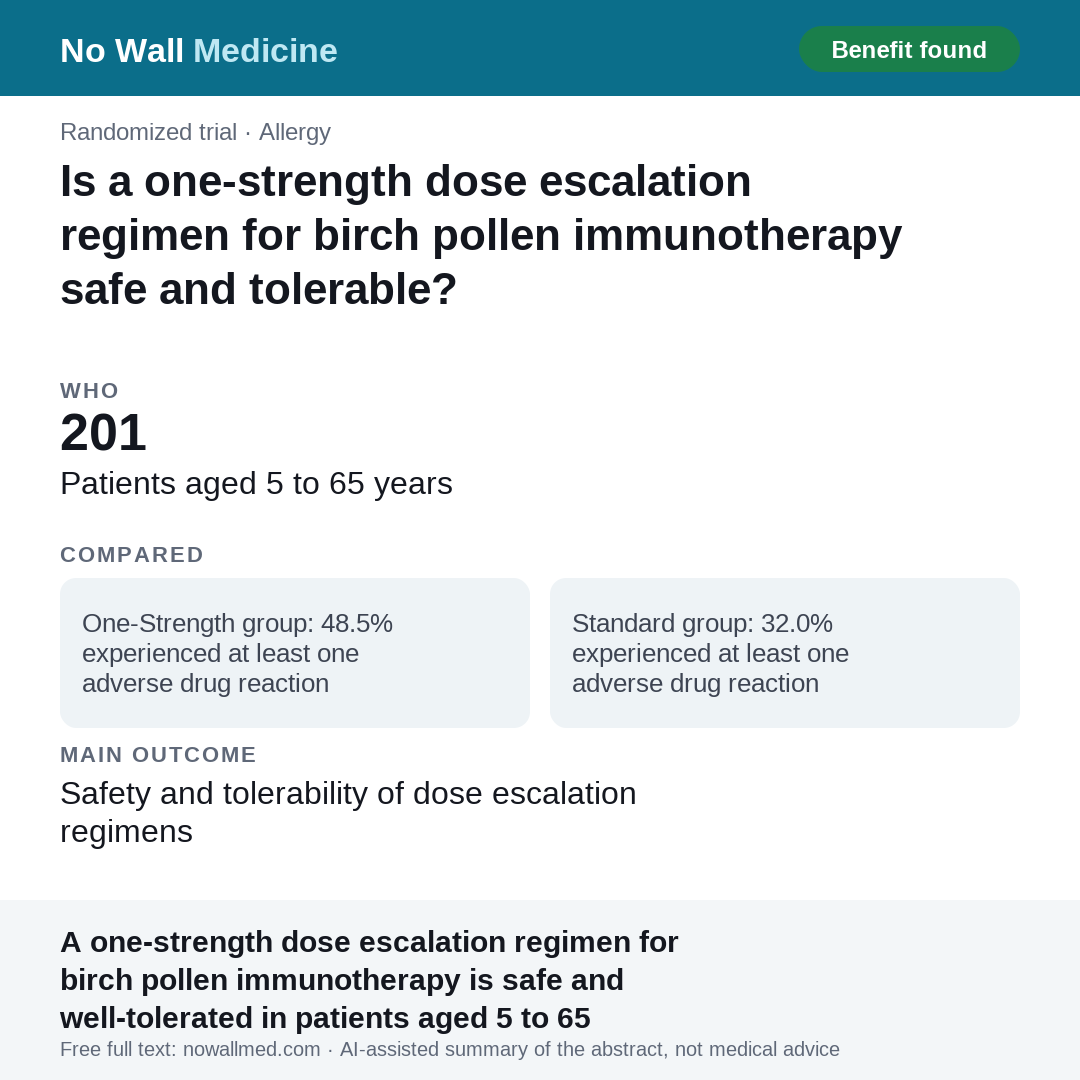
A One-Strength Dose Escalation Regimen for Birch Pollen Subcutaneous Immunotherapy Is Safe and Tolerable in Children, Adolescents, and Adults
Randomized trialBenefit found
Is a one-strength dose escalation regimen for birch pollen immunotherapy safe and tolerable?
Who
201
Patients aged 5 to 65 years
Compared
One-Strength group: 48.5% experienced at least one adverse drug reaction
Standard group: 32.0% experienced at least one adverse drug reaction
Main outcome
Safety and tolerability of dose escalation regimens
Bottom line: A one-strength dose escalation regimen for birch pollen immunotherapy is safe and well-tolerated in patients aged 5 to 65 years.
Allergy · 2026-02-23Download image
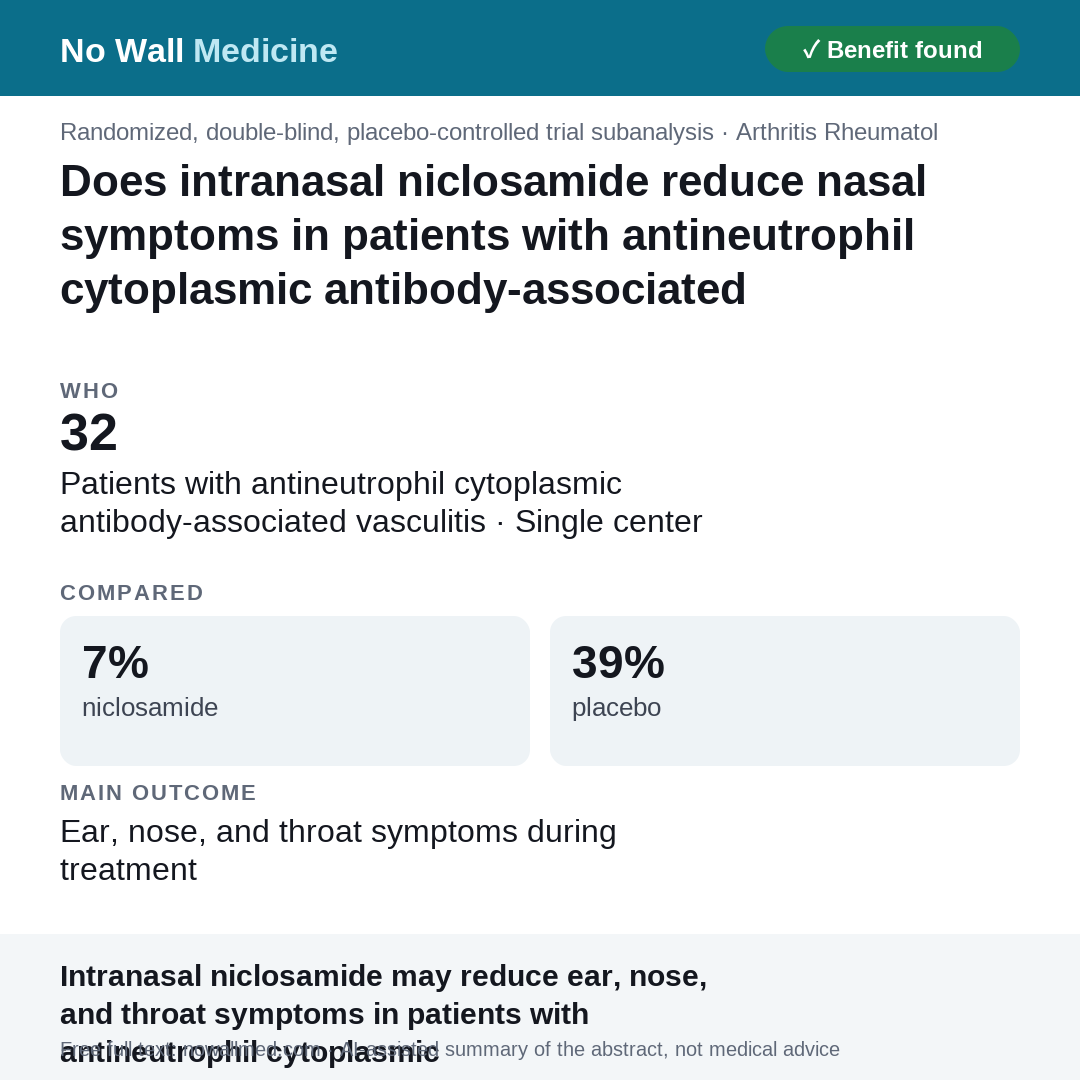
The Effect of Intranasal Niclosamide on Nasal Symptoms in Patients with Antineutrophil Cytoplasmic Antibody-Associated Vasculitis
Randomized, double-blind, placebo-controlled trial subanalysisBenefit found
Does intranasal niclosamide reduce nasal symptoms in patients with antineutrophil cytoplasmic antibody-associated vasculitis?
Who
32
Patients with antineutrophil cytoplasmic antibody-associated vasculitis · Single center
Compared
7%niclosamide (1 of 14)
39%placebo (7 of 18)
Main outcome
Ear, nose, and throat symptoms during treatment
Result: P = 0.04
Bottom line: Intranasal niclosamide may reduce ear, nose, and throat symptoms in patients with antineutrophil cytoplasmic antibody-associated vasculitis.
Arthritis Rheumatol · 2026-02-23Download image
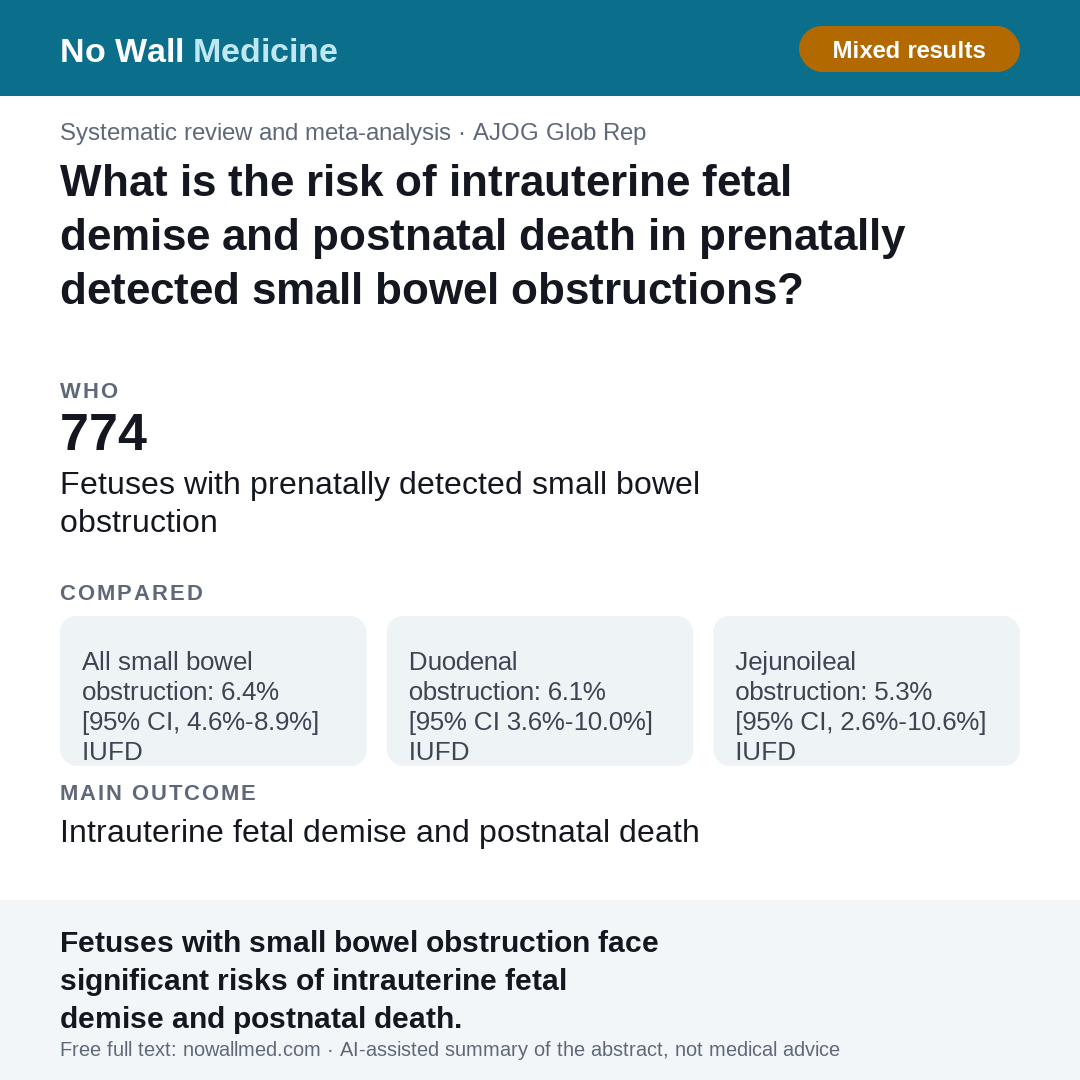
Mortality in prenatally detected congenital small bowel obstructions: systematic review and meta-analysis
Systematic review and meta-analysisMixed results
What is the risk of intrauterine fetal demise and postnatal death in prenatally detected small bowel obstructions?
Who
774
Fetuses with prenatally detected small bowel obstruction
Compared
All small bowel obstruction: 6.4% [95% CI, 4.6%-8.9%] IUFD
Duodenal obstruction: 6.1% [95% CI 3.6%-10.0%] IUFD
Jejunoileal obstruction: 5.3% [95% CI, 2.6%-10.6%] IUFD
Main outcome
Intrauterine fetal demise and postnatal death
Result: 6.4% [95% CI, 4.6%-8.9%] IUFD
Bottom line: Fetuses with small bowel obstruction face significant risks of intrauterine fetal demise and postnatal death.
AJOG Glob Rep · 2026-02-23Download image
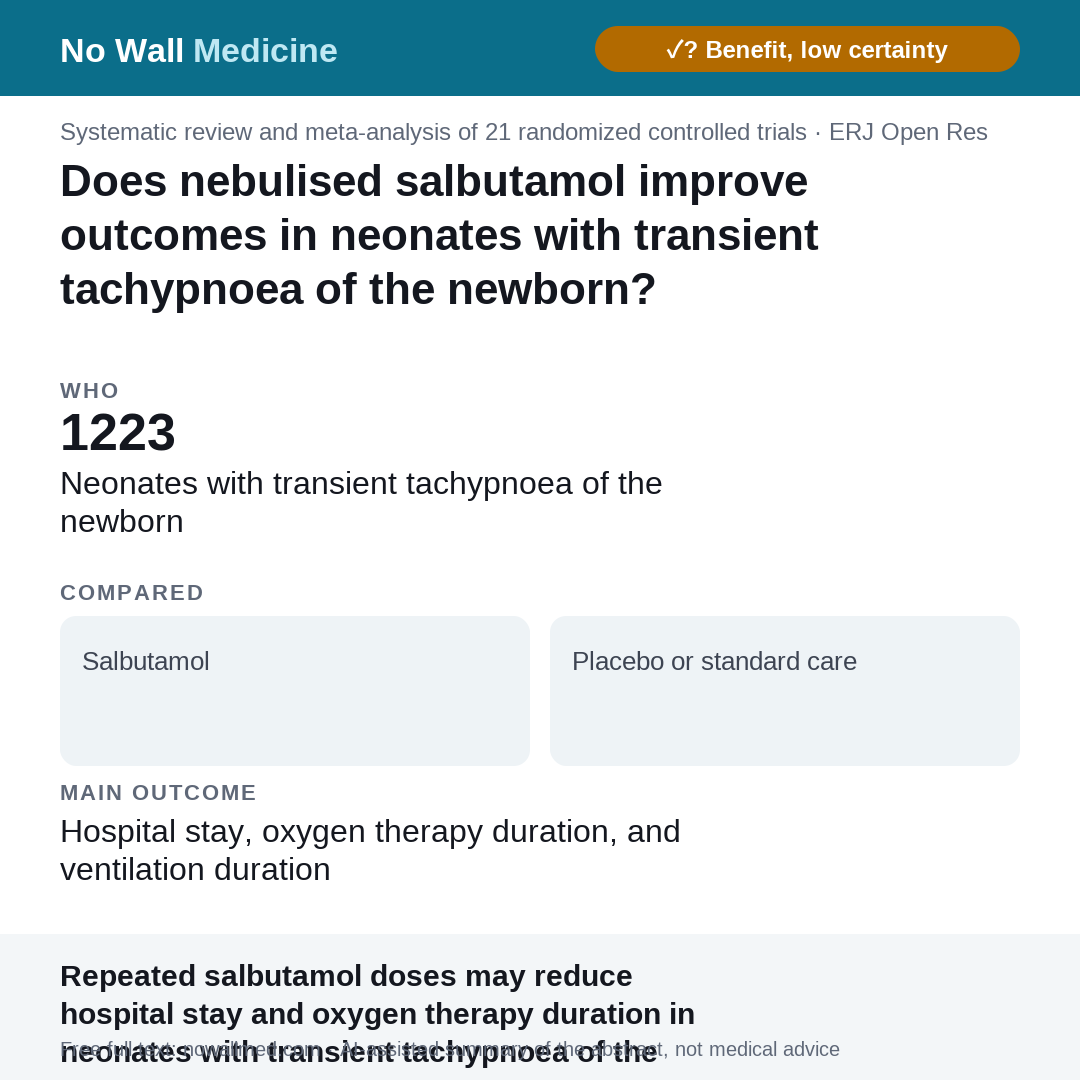
Effects of salbutamol in transient tachypnoea of the newborn: a systematic review and meta-analysis
Systematic review and meta-analysis of 21 randomized controlled trialsBenefit found
Does nebulised salbutamol improve outcomes in neonates with transient tachypnoea of the newborn?
Who
1223
Neonates with transient tachypnoea of the newborn
Compared
Salbutamol
Placebo or standard care
Main outcome
Hospital stay, oxygen therapy duration, and ventilation duration
Result: mean difference -2.3 days (95% CI -3.2 to -1.4 days)
Bottom line: Repeated salbutamol doses may reduce hospital stay and oxygen therapy duration in neonates with transient tachypnoea of the newborn.
Limitation: Low certainty of evidence for most outcomes and need for high-quality trials.
ERJ Open Res · 2026-02-23Download image
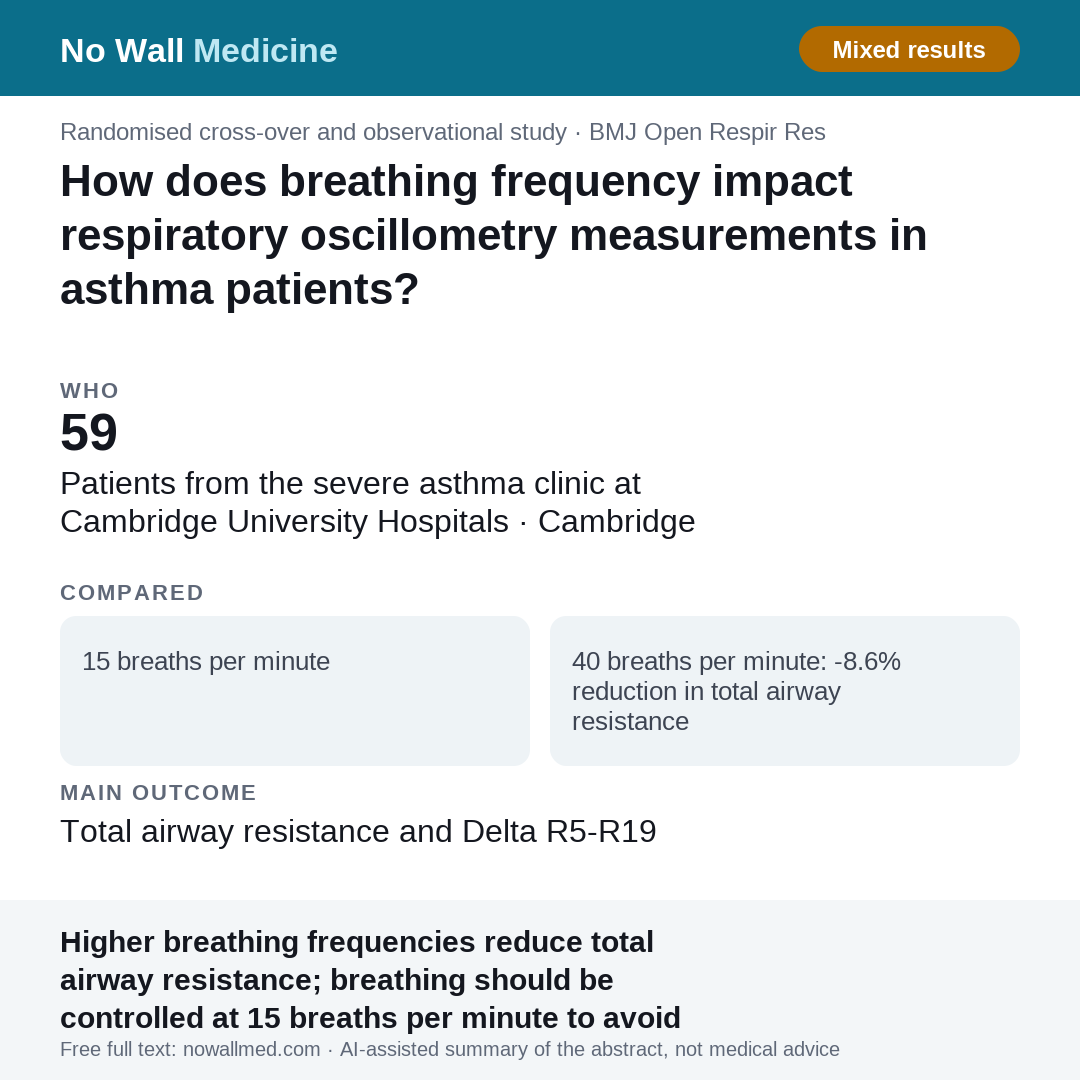
Impact of breathing frequency on respiratory oscillometry measurements: a randomised cross-over and observational study of asthma patients
Randomised cross-over and observational studyMixed results
How does breathing frequency impact respiratory oscillometry measurements in asthma patients?
Who
59
Patients from the severe asthma clinic at Cambridge University Hospitals · Cambridge University Hospitals
Compared
15 breaths per minute
40 breaths per minute: -8.6% reduction in total airway resistance
Main outcome
Total airway resistance and Delta R5-R19
Bottom line: Higher breathing frequencies reduce total airway resistance; breathing should be controlled at 15 breaths per minute to avoid misclassification.
BMJ Open Respir Res · 2026-02-23Download image