Visual abstracts
New randomized trials and meta-analyses from leading journals at a glance: who was studied, what was compared, and what was found. Every paper is free to read in full.
All specialtiesCardiology 4877Oncology 4138Gastroenterology & Hepatology 1942Infectious Disease 3837Neurology 1905Psychiatry & Mental Health 2273Pulmonology 2143Critical Care 1365Endocrinology & Diabetes 2580Pediatrics 2980Surgery 2559Orthopedics & Sports Medicine 931Neurosurgery 537Cardiothoracic & Vascular Surgery 674Plastic & Reconstructive Surgery 591Nephrology 1133Rheumatology 823Hematology 1109Dermatology 621Ophthalmology 543Obstetrics & Gynecology 1686Public & Global Health 1058Radiology & Imaging 648Anesthesiology 986Urology 764ENT (Otolaryngology) 503Emergency Medicine 511Allergy & Immunology 313Geriatrics 981Family Medicine & Primary Care 562Medical Genetics & Genomics 676Pathology & Laboratory Medicine 159Physical Medicine & Rehabilitation 757Palliative Care 444Nutrition 1588Digital Health & AI 2201General Medicine 321
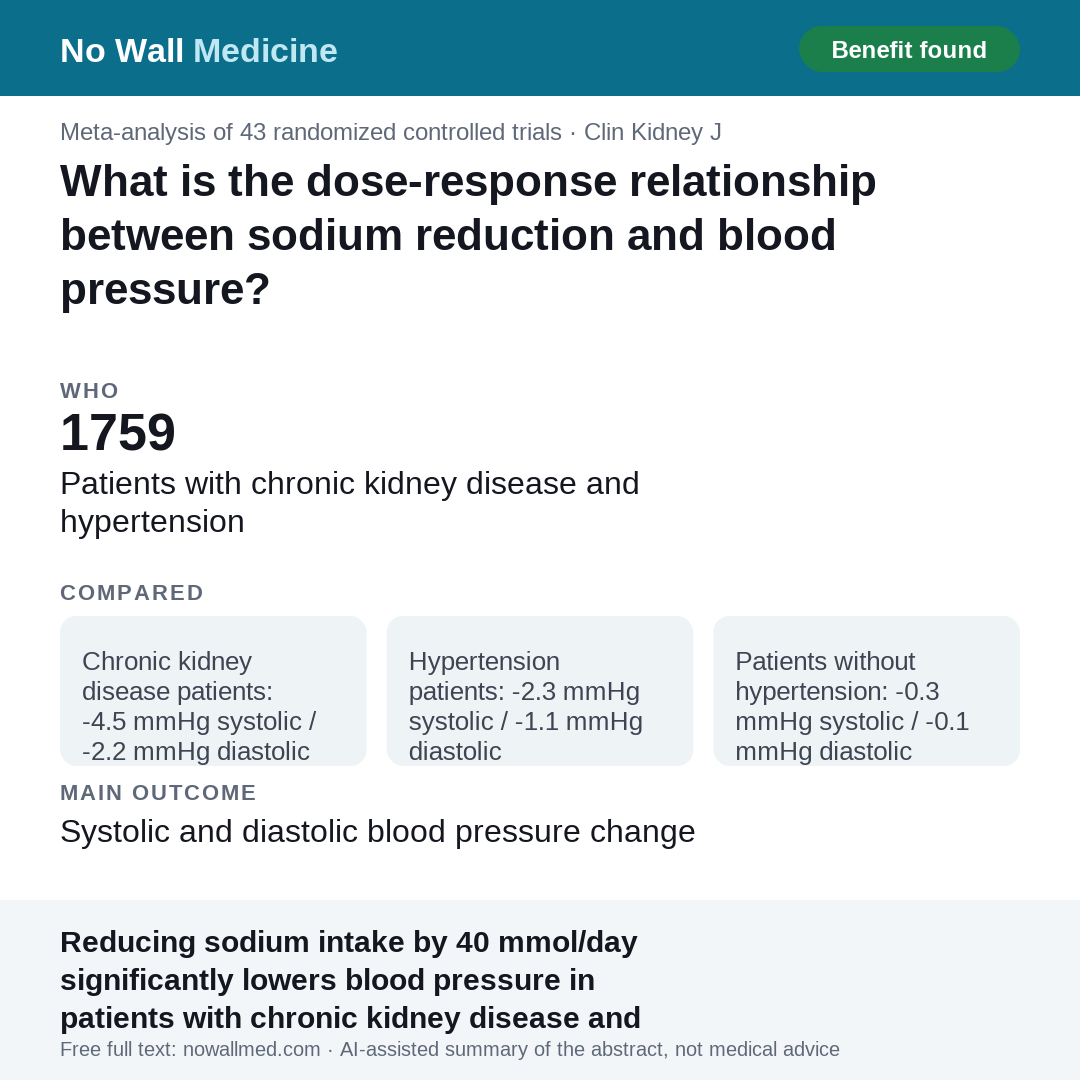
Dietary sodium reduction and blood pressure: a dose-response meta-analysis in hypertensive and chronic kidney disease patients
Meta-analysis of 43 randomized controlled trialsBenefit found
What is the dose-response relationship between sodium reduction and blood pressure?
Who
1759
Patients with chronic kidney disease and hypertension
Compared
Chronic kidney disease patients: -4.5 mmHg systolic / -2.2 mmHg diastolic
Hypertension patients: -2.3 mmHg systolic / -1.1 mmHg diastolic
Patients without hypertension: -0.3 mmHg systolic / -0.1 mmHg diastolic
Main outcome
Systolic and diastolic blood pressure change
Bottom line: Reducing sodium intake by 40 mmol/day significantly lowers blood pressure in patients with chronic kidney disease and hypertension.
Clin Kidney J · 2025-11-17Download image
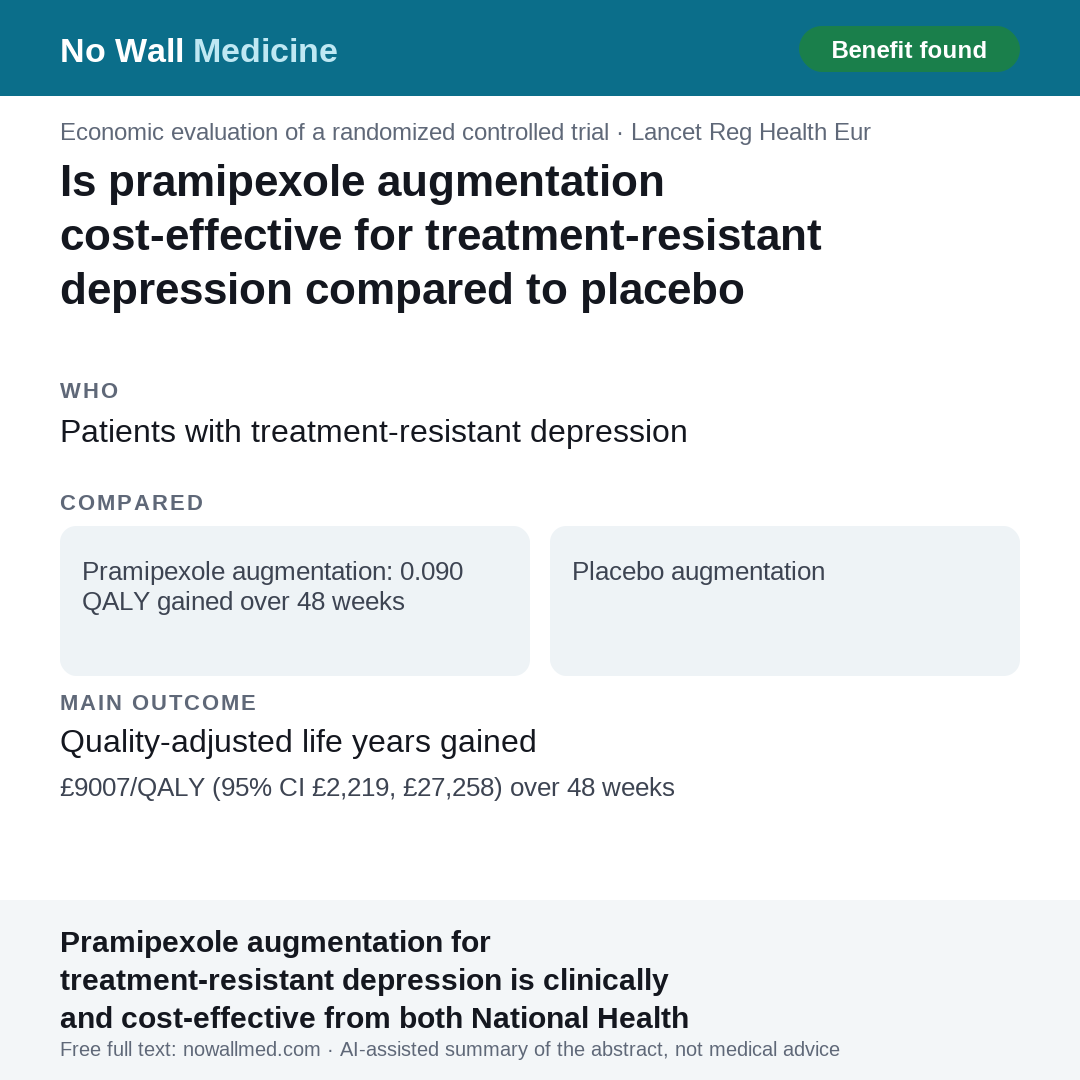
Cost-effectiveness of pramipexole augmentation for acute phase and maintenance therapy of treatment-resistant depression compared to placebo augmentation: economic evaluation of the PAX-D randomised controlled trial
Economic evaluation of a randomized controlled trialBenefit found
Is pramipexole augmentation cost-effective for treatment-resistant depression compared to placebo augmentation?
Who
Patients with treatment-resistant depression
Compared
Pramipexole augmentation: 0.090 QALY gained over 48 weeks
Placebo augmentation
Main outcome
Quality-adjusted life years gained
Result: £9007/QALY (95% CI £2,219, £27,258) over 48 weeks
Bottom line: Pramipexole augmentation for treatment-resistant depression is clinically and cost-effective from both National Health Service and societal perspectives.
Funded by: National Institute for Health and Care Research
Lancet Reg Health Eur · 2025-11-17Download image
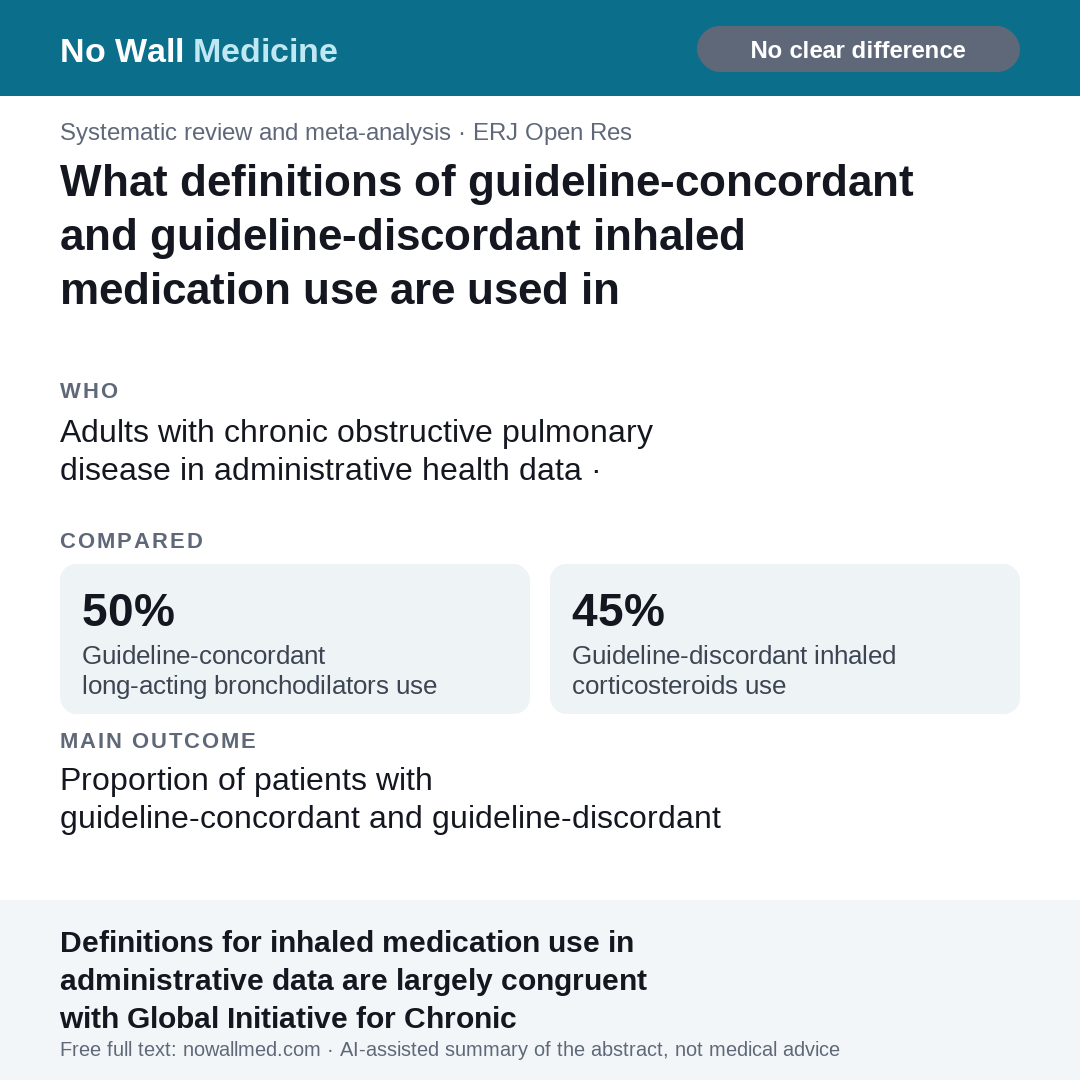
Guideline-concordant inhaled medication use in COPD: a systematic review of definitions used in administrative health data
Systematic review and meta-analysisNo clear difference
What definitions of guideline-concordant and guideline-discordant inhaled medication use are used in administrative health data?
Who
Adults with chronic obstructive pulmonary disease in administrative health data · MEDLINE and Embase databases
Compared
50%Guideline-concordant long-acting bronchodilators use
45%Guideline-discordant inhaled corticosteroids use
Main outcome
Proportion of patients with guideline-concordant and guideline-discordant medication use
Bottom line: Definitions for inhaled medication use in administrative data are largely congruent with Global Initiative for Chronic Obstructive Lung Disease recommendations.
ERJ Open Res · 2025-11-17Download image
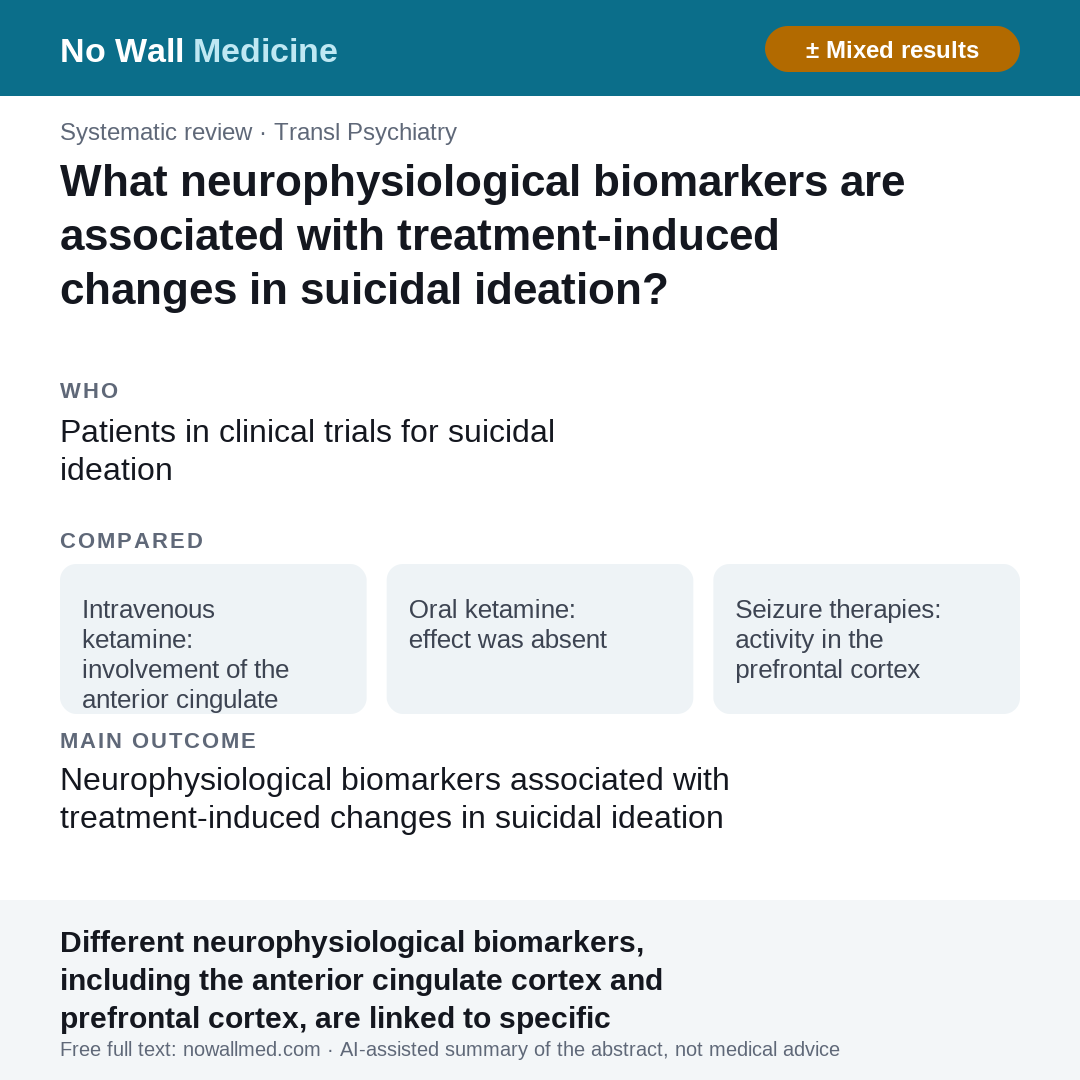
Neurophysiological biomarkers of treatment response in suicidal ideation: a systematic review
Systematic reviewMixed results
What neurophysiological biomarkers are associated with treatment-induced changes in suicidal ideation?
Who
Patients in clinical trials for suicidal ideation
Compared
Intravenous ketamine: involvement of the anterior cingulate cortex
Oral ketamine: effect was absent
Seizure therapies: activity in the prefrontal cortex
Main outcome
Neurophysiological biomarkers associated with treatment-induced changes in suicidal ideation
Bottom line: Different neurophysiological biomarkers, including the anterior cingulate cortex and prefrontal cortex, are linked to specific suicidal ideation treatments.
Limitation: Methodological heterogeneity, non-randomized designs, concurrent interventions, and unvalidated assessments of suicidal ideation.
Transl Psychiatry · 2025-11-17Download image
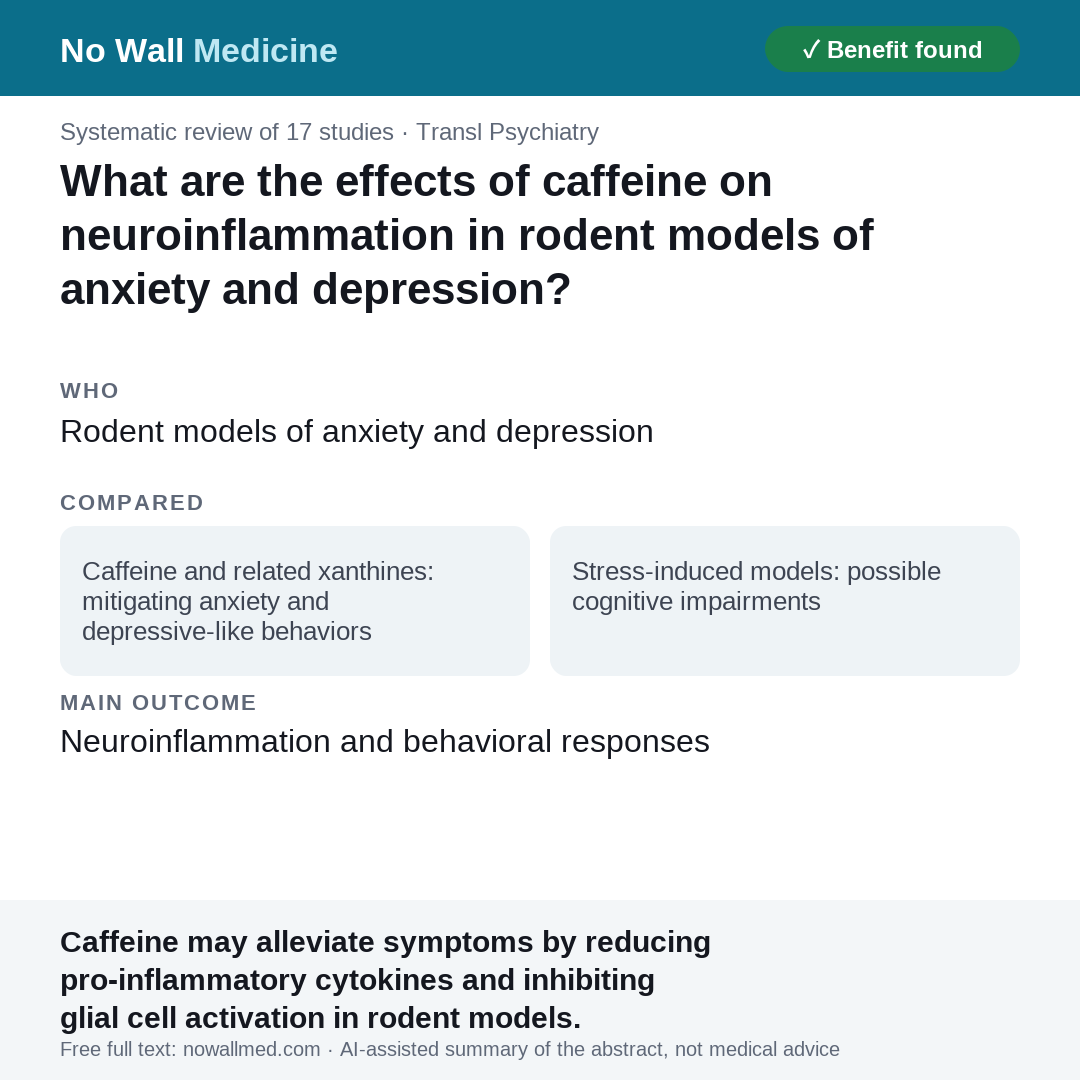
Effects of caffeine on neuroinflammation in anxiety and depression: a systematic review of rodent studies
Systematic review of 17 studiesBenefit found
What are the effects of caffeine on neuroinflammation in rodent models of anxiety and depression?
Who
Rodent models of anxiety and depression
Compared
Caffeine and related xanthines: mitigating anxiety and depressive-like behaviors
Stress-induced models: possible cognitive impairments
Main outcome
Neuroinflammation and behavioral responses
Bottom line: Caffeine may alleviate symptoms by reducing pro-inflammatory cytokines and inhibiting glial cell activation in rodent models.
Limitation: Doses and routes of caffeine administration were highly variable among eligible studies.
Transl Psychiatry · 2025-11-17Download image
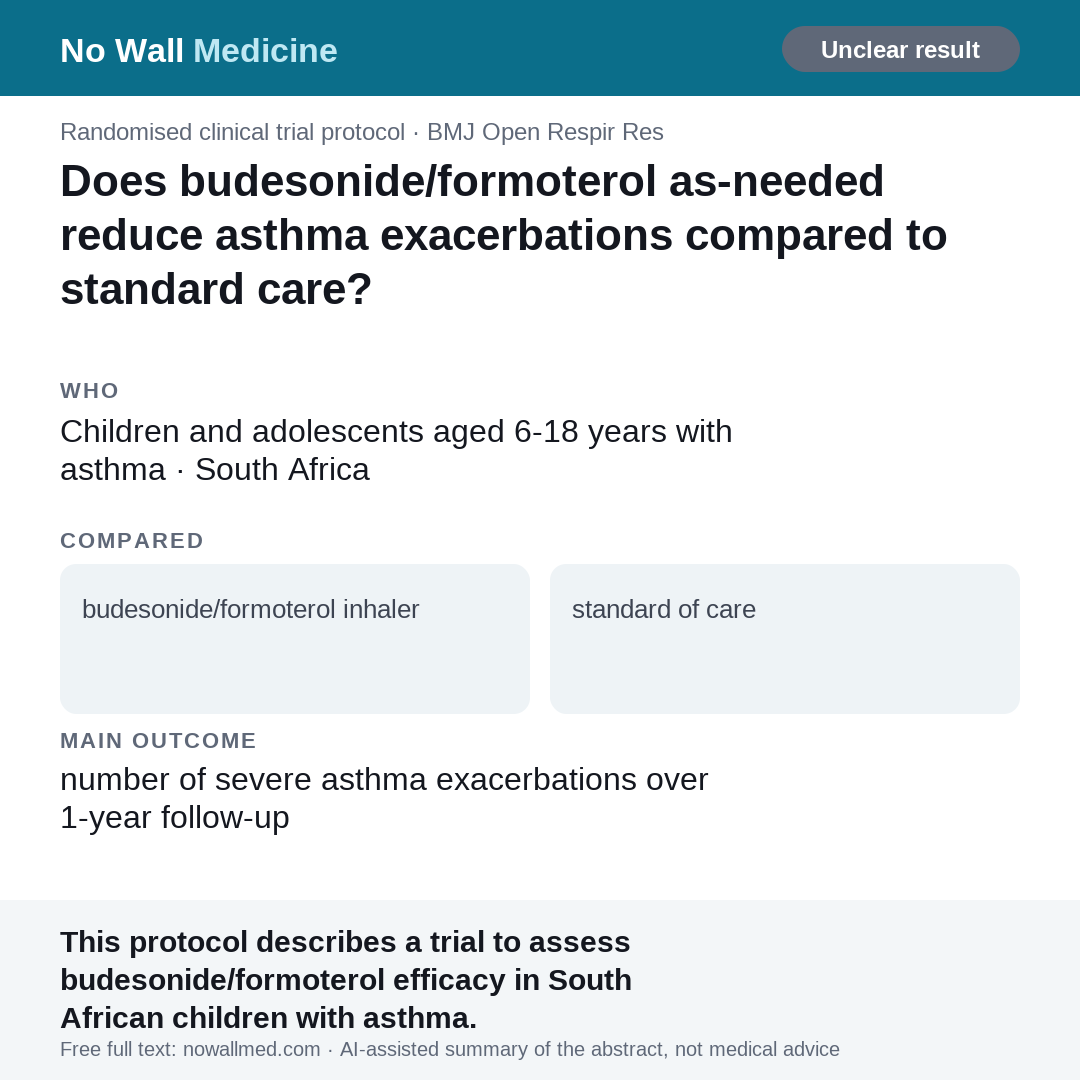
Anti-inflammatory reliever therapy for asthma using inhaled budesonide/formoterol as-needed with or without maintenance in South African children (AIR-SA 001): a description of a randomised clinical trial protocol
Randomised clinical trial protocolUnclear result
Does budesonide/formoterol as-needed reduce asthma exacerbations compared to standard care?
Who
Children and adolescents aged 6-18 years with asthma · South Africa
Compared
budesonide/formoterol inhaler
standard of care
Main outcome
number of severe asthma exacerbations over 1-year follow-up
Bottom line: This protocol describes a trial to assess budesonide/formoterol efficacy in South African children with asthma.
BMJ Open Respir Res · 2025-11-17Download image
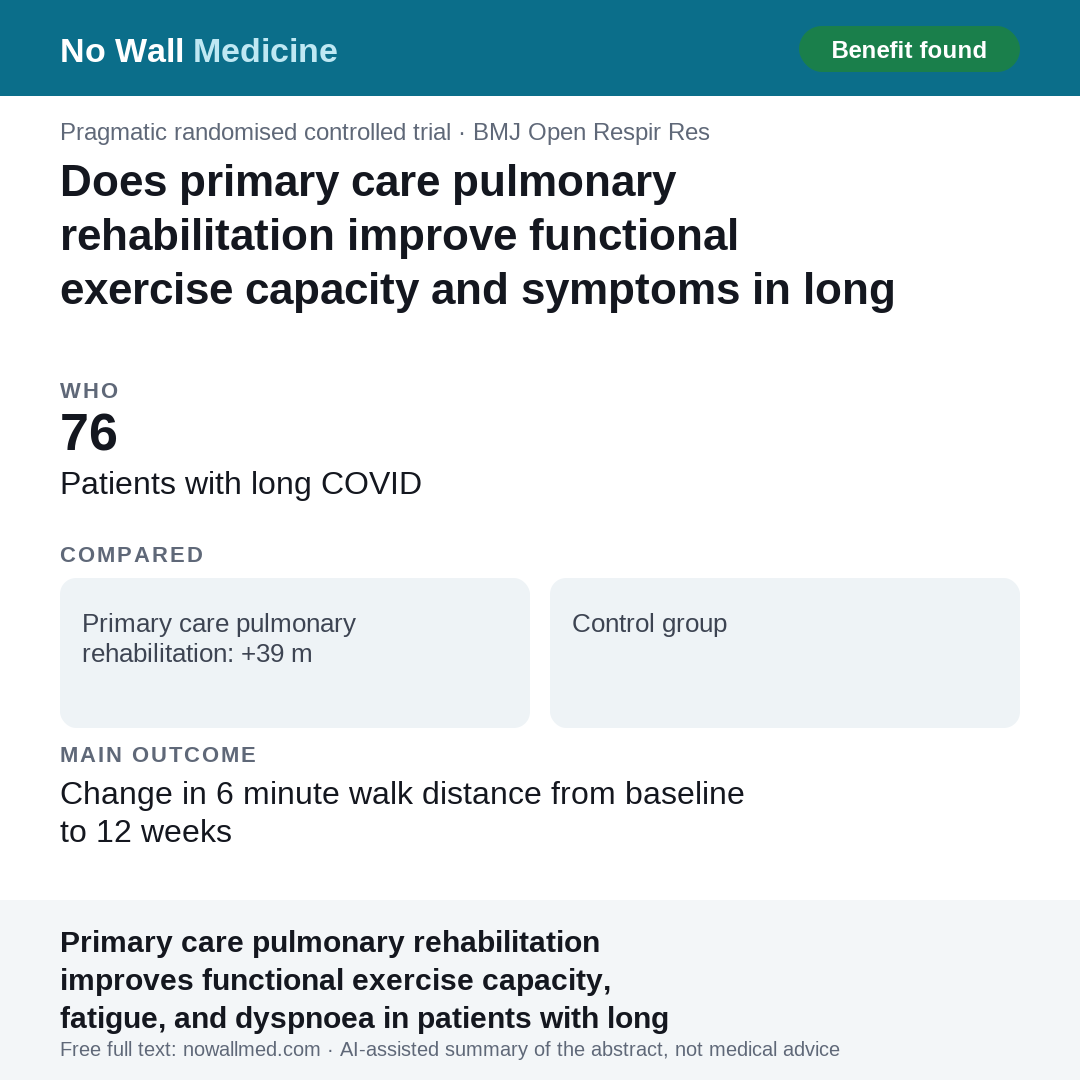
Improved functional exercise capacity after primary care pulmonary rehabilitation in patients with long COVID (PuRe-COVID): a pragmatic randomised controlled trial
Pragmatic randomised controlled trialBenefit found
Does primary care pulmonary rehabilitation improve functional exercise capacity and symptoms in long COVID?
Who
76
Patients with long COVID
Compared
Primary care pulmonary rehabilitation: +39 m
Control group
Main outcome
Change in 6 minute walk distance from baseline to 12 weeks
Result: +39 m (95% CI 18 to 59)
Bottom line: Primary care pulmonary rehabilitation improves functional exercise capacity, fatigue, and dyspnoea in patients with long COVID.
BMJ Open Respir Res · 2025-11-17Download image
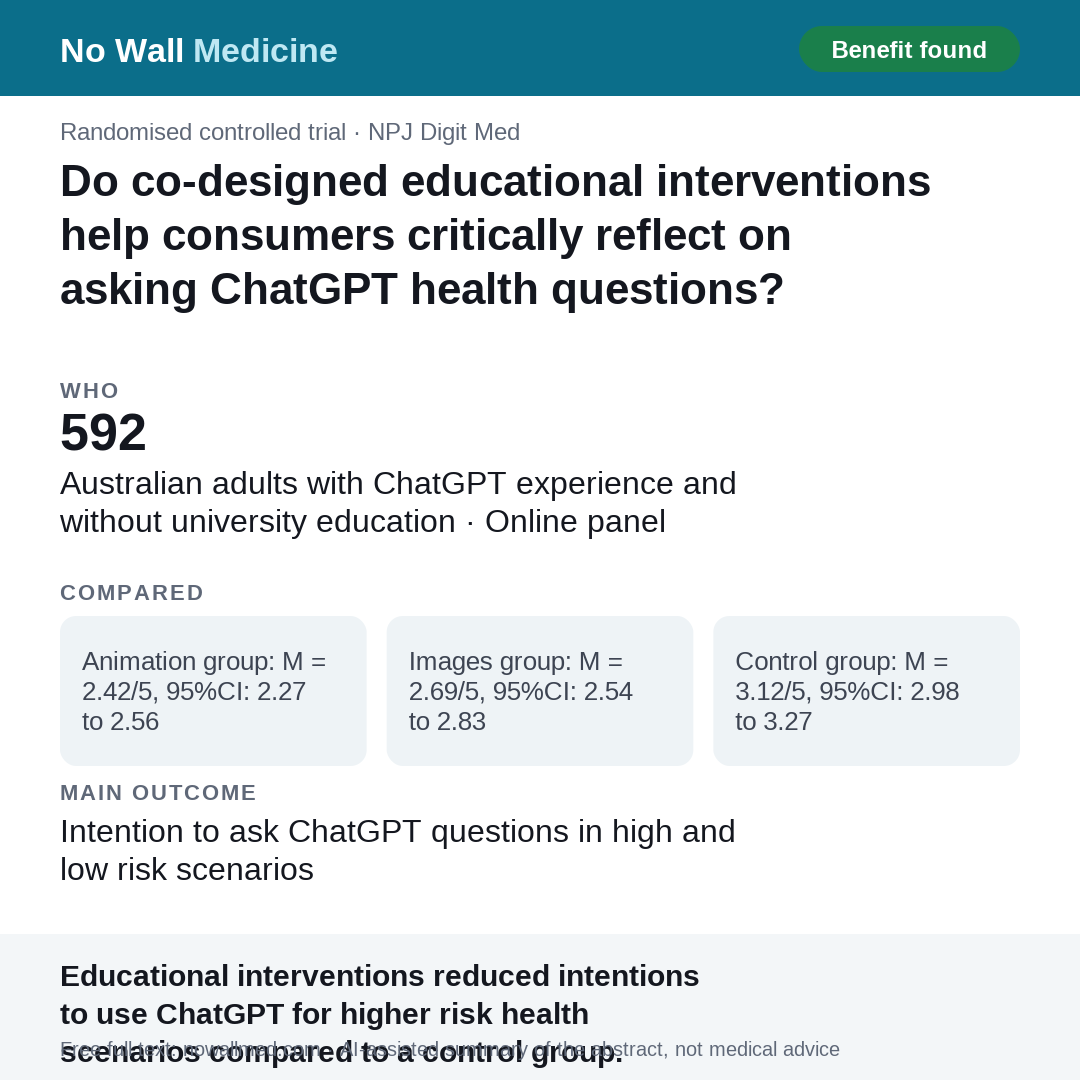
Can co-designed educational interventions help consumers think critically about asking ChatGPT health questions? Results from a randomised-controlled trial
Randomised controlled trialBenefit found
Do co-designed educational interventions help consumers critically reflect on asking ChatGPT health questions?
Who
592
Australian adults with ChatGPT experience and without university education · Online panel
Compared
Animation group: M = 2.42/5, 95%CI: 2.27 to 2.56
Images group: M = 2.69/5, 95%CI: 2.54 to 2.83
Control group: M = 3.12/5, 95%CI: 2.98 to 3.27
Main outcome
Intention to ask ChatGPT questions in high and low risk scenarios
Bottom line: Educational interventions reduced intentions to use ChatGPT for higher risk health scenarios compared to a control group.
NPJ Digit Med · 2025-11-17Download image
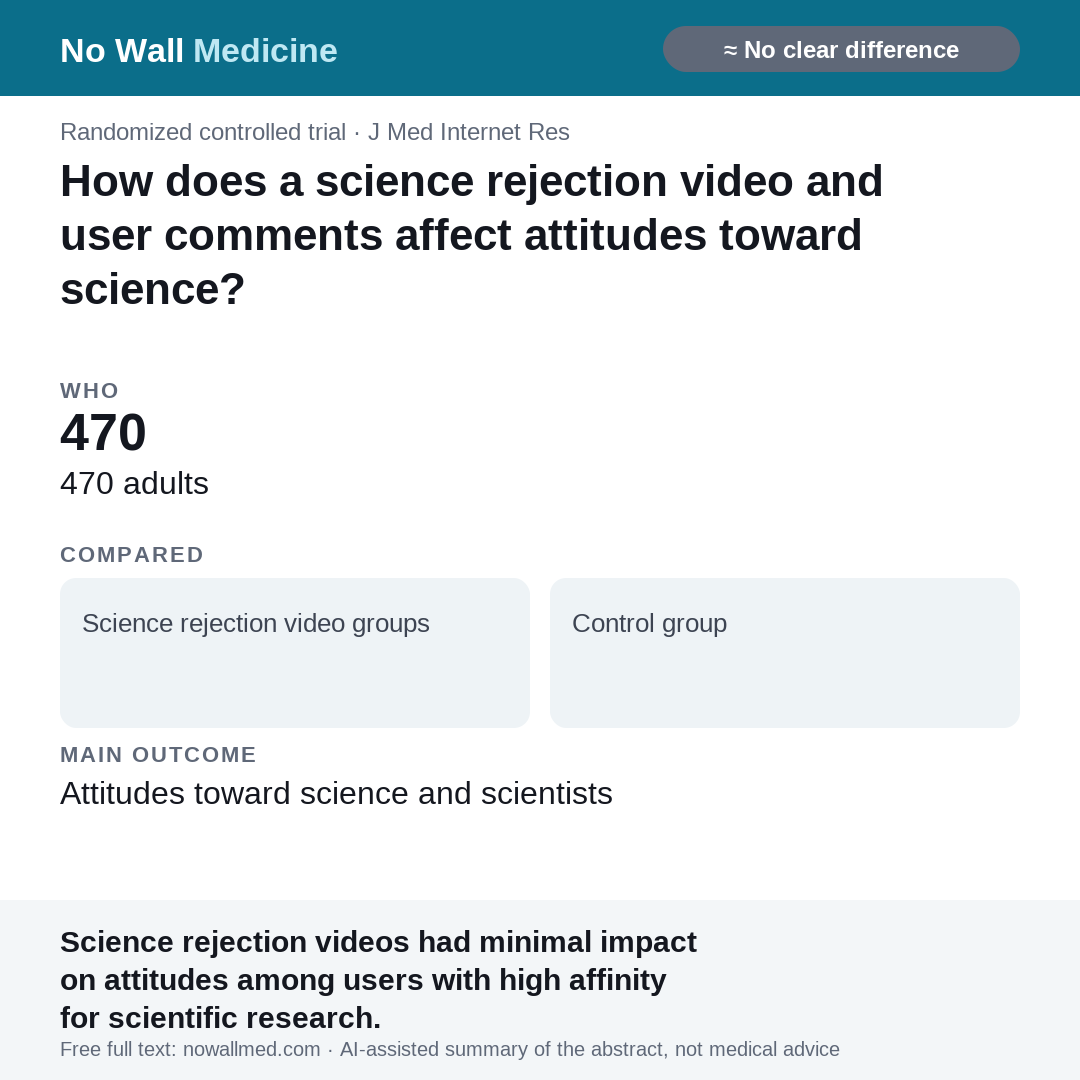
Effects of a Video of Science Rejection by a Social Media Influencer and User Comments: Randomized Controlled Trial
Randomized controlled trialNo clear difference
How does a science rejection video and user comments affect attitudes toward science?
Who
470
470 adults
Compared
Science rejection video groups
Control group
Main outcome
Attitudes toward science and scientists
Bottom line: Science rejection videos had minimal impact on attitudes among users with high affinity for scientific research.
Limitation: Findings require further study, particularly in individuals with little or no affinity toward scientific research.
J Med Internet Res · 2025-11-17Download image
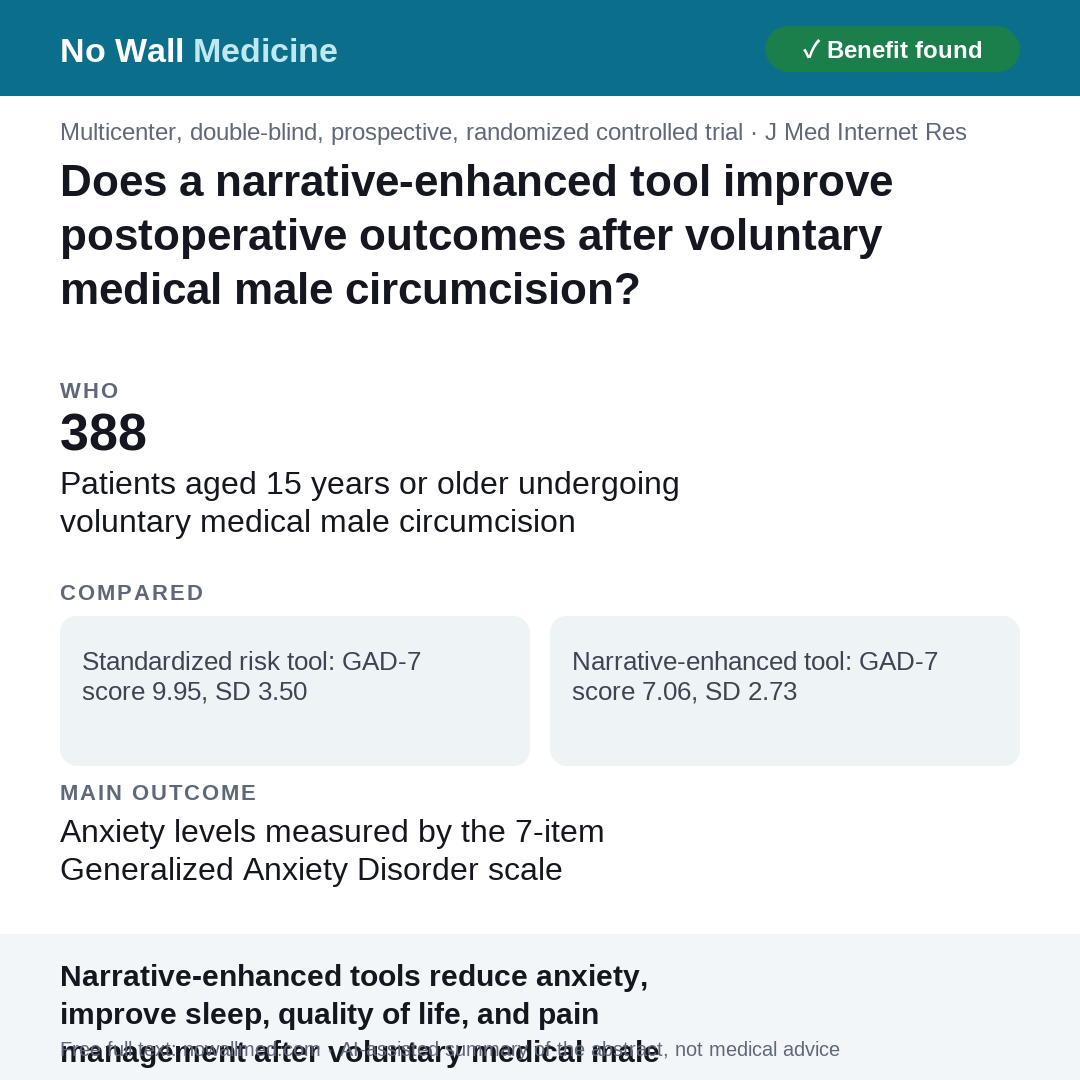
Application of Narrative and AI-Assisted Follow-Up After Voluntary Medical Male Circumcision: Multicenter, Double-Blind, Prospective, Randomized Controlled Trial
Multicenter, double-blind, prospective, randomized controlled trialBenefit found
Does a narrative-enhanced tool improve postoperative outcomes after voluntary medical male circumcision?
Who
388
Patients aged 15 years or older undergoing voluntary medical male circumcision
Compared
Standardized risk tool: GAD-7 score 9.95, SD 3.50
Narrative-enhanced tool: GAD-7 score 7.06, SD 2.73
Main outcome
Anxiety levels measured by the 7-item Generalized Anxiety Disorder scale
Bottom line: Narrative-enhanced tools reduce anxiety, improve sleep, quality of life, and pain management after voluntary medical male circumcision.
J Med Internet Res · 2025-11-17Download image
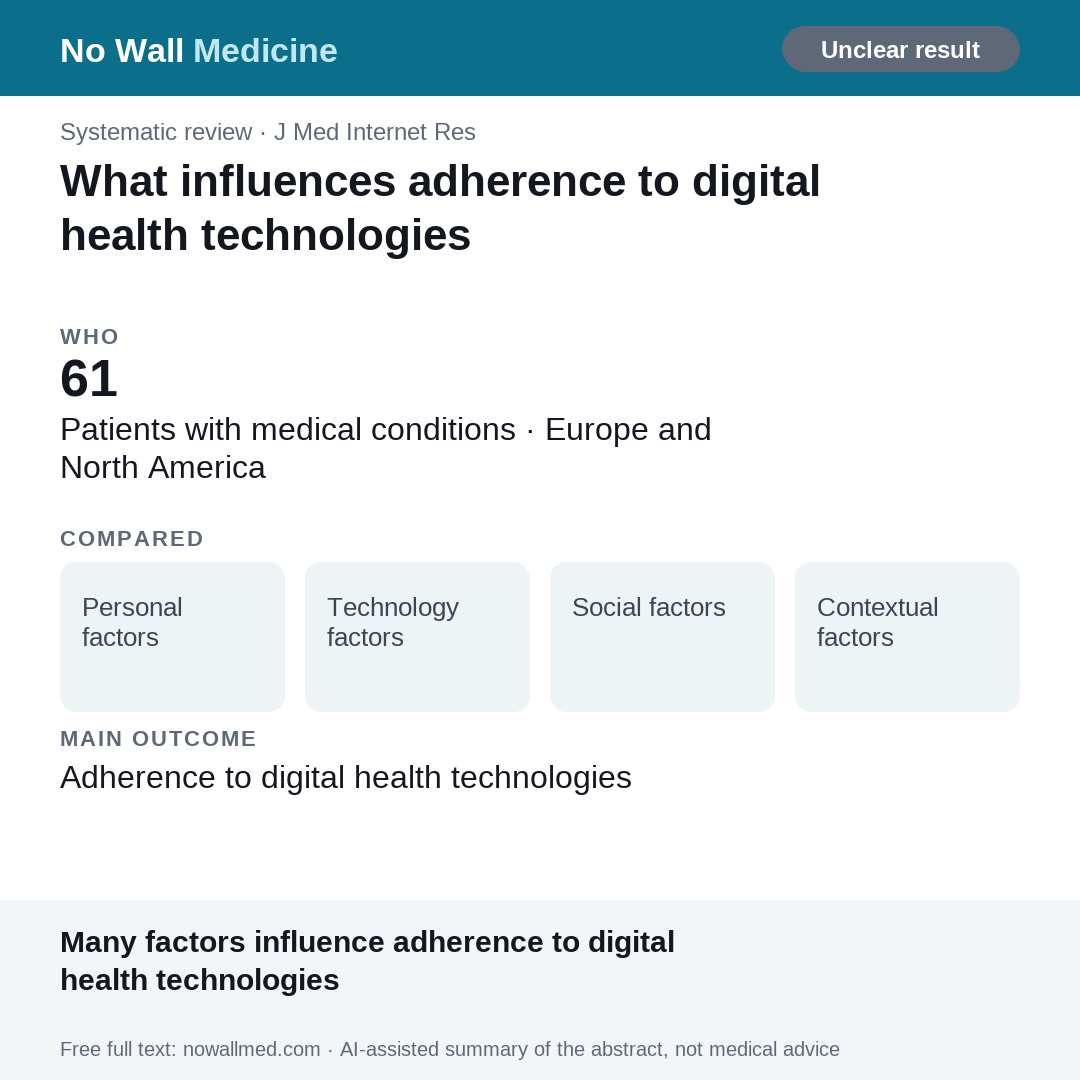
Understanding Adherence to Digital Health Technologies: Systematic Review of Predictive Factors
Systematic reviewUnclear result
What influences adherence to digital health technologies
Who
61
Patients with medical conditions · Europe and North America
Compared
Personal factors
Technology factors
Social factors
Contextual factors
Main outcome
Adherence to digital health technologies
Bottom line: Many factors influence adherence to digital health technologies
Limitation: Heterogeneity in study designs and adherence definitions
J Med Internet Res · 2025-11-17Download image
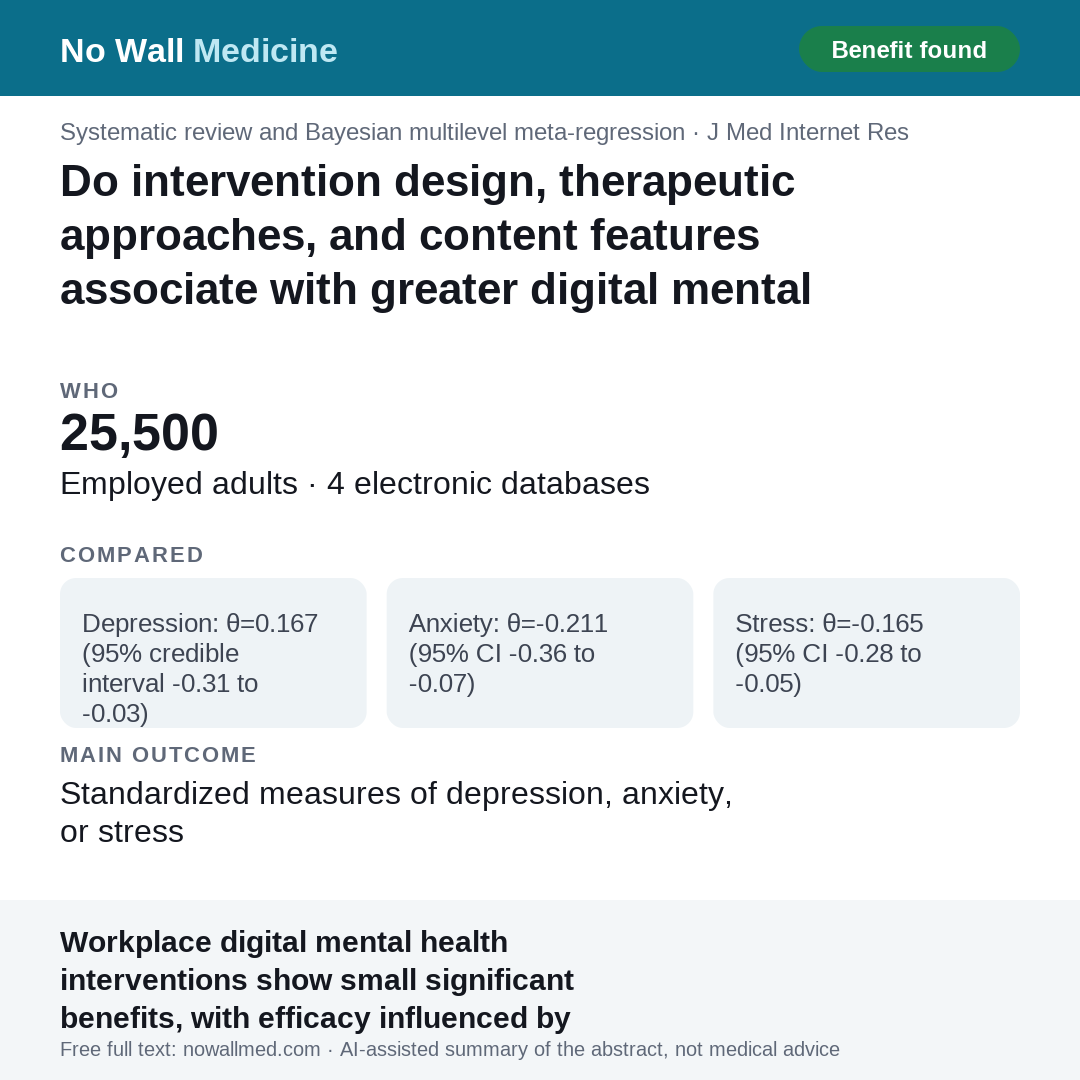
Optimizing Workplace Digital Mental Health Interventions: Systematic Review and Meta-Analysis
Systematic review and Bayesian multilevel meta-regressionBenefit found
Do intervention design, therapeutic approaches, and content features associate with greater digital mental health intervention efficacy?
Who
25,500
Employed adults · 4 electronic databases
Compared
Depression: θ=0.167 (95% credible interval -0.31 to -0.03)
Anxiety: θ=-0.211 (95% CI -0.36 to -0.07)
Stress: θ=-0.165 (95% CI -0.28 to -0.05)
Main outcome
Standardized measures of depression, anxiety, or stress
Bottom line: Workplace digital mental health interventions show small significant benefits, with efficacy influenced by therapeutic approach, design, and content features.
Limitation: 71 trials had high risk bias due to waitlist controls and inability to blind participants.
J Med Internet Res · 2025-11-17Download image
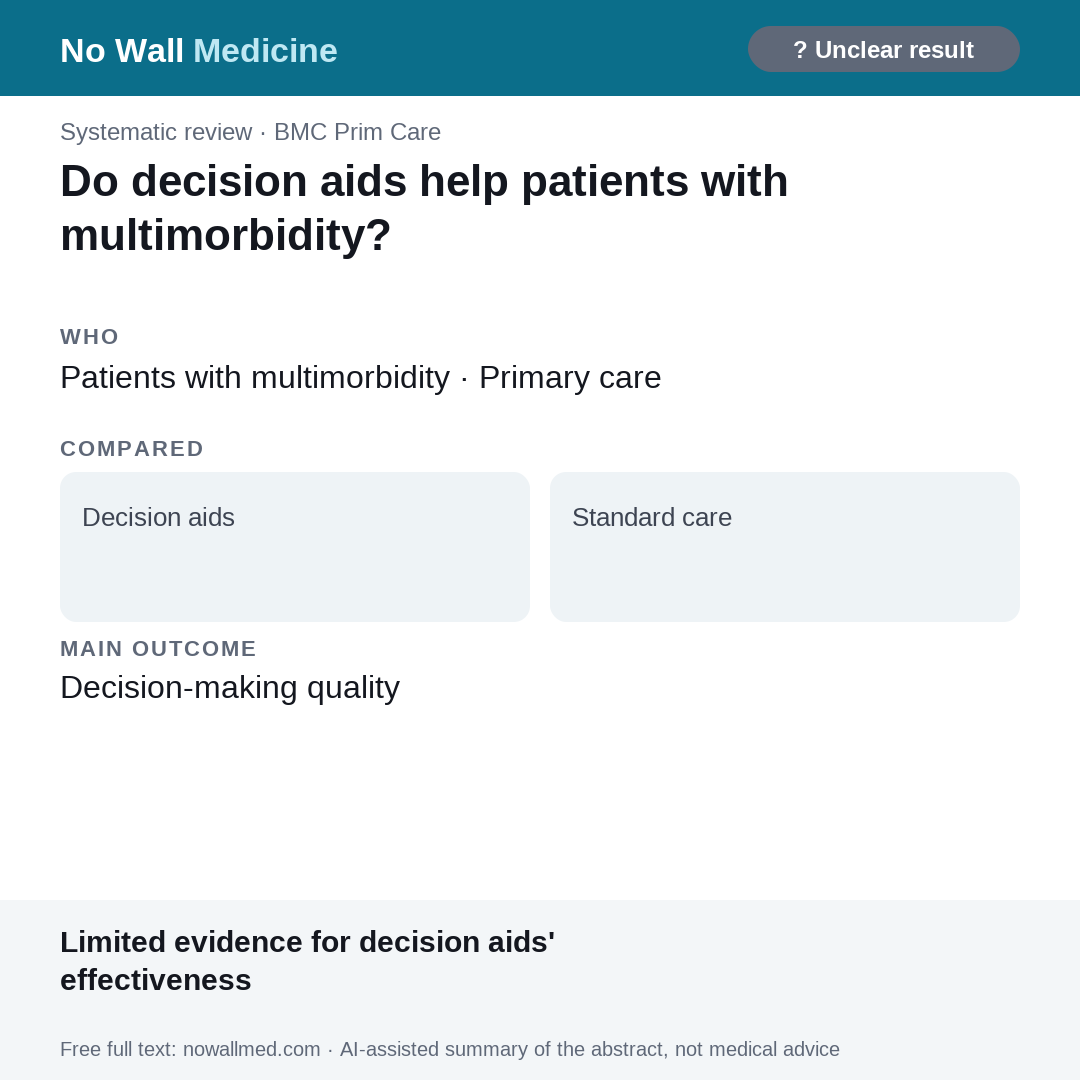
Decision aids for the care of patients with multimorbidity: a systematic review
Systematic reviewUnclear result
Do decision aids help patients with multimorbidity?
Who
Patients with multimorbidity · Primary care
Compared
Decision aids
Standard care
Main outcome
Decision-making quality
Bottom line: Limited evidence for decision aids' effectiveness
Limitation: Limited high-quality research
BMC Prim Care · 2025-11-17Download image
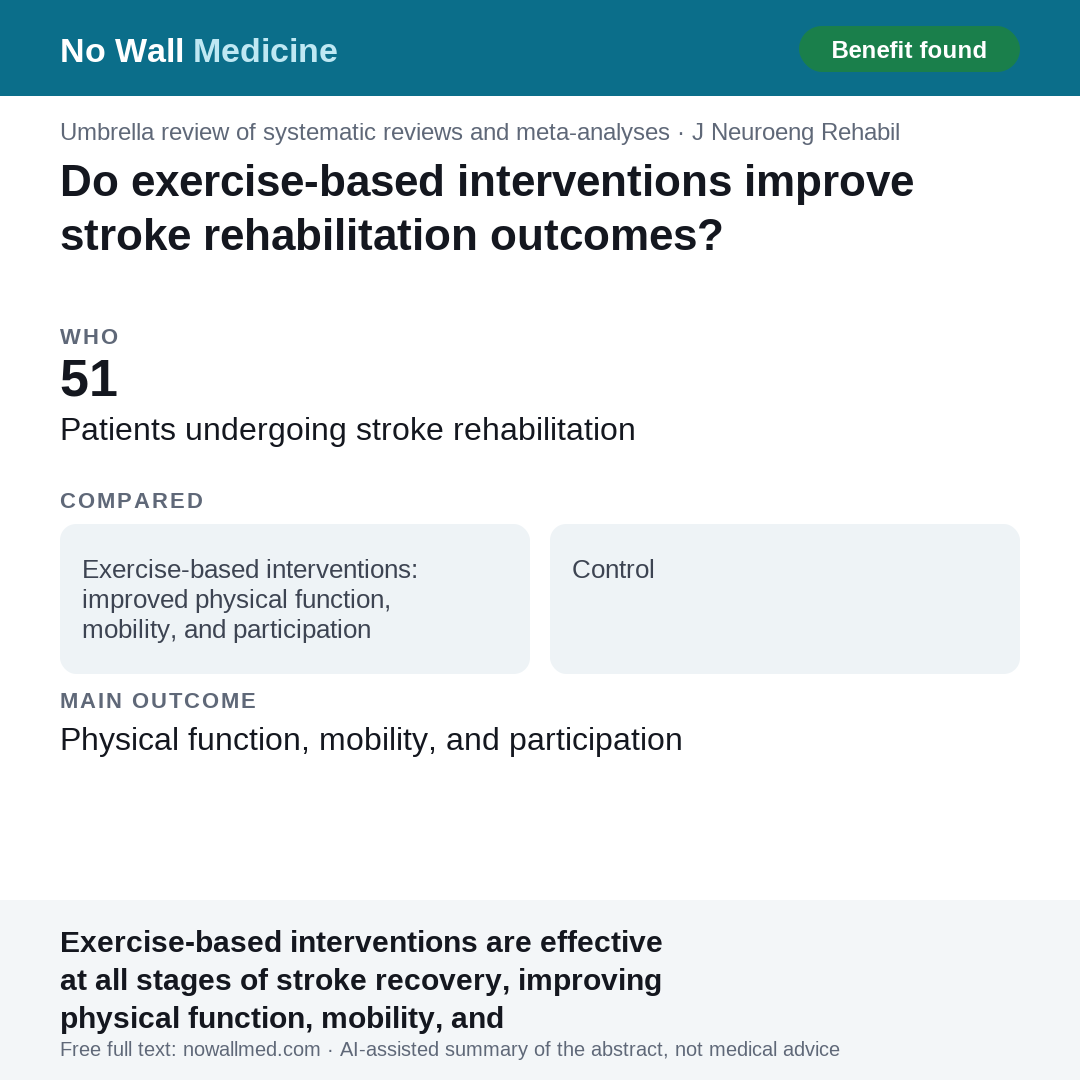
Effect of exercise-based interventions on stroke rehabilitation: an umbrella review of systematic reviews and meta-analyses
Umbrella review of systematic reviews and meta-analysesBenefit found
Do exercise-based interventions improve stroke rehabilitation outcomes?
Who
51
Patients undergoing stroke rehabilitation
Compared
Exercise-based interventions: improved physical function, mobility, and participation
Control
Main outcome
Physical function, mobility, and participation
Bottom line: Exercise-based interventions are effective at all stages of stroke recovery, improving physical function, mobility, and participation.
J Neuroeng Rehabil · 2025-11-17Download image
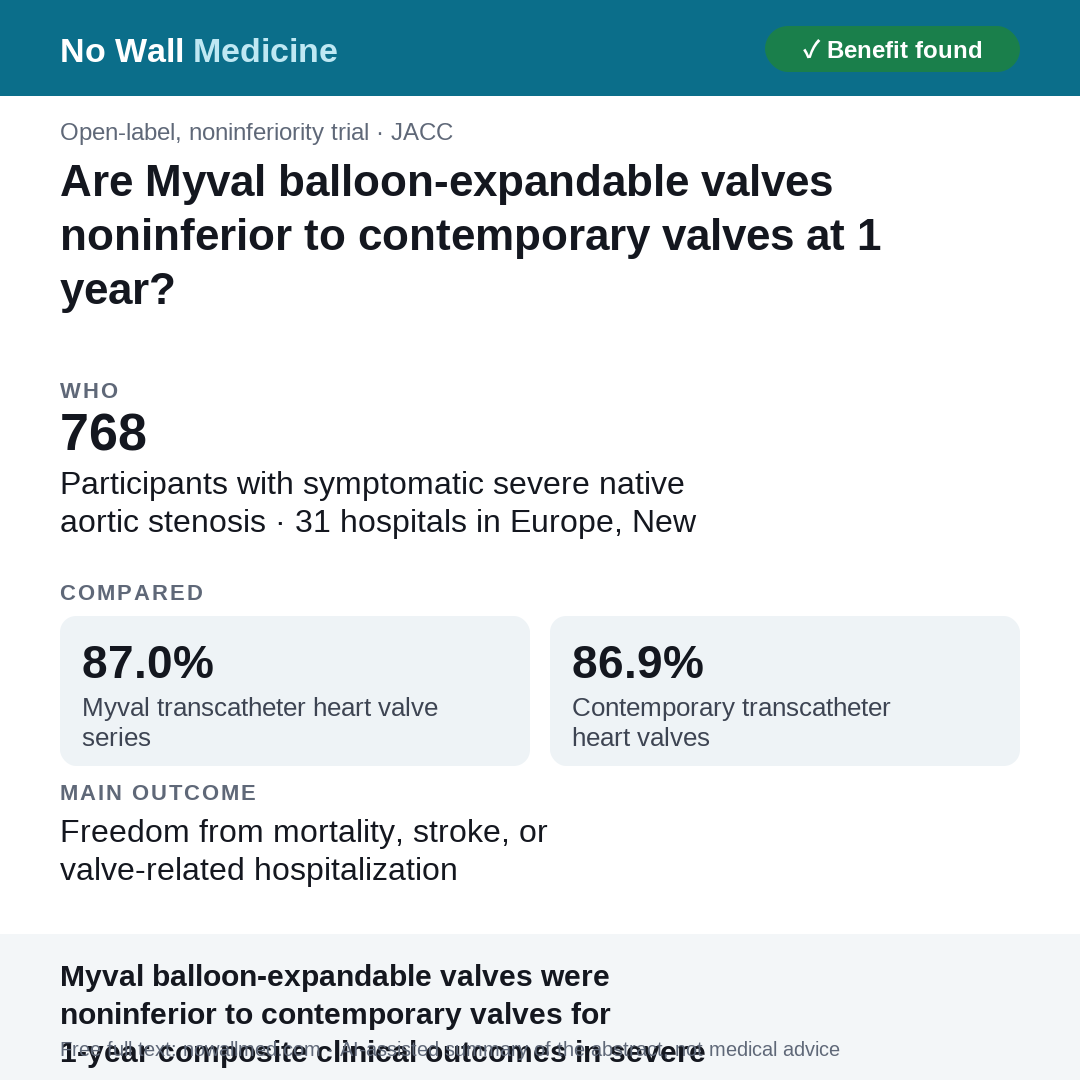
1-Year Outcomes of Novel Balloon-Expandable vs Contemporary Transcatheter Heart Valves in Severe Aortic Stenosis: The LANDMARK Trial
Open-label, noninferiority trialBenefit found
Are Myval balloon-expandable valves noninferior to contemporary valves at 1 year?
Who
768
Participants with symptomatic severe native aortic stenosis · 31 hospitals in Europe, New Zealand, and Brazil
Compared
87.0%Myval transcatheter heart valve series
86.9%Contemporary transcatheter heart valves
Main outcome
Freedom from mortality, stroke, or valve-related hospitalization
Result: difference: -0.1%; 1-sided 95% CI: 3.9%; Pnoninferiority < 0.0001
Bottom line: Myval balloon-expandable valves were noninferior to contemporary valves for 1-year composite clinical outcomes in severe aortic stenosis.
JACC · 2025-11-16Download image
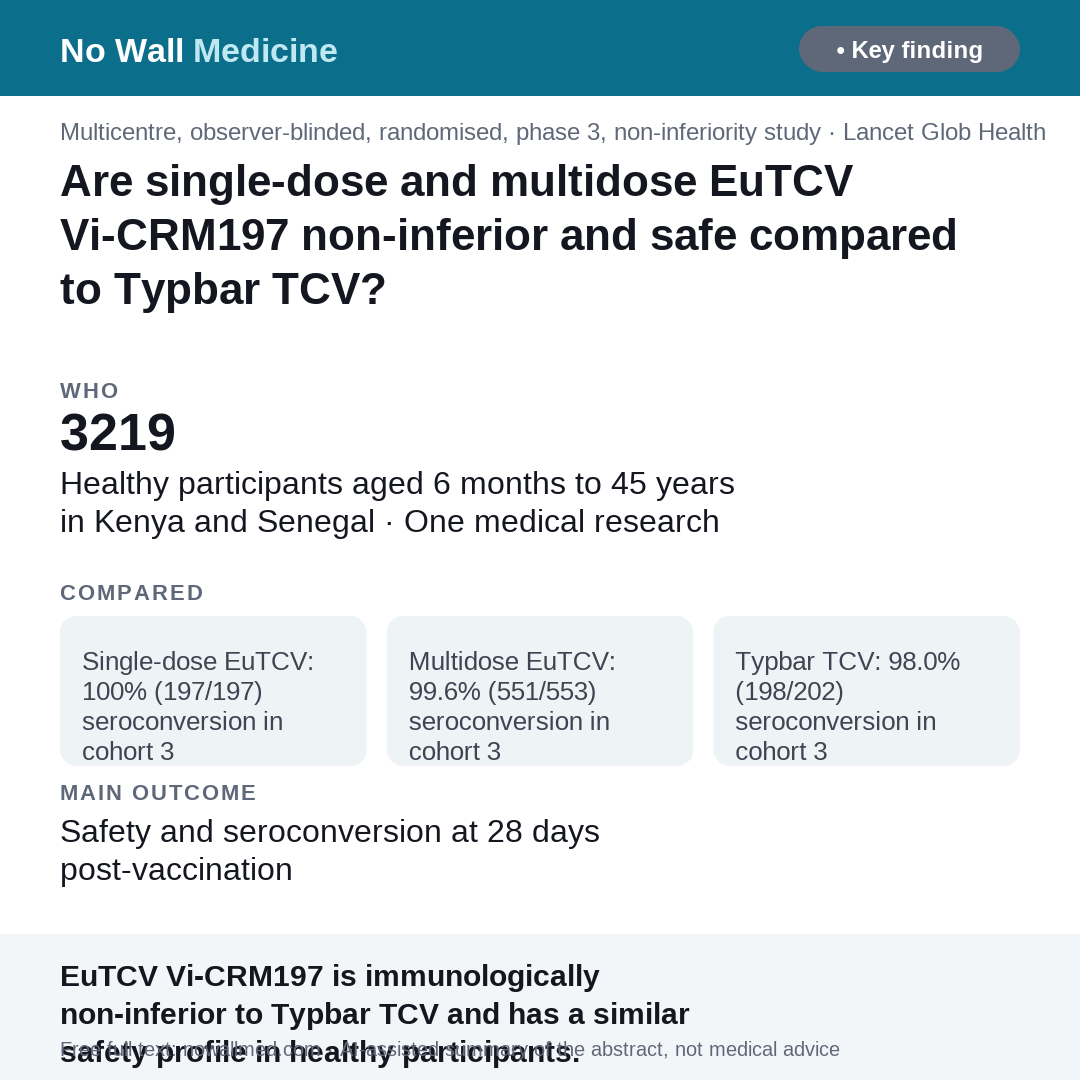
Safety and non-inferiority of multidose and single-dose vial formulations of EuTCV Vi-CRM197 versus Typbar TCV in healthy participants in Kenya and Senegal: a multicentre, observer-blind, randomised, phase 3 study
Multicentre, observer-blinded, randomised, phase 3, non-inferiority studyBenefit found
Are single-dose and multidose EuTCV Vi-CRM197 non-inferior and safe compared to Typbar TCV?
Who
3219
Healthy participants aged 6 months to 45 years in Kenya and Senegal · One medical research institute in Kenya and one in Senegal
Compared
Single-dose EuTCV: 100% (197/197) seroconversion in cohort 3
Multidose EuTCV: 99.6% (551/553) seroconversion in cohort 3
Typbar TCV: 98.0% (198/202) seroconversion in cohort 3
Main outcome
Safety and seroconversion at 28 days post-vaccination
Result: difference in seroconversion rate versus Typbar TCV of 1.98% (95% CI 0.06 to 3.90) for single-dose and 1.62% (-0.37 to 3.60) for multidose
Bottom line: EuTCV Vi-CRM197 is immunologically non-inferior to Typbar TCV and has a similar safety profile in healthy participants.
Funded by: EuBiologics and the RIGHT Foundation
Lancet Glob Health · 2025-11-16Download image
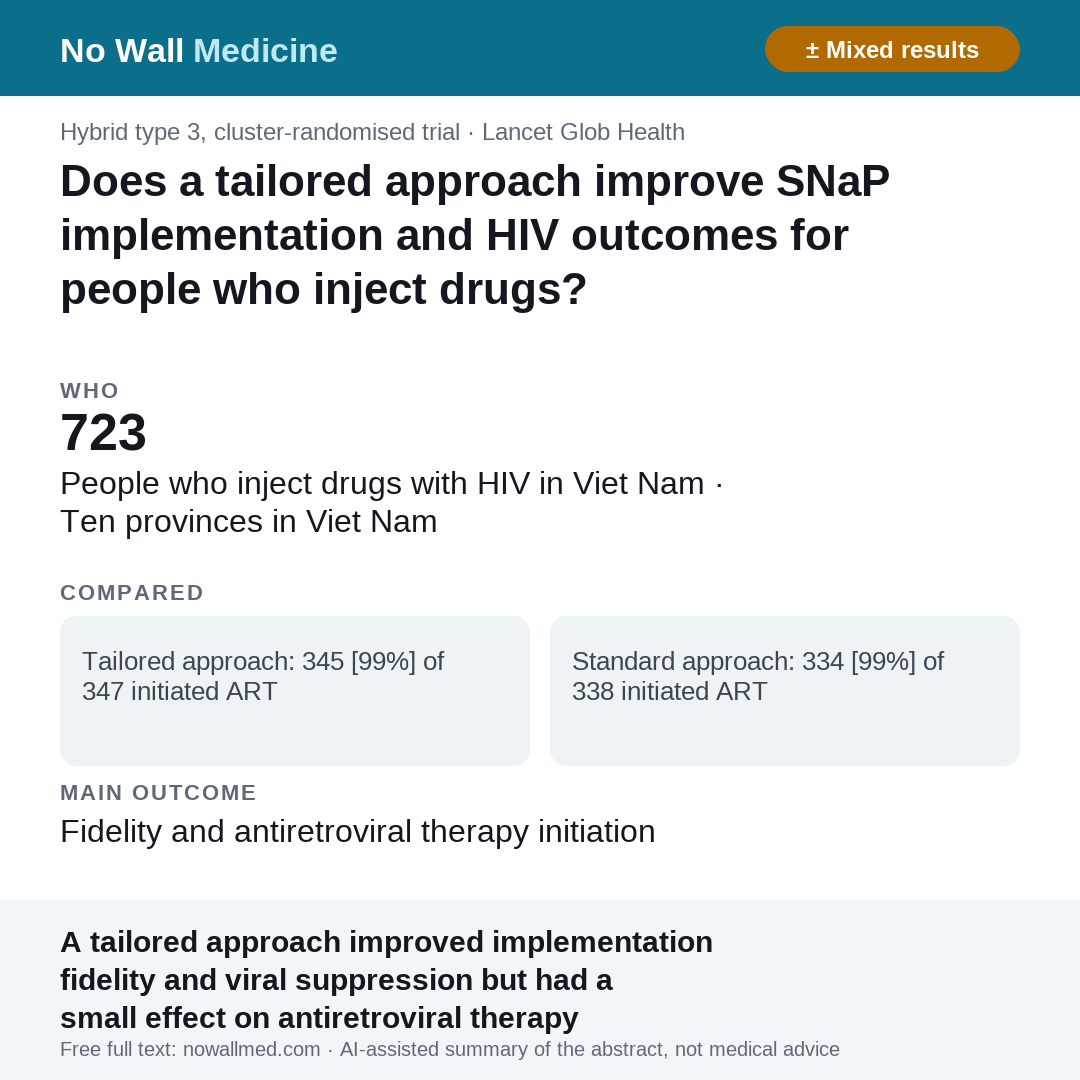
Scaling an intervention for the engagement of people with HIV who inject drugs into care in Viet Nam: an implementation-effectiveness, cluster-randomised trial
Hybrid type 3, cluster-randomised trialMixed results
Does a tailored approach improve SNaP implementation and HIV outcomes for people who inject drugs?
Who
723
People who inject drugs with HIV in Viet Nam · Ten provinces in Viet Nam
Compared
Tailored approach: 345 [99%] of 347 initiated ART
Standard approach: 334 [99%] of 338 initiated ART
Main outcome
Fidelity and antiretroviral therapy initiation
Result: adjusted risk difference 1·3 percentage points [95% CI 0·7-1·9]
Bottom line: A tailored approach improved implementation fidelity and viral suppression but had a small effect on antiretroviral therapy initiation.
Funded by: US National Institutes of Health, NIDA, and NIAID
Lancet Glob Health · 2025-11-16Download image
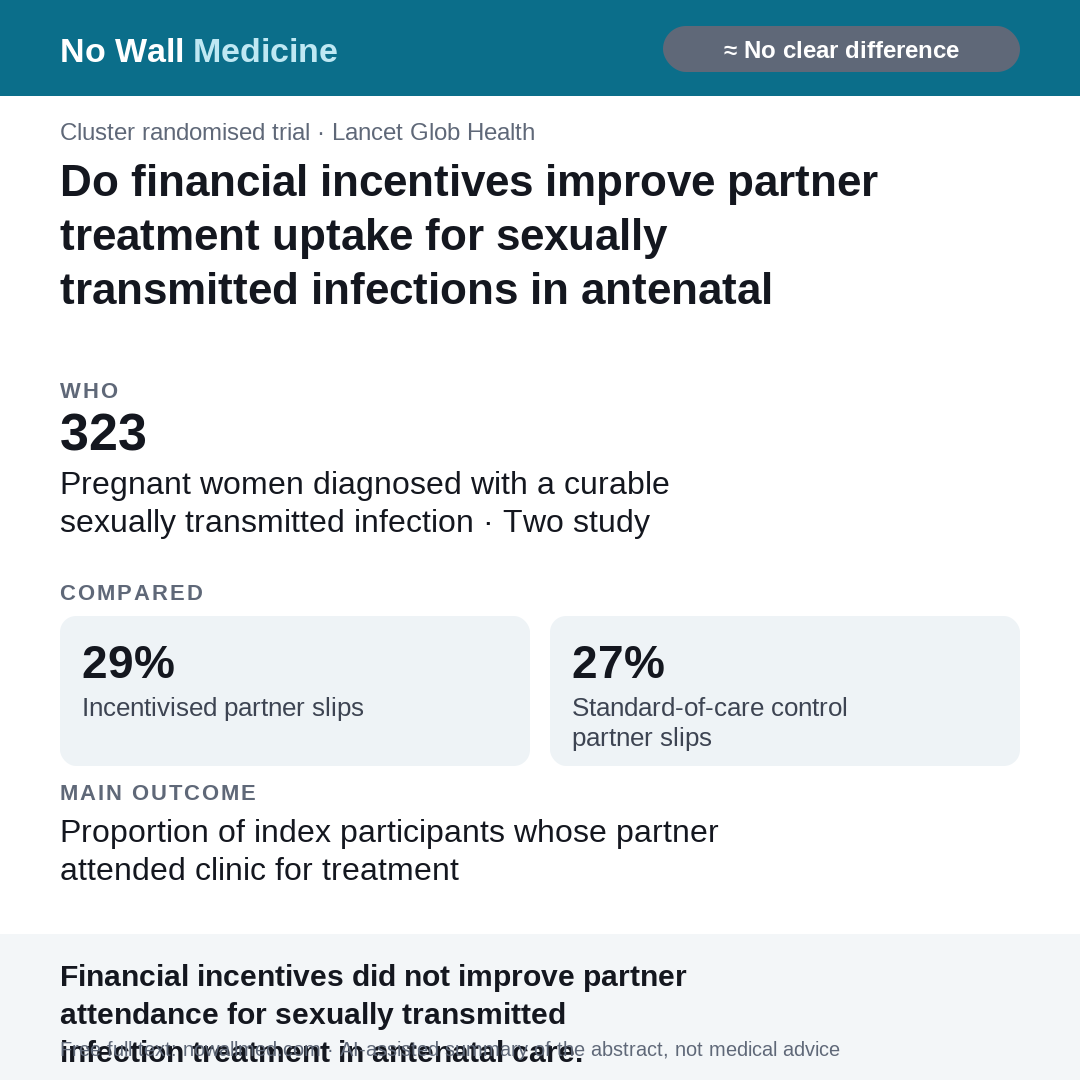
Financial incentives to improve uptake of partner treatment for sexually transmitted infections in antenatal care: a cluster randomised trial in Zimbabwe
Cluster randomised trialNo clear difference
Do financial incentives improve partner treatment uptake for sexually transmitted infections in antenatal care?
Who
323
Pregnant women diagnosed with a curable sexually transmitted infection · Two study clinics in Harare, Zimbabwe
Compared
29%Incentivised partner slips
27%Standard-of-care control partner slips
Main outcome
Proportion of index participants whose partner attended clinic for treatment
Result: odds ratio 1·11 (95% CI 0·66-1·86)
Bottom line: Financial incentives did not improve partner attendance for sexually transmitted infection treatment in antenatal care.
Lancet Glob Health · 2025-11-16Download image
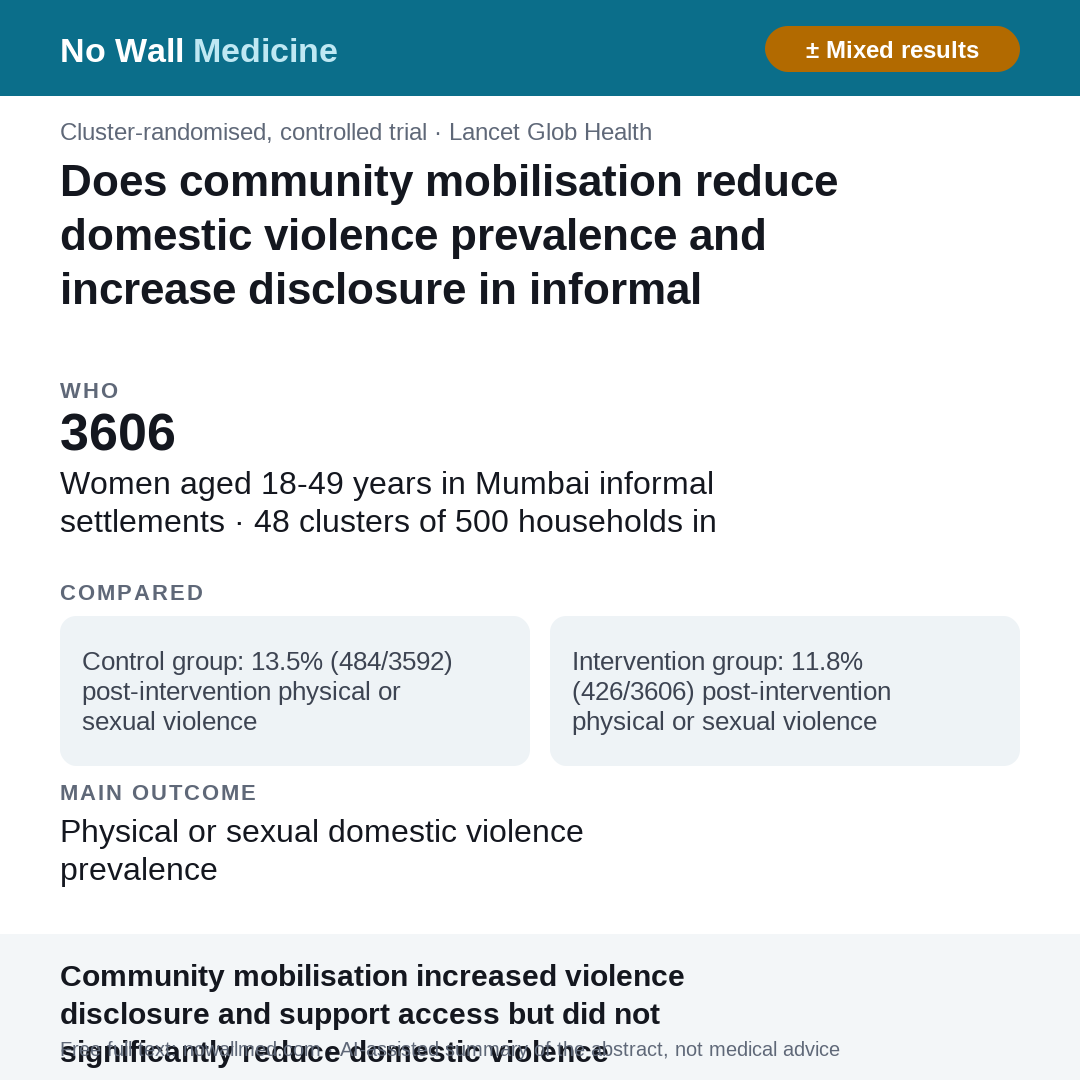
Community interventions to prevent violence against women and girls in informal settlements in Mumbai: a theory-driven, pragmatic, cluster-randomised, controlled trial
Cluster-randomised, controlled trialMixed results
Does community mobilisation reduce domestic violence prevalence and increase disclosure in informal settlements?
Who
3606
Women aged 18-49 years in Mumbai informal settlements · 48 clusters of 500 households in Mumbai
Compared
Control group: 13.5% (484/3592) post-intervention physical or sexual violence
Intervention group: 11.8% (426/3606) post-intervention physical or sexual violence
Main outcome
Physical or sexual domestic violence prevalence
Result: adjusted odds ratio 0.85 (95% CI 0.62-1.16)
Bottom line: Community mobilisation increased violence disclosure and support access but did not significantly reduce domestic violence prevalence.
Funded by: Wellcome Trust
Lancet Glob Health · 2025-11-16Download image
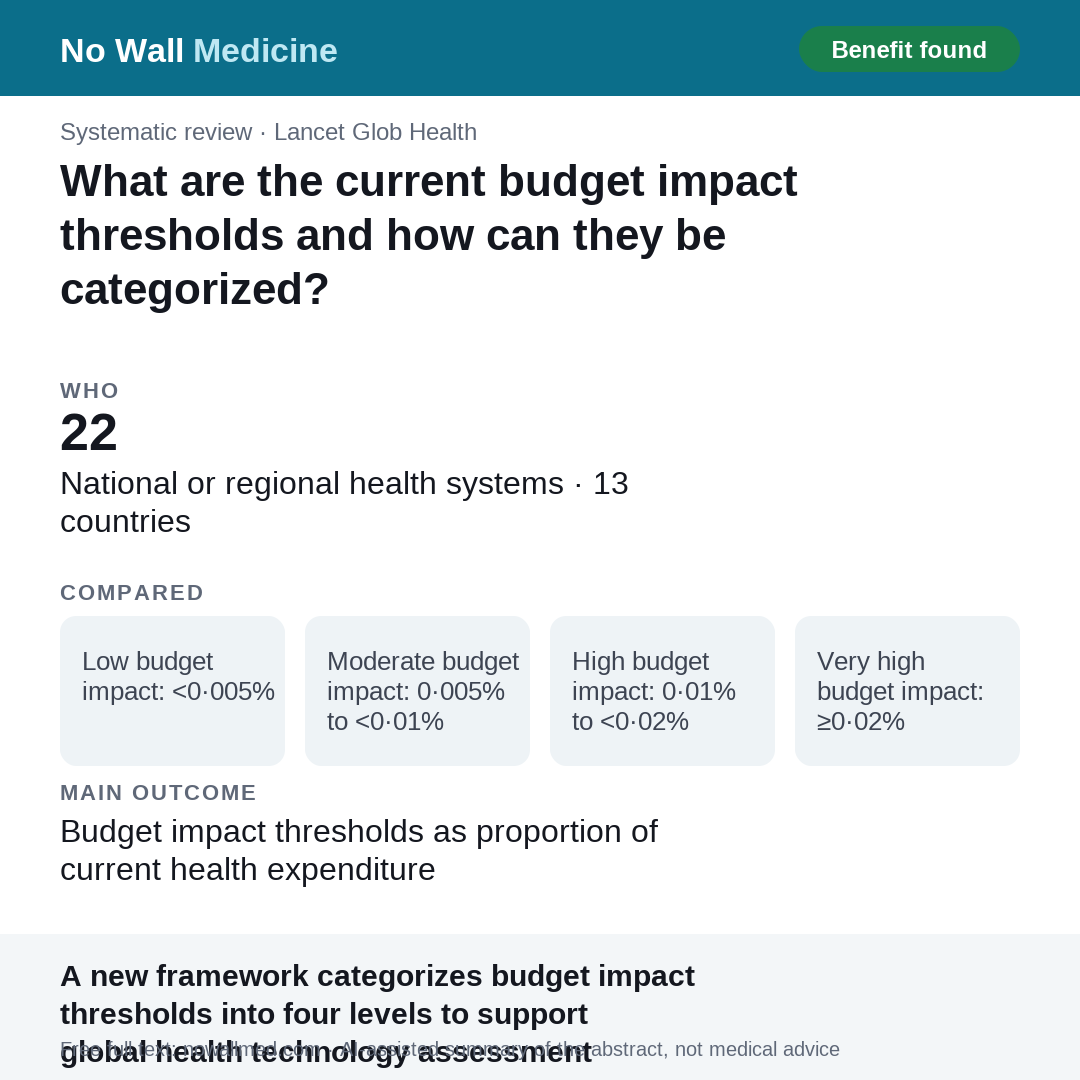
Affordability decision rules: a systematic review and framework for categorising budget impact thresholds across health systems
Systematic reviewBenefit found
What are the current budget impact thresholds and how can they be categorized?
Who
22
National or regional health systems · 13 countries
Compared
Low budget impact: <0·005%
Moderate budget impact: 0·005% to <0·01%
High budget impact: 0·01% to <0·02%
Very high budget impact: ≥0·02%
Main outcome
Budget impact thresholds as proportion of current health expenditure
Bottom line: A new framework categorizes budget impact thresholds into four levels to support global health technology assessment decisions.
Limitation: The framework is not a definitive tool and application should be adapted to each country's context.
Lancet Glob Health · 2025-11-16Download image