Visual abstracts
New randomized trials and meta-analyses from leading journals at a glance: who was studied, what was compared, and what was found. Every paper is free to read in full.
All specialtiesCardiology 4877Oncology 4138Gastroenterology & Hepatology 1942Infectious Disease 3837Neurology 1905Psychiatry & Mental Health 2273Pulmonology 2143Critical Care 1365Endocrinology & Diabetes 2580Pediatrics 2980Surgery 2559Orthopedics & Sports Medicine 931Neurosurgery 537Cardiothoracic & Vascular Surgery 674Plastic & Reconstructive Surgery 591Nephrology 1133Rheumatology 823Hematology 1109Dermatology 621Ophthalmology 543Obstetrics & Gynecology 1686Public & Global Health 1058Radiology & Imaging 648Anesthesiology 986Urology 764ENT (Otolaryngology) 503Emergency Medicine 511Allergy & Immunology 313Geriatrics 981Family Medicine & Primary Care 562Medical Genetics & Genomics 676Pathology & Laboratory Medicine 159Physical Medicine & Rehabilitation 757Palliative Care 444Nutrition 1588Digital Health & AI 2201General Medicine 321
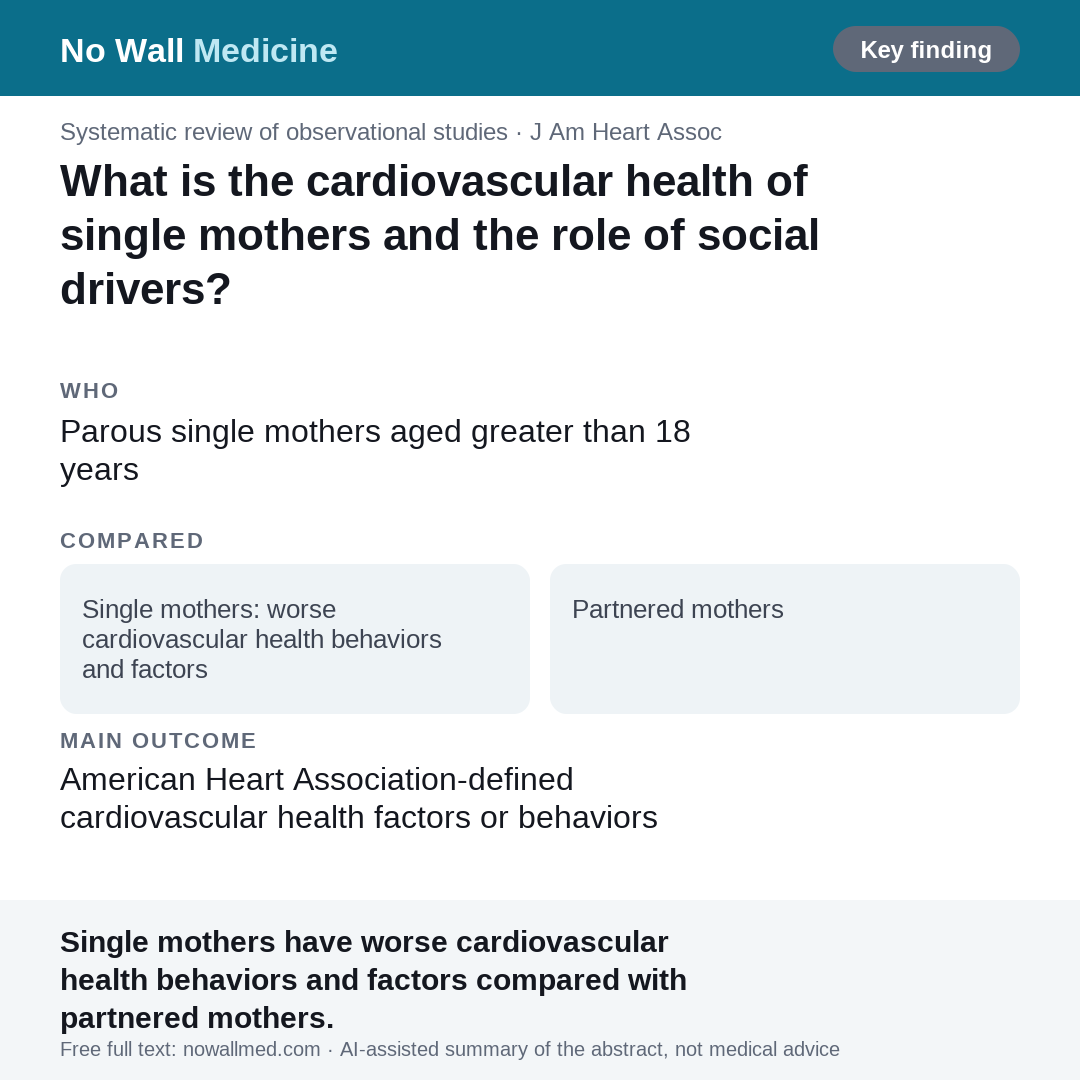
Cardiovascular Health of Single Mothers: A Systematic Review
Systematic review of observational studiesHarm found
What is the cardiovascular health of single mothers and the role of social drivers?
Who
36
Parous single mothers aged greater than 18 years
Compared
Single mothers: worse cardiovascular health behaviors and factors
Partnered mothers
Main outcome
American Heart Association-defined cardiovascular health factors or behaviors
Bottom line: Single mothers have worse cardiovascular health behaviors and factors compared with partnered mothers.
Limitation: Social drivers of health influences were rarely examined.
J Am Heart Assoc · 2025-10-28Download image
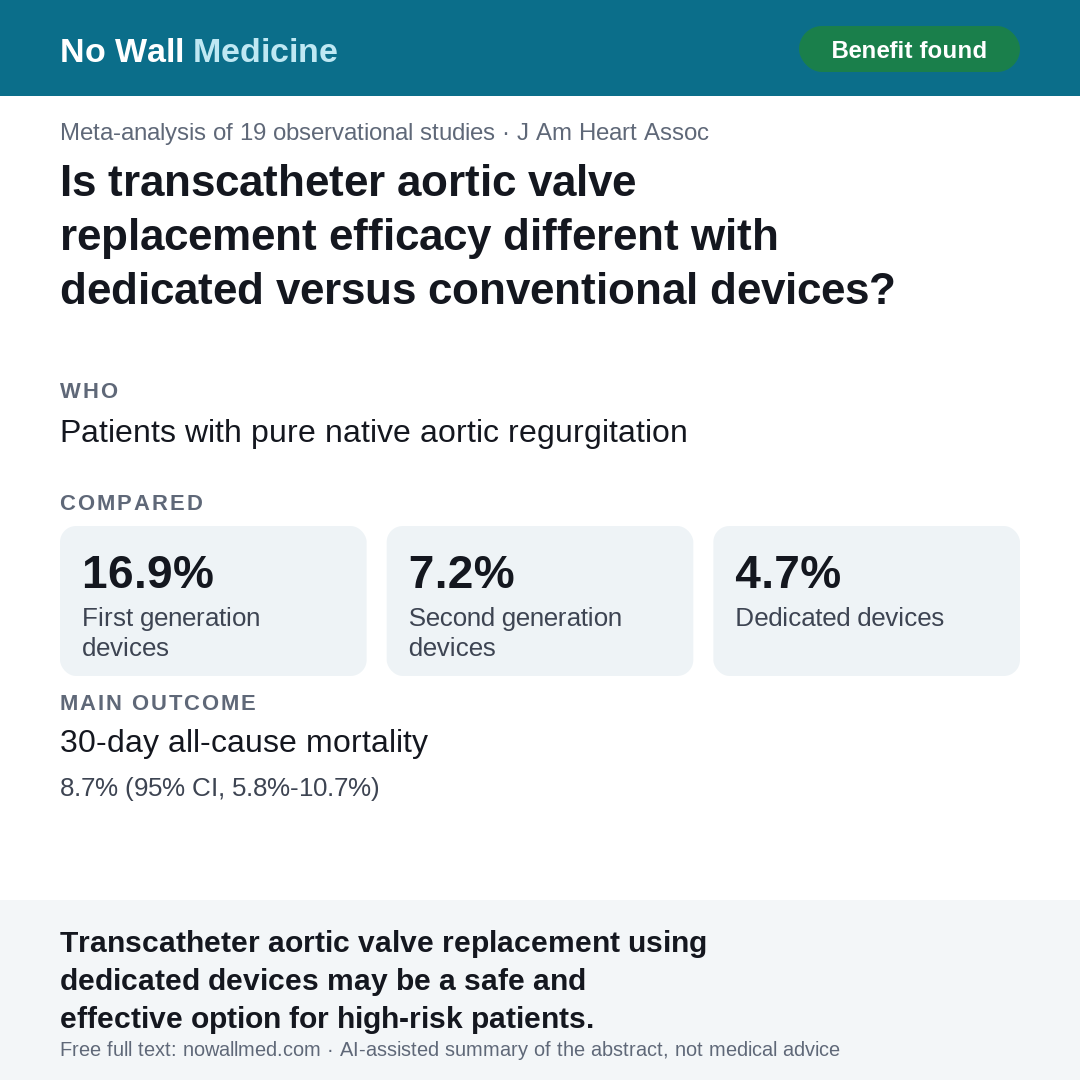
Dedicated Versus Conventional Devices in Patients With Pure Native Aortic Regurgitation: A Systematic Review and Meta-Analysis
Meta-analysis of 19 observational studiesBenefit found
Is transcatheter aortic valve replacement efficacy different with dedicated versus conventional devices?
Who
Patients with pure native aortic regurgitation
Compared
16.9%First generation devices (95% CI, 13.2%-18.9%)
7.2%Second generation devices (95% CI, 6.1%-9.2%)
4.7%Dedicated devices (95% CI, 1.8%-8.9%)
Main outcome
30-day all-cause mortality
Result: 8.7% (95% CI, 5.8%-10.7%)
Bottom line: Transcatheter aortic valve replacement using dedicated devices may be a safe and effective option for high-risk patients.
Limitation: Observational design, lack of patient-level data, device heterogeneity, and potential publication bias.
J Am Heart Assoc · 2025-10-28Download image
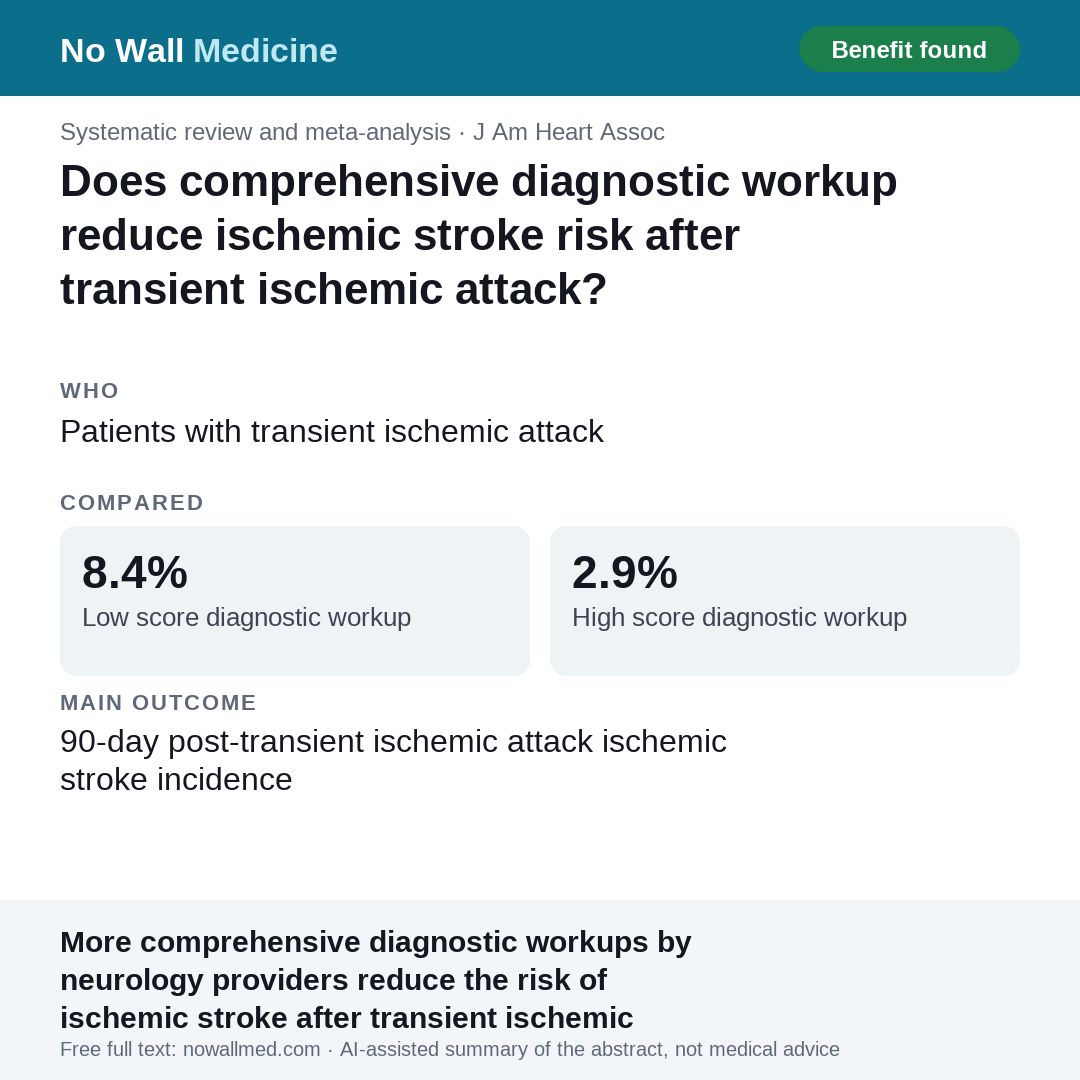
Risk of Ischemic Stroke After Transient Ischemic Attack in Patients Receiving Comprehensive Versus Noncomprehensive Diagnostic Workup: A Systematic Review and Meta-Analysis
Systematic review and meta-analysisBenefit found
Does comprehensive diagnostic workup reduce ischemic stroke risk after transient ischemic attack?
Who
Patients with transient ischemic attack
Compared
8.4%Low score diagnostic workup (95% CI, 6.4%-10.8%)
2.9%High score diagnostic workup (95% CI: 2.7%-3.2%)
Main outcome
90-day post-transient ischemic attack ischemic stroke incidence
Bottom line: More comprehensive diagnostic workups by neurology providers reduce the risk of ischemic stroke after transient ischemic attack.
J Am Heart Assoc · 2025-10-28Download image
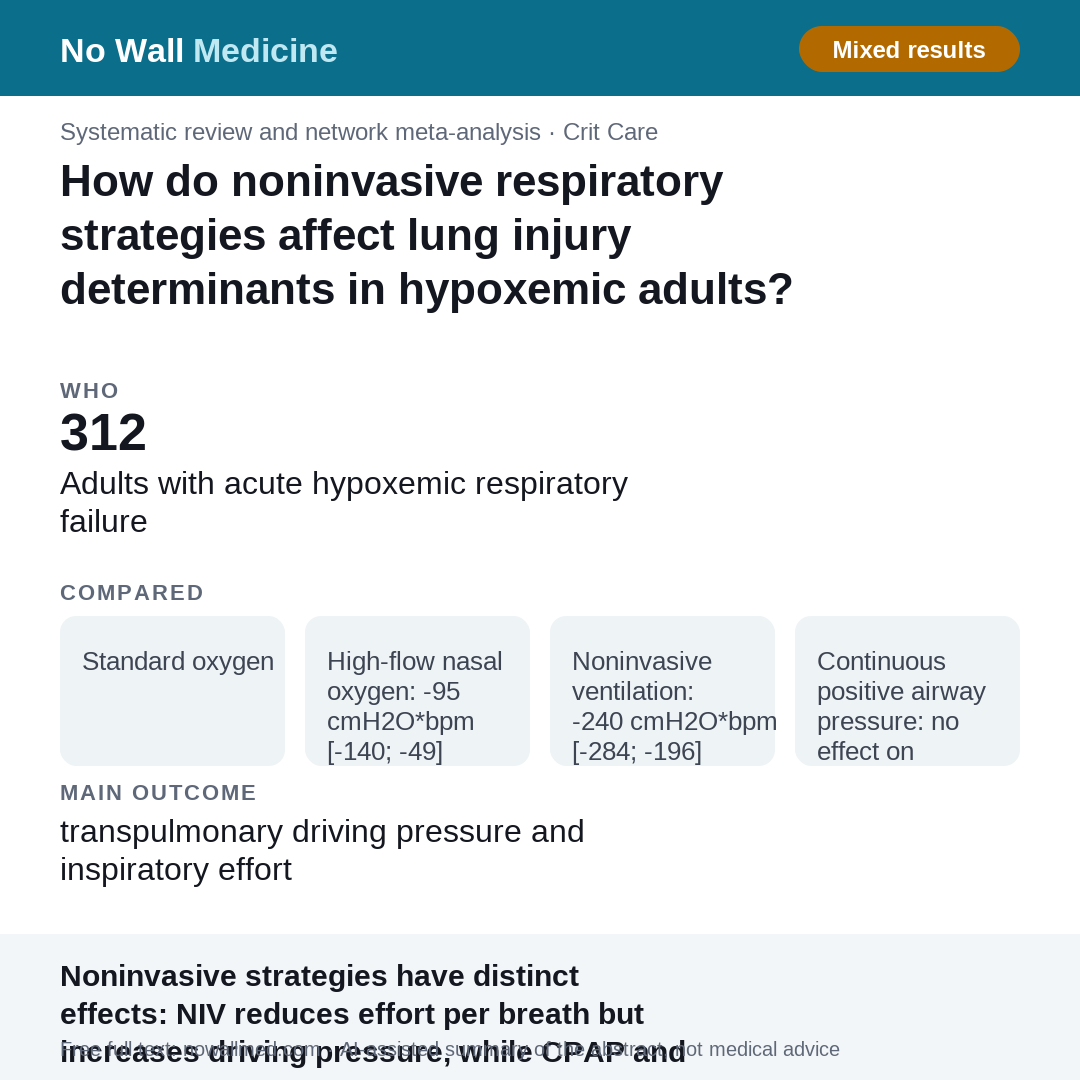
Physiological effects of noninvasive respiratory support strategies in adults with acute hypoxemic respiratory failure: a systematic review and network meta-analysis
Systematic review and network meta-analysisMixed results
How do noninvasive respiratory strategies affect lung injury determinants in hypoxemic adults?
Who
312
Adults with acute hypoxemic respiratory failure
Compared
Standard oxygen
High-flow nasal oxygen: -95 cmH2O*bpm [-140; -49] effort per minute
Noninvasive ventilation: -240 cmH2O*bpm [-284; -196] effort per minute
Continuous positive airway pressure: no effect on effort per minute
Main outcome
transpulmonary driving pressure and inspiratory effort
Bottom line: Noninvasive strategies have distinct effects: NIV reduces effort per breath but increases driving pressure, while CPAP and NIV improve oxygenation more than high-flow nasal oxygen.
Crit Care · 2025-10-28Download image
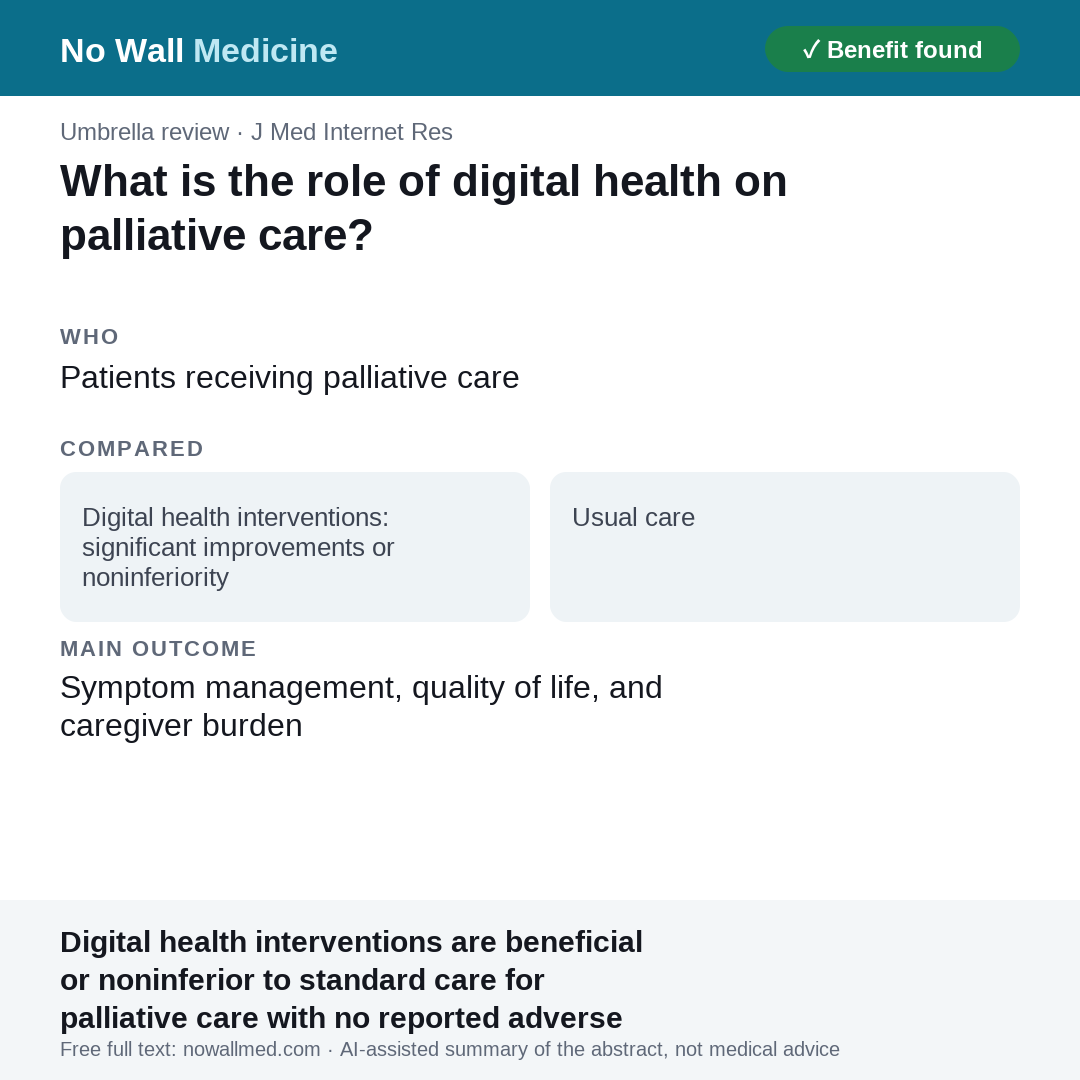
Role of Digital Health on Palliative Care: Umbrella Review
Umbrella reviewBenefit found
What is the role of digital health on palliative care?
Who
Patients receiving palliative care
Compared
Digital health interventions: significant improvements or noninferiority
Usual care
Main outcome
Symptom management, quality of life, and caregiver burden
Bottom line: Digital health interventions are beneficial or noninferior to standard care for palliative care with no reported adverse effects.
Limitation: Inconsistent conclusions in previous reviews due to methodological limitations and variable quality of primary studies.
J Med Internet Res · 2025-10-28Download image
Developing lifesaving skills in children: a simulation-based randomized controlled trial in schools
Simulation-based randomized controlled trialBenefit found
Does a single Basic Life Support training session improve skills in schoolchildren?
Who
198
Students aged 11-16 · 6 schools in Caxias do Sul, Brazil
Compared
Intervention Group: mean compression quality score: 51.71
Control Group: mean compression quality score: 17.81
Main outcome
chest compression quality
Bottom line: A single Basic Life Support training session improves and sustains practical and theoretical skills for six months.
Resusc Plus · 2025-10-28Download image

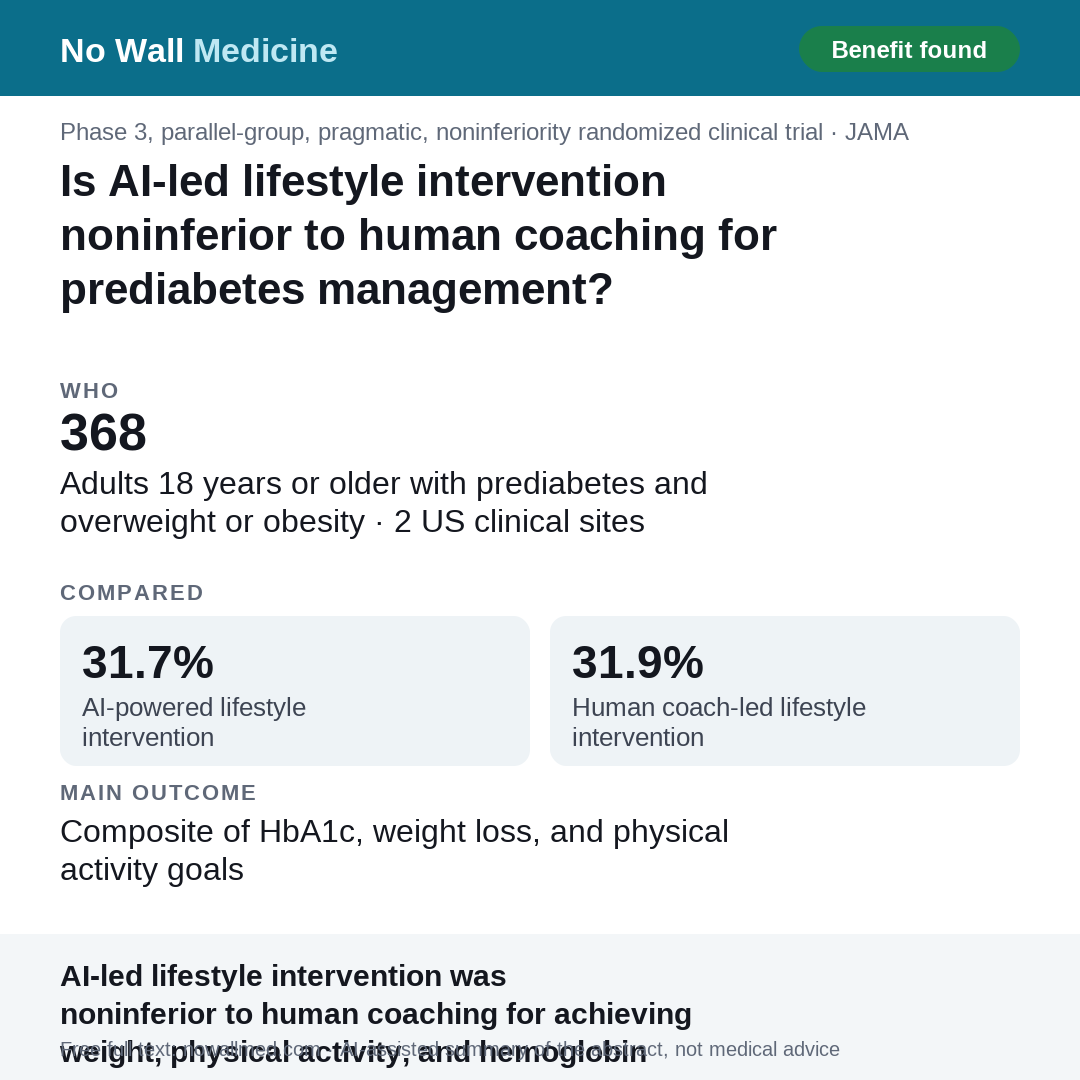
An AI-Powered Lifestyle Intervention vs Human Coaching in the Diabetes Prevention Program: A Randomized Clinical Trial
Phase 3, parallel-group, pragmatic, noninferiority randomized clinical trialBenefit found
Is AI-led lifestyle intervention noninferior to human coaching for prediabetes management?
Who
368
Adults 18 years or older with prediabetes and overweight or obesity · 2 US clinical sites
Compared
31.7%AI-powered lifestyle intervention
31.9%Human coach-led lifestyle intervention
Main outcome
Composite of HbA1c, weight loss, and physical activity goals
Result: risk difference, -0.2% (1-sided 95% CI, -8.2%)
Bottom line: AI-led lifestyle intervention was noninferior to human coaching for achieving weight, physical activity, and hemoglobin A1c goals.
JAMA · 2025-10-27Download image
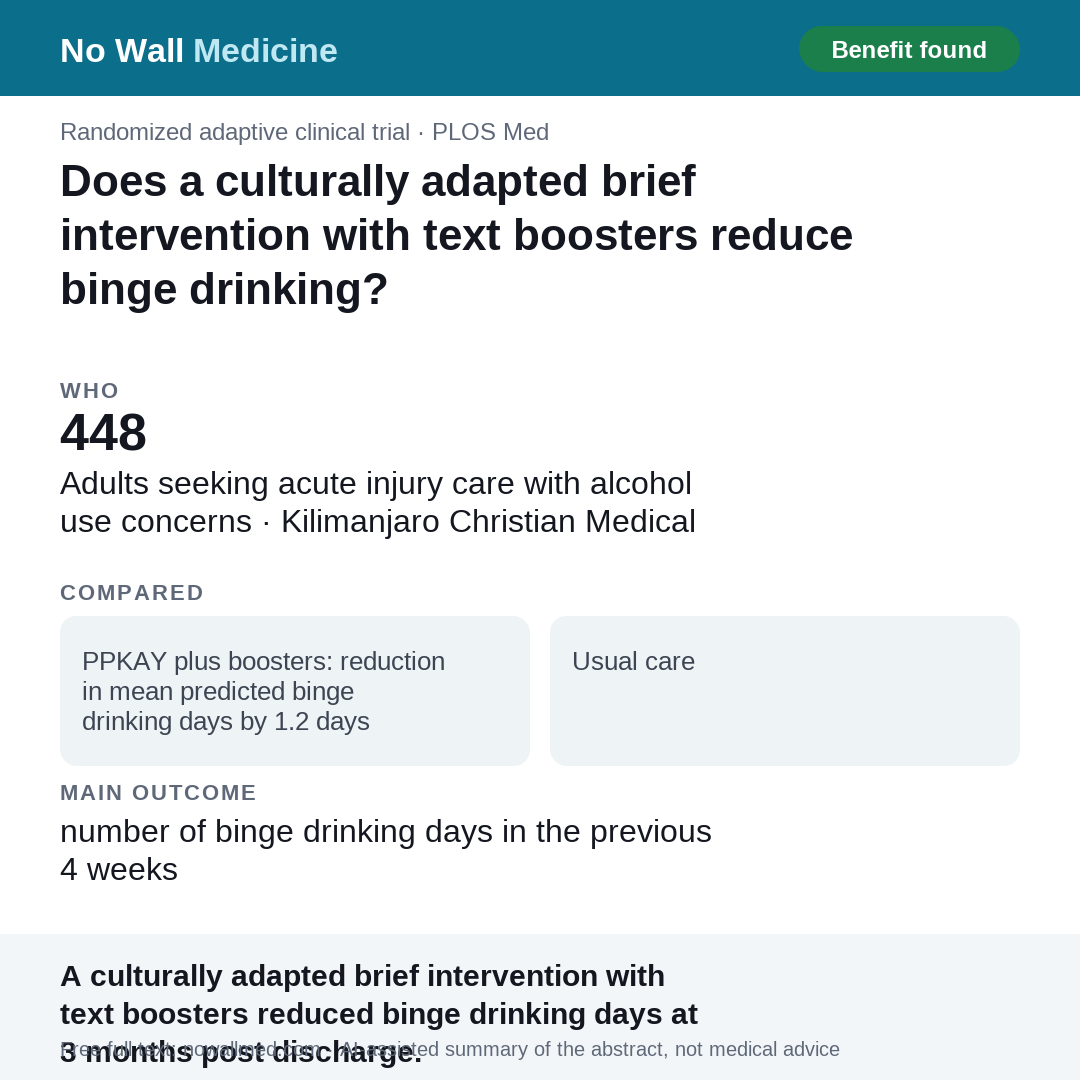
Effectiveness of a brief intervention and text-based booster in the emergency department to reduce harmful and hazardous alcohol use: A pragmatic randomized adaptive clinical trial in Moshi, Tanzania
Randomized adaptive clinical trialBenefit found
Does a culturally adapted brief intervention with text boosters reduce binge drinking?
Who
448
Adults seeking acute injury care with alcohol use concerns · Kilimanjaro Christian Medical Centre Emergency Department, Tanzania
Compared
PPKAY plus boosters: reduction in mean predicted binge drinking days by 1.2 days
Usual care
Main outcome
number of binge drinking days in the previous 4 weeks
Result: difference-in-differences -1.2 days (95% CI: [-2.3, -0.3])
Bottom line: A culturally adapted brief intervention with text boosters reduced binge drinking days at 3 months post discharge.
Limitation: Self-reported primary outcome introduces potential for social desirability bias.
PLOS Med · 2025-10-27Download image
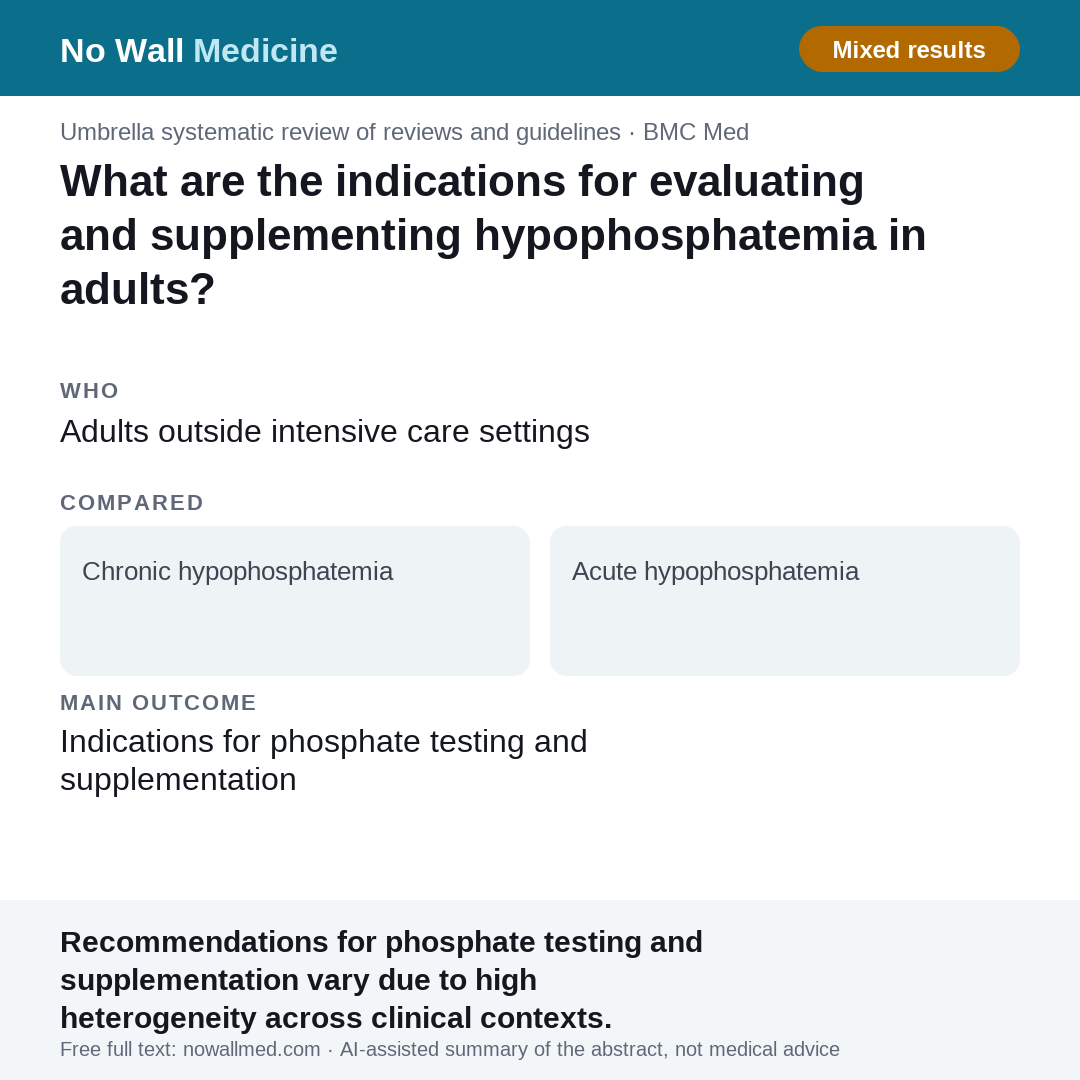
Indications for the evaluation and supplementation of hypophosphatemia: an umbrella systematic review of reviews and guidelines
Umbrella systematic review of reviews and guidelinesMixed results
What are the indications for evaluating and supplementing hypophosphatemia in adults?
Who
Adults outside intensive care settings
Compared
Chronic hypophosphatemia
Acute hypophosphatemia
Main outcome
Indications for phosphate testing and supplementation
Bottom line: Recommendations for phosphate testing and supplementation vary due to high heterogeneity across clinical contexts.
BMC Med · 2025-10-27Download image
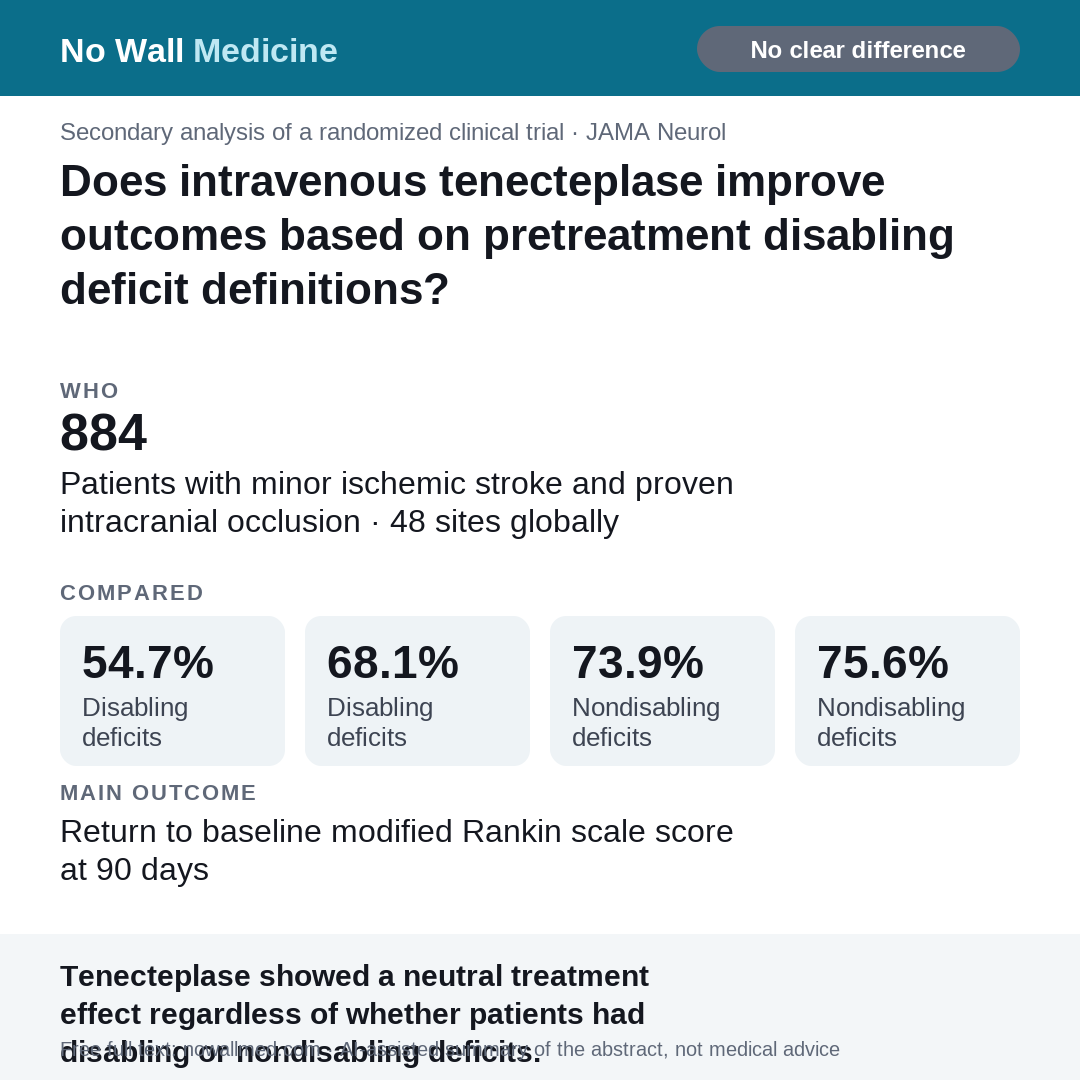
Thrombolysis With Tenecteplase for Minor Disabling Stroke: Secondary Analysis of the TEMPO-2 Randomized Clinical Trial
Secondary analysis of a randomized clinical trialNo clear difference
Does intravenous tenecteplase improve outcomes based on pretreatment disabling deficit definitions?
Who
884
Patients with minor ischemic stroke and proven intracranial occlusion · 48 sites globally
Compared
54.7%Disabling deficits (tenecteplase)
68.1%Disabling deficits (standard of care)
73.9%Nondisabling deficits (tenecteplase)
75.6%Nondisabling deficits (standard of care)
Main outcome
Return to baseline modified Rankin scale score at 90 days
Result: adjusted risk ratio 0.81 (95% CI, 0.60-1.10) for disabling deficits
Bottom line: Tenecteplase showed a neutral treatment effect regardless of whether patients had disabling or nondisabling deficits.
JAMA Neurol · 2025-10-27Download image
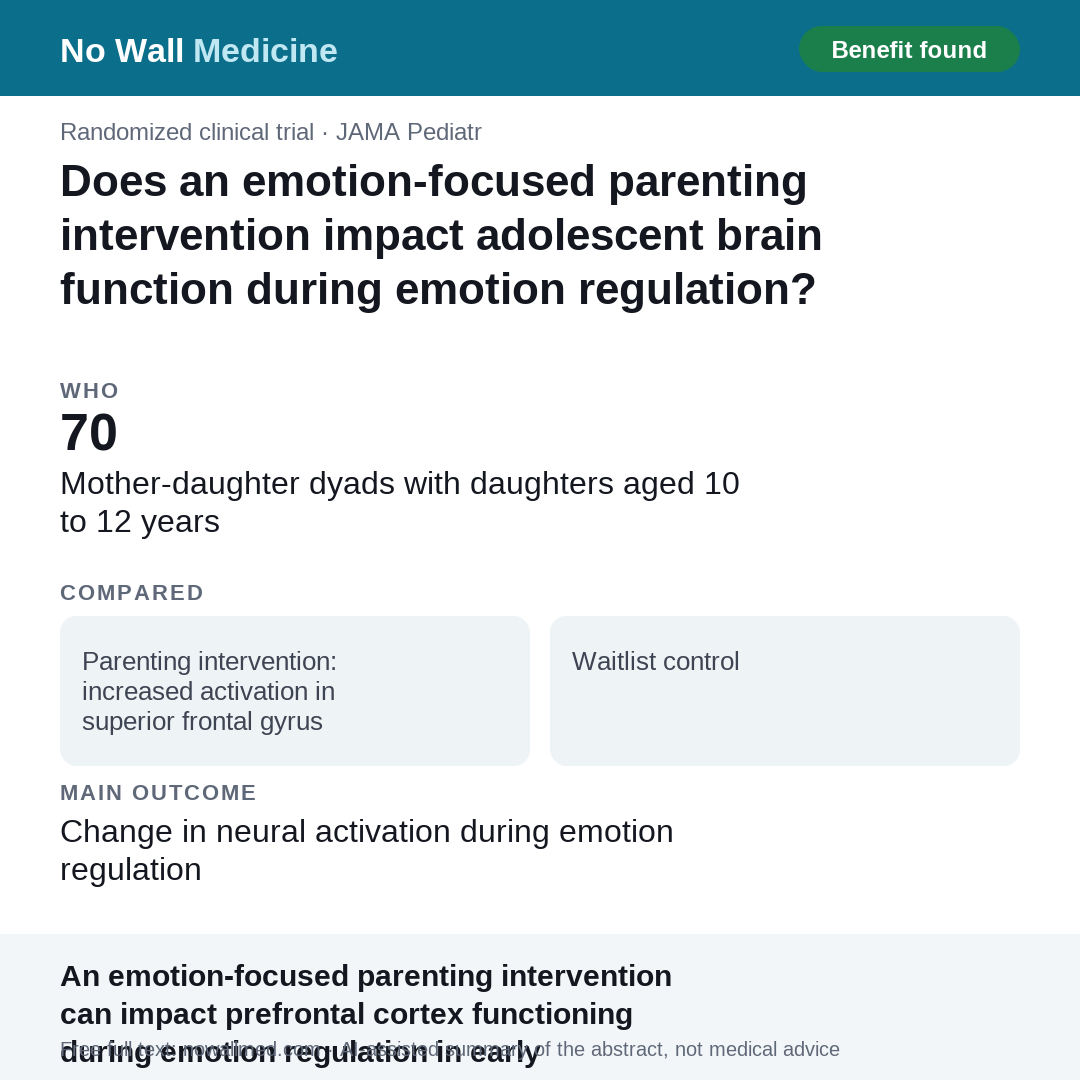
Brain Changes After a Parenting Intervention in Adolescent Girls With Internalizing Symptoms: A Randomized Clinical Trial
Randomized clinical trialBenefit found
Does an emotion-focused parenting intervention impact adolescent brain function during emotion regulation?
Who
70
Mother-daughter dyads with daughters aged 10 to 12 years
Compared
Parenting intervention: increased activation in superior frontal gyrus
Waitlist control
Main outcome
Change in neural activation during emotion regulation
Result: B = 1.75 (95% CI, 0.95-2.54)
Bottom line: An emotion-focused parenting intervention can impact prefrontal cortex functioning during emotion regulation in early adolescent girls.
JAMA Pediatr · 2025-10-27Download image
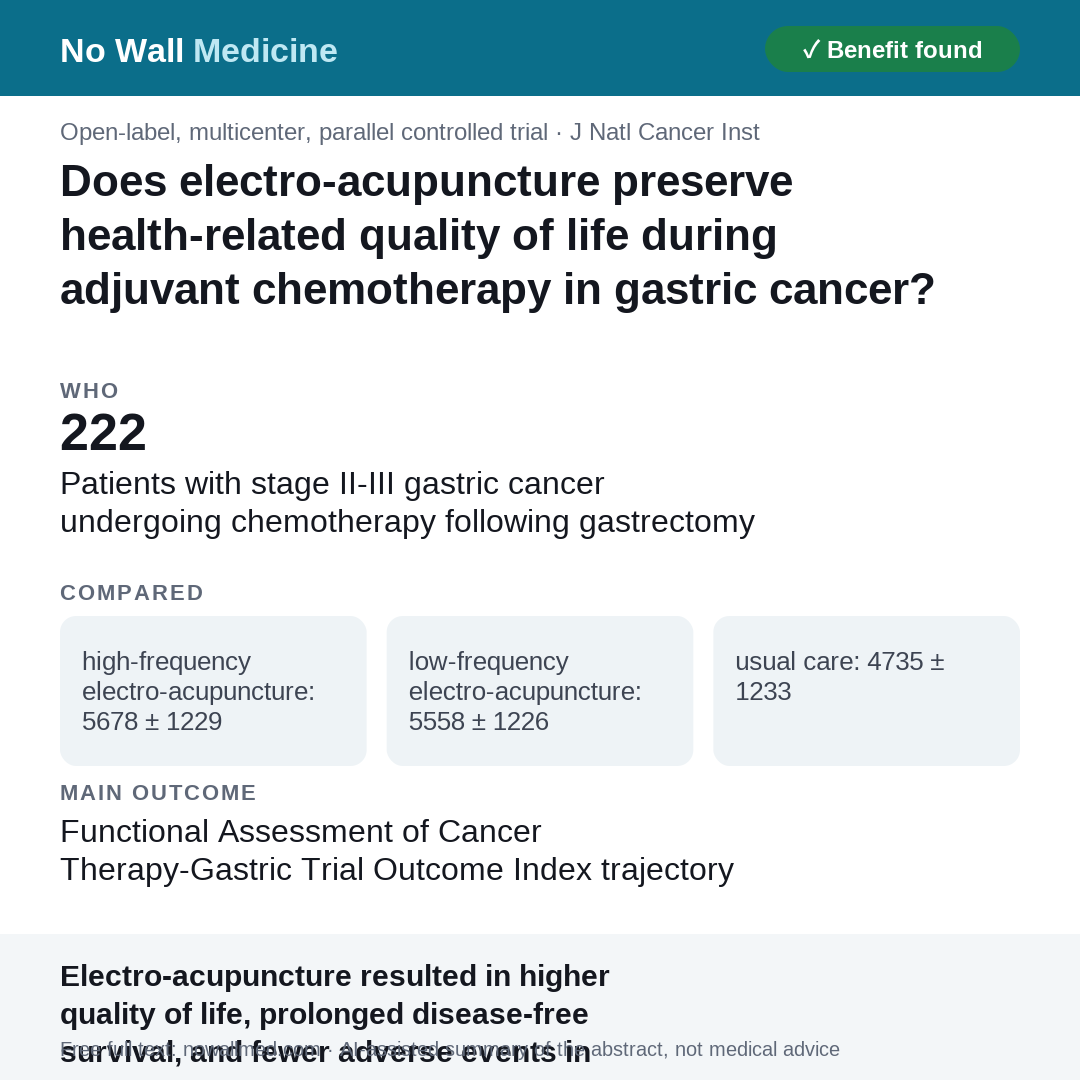
Electro-acupuncture for quality of life during adjuvant chemotherapy in gastric cancer: a randomized trial
Open-label, multicenter, parallel controlled trialBenefit found
Does electro-acupuncture preserve health-related quality of life during adjuvant chemotherapy in gastric cancer?
Who
222
Patients with stage II-III gastric cancer undergoing chemotherapy following gastrectomy · 11 hospitals in China
Compared
high-frequency electro-acupuncture: 5678 ± 1229
low-frequency electro-acupuncture: 5558 ± 1226
usual care: 4735 ± 1233
Main outcome
Functional Assessment of Cancer Therapy-Gastric Trial Outcome Index trajectory area under the curve
Result: hazard ratio 0.47 (95% CI 0.24 to 0.93)
Bottom line: Electro-acupuncture resulted in higher quality of life, prolonged disease-free survival, and fewer adverse events in gastric cancer patients.
J Natl Cancer Inst · 2025-10-27Download image
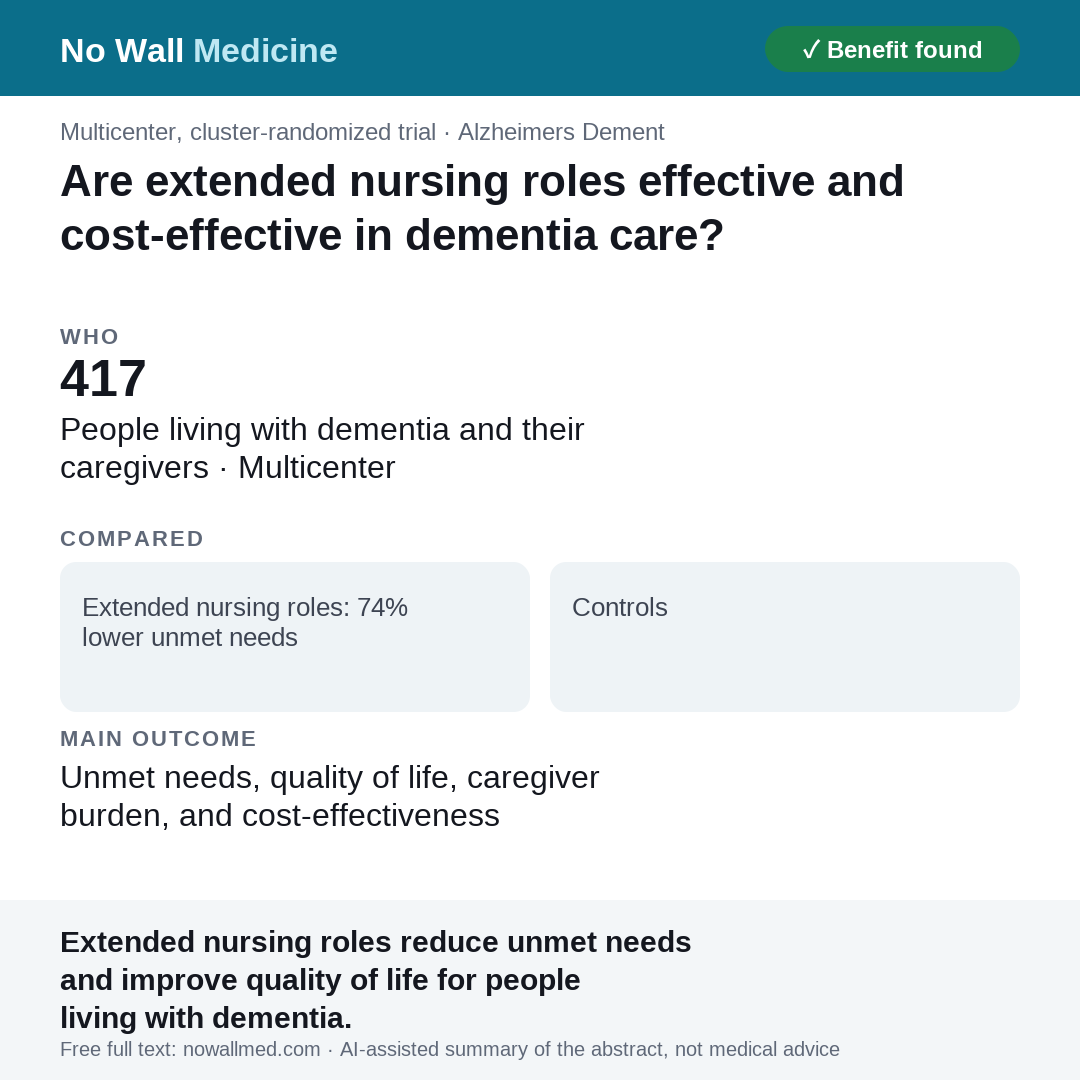
Efficacy and cost-effectiveness of extended nursing roles in dementia care: Results of the cluster-randomized trial InDePendent
Multicenter, cluster-randomized trialBenefit found
Are extended nursing roles effective and cost-effective in dementia care?
Who
417
People living with dementia and their caregivers · Multicenter
Compared
Extended nursing roles: 74% lower unmet needs
Controls
Main outcome
Unmet needs, quality of life, caregiver burden, and cost-effectiveness
Result: 0.26, CI95%: 0.17 to 0.40
Bottom line: Extended nursing roles reduce unmet needs and improve quality of life for people living with dementia.
Alzheimers Dement · 2025-10-27Download image
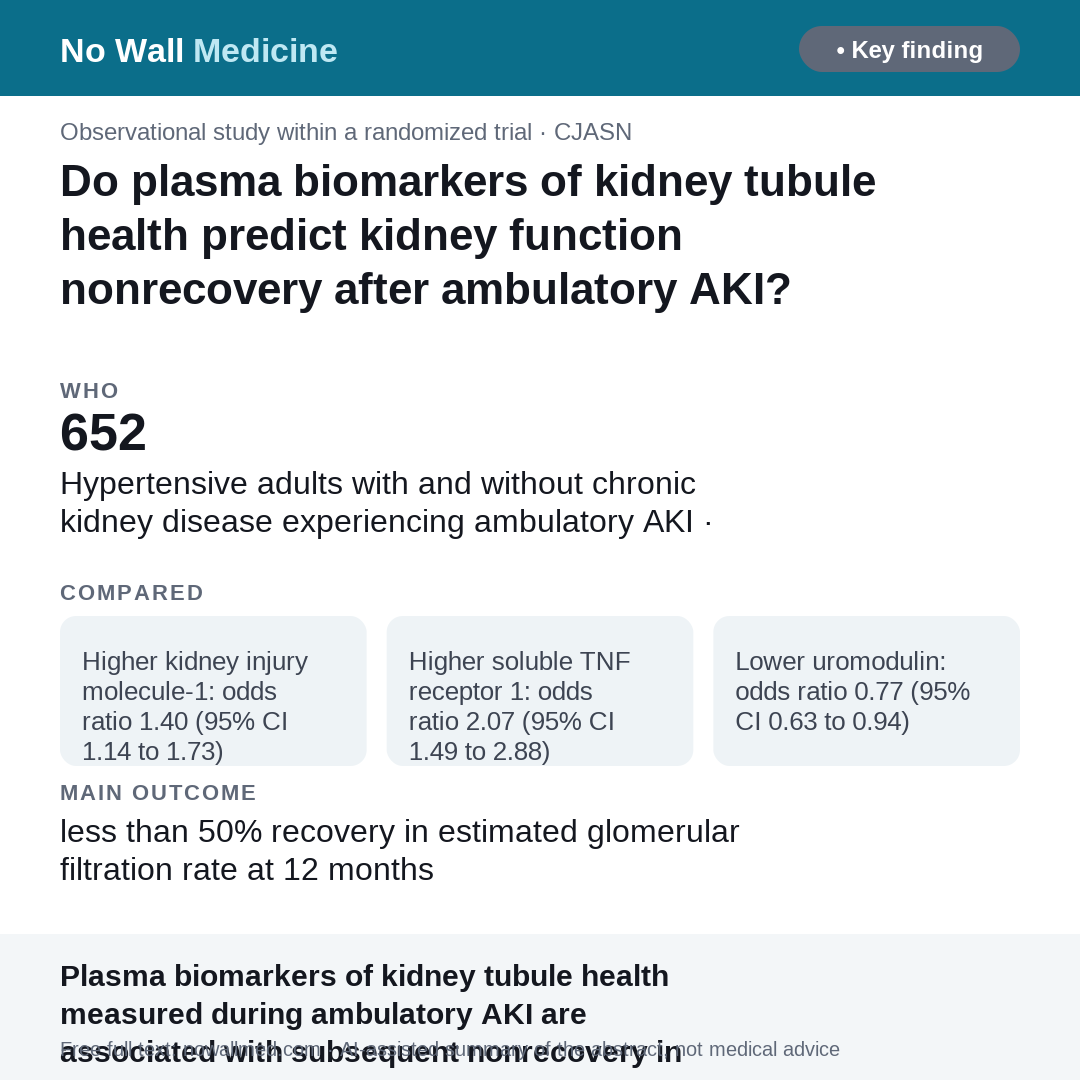
Plasma Biomarkers of Kidney Tubule Health during Ambulatory AKI and Kidney Function Recovery in SPRINT
Observational study within a randomized trialBenefit found
Do plasma biomarkers of kidney tubule health predict kidney function nonrecovery after ambulatory AKI?
Who
652
Hypertensive adults with and without chronic kidney disease experiencing ambulatory AKI · Systolic Blood Pressure Intervention Trial
Compared
Higher kidney injury molecule-1: odds ratio 1.40 (95% CI 1.14 to 1.73)
Higher soluble TNF receptor 1: odds ratio 2.07 (95% CI 1.49 to 2.88)
Lower uromodulin: odds ratio 0.77 (95% CI 0.63 to 0.94)
Main outcome
less than 50% recovery in estimated glomerular filtration rate at 12 months
Bottom line: Plasma biomarkers of kidney tubule health measured during ambulatory AKI are associated with subsequent nonrecovery in kidney function.
CJASN · 2025-10-27Download image
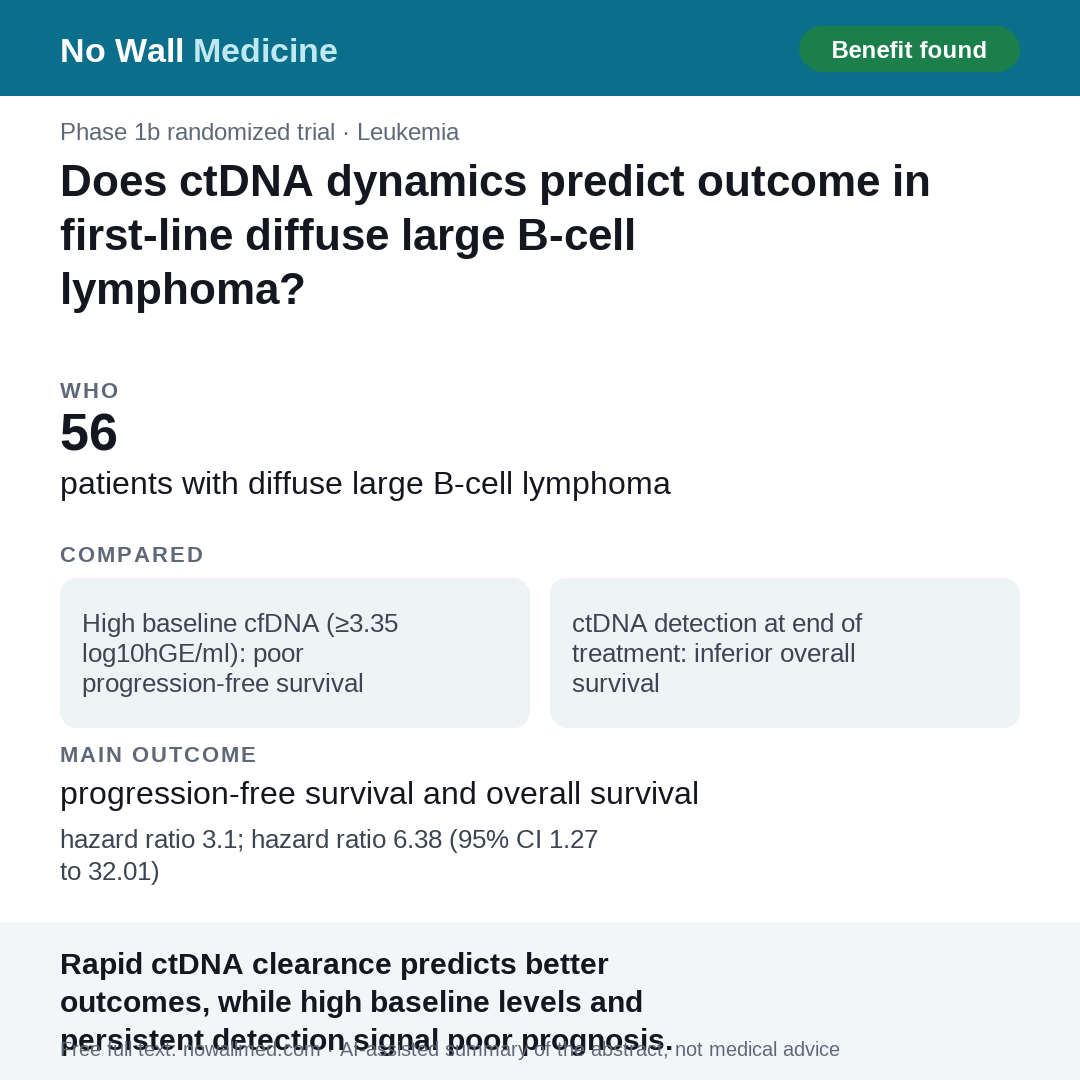
ctDNA dynamics demonstrates rapid treatment response to tafasitamab + R-CHOP +/- lenalidomide and predicts outcome in diffuse large B-cell lymphoma: results from the phase 1b First-MIND study
Phase 1b randomized trialBenefit found
Does ctDNA dynamics predict outcome in first-line diffuse large B-cell lymphoma?
Who
56
patients with diffuse large B-cell lymphoma
Compared
High baseline cfDNA (≥3.35 log10hGE/ml): poor progression-free survival
ctDNA detection at end of treatment: inferior overall survival
Main outcome
progression-free survival and overall survival
Result: hazard ratio 3.1; hazard ratio 6.38 (95% CI 1.27 to 32.01)
Bottom line: Rapid ctDNA clearance predicts better outcomes, while high baseline levels and persistent detection signal poor prognosis.
Leukemia · 2025-10-27Download image
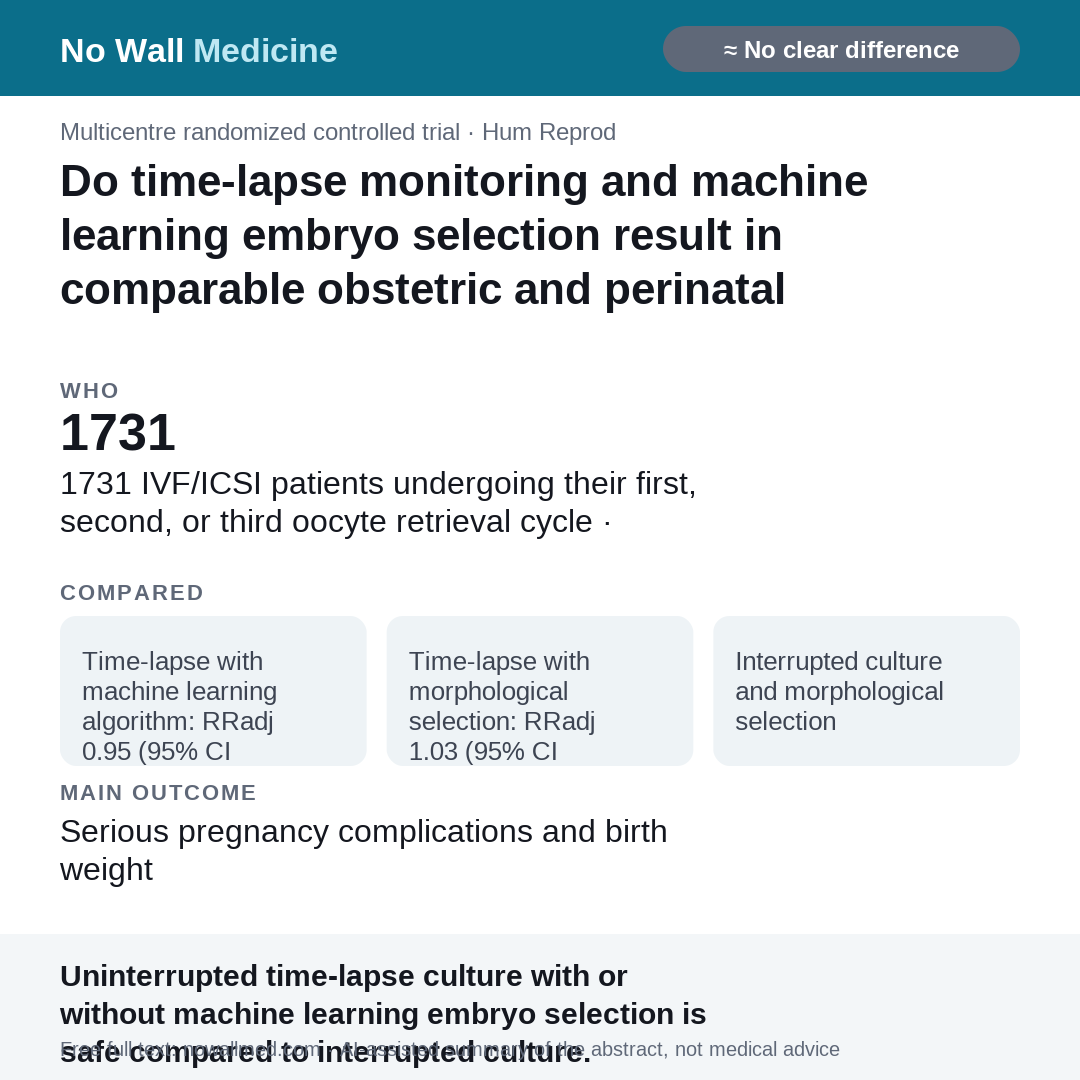
Obstetric and perinatal outcomes from the follow-up of a multicentre randomized controlled trial investigating time-lapse embryo monitoring
Multicentre randomized controlled trialNo clear difference
Do time-lapse monitoring and machine learning embryo selection result in comparable obstetric and perinatal outcomes?
Who
1731
1731 IVF/ICSI patients undergoing their first, second, or third oocyte retrieval cycle · Multicentre
Compared
Time-lapse with machine learning algorithm: RRadj 0.95 (95% CI 0.65-1.40)
Time-lapse with morphological selection: RRadj 1.03 (95% CI 0.70-1.50)
Interrupted culture and morphological selection
Main outcome
Serious pregnancy complications and birth weight
Result: RRadj 0.95 (95% CI 0.65-1.40) and RRadj 1.03 (95% CI 0.70-1.50)
Bottom line: Uninterrupted time-lapse culture with or without machine learning embryo selection is safe compared to interrupted culture.
Limitation: This study reports safety outcomes for one type of time-lapse incubator.
Hum Reprod · 2025-10-27Download image
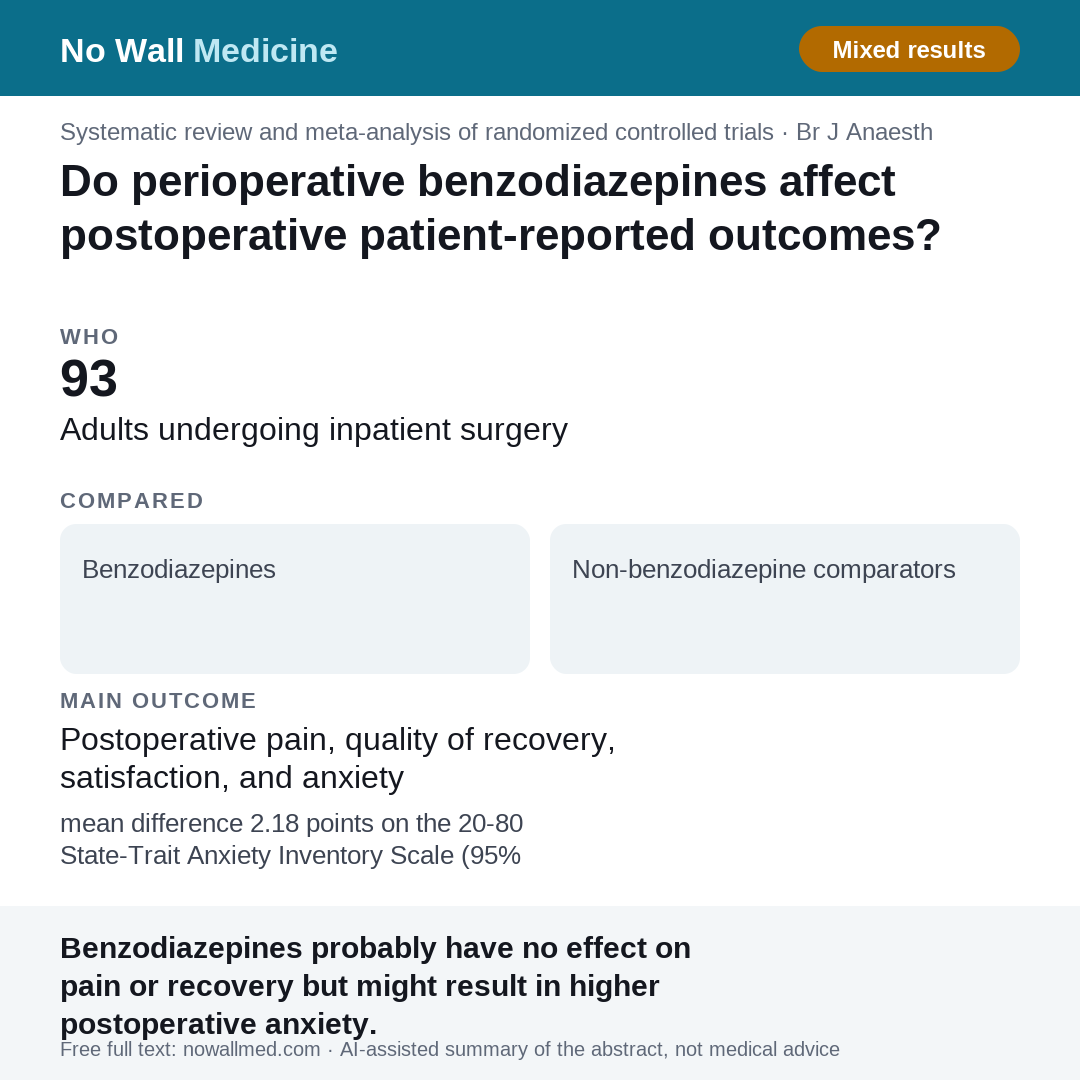
Effects of perioperative benzodiazepine administration on postoperative patient-reported outcomes: a systematic review and meta-analysis of randomised controlled trials
Systematic review and meta-analysis of randomized controlled trialsMixed results
Do perioperative benzodiazepines affect postoperative patient-reported outcomes?
Who
93
Adults undergoing inpatient surgery
Compared
Benzodiazepines
Non-benzodiazepine comparators
Main outcome
Postoperative pain, quality of recovery, satisfaction, and anxiety
Result: mean difference 2.18 points on the 20-80 State-Trait Anxiety Inventory Scale (95% confidence interval, 1.05-3.30)
Bottom line: Benzodiazepines probably have no effect on pain or recovery but might result in higher postoperative anxiety.
Limitation: Low and very low certainty evidence for some outcomes.
Br J Anaesth · 2025-10-27Download image
Increasing Phytochemical-rich Foods and Lactobacillus Probiotics in Men with Low-risk Prostate Cancer-A Randomised, Double-blind, Placebo-controlled Trial
Randomized, double-blind, placebo-controlled trialBenefit found
Do phytochemical-rich foods and Lactobacillus probiotics slow prostate cancer progression in men?
Who
208
Men on active surveillance with prostate cancer
Compared
Phytochemical-rich food capsules: helped slow prostate-specific antigen progression significantly
Phytochemical-rich food plus Lactobacillus probiotics: three-fold slowing of prostate-specific antigen progression
Main outcome
prostate-specific antigen progression, urinary symptoms, and erectile function
Bottom line: Phytochemical-rich foods and Lactobacillus probiotics helped slow prostate-specific antigen progression and improved symptoms.
Eur Urol Oncol · 2025-10-27Download image

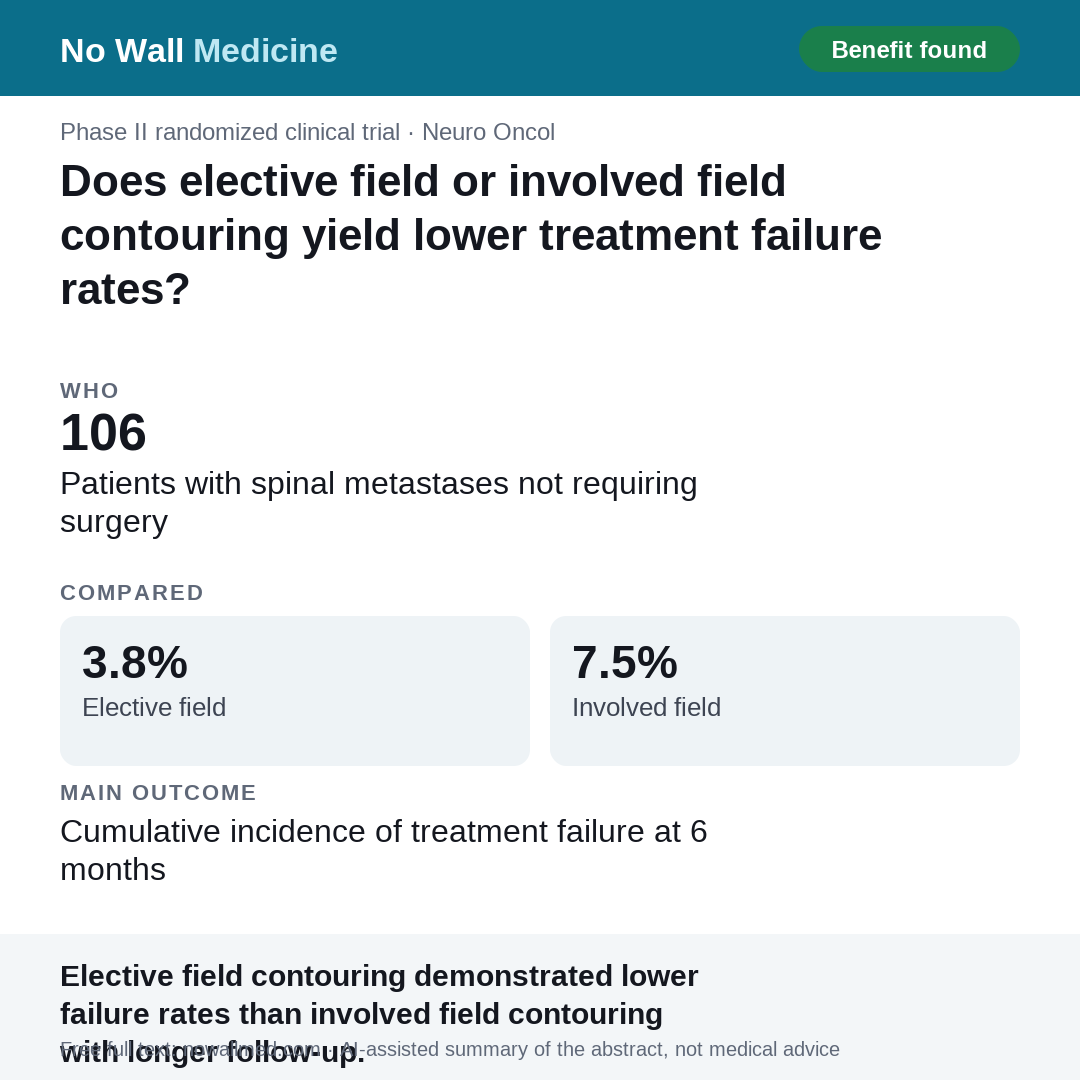
Elective versus involved target volume definition of stereotactic spine radiosurgery for spinal metastases: A phase II randomized clinical trial
Phase II randomized clinical trialBenefit found
Does elective field or involved field contouring yield lower treatment failure rates?
Who
106
Patients with spinal metastases not requiring surgery
Compared
3.8%Elective field
7.5%Involved field
Main outcome
Cumulative incidence of treatment failure at 6 months
Bottom line: Elective field contouring demonstrated lower failure rates than involved field contouring with longer follow-up.
Neuro Oncol · 2025-10-27Download image
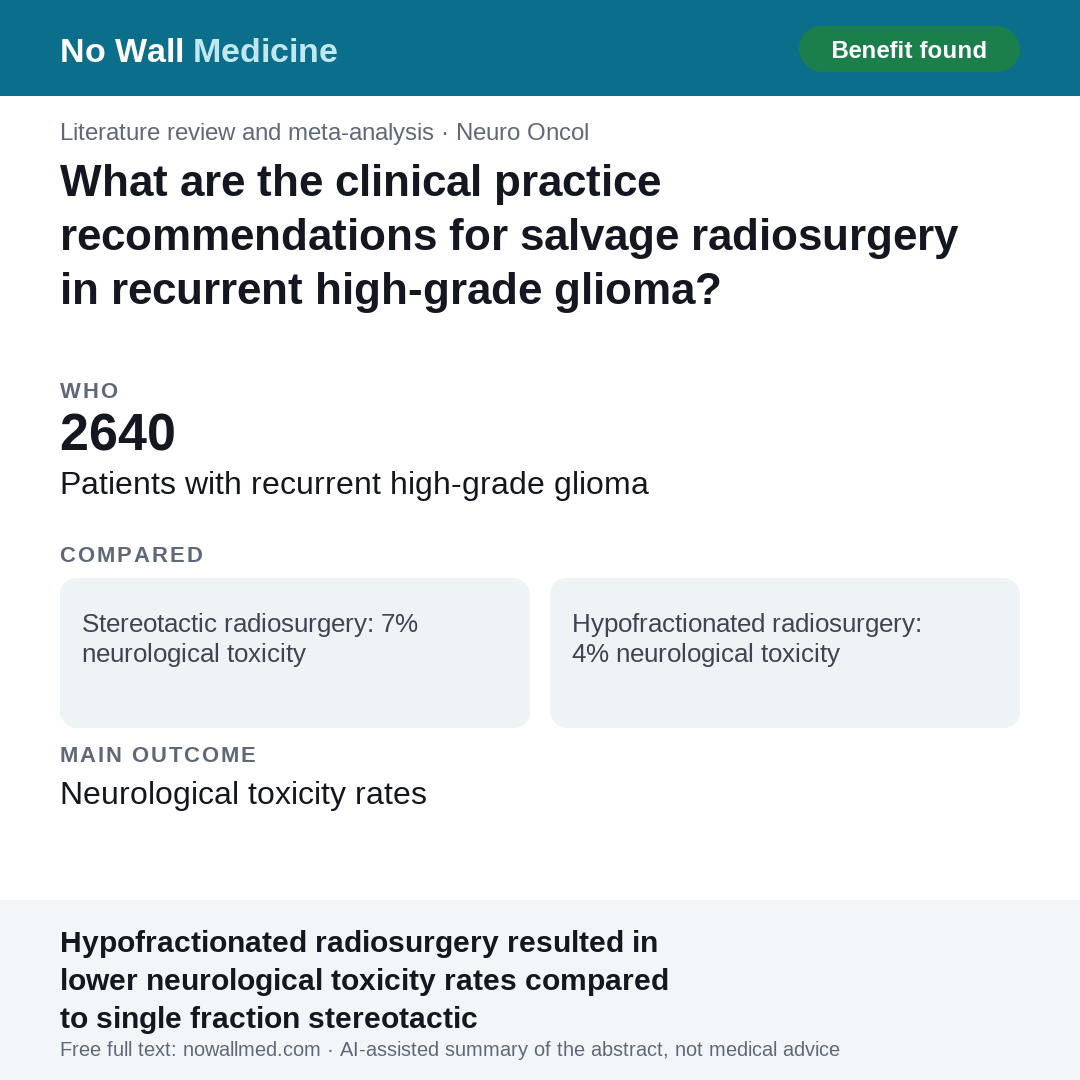
International Stereotactic Radiosurgery Society (ISRS) practice guidelines for radiosurgery in recurrent high-grade glioma
Literature review and meta-analysisBenefit found
What are the clinical practice recommendations for salvage radiosurgery in recurrent high-grade glioma?
Who
2640
Patients with recurrent high-grade glioma
Compared
Stereotactic radiosurgery: 7% neurological toxicity
Hypofractionated radiosurgery: 4% neurological toxicity
Main outcome
Neurological toxicity rates
Bottom line: Hypofractionated radiosurgery resulted in lower neurological toxicity rates compared to single fraction stereotactic radiosurgery.
Limitation: Limited prospective data
Neuro Oncol · 2025-10-27Download image