Visual abstracts
New randomized trials and meta-analyses from leading journals at a glance: who was studied, what was compared, and what was found. Every paper is free to read in full.
All specialtiesCardiology 4877Oncology 4138Gastroenterology & Hepatology 1942Infectious Disease 3837Neurology 1905Psychiatry & Mental Health 2273Pulmonology 2143Critical Care 1365Endocrinology & Diabetes 2580Pediatrics 2980Surgery 2559Orthopedics & Sports Medicine 931Neurosurgery 537Cardiothoracic & Vascular Surgery 674Plastic & Reconstructive Surgery 591Nephrology 1133Rheumatology 823Hematology 1109Dermatology 621Ophthalmology 543Obstetrics & Gynecology 1686Public & Global Health 1058Radiology & Imaging 648Anesthesiology 986Urology 764ENT (Otolaryngology) 503Emergency Medicine 511Allergy & Immunology 313Geriatrics 981Family Medicine & Primary Care 562Medical Genetics & Genomics 676Pathology & Laboratory Medicine 159Physical Medicine & Rehabilitation 757Palliative Care 444Nutrition 1588Digital Health & AI 2201General Medicine 321
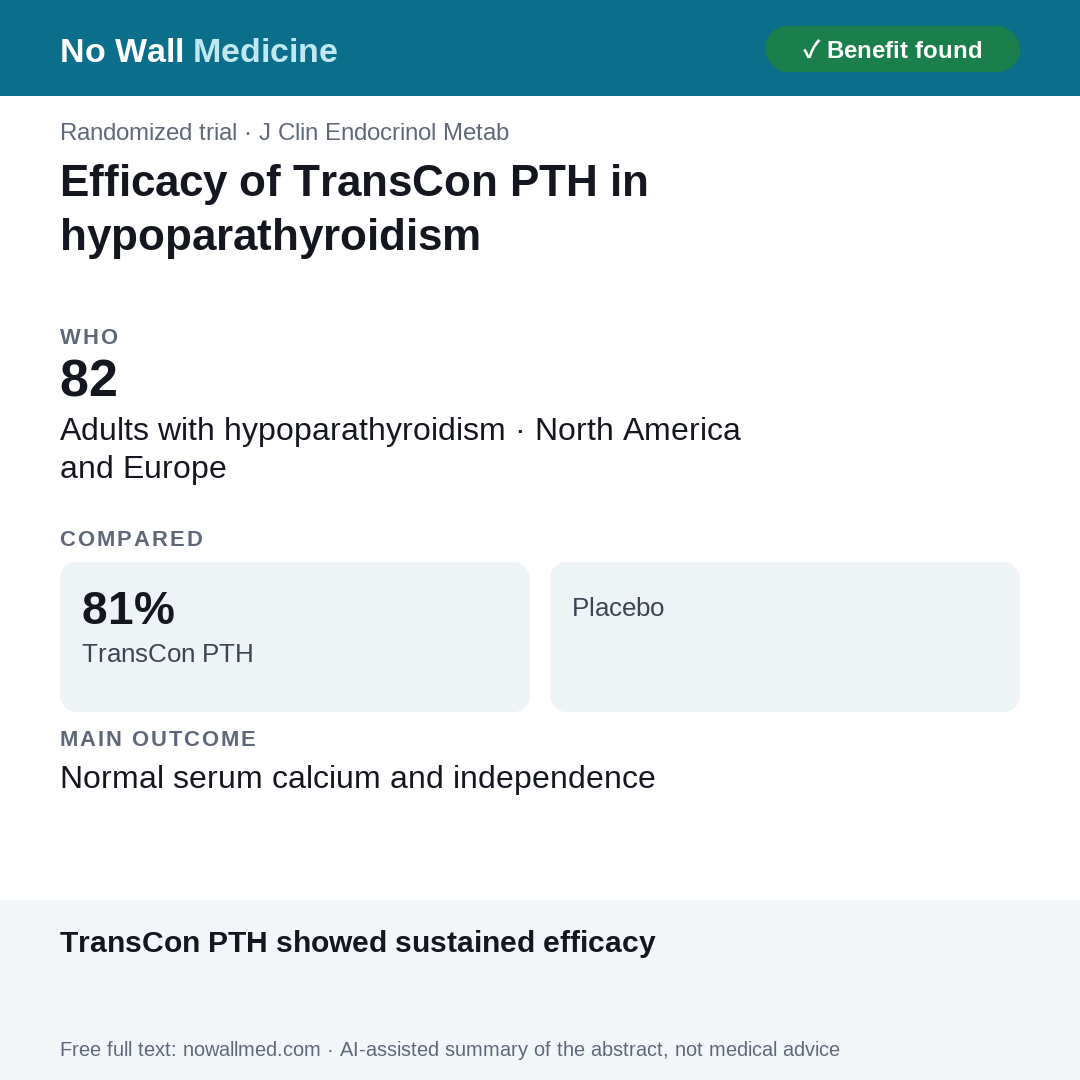
Efficacy and Safety of TransCon PTH in Adults With Hypoparathyroidism: 52-Week Results From the Phase 3 PaTHway Trial
Randomized trialBenefit found
Efficacy of TransCon PTH in hypoparathyroidism
Who
82
Adults with hypoparathyroidism · North America and Europe
Compared
81%TransCon PTH (63/78)
Placebo
Main outcome
Normal serum calcium and independence
Bottom line: TransCon PTH showed sustained efficacy
J Clin Endocrinol Metab · 2024-10-08Download image
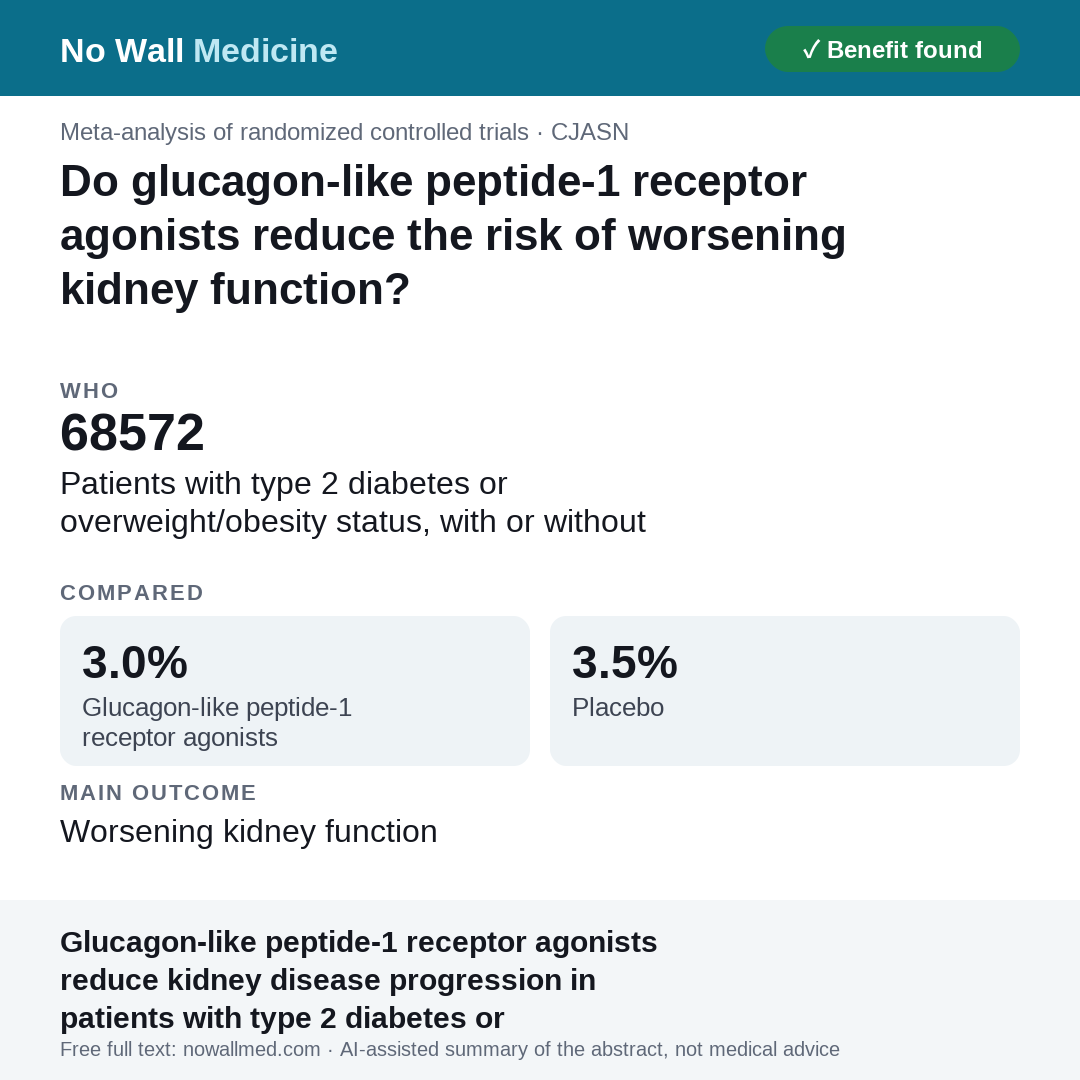
The Impact of Glucagon-Like Peptide-1 Receptor Agonists on Kidney Outcomes: A Meta-Analysis of Randomized Placebo-Controlled Trials
Meta-analysis of randomized controlled trialsBenefit found
Do glucagon-like peptide-1 receptor agonists reduce the risk of worsening kidney function?
Who
68572
Patients with type 2 diabetes or overweight/obesity status, with or without chronic kidney disease
Compared
3.0%Glucagon-like peptide-1 receptor agonists
3.5%Placebo
Main outcome
Worsening kidney function
Result: risk ratio 0.84 (95% confidence interval 0.77 to 0.91)
Bottom line: Glucagon-like peptide-1 receptor agonists reduce kidney disease progression in patients with type 2 diabetes or overweight/obesity status.
CJASN · 2024-10-08Download image
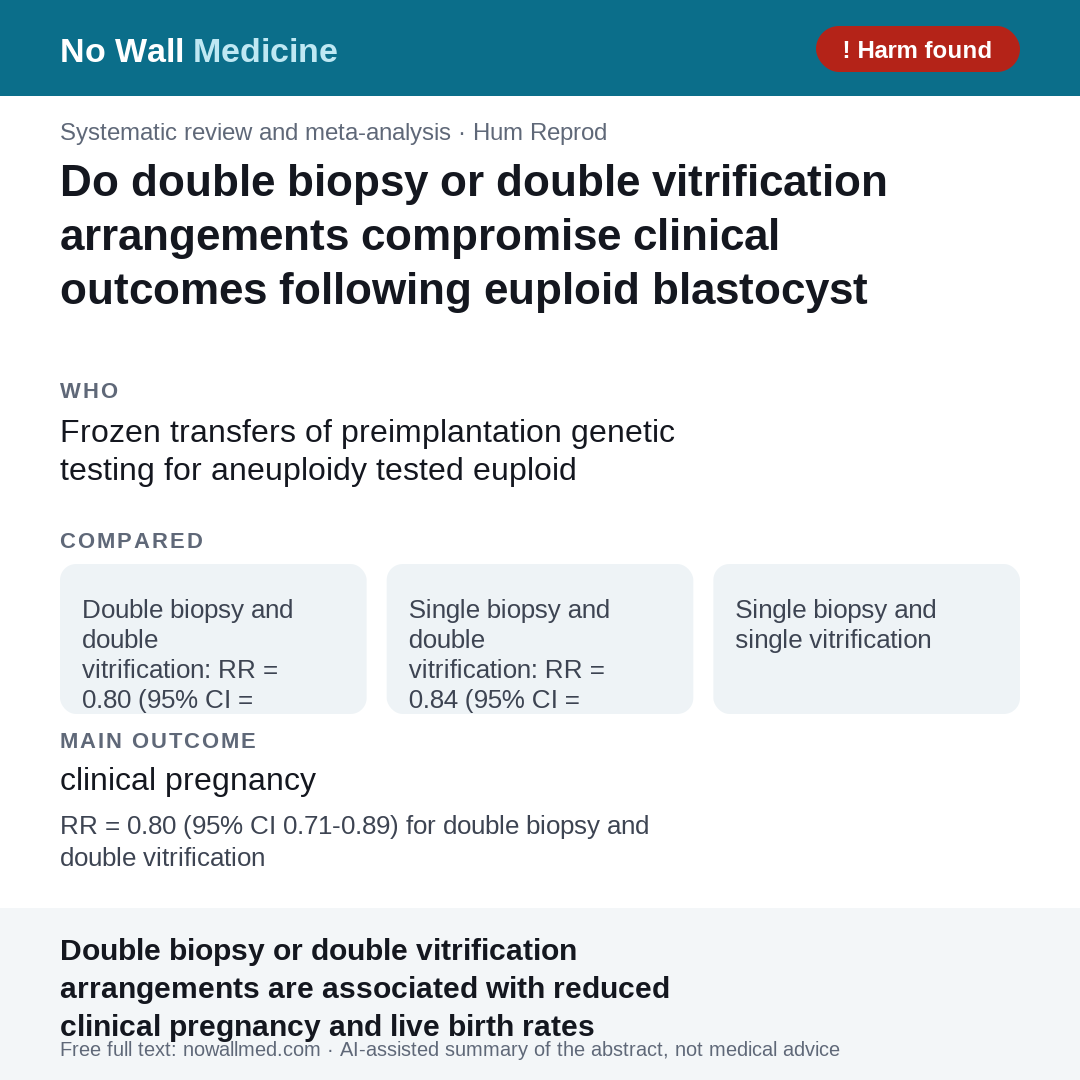
Impacts of double biopsy and double vitrification on the clinical outcomes following euploid blastocyst transfer: a systematic review and meta-analysis
Systematic review and meta-analysisHarm found
Do double biopsy or double vitrification arrangements compromise clinical outcomes following euploid blastocyst transfer?
Who
Frozen transfers of preimplantation genetic testing for aneuploidy tested euploid blastocysts
Compared
Double biopsy and double vitrification: RR = 0.80 (95% CI = 0.71-0.89) for clinical pregnancy
Single biopsy and double vitrification: RR = 0.84 (95% CI = 0.76-0.92) for clinical pregnancy
Single biopsy and single vitrification
Main outcome
clinical pregnancy
Result: RR = 0.80 (95% CI 0.71-0.89) for double biopsy and double vitrification
Bottom line: Double biopsy or double vitrification arrangements are associated with reduced clinical pregnancy and live birth rates compared to single biopsy and single vitrification.
Limitation: All included studies were retrospective with varying levels of heterogeneity and potential confounding factors.
Hum Reprod · 2024-10-08Download image
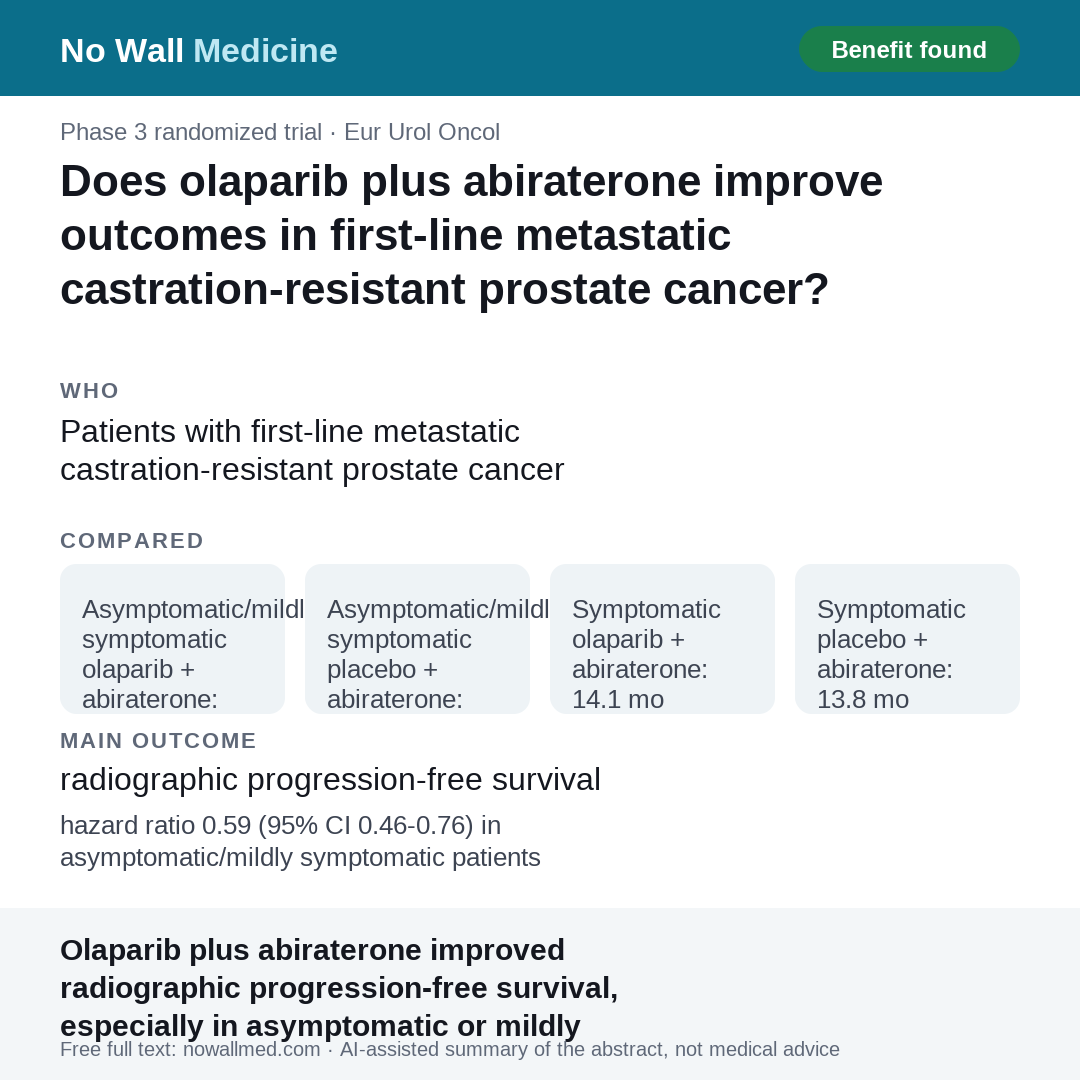
Efficacy and Safety of Olaparib Plus Abiraterone Versus Placebo Plus Abiraterone in the First-line Treatment of Patients with Asymptomatic/Mildly Symptomatic and Symptomatic Metastatic Castration-resistant Prostate Cancer: Analyses from the Phase 3 PROpel Trial
Phase 3 randomized trialBenefit found
Does olaparib plus abiraterone improve outcomes in first-line metastatic castration-resistant prostate cancer?
Who
Patients with first-line metastatic castration-resistant prostate cancer
Compared
Asymptomatic/mildly symptomatic olaparib + abiraterone: 27.6 mo
Asymptomatic/mildly symptomatic placebo + abiraterone: 19.1 mo
Symptomatic olaparib + abiraterone: 14.1 mo
Symptomatic placebo + abiraterone: 13.8 mo
Main outcome
radiographic progression-free survival
Result: hazard ratio 0.59 (95% CI 0.46-0.76) in asymptomatic/mildly symptomatic patients
Bottom line: Olaparib plus abiraterone improved radiographic progression-free survival, especially in asymptomatic or mildly symptomatic patients.
Limitation: This was a post hoc exploratory subgroup analysis.
Eur Urol Oncol · 2024-10-08Download image
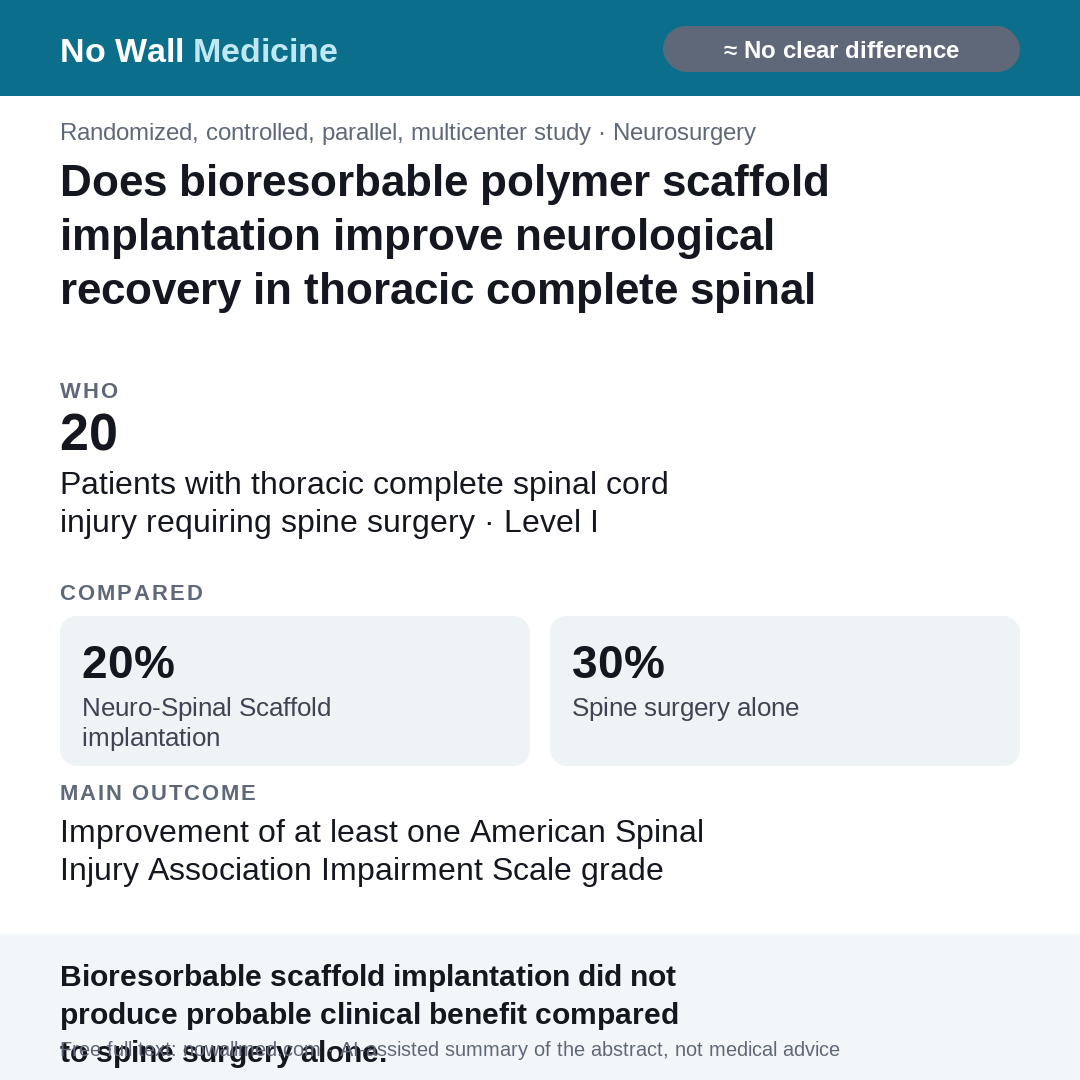
Acute Implantation of a Bioresorbable Polymer Scaffold in Patients With Complete Thoracic Spinal Cord Injury: A Randomized Controlled Trial (INSPIRE 2.0)
Randomized, controlled, parallel, multicenter studyNo clear difference
Does bioresorbable polymer scaffold implantation improve neurological recovery in thoracic complete spinal cord injury?
Who
20
Patients with thoracic complete spinal cord injury requiring spine surgery · Level I trauma centers in the United States
Compared
20%Neuro-Spinal Scaffold implantation
30%Spine surgery alone
Main outcome
Improvement of at least one American Spinal Injury Association Impairment Scale grade
Bottom line: Bioresorbable scaffold implantation did not produce probable clinical benefit compared to spine surgery alone.
Limitation: This was a small group of patients.
Funded by: InVivo Therapeutics Corporation
Neurosurgery · 2024-10-08Download image
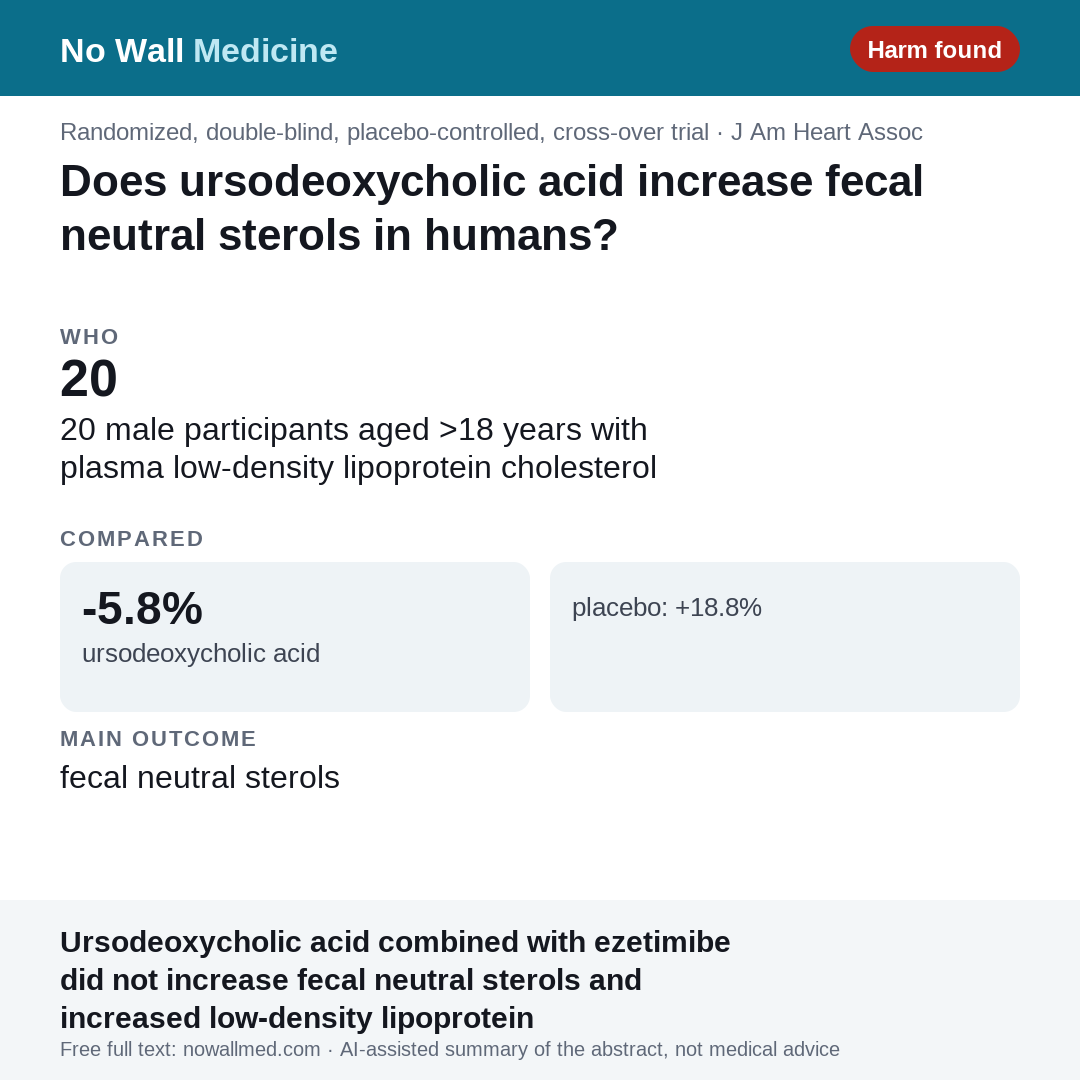
Ursodeoxycholic Acid for Trans Intestinal Cholesterol Excretion Stimulation: A Randomized Placebo Controlled Crossover Study
Randomized, double-blind, placebo-controlled, cross-over trialHarm found
Does ursodeoxycholic acid increase fecal neutral sterols in humans?
Who
20
20 male participants aged >18 years with plasma low-density lipoprotein cholesterol ≥2.6 mmol/L
Compared
-5.8%ursodeoxycholic acid
placebo: +18.8%
Main outcome
fecal neutral sterols
Bottom line: Ursodeoxycholic acid combined with ezetimibe did not increase fecal neutral sterols and increased low-density lipoprotein cholesterol.
J Am Heart Assoc · 2024-10-08Download image
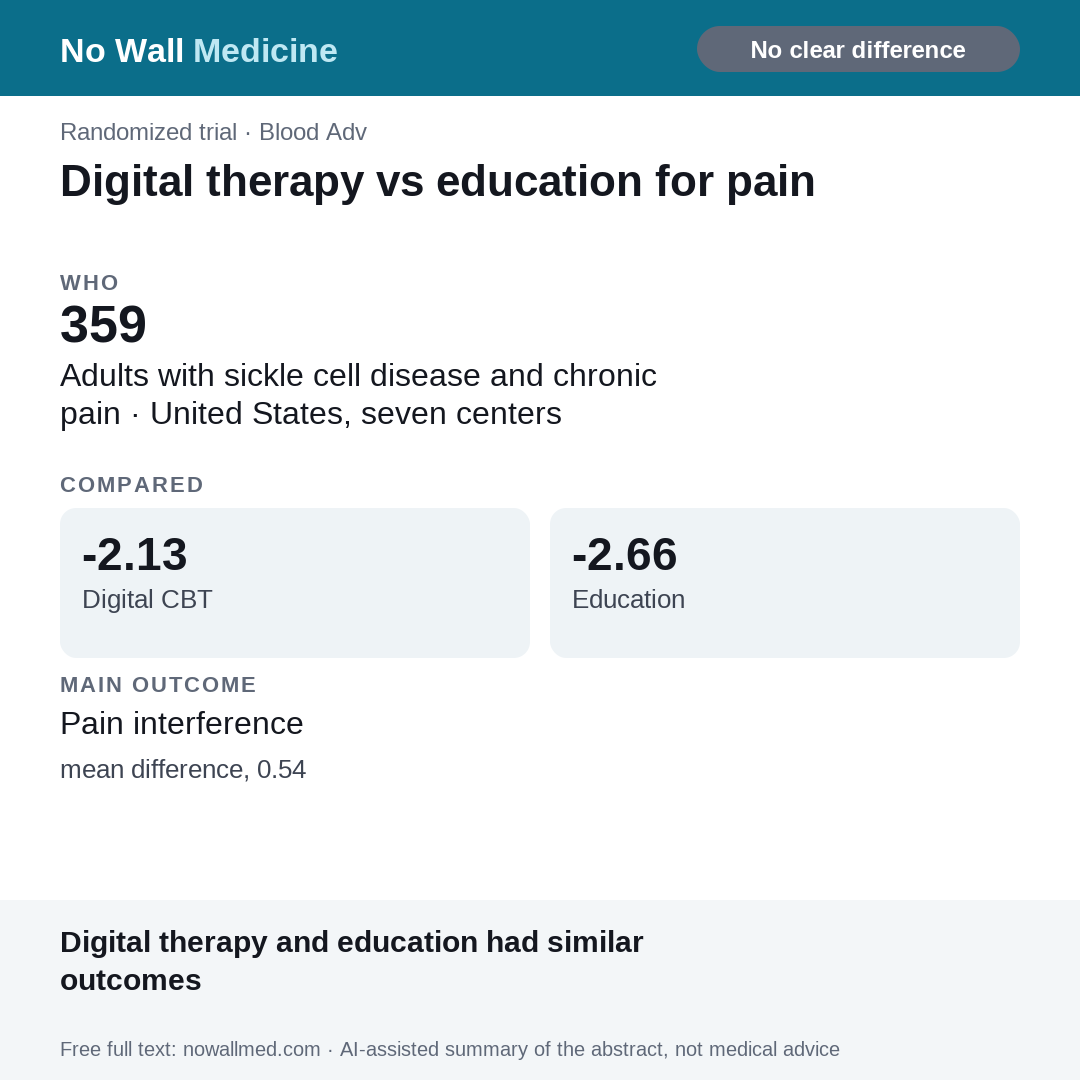
Digital cognitive behavioral therapy vs education for pain in adults with sickle cell disease
Randomized trialNo clear difference
Digital therapy vs education for pain
Who
359
Adults with sickle cell disease and chronic pain · United States, seven centers
Compared
-2.13Digital CBT
-2.66Education
Main outcome
Pain interference
Result: mean difference, 0.54
Bottom line: Digital therapy and education had similar outcomes
Limitation: variable engagement with digital components
Blood Adv · 2024-10-08Download image
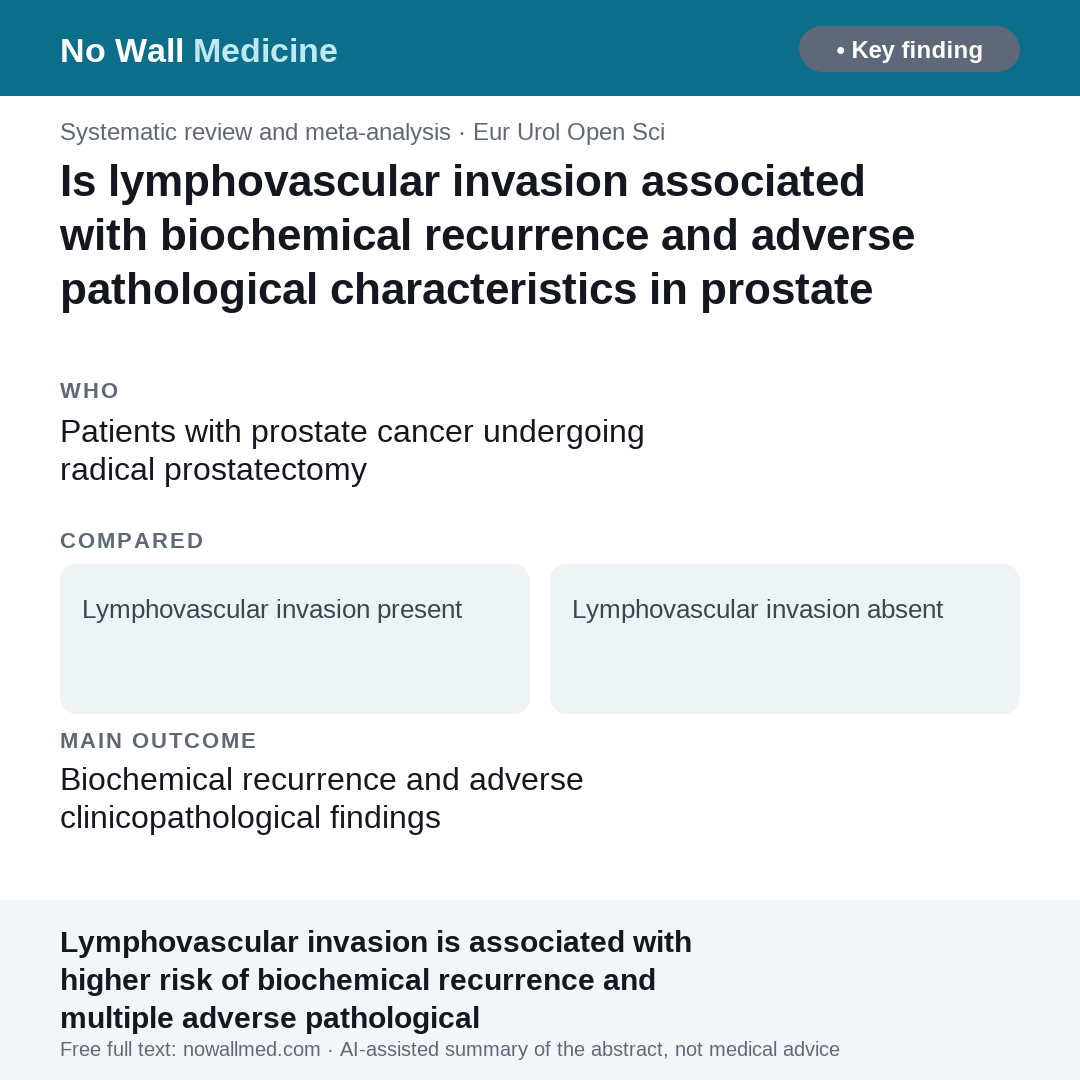
Association of Lymphovascular Invasion with Biochemical Recurrence and Adverse Pathological Characteristics of Prostate Cancer: A Systematic Review and Meta-analysis
Systematic review and meta-analysisHarm found
Is lymphovascular invasion associated with biochemical recurrence and adverse pathological characteristics in prostate cancer?
Who
Patients with prostate cancer undergoing radical prostatectomy
Compared
Lymphovascular invasion present
Lymphovascular invasion absent
Main outcome
Biochemical recurrence and adverse clinicopathological findings
Result: hazard ratio 1.96 (95% CI 1.73-2.21)
Bottom line: Lymphovascular invasion is associated with higher risk of biochemical recurrence and multiple adverse pathological characteristics in prostate cancer.
Limitation: High heterogeneity of the data and reliance on nonrandomised studies.
Eur Urol Open Sci · 2024-10-08Download image
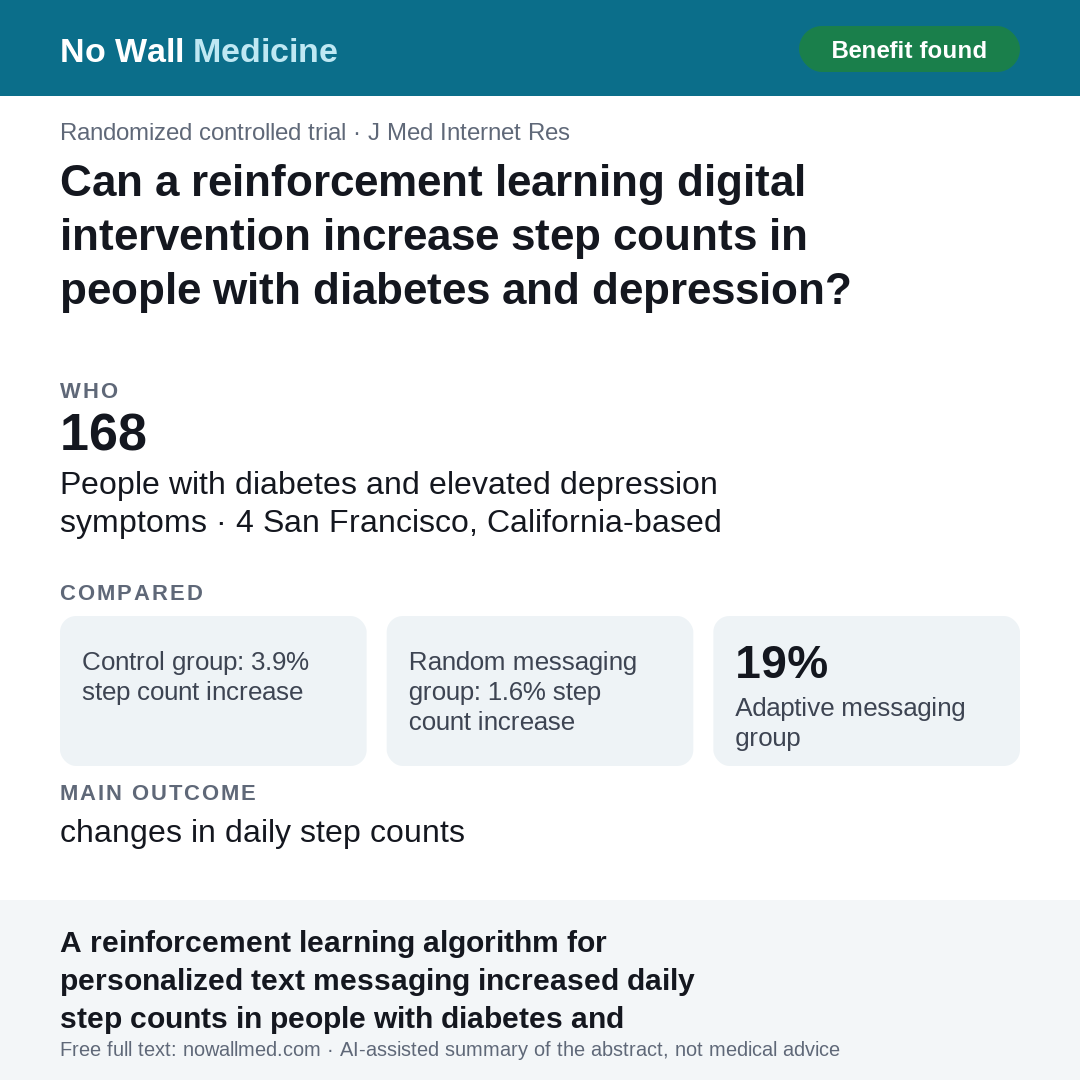
Effectiveness of a Digital Health Intervention Leveraging Reinforcement Learning: Results From the Diabetes and Mental Health Adaptive Notification Tracking and Evaluation (DIAMANTE) Randomized Clinical Trial
Randomized controlled trialBenefit found
Can a reinforcement learning digital intervention increase step counts in people with diabetes and depression?
Who
168
People with diabetes and elevated depression symptoms · 4 San Francisco, California-based public primary care clinics and web-based platforms
Compared
Control group: 3.9% step count increase
Random messaging group: 1.6% step count increase
19%Adaptive messaging group (606/3197)
Main outcome
changes in daily step counts
Result: average of 3.6 steps each day (95% CI 2.45-4.78)
Bottom line: A reinforcement learning algorithm for personalized text messaging increased daily step counts in people with diabetes and depression.
J Med Internet Res · 2024-10-08Download image
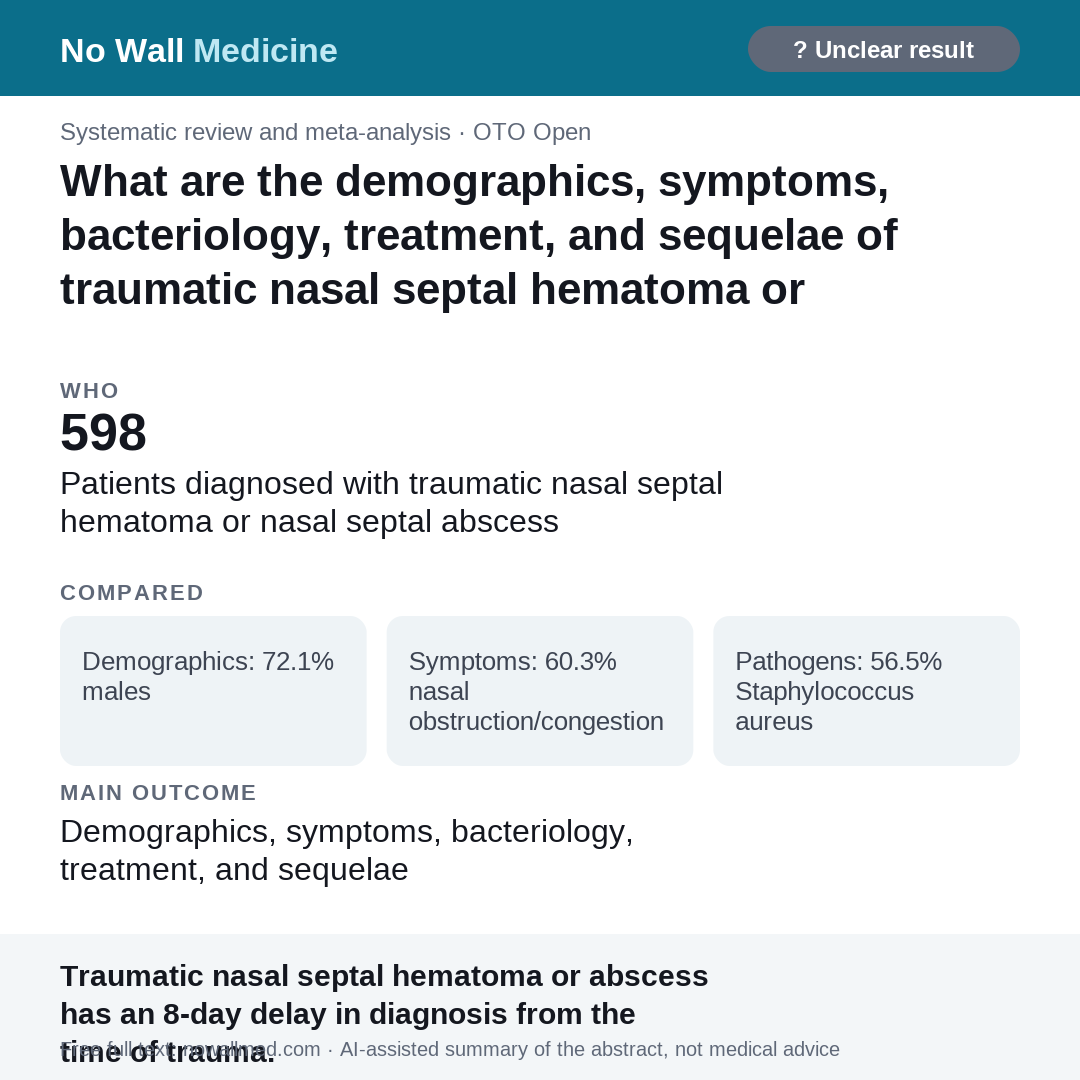
Unmasking Nasal Septal Hematoma/Abscess: A Systematic Review and Meta-analysis
Systematic review and meta-analysisUnclear result
What are the demographics, symptoms, bacteriology, treatment, and sequelae of traumatic nasal septal hematoma or abscess?
Who
598
Patients diagnosed with traumatic nasal septal hematoma or nasal septal abscess
Compared
Demographics: 72.1% males
Symptoms: 60.3% nasal obstruction/congestion
Pathogens: 56.5% Staphylococcus aureus
Main outcome
Demographics, symptoms, bacteriology, treatment, and sequelae
Bottom line: Traumatic nasal septal hematoma or abscess has an 8-day delay in diagnosis from the time of trauma.
OTO Open · 2024-10-08Download image
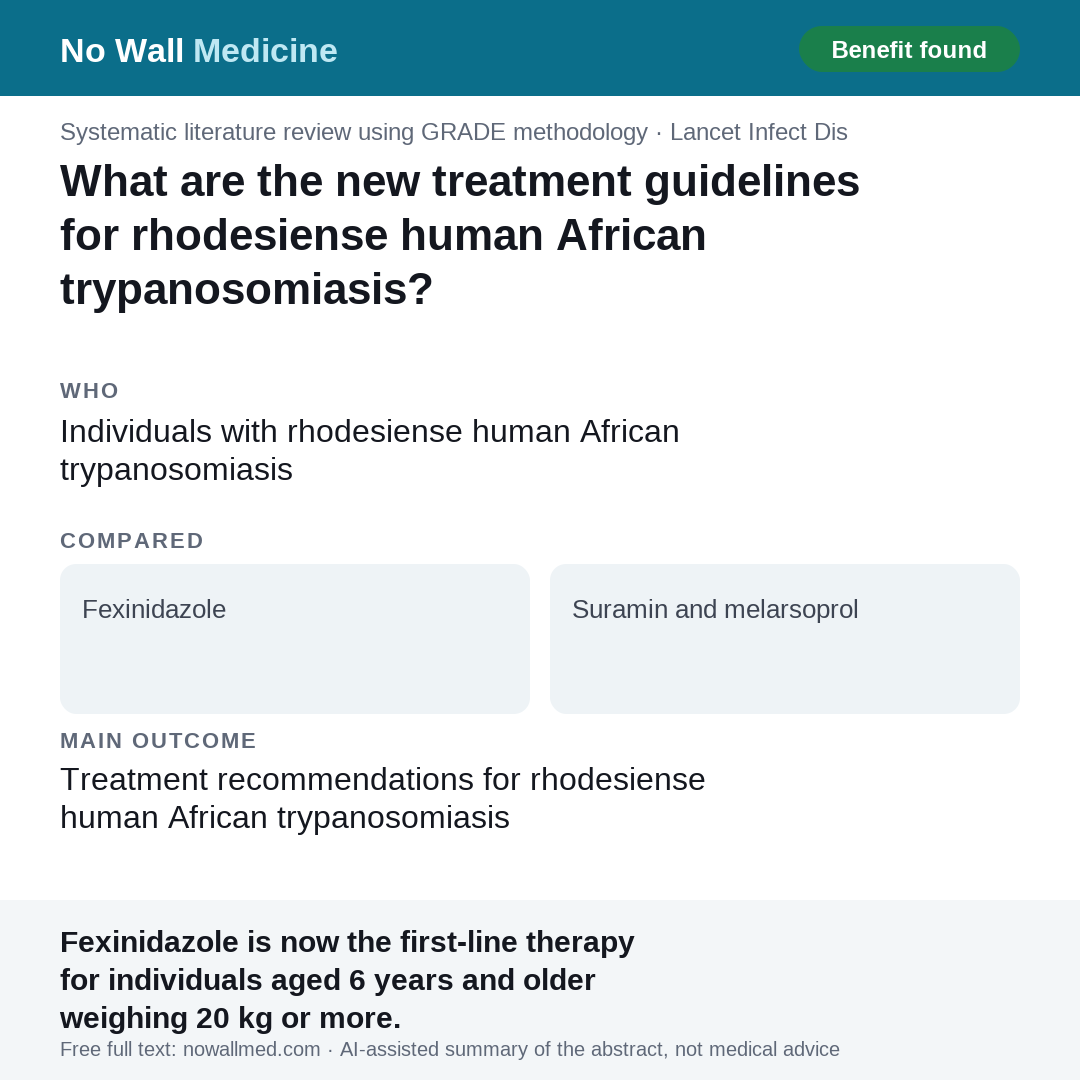
New WHO guidelines for treating rhodesiense human African trypanosomiasis: expanded indications for fexinidazole and pentamidine
Systematic literature review using GRADE methodologyBenefit found
What are the new treatment guidelines for rhodesiense human African trypanosomiasis?
Who
Individuals with rhodesiense human African trypanosomiasis
Compared
Fexinidazole
Suramin and melarsoprol
Main outcome
Treatment recommendations for rhodesiense human African trypanosomiasis
Bottom line: Fexinidazole is now the first-line therapy for individuals aged 6 years and older weighing 20 kg or more.
Limitation: All recommendations are conditional and based on very low certainty of evidence due to data scarcity.
Lancet Infect Dis · 2024-10-07Download image
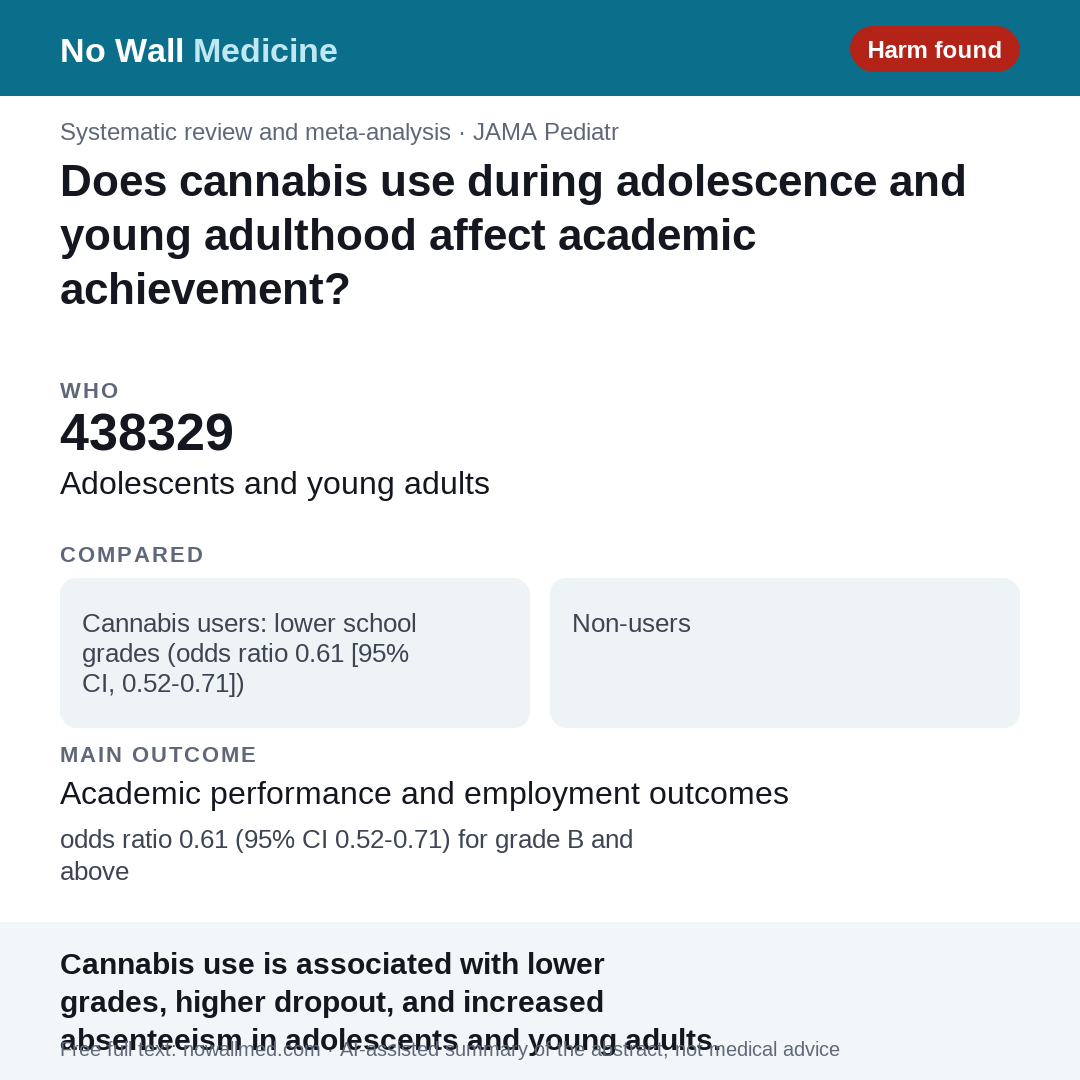
Cannabis Use During Adolescence and Young Adulthood and Academic Achievement: A Systematic Review and Meta-Analysis
Systematic review and meta-analysisHarm found
Does cannabis use during adolescence and young adulthood affect academic achievement?
Who
438329
Adolescents and young adults
Compared
Cannabis users: lower school grades (odds ratio 0.61 [95% CI, 0.52-0.71])
Non-users
Main outcome
Academic performance and employment outcomes
Result: odds ratio 0.61 (95% CI 0.52-0.71) for grade B and above
Bottom line: Cannabis use is associated with lower grades, higher dropout, and increased absenteeism in adolescents and young adults.
Limitation: Certainty of evidence varied from low to moderate across different outcomes.
JAMA Pediatr · 2024-10-07Download image
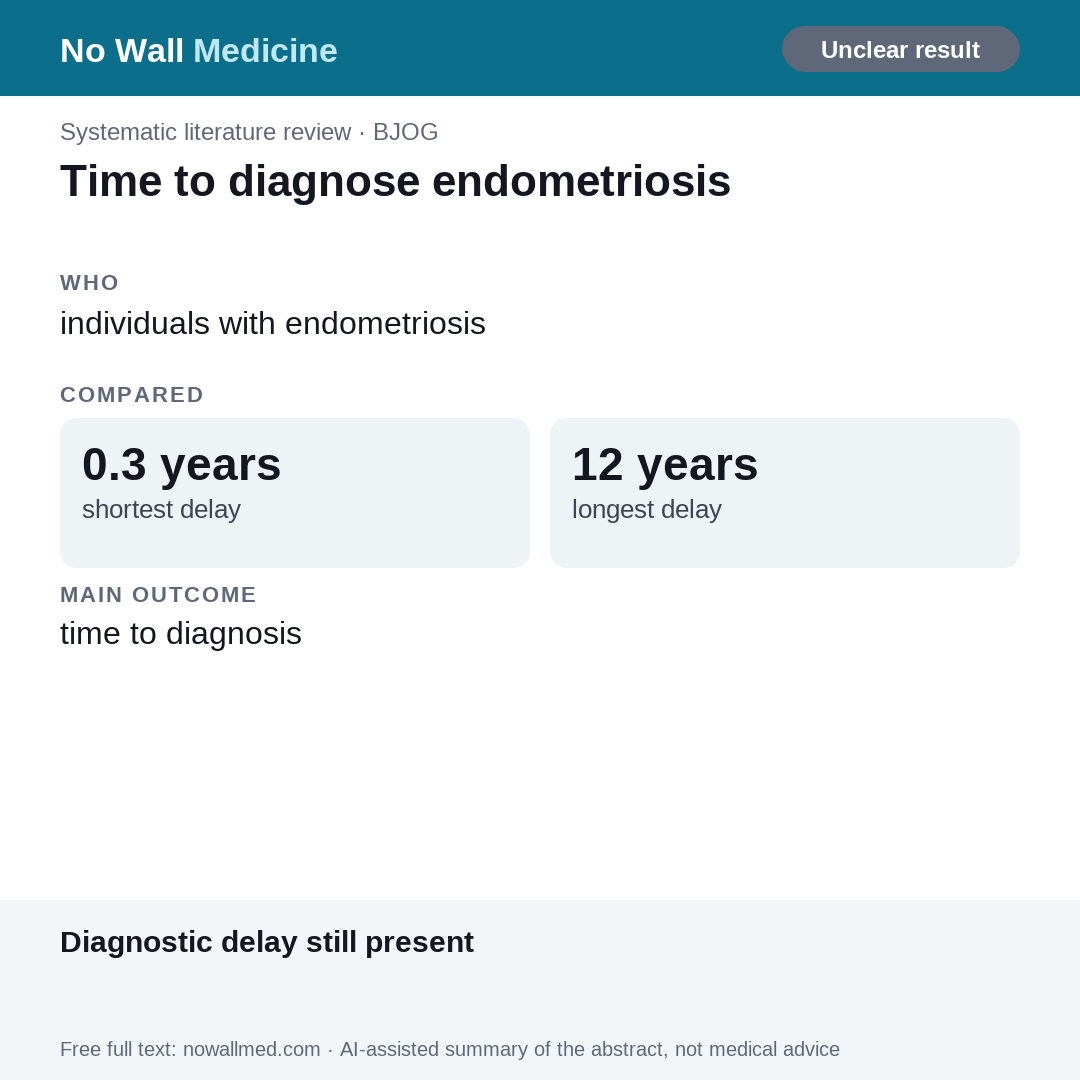
Dose-escalated Adaptive Radiotherapy for Bladder Cancer: Results of the Phase 2 RAIDER Randomised Controlled Trial
International phase 2 noncomparative randomised controlled trialBenefit found
Is dose-escalated adaptive radiotherapy safe for unifocal T2-T4a urothelial bladder cancer?
Who
345
Patients with unifocal T2-T4a urothelial bladder cancer
Compared
Standard whole bladder radiotherapy and standard-dose adaptive radiotherapy: 77% (95% CI 69, 82) two-year overall survival
Dose-escalated adaptive radiotherapy: 80% (95% CI 73, 85) two-year overall survival
Main outcome
radiotherapy-related late Common Terminology Criteria for Adverse Events grade 3 or higher toxicity
Result: hazard ratio 0.84 (95% CI 0.59, 1.21)
Bottom line: Dose-escalated adaptive radiotherapy is safe, feasible, and shows promising overall survival for bladder cancer patients.
Eur Urol · 2024-10-07Download image
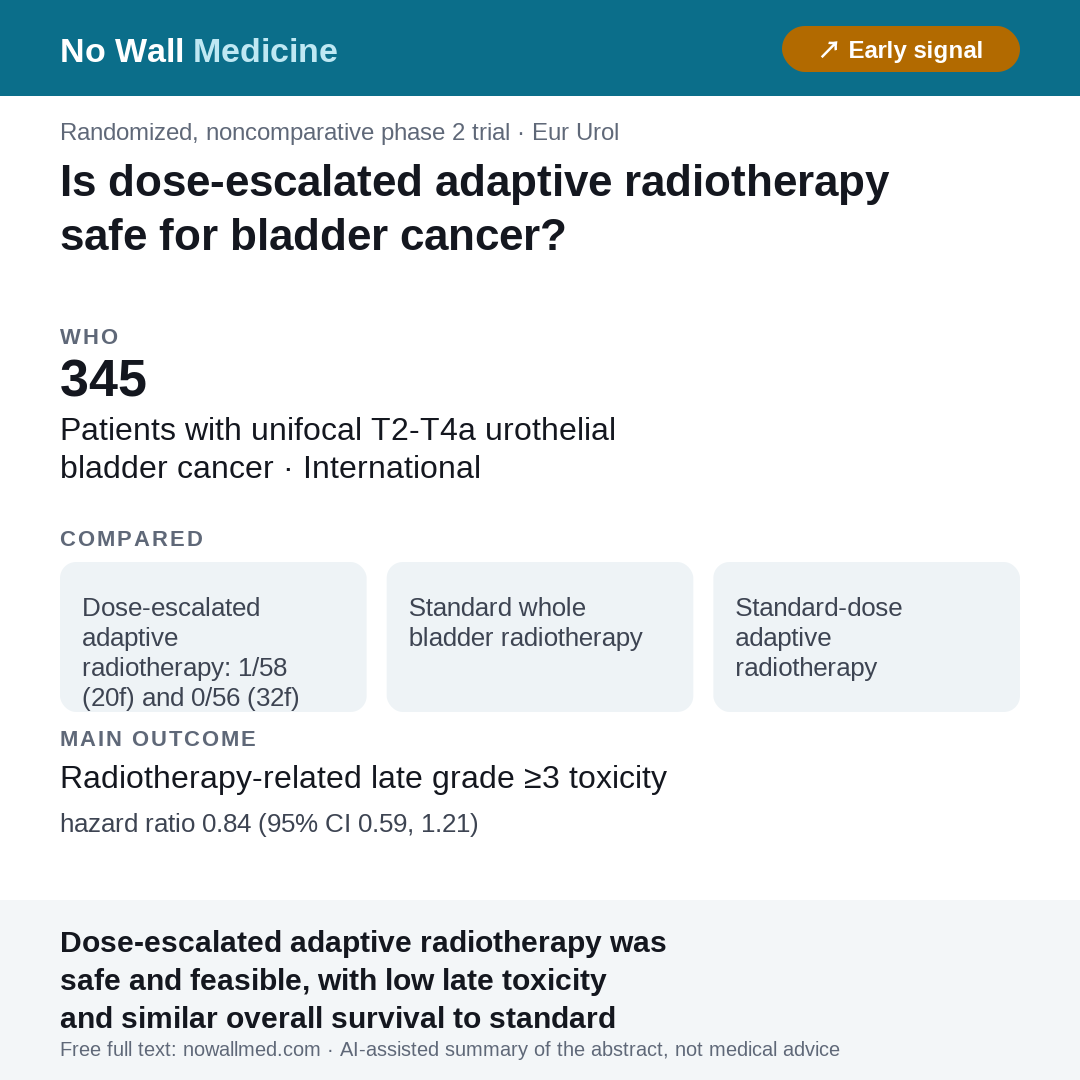
Performance of Faecal Immunochemical Testing for Colorectal Cancer Screening at Varying Positivity Thresholds
Randomized trialMixed results
How do different faecal immunochemical testing thresholds affect colonoscopies, adverse events, and lesion detection?
Who
47265
Individuals aged 50-74 years · Norway
Compared
15 μg/g threshold: 203 CRC, 1119 advanced adenomas, 256 advanced serrated lesions
47 μg/g threshold: 154 CRC, 702 advanced adenoma, 128 advanced serrated lesion
150 μg/g threshold: 114 CRC, 345 advanced adenoma, 54 advanced serrated lesion
Main outcome
Colonoscopies, adverse events, and colorectal cancer or lesion detection
Bottom line: Higher thresholds reduce colonoscopy demand but decrease lesion detection and increase post-colonoscopy bleeding rates.
Aliment Pharmacol Ther · 2024-10-07Download image
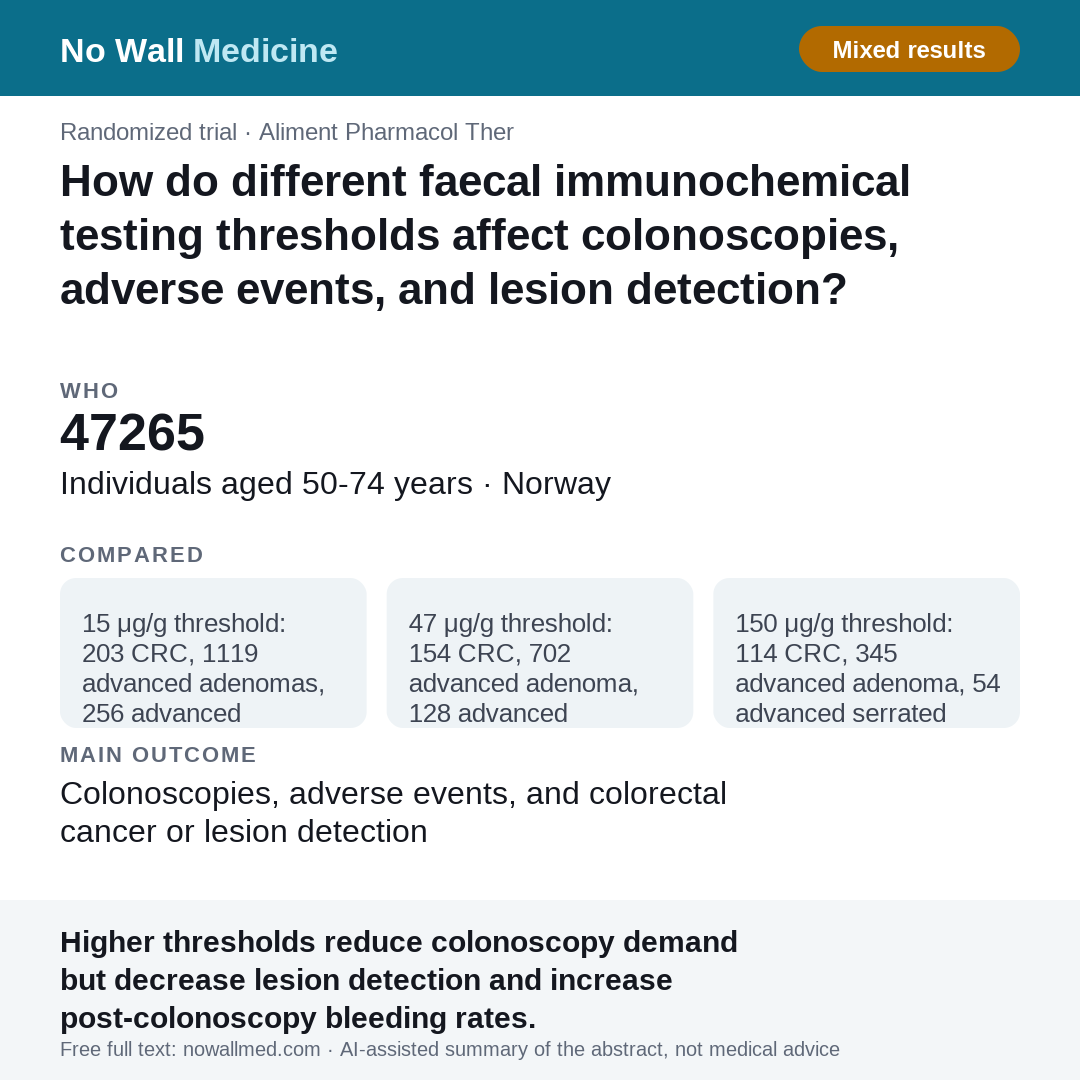
Efficacy and safety of a fixed-dose combination of dapagliflozin and linagliptin (AJU-A51) in patients with type 2 diabetes mellitus: A multicentre, randomized, double-blind, parallel-group, placebo-controlled phase III study
Randomized, double-blind, parallel-group, placebo-controlled phase III studyBenefit found
Is dapagliflozin and linagliptin fixed-dose combination effective in type 2 diabetes?
Who
235
Patients with type 2 diabetes mellitus with inadequate glycaemic control · multicentre
Compared
dapagliflozin and linagliptin fixed-dose combination: 7.11% ± 0.61%
linagliptin plus placebo: 7.87% ± 0.94%
Main outcome
Change in glycated haemoglobin from baseline to Week 24
Result: -0.88% (95% confidence interval -1.07 to -0.68)
Bottom line: Dapagliflozin and linagliptin fixed-dose combination significantly reduced glycated haemoglobin compared to linagliptin plus placebo.
Diabetes Obes Metab · 2024-10-07Download image
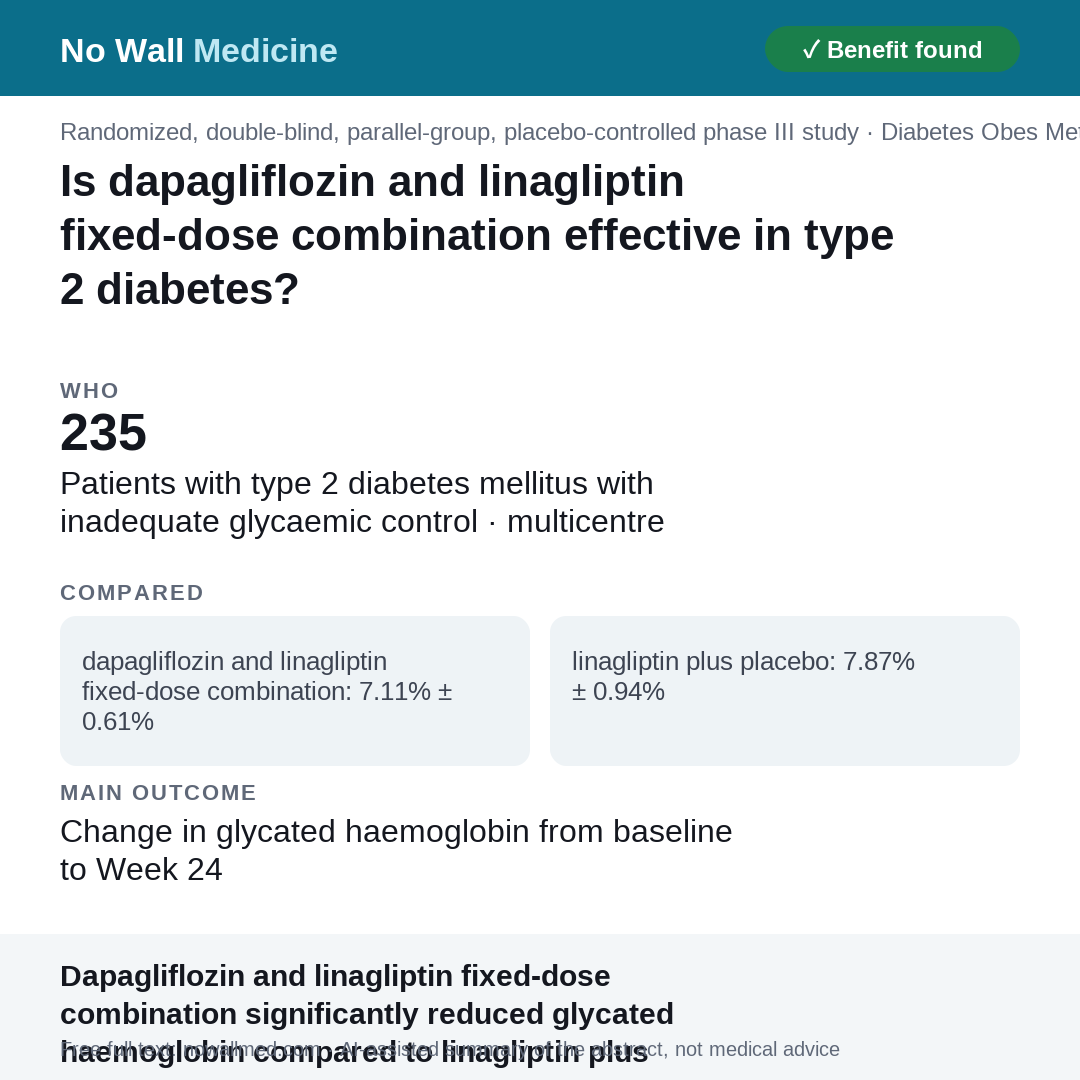
Time to Diagnose Endometriosis: Current Status, Challenges and Regional Characteristics-A Systematic Literature Review
Systematic literature reviewUnclear result
Time to diagnose endometriosis
Who
individuals with endometriosis
Compared
0.3 yearsshortest delay
12 yearslongest delay
Main outcome
time to diagnosis
Bottom line: Diagnostic delay still present
Limitation: evidence of poor to good quality
BJOG · 2024-10-07Download image
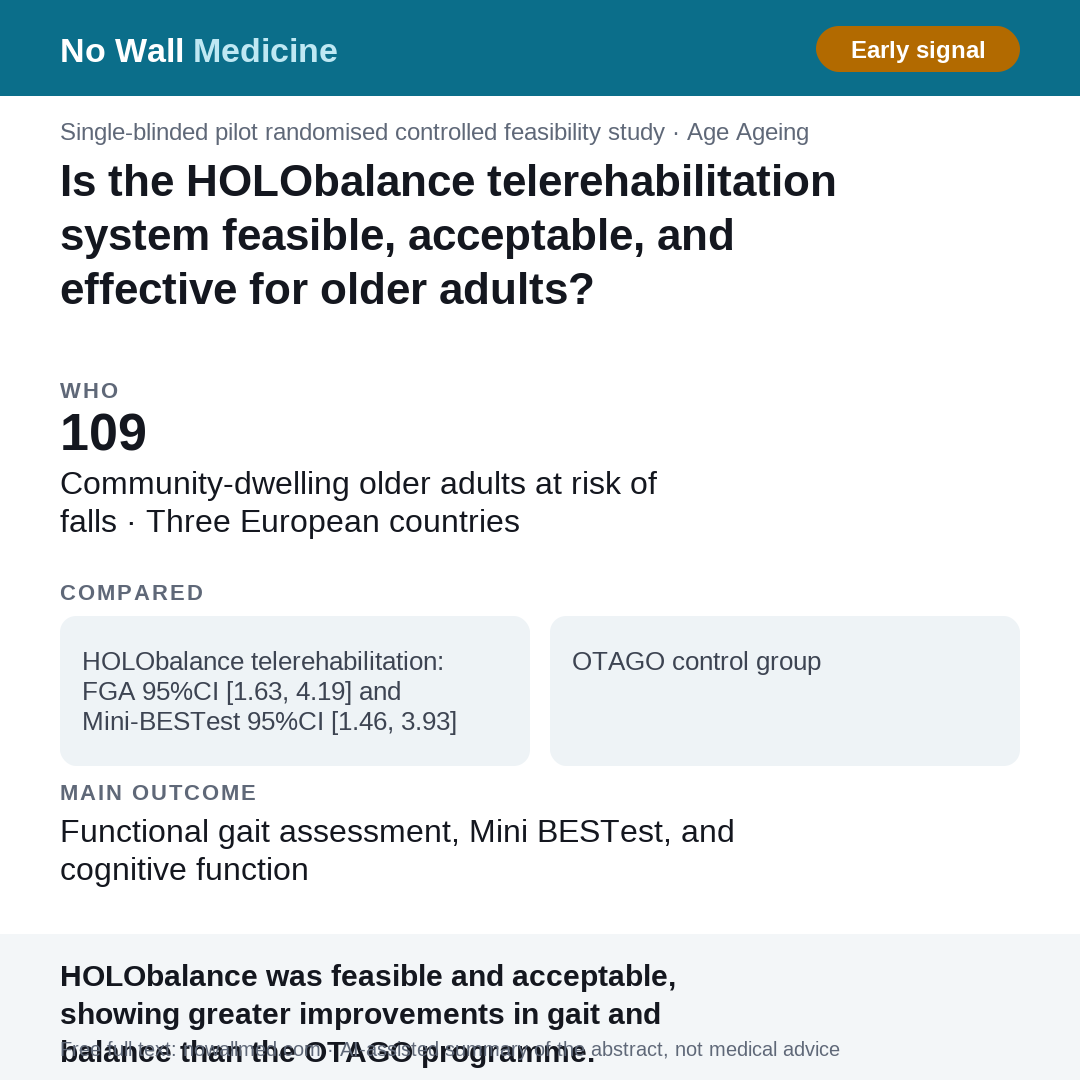
Feasibility and acceptability of the HOLObalance telerehabilitation system compared with standard care for older adults at risk of falls: the HOLOBalance assessor blinded pilot randomised controlled study
Single-blinded pilot randomised controlled feasibility studyBenefit found
Is the HOLObalance telerehabilitation system feasible, acceptable, and effective for older adults?
Who
109
Community-dwelling older adults at risk of falls · Three European countries
Compared
HOLObalance telerehabilitation: FGA 95%CI [1.63, 4.19] and Mini-BESTest 95%CI [1.46, 3.93]
OTAGO control group
Main outcome
Functional gait assessment, Mini BESTest, and cognitive function
Bottom line: HOLObalance was feasible and acceptable, showing greater improvements in gait and balance than the OTAGO programme.
Age Ageing · 2024-10-07Download image
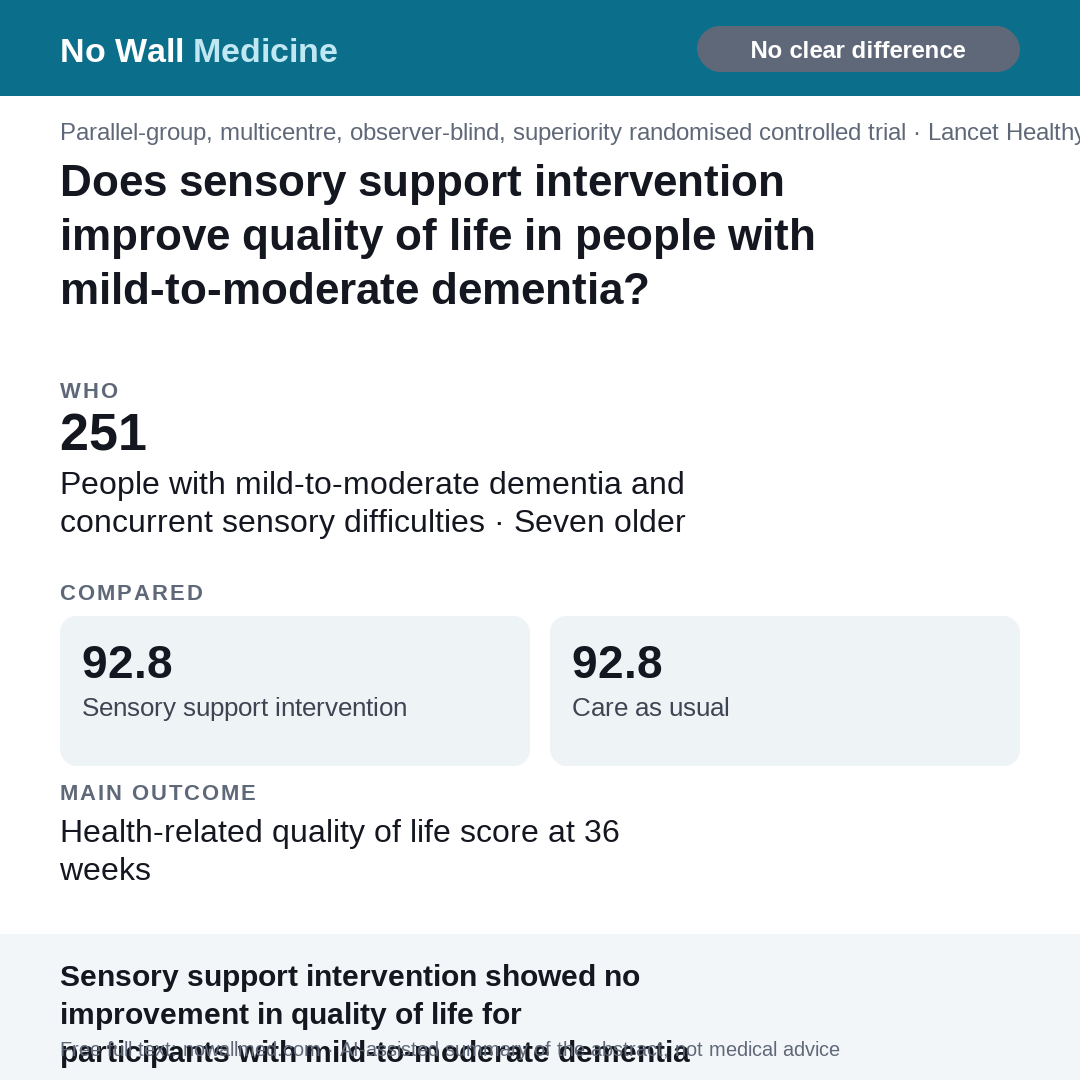
Hearing and vision rehabilitation for people with dementia in five European countries (SENSE-Cog): a randomised controlled trial
Parallel-group, multicentre, observer-blind, superiority randomised controlled trialNo clear difference
Does sensory support intervention improve quality of life in people with mild-to-moderate dementia?
Who
251
People with mild-to-moderate dementia and concurrent sensory difficulties · Seven older adult clinics in five European countries
Compared
92.8Sensory support intervention (SD 15.2)
92.8Care as usual (14.0)
Main outcome
Health-related quality of life score at 36 weeks
Result: adjusted difference 0.18, 95% CI -2.13 to 2.30
Bottom line: Sensory support intervention showed no improvement in quality of life for participants with mild-to-moderate dementia over the longer term.
Funded by: EU Horizon 2020
Lancet Healthy Longev · 2024-10-07Download image
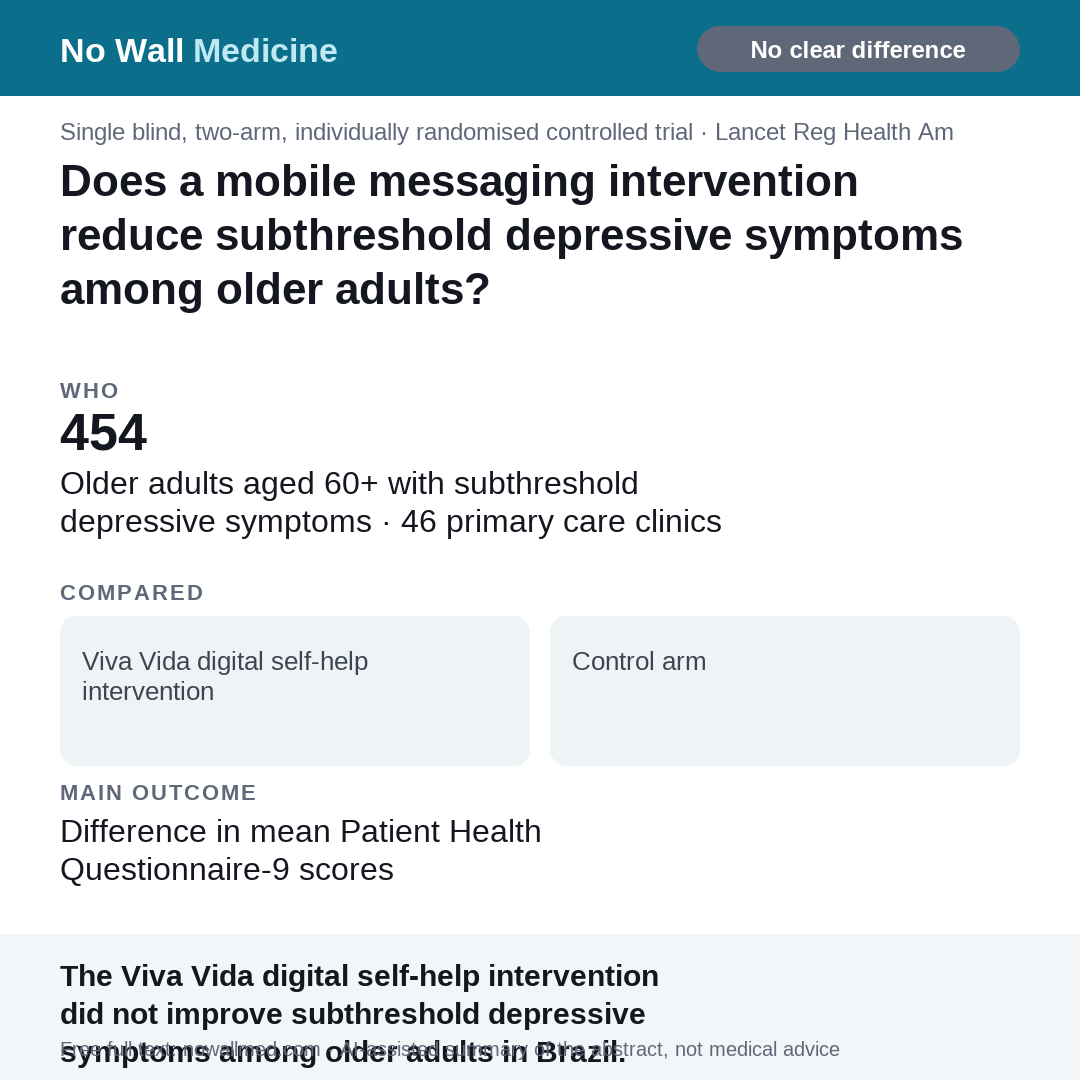
A self-help mobile messaging intervention to improve subthreshold depressive symptoms among older adults in a socioeconomically deprived region of Brazil (PRODIGITAL): a pragmatic, two-arm randomised controlled trial
Single blind, two-arm, individually randomised controlled trialNo clear difference
Does a mobile messaging intervention reduce subthreshold depressive symptoms among older adults?
Who
454
Older adults aged 60+ with subthreshold depressive symptoms · 46 primary care clinics in Guarulhos, Brazil
Compared
Viva Vida digital self-help intervention
Control arm
Main outcome
Difference in mean Patient Health Questionnaire-9 scores
Result: adjusted difference: -0.61 (95% CI: -1.75, 0.53)
Bottom line: The Viva Vida digital self-help intervention did not improve subthreshold depressive symptoms among older adults in Brazil.
Funded by: São Paulo Research Foundation and UK Joint Global Health Trials
Lancet Reg Health Am · 2024-10-07Download image
High-flow humidified oxygen as an early intervention in children with acute severe asthma: a feasibility randomised controlled trial
Feasibility randomized controlled trialBenefit found
Is early high-flow humidified oxygen feasible for children with acute severe asthma?
Who
56
Children aged 2-11 years with acute severe asthma · Four sites
Compared
Early high-flow humidified oxygen: 64% treatment failure requiring escalation
Standard care: 86% treatment failure requiring escalation
Main outcome
Treatment failure requiring escalation and time to discharge
Bottom line: Early high-flow humidified oxygen appears to be a feasible and potentially promising intervention for acute severe asthma.
ERJ Open Res · 2024-10-07Download image
