Visual abstracts
New randomized trials and meta-analyses from leading journals at a glance: who was studied, what was compared, and what was found. Every paper is free to read in full.
All specialtiesCardiology 4832Oncology 4114Gastroenterology & Hepatology 1934Infectious Disease 3824Neurology 1899Psychiatry & Mental Health 2256Pulmonology 2082Critical Care 1345Endocrinology & Diabetes 2572Pediatrics 2940Surgery 2525Orthopedics & Sports Medicine 926Neurosurgery 534Cardiothoracic & Vascular Surgery 671Plastic & Reconstructive Surgery 591Nephrology 1124Rheumatology 823Hematology 1104Dermatology 620Ophthalmology 543Obstetrics & Gynecology 1684Public & Global Health 1056Radiology & Imaging 641Anesthesiology 962Urology 754ENT (Otolaryngology) 503Emergency Medicine 489Allergy & Immunology 313Geriatrics 981Family Medicine & Primary Care 541Medical Genetics & Genomics 675Pathology & Laboratory Medicine 157Physical Medicine & Rehabilitation 751Palliative Care 424Nutrition 1580Digital Health & AI 2195General Medicine 321
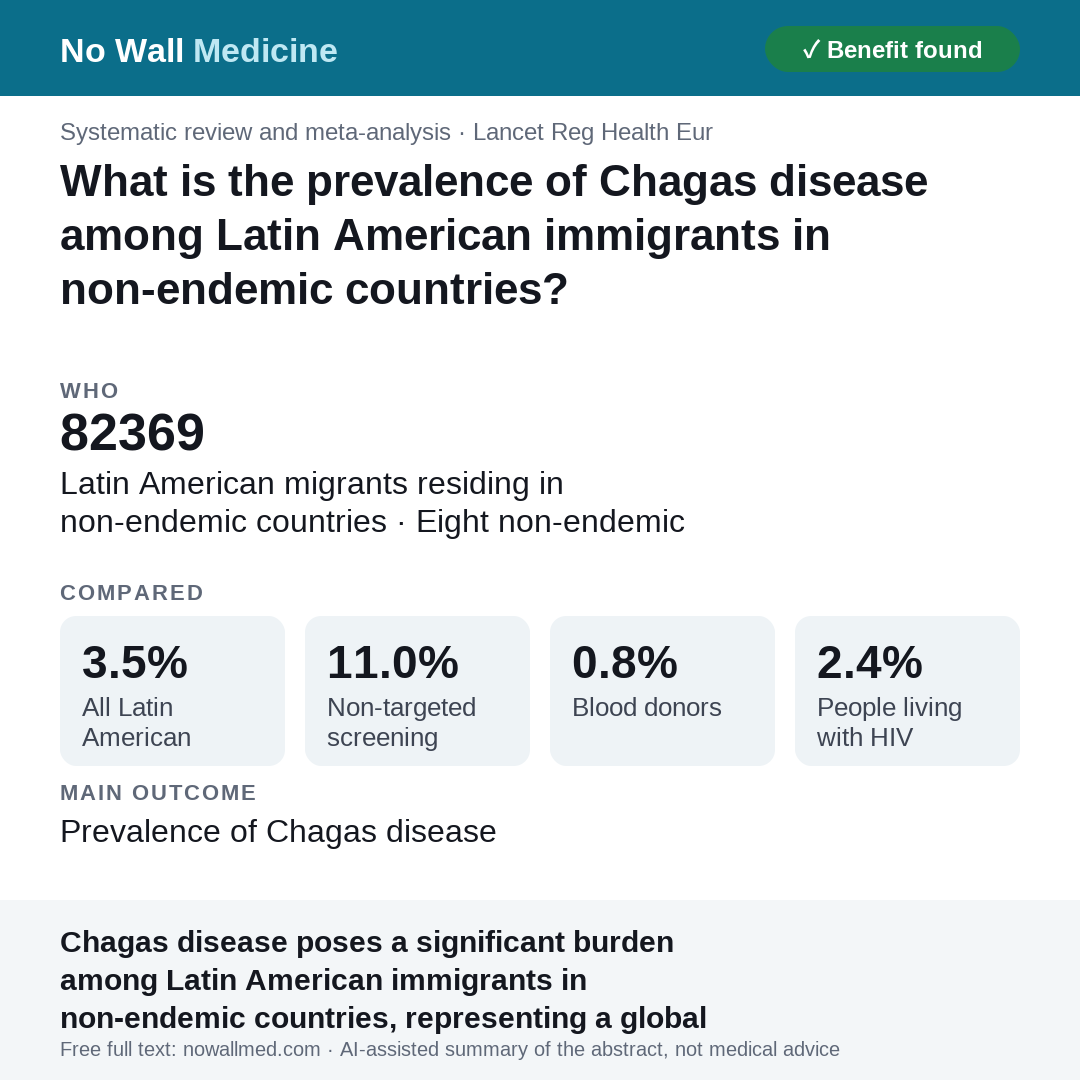
Prevalence of Chagas disease among Latin American immigrants in non-endemic countries: an updated systematic review and meta-analysis
Systematic review and meta-analysisBenefit found
What is the prevalence of Chagas disease among Latin American immigrants in non-endemic countries?
Who
82369
Latin American migrants residing in non-endemic countries · Eight non-endemic countries
Compared
3.5%All Latin American migrants (95% CI: 2.5-4.7)
11.0%Non-targeted screening (95% CI: 7.7-15.5)
0.8%Blood donors (95% CI: 0.2-3.4)
2.4%People living with HIV (95% CI: 1.4-4.3)
Main outcome
Prevalence of Chagas disease
Result: 3.5% (95% CI: 2.5-4.7)
Bottom line: Chagas disease poses a significant burden among Latin American immigrants in non-endemic countries, representing a global health challenge.
Funded by: World Heart Federation and Novartis Pharma AG
Lancet Reg Health Eur · 2024-09-06Download image
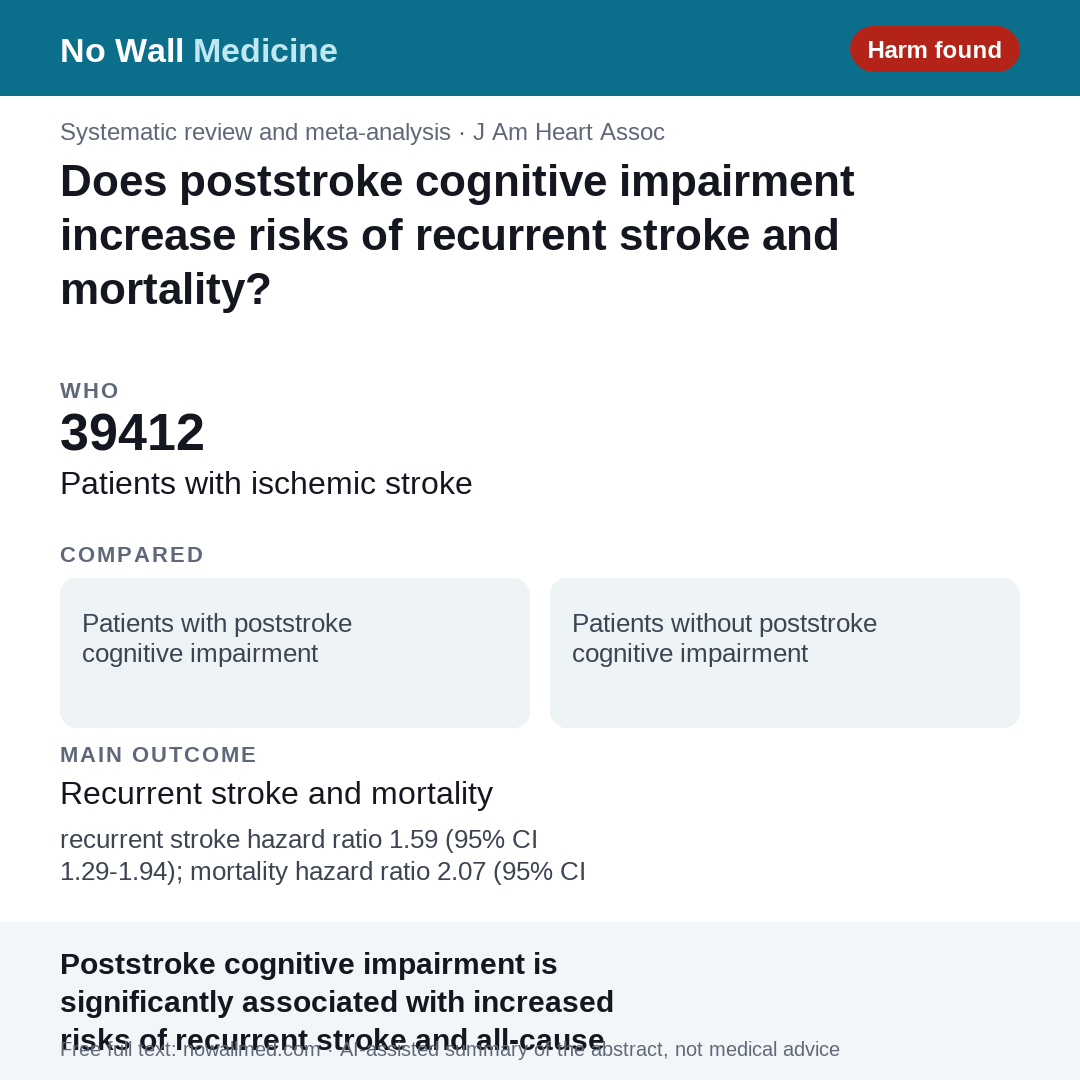
Poststroke Cognitive Impairment and the Risk of Recurrent Stroke and Mortality: Systematic Review and Meta-Analysis
Systematic review and meta-analysisHarm found
Does poststroke cognitive impairment increase risks of recurrent stroke and mortality?
Who
39412
Patients with ischemic stroke
Compared
Patients with poststroke cognitive impairment
Patients without poststroke cognitive impairment
Main outcome
Recurrent stroke and mortality
Result: recurrent stroke hazard ratio 1.59 (95% CI 1.29-1.94); mortality hazard ratio 2.07 (95% CI 1.65-2.59)
Bottom line: Poststroke cognitive impairment is significantly associated with increased risks of recurrent stroke and all-cause mortality.
Limitation: The average effect of mortality risk differed across study period and study design.
J Am Heart Assoc · 2024-09-06Download image
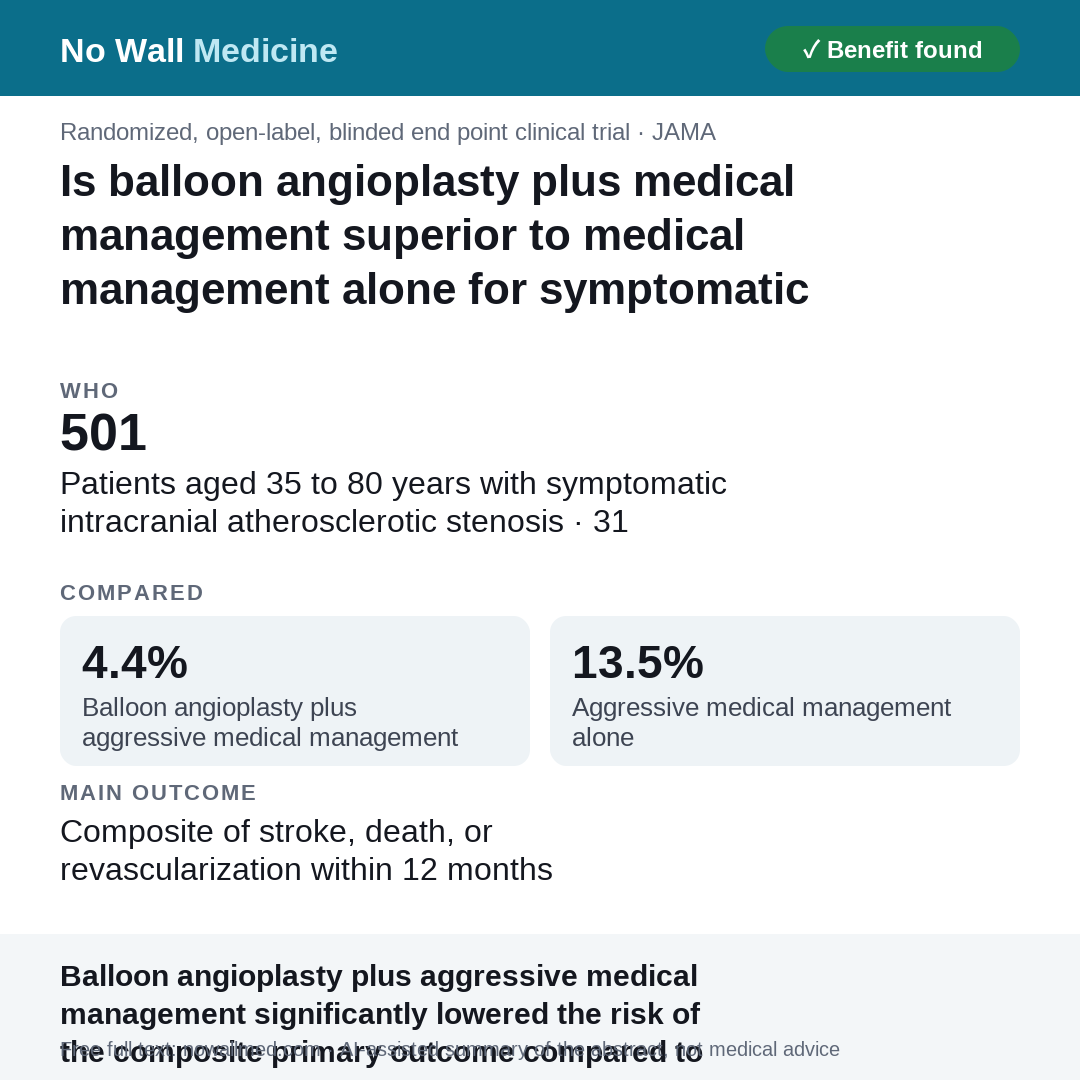
Balloon Angioplasty vs Medical Management for Intracranial Artery Stenosis: The BASIS Randomized Clinical Trial
Randomized, open-label, blinded end point clinical trialBenefit found
Is balloon angioplasty plus medical management superior to medical management alone for symptomatic intracranial atherosclerotic stenosis?
Who
501
Patients aged 35 to 80 years with symptomatic intracranial atherosclerotic stenosis · 31 centers across China
Compared
4.4%Balloon angioplasty plus aggressive medical management
13.5%Aggressive medical management alone
Main outcome
Composite of stroke, death, or revascularization within 12 months
Result: hazard ratio 0.32 (95% CI 0.16-0.63)
Bottom line: Balloon angioplasty plus aggressive medical management significantly lowered the risk of the composite primary outcome compared to medical management alone.
Limitation: The risk of stroke or death within 30 days of balloon angioplasty should be considered.
JAMA · 2024-09-05Download image
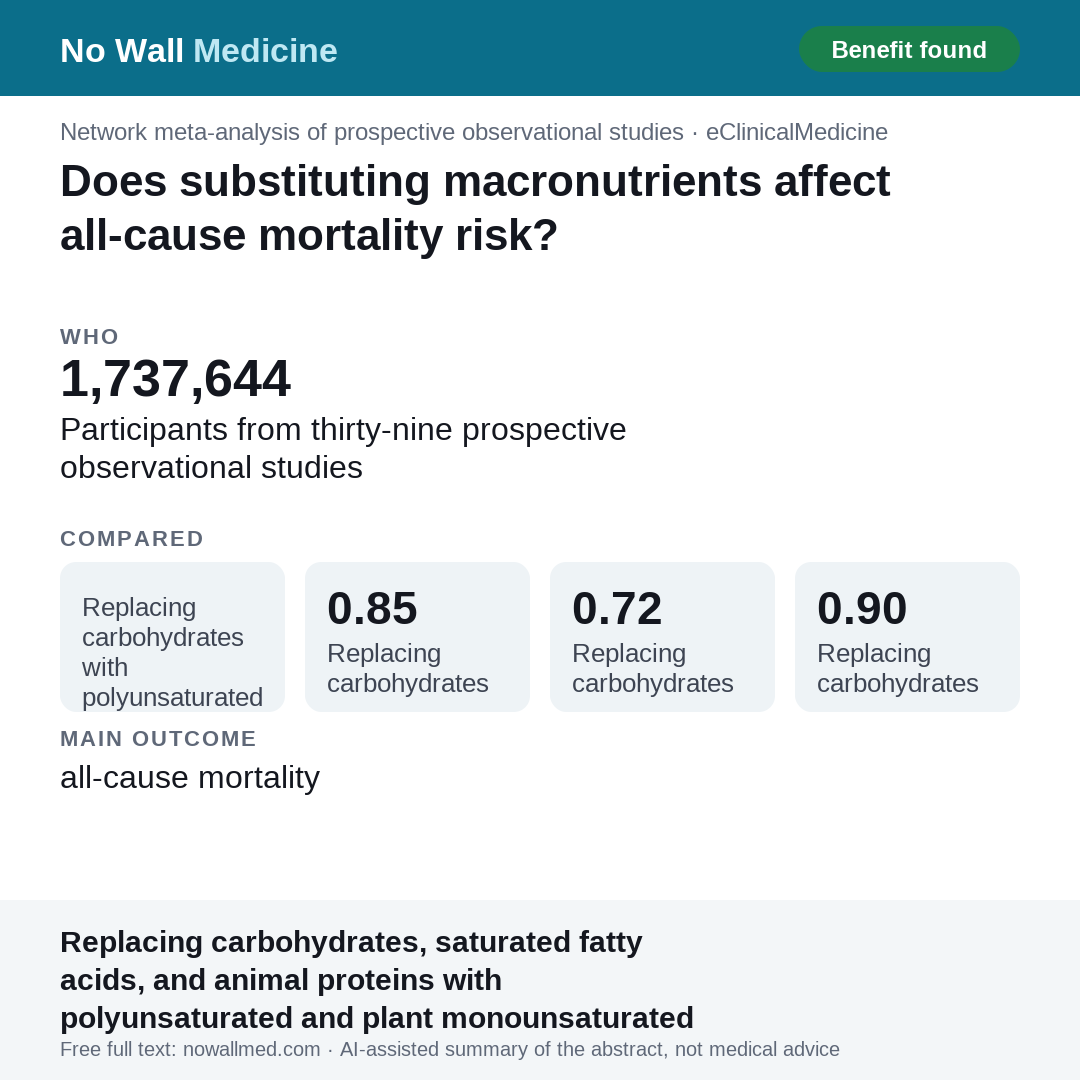
Association between substituting macronutrients and all-cause mortality: a network meta-analysis of prospective observational studies
Network meta-analysis of prospective observational studiesBenefit found
Does substituting macronutrients affect all-cause mortality risk?
Who
1,737,644
Participants from thirty-nine prospective observational studies
Compared
Replacing carbohydrates with polyunsaturated fatty acids: HR 0.90 (95%CI 0.84, 0.95)
0.85Replacing carbohydrates with n-6 polyunsaturated fatty acids (0.77, 0.94)
0.72Replacing carbohydrates with n-3 polyunsaturated fatty acids (0.59, 0.86)
0.90Replacing carbohydrates with plant monounsaturated fatty acids (0.85, 0.95)
Main outcome
all-cause mortality
Bottom line: Replacing carbohydrates, saturated fatty acids, and animal proteins with polyunsaturated and plant monounsaturated fatty acids reduces mortality risk.
Limitation: Moderate certainty of evidence was found for the associations.
eClinicalMedicine · 2024-09-05Download image
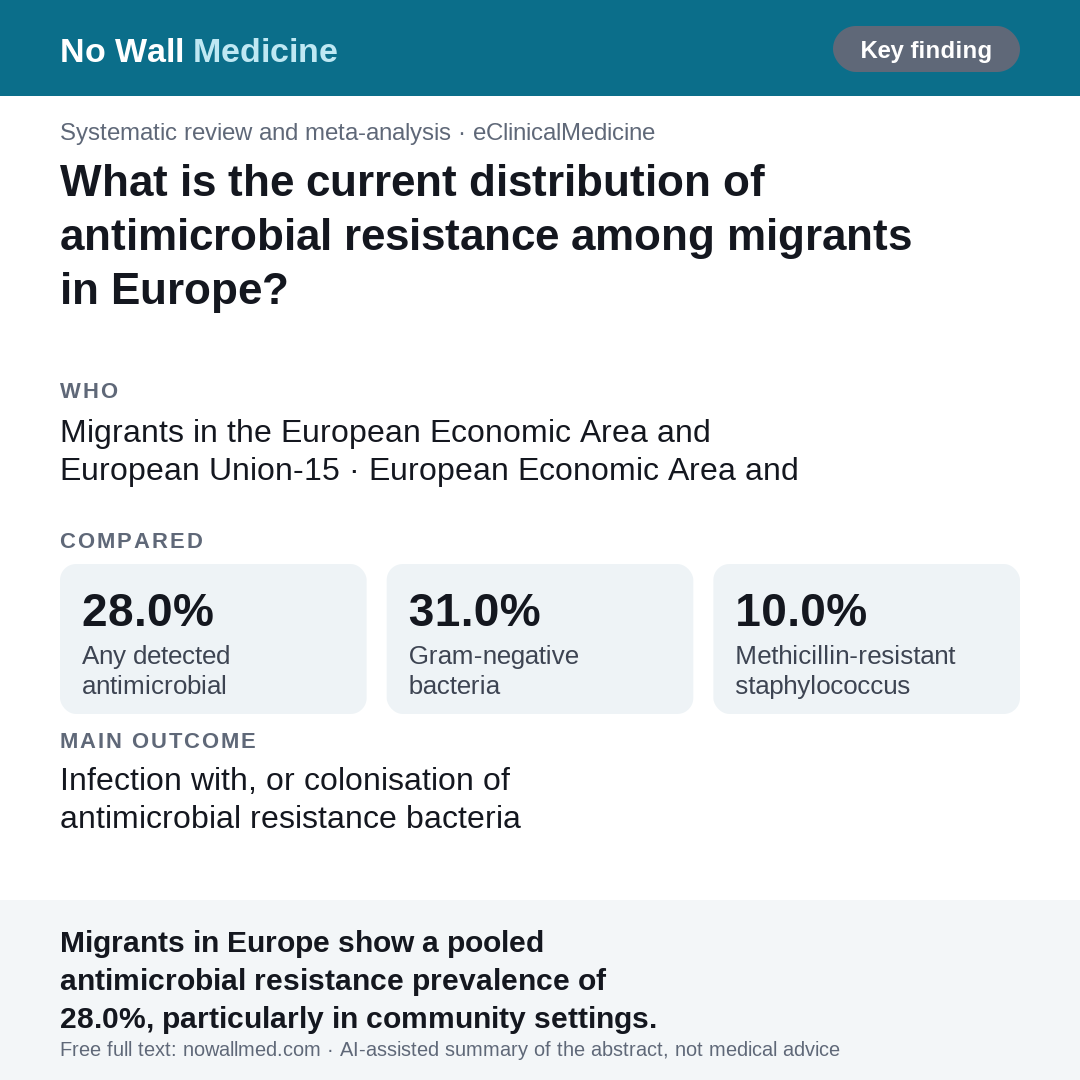
Antimicrobial resistance among migrants in Europe: a systematic review and meta-analysis - update from 2017 to 2023
Systematic review and meta-analysisBenefit found
What is the current distribution of antimicrobial resistance among migrants in Europe?
Who
Migrants in the European Economic Area and European Union-15 · European Economic Area and European Union-15 countries
Compared
28.0%Any detected antimicrobial resistance (95% CI 18.0%-41.0%)
31.0%Gram-negative bacteria (95% CI 20.0%-44.0%)
10.0%Methicillin-resistant staphylococcus aureus (95% CI 5.0%-16.0%)
Main outcome
Infection with, or colonisation of antimicrobial resistance bacteria
Bottom line: Migrants in Europe show a pooled antimicrobial resistance prevalence of 28.0%, particularly in community settings.
Limitation: Studies investigating antimicrobial resistance in migrants are highly heterogenous.
eClinicalMedicine · 2024-09-05Download image
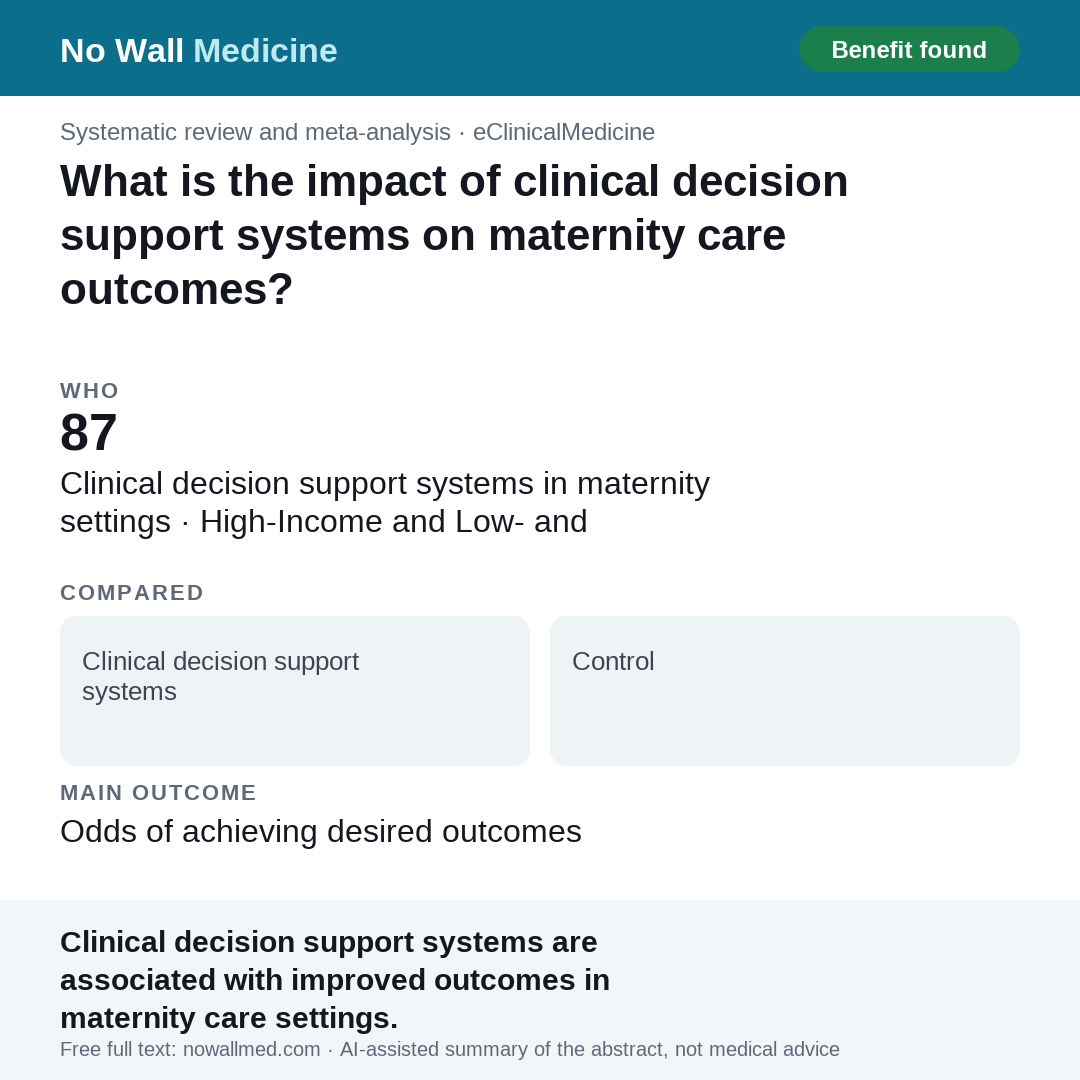
Clinical decision support systems for maternity care: a systematic review and meta-analysis
Systematic review and meta-analysisBenefit found
What is the impact of clinical decision support systems on maternity care outcomes?
Who
87
Clinical decision support systems in maternity settings · High-Income and Low- and Middle-Income countries
Compared
Clinical decision support systems
Control
Main outcome
Odds of achieving desired outcomes
Result: odds ratio 1.69 (95% confidence interval 1.24-2.30)
Bottom line: Clinical decision support systems are associated with improved outcomes in maternity care settings.
Limitation: Substantial variation in effects, aims, system types, context, study designs, and outcomes.
eClinicalMedicine · 2024-09-05Download image
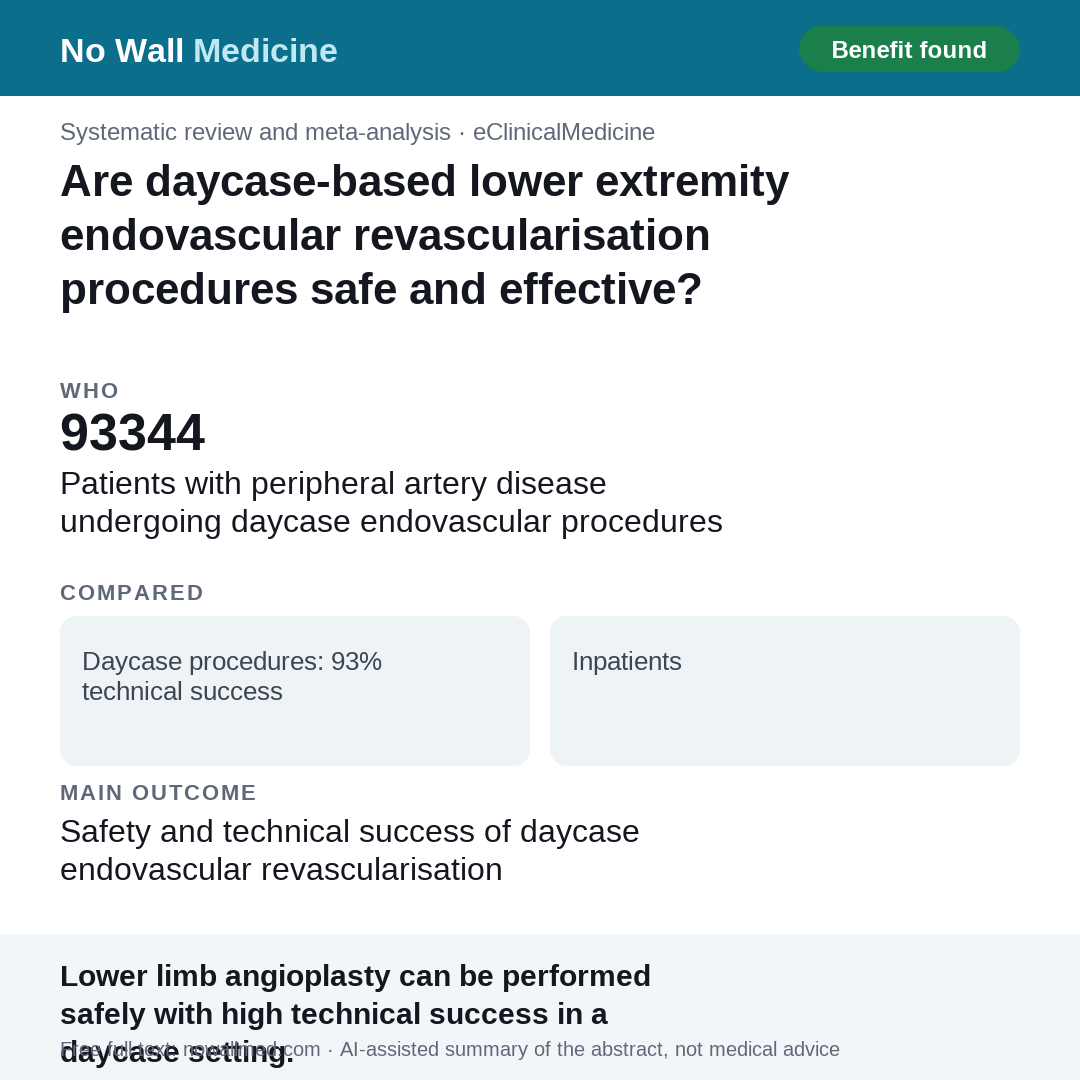
Safety and procedural success of daycase-based endovascular procedures in lower extremity arteries of patients with peripheral artery disease: a systematic review and meta-analysis
Systematic review and meta-analysisBenefit found
Are daycase-based lower extremity endovascular revascularisation procedures safe and effective?
Who
93344
Patients with peripheral artery disease undergoing daycase endovascular procedures
Compared
Daycase procedures: 93% technical success
Inpatients
Main outcome
Safety and technical success of daycase endovascular revascularisation
Result: no significant difference in complication rates -0.8% (95% CI -1.9 to 0.3%)
Bottom line: Lower limb angioplasty can be performed safely with high technical success in a daycase setting.
Funded by: European Partnership on Metrology, European Union, UK Research and Innovation, Medical Research Council
eClinicalMedicine · 2024-09-05Download image
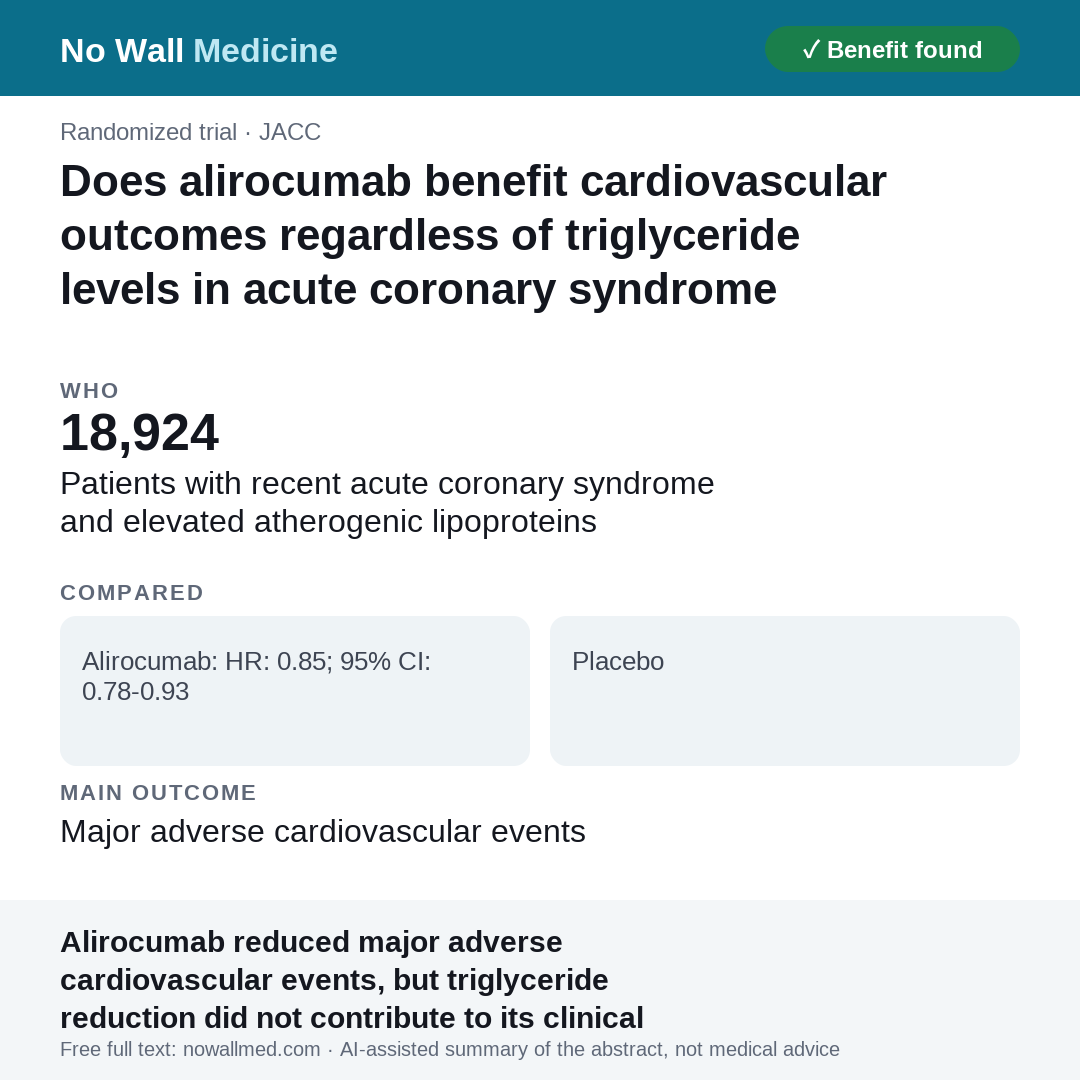
Triglyceride Levels, Alirocumab Treatment, and Cardiovascular Outcomes After an Acute Coronary Syndrome
Randomized trialBenefit found
Does alirocumab benefit cardiovascular outcomes regardless of triglyceride levels in acute coronary syndrome patients?
Who
18,924
Patients with recent acute coronary syndrome and elevated atherogenic lipoproteins
Compared
Alirocumab: HR: 0.85; 95% CI: 0.78-0.93
Placebo
Main outcome
Major adverse cardiovascular events
Result: HR: 0.85 (95% CI 0.78-0.93)
Bottom line: Alirocumab reduced major adverse cardiovascular events, but triglyceride reduction did not contribute to its clinical benefit.
JACC · 2024-09-05Download image
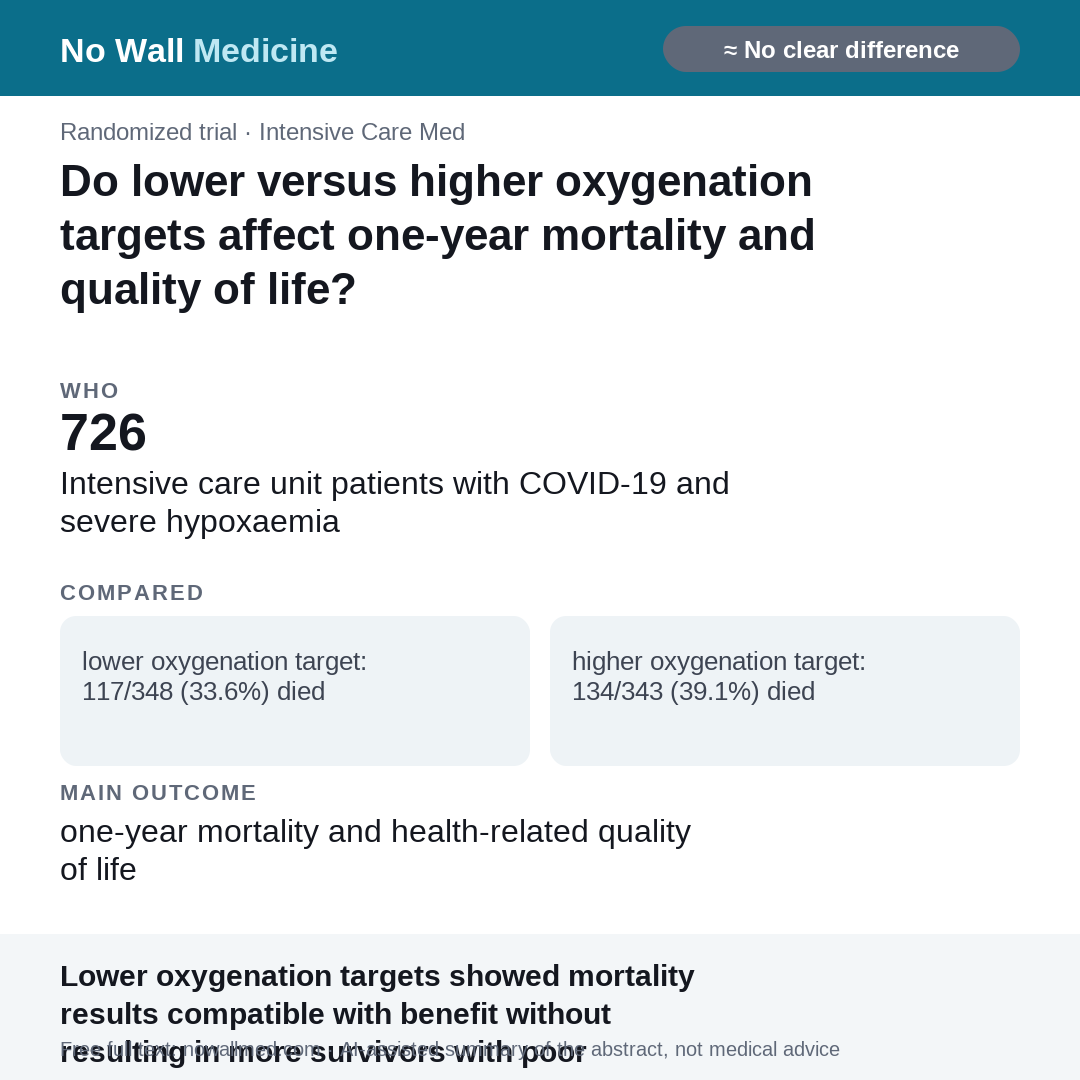
Long-term mortality and health-related quality of life with lower versus higher oxygenation targets in intensive care unit patients with COVID-19 and severe hypoxaemia
Randomized trialNo clear difference
Do lower versus higher oxygenation targets affect one-year mortality and quality of life?
Who
726
Intensive care unit patients with COVID-19 and severe hypoxaemia
Compared
lower oxygenation target: 117/348 (33.6%) died
higher oxygenation target: 134/343 (39.1%) died
Main outcome
one-year mortality and health-related quality of life
Result: adjusted risk ratio 0.85; 98.6% confidence interval 0.66-1.09
Bottom line: Lower oxygenation targets showed mortality results compatible with benefit without resulting in more survivors with poor quality of life.
Intensive Care Med · 2024-09-05Download image
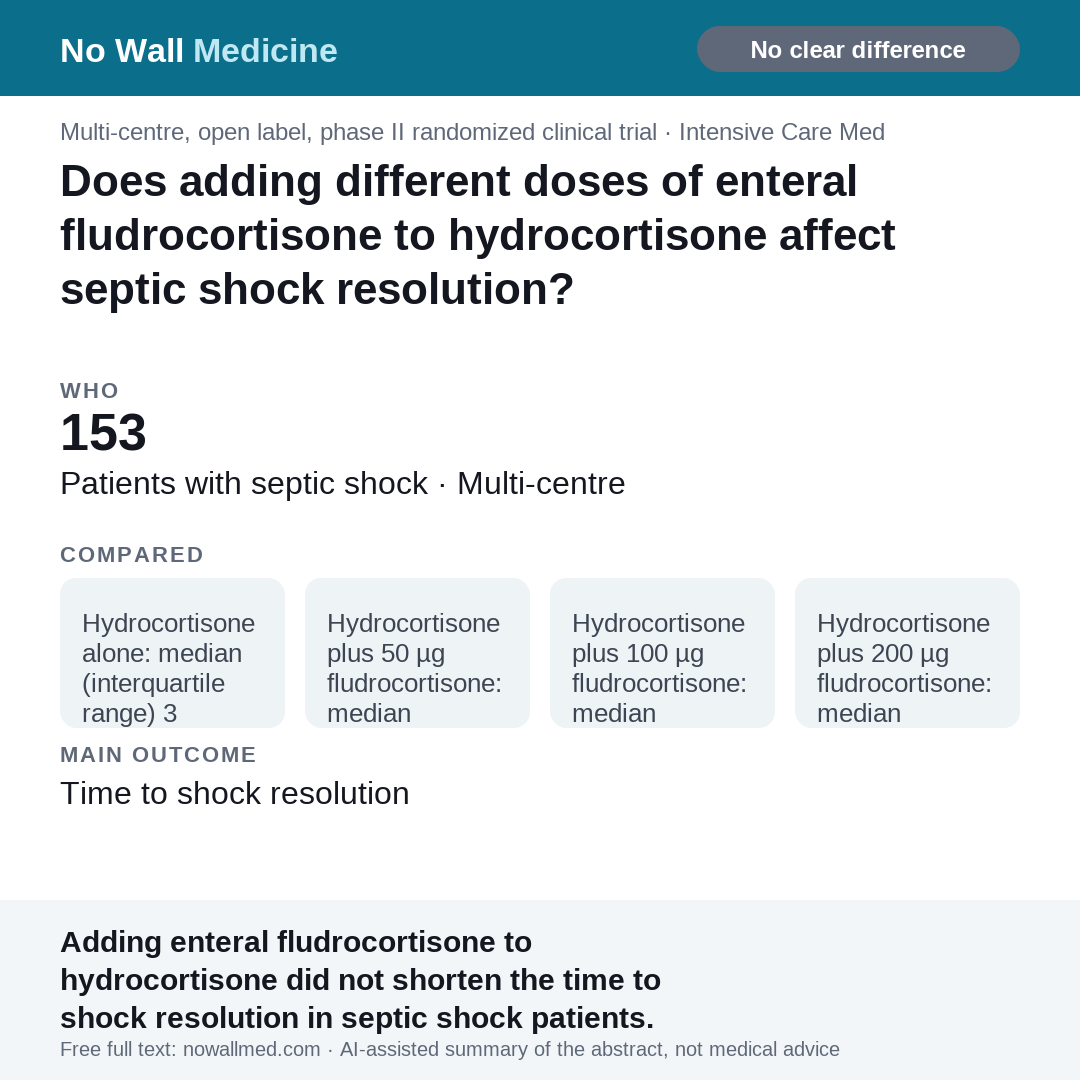
Fludrocortisone dose-response relationship in septic shock: a randomised phase II trial
Multi-centre, open label, phase II randomized clinical trialNo clear difference
Does adding different doses of enteral fludrocortisone to hydrocortisone affect septic shock resolution?
Who
153
Patients with septic shock · Multi-centre
Compared
Hydrocortisone alone: median (interquartile range) 3 (2.5-4.5) days
Hydrocortisone plus 50 µg fludrocortisone: median (interquartile range) 3 (2-4) days
Hydrocortisone plus 100 µg fludrocortisone: median (interquartile range) 3 (2-6) days
Hydrocortisone plus 200 µg fludrocortisone: median (interquartile range) 3 (2-5.5) days
Main outcome
Time to shock resolution
Bottom line: Adding enteral fludrocortisone to hydrocortisone did not shorten the time to shock resolution in septic shock patients.
Intensive Care Med · 2024-09-05Download image
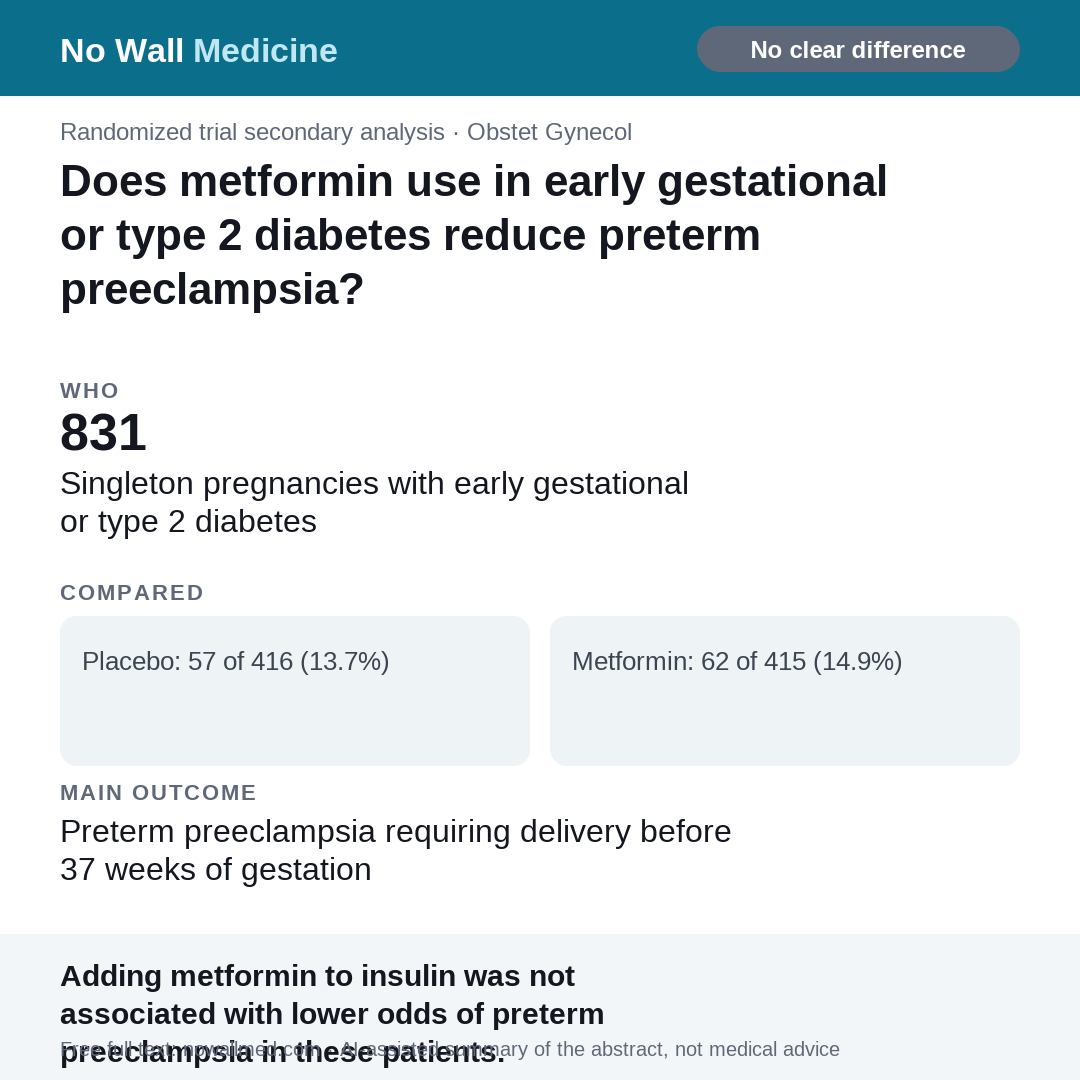
Association Between Metformin Use in Early Gestational or Type 2 Diabetes in Pregnancy and Preterm Preeclampsia
Randomized trial secondary analysisNo clear difference
Does metformin use in early gestational or type 2 diabetes reduce preterm preeclampsia?
Who
831
Singleton pregnancies with early gestational or type 2 diabetes
Compared
Placebo: 57 of 416 (13.7%)
Metformin: 62 of 415 (14.9%)
Main outcome
Preterm preeclampsia requiring delivery before 37 weeks of gestation
Result: adjusted odds ratio 1.04 (95% CI, 0.70-1.56)
Bottom line: Adding metformin to insulin was not associated with lower odds of preterm preeclampsia in these patients.
Obstet Gynecol · 2024-09-05Download image
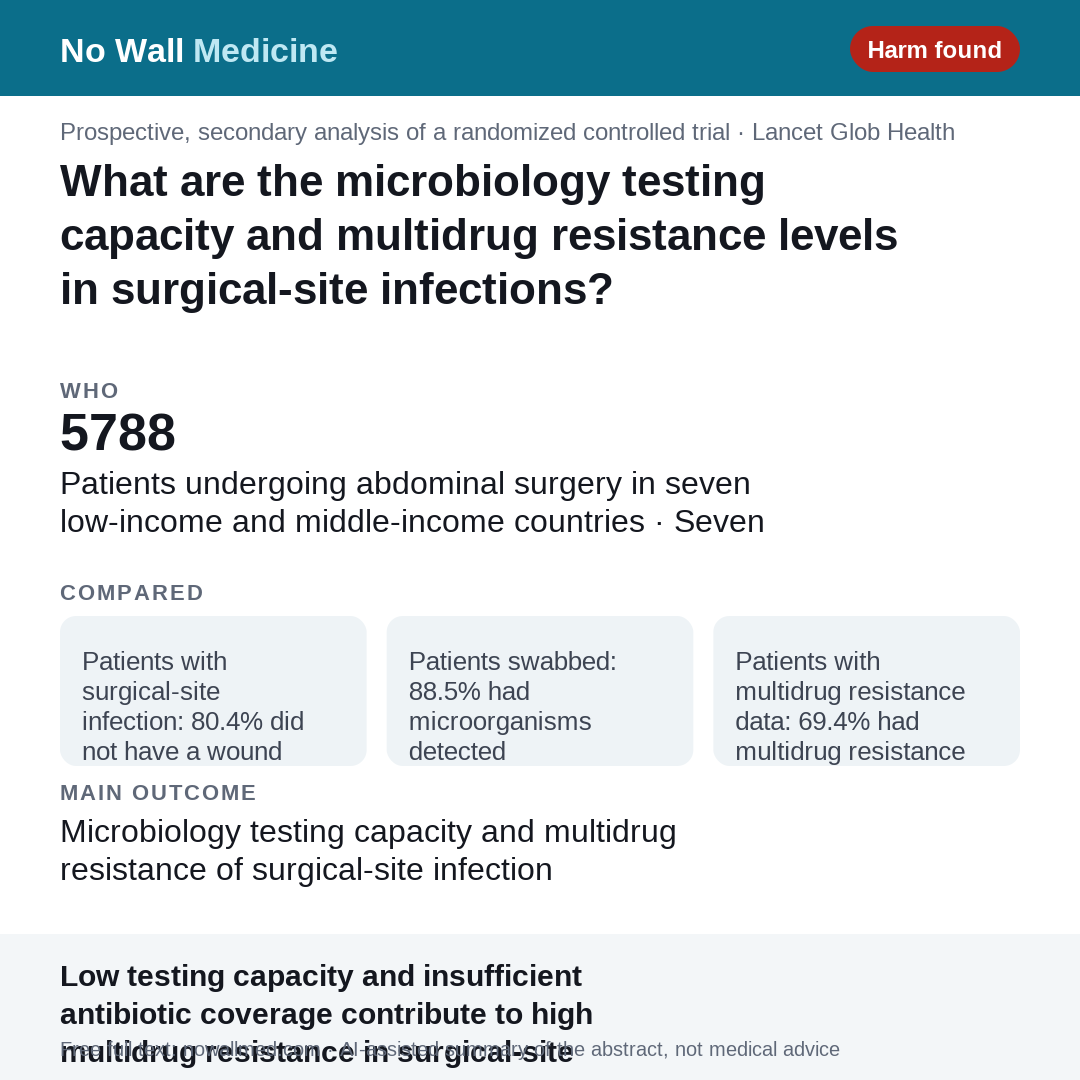
Microbiology testing capacity and antimicrobial drug resistance in surgical-site infections: a post-hoc, prospective, secondary analysis of the FALCON randomised trial in seven low-income and middle-income countries
Prospective, secondary analysis of a randomized controlled trialHarm found
What are the microbiology testing capacity and multidrug resistance levels in surgical-site infections?
Who
5788
Patients undergoing abdominal surgery in seven low-income and middle-income countries · Seven low-income and middle-income countries
Compared
Patients with surgical-site infection: 80.4% did not have a wound swab
Patients swabbed: 88.5% had microorganisms detected
Patients with multidrug resistance data: 69.4% had multidrug resistance
Main outcome
Microbiology testing capacity and multidrug resistance of surgical-site infection microorganisms
Bottom line: Low testing capacity and insufficient antibiotic coverage contribute to high multidrug resistance in surgical-site infections in low-income countries.
Funded by: National Institute for Health and Care Research
Lancet Glob Health · 2024-09-05Download image
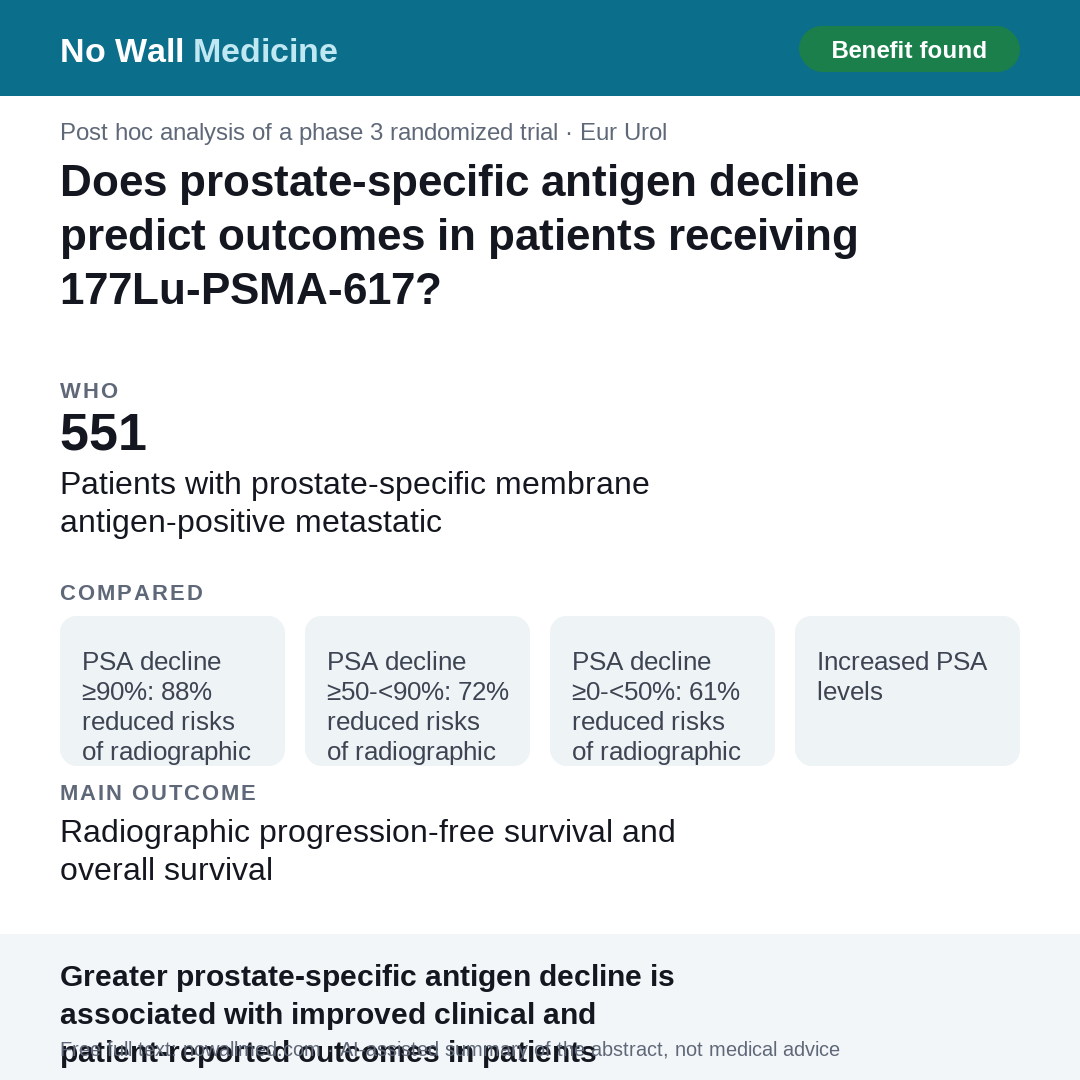
Association of Declining Prostate-specific Antigen Levels with Clinical Outcomes in Patients with Metastatic Castration-resistant Prostate Cancer Receiving [177Lu]Lu-PSMA-617 in the Phase 3 VISION Trial
Post hoc analysis of a phase 3 randomized trialBenefit found
Does prostate-specific antigen decline predict outcomes in patients receiving 177Lu-PSMA-617?
Who
551
Patients with prostate-specific membrane antigen-positive metastatic castration-resistant prostate cancer
Compared
PSA decline ≥90%: 88% reduced risks of radiographic disease progression or death
PSA decline ≥50-<90%: 72% reduced risks of radiographic disease progression or death
PSA decline ≥0-<50%: 61% reduced risks of radiographic disease progression or death
Increased PSA levels
Main outcome
Radiographic progression-free survival and overall survival
Bottom line: Greater prostate-specific antigen decline is associated with improved clinical and patient-reported outcomes in patients receiving 177Lu-PSMA-617.
Limitation: This was a post hoc analysis of the phase 3 VISION trial.
Eur Urol · 2024-09-05Download image
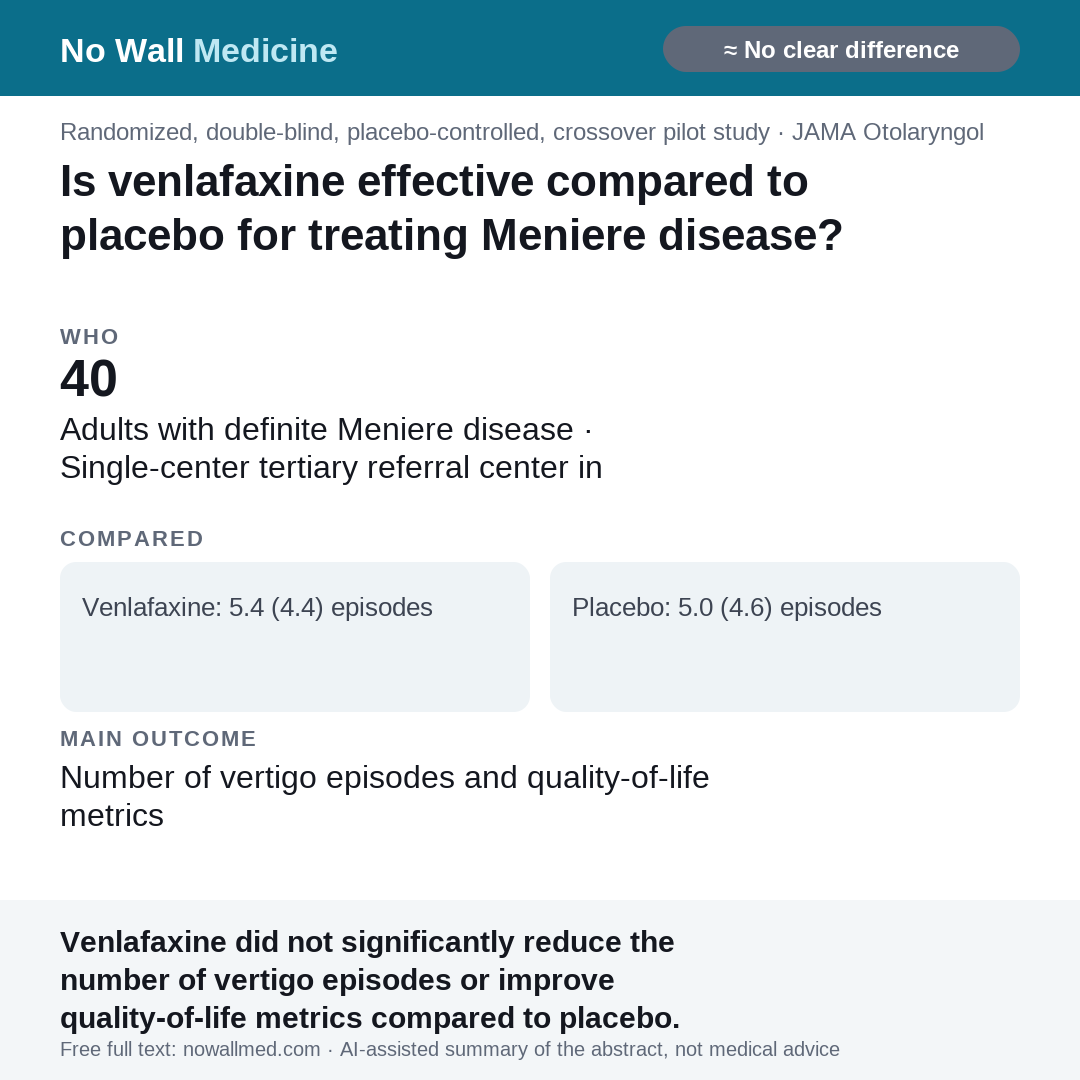
Efficacy of a Serotonin-Norepinephrine Reuptake Inhibitor as a Treatment for Meniere Disease: A Randomized Clinical Trial
Randomized, double-blind, placebo-controlled, crossover pilot studyNo clear difference
Is venlafaxine effective compared to placebo for treating Meniere disease?
Who
40
Adults with definite Meniere disease · Single-center tertiary referral center in South Carolina
Compared
Venlafaxine: 5.4 (4.4) episodes
Placebo: 5.0 (4.6) episodes
Main outcome
Number of vertigo episodes and quality-of-life metrics
Bottom line: Venlafaxine did not significantly reduce the number of vertigo episodes or improve quality-of-life metrics compared to placebo.
Limitation: Small pilot study; future studies may benefit from different dosing, larger cohorts, and longer therapy.
JAMA Otolaryngol · 2024-09-05Download image
Uncovering convergence and divergence between autism and schizophrenia using genomic tools and patients' neurons
Meta-analysis and cellular phenotype investigationBenefit found
What is the genetic and cellular relationship between autism spectrum disorders and schizophrenia?
Who
Genome-wide association study genes and induced pluripotent stem cell neurons
Compared
Autism spectrum disorder genes: 75% associated with schizophrenia
Schizophrenia genes
Main outcome
Genetic overlap and synaptic activity deficits in neurons
Bottom line: Autism and schizophrenia share significant genetic overlap and converge on similar synaptic activity deficits during neuronal maturation.
Mol Psychiatry · 2024-09-05Download image

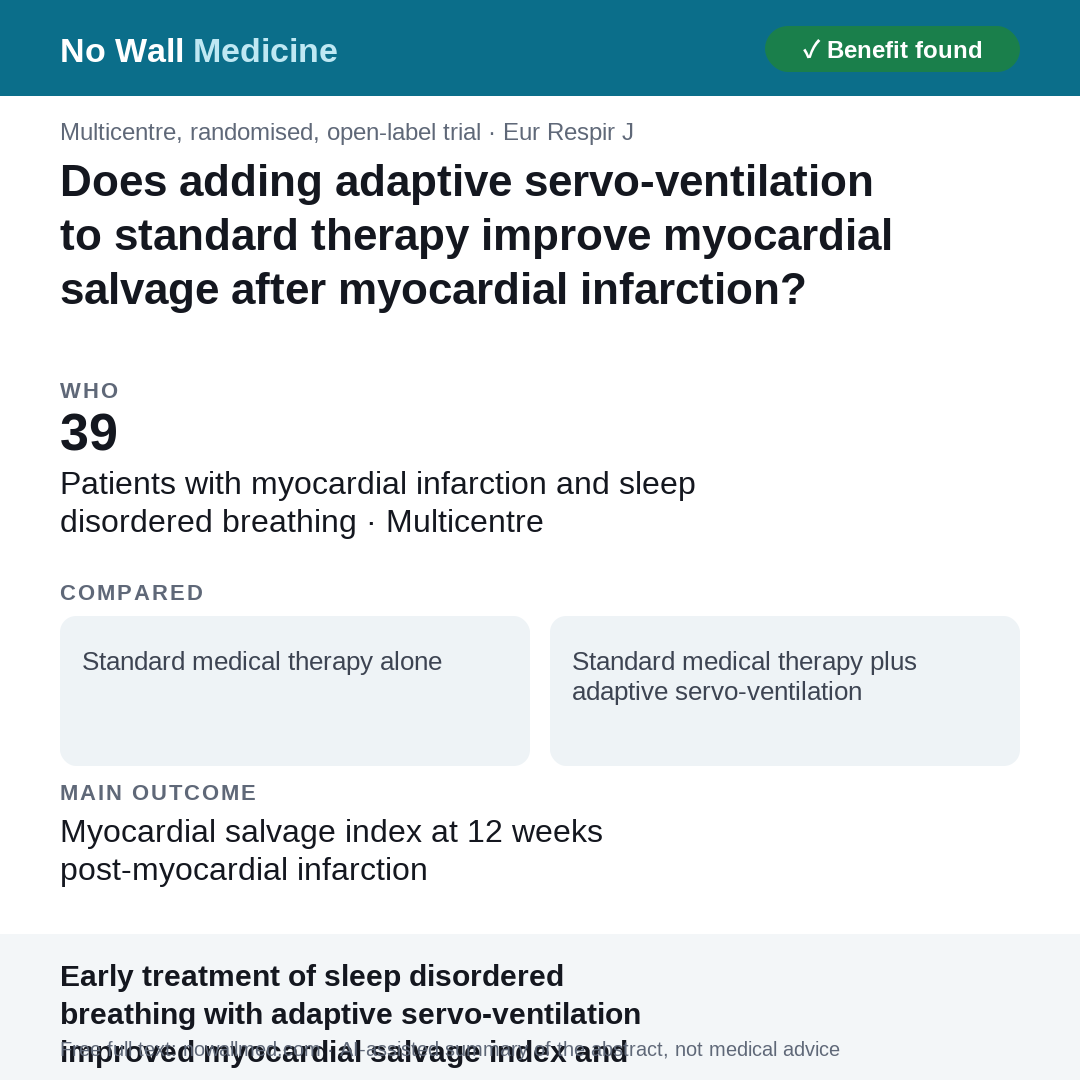
Treatment of sleep apnoea early after myocardial infarction with adaptive servo-ventilation: a proof-of-concept randomised controlled trial
Multicentre, randomised, open-label trialBenefit found
Does adding adaptive servo-ventilation to standard therapy improve myocardial salvage after myocardial infarction?
Who
39
Patients with myocardial infarction and sleep disordered breathing · Multicentre
Compared
Standard medical therapy alone
Standard medical therapy plus adaptive servo-ventilation
Main outcome
Myocardial salvage index at 12 weeks post-myocardial infarction
Result: difference 14.6% (95% CI 0.14-29.1%)
Bottom line: Early treatment of sleep disordered breathing with adaptive servo-ventilation improved myocardial salvage index and decreased infarct size.
Eur Respir J · 2024-09-05Download image
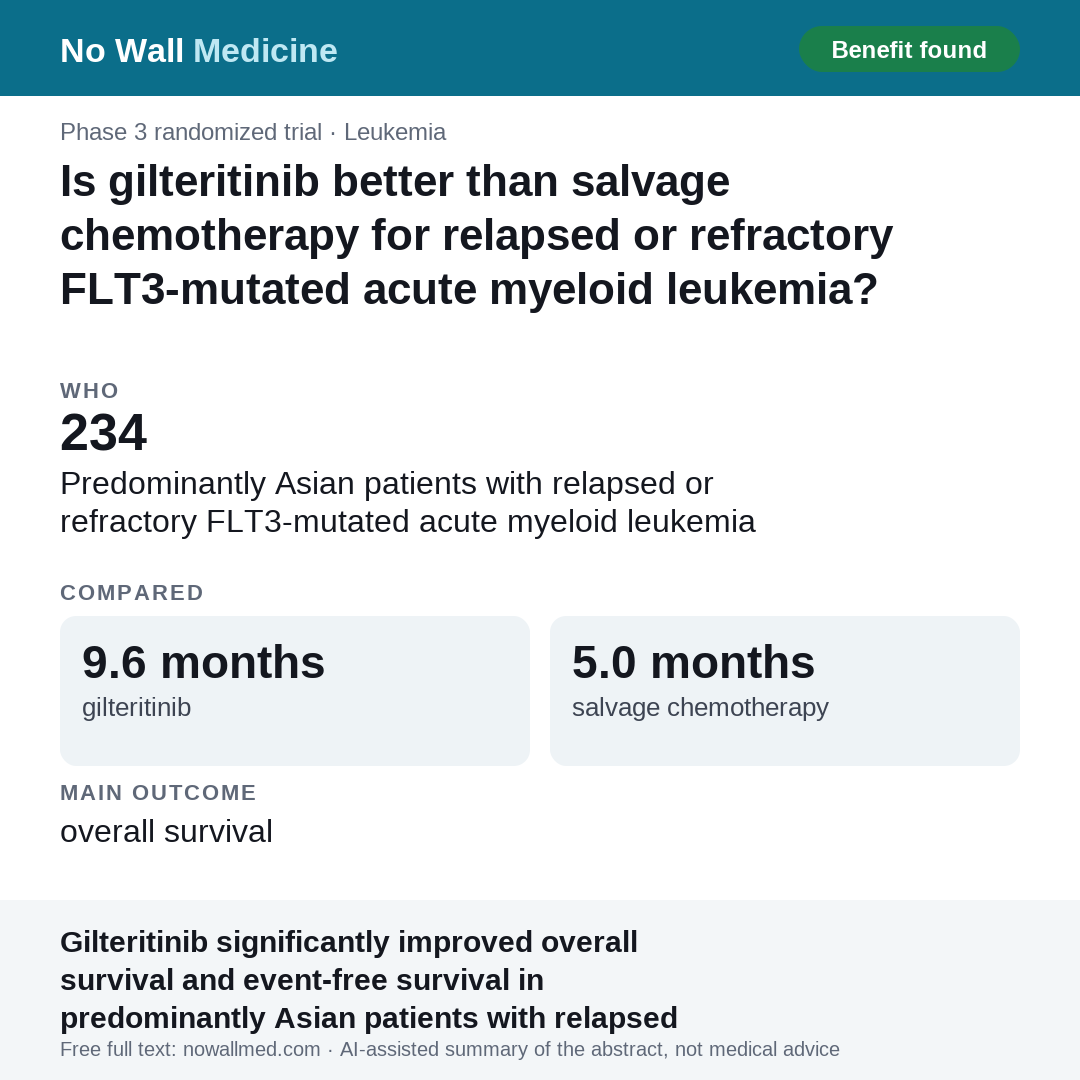
Phase 3 study of gilteritinib versus salvage chemotherapy in predominantly Asian patients with relapsed/refractory FLT3-mutated acute myeloid leukemia
Phase 3 randomized trialBenefit found
Is gilteritinib better than salvage chemotherapy for relapsed or refractory FLT3-mutated acute myeloid leukemia?
Who
234
Predominantly Asian patients with relapsed or refractory FLT3-mutated acute myeloid leukemia
Compared
9.6 monthsgilteritinib
5.0 monthssalvage chemotherapy
Main outcome
overall survival
Result: hazard ratio 0.566 (95% CI 0.392 to 0.818)
Bottom line: Gilteritinib significantly improved overall survival and event-free survival in predominantly Asian patients with relapsed or refractory FLT3-mutated acute myeloid leukemia.
Leukemia · 2024-09-05Download image
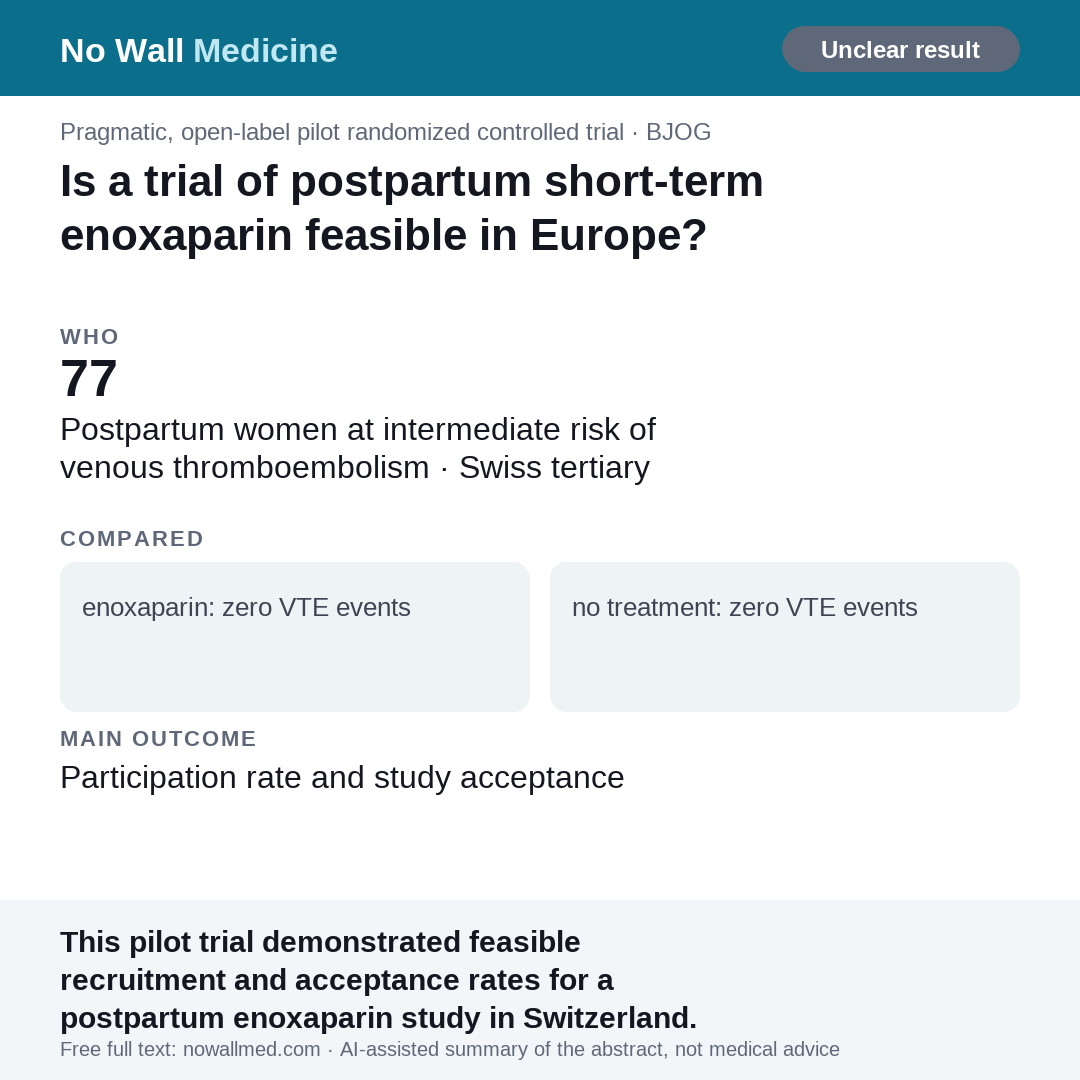
Preventing Postpartum Venous Thromboembolism With Low-Molecular-Weight Heparin: The PP-HEP Pilot Randomised Controlled Trial
Pragmatic, open-label pilot randomized controlled trialUnclear result
Is a trial of postpartum short-term enoxaparin feasible in Europe?
Who
77
Postpartum women at intermediate risk of venous thromboembolism · Swiss tertiary hospital
Compared
enoxaparin: zero VTE events
no treatment: zero VTE events
Main outcome
Participation rate and study acceptance
Bottom line: This pilot trial demonstrated feasible recruitment and acceptance rates for a postpartum enoxaparin study in Switzerland.
BJOG · 2024-09-05Download image
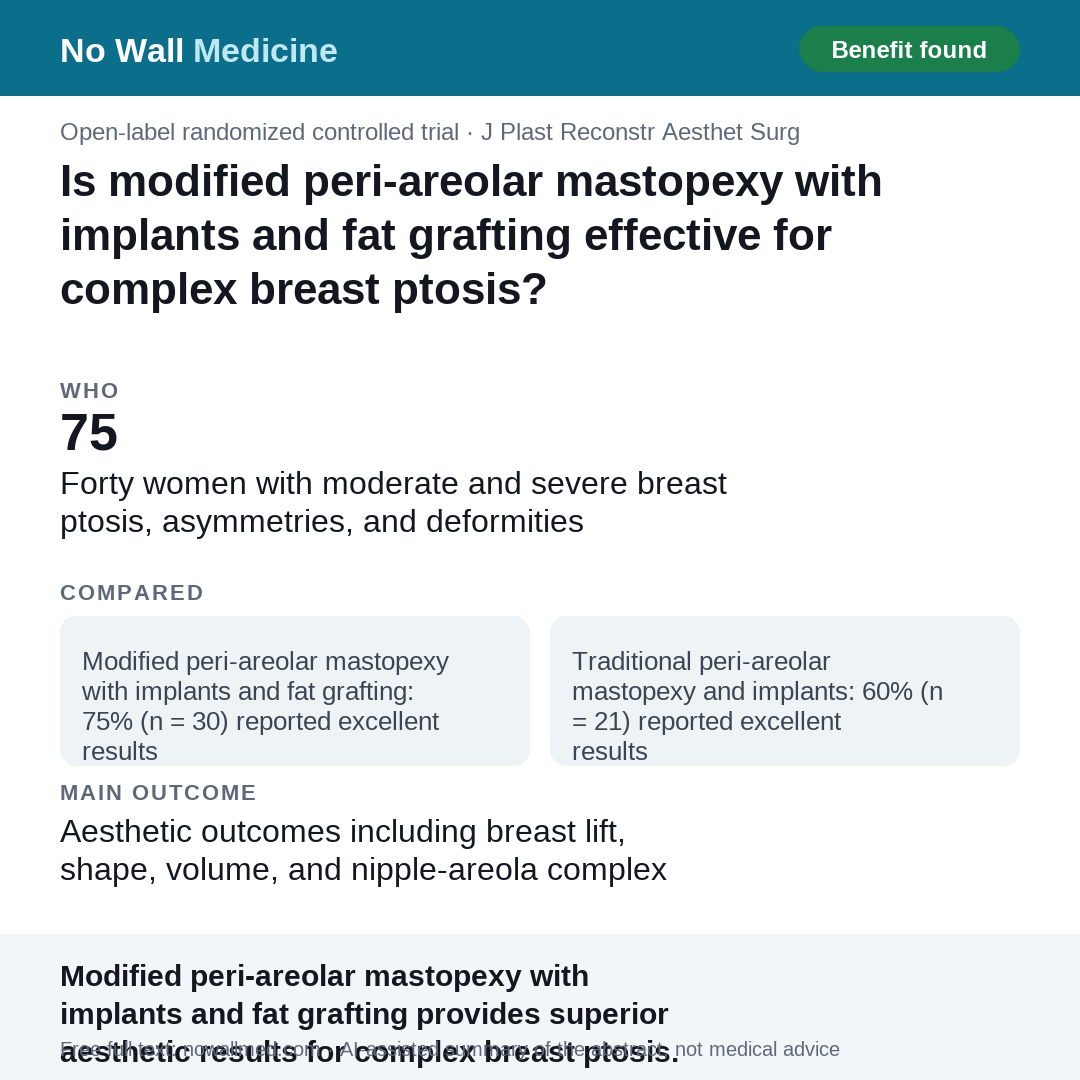
Modified peri-areolar mastopexy and fat grafting in complex breast ptosis: A randomized open-label controlled trial
Open-label randomized controlled trialBenefit found
Is modified peri-areolar mastopexy with implants and fat grafting effective for complex breast ptosis?
Who
75
Forty women with moderate and severe breast ptosis, asymmetries, and deformities
Compared
Modified peri-areolar mastopexy with implants and fat grafting: 75% (n = 30) reported excellent results
Traditional peri-areolar mastopexy and implants: 60% (n = 21) reported excellent results
Main outcome
Aesthetic outcomes including breast lift, shape, volume, and nipple-areola complex position
Bottom line: Modified peri-areolar mastopexy with implants and fat grafting provides superior aesthetic results for complex breast ptosis.
J Plast Reconstr Aesthet Surg · 2024-09-05Download image
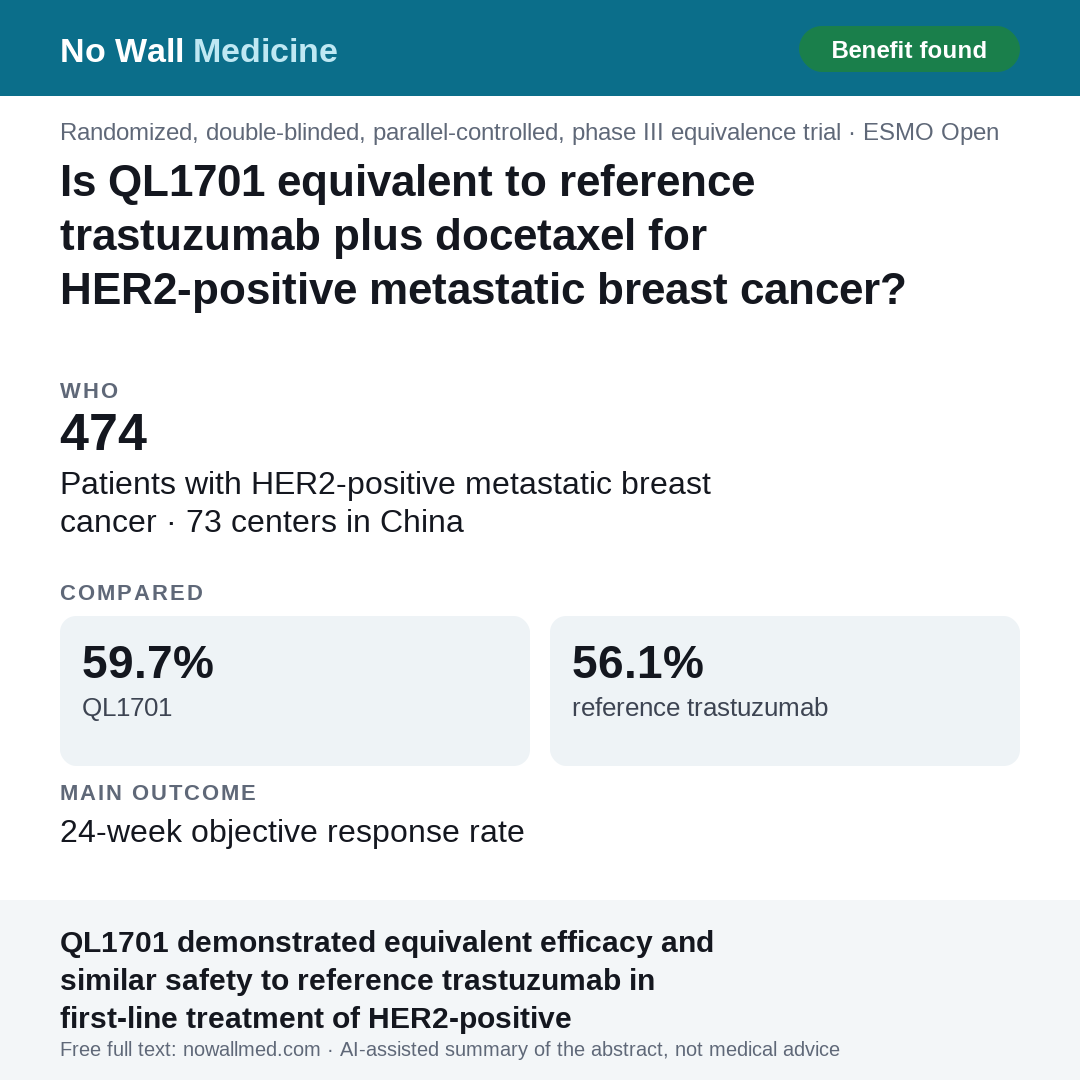
QL1701 (a proposed trastuzumab biosimilar) versus reference trastuzumab plus docetaxel as first-line therapy for HER2-positive metastatic breast cancer: a multicenter, randomized, double-blinded, parallel-controlled, phase III equivalence trial
Randomized, double-blinded, parallel-controlled, phase III equivalence trialBenefit found
Is QL1701 equivalent to reference trastuzumab plus docetaxel for HER2-positive metastatic breast cancer?
Who
474
Patients with HER2-positive metastatic breast cancer · 73 centers in China
Compared
59.7%QL1701 (95% CI 53.2% to 66.1%)
56.1%reference trastuzumab (95% CI 49.5% to 62.5%)
Main outcome
24-week objective response rate
Result: risk ratio 1.07 (90% CI 0.94-1.21)
Bottom line: QL1701 demonstrated equivalent efficacy and similar safety to reference trastuzumab in first-line treatment of HER2-positive metastatic breast cancer.
ESMO Open · 2024-09-05Download image