Visual abstracts
New randomized trials and meta-analyses from leading journals at a glance: who was studied, what was compared, and what was found. Every paper is free to read in full.
All specialtiesCardiology 4780Oncology 4080Gastroenterology & Hepatology 1914Infectious Disease 3775Neurology 1883Psychiatry & Mental Health 2238Pulmonology 2058Critical Care 1331Endocrinology & Diabetes 2550Pediatrics 2908Surgery 2496Orthopedics & Sports Medicine 922Neurosurgery 532Cardiothoracic & Vascular Surgery 662Plastic & Reconstructive Surgery 584Nephrology 1111Rheumatology 812Hematology 1095Dermatology 617Ophthalmology 537Obstetrics & Gynecology 1656Public & Global Health 1041Radiology & Imaging 637Anesthesiology 958Urology 751ENT (Otolaryngology) 497Emergency Medicine 484Allergy & Immunology 310Geriatrics 973Family Medicine & Primary Care 538Medical Genetics & Genomics 662Pathology & Laboratory Medicine 156Physical Medicine & Rehabilitation 744Palliative Care 422Nutrition 1564Digital Health & AI 2188General Medicine 318
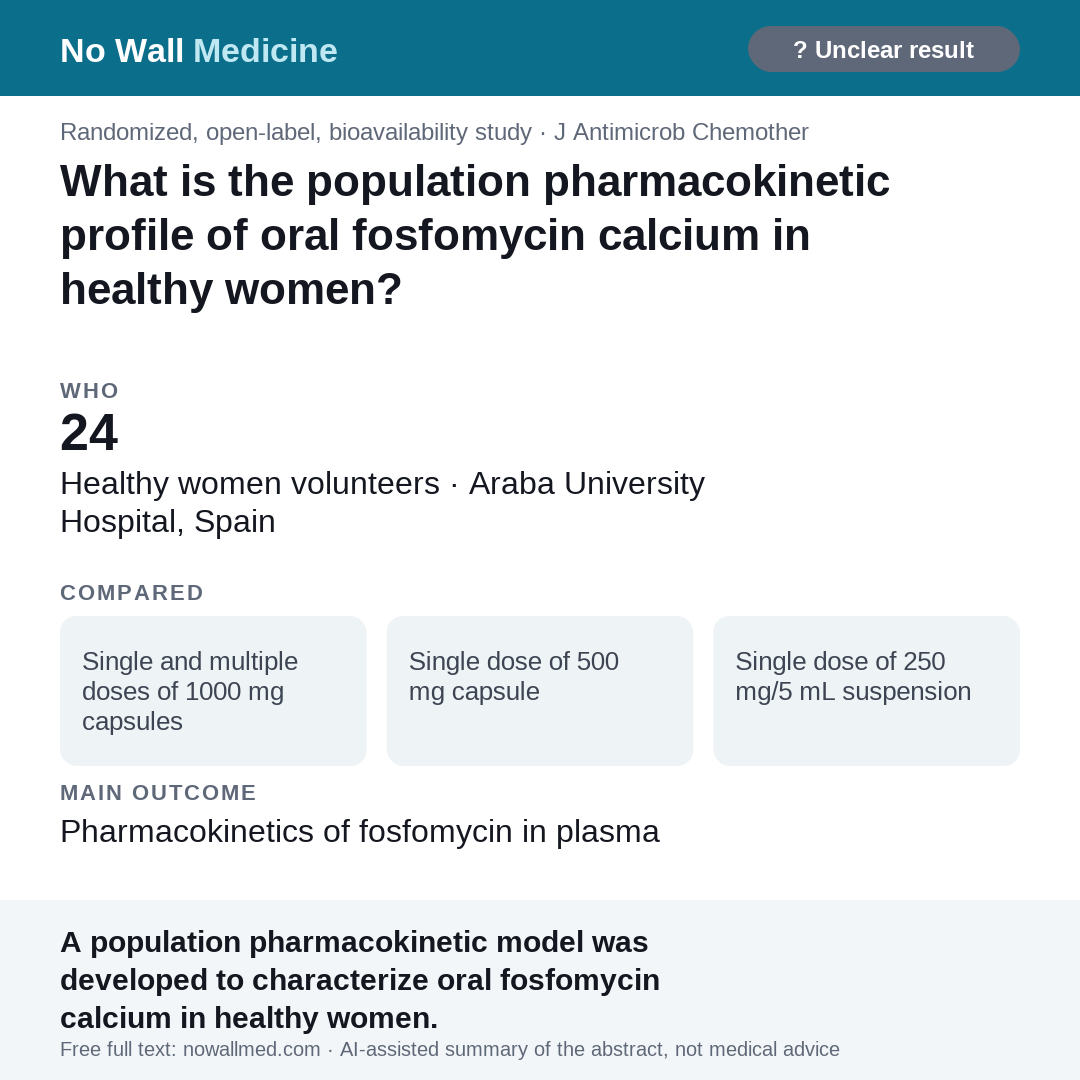
Population pharmacokinetics of oral fosfomycin calcium in healthy women
Randomized, open-label, bioavailability studyUnclear result
What is the population pharmacokinetic profile of oral fosfomycin calcium in healthy women?
Who
24
Healthy women volunteers · Araba University Hospital, Spain
Compared
Single and multiple doses of 1000 mg capsules
Single dose of 500 mg capsule
Single dose of 250 mg/5 mL suspension
Main outcome
Pharmacokinetics of fosfomycin in plasma
Bottom line: A population pharmacokinetic model was developed to characterize oral fosfomycin calcium in healthy women.
J Antimicrob Chemother · 2024-08-31Download image
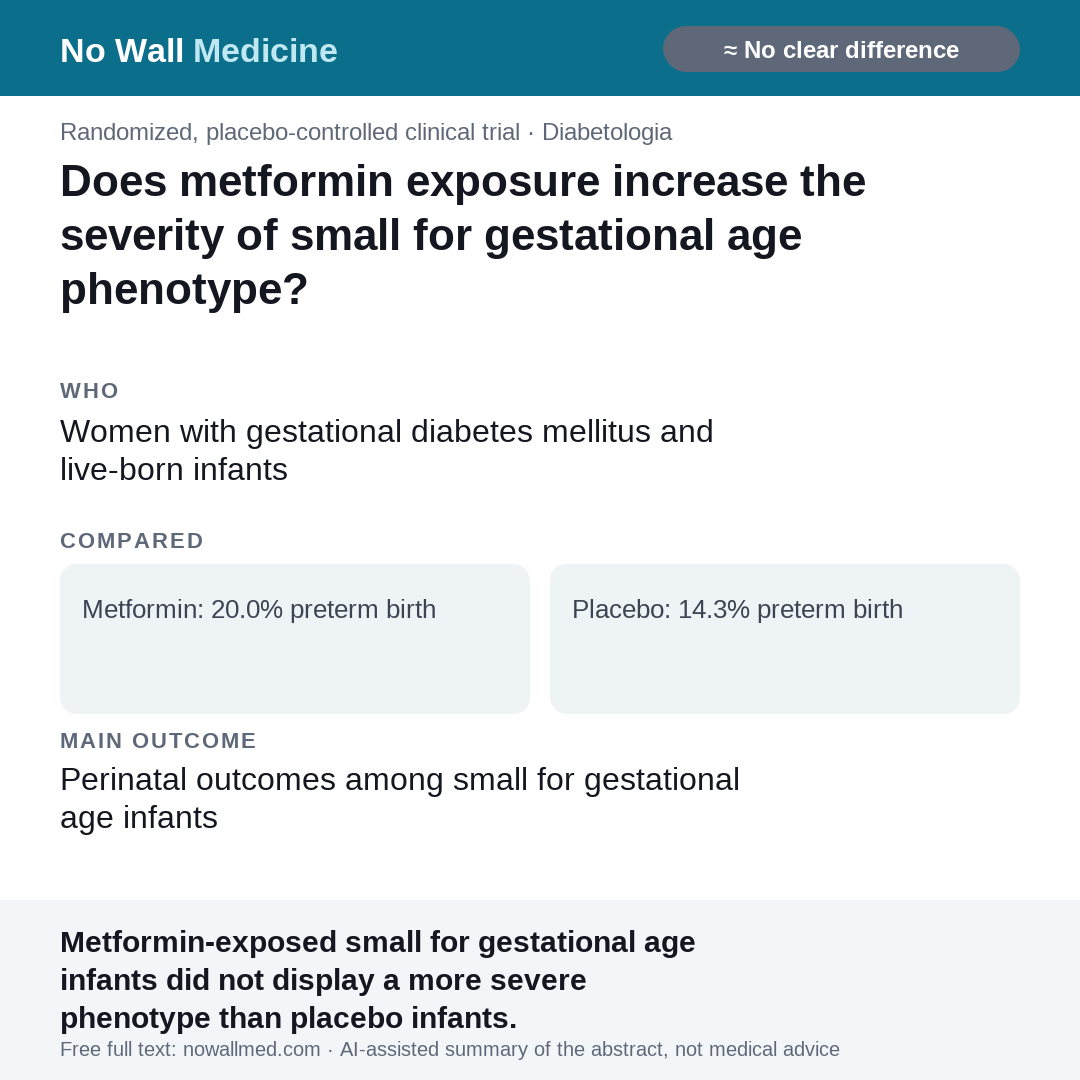
Metformin and small for gestational age babies: findings of a randomised placebo-controlled clinical trial of metformin in gestational diabetes (EMERGE)
Randomized, placebo-controlled clinical trialNo clear difference
Does metformin exposure increase the severity of small for gestational age phenotype?
Who
Women with gestational diabetes mellitus and live-born infants
Compared
Metformin: 20.0% preterm birth
Placebo: 14.3% preterm birth
Main outcome
Perinatal outcomes among small for gestational age infants
Bottom line: Metformin-exposed small for gestational age infants did not display a more severe phenotype than placebo infants.
Diabetologia · 2024-08-31Download image
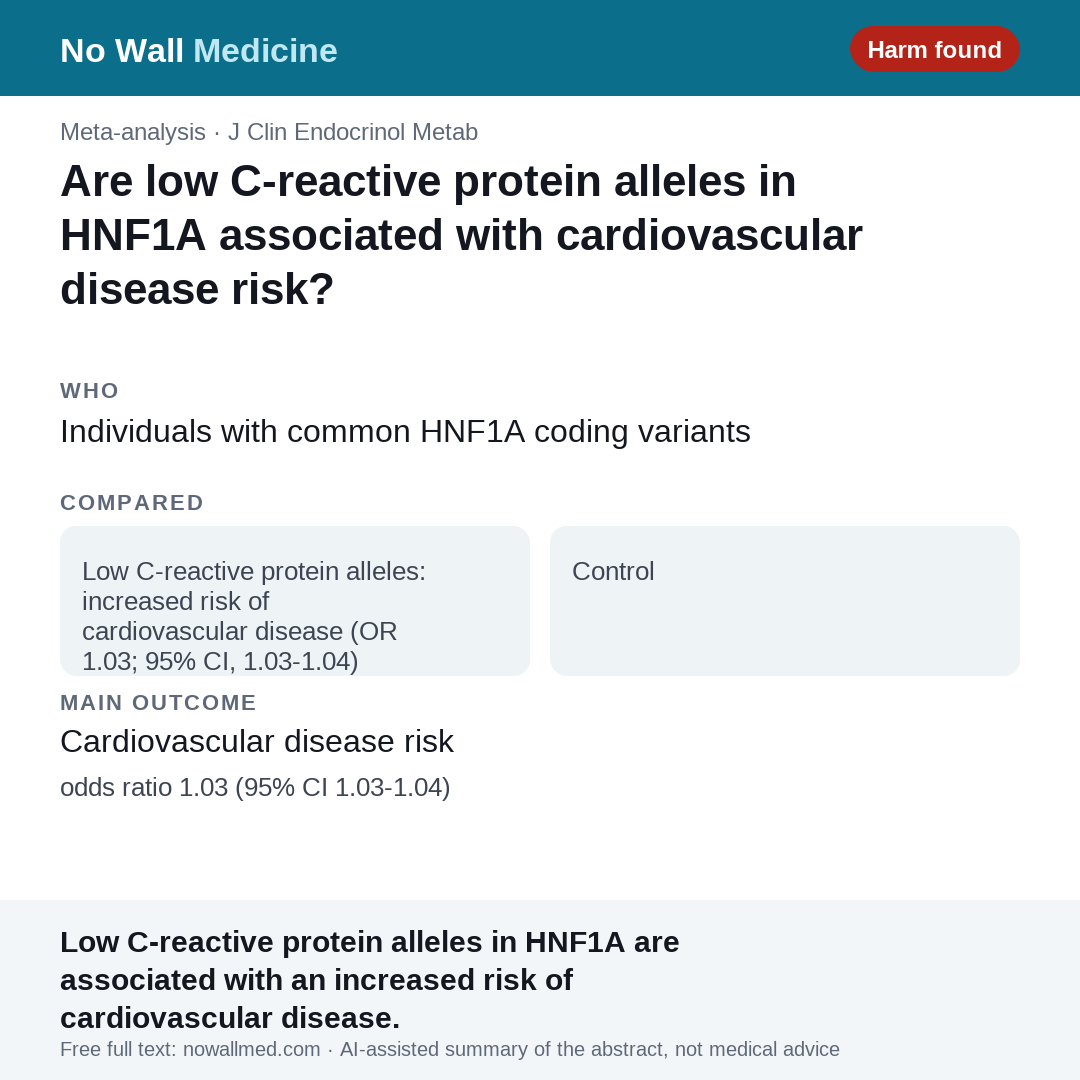
Low C-Reactive Protein Alleles in Hepatocyte Nuclear Factor 1A Are Associated With an Increased Risk of Cardiovascular Disease
Meta-analysisHarm found
Are low C-reactive protein alleles in HNF1A associated with cardiovascular disease risk?
Who
Individuals with common HNF1A coding variants
Compared
Low C-reactive protein alleles: increased risk of cardiovascular disease (OR 1.03; 95% CI, 1.03-1.04)
Control
Main outcome
Cardiovascular disease risk
Result: odds ratio 1.03 (95% CI 1.03-1.04)
Bottom line: Low C-reactive protein alleles in HNF1A are associated with an increased risk of cardiovascular disease.
J Clin Endocrinol Metab · 2024-08-31Download image
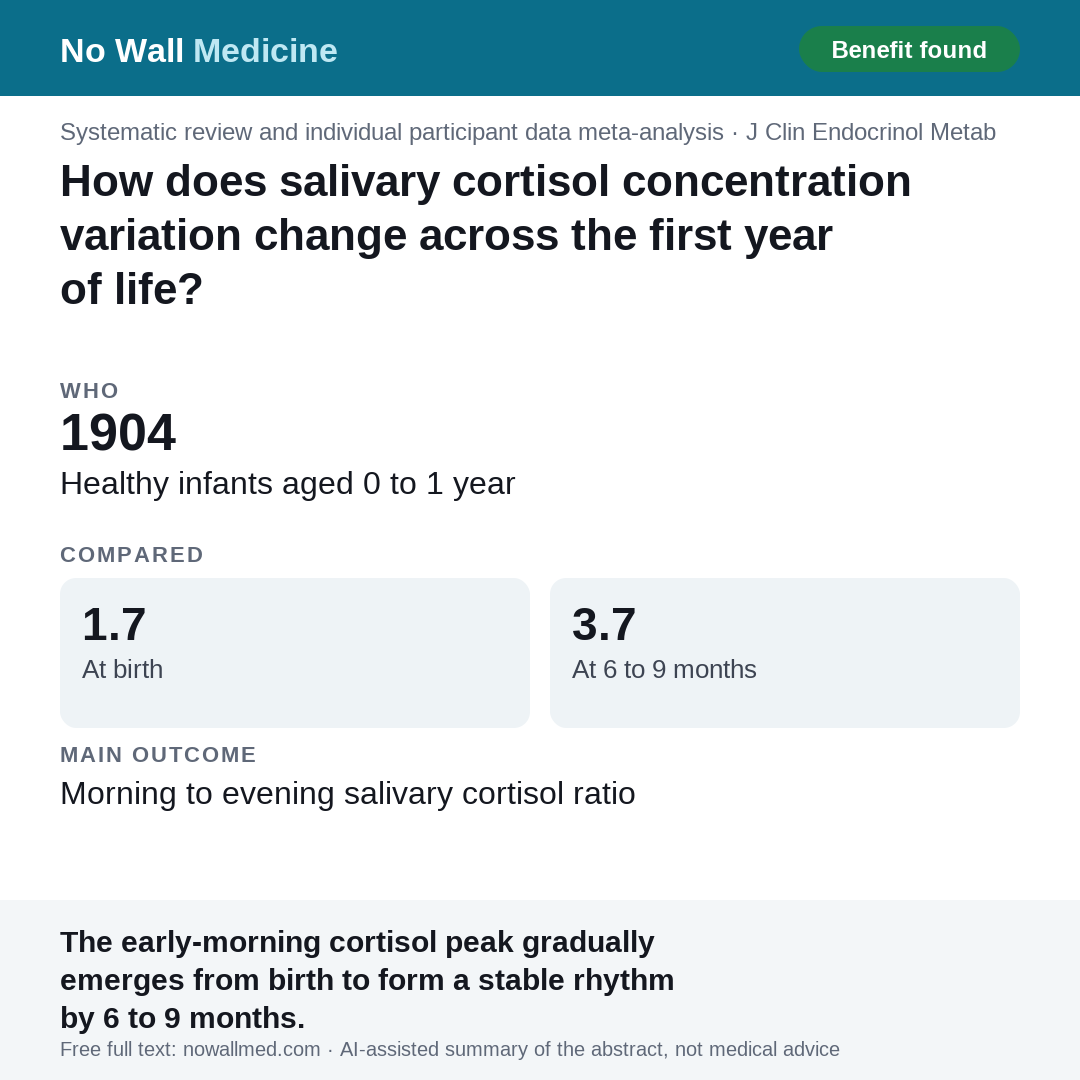
Development of 24-Hour Rhythms in Cortisol Secretion Across Infancy: A Systematic Review and Meta-Analysis of Individual Participant Data
Systematic review and individual participant data meta-analysisBenefit found
How does salivary cortisol concentration variation change across the first year of life?
Who
1904
Healthy infants aged 0 to 1 year
Compared
1.7At birth (95% CI: 1.3-2.1)
3.7At 6 to 9 months (95% CI: 3.0-4.5)
Main outcome
Morning to evening salivary cortisol ratio
Bottom line: The early-morning cortisol peak gradually emerges from birth to form a stable rhythm by 6 to 9 months.
J Clin Endocrinol Metab · 2024-08-31Download image
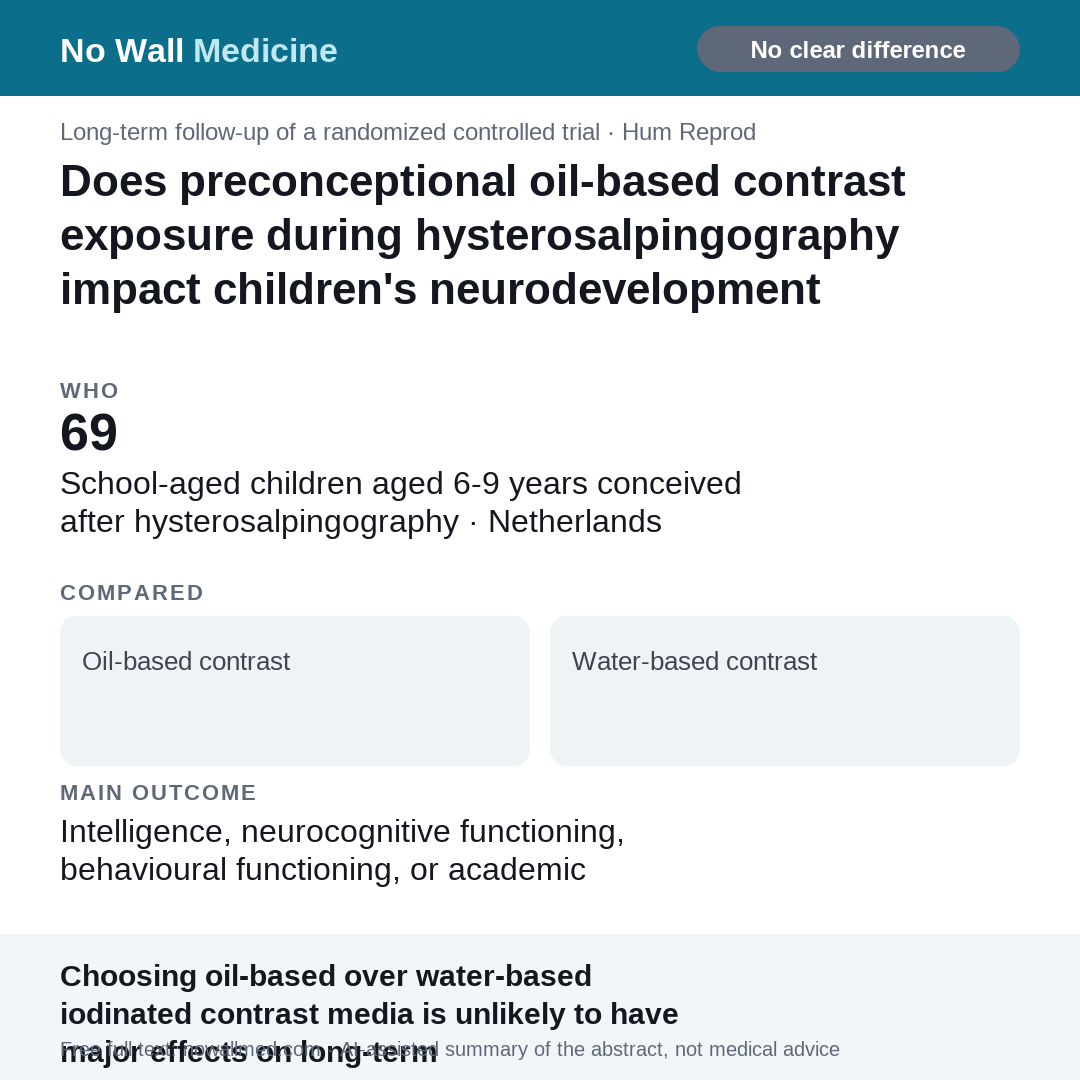
Neurodevelopmental outcomes of school-age children conceived after hysterosalpingography with oil-based or water-based iodinated contrast: long-term follow-up of a nationwide randomized controlled trial
Long-term follow-up of a randomized controlled trialNo clear difference
Does preconceptional oil-based contrast exposure during hysterosalpingography impact children's neurodevelopment compared to water-based alternatives?
Who
69
School-aged children aged 6-9 years conceived after hysterosalpingography · Netherlands
Compared
Oil-based contrast
Water-based contrast
Main outcome
Intelligence, neurocognitive functioning, behavioural functioning, or academic performance
Bottom line: Choosing oil-based over water-based iodinated contrast media is unlikely to have major effects on long-term neurodevelopmental outcomes.
Limitation: The small sample size of this follow-up study limited statistical power.
Funded by: Amsterdam University Medical Centre
Hum Reprod · 2024-08-31Download image
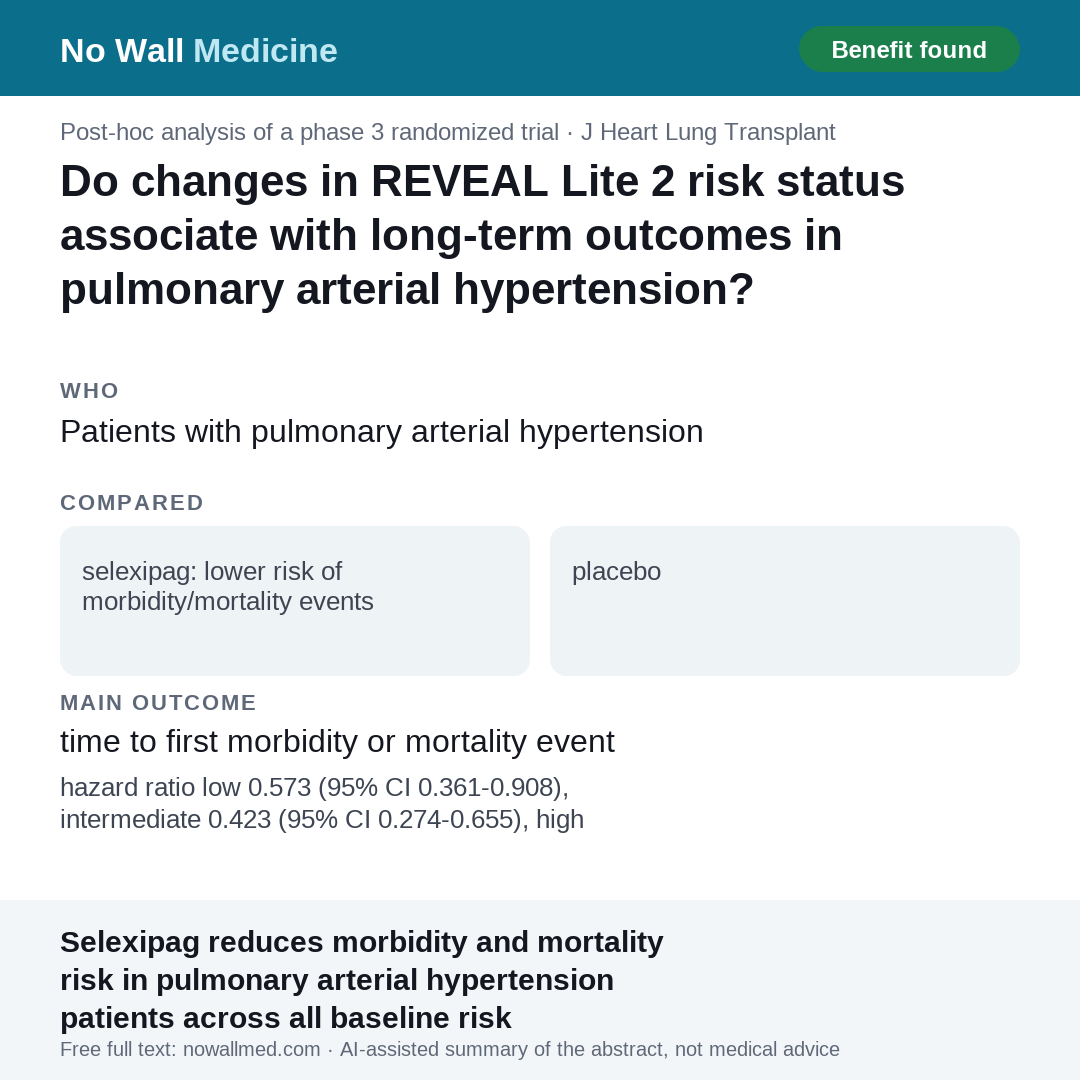
Changes in REVEAL Lite 2 risk status are associated with long-term outcomes in patients with pulmonary arterial hypertension: A post-hoc analysis of the GRIPHON study
Post-hoc analysis of a phase 3 randomized trialBenefit found
Do changes in REVEAL Lite 2 risk status associate with long-term outcomes in pulmonary arterial hypertension?
Who
Patients with pulmonary arterial hypertension
Compared
selexipag: lower risk of morbidity/mortality events
placebo
Main outcome
time to first morbidity or mortality event
Result: hazard ratio low 0.573 (95% CI 0.361-0.908), intermediate 0.423 (95% CI 0.274-0.655), high 0.711 (9% CI 0.520-0.972)
Bottom line: Selexipag reduces morbidity and mortality risk in pulmonary arterial hypertension patients across all baseline risk categories.
J Heart Lung Transplant · 2024-08-31Download image
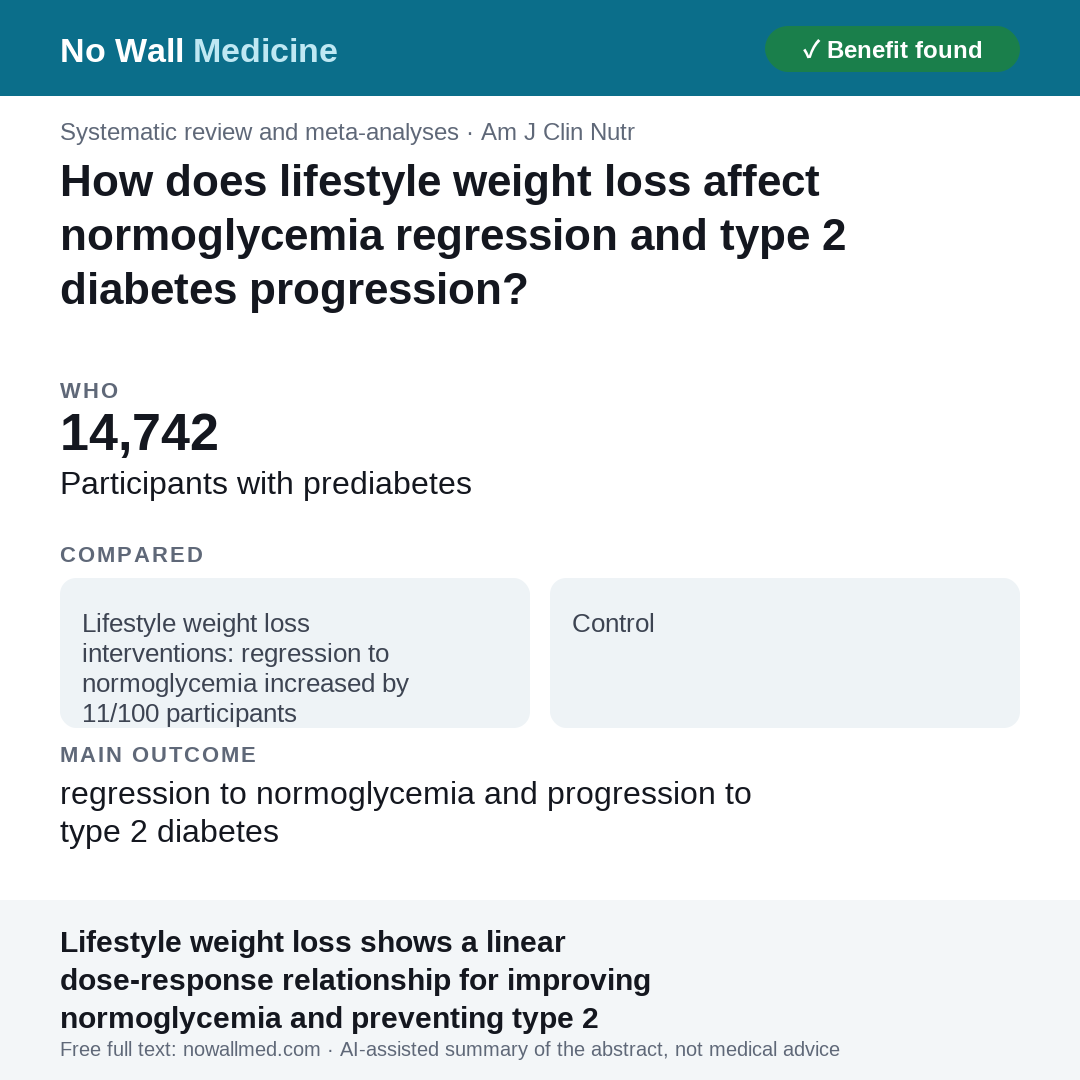
Efficacy of lifestyle weight loss interventions on regression to normoglycemia and progression to type 2 diabetes in individuals with prediabetes: a systematic review and pairwise and dose-response meta-analyses
Systematic review and meta-analysesBenefit found
How does lifestyle weight loss affect normoglycemia regression and type 2 diabetes progression?
Who
14,742
Participants with prediabetes
Compared
Lifestyle weight loss interventions: regression to normoglycemia increased by 11/100 participants
Control
Main outcome
regression to normoglycemia and progression to type 2 diabetes
Result: risk ratio 0.59 (95% CI 0.51, 0.67) for diabetes progression
Bottom line: Lifestyle weight loss shows a linear dose-response relationship for improving normoglycemia and preventing type 2 diabetes.
Am J Clin Nutr · 2024-08-31Download image
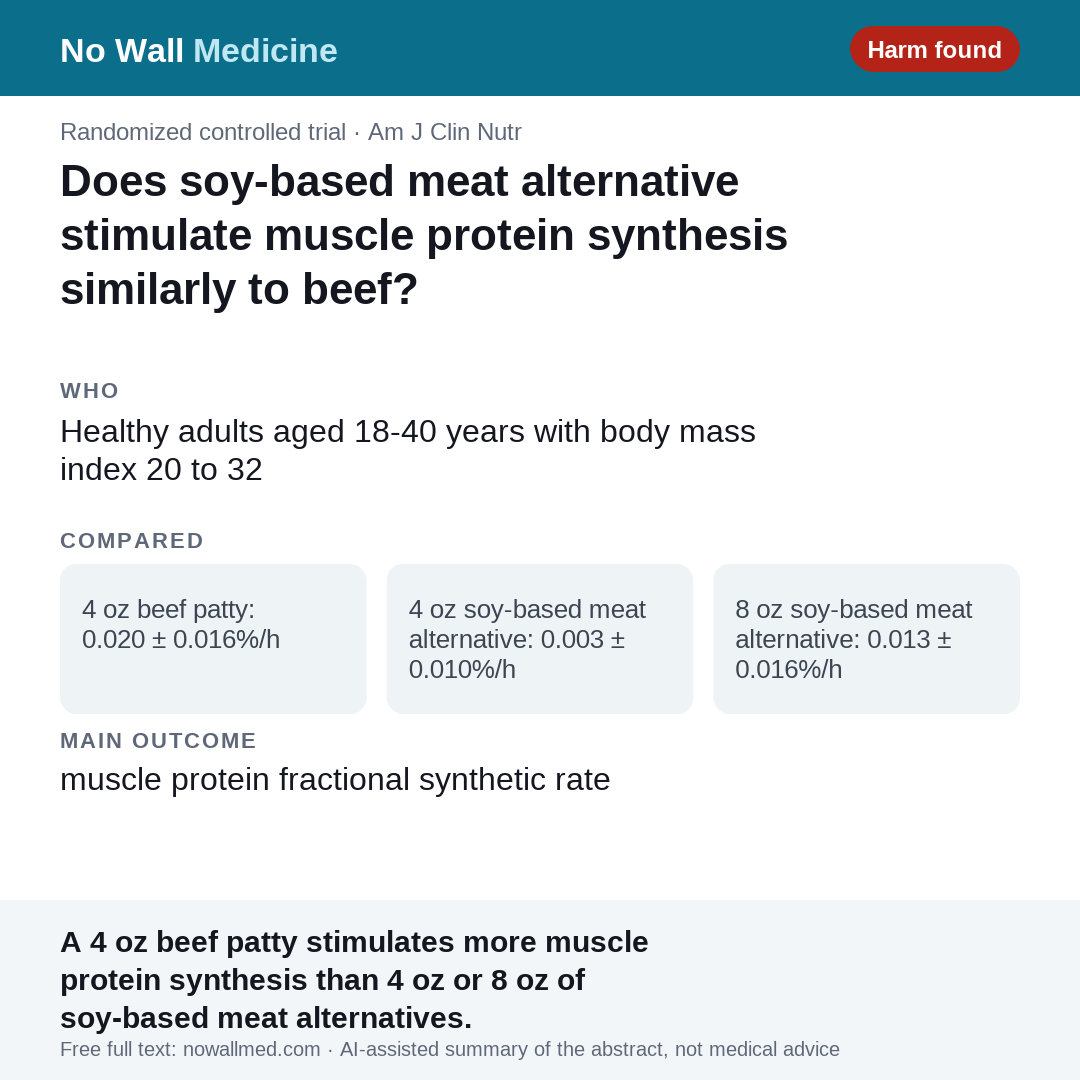
The anabolic response to a ground beef patty and soy-based meat alternative: a randomized controlled trial
Randomized controlled trialHarm found
Does soy-based meat alternative stimulate muscle protein synthesis similarly to beef?
Who
Healthy adults aged 18-40 years with body mass index 20 to 32
Compared
4 oz beef patty: 0.020 ± 0.016%/h
4 oz soy-based meat alternative: 0.003 ± 0.010%/h
8 oz soy-based meat alternative: 0.013 ± 0.016%/h
Main outcome
muscle protein fractional synthetic rate
Bottom line: A 4 oz beef patty stimulates more muscle protein synthesis than 4 oz or 8 oz of soy-based meat alternatives.
Am J Clin Nutr · 2024-08-31Download image
Antimicrobial susceptibility profiles of invasive bacterial infections among children from low- and middle-income countries in the Western Pacific Region (WPRO) - a systematic review and meta-analysis
Systematic review and meta-analysisHarm found
What are the antimicrobial susceptibility profiles of bacteria causing infections in children in the Western Pacific?
Who
18330
Children with invasive bacterial infections · Western Pacific Region
Compared
Escherichia coli: ampicillin 17% (95% CI 12-23%)
Klebsiella species: carbapenems 89% (95% CI 78-97%)
Streptococcus pneumoniae meningitis: ampicillin 26% (95% CI 11-44%)
Main outcome
Antimicrobial susceptibility to empiric antibiotics
Bottom line: Significant antimicrobial resistance exists, meaning currently recommended antibiotics may be inefficacious for common pediatric infections in this region.
Funded by: Australian Government and Wellcome Trust
Lancet Reg Health West Pac · 2024-08-31Download image

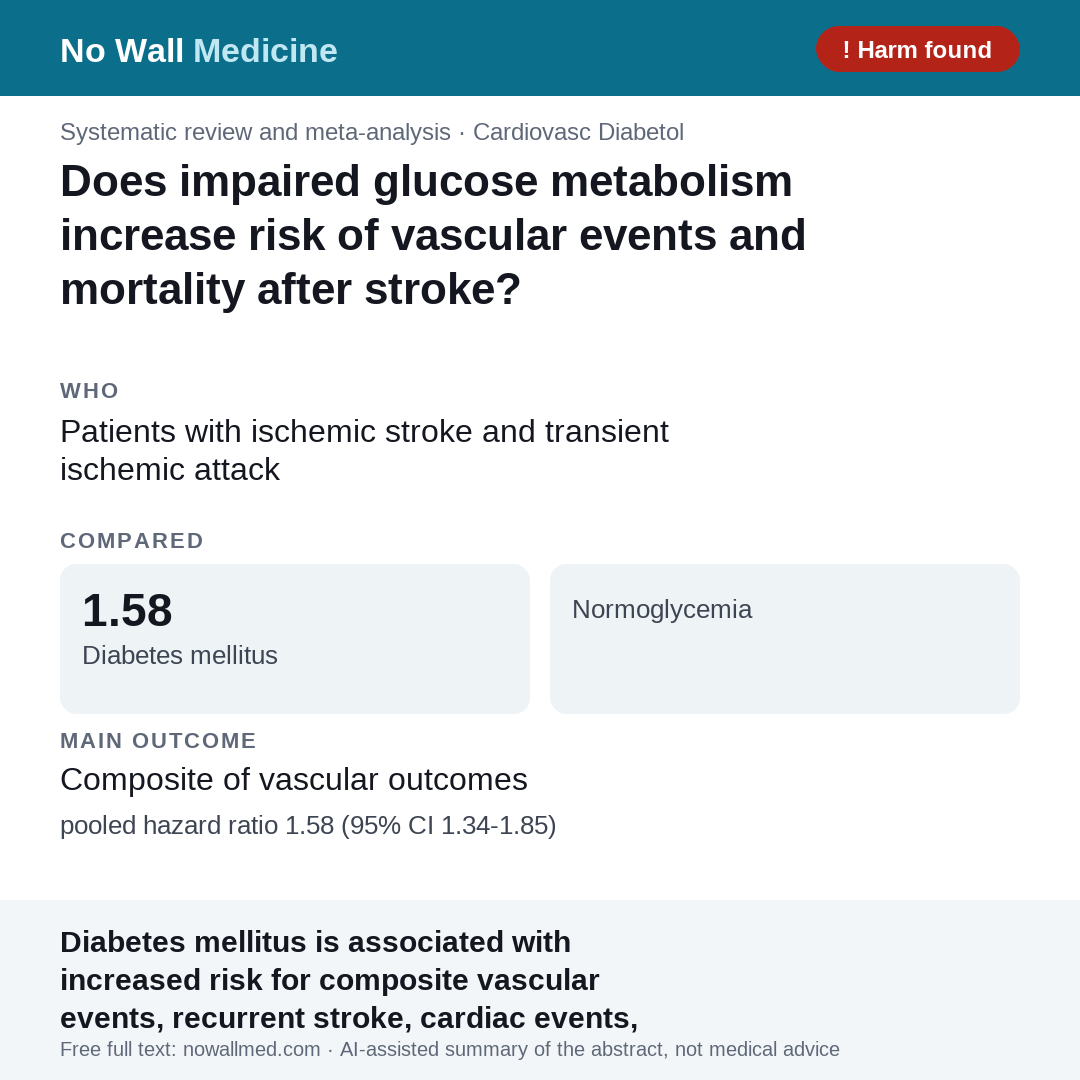
Impaired glucose metabolism and the risk of vascular events and mortality after ischemic stroke: A systematic review and meta-analysis
Systematic review and meta-analysisHarm found
Does impaired glucose metabolism increase risk of vascular events and mortality after stroke?
Who
Patients with ischemic stroke and transient ischemic attack
Compared
1.58Diabetes mellitus (95% CI 1.34-1.85)
Normoglycemia
Main outcome
Composite of vascular outcomes
Result: pooled hazard ratio 1.58 (95% CI 1.34-1.85)
Bottom line: Diabetes mellitus is associated with increased risk for composite vascular events, recurrent stroke, cardiac events, and all-cause mortality.
Limitation: There was a high heterogeneity across most outcomes.
Cardiovasc Diabetol · 2024-08-31Download image
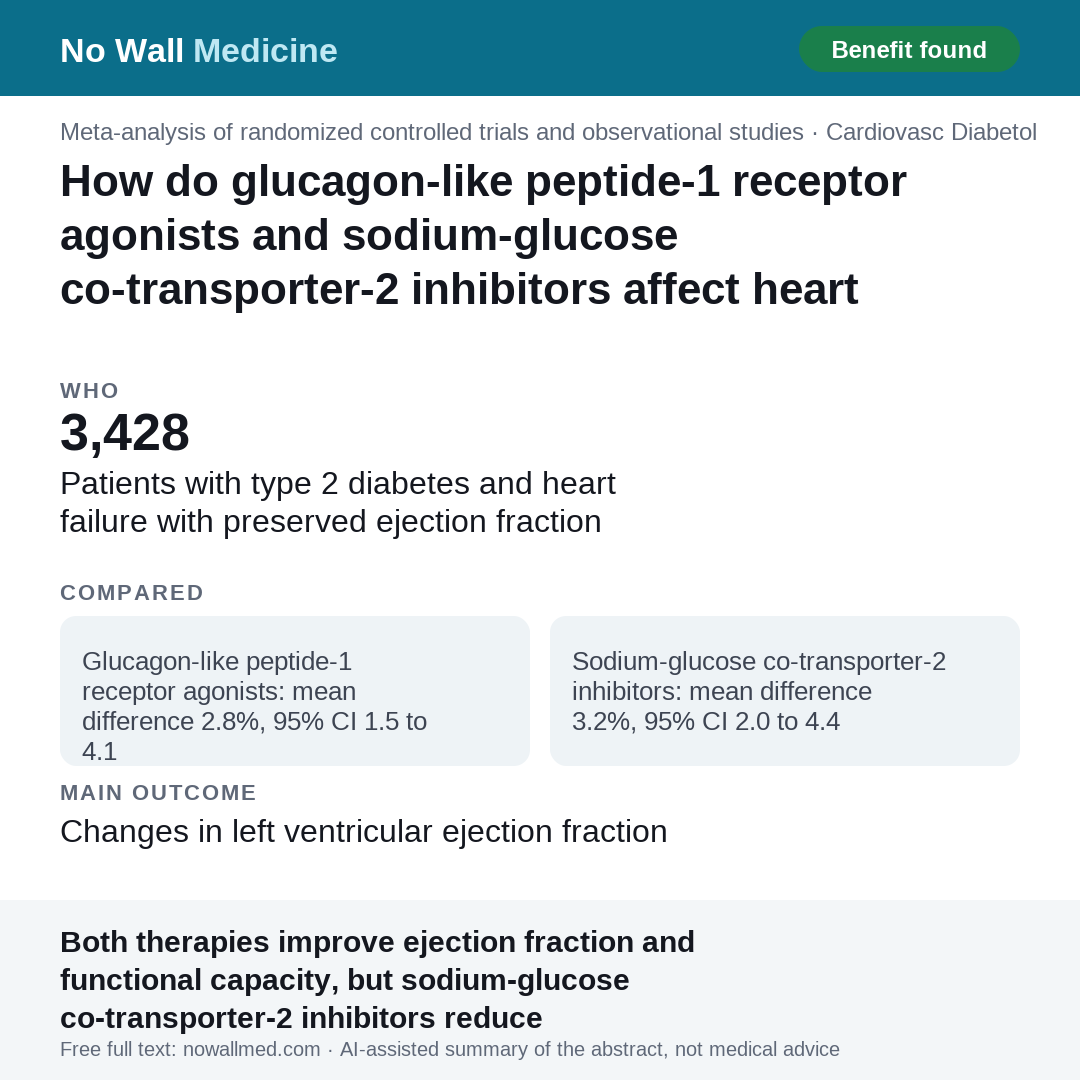
Comparative effects of glucagon-like peptide-1 receptor agonists and sodium-glucose co-transporter-2 inhibitors on heart failure with preserved ejection fraction in diabetic patients: a meta-analysis
Meta-analysis of randomized controlled trials and observational studiesBenefit found
How do glucagon-like peptide-1 receptor agonists and sodium-glucose co-transporter-2 inhibitors affect heart failure?
Who
3,428
Patients with type 2 diabetes and heart failure with preserved ejection fraction
Compared
Glucagon-like peptide-1 receptor agonists: mean difference 2.8%, 95% CI 1.5 to 4.1
Sodium-glucose co-transporter-2 inhibitors: mean difference 3.2%, 95% CI 2.0 to 4.4
Main outcome
Changes in left ventricular ejection fraction
Result: not explicitly pooled for a single effect estimate
Bottom line: Both therapies improve ejection fraction and functional capacity, but sodium-glucose co-transporter-2 inhibitors reduce myocardial fibrosis more effectively.
Limitation: Further research is needed on long-term outcomes and potential combined therapy effects.
Cardiovasc Diabetol · 2024-08-31Download image
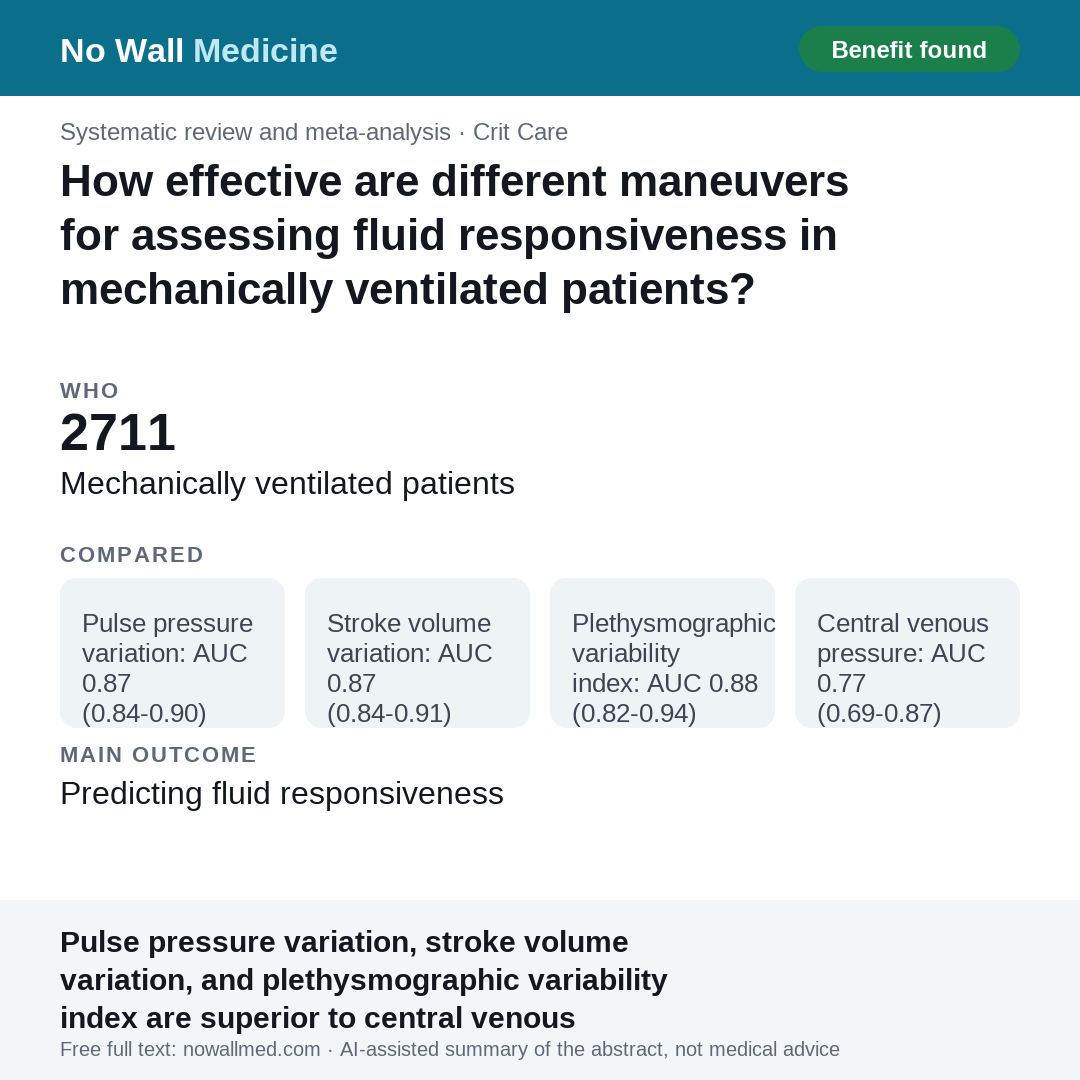
Assessment of fluid responsiveness using pulse pressure variation, stroke volume variation, plethysmographic variability index, central venous pressure, and inferior vena cava variation in patients undergoing mechanical ventilation: a systematic review and meta-analysis
Systematic review and meta-analysisBenefit found
How effective are different maneuvers for assessing fluid responsiveness in mechanically ventilated patients?
Who
2711
Mechanically ventilated patients
Compared
Pulse pressure variation: AUC 0.87 (0.84-0.90)
Stroke volume variation: AUC 0.87 (0.84-0.91)
Plethysmographic variability index: AUC 0.88 (0.82-0.94)
Central venous pressure: AUC 0.77 (0.69-0.87)
Main outcome
Predicting fluid responsiveness
Bottom line: Pulse pressure variation, stroke volume variation, and plethysmographic variability index are superior to central venous pressure and inferior vena cava variation.
Limitation: There is no data supporting any of the mentioned maneuvers as being the best.
Crit Care · 2024-08-31Download image
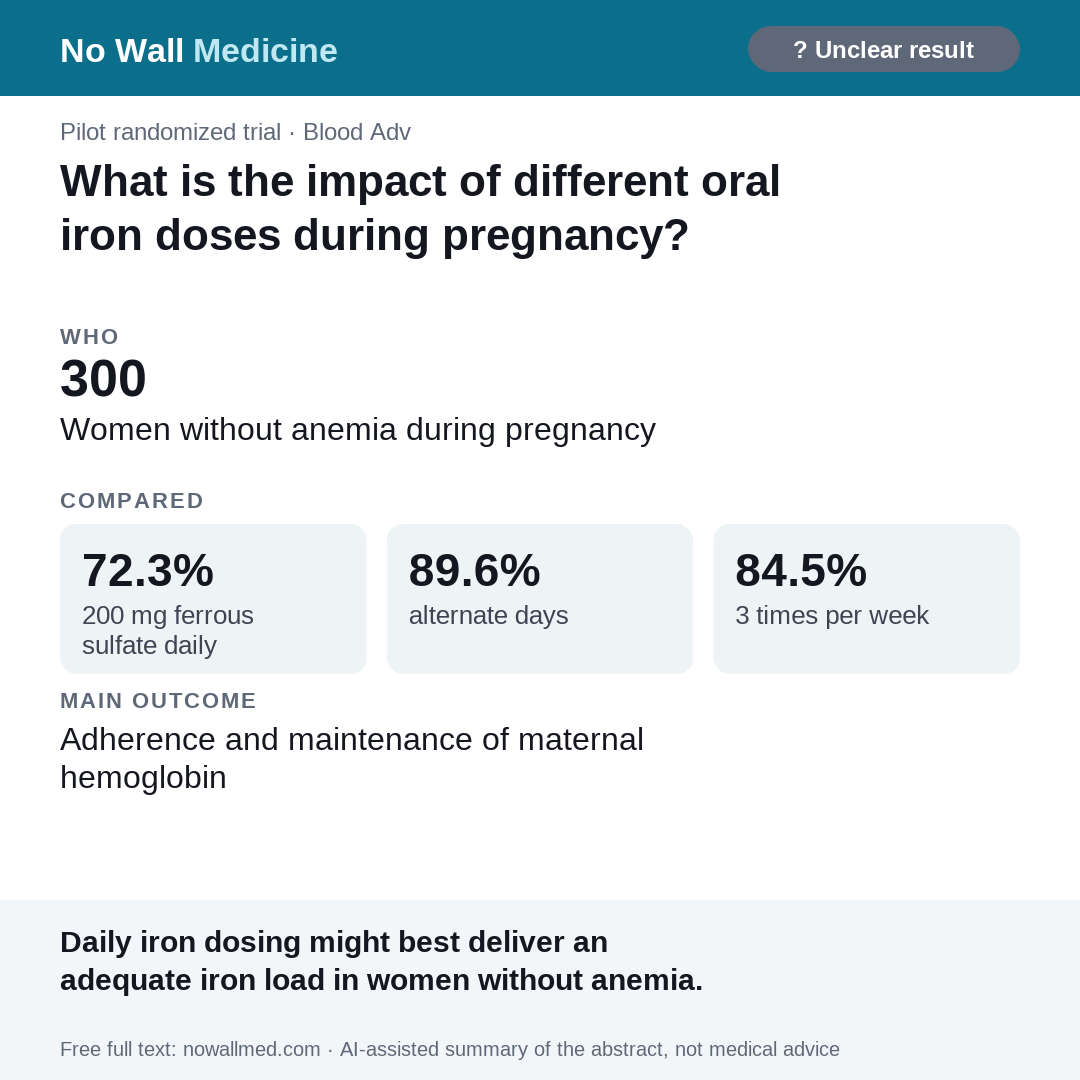
The impact of different doses of oral iron supplementation during pregnancy: a pilot randomized trial
Pilot randomized trialUnclear result
What is the impact of different oral iron doses during pregnancy?
Who
300
Women without anemia during pregnancy
Compared
72.3%200 mg ferrous sulfate daily
89.6%alternate days
84.5%3 times per week
Main outcome
Adherence and maintenance of maternal hemoglobin
Bottom line: Daily iron dosing might best deliver an adequate iron load in women without anemia.
Blood Adv · 2024-08-31Download image
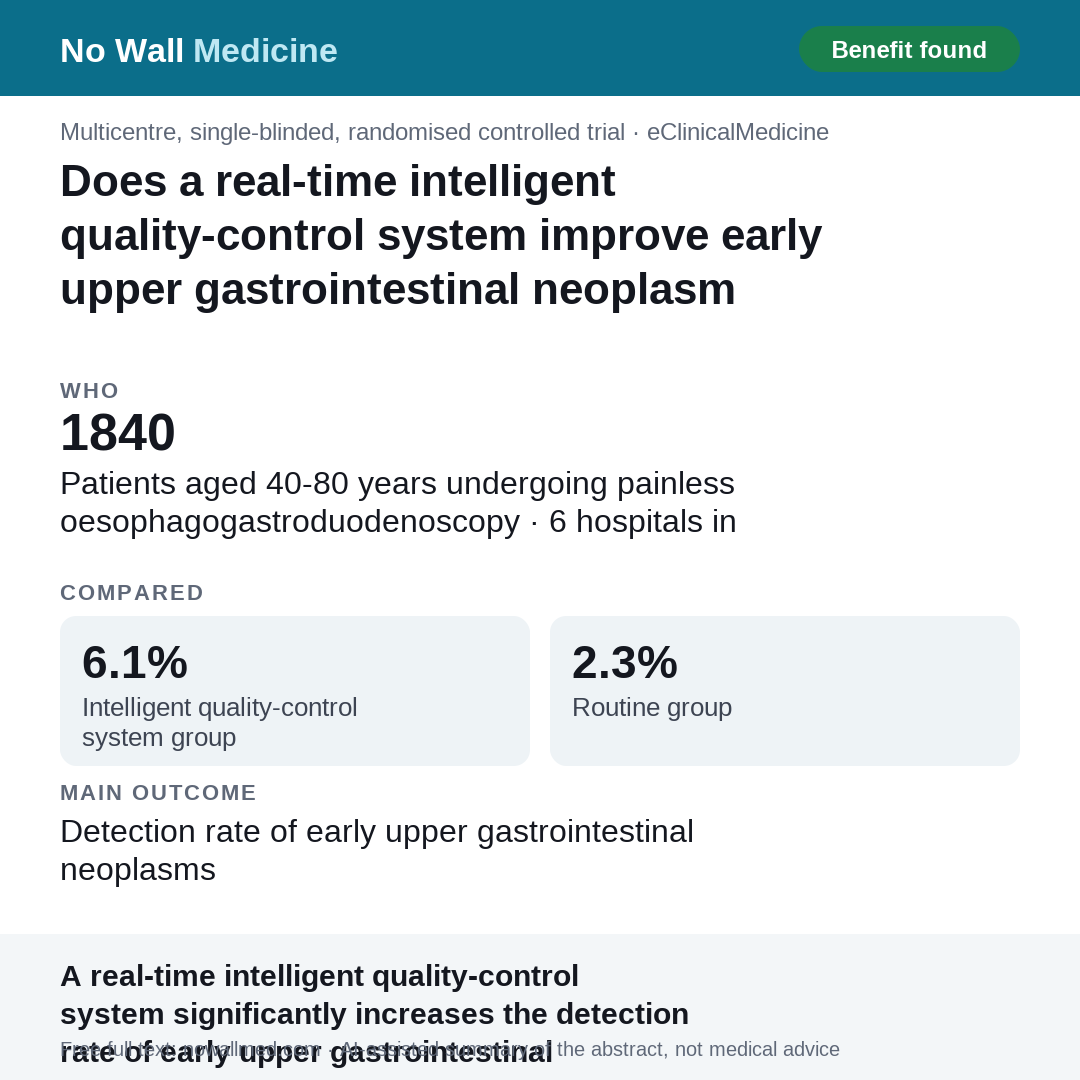
Efficacy of a real-time intelligent quality-control system for the detection of early upper gastrointestinal neoplasms: a multicentre, single-blinded, randomised controlled trial
Multicentre, single-blinded, randomised controlled trialBenefit found
Does a real-time intelligent quality-control system improve early upper gastrointestinal neoplasm detection?
Who
1840
Patients aged 40-80 years undergoing painless oesophagogastroduodenoscopy · 6 hospitals in China
Compared
6.1%Intelligent quality-control system group (56/914)
2.3%Routine group (21/915)
Main outcome
Detection rate of early upper gastrointestinal neoplasms
Result: not explicitly provided as a single pooled ratio for the primary outcome
Bottom line: A real-time intelligent quality-control system significantly increases the detection rate of early upper gastrointestinal neoplasms.
Limitation: The effectiveness in real-world clinical settings needs a larger population validation.
Funded by: National Natural Science Foundation of China and others
eClinicalMedicine · 2024-08-30Download image
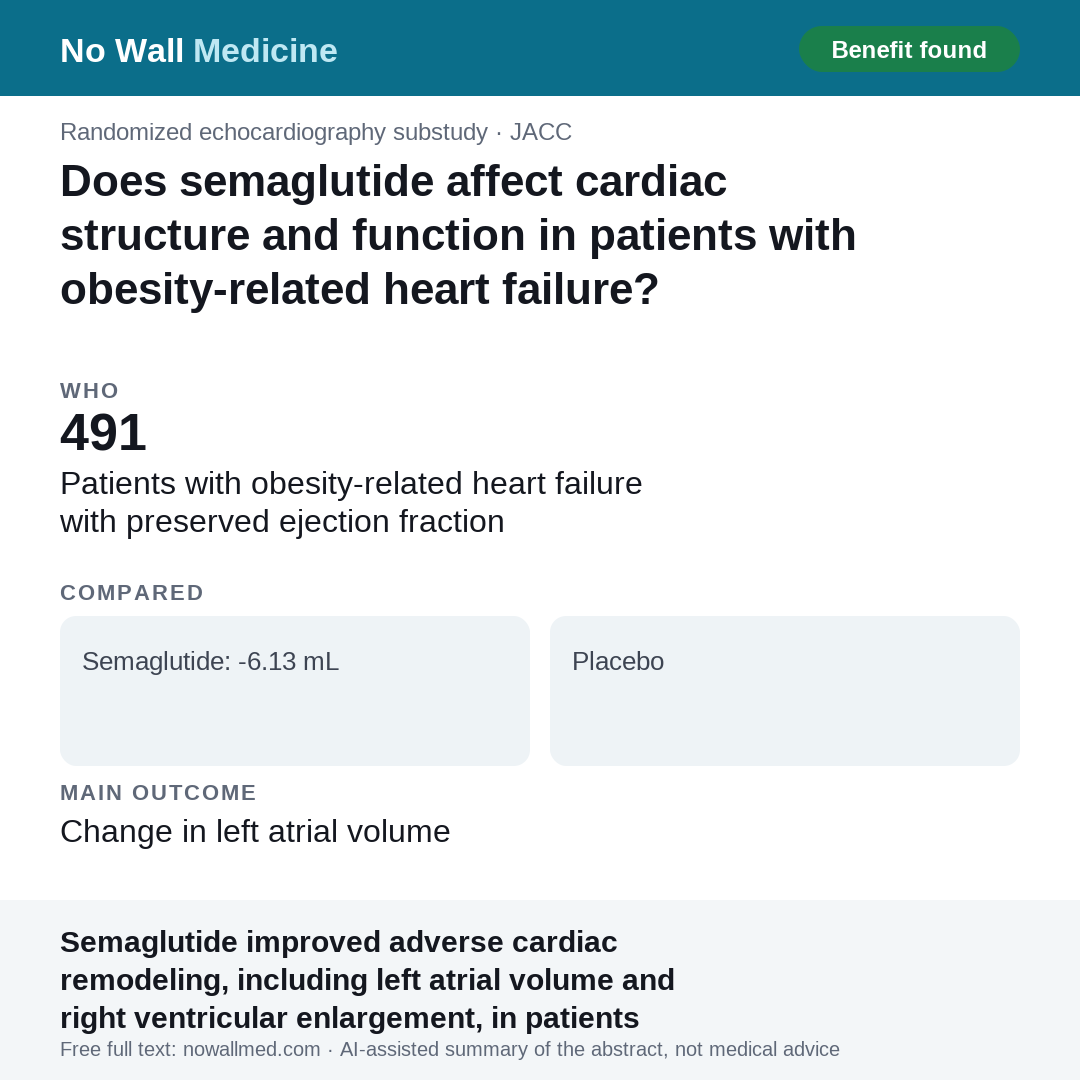
Effect of Semaglutide on Cardiac Structure and Function in Patients With Obesity-Related Heart Failure
Randomized echocardiography substudyBenefit found
Does semaglutide affect cardiac structure and function in patients with obesity-related heart failure?
Who
491
Patients with obesity-related heart failure with preserved ejection fraction
Compared
Semaglutide: -6.13 mL
Placebo
Main outcome
Change in left atrial volume
Result: estimated mean difference -6.13 mL (95% CI -9.85 to -2.41 mL)
Bottom line: Semaglutide improved adverse cardiac remodeling, including left atrial volume and right ventricular enlargement, in patients with obesity-related heart failure.
JACC · 2024-08-30Download image
Atrial Fibrillation and Semaglutide Effects in Obesity-Related Heart Failure With Preserved Ejection Fraction: STEP-HFpEF Program
Secondary analysis of randomized trialsBenefit found
Does semaglutide efficacy in obesity-related heart failure differ by atrial fibrillation history?
Who
1145
Patients with heart failure, ejection fraction ≥45%, and body mass index ≥30
Compared
With atrial fibrillation: 11.5 points KCCQ-CSS improvement
Without atrial fibrillation: 4.3 points KCCQ-CSS improvement
Main outcome
Kansas City Cardiomyopathy Questionnaire-Clinical Summary Score and hierarchical composite endpoint
Result: win ratio 2.25 (95% CI 1.79 to 2.83) vs 1.30 (95% CI 1.06 to 1.59)
Bottom line: Semaglutide improves heart failure symptoms and physical limitations in patients with and without atrial fibrillation.
JACC · 2024-08-30Download image

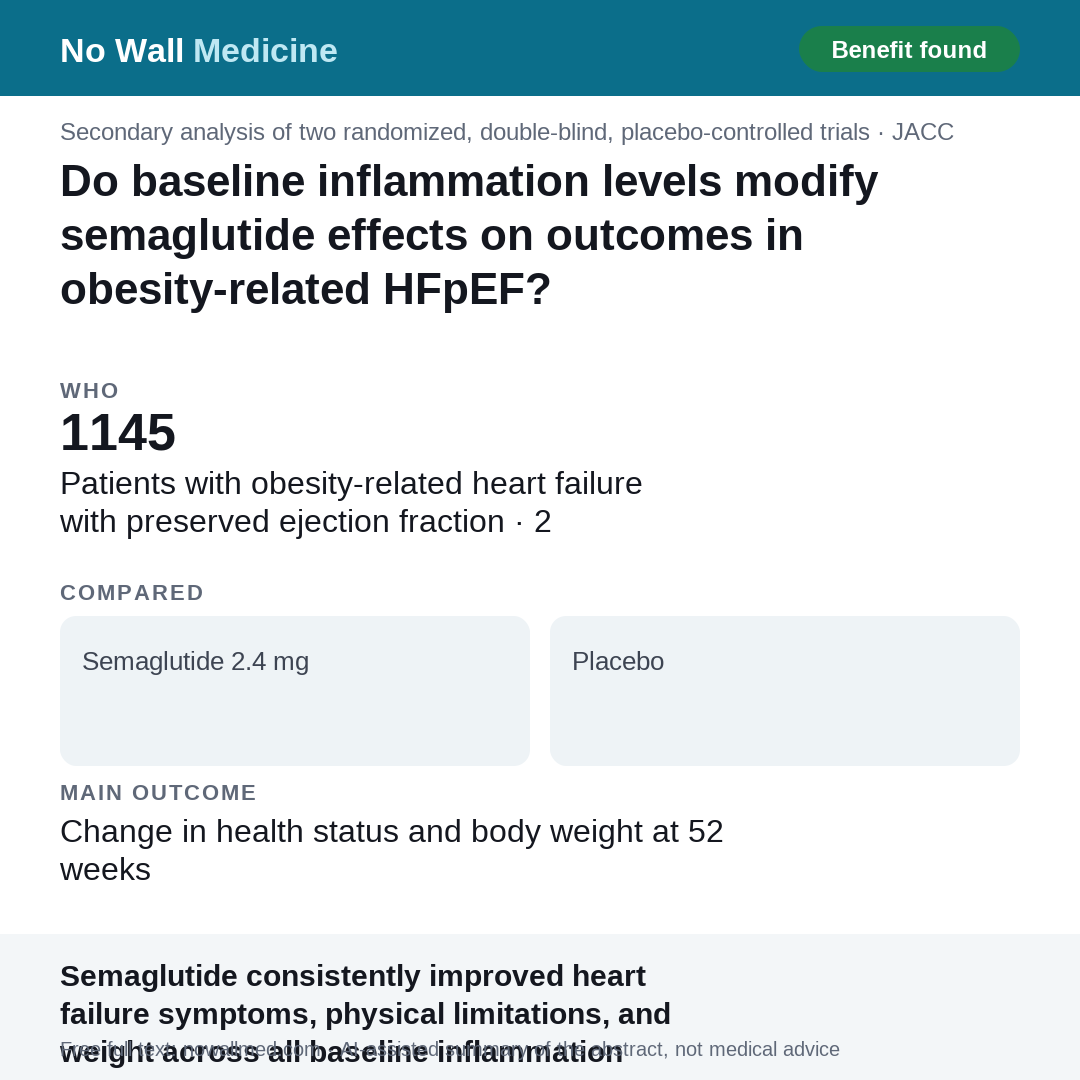
Inflammation in Obesity-Related HFpEF: The STEP-HFpEF Program
Secondary analysis of two randomized, double-blind, placebo-controlled trialsBenefit found
Do baseline inflammation levels modify semaglutide effects on outcomes in obesity-related HFpEF?
Who
1145
Patients with obesity-related heart failure with preserved ejection fraction · 2 international sites
Compared
Semaglutide 2.4 mg
Placebo
Main outcome
Change in health status and body weight at 52 weeks
Bottom line: Semaglutide consistently improved heart failure symptoms, physical limitations, and weight across all baseline inflammation levels.
JACC · 2024-08-30Download image
The Effect of Semaglutide on Mortality and COVID-19-Related Deaths: An Analysis From the SELECT Trial
Randomized trialBenefit found
Does semaglutide 2.4 mg affect all-cause, cardiovascular, and non-cardiovascular mortality?
Who
17604
Participants aged 45 or older with overweight or obesity and established cardiovascular disease without diabetes
Compared
Semaglutide 2.4 mg: lower rates of all-cause death
Placebo
Main outcome
all-cause death, cardiovascular death, and non-cardiovascular death
Result: hazard ratio 0.81 (95% CI 0.71-0.93)
Bottom line: Semaglutide 2.4 mg reduced all-cause mortality, cardiovascular death, and non-cardiovascular death in patients with obesity and cardiovascular disease.
JACC · 2024-08-30Download image

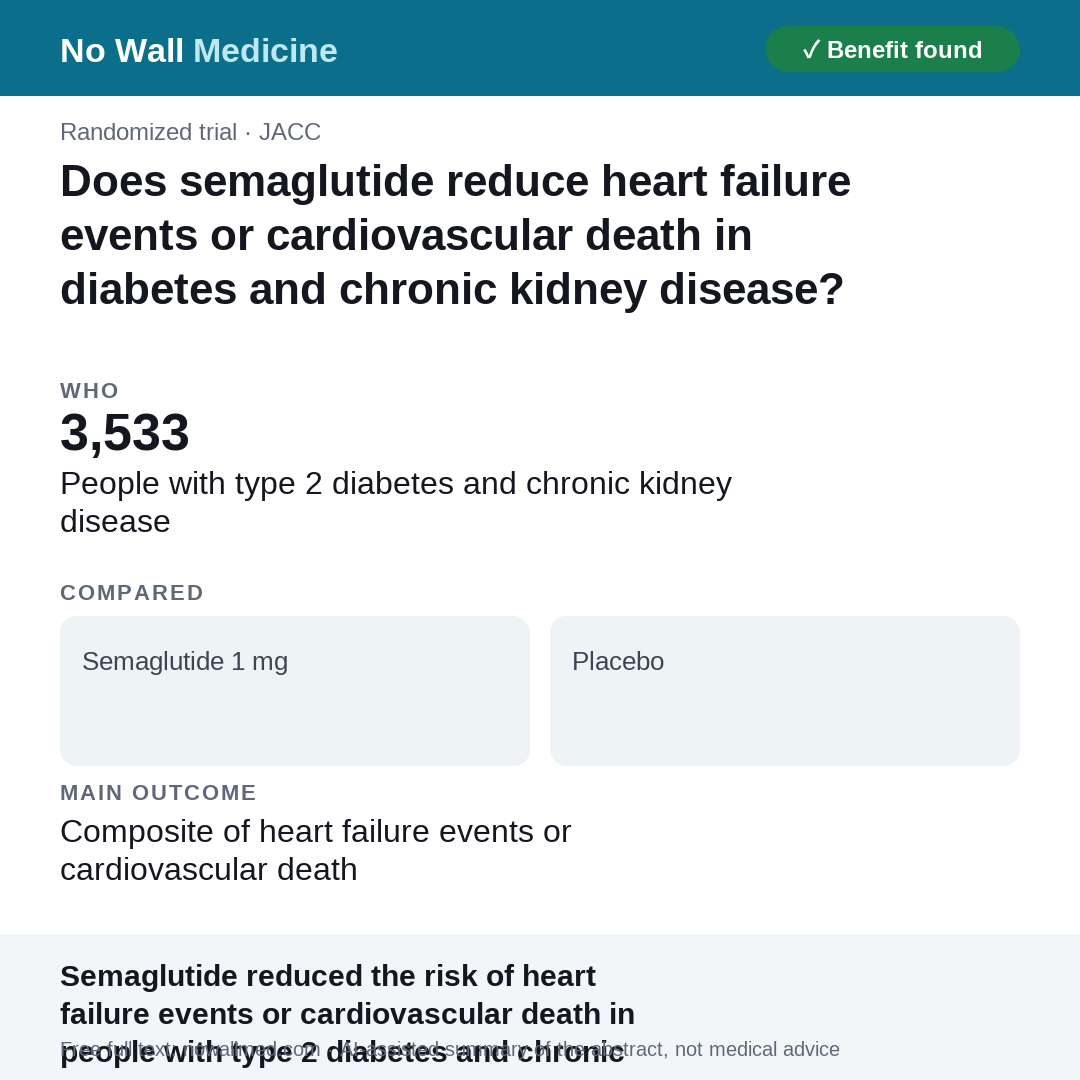
Effects of Semaglutide on Heart Failure Outcomes in Diabetes and Chronic Kidney Disease in the FLOW Trial
Randomized trialBenefit found
Does semaglutide reduce heart failure events or cardiovascular death in diabetes and chronic kidney disease?
Who
3,533
People with type 2 diabetes and chronic kidney disease
Compared
Semaglutide 1 mg
Placebo
Main outcome
Composite of heart failure events or cardiovascular death
Result: hazard ratio 0.73 (95% CI 0.62 to 0.87)
Bottom line: Semaglutide reduced the risk of heart failure events or cardiovascular death in people with type 2 diabetes and chronic kidney disease.
JACC · 2024-08-30Download image
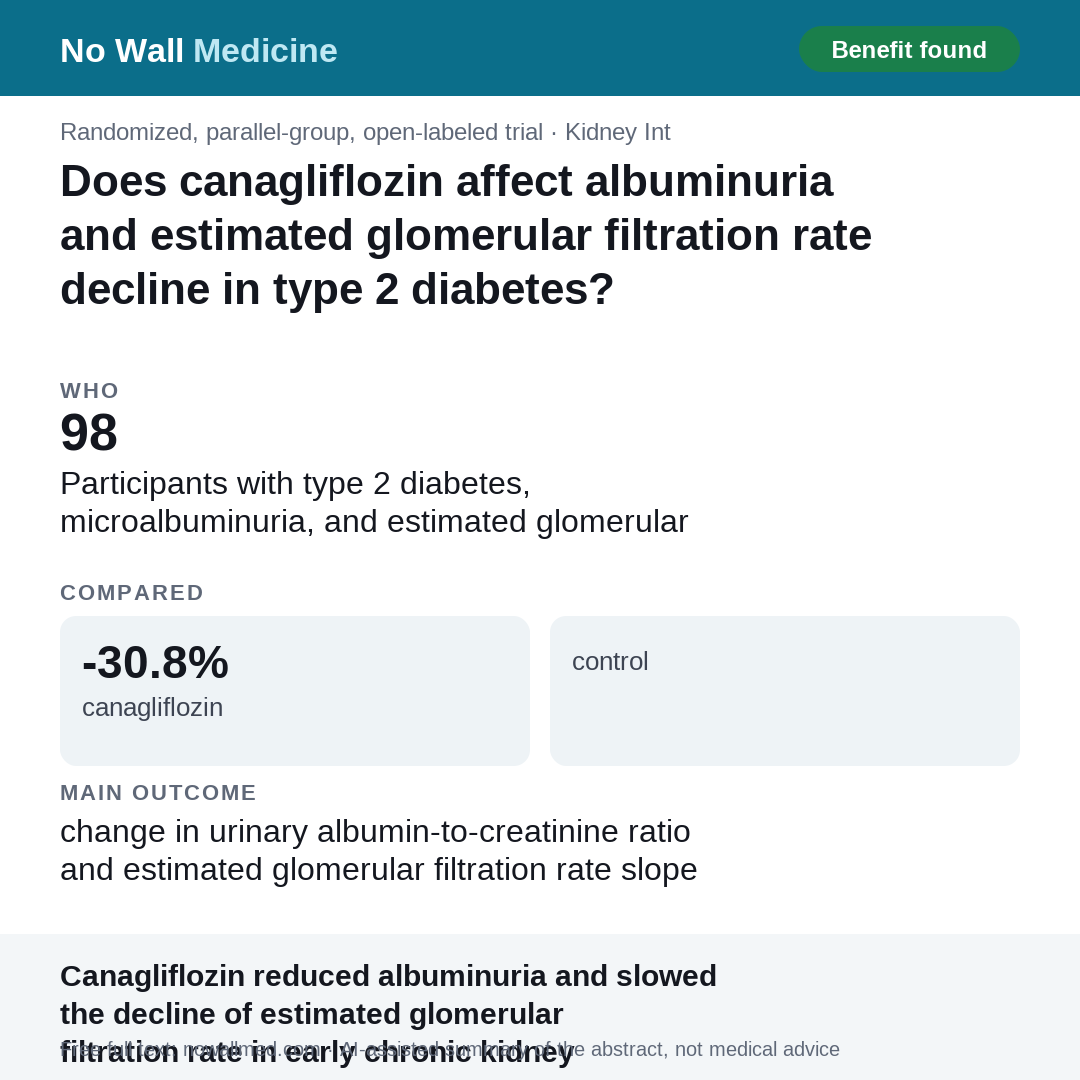
A randomized, open-label, clinical trial examined the effects of canagliflozin on albuminuria and eGFR decline using an individual pre-intervention eGFR slope
Randomized, parallel-group, open-labeled trialBenefit found
Does canagliflozin affect albuminuria and estimated glomerular filtration rate decline in type 2 diabetes?
Who
98
Participants with type 2 diabetes, microalbuminuria, and estimated glomerular filtration rate at least 45
Compared
-30.8%canagliflozin (95% confidence interval -42.6 to -16.8)
control
Main outcome
change in urinary albumin-to-creatinine ratio and estimated glomerular filtration rate slope
Result: 4.4 (1.6 to 7.3) ml/min/1.73 m2 per year
Bottom line: Canagliflozin reduced albuminuria and slowed the decline of estimated glomerular filtration rate in early chronic kidney disease.
Kidney Int · 2024-08-30Download image