Visual abstracts
New randomized trials and meta-analyses from leading journals at a glance: who was studied, what was compared, and what was found. Every paper is free to read in full.
All specialtiesCardiology 1132Oncology 988Gastroenterology & Hepatology 395Infectious Disease 739Neurology 466Psychiatry & Mental Health 574Pulmonology 483Critical Care 328Endocrinology & Diabetes 634Pediatrics 680Surgery 496Orthopedics & Sports Medicine 219Neurosurgery 153Cardiothoracic & Vascular Surgery 121Plastic & Reconstructive Surgery 177Nephrology 243Rheumatology 147Hematology 229Dermatology 107Ophthalmology 126Obstetrics & Gynecology 347Public & Global Health 219Radiology & Imaging 139Anesthesiology 201Urology 207ENT (Otolaryngology) 155Emergency Medicine 122Allergy & Immunology 76Geriatrics 226Family Medicine & Primary Care 143Medical Genetics & Genomics 118Pathology & Laboratory Medicine 33Physical Medicine & Rehabilitation 193Palliative Care 105Nutrition 294Digital Health & AI 561General Medicine 109
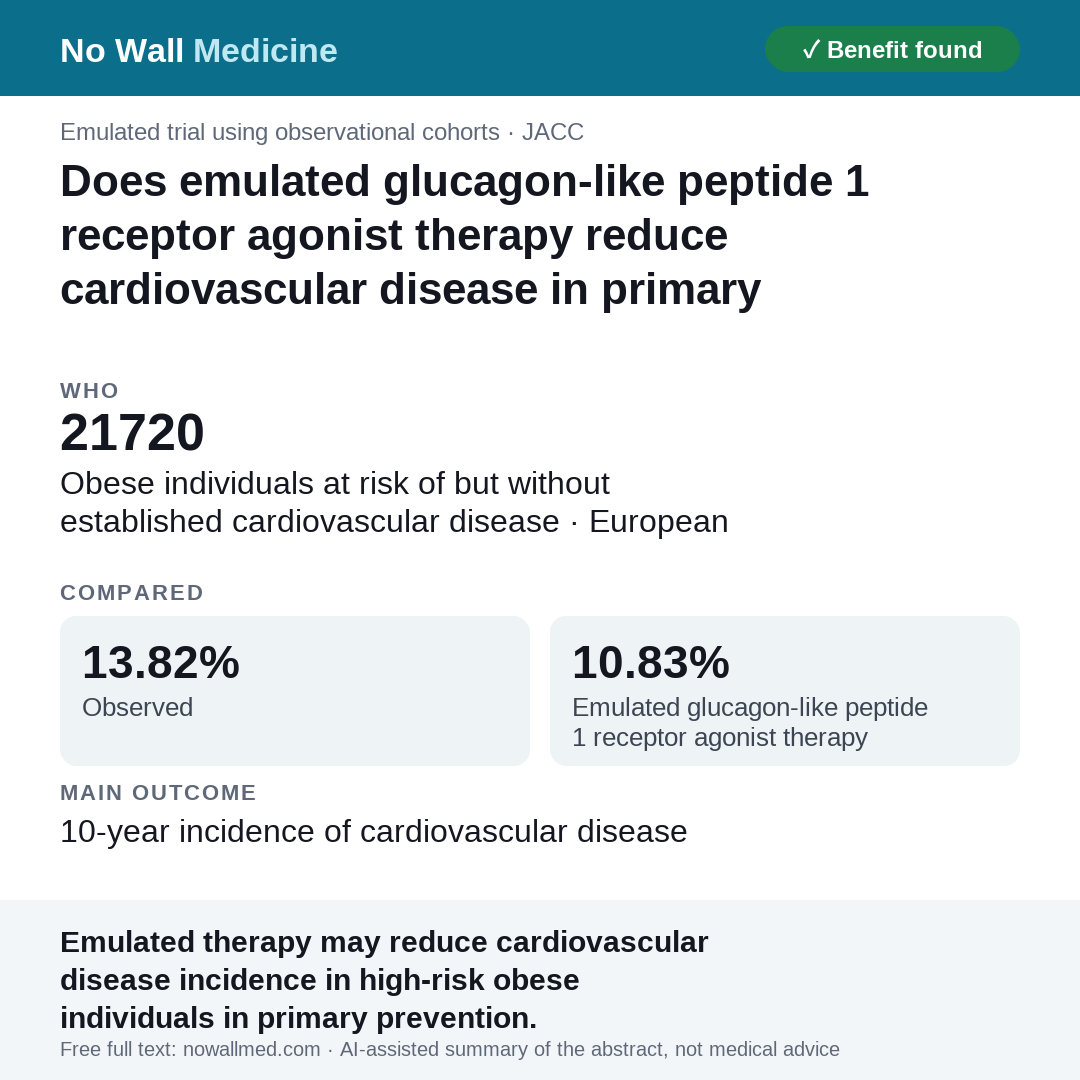
Emulated Effects of Glucagon-Like Peptide 1 Receptor Agonist Therapy in the General Population
Emulated trial using observational cohortsBenefit found
Does emulated glucagon-like peptide 1 receptor agonist therapy reduce cardiovascular disease in primary prevention?
Who
21720
Obese individuals at risk of but without established cardiovascular disease · European and North American cohorts
Compared
13.82%Observed (95% CI: 11.94%-15.71%)
10.83%Emulated glucagon-like peptide 1 receptor agonist therapy (95% CI: 9.27%-12.39%)
Main outcome
10-year incidence of cardiovascular disease
Result: absolute reduction of 2.99% (95% CI: 2.67%-3.31%)
Bottom line: Emulated therapy may reduce cardiovascular disease incidence in high-risk obese individuals in primary prevention.
Limitation: Modeled risk reductions were attenuated in nonobese and lower risk groups and with lower compliance.
JACC · 2026-03-11Download image
Low- vs standard-dose regimens as induction for pediatric AML: a multicenter, randomized noninferiority trial
Randomized, multicenter, noninferiority trialBenefit found
Is low-dose chemotherapy noninferior to standard-dose chemotherapy for induction in pediatric AML?
Who
Patients with acute myeloid leukemia aged under 18 years · Multicenter
Compared
Low-dose chemotherapy: 95.1% complete remission or complete remission with incomplete count recovery
Standard-dose chemotherapy: 95.3% complete remission or complete remission with incomplete count recovery
Main outcome
Complete remission or complete remission with incomplete count recovery rates
Bottom line: Low-dose chemotherapy induction is noninferior to standard-dose chemotherapy for pediatric acute myeloid leukemia patients.
Blood · 2026-03-11Download image

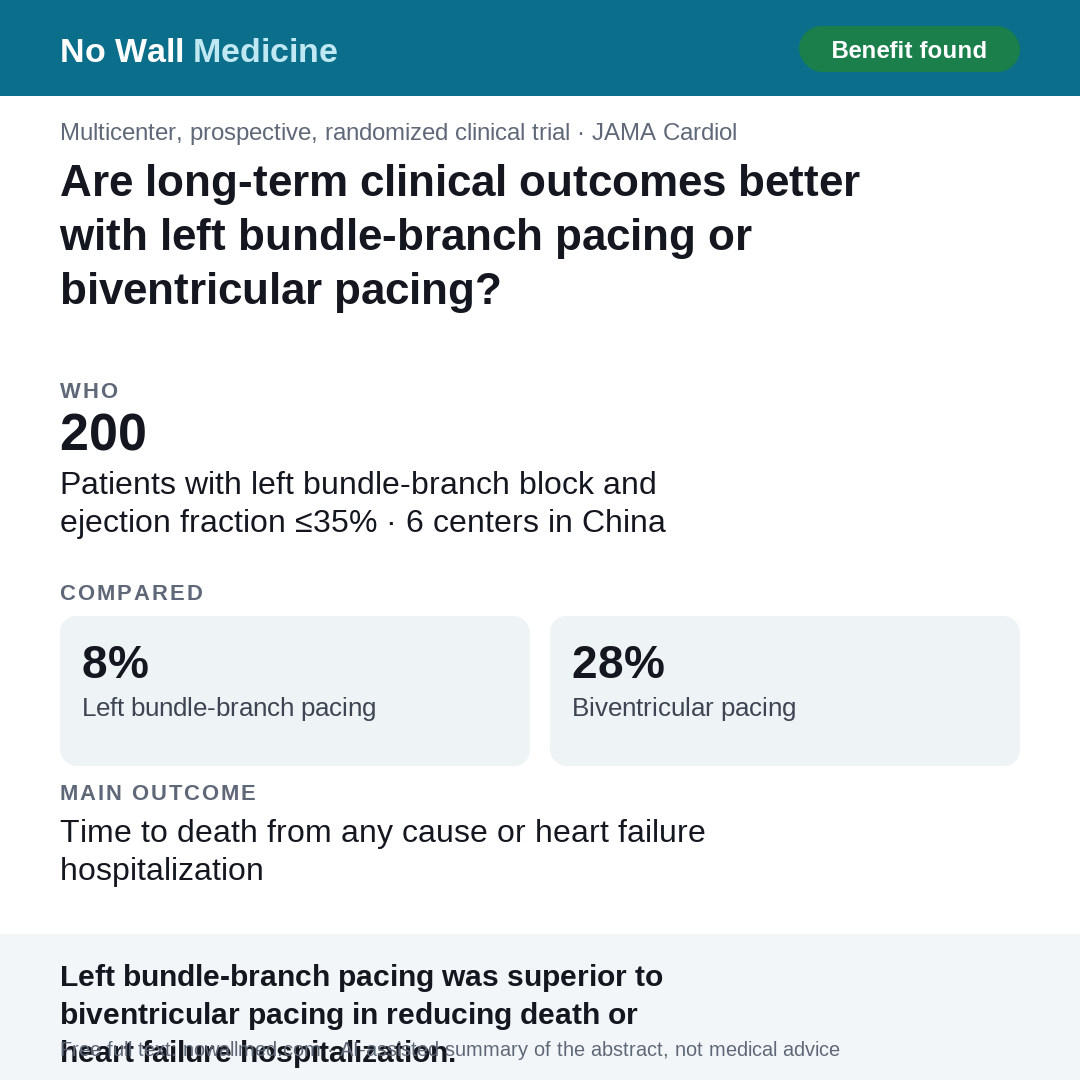
Long-Term Outcomes of Left Bundle-Branch Pacing vs Biventricular Pacing in Heart Failure: The HeartSync-LBBP Randomized Clinical Trial
Multicenter, prospective, randomized clinical trialBenefit found
Are long-term clinical outcomes better with left bundle-branch pacing or biventricular pacing?
Who
200
Patients with left bundle-branch block and ejection fraction ≤35% · 6 centers in China
Compared
8%Left bundle-branch pacing
28%Biventricular pacing
Main outcome
Time to death from any cause or heart failure hospitalization
Result: hazard ratio 0.26 (95% CI, 0.12-0.57)
Bottom line: Left bundle-branch pacing was superior to biventricular pacing in reducing death or heart failure hospitalization.
JAMA Cardiol · 2026-03-11Download image
Conduction System vs Biventricular Pacing in Heart Failure: The PhysioSync-HF Randomized Clinical Trial
Multicenter, noninferiority randomized clinical trialHarm found
Is conduction system pacing noninferior to biventricular pacing for heart failure outcomes?
Who
173
Adults with symptomatic heart failure, reduced ejection fraction, and left bundle-branch block · 14 hospitals across all regions of Brazil
Compared
Conduction system pacing
Biventricular pacing
Main outcome
Death, heart failure hospitalizations, urgent heart failure visits, and change in ejection fraction
Result: odds ratio 2.36 (95% CI, 1.37-4.06)
Bottom line: Conduction system pacing was inferior to biventricular pacing for the composite primary endpoint in patients with heart failure.
JAMA Cardiol · 2026-03-11Download image

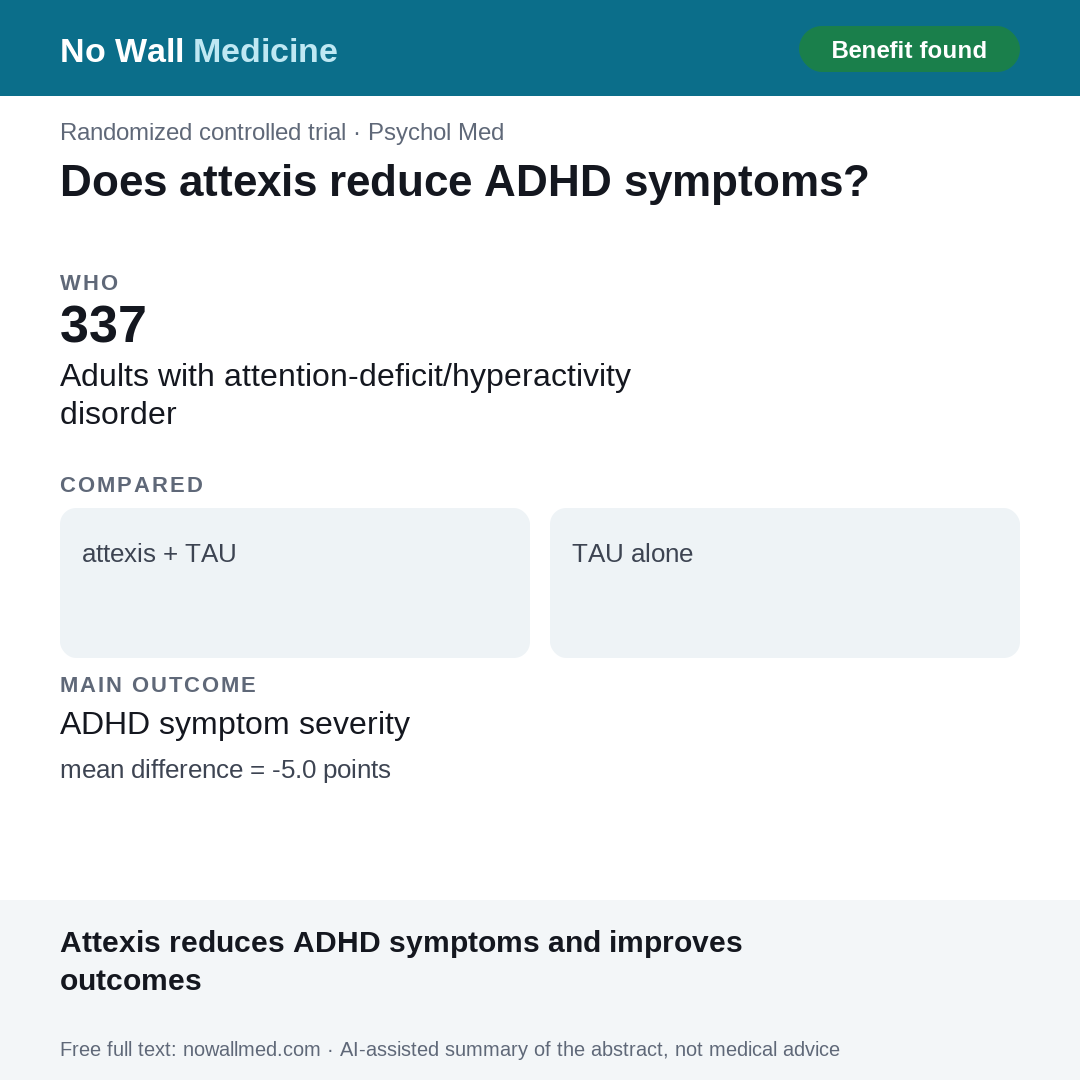
Effectiveness of attexis, a digital intervention based on cognitive behavioral therapy for adults with ADHD: a randomized controlled trial
Randomized controlled trialBenefit found
Does attexis reduce ADHD symptoms?
Who
337
Adults with attention-deficit/hyperactivity disorder
Compared
attexis + TAU
TAU alone
Main outcome
ADHD symptom severity
Result: mean difference = -5.0 points
Bottom line: Attexis reduces ADHD symptoms and improves outcomes
Psychol Med · 2026-03-11Download image
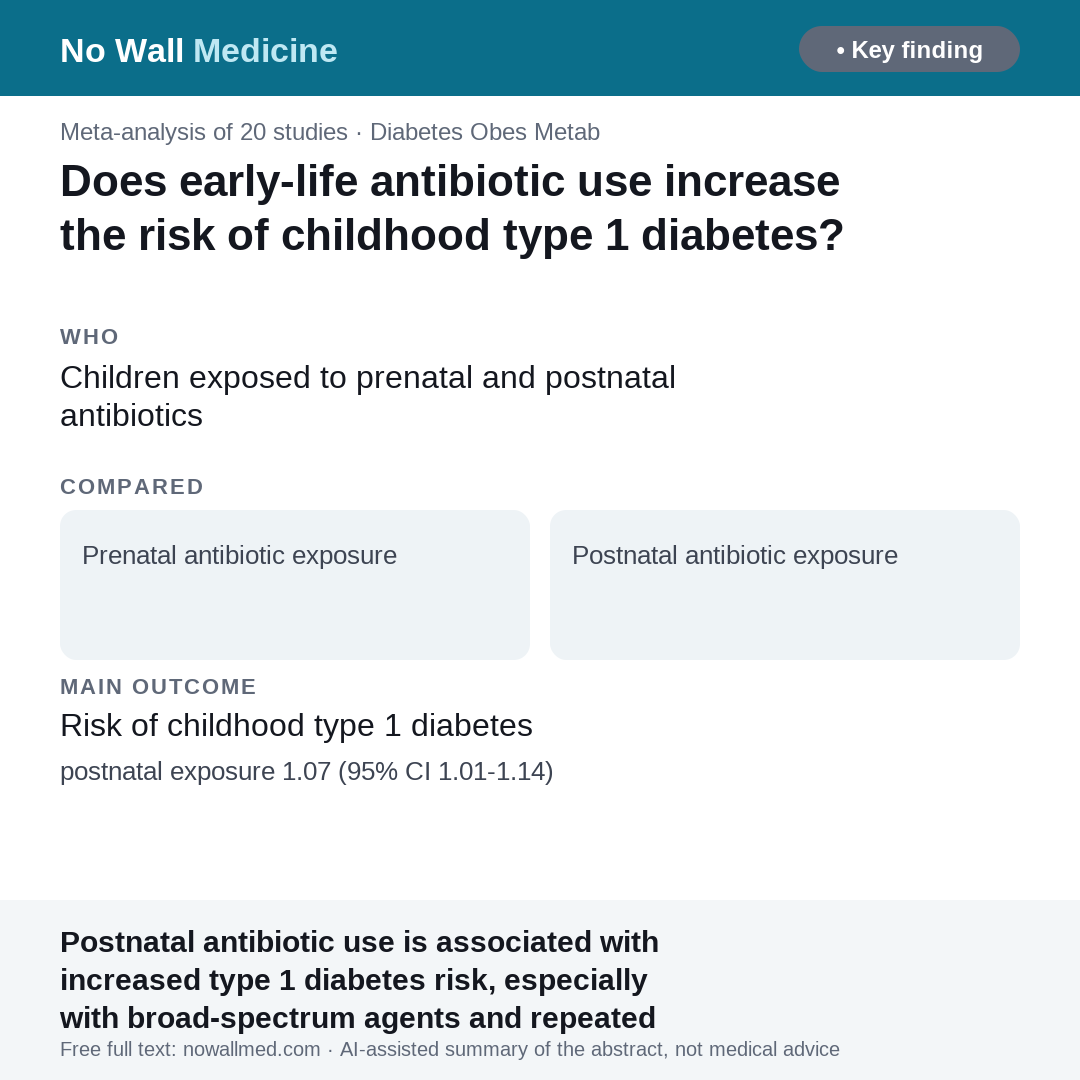
Antibiotic Exposure in Early Life and Risk of Type 1 Diabetes: A Meta-Analysis
Meta-analysis of 20 studiesBenefit found
Does early-life antibiotic use increase the risk of childhood type 1 diabetes?
Who
Children exposed to prenatal and postnatal antibiotics
Compared
Prenatal antibiotic exposure
Postnatal antibiotic exposure
Main outcome
Risk of childhood type 1 diabetes
Result: postnatal exposure 1.07 (95% CI 1.01-1.14)
Bottom line: Postnatal antibiotic use is associated with increased type 1 diabetes risk, especially with broad-spectrum agents and repeated courses.
Limitation: Variability in study design, exposure definitions, and potential confounding by indication.
Diabetes Obes Metab · 2026-03-11Download image
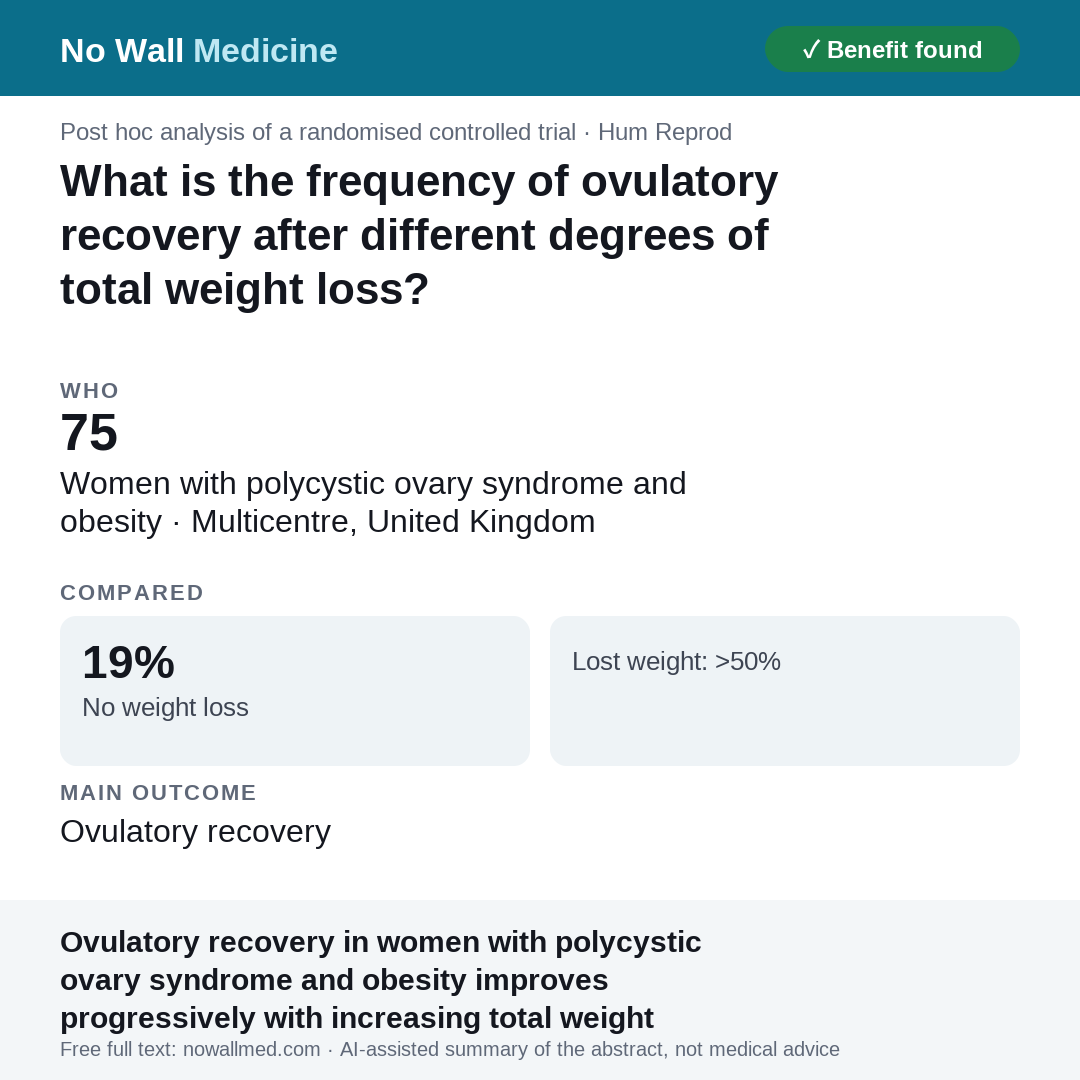
Ovulatory Recovery following weight loss in women with polycystic ovary syndrome and obesity: a post hoc analysis of the BAMBINI randomised controlled trial
Post hoc analysis of a randomised controlled trialBenefit found
What is the frequency of ovulatory recovery after different degrees of total weight loss?
Who
75
Women with polycystic ovary syndrome and obesity · Multicentre, United Kingdom
Compared
19%No weight loss
Lost weight: >50%
Main outcome
Ovulatory recovery
Result: OR 0.944, 95% CI 0.900-0.990
Bottom line: Ovulatory recovery in women with polycystic ovary syndrome and obesity improves progressively with increasing total weight loss.
Limitation: Not powered to detect potential adverse reproductive effects at higher degrees of total weight loss.
Funded by: The Jon Moulton Charity Trust and National Institute of Health Research
Hum Reprod · 2026-03-11Download image
Quality indicators for structure and process in peri-operative care: a systematic review
Systematic reviewMixed results
What are the available structure and process quality indicators for peri-operative care?
Who
Adults
Compared
505Indicators with evidence (82%)
110Indicators lacking clear evidence (18%)
Main outcome
Identification and evidence assessment of structure and process indicators
Bottom line: A large number of peri-operative indicators exist, but many lack validation and standardized definitions.
Anaesthesia · 2026-03-11Download image

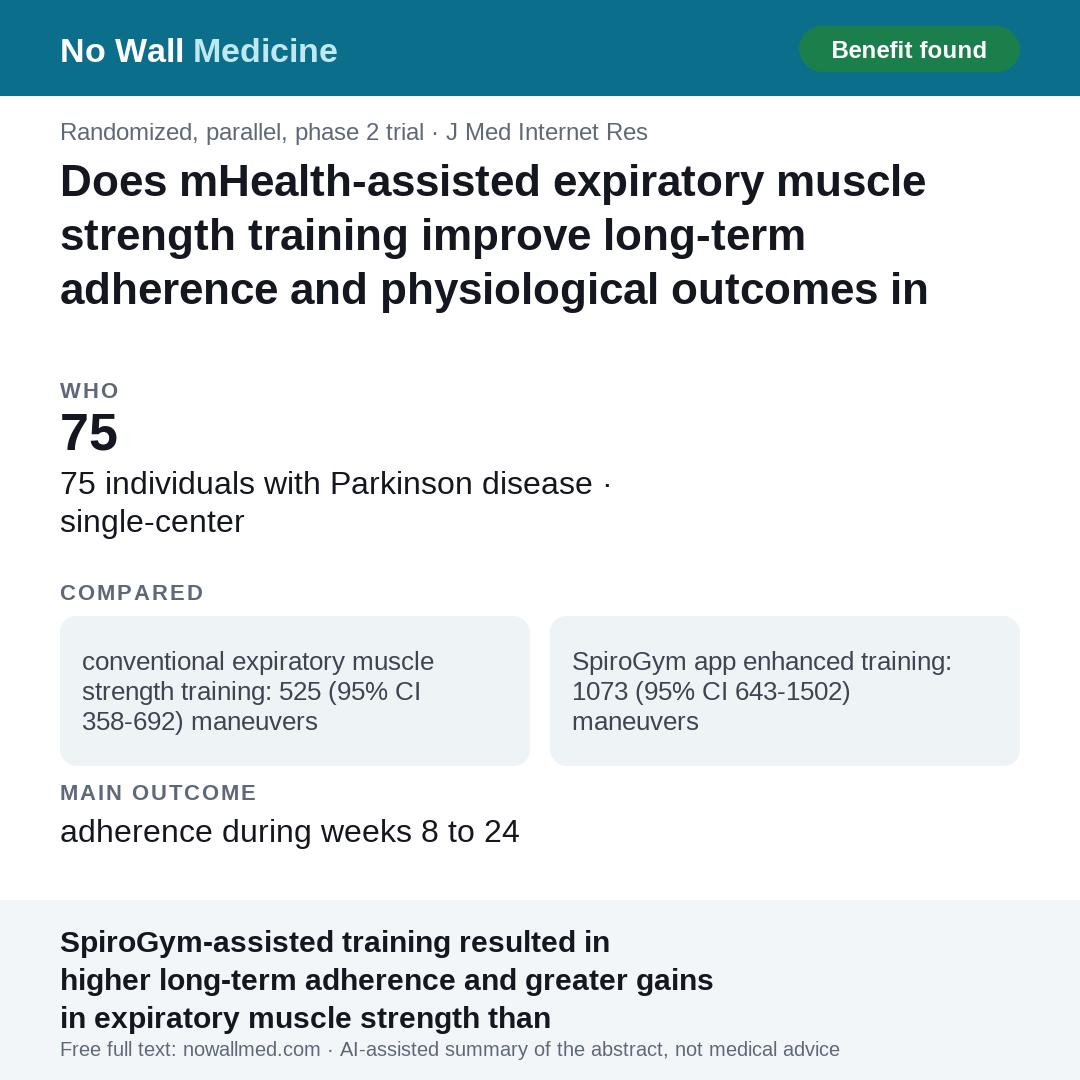
Enhancing Adherence to Home-Based Expiratory Muscle Strength Training in Parkinson Disease: Randomized Controlled Trial of an mHealth Intervention
Randomized, parallel, phase 2 trialBenefit found
Does mHealth-assisted expiratory muscle strength training improve long-term adherence and physiological outcomes in Parkinson disease?
Who
75
75 individuals with Parkinson disease · single-center
Compared
conventional expiratory muscle strength training: 525 (95% CI 358-692) maneuvers
SpiroGym app enhanced training: 1073 (95% CI 643-1502) maneuvers
Main outcome
adherence during weeks 8 to 24
Result: β=496.9, 95% CI 130.7-863.3
Bottom line: SpiroGym-assisted training resulted in higher long-term adherence and greater gains in expiratory muscle strength than conventional training.
J Med Internet Res · 2026-03-11Download image
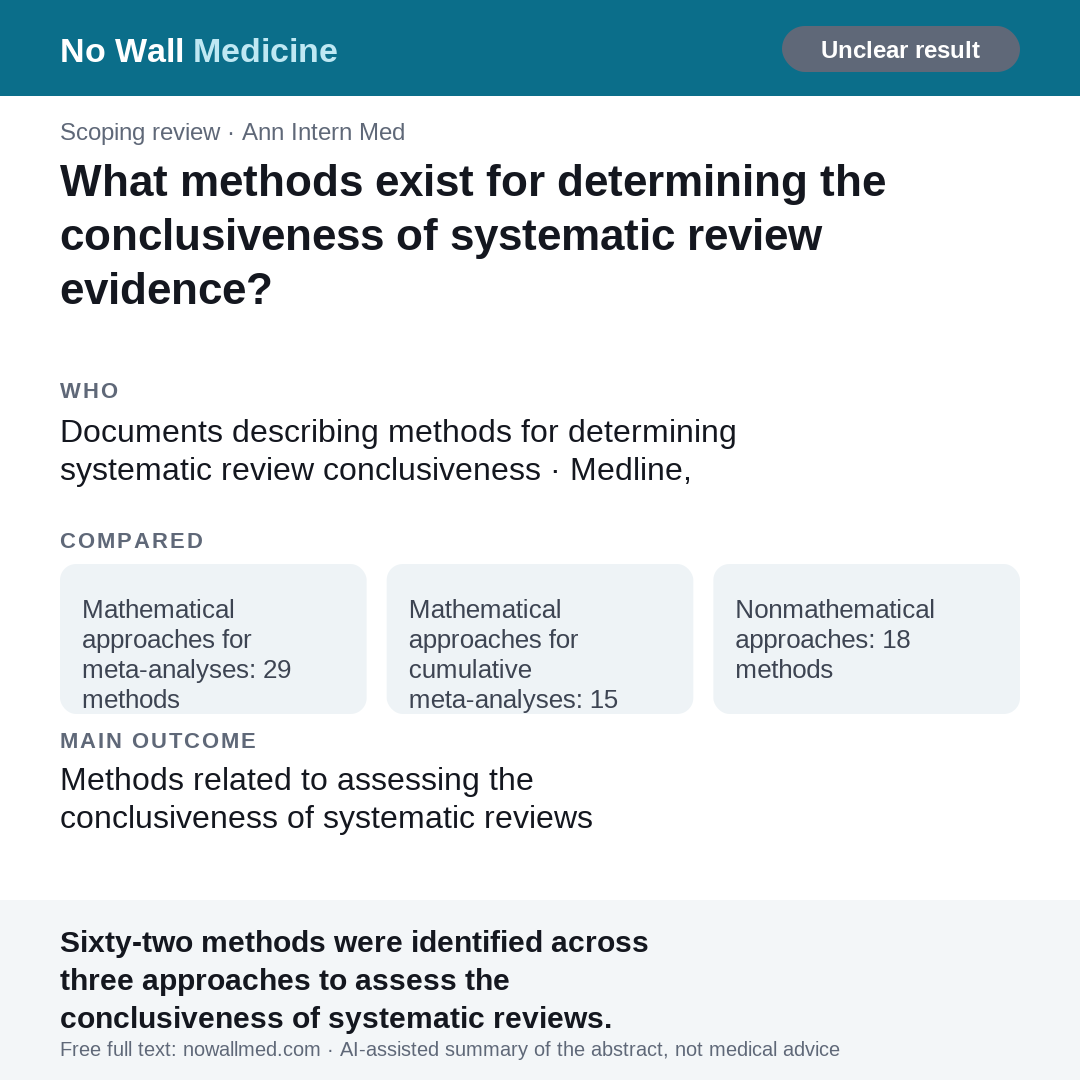
Determining the Conclusiveness of Systematic Review Evidence : A Scoping Review of Methodological Approaches
Scoping reviewUnclear result
What methods exist for determining the conclusiveness of systematic review evidence?
Who
Documents describing methods for determining systematic review conclusiveness · Medline, Embase, and Web of Science
Compared
Mathematical approaches for meta-analyses: 29 methods
Mathematical approaches for cumulative meta-analyses: 15 methods
Nonmathematical approaches: 18 methods
Main outcome
Methods related to assessing the conclusiveness of systematic reviews
Bottom line: Sixty-two methods were identified across three approaches to assess the conclusiveness of systematic reviews.
Limitation: No assessment of which methods perform better and not all methods strictly aimed to determine conclusiveness.
Funded by: Western Norway University of Applied Sciences
Ann Intern Med · 2026-03-10Download image
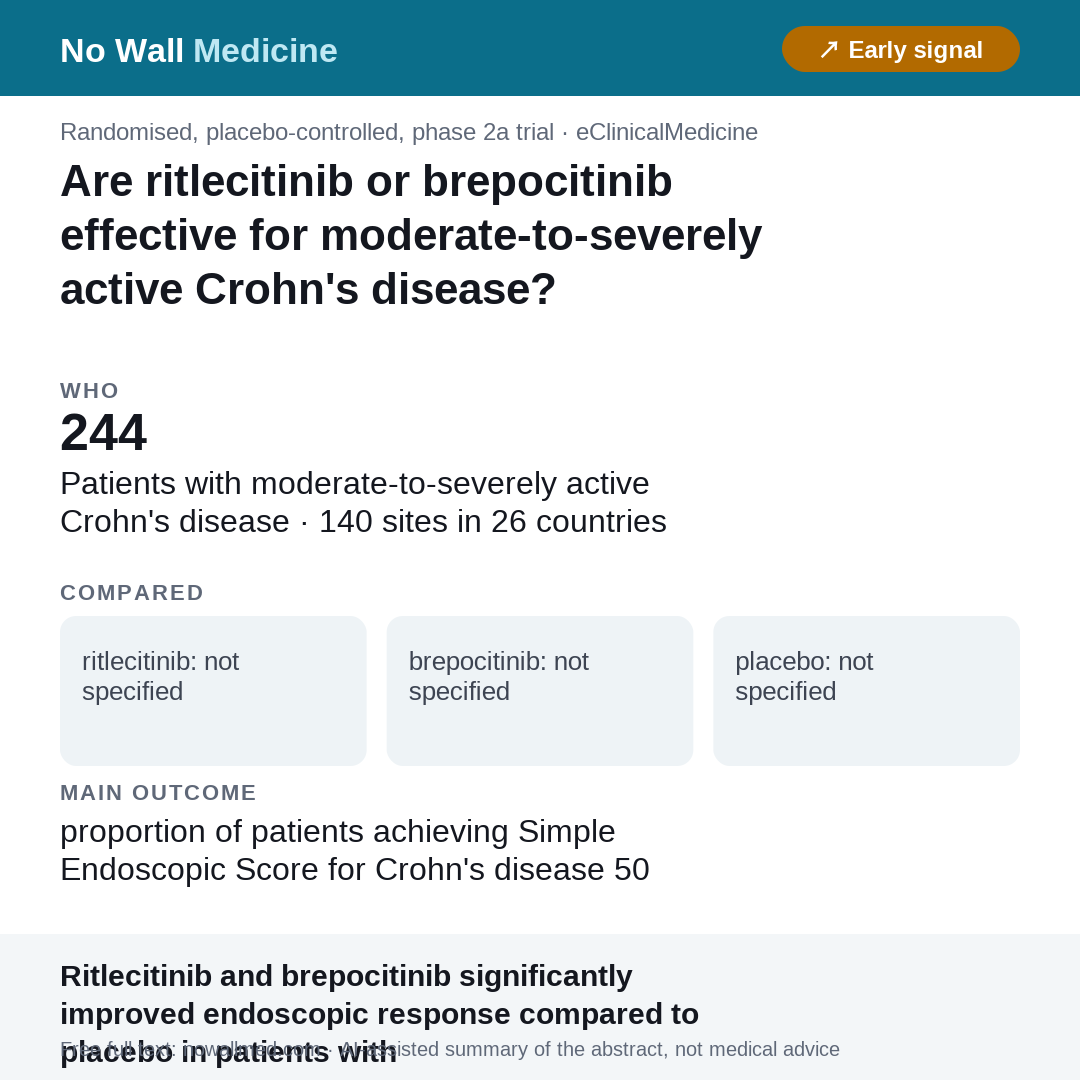
Once-daily oral ritlecitinib or brepocitinib versus placebo in patients with moderate-to-severely active Crohn's disease (PIZZICATO): an international, randomised, phase 2a trial
Randomised, placebo-controlled, phase 2a trialBenefit found
Are ritlecitinib or brepocitinib effective for moderate-to-severely active Crohn's disease?
Who
244
Patients with moderate-to-severely active Crohn's disease · 140 sites in 26 countries
Compared
ritlecitinib: not specified
brepocitinib: not specified
placebo: not specified
Main outcome
proportion of patients achieving Simple Endoscopic Score for Crohn's disease 50
Result: difference versus placebo: 14.3% (90% CI 4.0-24.5) for ritlecitinib; 21.4% (90% CI 10.0-32.9) for brepocitinib
Bottom line: Ritlecitinib and brepocitinib significantly improved endoscopic response compared to placebo in patients with moderate-to-severely active Crohn's disease.
eClinicalMedicine · 2026-03-10Download image
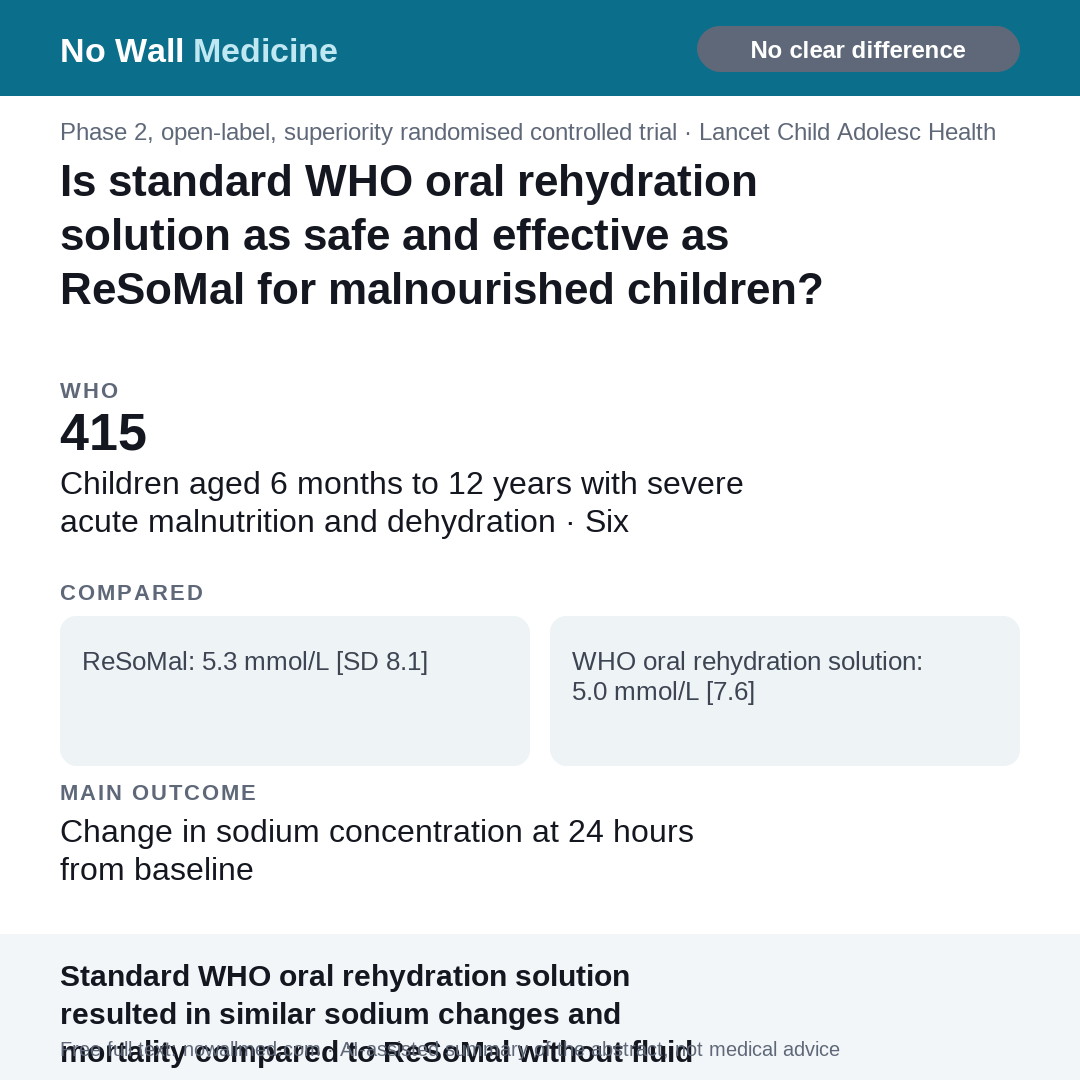
Oral rehydration for severe malnutrition in children with moderate and severe dehydration (GASTROSAM): a phase 2, open-label, superiority randomised controlled trial
Phase 2, open-label, superiority randomised controlled trialNo clear difference
Is standard WHO oral rehydration solution as safe and effective as ReSoMal for malnourished children?
Who
415
Children aged 6 months to 12 years with severe acute malnutrition and dehydration · Six hospitals in Kenya, Niger, Nigeria, and Uganda
Compared
ReSoMal: 5.3 mmol/L [SD 8.1]
WHO oral rehydration solution: 5.0 mmol/L [7.6]
Main outcome
Change in sodium concentration at 24 hours from baseline
Result: mean difference -0.6 (95% CI -1.9 to 0.7)
Bottom line: Standard WHO oral rehydration solution resulted in similar sodium changes and mortality compared to ReSoMal without fluid overload.
Funded by: Medical Research Council, UK Department for International Development, Wellcome, and Médecins Sans Frontières
Lancet Child Adolesc Health · 2026-03-10Download image
Guidelines and tools to assess appropriateness of diuretic prescribing and aid deprescribing: a systematic review
Systematic reviewMixed results
What guidelines and tools exist to assess diuretic prescribing and aid deprescribing?
Who
Adults with inappropriate chronic diuretic use · International
Compared
Total resources identified: 41 resources (14 guidelines, 27 tools)
Actionable recommendations: 16 recommendations
Main outcome
Recommendations on inappropriate chronic diuretic use and deprescribing
Bottom line: Most deprescribing guidance is sparse and lacks practical how-to pathways for clinicians.
Lancet Healthy Longev · 2026-03-10Download image

Systematic Review of Trial Design and End Points in Lupus Nephritis
Systematic review of 15 randomized controlled trialsMixed results
What are the variations in trial design and end points in lupus nephritis trials?
Who
Patients with lupus nephritis
Compared
Investigational agent: 4 trials demonstrated superiority over standard therapy
Standard therapy
Main outcome
Trial design, methodology, and end points
Bottom line: Substantial heterogeneity in trial design and reporting hampers fair comparison of new lupus nephritis therapies.
Kidney Int Rep · 2026-03-10Download image

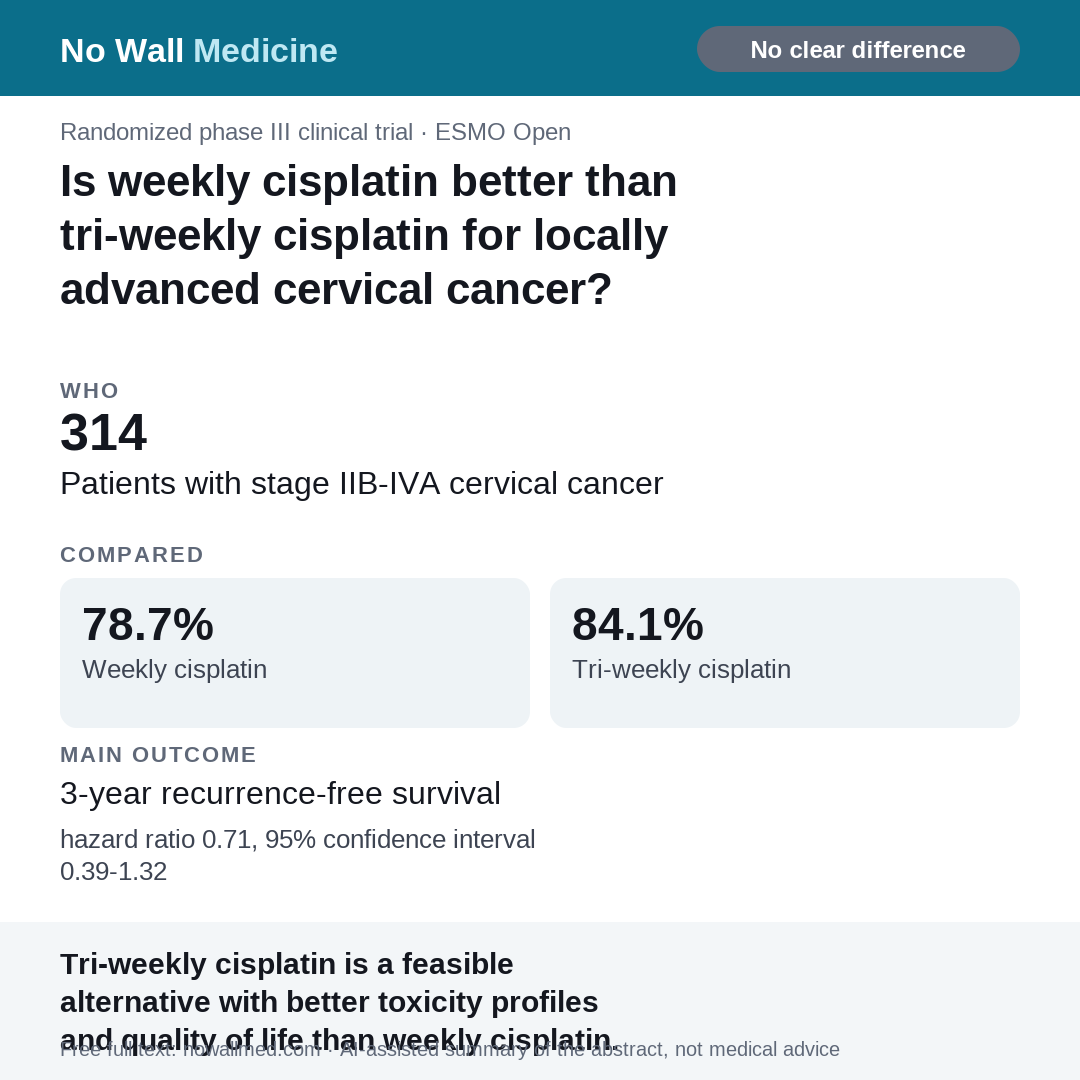
A randomized phase III clinical trial of weekly versus tri-weekly cisplatin-based chemoradiotherapy for locally advanced cervical cancer: results of the TACO (GCIG/KGOG 1027/THAI 2012) study
Randomized phase III clinical trialNo clear difference
Is weekly cisplatin better than tri-weekly cisplatin for locally advanced cervical cancer?
Who
314
Patients with stage IIB-IVA cervical cancer
Compared
78.7%Weekly cisplatin
84.1%Tri-weekly cisplatin
Main outcome
3-year recurrence-free survival
Result: hazard ratio 0.71, 95% confidence interval 0.39-1.32
Bottom line: Tri-weekly cisplatin is a feasible alternative with better toxicity profiles and quality of life than weekly cisplatin.
ESMO Open · 2026-03-10Download image
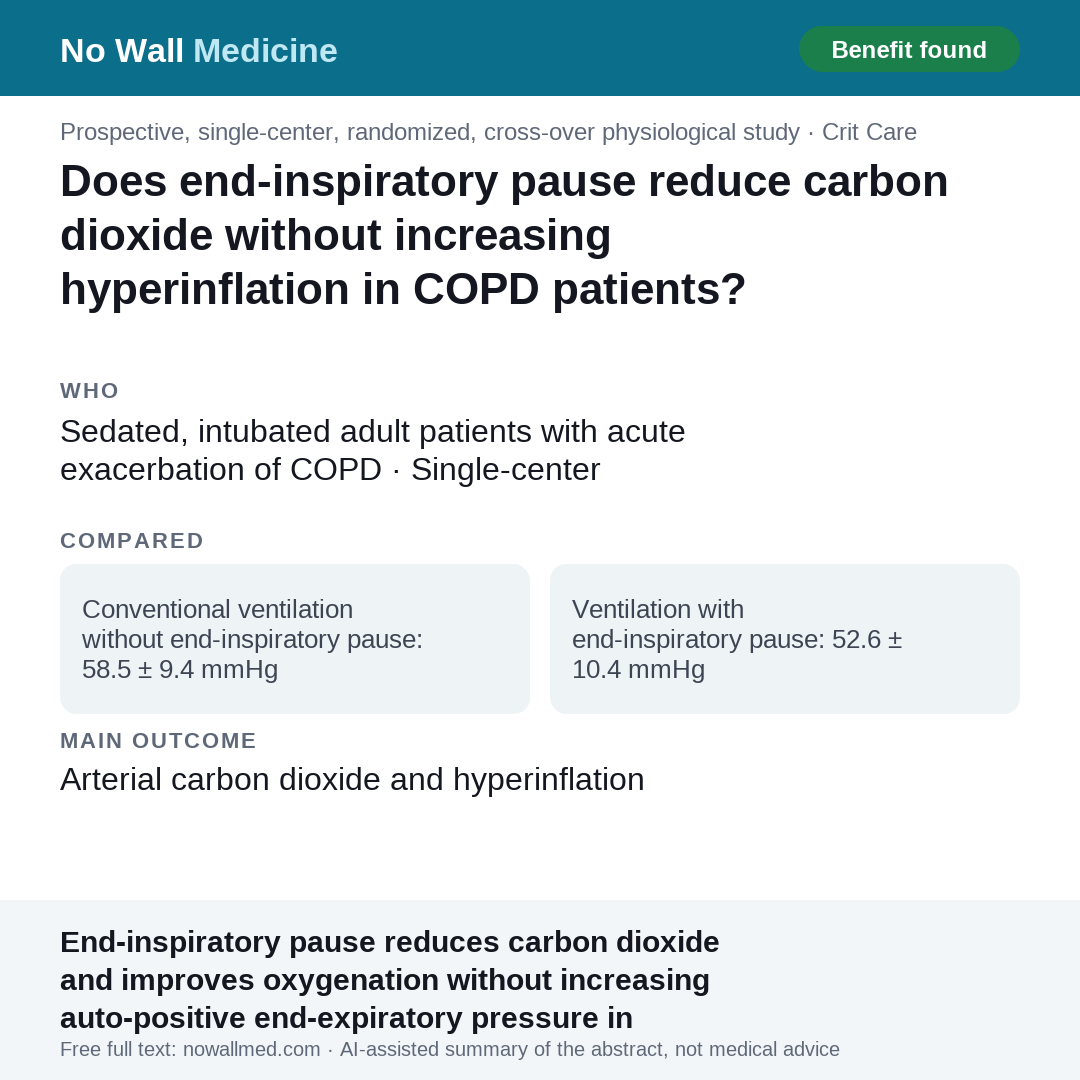
End-inspiratory pause enhances ventilation efficiency without increasing autoPEEP in patients with COPD during controlled ventilation
Prospective, single-center, randomized, cross-over physiological studyBenefit found
Does end-inspiratory pause reduce carbon dioxide without increasing hyperinflation in COPD patients?
Who
Sedated, intubated adult patients with acute exacerbation of COPD · Single-center
Compared
Conventional ventilation without end-inspiratory pause: 58.5 ± 9.4 mmHg
Ventilation with end-inspiratory pause: 52.6 ± 10.4 mmHg
Main outcome
Arterial carbon dioxide and hyperinflation
Bottom line: End-inspiratory pause reduces carbon dioxide and improves oxygenation without increasing auto-positive end-expiratory pressure in COPD patients.
Crit Care · 2026-03-10Download image
Bexotegrast for treatment of idiopathic pulmonary fibrosis (BEACON-IPF): study protocol for a multinational, phase 2b/3, double-blind, randomised, multicentre, controlled trial
Randomised, double-blind, placebo-controlled, adaptive phase 2b/3 trialUnclear result
What are the efficacy and safety of bexotegrast in idiopathic pulmonary fibrosis?
Who
Adults with idiopathic pulmonary fibrosis · Multicentre
Compared
Bexotegrast 160 mg
Bexotegrast 320 mg
Placebo
Main outcome
Change from baseline in absolute forced vital capacity at week 52
Bottom line: This is a study protocol for evaluating bexotegrast efficacy and safety in idiopathic pulmonary fibrosis.
BMJ Open Respir Res · 2026-03-10Download image

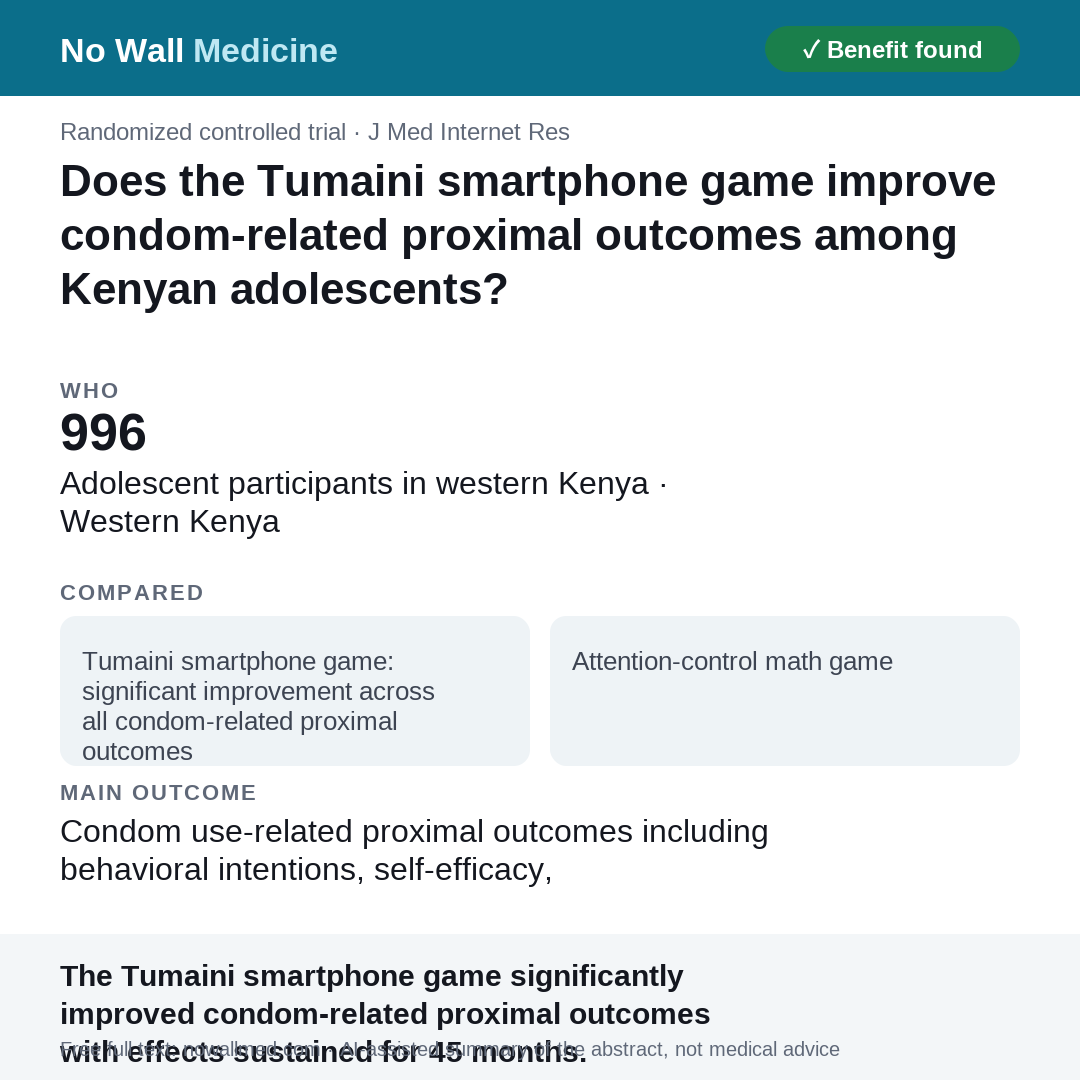
Longitudinal Effects of a Smartphone Game (Tumaini) for HIV Prevention Among Kenyan Adolescents: 45-Month Trajectories of Condom Use-Related Proximal Outcomes From a Randomized Controlled Trial
Randomized controlled trialBenefit found
Does the Tumaini smartphone game improve condom-related proximal outcomes among Kenyan adolescents?
Who
996
Adolescent participants in western Kenya · Western Kenya
Compared
Tumaini smartphone game: significant improvement across all condom-related proximal outcomes
Attention-control math game
Main outcome
Condom use-related proximal outcomes including behavioral intentions, self-efficacy, attitudes, and knowledge
Bottom line: The Tumaini smartphone game significantly improved condom-related proximal outcomes with effects sustained for 45 months.
J Med Internet Res · 2026-03-10Download image
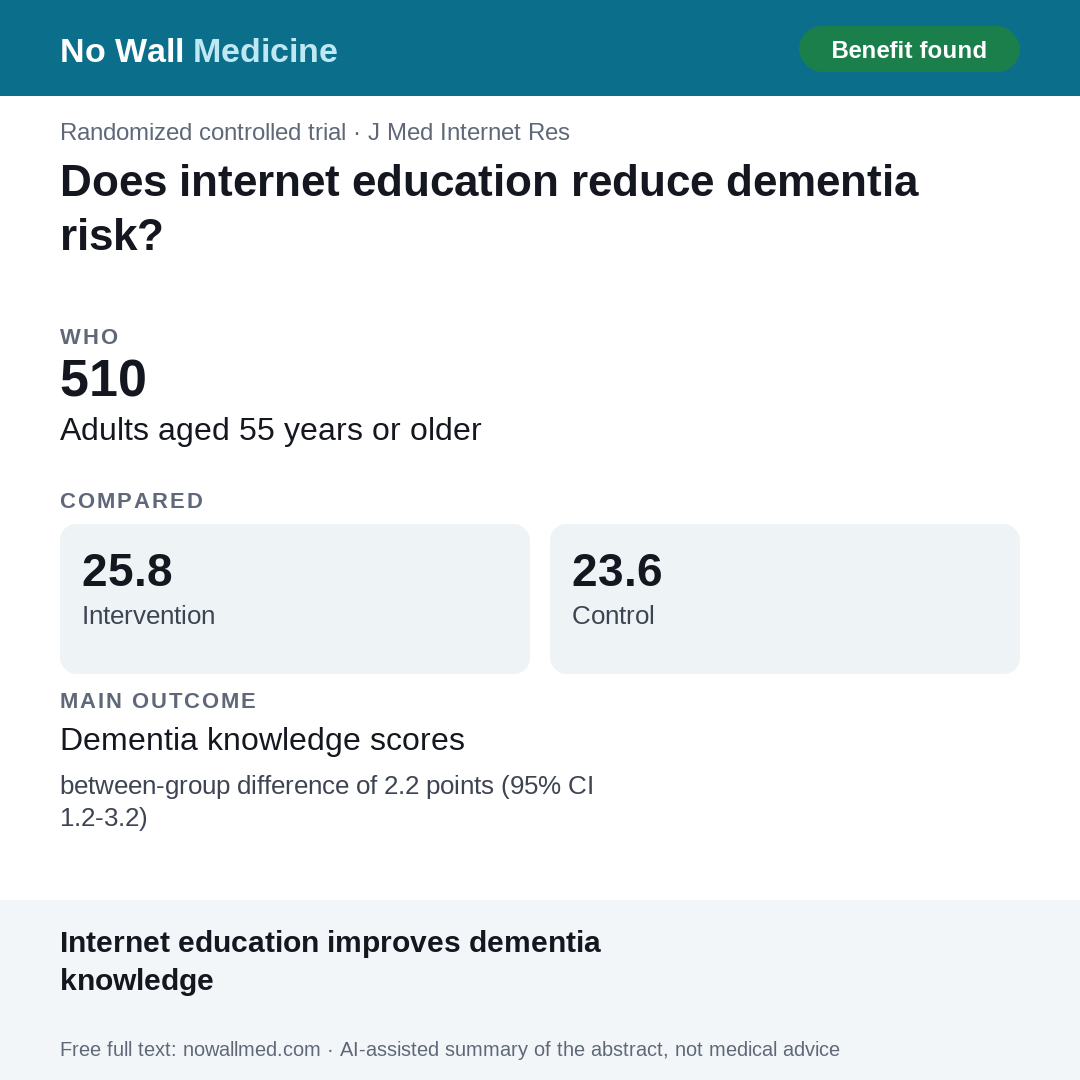
Effects of Internet-Based Dementia Risk Reduction Education on Risk and Protective Factor Knowledge, Intentions, and Health Behaviors: Randomized Controlled Trial
Randomized controlled trialBenefit found
Does internet education reduce dementia risk?
Who
510
Adults aged 55 years or older
Compared
25.8Intervention (SD 4.5)
23.6Control (SD 5.1)
Main outcome
Dementia knowledge scores
Result: between-group difference of 2.2 points (95% CI 1.2-3.2)
Bottom line: Internet education improves dementia knowledge
J Med Internet Res · 2026-03-10Download image
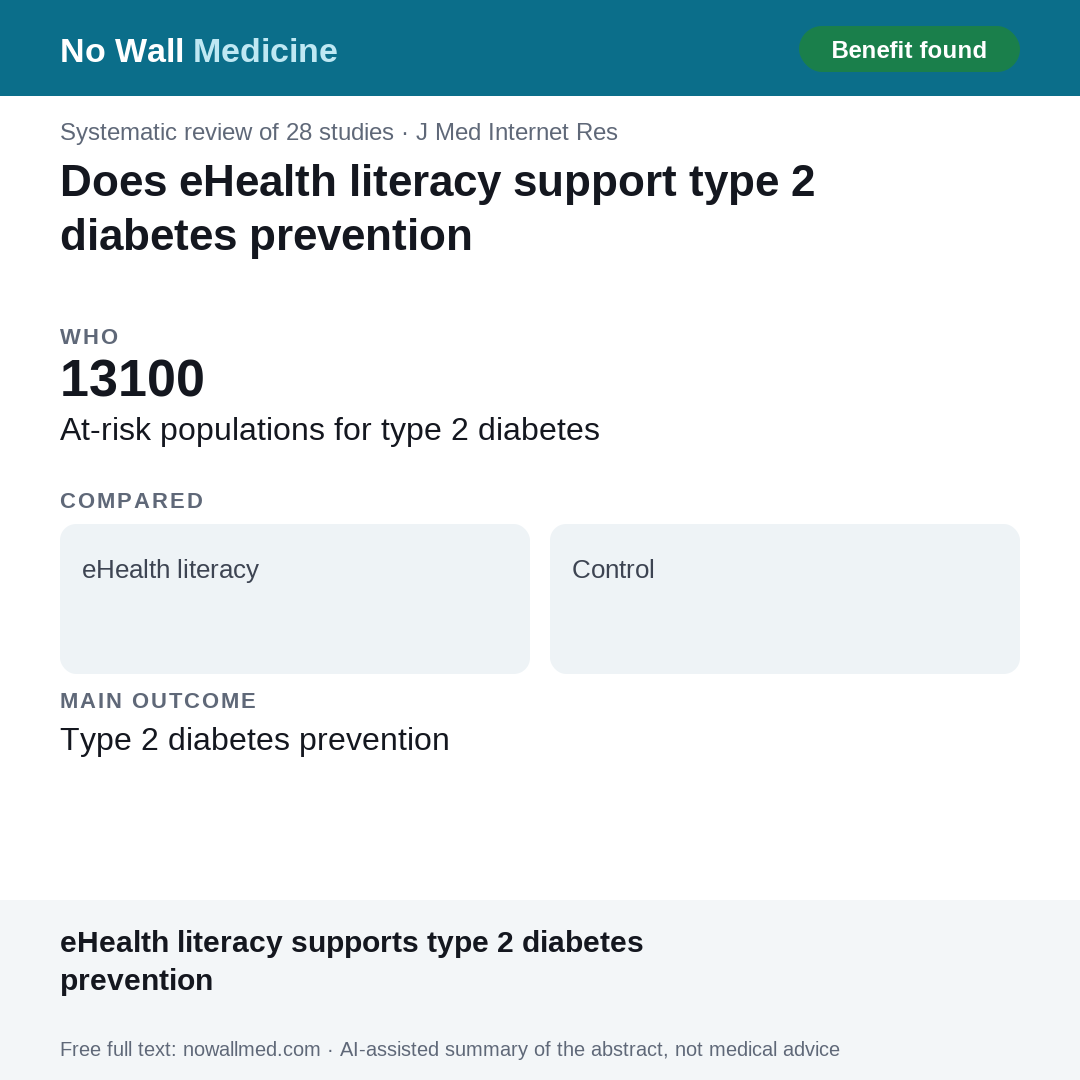
eHealth Literacy and Type 2 Diabetes Prevention Among At-Risk Populations: Mechanistic Systematic Review Using Theory-Driven Thematic Analysis
Systematic review of 28 studiesBenefit found
Does eHealth literacy support type 2 diabetes prevention
Who
13100
At-risk populations for type 2 diabetes
Compared
eHealth literacy
Control
Main outcome
Type 2 diabetes prevention
Bottom line: eHealth literacy supports type 2 diabetes prevention
Limitation: Substantial variation across studies
J Med Internet Res · 2026-03-10Download image