Visual abstracts
New randomized trials and meta-analyses from leading journals at a glance: who was studied, what was compared, and what was found. Every paper is free to read in full.
All specialtiesCardiology 857Oncology 770Gastroenterology & Hepatology 311Infectious Disease 626Neurology 354Psychiatry & Mental Health 430Pulmonology 370Critical Care 260Endocrinology & Diabetes 484Pediatrics 542Surgery 351Orthopedics & Sports Medicine 166Neurosurgery 115Cardiothoracic & Vascular Surgery 87Plastic & Reconstructive Surgery 144Nephrology 197Rheumatology 108Hematology 183Dermatology 82Ophthalmology 97Obstetrics & Gynecology 266Public & Global Health 168Radiology & Imaging 105Anesthesiology 130Urology 162ENT (Otolaryngology) 115Emergency Medicine 103Allergy & Immunology 58Geriatrics 160Family Medicine & Primary Care 111Medical Genetics & Genomics 91Pathology & Laboratory Medicine 27Physical Medicine & Rehabilitation 149Palliative Care 81Nutrition 223Digital Health & AI 462General Medicine 101
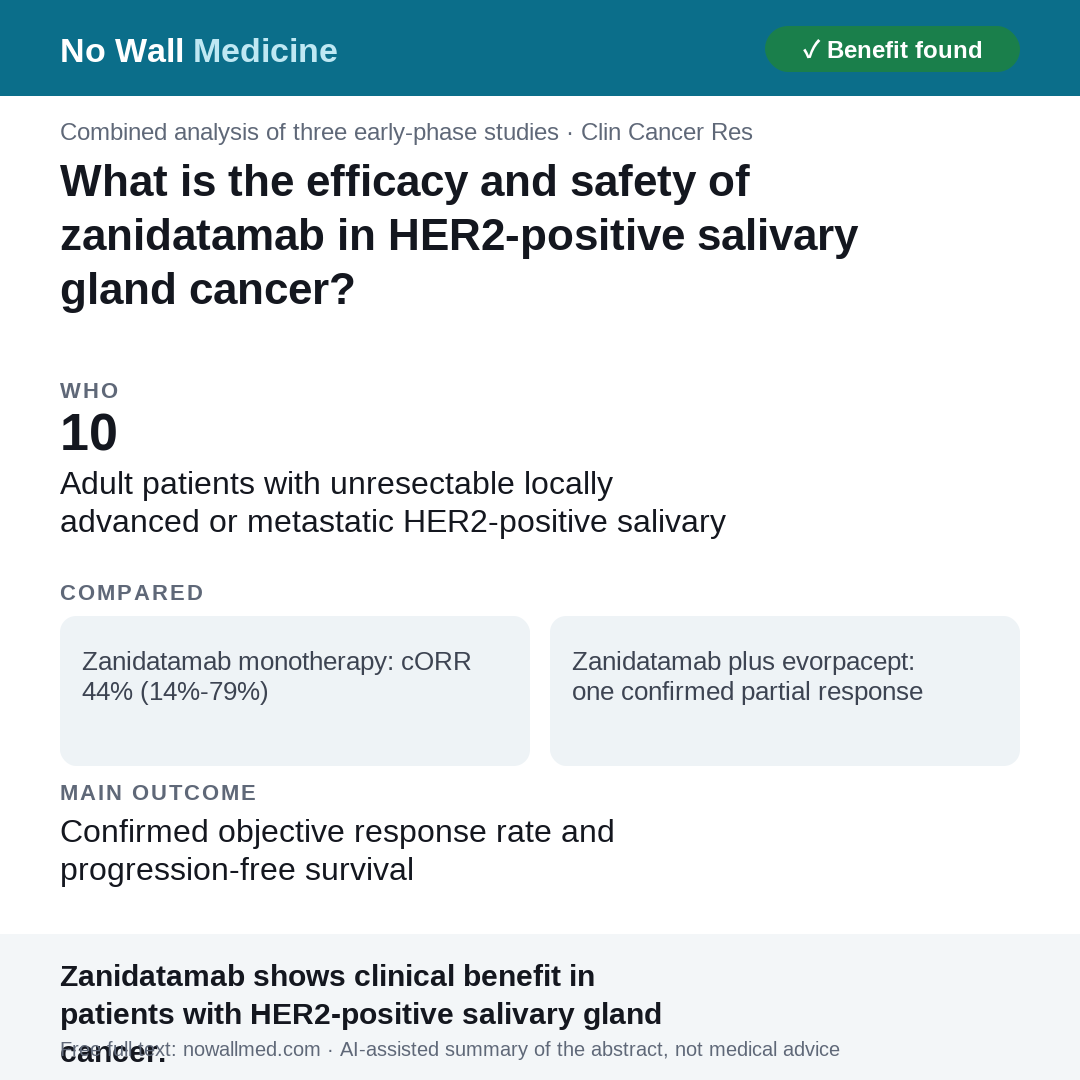
Zanidatamab, a Dual HER2-Targeted Bispecific Antibody, in Patients with Unresectable Locally Advanced or Metastatic HER2-Positive Salivary Gland Cancer: A Combined Analysis of Early-Phase Studies
Combined analysis of three early-phase studiesBenefit found
What is the efficacy and safety of zanidatamab in HER2-positive salivary gland cancer?
Who
10
Adult patients with unresectable locally advanced or metastatic HER2-positive salivary gland cancer
Compared
Zanidatamab monotherapy: cORR 44% (14%-79%)
Zanidatamab plus evorpacept: one confirmed partial response
Main outcome
Confirmed objective response rate and progression-free survival
Result: median progression-free survival 10.1 (3.8-not estimable) months
Bottom line: Zanidatamab shows clinical benefit in patients with HER2-positive salivary gland cancer.
Clin Cancer Res · 2026-03-23Download image
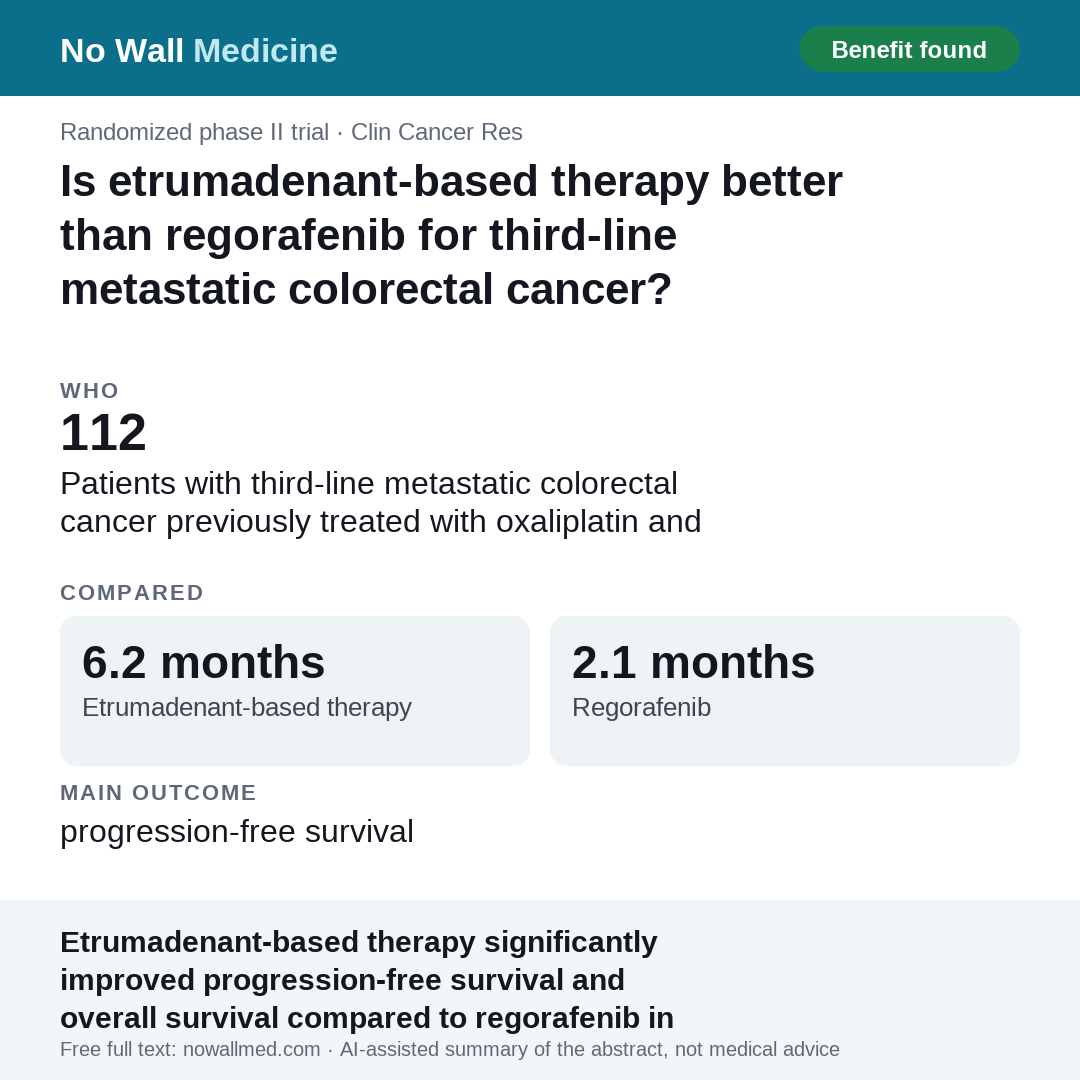
The Randomized Phase II ARC-9 Study of Etrumadenant-Based Therapy versus Regorafenib in Patients with Previously Treated Metastatic Colorectal Cancer
Randomized phase II trialBenefit found
Is etrumadenant-based therapy better than regorafenib for third-line metastatic colorectal cancer?
Who
112
Patients with third-line metastatic colorectal cancer previously treated with oxaliplatin and irinotecan
Compared
6.2 monthsEtrumadenant-based therapy
2.1 monthsRegorafenib
Main outcome
progression-free survival
Result: hazard ratio 0.27 (95% CI 0.17-0.43)
Bottom line: Etrumadenant-based therapy significantly improved progression-free survival and overall survival compared to regorafenib in third-line metastatic colorectal cancer.
Clin Cancer Res · 2026-03-23Download image
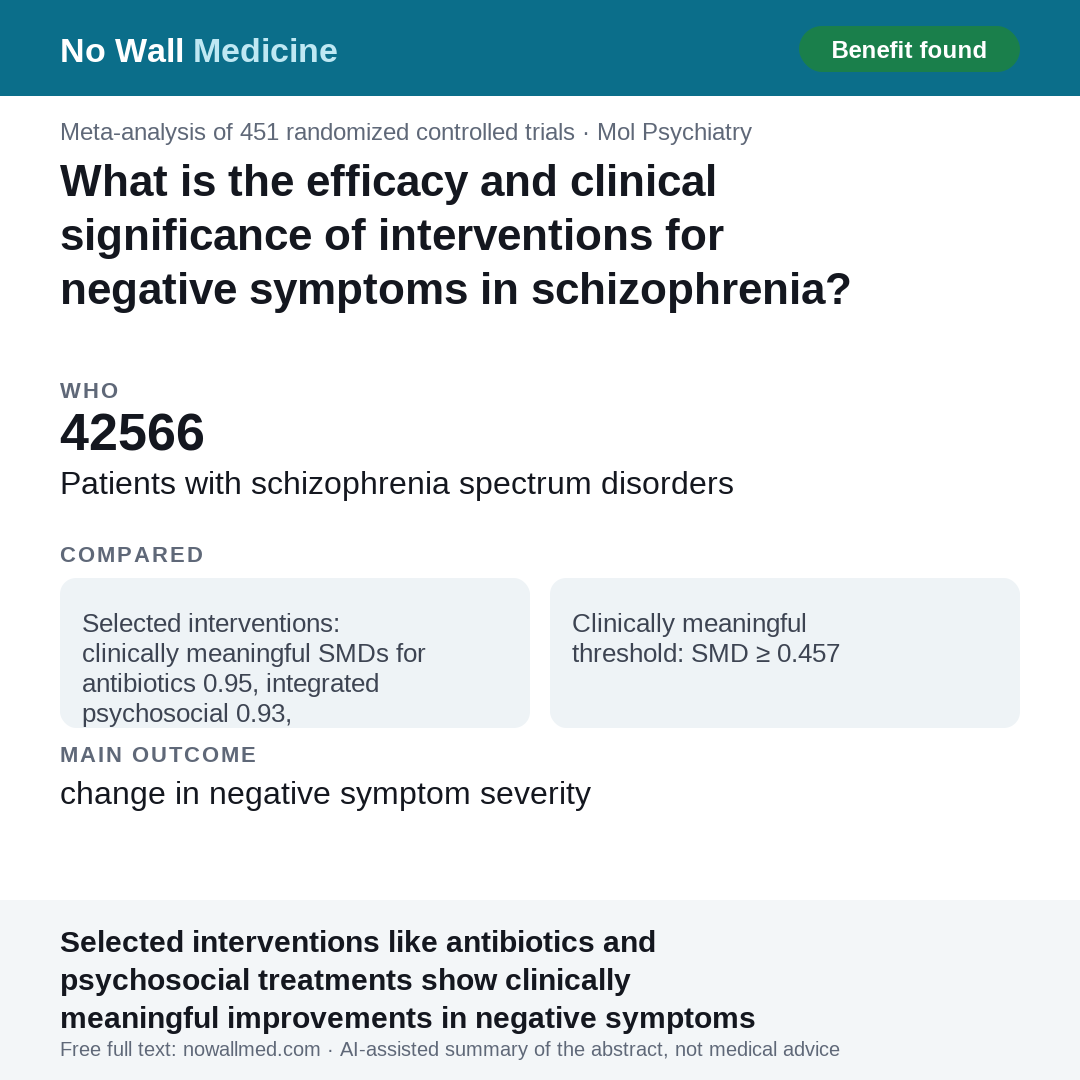
Interventions for negative symptoms in schizophrenia: efficacy and clinical interpretability in a meta-analysis of 451 randomized controlled trials
Meta-analysis of 451 randomized controlled trialsBenefit found
What is the efficacy and clinical significance of interventions for negative symptoms in schizophrenia?
Who
42566
Patients with schizophrenia spectrum disorders
Compared
Selected interventions: clinically meaningful SMDs for antibiotics 0.95, integrated psychosocial 0.93, antidepressants 0.76, physical activity 0.68, transcranial current stimulation 0.52, and immunomodulators 0.47
Clinically meaningful threshold: SMD ≥ 0.457
Main outcome
change in negative symptom severity
Bottom line: Selected interventions like antibiotics and psychosocial treatments show clinically meaningful improvements in negative symptoms of schizophrenia.
Limitation: Heterogeneity was the main limitation.
Mol Psychiatry · 2026-03-23Download image
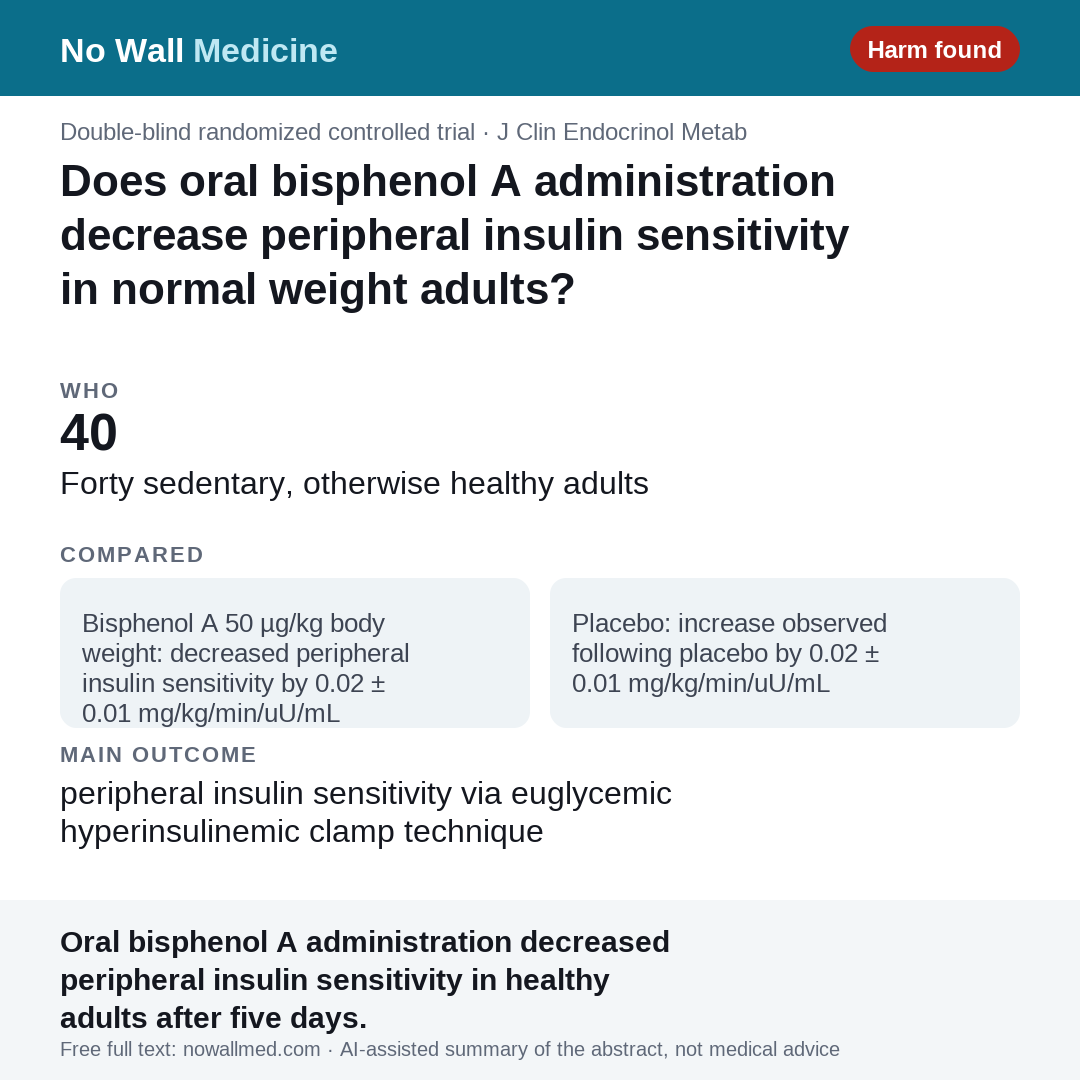
Bisphenol A decreases peripheral insulin sensitivity in normal weight adults: a double-blind randomized controlled trial
Double-blind randomized controlled trialHarm found
Does oral bisphenol A administration decrease peripheral insulin sensitivity in normal weight adults?
Who
40
Forty sedentary, otherwise healthy adults
Compared
Bisphenol A 50 µg/kg body weight: decreased peripheral insulin sensitivity by 0.02 ± 0.01 mg/kg/min/uU/mL
Placebo: increase observed following placebo by 0.02 ± 0.01 mg/kg/min/uU/mL
Main outcome
peripheral insulin sensitivity via euglycemic hyperinsulinemic clamp technique
Bottom line: Oral bisphenol A administration decreased peripheral insulin sensitivity in healthy adults after five days.
J Clin Endocrinol Metab · 2026-03-23Download image
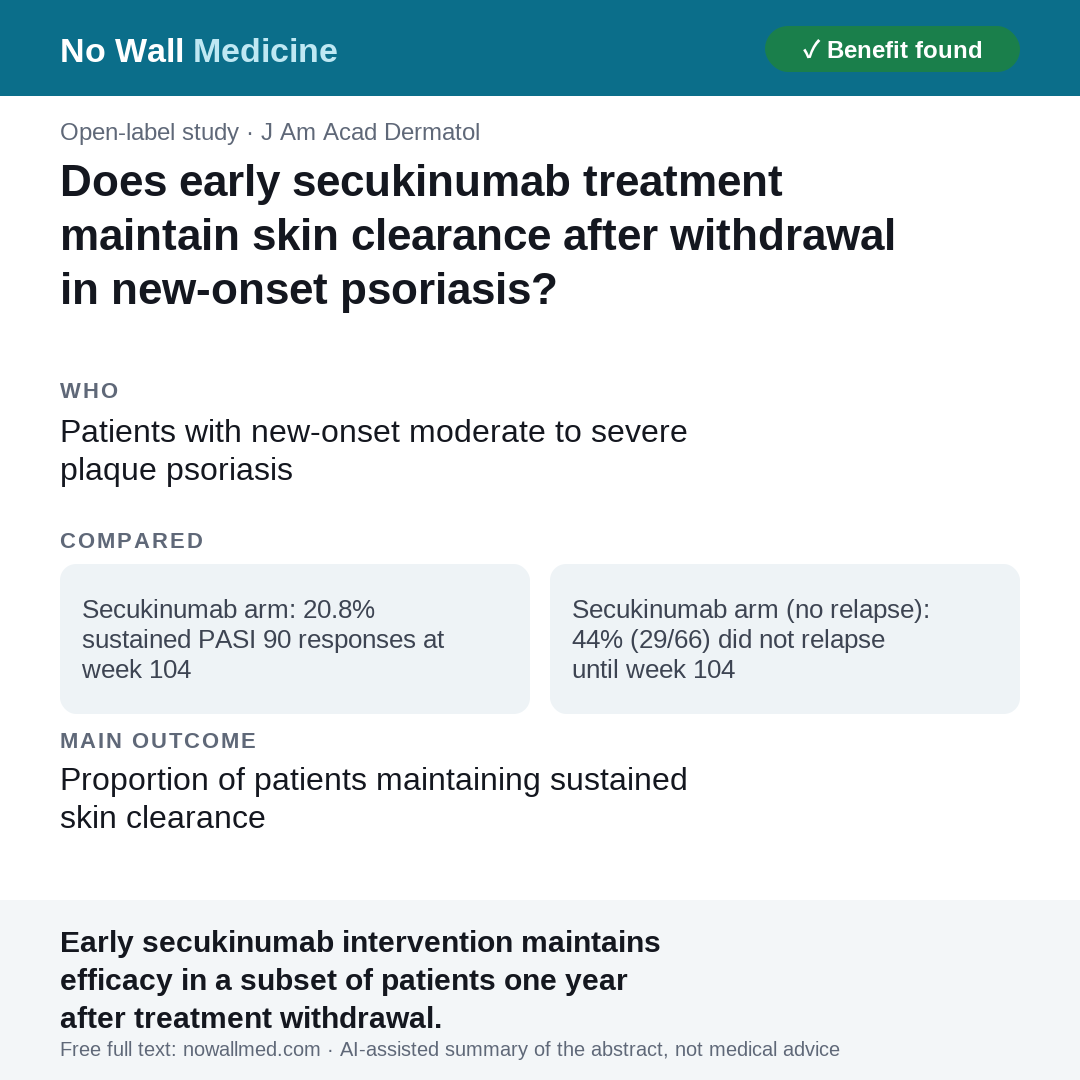
Impact of early treatment of psoriasis on disease recurrence-Results from the STEPIn study
Open-label studyBenefit found
Does early secukinumab treatment maintain skin clearance after withdrawal in new-onset psoriasis?
Who
Patients with new-onset moderate to severe plaque psoriasis
Compared
Secukinumab arm: 20.8% sustained PASI 90 responses at week 104
Secukinumab arm (no relapse): 44% (29/66) did not relapse until week 104
Main outcome
Proportion of patients maintaining sustained skin clearance
Bottom line: Early secukinumab intervention maintains efficacy in a subset of patients one year after treatment withdrawal.
Limitation: Absence of blinding due to open-label nature of the study
J Am Acad Dermatol · 2026-03-23Download image
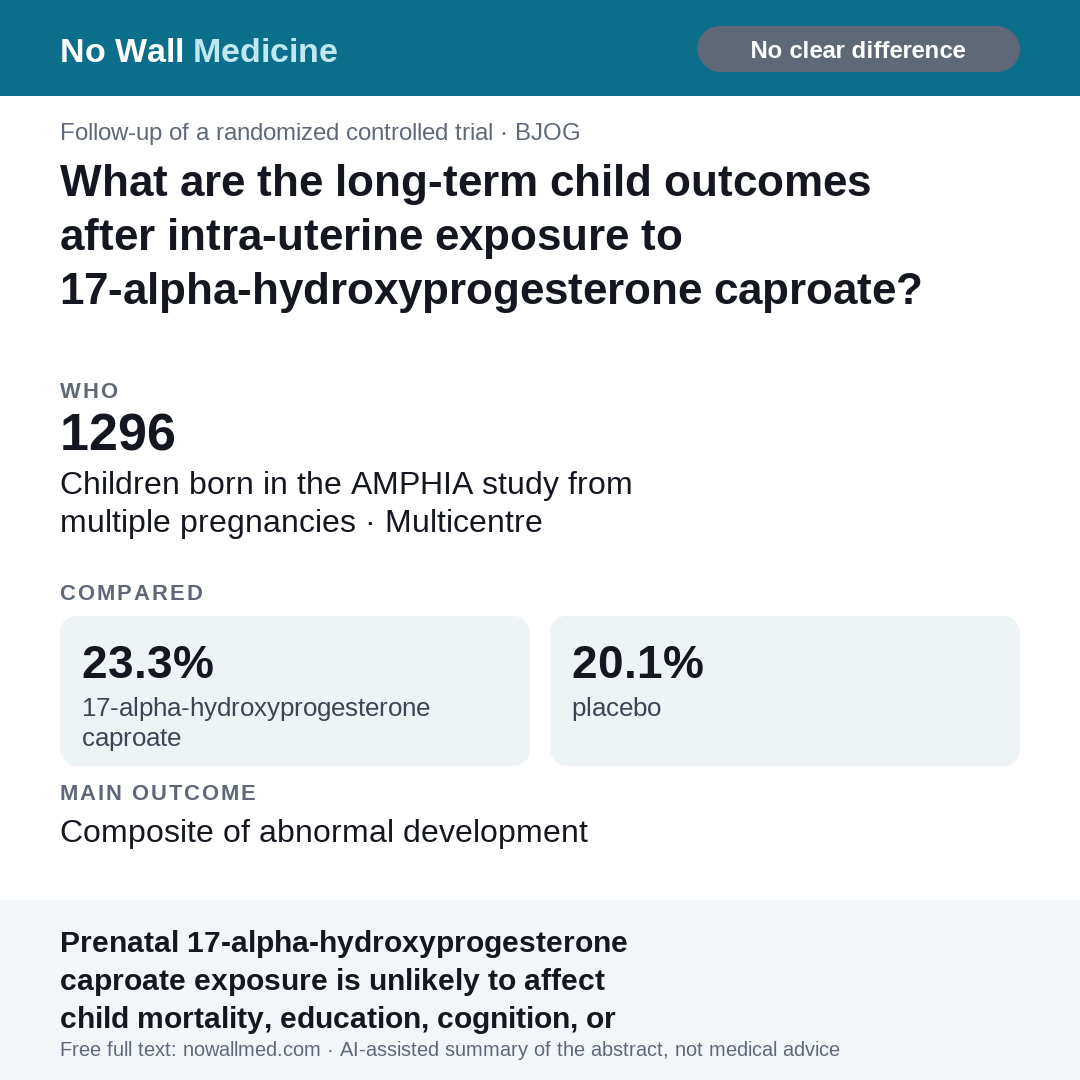
Prenatal 17-Alpha-Hydroxyprogesterone Caproate Exposure in Twins and Childhood Outcomes: 14-Year Follow-Up of a Randomised Trial
Follow-up of a randomized controlled trialNo clear difference
What are the long-term child outcomes after intra-uterine exposure to 17-alpha-hydroxyprogesterone caproate?
Who
1296
Children born in the AMPHIA study from multiple pregnancies · Multicentre
Compared
23.3%17-alpha-hydroxyprogesterone caproate
20.1%placebo
Main outcome
Composite of abnormal development
Result: OR 1.31 (95% CI 0.66-2.56)
Bottom line: Prenatal 17-alpha-hydroxyprogesterone caproate exposure is unlikely to affect child mortality, education, cognition, or behavior.
Limitation: Detailed developmental outcomes were collected for only 23% of surviving children.
BJOG · 2026-03-23Download image
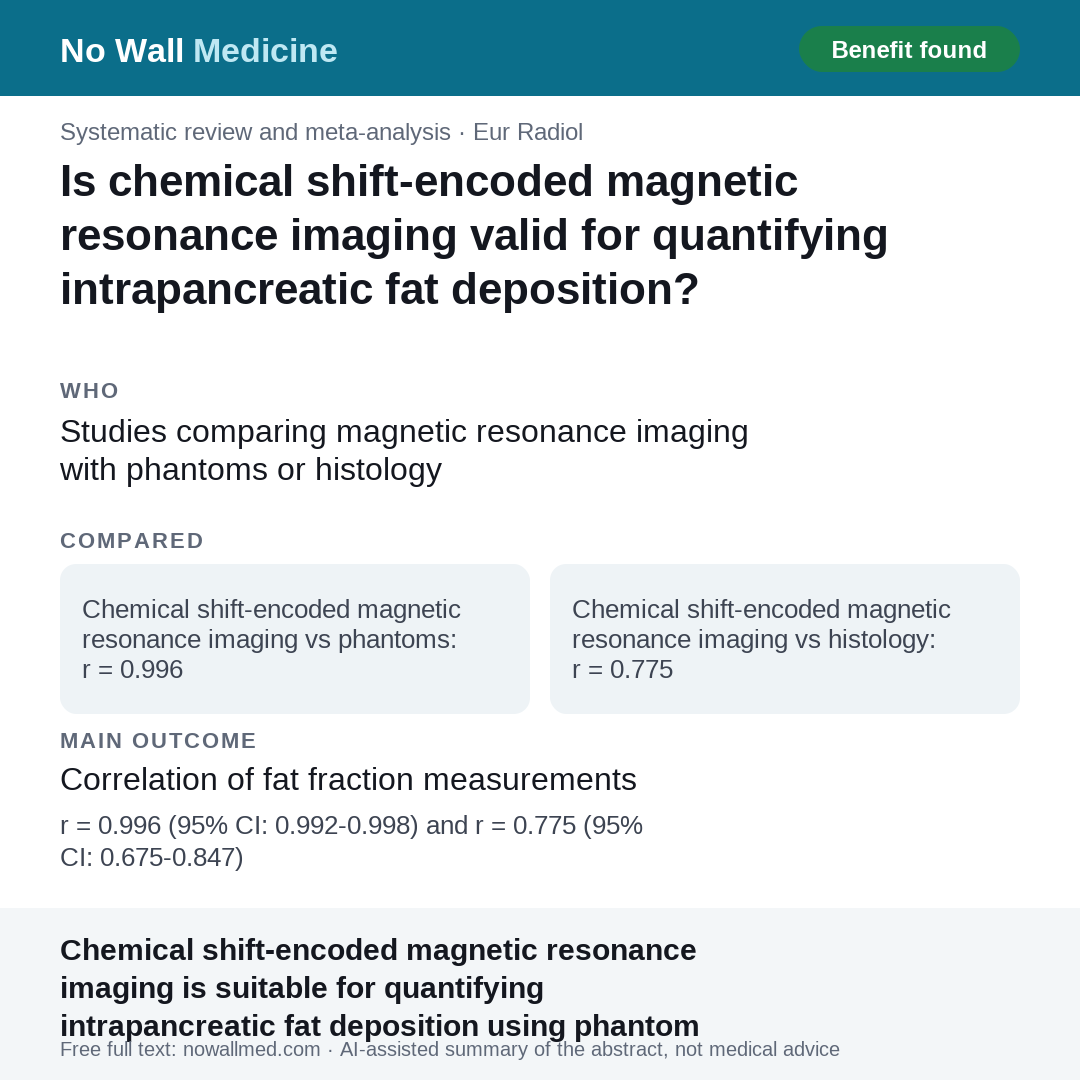
Validation of magnetic resonance imaging for quantification of intrapancreatic fat deposition using phantom and histologic comparators: a systematic review and meta-analysis
Systematic review and meta-analysisBenefit found
Is chemical shift-encoded magnetic resonance imaging valid for quantifying intrapancreatic fat deposition?
Who
Studies comparing magnetic resonance imaging with phantoms or histology
Compared
Chemical shift-encoded magnetic resonance imaging vs phantoms: r = 0.996
Chemical shift-encoded magnetic resonance imaging vs histology: r = 0.775
Main outcome
Correlation of fat fraction measurements
Result: r = 0.996 (95% CI: 0.992-0.998) and r = 0.775 (95% CI: 0.675-0.847)
Bottom line: Chemical shift-encoded magnetic resonance imaging is suitable for quantifying intrapancreatic fat deposition using phantom and histologic comparators.
Eur Radiol · 2026-03-23Download image
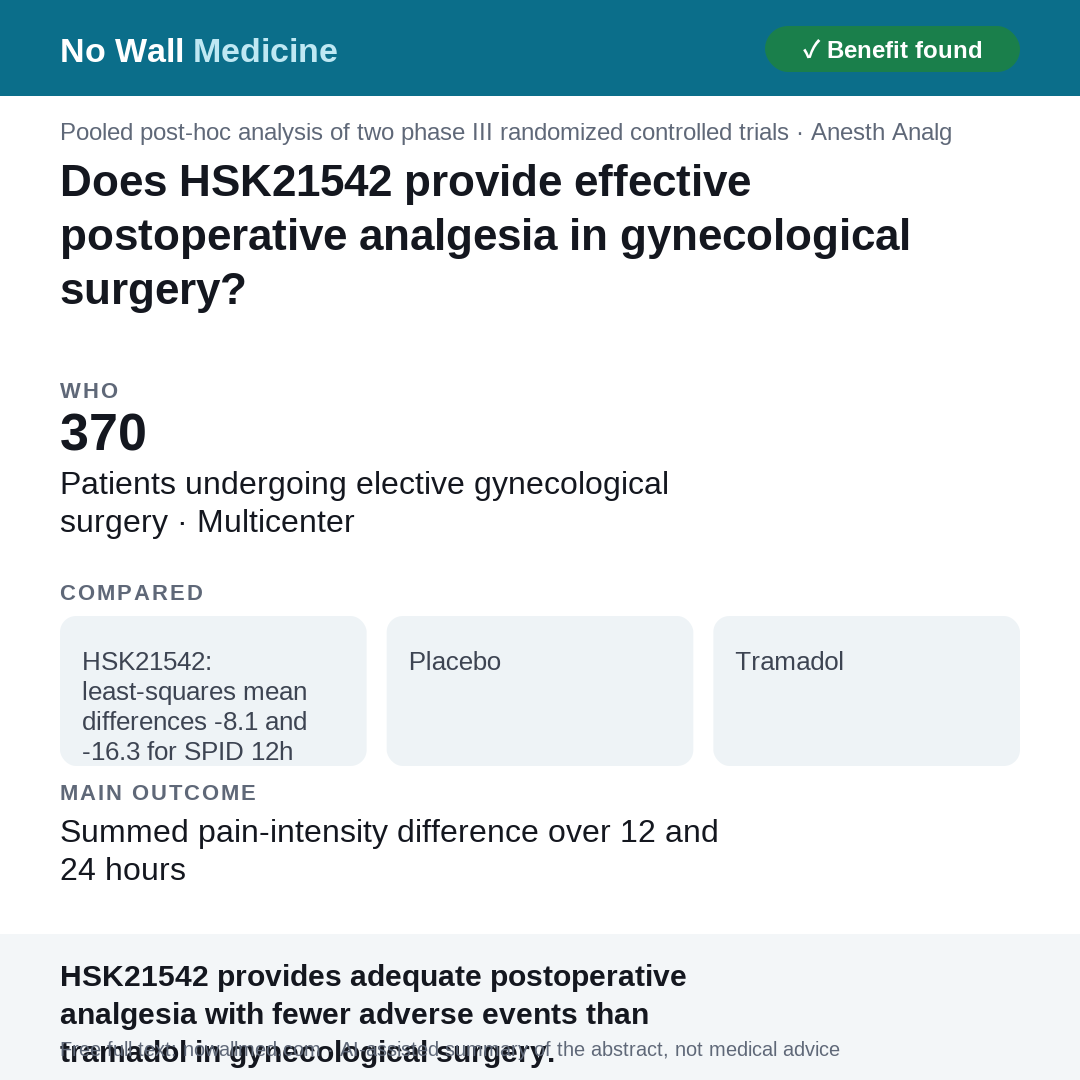
HSK21542 for Postoperative Analgesia in Gynecological Surgery: A Pooled Post-Hoc Analysis of Two Phase III Randomized Controlled Trials
Pooled post-hoc analysis of two phase III randomized controlled trialsBenefit found
Does HSK21542 provide effective postoperative analgesia in gynecological surgery?
Who
370
Patients undergoing elective gynecological surgery · Multicenter
Compared
HSK21542: least-squares mean differences -8.1 and -16.3 for SPID 12h and SPID 24h
Placebo
Tramadol
Main outcome
Summed pain-intensity difference over 12 and 24 hours
Bottom line: HSK21542 provides adequate postoperative analgesia with fewer adverse events than tramadol in gynecological surgery.
Anesth Analg · 2026-03-23Download image
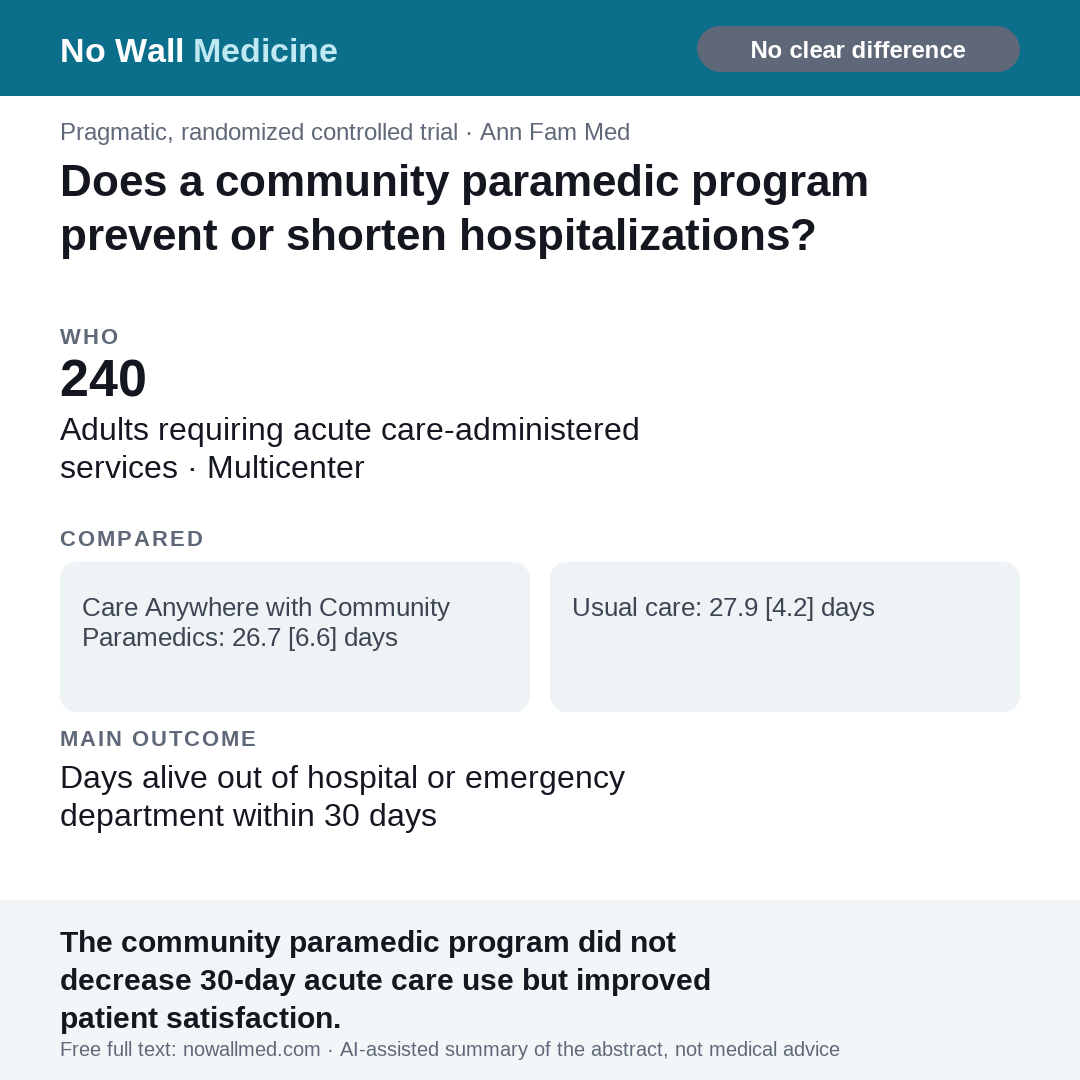
Effect of an Advanced Community Paramedic Program to Shorten or Prevent Hospitalizations: A Pragmatic, Point-of-Care, Randomized Clinical Trial
Pragmatic, randomized controlled trialNo clear difference
Does a community paramedic program prevent or shorten hospitalizations?
Who
240
Adults requiring acute care-administered services · Multicenter
Compared
Care Anywhere with Community Paramedics: 26.7 [6.6] days
Usual care: 27.9 [4.2] days
Main outcome
Days alive out of hospital or emergency department within 30 days
Bottom line: The community paramedic program did not decrease 30-day acute care use but improved patient satisfaction.
Ann Fam Med · 2026-03-23Download image
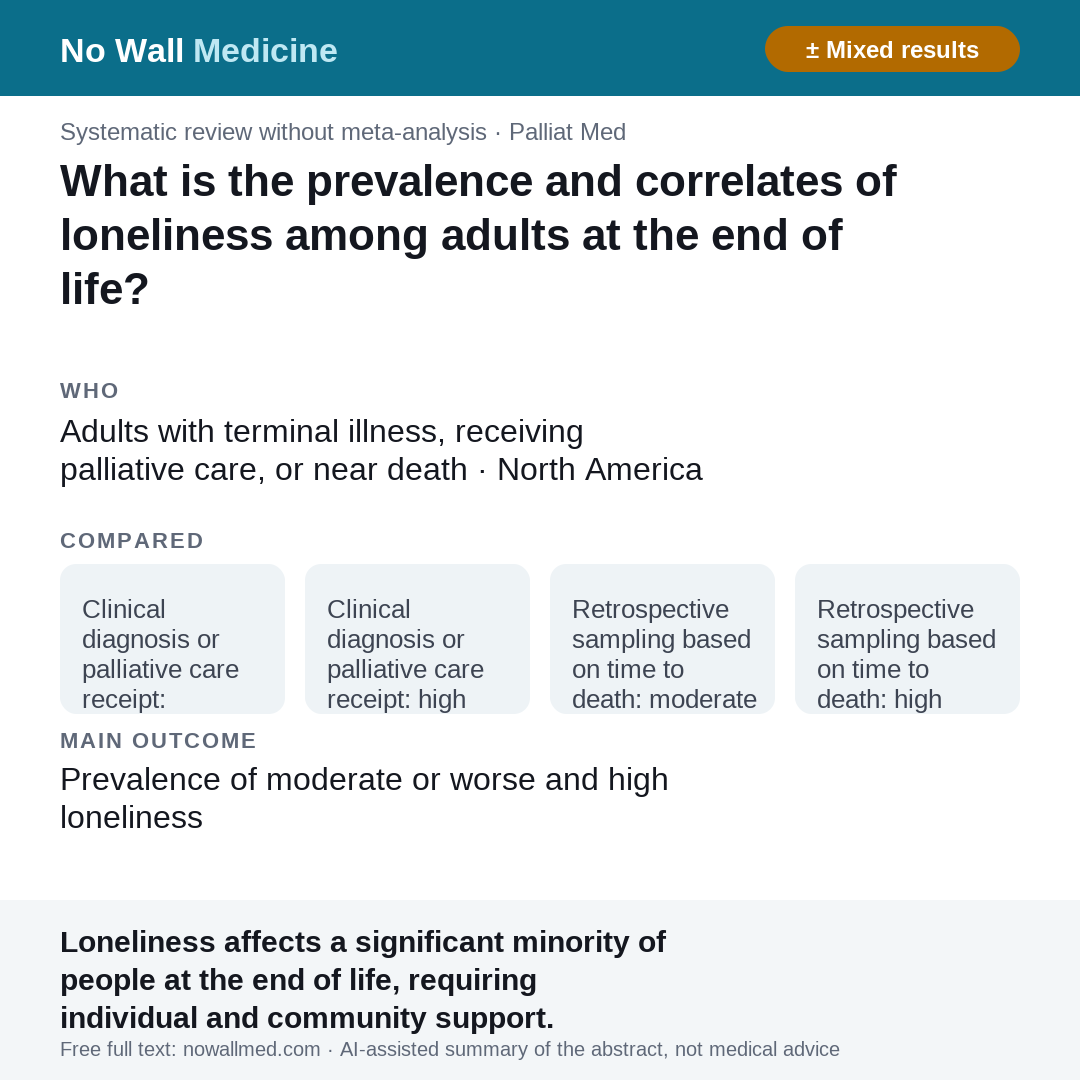
Loneliness among adults at the end of life: A systematic review of prevalence and correlates
Systematic review without meta-analysisMixed results
What is the prevalence and correlates of loneliness among adults at the end of life?
Who
Adults with terminal illness, receiving palliative care, or near death · North America and Europe
Compared
Clinical diagnosis or palliative care receipt: moderate or worse loneliness 20% to 73%
Clinical diagnosis or palliative care receipt: high loneliness 8% to 33%
Retrospective sampling based on time to death: moderate or worse loneliness 7%-12%
Retrospective sampling based on time to death: high loneliness 18.6%
Main outcome
Prevalence of moderate or worse and high loneliness
Bottom line: Loneliness affects a significant minority of people at the end of life, requiring individual and community support.
Limitation: Significant heterogeneity across studies and findings should be presented with caution.
Palliat Med · 2026-03-23Download image
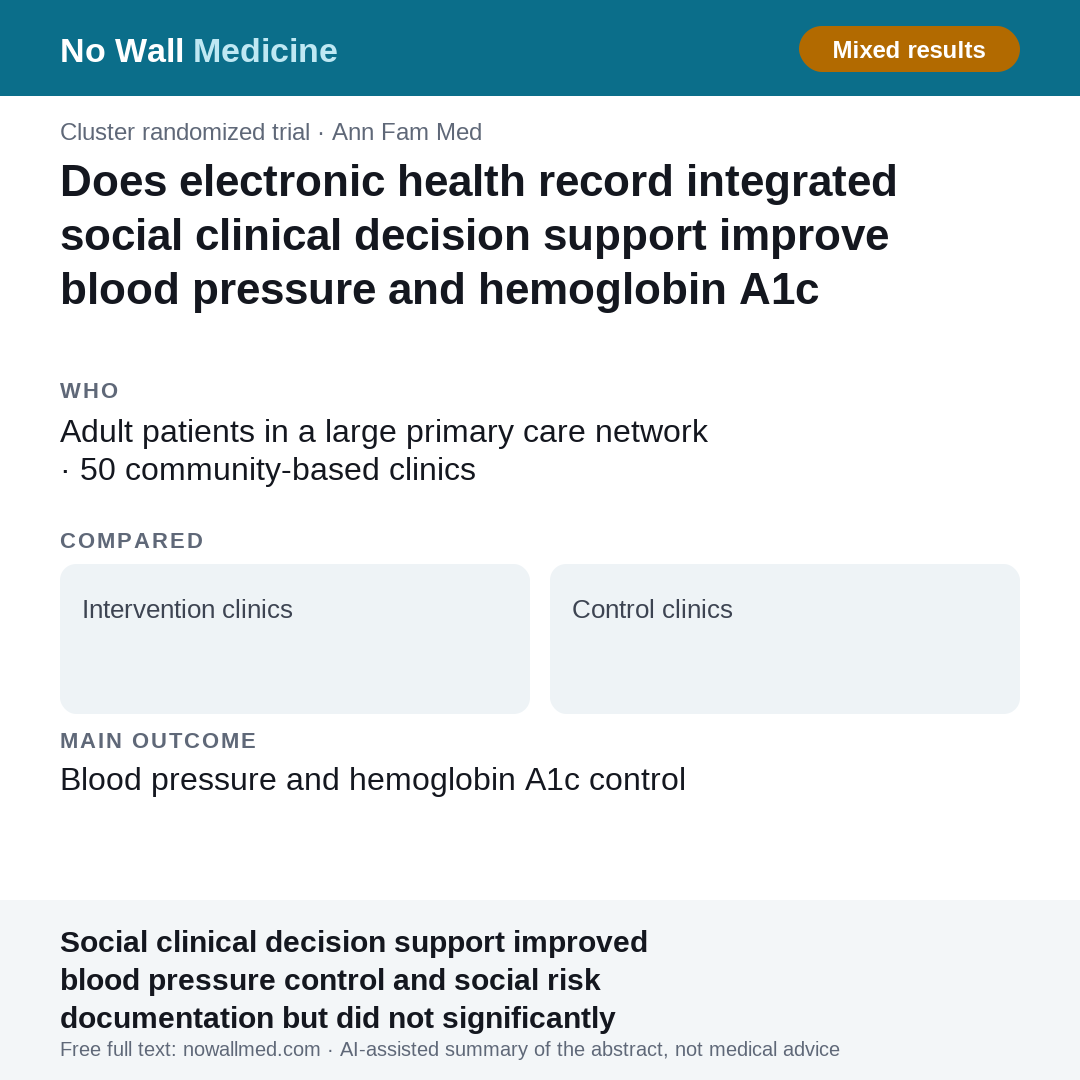
Social Risk-Informed Decision Support and Blood Pressure Control in a Primary Care Cluster Randomized Controlled Trial
Cluster randomized trialMixed results
Does electronic health record integrated social clinical decision support improve blood pressure and hemoglobin A1c control?
Who
Adult patients in a large primary care network · 50 community-based clinics
Compared
Intervention clinics
Control clinics
Main outcome
Blood pressure and hemoglobin A1c control
Bottom line: Social clinical decision support improved blood pressure control and social risk documentation but did not significantly affect hemoglobin A1c.
Ann Fam Med · 2026-03-23Download image
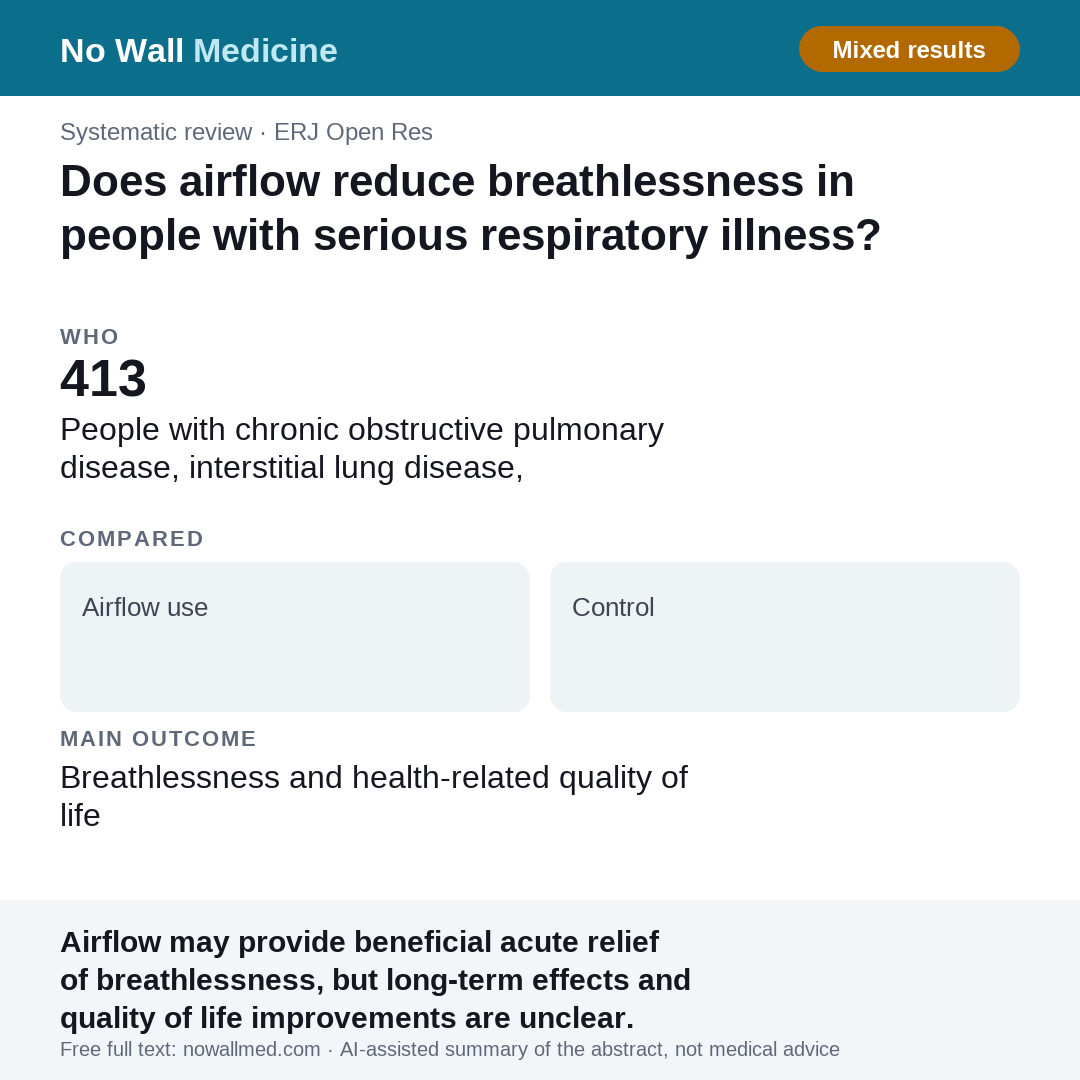
Airflow for reducing breathlessness in people with serious respiratory illness: a systematic review
Systematic reviewMixed results
Does airflow reduce breathlessness in people with serious respiratory illness?
Who
413
People with chronic obstructive pulmonary disease, interstitial lung disease, bronchiectasis and asthma · Laboratory, hospital, exercise tests, or daily life settings
Compared
Airflow use
Control
Main outcome
Breathlessness and health-related quality of life
Bottom line: Airflow may provide beneficial acute relief of breathlessness, but long-term effects and quality of life improvements are unclear.
Limitation: Risk of bias was high in all studies and meta-analyses were not feasible.
ERJ Open Res · 2026-03-23Download image
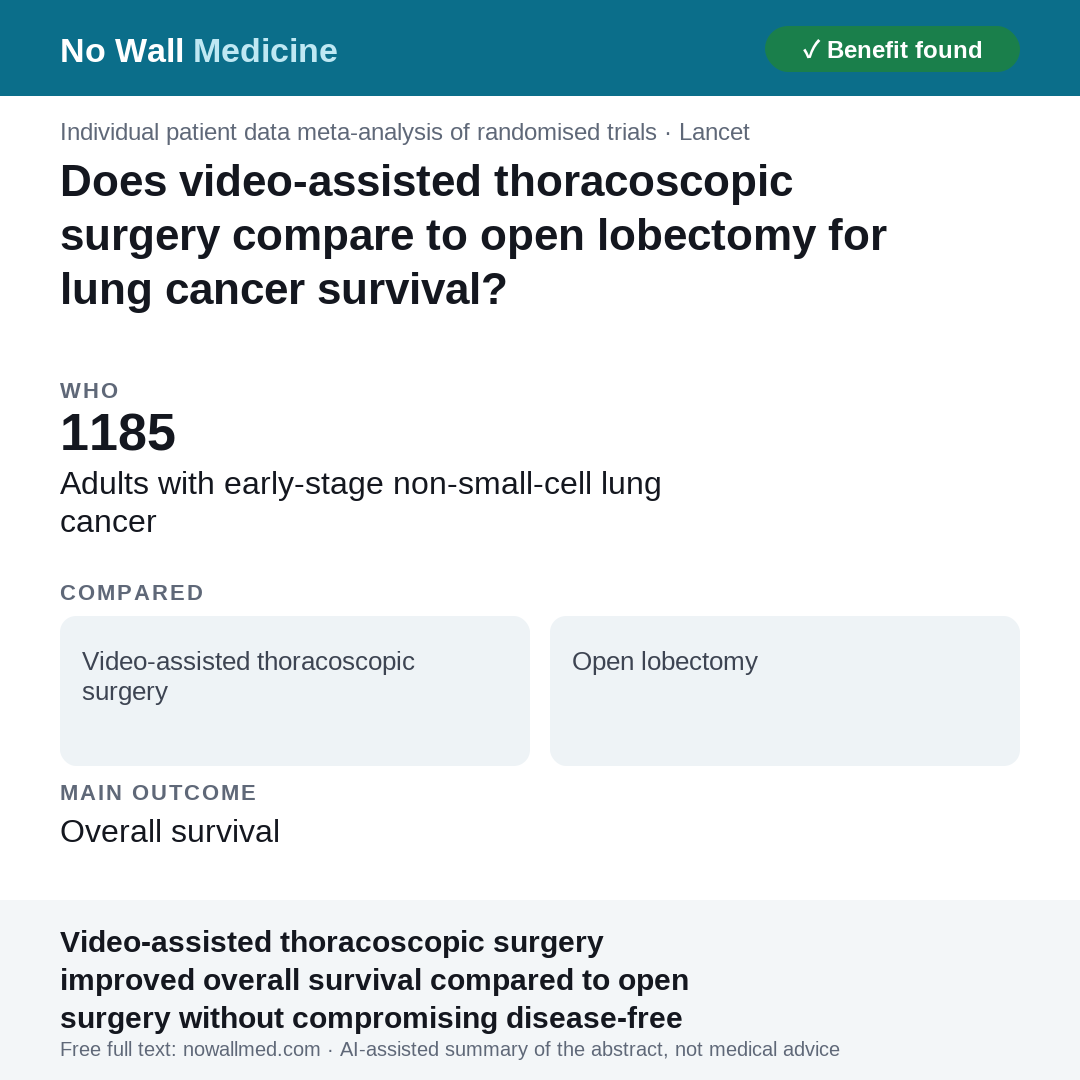
Survival outcome of VATS compared with open lobectomy for lung cancer: an individual patient data meta-analysis of randomised trials
Individual patient data meta-analysis of randomised trialsBenefit found
Does video-assisted thoracoscopic surgery compare to open lobectomy for lung cancer survival?
Who
1185
Adults with early-stage non-small-cell lung cancer
Compared
Video-assisted thoracoscopic surgery
Open lobectomy
Main outcome
Overall survival
Result: hazard ratio 0·79 (95% CI 0·65-0·96)
Bottom line: Video-assisted thoracoscopic surgery improved overall survival compared to open surgery without compromising disease-free survival.
Funded by: National Institute for Health and Care Research
Lancet · 2026-03-22Download image
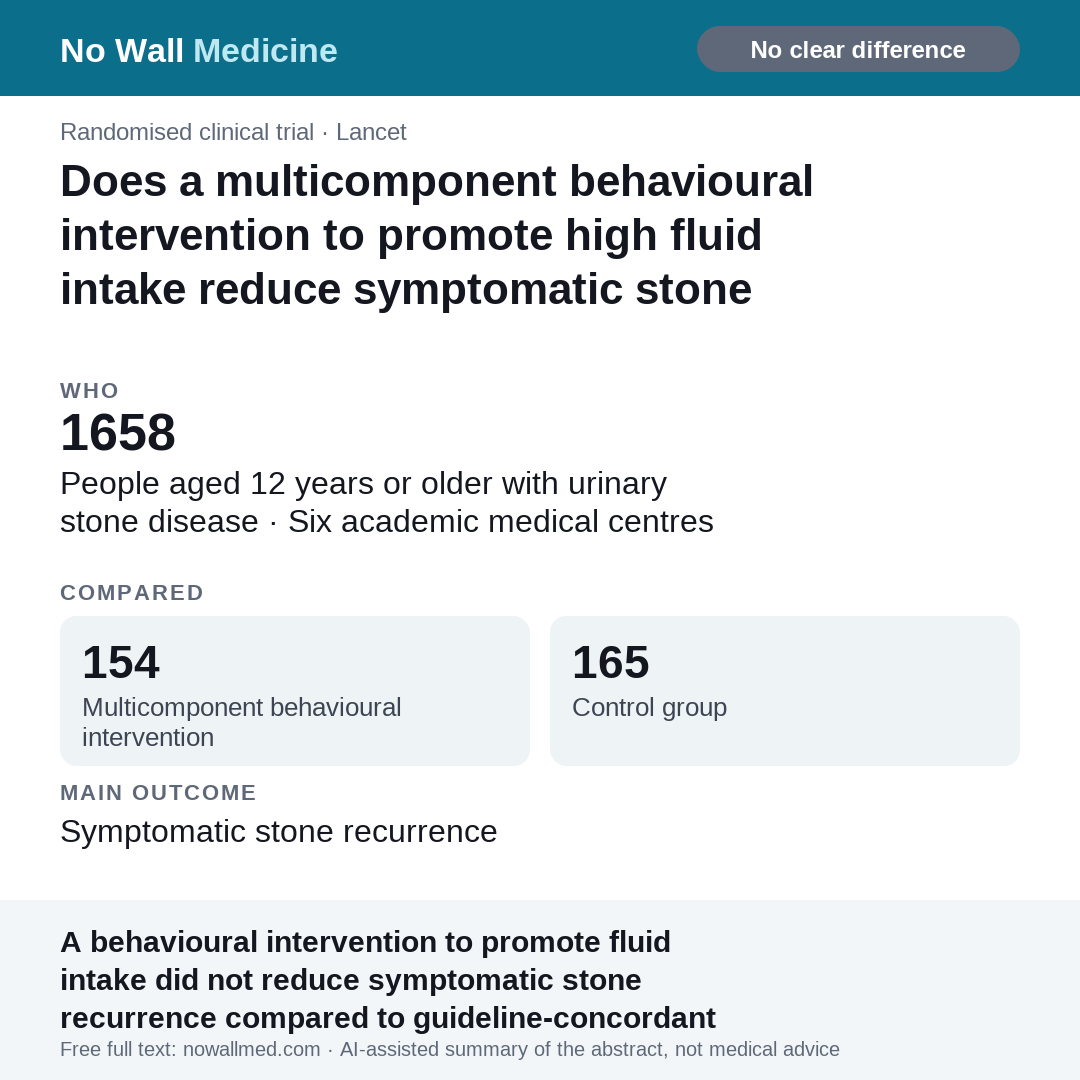
Prevention of urinary stones with hydration: a randomised clinical trial of an adherence intervention
Randomised clinical trialNo clear difference
Does a multicomponent behavioural intervention to promote high fluid intake reduce symptomatic stone recurrence?
Who
1658
People aged 12 years or older with urinary stone disease · Six academic medical centres in the USA
Compared
154Multicomponent behavioural intervention (19%)
165Control group (20%)
Main outcome
Symptomatic stone recurrence
Result: hazard ratio 0·96, 95% CI 0·77-1·20
Bottom line: A behavioural intervention to promote fluid intake did not reduce symptomatic stone recurrence compared to guideline-concordant care.
Funded by: National Institute of Diabetes and Digestive and Kidney Diseases
Lancet · 2026-03-22Download image
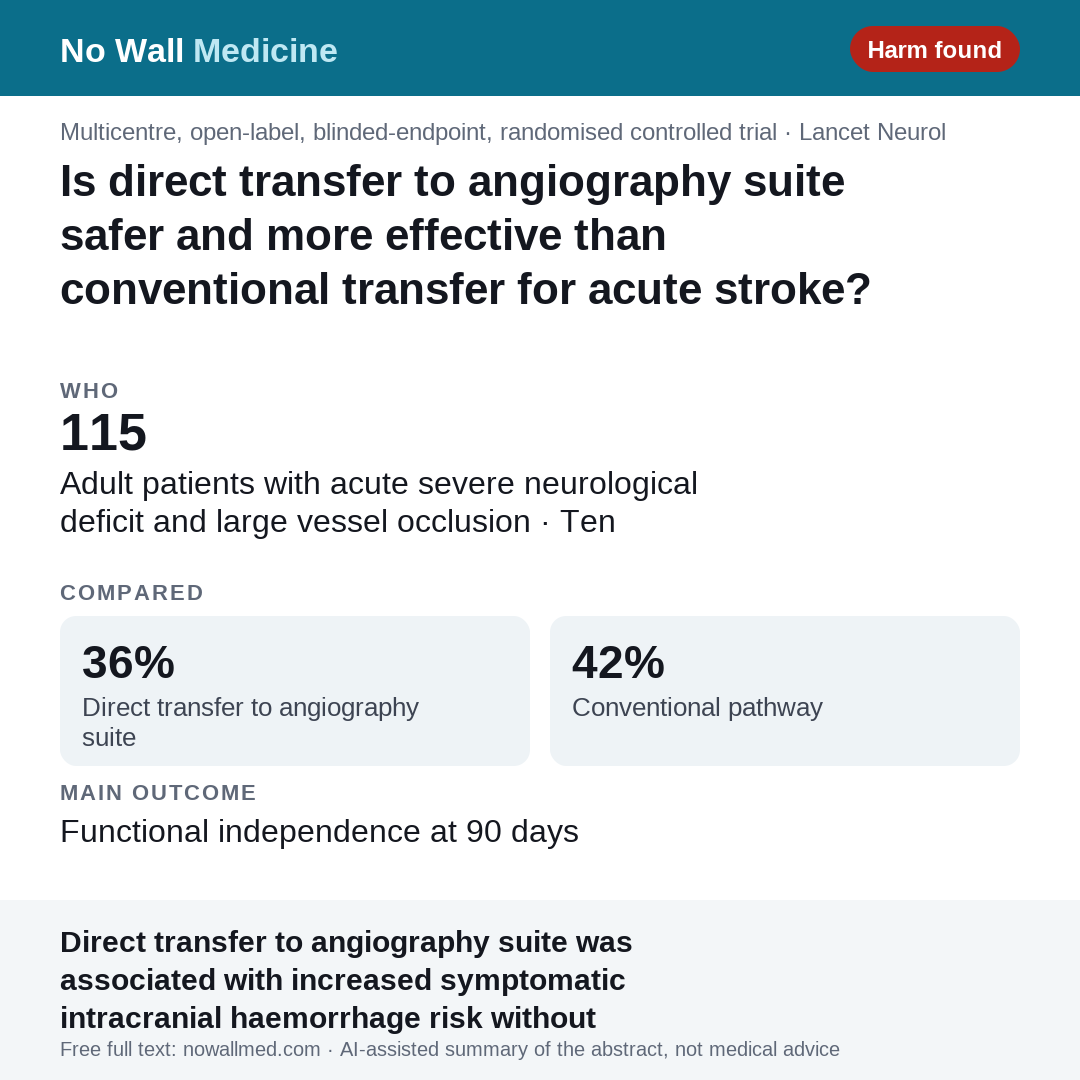
Safety and efficacy of direct versus conventional transfer to angiography suite in patients with severe acute stroke treated with thrombectomy (DIRECT ANGIO) in France: a multicentre, open-label, blinded-endpoint, randomised controlled trial
Multicentre, open-label, blinded-endpoint, randomised controlled trialHarm found
Is direct transfer to angiography suite safer and more effective than conventional transfer for acute stroke?
Who
115
Adult patients with acute severe neurological deficit and large vessel occlusion · Ten comprehensive stroke centres in France
Compared
36%Direct transfer to angiography suite
42%Conventional pathway
Main outcome
Functional independence at 90 days
Result: adjusted odds ratio 0.73 (95% CI 0.32 to 1.69)
Bottom line: Direct transfer to angiography suite was associated with increased symptomatic intracranial haemorrhage risk without improving functional outcomes.
Limitation: The trial was stopped early for safety reasons, limiting precision due to small sample size.
Funded by: French Ministry of Health and Medtronic
Lancet Neurol · 2026-03-22Download image
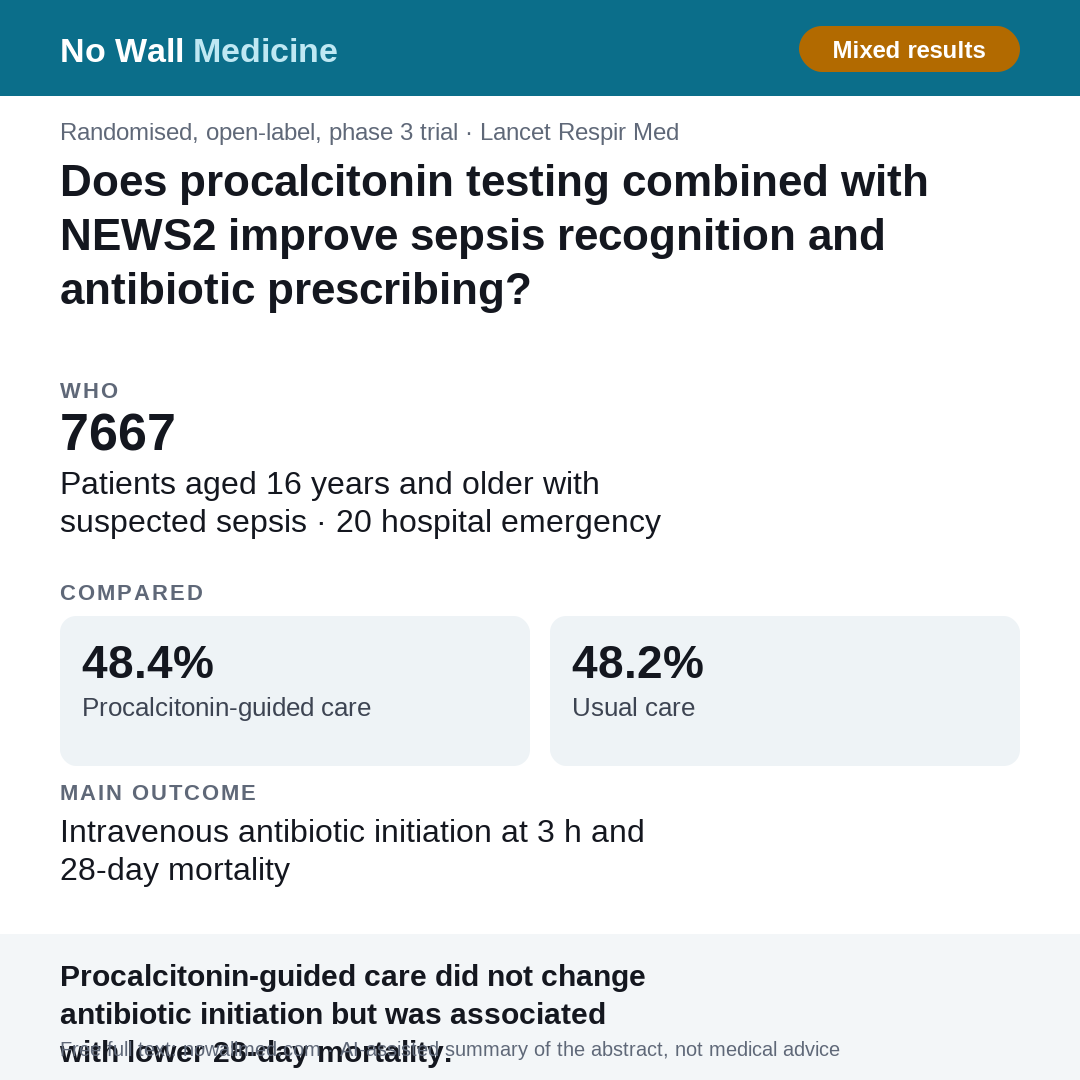
Procalcitonin testing combined with NEWS2 evaluation compared with usual care based on NEWS2 for identification of sepsis and antibiotic initiation in the emergency department in England and Wales (PRONTO): a multicentre, randomised, controlled, open-label, phase 3 trial
Randomised, open-label, phase 3 trialMixed results
Does procalcitonin testing combined with NEWS2 improve sepsis recognition and antibiotic prescribing?
Who
7667
Patients aged 16 years and older with suspected sepsis · 20 hospital emergency departments in England and Wales
Compared
48.4%Procalcitonin-guided care (1325/2738)
48.2%Usual care (1308/2715)
Main outcome
Intravenous antibiotic initiation at 3 h and 28-day mortality
Result: adjusted risk difference -0.08 percentage points, 95% CI -2.58 to 2.42
Bottom line: Procalcitonin-guided care did not change antibiotic initiation but was associated with lower 28-day mortality.
Lancet Respir Med · 2026-03-22Download image
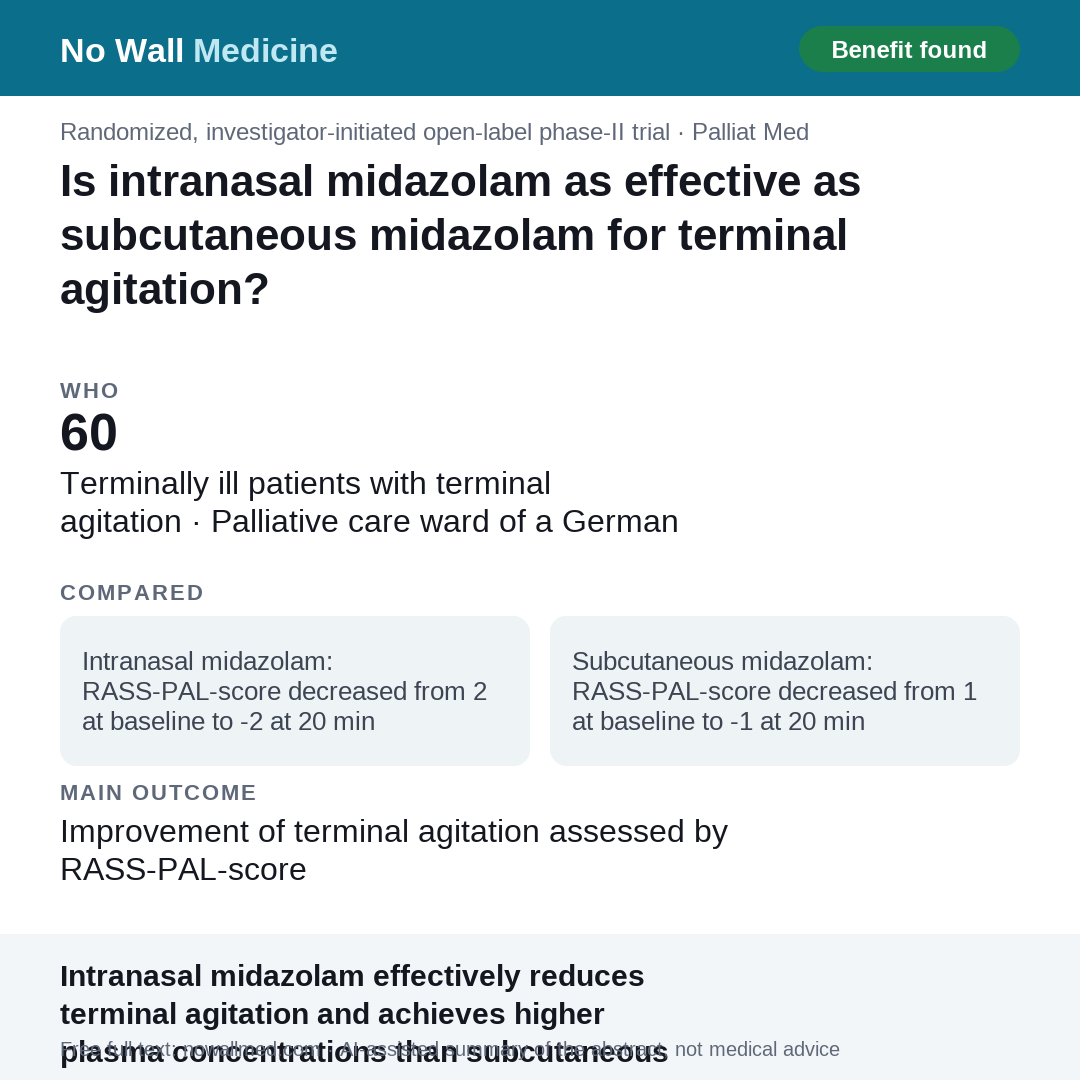
A randomized controlled clinical trial of intranasal versus subcutaneous midazolam for agitation in terminal illness (MinTU study)
Randomized, investigator-initiated open-label phase-II trialBenefit found
Is intranasal midazolam as effective as subcutaneous midazolam for terminal agitation?
Who
60
Terminally ill patients with terminal agitation · Palliative care ward of a German University Hospital
Compared
Intranasal midazolam: RASS-PAL-score decreased from 2 at baseline to -2 at 20 min
Subcutaneous midazolam: RASS-PAL-score decreased from 1 at baseline to -1 at 20 min
Main outcome
Improvement of terminal agitation assessed by RASS-PAL-score
Bottom line: Intranasal midazolam effectively reduces terminal agitation and achieves higher plasma concentrations than subcutaneous administration.
Palliat Med · 2026-03-22Download image
Healthcare-seeking behavior for obstetrical fistula and its determinant factors in sub-Saharan Africa: systematic review and meta-analysis protocol
Systematic review and meta-analysisUnclear result
Healthcare seeking for obstetrical fistula in Africa
Who
Women with obstetrical fistula in sub-Saharan Africa · sub-Saharan Africa
Compared
Women seeking care
Women not seeking care
Main outcome
Healthcare seeking behavior
Bottom line: No results yet, study in progress
AJOG Glob Rep · 2026-03-22Download image
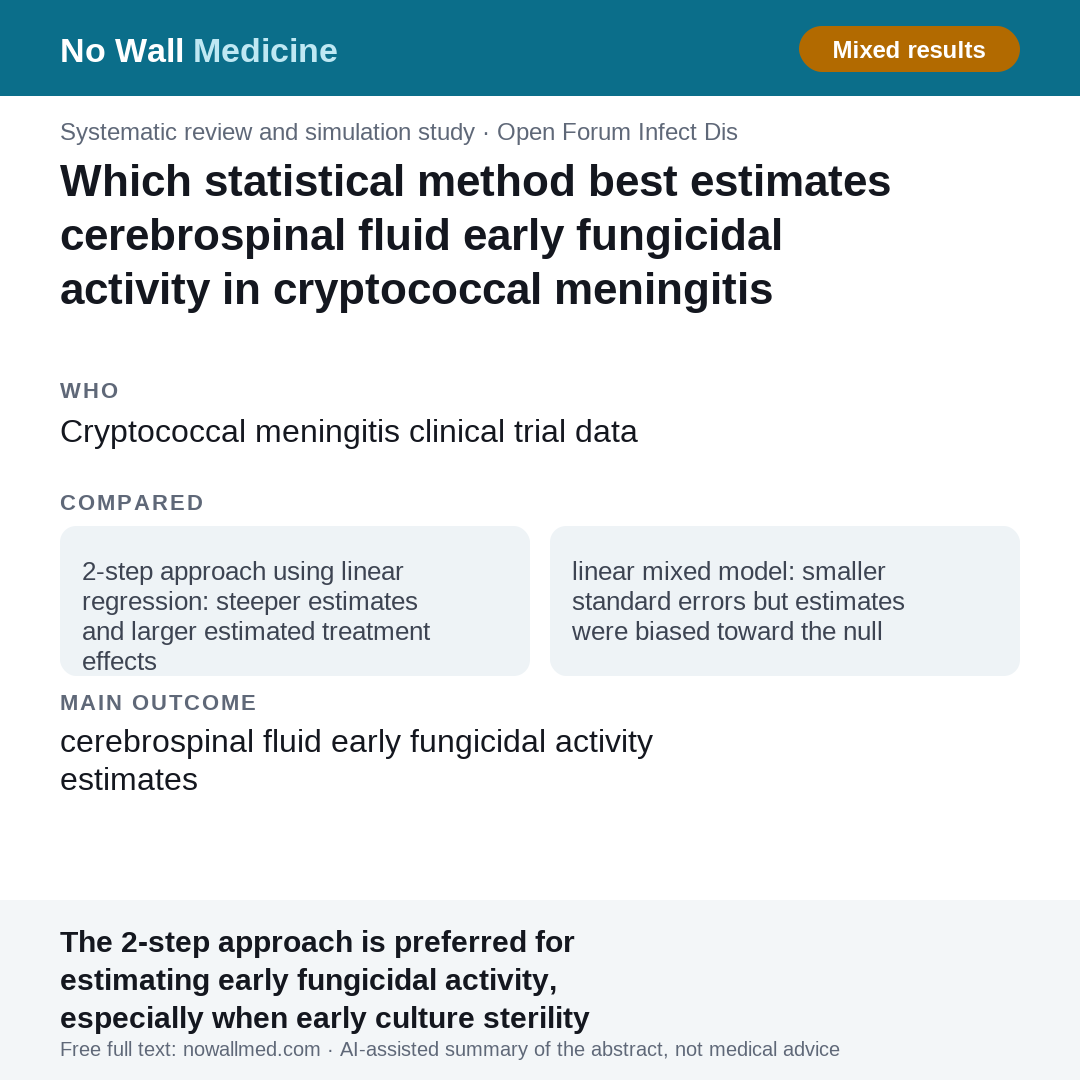
Assessing Statistical Methods for Estimating the Cerebrospinal Fluid Early Fungicidal Activity as an Endpoint for Cryptococcal Meningitis Clinical Trials: A Systematic Review and Simulation Study
Systematic review and simulation studyMixed results
Which statistical method best estimates cerebrospinal fluid early fungicidal activity in cryptococcal meningitis trials?
Who
Cryptococcal meningitis clinical trial data
Compared
2-step approach using linear regression: steeper estimates and larger estimated treatment effects
linear mixed model: smaller standard errors but estimates were biased toward the null
Main outcome
cerebrospinal fluid early fungicidal activity estimates
Bottom line: The 2-step approach is preferred for estimating early fungicidal activity, especially when early culture sterility occurs.
Open Forum Infect Dis · 2026-03-22Download image
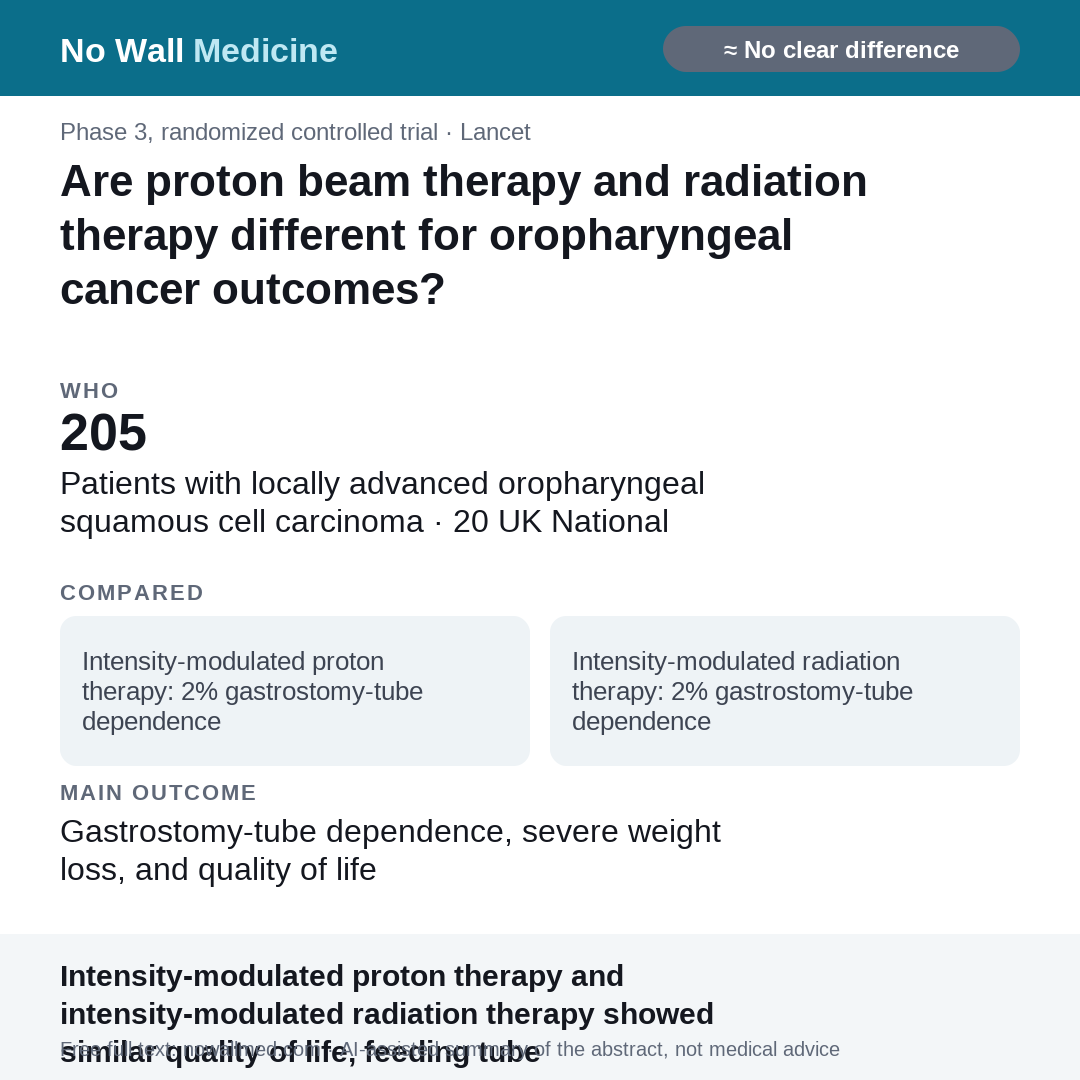
Proton beam therapy for oropharyngeal cancer (TORPEdO): a phase 3, randomised controlled trial
Phase 3, randomized controlled trialNo clear difference
Are proton beam therapy and radiation therapy different for oropharyngeal cancer outcomes?
Who
205
Patients with locally advanced oropharyngeal squamous cell carcinoma · 20 UK National Health Service hospitals
Compared
Intensity-modulated proton therapy: 2% gastrostomy-tube dependence
Intensity-modulated radiation therapy: 2% gastrostomy-tube dependence
Main outcome
Gastrostomy-tube dependence, severe weight loss, and quality of life
Result: combined odds ratio 2·80 (97·5% CI 0·75 to 10·4)
Bottom line: Intensity-modulated proton therapy and intensity-modulated radiation therapy showed similar quality of life, feeding tube dependence, and survival.
Funded by: Cancer Research UK
Lancet · 2026-03-21Download image