Visual abstracts
New randomized trials and meta-analyses from leading journals at a glance: who was studied, what was compared, and what was found. Every paper is free to read in full.
All specialtiesCardiology 4877Oncology 4138Gastroenterology & Hepatology 1942Infectious Disease 3837Neurology 1905Psychiatry & Mental Health 2273Pulmonology 2143Critical Care 1365Endocrinology & Diabetes 2580Pediatrics 2980Surgery 2559Orthopedics & Sports Medicine 931Neurosurgery 537Cardiothoracic & Vascular Surgery 674Plastic & Reconstructive Surgery 591Nephrology 1133Rheumatology 823Hematology 1109Dermatology 621Ophthalmology 543Obstetrics & Gynecology 1686Public & Global Health 1058Radiology & Imaging 648Anesthesiology 986Urology 764ENT (Otolaryngology) 503Emergency Medicine 511Allergy & Immunology 313Geriatrics 981Family Medicine & Primary Care 562Medical Genetics & Genomics 676Pathology & Laboratory Medicine 159Physical Medicine & Rehabilitation 757Palliative Care 444Nutrition 1588Digital Health & AI 2201General Medicine 321
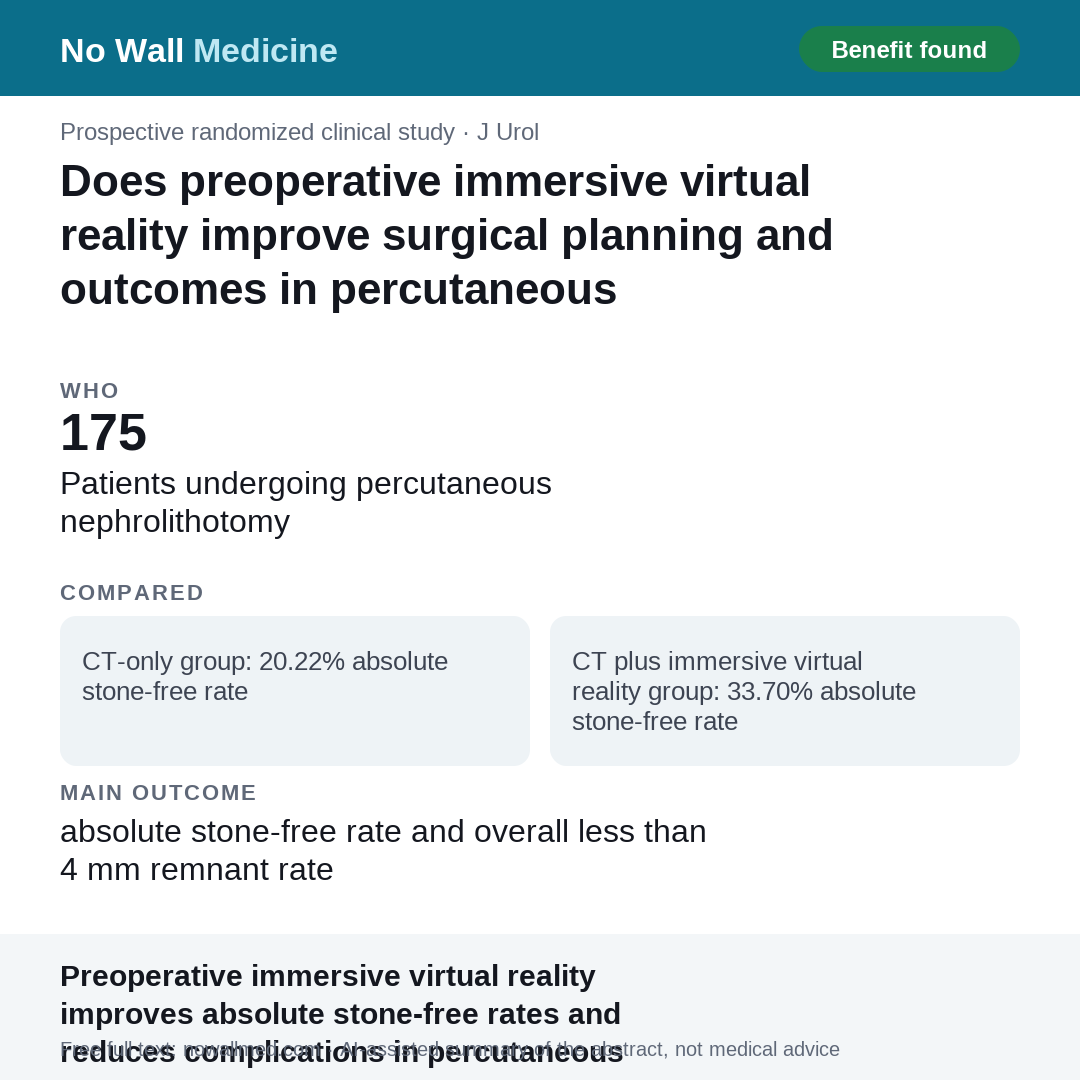
Preoperative Immersive Virtual Reality Applied to Percutaneous Nephrolithotomy: A Prospective Randomized Clinical Study of Surgical Planning and Clinical Outcomes
Prospective randomized clinical studyBenefit found
Does preoperative immersive virtual reality improve surgical planning and outcomes in percutaneous nephrolithotomy?
Who
175
Patients undergoing percutaneous nephrolithotomy
Compared
CT-only group: 20.22% absolute stone-free rate
CT plus immersive virtual reality group: 33.70% absolute stone-free rate
Main outcome
absolute stone-free rate and overall less than 4 mm remnant rate
Bottom line: Preoperative immersive virtual reality improves absolute stone-free rates and reduces complications in percutaneous nephrolithotomy.
J Urol · 2024-10-31Download image
Fat embolism: a systematic review to facilitate the development of standardised procedures in pathology
Systematic reviewUnclear result
What is the current scientific evidence regarding fat embolism in forensic pathology?
Who
58 articles including 45 case reports and 21 experimental studies
Compared
Case reports
Experimental studies
Main outcome
Aetiopathogenesis, causal role in death, and diagnostic methodologies
Bottom line: The review provides an overview of fat embolism but notes diagnostic techniques have not yet bridged the reliability gap.
Limitation: Lack of detailed premortem clinical information and methodological heterogeneity in included studies.
Histopathology · 2024-10-31Download image

Effects of Varying Protein Amounts and Types on Diet-Induced Thermogenesis: A Systematic Review and Meta-Analysis
Systematic review and meta-analysisBenefit found
How do different amounts and types of protein impact diet-induced thermogenesis and energy expenditure?
Who
52
Participants in studies of acute meals or longer-term diets
Compared
Higher protein
Lower protein
Main outcome
diet-induced thermogenesis and total daily energy expenditure
Result: SMD 0.45 (95% CI 0.26, 0.65) for acute diet-induced thermogenesis
Bottom line: Higher protein intake increases diet-induced thermogenesis and total daily energy expenditure in acute and chronic settings.
Adv Nutr · 2024-10-31Download image

Seroprevalence of seven arboviruses of public health importance in sub-Saharan Africa: a systematic review and meta-analysis
Systematic review and meta-analysisMixed results
What is the seroprevalence of seven arboviruses in sub-Saharan Africa?
Who
186332
Human populations residing in sub-Saharan Africa · 27 countries in sub-Saharan Africa
Compared
23.7%Chikungunya virus (17.9-30.0%)
22.7%dengue virus (17.5-28.4%)
22.6%West Nile virus (14.1-32.5%)
16.4%yellow fever virus (7.1-28.5%)
Main outcome
Immunoglobulin G antibody seroprevalence
Bottom line: Significant circulation of seven arboviruses was found in sub-Saharan Africa, highlighting the need for surveillance and vaccine planning.
Limitation: Seroprevalence differed considerably between countries, study populations, age categories, sample sizes and laboratory methods.
BMJ Glob Health · 2024-10-31Download image

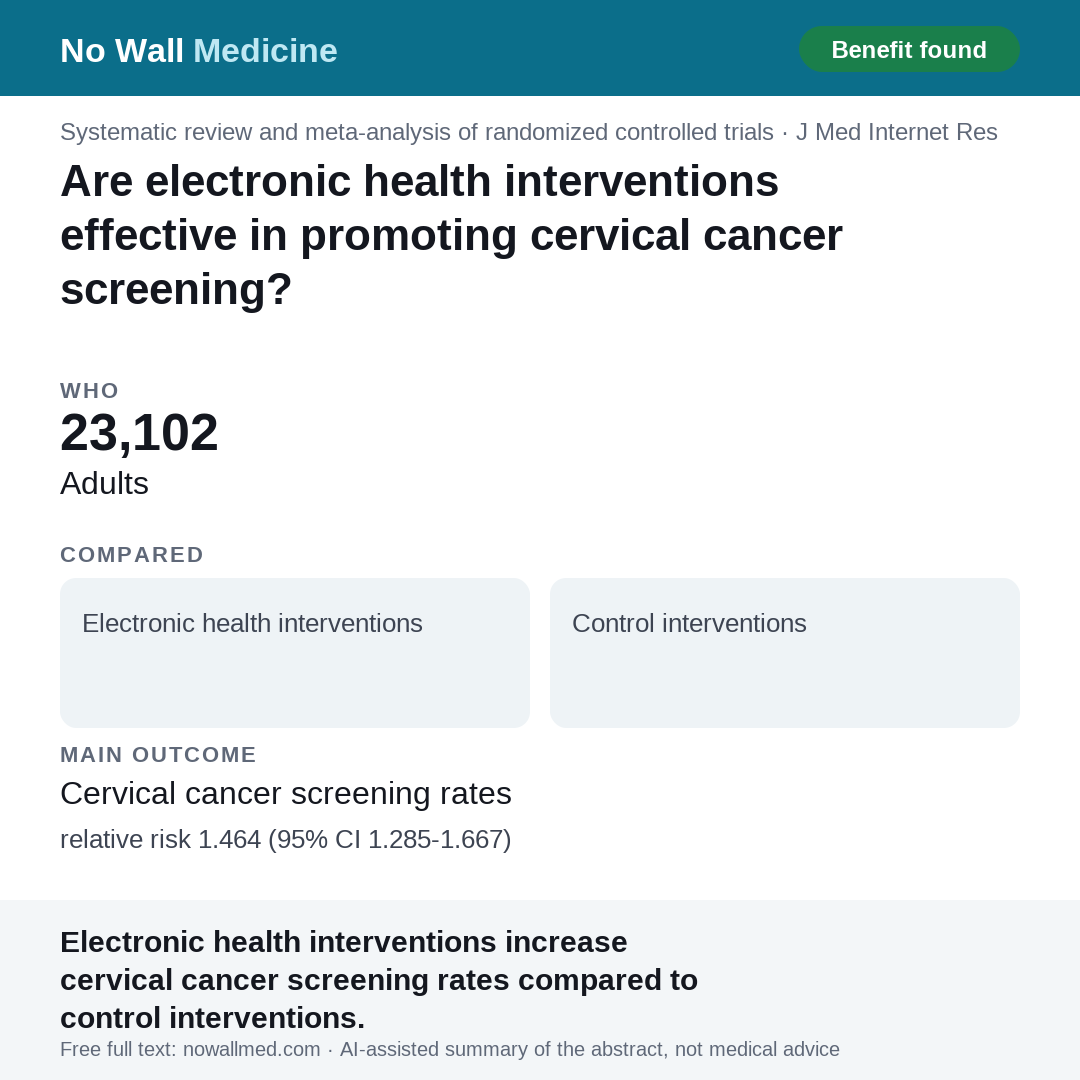
Electronic Health Interventions and Cervical Cancer Screening: Systematic Review and Meta-Analysis
Systematic review and meta-analysis of randomized controlled trialsBenefit found
Are electronic health interventions effective in promoting cervical cancer screening?
Who
23,102
Adults
Compared
Electronic health interventions
Control interventions
Main outcome
Cervical cancer screening rates
Result: relative risk 1.464 (95% CI 1.285-1.667)
Bottom line: Electronic health interventions increase cervical cancer screening rates compared to control interventions.
Limitation: Significant heterogeneity remained in this meta-analysis.
J Med Internet Res · 2024-10-31Download image
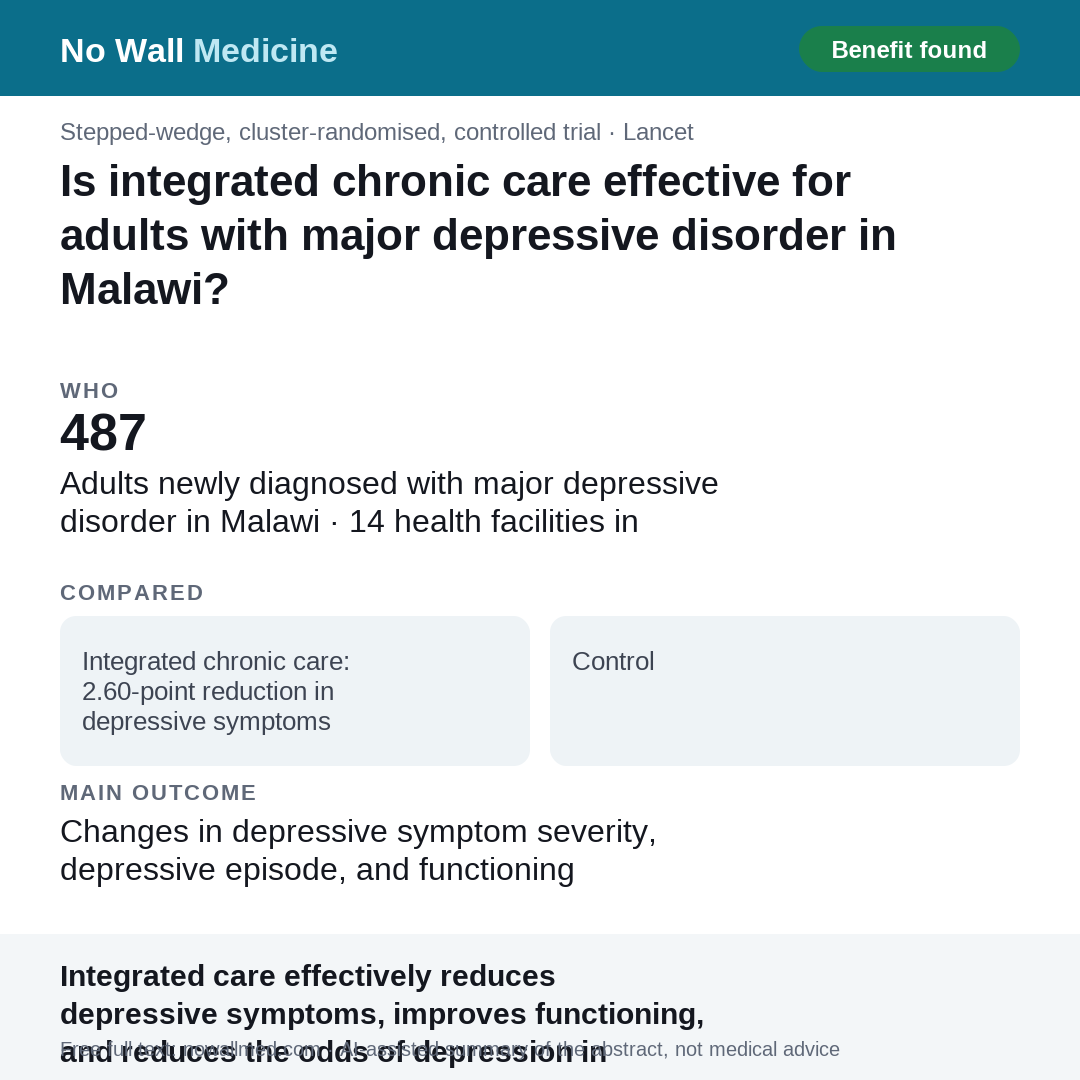
Effectiveness, cost-effectiveness, and positive externalities of integrated chronic care for adults with major depressive disorder in Malawi (IC3D): a stepped-wedge, cluster-randomised, controlled trial
Stepped-wedge, cluster-randomised, controlled trialBenefit found
Is integrated chronic care effective for adults with major depressive disorder in Malawi?
Who
487
Adults newly diagnosed with major depressive disorder in Malawi · 14 health facilities in Neno District, Malawi
Compared
Integrated chronic care: 2.60-point reduction in depressive symptoms
Control
Main outcome
Changes in depressive symptom severity, depressive episode, and functioning
Result: adjusted odds ratio 0.62 (95% CI 0.51 to 0.74)
Bottom line: Integrated care effectively reduces depressive symptoms, improves functioning, and reduces the odds of depression in Malawi.
Funded by: National Institute of Mental Health
Lancet · 2024-10-30Download image
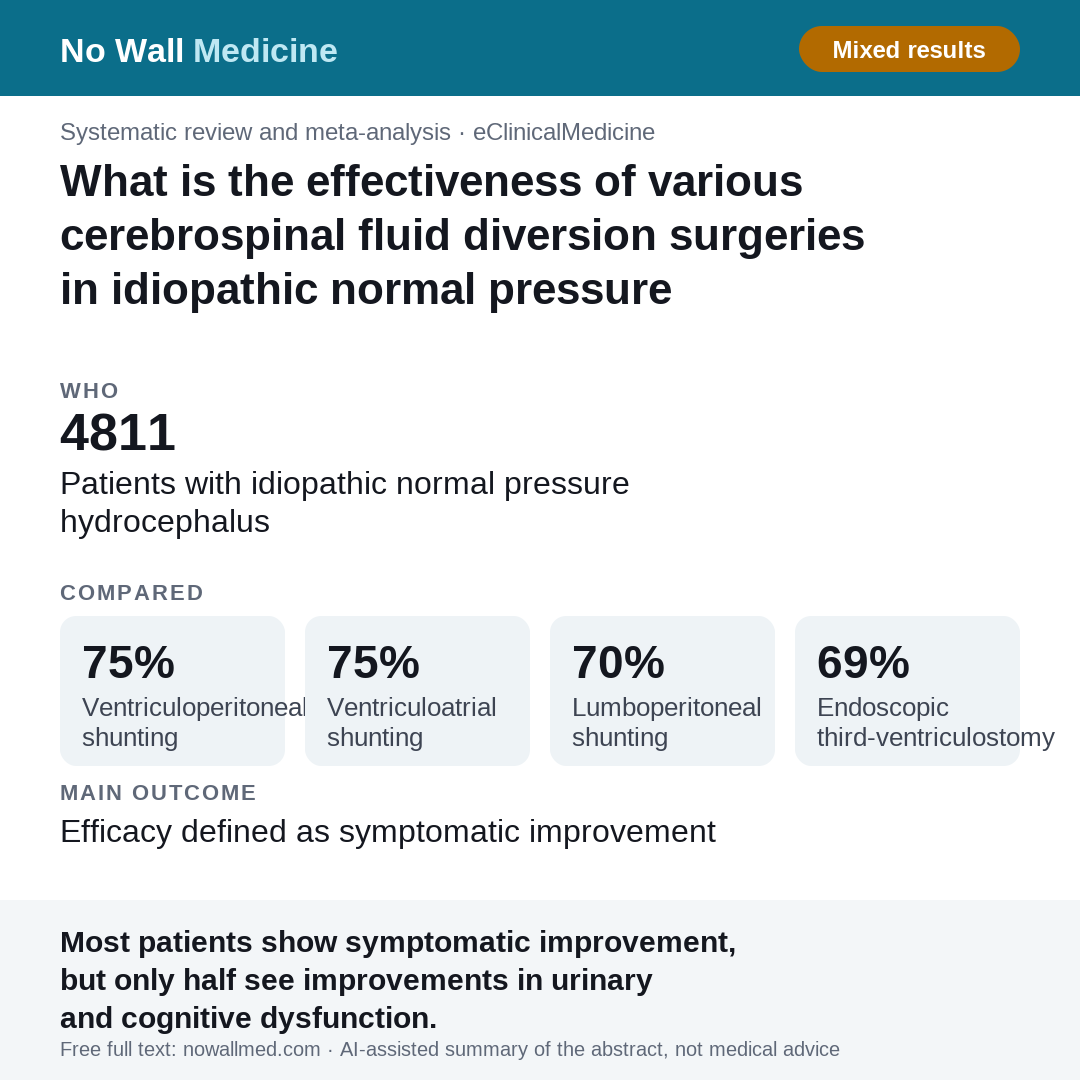
The effectiveness of various CSF diversion surgeries in idiopathic normal pressure hydrocephalus: a systematic review and meta-analysis
Systematic review and meta-analysisMixed results
What is the effectiveness of various cerebrospinal fluid diversion surgeries in idiopathic normal pressure hydrocephalus?
Who
4811
Patients with idiopathic normal pressure hydrocephalus
Compared
75%Ventriculoperitoneal shunting (95% CI 70-79%)
75%Ventriculoatrial shunting (95% CI: 70-80%)
70%Lumboperitoneal shunting (95% CI: 52-83%)
69%Endoscopic third-ventriculostomy (95% CI: 58-78%)
Main outcome
Efficacy defined as symptomatic improvement
Result: more than 74% (95% CI: 70-78%)
Bottom line: Most patients show symptomatic improvement, but only half see improvements in urinary and cognitive dysfunction.
Limitation: The stagnant efficacy and frequent complications highlight the need for improved patient selection criteria.
eClinicalMedicine · 2024-10-30Download image
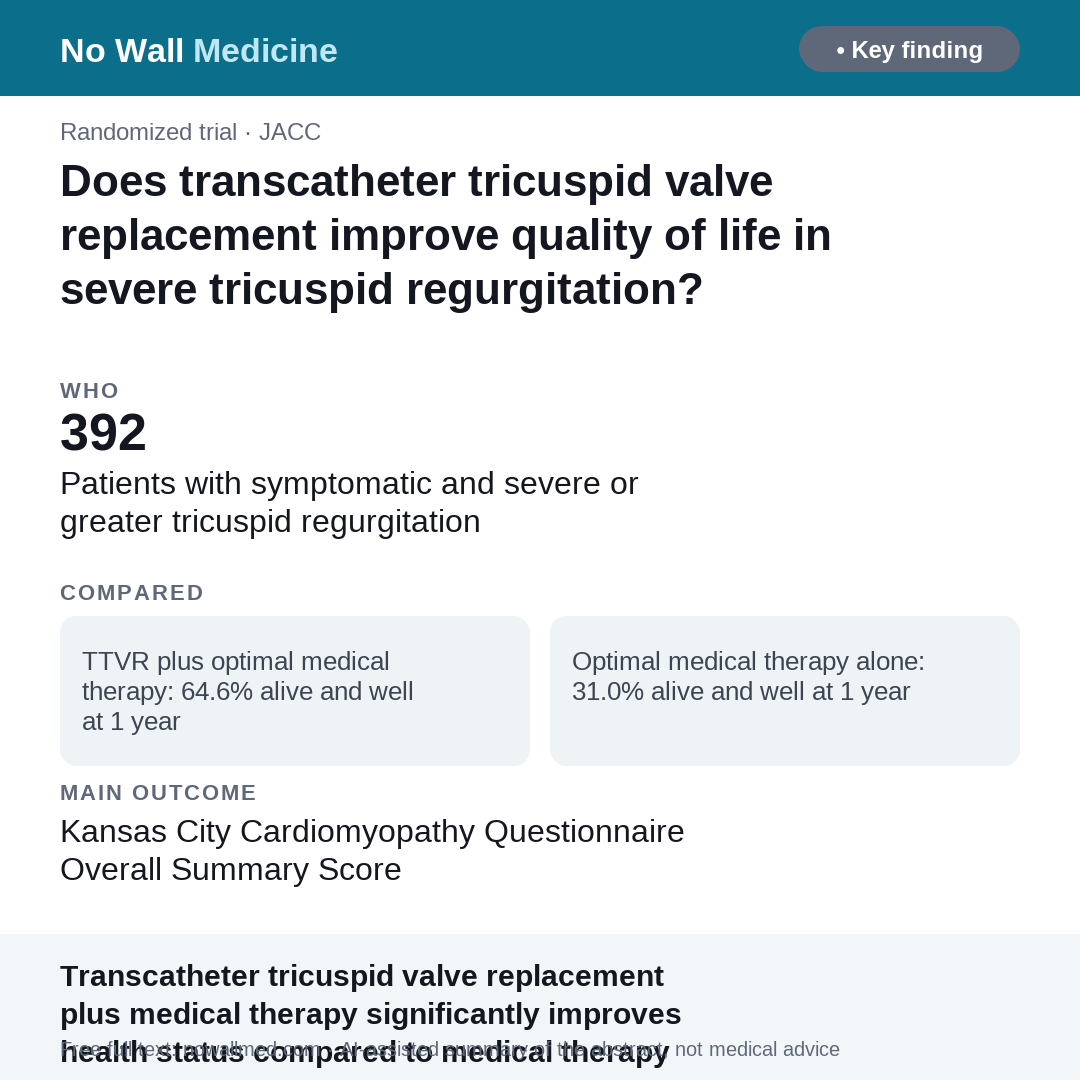
Quality of Life After Transcatheter Tricuspid Valve Replacement: 1-Year Results From TRISCEND II Pivotal Trial
Randomized trialBenefit found
Does transcatheter tricuspid valve replacement improve quality of life in severe tricuspid regurgitation?
Who
392
Patients with symptomatic and severe or greater tricuspid regurgitation
Compared
TTVR plus optimal medical therapy: 64.6% alive and well at 1 year
Optimal medical therapy alone: 31.0% alive and well at 1 year
Main outcome
Kansas City Cardiomyopathy Questionnaire Overall Summary Score
Result: 17.8 points (95% CI: 13.0-22.5 points) at 1 year
Bottom line: Transcatheter tricuspid valve replacement plus medical therapy significantly improves health status compared to medical therapy alone.
JACC · 2024-10-30Download image
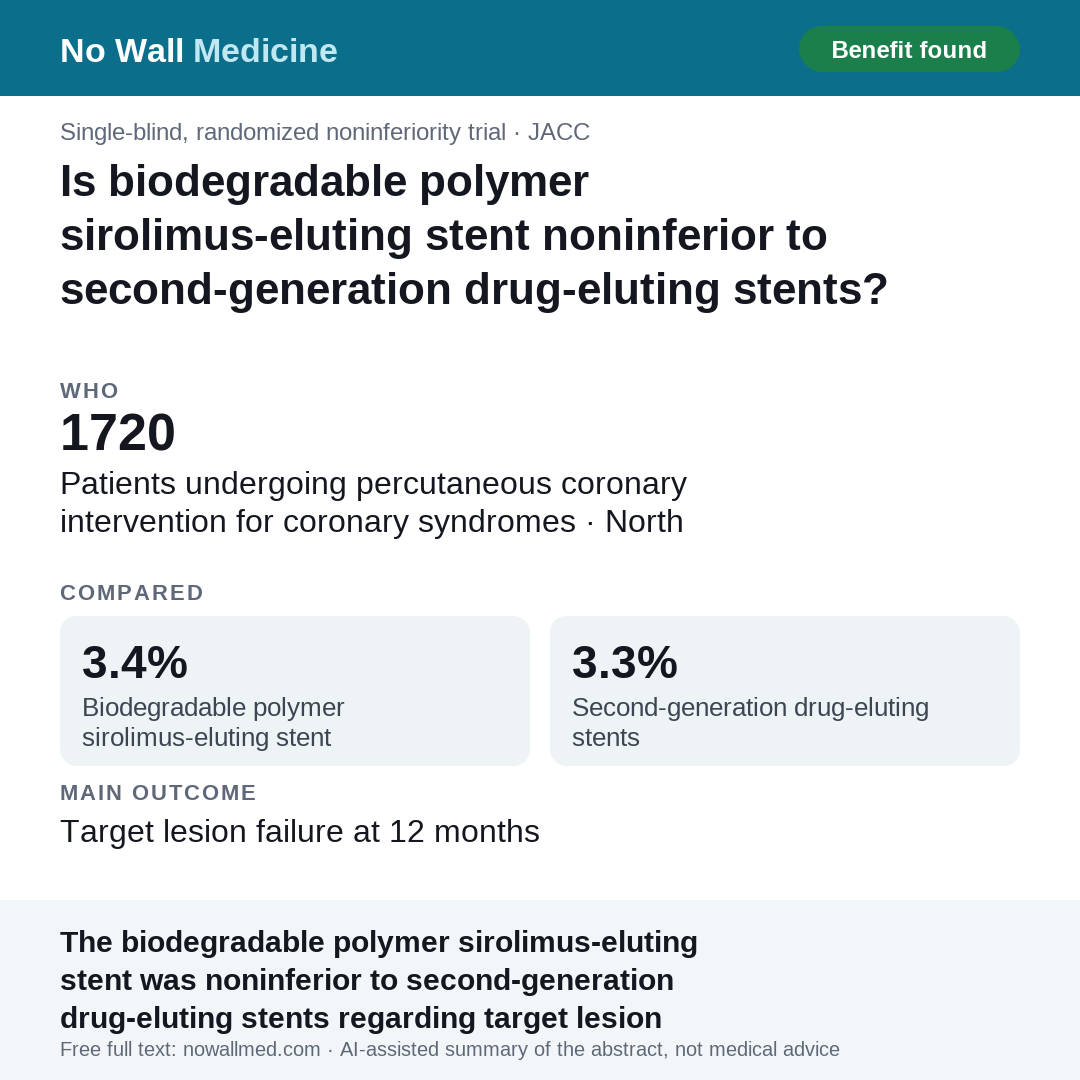
Randomized Comparison of Novel Low-Dose Sirolimus-Eluting Biodegradable Polymer Stent vs Second-Generation DES: TARGET-IV NA Trial
Single-blind, randomized noninferiority trialBenefit found
Is biodegradable polymer sirolimus-eluting stent noninferior to second-generation drug-eluting stents?
Who
1720
Patients undergoing percutaneous coronary intervention for coronary syndromes · North America and Europe
Compared
3.4%Biodegradable polymer sirolimus-eluting stent
3.3%Second-generation drug-eluting stents
Main outcome
Target lesion failure at 12 months
Result: absolute risk difference 0.13%, upper bound 97.5% CI: 2.03
Bottom line: The biodegradable polymer sirolimus-eluting stent was noninferior to second-generation drug-eluting stents regarding target lesion failure at 12 months.
JACC · 2024-10-30Download image
Slowing Cognitive Decline in Major Depressive Disorder and Mild Cognitive Impairment: A Randomized Clinical Trial
Randomized clinical trialBenefit found
Does cognitive remediation plus transcranial direct current stimulation slow cognitive decline in older adults?
Who
375
Older adults with remitted major depressive disorder or mild cognitive impairment · 5 academic hospitals in Toronto, Ontario, Canada
Compared
Cognitive remediation plus transcranial direct current stimulation: 0.21 (95% CI, 0.07 to 0.35) adjusted z score difference
Sham plus sham
Main outcome
Change in global composite cognitive score
Result: adjusted z score difference 0.21 (95% CI, 0.07 to 0.35)
Bottom line: Cognitive remediation plus transcranial direct current stimulation slowed cognitive decline in older adults with remitted major depressive disorder or mild cognitive impairment.
JAMA Psychiatry · 2024-10-30Download image

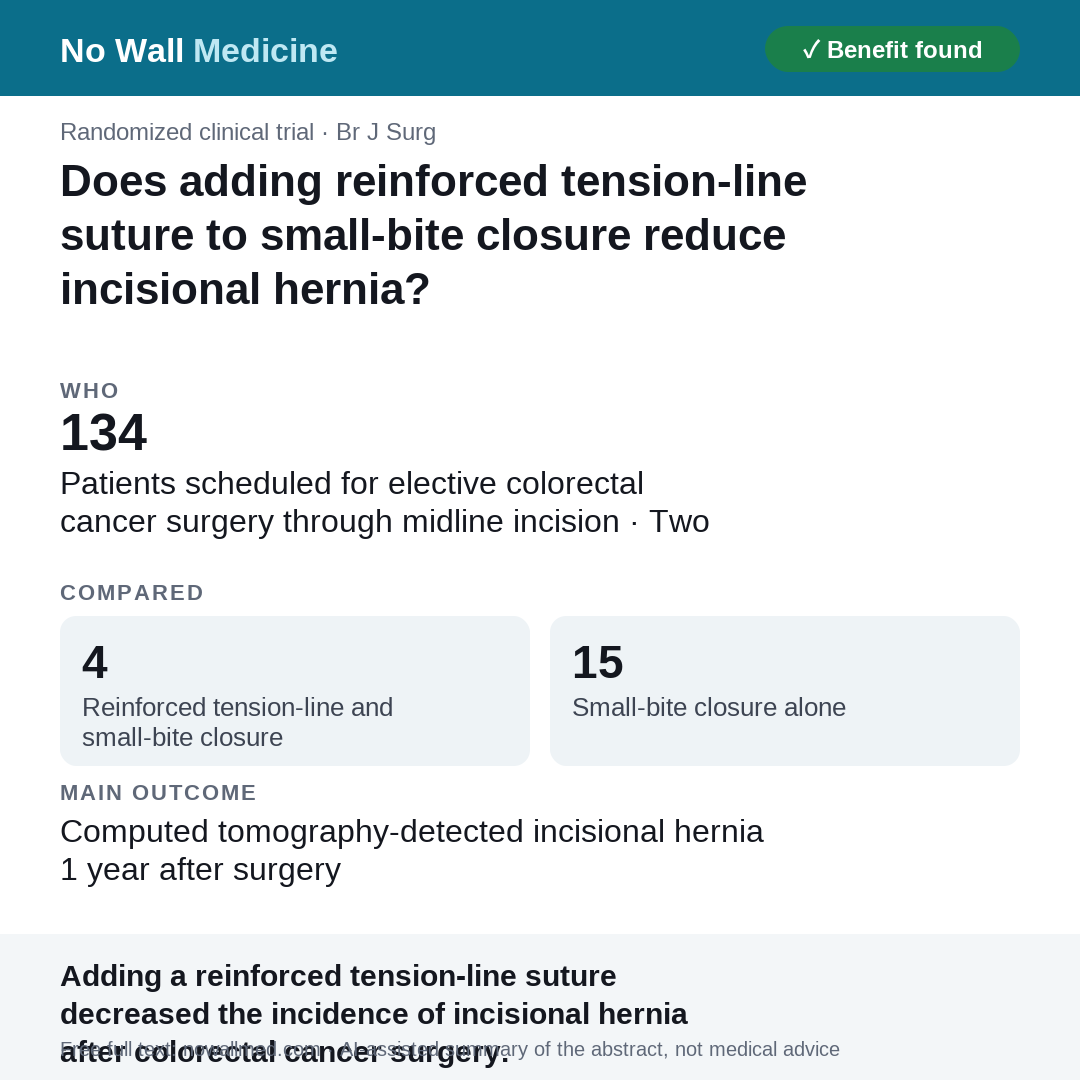
Reinforced tension-line suture after laparotomy: early results of the Rein4CeTo1 randomized clinical trial
Randomized clinical trialBenefit found
Does adding reinforced tension-line suture to small-bite closure reduce incisional hernia?
Who
134
Patients scheduled for elective colorectal cancer surgery through midline incision · Two Swedish hospitals
Compared
4Reinforced tension-line and small-bite closure (6%)
15Small-bite closure alone (21%)
Main outcome
Computed tomography-detected incisional hernia 1 year after surgery
Result: odds ratio 3.95 (95% c.i. 1.24 to 12.60)
Bottom line: Adding a reinforced tension-line suture decreased the incidence of incisional hernia after colorectal cancer surgery.
Br J Surg · 2024-10-30Download image
Forimtamig, a novel GPRC5D-targeting T-cell bispecific antibody with a 2+1 format, for the treatment of multiple myeloma
Preclinical study using orthotopic mouse modelsBenefit found
What are the characteristics and efficacy of forimtamig in multiple myeloma?
Who
Multiple myeloma in an orthotopic mouse model
Compared
forimtamig monotherapy
forimtamig with standard-of-care agents: improved depth and duration of response
forimtamig with novel therapeutic agents: prevented occurrence of GPRC5D-negative tumor relapse
Main outcome
tumor cell killing, T-cell activation, and tumor relapse
Bottom line: Forimtamig shows high potency in tumor killing and prevents relapse when combined with other therapies in mouse models.
Limitation: The study was conducted using an orthotopic mouse model.
Blood · 2024-10-30Download image

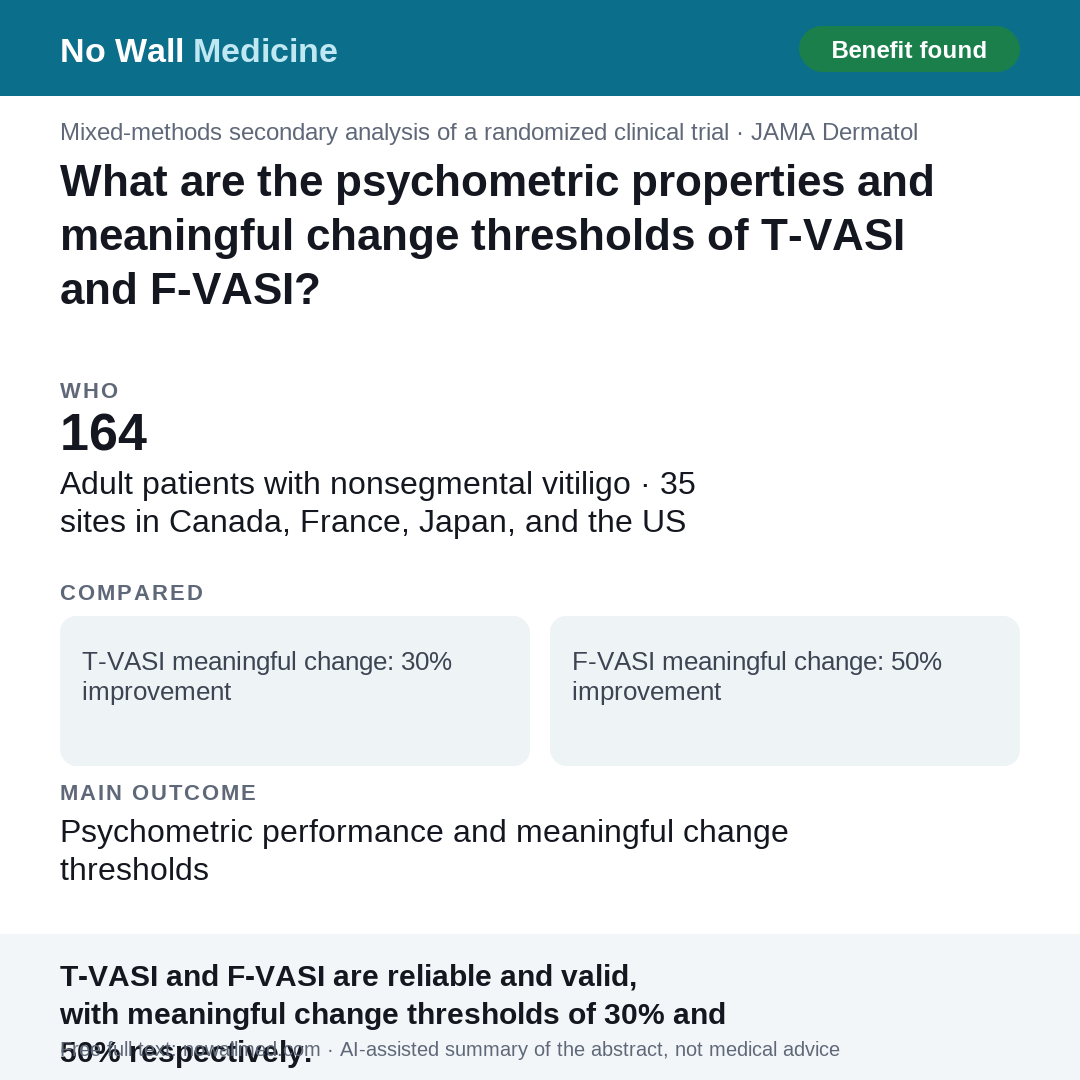
Psychometric Properties and Meaningful Change Thresholds of the Vitiligo Area Scoring Index
Mixed-methods secondary analysis of a randomized clinical trialBenefit found
What are the psychometric properties and meaningful change thresholds of T-VASI and F-VASI?
Who
164
Adult patients with nonsegmental vitiligo · 35 sites in Canada, France, Japan, and the US
Compared
T-VASI meaningful change: 30% improvement
F-VASI meaningful change: 50% improvement
Main outcome
Psychometric performance and meaningful change thresholds
Bottom line: T-VASI and F-VASI are reliable and valid, with meaningful change thresholds of 30% and 50% respectively.
JAMA Dermatol · 2024-10-30Download image
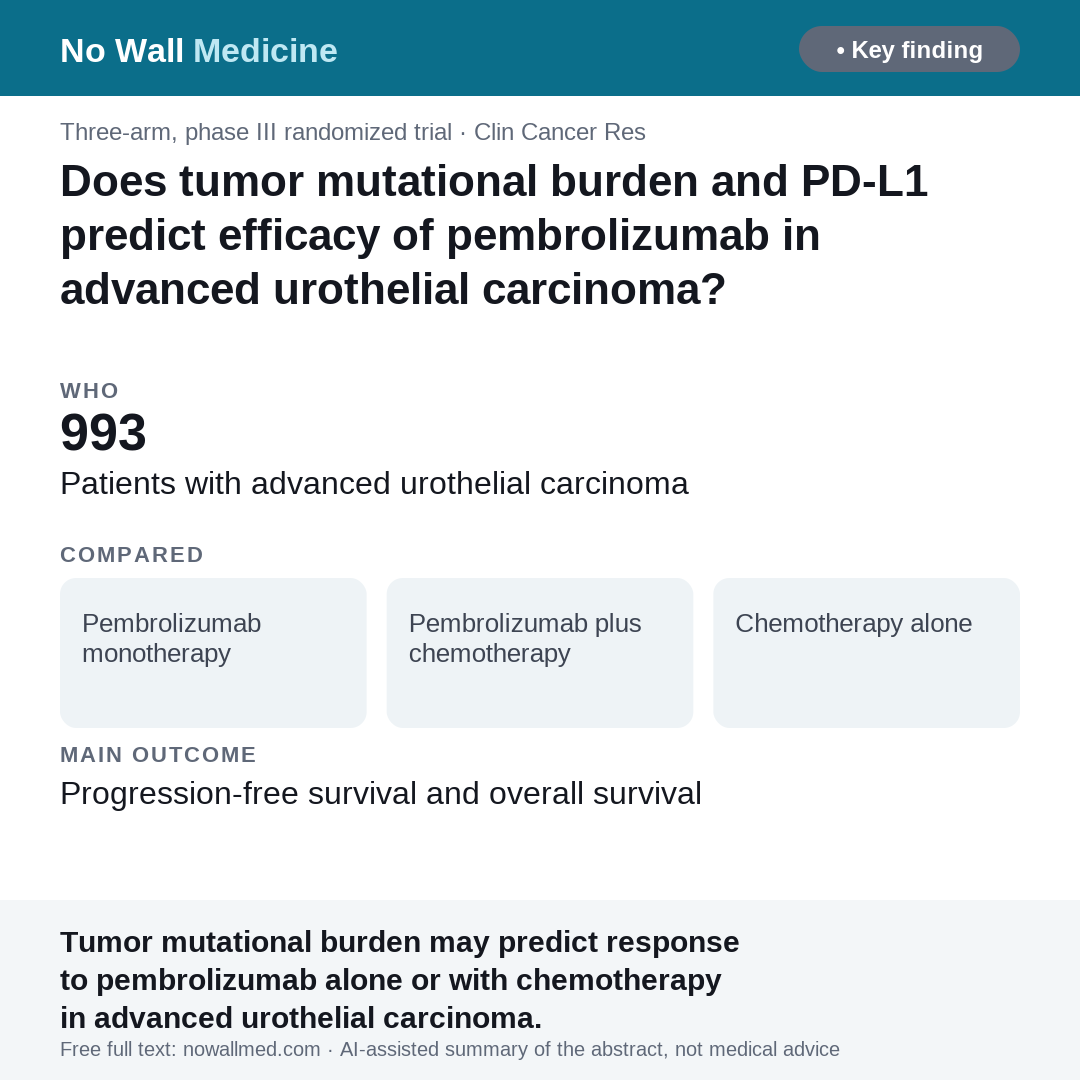
Association of Tumor Mutational Burden and PD-L1 with the Efficacy of Pembrolizumab with or without Chemotherapy versus Chemotherapy in Advanced Urothelial Carcinoma
Three-arm, phase III randomized trialBenefit found
Does tumor mutational burden and PD-L1 predict efficacy of pembrolizumab in advanced urothelial carcinoma?
Who
993
Patients with advanced urothelial carcinoma
Compared
Pembrolizumab monotherapy
Pembrolizumab plus chemotherapy
Chemotherapy alone
Main outcome
Progression-free survival and overall survival
Bottom line: Tumor mutational burden may predict response to pembrolizumab alone or with chemotherapy in advanced urothelial carcinoma.
Clin Cancer Res · 2024-10-30Download image
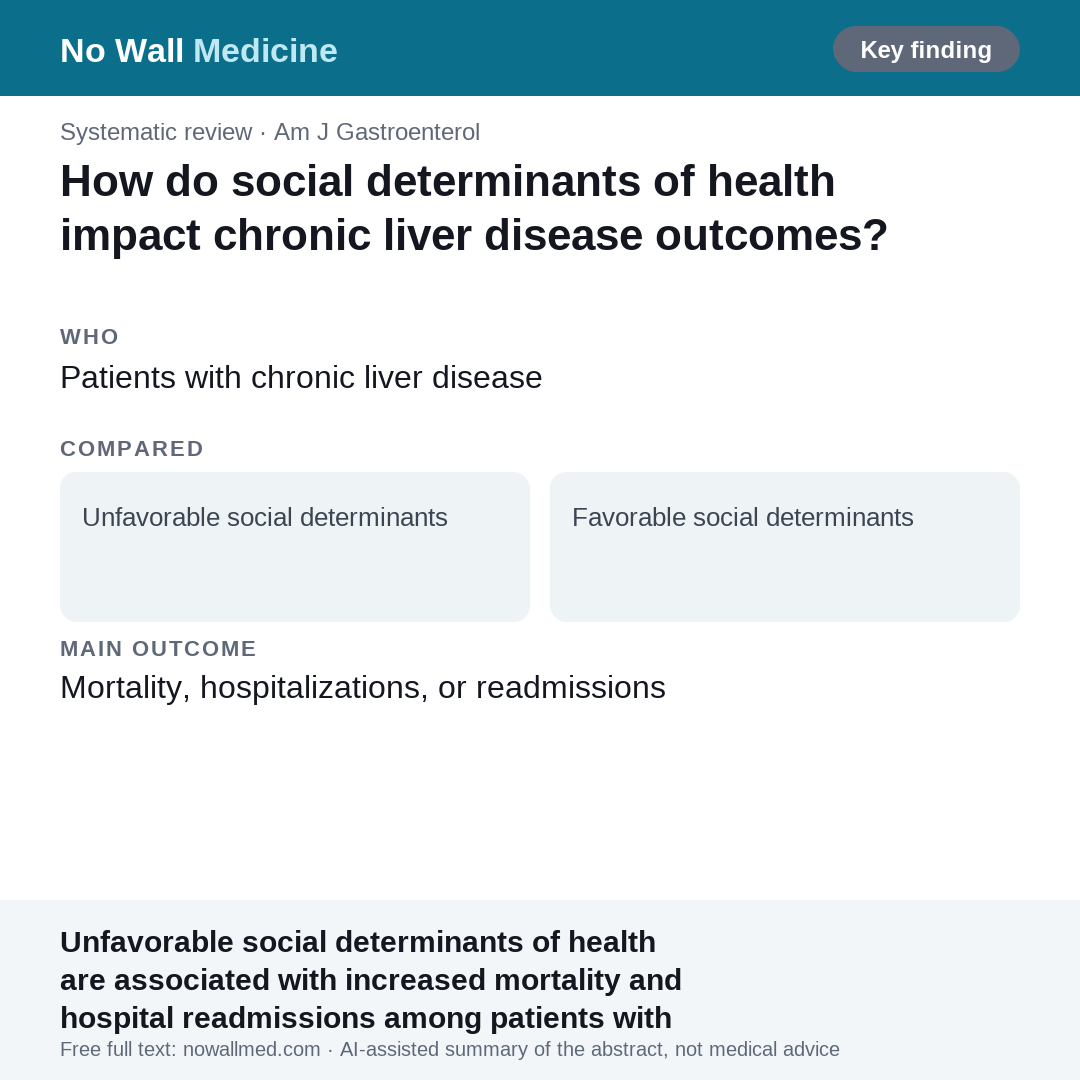
Social Disadvantage and Disparities in Chronic Liver Disease: A Systematic Review
Systematic reviewHarm found
How do social determinants of health impact chronic liver disease outcomes?
Who
27
Patients with chronic liver disease
Compared
Unfavorable social determinants
Favorable social determinants
Main outcome
Mortality, hospitalizations, or readmissions
Bottom line: Unfavorable social determinants of health are associated with increased mortality and hospital readmissions among patients with chronic liver disease.
Limitation: Most included studies had some concern or high risk of bias.
Am J Gastroenterol · 2024-10-30Download image
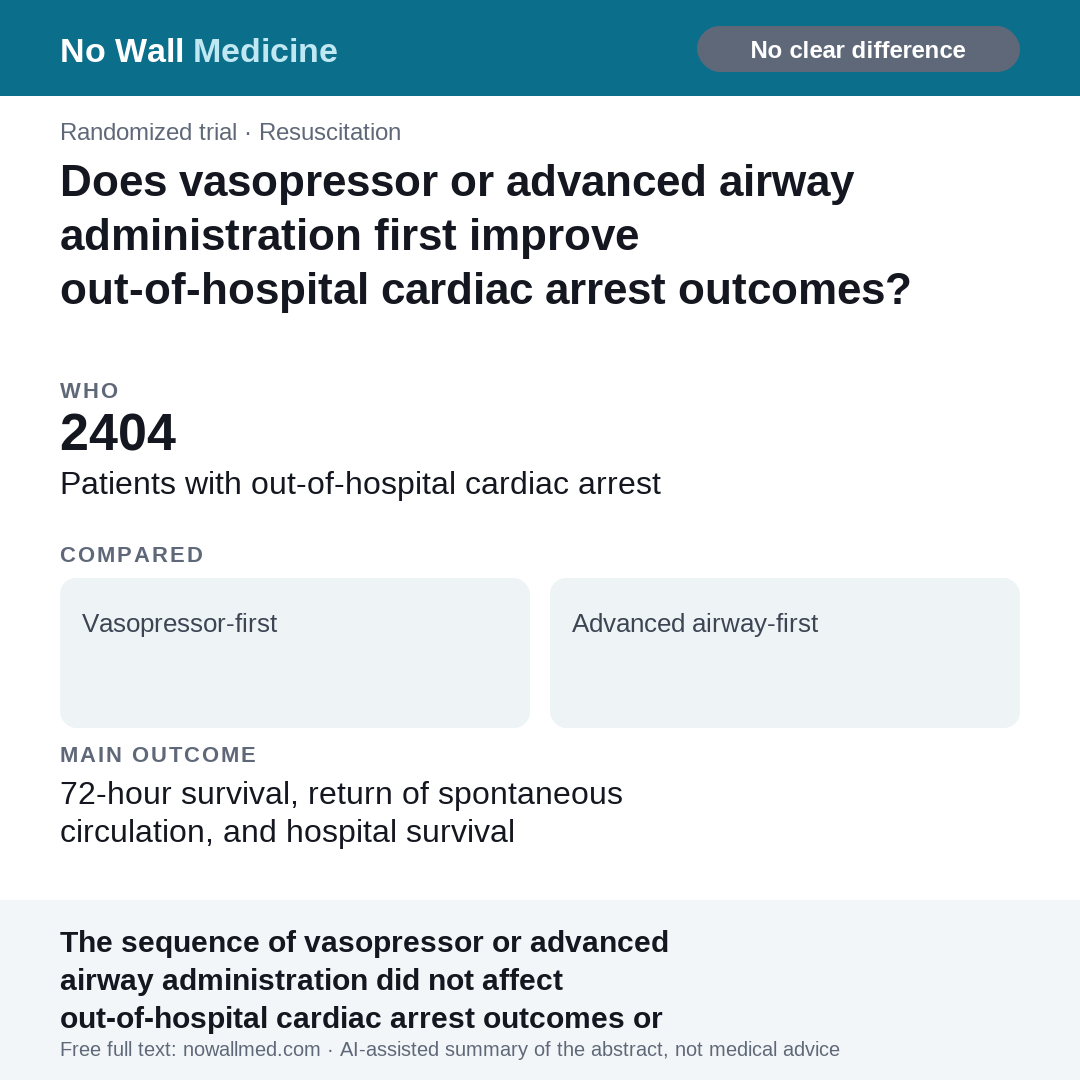
Vasopressor or advanced airway first in cardiac arrest?
Randomized trialNo clear difference
Does vasopressor or advanced airway administration first improve out-of-hospital cardiac arrest outcomes?
Who
2404
Patients with out-of-hospital cardiac arrest
Compared
Vasopressor-first
Advanced airway-first
Main outcome
72-hour survival, return of spontaneous circulation, and hospital survival
Result: adjusted OR 0.96 (95% CI: 0.71-1.31) for 72-hour survival
Bottom line: The sequence of vasopressor or advanced airway administration did not affect out-of-hospital cardiac arrest outcomes or CPR quality.
Resuscitation · 2024-10-30Download image
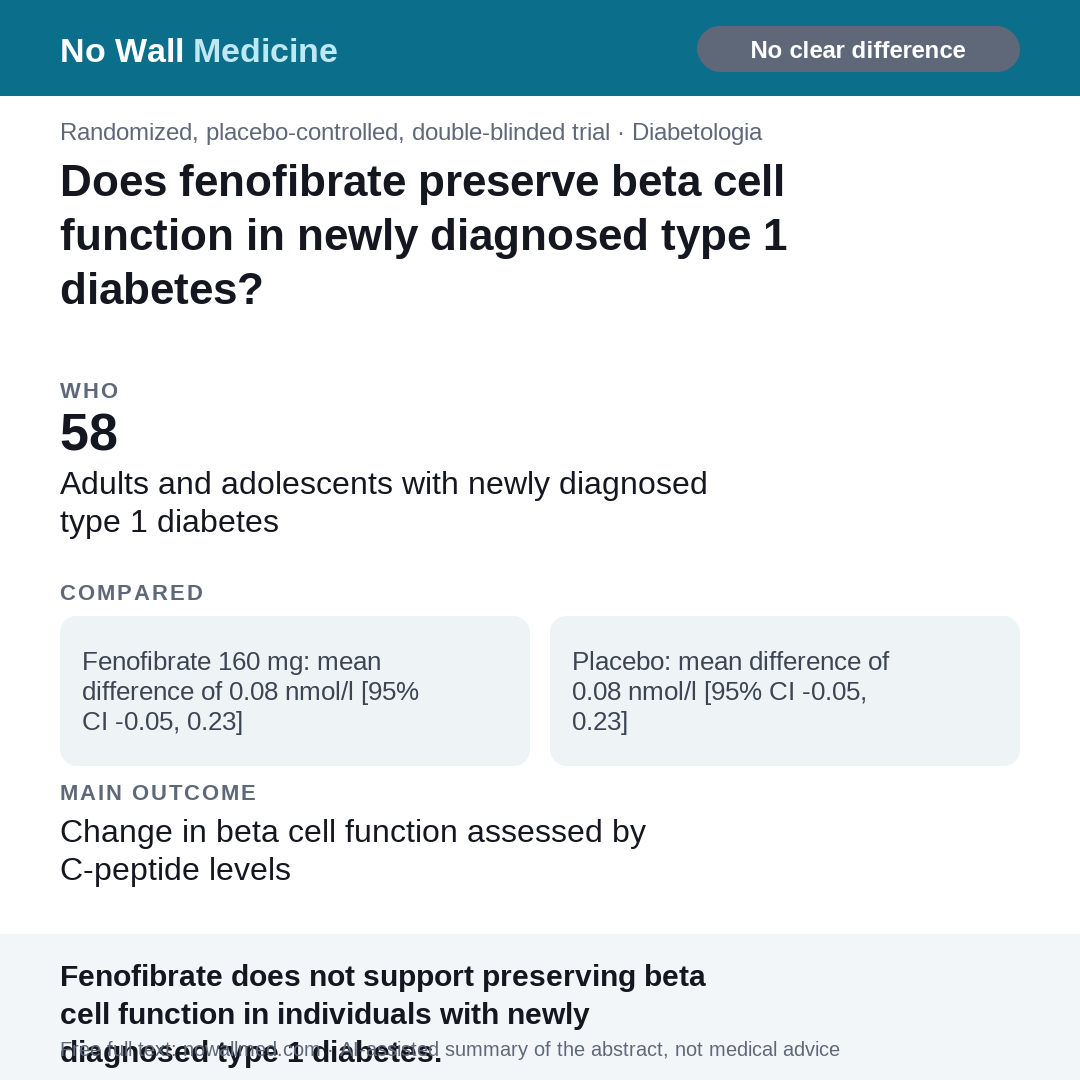
Effect of fenofibrate on residual beta cell function in adults and adolescents with newly diagnosed type 1 diabetes: a randomised clinical trial
Randomized, placebo-controlled, double-blinded trialNo clear difference
Does fenofibrate preserve beta cell function in newly diagnosed type 1 diabetes?
Who
58
Adults and adolescents with newly diagnosed type 1 diabetes
Compared
Fenofibrate 160 mg: mean difference of 0.08 nmol/l [95% CI -0.05, 0.23]
Placebo: mean difference of 0.08 nmol/l [95% CI -0.05, 0.23]
Main outcome
Change in beta cell function assessed by C-peptide levels
Result: mean difference of 0.08 nmol/l [95% CI -0.05, 0.23]
Bottom line: Fenofibrate does not support preserving beta cell function in individuals with newly diagnosed type 1 diabetes.
Funded by: Sehested Hansens Foundation
Diabetologia · 2024-10-30Download image
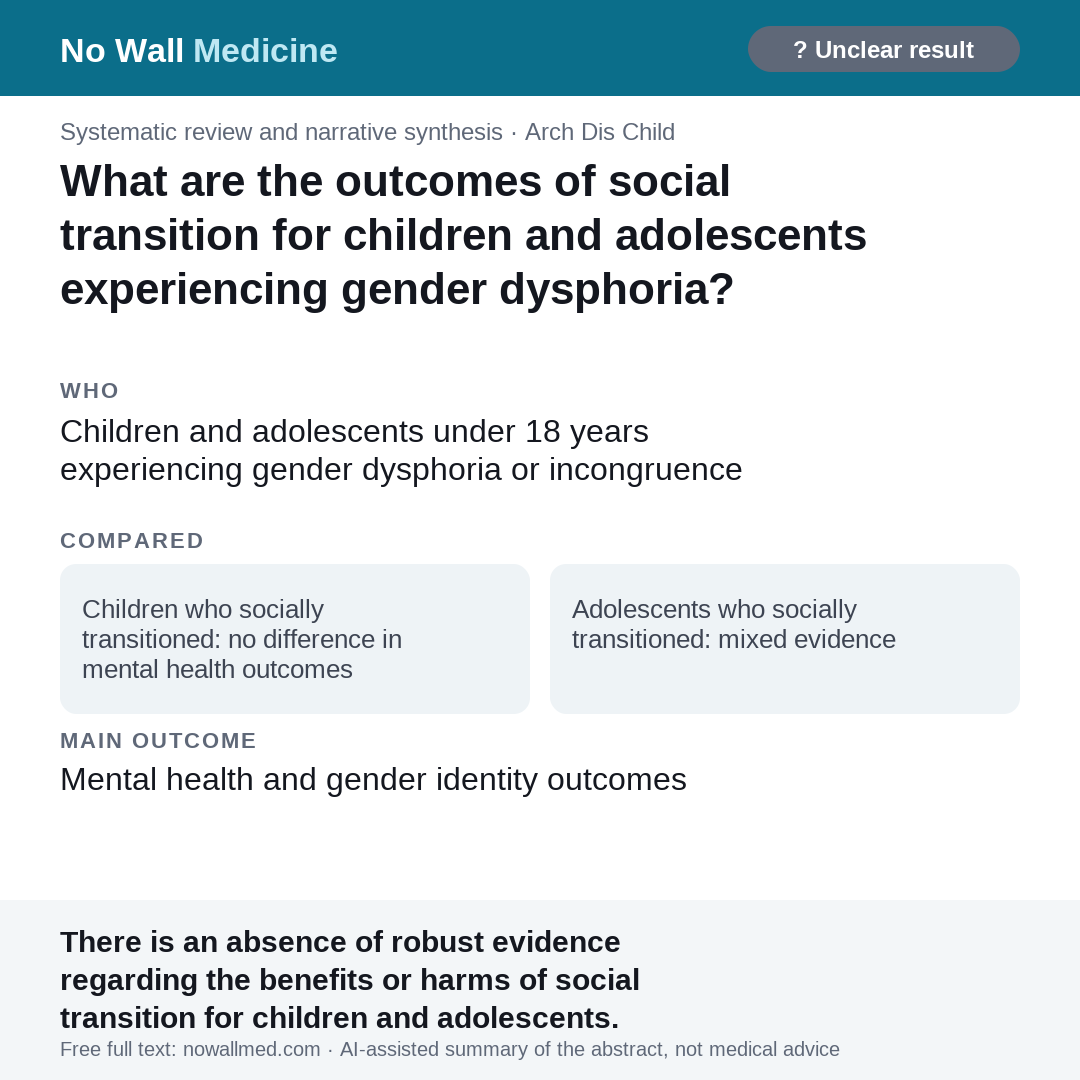
Impact of social transition in relation to gender for children and adolescents: a systematic review
Systematic review and narrative synthesisUnclear result
What are the outcomes of social transition for children and adolescents experiencing gender dysphoria?
Who
Children and adolescents under 18 years experiencing gender dysphoria or incongruence · Primarily United States
Compared
Children who socially transitioned: no difference in mental health outcomes
Adolescents who socially transitioned: mixed evidence
Main outcome
Mental health and gender identity outcomes
Bottom line: There is an absence of robust evidence regarding the benefits or harms of social transition for children and adolescents.
Arch Dis Child · 2024-10-30Download image
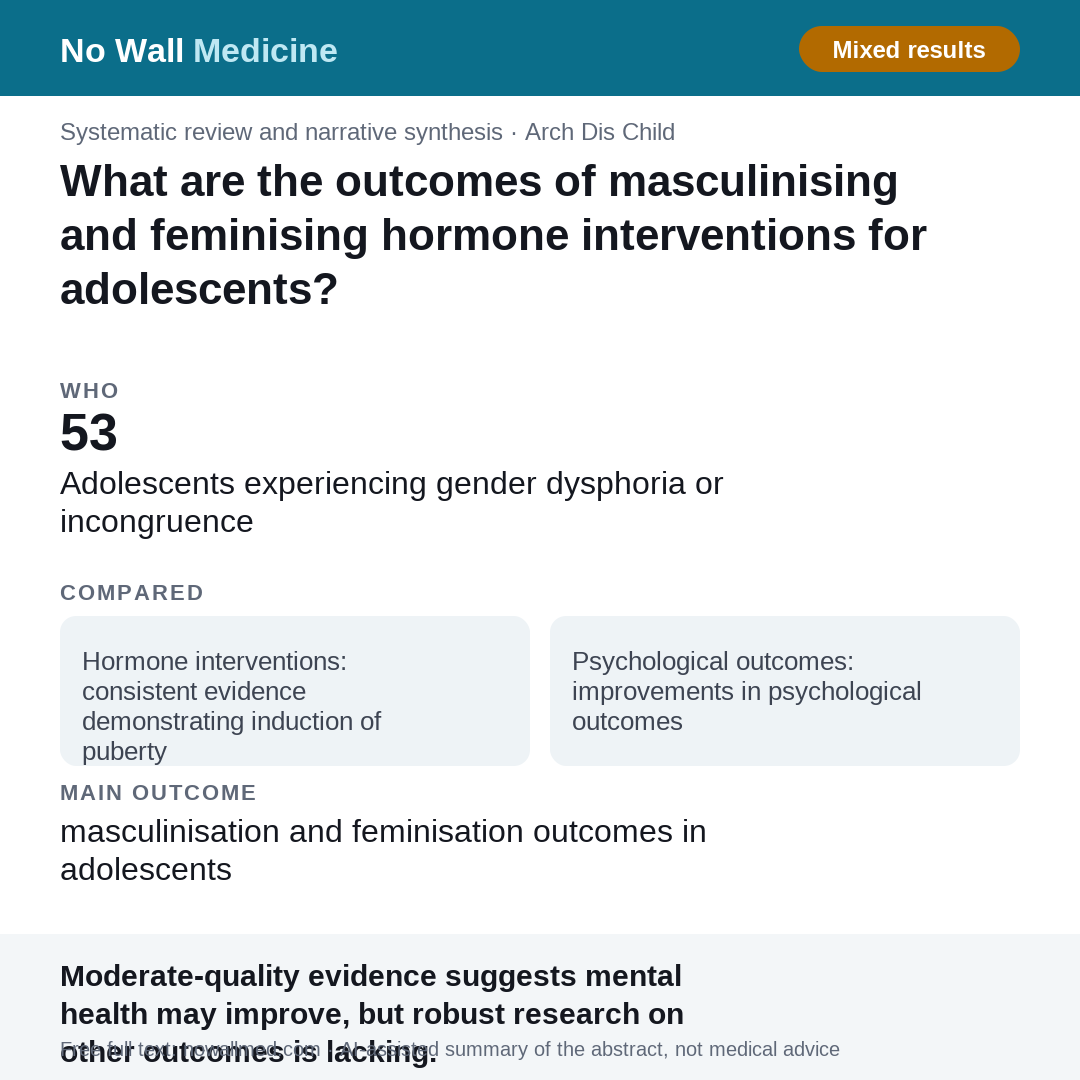
Masculinising and feminising hormone interventions for adolescents experiencing gender dysphoria or incongruence: a systematic review
Systematic review and narrative synthesisMixed results
What are the outcomes of masculinising and feminising hormone interventions for adolescents?
Who
53
Adolescents experiencing gender dysphoria or incongruence
Compared
Hormone interventions: consistent evidence demonstrating induction of puberty
Psychological outcomes: improvements in psychological outcomes
Main outcome
masculinisation and feminisation outcomes in adolescents
Bottom line: Moderate-quality evidence suggests mental health may improve, but robust research on other outcomes is lacking.
Limitation: Most studies included adolescents receiving puberty suppression, making it difficult to determine hormone effects alone.
Arch Dis Child · 2024-10-30Download image
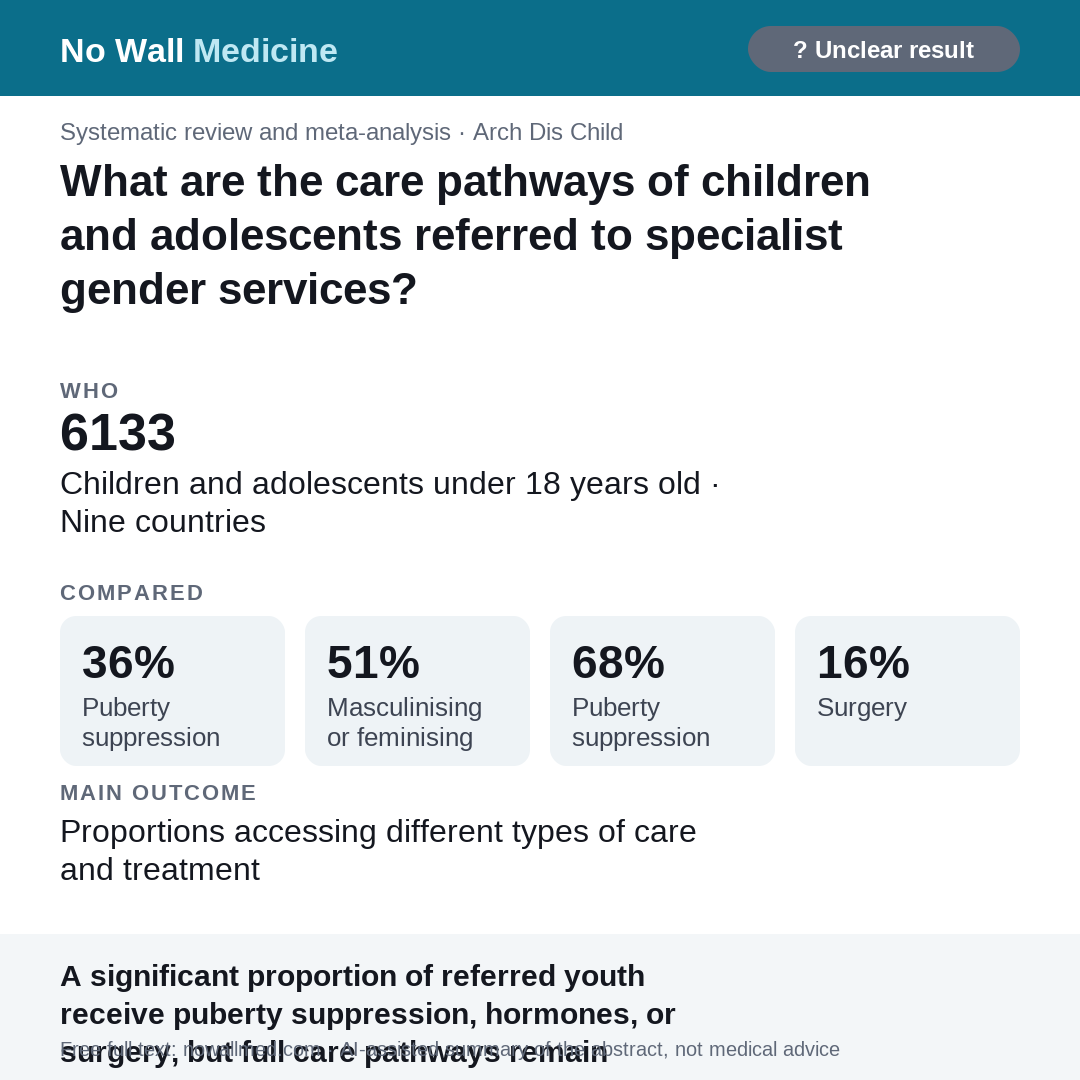
Care pathways of children and adolescents referred to specialist gender services: a systematic review
Systematic review and meta-analysisUnclear result
What are the care pathways of children and adolescents referred to specialist gender services?
Who
6133
Children and adolescents under 18 years old · Nine countries
Compared
36%Puberty suppression (95% CI 27% to 45%)
51%Masculinising or feminising hormones (95% CI 40% to 62%)
68%Puberty suppression and/or hormones (95% CI 57% to 77%)
16%Surgery (95% CI 10% to 24%)
Main outcome
Proportions accessing different types of care and treatment
Bottom line: A significant proportion of referred youth receive puberty suppression, hormones, or surgery, but full care pathways remain unknown.
Limitation: No study systematically reported information about the full pathway or psychological care received.
Arch Dis Child · 2024-10-30Download image