Visual abstracts
New randomized trials and meta-analyses from leading journals at a glance: who was studied, what was compared, and what was found. Every paper is free to read in full.
All specialtiesCardiology 2006Oncology 1736Gastroenterology & Hepatology 766Infectious Disease 1277Neurology 829Psychiatry & Mental Health 990Pulmonology 858Critical Care 571Endocrinology & Diabetes 1076Pediatrics 1194Surgery 1023Orthopedics & Sports Medicine 376Neurosurgery 251Cardiothoracic & Vascular Surgery 216Plastic & Reconstructive Surgery 309Nephrology 419Rheumatology 285Hematology 441Dermatology 229Ophthalmology 232Obstetrics & Gynecology 653Public & Global Health 391Radiology & Imaging 277Anesthesiology 404Urology 355ENT (Otolaryngology) 269Emergency Medicine 222Allergy & Immunology 128Geriatrics 432Family Medicine & Primary Care 238Medical Genetics & Genomics 217Pathology & Laboratory Medicine 66Physical Medicine & Rehabilitation 351Palliative Care 174Nutrition 543Digital Health & AI 1050General Medicine 155
Efficacy and safety of oral semaglutide 14 mg (flexible dose) in early-stage symptomatic Alzheimer's disease (evoke and evoke+): two phase 3, randomised, placebo-controlled trials
Two phase 3, randomised, double-blind, placebo-controlled trialsNo clear difference
Does oral semaglutide 14 mg improve clinical progression in early Alzheimer's disease?
Who
3808
Amyloid-confirmed Alzheimer's disease patients aged 55-85 years · 566 sites in 40 countries
Compared
Semaglutide: evoke: 2·3 (SE 0·1); evoke+: 2·2 (SE 0·1)
Placebo: evoke: 2·3 (SE 0·1); evoke+: 2·1 (SE 0·1)
Main outcome
Change in Clinical Dementia Rating-Sum of Boxes score
Result: evoke difference -0·08 (95% CI -0·35 to 0·20); evoke+ difference 0·10 (95% CI -0·17 to 0·38)
Bottom line: Oral semaglutide was not efficacious in slowing clinical progression in participants with early Alzheimer's disease.
Funded by: Novo Nordisk
Lancet · 2026-03-19Download image

Memantine for Premature Atrial Contractions: A Phase 2 Randomized Clinical Trial
Randomized, double-blind, placebo-controlled trialBenefit found
Does memantine reduce premature atrial contractions in symptomatic adults?
Who
241
Symptomatic adults with frequent premature atrial contractions · Multicenter
Compared
Memantine: 52.4% responder rate
Placebo: 23.1% responder rate
Main outcome
Percentage change in mean 24-hour premature atrial contraction count
Result: between-group difference, 47.1 percentage points; P=0.0045
Bottom line: Memantine reduced premature atrial contraction count and atrial tachyarrhythmia burden with a favorable safety profile.
Circulation · 2026-03-19Download image

Systolic Blood Pressure Trajectory and Outcomes in Acute Intracerebral Hemorrhage: Pooled Analysis of the 4 INTERACT and ATACH-II Clinical Trials
Pooled analysis of 4 randomized controlled trialsHarm found
What is the optimal systolic blood pressure trajectory for functional recovery after acute intracerebral hemorrhage?
Who
11269
Patients with acute intracerebral hemorrhage · International
Compared
Low systolic blood pressure trajectory
1.16Moderate-to-low trajectory (0.98-1.37)
1.44Moderate trajectory (1.18-1.75)
1.46High trajectory (1.15-1.87)
Main outcome
Functional recovery at 90 days (modified Rankin Scale 3-6)
Result: p = 0.04 for trend
Bottom line: Higher systolic blood pressure trajectories over 24 hours are associated with increased odds of poor functional outcomes after intracerebral hemorrhage.
Limitation: ATACH-II showed a nonsignificant trend due to limited power.
Neurology · 2026-03-19Download image

Oral deucrictibant for on-demand treatment of hereditary angioedema attacks (RAPIDe-1): a randomised, double-blind, placebo-controlled, phase 2 trial
Randomised, double-blind, placebo-controlled, crossover, phase 2 trialBenefit found
Is oral deucrictibant effective for on-demand treatment of hereditary angioedema attacks?
Who
74
Adults aged 18-75 years with hereditary angioedema type 1 or 2 · 38 sites in North America, Europe, and Israel
Compared
-16.75Deucrictibant 10 mg (95% CI -21.52 to -11.97)
-15.02Deucrictibant 20 mg (-20.22 to -9.81)
-16.28Deucrictibant 30 mg (-21.27 to -11.29)
Placebo
Main outcome
Change in patient-reported composite VAS-3 score measuring attack severity
Bottom line: Oral deucrictibant significantly reduced the severity of hereditary angioedema attacks compared with placebo in this phase 2 trial.
Lancet Haematol · 2026-03-19Download image

Oral deucrictibant for prophylaxis of hereditary angioedema attacks (CHAPTER-1): primary analysis of a randomised, double-blind, placebo-controlled, phase 2 trial
Randomised, double-blind, placebo-controlled, phase 2 trialBenefit found
Is oral deucrictibant effective for prophylaxis of hereditary angioedema attacks?
Who
34
Adults with hereditary angioedema type 1 or 2 · 37 sites across North America, Europe, and Israel
Compared
0·40deucrictibant 20 mg daily (95% CI 0·18-0·92)
0·30deucrictibant 40 mg daily (0·11-0·81)
1·93placebo (1·30-2·88)
Main outcome
monthly attack rate of investigator-confirmed attacks
Result: 79·2% (95% CI 47·2-91·8) reduction for 20 mg; 84·5% (95% CI 53·8-94·8) for 40 mg
Bottom line: Oral deucrictibant significantly reduced the monthly attack rate in patients with hereditary angioedema compared to placebo.
Funded by: Pharvaris
Lancet Haematol · 2026-03-19Download image

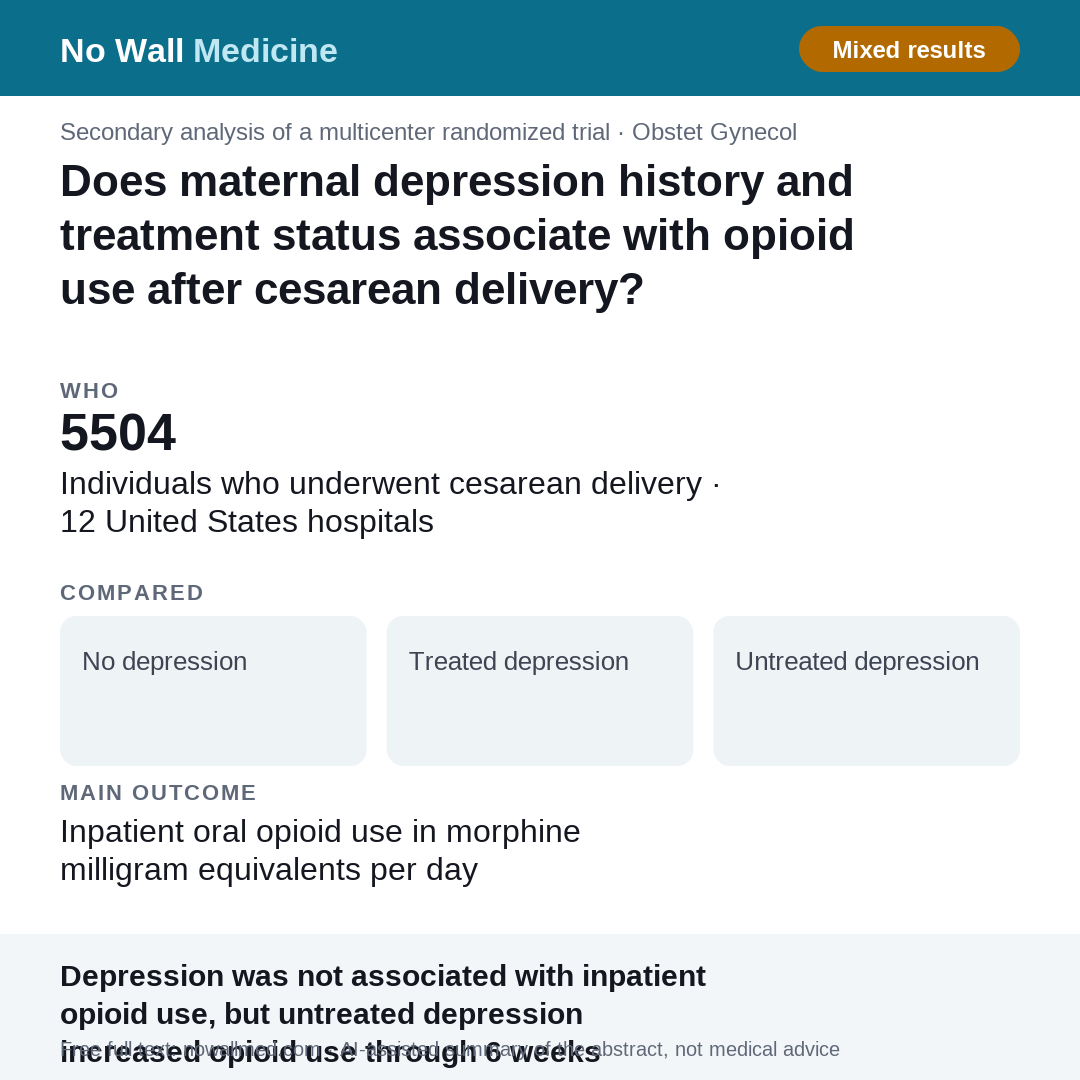
Maternal Depression and Opioid Use After Cesarean Delivery
Secondary analysis of a multicenter randomized trialMixed results
Does maternal depression treatment status associate with opioid use after cesarean delivery?
Who
5504
Individuals undergoing cesarean delivery · 12 United States hospitals
Compared
Untreated depression: adjusted median difference 16.7 MMEs/d [95% CI, 8.9-24.5]
Treated depression
No depression
Main outcome
Inpatient and outpatient oral opioid use
Result: adjusted median difference 16.7 MMEs/d [95% CI, 8.9-24.5]
Bottom line: Untreated depression was associated with higher outpatient opioid use, but depression status did not affect inpatient opioid use.
Obstet Gynecol · 2026-03-19Download image
Efficacy and safety of different vasopressor infusions on feto-maternal outcomes in normotensive patients undergoing caesarean delivery: a systematic review and network meta-analysis of randomised controlled trials
Systematic review and network meta-analysisMixed results
Which vasopressor infusions are most effective for feto-maternal outcomes during caesarean delivery?
Who
5487
Normotensive adult patients undergoing caesarean delivery
Compared
Active vasopressor infusion
Control (no active vasopressor infusion)
Main outcome
Incidence of maternal hypotension and umbilical artery base excess
Bottom line: Alpha-agonists with mild beta-activity are preferable for preventing maternal hypotension, but fetal outcome evidence remains limited.
Limitation: The evidence base for fetal outcomes remains limited.
Anaesthesia · 2026-03-19Download image

Blood and Urine Circulating Tumor DNA in Urothelial Bladder Cancer: State of the Art and Clinical Perspective
Systematic reviewBenefit found
What is the diagnostic, prognostic, and predictive value of plasma and urine circulating tumor DNA?
Who
Patients with localized, locally advanced, and metastatic urothelial bladder cancer
Compared
Circulating tumor DNA
Conventional diagnostic and monitoring methods
Main outcome
Diagnostic performance, disease monitoring, and prognostic or predictive value
Bottom line: Circulating tumor DNA is a powerful non-invasive biomarker for diagnosis, surveillance, and treatment guidance in urothelial bladder cancer.
Limitation: Heterogeneous methodologies, variable assay sensitivity, and small patient cohorts.
Eur Urol Oncol · 2026-03-19Download image

Tracheostomy vs. Delayed Extubation in Head and Neck Reconstruction: A Meta-Analysis
Meta-analysisBenefit found
Is delayed extubation better than tracheostomy in head and neck reconstruction patients?
Who
Patients undergoing head and neck reconstruction
Compared
Tracheostomy: risk ratio 4.14 (95% CI, 2.67-6.40) for airway complications
Delayed extubation: risk ratio 8.19 (95% CI, 3.41-19.65) for flap complications
Main outcome
Airway complications and flap complications
Result: risk ratio 4.14 (95% CI, 2.67-6.40) for airway complications
Bottom line: Delayed extubation may reduce airway and flap complications compared to routine tracheostomy in head and neck reconstruction.
Laryngoscope · 2026-03-19Download image

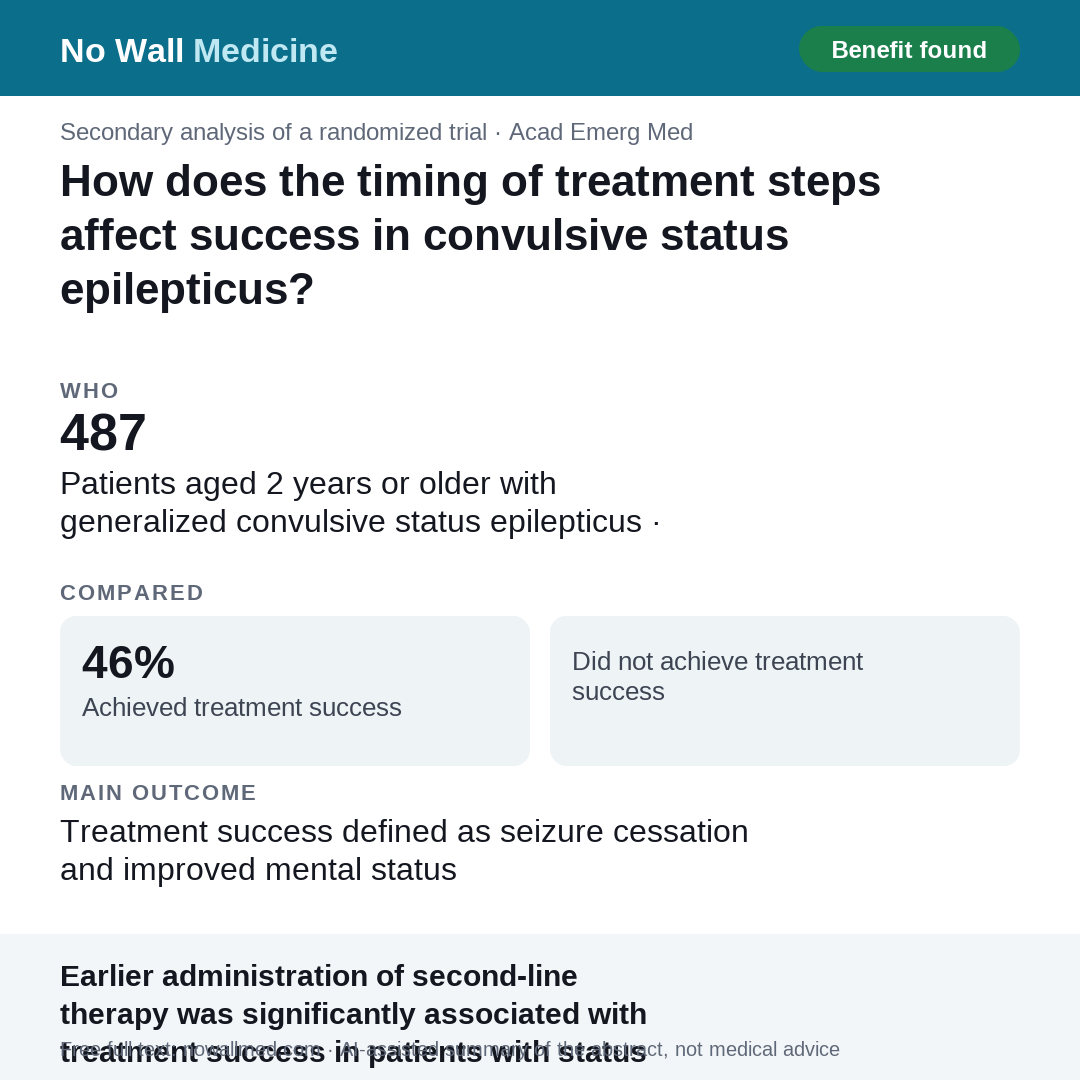
Chronological Sequence of Convulsive Status Epilepticus Treatment Steps in a Real-Life Scenario for Patients Enrolled in a Large Multicenter Trial
Secondary analysis of a randomized trialBenefit found
How does the timing of treatment steps affect success in convulsive status epilepticus?
Who
487
Patients aged 2 years or older with generalized convulsive status epilepticus · Multicenter trial
Compared
46%Achieved treatment success
Did not achieve treatment success
Main outcome
Treatment success defined as seizure cessation and improved mental status
Bottom line: Earlier administration of second-line therapy was significantly associated with treatment success in patients with status epilepticus.
Limitation: In-hospital treatment timing was inconsistent and prehospital benzodiazepine use was often absent.
Acad Emerg Med · 2026-03-19Download image
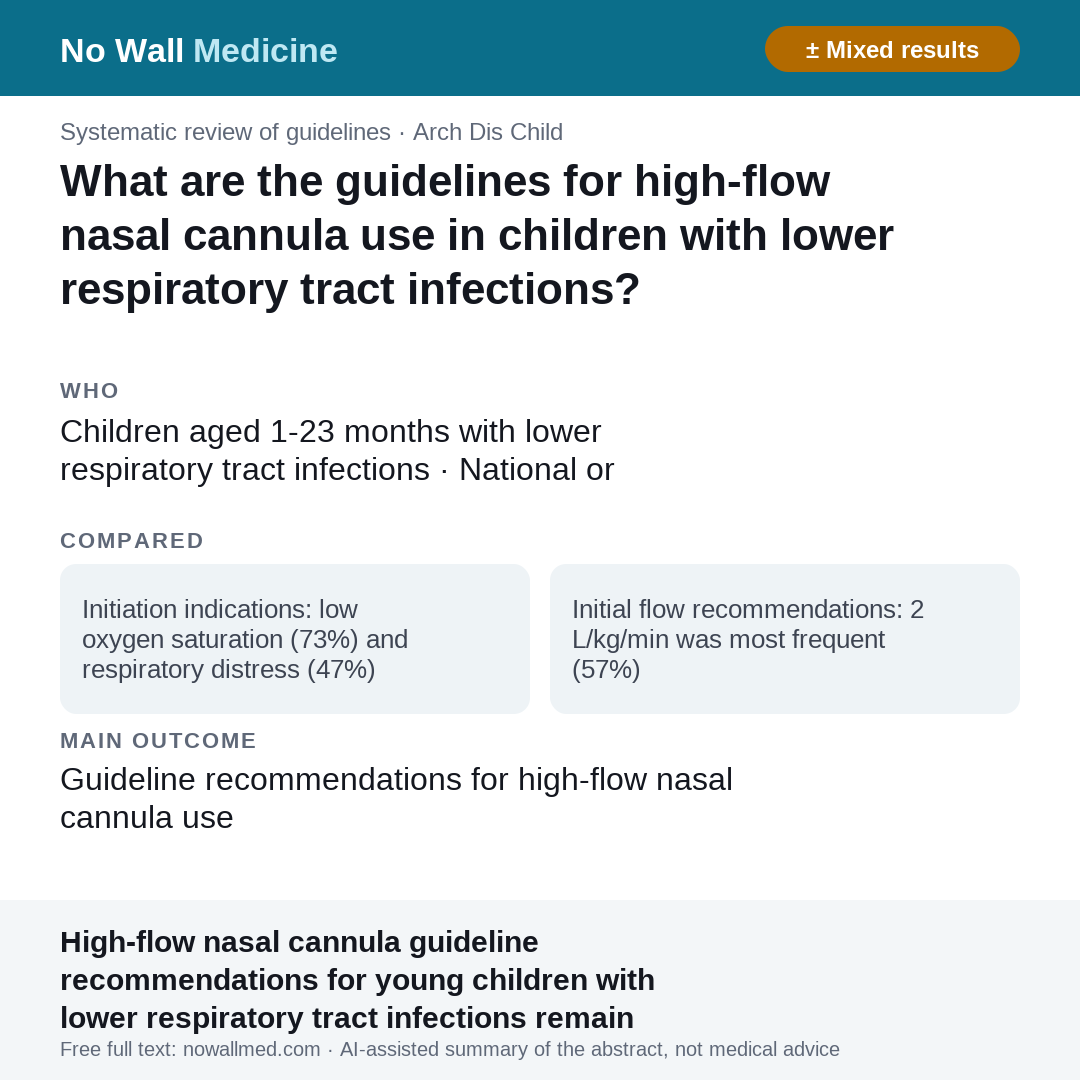
High-flow nasal cannula for lower respiratory infections in children under 2 years: a systematic review of indications
Systematic review of guidelinesMixed results
What are the guidelines for high-flow nasal cannula use in children with lower respiratory tract infections?
Who
Children aged 1-23 months with lower respiratory tract infections · National or international guidelines
Compared
Initiation indications: low oxygen saturation (73%) and respiratory distress (47%)
Initial flow recommendations: 2 L/kg/min was most frequent (57%)
Main outcome
Guideline recommendations for high-flow nasal cannula use
Bottom line: High-flow nasal cannula guideline recommendations for young children with lower respiratory tract infections remain inconsistent across different sources.
Arch Dis Child · 2026-03-19Download image
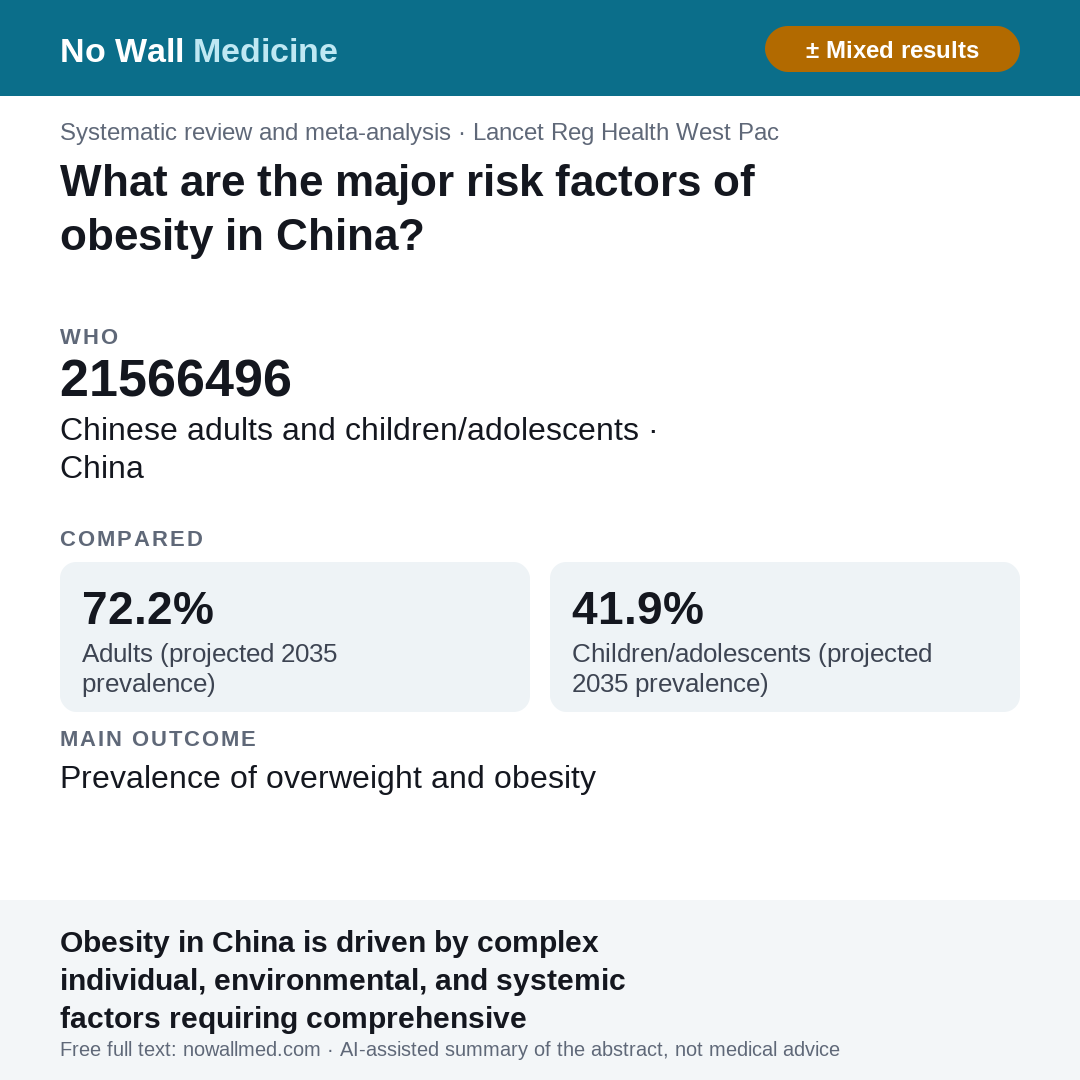
Major risk factors of obesity in China and recommendations for future prevention and control efforts: a systematic review and meta-analysis
Systematic review and meta-analysisMixed results
What are the major risk factors of obesity in China?
Who
21566496
Chinese adults and children/adolescents · China
Compared
72.2%Adults (projected 2035 prevalence) (95% CI 69.7%-74.7%)
41.9%Children/adolescents (projected 2035 prevalence) (37.4%-46.1%)
Main outcome
Prevalence of overweight and obesity
Bottom line: Obesity in China is driven by complex individual, environmental, and systemic factors requiring comprehensive government-led strategies.
Funded by: Chinese National Science and Technology Innovation 2030
Lancet Reg Health West Pac · 2026-03-19Download image
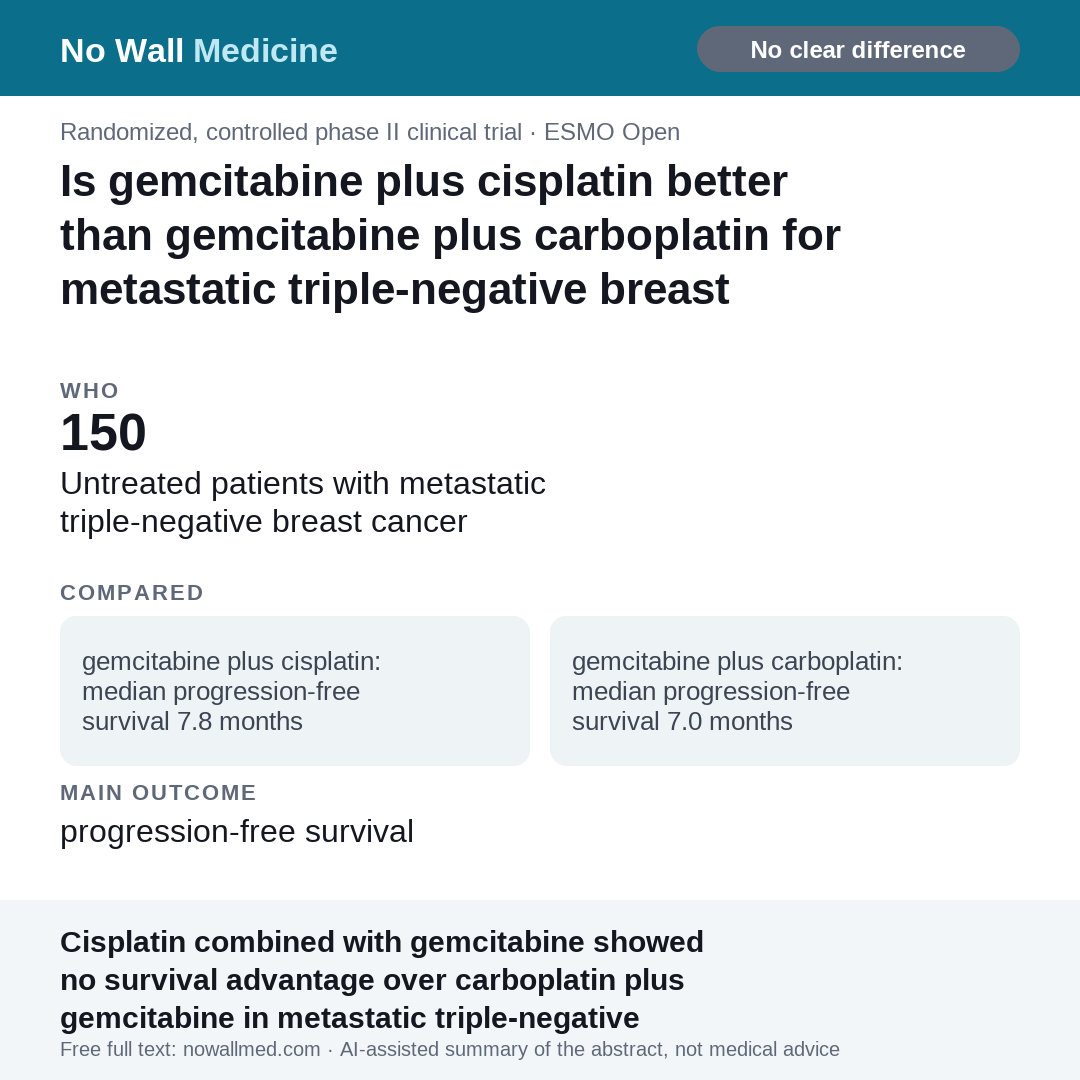
A phase II randomized trial of gemcitabine plus cisplatin (GP) versus gemcitabine plus carboplatin (GC) as the first-line treatment of patients with metastatic triple-negative breast cancer
Randomized, controlled phase II clinical trialNo clear difference
Is gemcitabine plus cisplatin better than gemcitabine plus carboplatin for metastatic triple-negative breast cancer?
Who
150
Untreated patients with metastatic triple-negative breast cancer
Compared
gemcitabine plus cisplatin: median progression-free survival 7.8 months
gemcitabine plus carboplatin: median progression-free survival 7.0 months
Main outcome
progression-free survival
Result: stratified hazard ratio 0.86 (95% confidence interval 0.59-1.25)
Bottom line: Cisplatin combined with gemcitabine showed no survival advantage over carboplatin plus gemcitabine in metastatic triple-negative breast cancer.
ESMO Open · 2026-03-19Download image
Systematic review, meta-analysis, and meta-regression of the association of serial leukocyte counts in critically ill patients and mortality
Systematic review, meta-analysis, and meta-regressionBenefit found
Which immune cell type best predicts mortality in critically ill patients?
Who
26,441
Critically ill patients
Compared
Neutrophil to lymphocyte ratio survivors: lower at days 0-1 (-0.29 (-0.45 to -0.12))
Neutrophil to lymphocyte ratio non-survivors
Main outcome
Mortality
Bottom line: A higher neutrophil to lymphocyte ratio was associated with increased mortality throughout the first week of critical illness.
Ann Intensive Care · 2026-03-19Download image

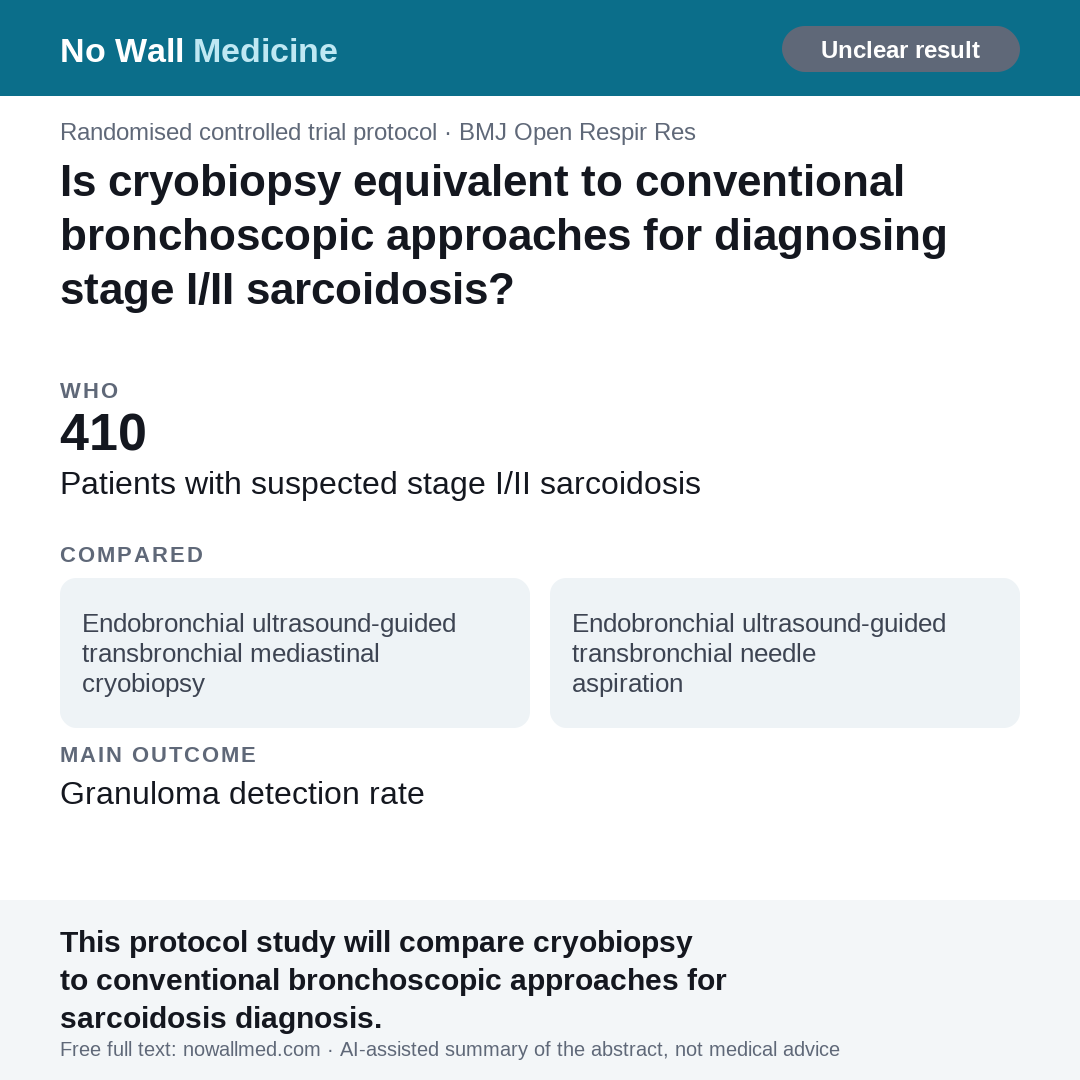
Diagnostic Value of EBUS-guided Transbronchial MEdiastinal Cryobiopsy versus ConvenTIONal Bronchoscopic Approaches for Intrathoracic Stage I/II SARcoidosis: protocol for a randomised controlled trial (DETECTION-SAR-II)
Randomised controlled trial protocolUnclear result
Is cryobiopsy equivalent to conventional bronchoscopic approaches for diagnosing stage I/II sarcoidosis?
Who
410
Patients with suspected stage I/II sarcoidosis
Compared
Endobronchial ultrasound-guided transbronchial mediastinal cryobiopsy
Endobronchial ultrasound-guided transbronchial needle aspiration
Main outcome
Granuloma detection rate
Bottom line: This protocol study will compare cryobiopsy to conventional bronchoscopic approaches for sarcoidosis diagnosis.
Limitation: This is a study protocol; results are not yet available.
BMJ Open Respir Res · 2026-03-19Download image
Systematic review of climate change interventions for improving child health
Systematic review of 52 studiesUnclear result
What interventions improve child health in climate change
Who
4381
Children affected by climate change
Compared
Interventions
Control
Main outcome
Child health outcomes
Bottom line: Some interventions improve child health in climate change
BMJ Paediatr Open · 2026-03-19Download image
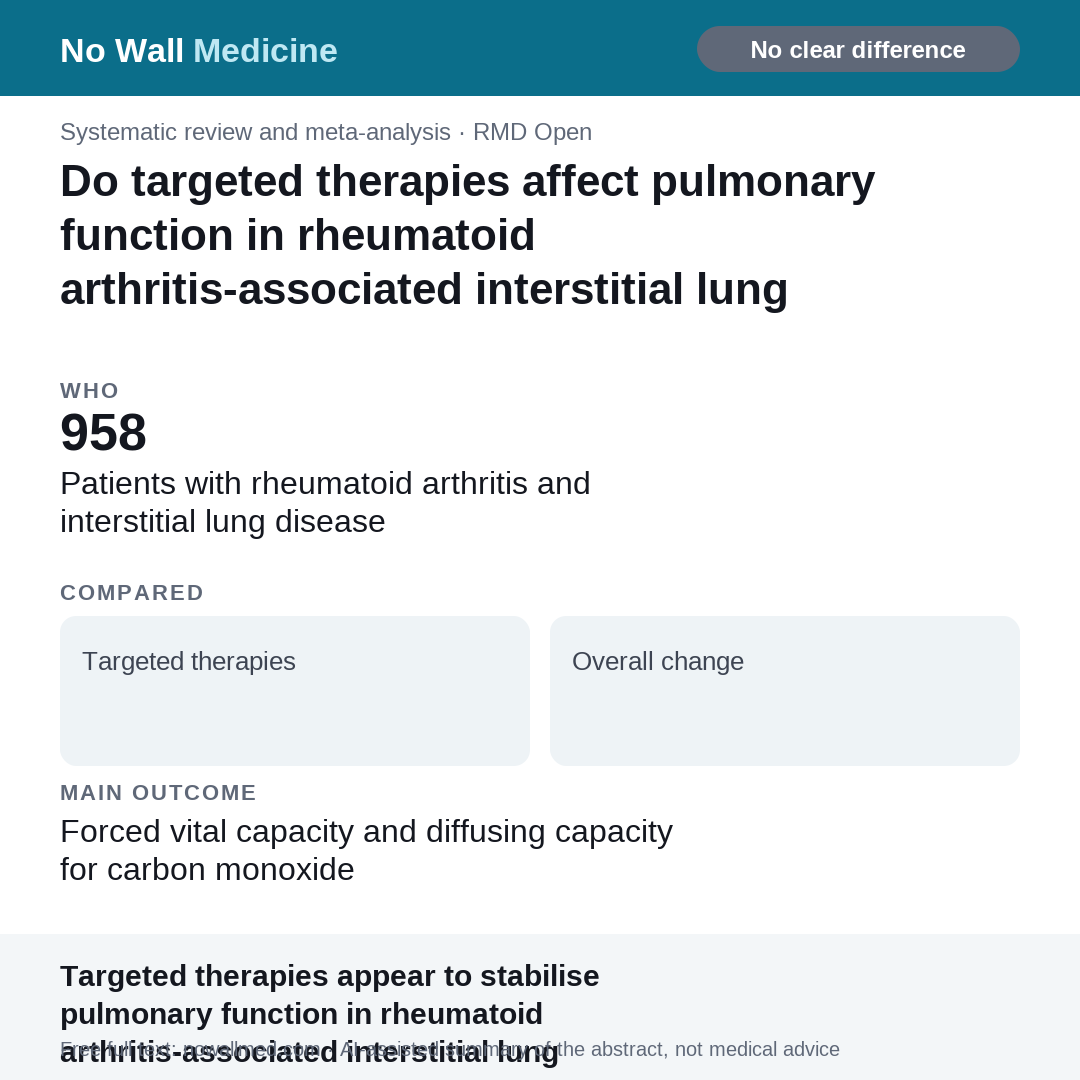
Effect of targeted therapies on pulmonary function in rheumatoid arthritis-associated interstitial lung disease: a systematic review and meta-analysis
Systematic review and meta-analysisNo clear difference
Do targeted therapies affect pulmonary function in rheumatoid arthritis-associated interstitial lung disease?
Who
958
Patients with rheumatoid arthritis and interstitial lung disease
Compared
Targeted therapies
Overall change
Main outcome
Forced vital capacity and diffusing capacity for carbon monoxide
Result: mean difference -0.85%, 95% CI -2.40 to 0.71 for FVC; +0.79, 95% CI -0.30 to 1.88 for DLCO
Bottom line: Targeted therapies appear to stabilise pulmonary function in rheumatoid arthritis-associated interstitial lung disease without significant changes in lung function tests.
RMD Open · 2026-03-19Download image
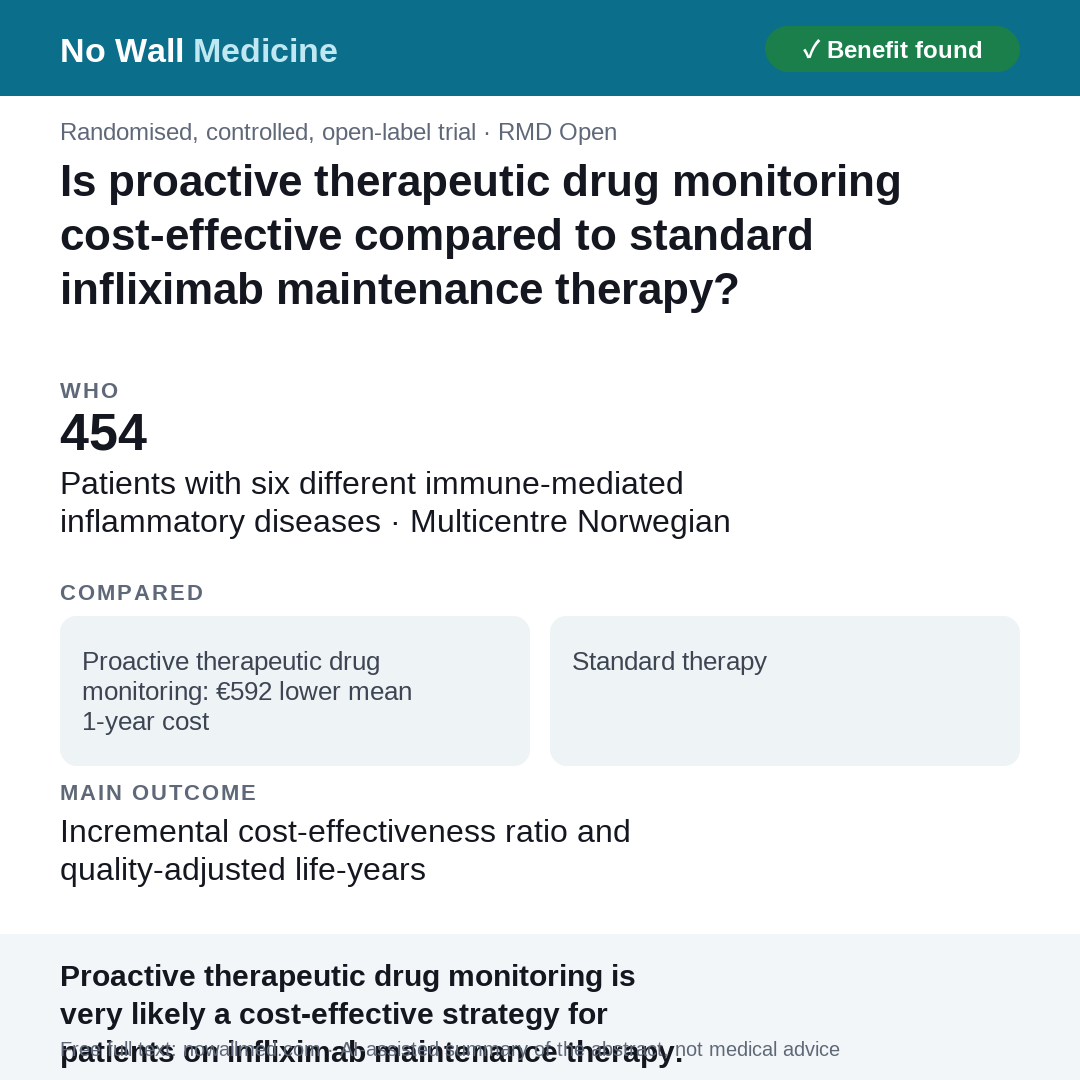
Cost-effectiveness of proactive therapeutic drug monitoring of maintenance infliximab treatment in patients with immune-mediated inflammatory diseases: results from a randomised controlled trial
Randomised, controlled, open-label trialBenefit found
Is proactive therapeutic drug monitoring cost-effective compared to standard infliximab maintenance therapy?
Who
454
Patients with six different immune-mediated inflammatory diseases · Multicentre Norwegian sites
Compared
Proactive therapeutic drug monitoring: €592 lower mean 1-year cost
Standard therapy
Main outcome
Incremental cost-effectiveness ratio and quality-adjusted life-years
Result: 0.0018 higher QALYs (95% CI -0.0126 to 0.0165)
Bottom line: Proactive therapeutic drug monitoring is very likely a cost-effective strategy for patients on infliximab maintenance therapy.
Limitation: In explorative subgroup analyses, proactive therapeutic drug monitoring appeared cost-effective for some, but not all diagnoses.
RMD Open · 2026-03-19Download image
Effectiveness of Al-Assisted Patient Health Education Using Voice Cloning and ChatGPT: Prospective Randomized Controlled Trial
Prospective, 3-arm, parallel-group randomized controlled trialBenefit found
Is AI-assisted education with voice cloning effective compared to traditional education?
Who
180
Hospitalized patients requiring standardized health education · A tertiary hospital
Compared
Traditional education: 73.2, SD 8.5
Physician voice cloning: 86.7, SD 7.3
Patient self-voice cloning: 92.5, SD 6.8
Main outcome
Education content compliance
Bottom line: Patient self-voice cloning for AI-assisted education produced superior compliance, satisfaction, and psychological well-being compared to other methods.
J Med Internet Res · 2026-03-19Download image

Nurse-led risk-based primary healthcare intervention in midlife women's health management in Hong Kong: a stepped-wedge cluster randomized controlled trial protocol
Stepped-wedge cluster randomized controlled trial protocolUnclear result
Does a nurse-led risk-based intervention enhance preventive health service utilization in midlife women?
Who
1728
Eligible women residents aged 45–64 · Three social service organizations in Hong Kong
Compared
Intervention condition
Control condition
Main outcome
Composite measure of preventive health services utilization
Bottom line: This protocol describes a study to evaluate a nurse-led risk-based intervention for midlife women's health.
BMC Prim Care · 2026-03-19Download image
