Visual abstracts
New randomized trials and meta-analyses from leading journals at a glance: who was studied, what was compared, and what was found. Every paper is free to read in full.
All specialtiesCardiology 1443Oncology 1292Gastroenterology & Hepatology 527Infectious Disease 927Neurology 594Psychiatry & Mental Health 724Pulmonology 621Critical Care 427Endocrinology & Diabetes 794Pediatrics 857Surgery 703Orthopedics & Sports Medicine 275Neurosurgery 192Cardiothoracic & Vascular Surgery 163Plastic & Reconstructive Surgery 228Nephrology 306Rheumatology 190Hematology 306Dermatology 152Ophthalmology 161Obstetrics & Gynecology 467Public & Global Health 279Radiology & Imaging 188Anesthesiology 286Urology 273ENT (Otolaryngology) 201Emergency Medicine 160Allergy & Immunology 94Geriatrics 301Family Medicine & Primary Care 179Medical Genetics & Genomics 154Pathology & Laboratory Medicine 45Physical Medicine & Rehabilitation 250Palliative Care 134Nutrition 382Digital Health & AI 760General Medicine 126
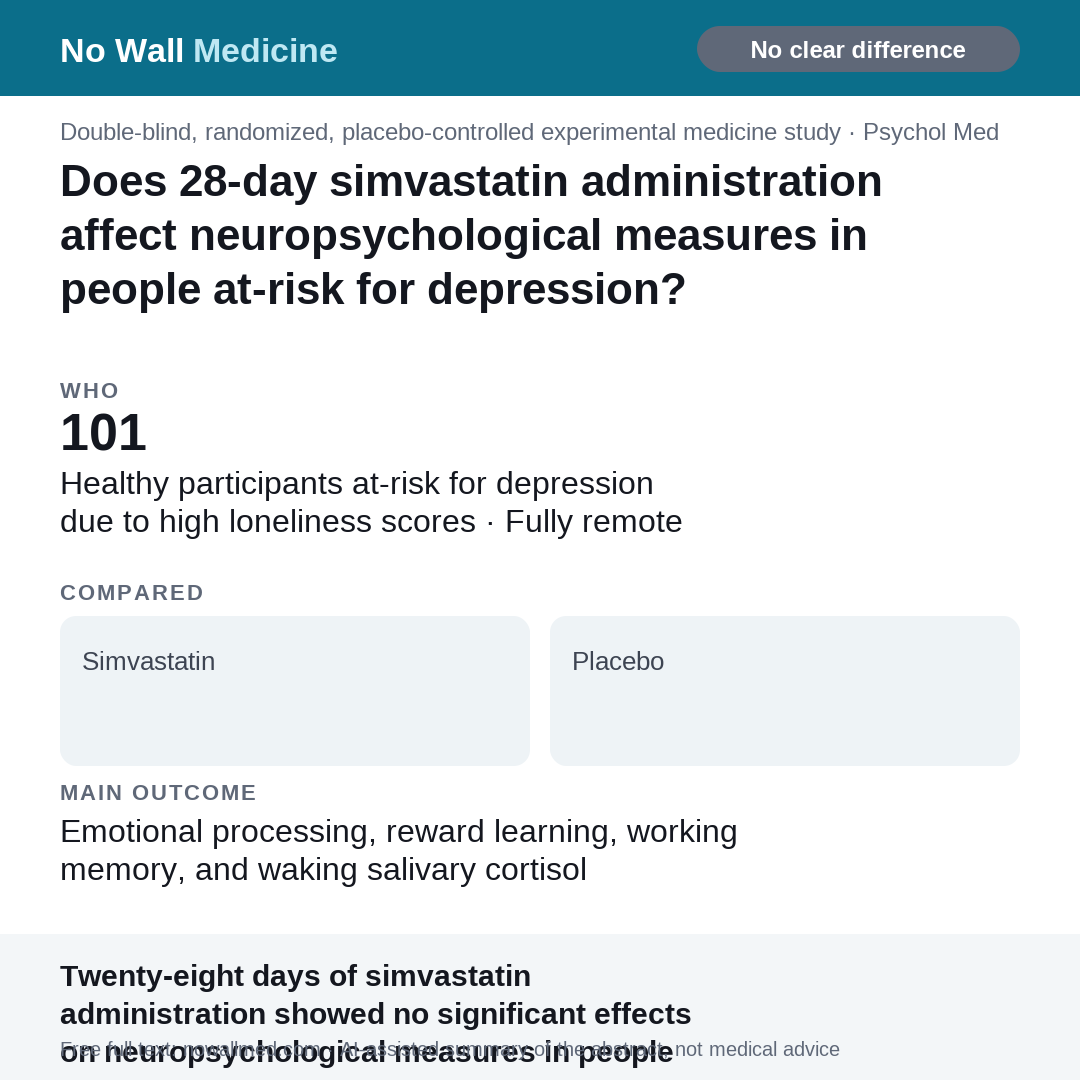
Effects of 28-day simvastatin administration on emotional processing, reward learning, working memory, and salivary cortisol in healthy participants at-risk for depression: OxSTEP, an online experimental medicine trial
Double-blind, randomized, placebo-controlled experimental medicine studyNo clear difference
Does 28-day simvastatin administration affect neuropsychological measures in people at-risk for depression?
Who
101
Healthy participants at-risk for depression due to high loneliness scores · Fully remote design within a United Kingdom-wide sample
Compared
Simvastatin
Placebo
Main outcome
Emotional processing, reward learning, working memory, and waking salivary cortisol
Bottom line: Twenty-eight days of simvastatin administration showed no significant effects on neuropsychological measures in people at-risk for depression.
Limitation: Other unmeasured cognitive processes may be involved.
Psychol Med · 2025-05-22Download image
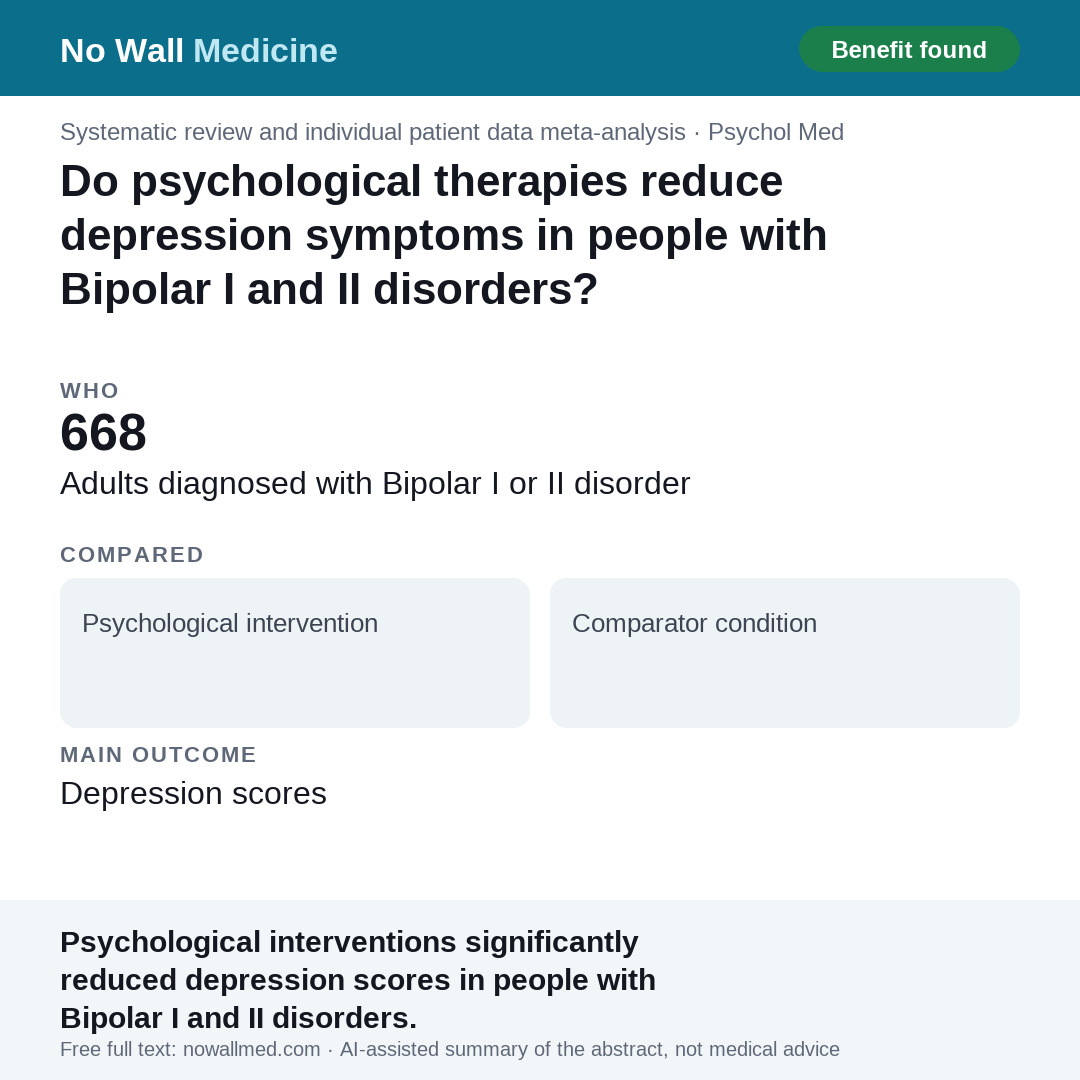
The clinical efficacy of psychological interventions for bipolar depression: a systematic review and individual patient data (IPD) meta-analysis
Systematic review and individual patient data meta-analysisBenefit found
Do psychological therapies reduce depression symptoms in people with Bipolar I and II disorders?
Who
668
Adults diagnosed with Bipolar I or II disorder
Compared
Psychological intervention
Comparator condition
Main outcome
Depression scores
Bottom line: Psychological interventions significantly reduced depression scores in people with Bipolar I and II disorders.
Limitation: Included studies were heterogeneous in intervention type, outcome measure, and comparators.
Psychol Med · 2025-05-22Download image
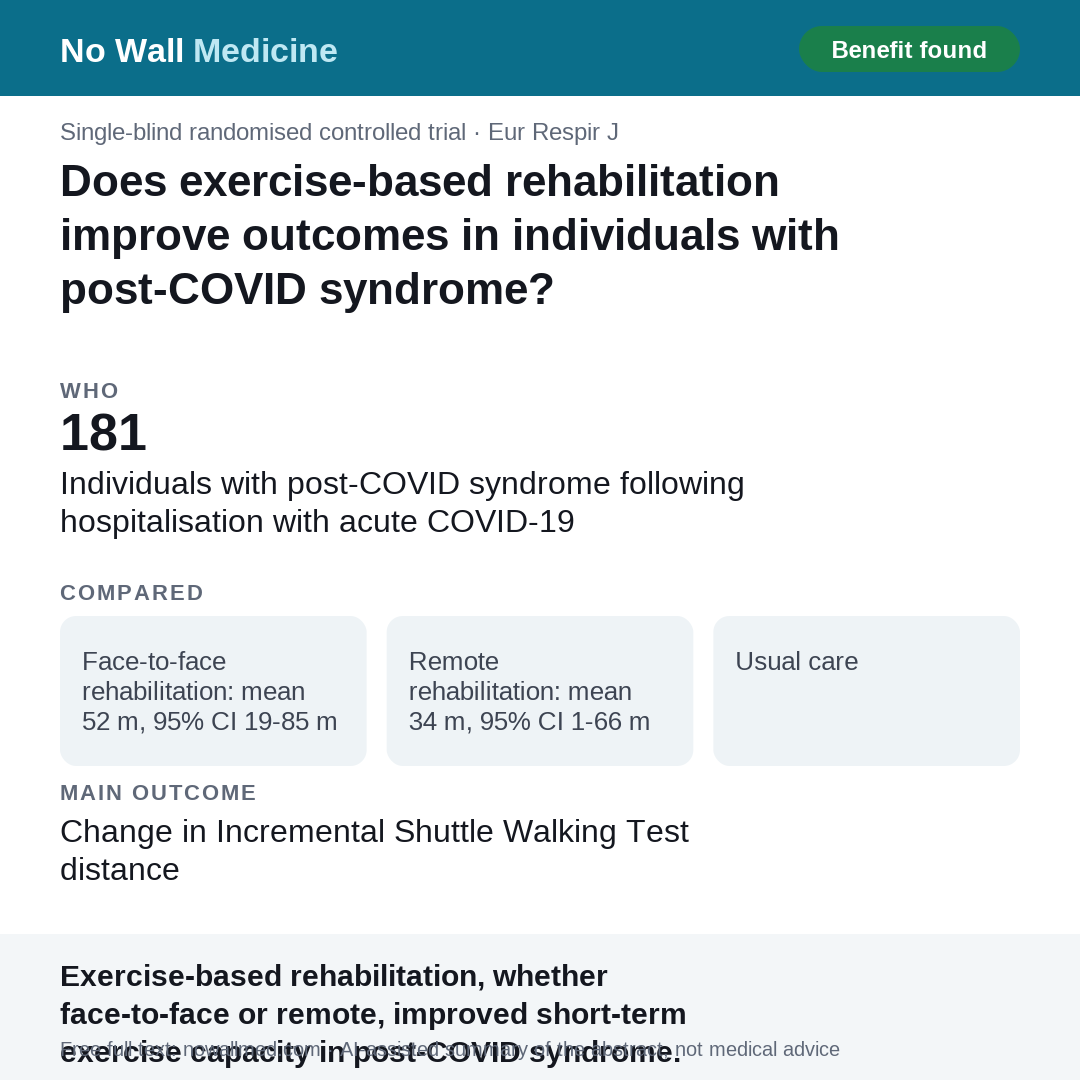
Post-Hospitalisation COVID-19 Rehabilitation (PHOSP-R): a randomised controlled trial of exercise-based rehabilitation
Single-blind randomised controlled trialBenefit found
Does exercise-based rehabilitation improve outcomes in individuals with post-COVID syndrome?
Who
181
Individuals with post-COVID syndrome following hospitalisation with acute COVID-19
Compared
Face-to-face rehabilitation: mean 52 m, 95% CI 19-85 m
Remote rehabilitation: mean 34 m, 95% CI 1-66 m
Usual care
Main outcome
Change in Incremental Shuttle Walking Test distance
Bottom line: Exercise-based rehabilitation, whether face-to-face or remote, improved short-term exercise capacity in post-COVID syndrome.
Eur Respir J · 2025-05-22Download image
Self-directed learning versus traditional instructor-led learning for education on a new anaesthesia workstation: a noninferiority, randomised, controlled trial
Single-centre, noninferiority, randomised, controlled trialBenefit found
Is self-directed learning noninferior to instructor-led learning for new anaesthesia workstation education?
Who
222
Anaesthesia nurses and physicians · Single-centre, large university-based anaesthesia department
Compared
Self-directed learning
Instructor-led workshop
Main outcome
Success rates on 12 competences at an examination station
Result: -0.9% (90% confidence interval: -3.8%-1.7%)
Bottom line: Self-directed learning using a video was not inferior to traditional instructor-led instruction for workstation education.
Br J Anaesth · 2025-05-22Download image

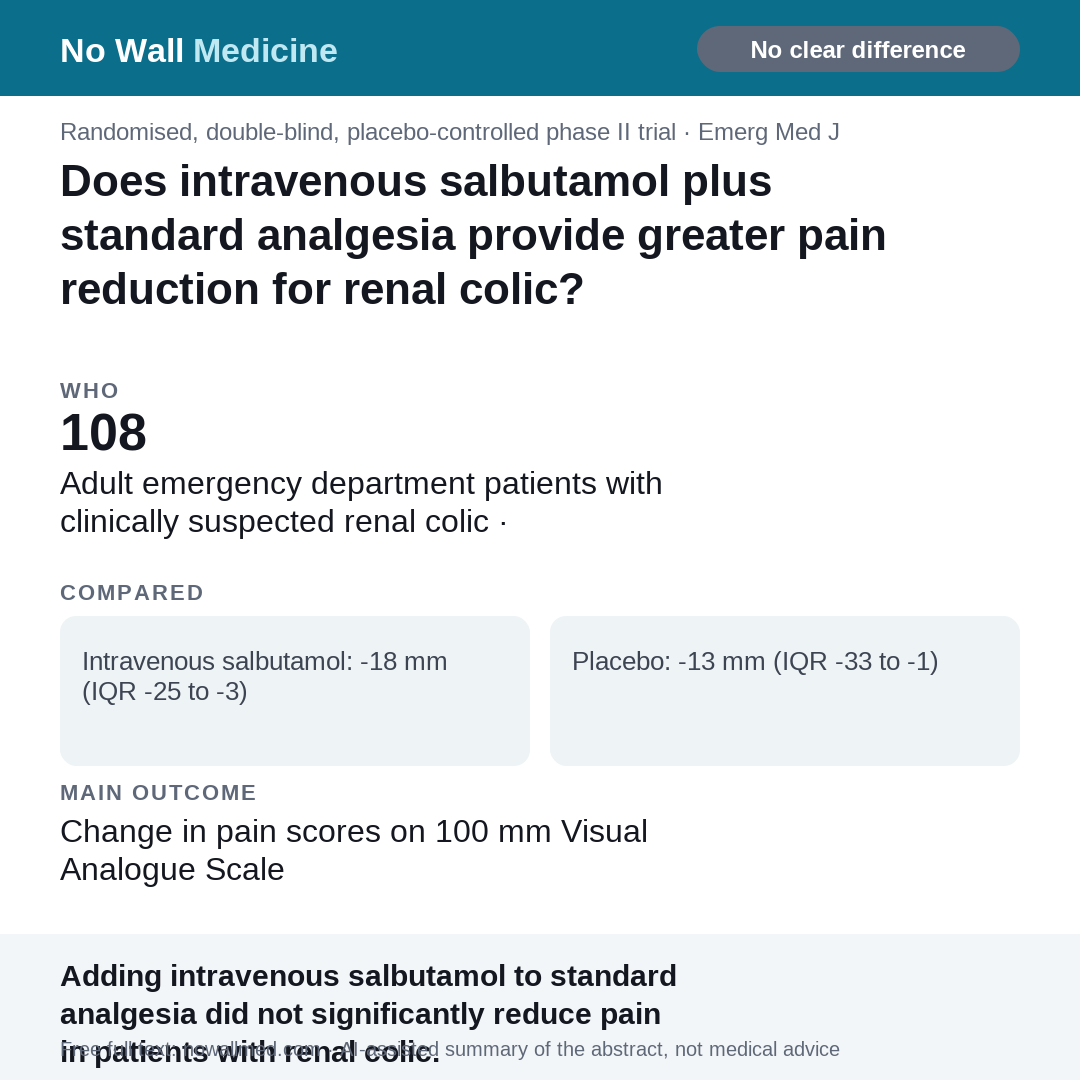
Salbutamol for analgesia in renal colic: a prospective, randomised, placebo-controlled phase II trial
Randomised, double-blind, placebo-controlled phase II trialNo clear difference
Does intravenous salbutamol plus standard analgesia provide greater pain reduction for renal colic?
Who
108
Adult emergency department patients with clinically suspected renal colic · Single-centre
Compared
Intravenous salbutamol: -18 mm (IQR -25 to -3)
Placebo: -13 mm (IQR -33 to -1)
Main outcome
Change in pain scores on 100 mm Visual Analogue Scale
Result: difference 5 mm (95% CI -16 to 6, p=0.575)
Bottom line: Adding intravenous salbutamol to standard analgesia did not significantly reduce pain in patients with renal colic.
Emerg Med J · 2025-05-22Download image
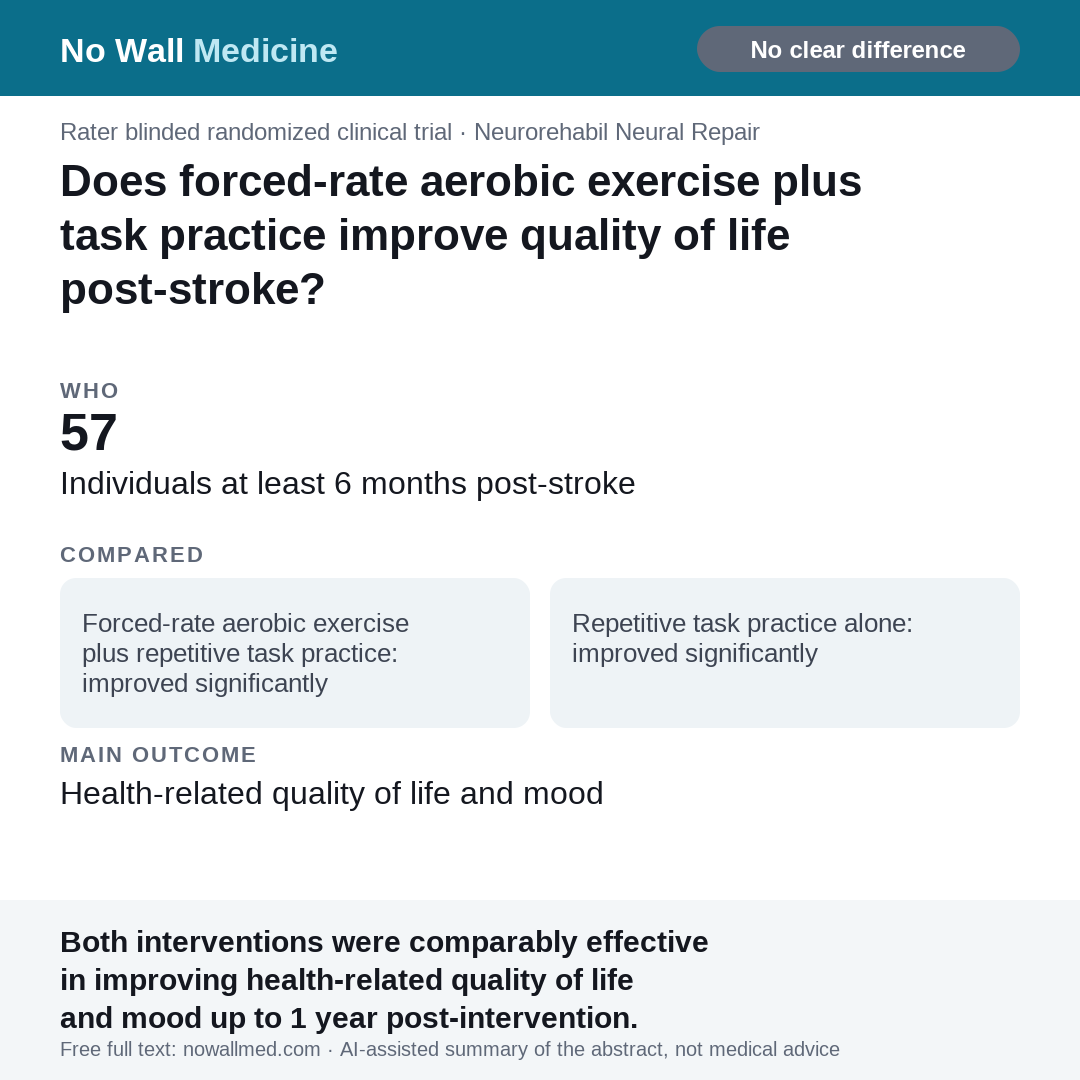
Task Practice With and Without Aerobic Exercise Improves Health-related Quality of Life and Social Participation Post-stroke: A Randomized Clinical Trial
Rater blinded randomized clinical trialNo clear difference
Does forced-rate aerobic exercise plus task practice improve quality of life post-stroke?
Who
57
Individuals at least 6 months post-stroke
Compared
Forced-rate aerobic exercise plus repetitive task practice: improved significantly
Repetitive task practice alone: improved significantly
Main outcome
Health-related quality of life and mood
Bottom line: Both interventions were comparably effective in improving health-related quality of life and mood up to 1 year post-intervention.
Neurorehabil Neural Repair · 2025-05-22Download image
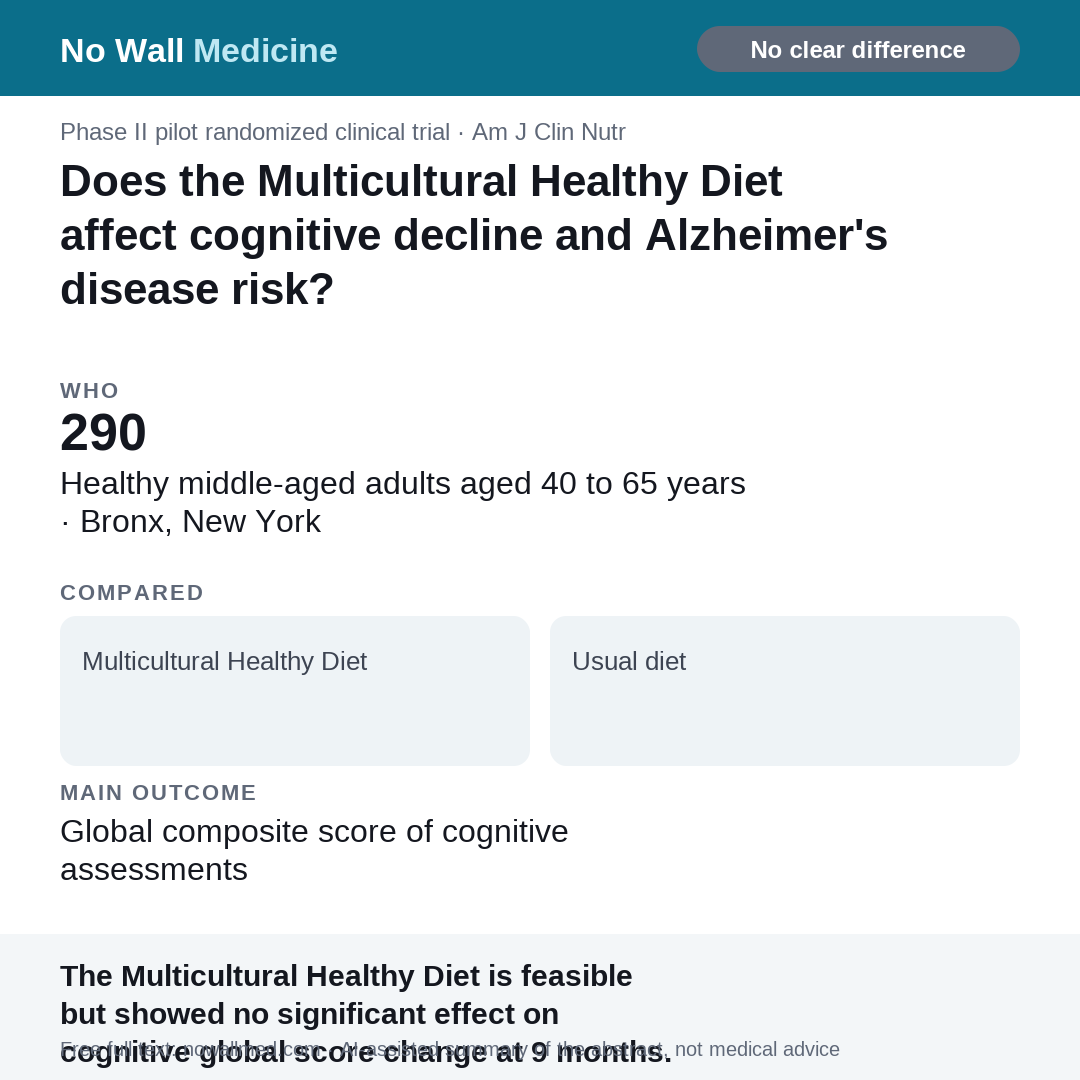
The effects of the Multicultural Healthy Diet on cognitive decline and Alzheimer's disease risk: a phase II randomized controlled trial in middle-aged adults
Phase II pilot randomized clinical trialNo clear difference
Does the Multicultural Healthy Diet affect cognitive decline and Alzheimer's disease risk?
Who
290
Healthy middle-aged adults aged 40 to 65 years · Bronx, New York
Compared
Multicultural Healthy Diet
Usual diet
Main outcome
Global composite score of cognitive assessments
Result: -0.06 (95% CI -0.15, 0.04)
Bottom line: The Multicultural Healthy Diet is feasible but showed no significant effect on cognitive global score change at 9 months.
Limitation: Additional research using other measures like day-to-day variability is warranted.
Am J Clin Nutr · 2025-05-22Download image
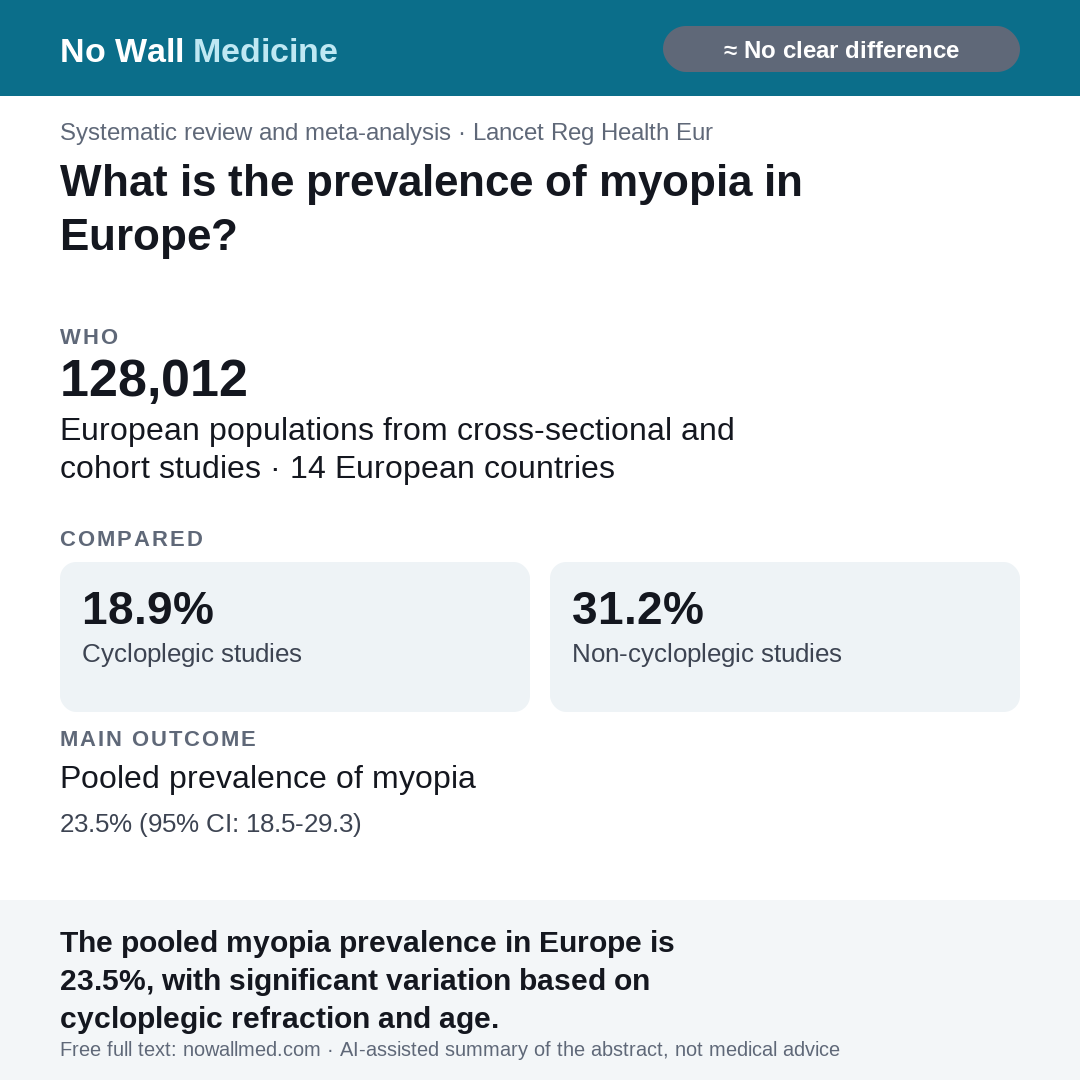
Prevalence of myopia in Europe: a systematic review and meta-analysis of data from 14 countries
Systematic review and meta-analysisNo clear difference
What is the prevalence of myopia in Europe?
Who
128,012
European populations from cross-sectional and cohort studies · 14 European countries
Compared
18.9%Cycloplegic studies (95% CI: 13.2-26.5%)
31.2%Non-cycloplegic studies (95% CI: 24.9-38.3%)
Main outcome
Pooled prevalence of myopia
Result: 23.5% (95% CI: 18.5-29.3)
Bottom line: The pooled myopia prevalence in Europe is 23.5%, with significant variation based on cycloplegic refraction and age.
Funded by: Fundação Ciência e Tecnologia, IP
Lancet Reg Health Eur · 2025-05-22Download image
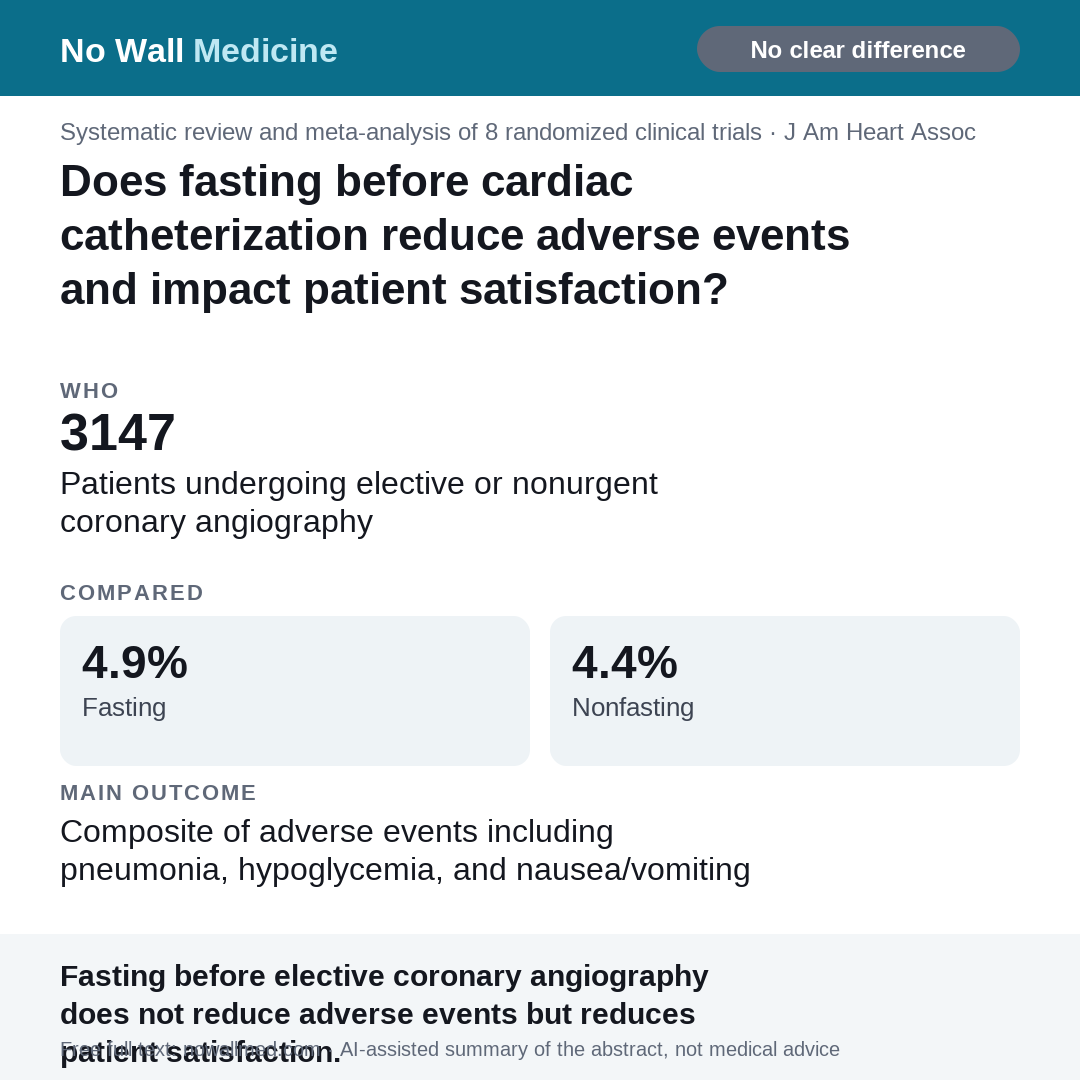
Fasting Before Cardiac Catheterization: Still Necessary? A Systematic Review and Meta-Analysis of Randomized Clinical Trials
Systematic review and meta-analysis of 8 randomized clinical trialsNo clear difference
Does fasting before cardiac catheterization reduce adverse events and impact patient satisfaction?
Who
3147
Patients undergoing elective or nonurgent coronary angiography
Compared
4.9%Fasting
4.4%Nonfasting
Main outcome
Composite of adverse events including pneumonia, hypoglycemia, and nausea/vomiting
Result: odds ratio 1.08 (95% CI 0.78-1.51)
Bottom line: Fasting before elective coronary angiography does not reduce adverse events but reduces patient satisfaction.
J Am Heart Assoc · 2025-05-22Download image
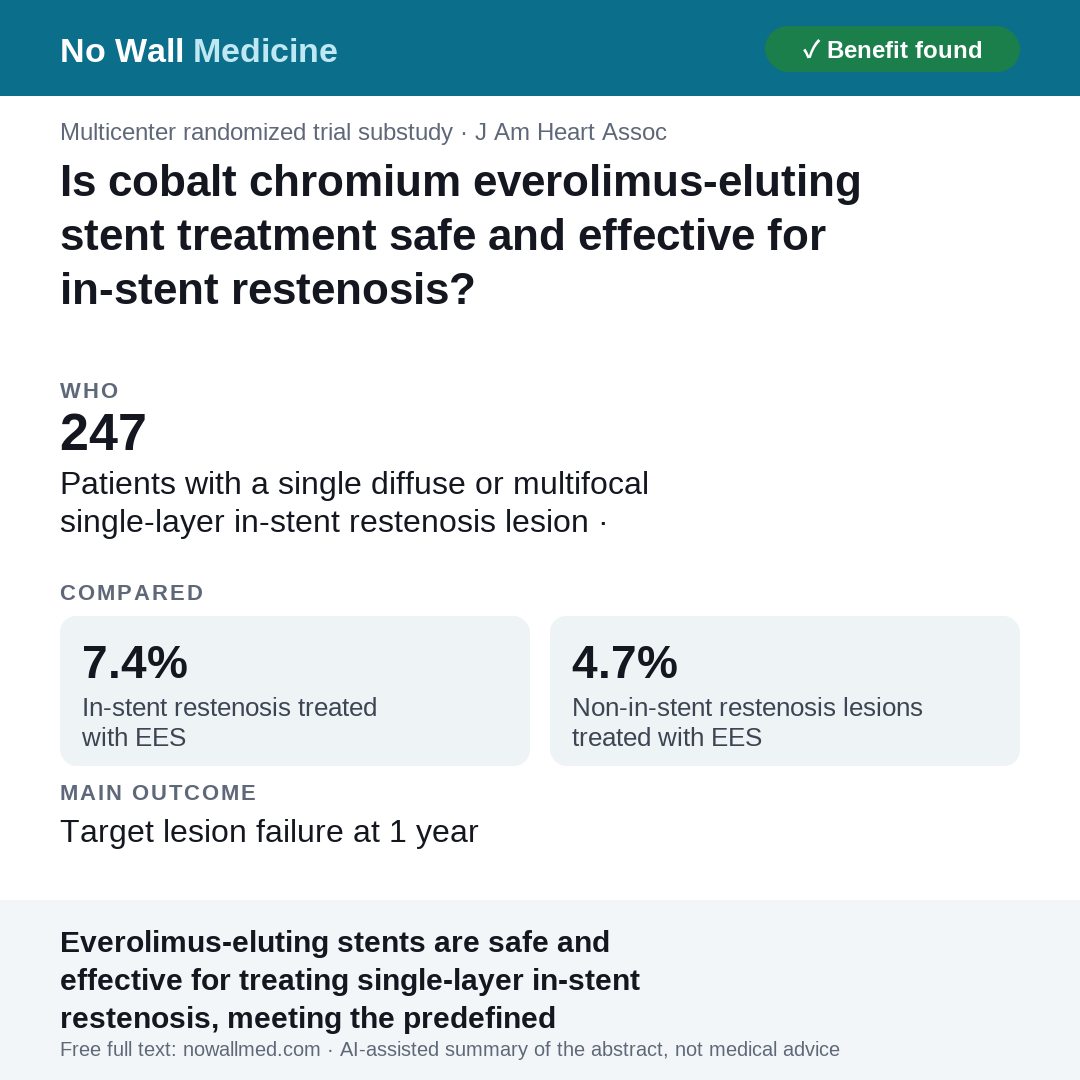
Safety and Efficacy of Cobalt Chromium Everolimus-Eluting Stents for Treatment of In-Stent Restenosis: An ILUMIEN IV Substudy
Multicenter randomized trial substudyBenefit found
Is cobalt chromium everolimus-eluting stent treatment safe and effective for in-stent restenosis?
Who
247
Patients with a single diffuse or multifocal single-layer in-stent restenosis lesion · Multicenter
Compared
7.4%In-stent restenosis treated with EES (18 patients)
4.7%Non-in-stent restenosis lesions treated with EES
Main outcome
Target lesion failure at 1 year
Result: hazard ratio 1.58 (95% CI 0.95-2.61)
Bottom line: Everolimus-eluting stents are safe and effective for treating single-layer in-stent restenosis, meeting the predefined performance goal.
J Am Heart Assoc · 2025-05-22Download image
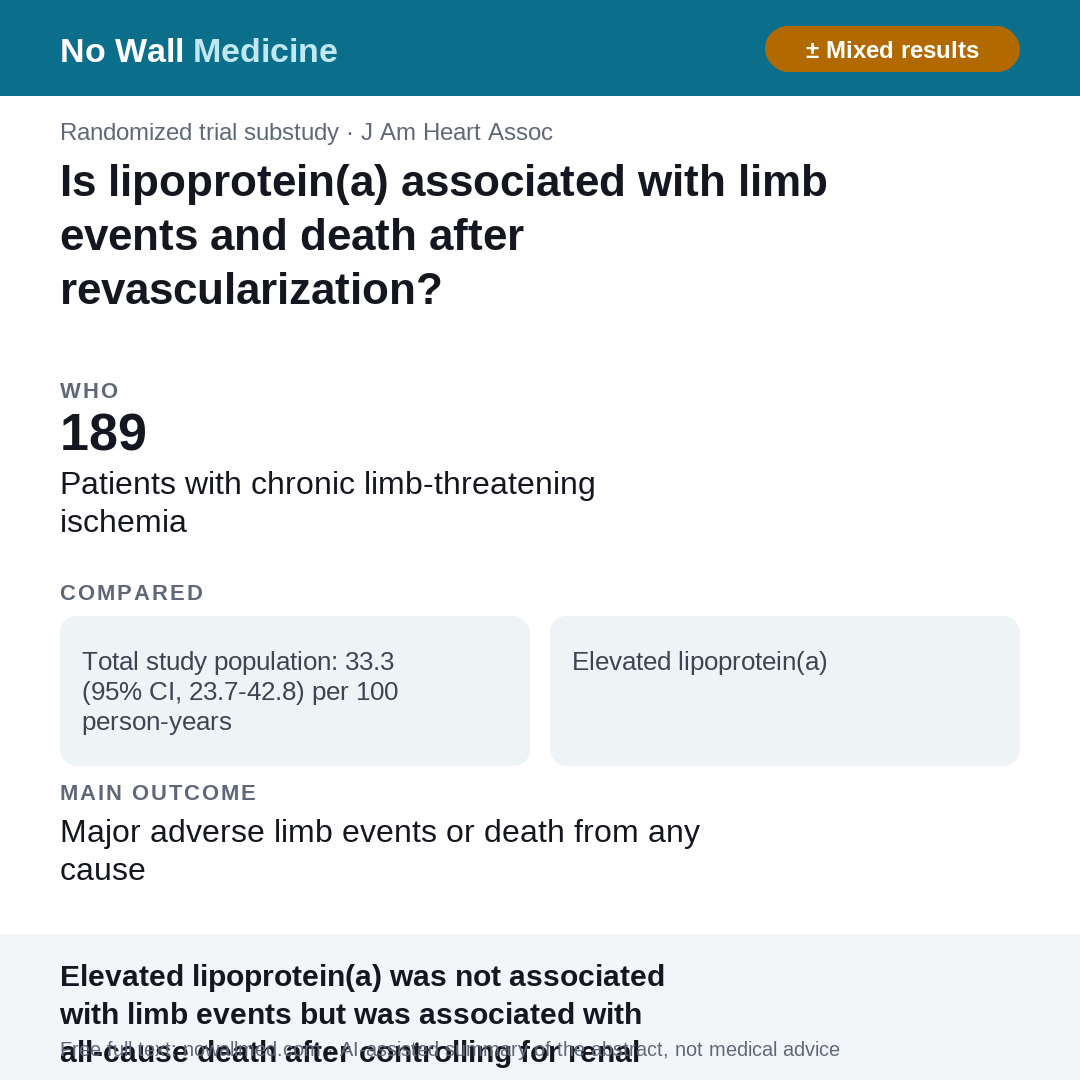
Association of Lipoprotein(a) With Major Adverse Limb Events and All-Cause Mortality Following Revascularization for Chronic Limb-Threatening Ischemia: A Substudy of the BEST-CLI Trial
Randomized trial substudyMixed results
Is lipoprotein(a) associated with limb events and death after revascularization?
Who
189
Patients with chronic limb-threatening ischemia
Compared
Total study population: 33.3 (95% CI, 23.7-42.8) per 100 person-years
Elevated lipoprotein(a)
Main outcome
Major adverse limb events or death from any cause
Result: hazard ratio 1.00 (95% CI 0.99-1.00)
Bottom line: Elevated lipoprotein(a) was not associated with limb events but was associated with all-cause death after controlling for renal function.
J Am Heart Assoc · 2025-05-22Download image
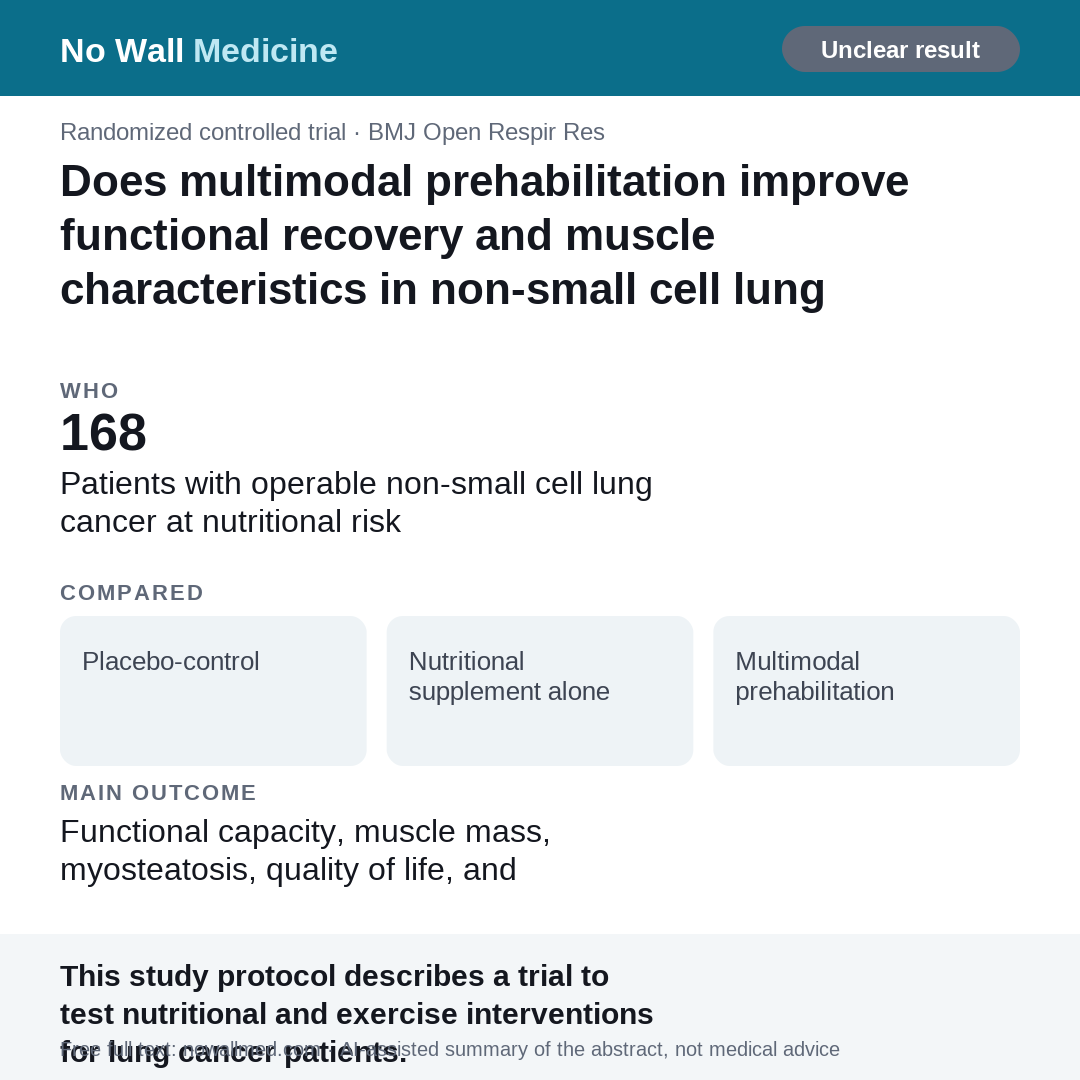
Novel multimodal intervention for surgical prehabilitation on functional recovery and muscle characteristics in patients with non-small cell lung cancer: study protocol for a randomised controlled trial (MMP-LUNG)
Randomized controlled trialUnclear result
Does multimodal prehabilitation improve functional recovery and muscle characteristics in non-small cell lung cancer patients?
Who
168
Patients with operable non-small cell lung cancer at nutritional risk
Compared
Placebo-control
Nutritional supplement alone
Multimodal prehabilitation
Main outcome
Functional capacity, muscle mass, myosteatosis, quality of life, and complications
Bottom line: This study protocol describes a trial to test nutritional and exercise interventions for lung cancer patients.
BMJ Open Respir Res · 2025-05-22Download image
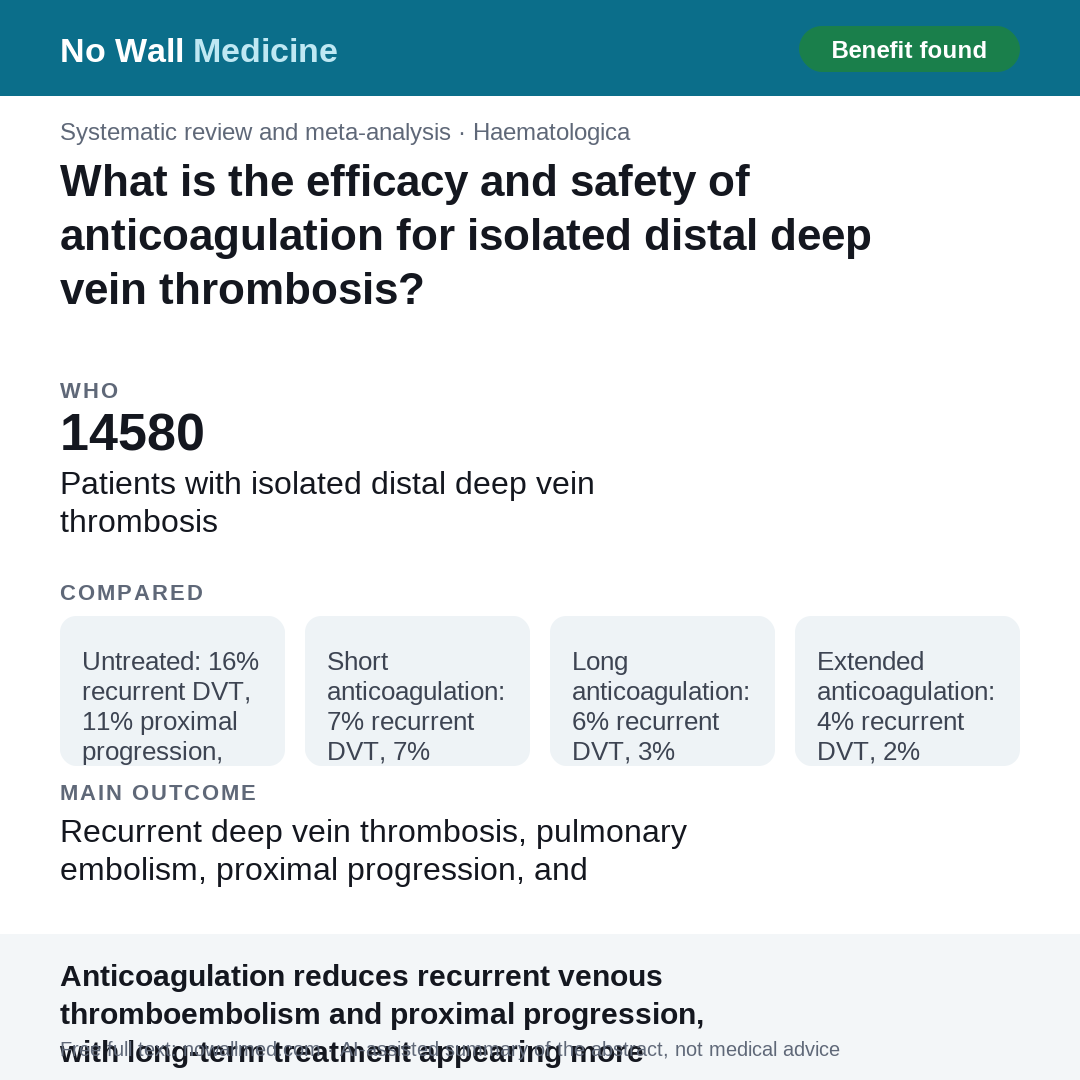
Anticoagulant treatment for isolated distal deep vein thrombosis: a systematic review and meta-analysis
Systematic review and meta-analysisBenefit found
What is the efficacy and safety of anticoagulation for isolated distal deep vein thrombosis?
Who
14580
Patients with isolated distal deep vein thrombosis
Compared
Untreated: 16% recurrent DVT, 11% proximal progression, 30% post-thrombotic syndrome
Short anticoagulation: 7% recurrent DVT, 7% proximal progression, 11% post-thrombotic syndrome
Long anticoagulation: 6% recurrent DVT, 3% proximal progression, 0% post-thrombotic syndrome
Extended anticoagulation: 4% recurrent DVT, 2% proximal progression
Main outcome
Recurrent deep vein thrombosis, pulmonary embolism, proximal progression, and post-thrombotic syndrome
Result: RR 2.72 (95% CI: 1.19-6.23) for recurrent venous thromboembolism
Bottom line: Anticoagulation reduces recurrent venous thromboembolism and proximal progression, with long-term treatment appearing more effective.
Haematologica · 2025-05-22Download image
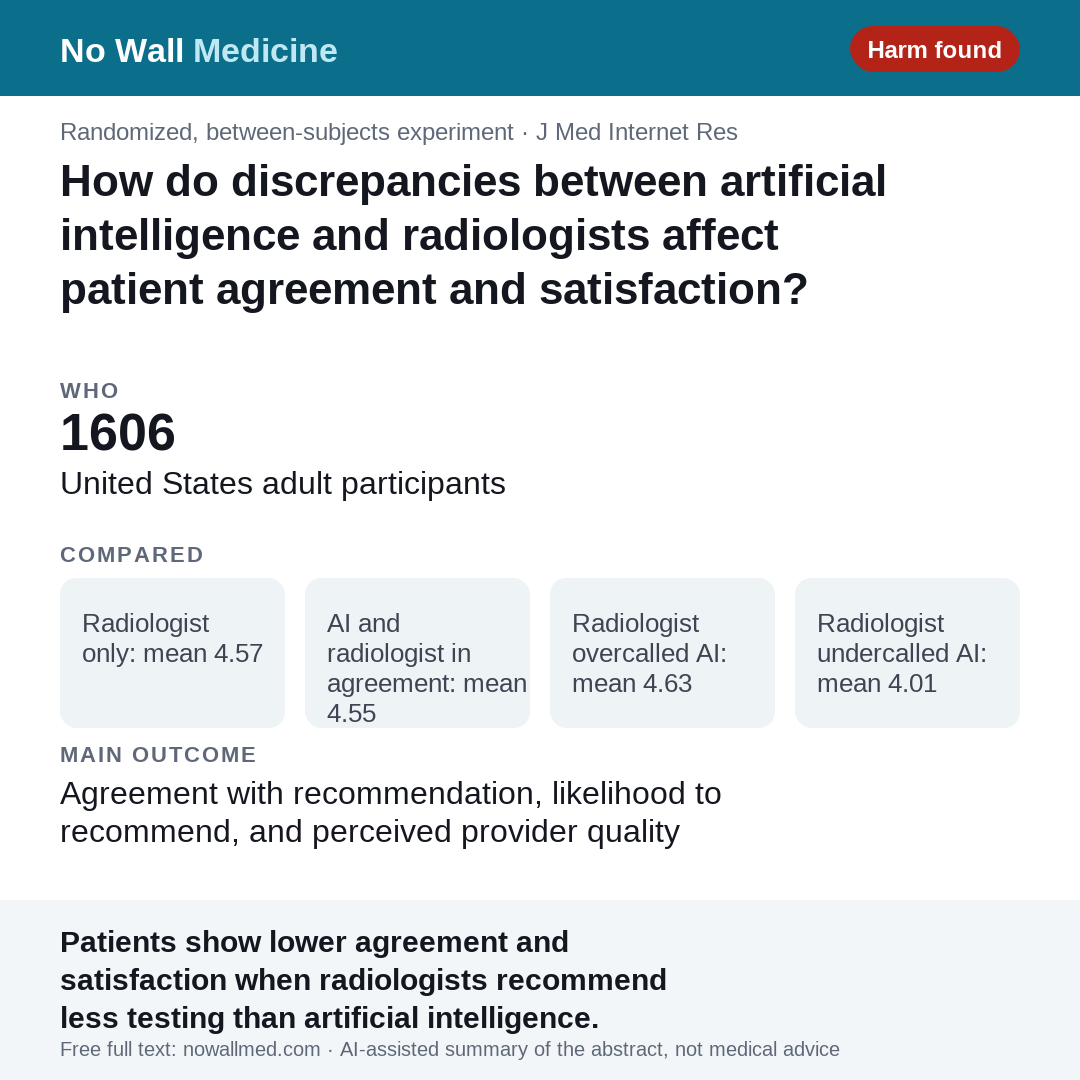
Patient Reactions to Artificial Intelligence-Clinician Discrepancies: Web-Based Randomized Experiment
Randomized, between-subjects experimentHarm found
How do discrepancies between artificial intelligence and radiologists affect patient agreement and satisfaction?
Who
1606
United States adult participants
Compared
Radiologist only: mean 4.57
AI and radiologist in agreement: mean 4.55
Radiologist overcalled AI: mean 4.63
Radiologist undercalled AI: mean 4.01
Main outcome
Agreement with recommendation, likelihood to recommend, and perceived provider quality
Bottom line: Patients show lower agreement and satisfaction when radiologists recommend less testing than artificial intelligence.
Limitation: The study used a simulated scenario where participants assumed the role of patients.
J Med Internet Res · 2025-05-22Download image
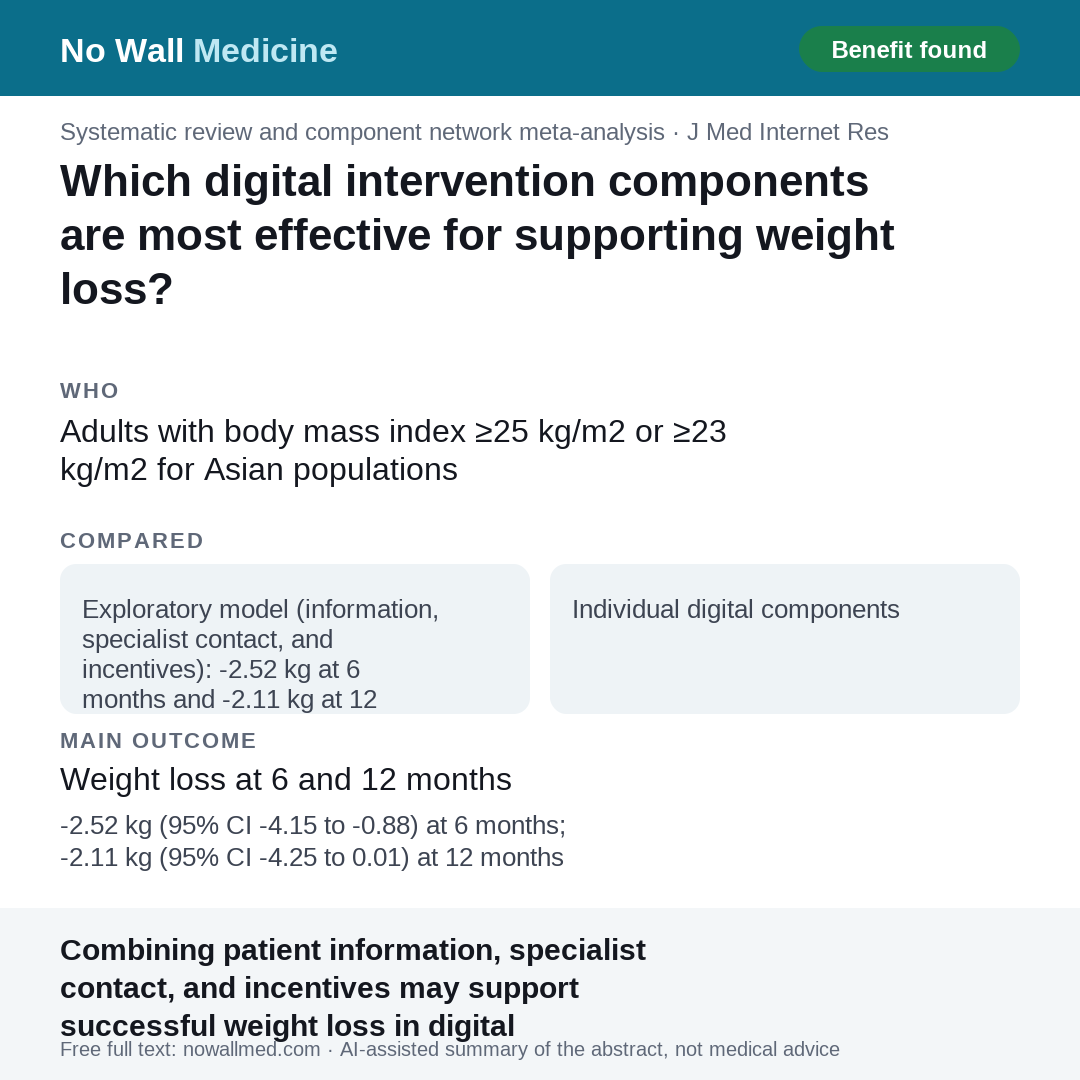
Evaluation of the Aspects of Digital Interventions That Successfully Support Weight Loss: Systematic Review With Component Network Meta-Analysis
Systematic review and component network meta-analysisBenefit found
Which digital intervention components are most effective for supporting weight loss?
Who
Adults with body mass index ≥25 kg/m2 or ≥23 kg/m2 for Asian populations
Compared
Exploratory model (information, specialist contact, and incentives): -2.52 kg at 6 months and -2.11 kg at 12 months
Individual digital components
Main outcome
Weight loss at 6 and 12 months
Result: -2.52 kg (95% CI -4.15 to -0.88) at 6 months; -2.11 kg (95% CI -4.25 to 0.01) at 12 months
Bottom line: Combining patient information, specialist contact, and incentives may support successful weight loss in digital interventions.
Limitation: No trial arms used this specific combination of components.
J Med Internet Res · 2025-05-22Download image
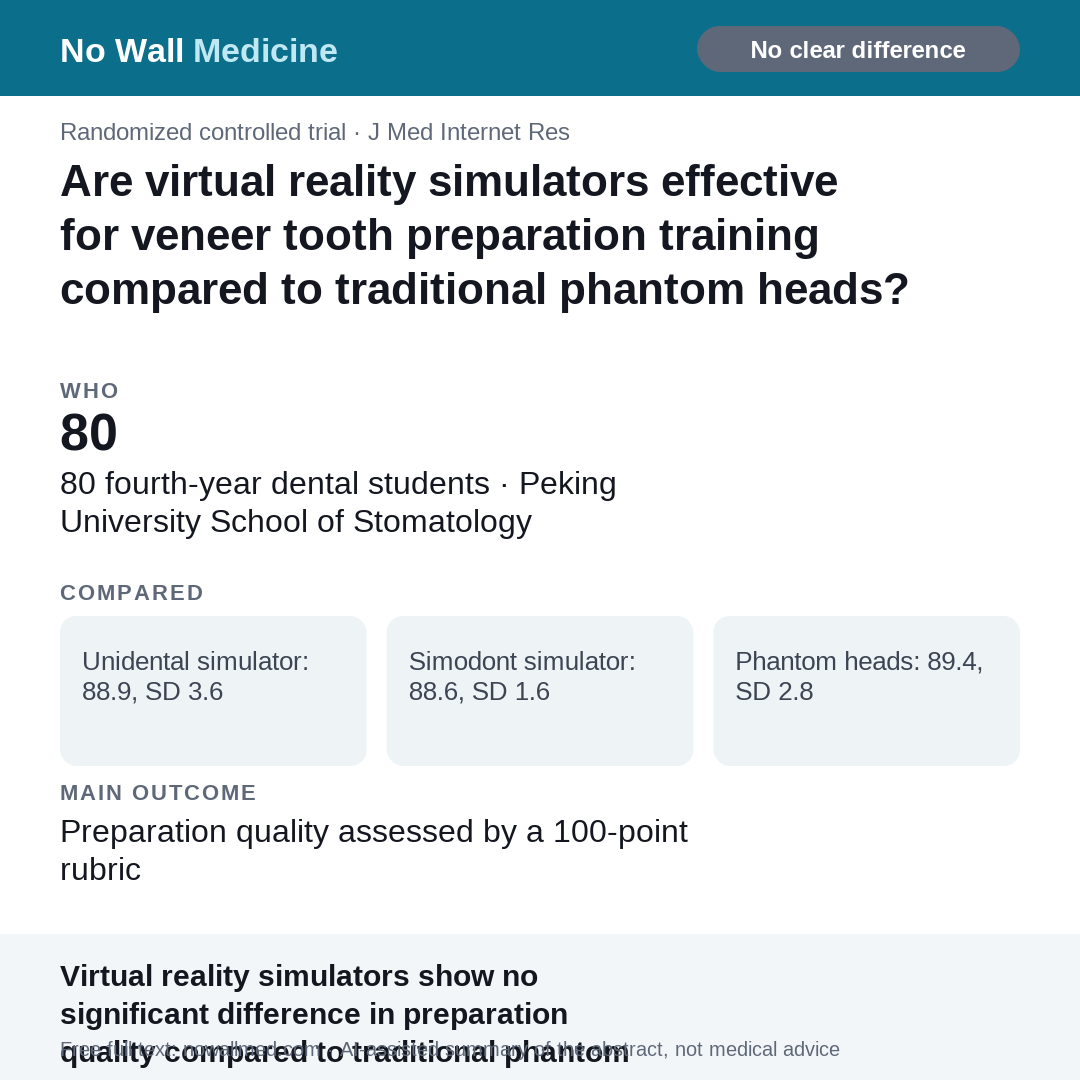
Effectiveness and Methodologies of Virtual Reality Dental Simulators for Veneer Tooth Preparation Training: Randomized Controlled Trial
Randomized controlled trialNo clear difference
Are virtual reality simulators effective for veneer tooth preparation training compared to traditional phantom heads?
Who
80
80 fourth-year dental students · Peking University School of Stomatology
Compared
Unidental simulator: 88.9, SD 3.6
Simodont simulator: 88.6, SD 1.6
Phantom heads: 89.4, SD 2.8
Main outcome
Preparation quality assessed by a 100-point rubric
Bottom line: Virtual reality simulators show no significant difference in preparation quality compared to traditional phantom heads for veneer training.
Limitation: Formal equivalence testing was not performed.
J Med Internet Res · 2025-05-22Download image
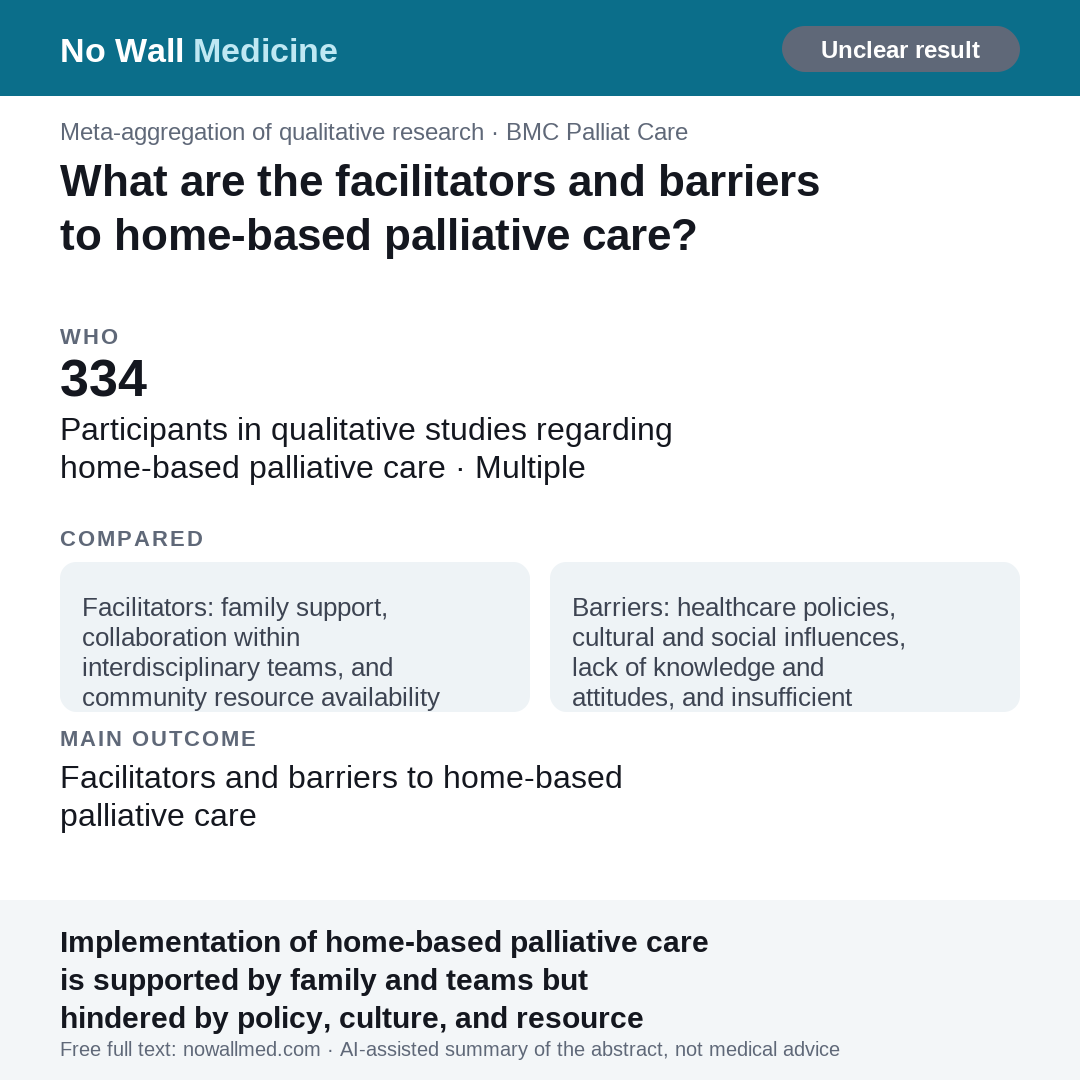
Meta-aggregation of facilitators and barriers to home-based palliative care
Meta-aggregation of qualitative researchUnclear result
What are the facilitators and barriers to home-based palliative care?
Who
334
Participants in qualitative studies regarding home-based palliative care · Multiple databases including PubMed and Cochrane Library
Compared
Facilitators: family support, collaboration within interdisciplinary teams, and community resource availability
Barriers: healthcare policies, cultural and social influences, lack of knowledge and attitudes, and insufficient resources
Main outcome
Facilitators and barriers to home-based palliative care
Bottom line: Implementation of home-based palliative care is supported by family and teams but hindered by policy, culture, and resource gaps.
BMC Palliat Care · 2025-05-22Download image
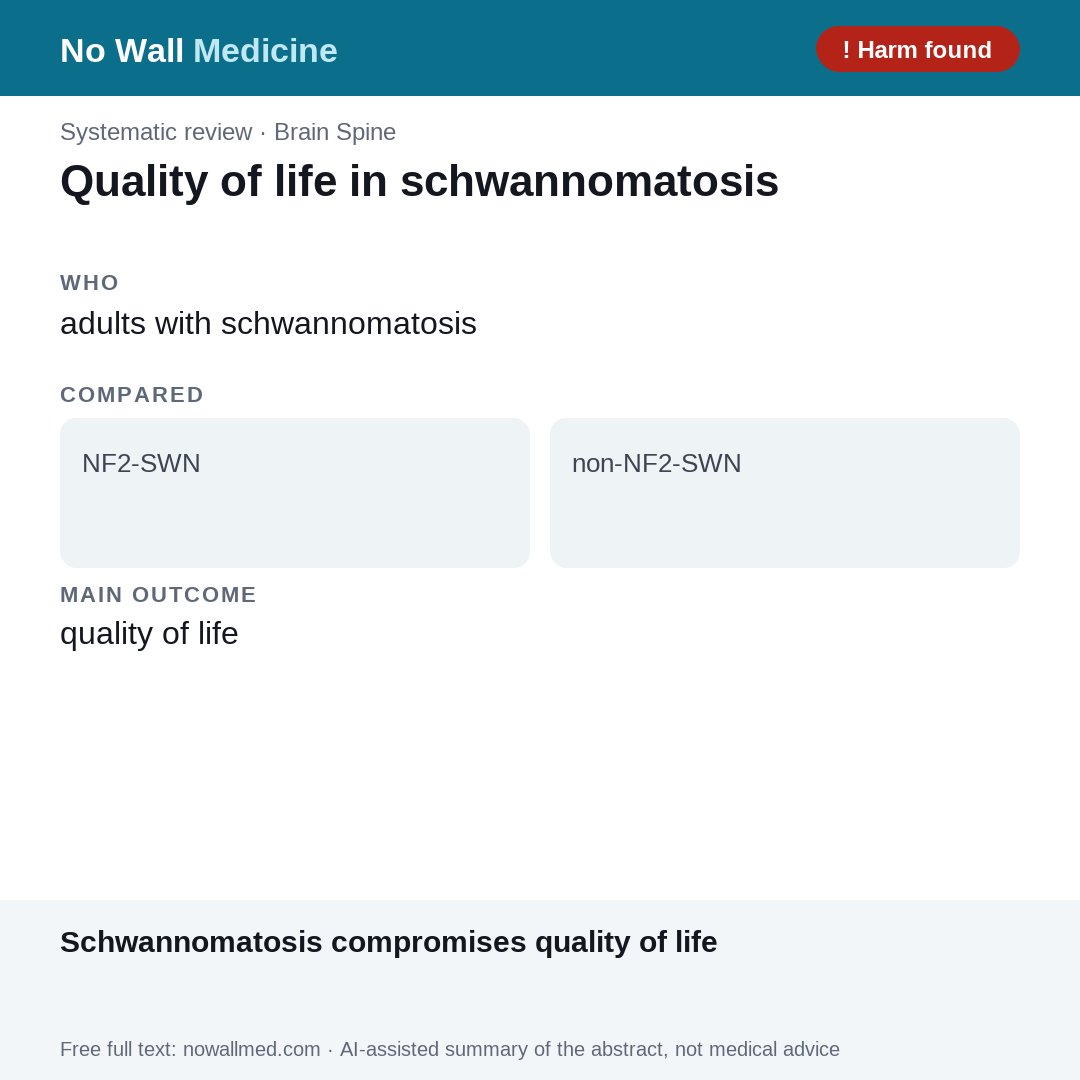
Quality of life assessment in schwannomatosis - A systematic review
Systematic reviewHarm found
Quality of life in schwannomatosis
Who
adults with schwannomatosis
Compared
NF2-SWN
non-NF2-SWN
Main outcome
quality of life
Bottom line: Schwannomatosis compromises quality of life
Brain Spine · 2025-05-22Download image
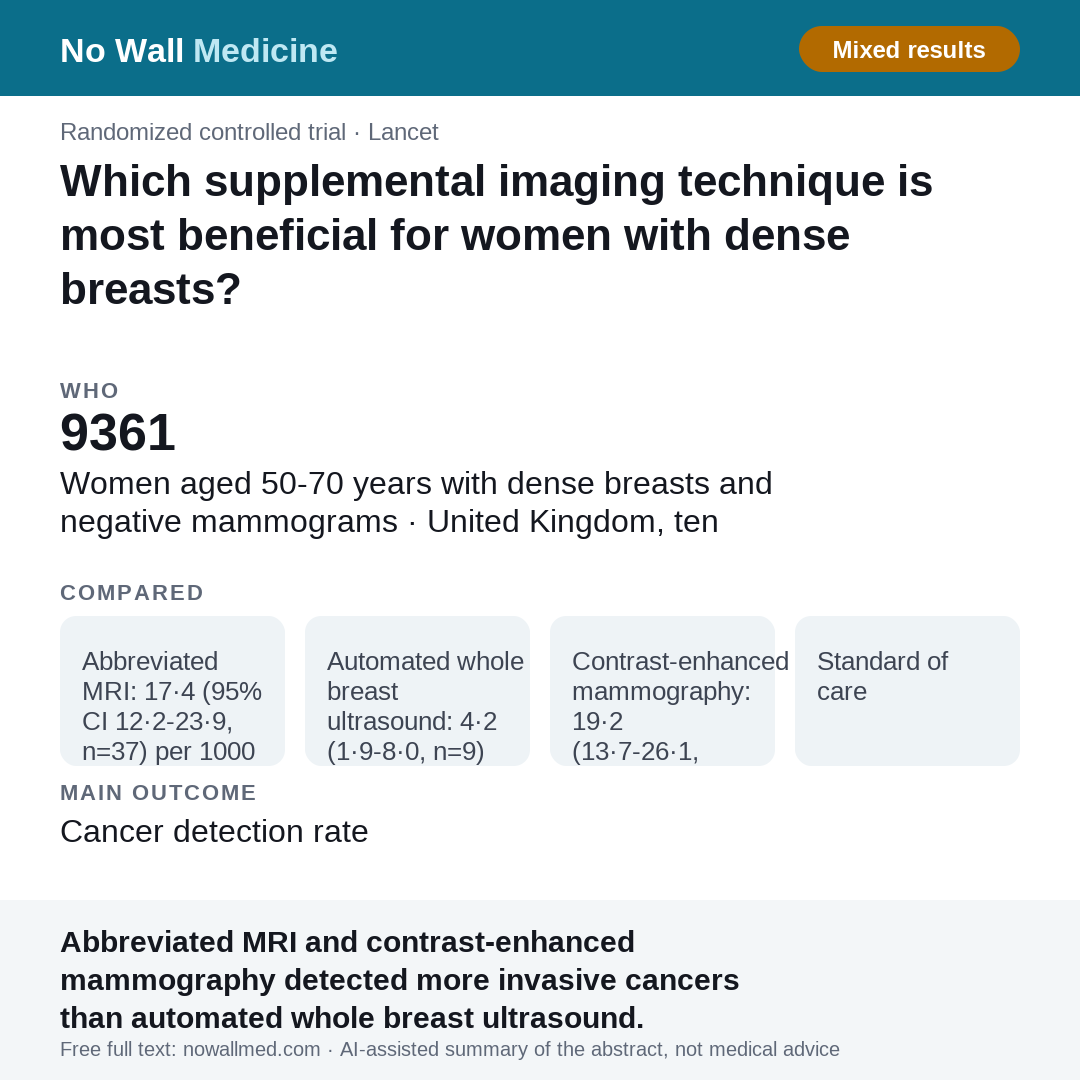
Comparison of supplemental breast cancer imaging techniques-interim results from the BRAID randomised controlled trial
Randomized controlled trialMixed results
Which supplemental imaging technique is most beneficial for women with dense breasts?
Who
9361
Women aged 50-70 years with dense breasts and negative mammograms · United Kingdom, ten breast screening sites
Compared
Abbreviated MRI: 17·4 (95% CI 12·2-23·9, n=37) per 1000 examinations
Automated whole breast ultrasound: 4·2 (1·9-8·0, n=9) per 1000 examinations
Contrast-enhanced mammography: 19·2 (13·7-26·1, n=39) per 1000 examinations
Standard of care
Main outcome
Cancer detection rate
Bottom line: Abbreviated MRI and contrast-enhanced mammography detected more invasive cancers than automated whole breast ultrasound.
Funded by: Cancer Research UK, GE Healthcare, and Bayer Healthcare
Lancet · 2025-05-21Download image
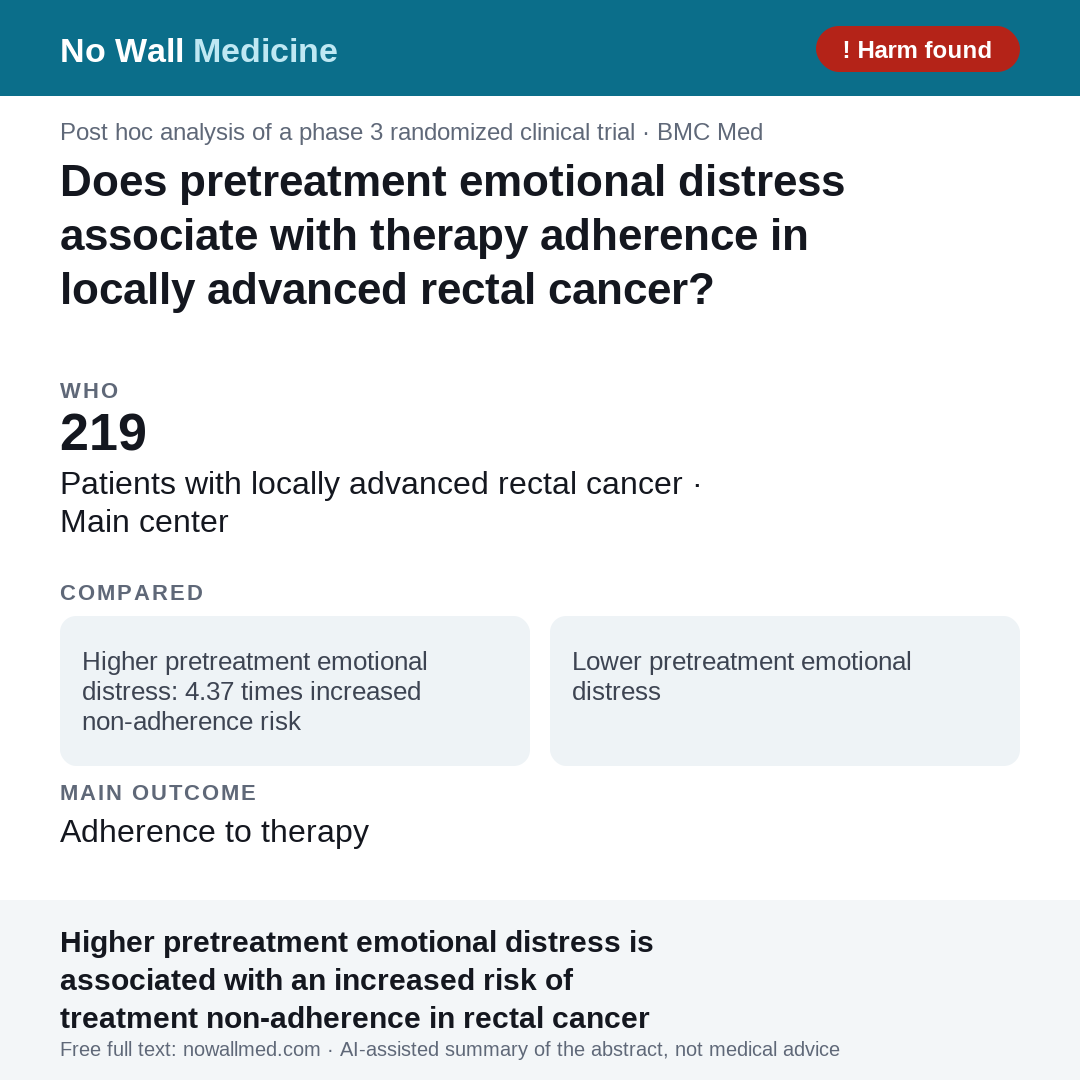
Associations of pretreatment emotional distress with adherence to therapy for patients with locally advanced rectal cancer: a post hoc analysis of the Chinese FOWARC phase 3 randomized clinical trial
Post hoc analysis of a phase 3 randomized clinical trialHarm found
Does pretreatment emotional distress associate with therapy adherence in locally advanced rectal cancer?
Who
219
Patients with locally advanced rectal cancer · Main center
Compared
Higher pretreatment emotional distress: 4.37 times increased non-adherence risk
Lower pretreatment emotional distress
Main outcome
Adherence to therapy
Result: OR: 4.37, 95% CI: 1.92-9.96
Bottom line: Higher pretreatment emotional distress is associated with an increased risk of treatment non-adherence in rectal cancer patients.
BMC Med · 2025-05-21Download image