Visual abstracts
New randomized trials and meta-analyses from leading journals at a glance: who was studied, what was compared, and what was found. Every paper is free to read in full.
All specialtiesCardiology 4832Oncology 4114Gastroenterology & Hepatology 1934Infectious Disease 3824Neurology 1899Psychiatry & Mental Health 2256Pulmonology 2082Critical Care 1345Endocrinology & Diabetes 2572Pediatrics 2940Surgery 2525Orthopedics & Sports Medicine 926Neurosurgery 534Cardiothoracic & Vascular Surgery 671Plastic & Reconstructive Surgery 591Nephrology 1124Rheumatology 823Hematology 1104Dermatology 620Ophthalmology 543Obstetrics & Gynecology 1684Public & Global Health 1056Radiology & Imaging 641Anesthesiology 962Urology 754ENT (Otolaryngology) 503Emergency Medicine 489Allergy & Immunology 313Geriatrics 981Family Medicine & Primary Care 541Medical Genetics & Genomics 675Pathology & Laboratory Medicine 157Physical Medicine & Rehabilitation 751Palliative Care 424Nutrition 1580Digital Health & AI 2195General Medicine 321
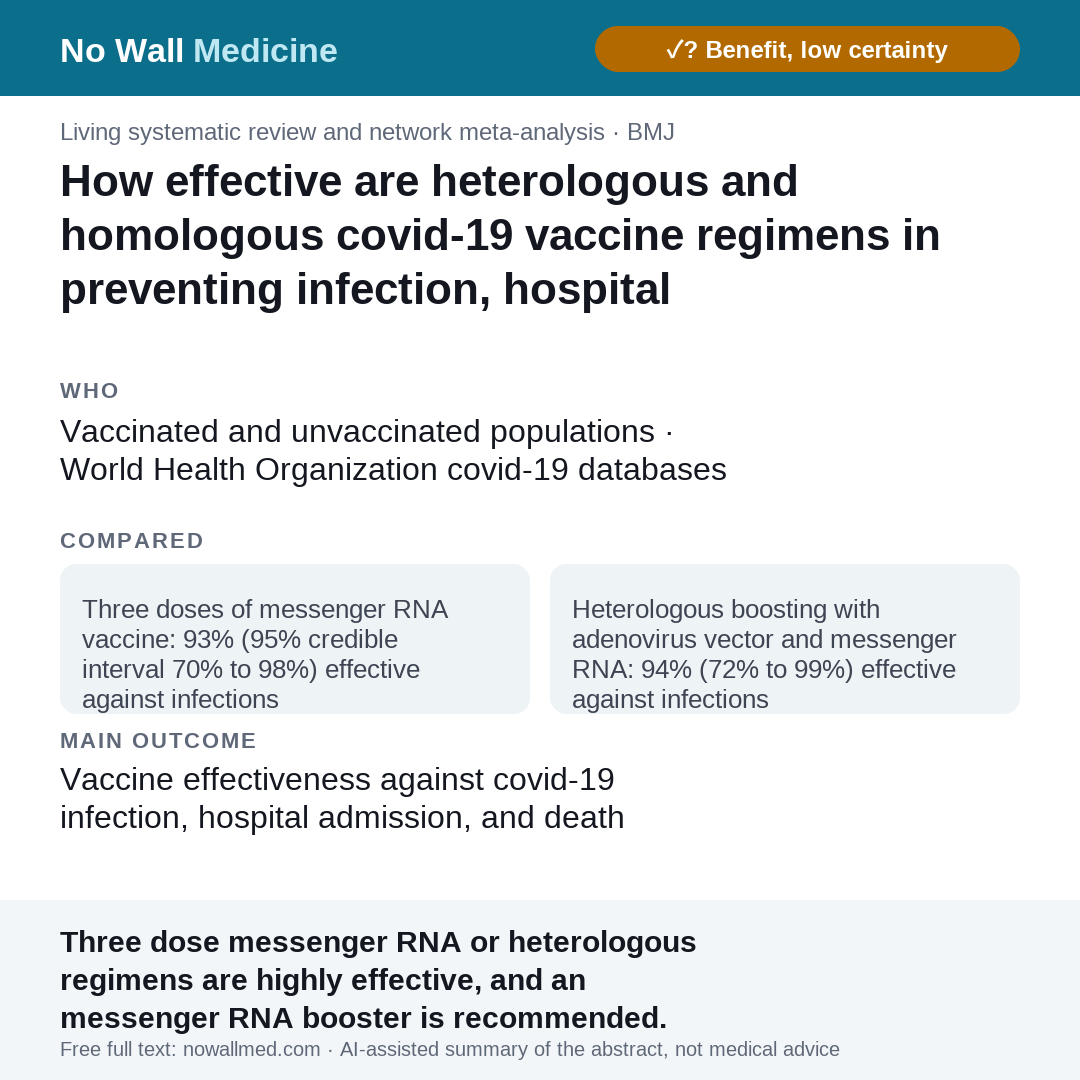
Effectiveness of heterologous and homologous covid-19 vaccine regimens: living systematic review with network meta-analysis
Living systematic review and network meta-analysisBenefit found
How effective are heterologous and homologous covid-19 vaccine regimens in preventing infection, hospital admission, and death?
Who
Vaccinated and unvaccinated populations · World Health Organization covid-19 databases
Compared
Three doses of messenger RNA vaccine: 93% (95% credible interval 70% to 98%) effective against infections
Heterologous boosting with adenovirus vector and messenger RNA: 94% (72% to 99%) effective against infections
Main outcome
Vaccine effectiveness against covid-19 infection, hospital admission, and death
Bottom line: Three dose messenger RNA or heterologous regimens are highly effective, and an messenger RNA booster is recommended.
Limitation: Effectiveness against death remains uncertain owing to confounders and four dose evidence is of low certainty.
BMJ · 2022-05-31Download image
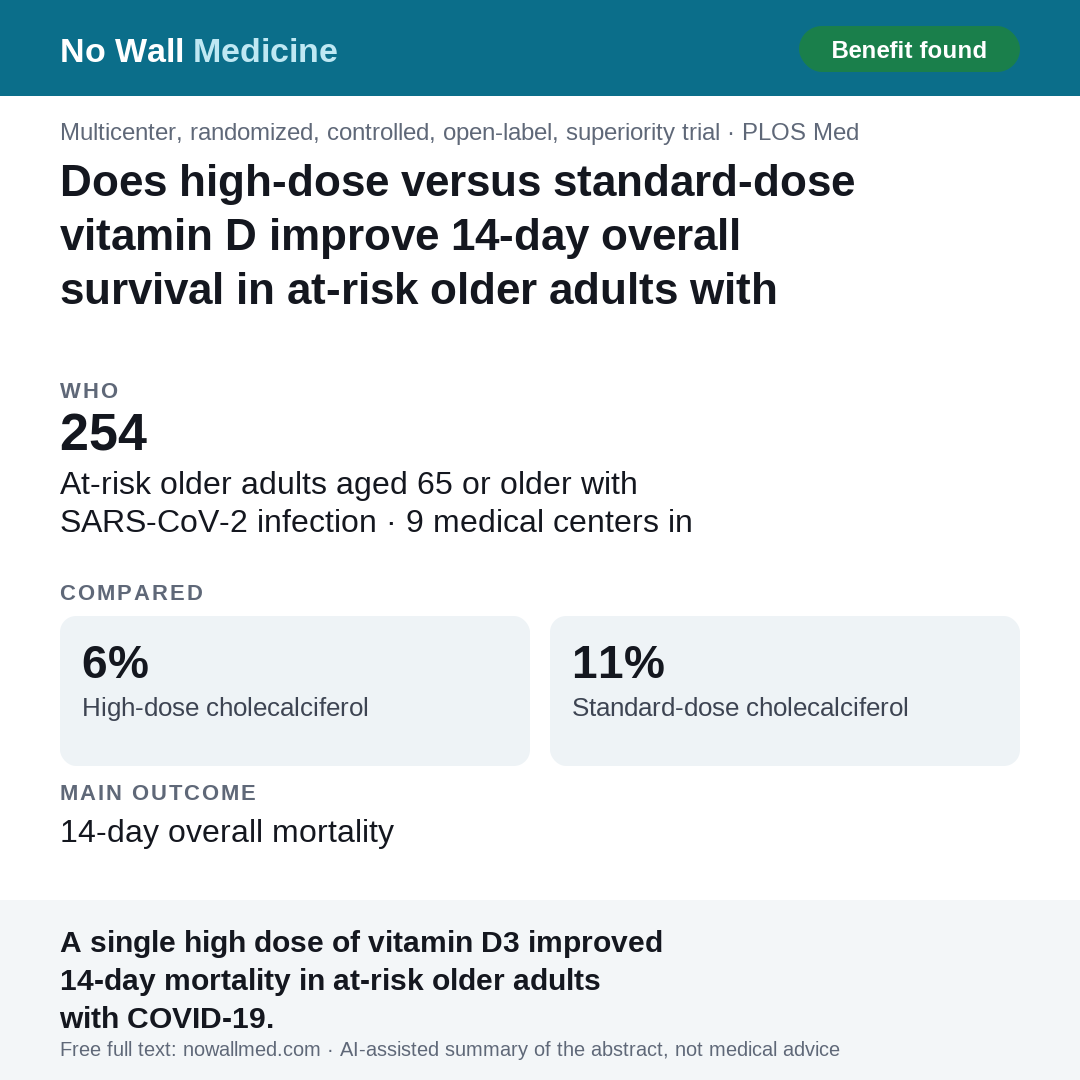
High-dose versus standard-dose vitamin D supplementation in older adults with COVID-19 (COVIT-TRIAL): A multicenter, open-label, randomized controlled superiority trial
Multicenter, randomized, controlled, open-label, superiority trialBenefit found
Does high-dose versus standard-dose vitamin D improve 14-day overall survival in at-risk older adults with COVID-19?
Who
254
At-risk older adults aged 65 or older with SARS-CoV-2 infection · 9 medical centers in France
Compared
6%High-dose cholecalciferol (8/127)
11%Standard-dose cholecalciferol (14/127)
Main outcome
14-day overall mortality
Result: adjusted hazard ratio 0.39 (95% CI 0.16 to 0.99)
Bottom line: A single high dose of vitamin D3 improved 14-day mortality in at-risk older adults with COVID-19.
Limitation: The open-label design and limited study power are the main limitations.
PLOS Med · 2022-05-31Download image
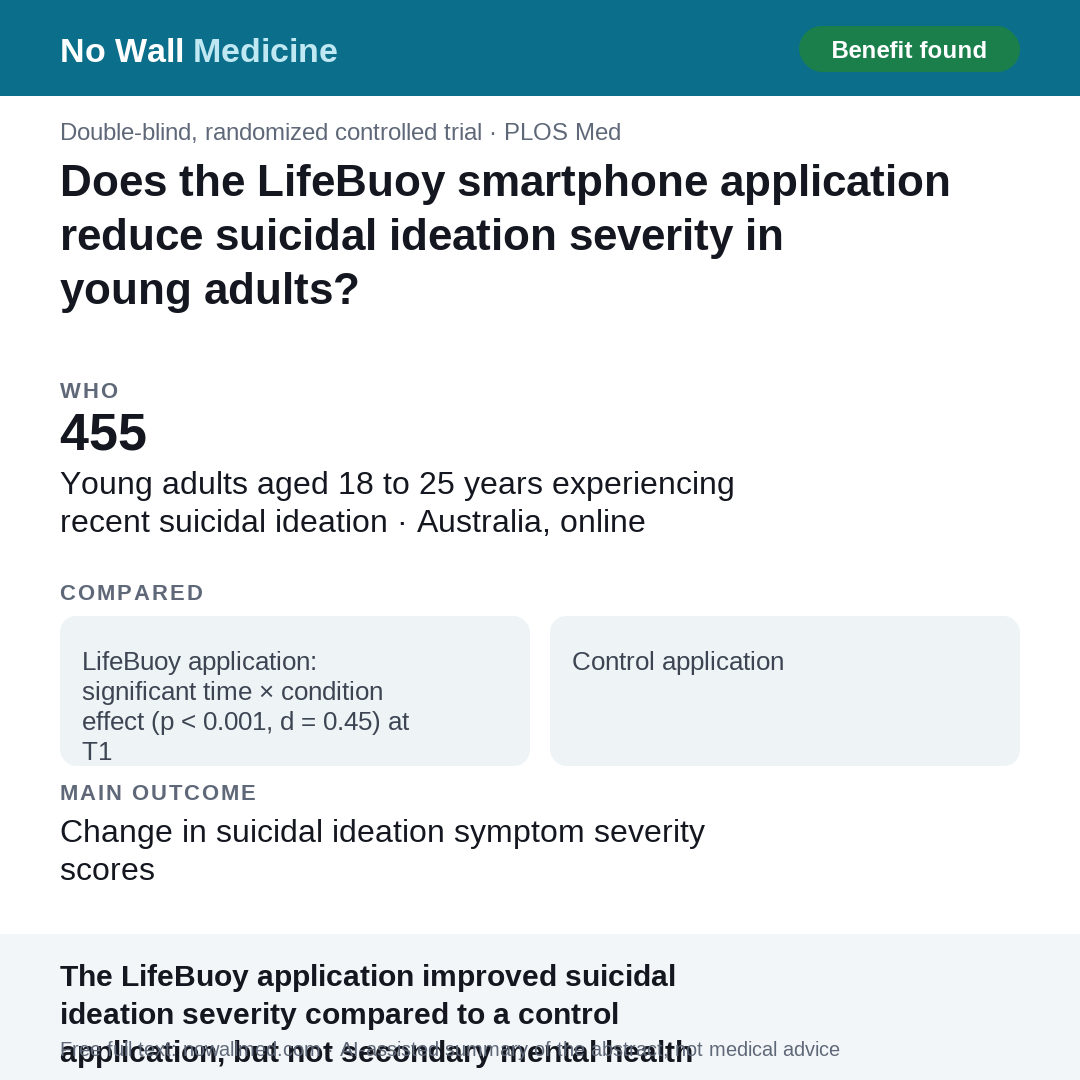
The effect of a therapeutic smartphone application on suicidal ideation in young adults: Findings from a randomized controlled trial in Australia
Double-blind, randomized controlled trialBenefit found
Does the LifeBuoy smartphone application reduce suicidal ideation severity in young adults?
Who
455
Young adults aged 18 to 25 years experiencing recent suicidal ideation · Australia, online
Compared
LifeBuoy application: significant time × condition effect (p < 0.001, d = 0.45) at T1
Control application
Main outcome
Change in suicidal ideation symptom severity scores
Result: d = 0.45 at T1 and d = 0.34 at T2
Bottom line: The LifeBuoy application improved suicidal ideation severity compared to a control application, but not secondary mental health outcomes.
Limitation: Lack of sample size calculations for secondary outcomes and high attrition rate at 3-month follow-up.
PLOS Med · 2022-05-31Download image
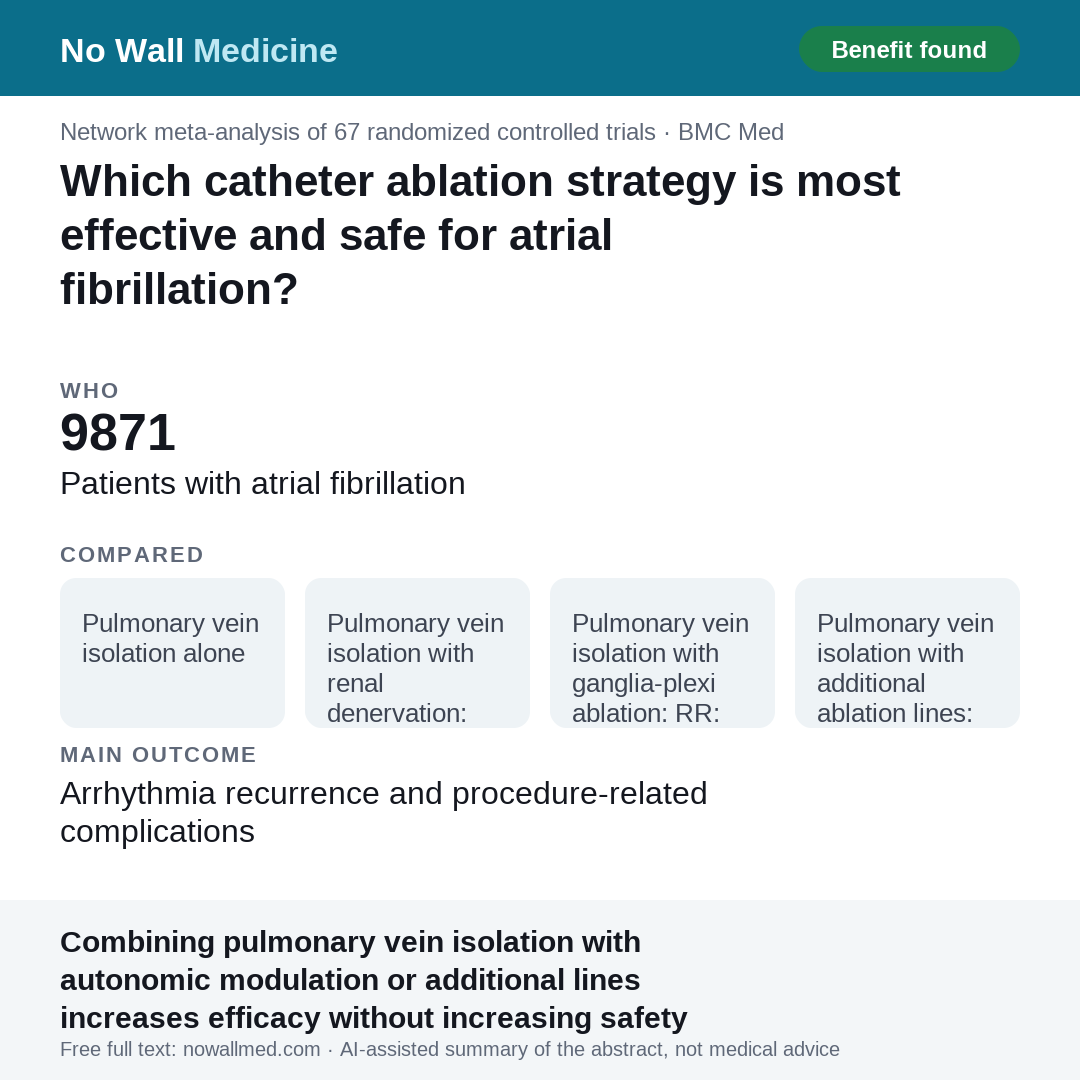
Comparing efficacy and safety in catheter ablation strategies for atrial fibrillation: a network meta-analysis
Network meta-analysis of 67 randomized controlled trialsBenefit found
Which catheter ablation strategy is most effective and safe for atrial fibrillation?
Who
9871
Patients with atrial fibrillation
Compared
Pulmonary vein isolation alone
Pulmonary vein isolation with renal denervation: RR: 0.60 (CI: 0.38-0.94)
Pulmonary vein isolation with ganglia-plexi ablation: RR: 0.62 (CI: 0.41-0.94)
Pulmonary vein isolation with additional ablation lines: RR: 0.8 (CI: 0.68-0.95)
Main outcome
Arrhythmia recurrence and procedure-related complications
Bottom line: Combining pulmonary vein isolation with autonomic modulation or additional lines increases efficacy without increasing safety risks.
BMC Med · 2022-05-31Download image
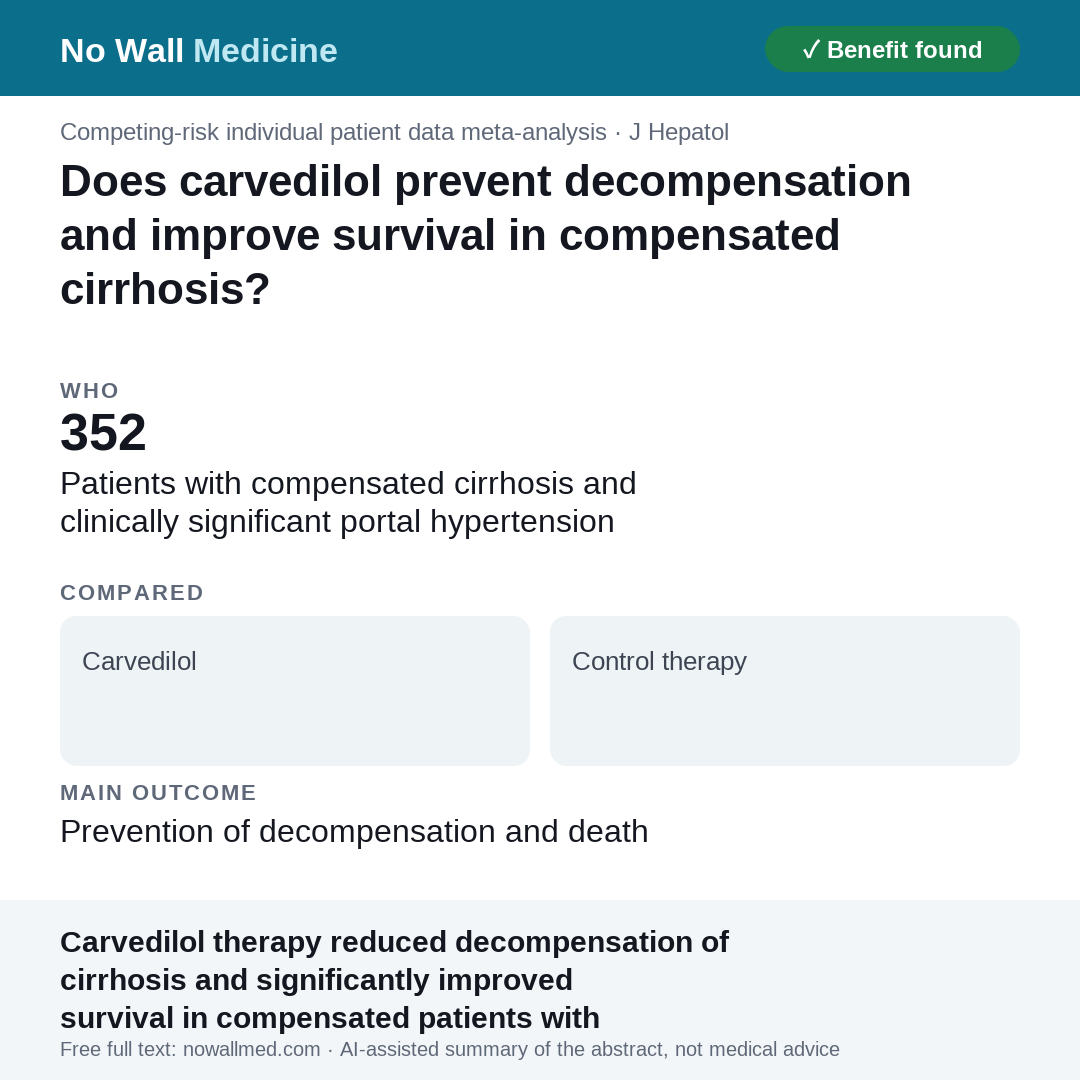
Carvedilol reduces the risk of decompensation and mortality in patients with compensated cirrhosis in a competing-risk meta-analysis
Competing-risk individual patient data meta-analysisBenefit found
Does carvedilol prevent decompensation and improve survival in compensated cirrhosis?
Who
352
Patients with compensated cirrhosis and clinically significant portal hypertension
Compared
Carvedilol
Control therapy
Main outcome
Prevention of decompensation and death
Result: subdistribution hazard ratio 0.506 (95% CI 0.289-0.887)
Bottom line: Carvedilol therapy reduced decompensation of cirrhosis and significantly improved survival in compensated patients with clinically significant portal hypertension.
J Hepatol · 2022-05-31Download image
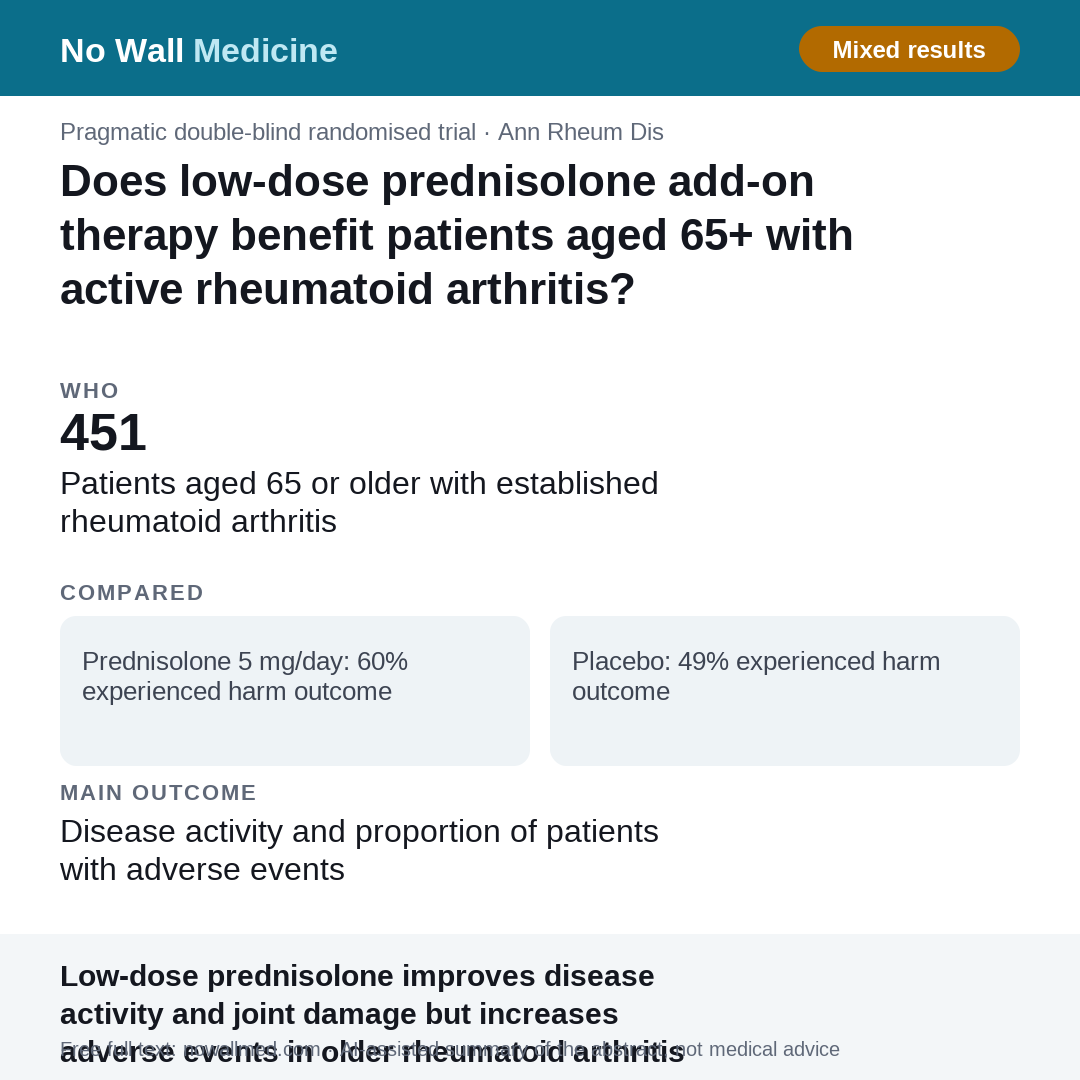
Low dose, add-on prednisolone in patients with rheumatoid arthritis aged 65+: the pragmatic randomised, double-blind placebo-controlled GLORIA trial
Pragmatic double-blind randomised trialMixed results
Does low-dose prednisolone add-on therapy benefit patients aged 65+ with active rheumatoid arthritis?
Who
451
Patients aged 65 or older with established rheumatoid arthritis
Compared
Prednisolone 5 mg/day: 60% experienced harm outcome
Placebo: 49% experienced harm outcome
Main outcome
Disease activity and proportion of patients with adverse events
Result: adjusted relative risk 1.24 (95% CL 1.04, p=0.02)
Bottom line: Low-dose prednisolone improves disease activity and joint damage but increases adverse events in older rheumatoid arthritis patients.
Ann Rheum Dis · 2022-05-31Download image
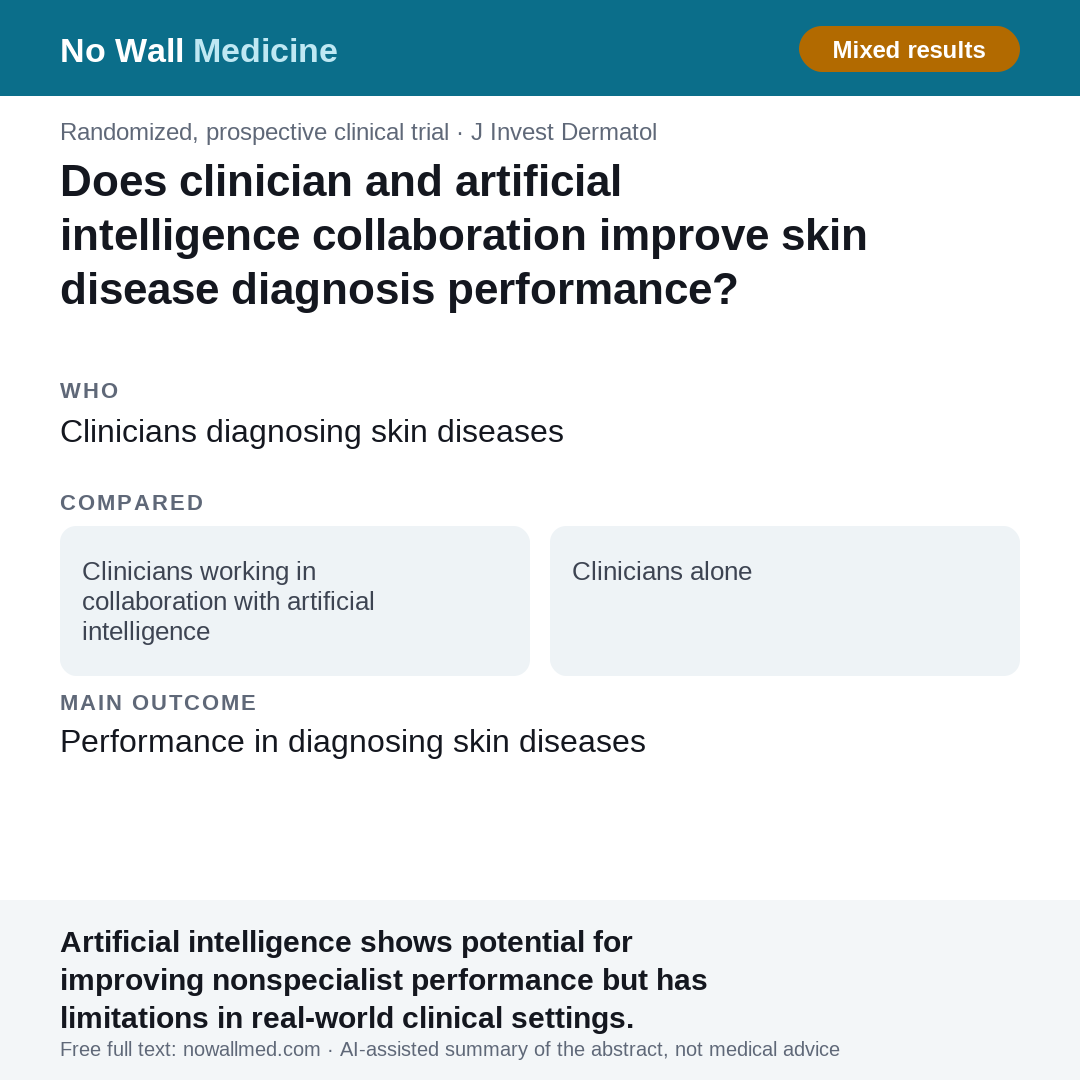
Toward Augmented Intelligence: The First Prospective, Randomized Clinical Trial Assessing Clinician and Artificial Intelligence Collaboration in Dermatology
Randomized, prospective clinical trialMixed results
Does clinician and artificial intelligence collaboration improve skin disease diagnosis performance?
Who
Clinicians diagnosing skin diseases
Compared
Clinicians working in collaboration with artificial intelligence
Clinicians alone
Main outcome
Performance in diagnosing skin diseases
Bottom line: Artificial intelligence shows potential for improving nonspecialist performance but has limitations in real-world clinical settings.
J Invest Dermatol · 2022-05-31Download image
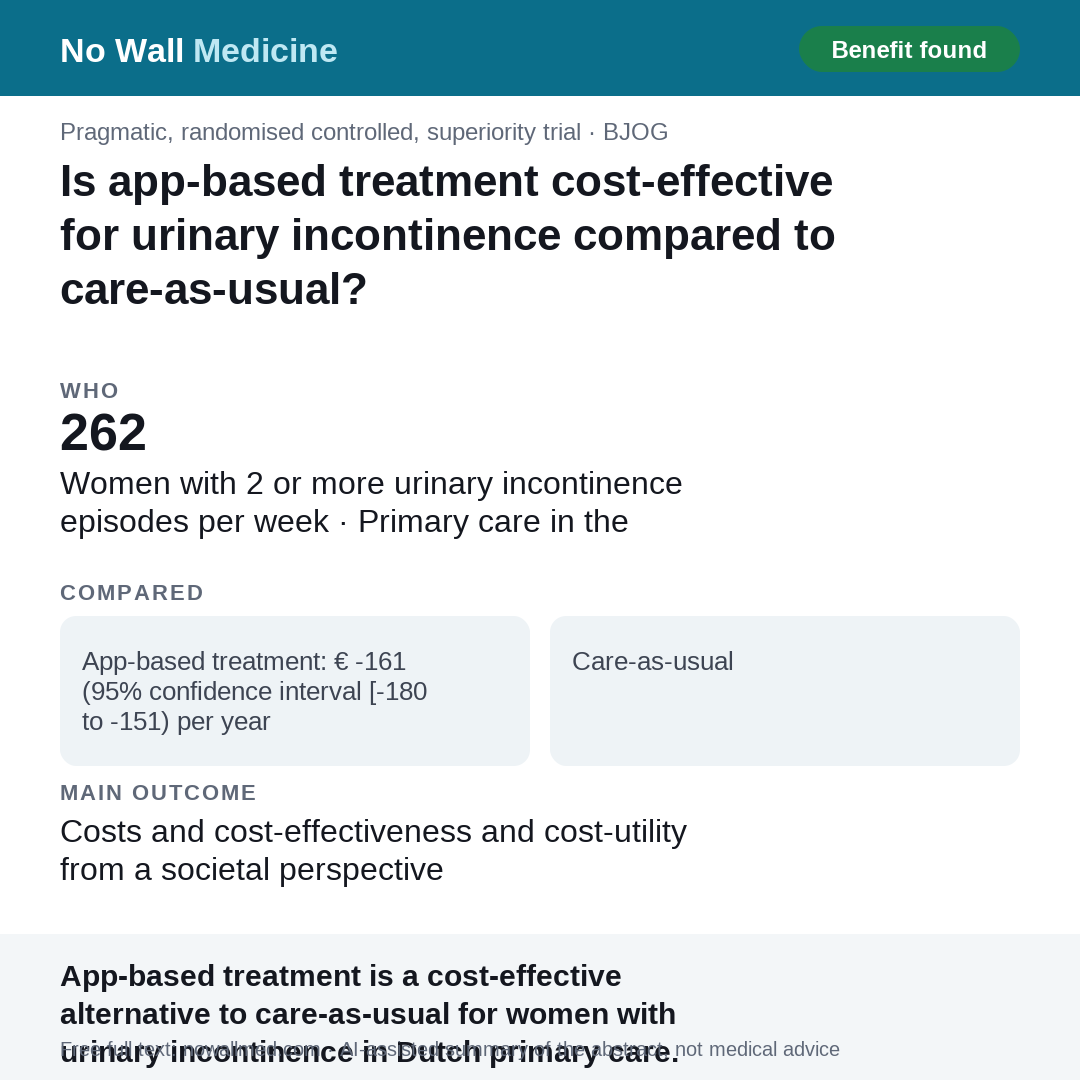
Cost-effectiveness of an app-based treatment for urinary incontinence in comparison with care-as-usual in Dutch general practice: a pragmatic randomised controlled trial over 12 months
Pragmatic, randomised controlled, superiority trialBenefit found
Is app-based treatment cost-effective for urinary incontinence compared to care-as-usual?
Who
262
Women with 2 or more urinary incontinence episodes per week · Primary care in the Netherlands
Compared
App-based treatment: € -161 (95% confidence interval [-180 to -151) per year
Care-as-usual
Main outcome
Costs and cost-effectiveness and cost-utility from a societal perspective
Result: incremental cost-effectiveness ratio -€3696; incremental cost-utility ratio €6379
Bottom line: App-based treatment is a cost-effective alternative to care-as-usual for women with urinary incontinence in Dutch primary care.
BJOG · 2022-05-31Download image
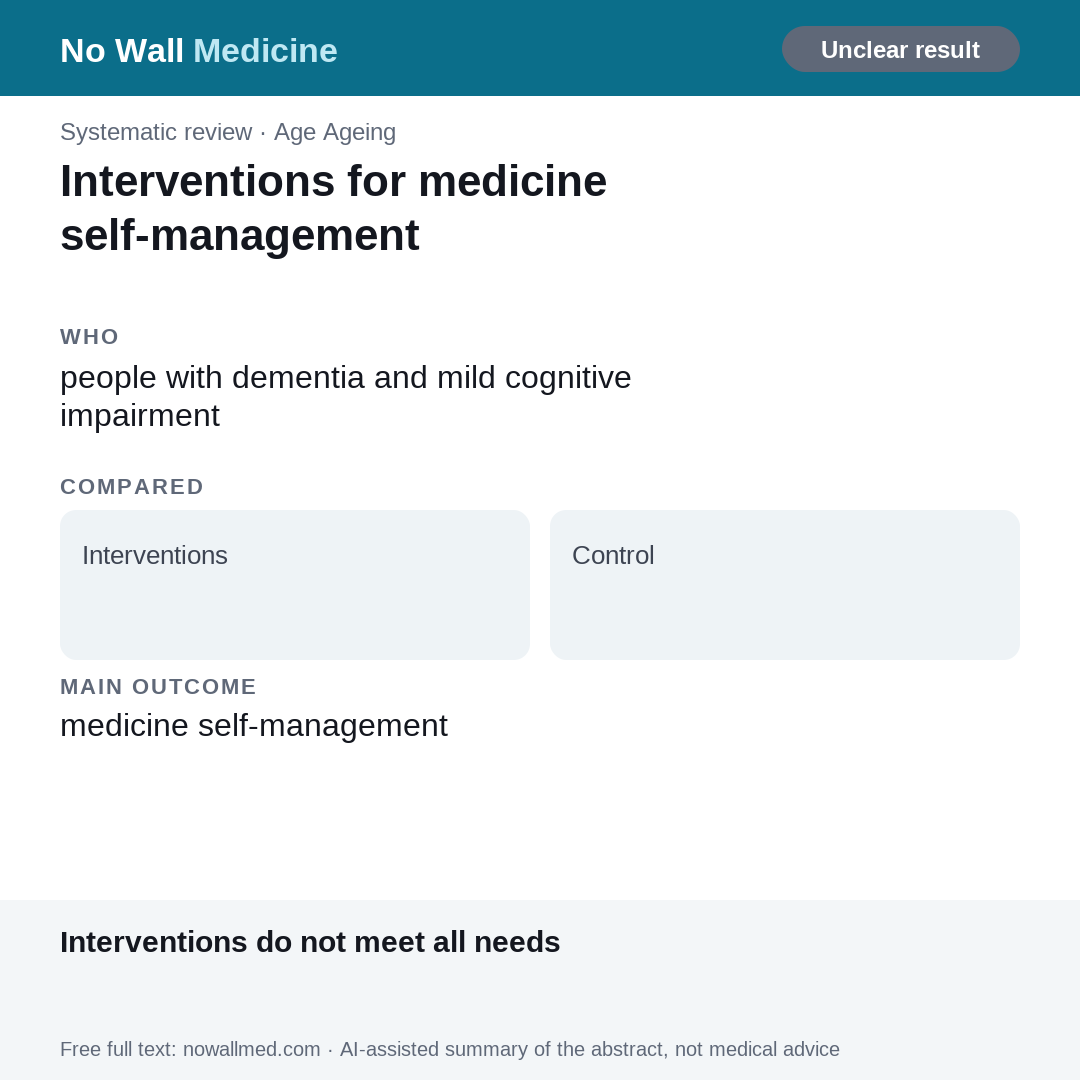
Interventions for self-management of medicines for community-dwelling people with dementia and mild cognitive impairment and their family carers: a systematic review
Systematic reviewUnclear result
Interventions for medicine self-management
Who
people with dementia and mild cognitive impairment
Compared
Interventions
Control
Main outcome
medicine self-management
Bottom line: Interventions do not meet all needs
Limitation: none mentioned
Age Ageing · 2022-05-31Download image
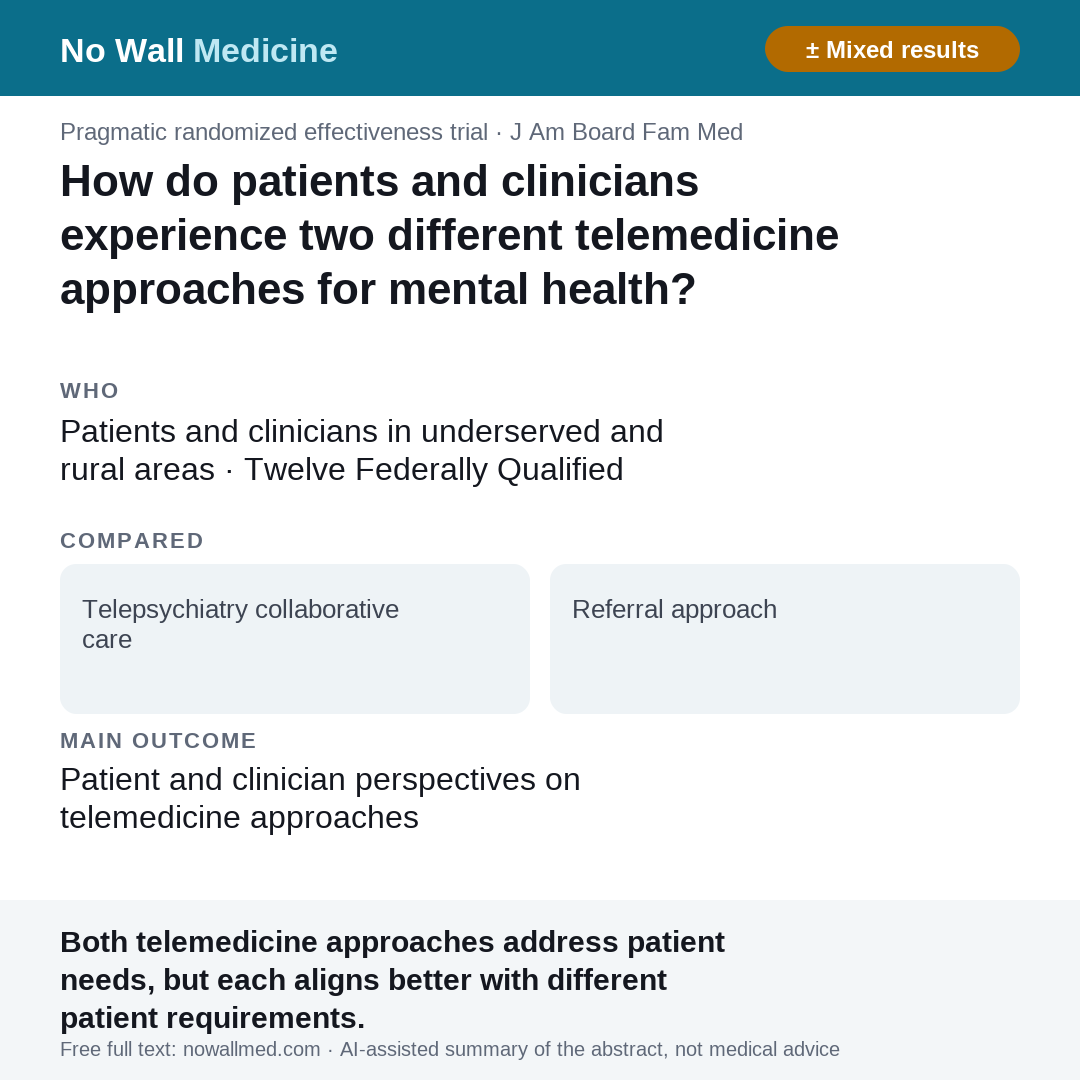
Patient and Clinician Perspectives on Two Telemedicine Approaches for Treating Patients with Mental Health Disorders in Underserved Areas
Pragmatic randomized effectiveness trialMixed results
How do patients and clinicians experience two different telemedicine approaches for mental health?
Who
Patients and clinicians in underserved and rural areas · Twelve Federally Qualified Health Centers in 3 states
Compared
Telepsychiatry collaborative care
Referral approach
Main outcome
Patient and clinician perspectives on telemedicine approaches
Bottom line: Both telemedicine approaches address patient needs, but each aligns better with different patient requirements.
J Am Board Fam Med · 2022-05-31Download image
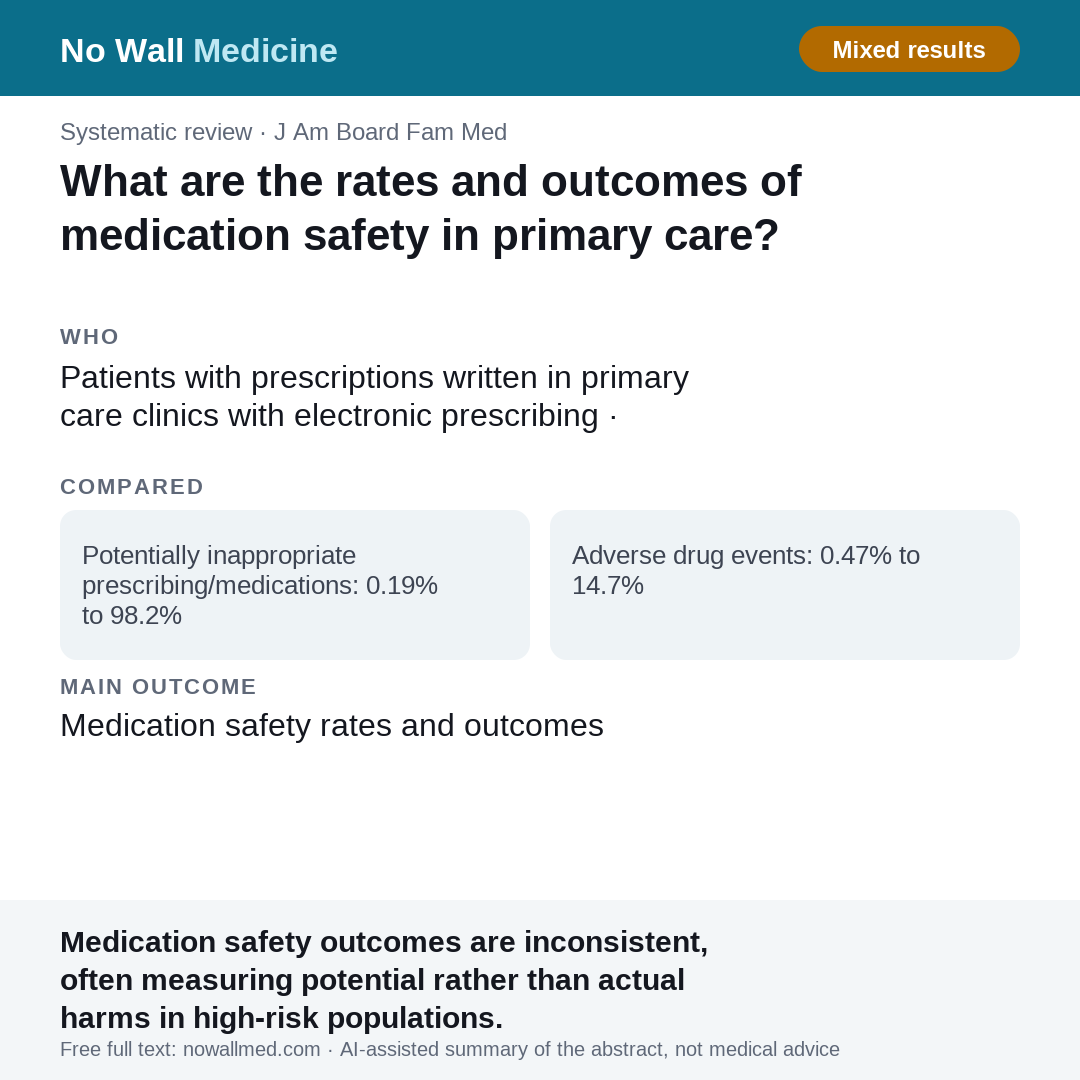
Ambulatory Medication Safety in Primary Care: A Systematic Review
Systematic reviewMixed results
What are the rates and outcomes of medication safety in primary care?
Who
Patients with prescriptions written in primary care clinics with electronic prescribing · Primary care clinics
Compared
Potentially inappropriate prescribing/medications: 0.19% to 98.2%
Adverse drug events: 0.47% to 14.7%
Main outcome
Medication safety rates and outcomes
Bottom line: Medication safety outcomes are inconsistent, often measuring potential rather than actual harms in high-risk populations.
Limitation: Inconsistent and highly variable outcomes and focus on potential rather than actual harms.
J Am Board Fam Med · 2022-05-31Download image
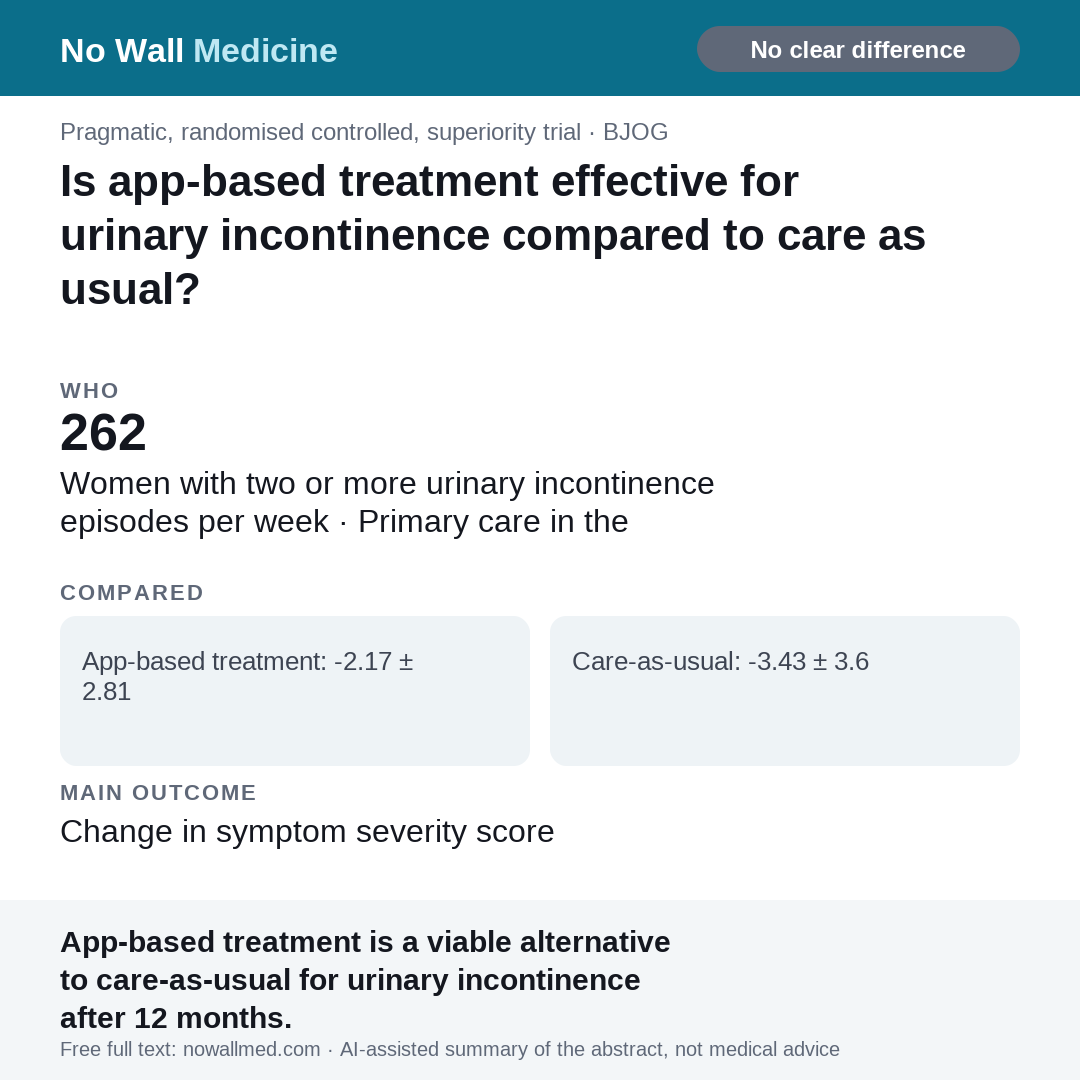
One year effectiveness of an app-based treatment for urinary incontinence in comparison to care as usual in Dutch general practice: A pragmatic randomised controlled trial over 12 months
Pragmatic, randomised controlled, superiority trialNo clear difference
Is app-based treatment effective for urinary incontinence compared to care as usual?
Who
262
Women with two or more urinary incontinence episodes per week · Primary care in the Netherlands
Compared
App-based treatment: -2.17 ± 2.81
Care-as-usual: -3.43 ± 3.6
Main outcome
Change in symptom severity score
Result: mean difference of 0.903 (-0.66 to 1.871)
Bottom line: App-based treatment is a viable alternative to care-as-usual for urinary incontinence after 12 months.
BJOG · 2022-05-31Download image
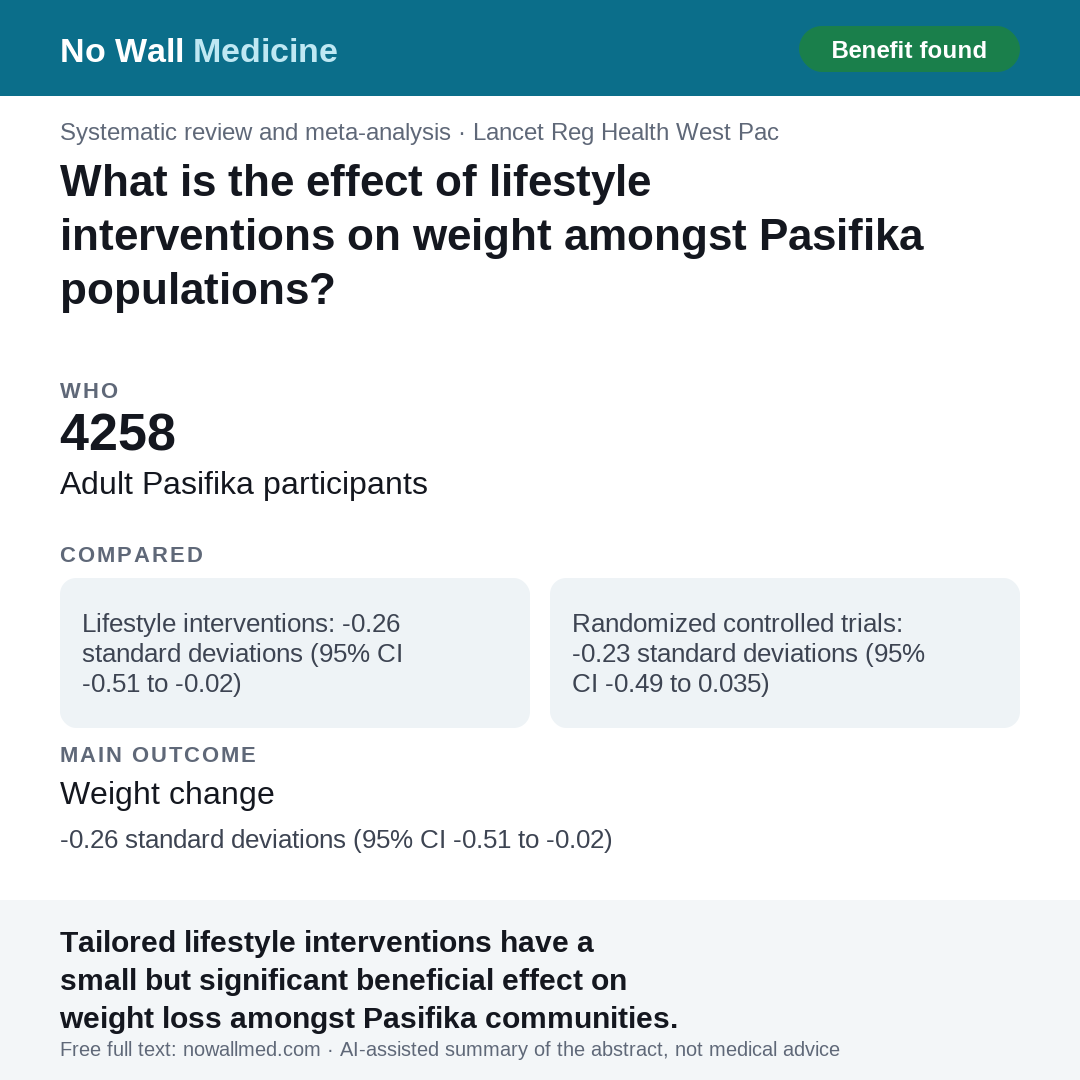
Effects of lifestyle interventions on weight amongst Pasifika communities: A systematic review and meta-analysis
Systematic review and meta-analysisBenefit found
What is the effect of lifestyle interventions on weight amongst Pasifika populations?
Who
4258
Adult Pasifika participants
Compared
Lifestyle interventions: -0.26 standard deviations (95% CI -0.51 to -0.02)
Randomized controlled trials: -0.23 standard deviations (95% CI -0.49 to 0.035)
Main outcome
Weight change
Result: -0.26 standard deviations (95% CI -0.51 to -0.02)
Bottom line: Tailored lifestyle interventions have a small but significant beneficial effect on weight loss amongst Pasifika communities.
Limitation: Many studies had low cultural competency and sustainability scores.
Funded by: Western Sydney University's Postgraduate Research Scholarship
Lancet Reg Health West Pac · 2022-05-31Download image
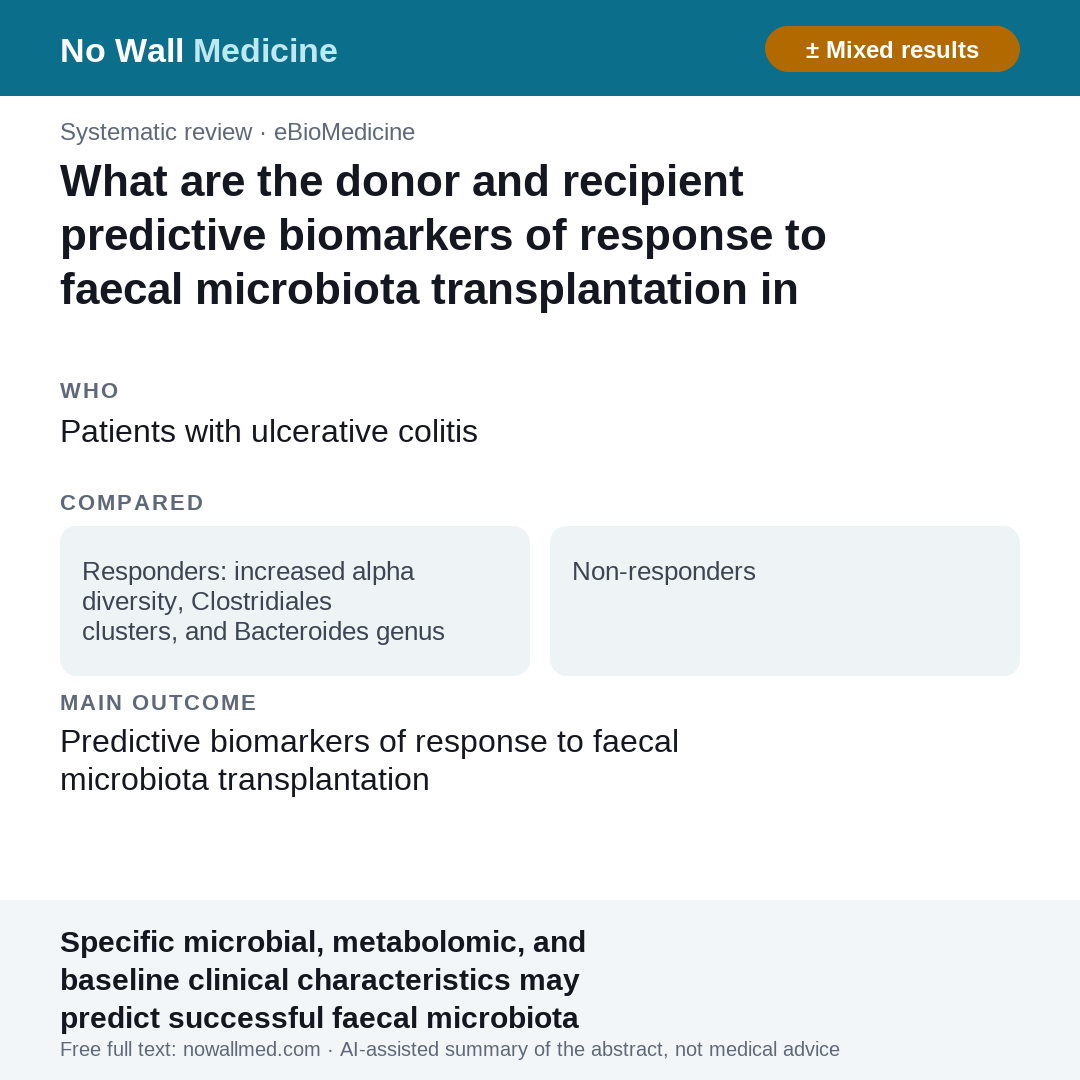
Systematic review of donor and recipient predictive biomarkers of response to faecal microbiota transplantation in patients with ulcerative colitis
Systematic reviewMixed results
What are the donor and recipient predictive biomarkers of response to faecal microbiota transplantation in ulcerative colitis?
Who
Patients with ulcerative colitis
Compared
Responders: increased alpha diversity, Clostridiales clusters, and Bacteroides genus
Non-responders
Main outcome
Predictive biomarkers of response to faecal microbiota transplantation
Bottom line: Specific microbial, metabolomic, and baseline clinical characteristics may predict successful faecal microbiota transplantation in ulcerative colitis.
eBioMedicine · 2022-05-31Download image
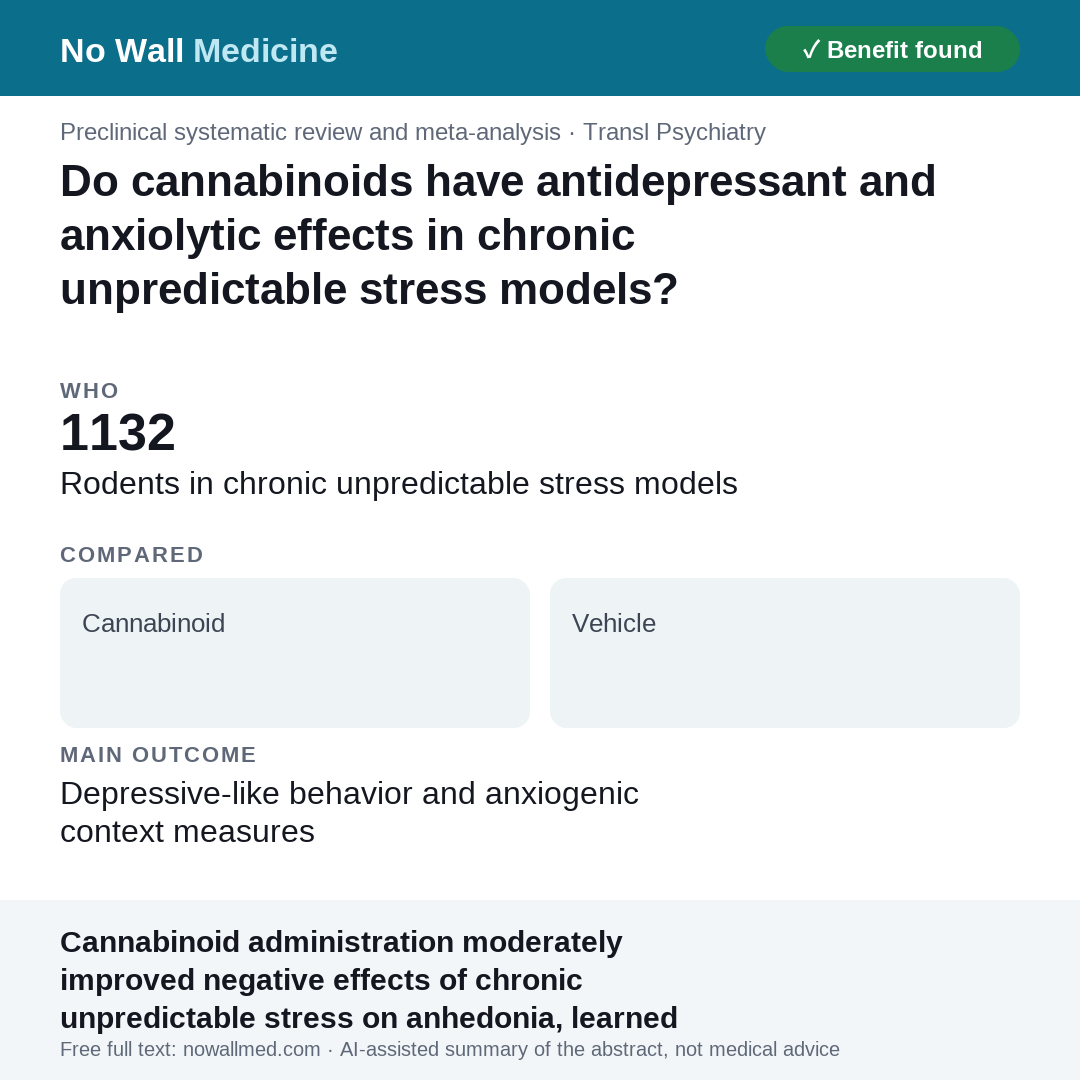
The antidepressant and anxiolytic effects of cannabinoids in chronic unpredictable stress: a preclinical systematic review and meta-analysis
Preclinical systematic review and meta-analysisBenefit found
Do cannabinoids have antidepressant and anxiolytic effects in chronic unpredictable stress models?
Who
1132
Rodents in chronic unpredictable stress models
Compared
Cannabinoid
Vehicle
Main outcome
Depressive-like behavior and anxiogenic context measures
Bottom line: Cannabinoid administration moderately improved negative effects of chronic unpredictable stress on anhedonia, learned helplessness, and anxiety-like behaviors.
Limitation: Interpretations are limited
Transl Psychiatry · 2022-05-31Download image
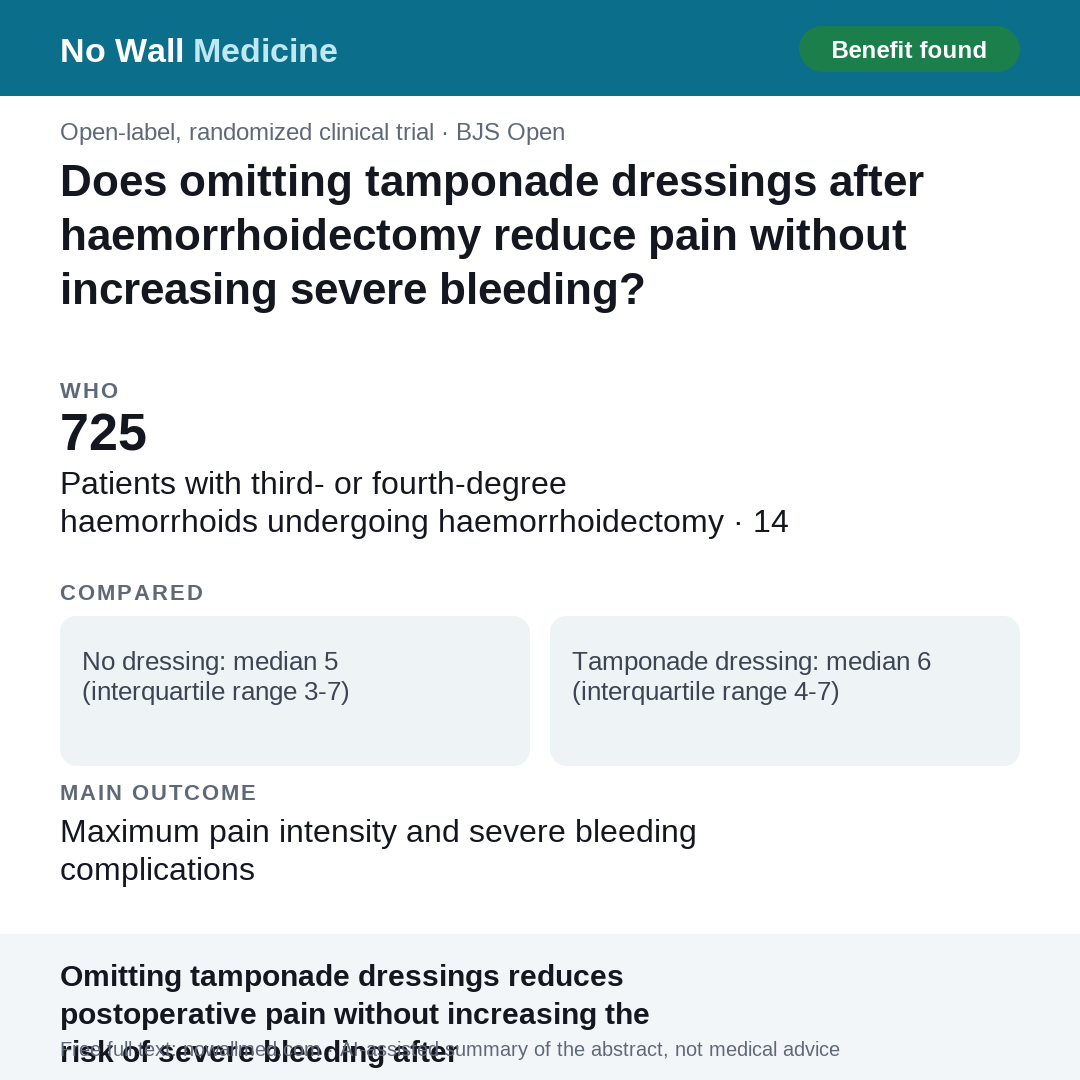
Tamponade dressing versus no dressing after haemorrhoidectomy: multicentre, randomized clinical trial
Open-label, randomized clinical trialBenefit found
Does omitting tamponade dressings after haemorrhoidectomy reduce pain without increasing severe bleeding?
Who
725
Patients with third- or fourth-degree haemorrhoids undergoing haemorrhoidectomy · 14 German hospitals
Compared
No dressing: median 5 (interquartile range 3-7)
Tamponade dressing: median 6 (interquartile range 4-7)
Main outcome
Maximum pain intensity and severe bleeding complications
Result: -0.03 per cent (90% confidence interval -1.47 per cent to +1.41 per cent)
Bottom line: Omitting tamponade dressings reduces postoperative pain without increasing the risk of severe bleeding after haemorrhoidectomy.
BJS Open · 2022-05-31Download image
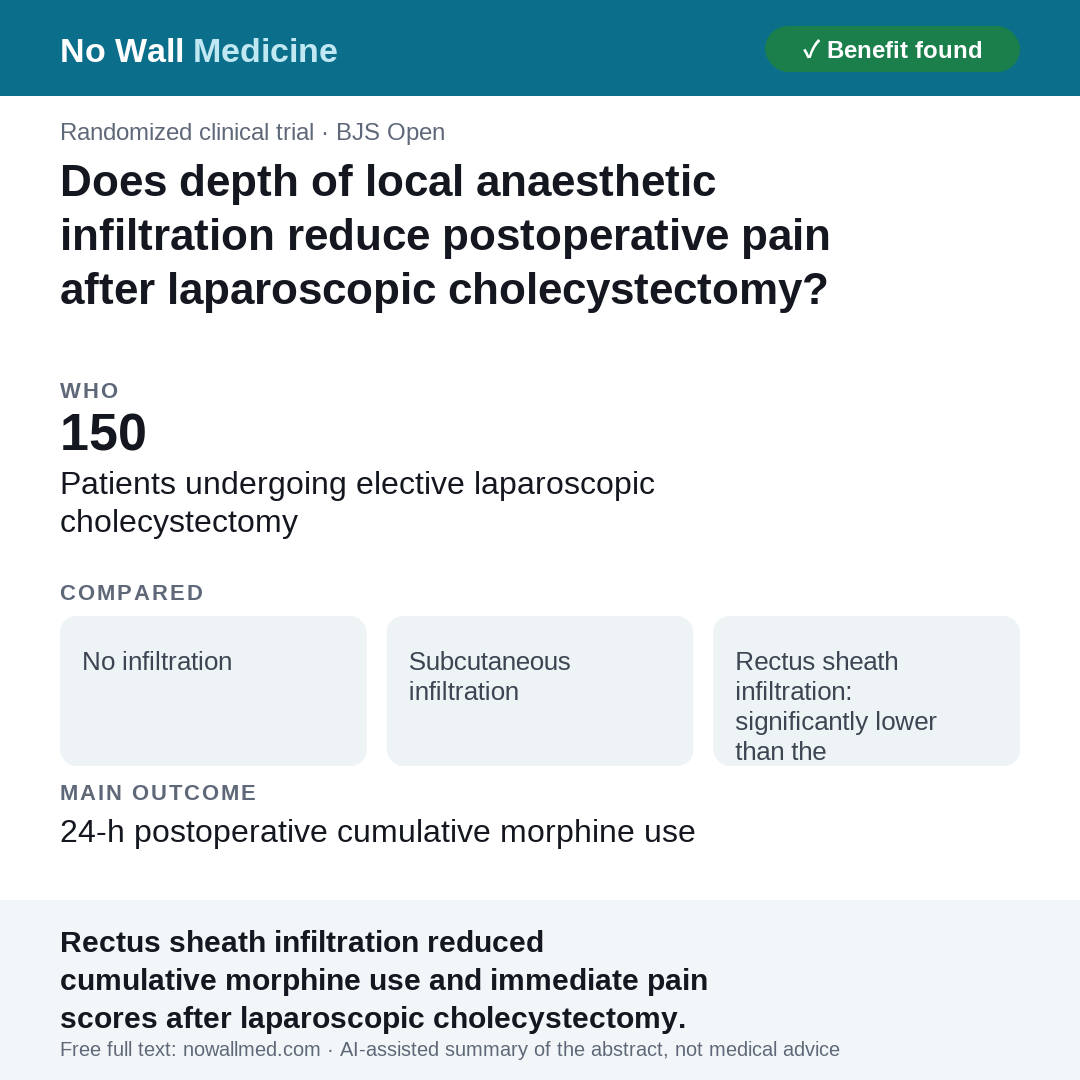
Effect of local anaesthetic infiltration on postoperative pain after laparoscopic cholecystectomy: randomized clinical trial
Randomized clinical trialBenefit found
Does depth of local anaesthetic infiltration reduce postoperative pain after laparoscopic cholecystectomy?
Who
150
Patients undergoing elective laparoscopic cholecystectomy
Compared
No infiltration
Subcutaneous infiltration
Rectus sheath infiltration: significantly lower than the no-infiltration group (P = 0.043)
Main outcome
24-h postoperative cumulative morphine use
Bottom line: Rectus sheath infiltration reduced cumulative morphine use and immediate pain scores after laparoscopic cholecystectomy.
BJS Open · 2022-05-31Download image
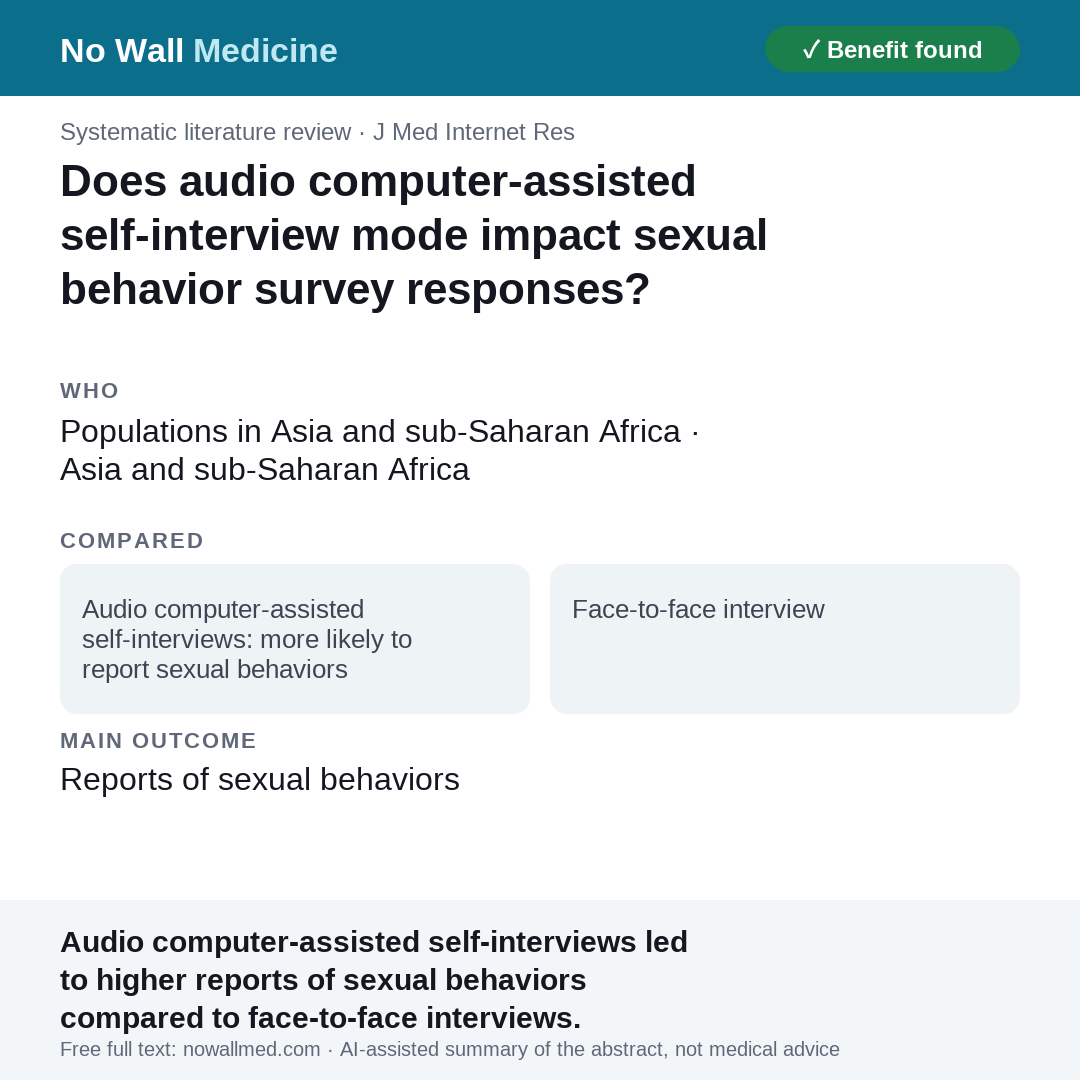
Comparison of the ACASI Mode to Other Survey Modes in Sexual Behavior Surveys in Asia and Sub-Saharan Africa: Systematic Literature Review
Systematic literature reviewBenefit found
Does audio computer-assisted self-interview mode impact sexual behavior survey responses?
Who
Populations in Asia and sub-Saharan Africa · Asia and sub-Saharan Africa
Compared
Audio computer-assisted self-interviews: more likely to report sexual behaviors
Face-to-face interview
Main outcome
Reports of sexual behaviors
Bottom line: Audio computer-assisted self-interviews led to higher reports of sexual behaviors compared to face-to-face interviews.
Limitation: More studies comparing the ACASI mode to other modes are needed.
J Med Internet Res · 2022-05-31Download image
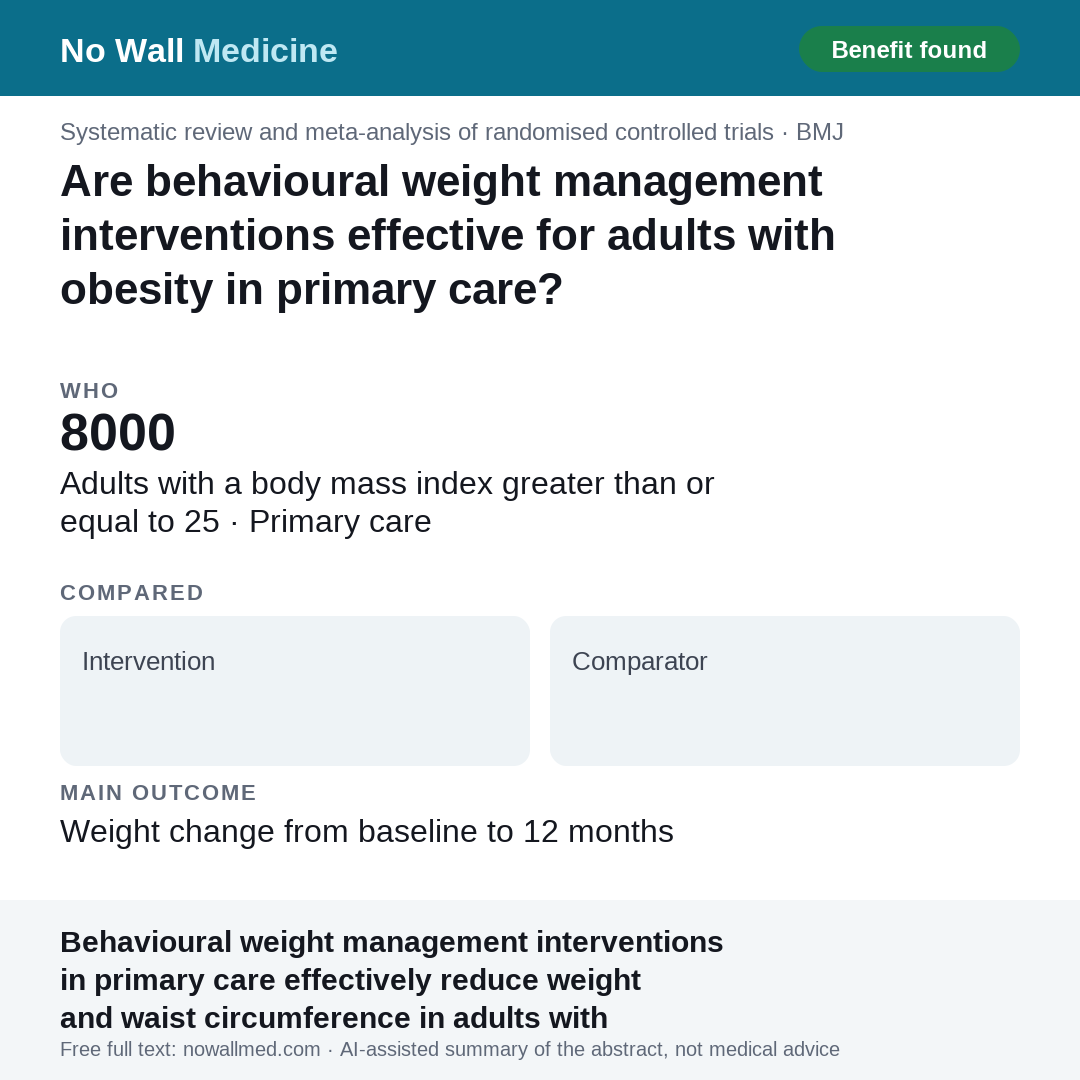
Effectiveness of weight management interventions for adults delivered in primary care: systematic review and meta-analysis of randomised controlled trials
Systematic review and meta-analysis of randomised controlled trialsBenefit found
Are behavioural weight management interventions effective for adults with obesity in primary care?
Who
8000
Adults with a body mass index greater than or equal to 25 · Primary care
Compared
Intervention
Comparator
Main outcome
Weight change from baseline to 12 months
Result: mean difference -2.3 kg (95% confidence interval -3.0 to -1.6 kg)
Bottom line: Behavioural weight management interventions in primary care effectively reduce weight and waist circumference in adults with obesity.
BMJ · 2022-05-30Download image
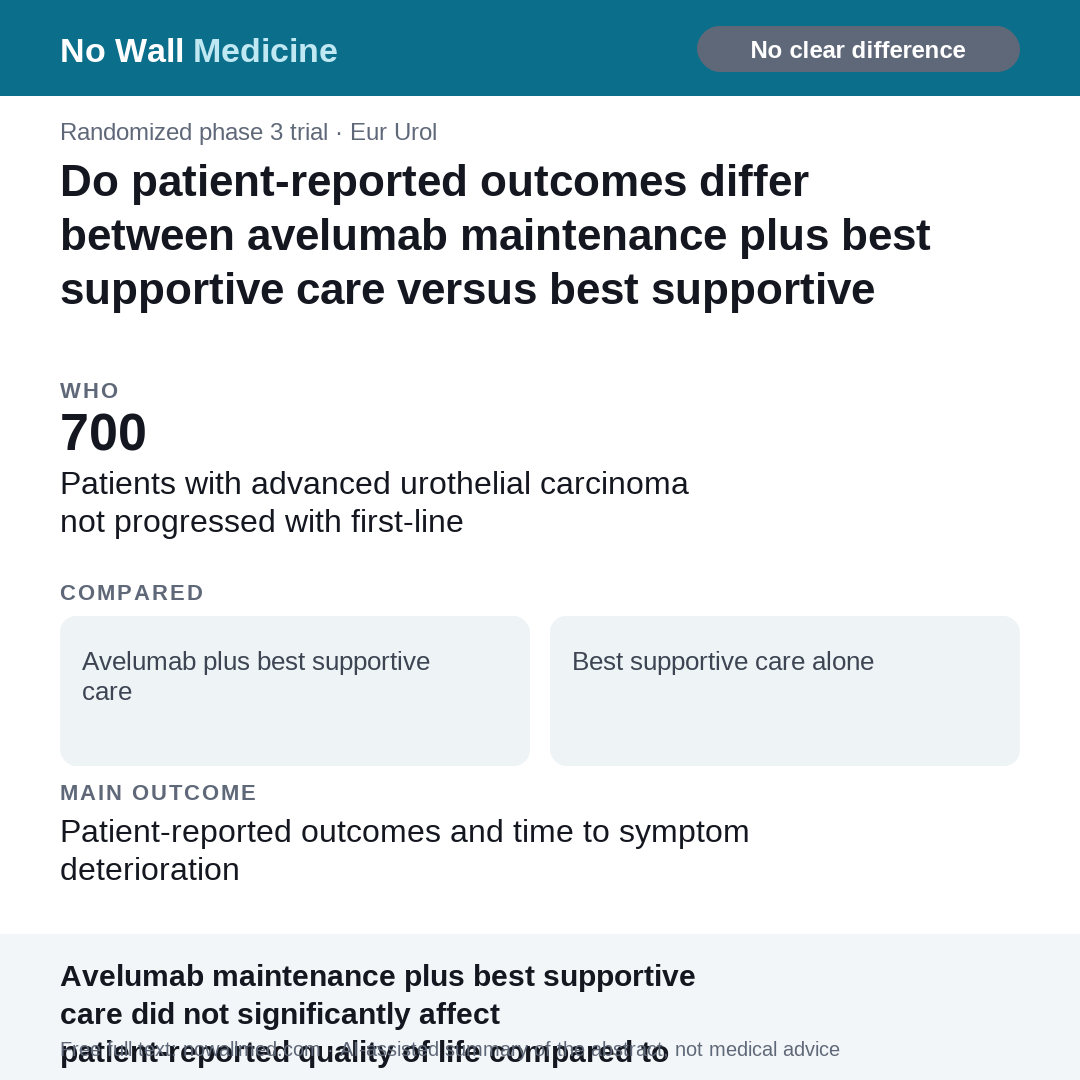
Patient-reported Outcomes from JAVELIN Bladder 100: Avelumab First-line Maintenance Plus Best Supportive Care Versus Best Supportive Care Alone for Advanced Urothelial Carcinoma
Randomized phase 3 trialNo clear difference
Do patient-reported outcomes differ between avelumab maintenance plus best supportive care versus best supportive care alone?
Who
700
Patients with advanced urothelial carcinoma not progressed with first-line platinum-containing chemotherapy
Compared
Avelumab plus best supportive care
Best supportive care alone
Main outcome
Patient-reported outcomes and time to symptom deterioration
Result: hazard ratio 1.26 (95% confidence interval: 0.90, 1.77)
Bottom line: Avelumab maintenance plus best supportive care did not significantly affect patient-reported quality of life compared to best supportive care alone.
Limitation: Open-label design and limited numbers of evaluable patients at later time points.
Eur Urol · 2022-05-30Download image