Visual abstracts
New randomized trials and meta-analyses from leading journals at a glance: who was studied, what was compared, and what was found. Every paper is free to read in full.
All specialtiesCardiology 1123Oncology 975Gastroenterology & Hepatology 395Infectious Disease 736Neurology 465Psychiatry & Mental Health 571Pulmonology 479Critical Care 328Endocrinology & Diabetes 626Pediatrics 674Surgery 489Orthopedics & Sports Medicine 213Neurosurgery 153Cardiothoracic & Vascular Surgery 120Plastic & Reconstructive Surgery 175Nephrology 242Rheumatology 145Hematology 229Dermatology 106Ophthalmology 125Obstetrics & Gynecology 344Public & Global Health 215Radiology & Imaging 138Anesthesiology 198Urology 205ENT (Otolaryngology) 152Emergency Medicine 122Allergy & Immunology 75Geriatrics 224Family Medicine & Primary Care 142Medical Genetics & Genomics 118Pathology & Laboratory Medicine 33Physical Medicine & Rehabilitation 192Palliative Care 103Nutrition 289Digital Health & AI 557General Medicine 108
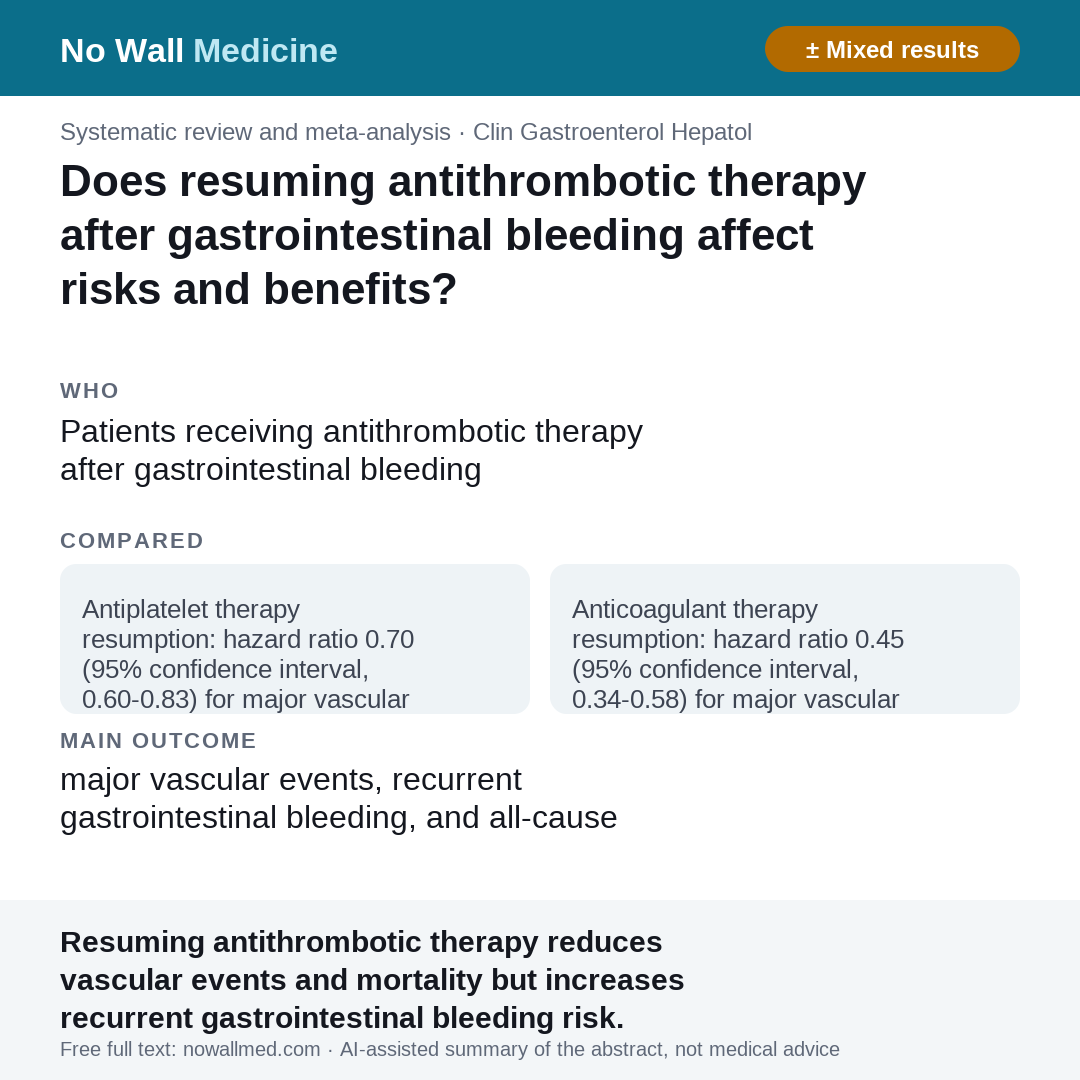
Timing of Antiplatelet and Anticoagulant Therapy Resumption Following Gastrointestinal Bleeding: A Systematic Review and Meta-Analysis
Systematic review and meta-analysisMixed results
Does resuming antithrombotic therapy after gastrointestinal bleeding affect risks and benefits?
Who
Patients receiving antithrombotic therapy after gastrointestinal bleeding
Compared
Antiplatelet therapy resumption: hazard ratio 0.70 (95% confidence interval, 0.60-0.83) for major vascular events
Anticoagulant therapy resumption: hazard ratio 0.45 (95% confidence interval, 0.34-0.58) for major vascular events
Main outcome
major vascular events, recurrent gastrointestinal bleeding, and all-cause mortality
Result: hazard ratio 0.39 (95% confidence interval, 0.19-0.78) for early resumption major vascular events
Bottom line: Resuming antithrombotic therapy reduces vascular events and mortality but increases recurrent gastrointestinal bleeding risk.
Clin Gastroenterol Hepatol · 2026-07-10Download image
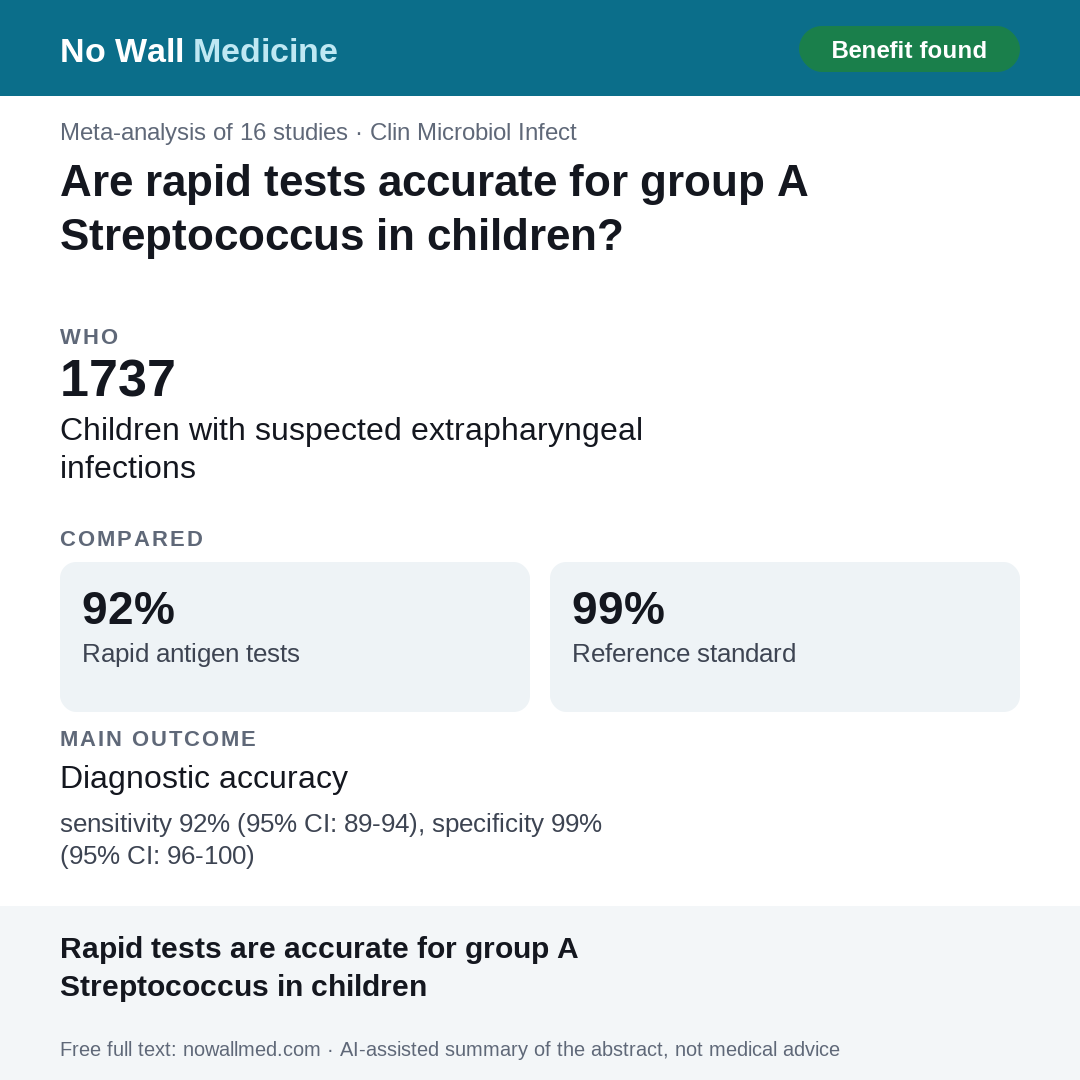
Diagnostic accuracy of rapid antigen detection tests for group A Streptococcus in children with extrapharyngeal infections: systematic review and meta-analysis
Meta-analysis of 16 studiesBenefit found
Are rapid tests accurate for group A Streptococcus in children?
Who
1737
Children with suspected extrapharyngeal infections
Compared
92%Rapid antigen tests (sensitivity)
99%Reference standard (specificity)
Main outcome
Diagnostic accuracy
Result: sensitivity 92% (95% CI: 89-94), specificity 99% (95% CI: 96-100)
Bottom line: Rapid tests are accurate for group A Streptococcus in children
Limitation: variable methodological quality
Clin Microbiol Infect · 2026-07-10Download image
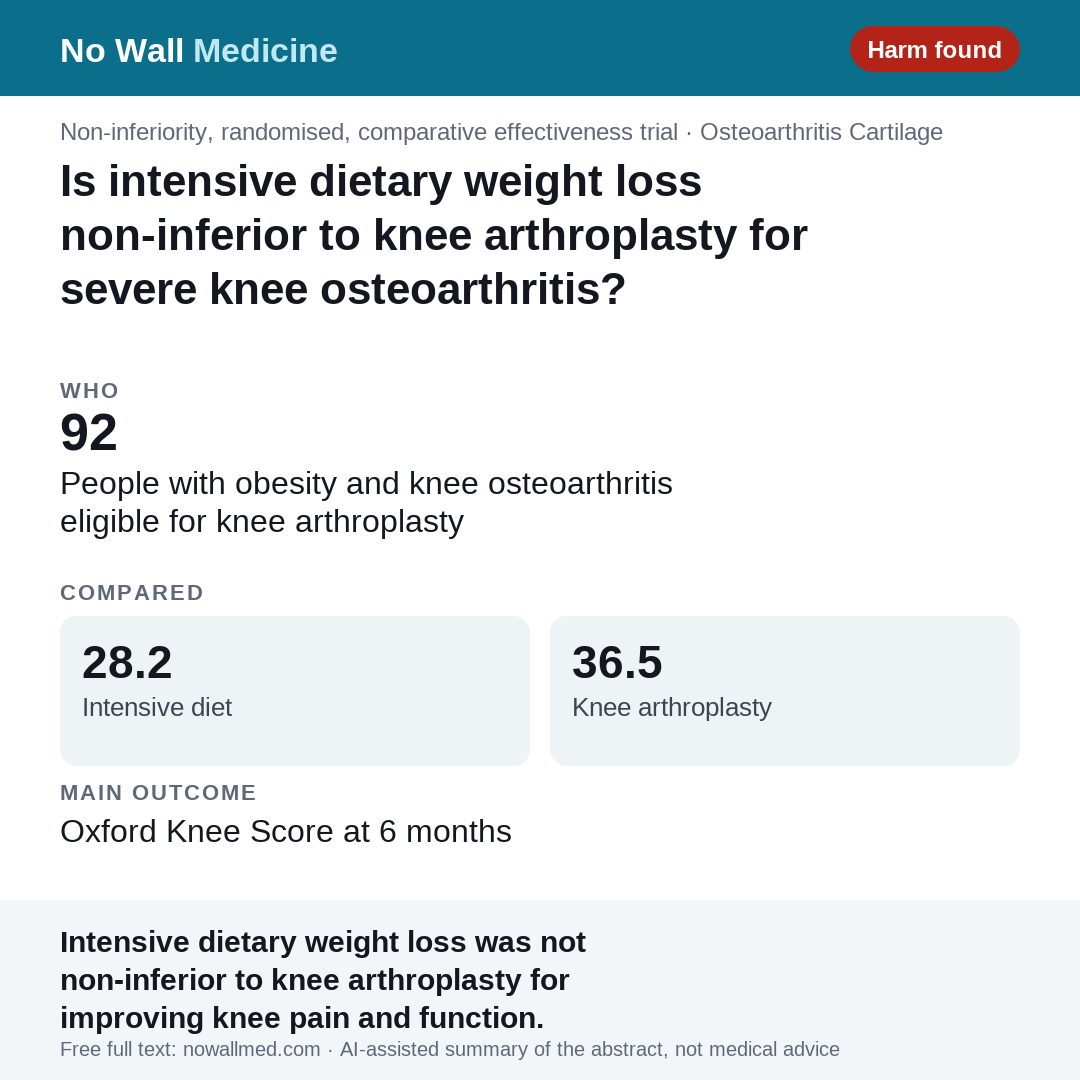
Intensive diet or knee arthroplasty for severe knee osteoarthritis: The inka randomised trial
Non-inferiority, randomised, comparative effectiveness trialHarm found
Is intensive dietary weight loss non-inferior to knee arthroplasty for severe knee osteoarthritis?
Who
92
People with obesity and knee osteoarthritis eligible for knee arthroplasty
Compared
28.2Intensive diet
36.5Knee arthroplasty
Main outcome
Oxford Knee Score at 6 months
Result: between-group difference of -8.2 (95%CI, -11.5 to -5.0)
Bottom line: Intensive dietary weight loss was not non-inferior to knee arthroplasty for improving knee pain and function.
Osteoarthritis Cartilage · 2026-07-10Download image
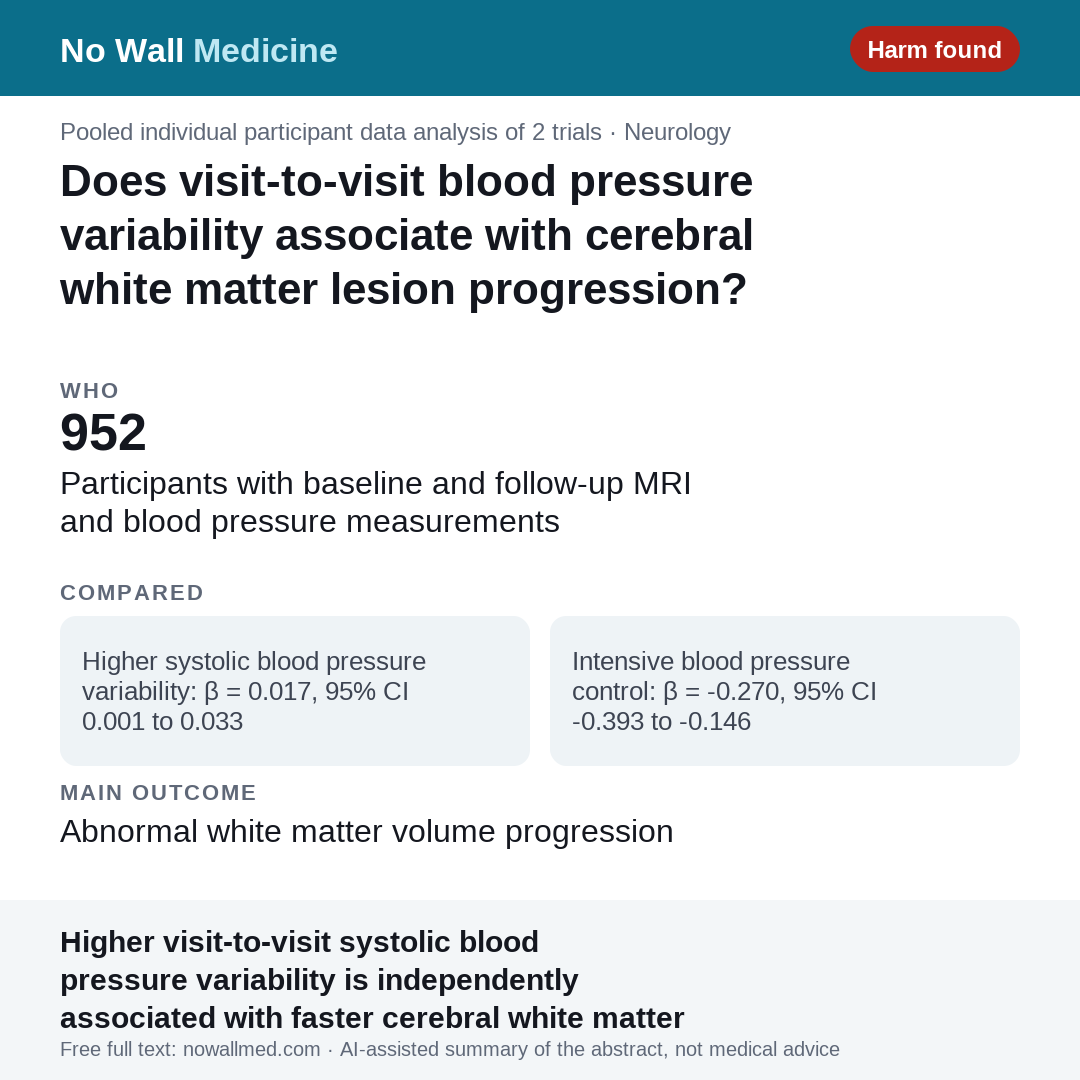
Visit-to-Visit Blood Pressure Variability and Cerebral White Matter Lesion Progression: A Pooled Individual Patient Data Analysis of 2 Trials
Pooled individual participant data analysis of 2 trialsHarm found
Does visit-to-visit blood pressure variability associate with cerebral white matter lesion progression?
Who
952
Participants with baseline and follow-up MRI and blood pressure measurements
Compared
Higher systolic blood pressure variability: β = 0.017, 95% CI 0.001 to 0.033
Intensive blood pressure control: β = -0.270, 95% CI -0.393 to -0.146
Main outcome
Abnormal white matter volume progression
Result: β = 0.017, 95% CI 0.001 to 0.033
Bottom line: Higher visit-to-visit systolic blood pressure variability is independently associated with faster cerebral white matter lesion progression.
Neurology · 2026-07-10Download image
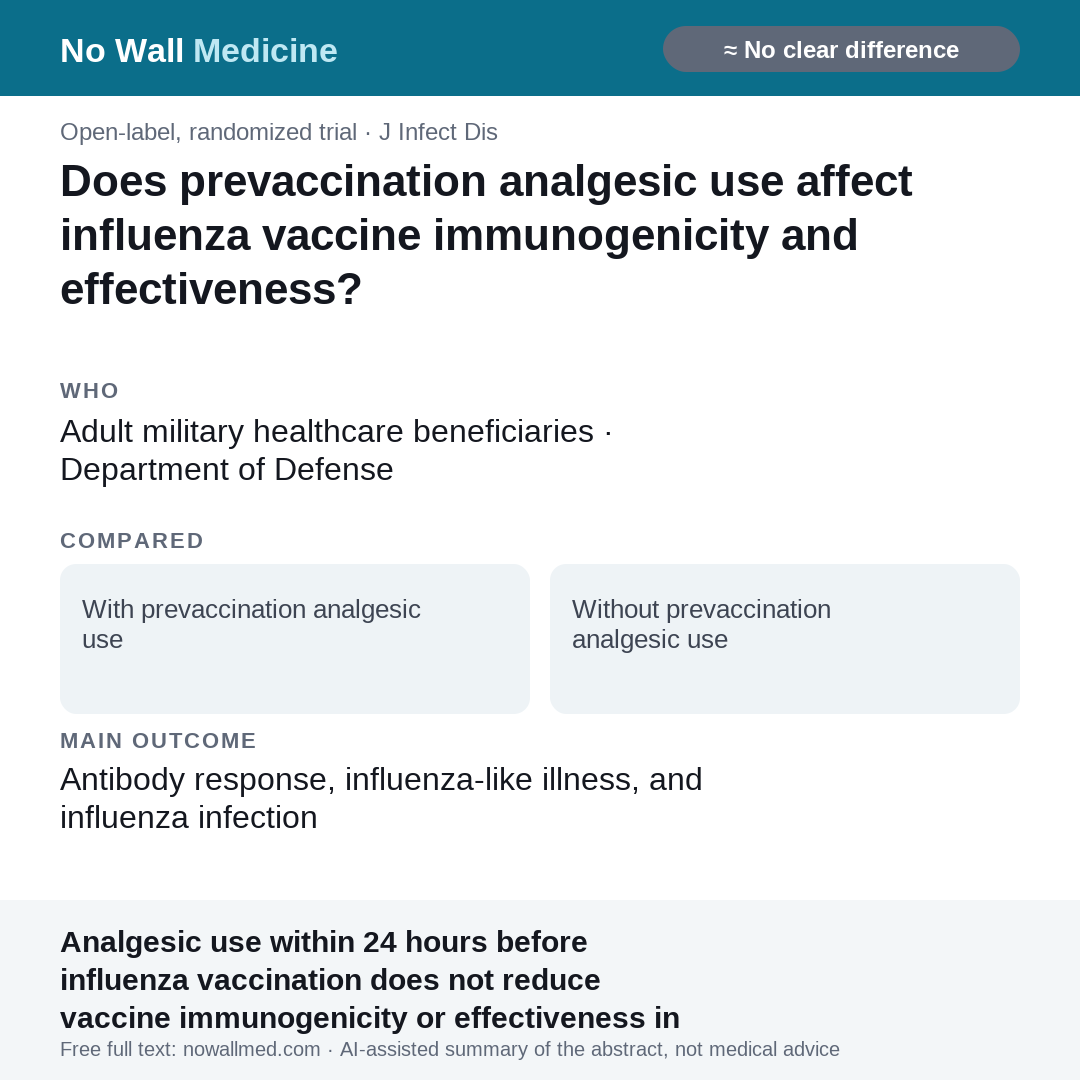
The Effect of Prevaccination Analgesics on Influenza Vaccine Immunogenicity and Effectiveness
Open-label, randomized trialNo clear difference
Does prevaccination analgesic use affect influenza vaccine immunogenicity and effectiveness?
Who
Adult military healthcare beneficiaries · Department of Defense
Compared
With prevaccination analgesic use
Without prevaccination analgesic use
Main outcome
Antibody response, influenza-like illness, and influenza infection
Bottom line: Analgesic use within 24 hours before influenza vaccination does not reduce vaccine immunogenicity or effectiveness in adults.
J Infect Dis · 2026-07-10Download image
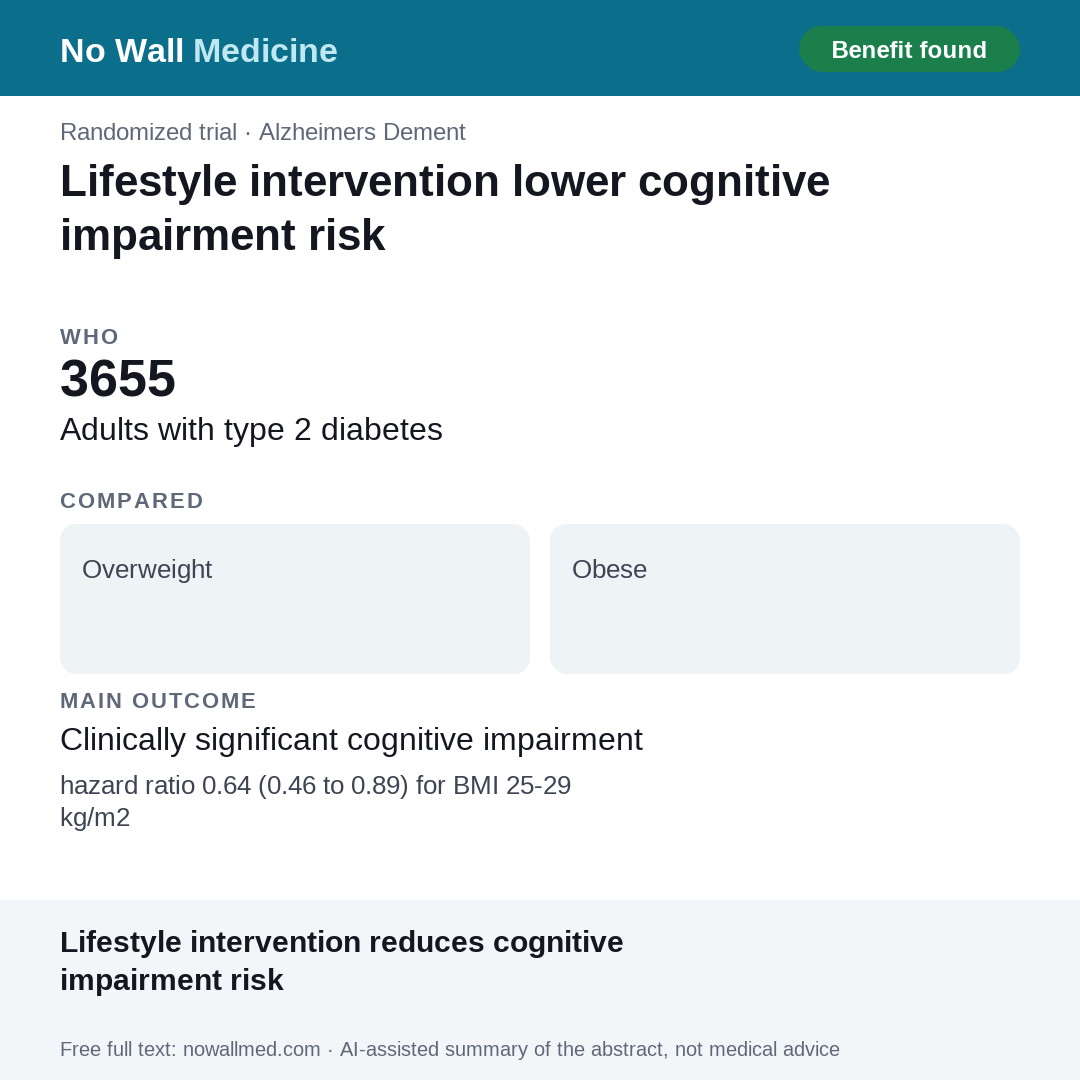
Does lifestyle intervention lower clinically significant cognitive impairment risk?
Randomized trialBenefit found
Lifestyle intervention lower cognitive impairment risk
Who
3655
Adults with type 2 diabetes
Compared
Overweight
Obese
Main outcome
Clinically significant cognitive impairment
Result: hazard ratio 0.64 (0.46 to 0.89) for BMI 25-29 kg/m2
Bottom line: Lifestyle intervention reduces cognitive impairment risk
Alzheimers Dement · 2026-07-10Download image
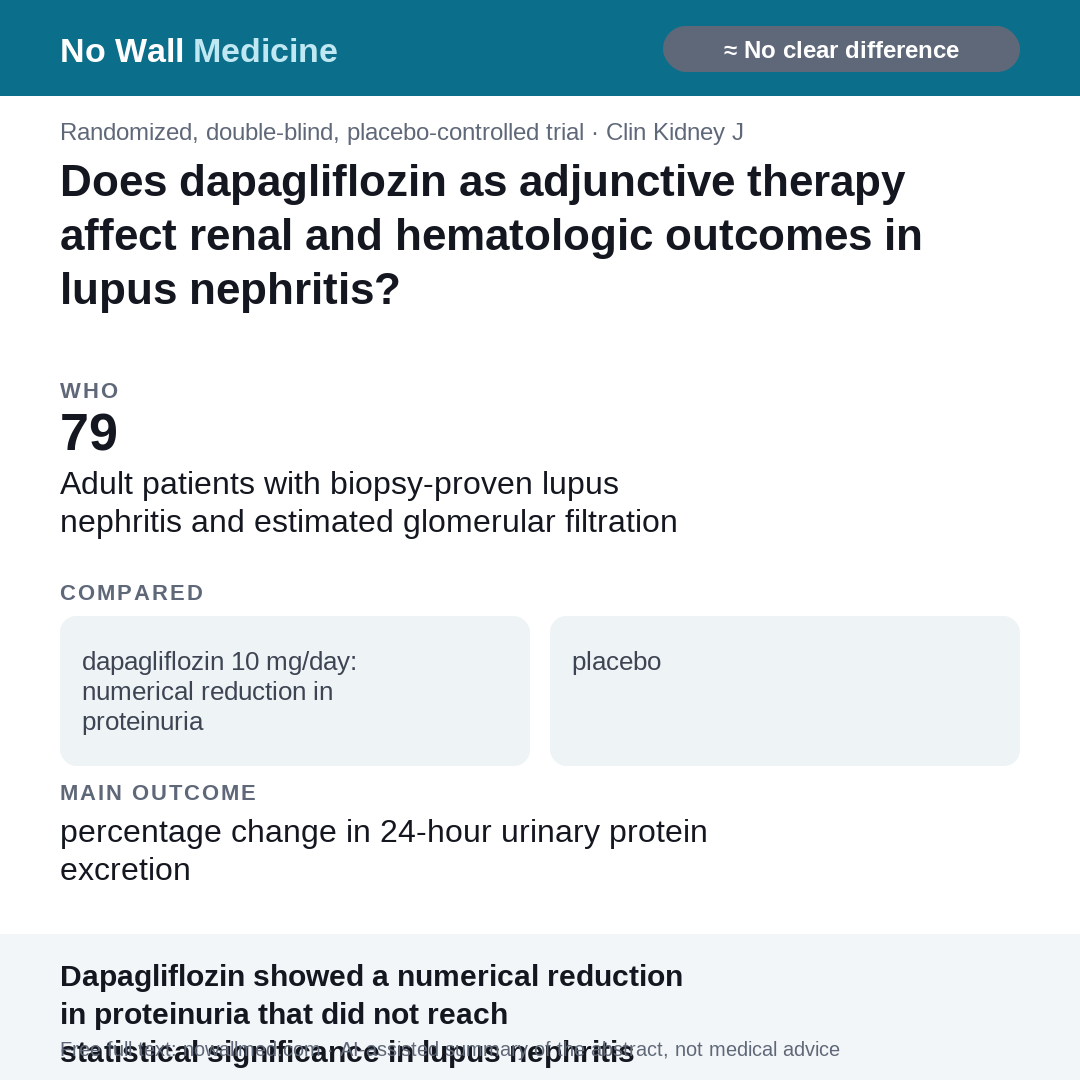
Dapagliflozin in lupus nephritis: renal and hematologic outcomes from a randomized controlled trial
Randomized, double-blind, placebo-controlled trialNo clear difference
Does dapagliflozin as adjunctive therapy affect renal and hematologic outcomes in lupus nephritis?
Who
79
Adult patients with biopsy-proven lupus nephritis and estimated glomerular filtration rate >30 ml/min/1.73 m2
Compared
dapagliflozin 10 mg/day: numerical reduction in proteinuria
placebo
Main outcome
percentage change in 24-hour urinary protein excretion
Bottom line: Dapagliflozin showed a numerical reduction in proteinuria that did not reach statistical significance in lupus nephritis patients.
Limitation: The study requires confirmation in larger, adequately powered, longer-duration studies.
Clin Kidney J · 2026-07-10Download image
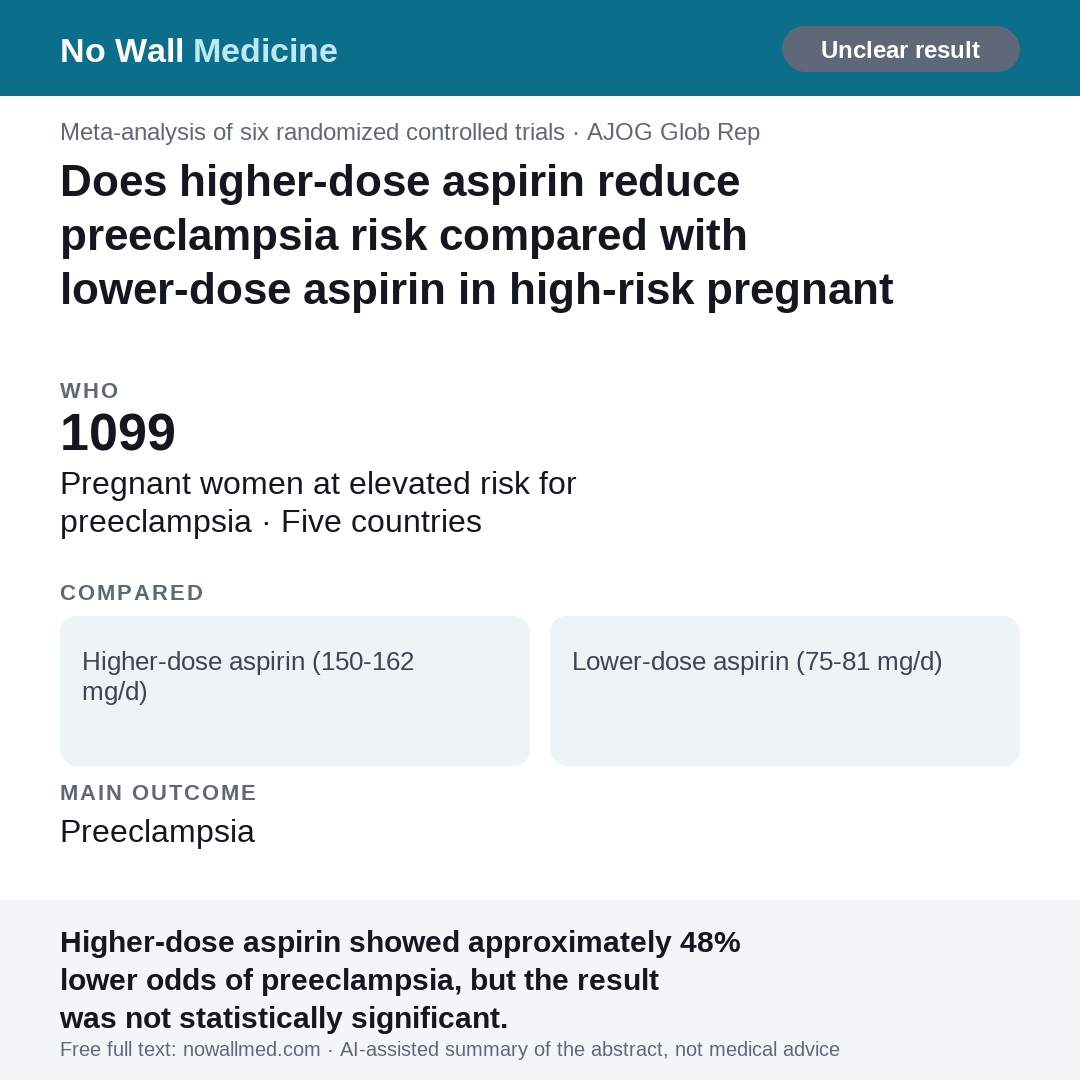
Comparative effectiveness of lower-dose vs higher-dose aspirin for preeclampsia prevention: a systematic review and meta-analysis of randomized controlled trials
Meta-analysis of six randomized controlled trialsUnclear result
Does higher-dose aspirin reduce preeclampsia risk compared with lower-dose aspirin in high-risk pregnant women?
Who
1099
Pregnant women at elevated risk for preeclampsia · Five countries
Compared
Higher-dose aspirin (150-162 mg/d)
Lower-dose aspirin (75-81 mg/d)
Main outcome
Preeclampsia
Result: odds ratio 1.93 (95% CI 0.84-4.42)
Bottom line: Higher-dose aspirin showed approximately 48% lower odds of preeclampsia, but the result was not statistically significant.
Limitation: Limited sample size, substantial between-study heterogeneity, and very low certainty of evidence.
AJOG Glob Rep · 2026-07-10Download image
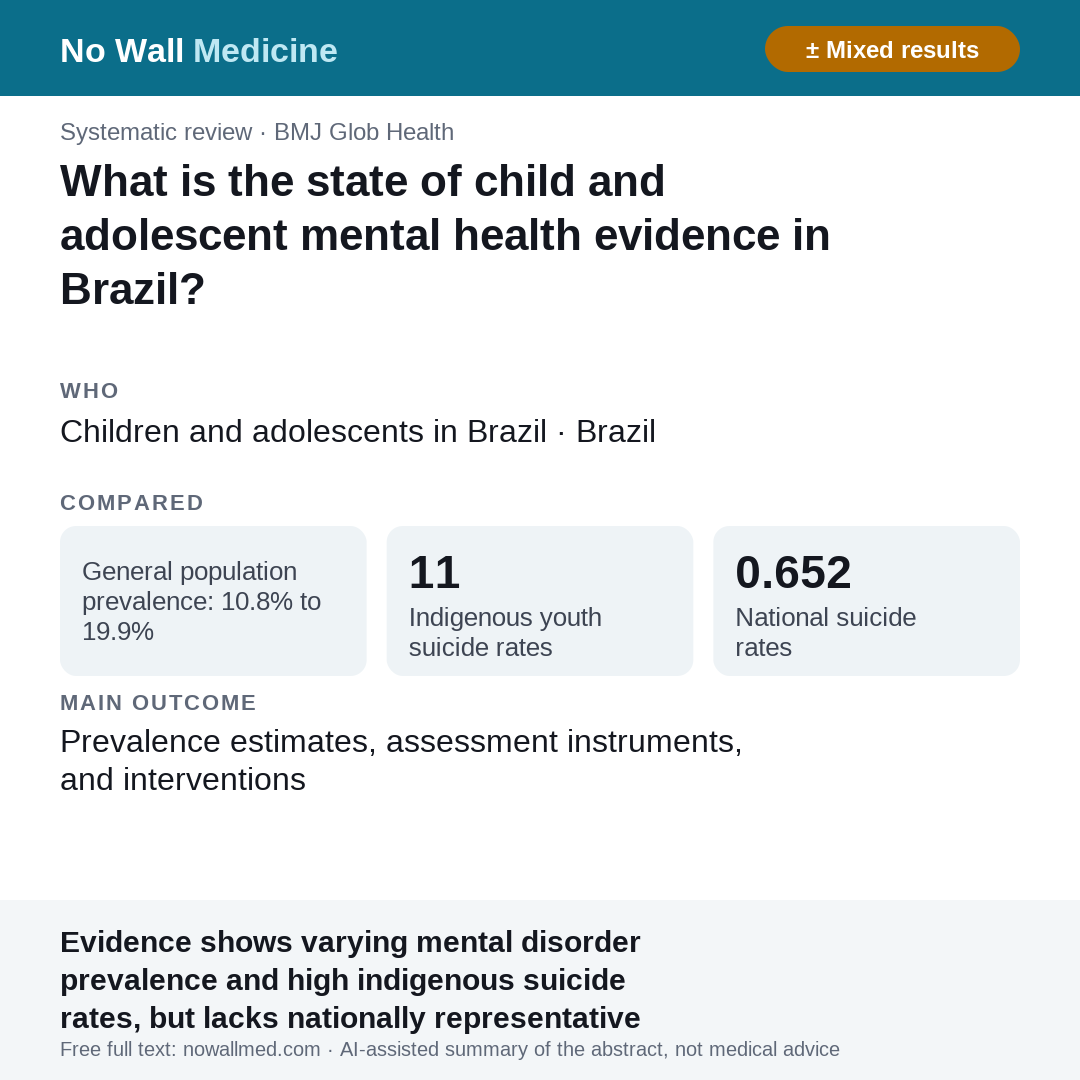
The science of child and adolescent mental health in Brazil: a nationwide systematic review and compendium of evidence-based resources
Systematic reviewMixed results
What is the state of child and adolescent mental health evidence in Brazil?
Who
Children and adolescents in Brazil · Brazil
Compared
General population prevalence: 10.8% to 19.9%
11Indigenous youth suicide rates (ages 10-14)
0.652National suicide rates
Main outcome
Prevalence estimates, assessment instruments, and interventions
Bottom line: Evidence shows varying mental disorder prevalence and high indigenous suicide rates, but lacks nationally representative data and cross-cultural validation.
BMJ Glob Health · 2026-07-10Download image
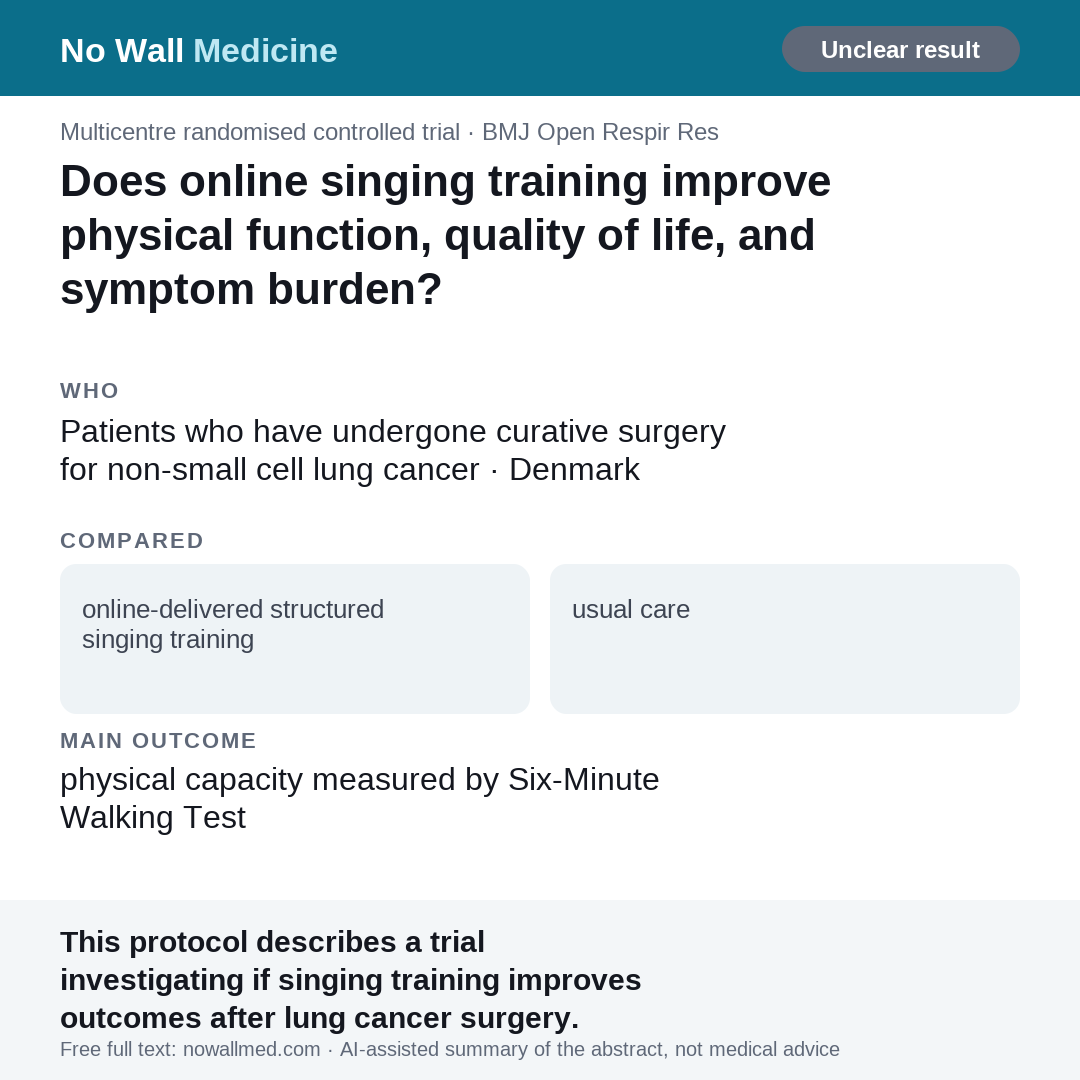
Sing-a-Lung 2.0: protocol for a multicentre randomised controlled trial to investigate the effects and mechanisms of online-delivered singing training versus usual care 6-18 months after surgical resection for non-small cell lung cancer (NSCLC)
Multicentre randomised controlled trialUnclear result
Does online singing training improve physical function, quality of life, and symptom burden?
Who
Patients who have undergone curative surgery for non-small cell lung cancer · Denmark
Compared
online-delivered structured singing training
usual care
Main outcome
physical capacity measured by Six-Minute Walking Test
Bottom line: This protocol describes a trial investigating if singing training improves outcomes after lung cancer surgery.
BMJ Open Respir Res · 2026-07-10Download image
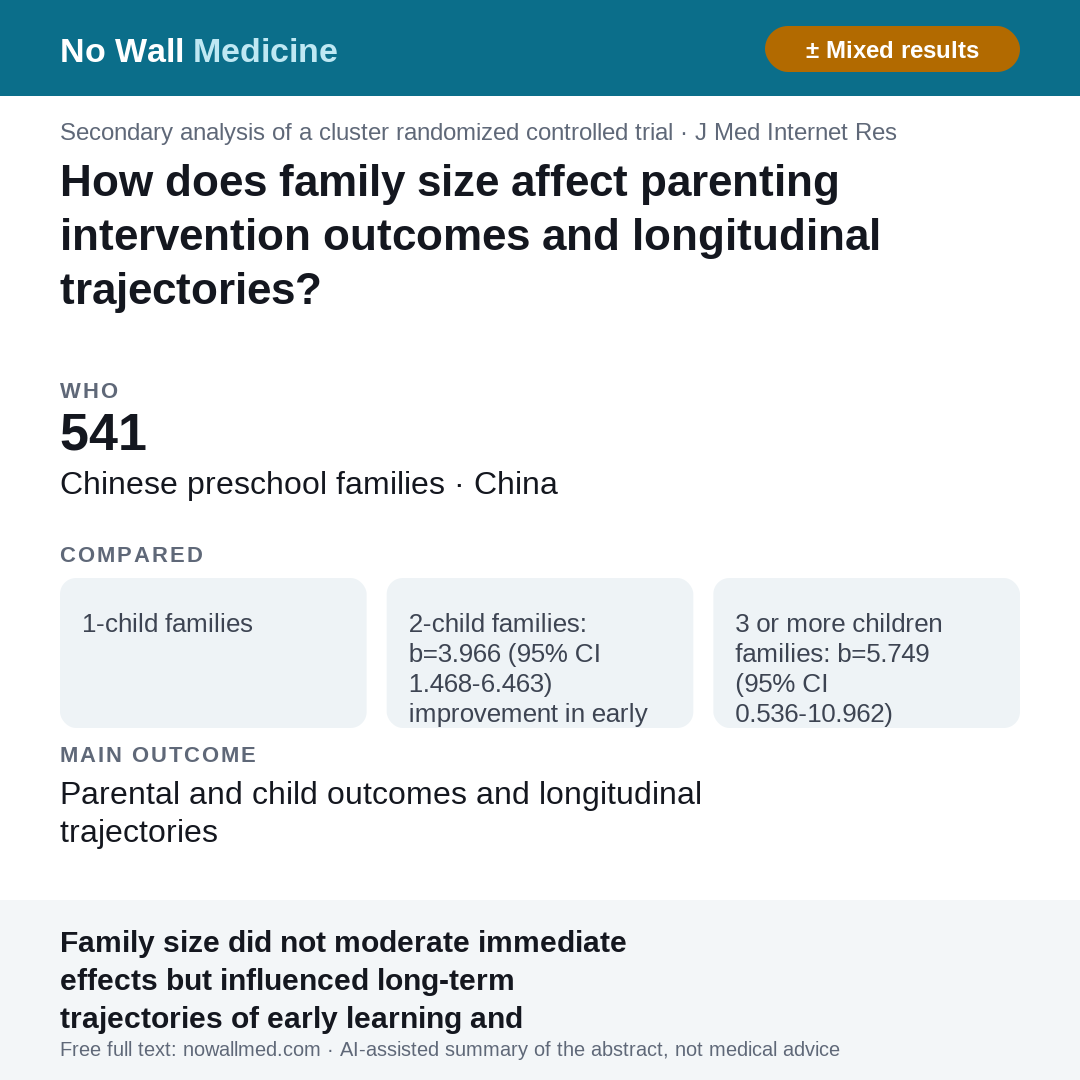
Family Size and Longitudinal Outcomes of a Digital-Human Parenting Intervention in Chinese Preschool Families: Secondary Analysis
Secondary analysis of a cluster randomized controlled trialMixed results
How does family size affect parenting intervention outcomes and longitudinal trajectories?
Who
541
Chinese preschool families · China
Compared
1-child families
2-child families: b=3.966 (95% CI 1.468-6.463) improvement in early learning
3 or more children families: b=5.749 (95% CI 0.536-10.962) improvement in early learning
Main outcome
Parental and child outcomes and longitudinal trajectories
Bottom line: Family size did not moderate immediate effects but influenced long-term trajectories of early learning and stimulation improvements.
Limitation: Estimates for families with 3 or more children were less precise due to small sample size.
J Med Internet Res · 2026-07-10Download image
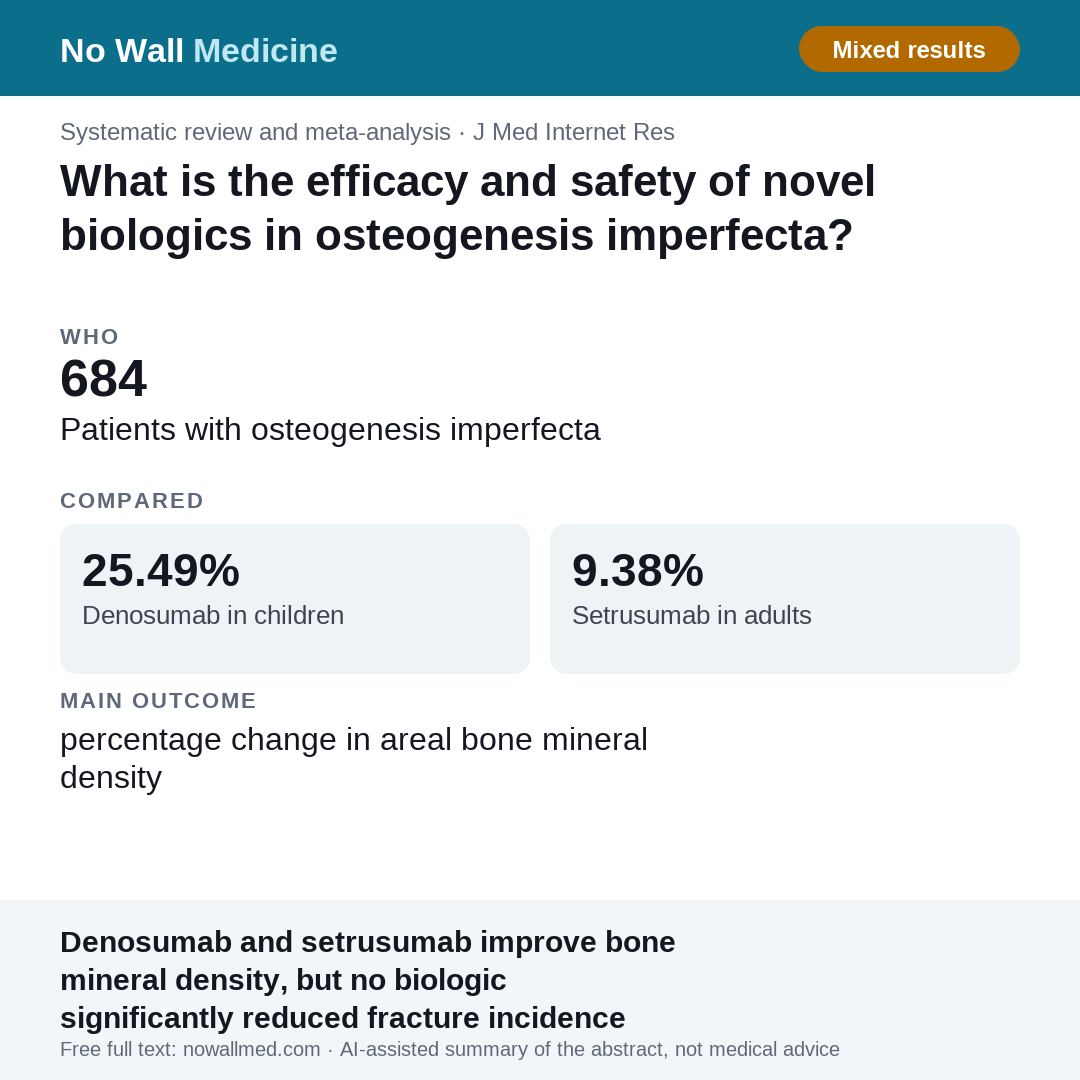
Artificial Intelligence for Evidence Synthesis of Emerging Biologics to Improve Skeletal Health in Osteogenesis Imperfecta: Systematic Review and Meta-Analysis
Systematic review and meta-analysisMixed results
What is the efficacy and safety of novel biologics in osteogenesis imperfecta?
Who
684
Patients with osteogenesis imperfecta
Compared
25.49%Denosumab in children (95% CI 17.14%-33.84%)
9.38%Setrusumab in adults (95% CI 6.5%-12.26%)
Main outcome
percentage change in areal bone mineral density
Bottom line: Denosumab and setrusumab improve bone mineral density, but no biologic significantly reduced fracture incidence compared to bisphosphonates.
Limitation: Findings should be interpreted cautiously given the small and heterogeneous trial base.
J Med Internet Res · 2026-07-10Download image
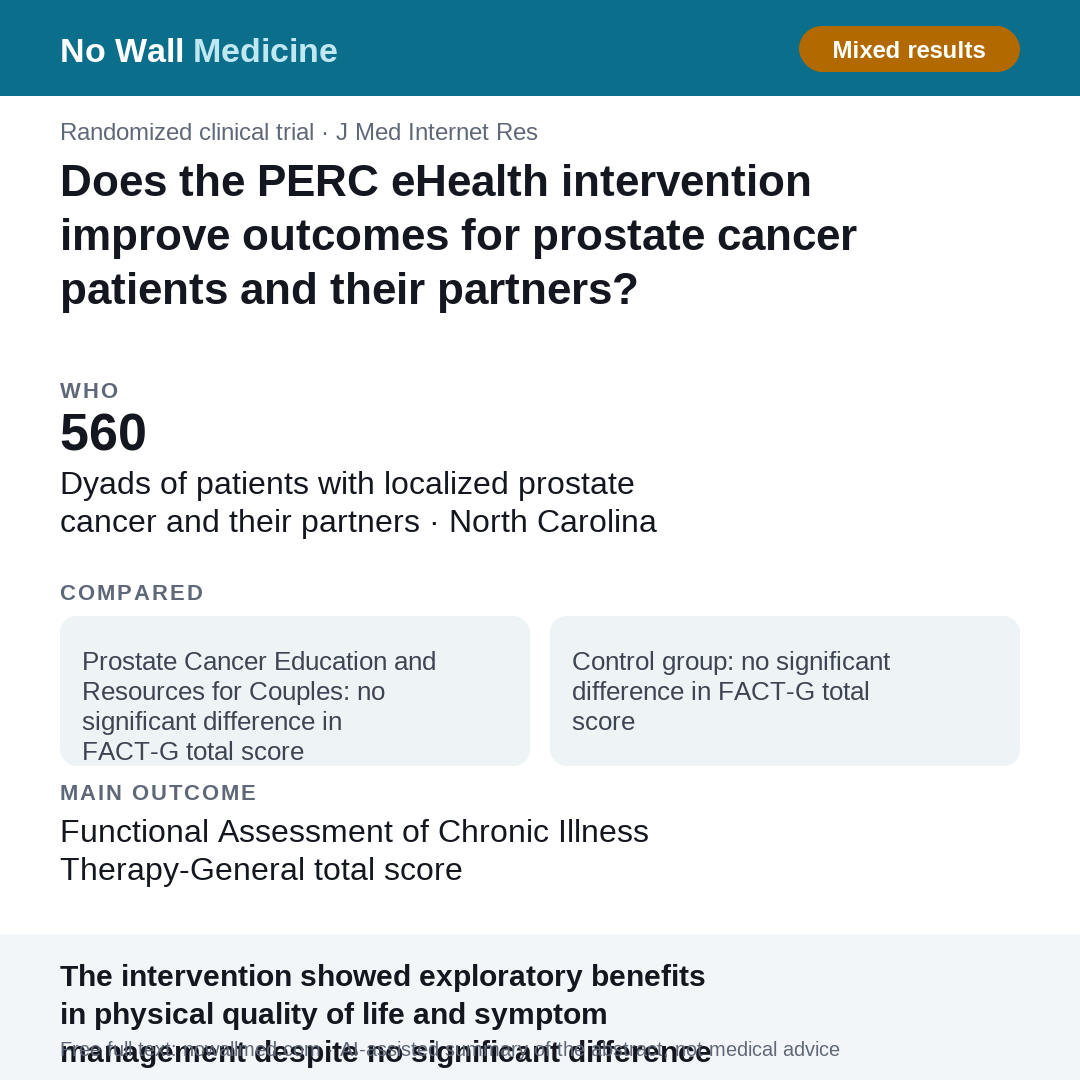
Evaluating a Tailored Web-Based eHealth Intervention for Symptom Management in Couples Managing Prostate Cancer During the COVID-19 Pandemic: Randomized Clinical Trial
Randomized clinical trialMixed results
Does the PERC eHealth intervention improve outcomes for prostate cancer patients and their partners?
Who
560
Dyads of patients with localized prostate cancer and their partners · North Carolina Cancer Registry
Compared
Prostate Cancer Education and Resources for Couples: no significant difference in FACT-G total score
Control group: no significant difference in FACT-G total score
Main outcome
Functional Assessment of Chronic Illness Therapy-General total score
Bottom line: The intervention showed exploratory benefits in physical quality of life and symptom management despite no significant difference in total scores.
J Med Internet Res · 2026-07-10Download image
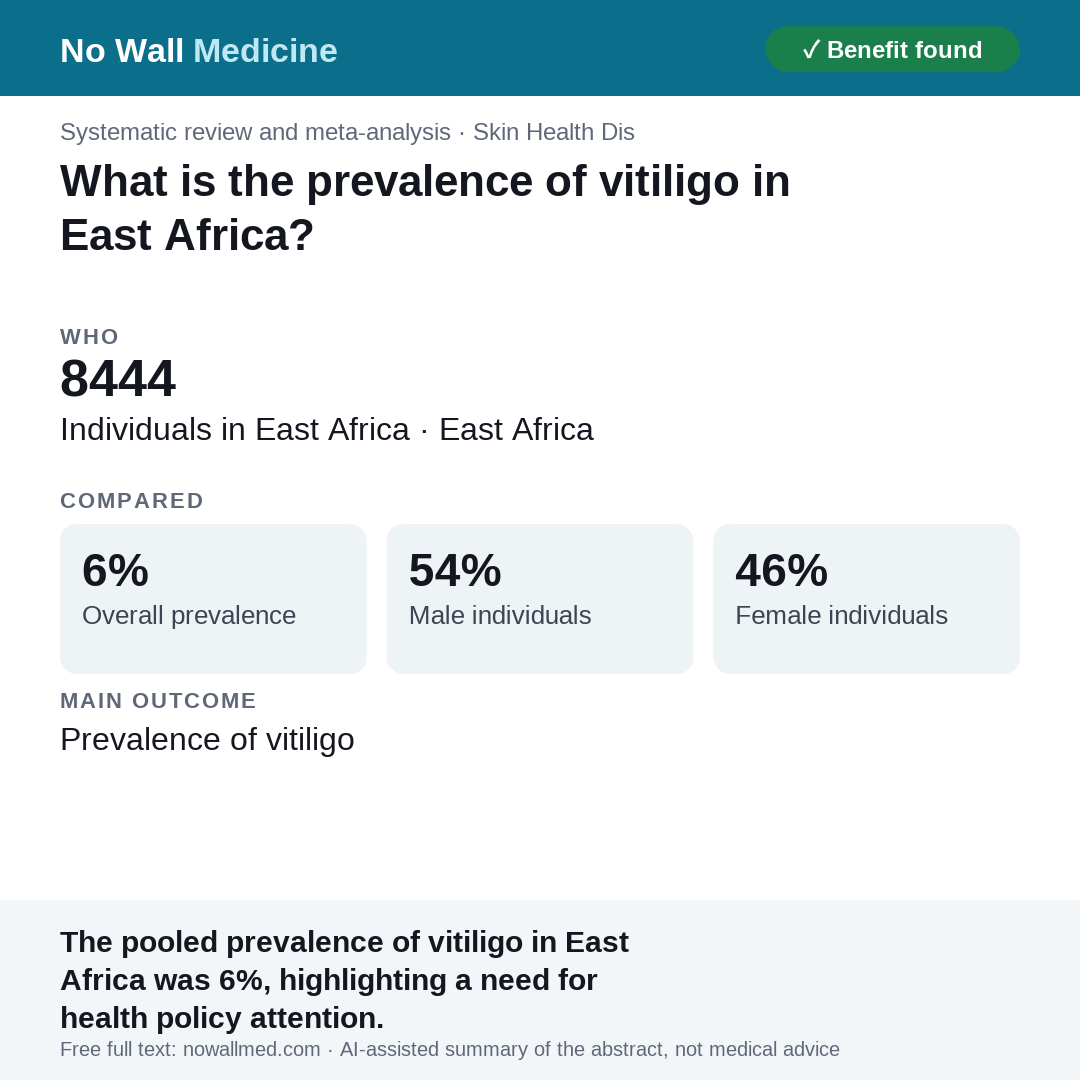
Prevalence of vitiligo in East Africa: systematic review and meta-analysis
Systematic review and meta-analysisBenefit found
What is the prevalence of vitiligo in East Africa?
Who
8444
Individuals in East Africa · East Africa
Compared
6%Overall prevalence (95% confidence interval 3-8)
54%Male individuals (95% CI 19-73)
46%Female individuals (95% CI 3-61)
Main outcome
Prevalence of vitiligo
Bottom line: The pooled prevalence of vitiligo in East Africa was 6%, highlighting a need for health policy attention.
Skin Health Dis · 2026-07-10Download image
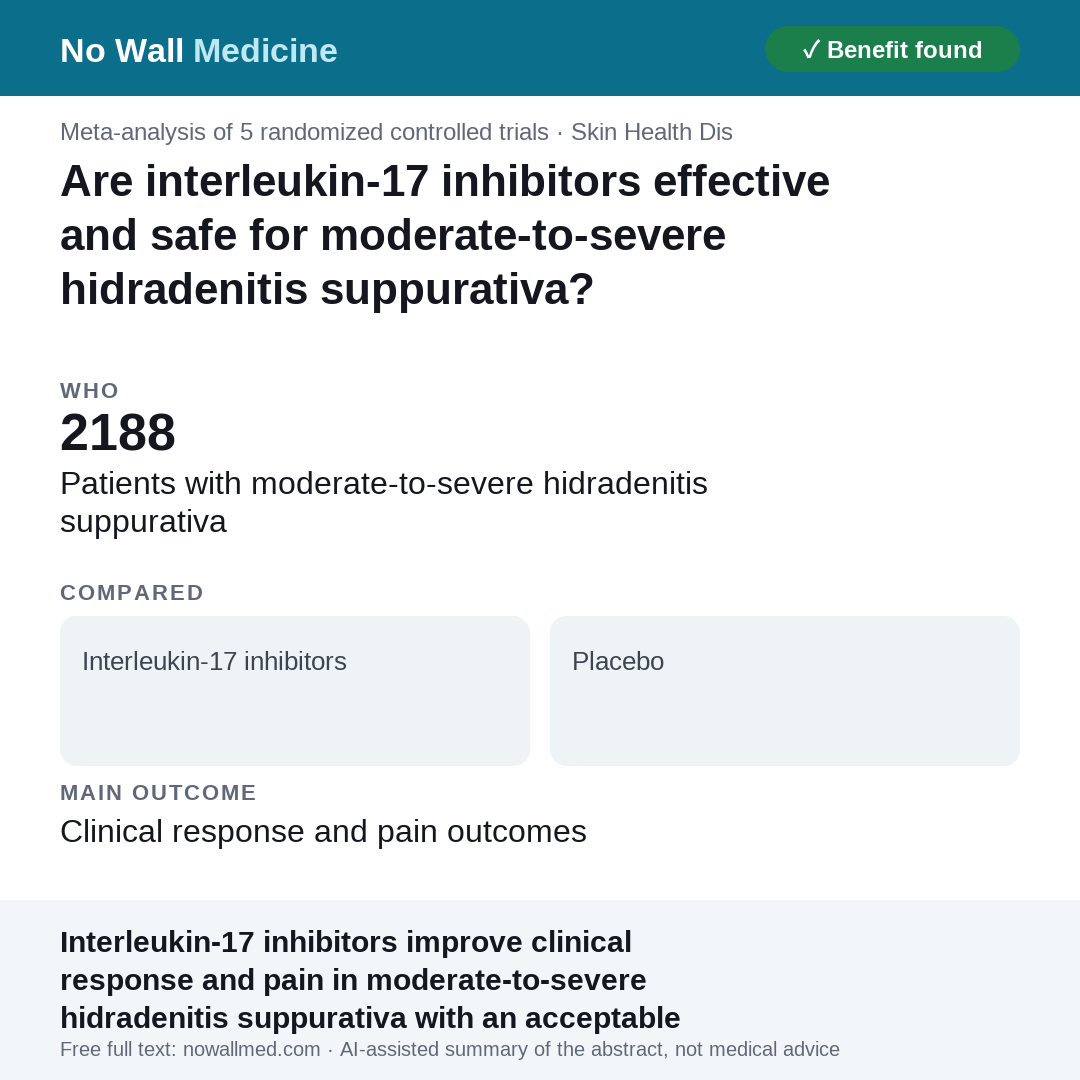
Efficacy and safety of two interleukin-17 inhibitors (bimekizumab and secukinumab) in the management of hidradenitis suppurativa: a systematic review and meta-analysis of randomized controlled trials
Meta-analysis of 5 randomized controlled trialsBenefit found
Are interleukin-17 inhibitors effective and safe for moderate-to-severe hidradenitis suppurativa?
Who
2188
Patients with moderate-to-severe hidradenitis suppurativa
Compared
Interleukin-17 inhibitors
Placebo
Main outcome
Clinical response and pain outcomes
Result: RR 1.45 (95% CI 1.26-1.66) for HiSCR50
Bottom line: Interleukin-17 inhibitors improve clinical response and pain in moderate-to-severe hidradenitis suppurativa with an acceptable safety profile.
Limitation: Limited number of trials and no head-to-head comparisons.
Skin Health Dis · 2026-07-10Download image
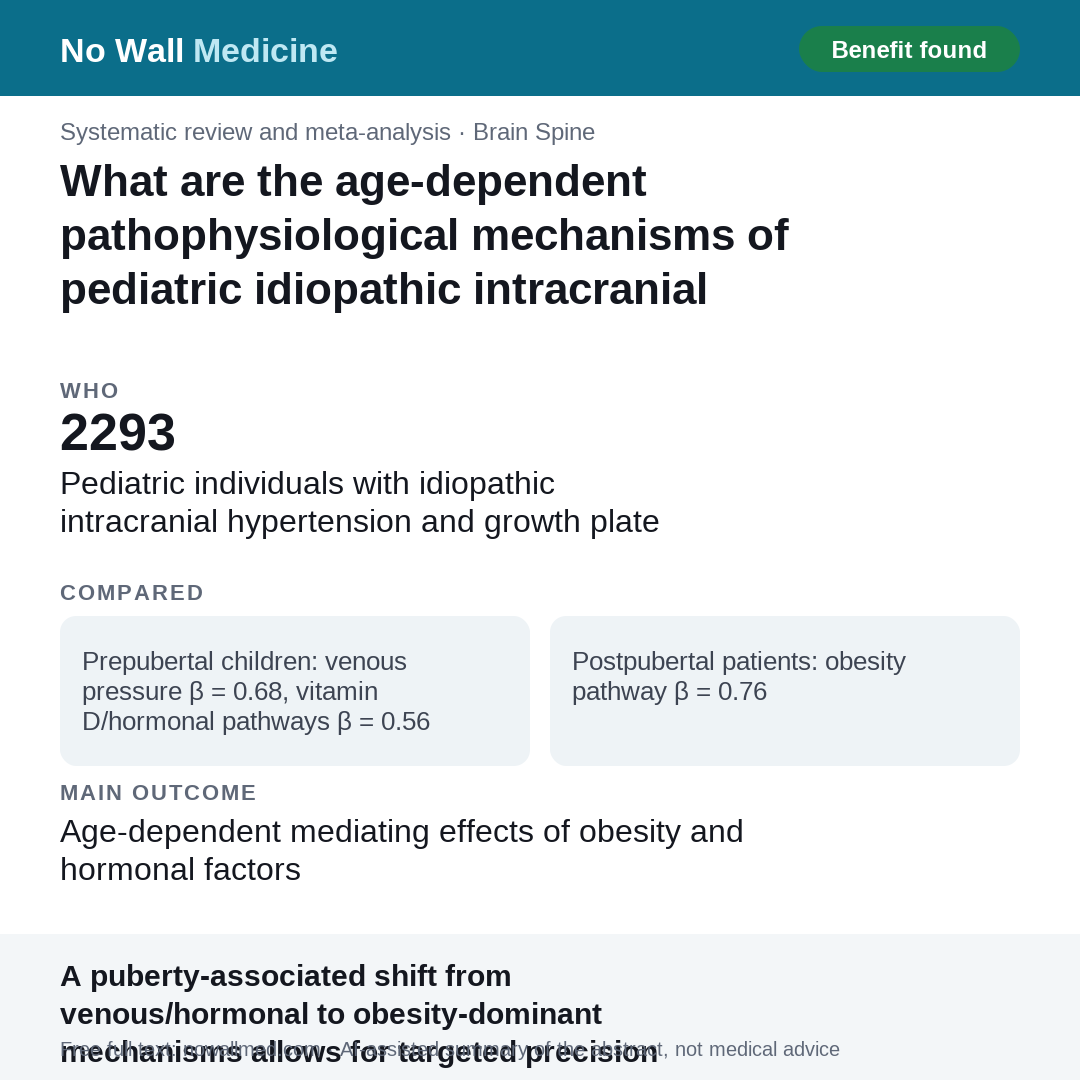
Developmental transition in pathophysiological mechanisms of pediatric idiopathic intracranial hypertension and growth plate disorders: A multi-level structural equational modeling systematic review and meta-analysis
Systematic review and meta-analysisBenefit found
What are the age-dependent pathophysiological mechanisms of pediatric idiopathic intracranial hypertension and growth plate disorders?
Who
2293
Pediatric individuals with idiopathic intracranial hypertension and growth plate disorders
Compared
Prepubertal children: venous pressure β = 0.68, vitamin D/hormonal pathways β = 0.56
Postpubertal patients: obesity pathway β = 0.76
Main outcome
Age-dependent mediating effects of obesity and hormonal factors
Bottom line: A puberty-associated shift from venous/hormonal to obesity-dominant mechanisms allows for targeted precision treatment strategies.
Brain Spine · 2026-07-10Download image
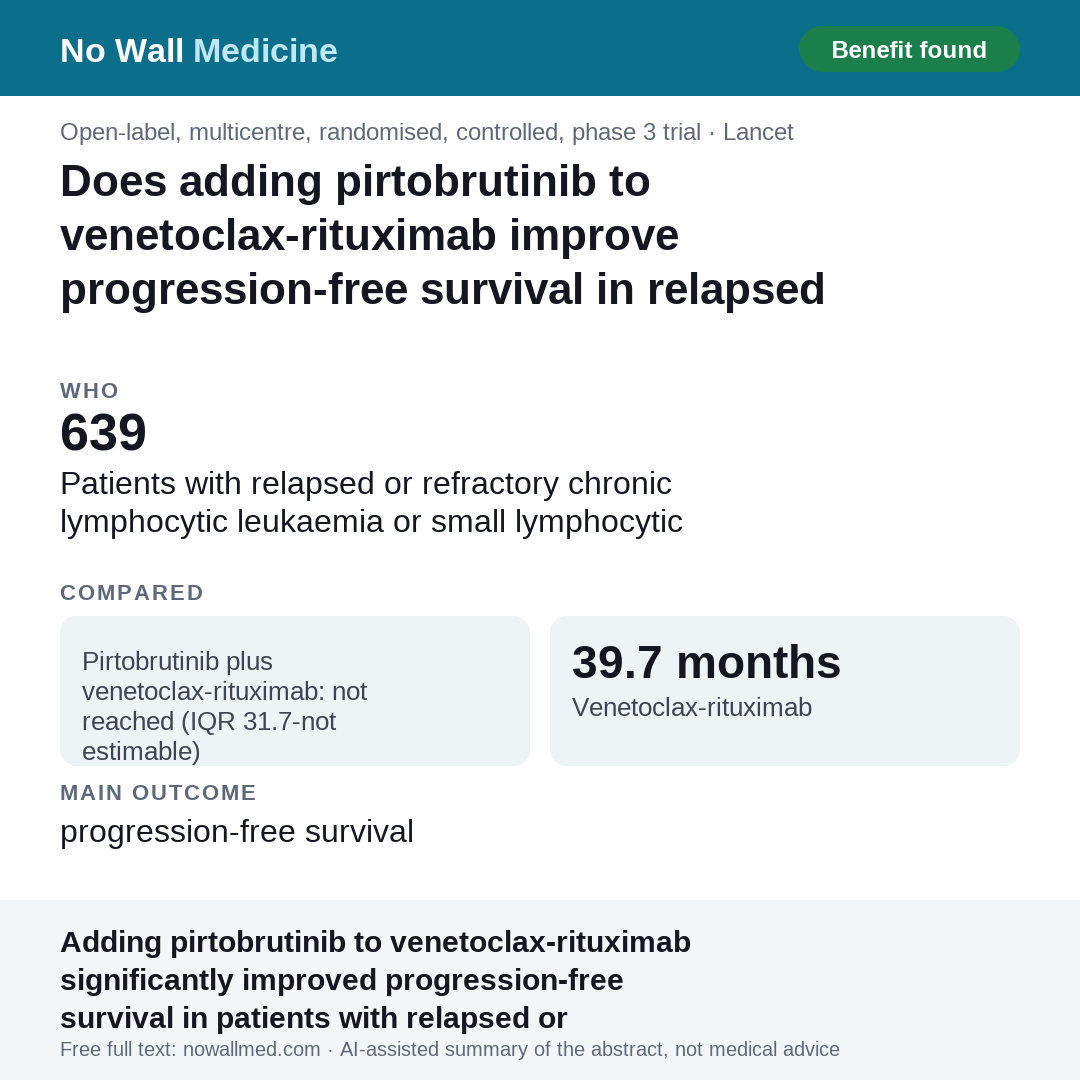
Fixed-duration pirtobrutinib plus venetoclax-rituximab versus venetoclax-rituximab for patients with previously treated chronic lymphocytic leukaemia or small lymphocytic lymphoma (BRUIN CLL-322): an open-label, multicentre, randomised, controlled, phase 3 trial
Open-label, multicentre, randomised, controlled, phase 3 trialBenefit found
Does adding pirtobrutinib to venetoclax-rituximab improve progression-free survival in relapsed chronic lymphocytic leukaemia?
Who
639
Patients with relapsed or refractory chronic lymphocytic leukaemia or small lymphocytic lymphoma · 22 countries, 152 sites
Compared
Pirtobrutinib plus venetoclax-rituximab: not reached (IQR 31.7-not estimable)
39.7 monthsVenetoclax-rituximab (21.5-50.0)
Main outcome
progression-free survival
Result: hazard ratio 0.547 (95% CI 0.400-0.748)
Bottom line: Adding pirtobrutinib to venetoclax-rituximab significantly improved progression-free survival in patients with relapsed or refractory chronic lymphocytic leukaemia.
Lancet · 2026-07-09Download image
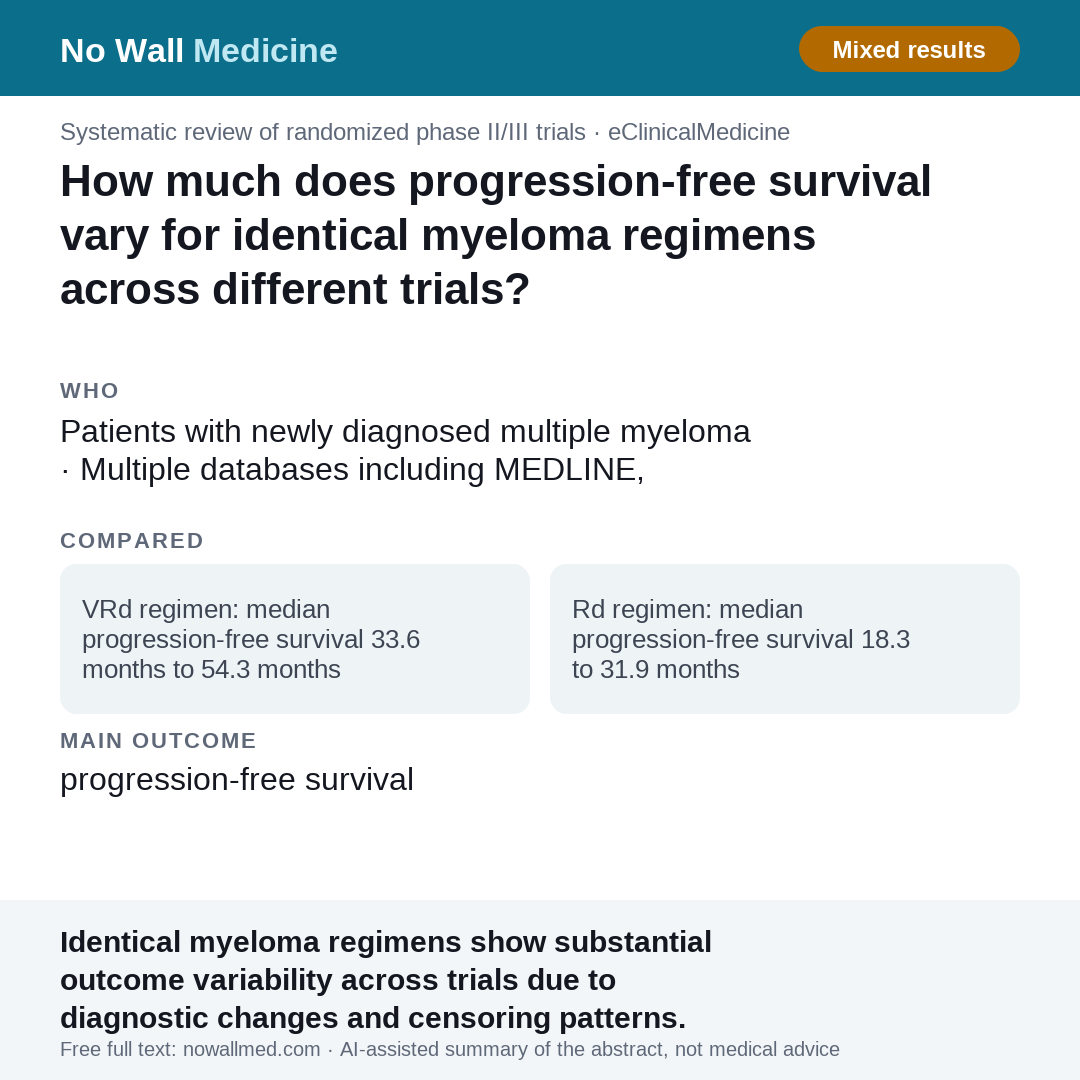
Temporal variability in outcomes of identical regimens across newly diagnosed myeloma trials: a systematic review
Systematic review of randomized phase II/III trialsMixed results
How much does progression-free survival vary for identical myeloma regimens across different trials?
Who
Patients with newly diagnosed multiple myeloma · Multiple databases including MEDLINE, Embase, and Cochrane
Compared
VRd regimen: median progression-free survival 33.6 months to 54.3 months
Rd regimen: median progression-free survival 18.3 to 31.9 months
Main outcome
progression-free survival
Bottom line: Identical myeloma regimens show substantial outcome variability across trials due to diagnostic changes and censoring patterns.
eClinicalMedicine · 2026-07-09Download image
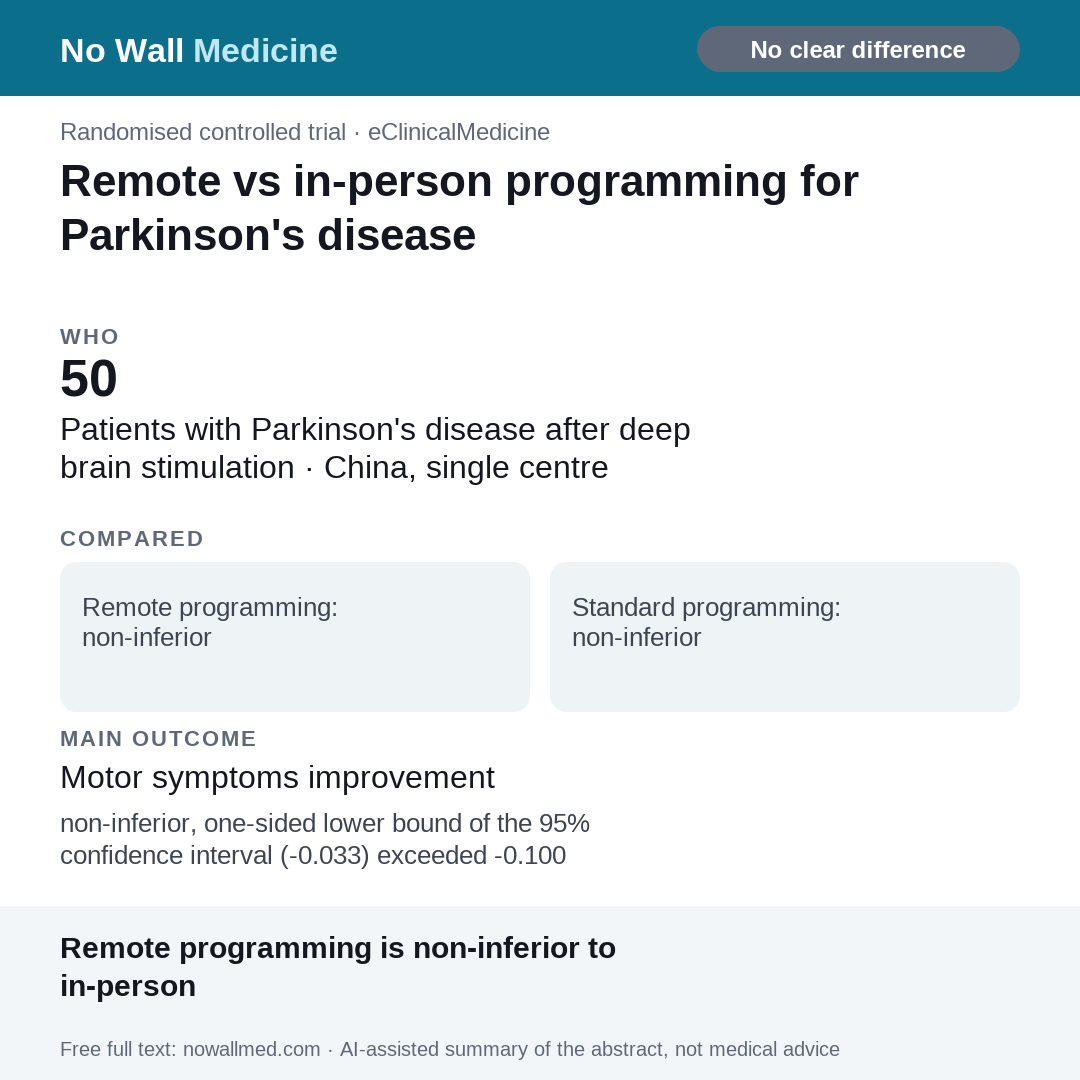
Remote programming versus standard in-person programming following deep brain stimulation in patients with Parkinson's disease: a randomised controlled trial
Randomised controlled trialNo clear difference
Remote vs in-person programming for Parkinson's disease
Who
50
Patients with Parkinson's disease after deep brain stimulation · China, single centre
Compared
Remote programming: non-inferior
Standard programming: non-inferior
Main outcome
Motor symptoms improvement
Result: non-inferior, one-sided lower bound of the 95% confidence interval (-0.033) exceeded -0.100 (-10%)
Bottom line: Remote programming is non-inferior to in-person
Funded by: Shanghai Municipal Health Commission
eClinicalMedicine · 2026-07-09Download image
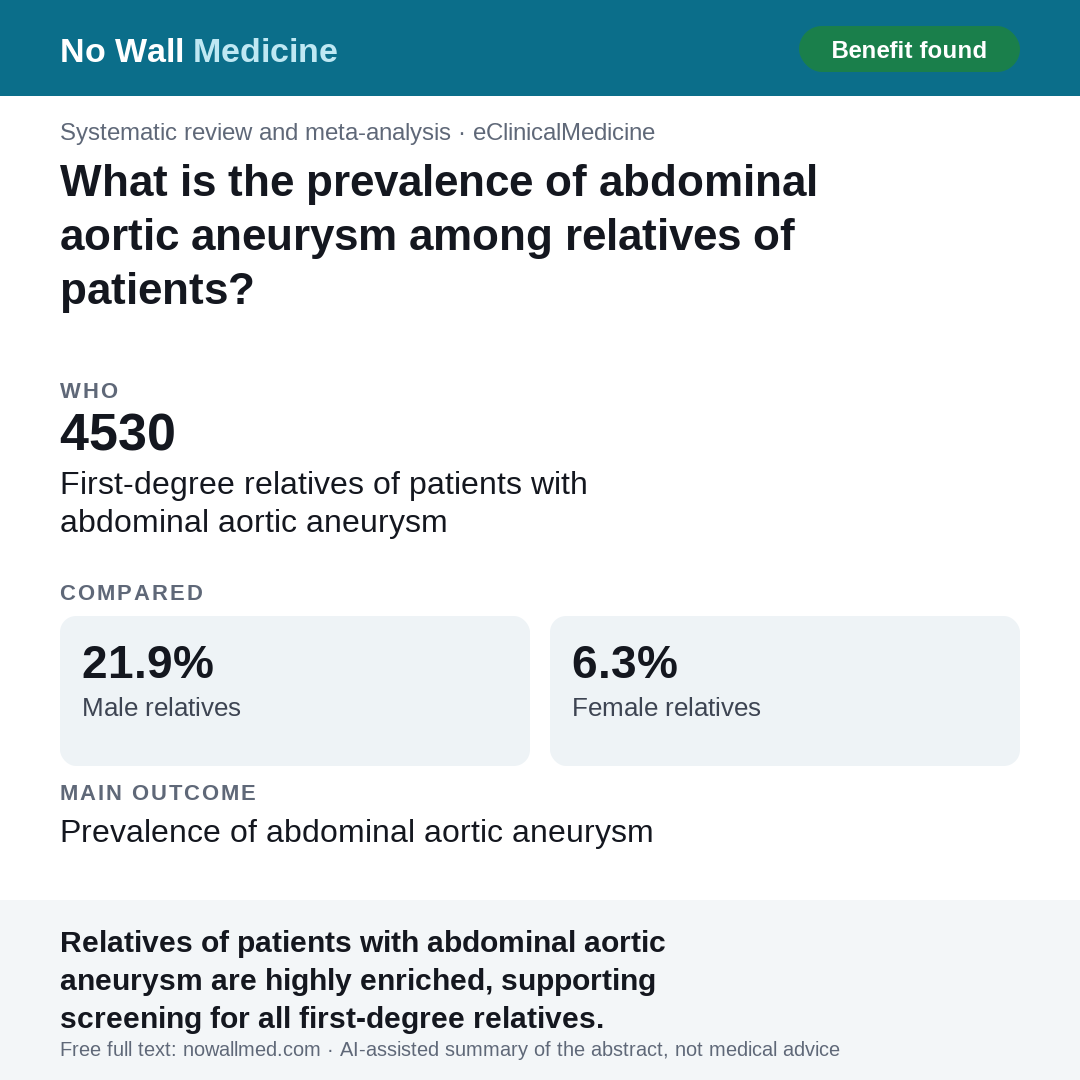
Family screening for abdominal aortic aneurysms: a systematic review and meta-analysis
Systematic review and meta-analysisBenefit found
What is the prevalence of abdominal aortic aneurysm among relatives of patients?
Who
4530
First-degree relatives of patients with abdominal aortic aneurysm
Compared
21.9%Male relatives (95% CI 15.9%-28.6%)
6.3%Female relatives (95% CI 3.6%-9.5%)
Main outcome
Prevalence of abdominal aortic aneurysm
Result: OR 3.69, 95% CI 2.89-4.71
Bottom line: Relatives of patients with abdominal aortic aneurysm are highly enriched, supporting screening for all first-degree relatives.
eClinicalMedicine · 2026-07-09Download image