Visual abstracts
New randomized trials and meta-analyses from leading journals at a glance: who was studied, what was compared, and what was found. Every paper is free to read in full.
All specialtiesCardiology 1249Oncology 1091Gastroenterology & Hepatology 441Infectious Disease 820Neurology 513Psychiatry & Mental Health 626Pulmonology 529Critical Care 369Endocrinology & Diabetes 692Pediatrics 743Surgery 560Orthopedics & Sports Medicine 235Neurosurgery 167Cardiothoracic & Vascular Surgery 136Plastic & Reconstructive Surgery 191Nephrology 262Rheumatology 167Hematology 258Dermatology 127Ophthalmology 140Obstetrics & Gynecology 391Public & Global Health 244Radiology & Imaging 163Anesthesiology 226Urology 228ENT (Otolaryngology) 172Emergency Medicine 135Allergy & Immunology 86Geriatrics 253Family Medicine & Primary Care 151Medical Genetics & Genomics 131Pathology & Laboratory Medicine 39Physical Medicine & Rehabilitation 214Palliative Care 109Nutrition 321Digital Health & AI 630General Medicine 115
Systems biology approaches investigating mitochondrial dysfunction in cyanotic heart disease: a systematic review
Systematic reviewBenefit found
What are the systems biology profiles of mitochondrial dysfunction in cyanotic congenital heart disease?
Who
31
Individuals with cyanotic congenital heart disease and unaffected controls
Compared
Cyanotic congenital heart disease: 4170 differentially expressed genes
Unaffected controls
Main outcome
Systems biology profiles including epigenomic, transcriptomic, and metabolomic data
Bottom line: Cyanotic congenital heart disease pathogenesis is associated with mitochondrial dysfunction through changes in metabolism, fission, and fusion.
Funded by: Vanier CIHR, UHN, Ontario Graduate Scholarship, Heart and Stroke Foundation
eBioMedicine · 2025-07-11Download image

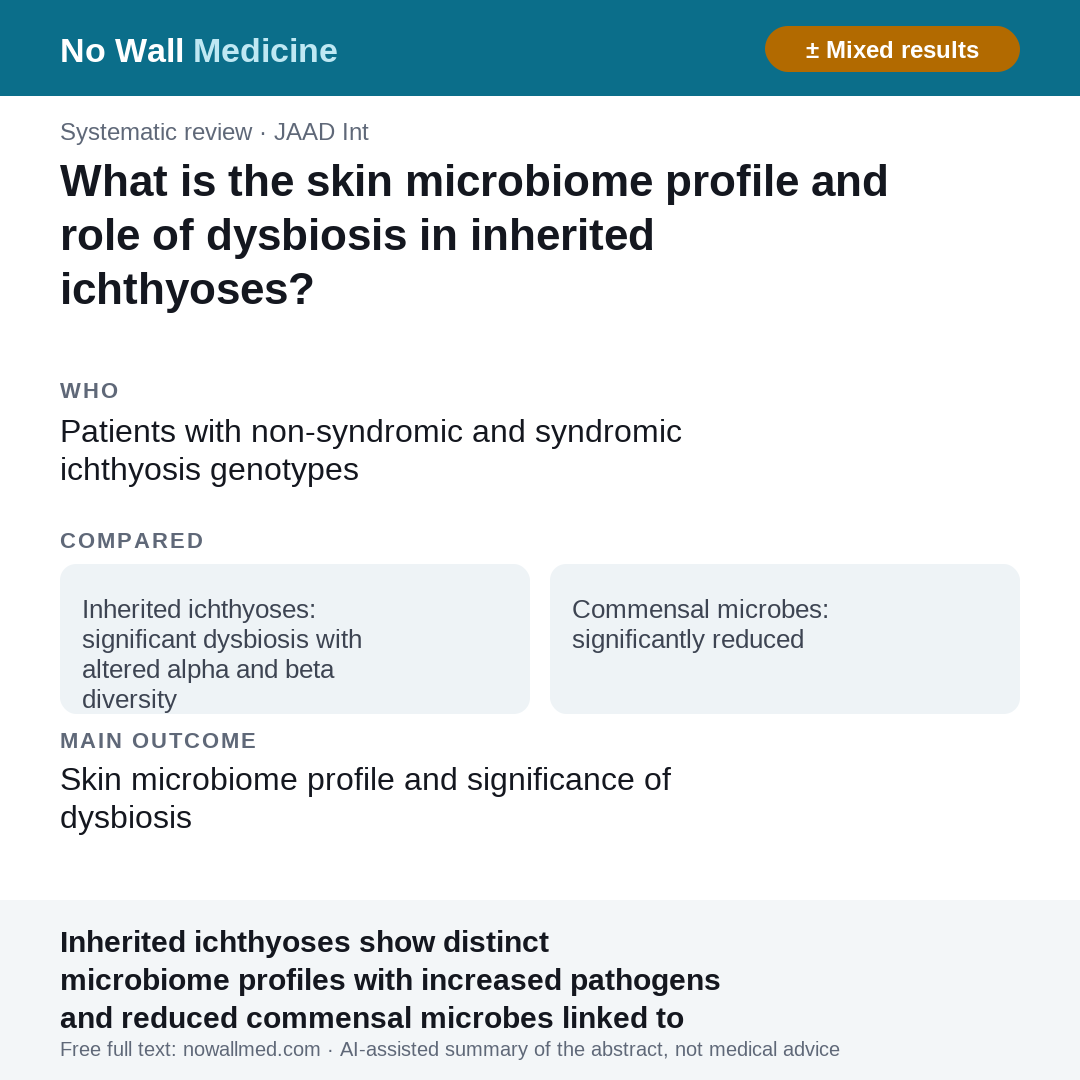
The role of the skin microbiome in inherited ichthyoses: A systematic review
Systematic reviewMixed results
What is the skin microbiome profile and role of dysbiosis in inherited ichthyoses?
Who
Patients with non-syndromic and syndromic ichthyosis genotypes
Compared
Inherited ichthyoses: significant dysbiosis with altered alpha and beta diversity
Commensal microbes: significantly reduced
Main outcome
Skin microbiome profile and significance of dysbiosis
Bottom line: Inherited ichthyoses show distinct microbiome profiles with increased pathogens and reduced commensal microbes linked to disease severity.
Limitation: The heterogeneity of studies is a limitation.
JAAD Int · 2025-07-11Download image
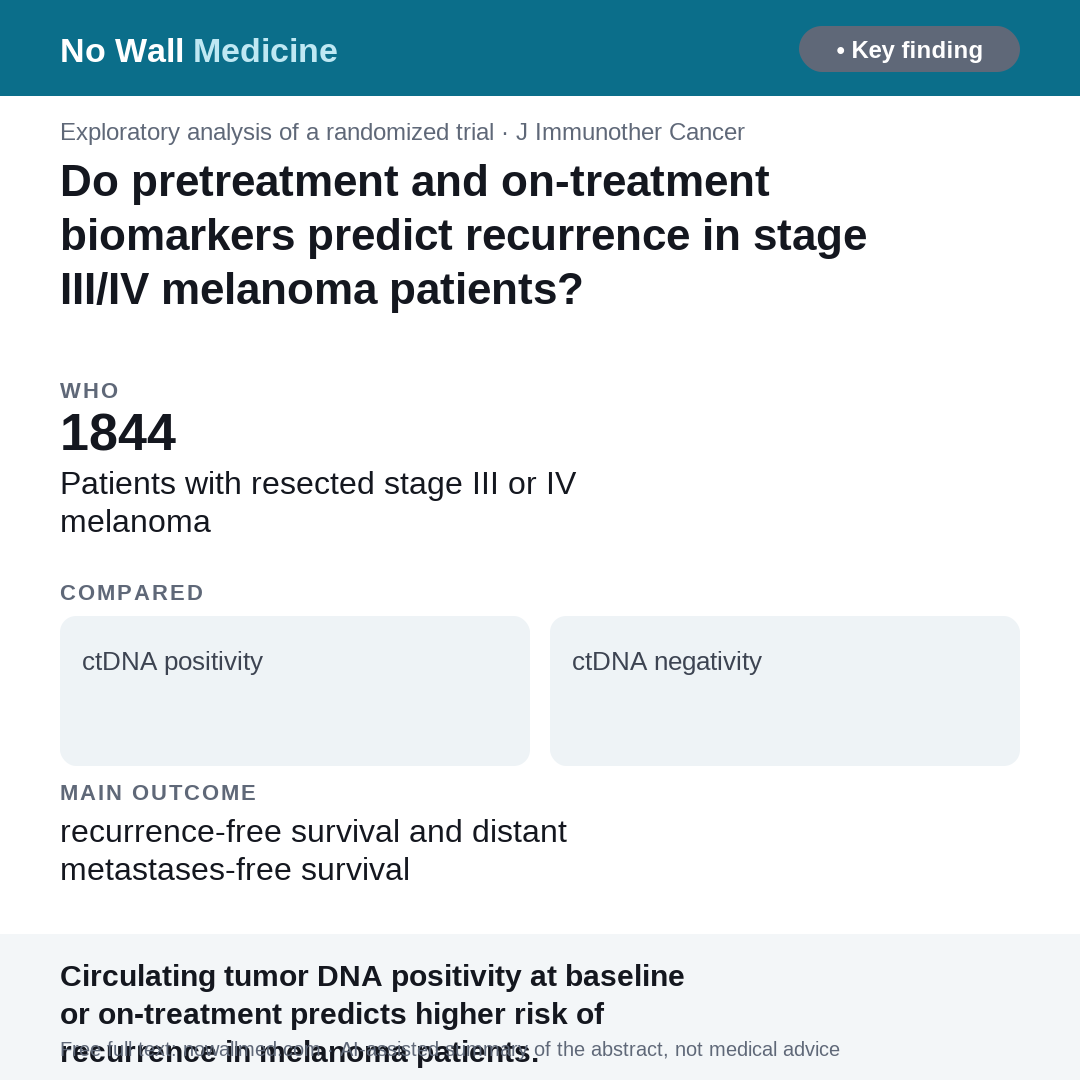
Pretreatment and on-treatment ctDNA and tissue biomarkers predict recurrence in patients with stage IIIB-D/IV melanoma treated with adjuvant immunotherapy: CheckMate 915
Exploratory analysis of a randomized trialBenefit found
Do pretreatment and on-treatment biomarkers predict recurrence in stage III/IV melanoma patients?
Who
1844
Patients with resected stage III or IV melanoma
Compared
ctDNA positivity
ctDNA negativity
Main outcome
recurrence-free survival and distant metastases-free survival
Result: hazard ratio 1.97 (95% CI 1.57 to 2.46)
Bottom line: Circulating tumor DNA positivity at baseline or on-treatment predicts higher risk of recurrence in melanoma patients.
J Immunother Cancer · 2025-07-11Download image
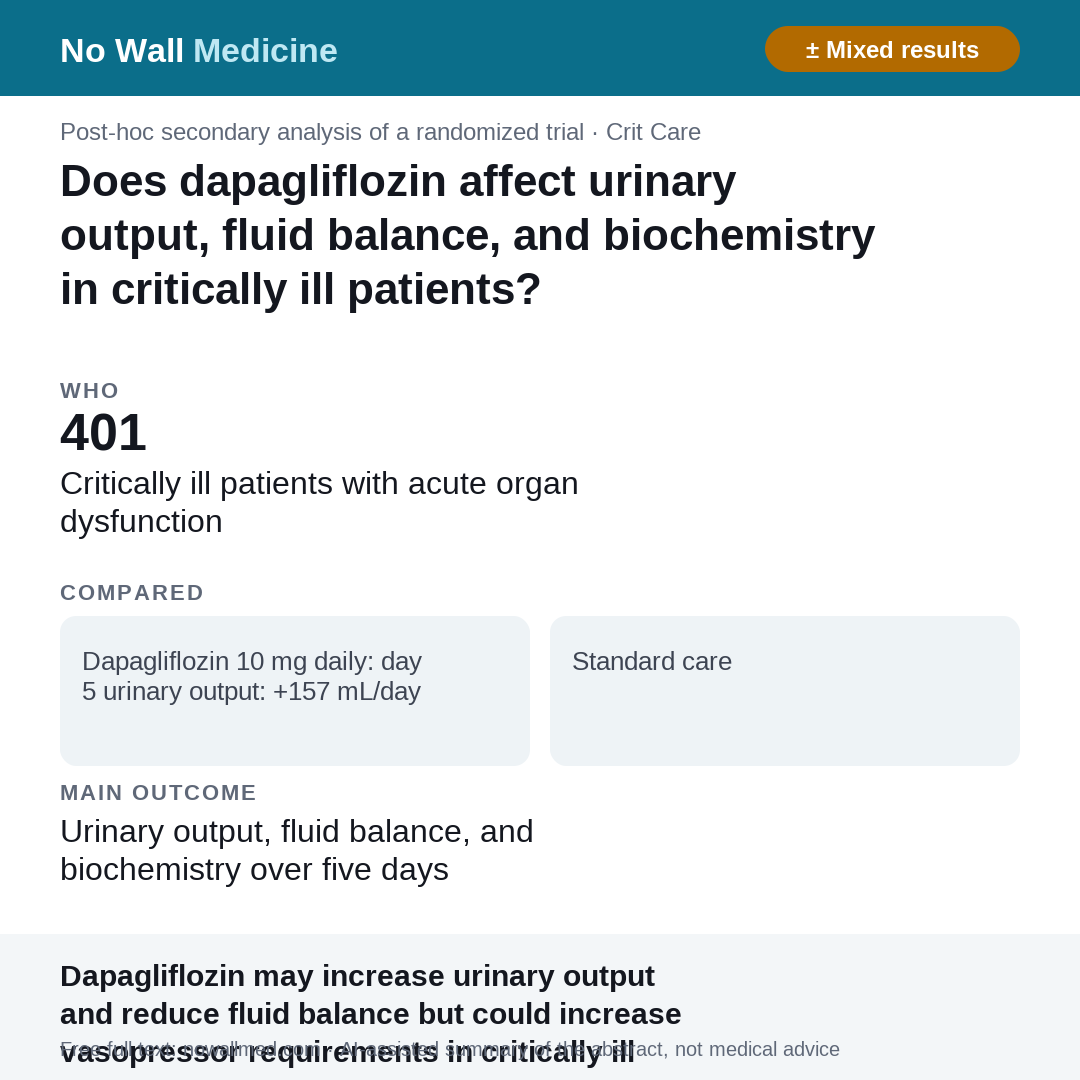
Effects of dapagliflozin on urinary output, fluid balance, and biochemistry in critically ill patients: a post-hoc secondary analysis of the DEFENDER trial
Post-hoc secondary analysis of a randomized trialMixed results
Does dapagliflozin affect urinary output, fluid balance, and biochemistry in critically ill patients?
Who
401
Critically ill patients with acute organ dysfunction
Compared
Dapagliflozin 10 mg daily: day 5 urinary output: +157 mL/day
Standard care
Main outcome
Urinary output, fluid balance, and biochemistry over five days
Bottom line: Dapagliflozin may increase diuresis and reduce diuretic requirements but potentially increases vasopressor needs in critically ill patients.
Limitation: This is an exploratory analysis with heterogeneous treatment effects requiring prospective trial confirmation.
Crit Care · 2025-07-11Download image
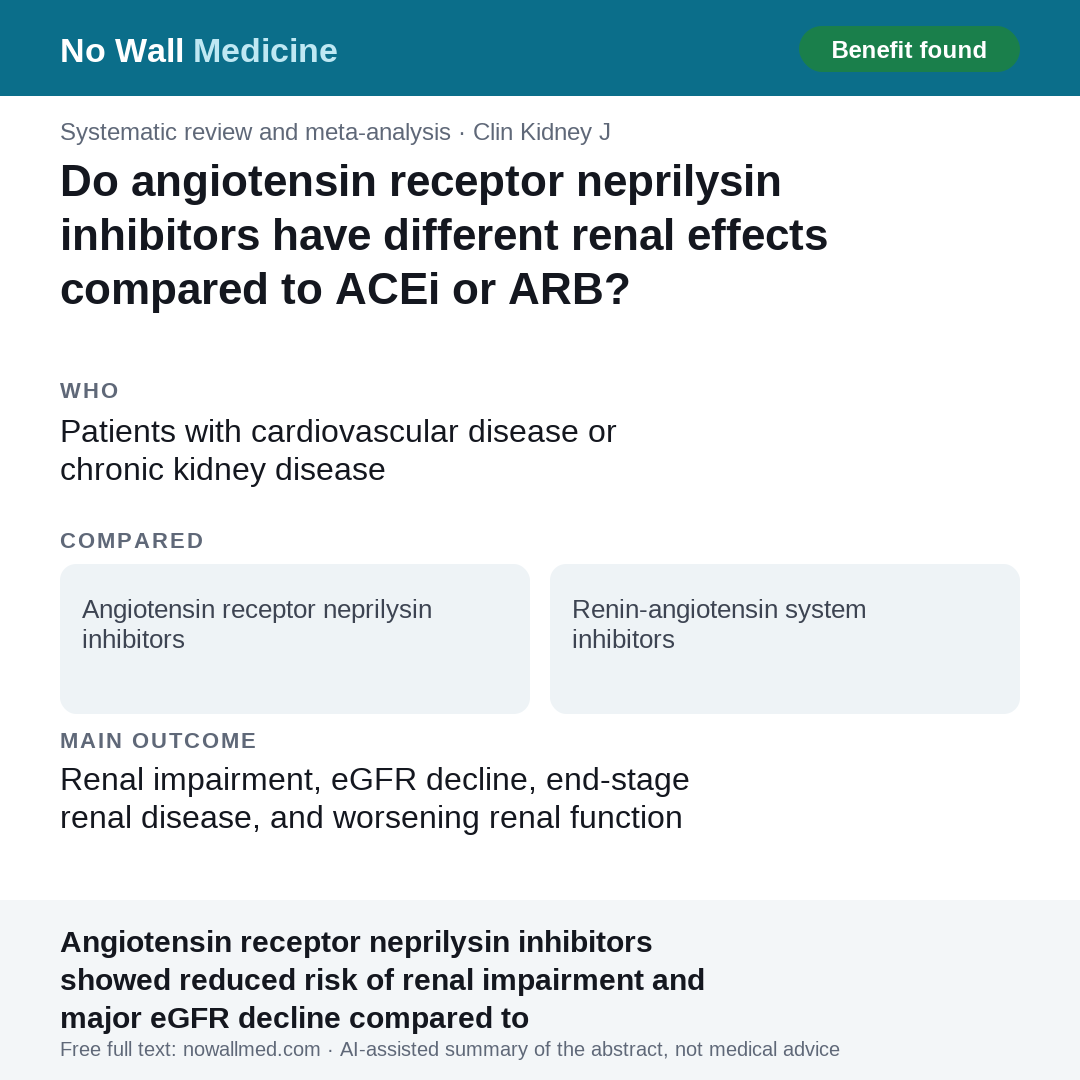
Comparative renal effects of angiotensin receptor neprilysin inhibitors and ACEi/ARB: a systematic review and meta-analysis
Systematic review and meta-analysisBenefit found
Do angiotensin receptor neprilysin inhibitors have different renal effects compared to ACEi or ARB?
Who
Patients with cardiovascular disease or chronic kidney disease
Compared
Angiotensin receptor neprilysin inhibitors
ACEi or ARB
Main outcome
Renal impairment, eGFR decline, end-stage renal disease, and worsening renal function
Result: 37% reduction in the odds of ≥50% decline in eGFR or ESRD
Bottom line: Angiotensin receptor neprilysin inhibitors showed a reduction in renal impairment and progression to end-stage renal disease compared to RASI.
Limitation: Further randomized controlled trials are needed to understand renal effects better.
Clin Kidney J · 2025-07-11Download image
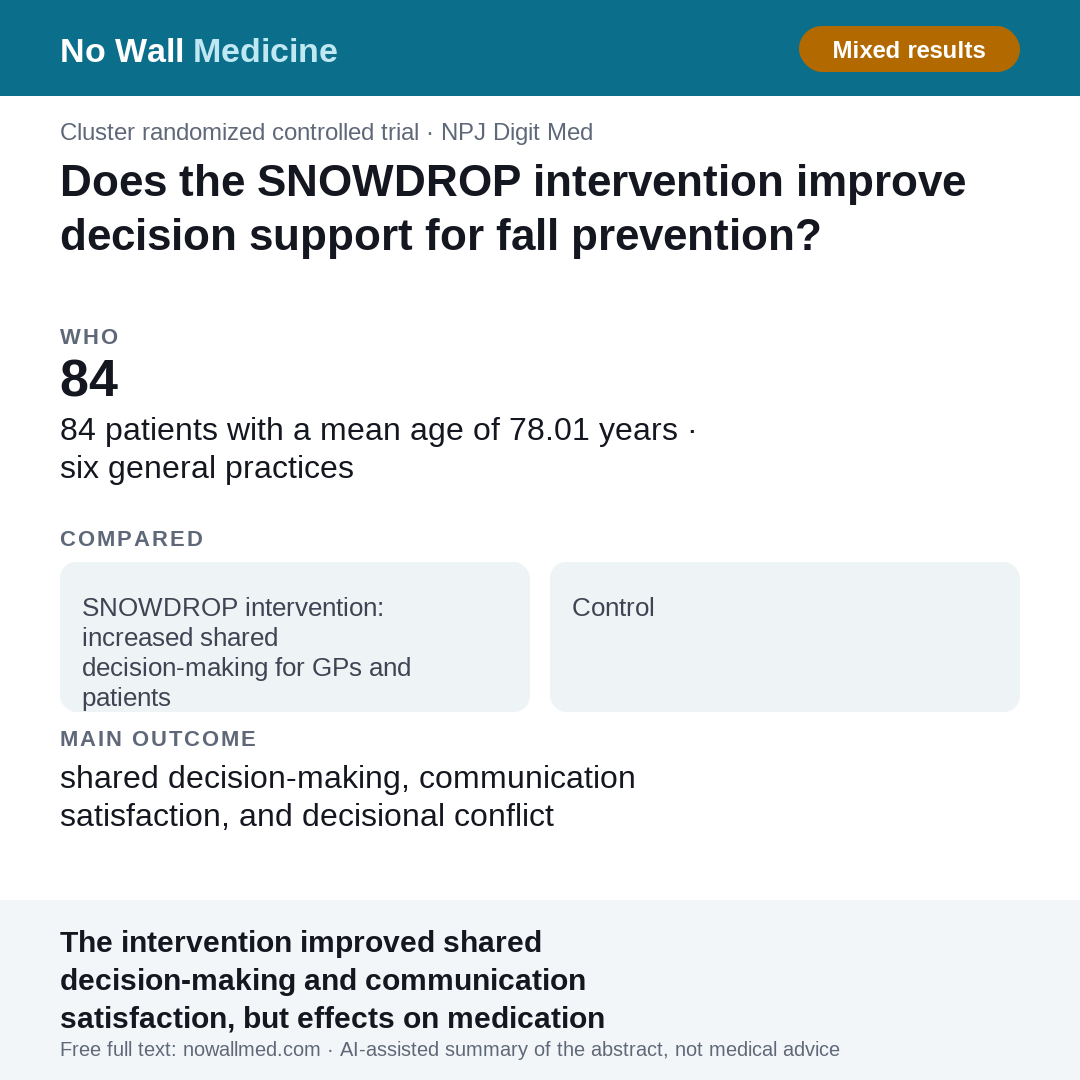
A randomized controlled trial to evaluate innovative decision support in the context of fall prevention
Cluster randomized controlled trialMixed results
Does the SNOWDROP intervention improve decision support for fall prevention?
Who
84
84 patients with a mean age of 78.01 years · six general practices
Compared
SNOWDROP intervention: increased shared decision-making for GPs and patients
Control
Main outcome
shared decision-making, patient satisfaction, and decisional conflict
Bottom line: The intervention improved shared decision-making and satisfaction, but the effect on medication changes was inconclusive.
NPJ Digit Med · 2025-07-11Download image
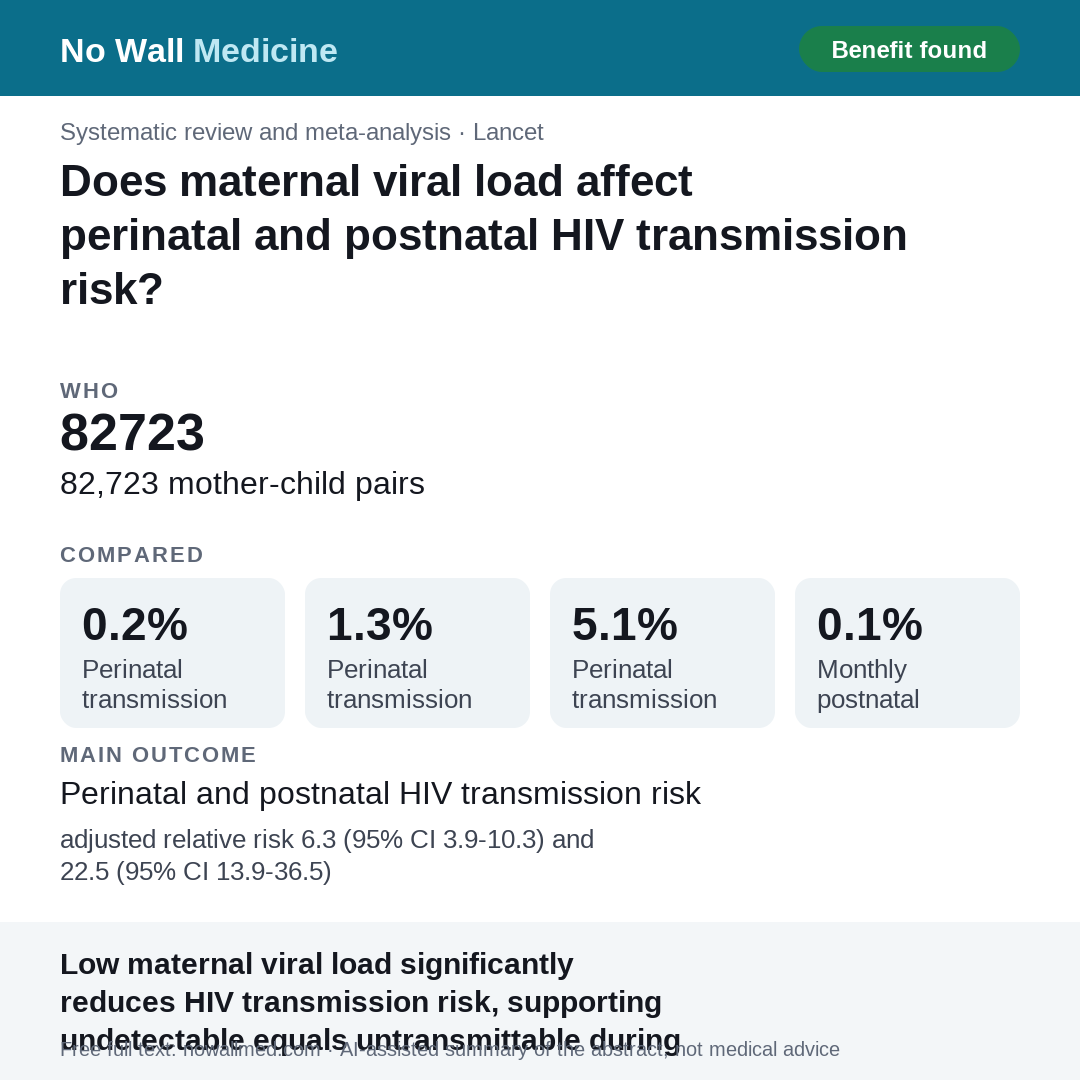
Estimating the effect of maternal viral load on perinatal and postnatal HIV transmission: a systematic review and meta-analysis
Systematic review and meta-analysisBenefit found
Does maternal viral load affect perinatal and postnatal HIV transmission risk?
Who
82723
82,723 mother-child pairs
Compared
0.2%Perinatal transmission <50 copies per mL (95% CI 0.2-0.3)
1.3%Perinatal transmission 50-999 copies per mL (1.0-1.7)
5.1%Perinatal transmission ≥1000 copies per mL (2.6-7.9)
0.1%Monthly postnatal transmission <50 copies per mL (0.0-0.4)
Main outcome
Perinatal and postnatal HIV transmission risk
Result: adjusted relative risk 6.3 (95% CI 3.9-10.3) and 22.5 (95% CI 13.9-36.5)
Bottom line: Low maternal viral load significantly reduces HIV transmission risk, supporting undetectable equals untransmittable during pregnancy and birth.
Funded by: National Institutes of Health, WHO, and Massachusetts General Hospital
Lancet · 2025-07-10Download image
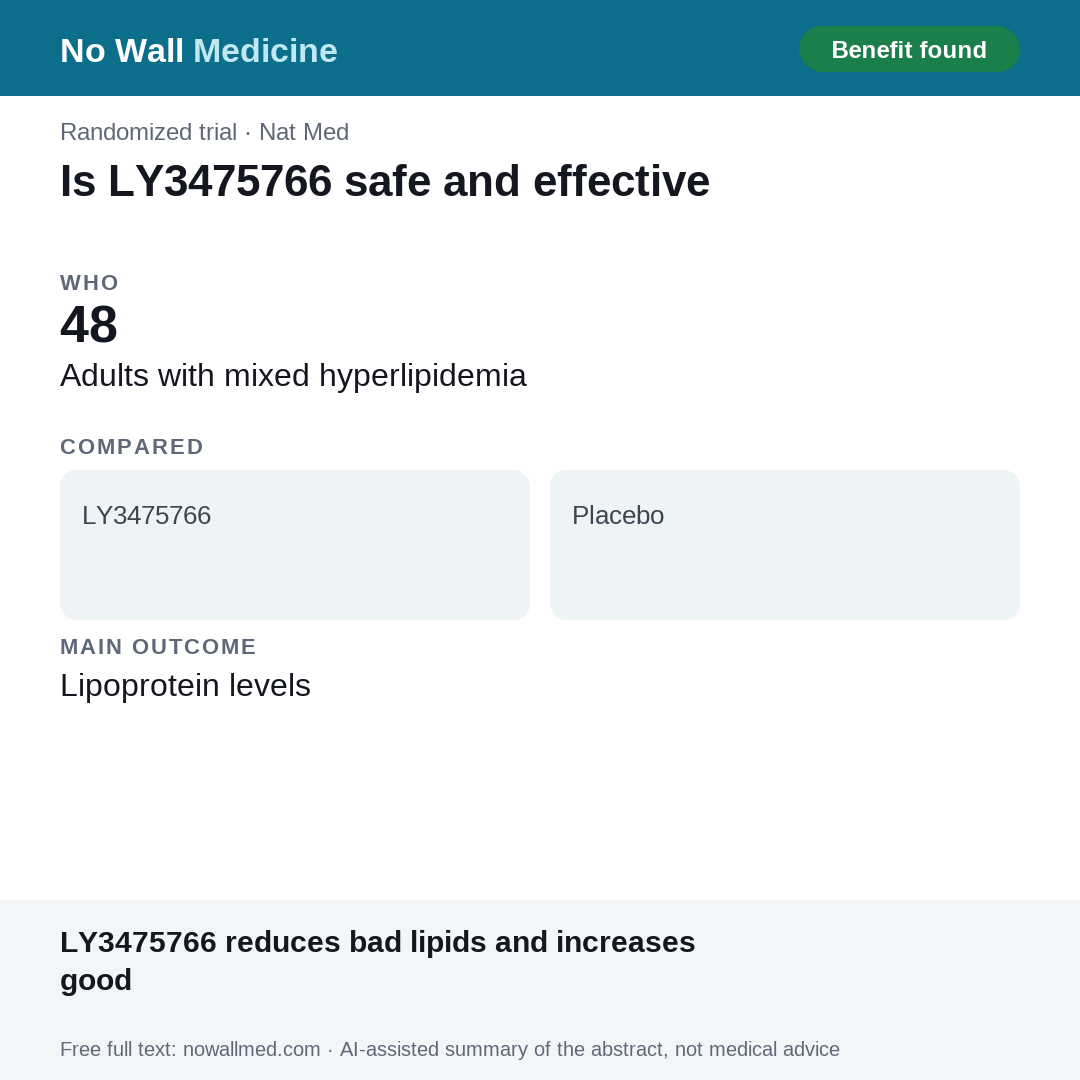
Targeting the angiopoietin-like protein 3/8 complex with a monoclonal antibody in patients with mixed hyperlipidemia: a phase 1 trial
Randomized trialBenefit found
Is LY3475766 safe and effective
Who
48
Adults with mixed hyperlipidemia
Compared
LY3475766
Placebo
Main outcome
Lipoprotein levels
Bottom line: LY3475766 reduces bad lipids and increases good
Limitation: Effects on cardiovascular risk unknown
Nat Med · 2025-07-10Download image
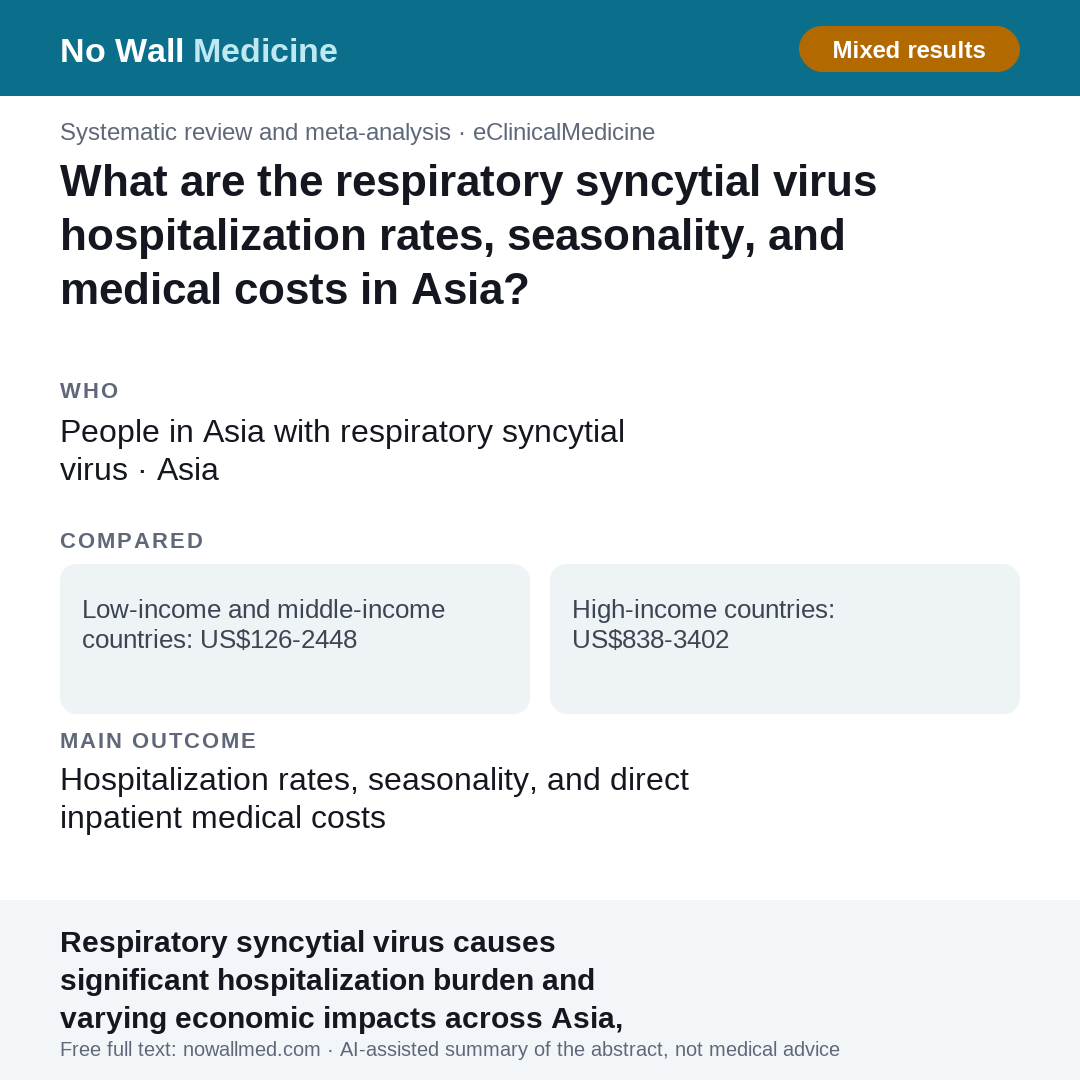
Respiratory syncytial virus hospitalization costs, rates, and seasonality in Asia: a systematic review and meta-analysis
Systematic review and meta-analysisMixed results
What are the respiratory syncytial virus hospitalization rates, seasonality, and medical costs in Asia?
Who
People in Asia with respiratory syncytial virus · Asia
Compared
Low-and middle-income countries: US$126-2448
High-income countries: US$838-3402
Main outcome
hospitalization rates, seasonality, and direct inpatient medical costs
Bottom line: Respiratory syncytial virus causes significant variation in seasonality, hospitalization rates, and economic impact across Asia.
Limitation: High heterogeneity in cost estimates suggests variability in healthcare access and economic conditions.
Funded by: Lee Kong Chian School of Medicine-Ministry of Education and National Centre for Infectious Diseases
eClinicalMedicine · 2025-07-10Download image
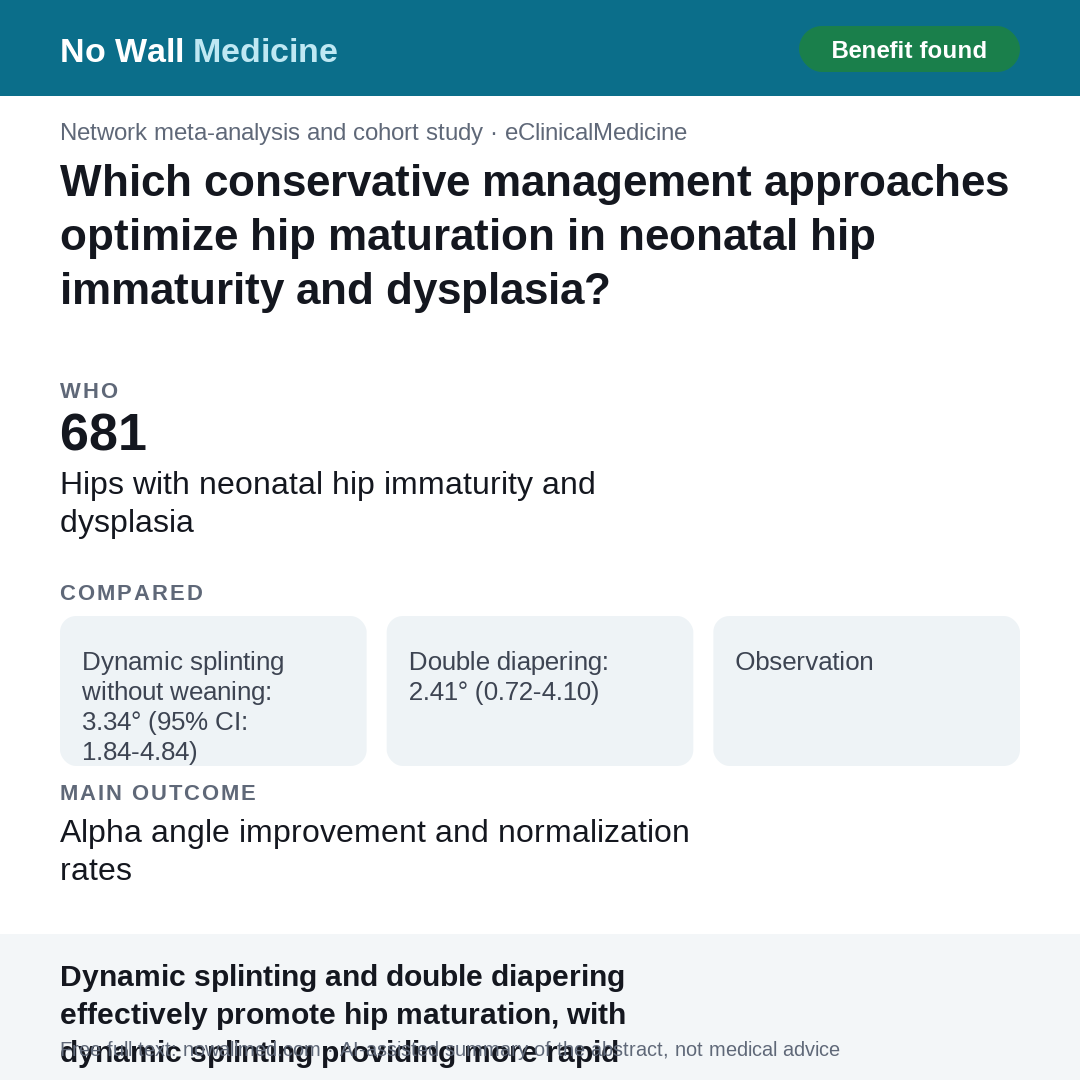
Optimizing early hip maturation strategies in neonatal hip immaturity and dysplasia: a cohort study and network meta-analysis
Network meta-analysis and cohort studyBenefit found
Which conservative management approaches optimize hip maturation in neonatal hip immaturity and dysplasia?
Who
681
Hips with neonatal hip immaturity and developmental dysplasia of the hip
Compared
Dynamic splinting without weaning: 3.34° alpha angle improvement
Double diapering: 2.41° alpha angle improvement
Observation
Main outcome
Alpha angle improvement and normalization rates
Result: weighted mean difference 3.34° (95% CI: 1.84-4.84)
Bottom line: Dynamic splinting and double diapering effectively promote hip maturation, with dynamic splinting producing more rapid improvements.
Funded by: National Science and Technology Council and National Cheng Kung University Hospital
eClinicalMedicine · 2025-07-10Download image
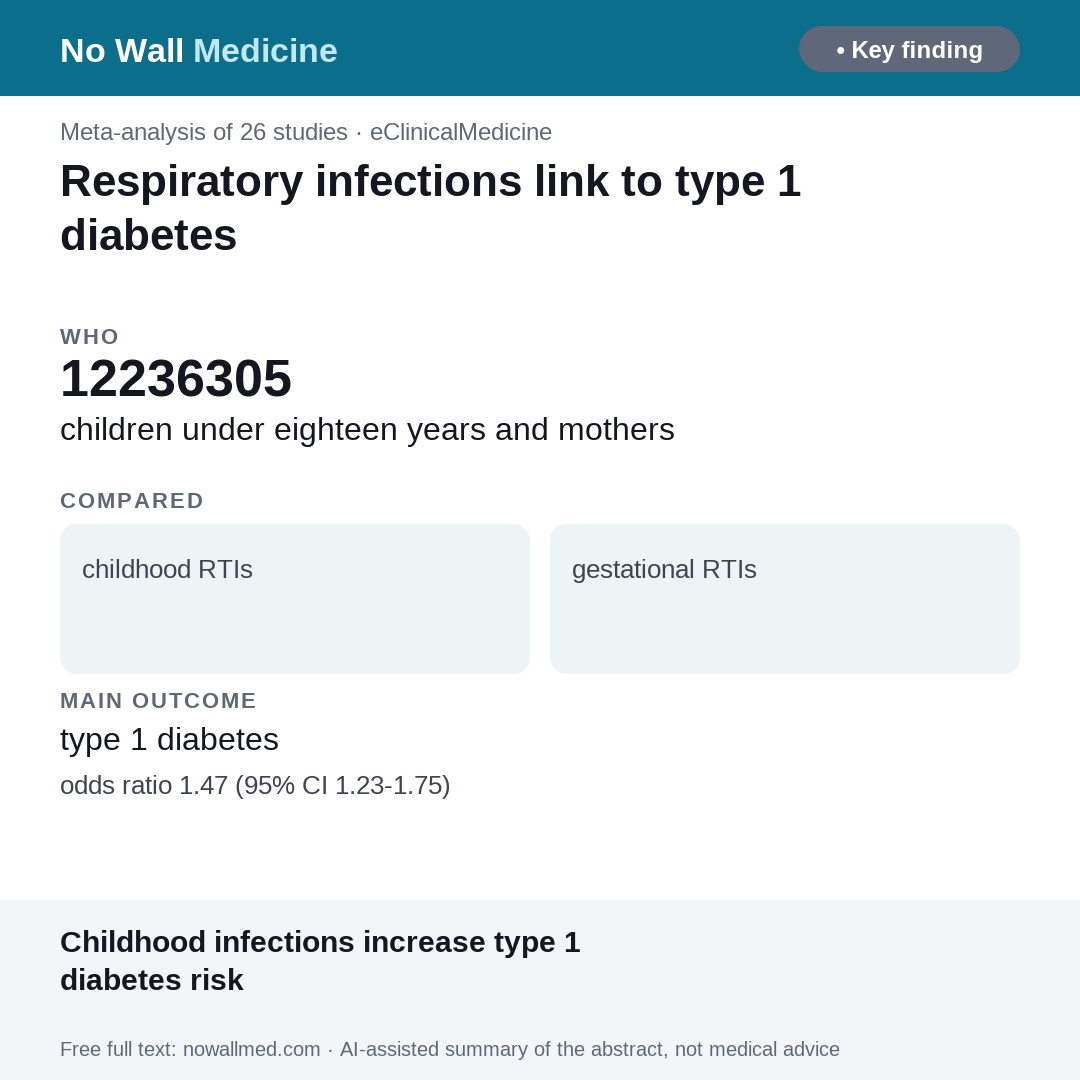
Respiratory infections in pregnancy and early life-association with the development of islet autoimmunity and type 1 diabetes in children: systematic review and meta-analysis of observational studies
Meta-analysis of 26 studiesBenefit found
Respiratory infections link to type 1 diabetes
Who
12236305
children under eighteen years and mothers
Compared
childhood RTIs
gestational RTIs
Main outcome
type 1 diabetes
Result: odds ratio 1.47 (95% CI 1.23-1.75)
Bottom line: Childhood infections increase type 1 diabetes risk
Funded by: JDRF, NHMRC
eClinicalMedicine · 2025-07-10Download image
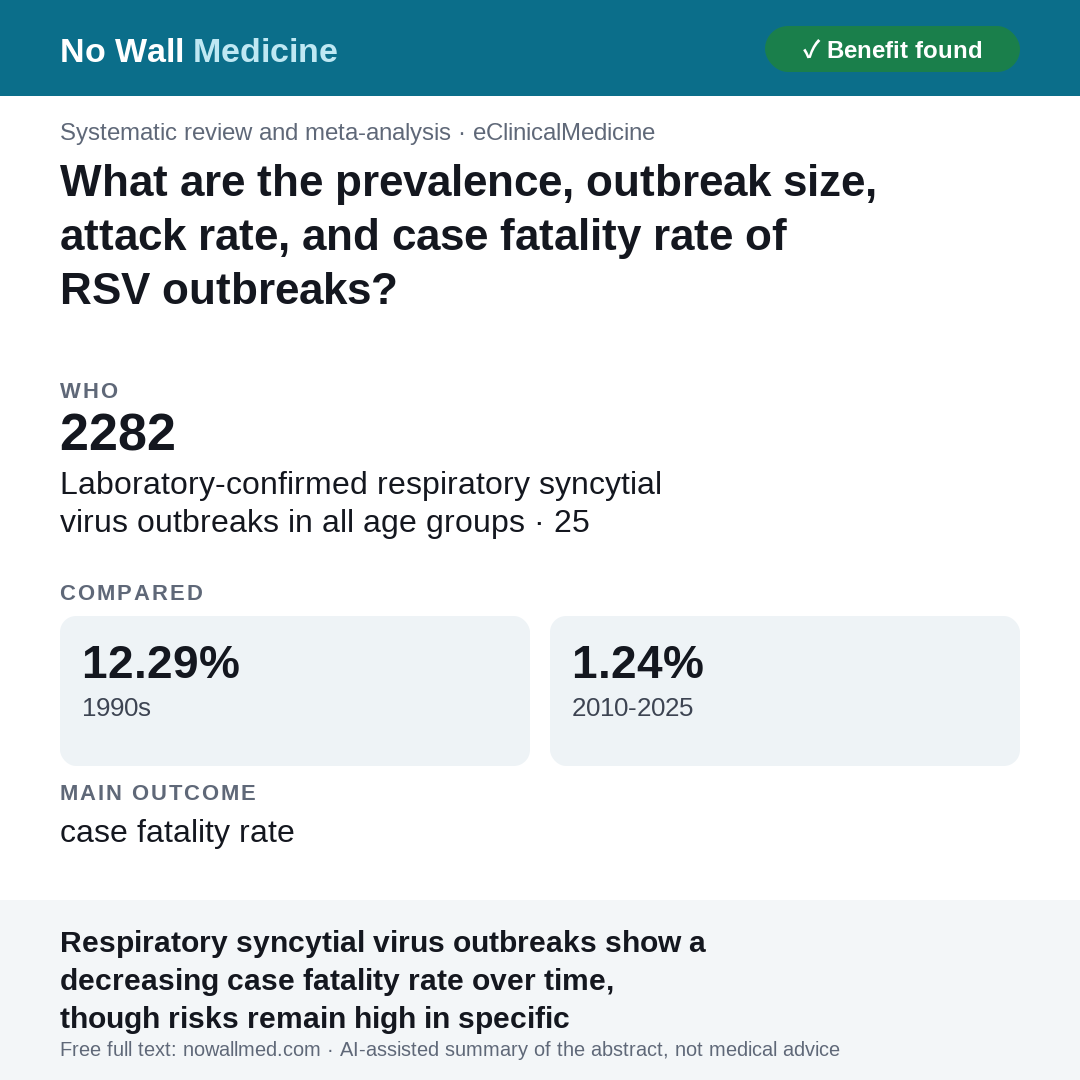
Global outbreaks of respiratory syncytial virus infections from 1960 to 2025: a systematic review and meta-analysis
Systematic review and meta-analysisMixed results
What are the prevalence, outbreak size, attack rate, and case fatality rate of global RSV outbreaks?
Who
2282
Laboratory-confirmed respiratory syncytial virus outbreaks in all age groups · 25 countries
Compared
35.78%Global pooled attack rate (95% CI 29.16-42.67)
12.29%Case fatality rate 1990s (95% CI: 2.51-25.95)
1.24%Case fatality rate 2010-2025 (95% CI: 0.01-3.73)
Main outcome
Prevalence, outbreak size, attack rate, and case fatality rate
Bottom line: Global respiratory syncytial virus outbreaks show increasing reports and decreasing case fatality rates, though risks remain high in specific subgroups.
Funded by: Zhejiang Provincial Program and Zhejiang Provincial Disease Control and Prevention Administration
eClinicalMedicine · 2025-07-10Download image
Fertility in patients with advanced-stage classic Hodgkin lymphoma treated with BrECADD versus eBEACOPP: a secondary analysis of the multicentre, randomised, parallel, open-label, phase 3 HD21 trial
Randomized, parallel, open-label, phase 3 trialBenefit found
How do BrECADD and eBEACOPP compare regarding fertility outcomes in advanced classic Hodgkin lymphoma?
Who
1183
Patients with advanced-stage classic Hodgkin lymphoma · 233 trial sites in nine countries
Compared
BrECADD: 95.3% (95% CI 92.0-98.8) 4-year gonadal function recovery in women
eBEACOPP: 73.3% (66.9-80.4) 4-year gonadal function recovery in women
Main outcome
Gonadal function recovery and fertility outcomes
Result: HR 1.69 (95% CI 1.34-2.14) in women; HR 3.28 (95% CI 2.51-4.30) in men
Bottom line: BrECADD resulted in significantly better gonadal function recovery and higher parenthood rates in men compared to eBEACOPP.
Funded by: Takeda Oncology
Lancet Oncol · 2025-07-10Download image

Adjuvant Chemoradiation and Immunotherapy for Extrahepatic Cholangiocarcinoma and Gallbladder Cancer: A Randomized Clinical Trial
Randomized clinical trialBenefit found
Is adjuvant immunotherapy with chemoradiotherapy effective for extrahepatic cholangiocarcinoma and gallbladder cancer?
Who
93
Patients with extrahepatic cholangiocarcinoma and gallbladder cancer after curative resection
Compared
Camrelizumab plus capecitabine and radiotherapy: 3-year overall survival rate 58.2%
Observation: 3-year overall survival rate 30.5%
Main outcome
Overall survival
Result: hazard ratio 0.43 (95% CI 0.24-0.79)
Bottom line: Adjuvant camrelizumab plus concurrent capecitabine and radiotherapy improved overall survival in resectable extrahepatic cholangiocarcinoma and gallbladder cancer.
Limitation: Efficacy warrants further study with active treatment as the control group.
JAMA Oncol · 2025-07-10Download image
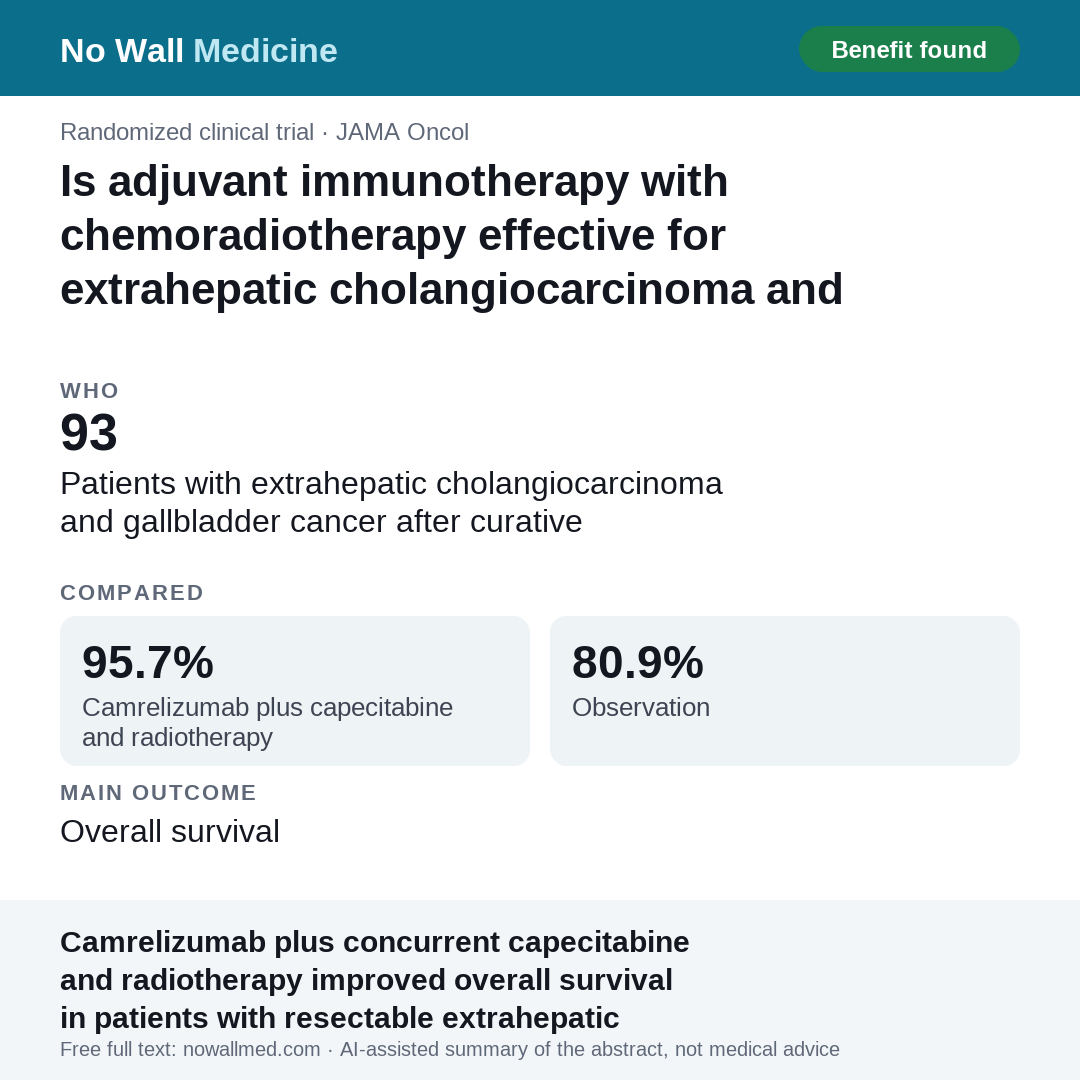
Diversified Segmental Defocus Optimization Lenses With and Without Atropine for Myopia Prevention: A Randomized Clinical Trial
1-year randomized placebo-controlled double-masked clinical trialBenefit found
Are diversified segmental defocus optimization lenses with or without atropine effective for myopia prevention?
Who
450
Children aged 5 to 12 years without myopia · Peking University People's Hospital
Compared
5.8%DSDO spectacles with placebo eye drops (7/121)
4.8%DSDOA spectacles with 0.01% atropine eye drops (6/125)
15.3%Single-vision spectacles with placebo eye drops (19/124)
Main outcome
cumulative incidence rate of myopia
Result: DSDO: difference, 9.5%; 95% CI, 1.9-17.5; DSDOA: difference, 10.5%; 95% CI, 3.3-18.4
Bottom line: Diversified segmental defocus optimization spectacles effectively delay myopia onset in children, with or without atropine.
JAMA Ophthalmol · 2025-07-10Download image
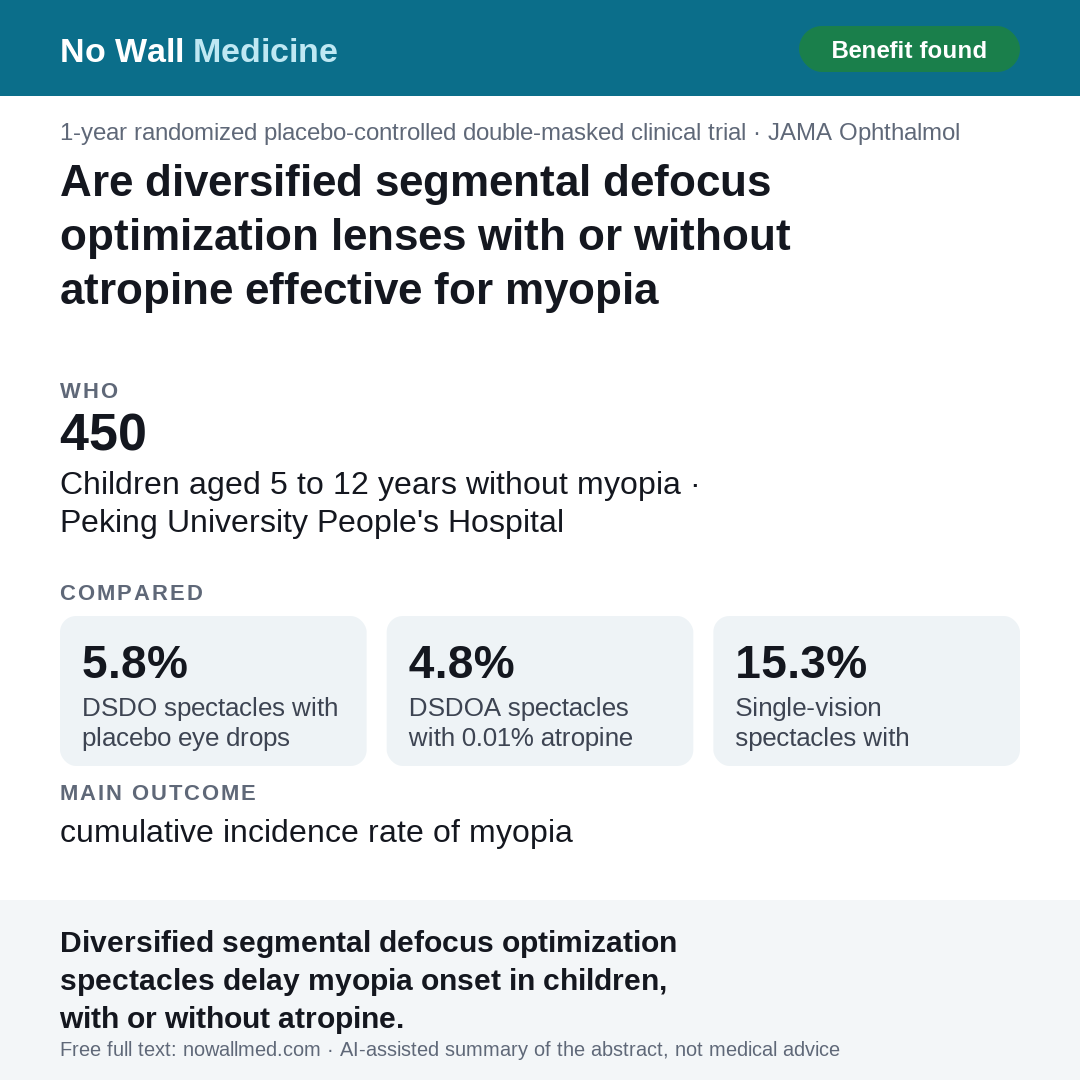
Relationship Between Third-Trimester Low Maternal Blood Pressure and Small-for-Gestational-Age Birth Weight in Pregnant Individuals With Mild Chronic Hypertension
Secondary analysis of a randomized trialNo clear difference
Does third-trimester low blood pressure associate with small-for-gestational-age birth weight?
Who
1205
Pregnant participants with mild chronic hypertension
Compared
Low blood pressure: 3.2% (1/31) or 3.0% (1/33)
Mean blood pressure 110/70-139/89 mm Hg
Main outcome
Delivery of a neonate with small-for-gestational-age birth weight
Result: aOR 0.46 (95% CI 0.06-3.58) or aOR 0.53 (95% CI 0.07-4.01)
Bottom line: Low blood pressure in the third trimester is not associated with small-for-gestational-age birth weight in mild chronic hypertension.
Obstet Gynecol · 2025-07-10Download image
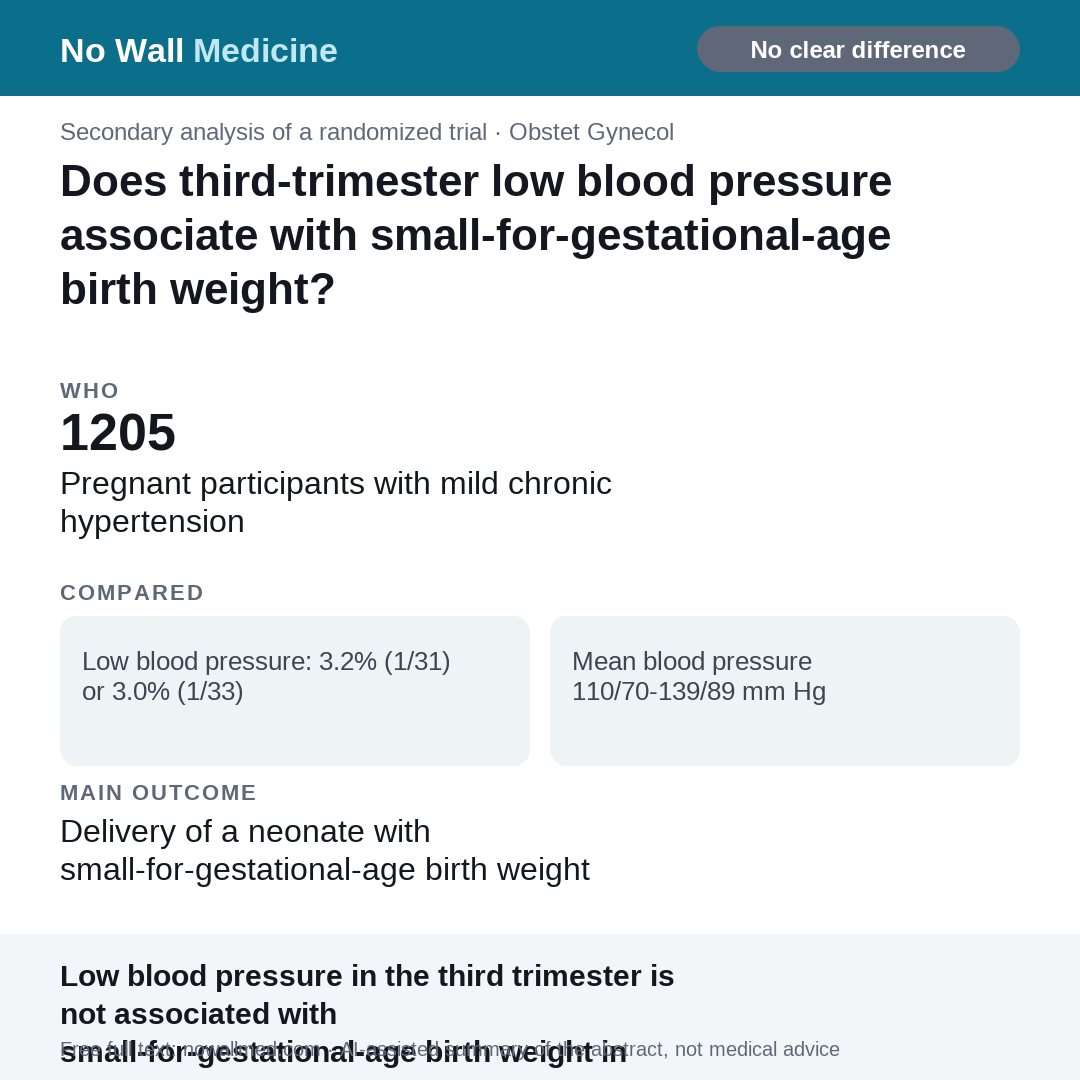
Evaluating the impact of the second-stage and pushing duration on maternal and neonatal outcomes: a systematic review and meta-analysis
Systematic review and meta-analysisHarm found
Does second stage or pushing duration affect maternal and neonatal outcomes?
Who
Nulliparous and multiparous individuals in labor
Compared
Second stage or pushing duration ≥60 minutes
Second stage or pushing duration <60 minutes
Main outcome
Cesarean delivery, maternal and neonatal morbidity
Bottom line: Prolonged second stage or pushing beyond 60 minutes increases maternal and neonatal morbidity risks.
Limitation: Pooled estimates rely on a small, clinically heterogeneous subset of studies.
AJOG · 2025-07-10Download image

Primary cardioprotective effect of sacubitril/valsartan in breast cancer patients receiving adjuvant therapy
Randomized trialBenefit found
Does sacubitril/valsartan prevent cancer therapy-related cardiac dysfunction in early breast cancer patients?
Who
100
Newly diagnosed treatment-naïve patients with early breast cancer
Compared
0sacubitril/valsartan
standard care: 21 patients (26.3%)
Main outcome
development of cancer therapy-related cardiac dysfunction
Bottom line: Low-dose sacubitril/valsartan may prevent cancer therapy-related cardiac dysfunction in early breast cancer patients undergoing adjuvant therapy.
Eur J Heart Fail · 2025-07-10Download image
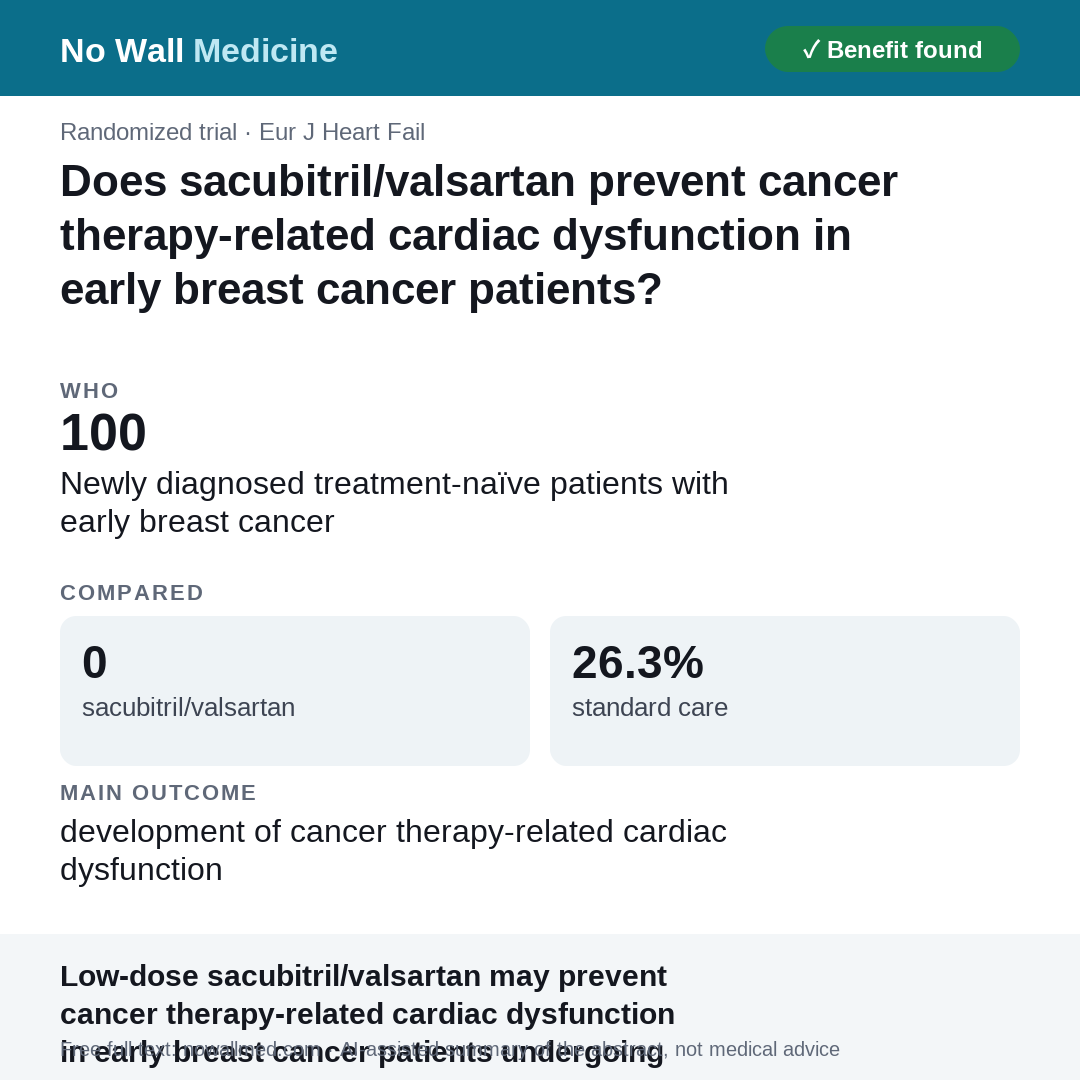
Meta-Analysis: Intravenous Versus Subcutaneous Infliximab in Inflammatory Bowel Disease
Systematic review and network meta-analysisBenefit found
Is subcutaneous infliximab more effective than intravenous infliximab in inflammatory bowel disease?
Who
2519
Patients with Crohn's disease or ulcerative colitis
Compared
Subcutaneous infliximab: Ranked first in all comparisons
Intravenous infliximab
Main outcome
Clinical response, clinical remission, and endoscopic remission
Bottom line: Subcutaneous infliximab may offer clinical benefit over intravenous formulation for clinical response and remission in inflammatory bowel disease.
Limitation: Further head-to-head trials are needed to confirm the relative efficacy between these formulations.
Aliment Pharmacol Ther · 2025-07-10Download image

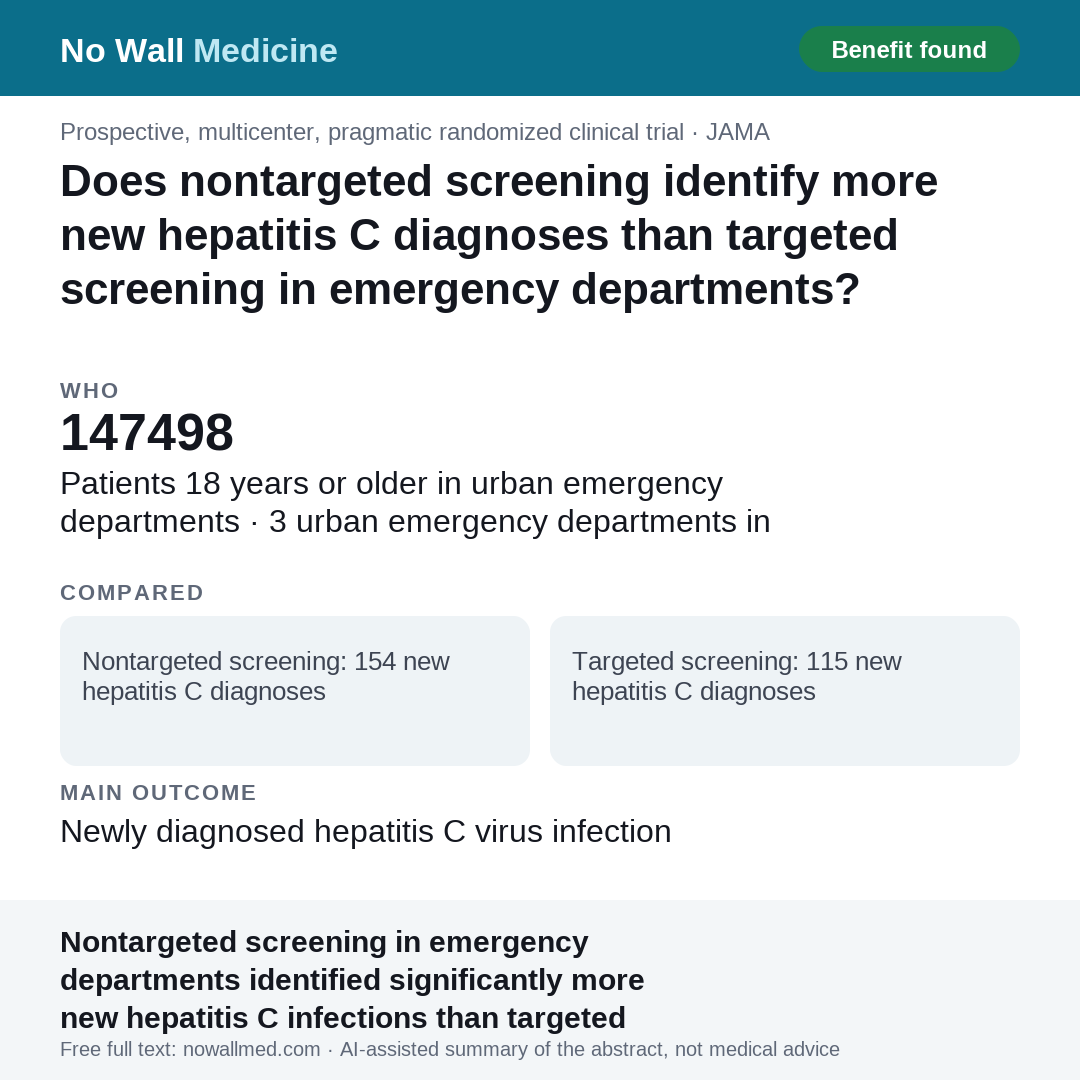
Hepatitis C Screening in Emergency Departments: The DETECT Hep C Randomized Clinical Trial
Prospective, multicenter, pragmatic randomized clinical trialBenefit found
Does nontargeted screening identify more new hepatitis C diagnoses than targeted screening in emergency departments?
Who
147498
Patients 18 years or older in urban emergency departments · 3 urban emergency departments in Colorado, Maryland, and Mississippi
Compared
Nontargeted screening: 154 new hepatitis C diagnoses
Targeted screening: 115 new hepatitis C diagnoses
Main outcome
Newly diagnosed hepatitis C virus infection
Result: relative risk 1.34 (95% CI 1.05-1.70)
Bottom line: Nontargeted screening in emergency departments identified significantly more new hepatitis C infections than targeted screening.
Limitation: Small proportions of newly diagnosed patients were linked to follow-up care and treatment.
JAMA · 2025-07-09Download image