Visual abstracts
New randomized trials and meta-analyses from leading journals at a glance: who was studied, what was compared, and what was found. Every paper is free to read in full.
All specialtiesCardiology 1312Oncology 1141Gastroenterology & Hepatology 465Infectious Disease 855Neurology 536Psychiatry & Mental Health 650Pulmonology 561Critical Care 387Endocrinology & Diabetes 728Pediatrics 769Surgery 612Orthopedics & Sports Medicine 251Neurosurgery 177Cardiothoracic & Vascular Surgery 147Plastic & Reconstructive Surgery 205Nephrology 277Rheumatology 174Hematology 274Dermatology 135Ophthalmology 144Obstetrics & Gynecology 407Public & Global Health 252Radiology & Imaging 168Anesthesiology 245Urology 240ENT (Otolaryngology) 179Emergency Medicine 142Allergy & Immunology 89Geriatrics 272Family Medicine & Primary Care 164Medical Genetics & Genomics 139Pathology & Laboratory Medicine 40Physical Medicine & Rehabilitation 227Palliative Care 119Nutrition 340Digital Health & AI 670General Medicine 121
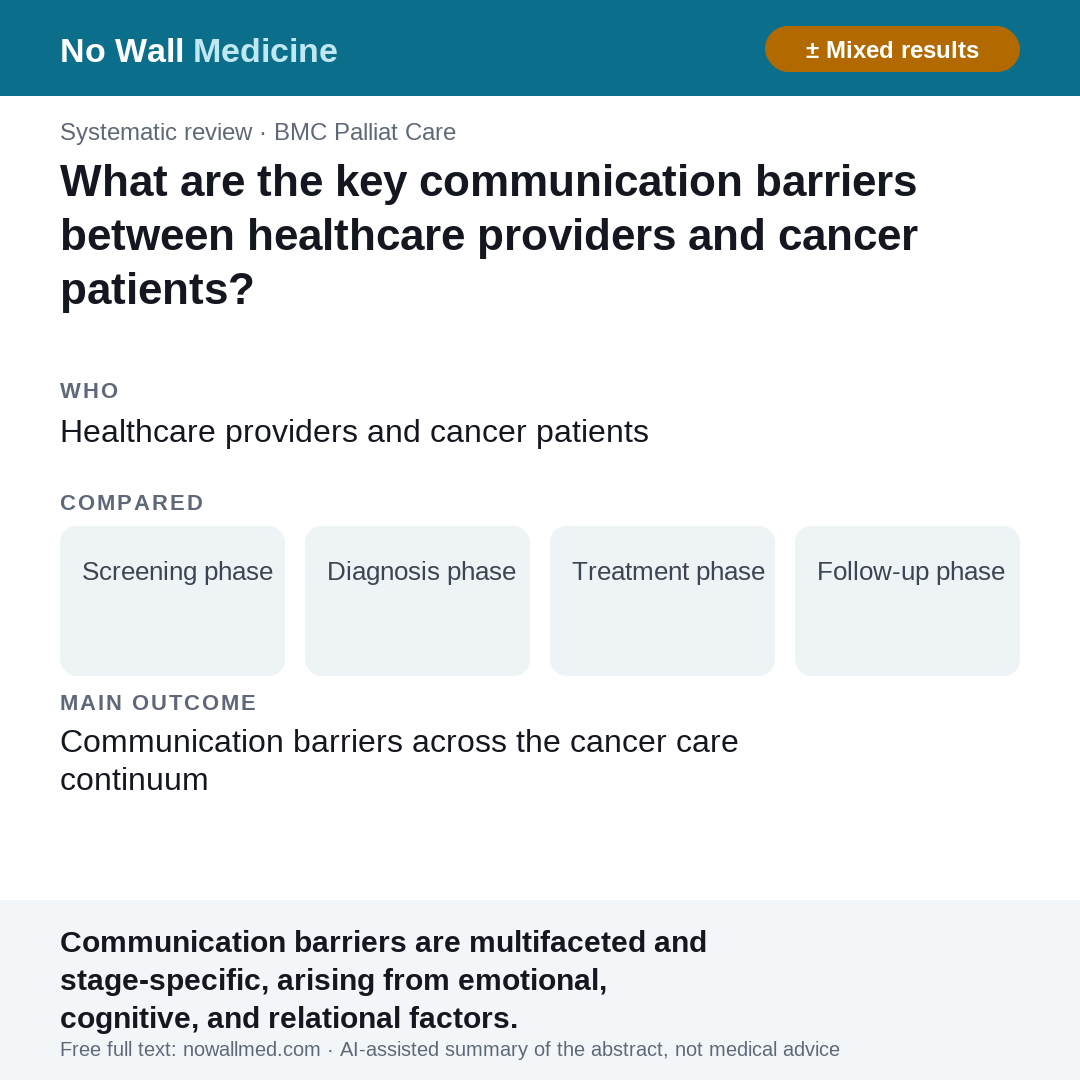
Key challenges in communication across milestones of cancer care continuum: a systematic review
Systematic reviewMixed results
What are the key communication barriers between healthcare providers and cancer patients?
Who
139
Healthcare providers and cancer patients
Compared
Screening phase
Diagnosis phase
Treatment phase
Follow-up phase
Main outcome
Communication barriers across the cancer care continuum
Bottom line: Communication barriers are multifaceted and stage-specific, arising from emotional, cognitive, and relational factors.
BMC Palliat Care · 2026-07-03Download image
Polypill for heart failure with reduced ejection fraction: the POLY-HF randomized trial
Open-label randomized trialBenefit found
Does a polypill strategy improve cardiac function in heart failure with reduced ejection fraction?
Who
212
Adults with heart failure and left ventricular ejection fraction ≤40% · Two centers
Compared
Polypill
Enhanced usual care
Main outcome
Ejection fraction assessed by cardiac magnetic resonance imaging
Result: between-group difference, 3.3 percentage points, 95% confidence interval, 0.2-6.4
Bottom line: A polypill strategy improved ejection fraction and reduced heart failure hospitalizations or emergency department visits compared to enhanced usual care.
Nat Med · 2026-07-02Download image

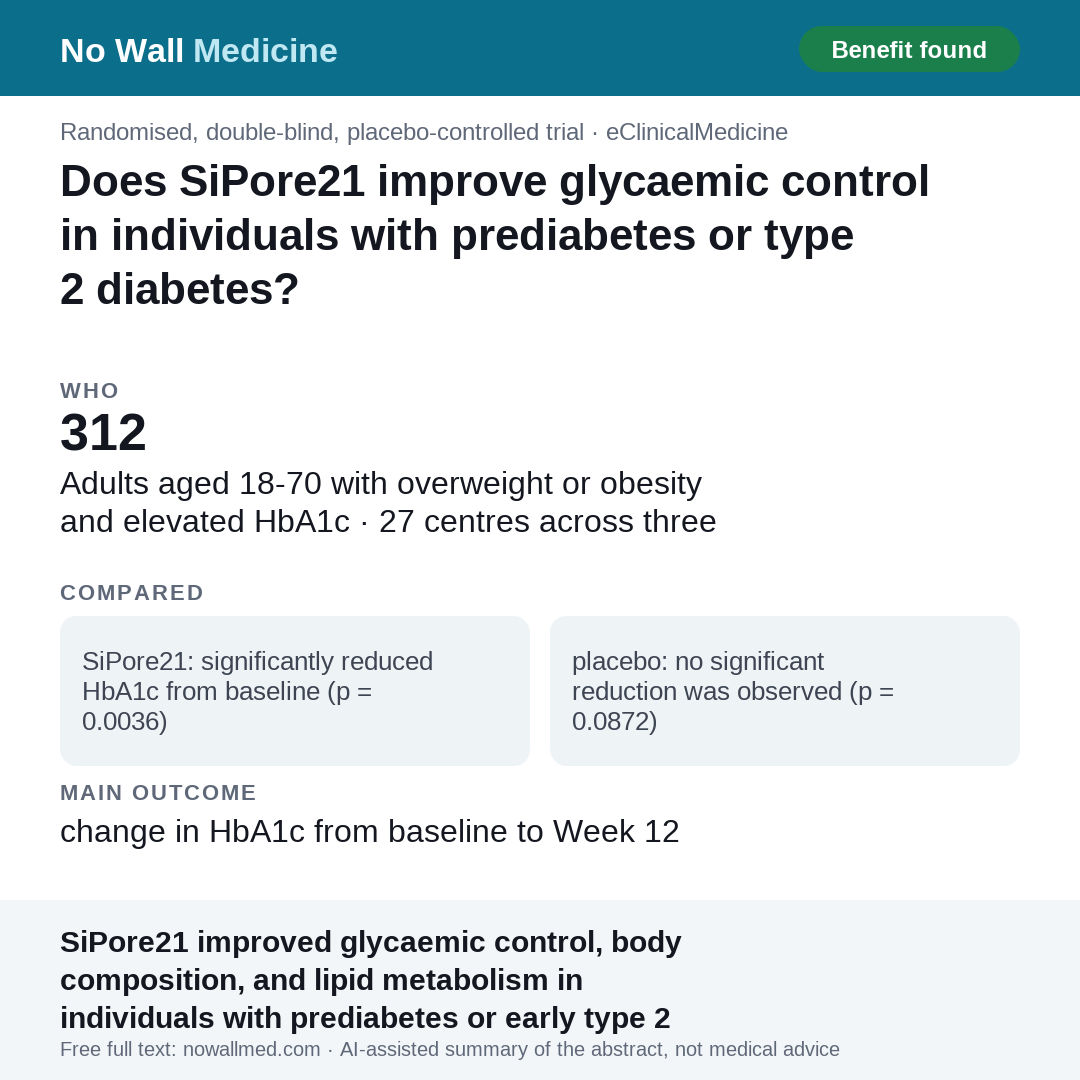
Effect of engineered mesoporous silica particles with tailored pore size on glycaemic control in individuals with prediabetes or type 2 diabetes: a randomised, double-blind, placebo-controlled SHINE trial
Randomised, double-blind, placebo-controlled trialBenefit found
Does SiPore21 improve glycaemic control in individuals with prediabetes or type 2 diabetes?
Who
312
Adults aged 18-70 with overweight or obesity and elevated HbA1c · 27 centres across three European countries
Compared
SiPore21: significantly reduced HbA1c from baseline (p = 0.0036)
placebo: no significant reduction was observed (p = 0.0872)
Main outcome
change in HbA1c from baseline to Week 12
Bottom line: SiPore21 improved glycaemic control, body composition, and lipid metabolism in individuals with prediabetes or early type 2 diabetes.
Funded by: Sigrid Therapeutics AB
eClinicalMedicine · 2026-07-02Download image
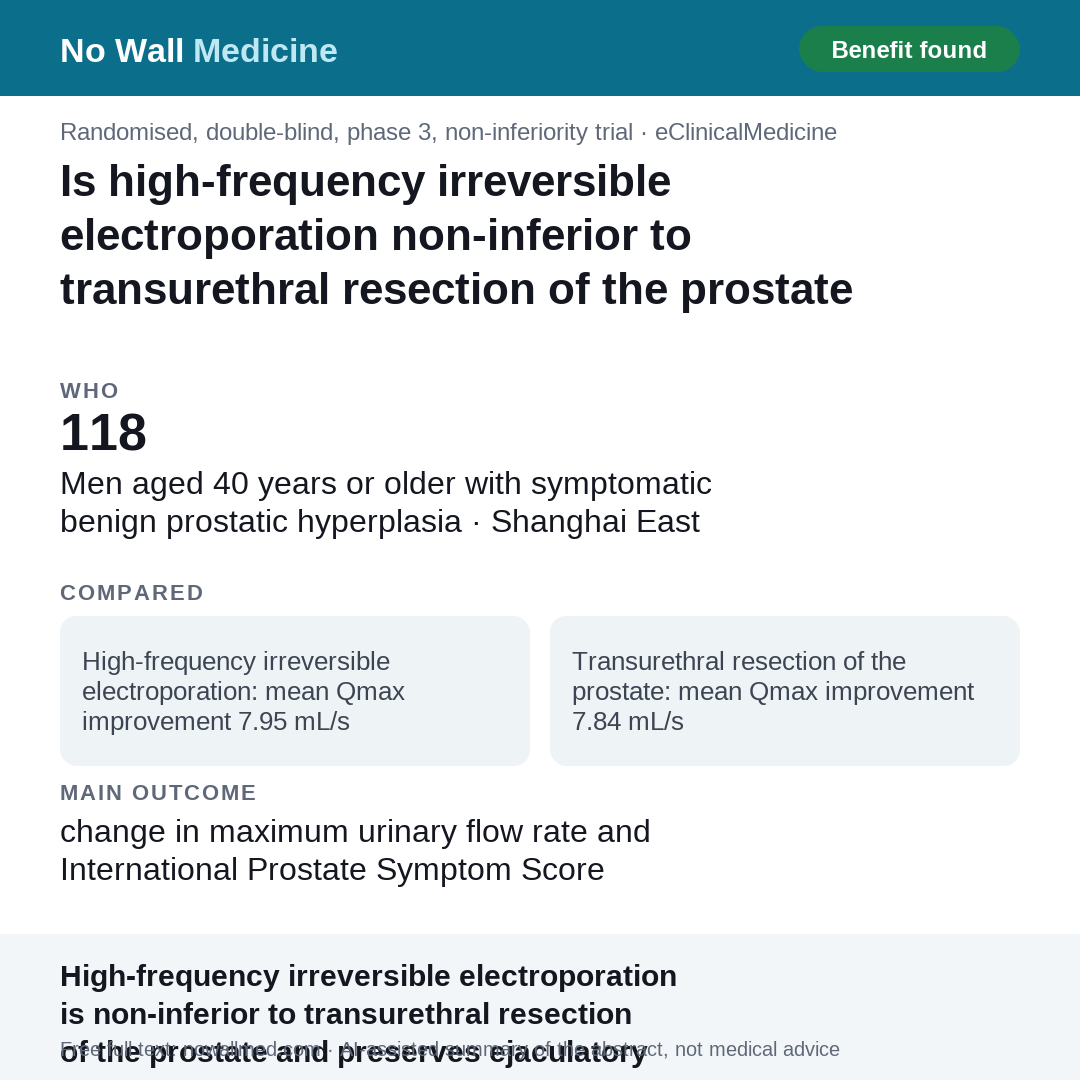
High-frequency irreversible electroporation versus transurethral resection of the prostate for benign prostatic hyperplasia (GIANT): a single-centre, randomised, double-blind, phase 3, non-inferiority trial
Randomised, double-blind, phase 3, non-inferiority trialBenefit found
Is high-frequency irreversible electroporation non-inferior to transurethral resection of the prostate for benign prostatic hyperplasia?
Who
118
Men aged 40 years or older with symptomatic benign prostatic hyperplasia · Shanghai East Hospital, China
Compared
High-frequency irreversible electroporation: mean Qmax improvement 7.95 mL/s
Transurethral resection of the prostate: mean Qmax improvement 7.84 mL/s
Main outcome
Change from baseline in maximum urinary flow rate and International Prostate Symptom Score
Result: adjusted difference 0.11 mL/s, 95% CI -2.52 to 2.73
Bottom line: High-frequency irreversible electroporation is non-inferior to transurethral resection of the prostate and preserves ejaculatory function.
Funded by: National Natural Science Foundation of China
eClinicalMedicine · 2026-07-02Download image
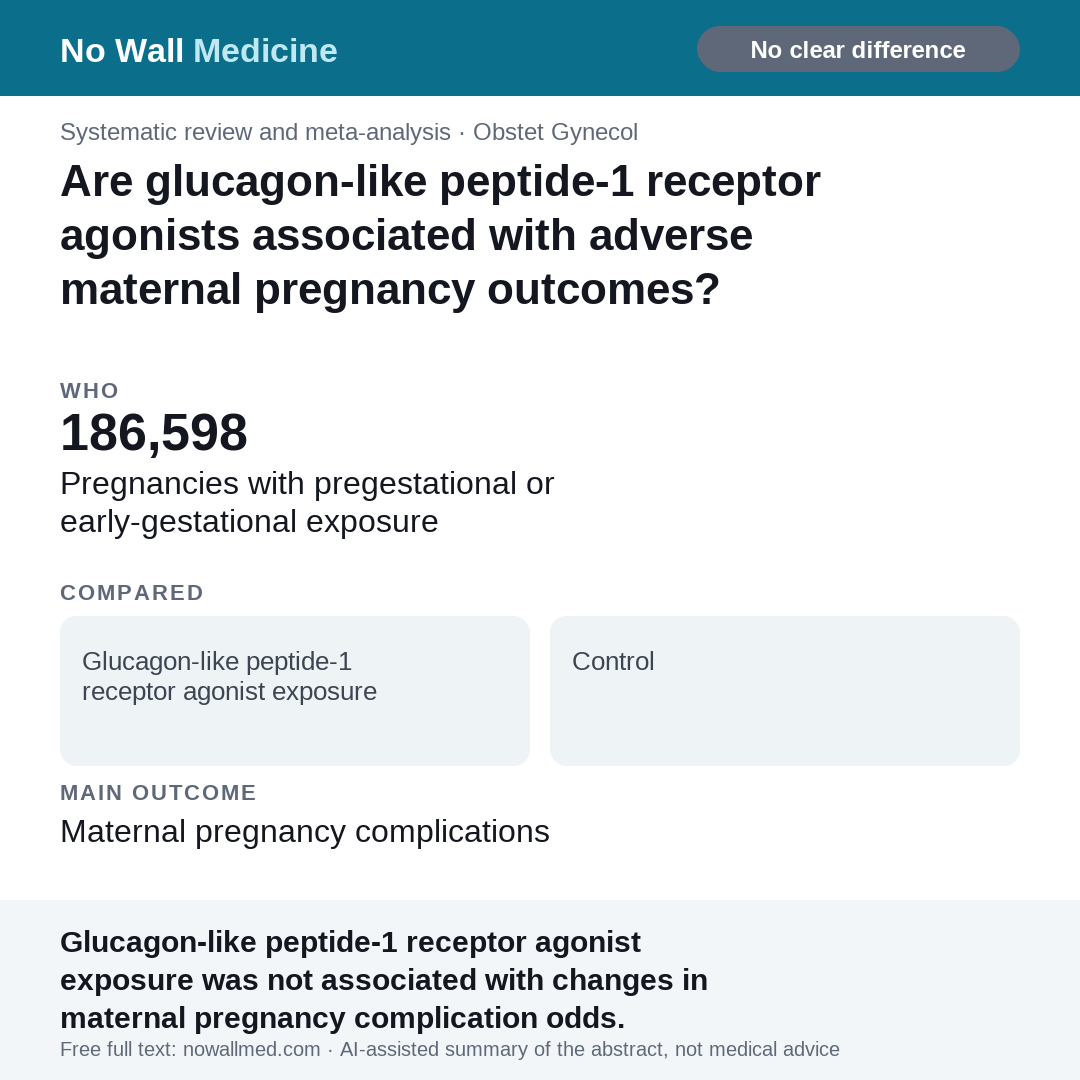
Glucagon-Like Peptide-1 Receptor Agonists and Risk of Adverse Maternal Pregnancy Outcomes: A Systematic Review and Meta-analysis
Systematic review and meta-analysisNo clear difference
Are glucagon-like peptide-1 receptor agonists associated with adverse maternal pregnancy outcomes?
Who
186,598
Pregnancies with pregestational or early-gestational exposure
Compared
Glucagon-like peptide-1 receptor agonist exposure
Control
Main outcome
Maternal pregnancy complications
Result: no statistically significant differences seen
Bottom line: Glucagon-like peptide-1 receptor agonist exposure was not associated with changes in maternal pregnancy complication odds.
Limitation: High heterogeneity due to differences in exposure, outcome definitions, and confounder control.
Obstet Gynecol · 2026-07-02Download image
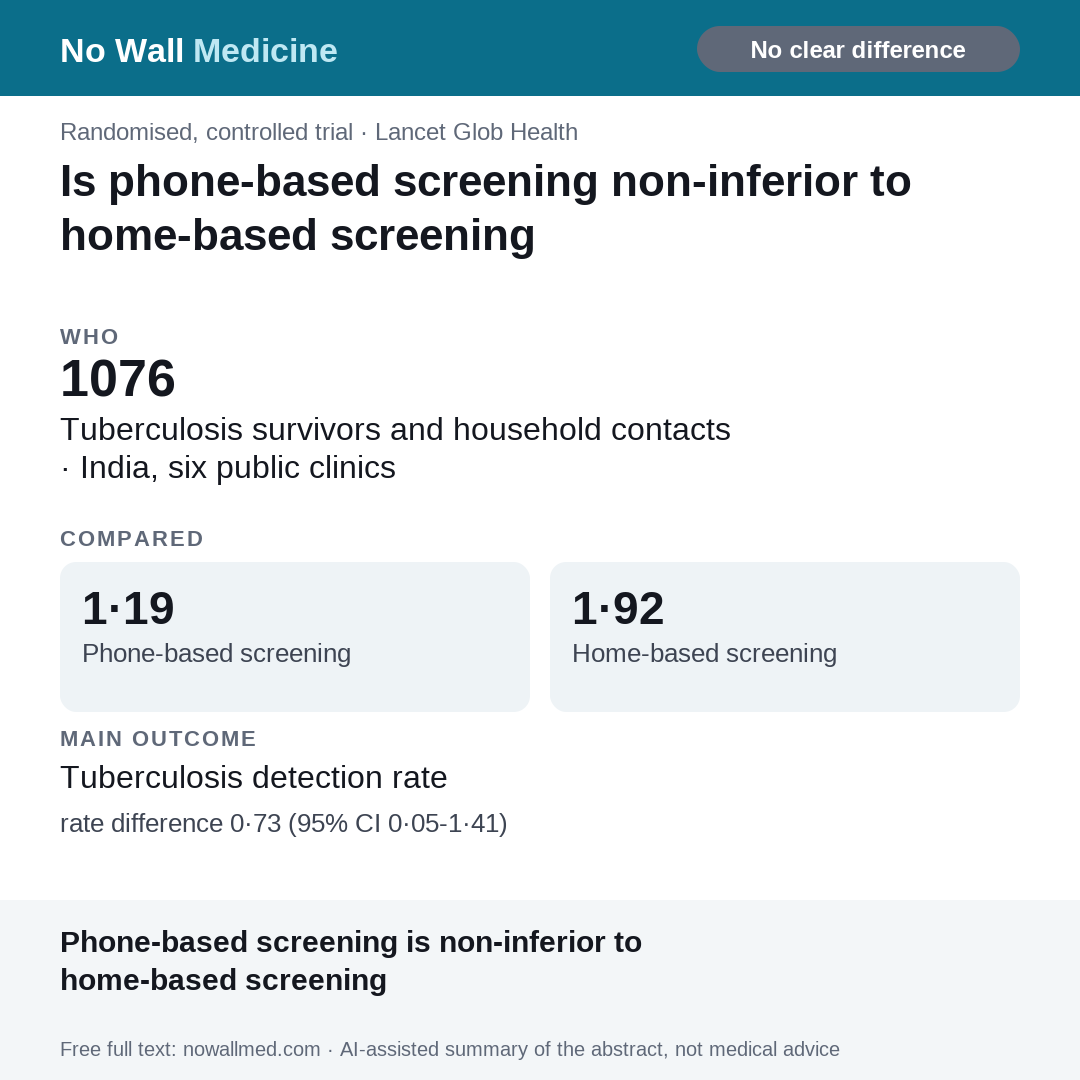
Phone-based screening versus home-based screening after tuberculosis in India (TB Aftermath): a multicentre, open-label, randomised, controlled, non-inferiority trial
Randomised, controlled trialNo clear difference
Is phone-based screening non-inferior to home-based screening
Who
1076
Tuberculosis survivors and household contacts · India, six public clinics
Compared
1·19Phone-based screening (95% CI 0·82-1·71)
1·92Home-based screening (1·37-2·45)
Main outcome
Tuberculosis detection rate
Result: rate difference 0·73 (95% CI 0·05-1·41)
Bottom line: Phone-based screening is non-inferior to home-based screening
Funded by: US National Institute of Allergy and Infectious Diseases
Lancet Glob Health · 2026-07-02Download image
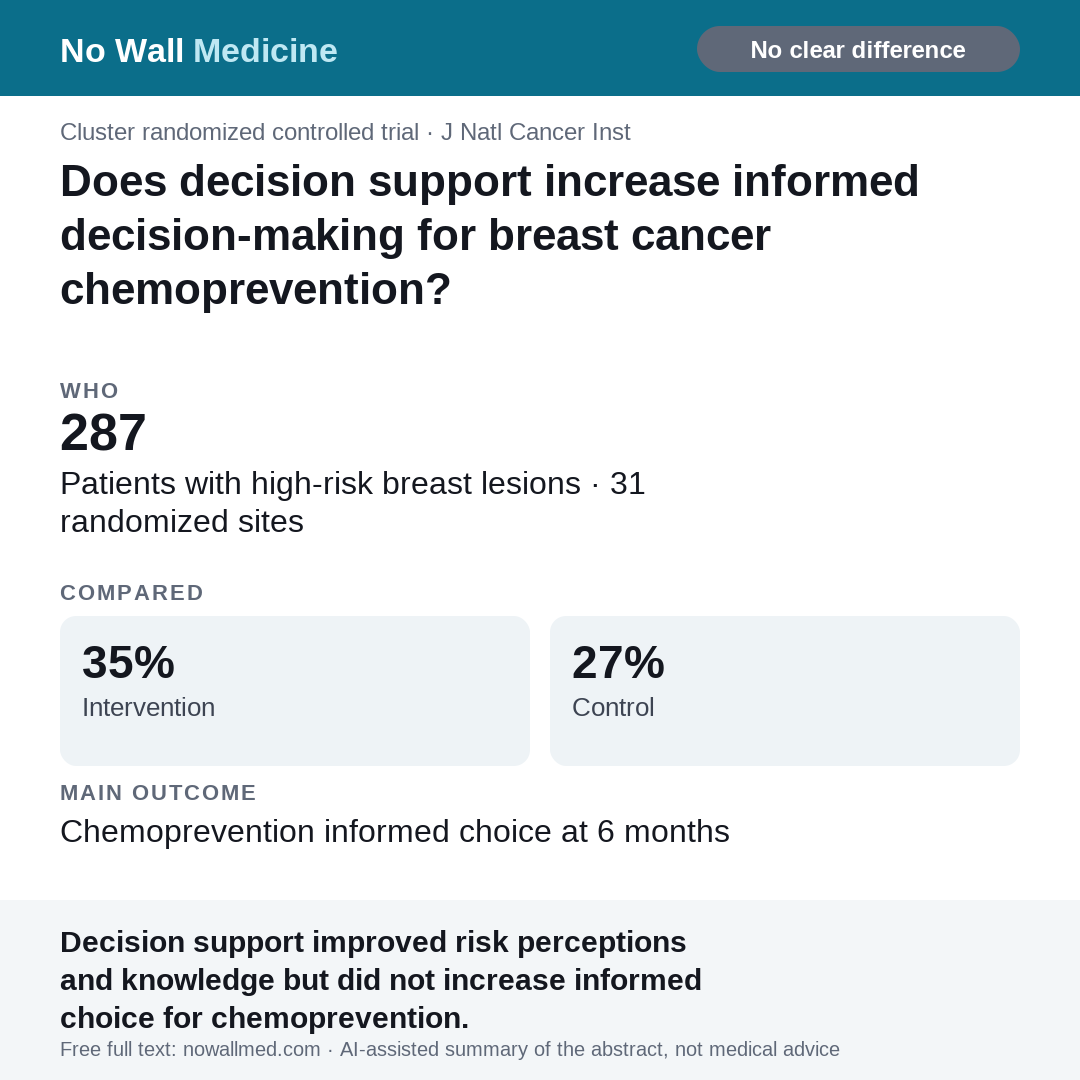
Cluster randomized controlled trial of decision support for breast cancer chemoprevention, MiCHOICE
Cluster randomized controlled trialNo clear difference
Does decision support increase informed decision-making for breast cancer chemoprevention?
Who
287
Patients with high-risk breast lesions · 31 randomized sites
Compared
35%Intervention (at 6 months)
27%Control (at 6 months)
Main outcome
Chemoprevention informed choice at 6 months
Bottom line: Decision support improved risk perceptions and knowledge but did not increase informed choice for chemoprevention.
J Natl Cancer Inst · 2026-07-02Download image
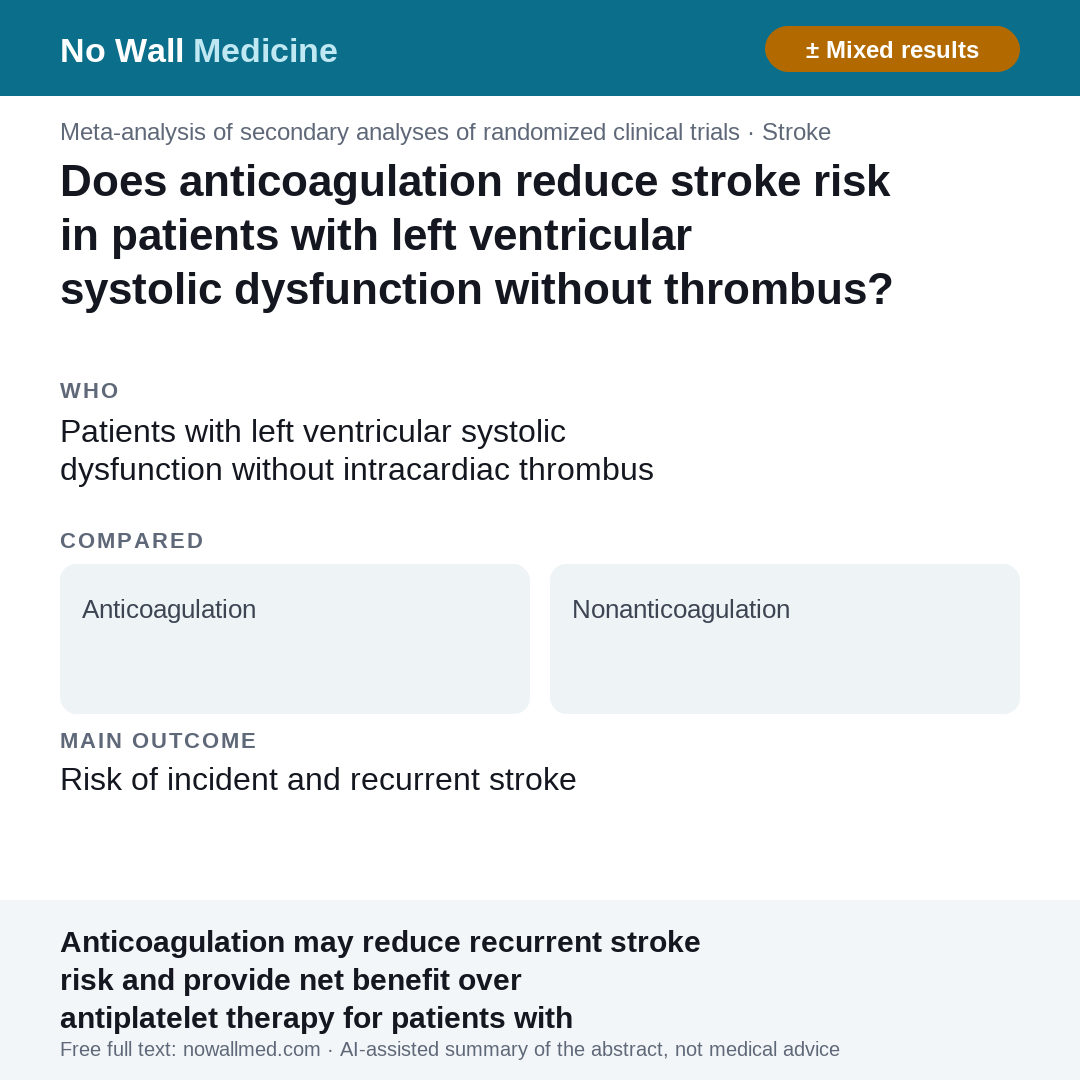
Management of Patients at Risk of Ischemic Stroke With Left Ventricular Systolic Dysfunction in the Absence of Intracardiac Thrombus: A Scientific Statement From the American Heart Association
Meta-analysis of secondary analyses of randomized clinical trialsMixed results
Does anticoagulation reduce stroke risk in patients with left ventricular systolic dysfunction without thrombus?
Who
Patients with left ventricular systolic dysfunction without intracardiac thrombus
Compared
Anticoagulation
Nonanticoagulation
Main outcome
Risk of incident and recurrent stroke
Bottom line: Anticoagulation may reduce recurrent stroke risk and provide net benefit over antiplatelet therapy for patients with stroke.
Limitation: The data supporting anticoagulation in these patients are limited.
Stroke · 2026-07-02Download image
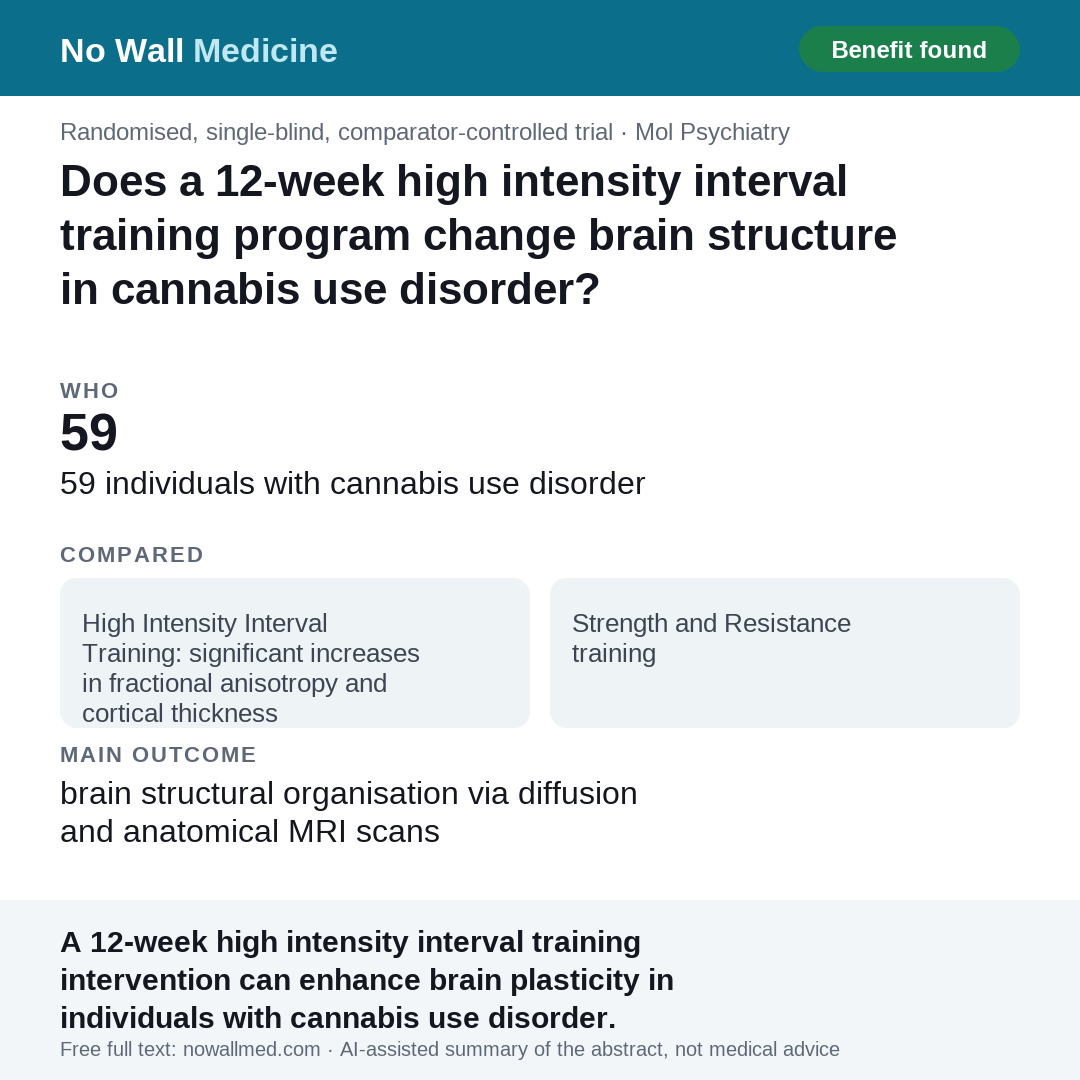
Exercise-induced brain changes in cannabis use disorder: a longitudinal MRI study of a 12-week supervised HIIT program
Randomised, single-blind, comparator-controlled trialBenefit found
Does a 12-week high intensity interval training program change brain structure in cannabis use disorder?
Who
59
59 individuals with cannabis use disorder
Compared
High Intensity Interval Training: significant increases in fractional anisotropy and cortical thickness
Strength and Resistance training
Main outcome
brain structural organisation via diffusion and anatomical MRI scans
Bottom line: A 12-week high intensity interval training intervention can enhance brain plasticity in individuals with cannabis use disorder.
Mol Psychiatry · 2026-07-02Download image
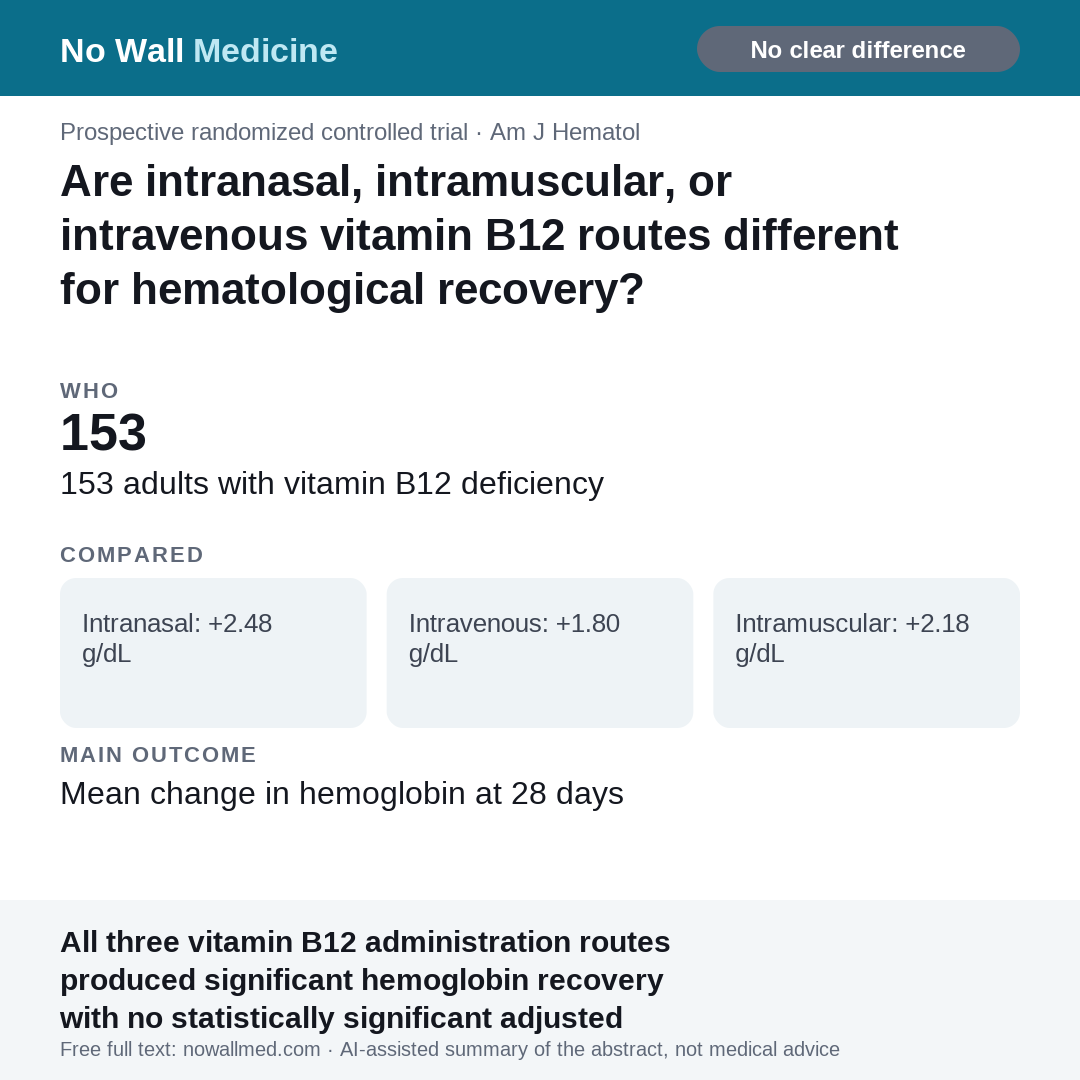
Comparative Efficacy of Intranasal, Intramuscular, and Intravenous Vitamin B12 Therapy for Hematological Recovery in Vitamin B12 Deficiency Anemia: A Randomized Controlled Trial
Prospective randomized controlled trialNo clear difference
Are intranasal, intramuscular, or intravenous vitamin B12 routes different for hematological recovery?
Who
153
153 adults with vitamin B12 deficiency
Compared
Intranasal: +2.48 g/dL
Intravenous: +1.80 g/dL
Intramuscular: +2.18 g/dL
Main outcome
Mean change in hemoglobin at 28 days
Bottom line: All three vitamin B12 administration routes produced significant hemoglobin recovery with no statistically significant adjusted differences.
Limitation: All conclusions are restricted to short-term hematological outcomes.
Am J Hematol · 2026-07-02Download image
From fetal life to adulthood: cardiometabolic health of offspring conceived by assisted reproductive technologies, a systematic review
Systematic reviewNo clear difference
What is the cardiometabolic health of offspring conceived by assisted reproductive technologies?
Who
Offspring conceived by assisted reproductive technologies
Compared
Assisted reproductive technologies offspring
Offspring conceived without assisted reproductive technologies
Main outcome
Cardiometabolic health across developmental stages
Bottom line: Assisted reproductive technologies show no major adverse cardiometabolic effects, though subtle cardiovascular differences may exist during childhood and adolescence.
Limitation: Long-term clinical significance of early-life subtle alterations remains uncertain.
Fertil Steril · 2026-07-02Download image

Novel PET tracers to distinguish the nature of residual masses after the completion of chemotherapy in metastatic testicular germ cell tumours: A systematic review
Systematic reviewUnclear result
Can novel PET tracers improve diagnostic accuracy for residual masses in testicular germ cell tumours?
Who
Patients with metastatic testicular germ cell tumours
Compared
Novel PET tracers
Fluorodeoxyglucose PET
Main outcome
Diagnostic accuracy in distinguishing viable tumour from necrosis or teratoma
Bottom line: Novel tracers like alpha v beta 3 and ghrelin show promise but require further clinical validation.
Limitation: Further clinical validation is required before routine implementation.
Eur J Nucl Med Mol Imaging · 2026-07-02Download image

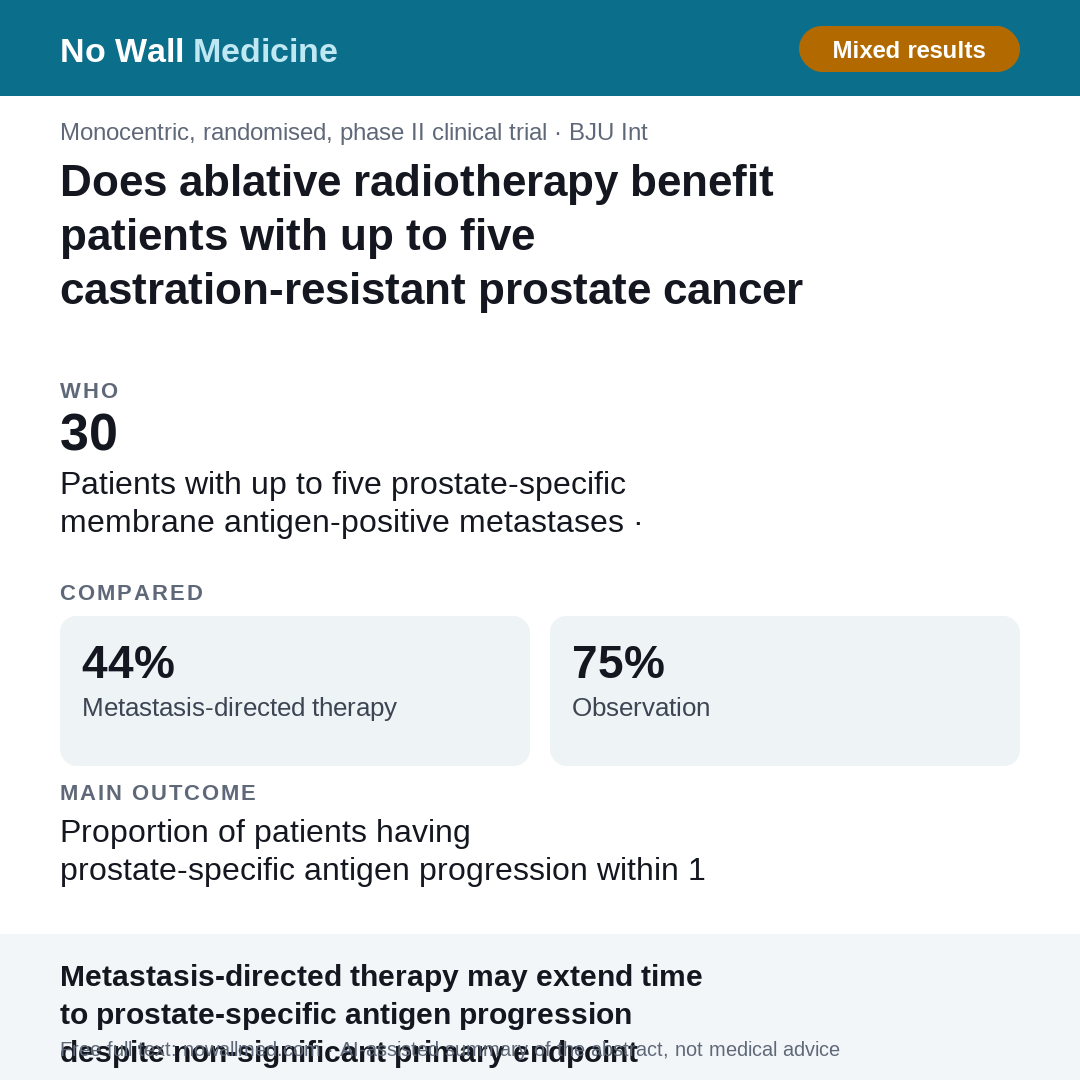
Ablative radiotherapy in castration-resistant prostate cancer
Monocentric, randomised, phase II clinical trialMixed results
Does ablative radiotherapy benefit patients with up to five castration-resistant prostate cancer metastases?
Who
30
Patients with up to five prostate-specific membrane antigen-positive metastases · Single-centre
Compared
44%Metastasis-directed therapy
75%Observation
Main outcome
Proportion of patients having prostate-specific antigen progression within 1 year
Bottom line: Metastasis-directed therapy may extend time to prostate-specific antigen progression despite non-significant primary endpoint results.
Limitation: Single-centre design and small sample size at interim analysis
Funded by: TU Dresden
BJU Int · 2026-07-02Download image
Measurement Tools for Radiation-Induced Fibrosis in Head and Neck Cancer: A Systematic Review
Systematic reviewBenefit found
What are the reliable and valid measurement tools for radiation-induced fibrosis in head and neck cancer?
Who
Patients with head and neck cancer
Compared
Patient-reported outcome measures: Neck Fibrosis Scale, HN-LEF Symptom Inventory, and LENT-SOMA demonstrated validity and reliability
Imaging modalities: Young's modulus was the only imaging tool demonstrating both validity and reliability
Main outcome
Reliability, validity, and clinical utility of fibrosis measurement tools
Bottom line: Subjective tools and Young's modulus imaging are reliable and valid for assessing radiation-induced fibrosis.
Limitation: Imaging studies had a higher risk of bias and methodological limitations remain.
Head Neck · 2026-07-02Download image

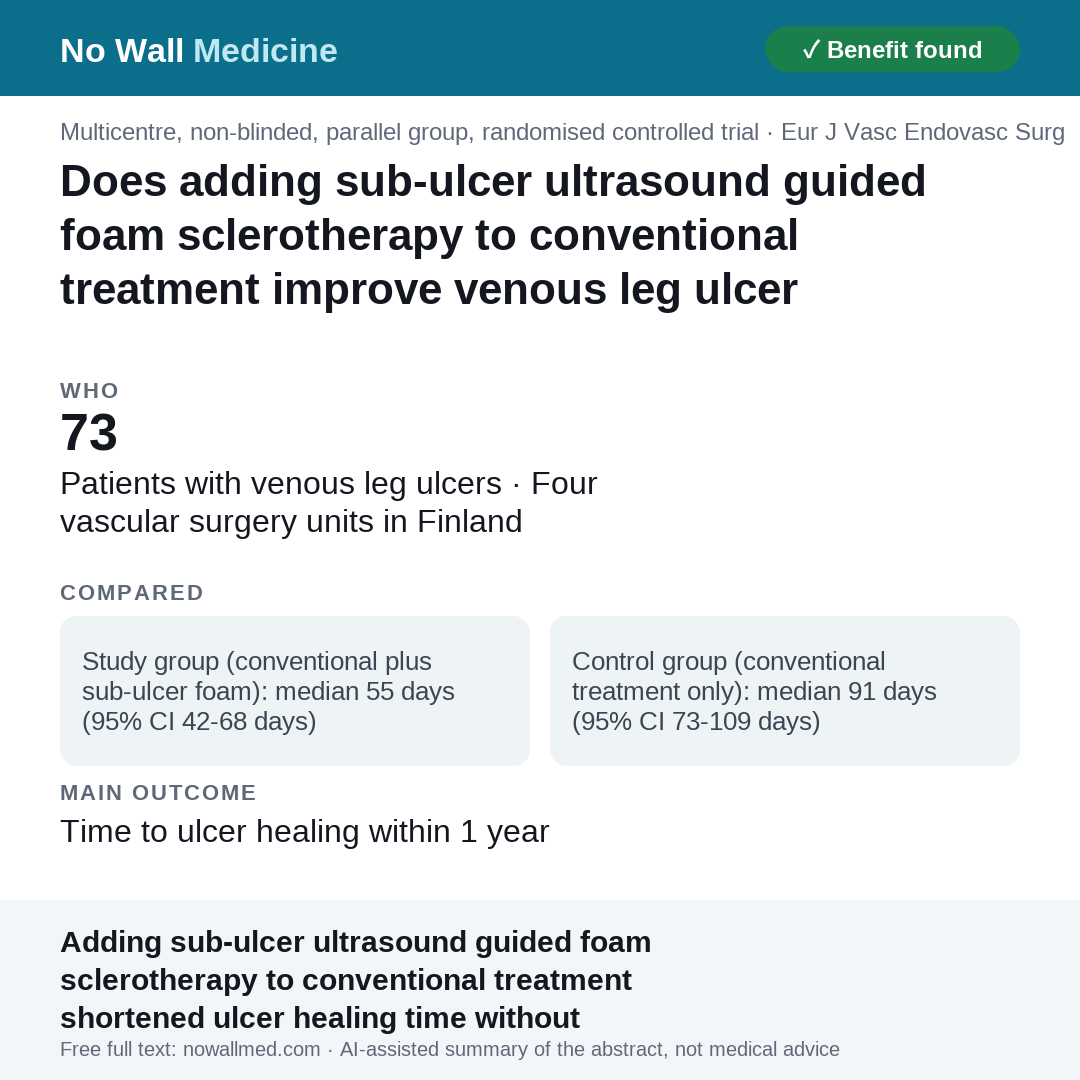
Sub-ulcer Ultrasound Guided Foam Sclerotherapy for Venous Leg Ulcers: Results of the FINNULCER Randomised Controlled Trial
Multicentre, non-blinded, parallel group, randomised controlled trialBenefit found
Does adding sub-ulcer ultrasound guided foam sclerotherapy to conventional treatment improve venous leg ulcer healing?
Who
73
Patients with venous leg ulcers · Four vascular surgery units in Finland
Compared
Study group (conventional plus sub-ulcer foam): median 55 days (95% CI 42-68 days)
Control group (conventional treatment only): median 91 days (95% CI 73-109 days)
Main outcome
Time to ulcer healing within 1 year
Result: hazard ratio 1.81 (95% CI 1.10-2.96)
Bottom line: Adding sub-ulcer ultrasound guided foam sclerotherapy to conventional treatment shortened ulcer healing time without increasing complication rates.
Eur J Vasc Endovasc Surg · 2026-07-02Download image
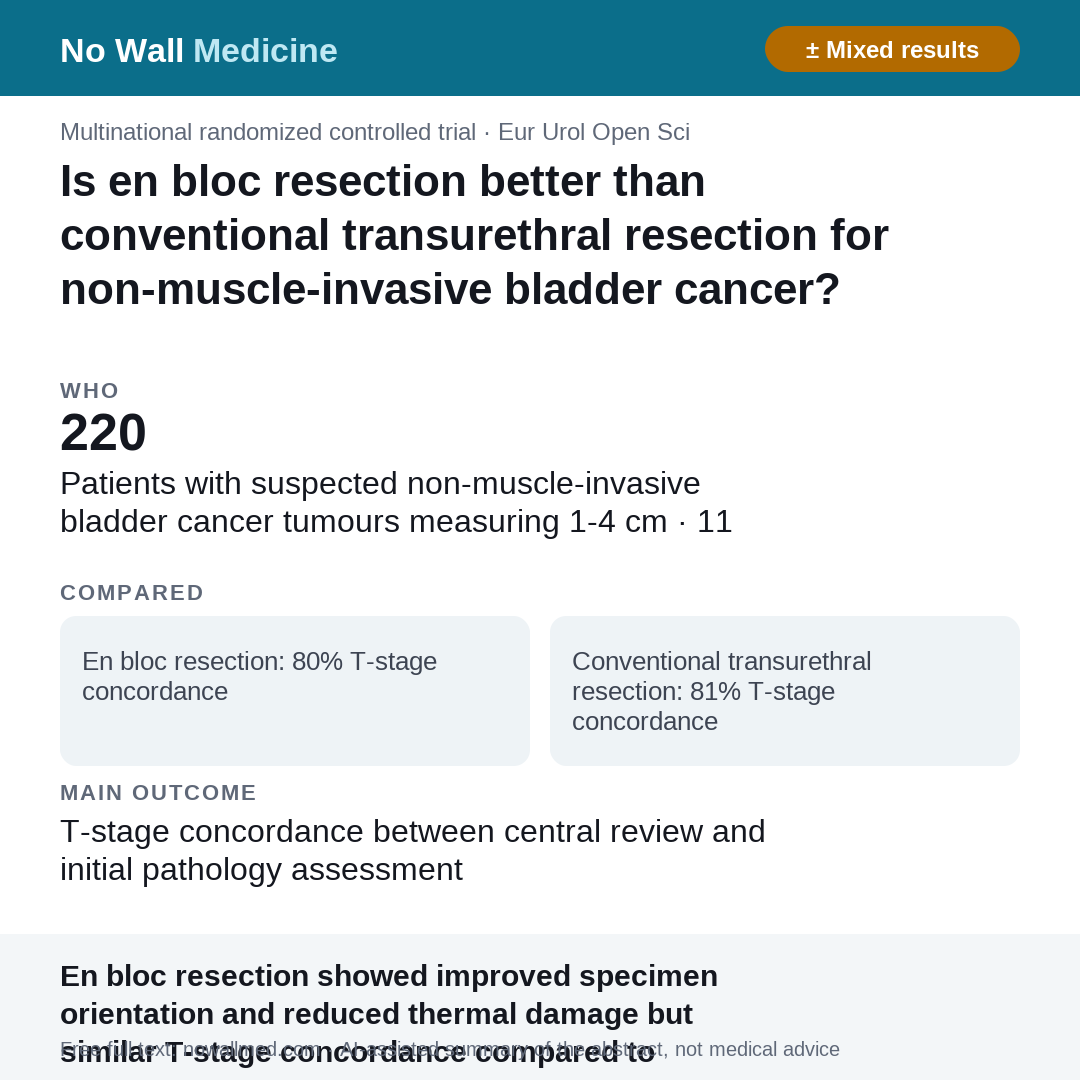
Histopathological Advantages of En Bloc Resection in Non-muscle-invasive Bladder Cancer: A Multinational Randomised Controlled Clinical Trial
Multinational randomized controlled trialMixed results
Is en bloc resection better than conventional transurethral resection for non-muscle-invasive bladder cancer?
Who
220
Patients with suspected non-muscle-invasive bladder cancer tumours measuring 1-4 cm · 11 sites in five countries
Compared
En bloc resection: 80% T-stage concordance
Conventional transurethral resection: 81% T-stage concordance
Main outcome
T-stage concordance between central review and initial pathology assessment
Result: -1.5% (95% CI, -12 to 9.3)
Bottom line: En bloc resection showed improved specimen orientation and reduced thermal damage but similar T-stage concordance compared to conventional resection.
Limitation: Lack of standardised specimen-handling procedures across sites leading to suboptimal preparation of some specimens.
Eur Urol Open Sci · 2026-07-02Download image
Eco-Focused Menu Labels on Full Meal Orders From Fast-Food Restaurants: A Randomized Clinical Trial
Randomized clinical trialMixed results
Do different ecolabel designs on fast-food menus affect meal healthfulness?
Who
6210
Nationally representative sample of adults in the United States · Online survey
Compared
Control: QR code: 49.25 [0.18] points
Traffic-light labels: 49.93 [0.18] points
Low-climate-impact labels
High-climate-impact labels
Main outcome
Healthfulness of meals based on modified Nutrient Profile Index score
Bottom line: Traffic-light labels promoted more healthful burger choices and lower greenhouse gas emissions without increasing costs.
JAMA Health Forum · 2026-07-02Download image

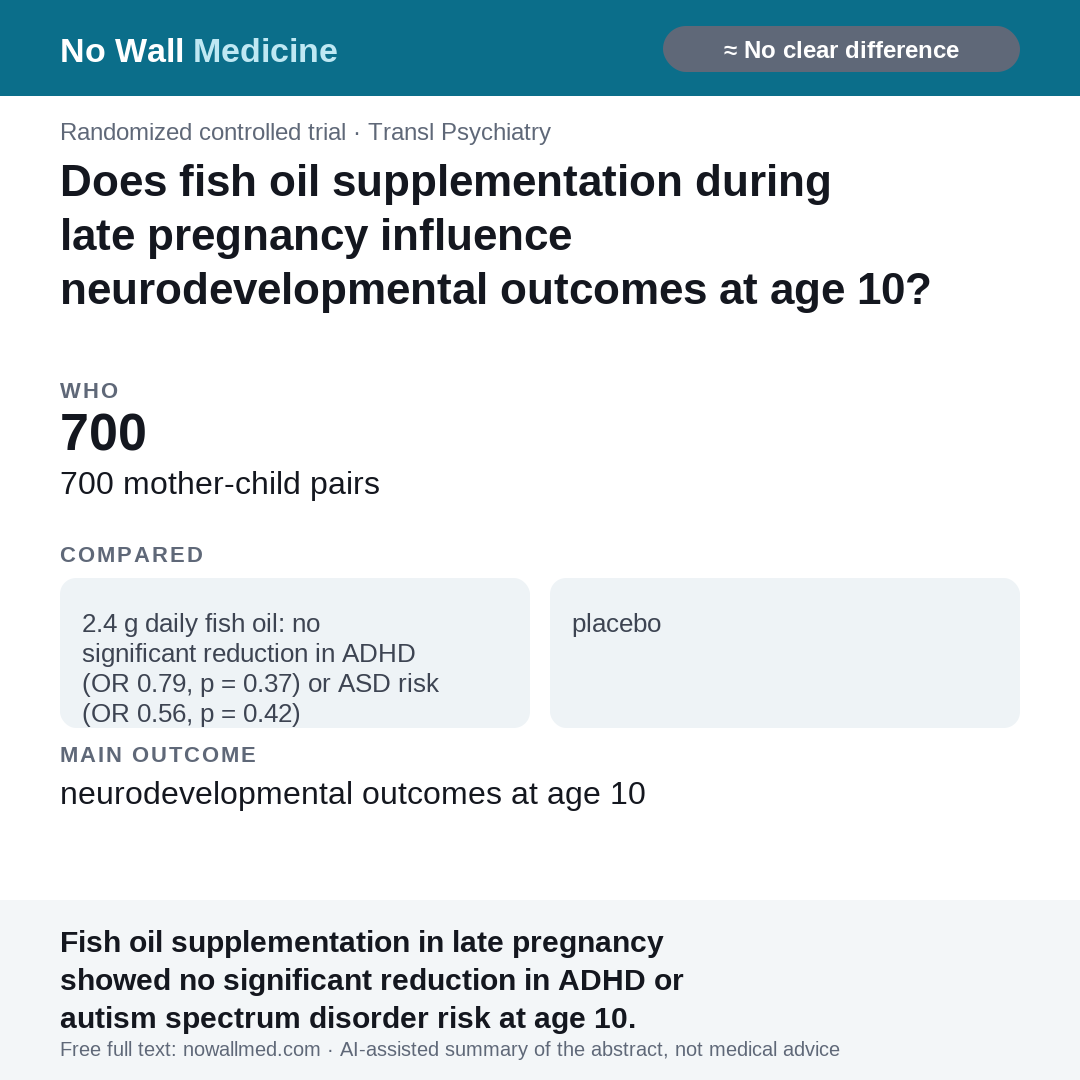
Fish oil-derived fatty acids during pregnancy and risk of neurodevelopmental disorders in children at age 10 - A randomized controlled trial
Randomized controlled trialNo clear difference
Does fish oil supplementation during late pregnancy influence neurodevelopmental outcomes at age 10?
Who
700
700 mother-child pairs
Compared
2.4 g daily fish oil: no significant reduction in ADHD (OR 0.79, p = 0.37) or ASD risk (OR 0.56, p = 0.42)
placebo
Main outcome
neurodevelopmental outcomes at age 10
Bottom line: Fish oil supplementation in late pregnancy showed no significant reduction in ADHD or autism spectrum disorder risk at age 10.
Limitation: Potential effects on inattentive ADHD symptoms did not hold significance after correction for multiple testing.
Transl Psychiatry · 2026-07-02Download image
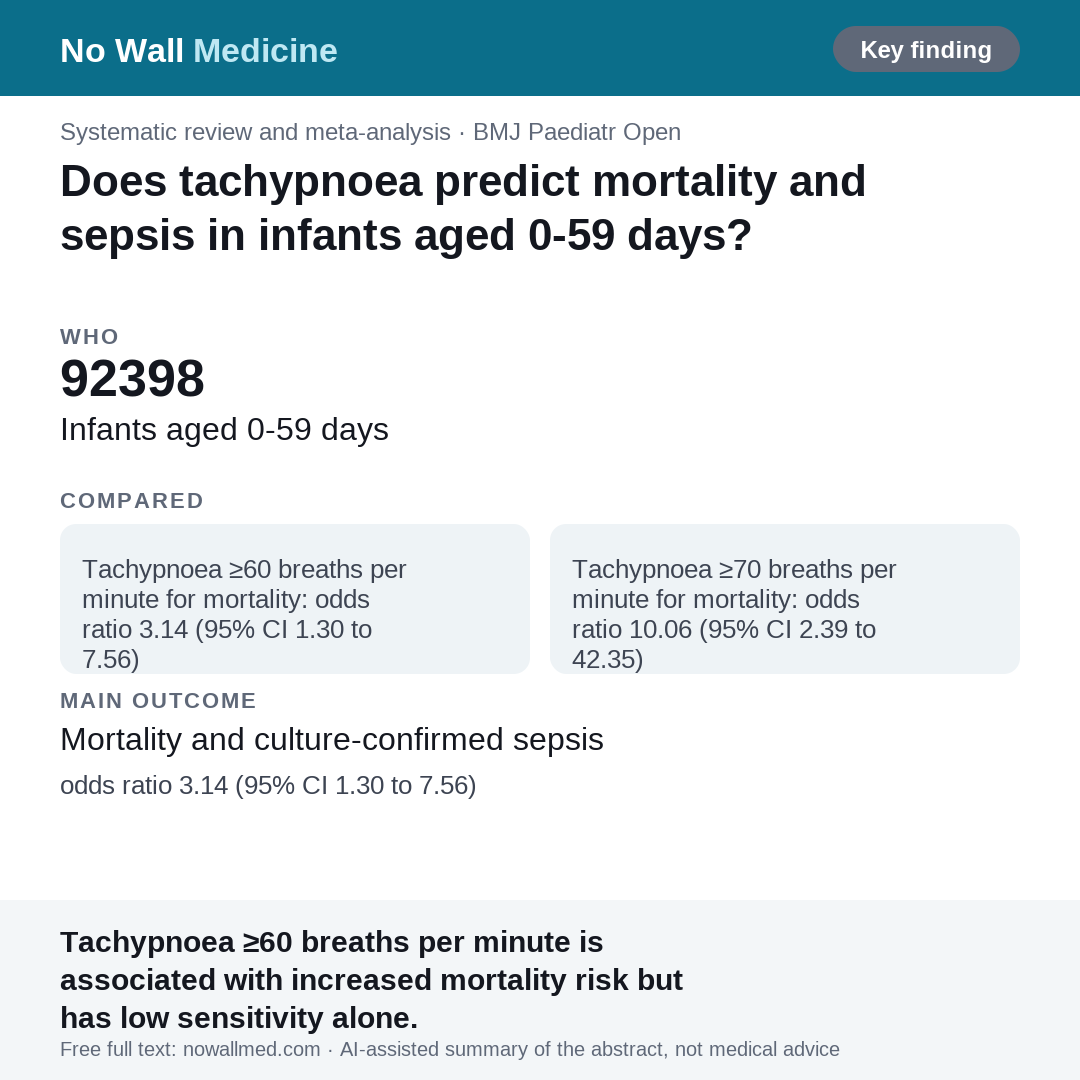
Diagnostic accuracy of tachypnoea for predicting mortality and identifying sepsis in young infants aged 0-59 days: a systematic review and meta-analysis
Systematic review and meta-analysisBenefit found
Does tachypnoea predict mortality and sepsis in infants aged 0-59 days?
Who
92398
Infants aged 0-59 days
Compared
Tachypnoea ≥60 breaths per minute for mortality: odds ratio 3.14 (95% CI 1.30 to 7.56)
Tachypnoea ≥70 breaths per minute for mortality: odds ratio 10.06 (95% CI 2.39 to 42.35)
Main outcome
Mortality and culture-confirmed sepsis
Result: odds ratio 3.14 (95% CI 1.30 to 7.56)
Bottom line: Tachypnoea ≥60 breaths per minute is associated with increased mortality risk but has low sensitivity alone.
BMJ Paediatr Open · 2026-07-02Download image
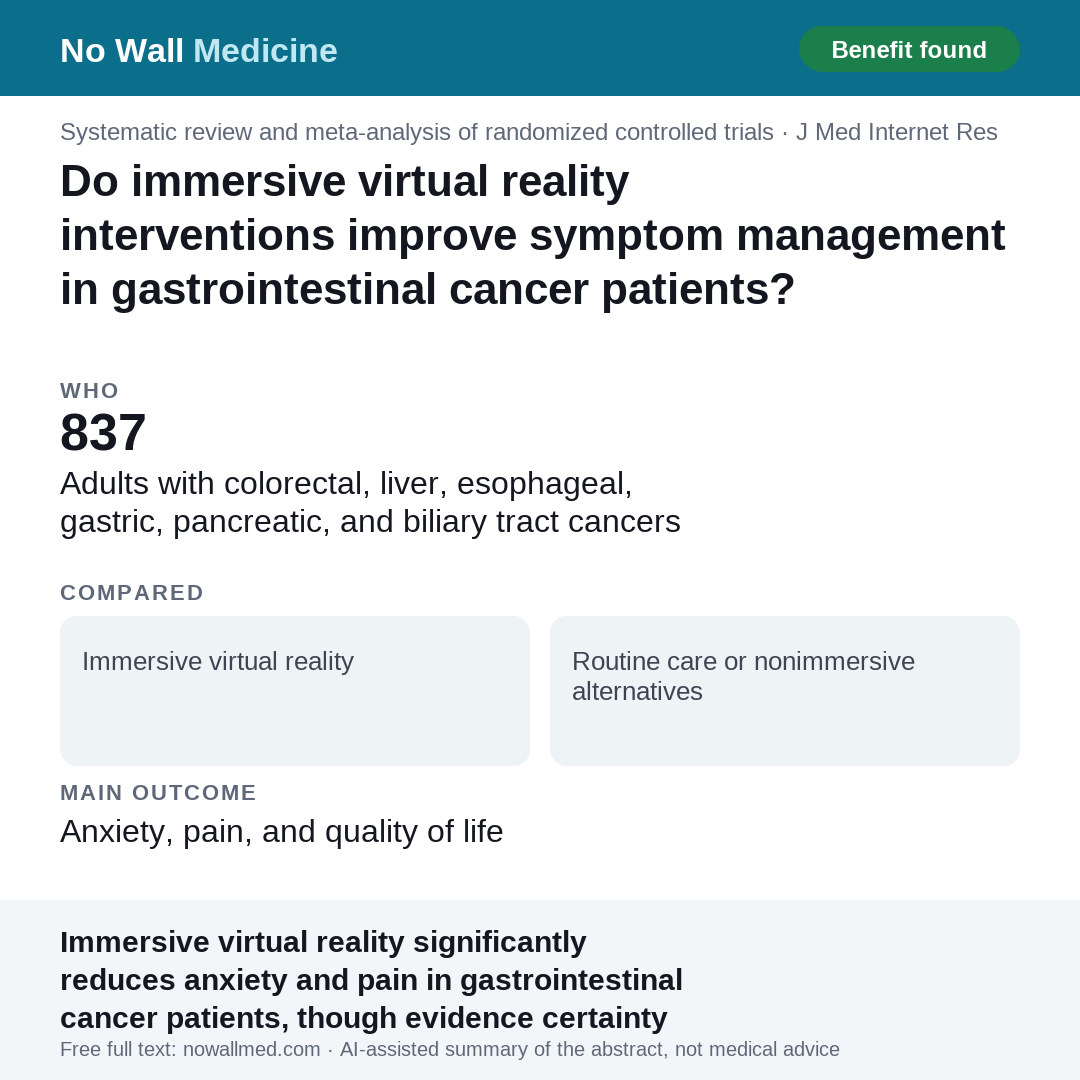
Effects of Immersive Virtual Reality Interventions on Symptom Management in Patients With Gastrointestinal Cancer: Systematic Review and Meta-Analysis of Randomized Controlled Trials
Systematic review and meta-analysis of randomized controlled trialsBenefit found
Do immersive virtual reality interventions improve symptom management in gastrointestinal cancer patients?
Who
837
Adults with colorectal, liver, esophageal, gastric, pancreatic, and biliary tract cancers
Compared
Immersive virtual reality
Routine care or nonimmersive alternatives
Main outcome
Anxiety, pain, and quality of life
Result: anxiety SMD -0.58 (95% CI -0.95 to -0.20); pain SMD -0.75 (95% CI -1.48 to -0.03)
Bottom line: Immersive virtual reality significantly reduces anxiety and pain in gastrointestinal cancer patients, though evidence certainty is moderate to very low.
Limitation: Moderate to high heterogeneity, substantial risk of bias, and low to very low evidence certainty.
J Med Internet Res · 2026-07-02Download image