Visual abstracts
New randomized trials and meta-analyses from leading journals at a glance: who was studied, what was compared, and what was found. Every paper is free to read in full.
All specialtiesCardiology 1732Oncology 1491Gastroenterology & Hepatology 641Infectious Disease 1096Neurology 715Psychiatry & Mental Health 854Pulmonology 740Critical Care 501Endocrinology & Diabetes 937Pediatrics 1020Surgery 851Orthopedics & Sports Medicine 323Neurosurgery 220Cardiothoracic & Vascular Surgery 194Plastic & Reconstructive Surgery 272Nephrology 359Rheumatology 236Hematology 381Dermatology 188Ophthalmology 205Obstetrics & Gynecology 562Public & Global Health 335Radiology & Imaging 235Anesthesiology 347Urology 307ENT (Otolaryngology) 233Emergency Medicine 195Allergy & Immunology 111Geriatrics 370Family Medicine & Primary Care 211Medical Genetics & Genomics 186Pathology & Laboratory Medicine 54Physical Medicine & Rehabilitation 305Palliative Care 154Nutrition 461Digital Health & AI 920General Medicine 135
Does consuming ascorbate-rich fruits and fruit juices with meals improve iron bioavailability? A systematic review and meta-analysis of interventions
Systematic review and meta-analysis of interventionsBenefit found
Does consuming ascorbate-rich fruits or juices with meals improve iron bioavailability?
Who
1381
Females aged 15-74 years and children
Compared
Ascorbate-rich fruits or juices
Controls
Main outcome
Iron absorption and serum ferritin
Result: mean difference 9.39 μg/L for serum ferritin
Bottom line: Consuming ascorbate-rich fruits or juices probably increases serum ferritin and hemoglobin concentrations.
Limitation: Low certainty for iron absorption, iron balance, and plasma transferrin receptor results.
Am J Clin Nutr · 2026-06-25Download image

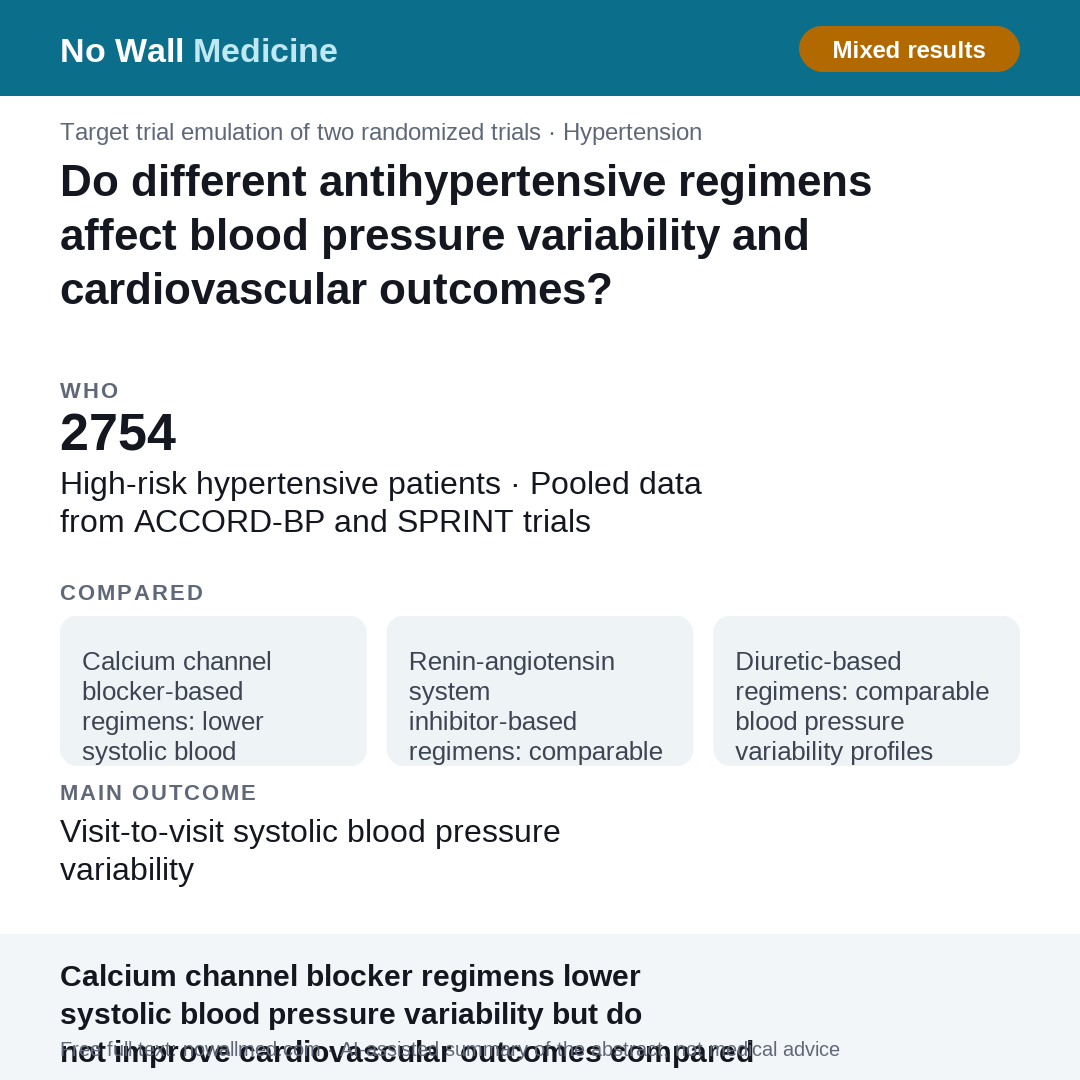
Blood Pressure Variability and Outcomes Across Antihypertensive Regimens
Target trial emulation of two randomized trialsMixed results
Do different antihypertensive regimens affect blood pressure variability and cardiovascular outcomes?
Who
2754
High-risk hypertensive patients · Pooled data from ACCORD-BP and SPRINT trials
Compared
Calcium channel blocker-based regimens: lower systolic blood pressure variability
Renin-angiotensin system inhibitor-based regimens: comparable blood pressure variability profiles
Diuretic-based regimens: comparable blood pressure variability profiles
Main outcome
Visit-to-visit systolic blood pressure variability
Result: β=-1.341 [95% CI, -1.930 to -0.752] for CCB versus RAS inhibitor monotherapy
Bottom line: Calcium channel blocker regimens lower systolic blood pressure variability but do not improve cardiovascular outcomes compared to other regimens.
Hypertension · 2026-06-25Download image
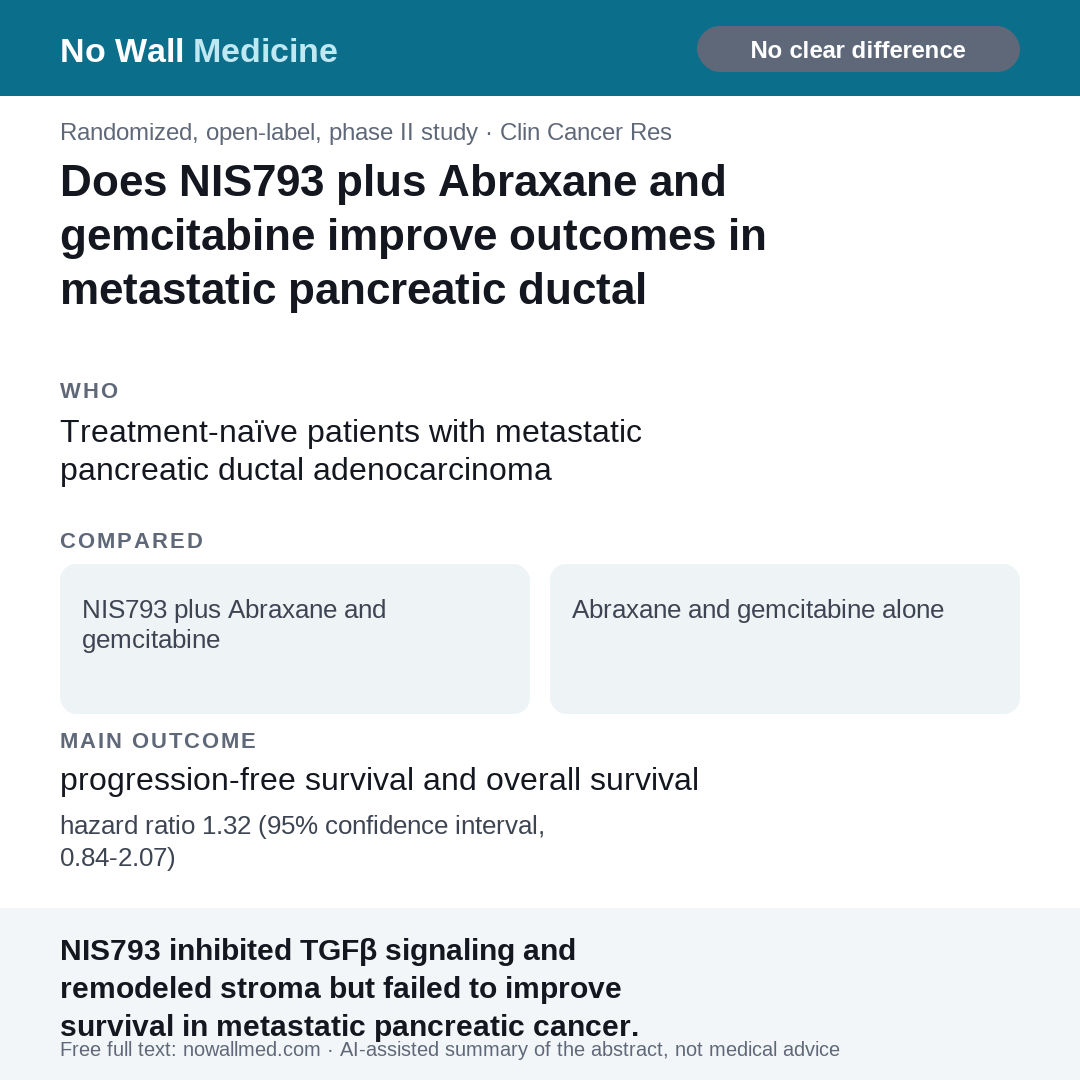
Biomarker Analysis from Patients with Metastatic PDAC Treated with TGFβ Antibody NIS793 plus Abraxane + Gemcitabine versus Abraxane + Gemcitabine Alone in a Phase II, Open-Label, Randomized Study
Randomized, open-label, phase II studyNo clear difference
Does NIS793 plus Abraxane and gemcitabine improve outcomes in metastatic pancreatic ductal adenocarcinoma?
Who
Treatment-naïve patients with metastatic pancreatic ductal adenocarcinoma
Compared
NIS793 plus Abraxane and gemcitabine
Abraxane and gemcitabine alone
Main outcome
progression-free survival and overall survival
Result: hazard ratio 1.32 (95% confidence interval, 0.84-2.07)
Bottom line: NIS793 inhibited TGFβ signaling and remodeled stroma but failed to improve survival in metastatic pancreatic cancer.
Clin Cancer Res · 2026-06-25Download image
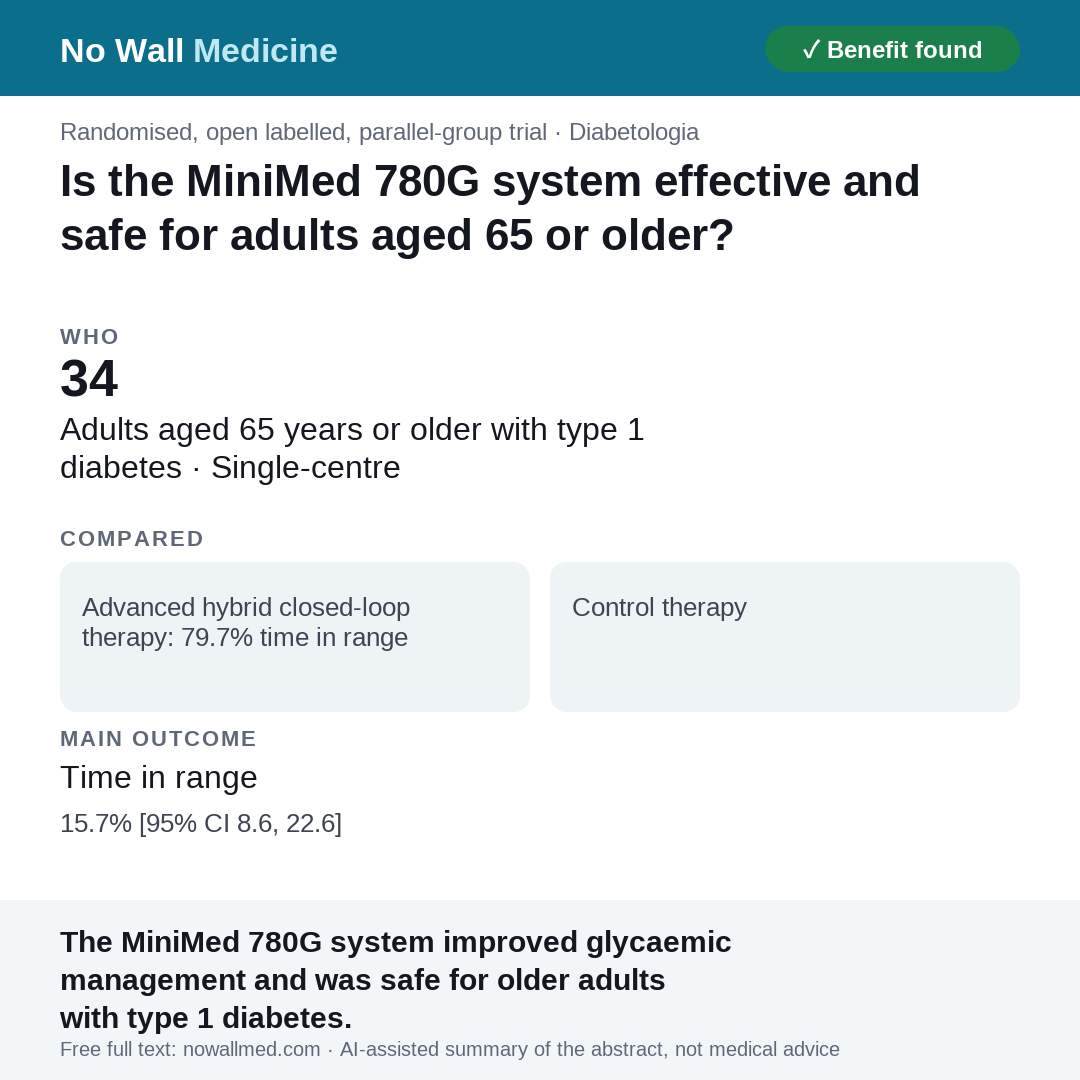
Metabolic and vascular outcomes after transition to the MiniMed 780G system in adults ≥65 years with type 1 diabetes: a randomised, single-centre study
Randomised, open labelled, parallel-group trialBenefit found
Is the MiniMed 780G system effective and safe for adults aged 65 or older?
Who
34
Adults aged 65 years or older with type 1 diabetes · Single-centre
Compared
Advanced hybrid closed-loop therapy: 79.7% time in range
Control therapy
Main outcome
Time in range
Result: 15.7% [95% CI 8.6, 22.6]
Bottom line: The MiniMed 780G system improved glycaemic management and was safe for older adults with type 1 diabetes.
Limitation: Outcome assessors were not masked and vascular function improvement was not statistically significant.
Diabetologia · 2026-06-25Download image
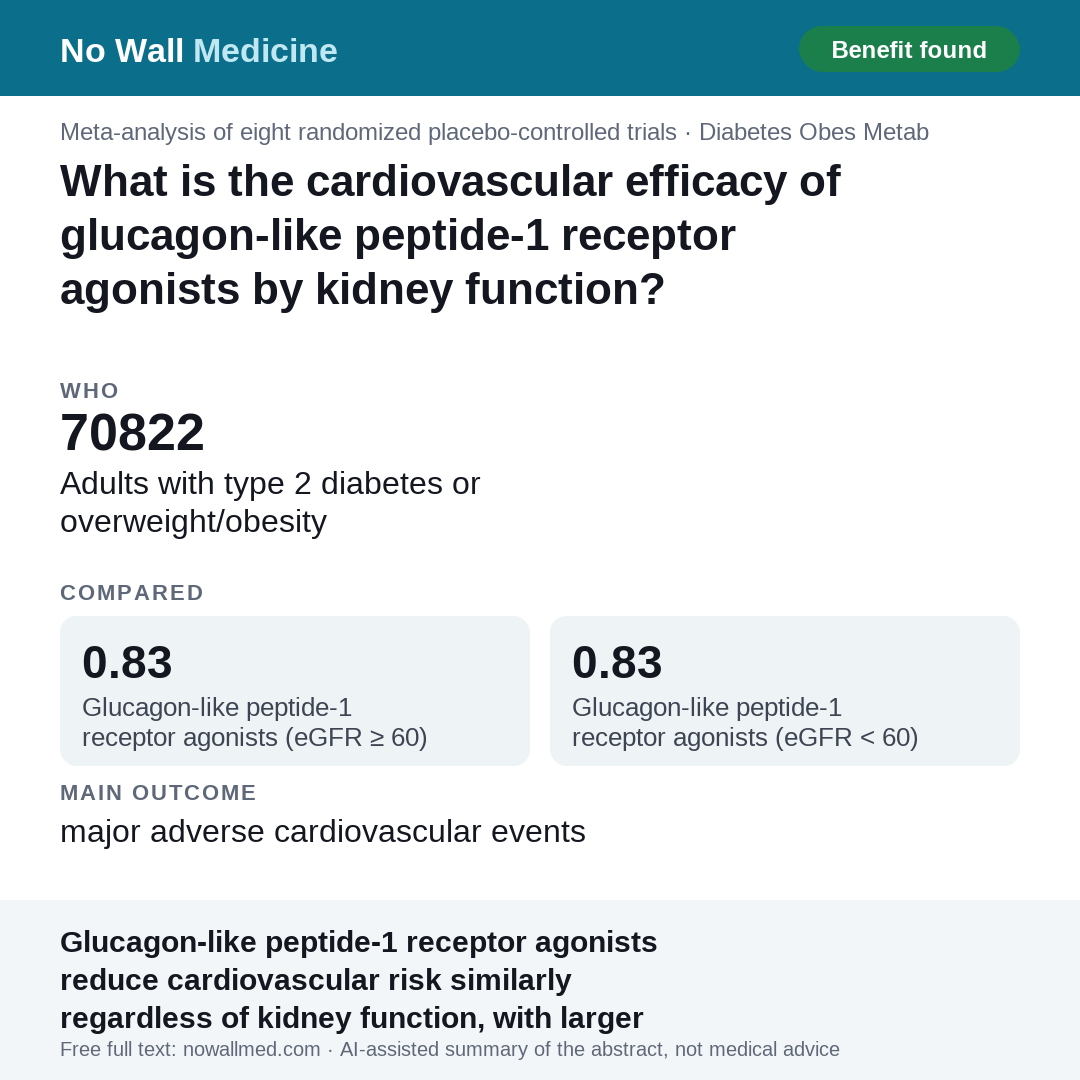
Cardiovascular Efficacy of GLP-1 Receptor Agonists by Kidney Function: An Updated Meta-Analysis of Randomized Trials Including the SOUL Trial
Meta-analysis of eight randomized placebo-controlled trialsBenefit found
What is the cardiovascular efficacy of glucagon-like peptide-1 receptor agonists by kidney function?
Who
70822
Adults with type 2 diabetes or overweight/obesity
Compared
0.83Glucagon-like peptide-1 receptor agonists (eGFR ≥ 60) (95% CI 0.77-0.90)
0.83Glucagon-like peptide-1 receptor agonists (eGFR < 60) (95% CI 0.74-0.93)
Main outcome
major adverse cardiovascular events
Result: ratio of hazard ratios 1.02 (95% CI 0.85-1.21)
Bottom line: Glucagon-like peptide-1 receptor agonists reduce cardiovascular risk similarly regardless of kidney function, with larger absolute benefits in lower kidney function.
Diabetes Obes Metab · 2026-06-25Download image
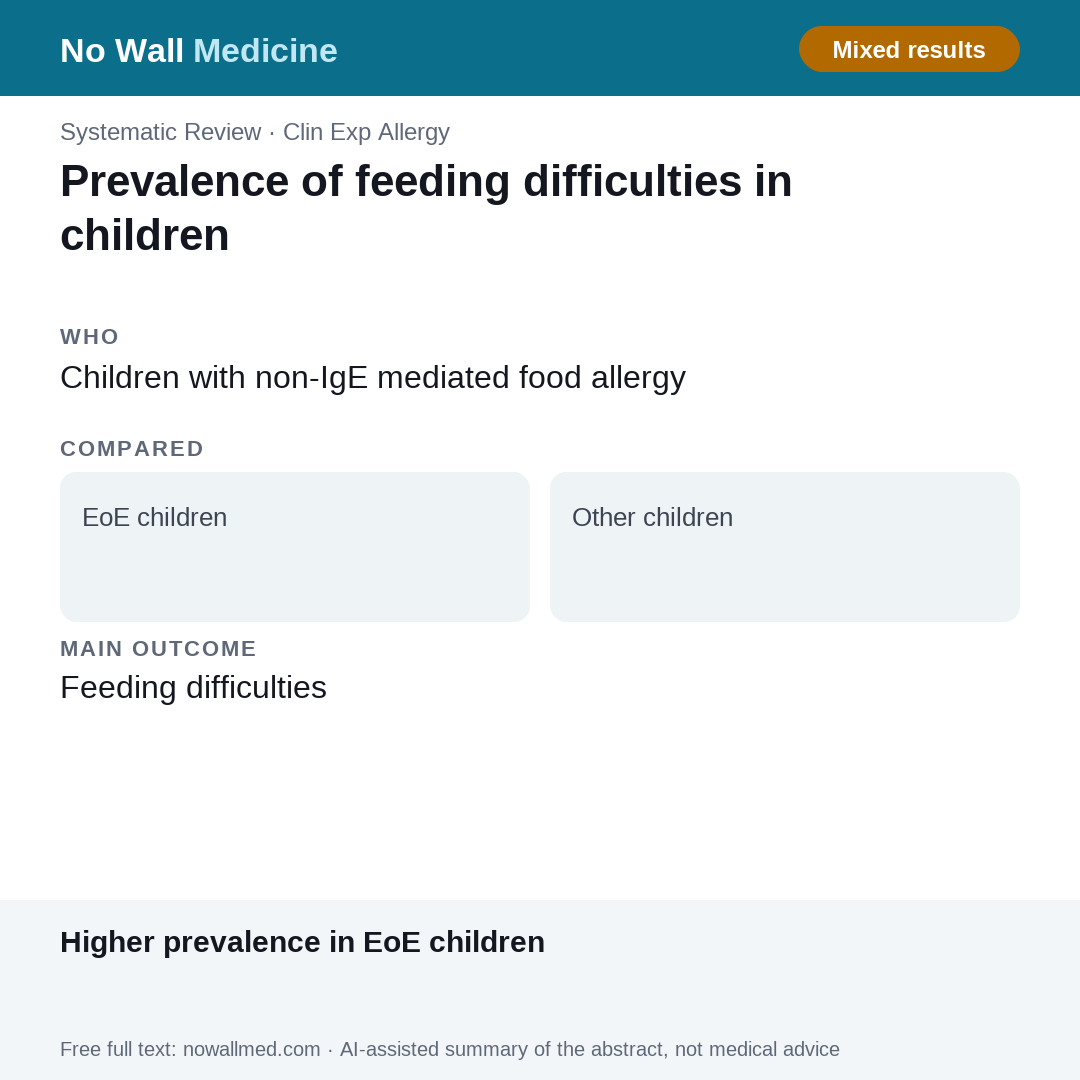
Prevalence of Feeding Difficulties in Children With Non-IgE Mediated Food Allergies: A Systematic Review
Systematic ReviewMixed results
Prevalence of feeding difficulties in children
Who
Children with non-IgE mediated food allergy
Compared
EoE children
Other children
Main outcome
Feeding difficulties
Bottom line: Higher prevalence in EoE children
Clin Exp Allergy · 2026-06-25Download image
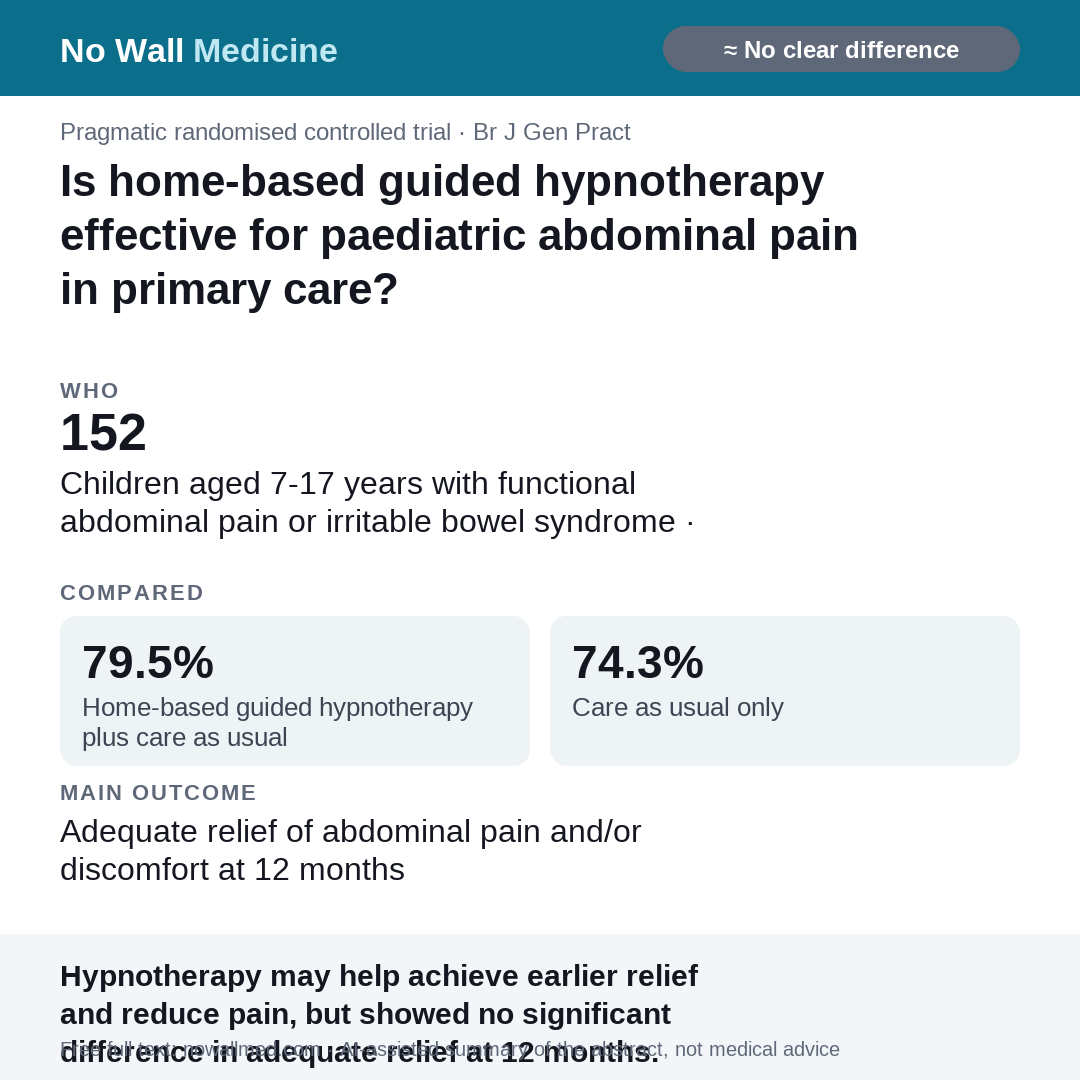
Effectiveness of hypnotherapy for paediatric abdominal pain in primary care: a randomised controlled trial
Pragmatic randomised controlled trialNo clear difference
Is home-based guided hypnotherapy effective for paediatric abdominal pain in primary care?
Who
152
Children aged 7-17 years with functional abdominal pain or irritable bowel syndrome · Dutch primary care
Compared
79.5%Home-based guided hypnotherapy plus care as usual (58/73 children)
74.3%Care as usual only (52/70 children)
Main outcome
Adequate relief of abdominal pain and/or discomfort at 12 months
Result: aOR 1.47 (90% CI 0.74 to 2.93)
Bottom line: Hypnotherapy may help achieve earlier relief and reduce pain, but showed no significant difference in adequate relief at 12 months.
Br J Gen Pract · 2026-06-25Download image
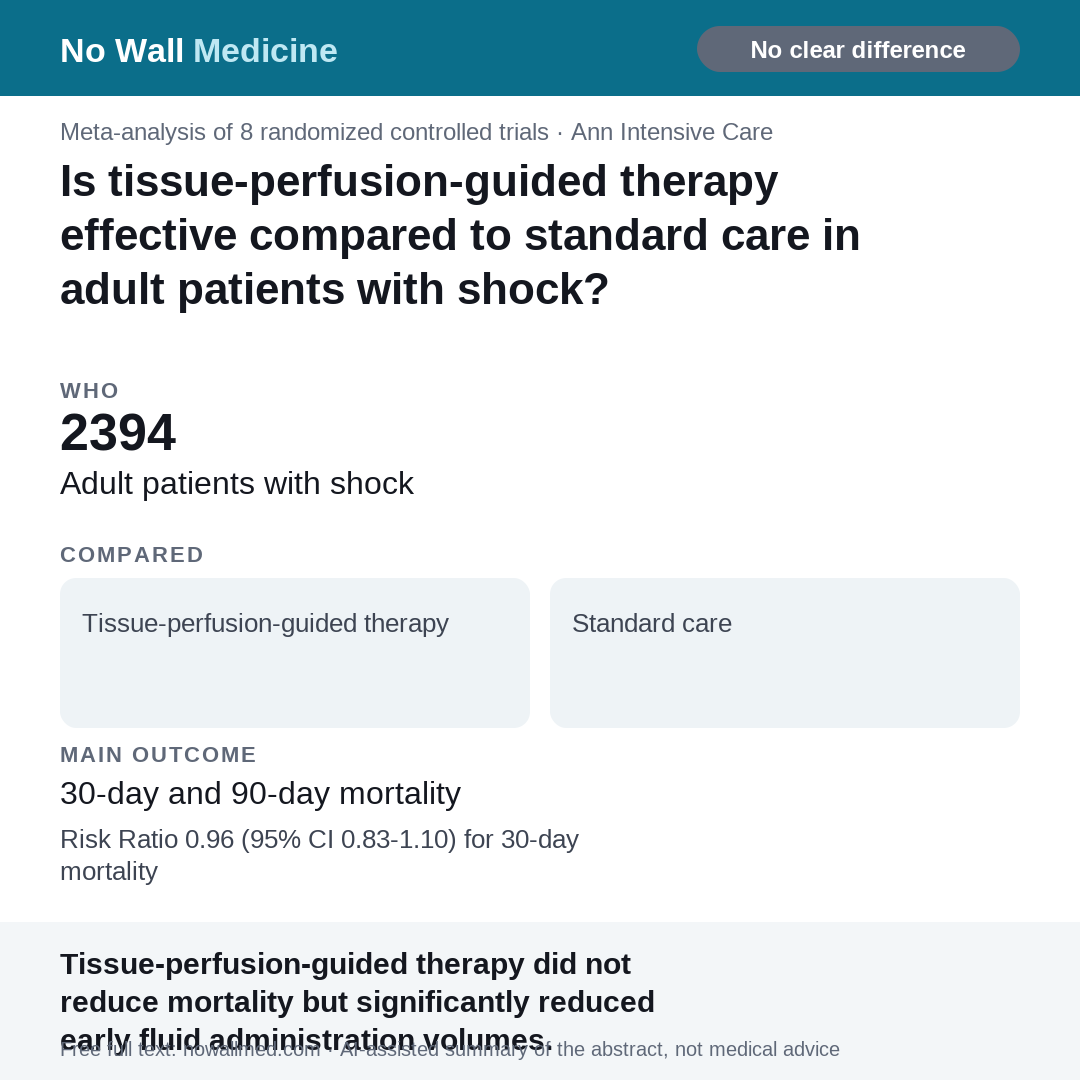
The effectiveness of tissue-perfusion-guided resuscitation in shock: A systematic review and meta-analysis
Meta-analysis of 8 randomized controlled trialsNo clear difference
Is tissue-perfusion-guided therapy effective compared to standard care in adult patients with shock?
Who
2394
Adult patients with shock
Compared
Tissue-perfusion-guided therapy
Standard care
Main outcome
30-day and 90-day mortality
Result: Risk Ratio 0.96 (95% CI 0.83-1.10) for 30-day mortality
Bottom line: Tissue-perfusion-guided therapy did not reduce mortality but significantly reduced early fluid administration volumes.
Limitation: The finding of shorter intensive care unit length of stay proved fragile in sensitivity analyses.
Ann Intensive Care · 2026-06-25Download image
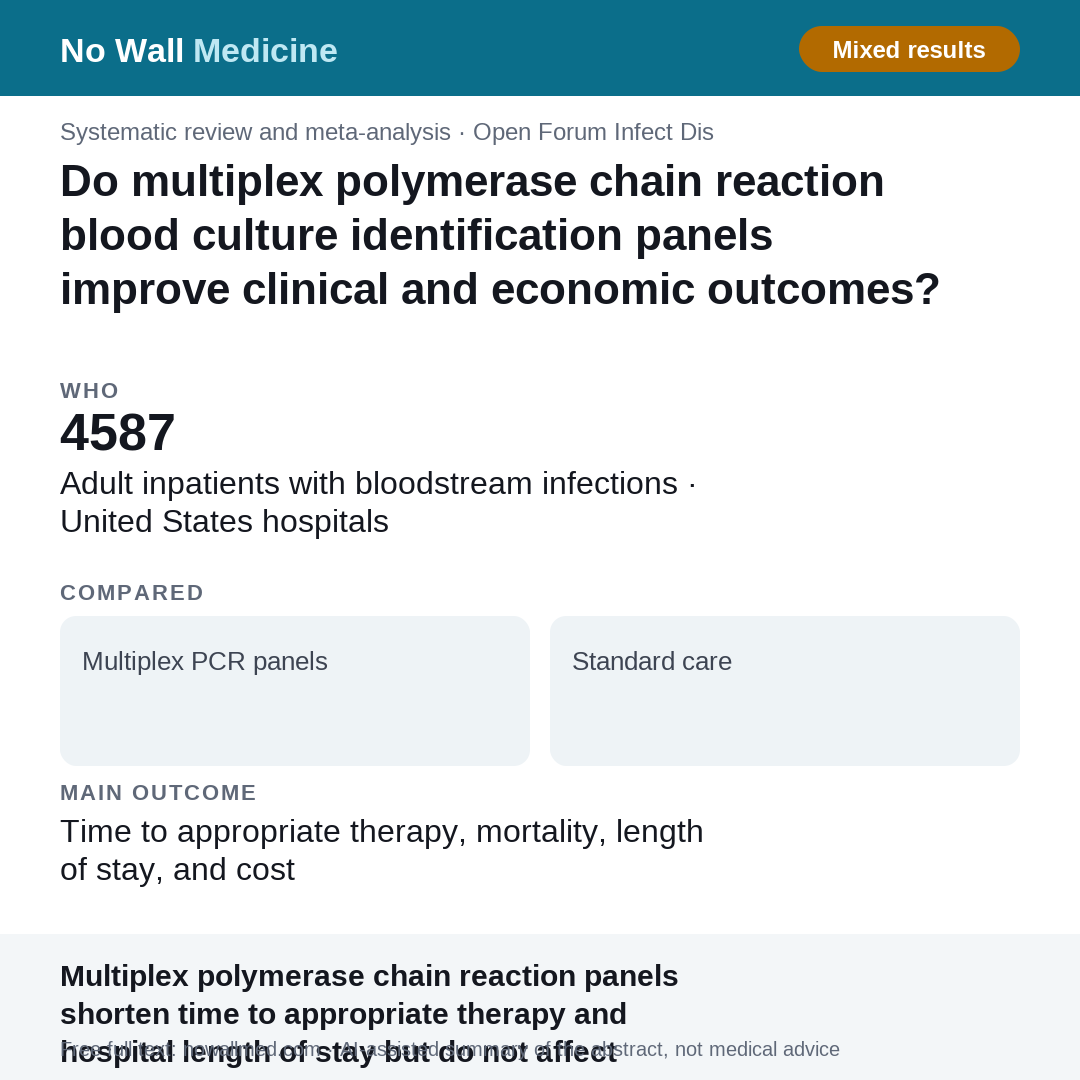
Impact of Multiplex PCR Blood-Culture Identification Panels on Clinical Outcomes, Antimicrobial Stewardship, and Economic Impact in US Hospitals: A Systematic Review and Meta-Analysis
Systematic review and meta-analysisMixed results
Do multiplex polymerase chain reaction blood culture identification panels improve clinical and economic outcomes?
Who
4587
Adult inpatients with bloodstream infections · United States hospitals
Compared
Multiplex PCR panels
Standard care
Main outcome
Time to appropriate therapy, mortality, length of stay, and cost
Result: time to appropriate therapy difference -17.28 hours (95% CI, -24.00 to -10.56)
Bottom line: Multiplex polymerase chain reaction panels shorten time to appropriate therapy and hospital length of stay but do not affect mortality.
Open Forum Infect Dis · 2026-06-25Download image
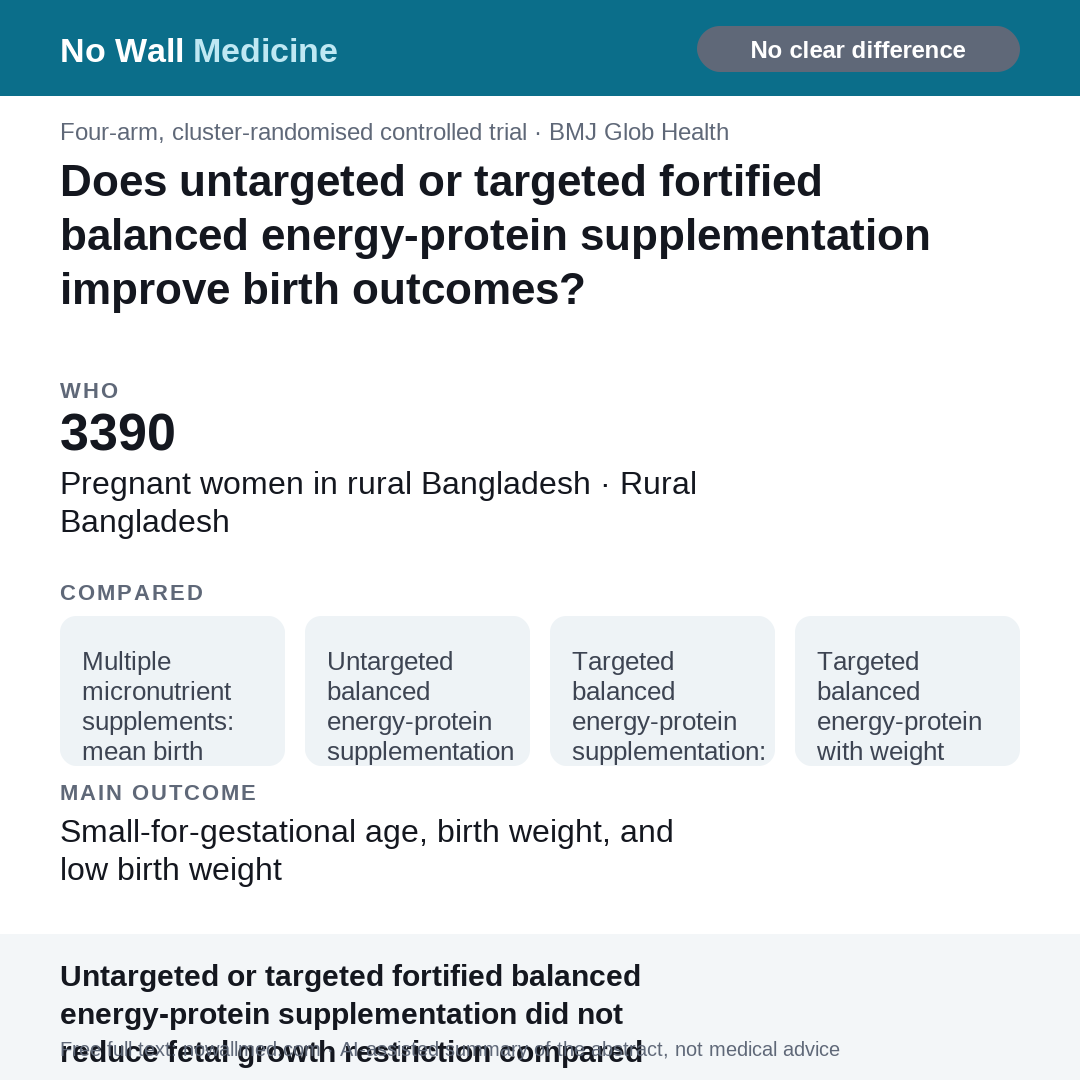
Untargeted and targeted fortified balanced energy-protein (BEP) dietary supplementation during pregnancy and birth outcomes: a cluster-randomised effectiveness trial in rural Bangladesh
Four-arm, cluster-randomised controlled trialNo clear difference
Does untargeted or targeted fortified balanced energy-protein supplementation improve birth outcomes?
Who
3390
Pregnant women in rural Bangladesh · Rural Bangladesh
Compared
Multiple micronutrient supplements: mean birth weight 2763 (383) g
Untargeted balanced energy-protein supplementation
Targeted balanced energy-protein supplementation: higher weight-for-gestational age centile (3.7%, 98.3% CI 0.6% to 6.7%)
Targeted balanced energy-protein with weight gain switch
Main outcome
Small-for-gestational age, birth weight, and low birth weight
Bottom line: Untargeted or targeted fortified balanced energy-protein supplementation did not reduce fetal growth restriction compared with multiple micronutrient supplements.
BMJ Glob Health · 2026-06-25Download image
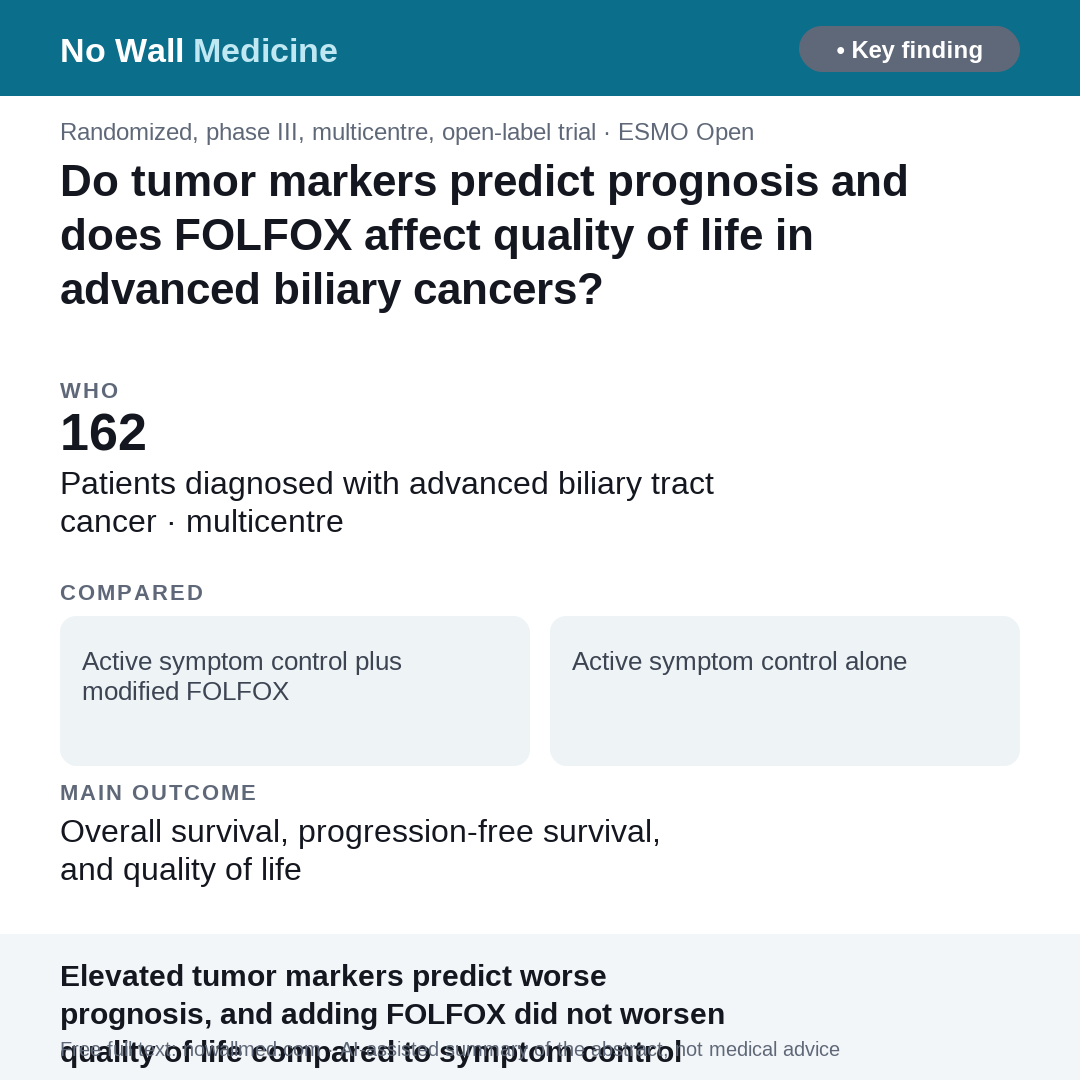
Prognostic markers, quality of life (QoL) and value of health (V-He) in advanced biliary cancers (ABC) treated with second-line active symptom control (ASC) alone or ASC with oxaliplatin-5-FU chemotherapy (ASC + FOLFOX) in the randomised phase III, multicentre, open-label ABC-06 clinical trial
Randomized, phase III, multicentre, open-label trialBenefit found
Do tumor markers predict prognosis and does FOLFOX affect quality of life in advanced biliary cancers?
Who
162
Patients diagnosed with advanced biliary tract cancer · multicentre
Compared
Active symptom control plus modified FOLFOX
Active symptom control alone
Main outcome
Overall survival, progression-free survival, and quality of life
Result: hazard ratio 0.97 (95% CI 0.48 to 1.97) for time to deterioration of quality of life
Bottom line: Elevated tumor markers predict worse prognosis, and adding FOLFOX did not worsen quality of life compared to symptom control alone.
ESMO Open · 2026-06-25Download image
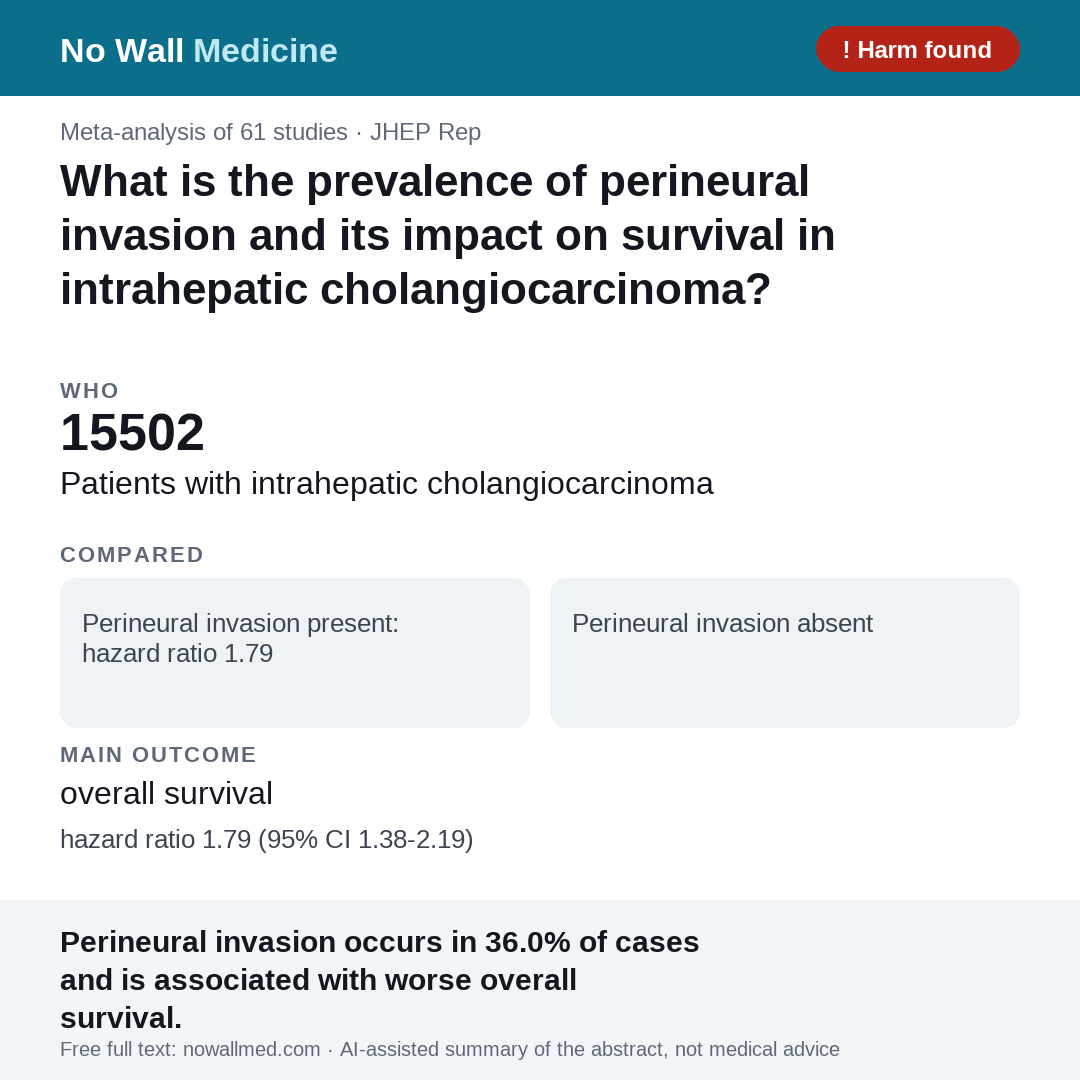
Perineural invasion in intrahepatic cholangiocarcinoma: Meta-analysis of prevalence, association with tumor features, and impact on survival
Meta-analysis of 61 studiesHarm found
What is the prevalence of perineural invasion and its impact on survival in intrahepatic cholangiocarcinoma?
Who
15502
Patients with intrahepatic cholangiocarcinoma
Compared
Perineural invasion present: hazard ratio 1.79
Perineural invasion absent
Main outcome
overall survival
Result: hazard ratio 1.79 (95% CI 1.38-2.19)
Bottom line: Perineural invasion occurs in 36.0% of cases and is associated with worse overall survival.
Limitation: Substantial heterogeneity (I2 = 98.5%) and the need for future standardized prospective studies.
JHEP Rep · 2026-06-25Download image
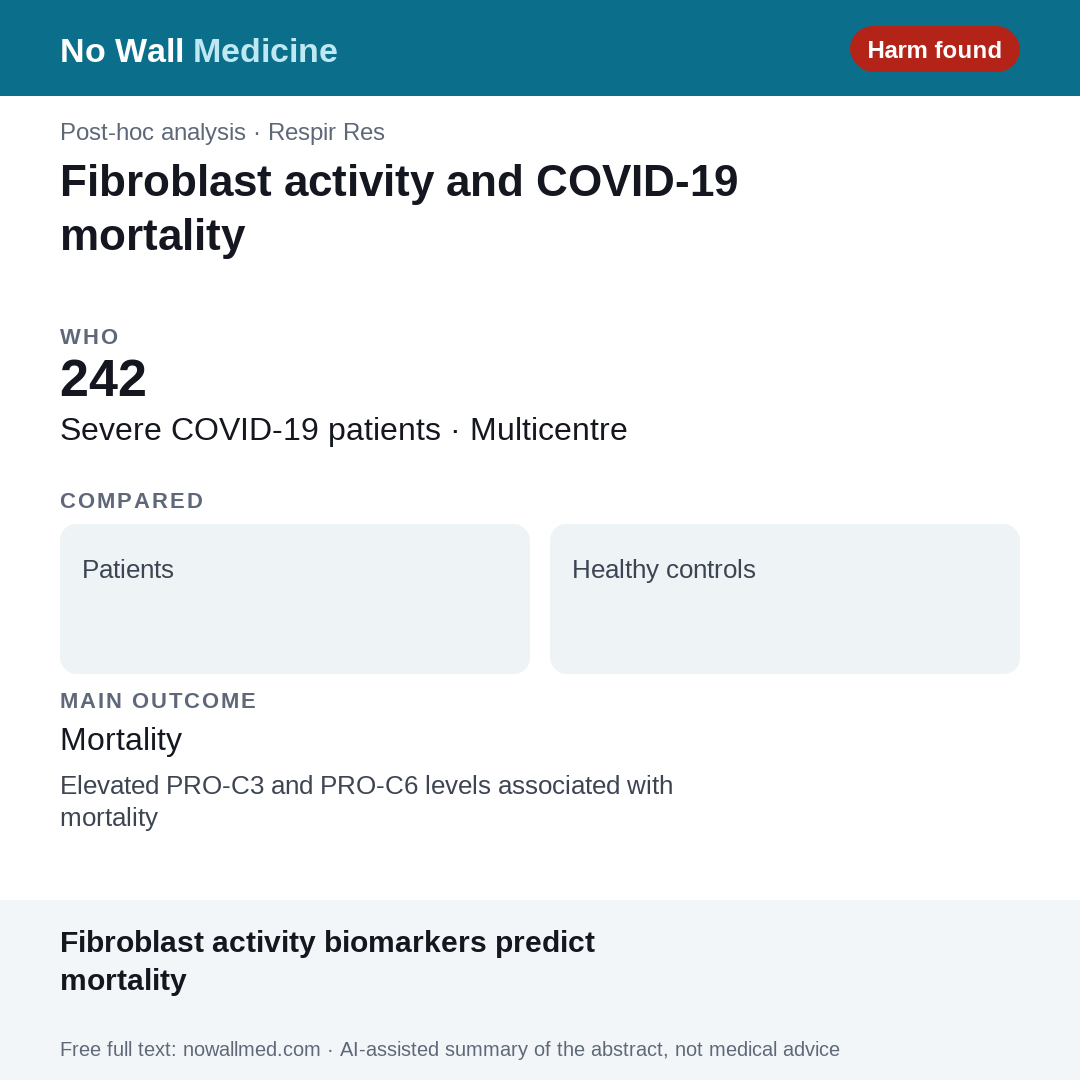
Fibroblast activity biomarkers are associated with mortality in severe COVID-19: a post-hoc analysis of a phase 2 clinical trial
Post-hoc analysis of a randomized, placebo-controlled, double-blind studyBenefit found
Are fibroblast activity biomarkers associated with mortality in severe COVID-19?
Who
242
Placebo-treated patients with severe COVID-19 and healthy controls · Multicentre
Compared
Patients who died or had respiratory failure
Healthy controls
Recovering patients
Main outcome
Mortality
Result: hazard ratio 2.93 (95% CI 1.6-5.4) for PRO-C3 and 3.88 (95% CI 1.96-7.70) for PRO-C6
Bottom line: High PRO-C3 and PRO-C6 levels on day 1 are associated with increased mortality risk in severe COVID-19.
Respir Res · 2026-06-25Download image
Impact of a virtual nurse-led Early paLlIative Care IntervenTion (ELICIT) randomized controlled trial
Randomized controlled trialBenefit found
Does a virtual nurse-led palliative care intervention improve care for chronically ill older adults?
Who
Chronically ill, community-dwelling older adults with varying cognitive impairment · United States
Compared
Nurse-led primary palliative care intervention: 89.1% advance care planning
Usual care: 3.0% advance care planning
Main outcome
Advance care planning and reporting of supportive care needs
Bottom line: A virtual nurse-led palliative care intervention significantly increased advance care planning and supportive care needs reporting.
NPJ Digit Med · 2026-06-25Download image

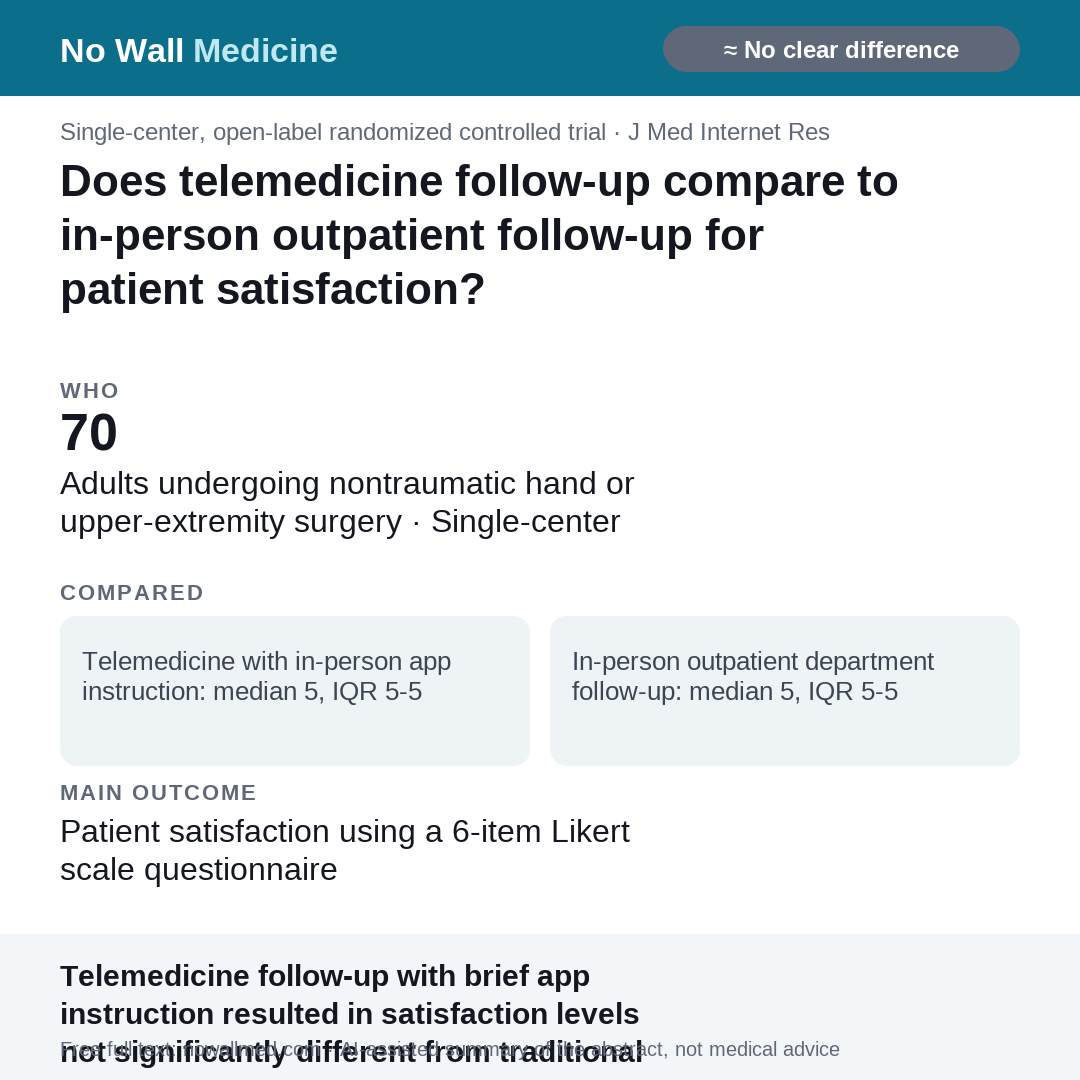
Digital Literacy and Patient Satisfaction in Telemedicine Follow-Up With In-Person App Instruction Versus Outpatient Department Follow-Up After Upper-Extremity Surgery: A Randomized Controlled Trial
Single-center, open-label randomized controlled trialNo clear difference
Does telemedicine follow-up compare to in-person outpatient follow-up for patient satisfaction?
Who
70
Adults undergoing nontraumatic hand or upper-extremity surgery · Single-center
Compared
Telemedicine with in-person app instruction: median 5, IQR 5-5
In-person outpatient department follow-up: median 5, IQR 5-5
Main outcome
Patient satisfaction using a 6-item Likert scale questionnaire
Bottom line: Telemedicine follow-up with brief app instruction resulted in satisfaction levels not significantly different from traditional in-person follow-up.
J Med Internet Res · 2026-06-25Download image
An Internet-Based Mindfulness- and Compassion-Based Intercare Program for Reducing Parental Burnout: Randomized Controlled Trial
3-arm randomized controlled trialBenefit found
Does an internet-based mindfulness and compassion program reduce parental burnout in teleworking mothers?
Who
593
Teleworking mothers aged 18 years or older living with at least 1 child · Chile
Compared
Mindfulness and compassion-based intercare program
Active control
Waitlist
Main outcome
Parental burnout at 9 months
Result: mean difference 0.62 (95% CI 0.09-1.14)
Bottom line: The internet-based program effectively reduced parental burnout compared to a waitlist, though it was not superior to active control.
J Med Internet Res · 2026-06-25Download image

Development of virtual reality in the upper extremities function in children with Cerebral Palsy. A pilot randomized controlled trial
Pilot randomized controlled trialNo clear difference
Does virtual reality improve upper extremities function in children with cerebral palsy?
Who
42
Children with cerebral palsy aged 10 to 15 years
Compared
Virtual reality training: improvements across all measured outcomes
Conventional occupational therapy: improvements across all measured outcomes
Main outcome
upper extremity range of motion, Box and Block Test, and ABILHAND-Kids
Bottom line: Virtual reality did not result in statistically significant improvements in motor function compared with conventional therapy.
J Neuroeng Rehabil · 2026-06-25Download image

Comparative Outcomes of Deep Inferior Epigastric Perforator Flap and Breast Implants in Breast Reconstruction Postmastectomy: A Systematic Review and Meta-analysis
Systematic review and meta-analysisBenefit found
How do deep inferior epigastric perforator flaps compare to breast implants for reconstruction?
Who
3106
Patients undergoing breast reconstruction after mastectomy
Compared
Deep inferior epigastric perforator flap: higher overall BREAST-Q scores
Implant-based reconstruction
Main outcome
BREAST-Q scores, complications, reconstruction failures, and revision procedures
Result: mean difference +9.28 (95% CI not reported); odds ratio 0.15 (95% CI not reported)
Bottom line: Deep inferior epigastric perforator flaps offer better patient satisfaction and lower failure rates than implant-based reconstruction.
Limitation: High-quality multicenter trials with standardized outcome reporting are needed.
Plast Reconstr Surg Glob Open · 2026-06-25Download image

Effectiveness of lay workers delivering behavioural activation for people with depression: systematic review and meta-analysis
Systematic review and meta-analysis of six randomized controlled trialsBenefit found
Is behavioural activation delivered by lay workers effective in reducing depressive symptoms in adults?
Who
Adults with depression
Compared
Behavioural activation by lay workers
Control groups
Main outcome
Reduction in depressive symptoms
Result: standardised mean difference -0.28 (95% CI -0.46 to -0.09)
Bottom line: Behavioural activation delivered by trained lay workers may effectively reduce depressive symptoms in adults.
Limitation: High risk of bias and substantial heterogeneity across the included studies.
BJPsych Open · 2026-06-25Download image

Cutaneous perforator mapping and ink-based perfusion assessment in an ovine model: An anatomical study and systematic review
Anatomical study and systematic reviewBenefit found
What are the perforator anatomy and cutaneous perfusion characteristics in an ovine model?
Who
7
Seven adult ewes
Compared
Deep circumflex iliac: 650 ± 84 cm²
Cranial tibial: 188 ± 36 cm²
Main outcome
Perforator coordinates, pedicle length, vessel diameter, and perfused cutaneous area
Bottom line: The study provides a reproducible framework for anatomical and functional characterization of cutaneous perforators in sheep.
JPRAS Open · 2026-06-25Download image