Visual abstracts
New randomized trials and meta-analyses from leading journals at a glance: who was studied, what was compared, and what was found. Every paper is free to read in full.
All specialtiesCardiology 2927Oncology 2484Gastroenterology & Hepatology 1119Infectious Disease 1890Neurology 1172Psychiatry & Mental Health 1355Pulmonology 1218Critical Care 808Endocrinology & Diabetes 1481Pediatrics 1735Surgery 1523Orthopedics & Sports Medicine 529Neurosurgery 354Cardiothoracic & Vascular Surgery 330Plastic & Reconstructive Surgery 422Nephrology 608Rheumatology 447Hematology 648Dermatology 352Ophthalmology 326Obstetrics & Gynecology 963Public & Global Health 544Radiology & Imaging 415Anesthesiology 591Urology 489ENT (Otolaryngology) 332Emergency Medicine 321Allergy & Immunology 186Geriatrics 623Family Medicine & Primary Care 338Medical Genetics & Genomics 344Pathology & Laboratory Medicine 102Physical Medicine & Rehabilitation 469Palliative Care 251Nutrition 806Digital Health & AI 1384General Medicine 210
Convergent Hybrid Ablation Versus Catheter Ablation in Patients With Persistent Atrial Fibrillation and Heart Failure: HALT AF Study Protocol and Rationale for a Multicenter Randomized Controlled Trial
Multicenter, prospective, open-label, randomized controlled trialUnclear result
Is hybrid ablation better than catheter ablation for persistent atrial fibrillation and heart failure?
Who
120
Patients with nonparoxysmal atrial fibrillation, left ventricular ejection fraction <50%, and moderate left atrial dilatation · Multicenter
Compared
hybrid ablation
catheter ablation
Main outcome
Freedom from recurrent arrhythmia >30 seconds at 12 months
Bottom line: This study protocol describes a trial to compare hybrid and catheter ablation in patients with heart failure.
J Am Heart Assoc · 2026-05-29Download image

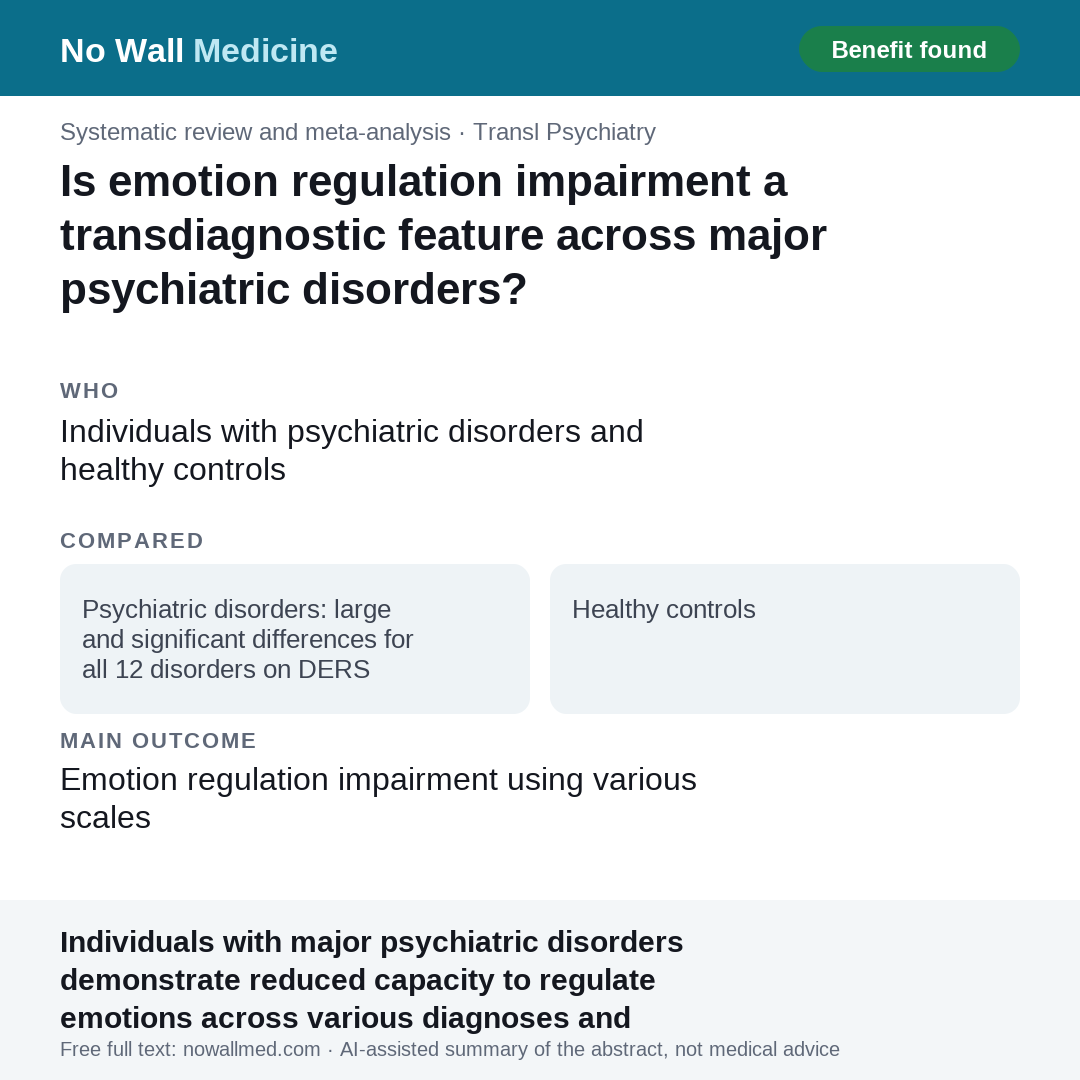
Emotion regulation impairment across psychiatric disorders: a systematic review and meta-analysis
Systematic review and meta-analysisBenefit found
Is emotion regulation impairment a transdiagnostic feature across major psychiatric disorders?
Who
Individuals with psychiatric disorders and healthy controls
Compared
Psychiatric disorders: large and significant differences for all 12 disorders on DERS
Healthy controls
Main outcome
Emotion regulation impairment using various scales
Bottom line: Individuals with major psychiatric disorders demonstrate reduced capacity to regulate emotions across various diagnoses and measures.
Transl Psychiatry · 2026-05-29Download image
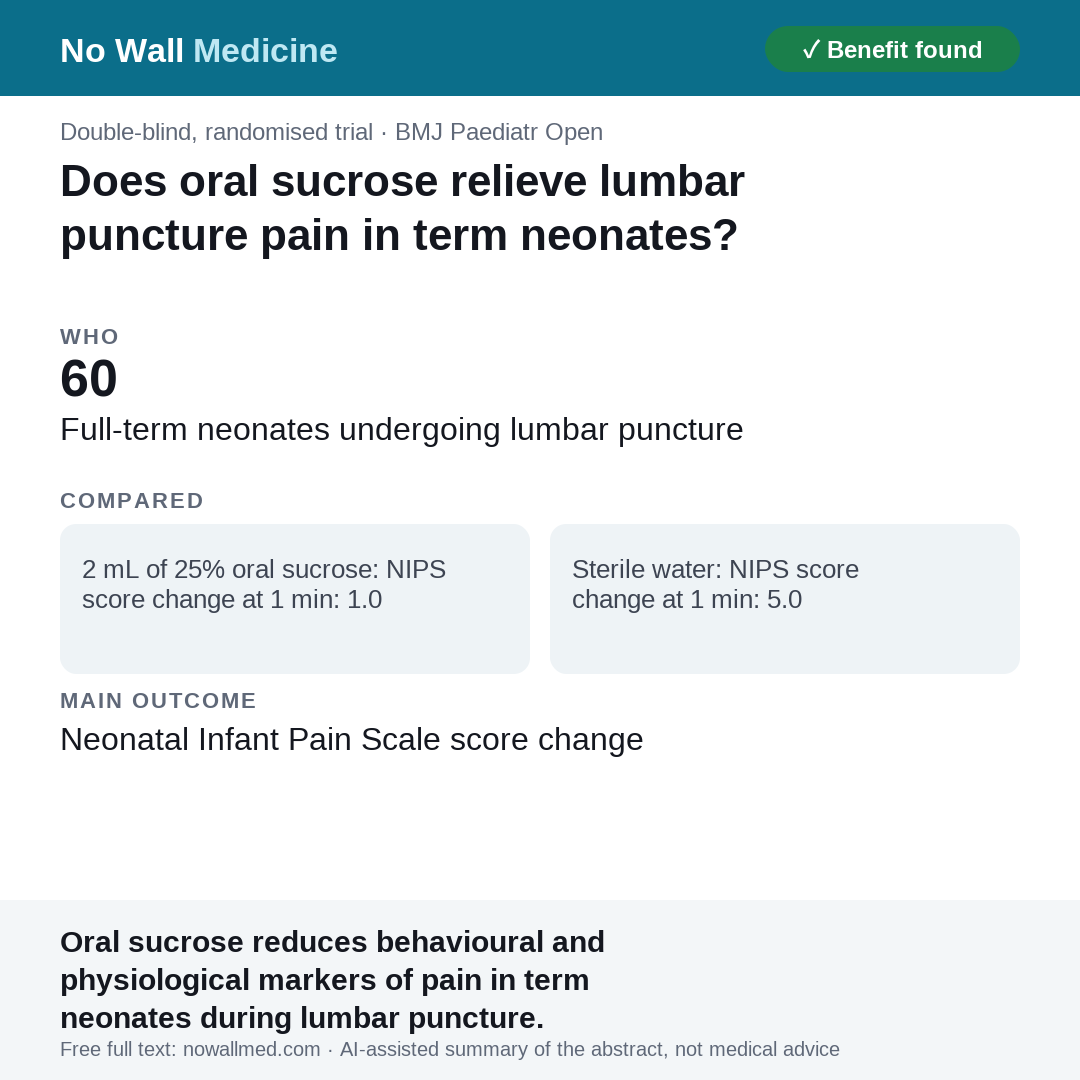
The efficacy of oral sucrose for relieving lumbar puncture pain in neonates: a randomised clinical trial
Double-blind, randomised trialBenefit found
Does oral sucrose relieve lumbar puncture pain in term neonates?
Who
60
Full-term neonates undergoing lumbar puncture
Compared
2 mL of 25% oral sucrose: NIPS score change at 1 min: 1.0
Sterile water: NIPS score change at 1 min: 5.0
Main outcome
Neonatal Infant Pain Scale score change
Bottom line: Oral sucrose reduces behavioural and physiological markers of pain in term neonates during lumbar puncture.
BMJ Paediatr Open · 2026-05-29Download image
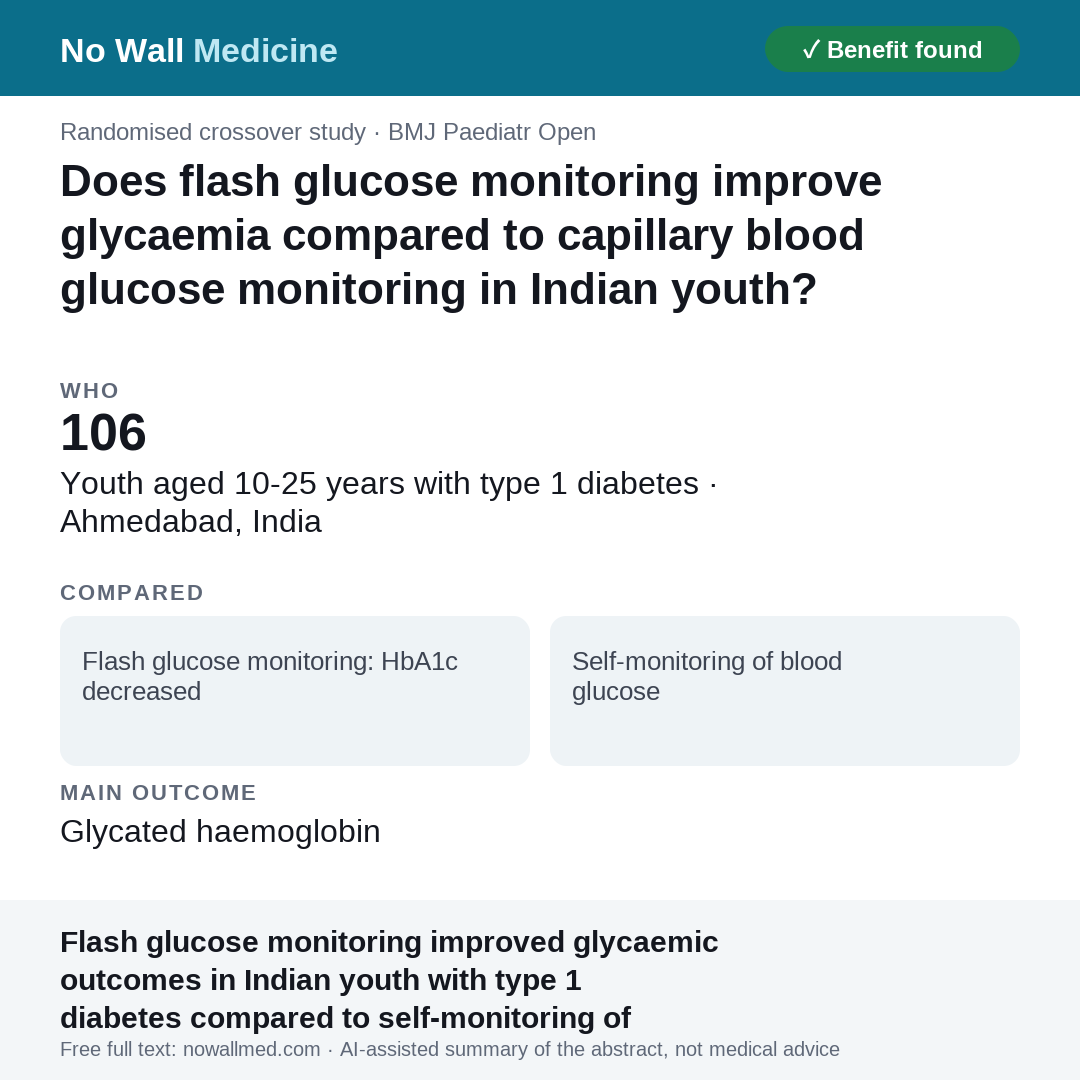
Impact of flash glucose monitoring versus capillary blood glucose monitoring on glycaemia in Indian youth with type 1 diabetes: a randomised crossover study
Randomised crossover studyBenefit found
Does flash glucose monitoring improve glycaemia compared to capillary blood glucose monitoring in Indian youth?
Who
106
Youth aged 10-25 years with type 1 diabetes · Ahmedabad, India
Compared
Flash glucose monitoring: HbA1c decreased
Self-monitoring of blood glucose
Main outcome
Glycated haemoglobin
Result: difference -0.44% (4.8 mmol/mol); p=0.006
Bottom line: Flash glucose monitoring improved glycaemic outcomes in Indian youth with type 1 diabetes compared to self-monitoring of blood glucose.
BMJ Paediatr Open · 2026-05-29Download image
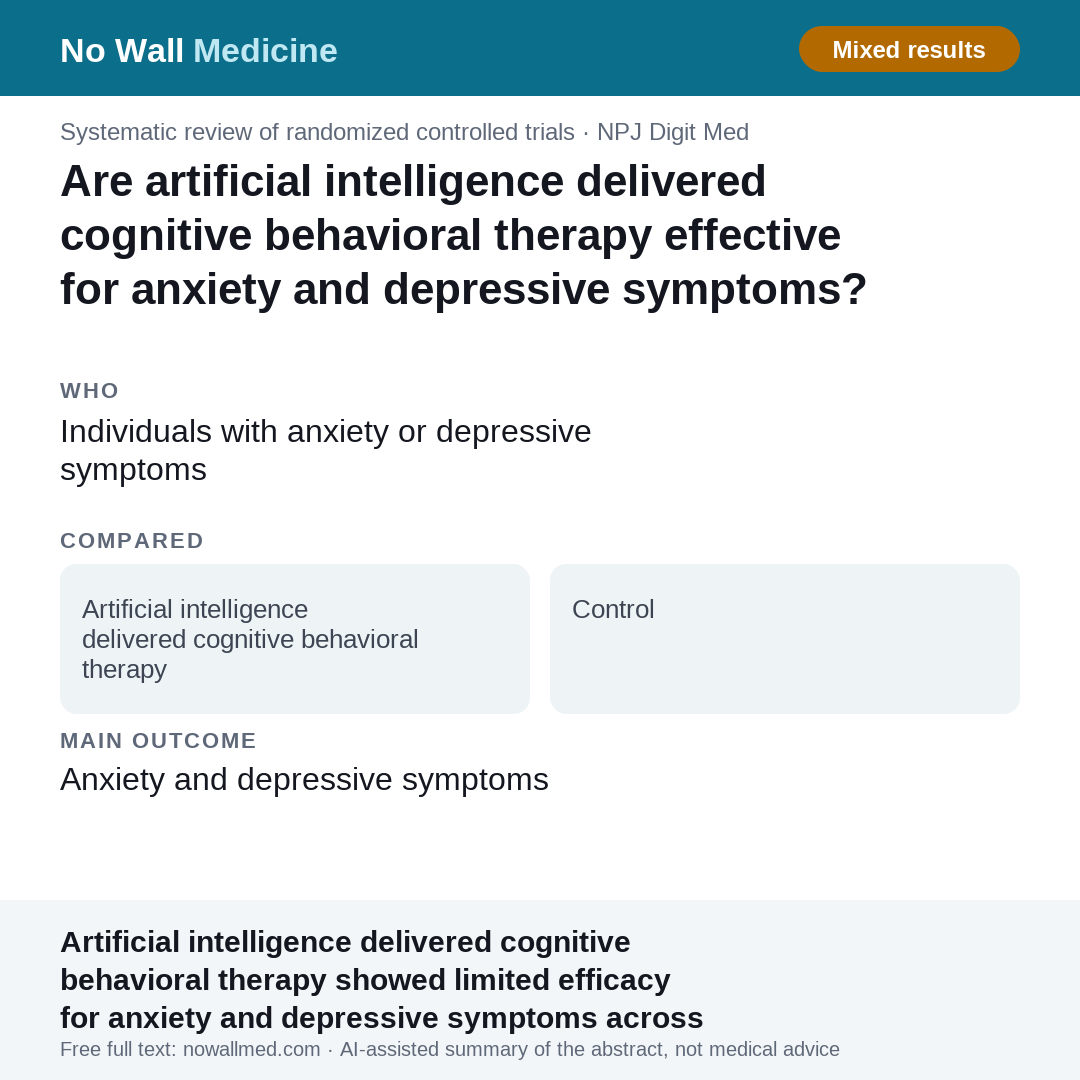
Efficacy of AI-delivered cognitive behavioral therapy interventions for anxiety and depressive symptoms: a systematic review
Systematic review of randomized controlled trialsMixed results
Are artificial intelligence delivered cognitive behavioral therapy effective for anxiety and depressive symptoms?
Who
Individuals with anxiety or depressive symptoms
Compared
Artificial intelligence delivered cognitive behavioral therapy
Control
Main outcome
Anxiety and depressive symptoms
Bottom line: Artificial intelligence delivered cognitive behavioral therapy showed limited efficacy for anxiety and depressive symptoms across reviewed studies.
Limitation: Study quality raised concerns and evidence remains highly preliminary.
NPJ Digit Med · 2026-05-29Download image
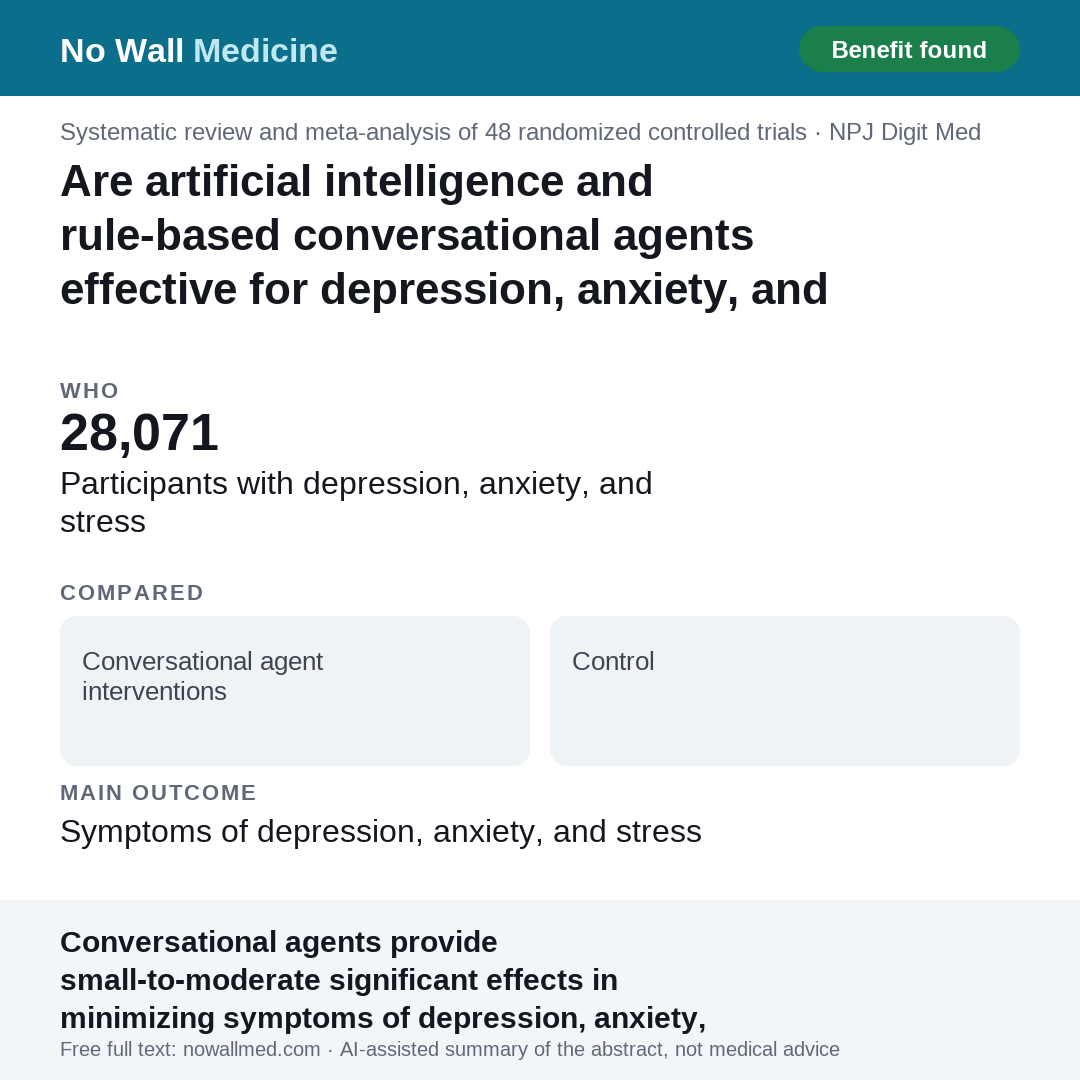
Effectiveness of AI and rule-based conversational agents for depression, anxiety and stress: A meta-analysis
Systematic review and meta-analysis of 48 randomized controlled trialsBenefit found
Are artificial intelligence and rule-based conversational agents effective for depression, anxiety, and stress?
Who
28,071
Participants with depression, anxiety, and stress
Compared
Conversational agent interventions
Control
Main outcome
Symptoms of depression, anxiety, and stress
Result: SMD: -0.27 for depression, -0.20 for anxiety, and -0.26 for stress
Bottom line: Conversational agents provide small-to-moderate significant effects in minimizing symptoms of depression, anxiety, and stress.
Limitation: Some studies had issues due to missing data or selective reporting.
NPJ Digit Med · 2026-05-29Download image
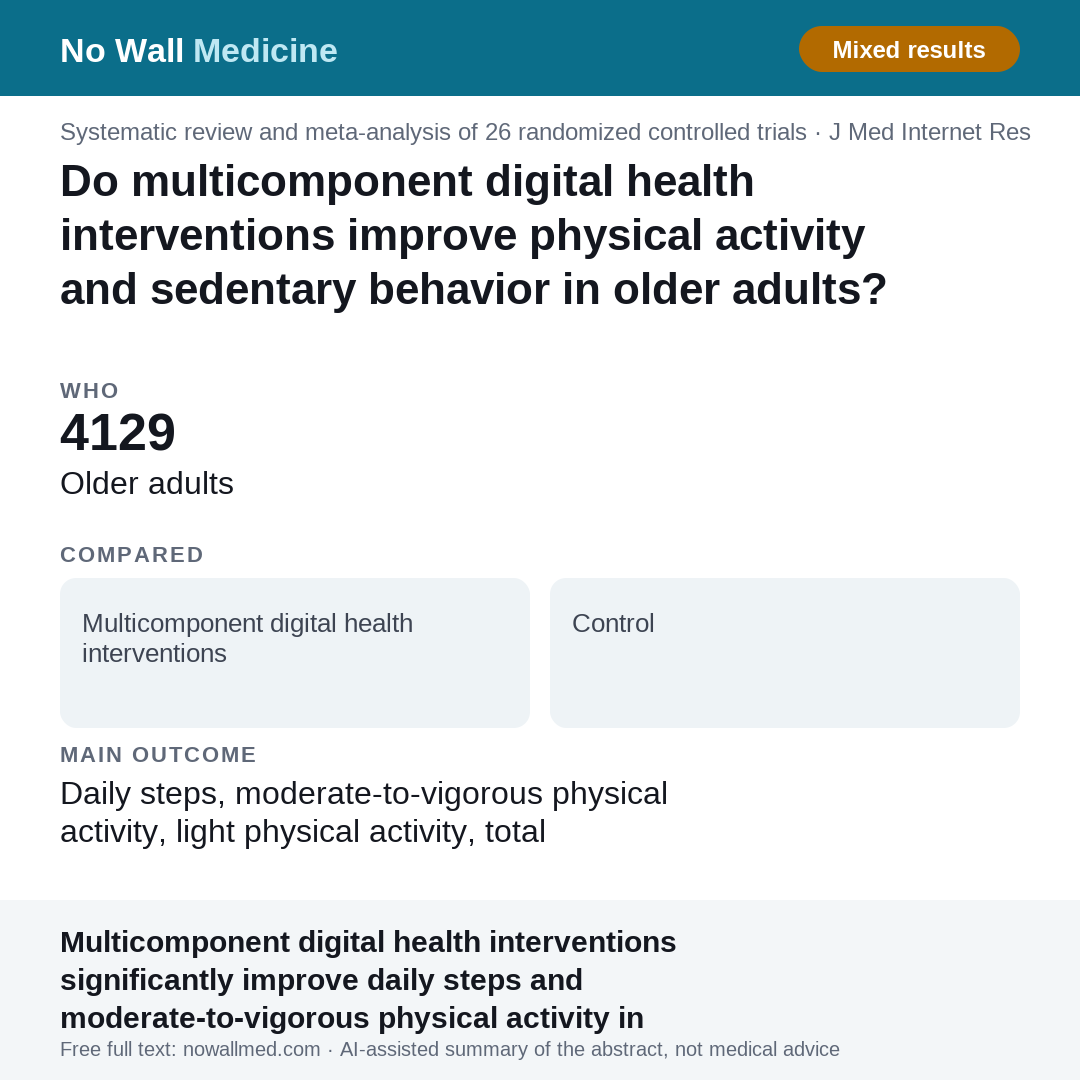
Effects of Multicomponent Digital Health Interventions on Multidimensional Physical Activity in Older Adults: Systematic Review, Meta-Analysis, and Meta-Regression of Randomized Controlled Trials
Systematic review and meta-analysis of 26 randomized controlled trialsMixed results
Do multicomponent digital health interventions improve physical activity and sedentary behavior in older adults?
Who
4129
Older adults
Compared
Multicomponent digital health interventions
Control
Main outcome
Daily steps, moderate-to-vigorous physical activity, light physical activity, total physical activity, and sedentary behavior
Result: daily steps MD 822.8 (95% CI 198.3 to 1447.3 steps/d); MVPA MD 45.9 (95% CI 23.9 to 67.9 min/wk)
Bottom line: Multicomponent digital health interventions significantly improve daily steps and moderate-to-vigorous physical activity in older adults.
Limitation: High heterogeneity, lack of long-term follow-up, and differences between objective and subjective measurement tools.
J Med Internet Res · 2026-05-29Download image
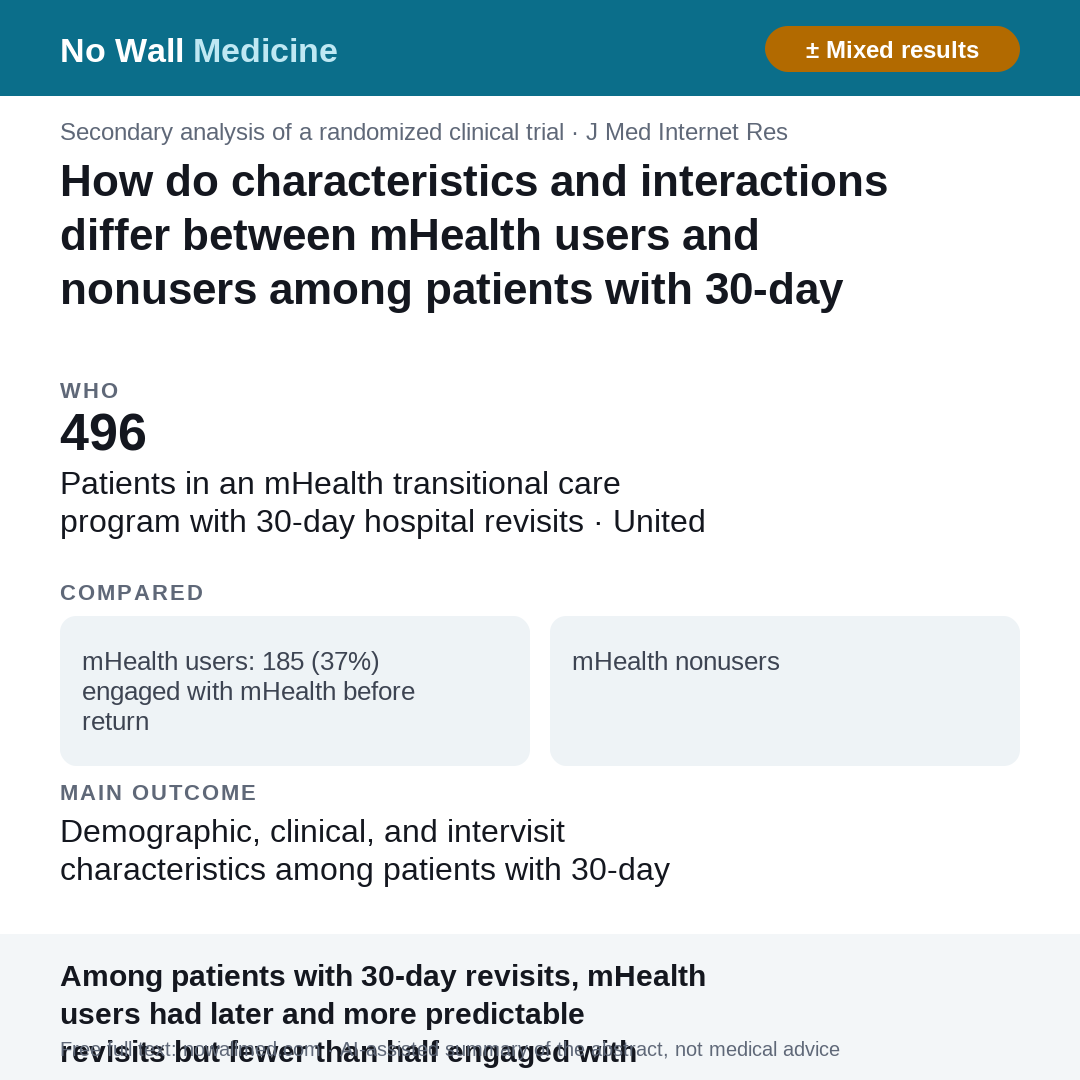
Understanding mHealth Engagement Among Patients With 30-Day Hospital Revisits: Secondary Analysis of a Randomized Clinical Trial
Secondary analysis of a randomized clinical trialMixed results
How do characteristics and interactions differ between mHealth users and nonusers among patients with 30-day hospital revisits?
Who
496
Patients in an mHealth transitional care program with 30-day hospital revisits · United States
Compared
mHealth users: 185 (37%) engaged with mHealth before return
mHealth nonusers
Main outcome
Demographic, clinical, and intervisit characteristics among patients with 30-day revisits
Bottom line: Among patients with 30-day revisits, mHealth users had later and more predictable revisits but fewer than half engaged with mHealth.
J Med Internet Res · 2026-05-29Download image
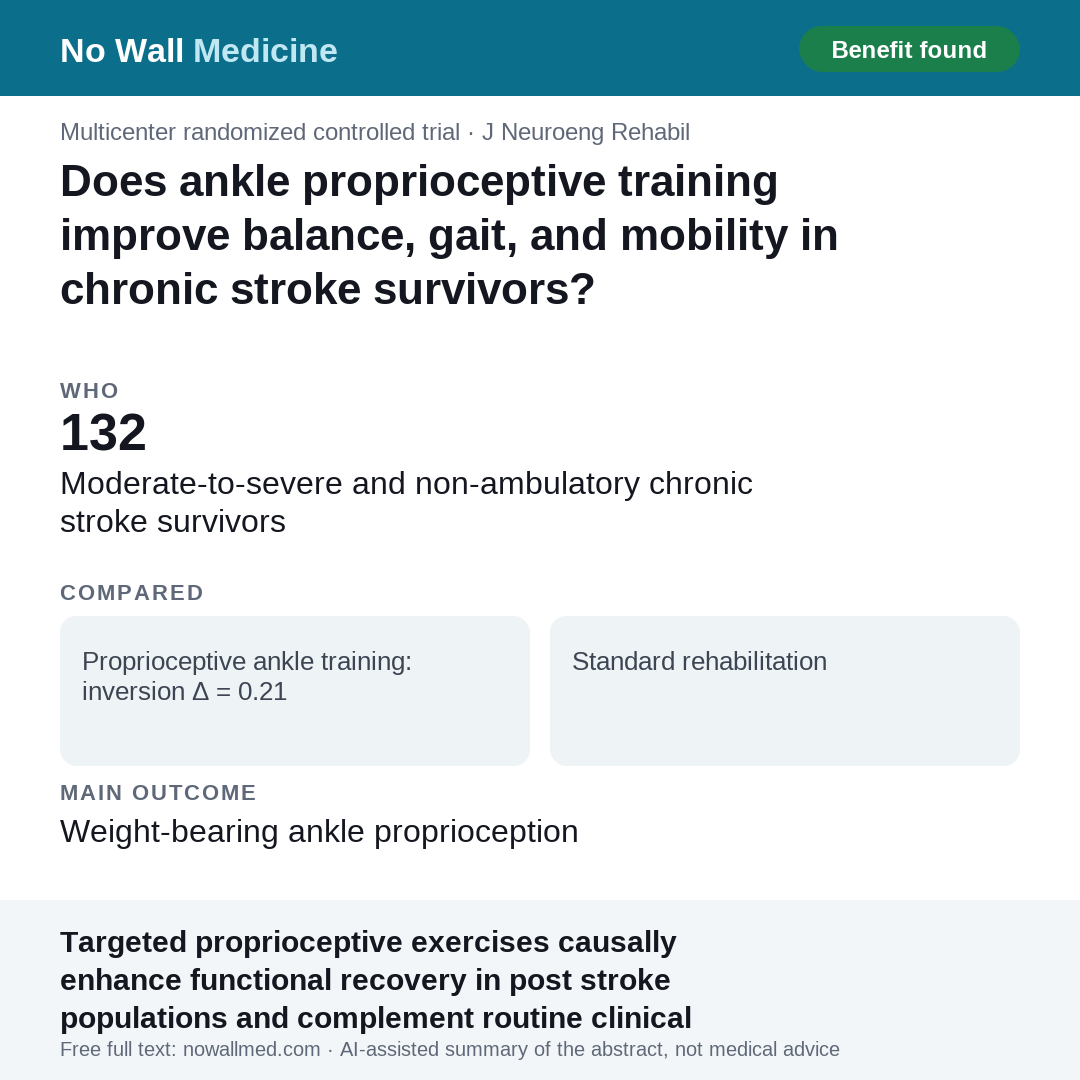
Targeted ankle proprioceptive training improves balance, gait, and functional mobility in chronic stroke survivors: a multicenter randomized controlled trial with longitudinal follow-up
Multicenter randomized controlled trialBenefit found
Does ankle proprioceptive training improve balance, gait, and mobility in chronic stroke survivors?
Who
132
Moderate-to-severe and non-ambulatory chronic stroke survivors
Compared
Proprioceptive ankle training: inversion Δ = 0.21
Standard rehabilitation
Main outcome
Weight-bearing ankle proprioception
Bottom line: Ankle proprioceptive training improves balance, gait, and mobility in chronic stroke survivors, with benefits sustained at 6-month follow-up.
J Neuroeng Rehabil · 2026-05-29Download image
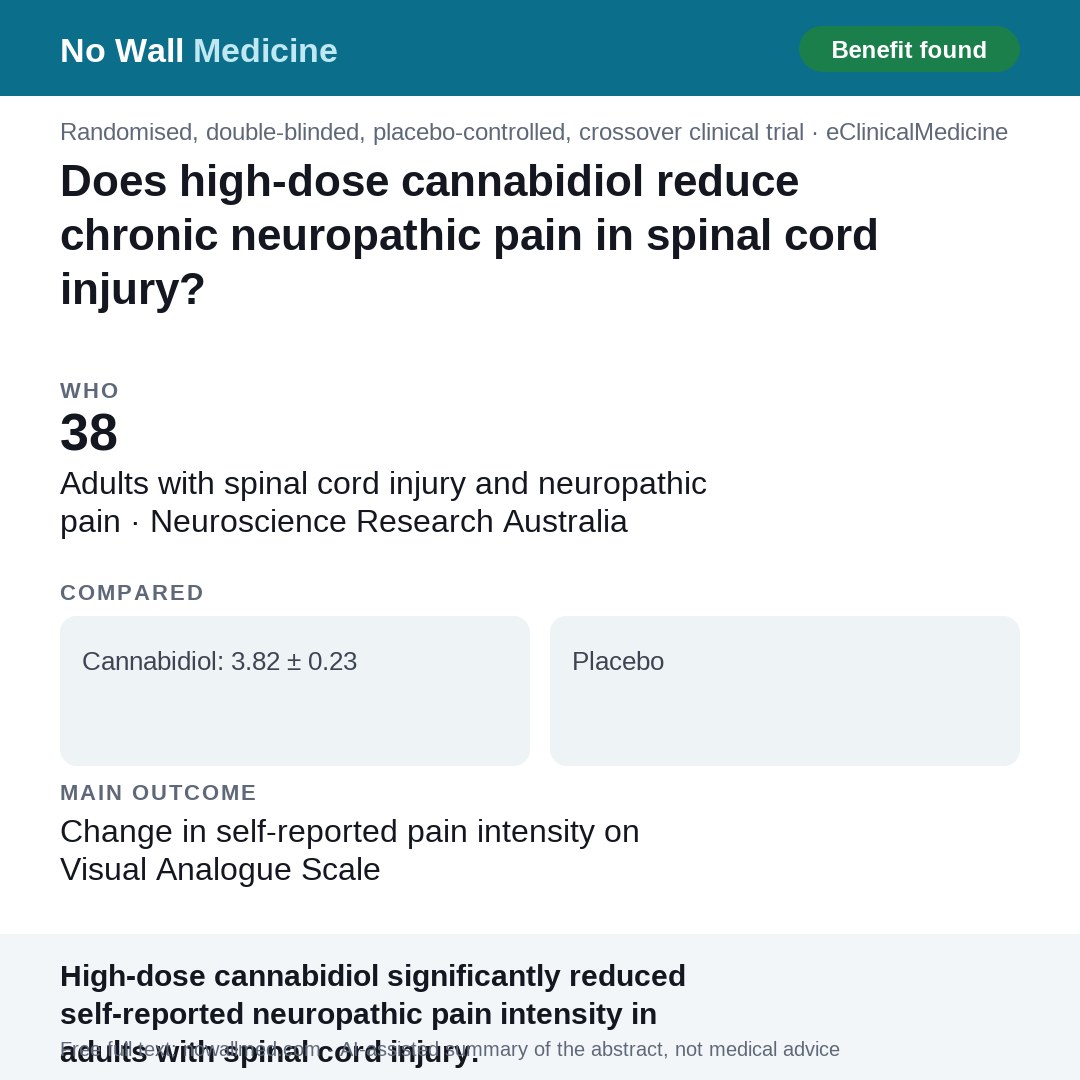
High-dose cannabidiol for chronic neuropathic pain associated with spinal cord injury: a randomised clinical trial
Randomised, double-blinded, placebo-controlled, crossover clinical trialBenefit found
Does high-dose cannabidiol reduce chronic neuropathic pain in spinal cord injury?
Who
38
Adults with spinal cord injury and neuropathic pain · Neuroscience Research Australia
Compared
Cannabidiol: 3.82 ± 0.23
Placebo
Main outcome
Change in self-reported pain intensity on Visual Analogue Scale
Result: mean difference -0.54 (95% CI -0.88 to -0.21)
Bottom line: High-dose cannabidiol significantly reduced self-reported neuropathic pain intensity in adults with spinal cord injury.
Funded by: NSW Health and the Lambert Initiative for Cannabinoid Therapeutics
eClinicalMedicine · 2026-05-28Download image
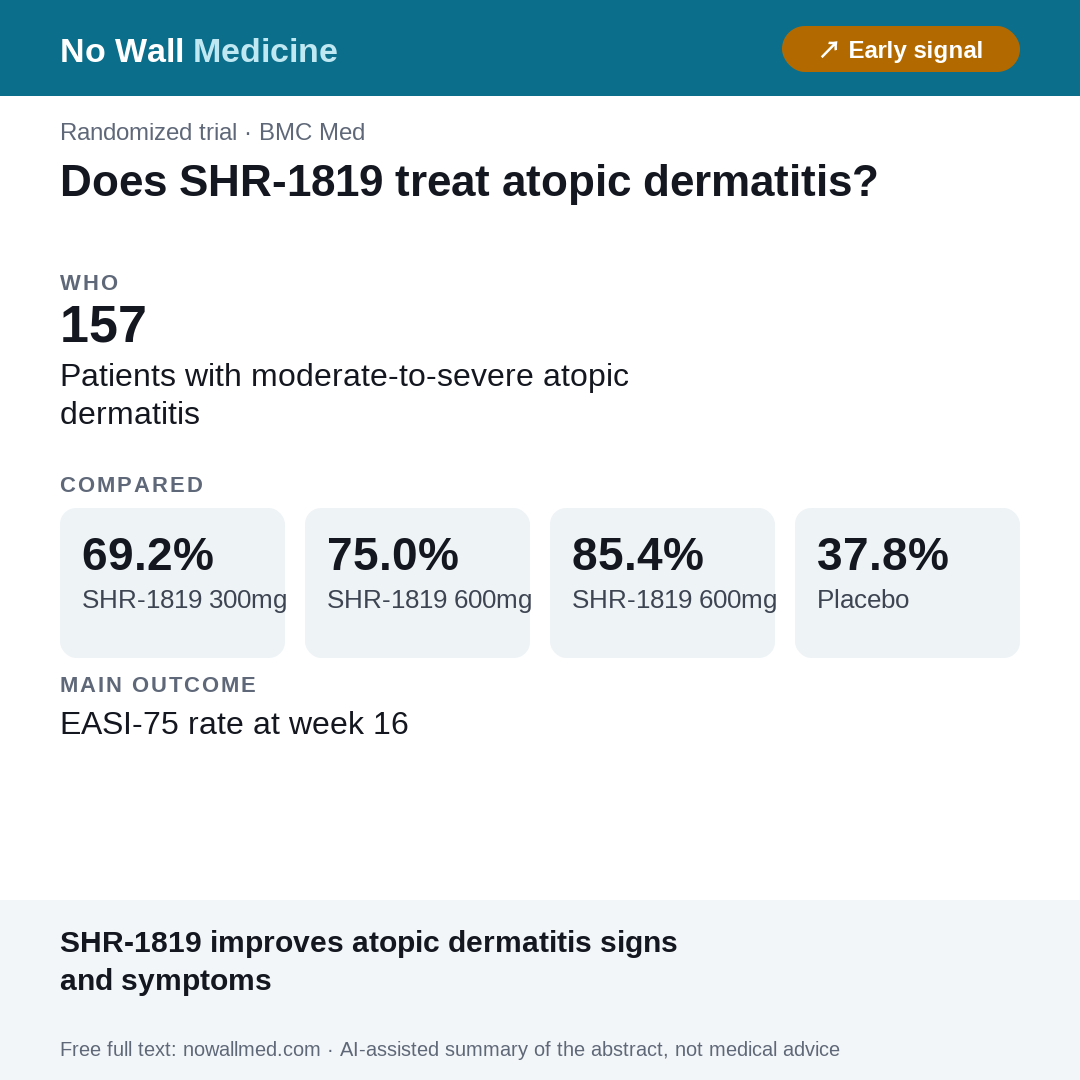
Anti-IL-4Rα antibody SHR-1819 for moderate-to-severe atopic dermatitis: a randomized phase 2 study
Randomized trialBenefit found
Does SHR-1819 treat atopic dermatitis?
Who
157
Patients with moderate-to-severe atopic dermatitis
Compared
69.2%SHR-1819 300mg (95% CI: 53.6%-81.4%)
75.0%SHR-1819 600mg (95% CI: 59.8%-85.8%)
85.4%SHR-1819 600mg (95% CI: 71.6%-93.1%)
37.8%Placebo (95% CI: 24.1%-53.9%)
Main outcome
EASI-75 rate at week 16
Bottom line: SHR-1819 improves atopic dermatitis signs and symptoms
BMC Med · 2026-05-28Download image
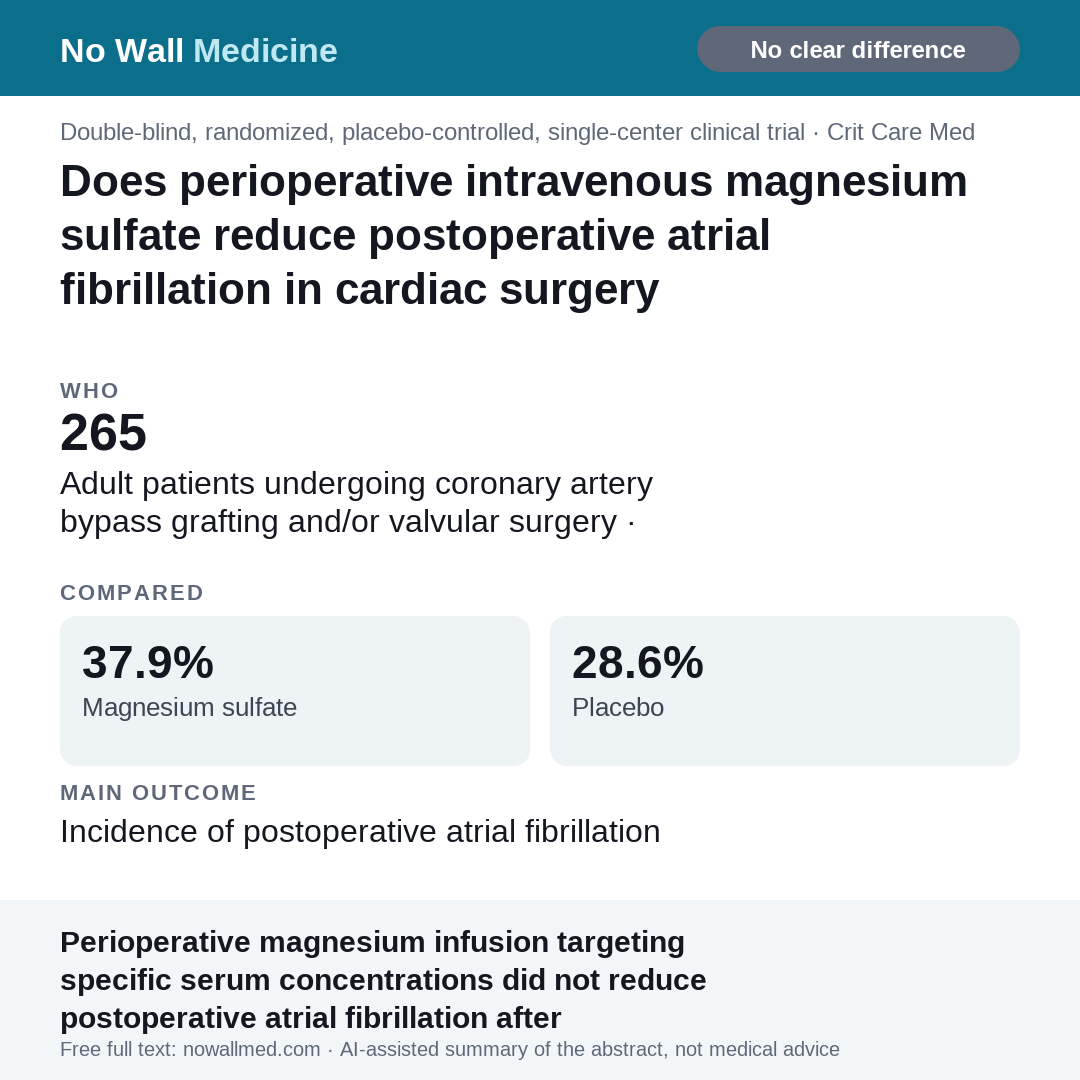
Magnesium Sulfate to Prevent Perioperative Atrial Fibrillation in Cardiac Surgery: A Randomized Clinical Trial
Double-blind, randomized, placebo-controlled, single-center clinical trialNo clear difference
Does perioperative intravenous magnesium sulfate reduce postoperative atrial fibrillation in cardiac surgery patients?
Who
265
Adult patients undergoing coronary artery bypass grafting and/or valvular surgery · HagaZiekenhuis, The Hague, The Netherlands
Compared
37.9%Magnesium sulfate
28.6%Placebo
Main outcome
Incidence of postoperative atrial fibrillation
Result: relative risk 1.29 (95% CI 0.92-1.80)
Bottom line: Perioperative magnesium infusion targeting specific serum concentrations did not reduce postoperative atrial fibrillation after cardiac surgery.
Crit Care Med · 2026-05-28Download image
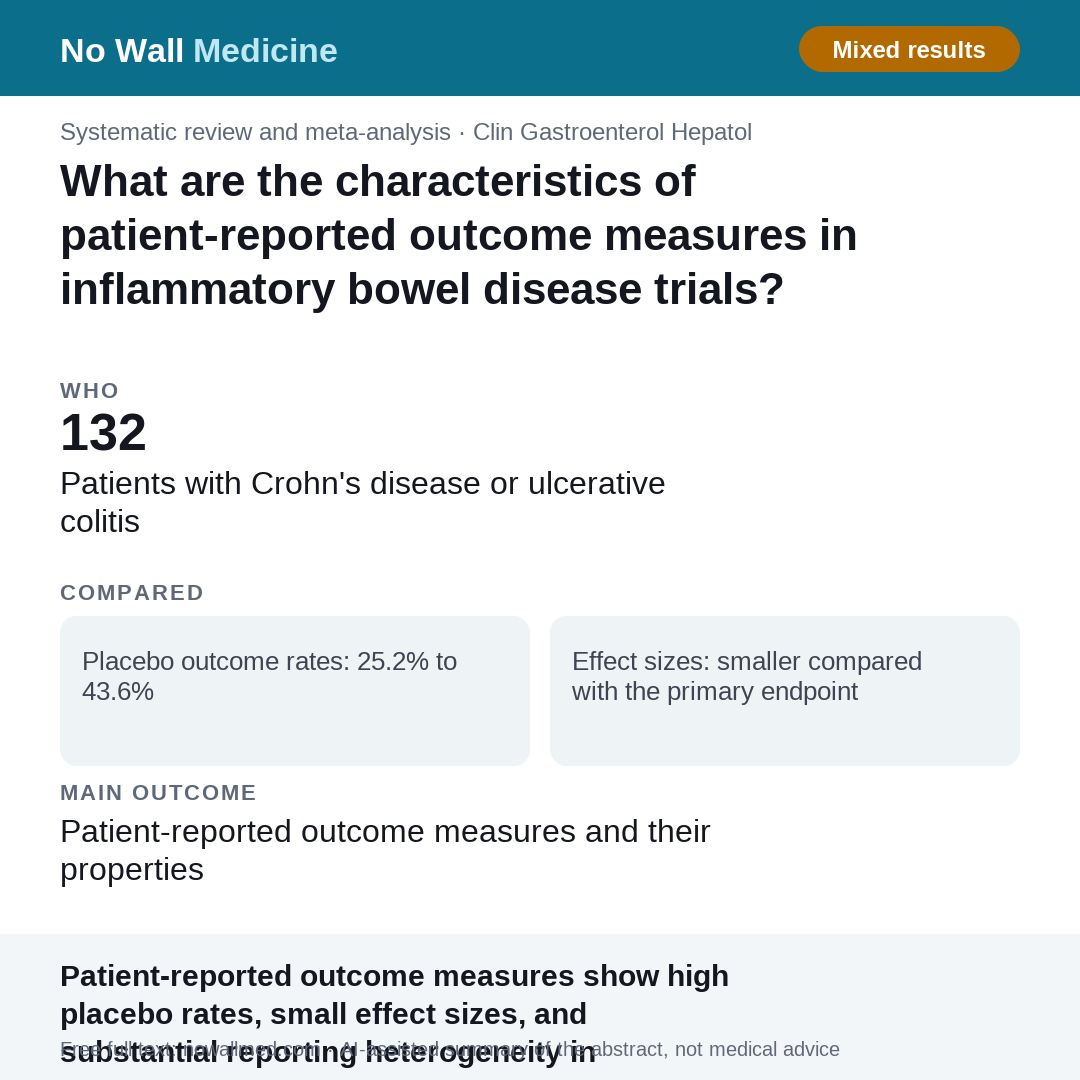
Patient-Reported Outcomes in Clinical Trials of Inflammatory Bowel Disease: A Systematic Review and Meta-Analysis
Systematic review and meta-analysisMixed results
What are the characteristics of patient-reported outcome measures in inflammatory bowel disease trials?
Who
132
Patients with Crohn's disease or ulcerative colitis
Compared
Placebo outcome rates: 25.2% to 43.6%
Effect sizes: smaller compared with the primary endpoint
Main outcome
Patient-reported outcome measures and their properties
Bottom line: Patient-reported outcome measures show high placebo rates, small effect sizes, and substantial reporting heterogeneity in inflammatory bowel disease trials.
Clin Gastroenterol Hepatol · 2026-05-28Download image
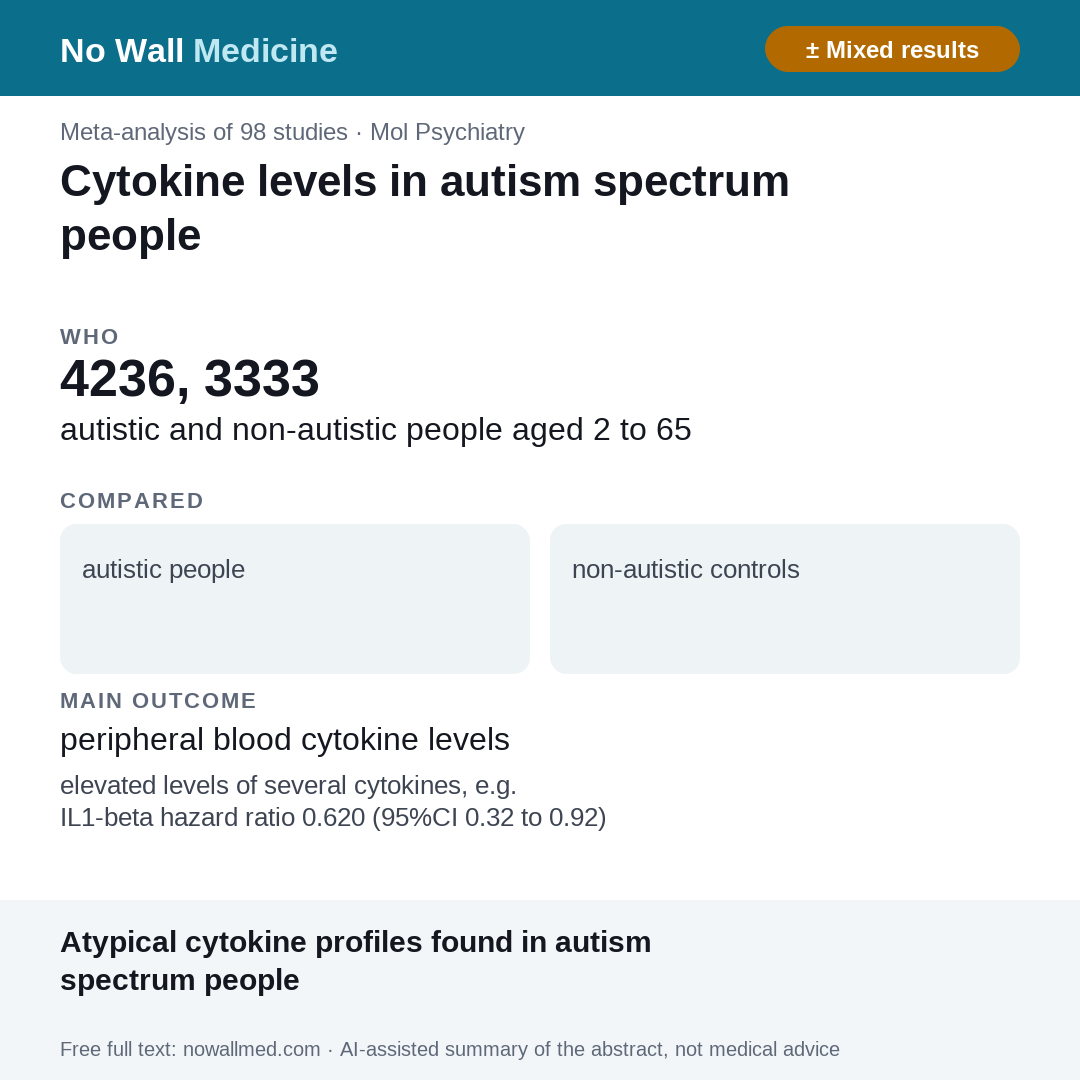
Atypical cytokine profiles in people on the autism spectrum: a comprehensive systematic review and meta-analysis including 54 cytokines
Meta-analysis of 98 studiesMixed results
Cytokine levels in autism spectrum people
Who
4236, 3333
autistic and non-autistic people aged 2 to 65
Compared
autistic people
non-autistic controls
Main outcome
peripheral blood cytokine levels
Result: elevated levels of several cytokines, e.g. IL1-beta hazard ratio 0.620 (95%CI 0.32 to 0.92)
Bottom line: Atypical cytokine profiles found in autism spectrum people
Limitation: over a third of studies had high risk of bias
Mol Psychiatry · 2026-05-28Download image
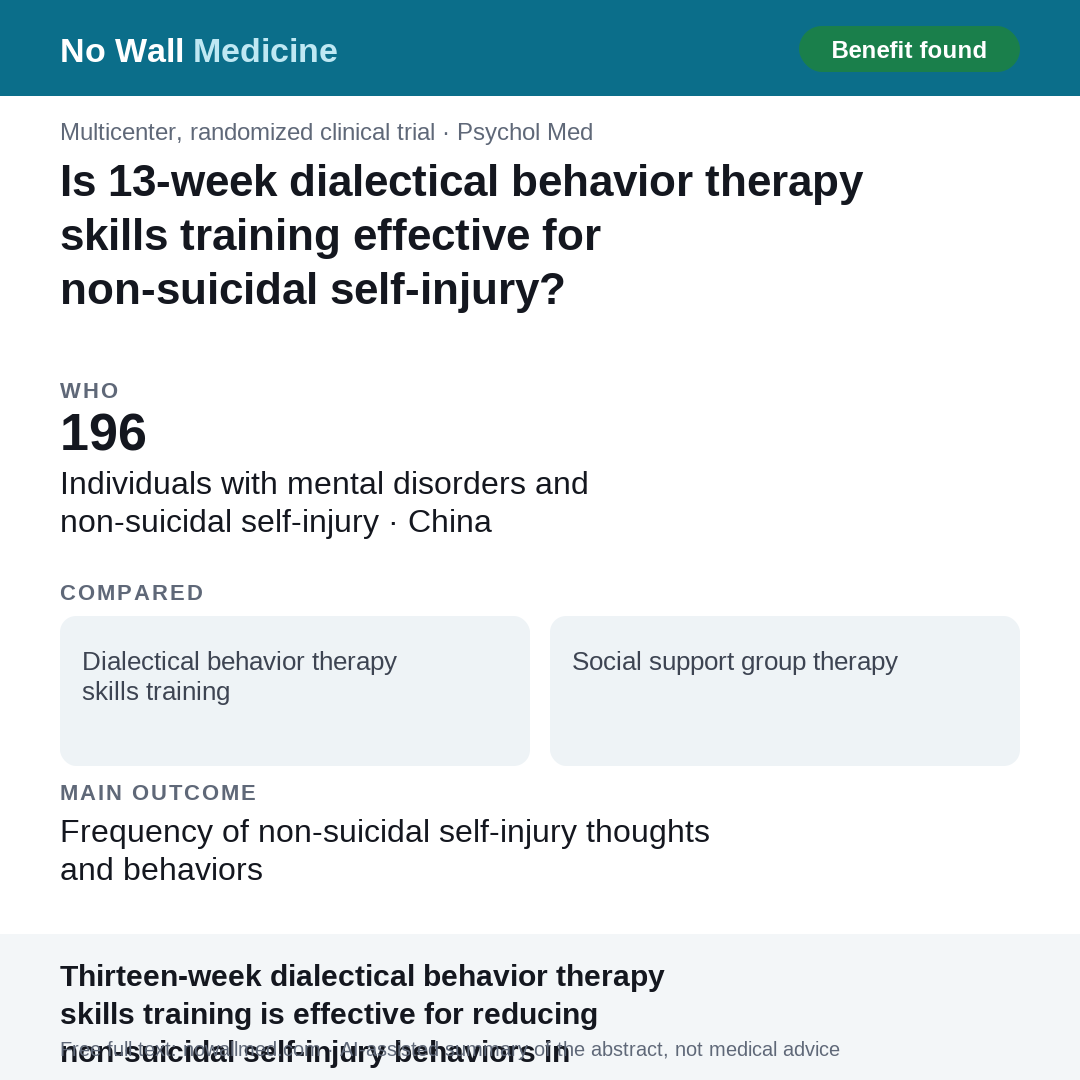
Effectiveness of 13-week dialectical behavior therapy skills training for non-suicidal self-injury: a multi-center randomized clinical trial in China
Multicenter, randomized clinical trialBenefit found
Is 13-week dialectical behavior therapy skills training effective for non-suicidal self-injury?
Who
196
Individuals with mental disorders and non-suicidal self-injury · China
Compared
Dialectical behavior therapy skills training
Social support group therapy
Main outcome
Frequency of non-suicidal self-injury thoughts and behaviors
Bottom line: Thirteen-week dialectical behavior therapy skills training is effective for reducing non-suicidal self-injury behaviors in Chinese patients.
Psychol Med · 2026-05-28Download image
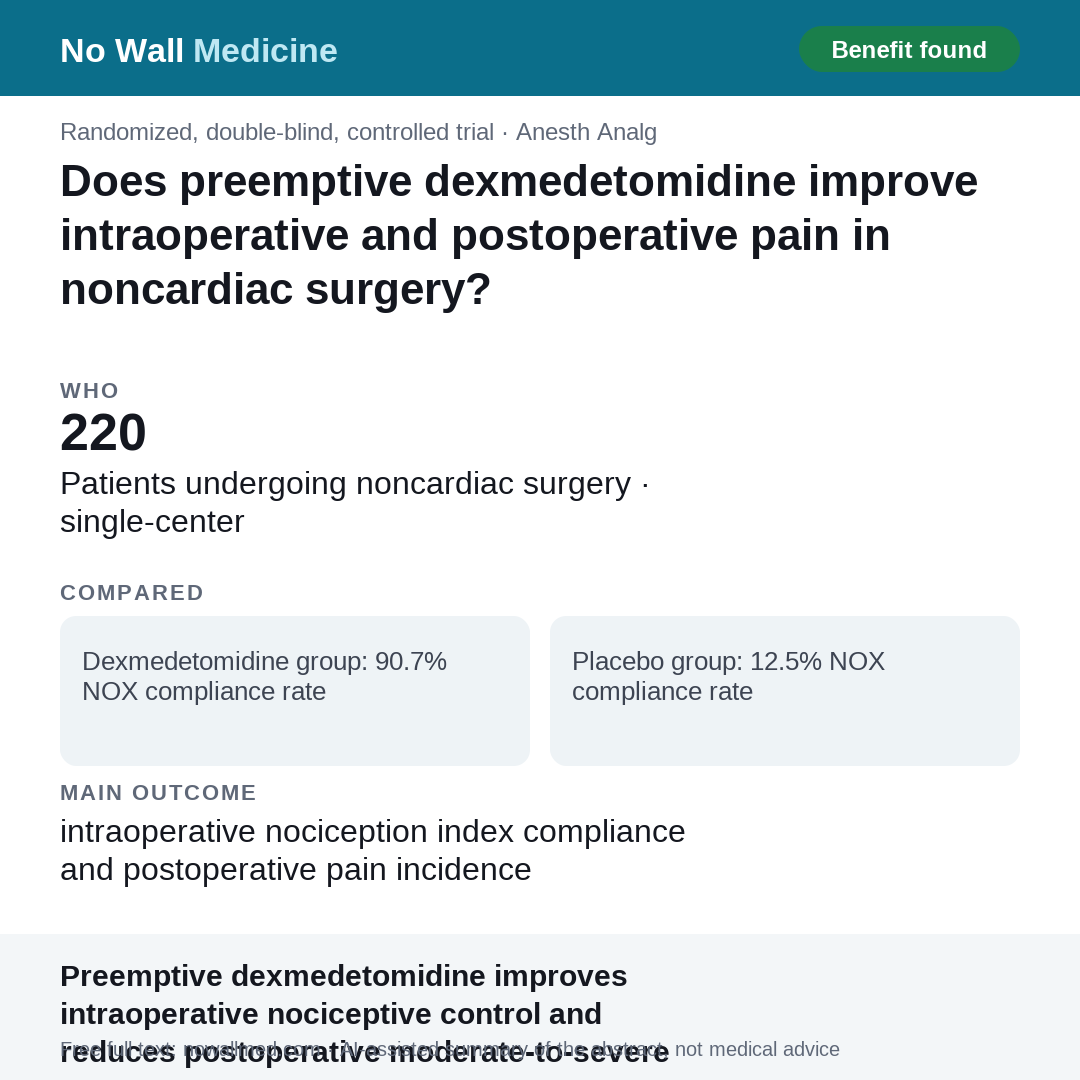
Dexmedetomidine Preemptive Analgesia on Intra- and Postoperative Pain in Noncardiac Surgery: A Randomized, Double-Blind, Controlled Study
Randomized, double-blind, controlled trialBenefit found
Does preemptive dexmedetomidine improve intraoperative and postoperative pain in noncardiac surgery?
Who
220
Patients undergoing noncardiac surgery · single-center
Compared
Dexmedetomidine group: 90.7% NOX compliance rate
Placebo group: 12.5% NOX compliance rate
Main outcome
intraoperative nociception index compliance and postoperative pain incidence
Bottom line: Preemptive dexmedetomidine improves intraoperative nociceptive control and reduces postoperative moderate-to-severe pain incidence.
Anesth Analg · 2026-05-28Download image
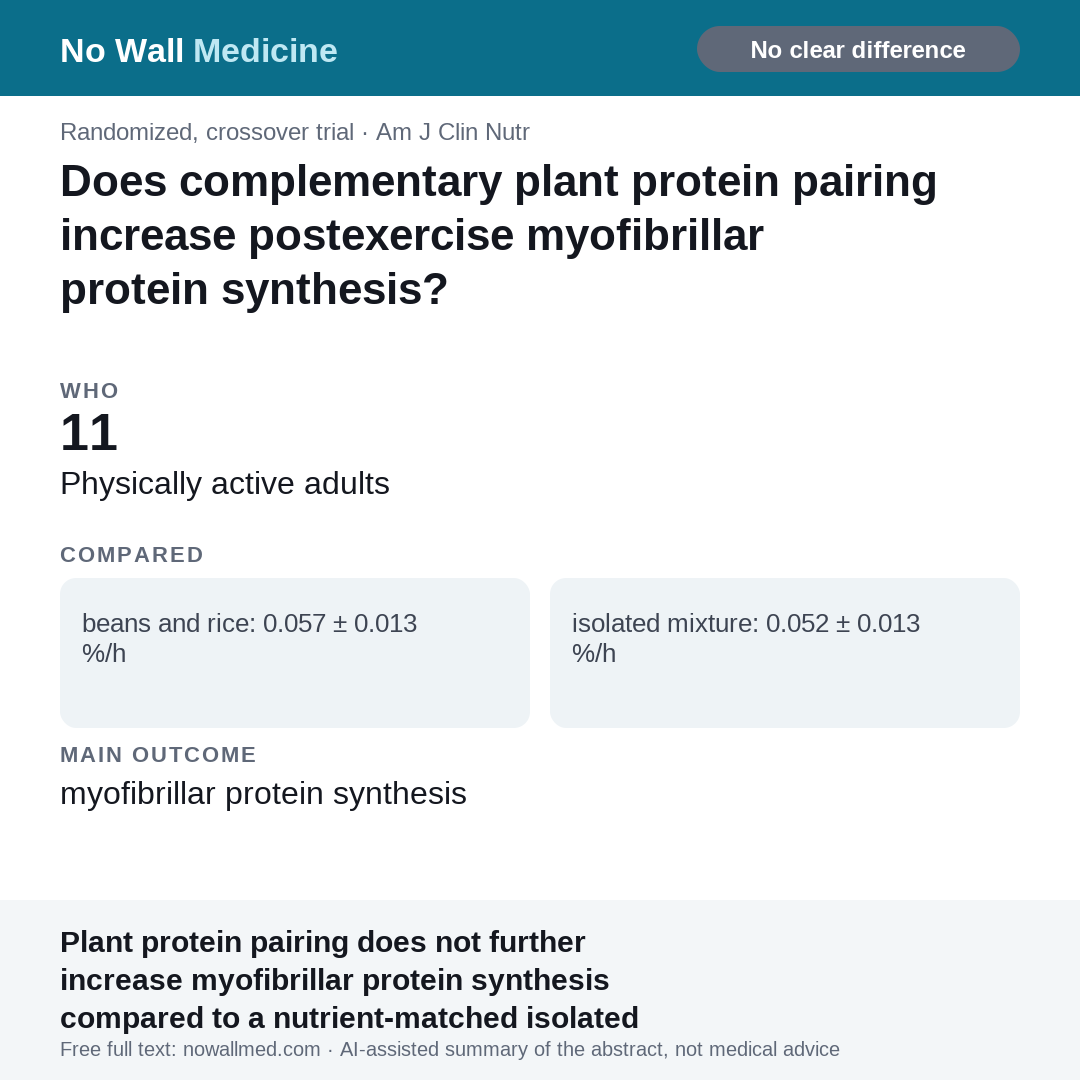
Complementary plant protein pairing does not further increase postexercise myofibrillar protein synthesis after a 20 g protein dose within a high-carbohydrate whole-food matrix in young adults: a randomized controlled trial
Randomized, crossover trialNo clear difference
Does complementary plant protein pairing increase postexercise myofibrillar protein synthesis?
Who
11
Physically active adults
Compared
beans and rice: 0.057 ± 0.013 %/h
isolated mixture: 0.052 ± 0.013 %/h
Main outcome
myofibrillar protein synthesis
Bottom line: Plant protein pairing does not further increase myofibrillar protein synthesis compared to a nutrient-matched isolated mixture.
Limitation: exploratory, cross-trial comparison with meat was conducted
Am J Clin Nutr · 2026-05-28Download image
Factors influencing UK medical students' choice of general practice: a systematic review
Systematic review of empirical literatureMixed results
What factors influence United Kingdom medical students' choice of general practice?
Who
United Kingdom undergraduate medical students · United Kingdom medical education contexts
Compared
Educational factors
Hidden curriculum
Clinical placements and role models
Main outcome
Factors influencing career choice in general practice
Bottom line: Medical education structures, institutional cultures, and clinical exposure significantly influence medical students' decisions regarding general practice careers.
Br J Gen Pract · 2026-05-28Download image

General practice incentives: a review of the international literature
Systematic review of reviewsMixed results
How do general practice funding models affect quality outcomes in multidisciplinary primary care?
Who
People with complex chronic conditions · International
Compared
Blended payment models: small improvements in quality outcomes
Capitation payments as part of blended payments: no evidence that it improved quality of care
Main outcome
Quality outcomes in multidisciplinary primary and preventive care
Bottom line: Blended payment models show promise with small quality improvements, but evidence for pay-for-performance effectiveness is highly variable.
Br J Gen Pract · 2026-05-28Download image

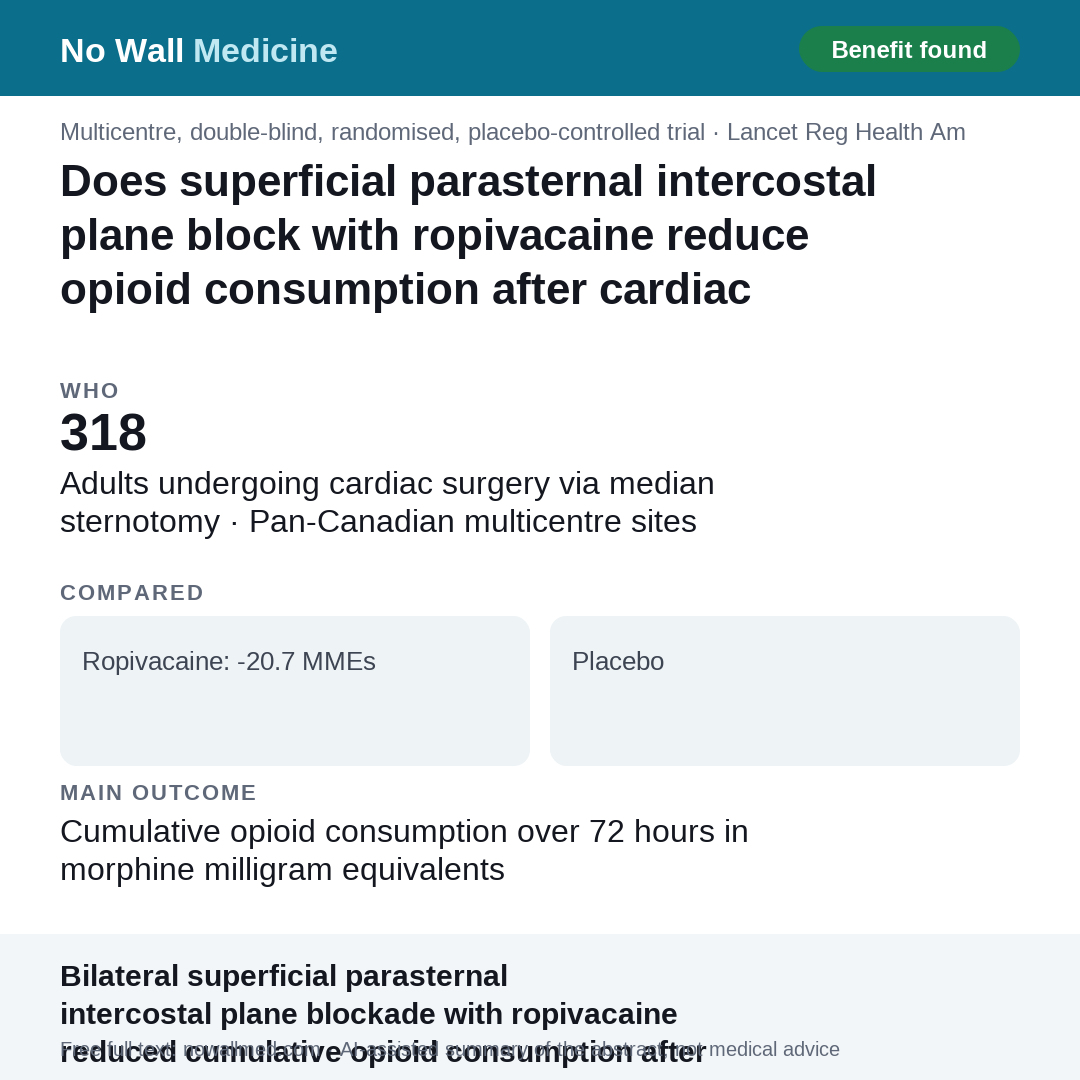
Superficial parasternal intercostal plane block with ropivacaine versus placebo for opioid exposure after cardiac surgery (EPOCH CardioLink-10): a multicentre, double-blind, randomised trial
Multicentre, double-blind, randomised, placebo-controlled trialBenefit found
Does superficial parasternal intercostal plane block with ropivacaine reduce opioid consumption after cardiac surgery?
Who
318
Adults undergoing cardiac surgery via median sternotomy · Pan-Canadian multicentre sites
Compared
Ropivacaine: -20.7 MMEs
Placebo
Main outcome
Cumulative opioid consumption over 72 hours in morphine milligram equivalents
Result: least-squares mean difference -20.7 MMEs (95% CI -39.0 to -2.3)
Bottom line: Bilateral superficial parasternal intercostal plane blockade with ropivacaine reduced cumulative opioid consumption after cardiac surgery.
Limitation: There was no pre-specified analysis of adverse events.
Funded by: Canadian Institutes of Health Research and others
Lancet Reg Health Am · 2026-05-28Download image