Visual abstracts
New randomized trials and meta-analyses from leading journals at a glance: who was studied, what was compared, and what was found. Every paper is free to read in full.
All specialtiesCardiology 4877Oncology 4138Gastroenterology & Hepatology 1942Infectious Disease 3837Neurology 1905Psychiatry & Mental Health 2273Pulmonology 2143Critical Care 1365Endocrinology & Diabetes 2580Pediatrics 2980Surgery 2559Orthopedics & Sports Medicine 931Neurosurgery 537Cardiothoracic & Vascular Surgery 674Plastic & Reconstructive Surgery 591Nephrology 1133Rheumatology 823Hematology 1109Dermatology 621Ophthalmology 543Obstetrics & Gynecology 1686Public & Global Health 1058Radiology & Imaging 648Anesthesiology 986Urology 764ENT (Otolaryngology) 503Emergency Medicine 511Allergy & Immunology 313Geriatrics 981Family Medicine & Primary Care 562Medical Genetics & Genomics 676Pathology & Laboratory Medicine 159Physical Medicine & Rehabilitation 757Palliative Care 444Nutrition 1588Digital Health & AI 2201General Medicine 321
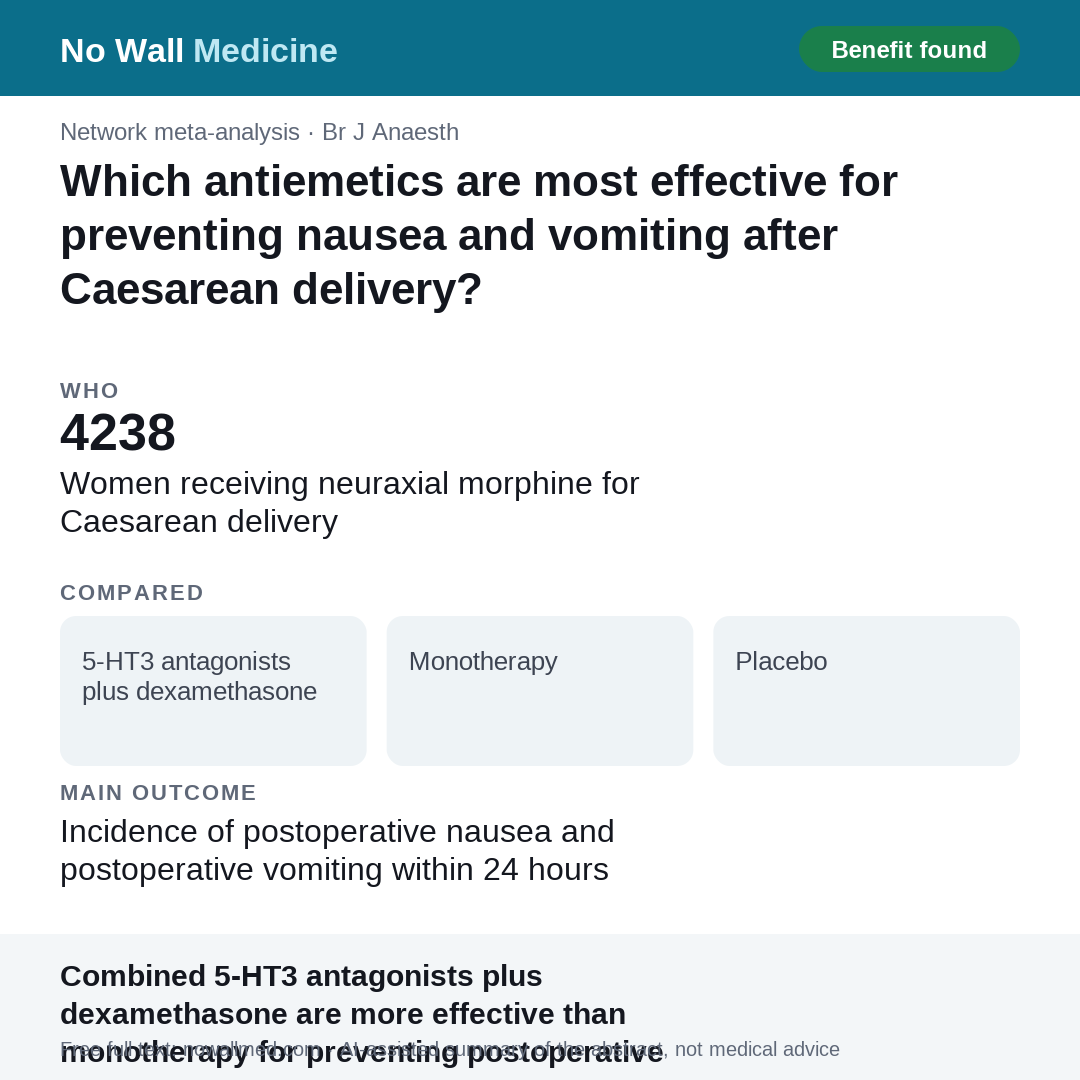
Commonly used antiemetics for prophylaxis of postoperative nausea and vomiting after Caesarean delivery with neuraxial morphine: a network meta-analysis
Network meta-analysisBenefit found
Which antiemetics are most effective for preventing nausea and vomiting after Caesarean delivery?
Who
4238
Women receiving neuraxial morphine for Caesarean delivery
Compared
5-HT3 antagonists plus dexamethasone
Monotherapy
Placebo
Main outcome
Incidence of postoperative nausea and postoperative vomiting within 24 hours
Bottom line: Combined 5-HT3 antagonists plus dexamethasone are more effective than monotherapy for preventing postoperative nausea and vomiting.
Limitation: Most included studies had some concerns or high risk of bias and low certainty of evidence.
Br J Anaesth · 2024-04-15Download image
Predicting the need for subclavian artery revascularization in thoracic endovascular aortic repair: A systematic review and meta-analysis
Meta-analysis of 76 studiesMixed results
Is left subclavian artery revascularization effective in thoracic endovascular aortic repair?
Who
Patients undergoing thoracic endovascular aortic repair
Compared
Revascularization
Non-revascularization
Main outcome
Stroke, spinal cord ischemia, arm ischemia, and mortality
Result: OR 0.67 (95% CI 0.45-0.98) for stroke
Bottom line: Revascularization reduces stroke, spinal cord ischemia, and arm ischemia risks but increases reintervention risk and does not impact mortality.
J Vasc Surg · 2024-04-15Download image

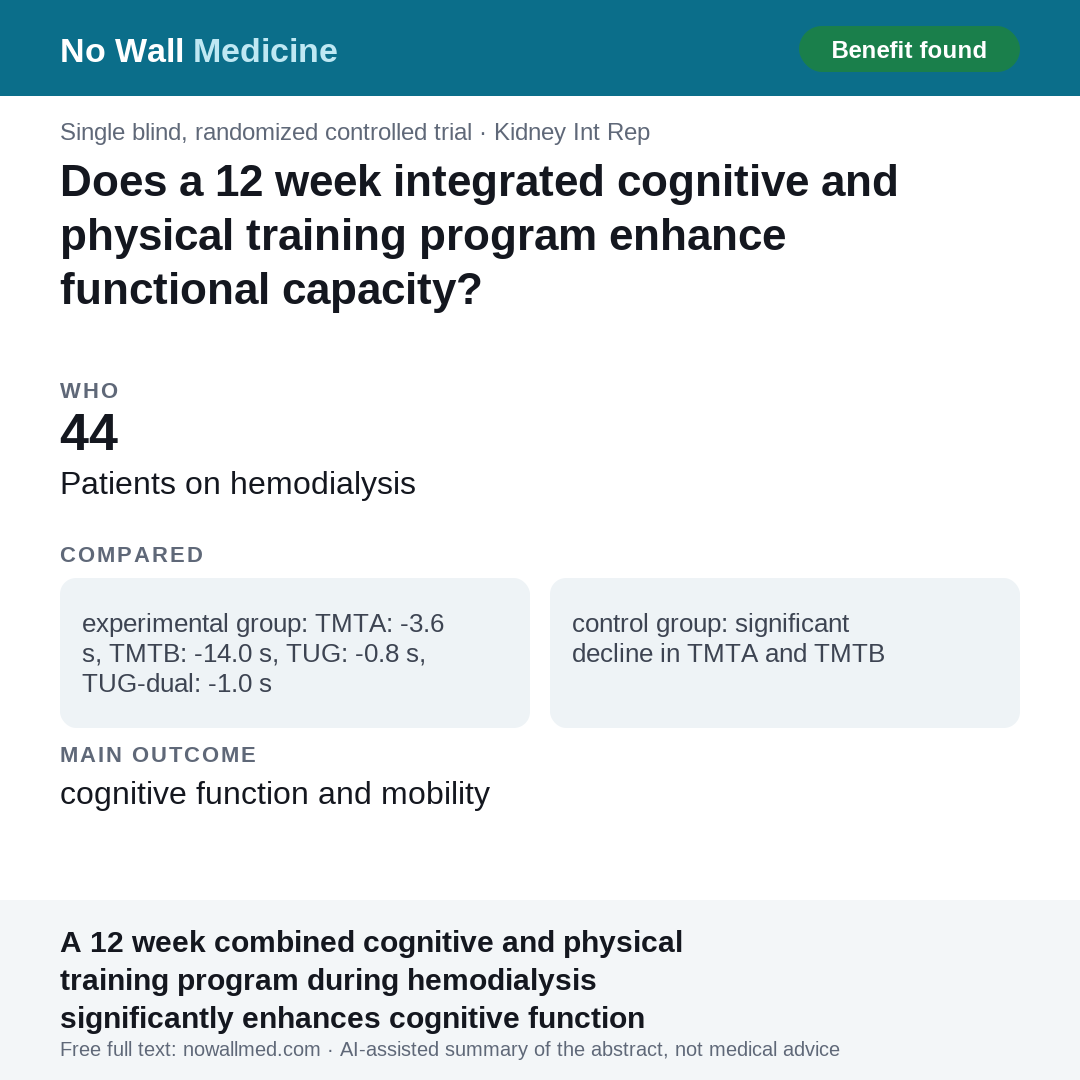
Randomized Controlled Trial of Intradialytic Cognitive and Physical Training to Enhance Functional Capacity
Single blind, randomized controlled trialBenefit found
Does a 12 week integrated cognitive and physical training program enhance functional capacity?
Who
44
Patients on hemodialysis
Compared
experimental group: TMTA: -3.6 s, TMTB: -14.0 s, TUG: -0.8 s, TUG-dual: -1.0 s
control group: significant decline in TMTA and TMTB
Main outcome
cognitive function and mobility
Bottom line: A 12 week combined cognitive and physical training program during hemodialysis significantly enhances cognitive function and mobility.
Kidney Int Rep · 2024-04-15Download image
LSD increases sleep duration the night after microdosing
Phase 1 randomized controlled trialBenefit found
Does microdosing lysergic acid diethylamide increase sleep duration?
Who
80
healthy adult male volunteers
Compared
LSD (10 µg): extra 24.3 min per night
placebo
Main outcome
sleep duration on the night after microdosing
Result: 24.3 min (95% Confidence Interval 10.3-38.3 min)
Bottom line: Microdosing 10 micrograms of lysergic acid diethylamide increased sleep duration by 24.3 minutes the following night.
Transl Psychiatry · 2024-04-15Download image

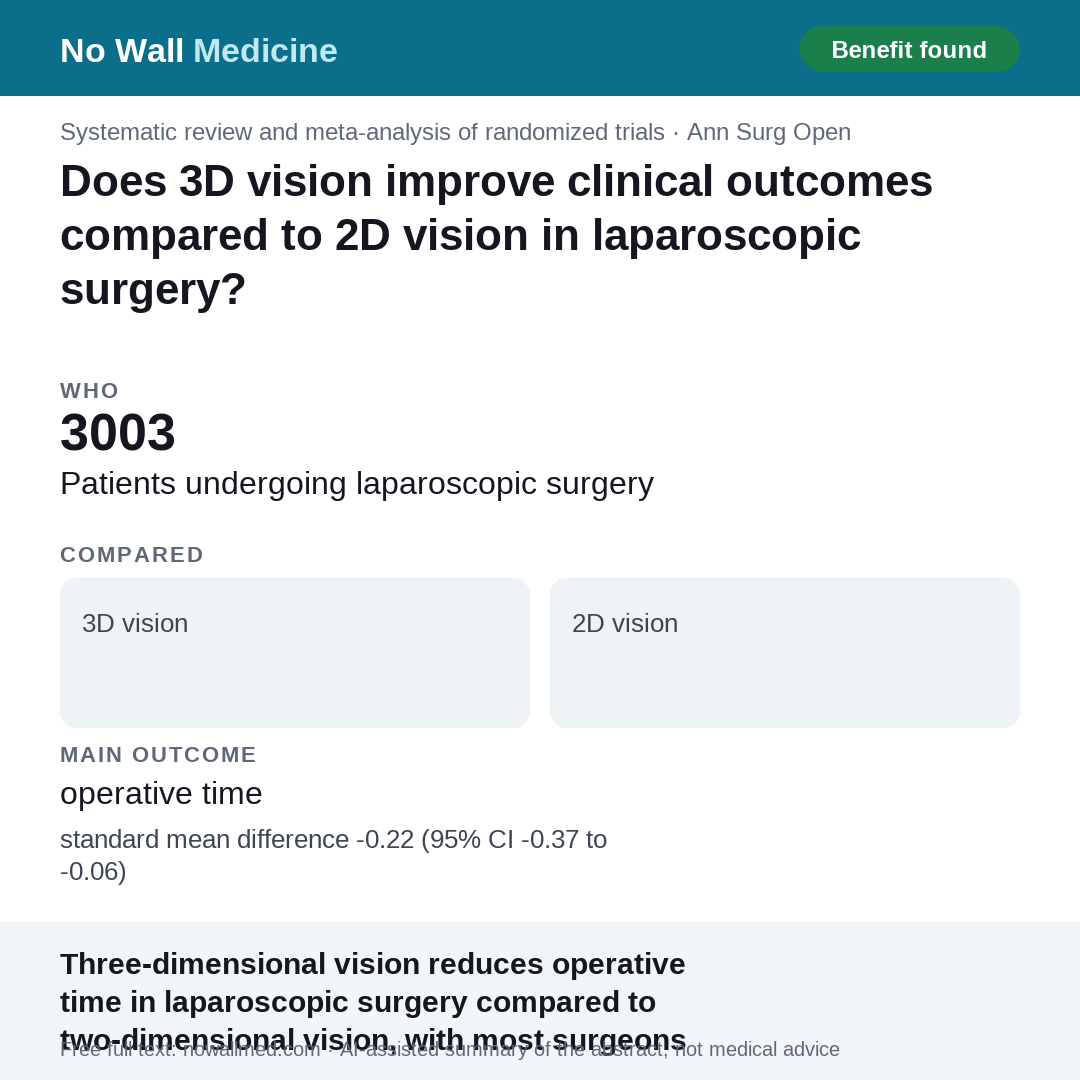
Surgeon Preference and Clinical Outcome of 3D Vision Compared to 2D Vision in Laparoscopic Surgery: Systematic Review and Meta-Analysis of Randomized Trials
Systematic review and meta-analysis of randomized trialsBenefit found
Does 3D vision improve clinical outcomes compared to 2D vision in laparoscopic surgery?
Who
3003
Patients undergoing laparoscopic surgery
Compared
3D vision
2D vision
Main outcome
operative time
Result: standard mean difference -0.22 (95% CI -0.37 to -0.06)
Bottom line: Three-dimensional vision reduces operative time in laparoscopic surgery compared to two-dimensional vision, with most surgeons preferring 3D.
Ann Surg Open · 2024-04-15Download image
Safety and immunogenicity of the Euvichol-S oral cholera vaccine for prevention of Vibrio cholerae O1 infection in Nepal: an observer-blind, active-controlled, randomised, non-inferiority, phase 3 trial
Observer-blind, active-controlled, randomised, non-inferiority, phase 3 trialBenefit found
Is Euvichol-S non-inferior to Shanchol in immunogenicity and safety in Nepal?
Who
2529
Healthy individuals aged 1-40 years without history of cholera vaccination · Four hospitals in Nepal
Compared
Euvichol-S: 9.5% (151/1595) reported treatment-emergent adverse events
Shanchol: 10.0% (93/934) reported treatment-emergent adverse events
Main outcome
Seroconversion rate at 2 weeks after the second dose
Result: Inaba difference -0.00 (95% CI -1.86 to 1.86); Ogawa difference -1.62 (95% CI -4.80 to 1.56)
Bottom line: Euvichol-S demonstrated non-inferior immunogenicity and comparable safety to Shanchol in healthy participants aged 1-40 years.
Lancet Glob Health · 2024-04-14Download image

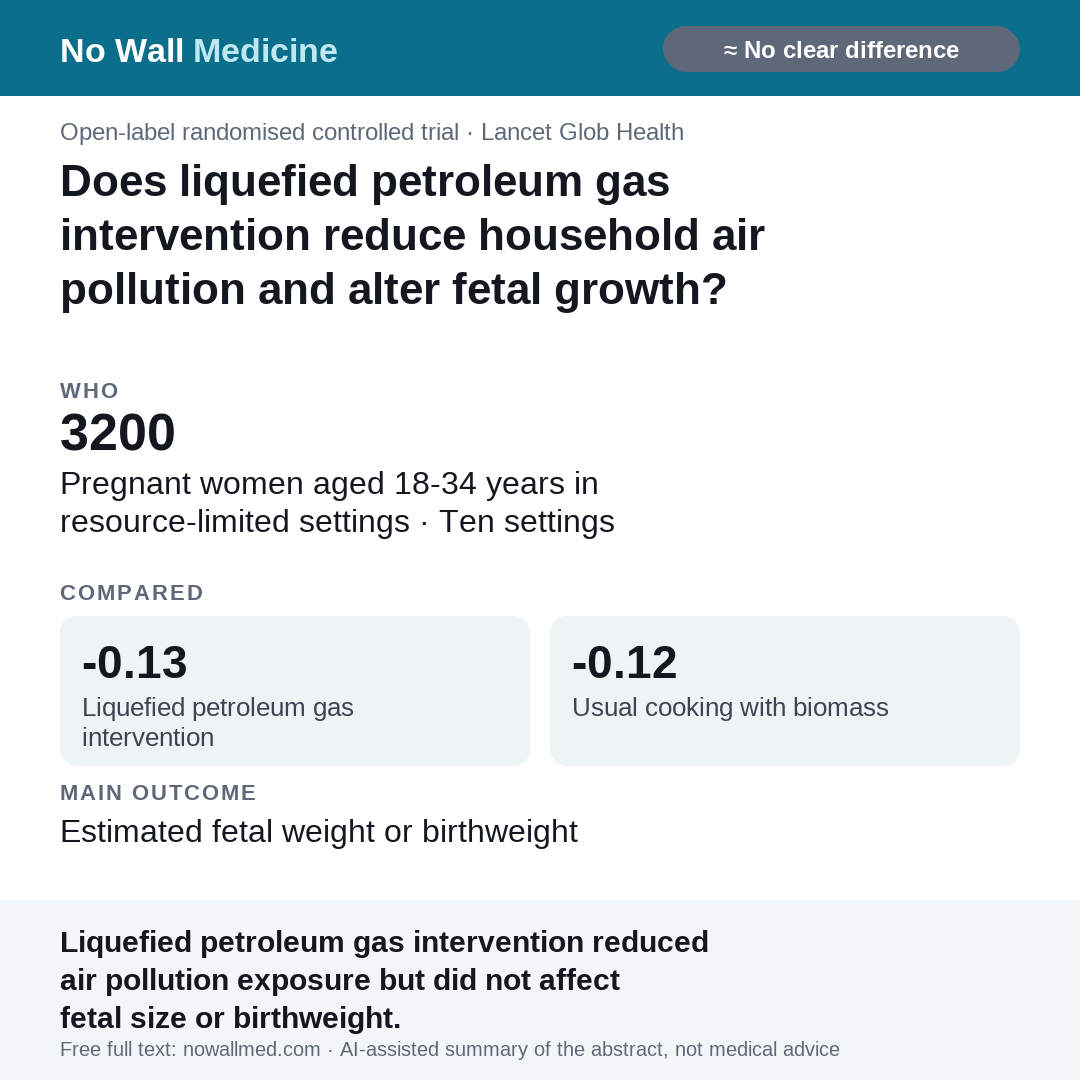
Cooking with liquefied petroleum gas or biomass and fetal growth outcomes: a multi-country randomised controlled trial
Open-label randomised controlled trialNo clear difference
Does liquefied petroleum gas intervention reduce household air pollution and alter fetal growth?
Who
3200
Pregnant women aged 18-34 years in resource-limited settings · Ten settings across Guatemala, India, Peru, and Rwanda
Compared
-0.13Liquefied petroleum gas intervention
-0.12Usual cooking with biomass
Main outcome
Estimated fetal weight or birthweight
Bottom line: Liquefied petroleum gas intervention reduced air pollution exposure but did not affect fetal size or birthweight.
Funded by: US National Institutes of Health and Bill & Melinda Gates Foundation
Lancet Glob Health · 2024-04-14Download image
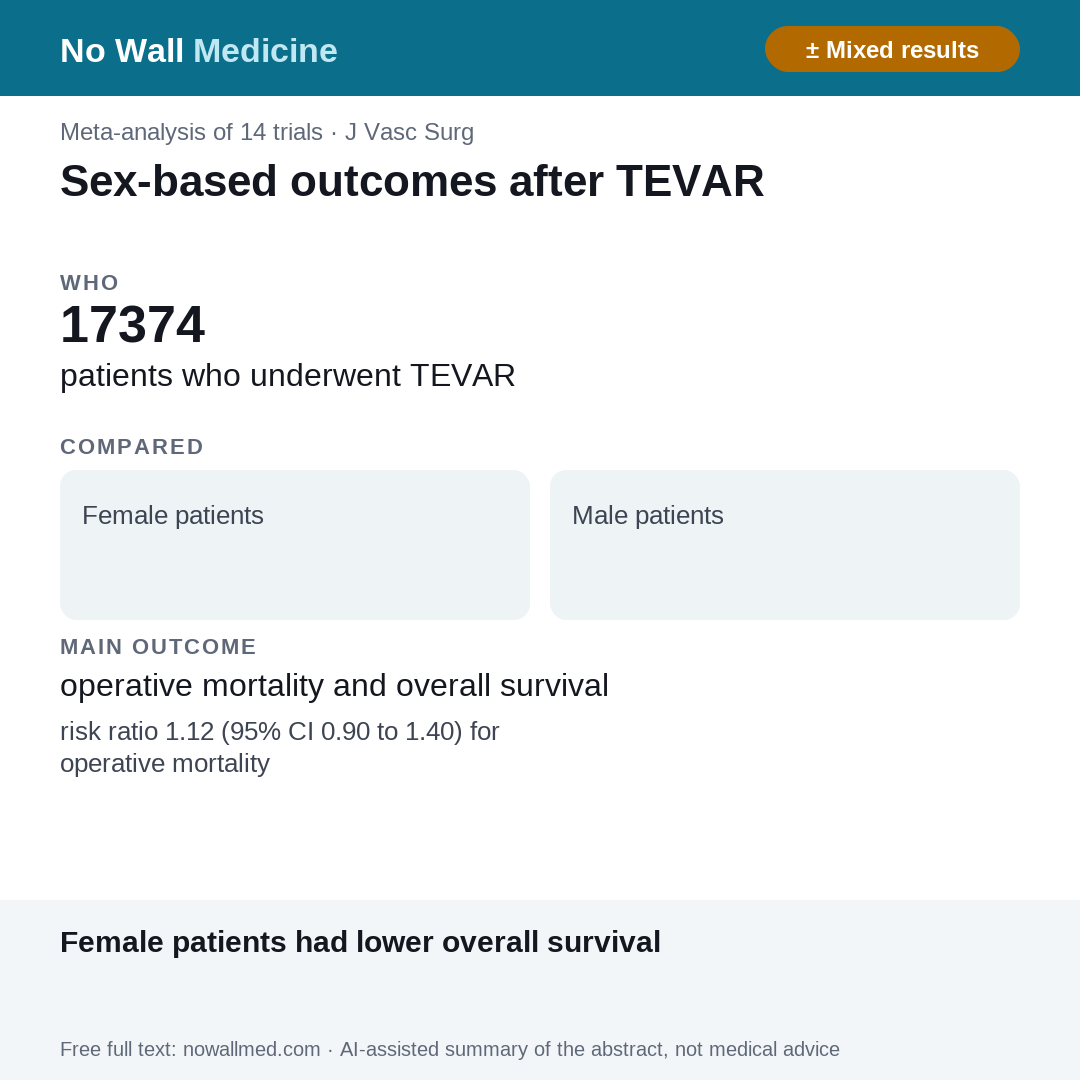
Sex-based outcomes after thoracic endovascular aortic repair: A systematic review and meta-analysis
Meta-analysis of 14 trialsMixed results
Sex-based outcomes after TEVAR
Who
17374
patients who underwent TEVAR
Compared
Female patients
Male patients
Main outcome
operative mortality and overall survival
Result: risk ratio 1.12 (95% CI 0.90 to 1.40) for operative mortality
Bottom line: Female patients had lower overall survival
J Vasc Surg · 2024-04-14Download image
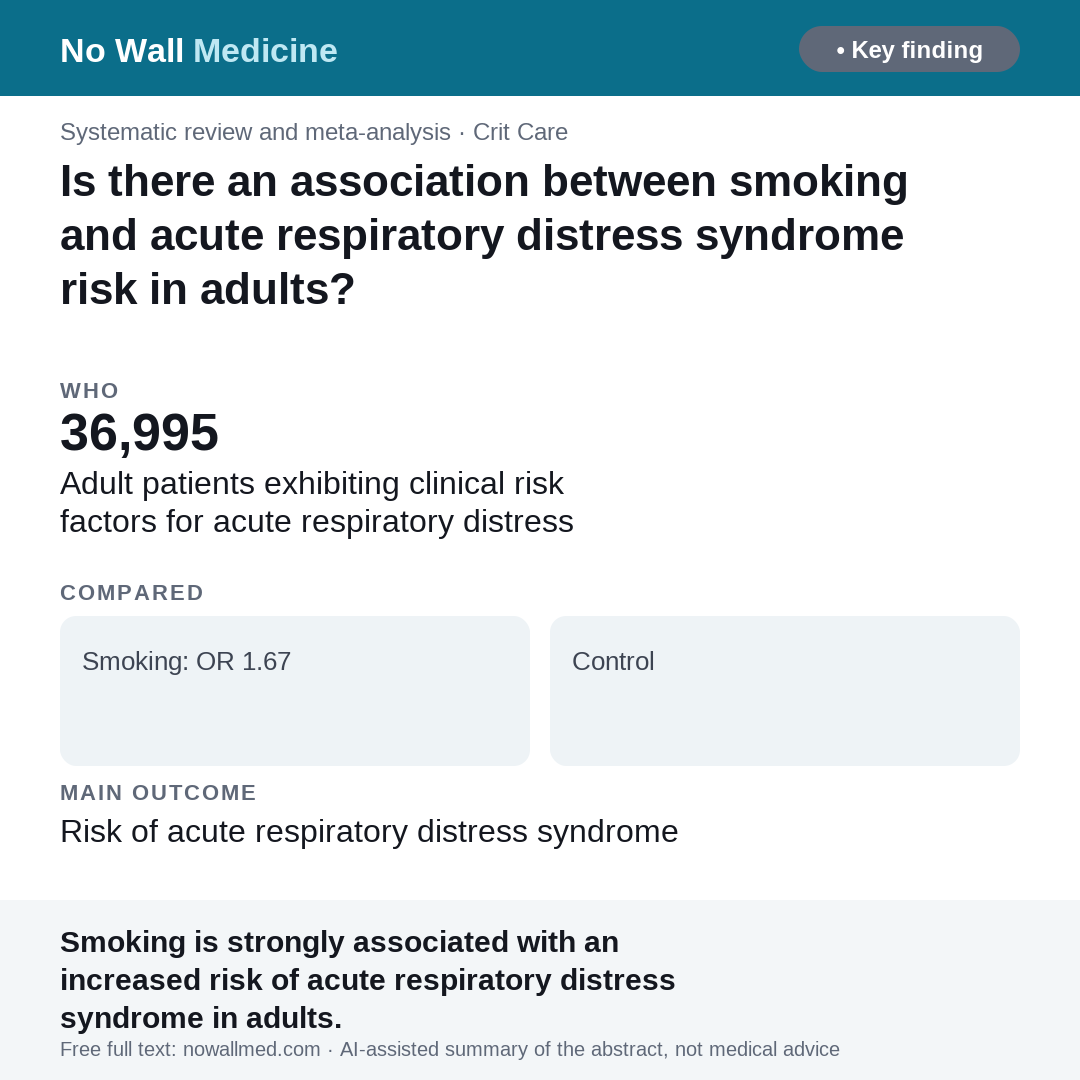
Smoking on the risk of acute respiratory distress syndrome: a systematic review and meta-analysis
Systematic review and meta-analysisBenefit found
Is there an association between smoking and acute respiratory distress syndrome risk in adults?
Who
36,995
Adult patients exhibiting clinical risk factors for acute respiratory distress syndrome
Compared
Smoking: OR 1.67
Control
Main outcome
Risk of acute respiratory distress syndrome
Result: odds ratio 1.67 (95% CI 1.33-2.08)
Bottom line: Smoking is strongly associated with an increased risk of acute respiratory distress syndrome in adults.
Crit Care · 2024-04-14Download image
EAU-EANM-ESTRO-ESUR-ISUP-SIOG Guidelines on Prostate Cancer-2024 Update. Part I: Screening, Diagnosis, and Local Treatment with Curative Intent
Multidisciplinary guideline updateBenefit found
How should clinically localised prostate cancer be screened, diagnosed, and treated?
Who
Men with clinically localised prostate cancer
Compared
Low-risk prostate cancer: active surveillance
Intermediate-risk prostate cancer: active treatments, surgery, or radiation treatment
Main outcome
Management of screening, diagnosis, and local treatment
Bottom line: Management should follow a risk-adapted strategy using multiparametric magnetic resonance imaging and individualized treatment based on risk classes.
Limitation: The evidence in the field of diagnosis, staging, and treatment is evolving rapidly.
Eur Urol · 2024-04-13Download image

Subcutaneously administered tirzepatide vs semaglutide for adults with type 2 diabetes: a systematic review and network meta-analysis of randomised controlled trials
Systematic review and network meta-analysisBenefit found
Is subcutaneous tirzepatide more effective than semaglutide for type 2 diabetes?
Who
23622
Adults with type 2 diabetes mellitus
Compared
Tirzepatide: HbA1c reduction: -21.61 mmol/mol (15 mg)
Semaglutide: HbA1c reduction: -17.74 mmol/mol (2.0 mg)
Main outcome
Changes in HbA1c and body weight from baseline
Bottom line: Subcutaneous tirzepatide demonstrated greater efficacy in reducing HbA1c and body weight compared to subcutaneous semaglutide.
Diabetologia · 2024-04-13Download image

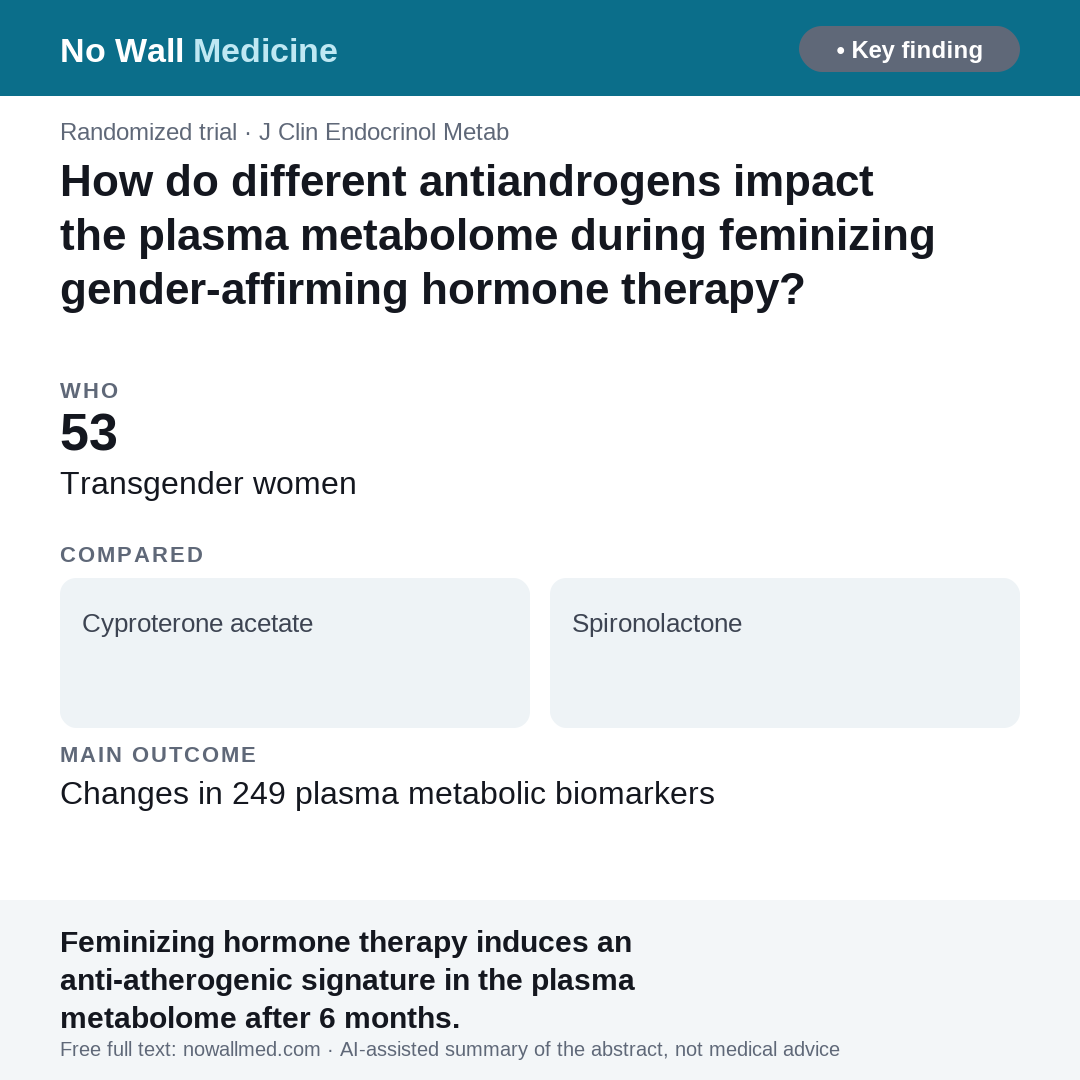
Impact of Distinct Antiandrogen Exposures on the Plasma Metabolome in Feminizing Gender-affirming Hormone Therapy
Randomized trialBenefit found
How do different antiandrogens impact the plasma metabolome during feminizing gender-affirming hormone therapy?
Who
53
Transgender women
Compared
Cyproterone acetate
Spironolactone
Main outcome
Changes in 249 plasma metabolic biomarkers
Bottom line: Feminizing hormone therapy induces an anti-atherogenic signature in the plasma metabolome after 6 months.
J Clin Endocrinol Metab · 2024-04-13Download image
Understanding the association between pain and delirium in older hospital inpatients: systematic review and meta-analysis
Systematic review and meta-analysisBenefit found
What is the association between pain and delirium in older hospital inpatients?
Who
Medical or surgical hospital inpatients with median age over 65 years · Hospital settings
Compared
Pain at rest: OR 2.14 (95% CI 1.39-3.30)
Pain during movement: OR 1.30 (95% CI 0.66-2.56)
Severe pain: OR 3.42 (95% CI 2.09-5.59)
Continuous pain severity: SMD 0.33 (95% CI 0.08-0.59)
Main outcome
Risk of delirium
Result: OR 2.14 (95% CI 1.39-3.30) for pain at rest
Bottom line: Increased pain, especially severe pain and pain at rest, is associated with a higher risk of delirium in older inpatients.
Age Ageing · 2024-04-13Download image

Circulating tumour DNA-Based molecular residual disease detection in resectable cancers: a systematic review and meta-analysis
Systematic review and meta-analysisBenefit found
Does circulating tumour DNA detection predict recurrence and overall survival in resectable cancers?
Who
Patients with resectable cancers
Compared
circulating tumour DNA positive
circulating tumour DNA negative
Main outcome
Recurrence and overall survival
Result: hazard ratio 7.48 (95% CI 6.39-8.77) for recurrence; hazard ratio 5.58 (95% CI 4.17-7.48) for overall survival
Bottom line: Circulating tumour DNA testing is a significant prognostic factor for recurrence and overall survival in resectable cancers.
Limitation: The overall sensitivity of circulating tumour DNA molecular residual disease detection could be better.
Funded by: Qingyuan People's Hospital and GMU
eBioMedicine · 2024-04-13Download image

The effects of telehealth-delivered mindfulness meditation, cognitive therapy, and behavioral activation for chronic low back pain: a randomized clinical trial
Randomized clinical trialBenefit found
Telehealth mindfulness for chronic pain
Who
302
adults with chronic low back pain
Compared
Cognitive Therapy
Behavioral Activation
Mindfulness Meditation
Main outcome
pain interference
Bottom line: Telehealth treatments reduce chronic pain
BMC Med · 2024-04-12Download image

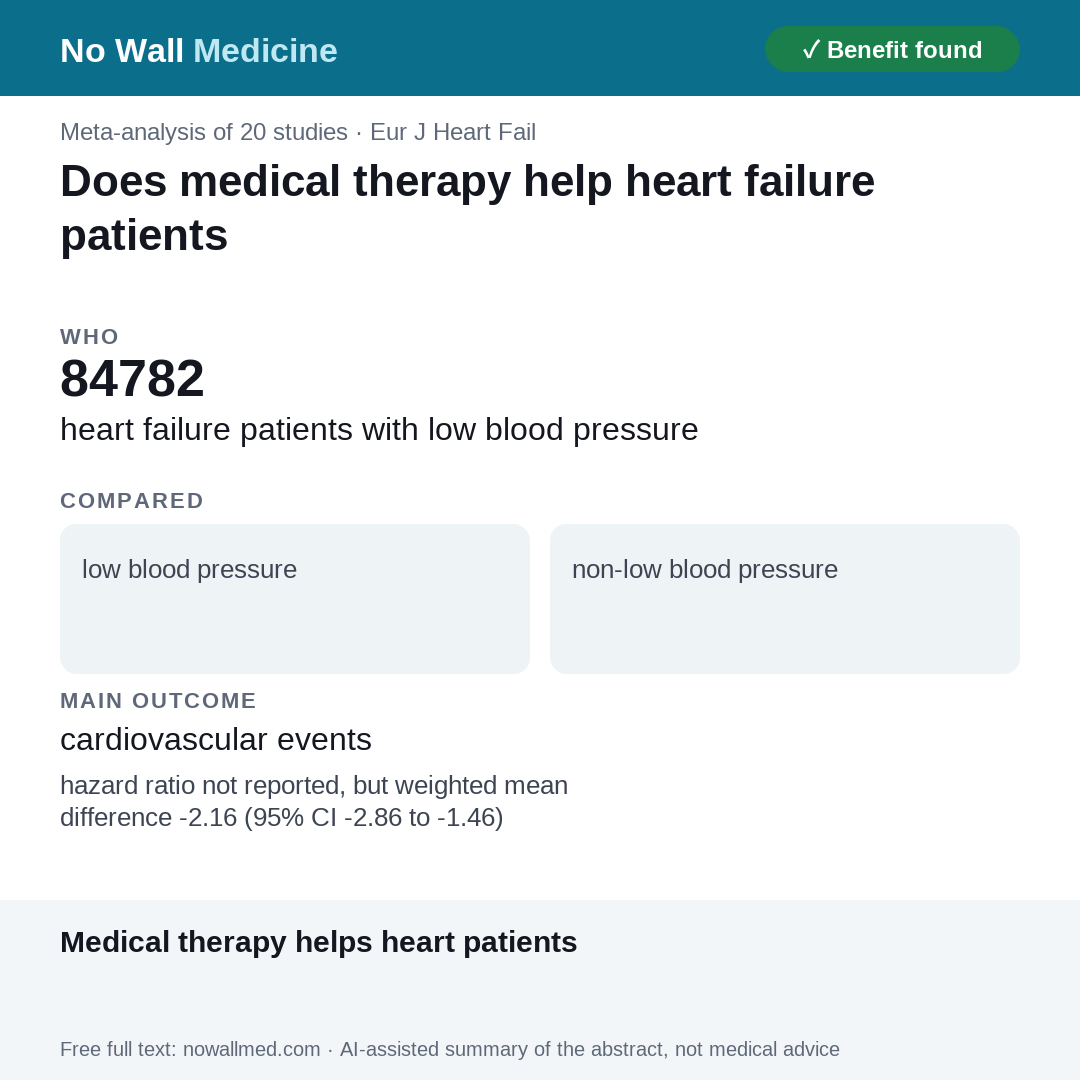
Impact of guideline-directed medical therapy on systolic blood pressure and cardiovascular outcomes in patients with heart failure and low blood pressure: A systematic review and meta-analysis
Meta-analysis of 20 studiesBenefit found
Does medical therapy help heart failure patients
Who
84782
heart failure patients with low blood pressure
Compared
low blood pressure
non-low blood pressure
Main outcome
cardiovascular events
Result: hazard ratio not reported, but weighted mean difference -2.16 (95% CI -2.86 to -1.46)
Bottom line: Medical therapy helps heart patients
Eur J Heart Fail · 2024-04-12Download image
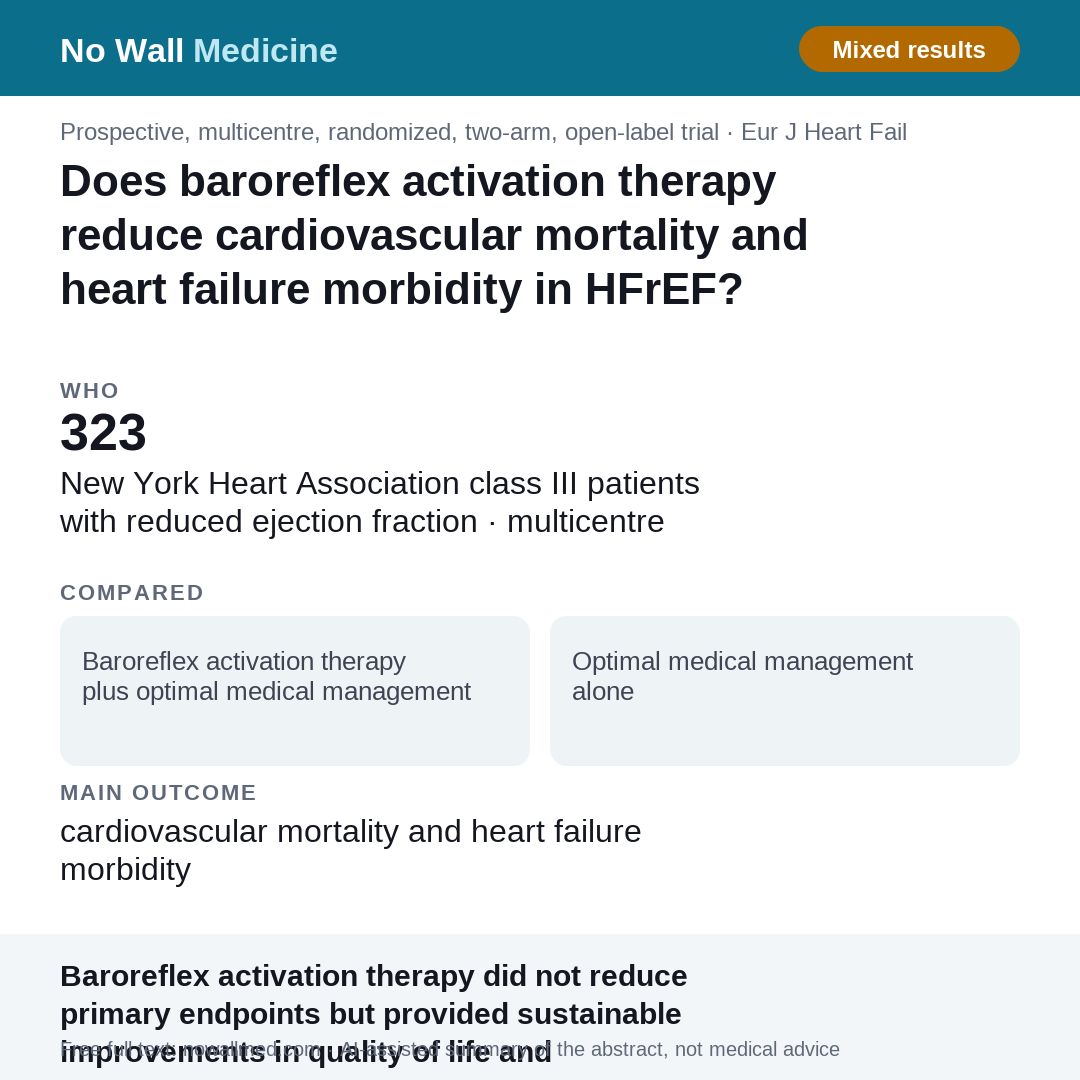
Baroreflex activation therapy in patients with heart failure and a reduced ejection fraction: Long-term outcomes
Prospective, multicentre, randomized, two-arm, open-label trialMixed results
Does baroreflex activation therapy reduce cardiovascular mortality and heart failure morbidity in HFrEF?
Who
323
New York Heart Association class III patients with reduced ejection fraction · multicentre
Compared
Baroreflex activation therapy plus optimal medical management
Optimal medical management alone
Main outcome
cardiovascular mortality and heart failure morbidity
Result: rate ratio 0.94 (95% CI 0.57-1.57)
Bottom line: Baroreflex activation therapy did not reduce primary endpoints but provided sustainable improvements in quality of life and functional status.
Eur J Heart Fail · 2024-04-12Download image
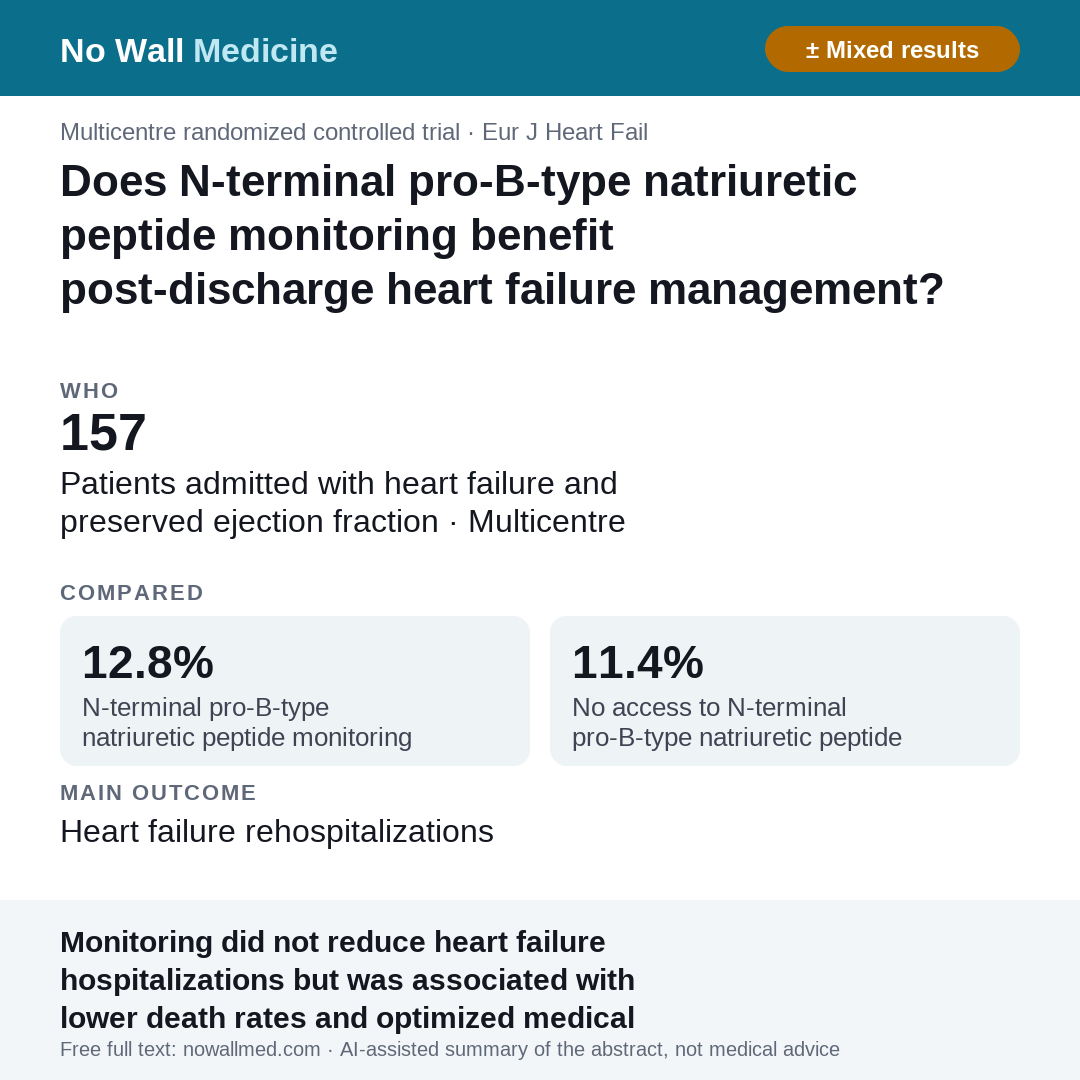
N-terminal pro-B-type natriuretic peptide post-discharge monitoring in the management of patients with heart failure and preserved ejection fraction - a randomized trial: The NICE study
Multicentre randomized controlled trialMixed results
Does N-terminal pro-B-type natriuretic peptide monitoring benefit post-discharge heart failure management?
Who
157
Patients admitted with heart failure and preserved ejection fraction · Multicentre
Compared
12.8%N-terminal pro-B-type natriuretic peptide monitoring
11.4%No access to N-terminal pro-B-type natriuretic peptide
Main outcome
Heart failure rehospitalizations
Result: hazard ratio 1.15 (95% CI 0.47-2.81)
Bottom line: Monitoring did not reduce heart failure hospitalizations but was associated with lower death rates and optimized medical therapies.
Eur J Heart Fail · 2024-04-12Download image
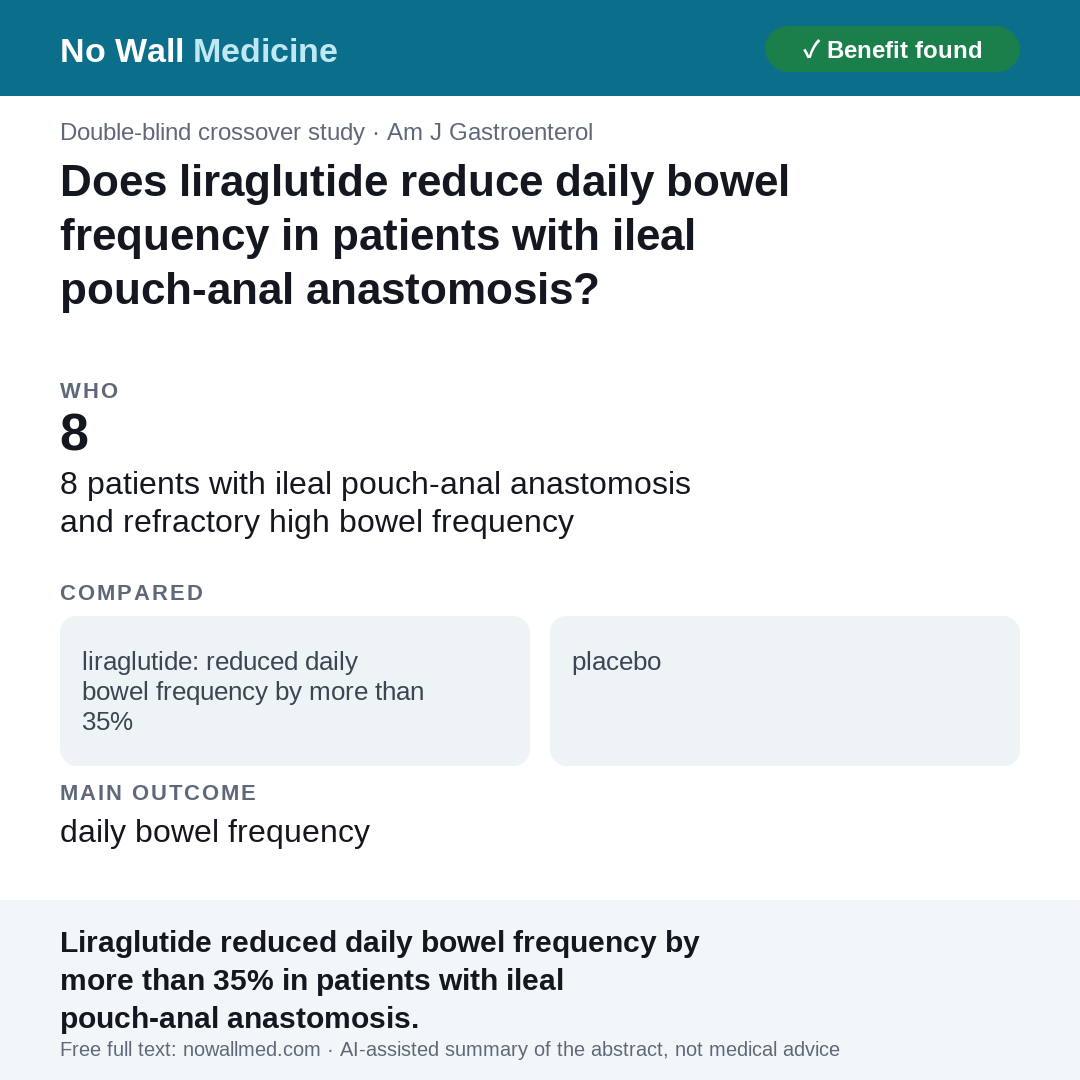
Efficacy and Safety of Liraglutide in Patients With an Ileal Pouch-Anal Anastomosis and Chronic High Bowel Frequency: A Placebo-Controlled, Crossover, Proof-of-Concept Study
Double-blind crossover studyBenefit found
Does liraglutide reduce daily bowel frequency in patients with ileal pouch-anal anastomosis?
Who
8
8 patients with ileal pouch-anal anastomosis and refractory high bowel frequency
Compared
liraglutide: reduced daily bowel frequency by more than 35%
placebo
Main outcome
daily bowel frequency
Bottom line: Liraglutide reduced daily bowel frequency by more than 35% in patients with ileal pouch-anal anastomosis.
Am J Gastroenterol · 2024-04-12Download image
Respiratory Syncytial Virus Prefusion F Vaccination: Antibody Persistence and Revaccination
Randomized trialBenefit found
What are the antibody persistence and safety of RSV prefusion F revaccination?
Who
263
Healthy adults aged 18 to 85 years
Compared
Initial RSVpreF vaccination: GMFRs 13.3 to 20.4 and 8.9 to 15.5
Revaccination: GMFRs 1.4 to 2.3 and 1.4 to 2.2
Main outcome
Geometric mean neutralizing titers for RSV-A and RSV-B
Bottom line: Respiratory syncytial virus prefusion F revaccination was immunogenic and well tolerated among adults.
J Infect Dis · 2024-04-12Download image